Current Issue

2026 Vol. 52, No. 3

Display Method:
Volume 3 Issue E-journal
Volume 52 Issue32026
iconDownload (75219) 146 iconPreview
Plastic gear’s research progress and direction
SHI Zhaoyao, XIN Dong
2026, 52(3): 627-642. doi: 10.13700/j.bh.1001-5965.2023.0788
Abstract:

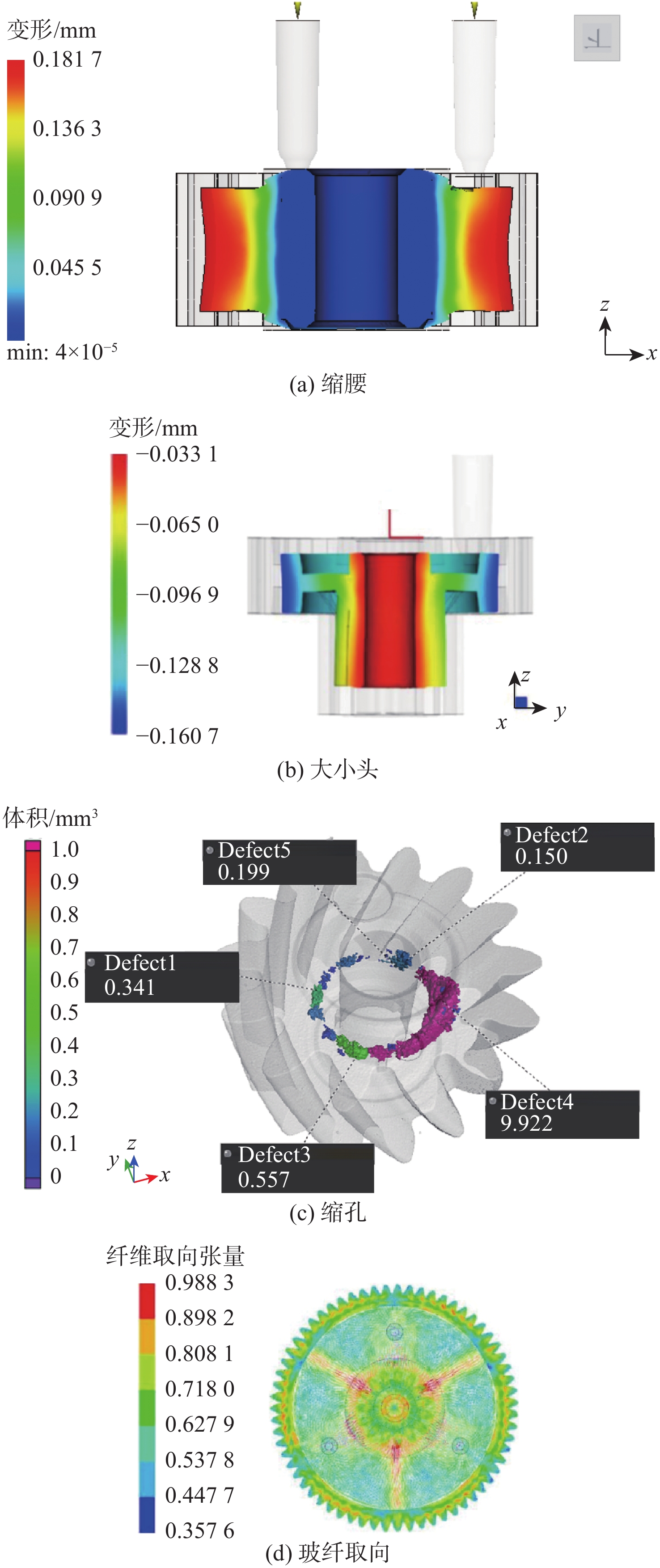
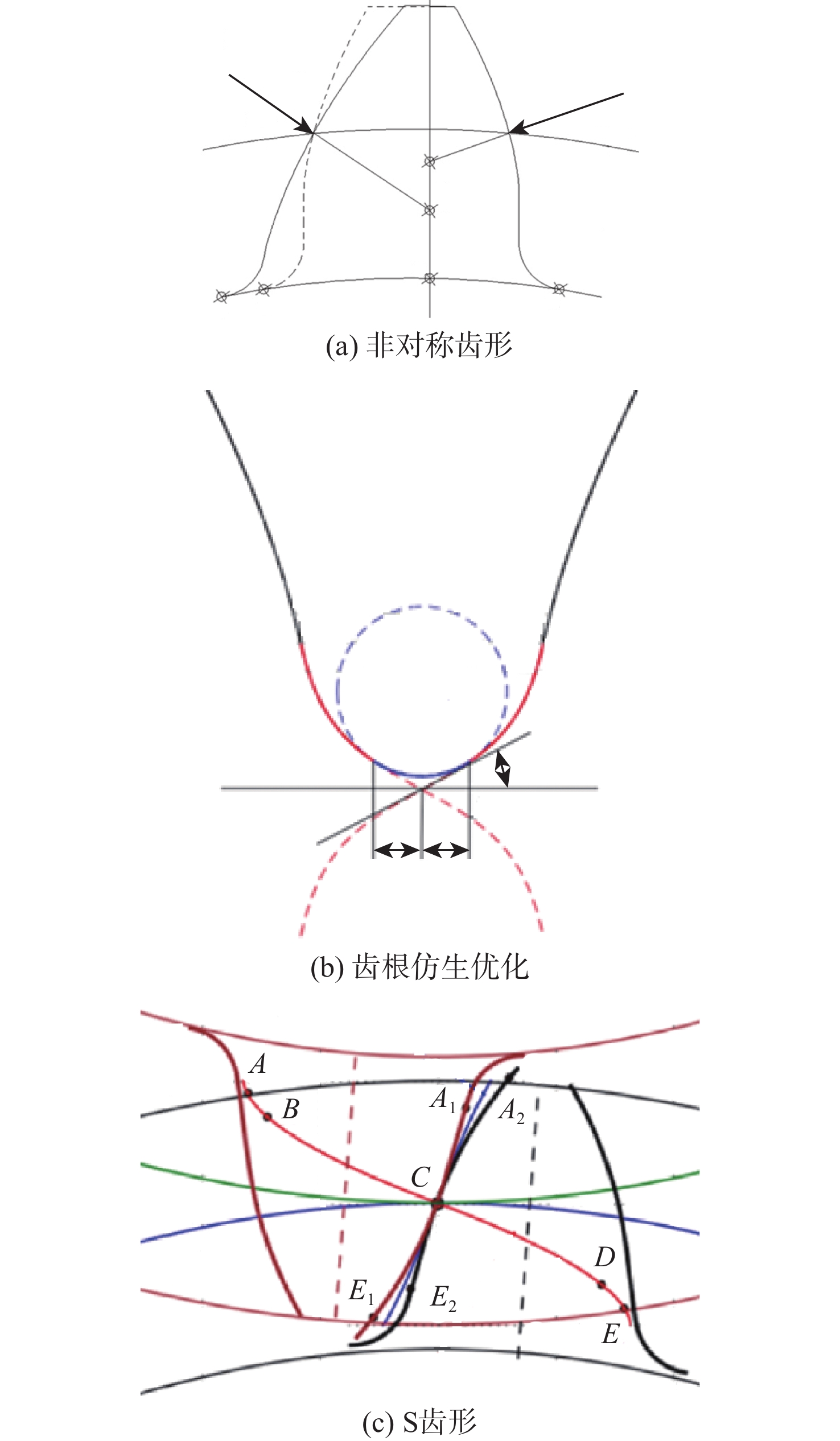
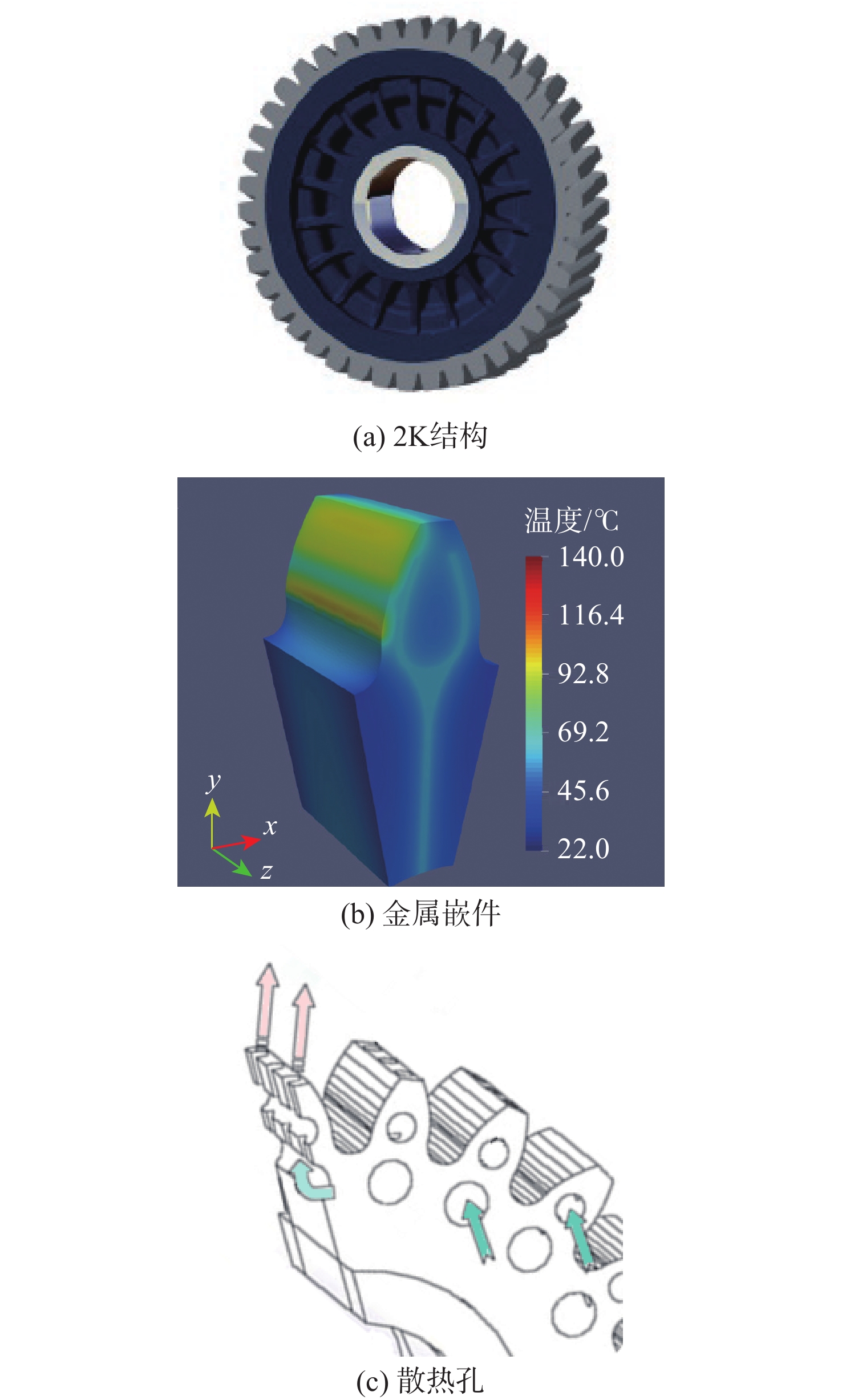
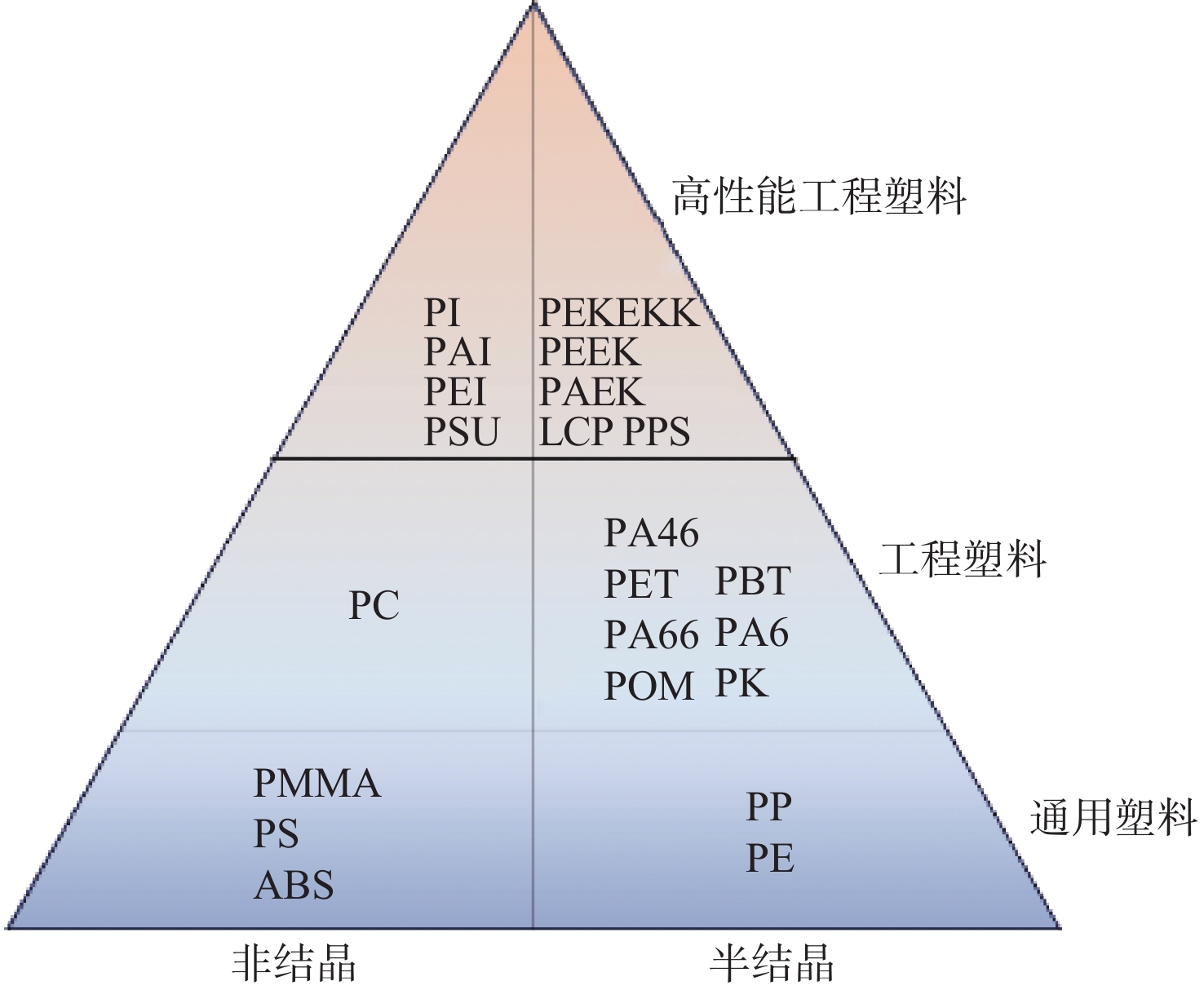
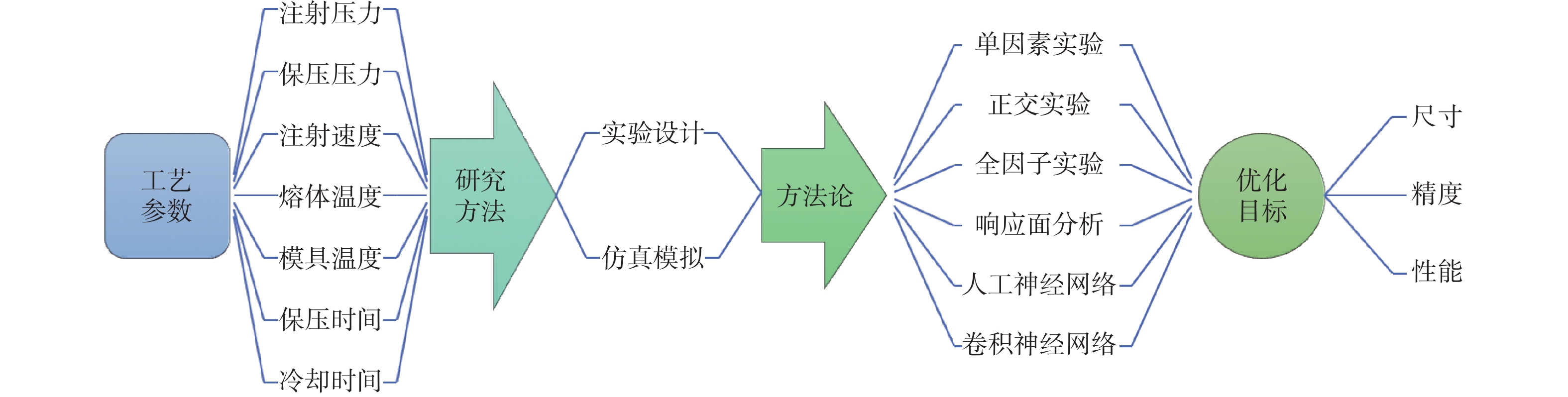
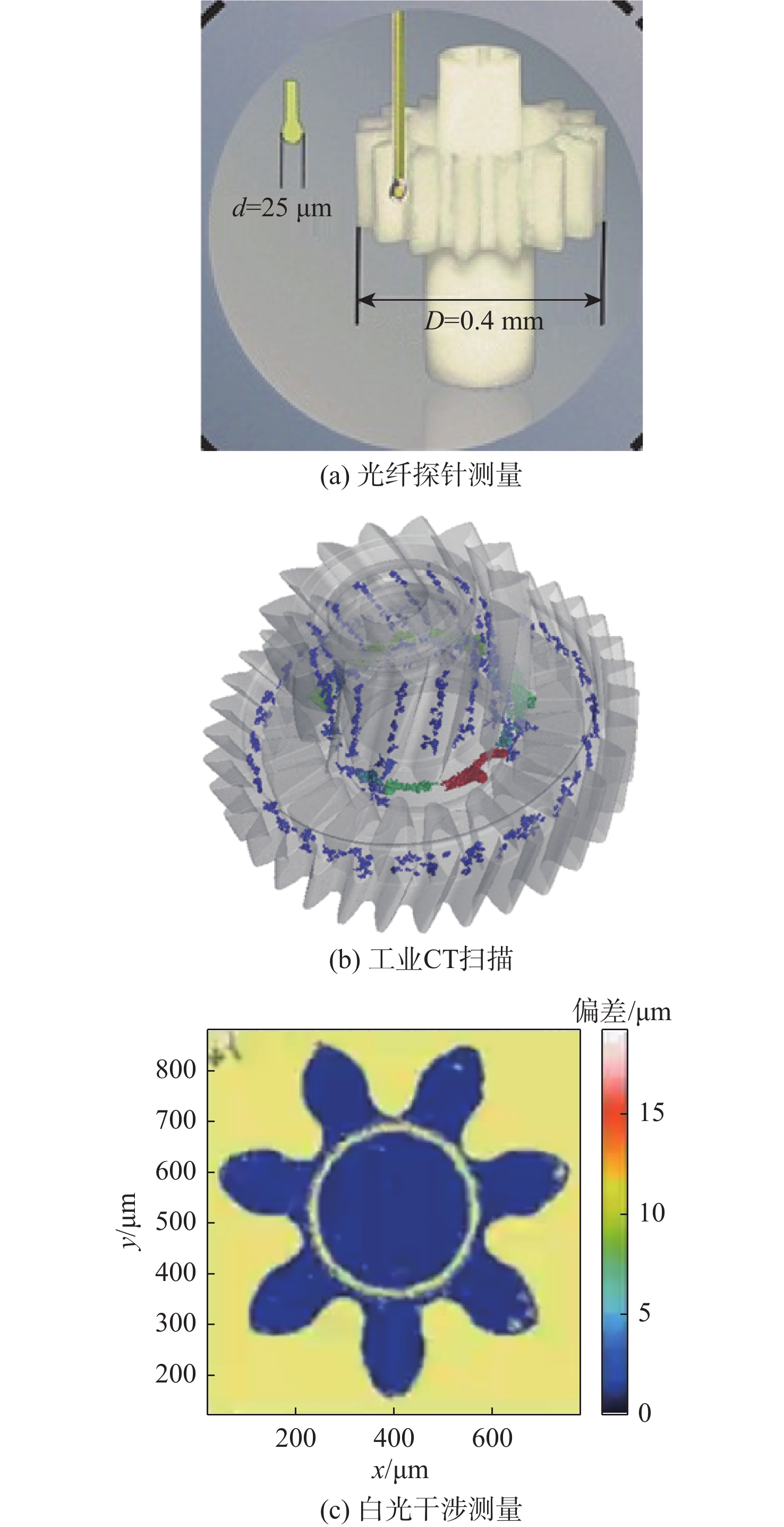
Plastic gears have many unique advantages, and have been widely used in smart household, automobile and various fields, domestic and foreign researchers have carried out many studies on the structural design, material characteristics and performances of plastic gears, and formed some standards. A brief overview of the history of plastic gears was given, and the most recent advancements in plastic gear research were presented. These included the pros and cons of plastic gears, creative profile and structure designs, material modifications and applications, injection molding process optimization, new measurement techniques, performance testing and evaluation, and the creation of plastic gear standardization. It’s concluded that plastic gear is at an important stage of development, comprehensive performance improvement by new structure design and material applications well as carrying out more deep experimental researches to accurately grasp their behavior and performance are the directions of future plastic gear researches.

Integrating topography parameters for soil moisture retrieval using CYGNSS on the Qinghai-Tibet Plateau
ZHANG Yun, SHI Liyun, YANG Shuhu, PAN Haiyan, HAN Yanling, HONG Zhonghua
2026, 52(3): 643-654. doi: 10.13700/j.bh.1001-5965.2023.0789
Abstract:

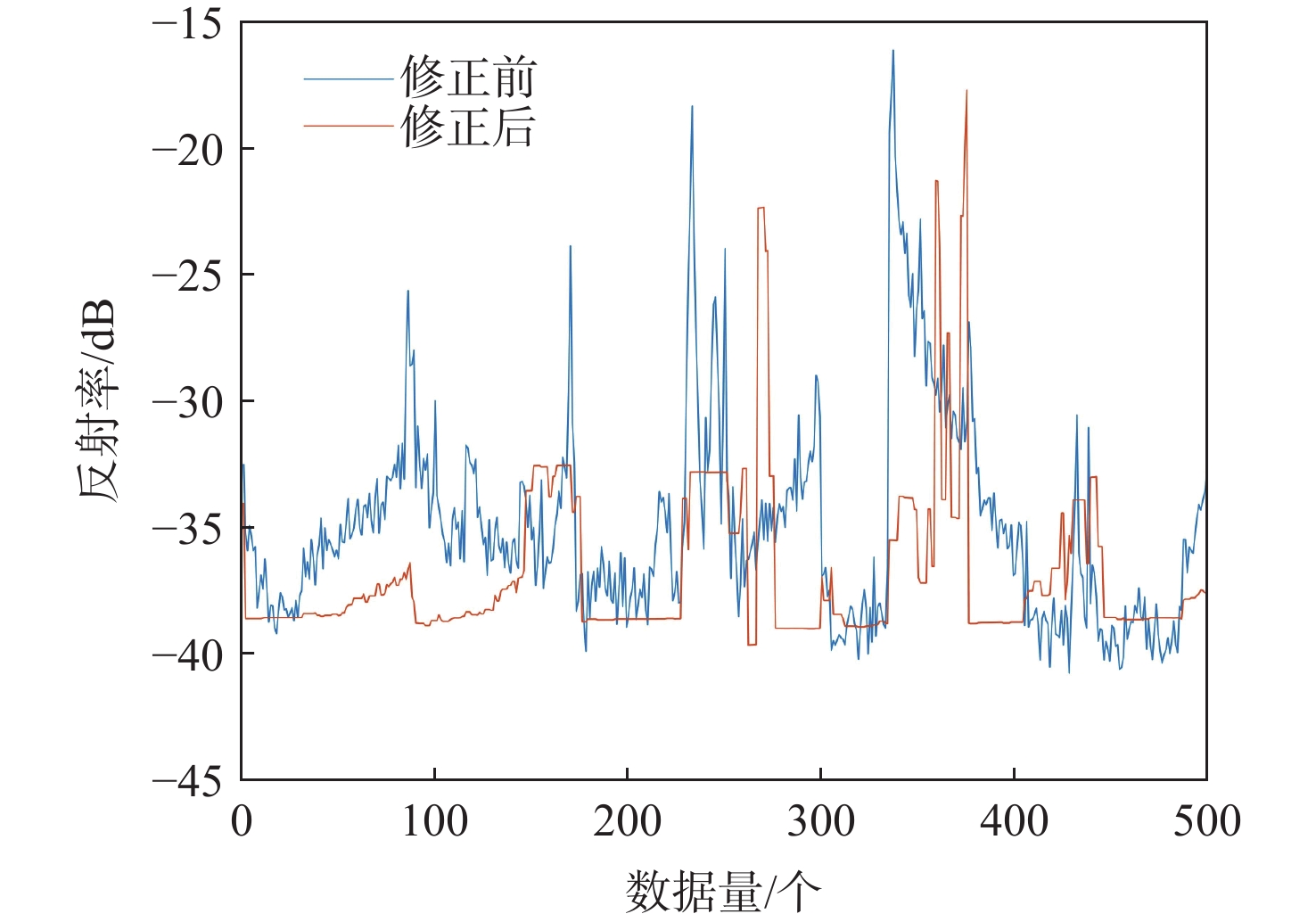
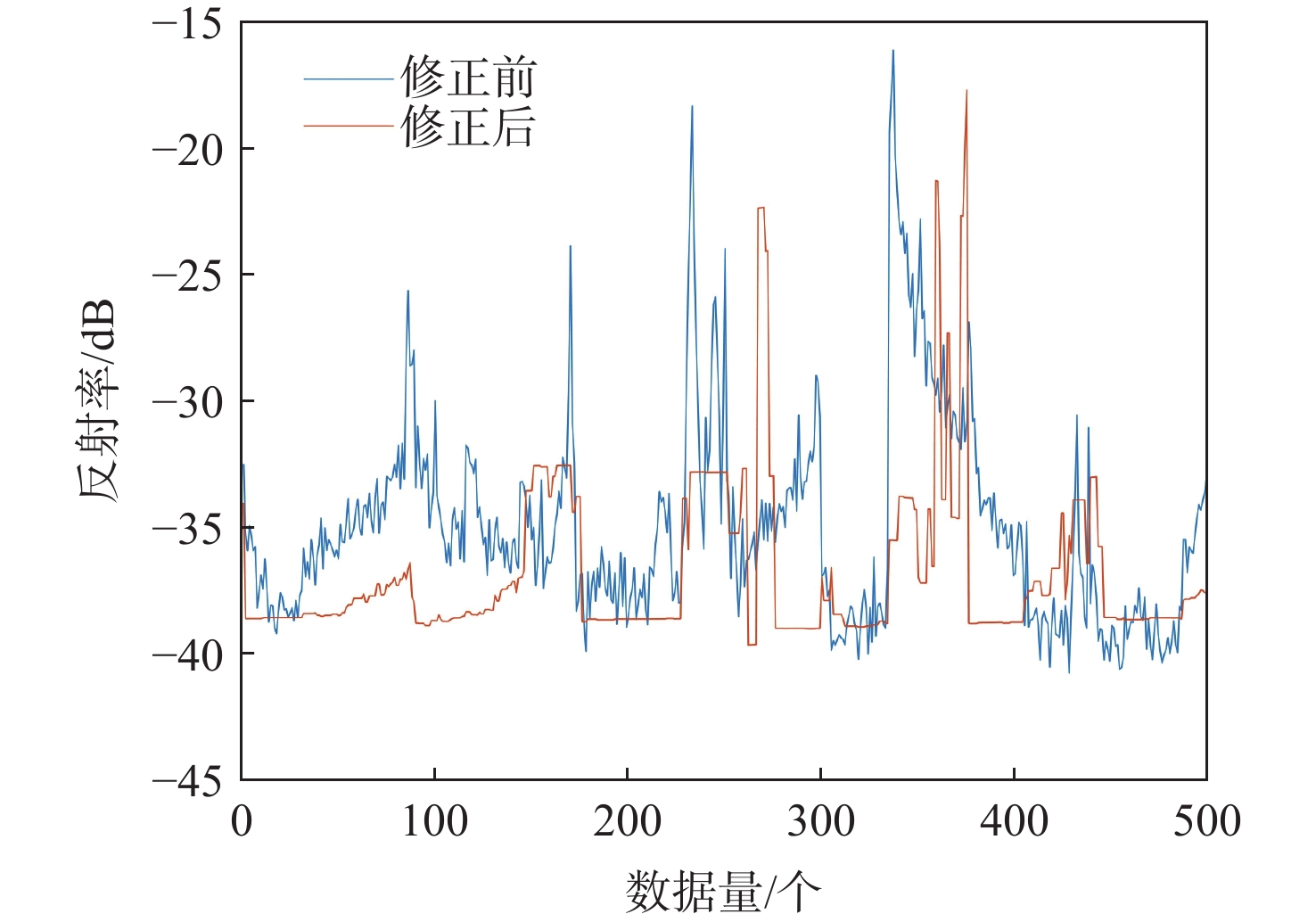
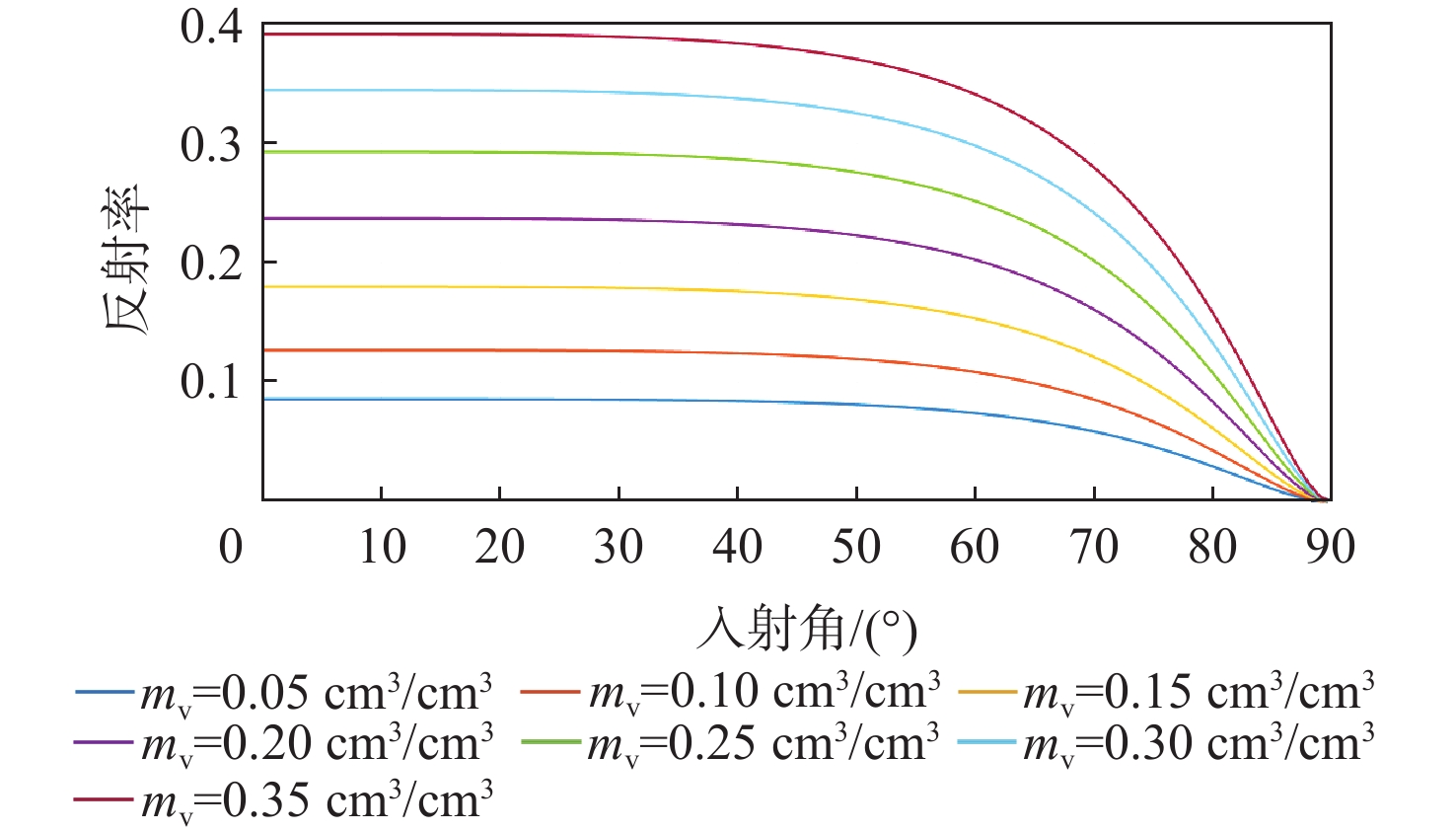
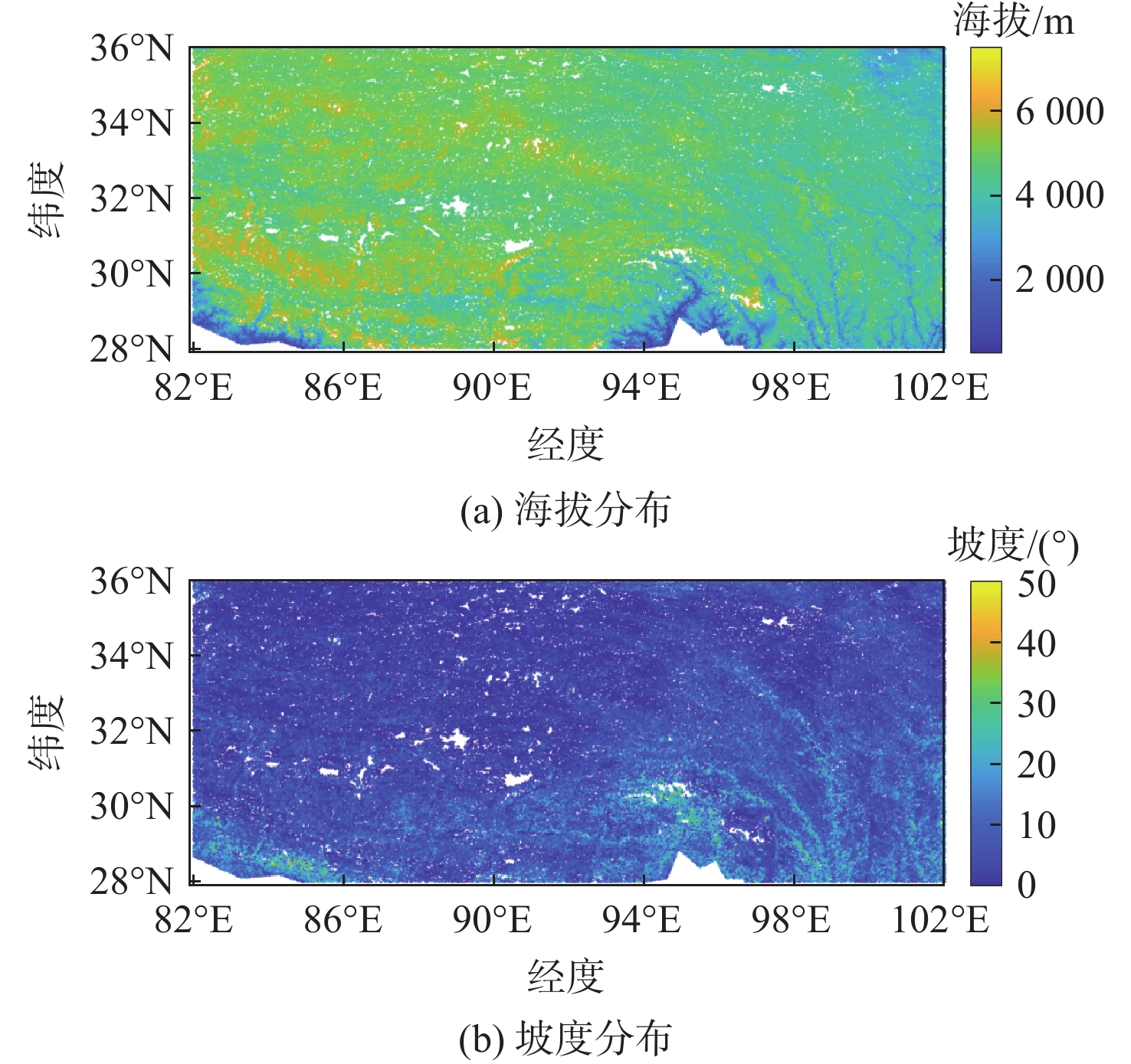
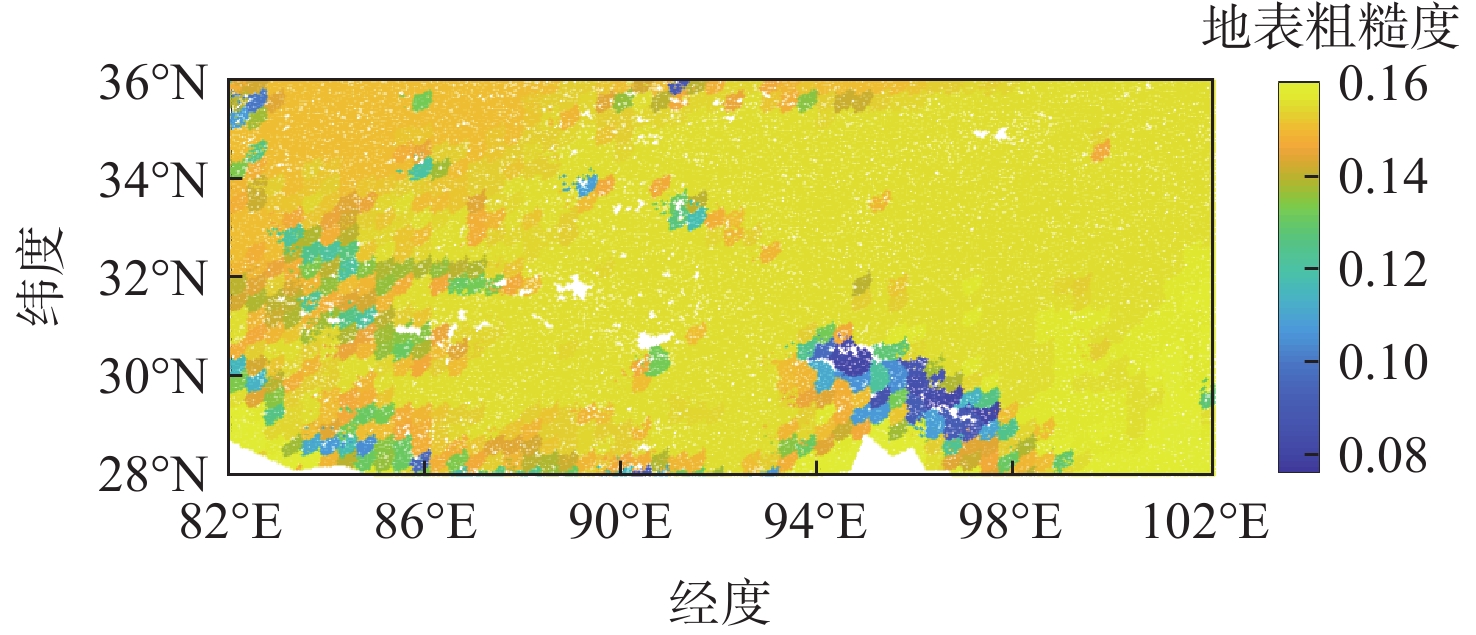
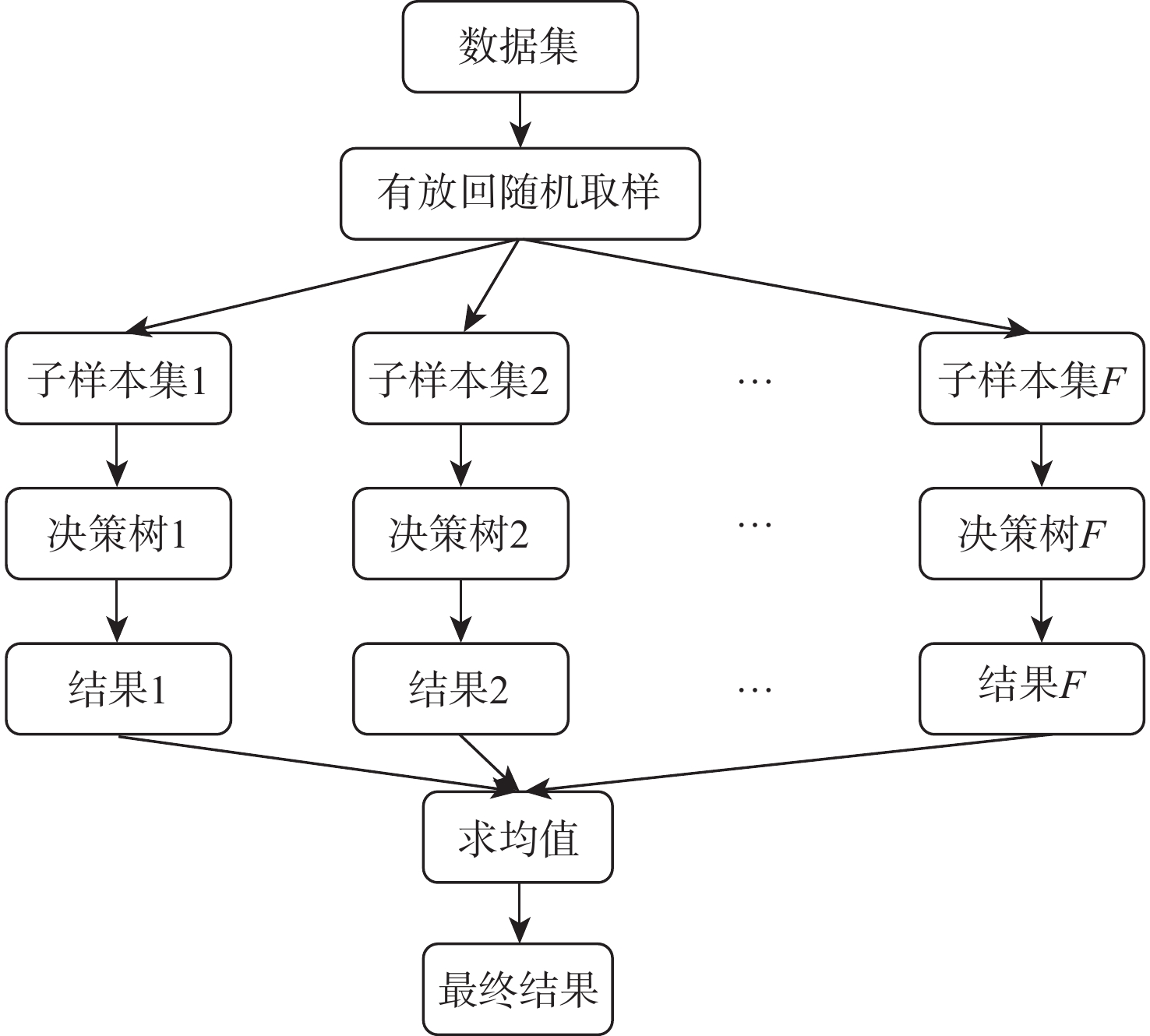
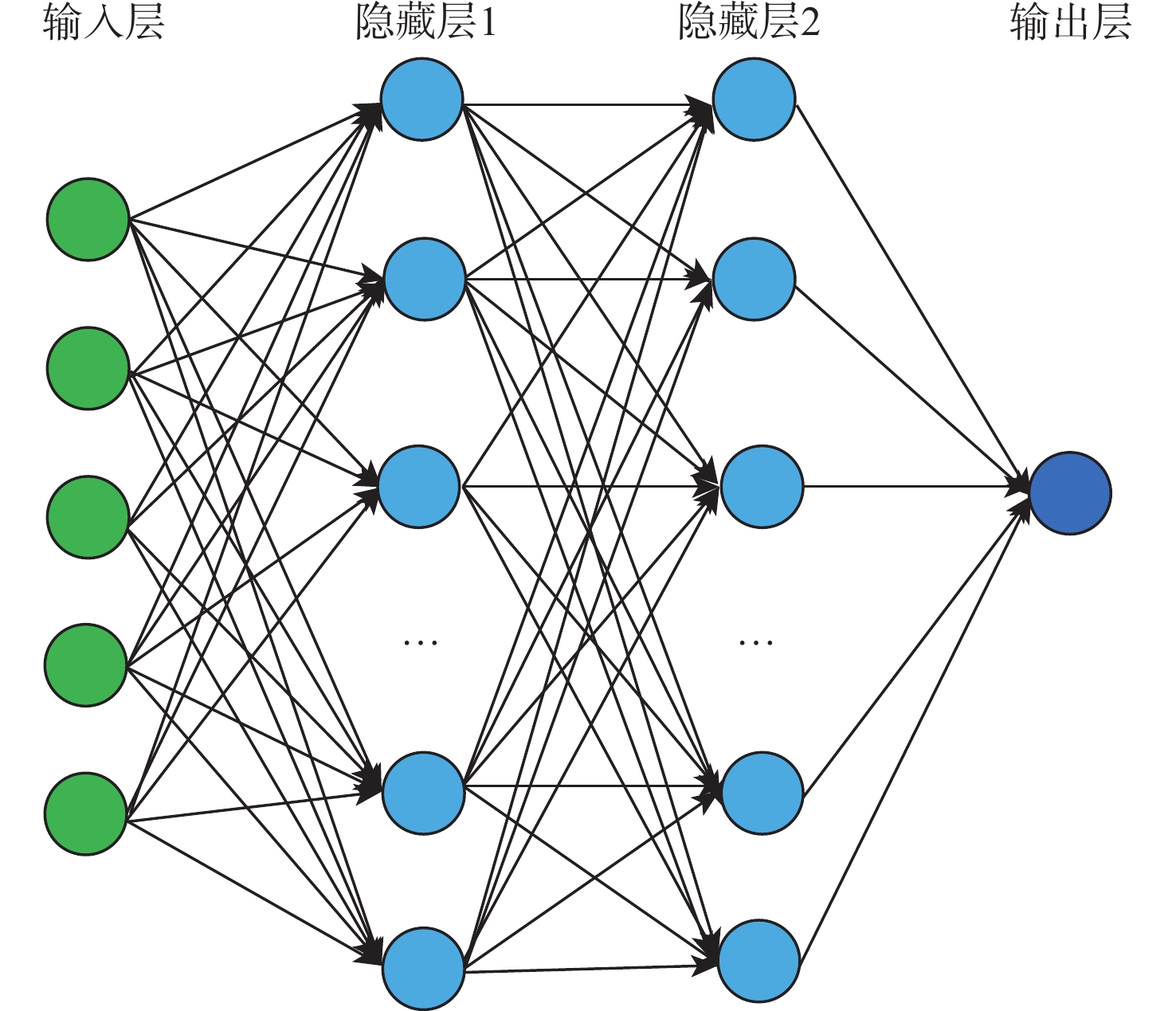
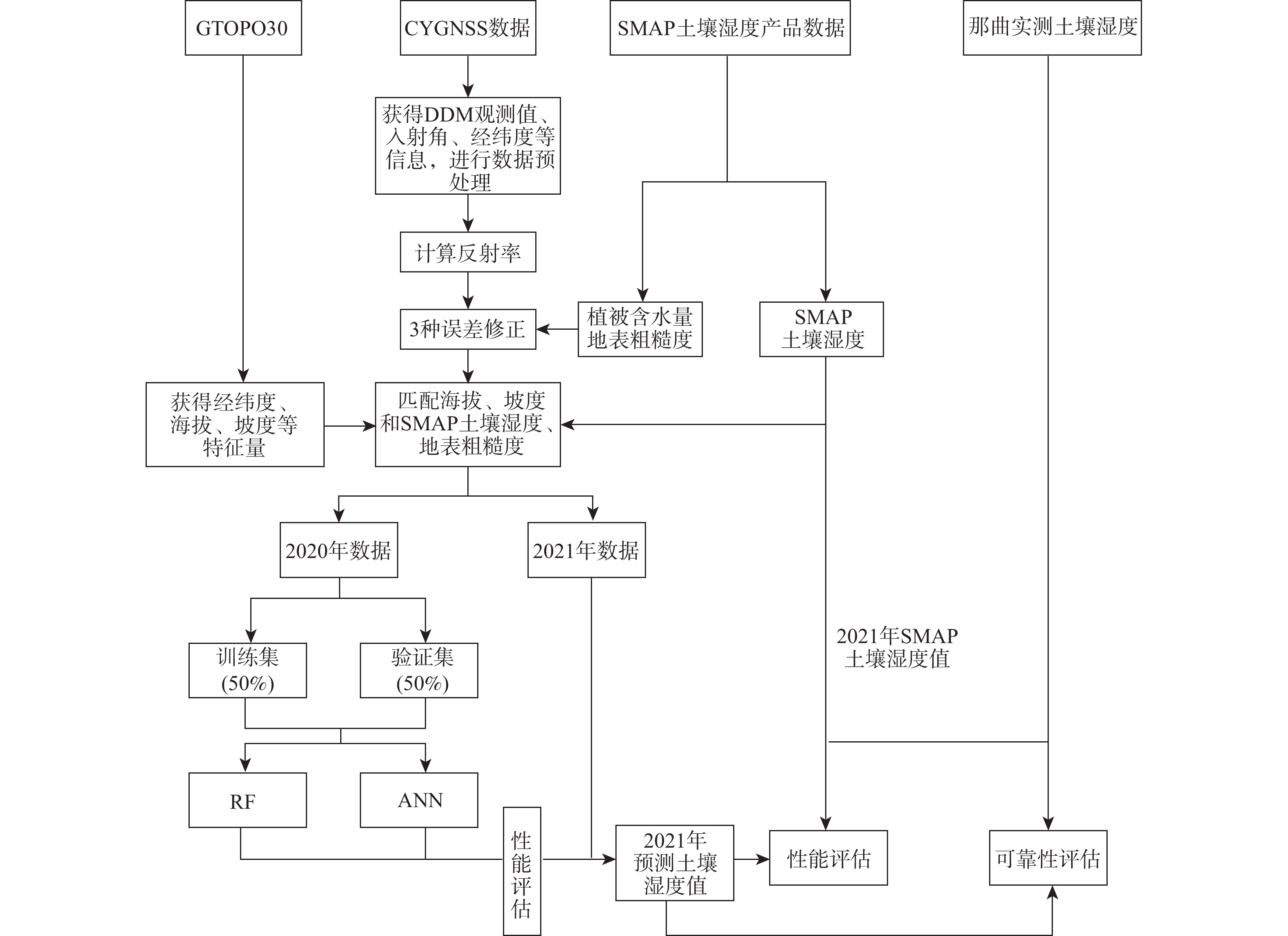
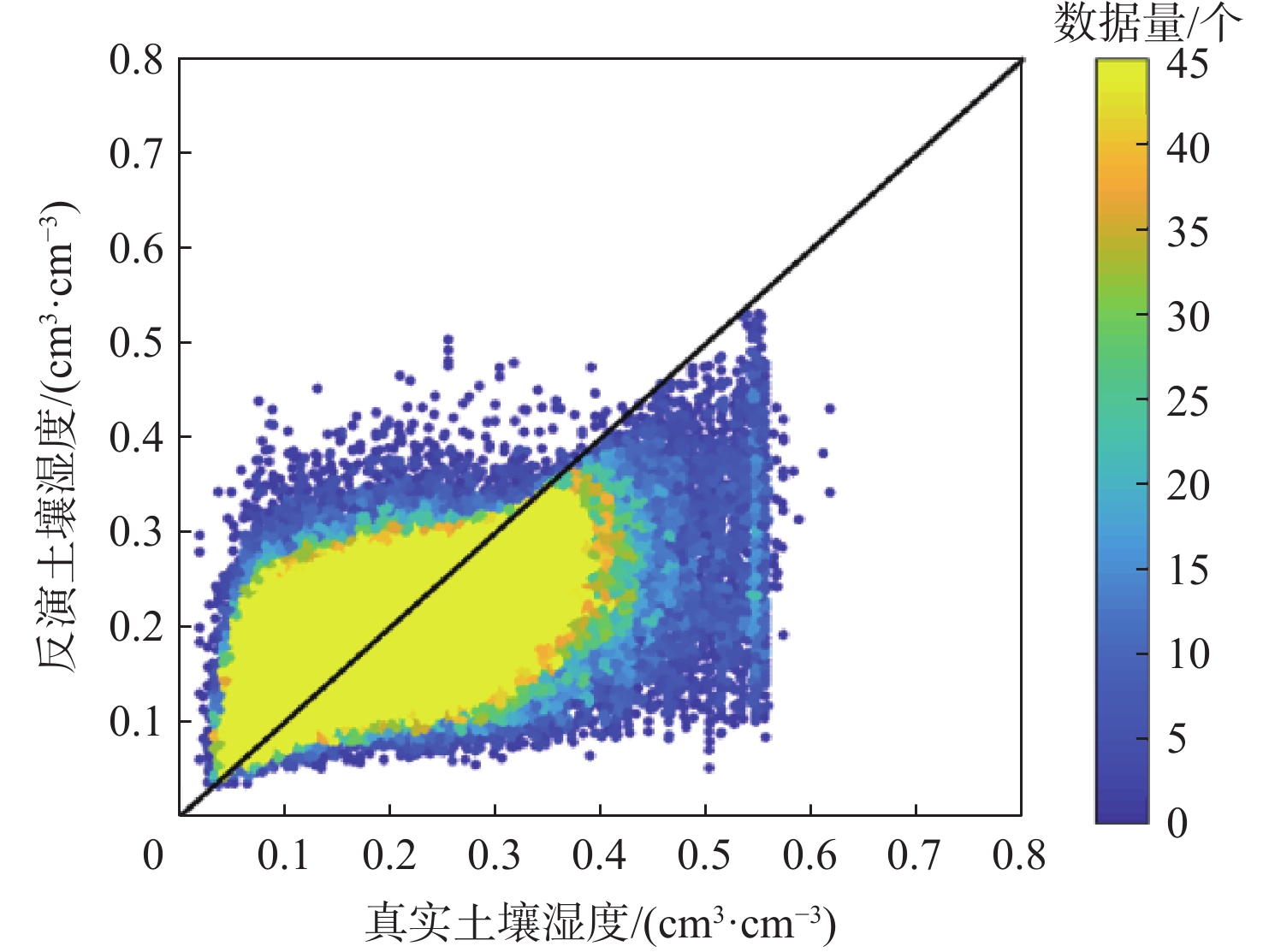
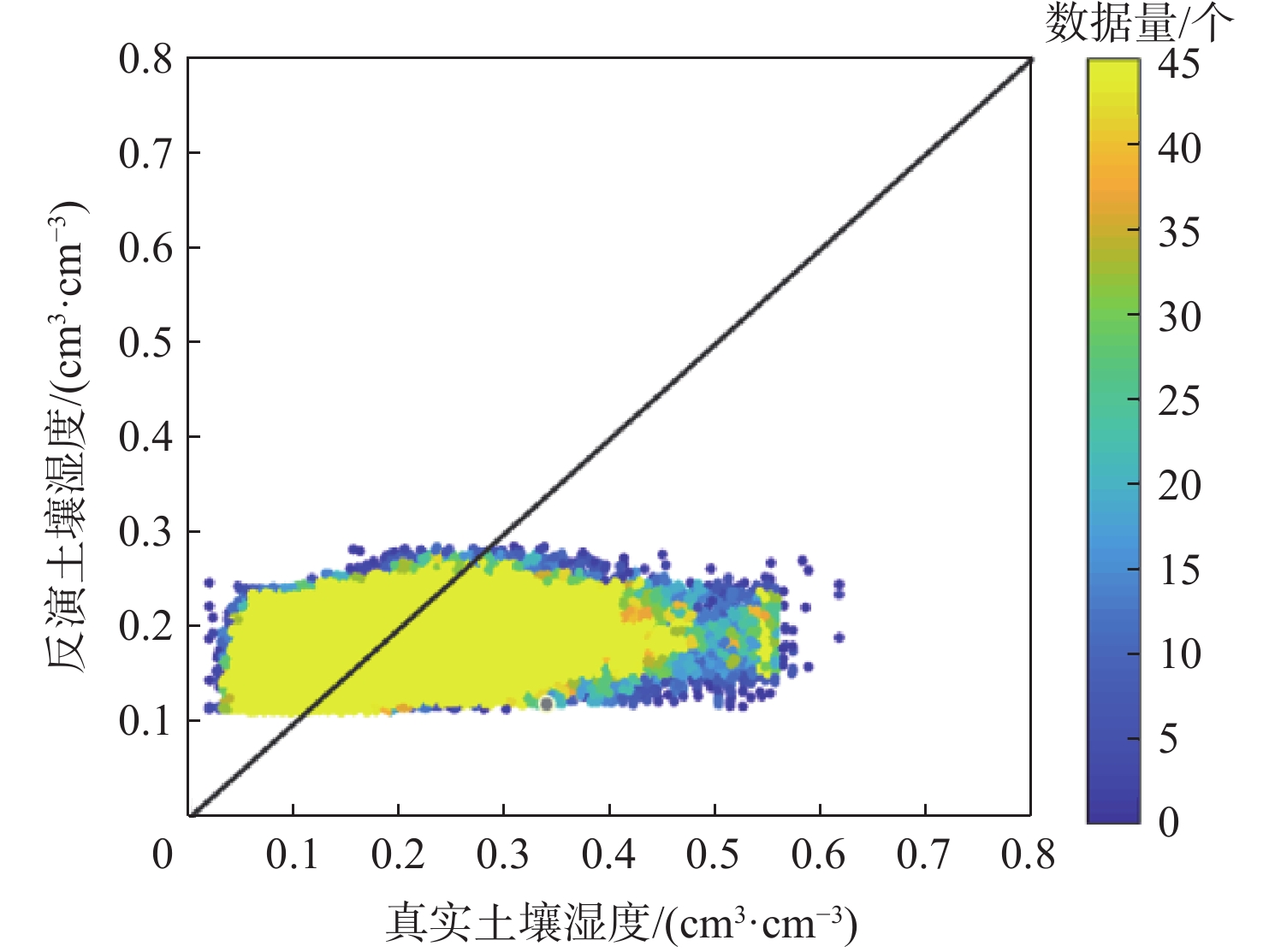
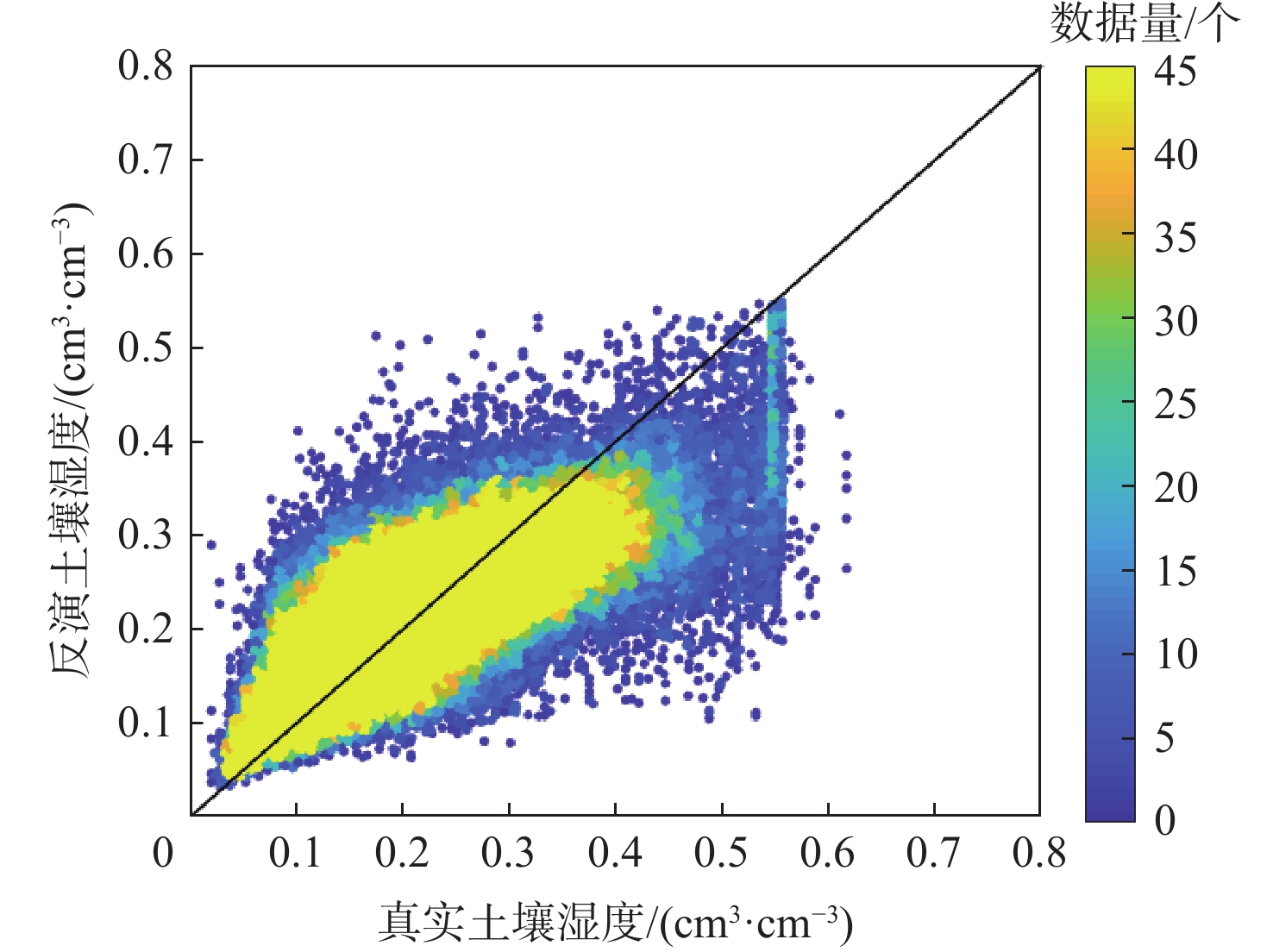
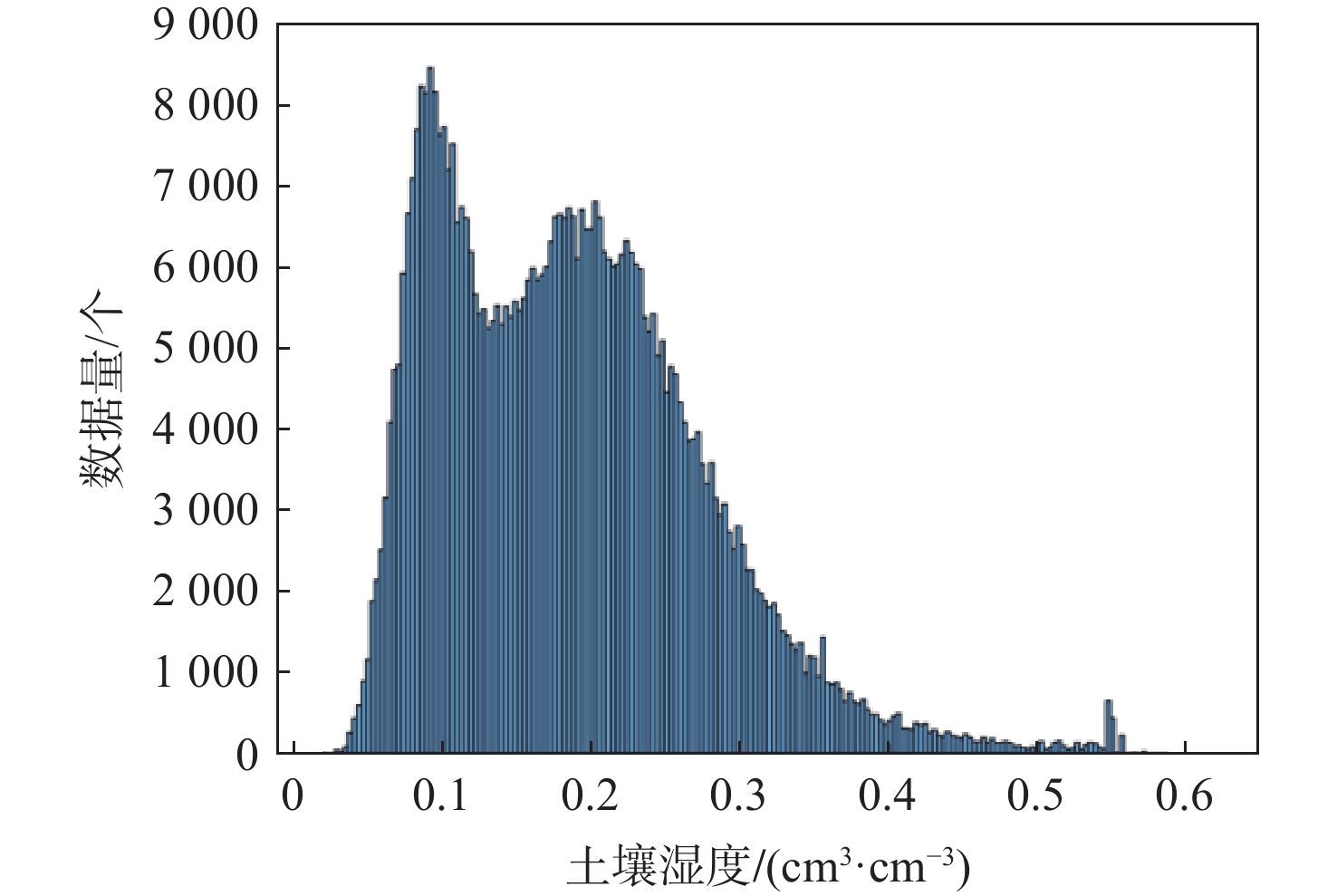
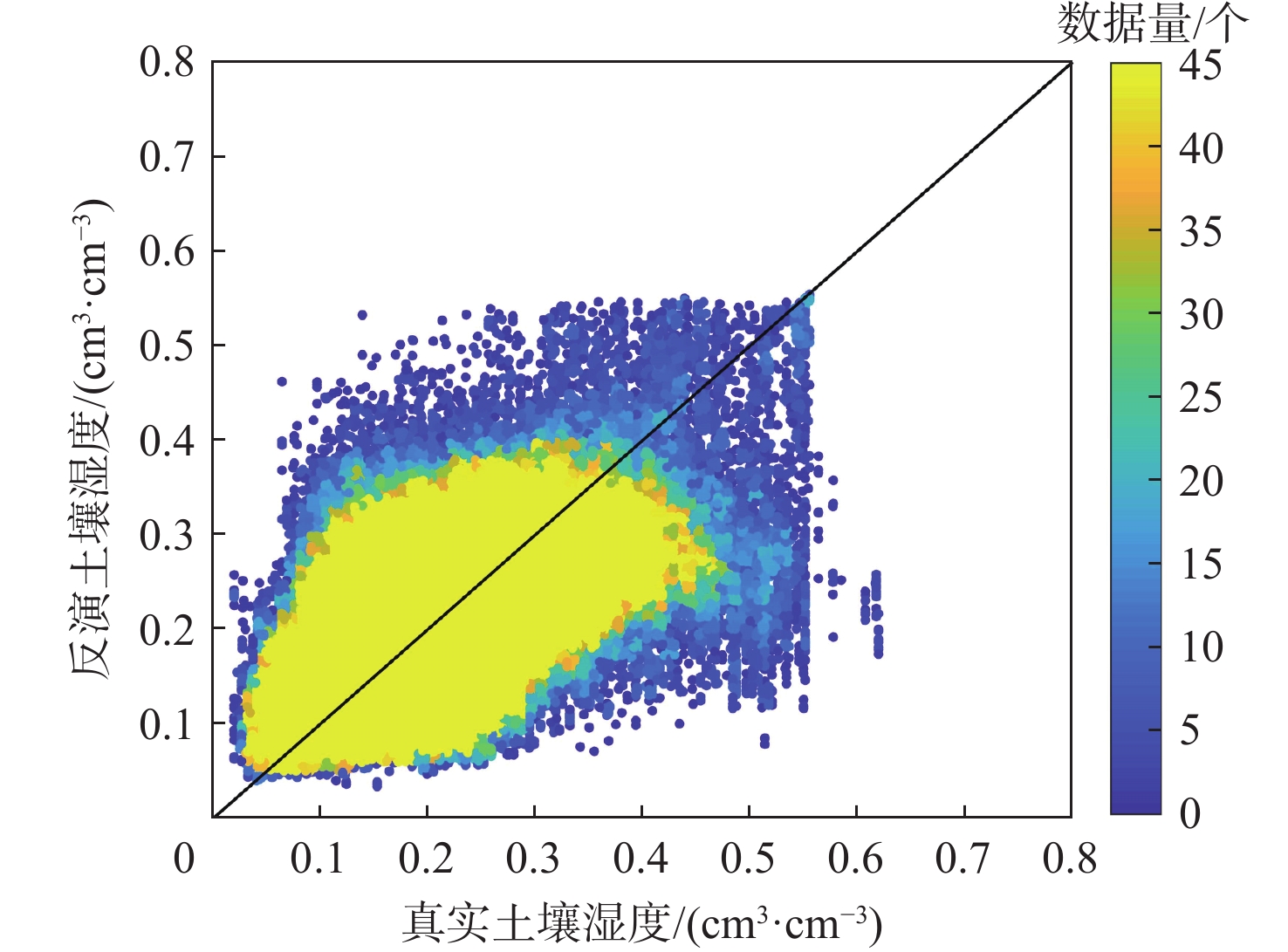
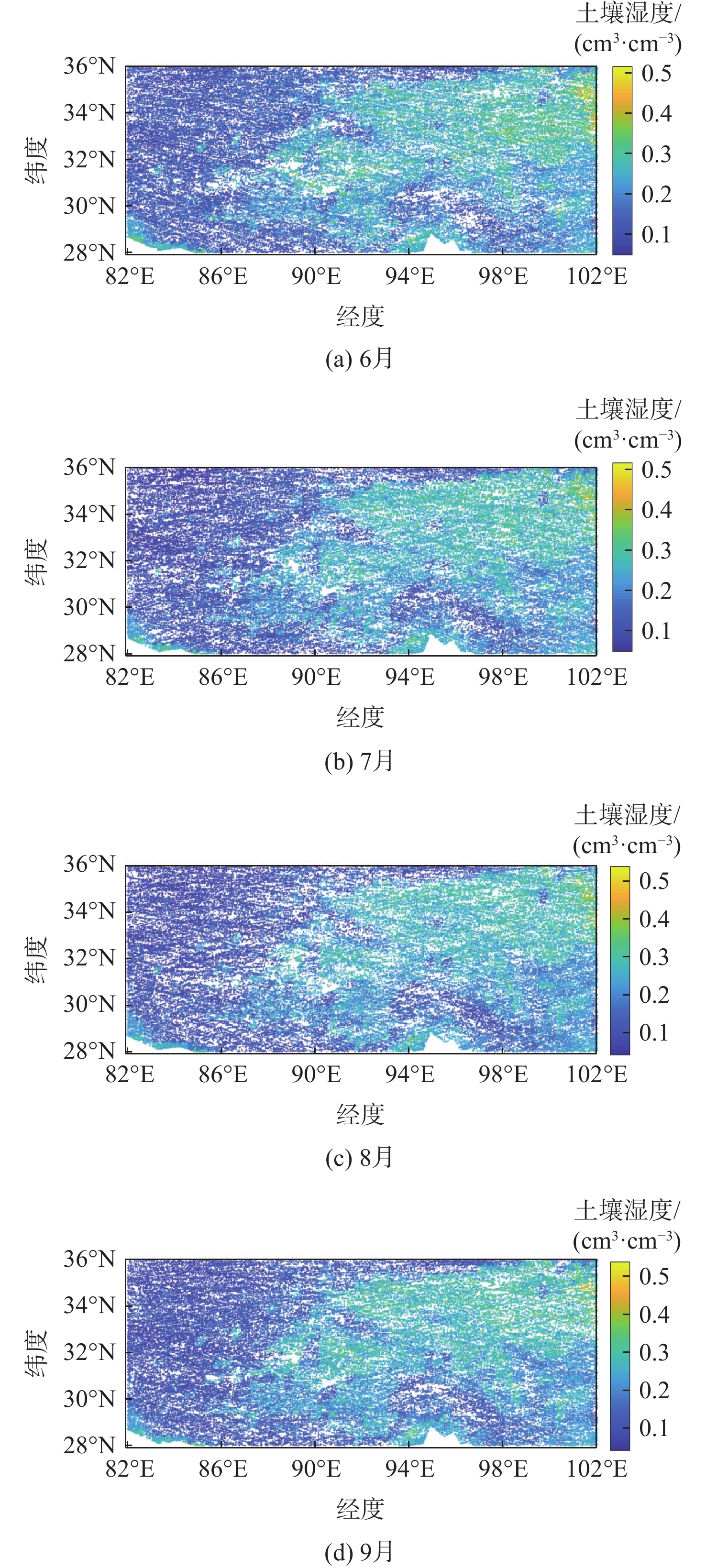
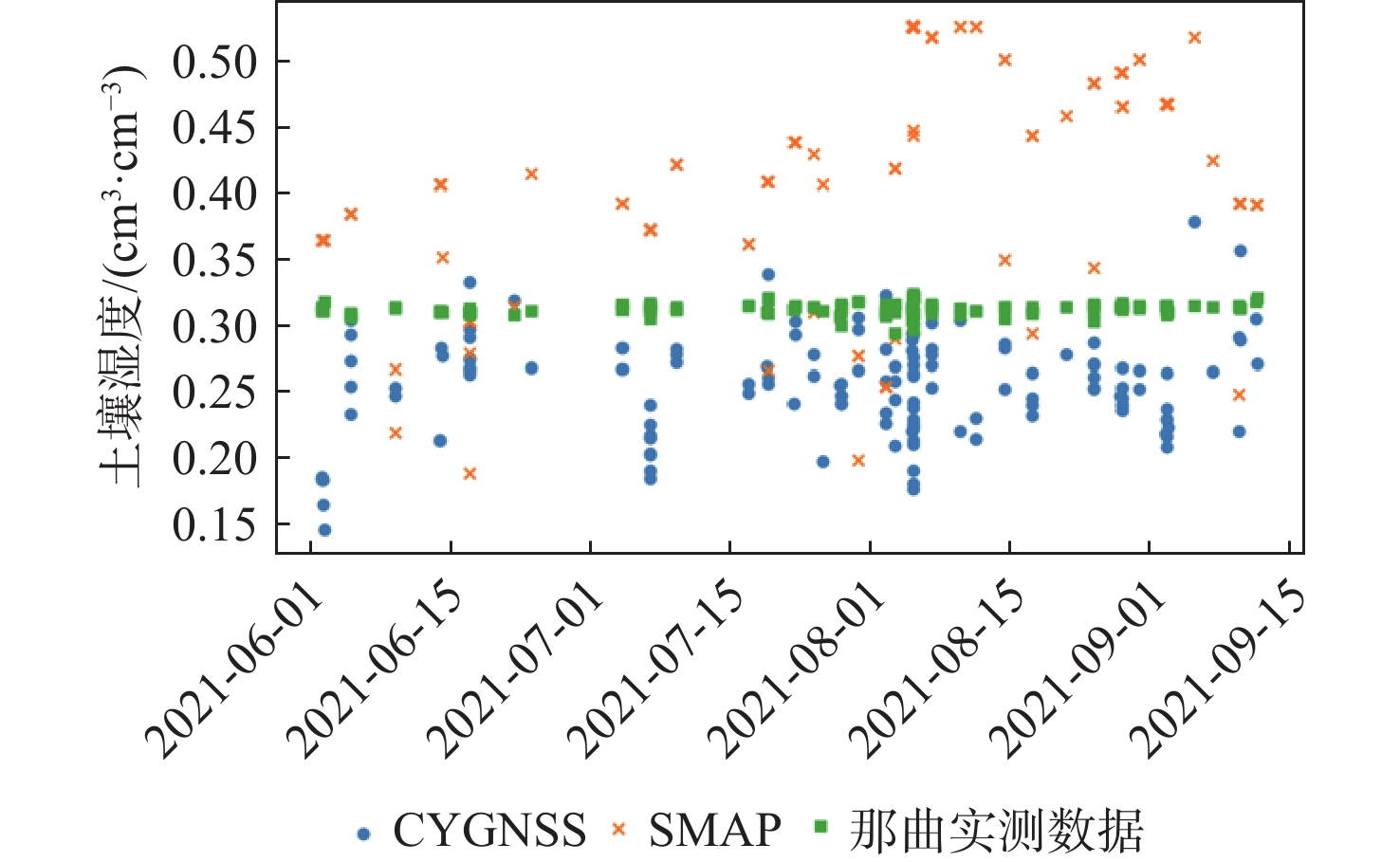
The soil moisture of the Qinghai-Tibet Plateau plays a crucial role in global atmospheric circulation and climate change. The cyclone global navigation satellite system (CYGNSS), utilizing global navigation satellite system reflectometry (GNSS-R), provides a novel method to monitor soil moisture on the Qinghai-Tibet Plateau; however, the complex topographic environment of the plateau hinders the direct use of CYGNSS reflectivity for soil moisture retrieval. This paper proposes a spaceborne GNSS-R soil moisture machine learning inversion model, which integrates five characteristic parameters: corrected CYGNSS reflectivity, CYGNSS incident angle, and terrain parameters (elevation, slope, surface roughness). First, the CYGNSS reflectance is corrected for two aspects: systematic errors in transmit power, and attenuation induced by surface vegetation and surface roughness. Then, the corrected reflectivity (along with the other four aforementioned parameters) is adopted as input feature quantities, and SMAP soil moisture data is used for model verification. For data partitioning, the 2020 thaw period (June–September) data are randomly split into a training set and a verification set at a 5∶5 ratio. On this basis, two soil moisture inversion models (random forest (RF) and artificial neural network (ANN)) are established specifically for the Qinghai-Tibet Plateau. Use the data from the 2021 thaw period as a test set to examine the generalization ability of the model. The results of the random forest model are better than the artificial neural network model, the inversion result yielding a root mean square error (RMSE) of 0.0586 $ \text{c}{\text{m}}^{\text{3}}\text{/c}{\text{m}}^{\text{3}} $ and Pearson correlation coefficient of 0.7033 on the test set. The model exhibits strong generalization performance: the spatial variation of the inverted soil moisture is consistent with the spatial variation trend of precipitation over the Qinghai-Tibet Plateau. Finally, a comparison between the CYGNSS-derived soil moisture and the in-situ measured soil moisture (from Naqu) shows high accuracy, with a RMSE of 0.070 cm3/cm3. The research results show that the inversion model, which integrates corrected CYGNSS reflectance, CYGNSS incident angle, and topography parameters, achieves a more accurate invert of soil moisture in a large range of the Qinghai-Tibet Plateau.

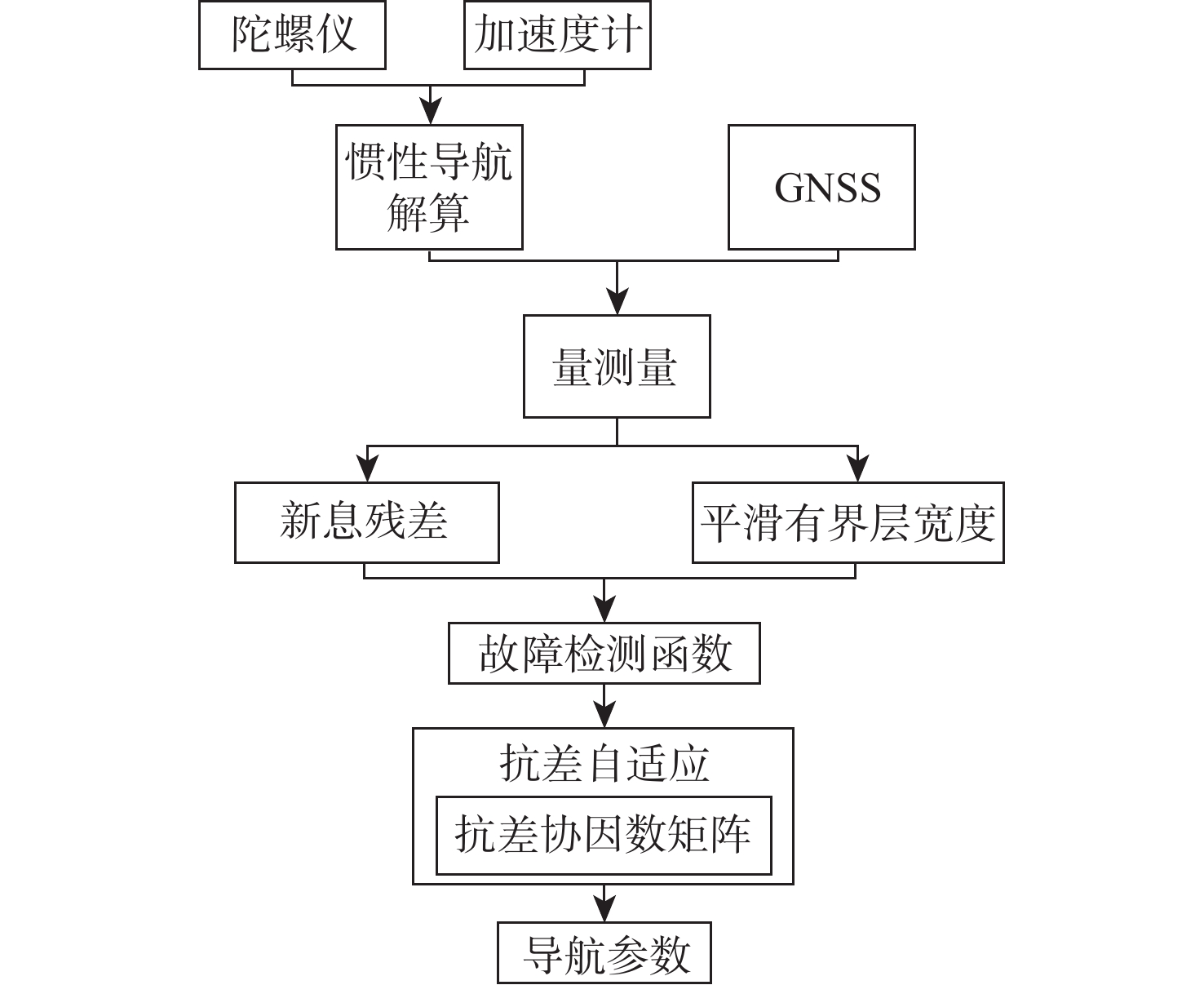
A GNSS/SINS fault detection and robust adaptive algorithm based on two parameters
ZHAO Guiling, WANG Jinbao, JIANG Zihao, GAO Shuai
2026, 52(3): 655-667. doi: 10.13700/j.bh.1001-5965.2023.0822
Abstract:

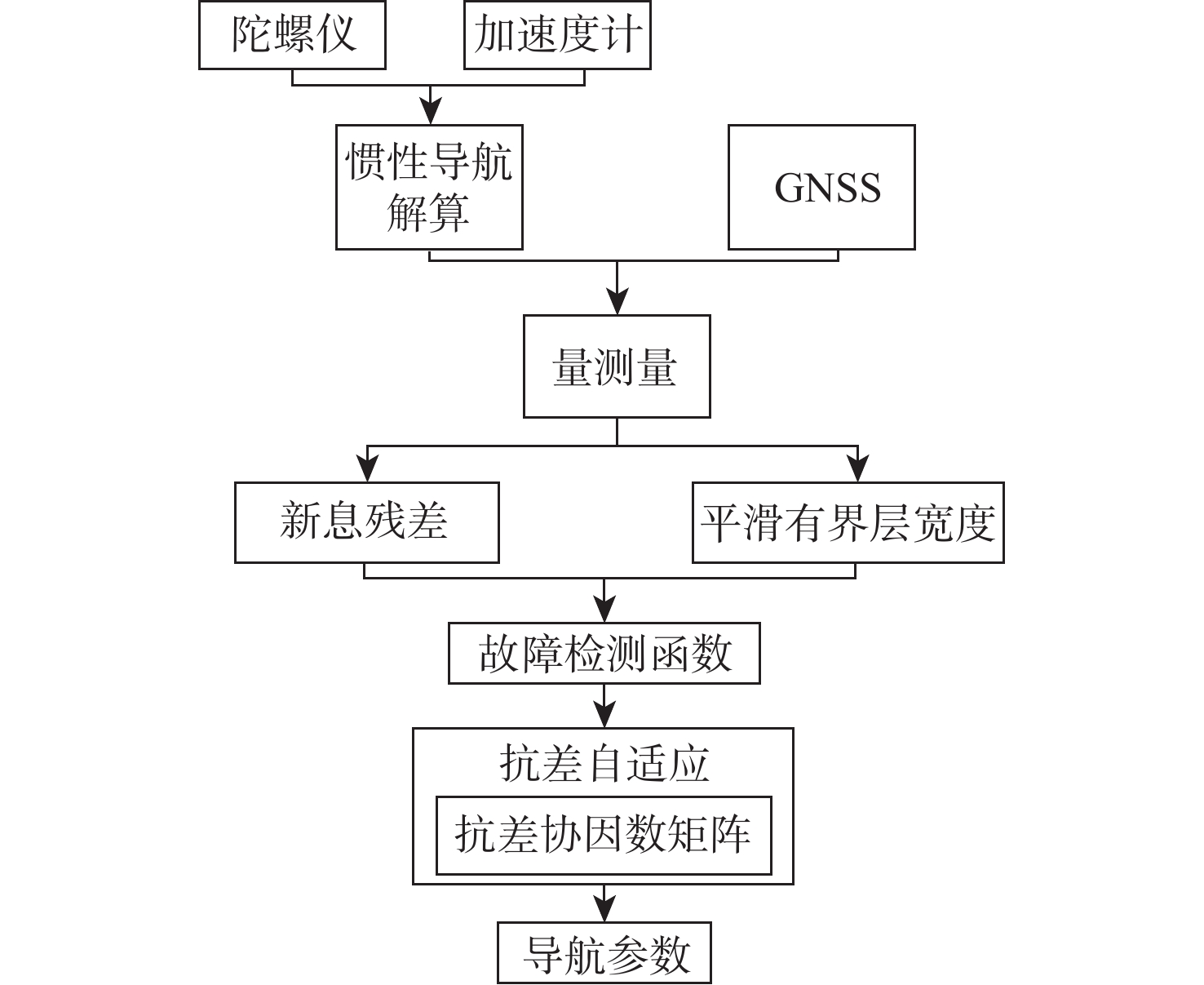
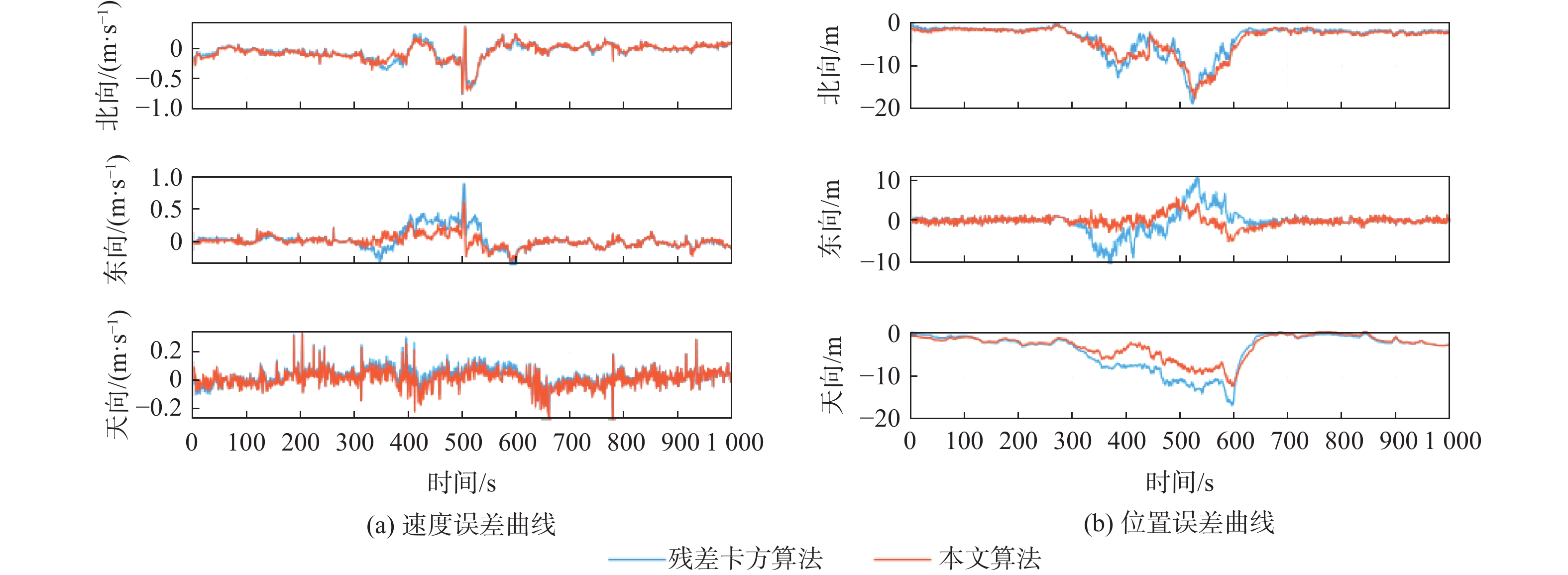
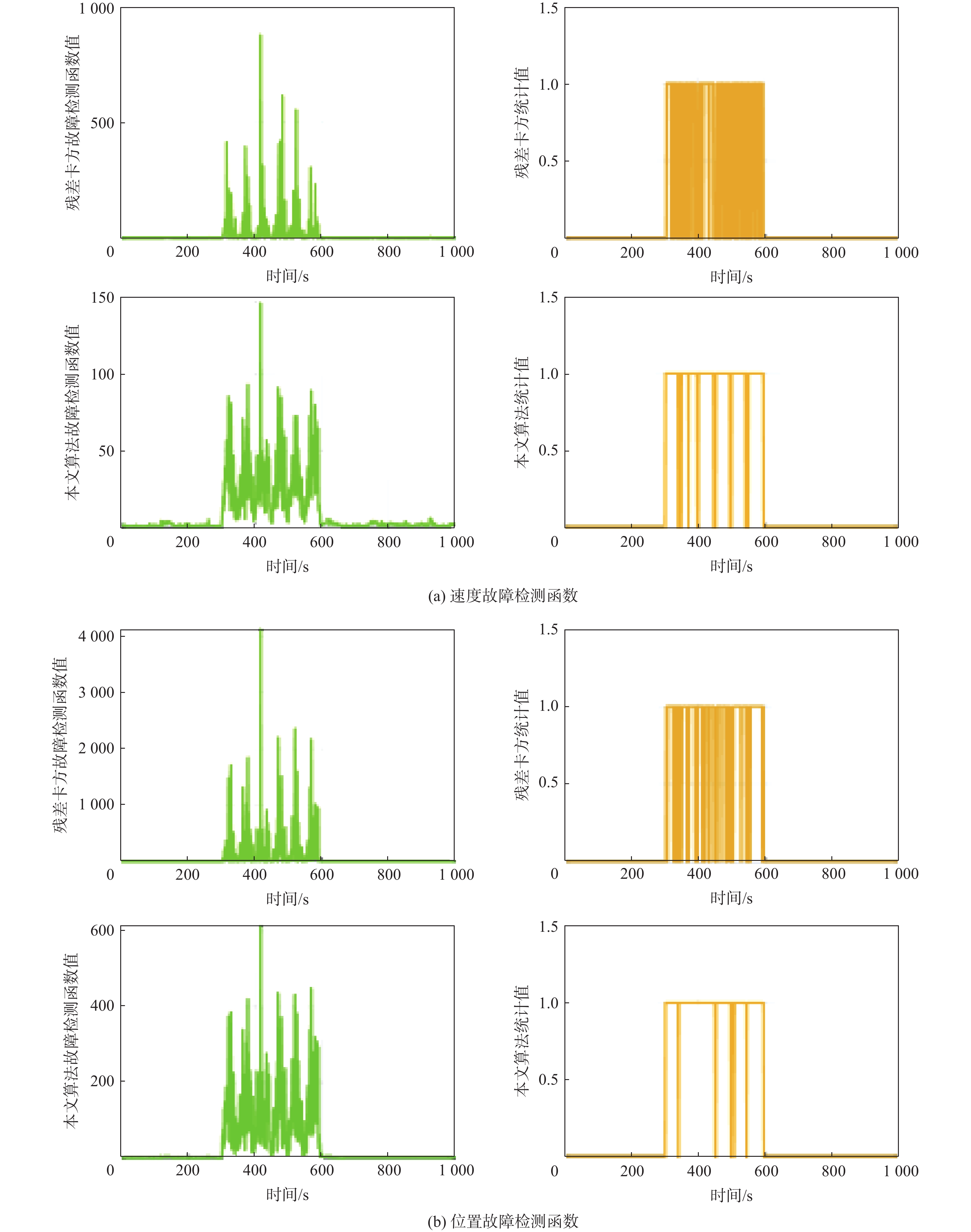
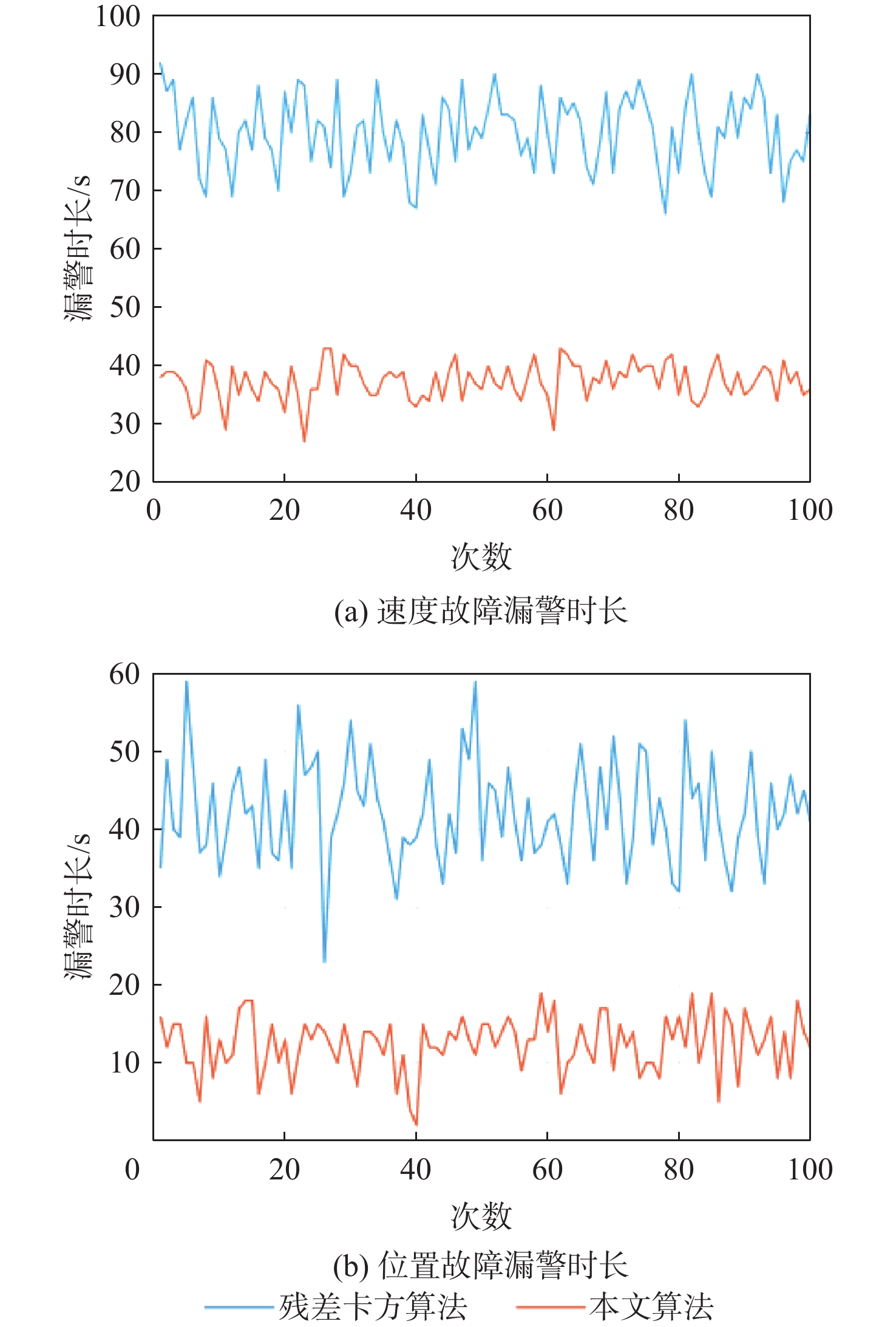
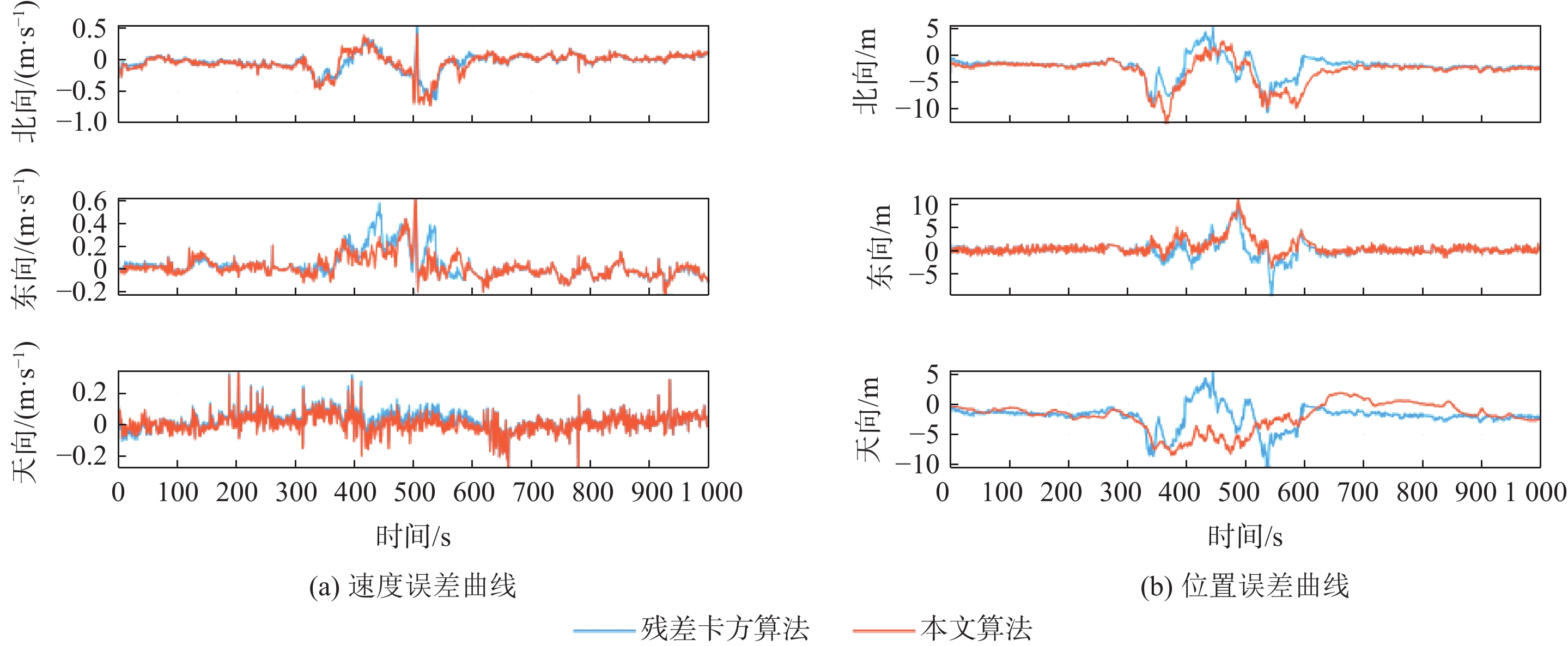
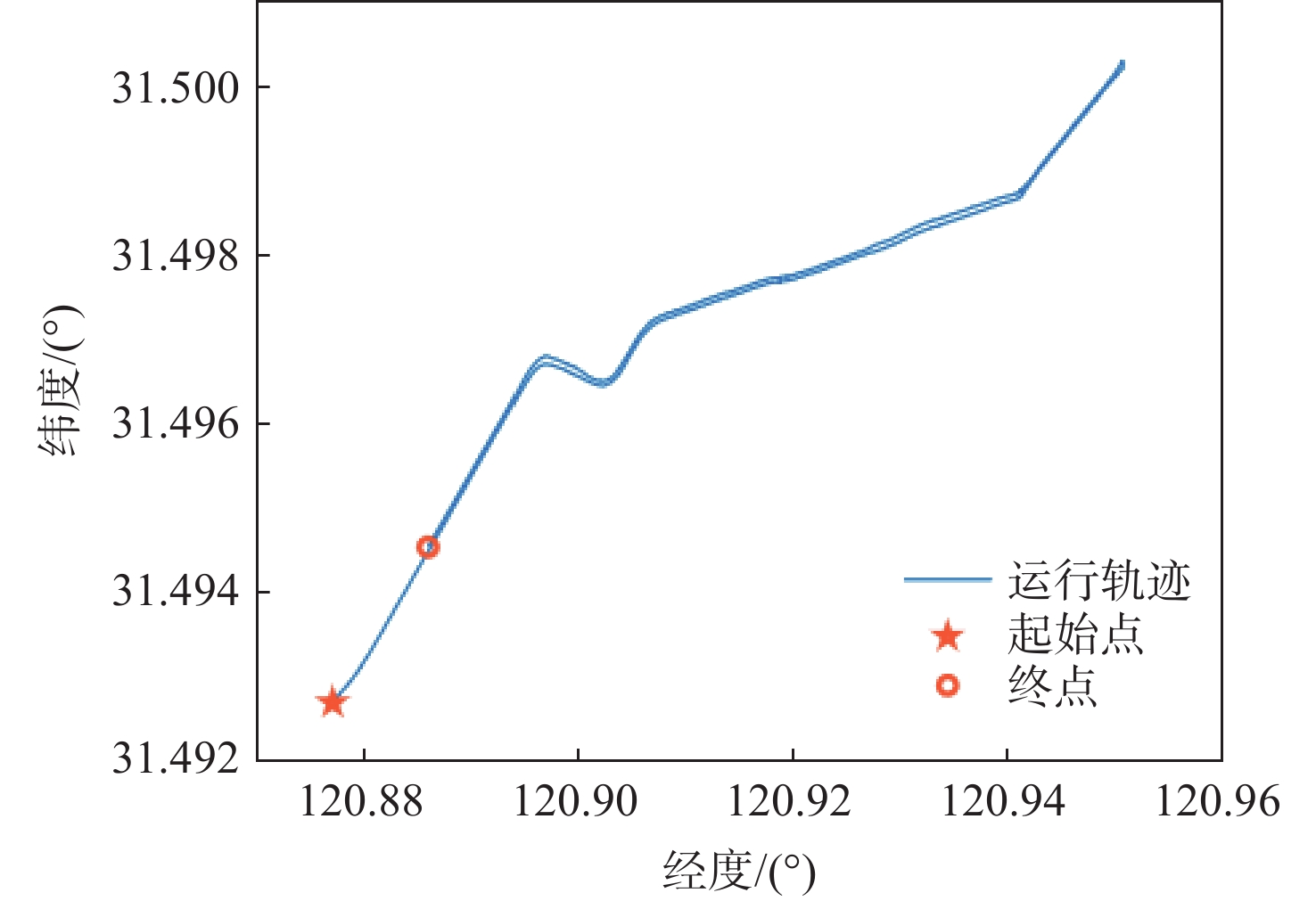
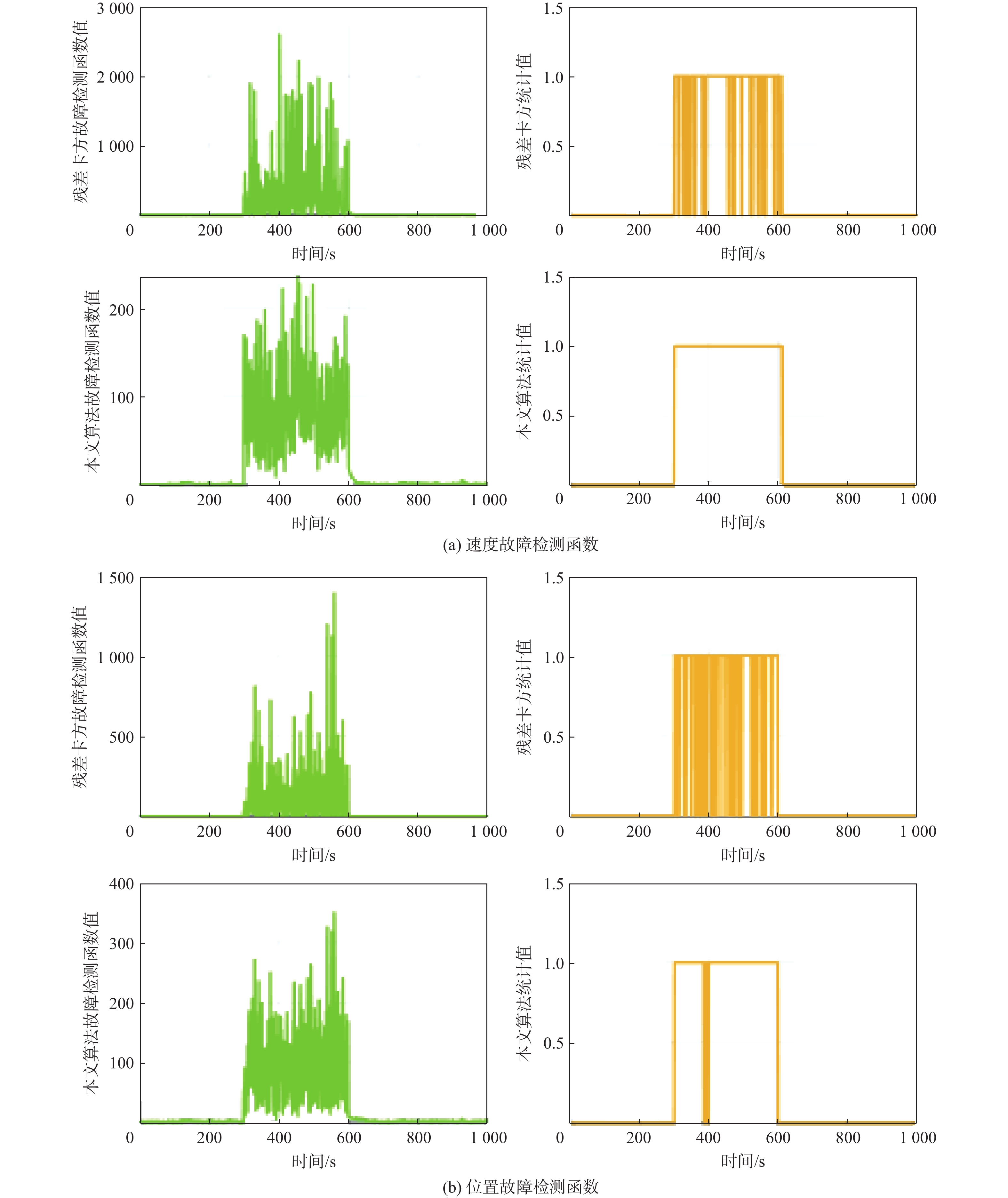
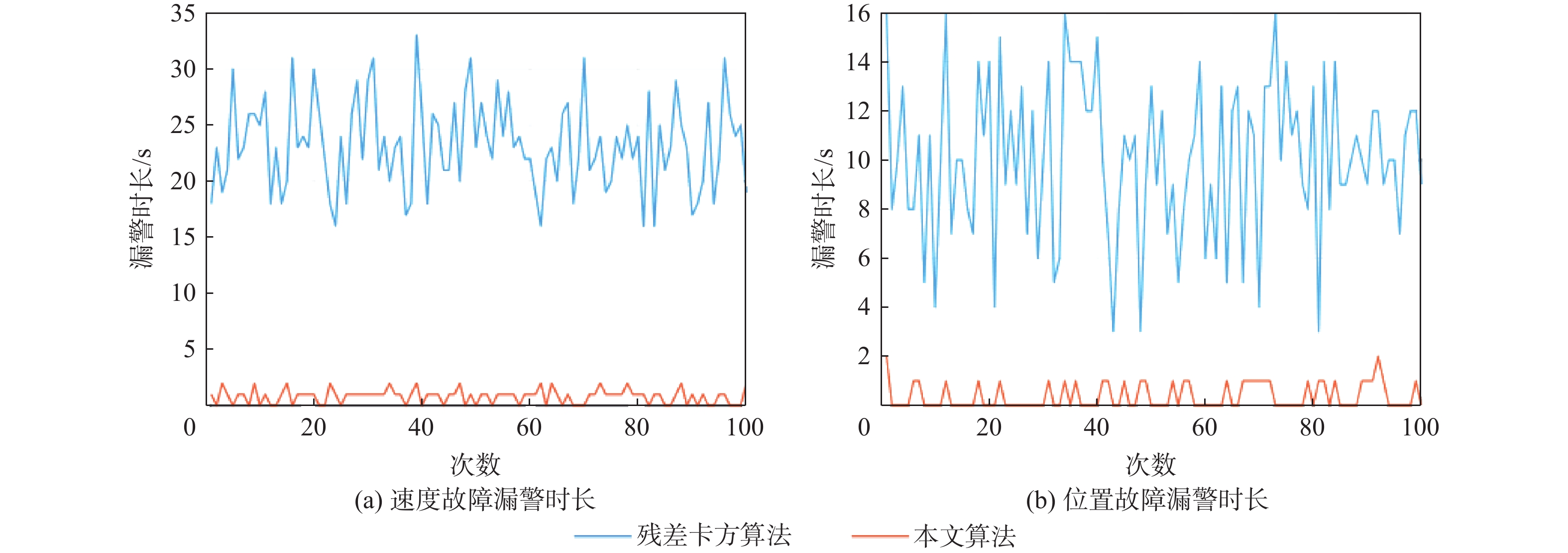
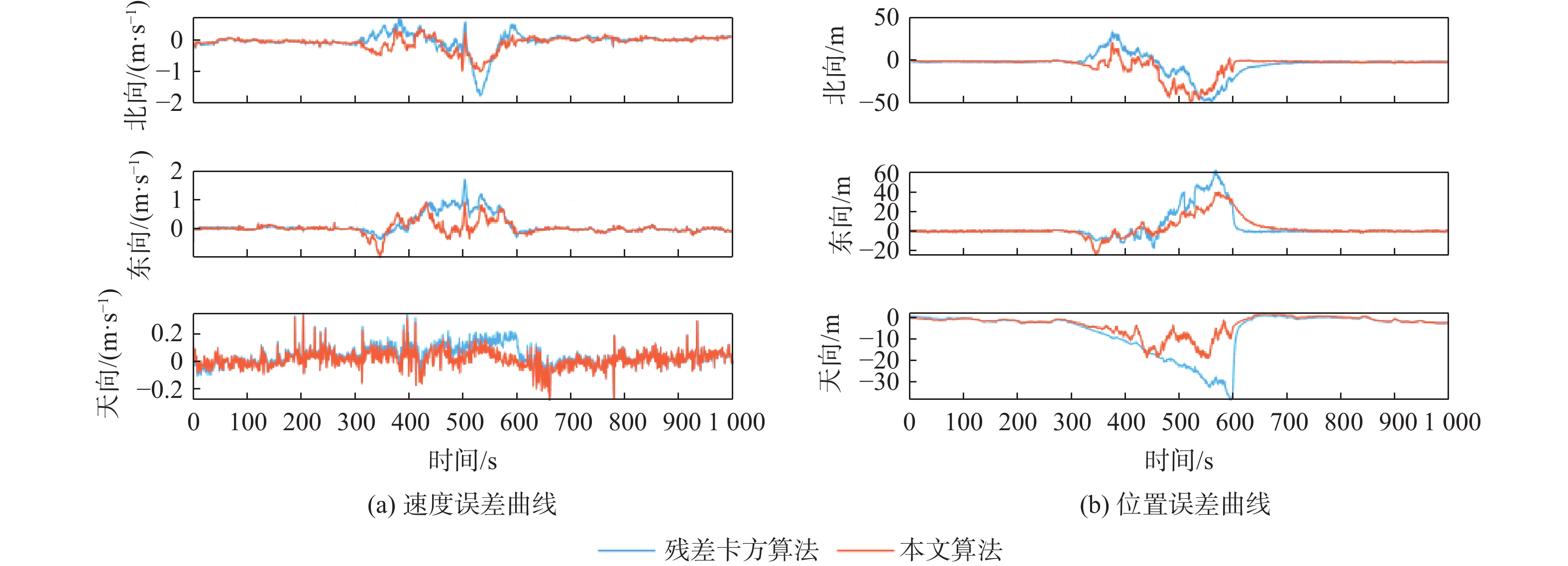
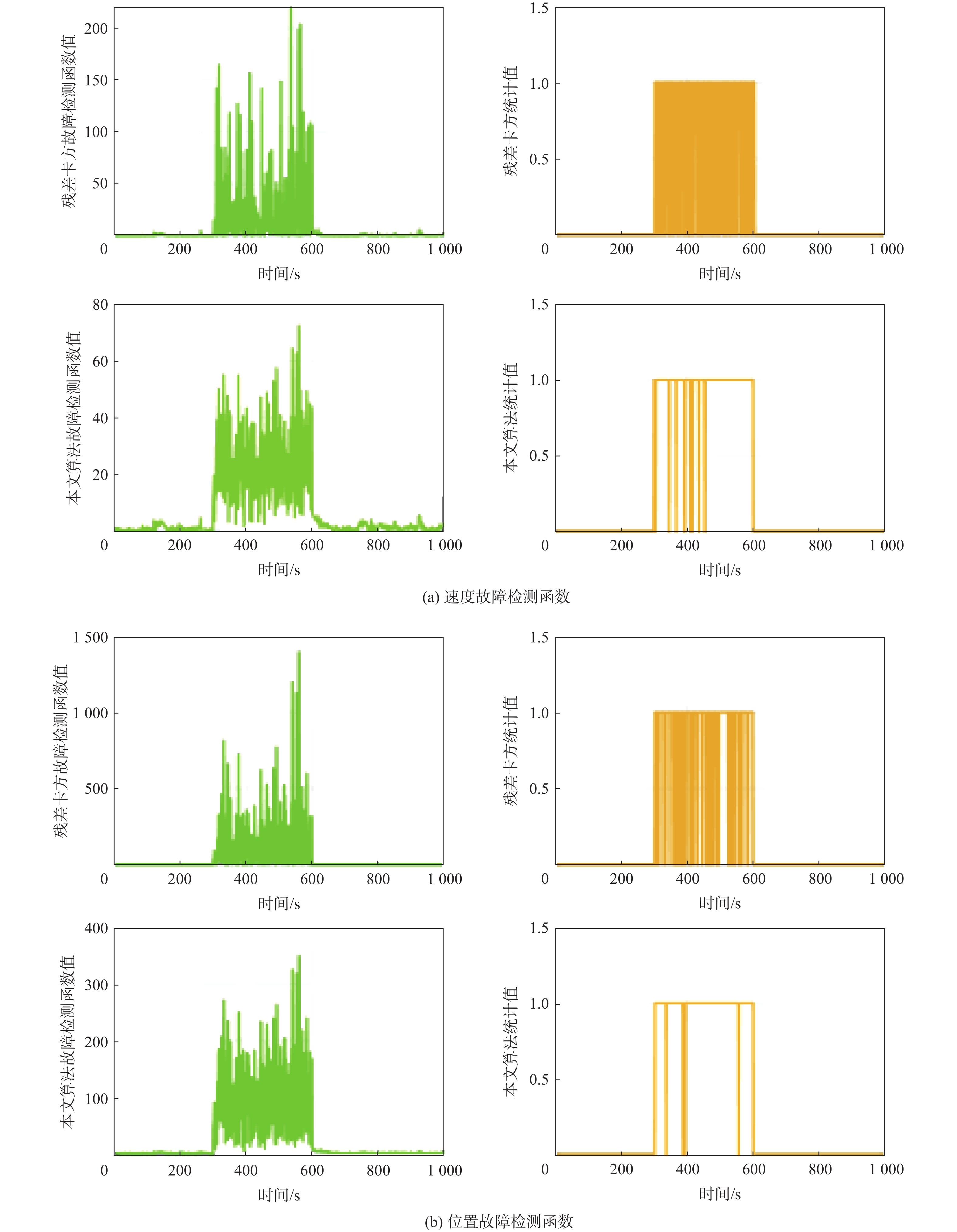
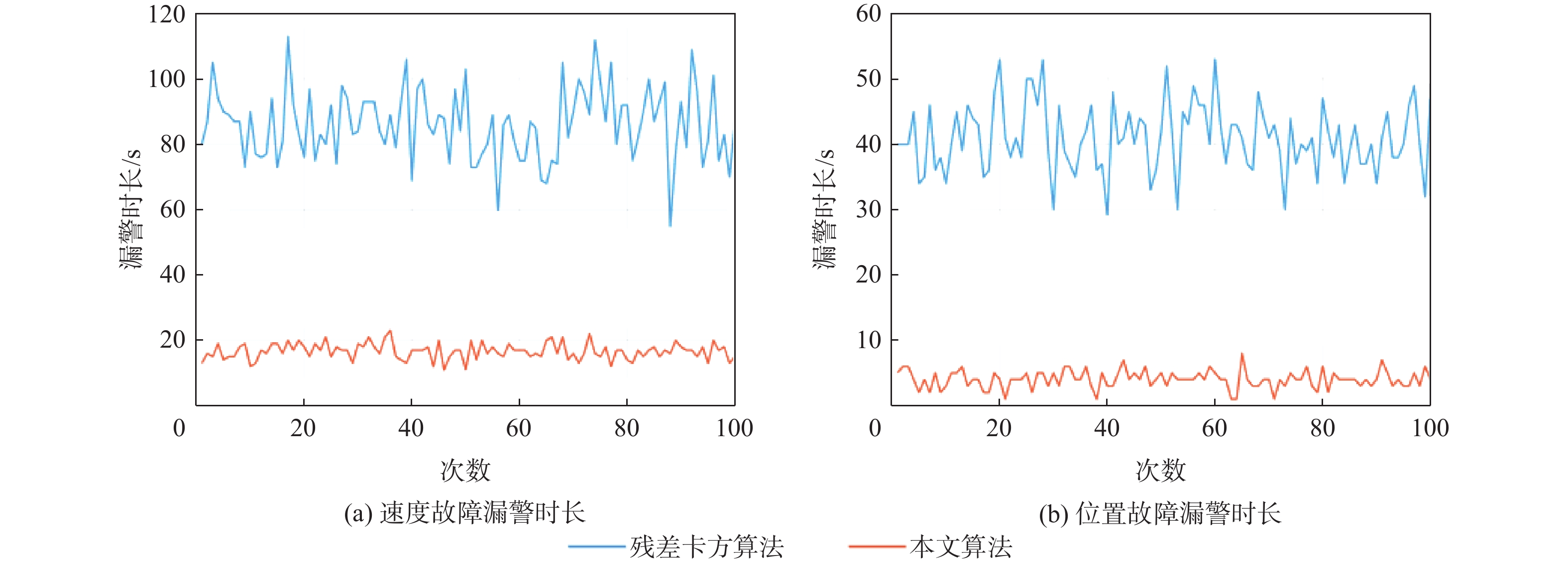
The global navigation satellite system (GNSS) signal is susceptible to interference, which leads to a decrease in filter performance and affects the output accuracy of the global navigation satellite system/strapdown inertial navigation system (GNSS/SINS) integrated navigation system. For this problem, this paper proposes a GNSS/SINS fault detection and robust adaptive algorithm based on two parameters. For precise fault detection, the algorithm creates a fault detection function based on the breadth of the smooth bounded layer and assesses the system measurement data using the innovation residual. Using fault detection function values to construct the robust cofactor matrix for real-time error correction to improve the accuracy and robustness of state estimation. The experimental findings of two common GNSS faults, step fault and slow fault, demonstrate that: the robust adaptive algorithm and the GNSS/SINS fault detection method based on two parameters are contrasted with the conventional robust adaptive algorithm based on residual chi-square fault detection techniques. The velocity fault detection rate is increased by 7.6%−23.2%, and the position fault detection rate is increased by 3.2%−12.3%. The velocity accuracy is increased by 20.7%−27.1%, and the position accuracy is increased by 22.2%−34.6%. The algorithm effectively improves the accuracy and robustness of the GNSS/SINS integrated navigation system.

Real-time UAV image segmentation algorithm with enhanced contextual feature interaction
LI Yunhong, ZHANG Fuxing, SU Xueping, LI Limin, WANG Mei, LIANG Chengming
2026, 52(3): 668-677. doi: 10.13700/j.bh.1001-5965.2023.0830
Abstract:

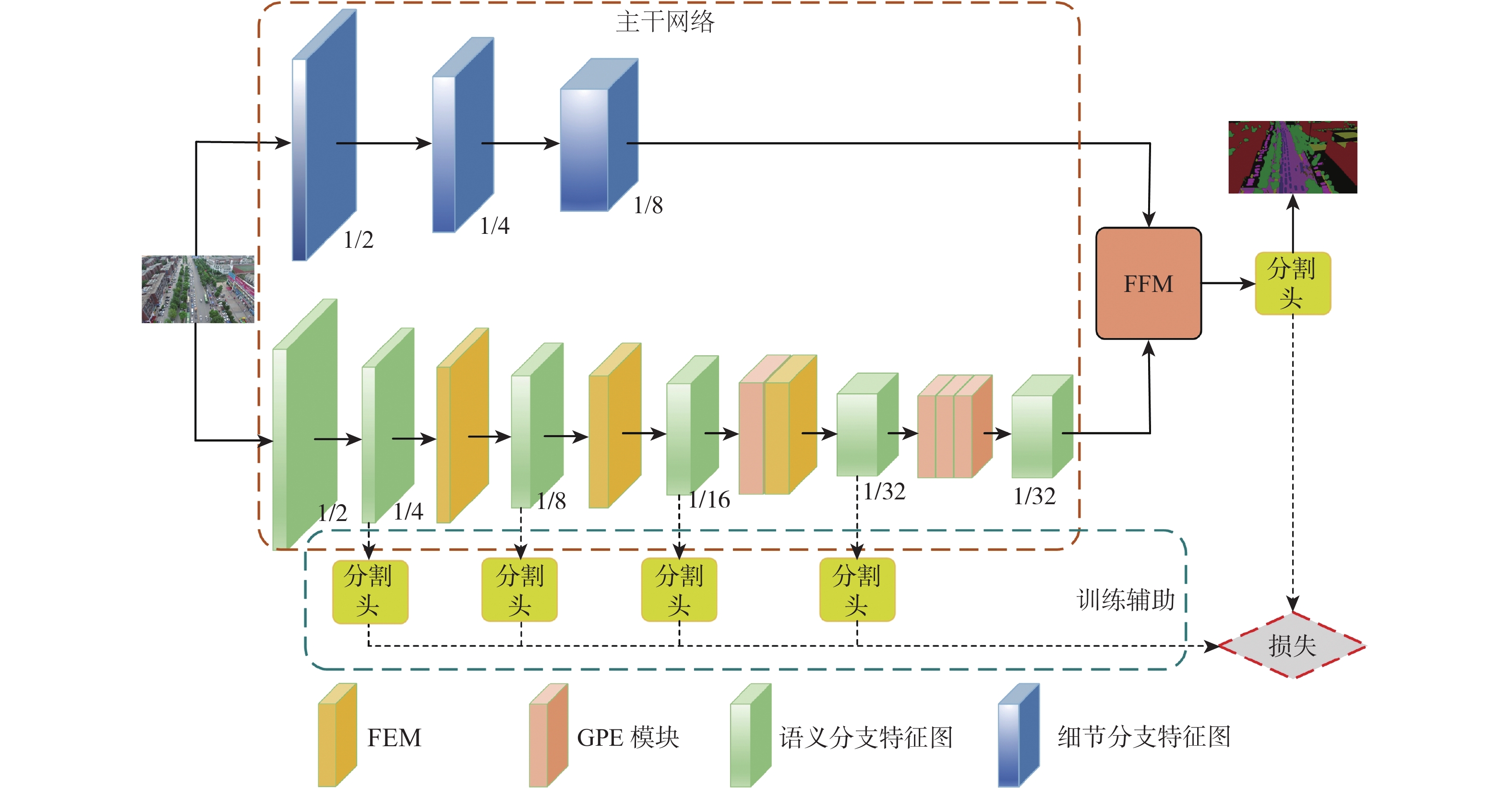
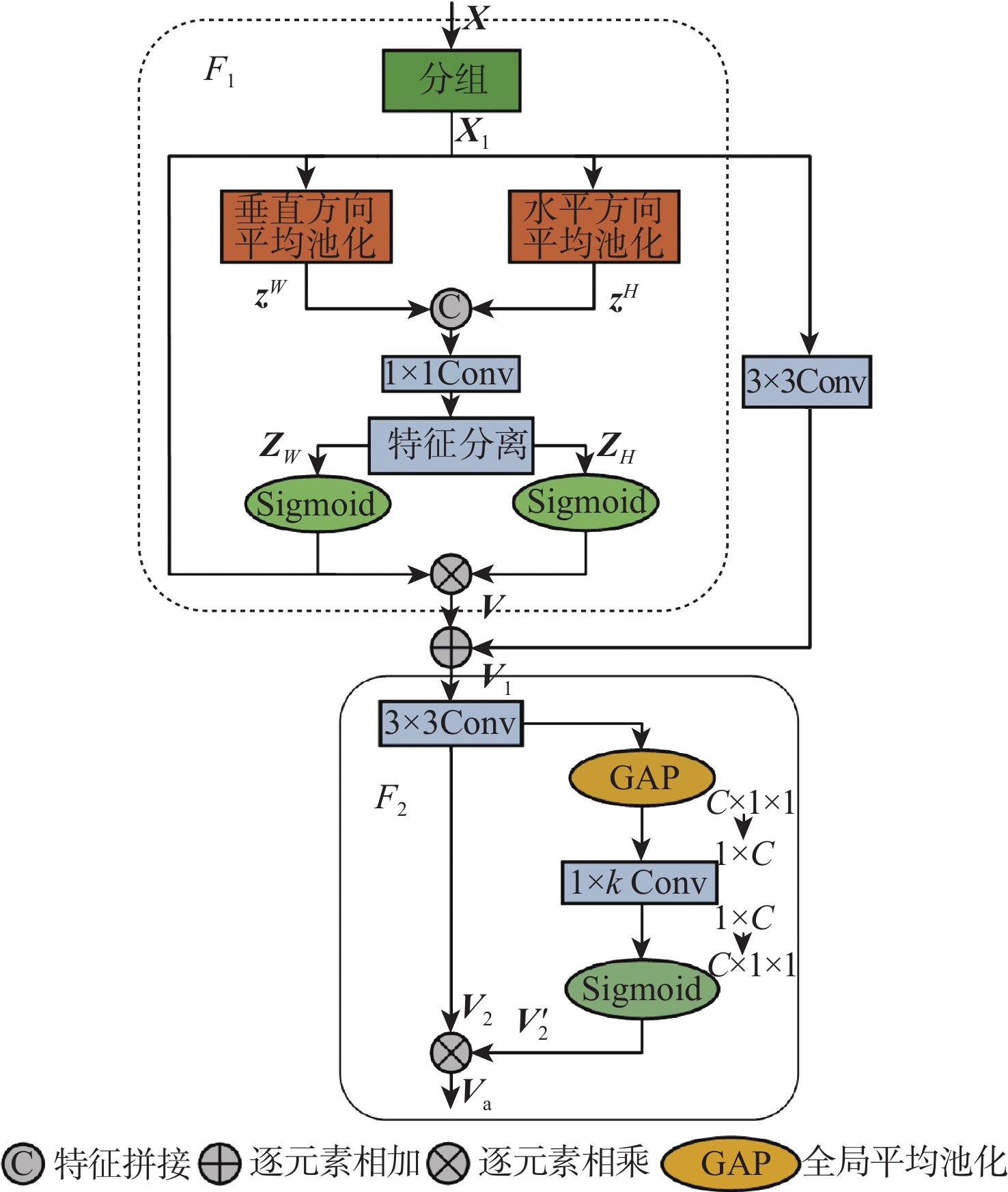
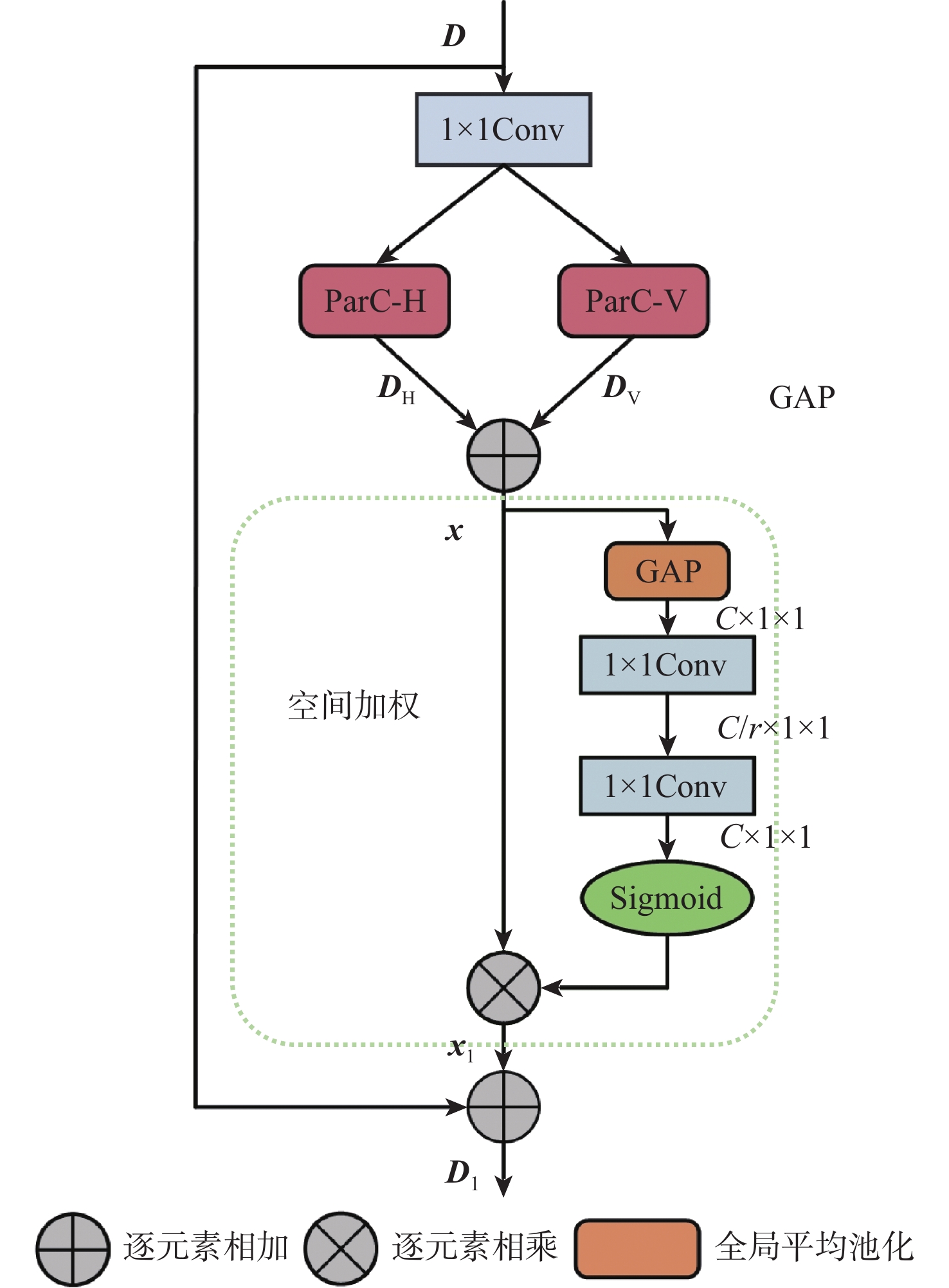
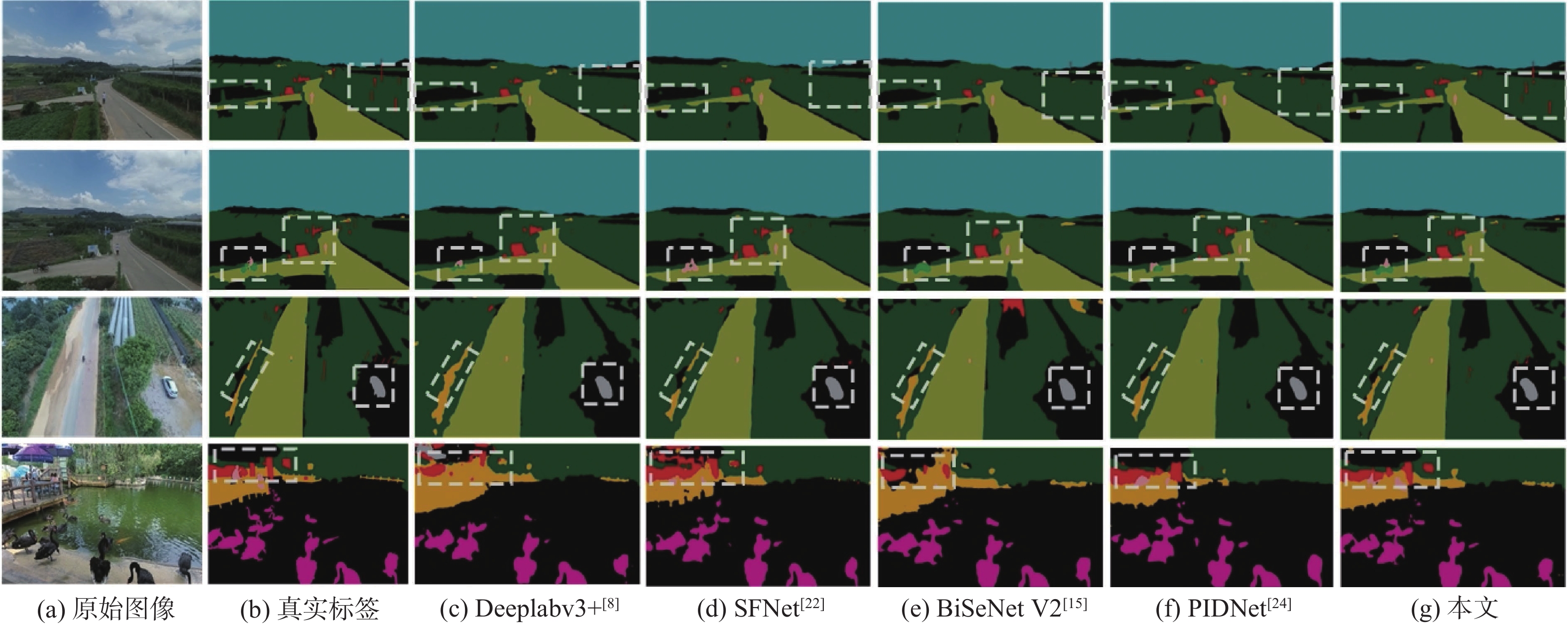
A real-time UAV image segmentation algorithm with enhanced contextual feature interaction is proposed to address the problem of target omission and incompleteness in segmentation results due to the lack of global information interaction in lightweight algorithms for semantic segmentation tasks of UAV images. The approach uses a two-branch structure. To encode the channel and spatial information, global average pooling in various directions was used. This preserves the correct position information and increases the attention to the local detail information in the image. Secondly, a global perceptual extraction module was constructed by using the position-aware circular convolution and spatial weighting, which achieves the global contextual information capture; Finally, the weighting operation is applied to the features of different scales for the fusion, which reduces the information loss in the fusion process and the computation of the algorithm. The UAVid and AeroScapes datasets are used to validate the algorithm. The results indicate that the mean intersection over union (mIoU) achieved 66.5% and 63.0%, respectively, marking a 2.6% and 2.2% improvement over BiSeNet V2. The segmentation speeds reached 79.9 and 71.4 frames per second, respectively, showing an increase of 8.3 and 6.9 frames per second compared to BiSeNet V2. This method ensures real-time segmentation speed while delivering satisfactory segmentation accuracy.

Investigation into characteristics of double-lip cascade boot-shaped reciprocating seals in differential-connection working conditions of hydraulic actuators
PENG Chao, TAN Shuang, YE Qiang, MIAO Jianming, OUYANG Xiaoping
2026, 52(3): 678-686. doi: 10.13700/j.bh.1001-5965.2023.0779
Abstract:

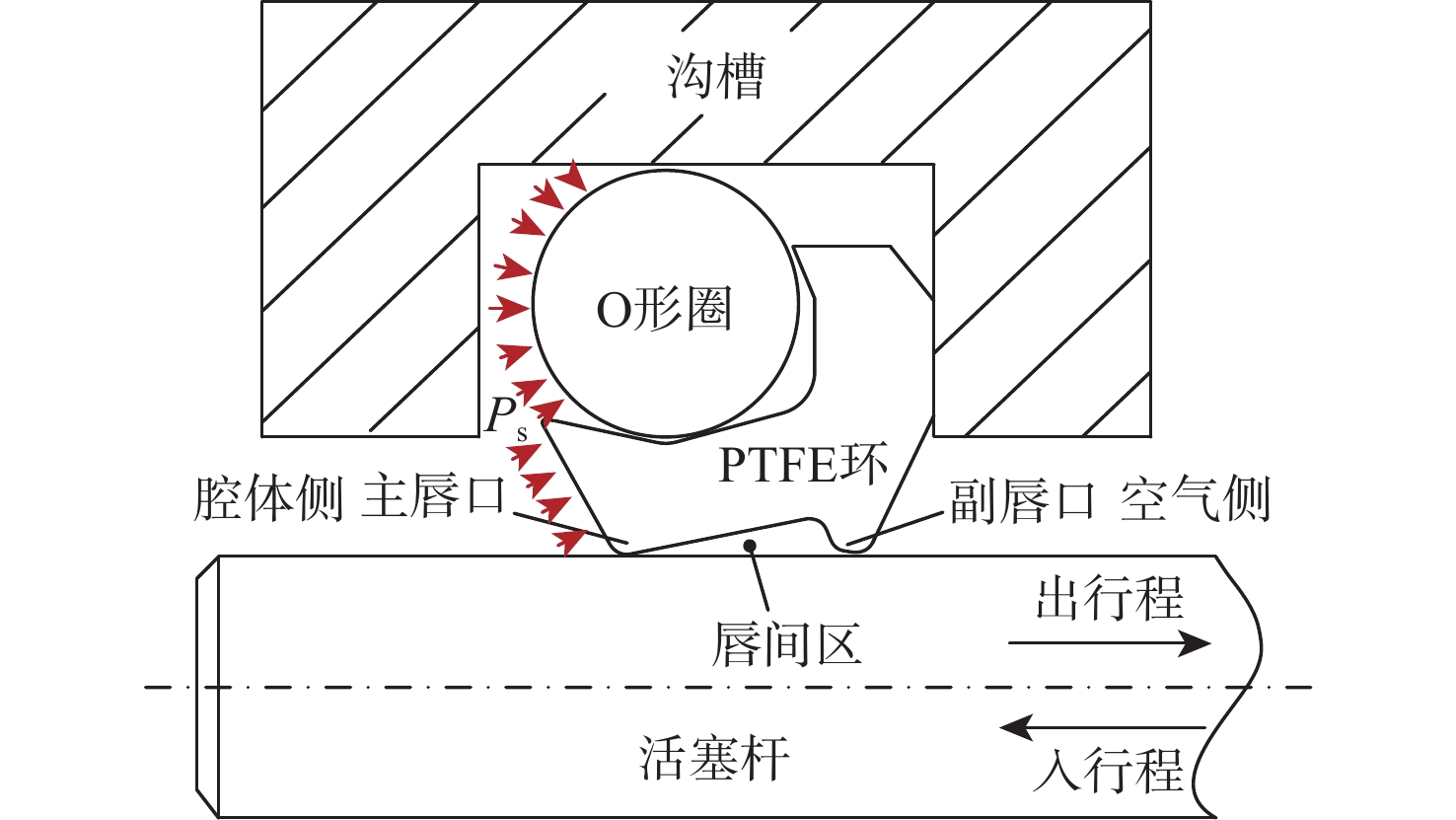
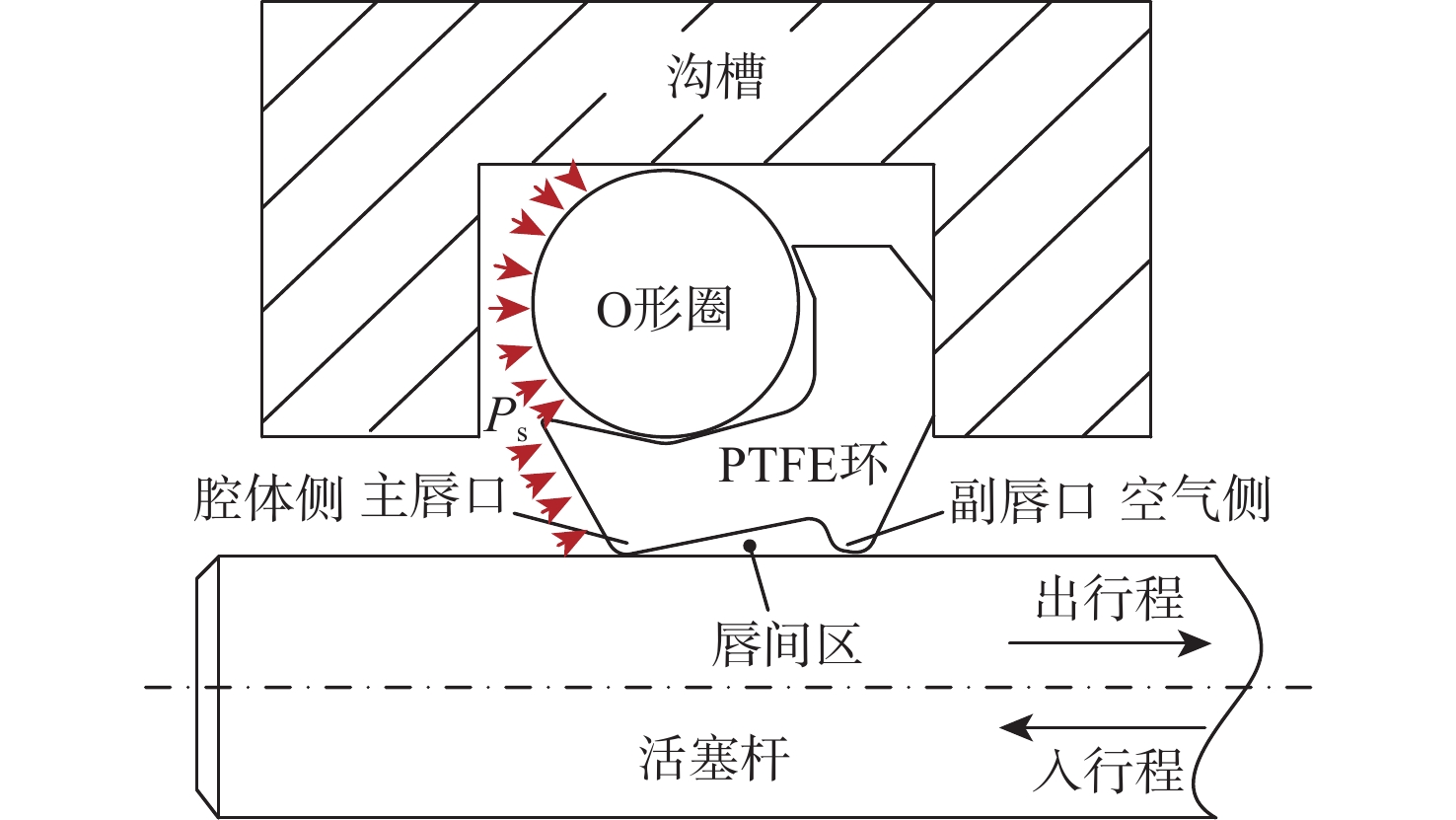
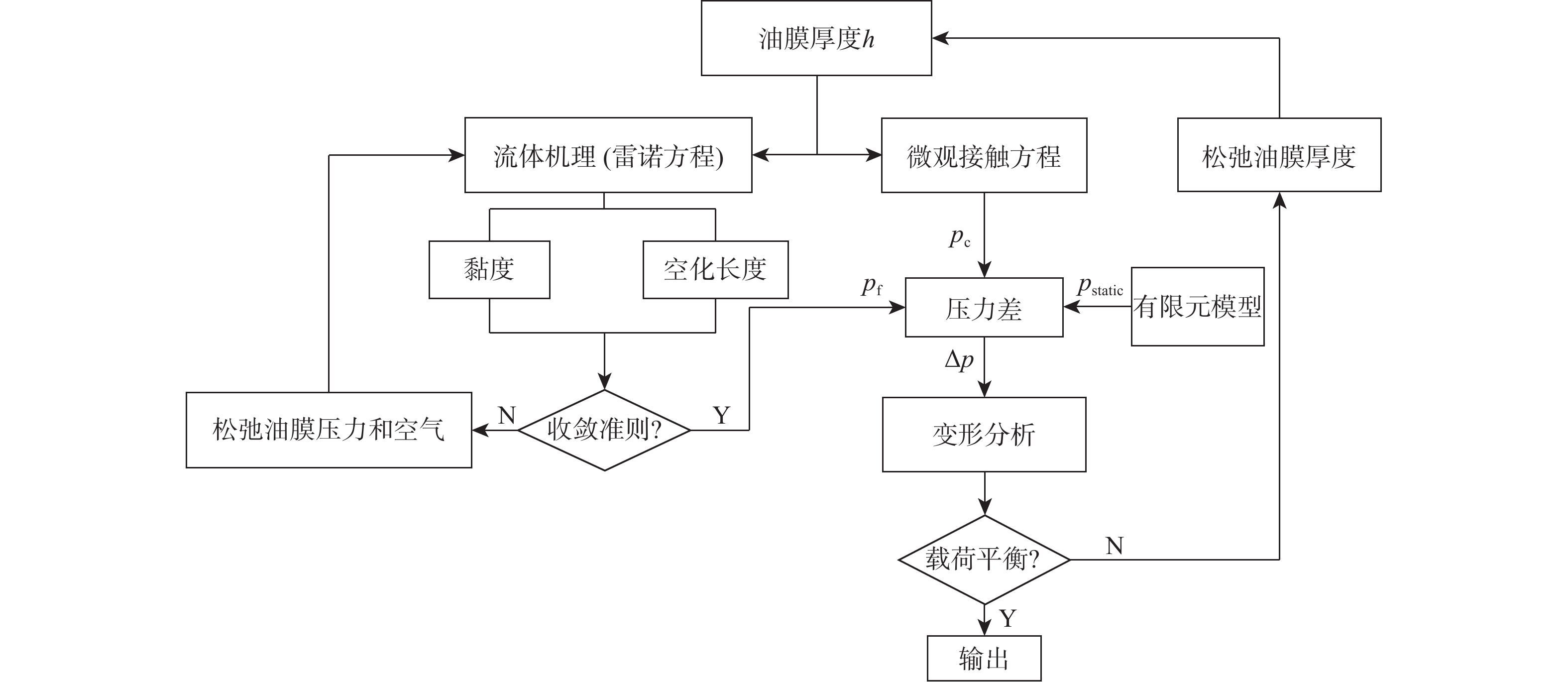
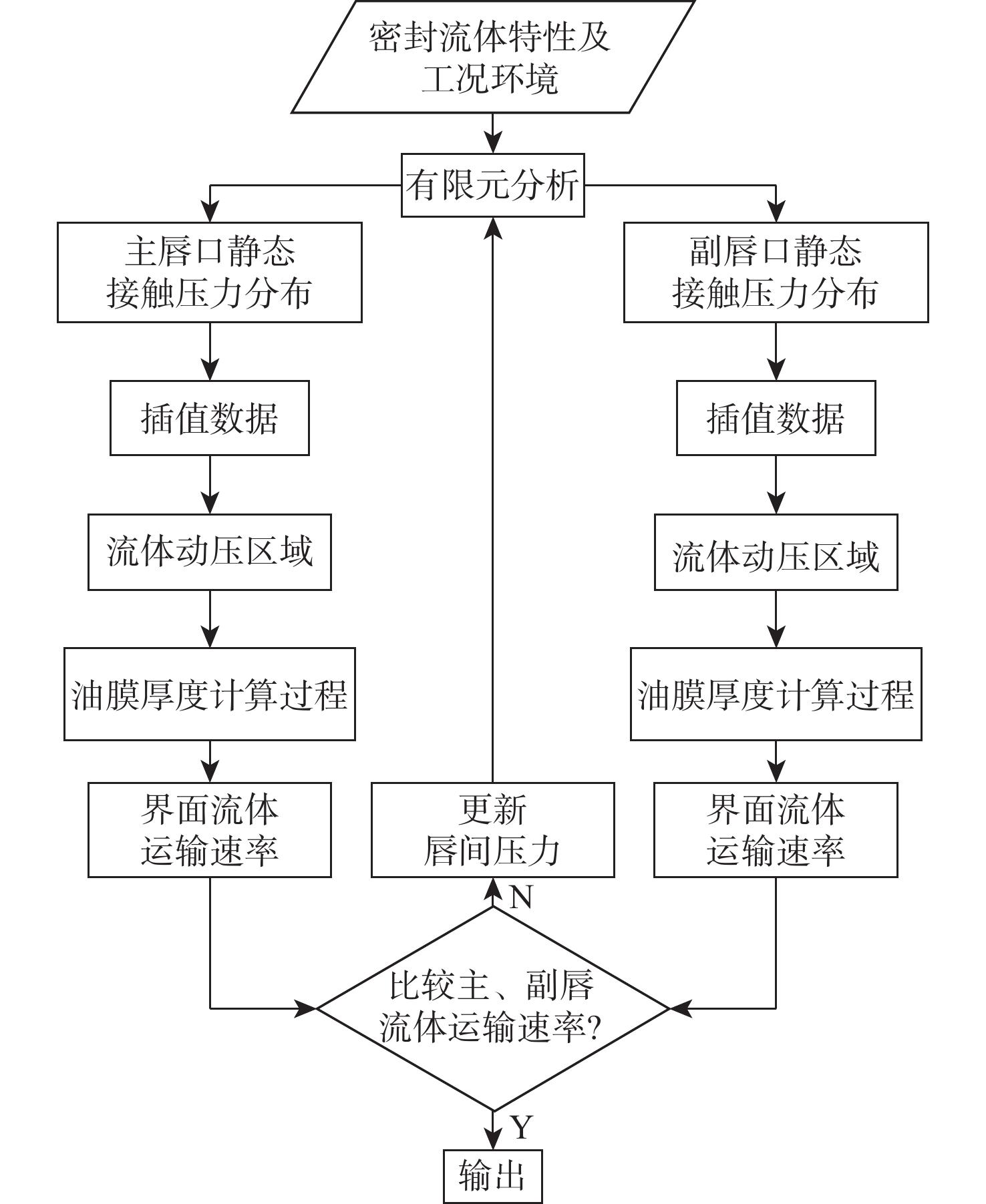
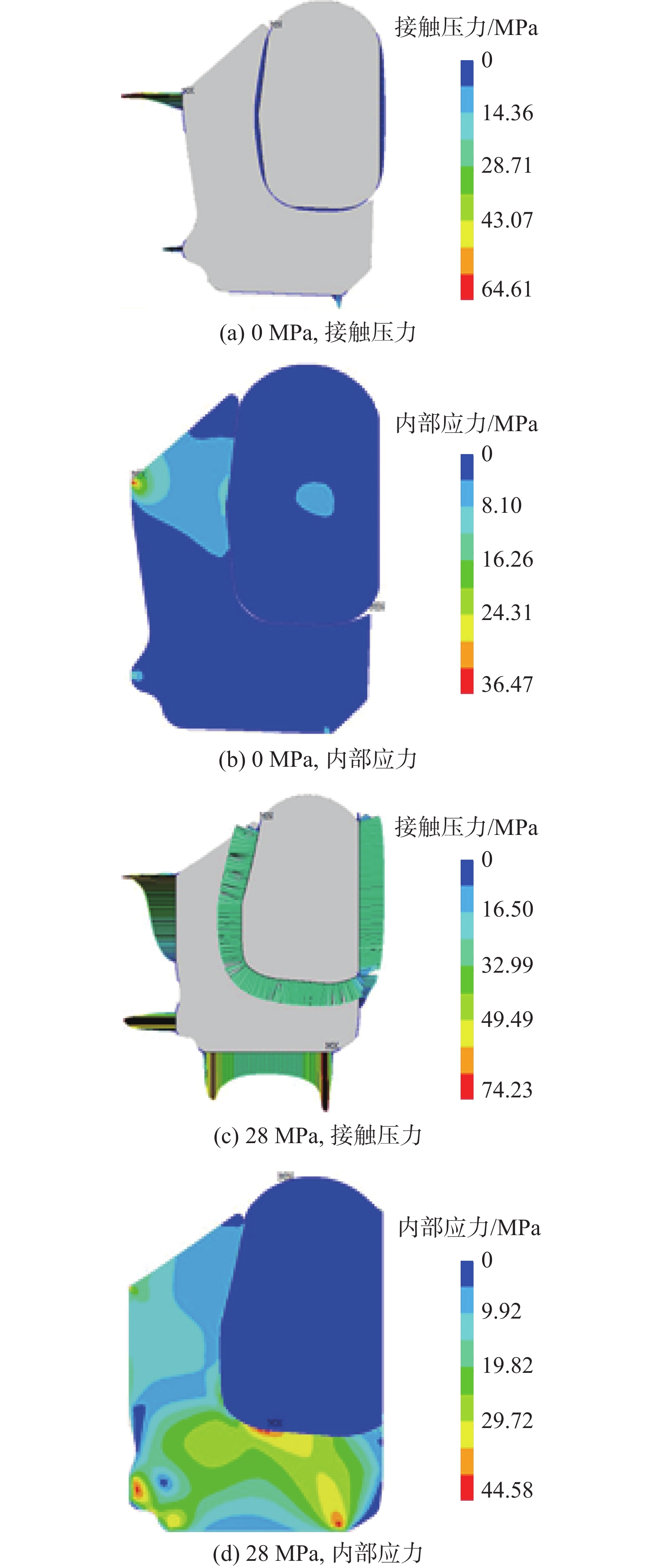
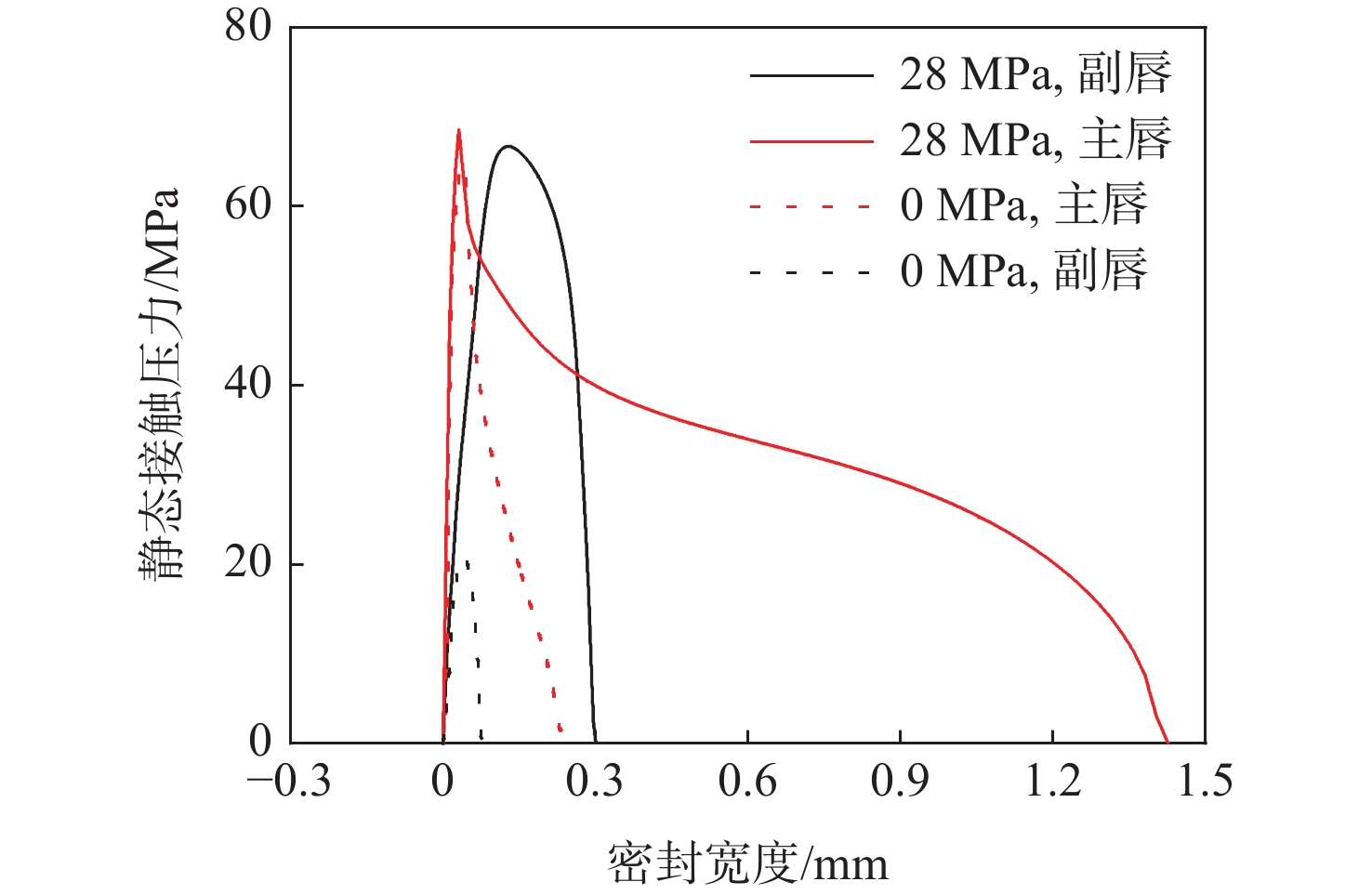
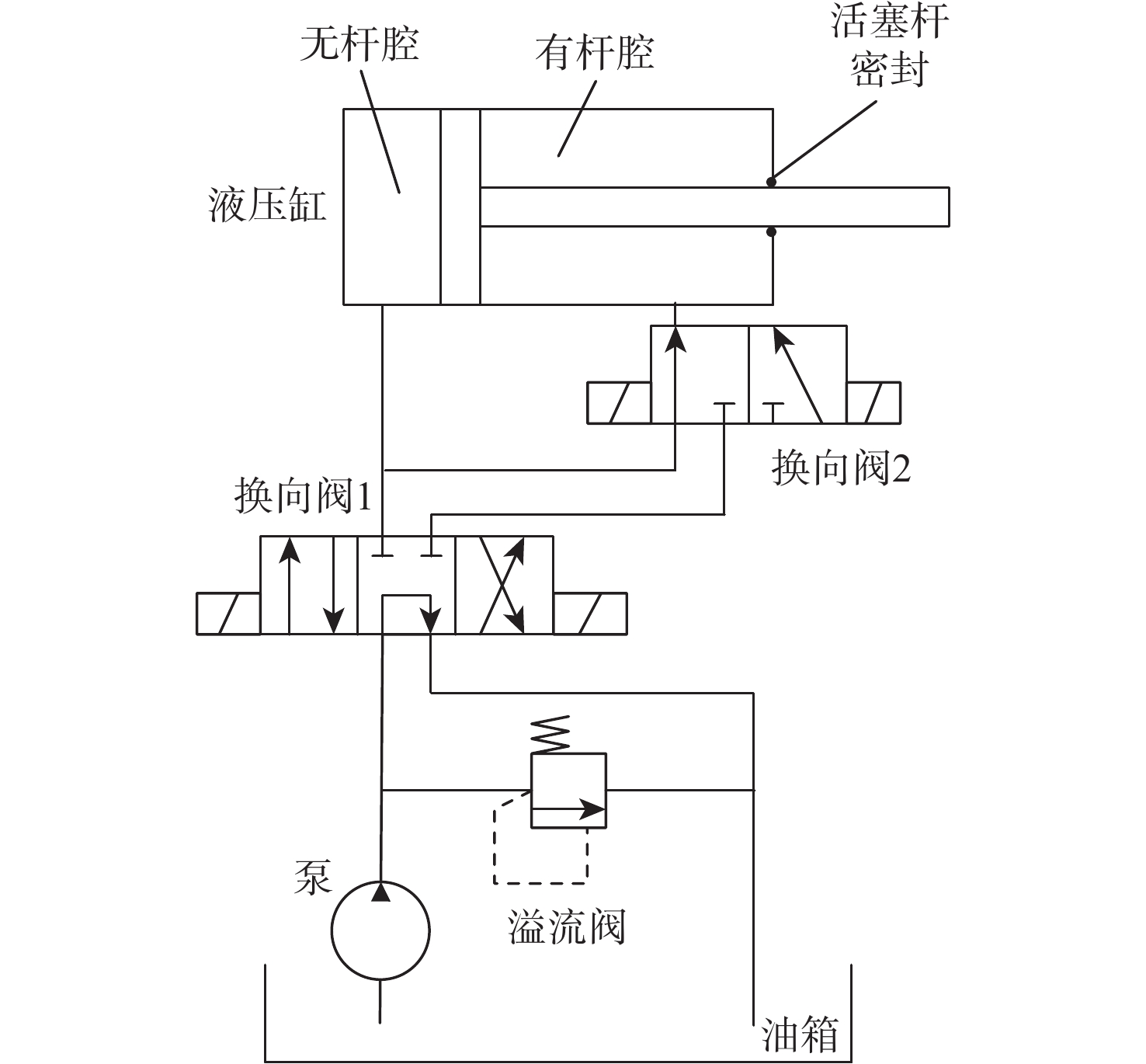
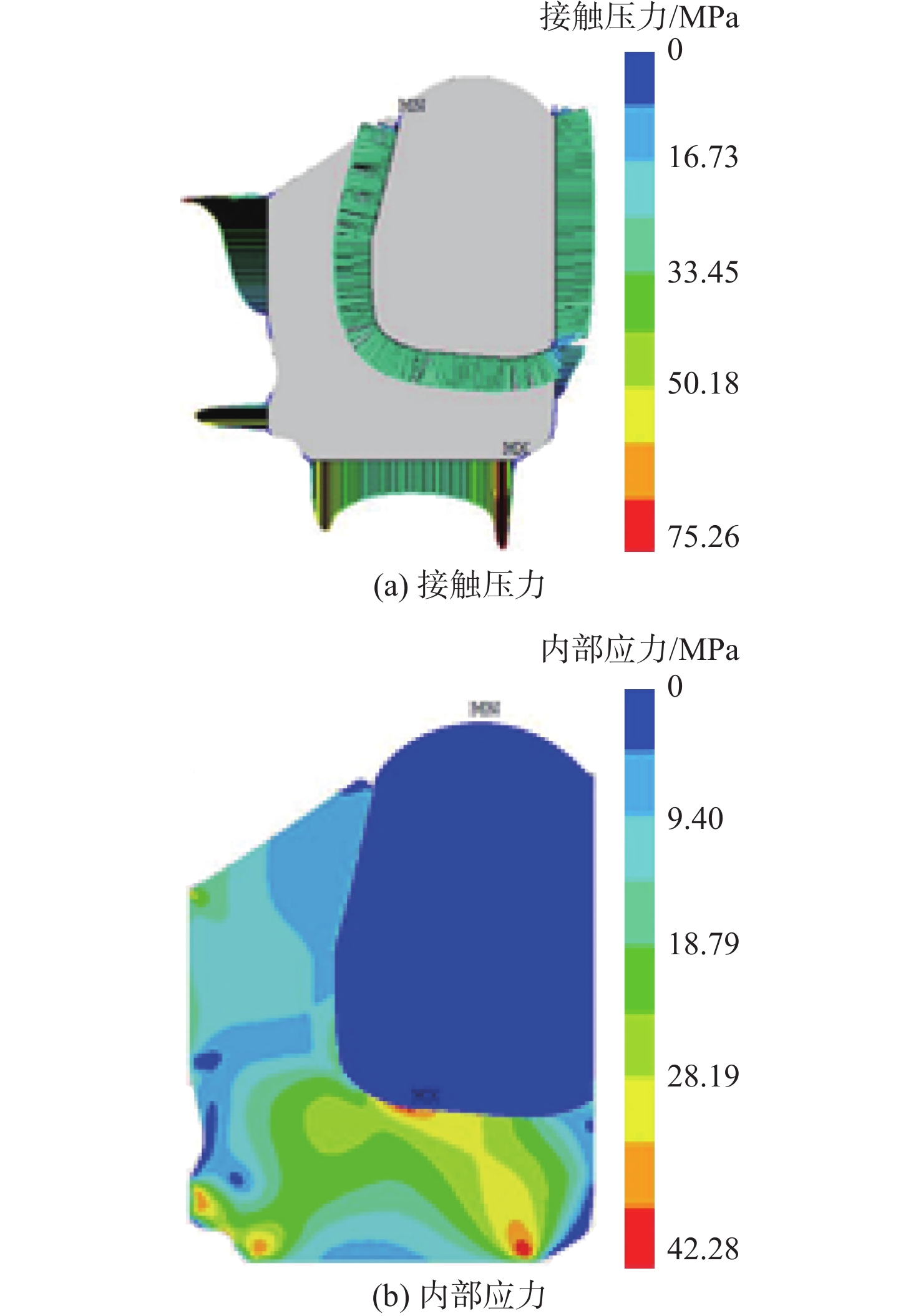
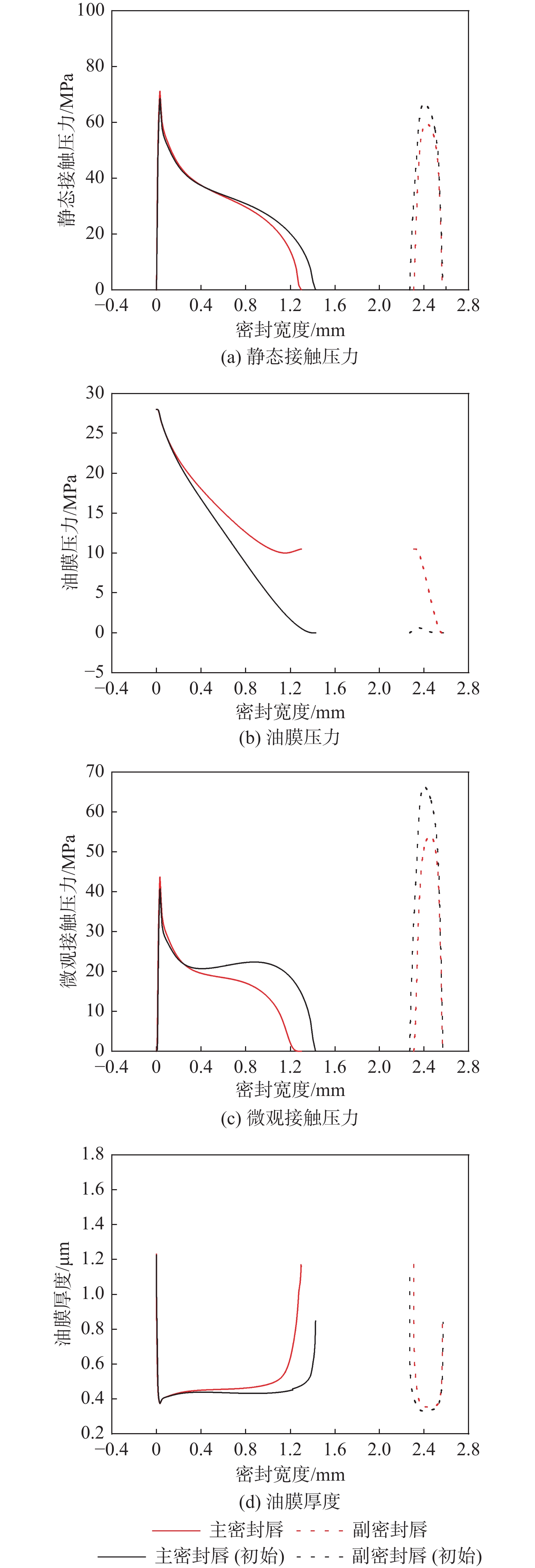
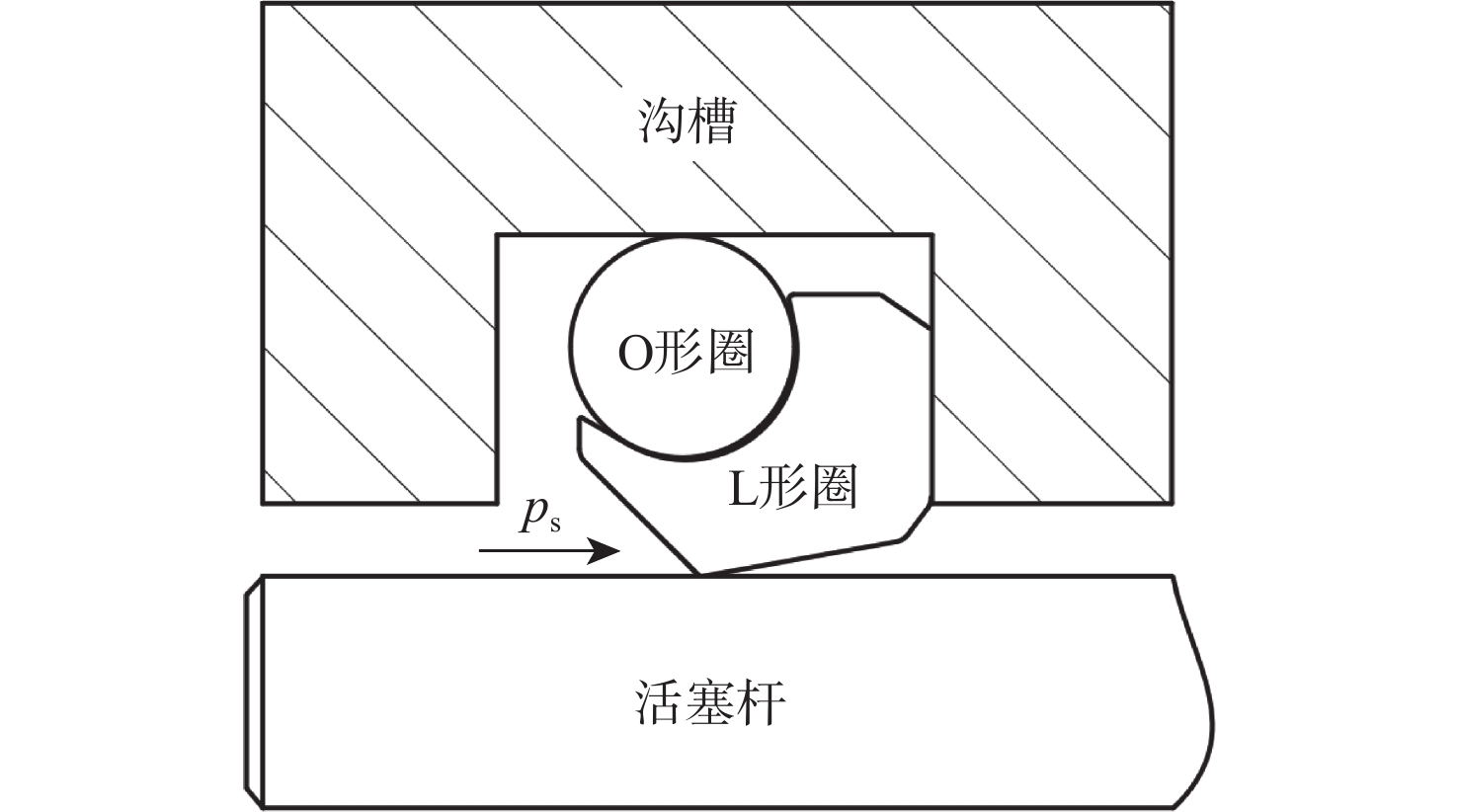
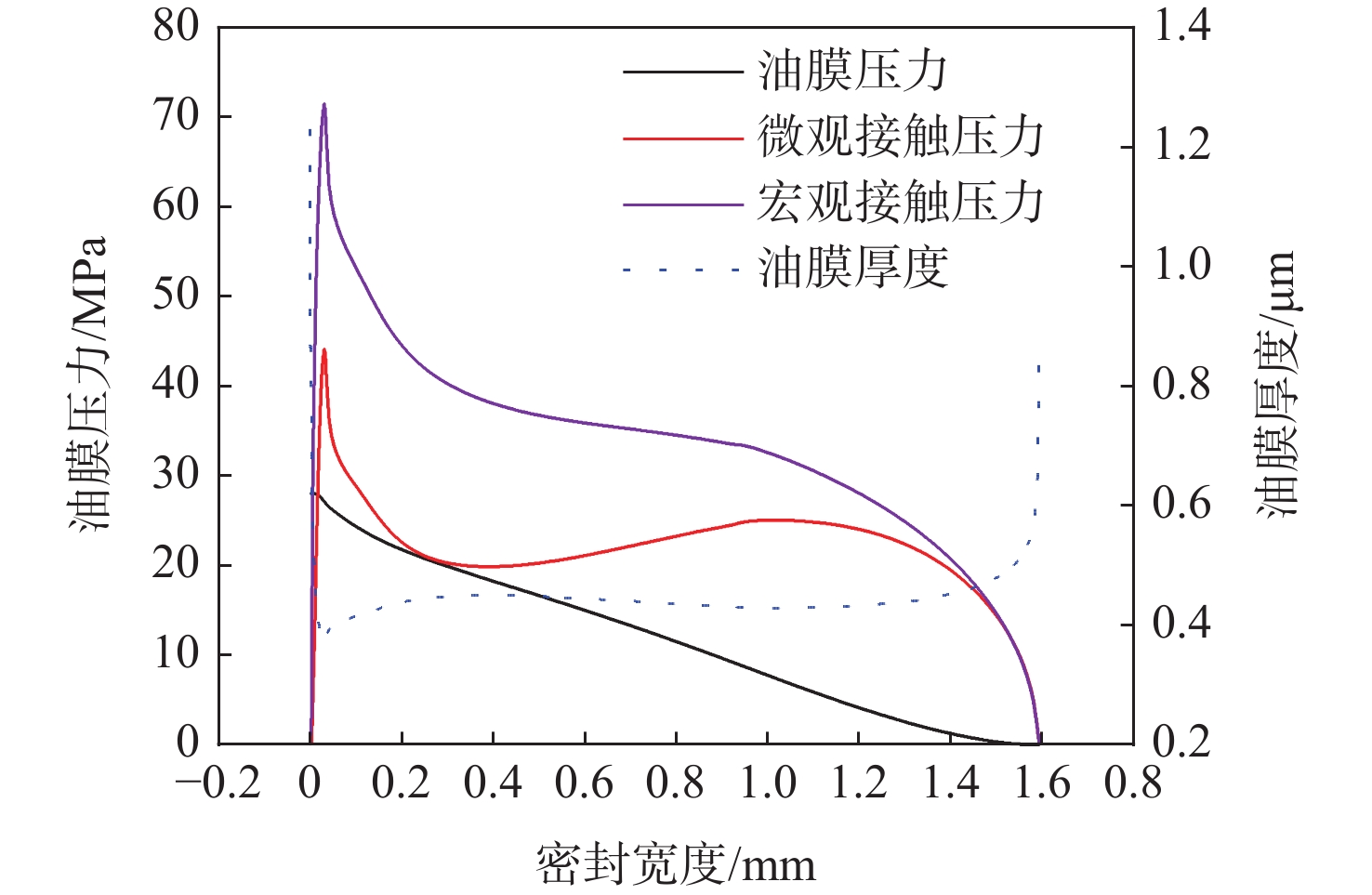
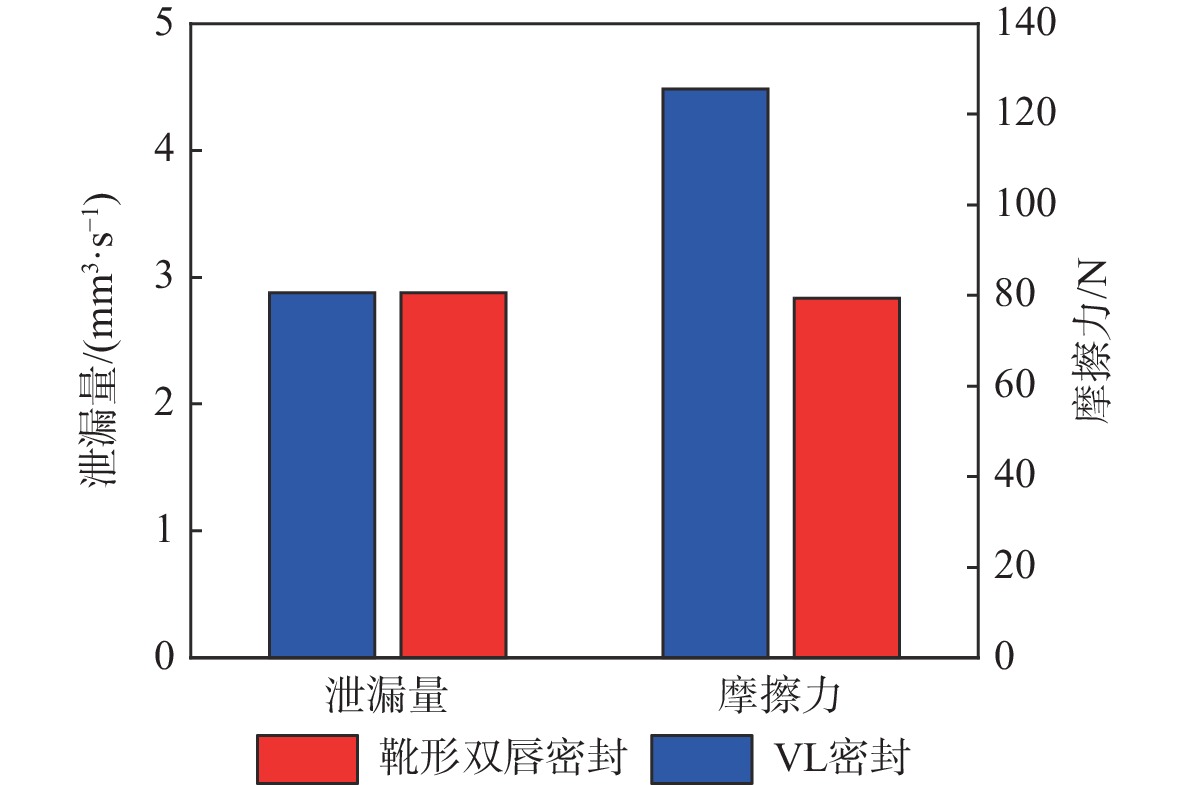
The differential connection of the hydraulic actuator deteriorates the working conditions of reciprocating seals at the piston rod, increasing the friction, as well as the chance of overturning. The conventional single-lip reciprocating seal can not meet the requirements of high-reliability seal. The double-lip cascade boot-shaped reciprocating seal was taken as the research object in this paper. This study used the fluid transport velocity conservation criterion to iteratively update the inter-lip pressure and investigate the interface characteristics of the double-lip cascade boot-shaped reciprocating seal under differential working conditions. It was based on the soft elastic flow theory and connected the numerical programming iterative method with the finite element software. The performance of the double-lip cascade boot-shaped reciprocating seal were was compared with that of the traditional VL seal in the same differential working condition. According to the findings, the primary lip of the double-lip cascade boot-shaped reciprocating seal primarily serves to seal and stop oil leaks, while the secondary lip primarily supports and strengthens the sealing structure. The inter-lip pressure helps to reduce the contact force and friction. Under the same differential working conditions, compared with that of the traditional VL seal, the friction of the primary lip of the double-lip cascade boot reciprocating seal is reduced by 36.87%, which can effectively reduce the wear of the lip and the chance of overturning in differential working conditions.

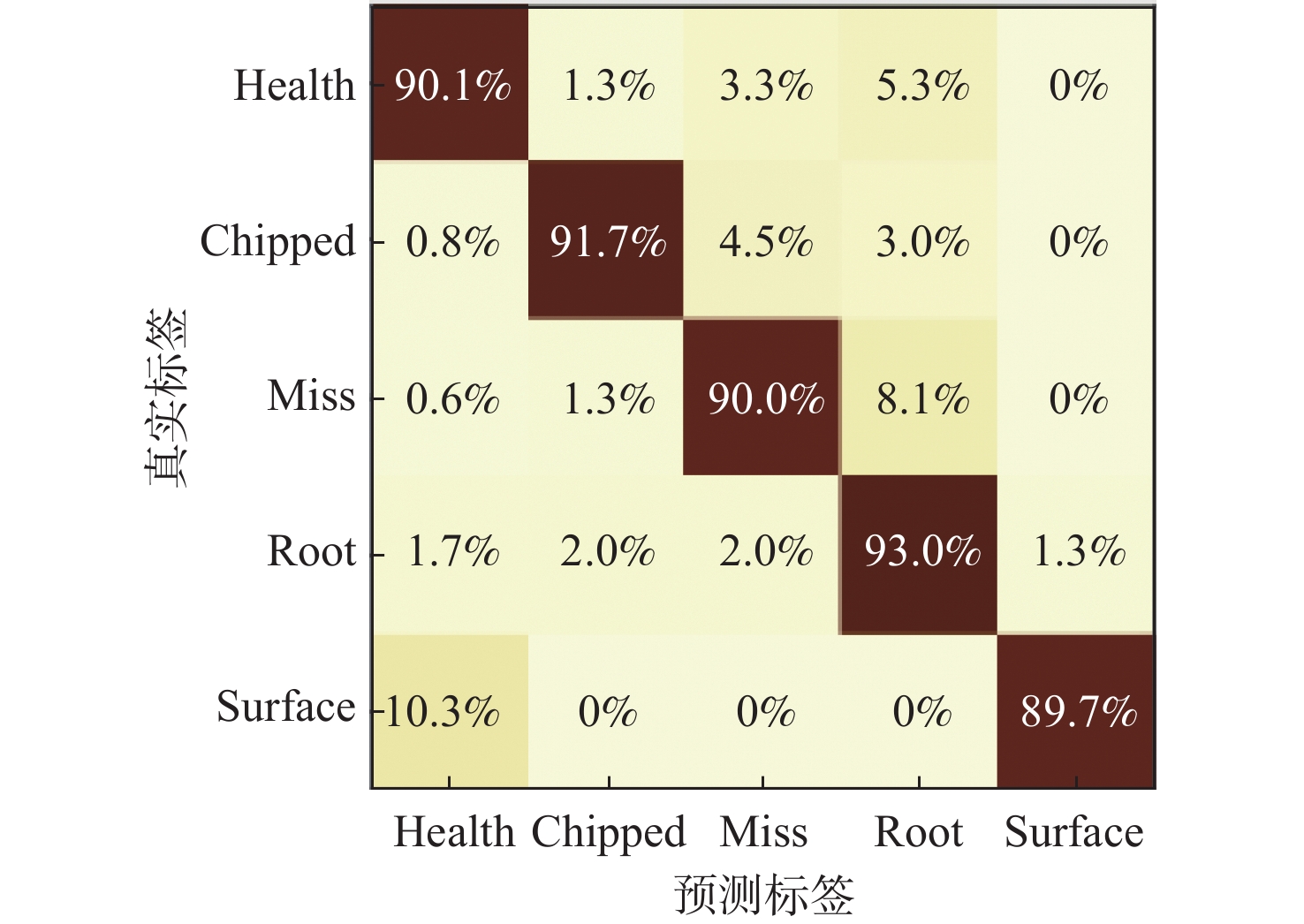
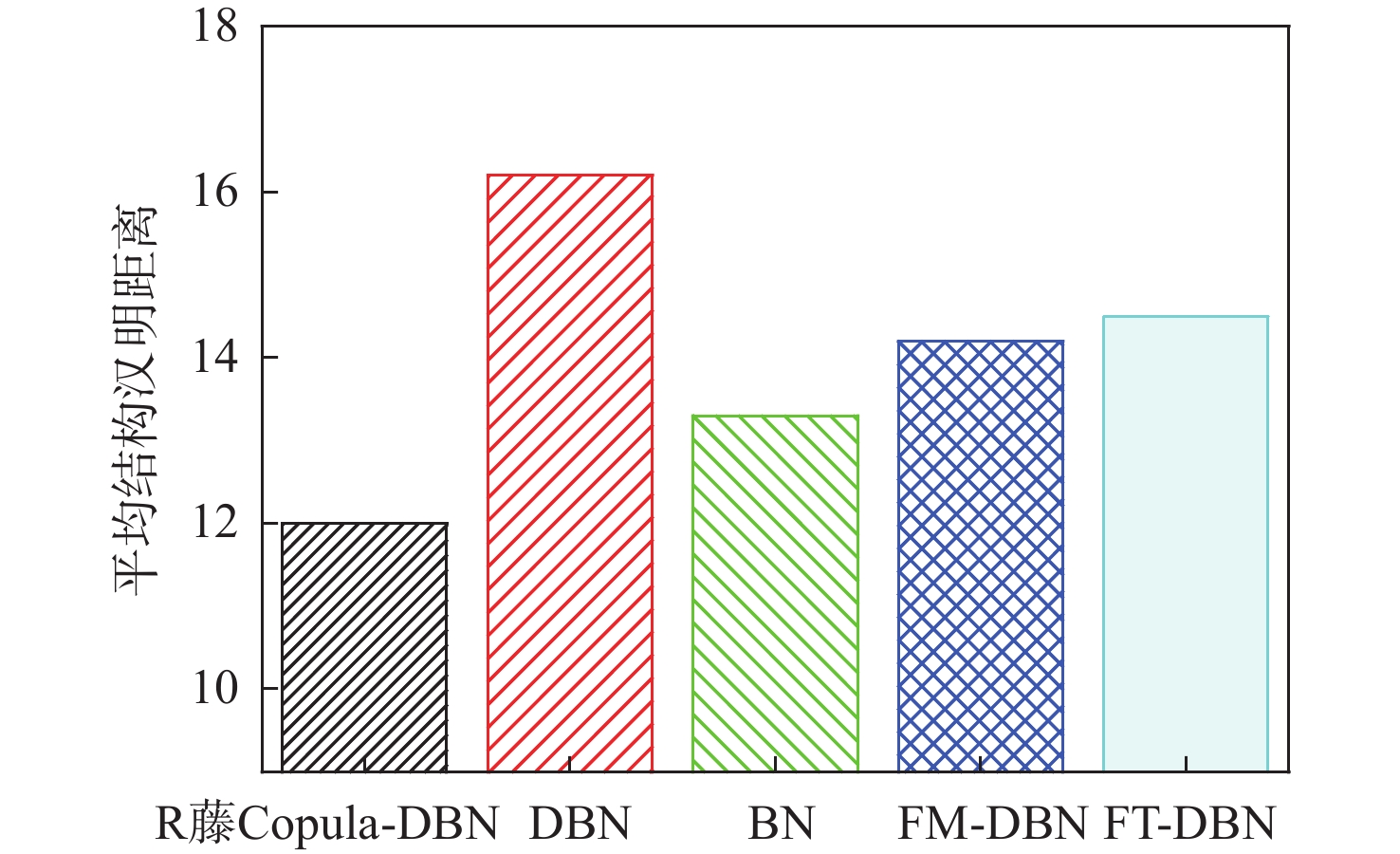
Gearbox fault diagnosis based on R-vine Copula-DBN
WANG Jinhua, LIU Zhengqi, CAO Jie, LIU Yunqiang, CHEN Li
2026, 52(3): 687-697. doi: 10.13700/j.bh.1001-5965.2023.0777
Abstract:

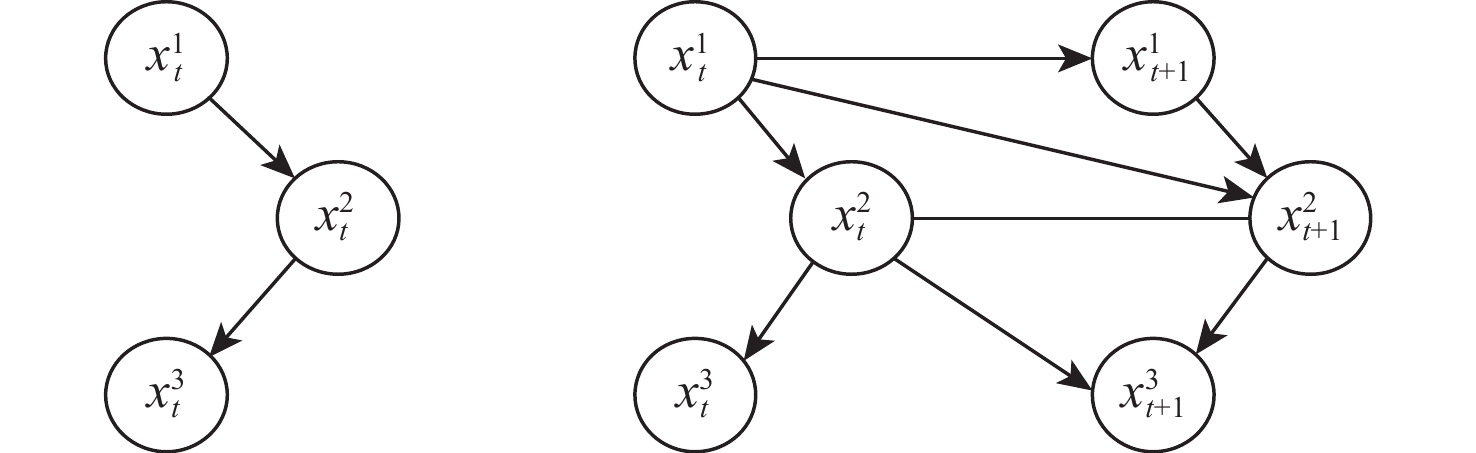
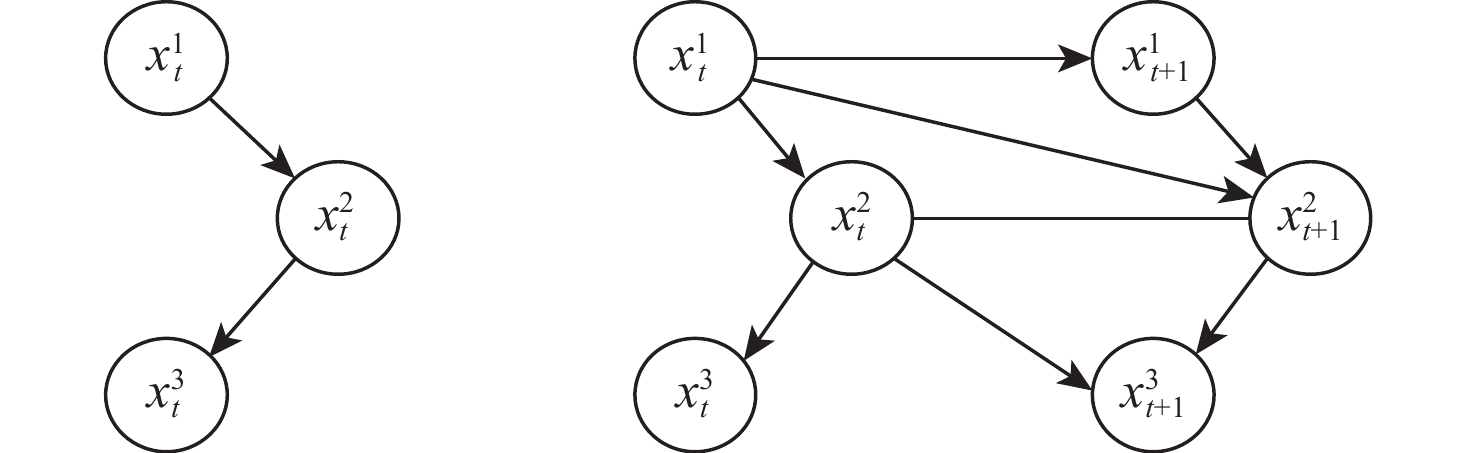
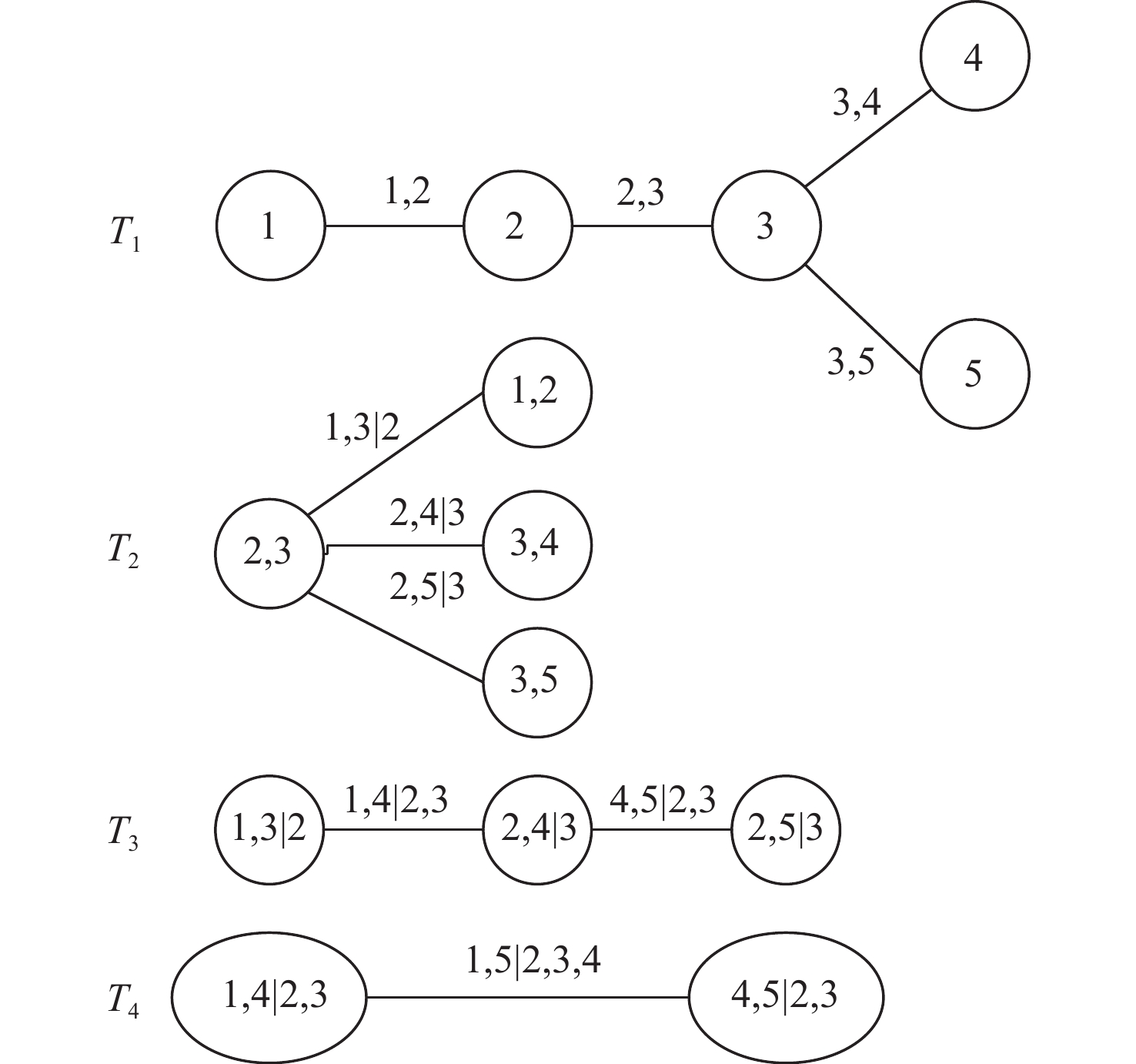
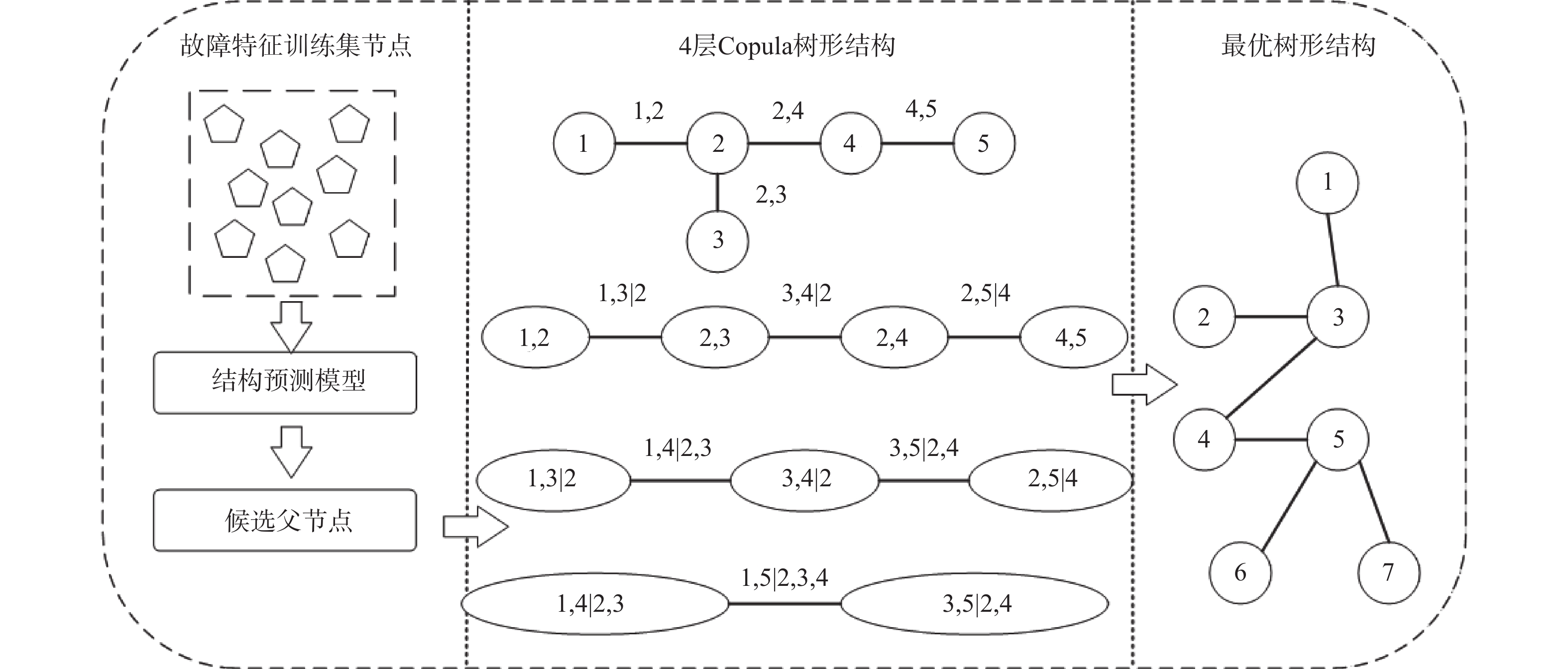
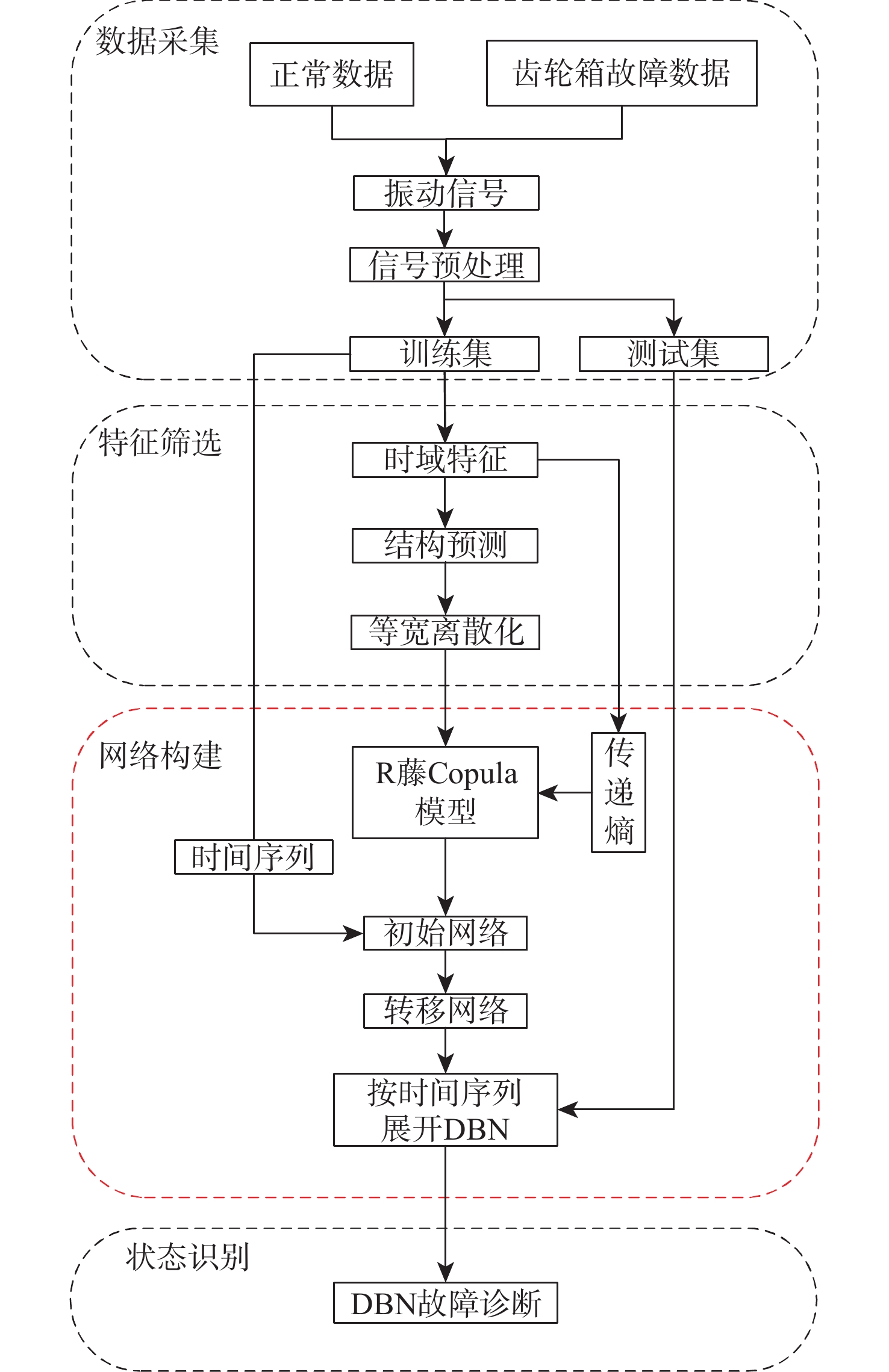
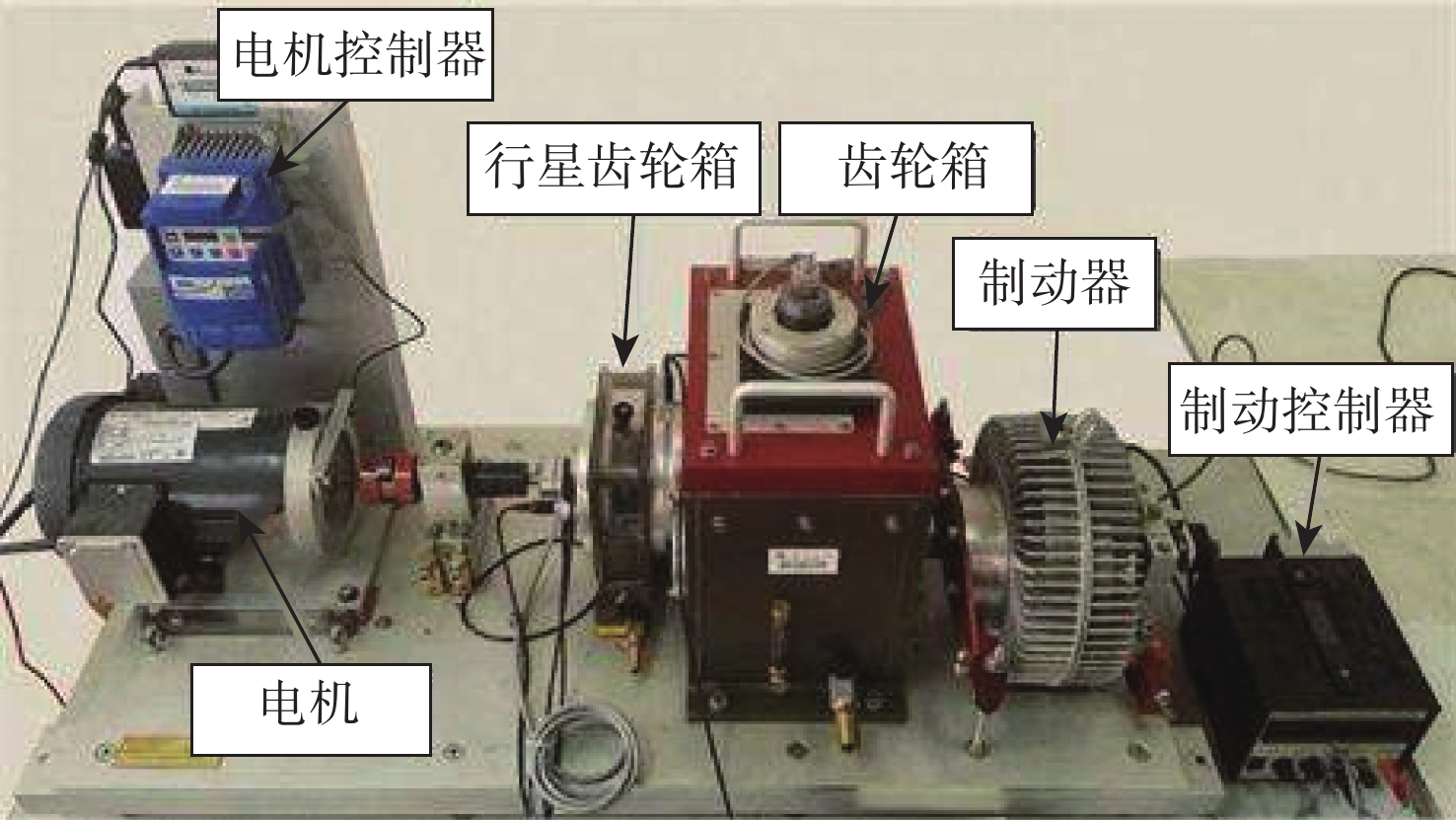
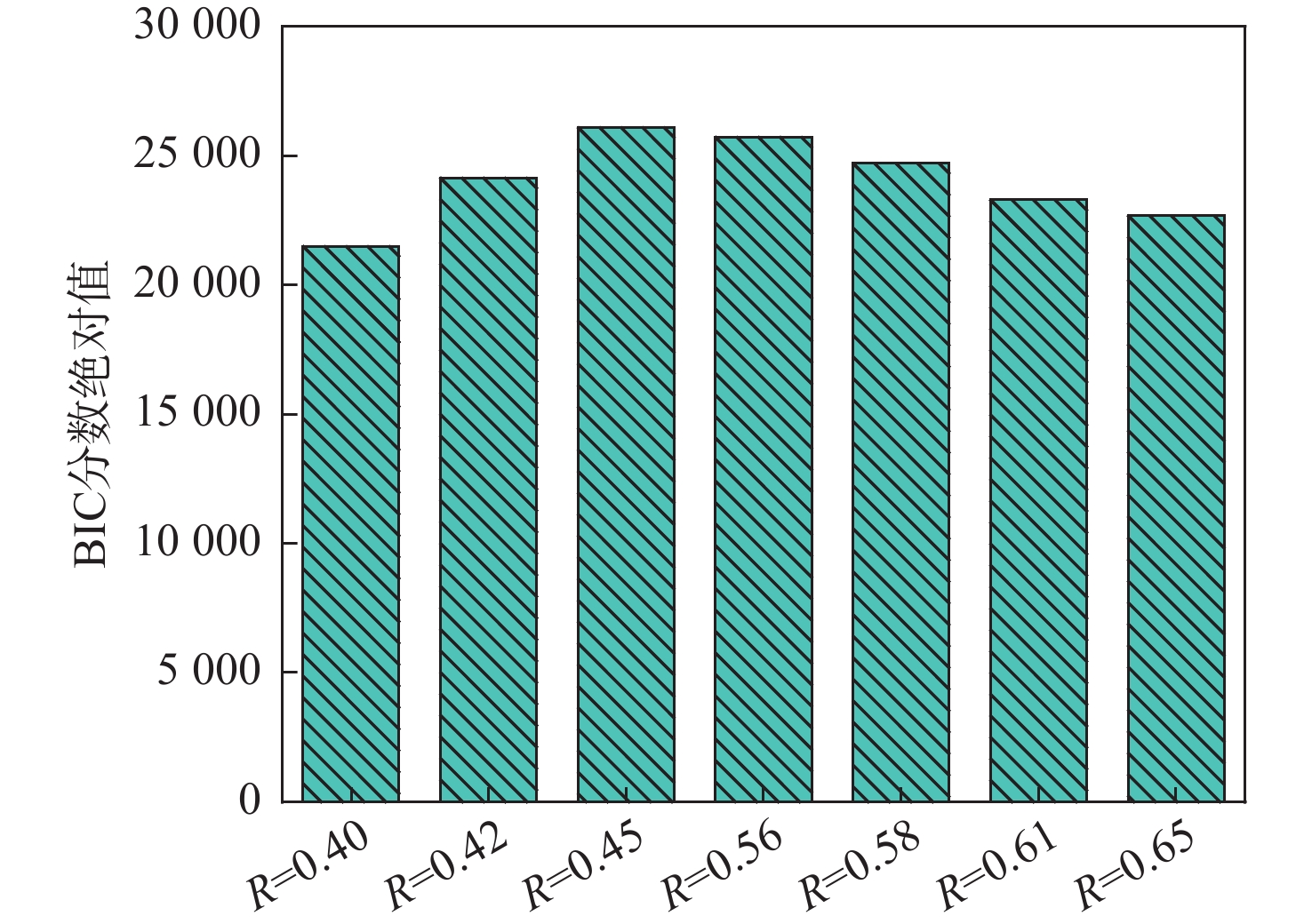
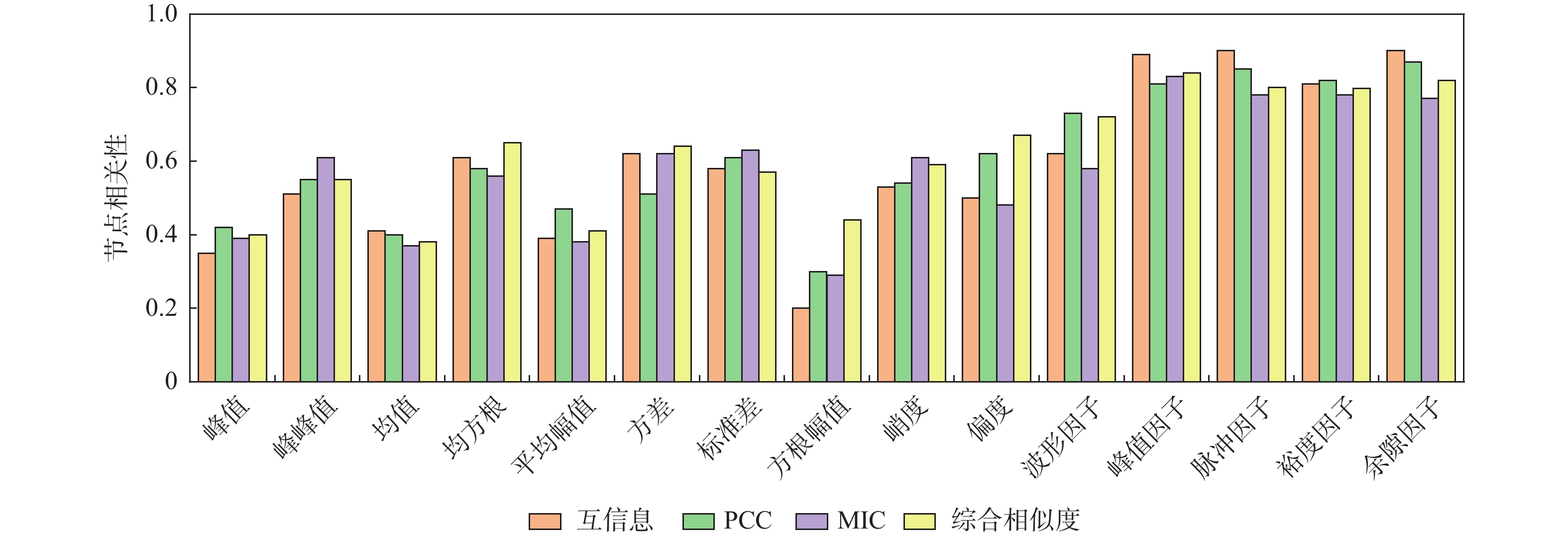
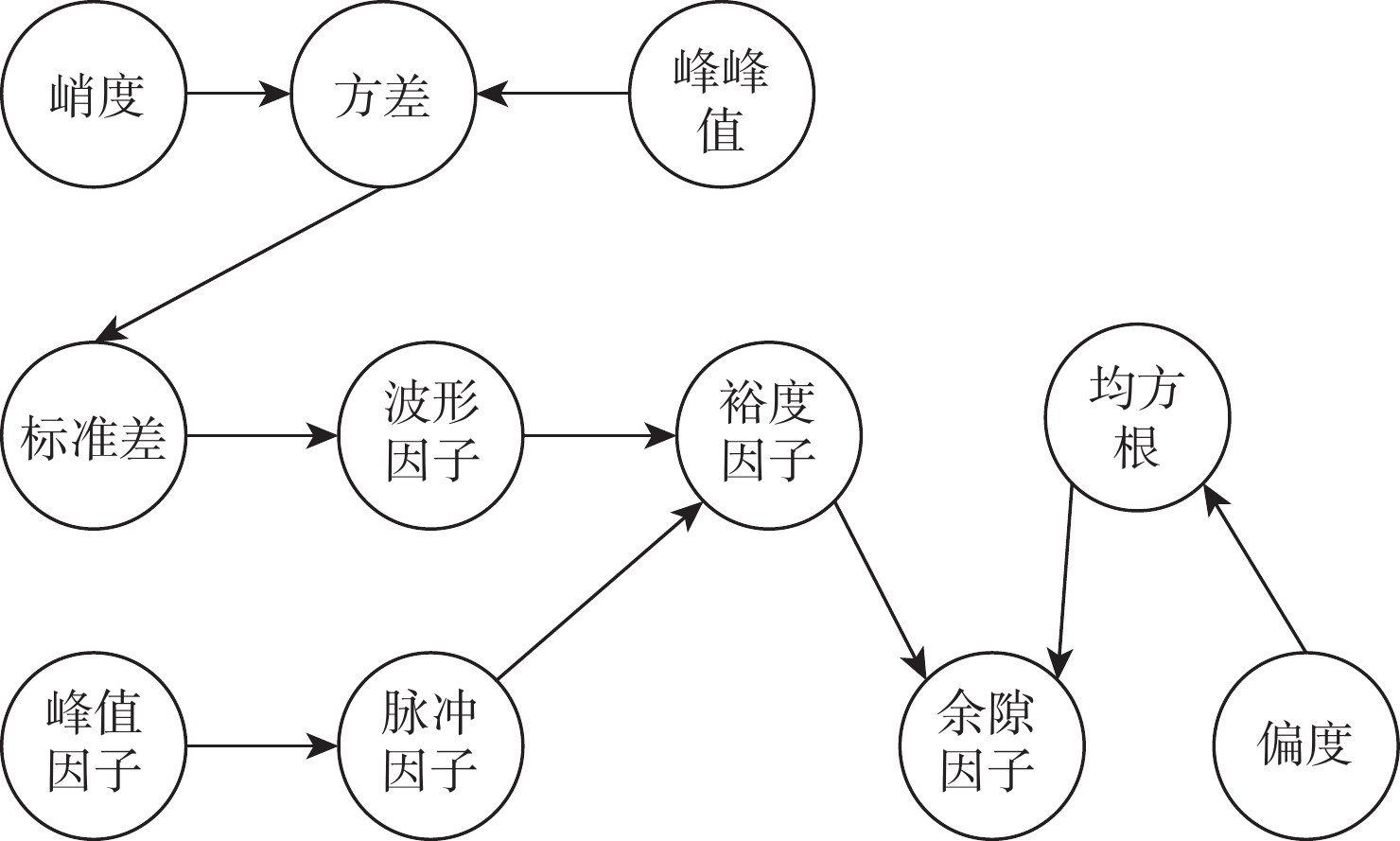
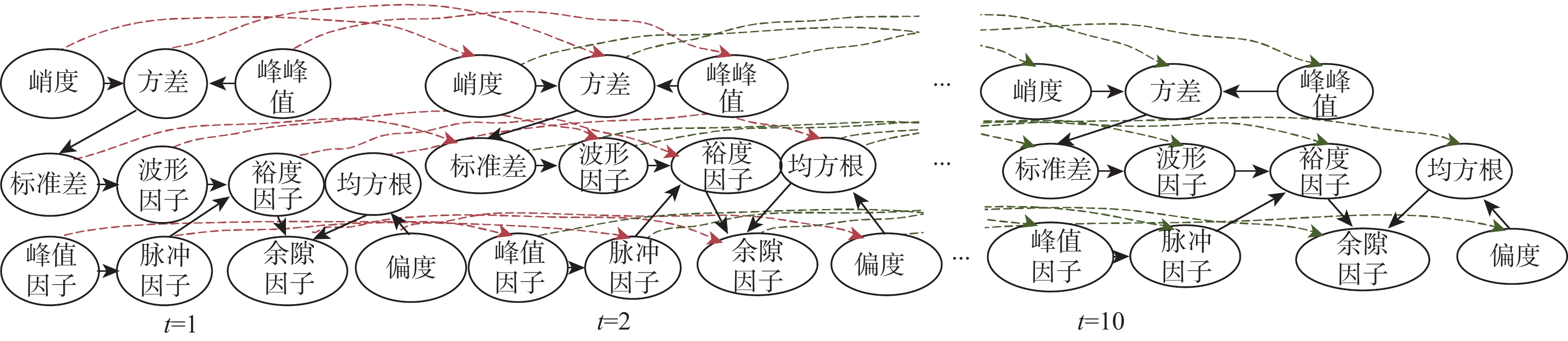
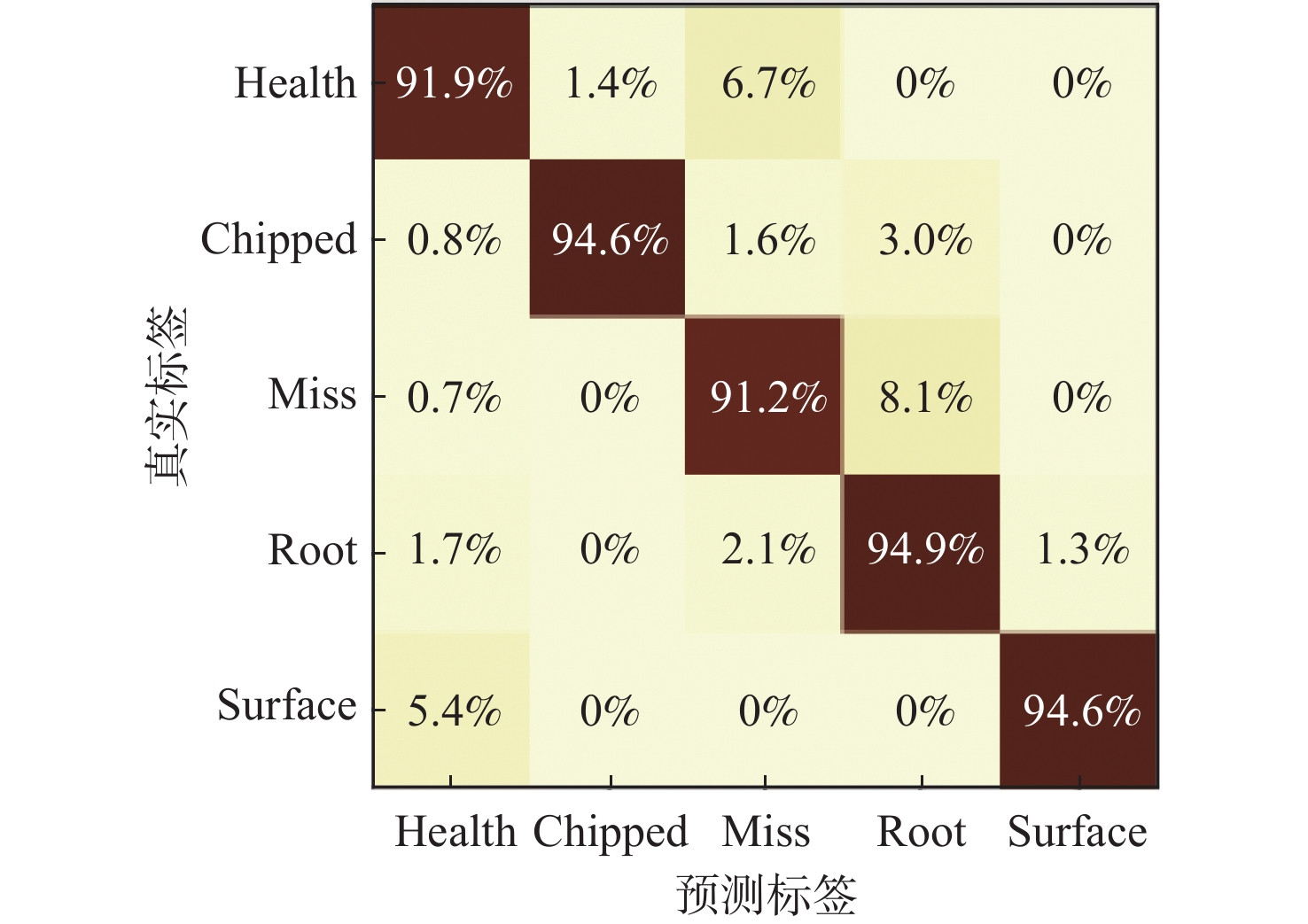
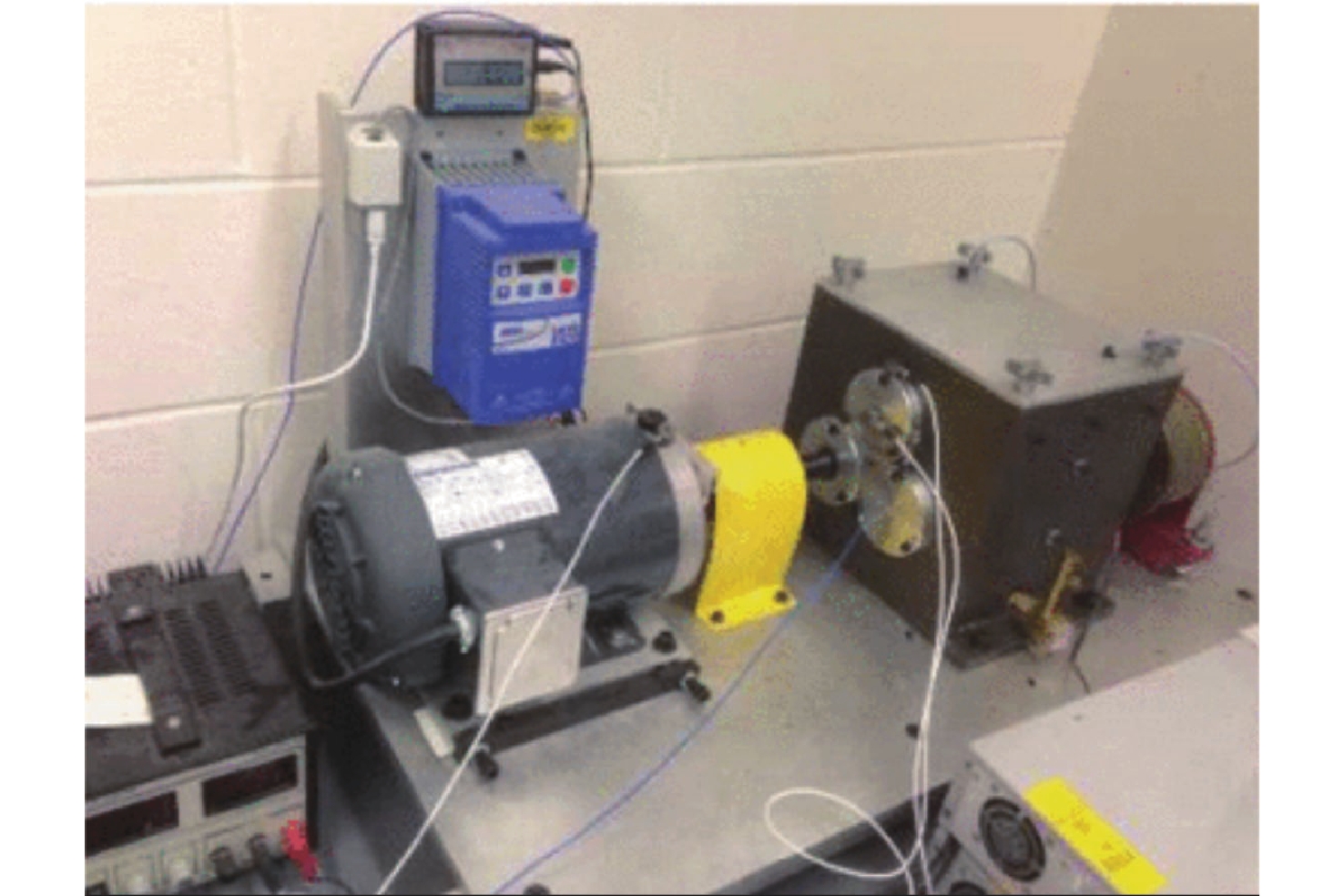
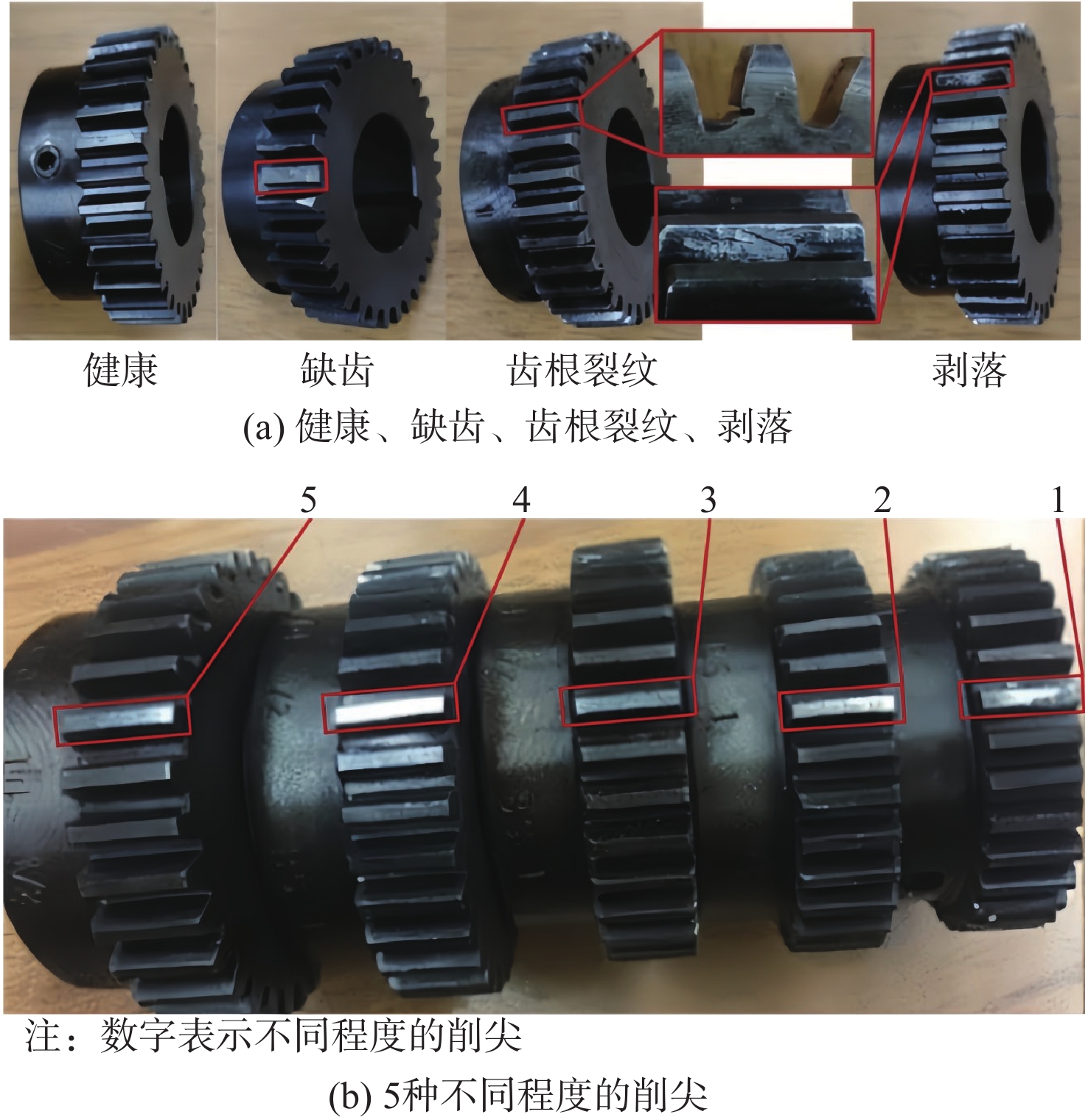
Low diagnostic accuracy results from the wide set of directed acyclic graphs that must be searched when doing structure learning on dynamic Bayesian starting networks under multidimensional input. Conventional approaches find it challenging to find the best structure. In this paper, a method is proposed to combine the R-vine Copula model with a dynamic Bayesian network (DBN) for fault diagnosis. First, the network structure space is made smaller by using the structure prediction model to filter the retrieved features and identify nodes with high correlation. Then, the first-layer tree structure of the R-vine Copula model is used combined with the transfer entropy method to construct the initial network of dynamic Bayesian network, and the DBN of the initial network is built according to the Markov process in time series for fault diagnosis, which solves the problem that it is difficult to obtain the optimal structure in the network construction under multiple features. The gearbox data of Southeast University is used for verification, and the comparison results show that the method can better learn the DBN structure, and the fit between the data and the model is high, and good diagnostic results can be obtained in fault diagnosis.

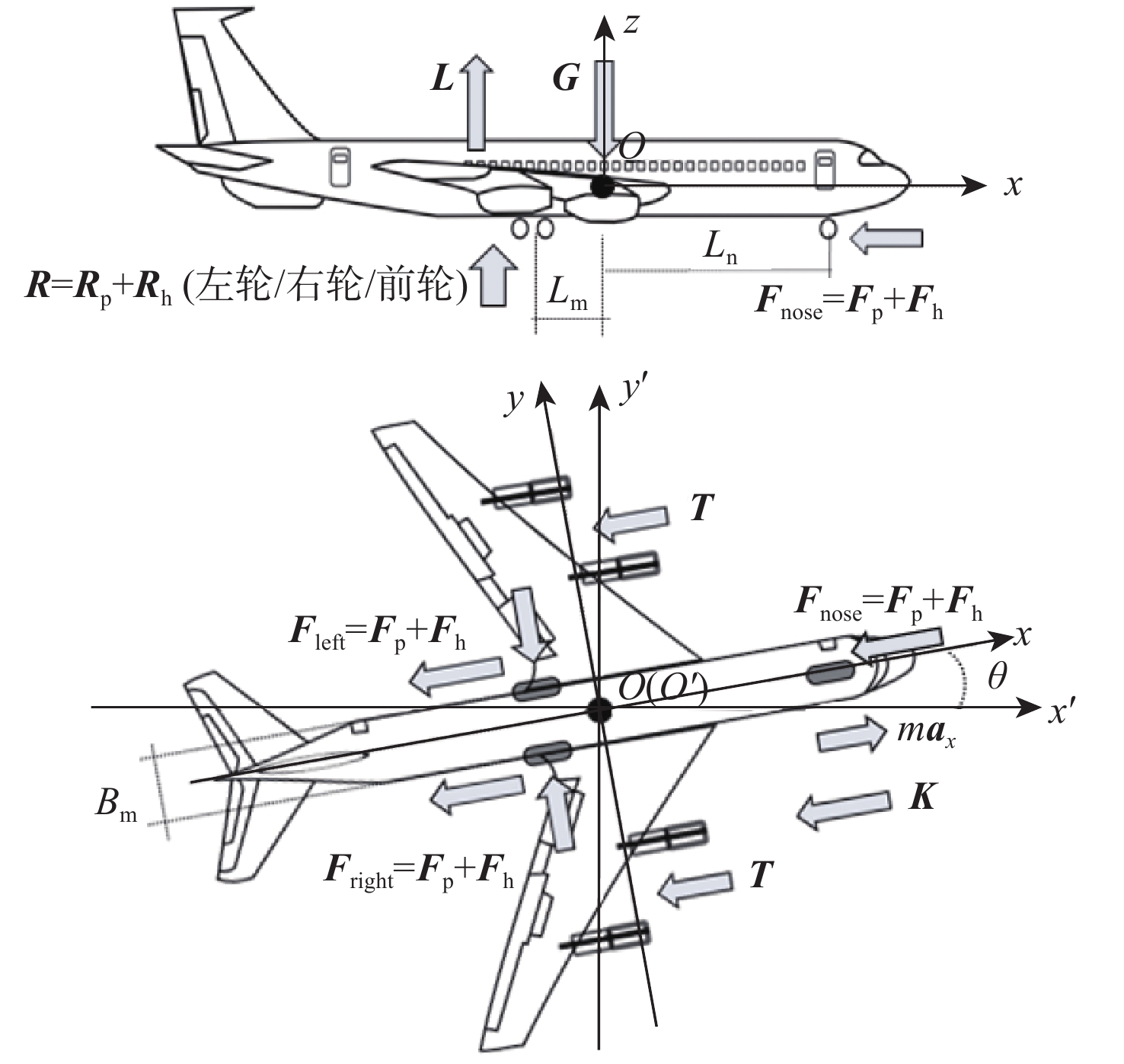
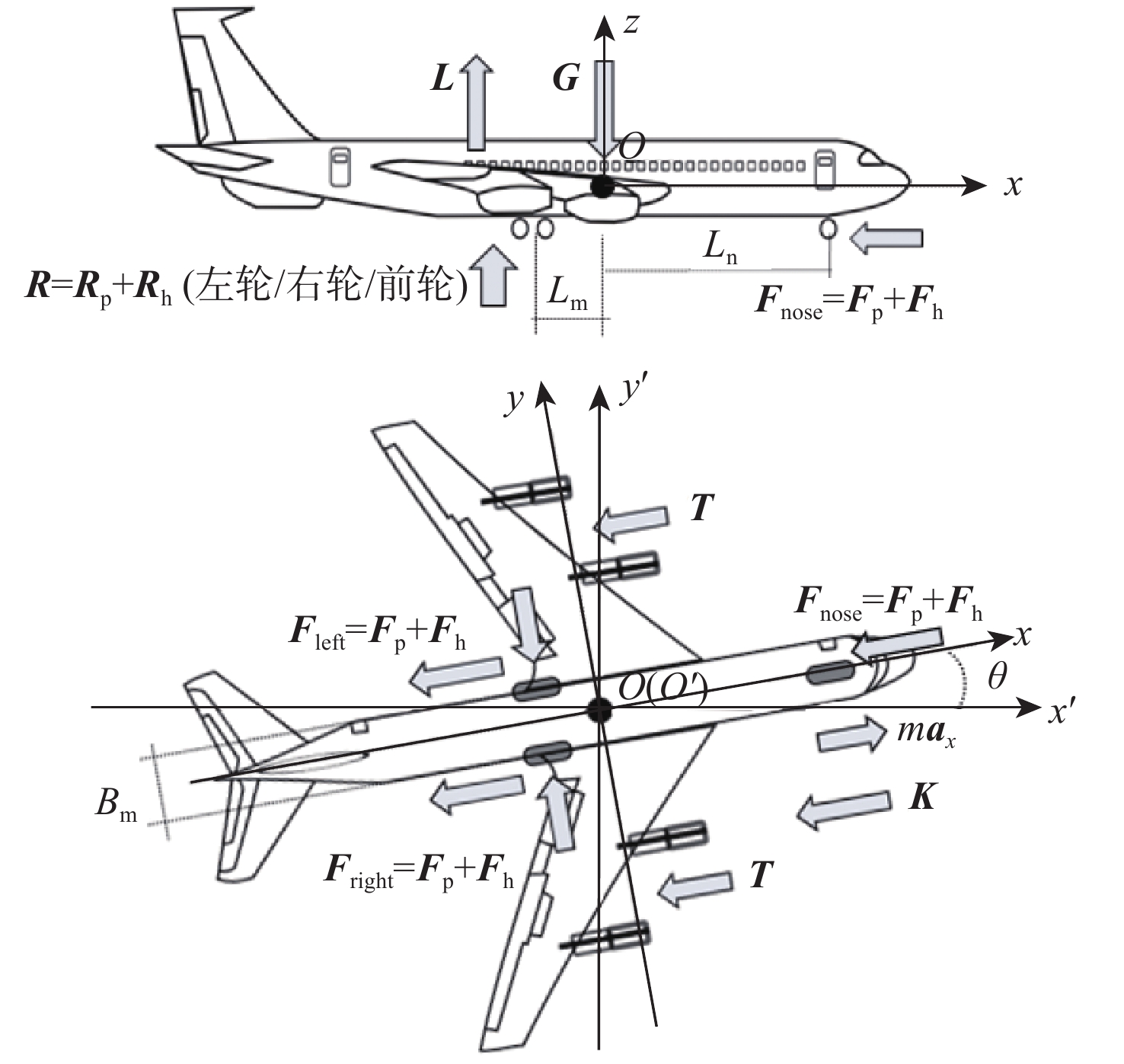
Influence on veer-off behavior of aircraft hydroplaning due to transverse uneven water accumulation
LI Yue, ZHANG Yaohua, CAI Jing, REN Yinan
2026, 52(3): 698-705. doi: 10.13700/j.bh.1001-5965.2023.0845
Abstract:

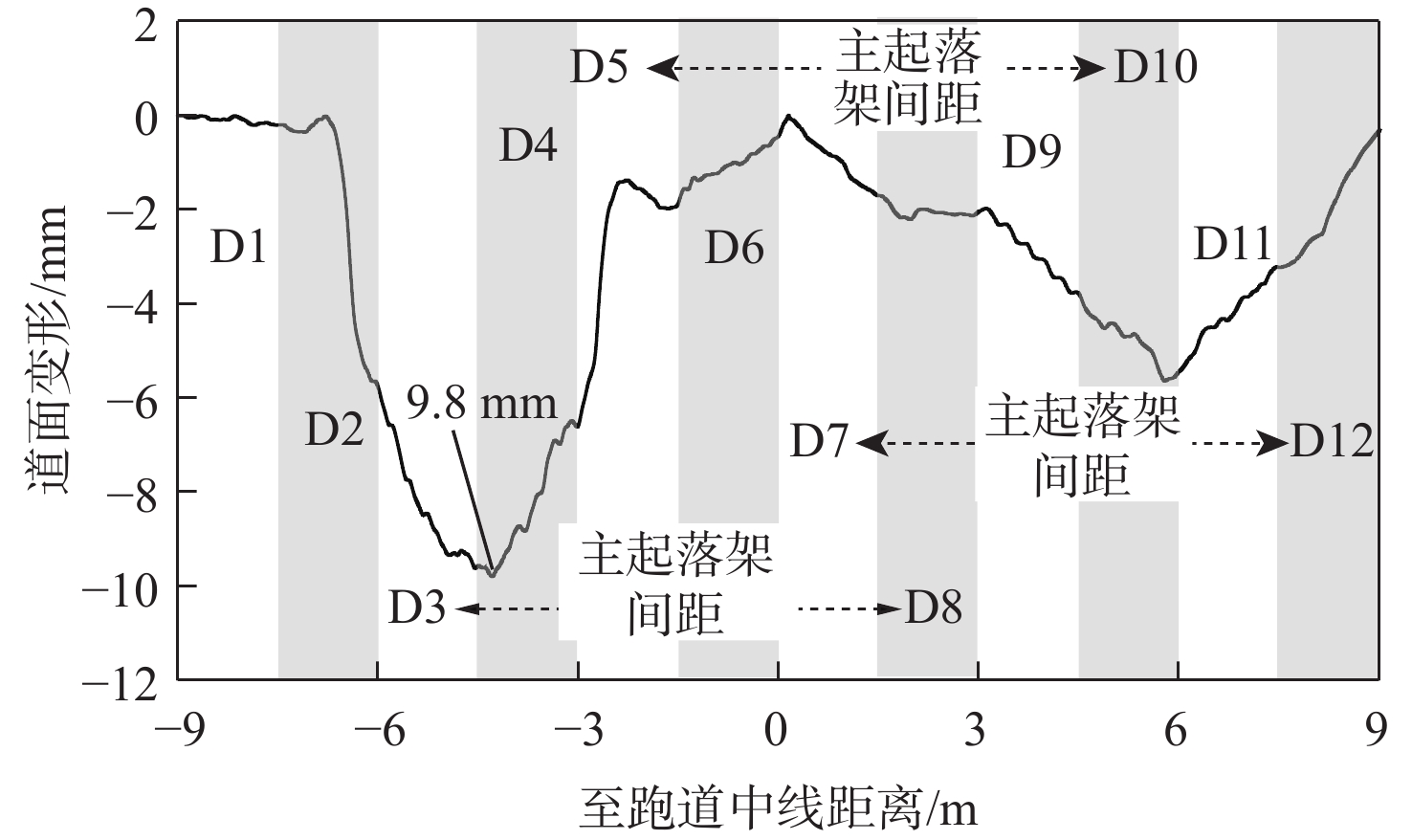
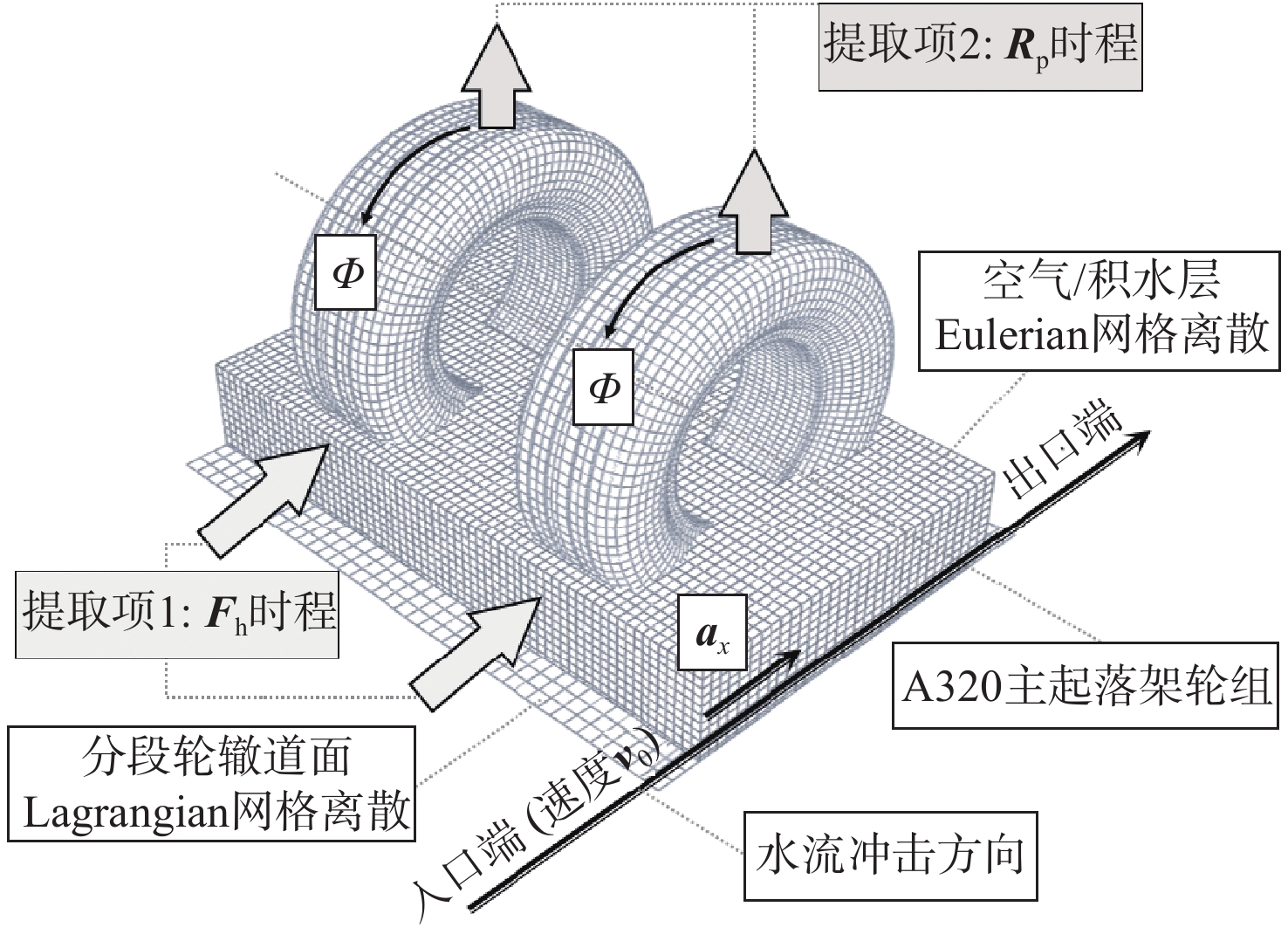
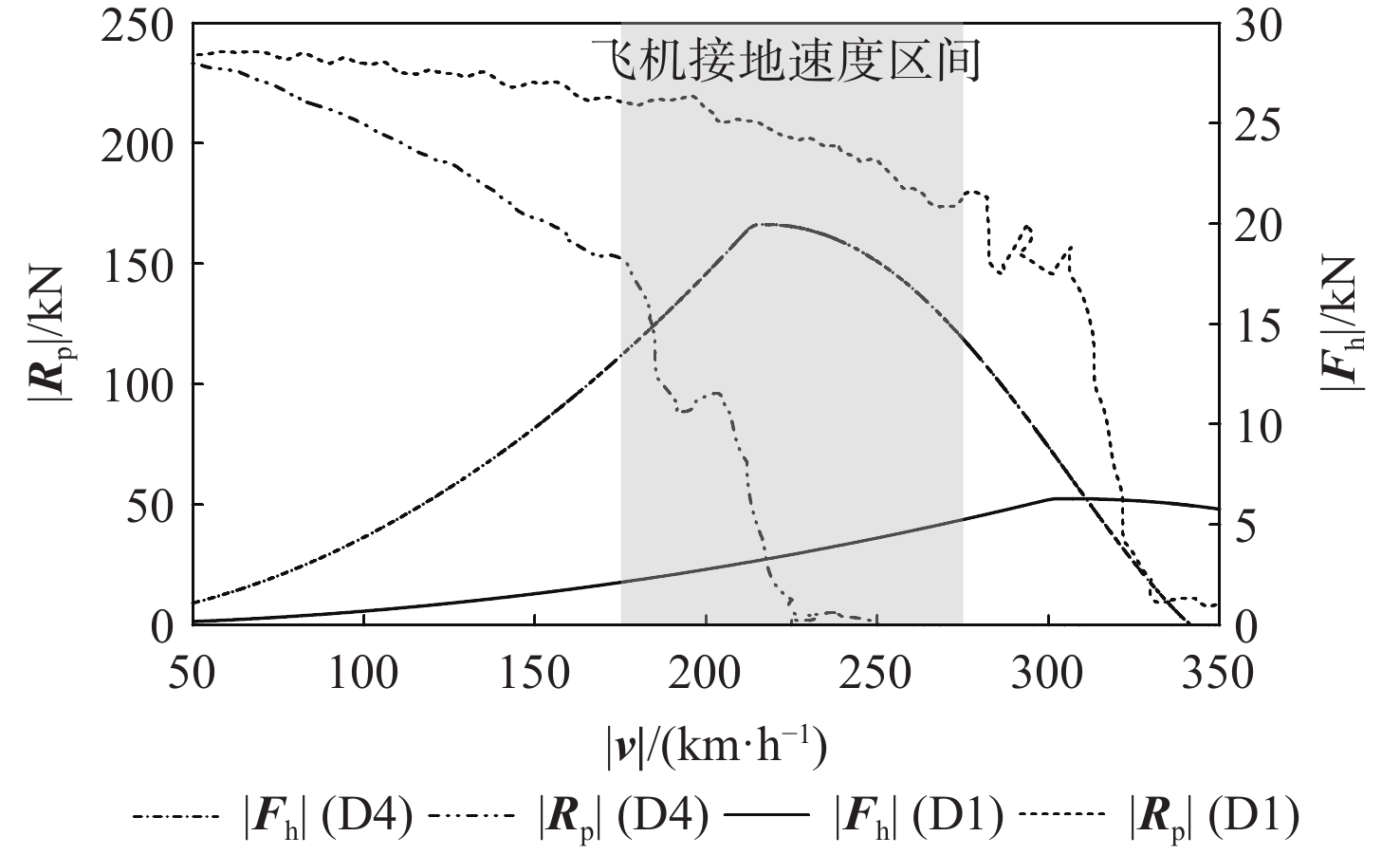
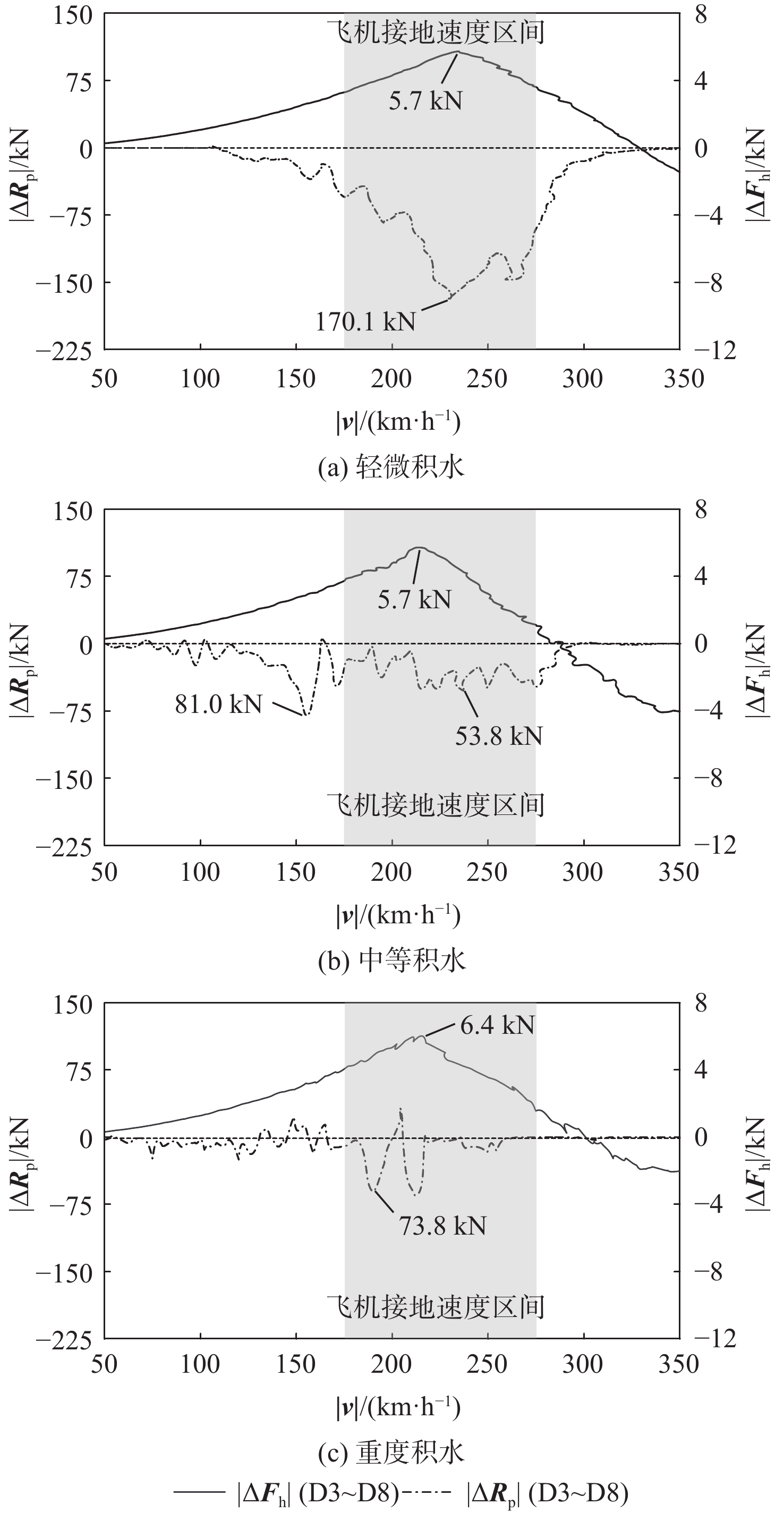
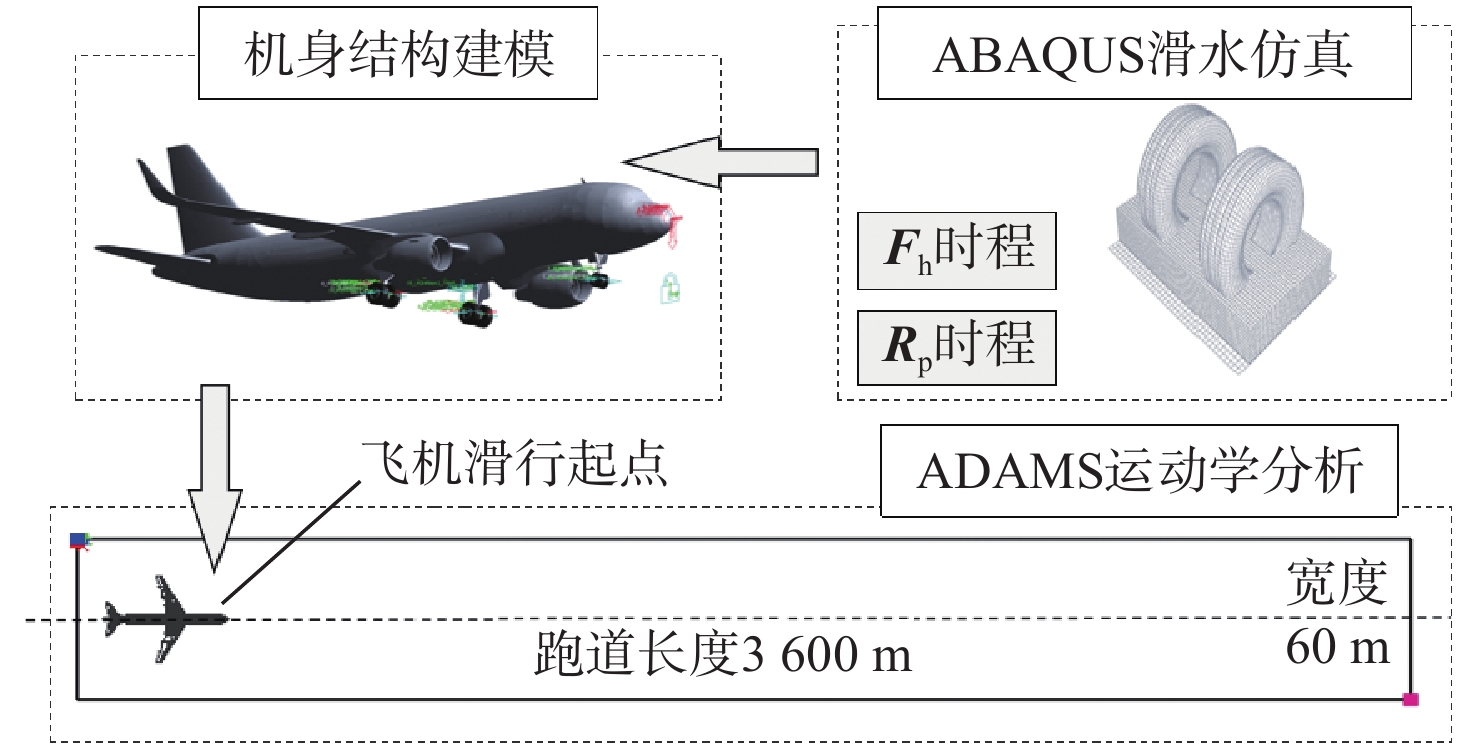
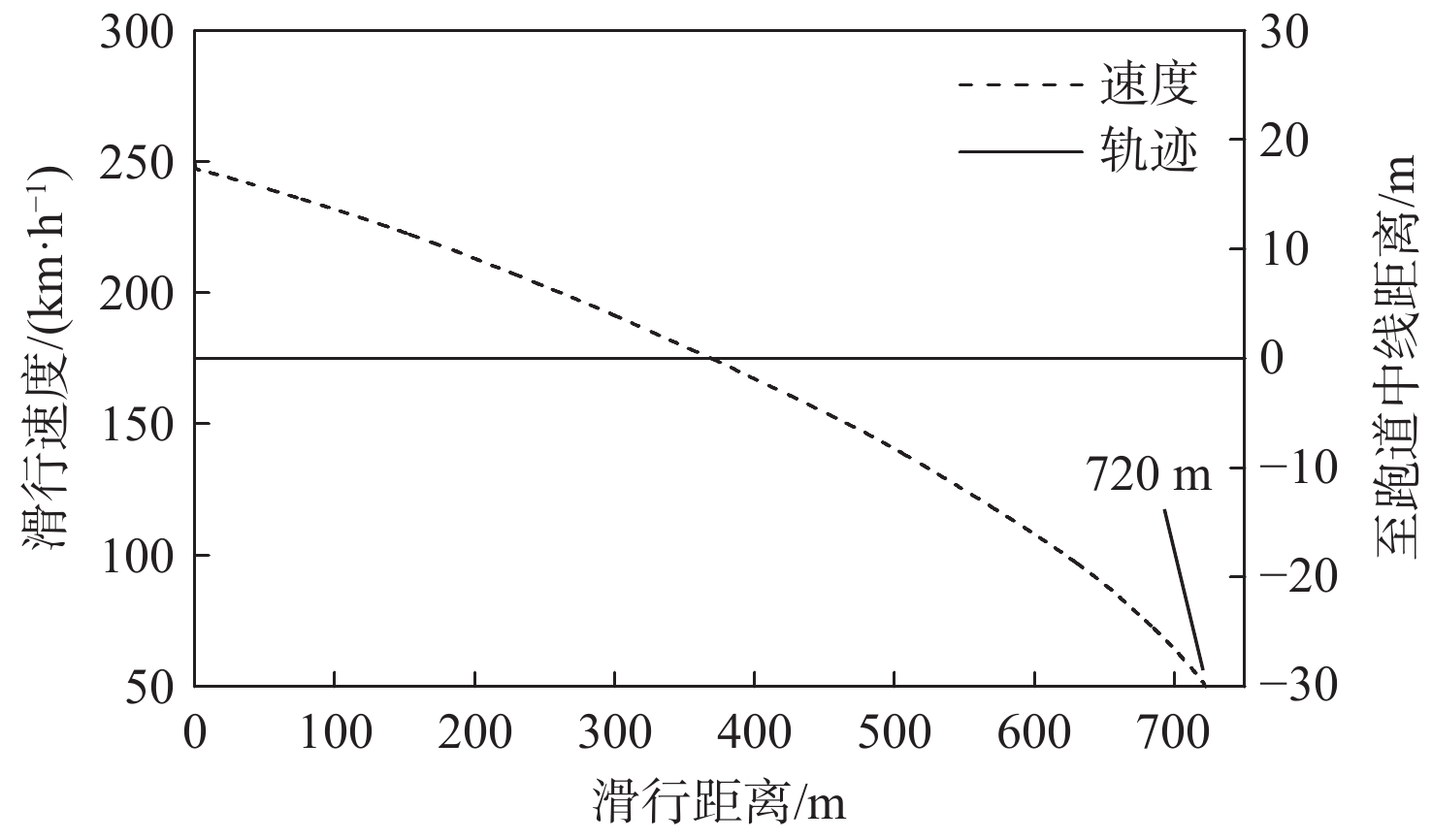
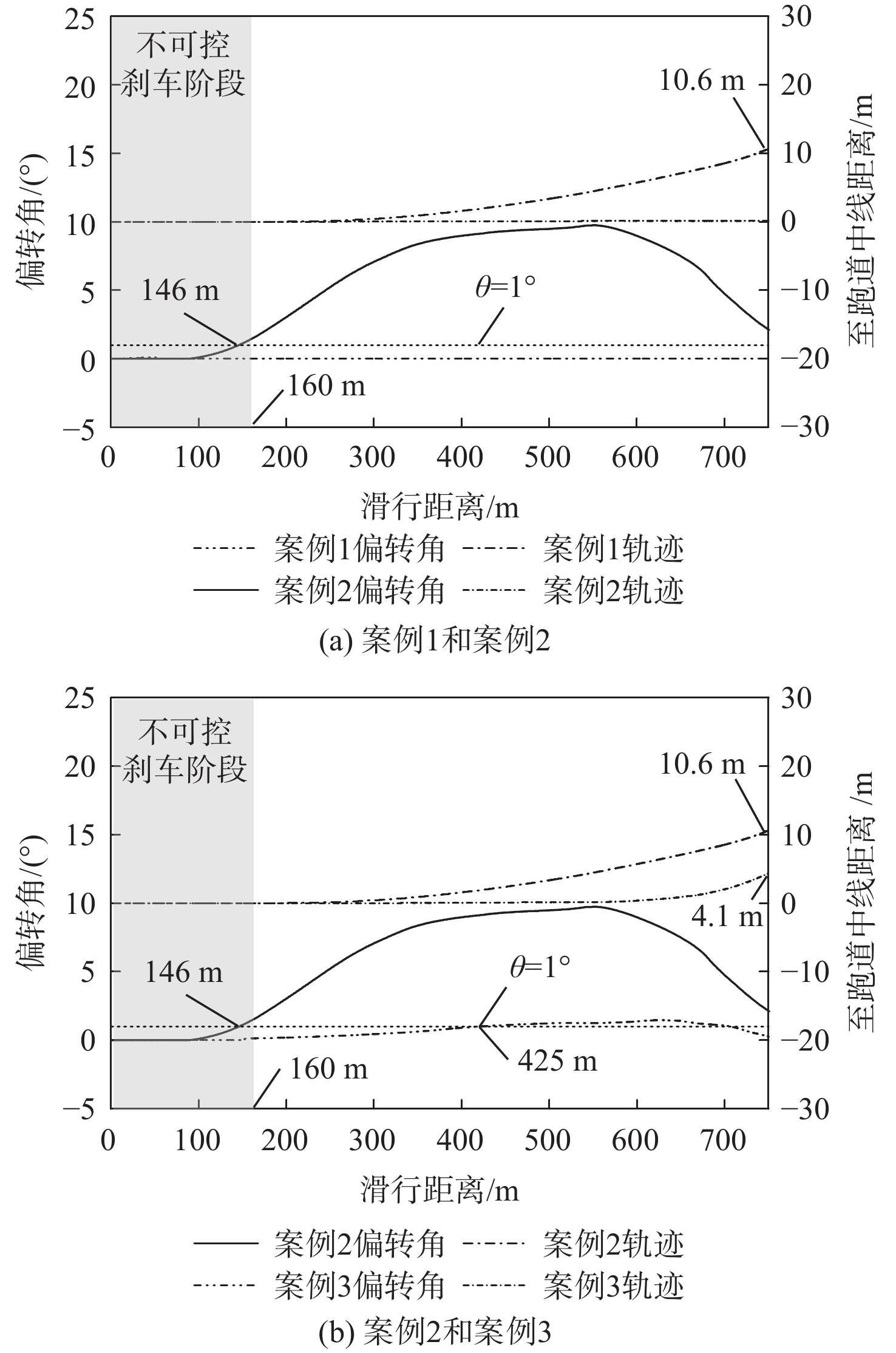
Accumulated water film on the pavement is unevenly distributed due to several factors, which may lead to an aircraft veer-off accident. The single index of water film thickness lacks the ability to characterize the water film distribution condition. In this paper, a theoretical model of the deviation behavior of aircraft hydroplaning was established. A hydroplaning simulation of an aircraft wheel group was carried out on the basis of the American full-scale test result of pavement loading. The transverse water film uneven distribution was quantified section by section. The differences in the frictional effect between both sides of aircraft wheel group were compared. It was suggested to use a new type of evaluation index called the critical length of unevenly distributed water film. The rationality and applicability of such an index were verified through a correlation study between critical length and aircraft taxing performance variation by using ADAMS-based kinematic analysis. The result indicated that notable differences exist between the time-history curve of the frictional effect between both sides of the wheel group in the case that the aircraft lands on the pavement with a transversely unevenly distributed water film. The entire landing procedure raised the likelihood of a veer-off mishap because asymmetric deviation forces constantly impact the aircraft's taxing performance. The critical length of uneven distributed water film derived from three study cases were merely 6.6% differed from theoretical results. The proposed evaluation index may take the accumulative impact of deviation forces due to transversely unevenly distributed water film into consideration, which may provide useful reference for take-off and landing safety protection and water distribution control on the pavement.

An anchor-free rotated box remote sensing image ship object detection algorithm
LI Lu, CHEN Keyan, LIU Chenyang, SHI Zhenwei
2026, 52(3): 706-712. doi: 10.13700/j.bh.1001-5965.2023.0852
Abstract:

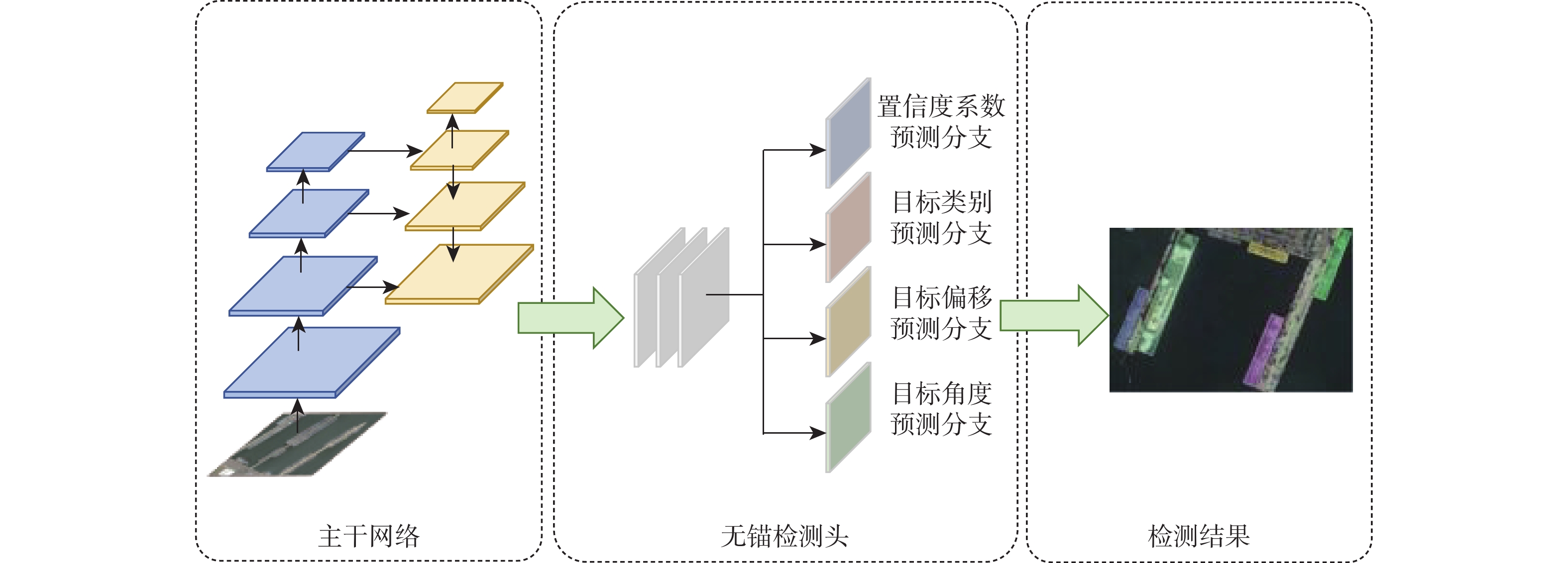
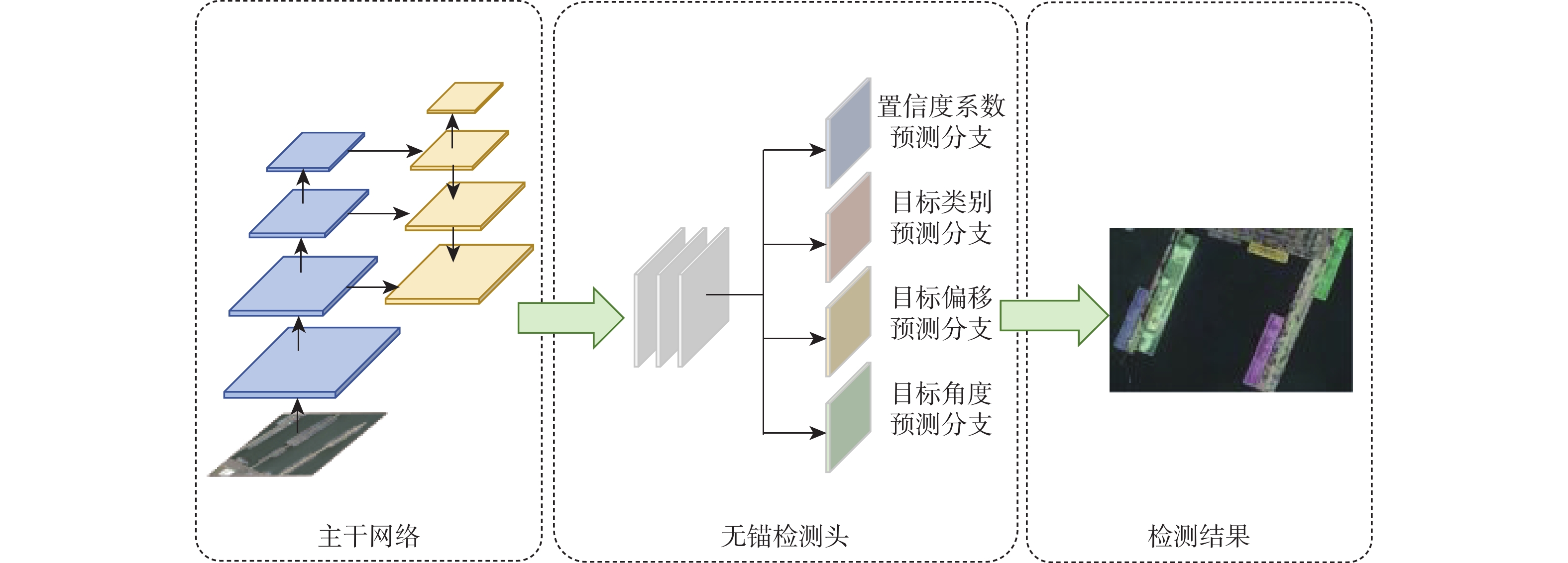
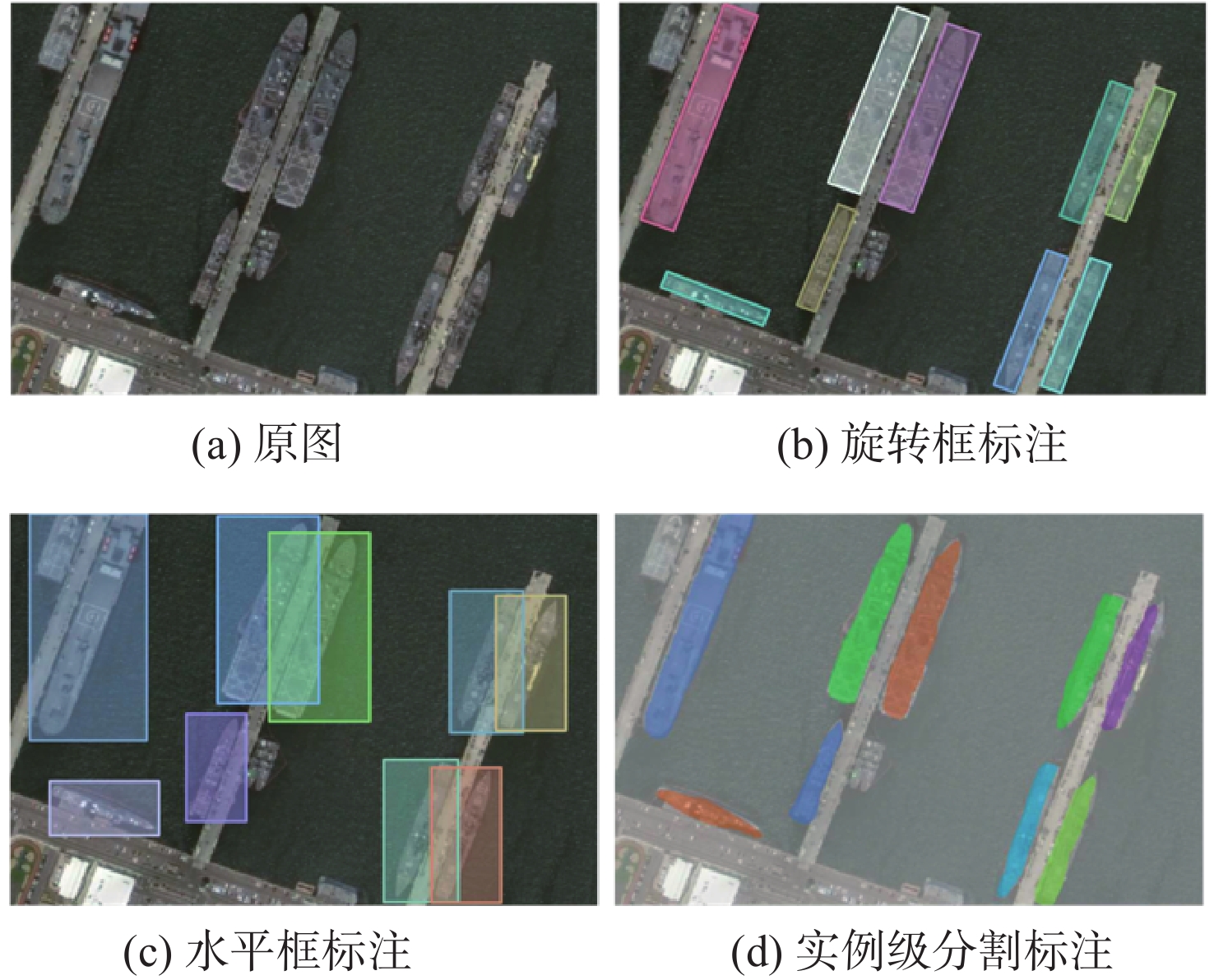
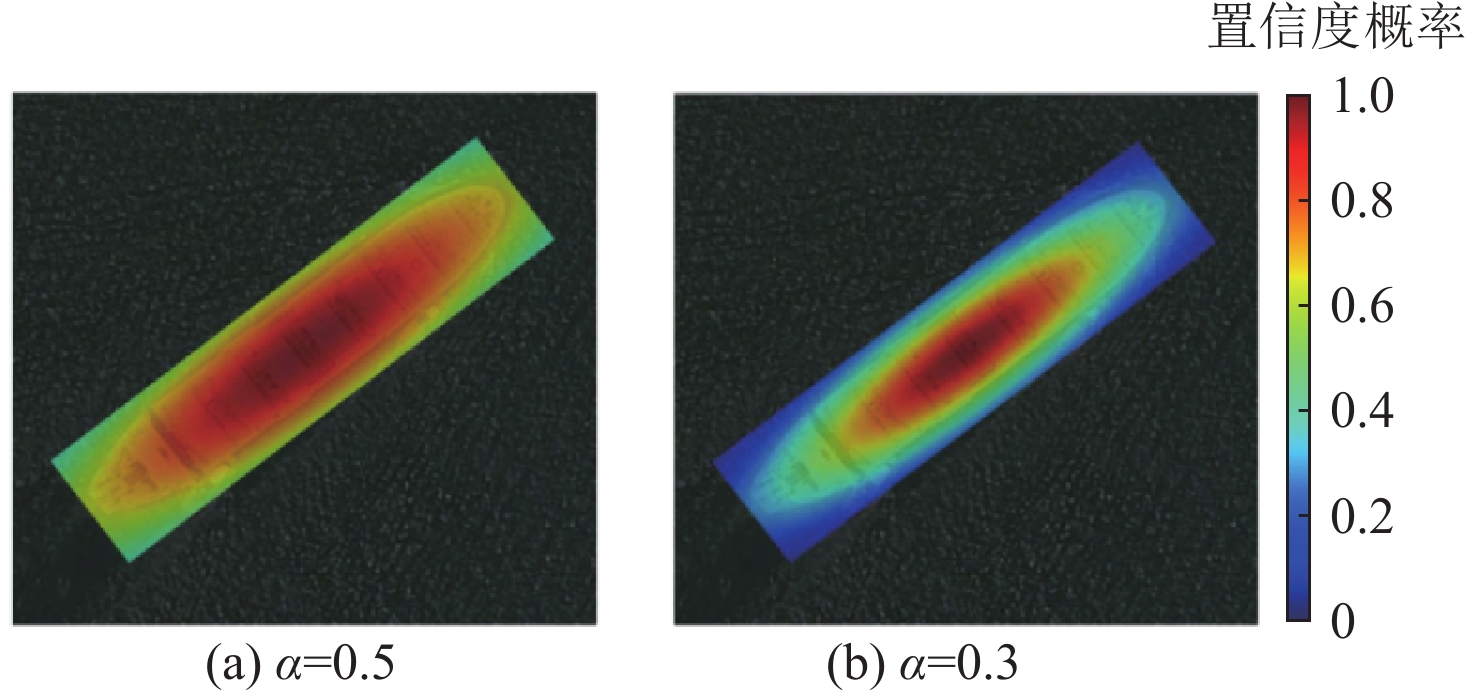
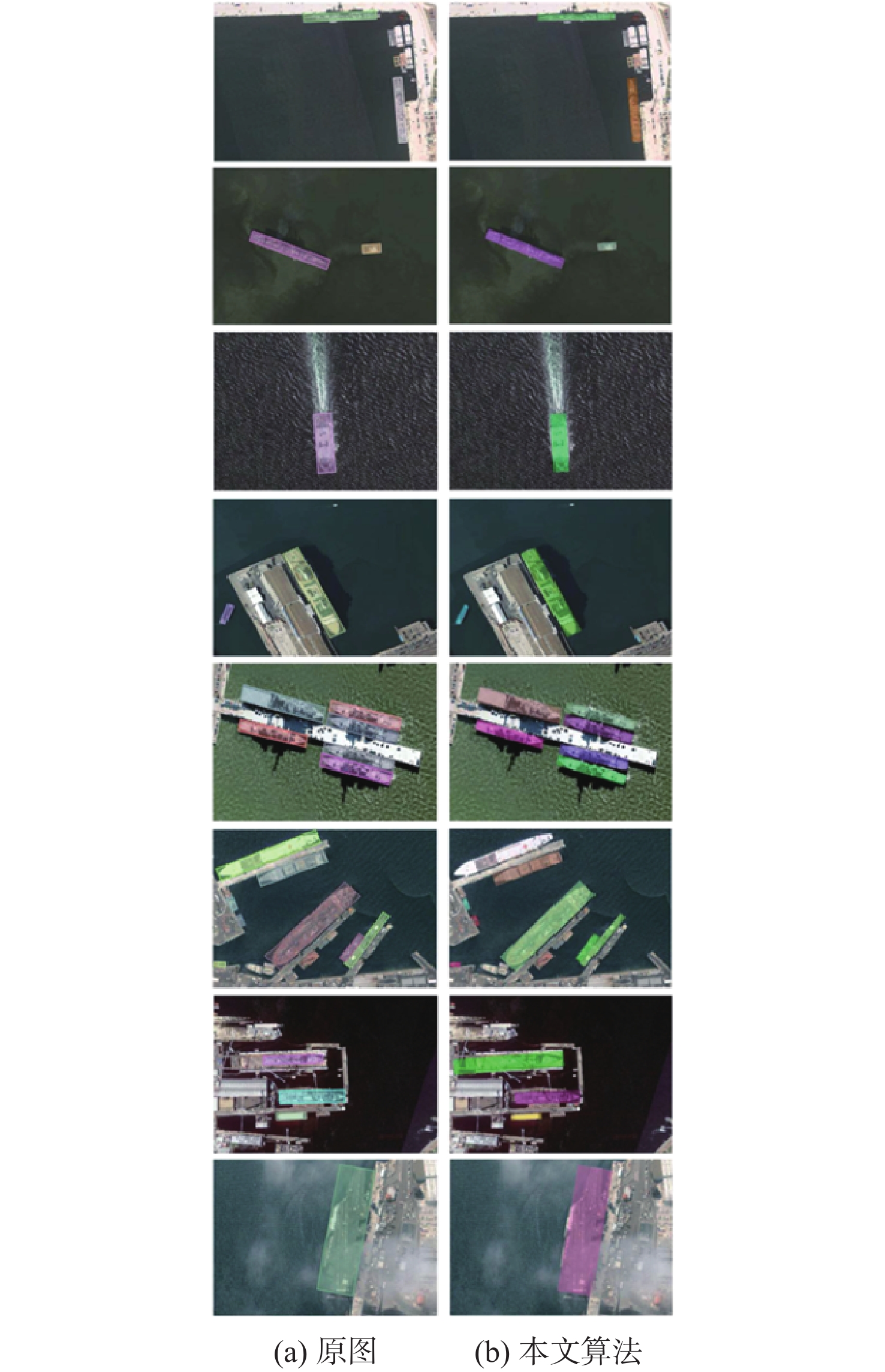
Accurate and efficient ship detection plays a crucial role in safeguarding maritime interests and building a maritime powerhouse, with significant practical value. However, anchor boxes are the mainstay of current ship detection algorithms based on optical remote sensing images. These algorithms have limited generalization capabilities, a high computational resource requirement, and a huge number of hyperparameters. Although natural image object detection algorithms have improved these issues by adopting anchor-free methods, they can only achieve horizontal box detection and are unable to handle the unique characteristics of ship targets, such as elongated shapes, varying angles, and tight arrangements. To address these issues, this paper designs an anchor-free, single-stage remote sensing image ship detection algorithm. In particular, based on CenterNet, this research suggests a distribution-prior based confidence coefficient prediction branch to produce higher quality positive samples for the ship detection job. More precise rotation angle representation is achieved by limiting the output space of angles using a hyperbolic activation-based angle prediction branch. The use of a variable positive-negative sample label assignment technique can speed up network convergence by providing dynamic, fine-tuned supervision information. Experiments on the HRSC2016 dataset validate the superiority of the proposed algorithm compared to other advanced algorithms and confirm the effectiveness of each module.

Fault diagnosis of gearbox with small-sample based on SCACGAN
WANG Jinhua, LIU Qinwei, CAO Jie, CHEN Li
2026, 52(3): 713-723. doi: 10.13700/j.bh.1001-5965.2023.0819
Abstract:

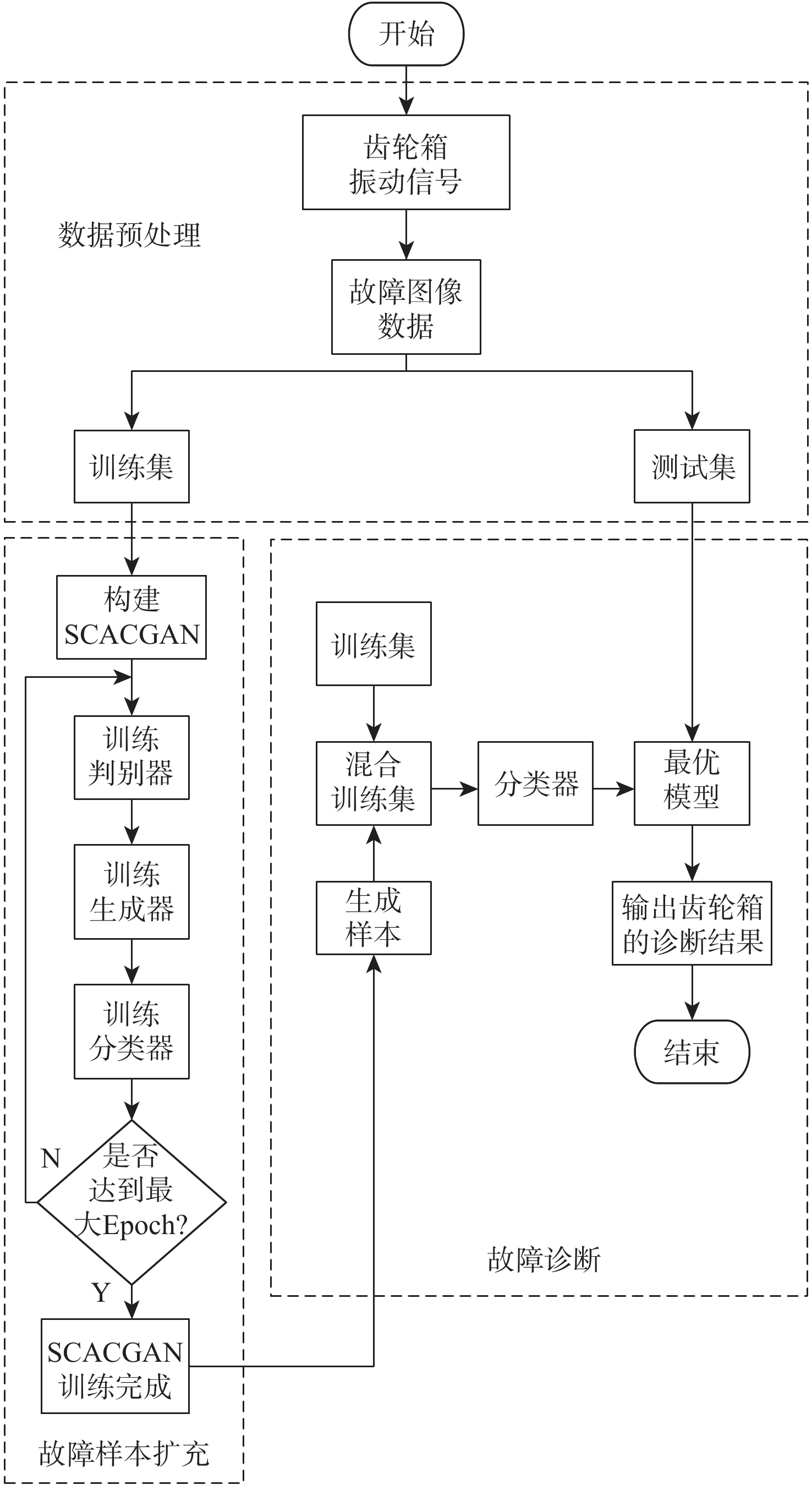
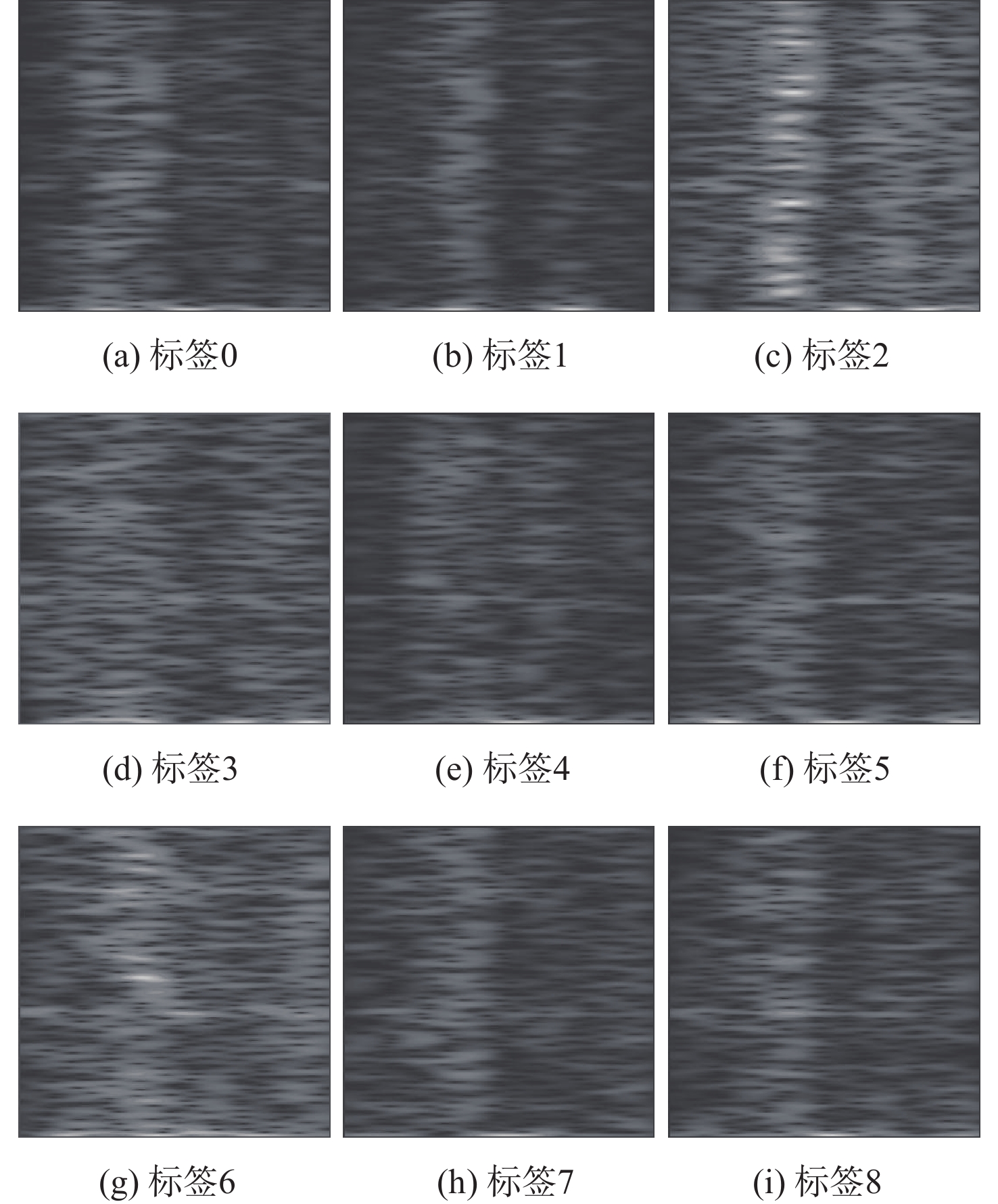
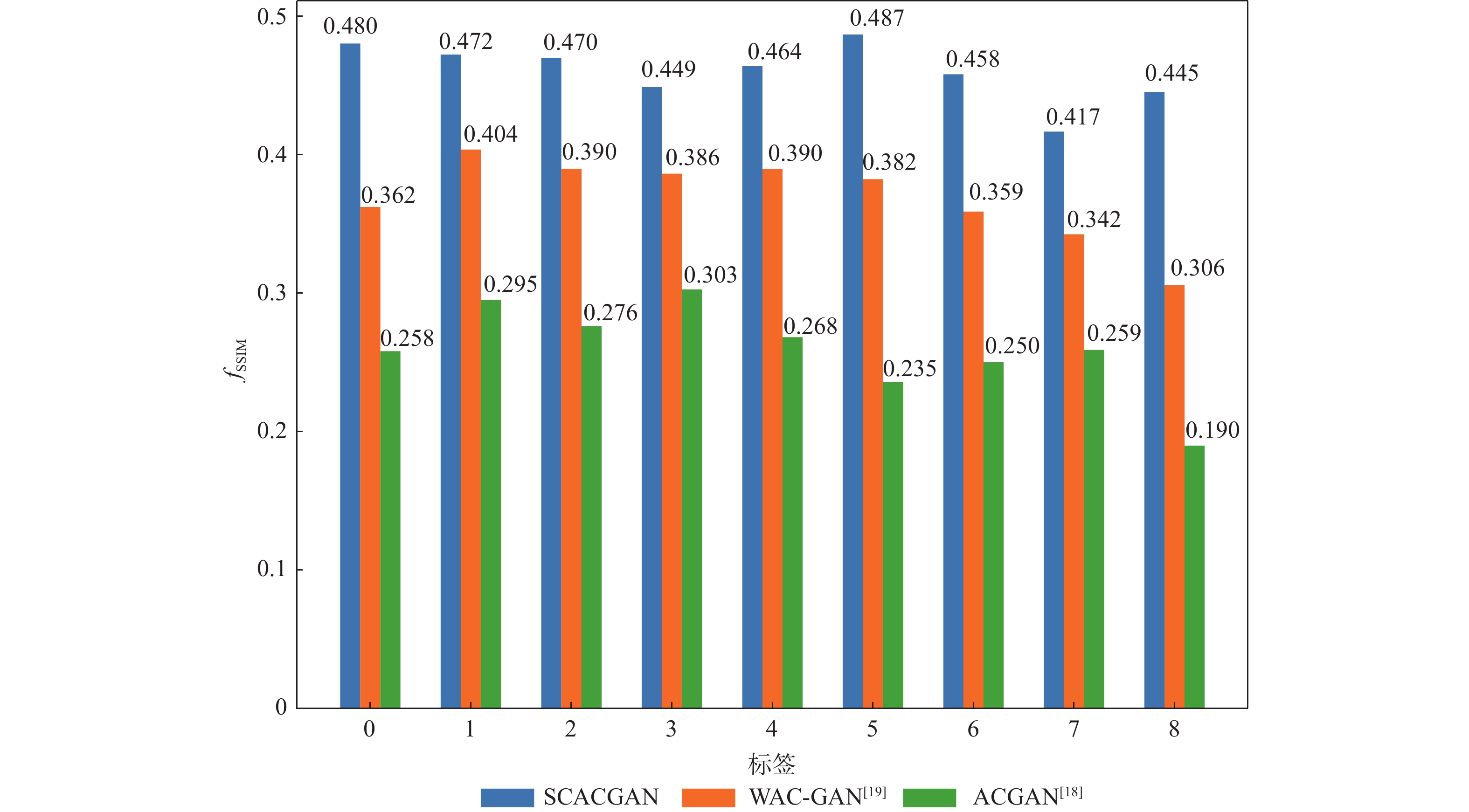
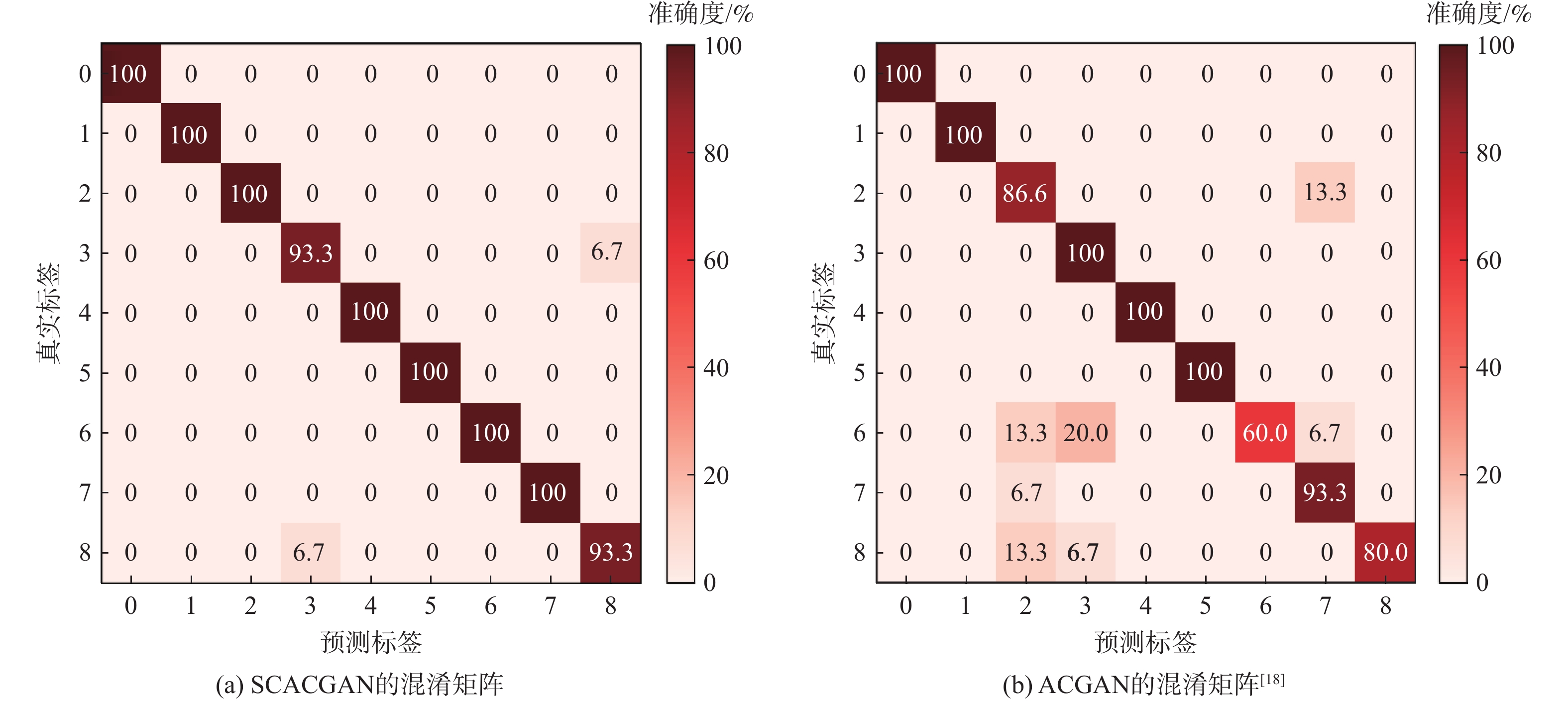
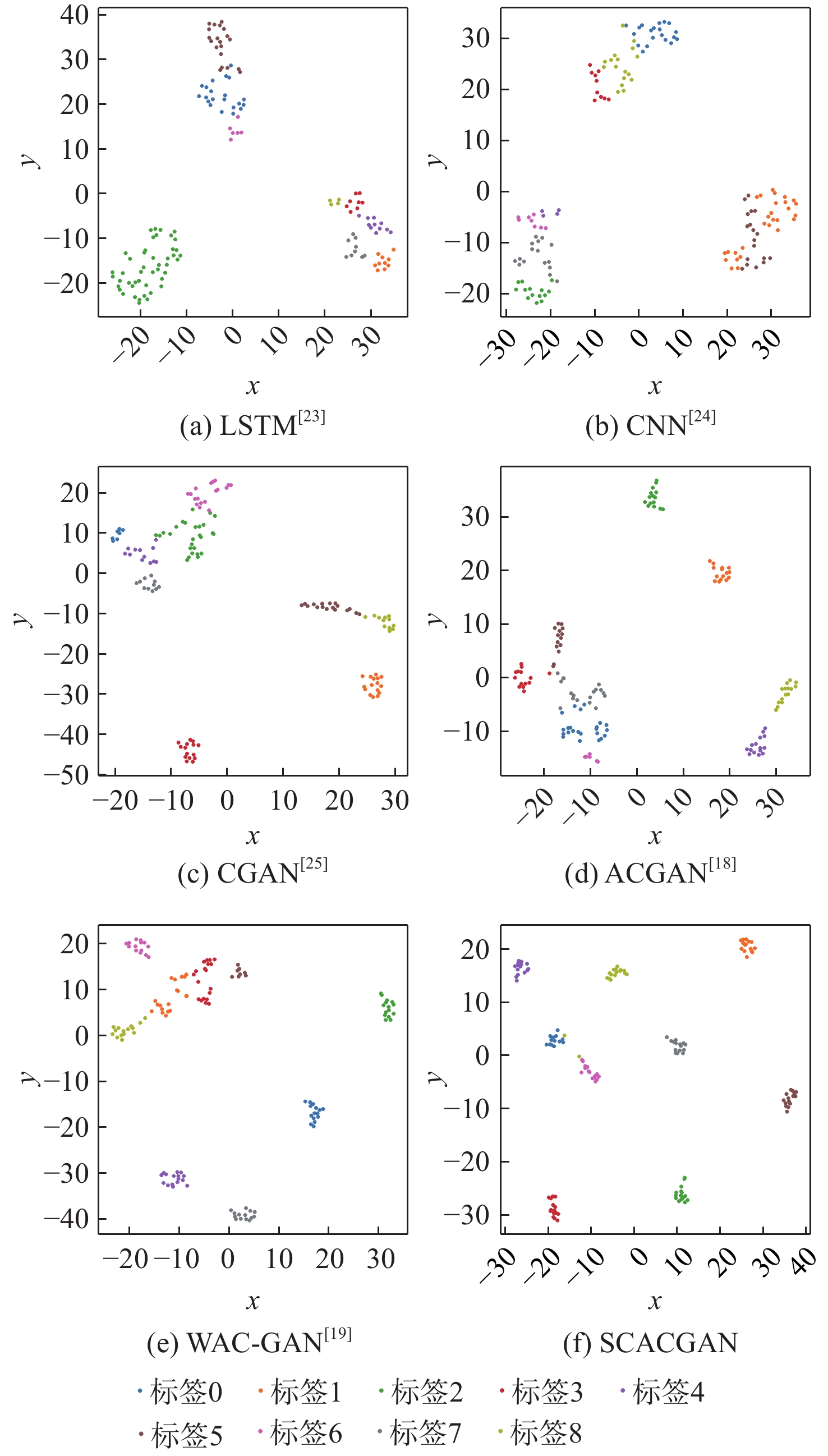
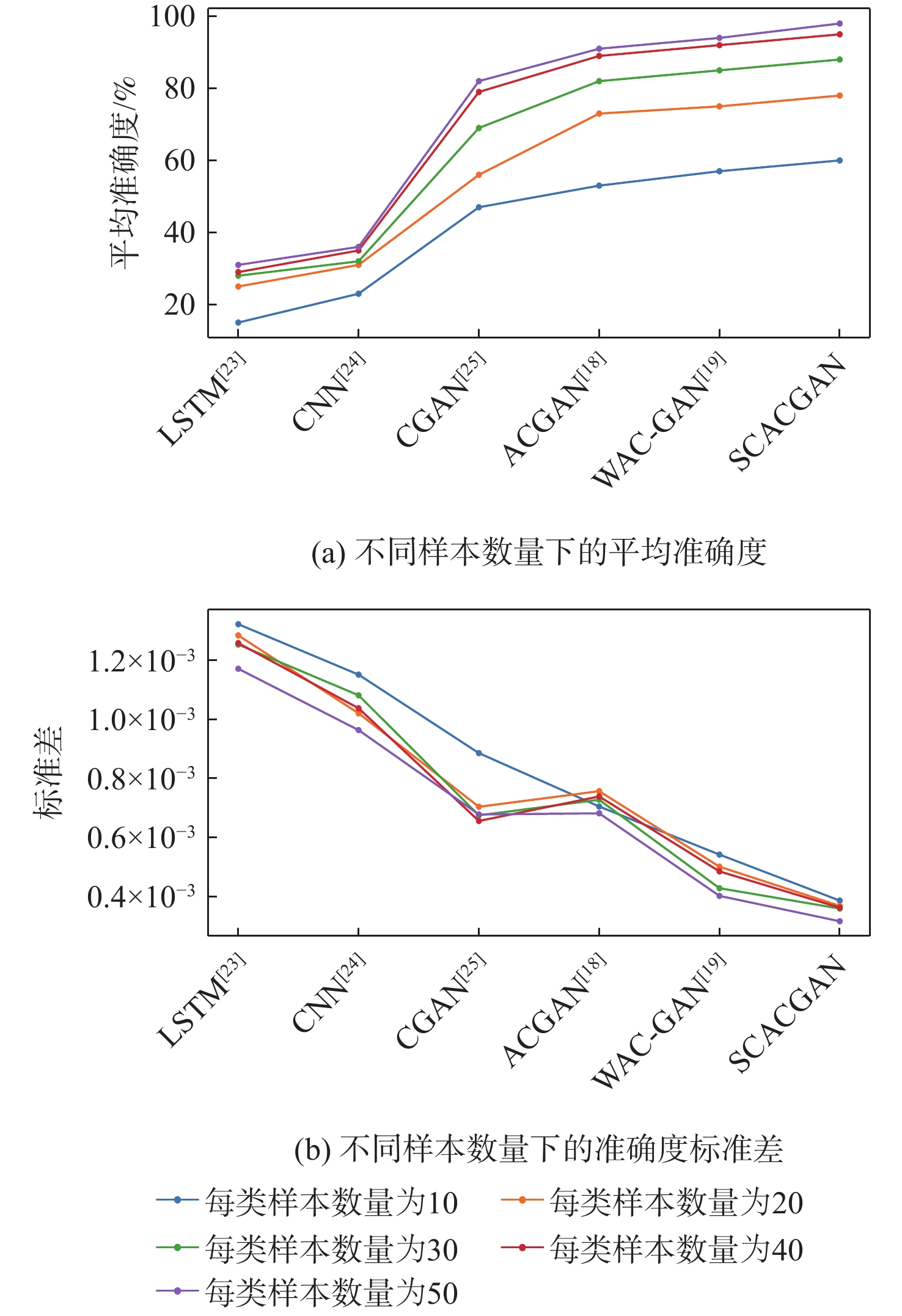
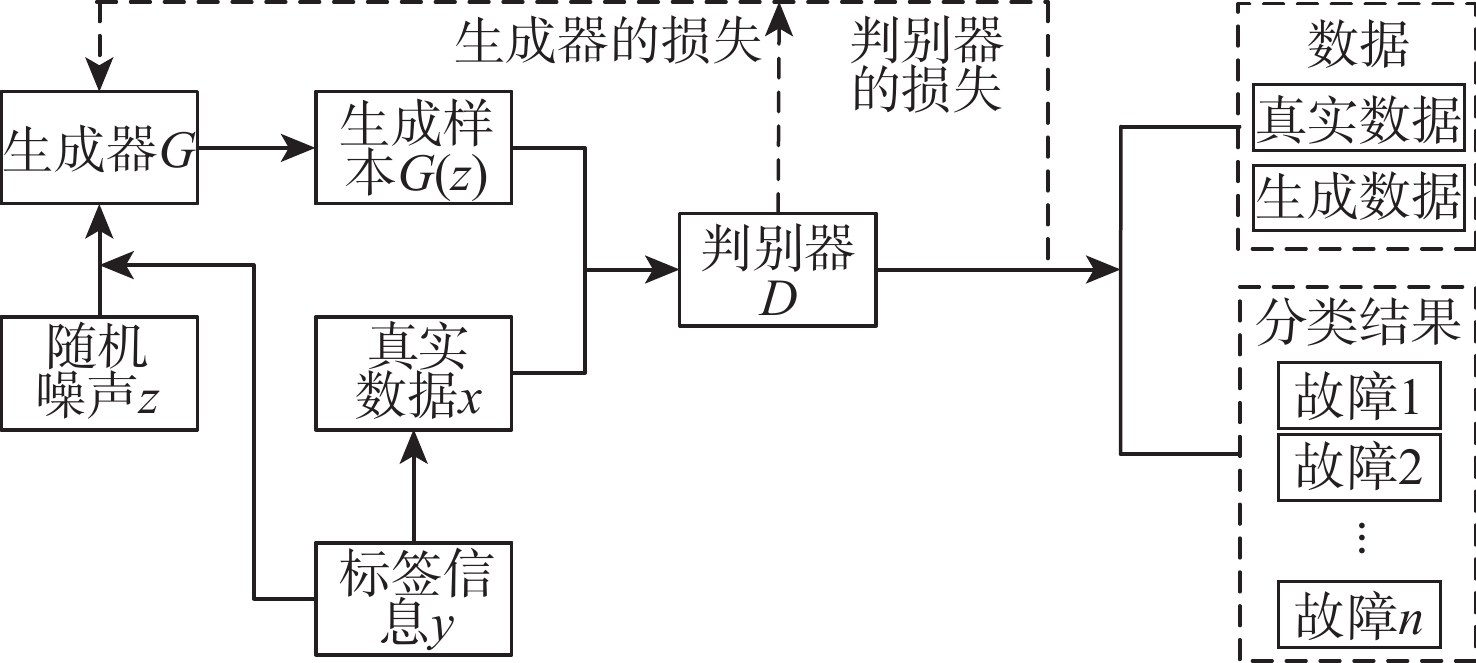
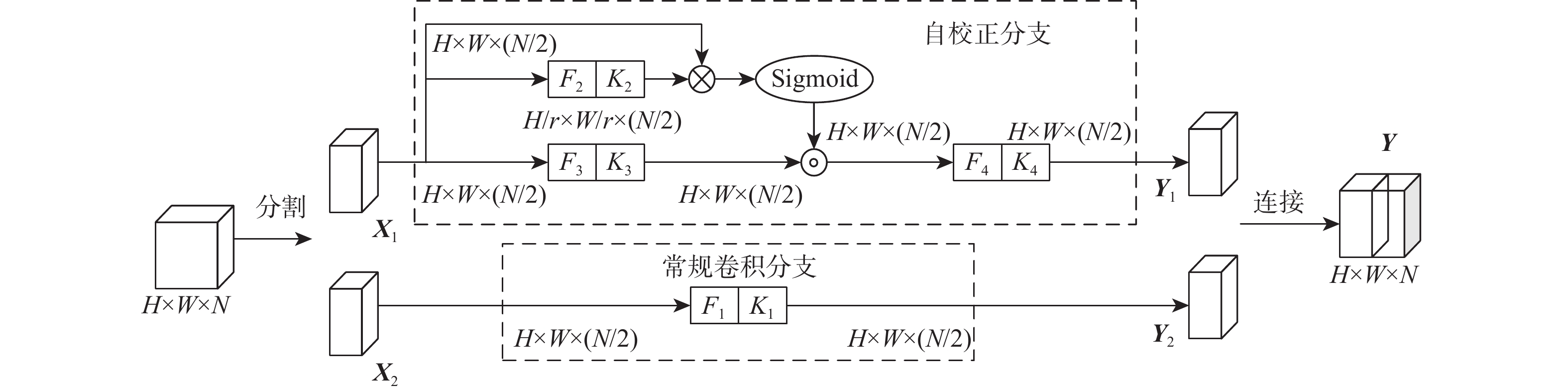
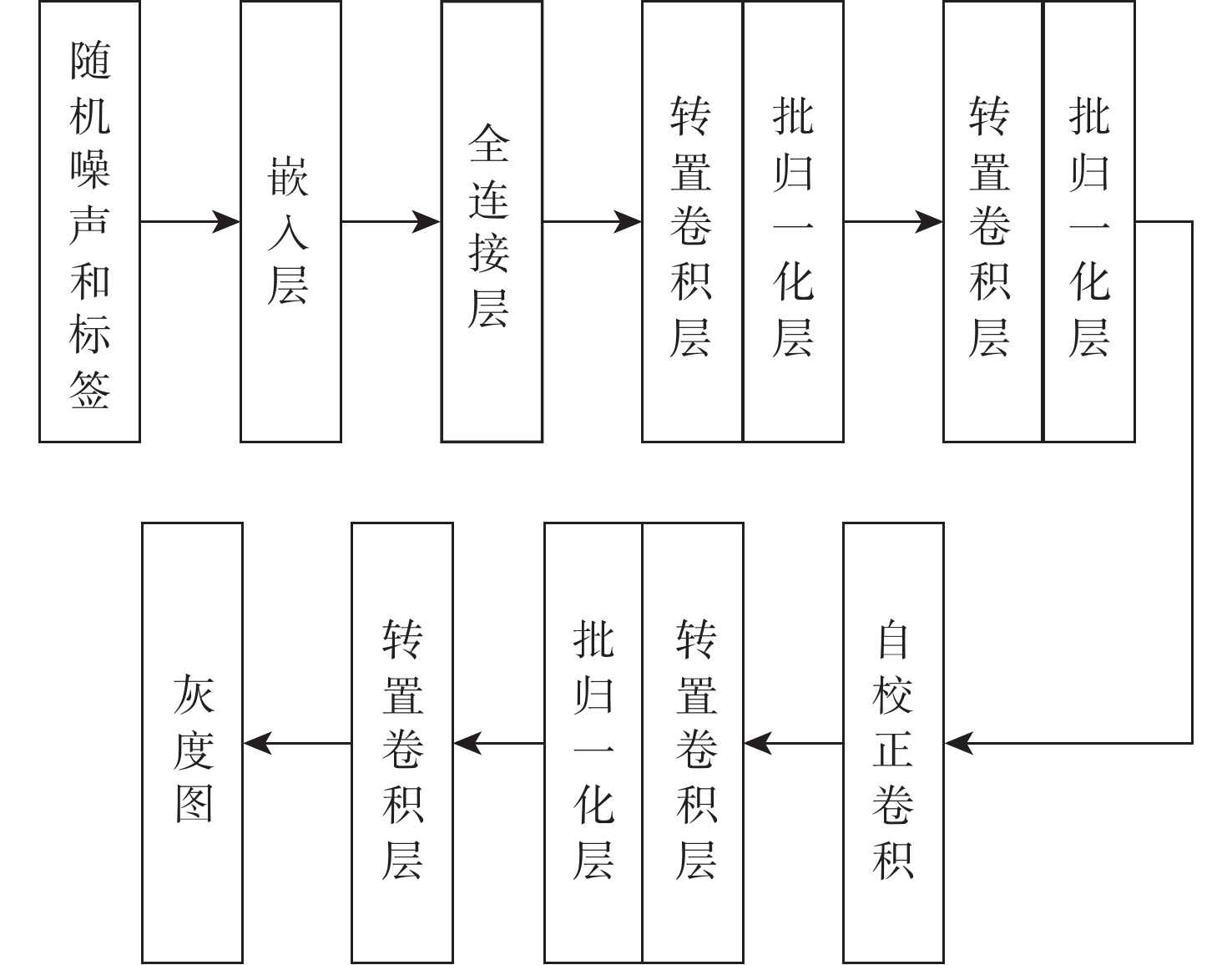
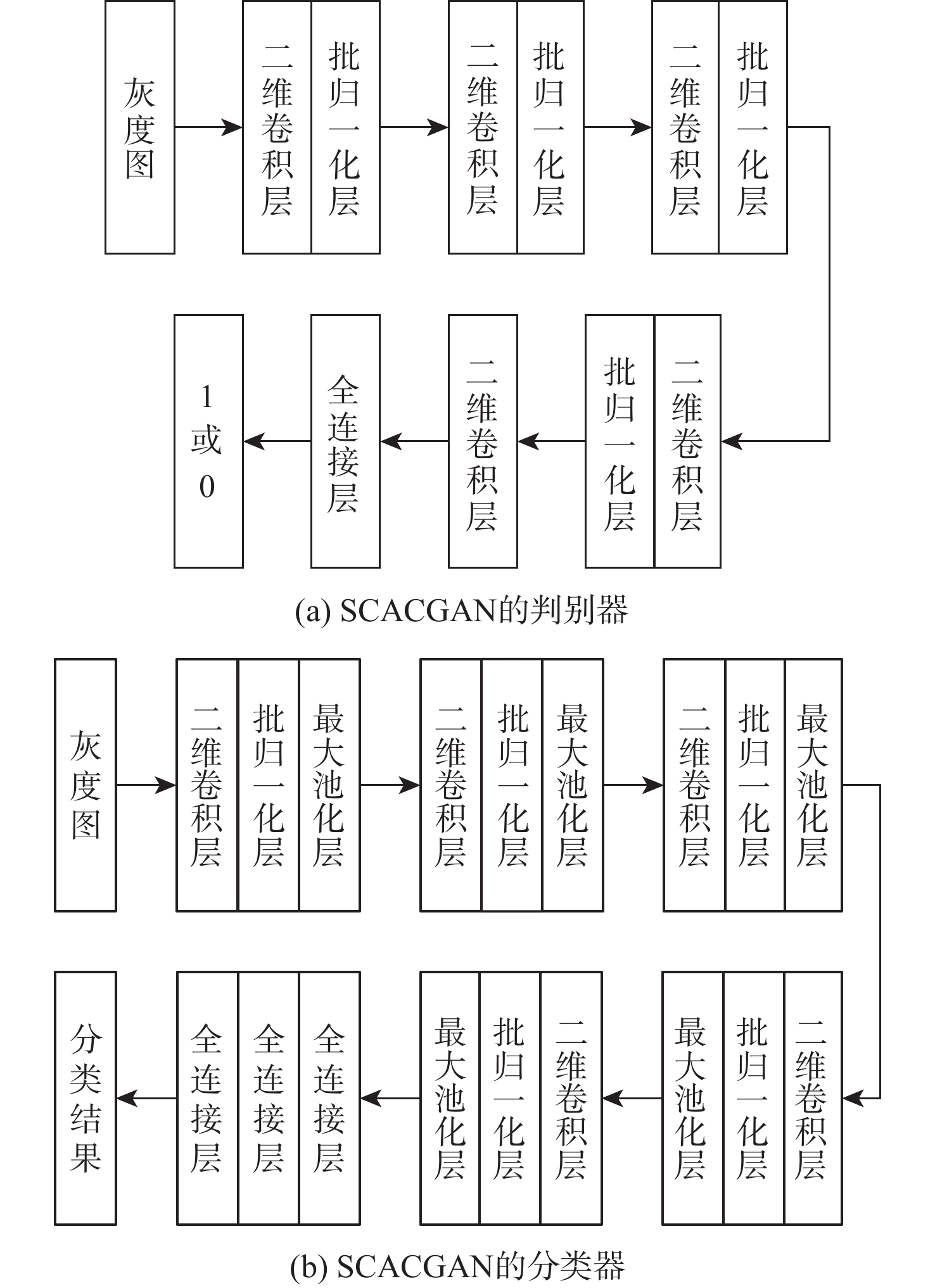
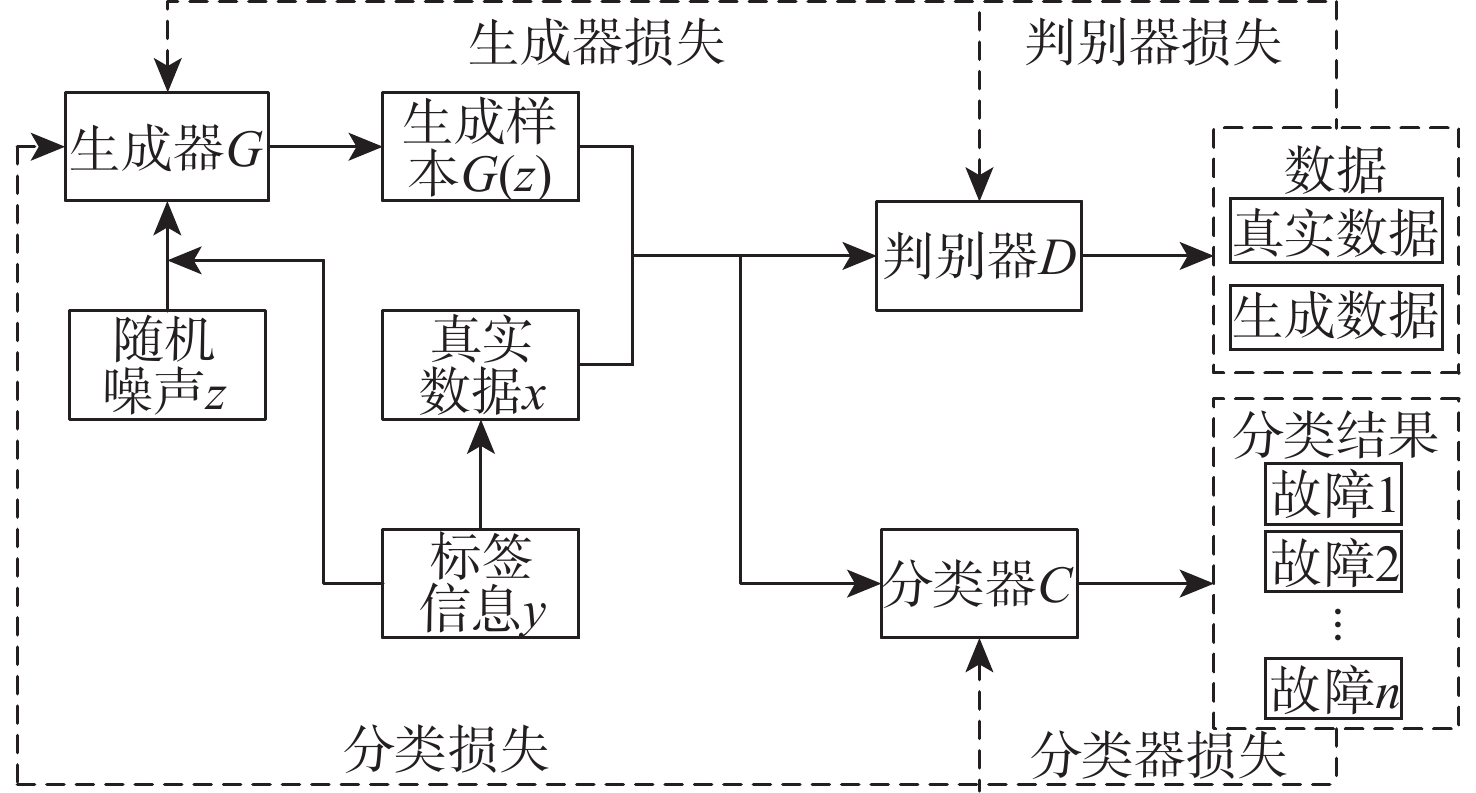
A new method for gearbox fault diagnosis based on the self-correcting auxiliary classifier generative adversarial networks (SCACGAN) is suggested in response to the limited diversity and low quality of fault samples produced by the auxiliary classifier generative adversarial networks (ACGAN) during the small-sample gearbox fault diagnosis process, which subsequently results in low diagnostic accuracy. Firstly, an independent classifier is introduced into the auxiliary classifier generative adversarial network to mitigate the adverse impact of discriminator output errors on the quality of generated samples, and to classify the health status of different gearbox samples. Secondly, the problem of low-quality generated samples during the training phase is addressed by using the least squares function to improve the model’s generation and classification skills. Lastly, a self-correcting convolutional neural network is integrated into the generator to enhance the capability of fault feature acquisition. Experimental results demonstrate that under small-sample conditions, the proposed approach is capable of generating higher-quality fault samples, thereby improving the accuracy of gearbox fault diagnosis.

Emergency evacuation assessment of aircraft tilting attitude based on information entropy
CHENG Ming, WEI Keyu
2026, 52(3): 724-735. doi: 10.13700/j.bh.1001-5965.2023.0785
Abstract:

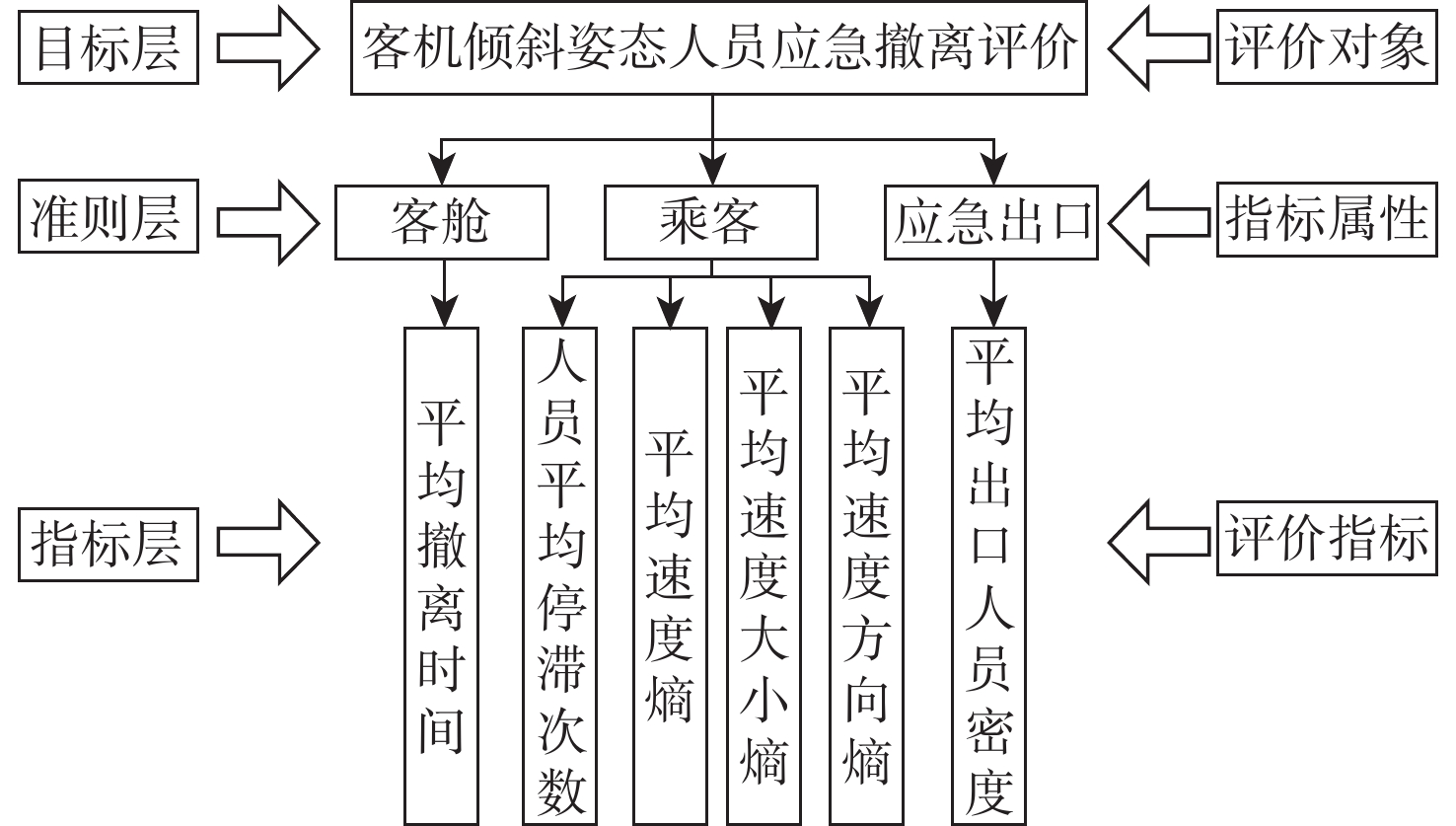
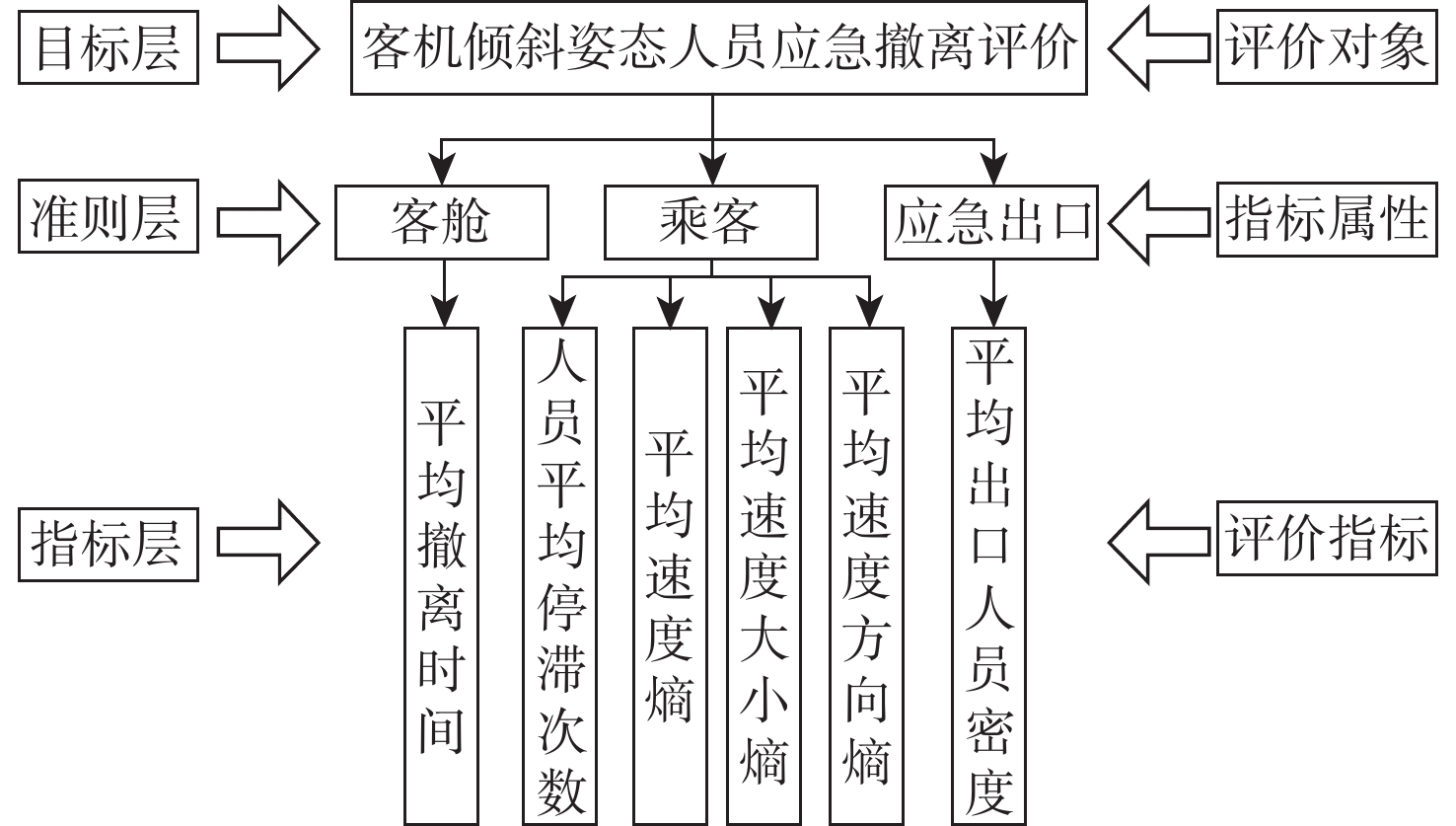
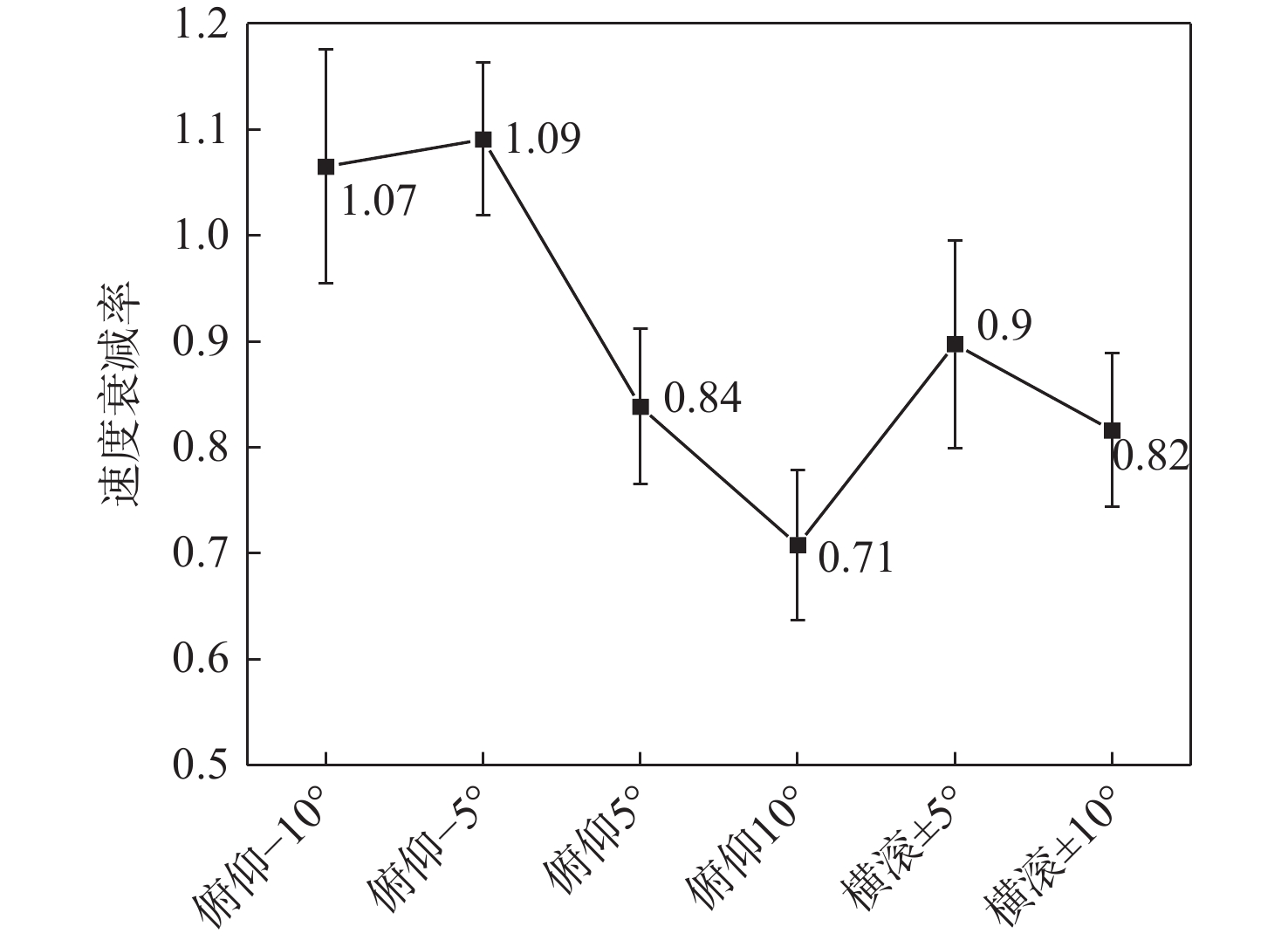
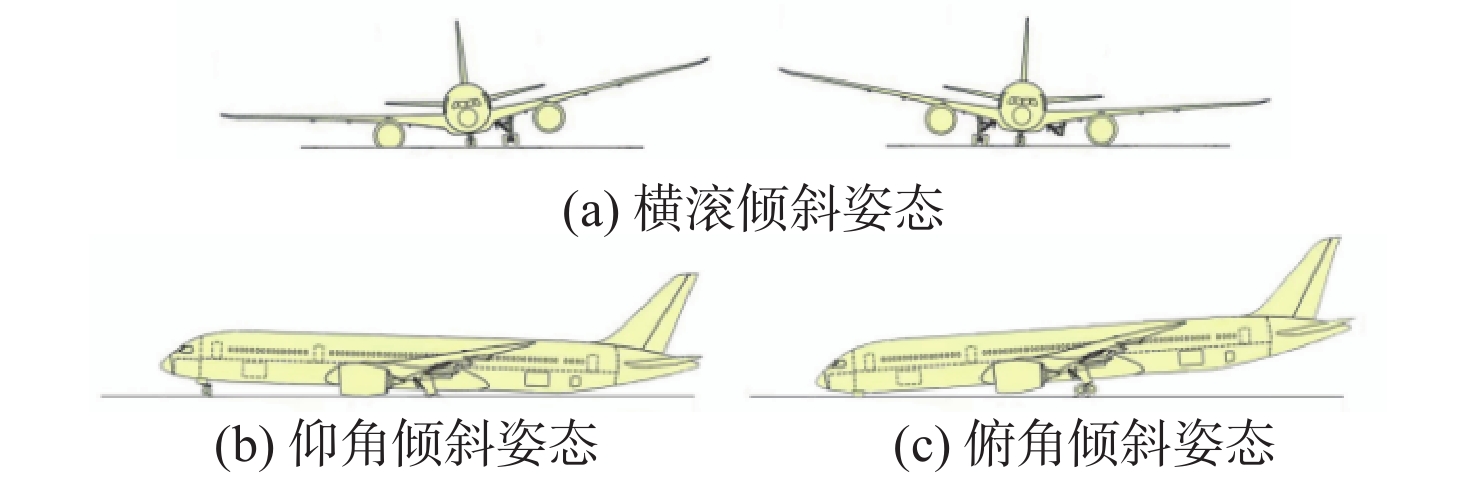
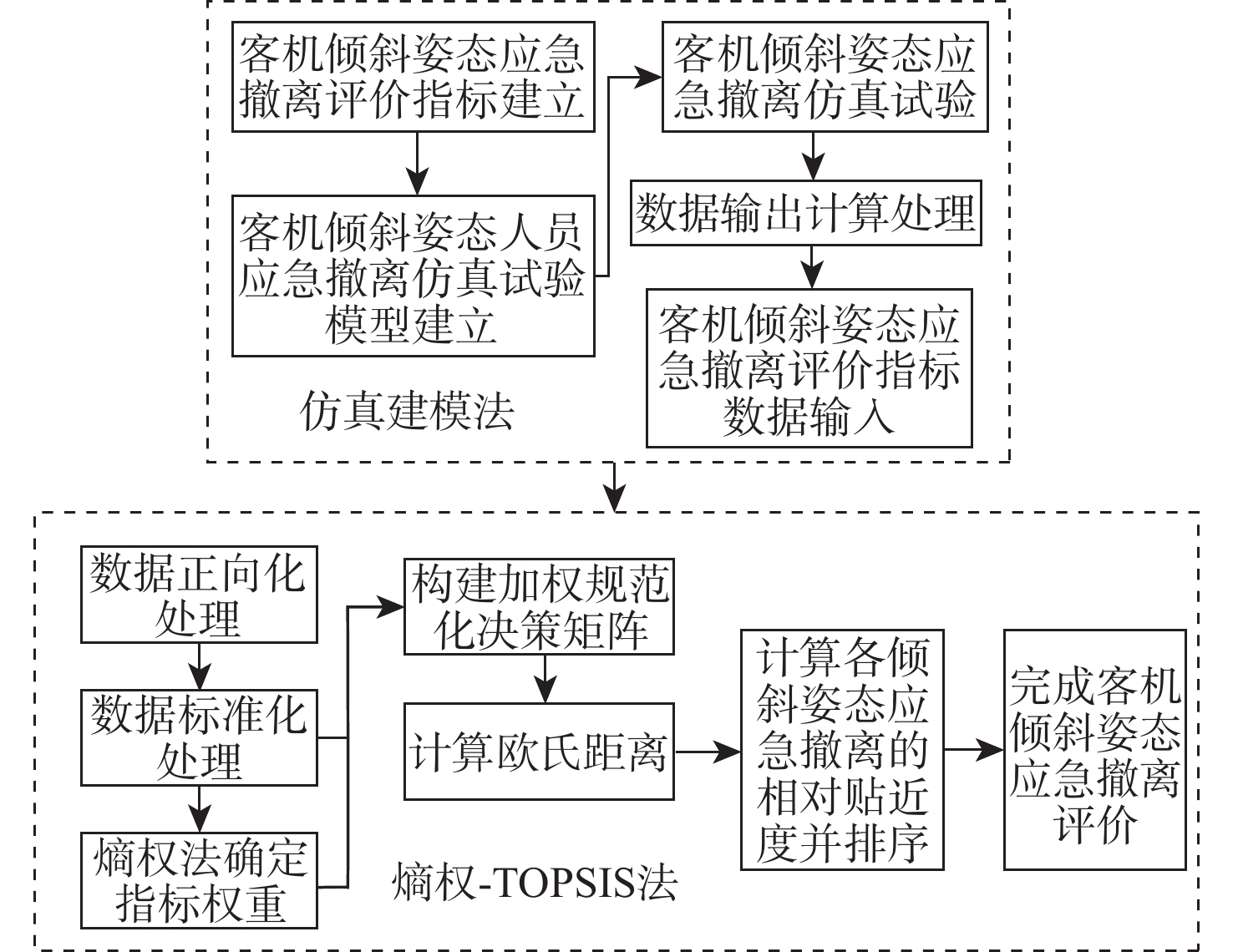
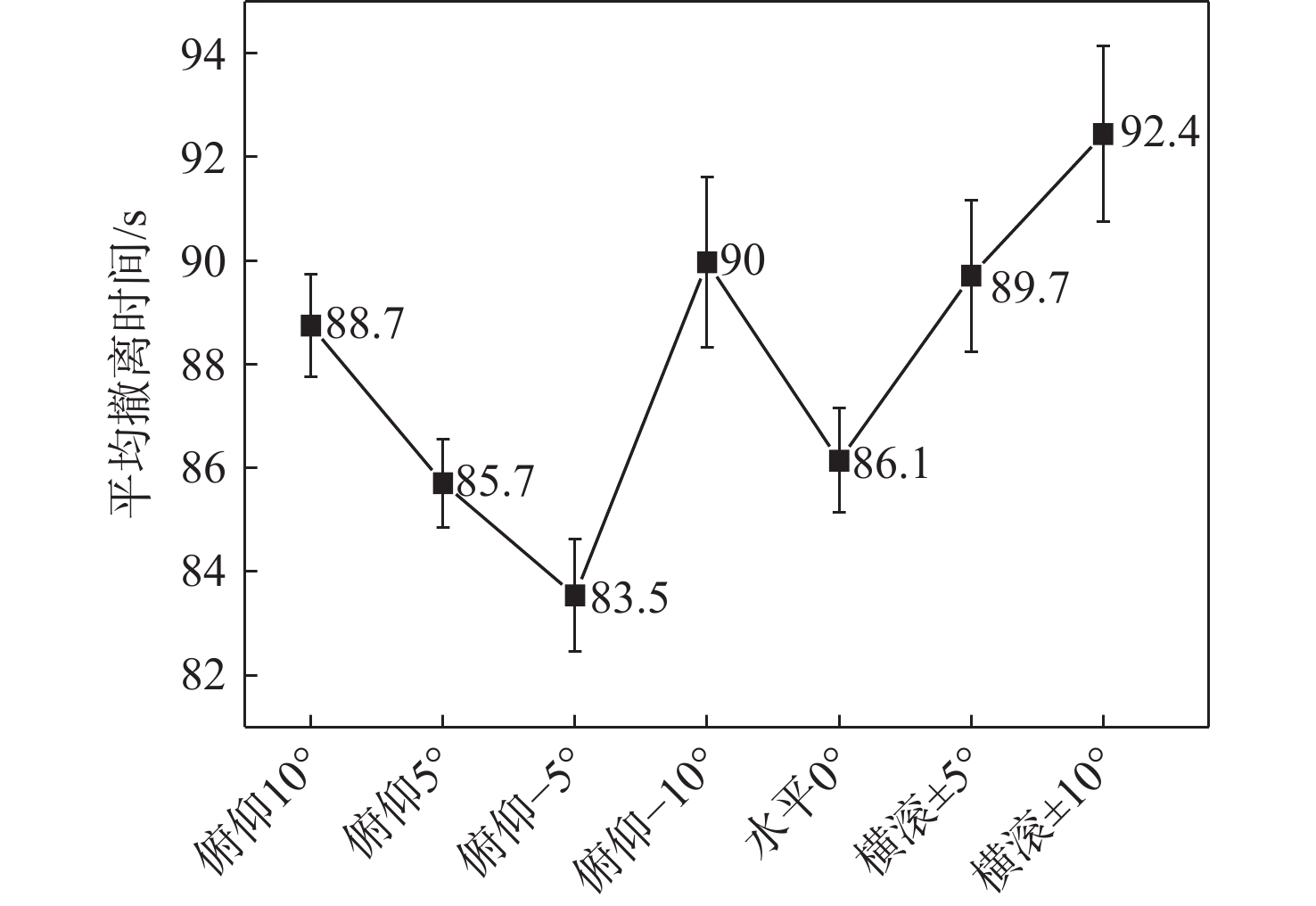
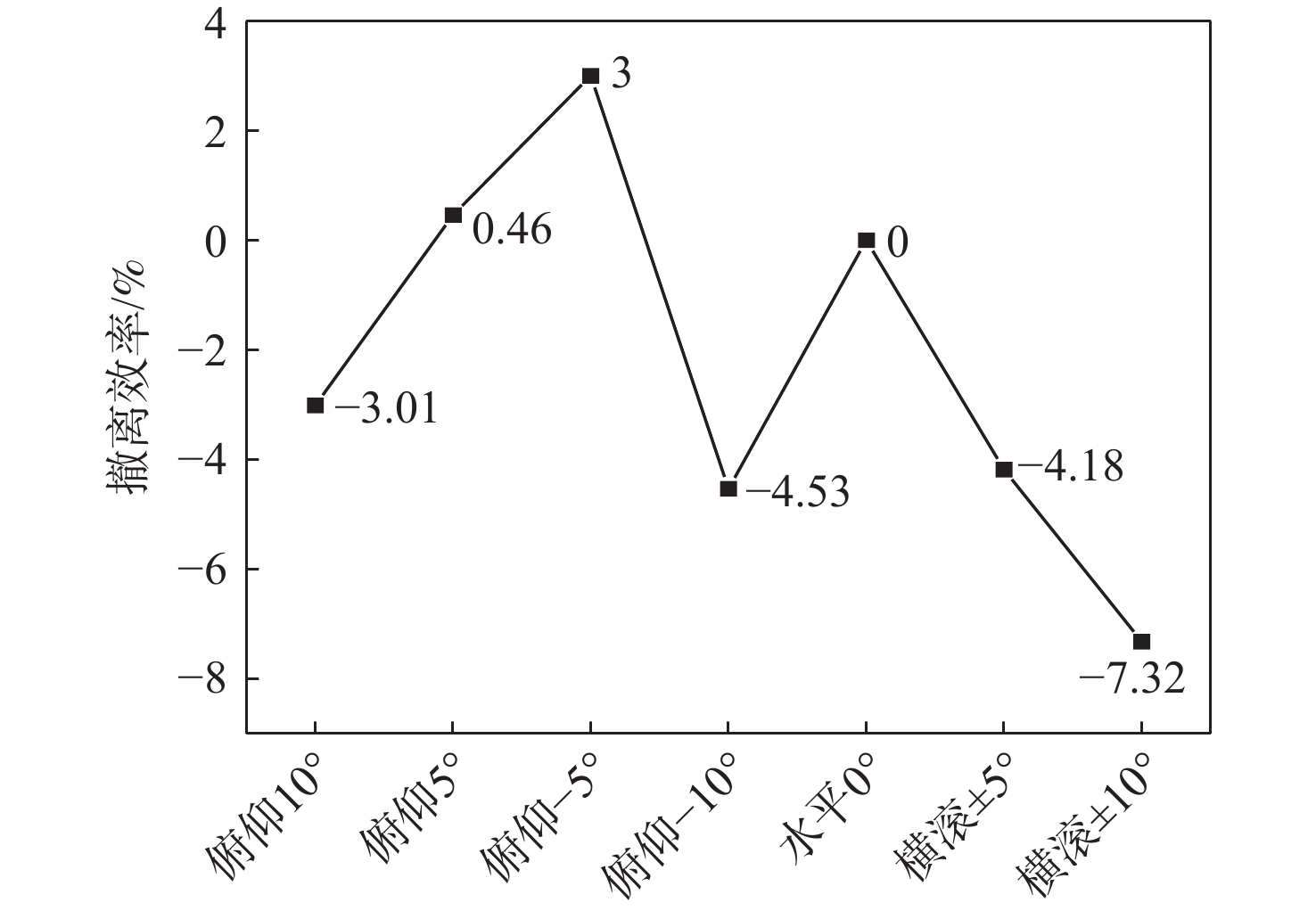
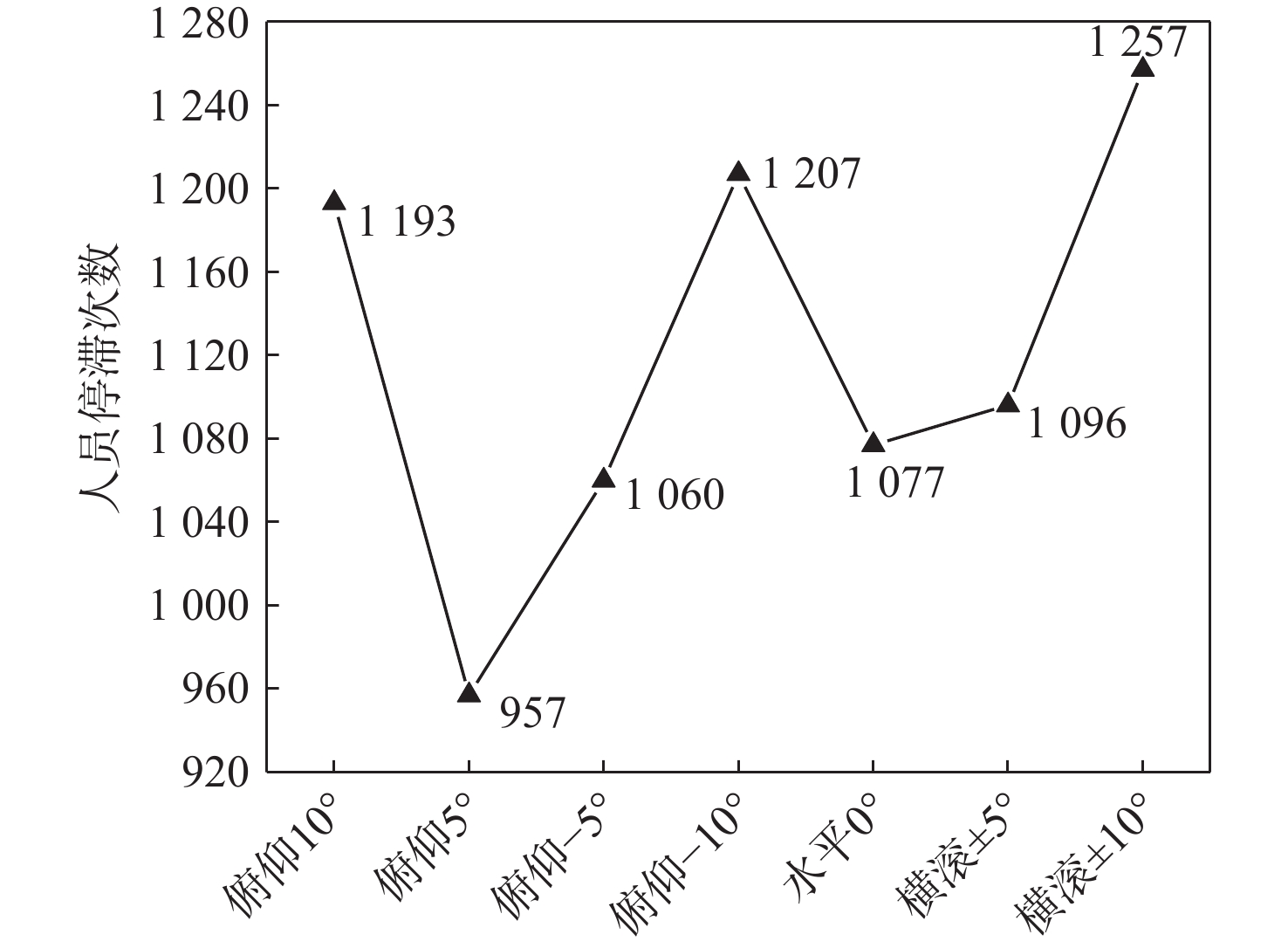
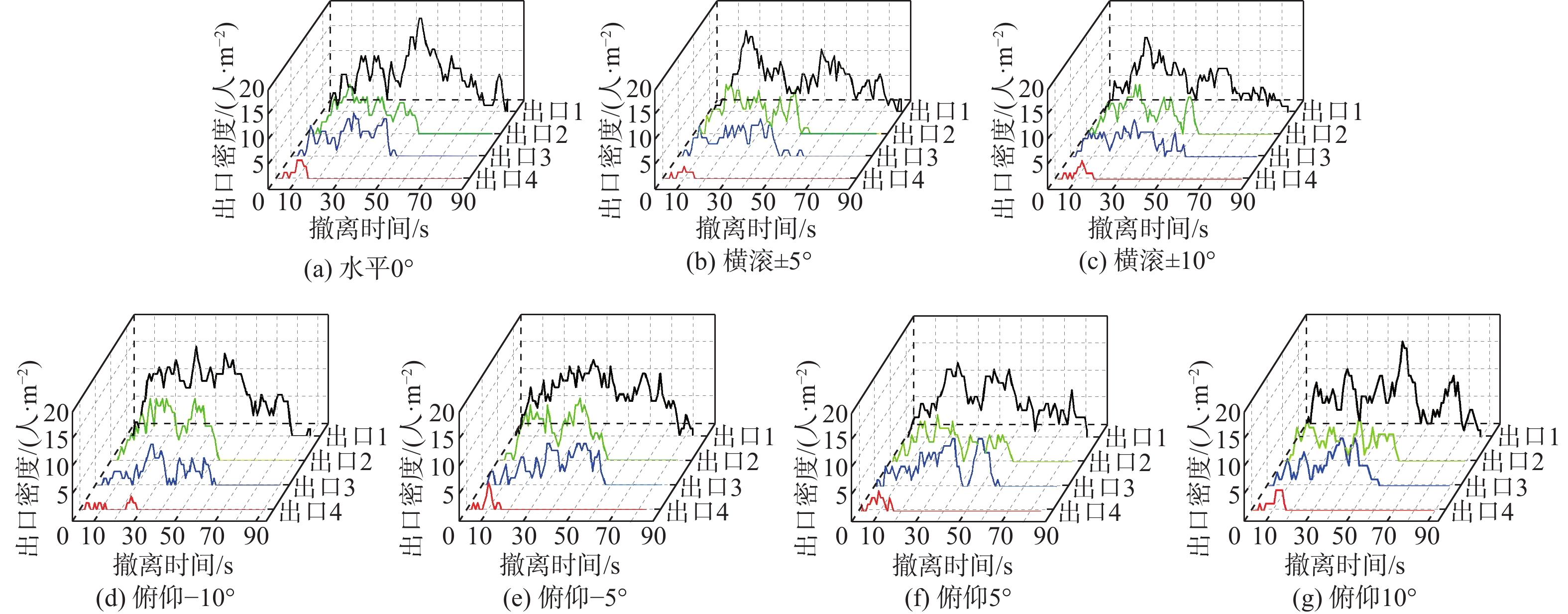
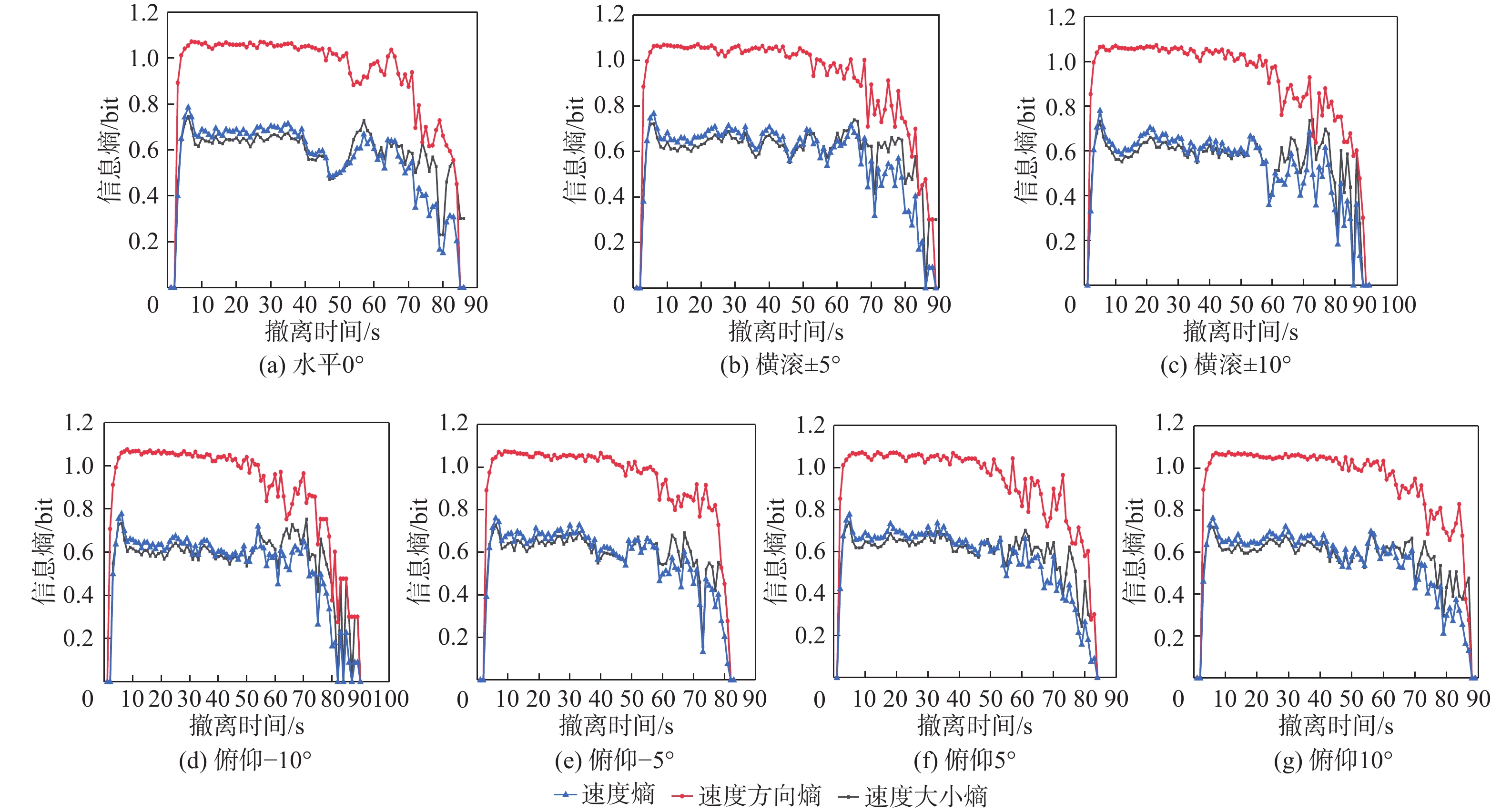
To explore and evaluate the emergency evacuation effectiveness of passengers under different tilt attitudes of aircraft, an emergency evacuation evaluation model was established using information entropy theory. Evaluation indicators for emergency evacuation were constructed, and wide-body aircraft tilt attitude emergency evacuation simulation experiments were conducted using real evacuation test data. The entropy weight-technique for order preference by similarity to an ideal solution (TOPSIS) method was employed to assess and rank the effectiveness of emergency evacuation. The experimental data showed that the influence of tilt attitude on evacuation time ranged from −7.32% to +3%. With the speed entropy peak focused in the early stage, there were notable disparities in pitch and roll attitudes in the personnel density at exits 2 and 3. Analysis indicated that the speed entropy and exit personnel density were two crucial factors affecting the effectiveness of emergency evacuation in tilted attitudes. The evacuation performance was optimal at a pitch angle of 5°and worst at a pitch angle of −10°, showing opposite evacuation effects at tilt angles of 5° and 10°. As a guide for the safety evaluation of wide-body aircraft design, production, and operation, the established model for aircraft is capable of rating and evaluating various tilt attitudes.

Temperature correction method for load measurement of aircraft composite structures
LI Jun, LI Wenlong, GAO Tenglong, LI Yanan, LIU Jingli
2026, 52(3): 736-743. doi: 10.13700/j.bh.1001-5965.2023.0853
Abstract:

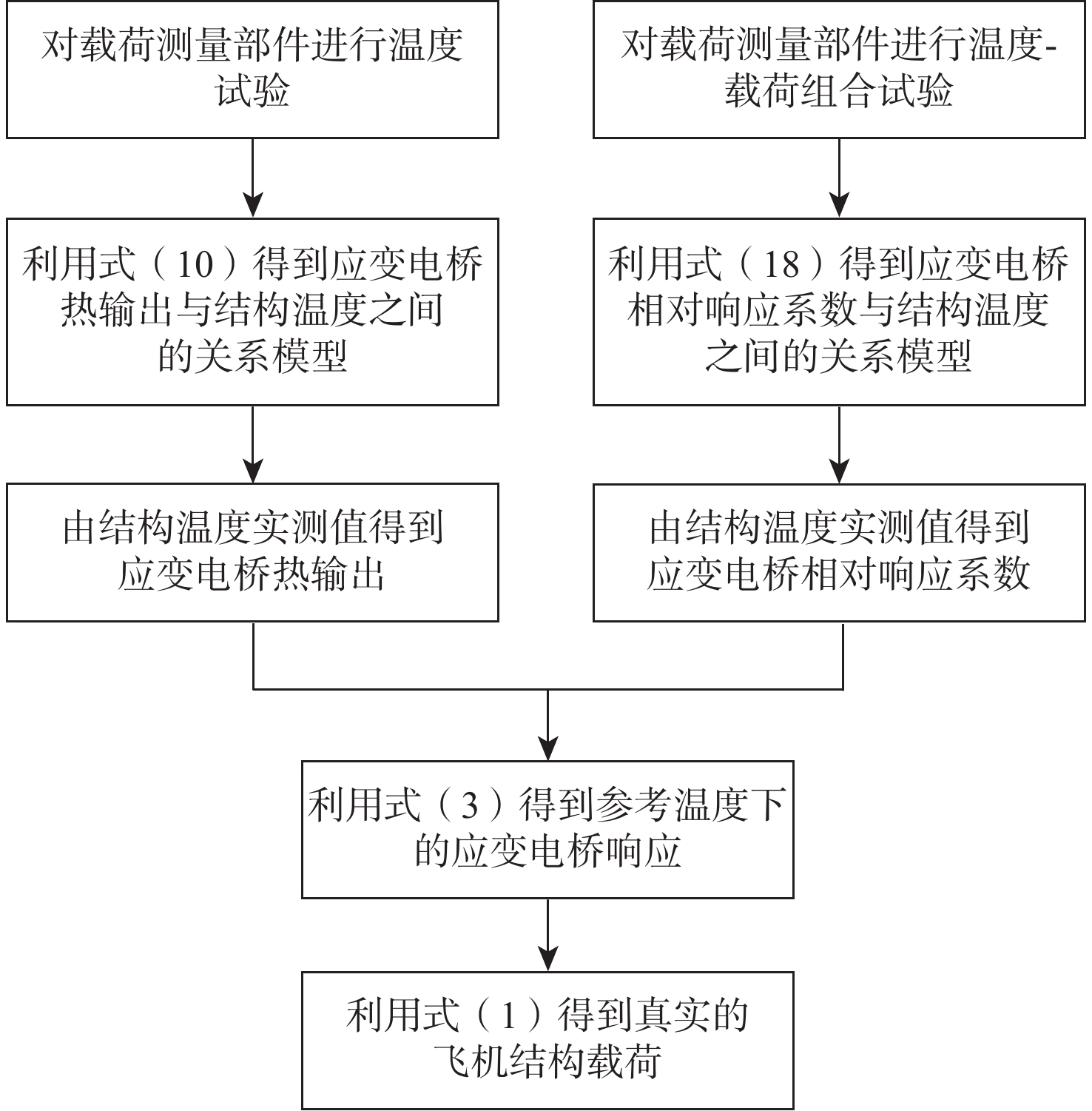
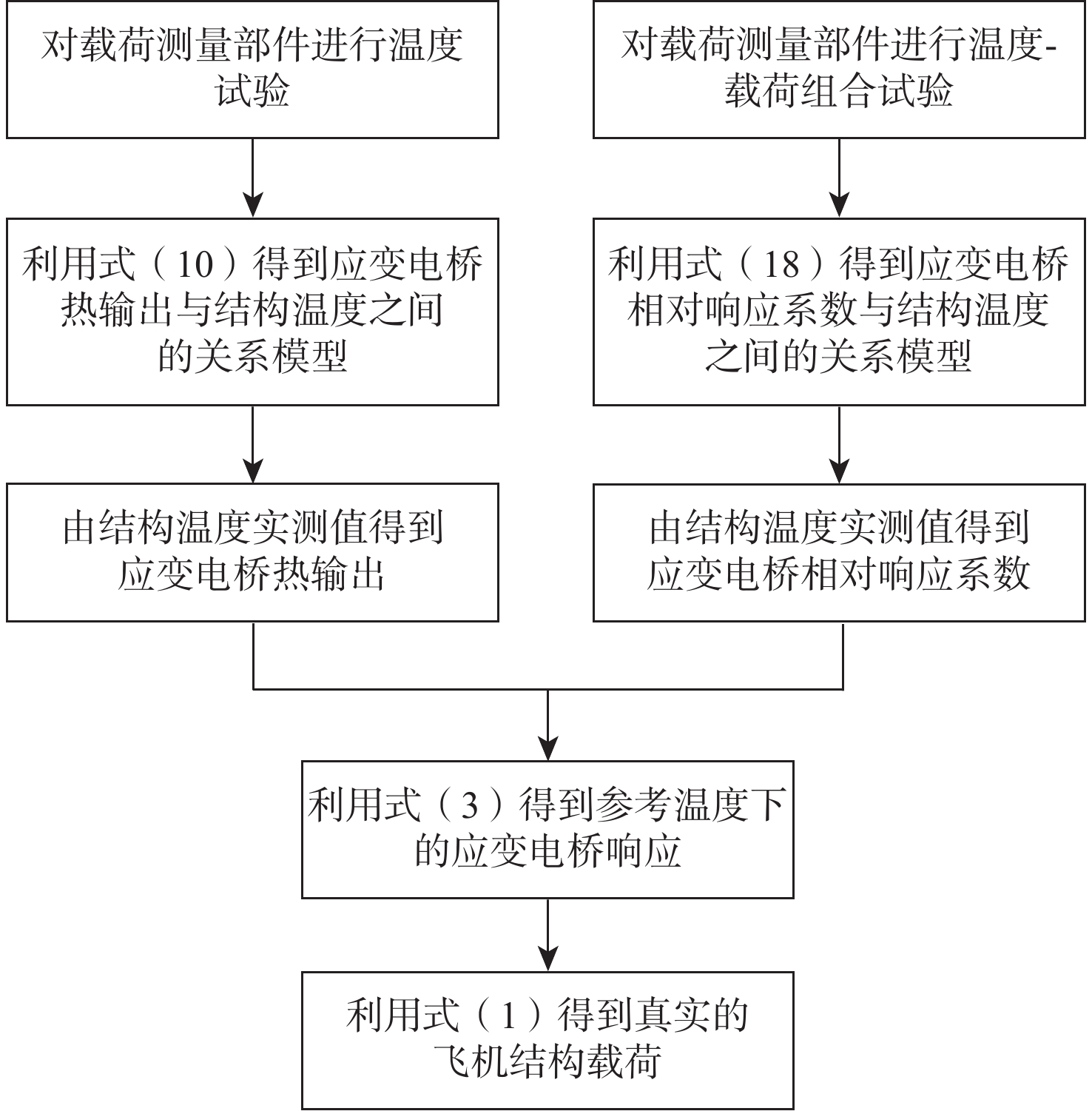
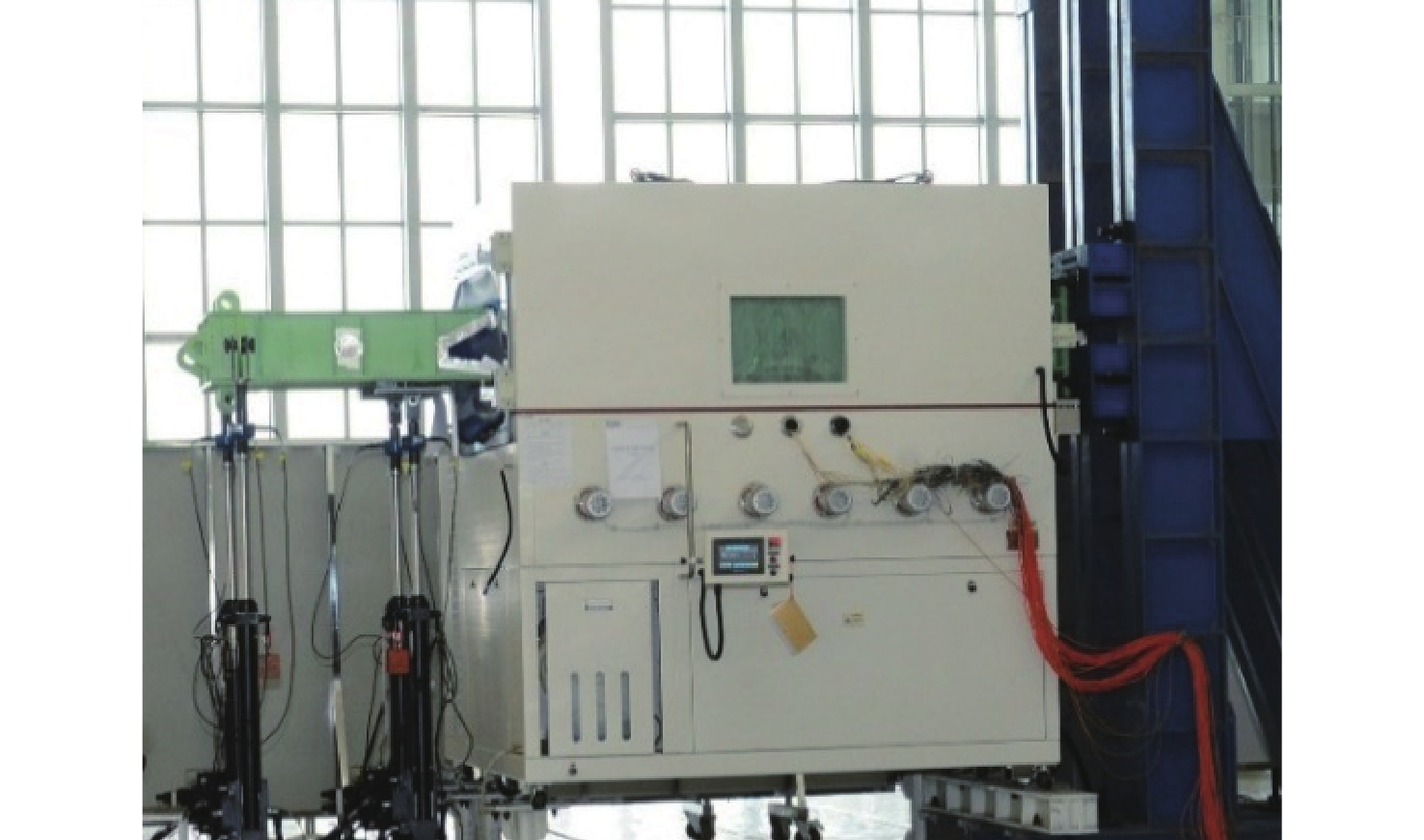
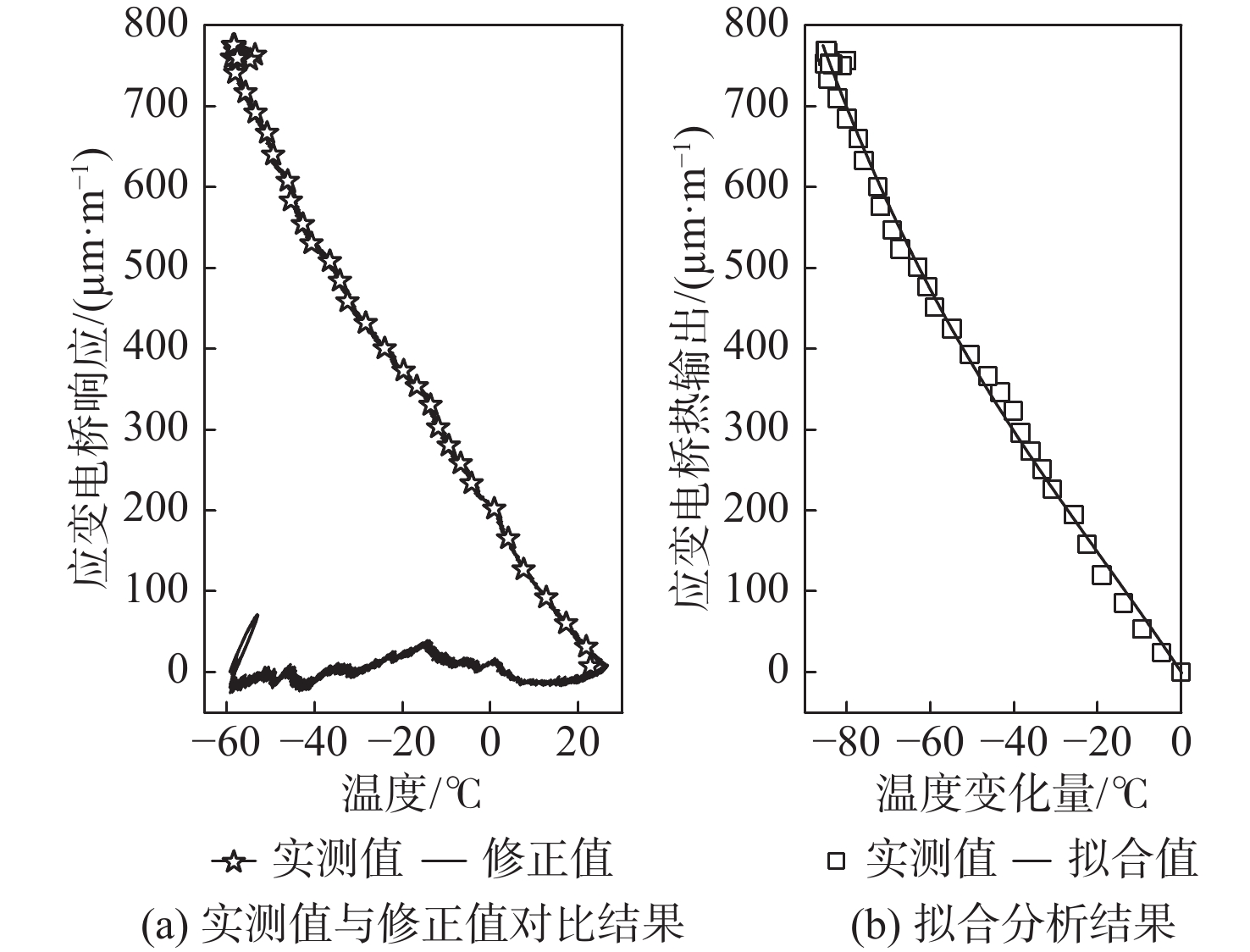
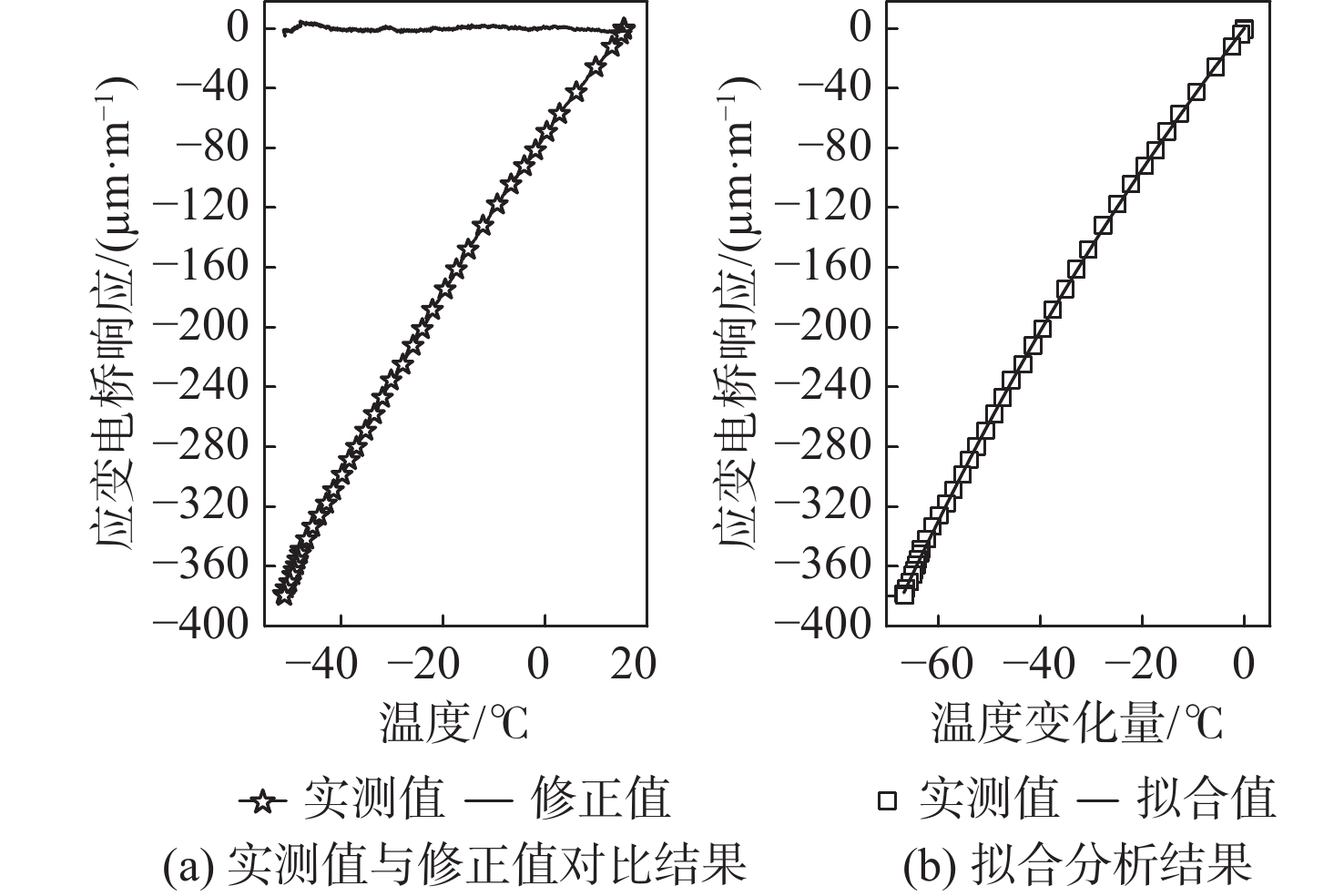
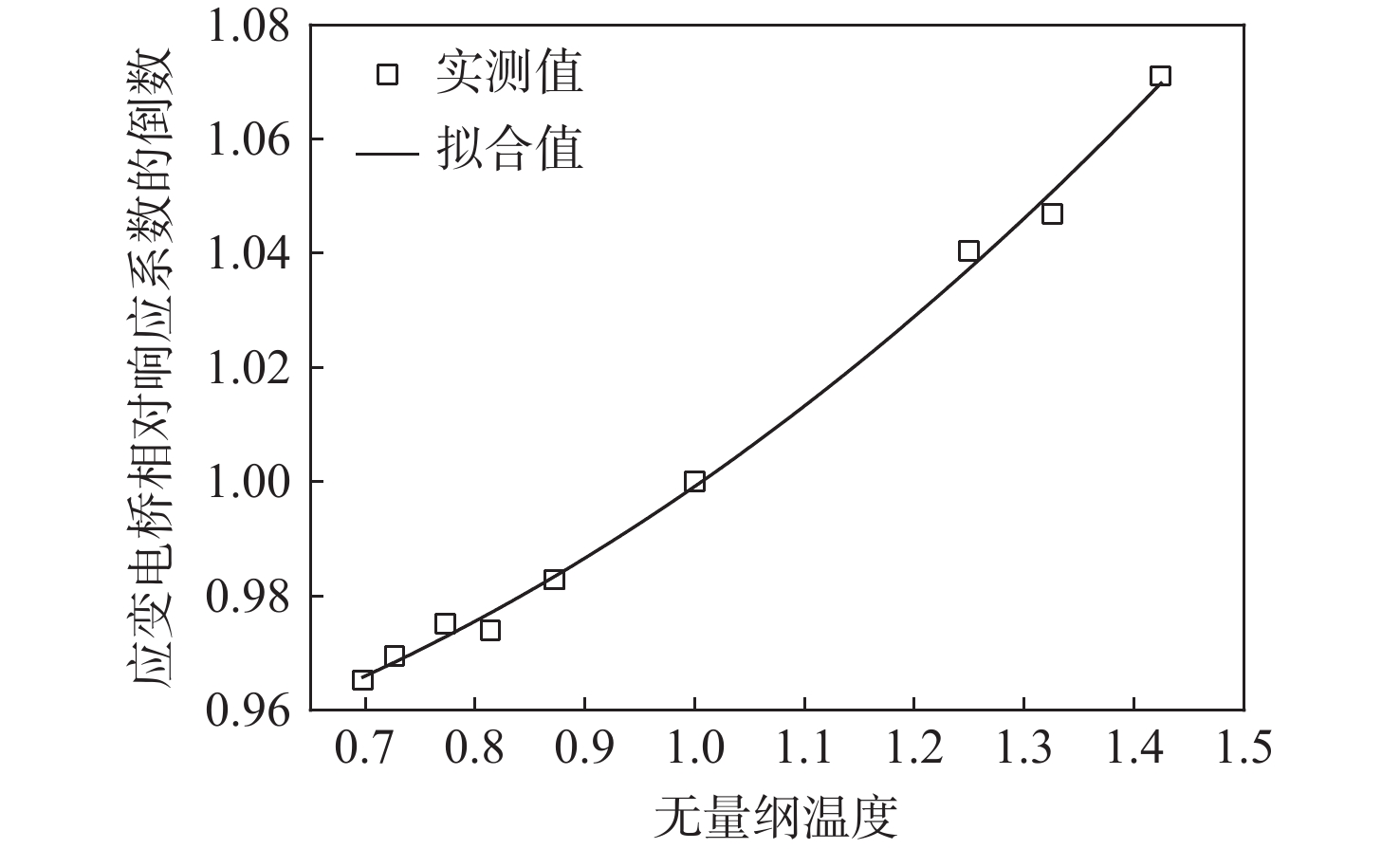
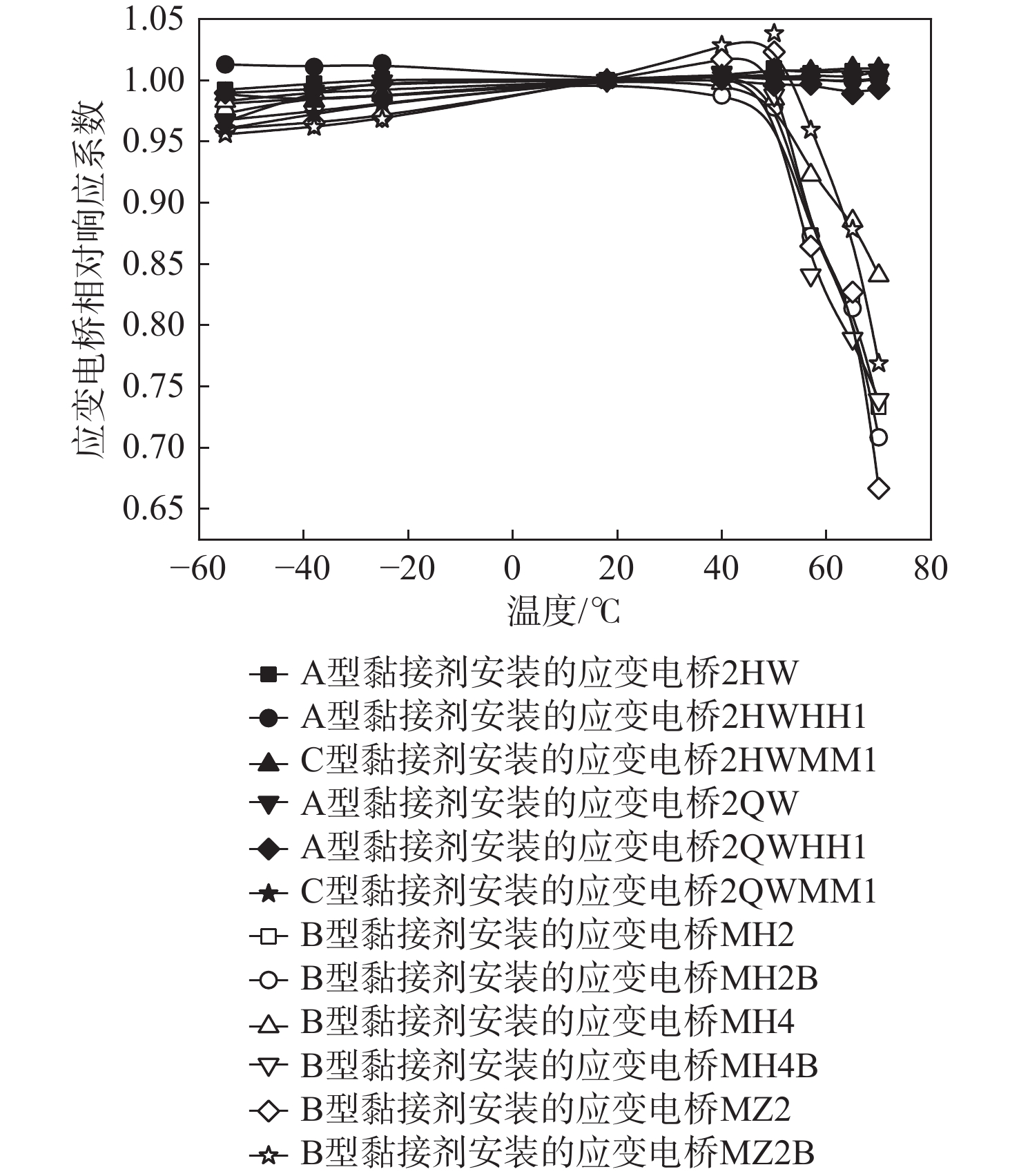
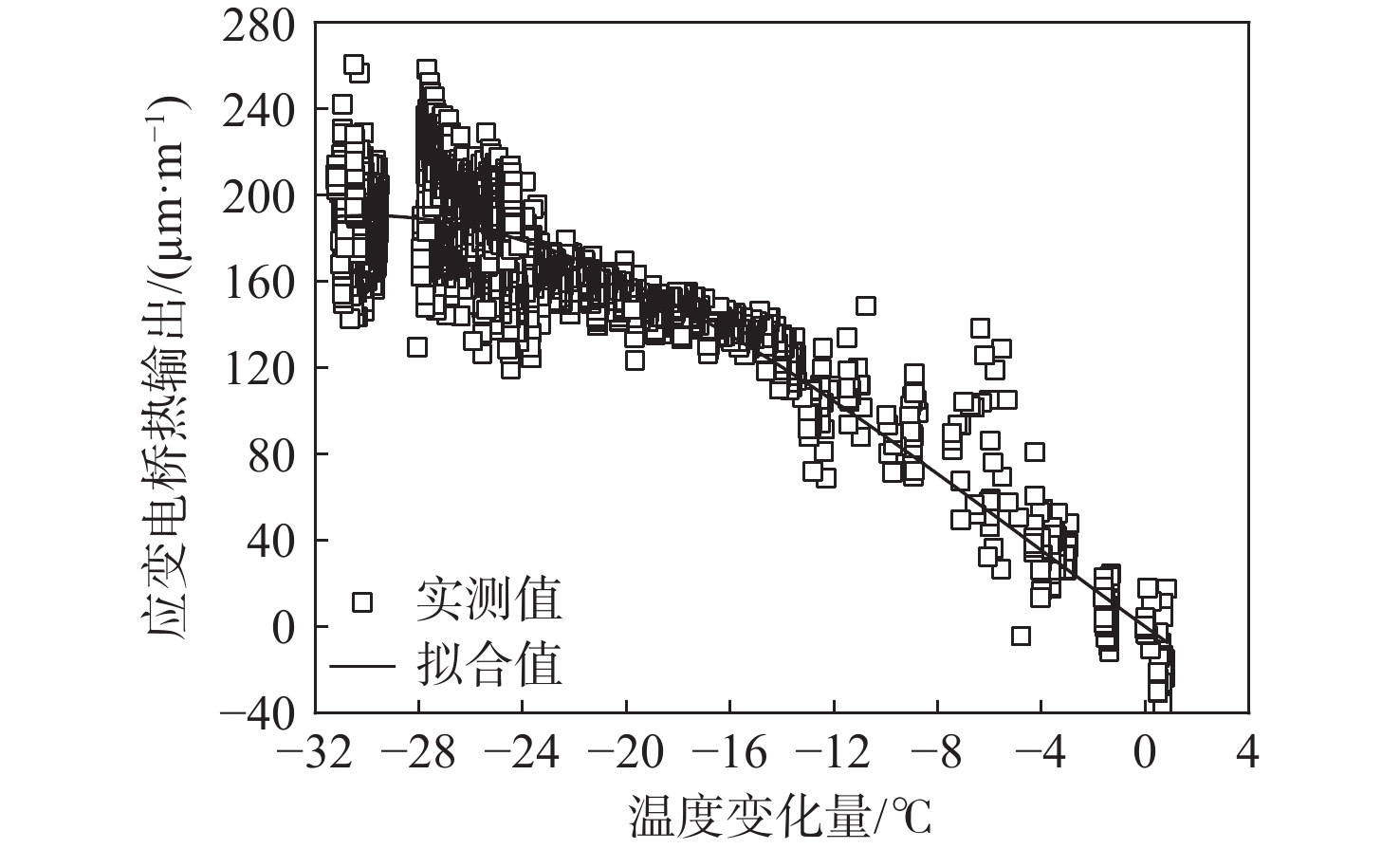
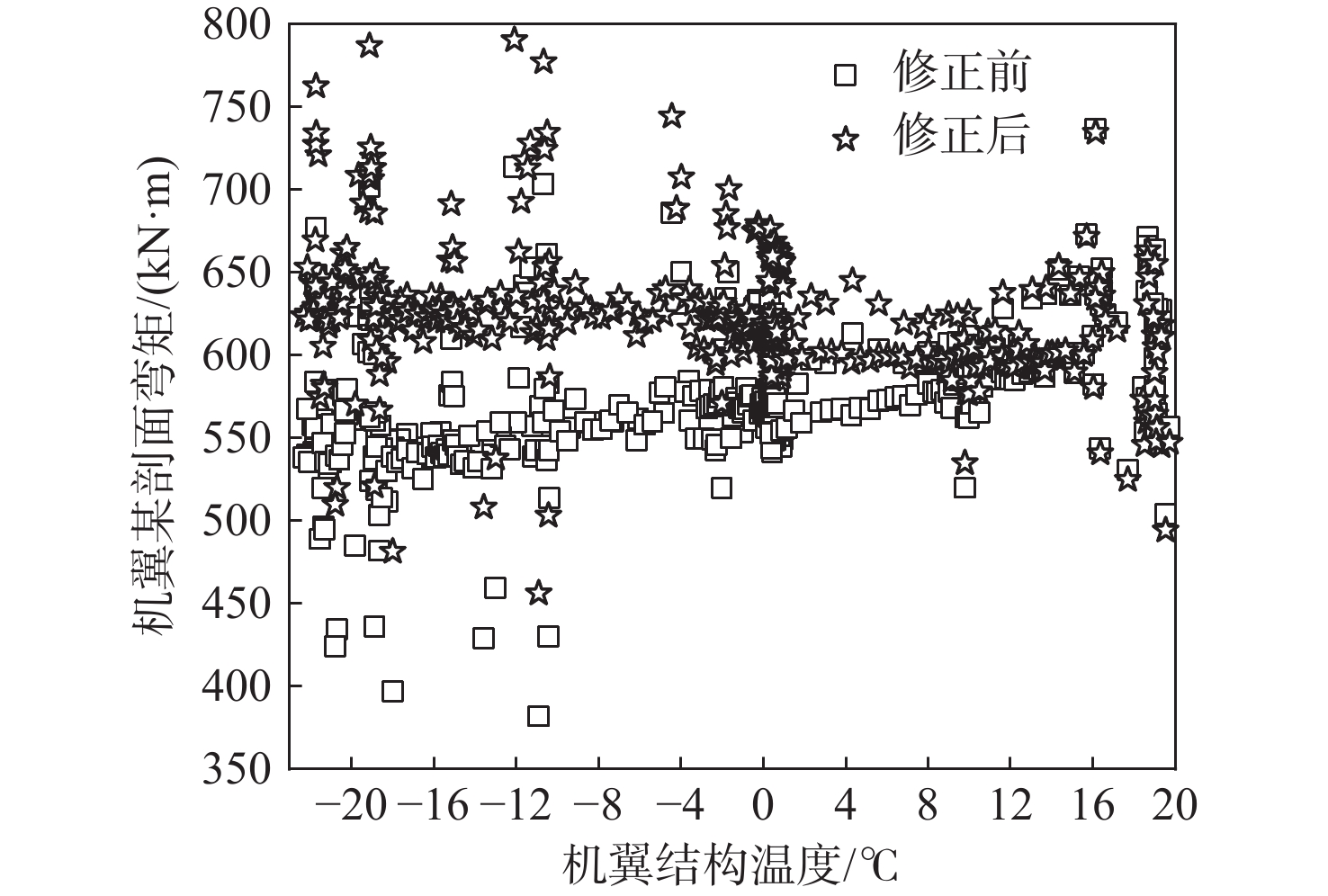
In view of the serious influence of temperature on load measurement results of aircraft composite structures, the influence mechanism of temperature on load measurement of aircraft structure was analyzed, and a temperature correction model including the relative response coefficient and thermal output of the strain bridge is established, and the general relation models of relative response coefficient and thermal output with structural temperature are given respectively. These relation models are verified by the temperature test and the temperature-load combined test of composite laminate coupons and the wing box test component. The findings indicate that, when the adhesive's temperature characteristics are met, the relationship between the thermal output and the structural temperature change is a cubic polynomial with zero intercept, and the reciprocal of the relative response coefficient is a power function of the dimensionless structure temperature. By using this technique, the flight measurement results of an aircraft's composite wing structure load can be corrected. The maximum relative change of the pressure center following modification is 30.68%, which greatly increases load measurement accuracy and yields trustworthy data for aircraft flight load verification.

Research on uncertainty in kill effectiveness of anti-ship ballistic missiles
WANG Zhihui, XIANG Zhining, GAO Ping
2026, 52(3): 744-752. doi: 10.13700/j.bh.1001-5965.2023.0774
Abstract:

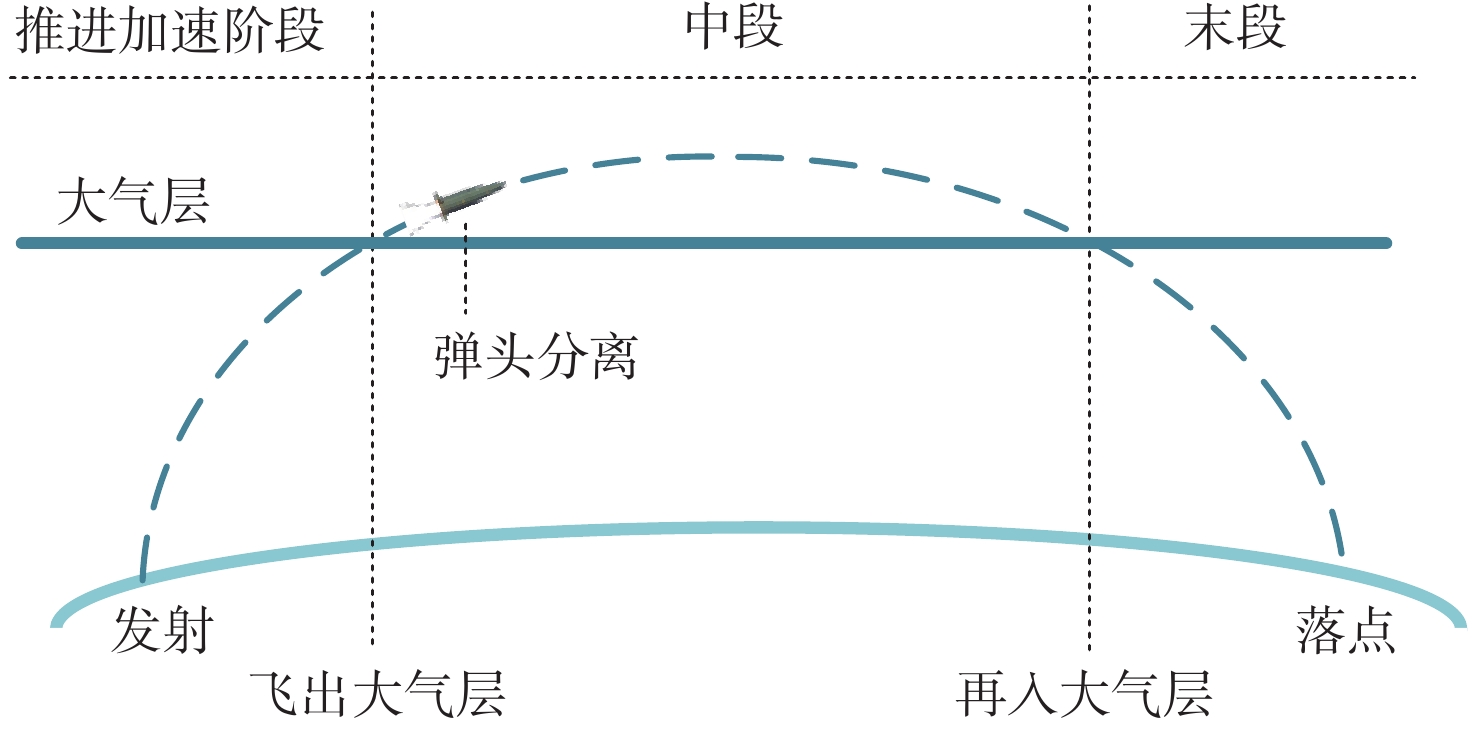
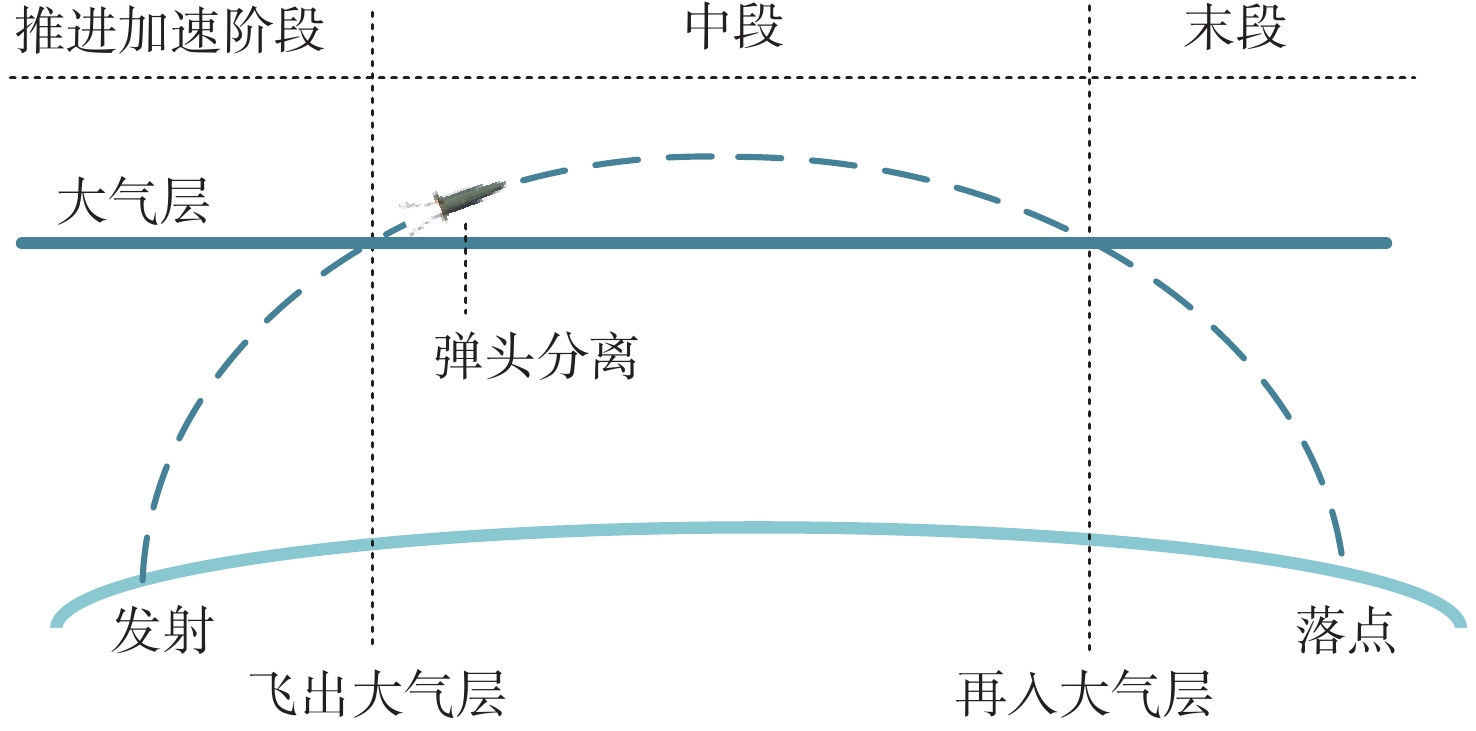
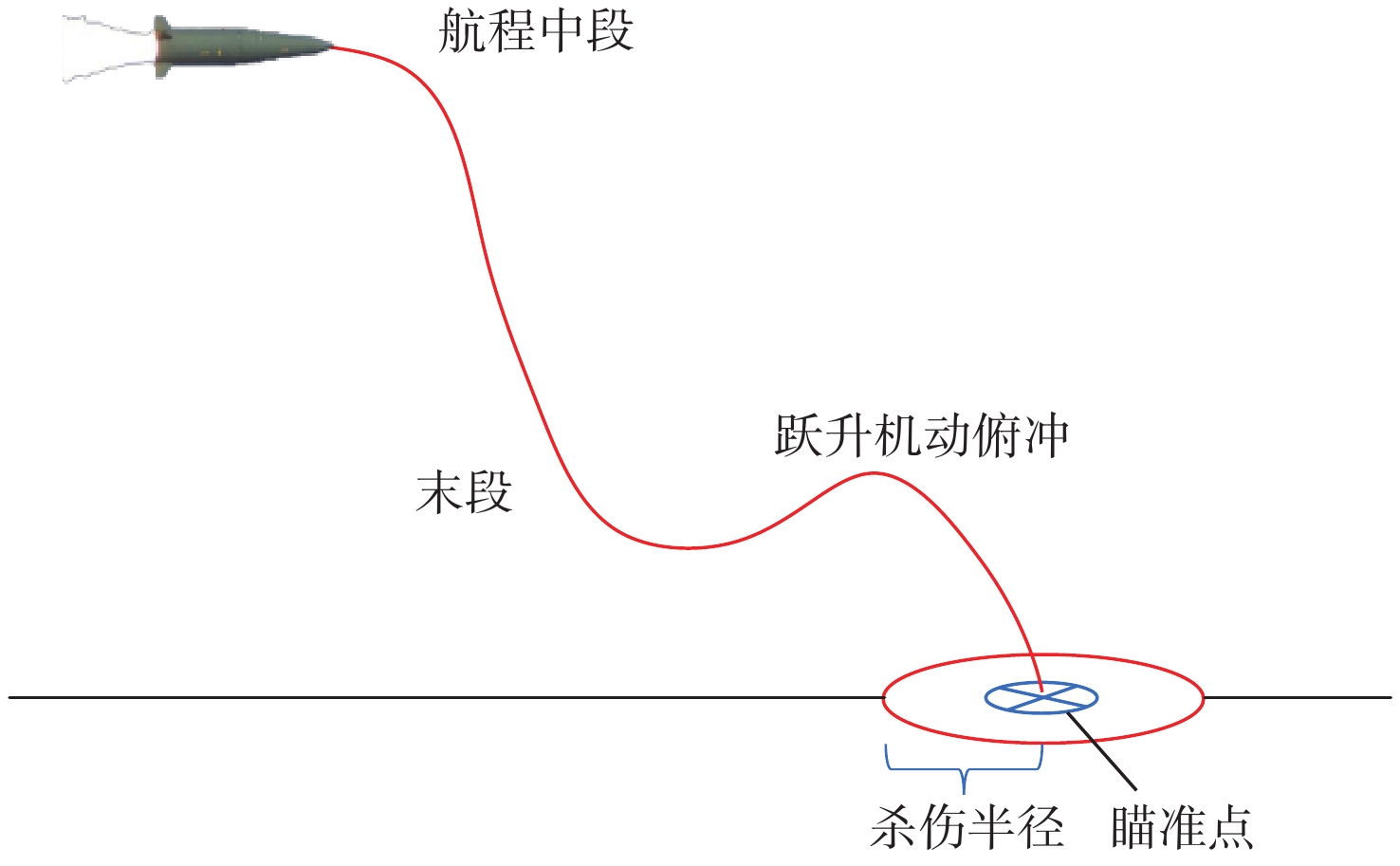
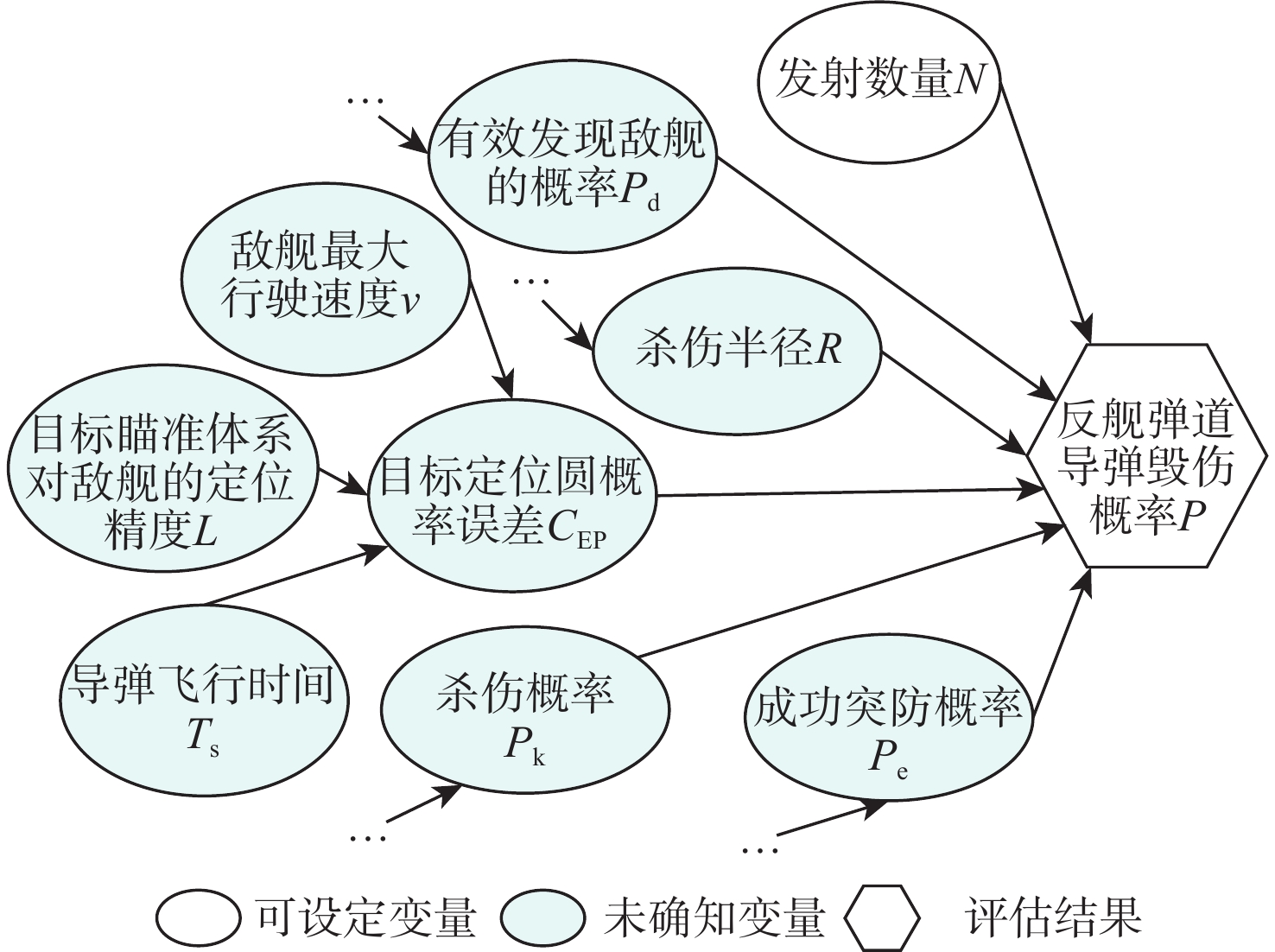
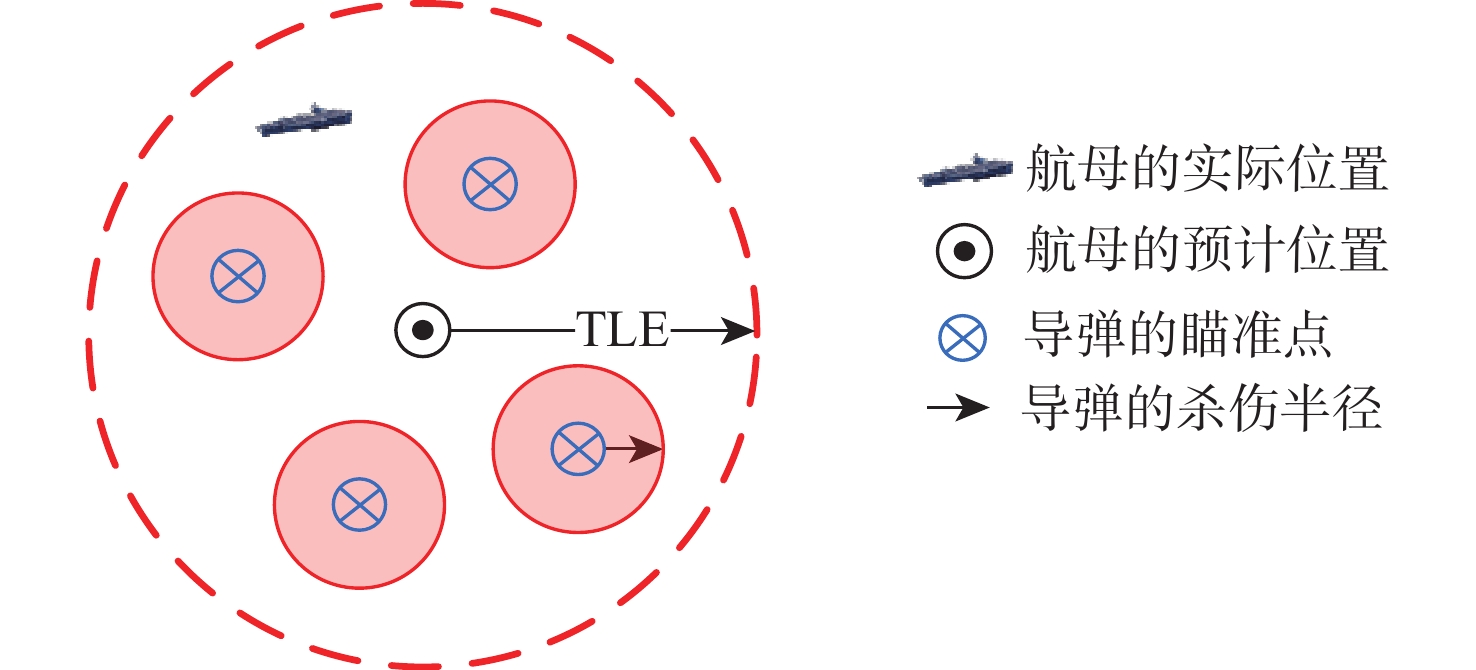
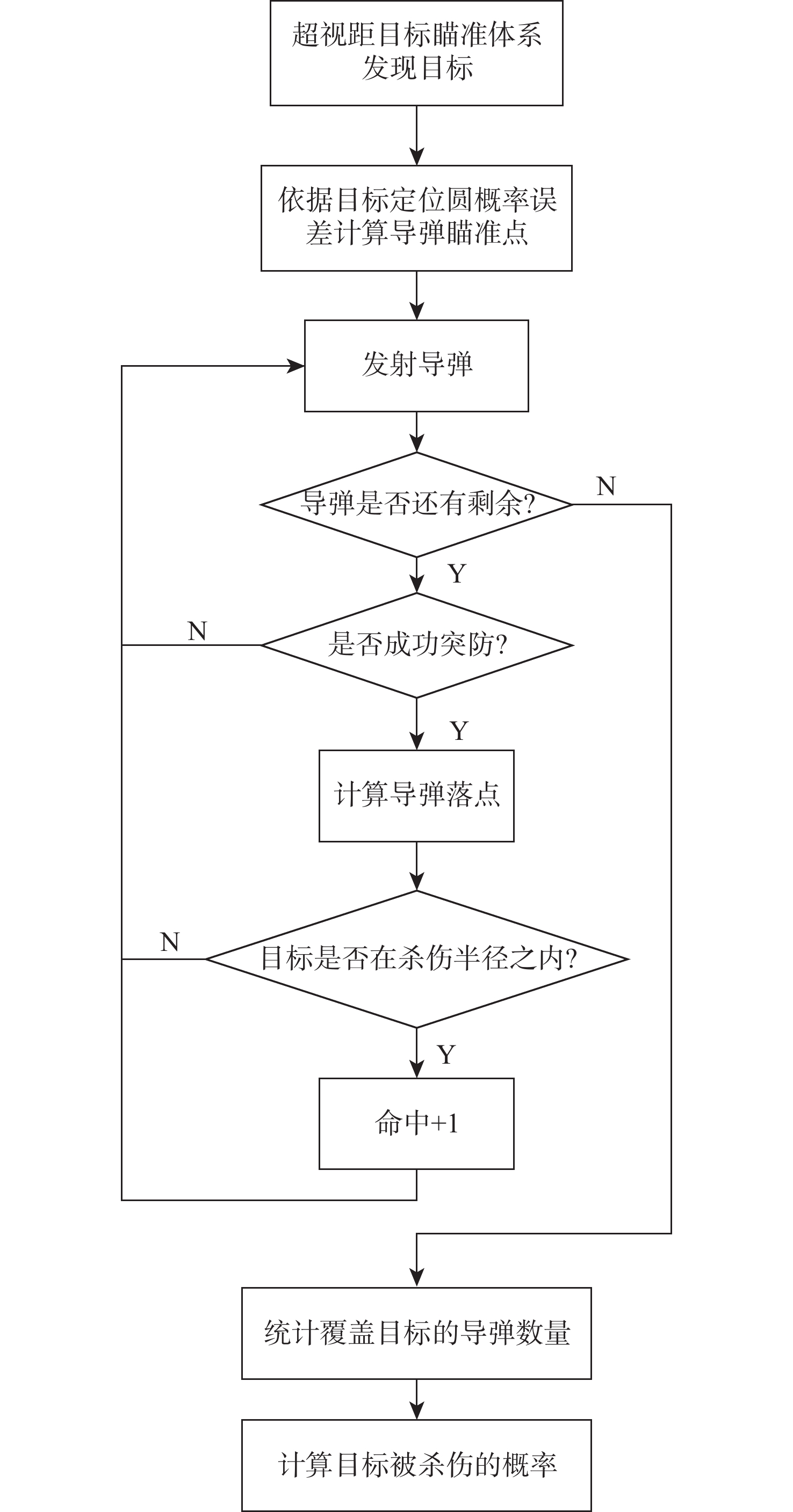
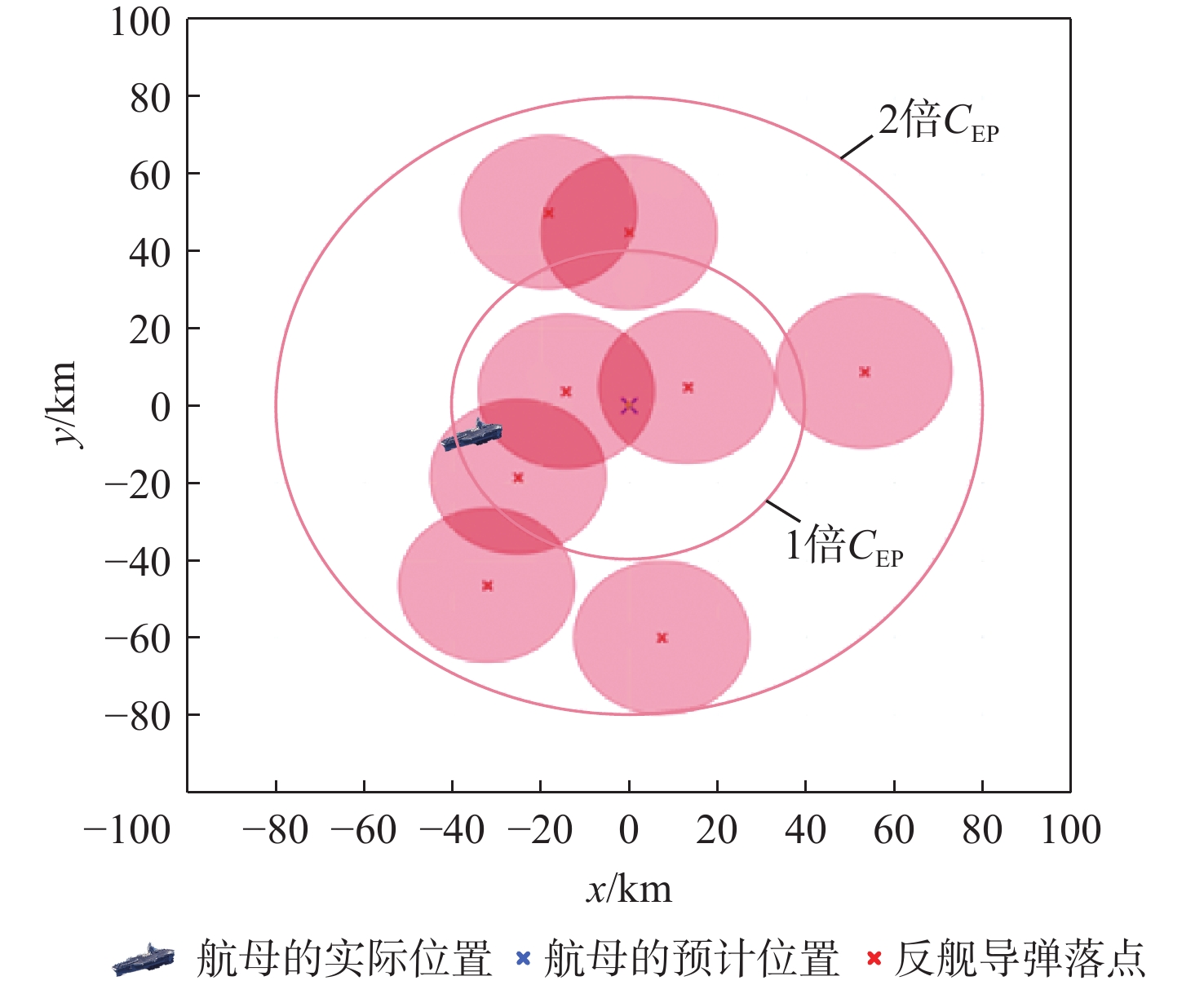
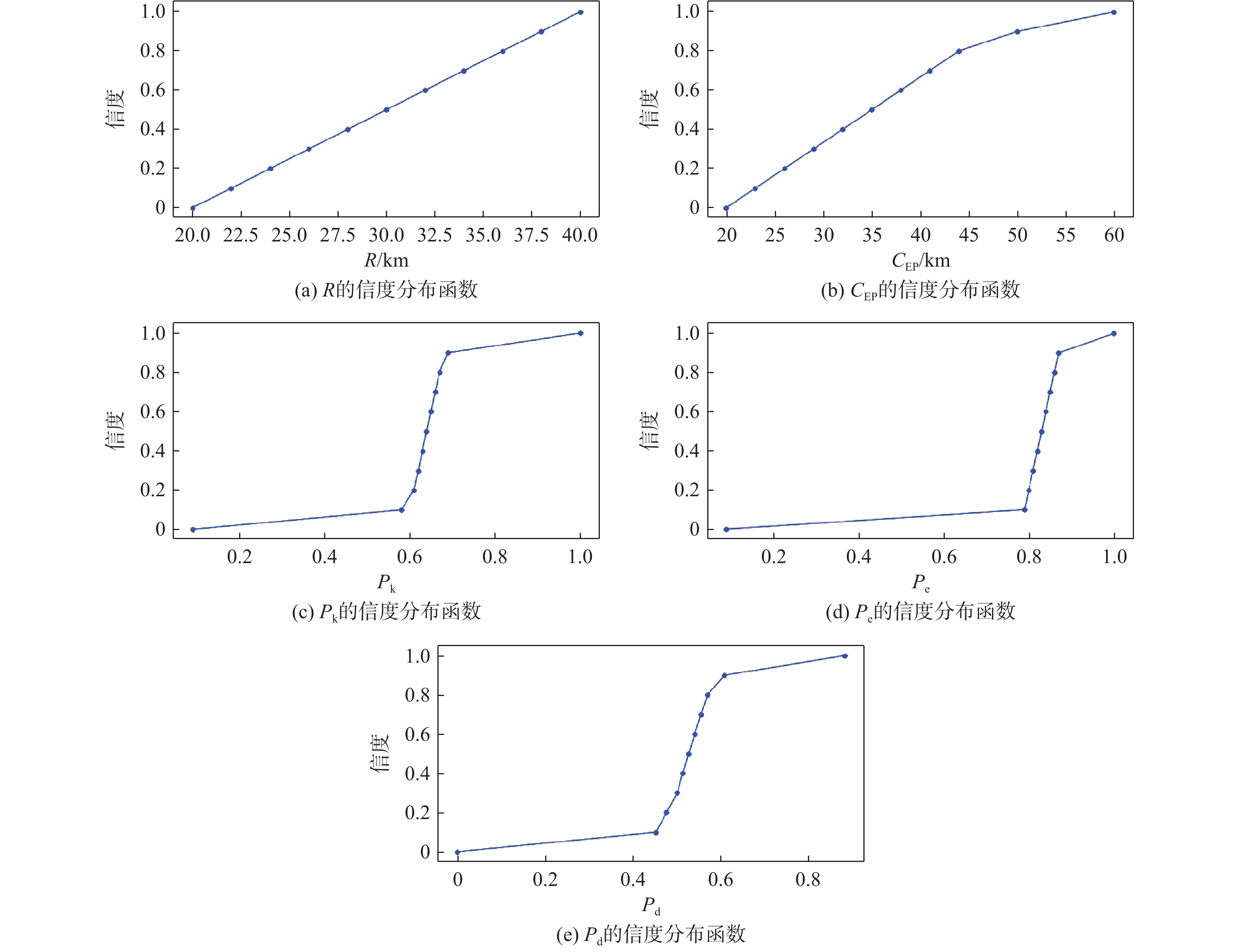
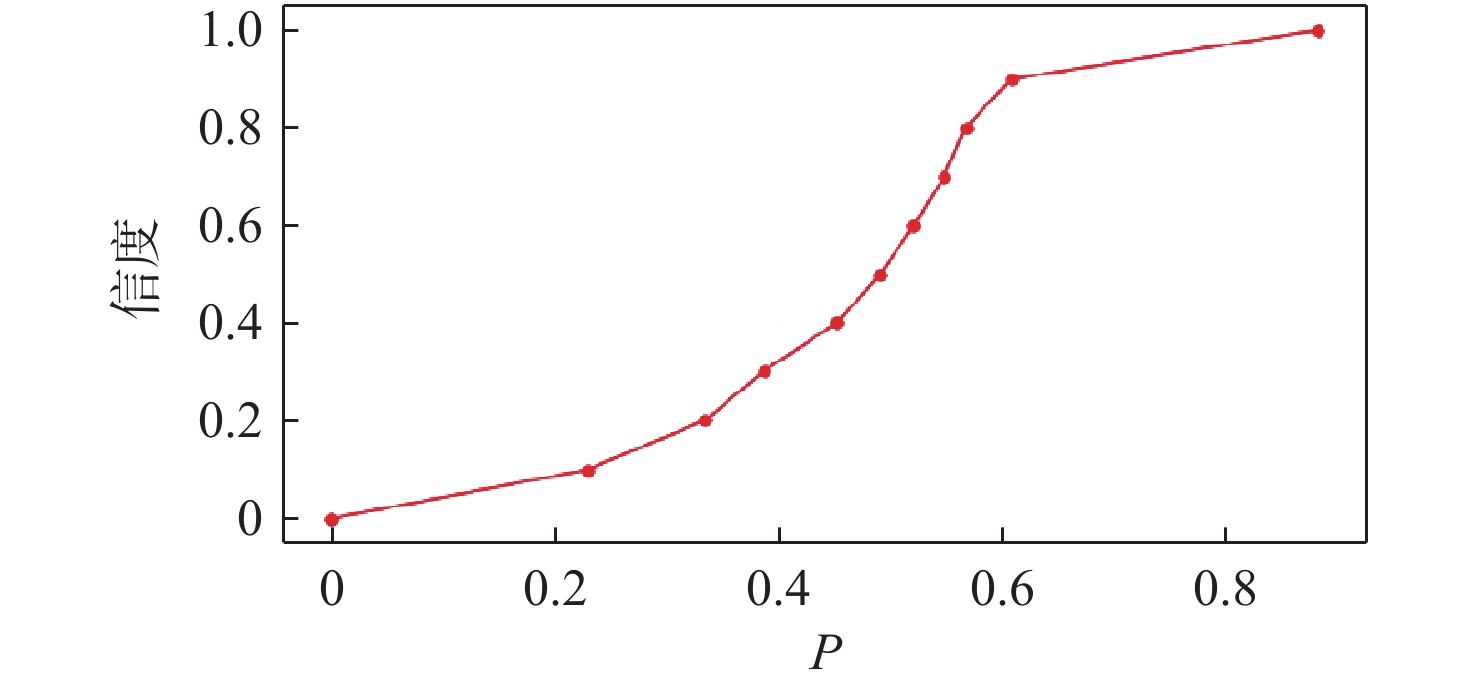
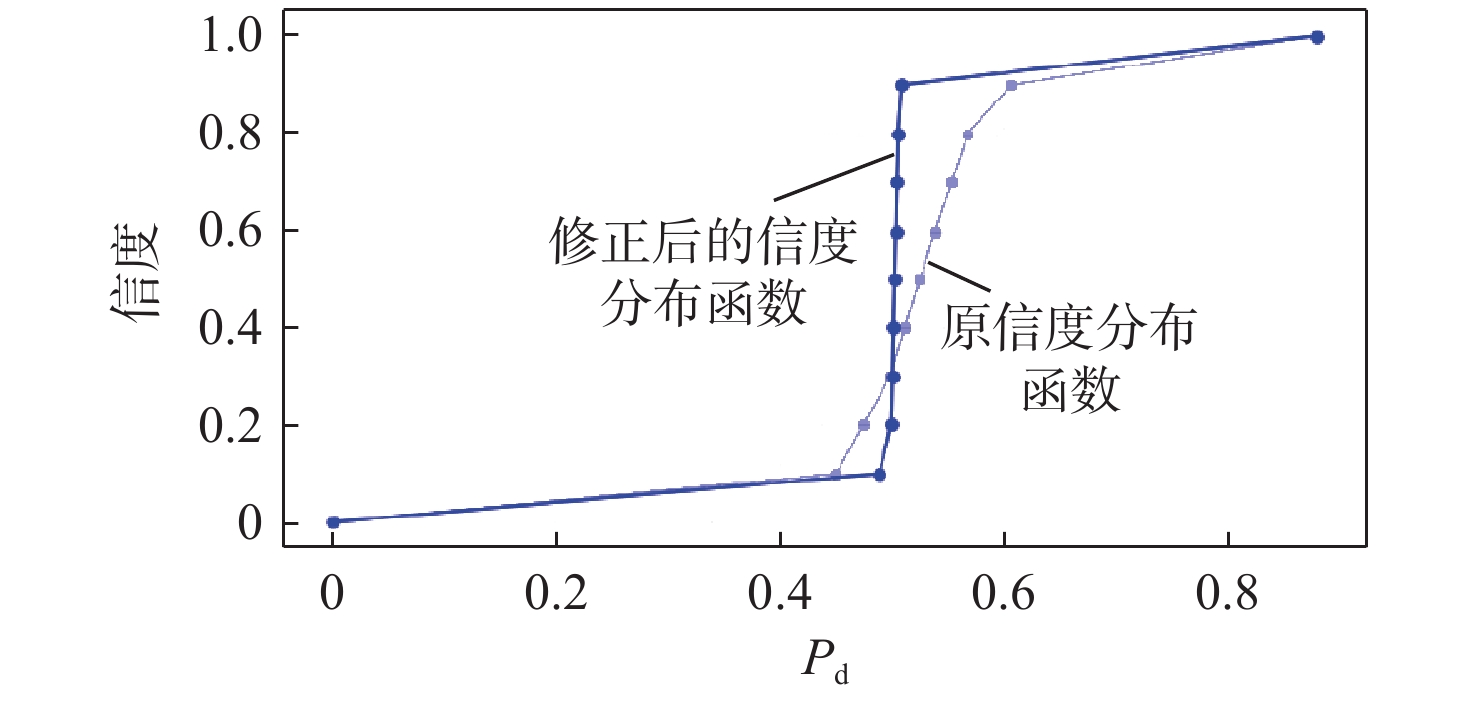
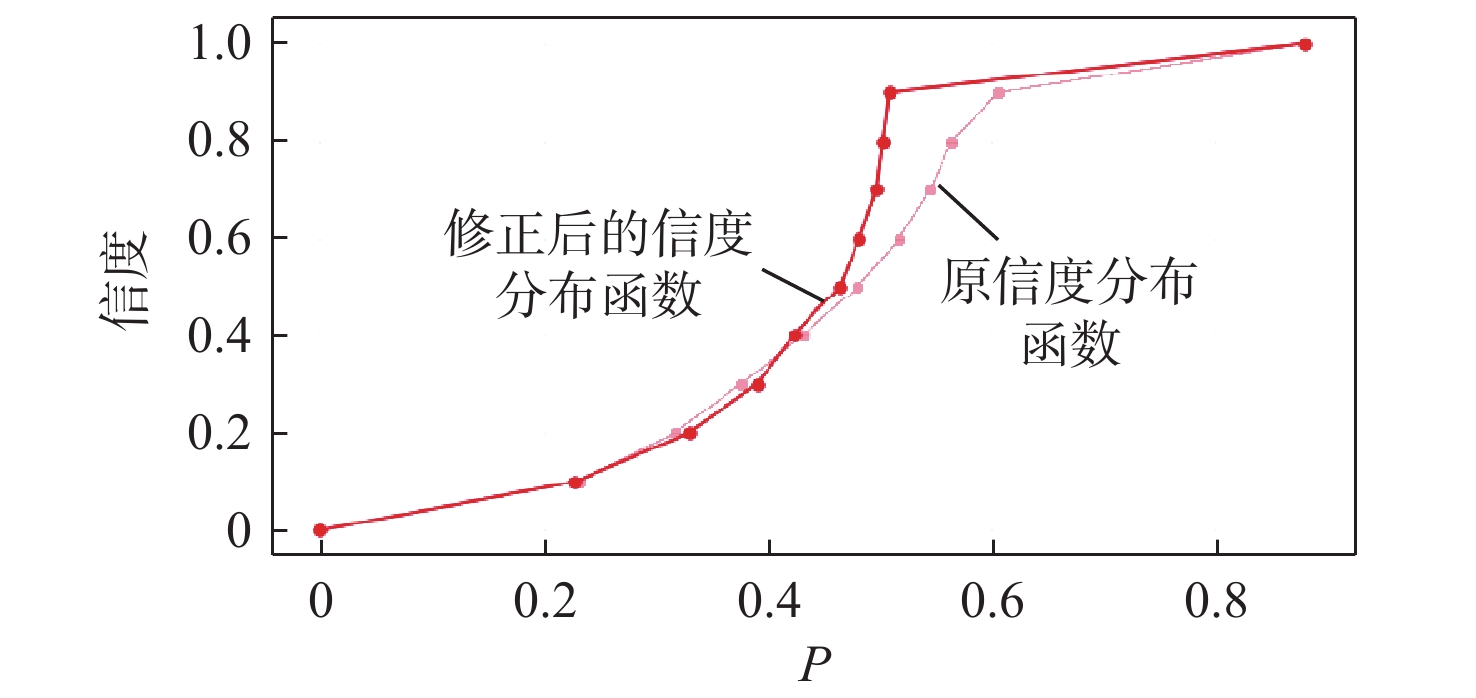
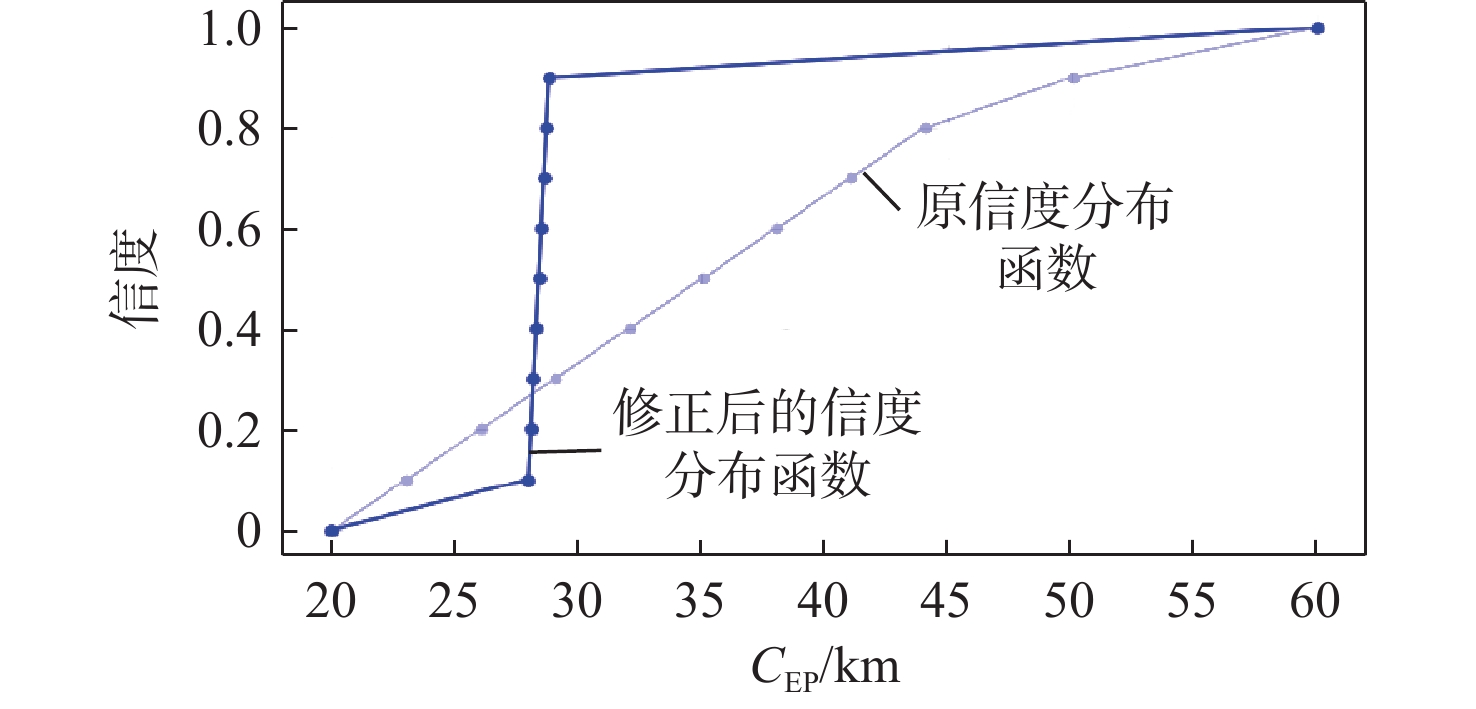
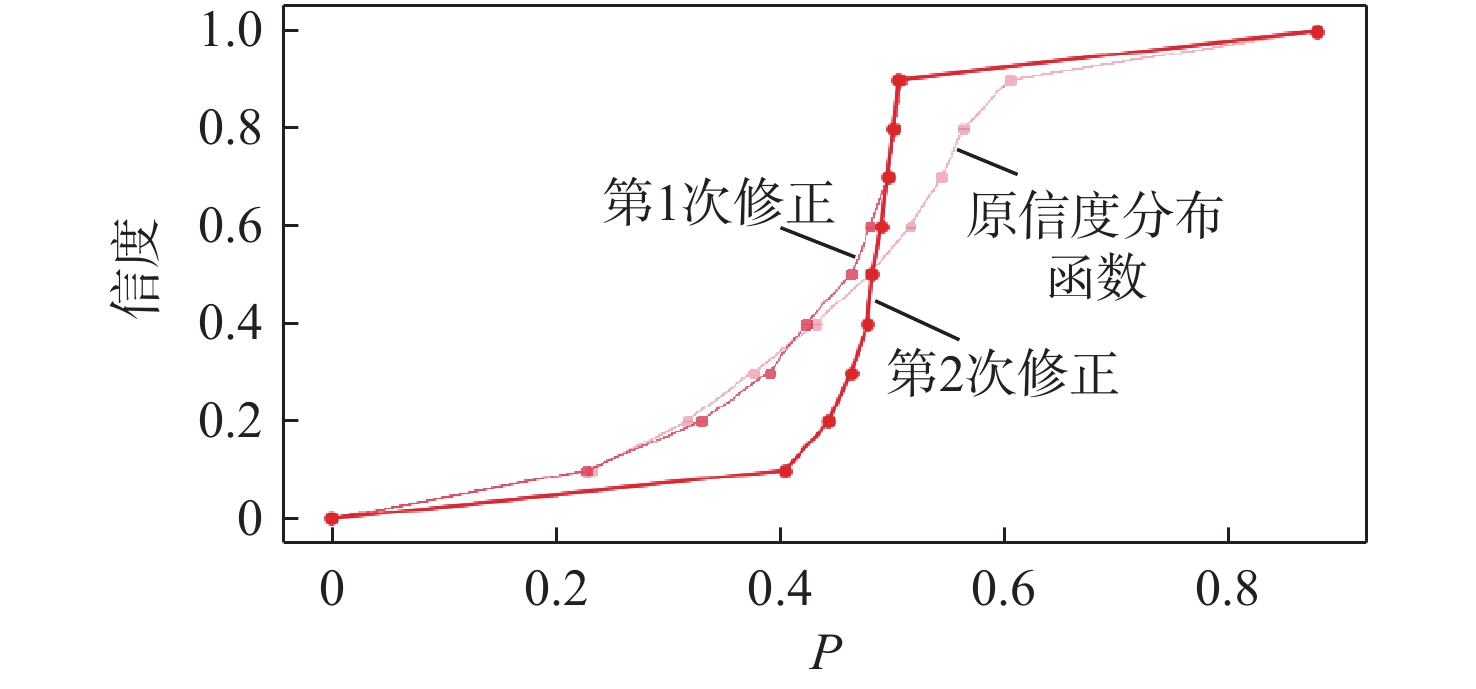
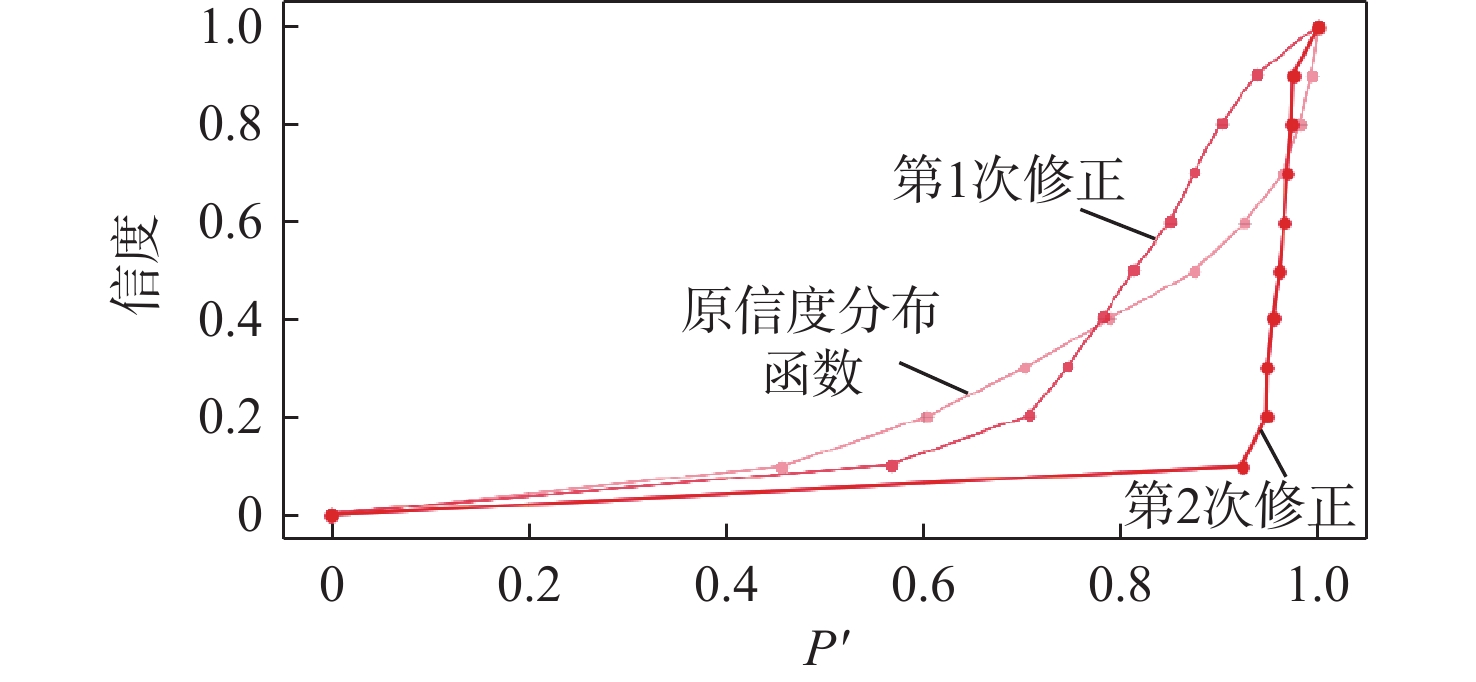
The focus and challenge of research on the operational application of anti-ship ballistic missiles (ASBMs) is how to achieve a more accurate kill effectiveness in a highly adversarial and information-incomplete environment. A research framework designed to iteratively reduce the uncertainty of ASBM kill effectiveness is proposed. A simulation model for the evaluation of kill efficiency is established. The uncertainty (unknowns) of influencing factors is characterized by belief degree distribution functions. The belief degree distribution function of kill efficiency is computed based on the simulation model. Additionally, belief entropy is used to examine the global impact measure on the indeterminacy of kill efficiency caused by each element. In the example provided, the unknown range of kill probability is reduced from 0.2~0.6 to 0.41~0.5. The proposed method provides a new way of thinking for the evaluation of the operational effectiveness of military equipment.

Compliance modeling and strain analysis of double-hole force sensor
LI Lijian, TANG Shouqian, YAO Jiantao, WANG Yingjia
2026, 52(3): 753-762. doi: 10.13700/j.bh.1001-5965.2023.0775
Abstract:

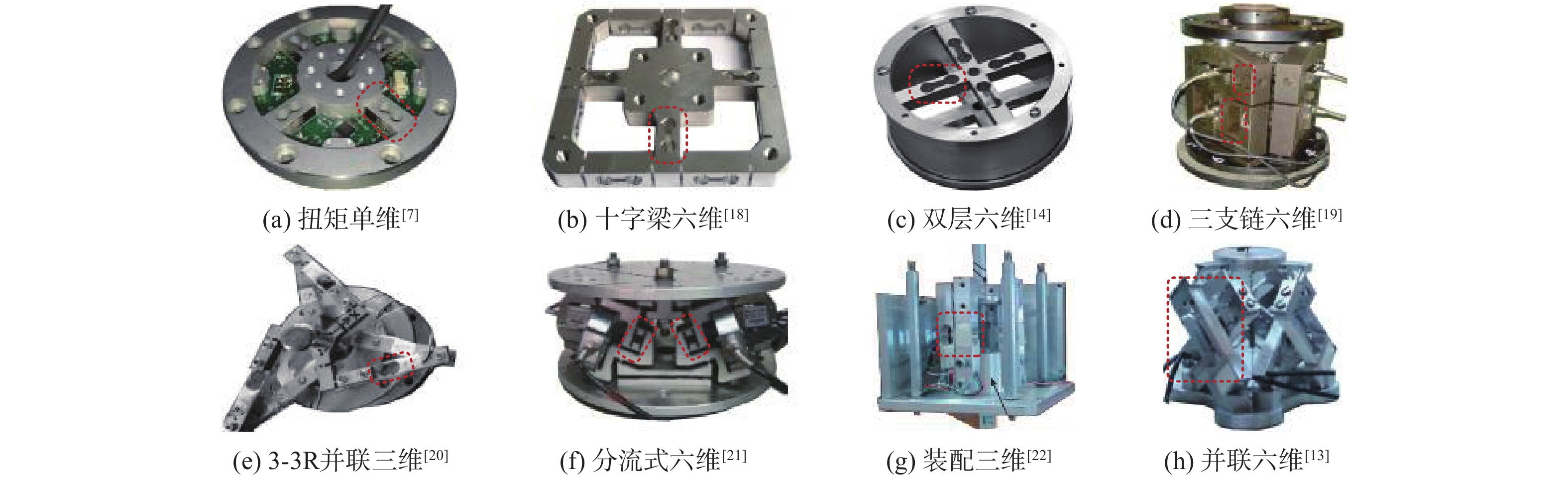
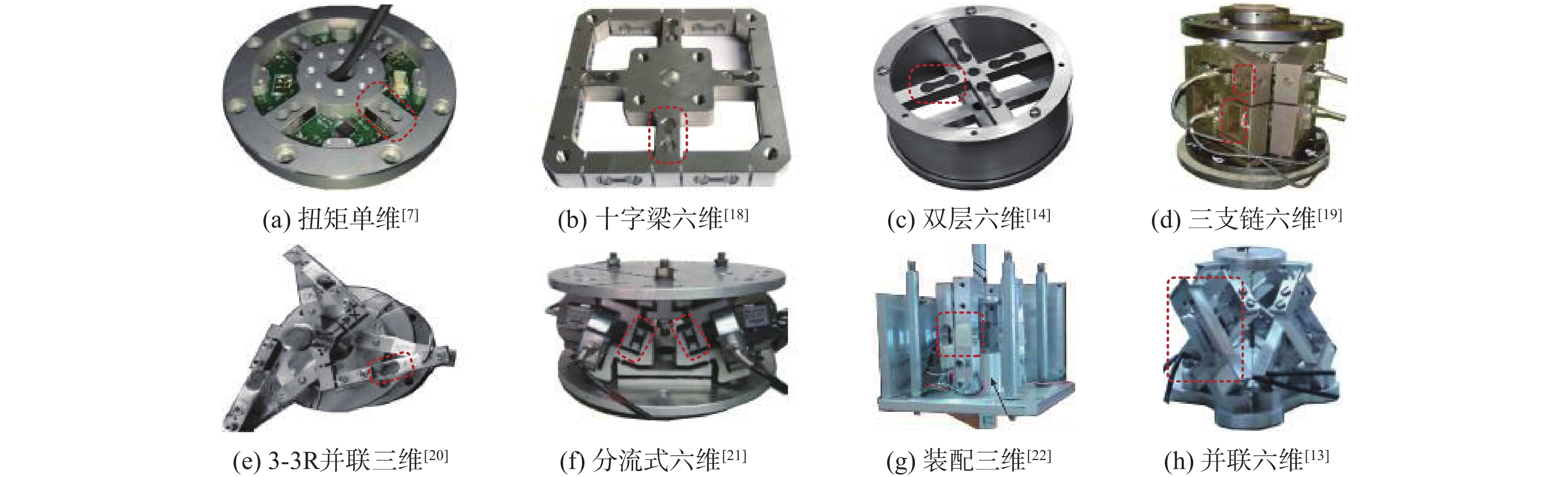
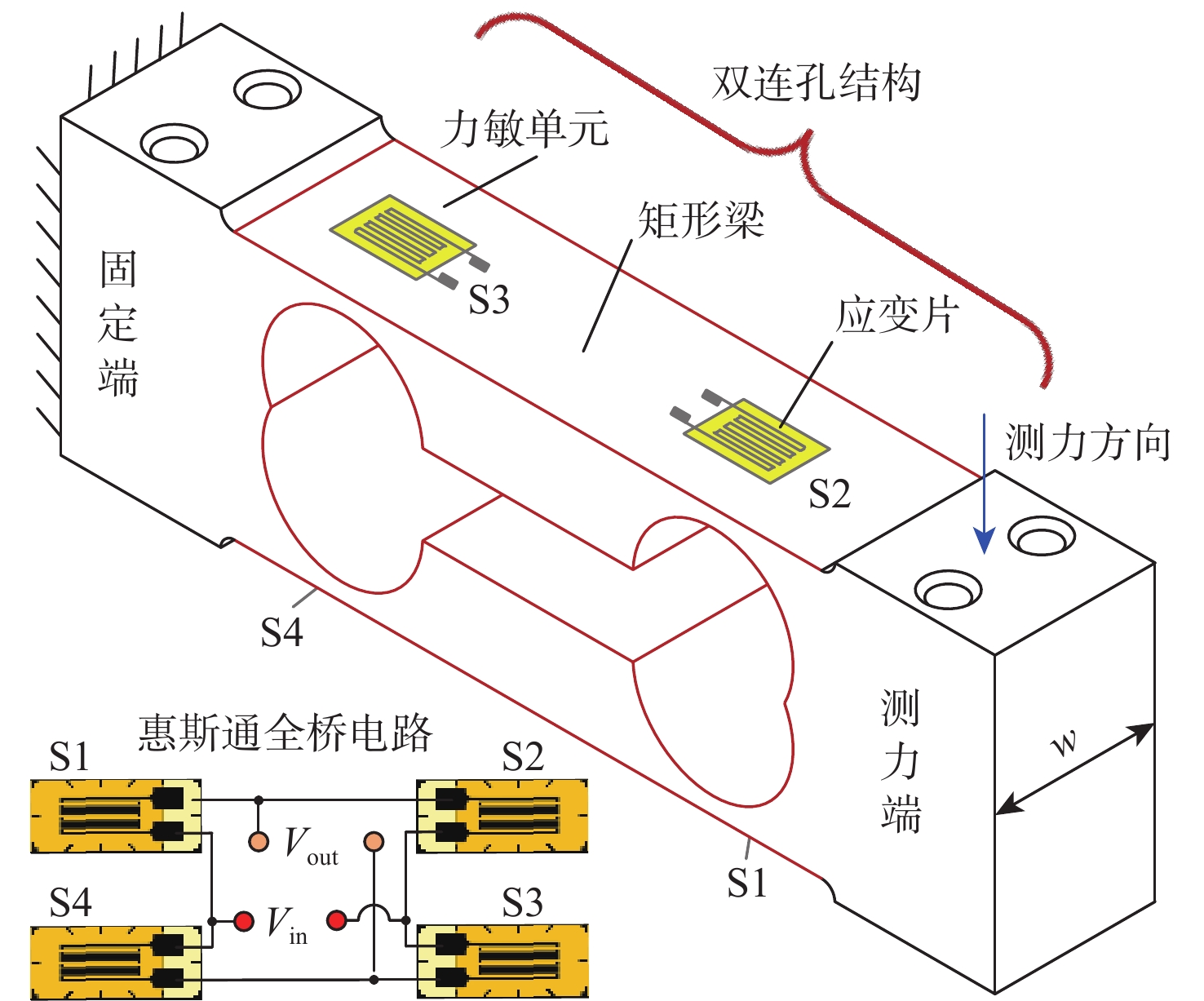
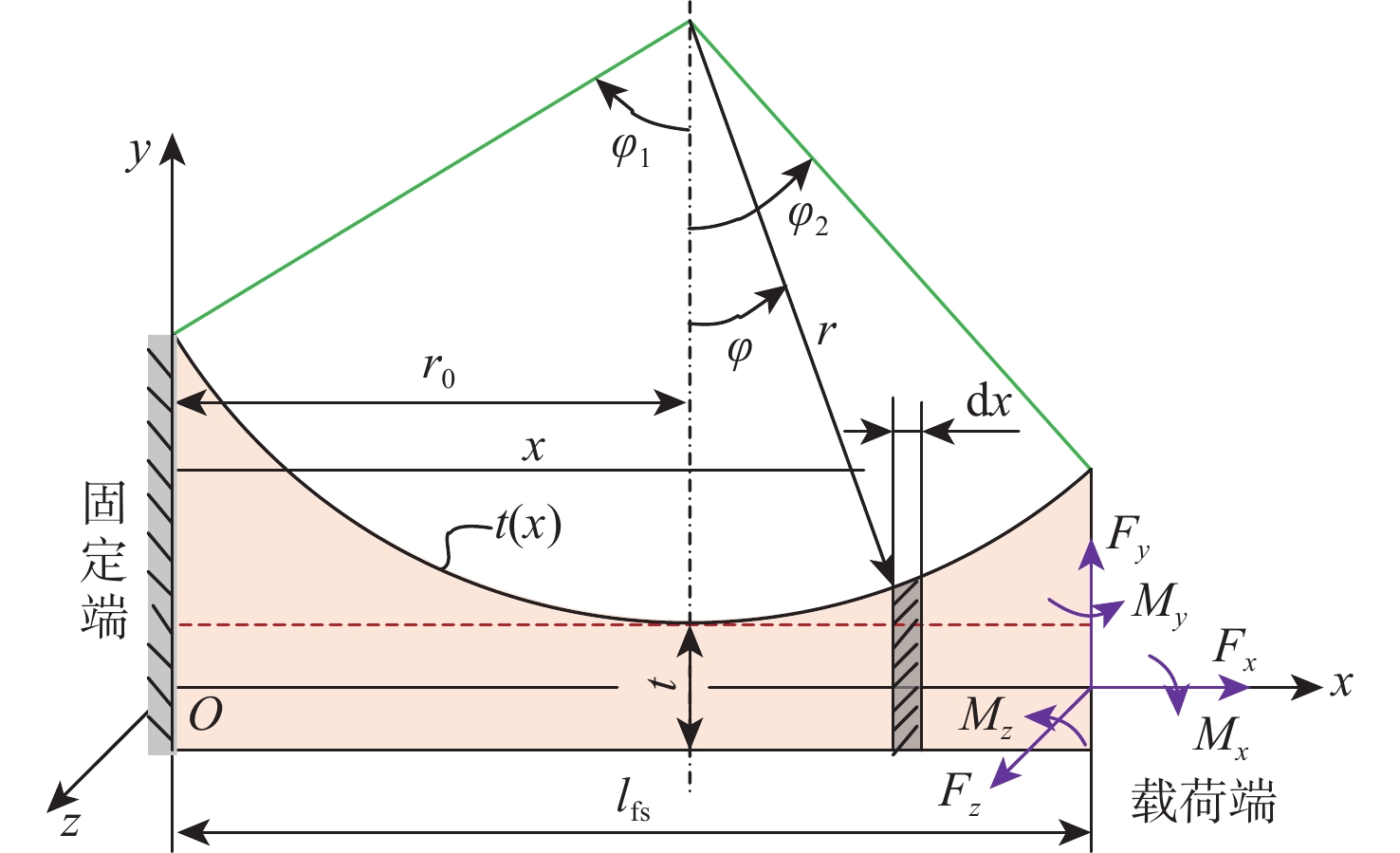
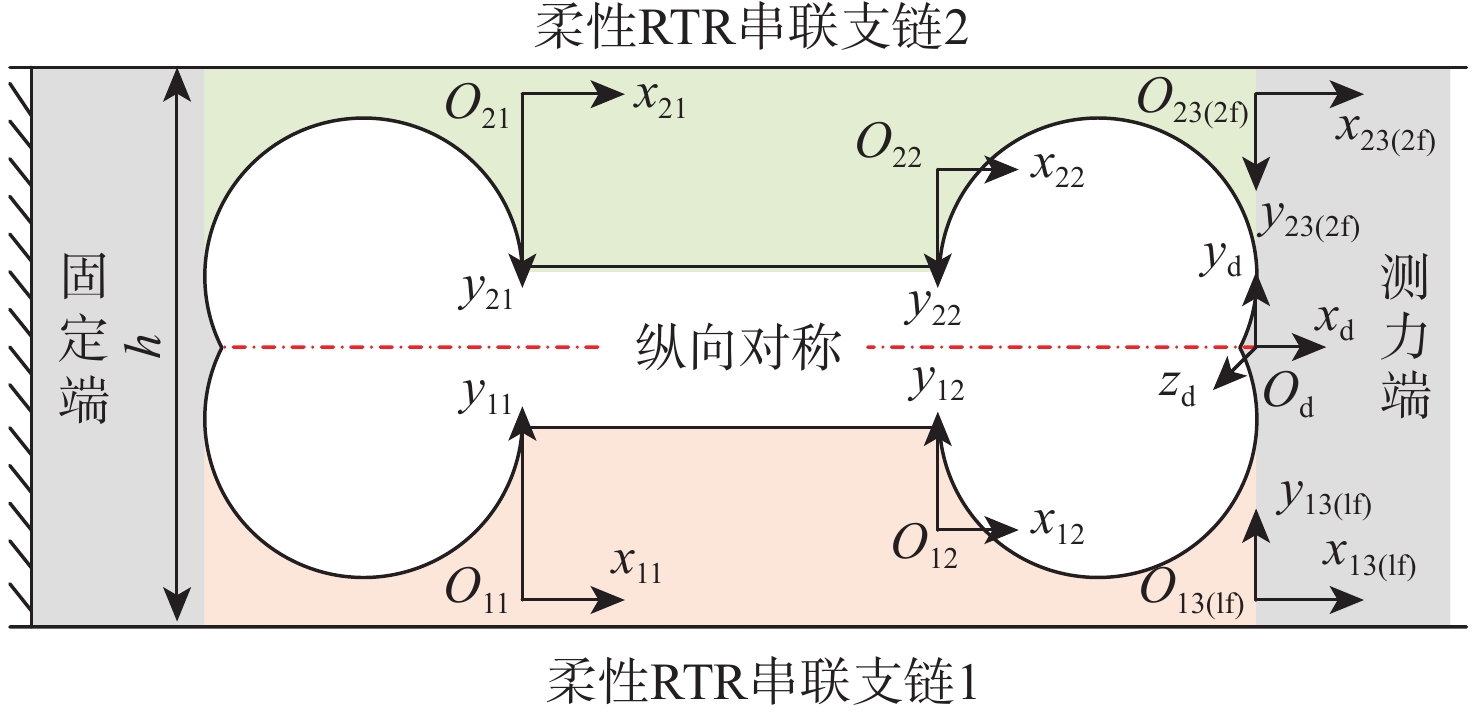
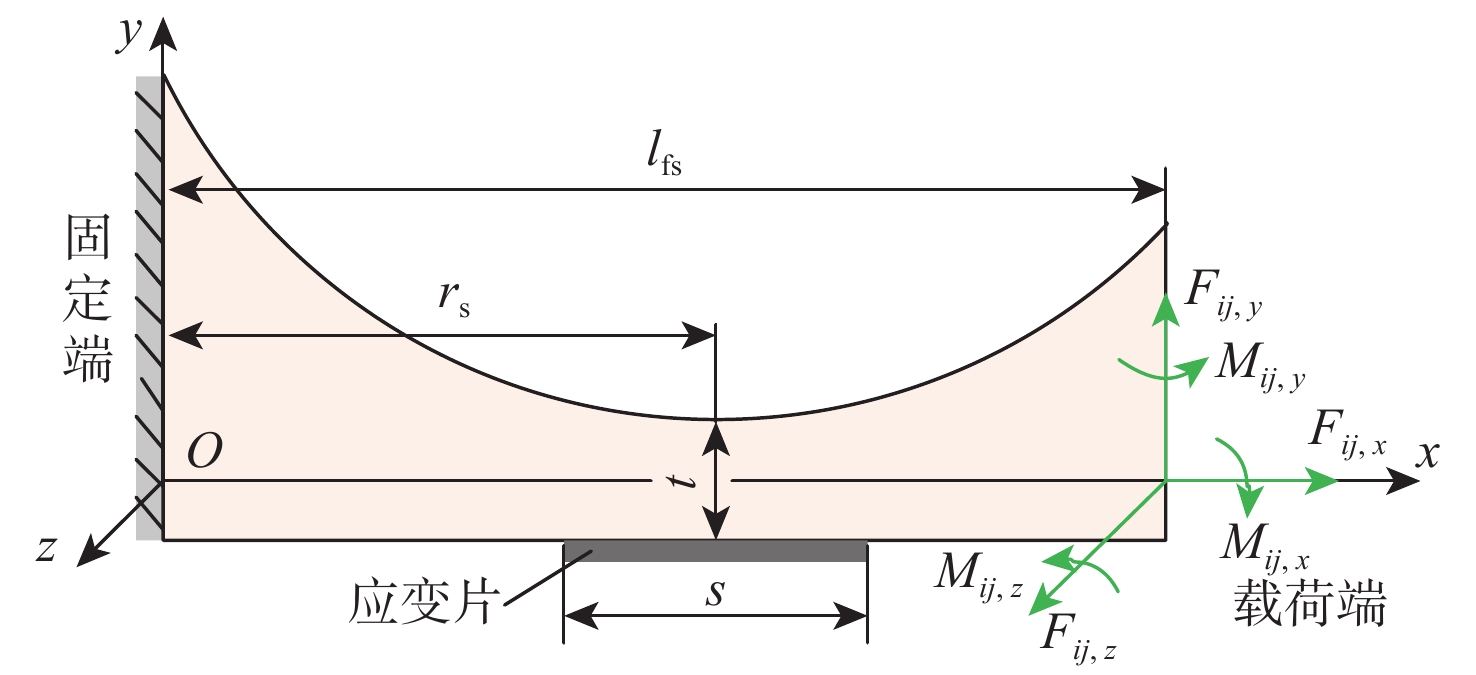
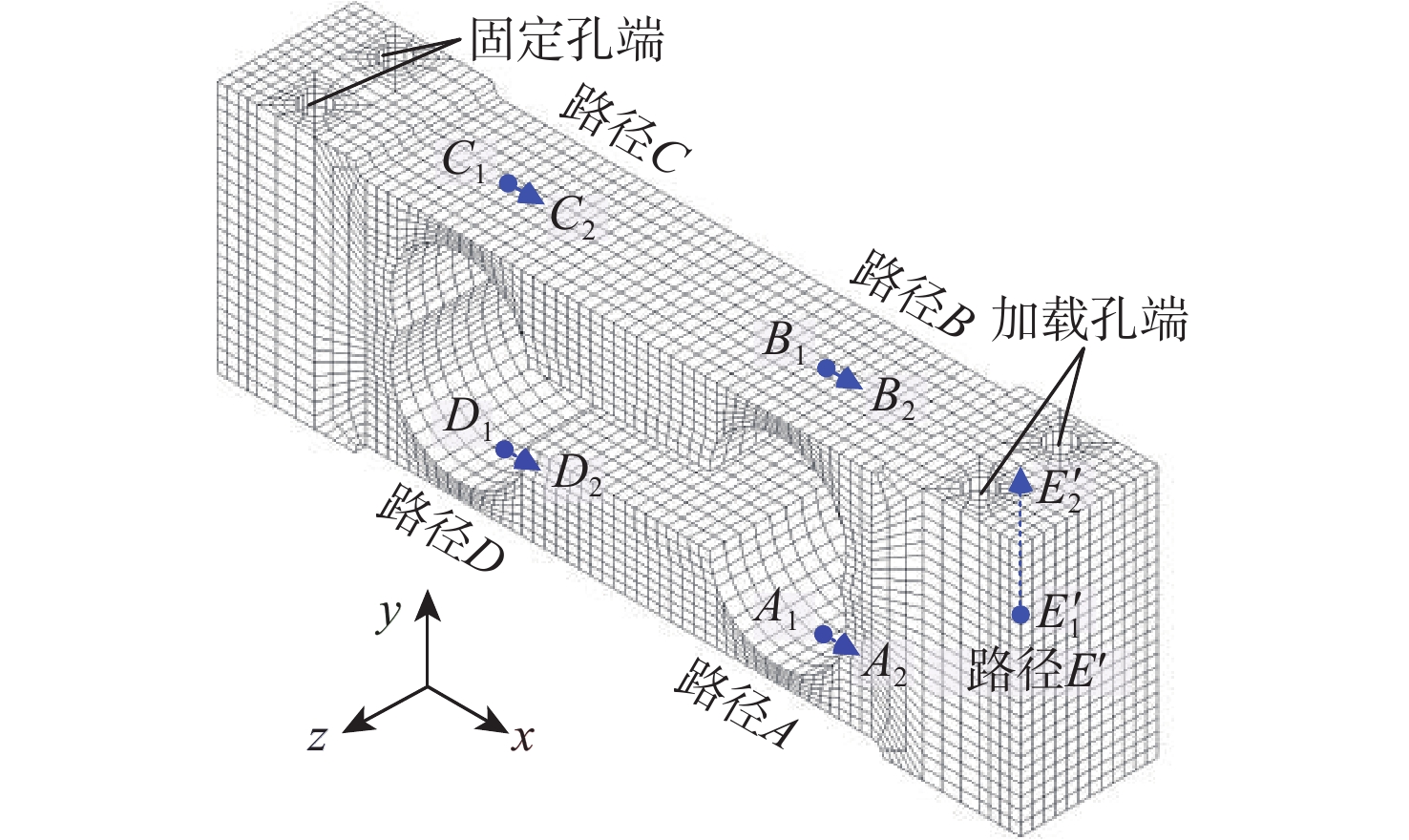
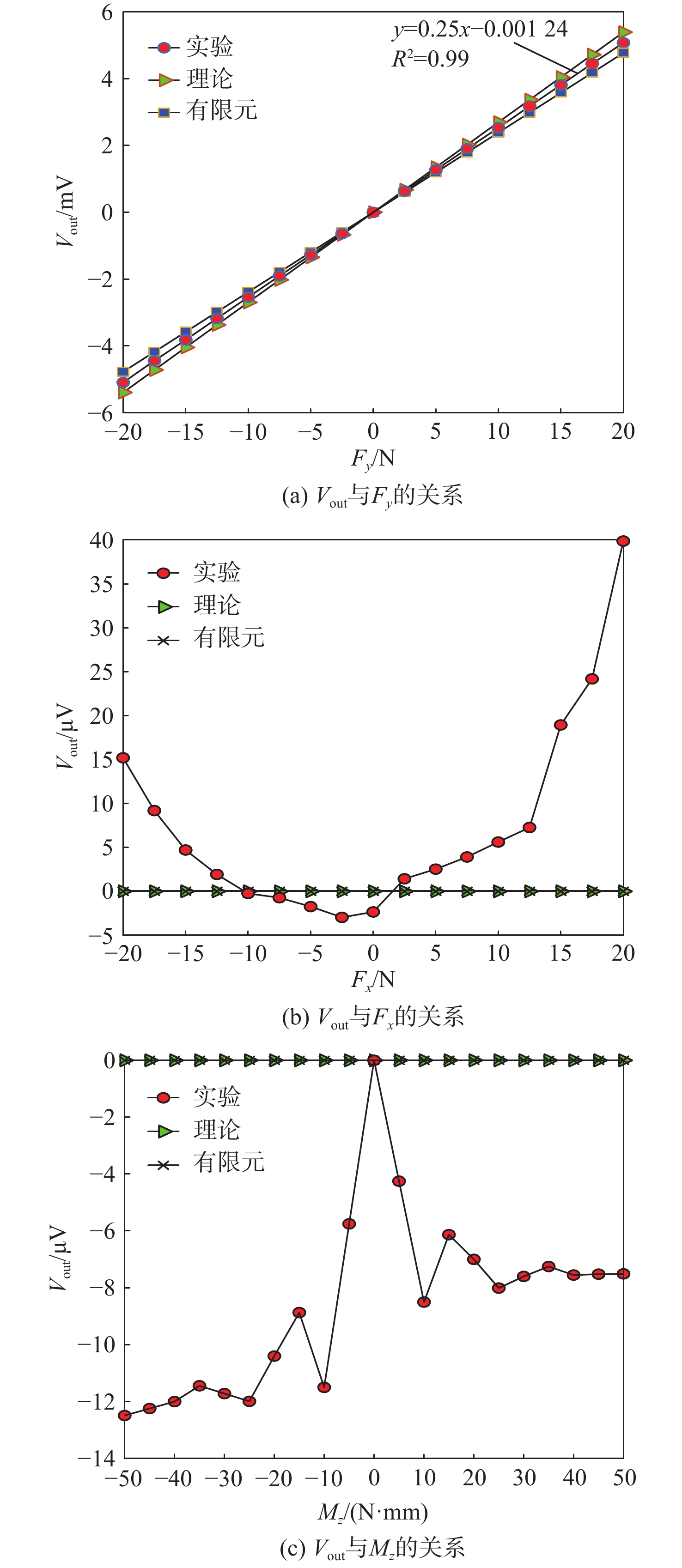
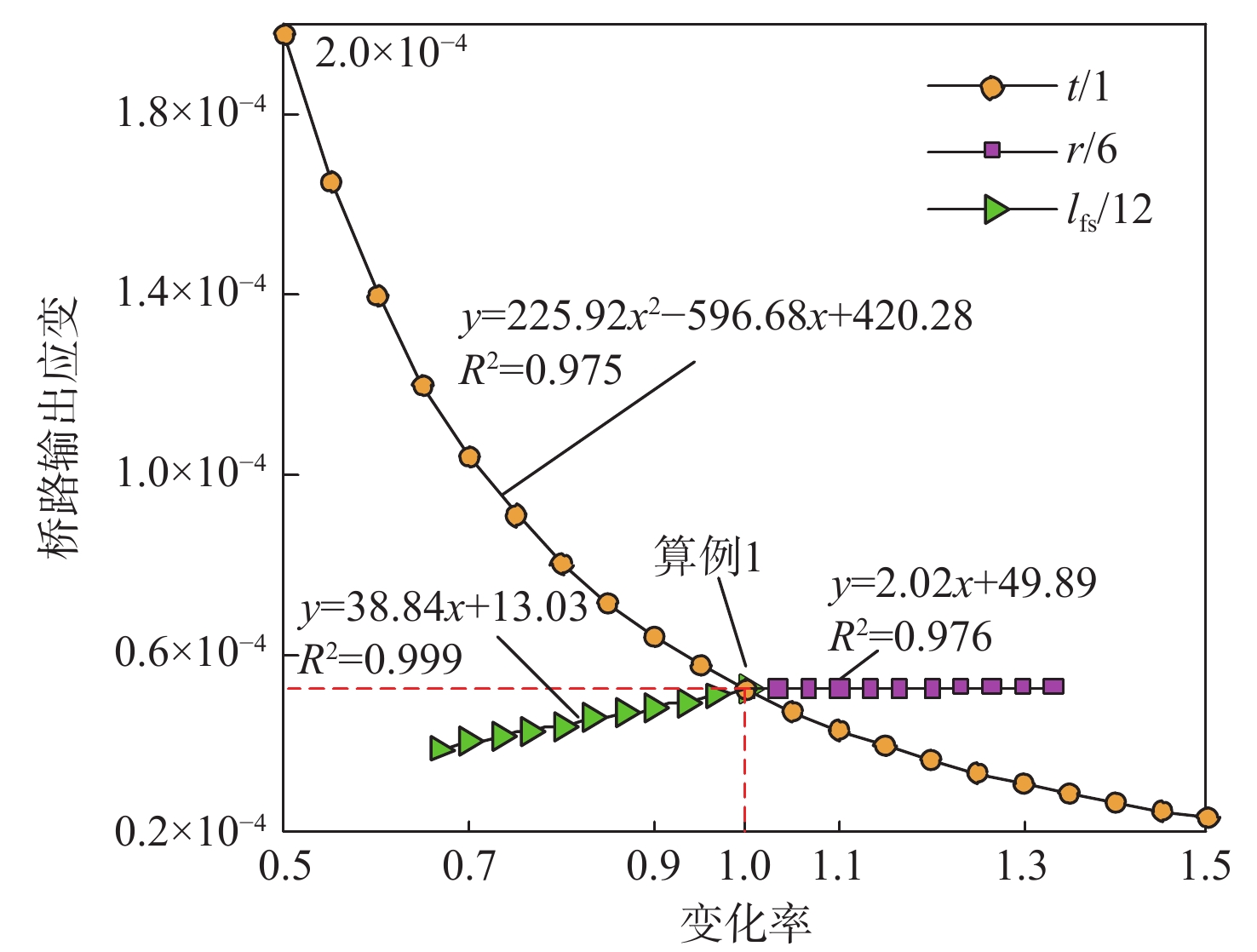
Double-hole force sensors are widely used in aerospace, industrial metrology and other fields, but their load-displacement characteristics and strain-load relationship are difficult to be formulated analytically due to the variable cross-section design, which will affect the design and performance optimization of multi-axis force sensors with double-hole structure. This study uses the compliance matrix modeling method to build the overall compliance model of the double-hole force sensor after determining the compliance matrix and strain-load relationship of the force-sensitive element with variable cross-section based on the elastic-beam theory. The analytical relationship between the sensed strain of the strain gauges on the force-sensitive element of the double-hole structure and the applied load acting on the force-measuring end of the sensor is finally obtained with the compliance model. The presented model and strain analytical relationship are validated by the finite element analysis and experiment, respectively. The results show that the relative errors for the expected-dimensional analytical compliances relative to finite element results are within 3%, and the bridge output voltages are within 5% compared with experimental results. These findings demonstrate that the analytical equations that were derived are capable of accurately assessing the load-displacement characteristics of double-hole force sensors as well as the mapping between applied loads and bridge output strains. They can also offer dependable technical assistance for the best possible design of multi-axis force sensors that have double-hole structures.

Cognitive load assessment method for multifactorial flight conflict detection
YANG Yue, MA Bokai, CHENG Long
2026, 52(3): 763-771. doi: 10.13700/j.bh.1001-5965.2023.0816
Abstract:

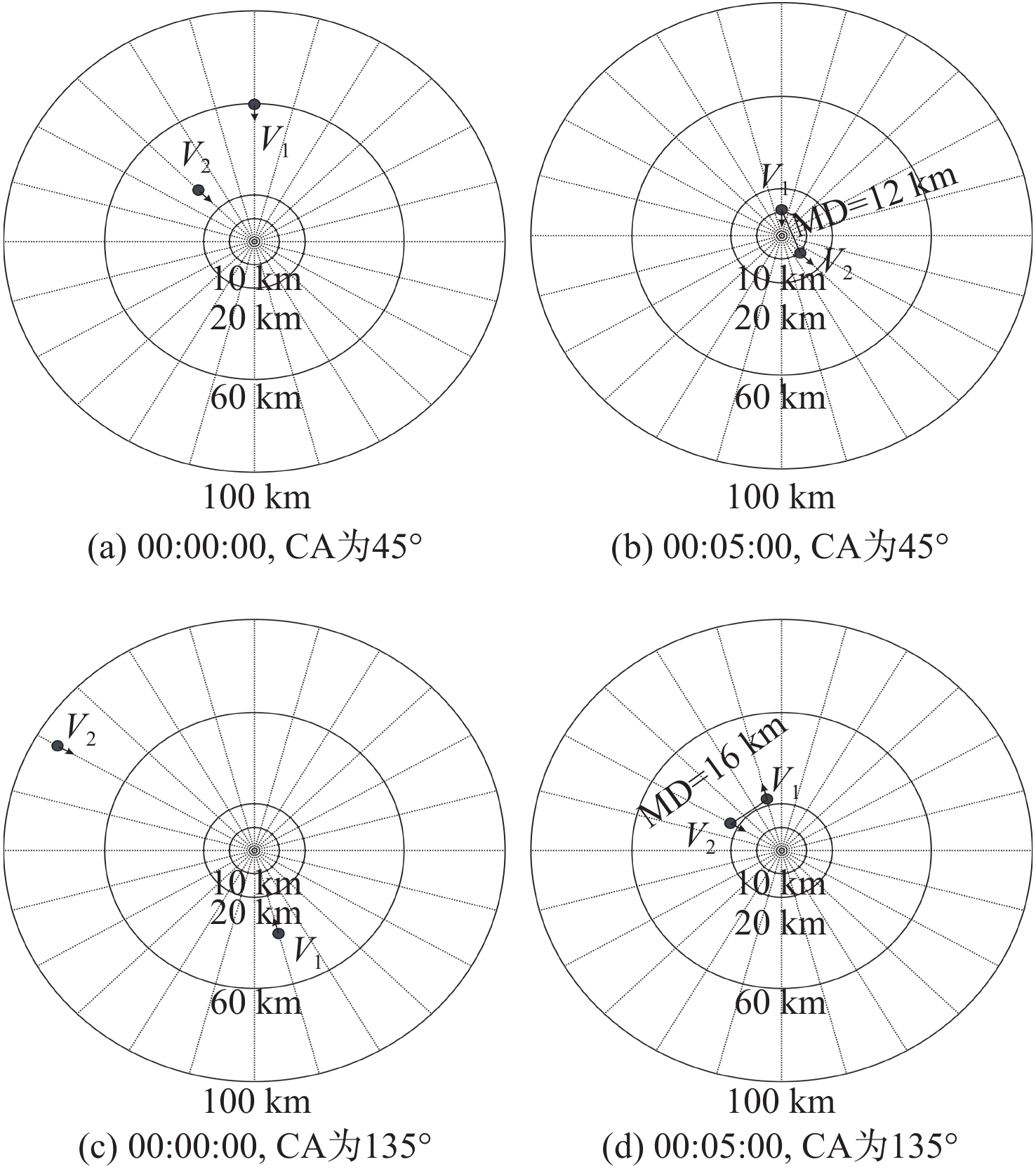
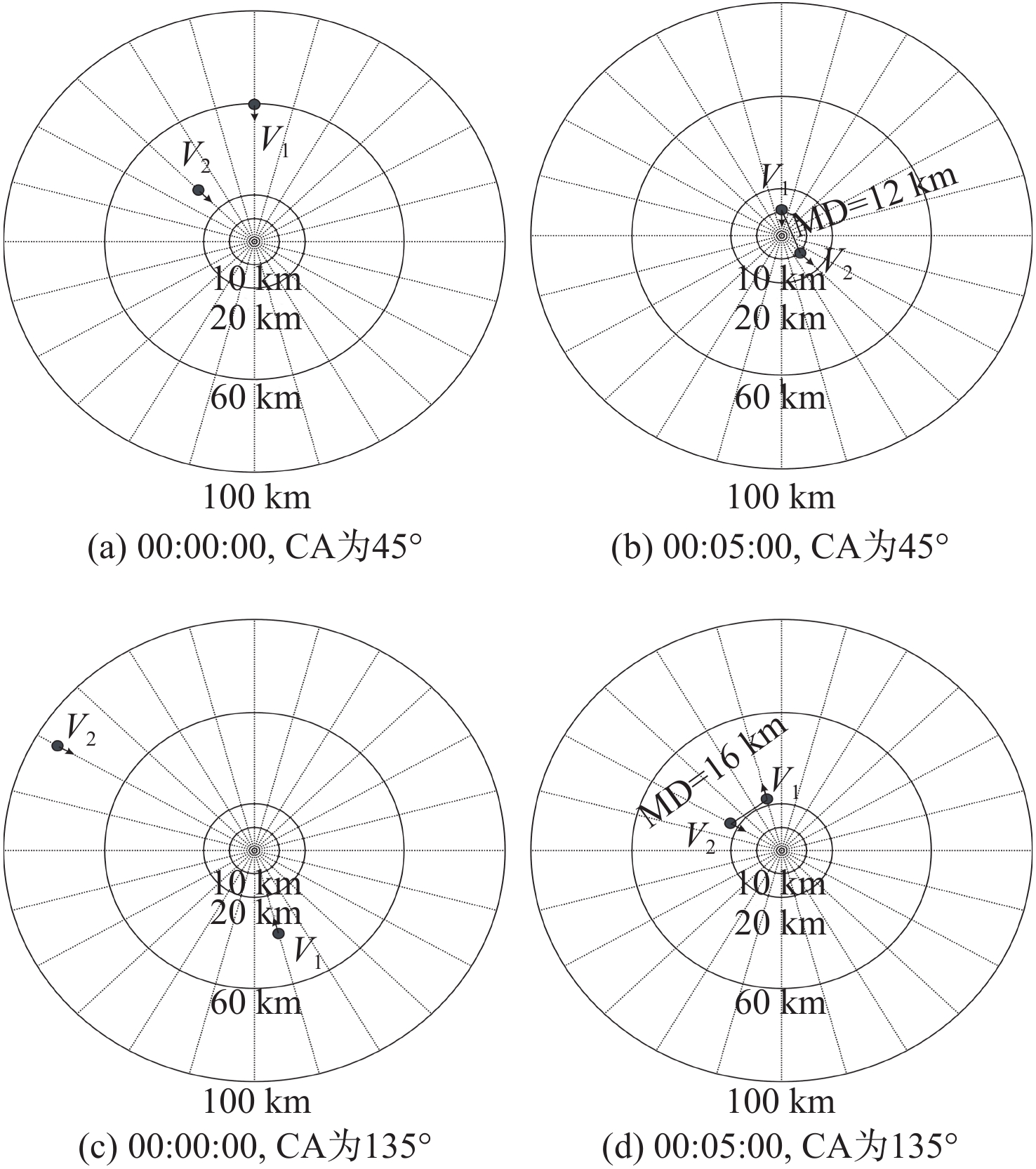
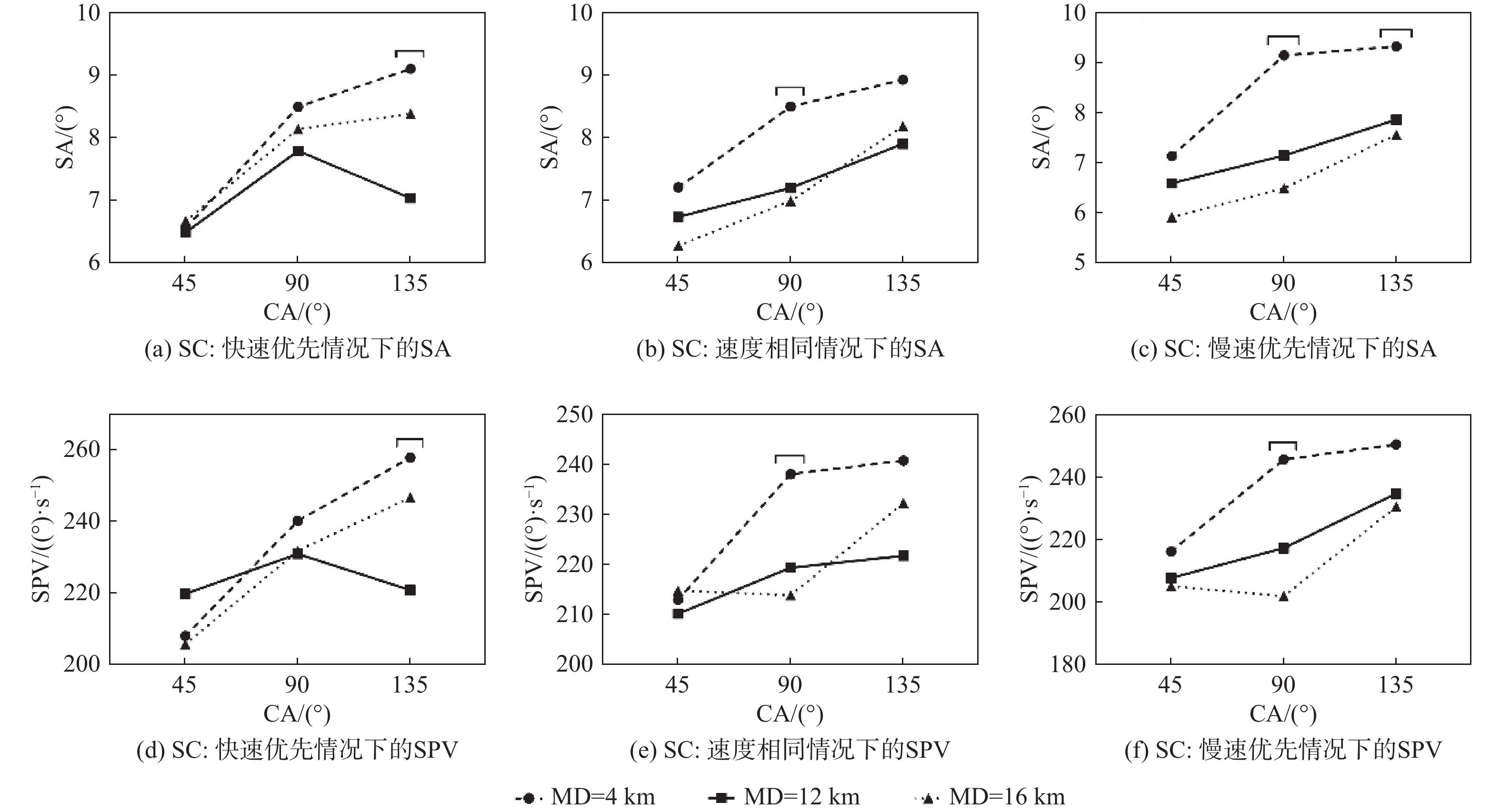
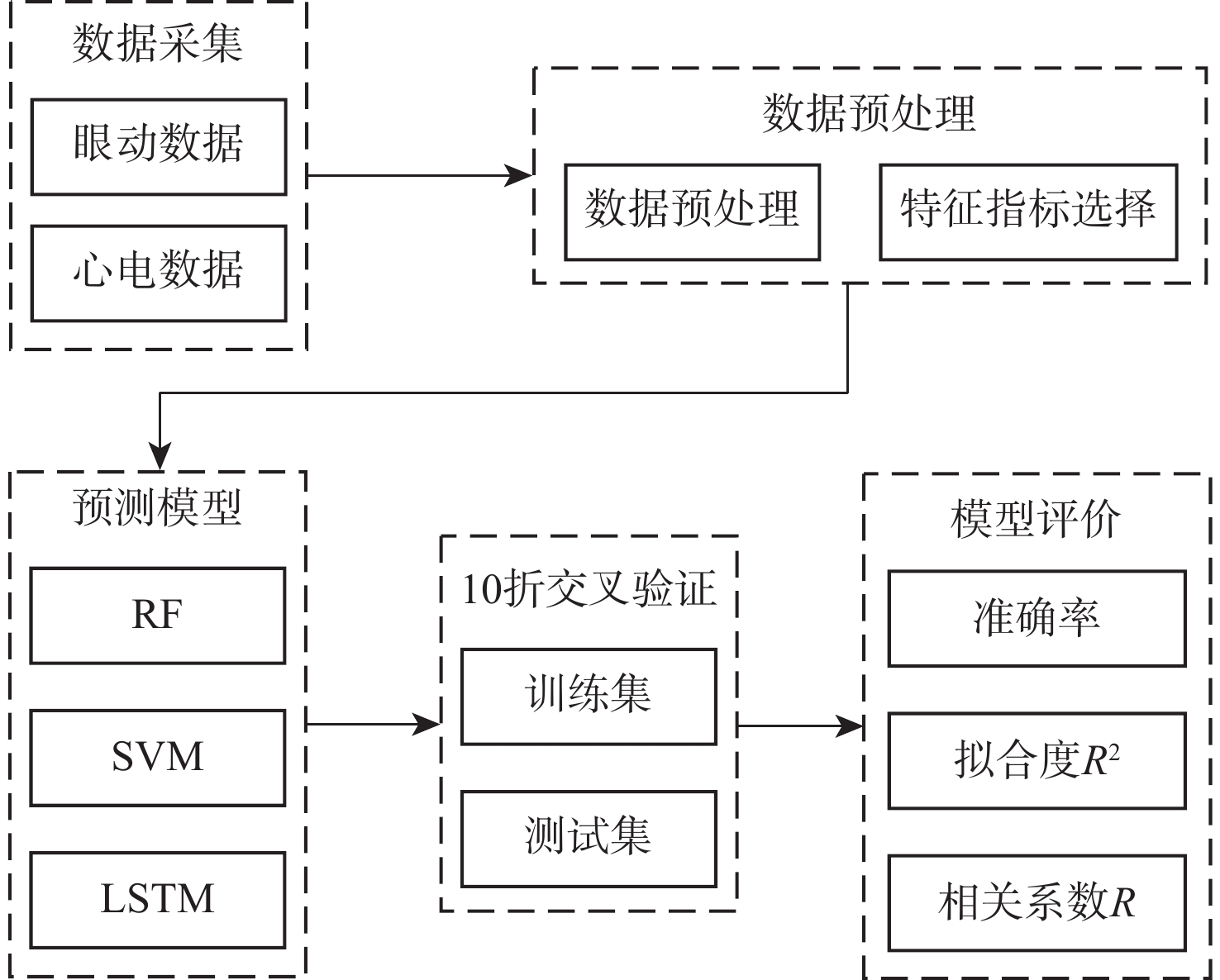
Real-time monitoring and evaluation of air traffic controllers’ cognitive load is of great significance to the operational safety of the air traffic control system. Cognitive load variation in control command, which is reflected by the physiological parameters, facilitates timely discovery of the undesirable working condition that affecting control effectiveness, in order to realize forward movement of the risk control gate. The radar control simulation experimental platform is used to create conflict detection scenarios under various airspace complexity conditions. A repeated within-subjects measurement experimental scheme is designed with three factors: minimum distance (4 km, 12 km, 16 km), convergence angle (45°, 90°, 135°), and speed characteristics (fast speed priority, same speed, slow speed priority). The effect of different complexity factors on the cognitive load and the changing laws of physiological indexes are studied based on multifactorial analysis of variance through collecting the subjects' eye movement and electrocardiogram data, so as to select feature physiological indexes that can effectively express airspace complexity factors. Based on this, the individuals' cognitive load is assessed using three machine learning algorithms: random forest (RF), support vector machine (SVM), and long short-term memory network (LSTM). The results show that among different levels of the same type factor, the cognitive load is highest when the minimum distance (MD) is closed to the warning interval and the convergence angle (CA) is an acute angle, as well as lowest when the speed characteristics (SC) is the same speed respectively. Nine physiological indexes can be used as feature indexes to effectively express cognitive load at different levels of MD, including number of fixations (NrF), number of saccades (NrS), mean saccade duration (SD), average saccade amplitude (SA), average saccade peak velocity (SPV), blinking frequency (BF), pupil diameter (PD), mean respiratory rate (RR) and power ratio of low-frequency to high-frequency in heart rate variability (LF/HF). The assessment accuracy of the SVM model based on a single-modal eye movement signal is 94.69%, which is higher than the single-modal assessment model with electrocardiographic signal and the dual-modal assessment model with eye movement and electrocardiographic signals. Removing strongly correlated feature indexes will affect model performance to some extent.

Spatial correlation of along-wind fluctuating wind loads on rectangular high-rise buildings
YUAN Jiahui, CHEN Shuifu, XIA Yuchao, LIU Yi
2026, 52(3): 772-783. doi: 10.13700/j.bh.1001-5965.2023.0828
Abstract:

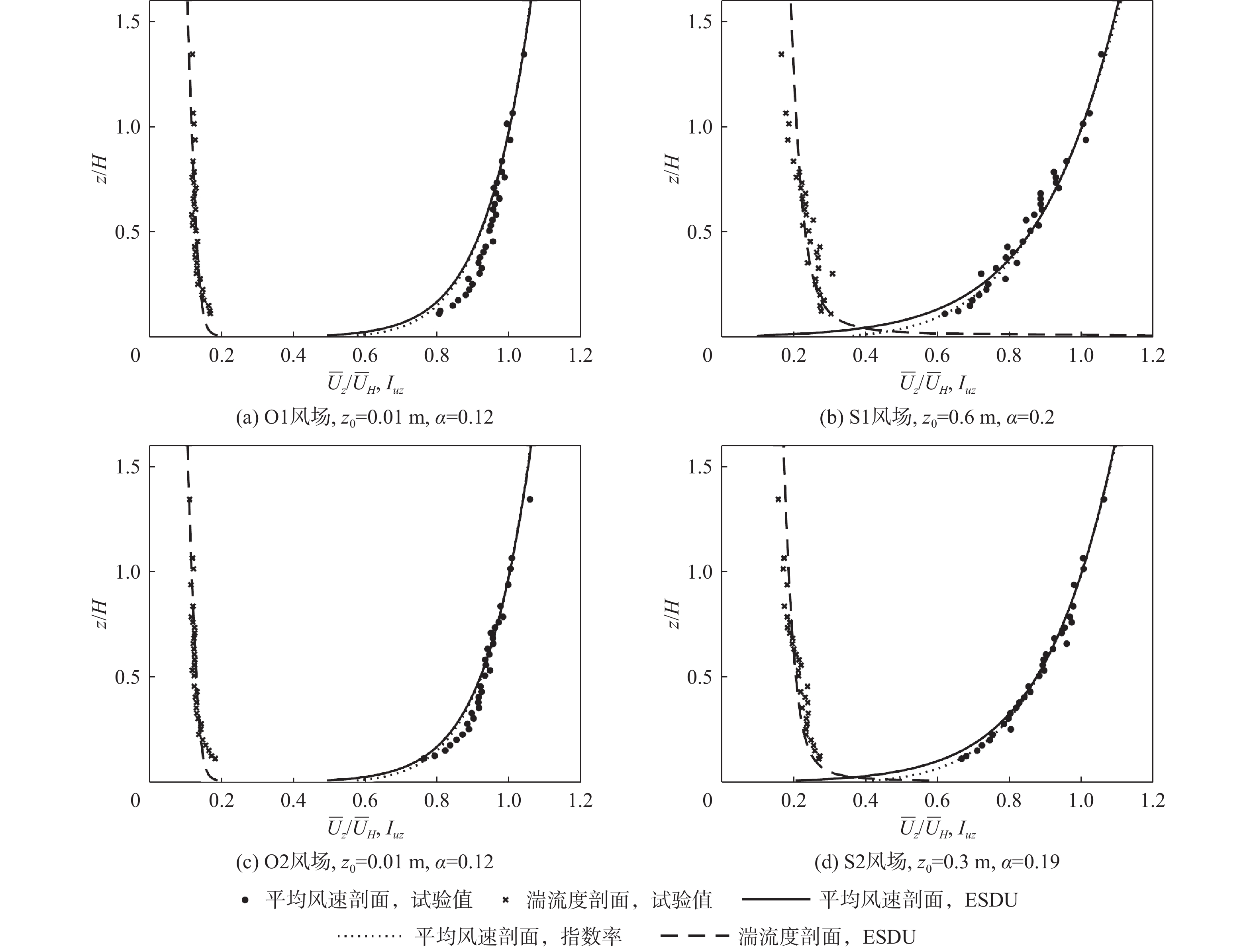
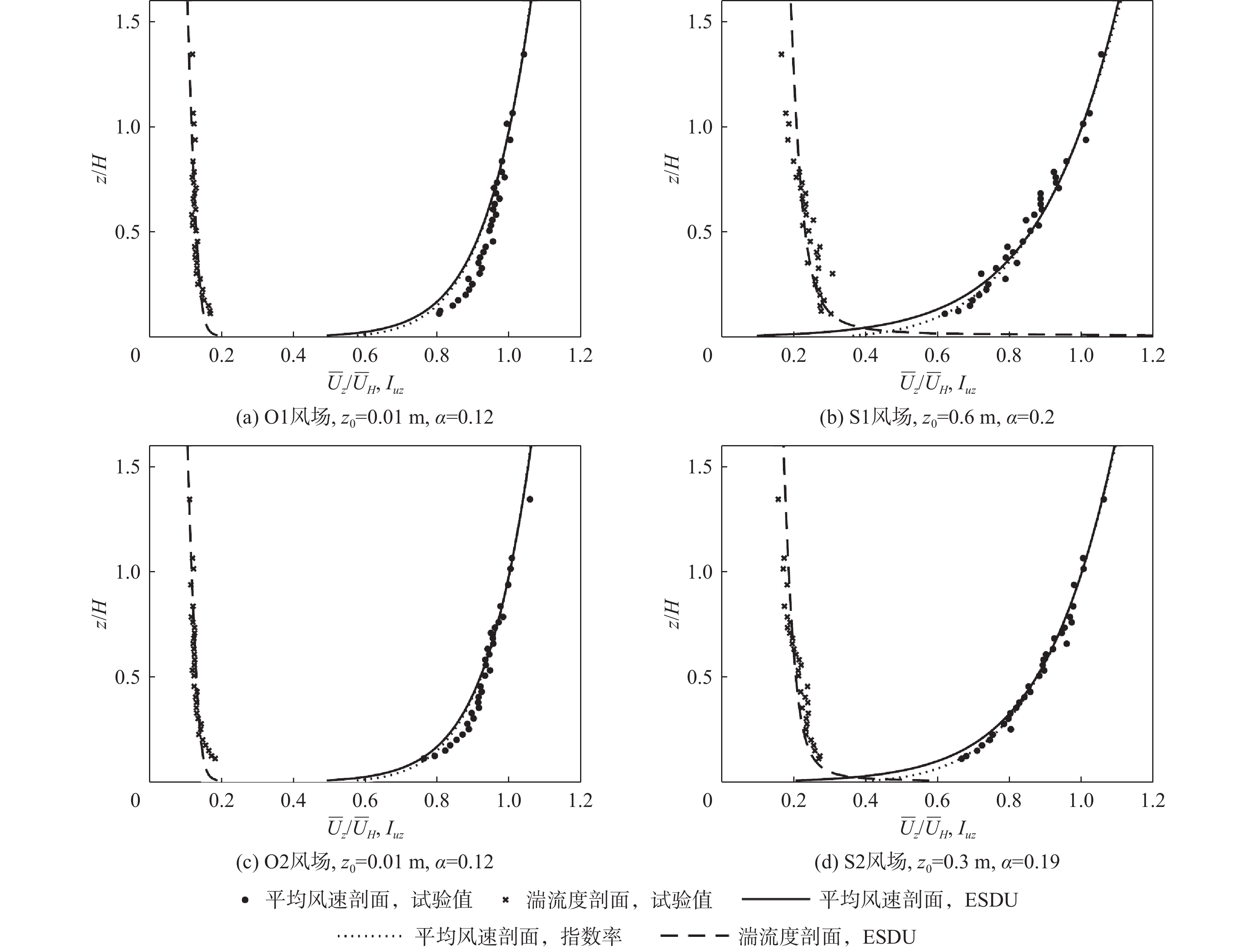
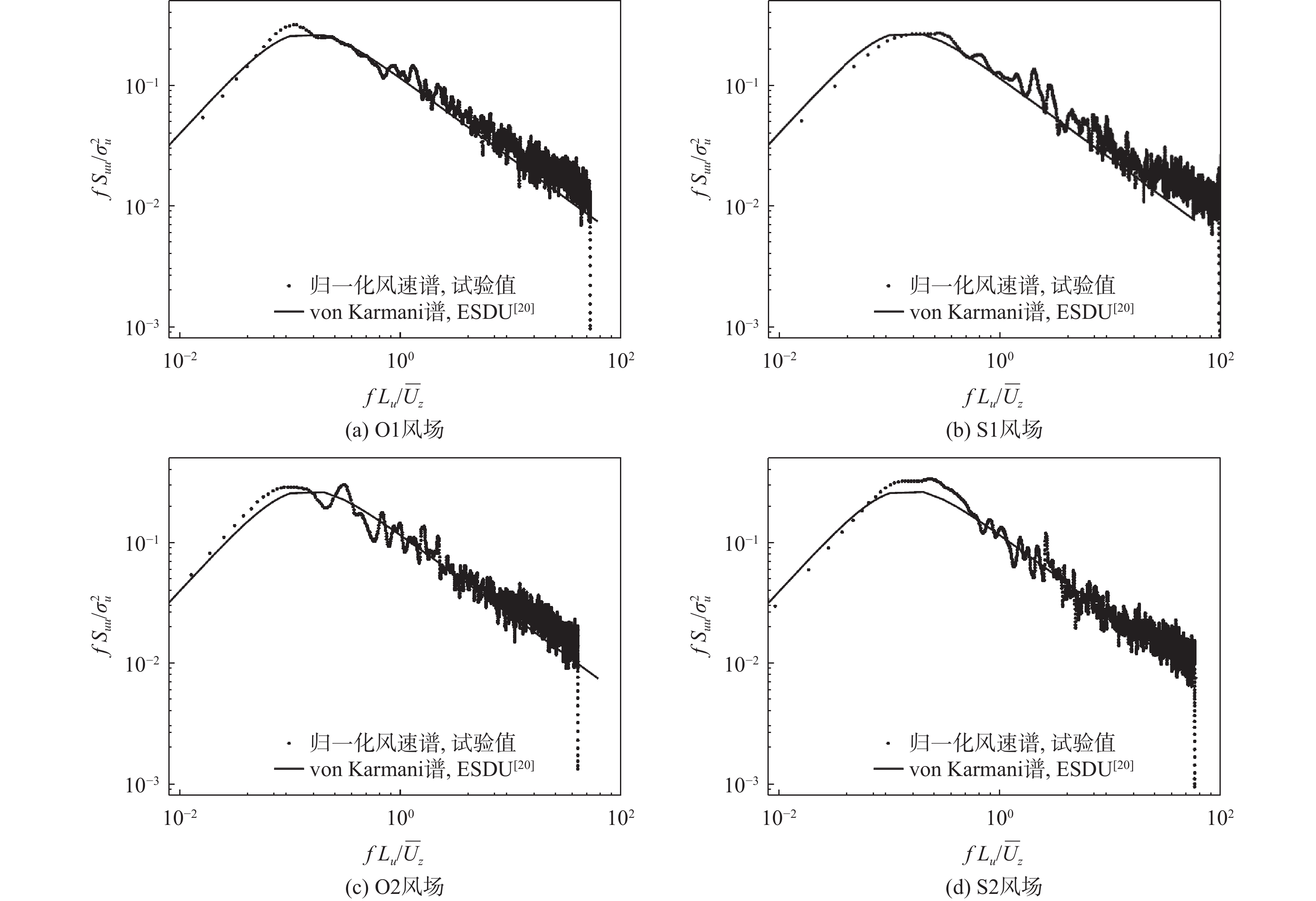
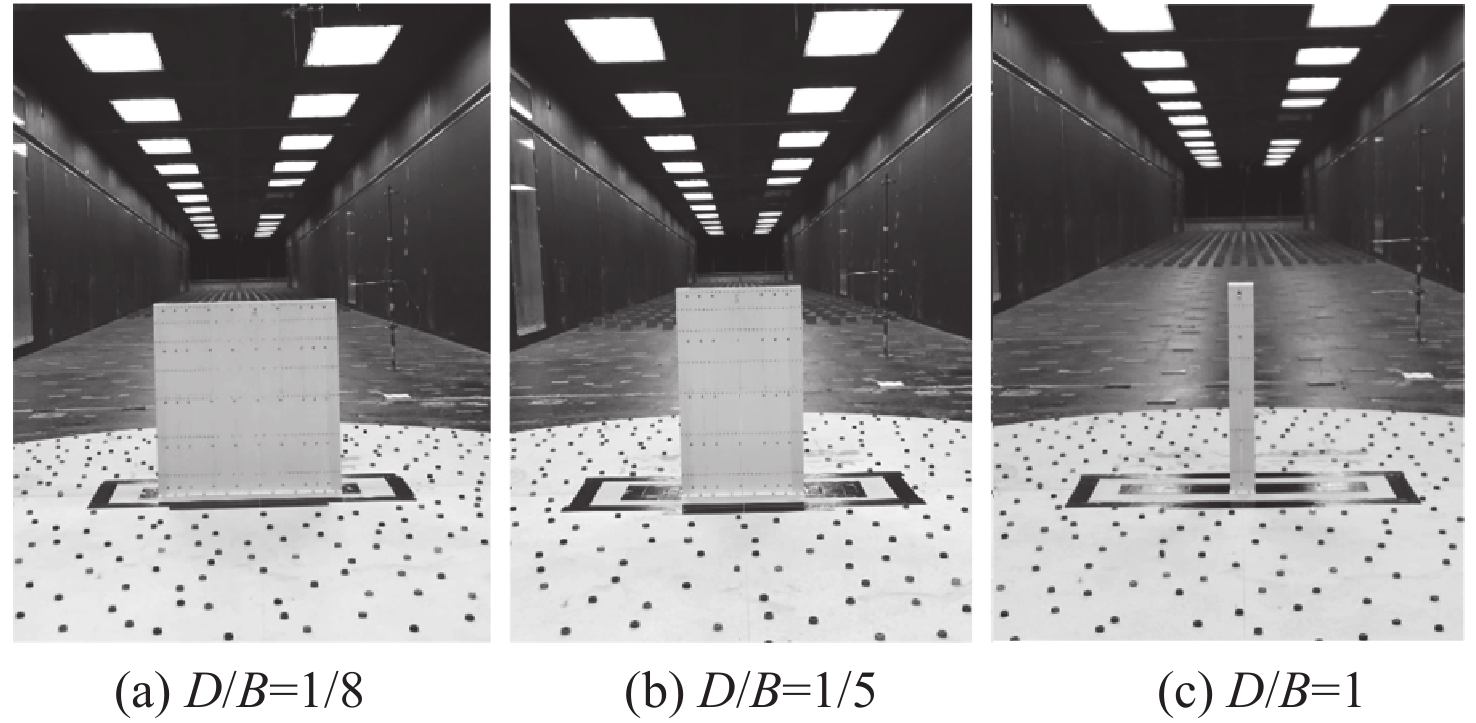
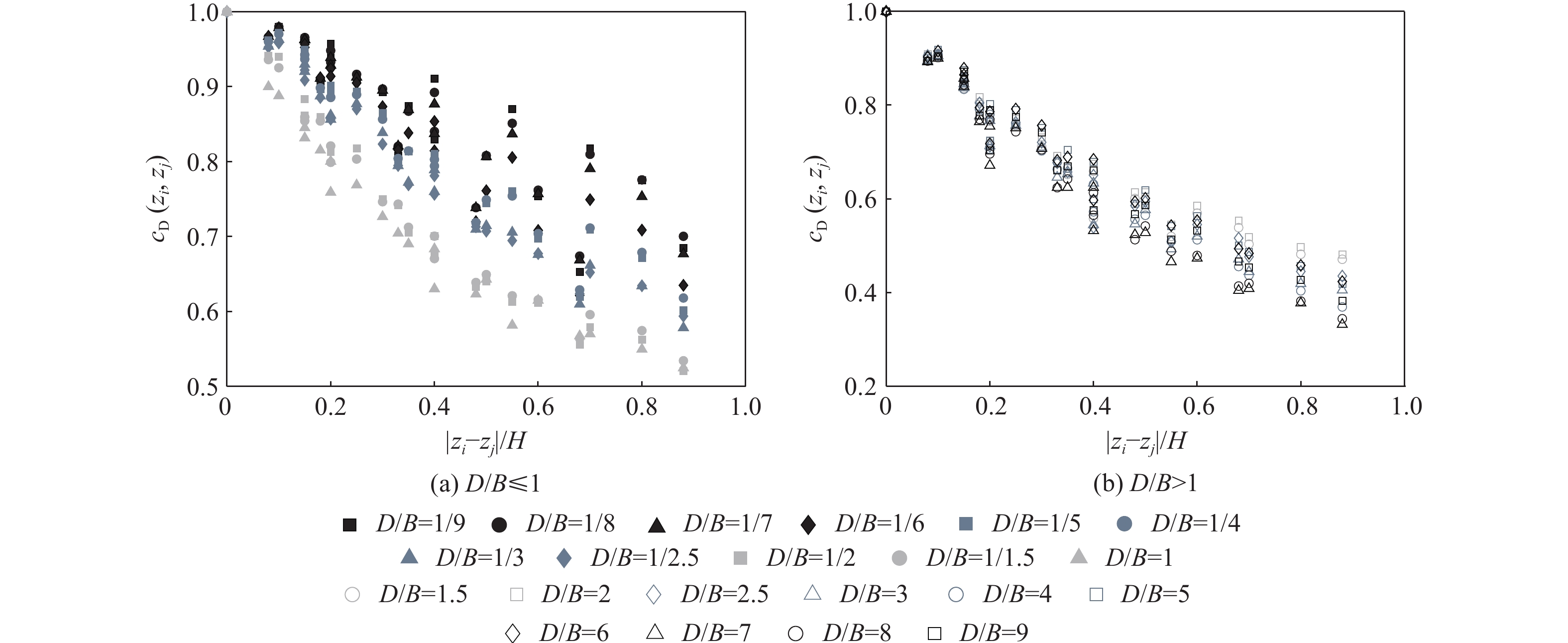
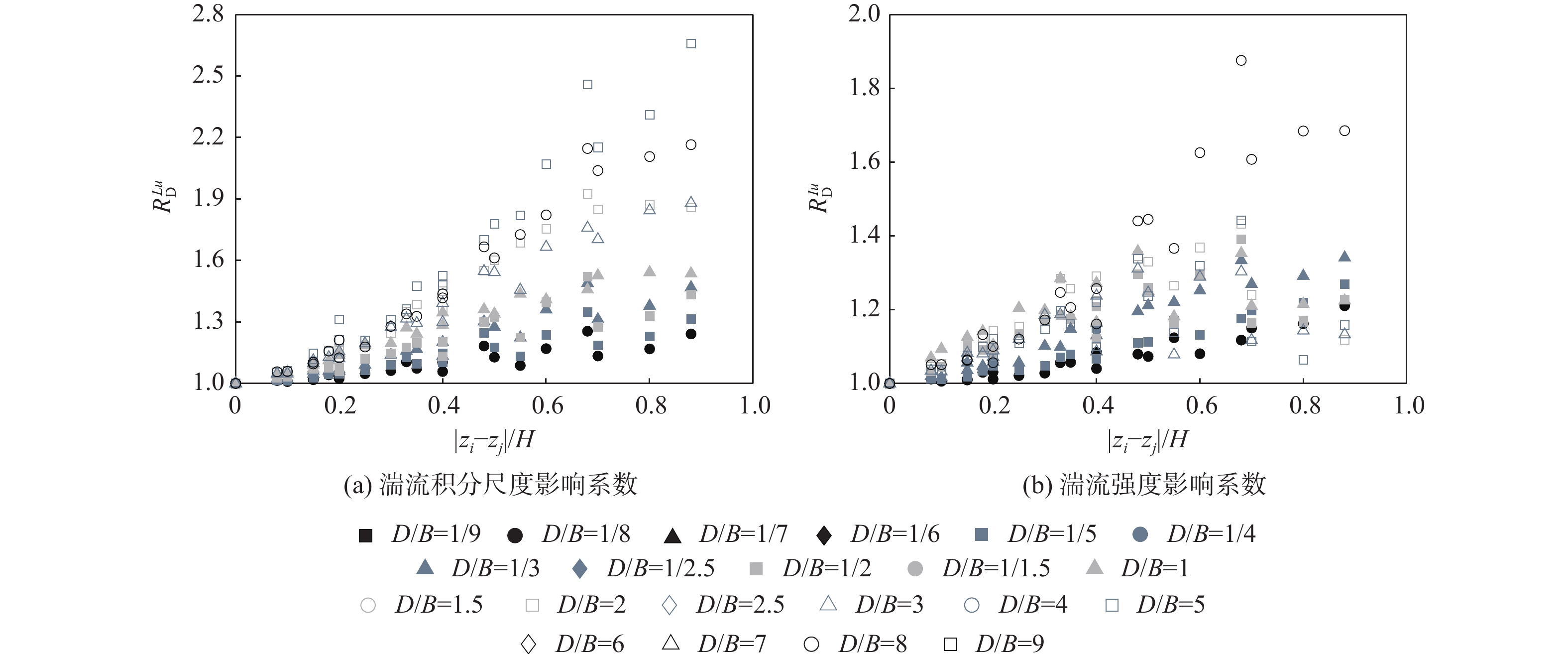
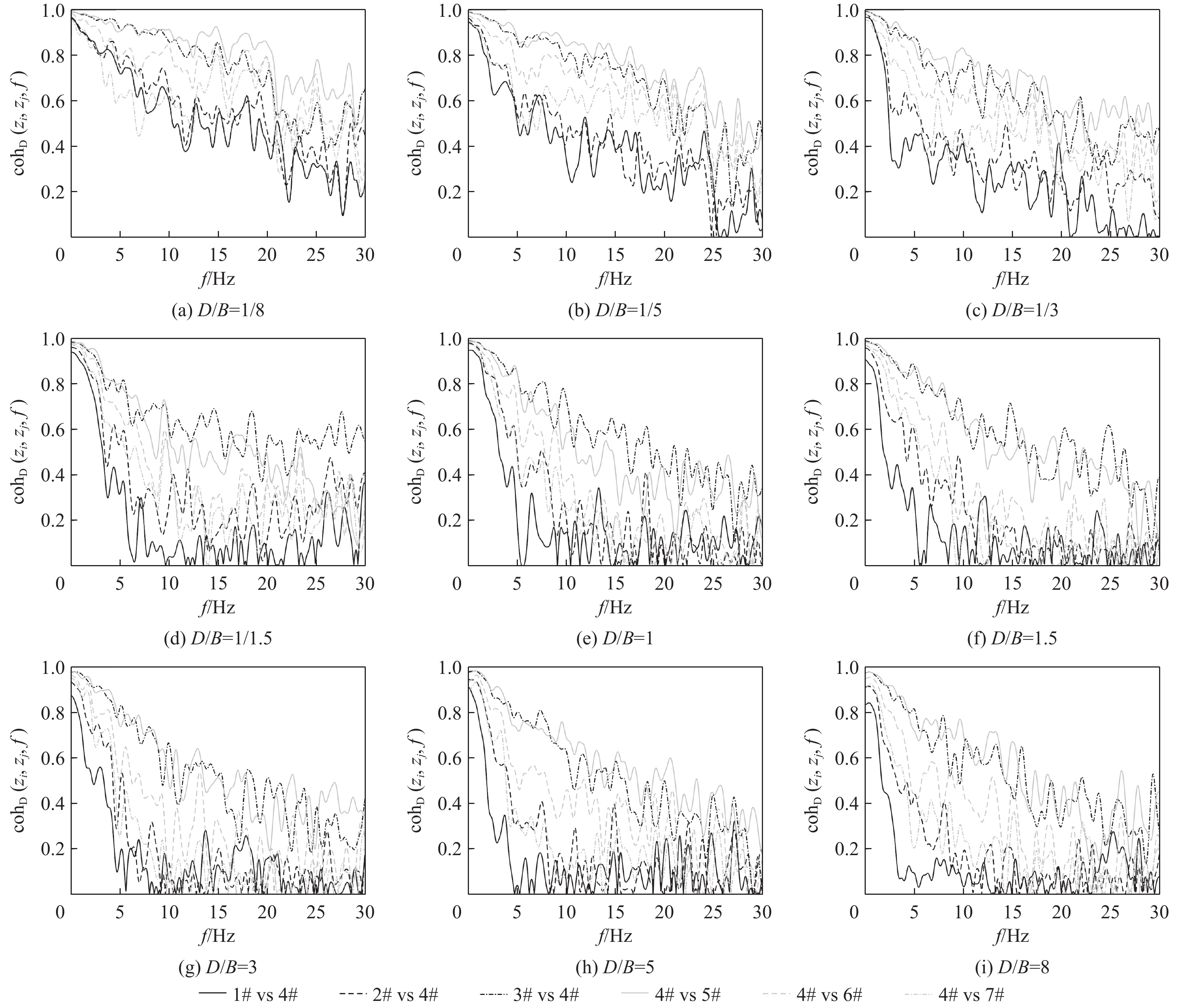
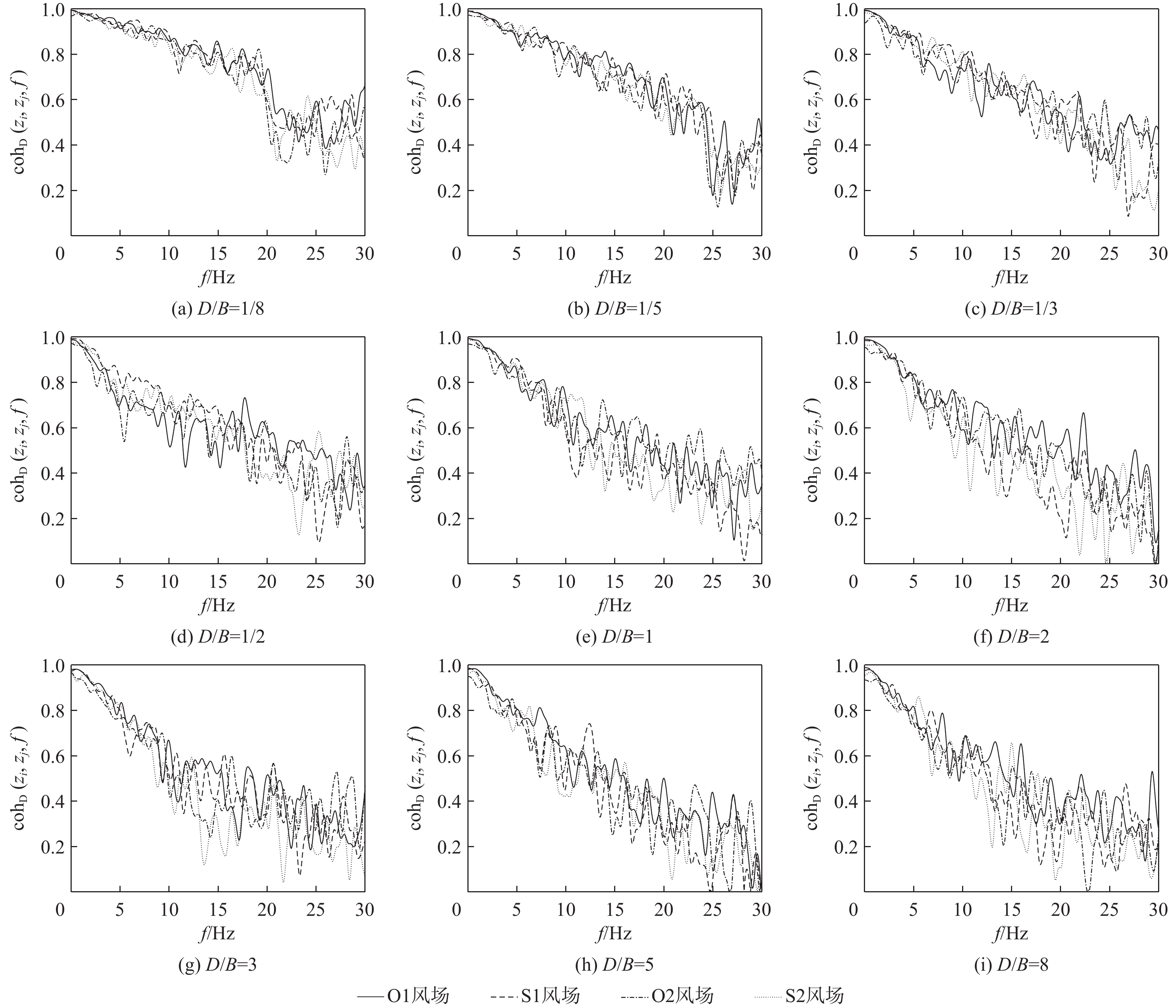
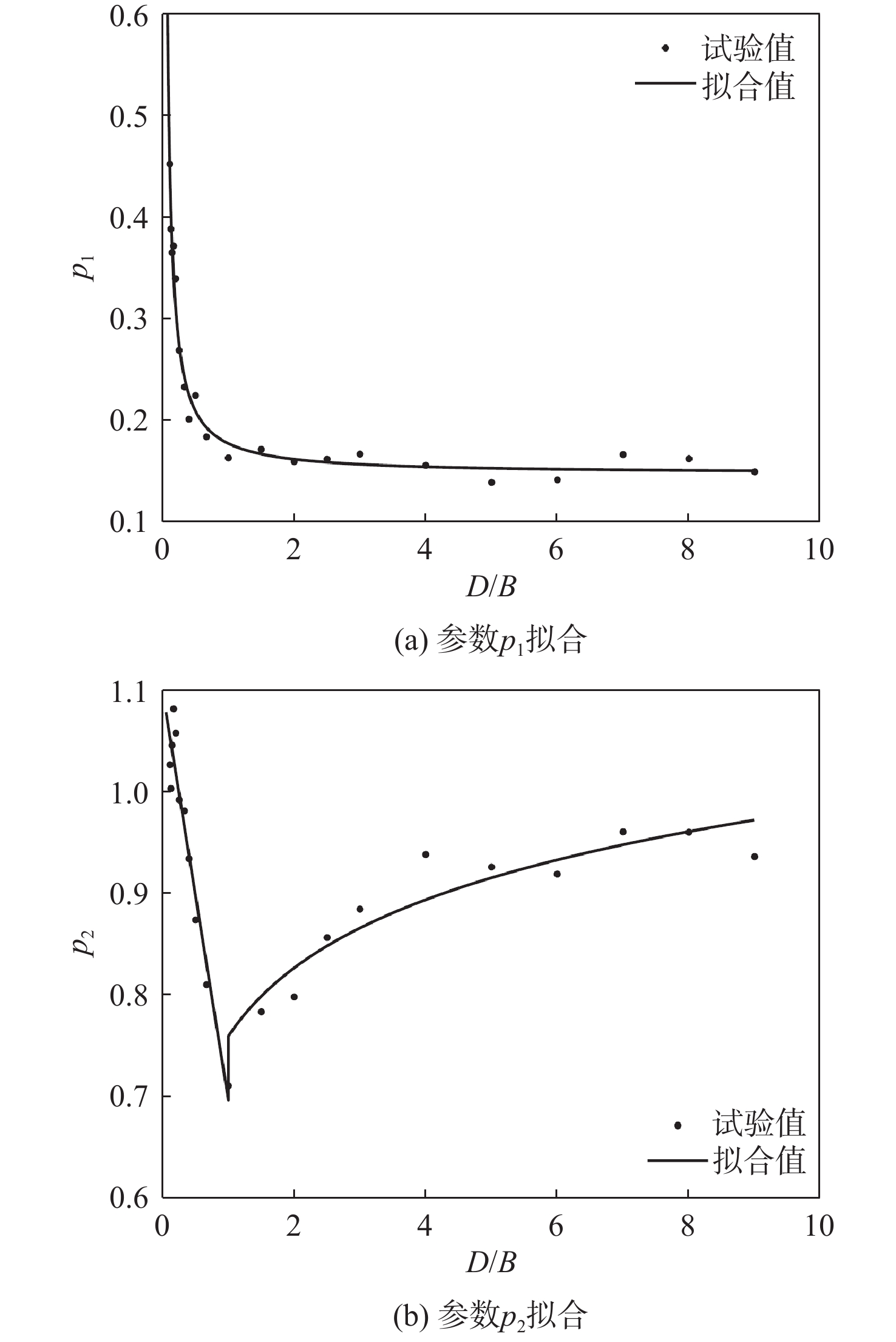
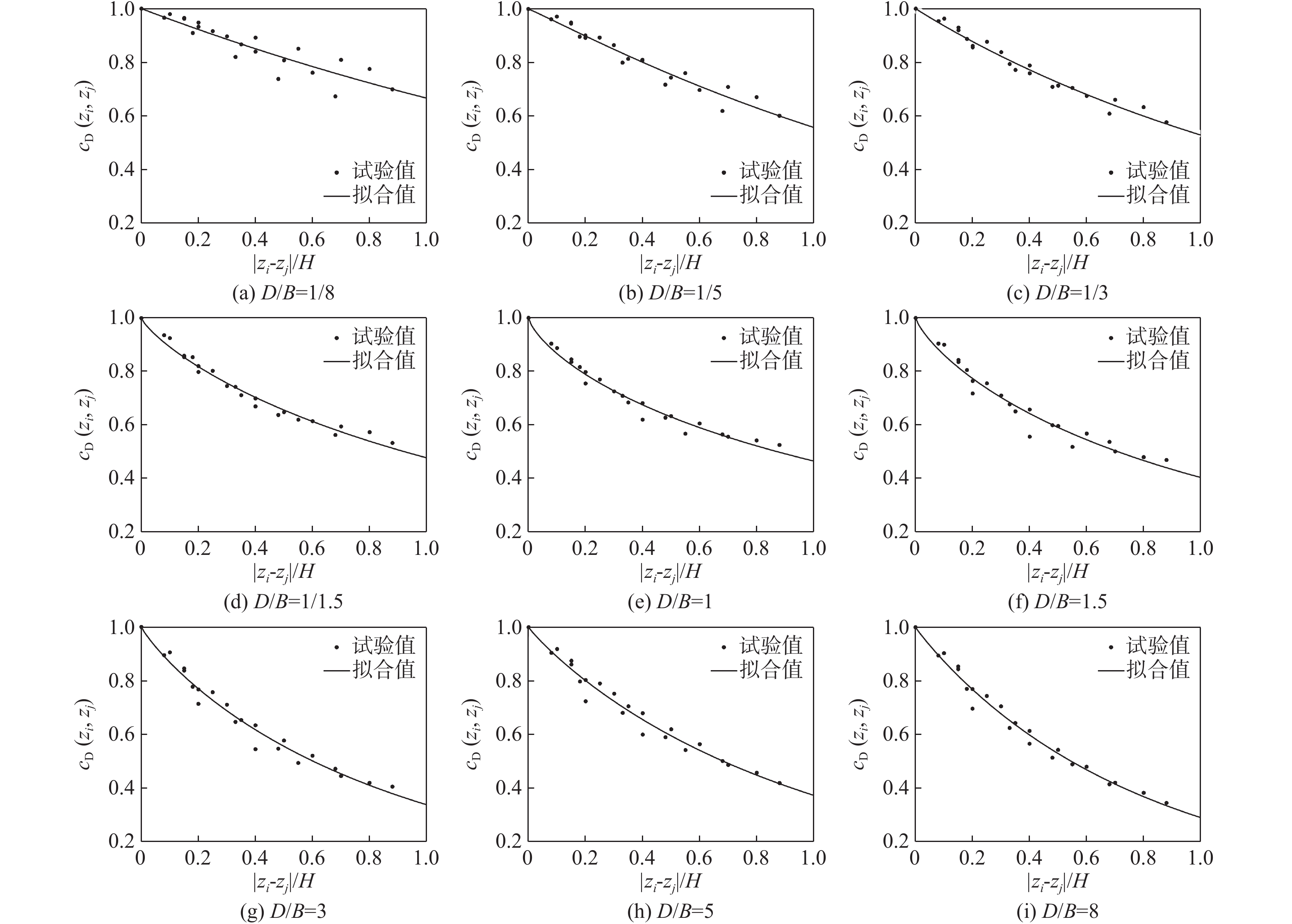
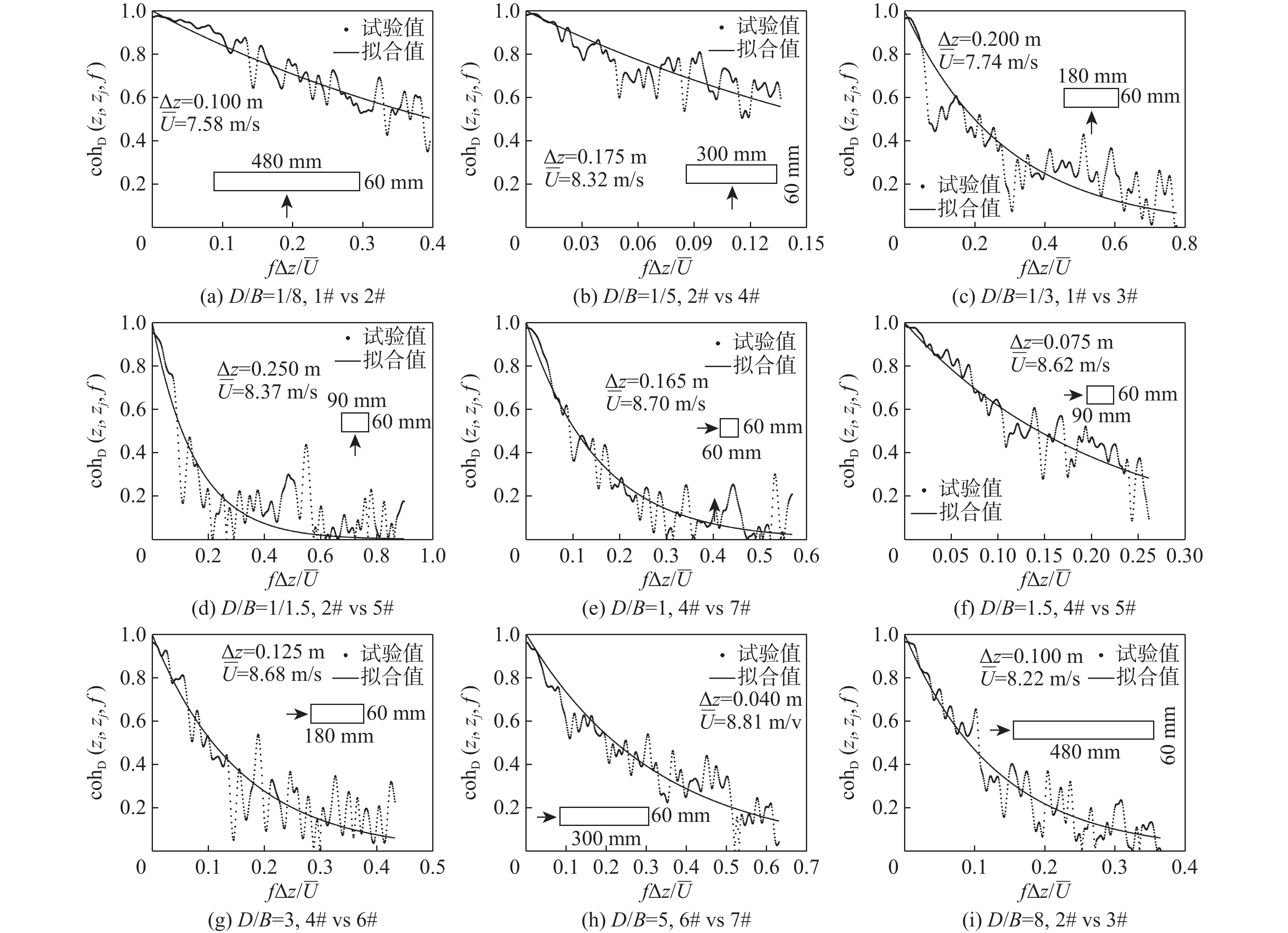
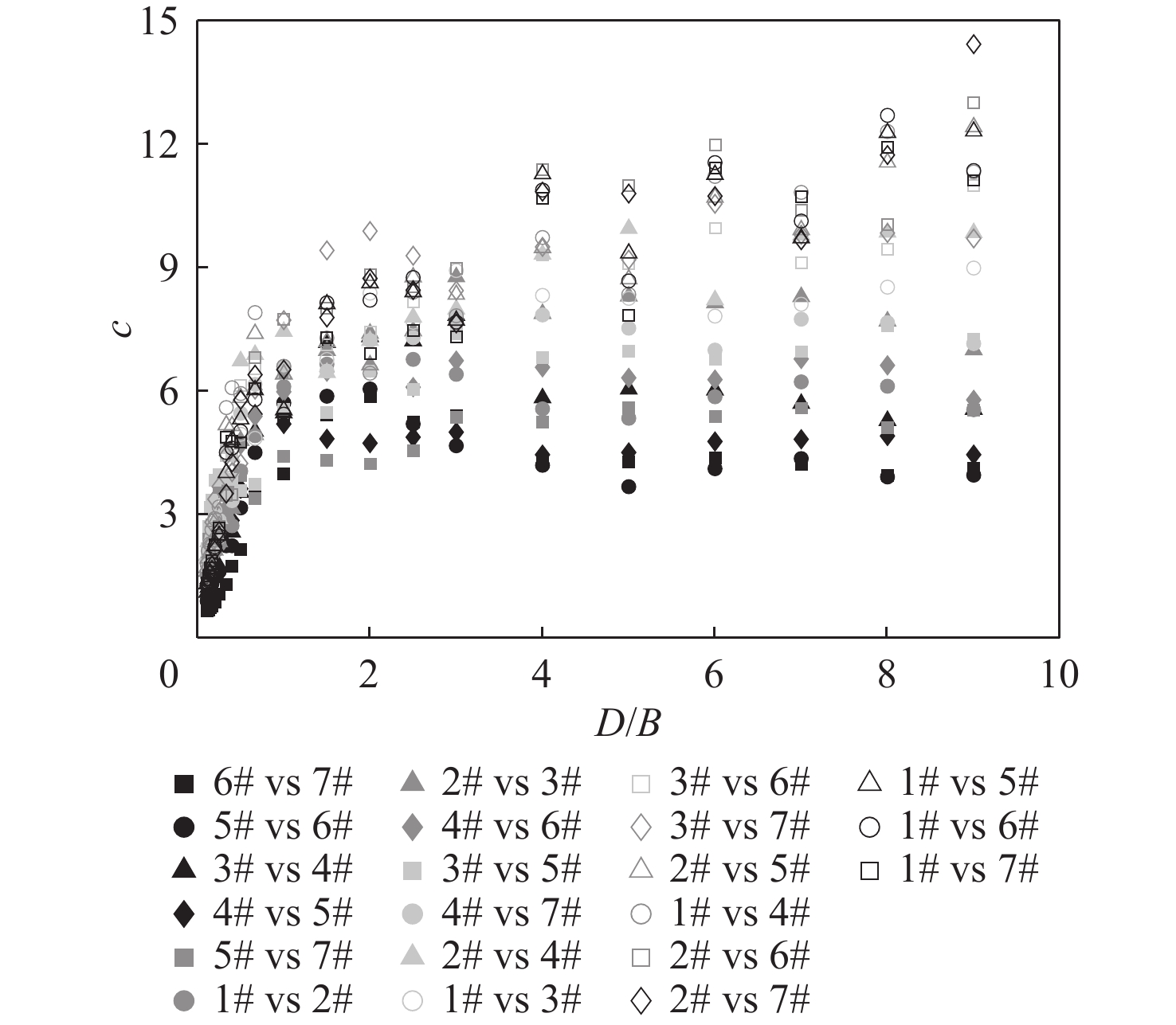
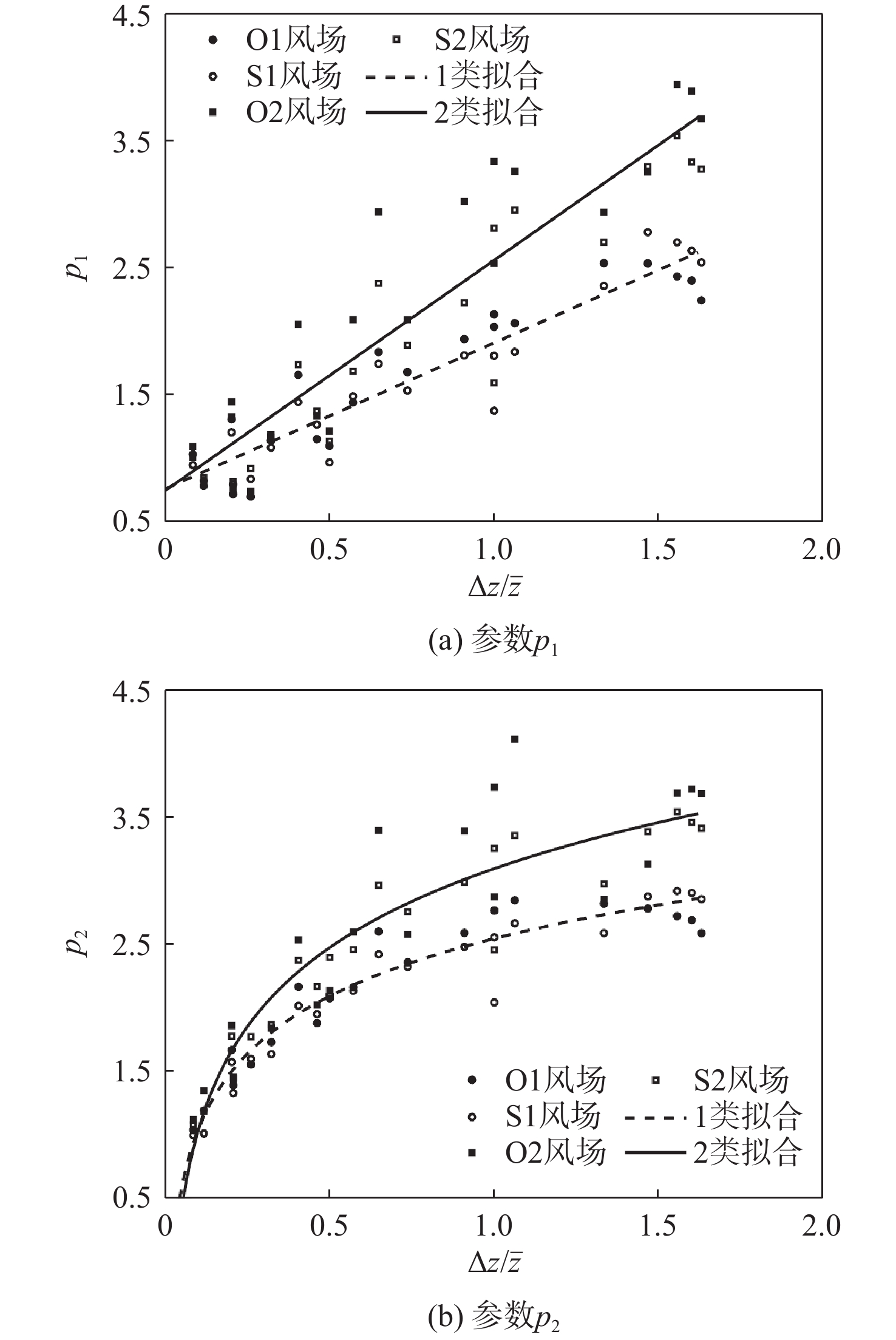
To investigate the effects of side ratio and turbulent characteristics on the spatial correlation of along-wind fluctuating wind loads on rectangular tall buildings, synchronization pressure wind tunnel tests for rectangular tall buildings with side ratios ranging from 1/9~9 were carried out in four wind fields. Based on the experimental findings, the coherence function and vertical correlation coefficient of along-wind fluctuating wind loads were examined in relation to the effects of side ratio, turbulence intensity, and turbulence integral scale. The mathematical model of vertical correlation of rectangular high-rise buildings with a side ratio of 1/9~9 was obtained by the nonlinear least square method. The results show that the correlation coefficient of along-wind fluctuating wind load is affected by both the side ratio and separation distance, and decreases exponentially with the increase of separation distance. The along-wind fluctuating coherence function decays exponentially with the increase of frequency, and the decay rate of the coherence function is roughly positively related to the ratio of separation distance to average wind speed. The effects of turbulence integral scale and turbulence intensity on the correlation of along-wind fluctuating wind loads are different for buildings with different side ratios. It can serve as a guide for structural design and load code revision since the coherence functions and correlation coefficients of along-wind fluctuating wind loads on rectangular high-rise buildings suggested in this work correspond well with the experimental data.

Complex equipment cost estimation model based on similarity weight
CHANG Ju, LIU Xiaodong, HE Ying
2026, 52(3): 784-790. doi: 10.13700/j.bh.1001-5965.2023.0840
Abstract:

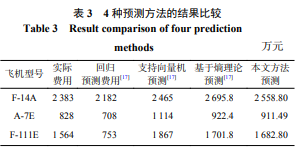
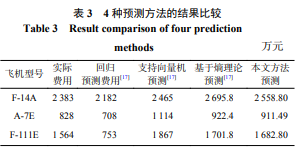
In order to further improve the accuracy of cost estimation for large and complex equipment, such as spacecraft and weapon systems, the large and complex equipment is regarded as a system distribution of a certain parameter set. Define the Jensen-Shannon (JS) divergence, grey correlation, and comprehensive similarity between the tested equipment and the equipment samples, and calculate the sample weight based on the similarity to construct a weighted regression model for cost estimation of complex equipment. To create the cost driving impact matrix, the sample with the highest complete similarity is chosen as the benchmark sample when the sample size does not satisfy the requirements of the least squares modeling. Based on the JS divergence between the parameters and the cost in the matrix, the parameters with larger divergence are selected as the independent variables for the prediction model. By comparing two scenarios in which the sample size is larger and smaller than the parameter size, the comparative analysis demonstrates the excellent prediction accuracy and stability of the similarity weighted regression calculation model based on the combination of JS divergence and grey correlation degree.

Research on longitudinal manipulation strategy of partial tilting aircraft
TIAN Hongyuan, LU Senkui, WU Shangjing
2026, 52(3): 791-800. doi: 10.13700/j.bh.1001-5965.2025.0514
Abstract:

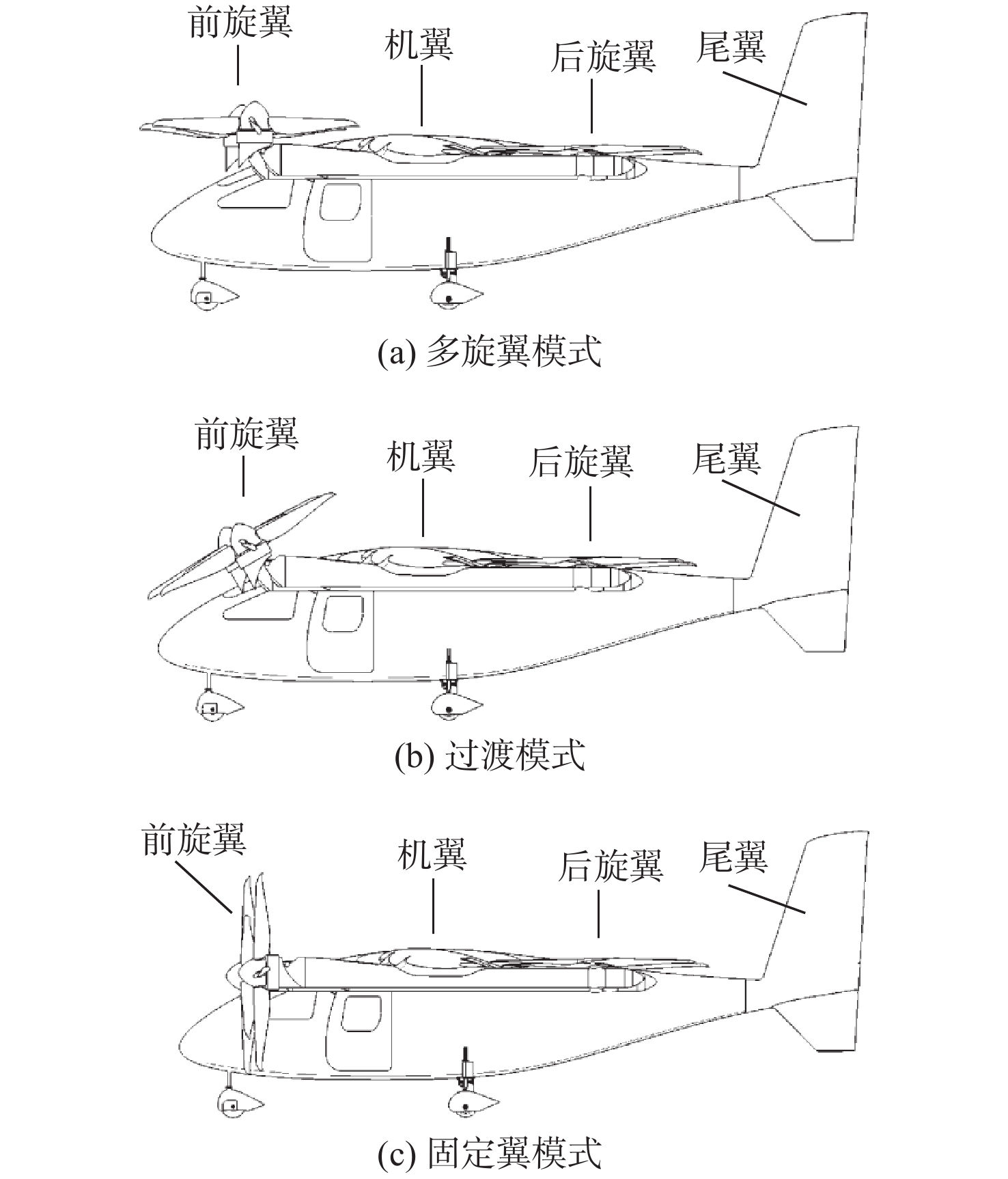
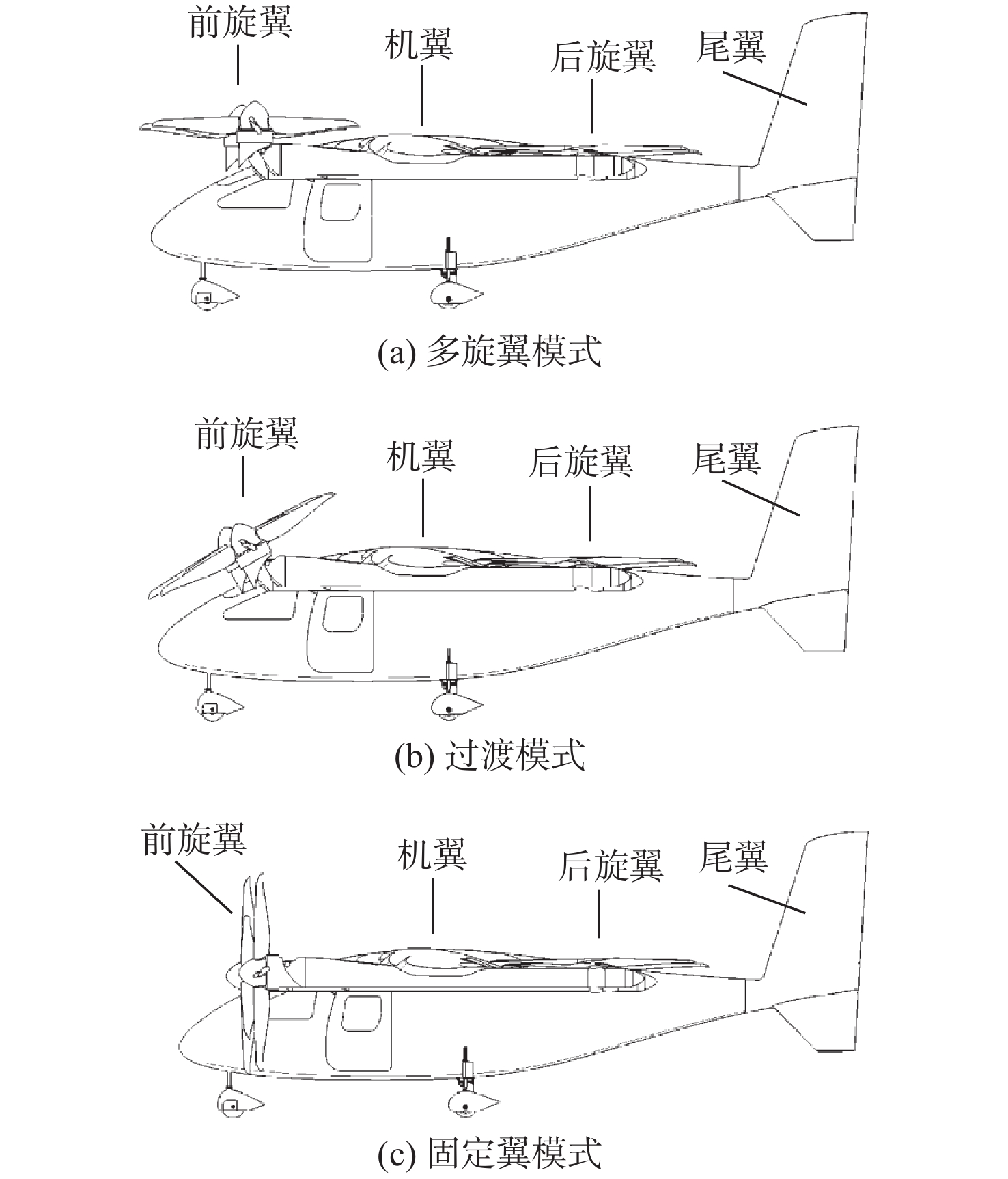
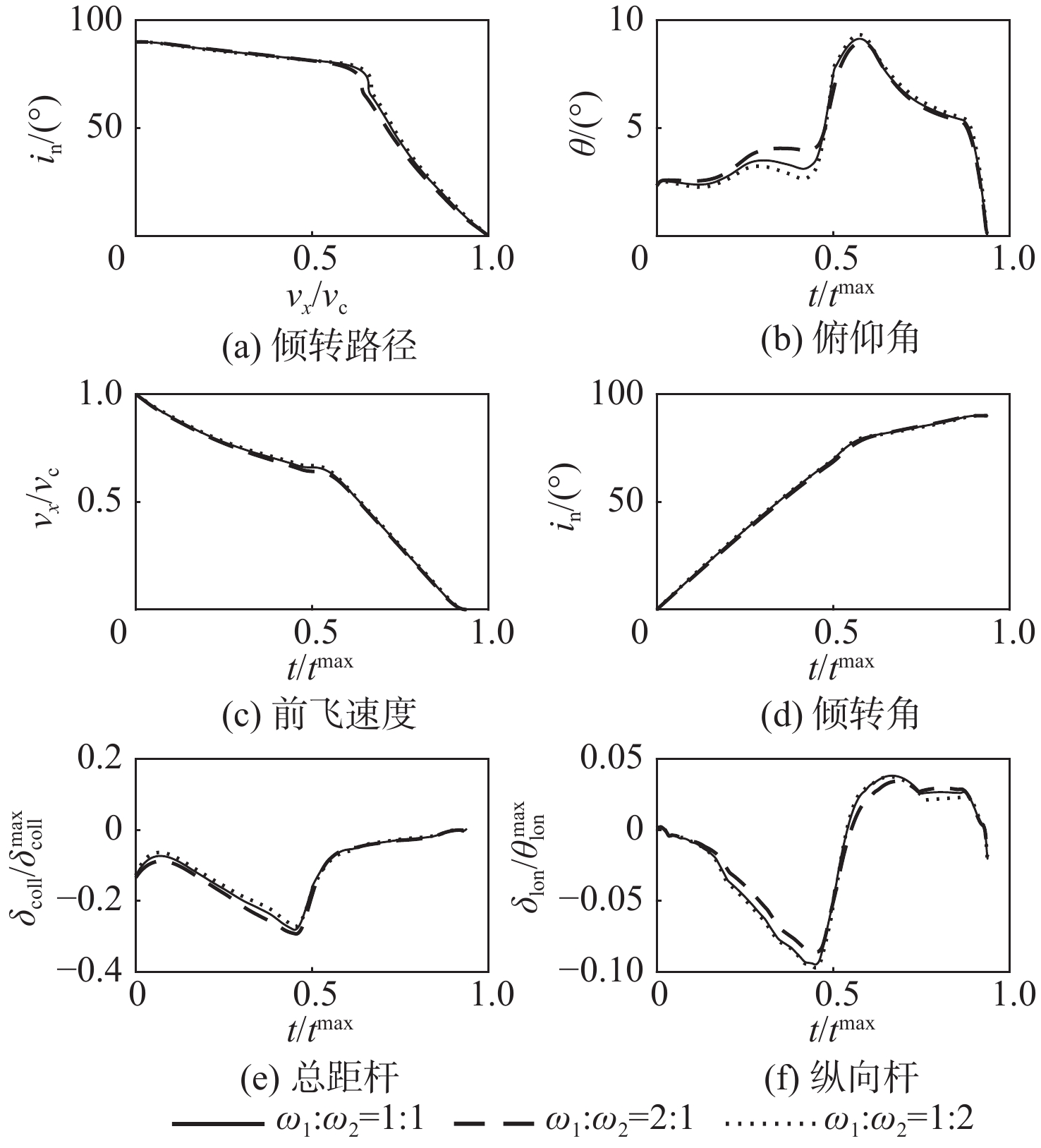
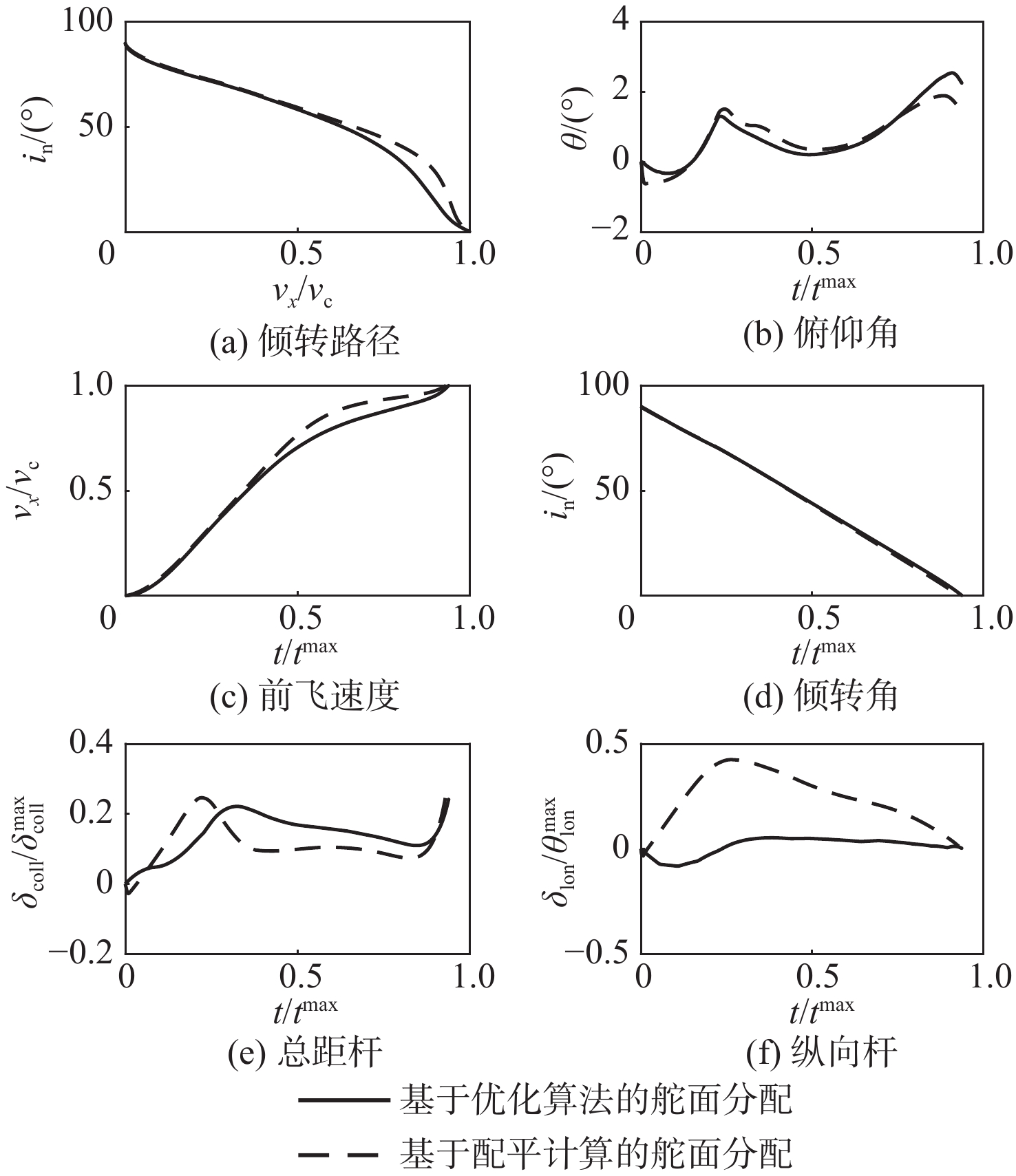
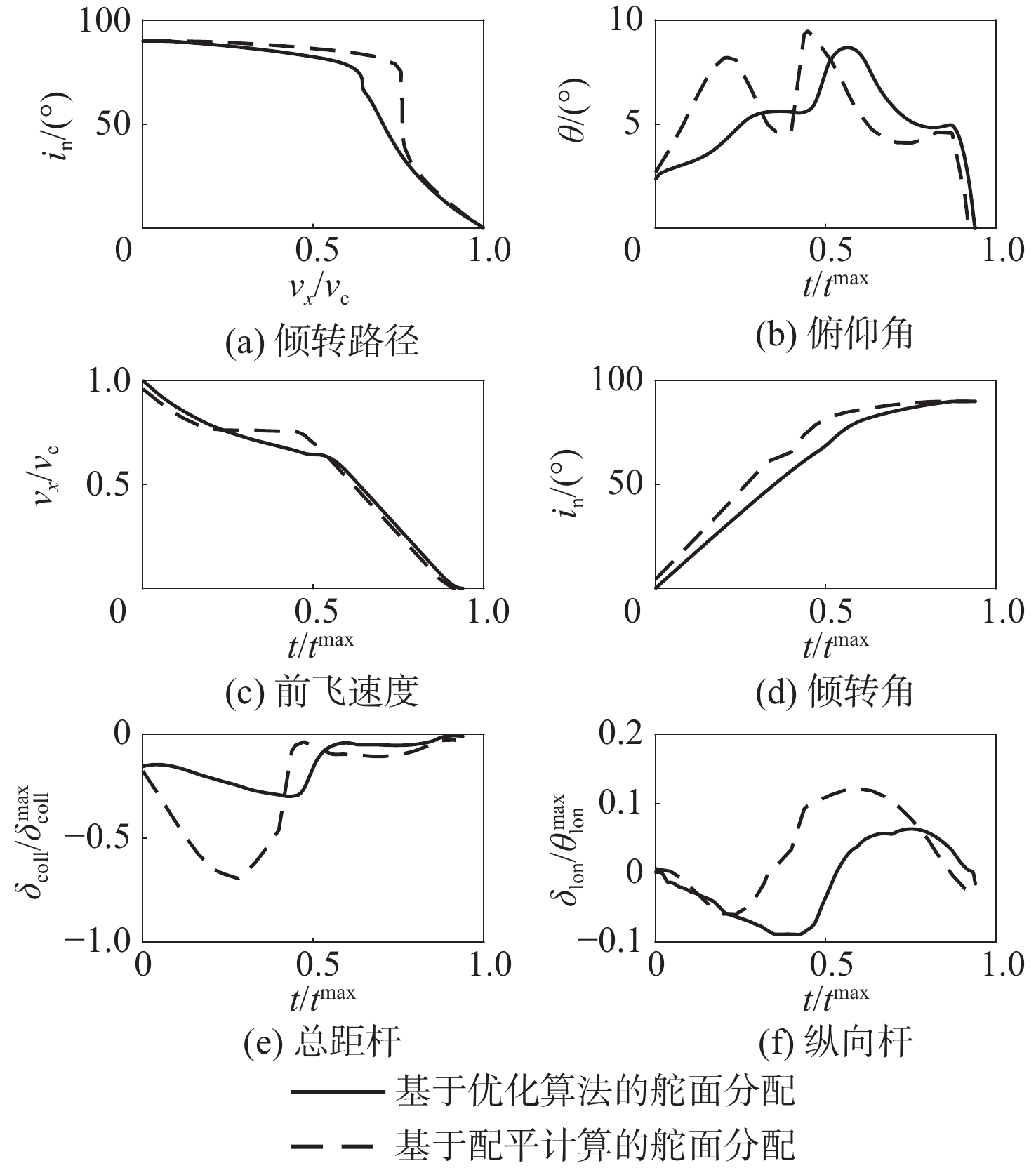
The partial tilting aircraft, a novel kind of vertical take-off and landing aircraft, lacks a suitable way to address the operational redundancy brought on by its multiple rudders. Based on the optimal control theory, the problem of longitudinal manipulation of the partial tilting aircraft is carried out, and the distribution of rudder and the dynamic tilt rotation are optimized. The longitudinal rigid body flight mechanics model was established. The first derivative of the control quantity is used as the control quantity to avoid the jumping discontinuity in the optimization process. In this research, a hybrid control equation is established and the longitudinal control surface allocation problem is investigated. The trajectory optimization problem of the transition of the aircraft is transformed into a nonlinear dynamic optimal control problem. This study selects reasonable optimization objectives and constraints to establish an optimal control model. The equation and the target function of the rudder surface are selected. The control surface allocation and optimal maneuvering strategy for transitional flight of the aircraft are determined simultaneously with the flight trajectory. Compared with the traditional approach of first determining control surface allocation based on trim calculations and then determining the flight trajectory through optimization, this method significantly improves attitude stability and reduces control load. The effectiveness of the method has been validated through simulation analysis.

Method for analyzing pressure fluctuation signals based on wavelet transform
QIN Ziyu, HAN Meng, HAN Xiao, ZHAO Shuo, JIANG Yuhan, LIN Yuzhen
2026, 52(3): 801-808. doi: 10.13700/j.bh.1001-5965.2023.0781
Abstract:

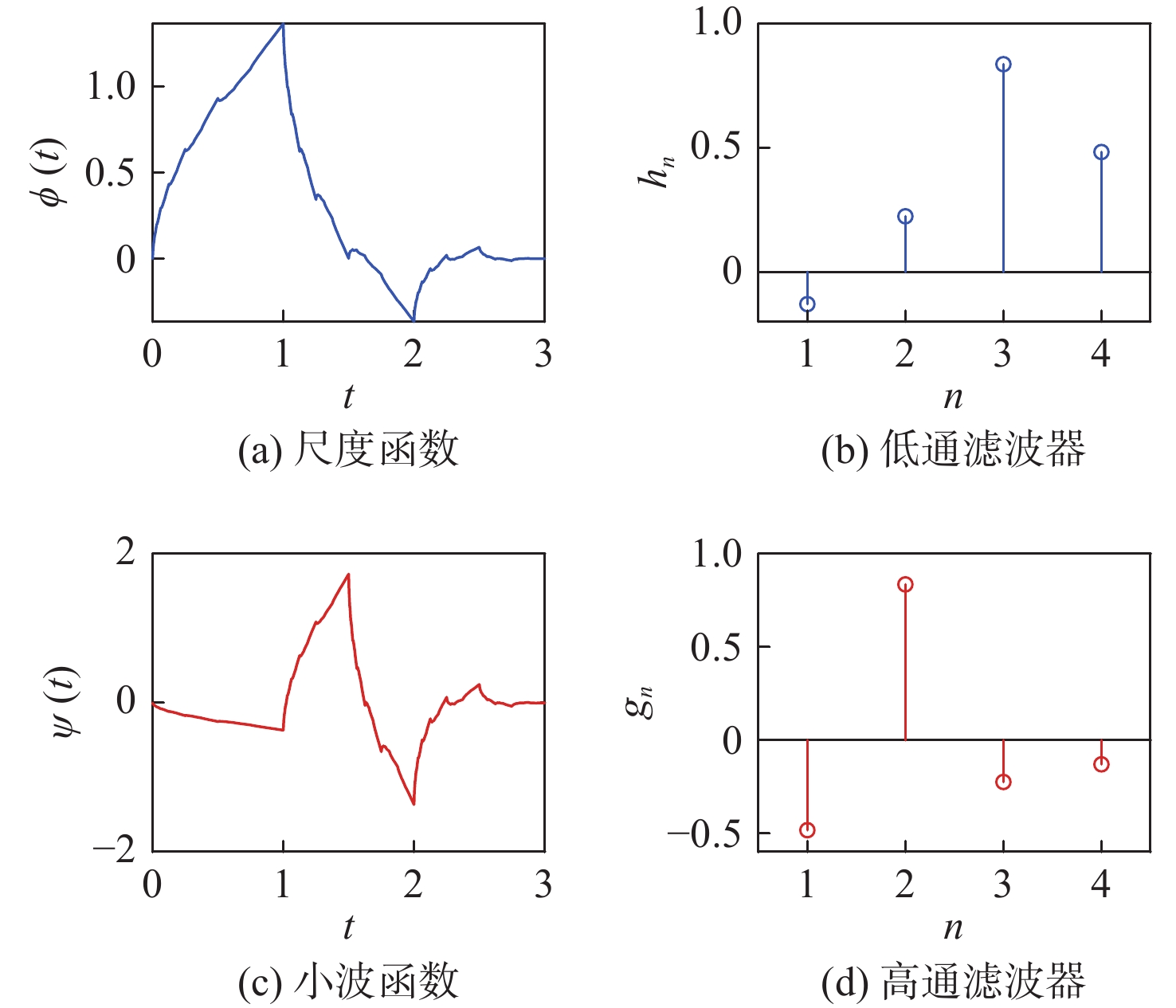
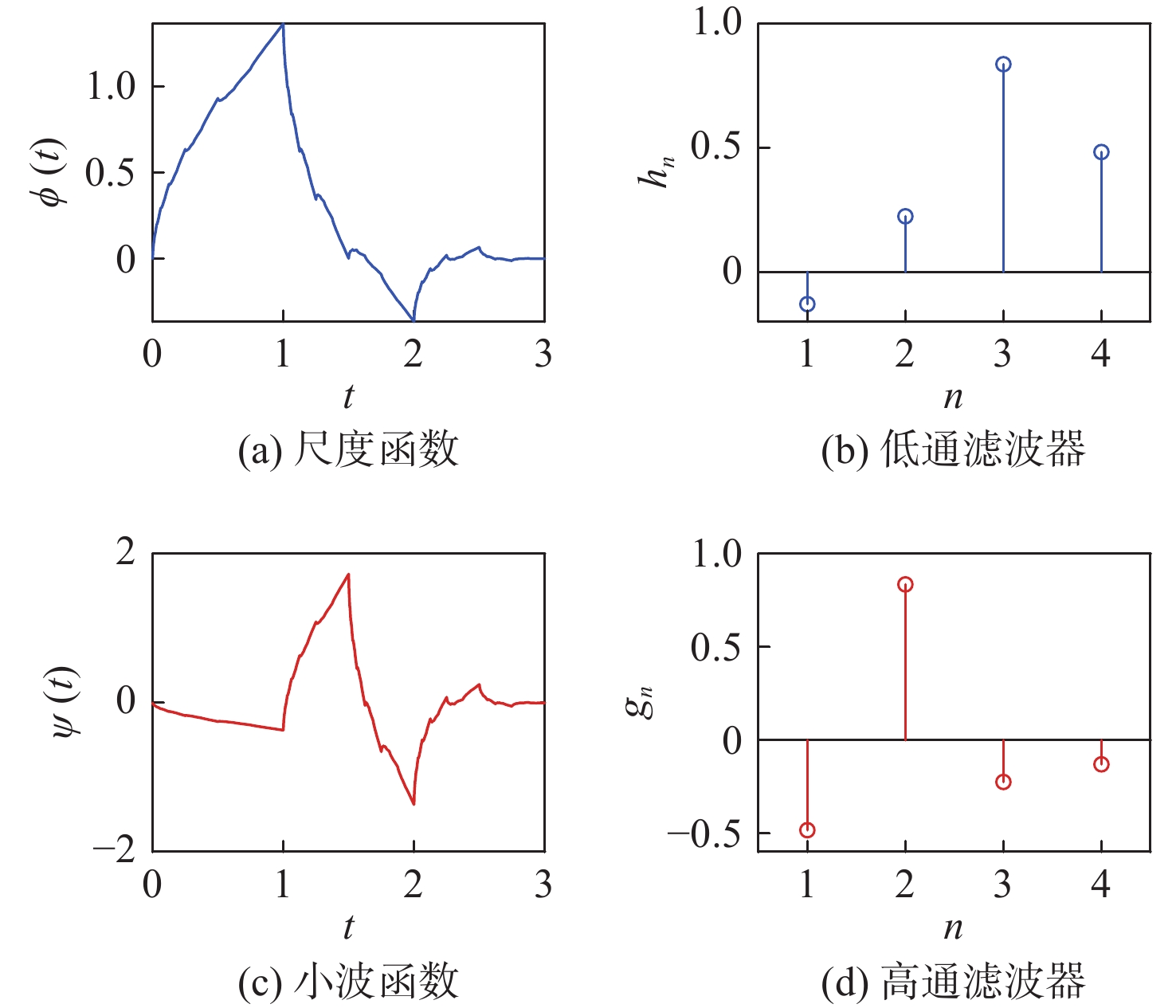
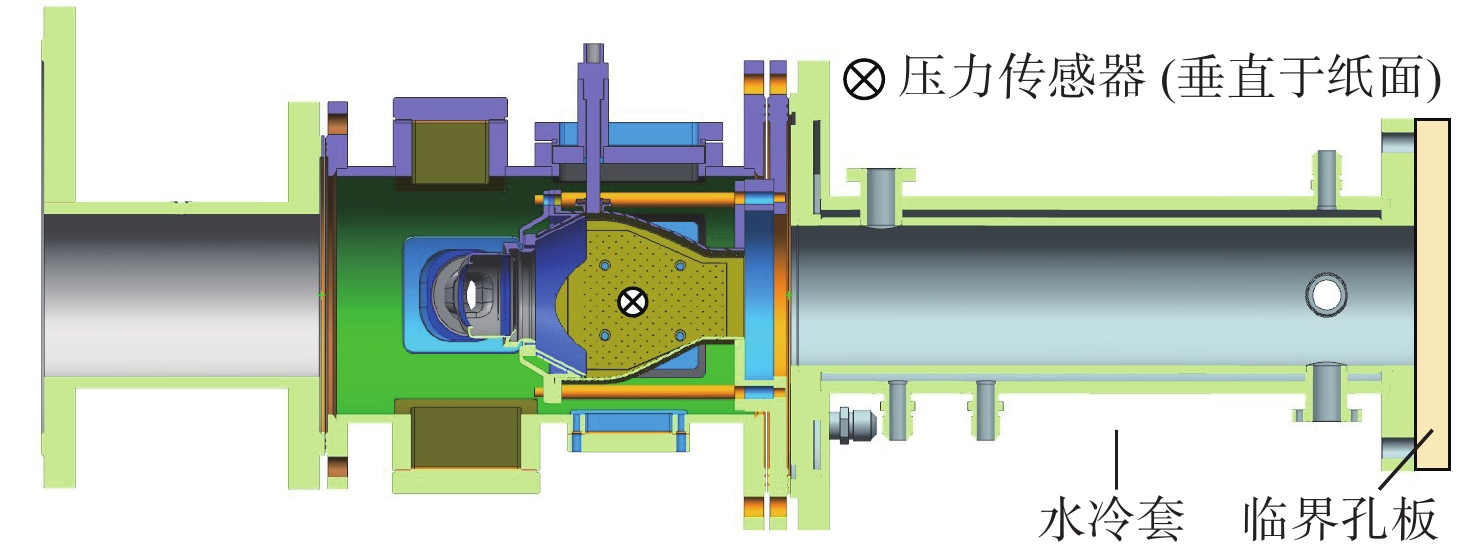
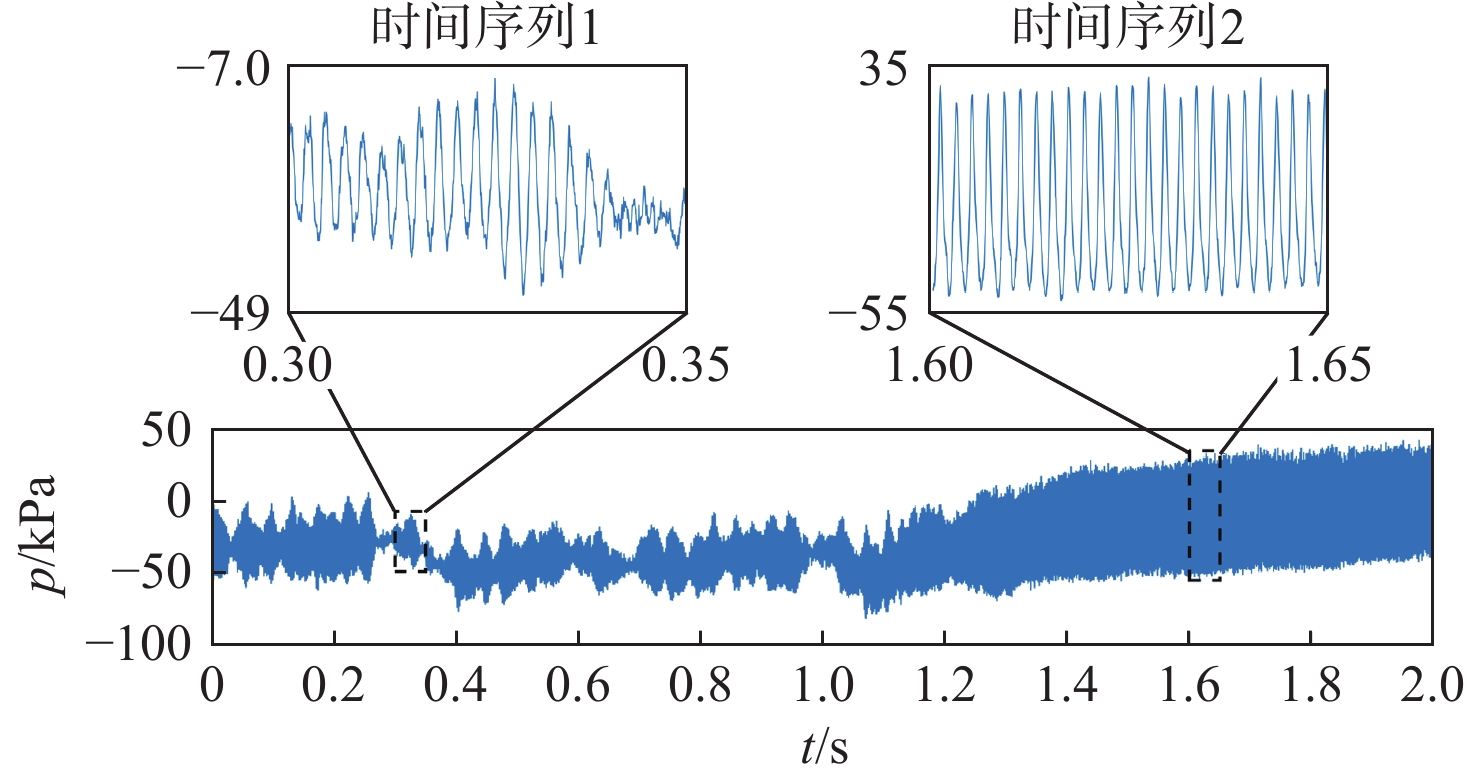
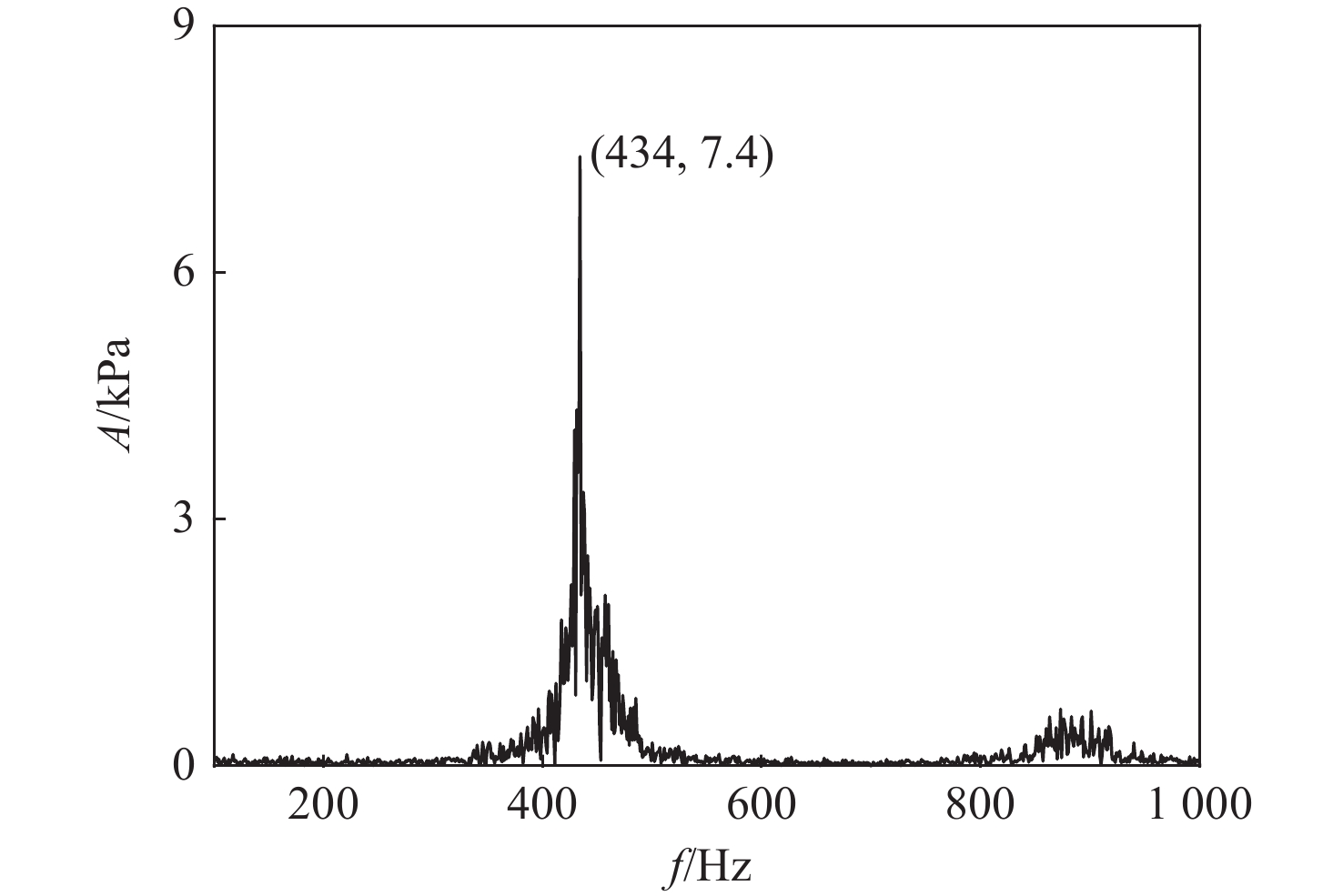
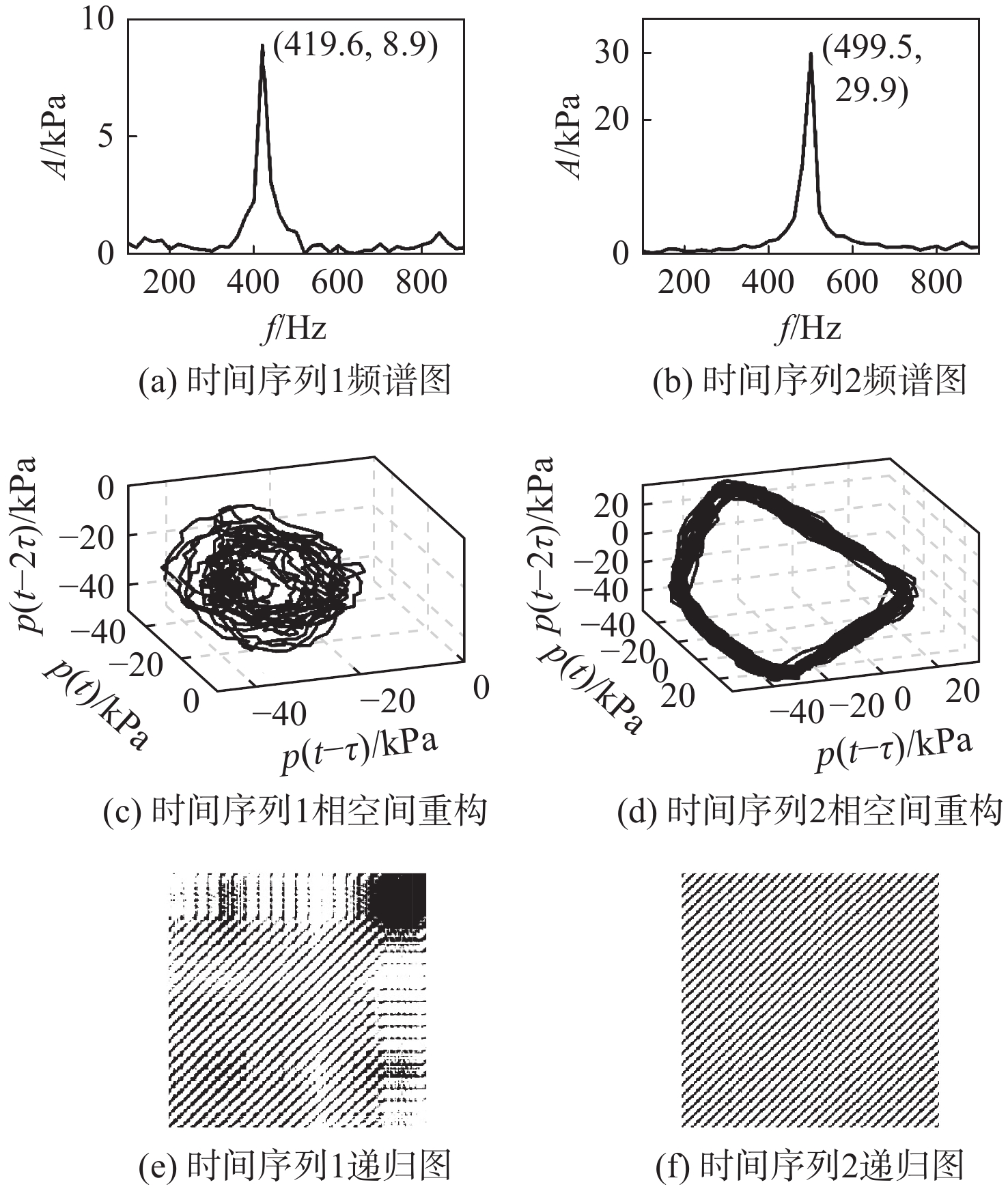
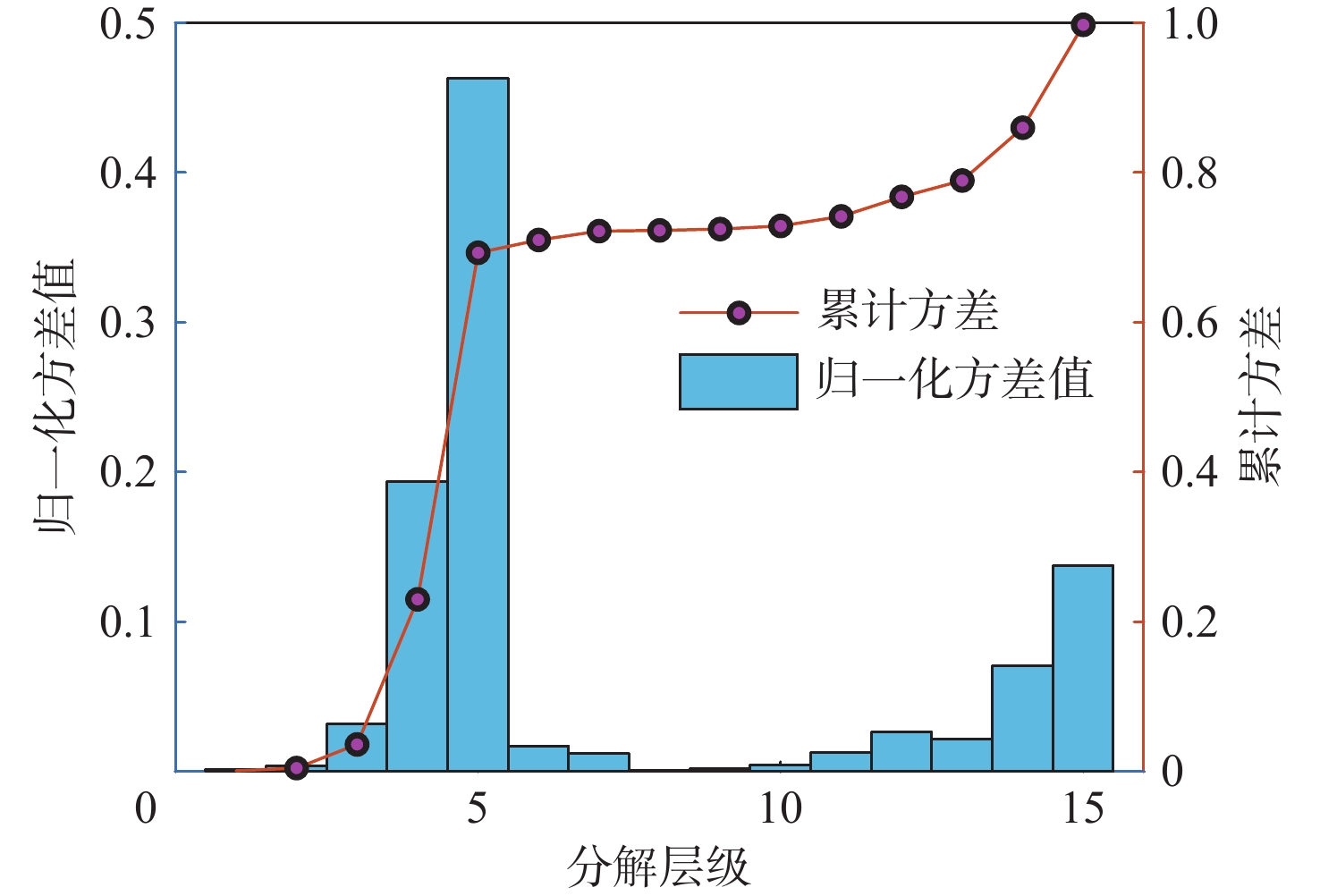
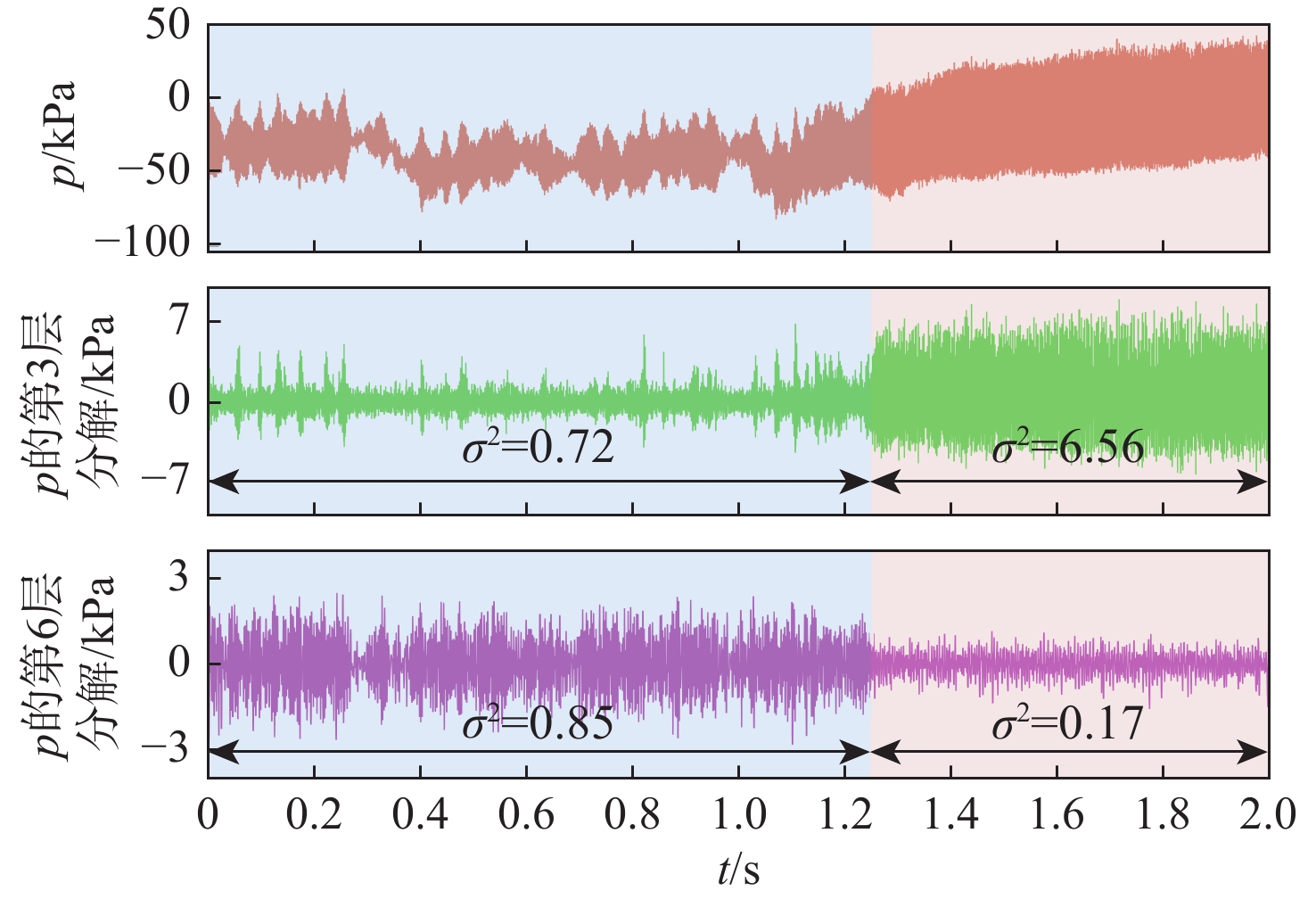
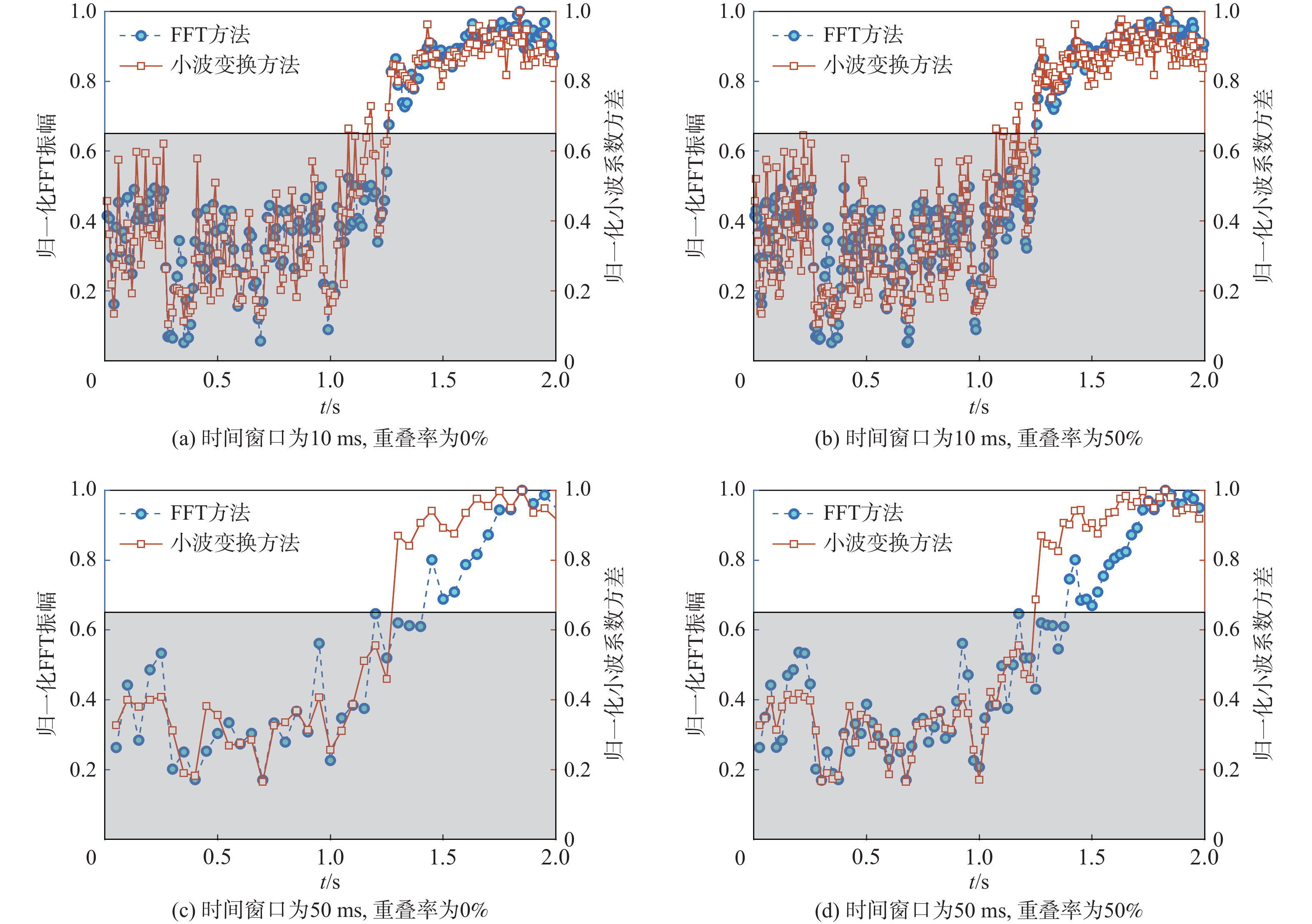
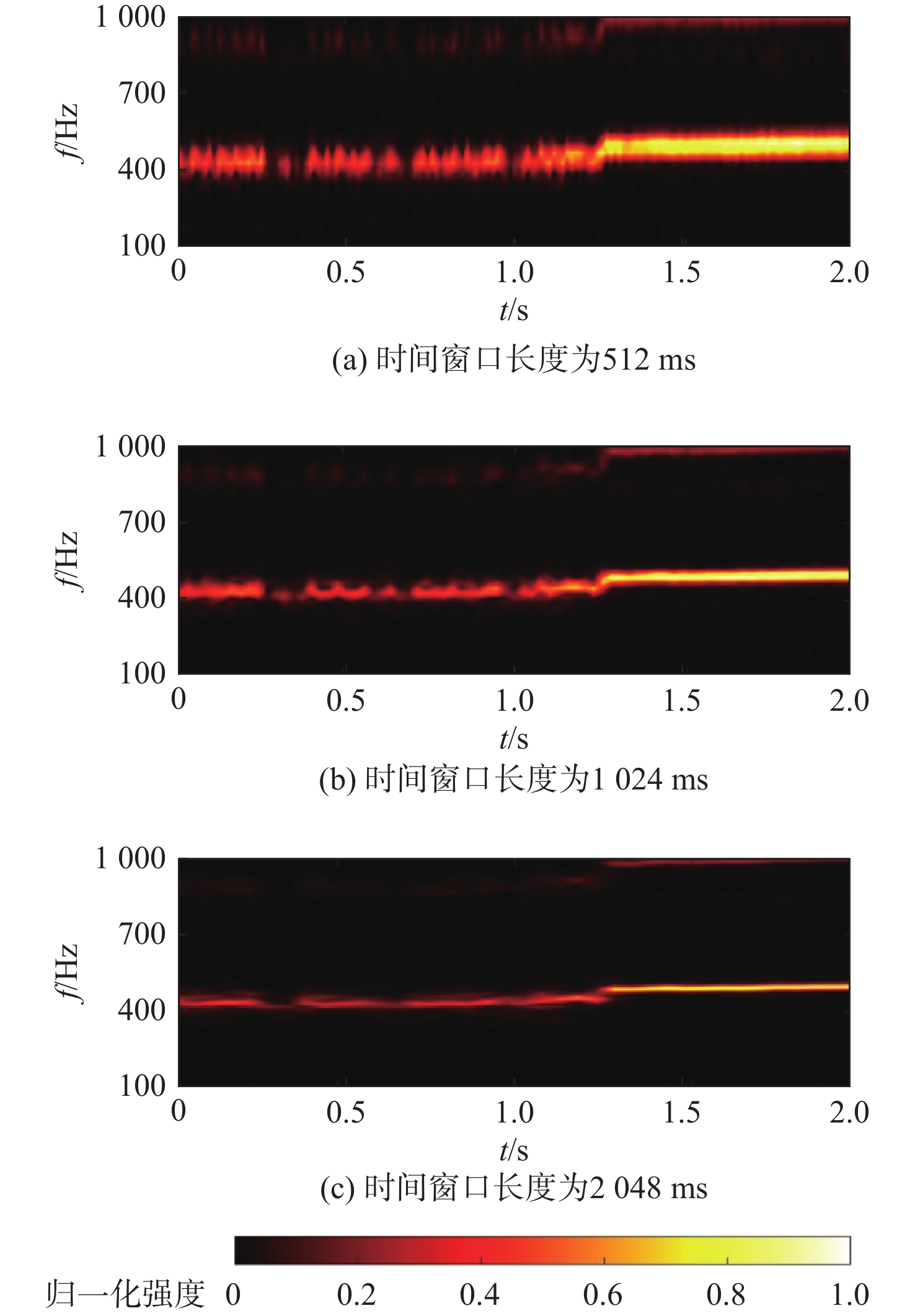
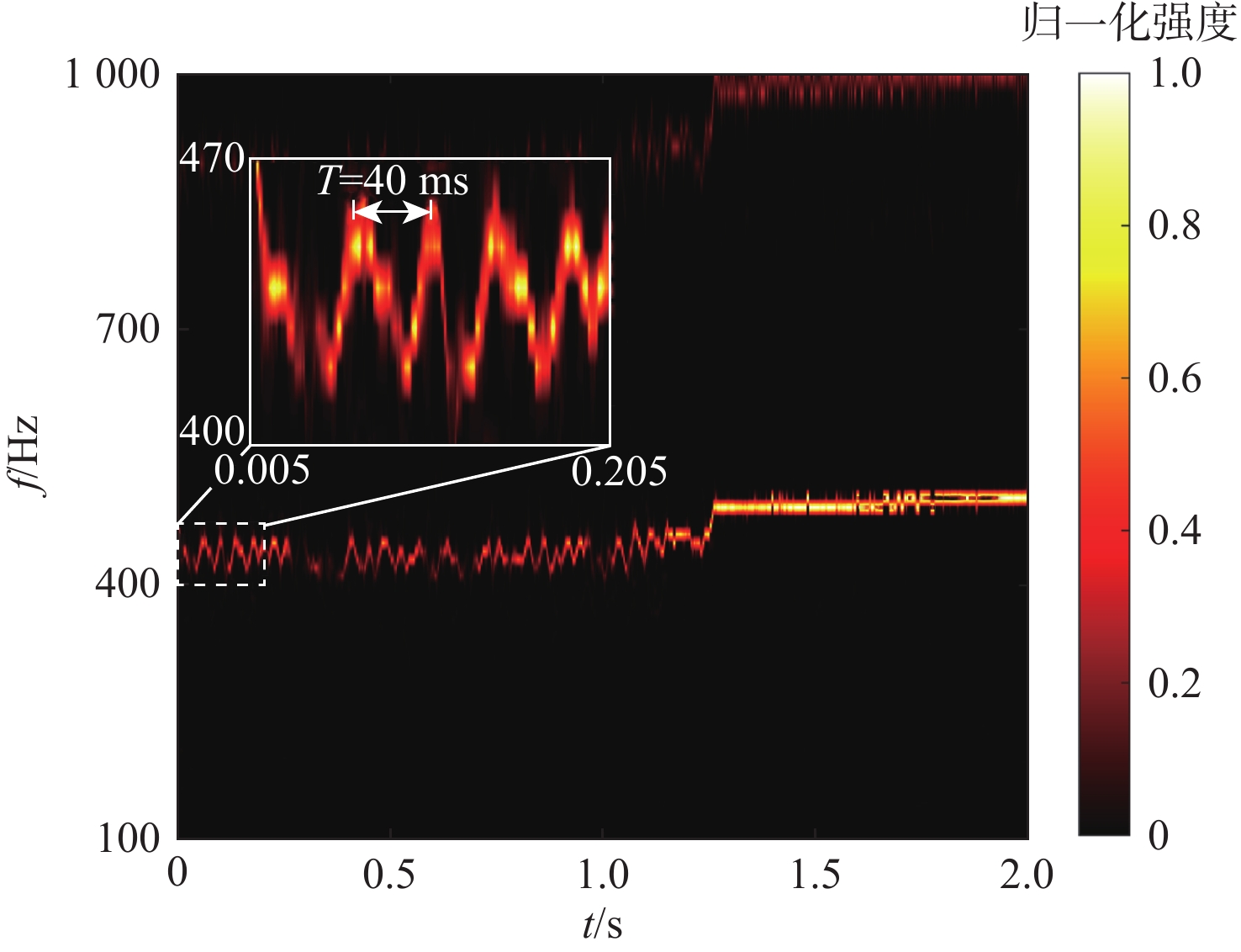
Dynamic pressure fluctuation signals were acquired in the high-temperature and high-pressure experiments of aero-engine combustors. The non-stationary characteristics of signals transitioning from stable to unstable states are analyzed using the discrete wavelet transform (DWT) and continuous wavelet transform (CWT). The results indicate that the pressure fluctuation exhibits a switching between two oscillation modes. The wavelet analysis method effectively identifies the dynamic transition process of combustor pressure fluctuation. After the transition, the pressure fluctuation manifests as limit cycle thermoacoustic oscillations at acoustic modal frequencies, while before the transition, the pressure fluctuation exhibits frequency modulation characteristics, with instantaneous oscillation frequencies varying periodically over time. Additionally, the discrete wavelet transform achieves superior early warning performance compared to the Fourier transform.

Modeling and parameter design methodology for component-level performance model of ducted ram air generation turbine
ZHANG Huabo, GUO Yingqing, LI Guicai, ZHAO Wanli, YE Peng
2026, 52(3): 809-817. doi: 10.13700/j.bh.1001-5965.2023.0787
Abstract:

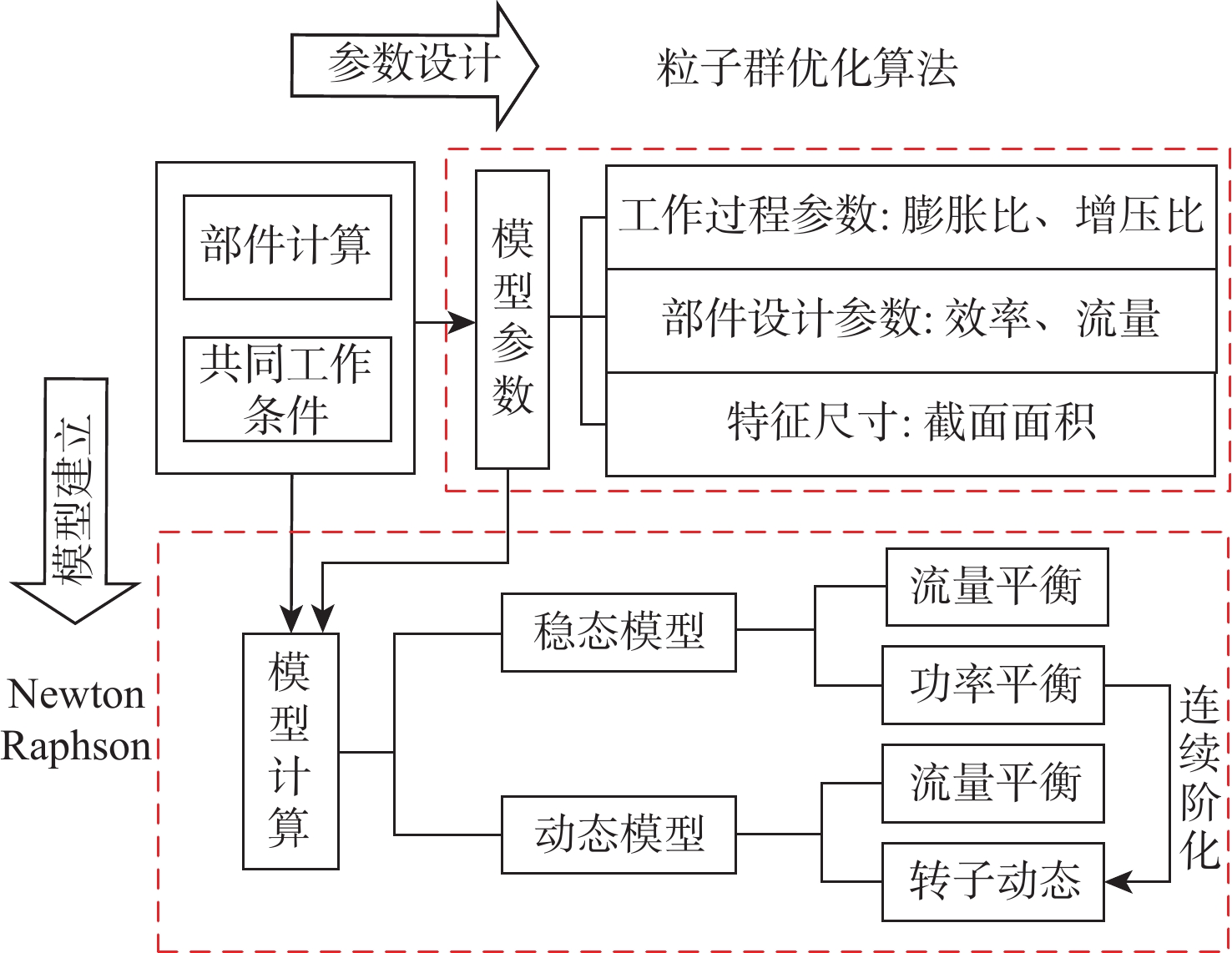
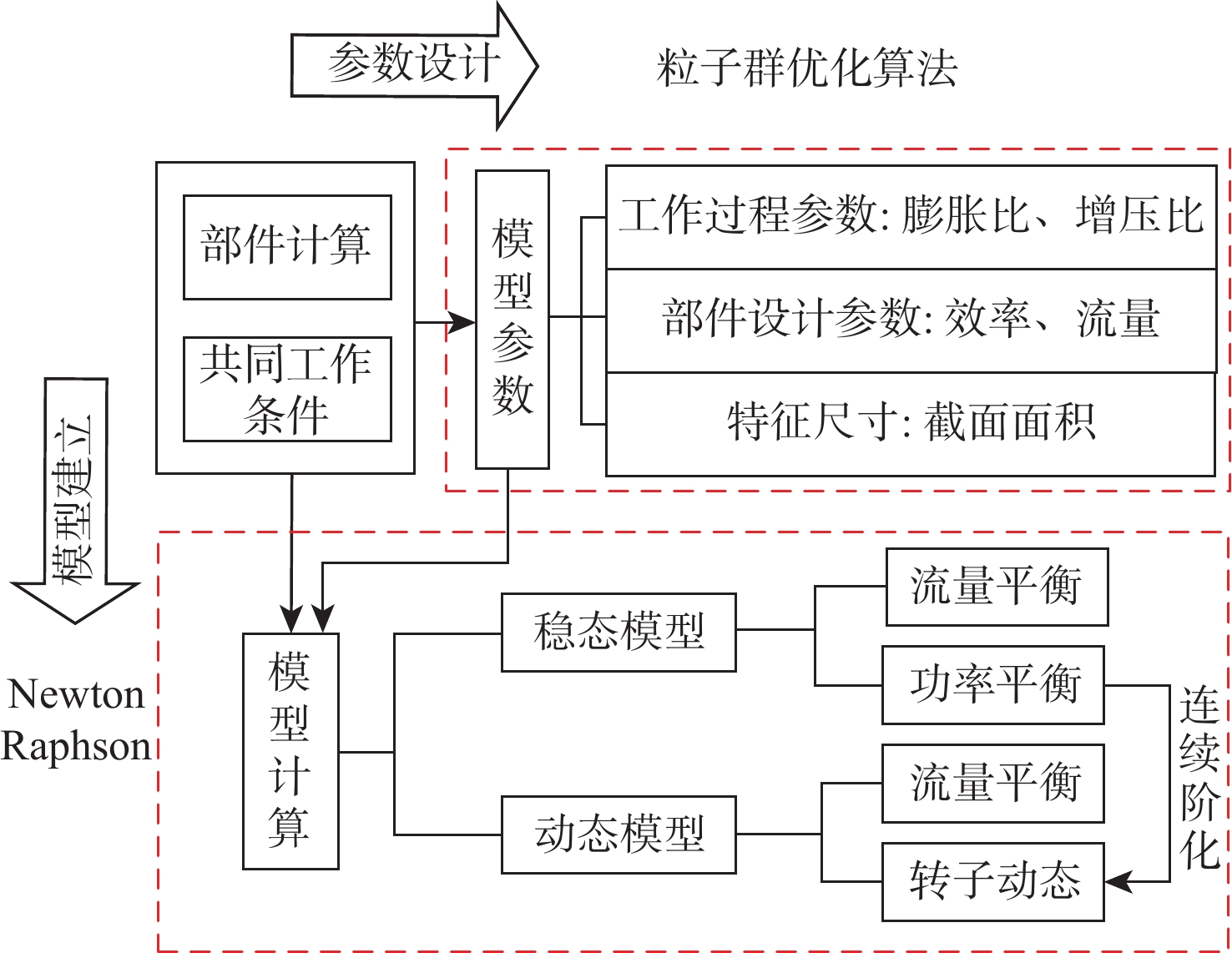
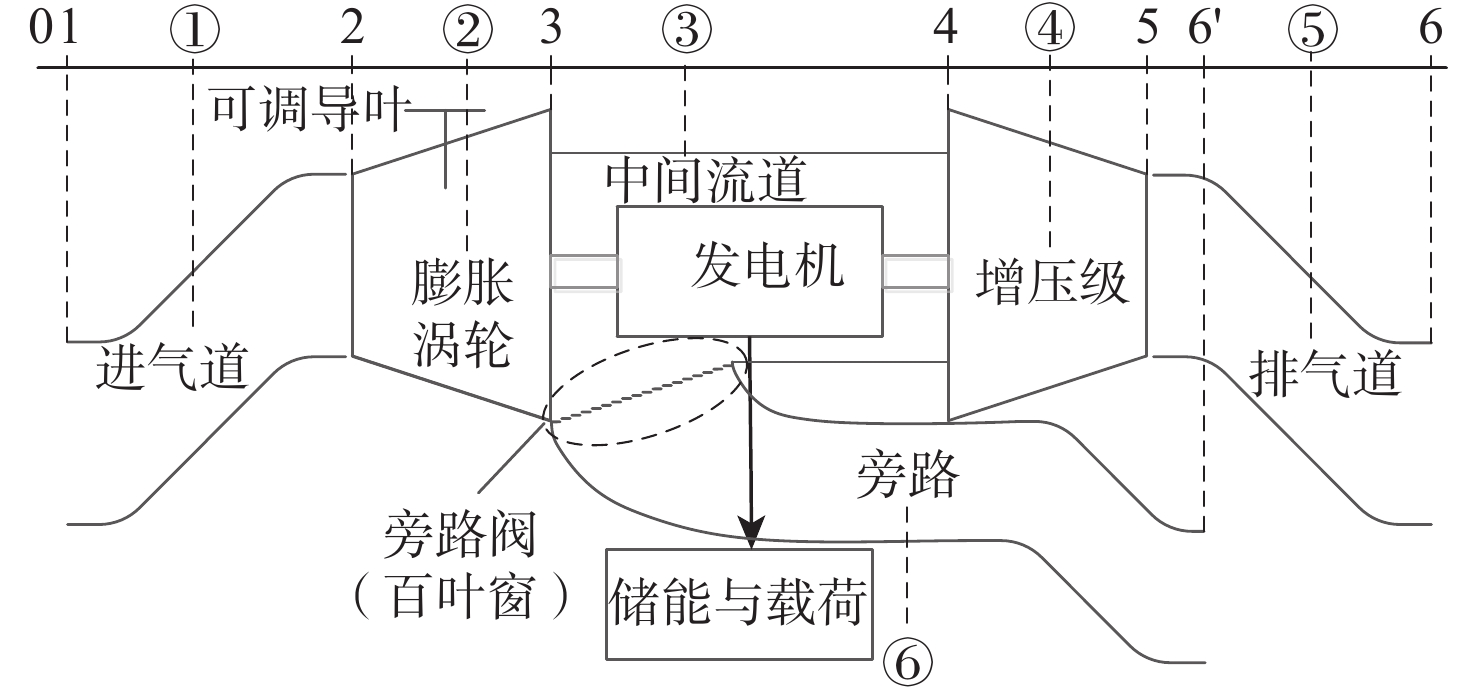
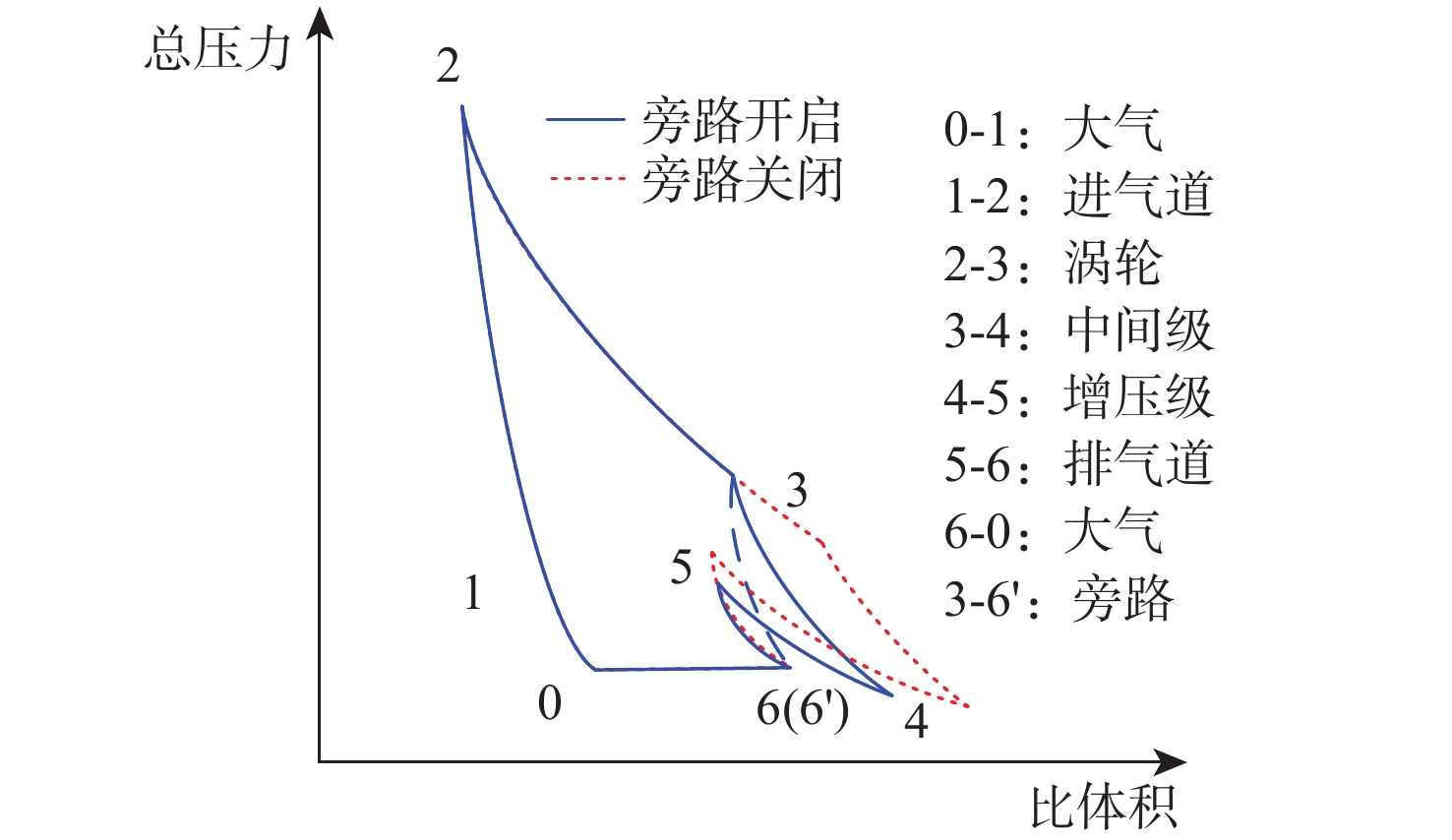
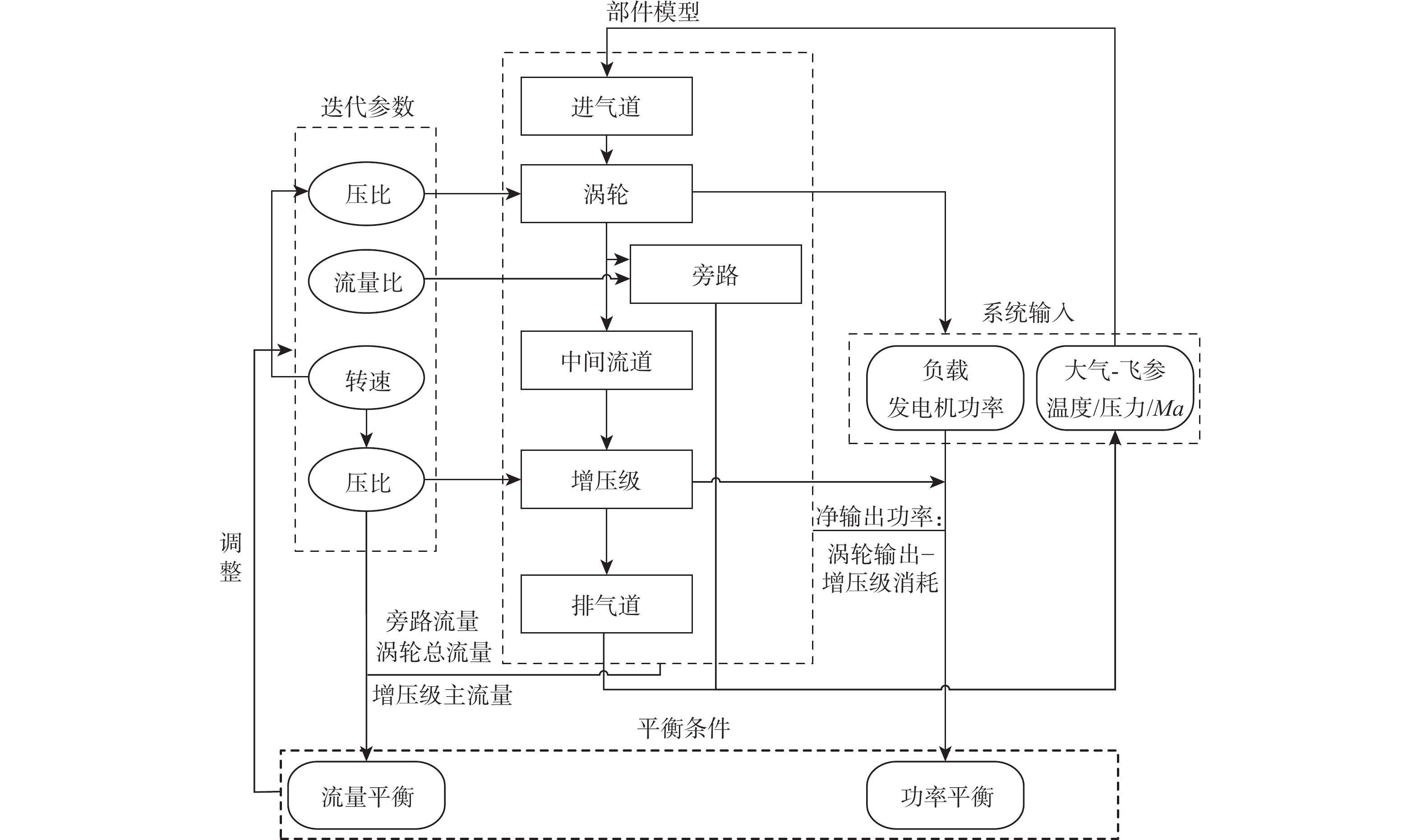
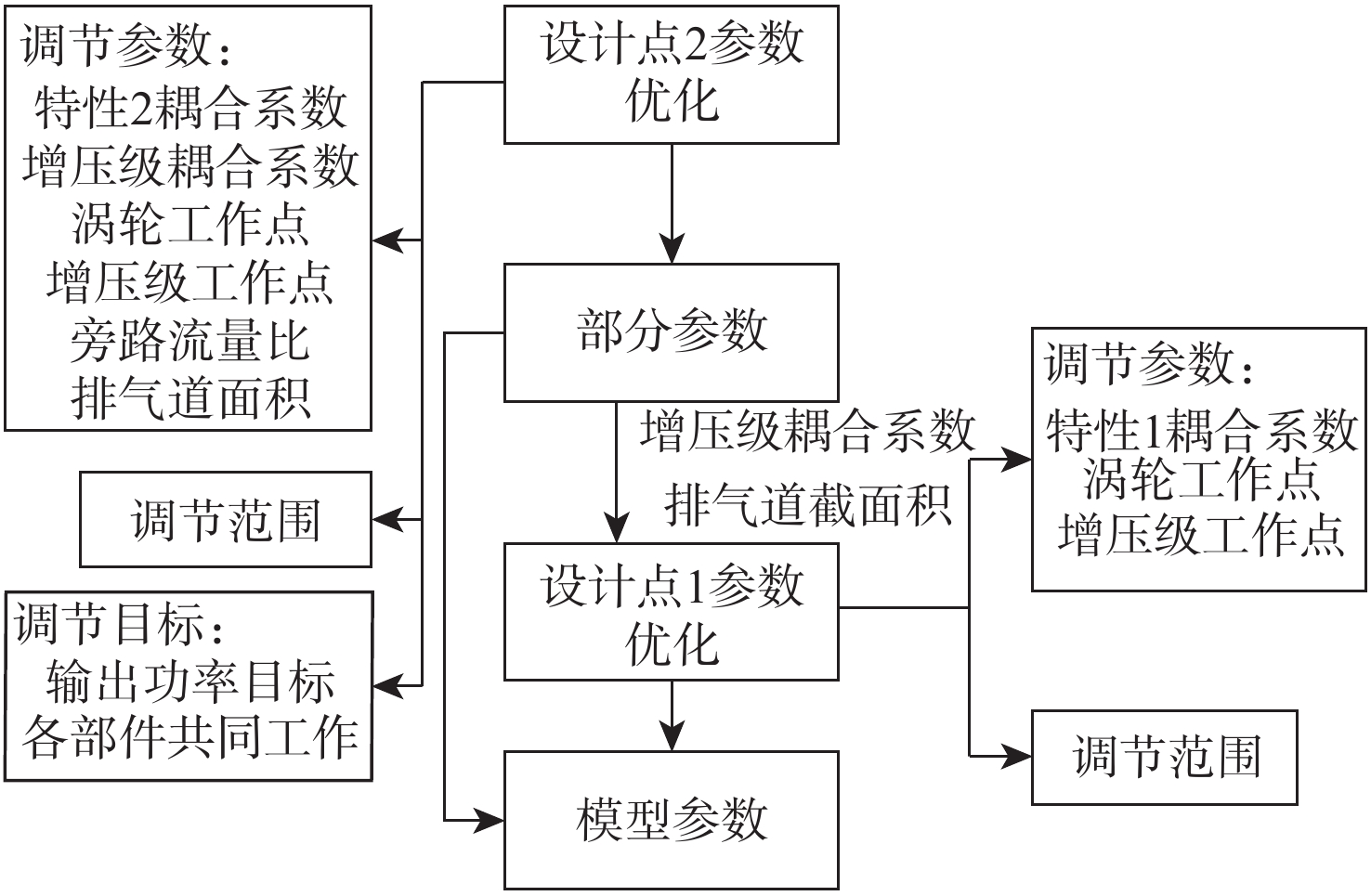
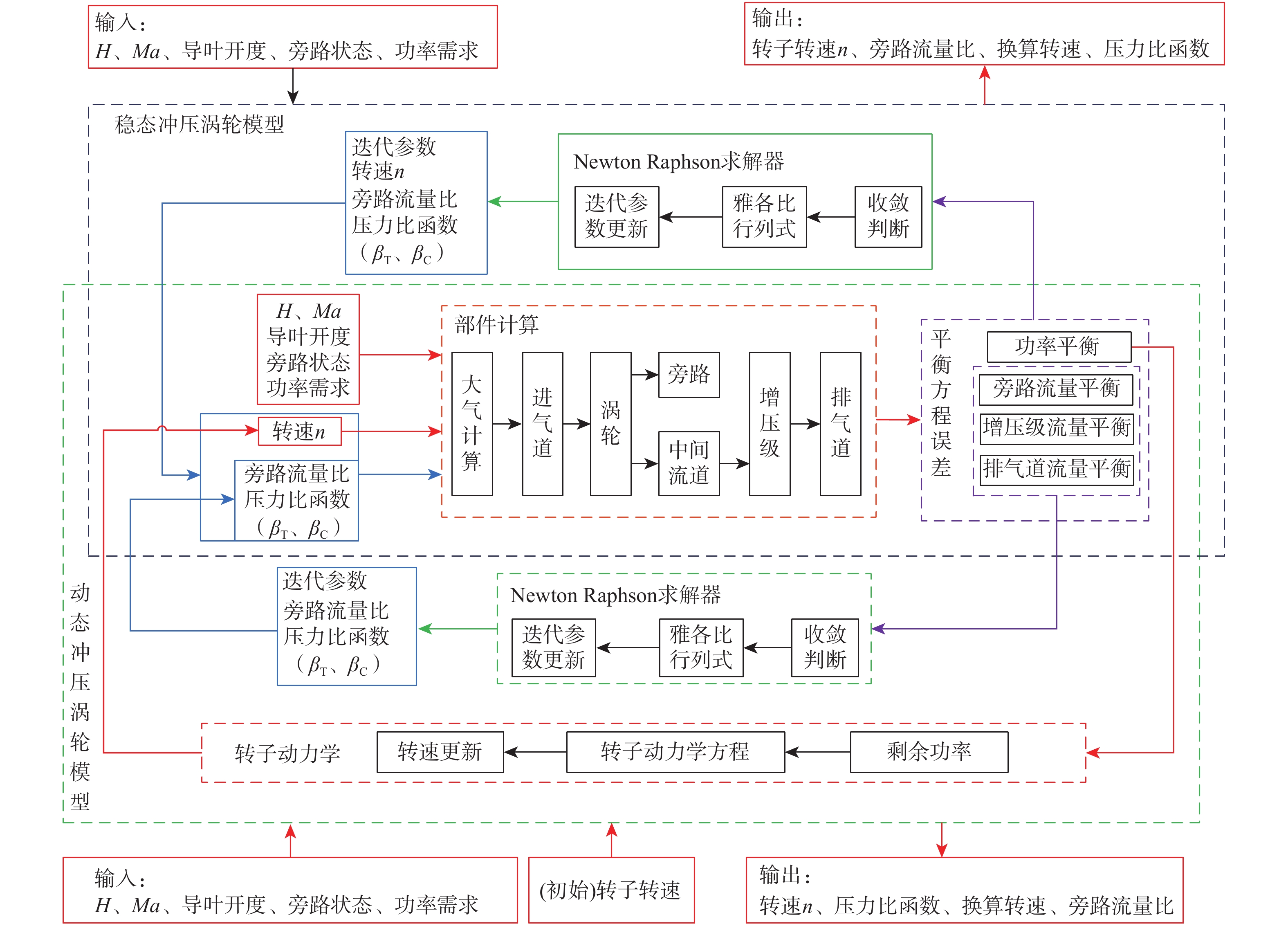
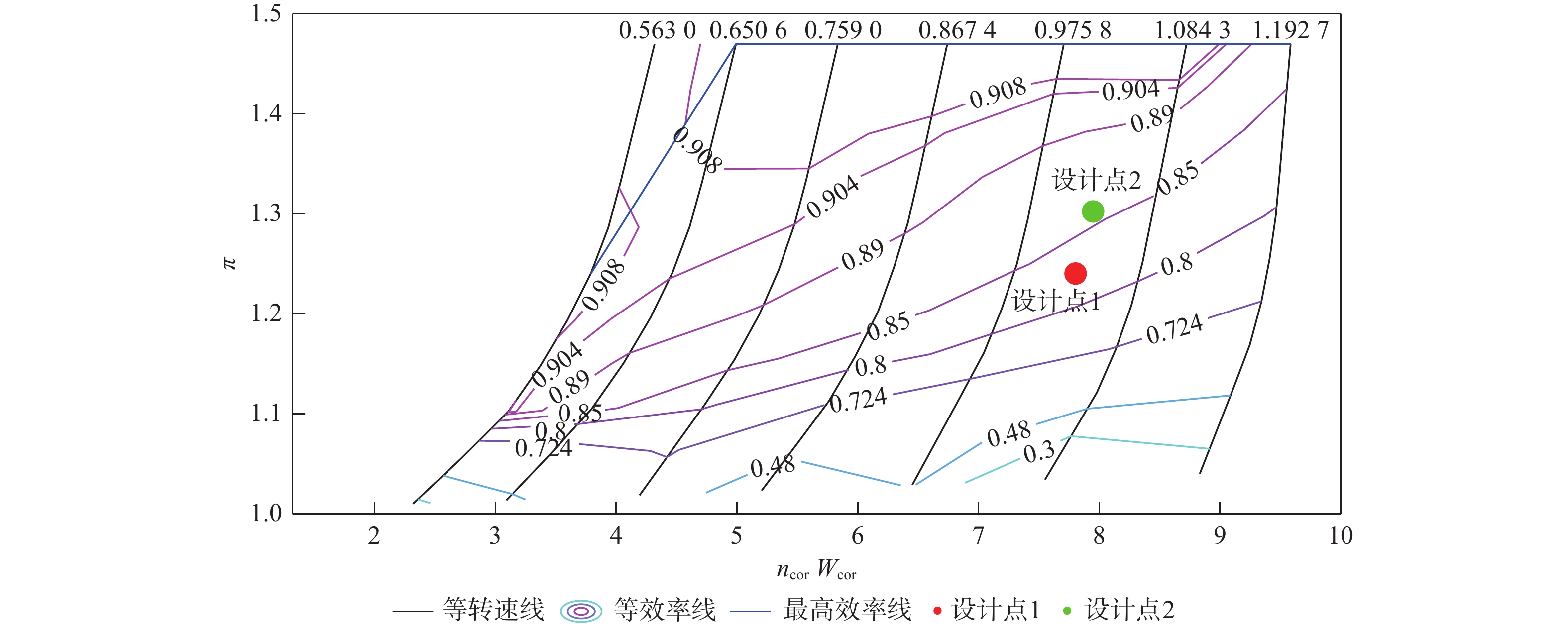
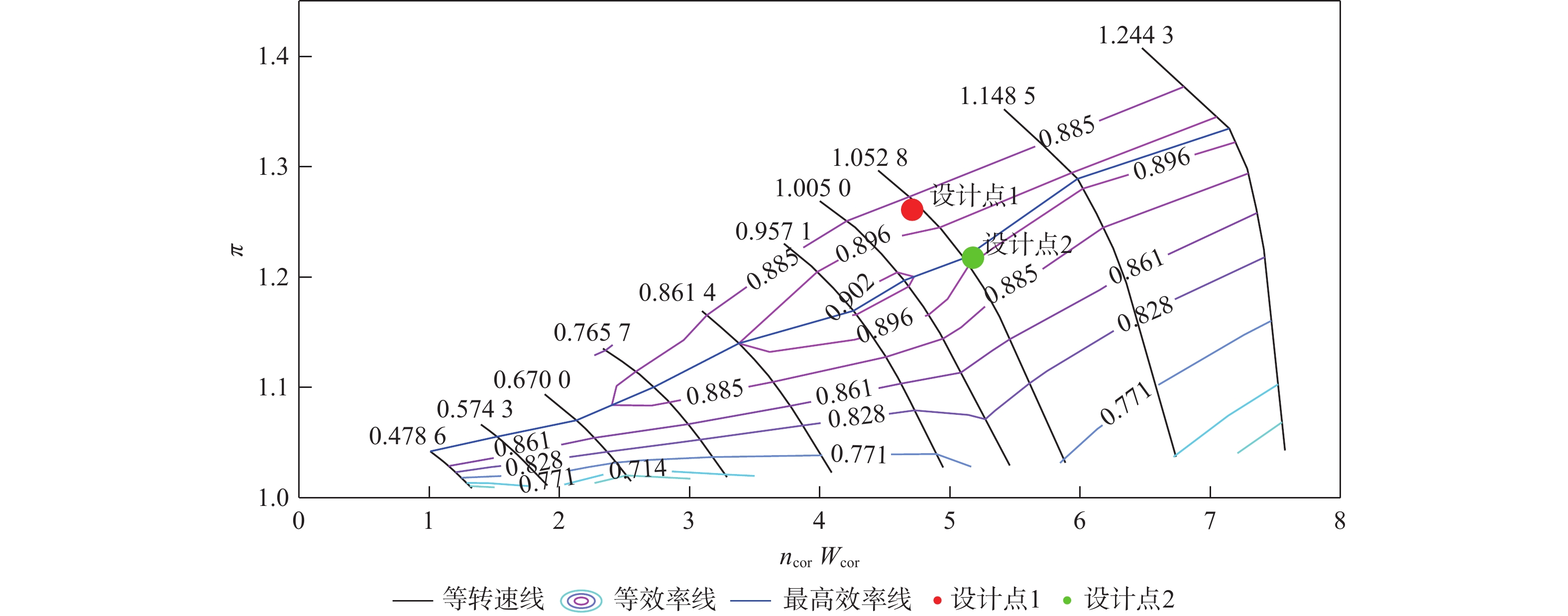
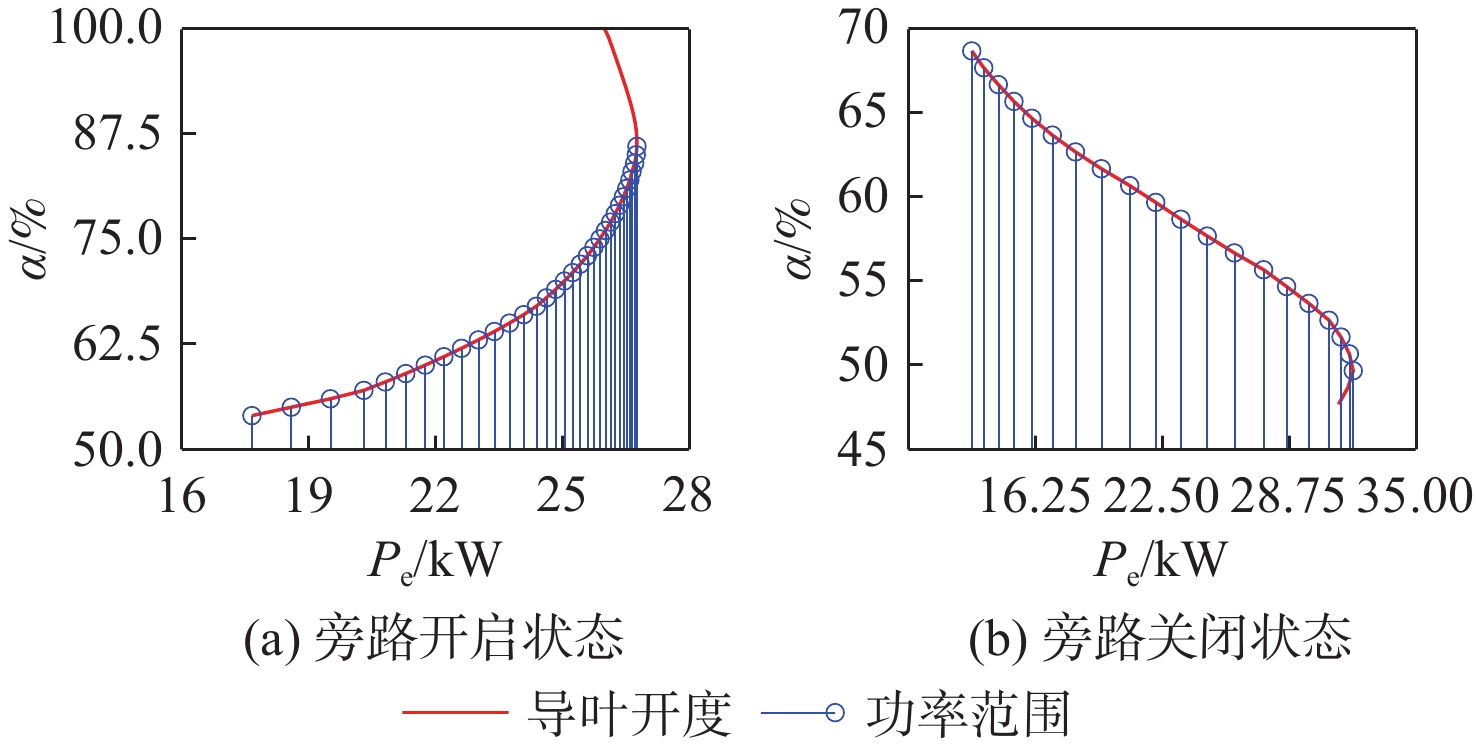
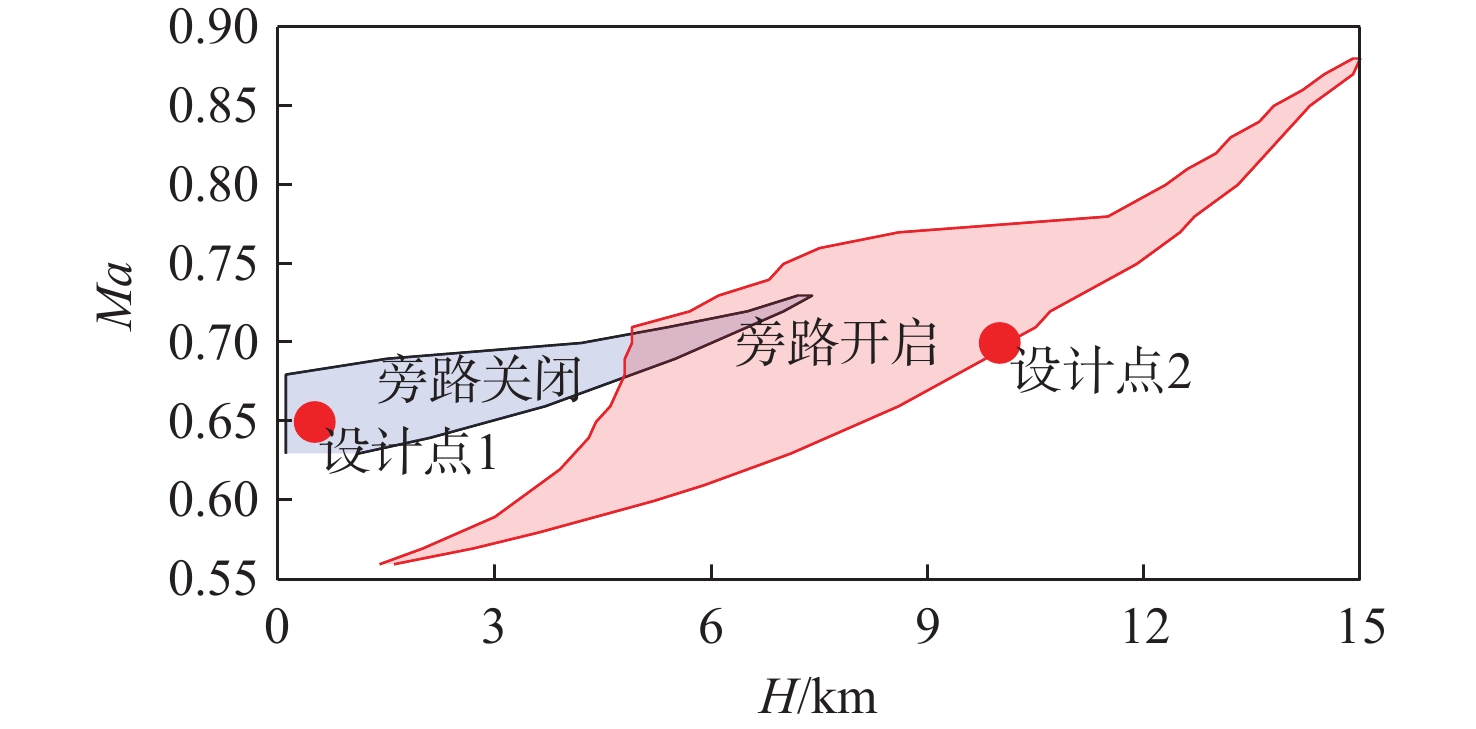
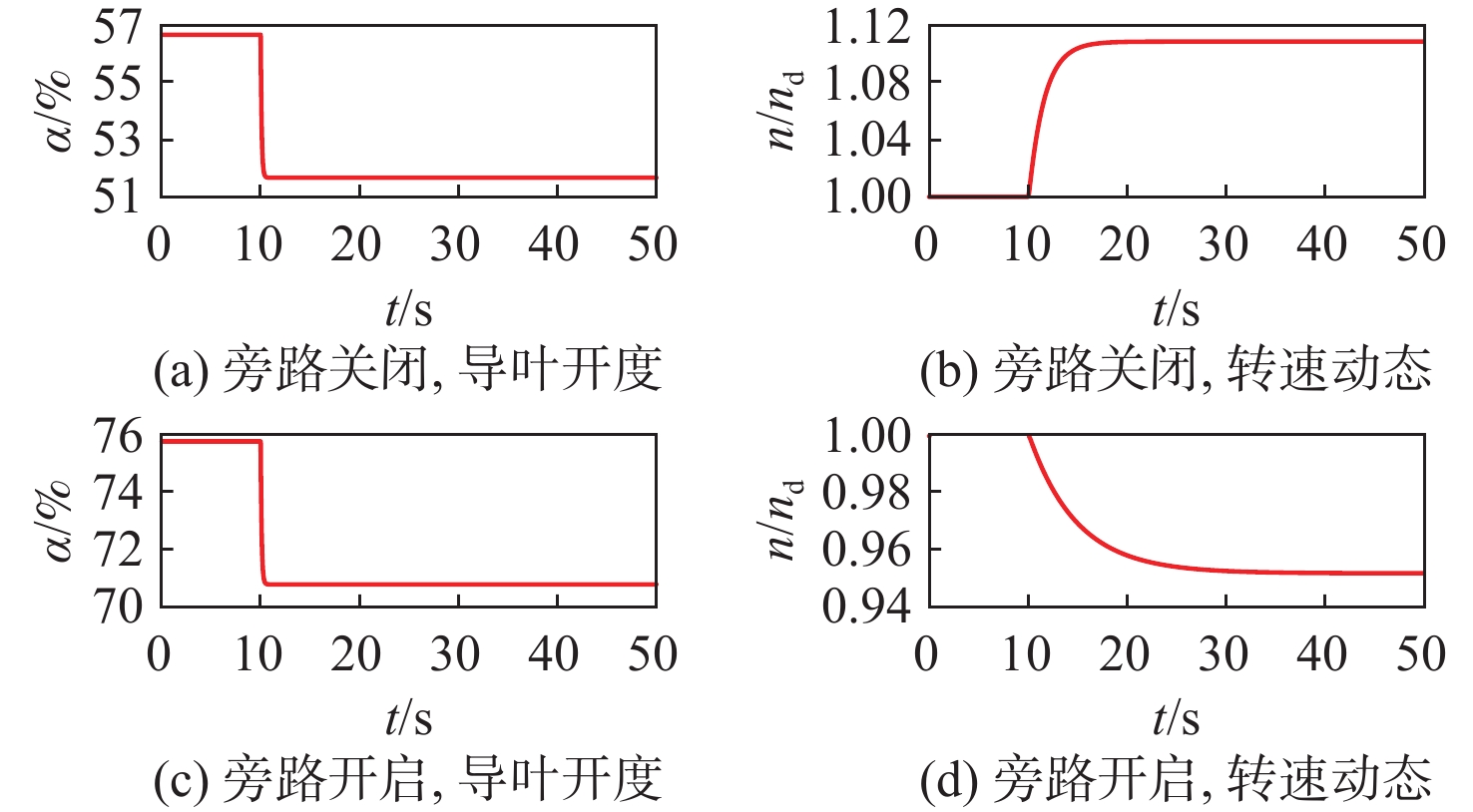
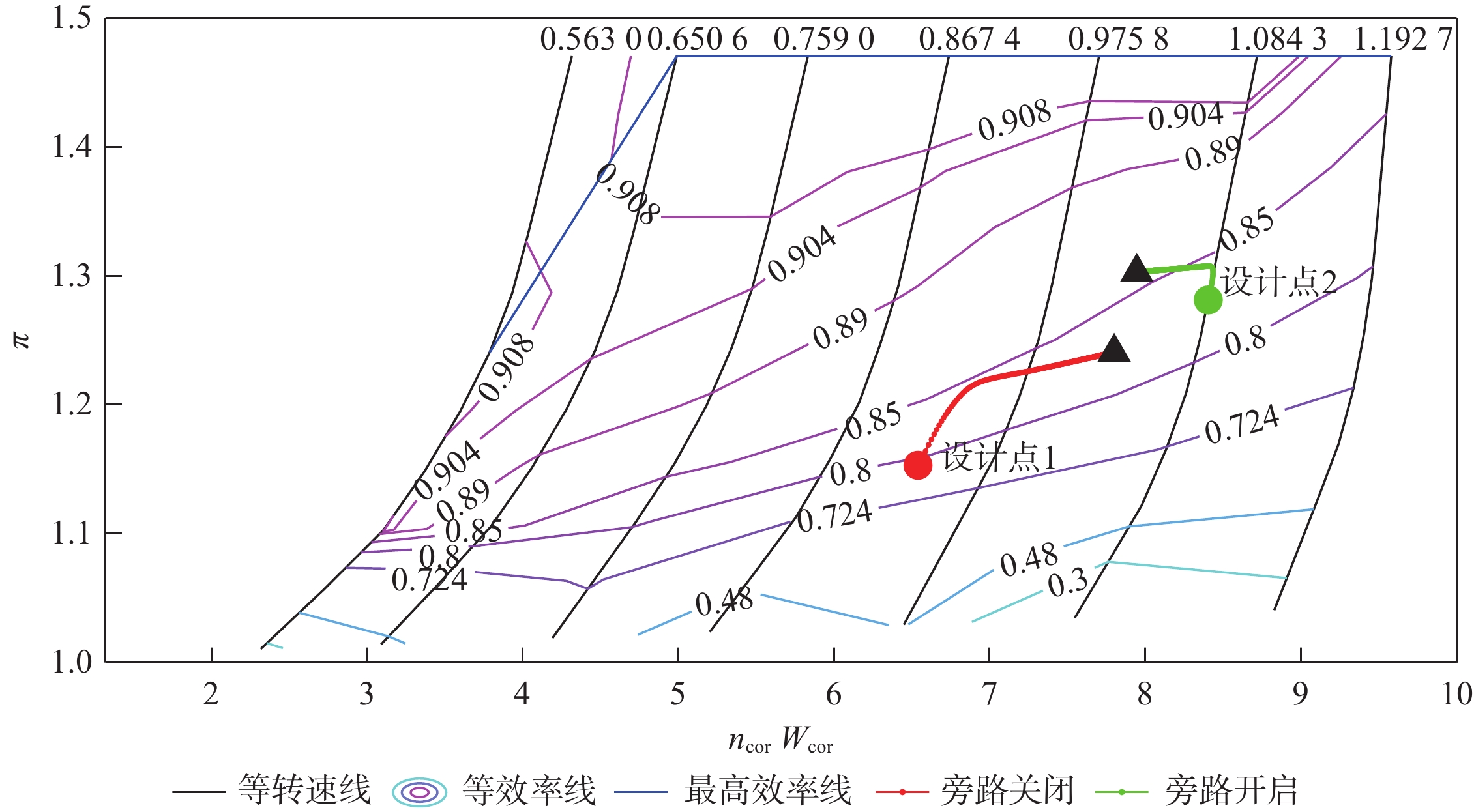
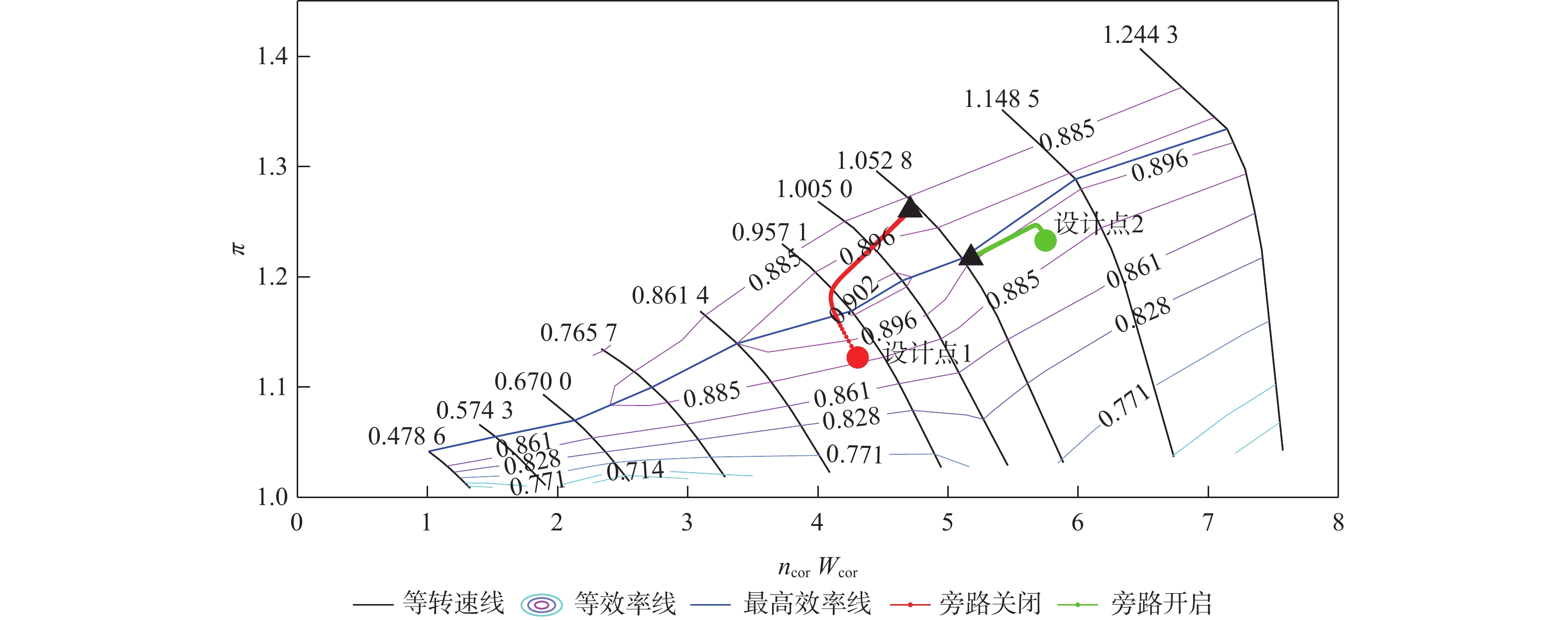
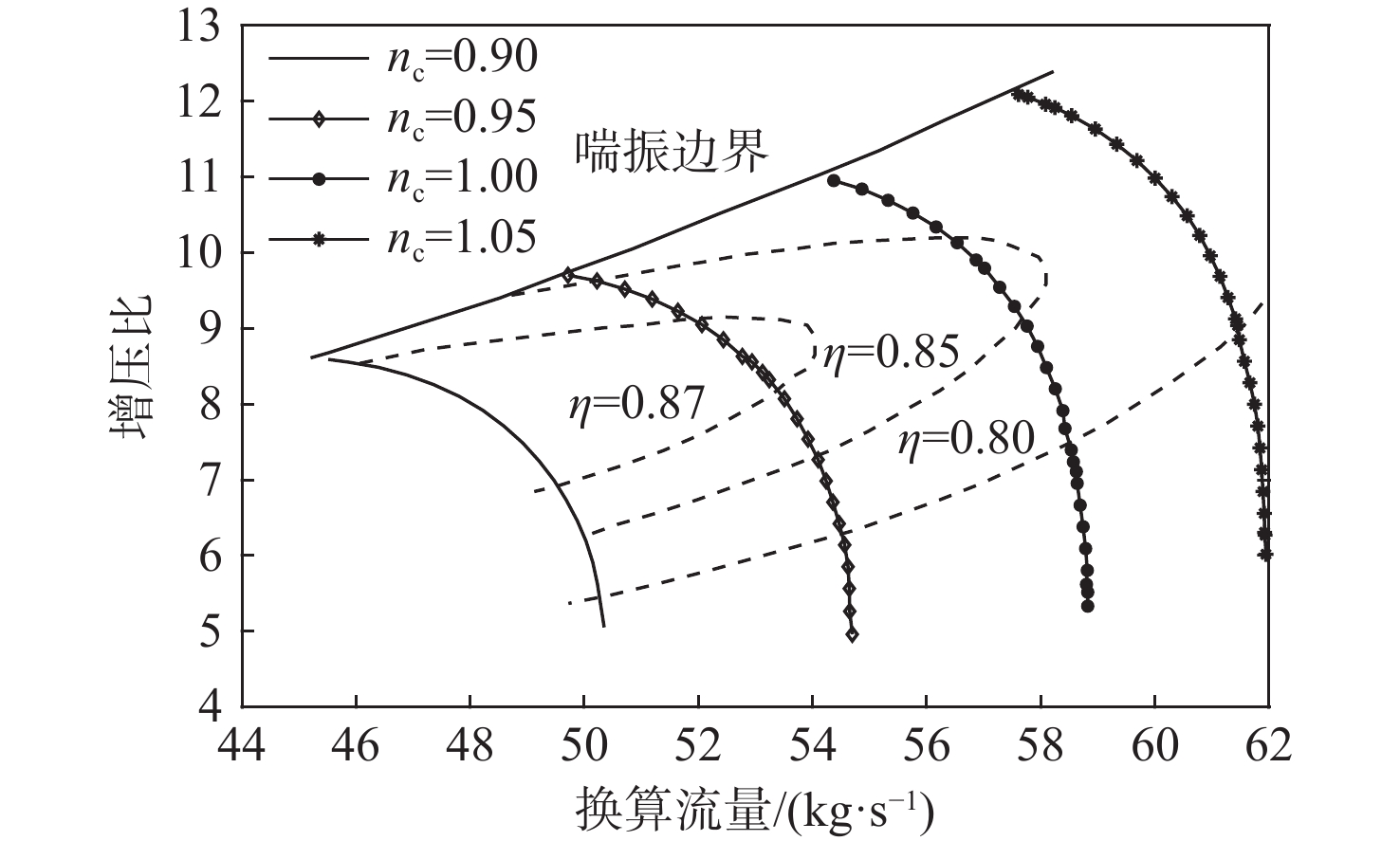
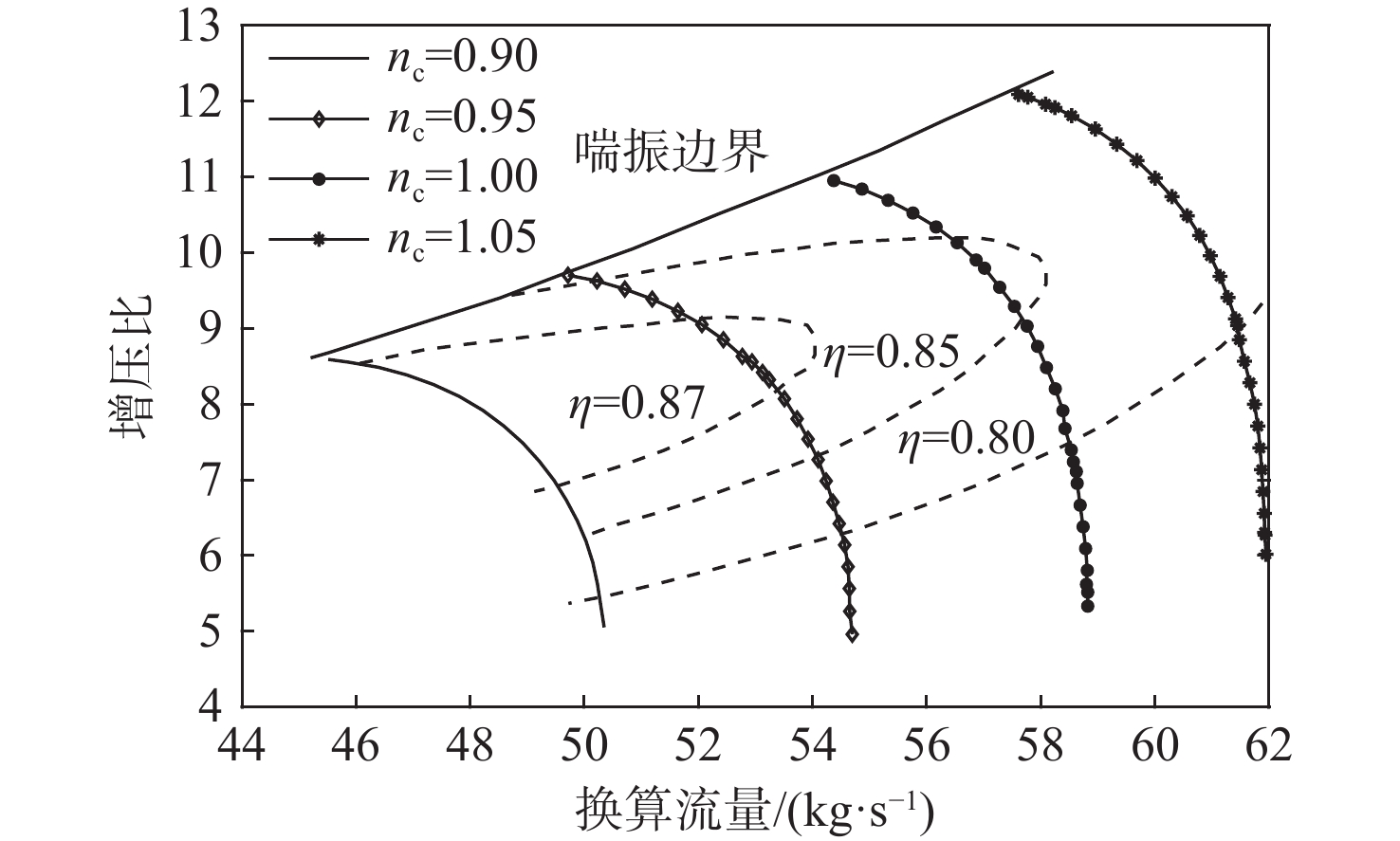
With the growing power demand of airborne systems, the ducted ram air turbine is considered an ideal onboard power-generation solution due to its high efficiency and low aerodynamic drag. However, its ducted configuration leads to strong component coupling, complicating system modeling and performance analysis. To address these challenges, this paper proposes a component-level modeling approach and a parameter design methodology for the ducted ram air turbine. In this method, the model is modeled by a component method, and the model parameters are designed by a particle swarm optimization algorithm to automatically match the performance parameters of design points accurately, and Newton-Raphson method was used to solve the model, which provided a reliable basis for system analysis. The effectiveness of this method is validated by the modeling and parameter design of a type of ducted ram turbine system with bypass and compressor, which also reveals the potential advantages of this system. The simulation results at non-design points demonstrate that, when the bypass is opened, the working envelope area of this ram air generation turbine expands to 332.48% of the closed state at 26 kW. This substantial increase significantly enhances the effective working range. A notable improvement in system stability is also indicated by the time it takes for the response to reach 95% following dynamic step interference, which rises to 307.59%.

A simplified modeling method for a constant speed turboprop engine
YANG Yang, DAI Shuling, LEI Xiaoyong
2026, 52(3): 818-825. doi: 10.13700/j.bh.1001-5965.2023.0842
Abstract:

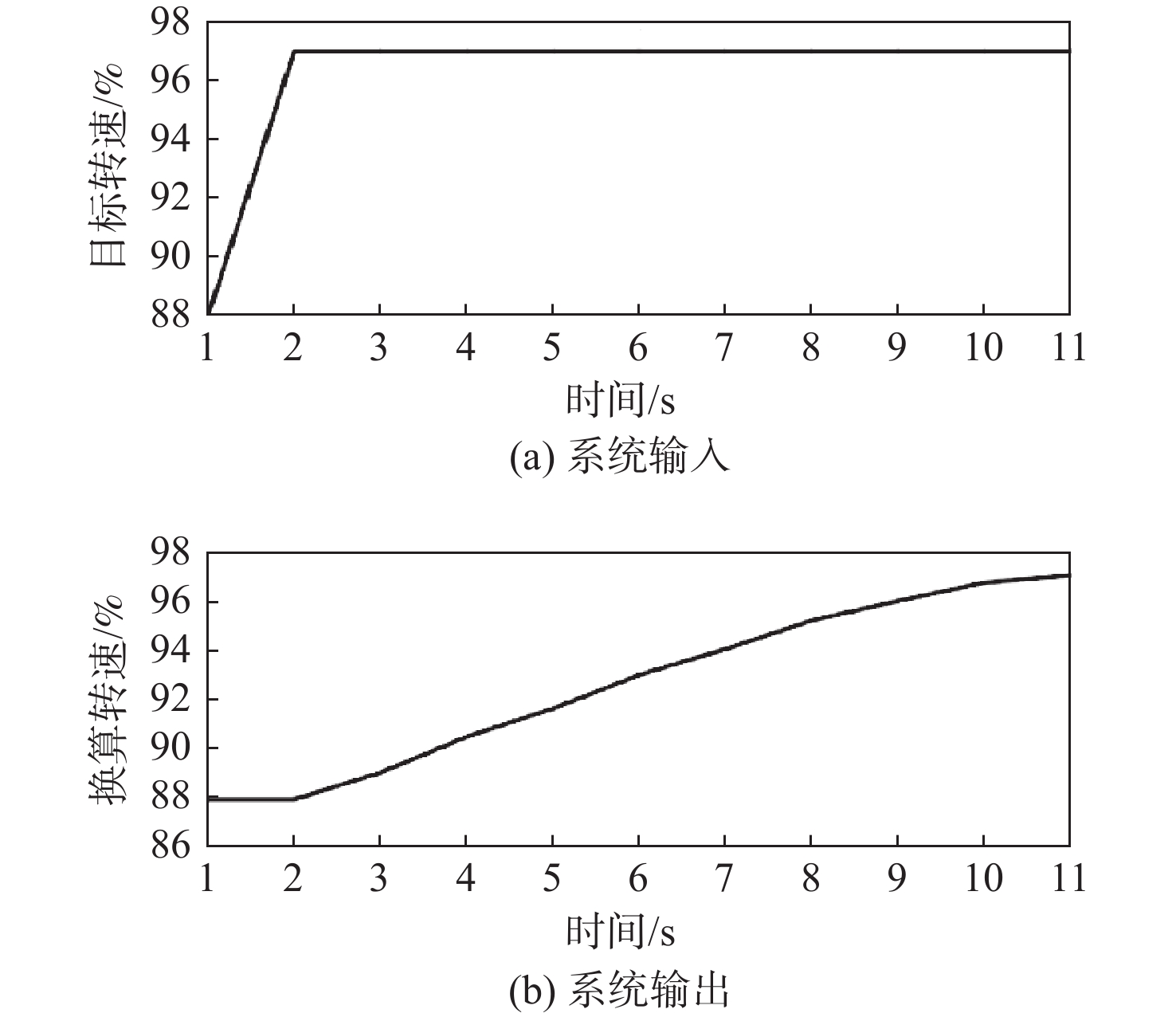
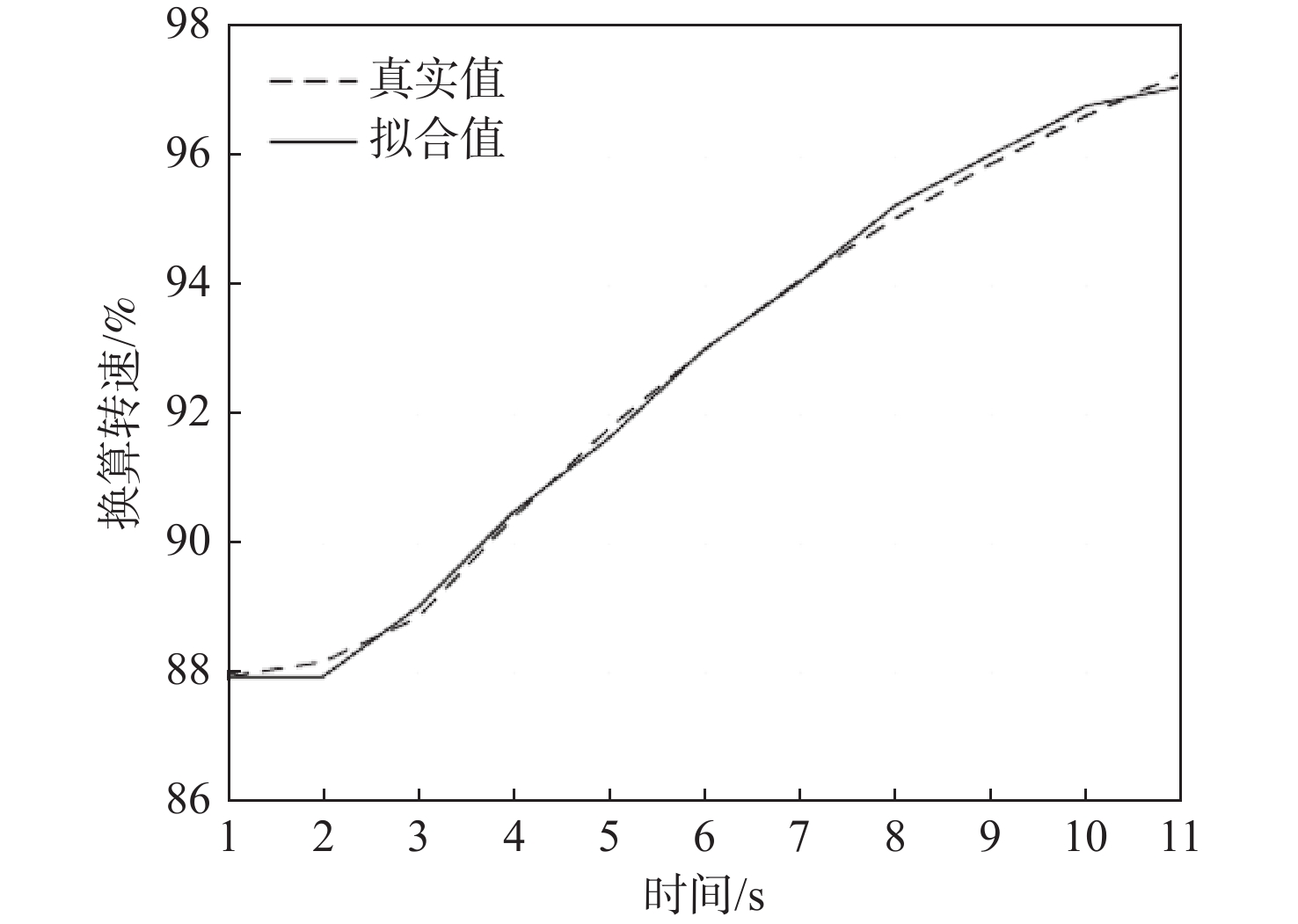
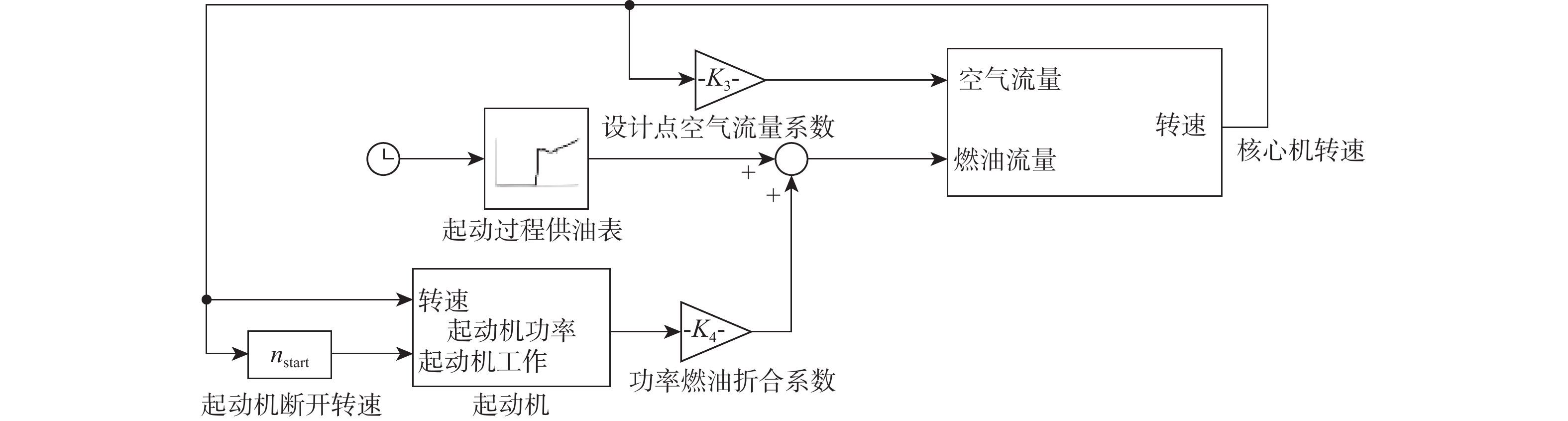
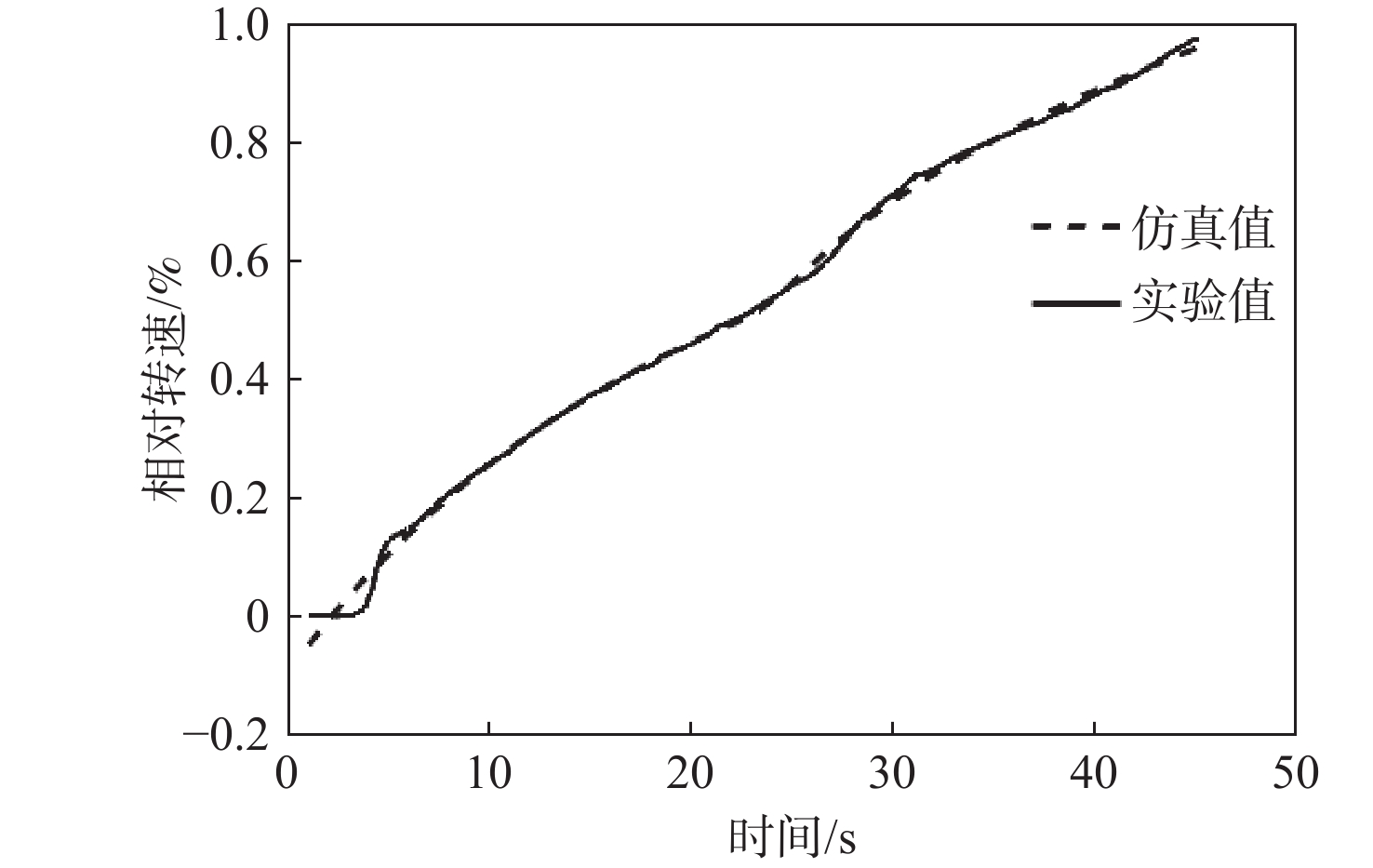
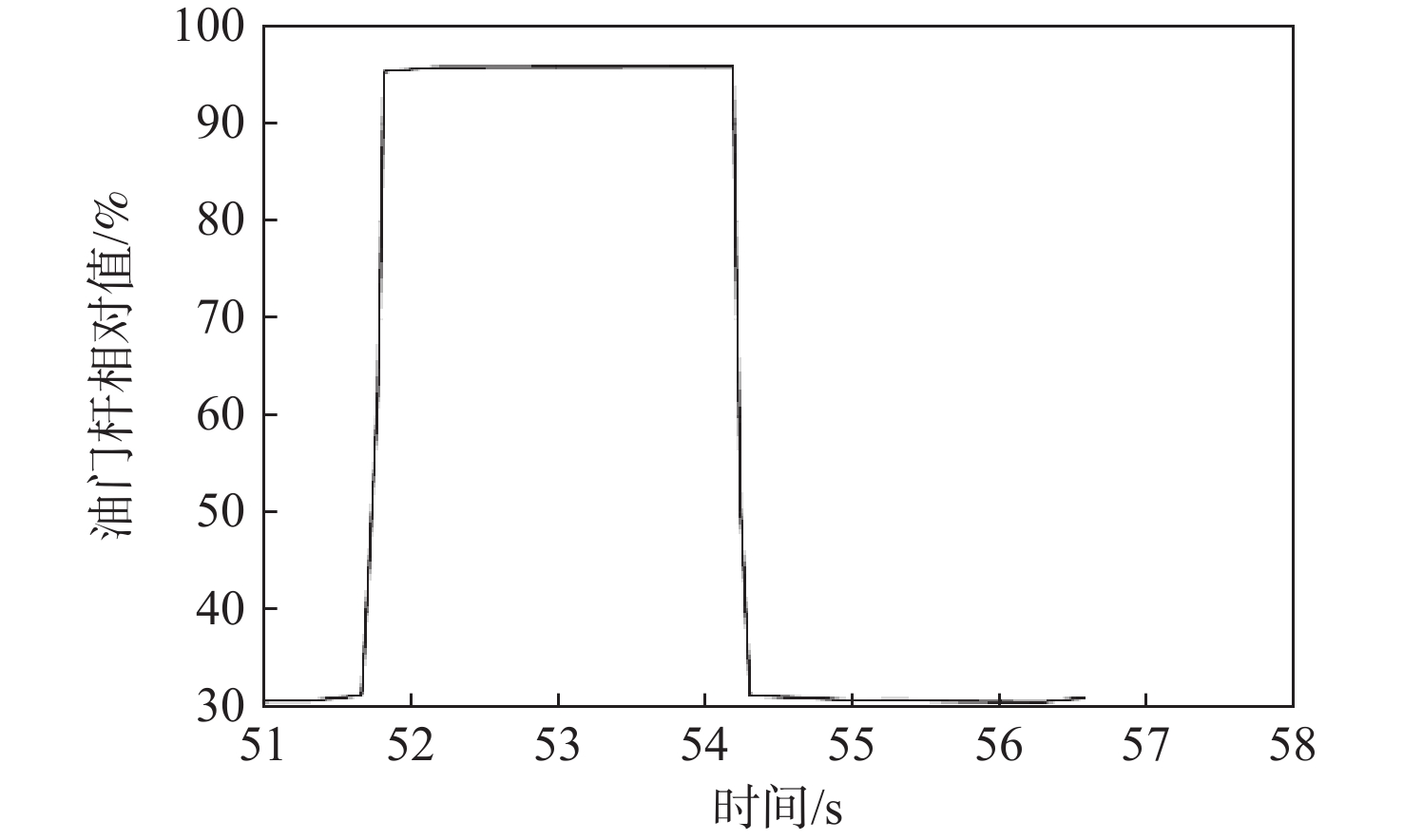
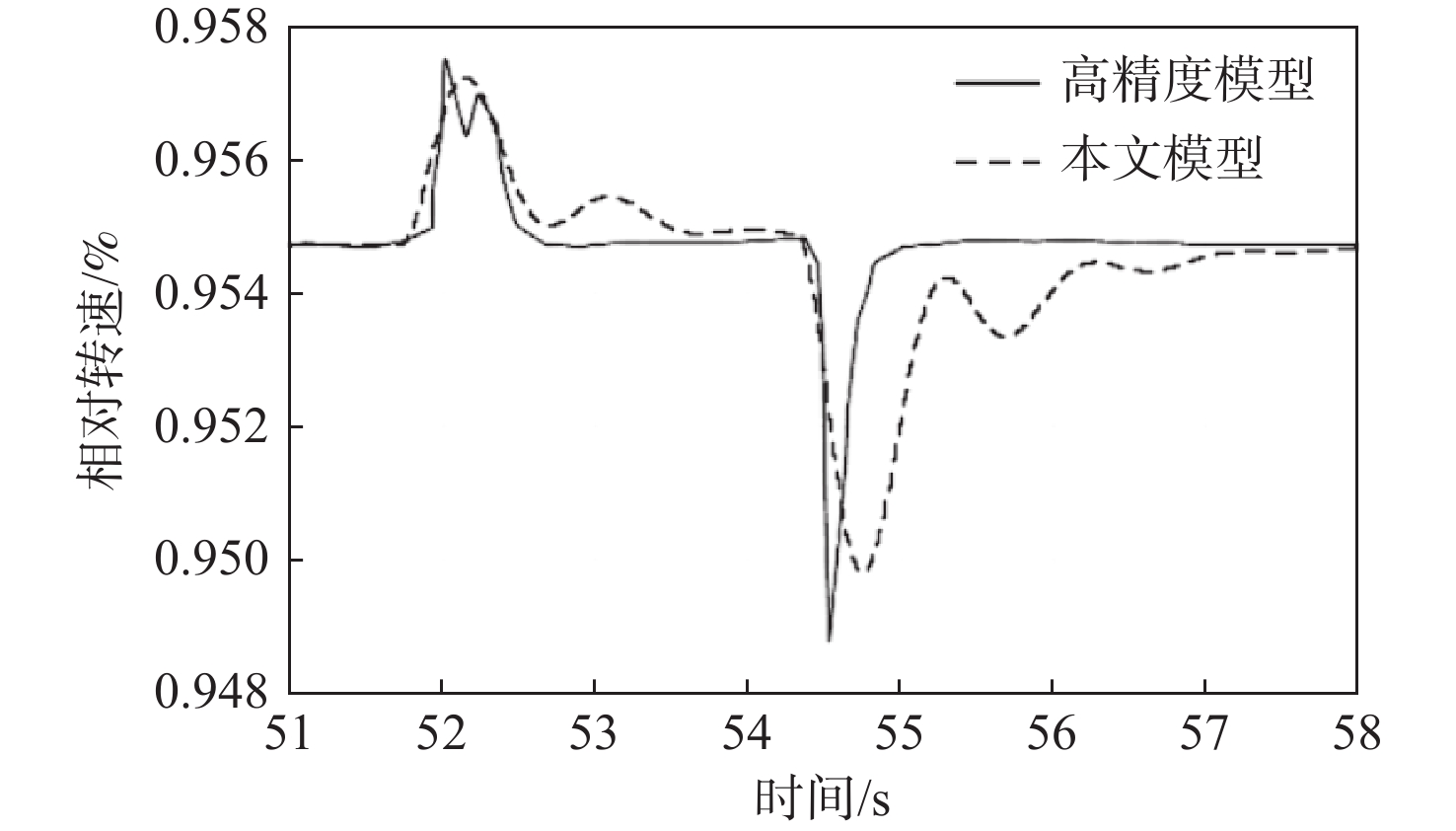
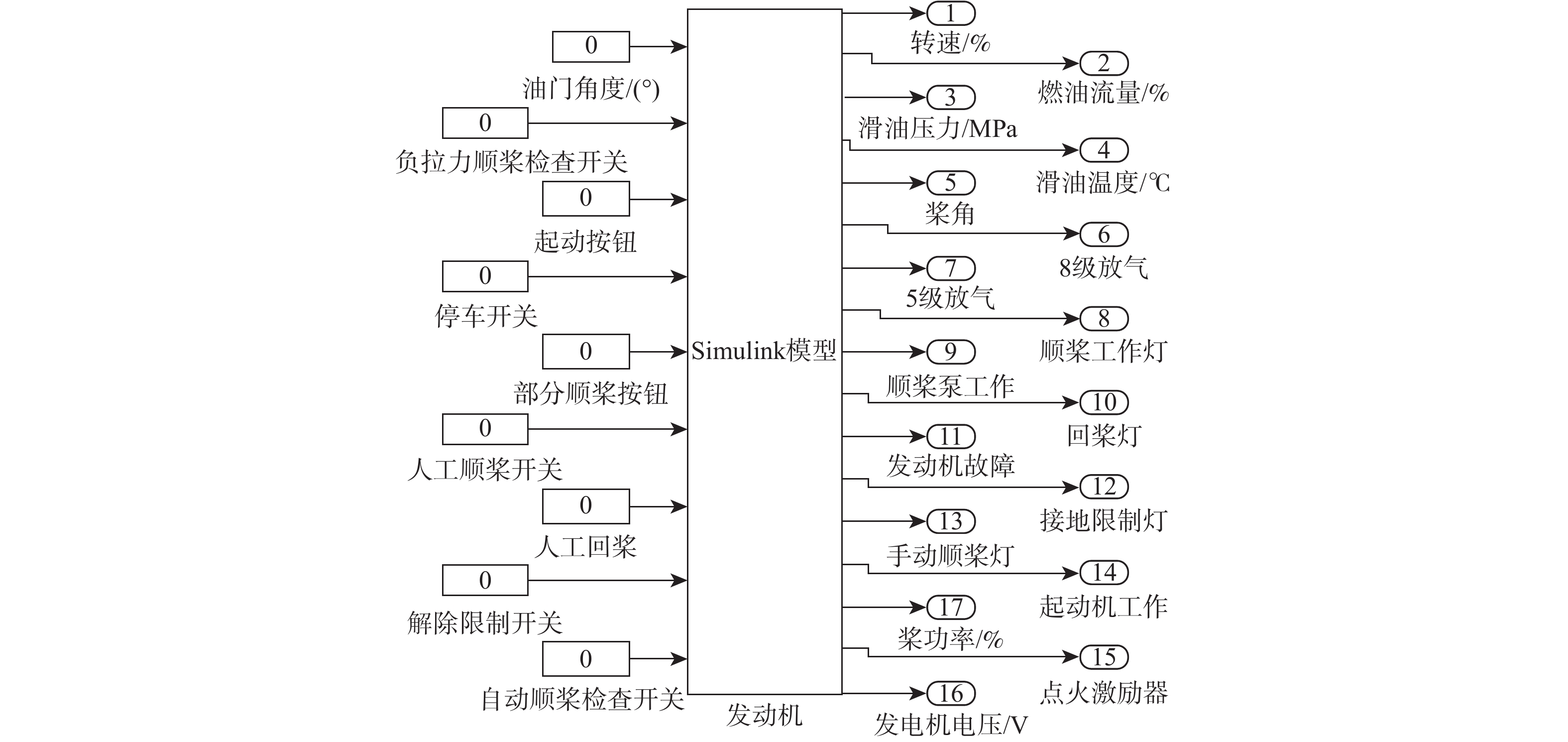
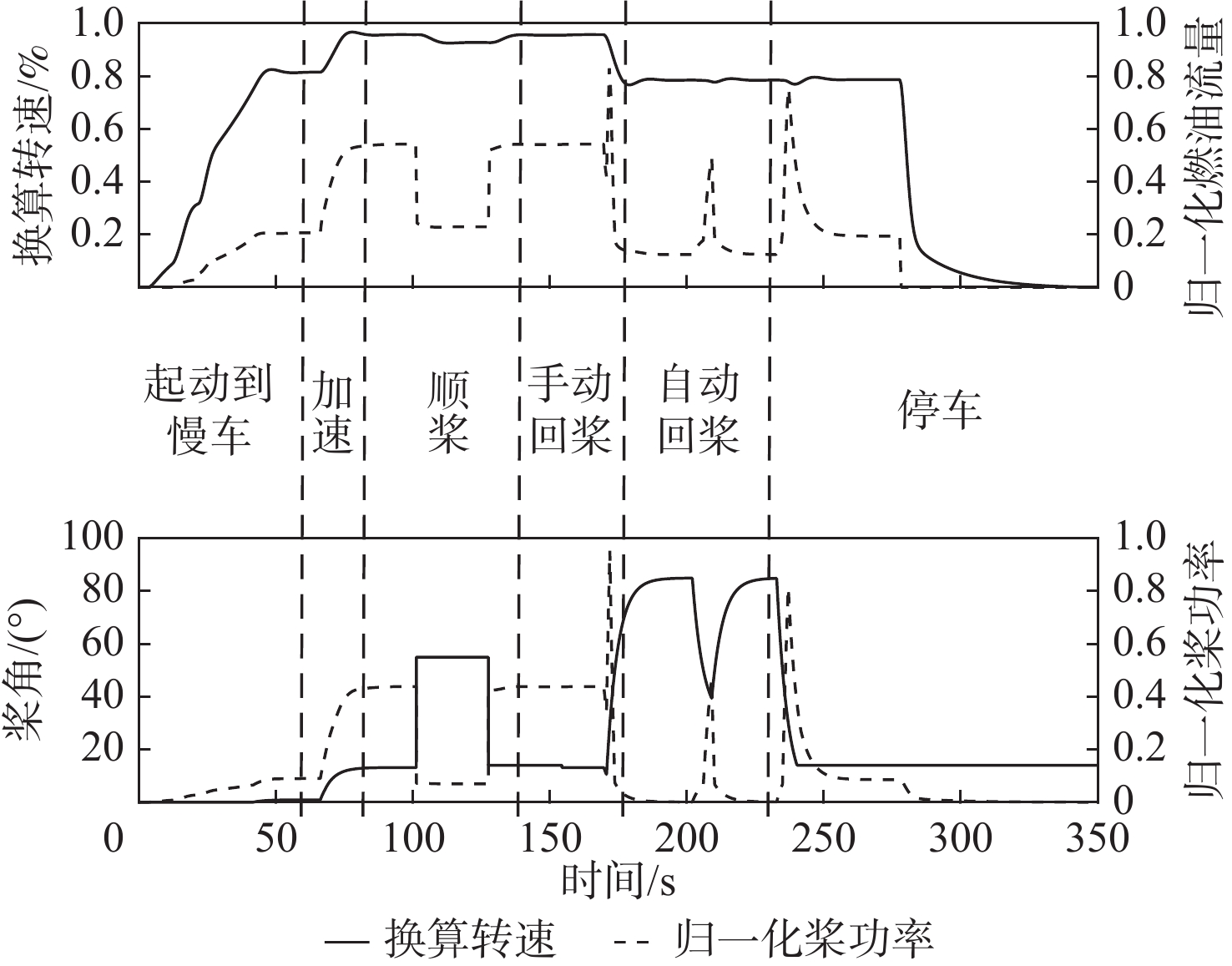
To achieve precise modeling of turboprop engines in flight simulation, this study provides an in-depth analysis of the component operating characteristics of the turboprop engine under the constant speed control law. Based on these characteristics, we integrated the core engine using a simplified component model. A 95.5% match for the acceleration process is obtained by approximating the model's dynamic processes using second-order transfer functions, which are introduced as a means of improving the accuracy of dynamic modeling. In addition, to enhance model generality, normalization processing is conducted based on similarity theory principles, enabling extrapolation within the flight envelope. In the validation phase, we carried out a simulation and comparative validation of the model using publicly available data on the amount of overall performance of the AH-20M turboprop engine, as well as some experimental and simulation data. The results showed that only a limited overall performance parameter data was needed to quickly build an engine model with certain steady-state accuracy and reasonable dynamic changes. The model is an effective and precise way to model turboprop engines in flight simulation, and it satisfies the performance and functionality criteria of flight simulation.

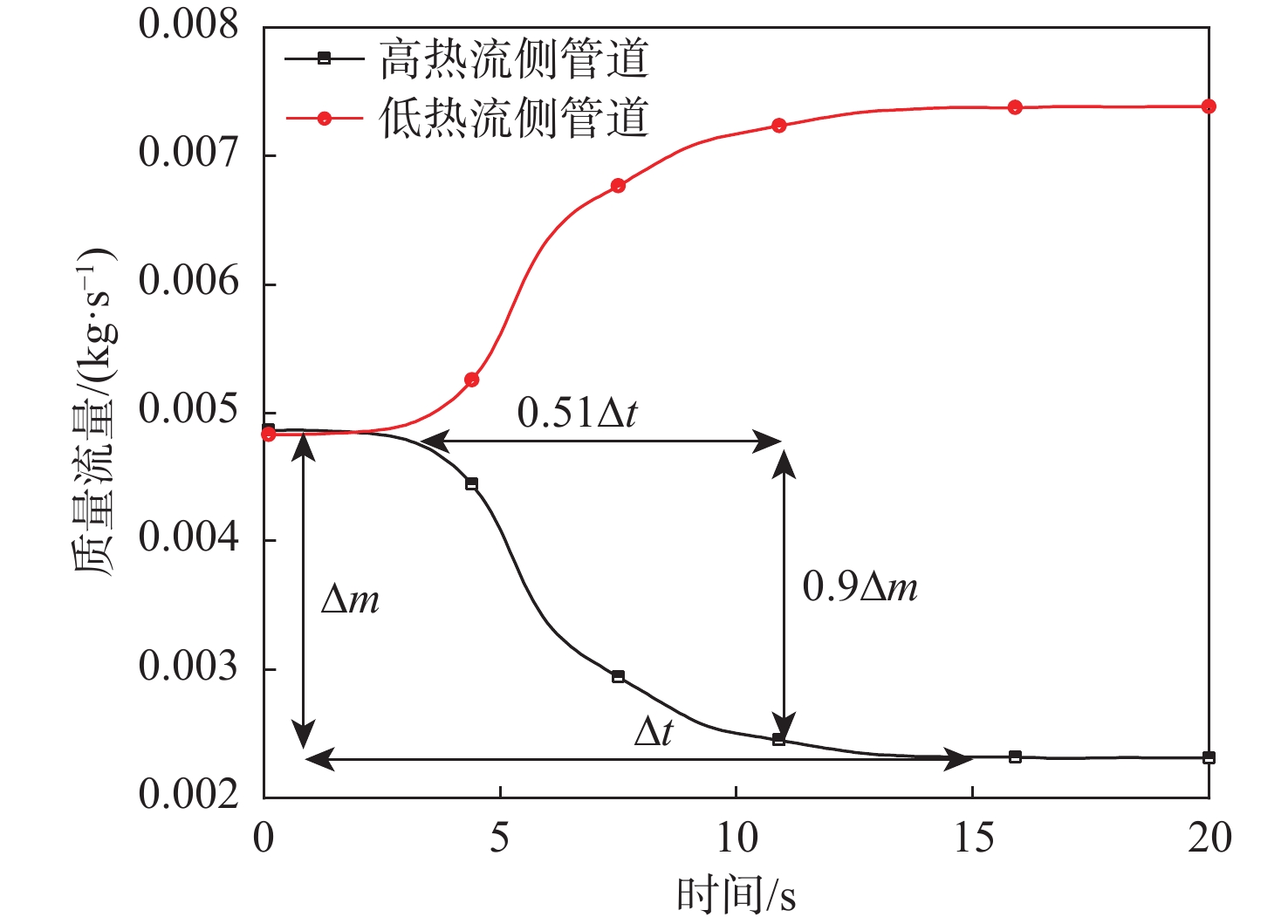
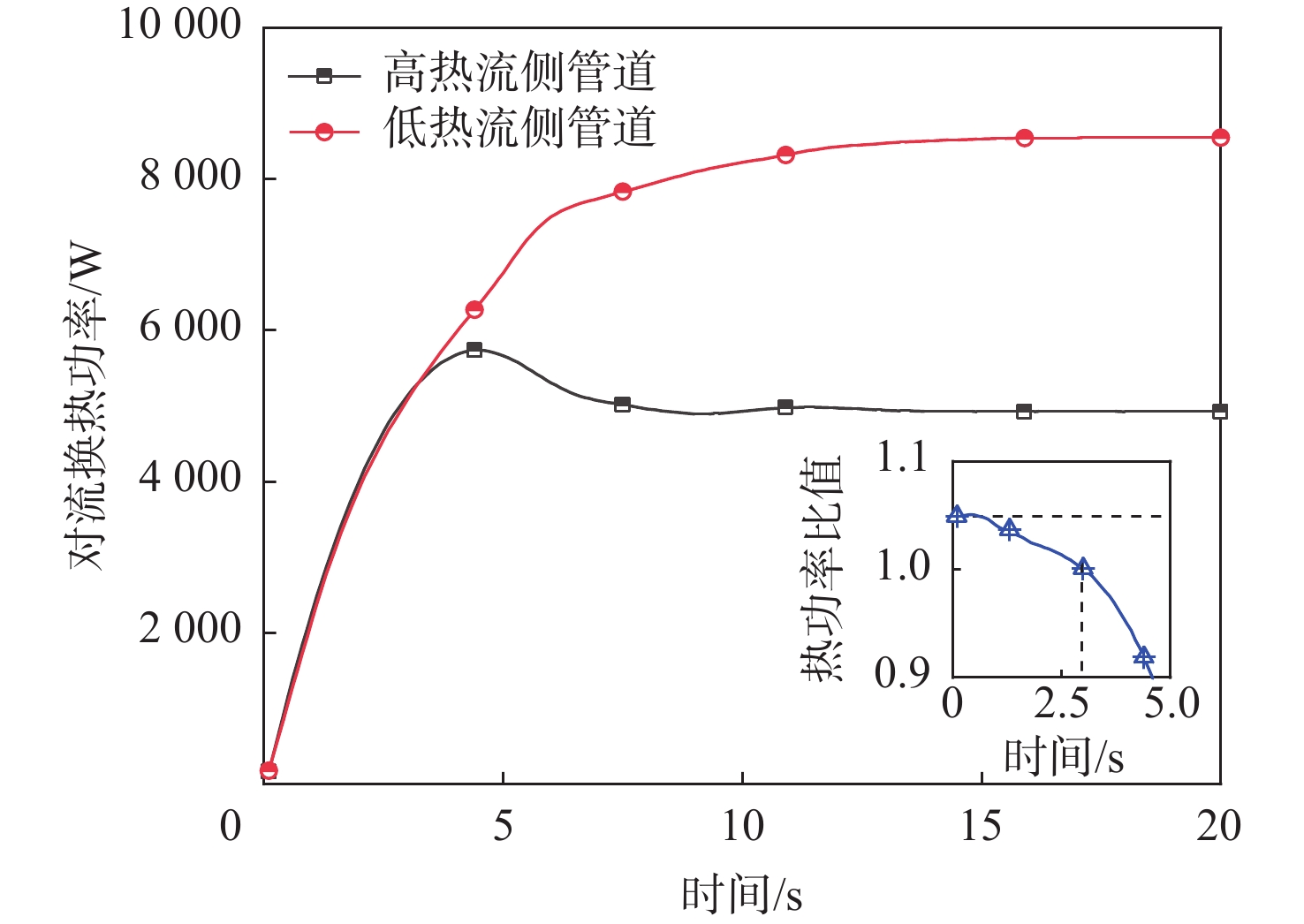
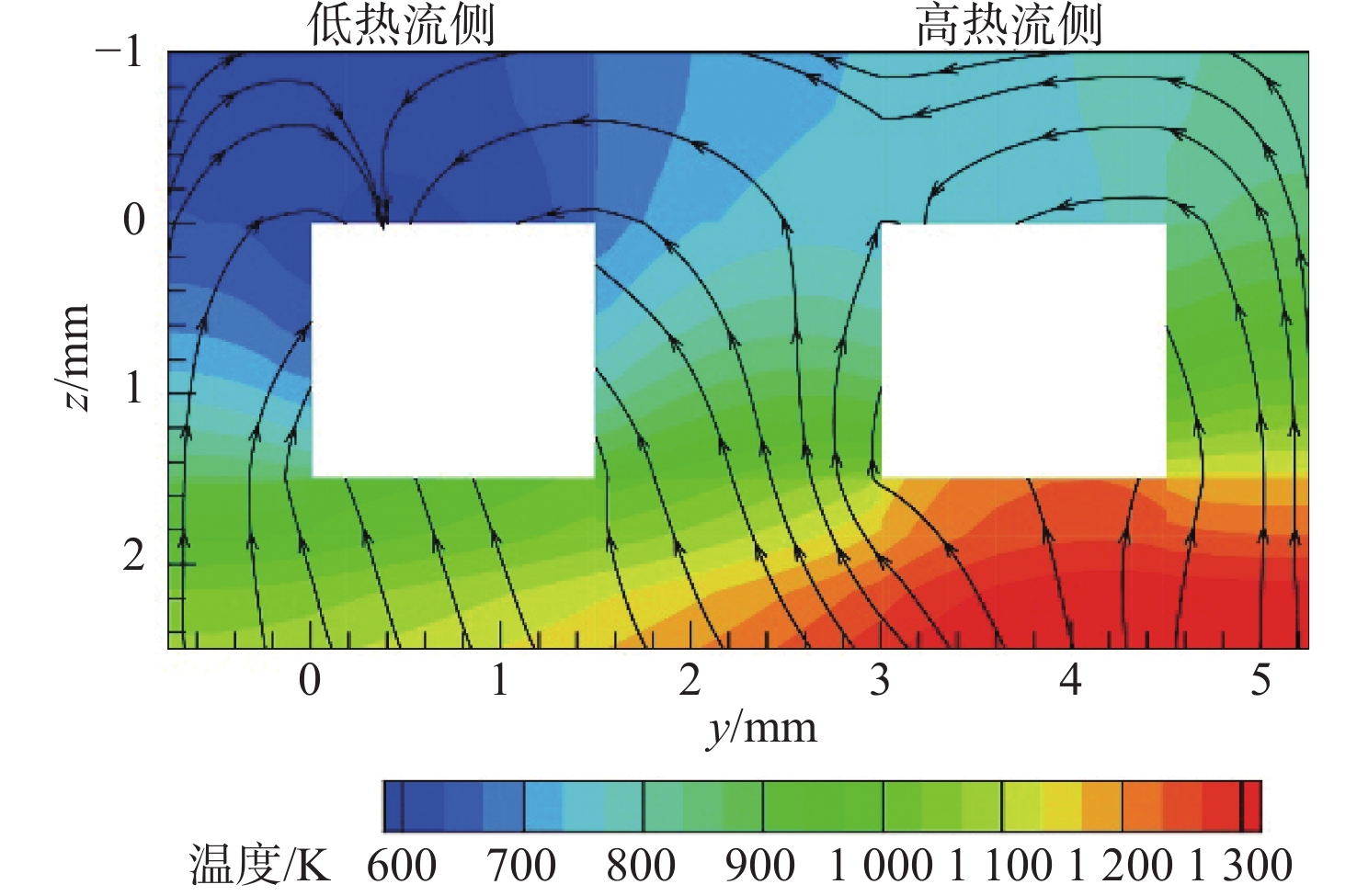
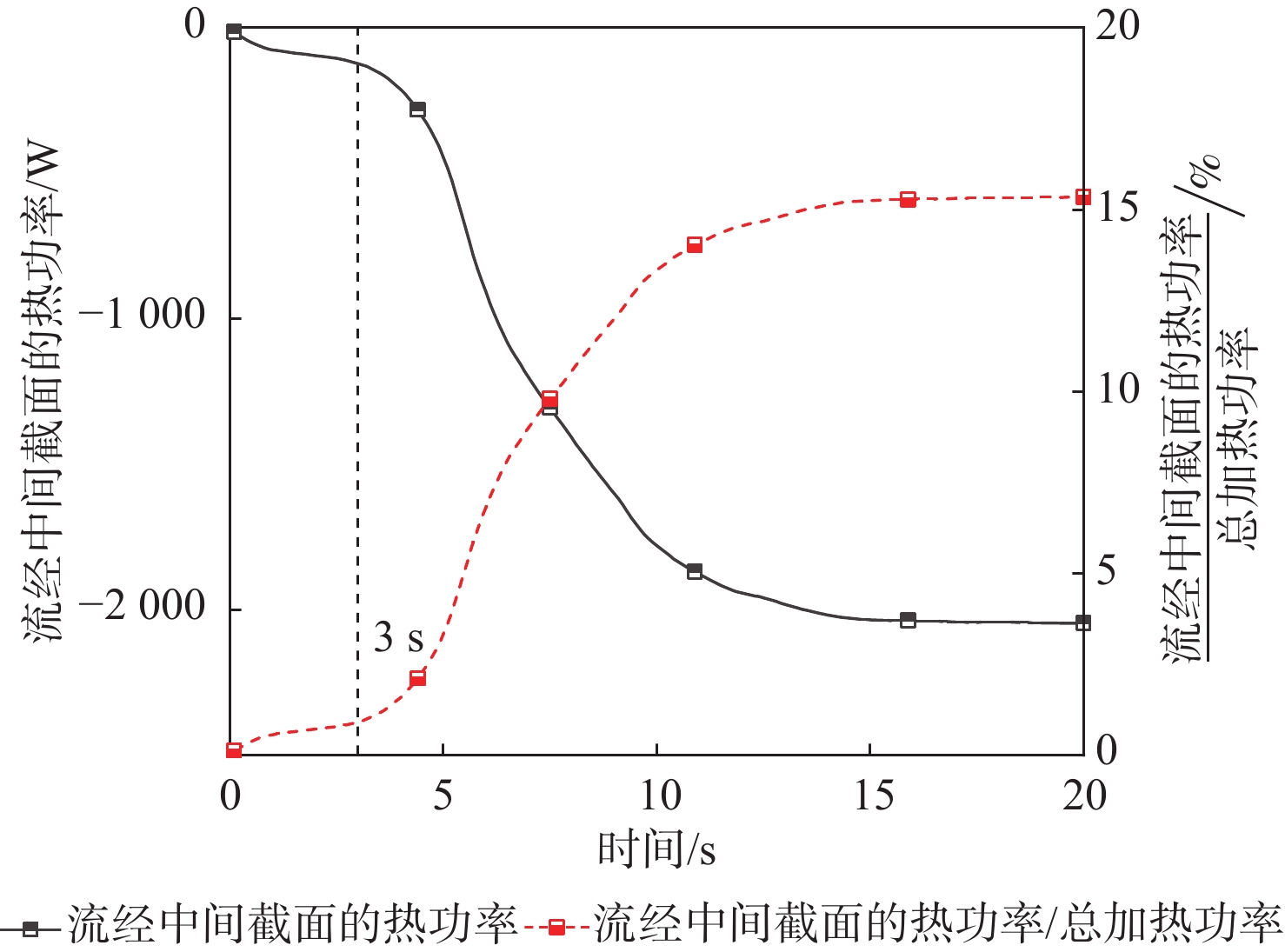
Mass flow distribution characteristics of supercritical fuel oil in parallel tubes under non-uniform heating conditions
DONG Hao, ZHAO Chaofan, ZHU Jianqin, CHENG Zeyuan
2026, 52(3): 826-836. doi: 10.13700/j.bh.1001-5965.2023.0771
Abstract:

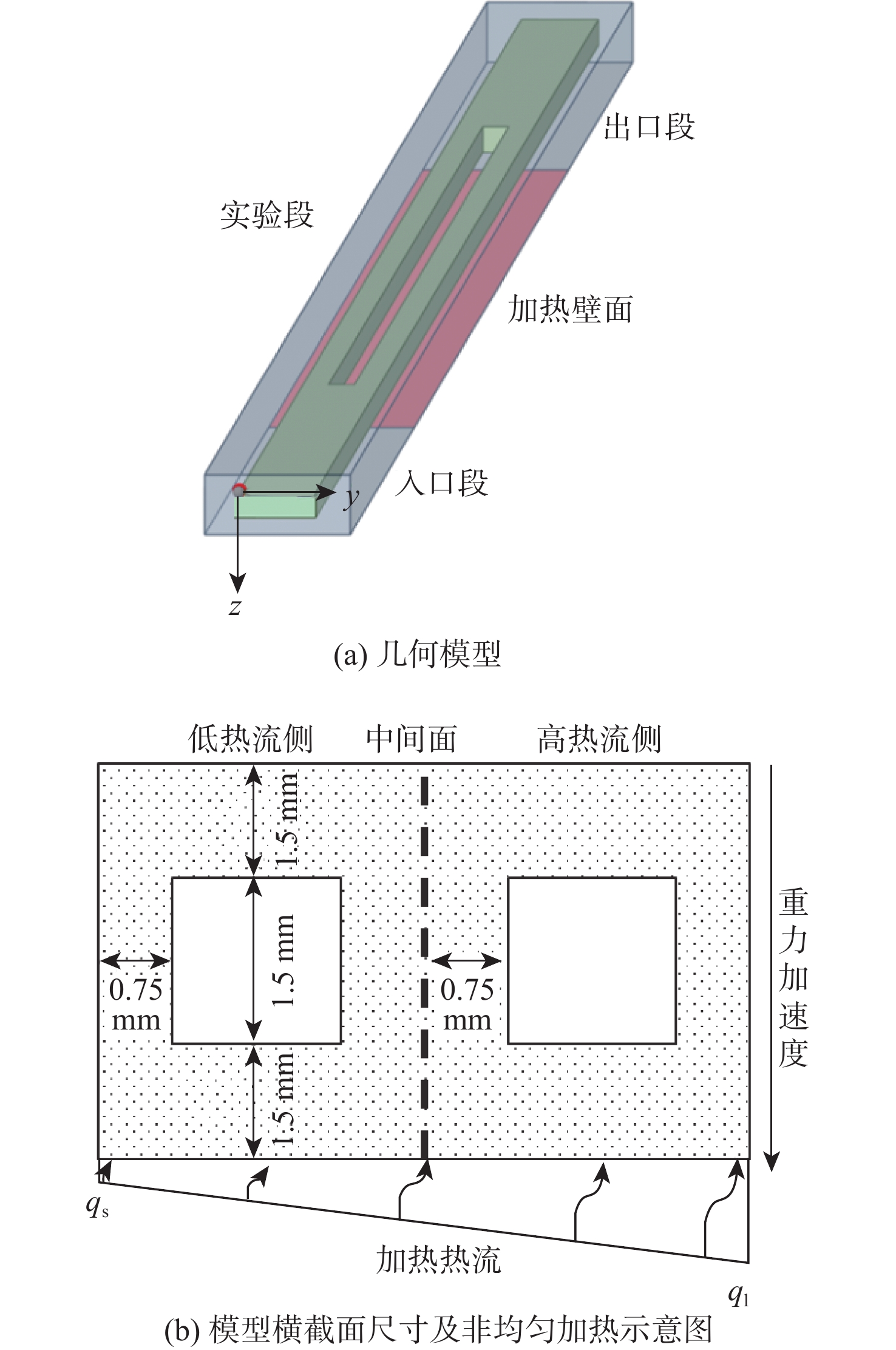
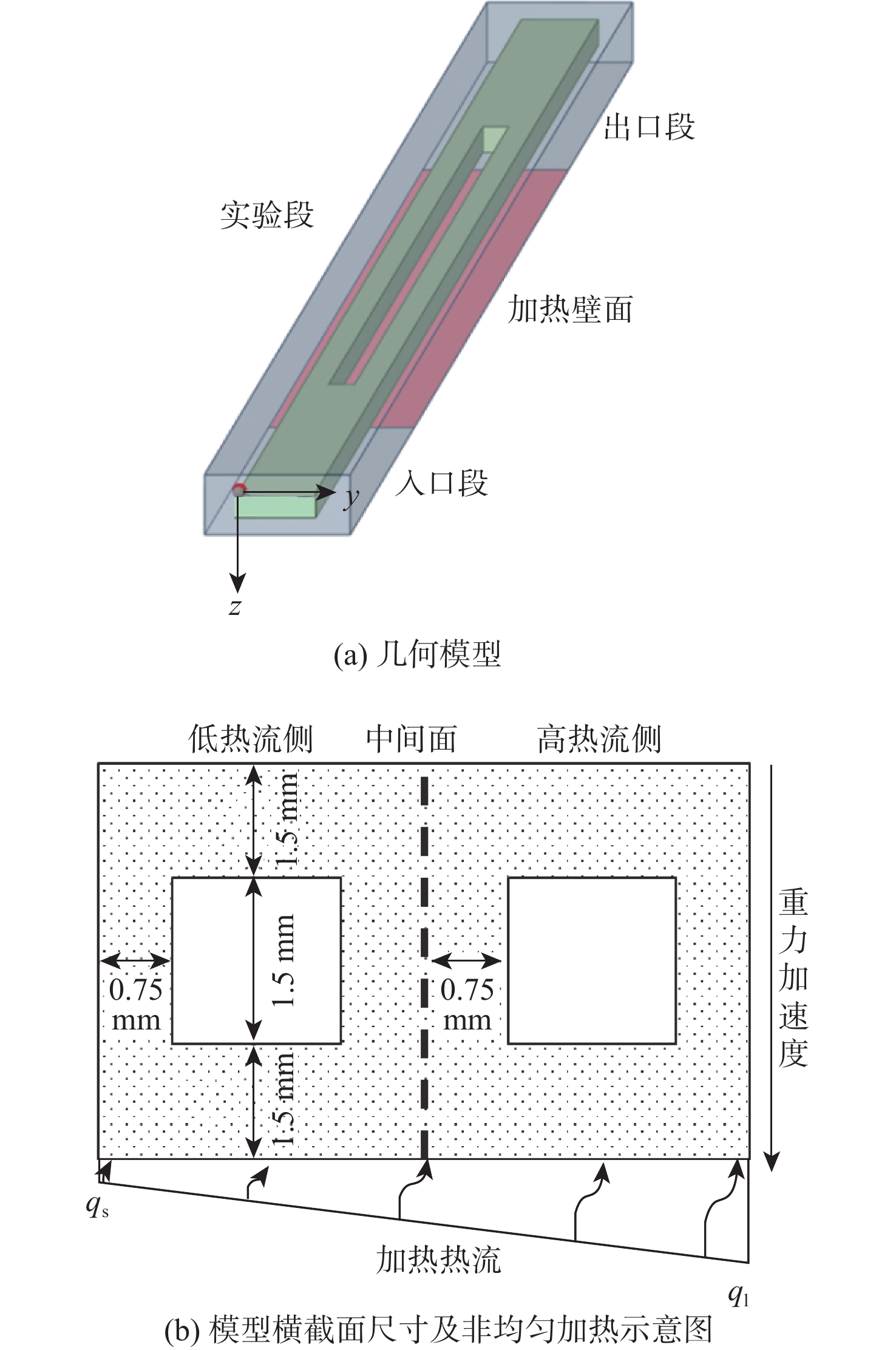
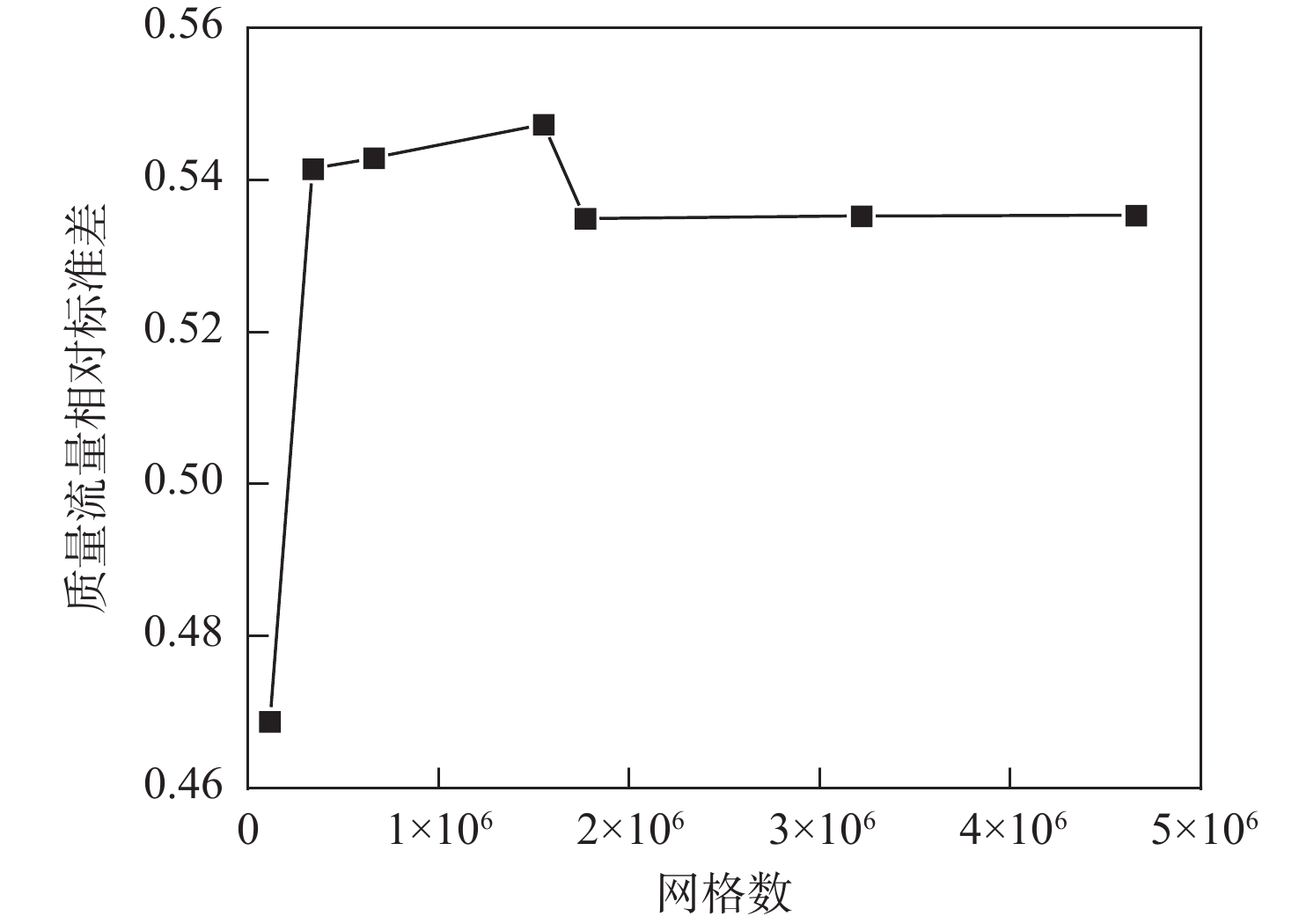
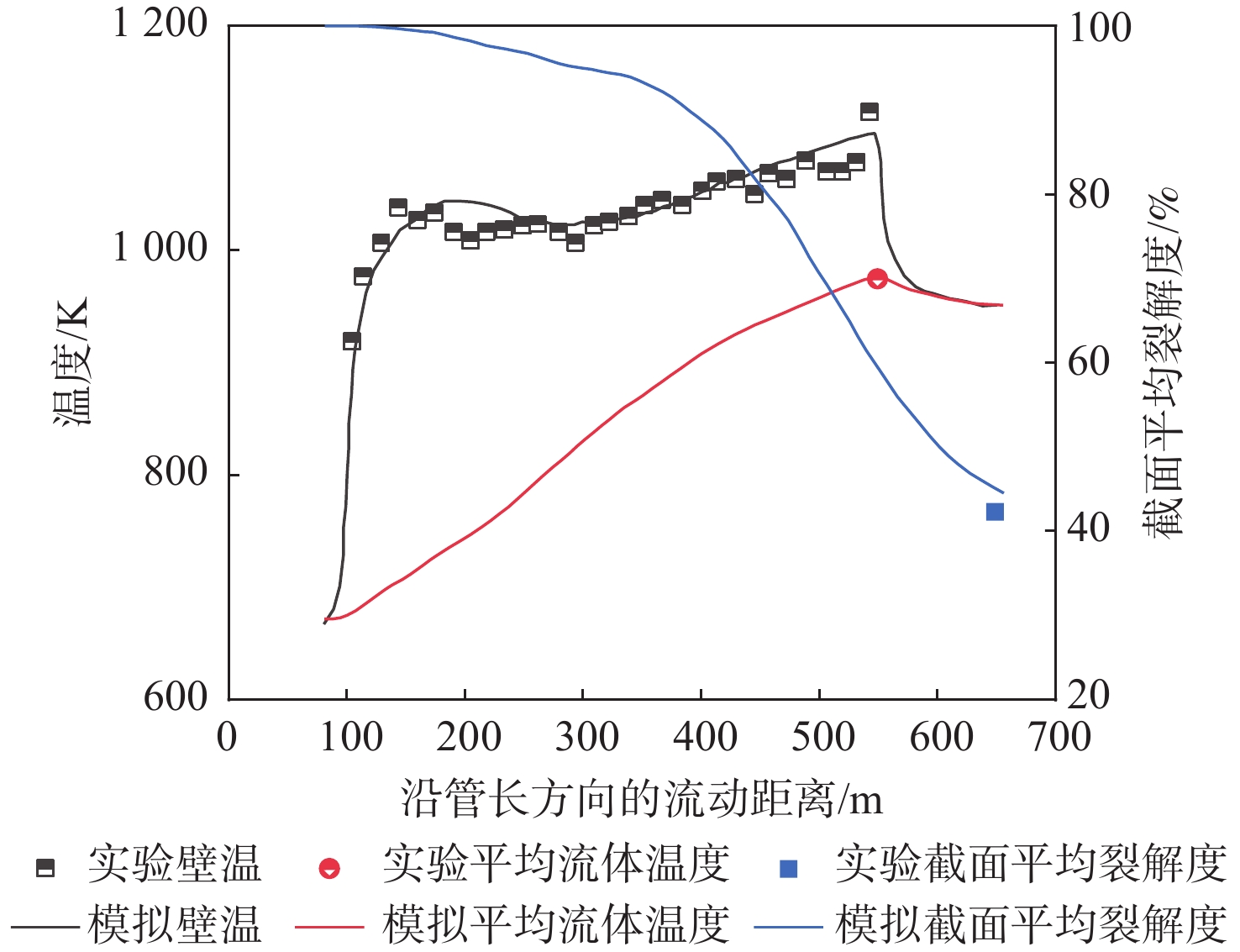
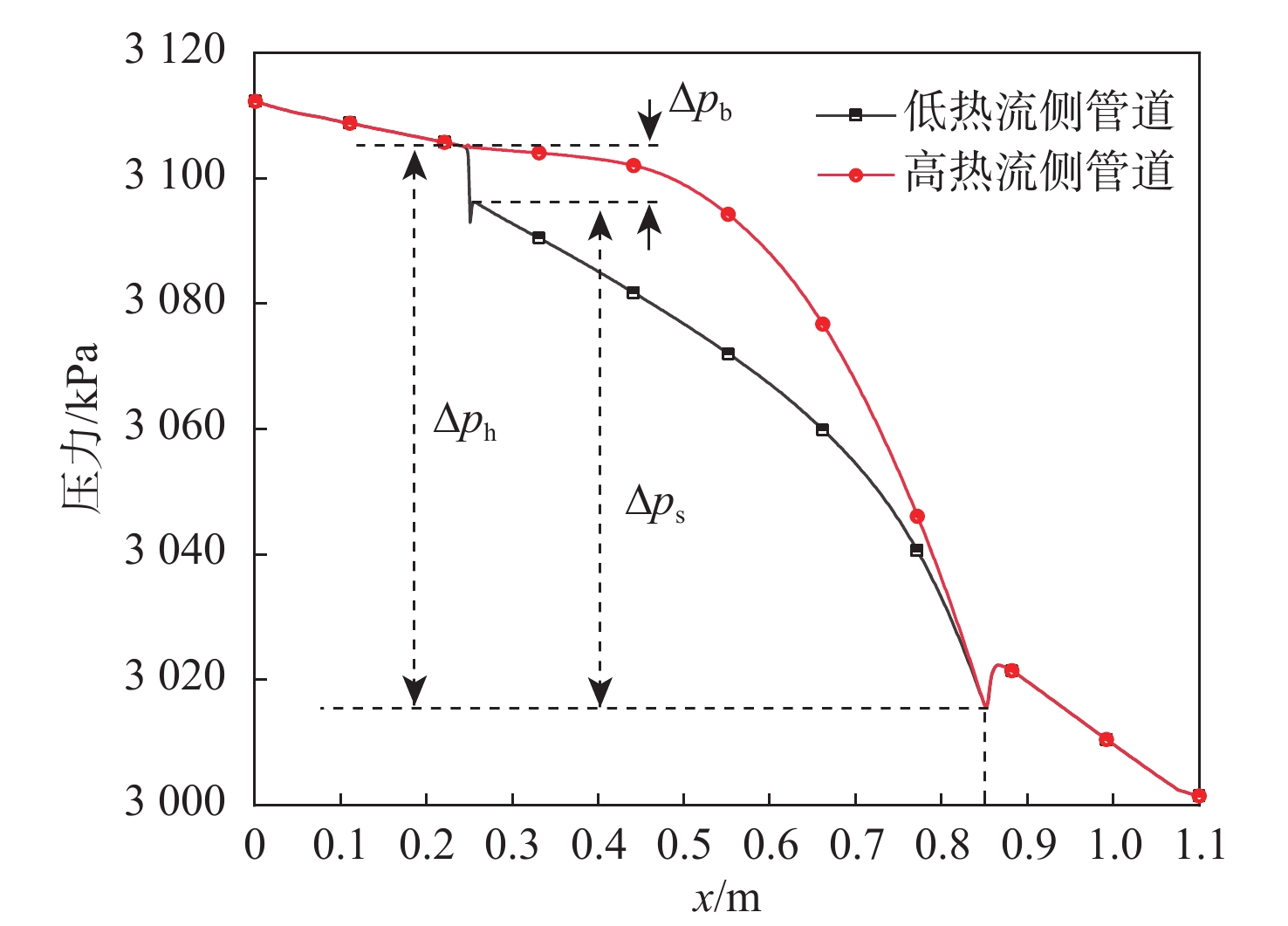
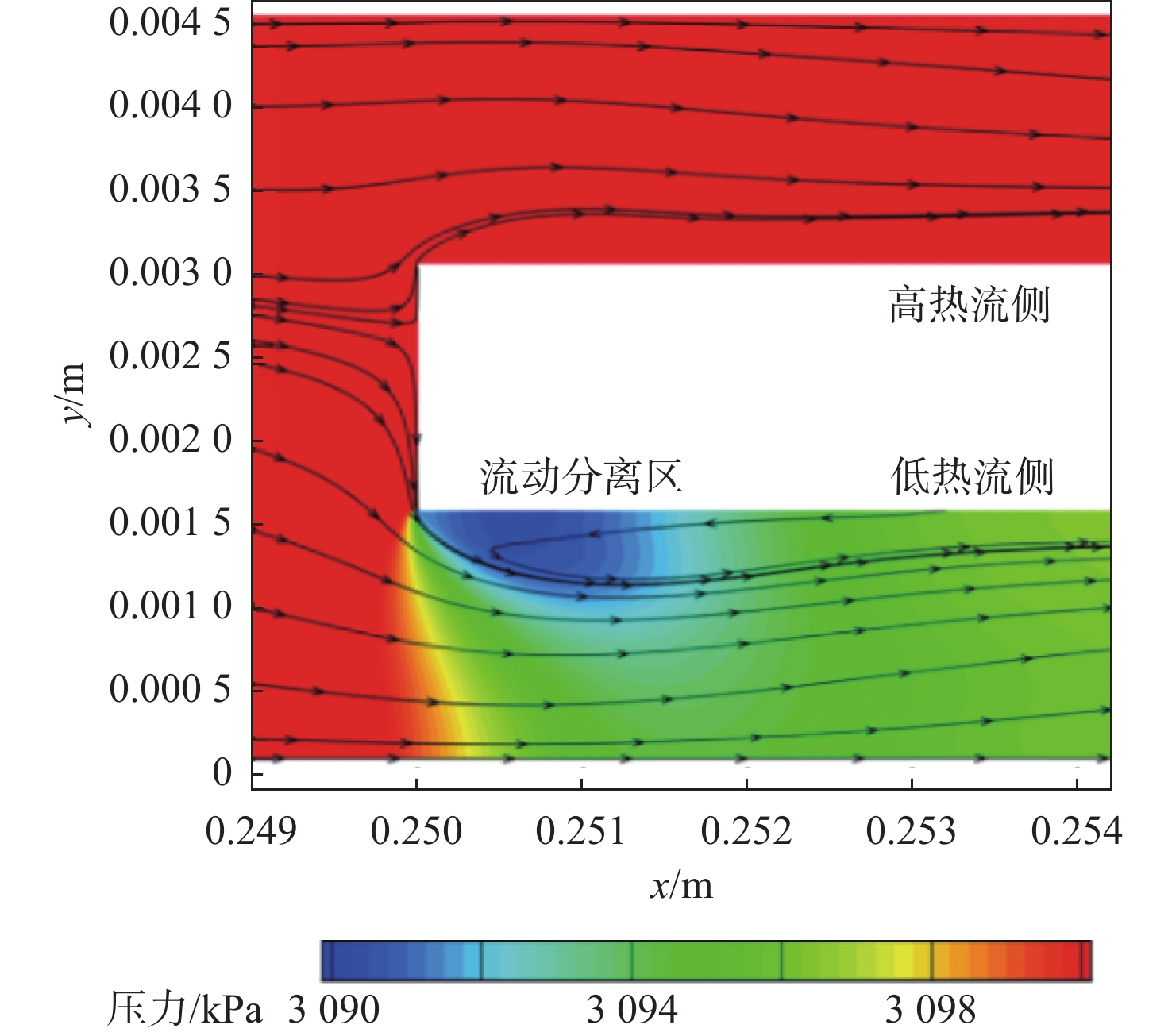
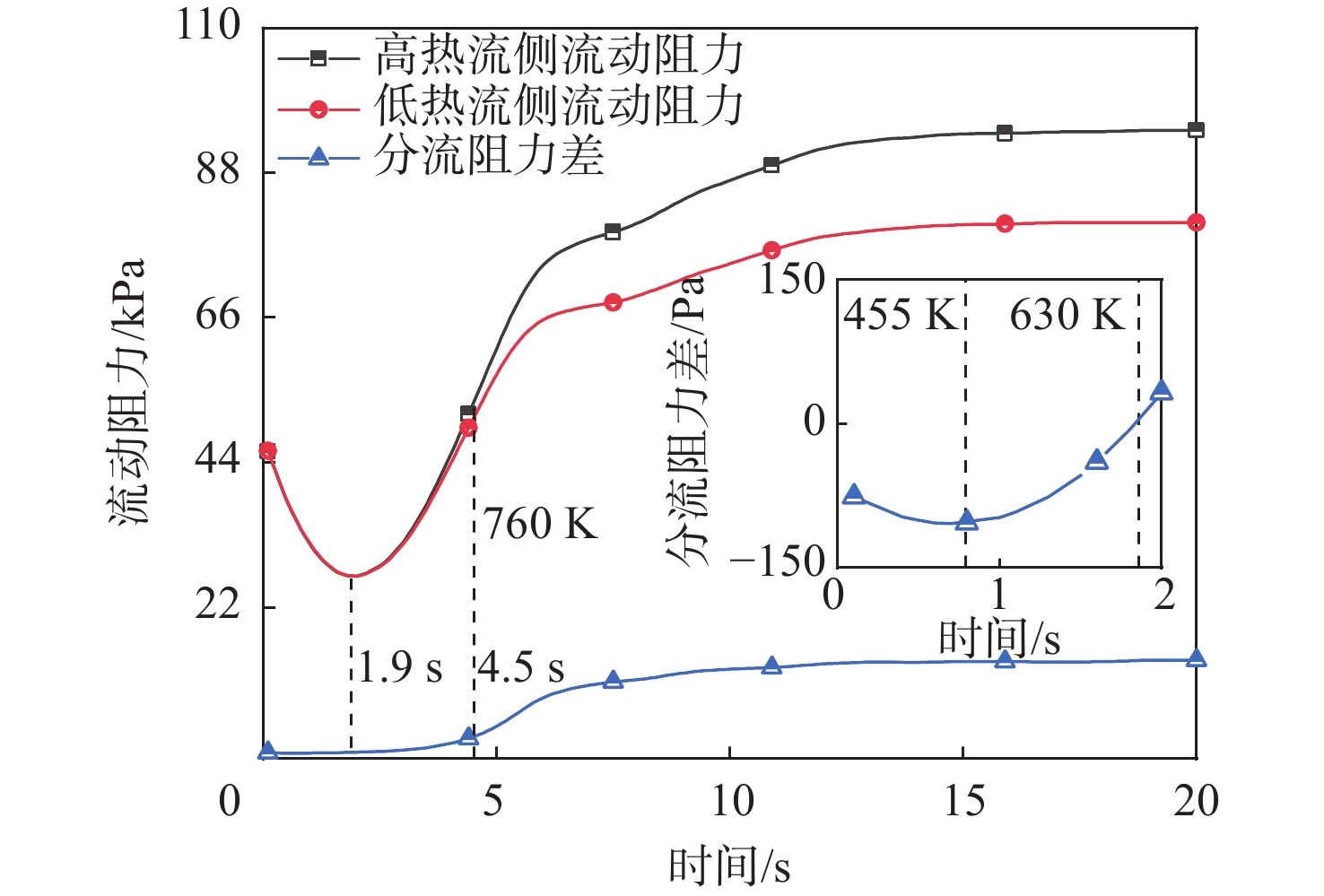
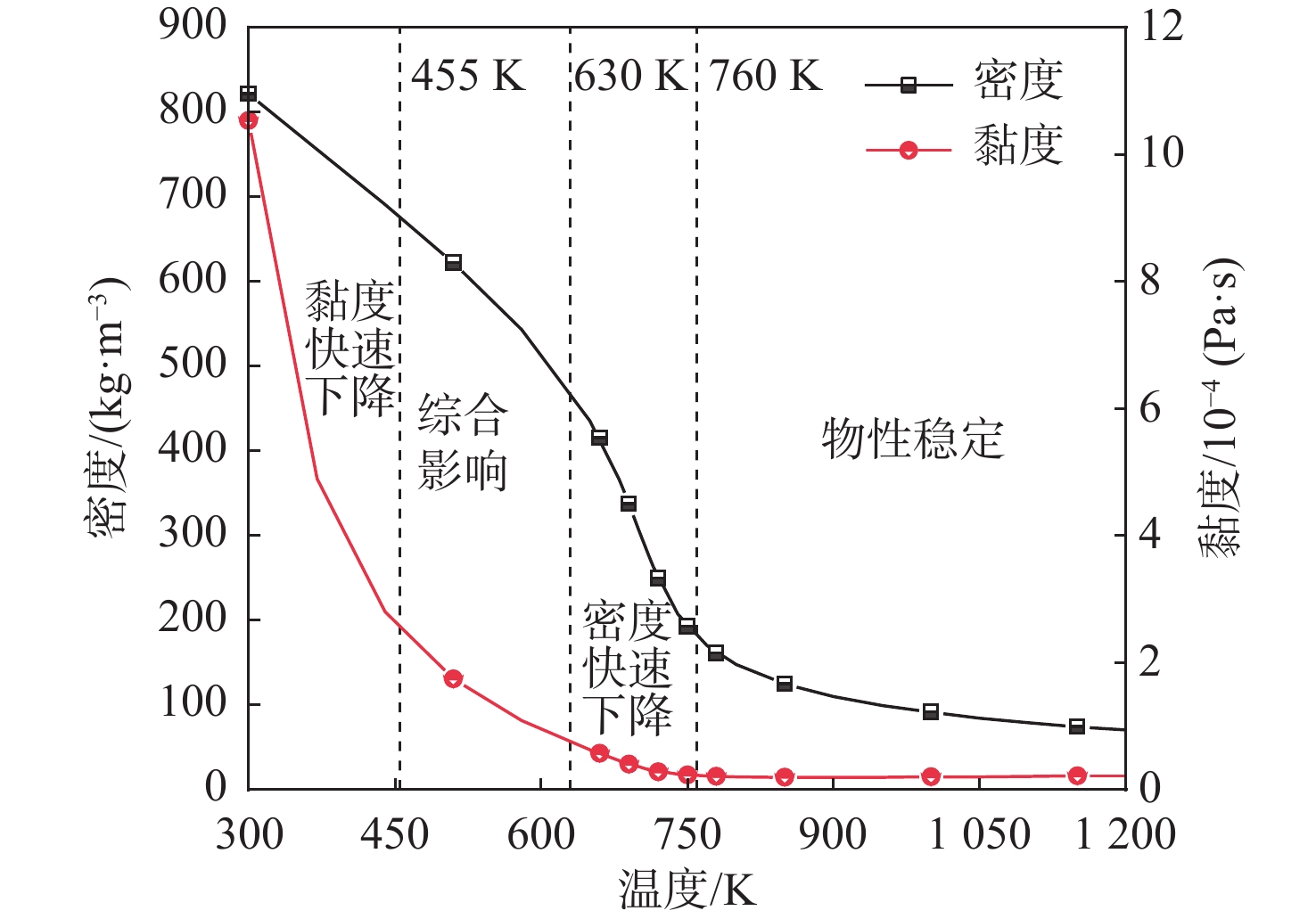
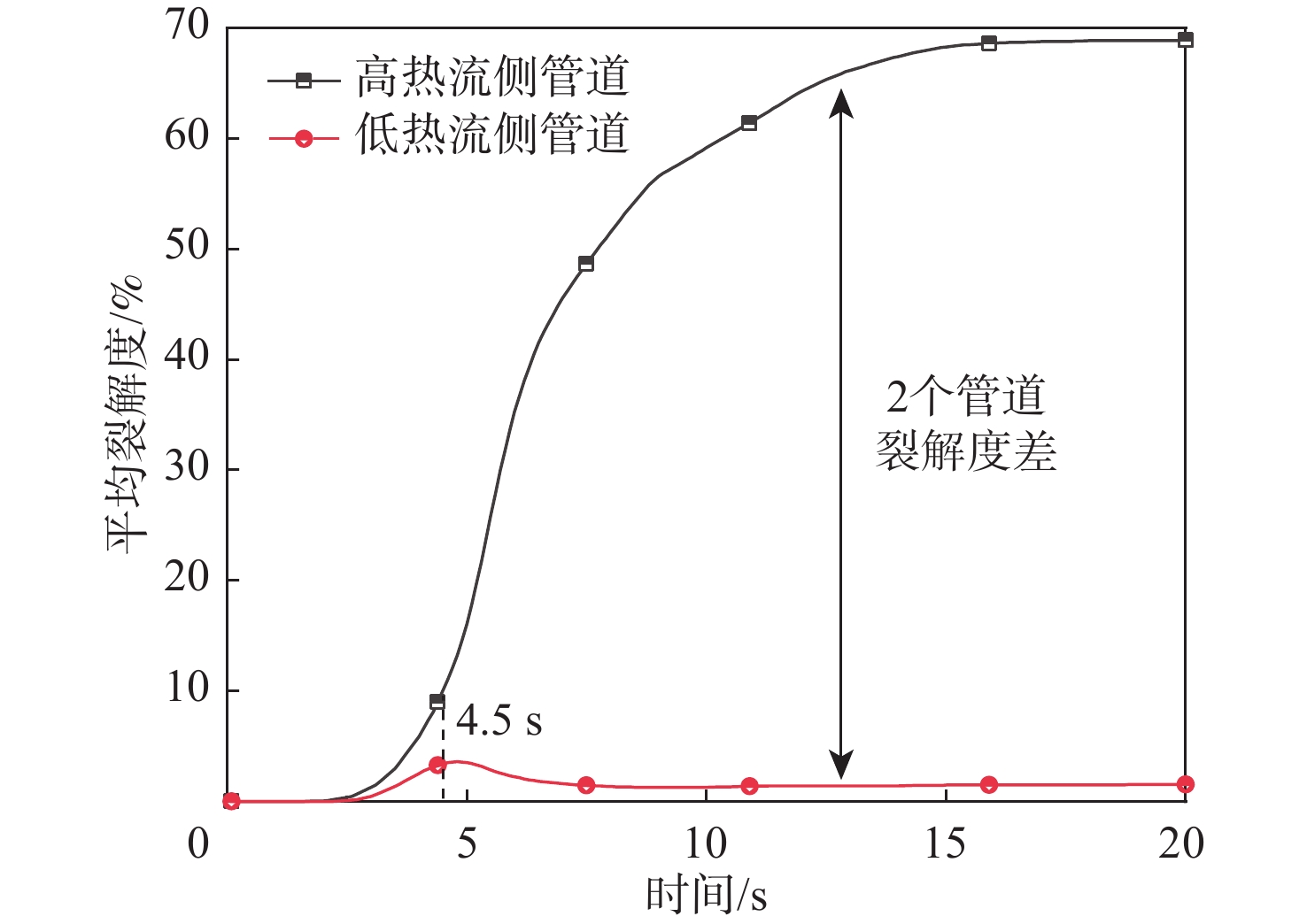
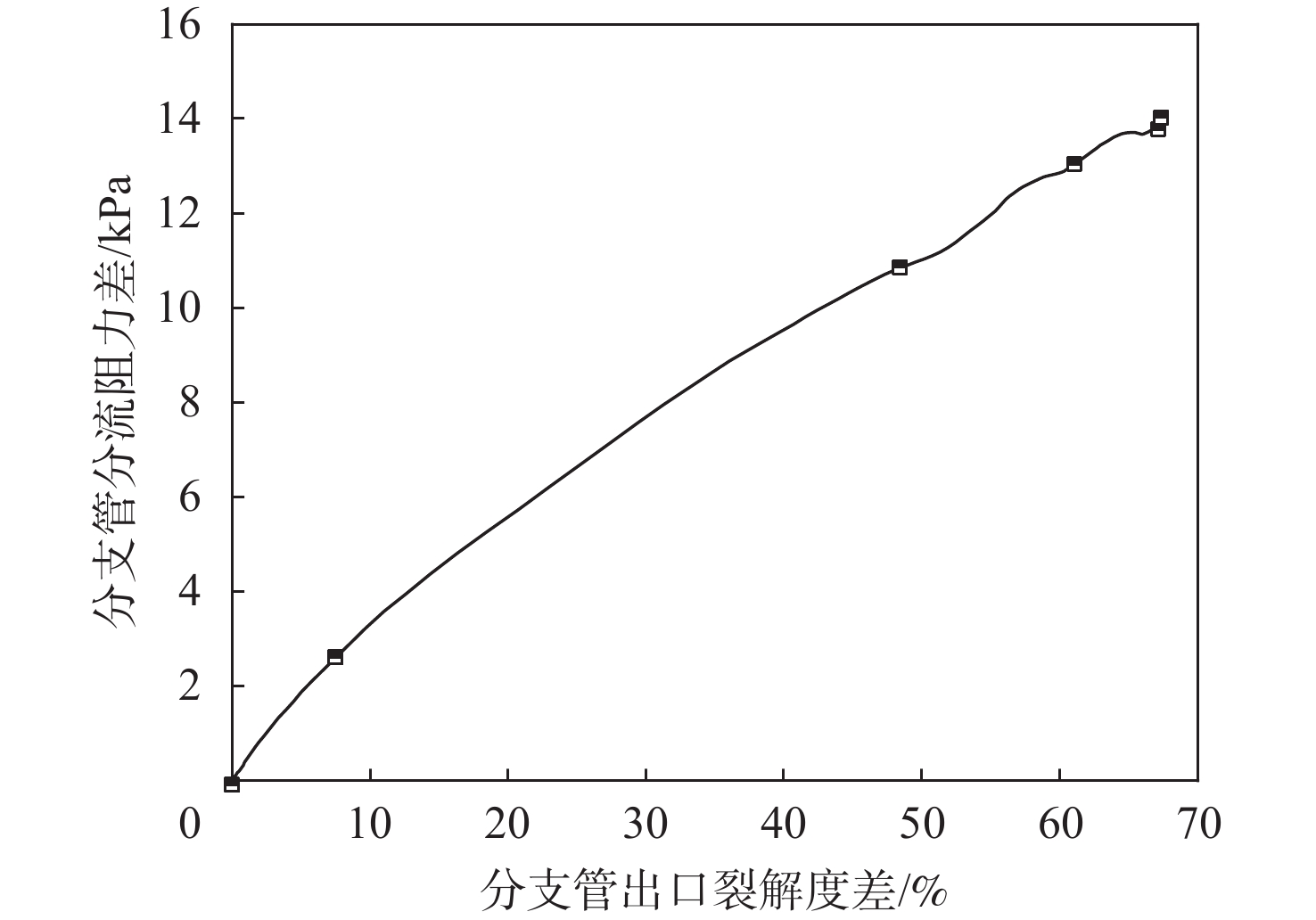
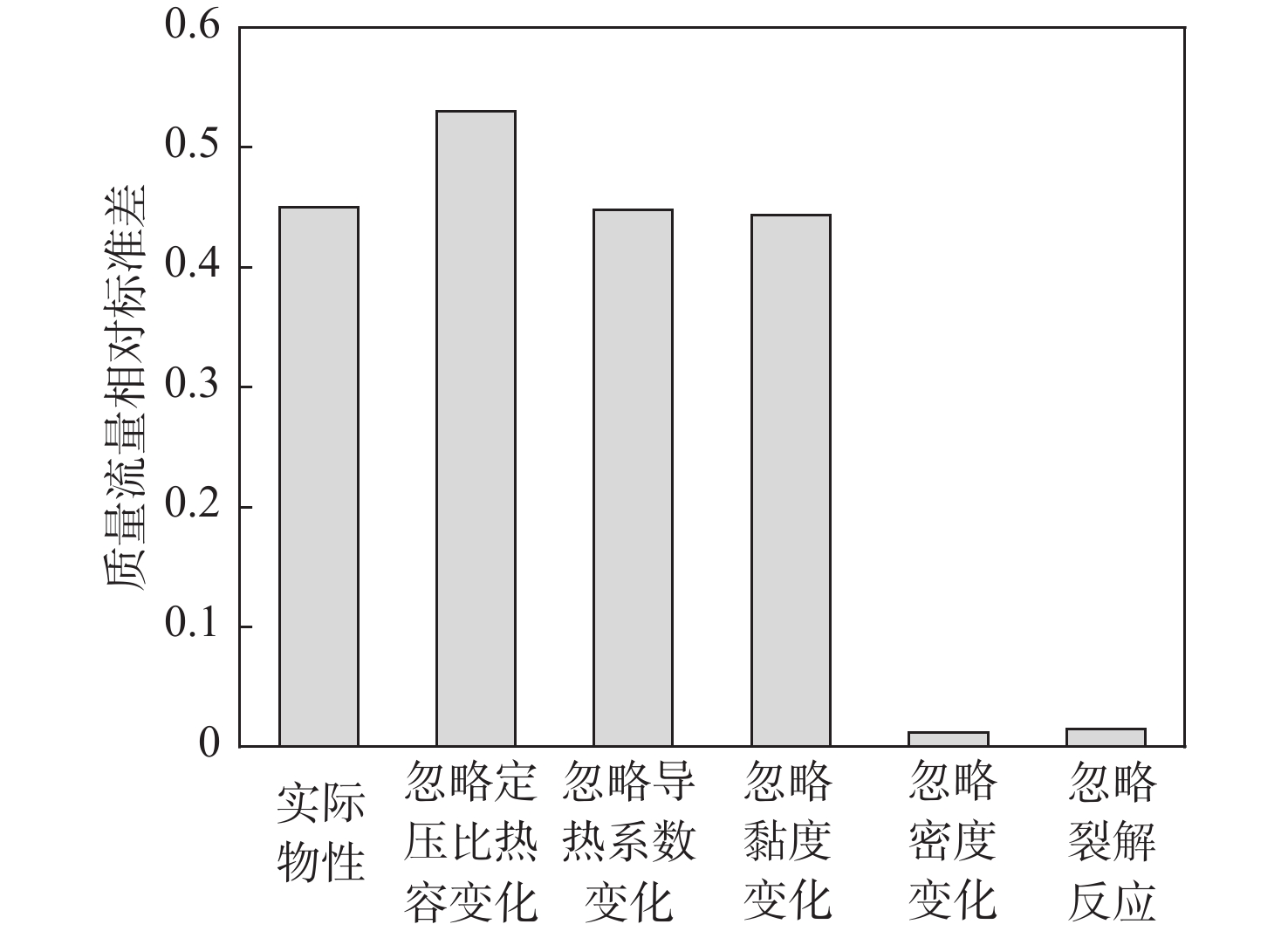
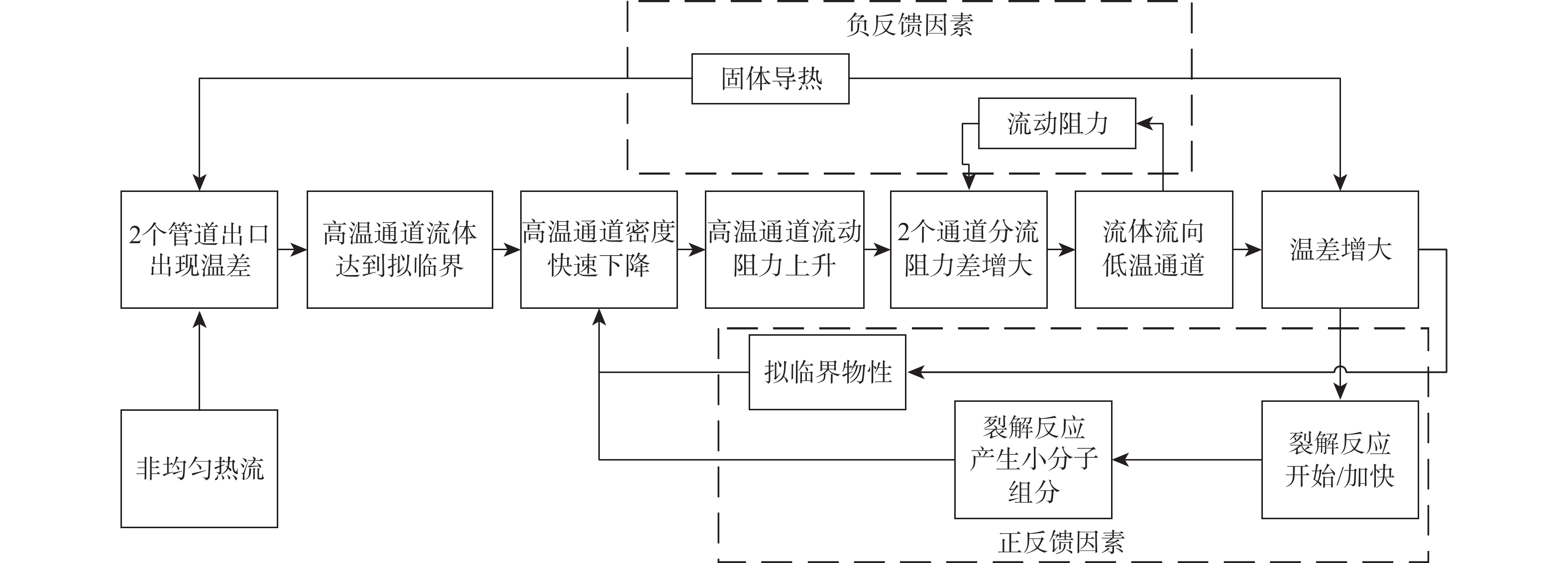
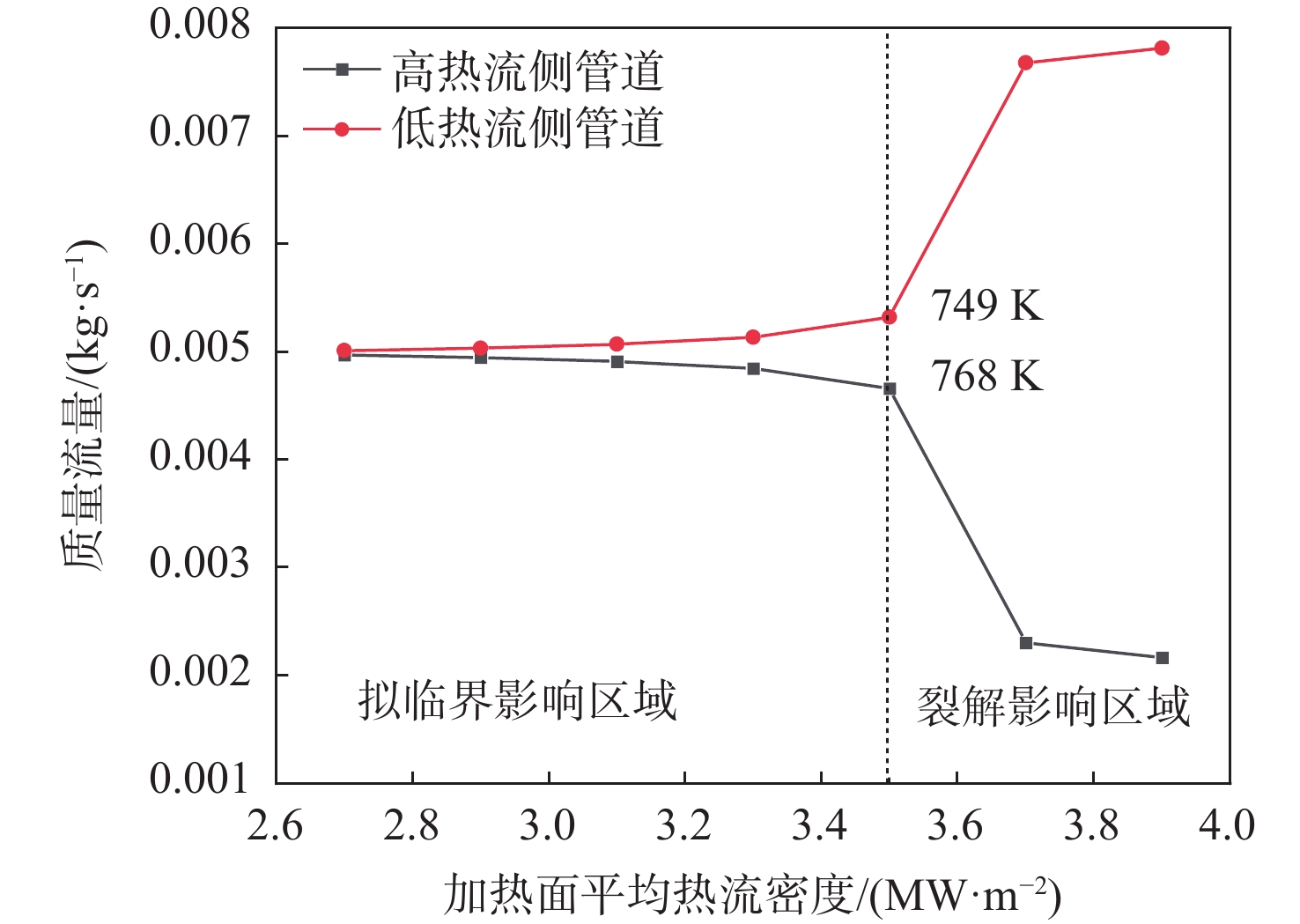
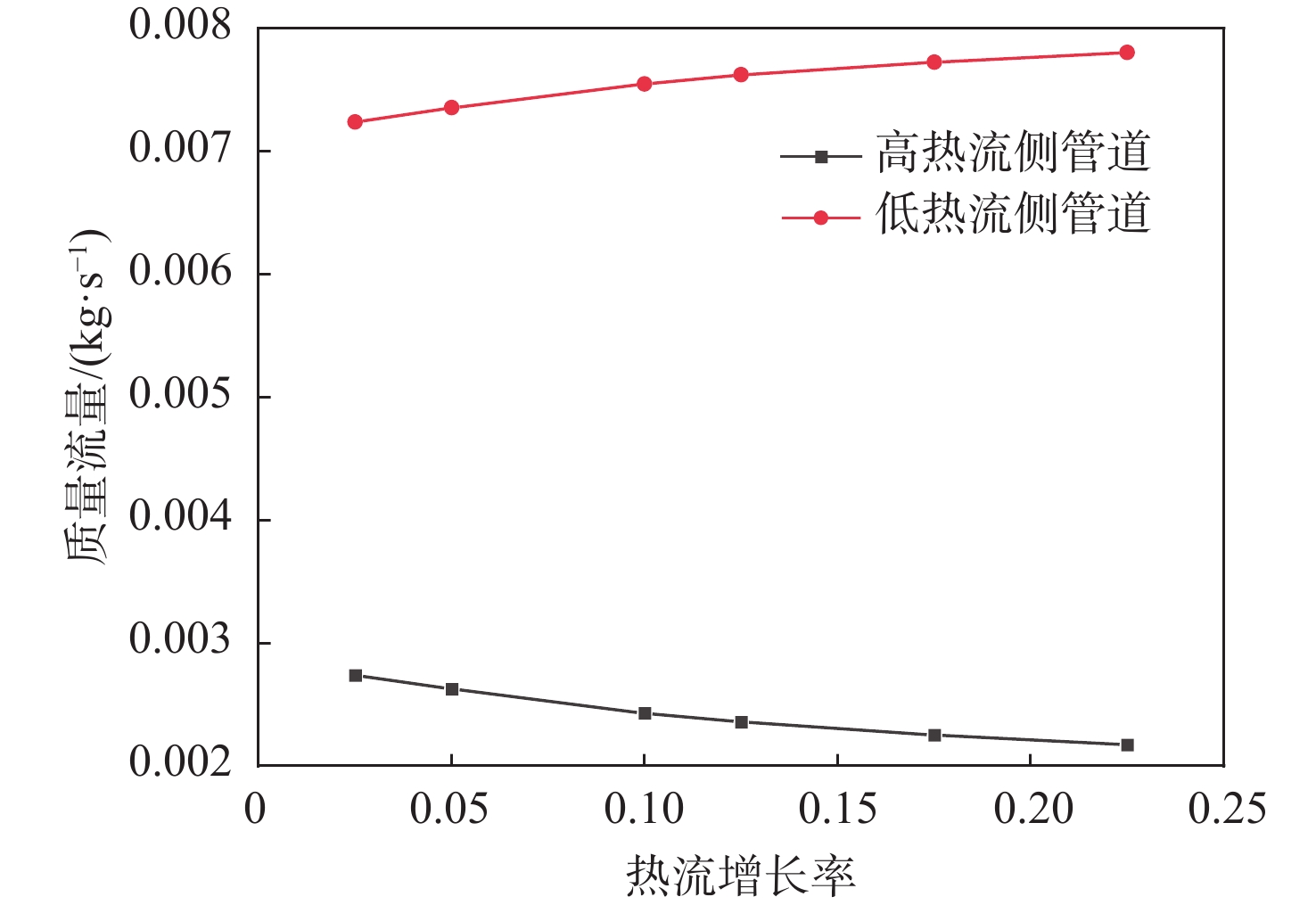
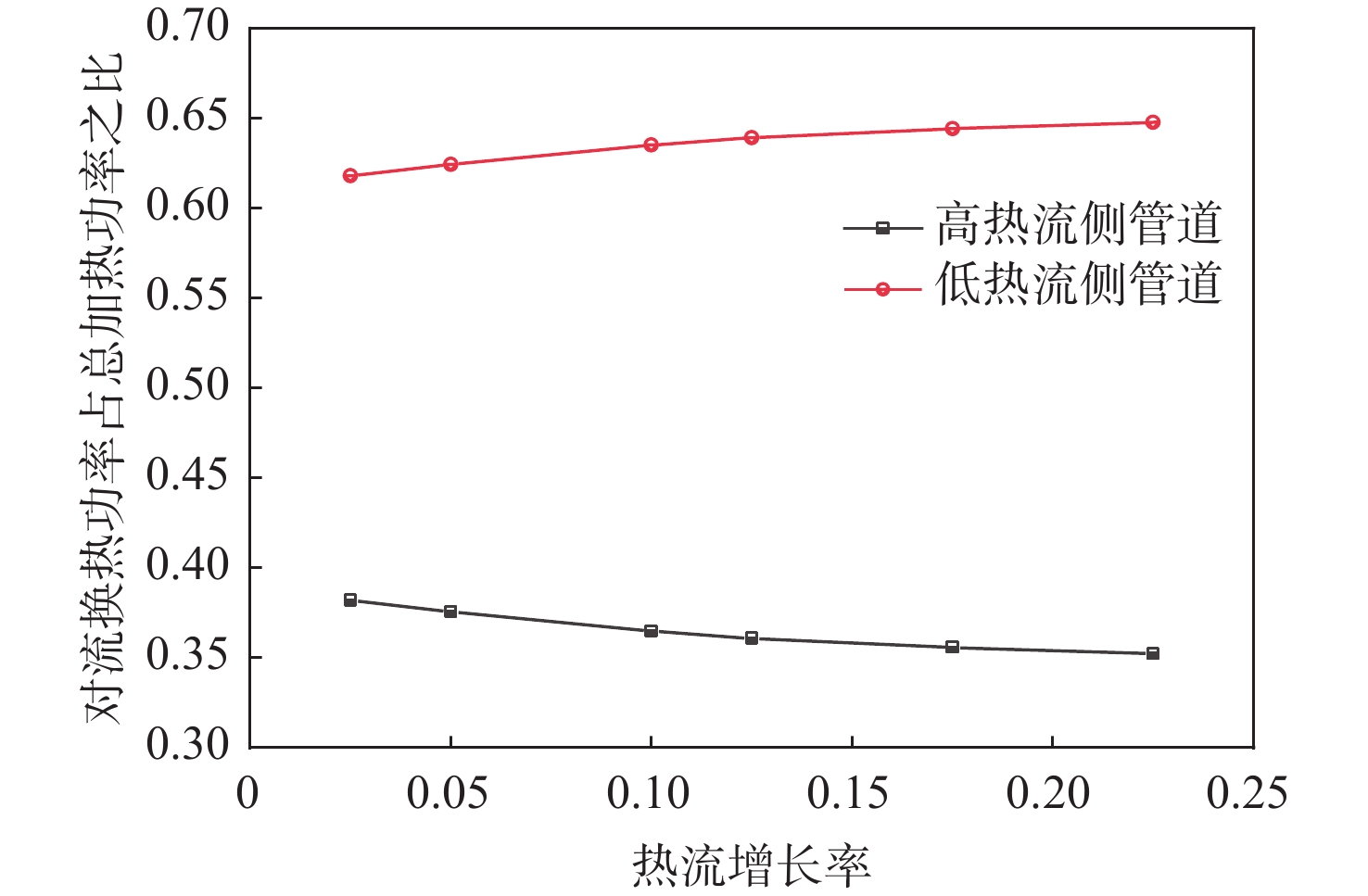
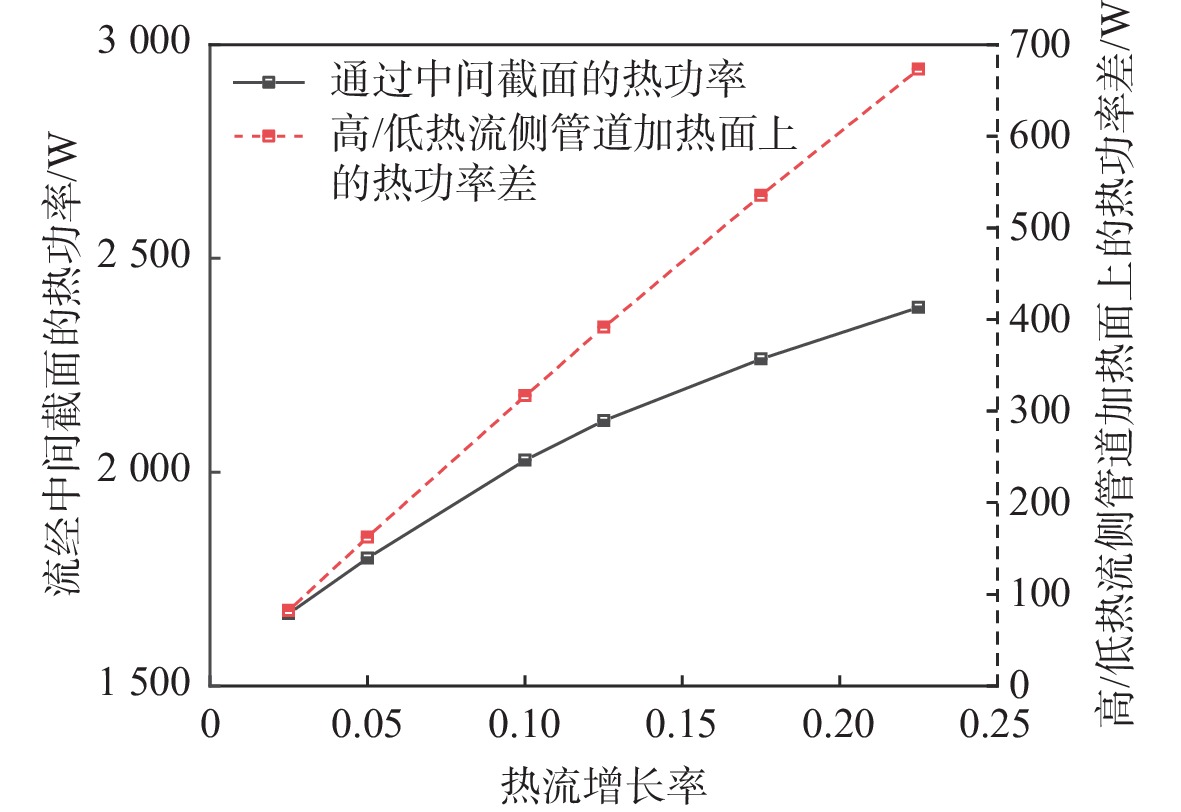
To study the flow distribution characteristics in parallel tubes under leaner non-uniform heating, a transient simulation of supercritical fuel oil RP-3 flowing through parallel tubes was conducted in this paper, and the influence factors and their mechanisms were studied. The influence of different uniform heating conditions on flow distribution characteristics was investigated by steady-state simulations with average heat flux in the range of 2.7−3.9 MW/m2 and heat flux growth rate in the range of 0.025−0.225. The results show that the influence factors include pseudo critical state, pyrolysis, heat conduction, and shunting resistance difference. The positive feedback of pseudo-critical state and pyrolysis would increase the difference in flow distribution between the two tubes. The flow distribution discrepancy will be lessened by the negative feedback of the shunting resistance differential and heat conduction. When the average heat flux remained constant at 3.7 MW/m2, the growth rate of the heat flux increased eight times, which resulted in an 11% rise in the relative standard deviation of mass flow. Non-uniform heating conditions mainly guide the flow distribution deviation and have a slight influence on the final flow distribution characteristics.

Fast and high precision signal processing method for frequency modulation fuze based on 2D-FFT and 2D-CFAR
ZHANG Anqi, CAO Ronggang, ZHOU Yu, LI Jiawu, CAO Yuxi, YU Yongbin
2026, 52(3): 837-845. doi: 10.13700/j.bh.1001-5965.2023.0827
Abstract:

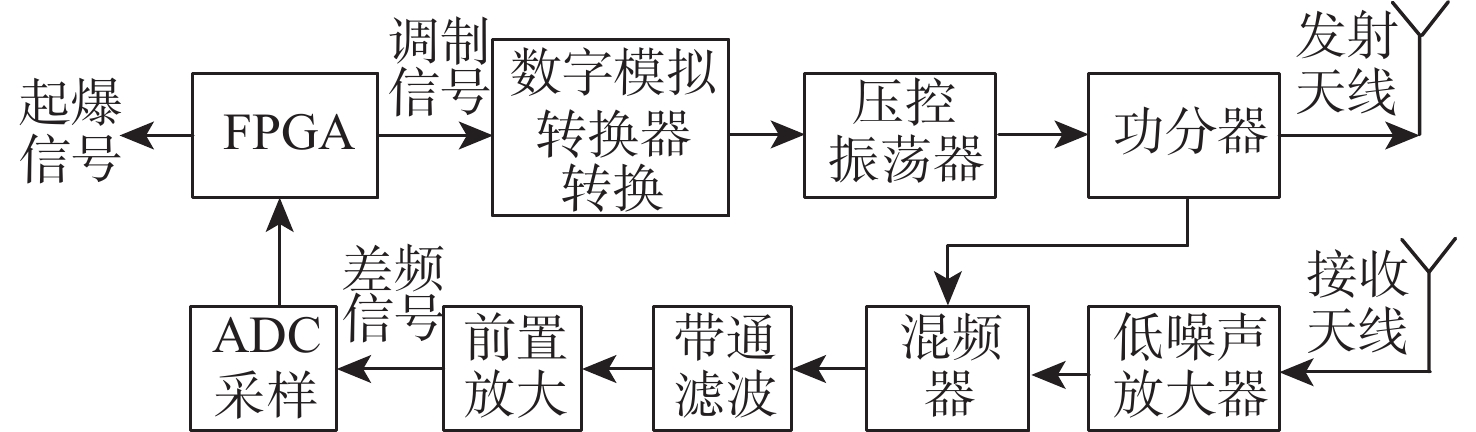
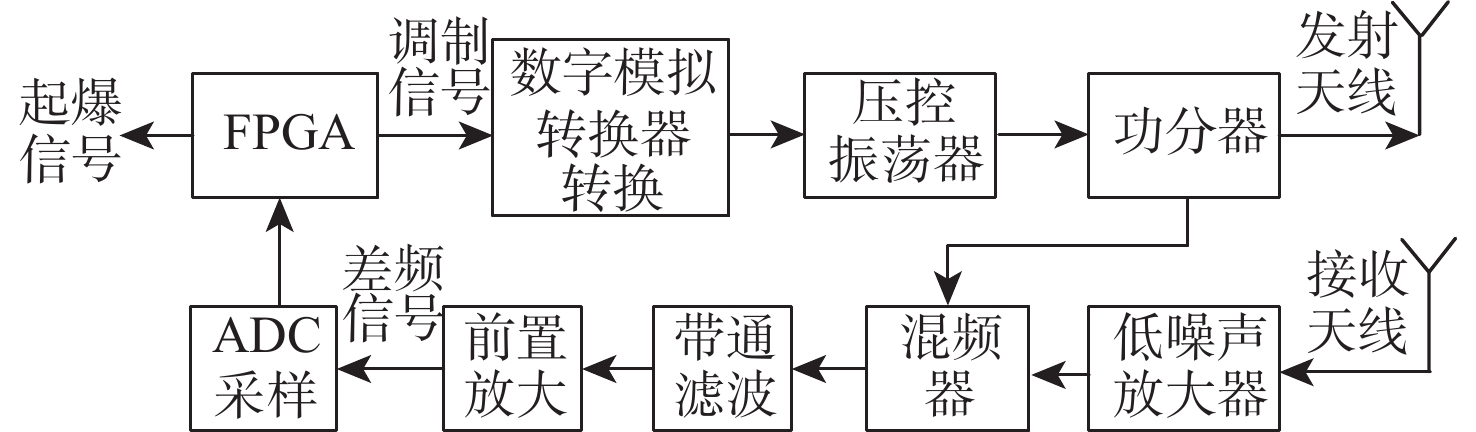
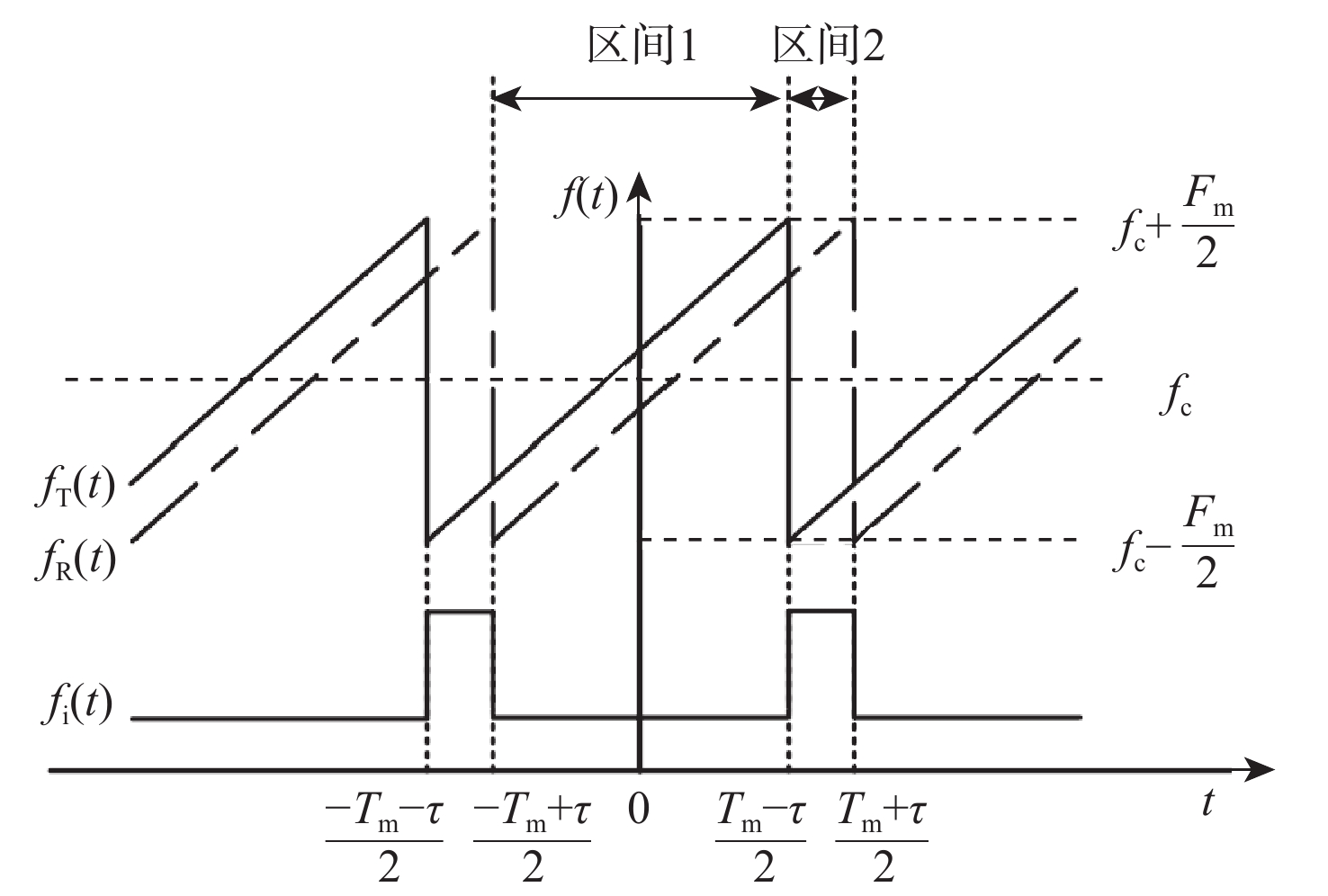
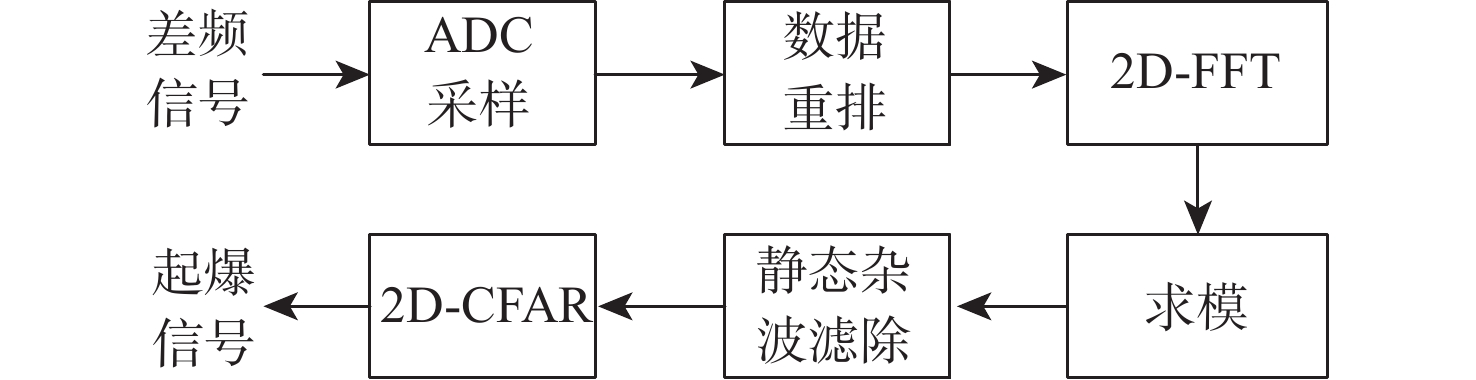
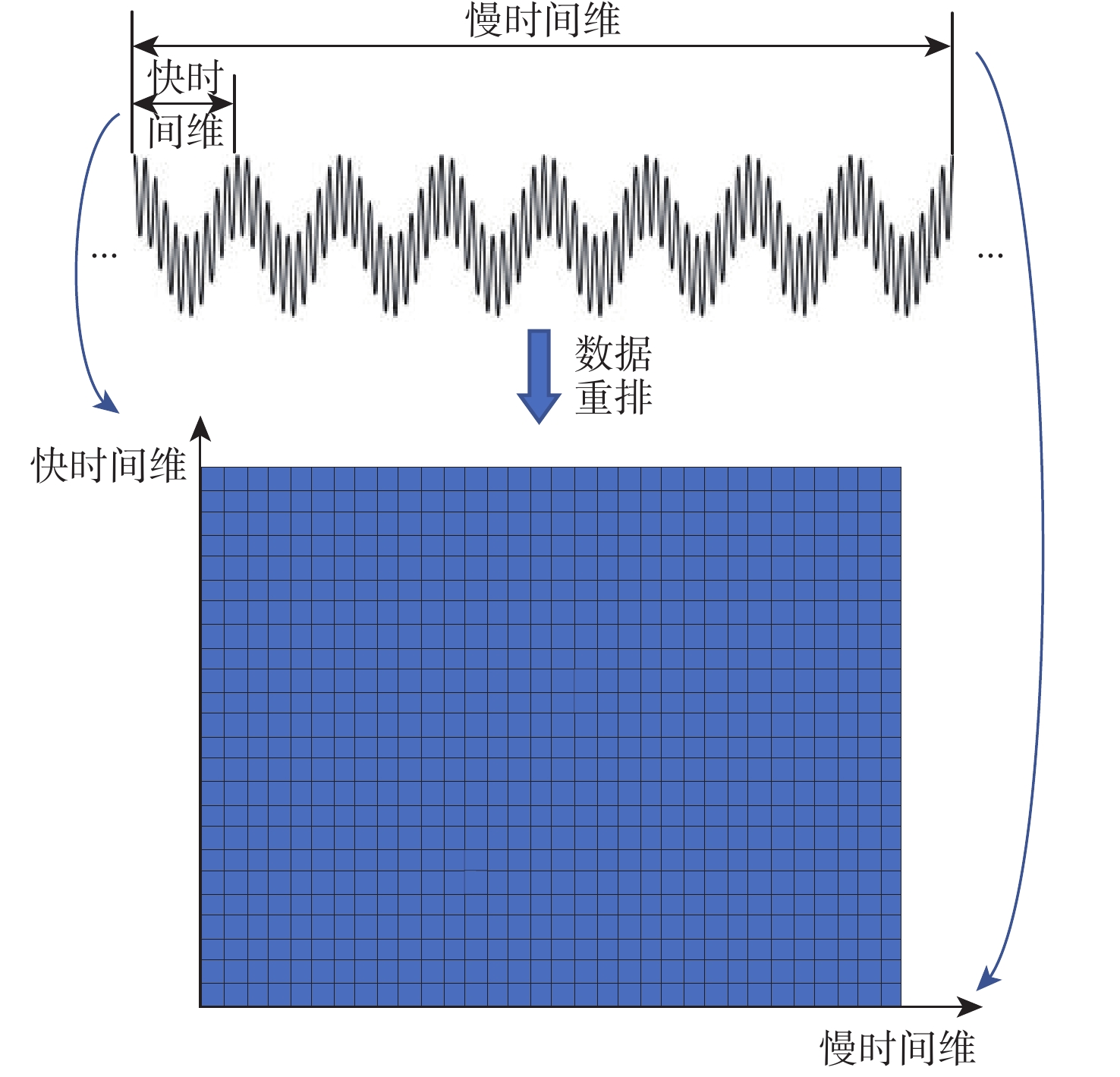
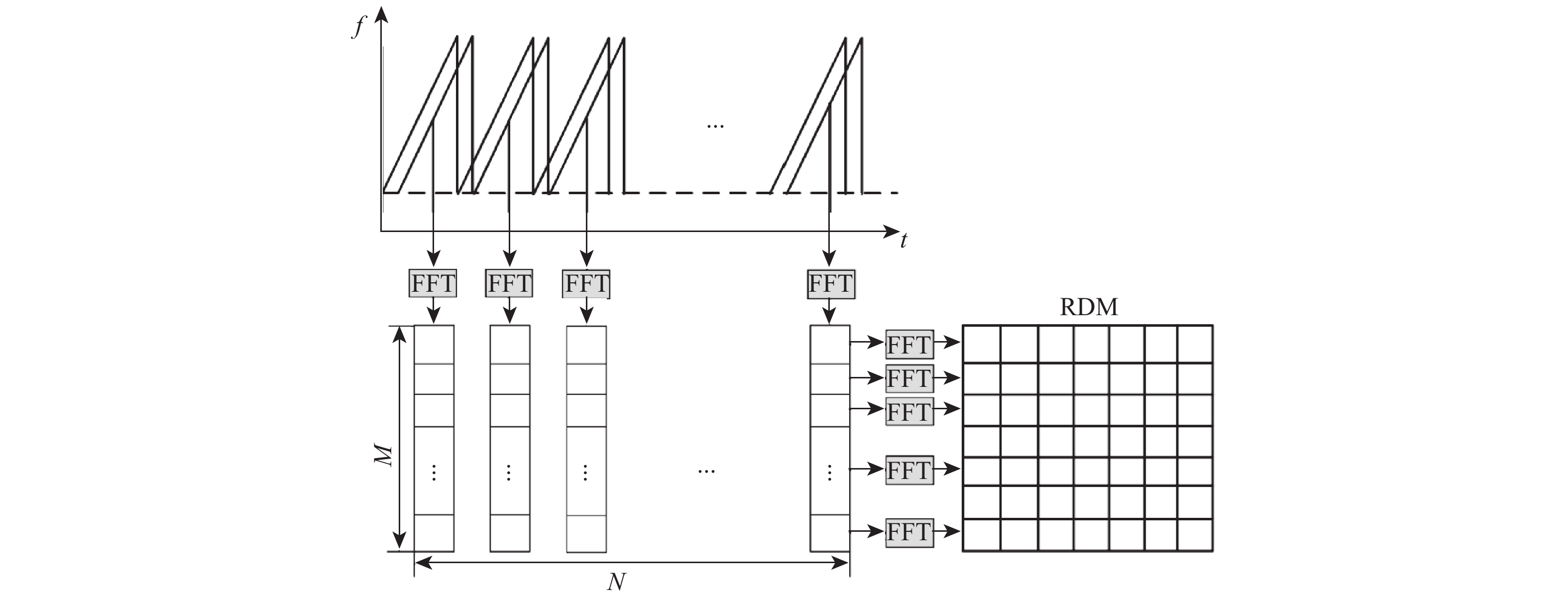
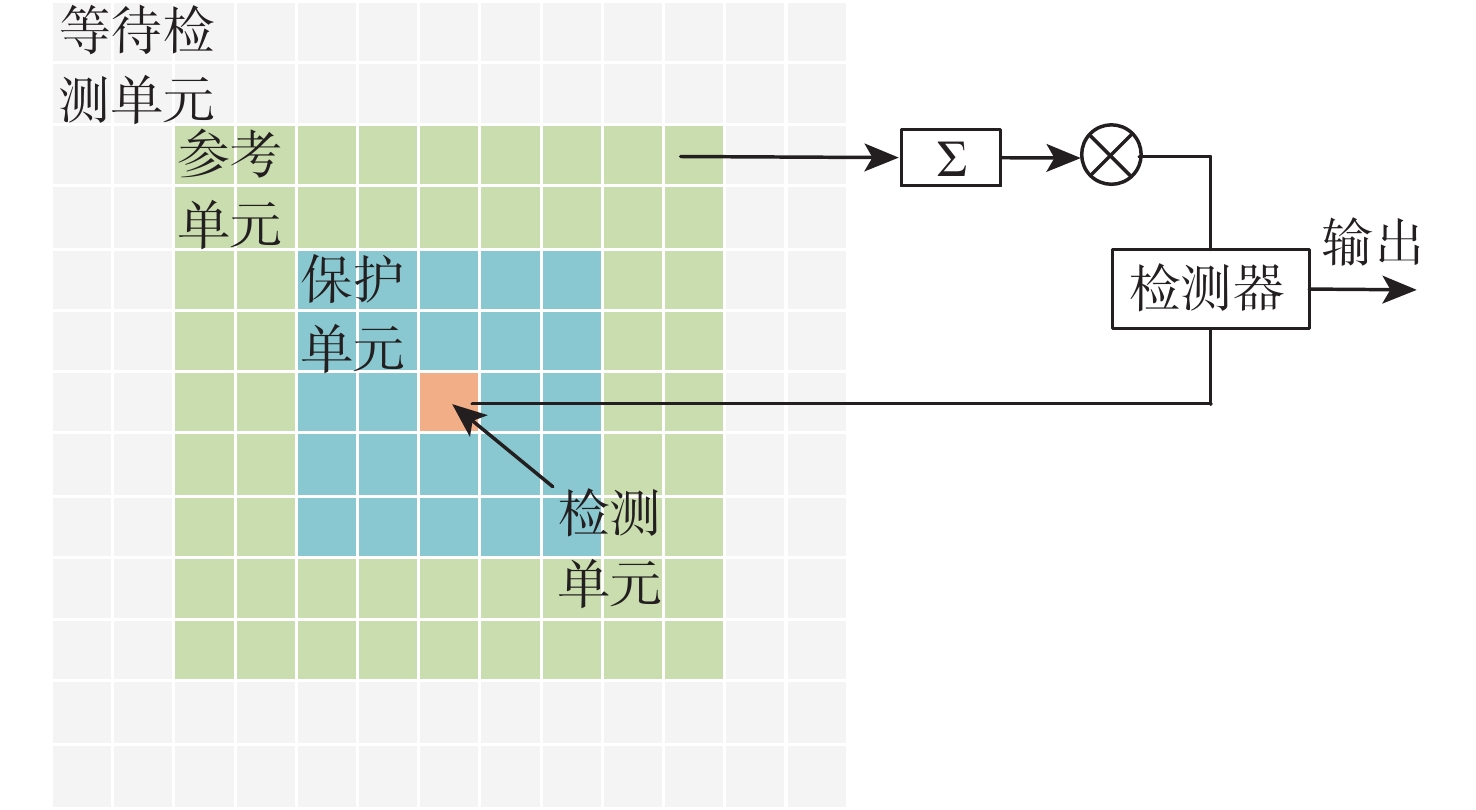
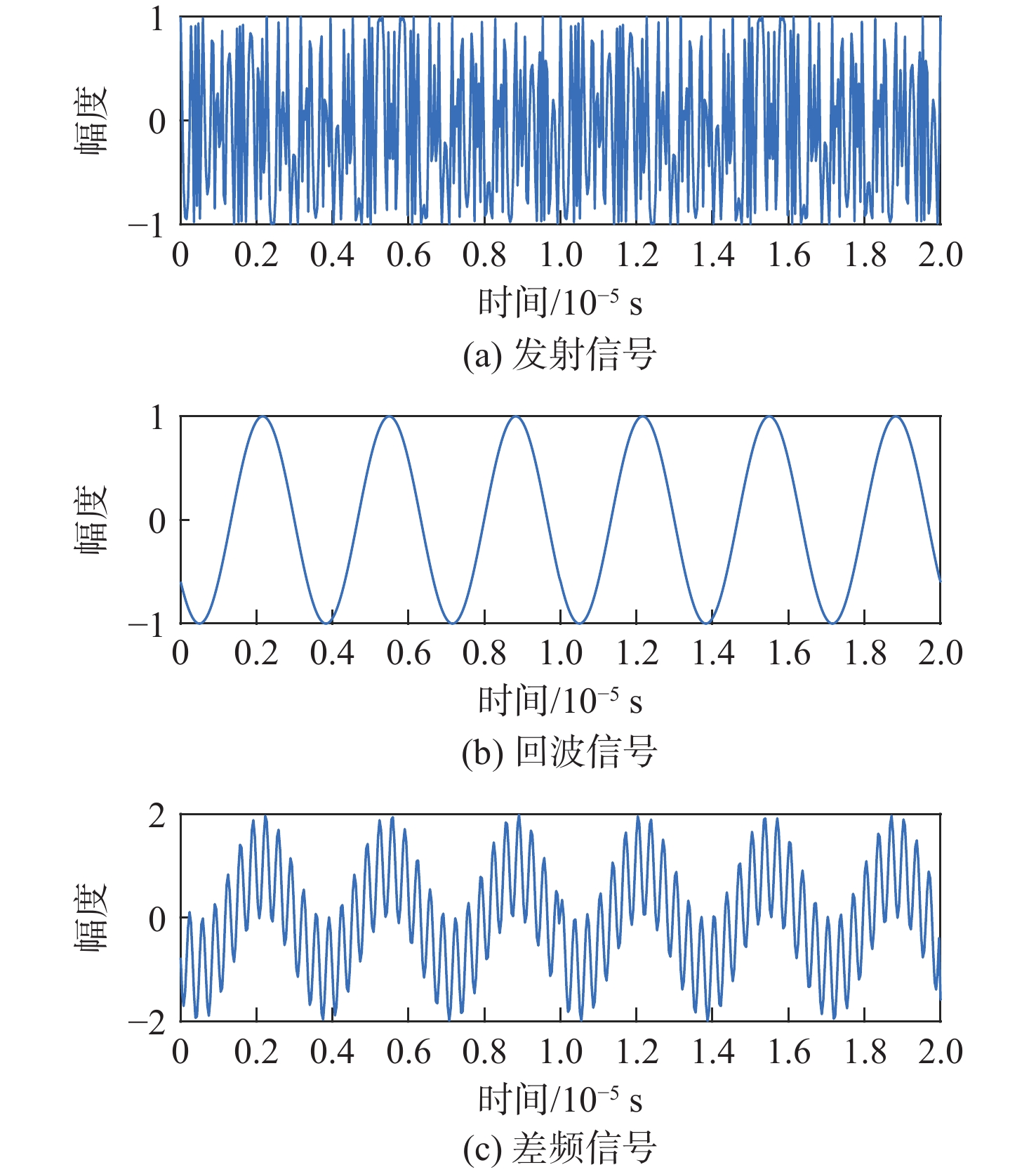
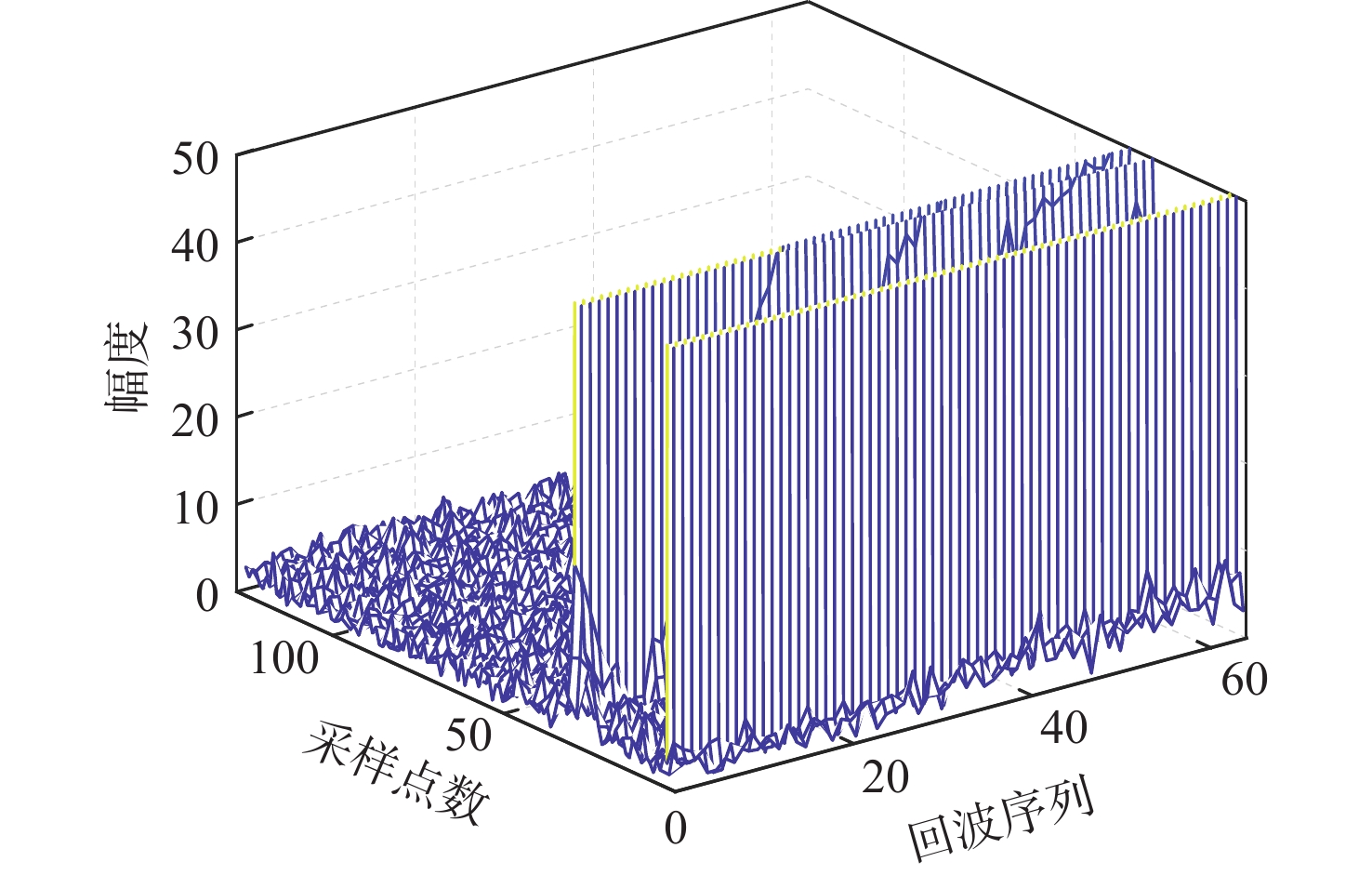
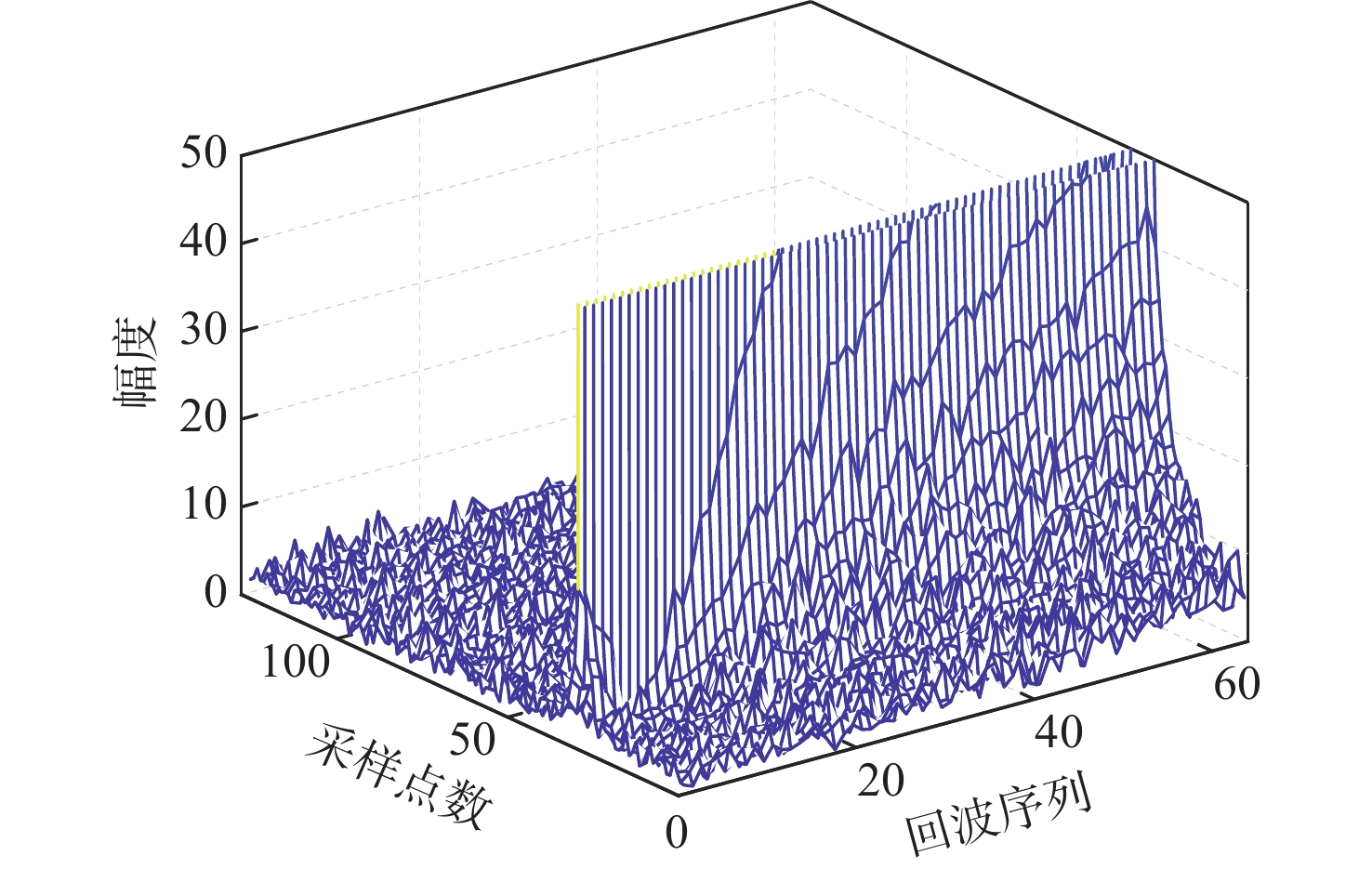
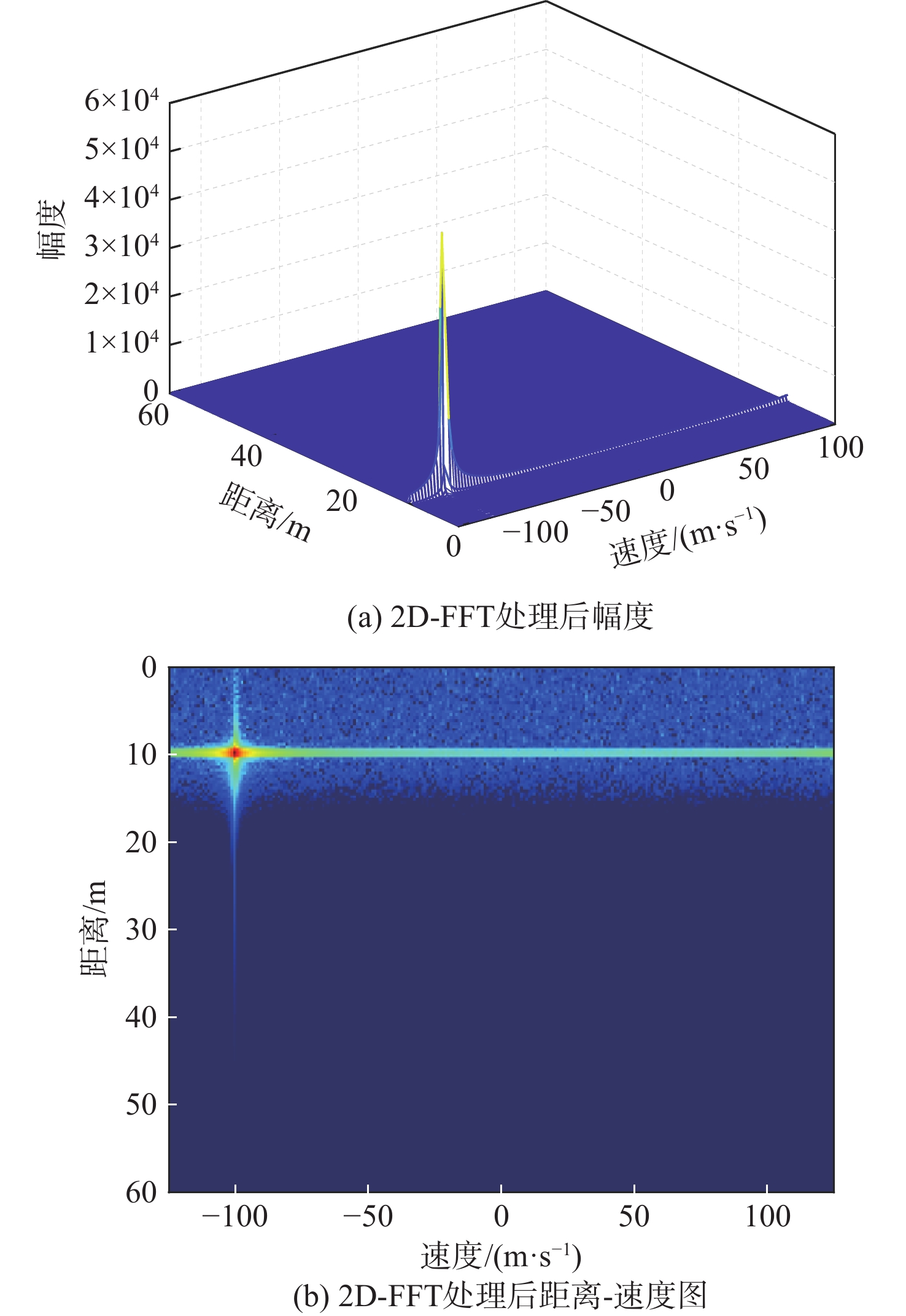
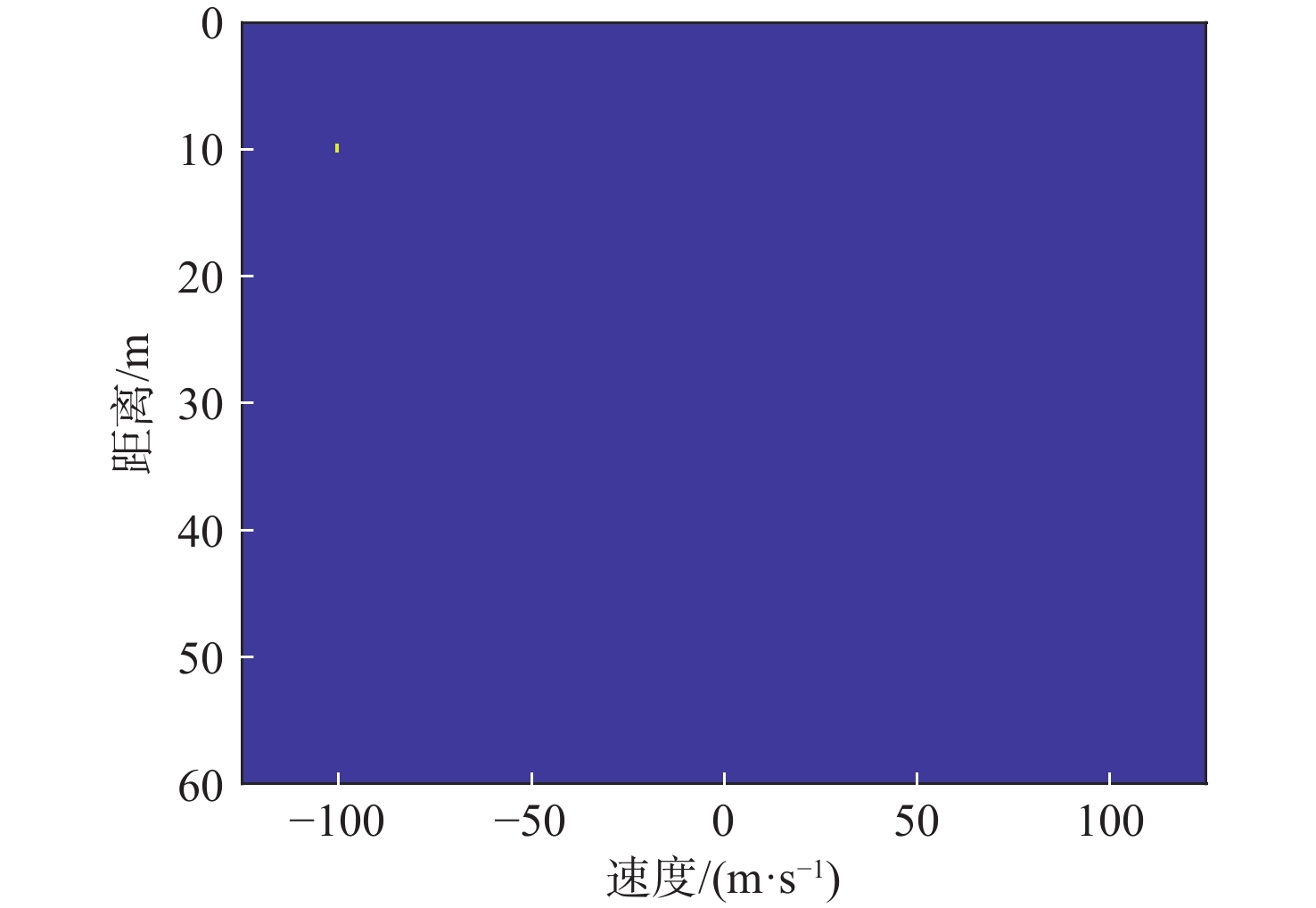
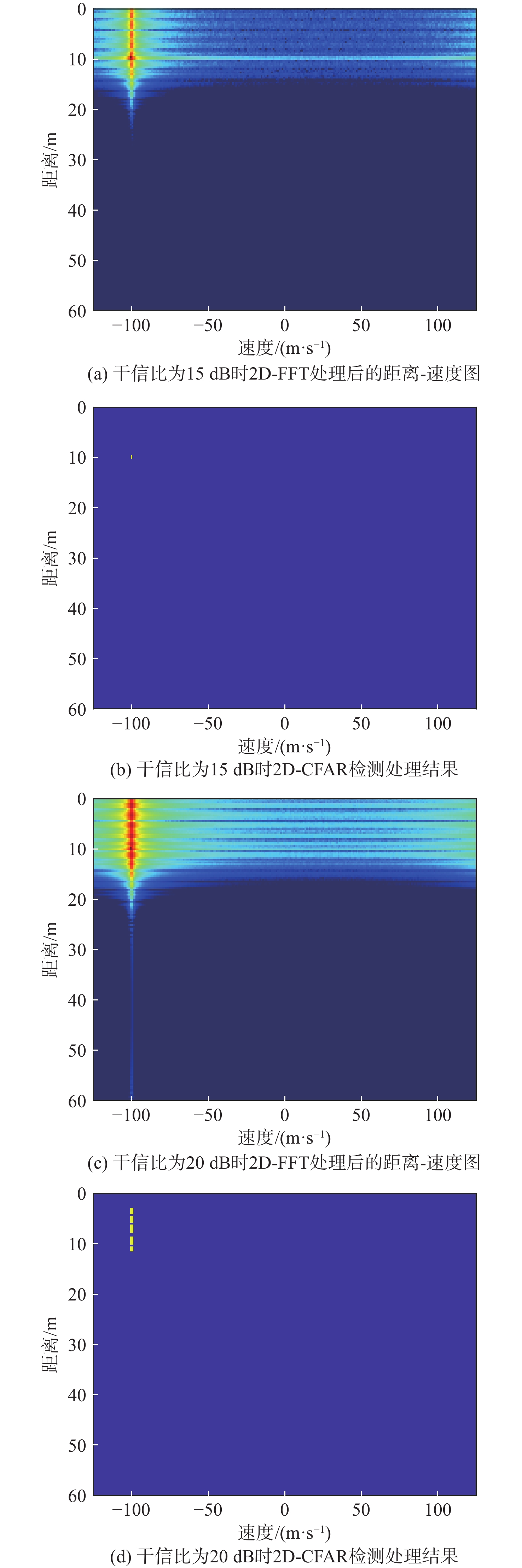
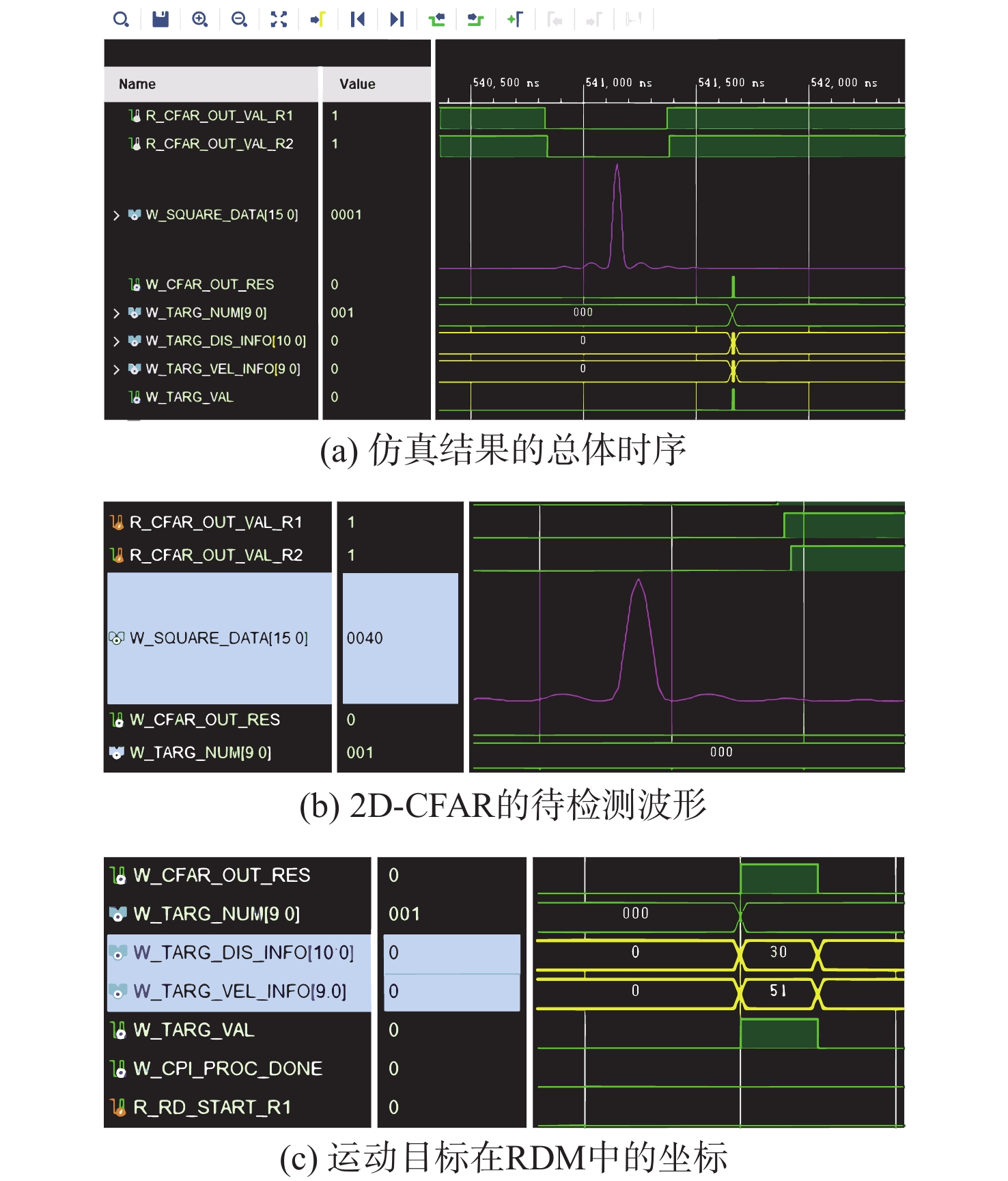
Aiming at the problem of low distance accuracy of the harmonic distance determination method in the practical application of frequency modulation fuze, a differential frequency signal processing method is designed based on fast Fourier transform (FFT) and constant false alarm rate (CFAR) theory, with a two-dimensional fast Fourier transform (2D-FFT) method and frequency domain two-dimensional constant false alarm rate (2D-CFAR) adaptive detection method as the core. To reduce the impact of noise on the frequency modulation fusion, this approach transforms a one-dimensional differential frequency signal into a two-dimensional matrix, applies 2D-FFT transformation to produce a two-dimensional distance velocity frequency domain, and removes static clutter. The filtered two-dimensional frequency domain is used to extract the distance and velocity of the target using 2D-CFAR. The performance of the system is verified by simulation. According to the research findings, at a jamming-to-signal ratio of 15 dB, the relative error of the velocity measurement is 0.004 and the relative error of the differential frequency signal processing system is 0.033. The system has high real-time performance and can accurately output the initiation signal within 10.26 μs. The proposed method can obtain the target distance and speed accurately and in real time when the frequency modulation fuze and the ground target intersect at high speed, and improve the anti-sweep jamming ability of the frequency modulation fuze.

Practical calculation method for settlement under dynamic compaction
XU Guoyi, FENG Jinyan, OCHIENG J. OBONGO, YU Zhuoqi, TONG Zhaoxia
2026, 52(3): 846-852. doi: 10.13700/j.bh.1001-5965.2023.0848
Abstract:

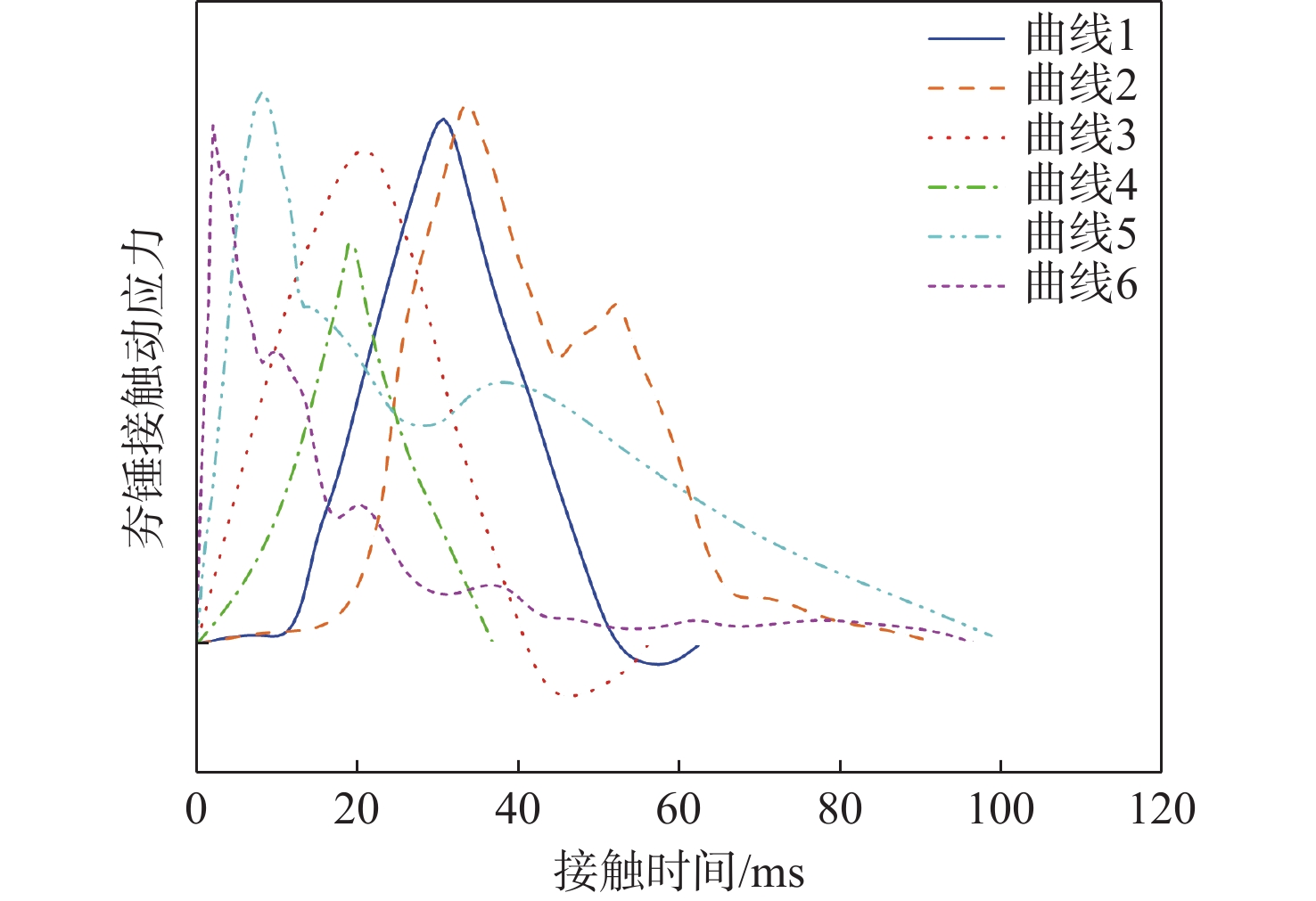
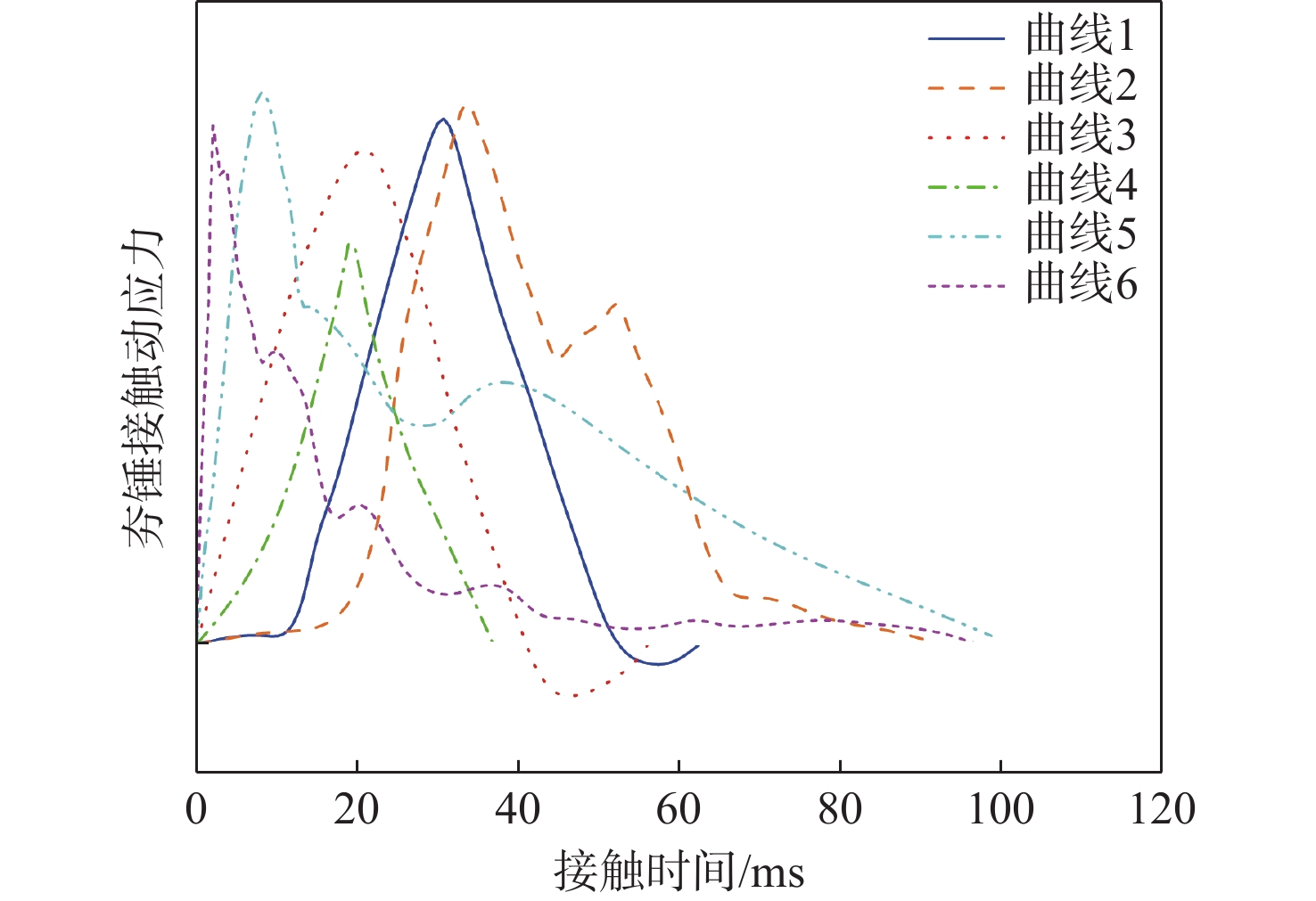
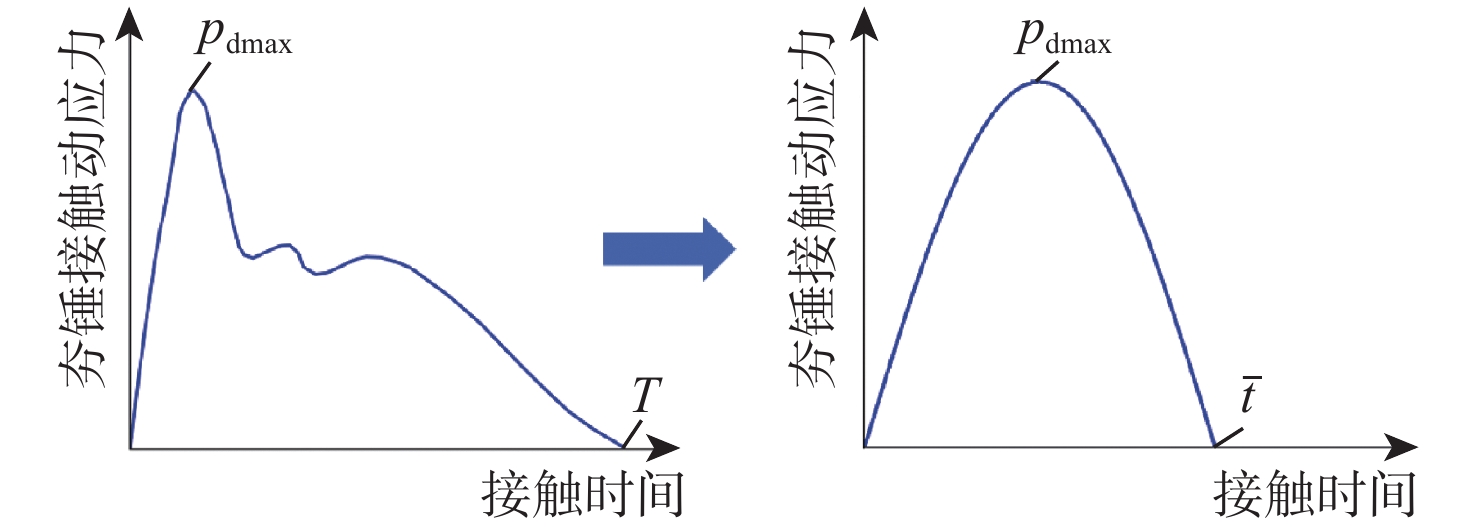
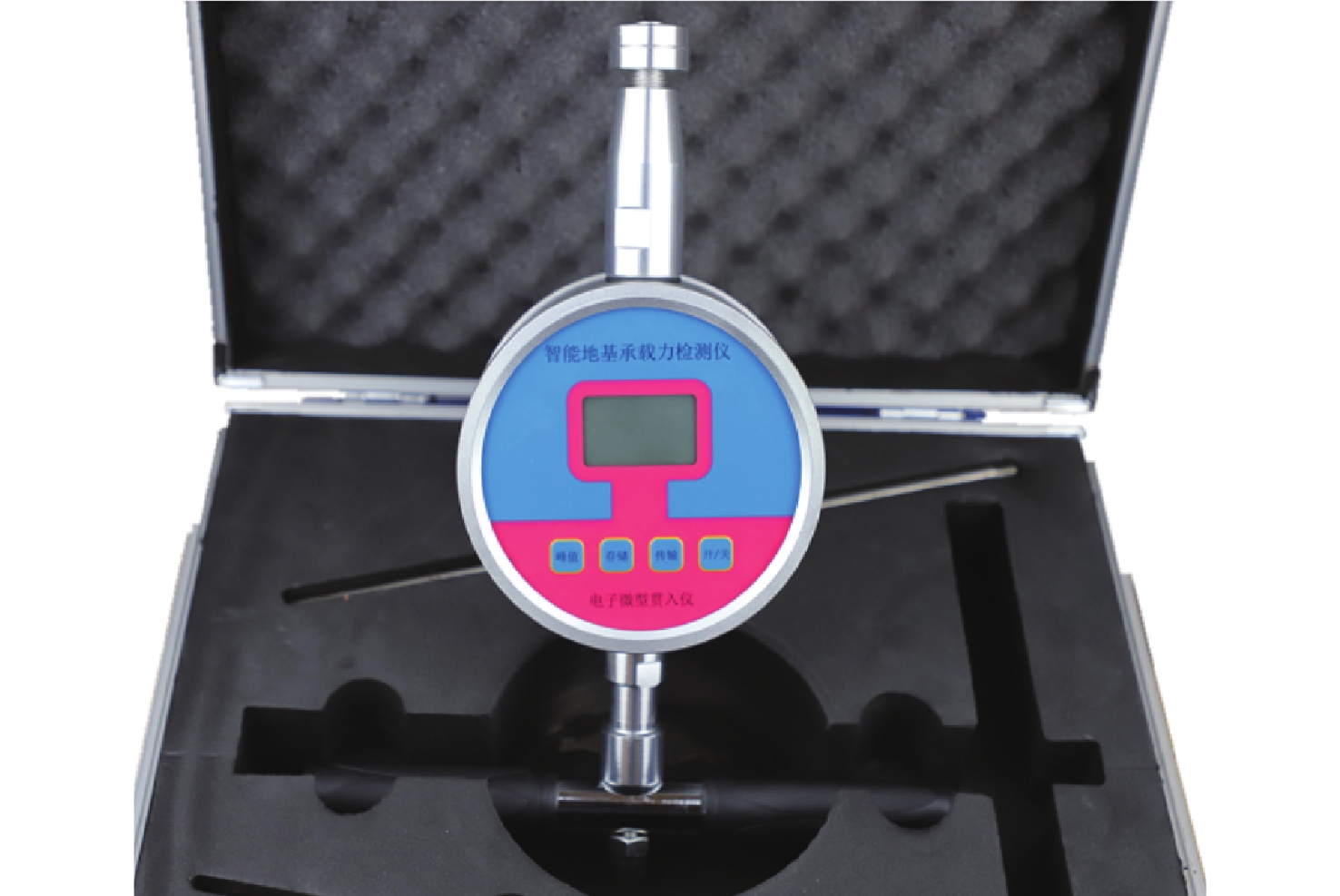
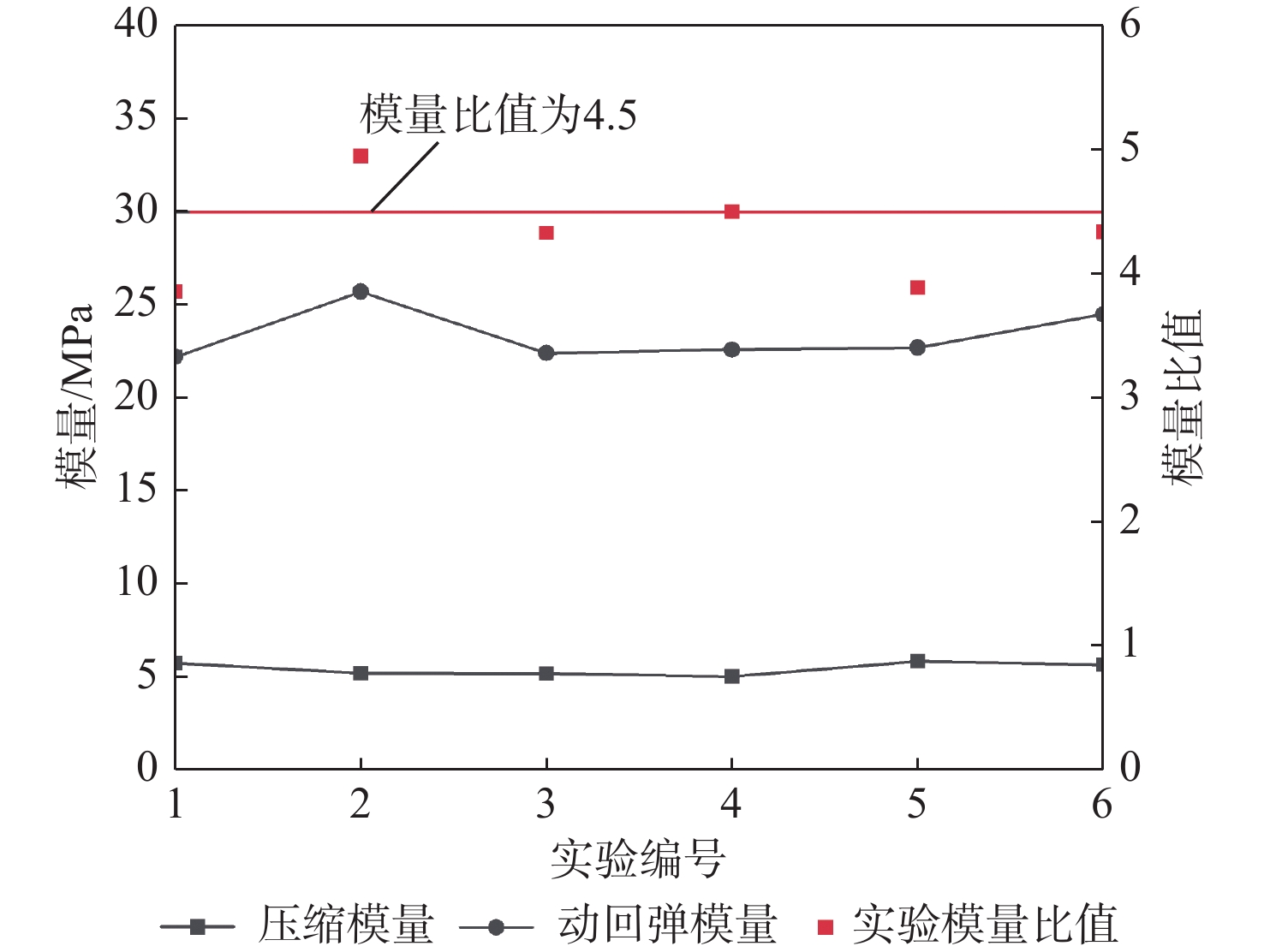
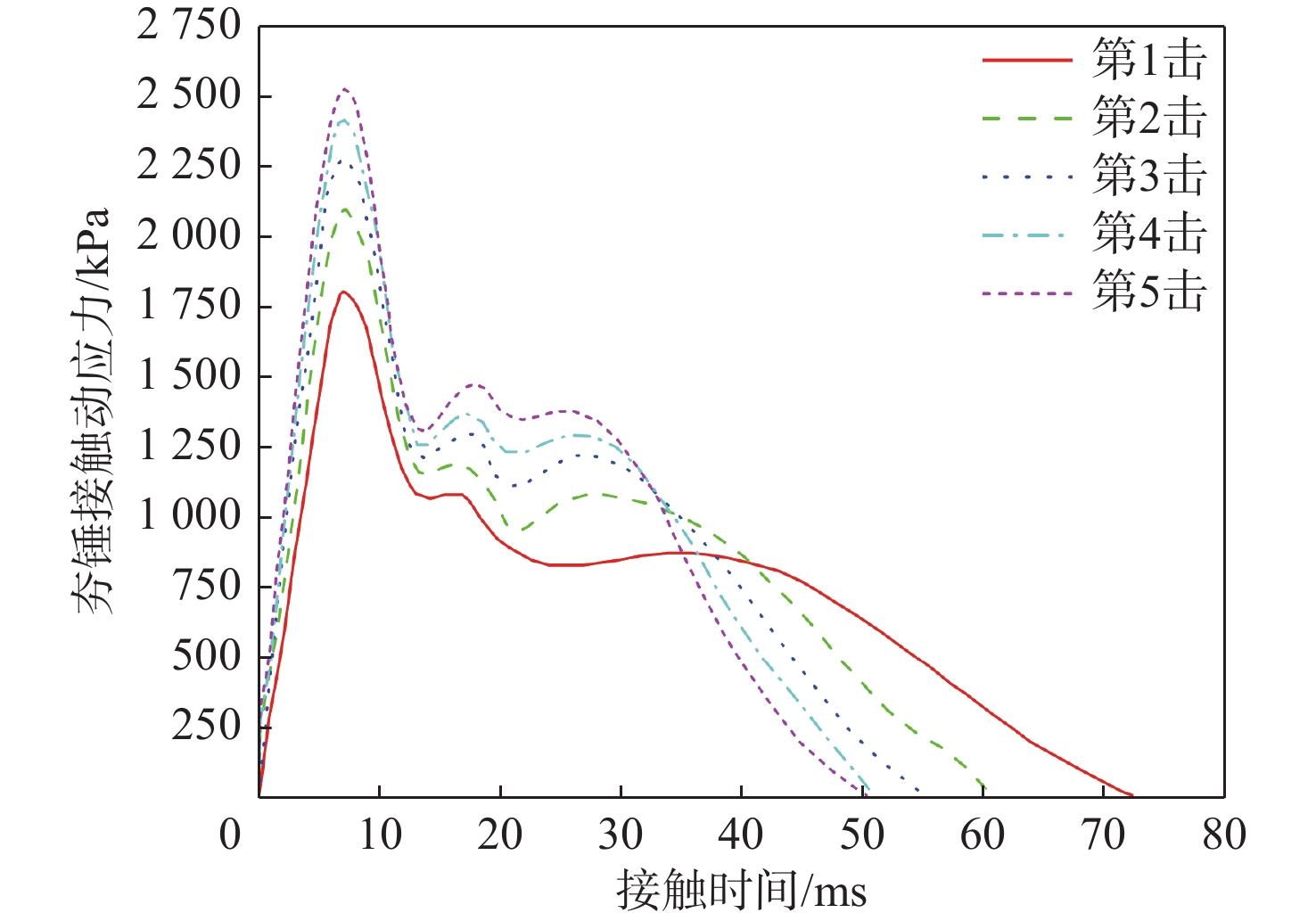
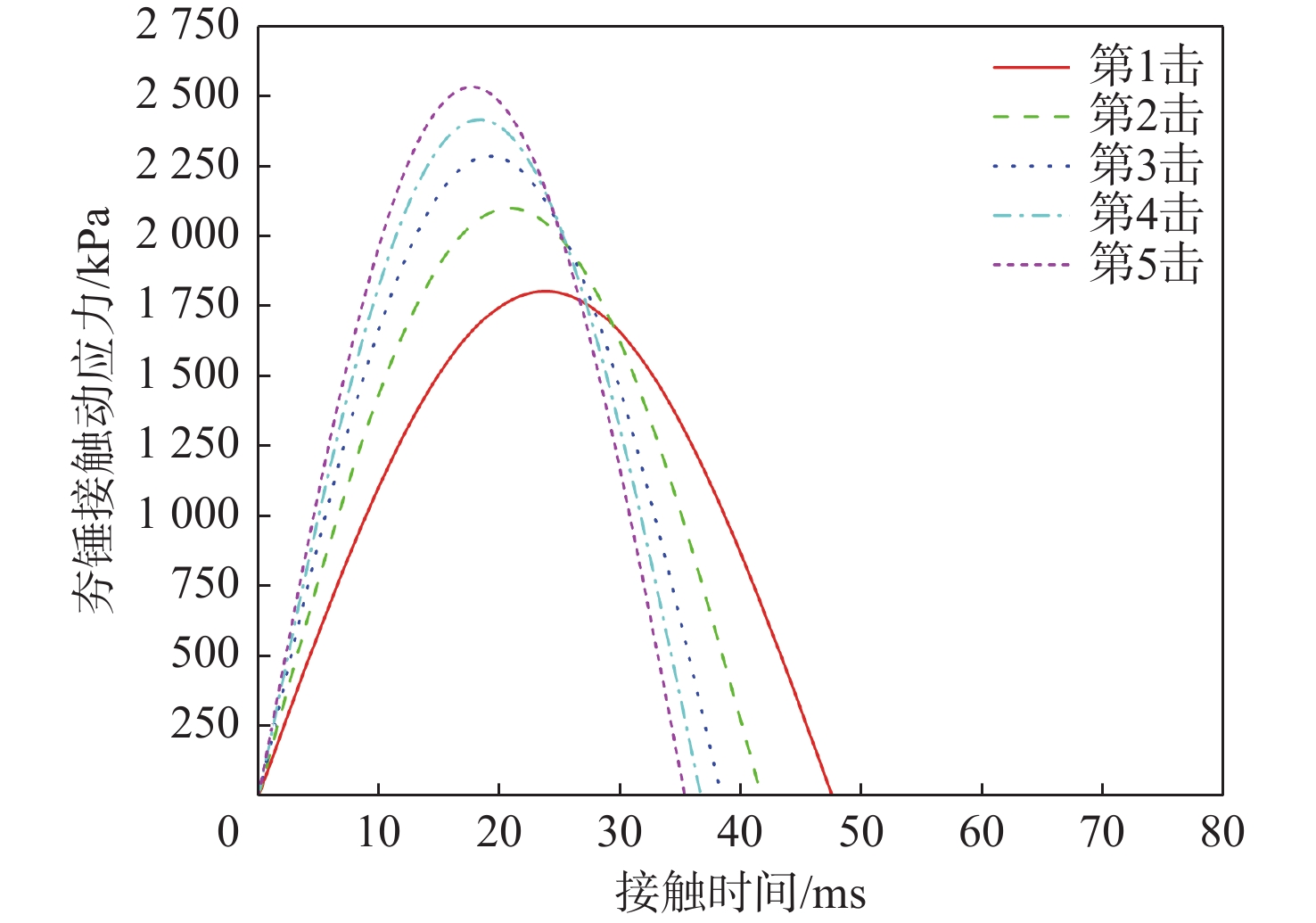
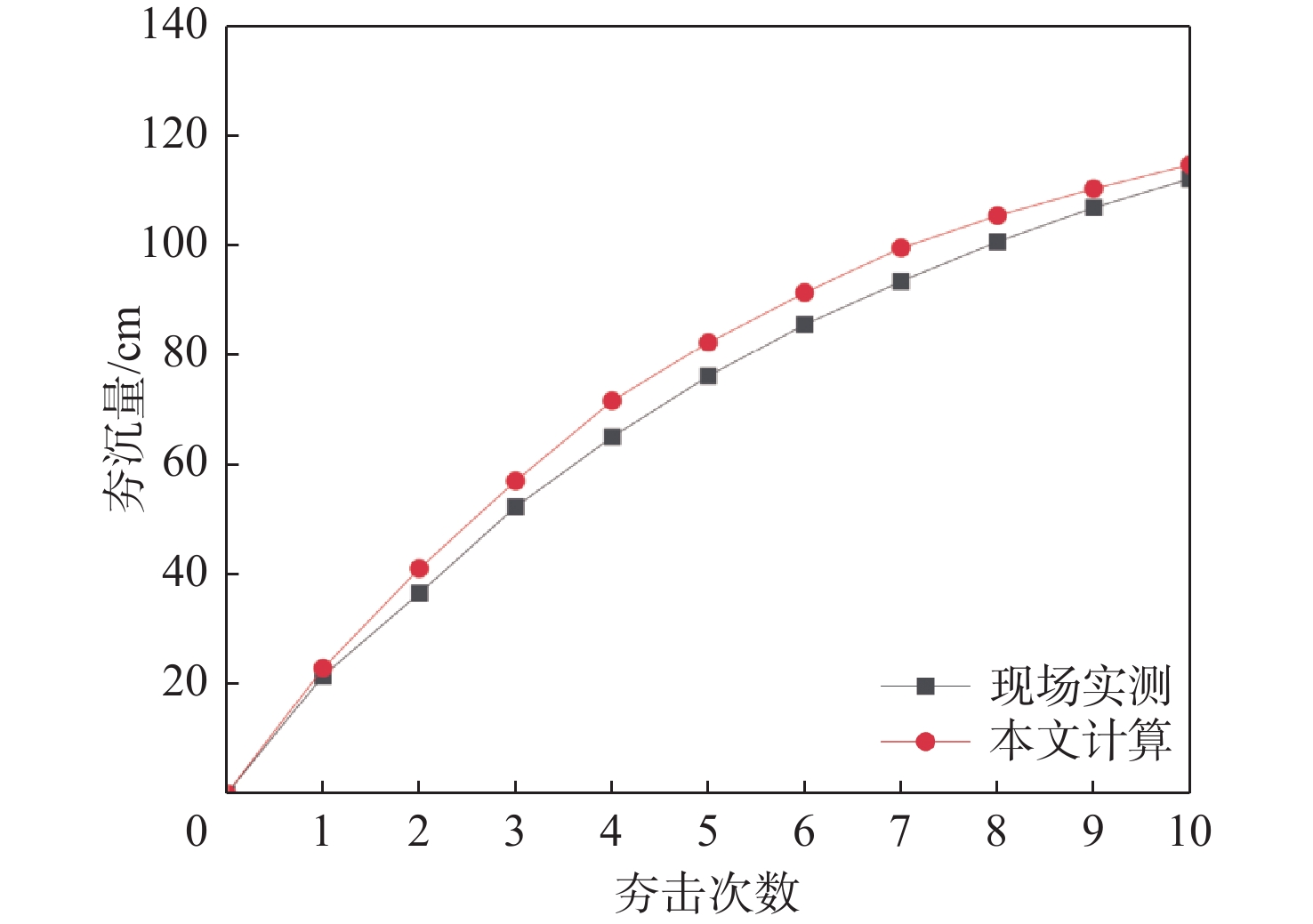
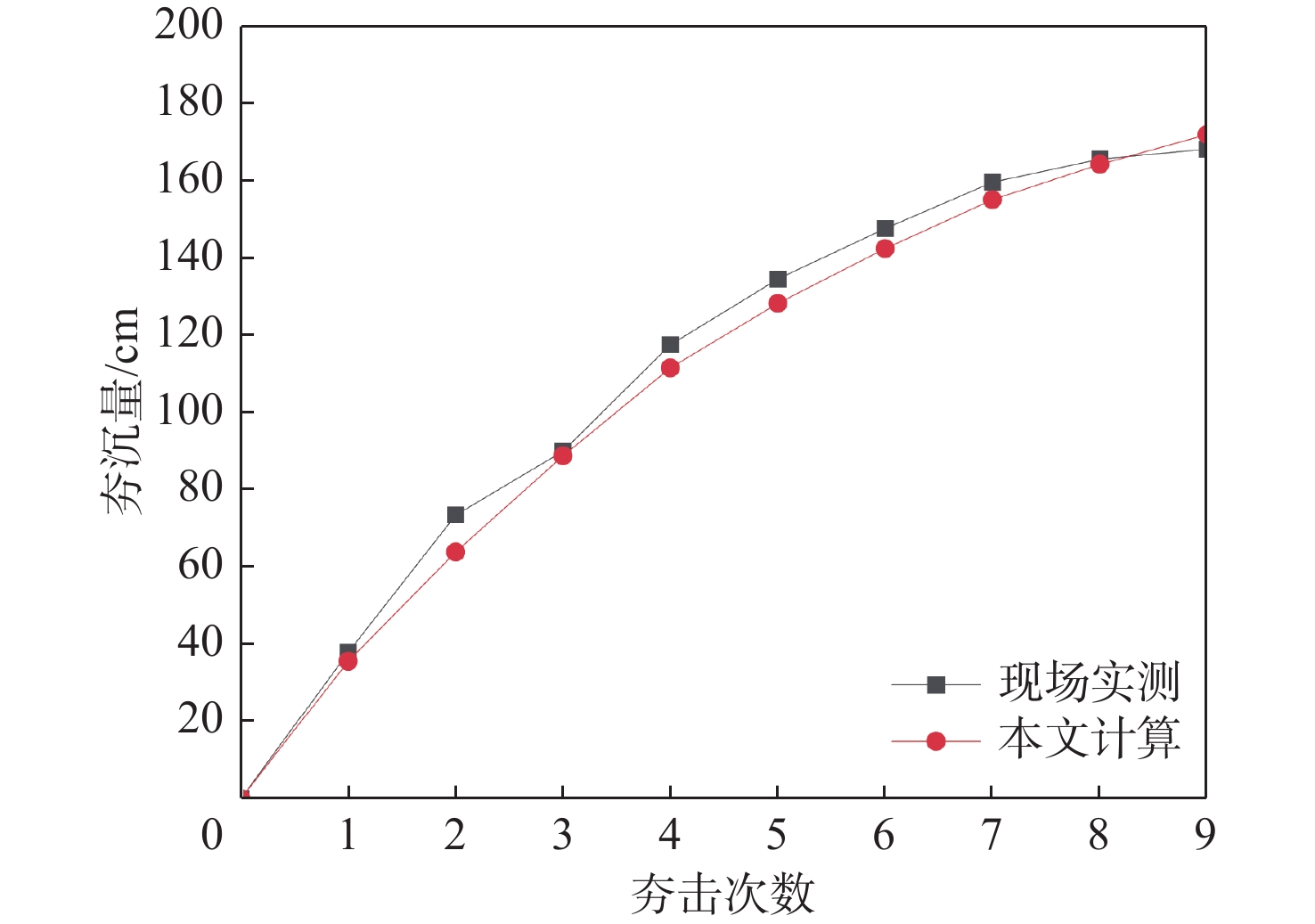
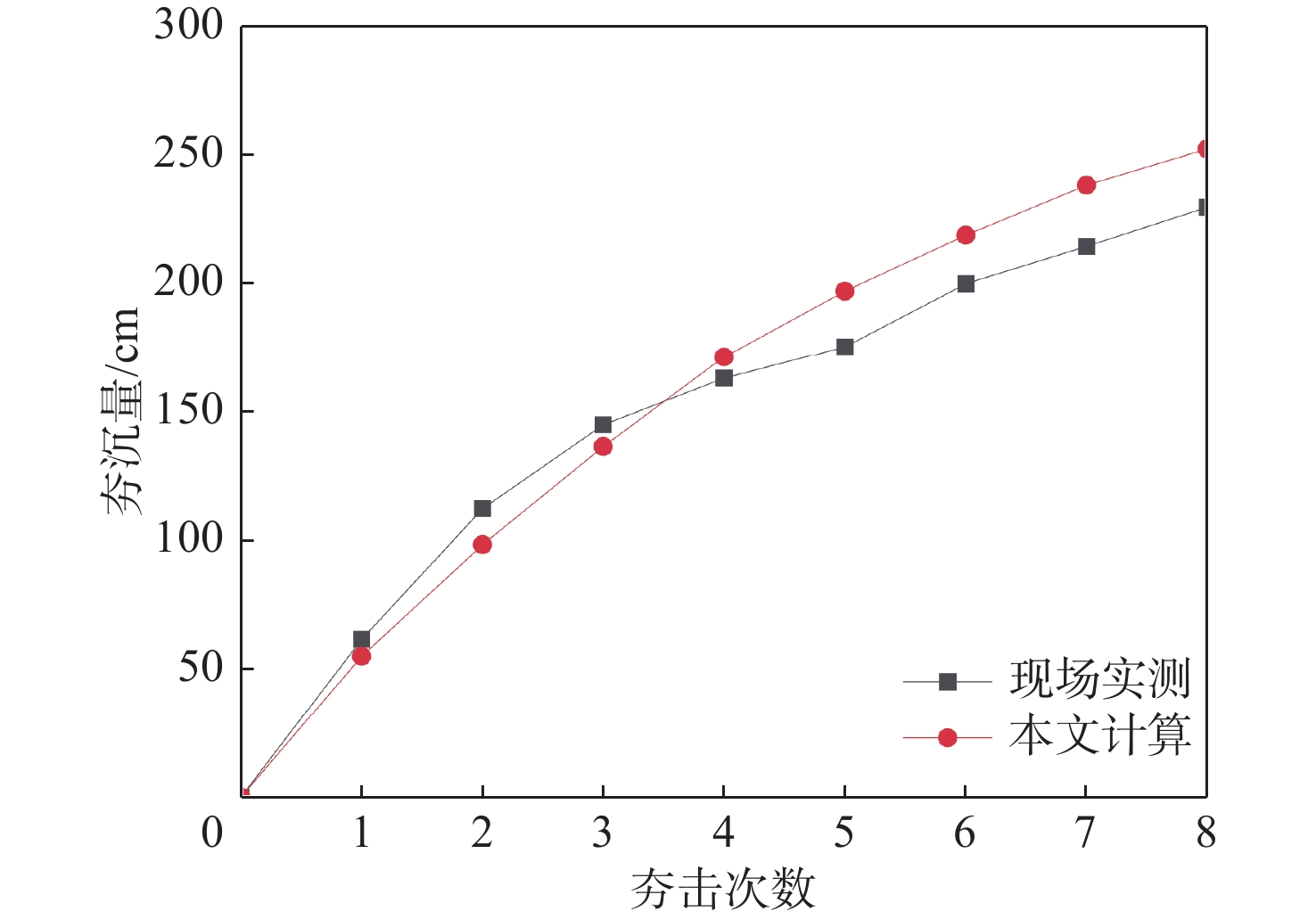
Accurately predicting the compaction settlement under the impact load of dynamic compaction has an important impact on the design and construction of dynamic compaction. The calculation of subgrade soil settlement under static load generally adopts the layered summation method in China. The layered summation method is simple and practical with rich engineering experience. According to the analysis of the dynamic stress in the soil-hammer contact, the additional stress distribution in the soil determined by the elastic theory under static load is comparable to the vertical dynamic stress distribution under the impact load of dynamic compaction. Based on the layered summation method, a practical calculation method for the compaction settlement of dynamic compaction is proposed. By using a portable drop hammer deflection test and a penetrometer test, a preliminary discussion was conducted on the dynamic load parameters involved in the calculation method, as well as the relationship between the dynamic rebound modulus and compression modulus. Meanwhile, a calculation method for the average contact dynamic stress of the hammer was provided. Lastly, a comparison between the measured and estimated settlement of three engineering examples was carried out in order to confirm the efficacy of the suggested practical calculation approach for compaction settlement. The results show that this method can effectively capture the settlement characteristics of subgrade soil under different energy levels of compaction. For dynamic compaction projects with low, medium, and high energy levels, the errors between calculated settlement and measured settlement are 2.28%, 2.27%, and 9.89%, respectively. This practical calculation method is simple and convenient to use, which provides a new approach for calculating the settlement of subgrade soil under impact loads.

Real-time tracking of infrared dim-small target with multi-feature adaptive fusion under double confidence
CHEN Jiajun, LI Xiang, SONG Yansong, DONG Xiaona
2026, 52(3): 853-863. doi: 10.13700/j.bh.1001-5965.2023.0802
Abstract:

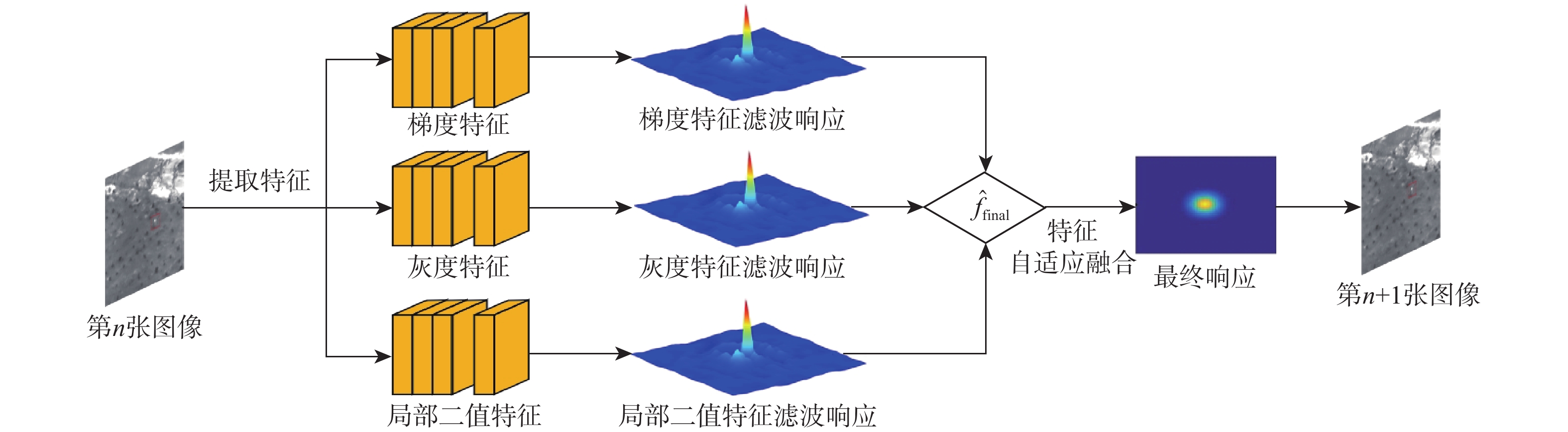
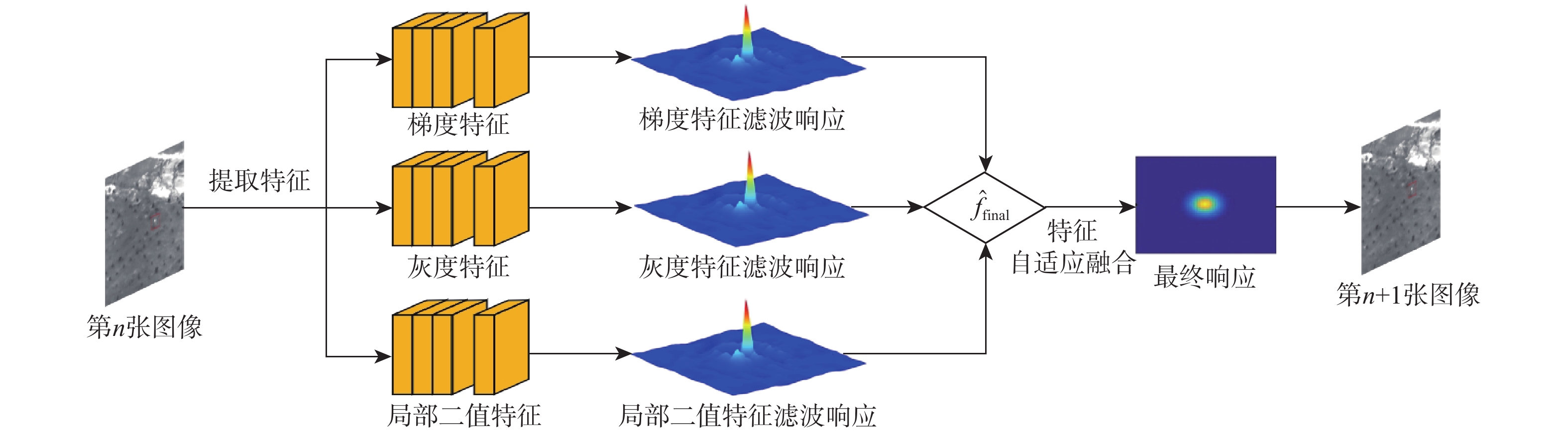
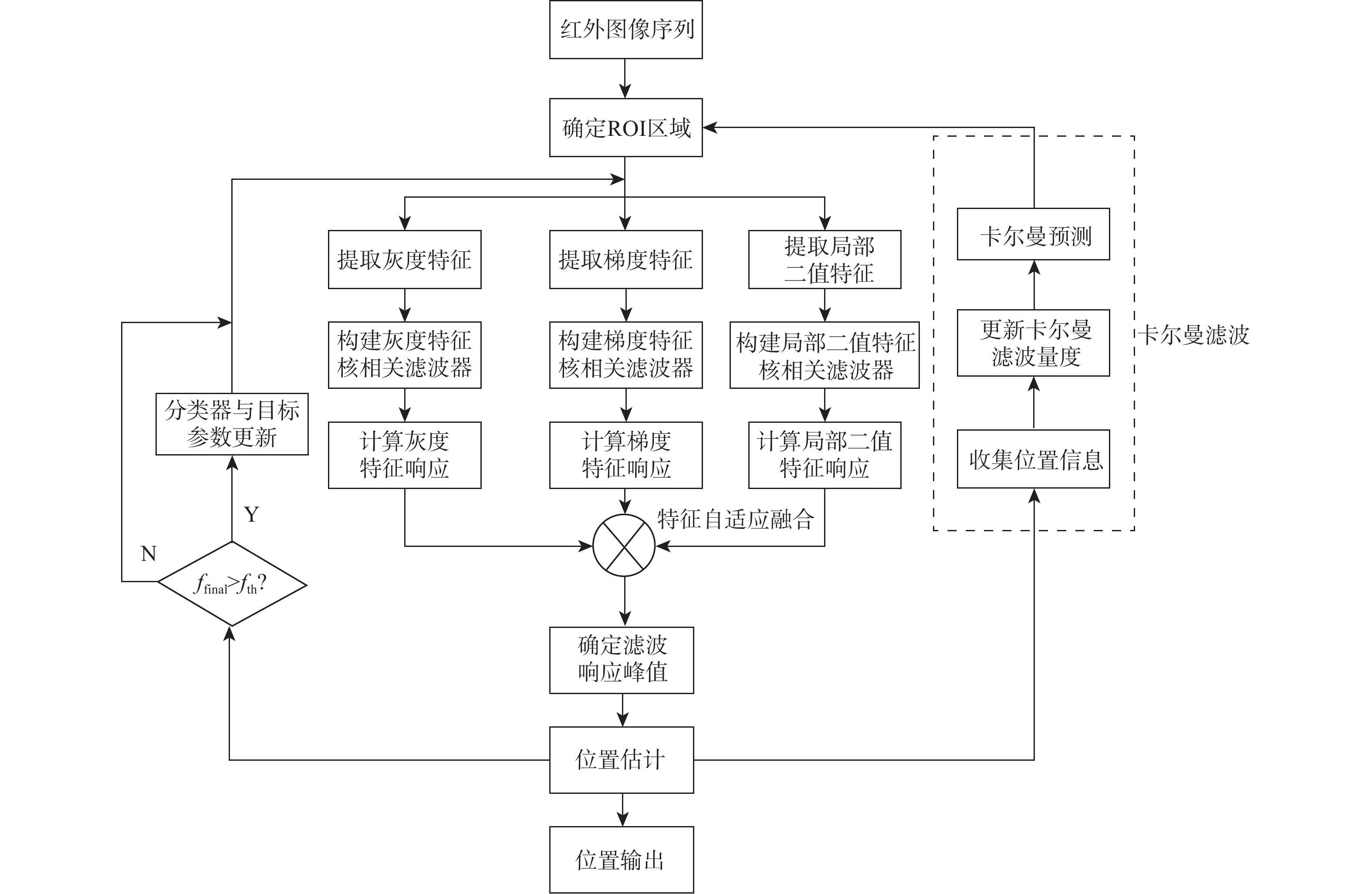
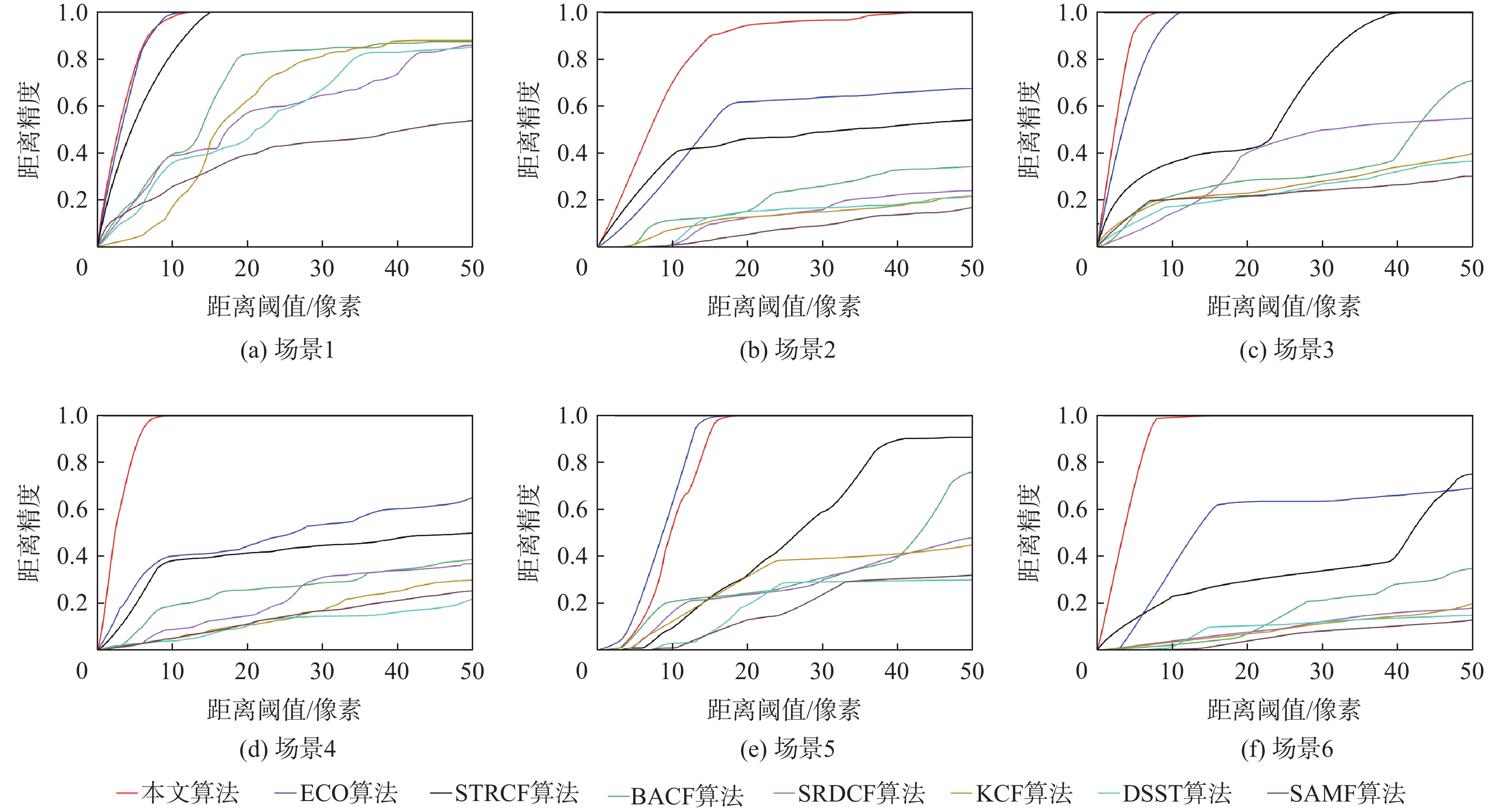
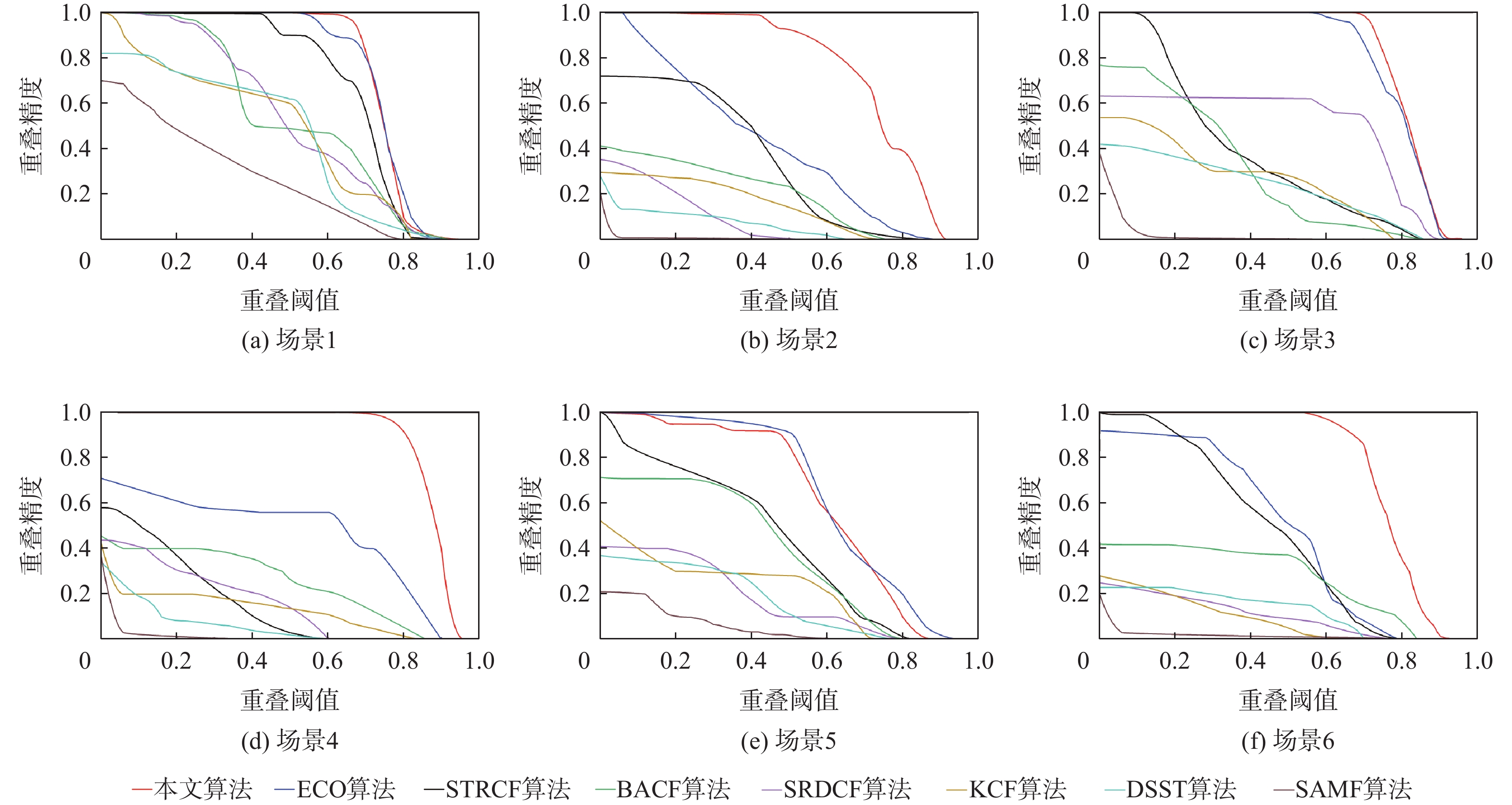
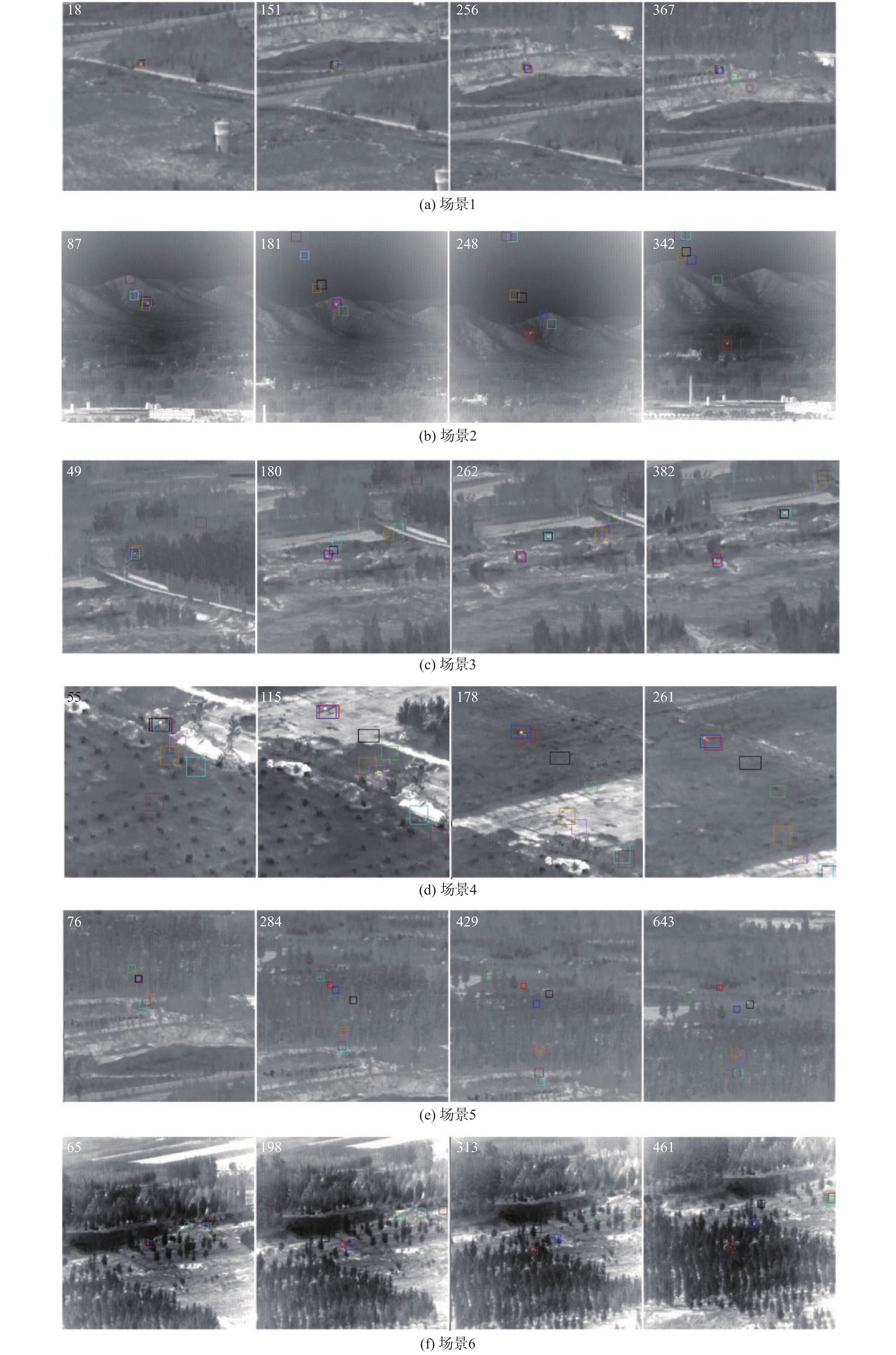
In order to improve the robustness and real-time performance of the algorithm, a series of problems, such as ground background clutter, similar target interference and weak targets appear in the process of infrared dim small target tracking. Kalman filter is first used to predict the initial position of the target, and the initial position is set as the center of the region of interest (ROI). Next, determine the filter response graph by extracting the target’s local binary (LBP) features, gradient (HOG) features, and grayscale (GRAY) features within the ROI region. Fusion weights are obtained according to the average peak correlation energy (APCE) of the three response results and the consistent frame response (CFR) of the adjacent frames, and the response results of the three features are fused by adaptive weighted fusion. To estimate the optimal location of the target. Finally, the target model is updated and the target position is taken as the measure of the Kalman filter. According to experimental data, the average distance precision (DP), overlap precision (OP), and real-time tracking speed for infrared ground background image sequences in various scenarios are 0.782, 0.731, and 94.7 frames per second, respectively. The algorithm can effectively improve the accuracy and robustness of tracking in complex environments.

Aerodynamic characteristics of supersonic mid-gore reefing disk-gap-band parachute under different reefing ratios
DAI Yurou, LI Jian, RONG Wei, XUE Xiaopeng, HUANG Mingxing, FANG Kang
2026, 52(3): 864-873. doi: 10.13700/j.bh.1001-5965.2023.0813
Abstract:

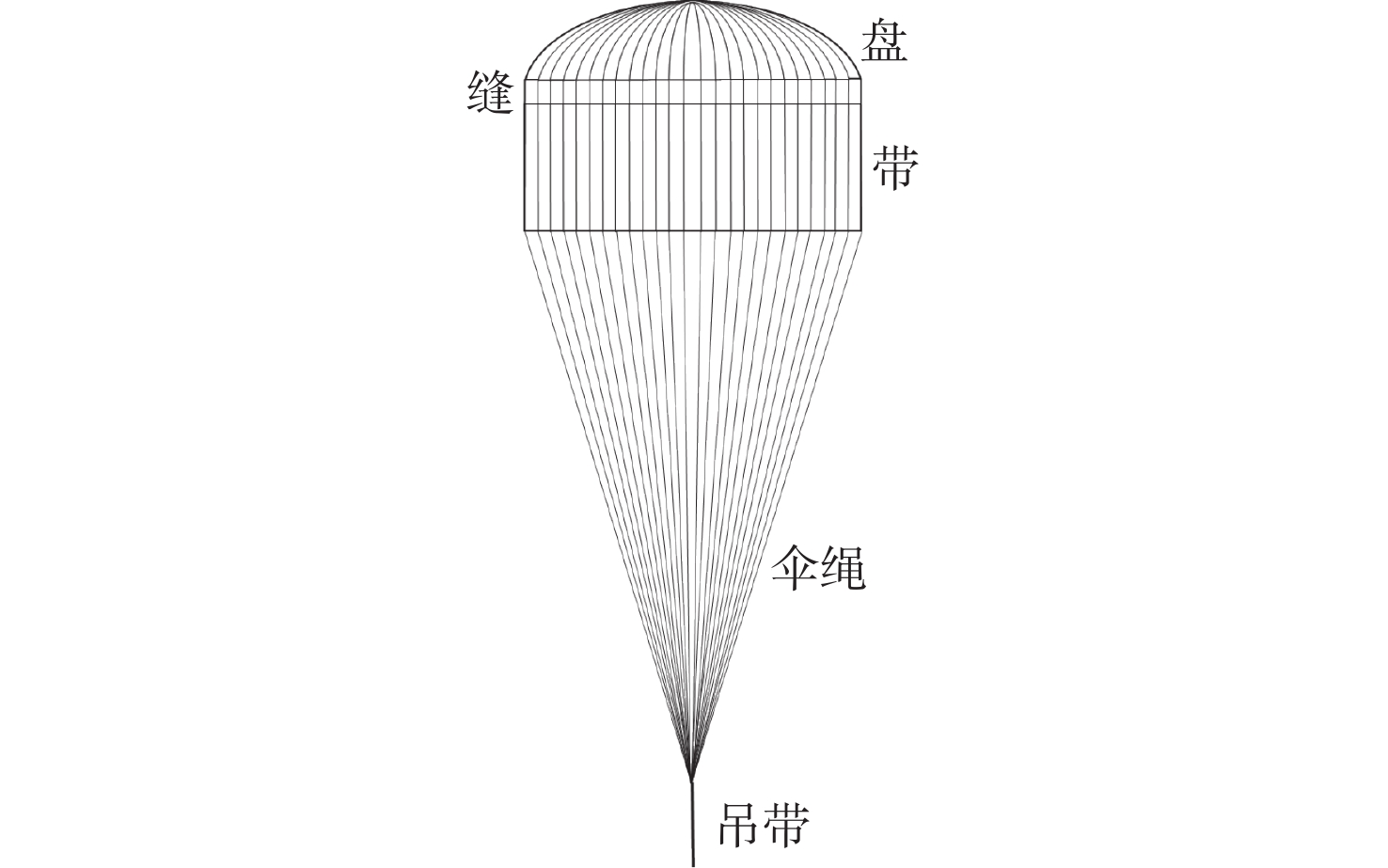
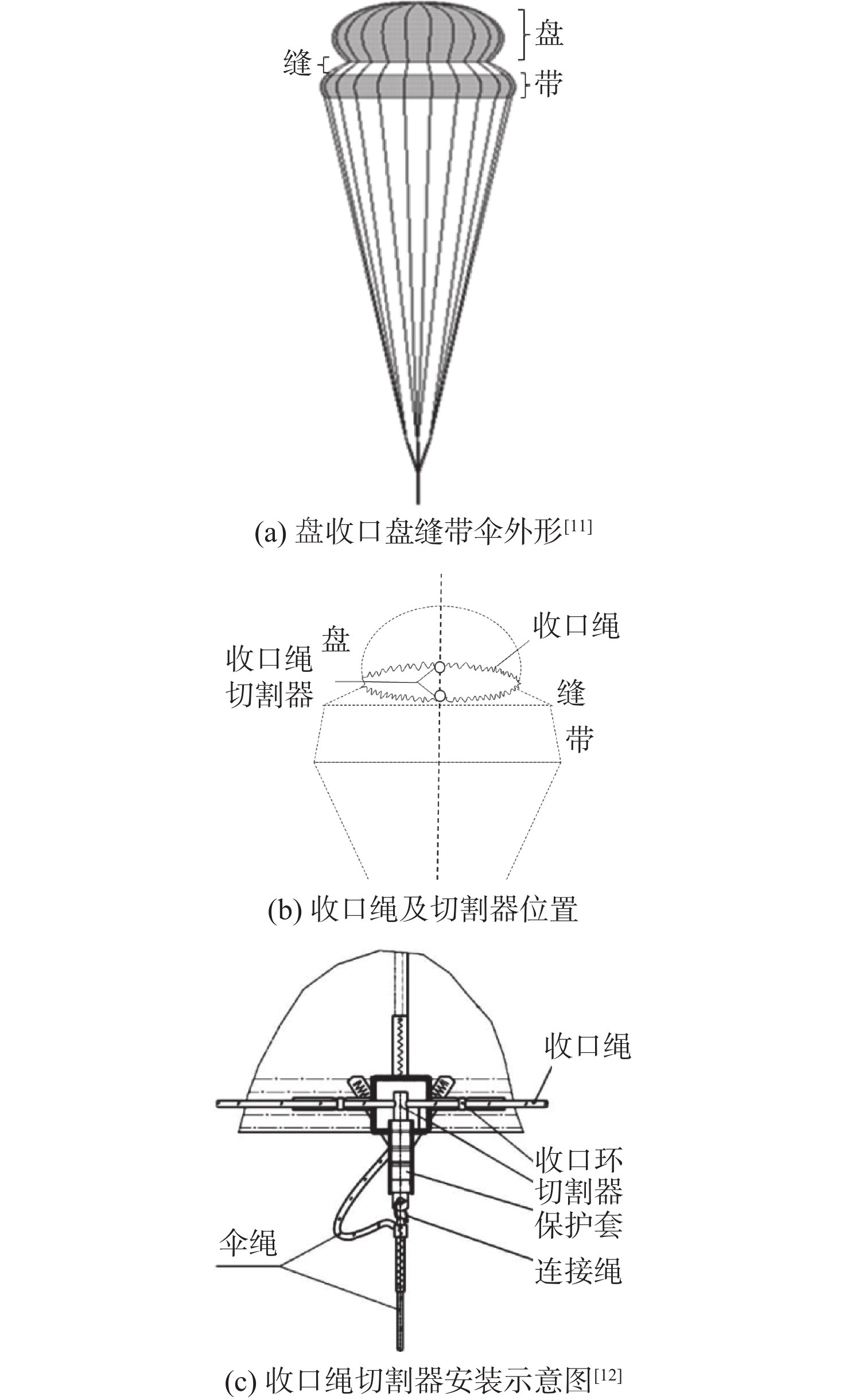
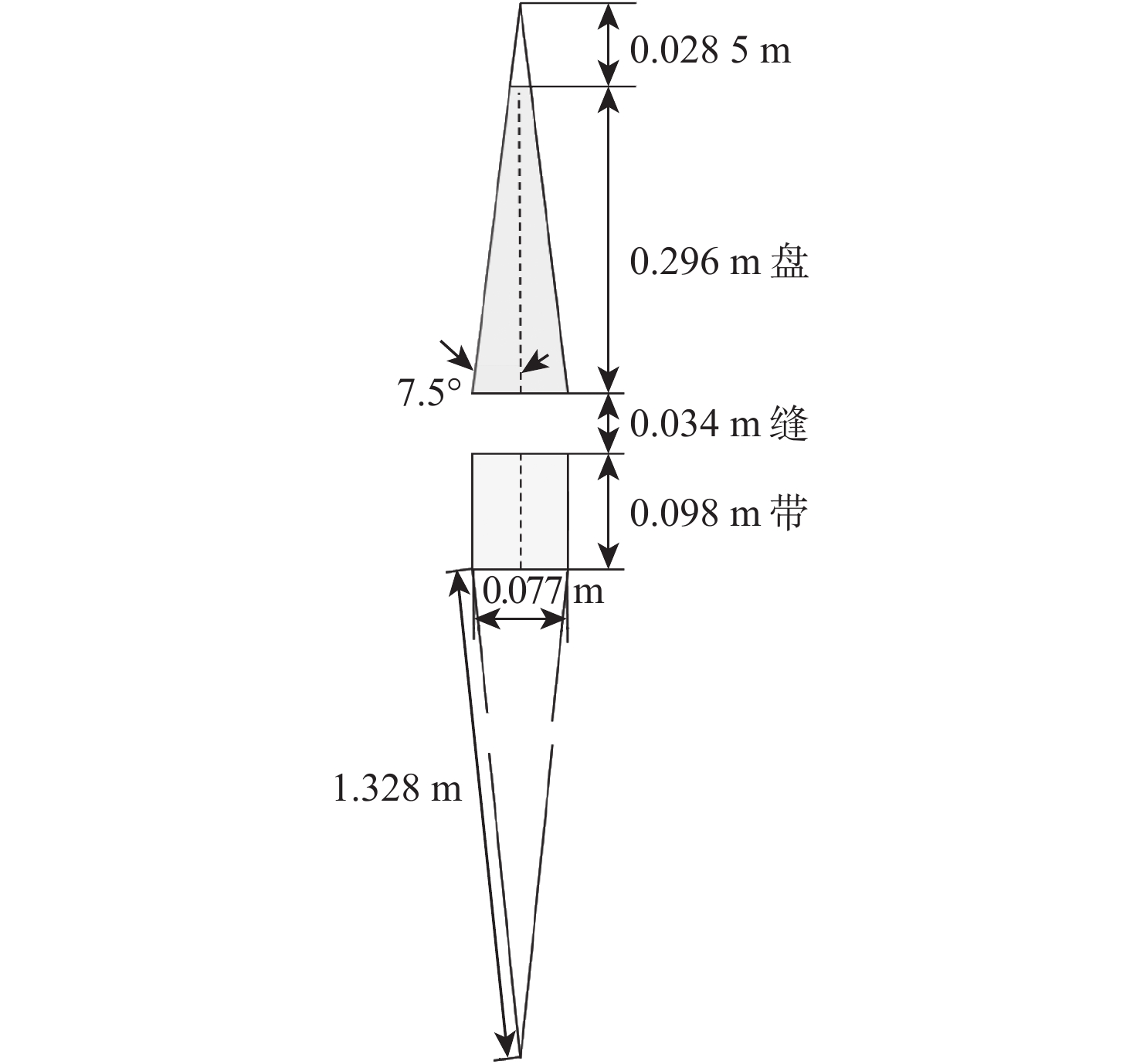
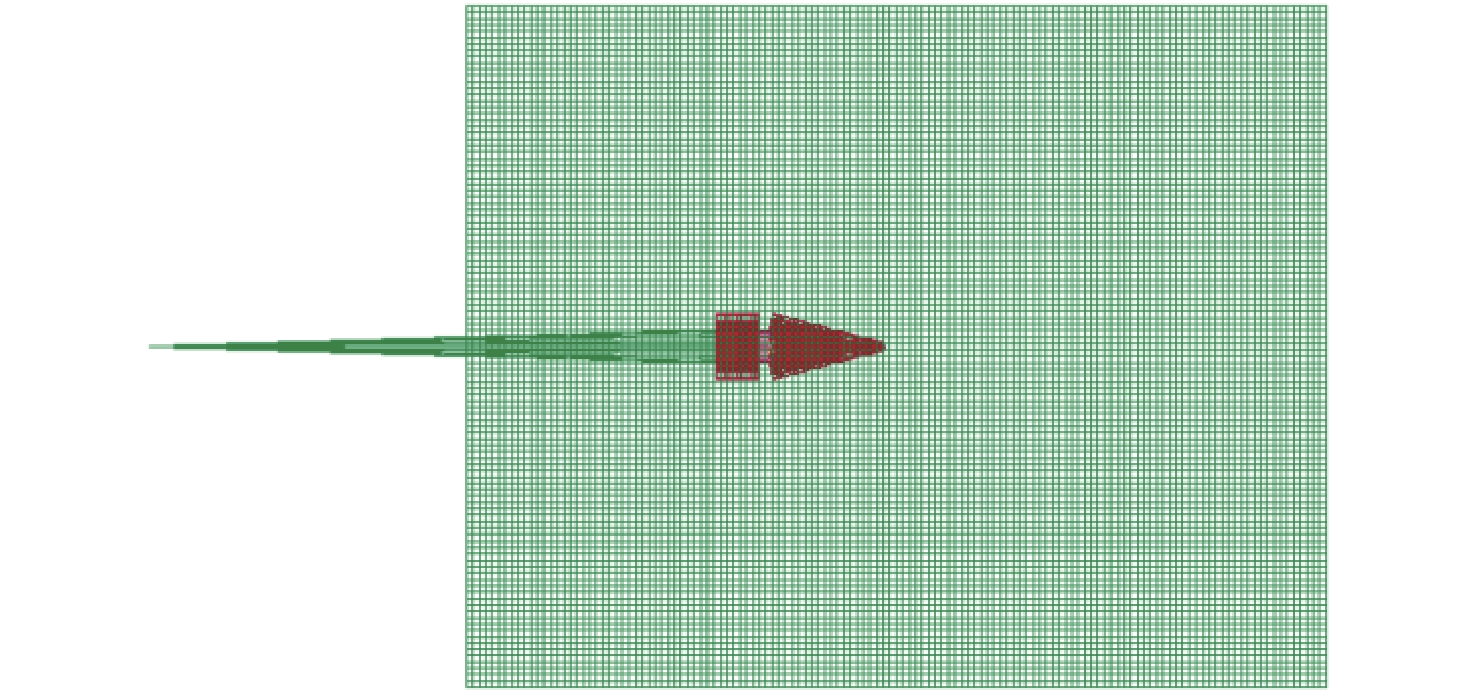
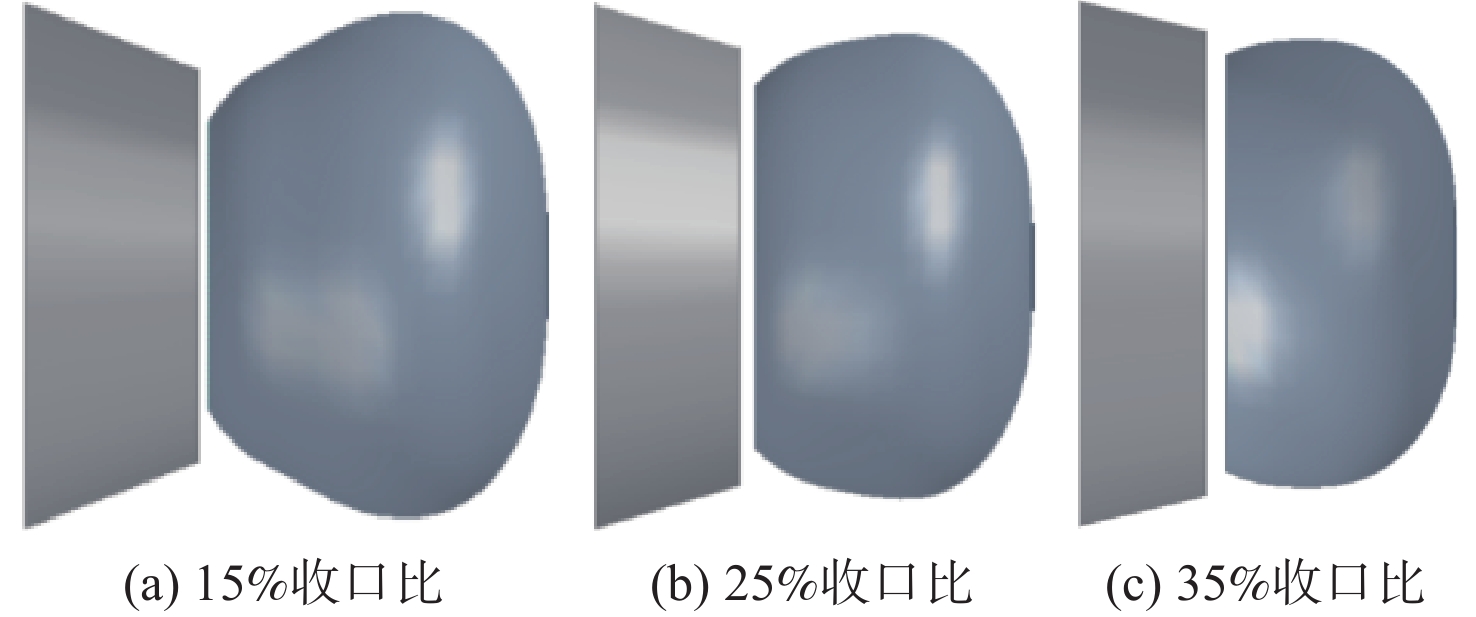
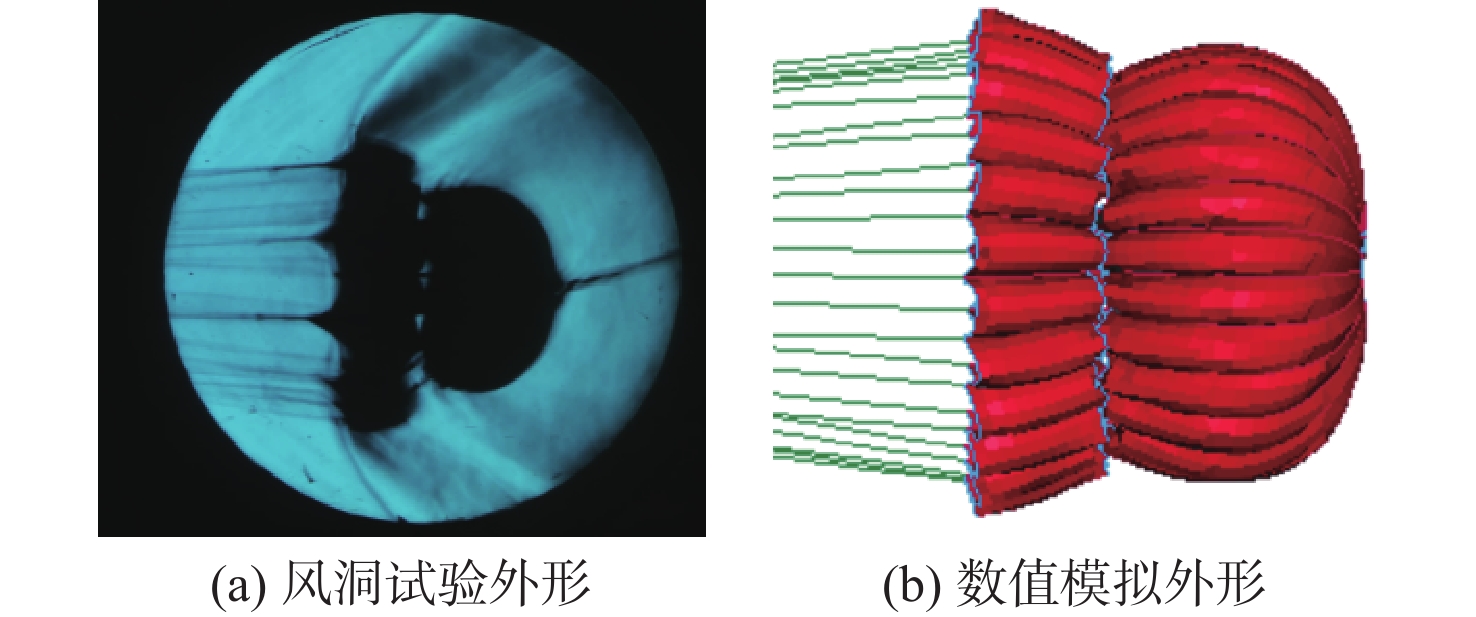
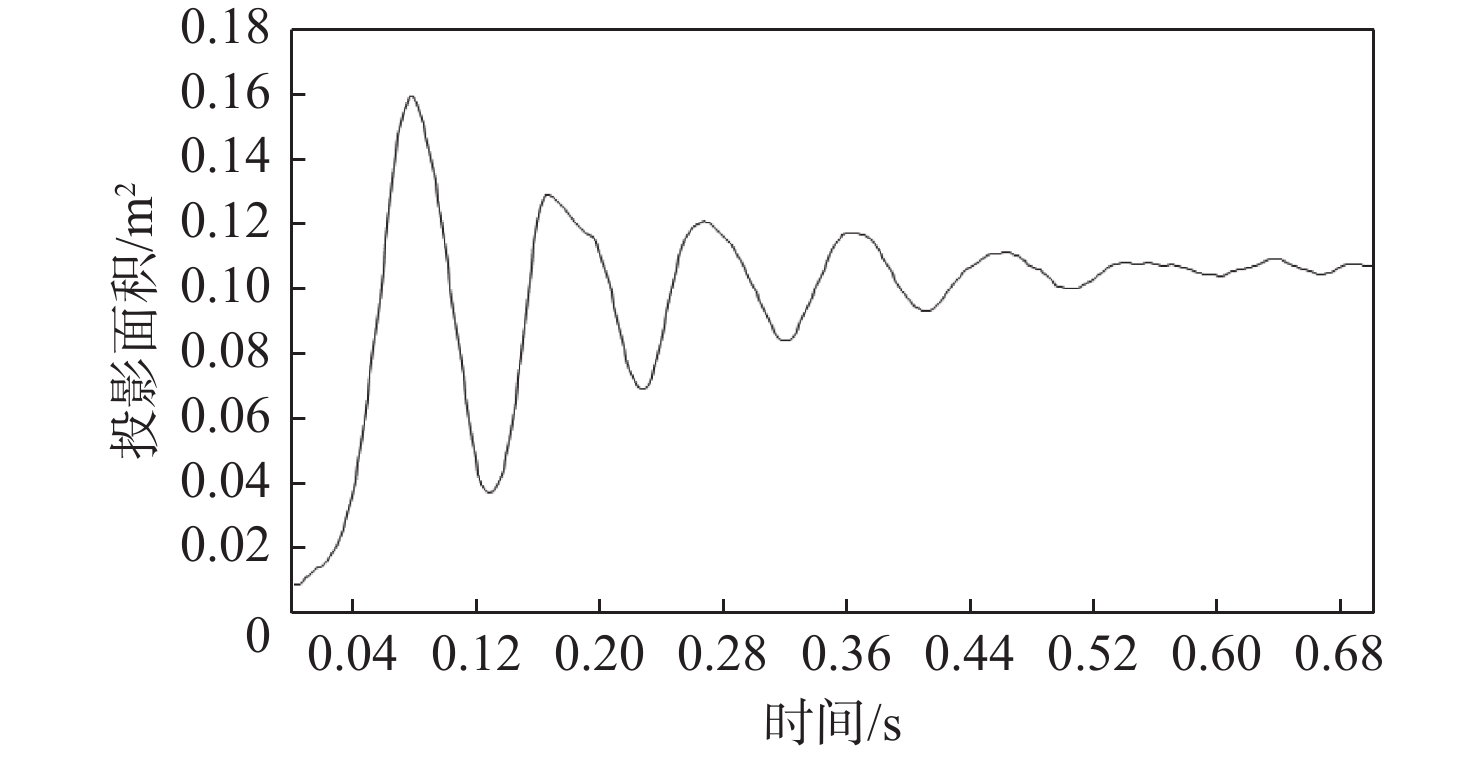
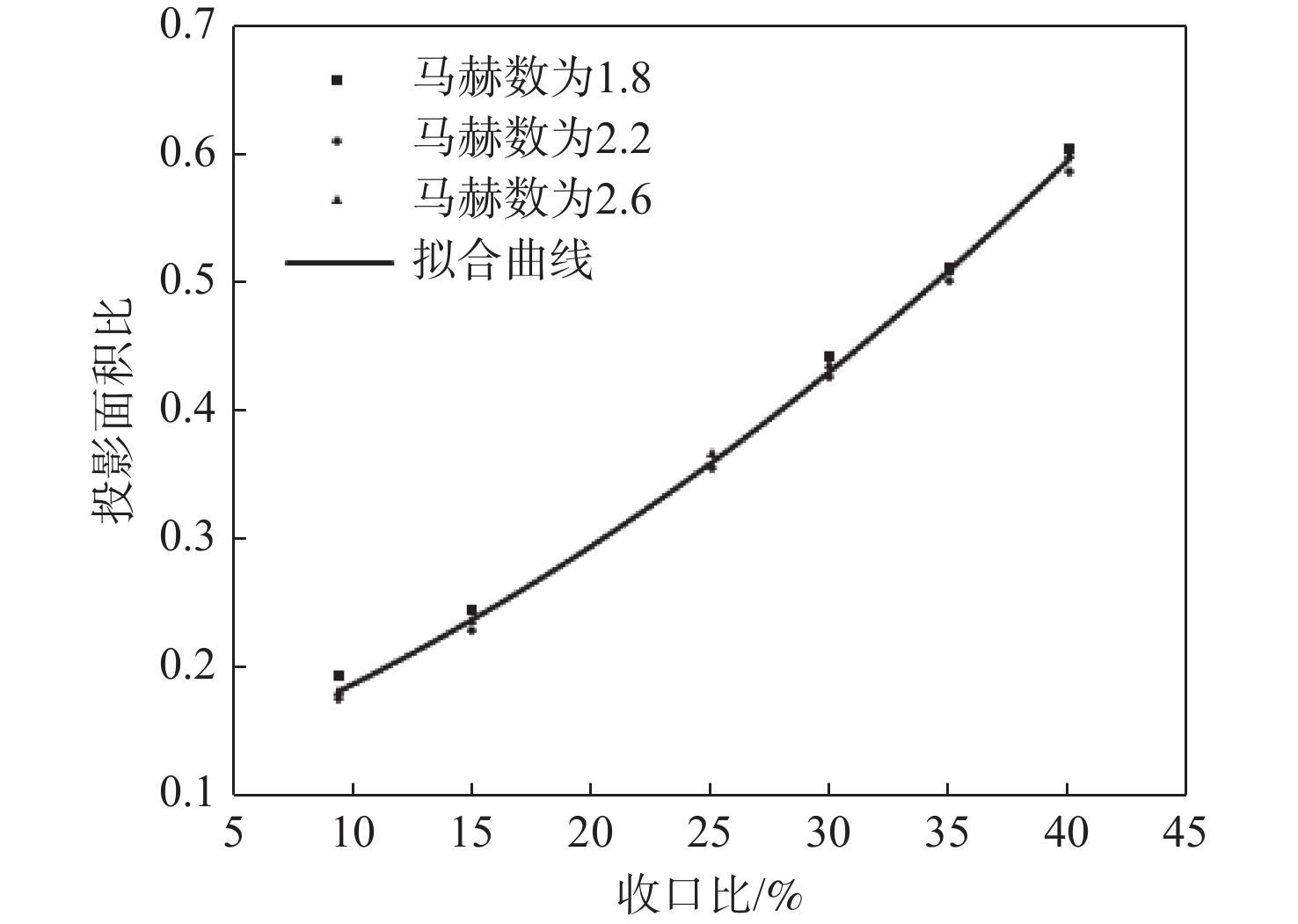
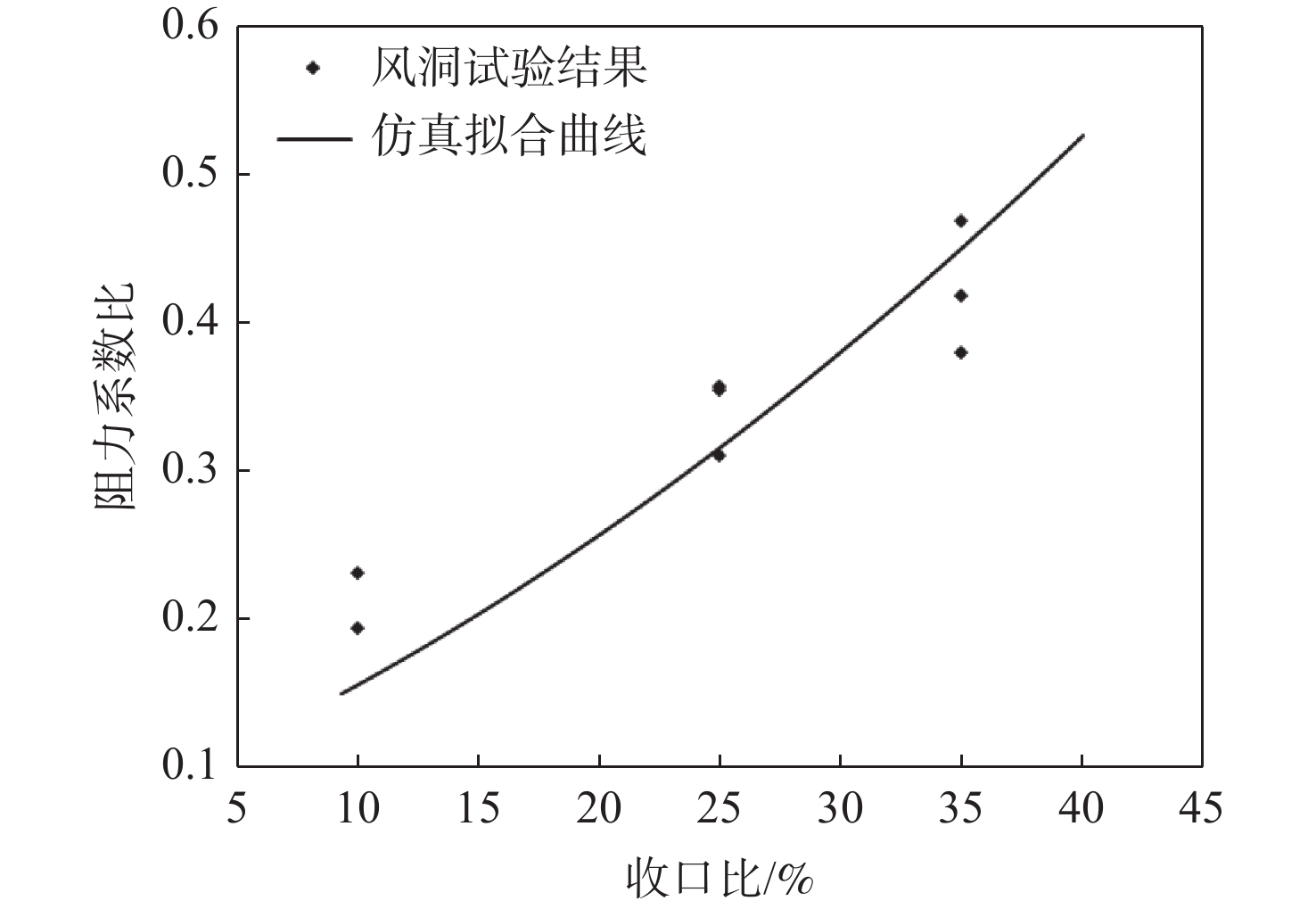
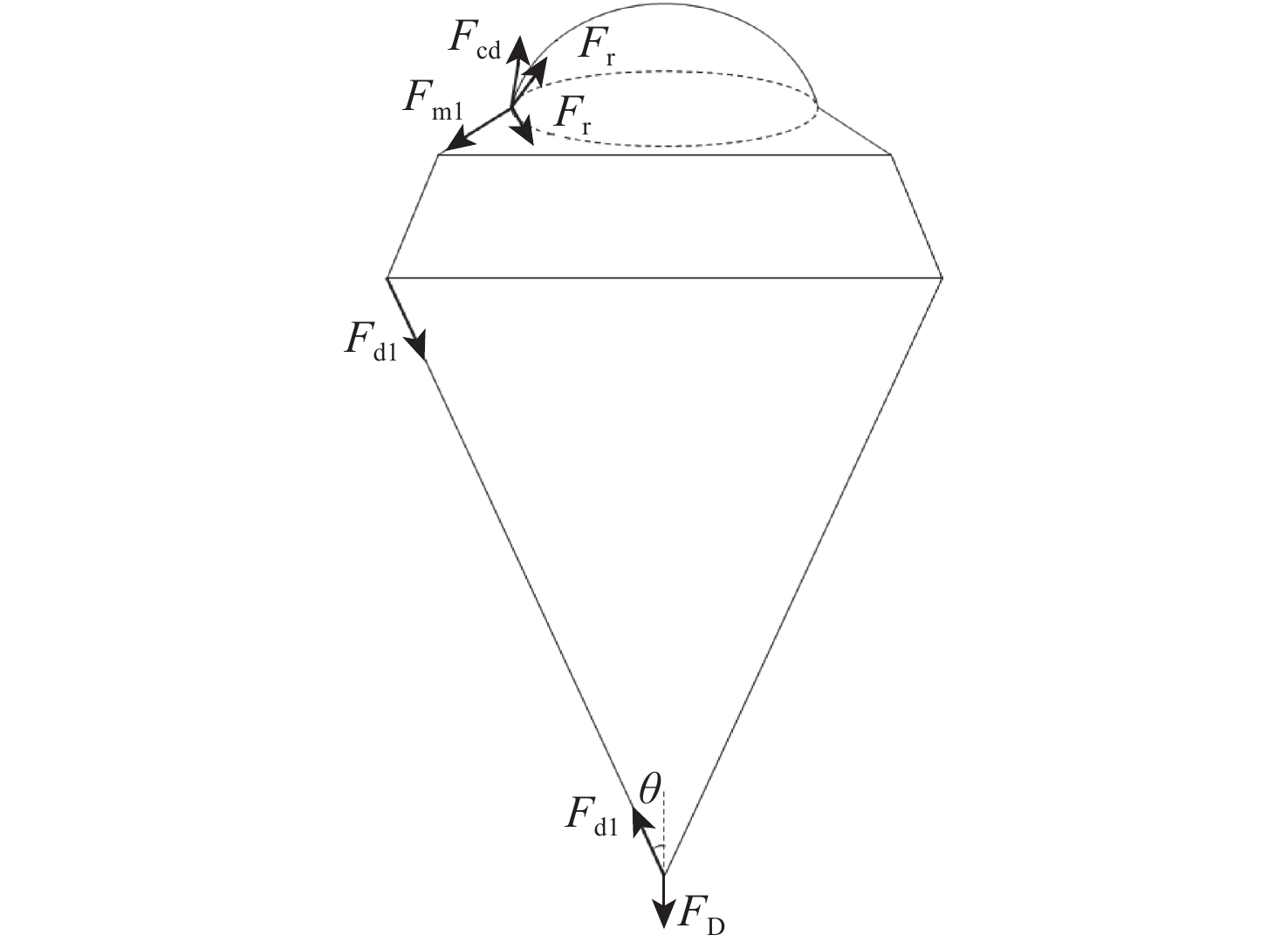
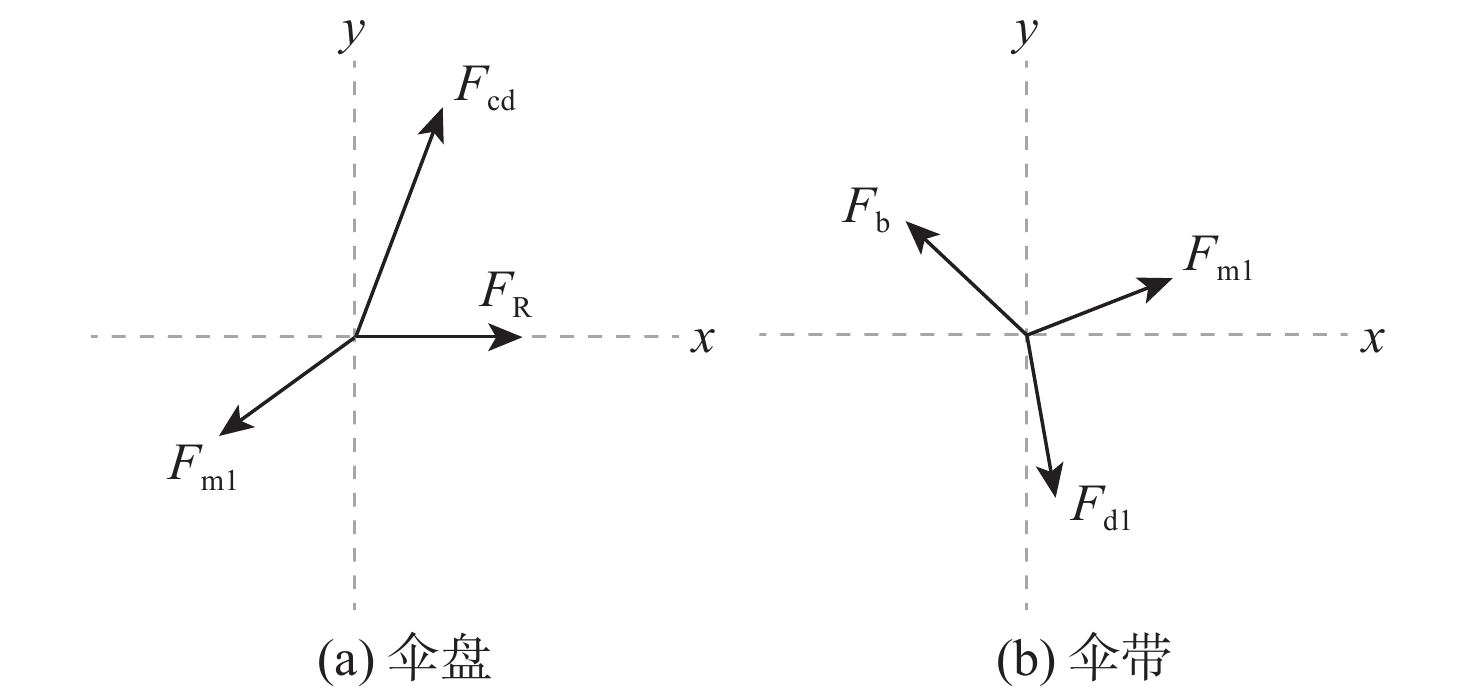
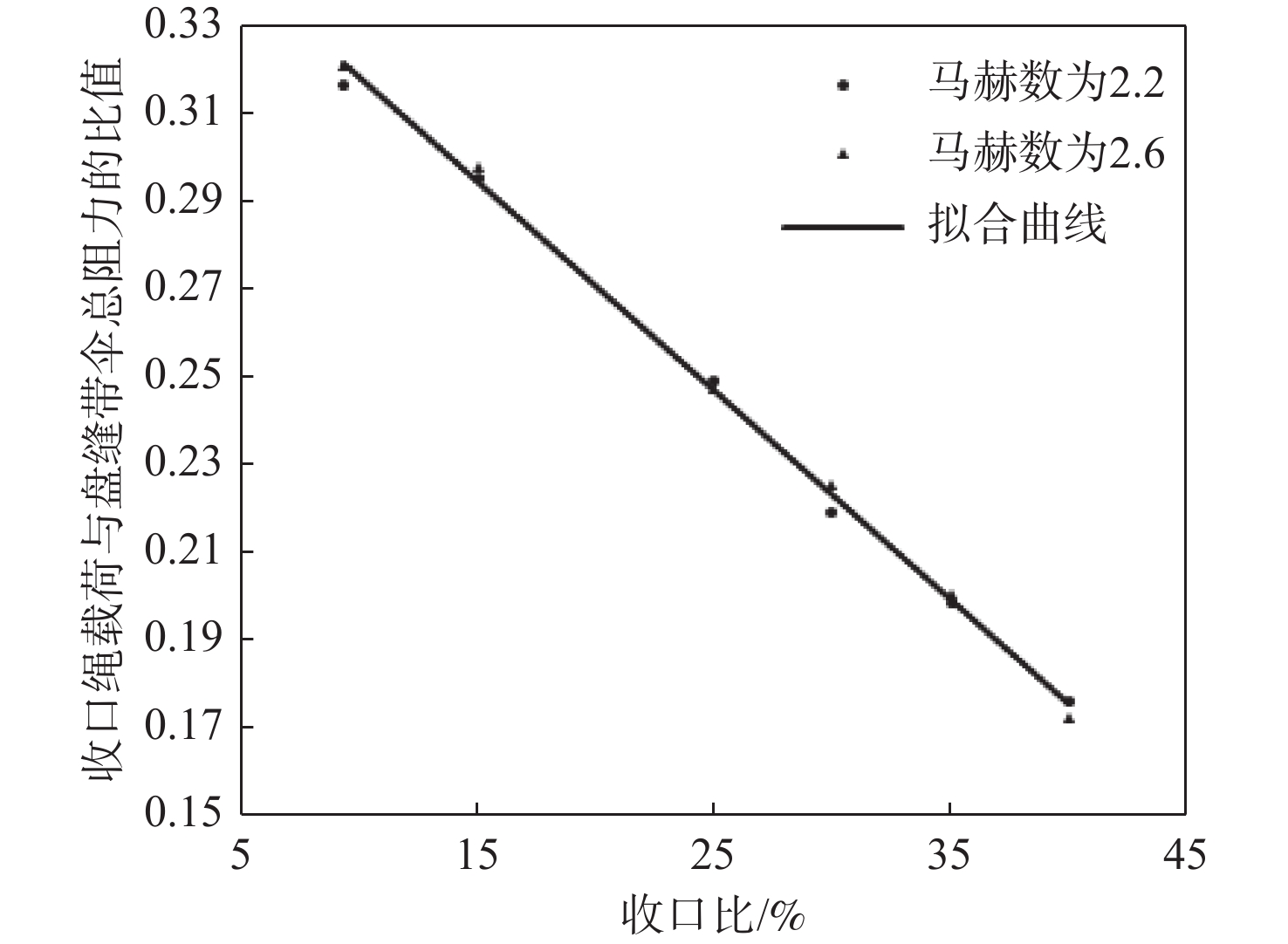
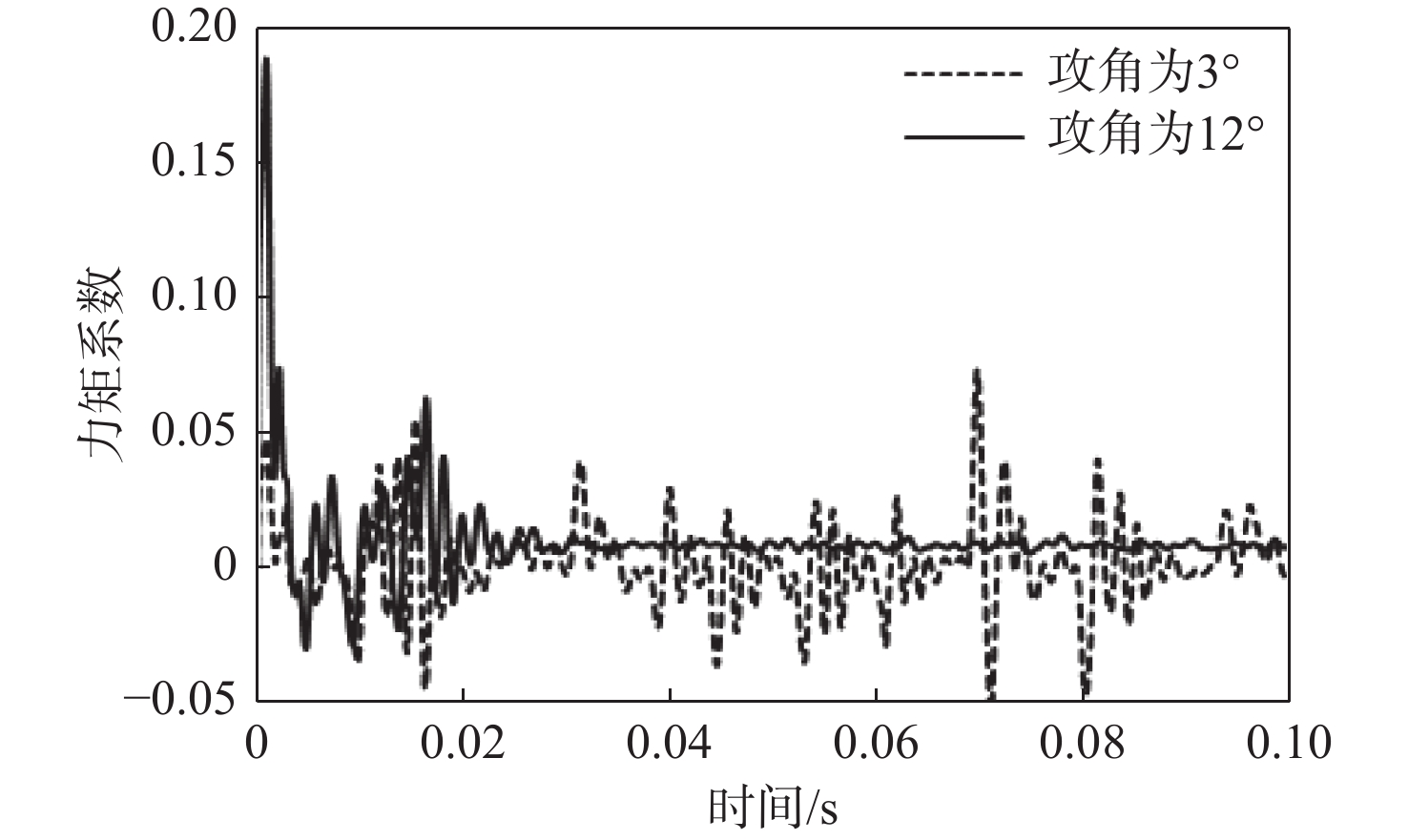
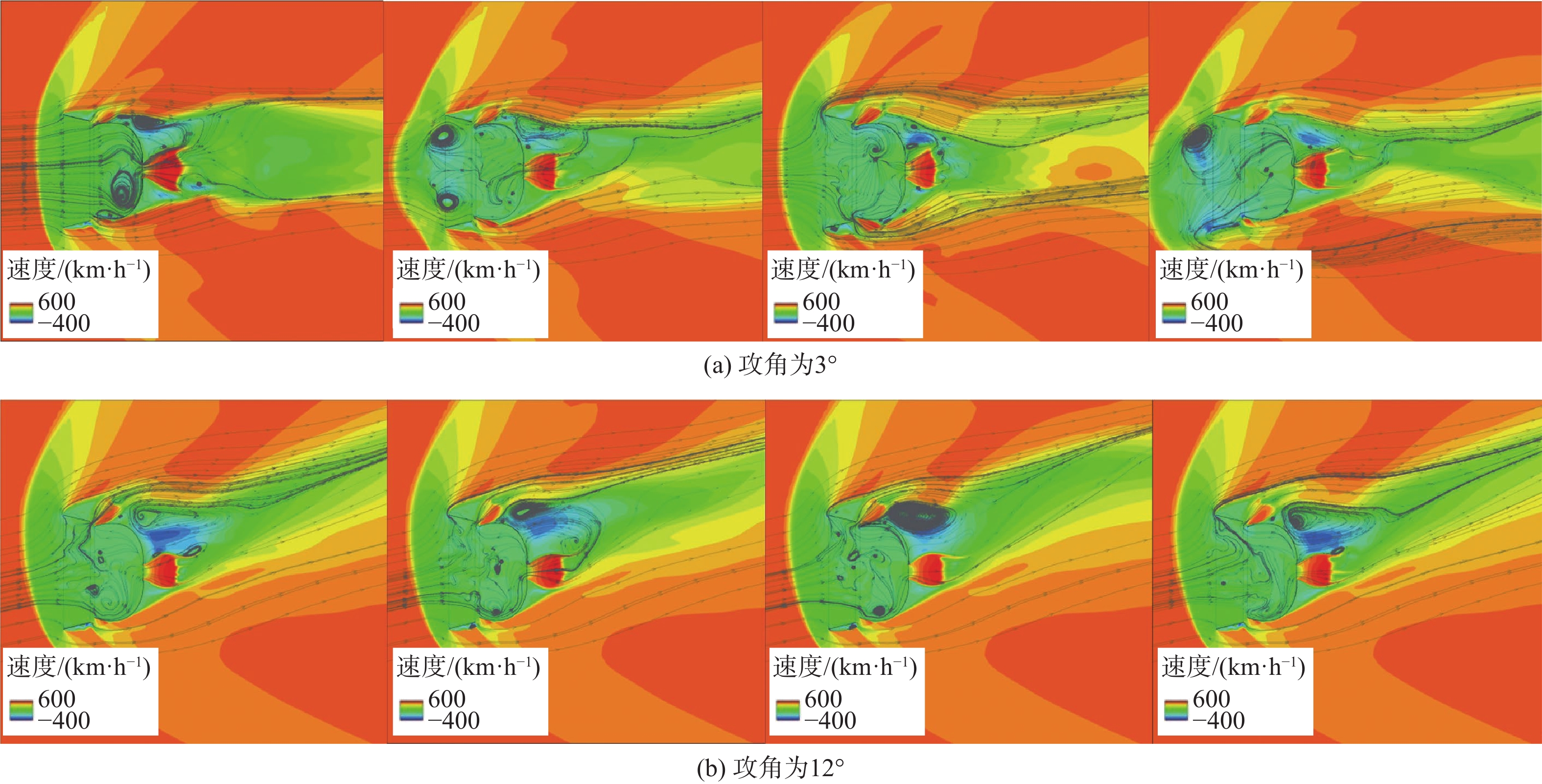
The increasing the mass of Mars landing probes requires enlarging the parachute area to ensure stable deceleration performance while controlling the parachute opening force to avoid excessive structural weight penalties on the probe. One of the effective ways to meet the above needs is the reefing disk-gap-band parachute. In this article, the functional link between the reefing ratio and the resistance coefficient ratio, projection area ratio, and reefing rope load is obtained using fluid-structure coupling simulation analysis based on the Mars environment. The stability characteristics of the reefing disk-gap-band parachute were studied by computational fluid dynamics simulation. The research of this paper shows that the disk-gap-band parachute can achieve the controlled change of resistance performance, and can provide stable performance to meet the engineering application.

Steady state modeling and characteristic analysis of propylene flat loop heat pipes
JIA Zhichao, BI Hanli, PENG Zheng, LI Guoguang, WU Qi, ZHANG Hongxing, MIAO Jianyin
2026, 52(3): 874-884. doi: 10.13700/j.bh.1001-5965.2023.0814
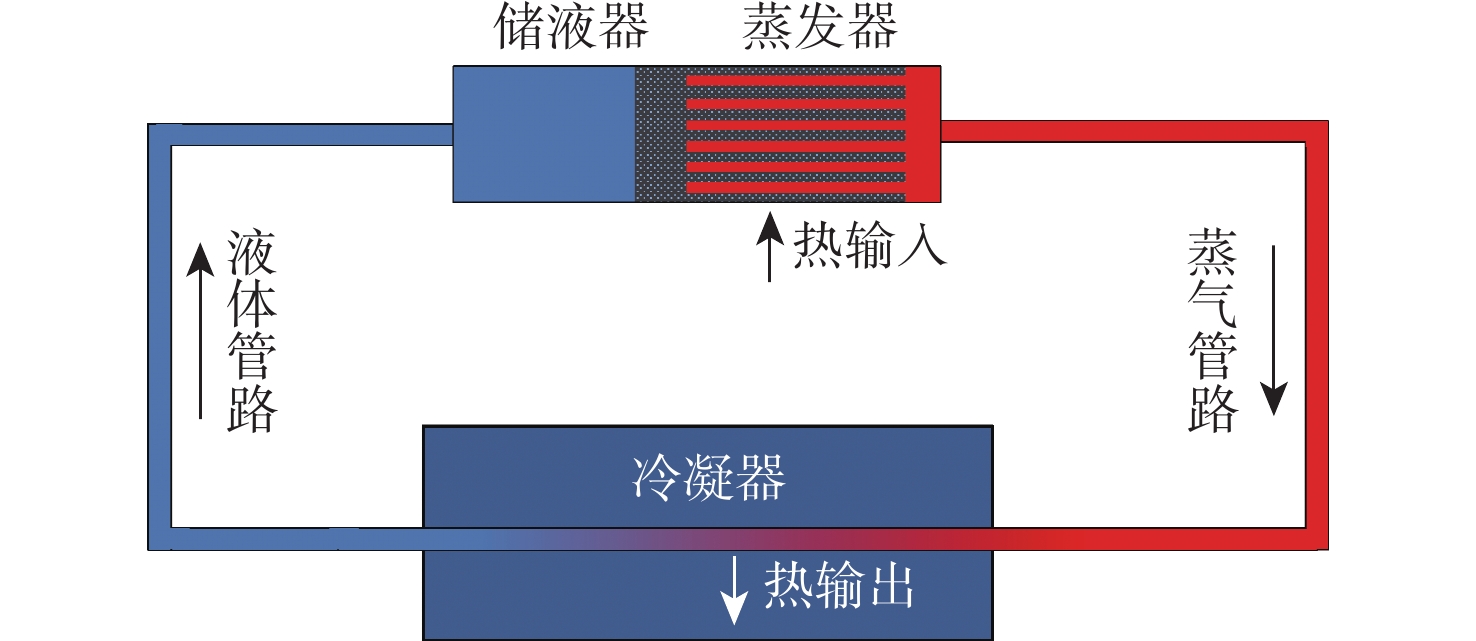
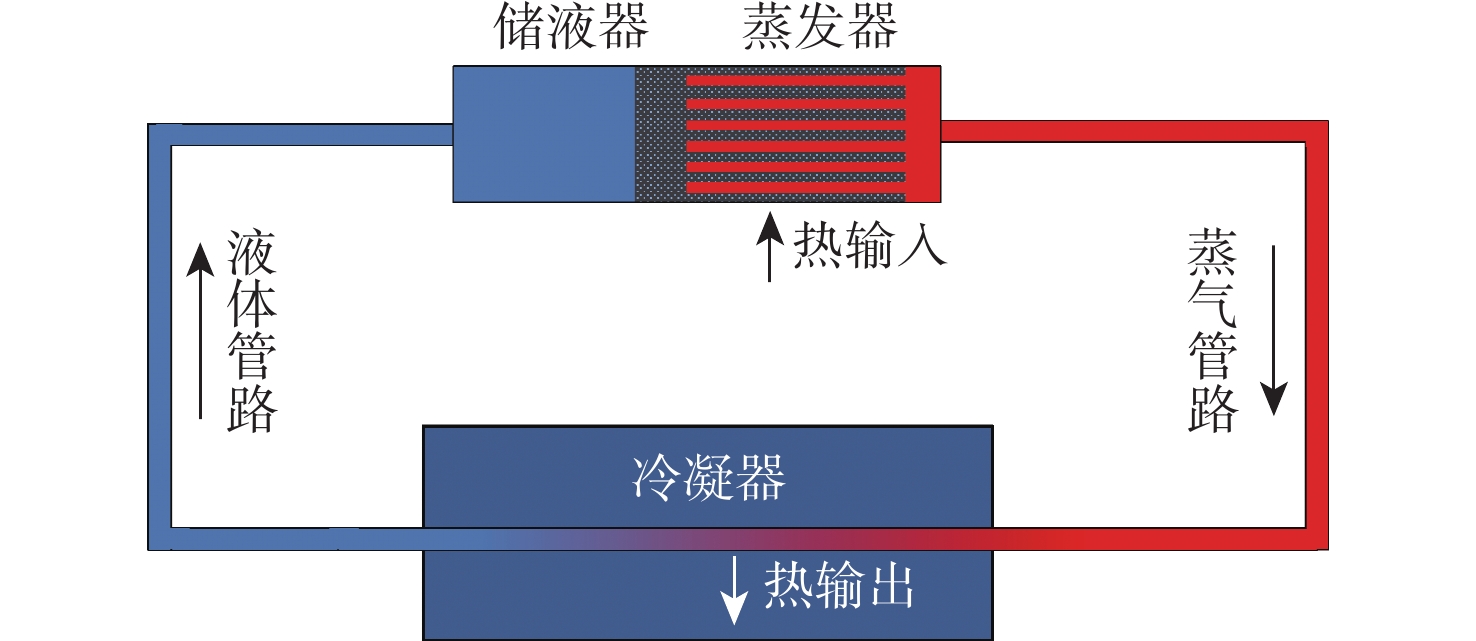
Abstract:

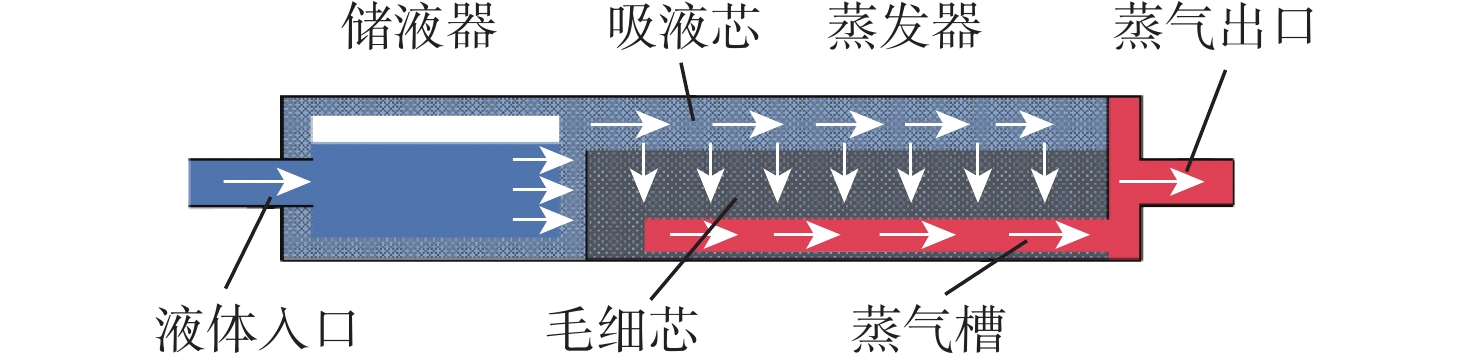
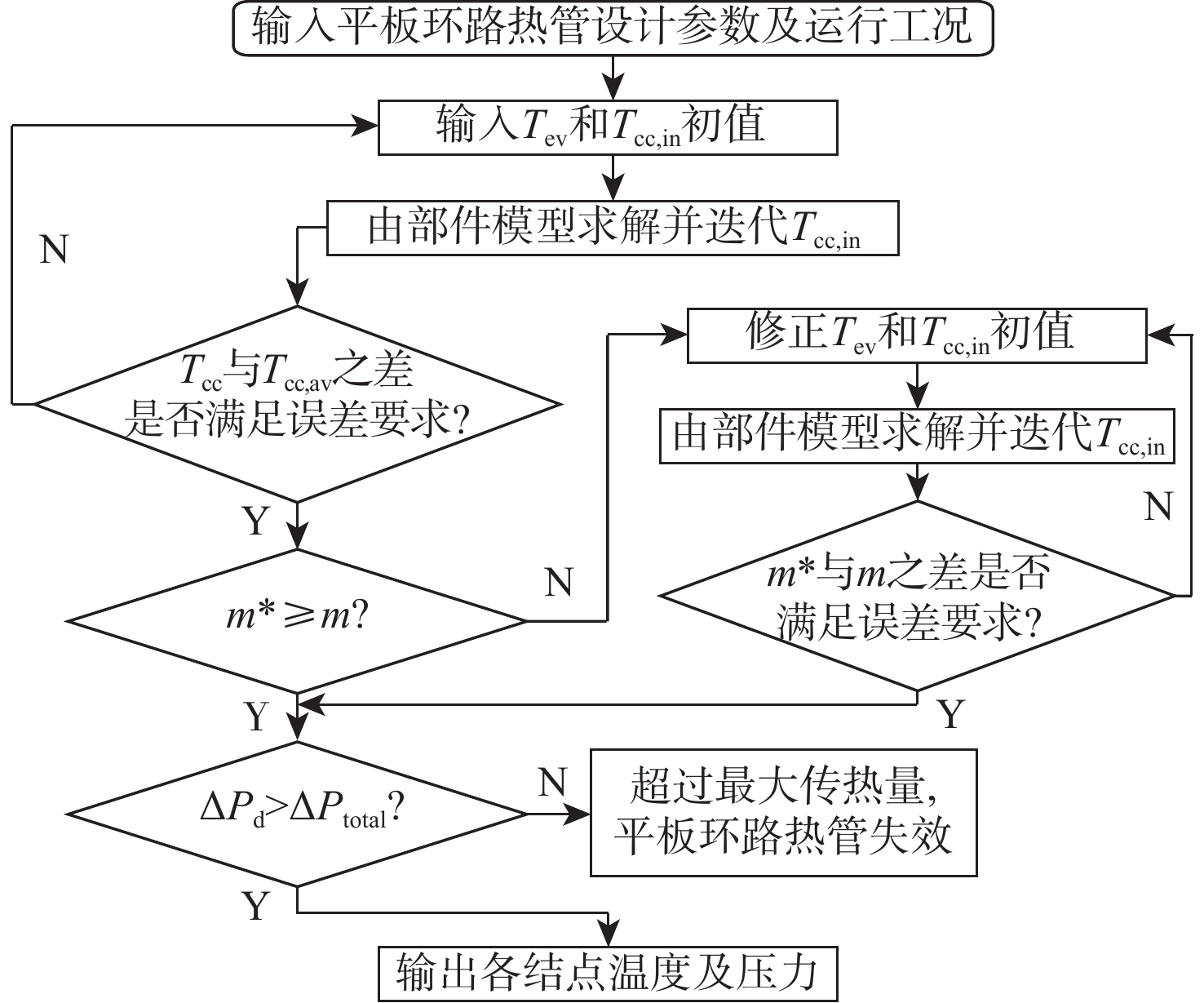
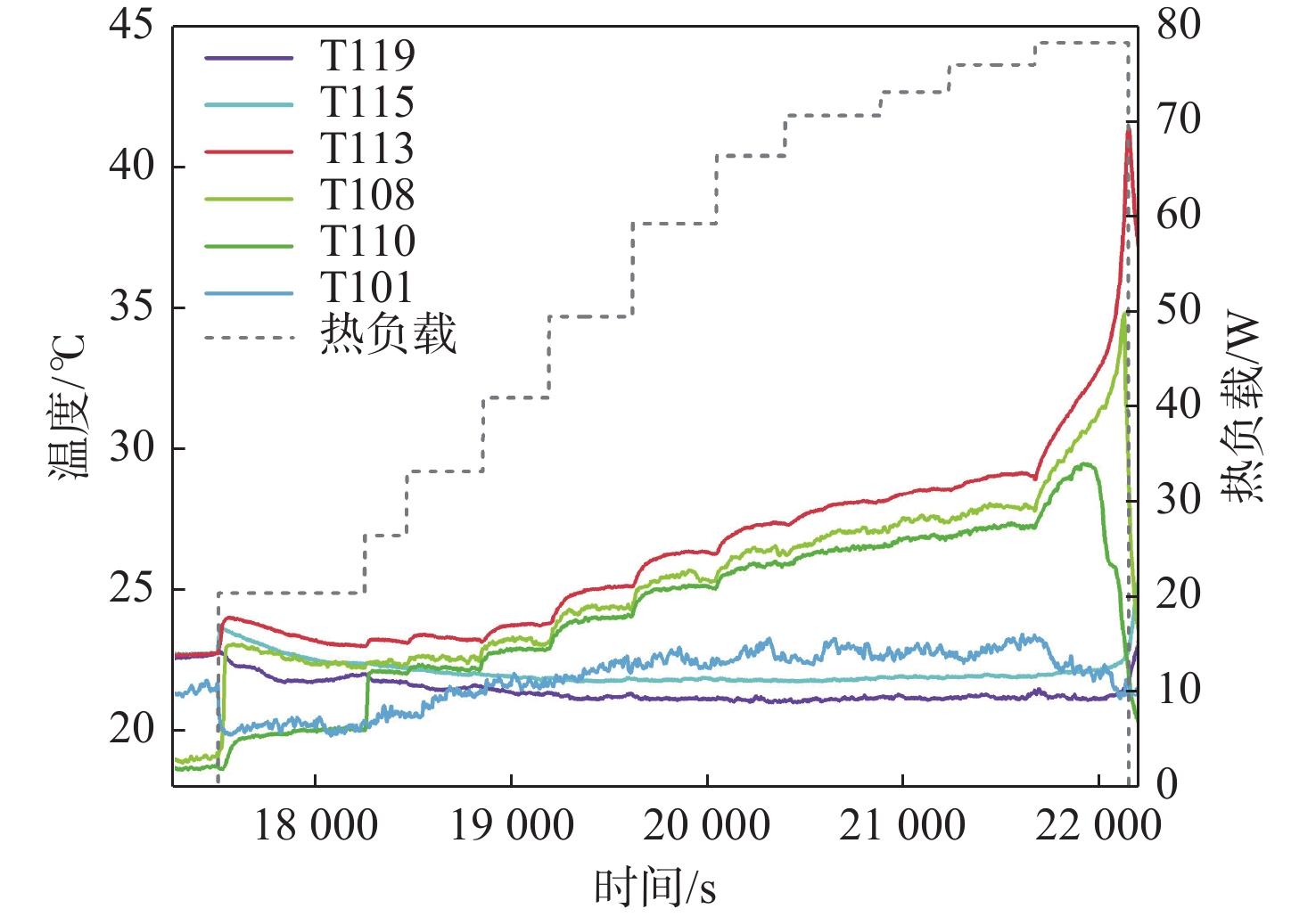
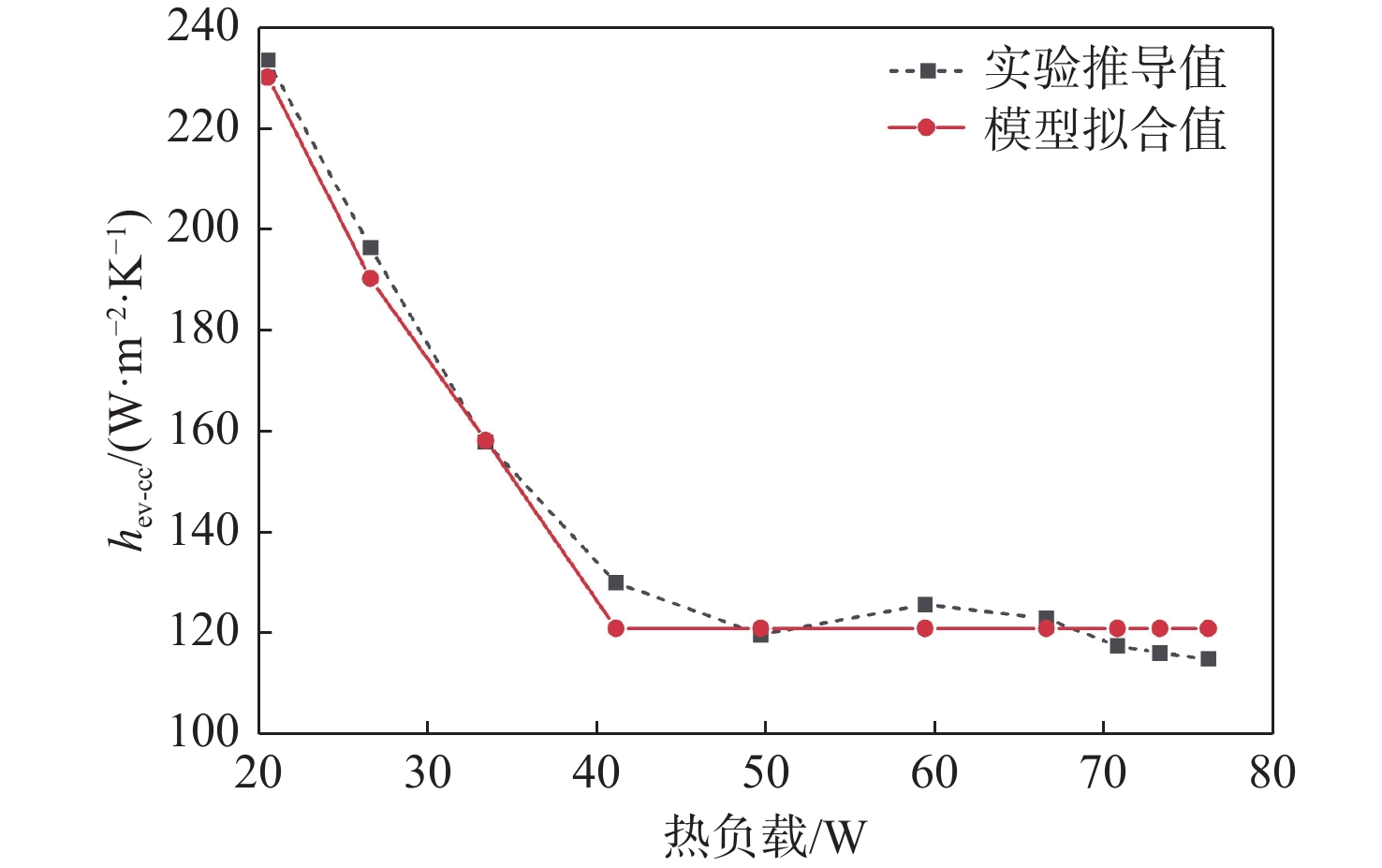
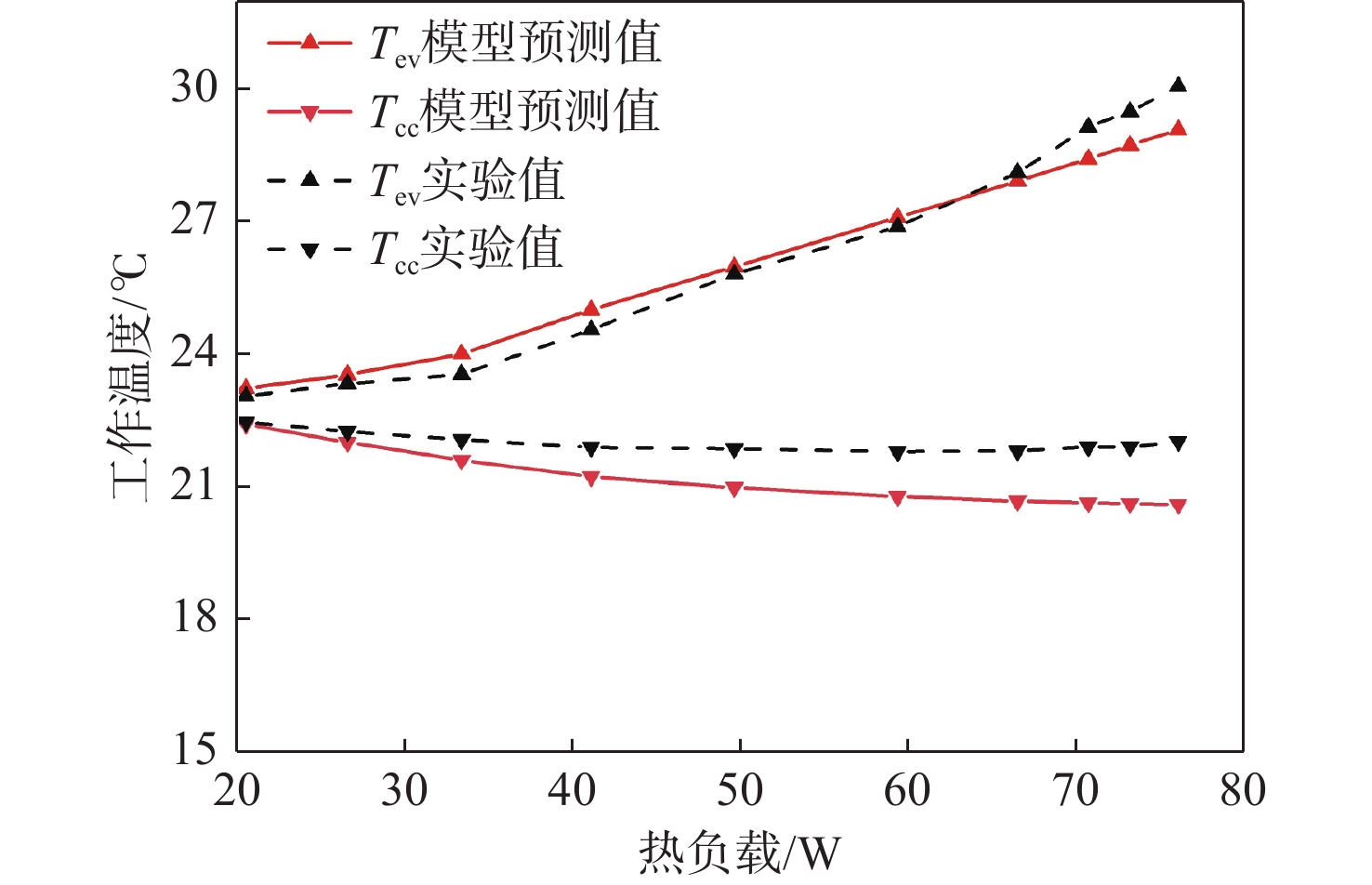
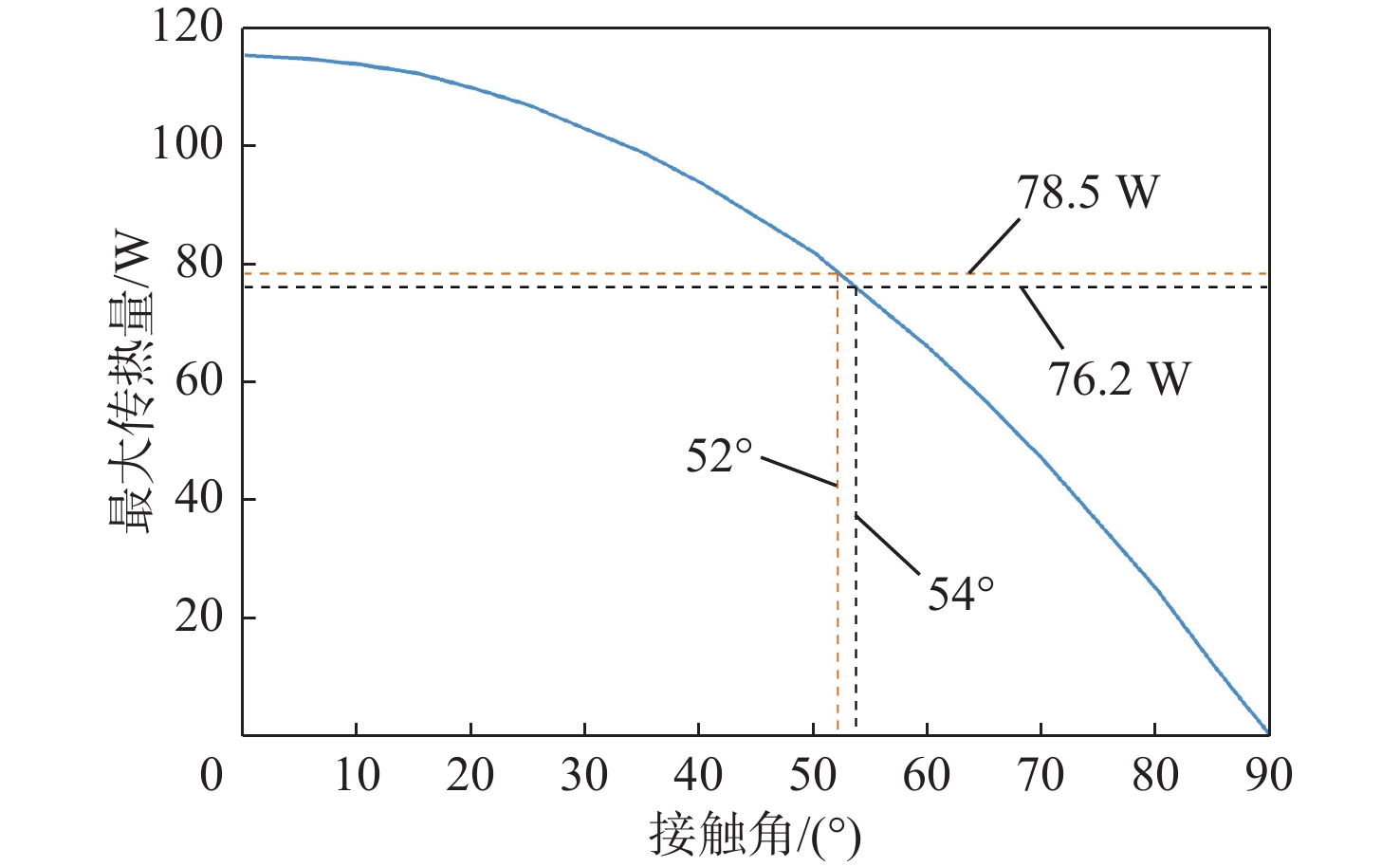
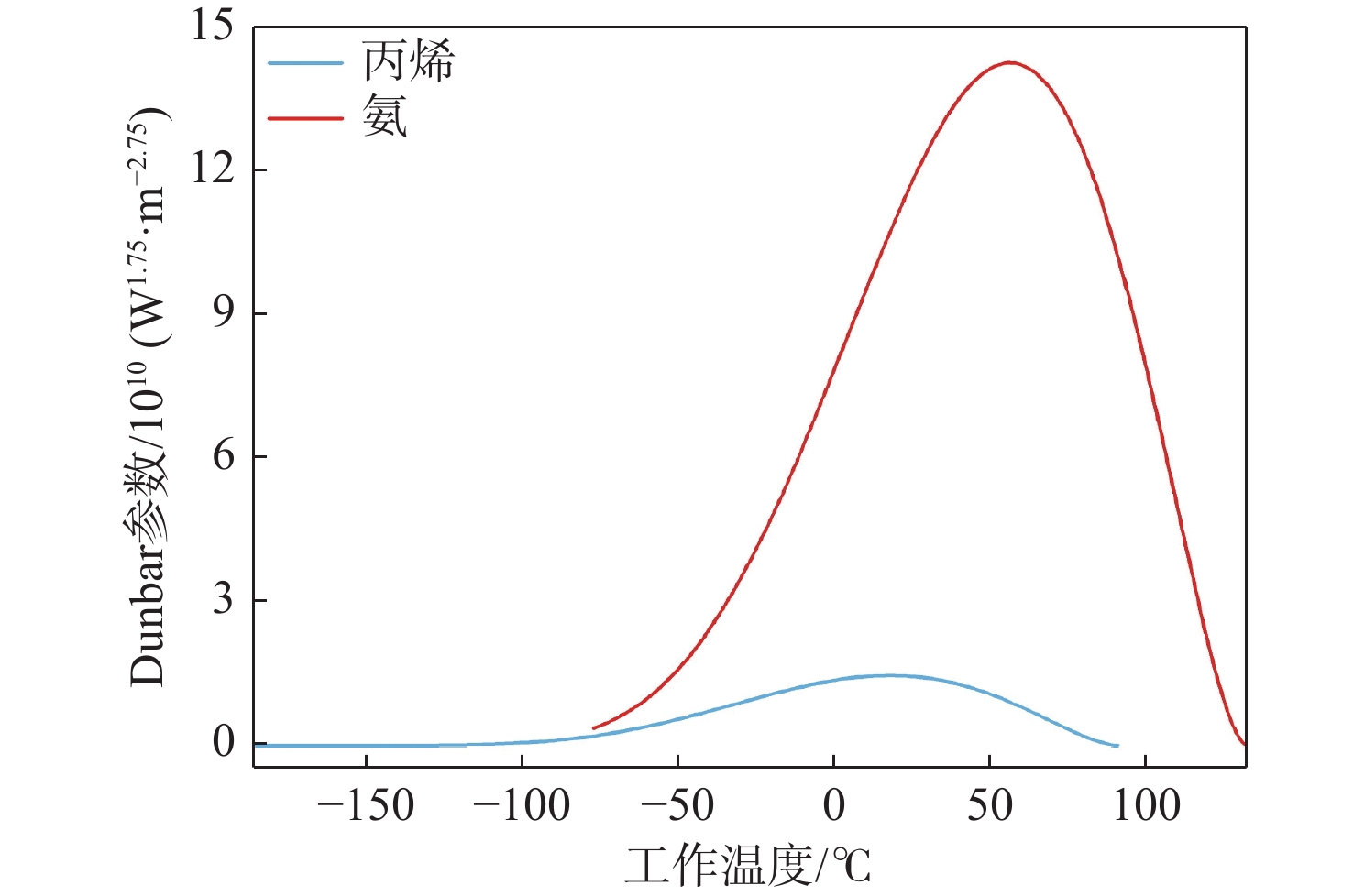
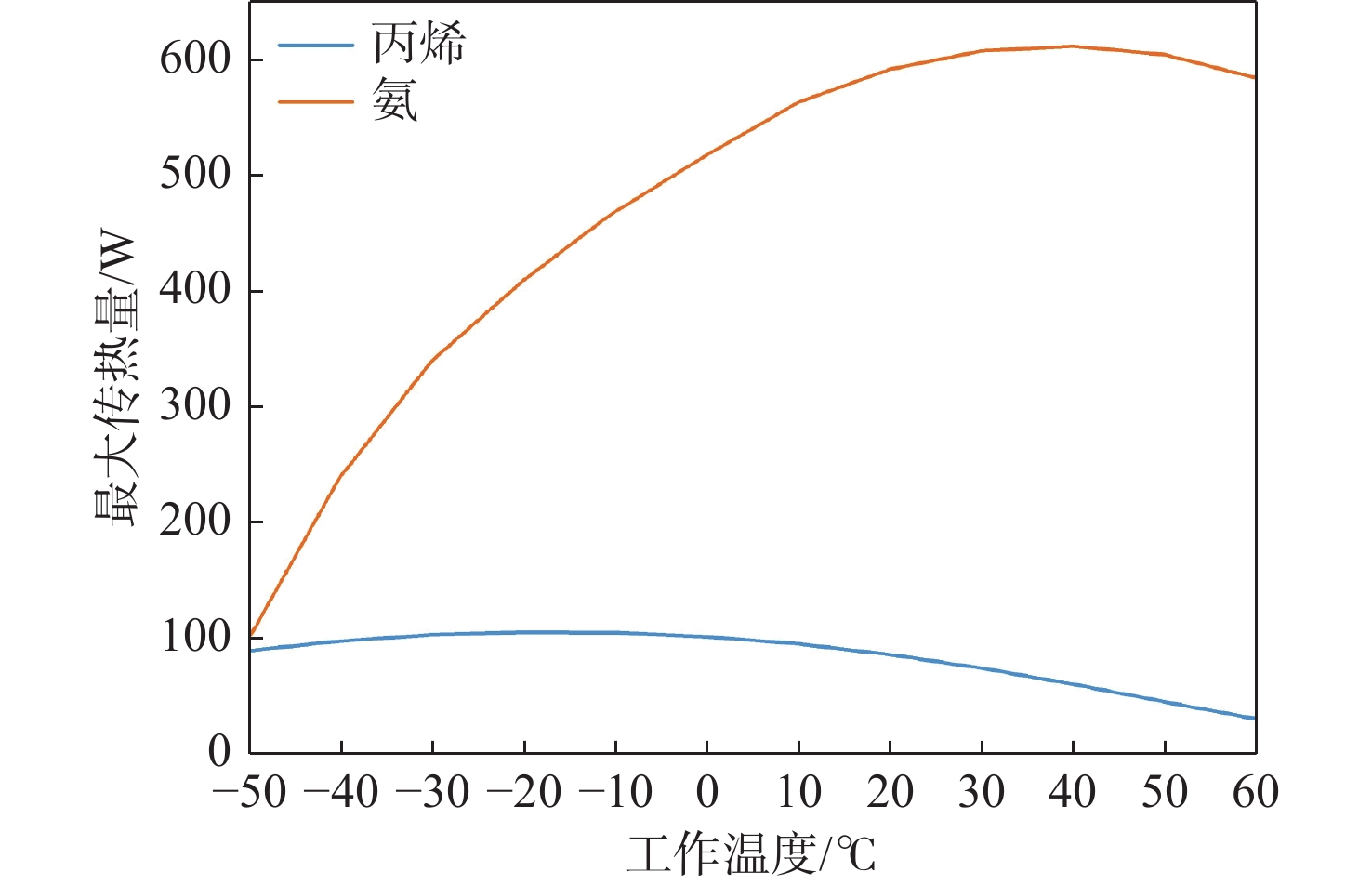
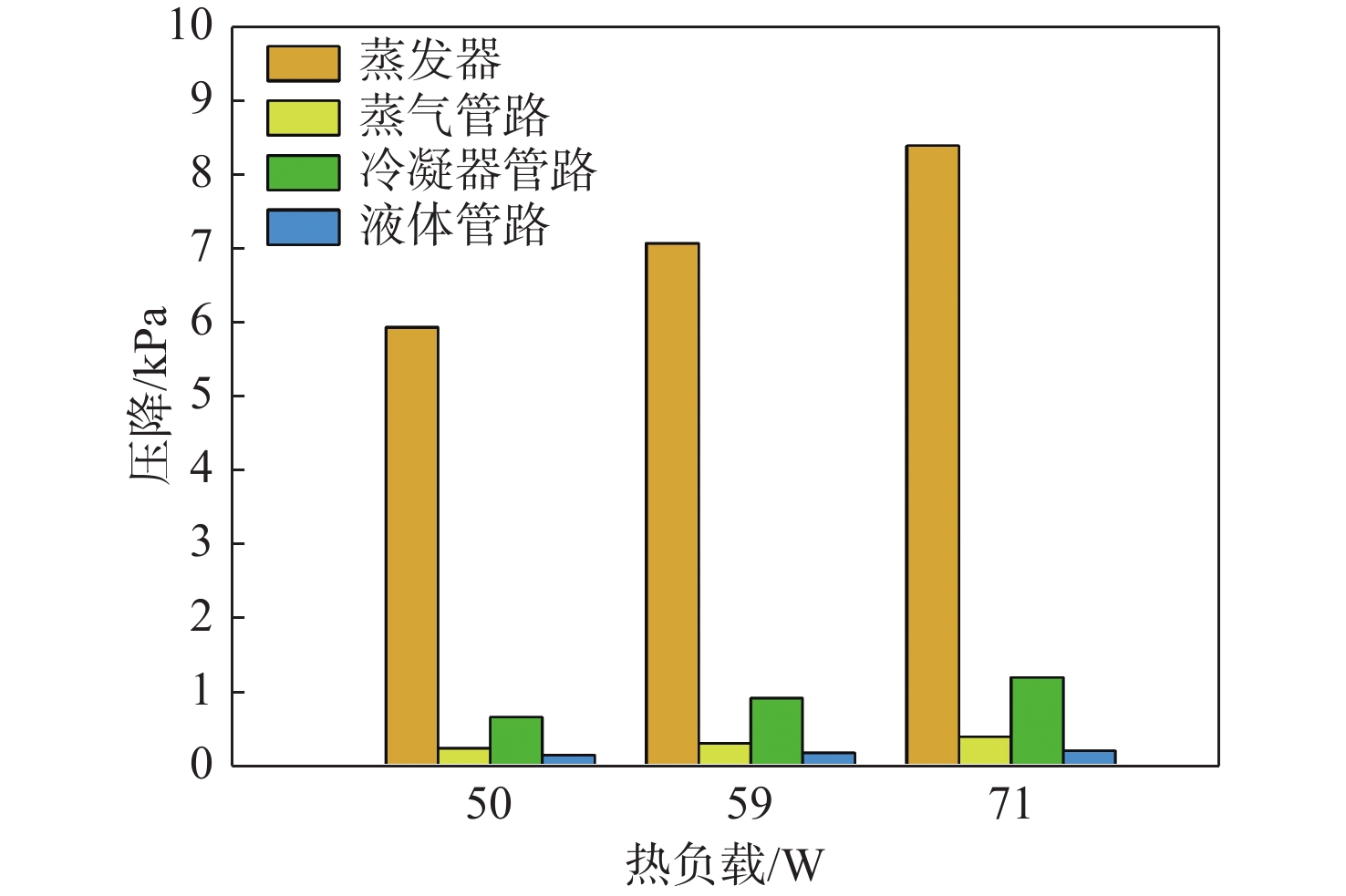
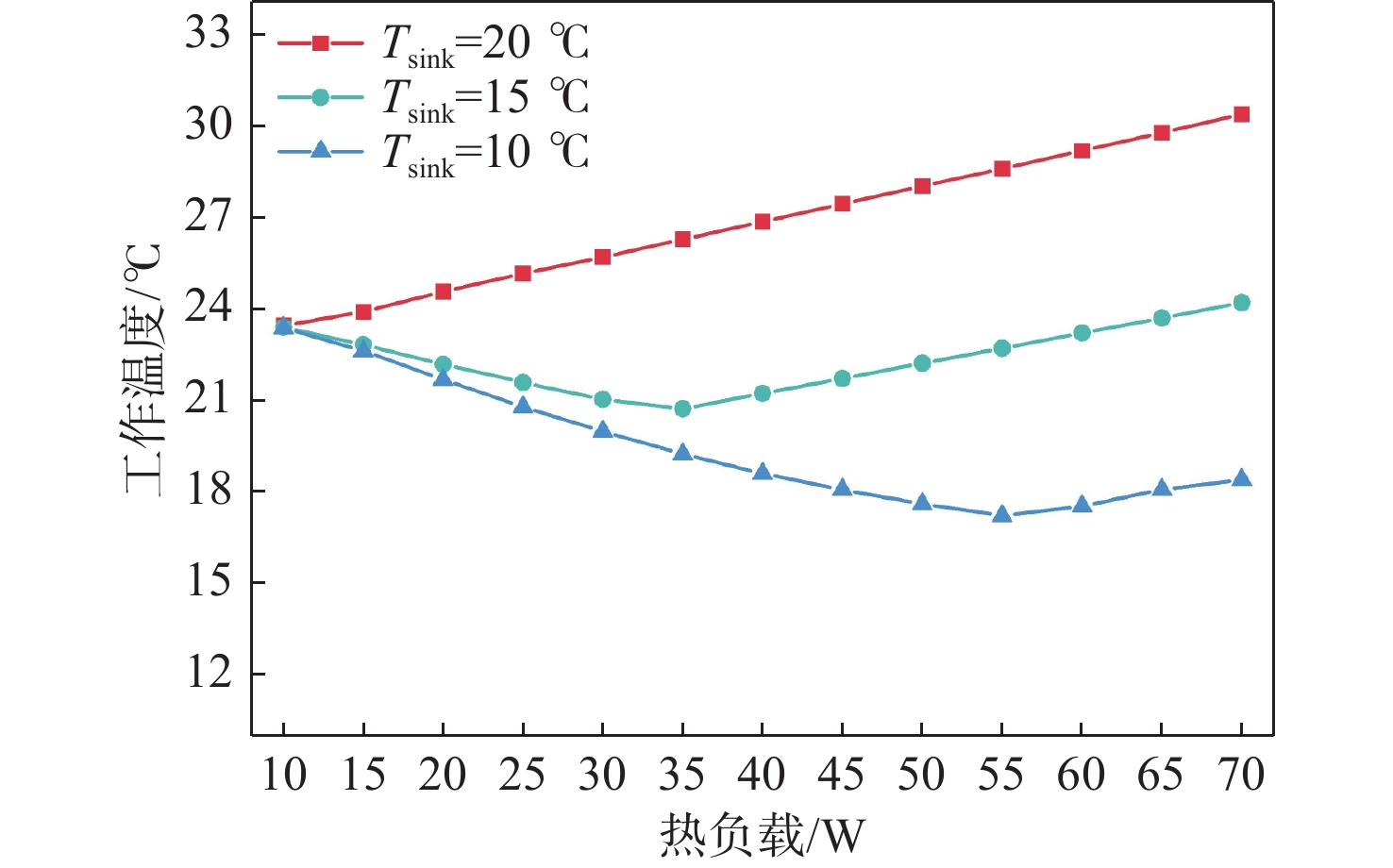
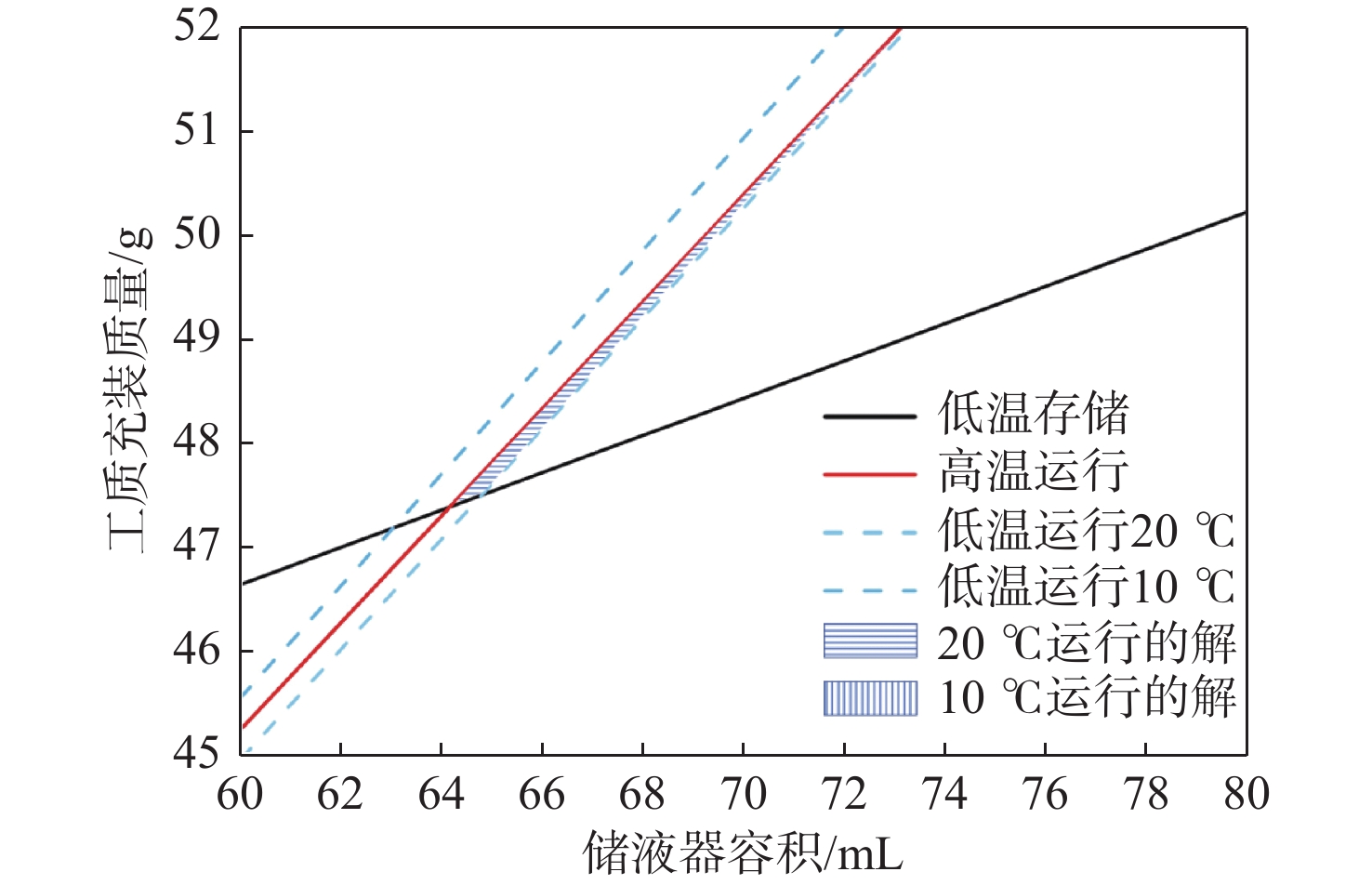
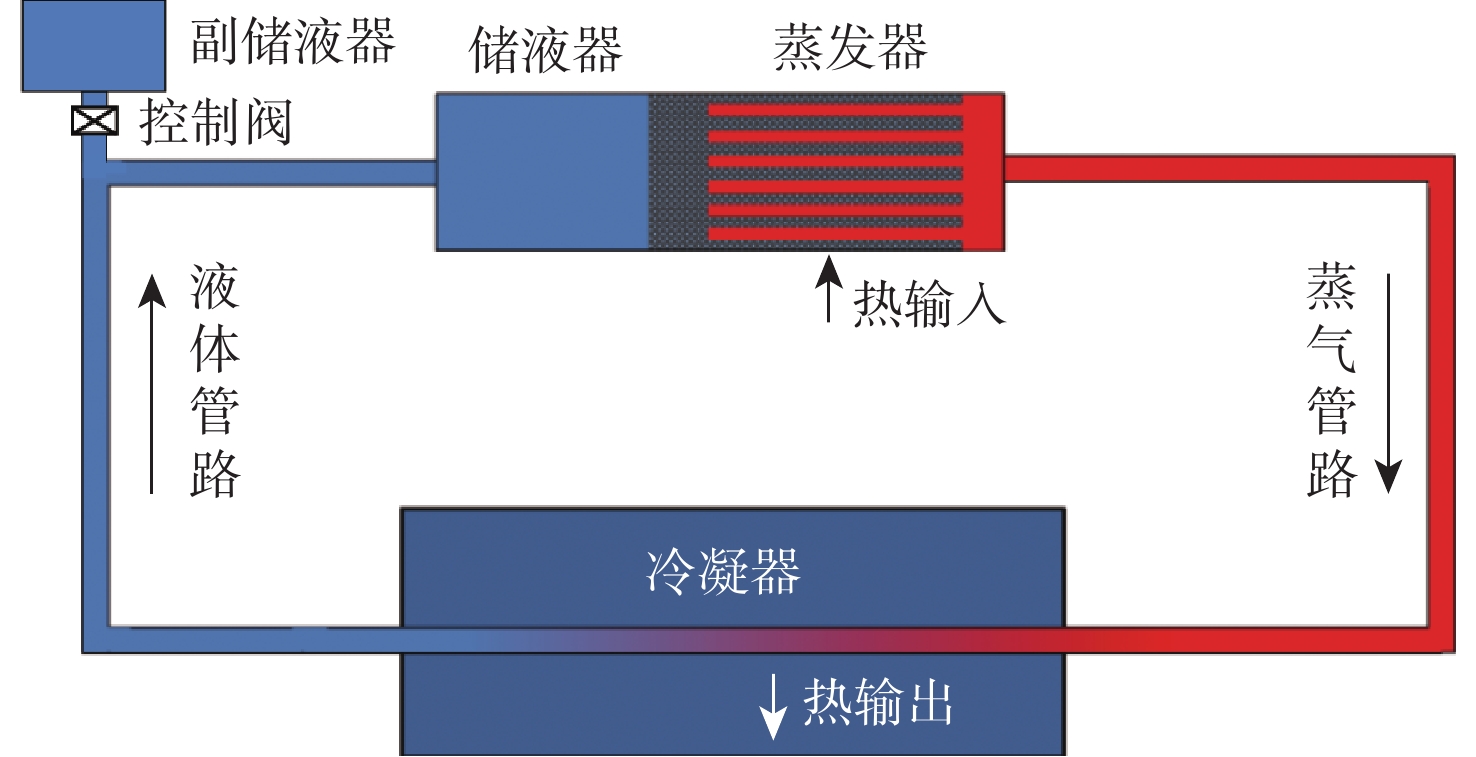
The flat loop heat pipe (LHP) using propylene as the working fluid has advantages such as low-temperature adaptability and light weight, making it the vital technology for solving the thermal control problems of deep space exploration missions. Urgent demands are raised to investigate the heat transfer performance and characteristics of propylene flat LHPs. This paper established a steady-state model, which can accurately predict the operating temperature of a propylene flat LHP. The maximum heat transfer capability and flow resistance characteristics of propylene LHP were analyzed. The calculation method was improved, which is used for computing the volume of the compensation chamber and the mass of working fluid. A design of an LHP with a secondary compensation chamber is put forward. The propylene LHP’s operating temperature range is expanded by the design, which also reduces its weight and volume.

Numerical simulation of low-pressure modeling of bio-jet coal combustion
HE Yantong, DENG Tian, WANG Wei
2026, 52(3): 885-894. doi: 10.13700/j.bh.1001-5965.2023.0826
Abstract:

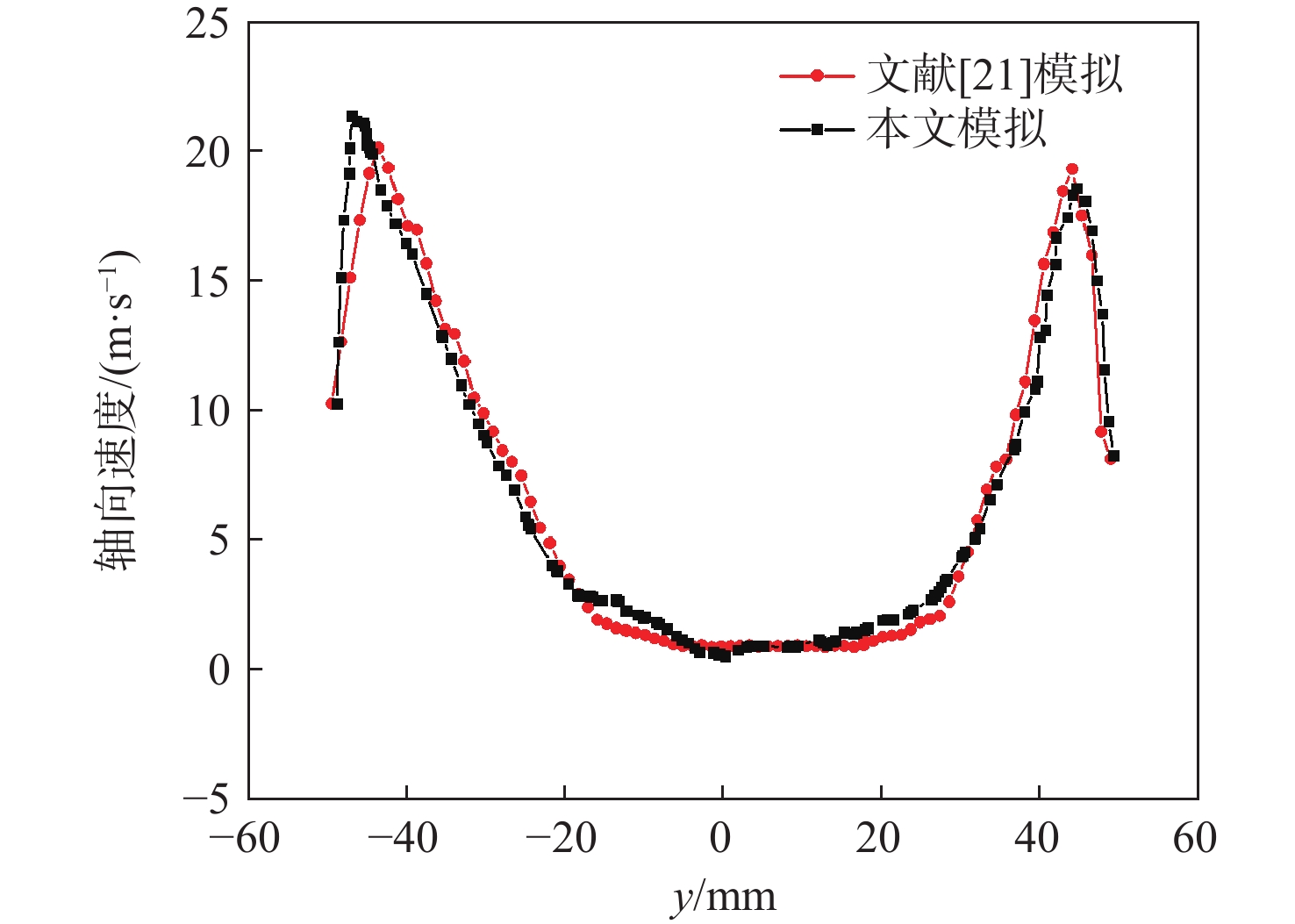
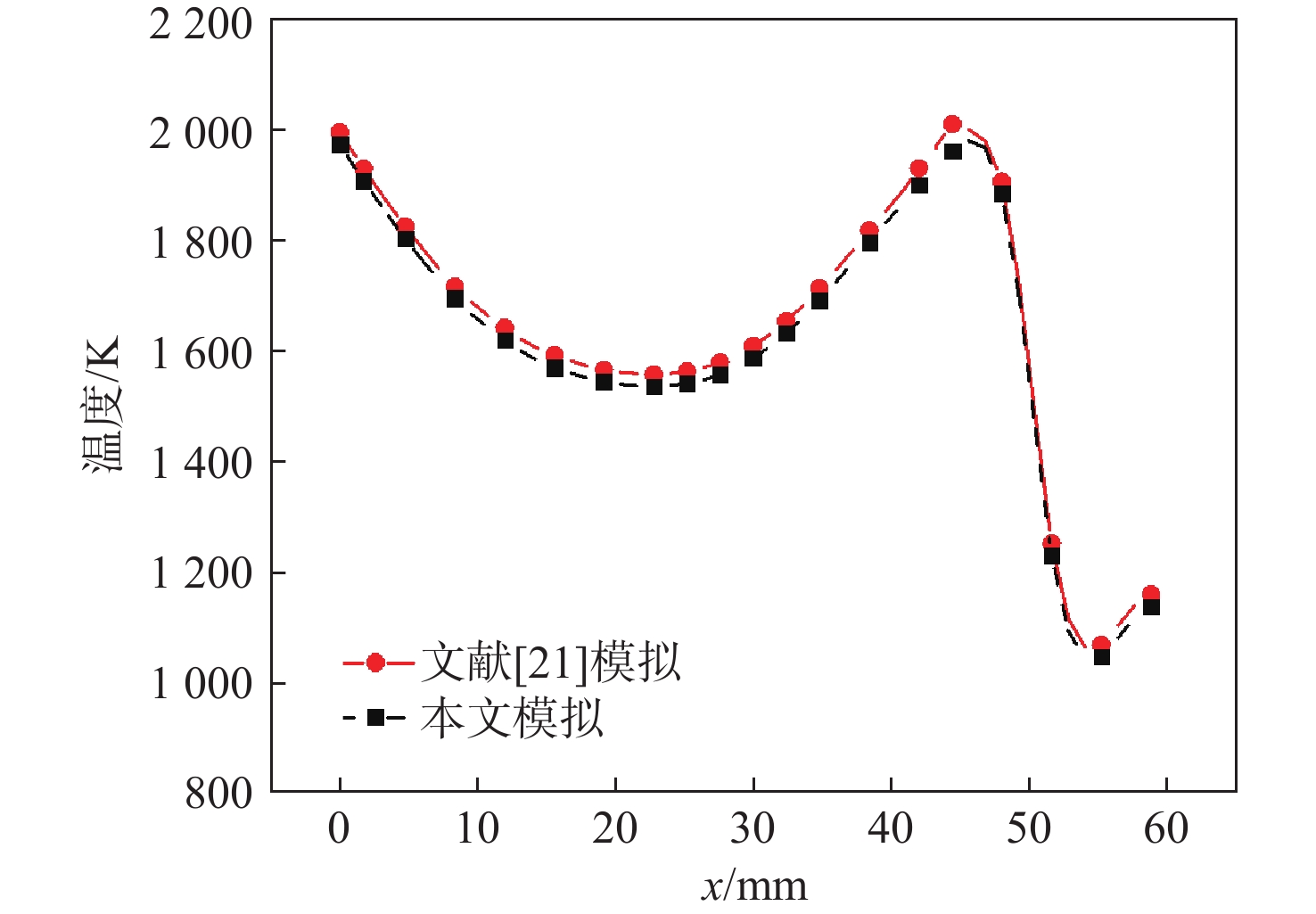
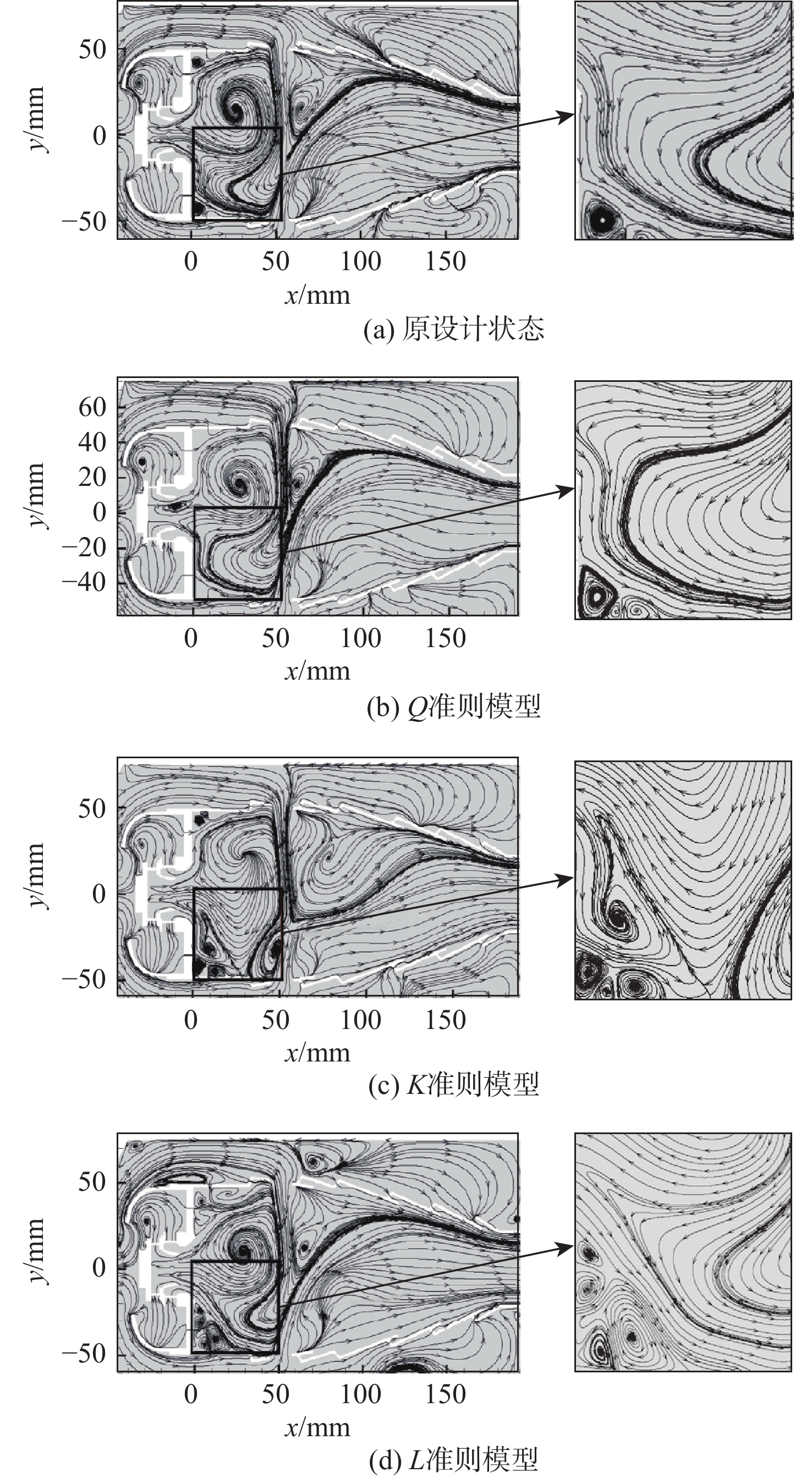
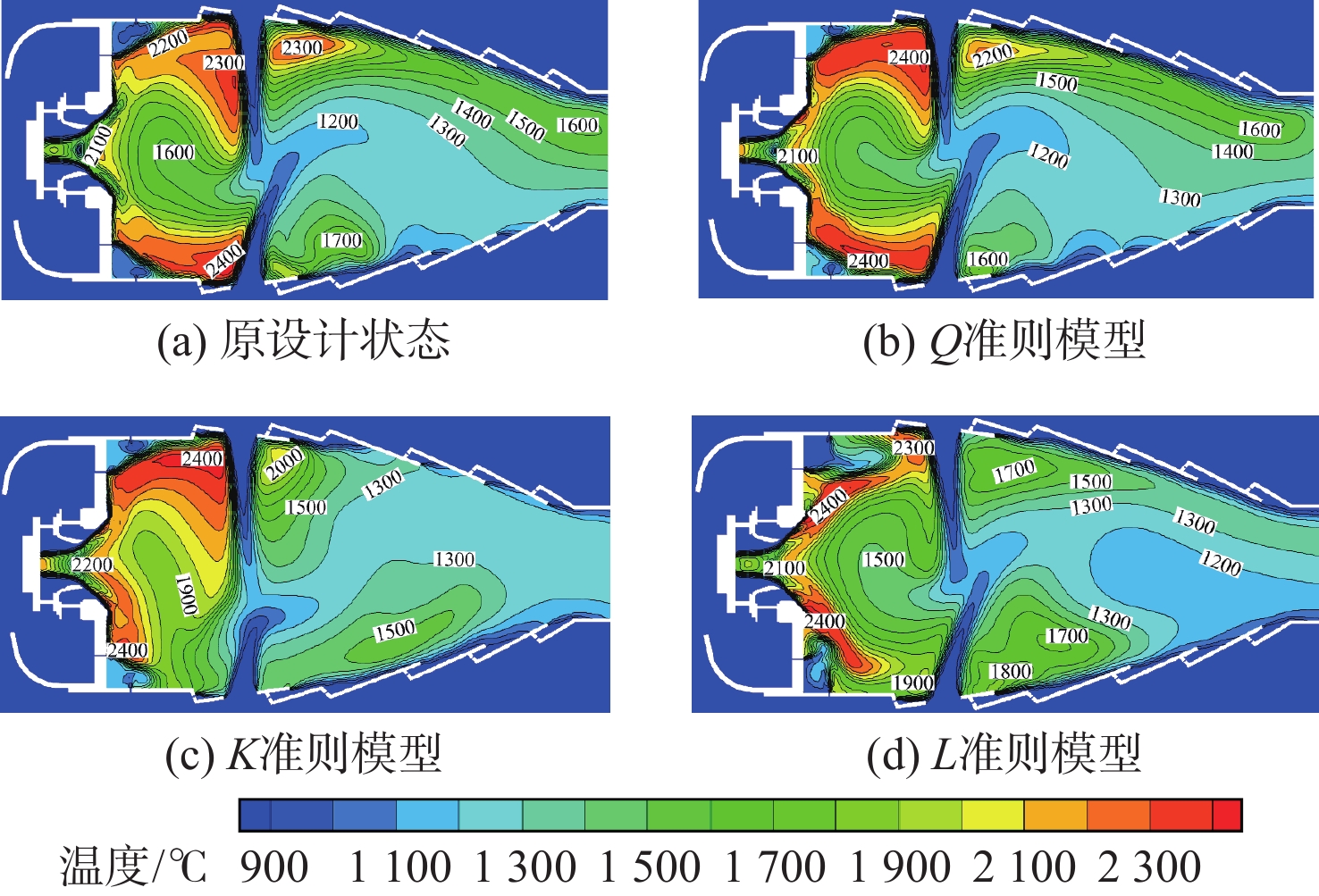
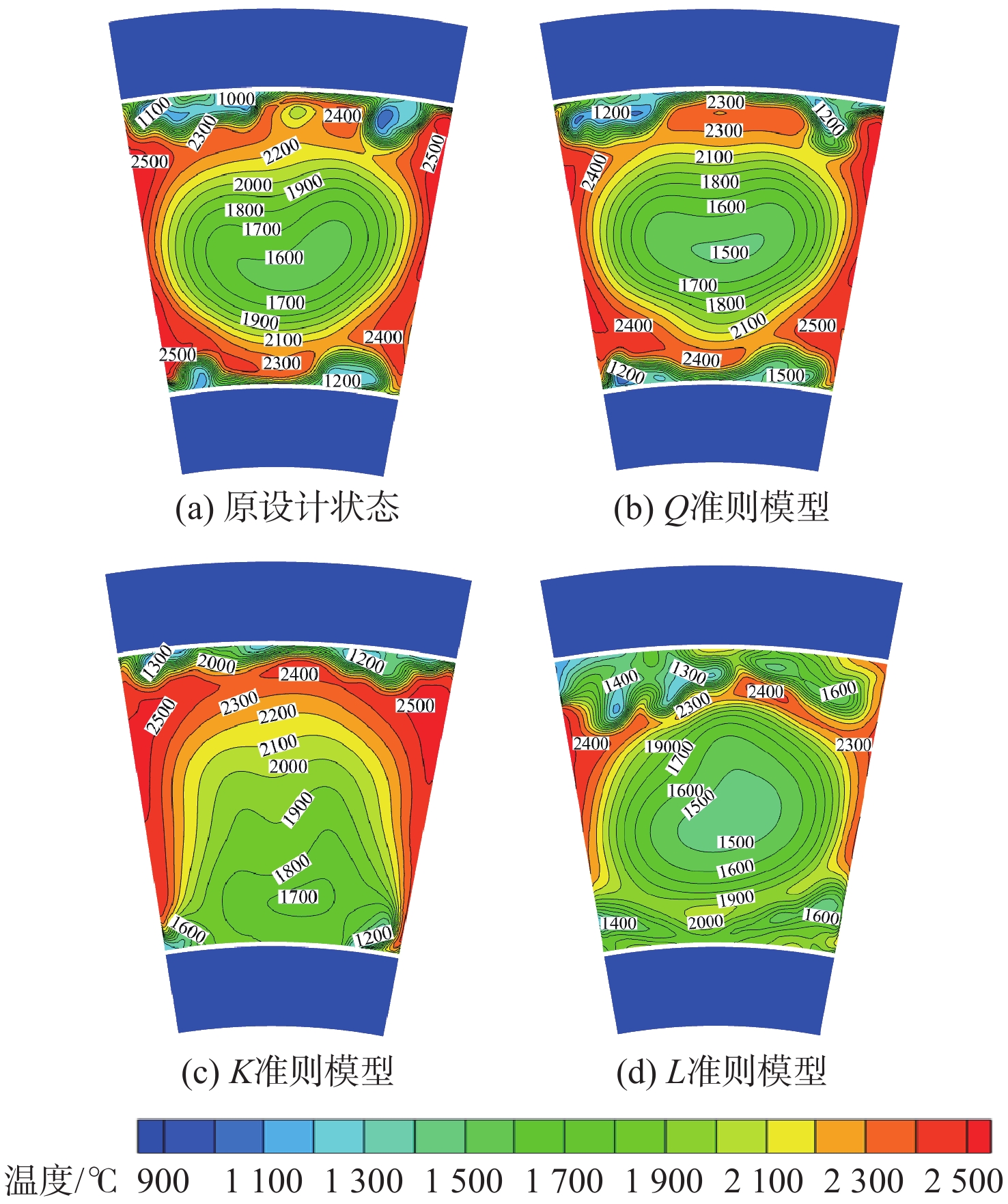
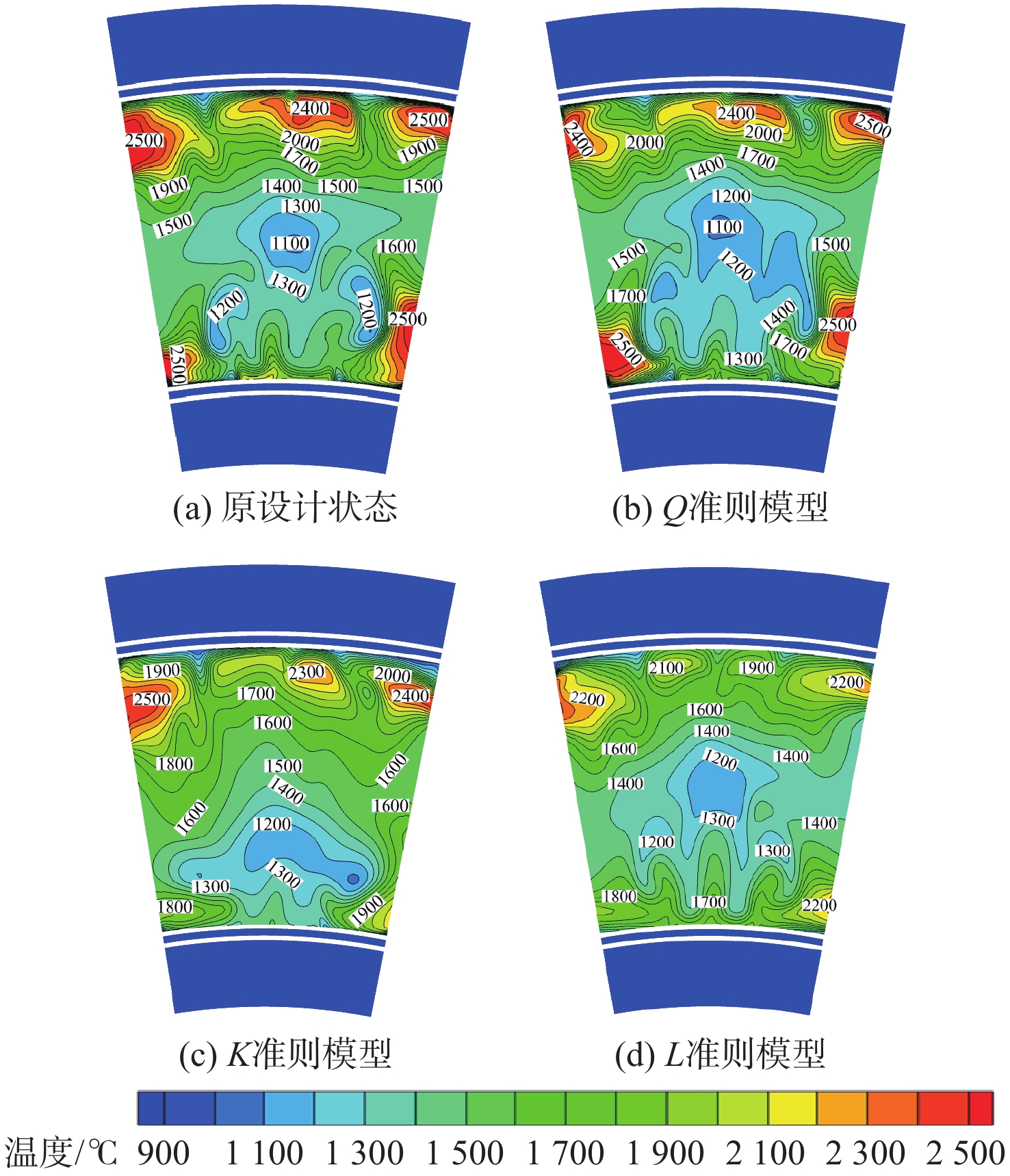
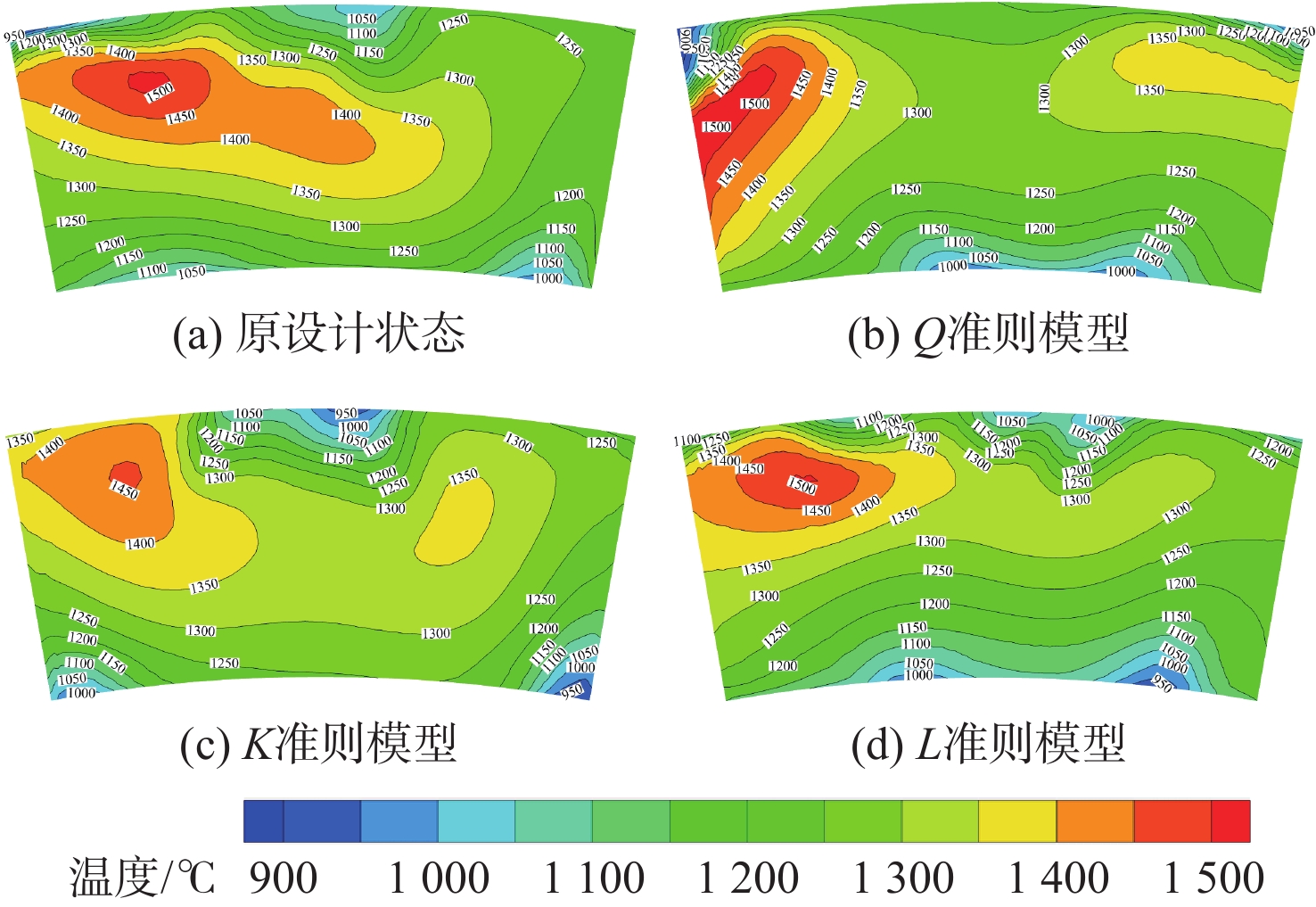
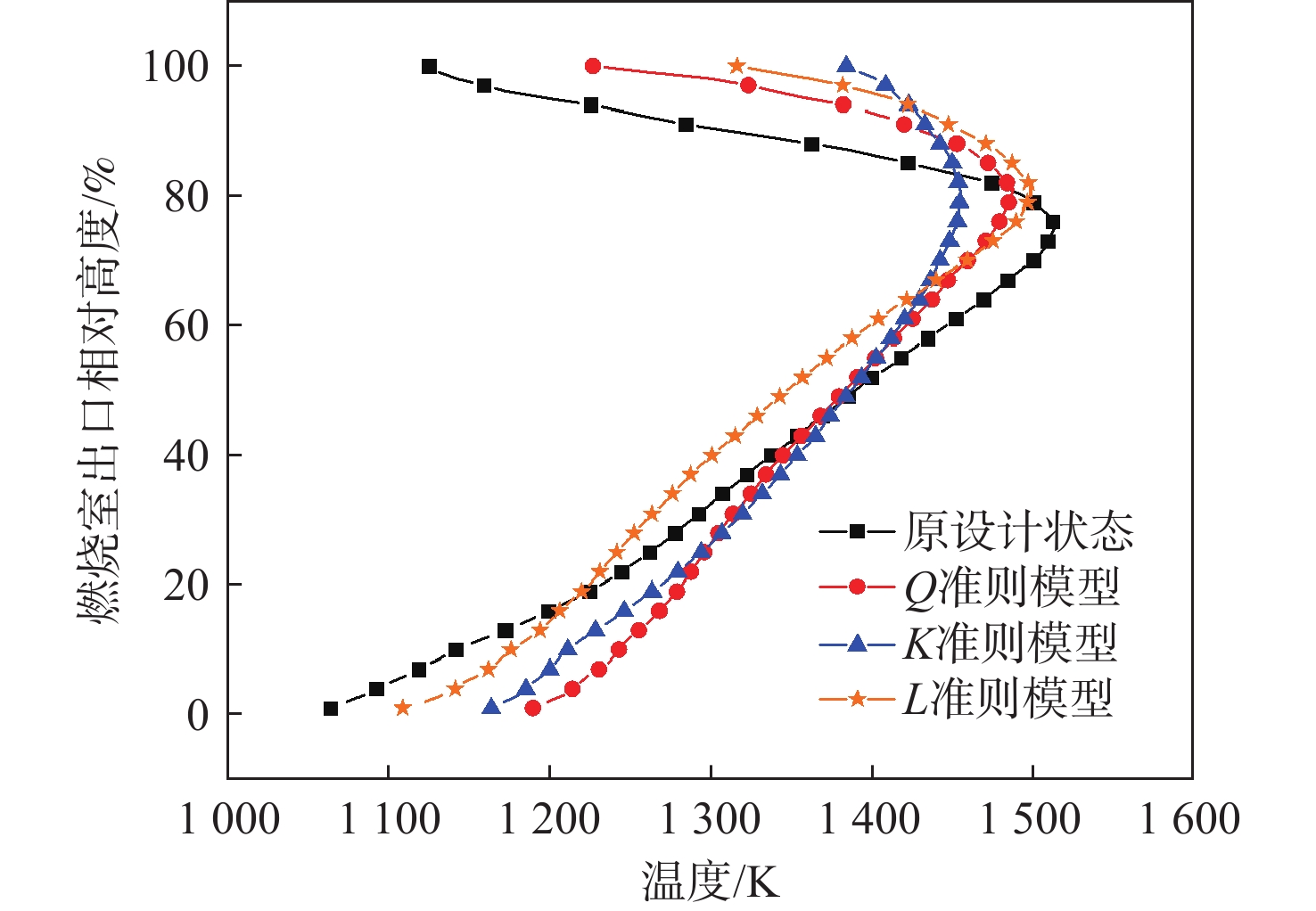
In the context of global energy demand growth and environmental pollution intensification, bio-jet coal as a clean, low-carbon, sustainable fuel, leading the future fuel development. The prototype test of an aero-engine combustion chamber is limited by practical conditions, while the low-pressure modeling test simplifies working parameters, effectively solves practical problems and meets engineering requirements. Three modeling criteria are used in this article’s low-pressure modeling numerical simulation of the combustor, which uses bio-jet as fuel. The results are compared to those computed in the original design condition. The results show that the flow field distribution predicted by the equal volume flow rate criterion (Q criterion) is the closest to the original design state, and the axial and tangential temperature field distribution is better than the equal combustion efficiency criterion (K criterion) and L criterion. Under the condition of low-pressure modeling, the combustion efficiency is reduced by 2% to 3% compared to the original design state. Especially when the pressure index is too high, the fuel flow after the L criterion is too small, and it is not suitable for aero-engine modeling test. The prediction results of the temperature distribution coefficient of the exit section show that the predicted value of the K criterion has a negative deviation compared with the original design value. The Q criterion has the smallest average error in predicting results. In conclusion, the Q criterion is the best modeling criterion, and the results of its computations can be used as a guide for the low-pressure modeling test of the combustion chamber of an aero engine.
Detecting small ship targets via infrared remote sensing
XIE Youchen, XU Tianyang, TANG Zhangyong, WU Xiaojun
2026, 52(3): 895-907. doi: 10.13700/j.bh.1001-5965.2023.0834
Abstract:

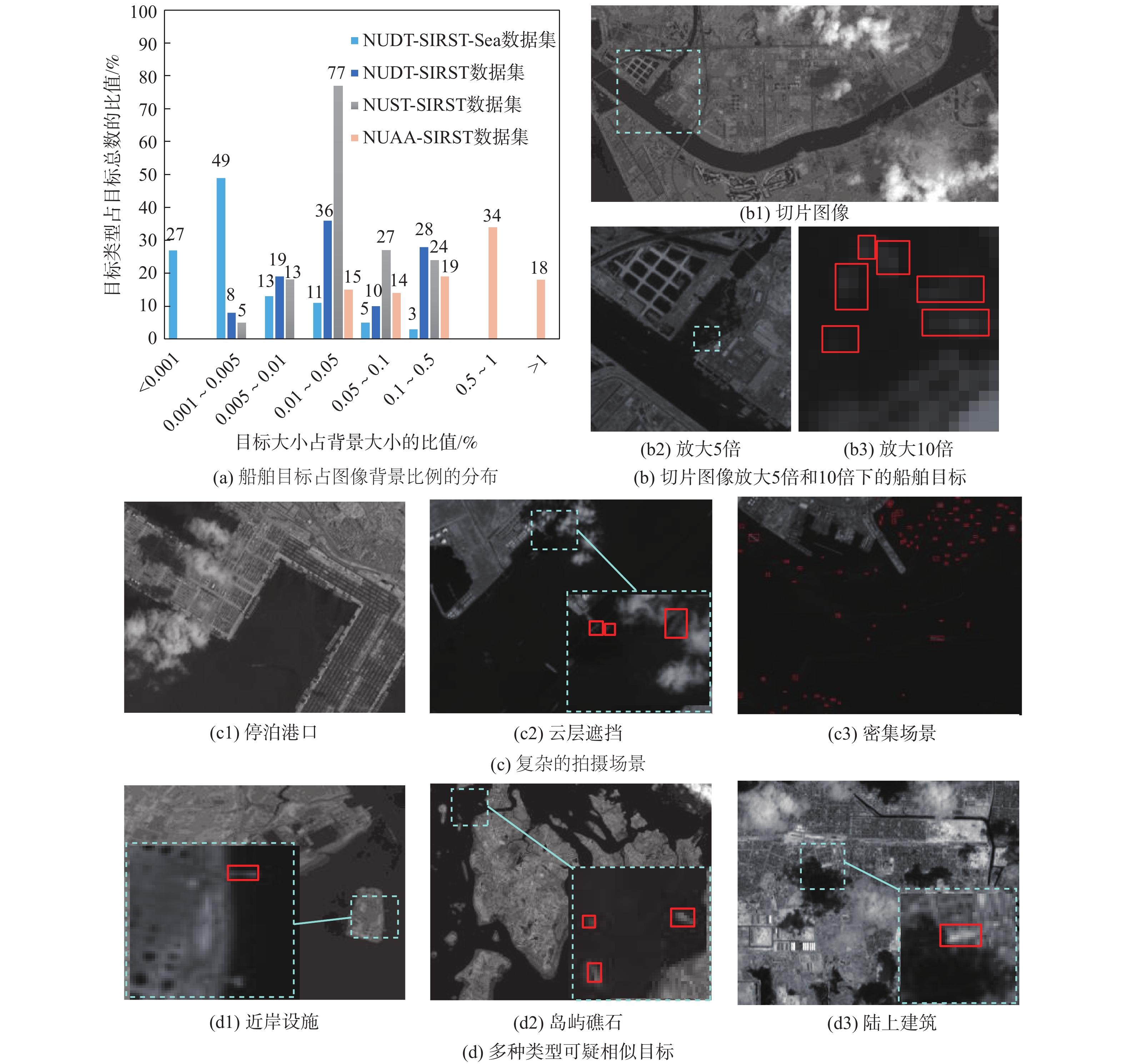
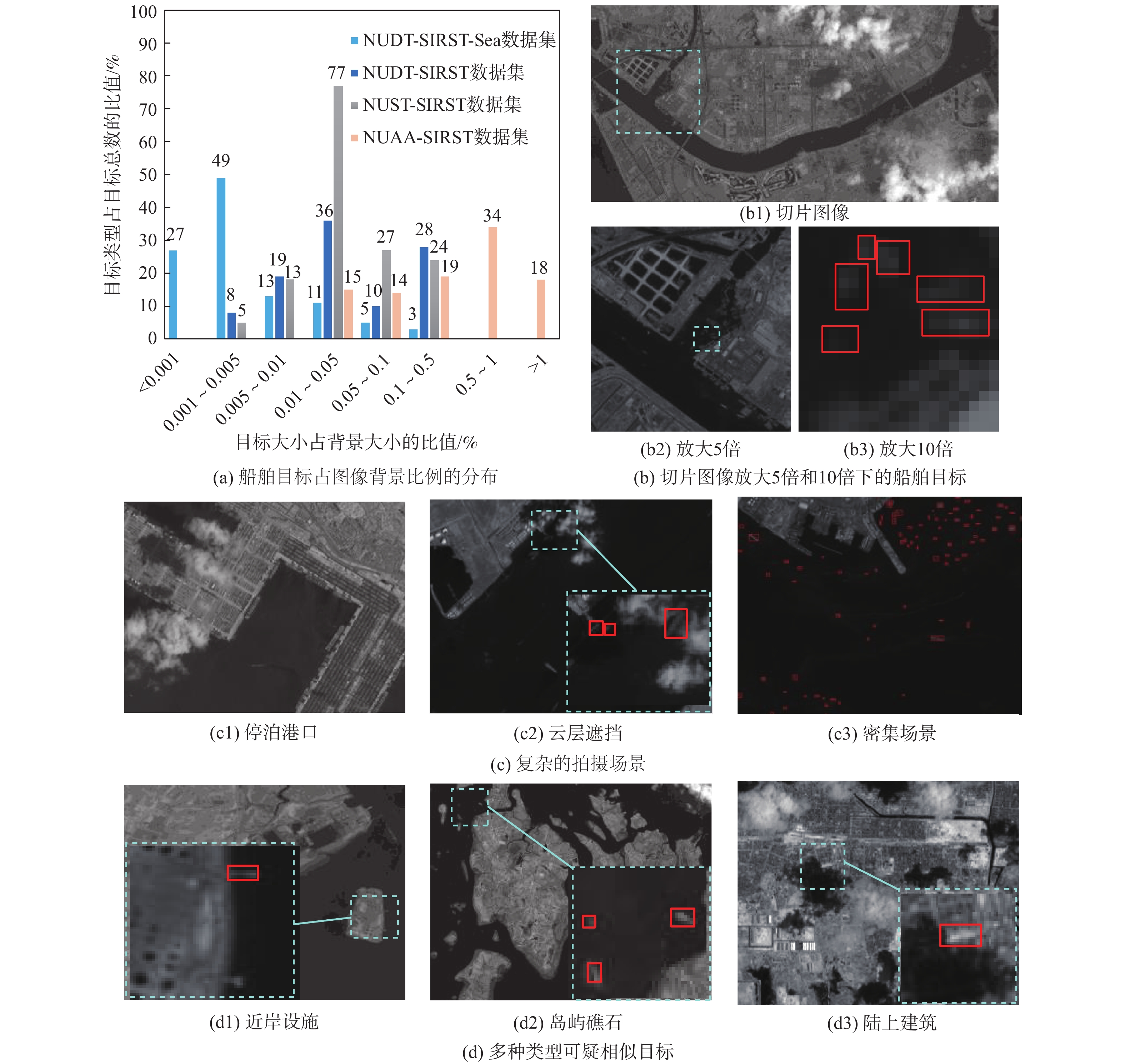
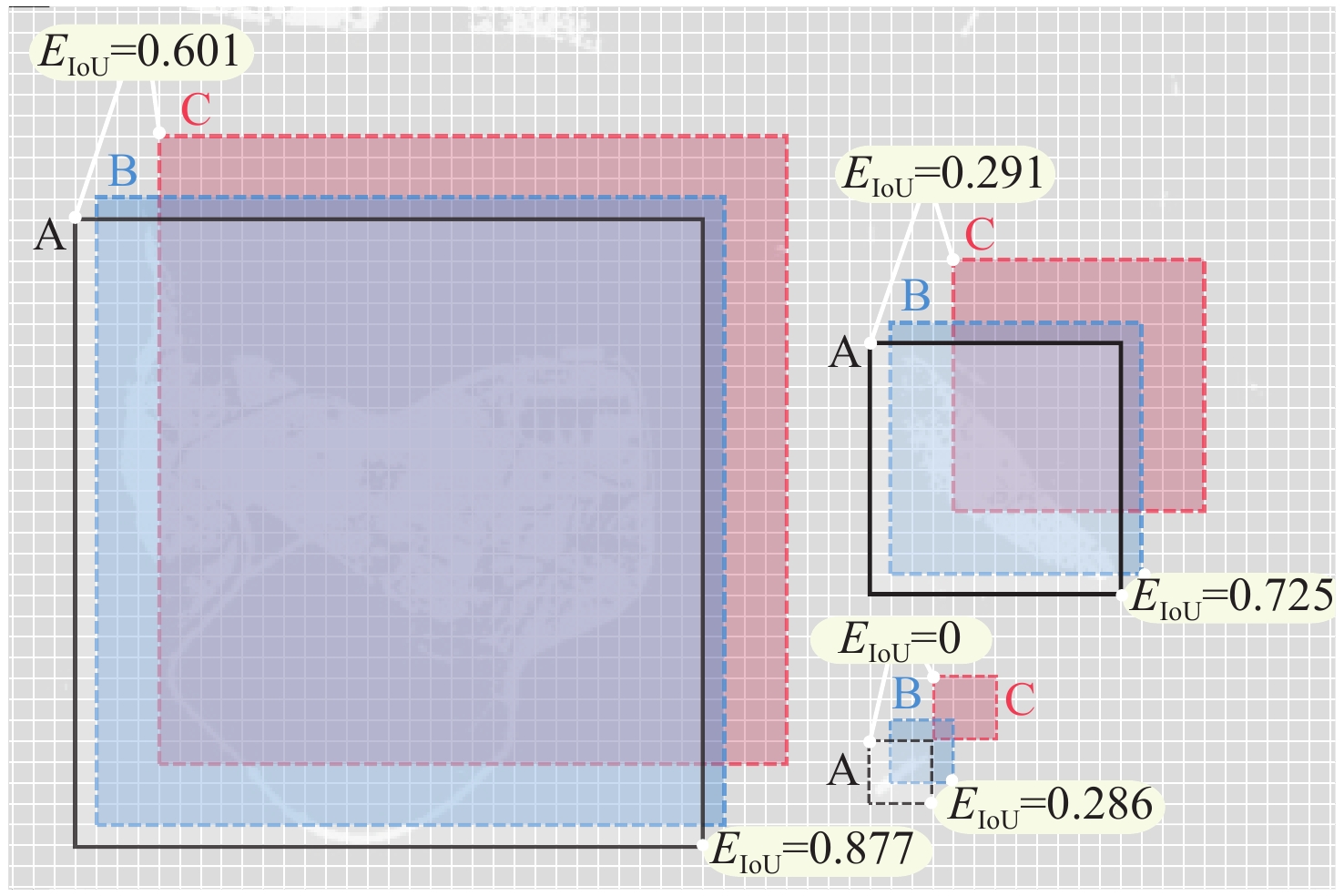
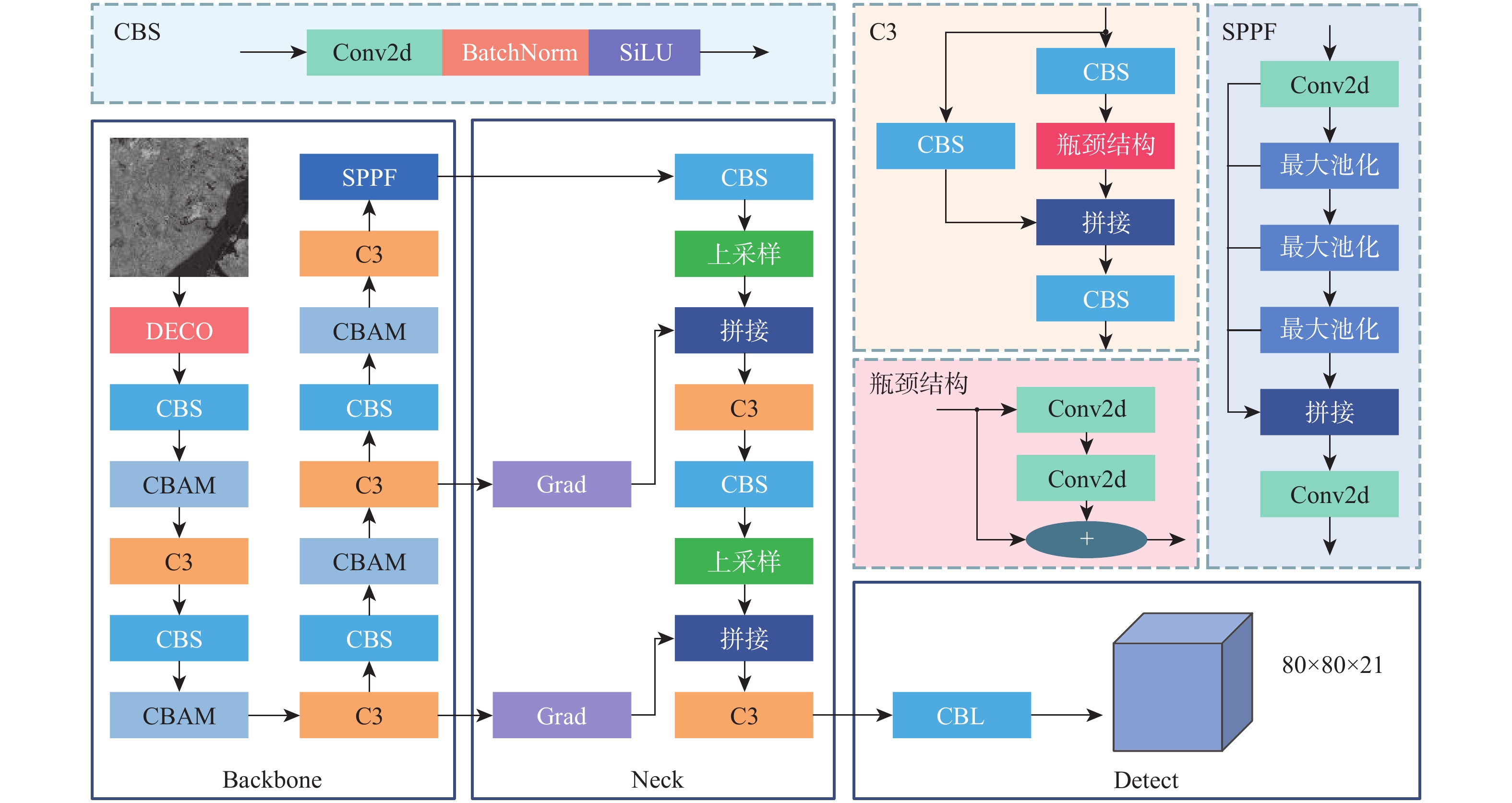
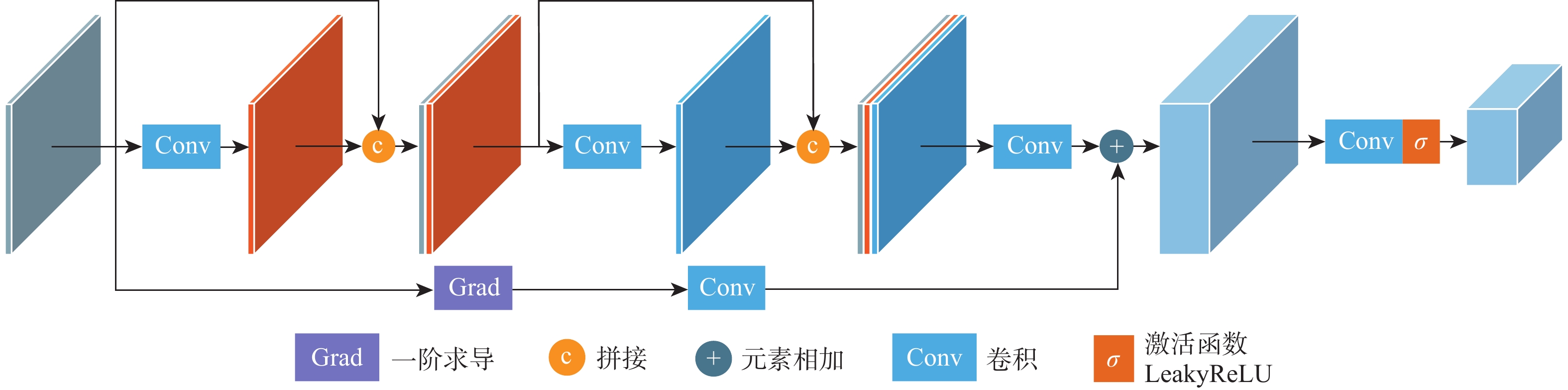
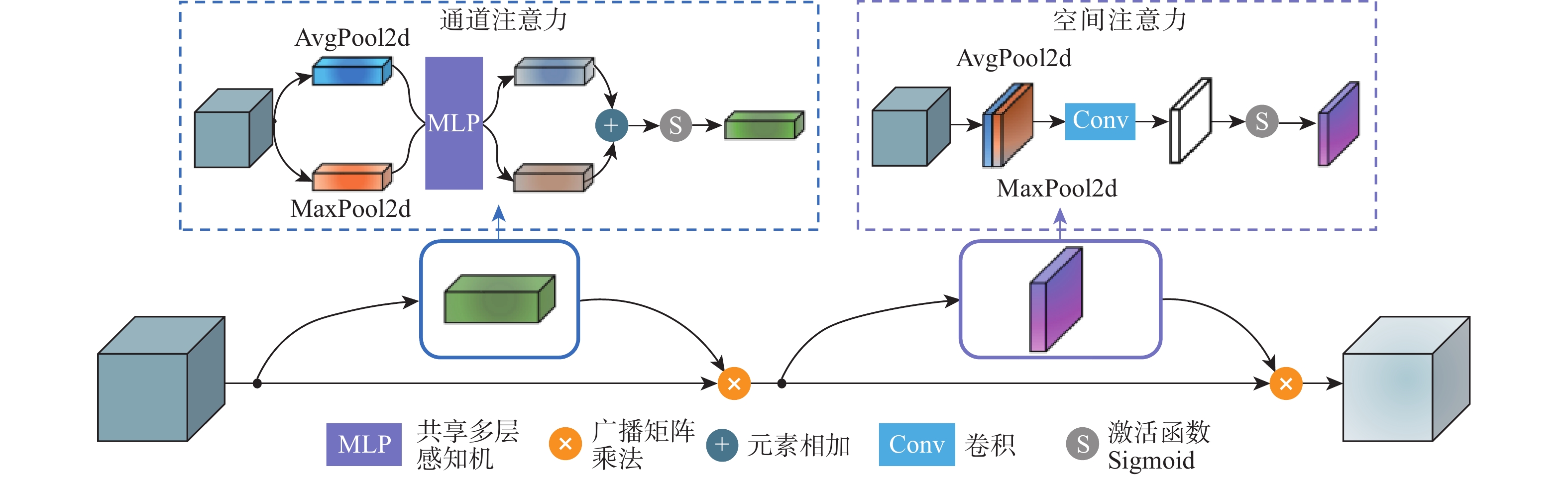
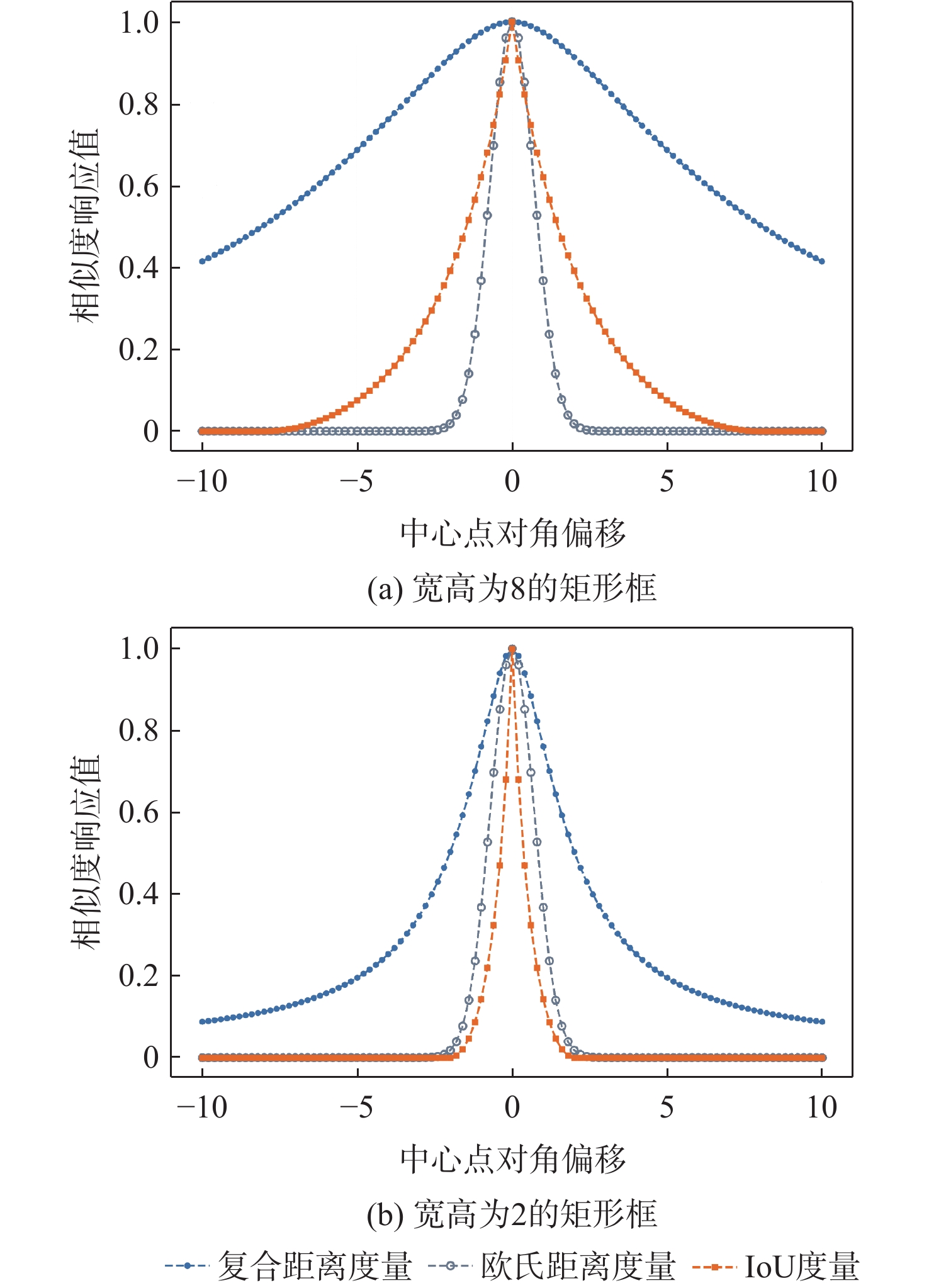
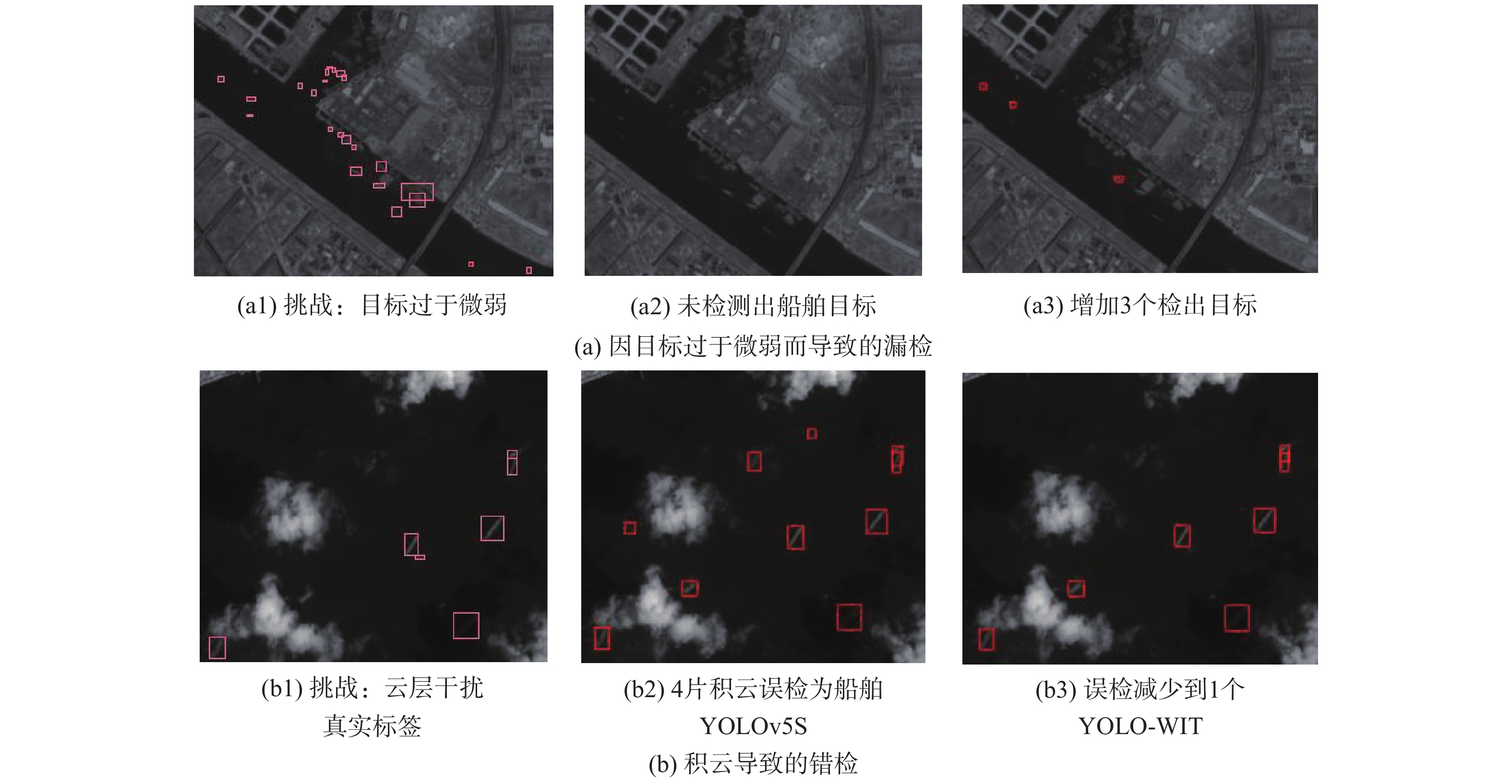
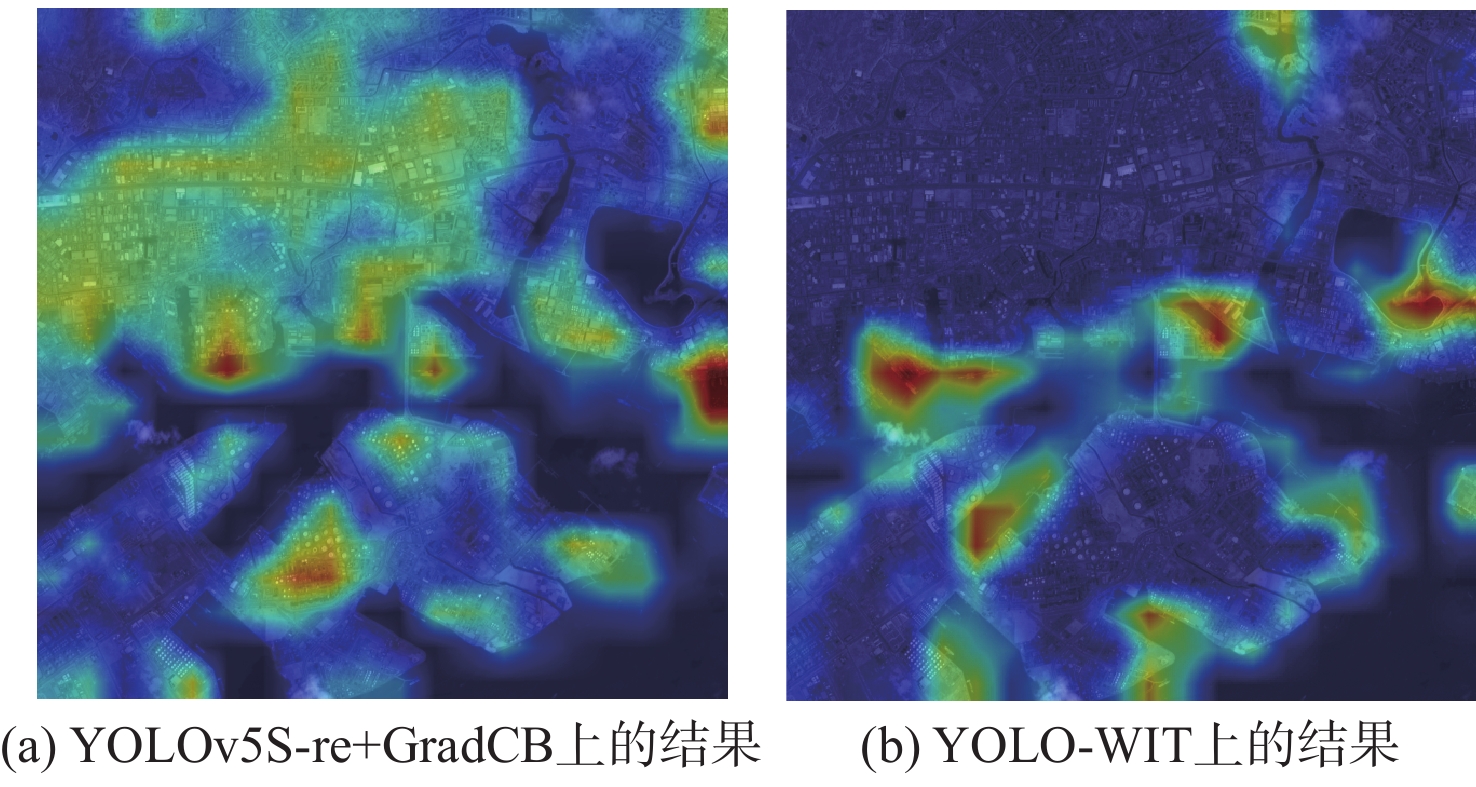
A detection technique called YOLO for weak infrared remote sensing ship target (YOLO-WIT) is presented to overcome the difficulties in detecting weak and small ship targets using infrared remote sensing. Firstly, due to the difficulty of low tolerance against positional offset for dim and small targets, the detection head is optimized to reduce model size while limiting the maximum offset of the anchor. Additionally, a composite distance similarity measure is designed to decrease location sensitivity in the regression branch, thereby enhancing regression accuracy. Secondly, in view of the situation where the infrared image background is bright and the target is dark, a dense concat information expansion convolution block (DECO) is designed to retain weak signals and enhance the perception of weak features. A spatio-temporal attention mechanism is employed for feature enhancement, and the Sobel operator is utilized to solve the first-order derivative of the shallow feature maps in order to direct the model to make judgments with edge features in order to differentiate interference objects with similar shapes and grayscale amplitudes. The experimental results on the NUDT-SIRST-Sea dataset demonstrate that: YOLO-WIT reduces parameters by 31.6% compared to the baseline model, increases mAP50 by 9%, and raises mAP50-95 by 4.9%. In comparison to mainstream detection algorithms, YOLO-WIT demands fewer resources with a model size of just 9.2×10⁶. Its detection performance on dim and small ship targets is notably superior to other methods.

Area optimization of logic circuits in HDL-level using approximate computing
YU Zongyuan, WANG Lunyao, CHU Zhufei, XIA Yinshui
2026, 52(3): 908-916. doi: 10.13700/j.bh.1001-5965.2023.0838
Abstract:

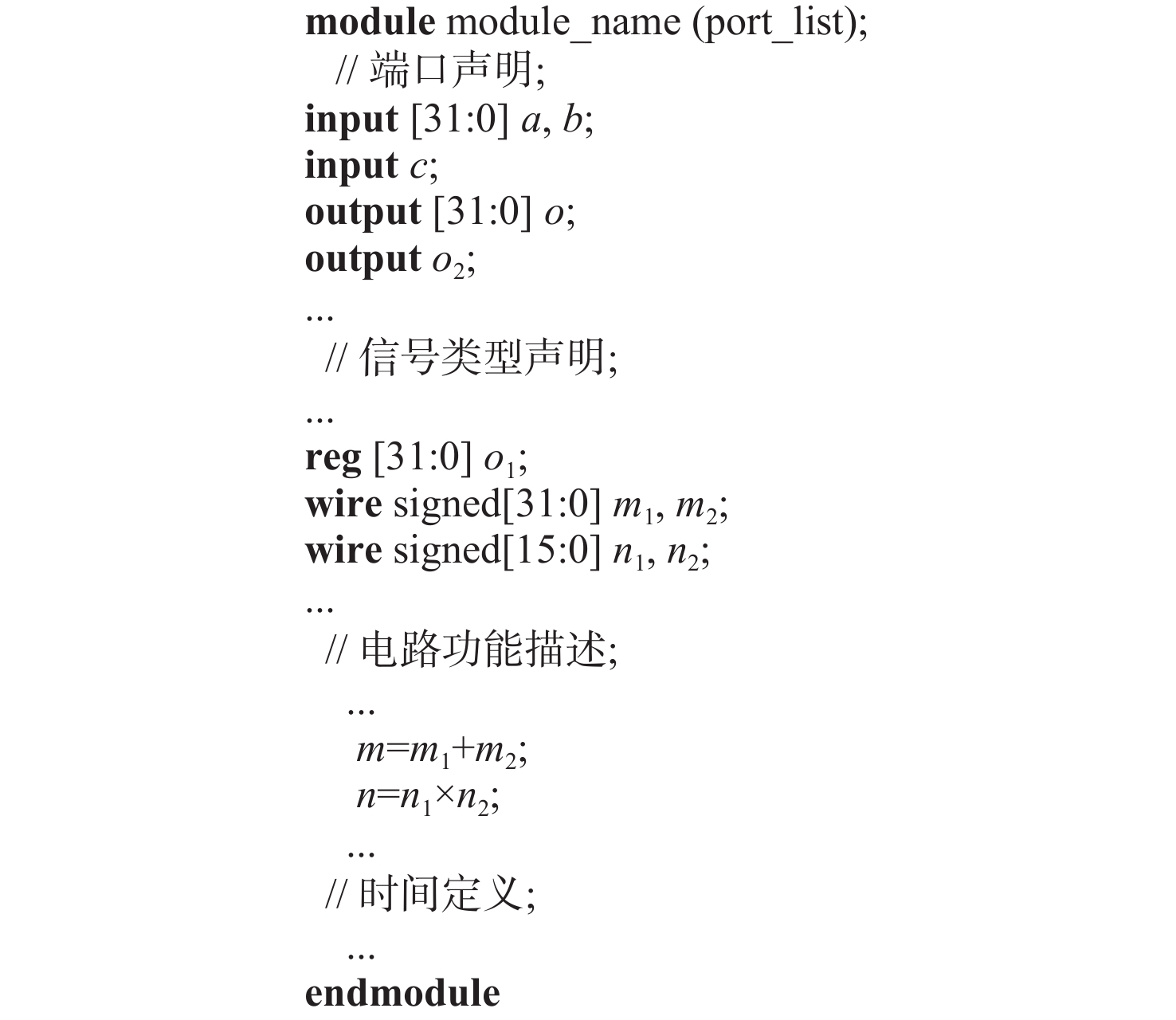
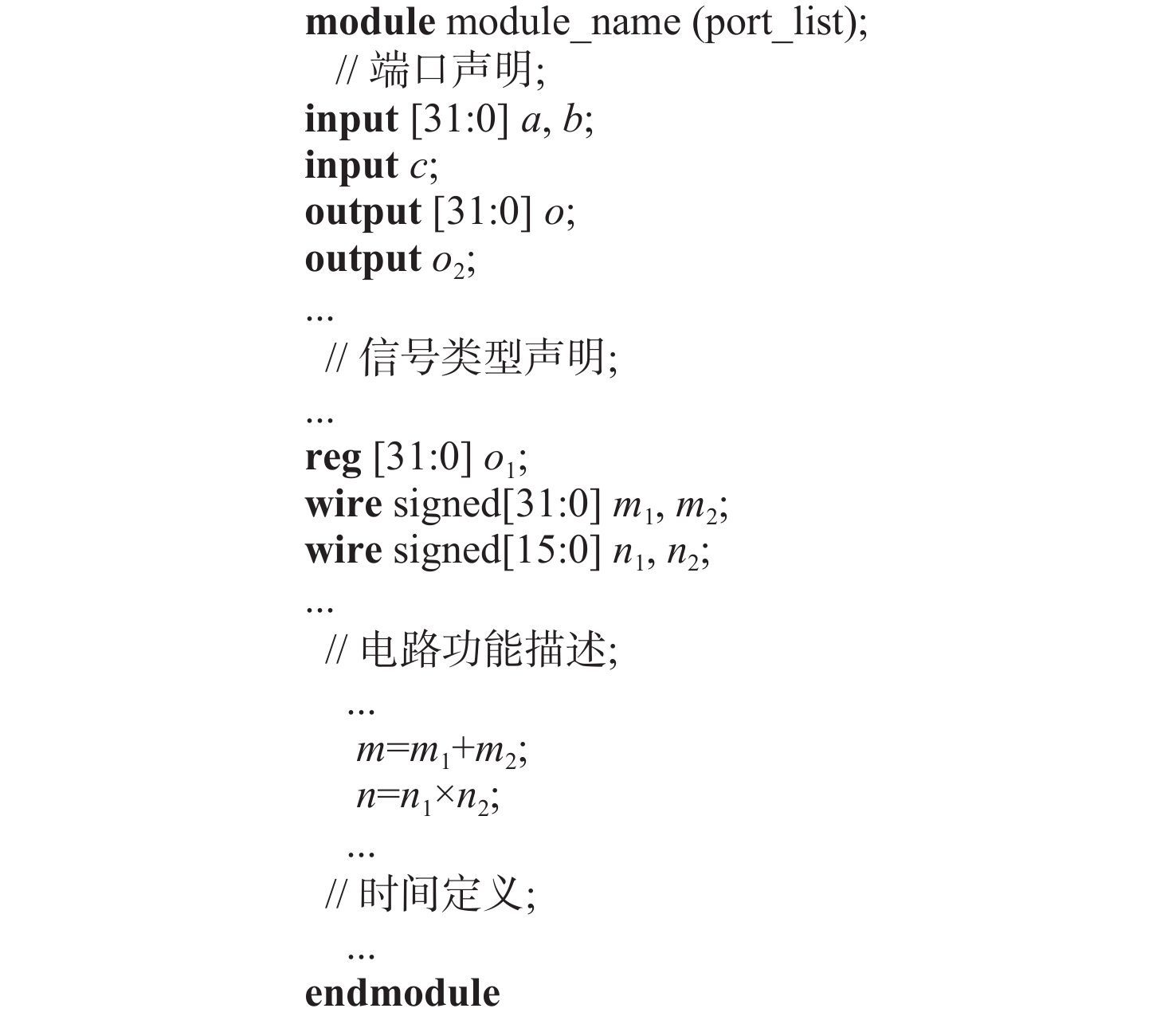
Given that the current area optimization at the hardware description language (HDL) level using approximate computing techniques is unable to effectively utilize the optimization space provided by quality-of-result (QoR) constraints, an approximate optimization algorithm for arithmetic circuits is proposed. This algorithm includes the selection mechanism of the proposed approximate operations, internal signal bit-width reduction, arithmetic operator replacement, and approximate arithmetic cell circuits calling. The proposed algorithm is programmed in C and the circuit area is estimated by Design Compiler. The experimental results show that under the constraint of QoR, compared with the non-approximate optimization result, the average area saving is 55.2%. The suggested approach can further increase the average area save by 24.9% when compared to the reported approximate strategy.
Design, analysis, and experimentation of SMA-driven multi-state variable camber wing
WANG Ziang, LU Zhirong, LI Honghao, ZHOU Wenya, WANG Xiaoming
2026, 52(3): 917-925. doi: 10.13700/j.bh.1001-5965.2023.0844
Abstract:

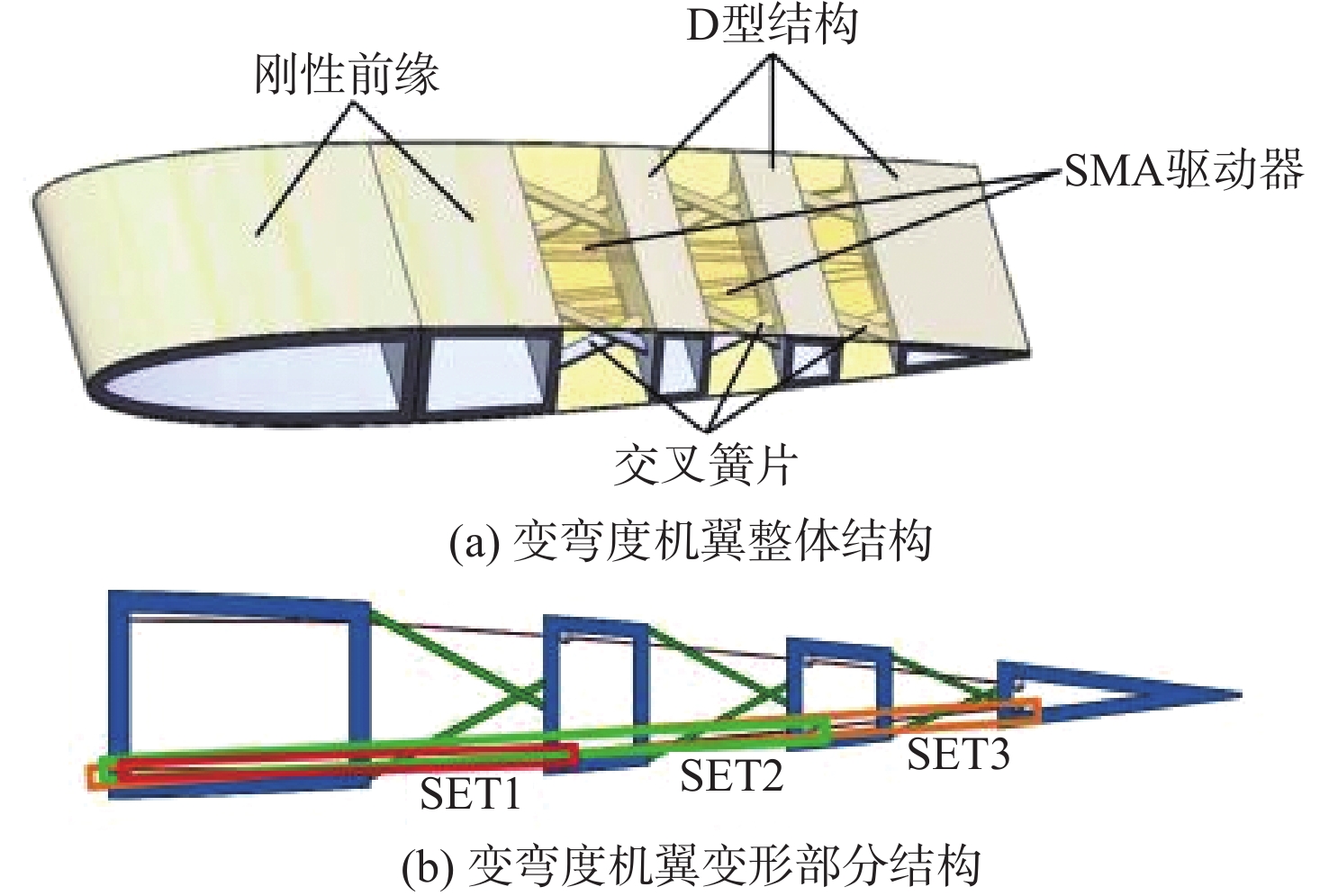
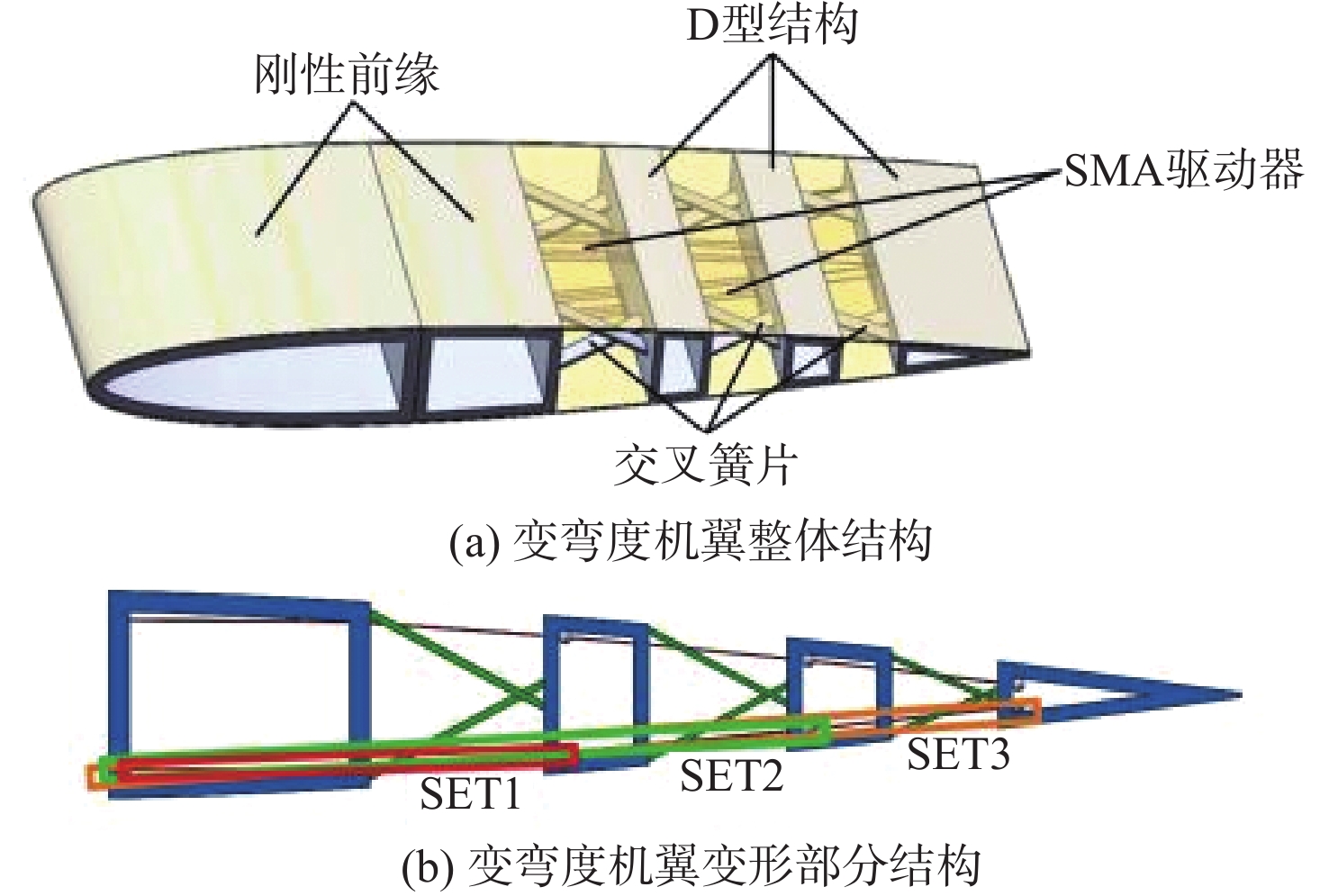
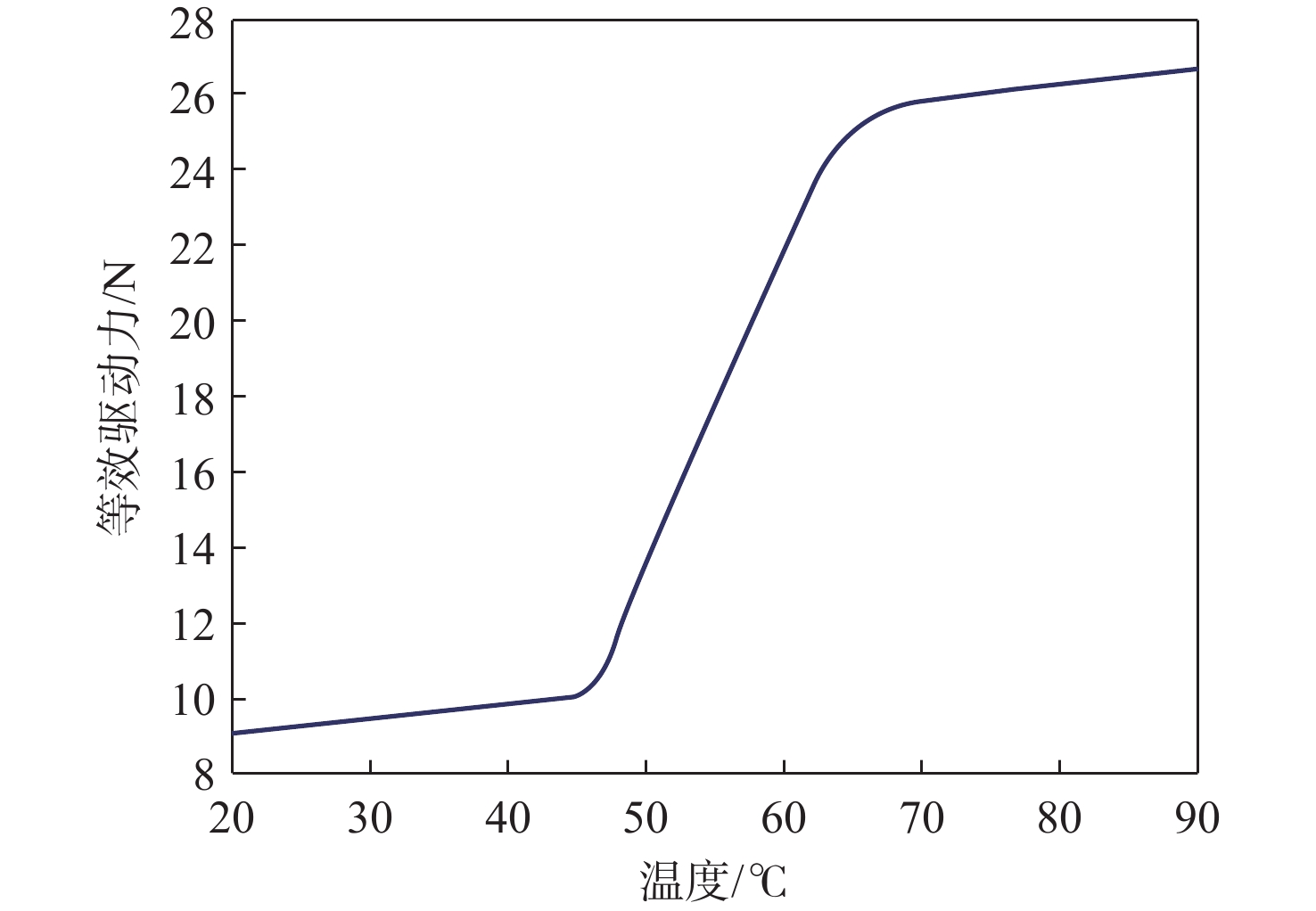
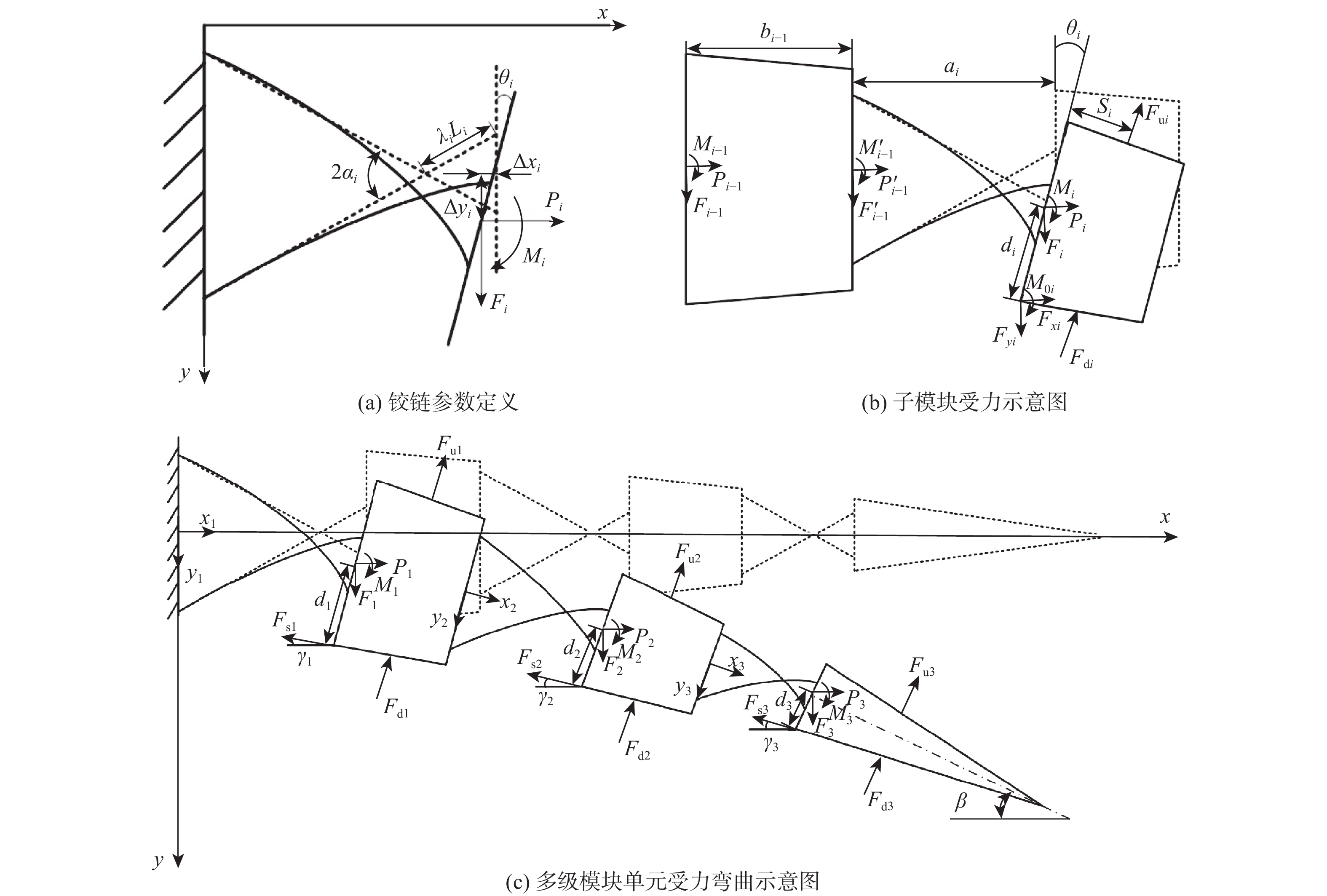
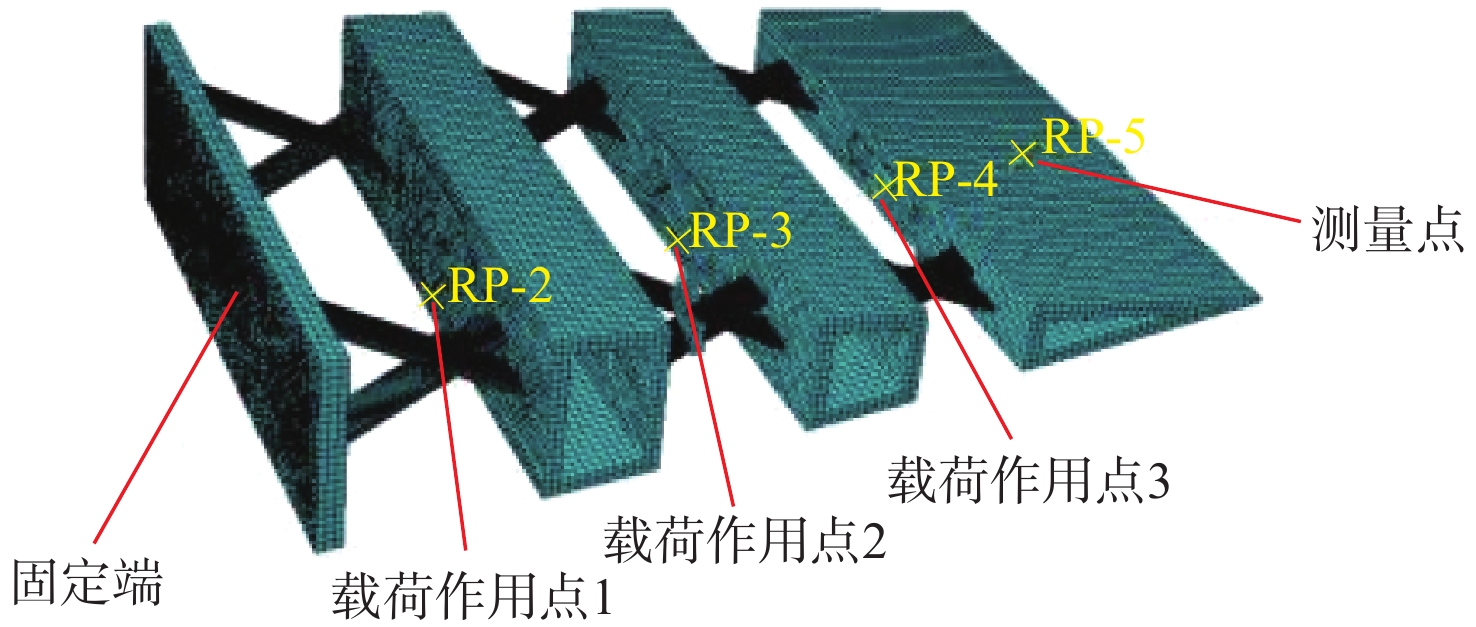
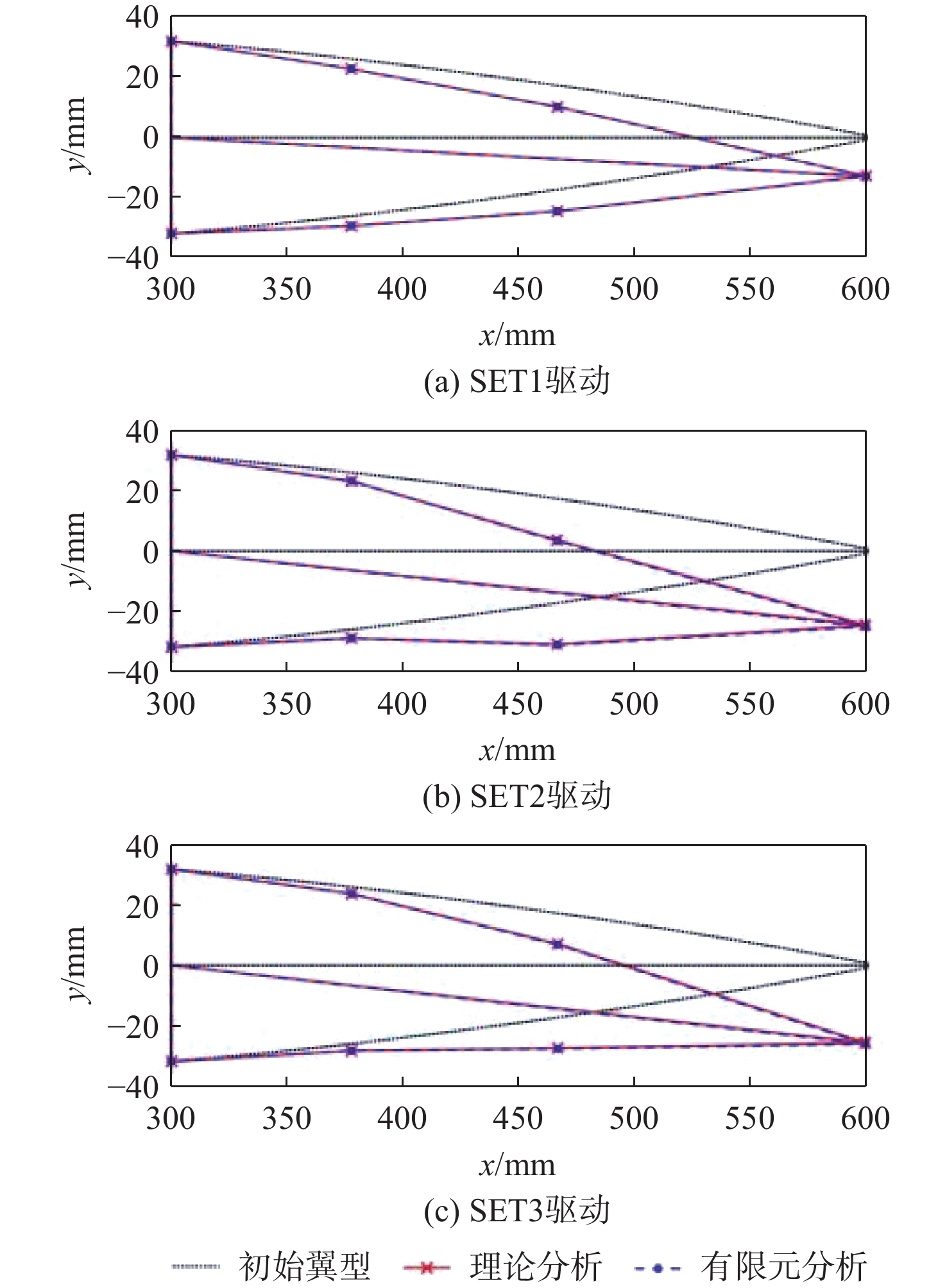
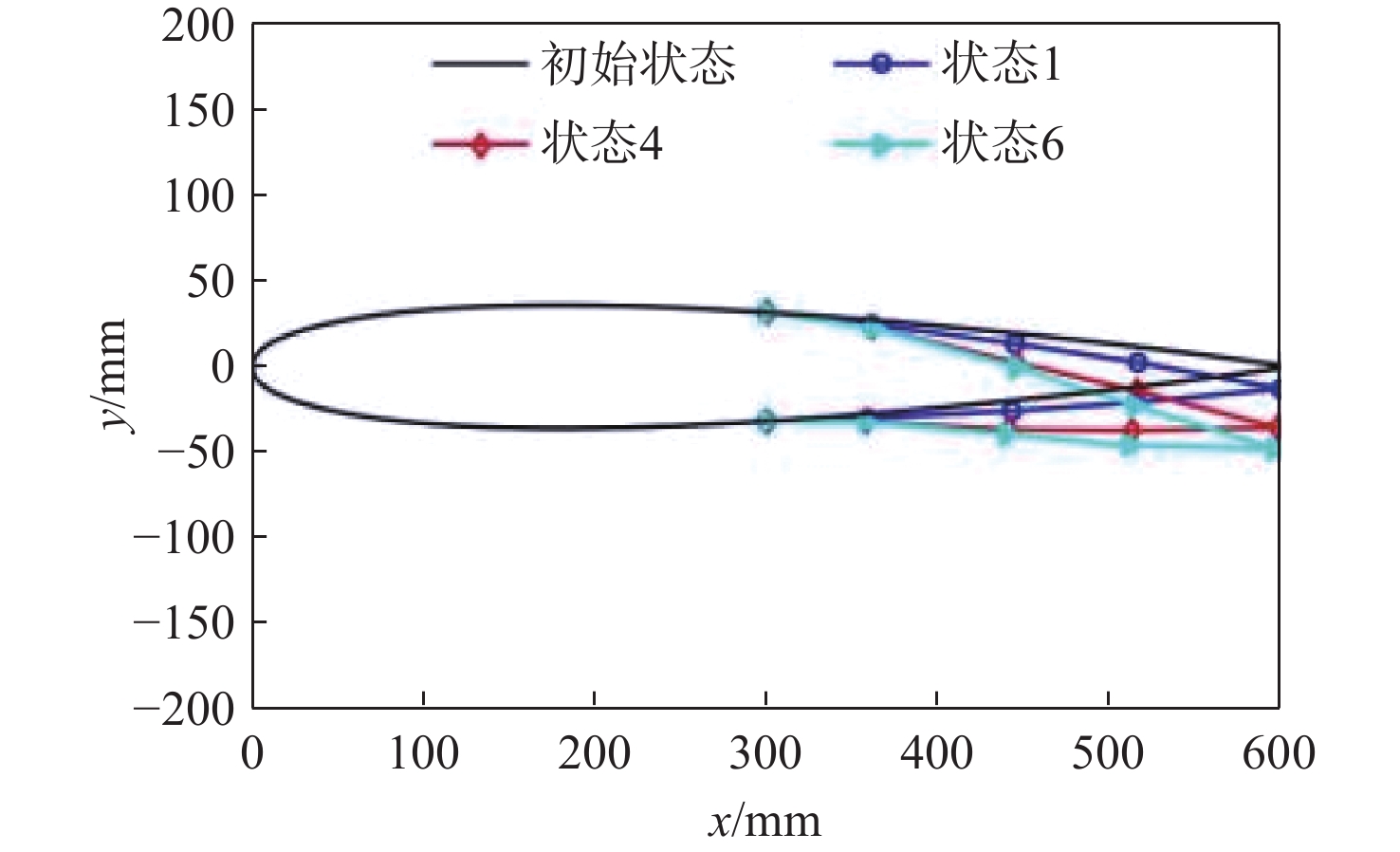
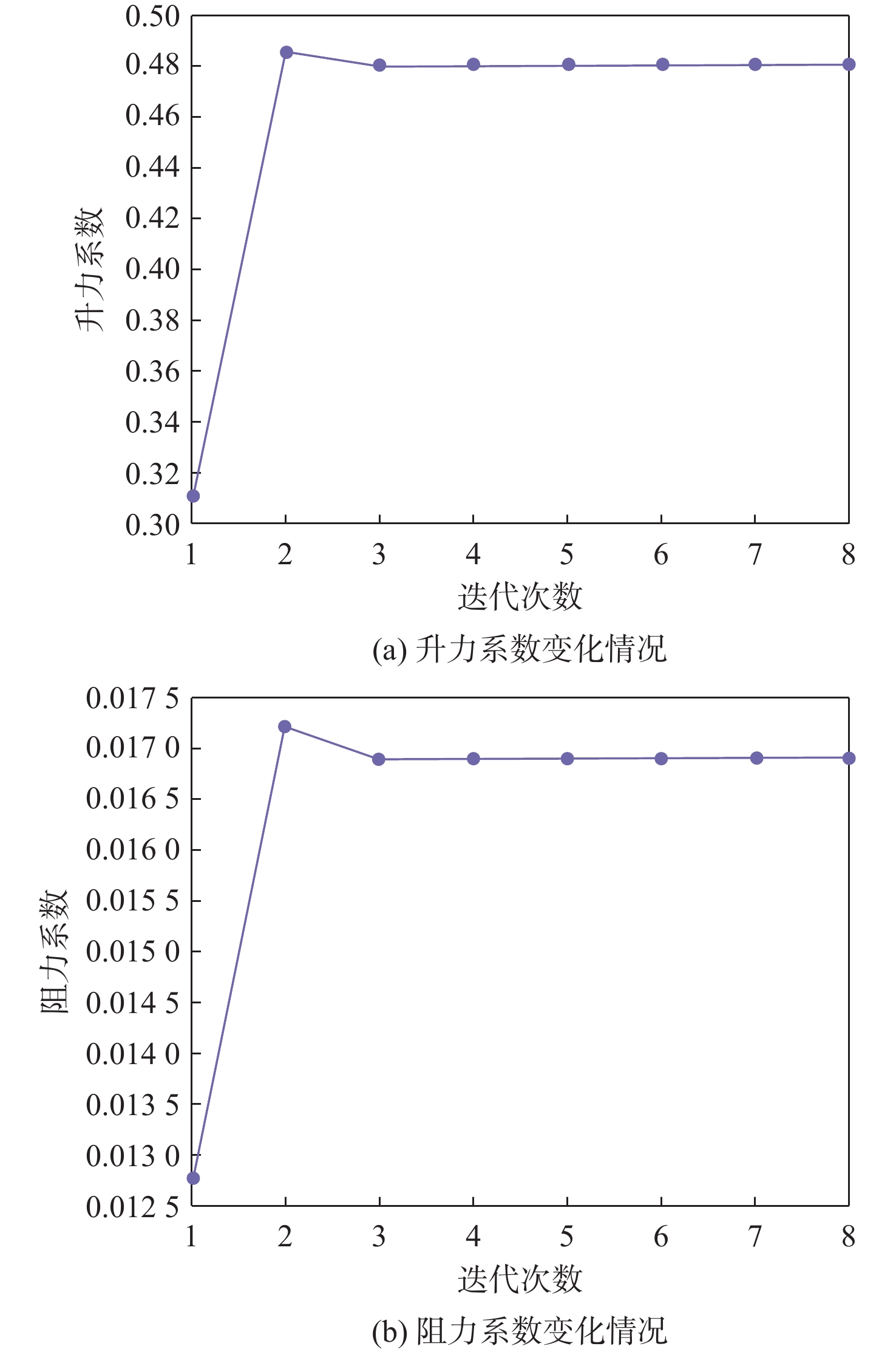
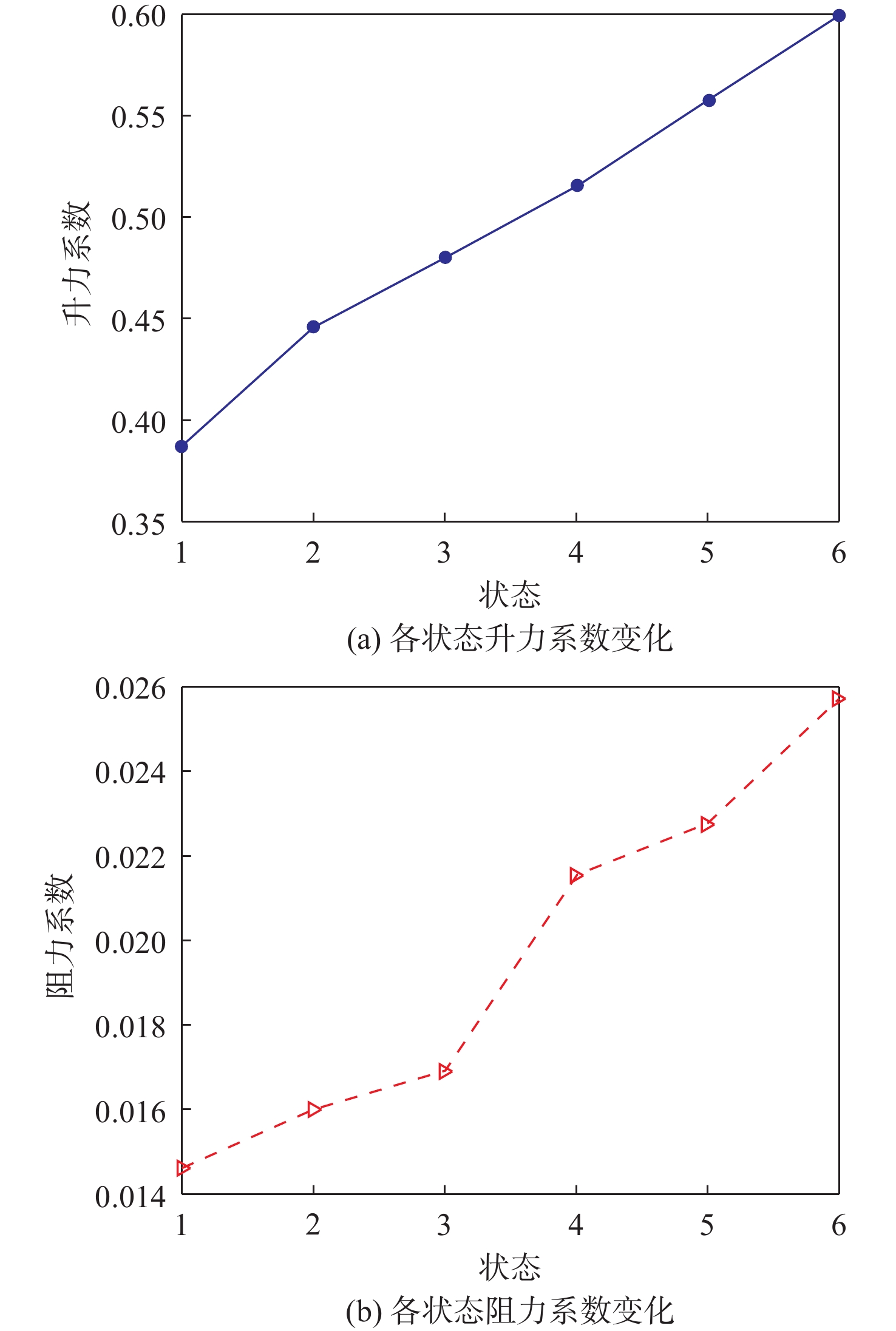
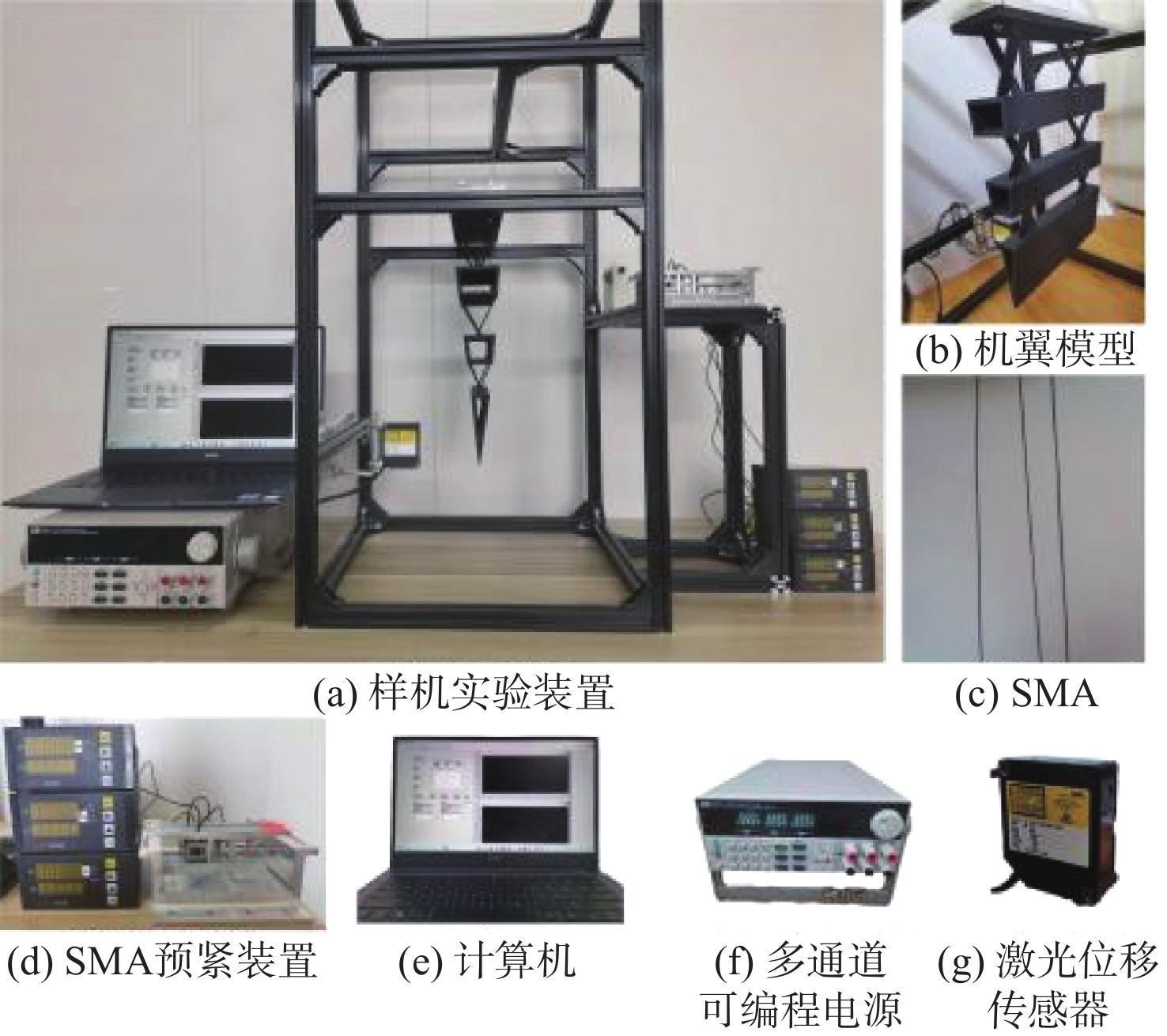
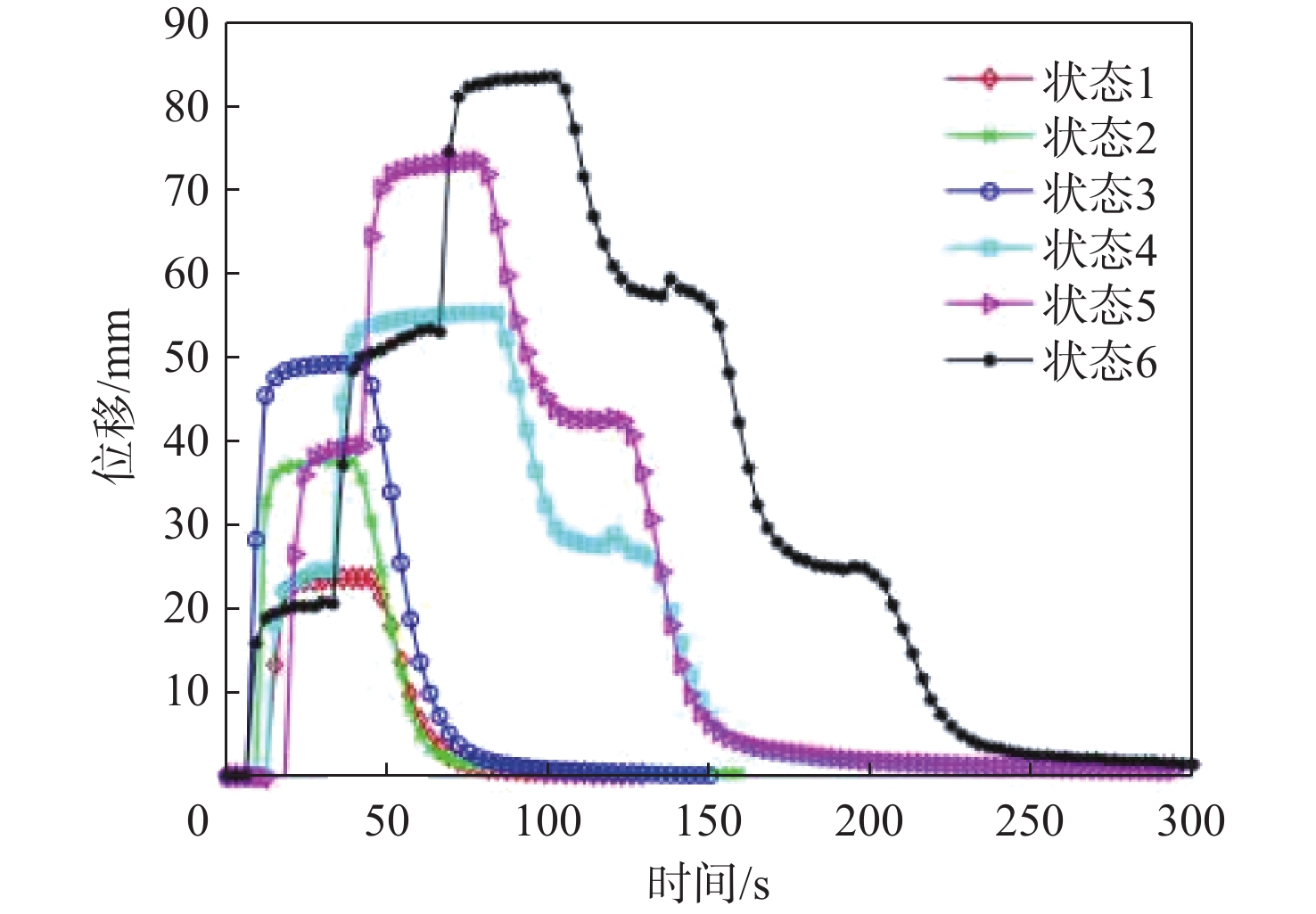
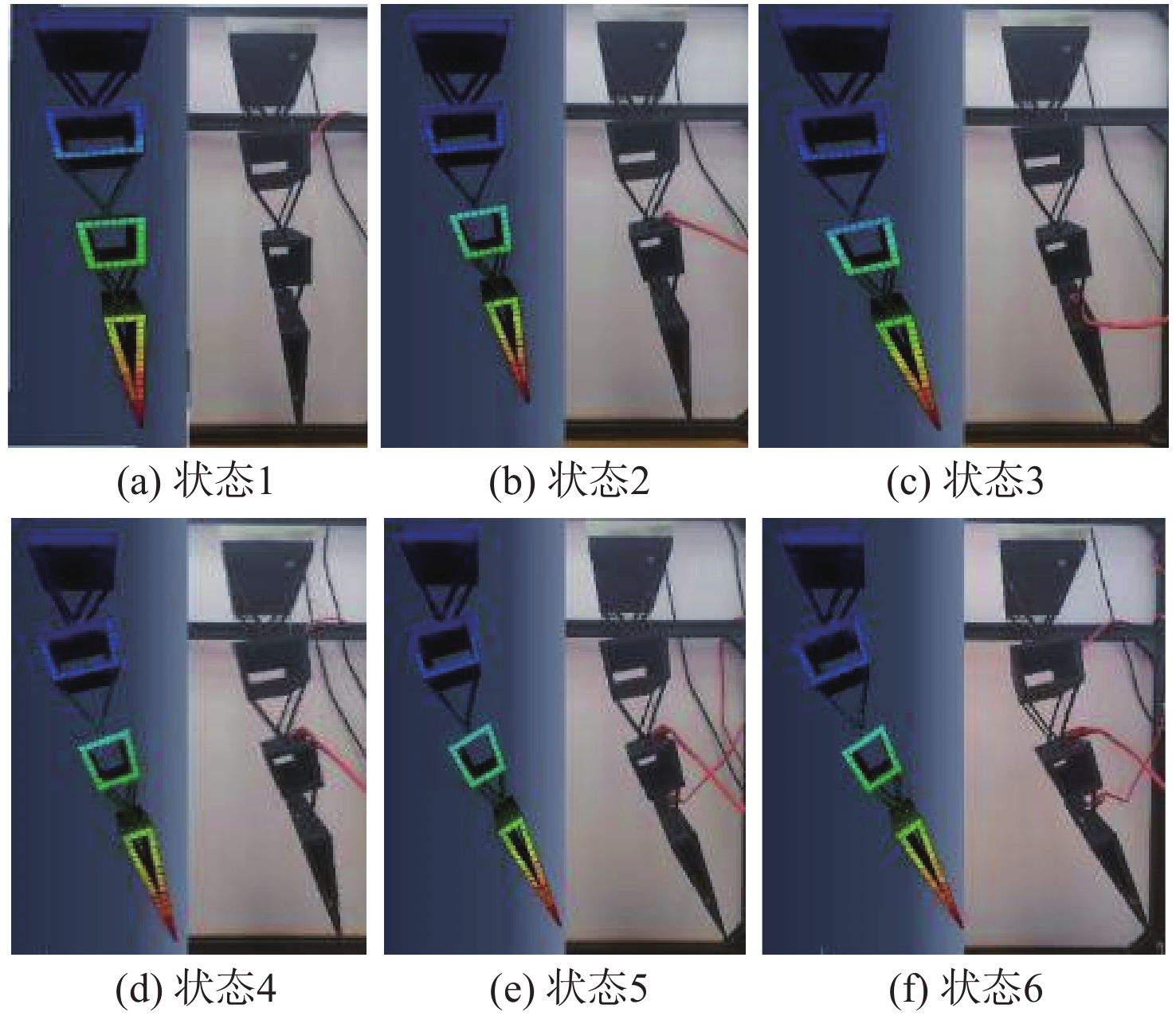
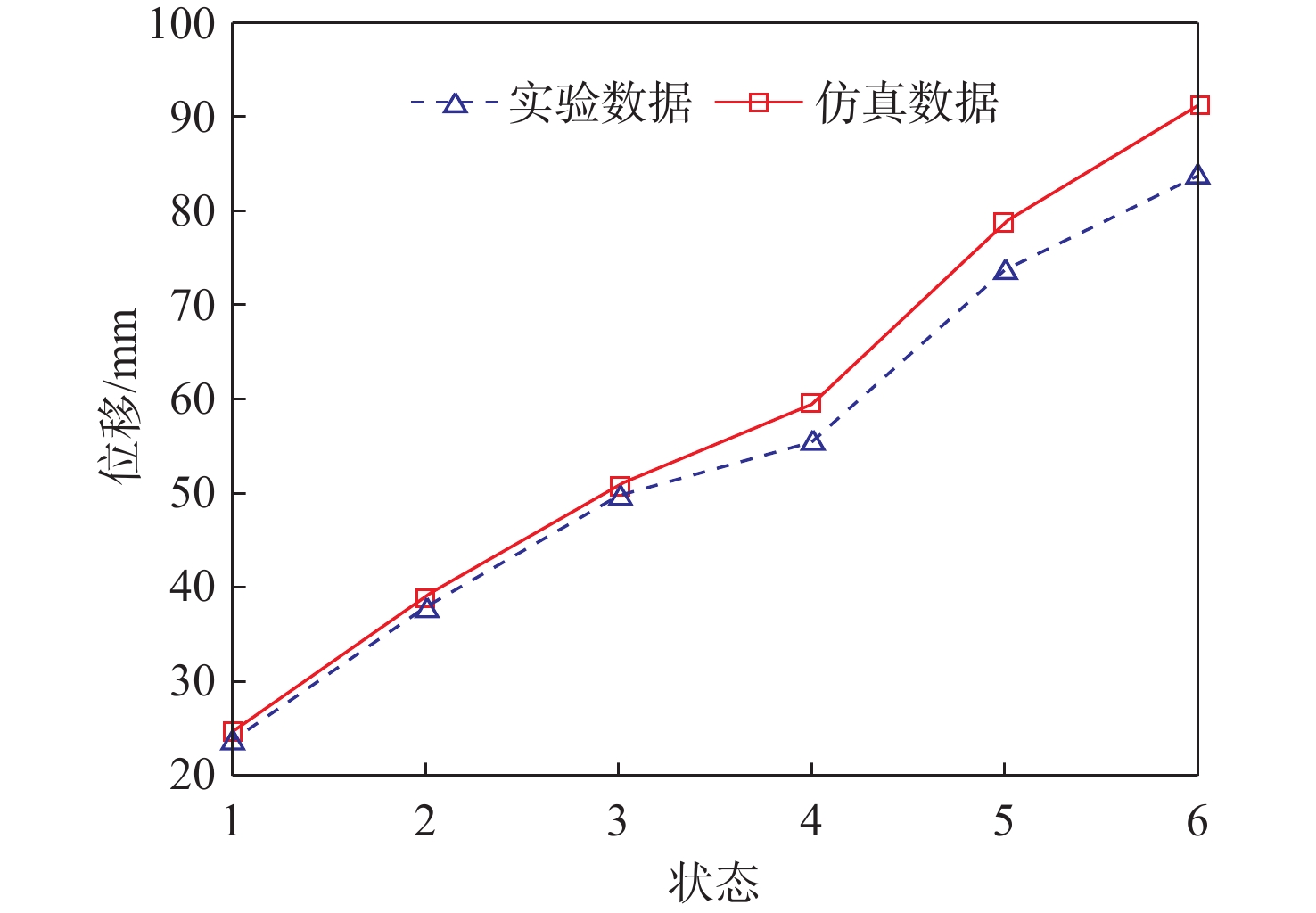
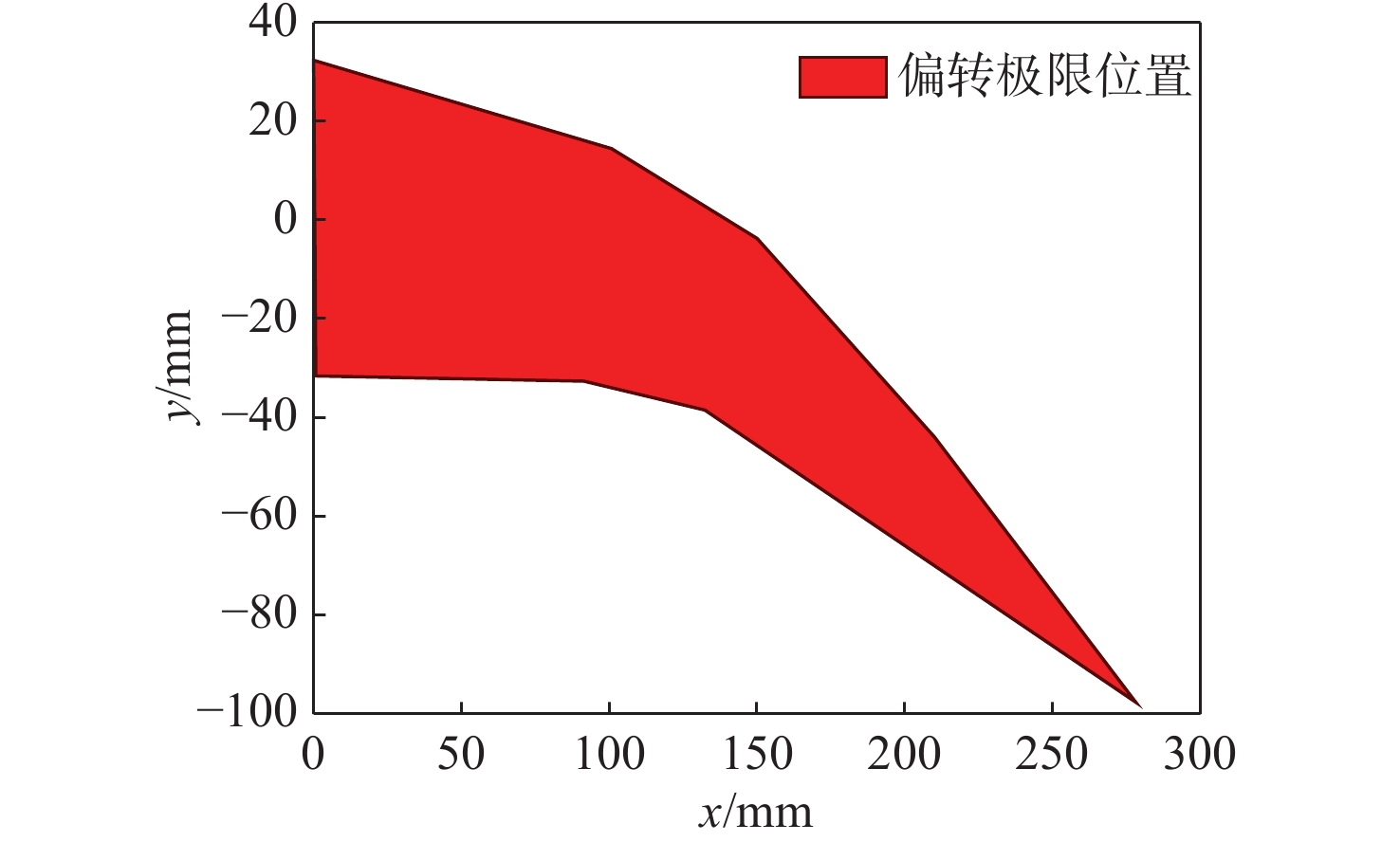
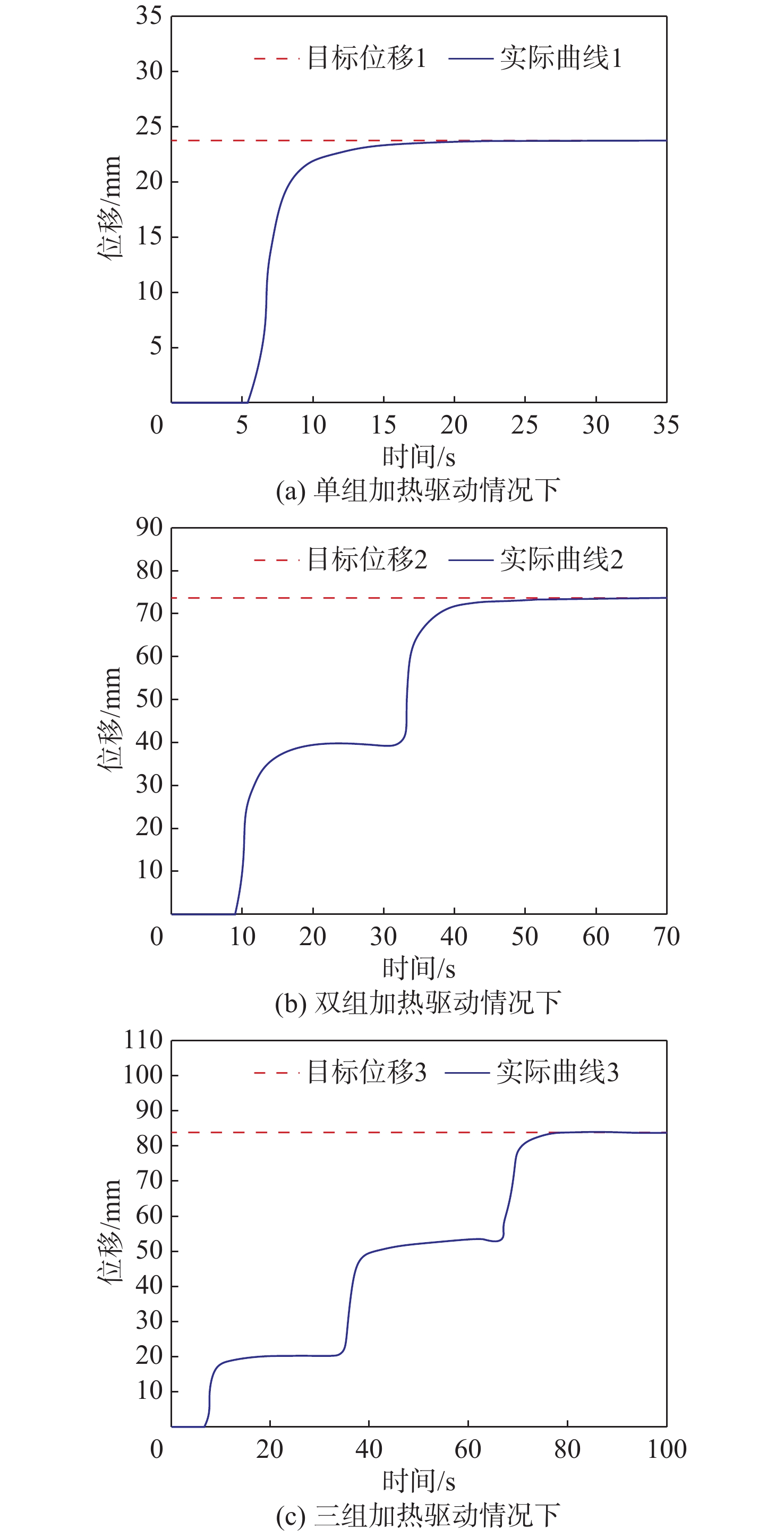
The most common type of morphing wing in the field of intelligent aircraft design for the future is variable camber, which offers a wealth of opportunities. This paper addresses the design requirements of a multi-state, continuously variable camber wing and proposes a novel design scheme integrating a modular rigid-flexible coupling structure, cross-leaf hinge, and multi-stage shape memory alloy (SMA) actuators. According to the scheme, the equivalent stiffness structural mechanics model of single-stage and multi-stage modular elements is derived by combining the equivalent stiffness calculation method of the cross-leaf hinge, and the comparison and verification are completed by finite element analysis. Furthermore, a quasi-static fluid-structure coupling analysis model was established, verifying the proposed variable camber wing scheme’s multi-state adjustment capability and adaptability under various conditions using SMA’s full phase transition driving, and providing the impact patterns of each deformation state on aerodynamic coefficients. Finally, a conceptual prototype was developed, and a testing platform was constructed. A feedforward open-loop control technique based on multi-state deformation control was successfully implemented, confirming the engineering feasibility of the suggested multi-state variable camber wing design.
Research on single-event function interruption mechanism of MRAM chips
LIU Yuhan, MA Yingqi, LI Shixing, WANG Hanbin, WANG Bi
2026, 52(3): 926-934. doi: 10.13700/j.bh.1001-5965.2023.0847
Abstract:

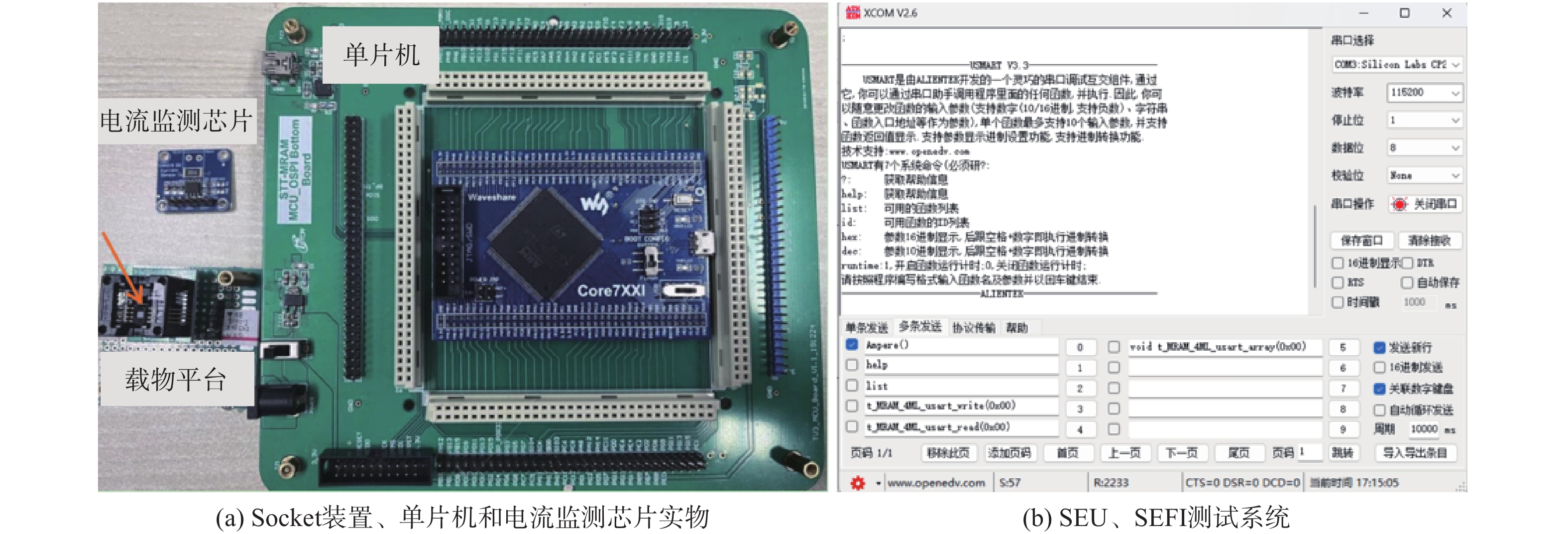
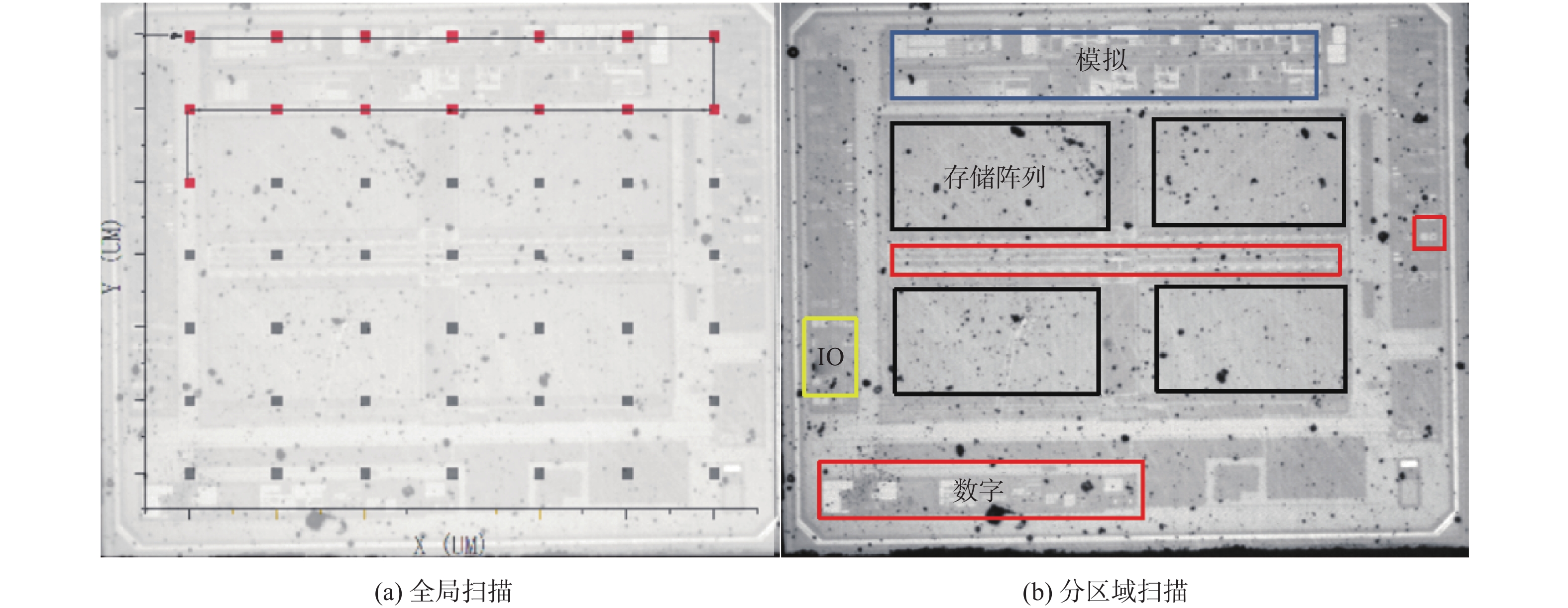
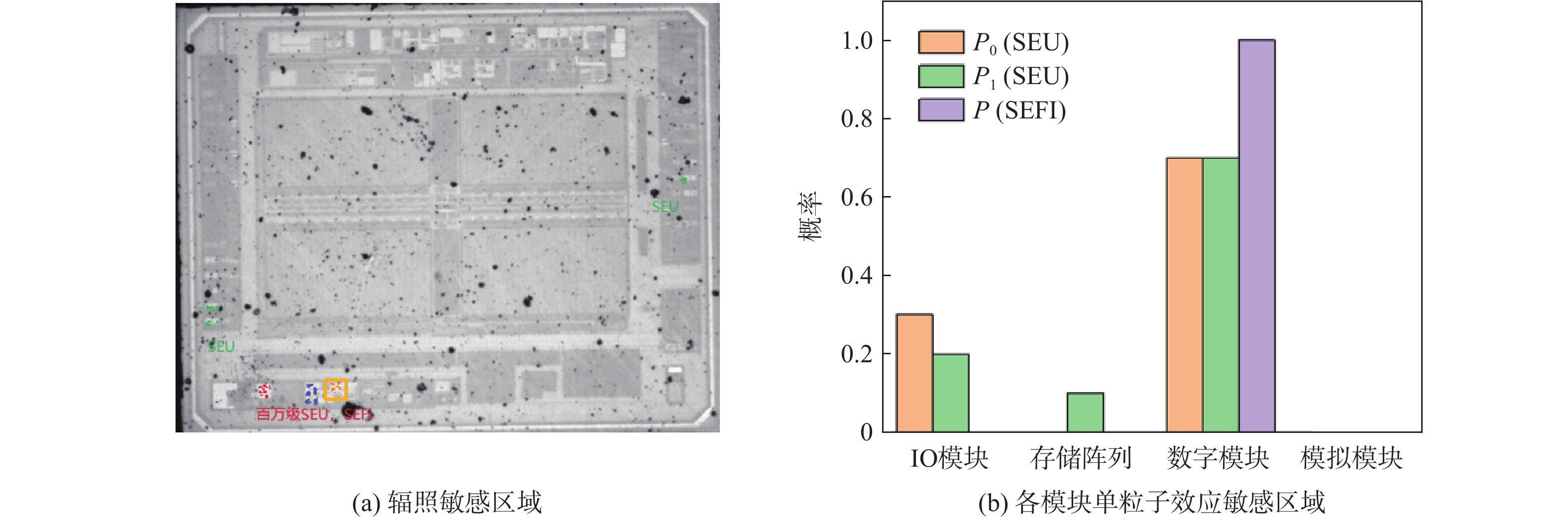
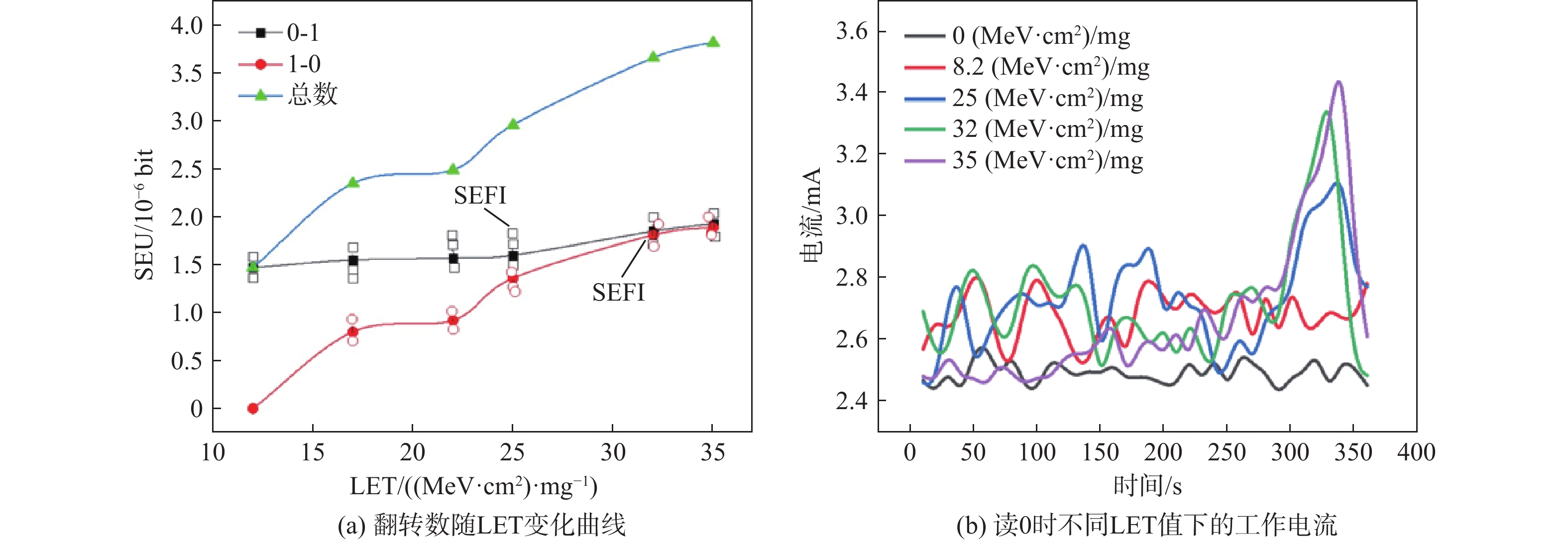
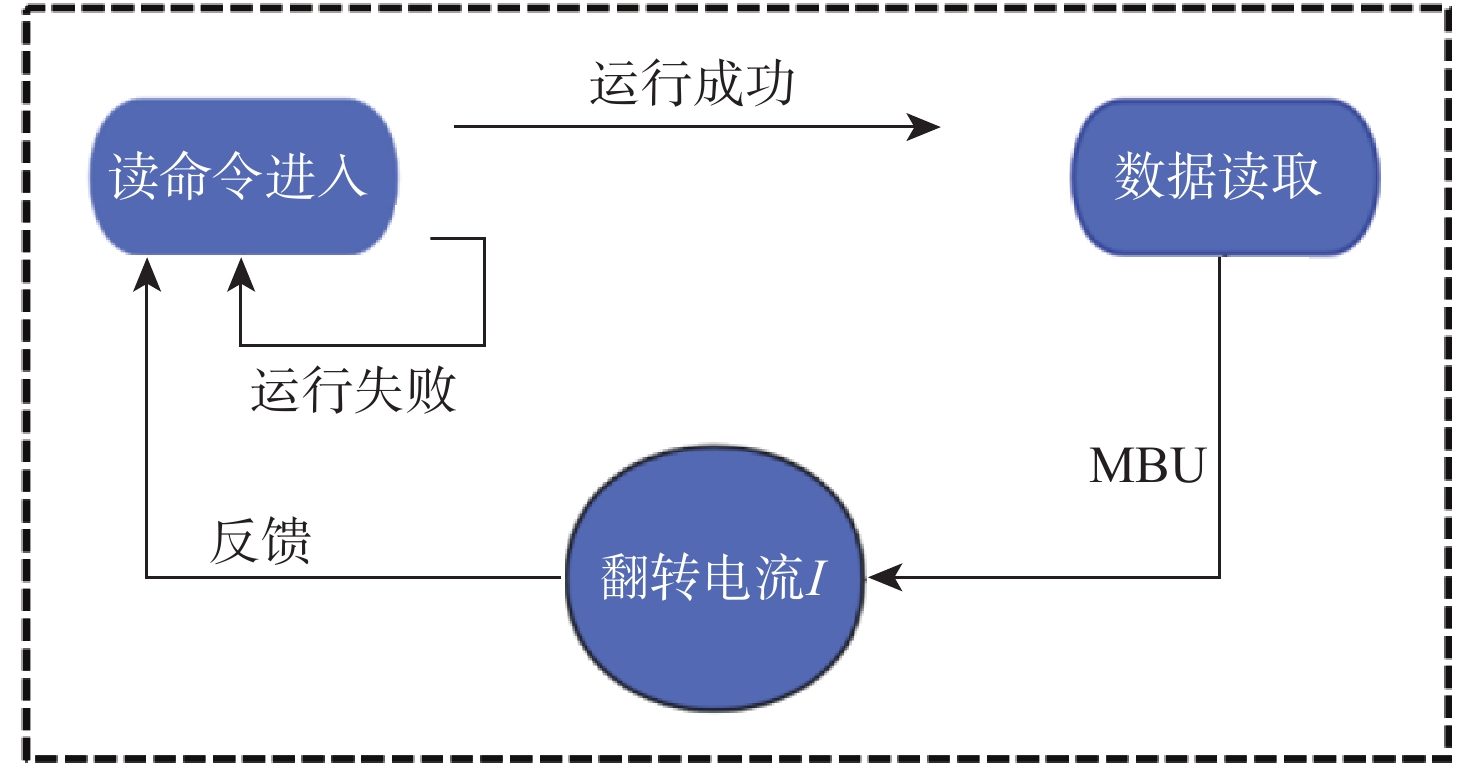
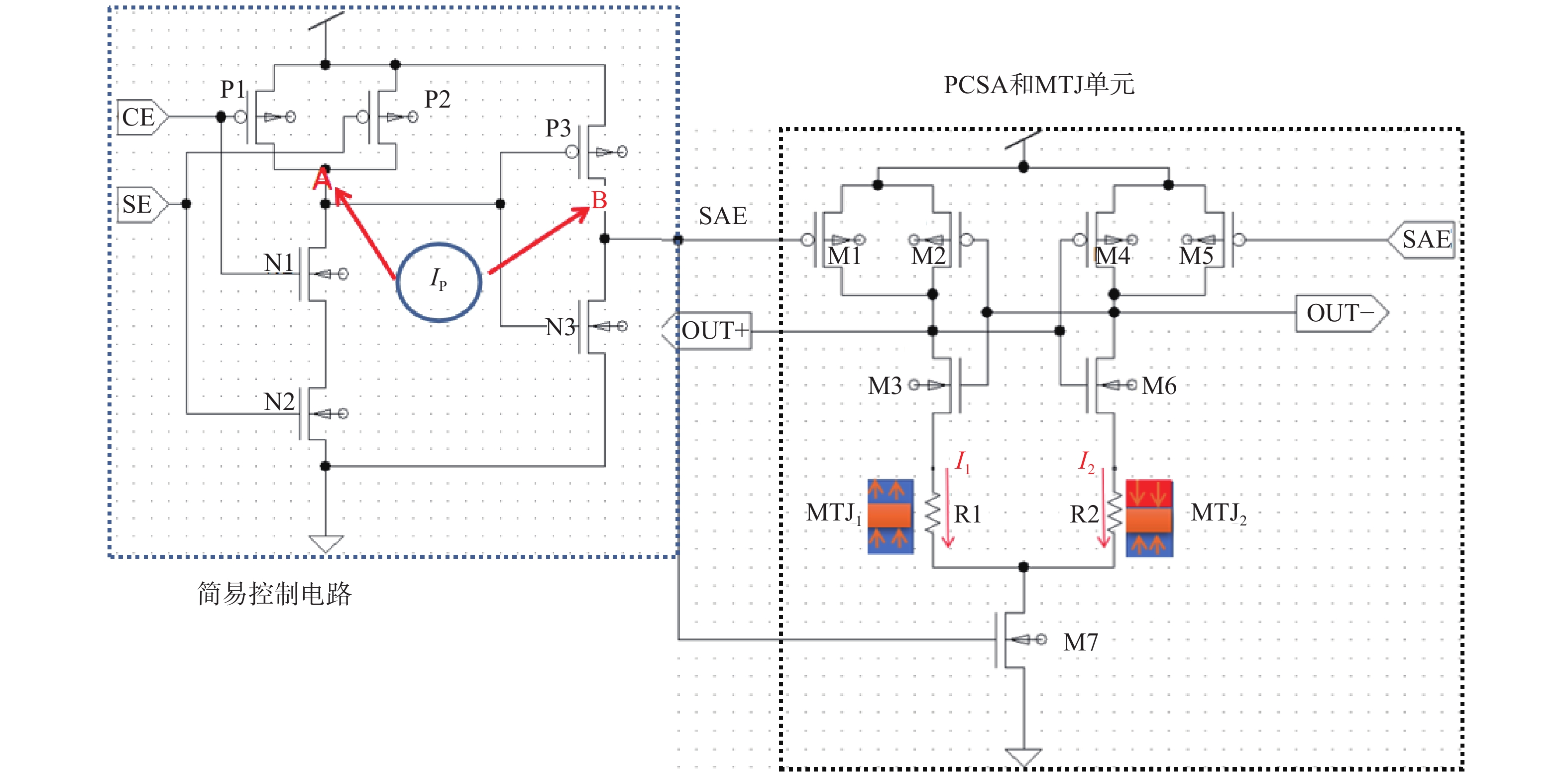
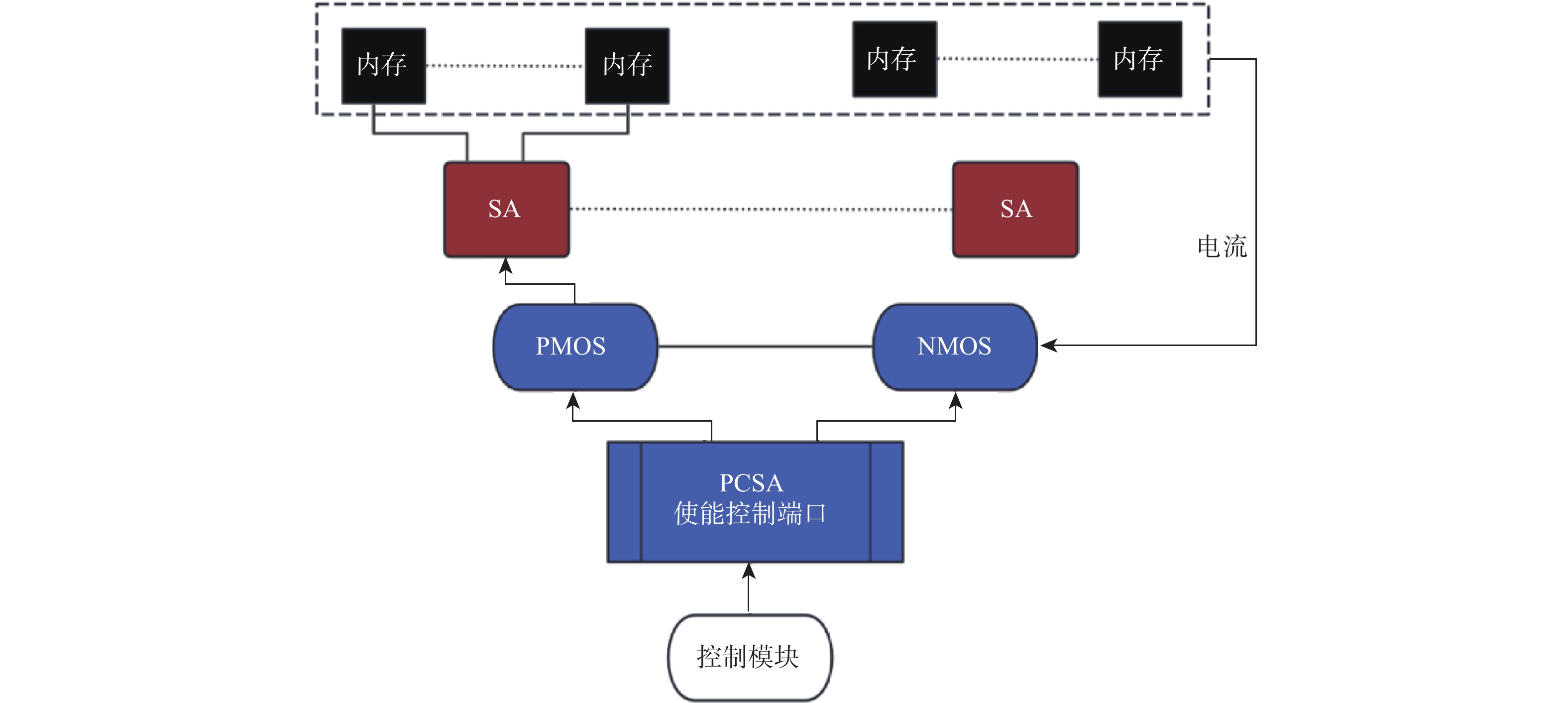
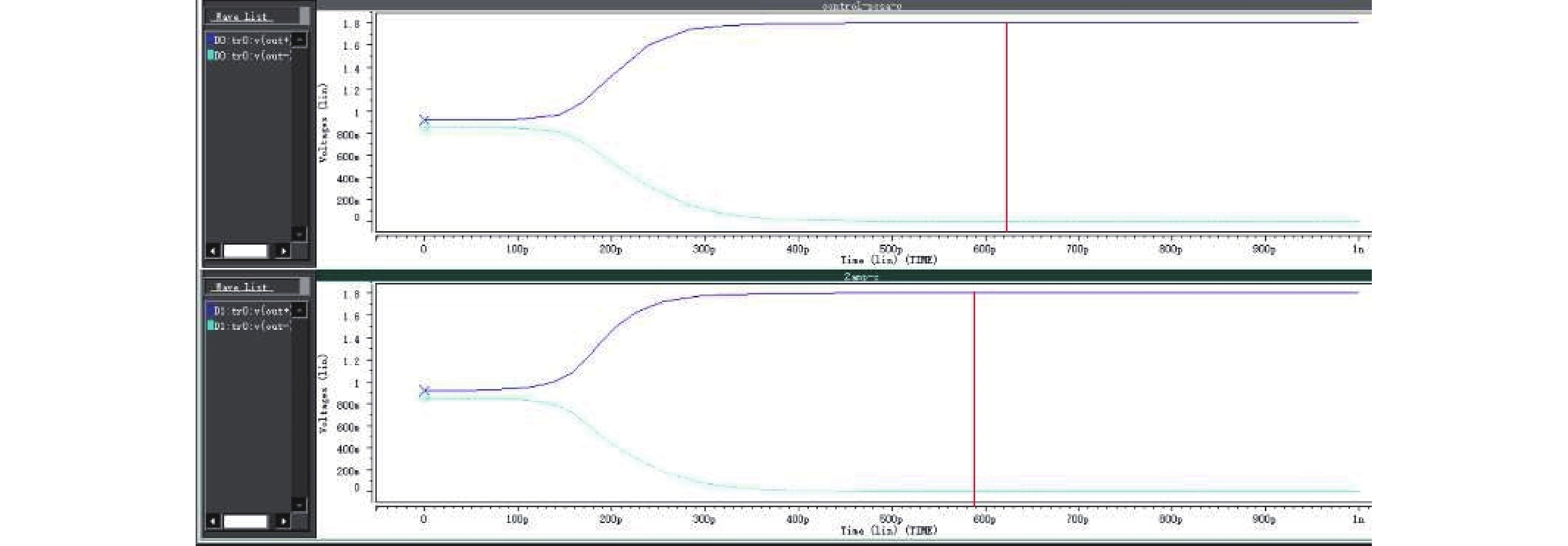
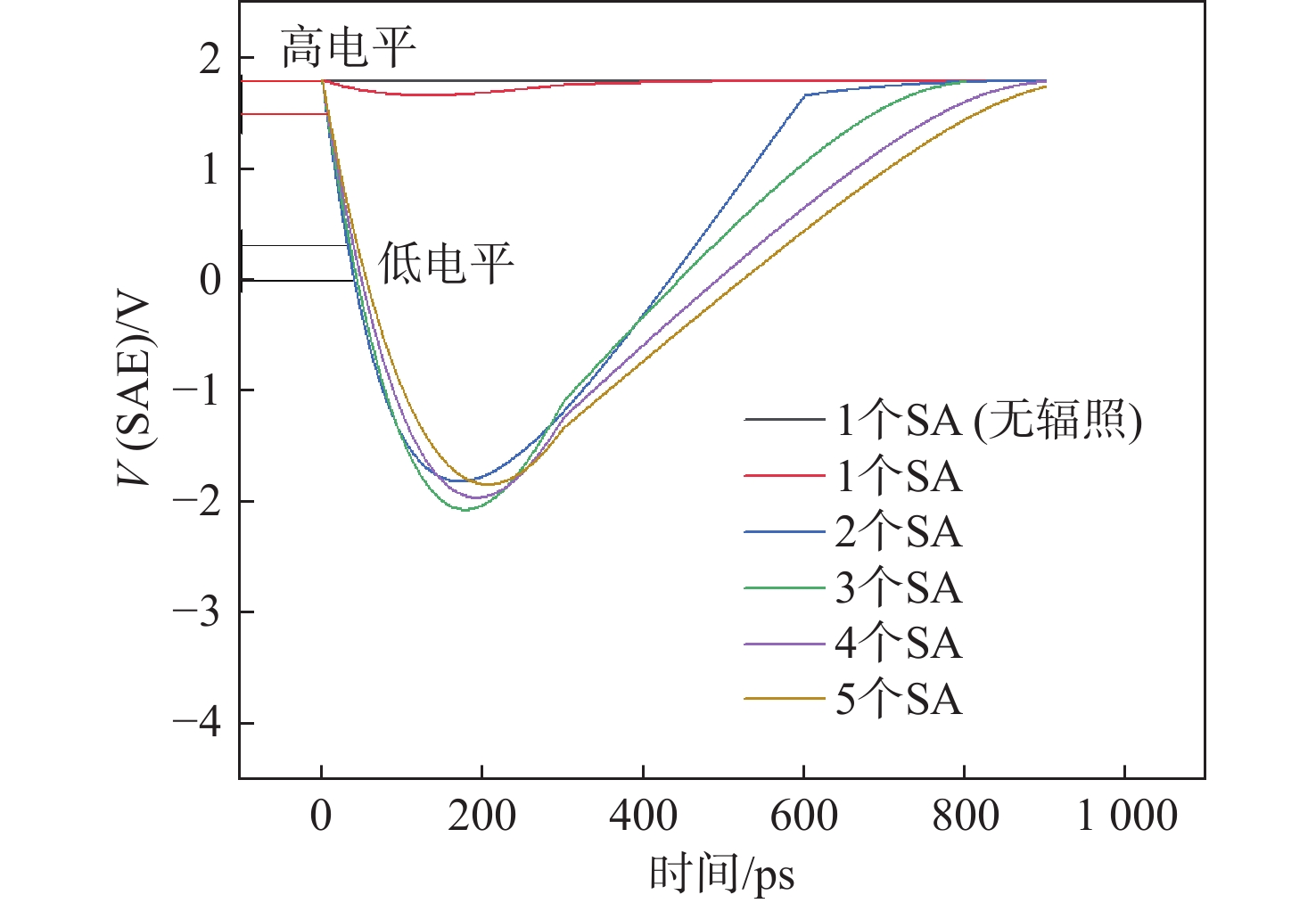
The single-event functional interruption (SEFI) has grown in importance in advanced process node integrated circuits, and the single-event effect has become one of the key causes of spacecraft failure as process sizes have shrunk. As a new type of memory device with high-speed reading and writing, the magnetic random access memory (MRAM) has excellent radiation resistance of the memory cell, but its peripheral circuits are more sensitive to single-event effects. Pulsed laser analysis of the functional effect of SEFI on chips is an efficient method. The pulsed laser focusing micro-beam is used to locate the control module whose sensitive area is located in the peripheral reading circuit of MRAM, and the equivalent LET threshold of SEFI under the reading 0 cycle is 25 $ (\mathrm{MeV}\cdot{\text{cm}}^{2})/\text{mg} $, and the data presents a million-level flip error when SEFI occurs, and the number of flip bits continues to rise with the continuation of irradiation, and the current continues to rise by more than 3 mA. The analysis shows that there is a positive feedback effect of the current on the control port when the flip occurs, and the simulation model of the MRAM reading circuit is established through the resistor-equivalent memory unit, and the loop feedback conclusion between the control module, the sensitive amplification, and the memory unit is obtained. Simultaneously, single-event faults are injected into the MRAM sensitive area control module using circuit-level simulation software. It is discovered that the more sense amplifier (SA) units that are simultaneously controlled by the control module, the faster the SA’s output error time. It is also discovered that the more SA that are simultaneously controlled, the more vulnerable they are to irradiation and function interruption. Based on the above research, it is proposed to suppress the “loop feedback” from the MRAM peripheral circuit structure or use asynchronous processing between the control module and the SA for the anti-radiation reinforcement design.
Folklore knowledge graph completion by fusing neighborhood information
GAO Fangzheng, WANG Jiahui, DUAN Liang, YUE Kun, LI Zhongbin
2026, 52(3): 935-944. doi: 10.13700/j.bh.1001-5965.2023.0791
Abstract:

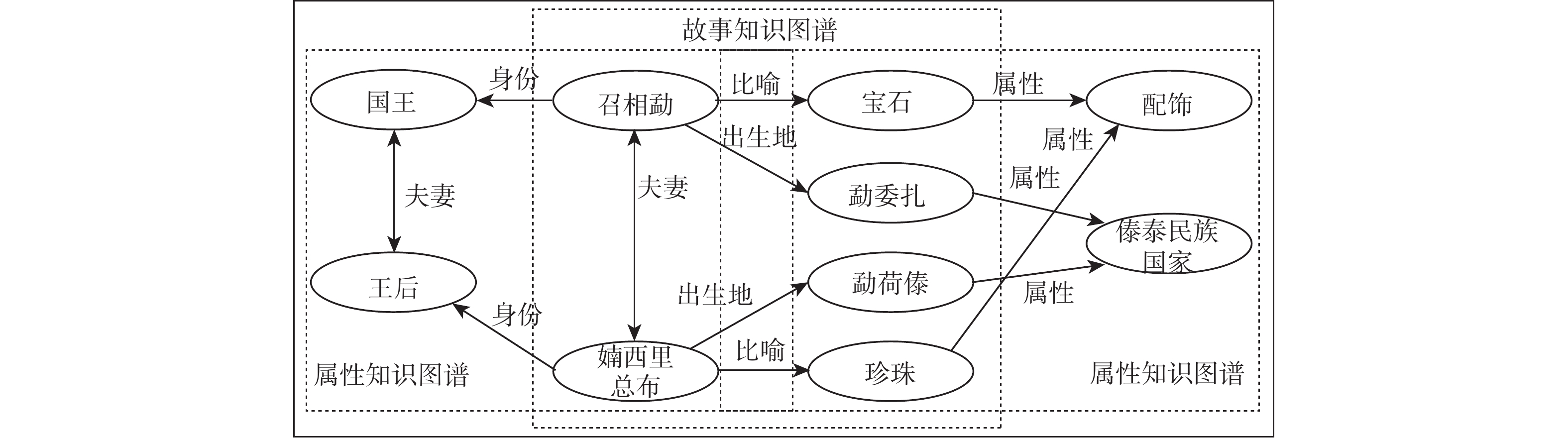
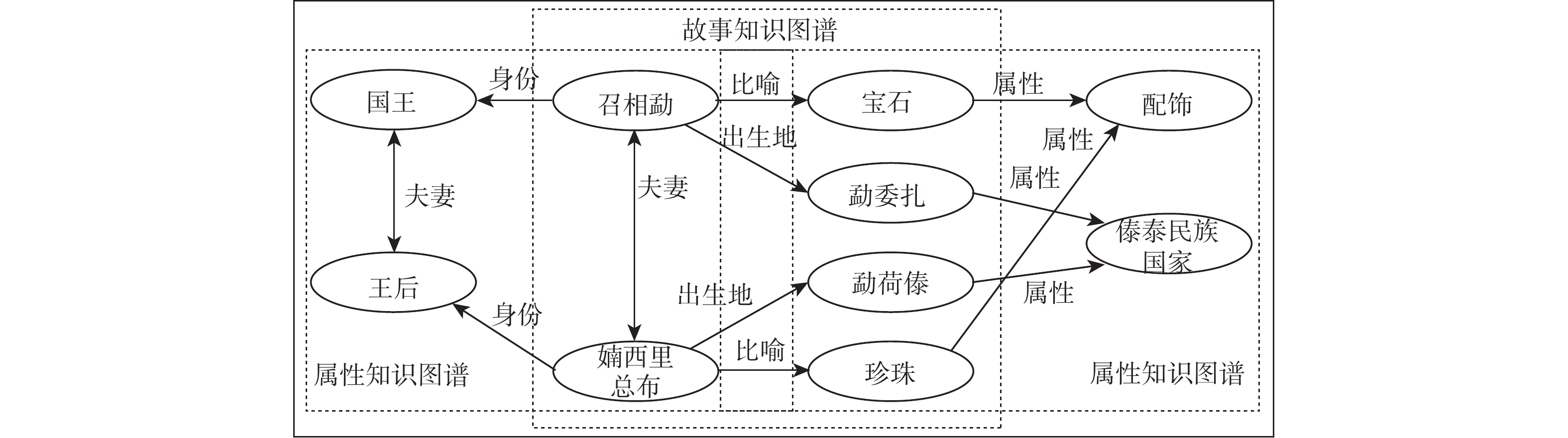
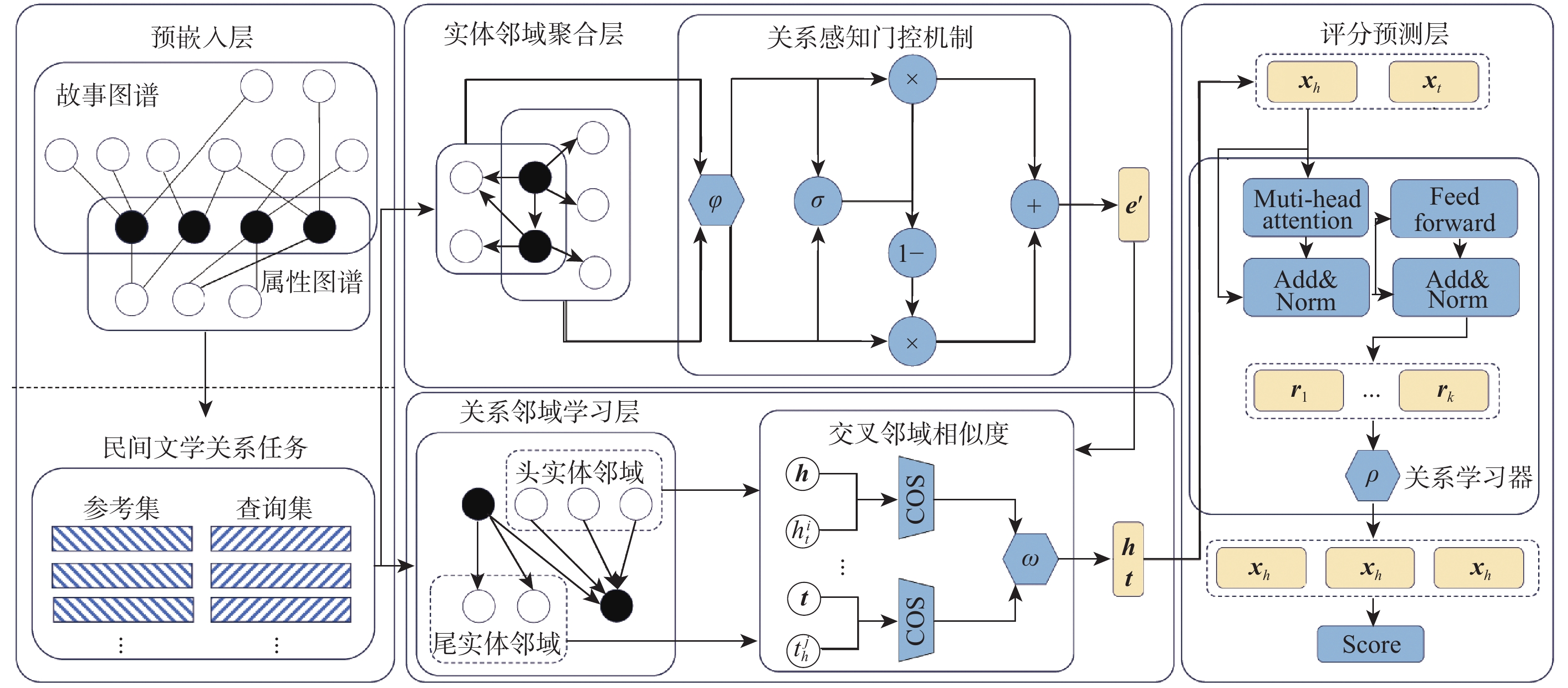
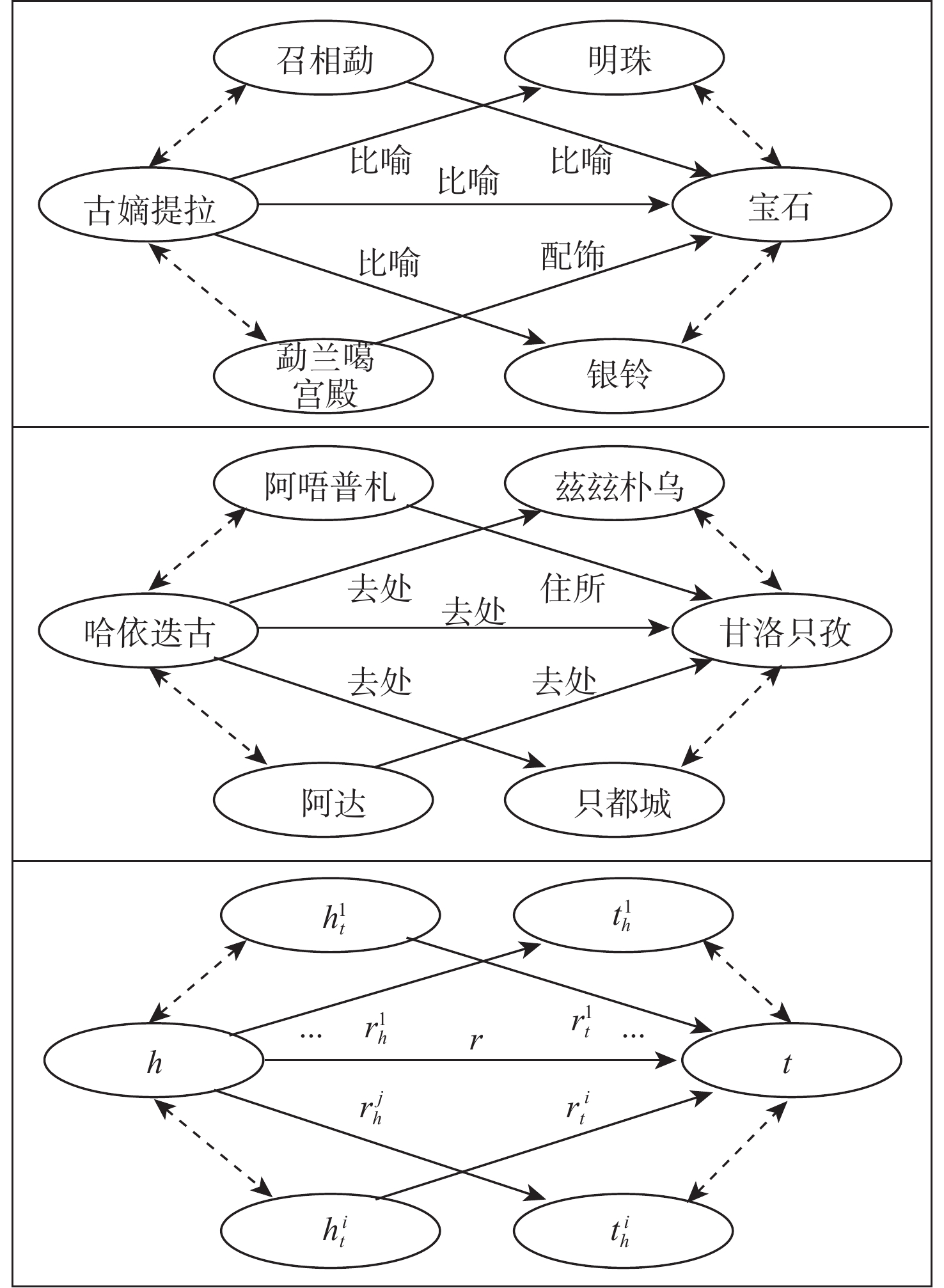
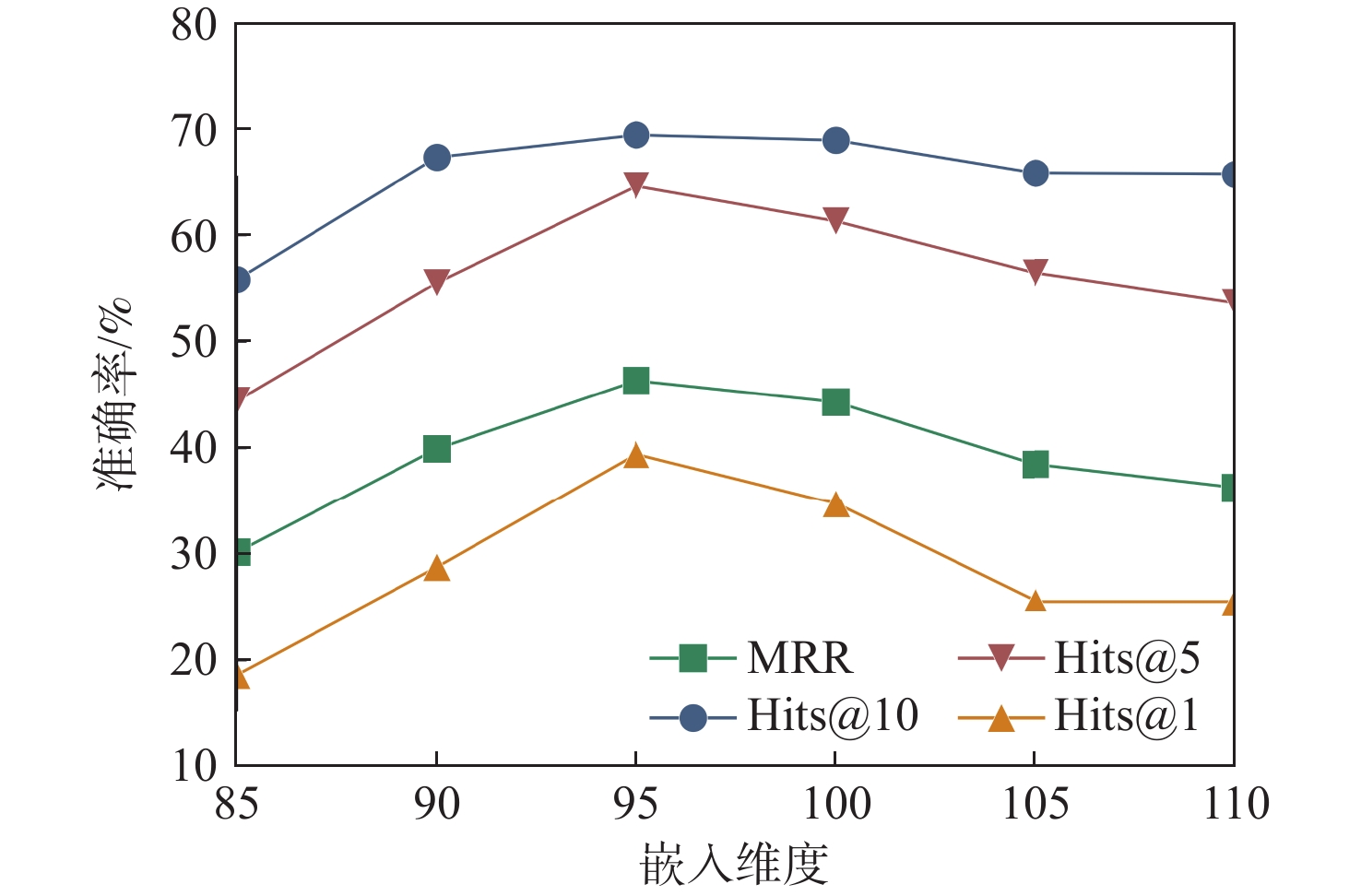
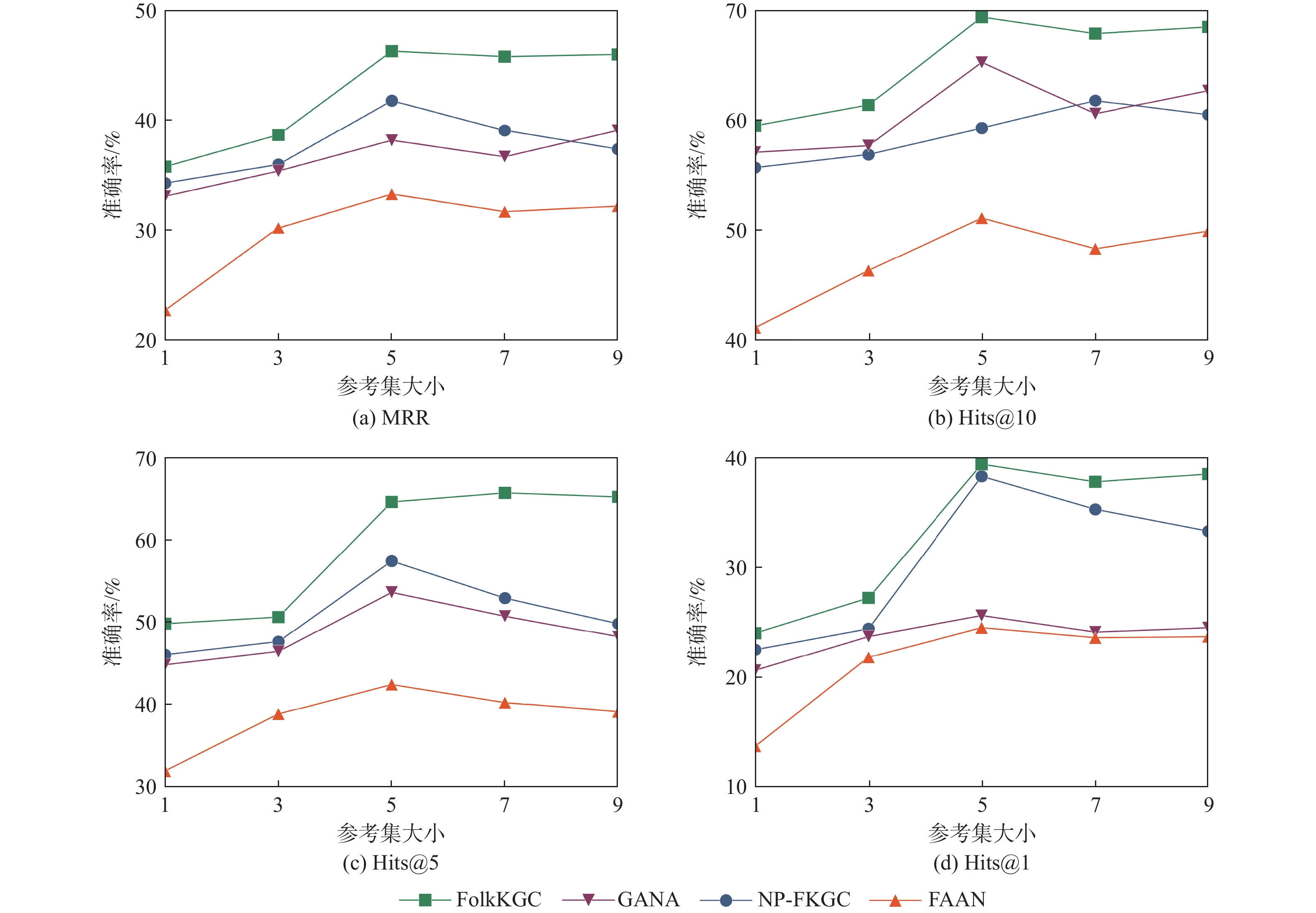
Folklore knowledge graph (KG), the domain knowledge base, has received a lot of interest and has the potential to be widely employed in context understanding and knowledge service scenarios. However, folk literature works often use short sentences and just elaborate on partial relations between characters and things in detail. The KG does not fully cover all the real domain knowledge, and it is necessary to complete. Existing KG completion (KGC) methods are hard to differentiate various neighborhood information and semantic gaps within relations. This paper proposes the folklore KG completion model FolkKGC by fusing the neighborhood information. First, the relation-aware gate attention mechanism is designed for neighborhood information fusion to effectively represent the folklore representation of entities. The relevant fine-grained folklore representations are then produced by fusing the neighborhood information of relations using a relation learner based on cross-neighborhood similarity. Comparison and ablation experiments are conducted on the datasets extracted from folklore texts. The results show that our method outperforms the state-of-the-art models on MRR and Hits@n, which verifies the effectiveness of our proposed model.
LiDAR aided GNSS/IMU positioning algorithm based on improved point cloud registration in urban environment
HUANG Mingming, SUN Rui
2026, 52(3): 945-954. doi: 10.13700/j.bh.1001-5965.2023.0837
Abstract:

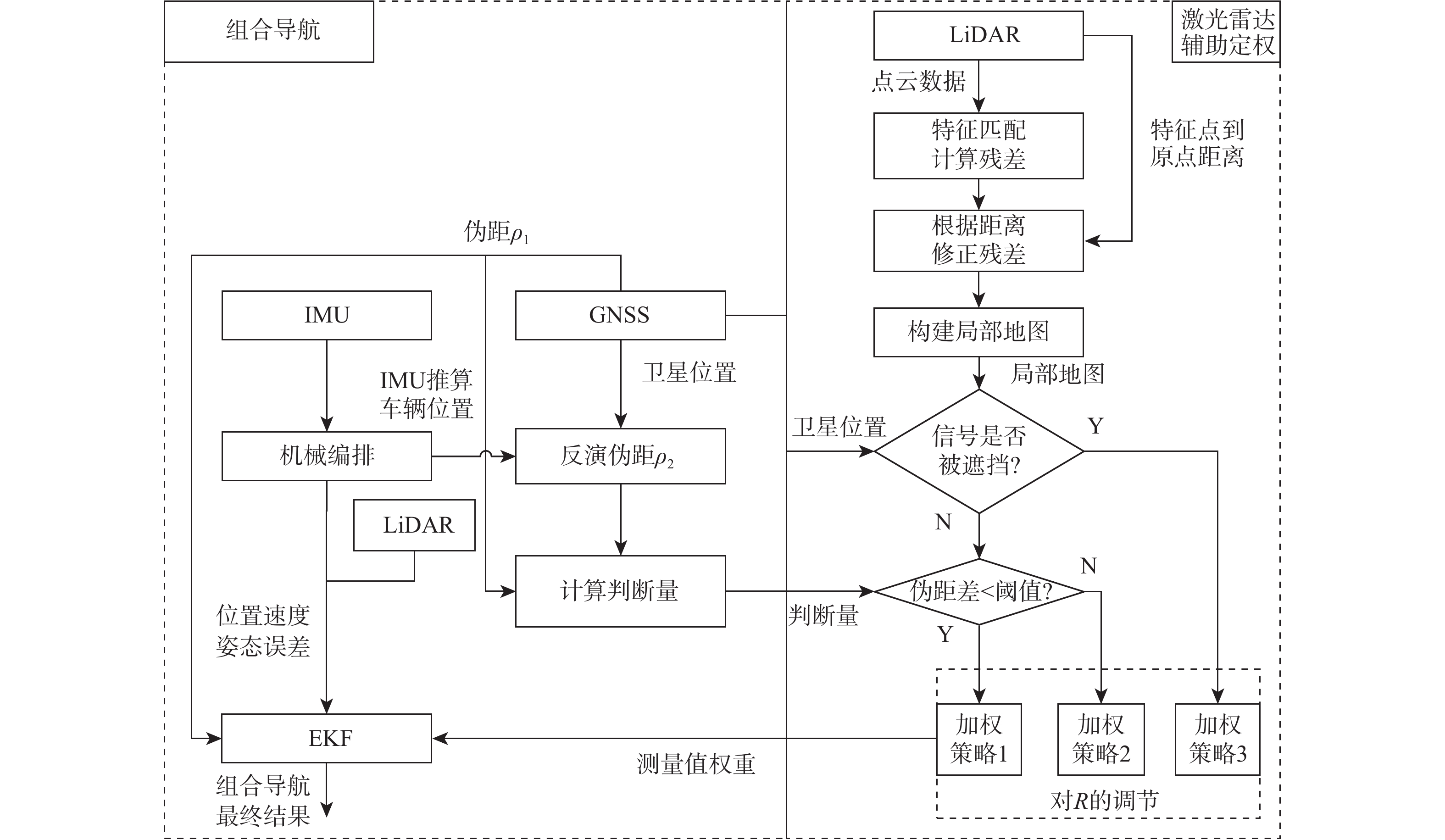
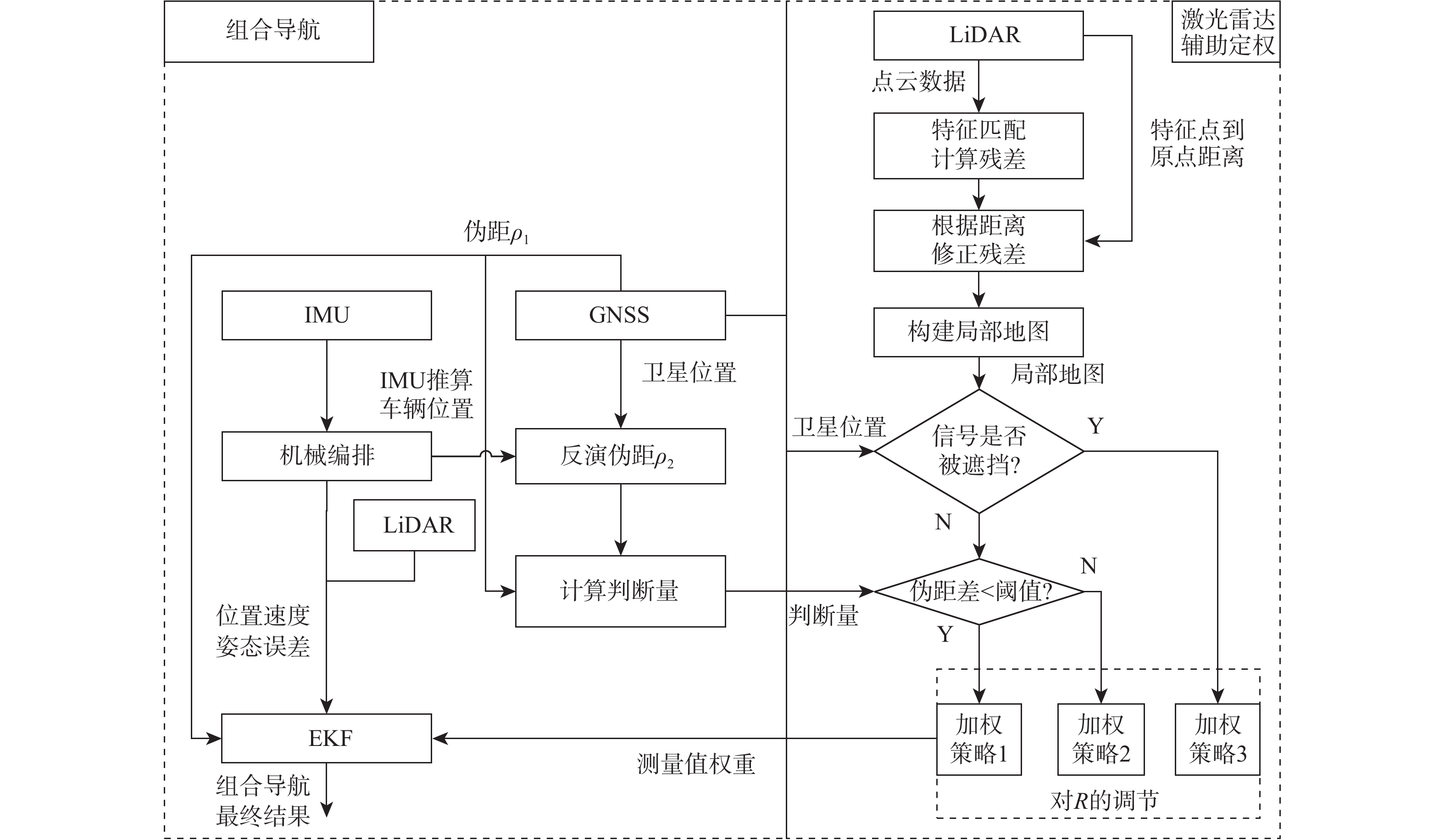
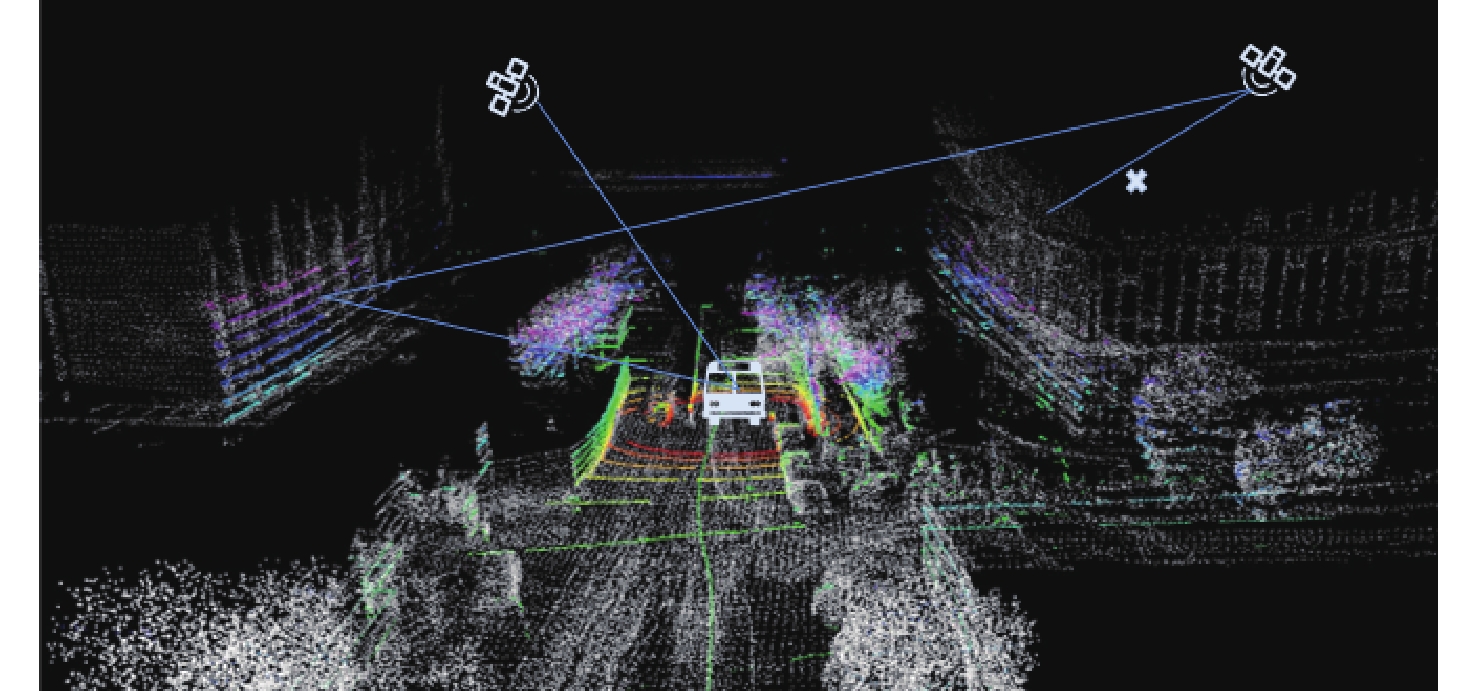
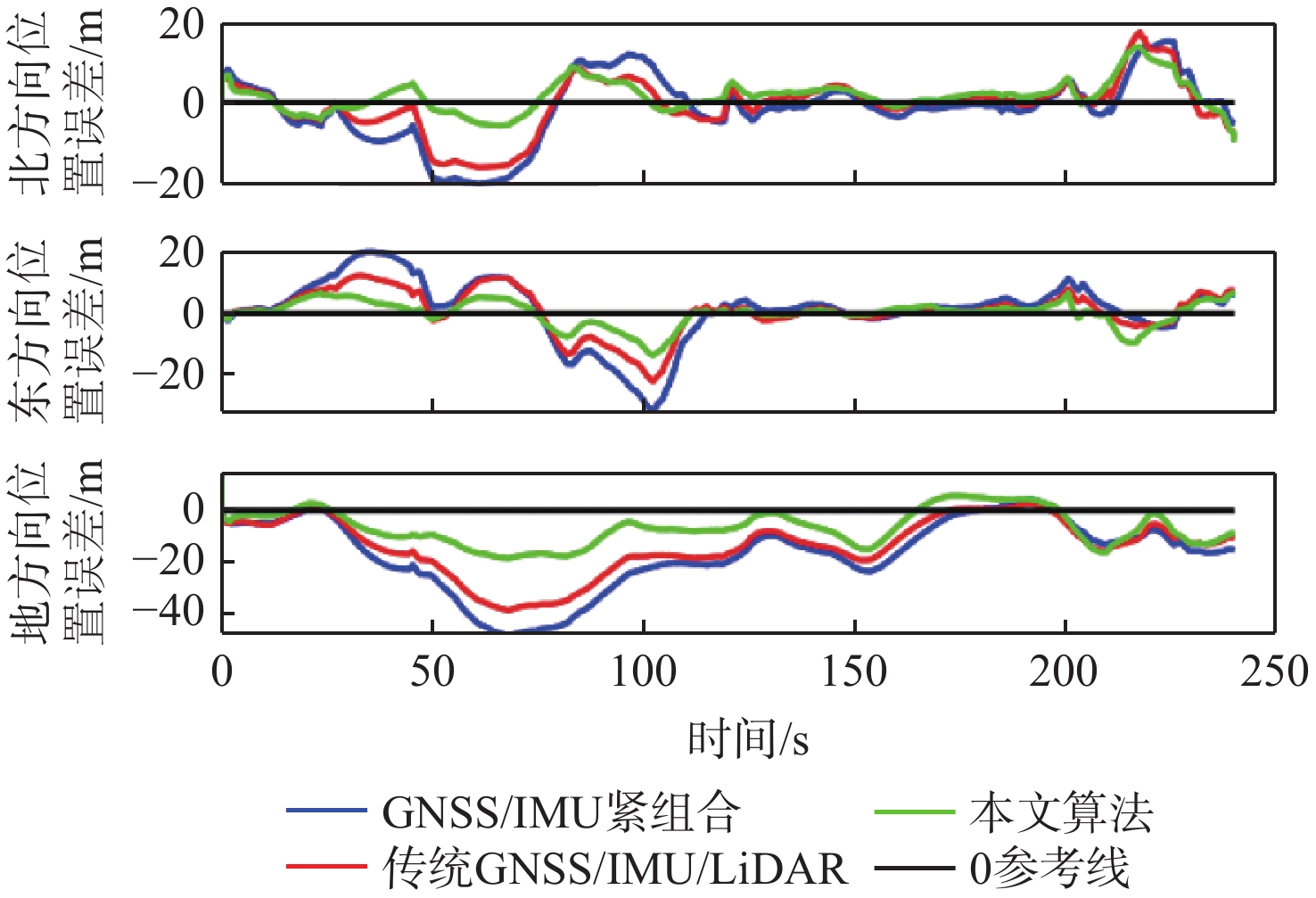
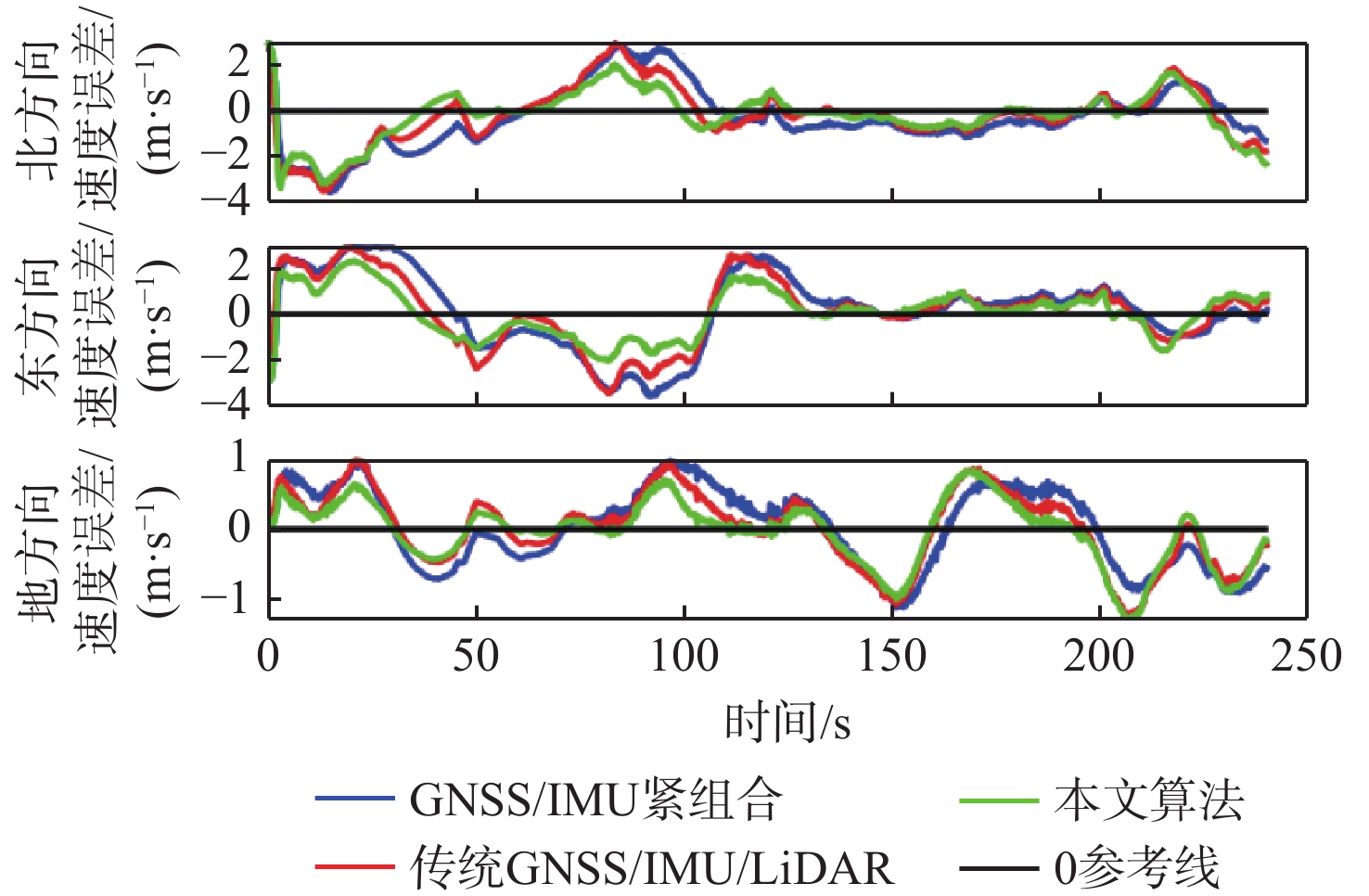
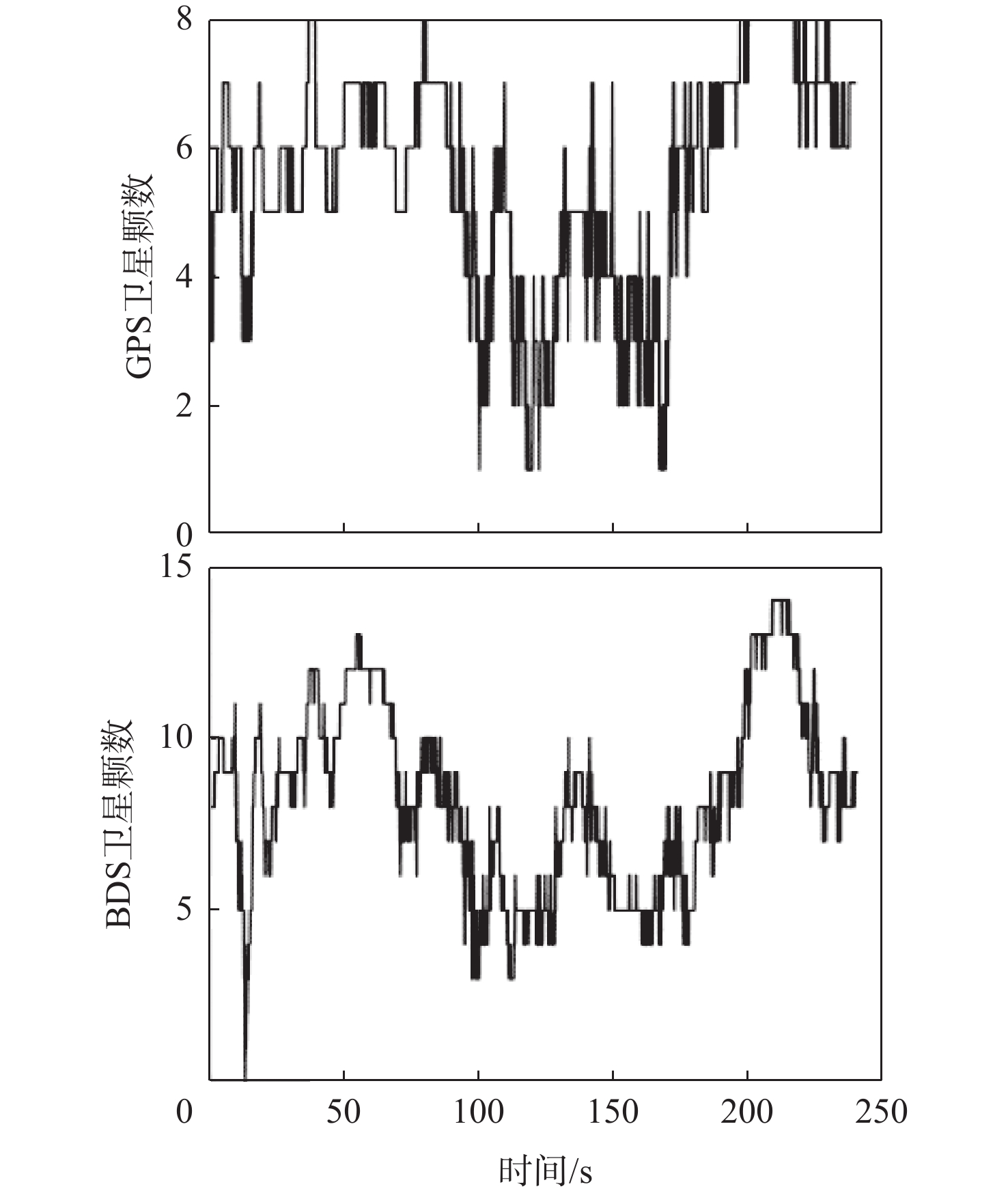
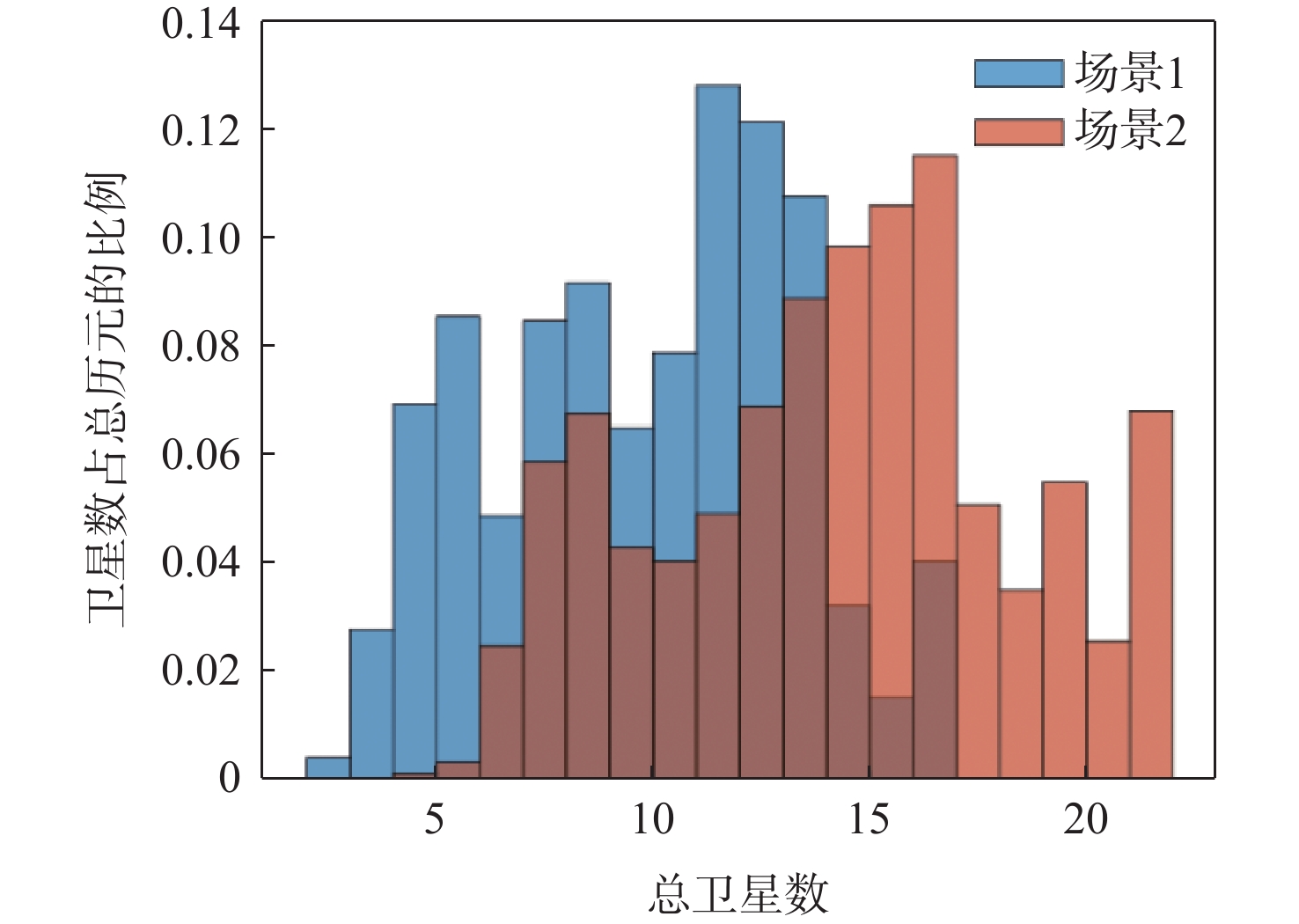
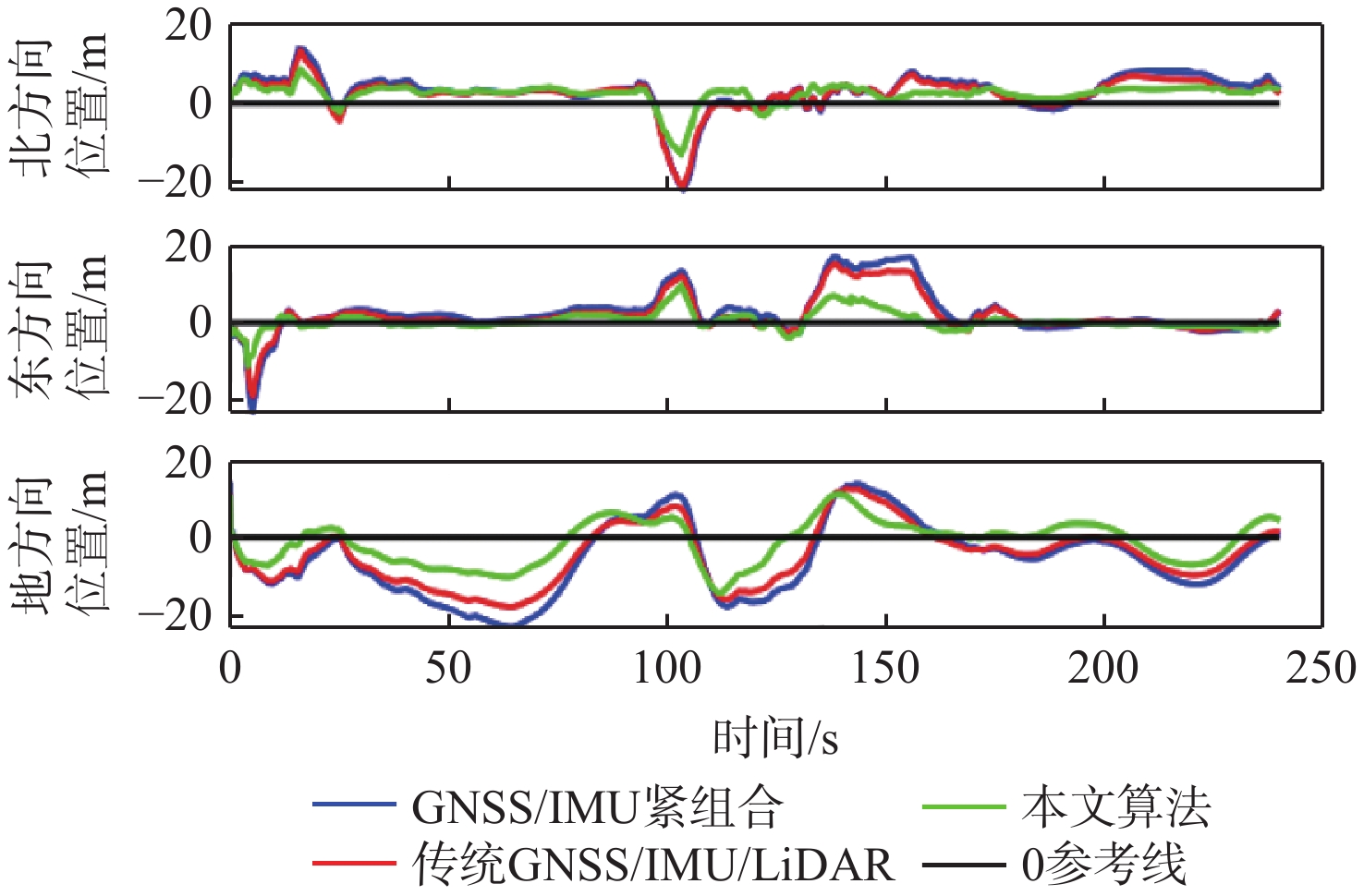
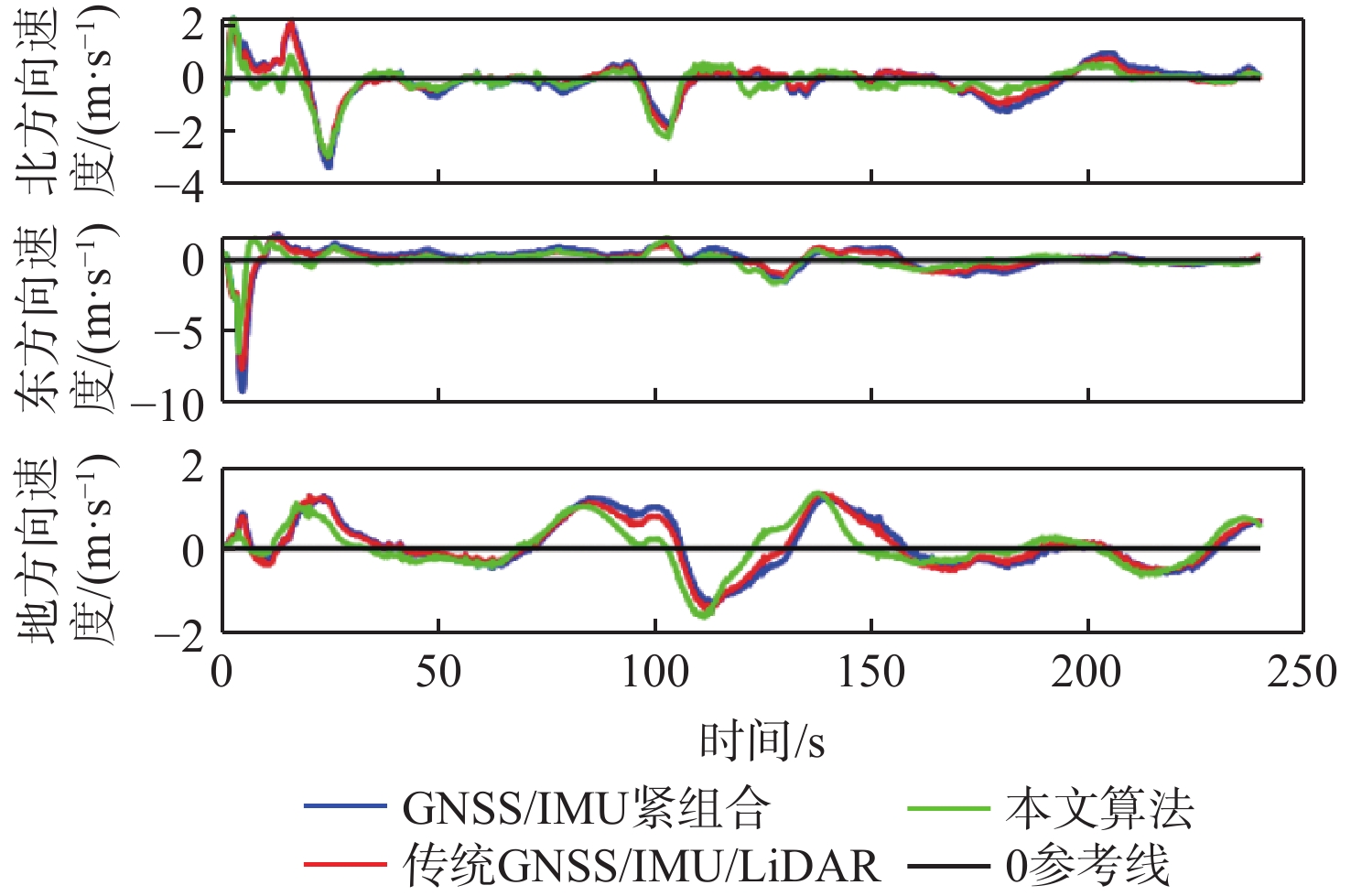
Due to the complexity of urban environments, simple global navigation satellite system/inertial measurement unit (GNSS/IMU) cannot meet the positioning demand in urban environments. Light detection and ranging(LiDAR) can perceive the surrounding environment in real-time, and its cost has been continuously decreasing in recent years. Due to the good complementary characteristics, GNSS/IMU/LiDAR has been widely studied. An improved point cloud registration LiDAR assisted GNSS/IMU integrated navigation method is proposed. GNSS quality control is done by the algorithm by adding error terms in LiDAR registration, creating local point clouds, developing double difference feature quantities to evaluate satellite signals thoroughly, and achieving GNSS signal weighting for various signal qualities. Experimental results show that in urban environments, the proposed algorithm achieves a 49.33% improvement in horizontal position accuracy and a 48.31% improvement in 3D position accuracy compared to traditional GNSS/IMU algorithms. Compared to traditional GNSS/IMU/LiDAR algorithms, the horizontal 3D position accuracy has been improved by 40.33% and 37.60%, respectively.
Multi-steps hydroforming technology of small diameter C-shaped metallic seal ring
LIU Chunlei, MENG Bao, ZHU Yu, YAN Binyu, WAN Min
2026, 52(3): 955-963. doi: 10.13700/j.bh.1001-5965.2023.0839
Abstract:

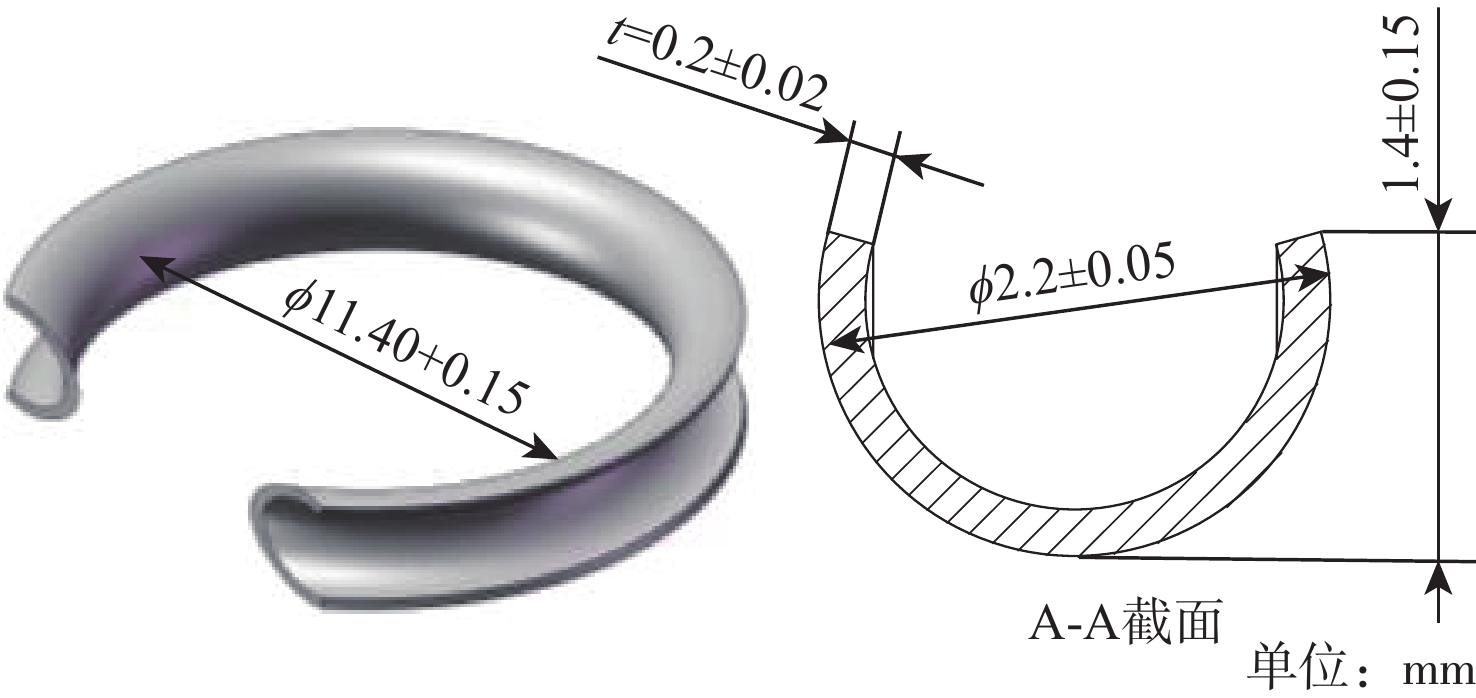
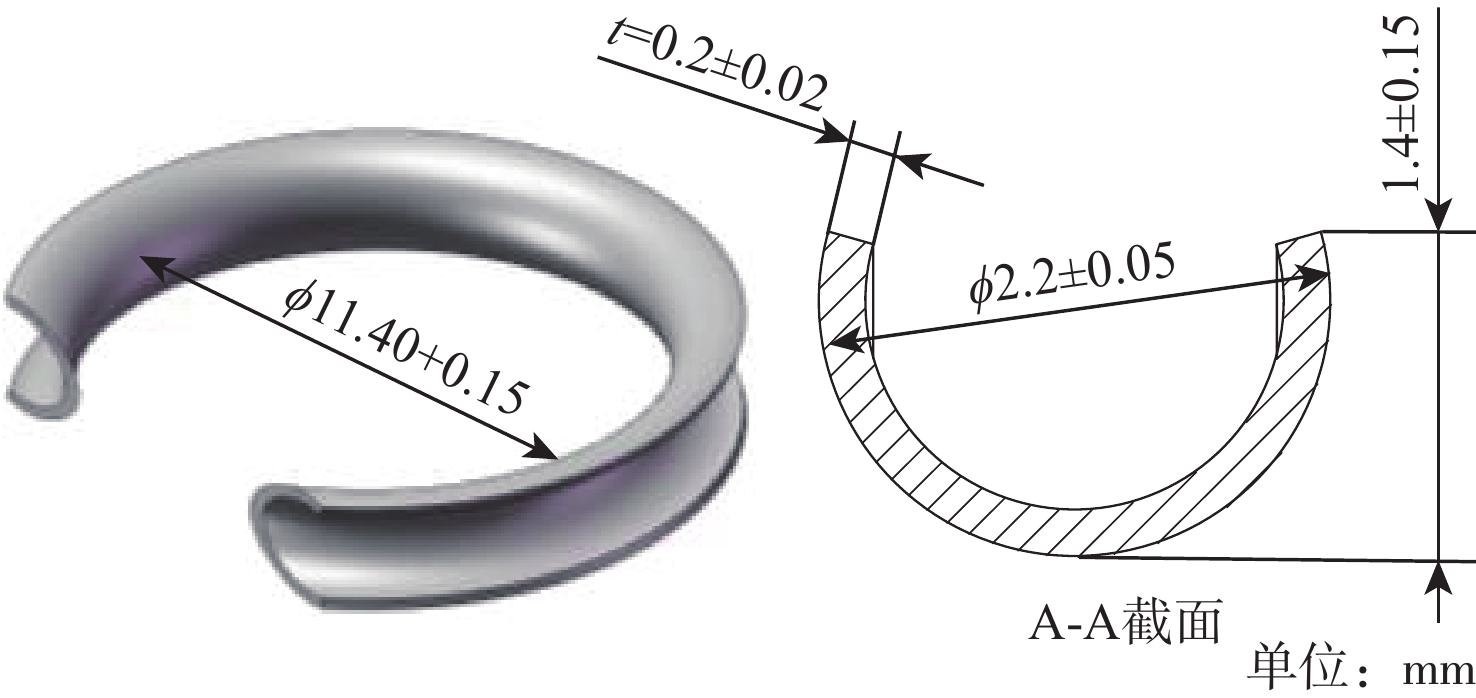
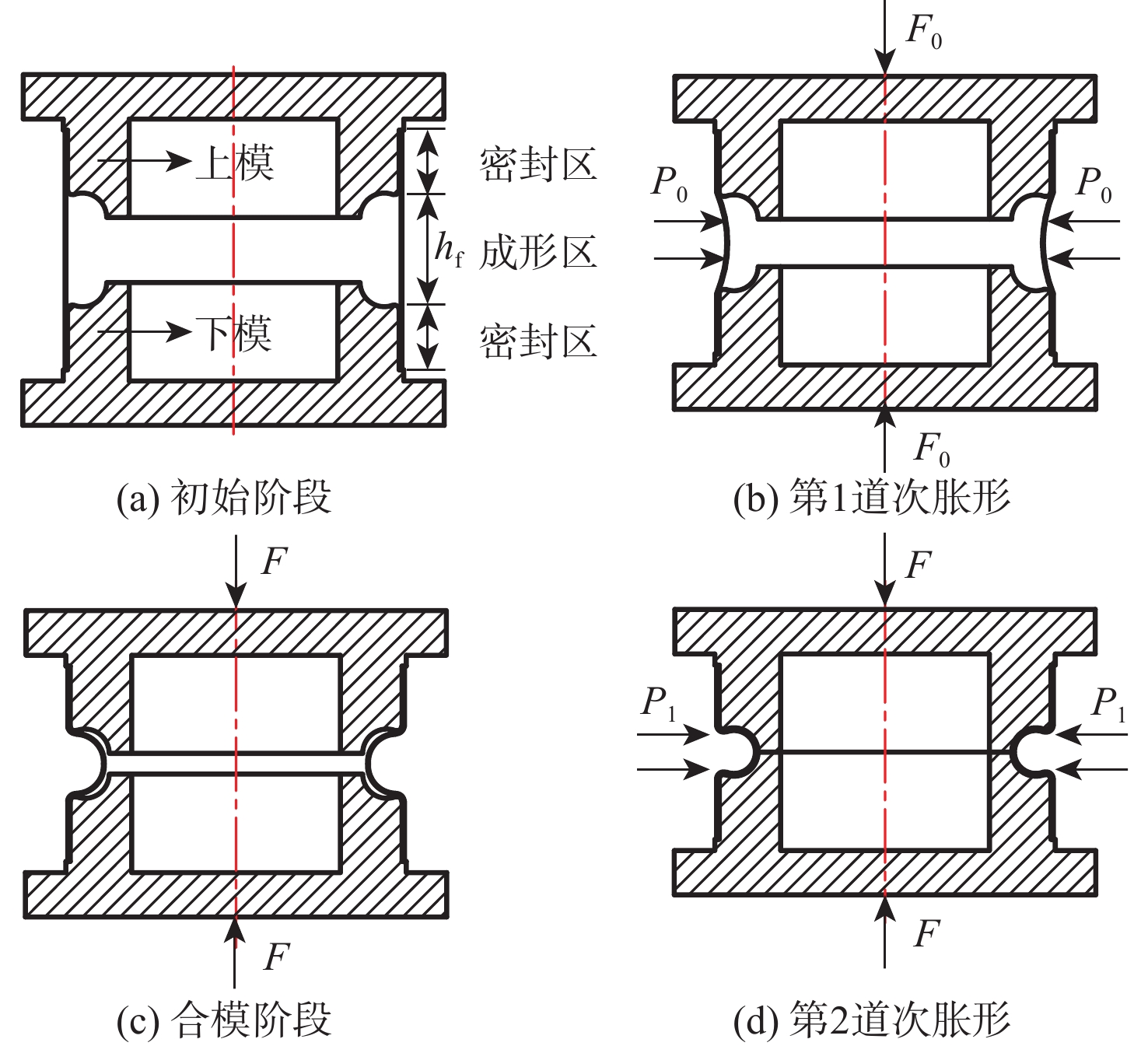
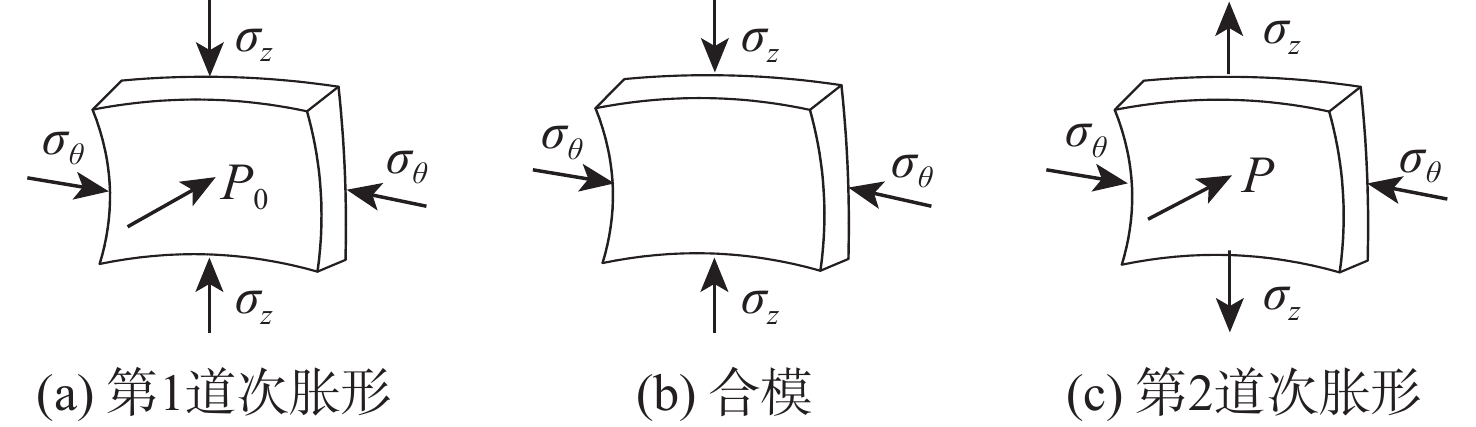
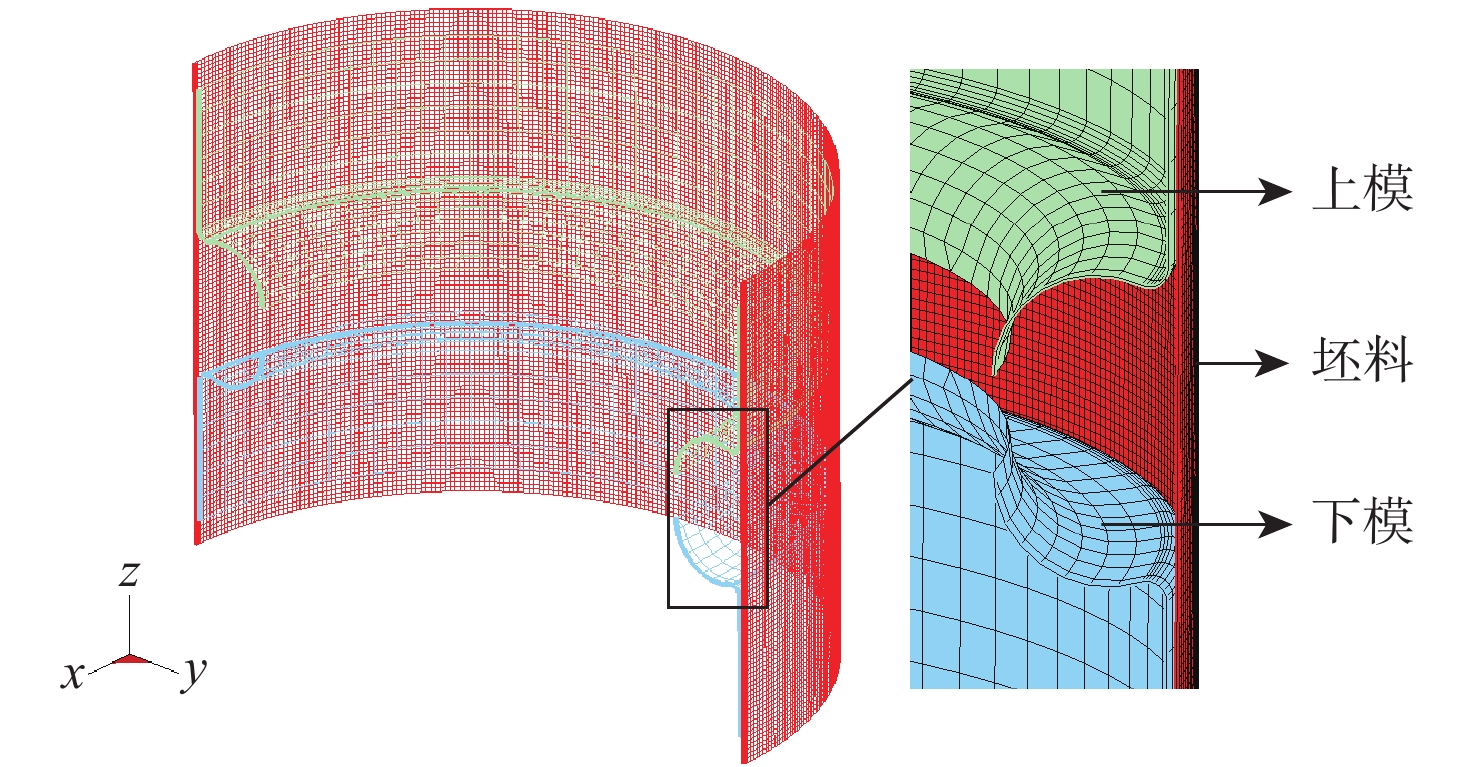
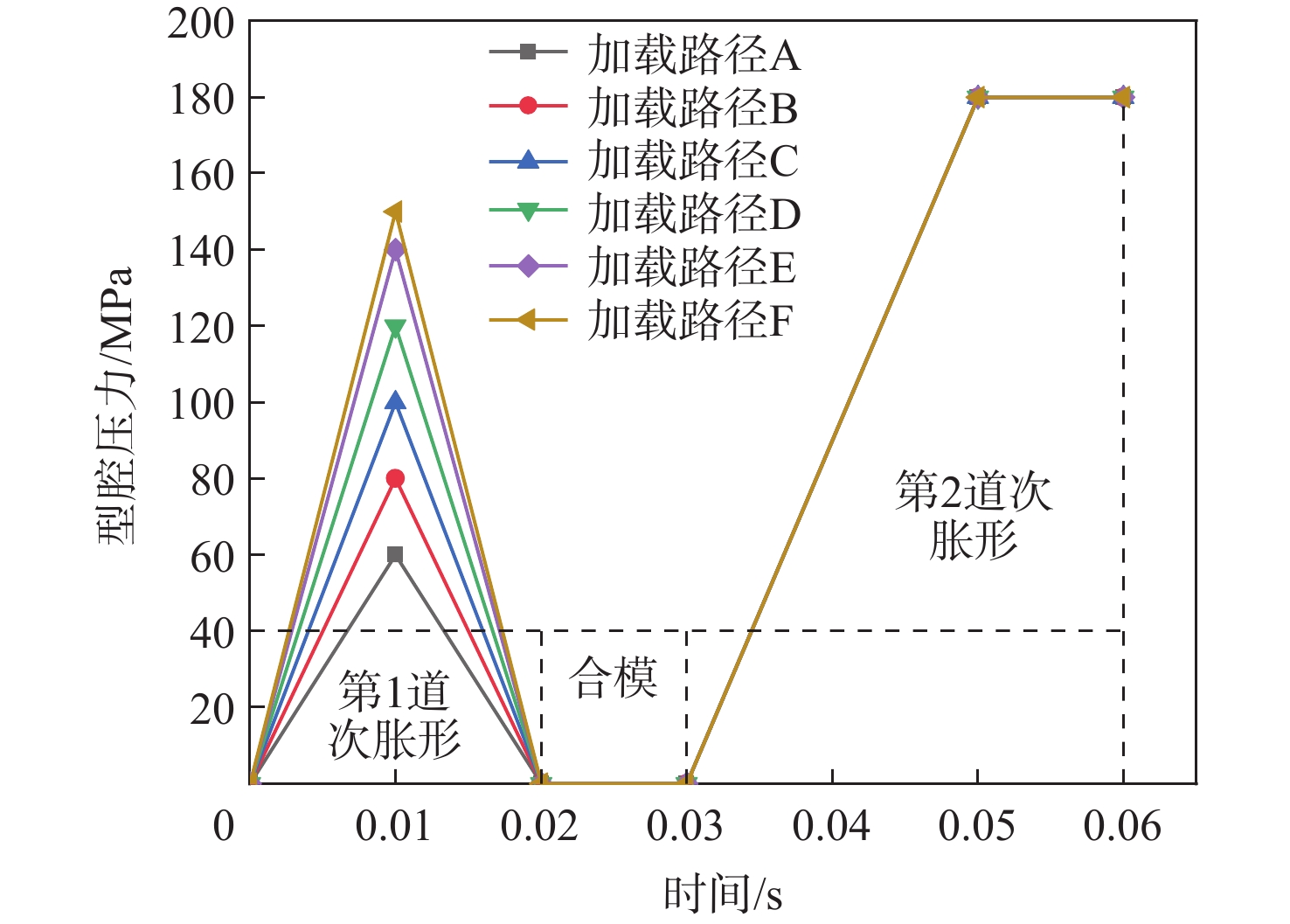
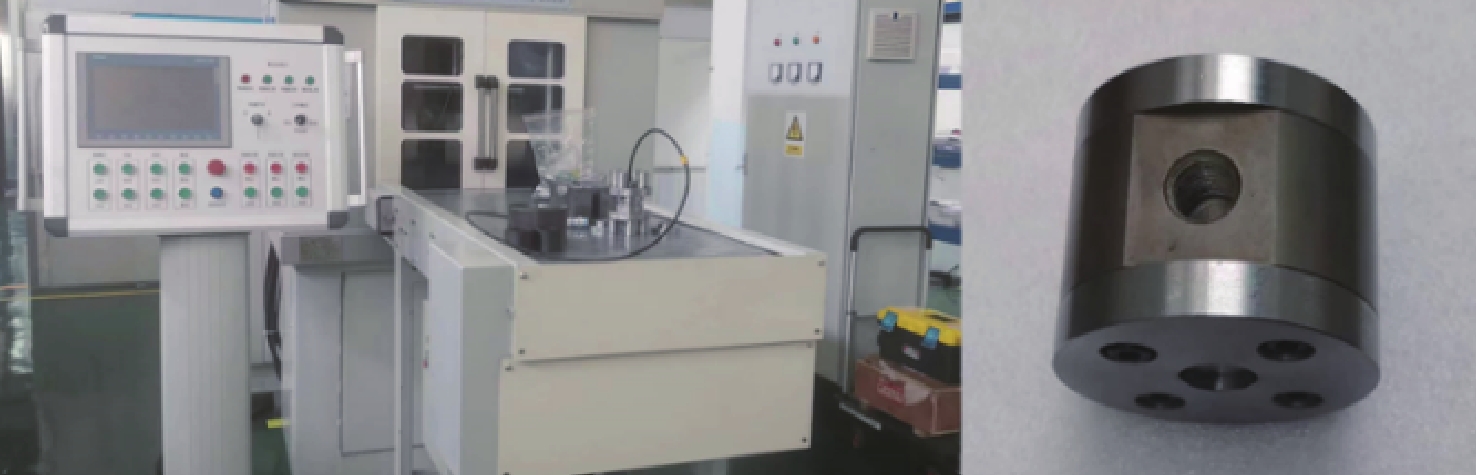
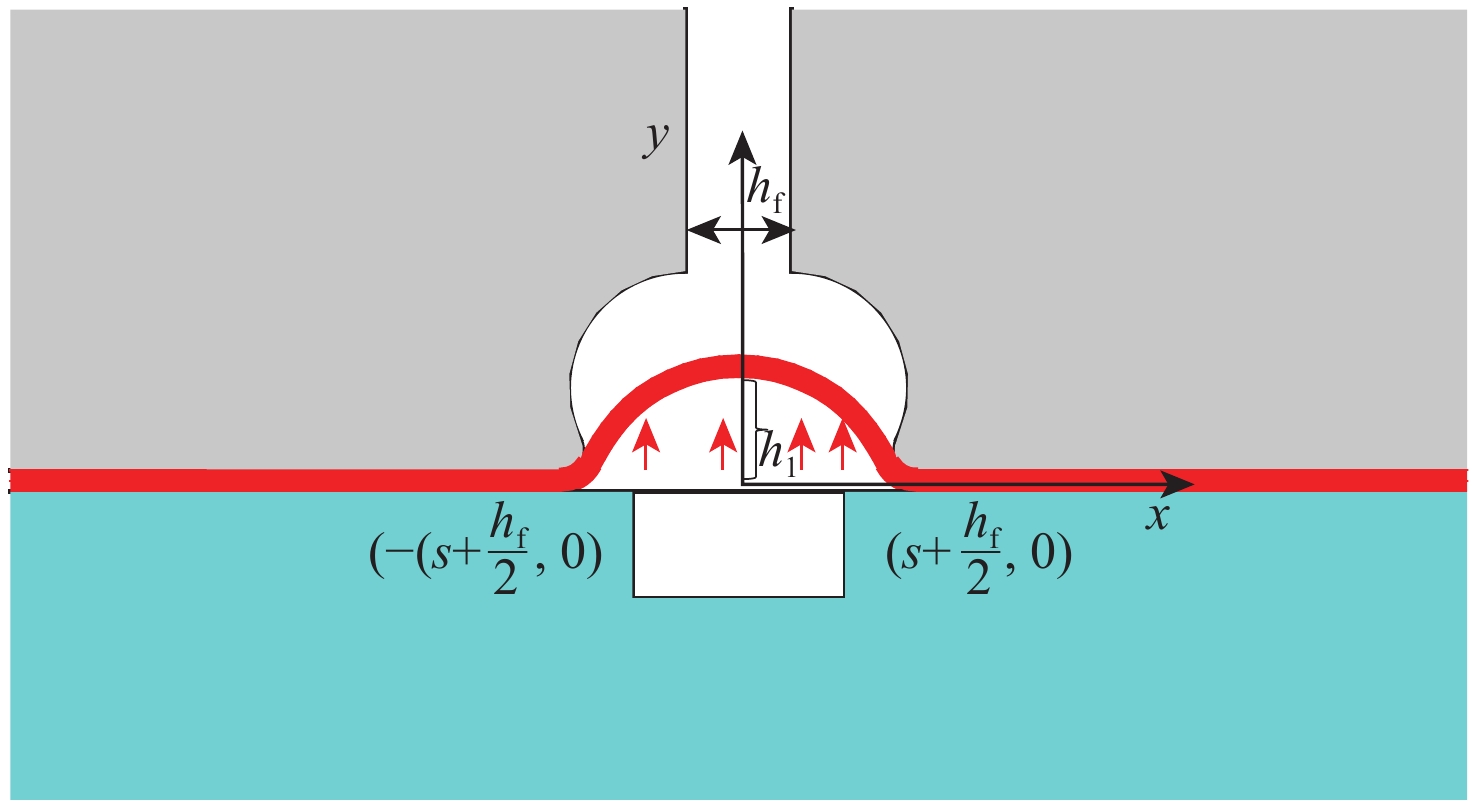
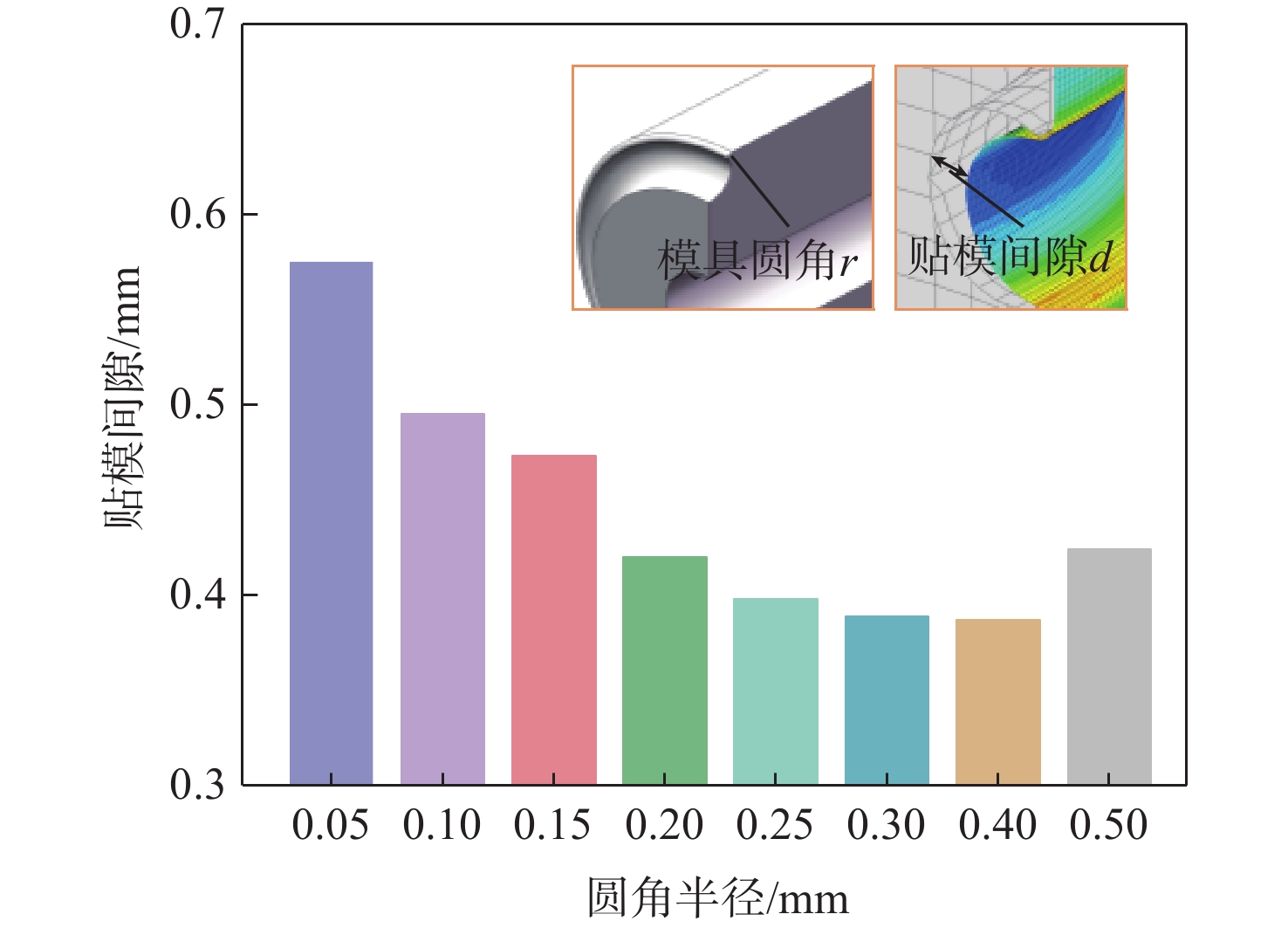
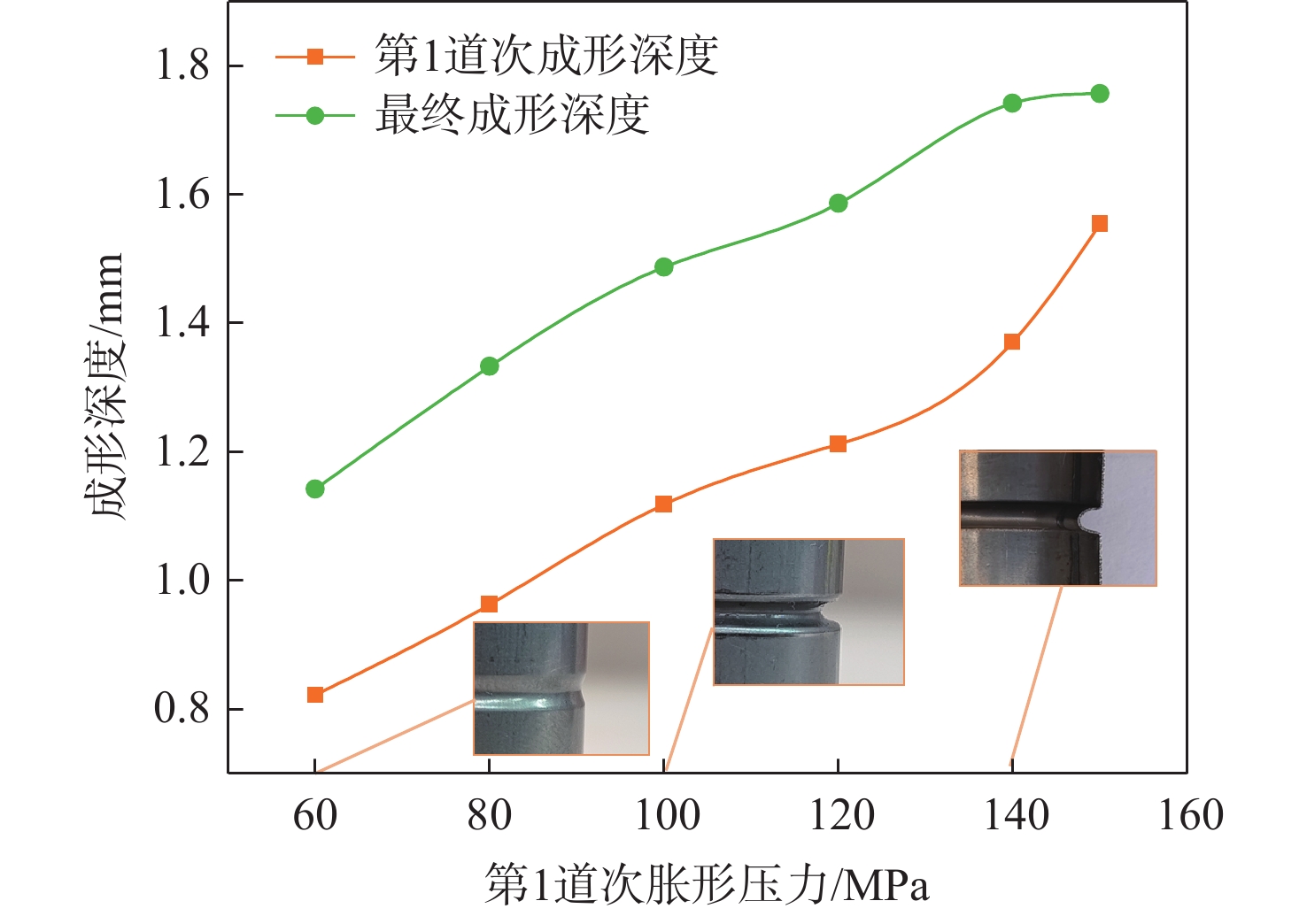
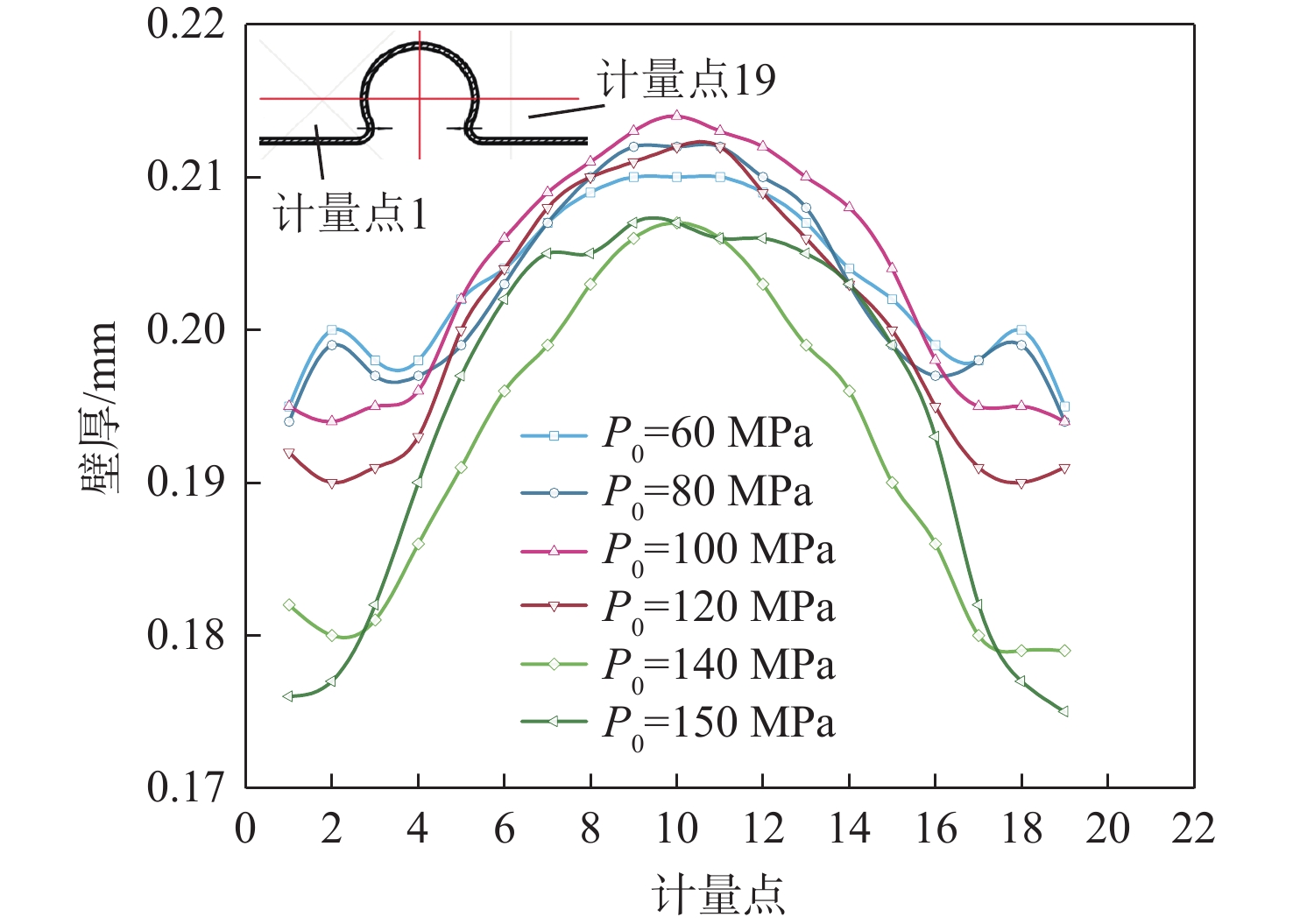
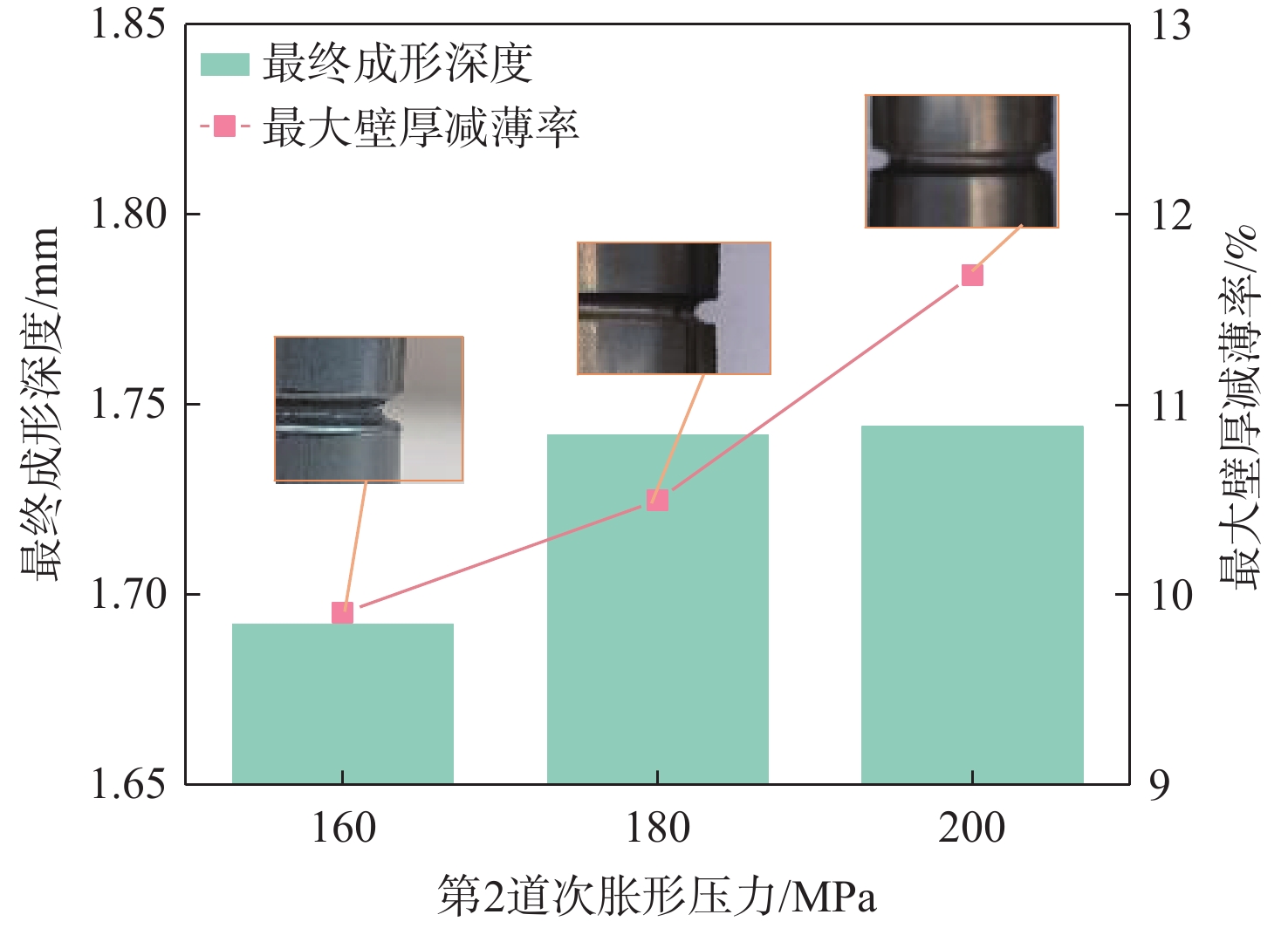
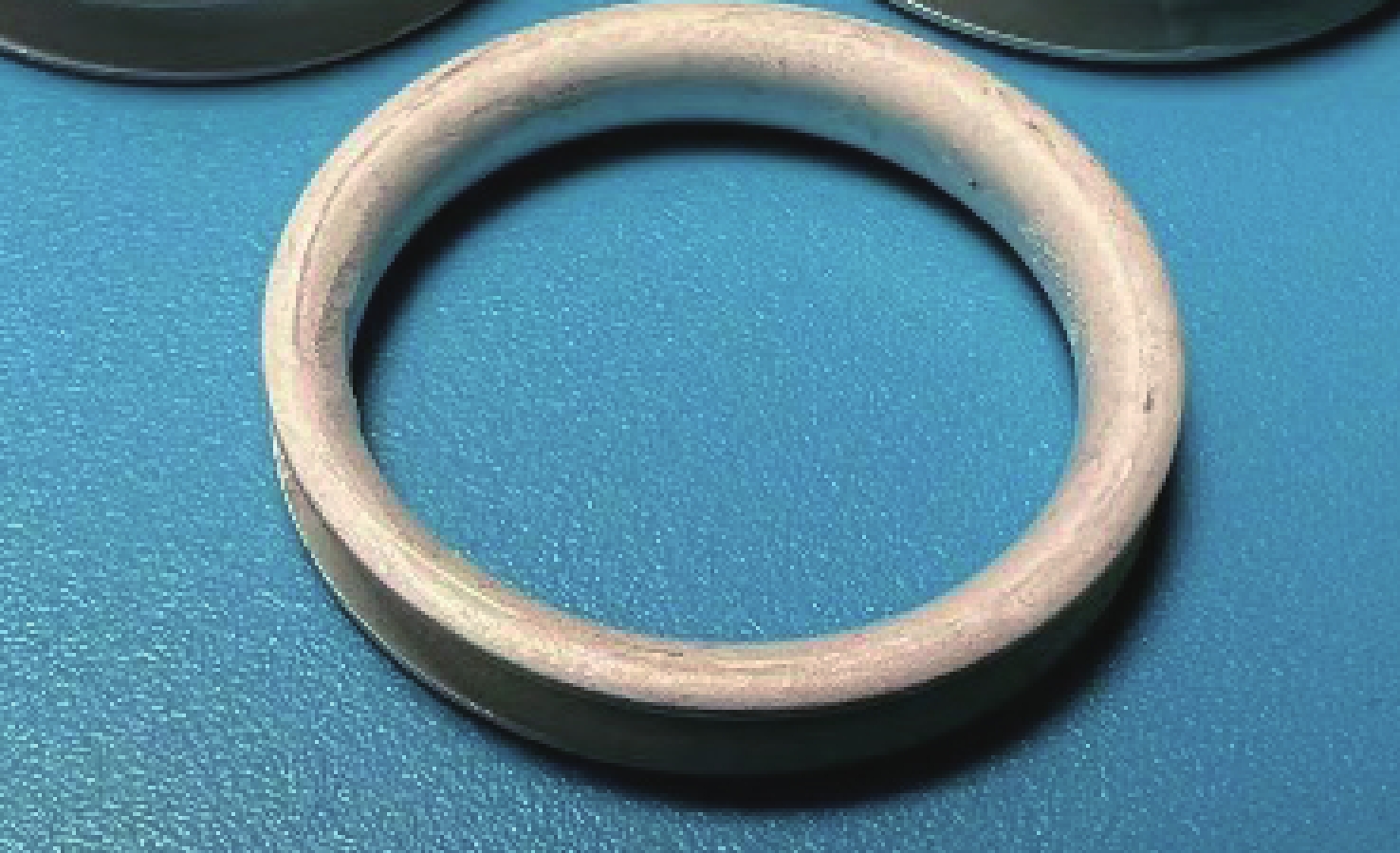
Hydroforming is an effective way for precision manufacturing of complex thin-walled components of aeroengines. According to the micro size characteristics of thin-walled superalloy C-shaped seal ring components of an aero-engine, a two-steps hydroforming process was proposed. The stress-strain analysis of multi-steps hydroforming process was conducted, and the finite element analysis model of multi-step hydroforming process was established. The impact of process variables, such as the height of the blank forming and the hydraulic loading path, on the forming quality of the seal ring was investigated using numerical simulation and process experimentation. Failure modes, such as the loss of section geometric characteristics, inadequate die attaching, and excessive wall thickness thinning, were also investigated. The process parameters were optimized. The results show that the two-step hydroforming process can achieve accurate forming of a thin-walled C-shaped metal seal ring. By using the optimized process parameters: height of blank forming of 1.0mm, first pass cavity pressure of 140 MPa, second pass cavity pressure of 180 MPa, the high-quality C-shaped seal ring with the degree of blank molding of 93.9%, thinning rate of 10.5% and wall thickness uniformity of 85.5% can be made.

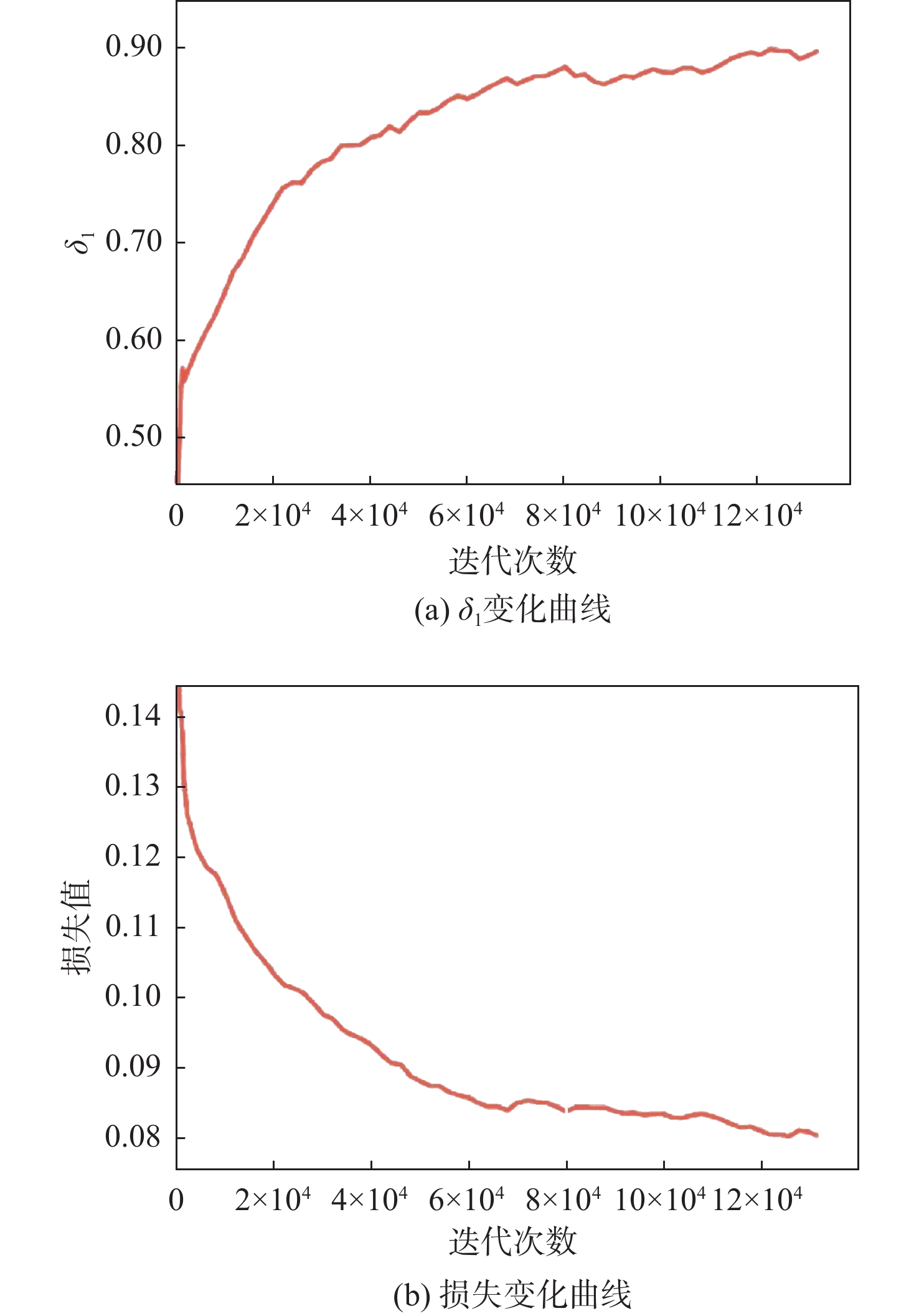
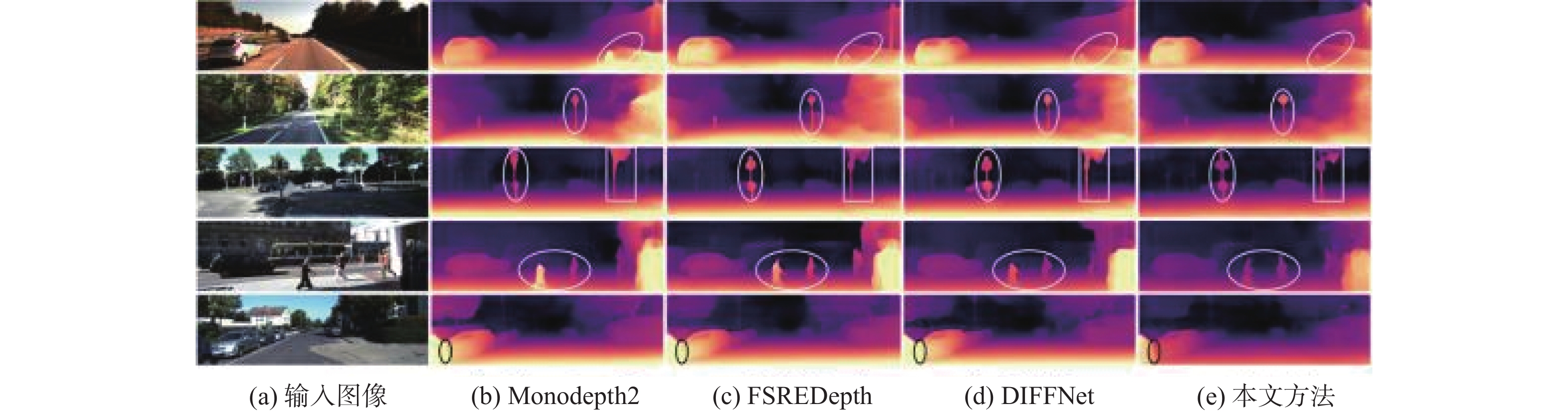
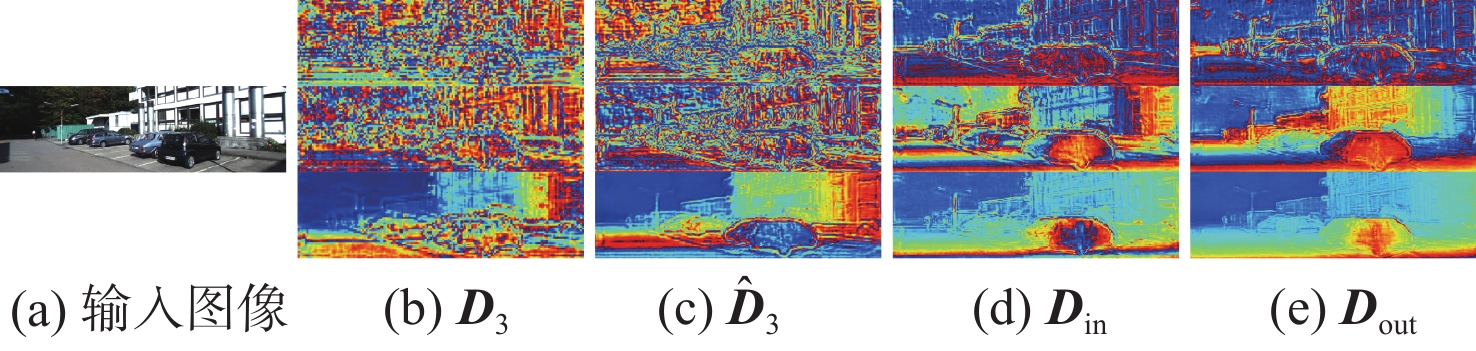
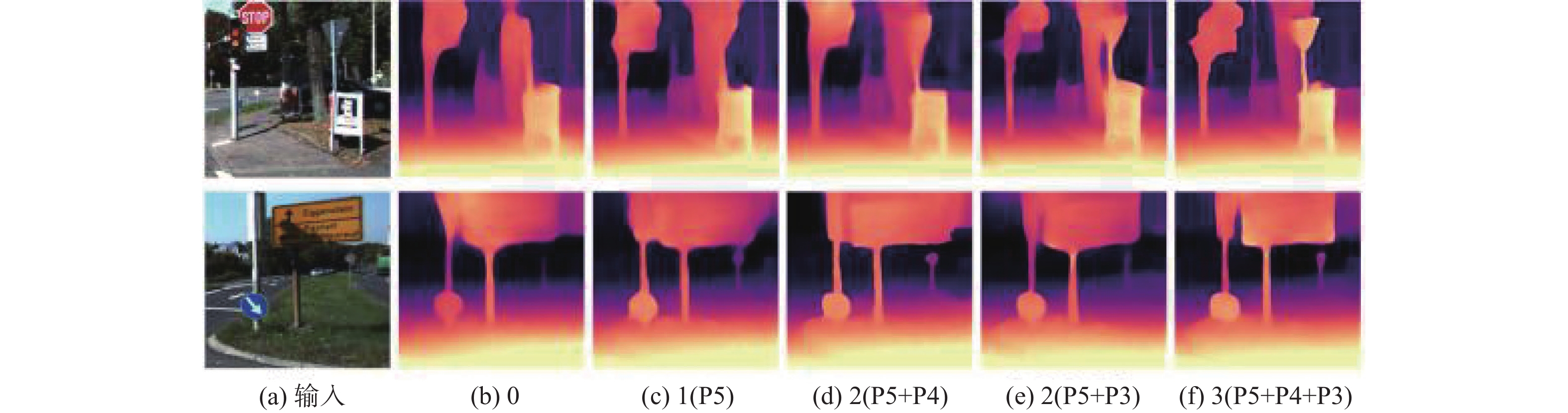
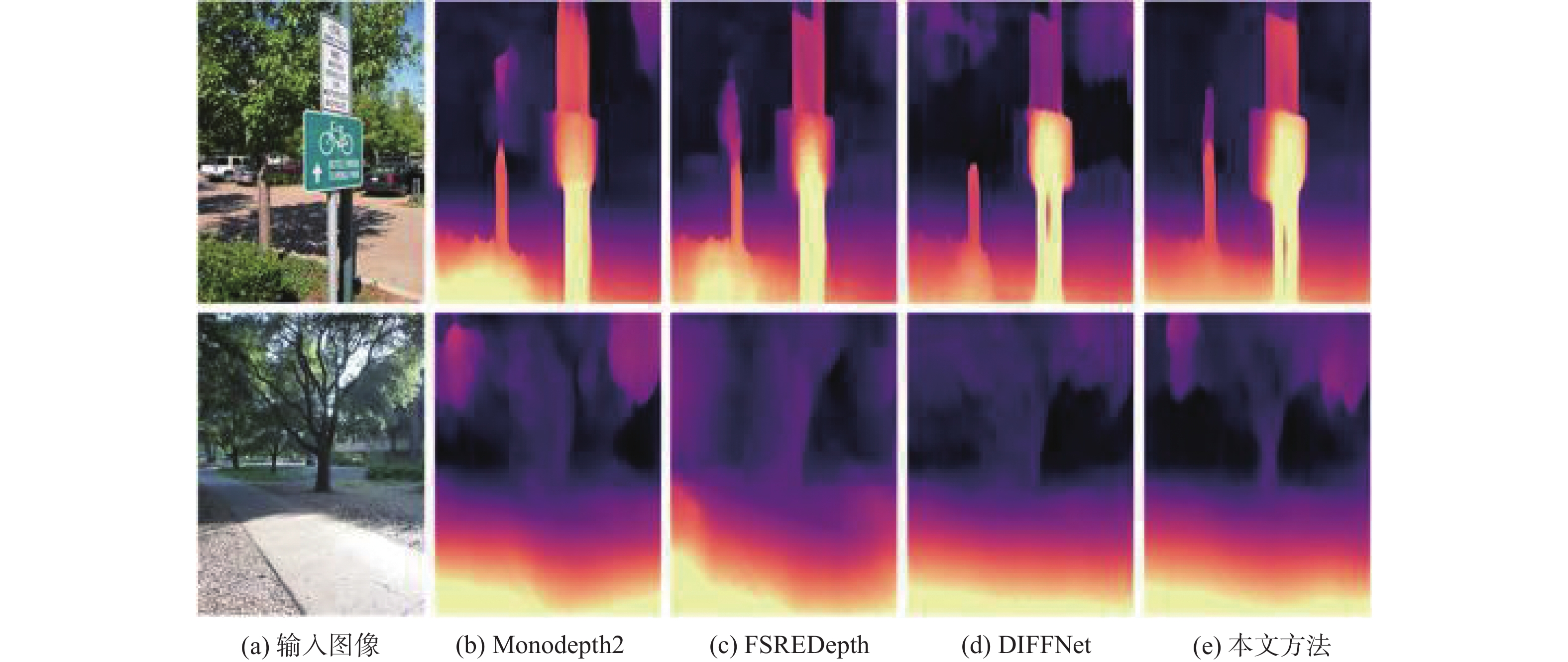
FastSAM-assisted representation enhancement for self-supervised monocular depth estimation
ZHANG Dongdong, WANG Chunping, FU Qiang
2026, 52(3): 964-972. doi: 10.13700/j.bh.1001-5965.2023.0846
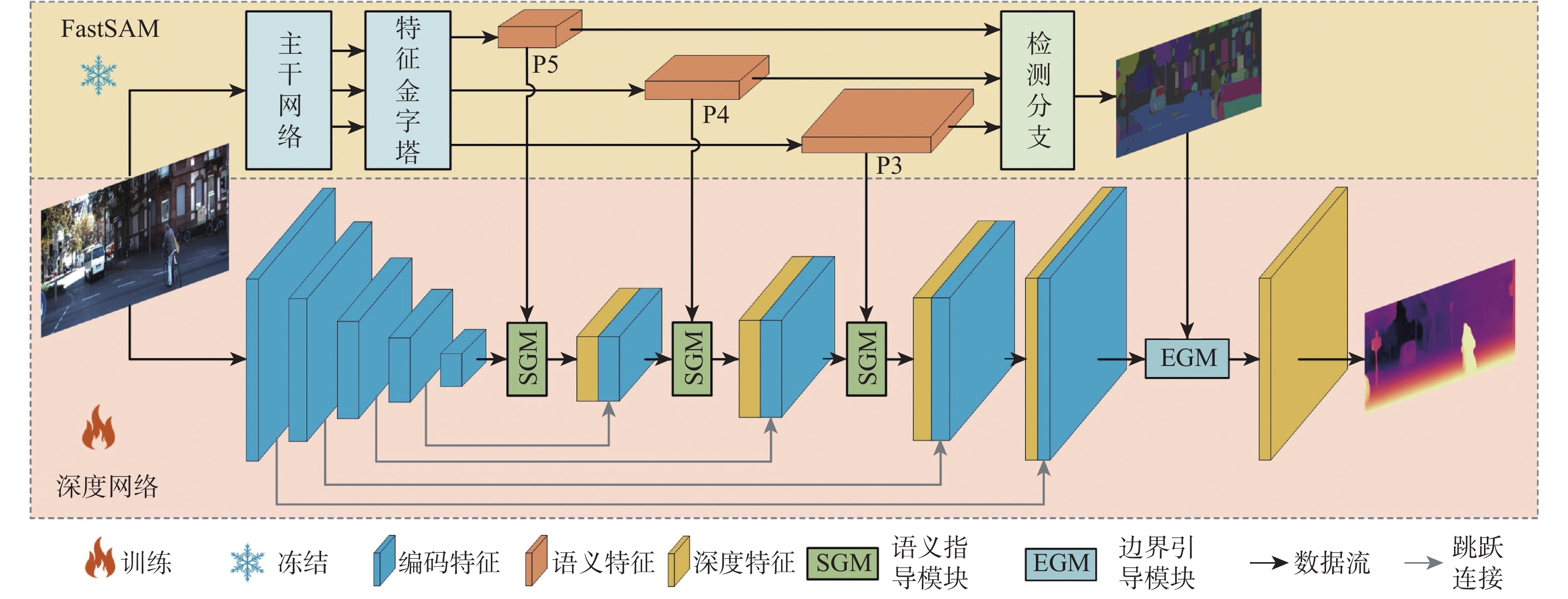
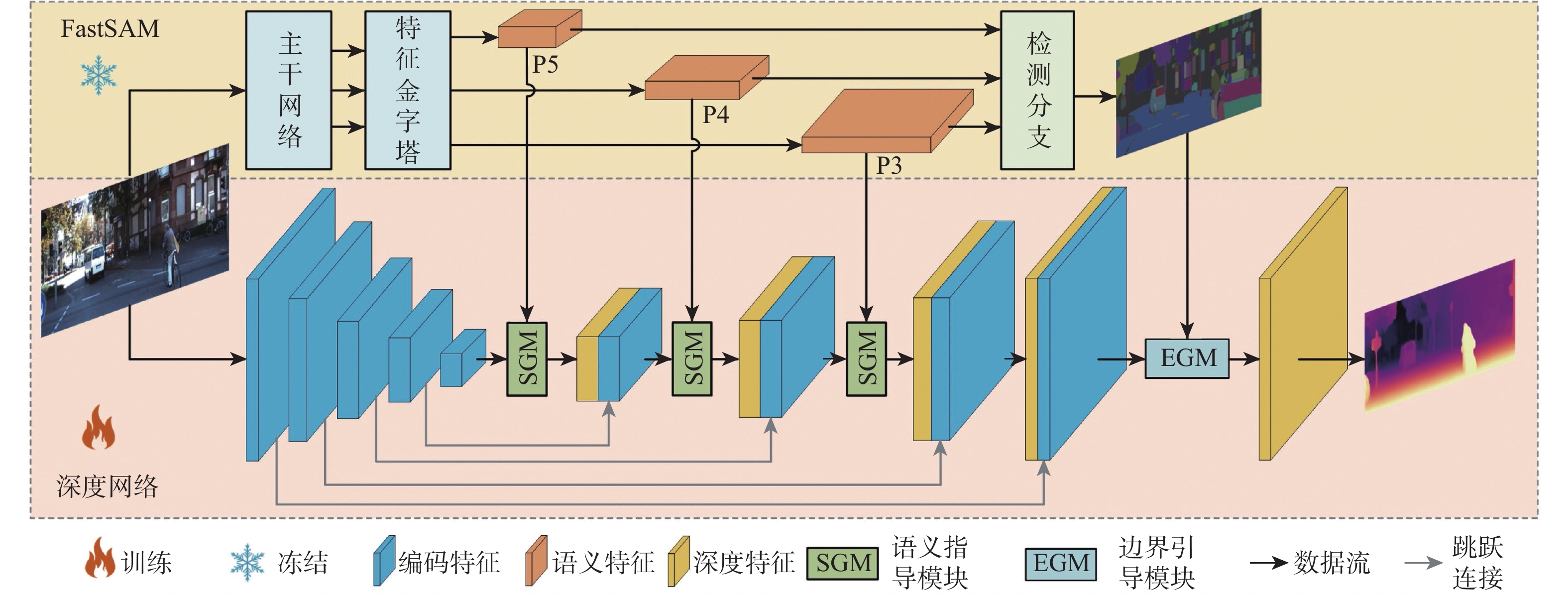
Abstract:

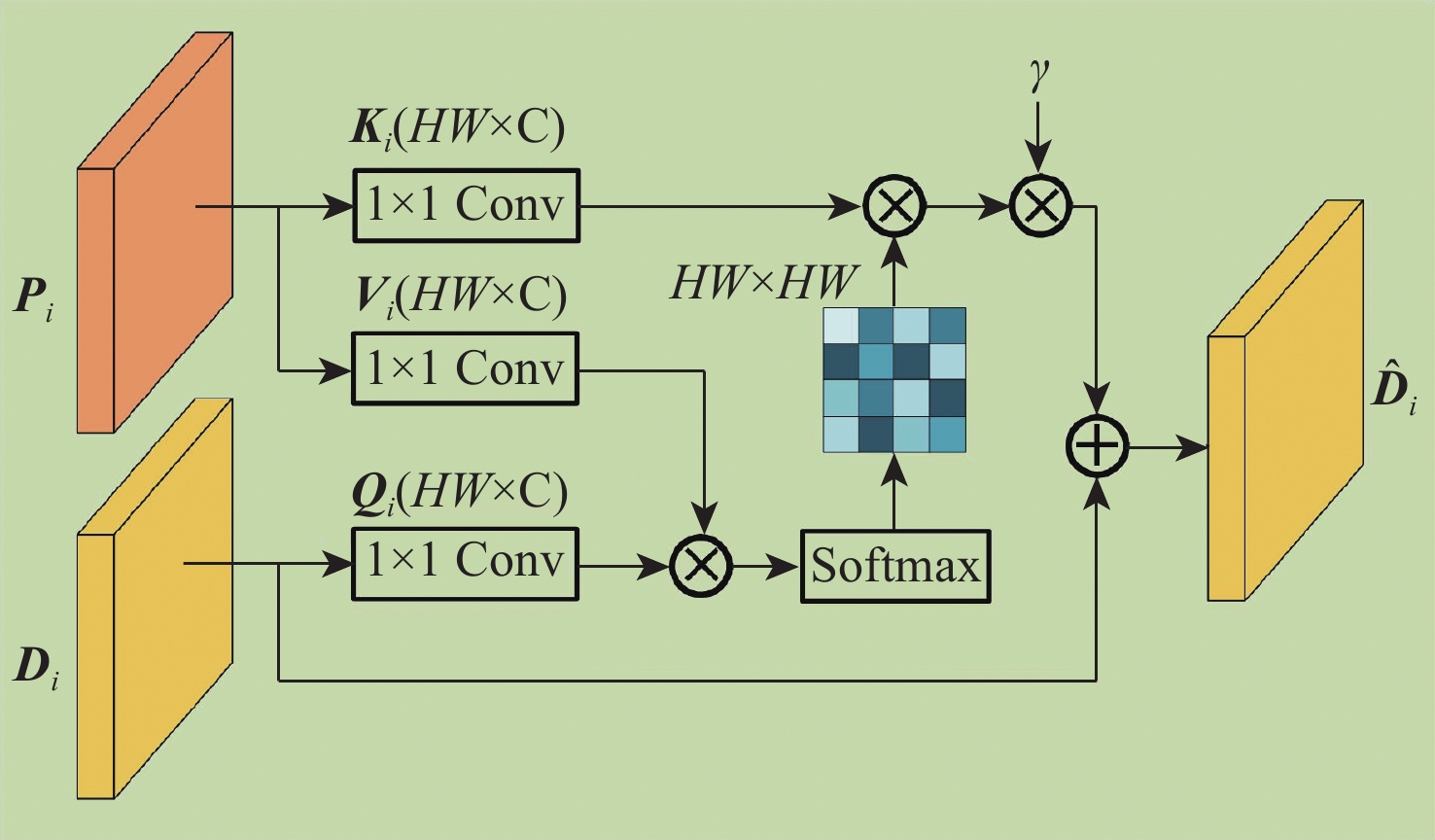
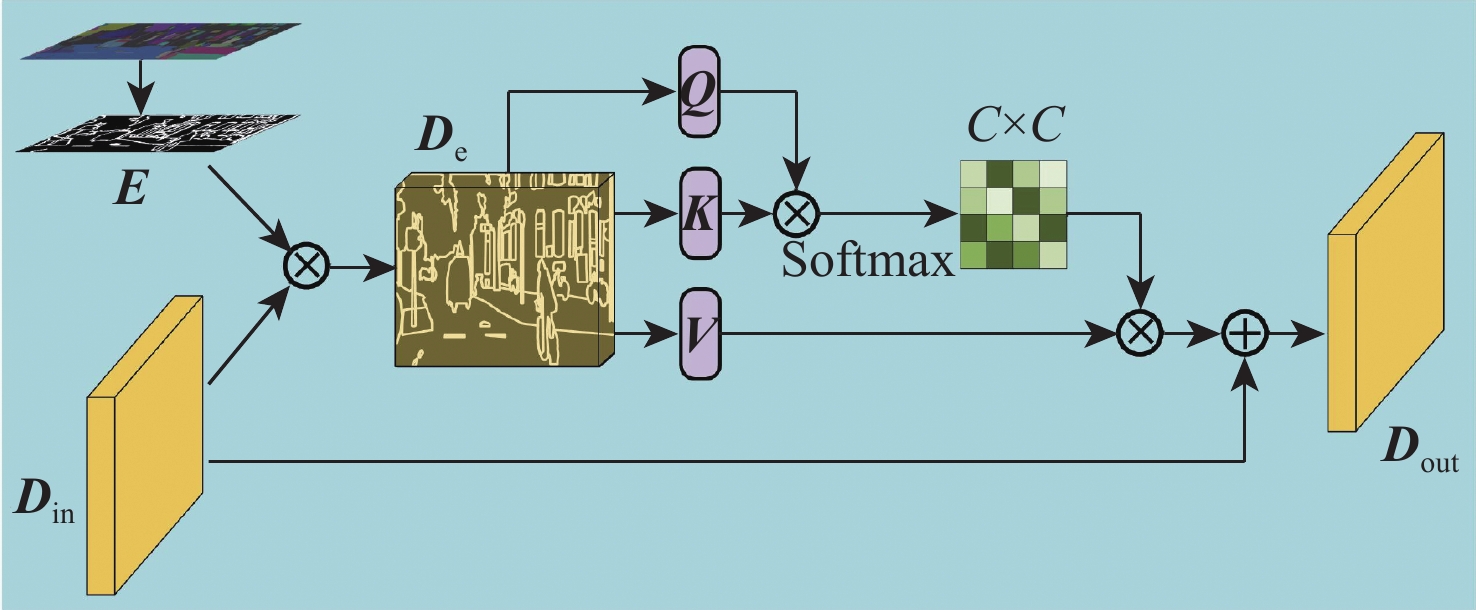
In order to address the issue of unsatisfactory performance in self-supervised monocular depth estimation methods when applied to thin structured regions and boundary regions, this paper proposes a method for self-supervised monocular depth estimation based on FastSAM-assisted representation enhancement. Firstly, without the need for extra supervision, FastSAM is presented to supply the depth network with rich semantic information. Secondly, a semantic guidance module (SGM) is proposed to explore the correlation between semantic features and depth features, and to enhance the global feature representation. Furthermore, to enhance the performance of boundary depth estimation, a edge guiding module (EGM) is built to direct the network to focus more on local features. Extensive experiments show that the proposed method outperforms the state-of-the-art methods, especially in depth estimation of thin-structured regions and boundary regions.