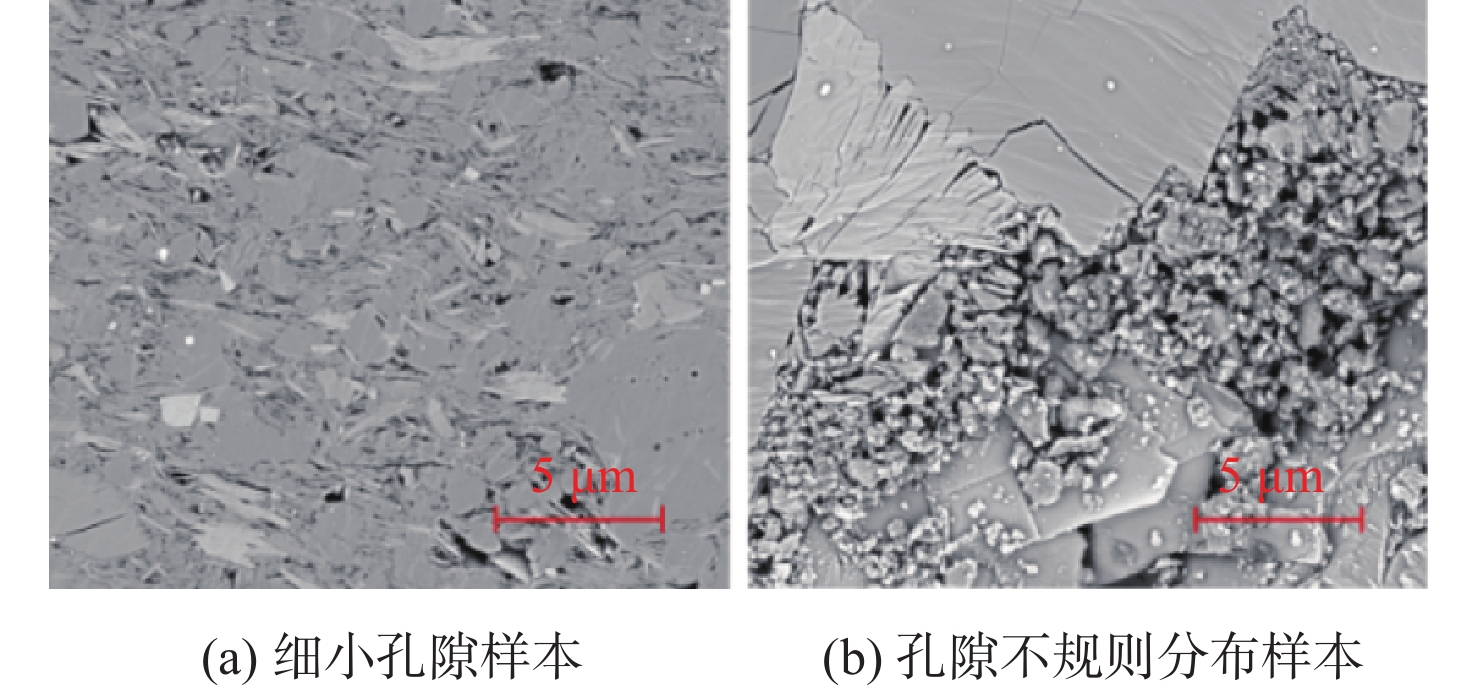
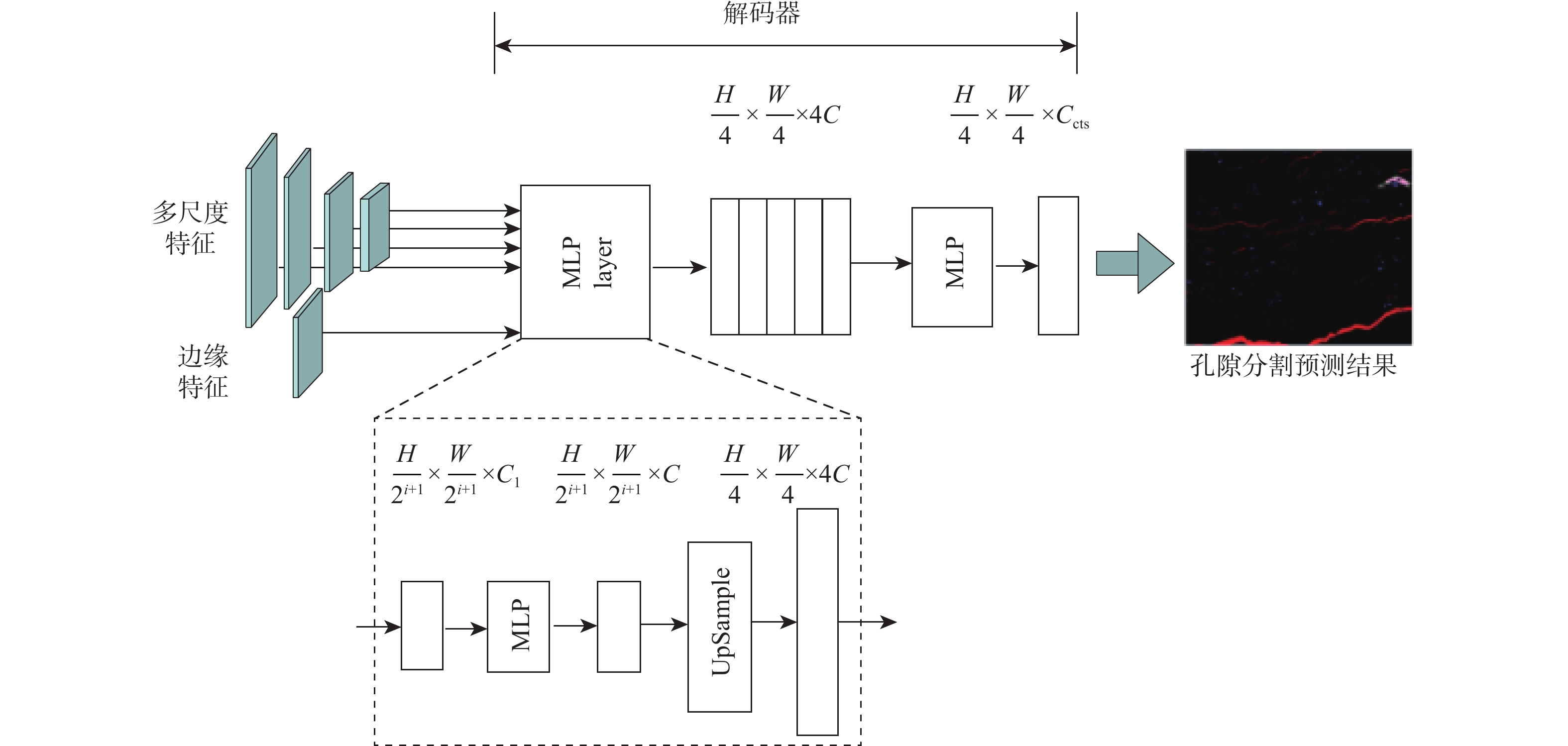
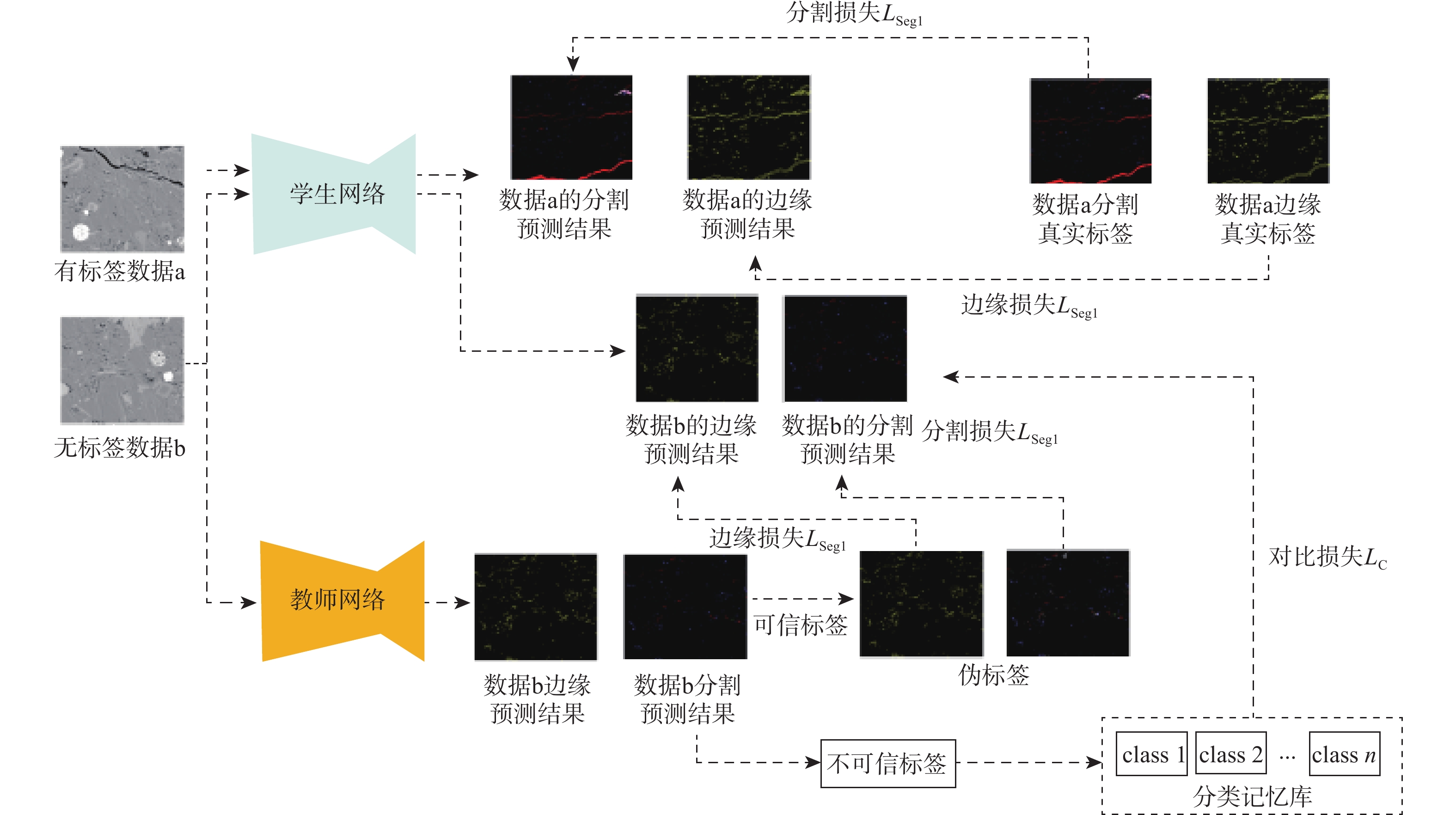
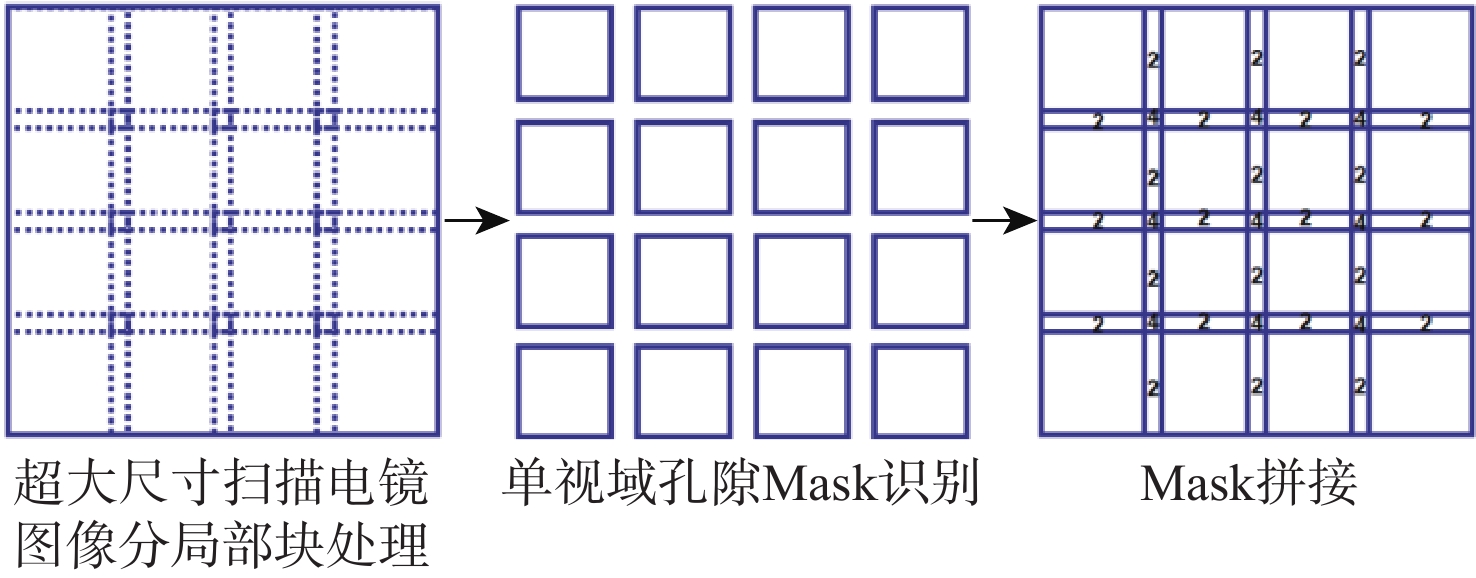
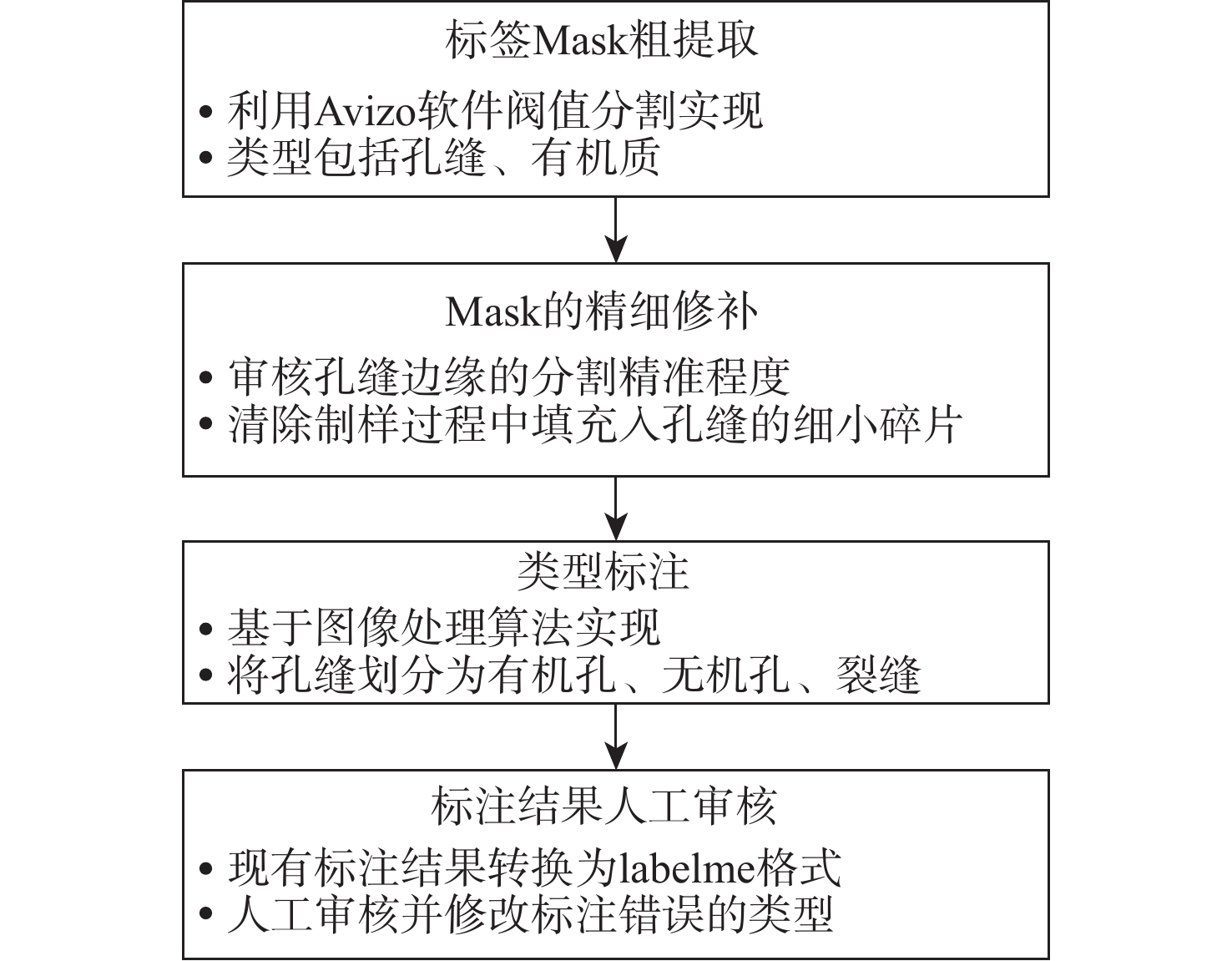
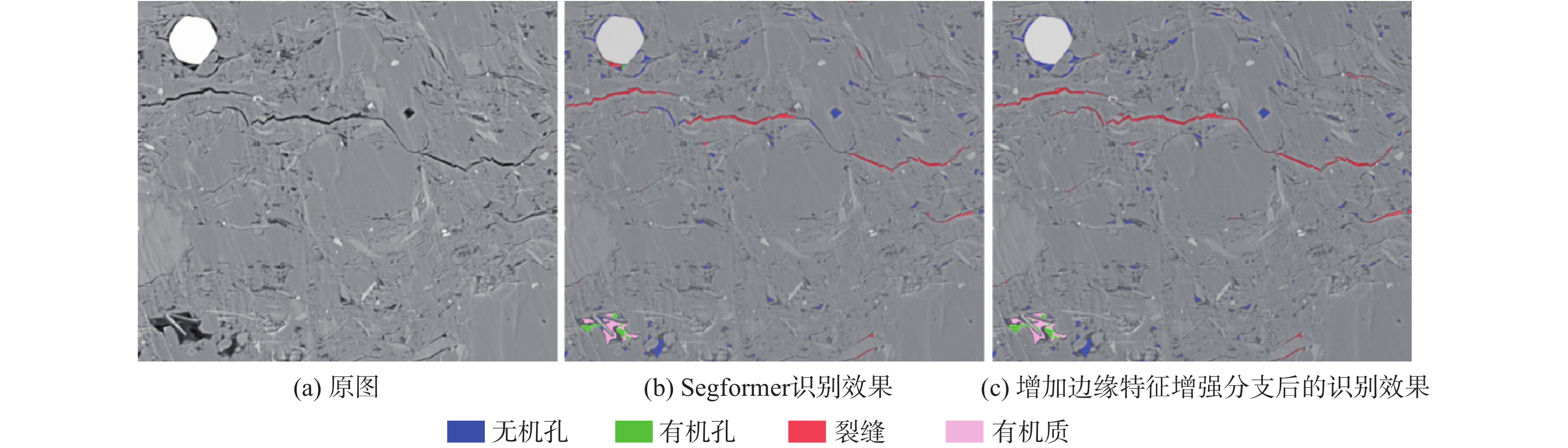
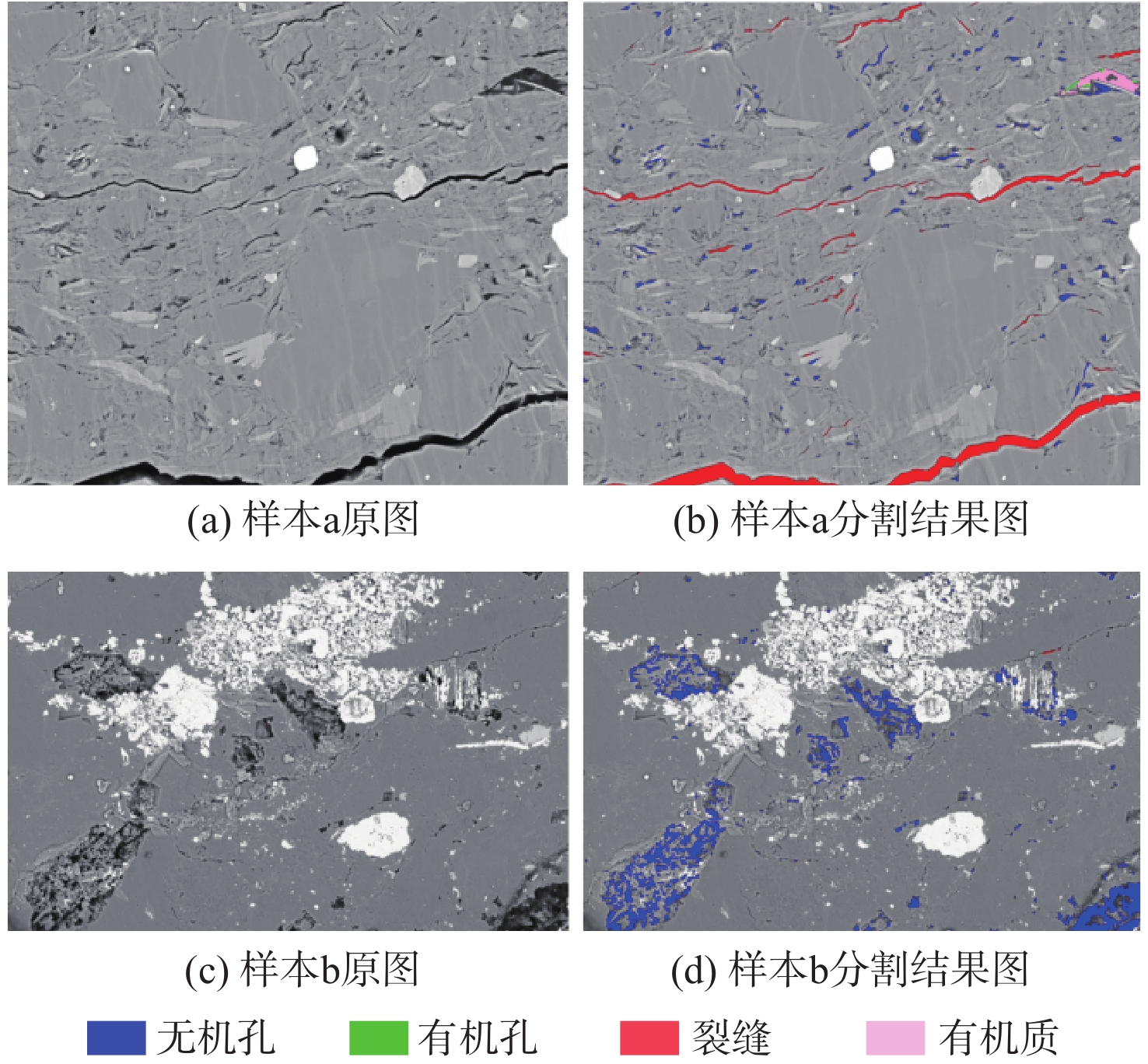
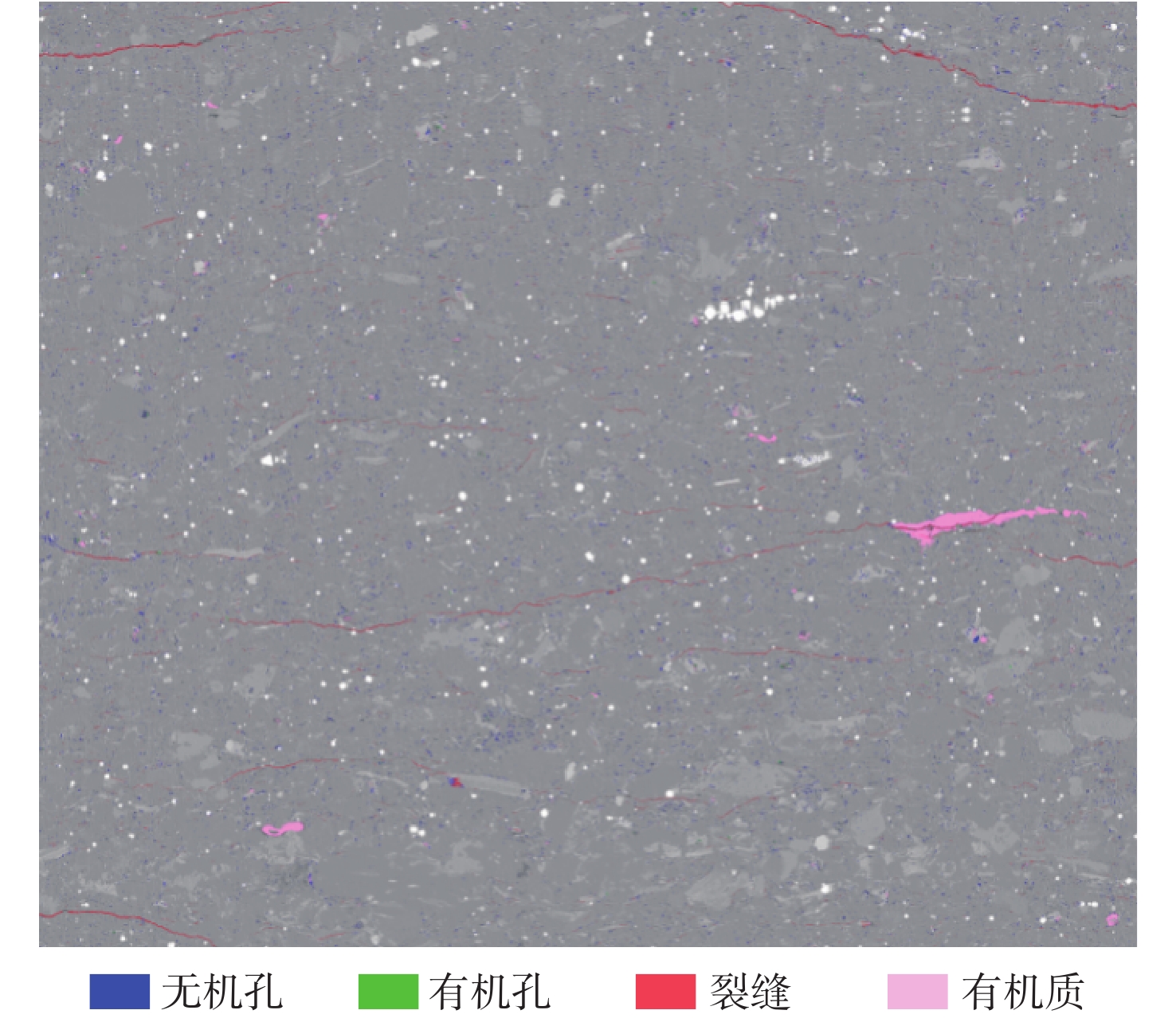
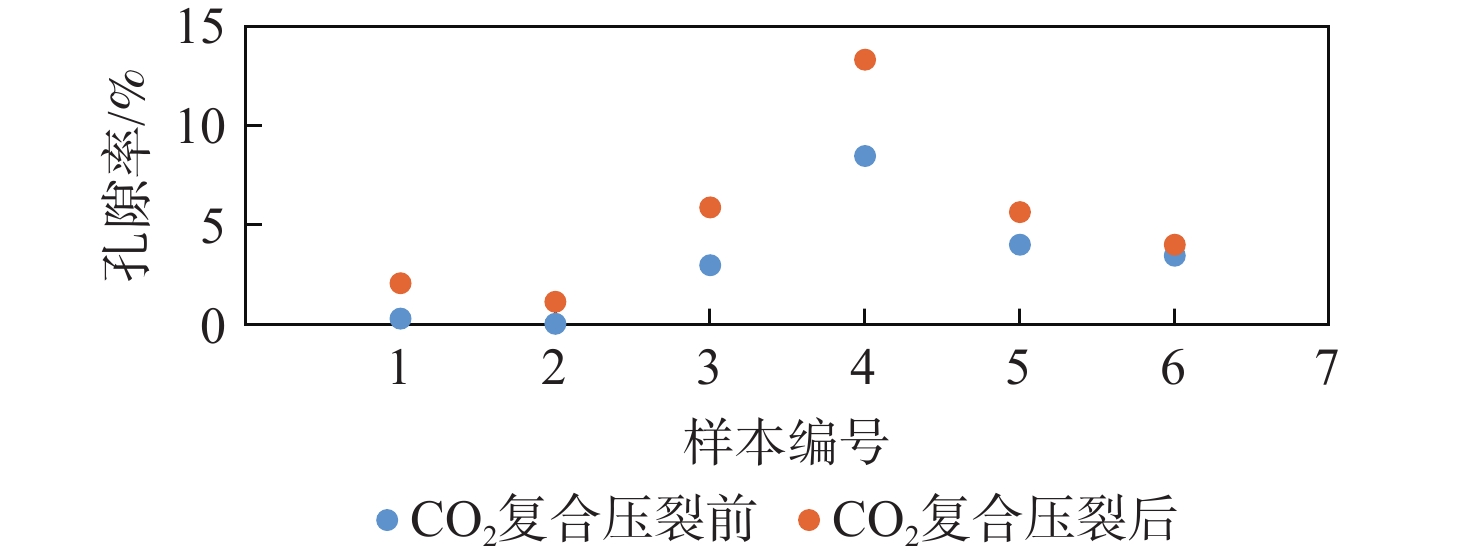
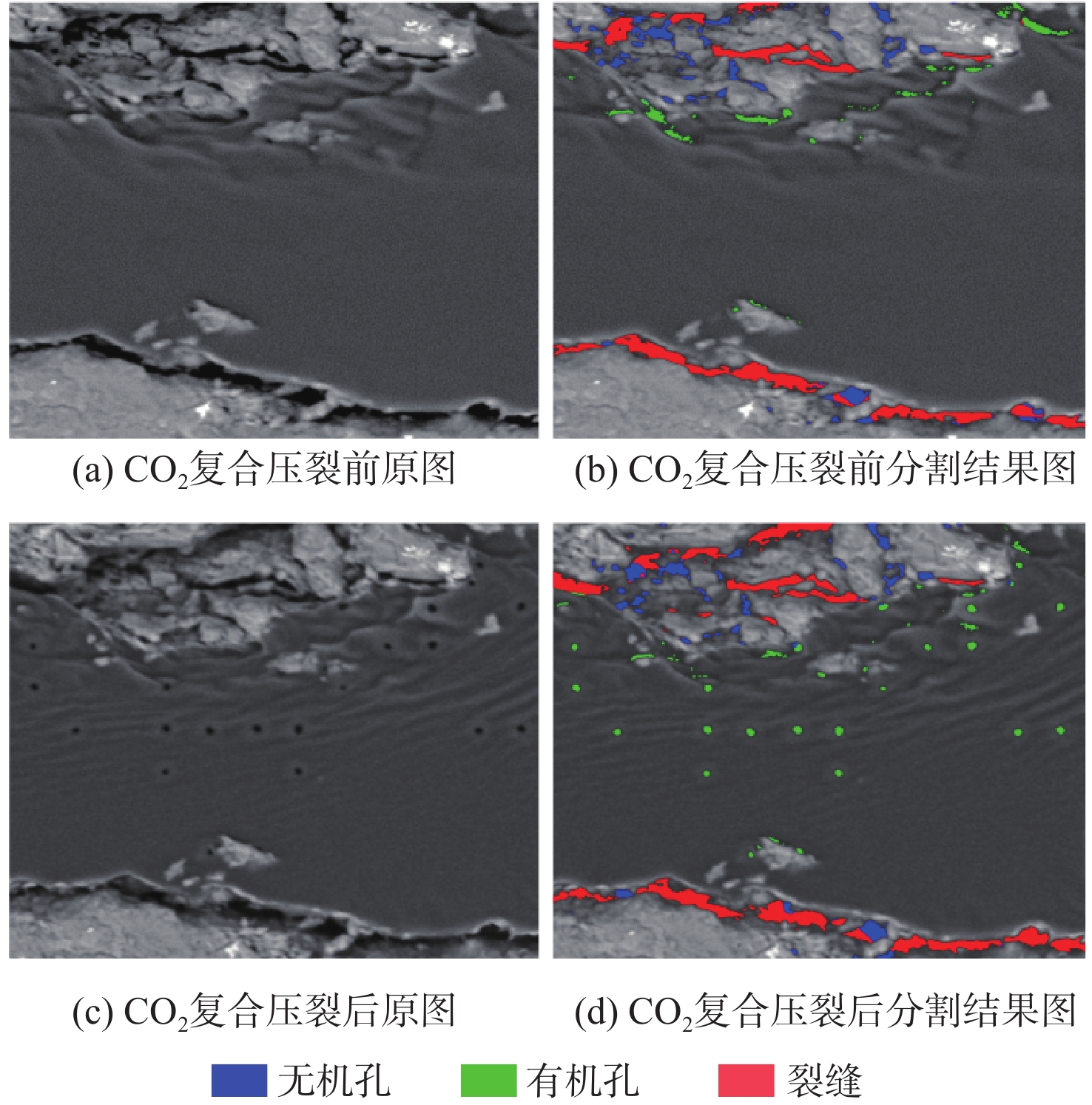
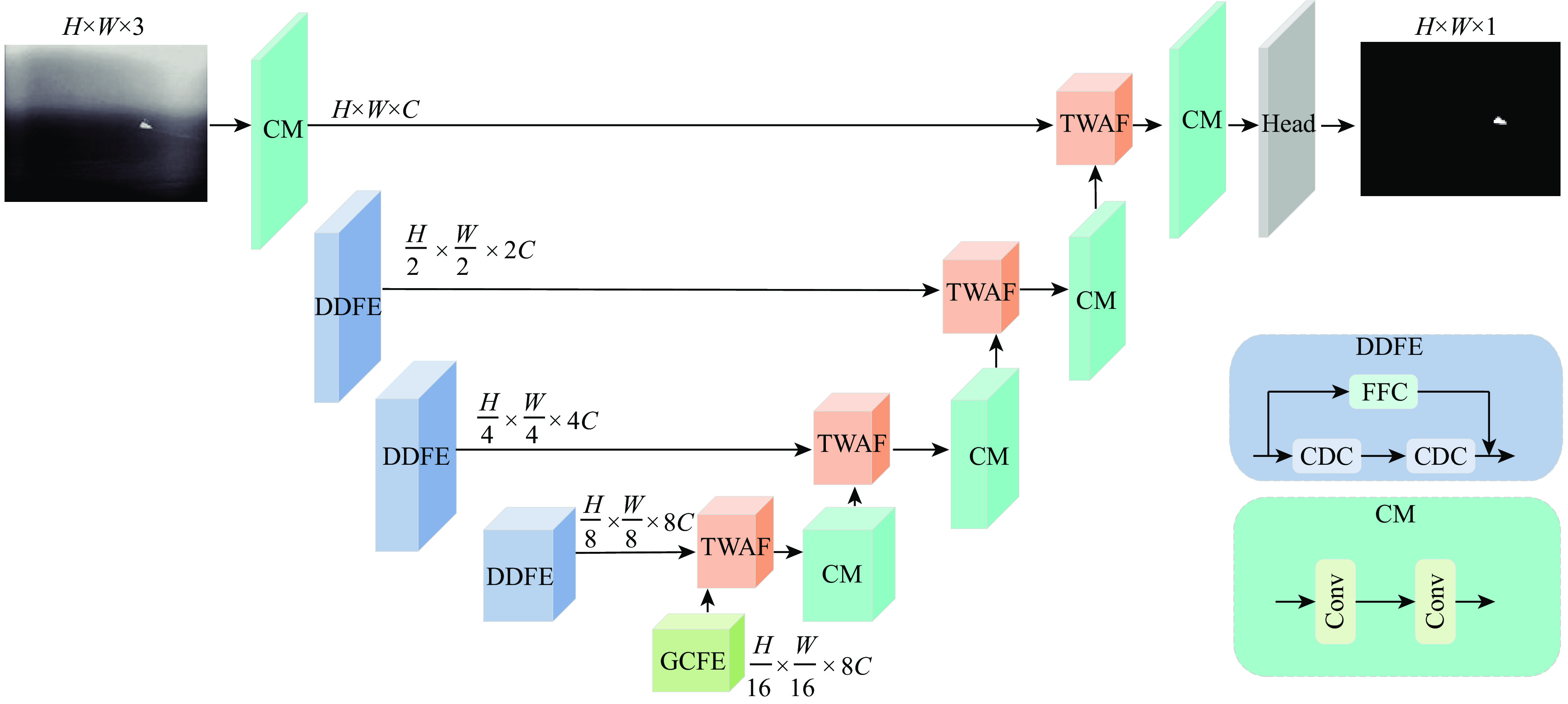
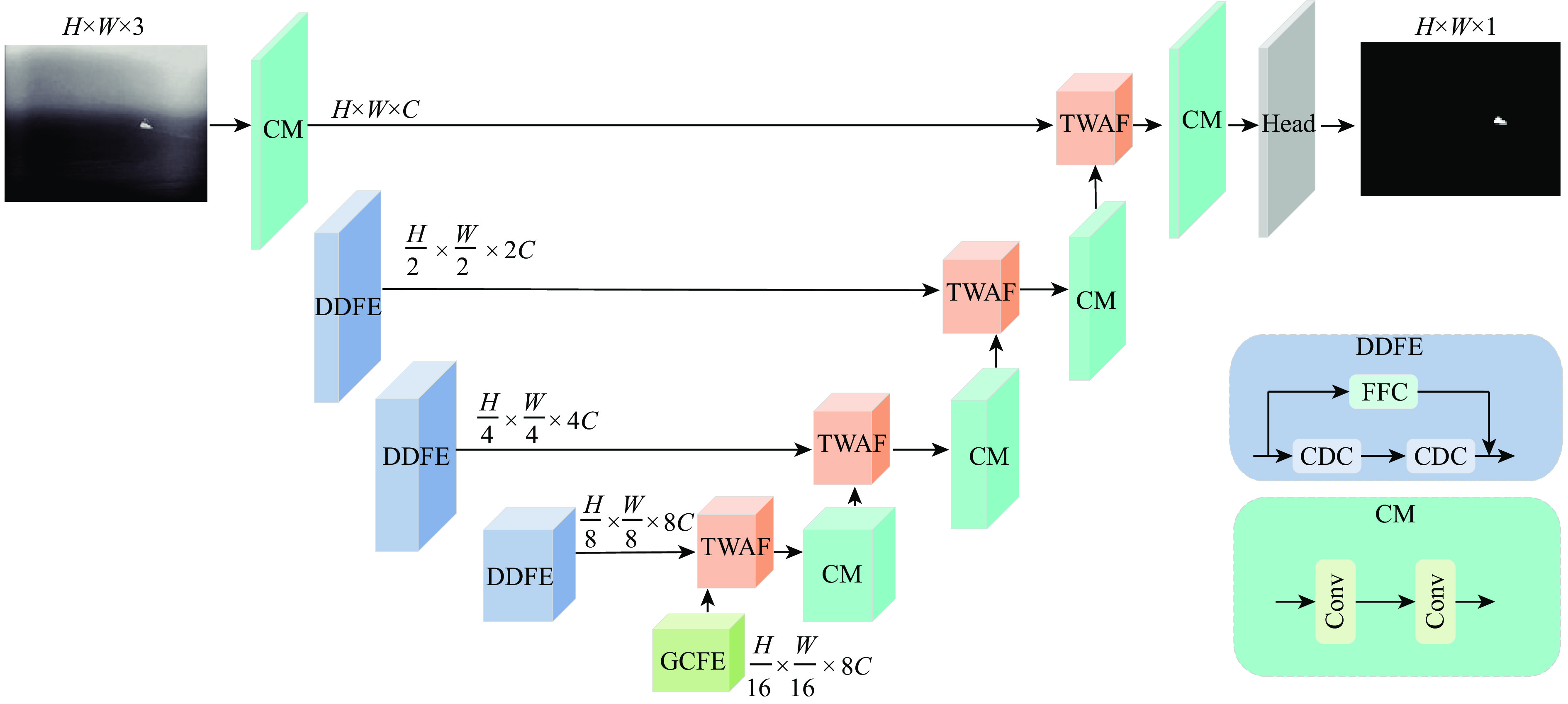
The enrichment and migration of reservoir fluids are affected by the types and structural parameters of shale pores, which are significant components of shale reservoir evaluation. Due to issues with current assessment methods, including high subjectivity, low efficiency, and low degree of quantification, it is challenging to address the urgent needs of quick and accurate examination of shale samples. Based on this, an intelligent characterization method for shale pore structure based on semantic segmentation is proposed. Firstly, the two-dimensional gray images of shale are obtained by scanning electron microscopy (SEM) and multi-scale acquisition and processing software (MAPS). Secondly, these images are annotated by the rock mineral identification experts, and divided into organic pores, inorganic pores, fractures and organic matter. Then, a combination network Shale Seger and its training paradigm for shale pore structure analysis tasks is innovatively proposed, an intelligent recognition model of shale pores based on deep learning is constructed, as well as, a pore recognition scheme of super large image based on multi-view mosaicisis established to extract pore from MAPS images. Lastly, intelligent characterisation of pore structural features is achieved by applying image processing techniques. As of right now, this study has produced a quantitative analysis of the Gulong shale's pore structure that can statistically compute pore structure parameters like pore diameter, apparent pore ratio surface, shape factor, and so forth, as well as automatically determine the area proportion of each type of pore based on pore edge extraction and type recognition. In addition, the technique described in this article can also be extended to the evaluation of CO2 composite fracturing, through which the change of microstructure characteristics before and after CO2 composite fracturing can be quantitatively compared.




 Download (14100)
 Views
Views  Cited by
















 XML Online Production Platform