| Citation: | Li D B,Liu X C,Wang M Y,et al. Experimental investigation of overhang structure surface roughness characterization and oxidation characteristic in L-PBF aircraft hydraulic channels[J]. Journal of Beijing University of Aeronautics and Astronautics,2026,52(8):2887-2898 (in Chinese)

|
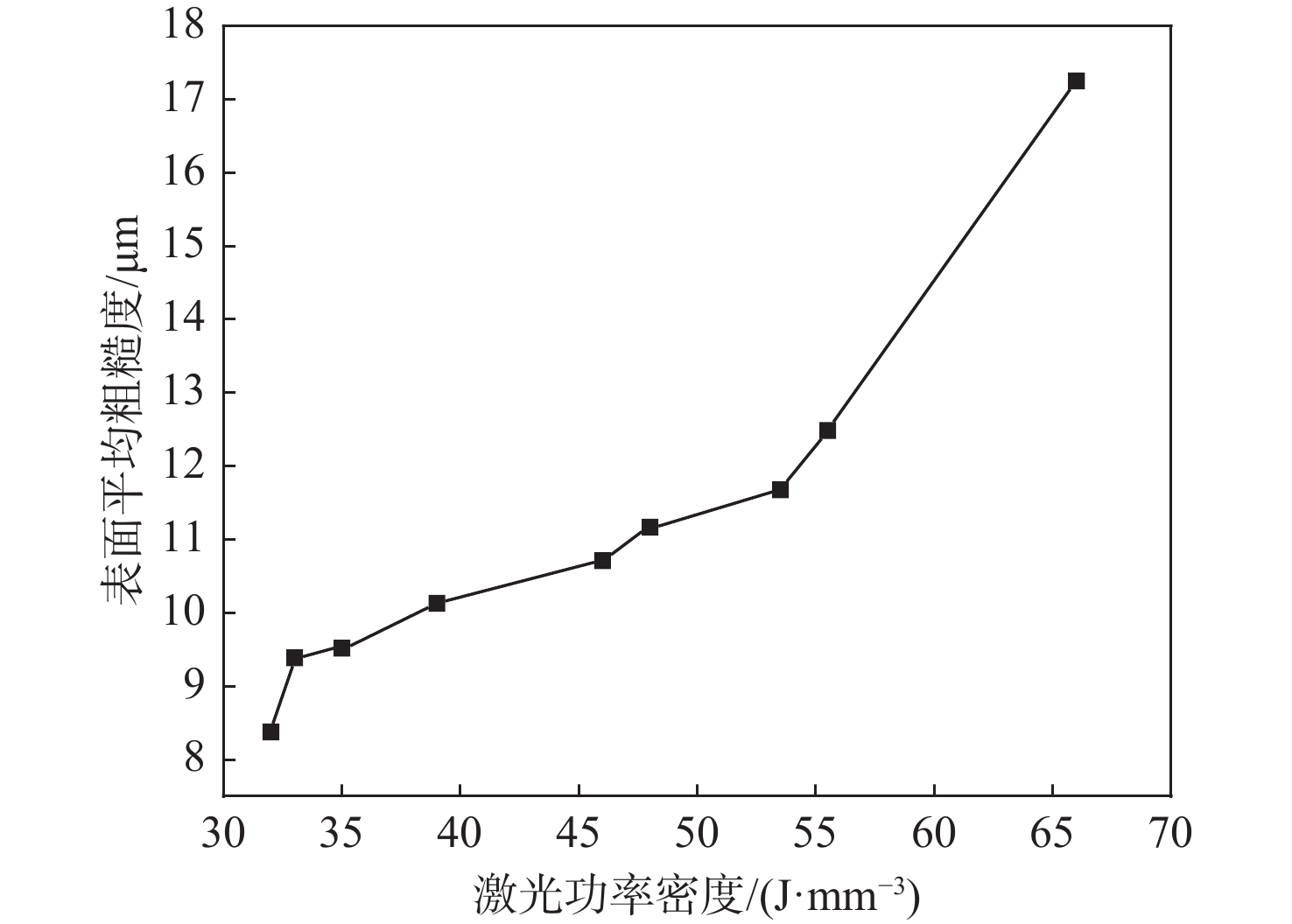
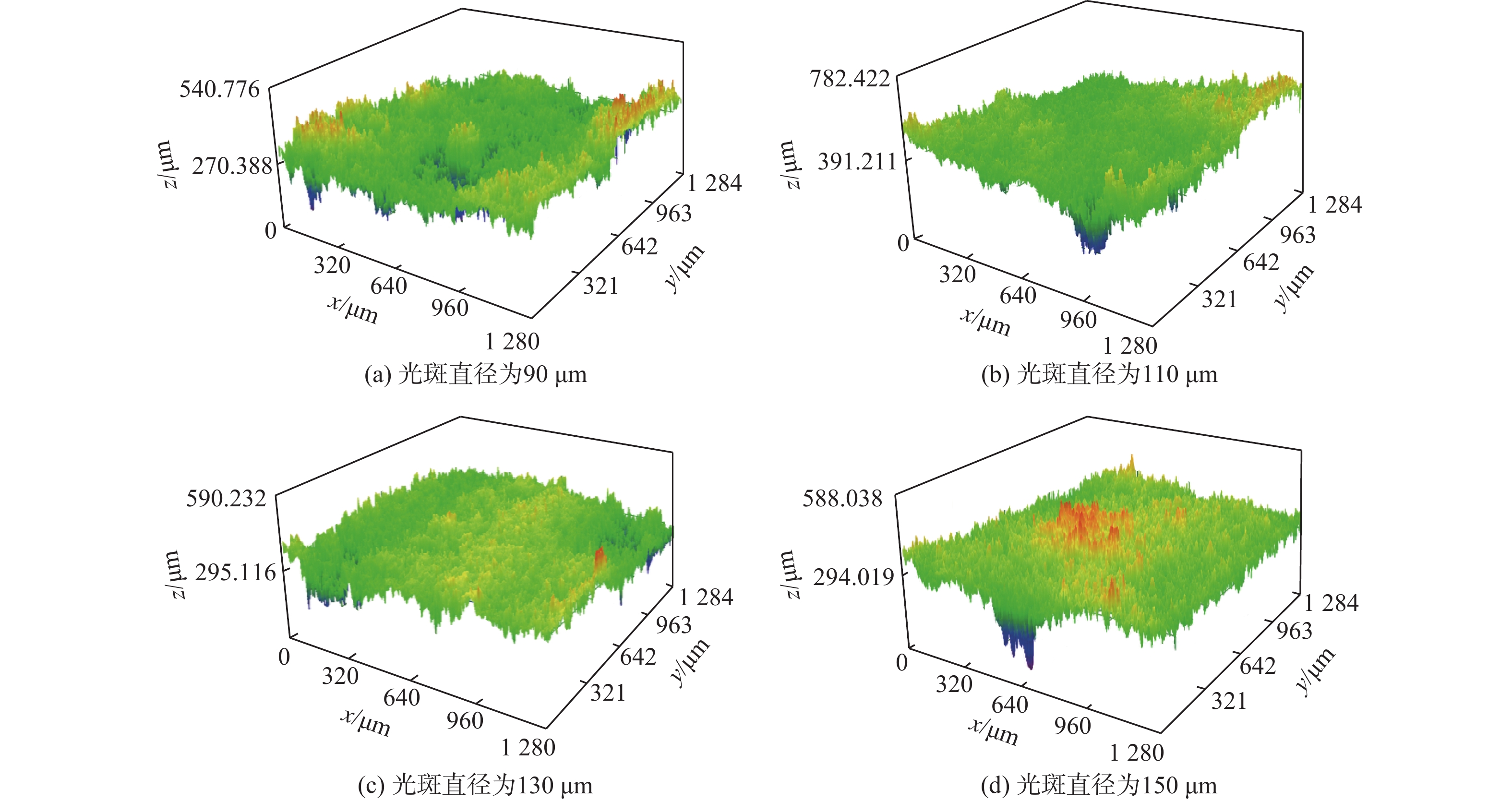
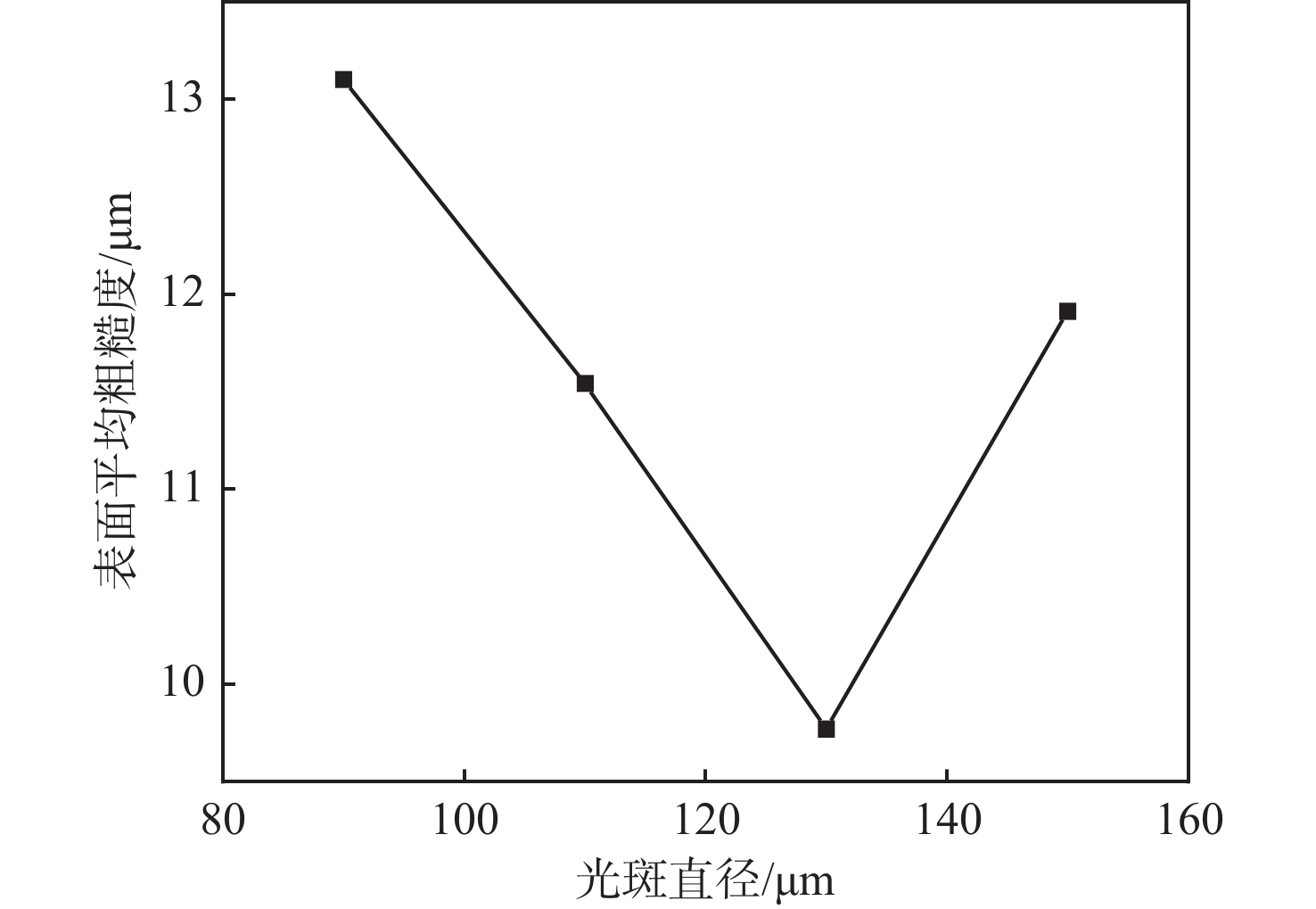
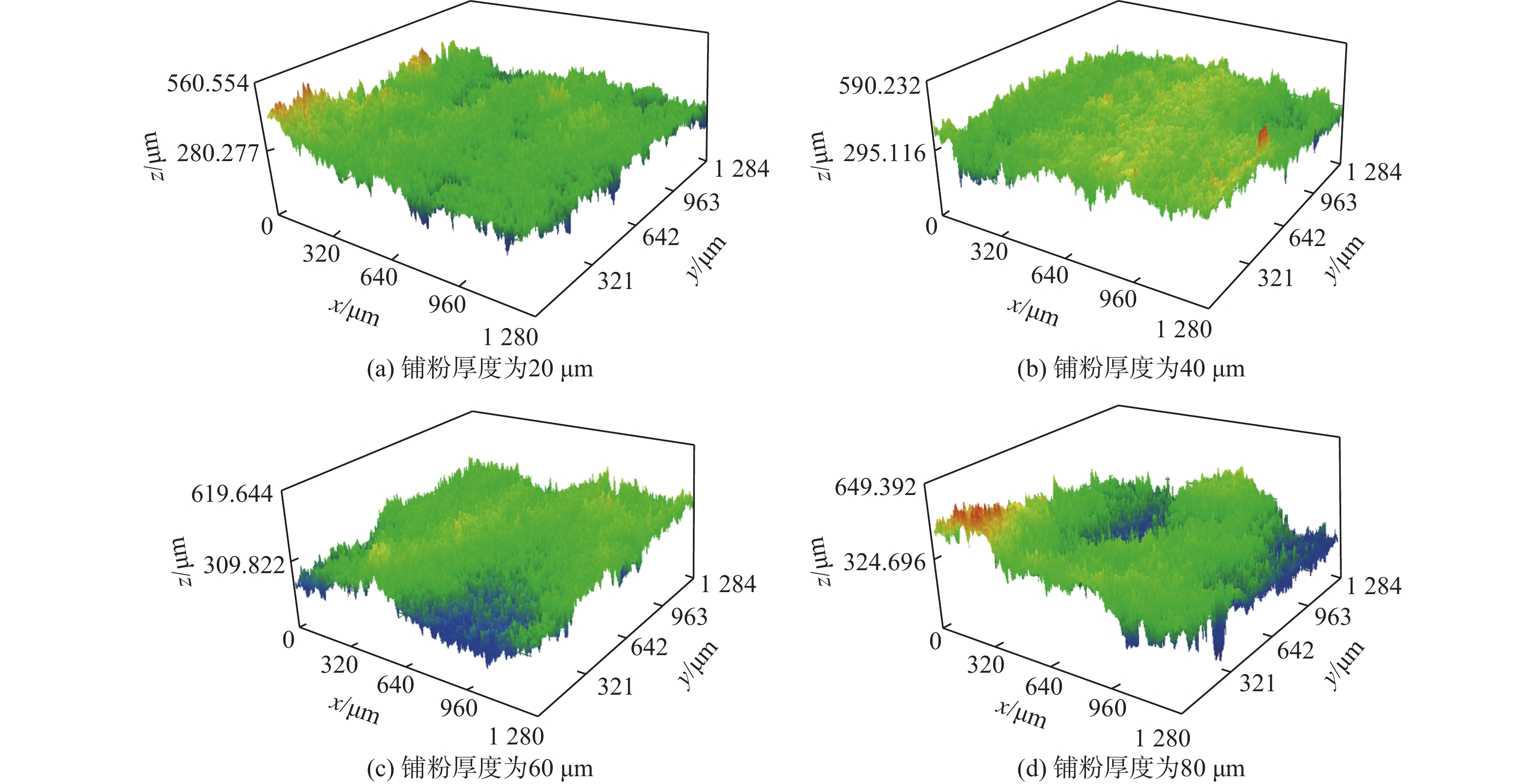
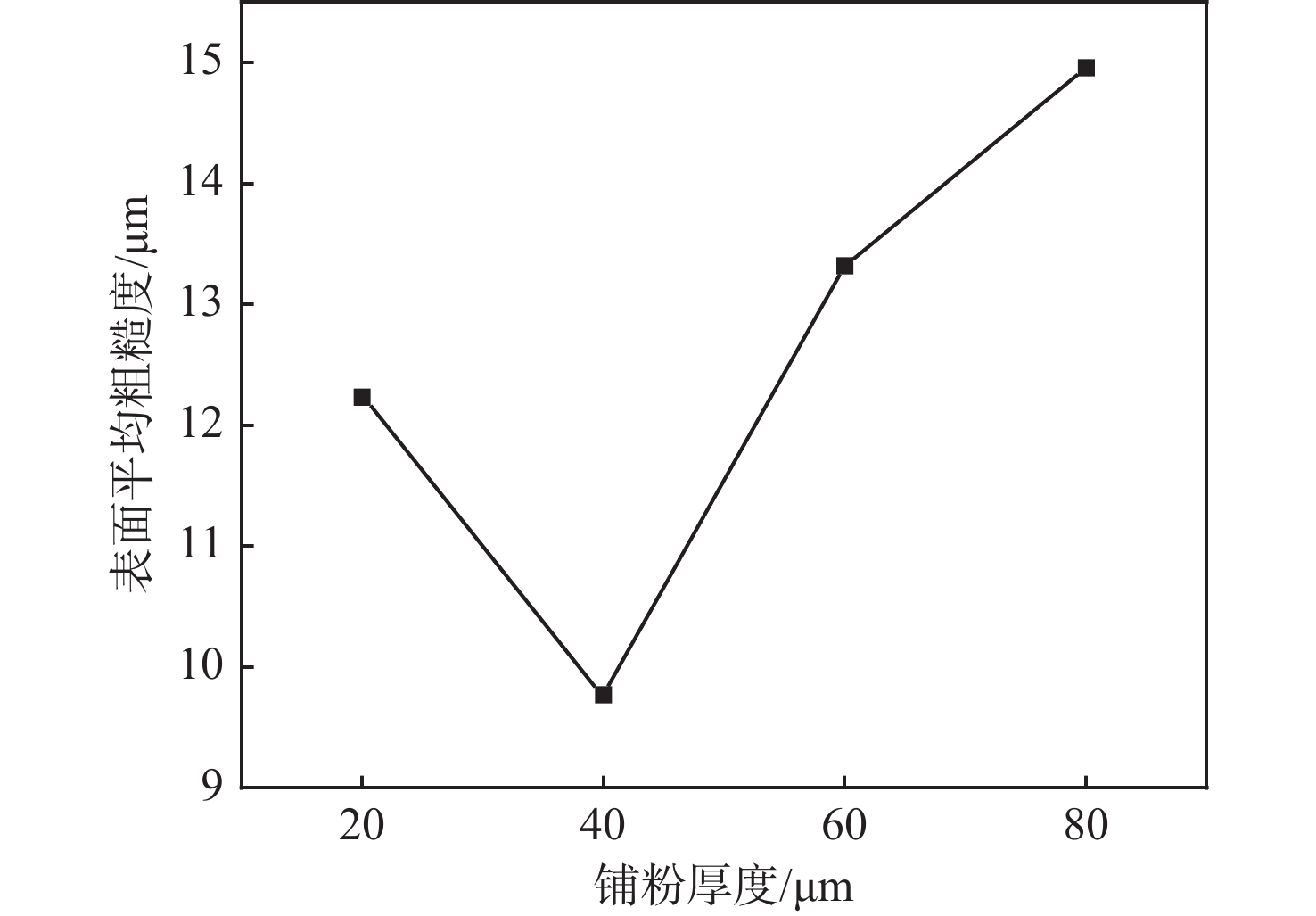
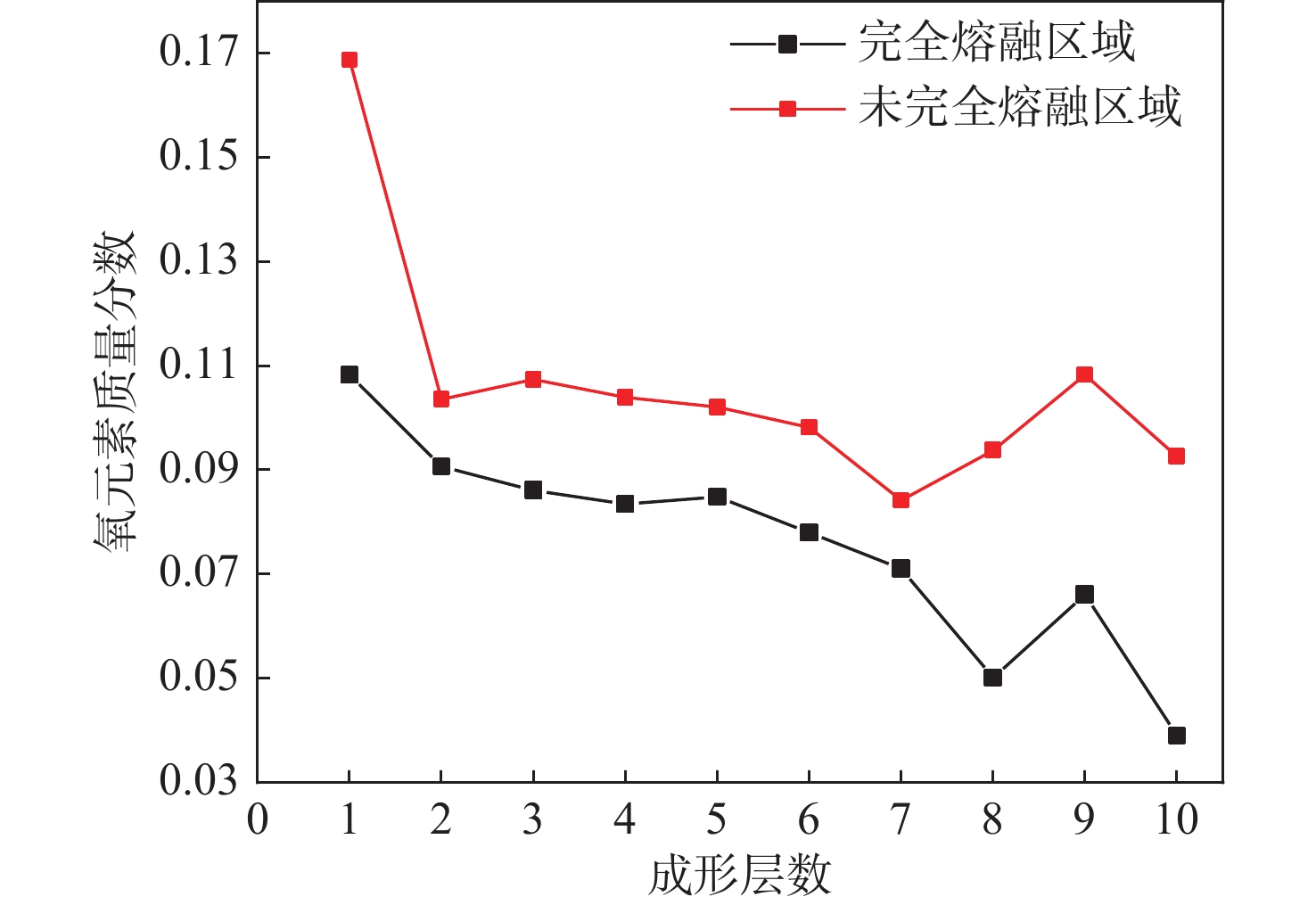
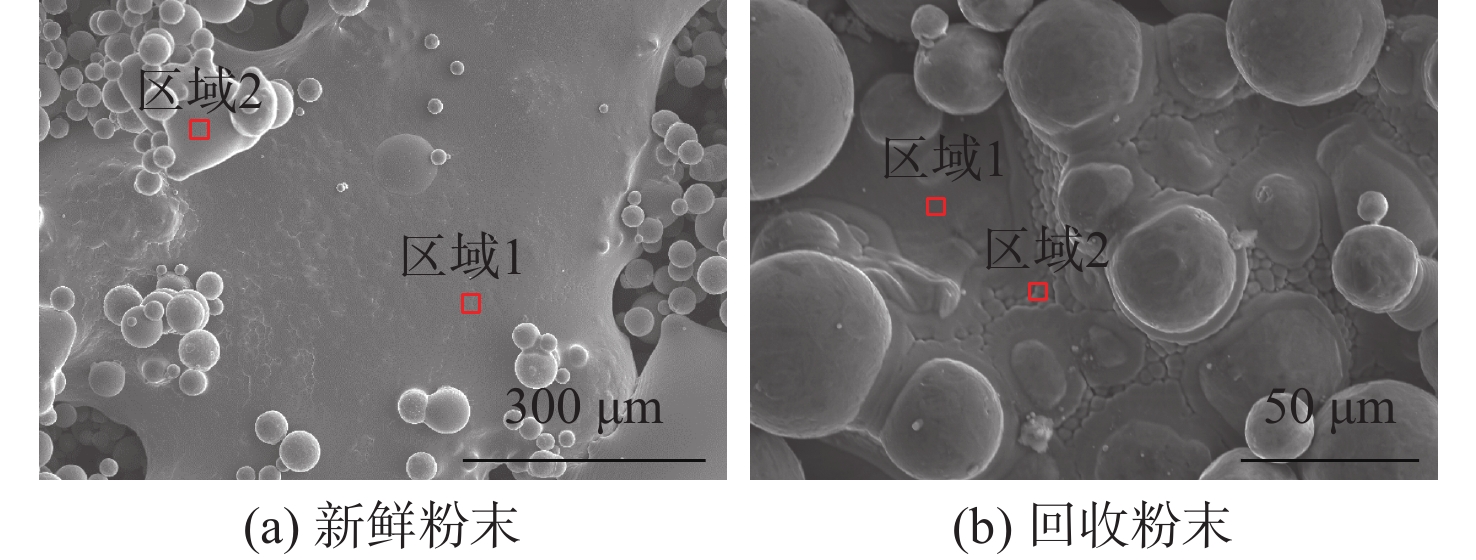
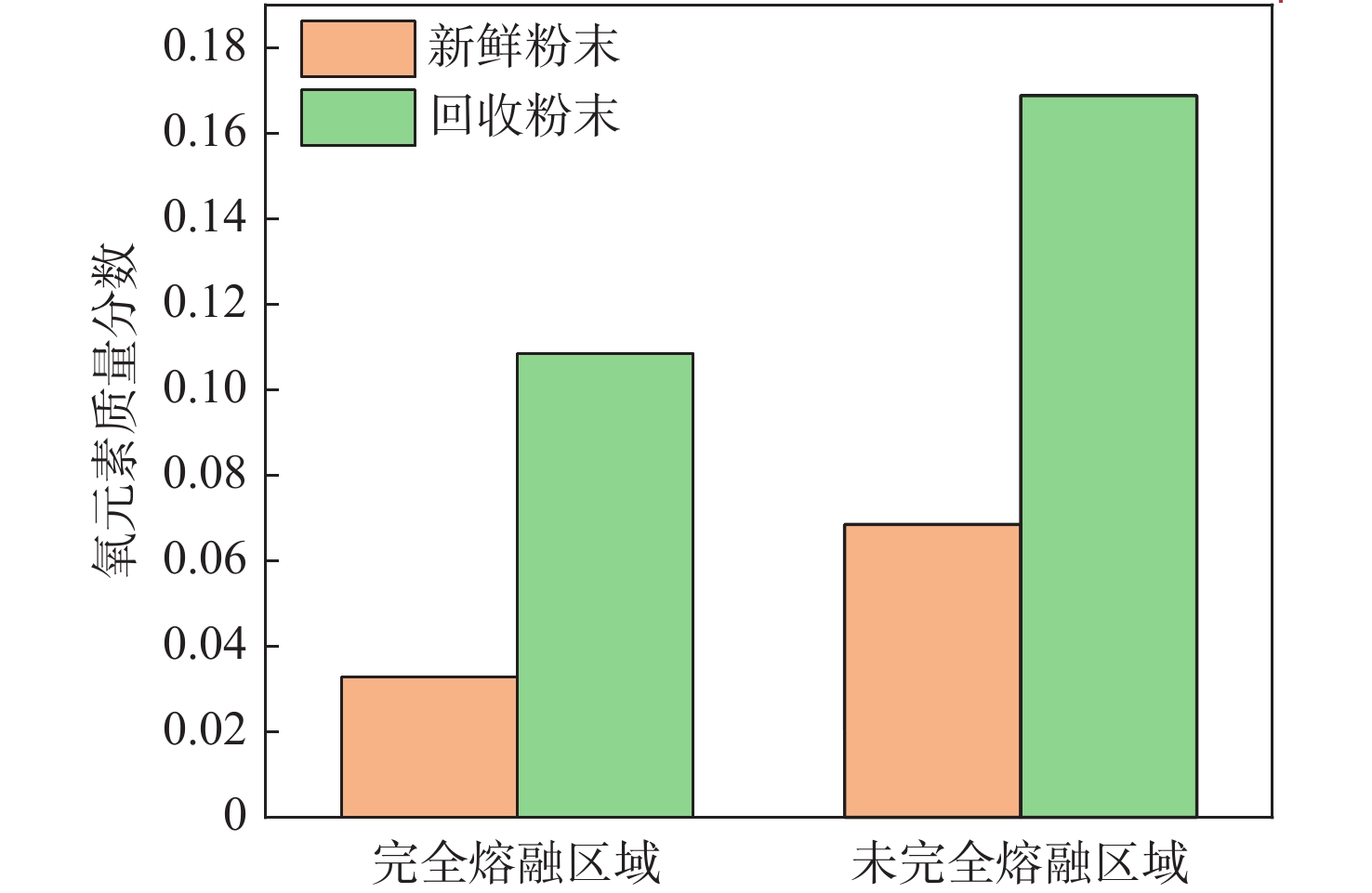
Laser powder bed fusion (L-PBF), as one of the additive manufacturing technologies, has become one of the most promising techniques for producing components with complex geometries. While L-PBF enhances design freedom for aircraft hydraulic channels, challenges such as improving surface quality and oxidation behavior in overhang structures remain critical issues. This research experimentally investigates the effects of key process parameters, including laser power density, spot diameter, and layer thickness, on the surface roughness and oxidation behavior of the top overhang surfaces of hydraulic channels. The formation mechanisms of incompletely molten particles and microcracks on overhang surfaces are revealed. The microstructure of the overhang surfaces is examined using scanning electron microscopy (SEM), and the distribution of oxygen in fully and partially molten regions is examined using energy dispersive spectroscopy (EDS) to clarify the relationship between incomplete melting and oxidation. Experimental results show that higher laser power densities not only exacerbate surface roughness but also promote oxidation in incompletely molten areas. For hydraulic channels with a diameter of 10 mm, the spot diameter of 130 μm, and layer thickness of 40 μm effectively reduce surface roughness at the top of the channel. Compared to unmelted and fully molten regions, the oxygen level in partially molten regions is much higher. Both the oxygen content in molten and incompletely molten regions decreases with increasing layer count during fabrication. Using fresh powder reduces both the surface roughness of overhang structures and the oxide content. This study provides theoretical insights and practical guidance for the application of L-PBF technology in aircraft hydraulic channels.

| [1] |
Wang Q, Kong D Y, Zhou S H, et al. Micro-structure evolution, precipitation behavior and strengthening mechanism of Ni-Cr-Mo system steel fabricated via laser powder bed fusion and subsequent quenching control[J]. Chinese Journal of Aeronautics, 2025, 38(3): 103221.
|
| [2] |
Li F F, Zhu J H, Zhang W H, et al. Combined anisotropic and cyclic constitutive model for laser powder bed fusion fabricated aluminum alloy[J]. Chinese Journal of Aeronautics, 2025, 38(1): 102973.
|
| [3] |
Yang J, Li B, Liu J, et al. Application of additive manufacturing in the automobile industry: a mini review[J]. Processes, 2024, 12(6): 1101.
|
| [4] |
Joshua R J N, Raj S A, Sultan M T H, et al. Powder bed fusion 3D printing in precision manufacturing for biomedical applications: a comprehensive review[J]. Materials, 2024, 17(3): 769.
|
| [5] |
Liu X C, Li D B, Qi P Y, et al. A local resistance coefficient model of aircraft hydraulics bent pipe using laser powder bed fusion additive manufacturing[J]. Experimental Thermal and Fluid Science, 2023, 147: 110961.
|
| [6] |
Zhou L, Zhu Y, Liu H H, et al. A comprehensive model to predict friction factors of fluid channels fabricated using laser powder bed fusion additive manufacturing[J]. Additive Manufacturing, 2021, 47: 102212.
|
| [7] |
Bartlett J L, Li X D. An overview of residual stresses in metal powder bed fusion[J]. Additive Manufacturing, 2019, 27: 131-149.
|
| [8] |
Thomas D. The development of design rules for selective laser melting[D]. Cardiff: Cardiff Metropolitan University, 2009: 160-182.
|
| [9] |
Kamat A M, Pei Y T. An analytical method to predict and compensate for residual stress-induced deformation in overhanging regions of internal channels fabricated using powder bed fusion[J]. Additive Manufacturing, 2019, 29: 100796.
|
| [10] |
Li D B, Liu X C, Hou P Y, et al. Deformation prediction and shape compensation model of circular channels using laser powder bed fusion[J]. Journal of Materials Research and Technology, 2023, 27: 3968-3978.
|
| [11] |
Zhu Y, Zhou L, Wang S, et al. On friction factor of fluid channels fabricated using selective laser melting[J]. Virtual and Physical Prototyping, 2020, 15(4): 496-509.
|
| [12] |
Khan H M, Dirikolu M H, Koç E. Parameters optimization for horizontally built circular profiles: numerical and experimental investigation[J]. Optik, 2018, 174: 521-529.
|
| [13] |
Sarkar S, Porwal A, Yaswanth N, et al. A study on effect of different process parameters on the quality of overhang surface produced by selective laser melting[C]//Proceedings of the 2018 13th International Manufacturing Science and Engineering Conference. New York: ASME, 2018: V001T01A006.
|
| [14] |
Tian Y P, Ren H L, He J, et al. Surface roughness improvement of Ti-6Al-4V alloy overhang structures via process optimization for laser-powder bed fusion[J]. Journal of Manufacturing Processes, 2024, 110: 434-446.
|
| [15] |
Li D B, Liu X C, Hou P Y, et al. Experimental investigation of the annular gradient process for circular channels using laser powder bed fusion[J]. Optics & Laser Technology, 2024, 179: 111393.
|
| [16] |
King W E, Anderson A T, Ferencz R M, et al. Laser powder bed fusion additive manufacturing of metals: physics, computational, and materials challenges[J]. Applied Physics Reviews, 2015, 2(4): 041304.
|
| [17] |
Bugatti M, Semeraro Q, Colosimo B M. Effect of overhanging surfaces on the evolution of substrate topography and internal defects formation in laser powder bed fusion[J]. Journal of Manufacturing Processes, 2022, 77: 588-606.
|
| [18] |
Chen Z E, Wu X H, Tomus D, et al. Surface roughness of selective laser melted Ti-6Al-4V alloy components[J]. Additive Manufacturing, 2018, 21: 91-103.
|
| [19] |
Feng S C, Kamat A M, Sabooni S, et al. Experimental and numerical investigation of the origin of surface roughness in laser powder bed fused overhang regions[J]. Virtual and Physical Prototyping, 2021, 16(Sup1): S66-S84.
|
| [20] |
Fox J C, Moylan S P, Lane B M. Effect of process parameters on the surface roughness of overhanging structures in laser powder bed fusion additive manufacturing[J]. Procedia CIRP, 2016, 45: 131-134.
|
| [21] |
Feng J Y, Zhang Z Y, Yu S Q, et al. Novel multiphase jet polishing for complicated structured components produced by laser powder bed fusion[J]. Additive Manufacturing, 2023, 72: 103634.
|
| [22] |
Nagalingam A P, Yuvaraj H K, Santhanam V, et al. Multiphase hydrodynamic flow finishing for surface integrity enhancement of additive manufactured internal channels[J]. Journal of Materials Processing Technology, 2020, 283: 116692.
|
| [23] |
Shafagh S, Papini M. The effects of blast lag in abrasive jet machined micro-channel intersections[J]. Precision Engineering, 2020, 62: 162-169.
|
| [24] |
Yang T, Liu T T, Liao W H, et al. Effect of processing parameters on overhanging surface roughness during laser powder bed fusion of AlSi10Mg[J]. Journal of Manufacturing Processes, 2021, 61: 440-453.
|
| [25] |
Raza A, Pauzon C, Dubiez-Le Goff S, et al. Effect of processing gas on spatter generation and oxidation of TiAl6V4 alloy in laser powder bed fusion process[J]. Applied Surface Science, 2023, 613: 156089.
|
| [26] |
Soundarapandiyan G, Leung C L A, Johnston C, et al. In situ monitoring the effects of Ti6Al4V powder oxidation during laser powder bed fusion additive manufacturing[J]. International Journal of Machine Tools and Manufacture, 2023, 190: 104049.
|
| [27] |
Eo D R, Chung S G, Jeon J M, et al. Melt pool oxidation and reduction in powder bed fusion[J]. Additive Manufacturing, 2021, 41: 101982.
|
| [28] |
Wang Z, Huang S, Lu H F, et al. The role of annealing heat treatment in high-temperature oxidation resistance of laser powder bed fused Ti6Al4V alloy subjected to massive laser shock peening treatment[J]. Corrosion Science, 2022, 209: 110732.
|
| [29] |
Zhou W W, Takase N, Dong M Q, et al. Elucidating the impact of severe oxidation on the powder properties and laser melting behaviors[J]. Materials & Design, 2022, 221: 110959.
|
| [30] |
Afroz L, Das R, Qian M, et al. Fatigue behaviour of laser powder bed fusion (L-PBF) Ti-6Al-4V, Al-Si-Mg and stainless steels: a brief overview[J]. International Journal of Fracture, 2022, 235(1): 3-46.
|
Figures(21) / Tables(3)
Copyright © Journal of Beijing University of Aeronautics and Astronautics
Address: Editorial Department of Journal of Beijing University of Aeronautics and Astronautics, 37 Xueyuan Road, Haidian District, Beijing Post Code: 100191 Email: jbuaa@buaa.edu.cn
Supported by:
Beijing Renhe Information Technology Co., Ltd.







 DownLoad: