Current Issue

2026 Vol. 52, No. 8

Display Method:
Volume 8 Issue E-journal
Volume 52 Issue82026
iconDownload (132088) 219 iconPreview
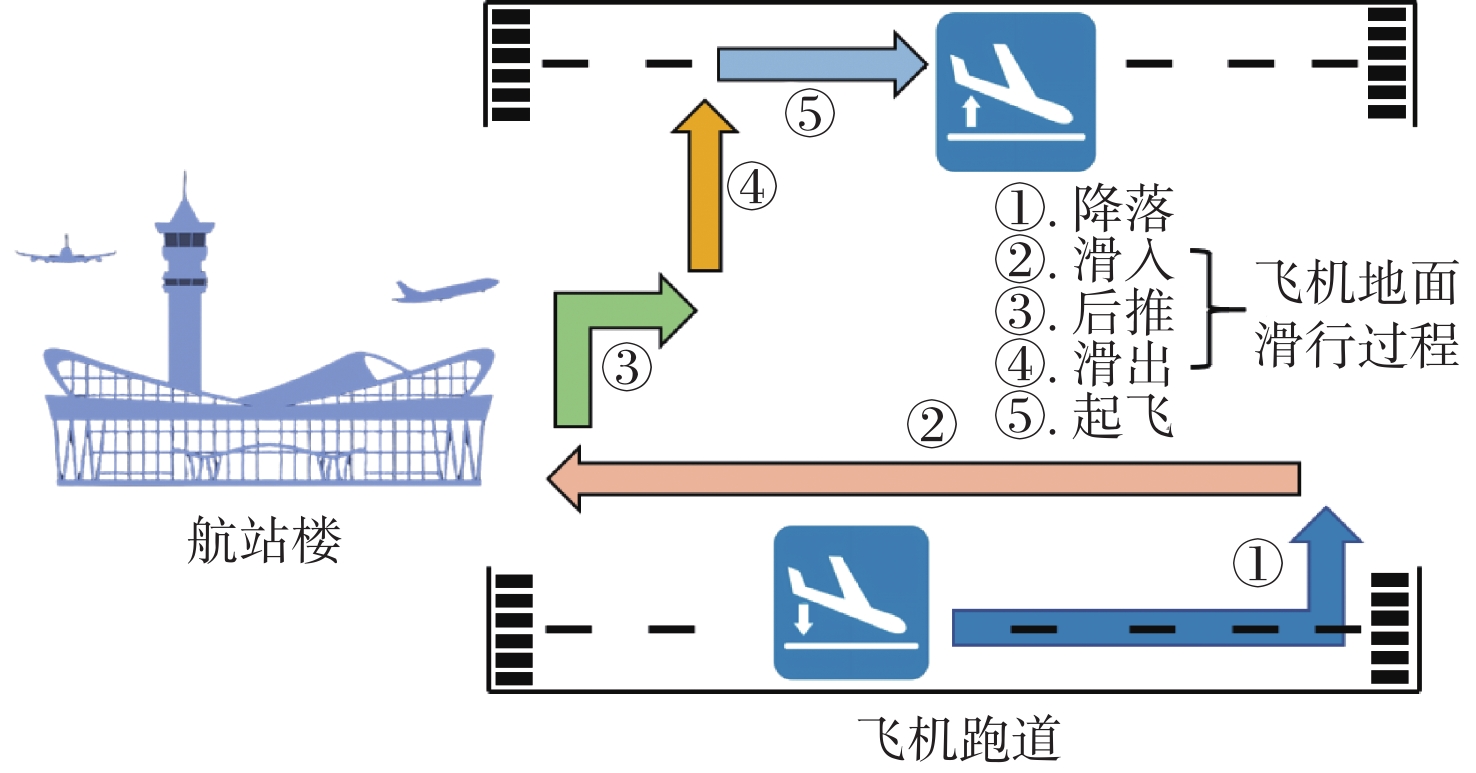
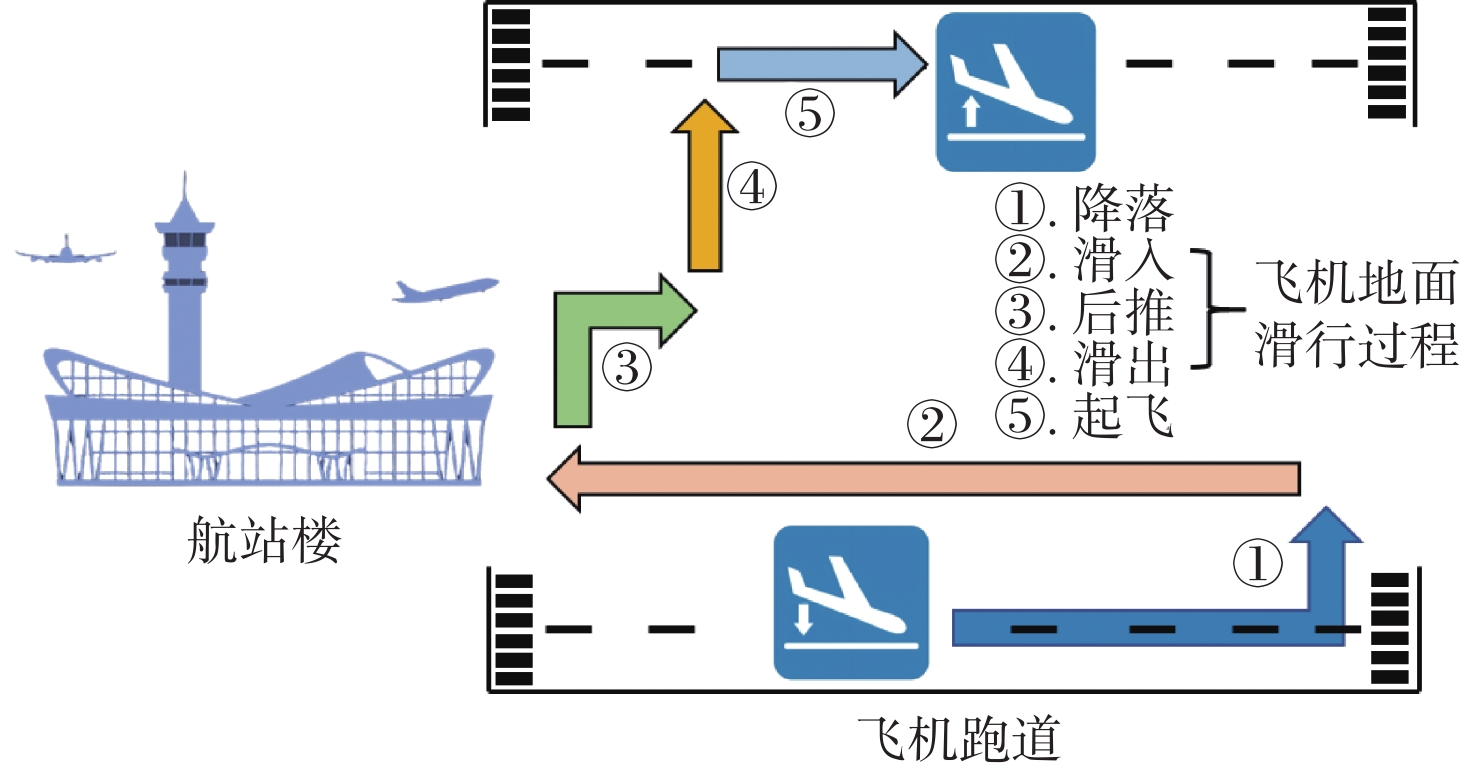
Review, research and applications of aircraft taxiing technology
LI Wei, ZHANG Hao, LIU Xiaochao, QIAO Weizhi, SU Jing, JIA Junjie, HUANG Yi, WANG Zhuangzhuang, XIE Yan, JIAO Zongxia
2026, 52(8): 2681-2695. doi: 10.13700/j.bh.1001-5965.2025.0672
Abstract:

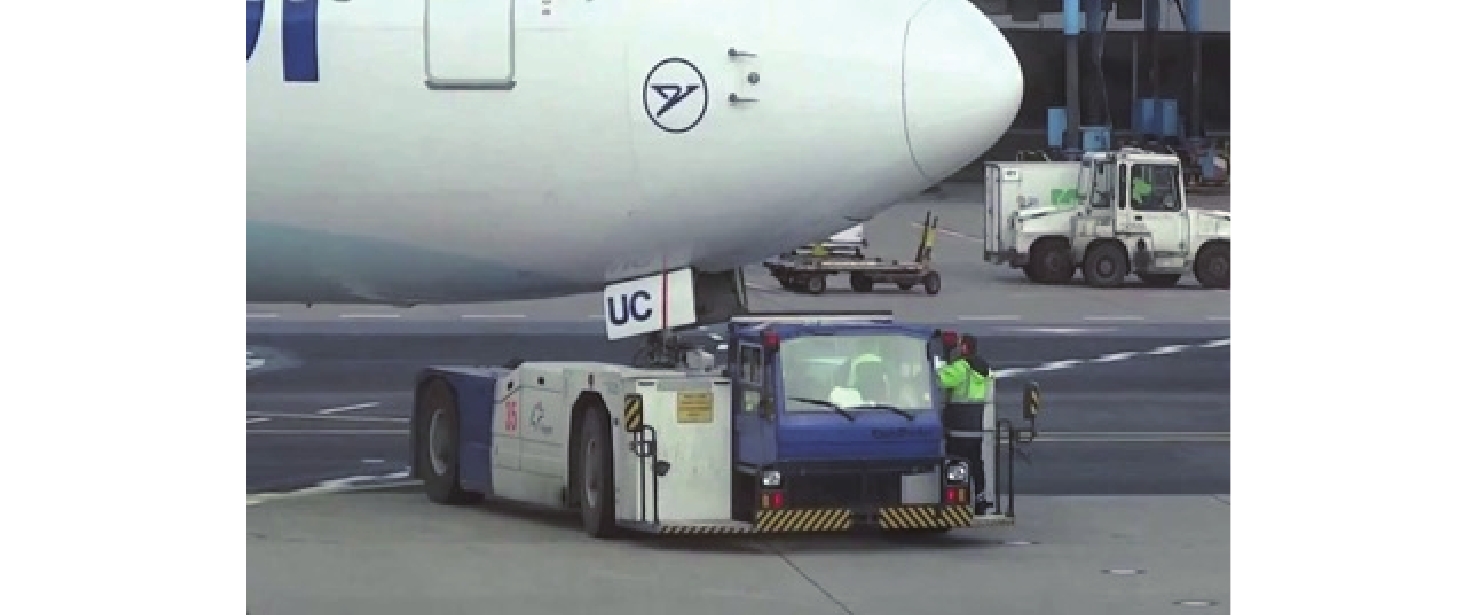
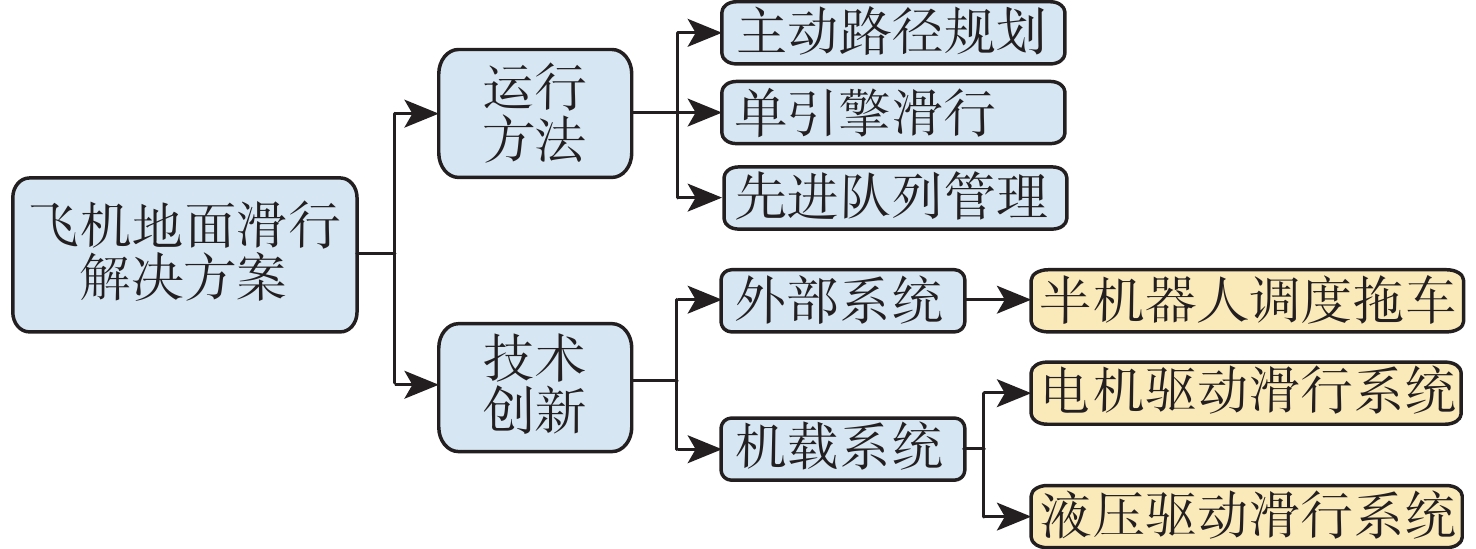
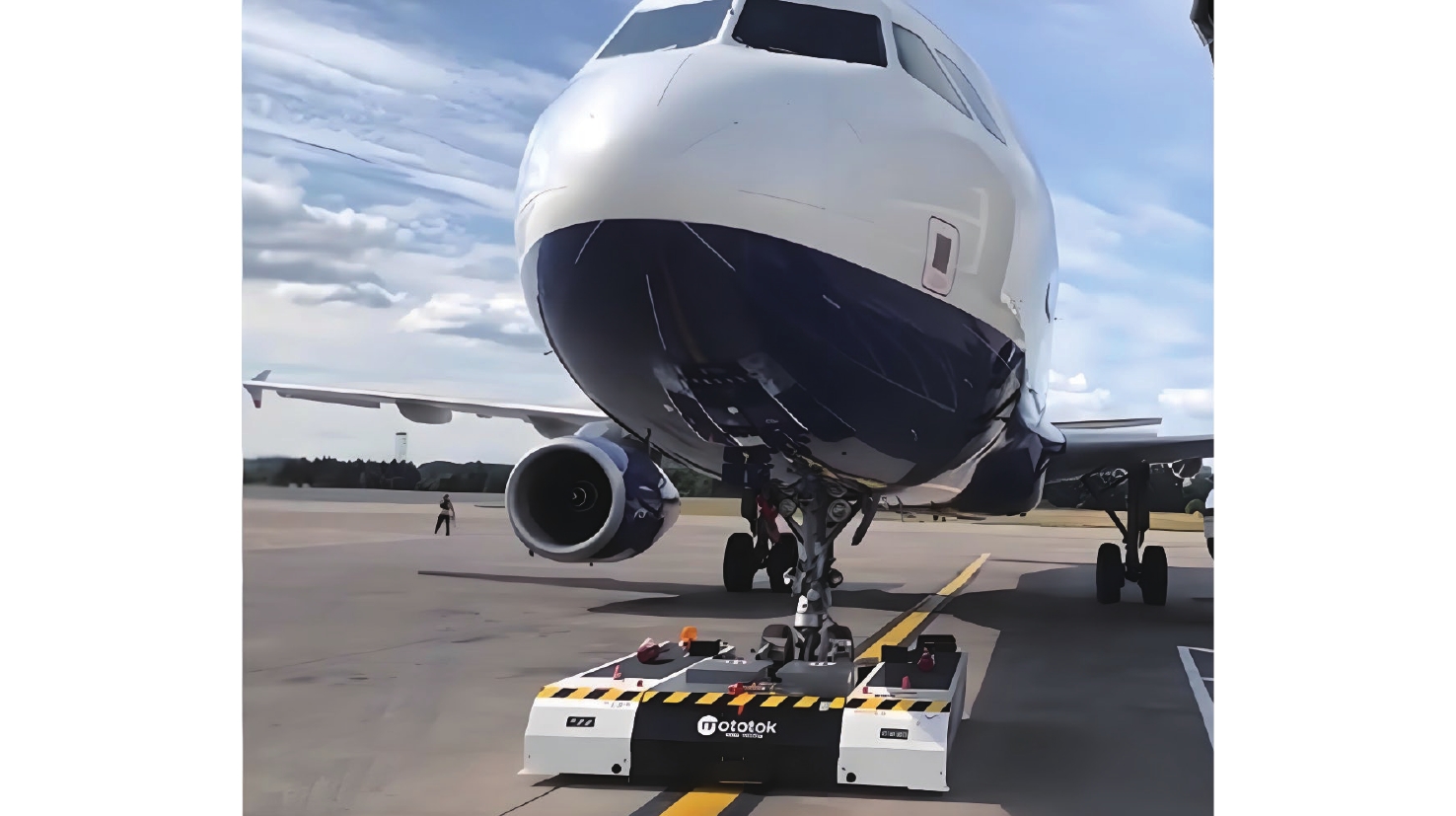
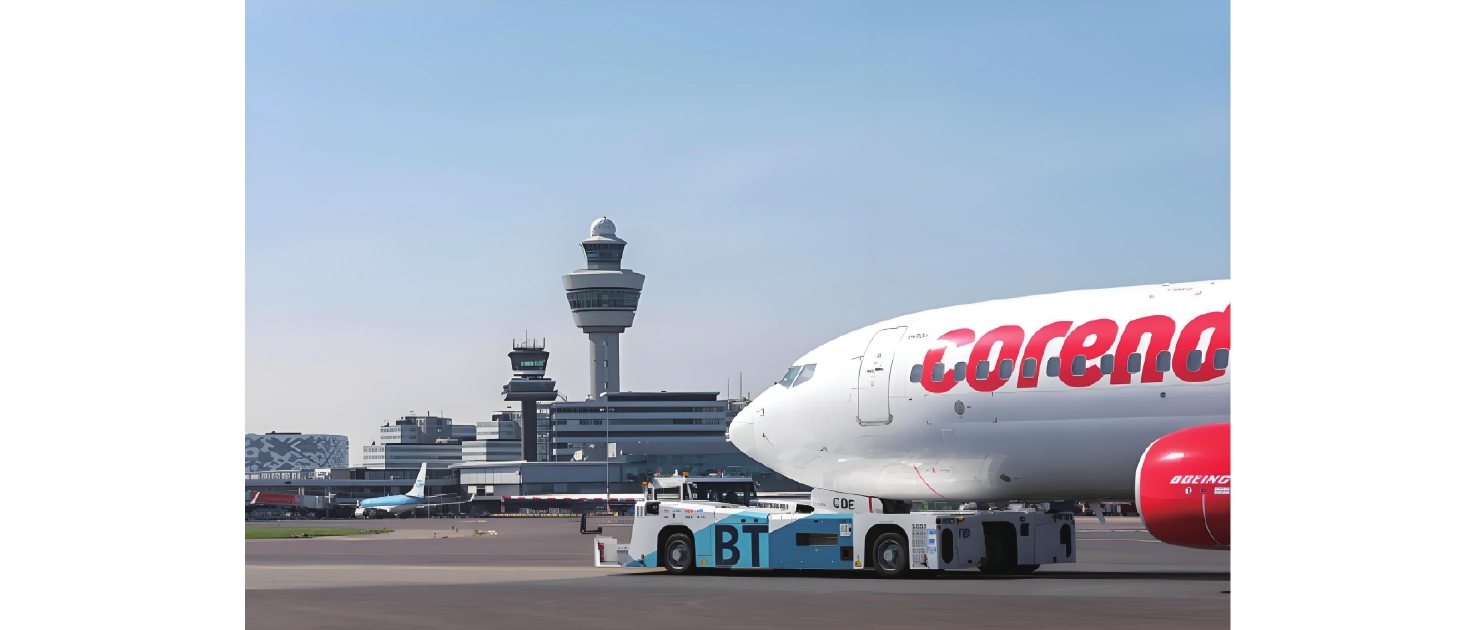
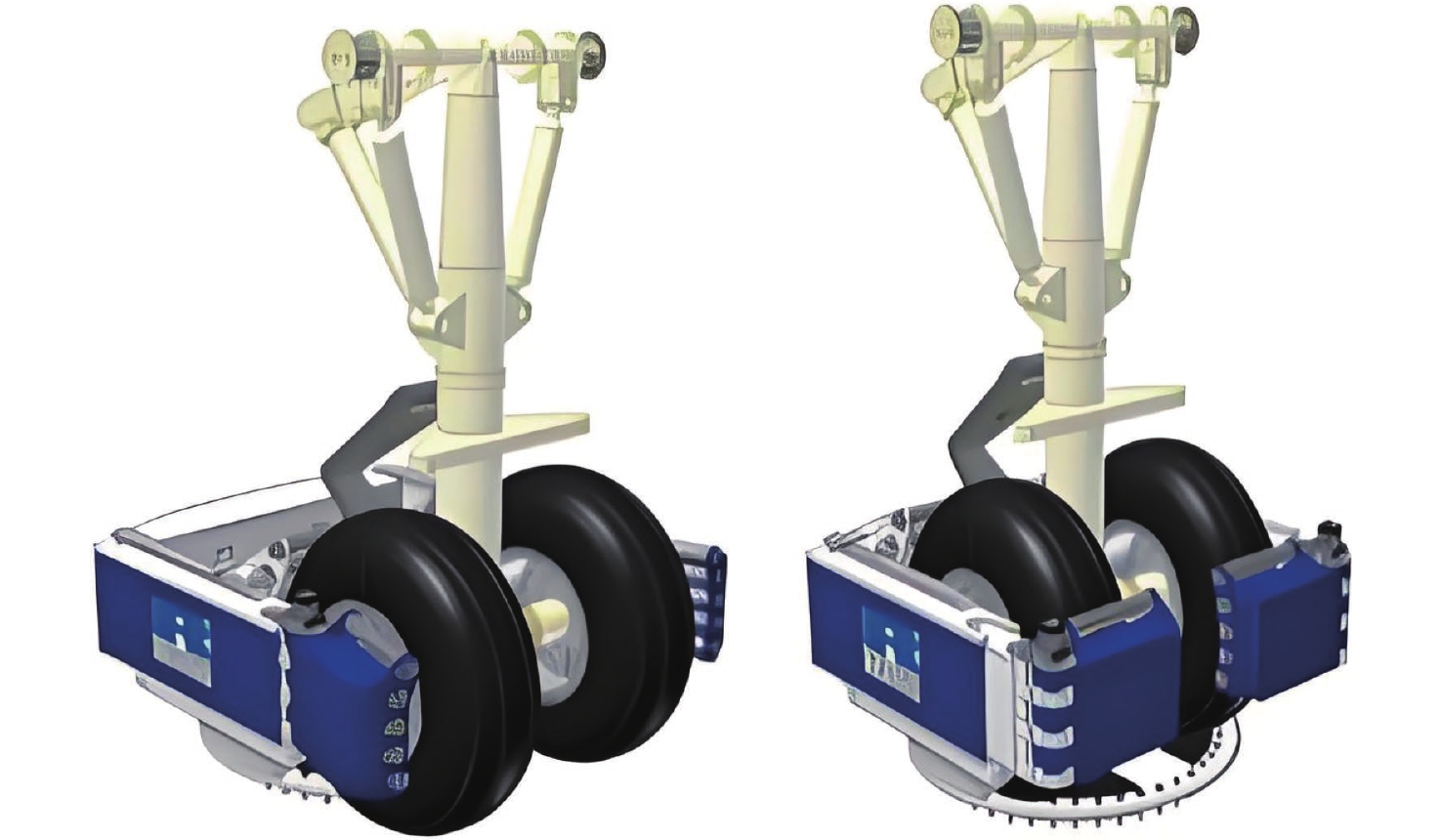
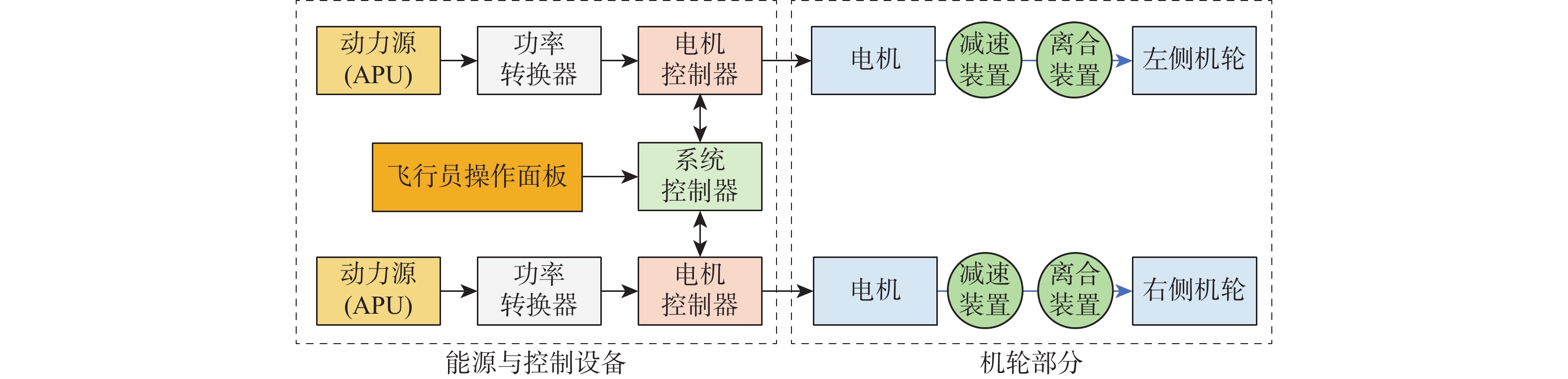
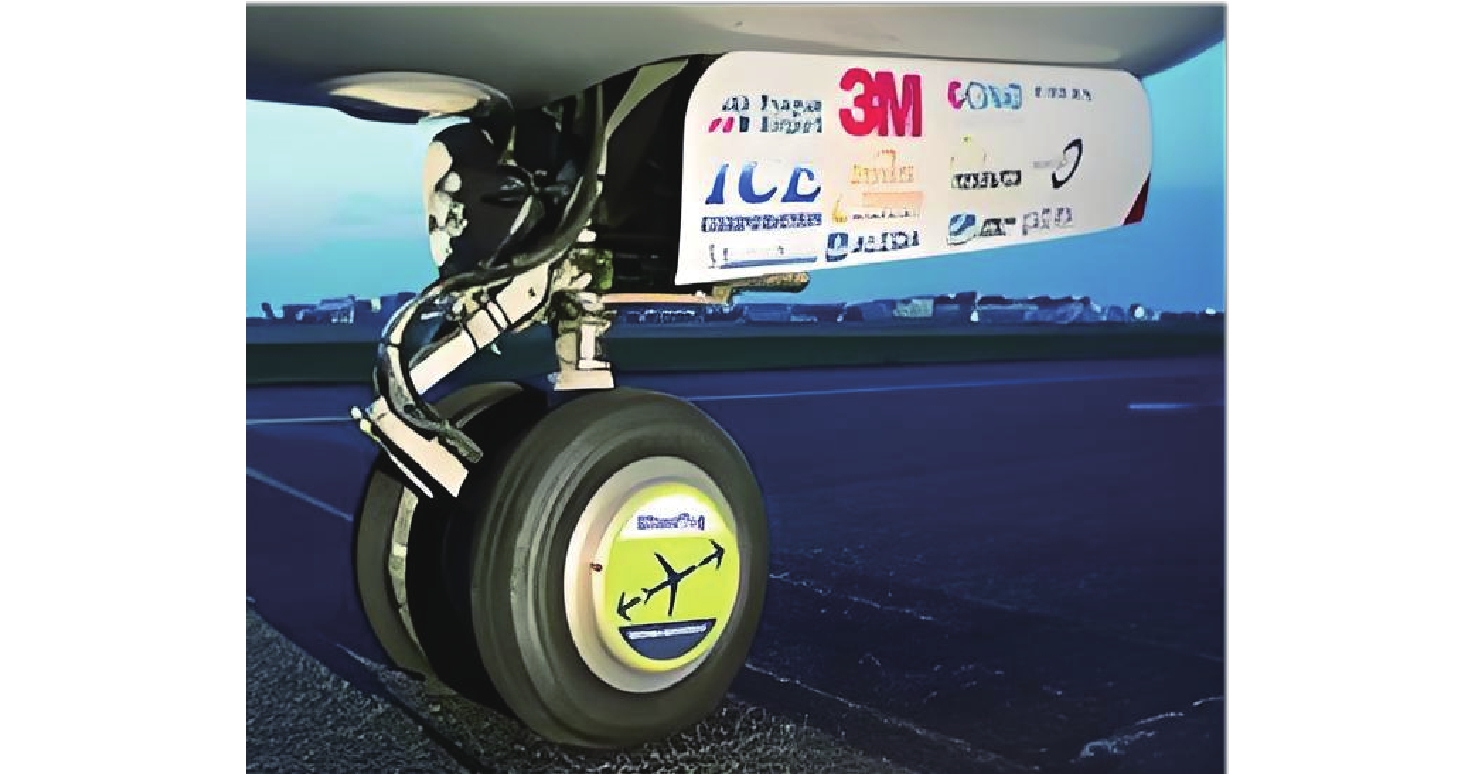
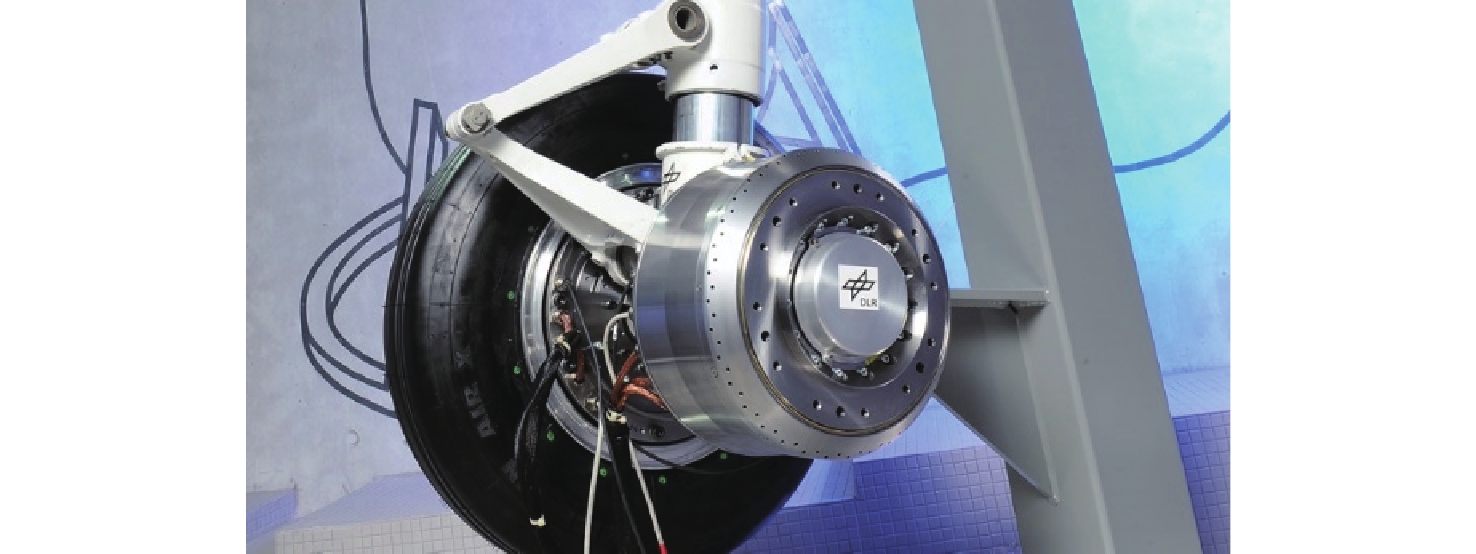
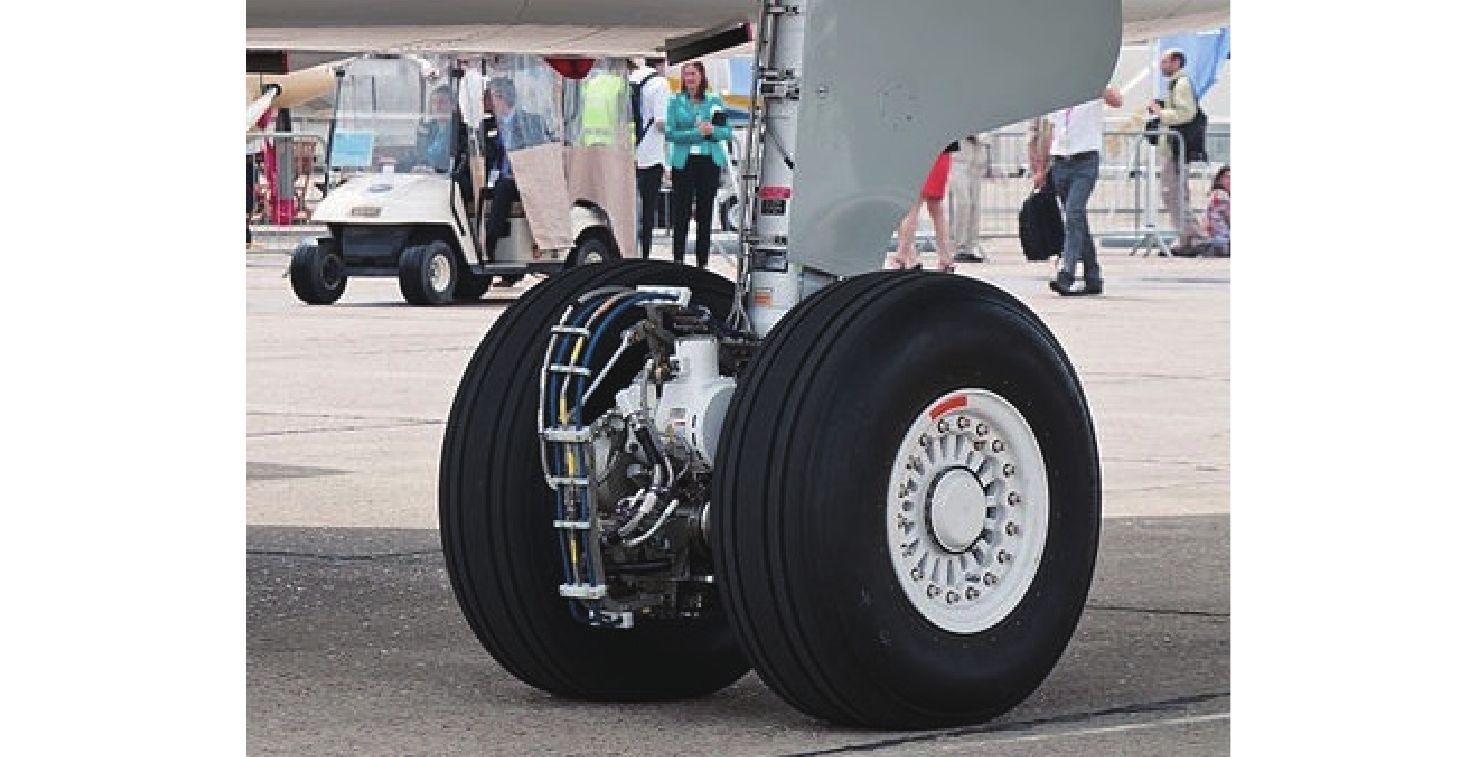
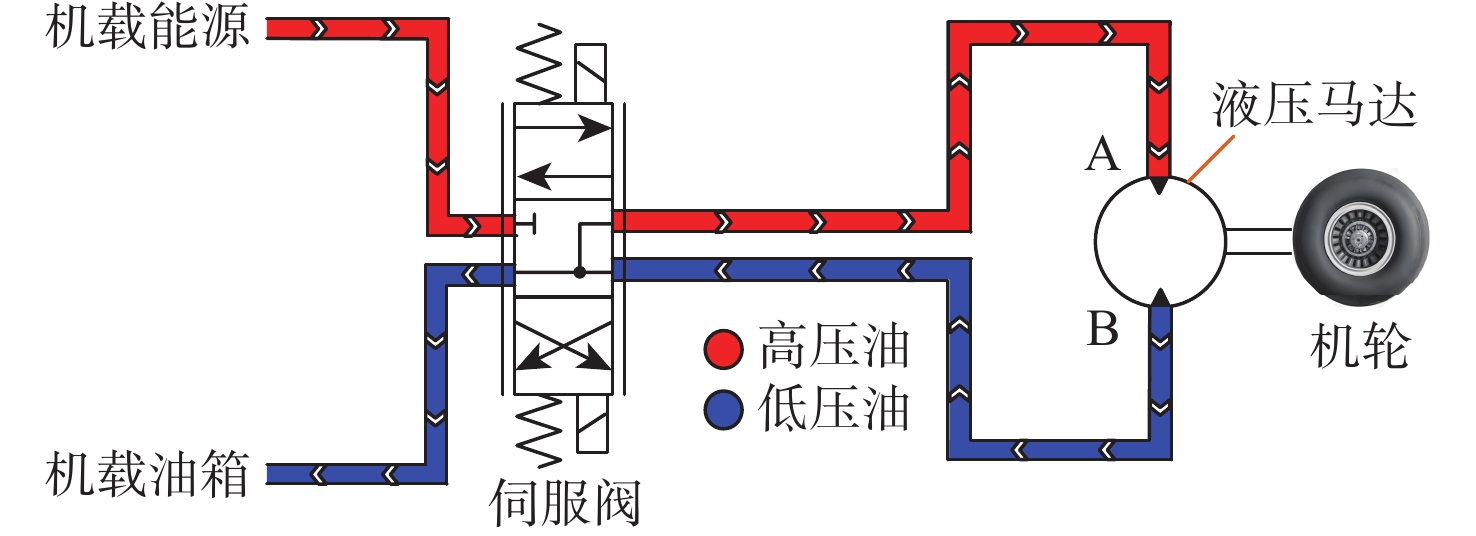
Aircraft taxiing represents a critical phase in air transportation systems, where efficiency, safety, and carbon emissions converge as key challenges. Amid increasing flight volumes and operational pressures, traditional full engine taxiing and dispatch towing taxiing have revealed significant limitations, including prolonged taxi times, elevated risks of ground collisions, and substantial fuel consumption. Three contemporary ground taxiing technologies—single-engine taxiing, semi-robotic dispatch towing, and onboard electric/hydraulic taxiing systems—are thoroughly reviewed in this paper along with their practical applications. The potential and constraints of each technology in enhancing taxiing efficiency, improving safety, and reducing fuel consumption and emissions are analyzed. Additionally covered are typical roadblocks like airport compatibility and airworthiness certification. Based on this review, a phased implementation strategy is proposed: near-term efforts should focus on optimizing single-engine taxiing operations, gradually expanding the application of semi-robotic dispatch towing systems, and exploring the feasibility of zero-emission onboard taxiing technologies. This approach aims to provide actionable insights and practical directions for optimizing ground operations and reducing emissions at major airports in China.

Fluid leakage prediction for civil aircraft hydraulic systems by fusing physics-informed and parameter momentum
FENG Yunwen, PAN Weihuang, HE Yanchen, CHEN Dong, LU Cheng
2026, 52(8): 2696-2707. doi: 10.13700/j.bh.1001-5965.2025.0537
Abstract:

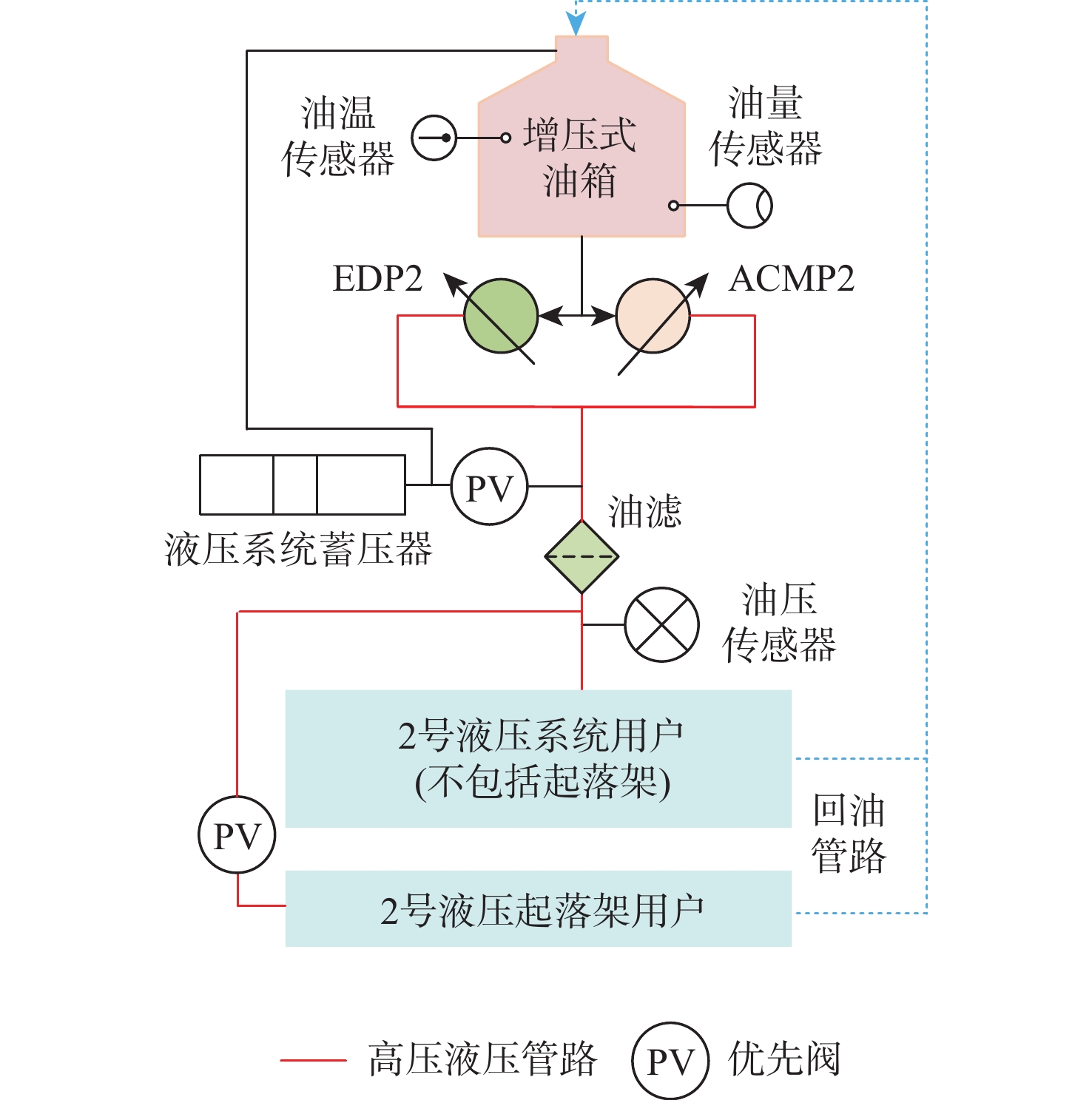
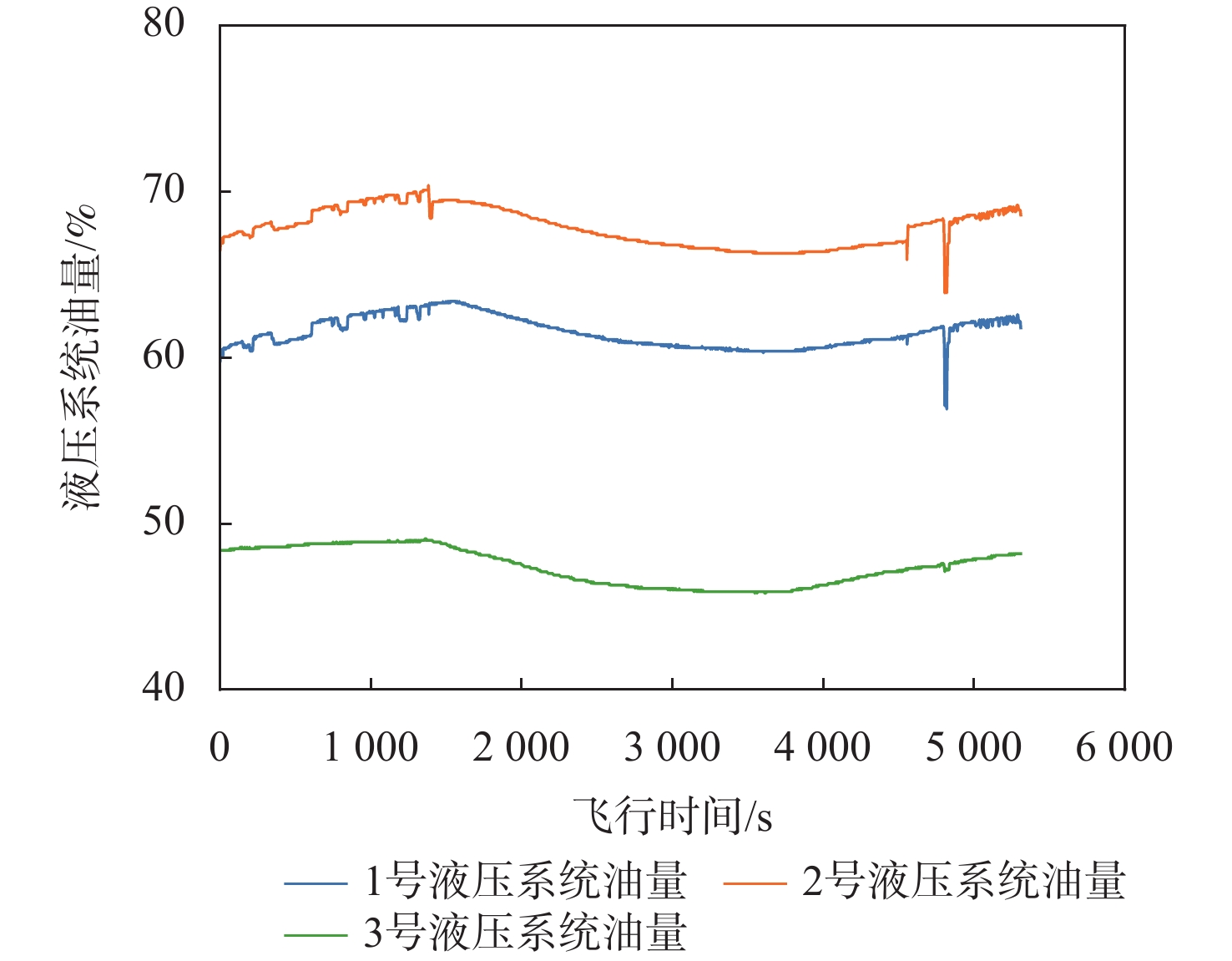
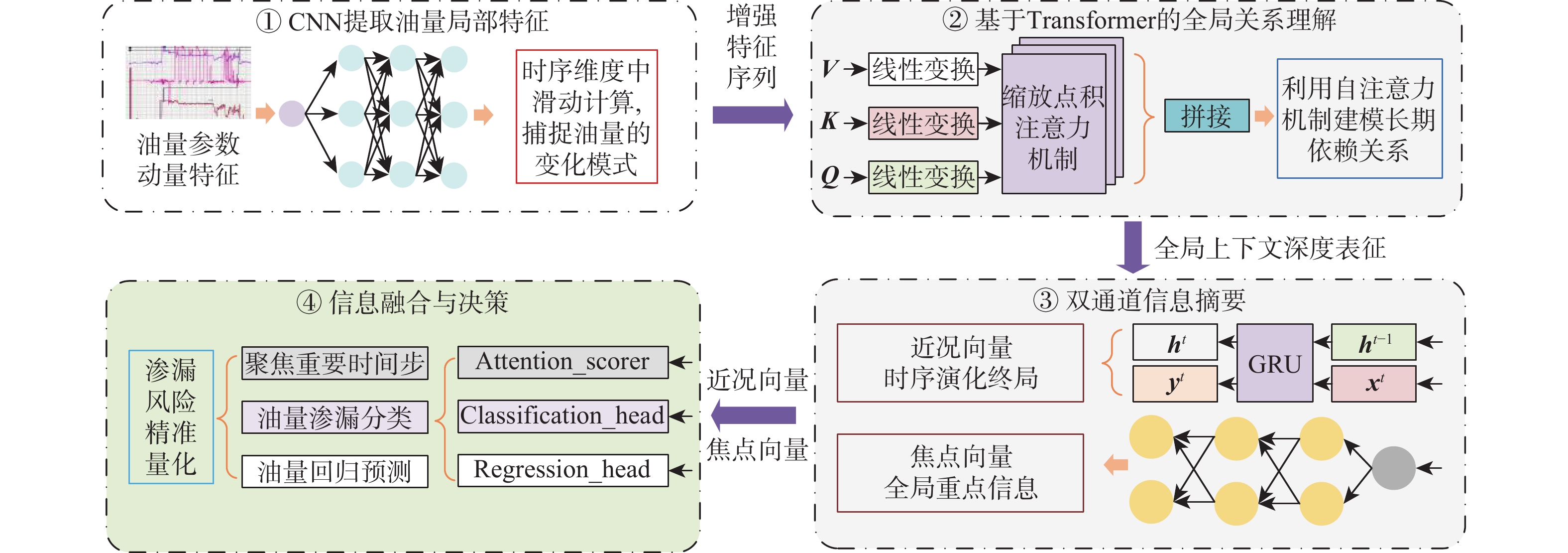
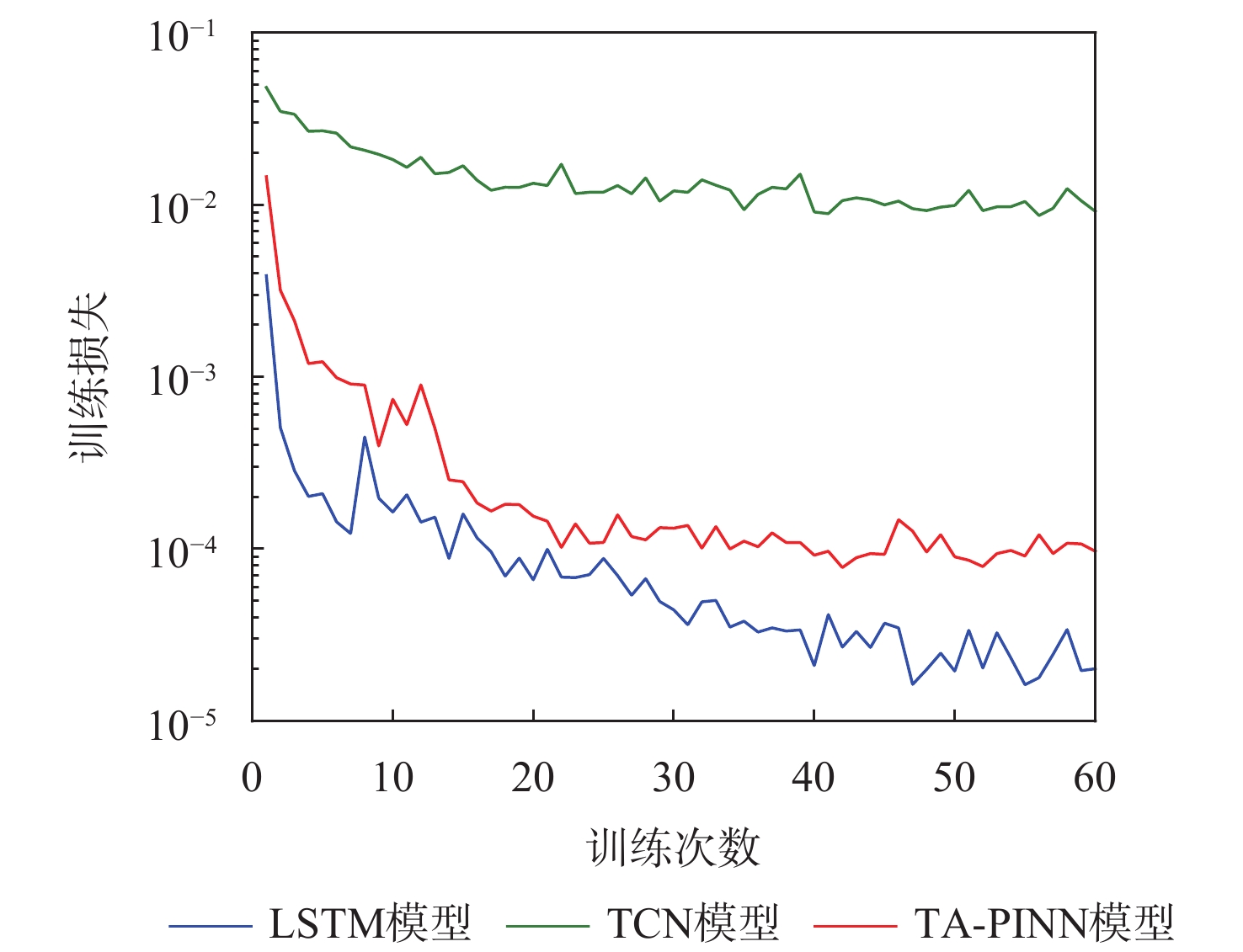
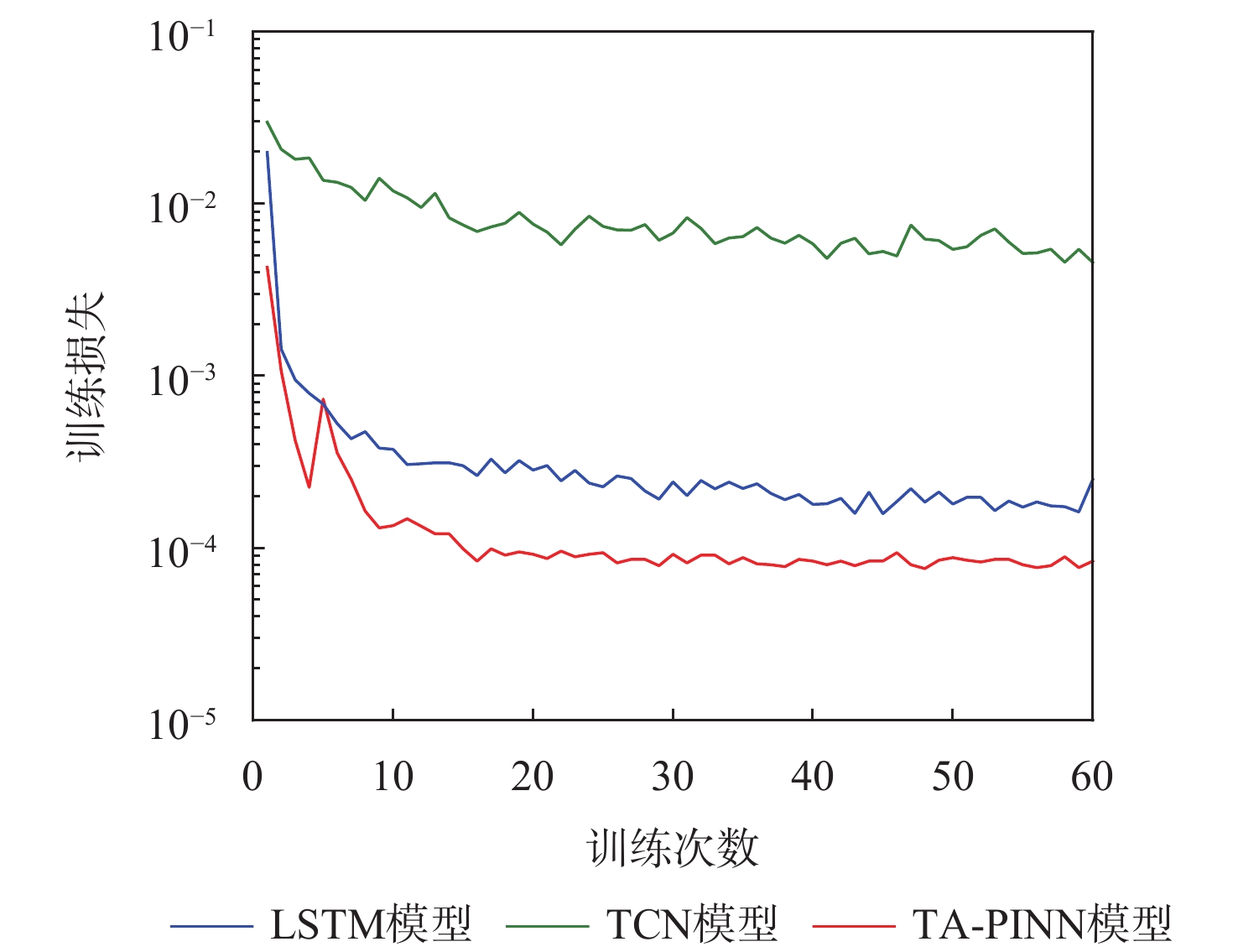
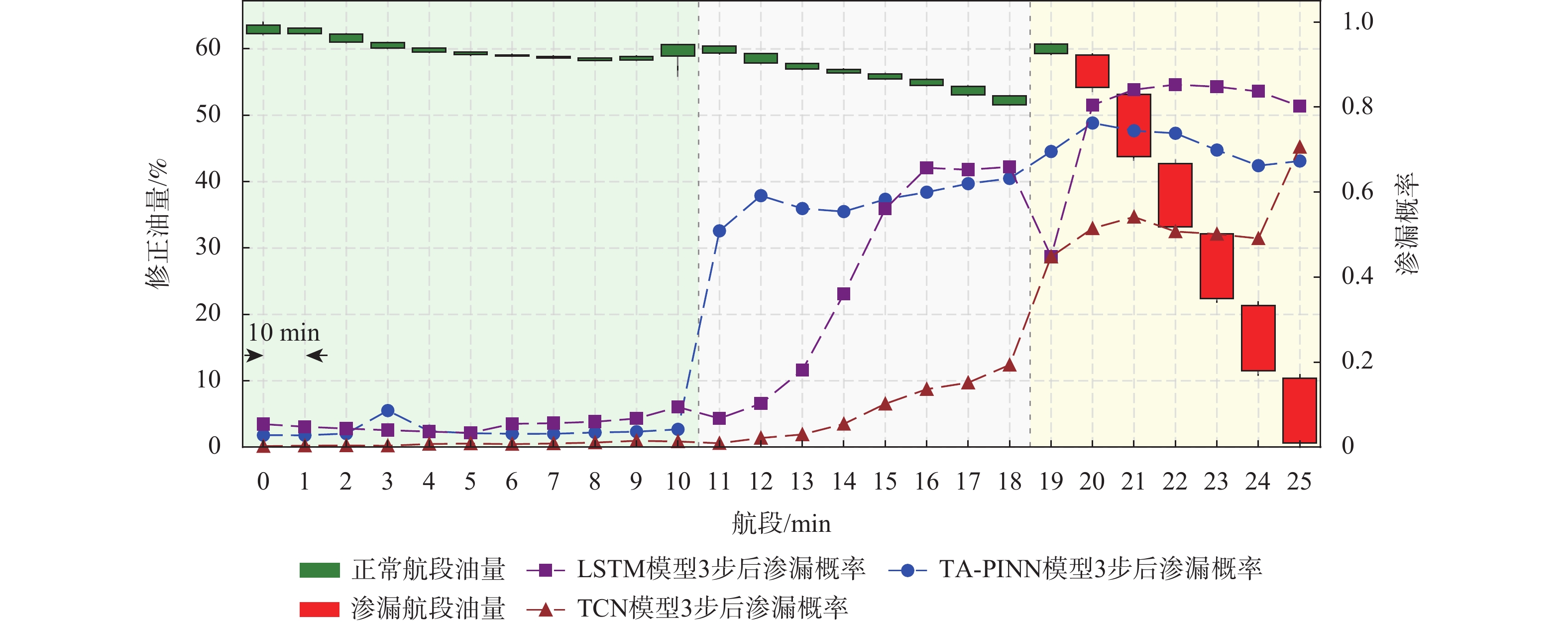
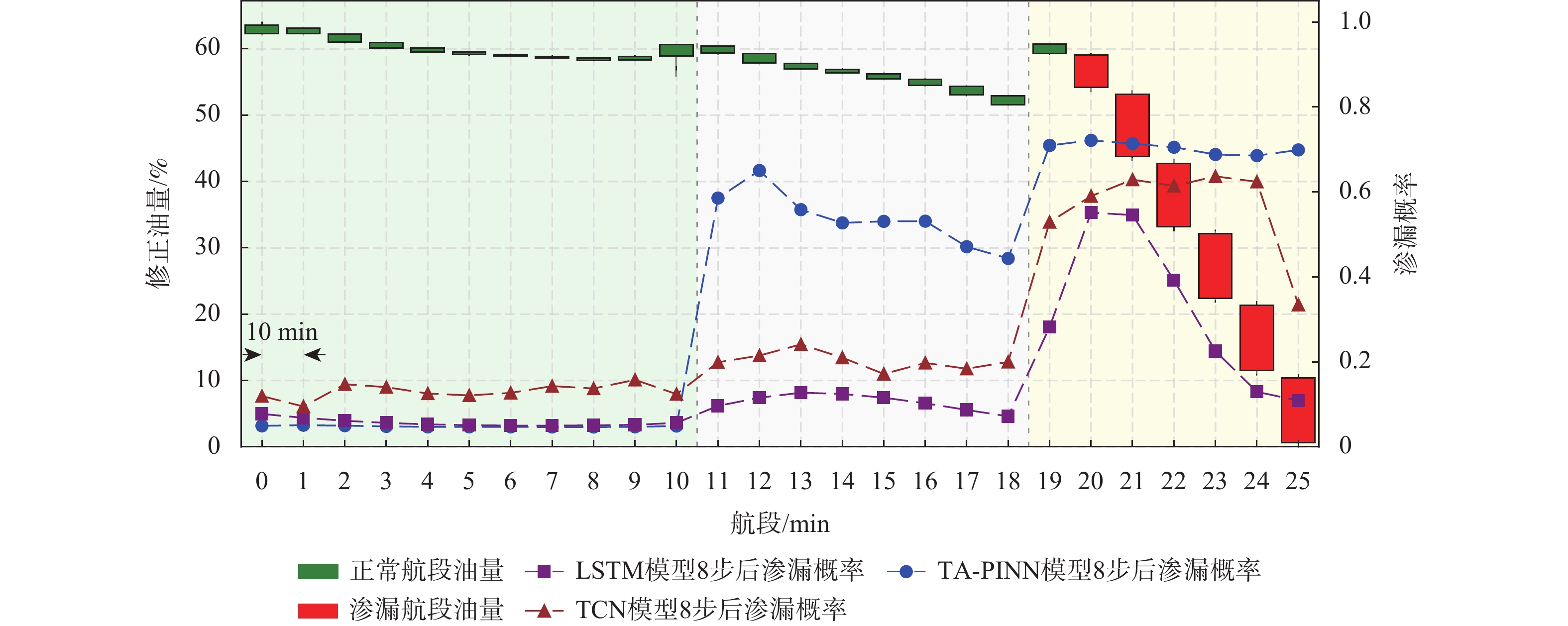
Due to its high frequency, sneaky nature, and possible safety hazards, hydraulic fluid leakage in civil aircraft systems necessitates fault prognostics technology to enable condition-based maintenance for early identification and avoidance. However, leakage fault prognostics faces challenges such as limited monitoring parameters, coarse granularity of onboard alerts, and discontinuity in fluid quantity data caused by pre-flight servicing. In order to estimate the likelihood of leakage occurring, this research suggests a time-series model that combines physics data with fluid amount momentum. The model first introduces physical constraints such as the fluid’s coefficient of thermal expansion and the manual-specified allowable leakage rate. Furthermore, by distinguishing between intra-flight and inter-flight modes, a parameter momentum indicator for fluid quantity is constructed to capture the cumulative trend interrupted by servicing and refueling. Finally, a time-series model is utilized to map the dynamics of the fluid quantity, enabling accurate prediction of early and minor leakages. Leveraging real-world operational data from a domestically produced commercial aircraft, this case study validates the proposed method’s capability to effectively predict the probability of incipient leakage. The approach offers valuable decision support for implementing condition-based maintenance and advancing the health management of the hydraulic system.

Sensitivity analysis method for dynamic characteristics parameters of hydraulic braking system in civil aircraft
MENG Qingtang, MA Xinqi, YANG Peng, BAI Lu, WANG Zhuangzhuang, LIU Xiaochao, JIAO Zongxia
2026, 52(8): 2708-2719. doi: 10.13700/j.bh.1001-5965.2025.0690
Abstract:

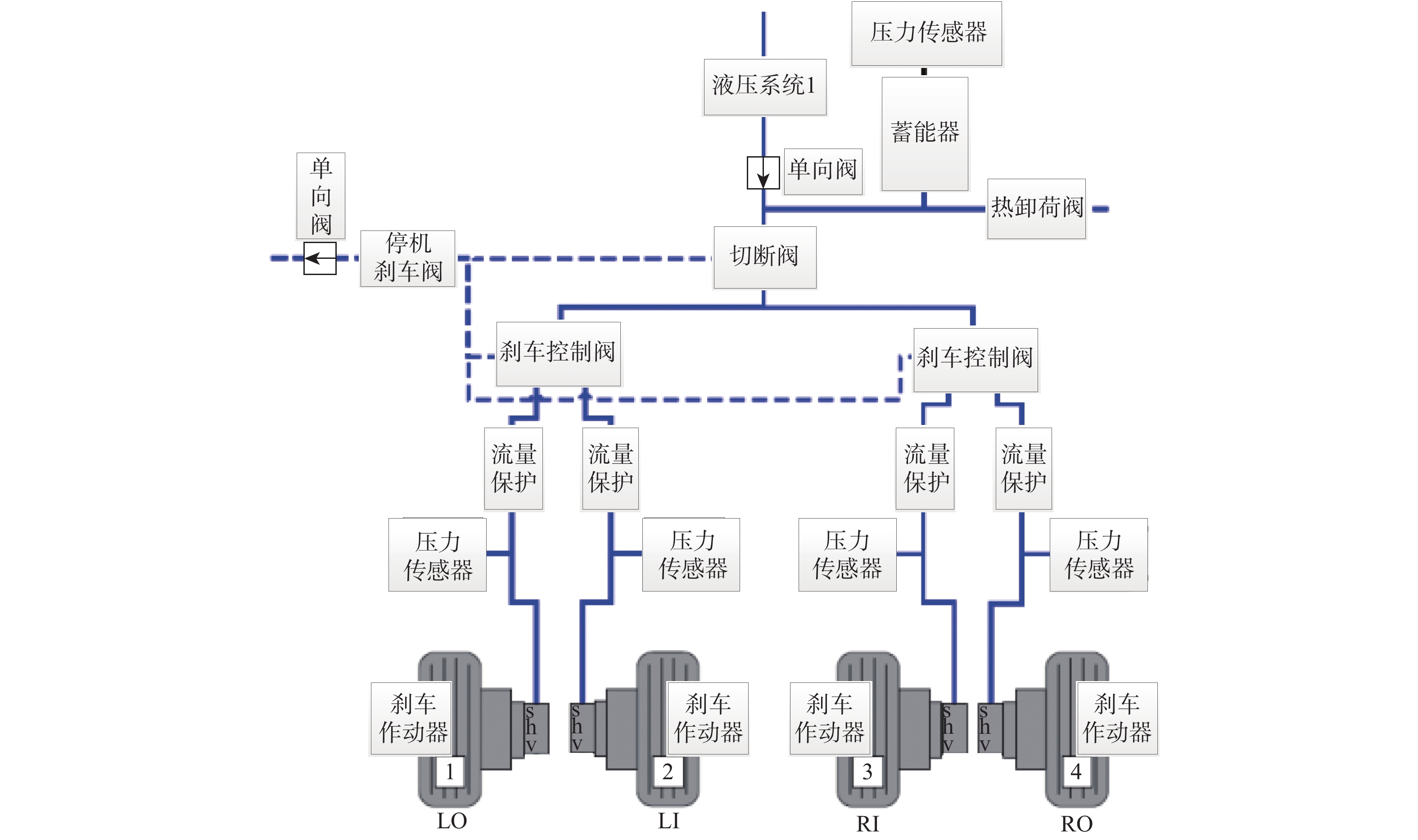
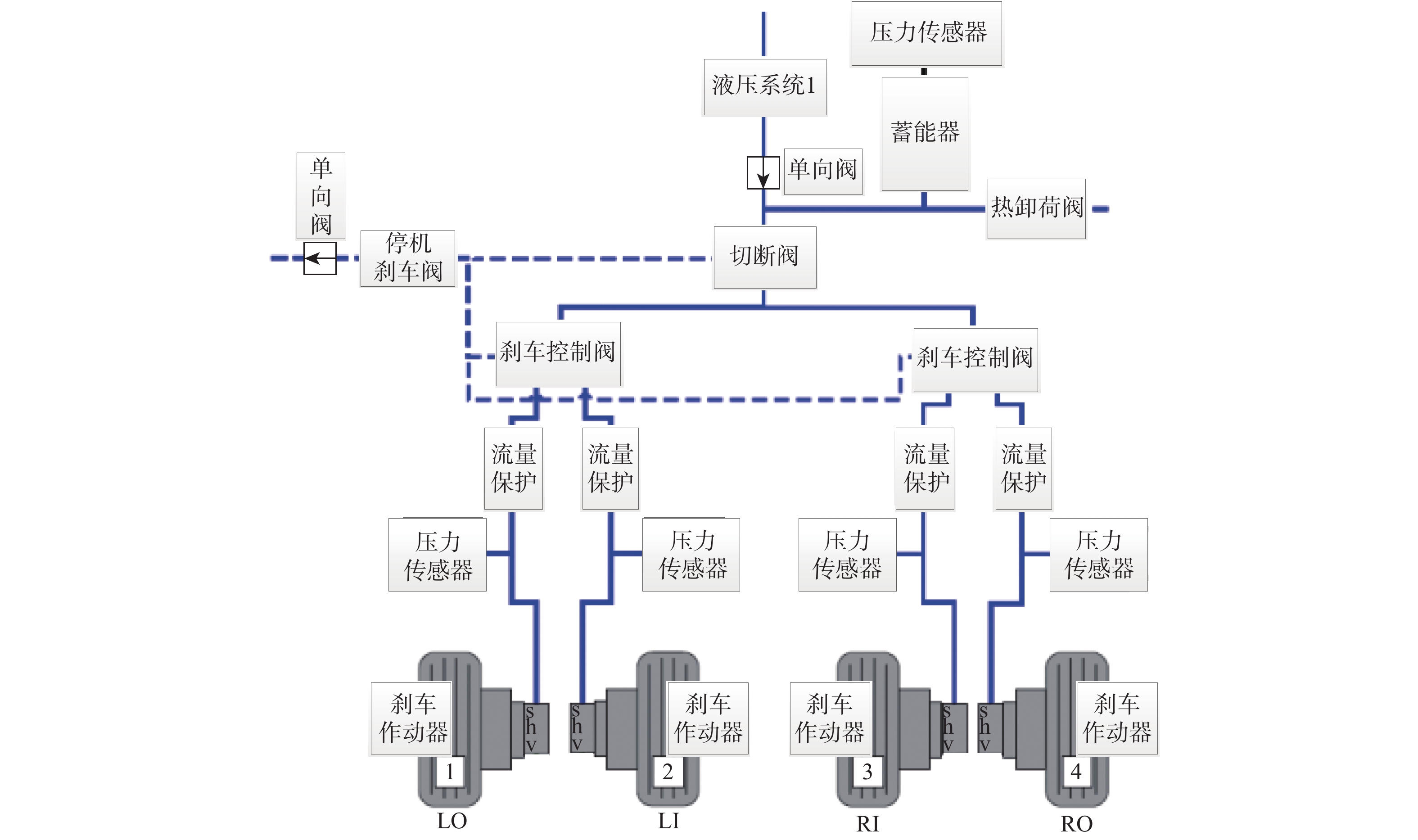
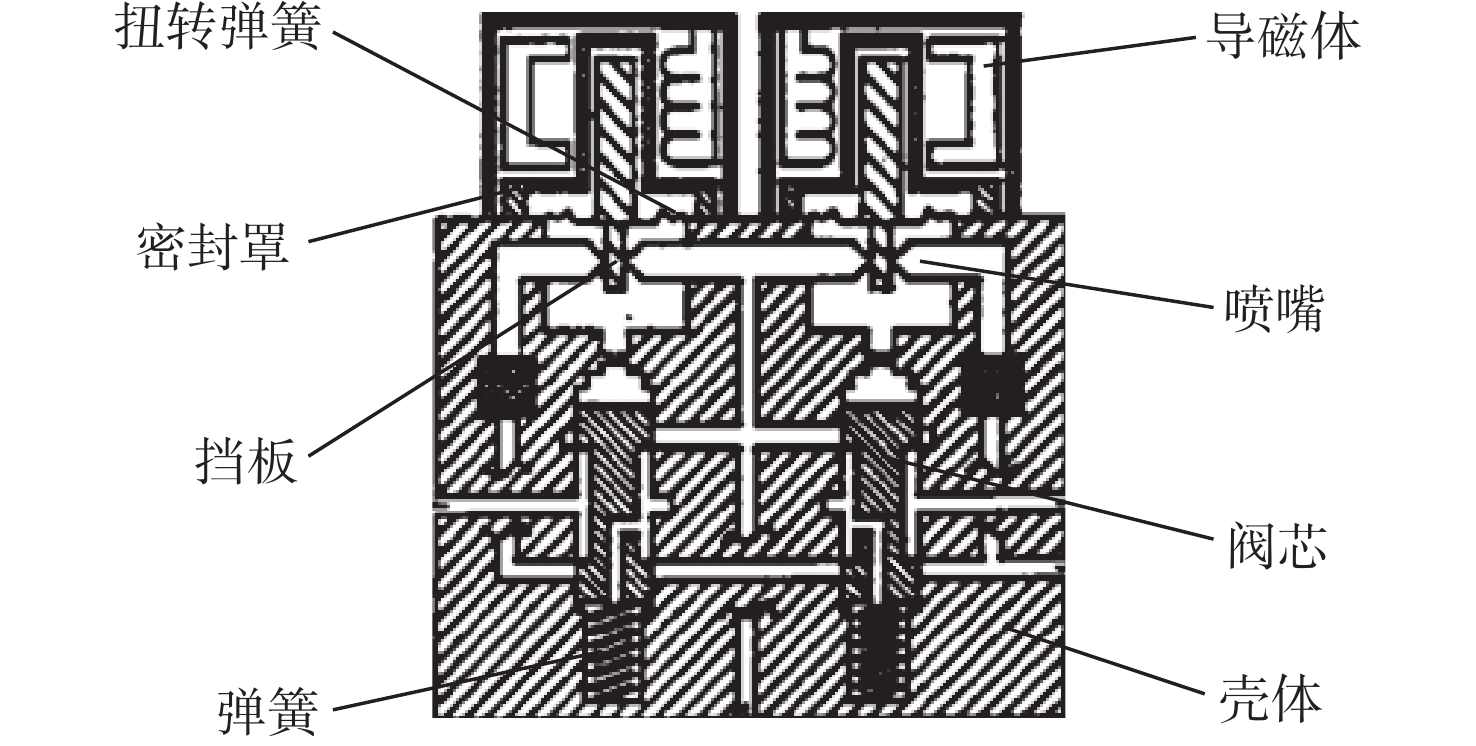
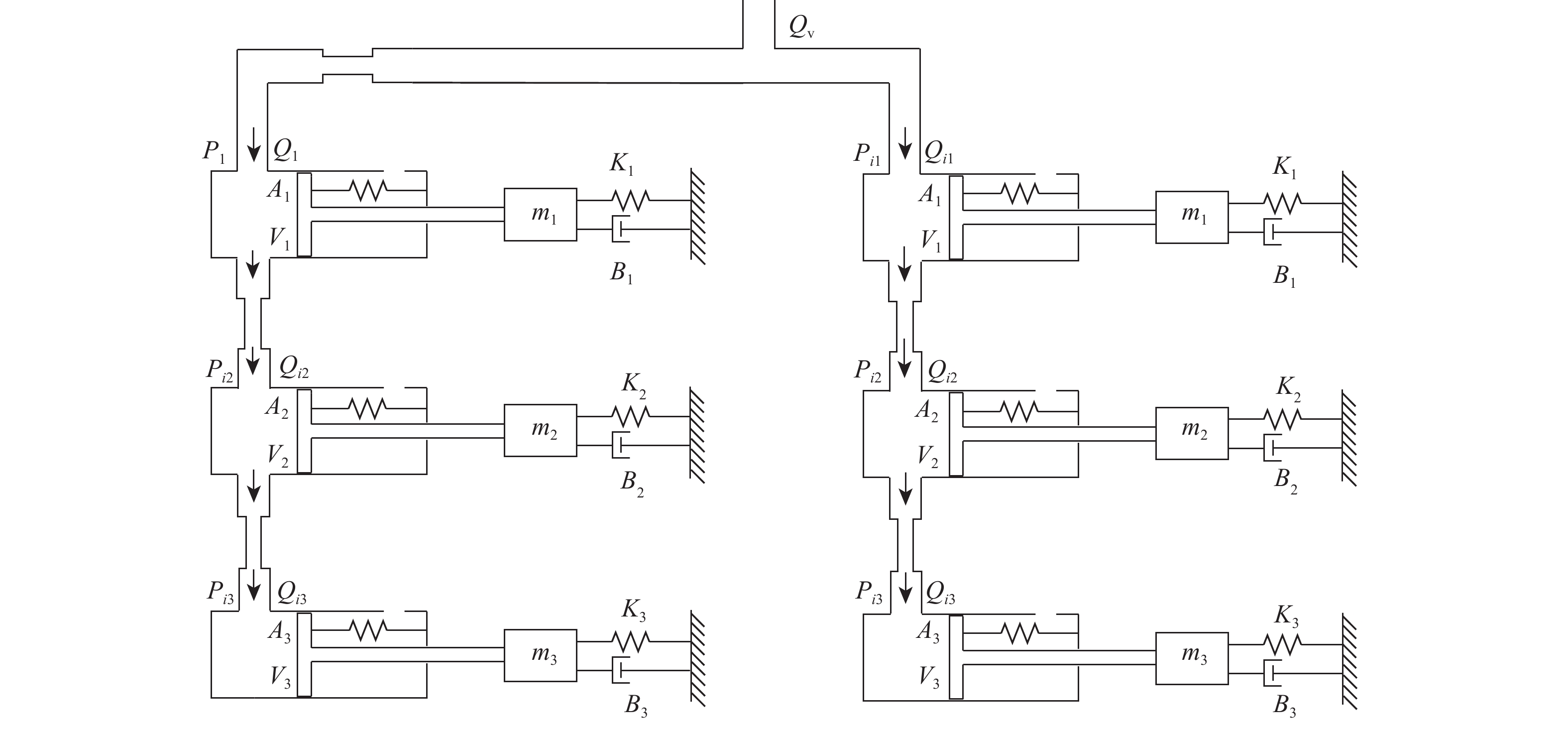
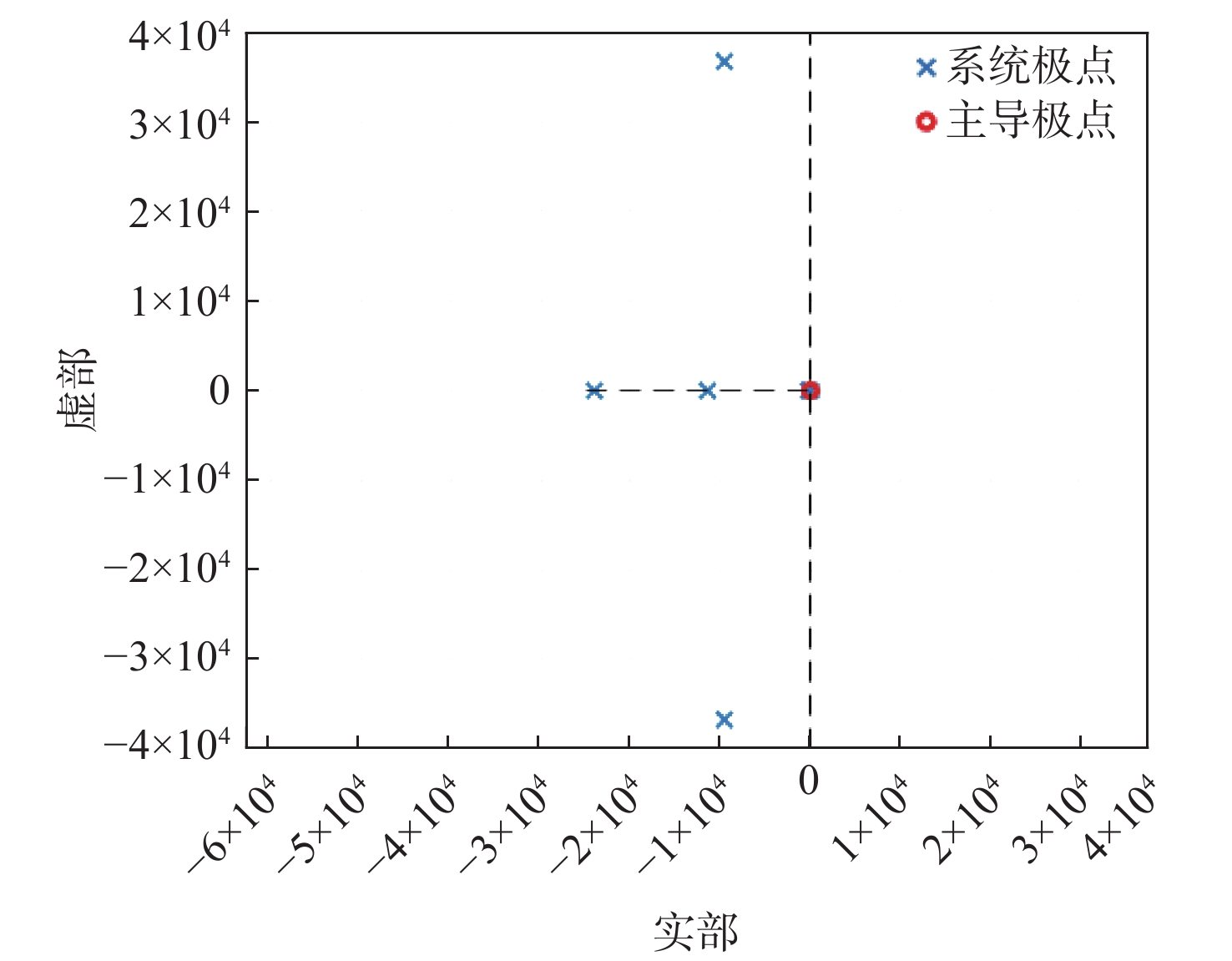
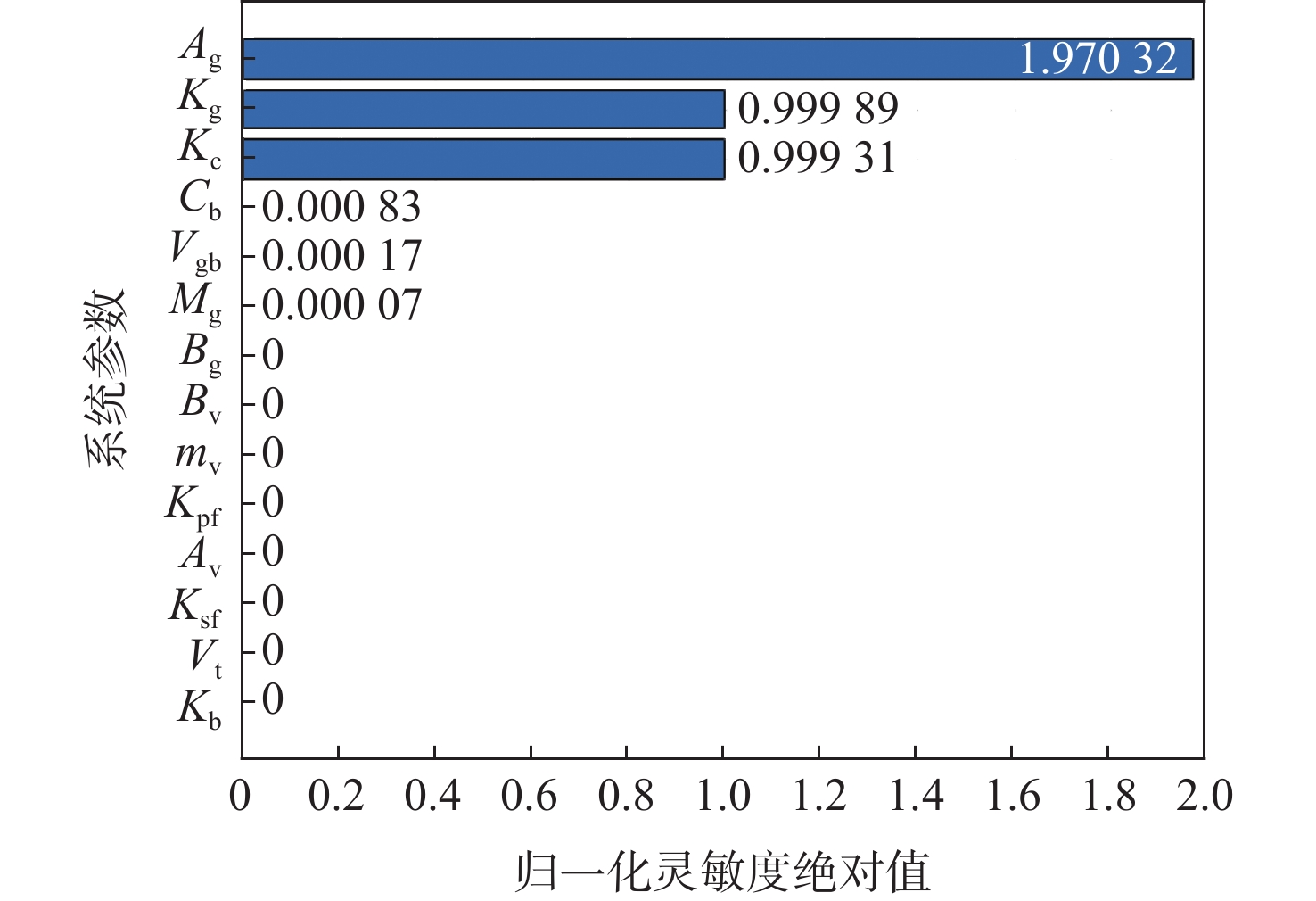
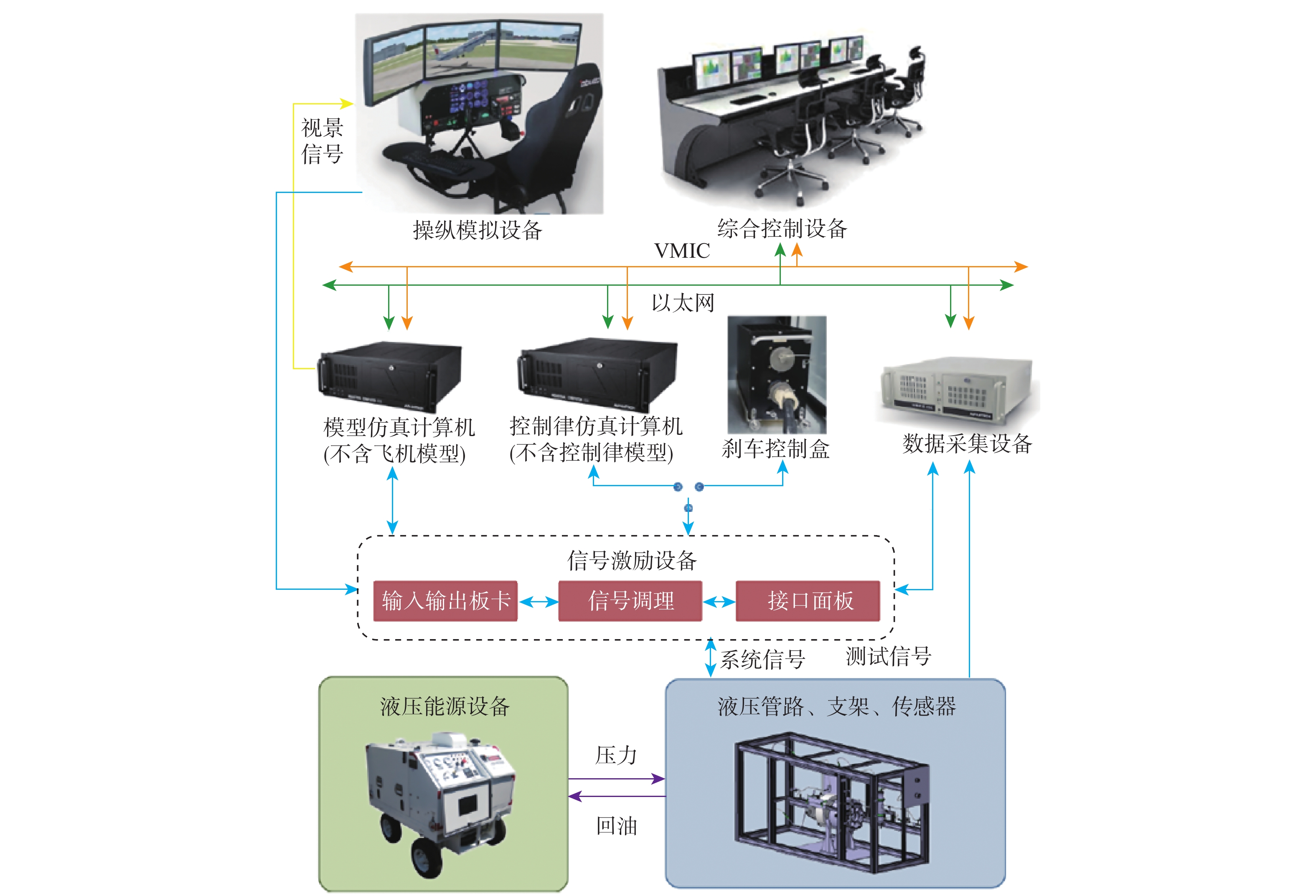
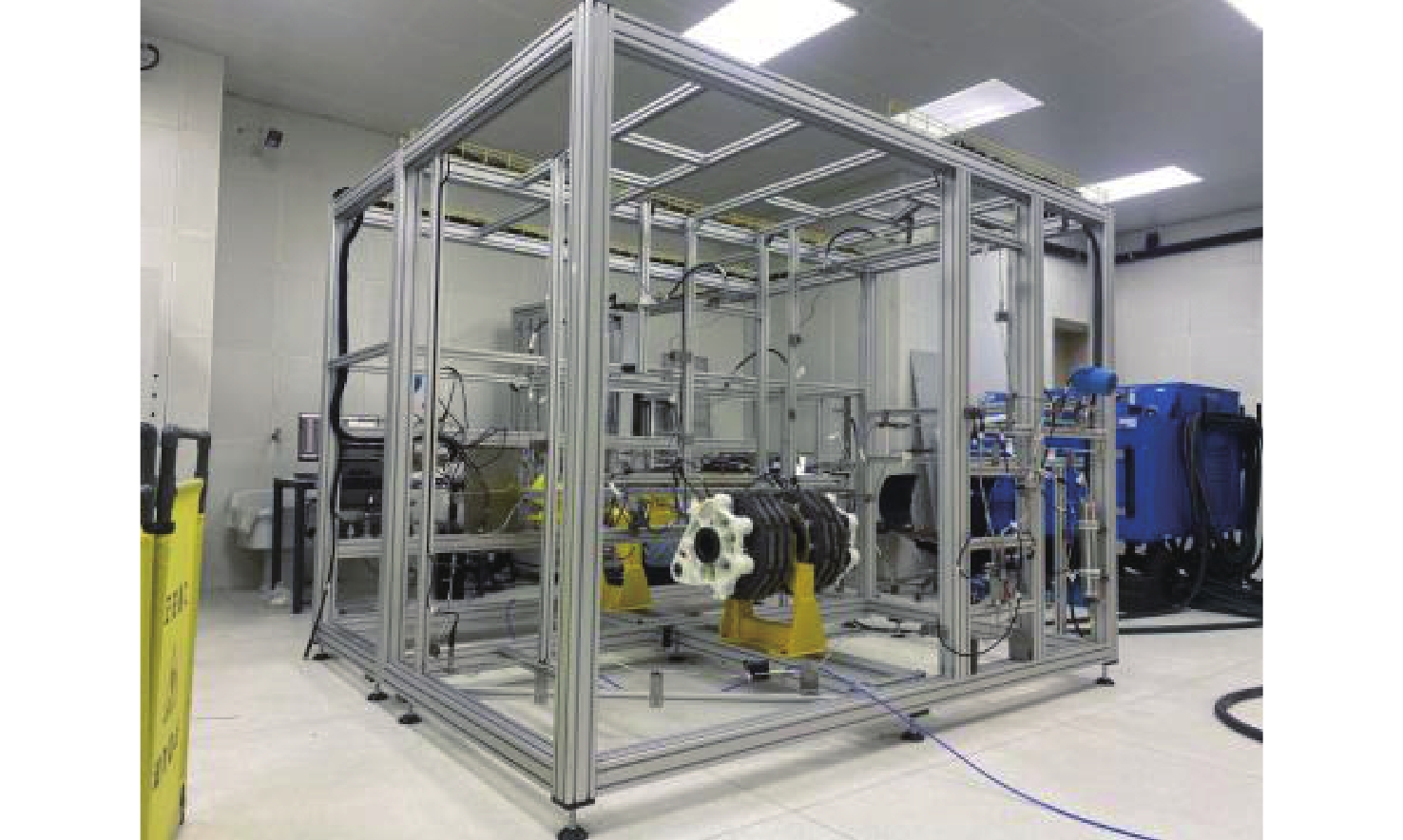
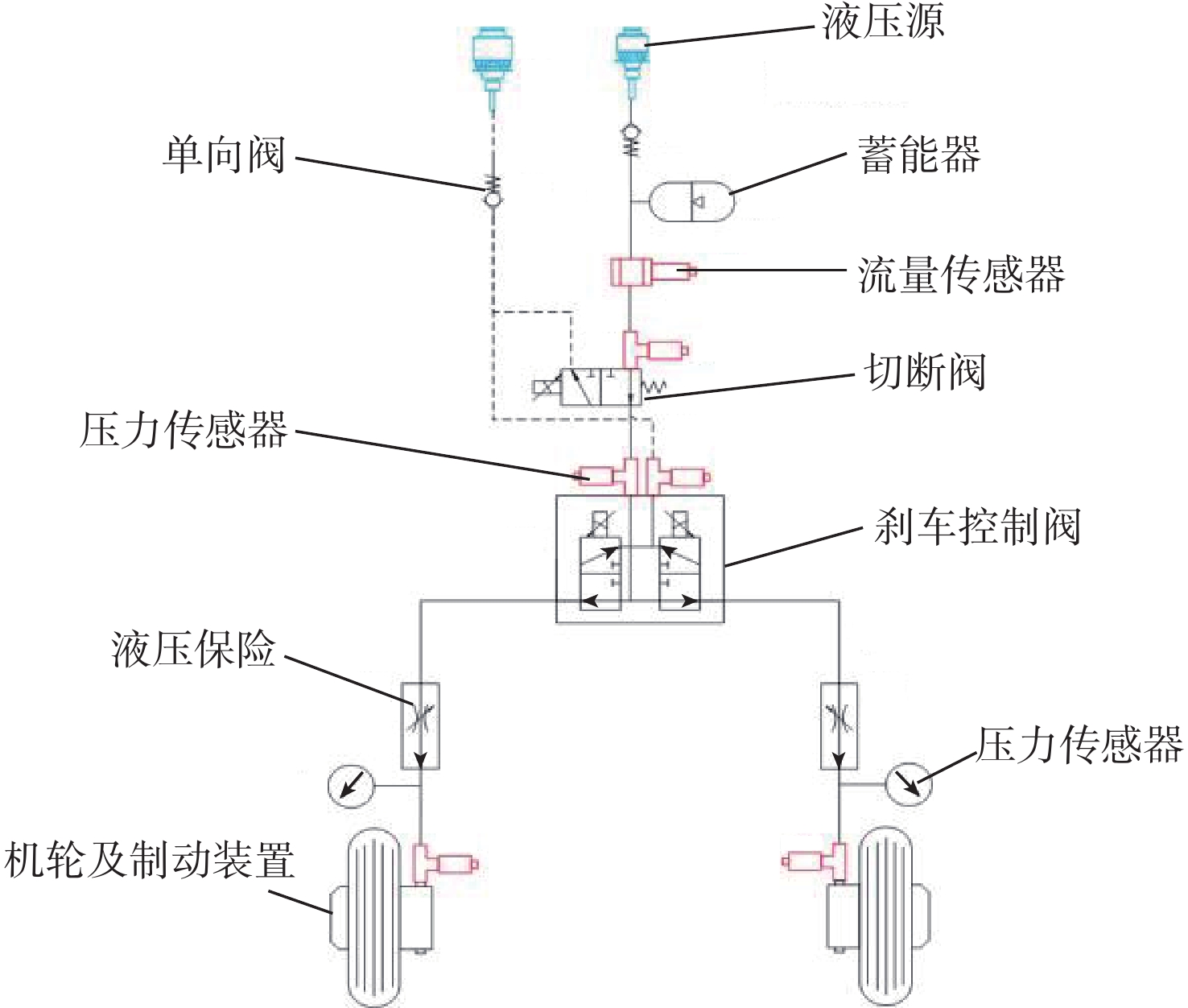
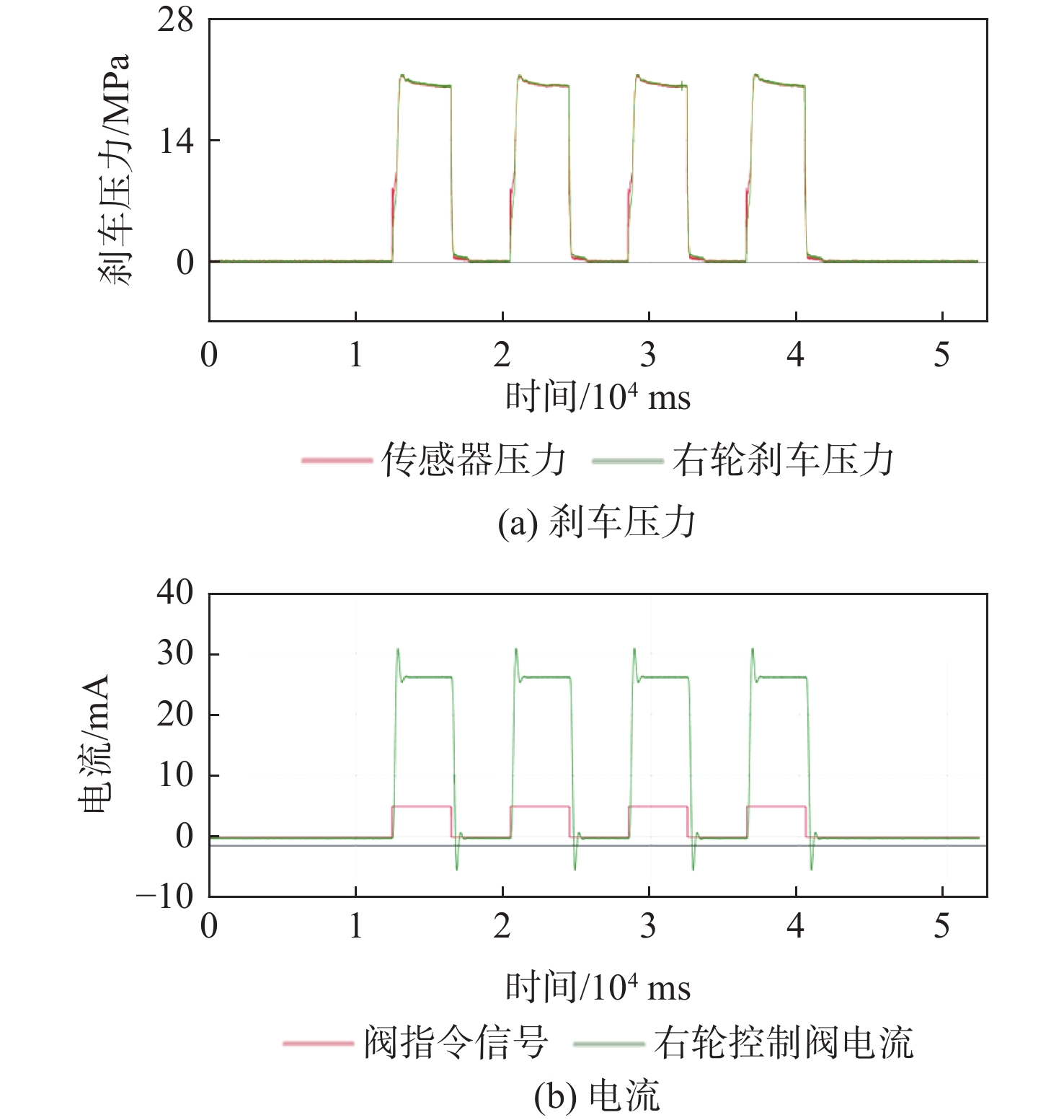
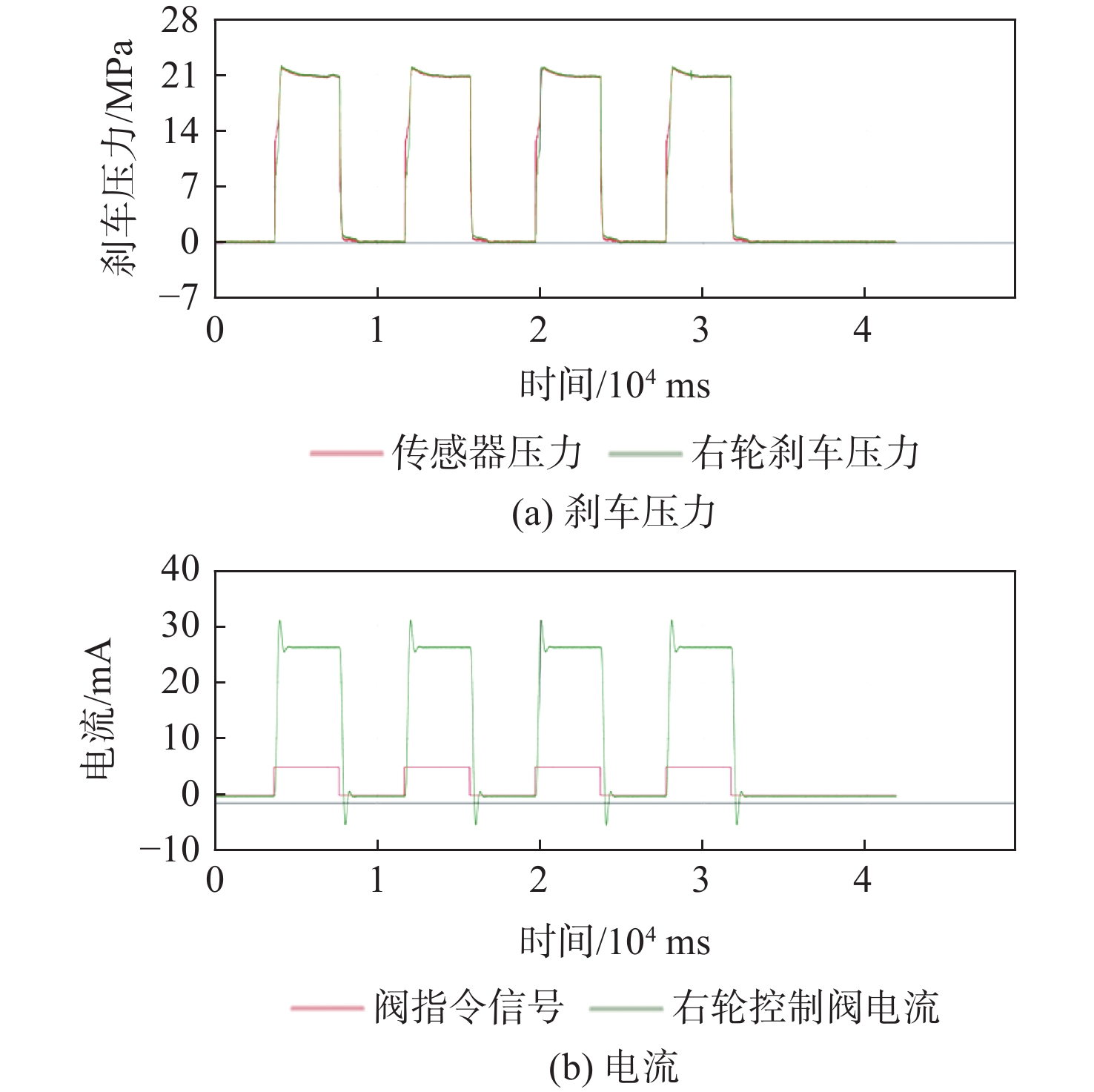
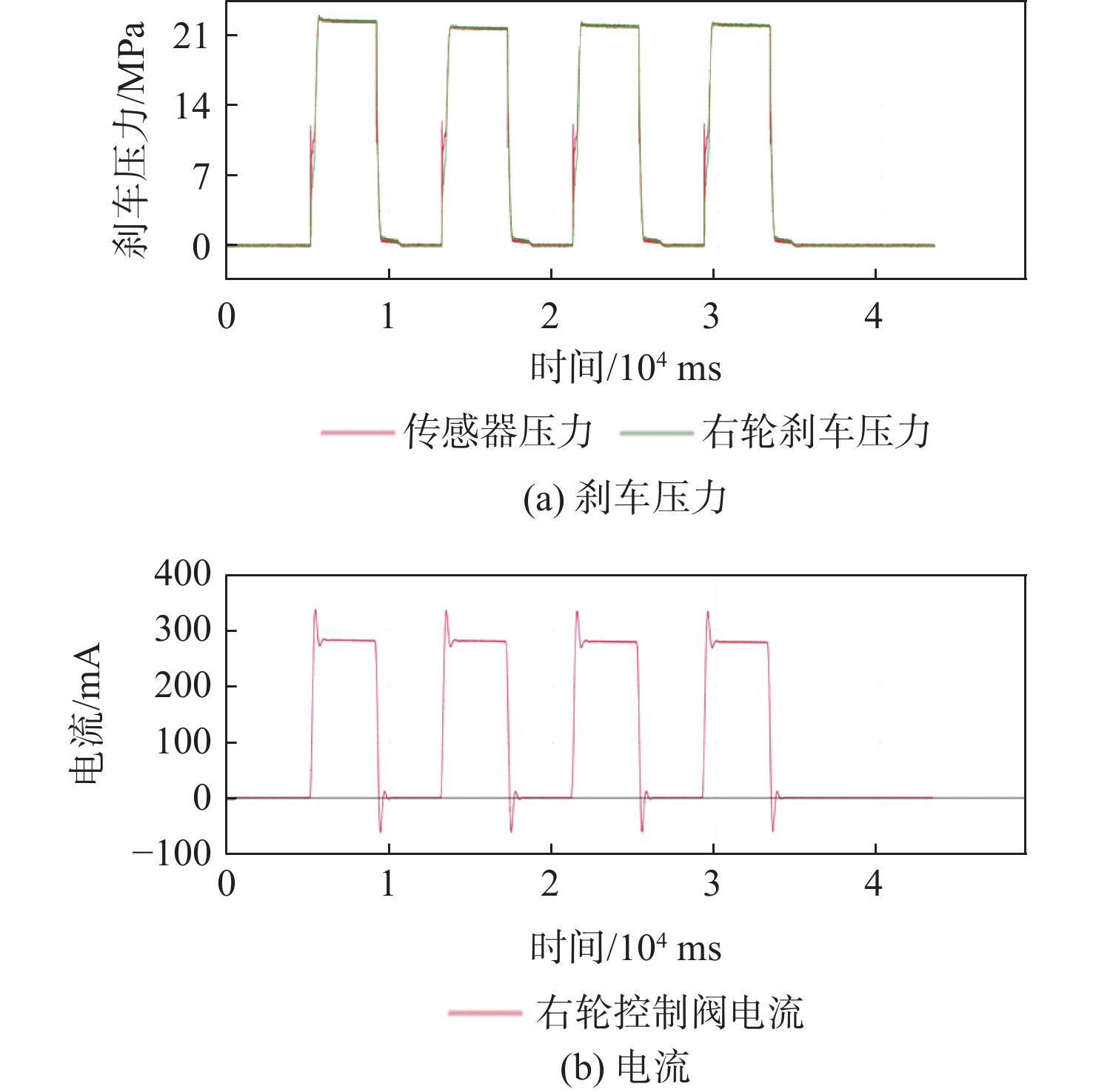
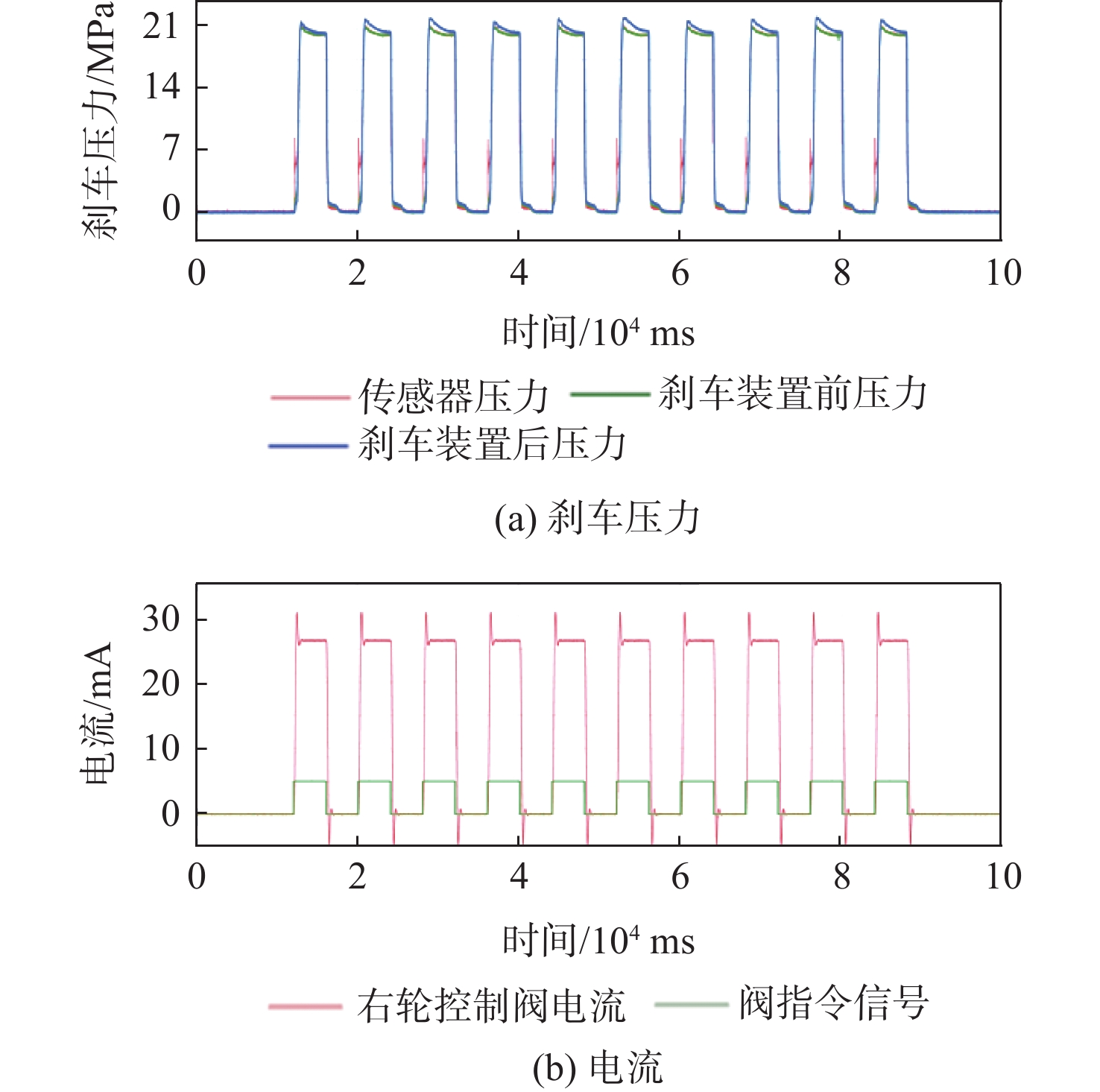
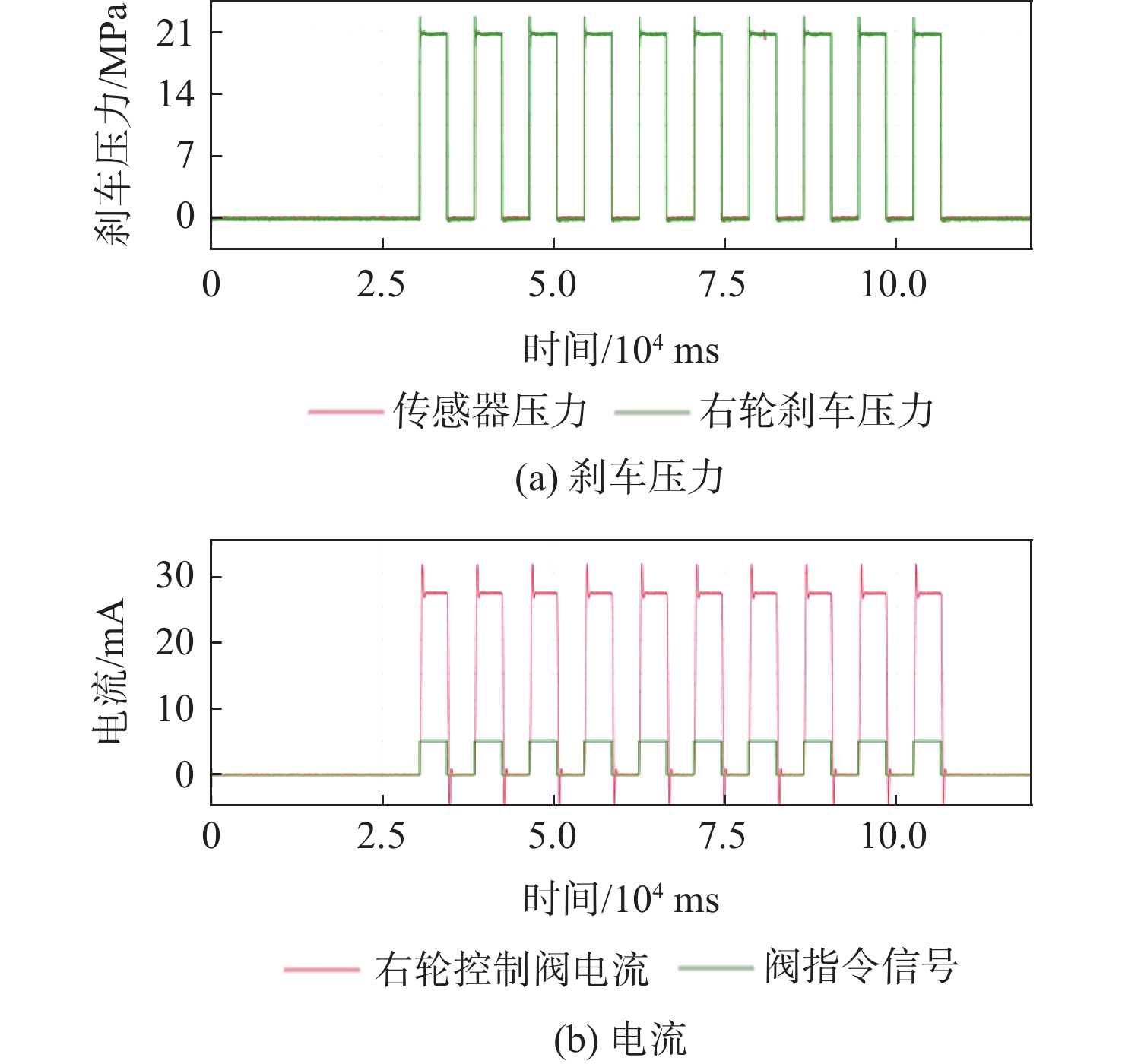
A thorough theoretical and experimental investigation of the dynamic properties of the aircraft hydraulic braking system was carried out in order to improve the braking performance and dependability of civil aircraft under challenging runway circumstances. A detailed nonlinear mathematical model of the hydraulic braking system was established, incorporating key components such as the brake control valve and hydraulic pipelines. Based on this model, a parameter sensitivity analysis method was introduced to address the system’s multi-parameter problem. The analysis quantitatively determined that the most important factors affecting the dynamic response characteristics of the system were the actuator piston’s effective area, the actuator return spring’s stiffness, and the flow-pressure coefficient of the valve. Finally, a hardware-in-the-loop experimental platform for the aircraft braking system was constructed to carry out experimental validation of the dynamic response. The results clarified the key factors affecting the braking system’s dynamic response, confirmed the correctness of the theoretical analysis, and provided a clear direction for the design and optimization of hydraulic braking systems for civil aircraft.

A PINN-based method for solving oil film thickness in hydraulic pumps
MA Zhonghai, YU Fulin, YIN Fanglong, ZHAN Zhaobin, SHI Junqiang
2026, 52(8): 2720-2728. doi: 10.13700/j.bh.1001-5965.2026.0011
Abstract:

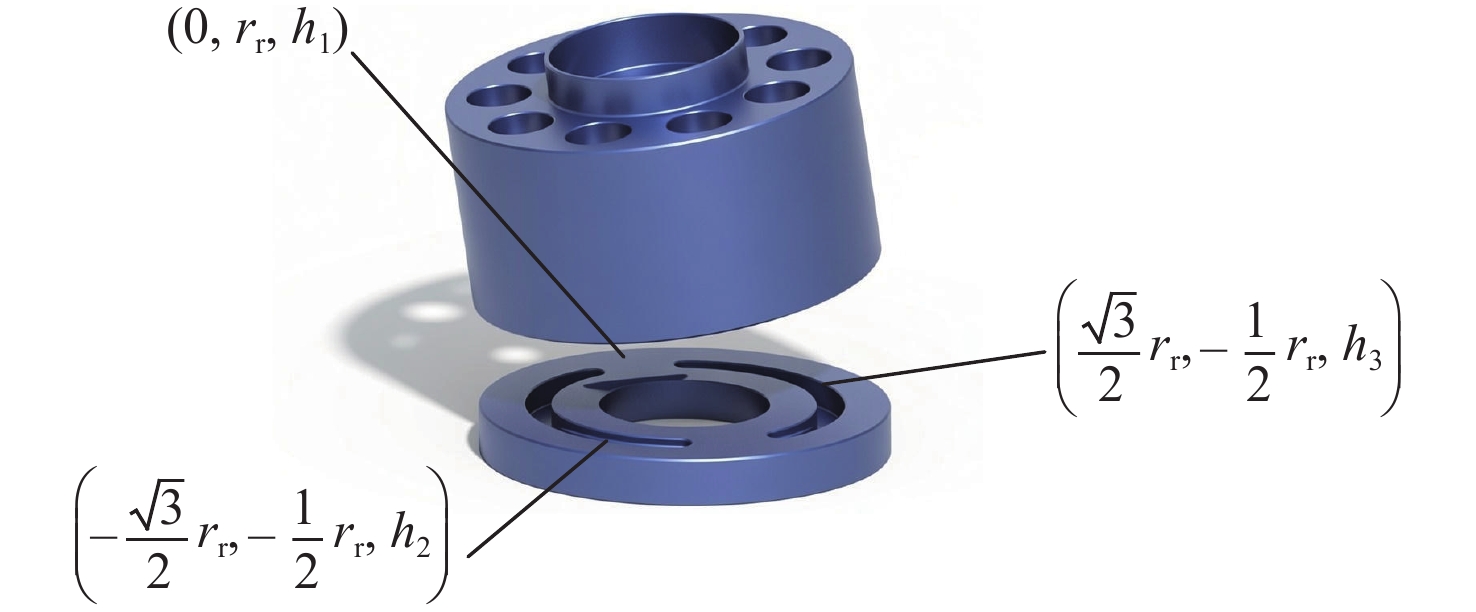
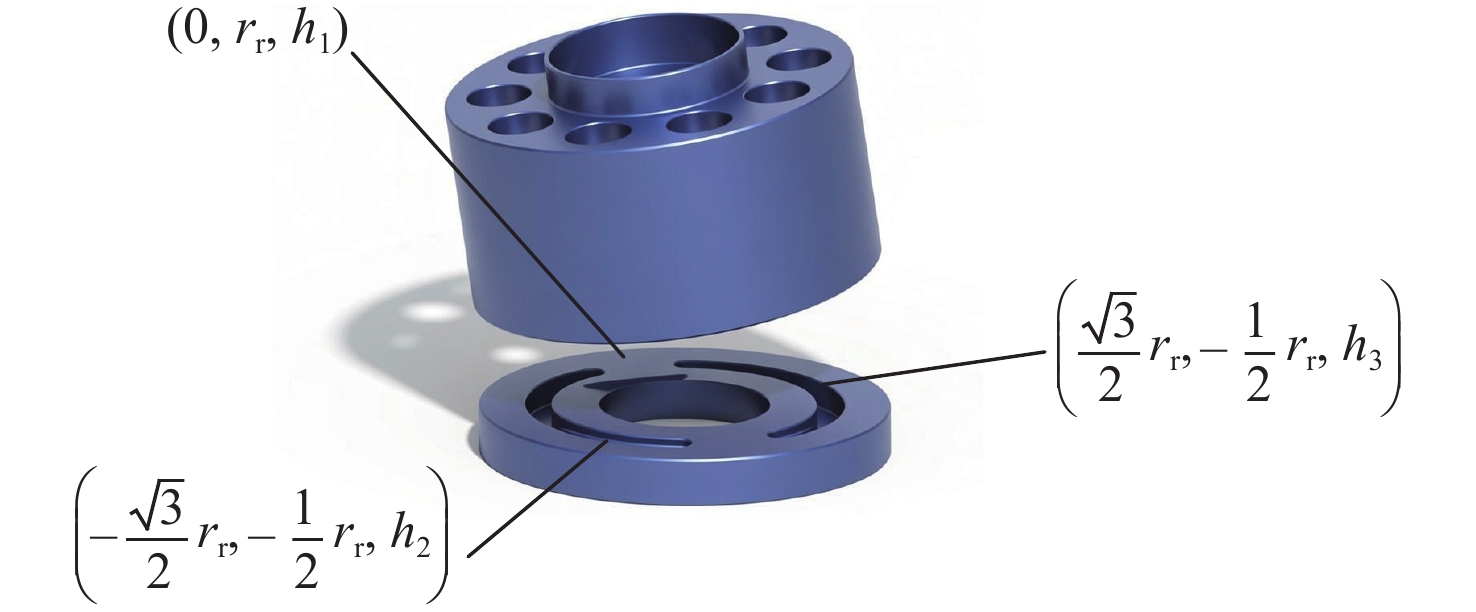
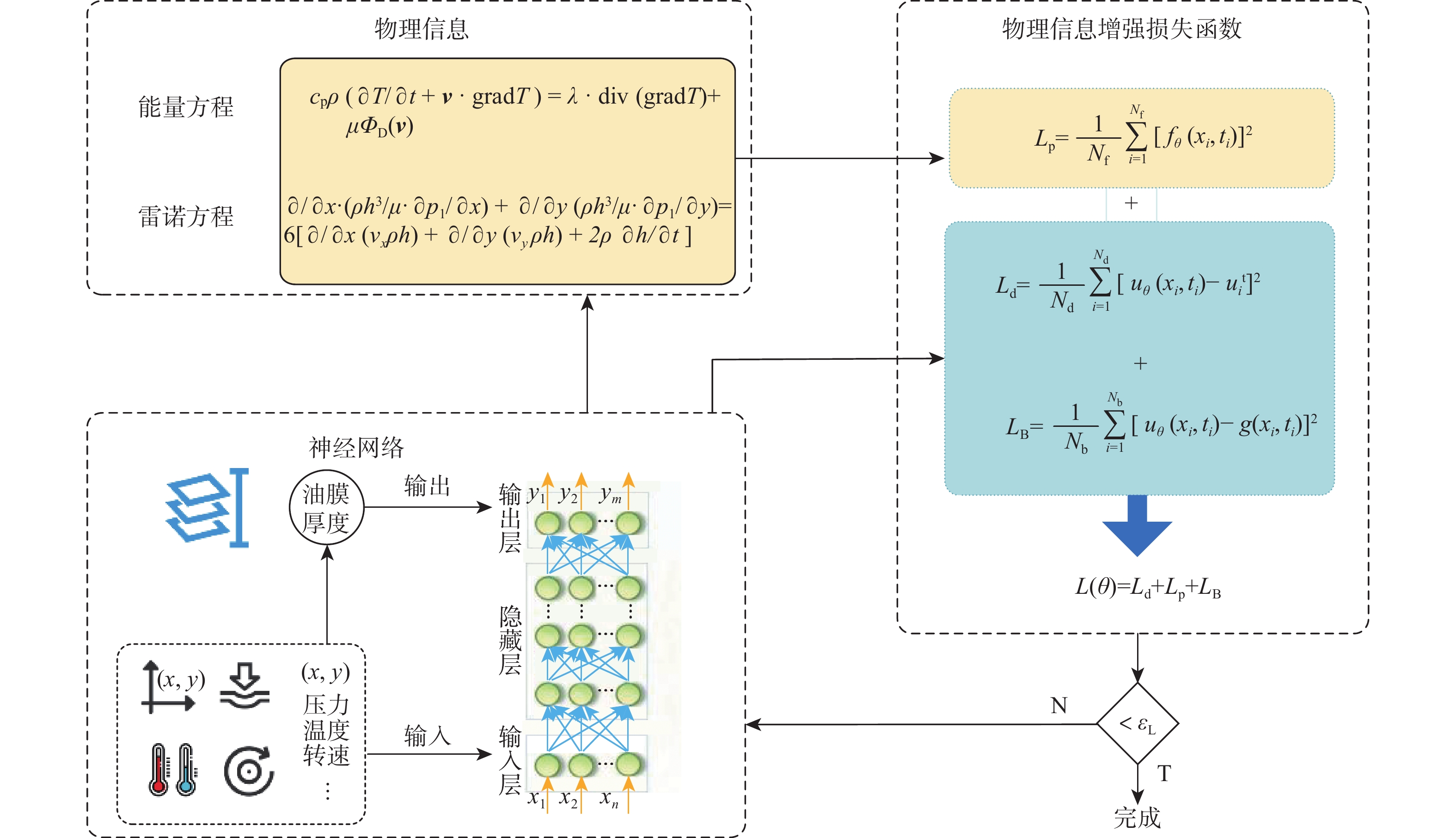
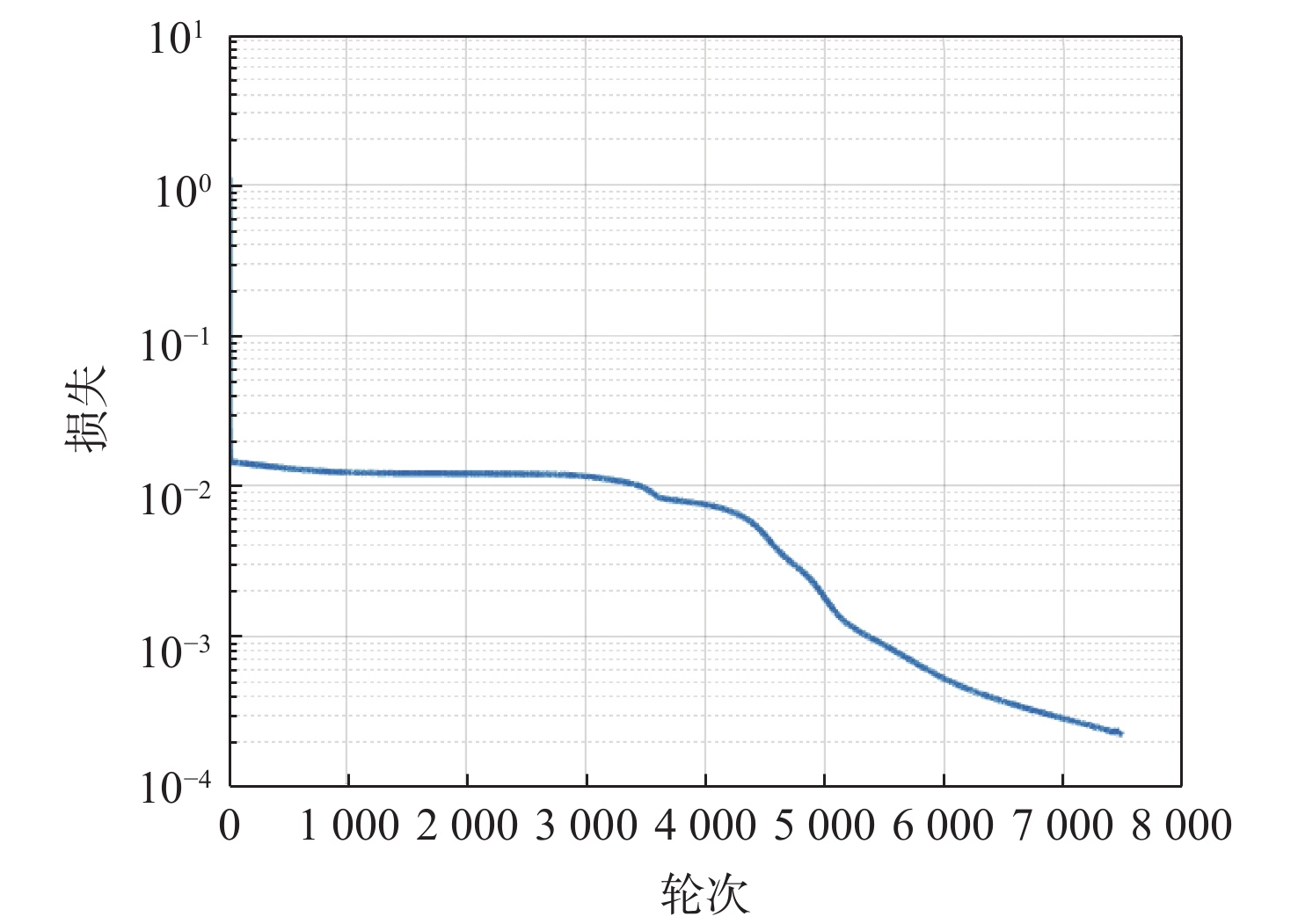
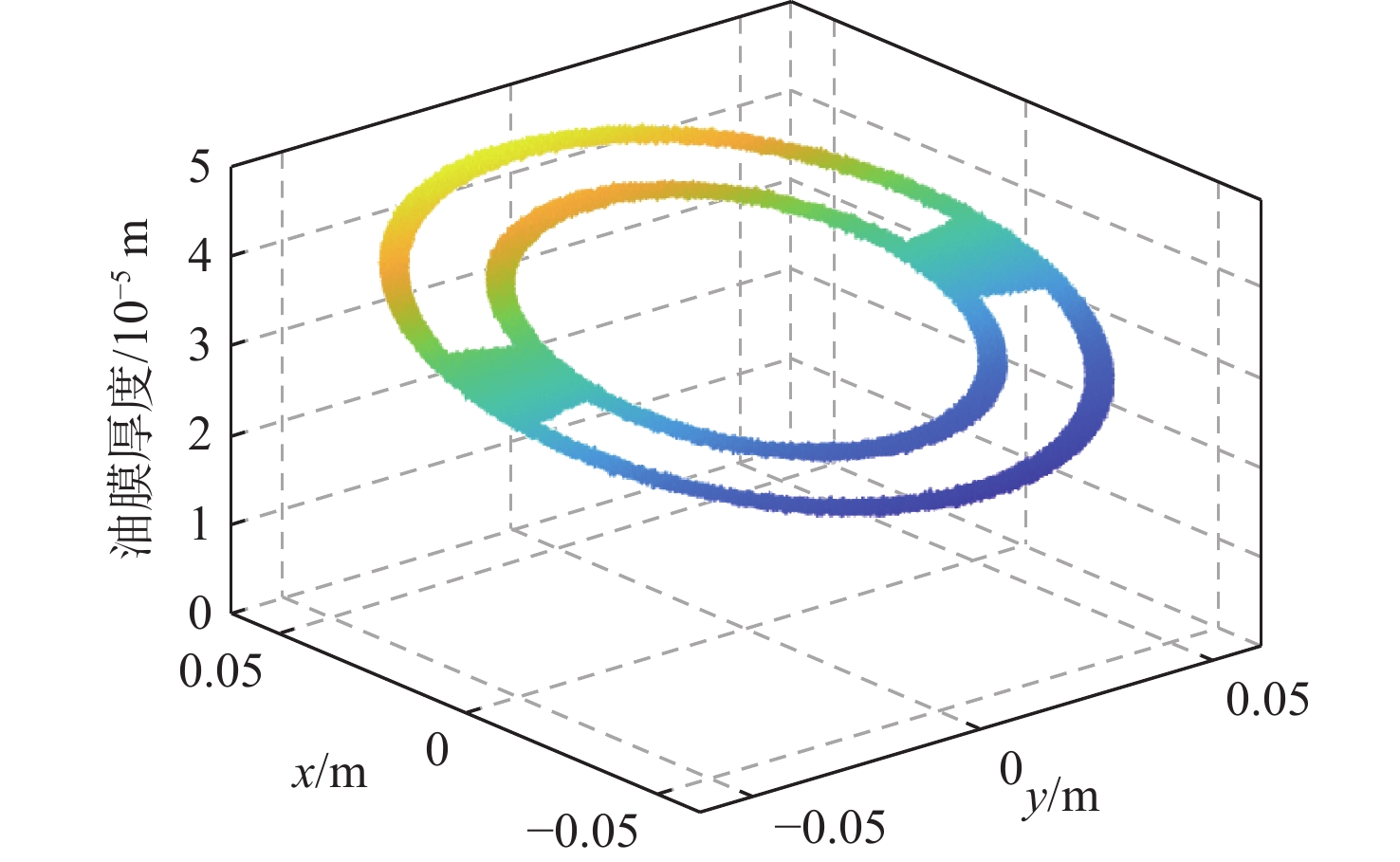
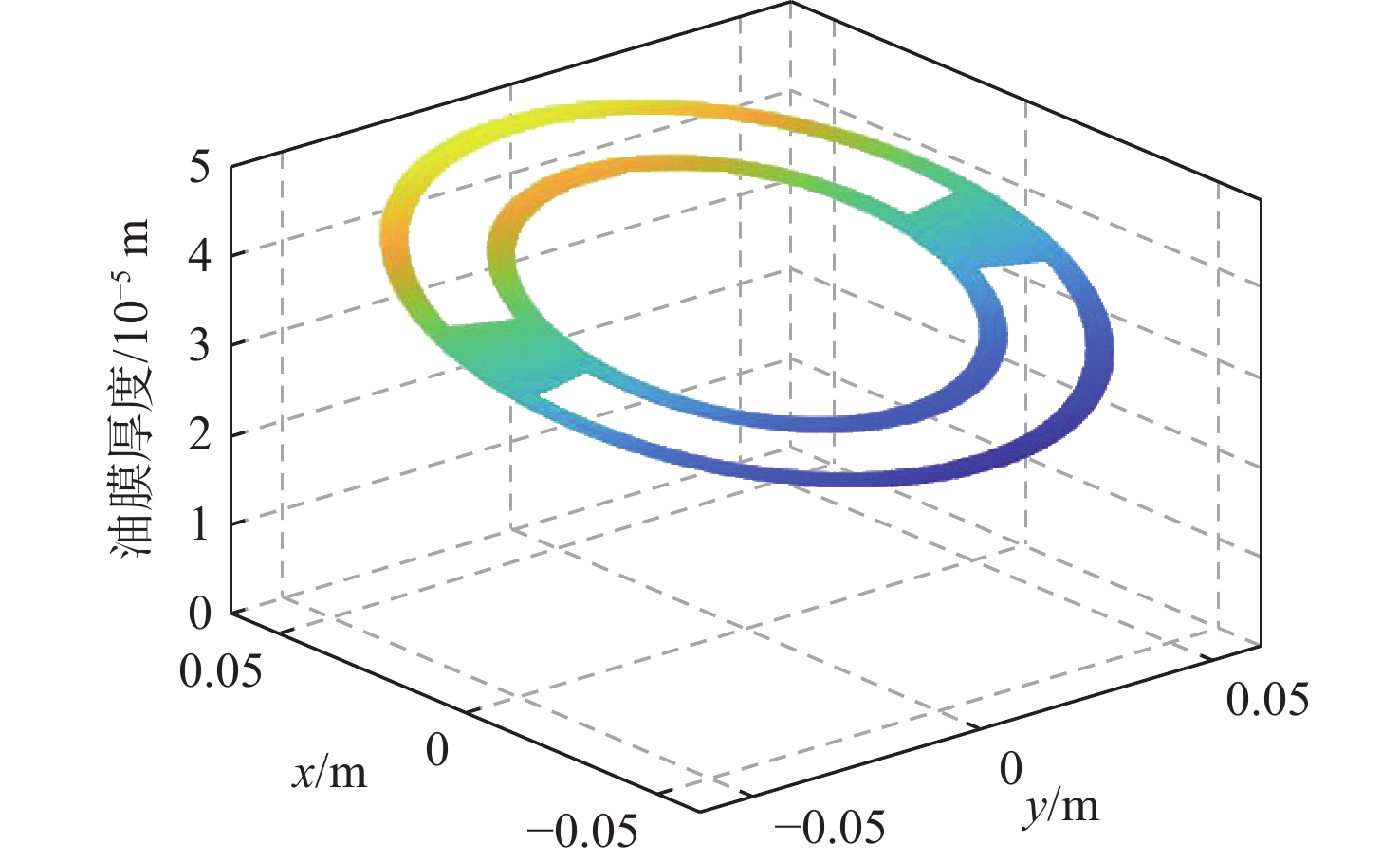
The oil film thickness in hydraulic pumps significantly impacts their lubrication performance and operational reliability. Traditional numerical methods often face challenges such as low computational efficiency and strong dependence on boundary conditions when handling complex lubrication models. In order to study the oil film thickness and lubrication of the cylinder block/valve plate pair in axial piston pumps, this research suggests a physics-informed neural network (PINN)-based approach for modeling and solving hydraulic pump flow fields. This approach embeds the Reynolds equation, energy equation, and mixed lubrication conditions into the neural network's loss function, achieving a fusion of physical principles and data-driven solutions. Results demonstrate that under typical operating conditions, the PINN method effectively solves oil film thickness distributions without requiring extensive training data. With an average relative error of less than 10%, it shows high agreement with numerical approach findings while greatly increasing computing efficiency.

EM-based adaptive tracking method for heterogeneous UAV swarm with multi-skewed measurements
MA Tianli, LI Hong, SHI Peiling, CHEN Chaobo, WANG kexin
2026, 52(8): 2729-2737. doi: 10.13700/j.bh.1001-5965.2025.0645
Abstract:

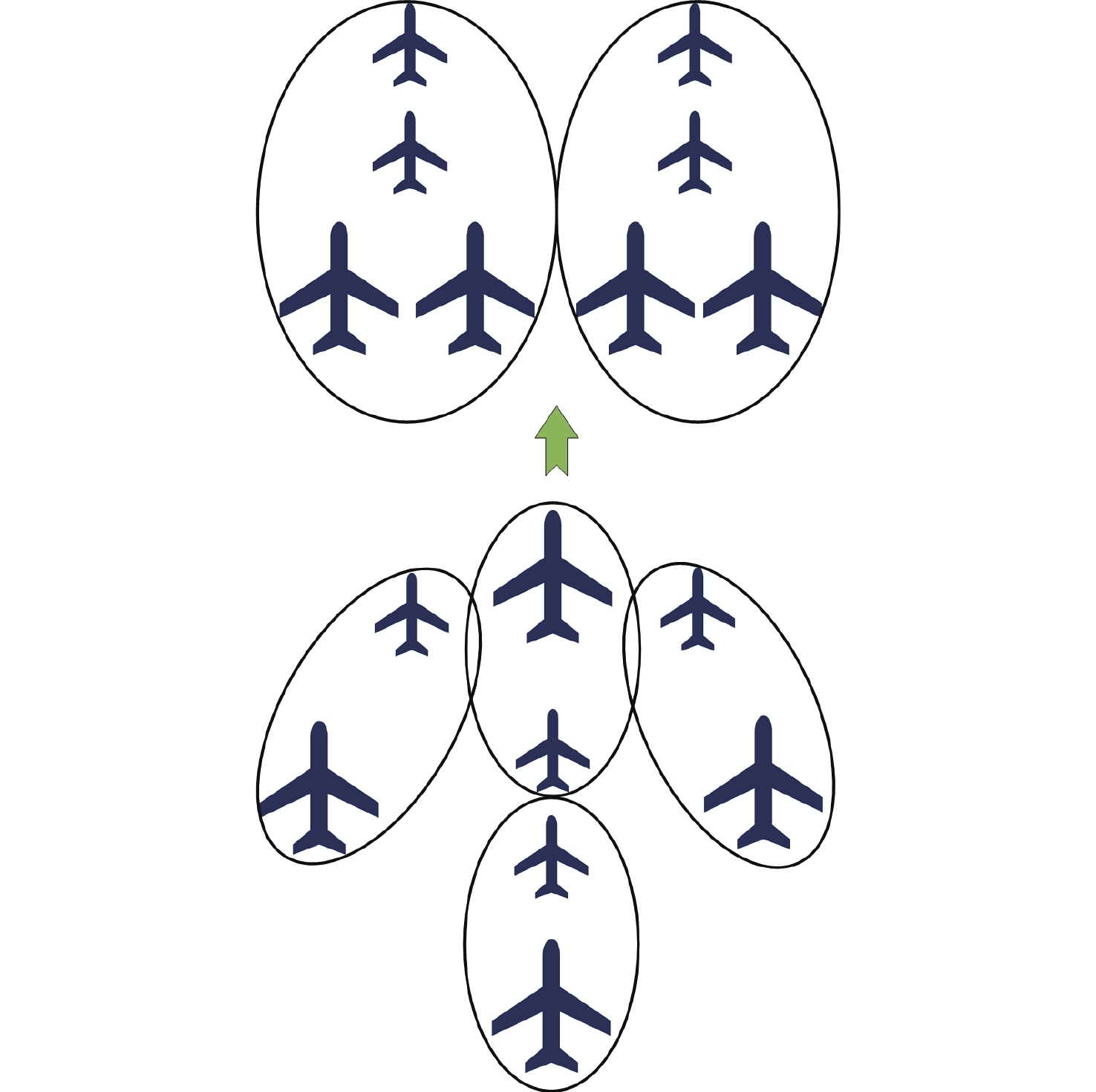
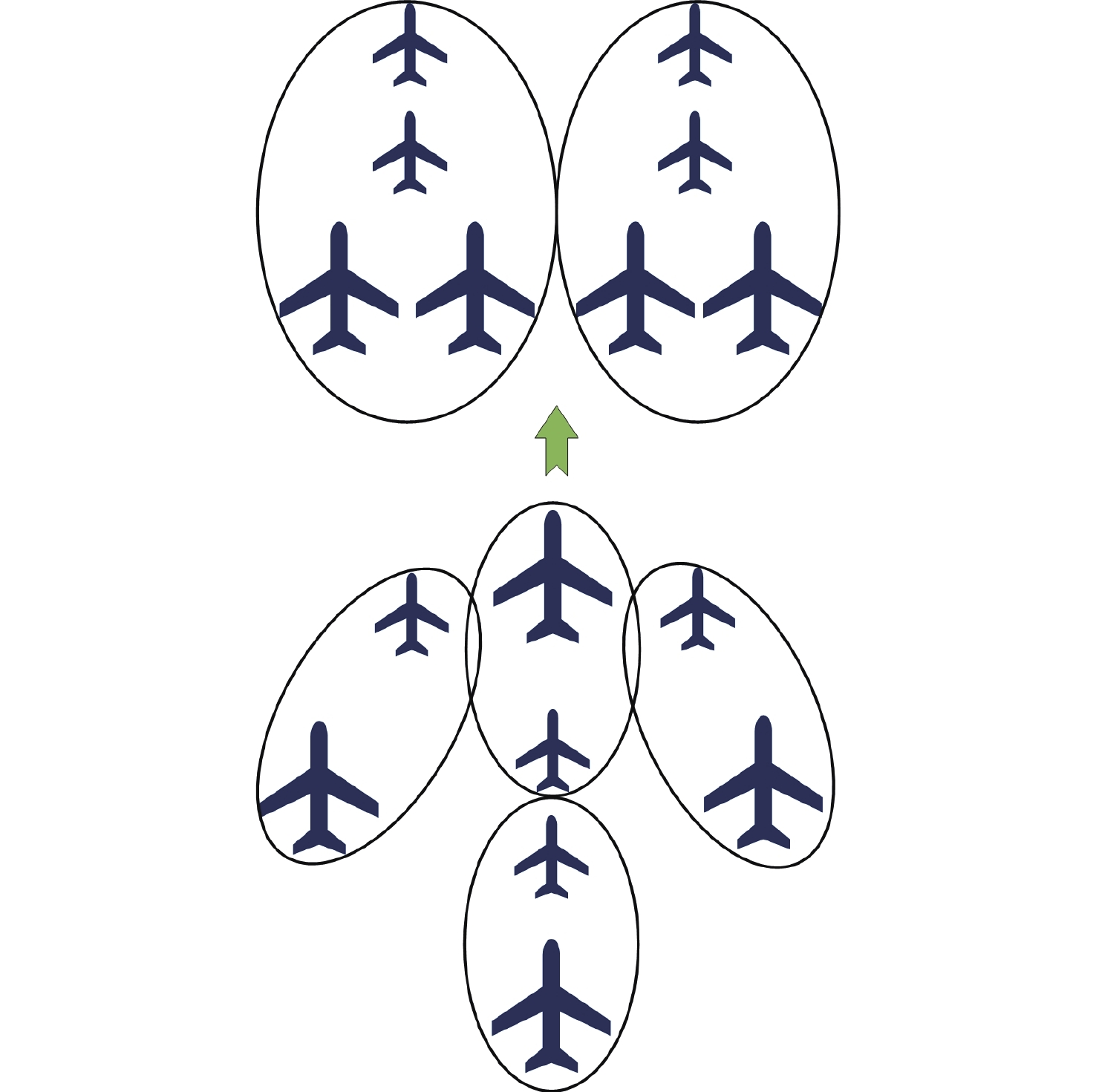
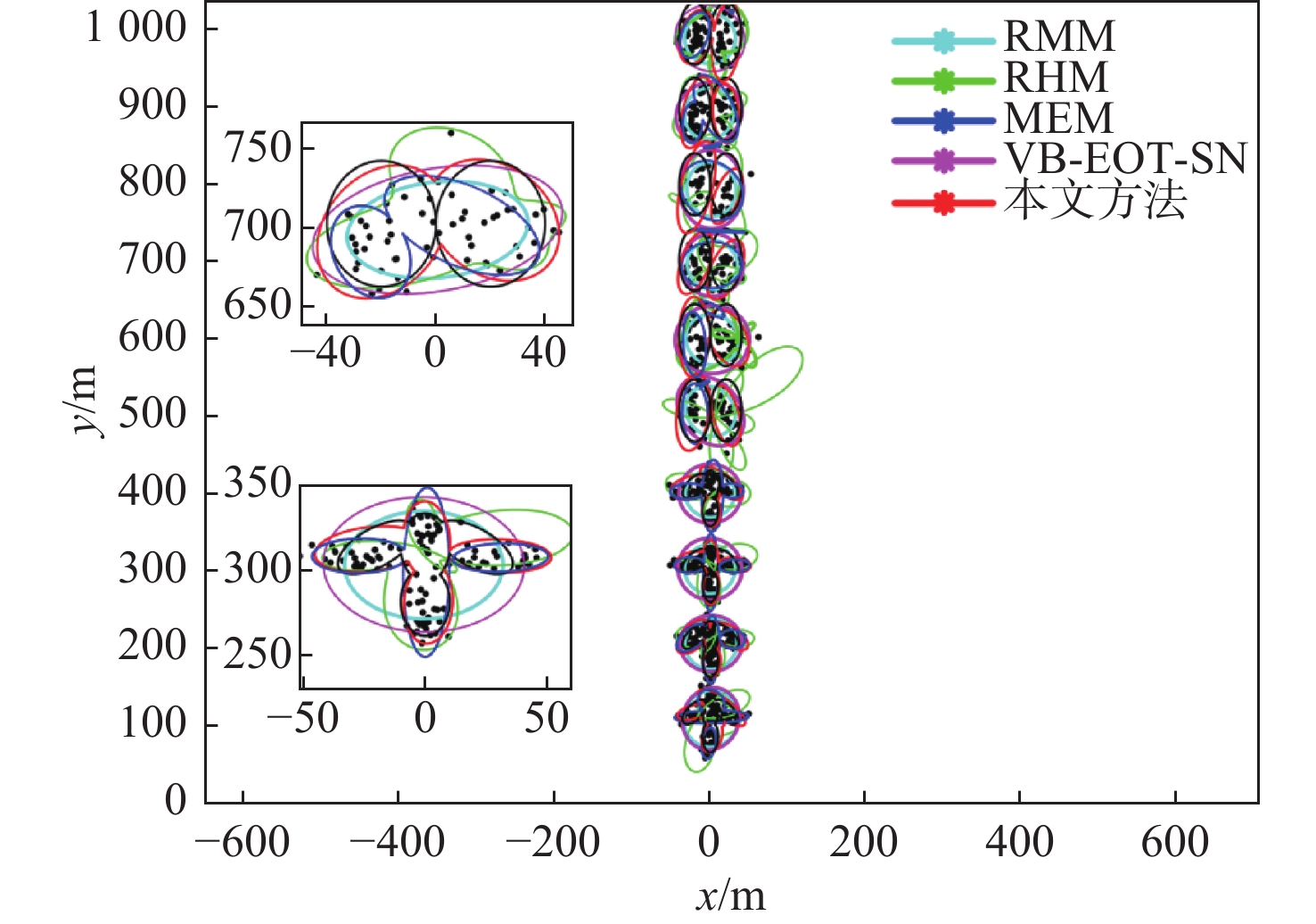
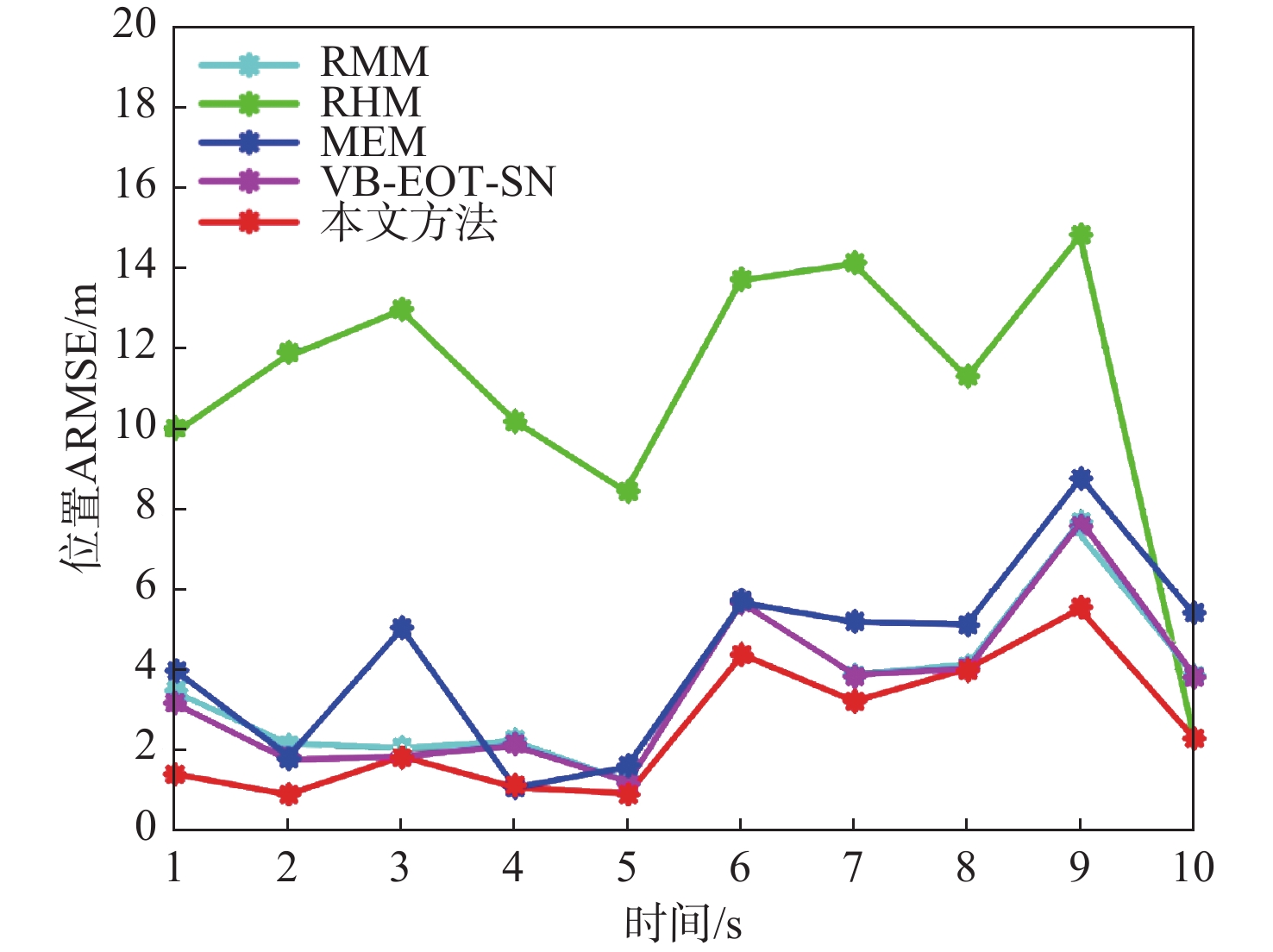
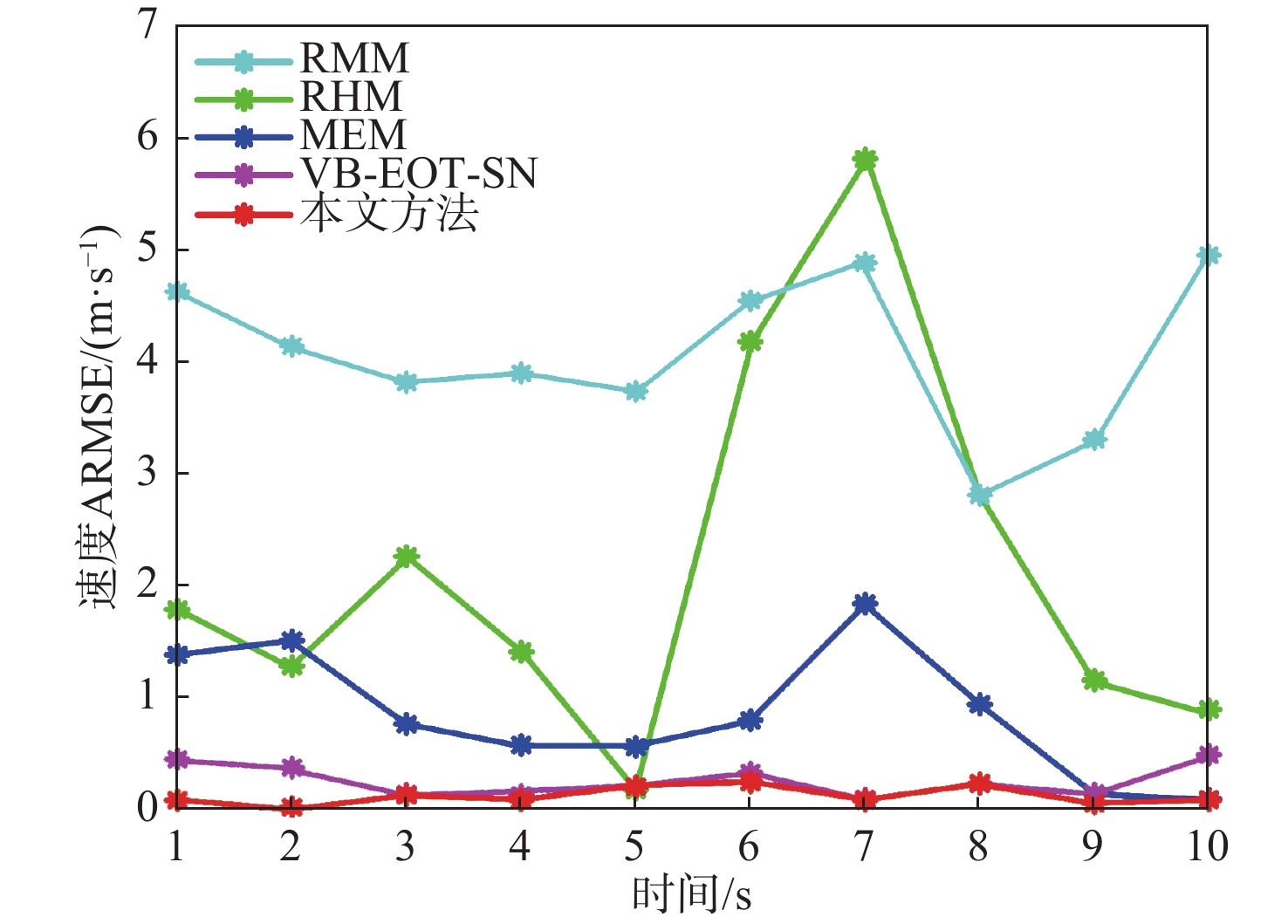
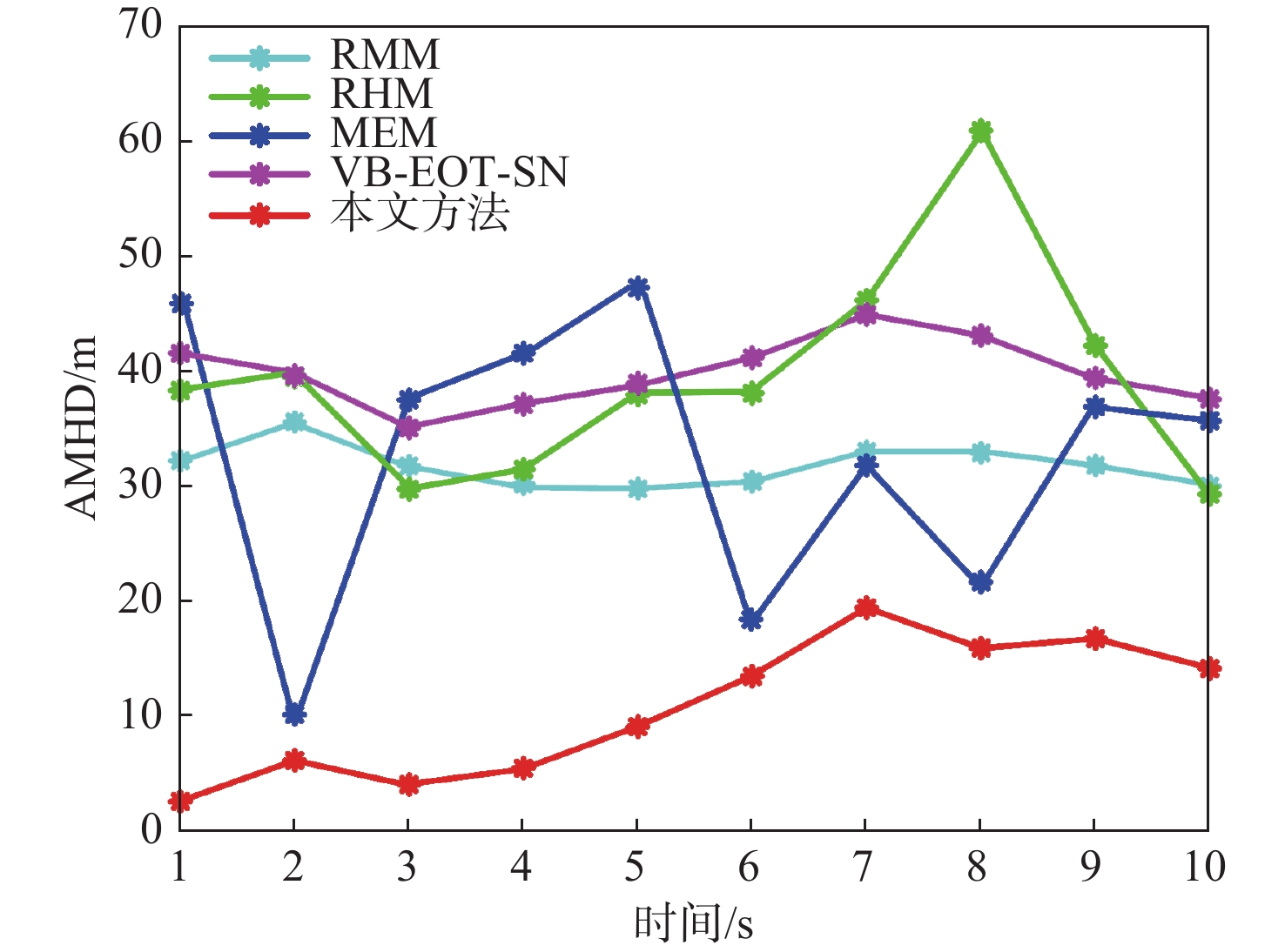
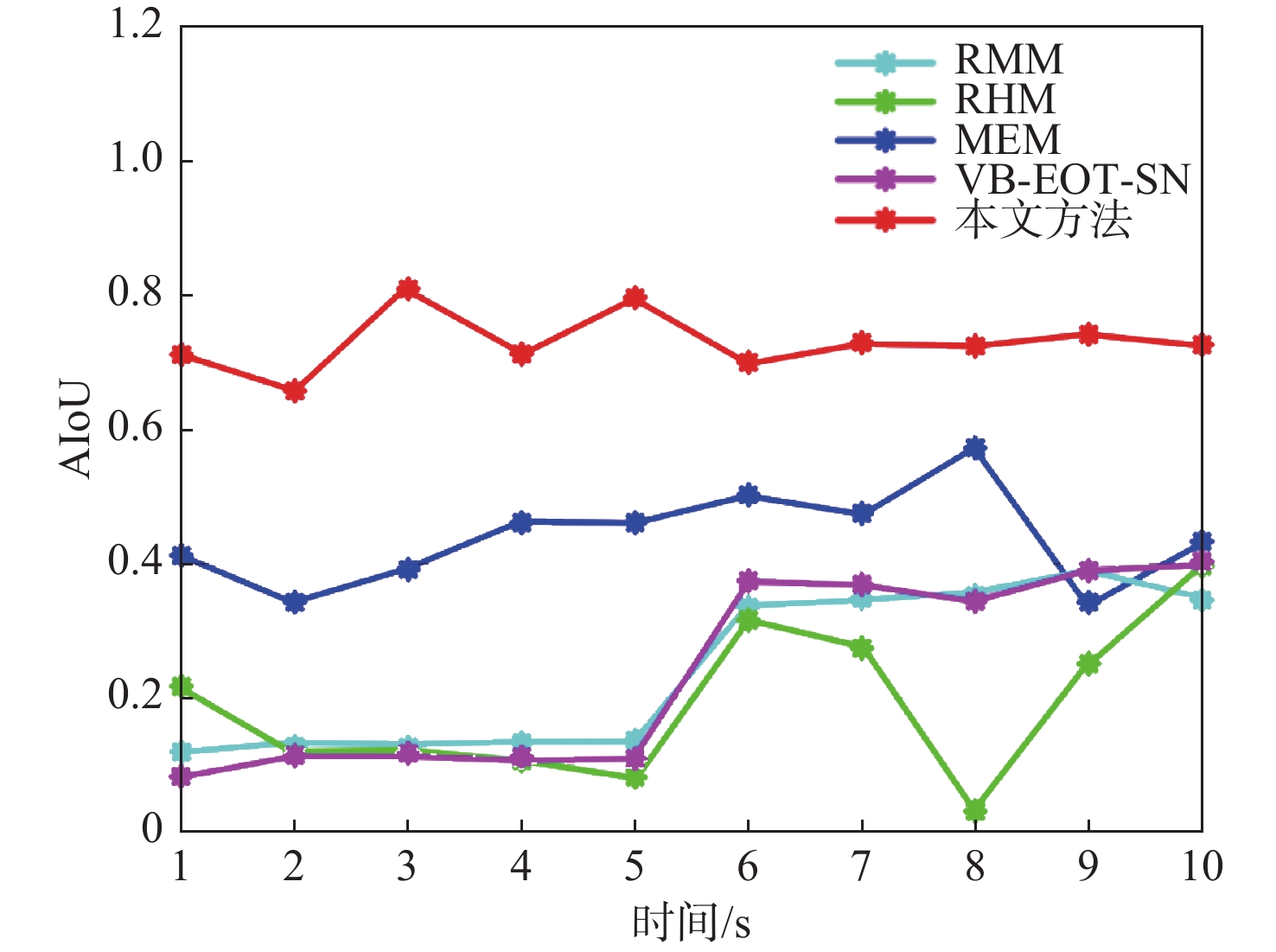
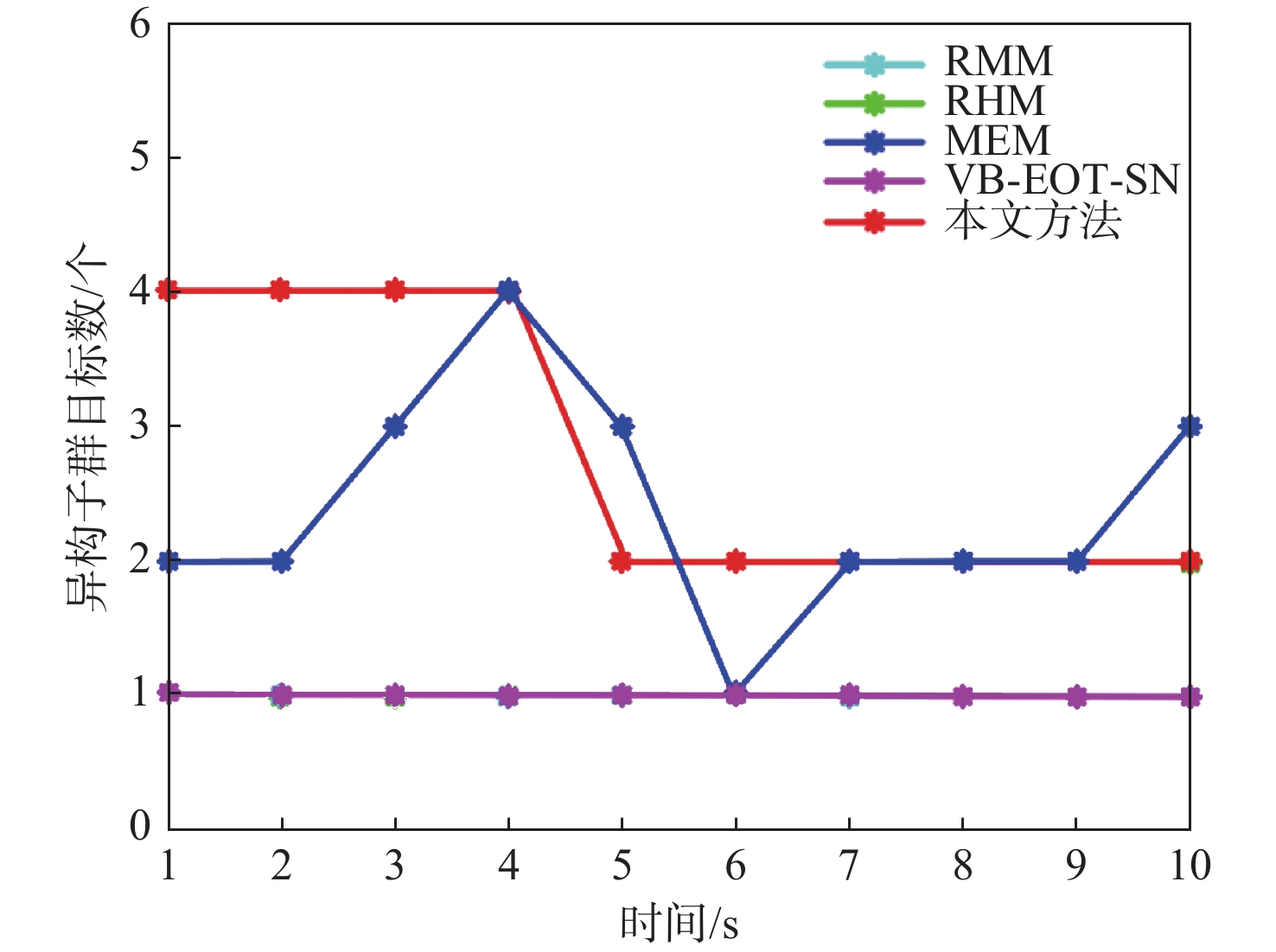
Because of their complementing roles and cooperative skills, heterogeneous unmanned aerial vehicle (UAV) swarms have become a serious threat to air defense systems. The heterogeneous UVA swarms often exhibit a non-convex shape and multi-skewed measurements, which is attributable to variations in the size and spatial distribution of its internal sub-targets. Most existing group target tracking relies upon the hypothesis of convex target shapes and uniform measurement distributions. However, these assumptions could no longer be valid in the real scenario, which may deteriorate the tracking performance. To address the problem of tracking a UAV swarm with non-convex contours and non-uniformly distributed measurements, an expectation maximization (EM)-based adaptive tracking for a heterogeneous UAV swarm with multi-skewed measurements is proposed. Firstly, a multi-skewed measurements noise model is established, and the number of the heterogeneous subgroup targets and the measurements noise parameters are calculated by using an online EM approach. Following the formulation of a joint probability density function for each heterogeneous subgroup target’s kinematic state, shape, and skewed noise parameters, online state and shape estimation is accomplished via a variational inference approach. Finally, the shapes of multiple subgroup targets are fused to acquire the extended shape of the heterogeneous UAV swarm. Simulation results demonstrate that the proposed algorithm significantly outperforms existing approaches, including random matrix model (RMM)-based, random hypersurface model (RHM)-based, multi-ellipsoidal model (MEM)-based, and skew-normal variational Bayes algorithms, in both kinematic state and shape estimation accuracy.

RUL prediction of oil filter based on random process-failure mechanism model integration
WANG Weijie, GUO Dinghui, GENG Yixuan
2026, 52(8): 2738-2747. doi: 10.13700/j.bh.1001-5965.2025.0706
Abstract:

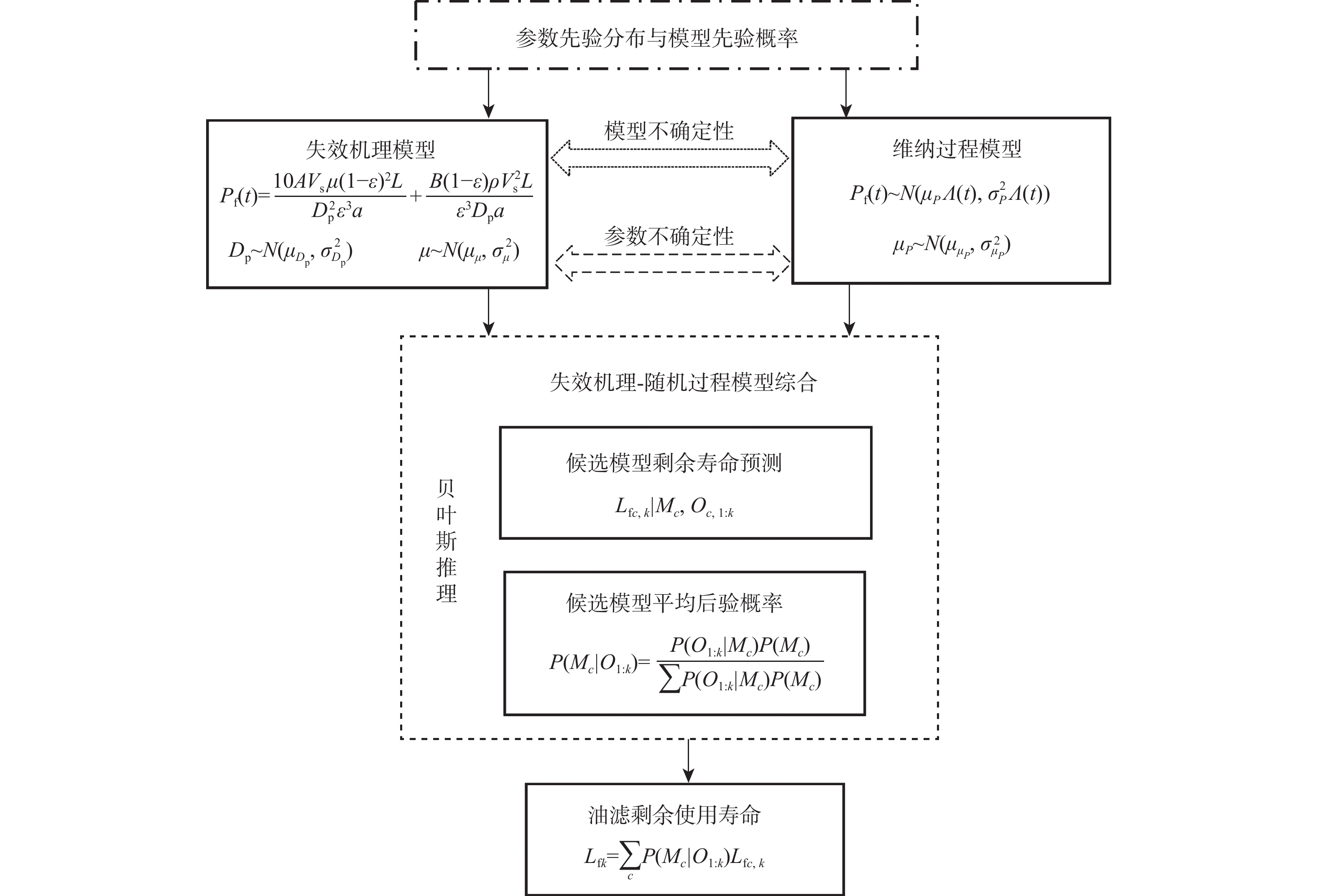
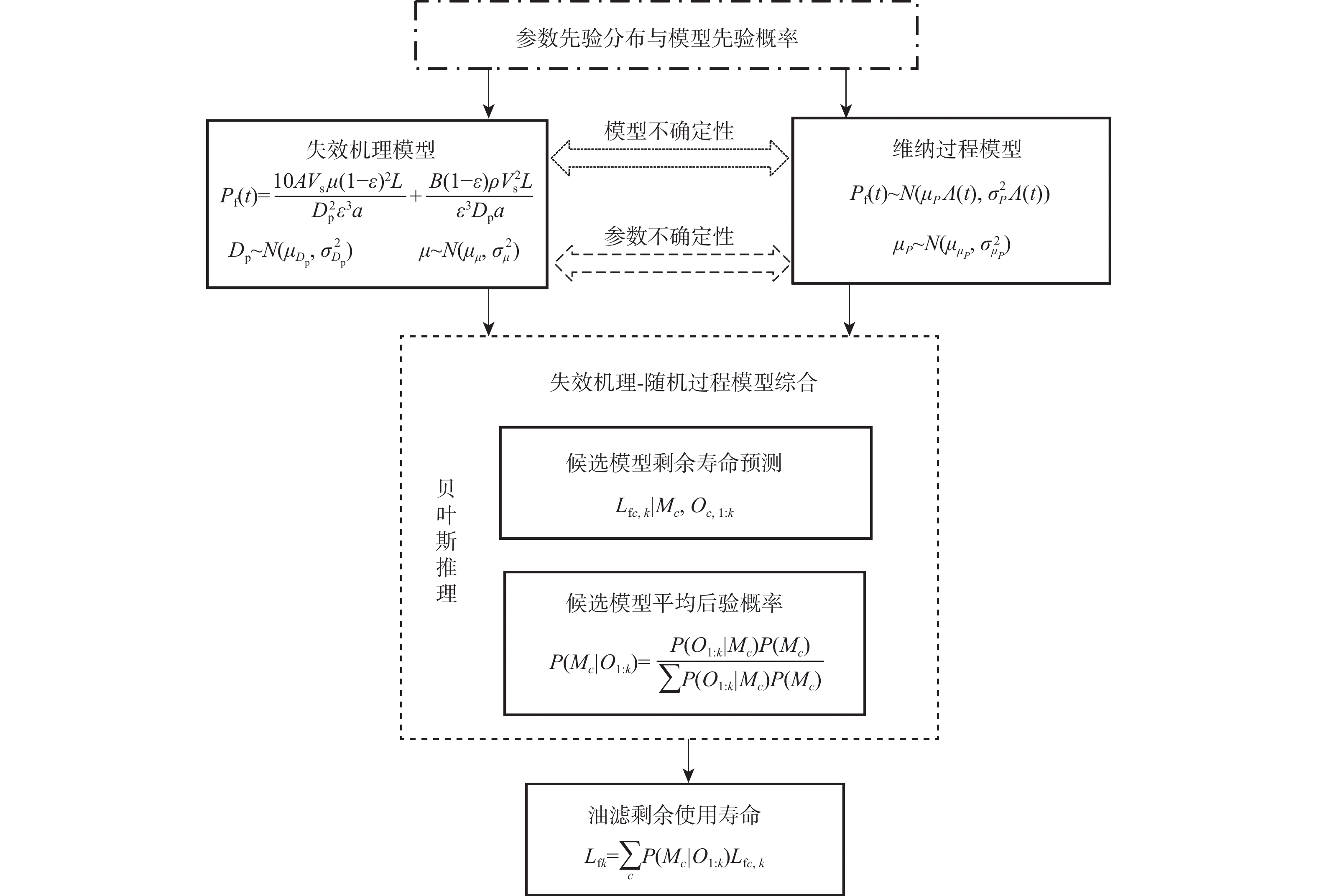
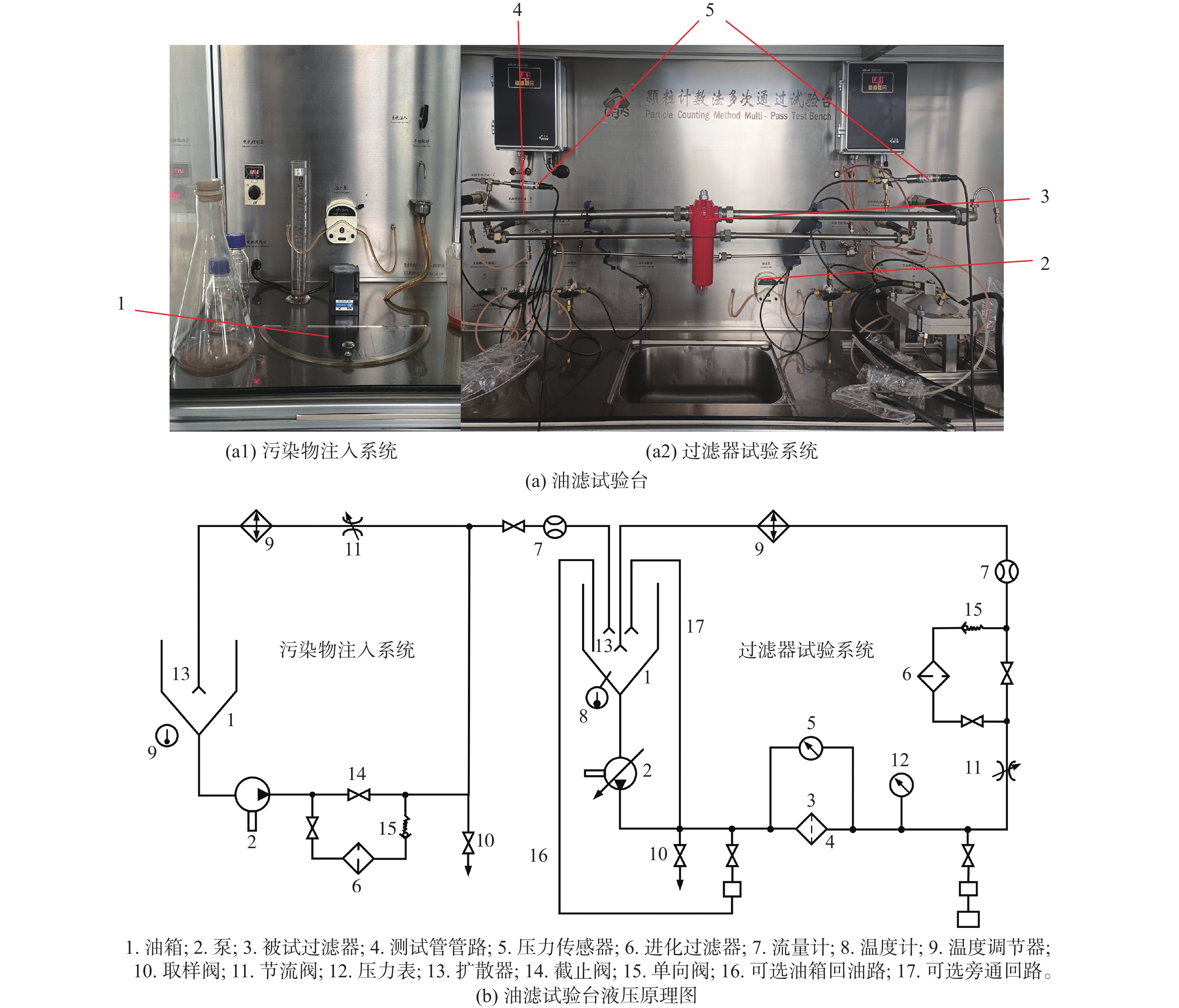
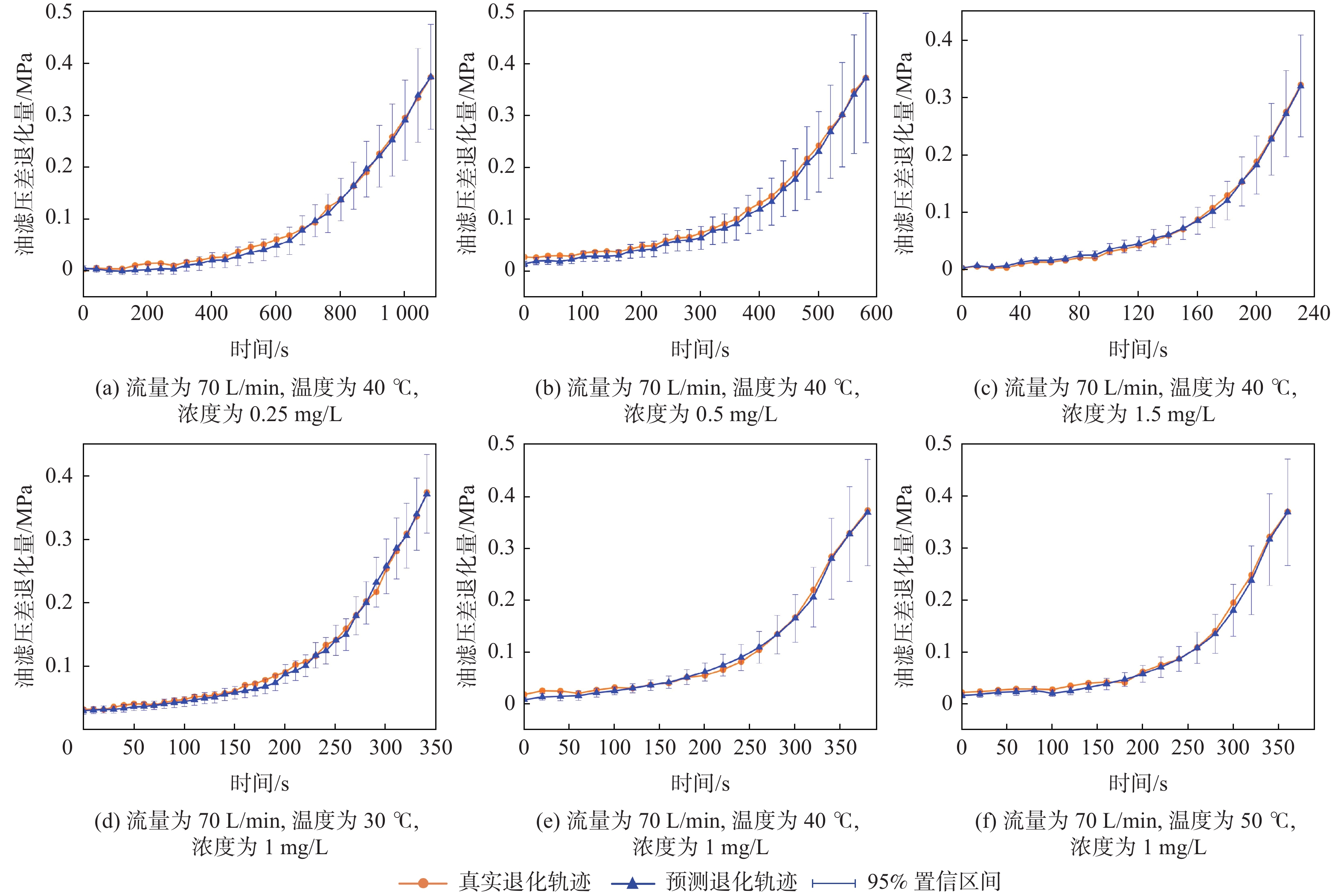
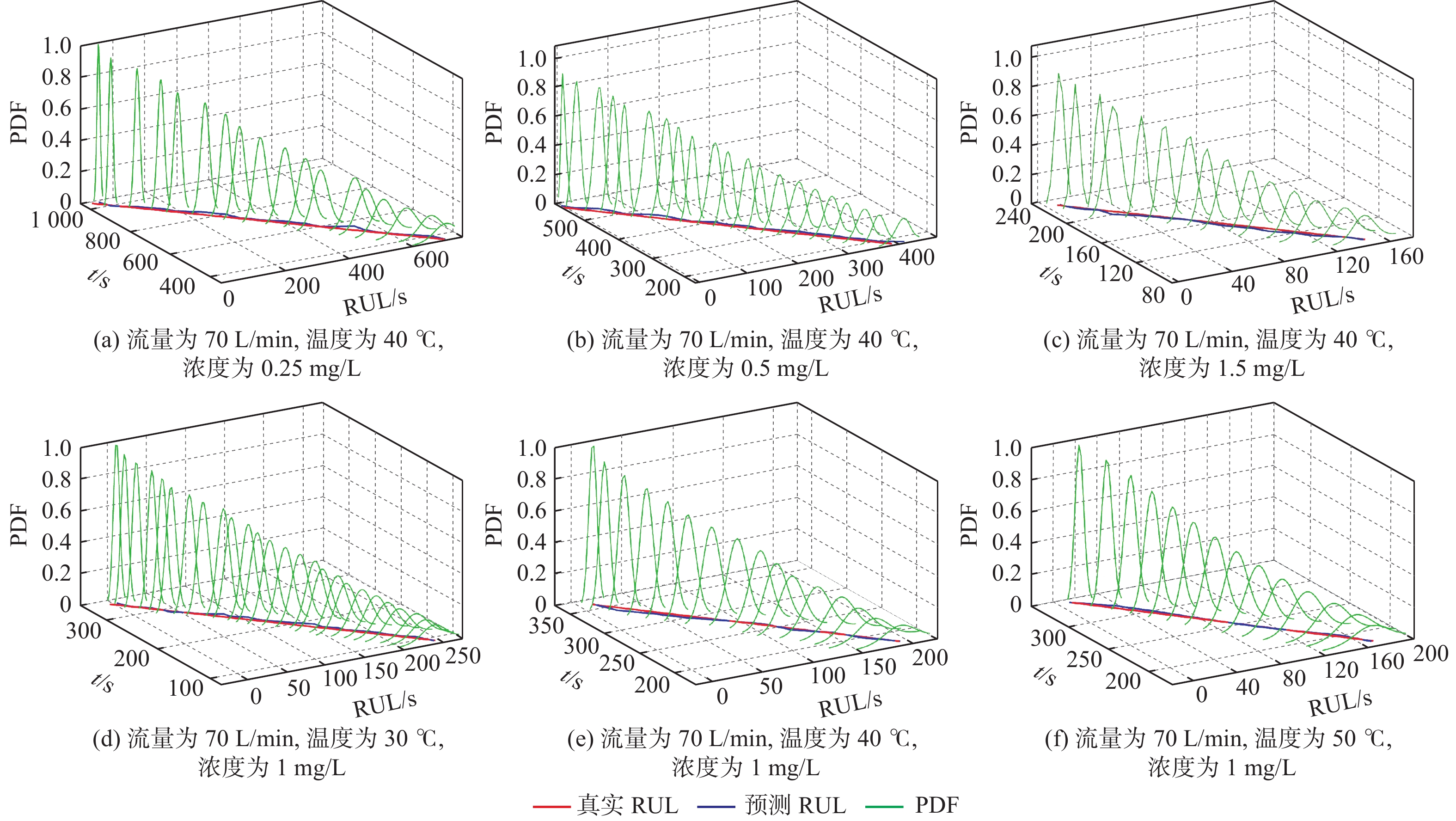
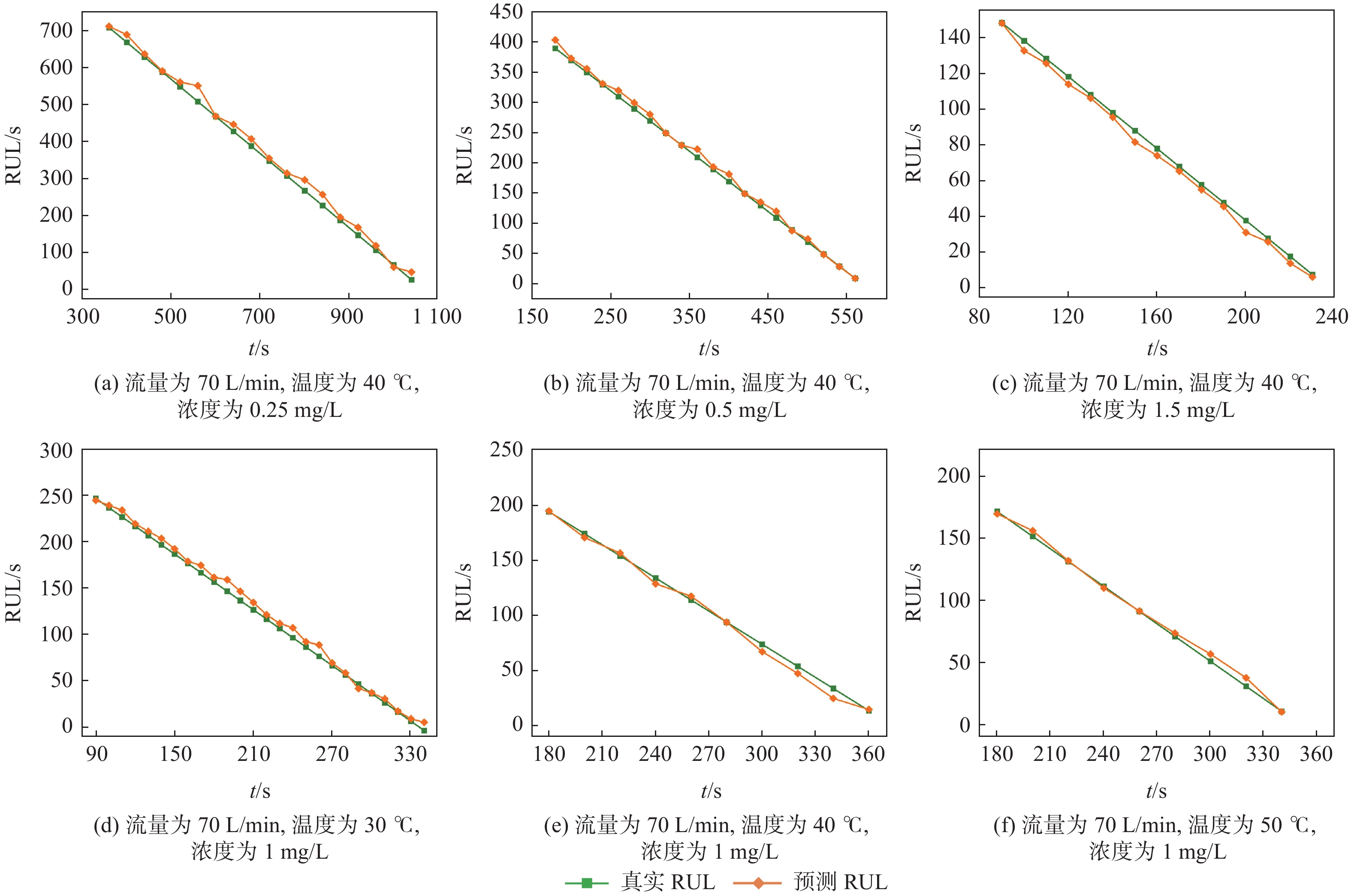
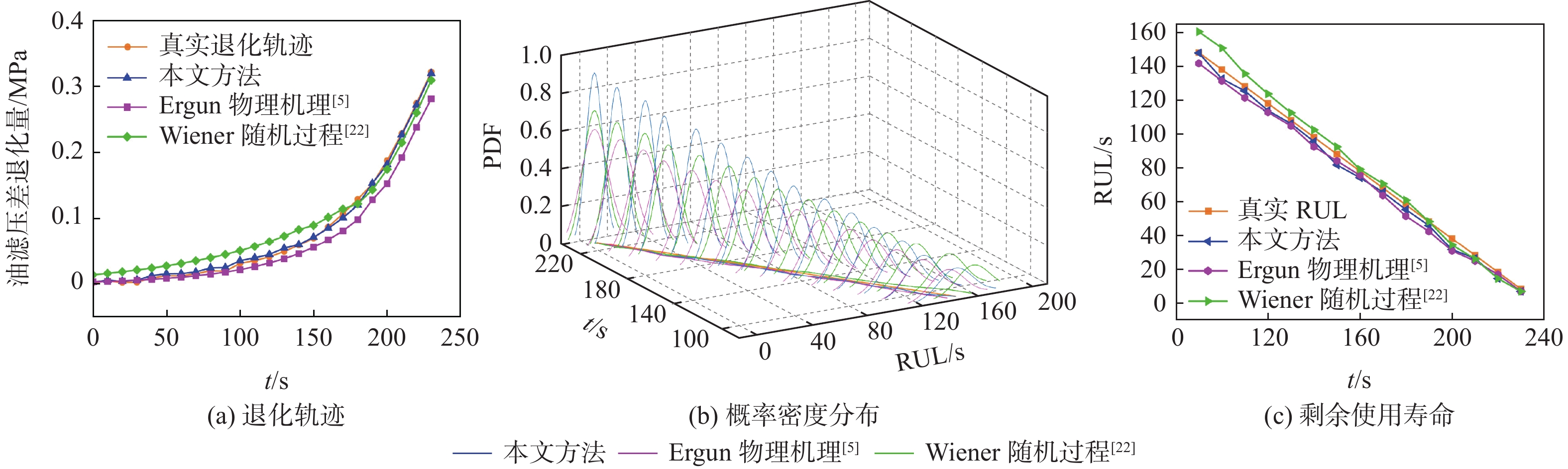
Due to the considerable randomness in contaminant size and arrival, as well as unavoidable epistemic uncertainties and manufacturing/installation variations, both parametric and model uncertainties in practice pose a challenge to the oil filter's remaining useful life prediction. The oil filter is a crucial component in guaranteeing hydraulic fluid cleanliness. This paper introduces a remaining useful life prediction method that fuses a physics-based degradation model with data-driven stochastic process models. Based on Bayesian inference, the method achieves effective RUL prediction for oil filters by synthesizing real-time degradation observations with the respective advantages of different candidate models. In comparison to the Ergun and Wiener models, experimental validation shows that the root mean square error(RMSE)of real-time degradation prediction for oil filter achieves 0.003 9 MPa, resulting in drops of 79.9% and 77.5%, respectively. The results indicate that the proposed method exhibits superior prediction accuracy and strong generalization capability, highlighting its practical value for engineering applications.

Reliability analysis of an electromechanical integrated transmission system based on Copula correlation modeling
GUO Lei, SHEN Jianbiao, LI Shenlong, LI Xunming, LI Tonghui, ZHANG Nan, ZHANG Muyang, WANG Xingjian
2026, 52(8): 2748-2755. doi: 10.13700/j.bh.1001-5965.2026.0098
Abstract:

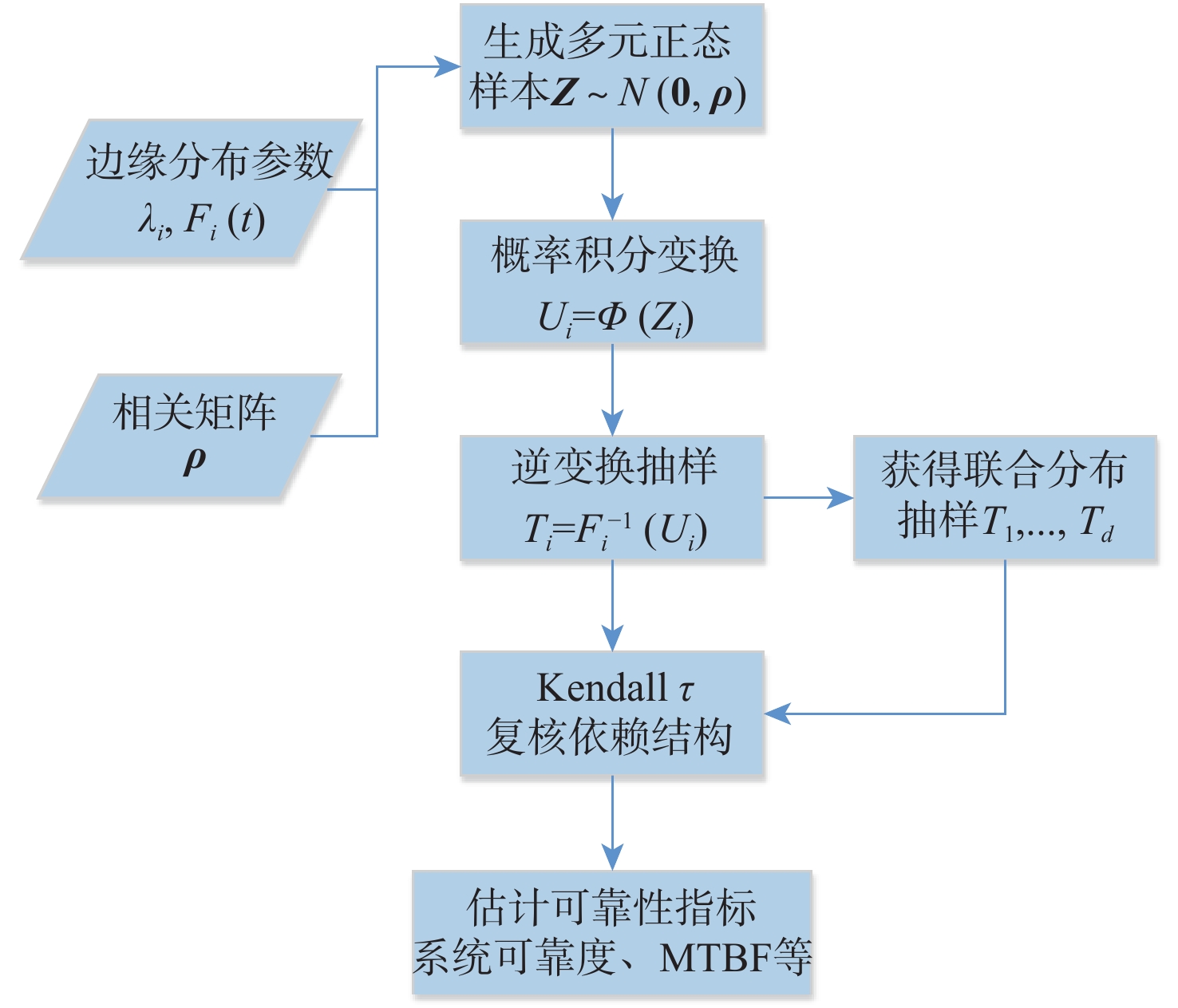
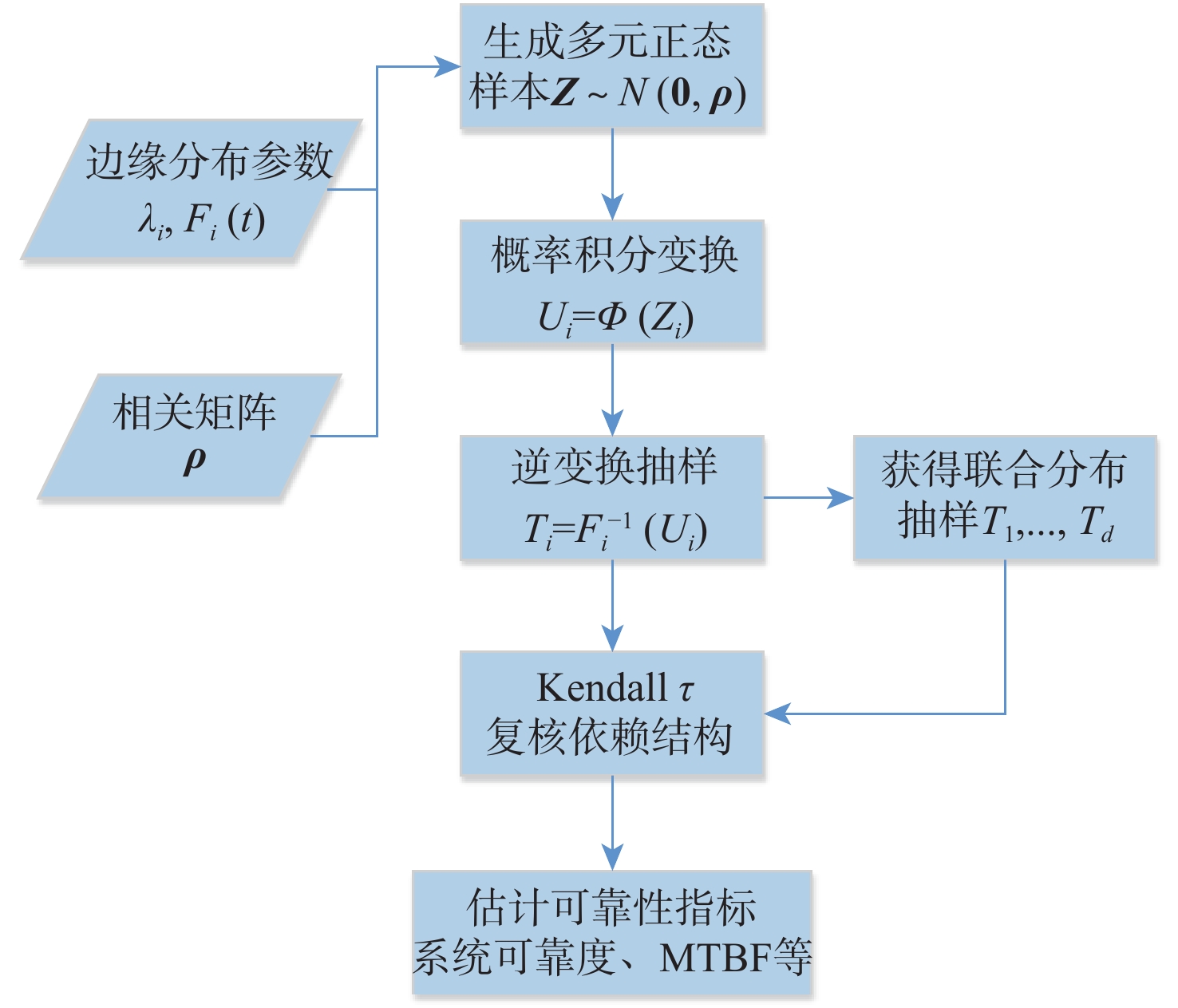
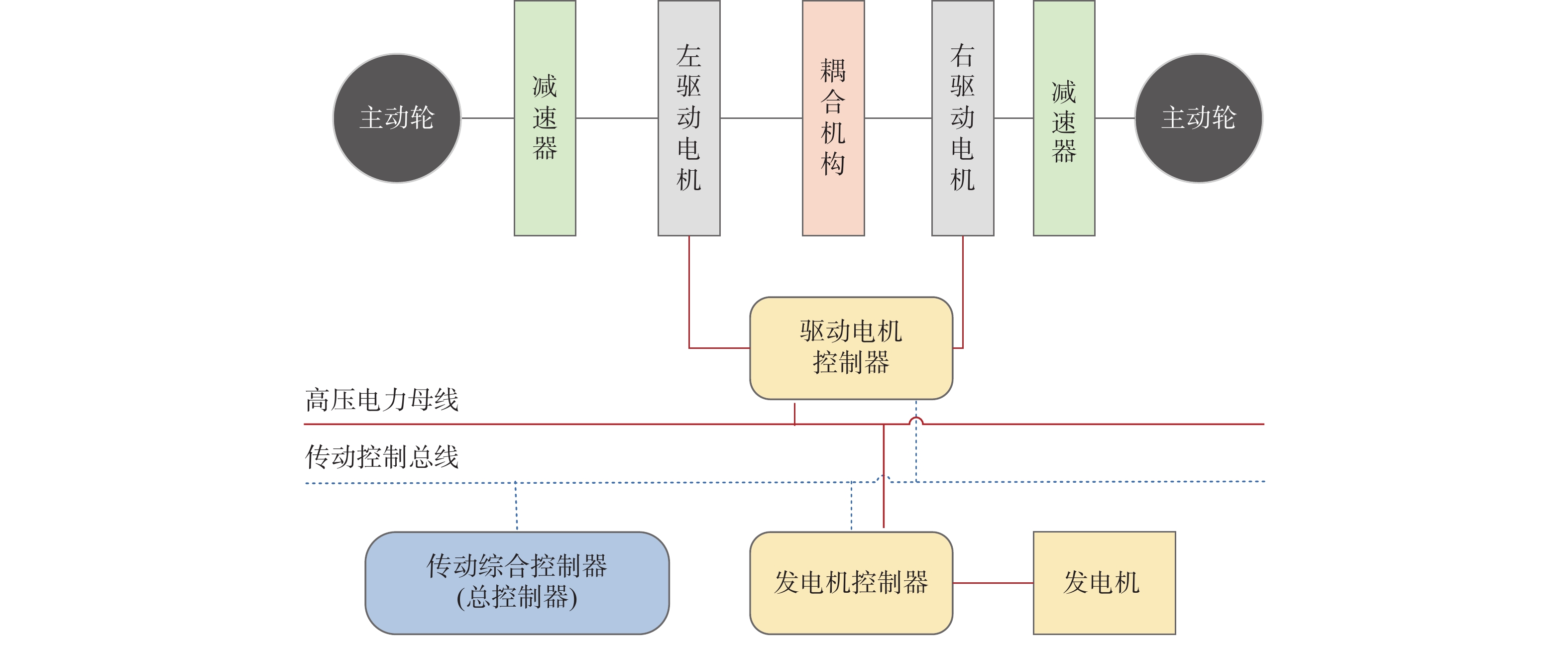
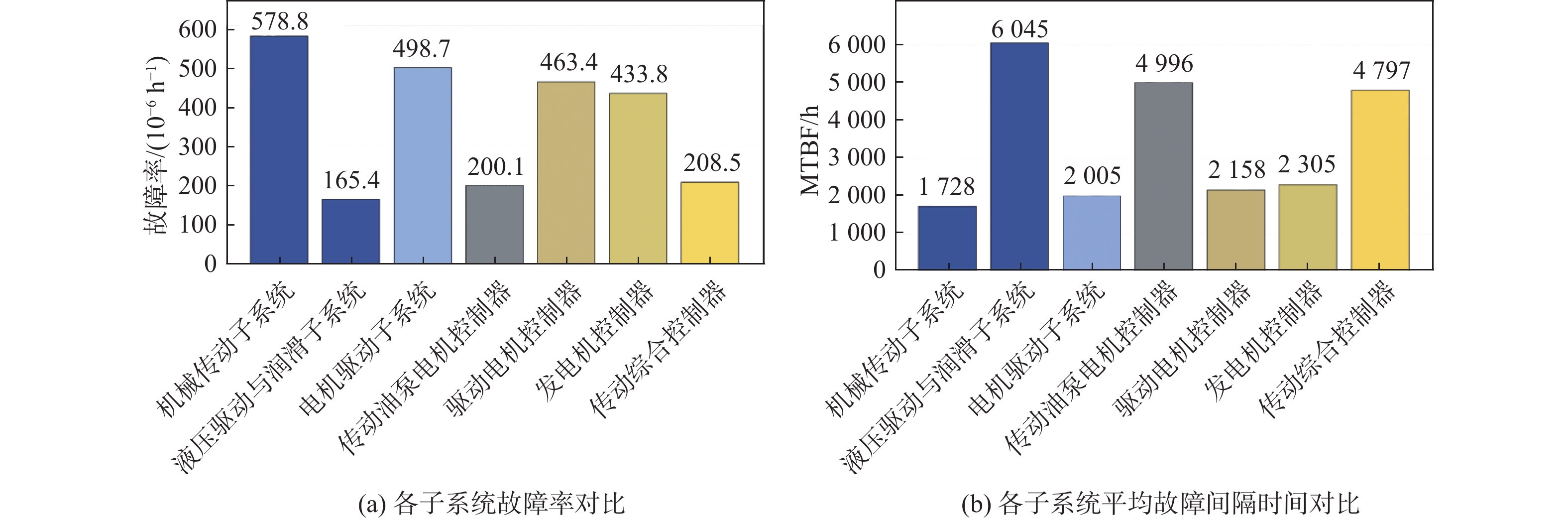
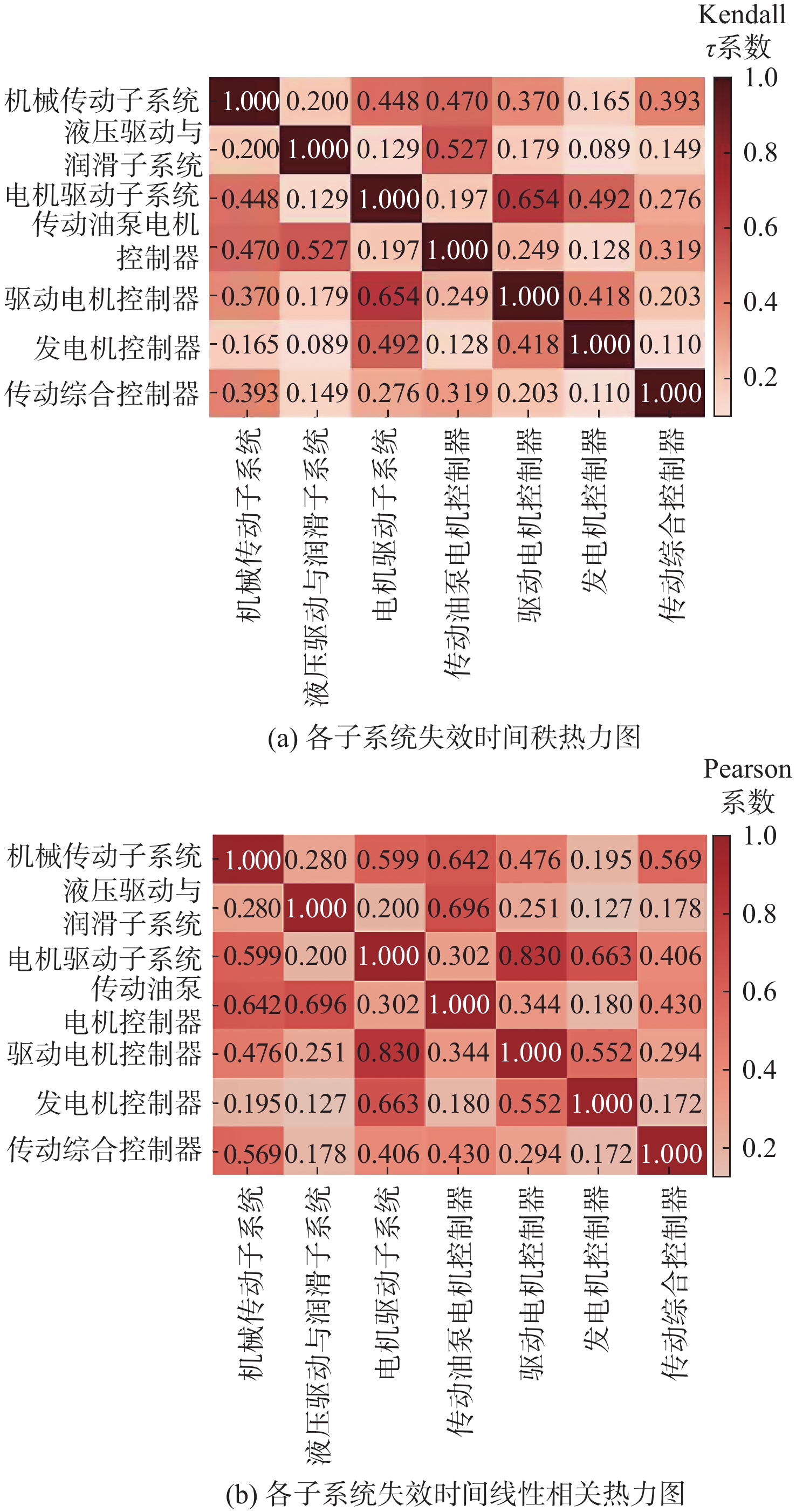
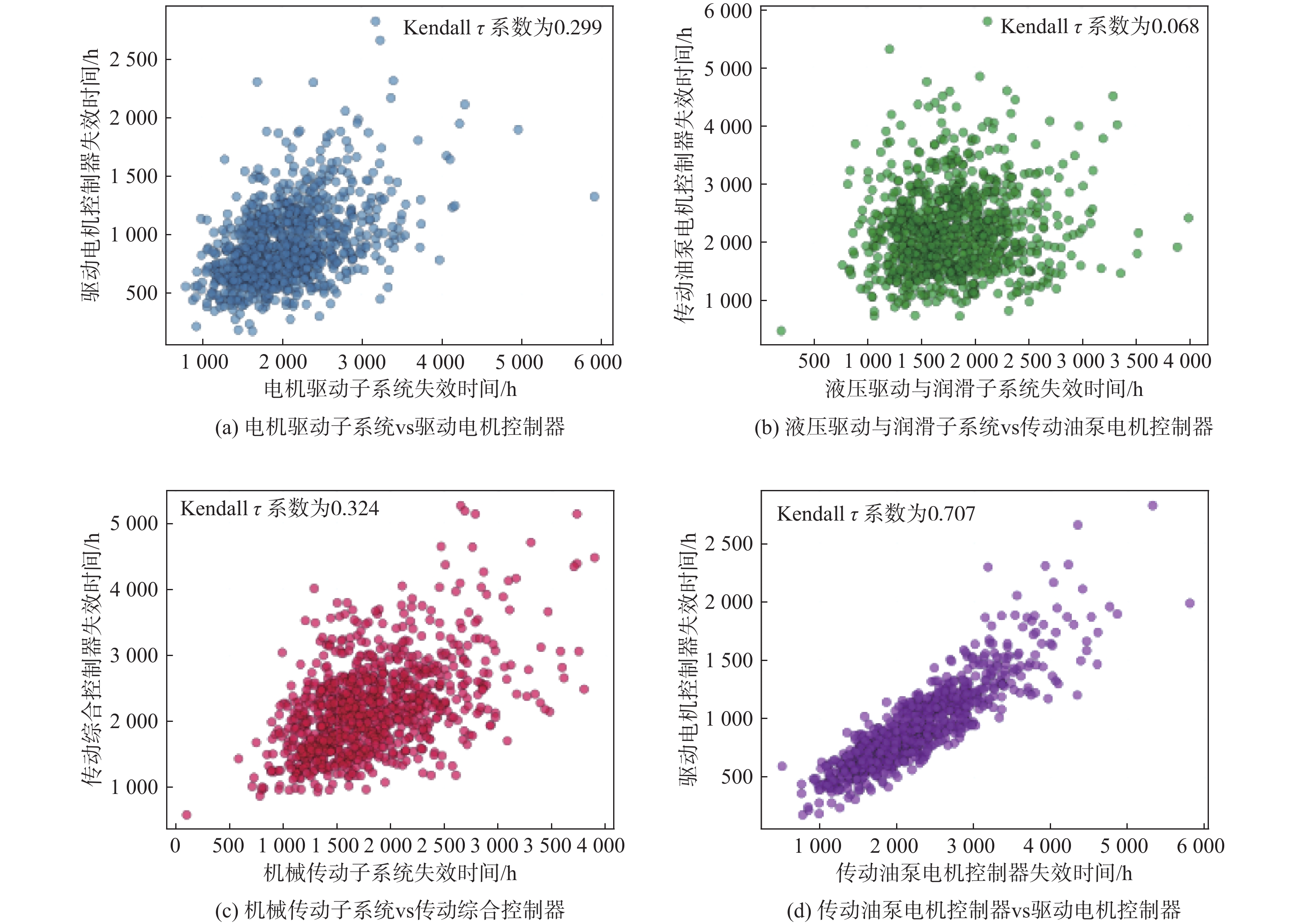
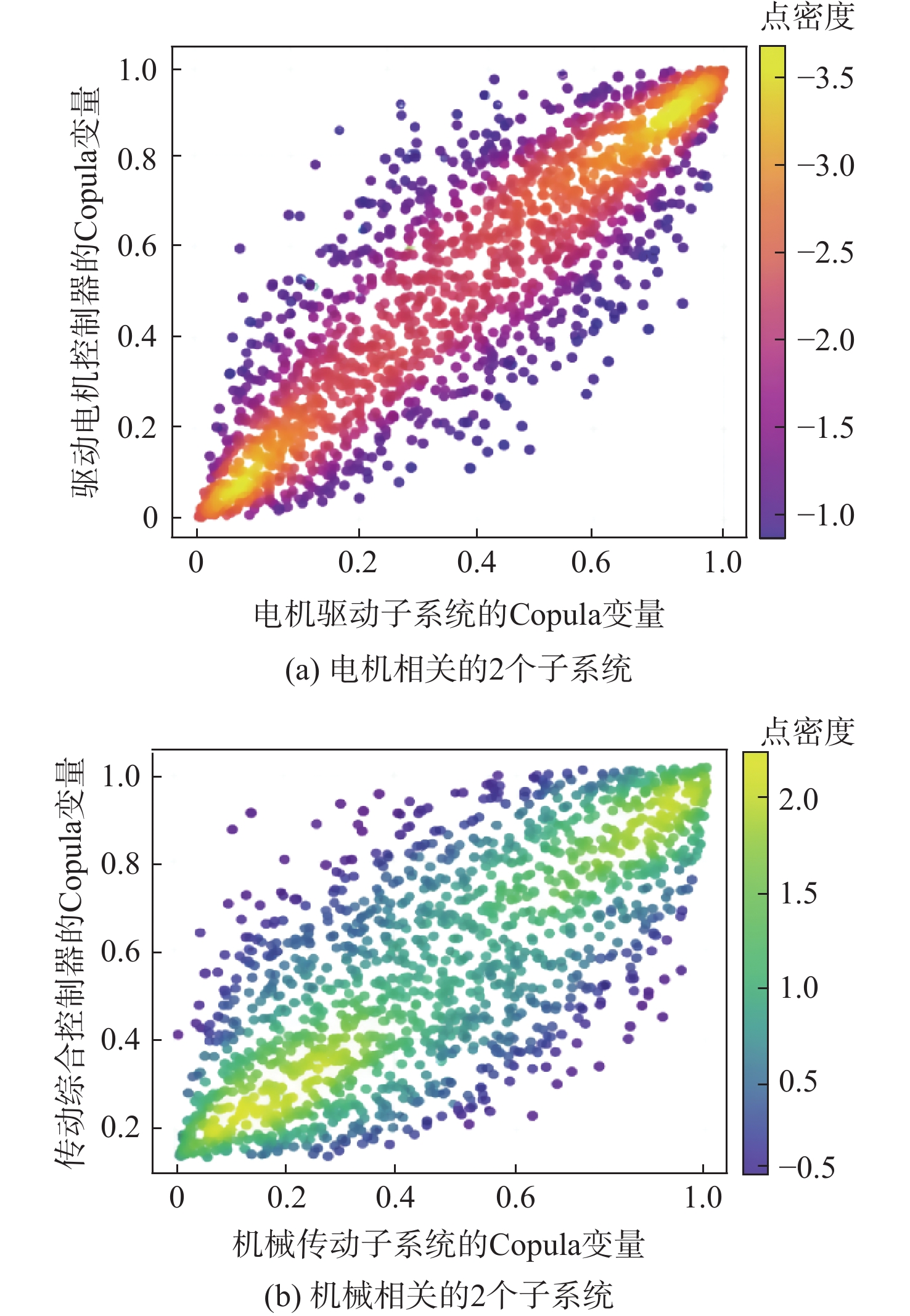
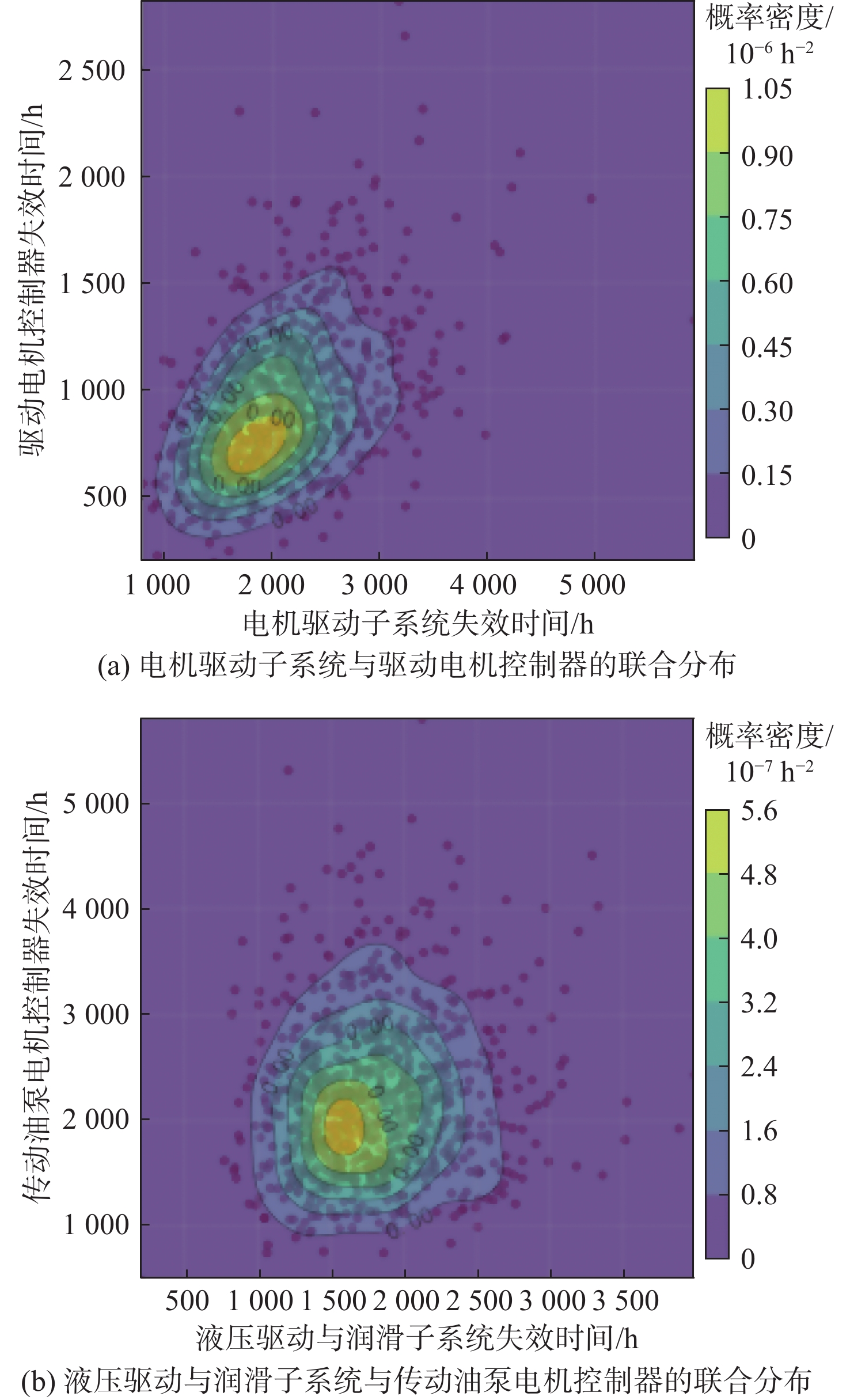
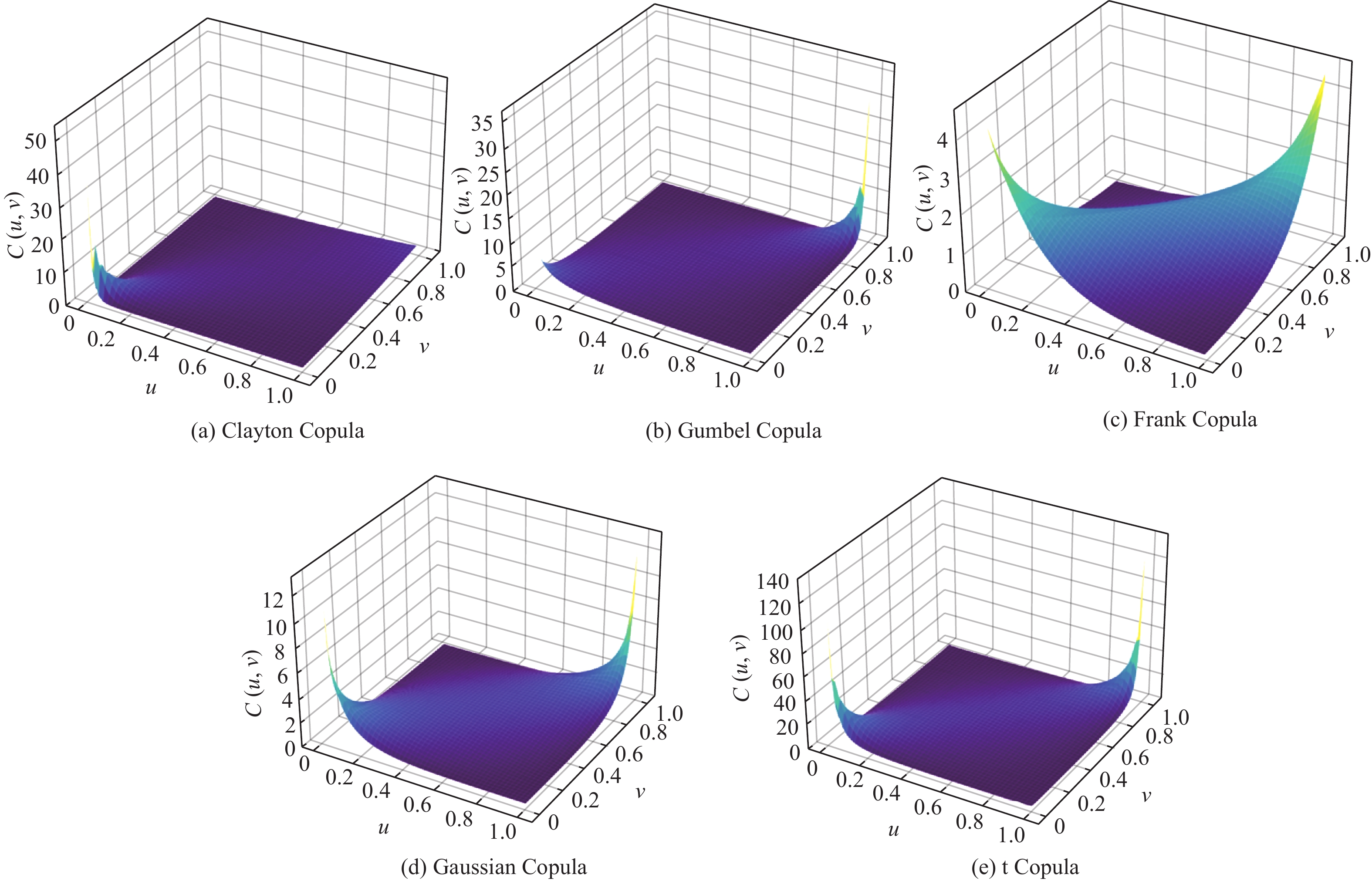
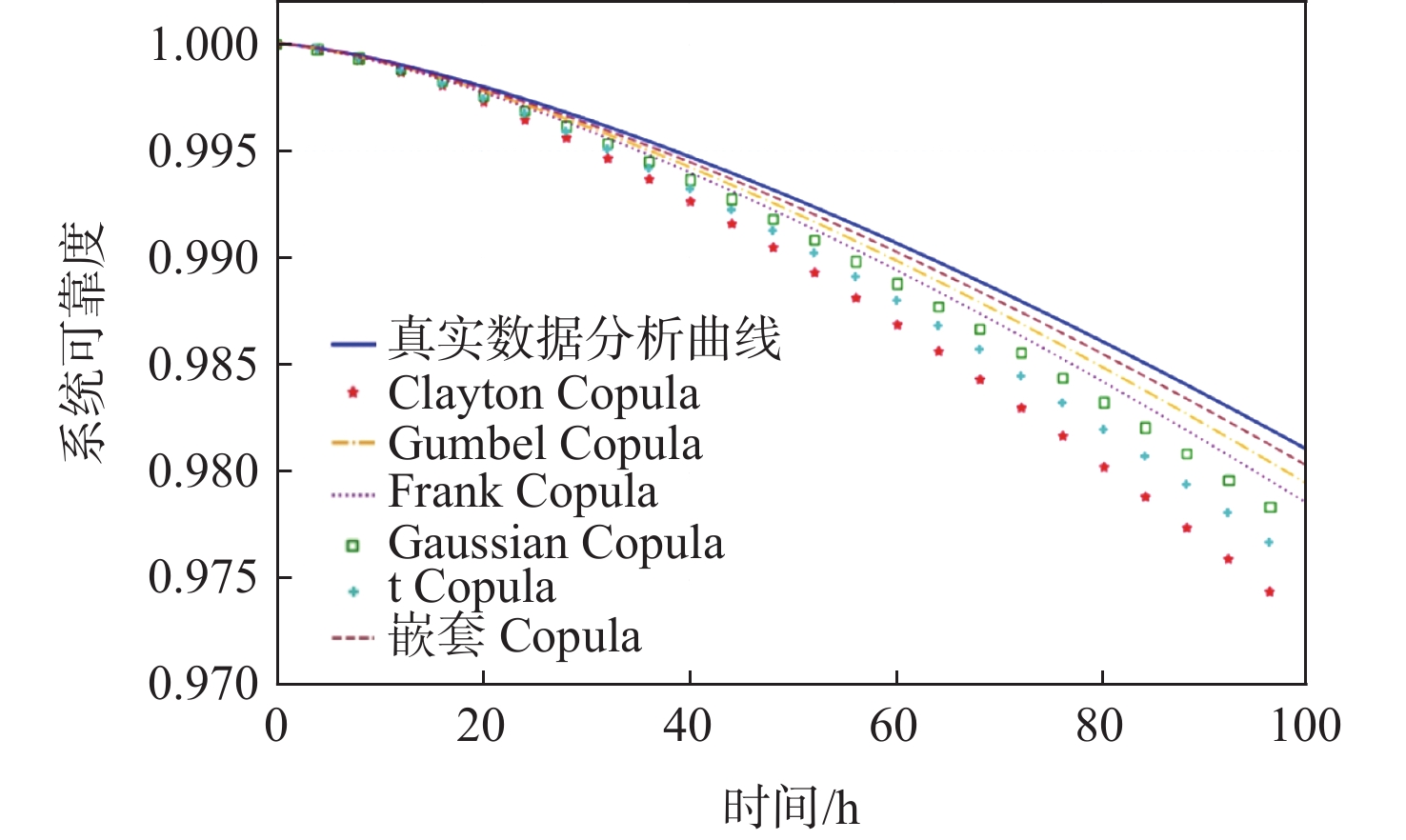
Considering the correlated failure characteristics of multiple subsystems in an electromechanical integrated transmission system arising from load transfer, control loops, and functional coupling, this study introduces a Copula-based approach to model the internal dependency structure while preserving the marginal reliability models of individual subsystems. By mapping subsystem lifetime data into a unified probability space via cumulative distribution functions, the proposed method achieves decoupled modeling of marginal distributions and dependency structures. The process for creating failure time samples is described, and a Gaussian Copula is chosen to build the system-level joint failure model based on an examination of the dependency characteristics of several Copula families combined with engineering failure mechanisms. The dependency structure of the generated samples is validated using the Kendall τ rank correlation coefficient, and the results show good consistency with the predefined correlation matrix. Additional investigation finds high-risk areas of joint failure and reveals a significant coupling link between the drive motor controller and the motor drive subsystem. The results demonstrate that the Copula-based framework can effectively characterize system-level correlated failures, providing quantitative support for coordinated monitoring and maintenance decision-making.

Fault-tolerant control for near space vehicle with new type dissimilar redundant actuation/flight control system
WANG Jun, WANG Wei, ZHANG Zijun, WANG Xiaohui, SONG Zhiyi, HAO Xiaoyu
2026, 52(8): 2756-2768. doi: 10.13700/j.bh.1001-5965.2025.0835
Abstract:

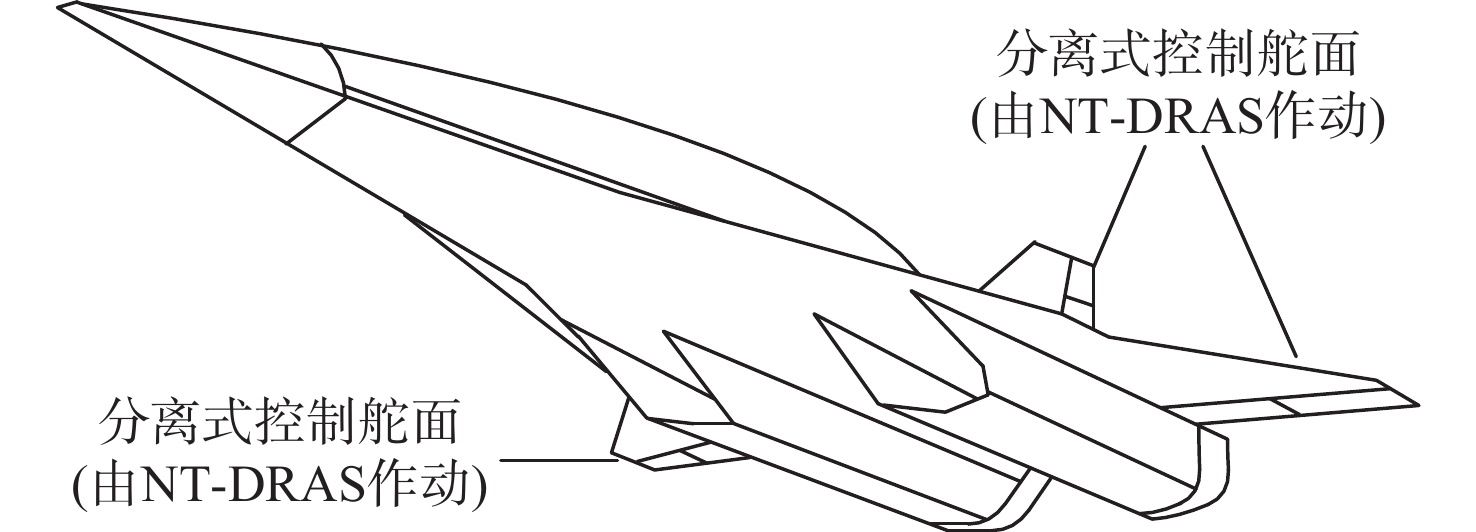
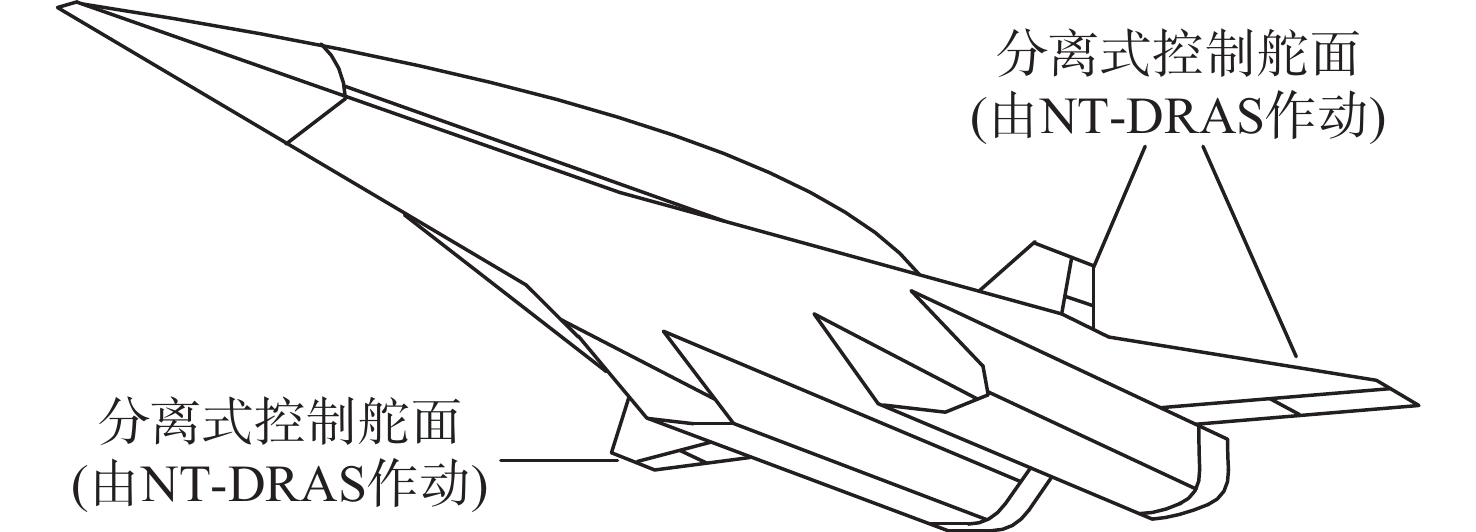
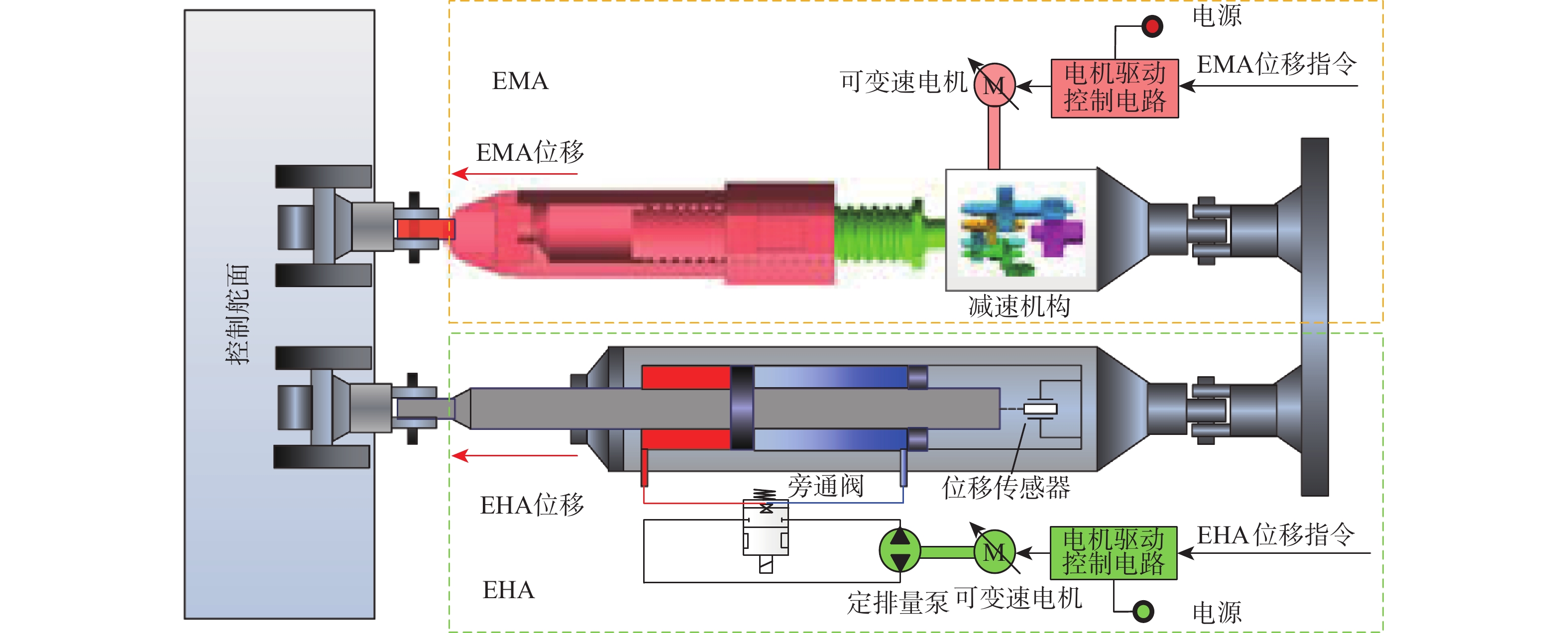
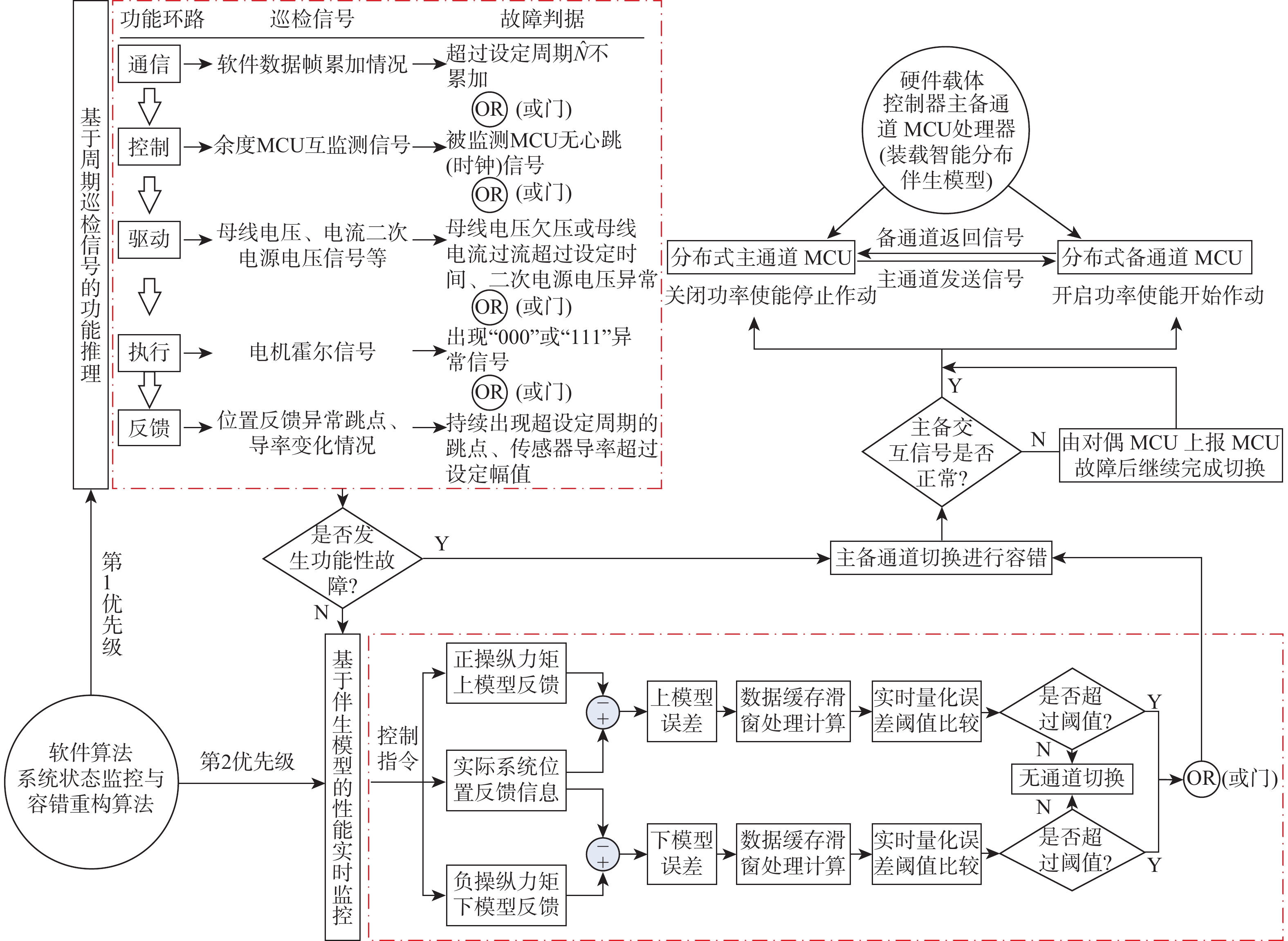
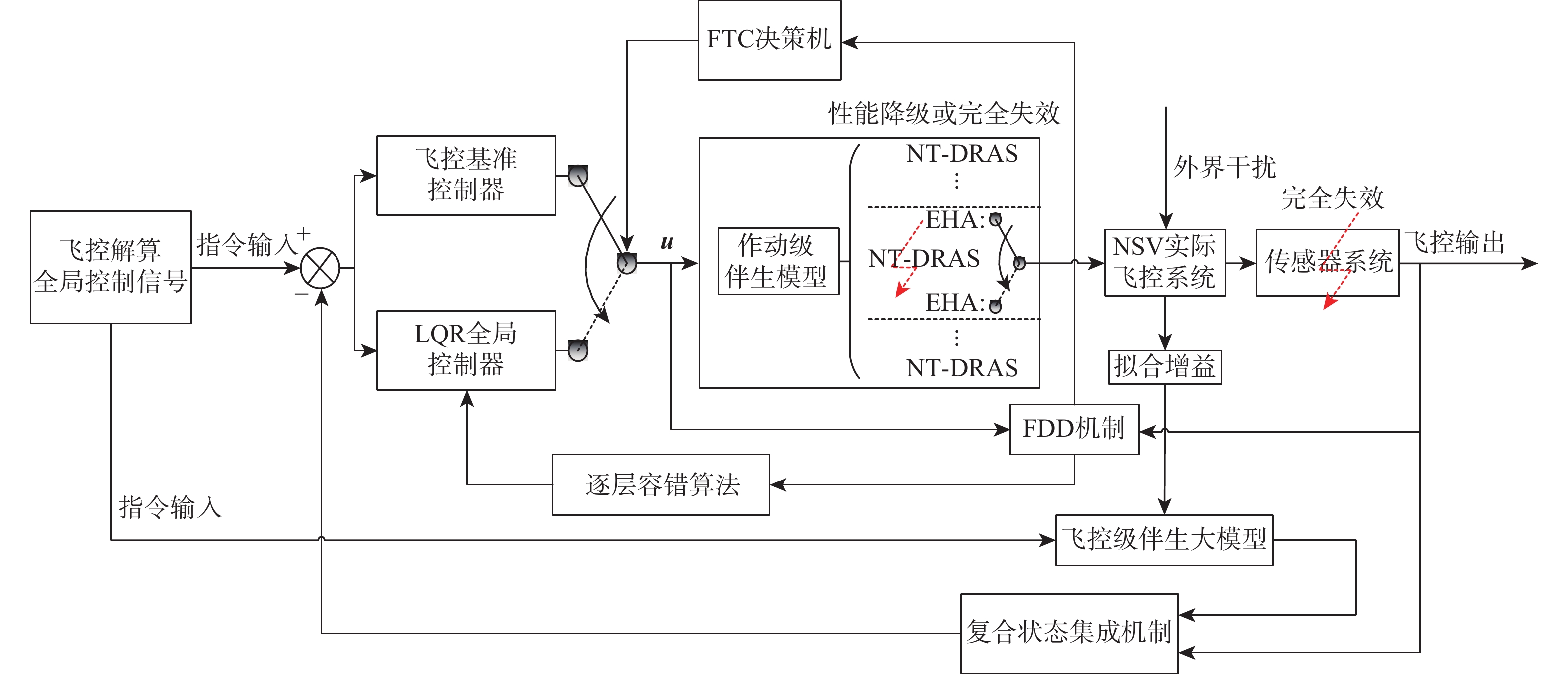
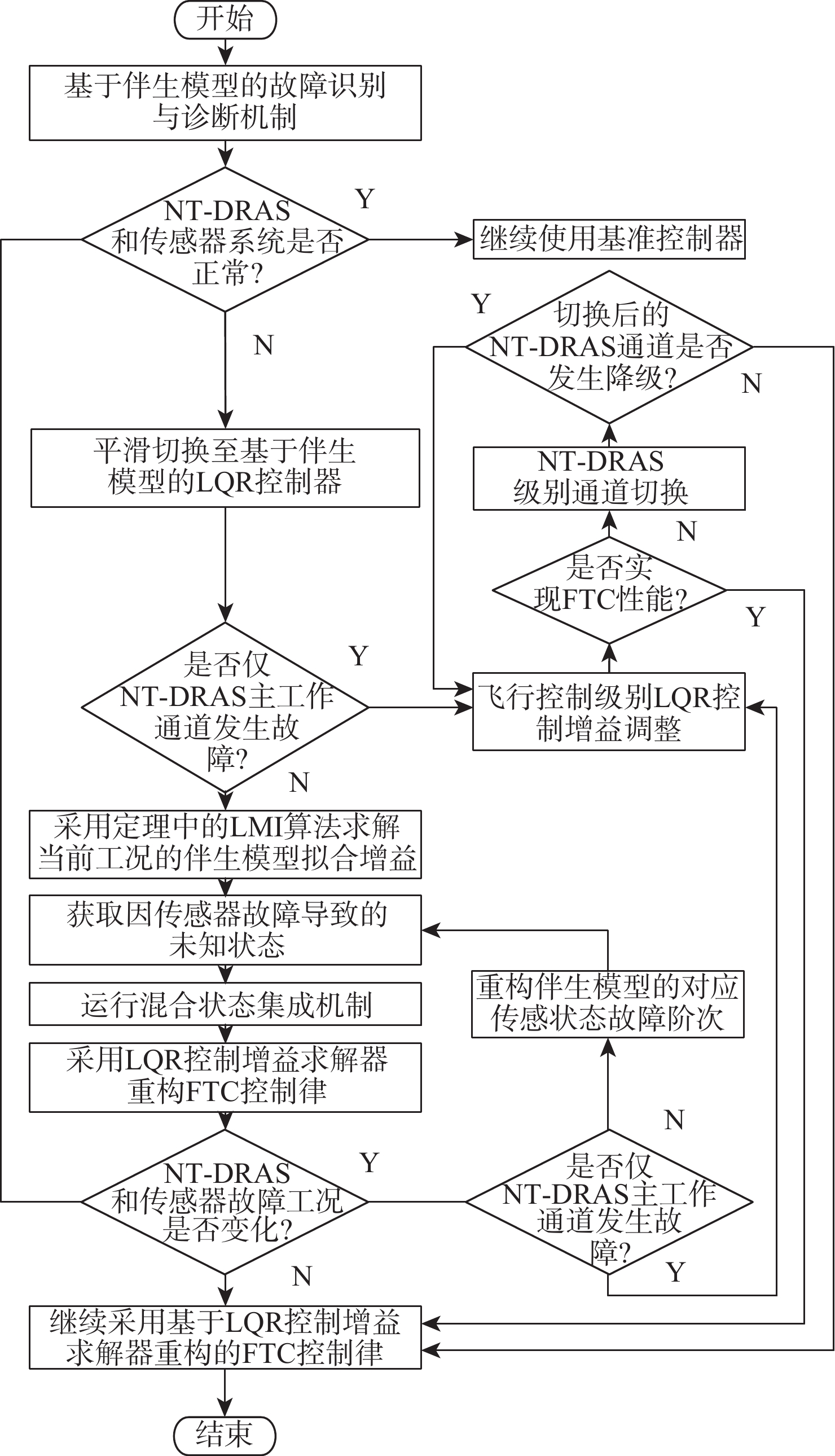
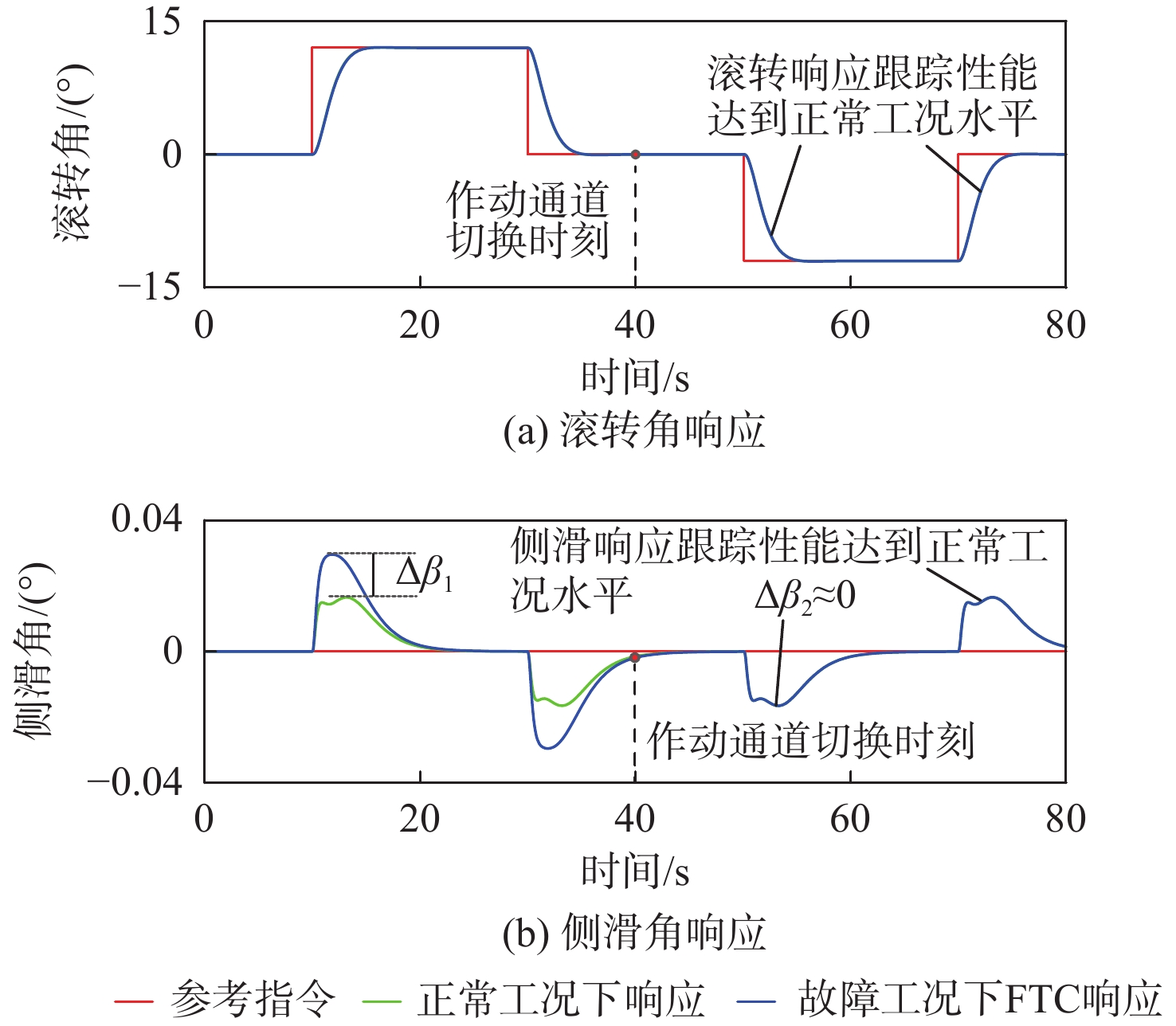
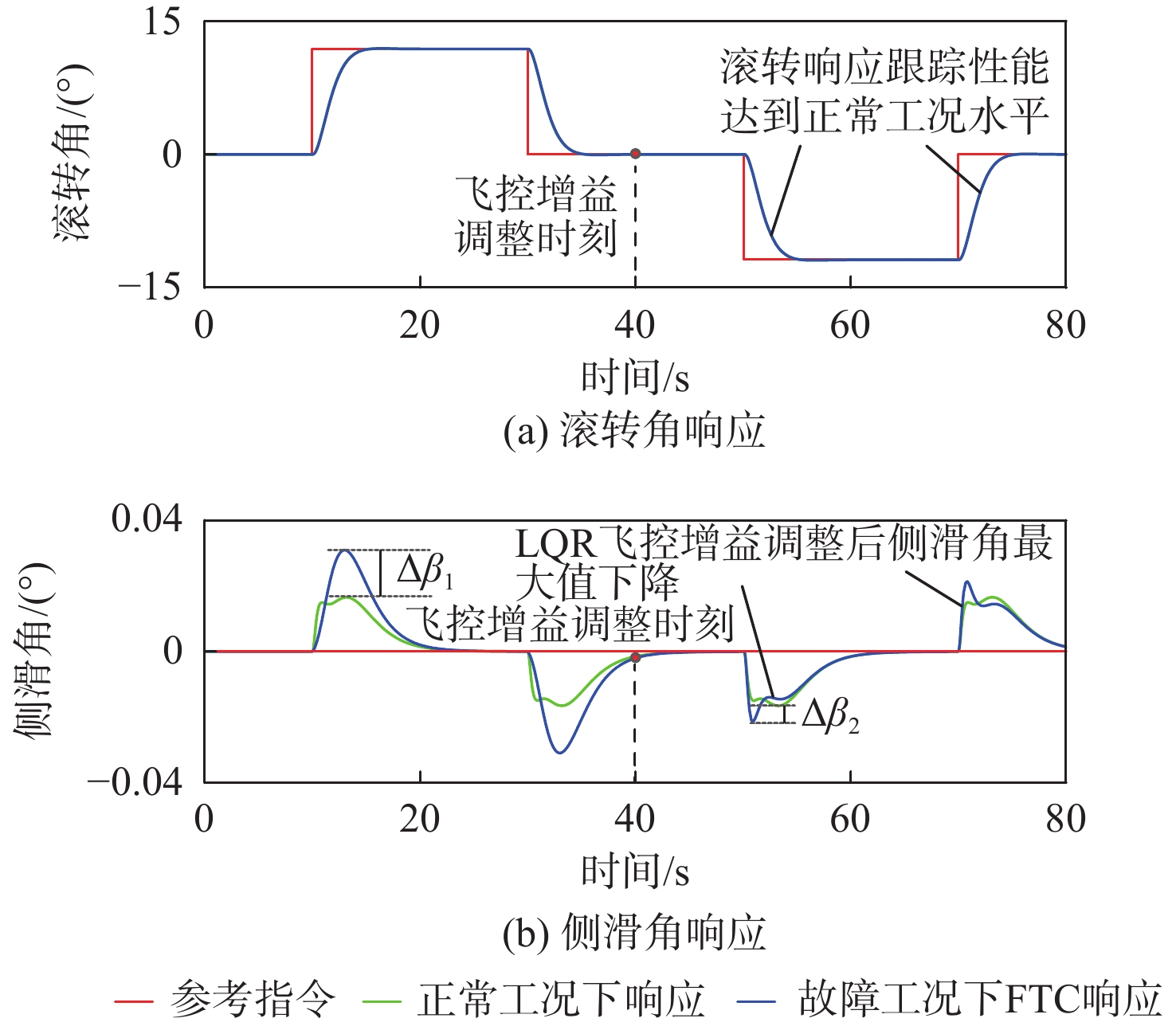
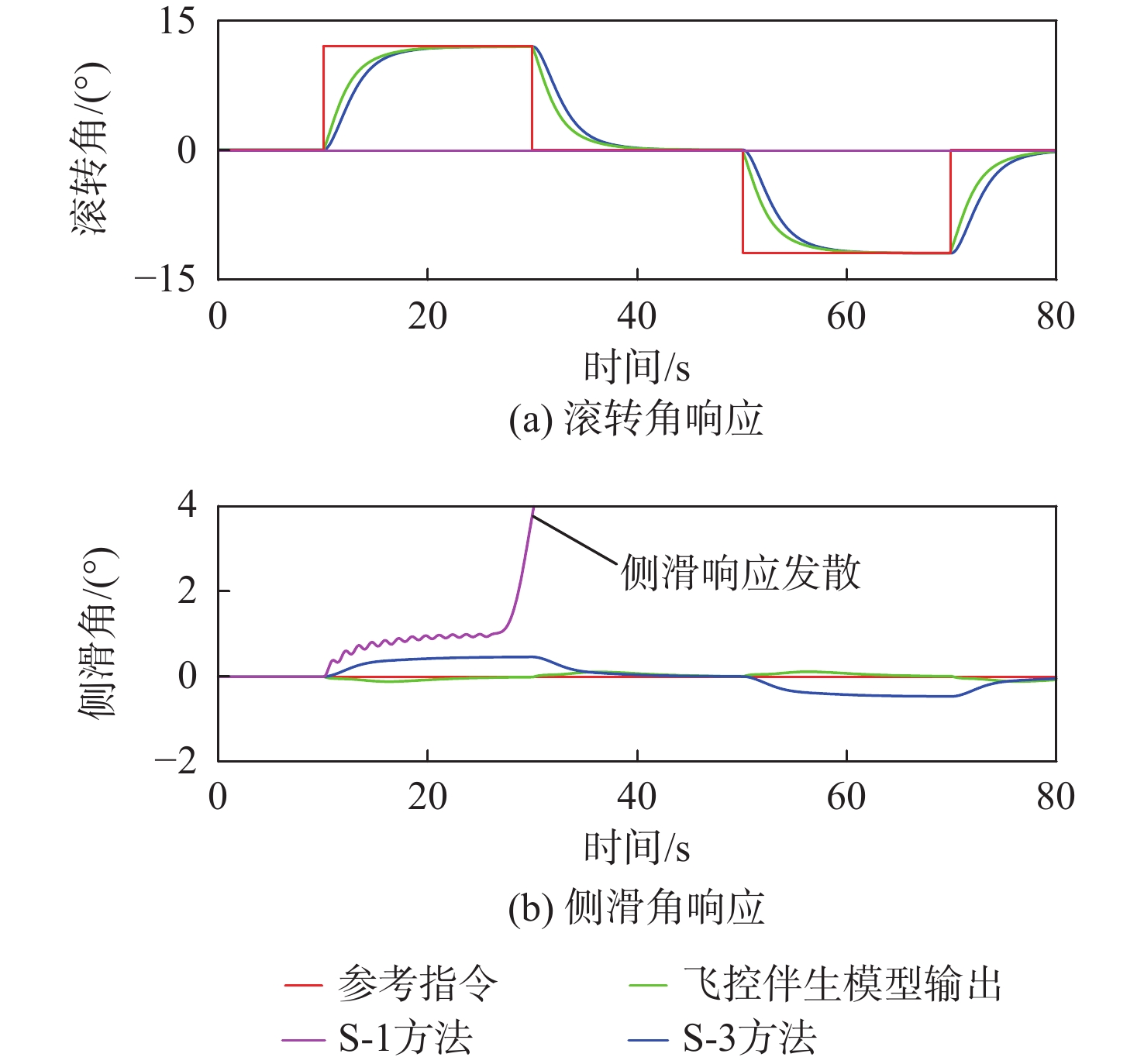
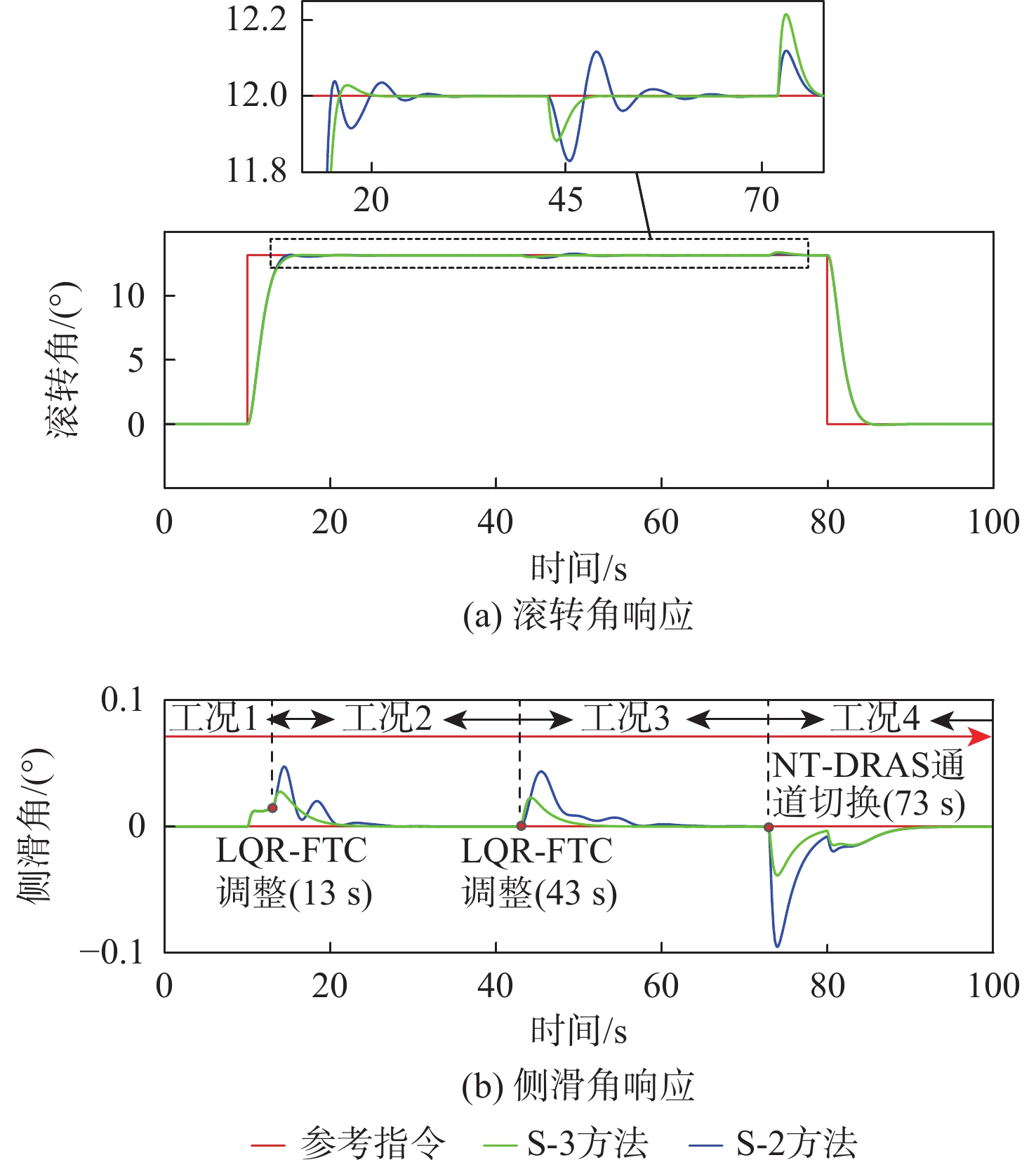
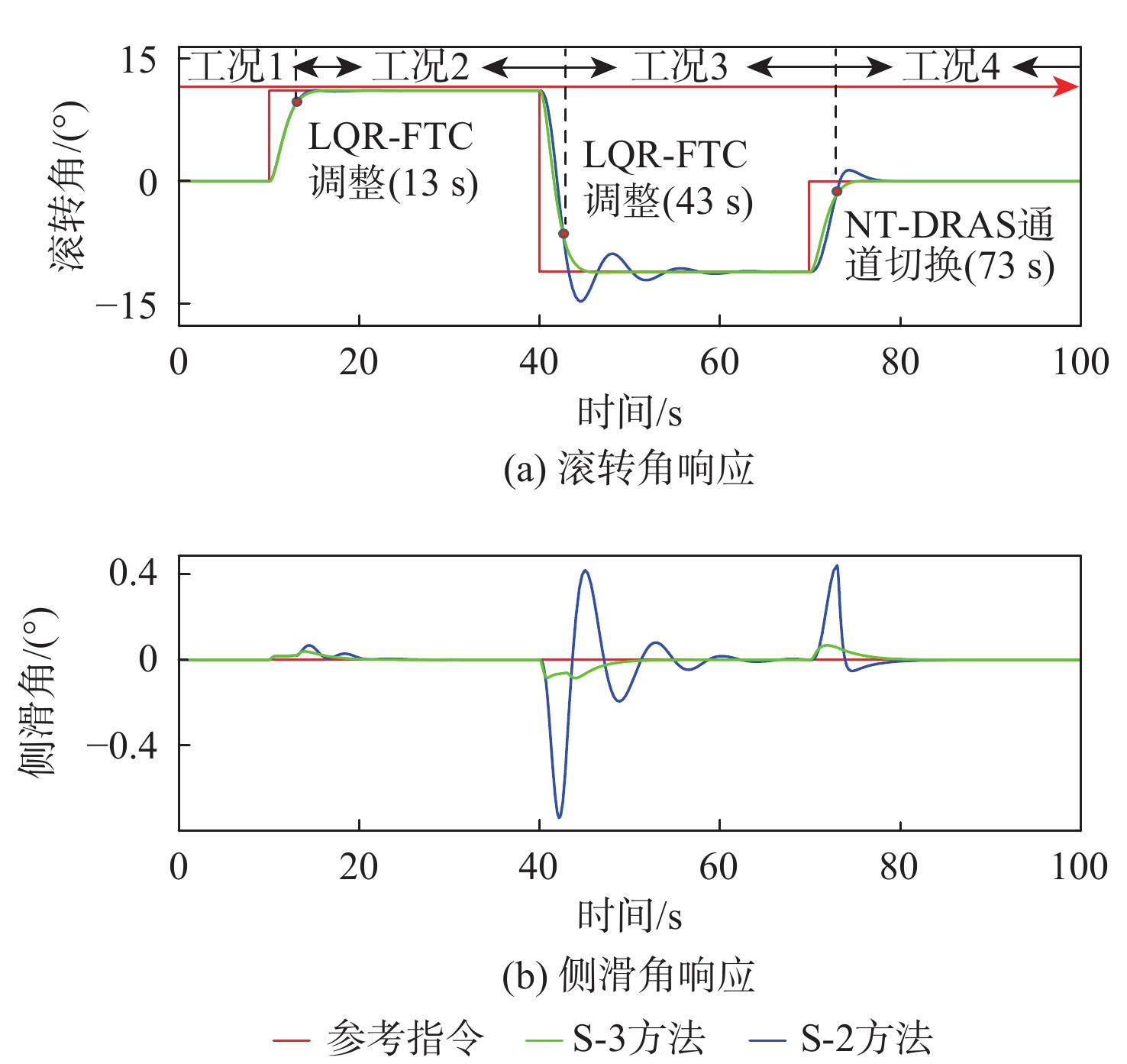
The paper presents a concomitant model based multi-level fault-tolerant control (FTC) for near space vehicle (NSV) with a new type of dissimilar redundant actuation system (NT-DRAS). The model, with its physical meaning as a virtual system of the actual vehicle, coexists with the real system to perform real-time synchronous simulation and monitoring of the real system's functions and performance status. In order to meet the intelligent decision-making support requirements of the NSV actual system, the concomitant big model consists of a flight control-level main model and actuation-level sub-models that form a hierarchical architecture. In the event that the vehicle's flight attitude-related sensors fail, a hybrid output state can be reconstructed by combining the theoretical output of the flight control-level concomitant main model with the real system usable state. This hybrid output state is then used to solve the state feedback gains using linear quadratic regulator (LQR) technology. Additionally, this study conducts state monitoring and redundancy management for the configured NT-DRAS system at the actuation level, ultimately combining concomitant sub-model based NT-DRAS channel switching measures by flight control-level concomitant main model based LQR control to address complex and progressively deteriorating fault conditions involving actuators and flight control attitude sensors. Finally, numerical simulations are performed on the MATLAB/Simulink platform to verify the effectiveness and progressiveness of the proposed method.

Airborne fault injection system for airworthiness compliance of civil aircraft flight control systems
CHEN Jie, MENG Yang, LIU Hongming
2026, 52(8): 2769-2779. doi: 10.13700/j.bh.1001-5965.2025.0705
Abstract:

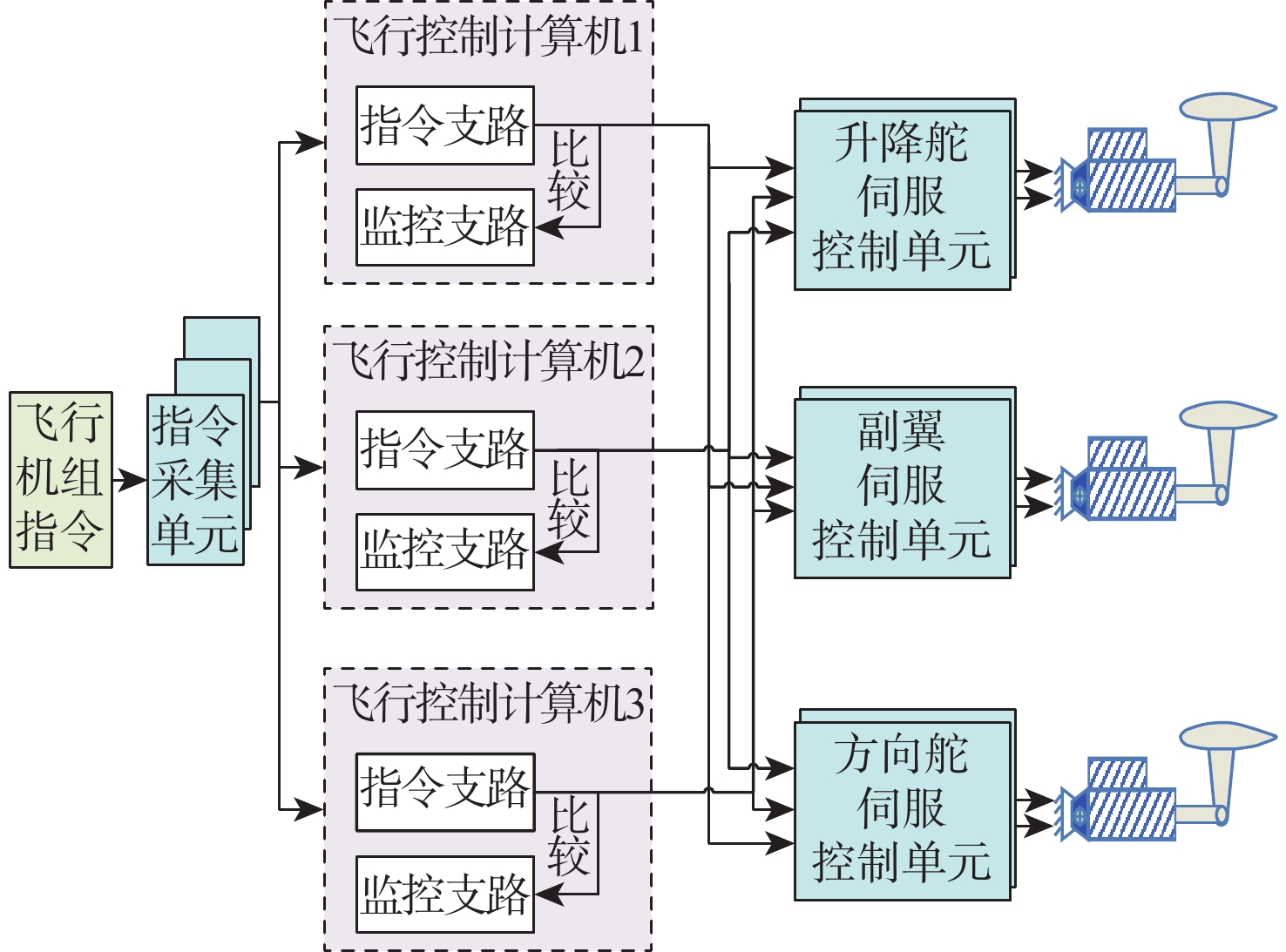
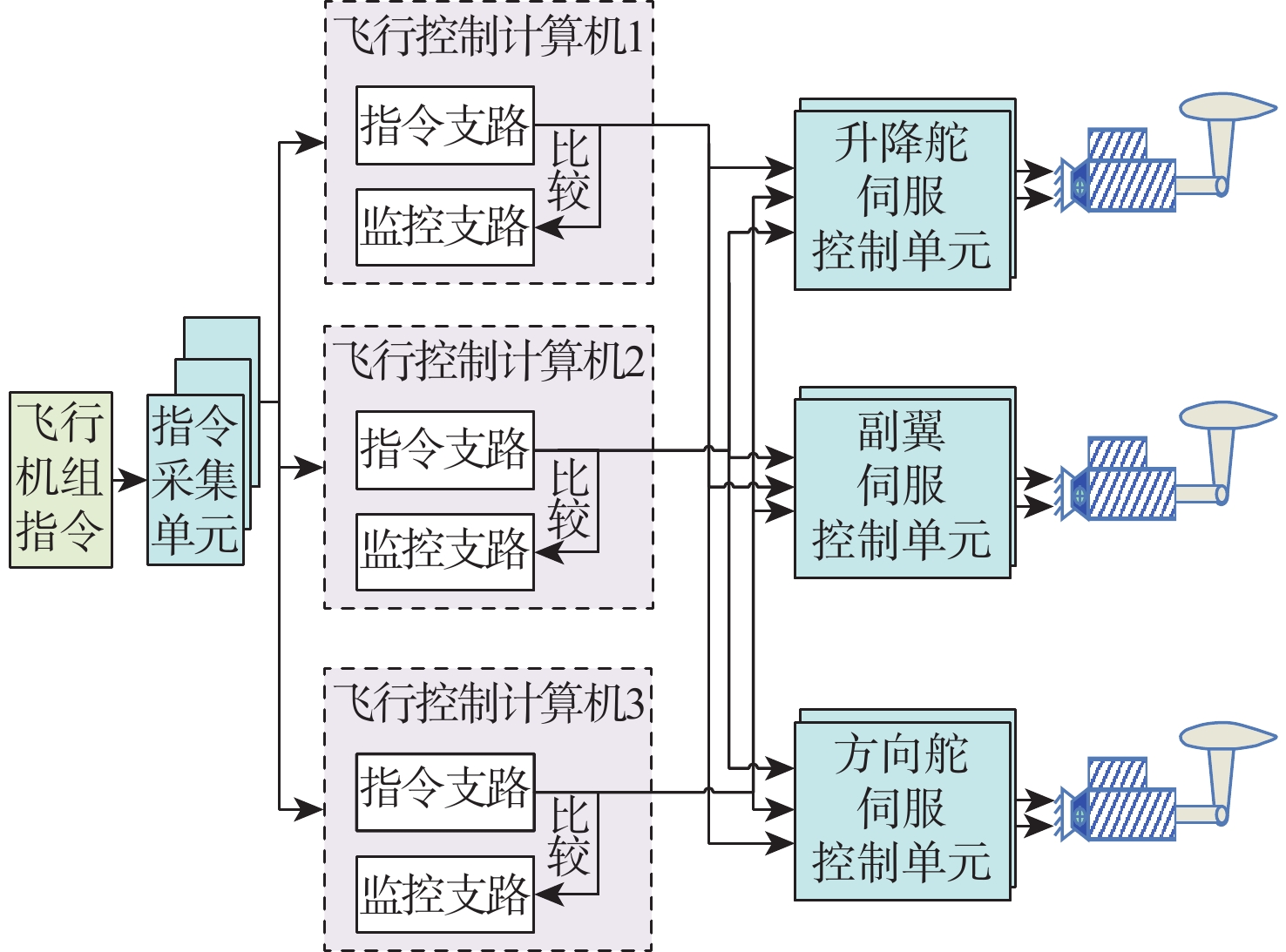
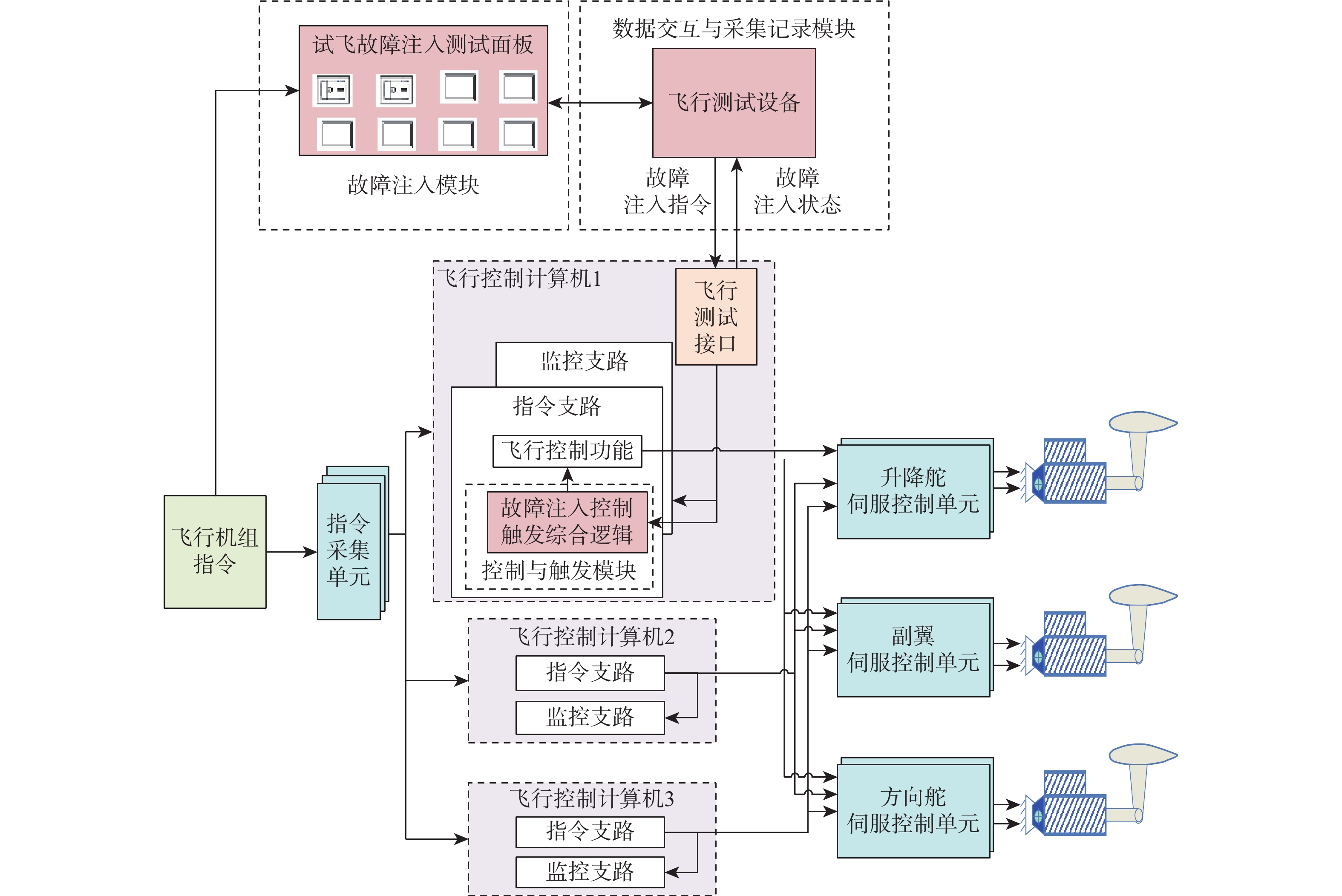
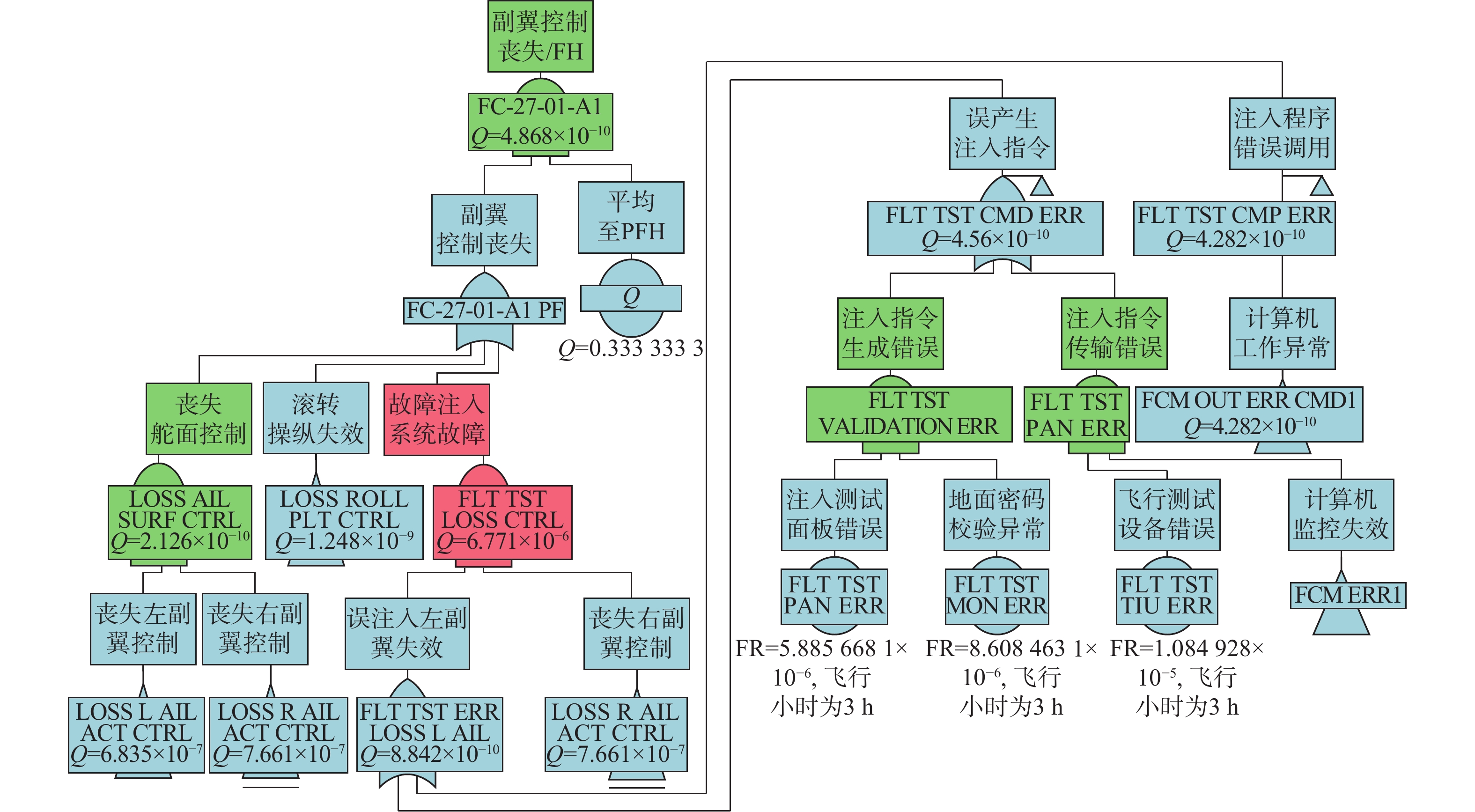
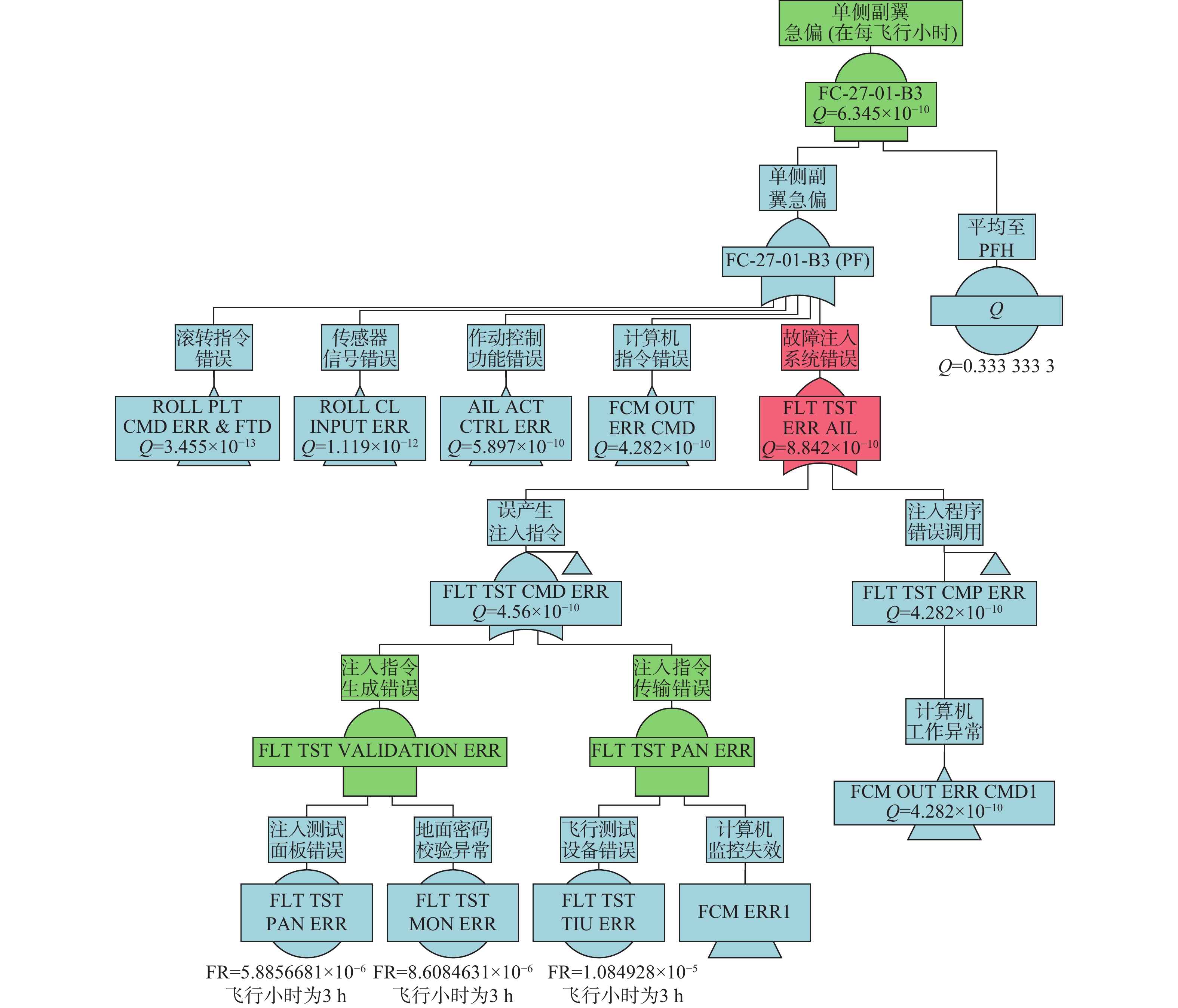
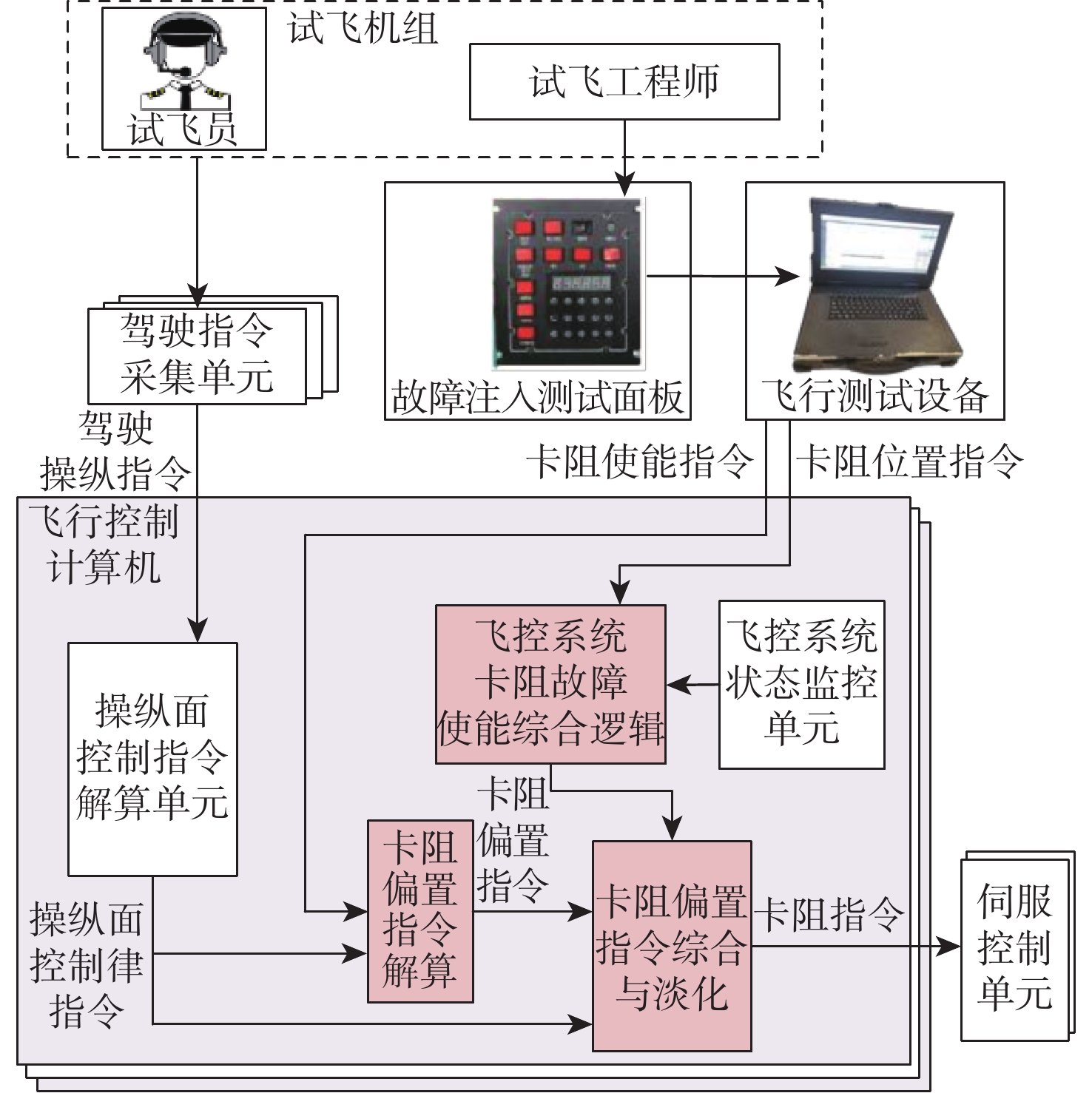
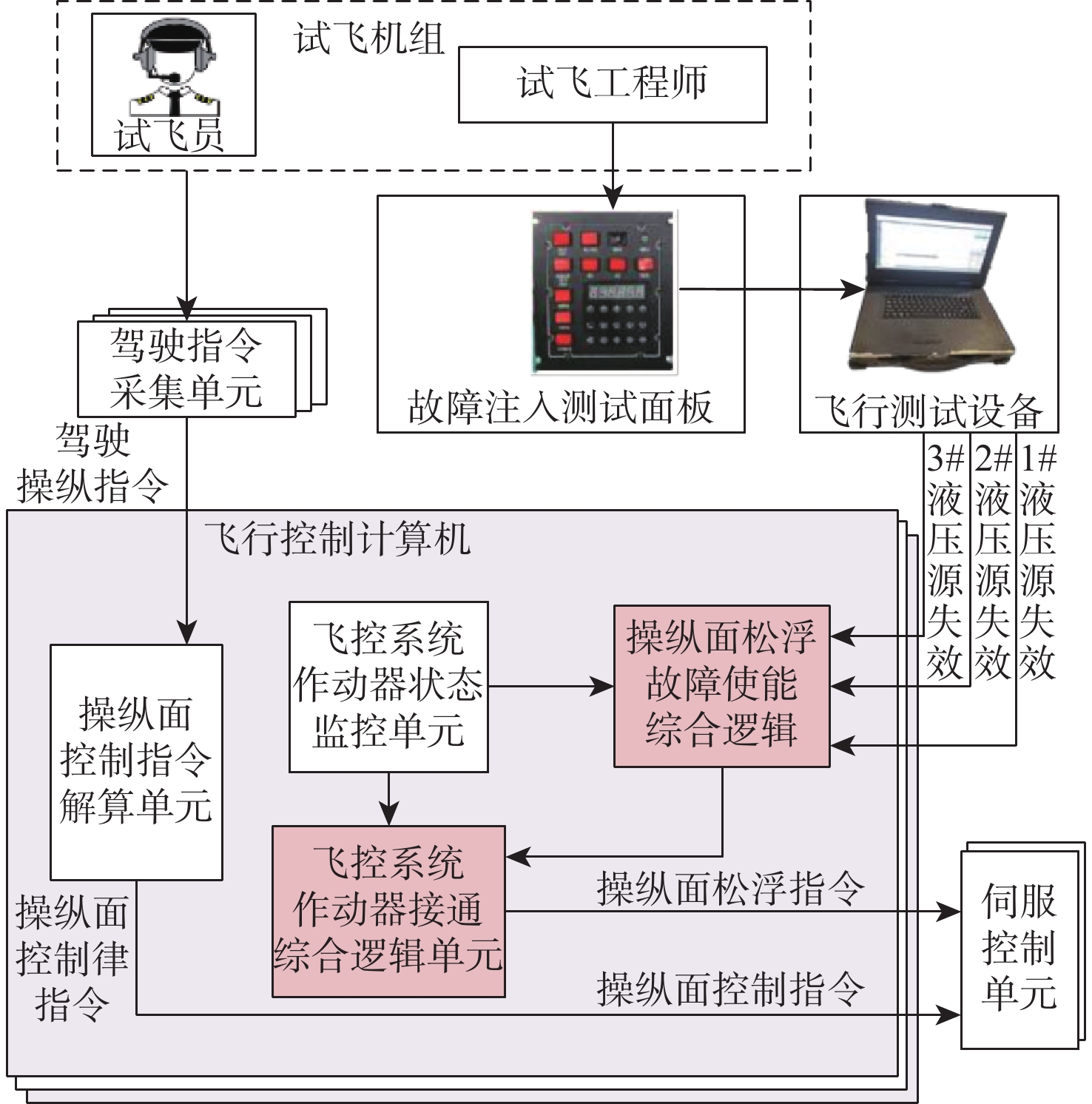
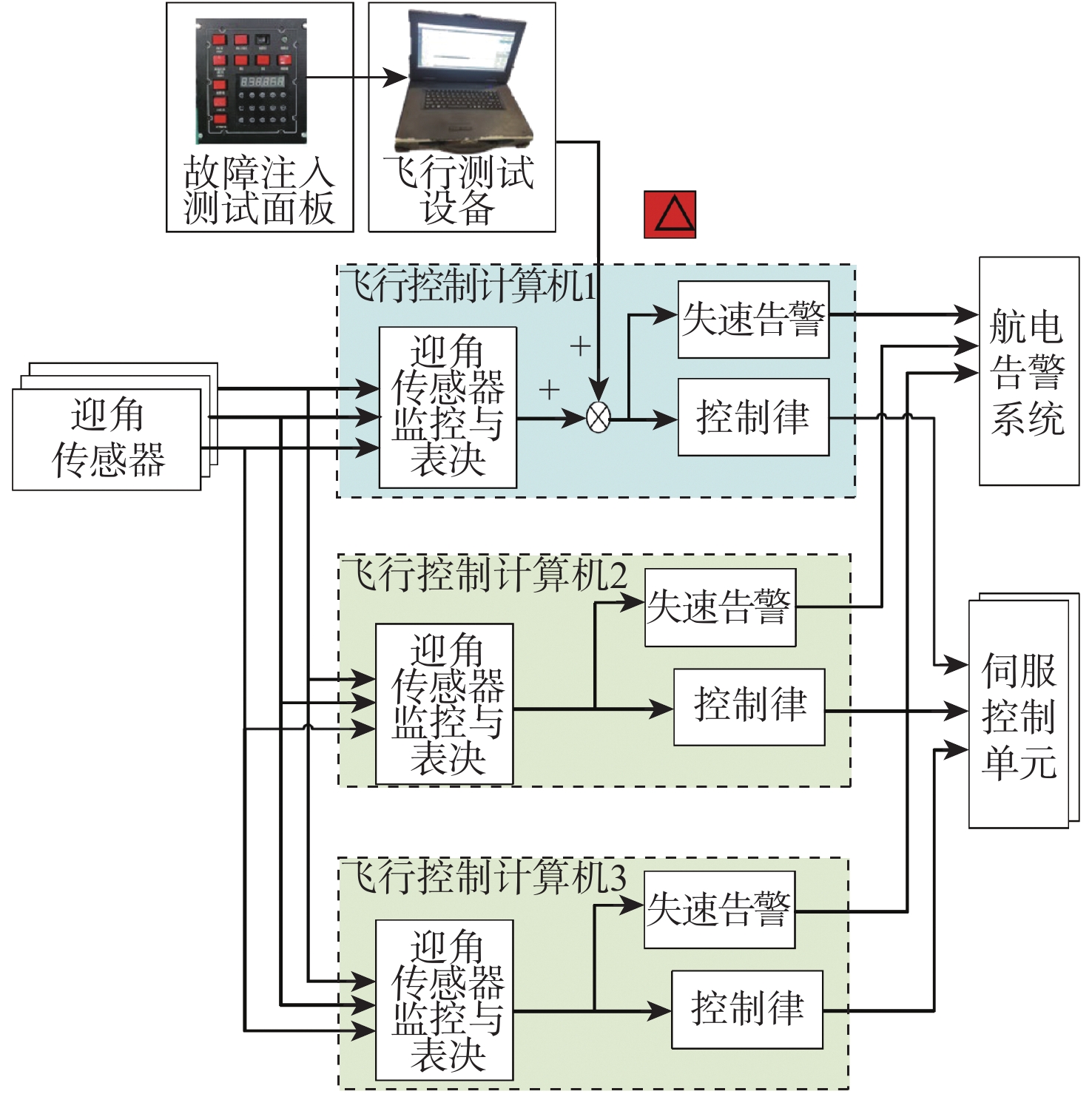
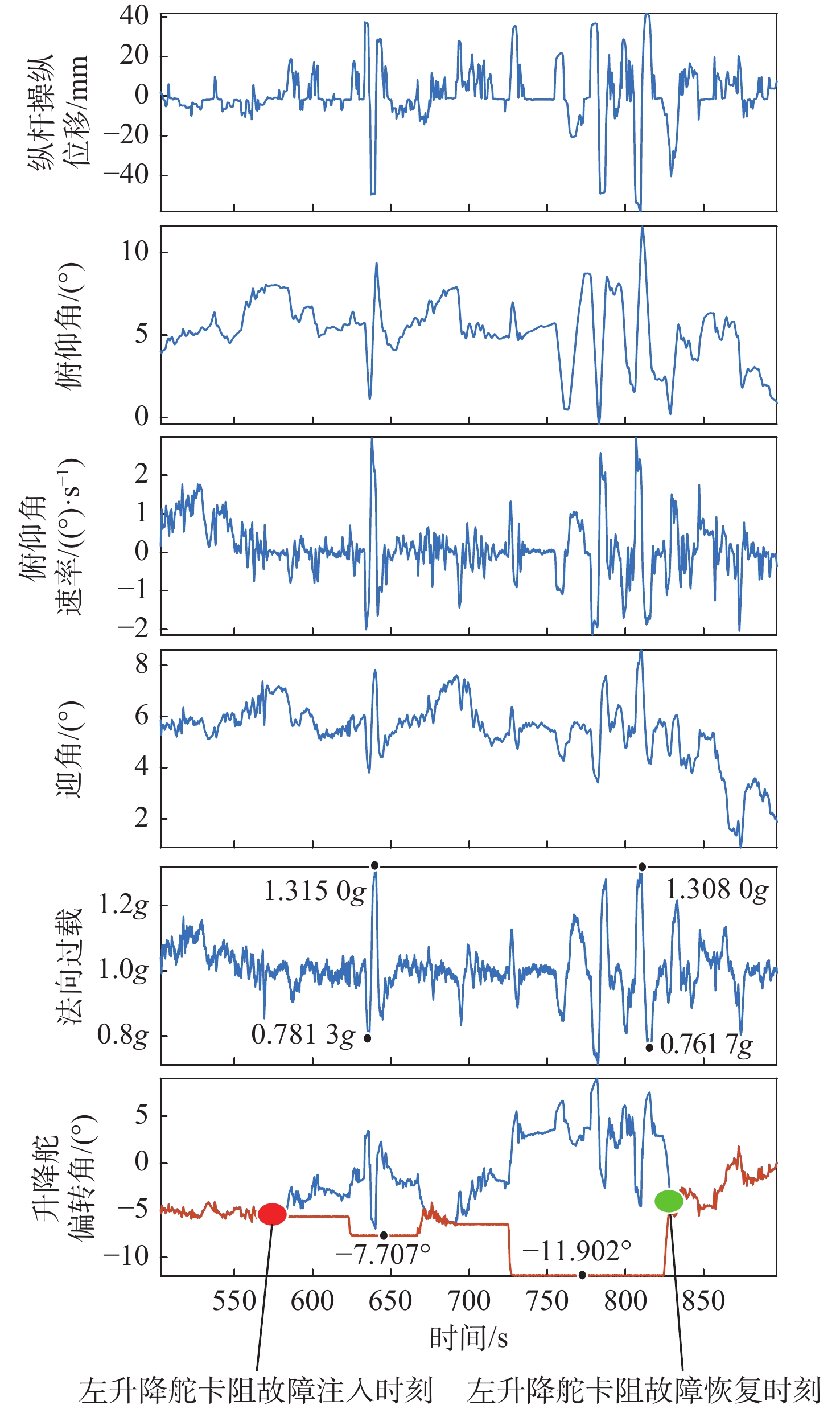
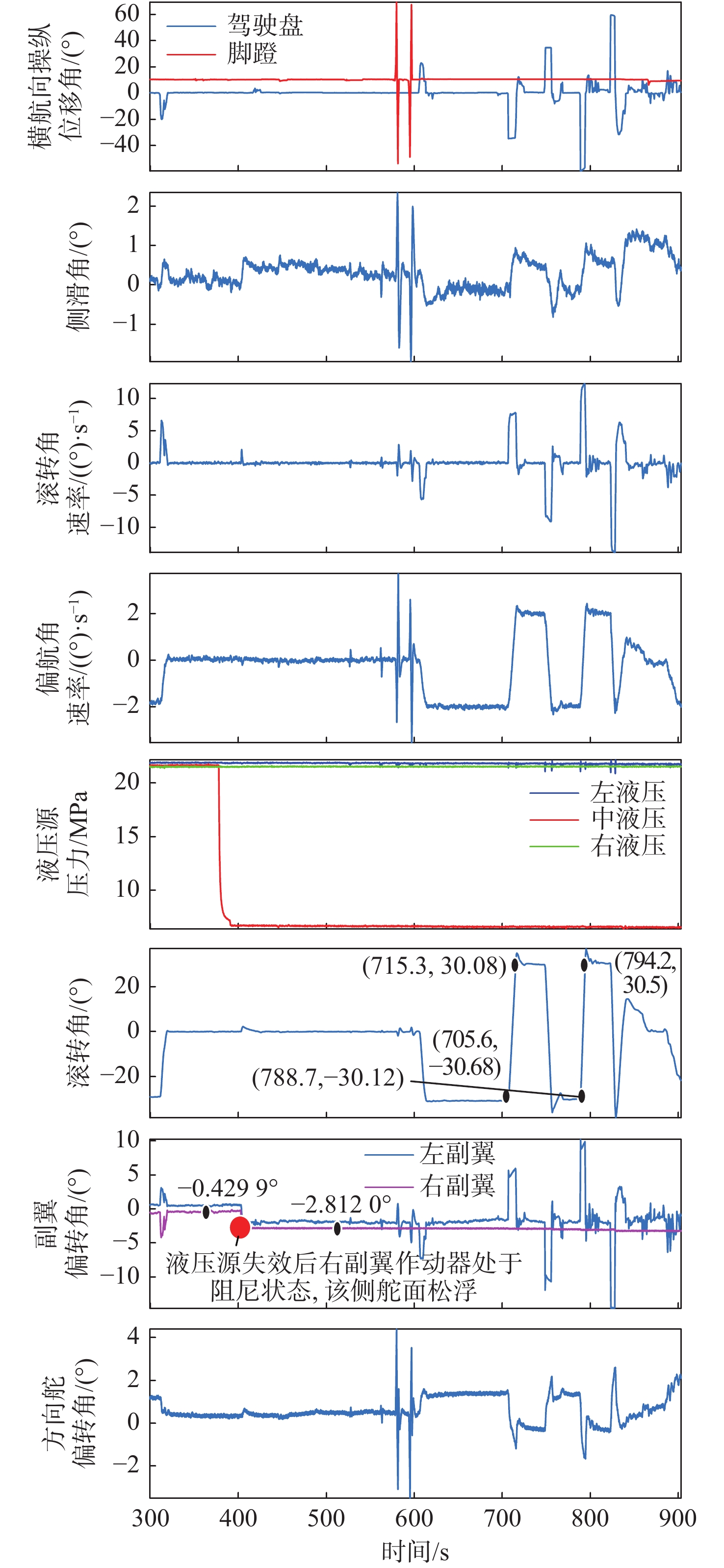
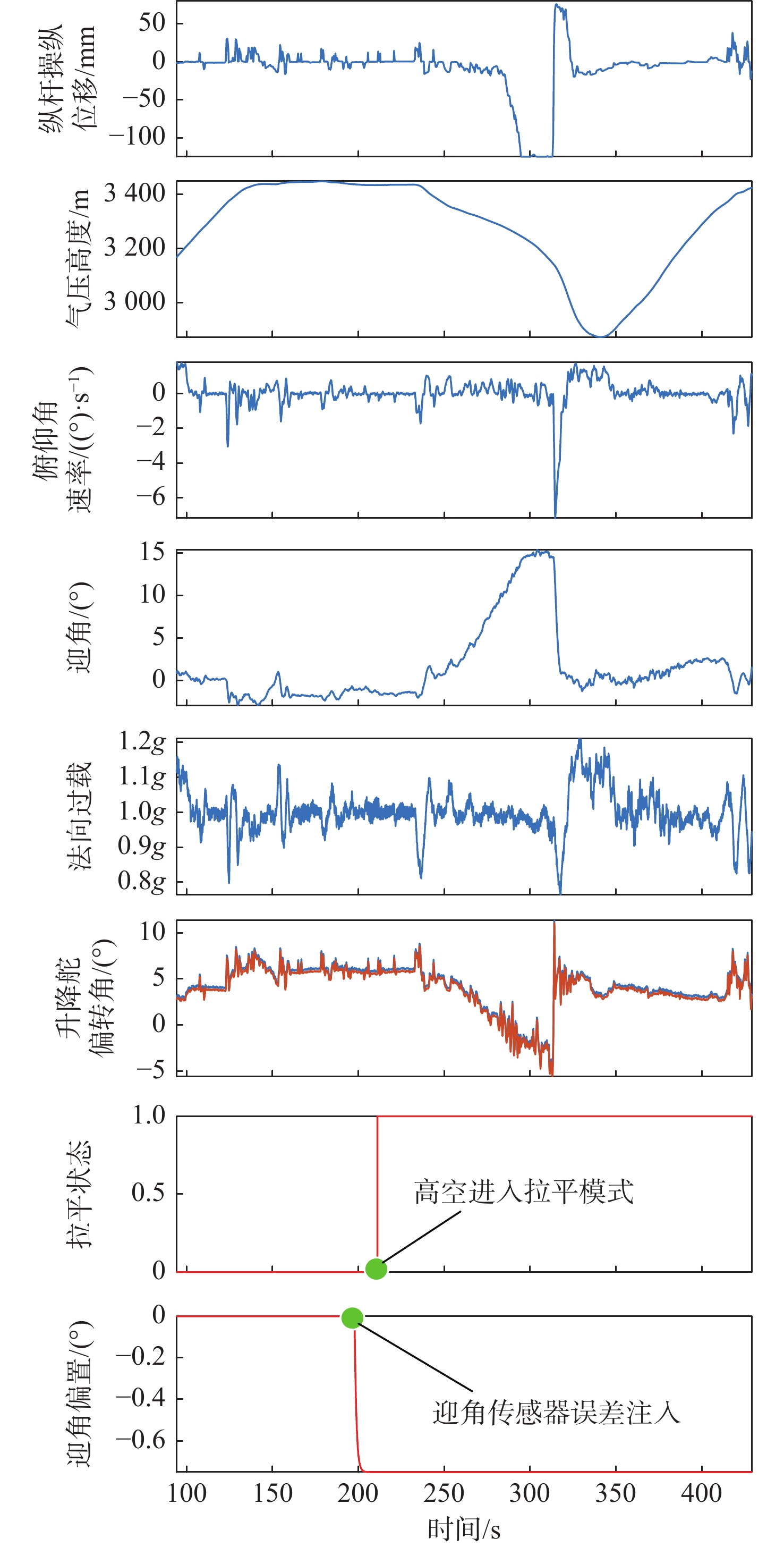
To address the contradiction between the necessity of fault simulation flight testing for airworthiness compliance of civil aircraft flight control systems and the safety risks caused by fault injection in flight, this paper proposes a flight test fault injection system capable of covering all flight control system failure modes to meet airworthiness verification requirements. The system has undergone extensive flight validation and supports airworthiness certification for a specific civil aircraft model. A data hub for flight test equipment, a fault injection control trigger program integrated into the flight control computer, and a simplified, multi-mode human-machine interface testing panel comprise the core of the fault injection system, which ensures the compatibility and authenticity of fault simulations. In addition, the system accomplishes dependable handling of abnormal operating situations through a variety of distinct fault excitation cutoff methods, amplitude limiting mechanisms, and monitoring protocols, thereby considerably improving safety and fault tolerance. Furthermore, a flight test simulation strategy targeting typical flight control system failures is presented. The feasibility of the proposed approach is ultimately verified through in-flight testing with onboard implementation.

Precise temperature control method for spacecraft under low measurement accuracy constraints
YUE Shuwen, ZHANG Xiaofeng, FENG Jianchao, WU Wenfeng
2026, 52(8): 2780-2787. doi: 10.13700/j.bh.1001-5965.2025.0583
Abstract:

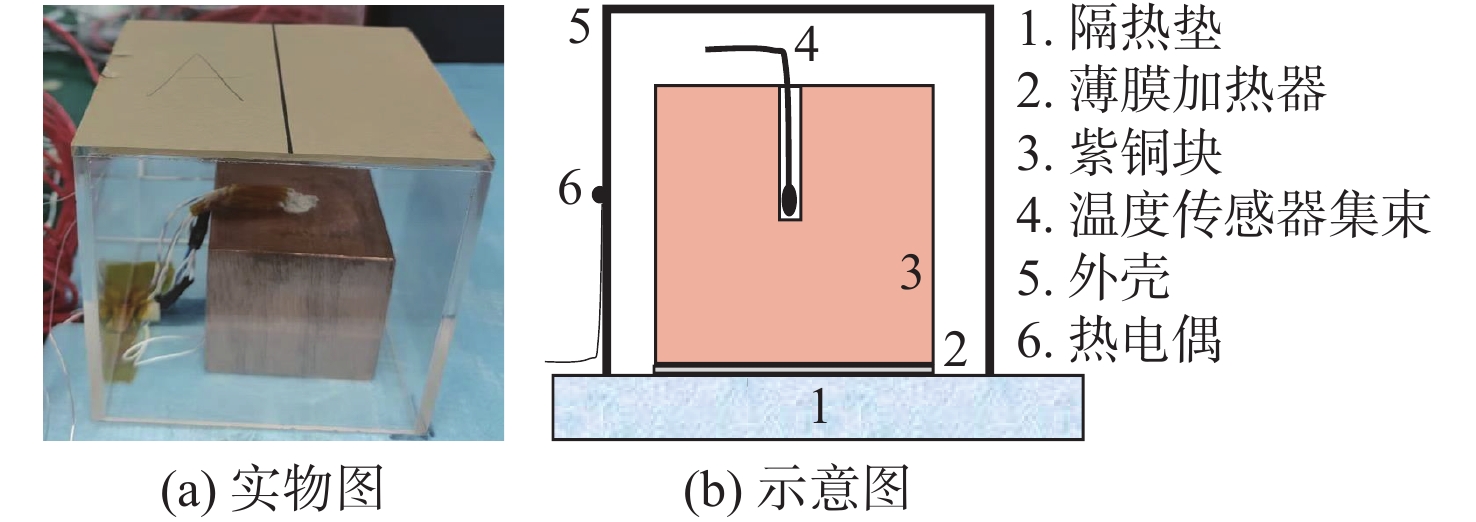
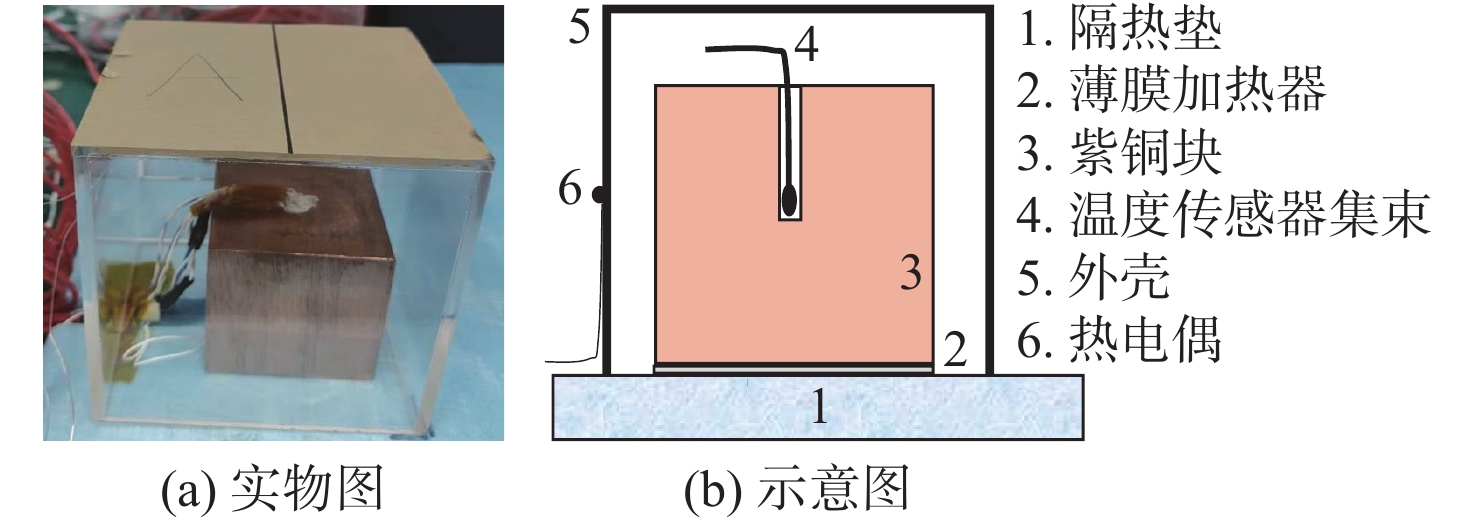
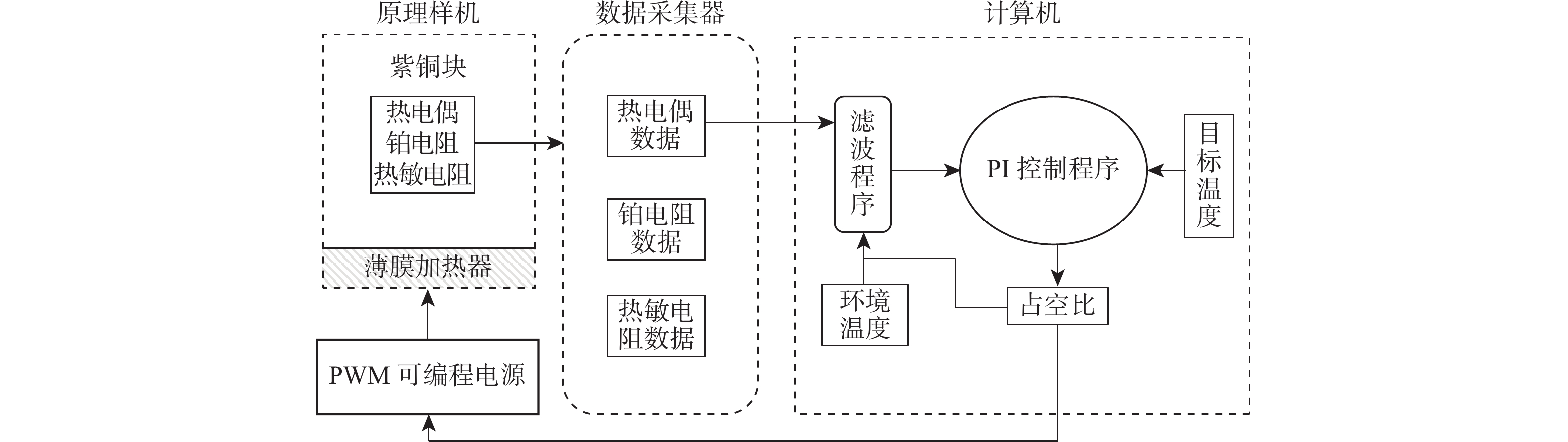
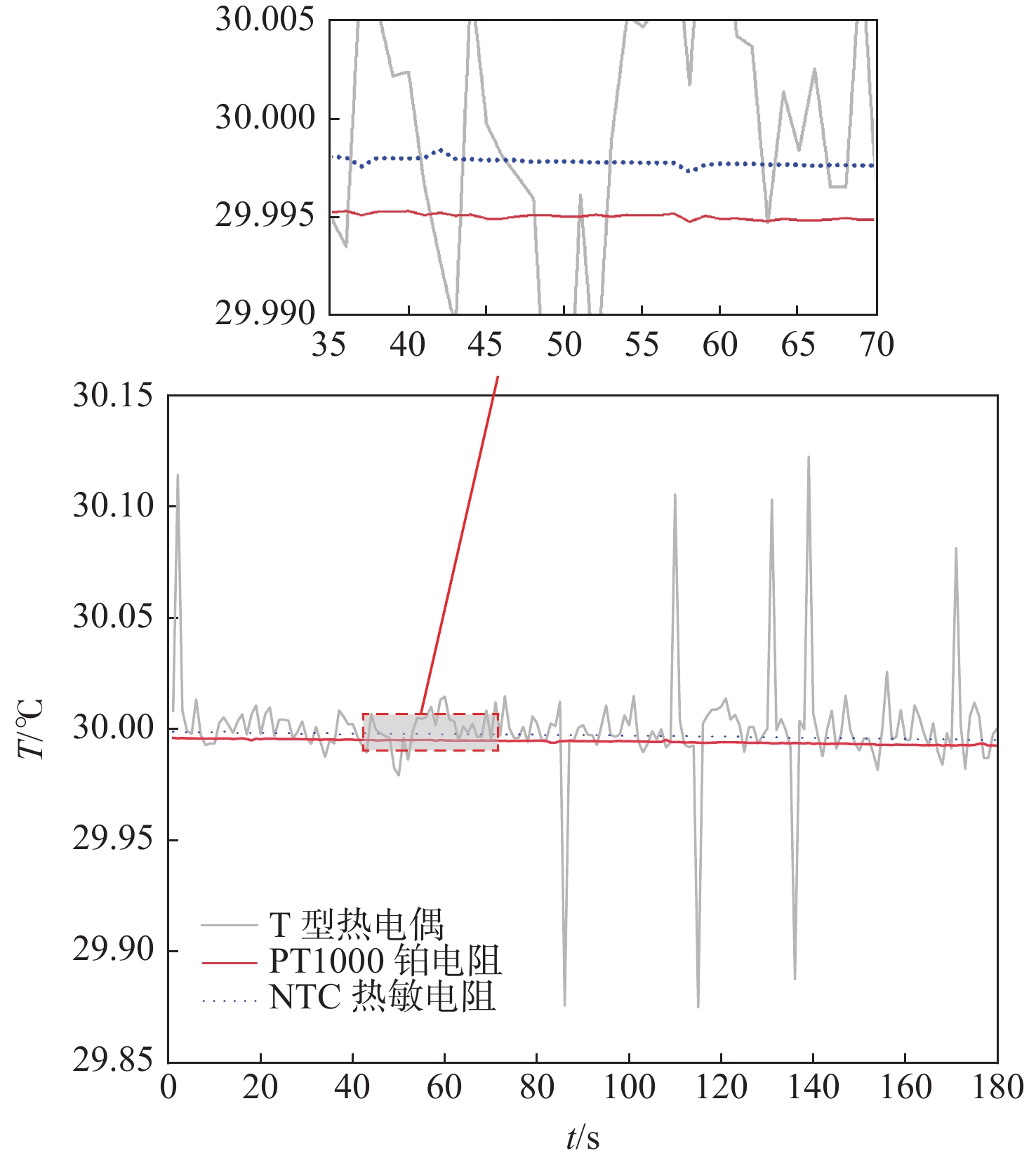
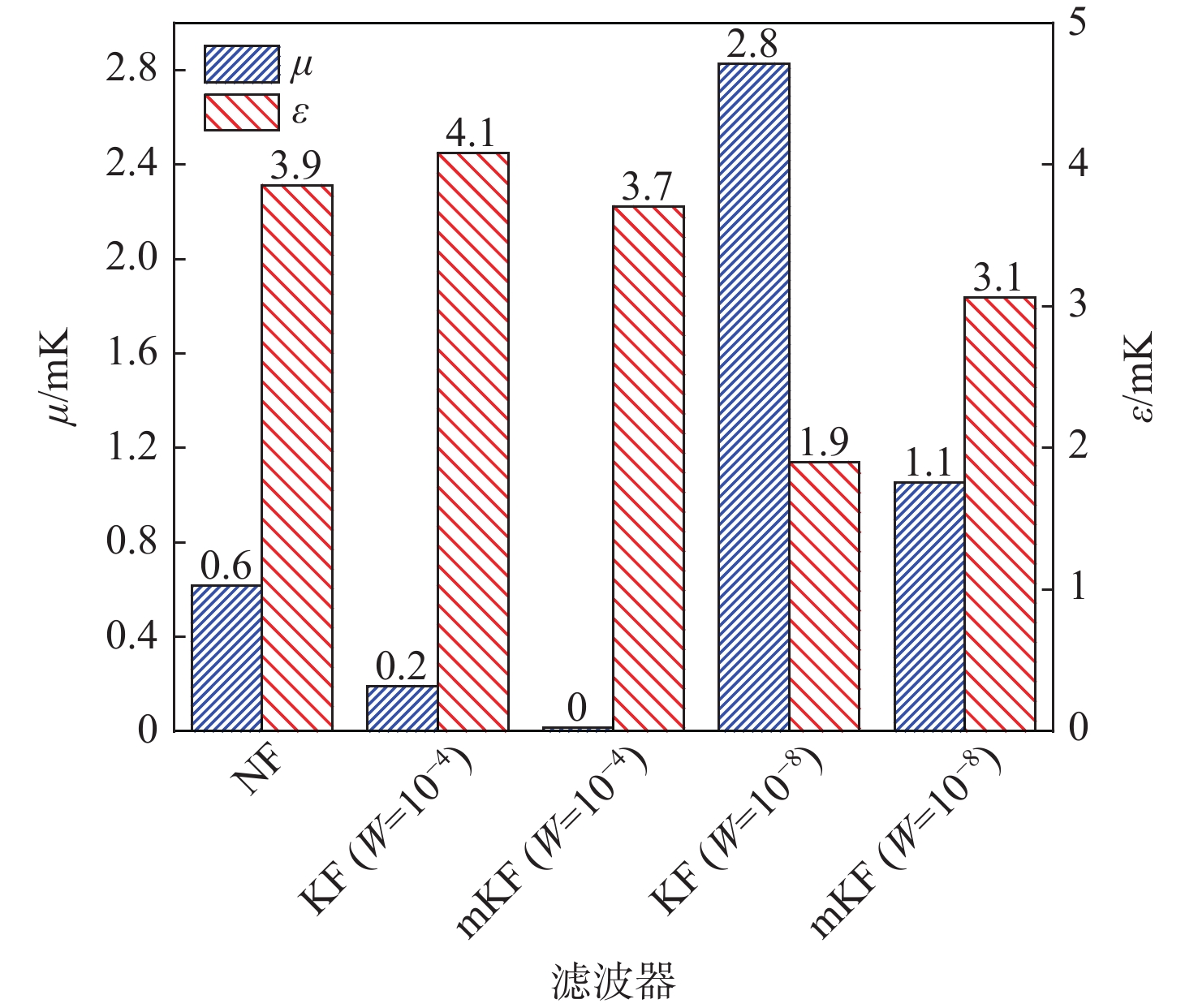
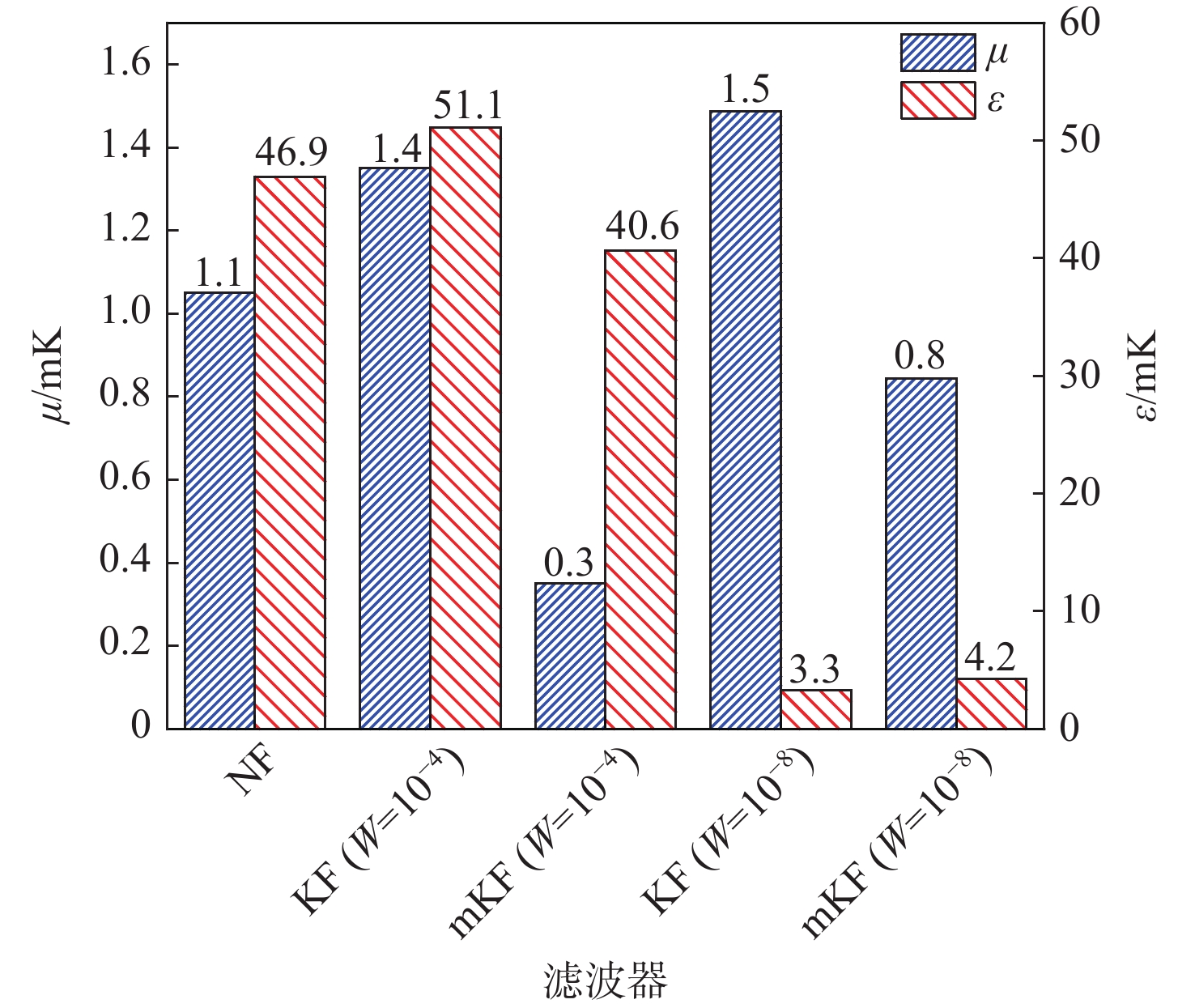
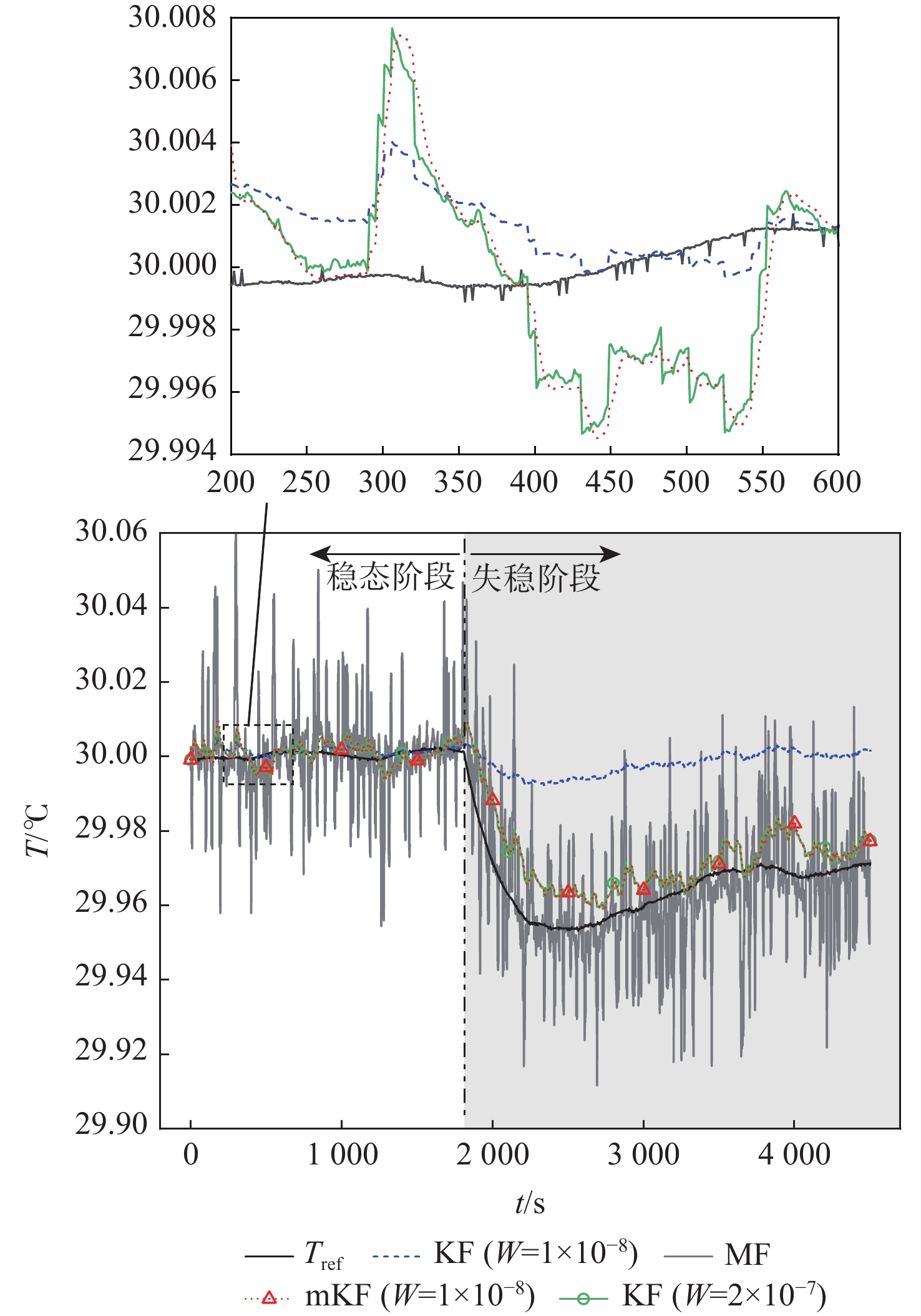
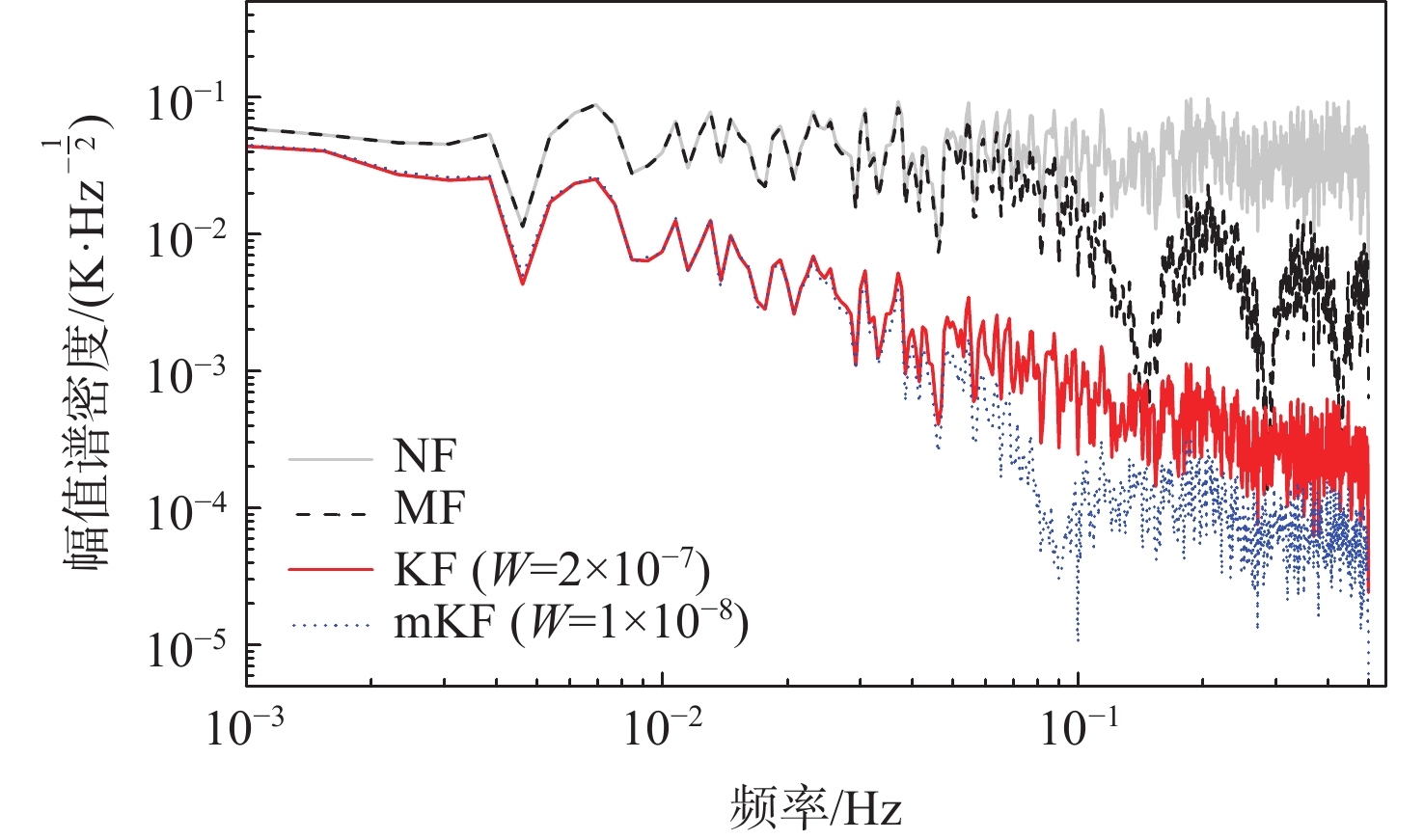
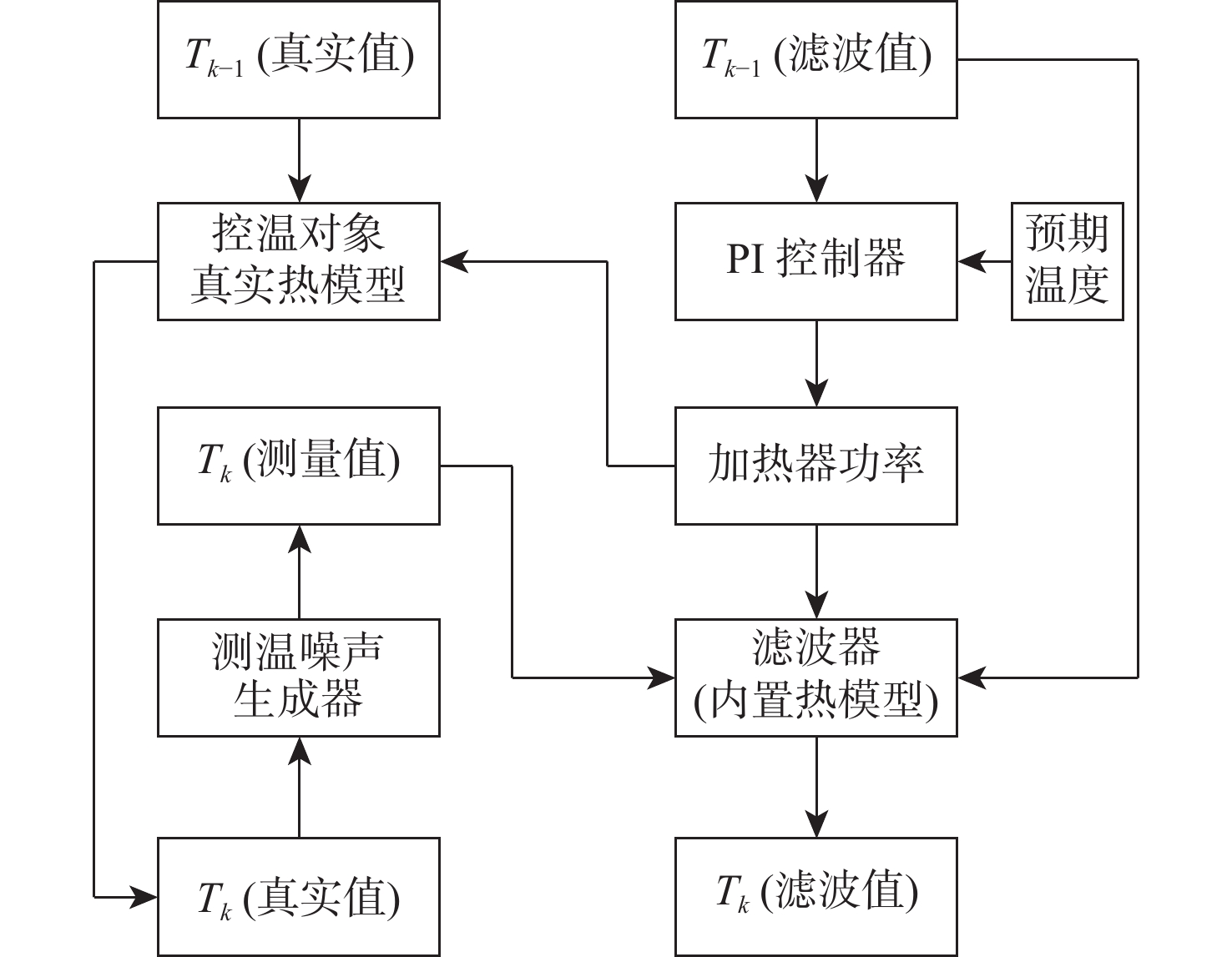
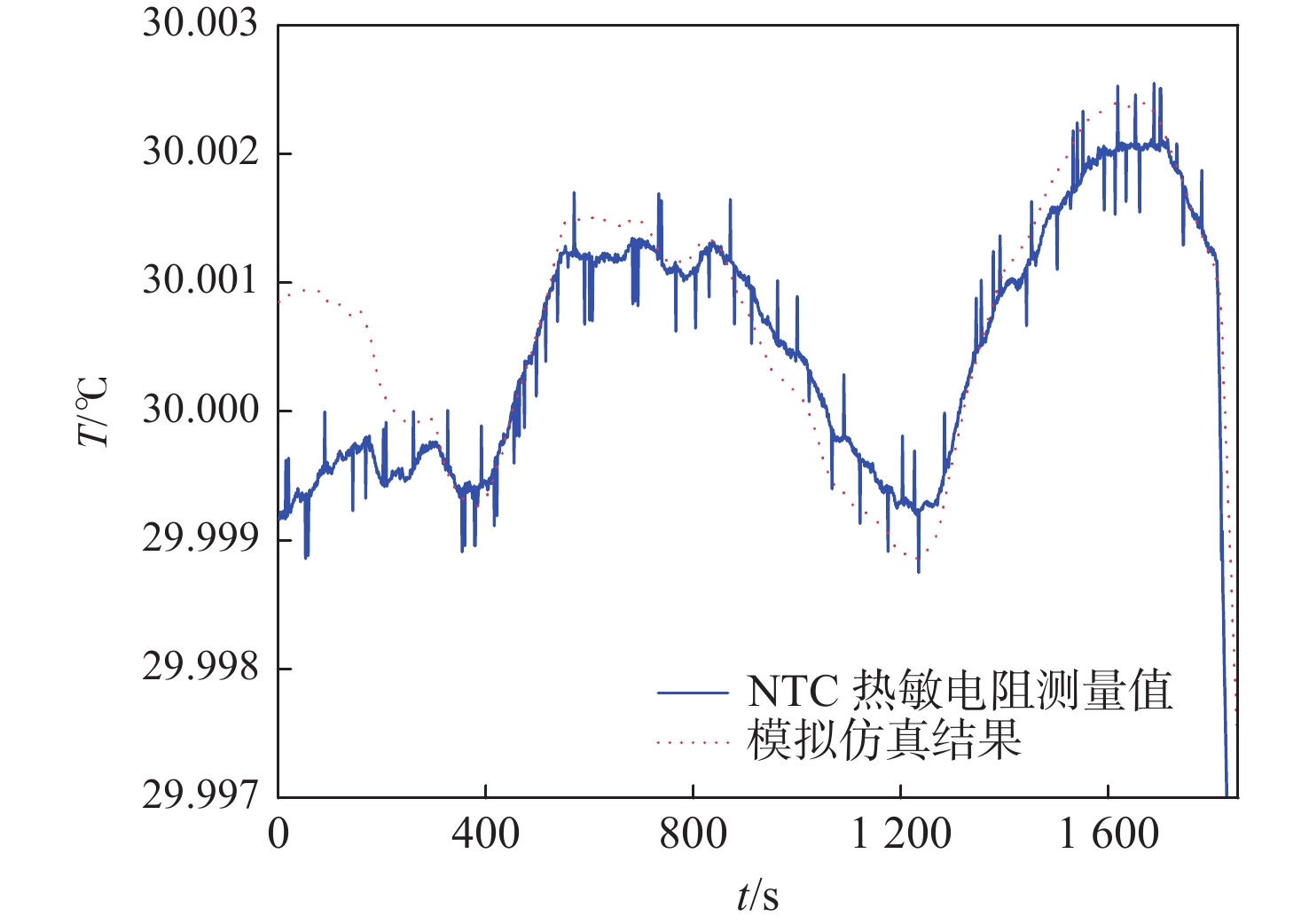
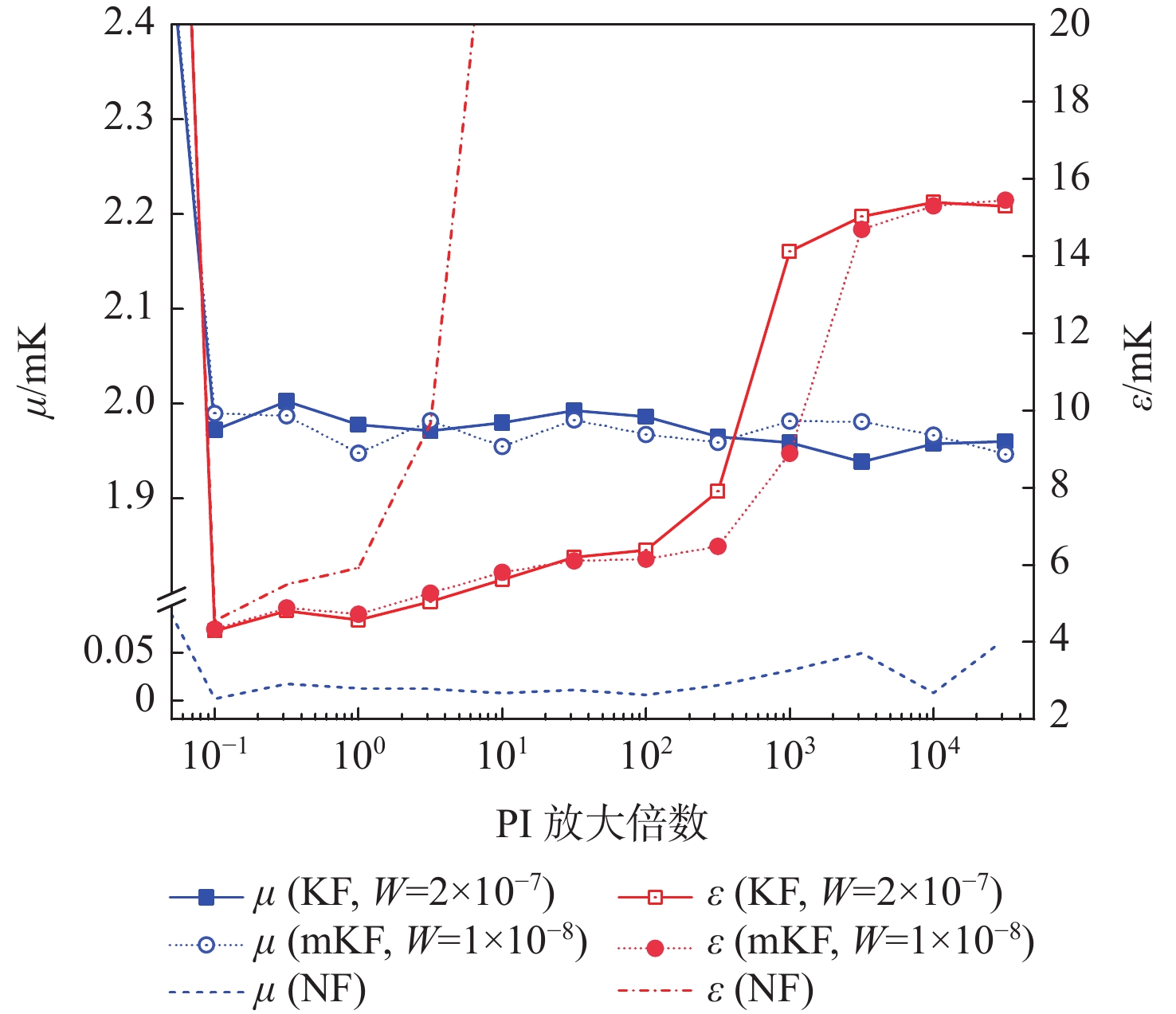
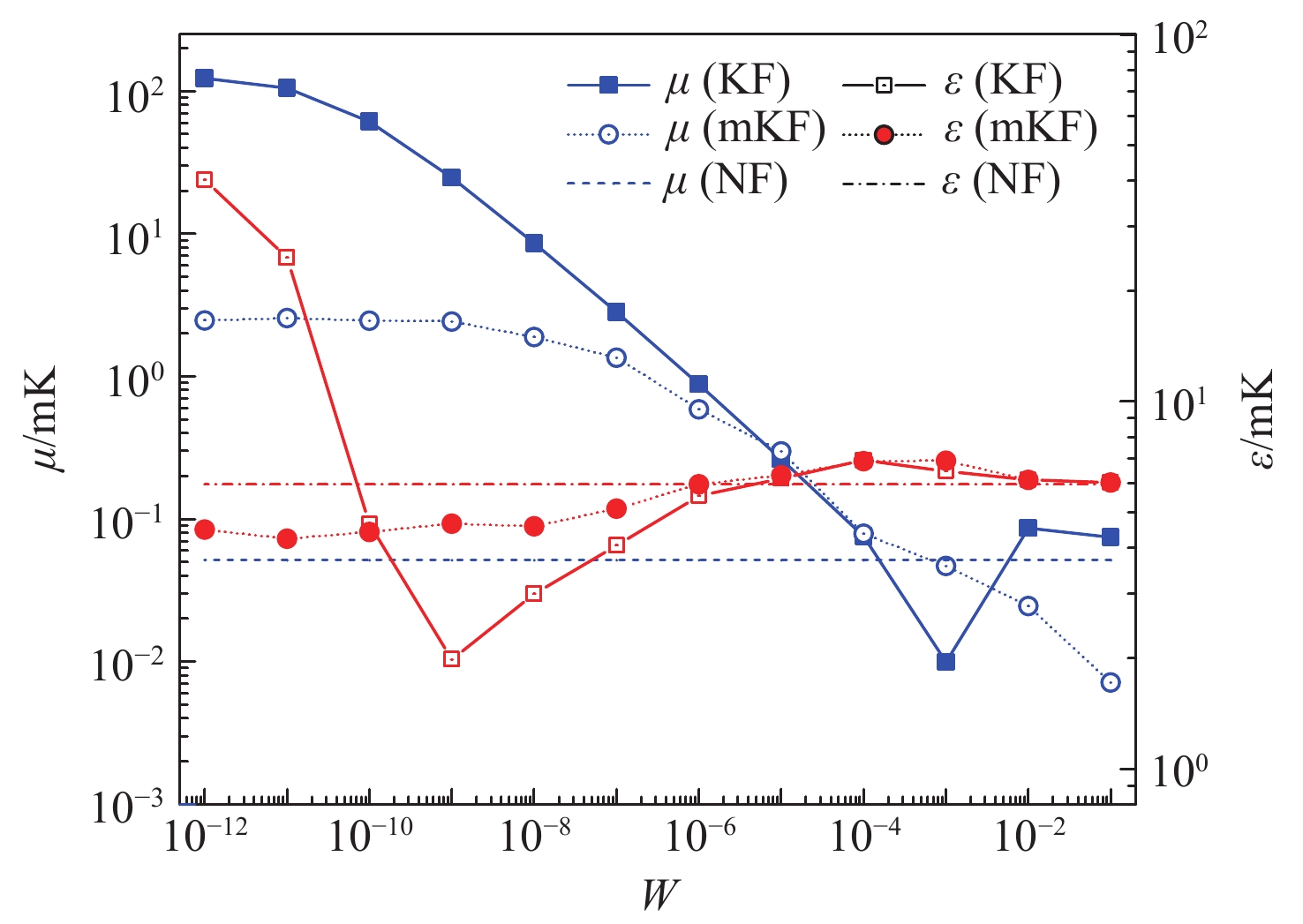
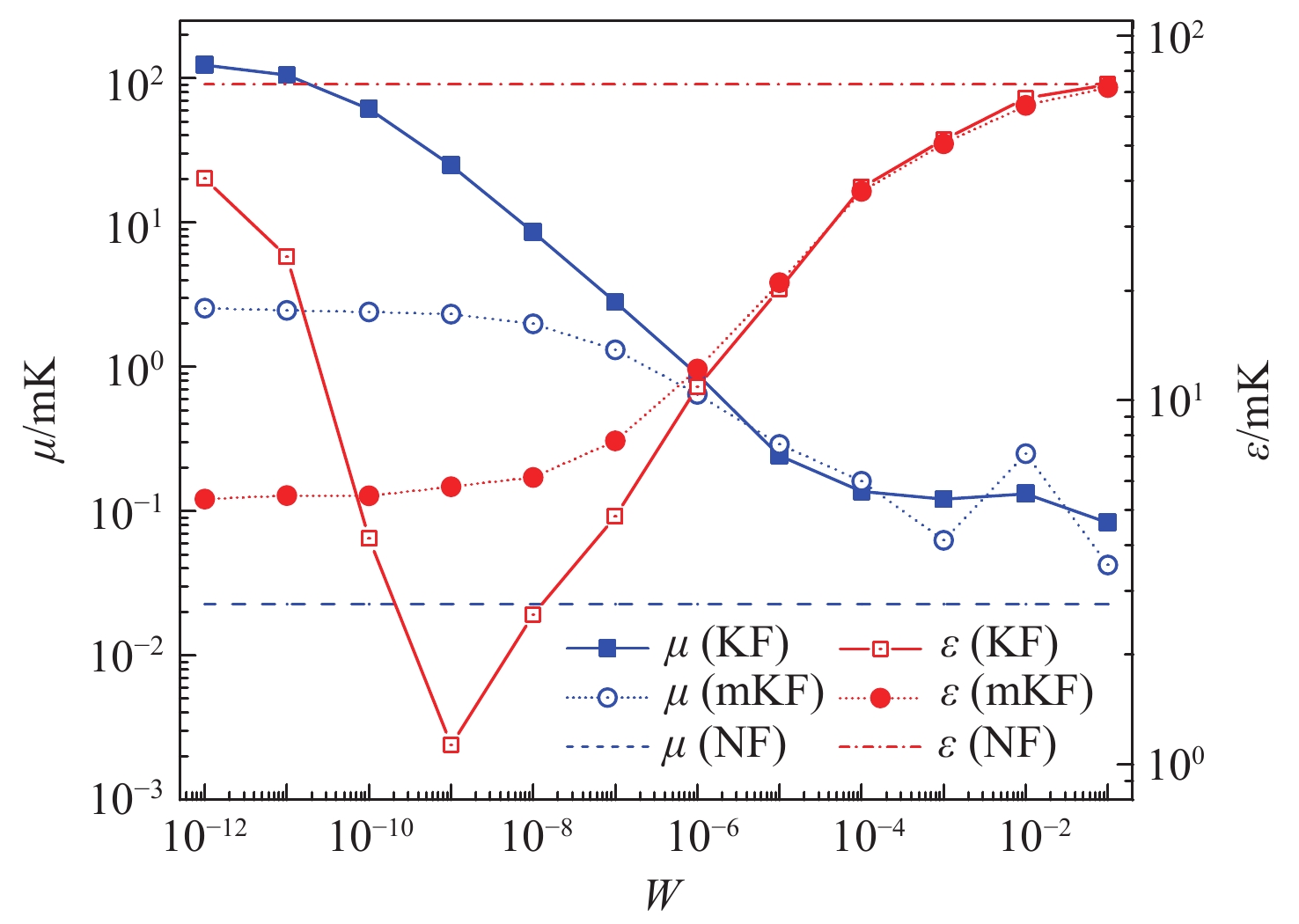
To meet the demand for precise temperature control in spacecraft under the constraint of low temperature measurement resolution, this paper proposes a high-precision temperature control method based on Kalman filtering (KF). This method first constructs a thermal model of the controlled object. The Kalman filter algorithm is then utilized to estimate temperature state changes and suppress temperature measurement noise. Finally, closed-loop control based on the filtered data is implemented to achieve high-precision temperature regulation. A modified Kalman filter (mKF) approach that incorporates continuous correction based on moving average filter results is suggested in order to address the problem of parameter adjustment inherent in this method. Through experiments and simulations, the influence of parameter settings on temperature control accuracy was analyzed. The findings demonstrate that the temperature control system using Kalman filtering improves control accuracy and adaptability to larger PI parameter values under the constraint of a temperature measurement resolution lower than 100 mK, achieving a stability better than 10 mK across a wider parameter range. After applying the modified Kalman Filtermethod, the system's temperature control accuracy under large PI control parameters is further improved. Moreover, the system exhibits lower sensitivity to PI control parameters, filtering parameters, and thermal model parameters, resulting in reduced parameter tuning difficulty and enhanced robustness.

Multi-object trajectory planning method based on improved MADDPG
CHEN Kai, LEI Yichen, LI Yanze, FANG Guoyu, HU Zizhuo, YANG Mingshi
2026, 52(8): 2788-2800. doi: 10.13700/j.bh.1001-5965.2025.0636
Abstract:

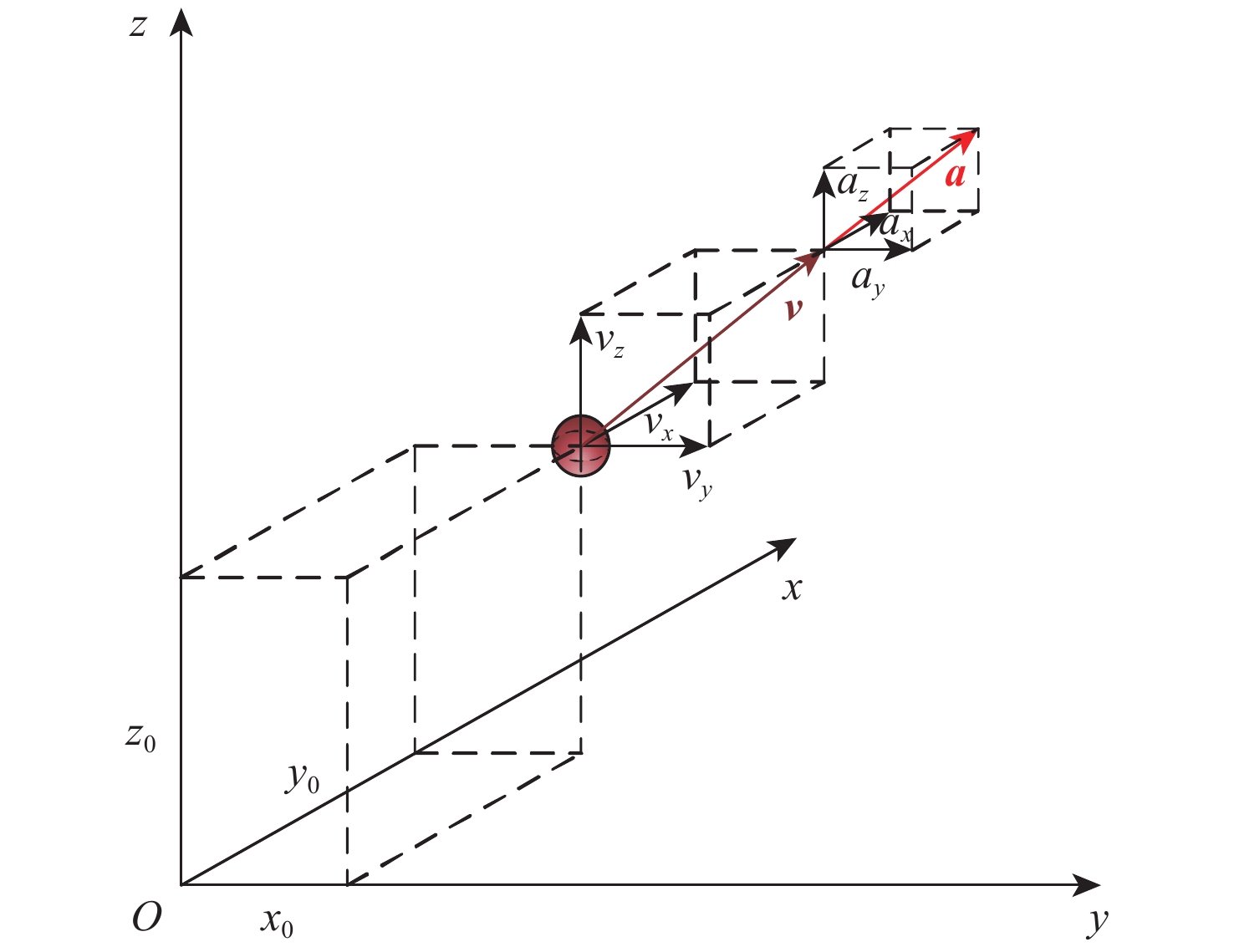
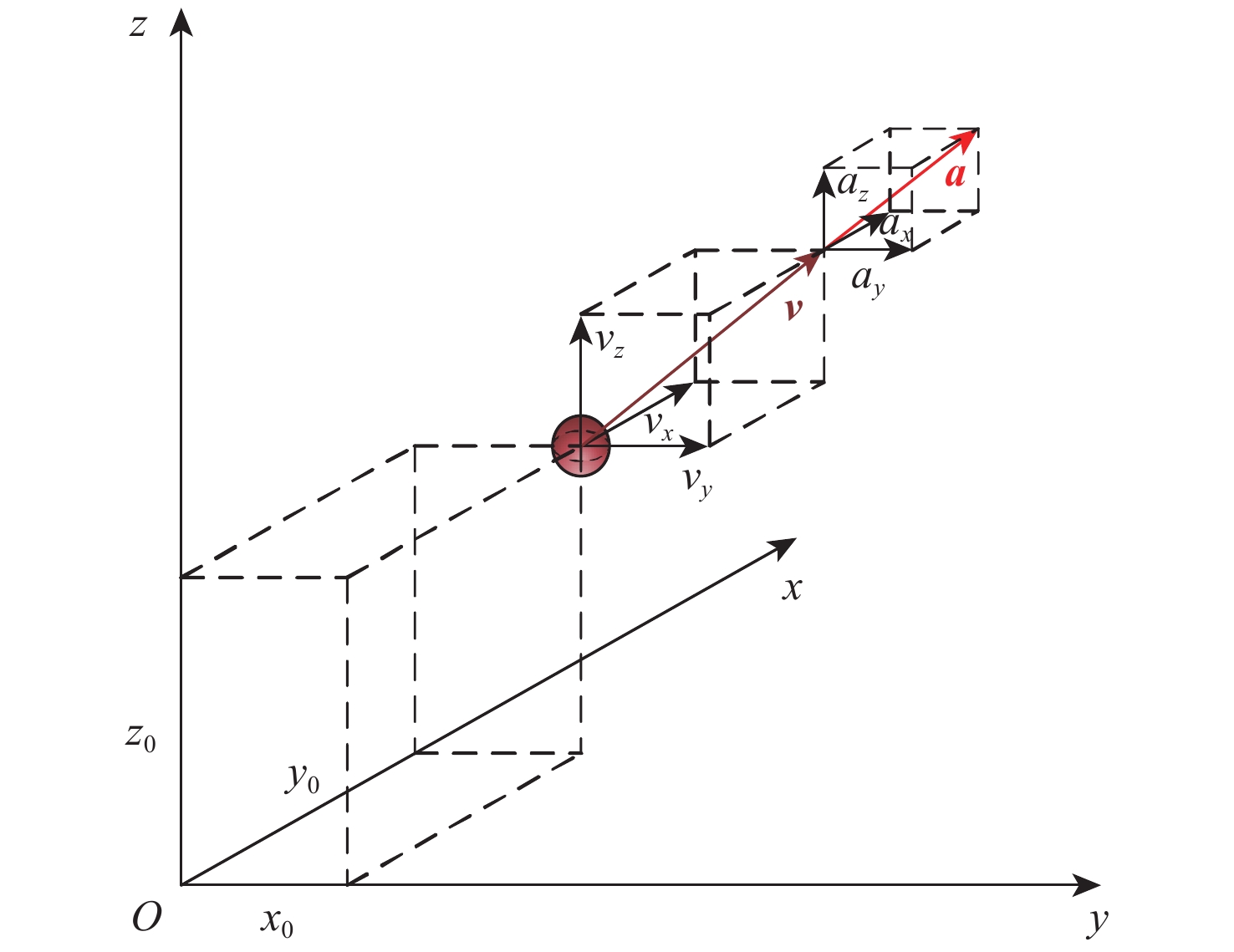
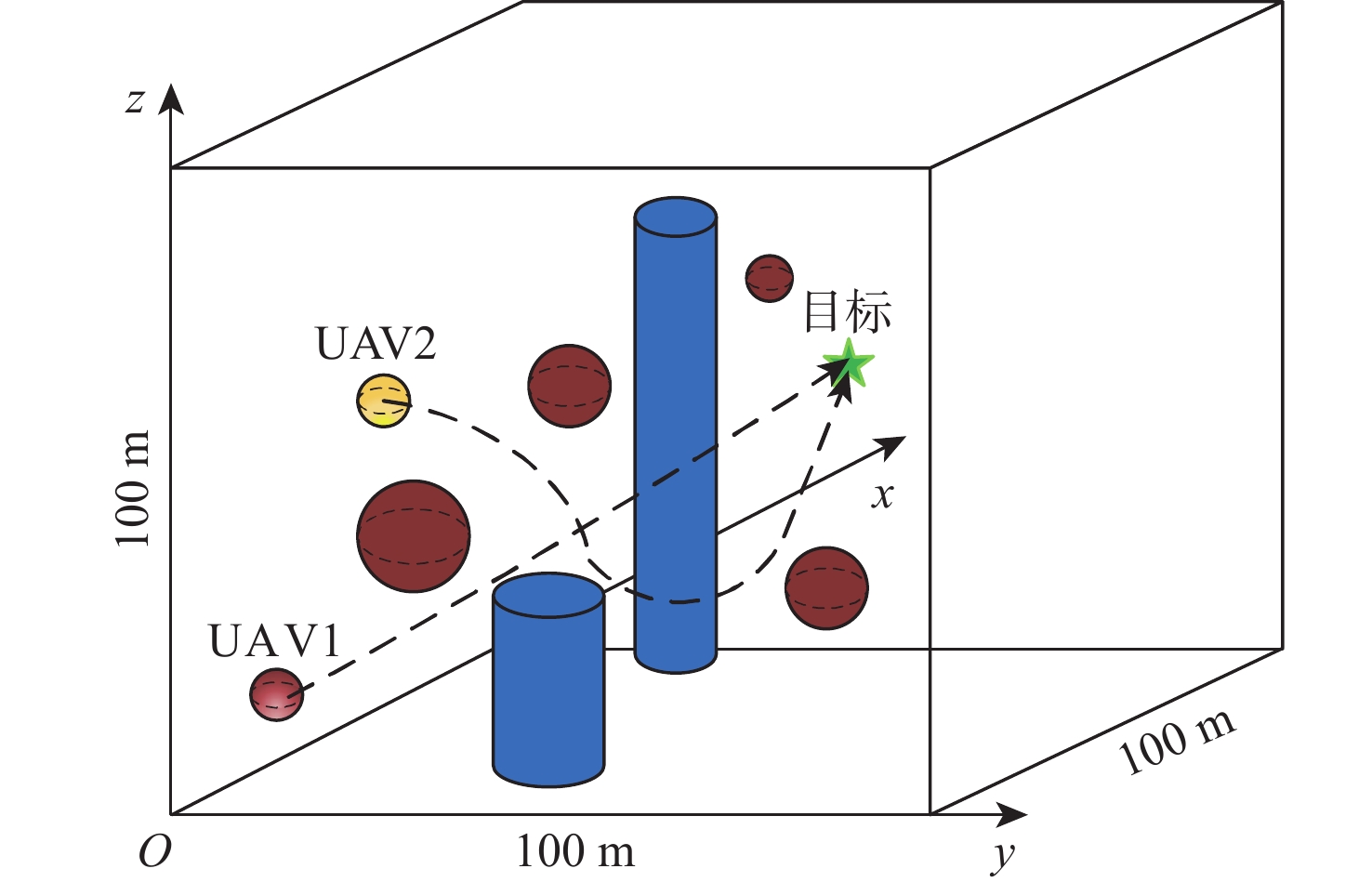
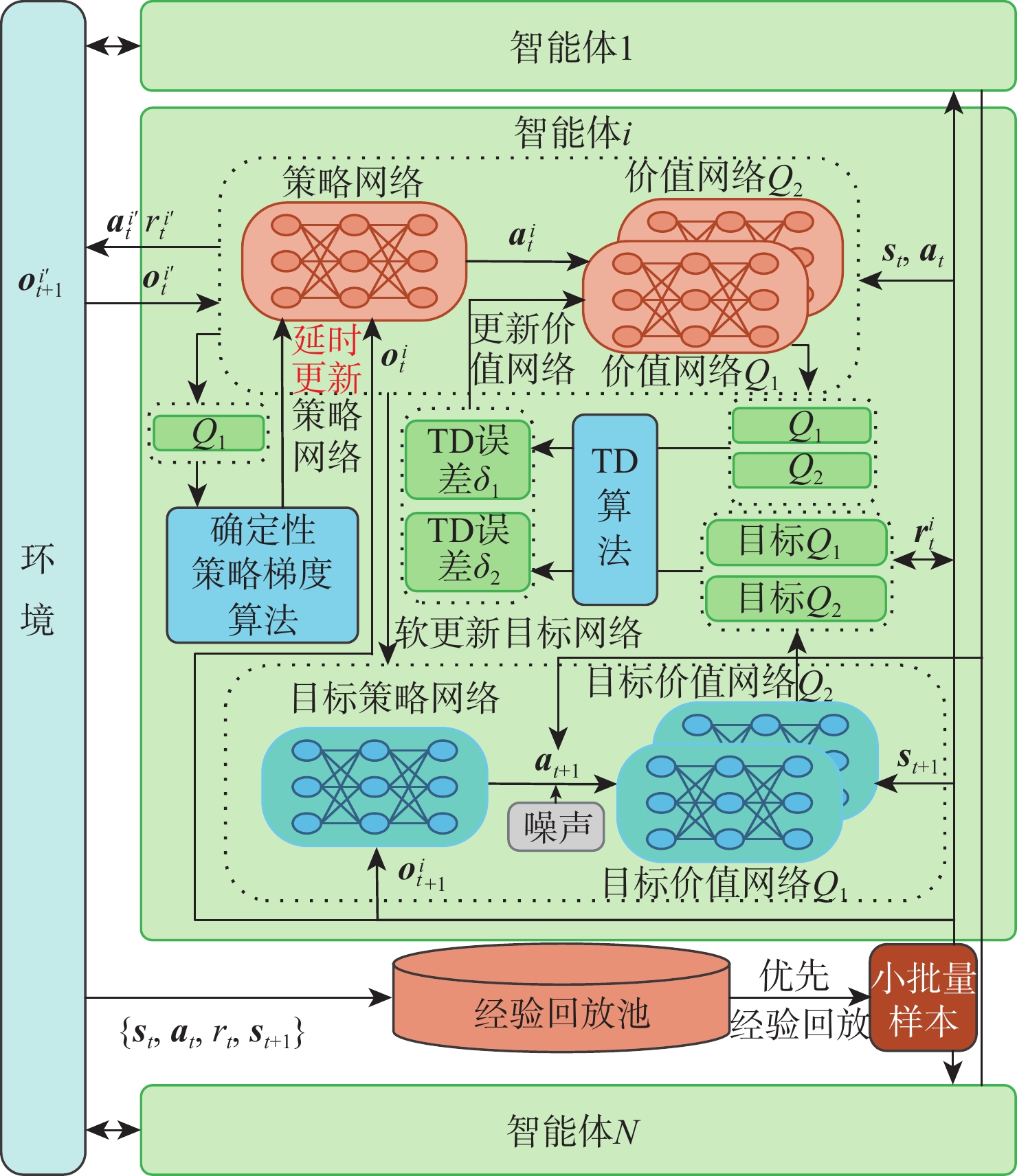
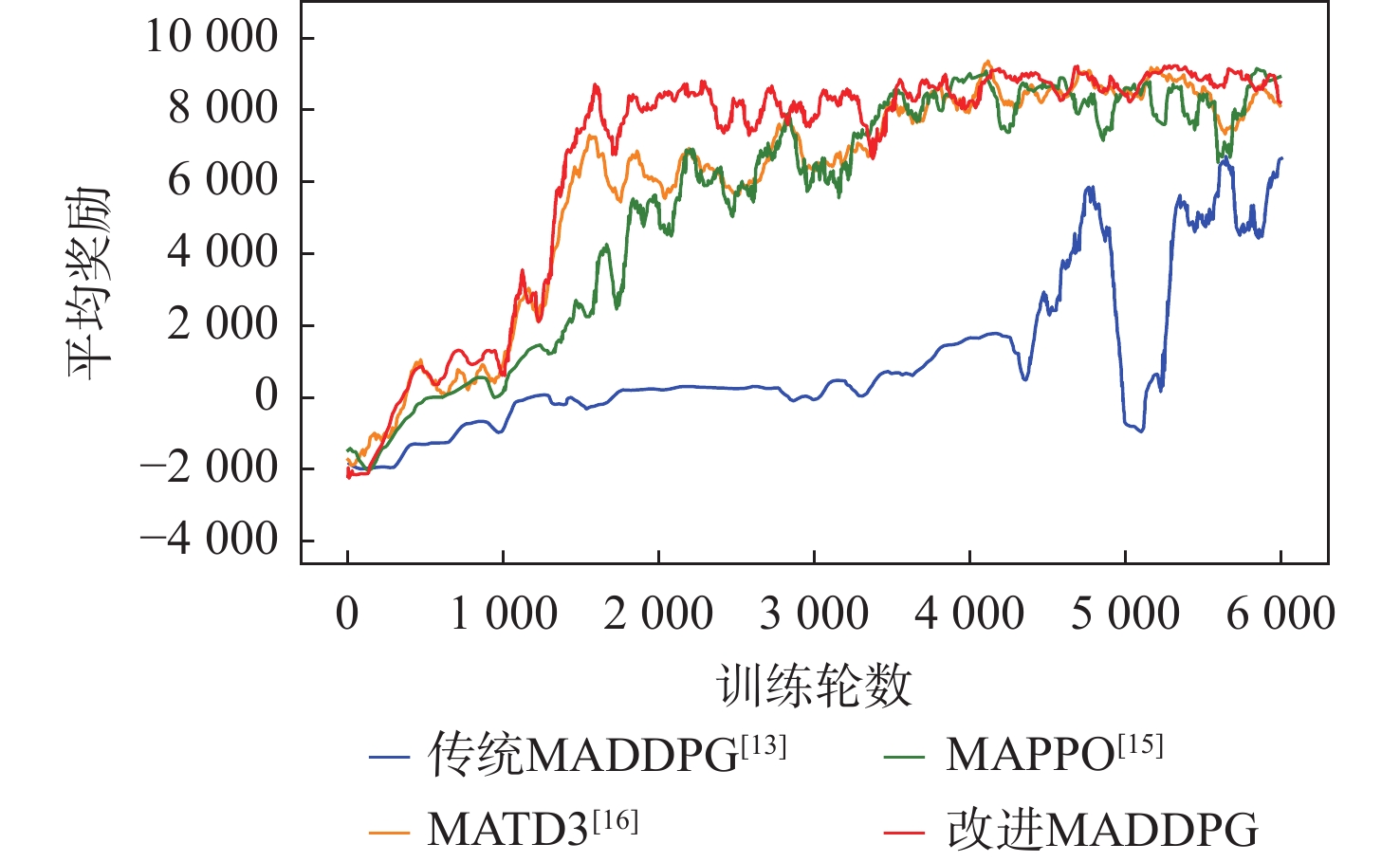
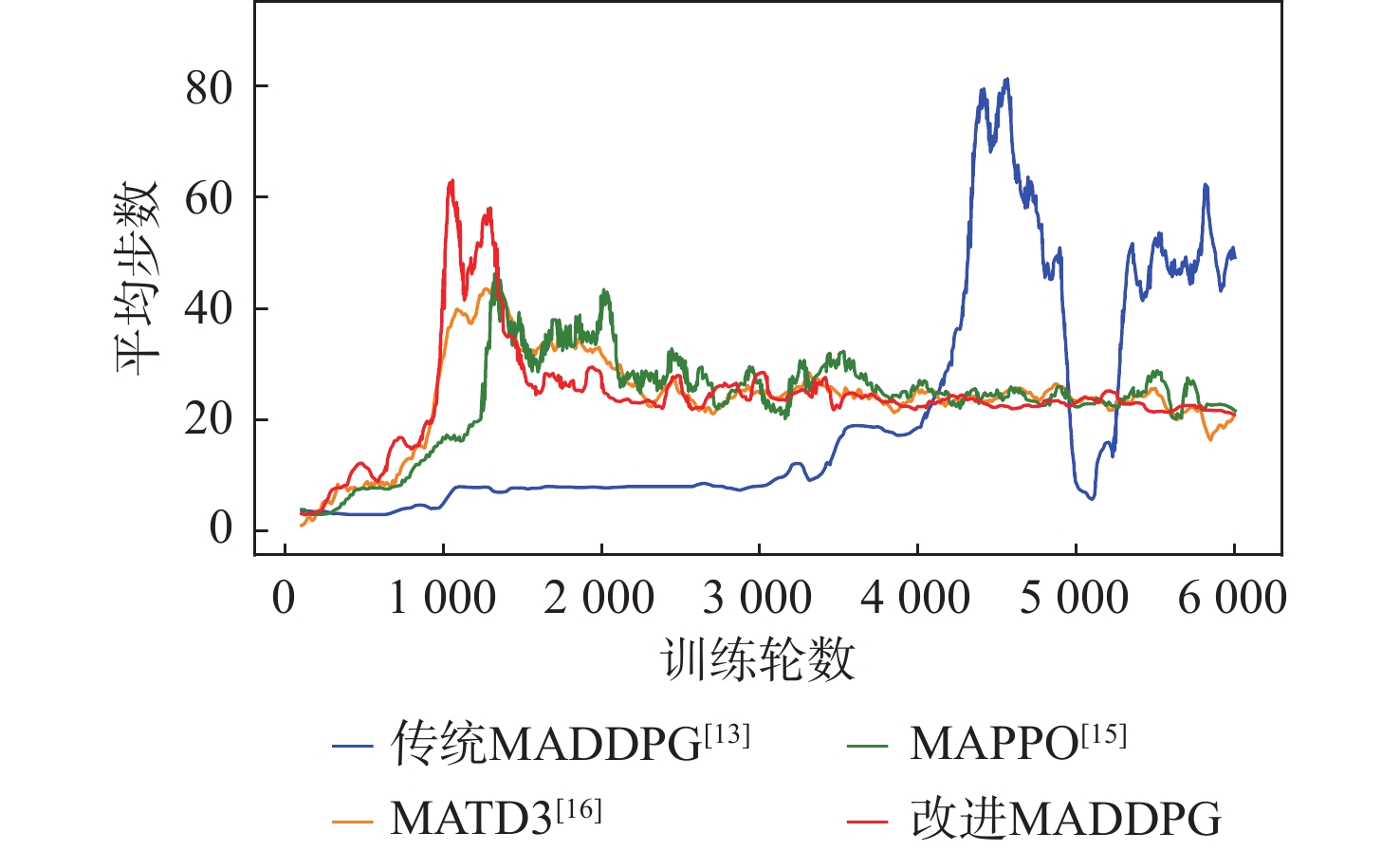
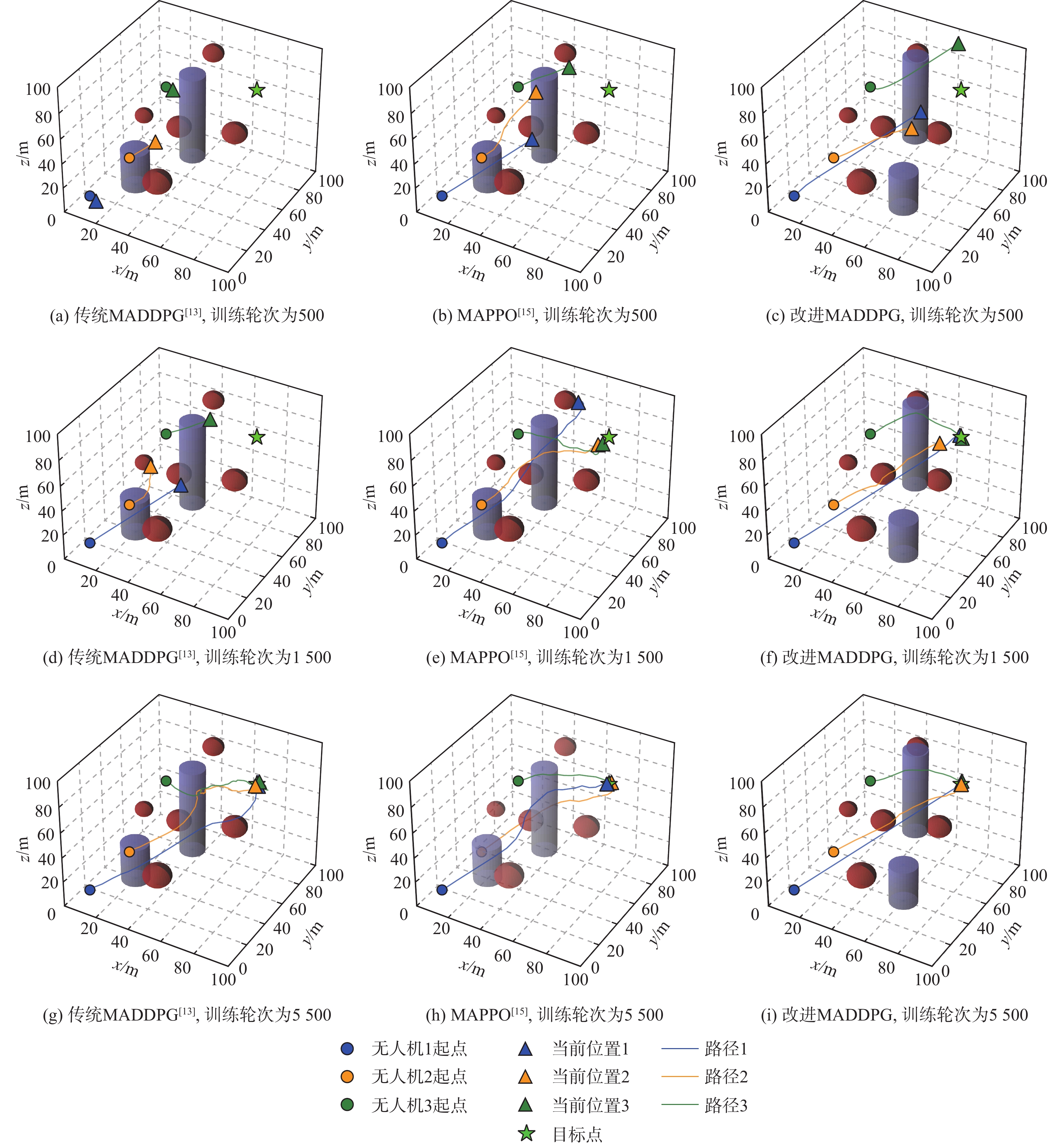
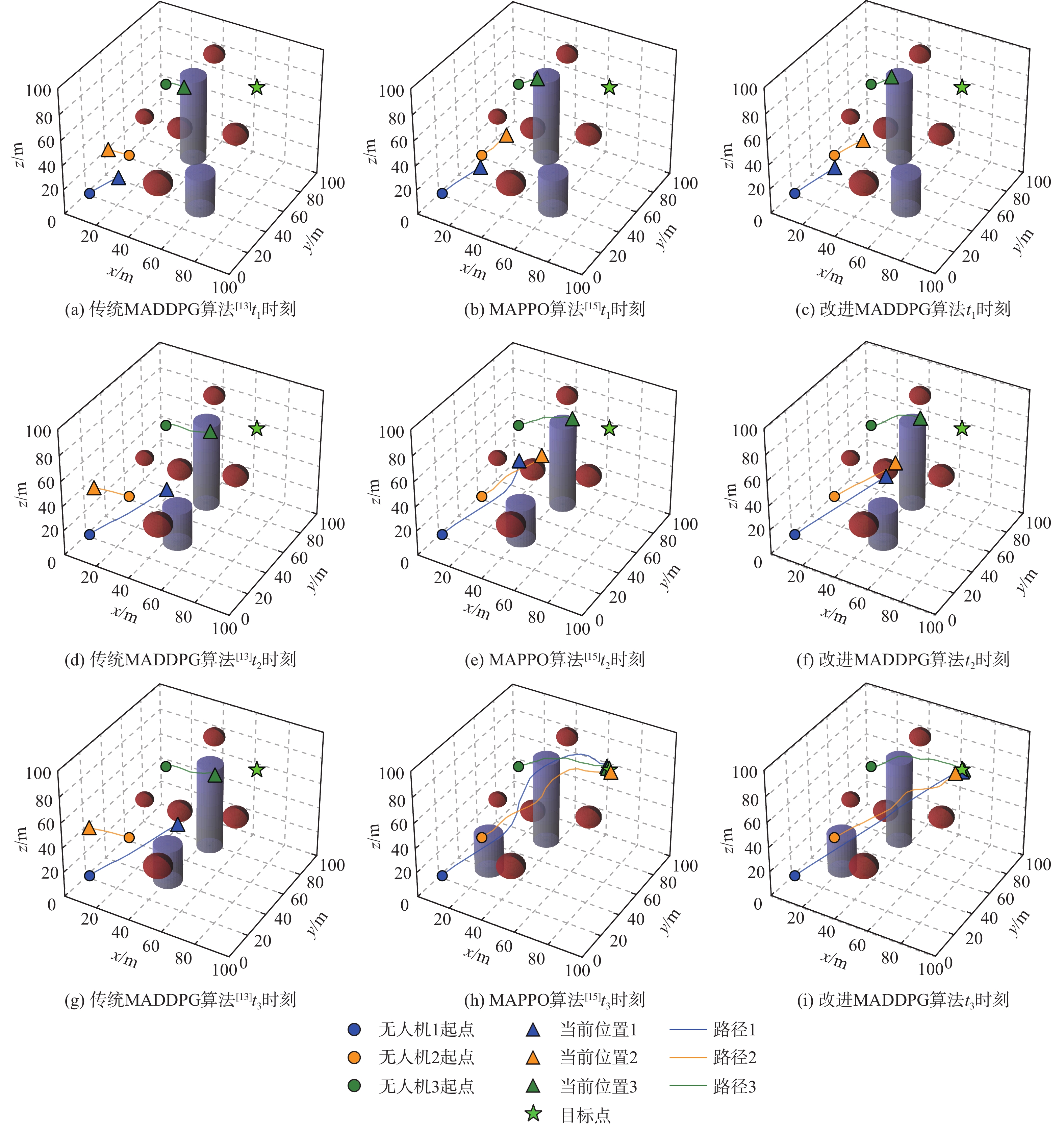
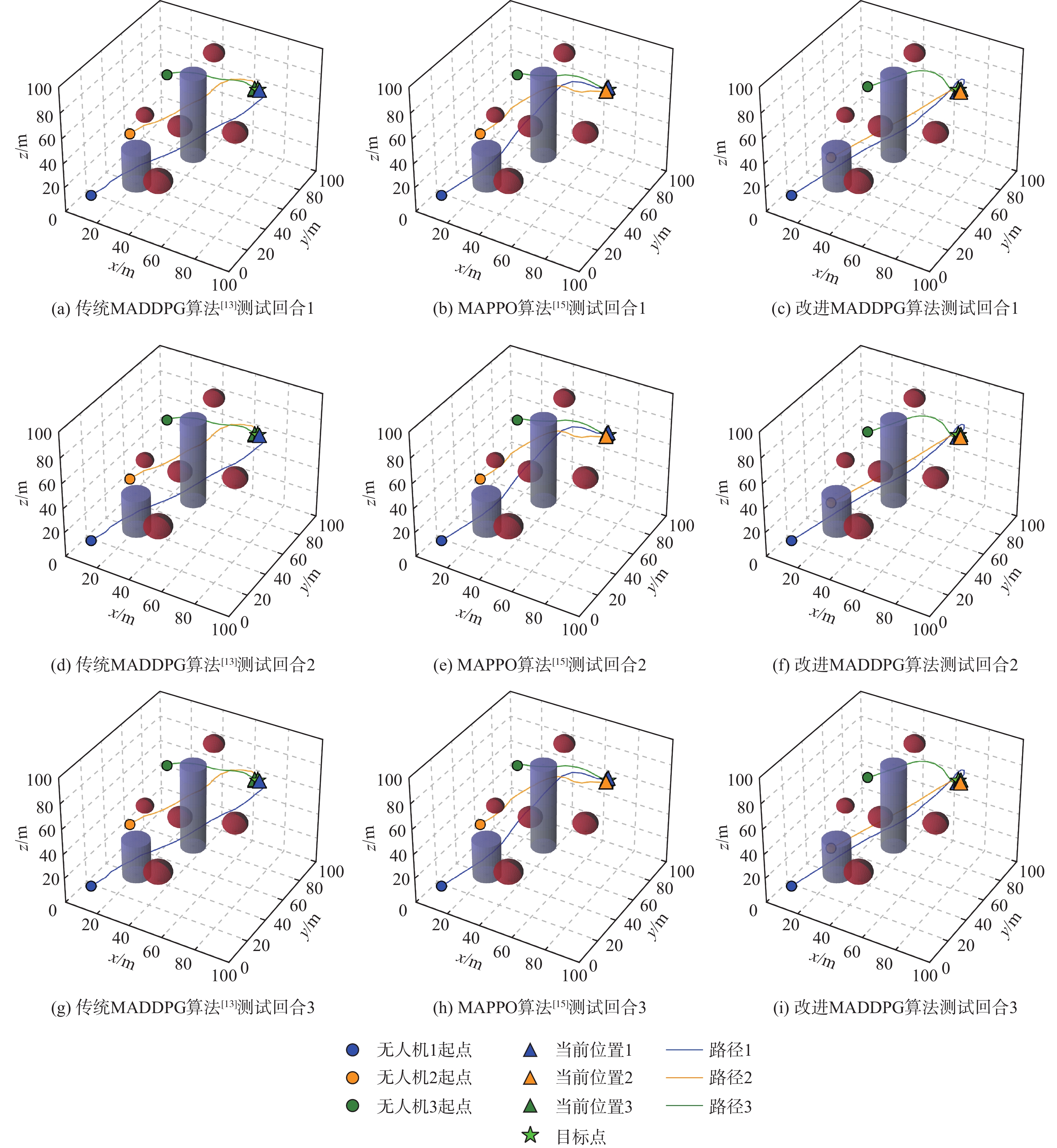
To address the issues of low exploration efficiency, value estimation bias, and insufficient training stability in the traditional multi-agent deep deterministic policy gradient (MADDPG) algorithm for multi- nmanned aerial vehicle(UAV)trajectory planning, this paper proposes an improved MADDPG algorithm. To preserve policy diversity while improving convergence stability, the suggested approach combines an exponentially decaying exploration noise strategy with the fundamental mechanisms of the twin delayed deep deterministic policy gradient (TD3), such as a dual-critic network, delayed policy updates, and target policy smoothing. Furthermore, tailored state and action spaces are designed for multi-UAV cooperative trajectory planning, along with a dense reward function to ensure efficient and stable path generation. A three-dimensional static simulation environment is constructed to train and comparatively evaluate the proposed improved MADDPG method against the traditional MADDPG. Experimental results demonstrate that the proposed improved MADDPG algorithm achieves rapid convergence and stable planning performance under various starting/ending positions and obstacle distributions. It validates its efficacy and robustness for cooperative multi-UAV trajectory planning in complicated airspace scenarios by achieving notable gains in path efficiency, task completion rate, and cooperative control capability when compared to the old technique.

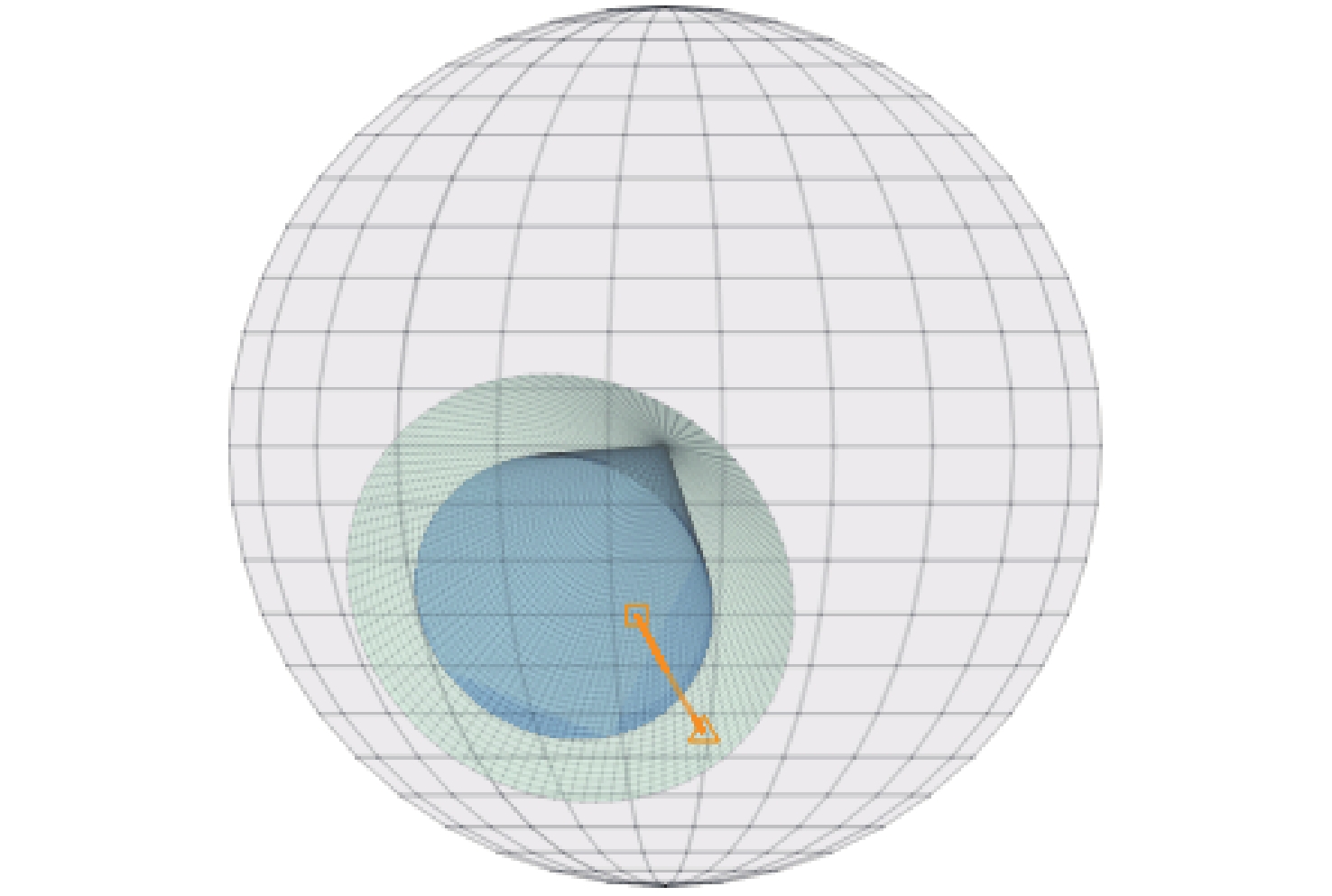
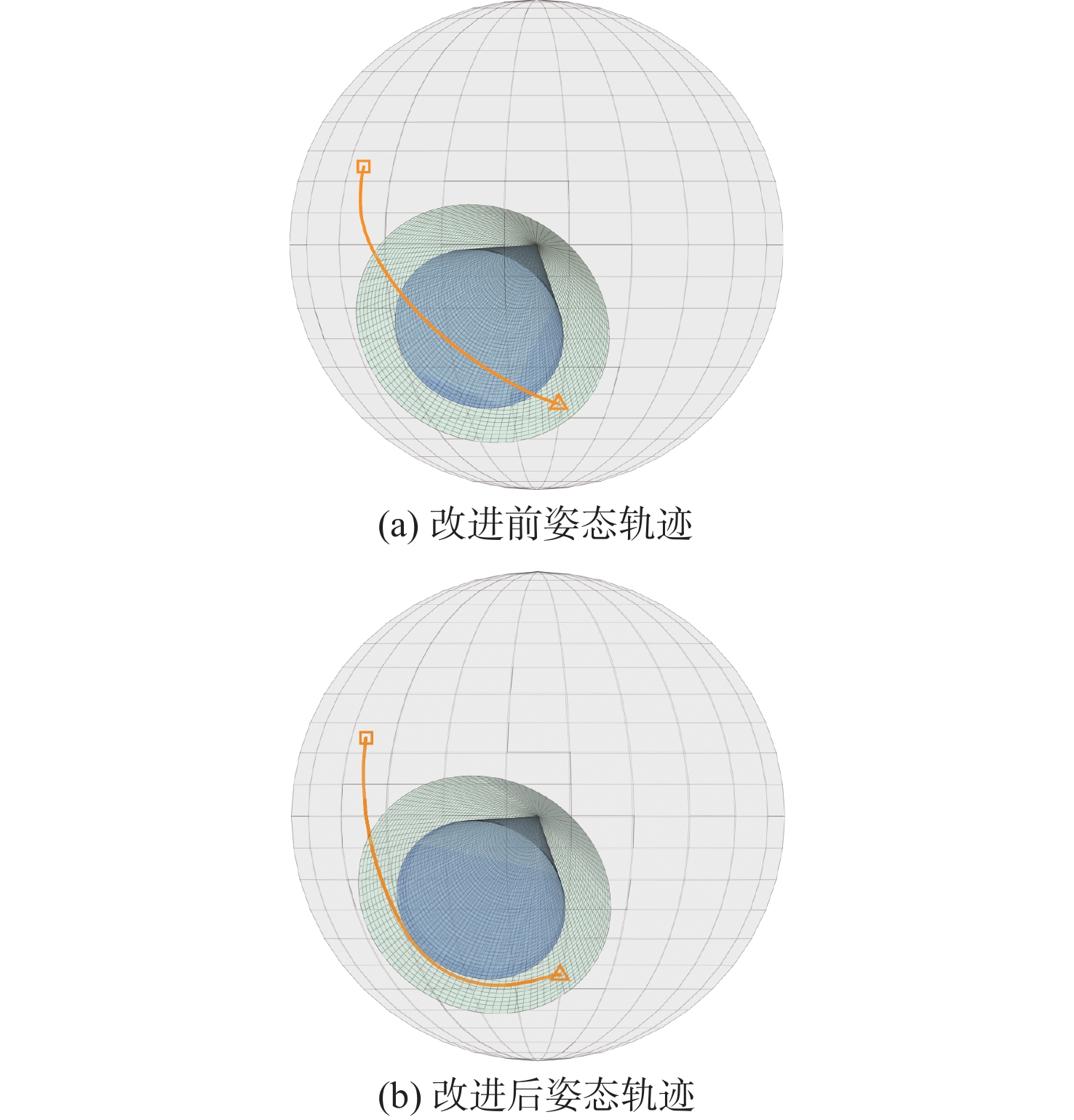
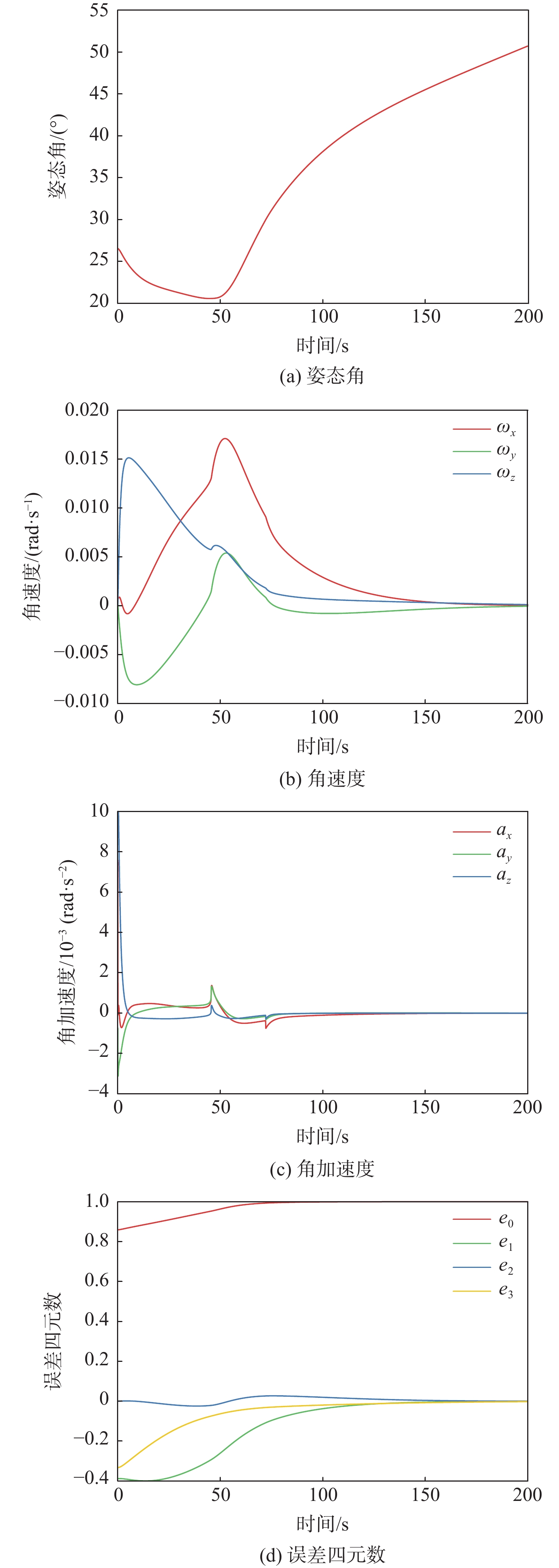
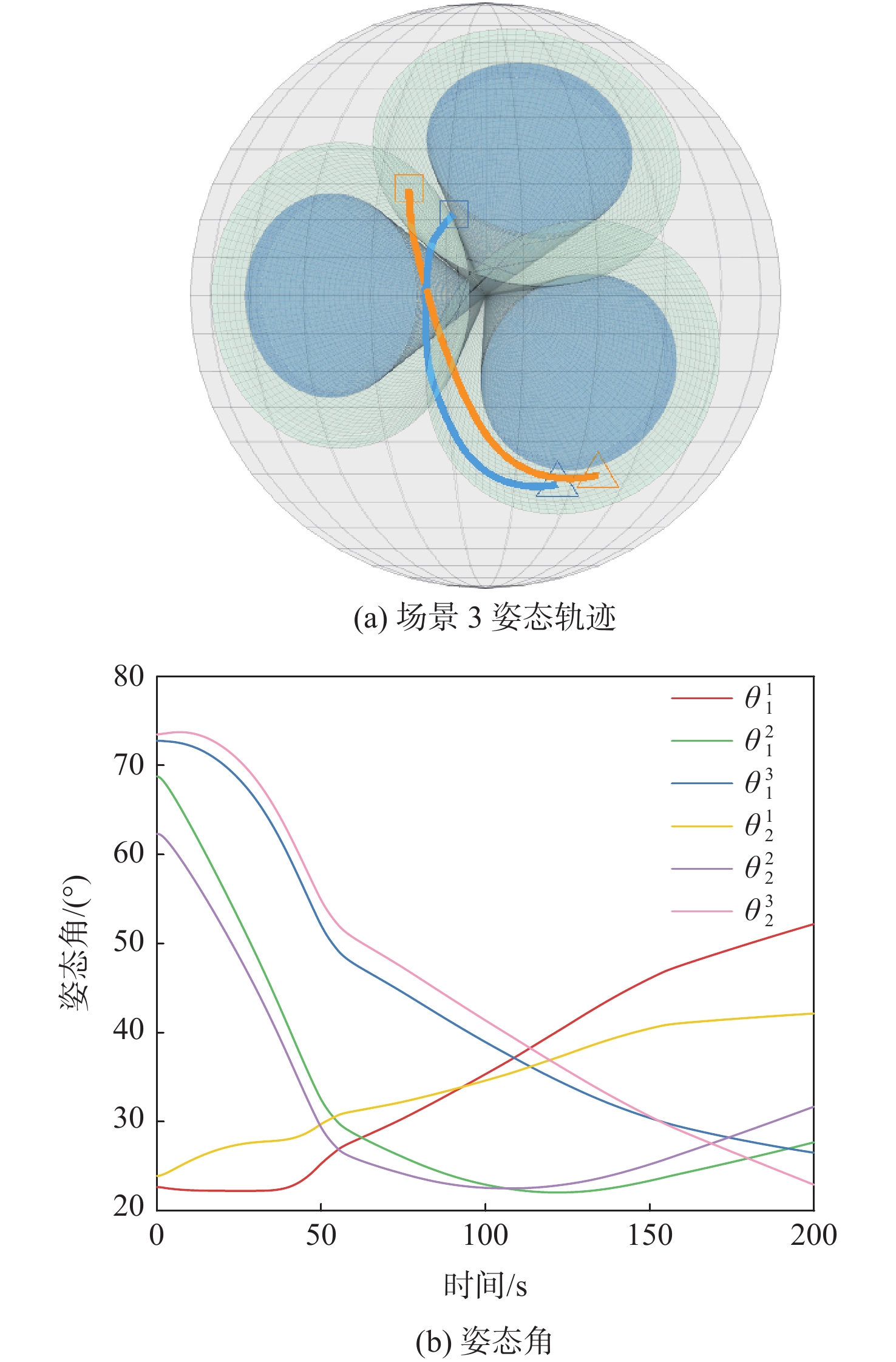
Spacecraft attitude reorientation with dynamic forbidden zones based on a teardrop-shaped artificial potential function
LIU Yunyao, LI Gen, YE Zhi, ZHU Xiaowei, TIAN Ao
2026, 52(8): 2801-2816. doi: 10.13700/j.bh.1001-5965.2025.0663
Abstract:

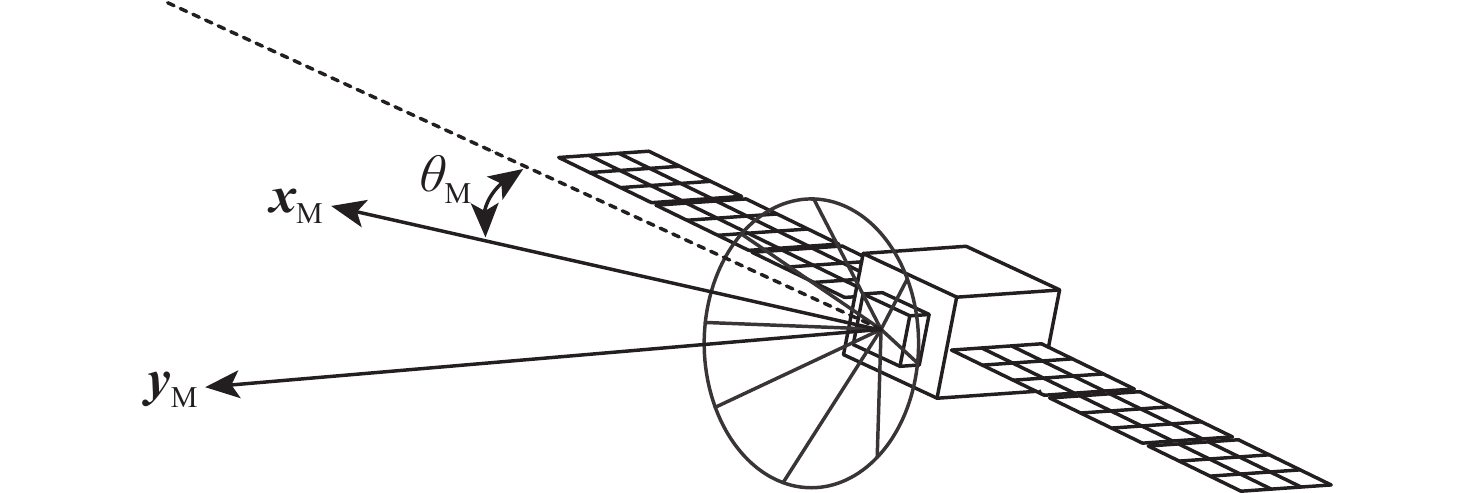
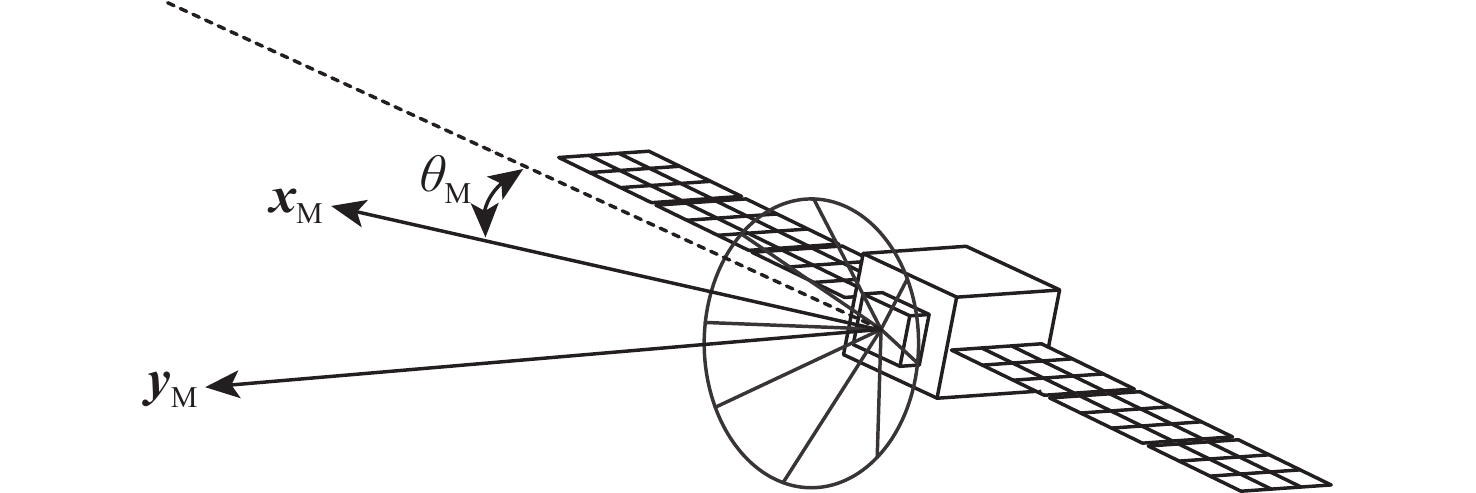
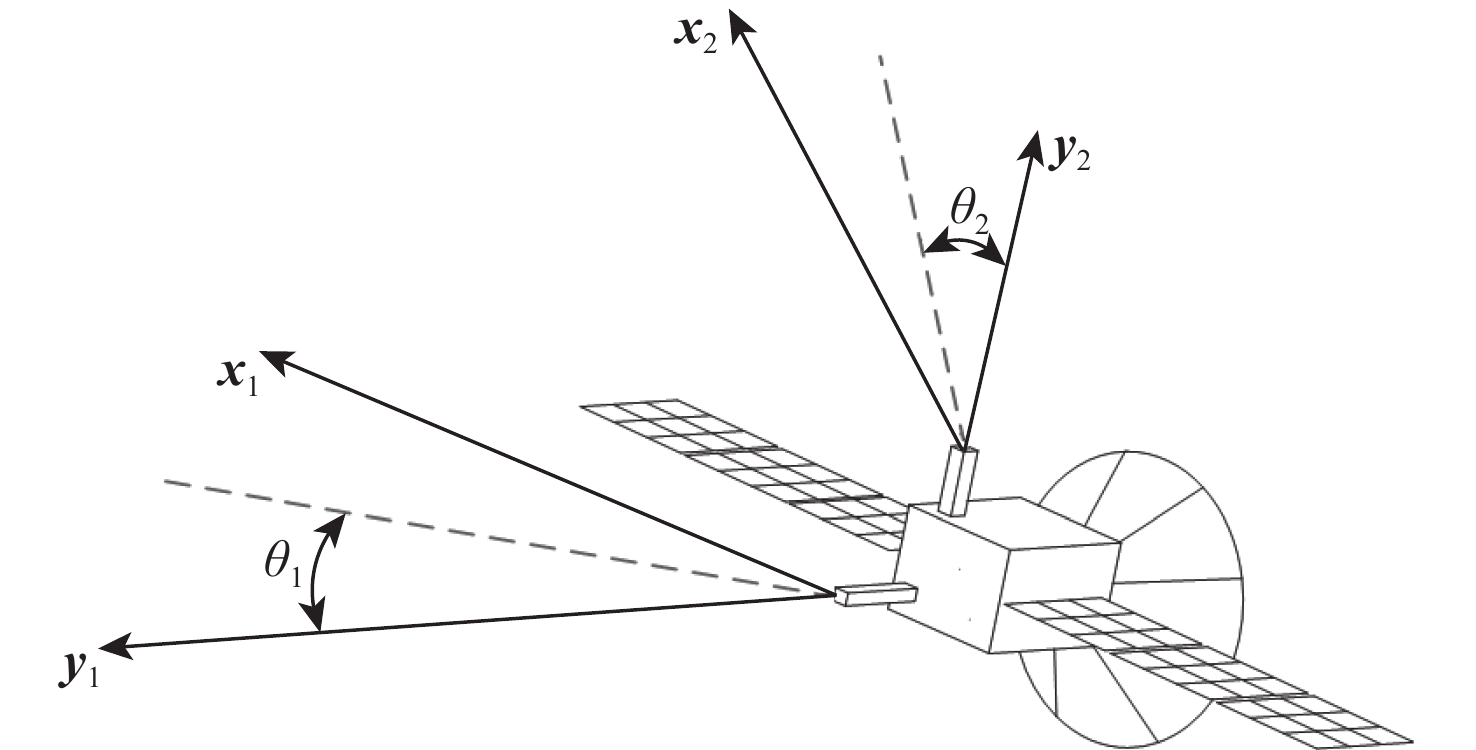
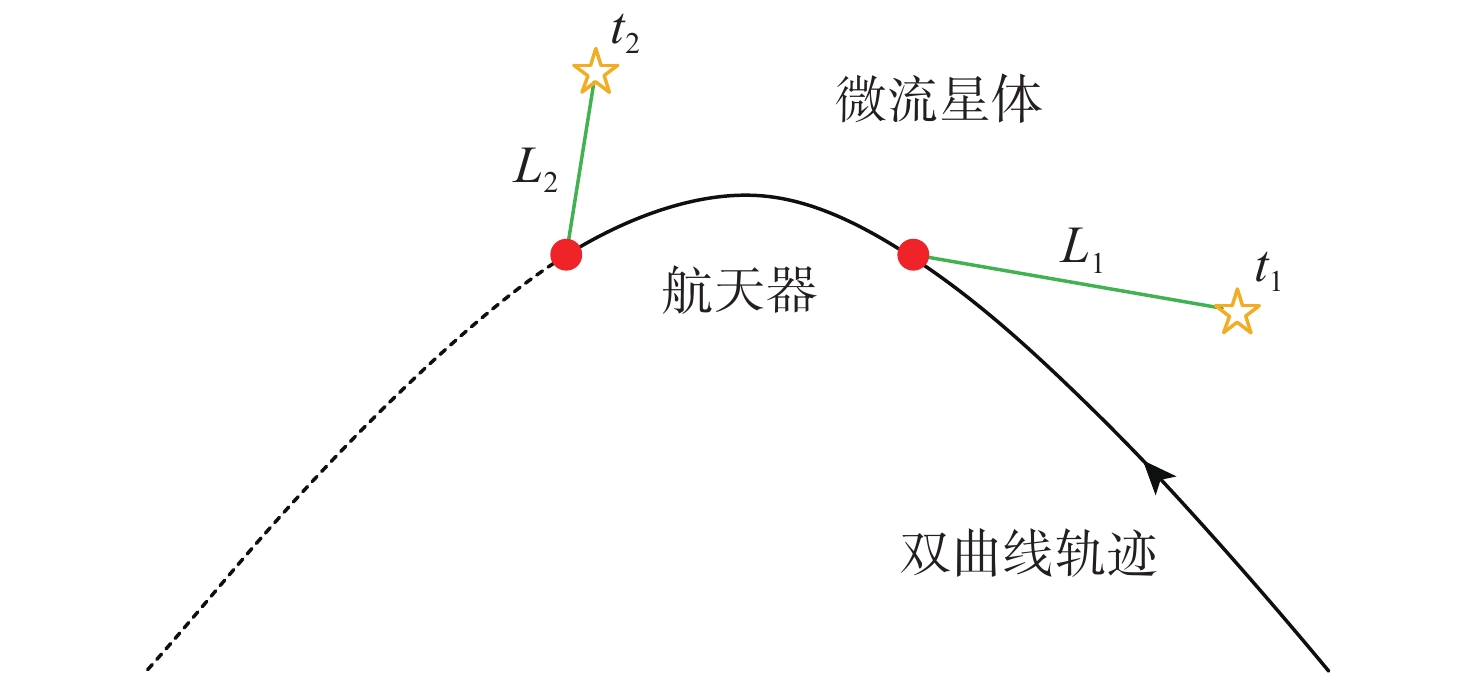
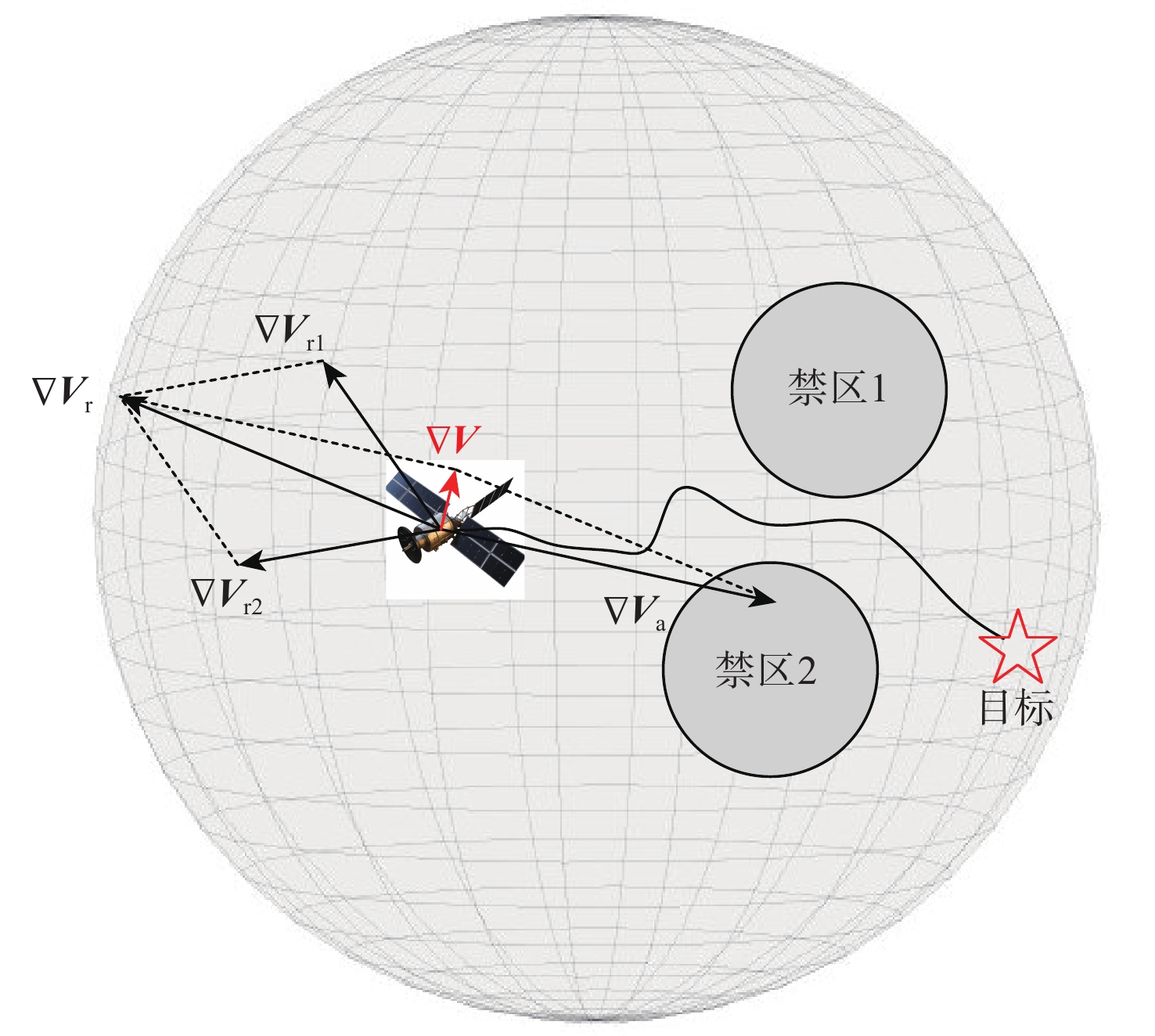
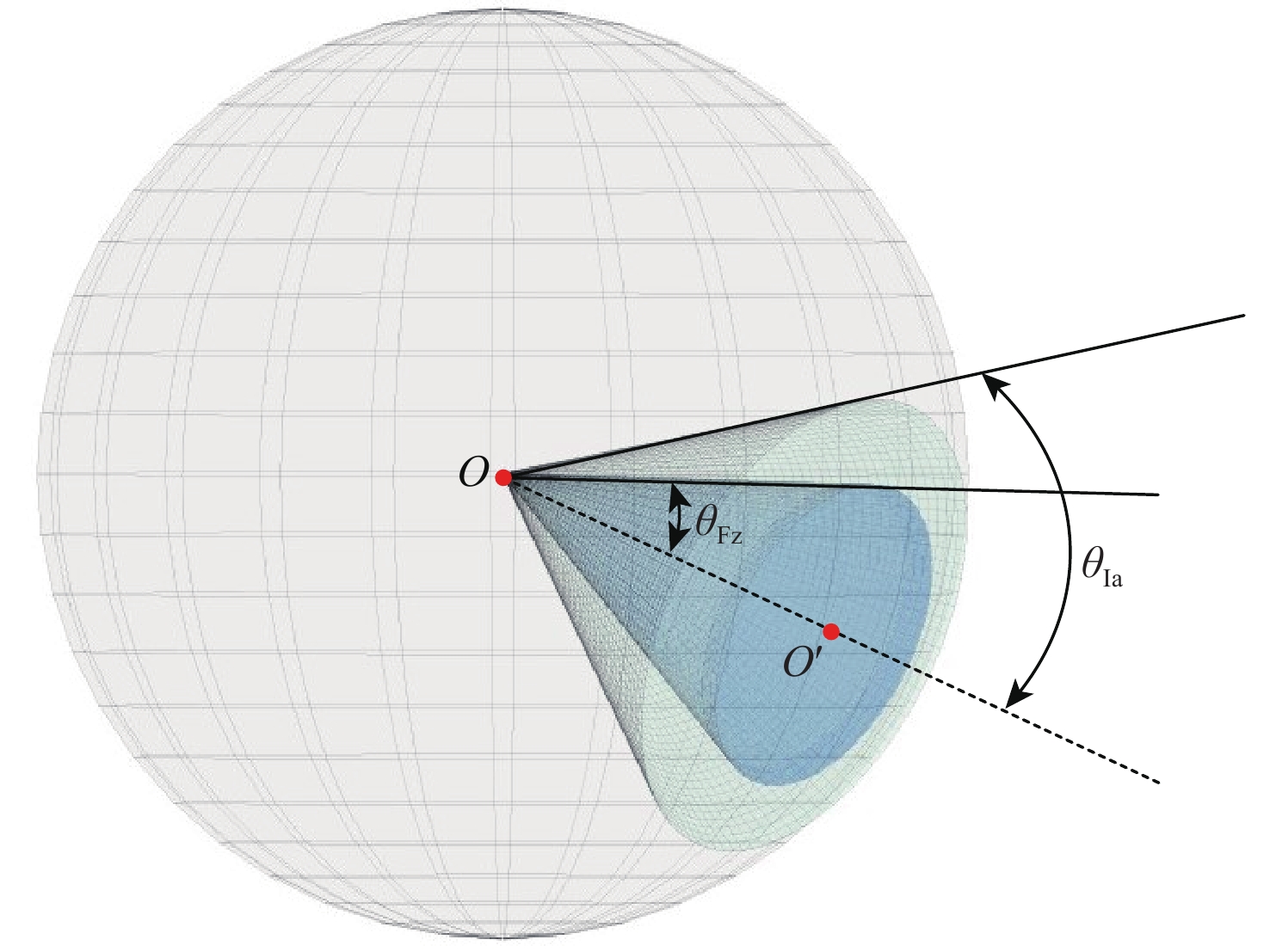
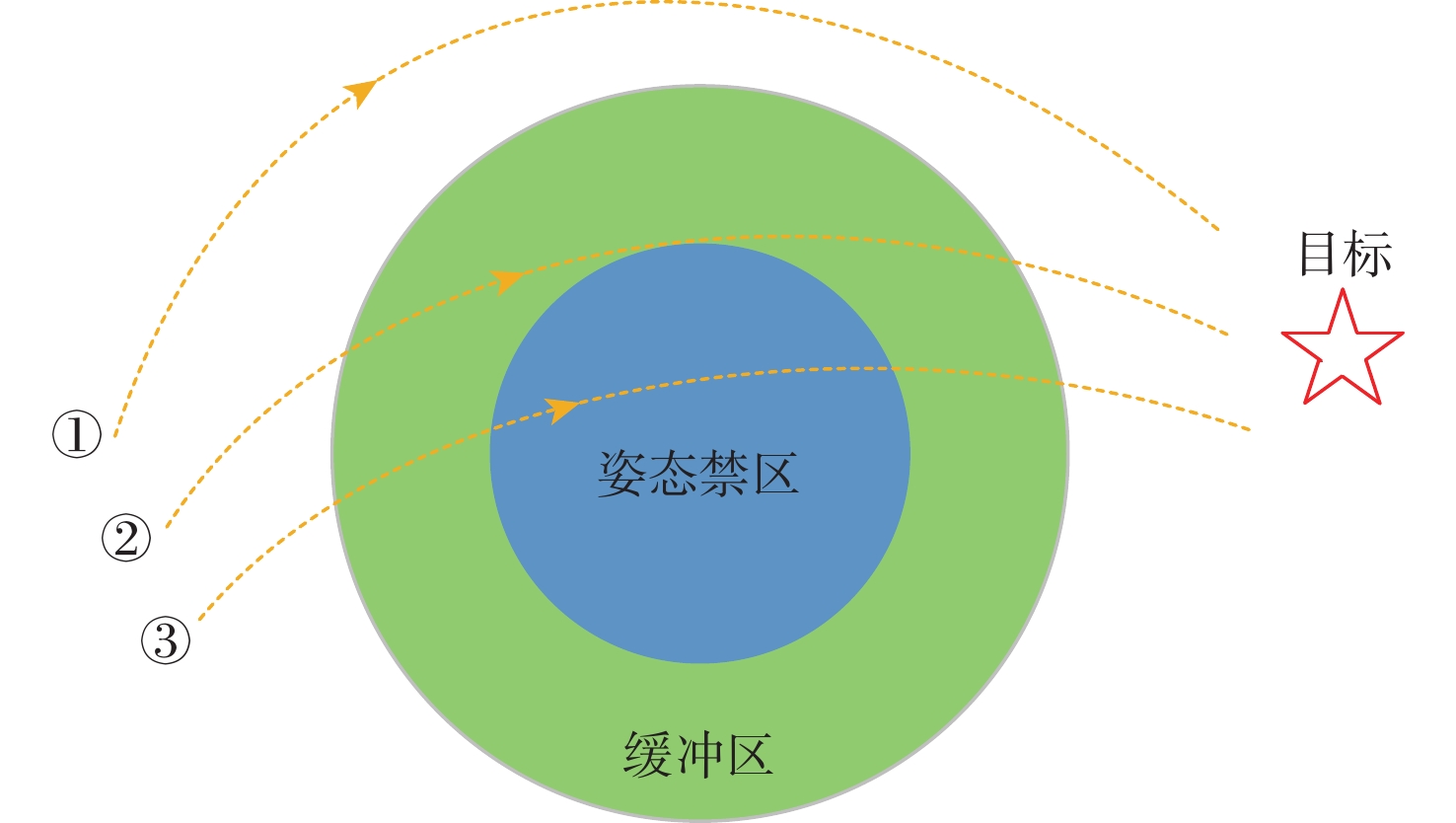
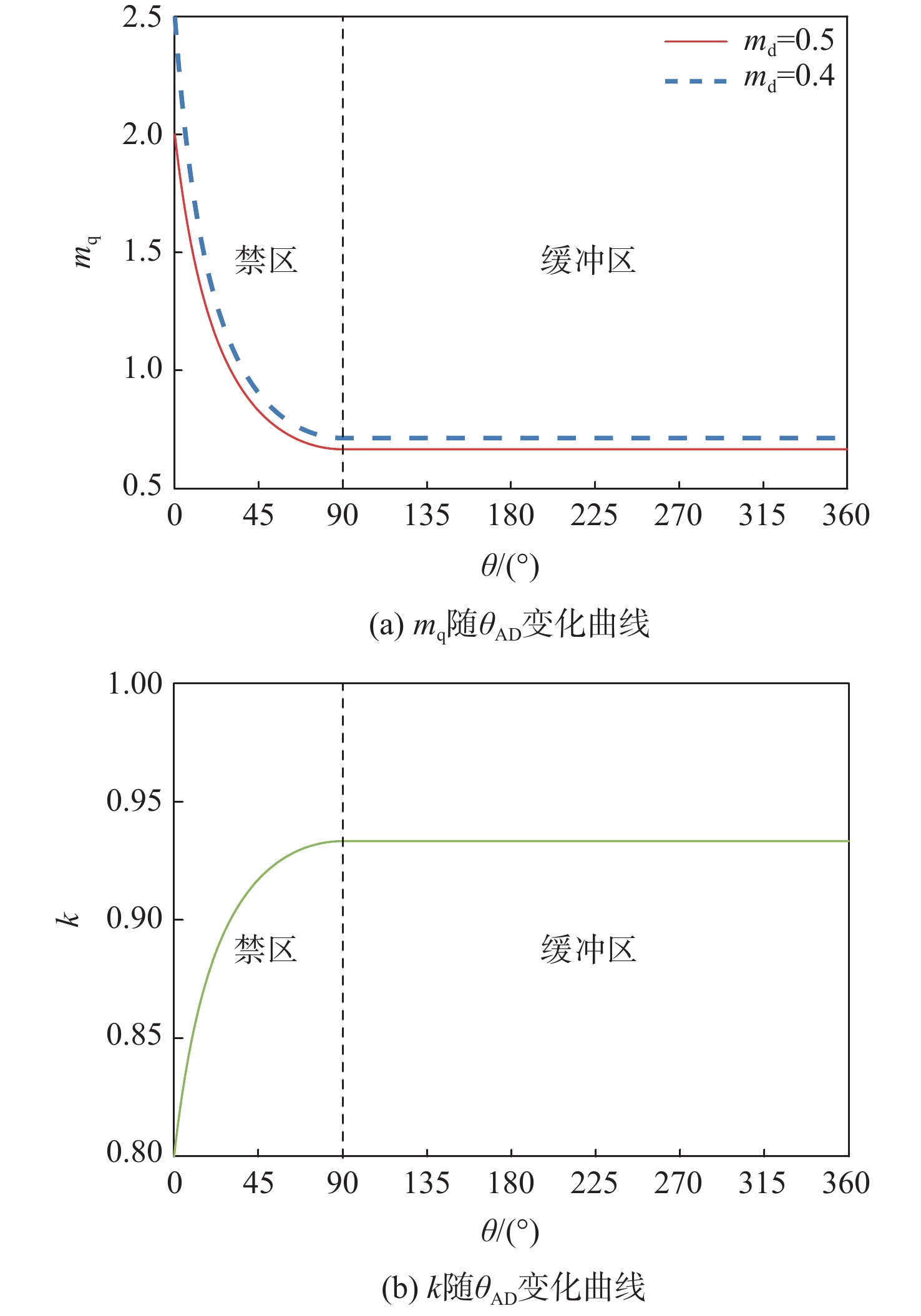
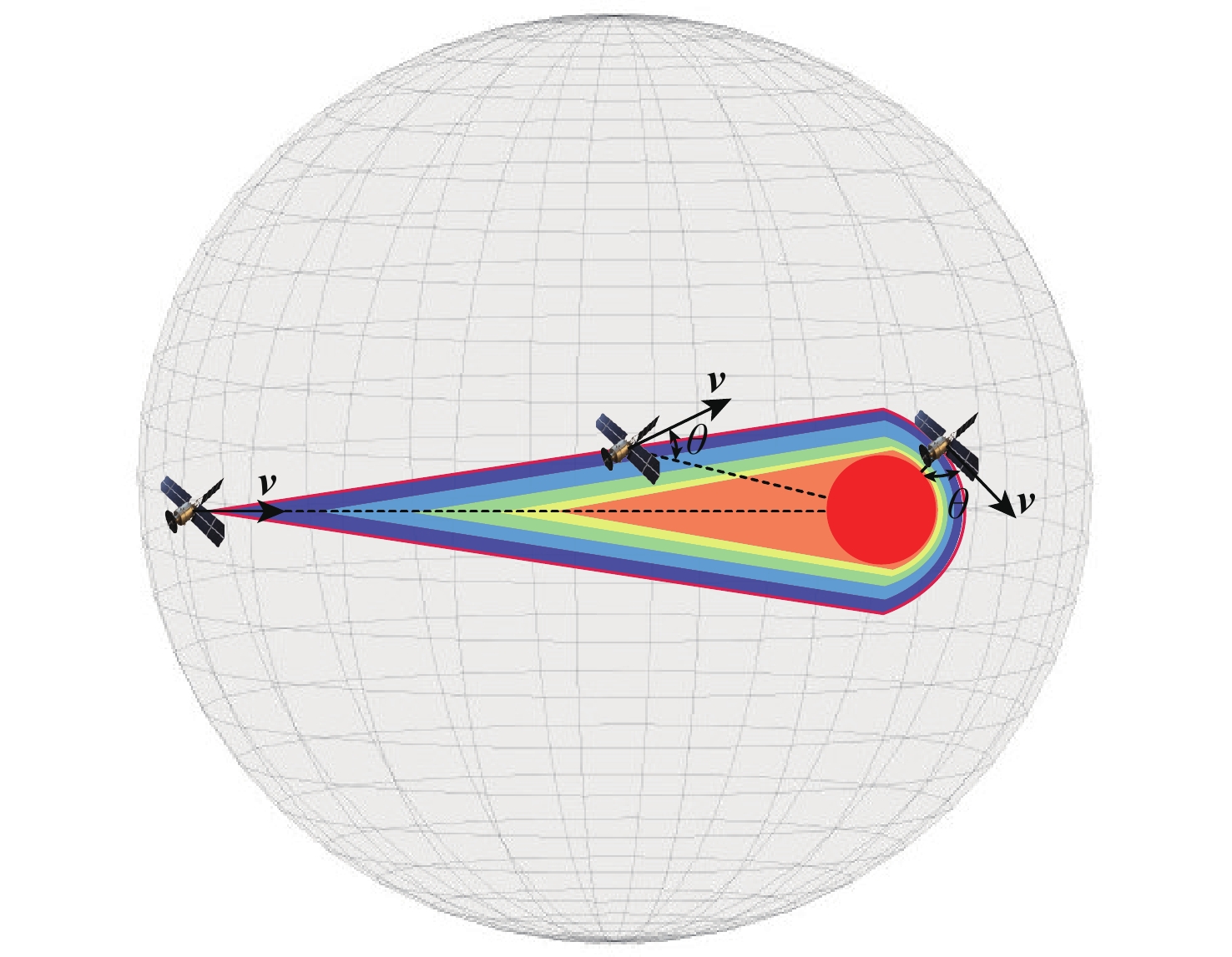
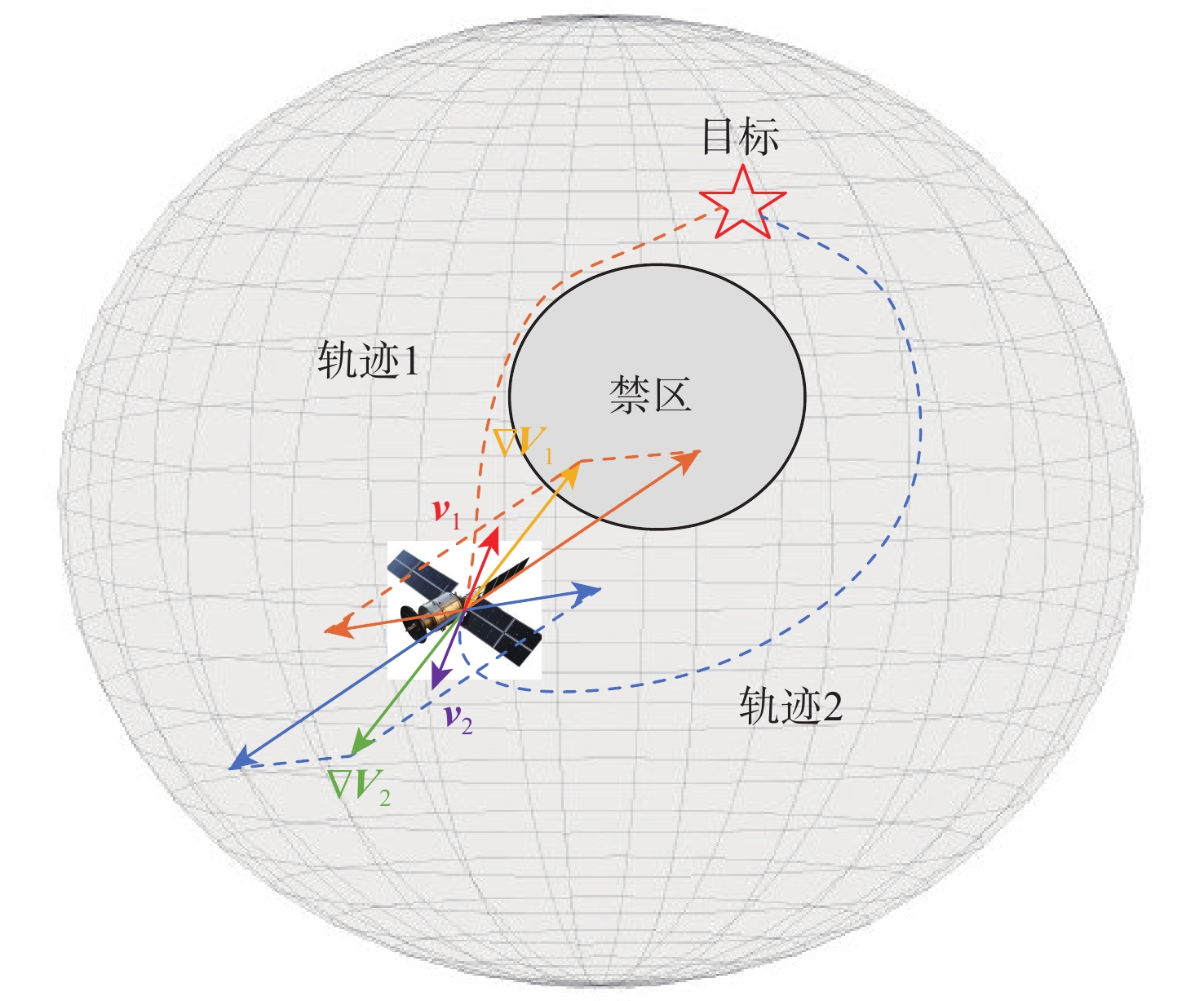
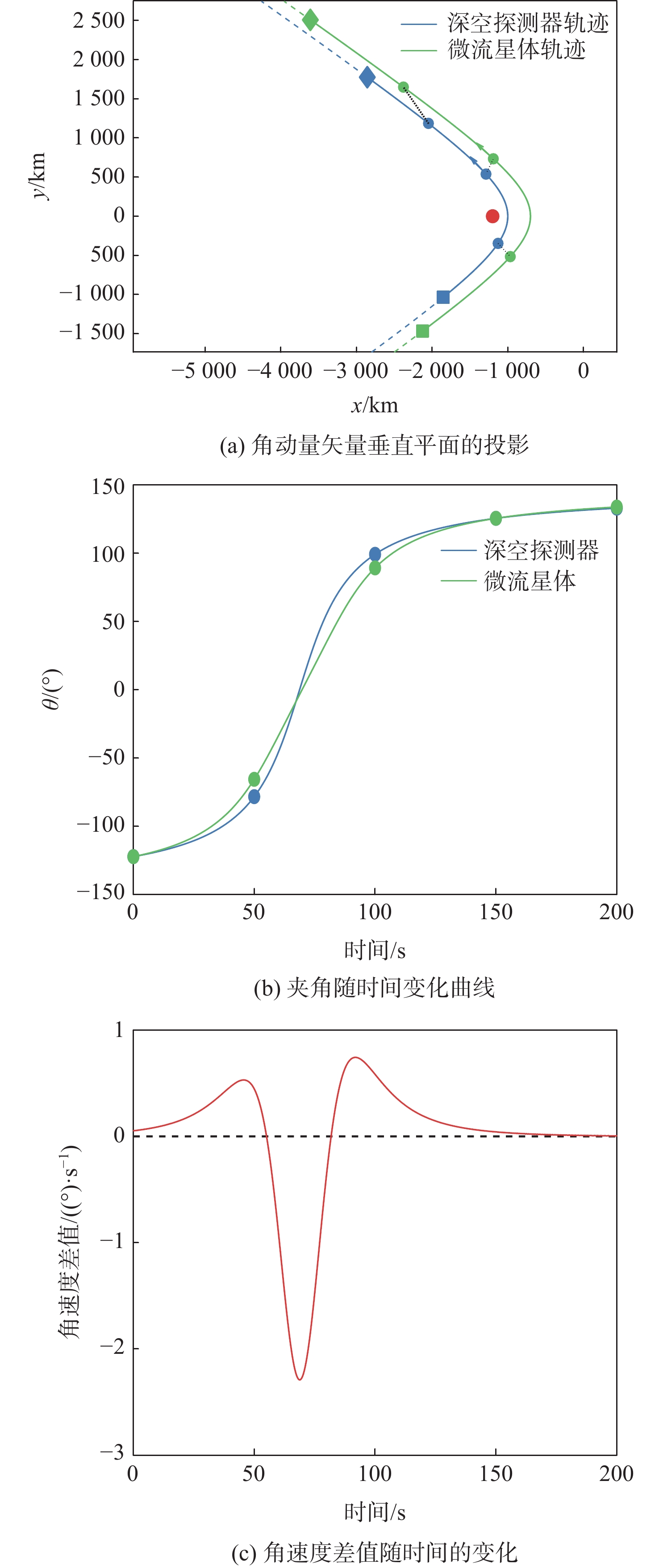
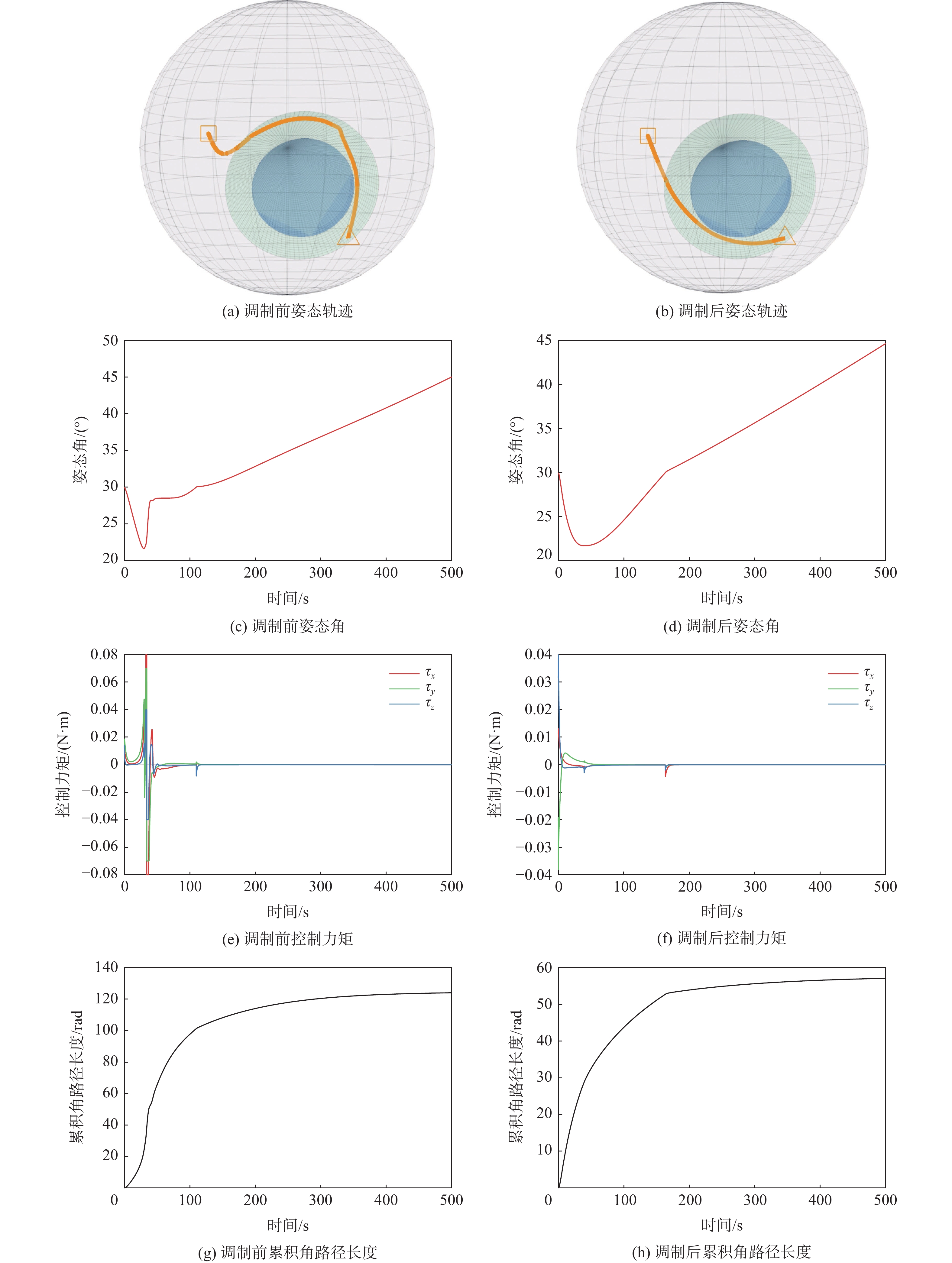
To address the challenge of spacecraft navigating multiple dynamic forbidden-pointing zones, this study proposes an attitude trajectory planning method based on a teardrop-shaped repulsive artificial potential function. This paper examines situations where a low-orbiting satellite must avoid light reflections from a high-orbiting satellite and where the surface of a deep space probe must avoid the direction of micrometeoroid impacts, in contrast to the conventional assumption that celestial bodies are static forbidden zones. Based on the high-speed characteristics of micrometeoroids and the angular velocity differences between satellites, a dynamic forbidden zone model is constructed. Building on the traditional uniform repulsive circle potential function, an innovative teardrop potential function is proposed, enabling the potential field to dynamically adapt to the approach angle between the spacecraft and the forbidden zone. A motion trend function is also introduced to characterize the relative motion characteristics. Furthermore, a short-path detour strategy with adjustable repulsive potential function coefficients is designed, enabling the spacecraft to flexibly switch obstacle avoidance directions based on actual needs. According to simulation results, this approach greatly enhances spacecraft predictability and obstacle avoidance performance in complex and dynamic settings, offering significant theoretical and engineering application value for attitude control under dynamic constraints.

Kinetic-motion dissimilar monitoring based inertial data fault detection for flight control system safety enhancement
MENG Yang, LIU Hongming, LI Li, QI Pengyuan, WU Cihang, WANG Guangfeng
2026, 52(8): 2817-2827. doi: 10.13700/j.bh.1001-5965.2025.0602
Abstract:

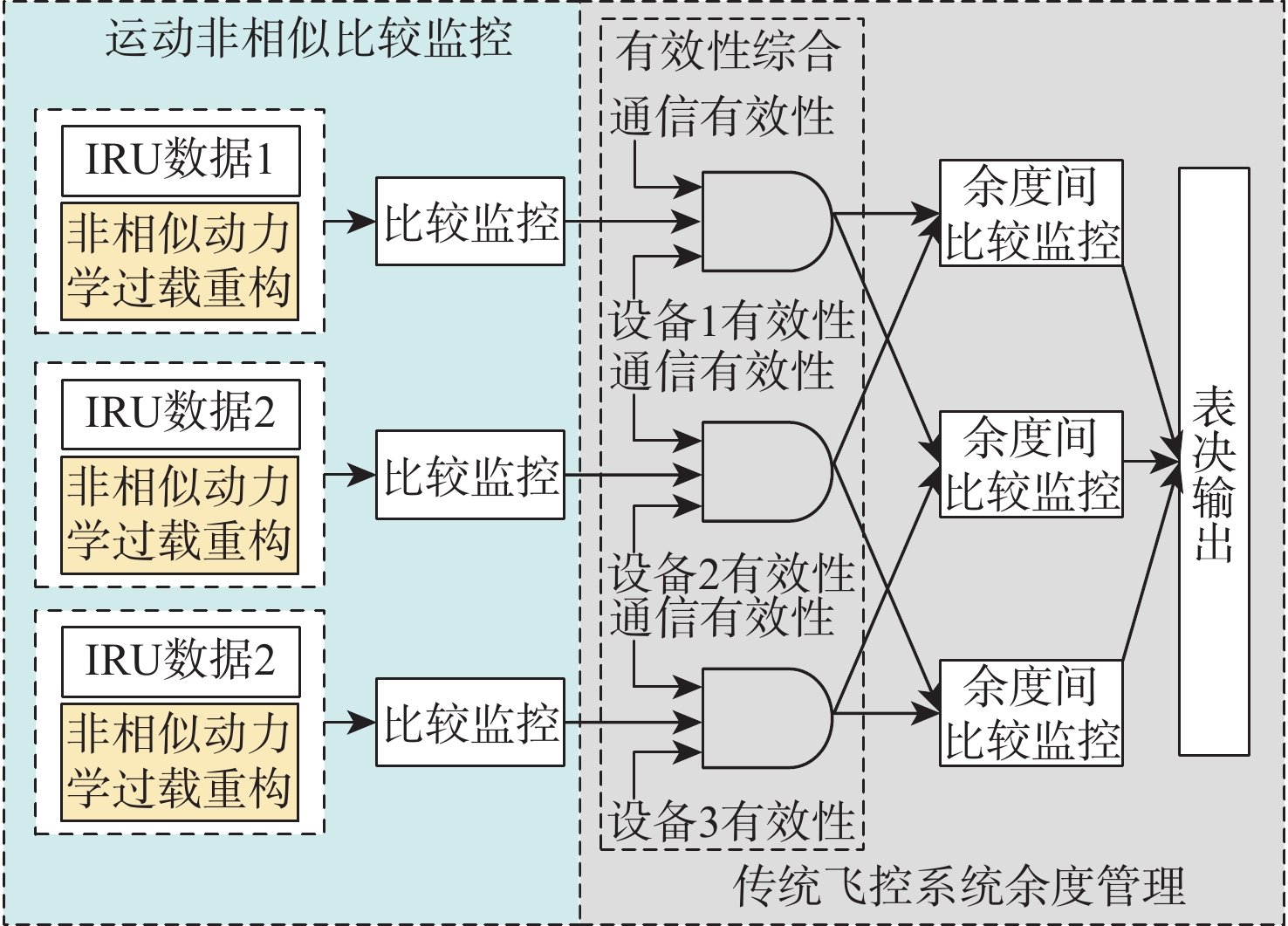
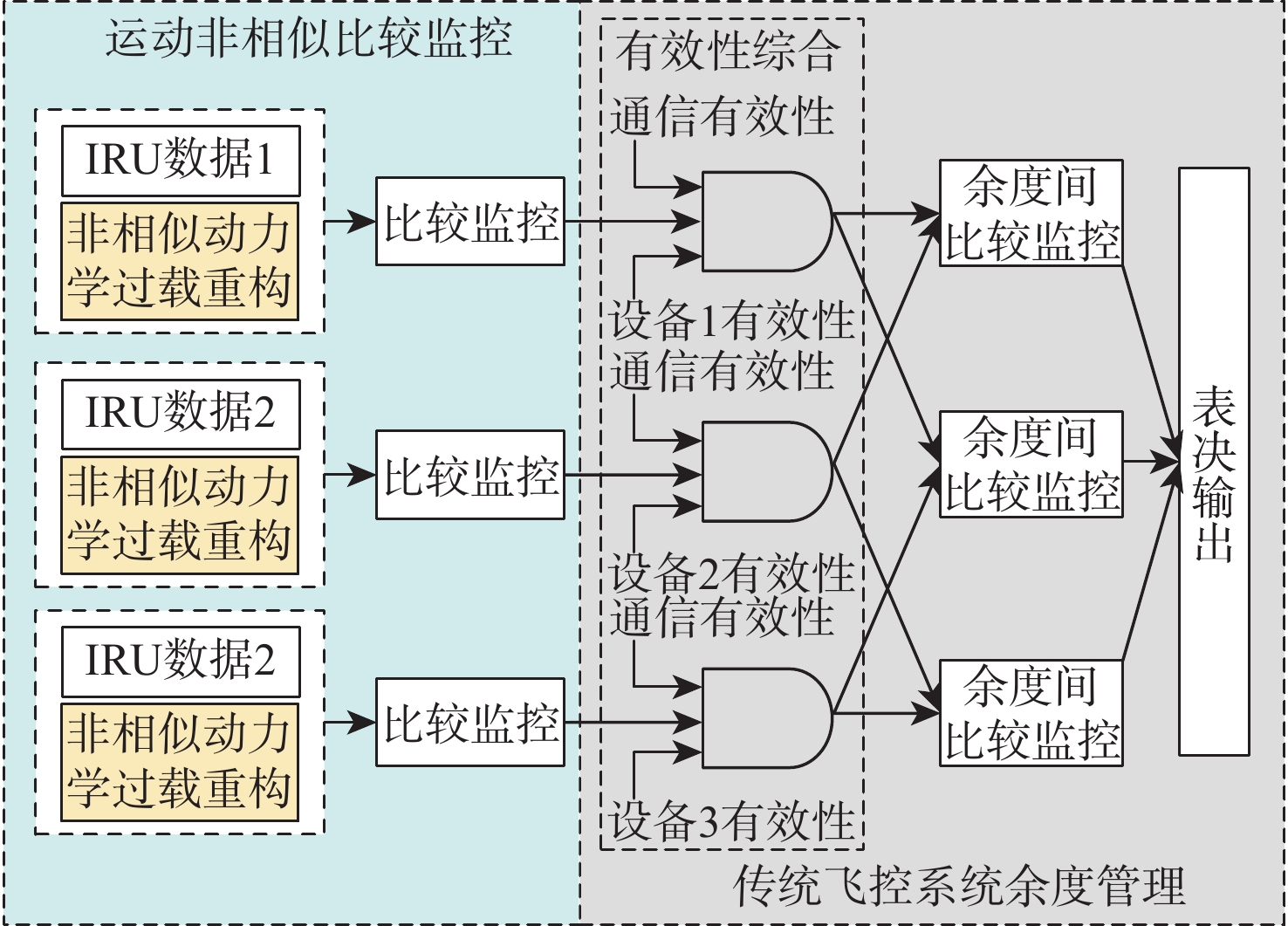
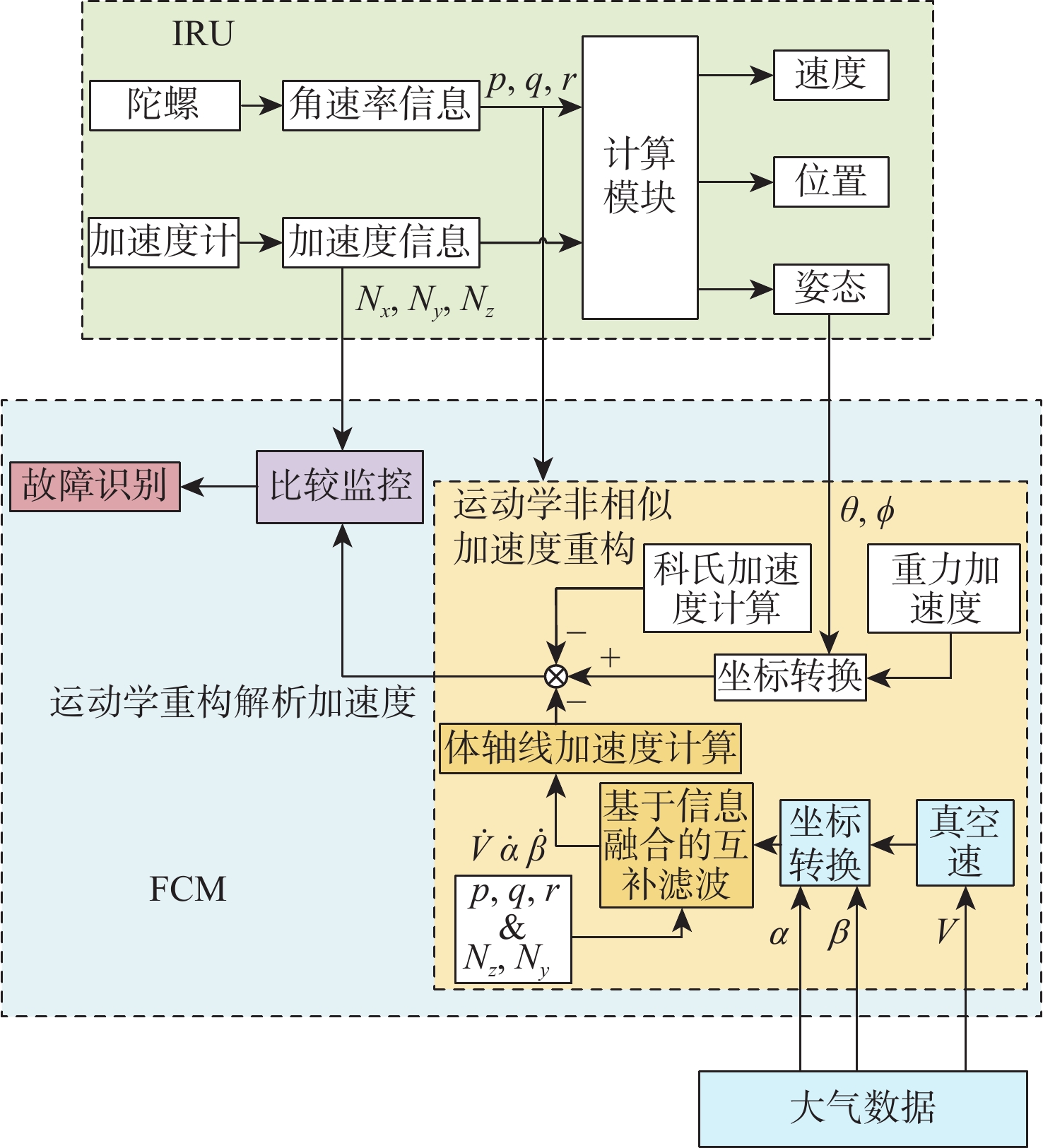
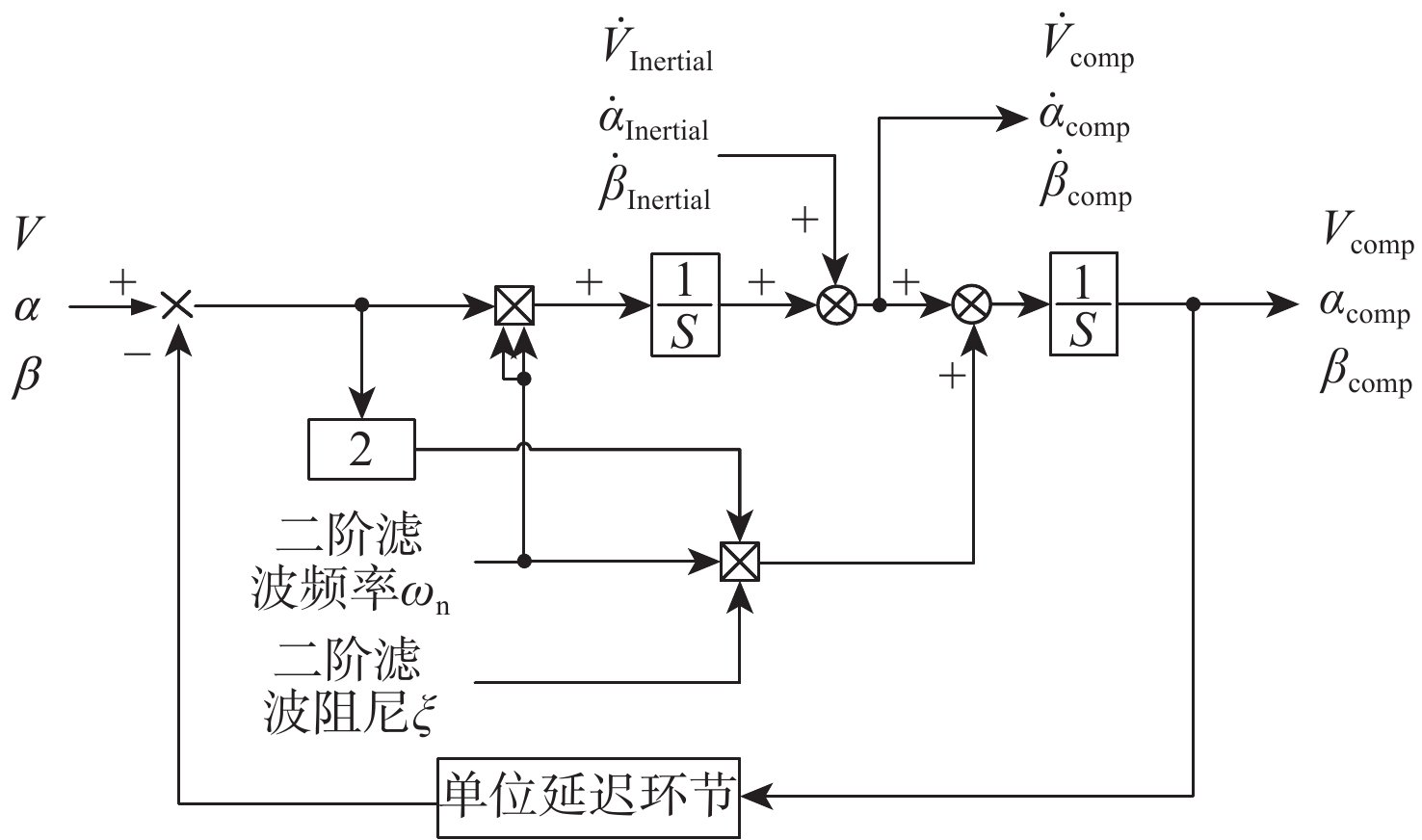
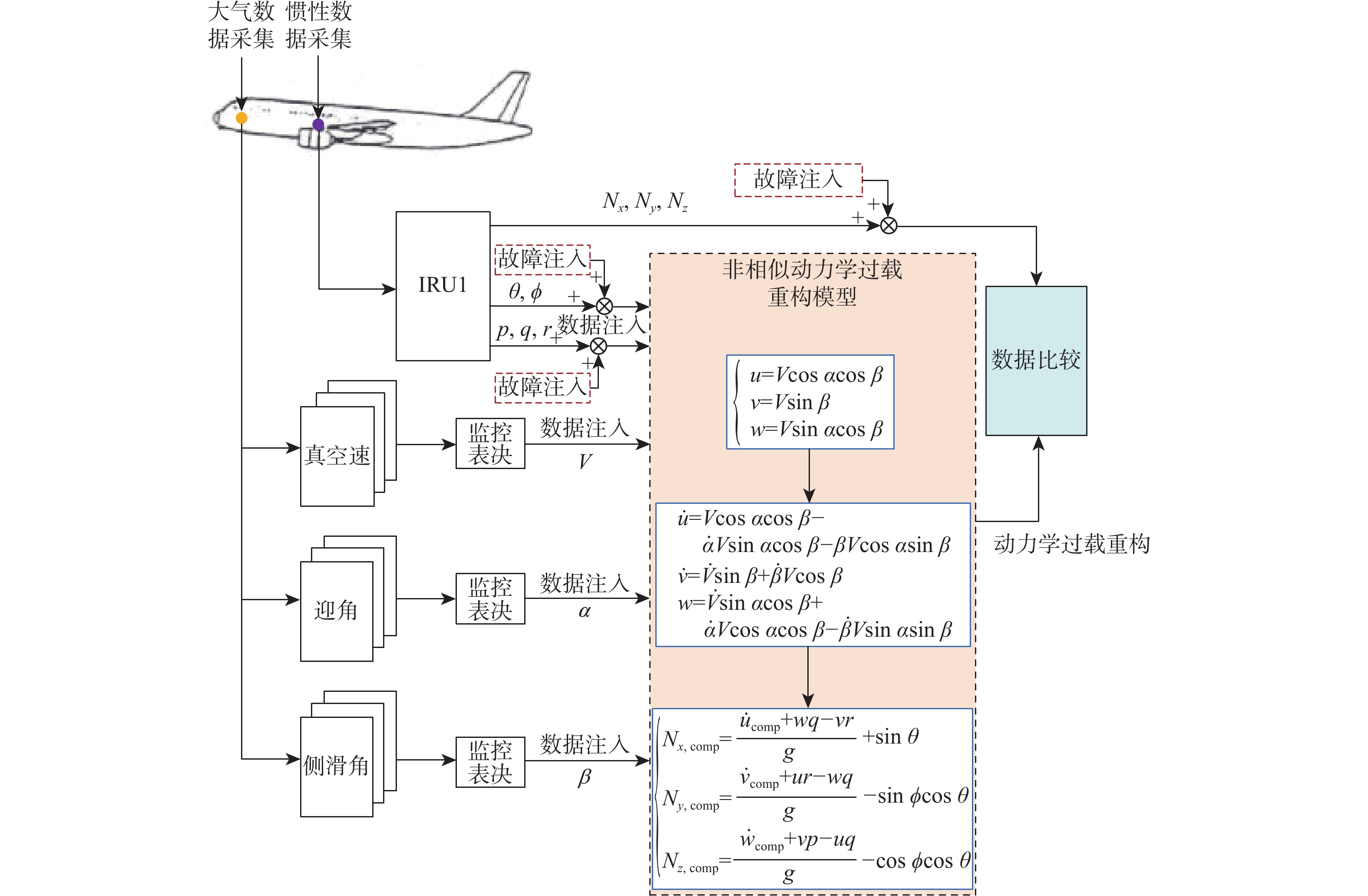
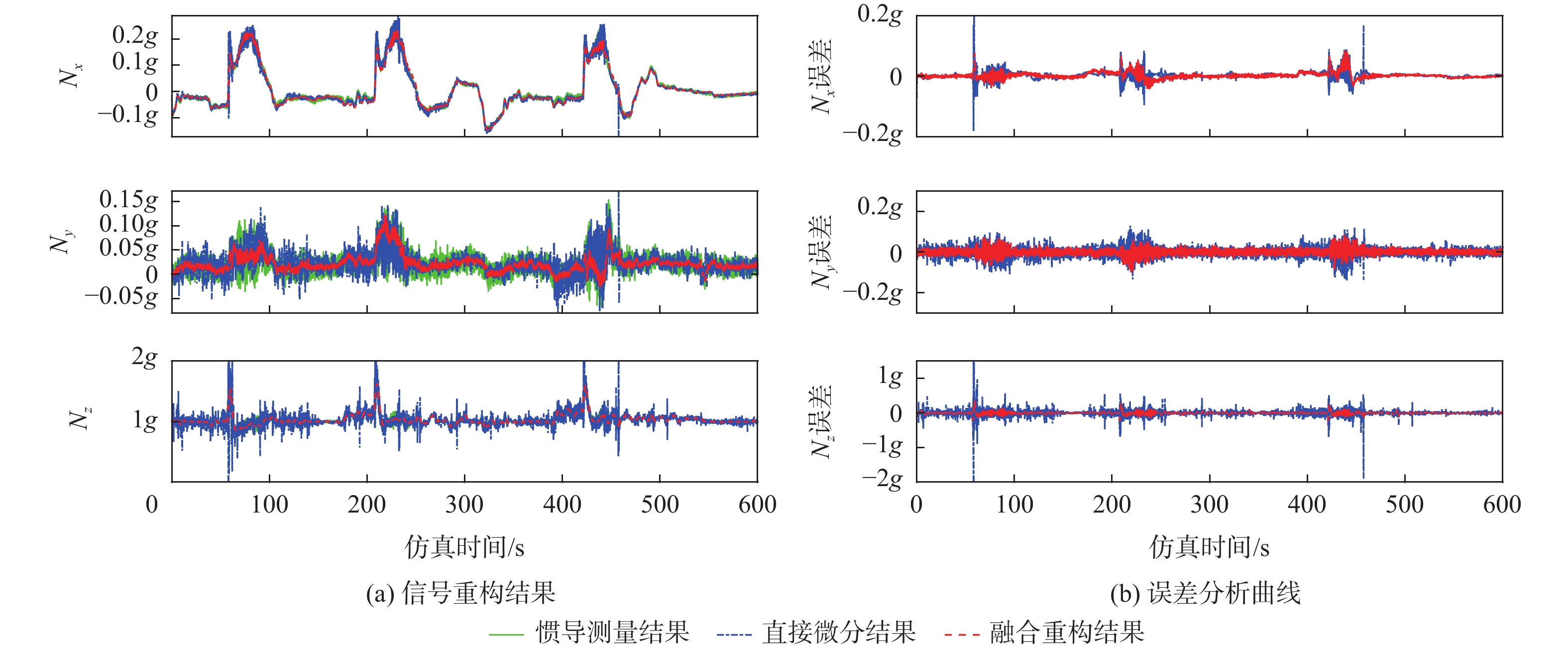
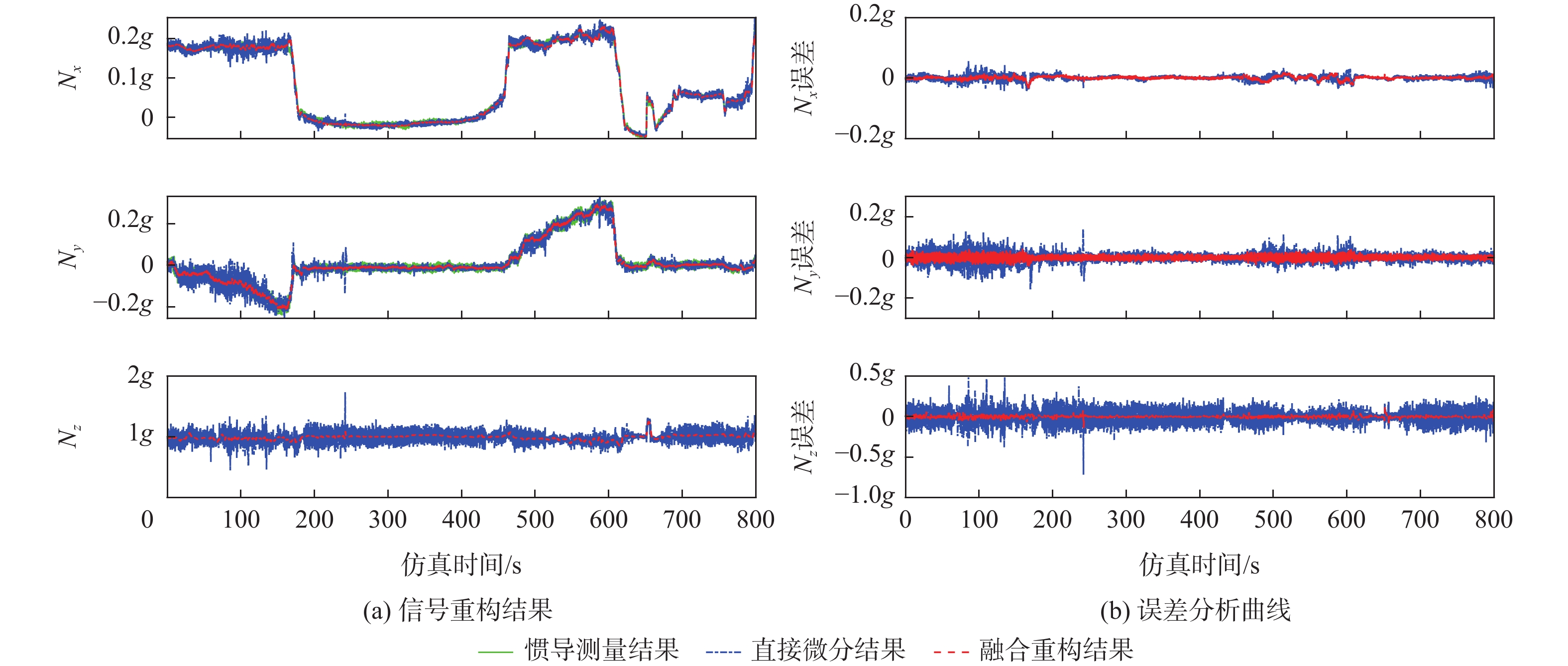
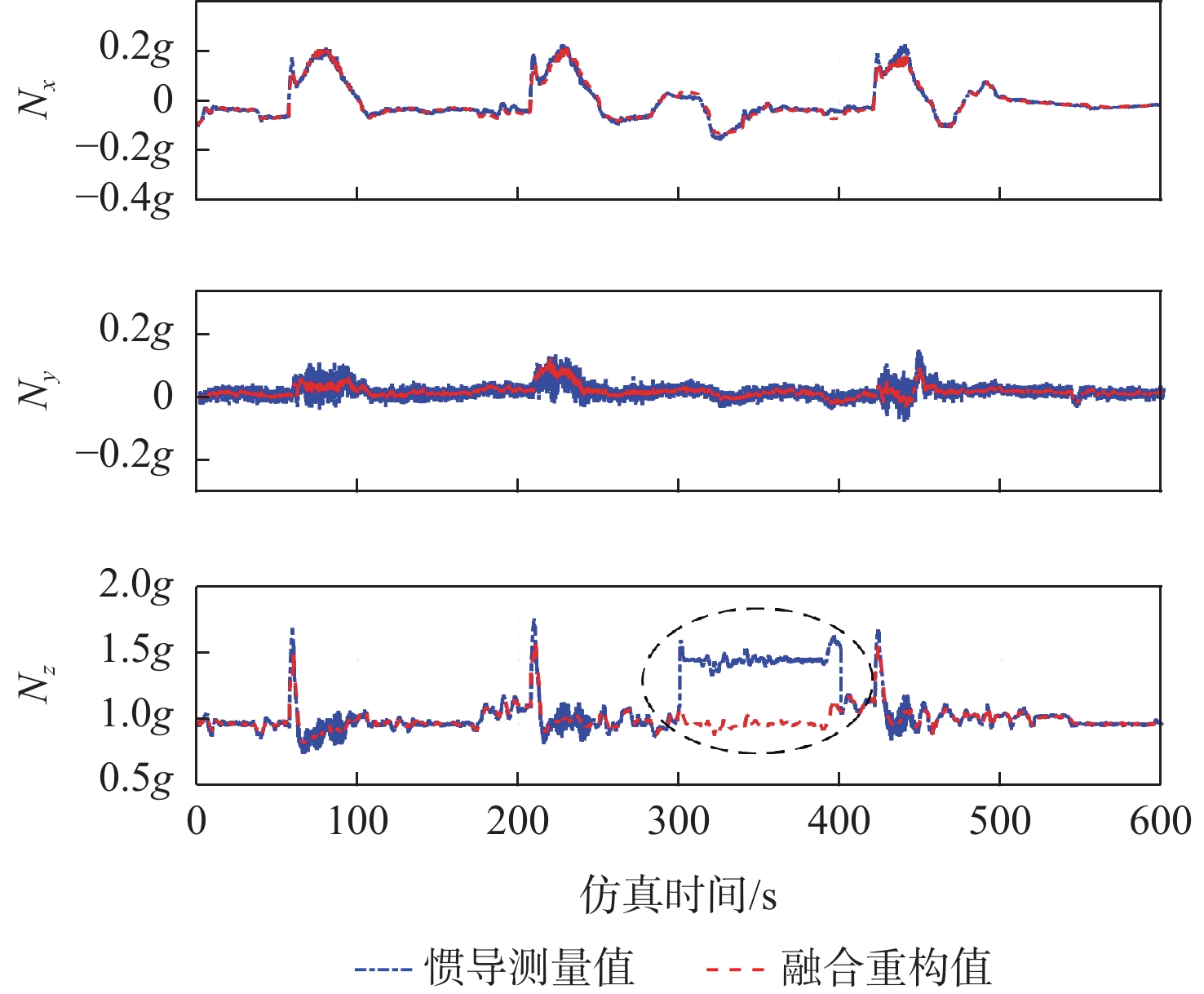
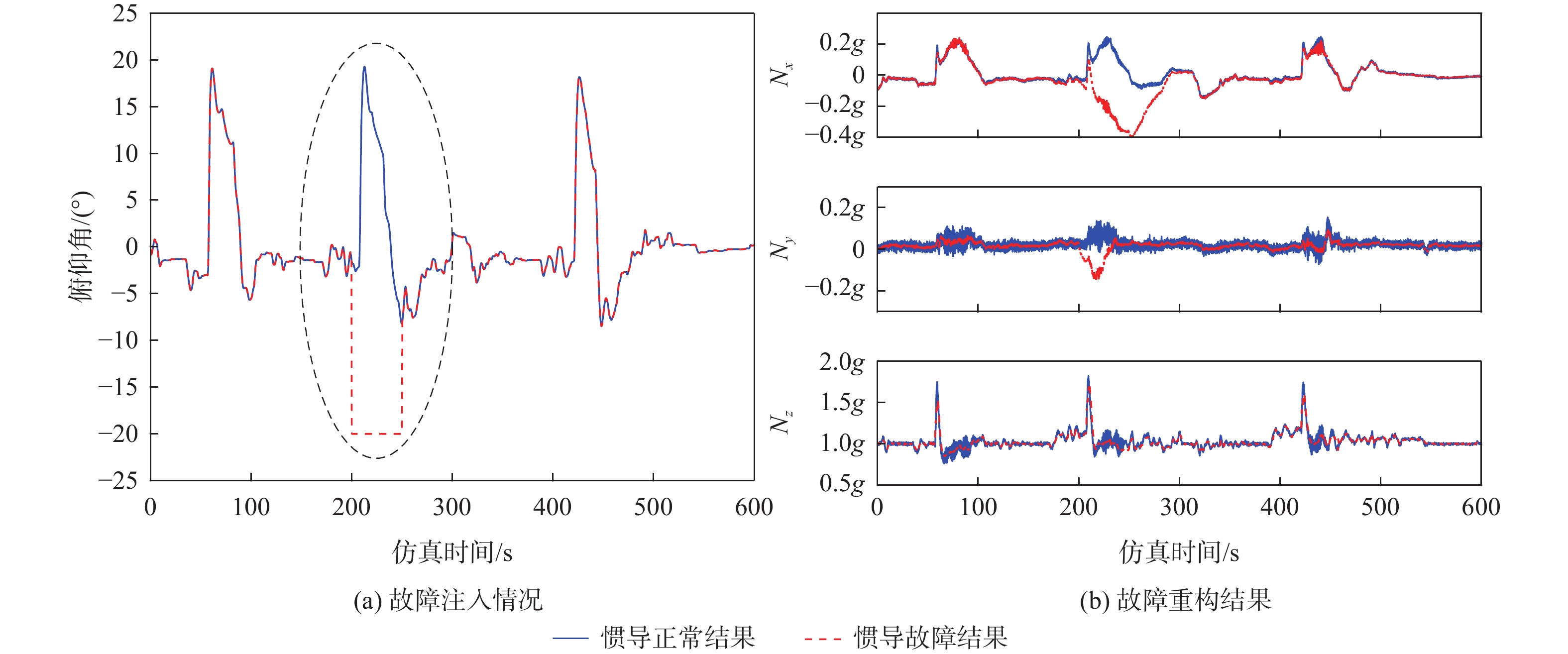
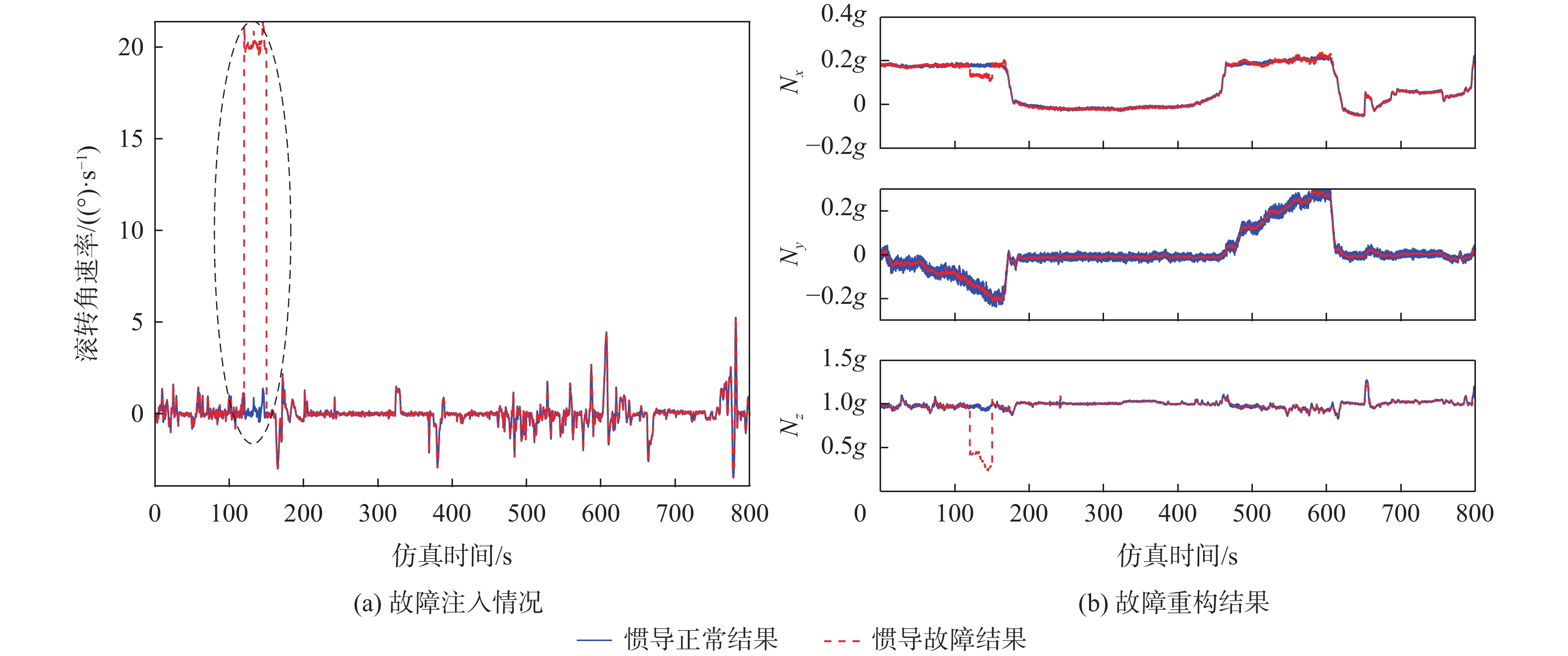
There are three major challenges in inertial data redundancy management for flight control systems: common-mode risk suppression, correct voting on singular faults, and single data available. This paper proposes a fault detection algorithm and a redundancy management architecture based on motion dissimilar monitoring. The core of this architecture lies in establishing the relationships among attitude, angular rate, load factor, and body-axis acceleration through engineering-oriented soft-reconfiguration calculations based on simplified motion models. This enables effective fault detection in inertial data and enhances the safety of the flight control system. Real flight test data is used to construct a ground-based offline flight test verification platform, and flight data gathered under boundary flight conditions is used to evaluate the proposed algorithm. The results show that under normal inertial data conditions, the body-axis overload calculated theoretically based on the aircraft dynamics is highly consistent with the actual measured overload, with a maximum deviation of less than 0.1g. However, there is a noticeable difference between the measured and theoretically computed body-axis overload when any of the angular rate, overload, or attitude signals in the inertial data are faulty. This allows for precise fault identification and isolation without the addition of new hardware, effectively enhancing the safety of the flight control system.

A rapid diagnostic and compensation method for phase imbalance errors in hemispherical resonator gyroscopes
CHEN Tongyang, LI Hua, MA Shengjie, SHU Hang, YANG Sen, WANG Yubin
2026, 52(8): 2828-2835. doi: 10.13700/j.bh.1001-5965.2025.0623
Abstract:

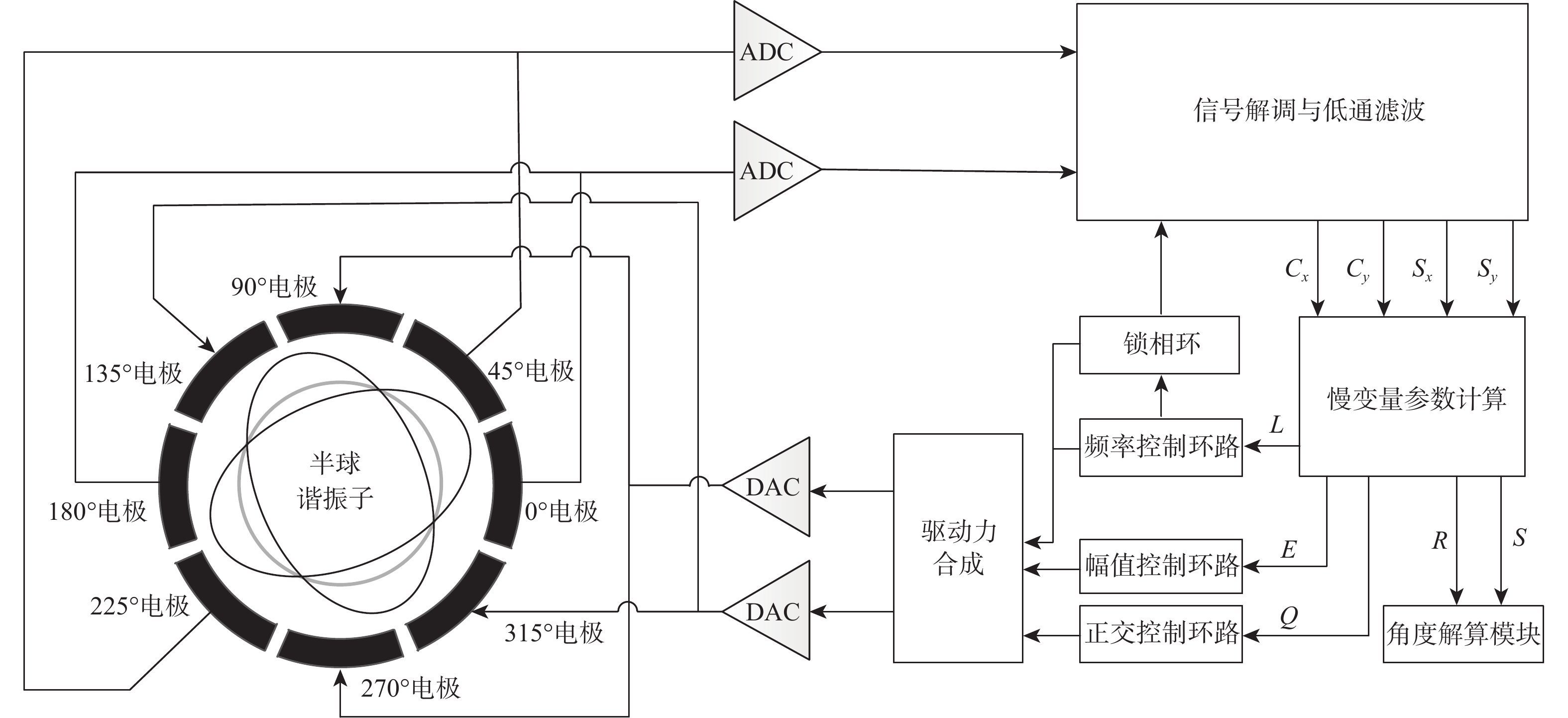
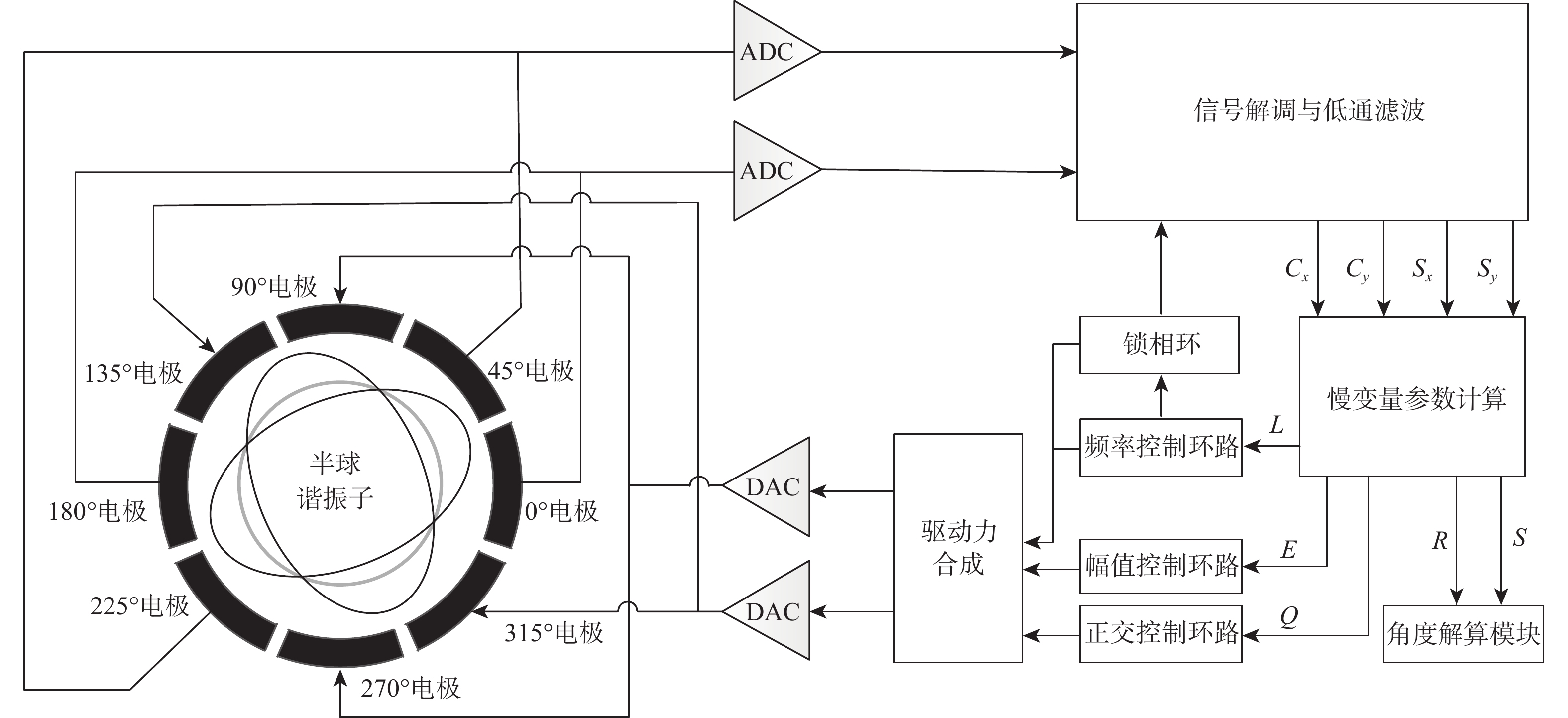
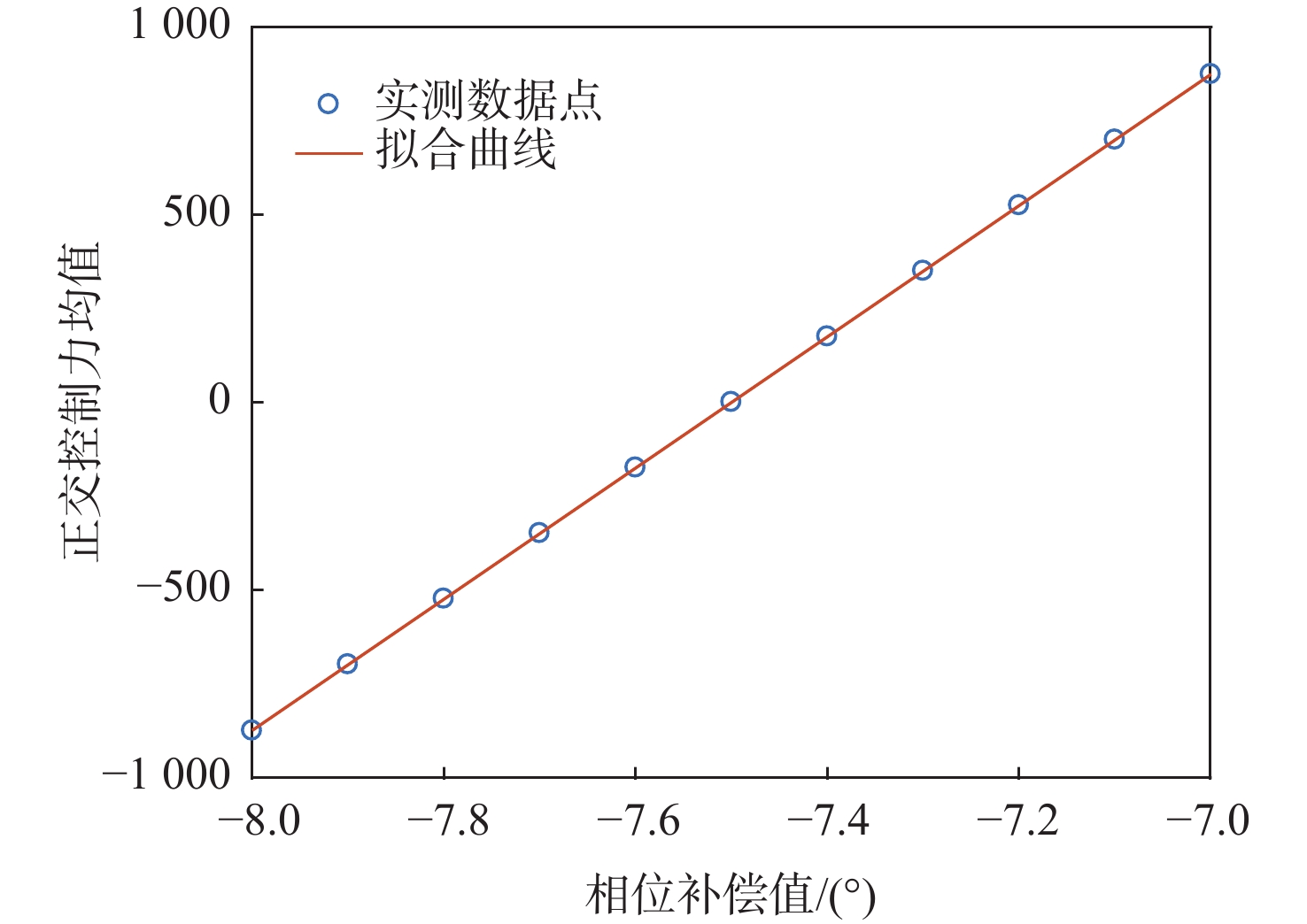
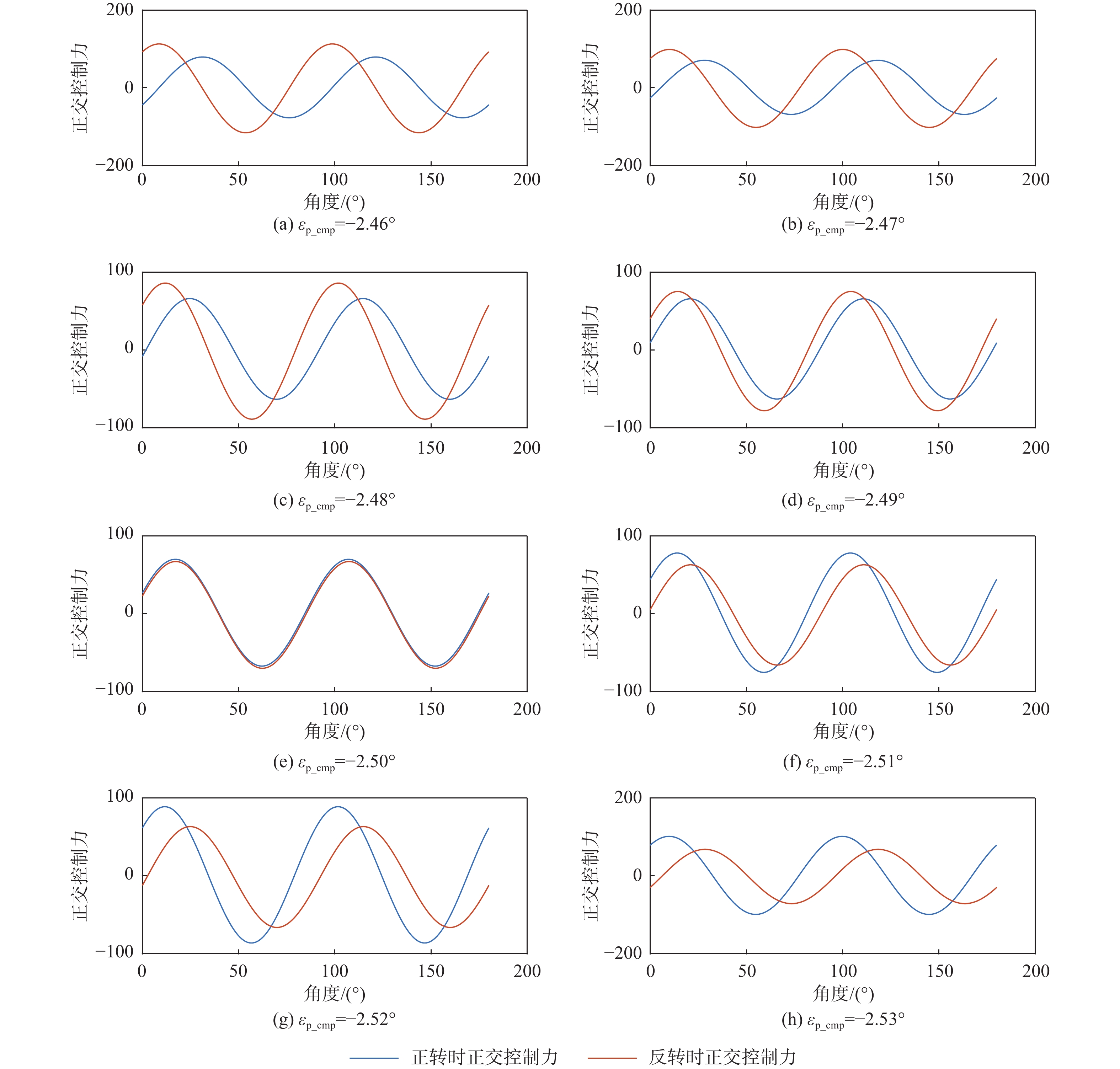
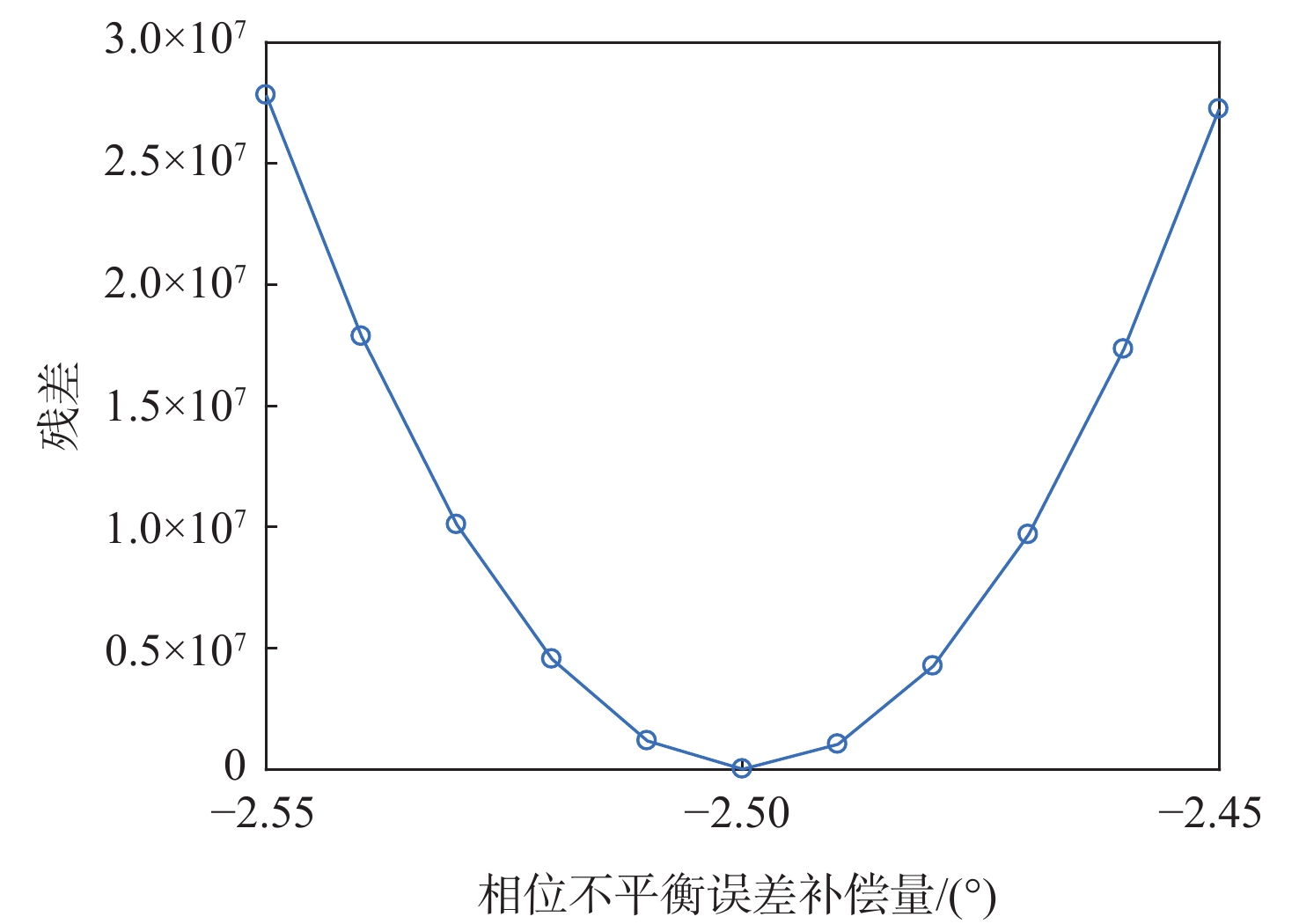
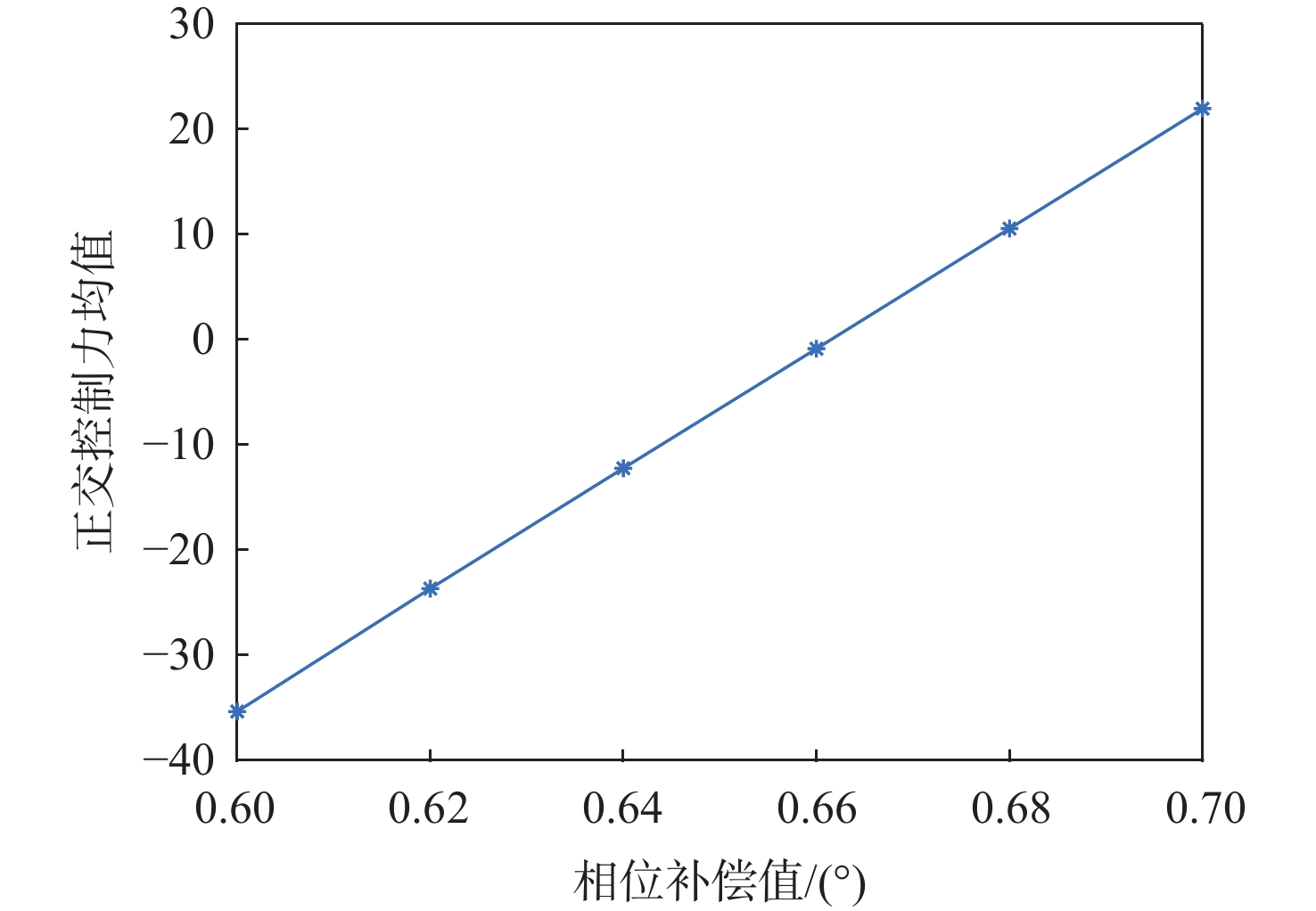
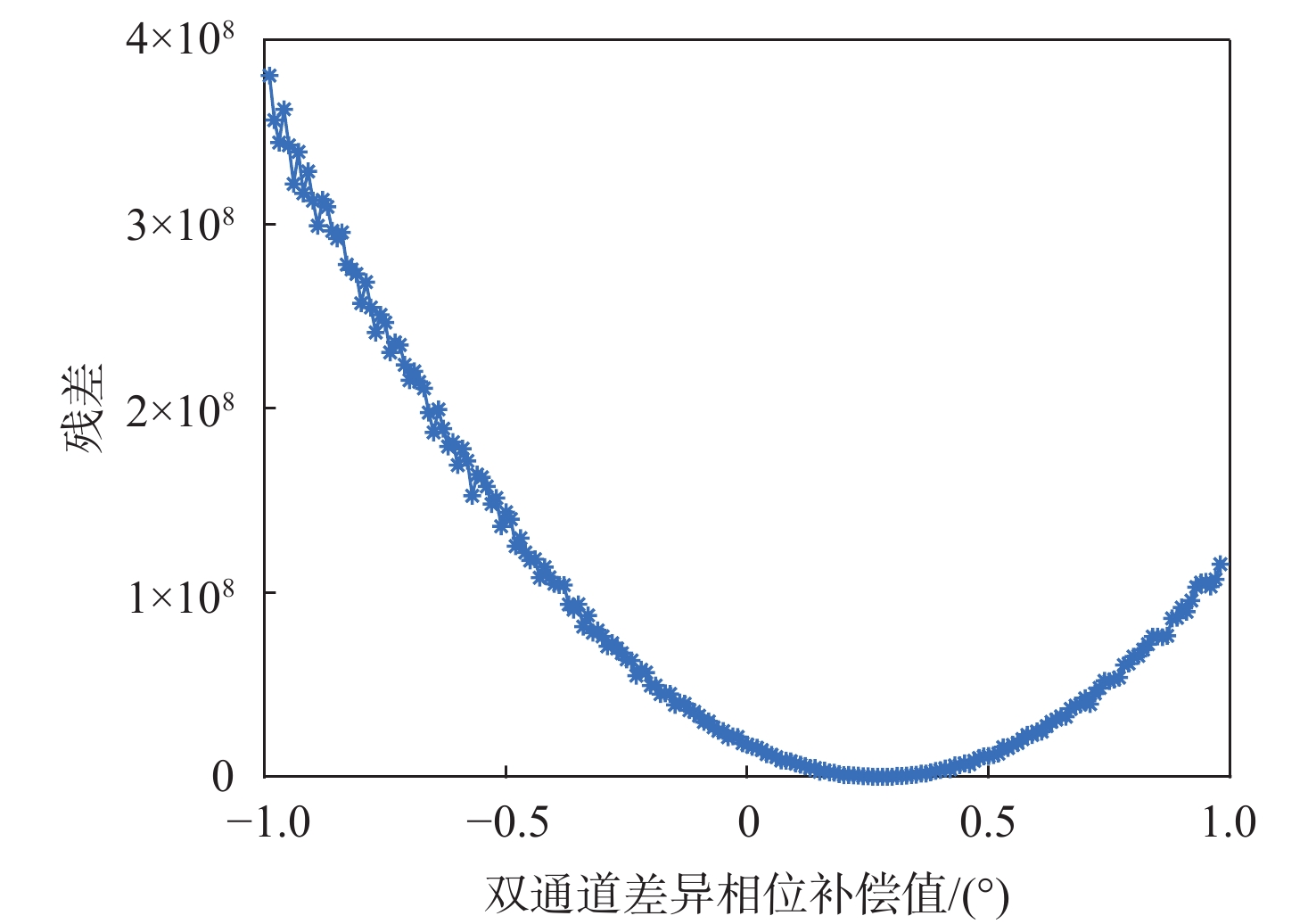
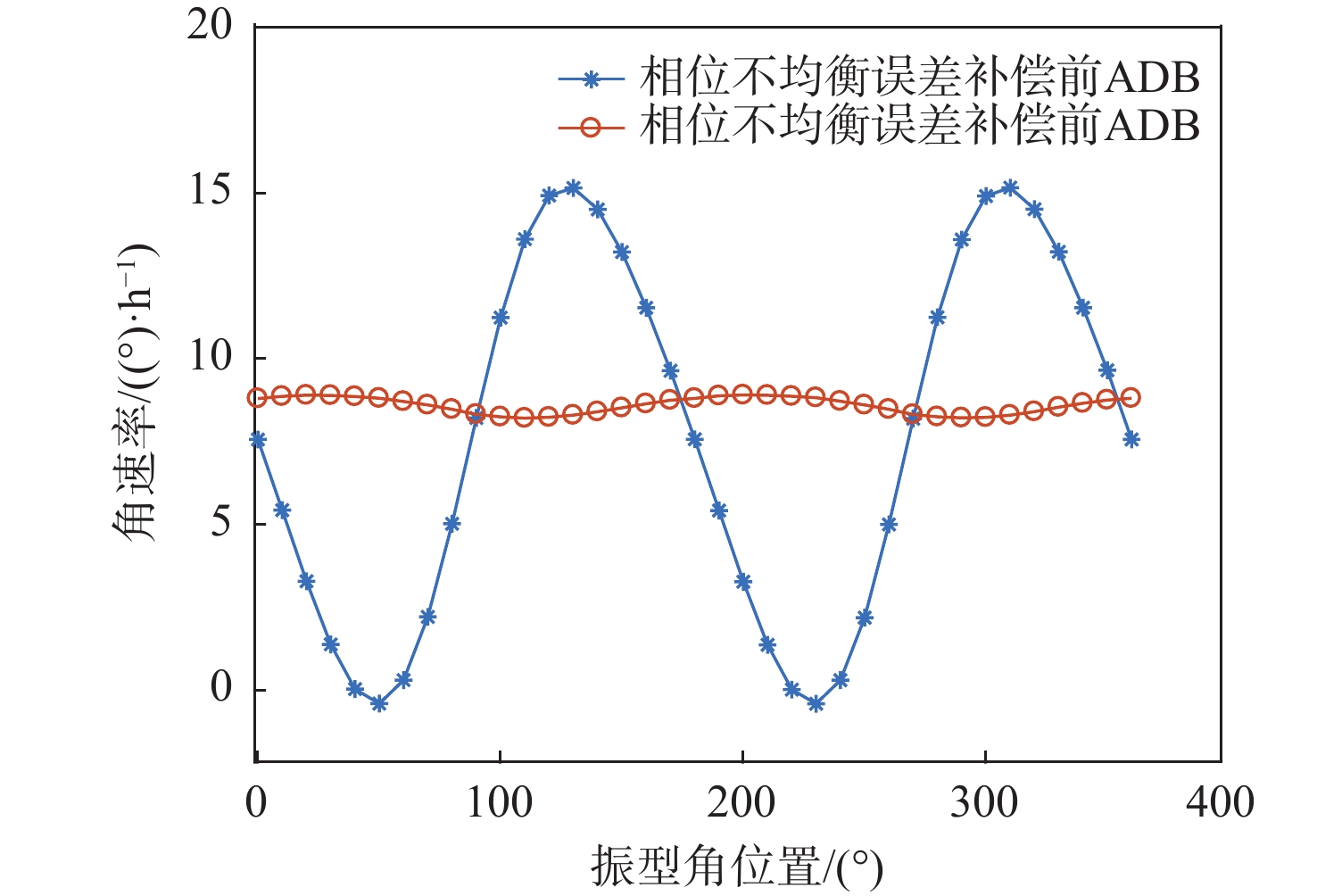
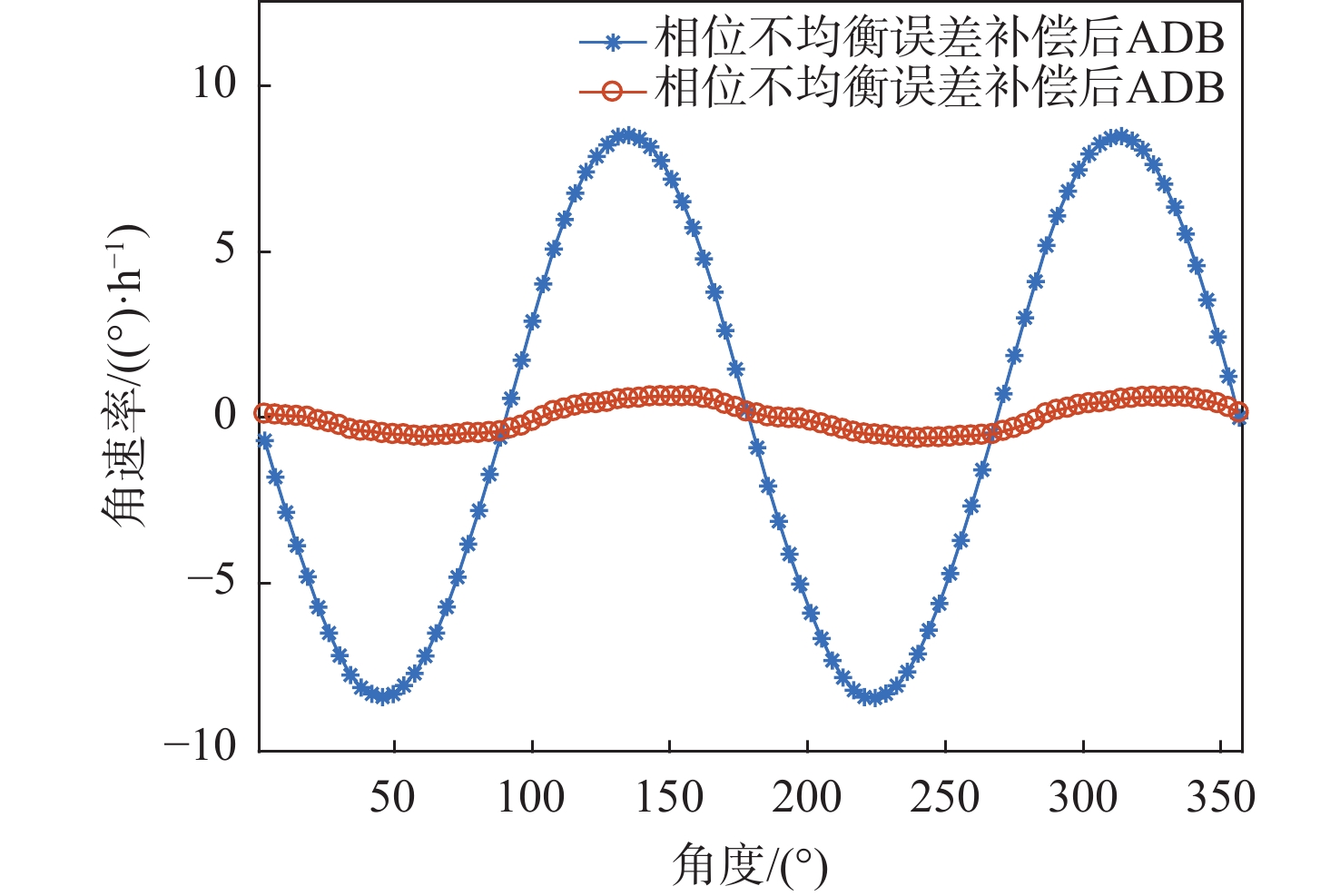
Based on standing wave precession, a quick diagnosis and compensation method for phase imbalance faults in two-axis detection loops of hemispherical resonator gyroscopes was suggested. The common phase error compensation value was obtained by observing the constant coupling of orthogonal control forces during constant-speed precession. The differential phase error compensation value was derived by analyzing the residual orthogonal control forces at varying precession rates. The mutual coupling of control forces in the detection mode was eliminated by adjusting the phase imbalance error compensation values for the demodulation quantities of the two-axis detection loops. This restored the resonator to its resonant state and reduced the peak-to-peak value of the angle-dependent bias (ADB). Experimental results showed that the ADB peak-to-peak value decreased from 15.56 (°)/h to 0.71 (°)/h, a reduction of approximately 22 times, validating the effectiveness and correctness of the proposed method.

Dynamic flow characteristics of digital hydraulic circuit based on high speed solenoid valve
CHEN Xiaoming, ZHU Yuchuan, QIN Cheng, LI Yangmin, FANG Yuan
2026, 52(8): 2836-2844. doi: 10.13700/j.bh.1001-5965.2025.0332
Abstract:

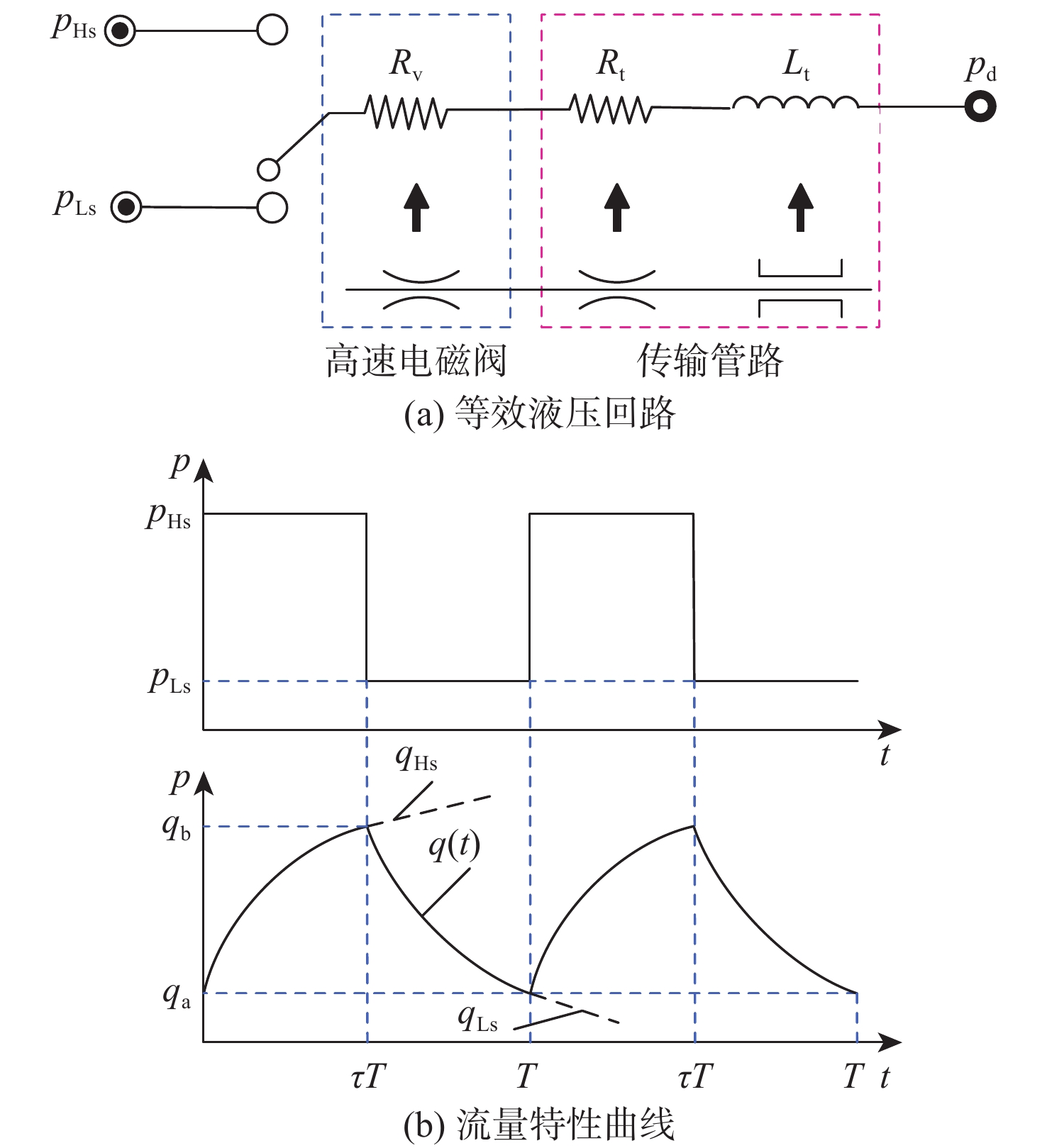
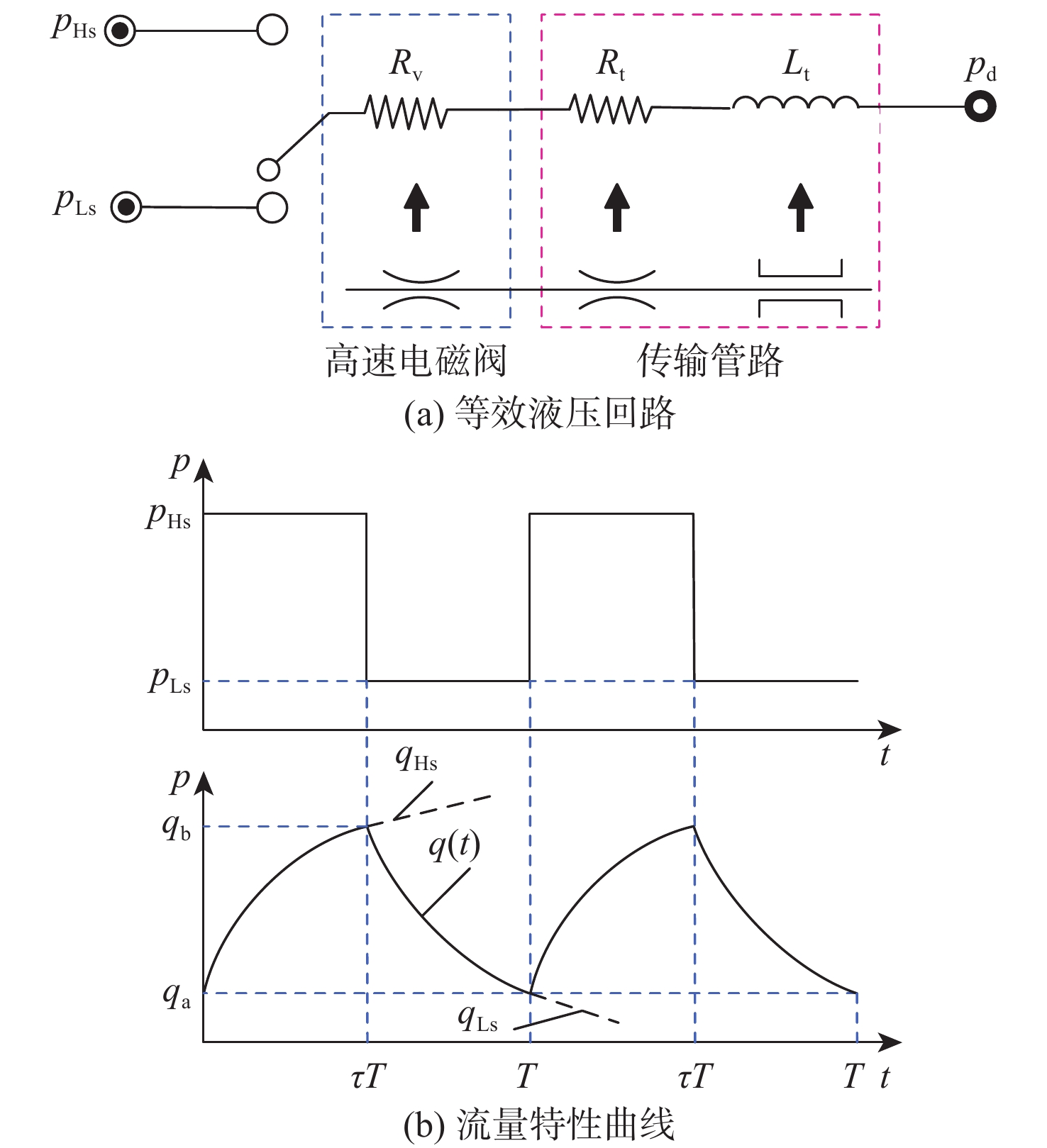
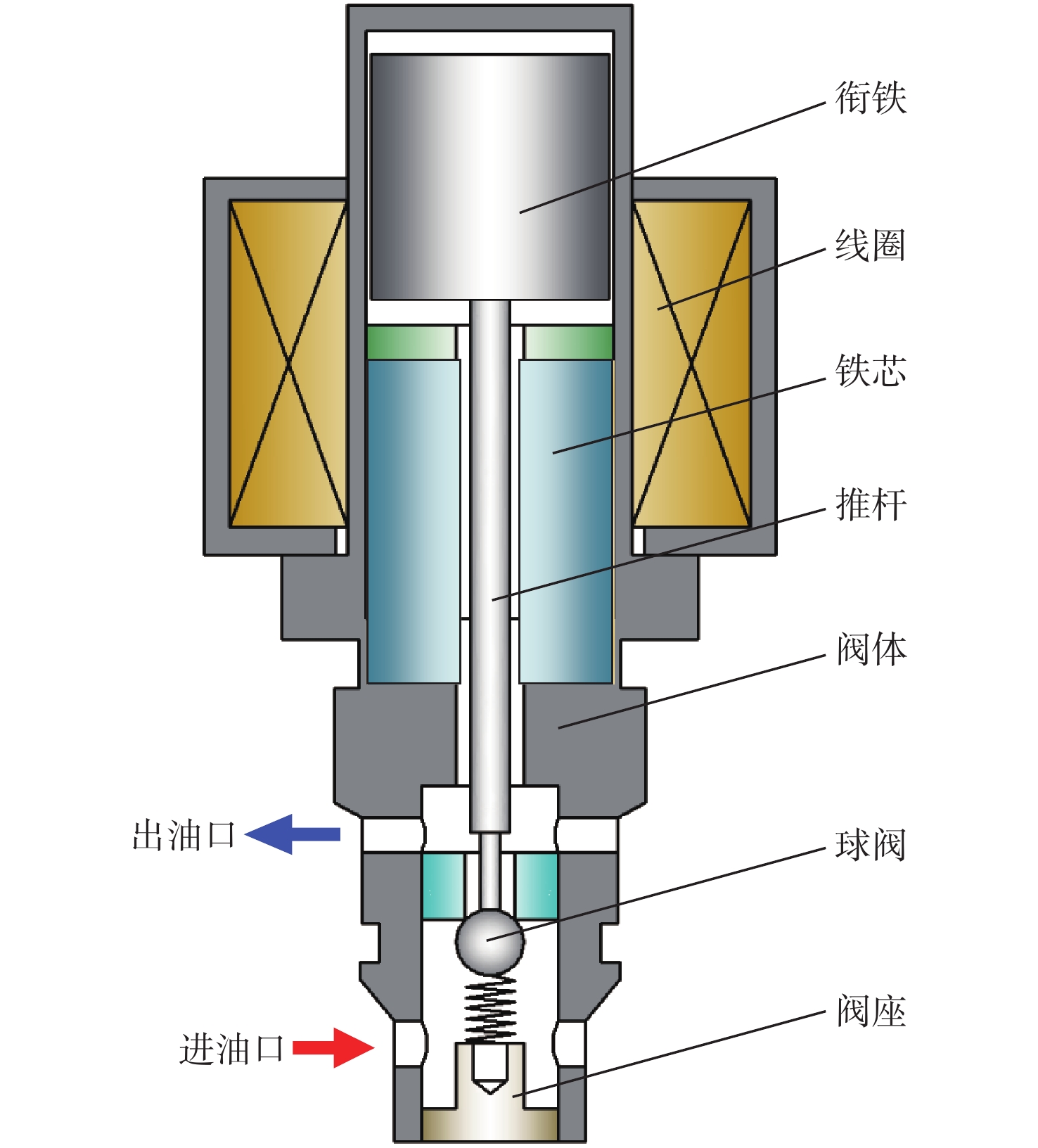
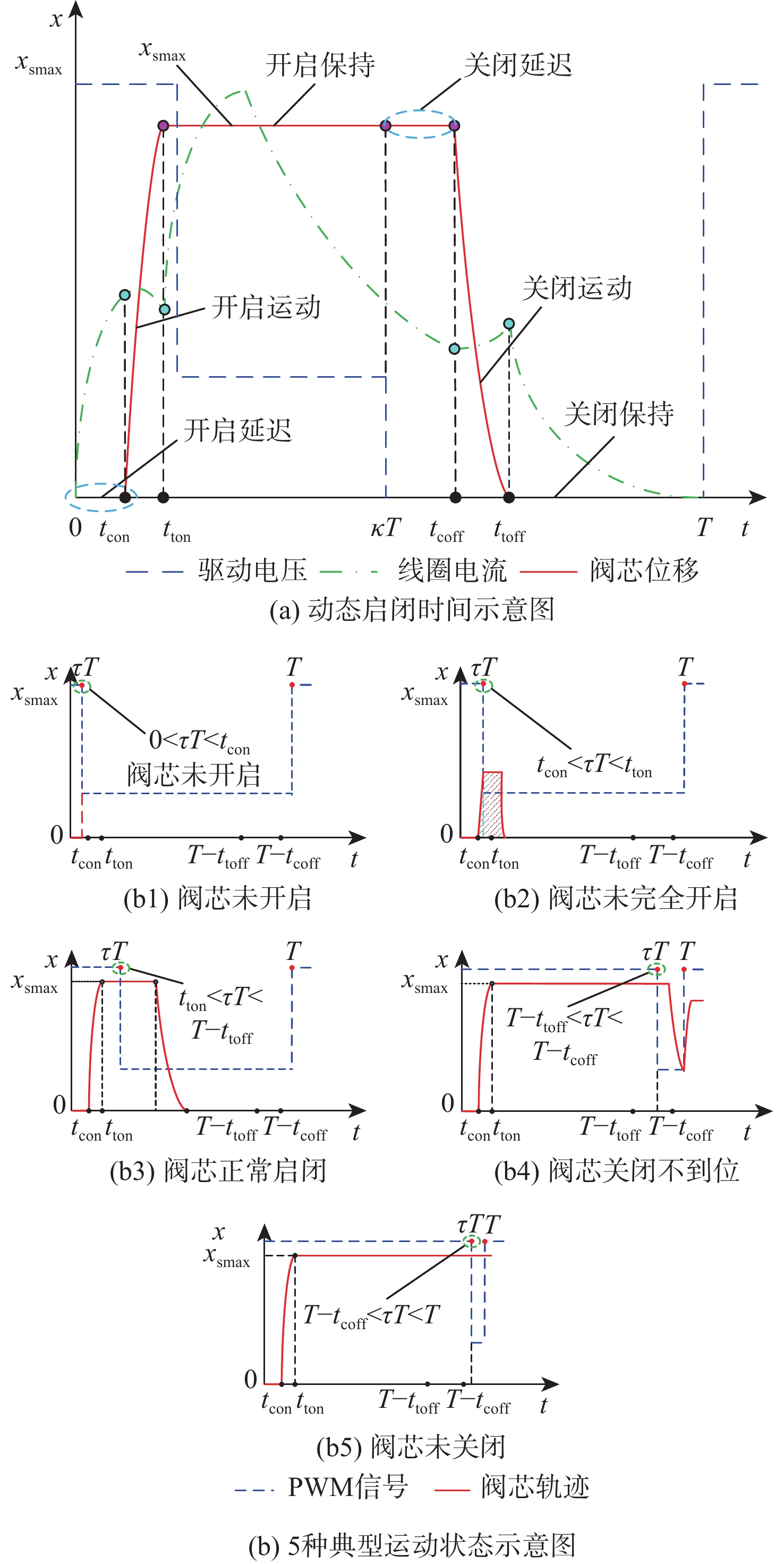
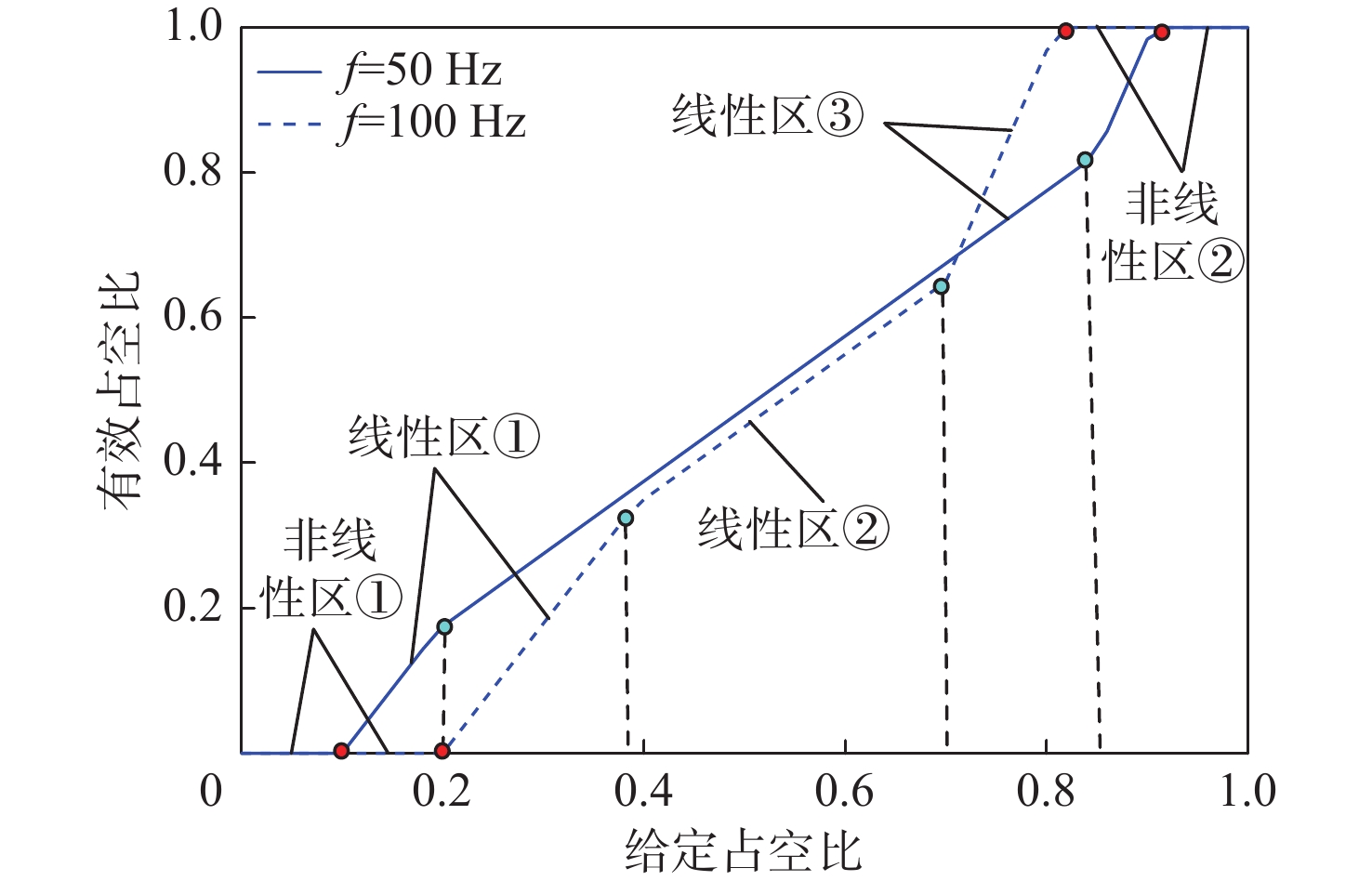
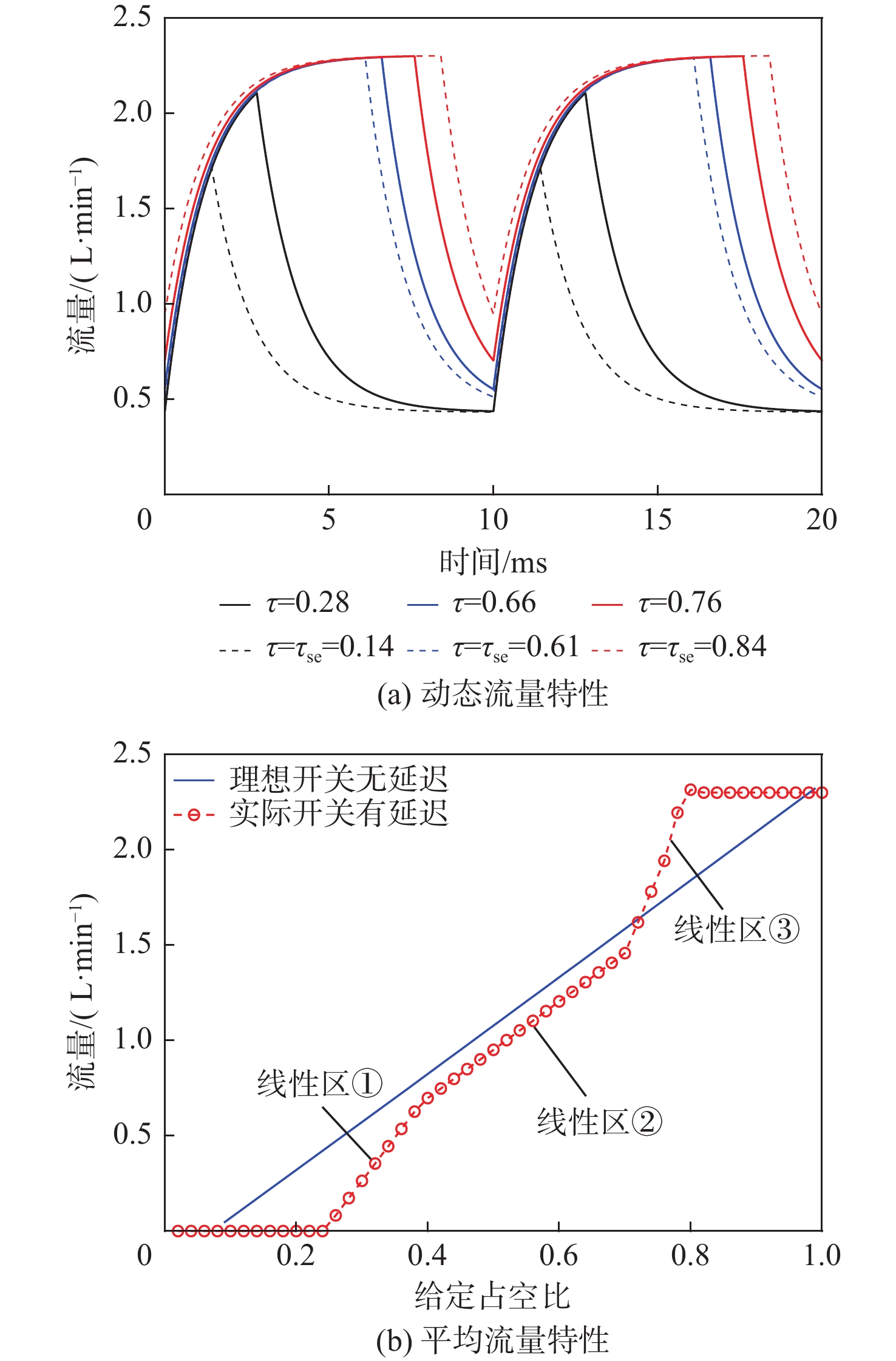
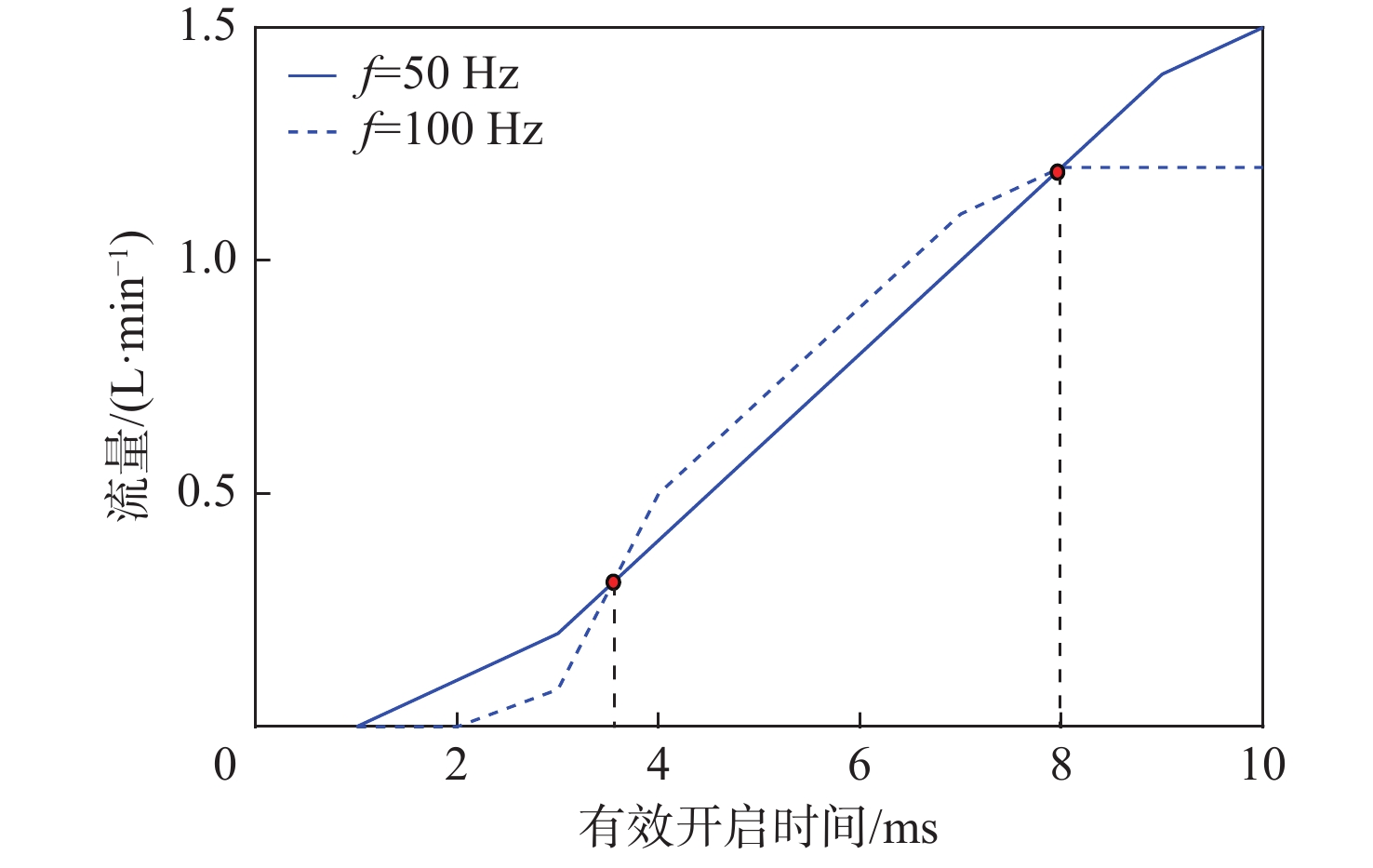
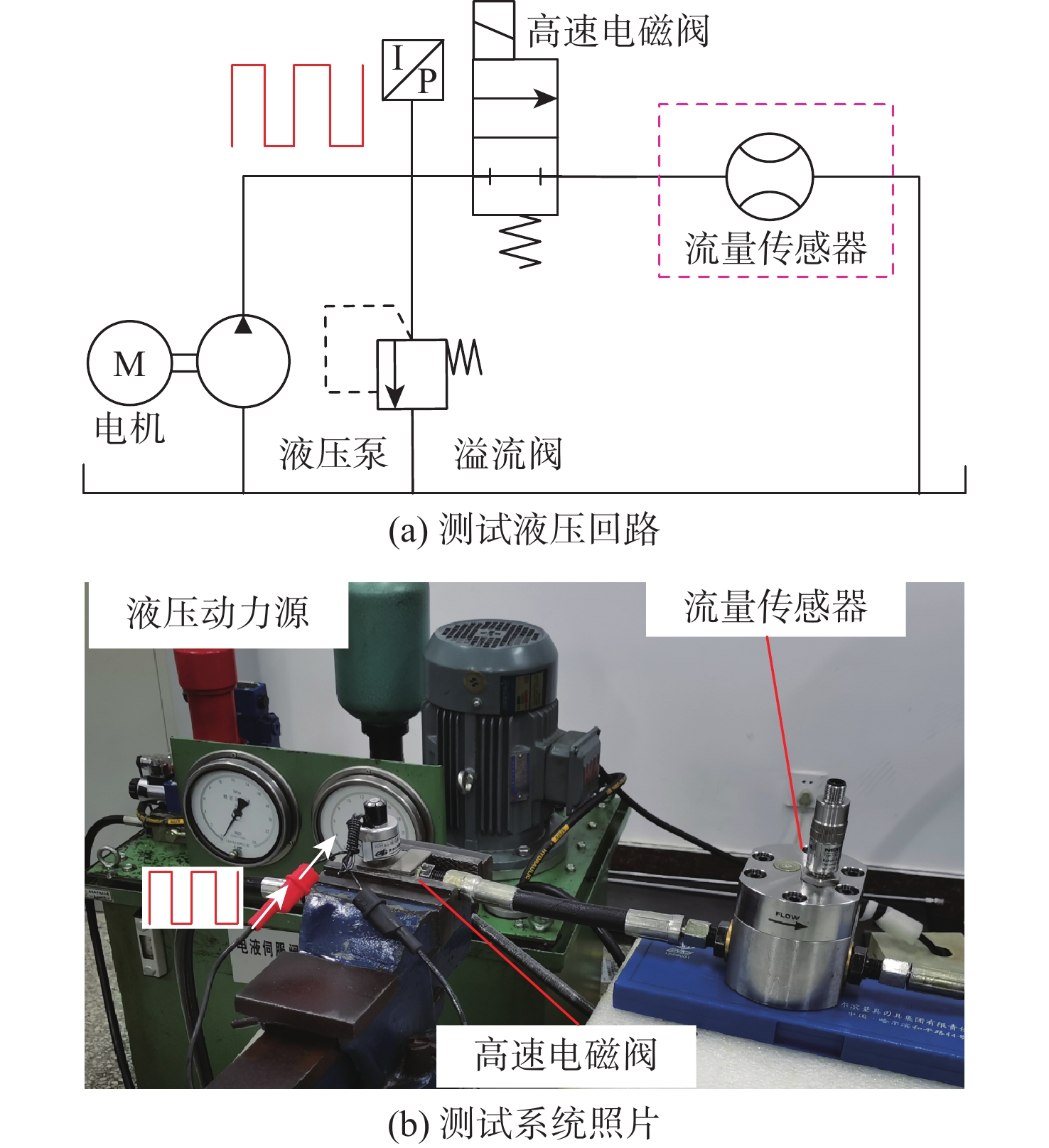
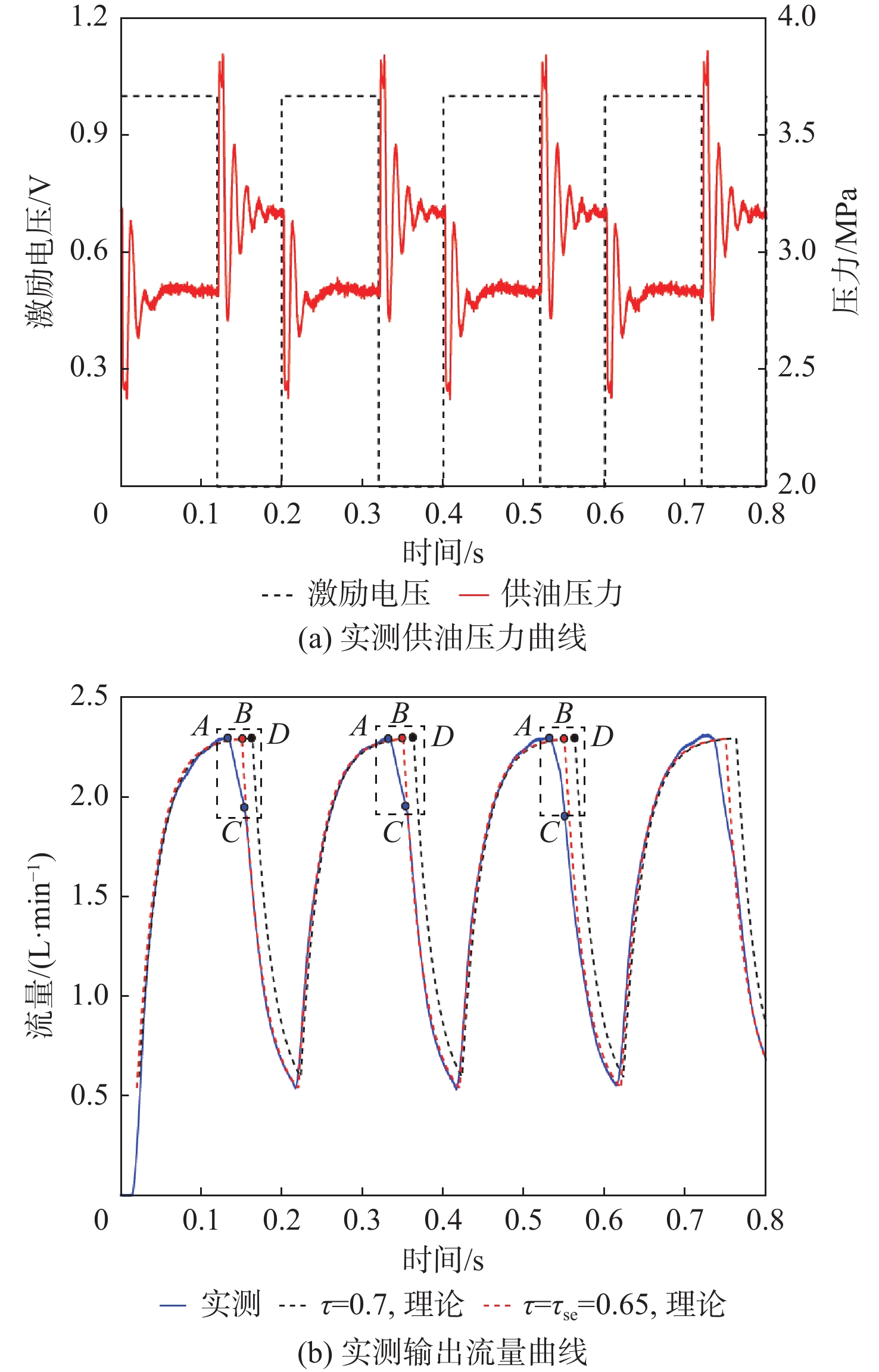
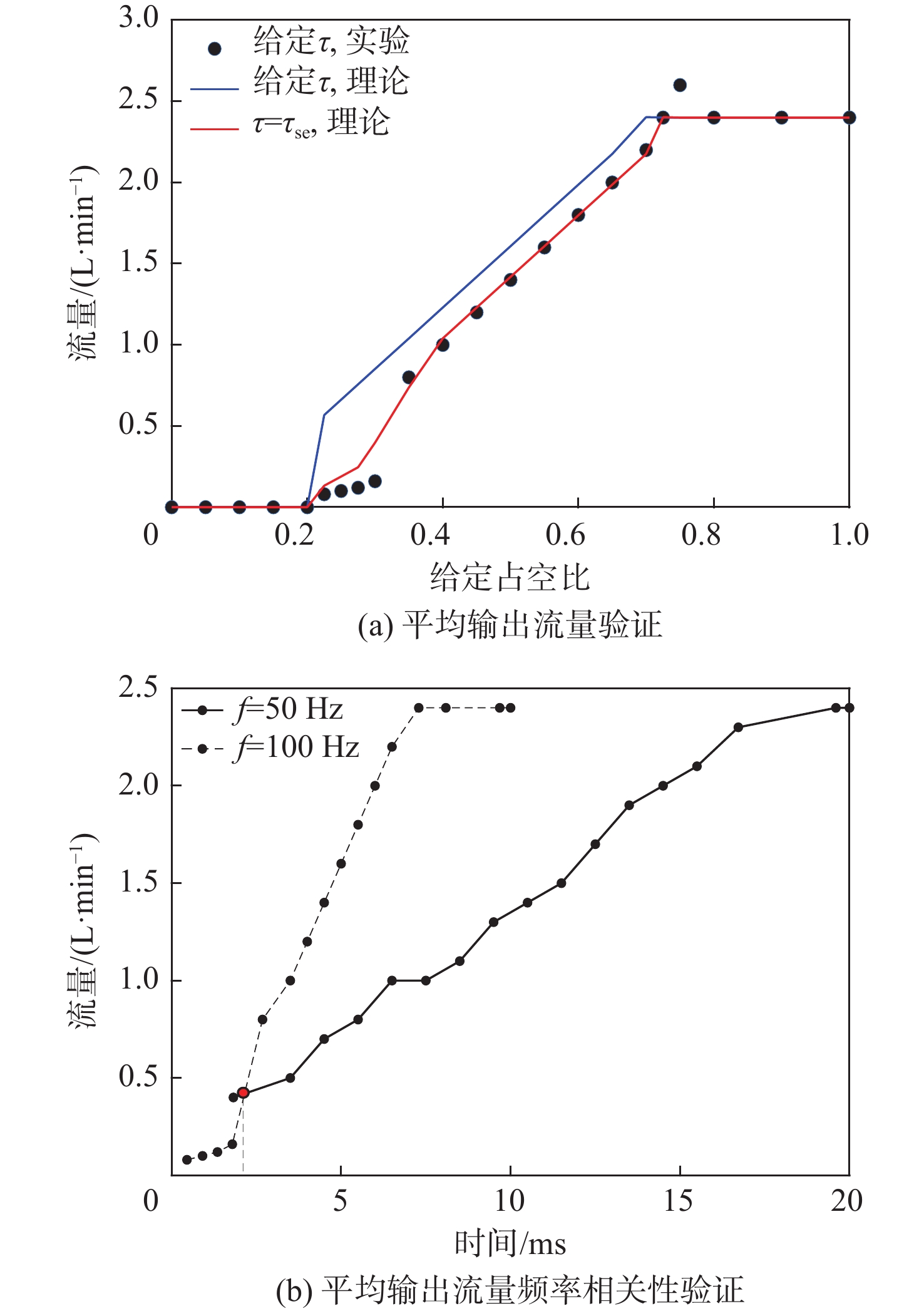
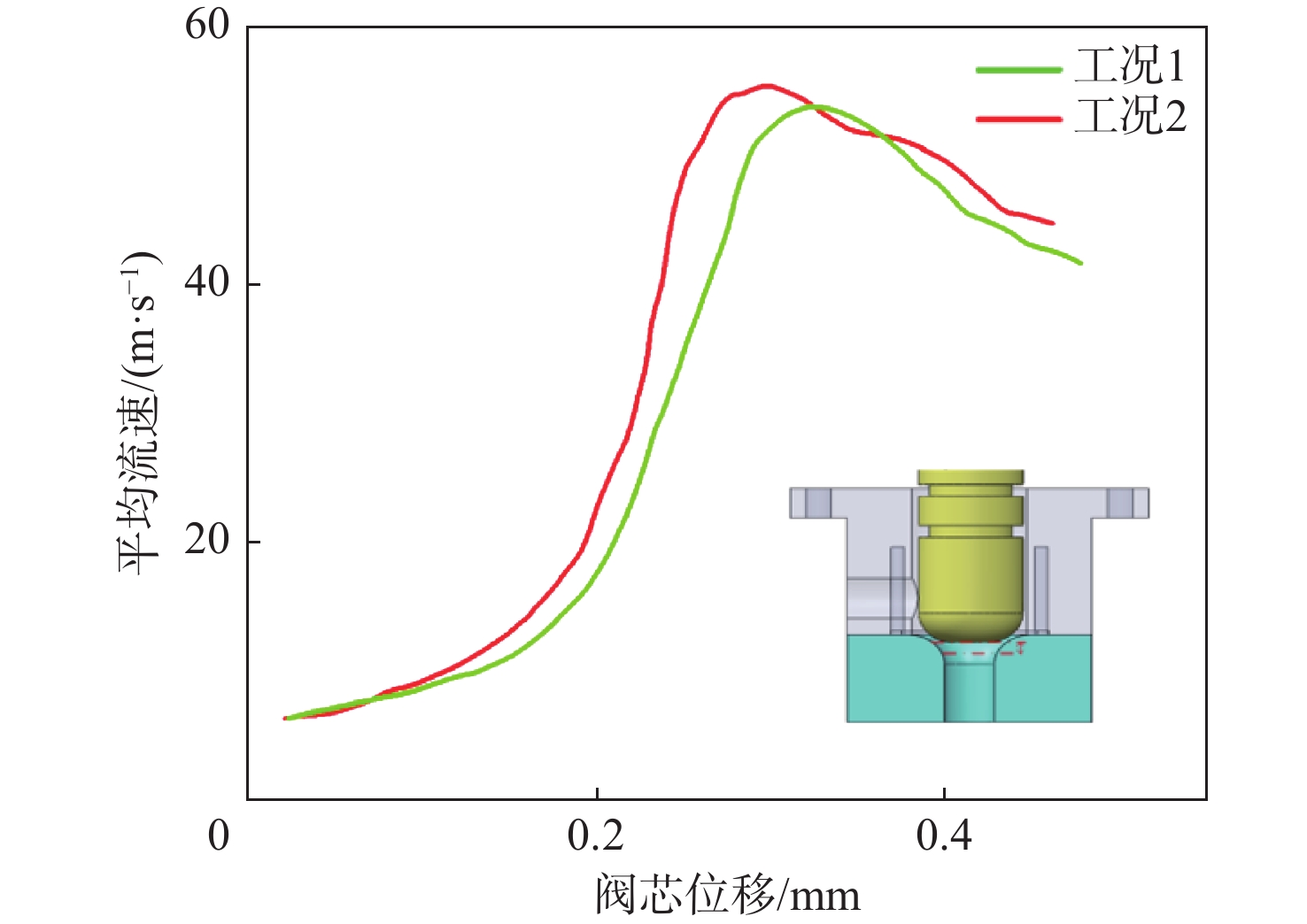
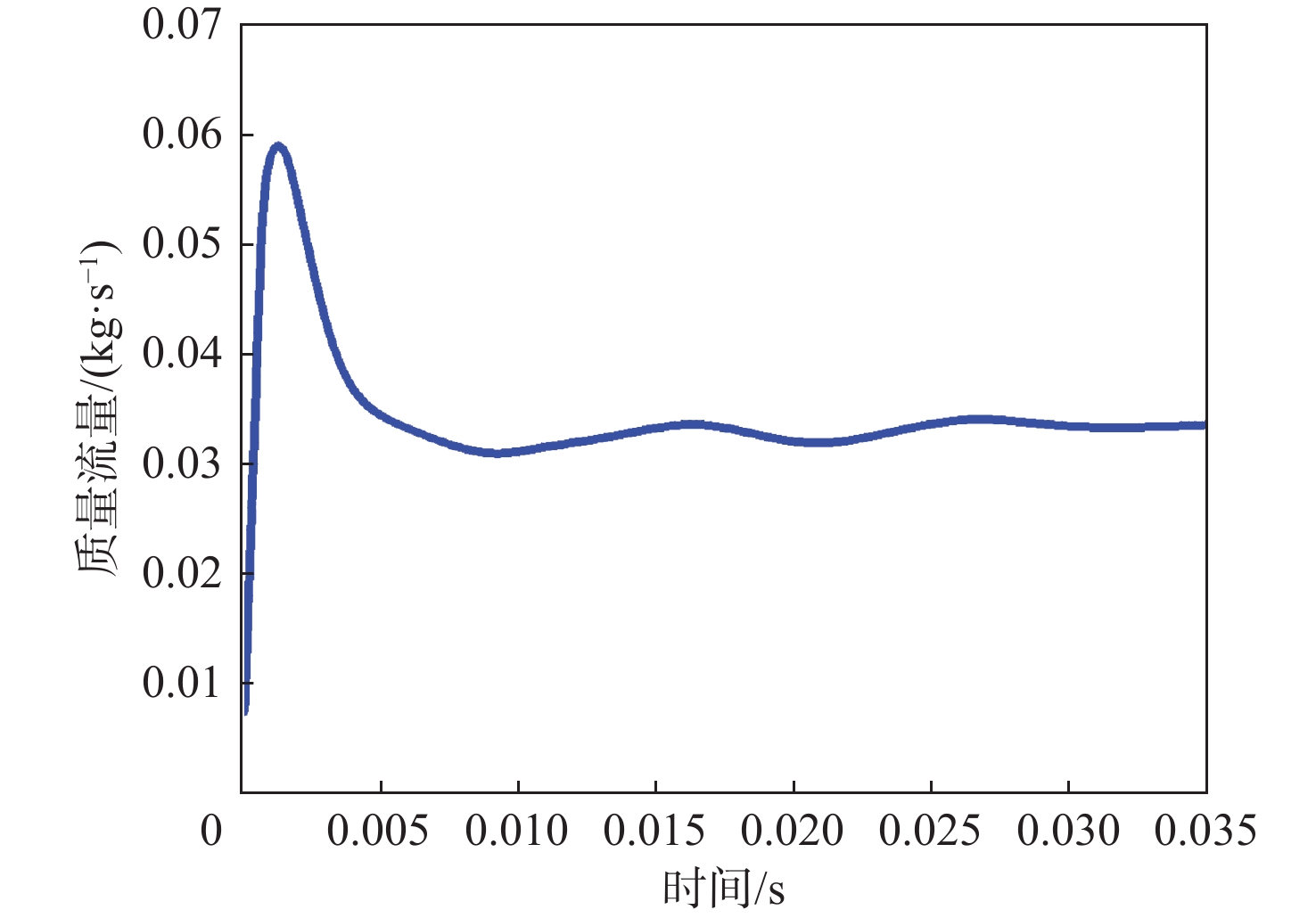
High-speed solenoid valves are the key control element of digital hydraulic circuits, and their dynamic properties directly affect the circuit's flow performance. To improve the computational accuracy of the flow characteristics in digital hydraulic circuits, a flow calculation model incorporating a controllable duty cycle correction module is proposed in this article. The accuracy of the proposed model was validated using measured flow data within the linear duty cycle region. Experimental results demonstrate that, compared to the ideal switch model without delay, the dynamic flow characteristics model with actual switching delay enables the maximum and average relative error of the instantaneous flow to decrease by 20.3%, 9.3% and the maximum average error of the steady-state flow decreased by 73%, significantly improving computational accuracy. The average output flow rate of the hydraulic circuit at the operating frequency of f = 100 Hz typically increases by 40% of the rated flow in comparison to that at f = 50 Hz when the effective opening time tse is between 2 ms and 7.43 ms. It is confirmed that fluid inertance has a significant impact on the delivery flow of digital hydraulic circuits.

Data-driven multivariate nonlinear mathematical model of landing gear shock absorbers
CHEN Xiying, PAN Zhe, ZHAO Shutong, DONG Huili, ZHANG Peng
2026, 52(8): 2845-2856. doi: 10.13700/j.bh.1001-5965.2025.0710
Abstract:

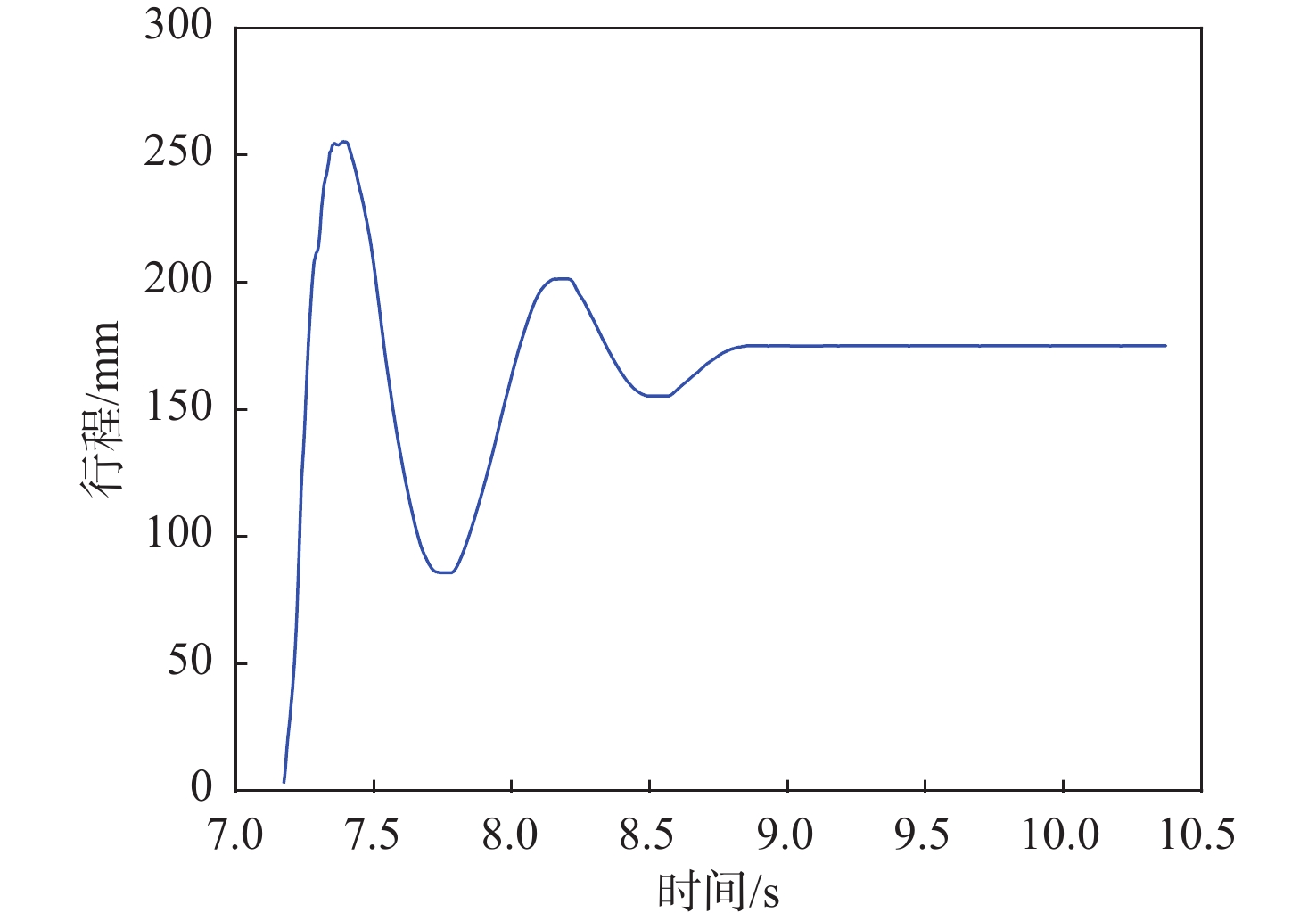
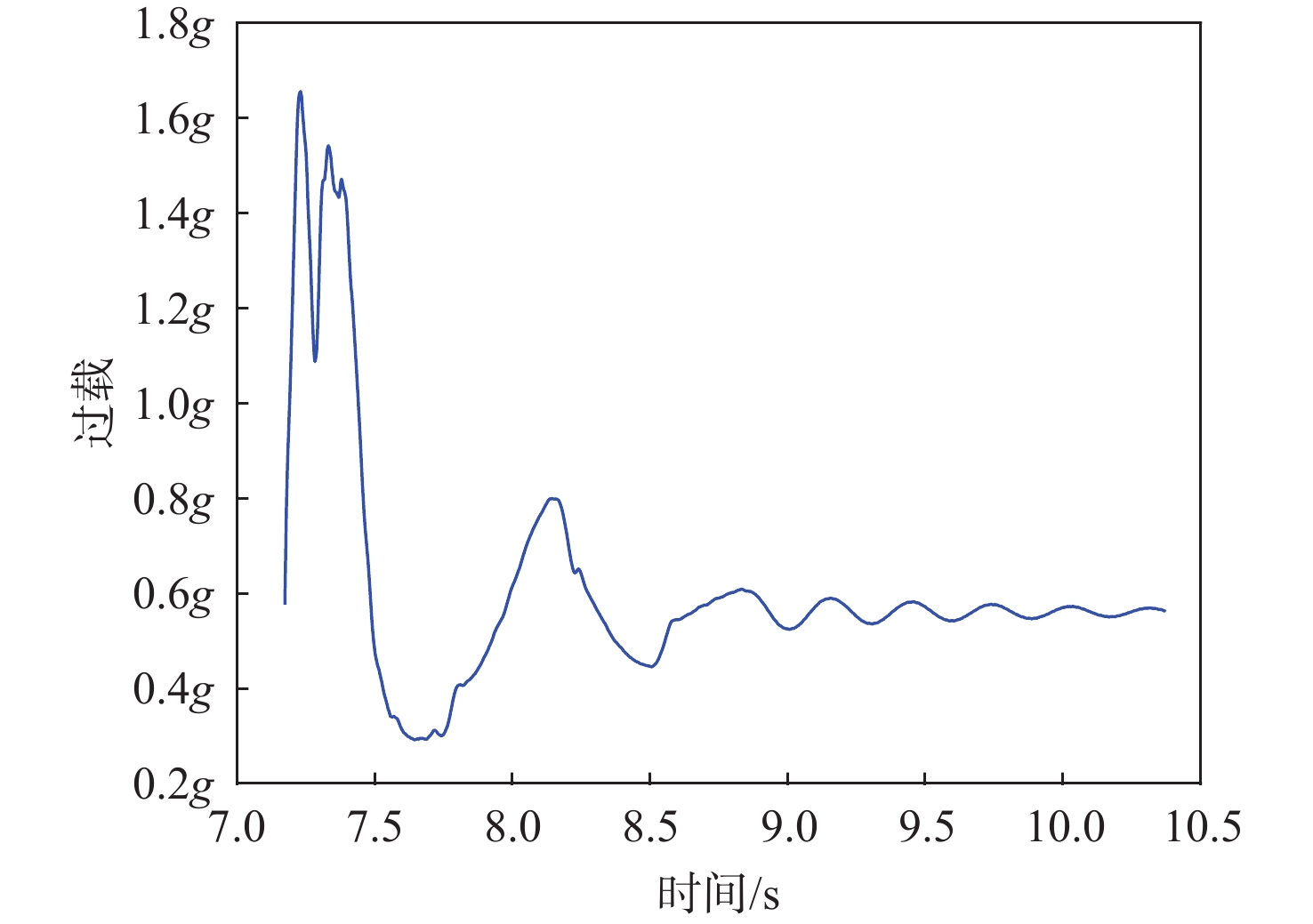
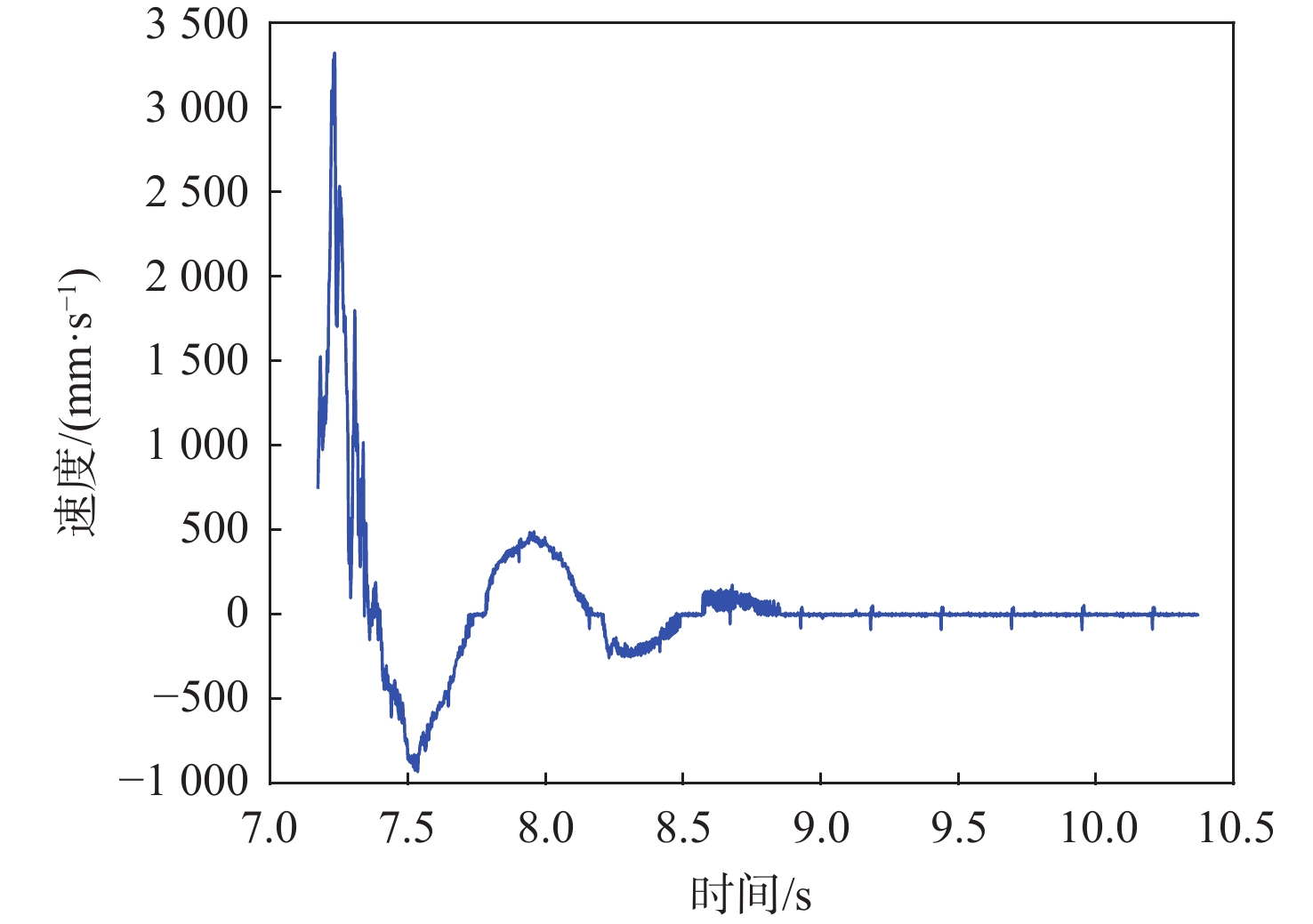
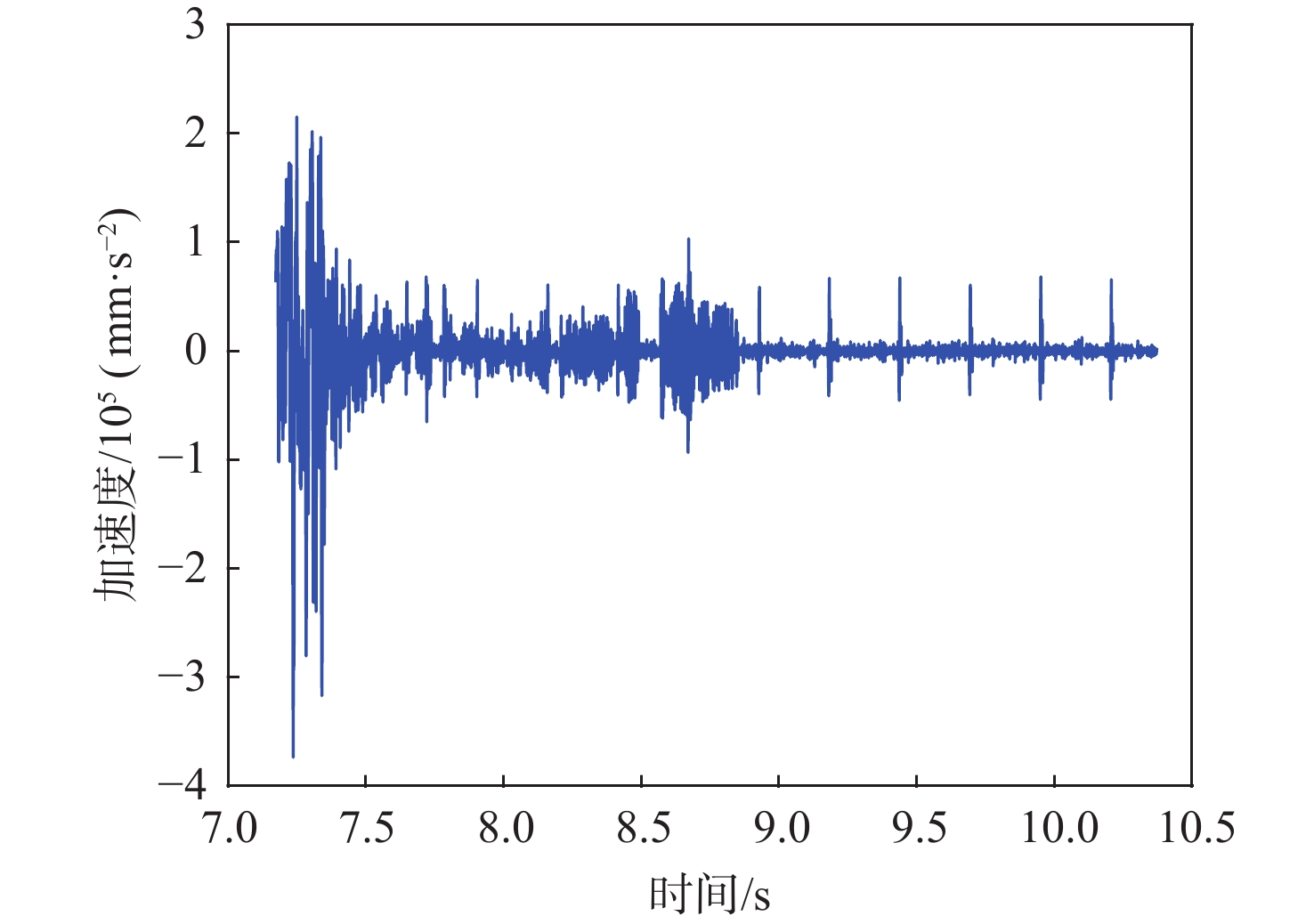
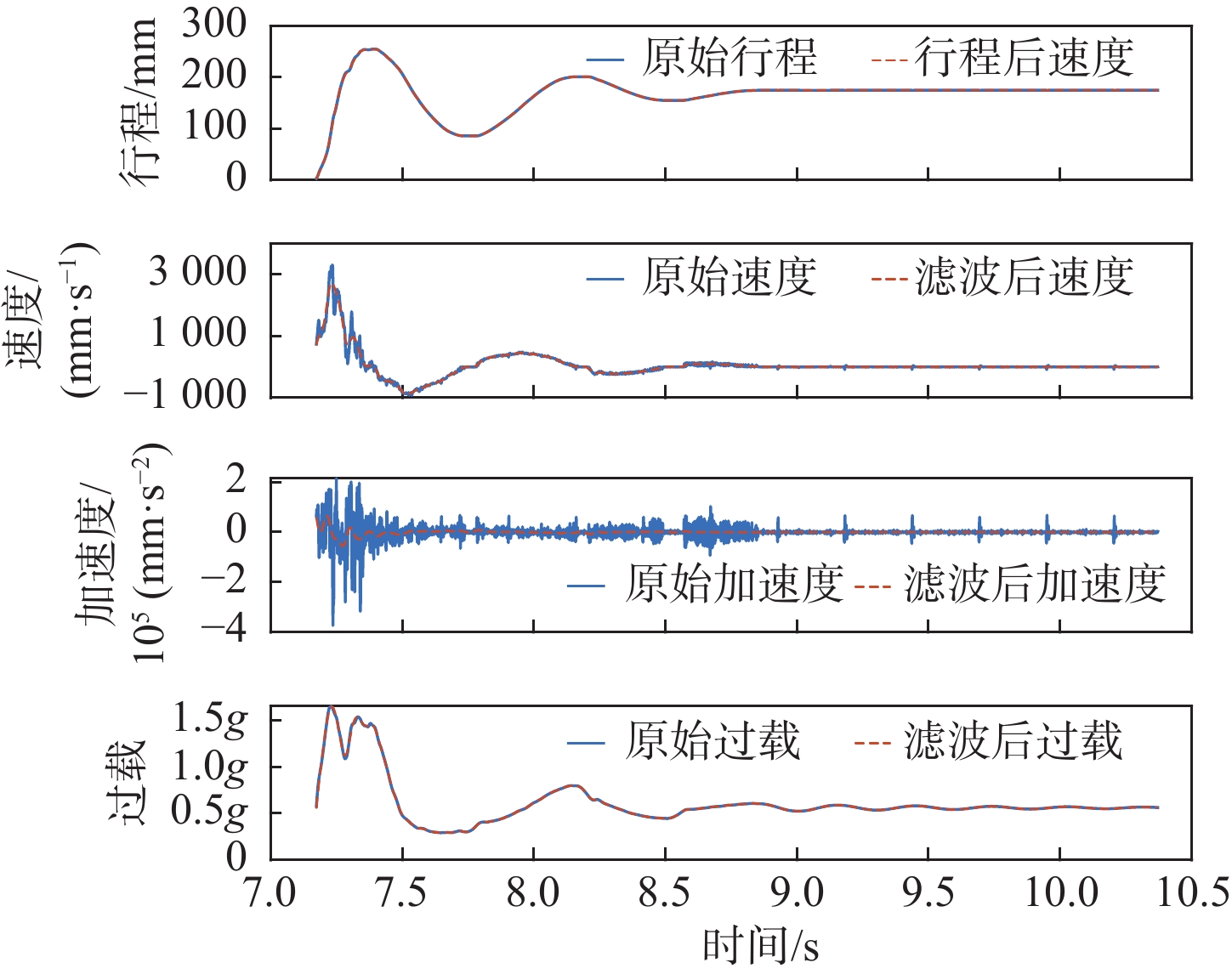
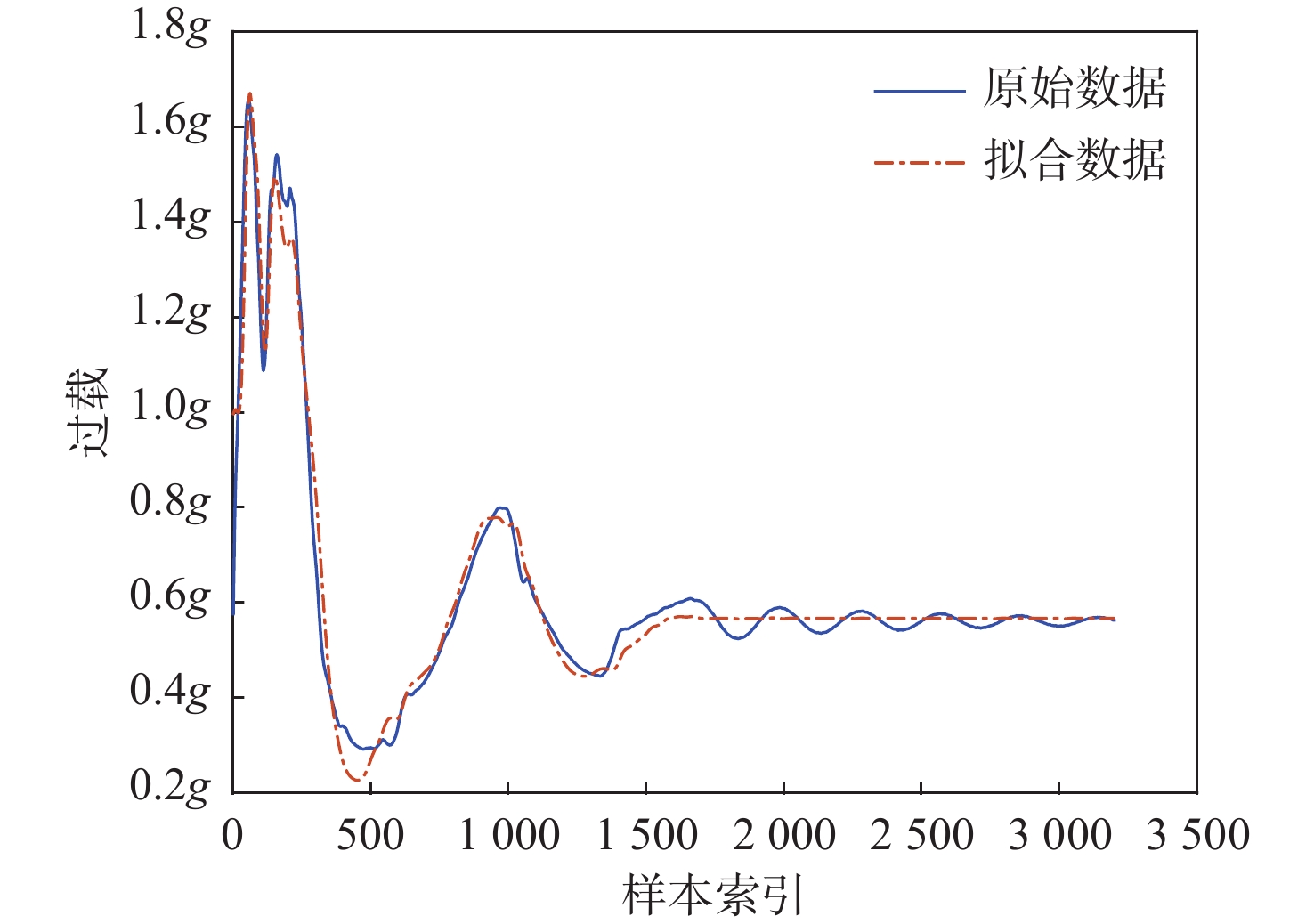
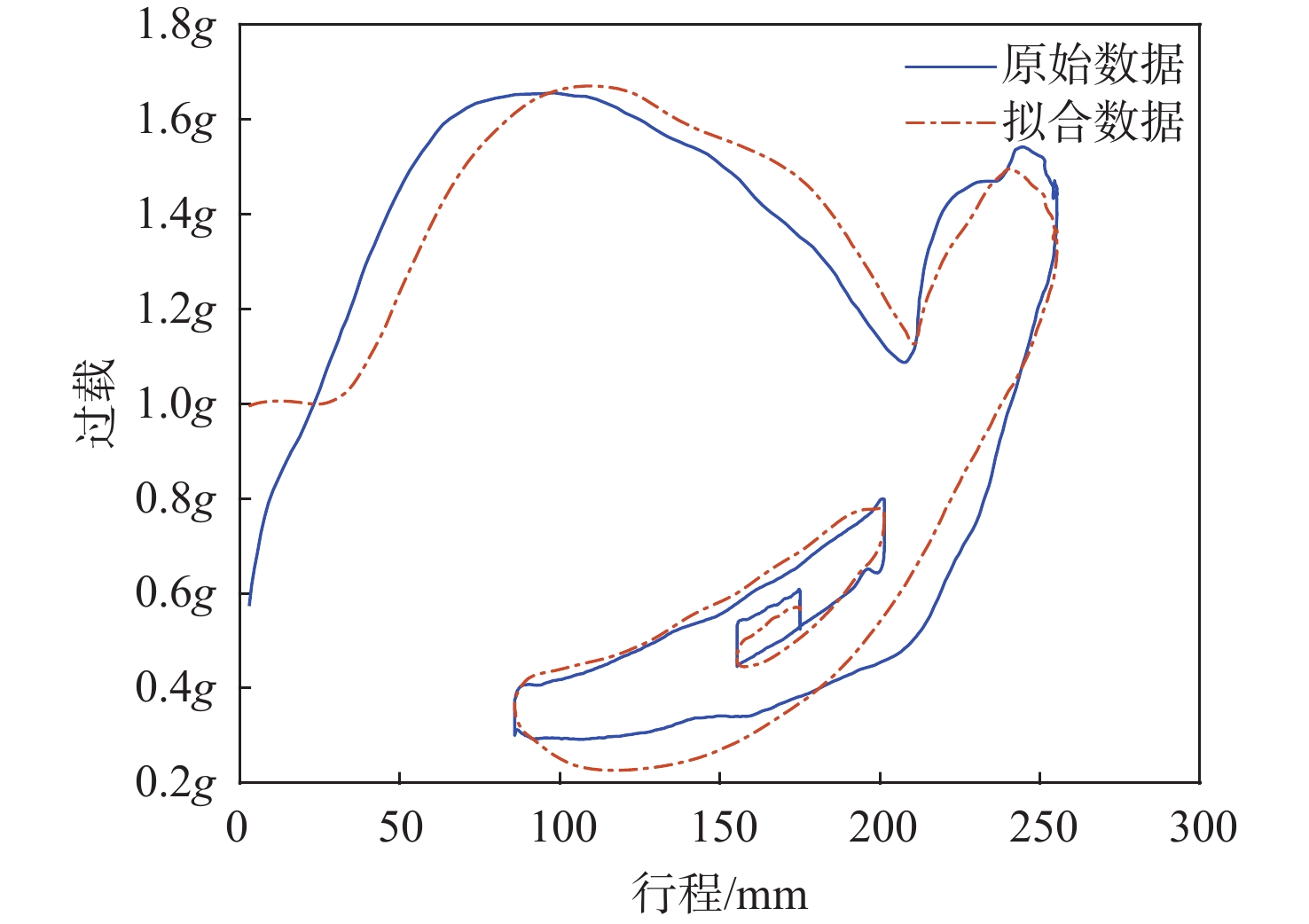
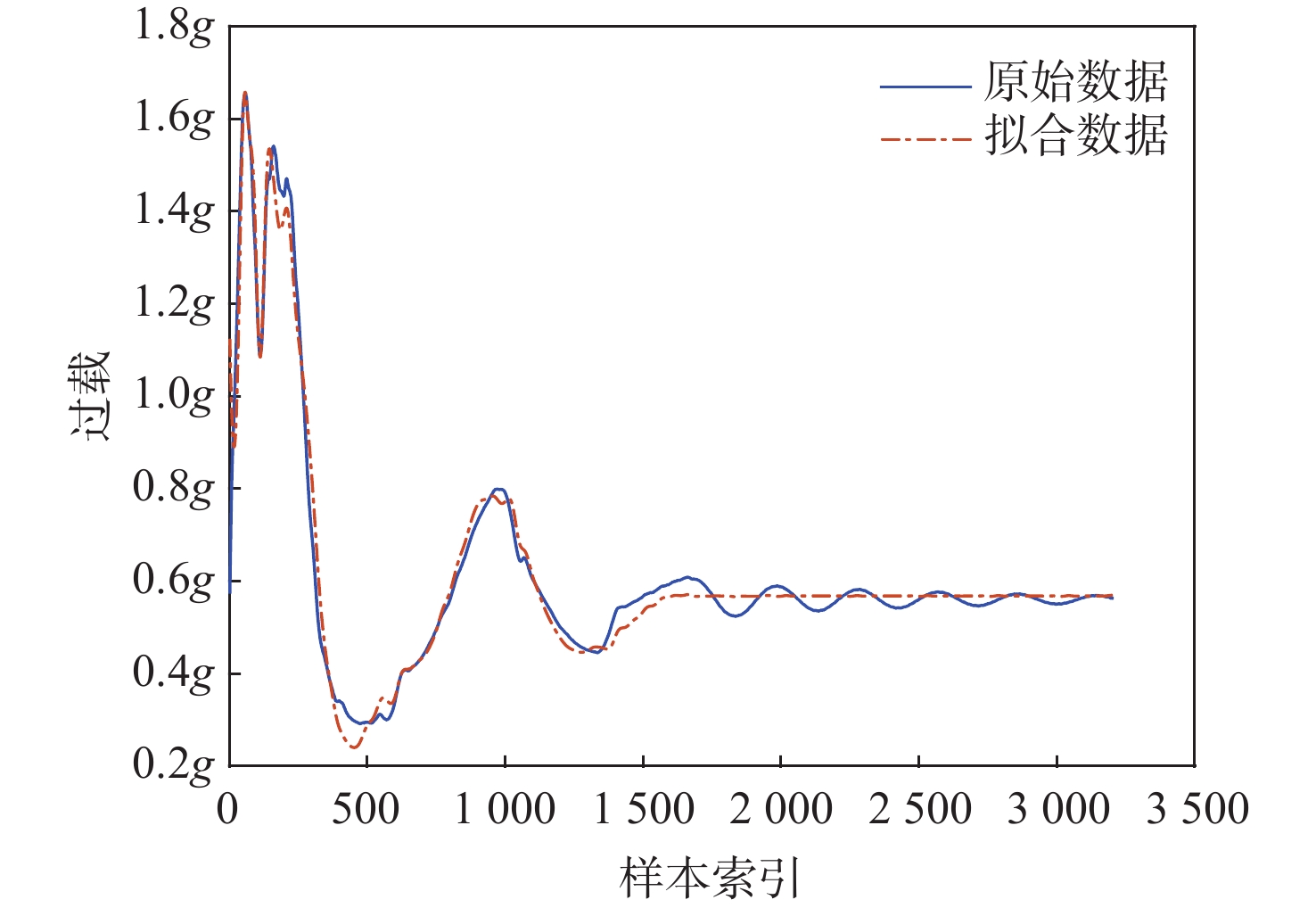
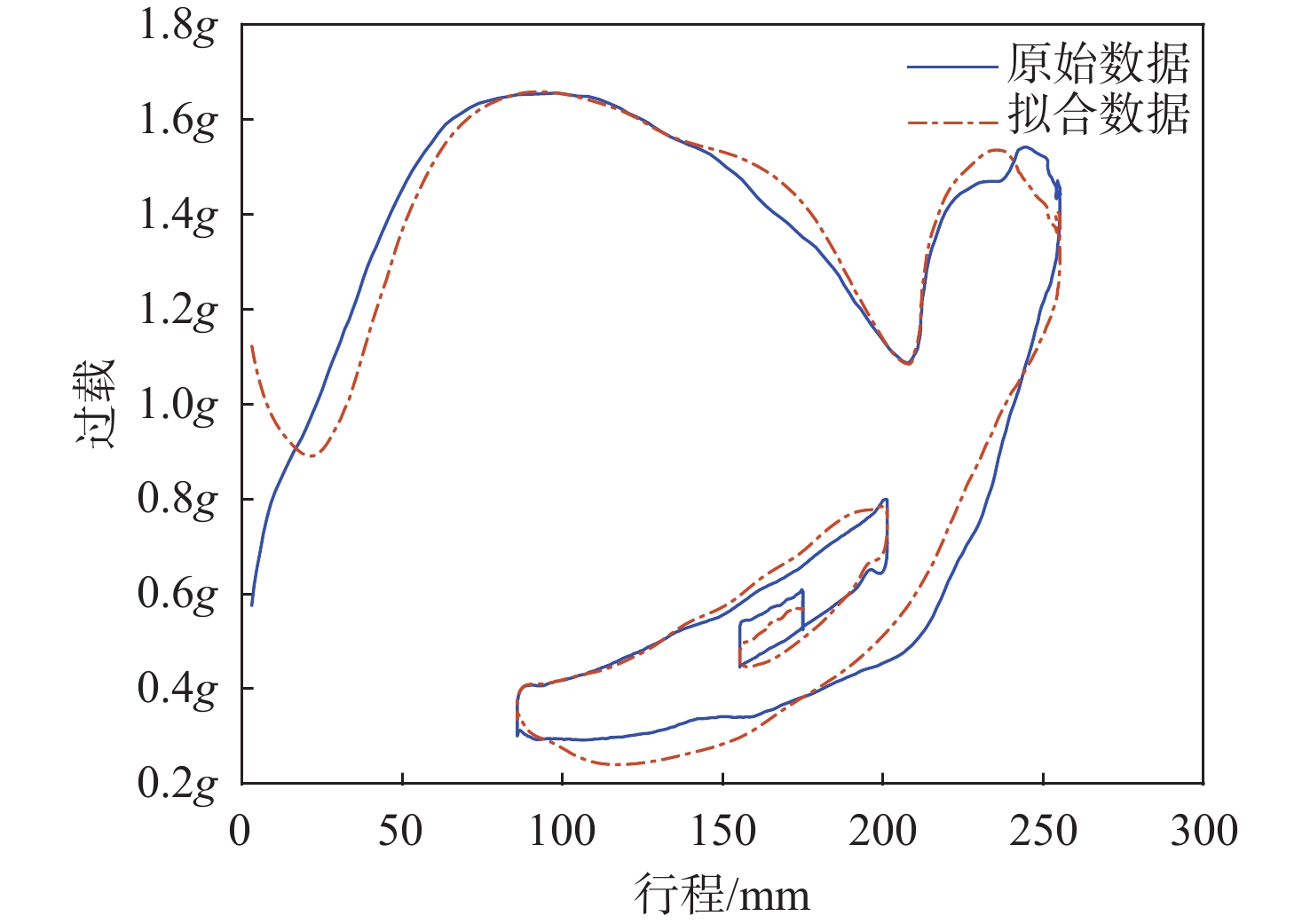
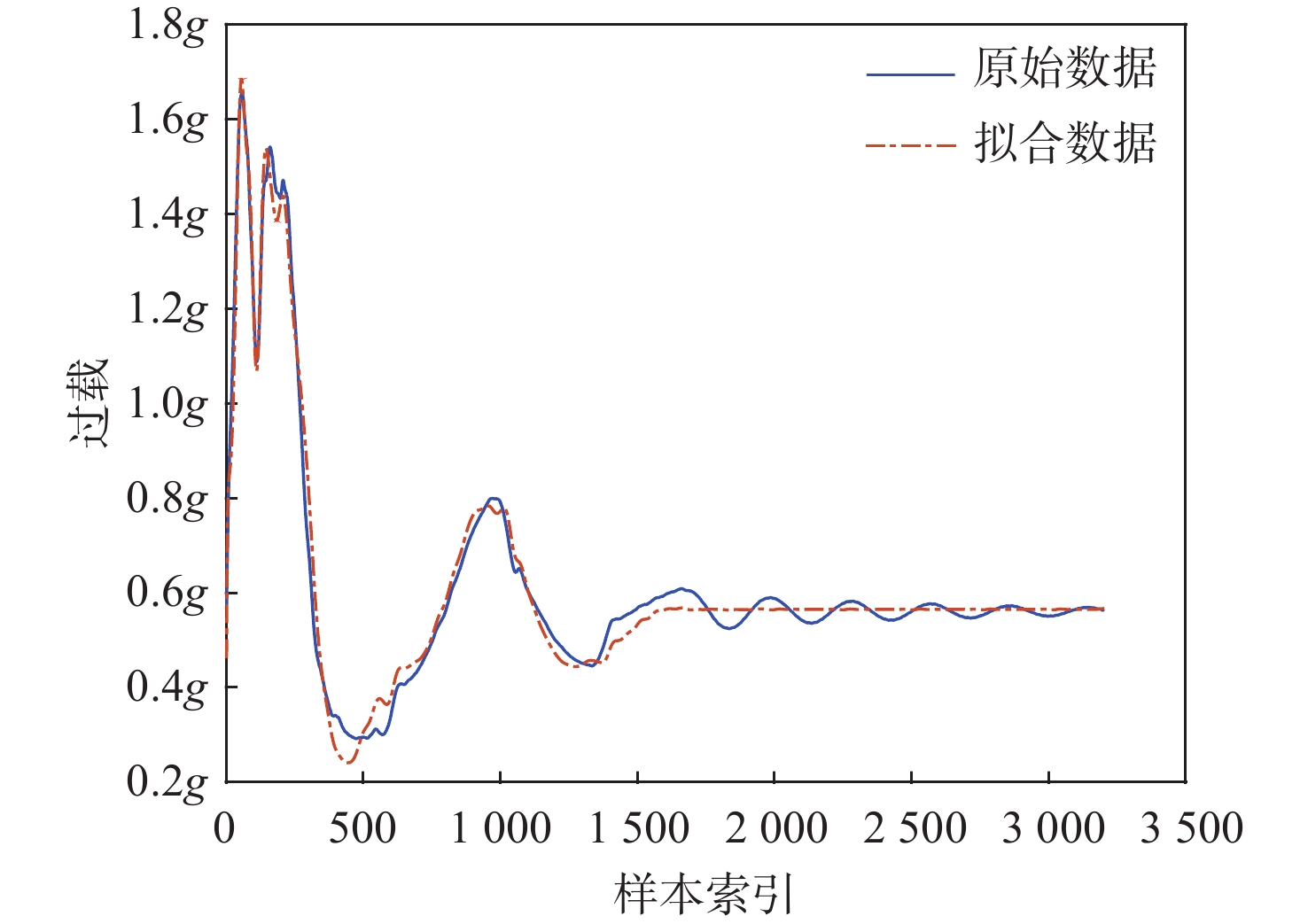
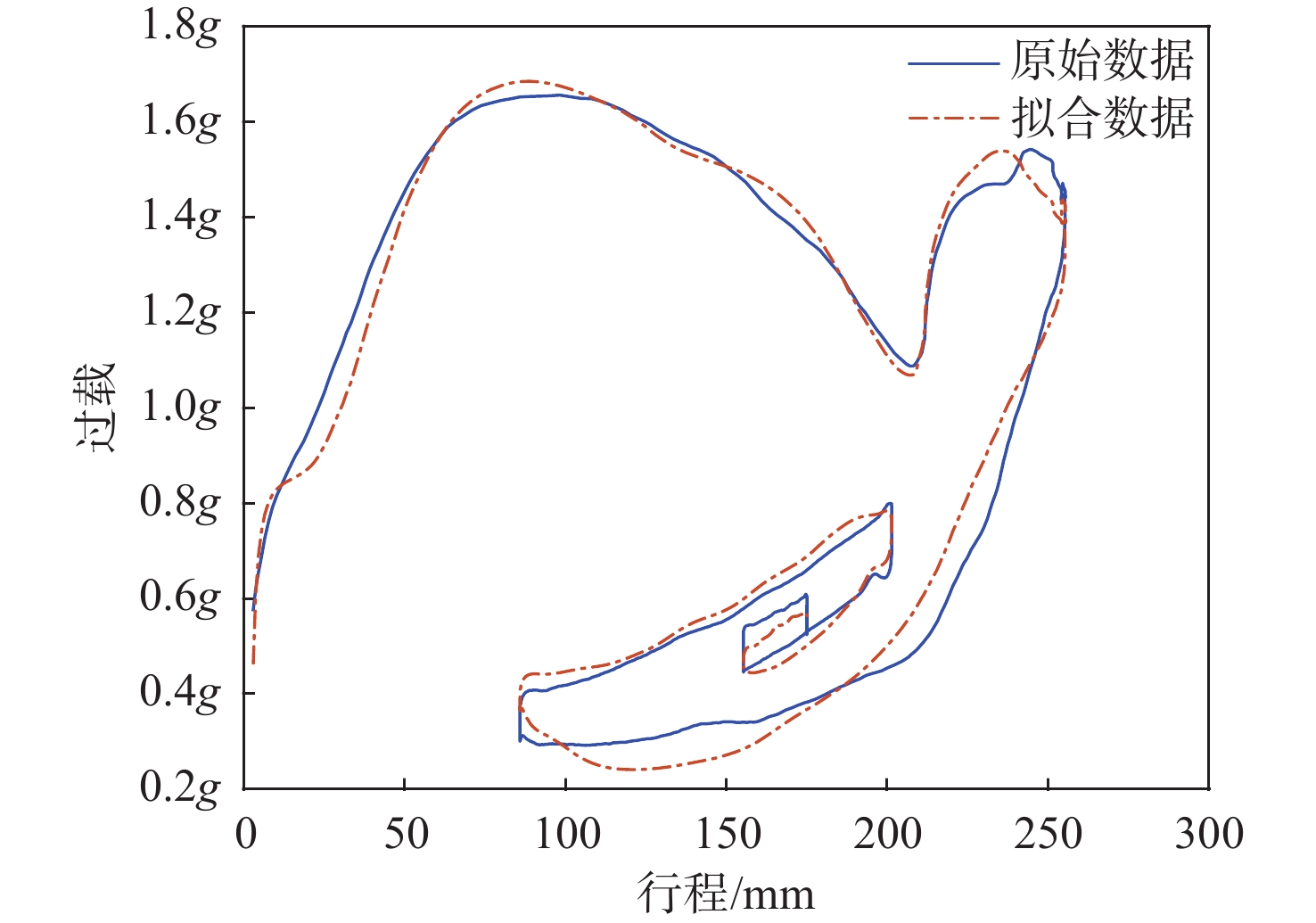
To address the nonlinear dynamic characteristics of the oleo-pneumatic landing gear strut, this study establishes a multivariate nonlinear mathematical model with overload as the dependent variable, through a data-driven approach combined with theoretical analysis and drop-test data. The model comprehensively incorporates factors such as strut stroke, velocity, and acceleration, and is developed using the pseudo-linear least squares method. Through multiple iterative improvements, the model's fitting accuracy and predictive capability have been significantly enhanced. To resolve the time delay phenomenon observed between model predictions and experimental data, an acceleration term was introduced into the model. This adjustment reduced the root mean square error (RMSE) from 0.0447 to 0.0401 and increased the adjusted coefficient of determination from 0.968 to 0.974. A square-root acceleration term (acceleration increased to the power of 0.5) was added to the model in order to further address the fitting deviation problem during the first phase (stroke 0 mm to 50 mm). This refinement reduced the RMSE from 0.0401 to 0.0341 and increased the adjusted coefficient of determination from 0.974 to 0.981, significantly enhancing the model's ability to describe system dynamics and its predictive accuracy. The study demonstrates that the proposed model provides a more accurate method for describing the nonlinear dynamic characteristics of landing gear shock absorbers and offers a reliable theoretical foundation for the design and optimization of the overall automatic control system.

Prescribed adaptive finite-time control of oil-immersed electro-hydrostatic actuators under wide temperature range
FAN Siming, WANG Shaoping, WANG Xingjian, WANG Qiyang, LIU Di
2026, 52(8): 2857-2868. doi: 10.13700/j.bh.1001-5965.2025.0335
Abstract:

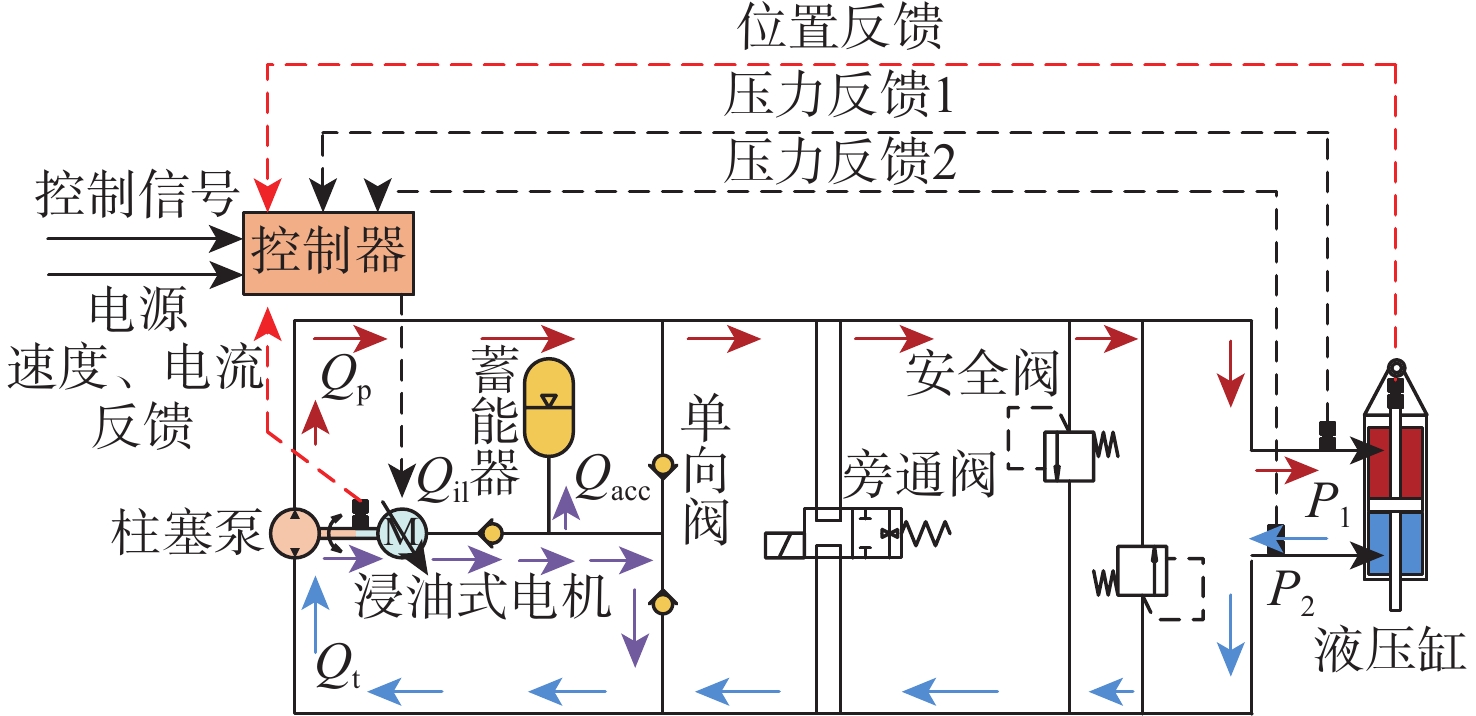
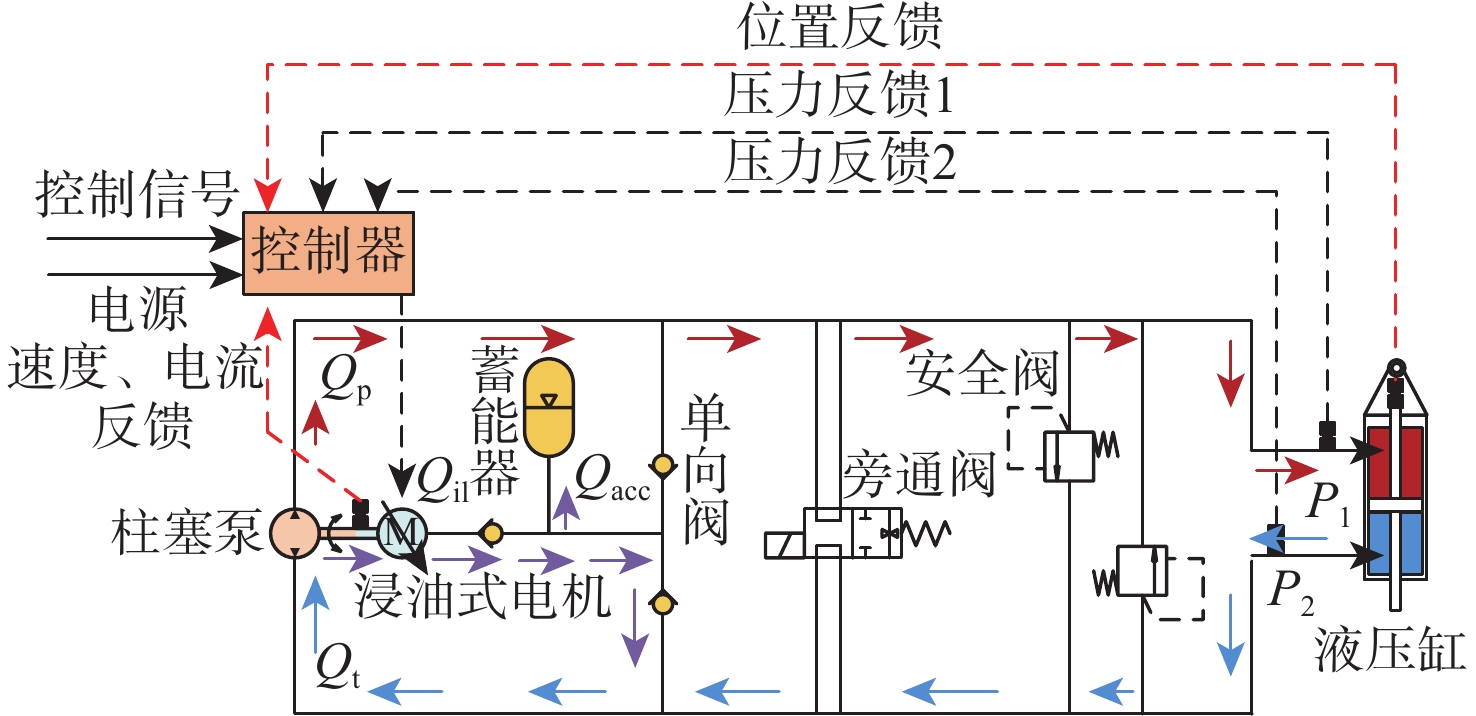
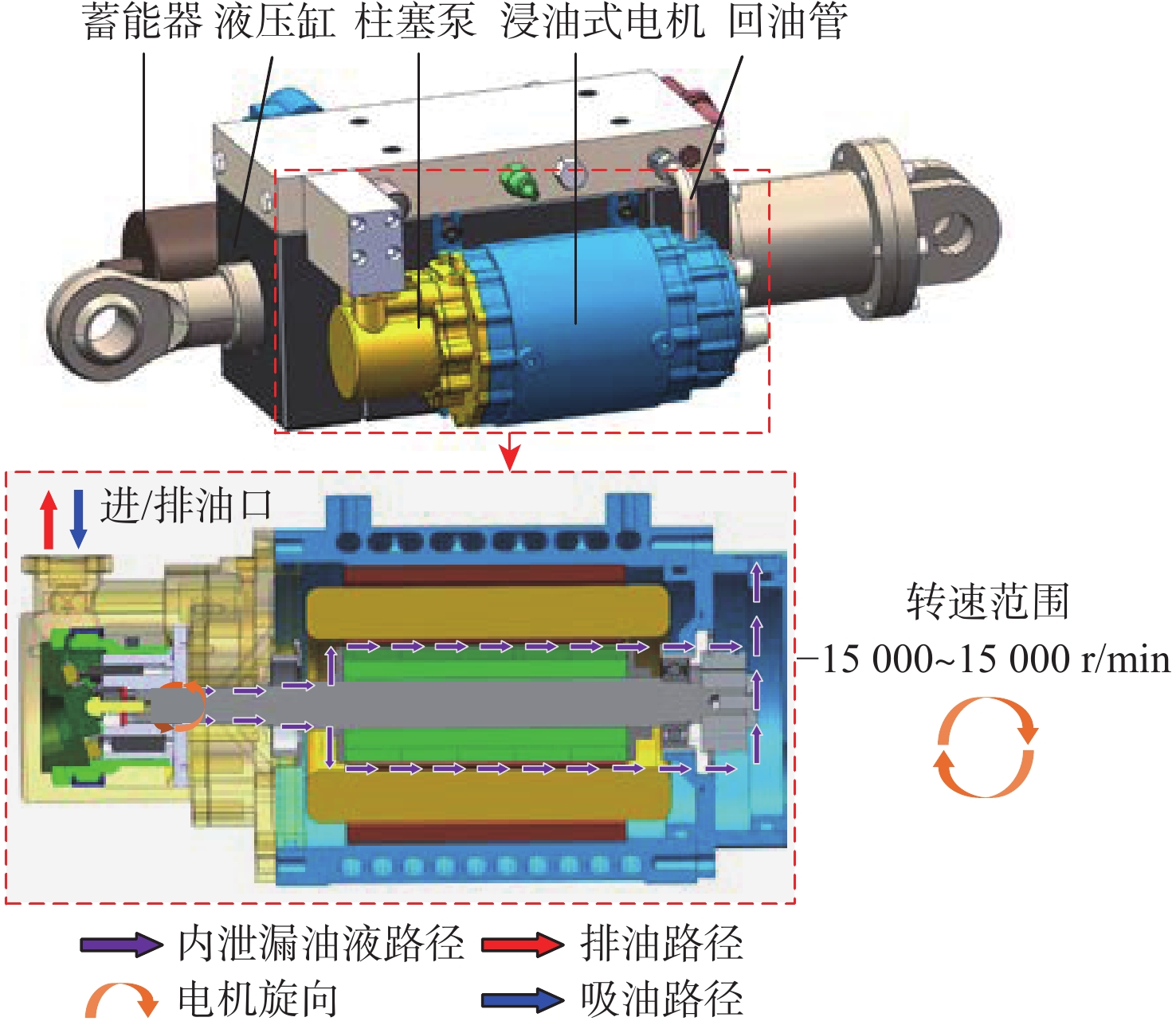
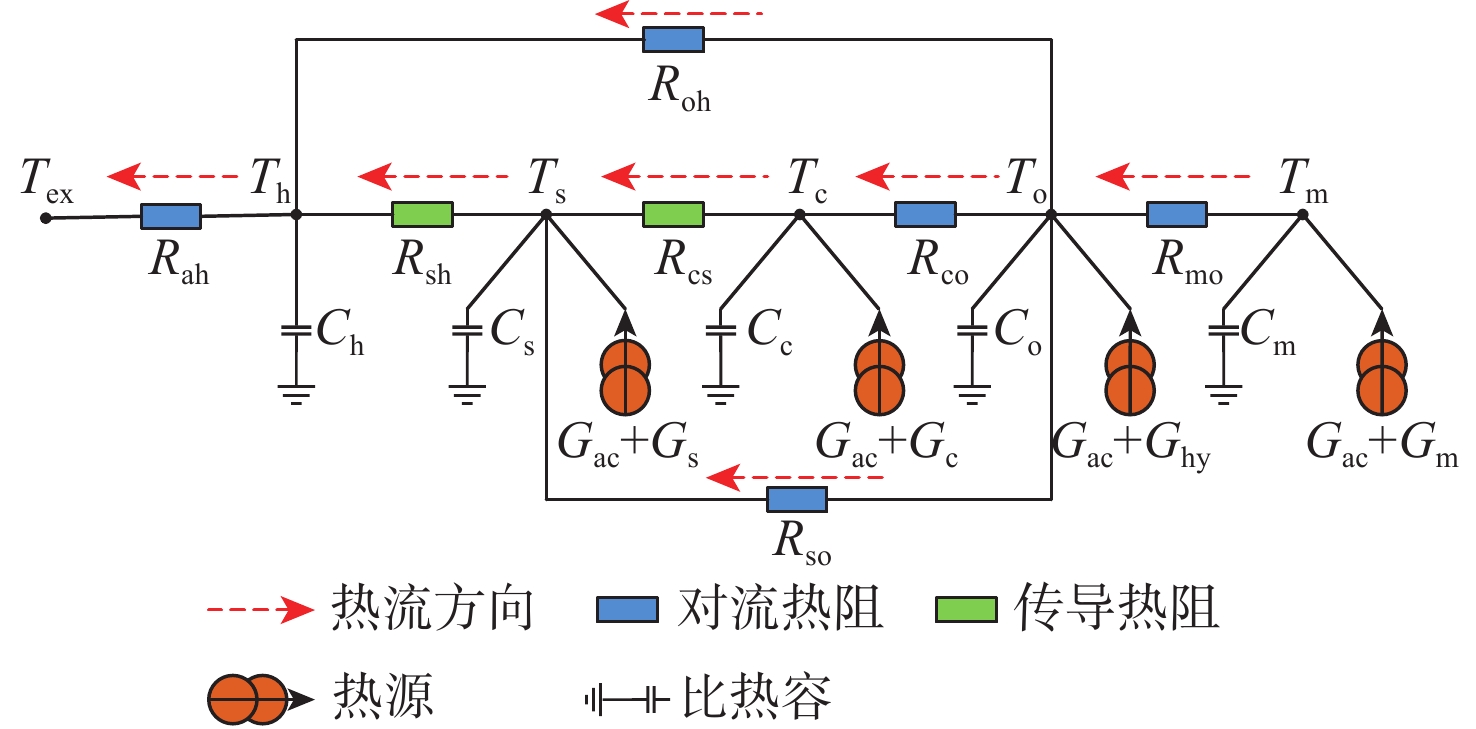
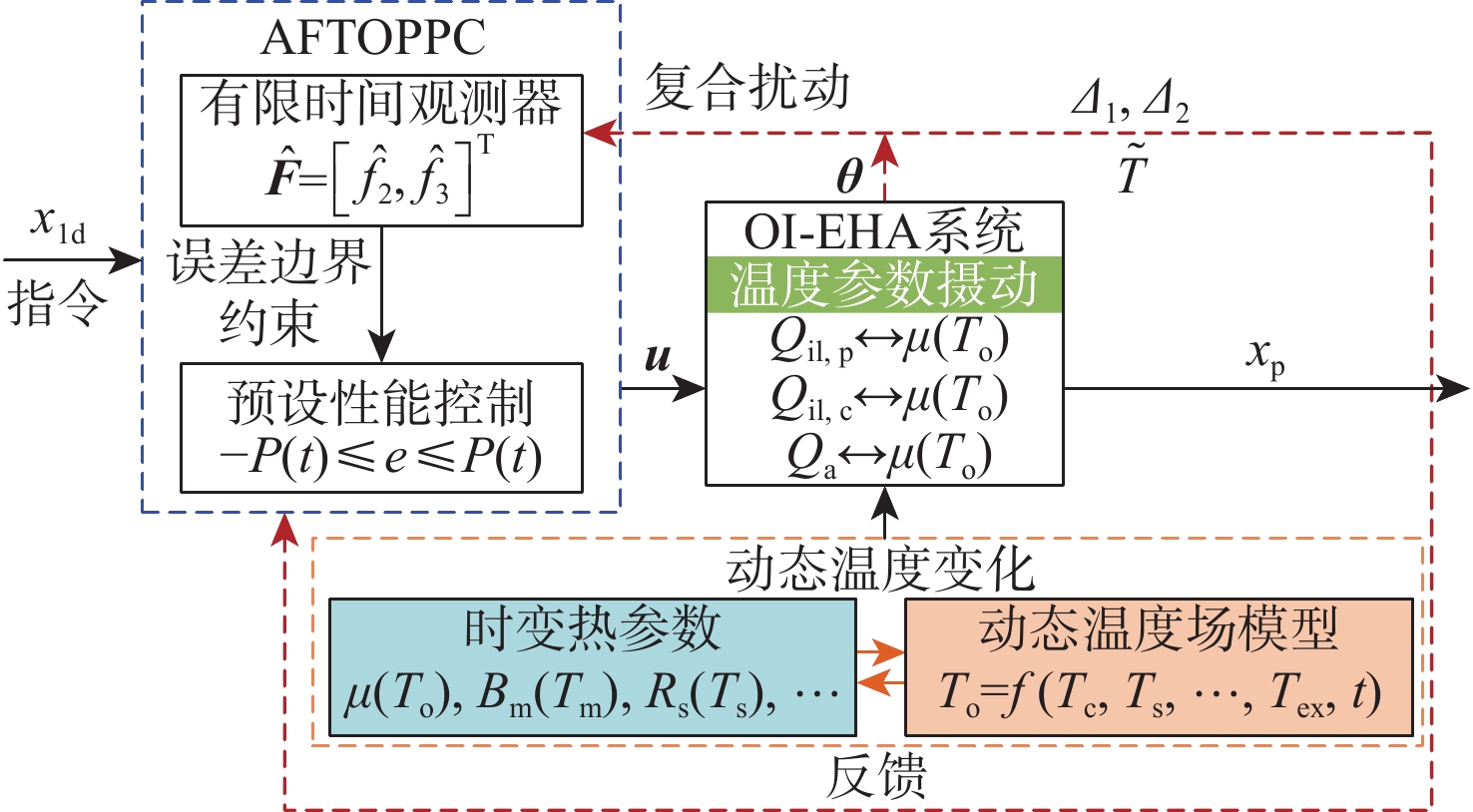
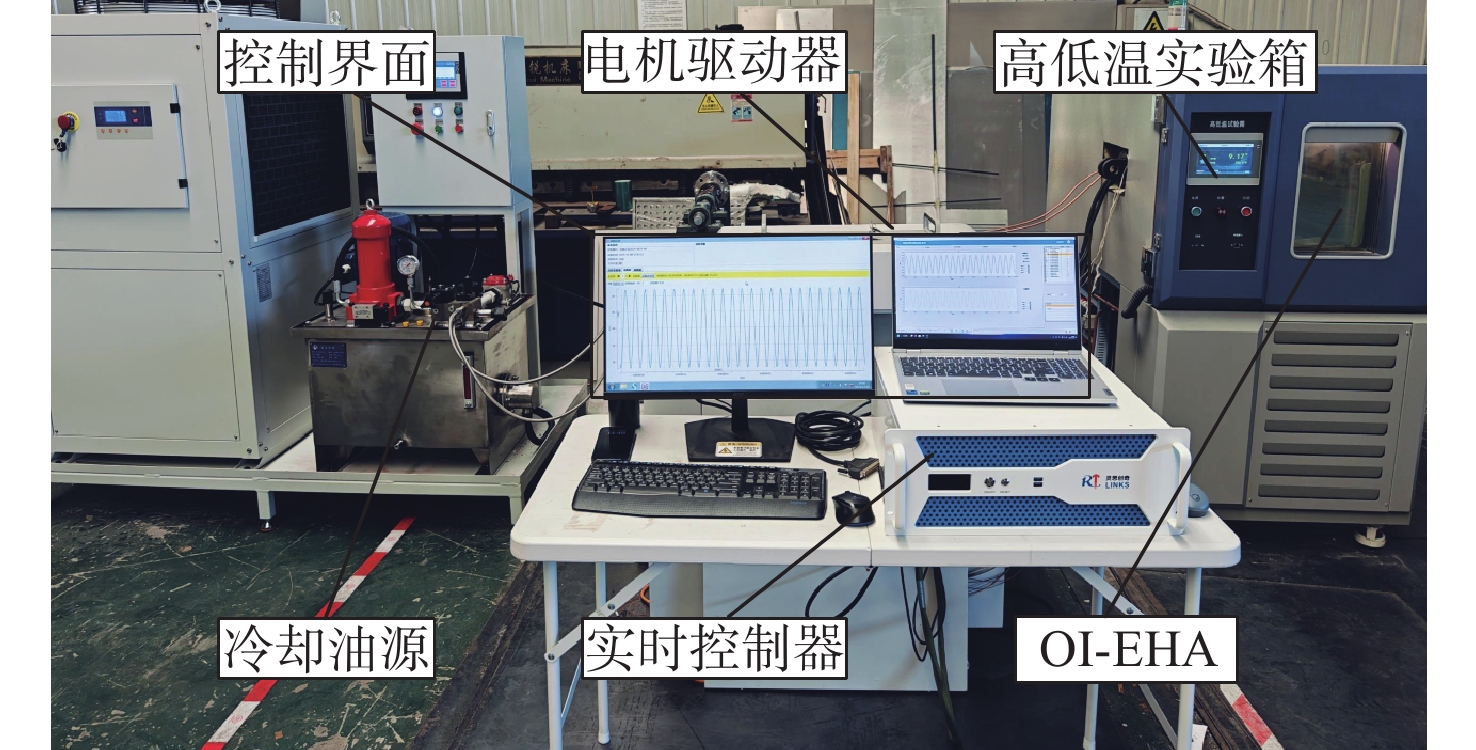
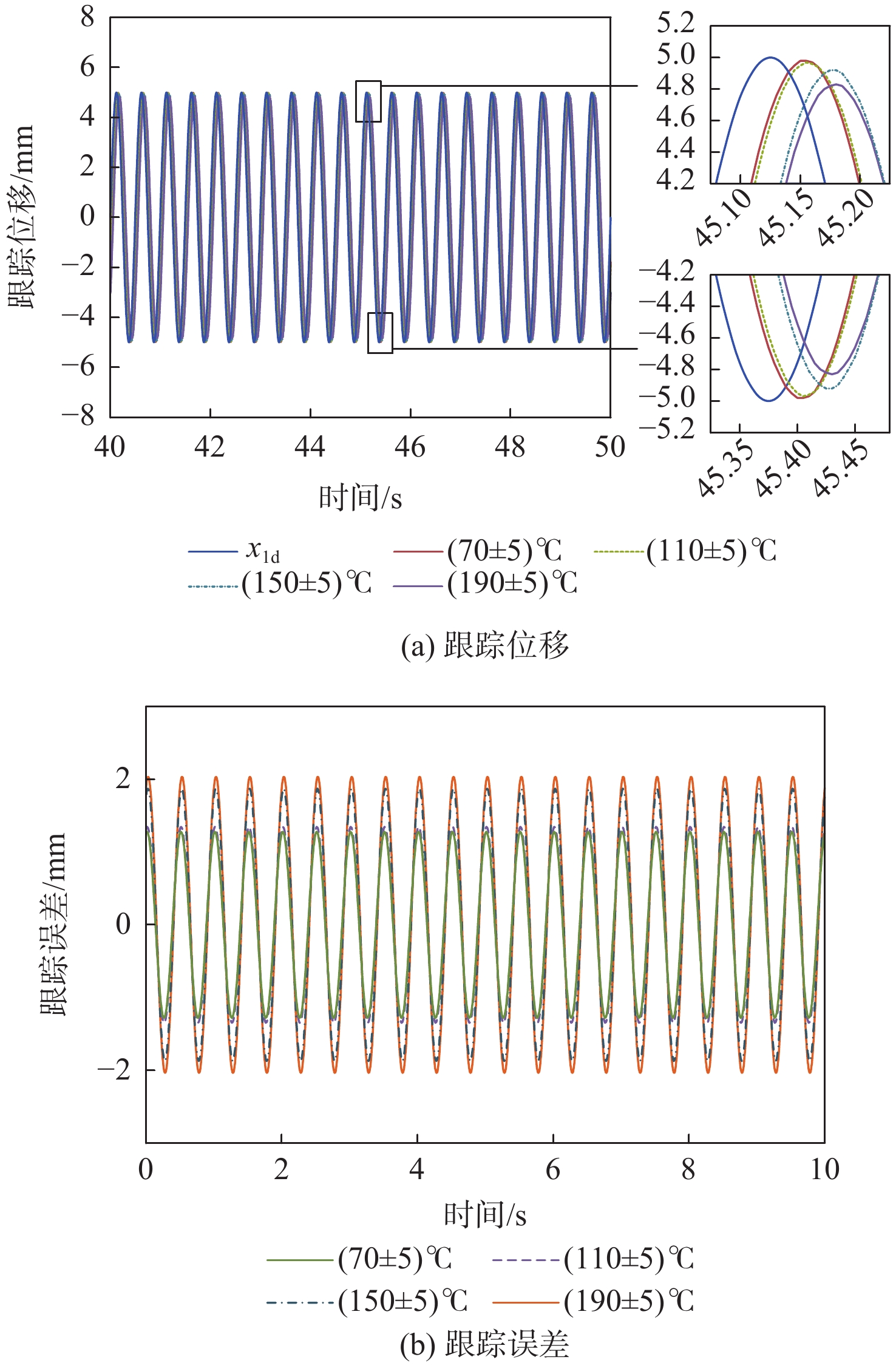
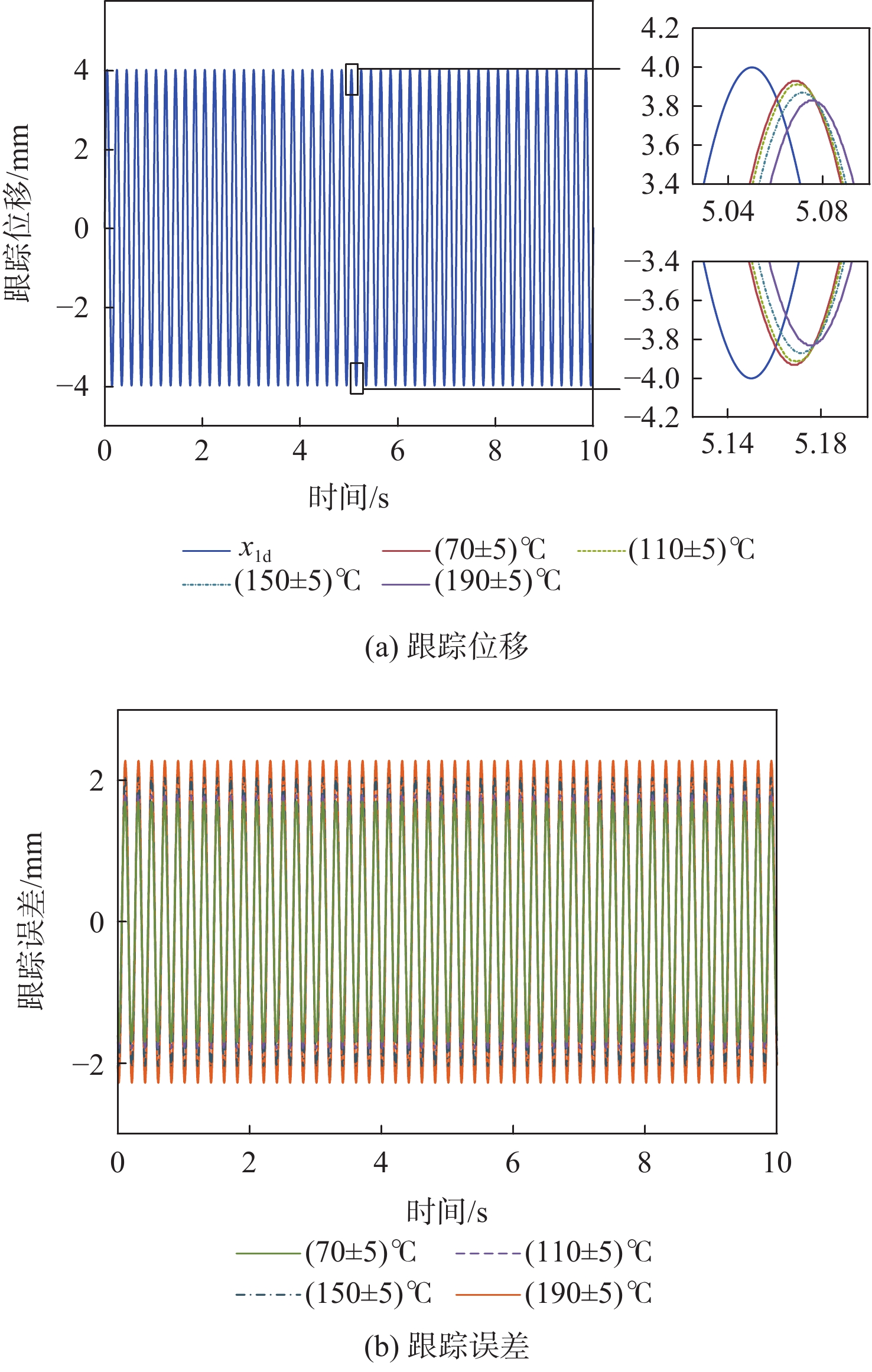
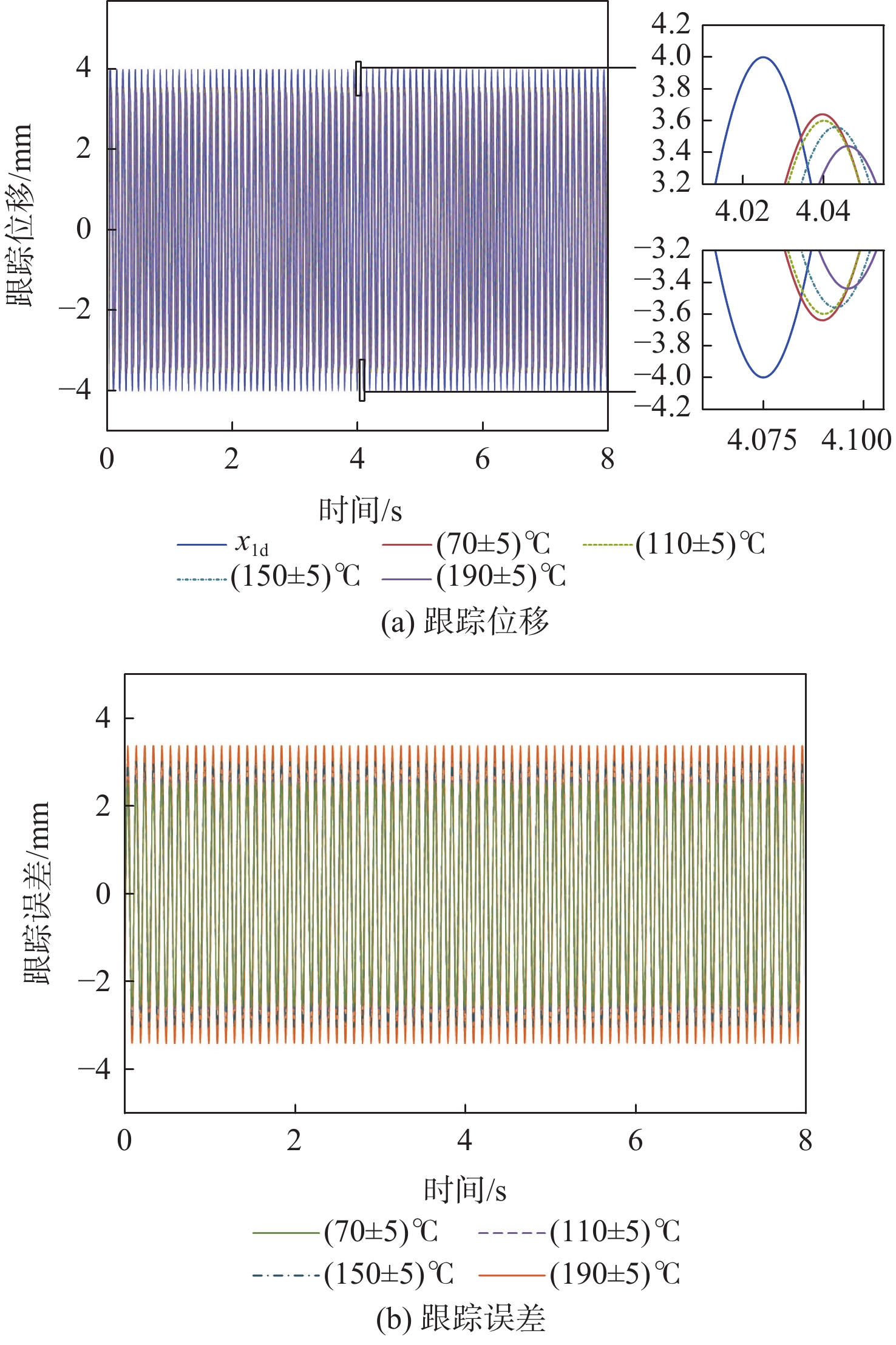
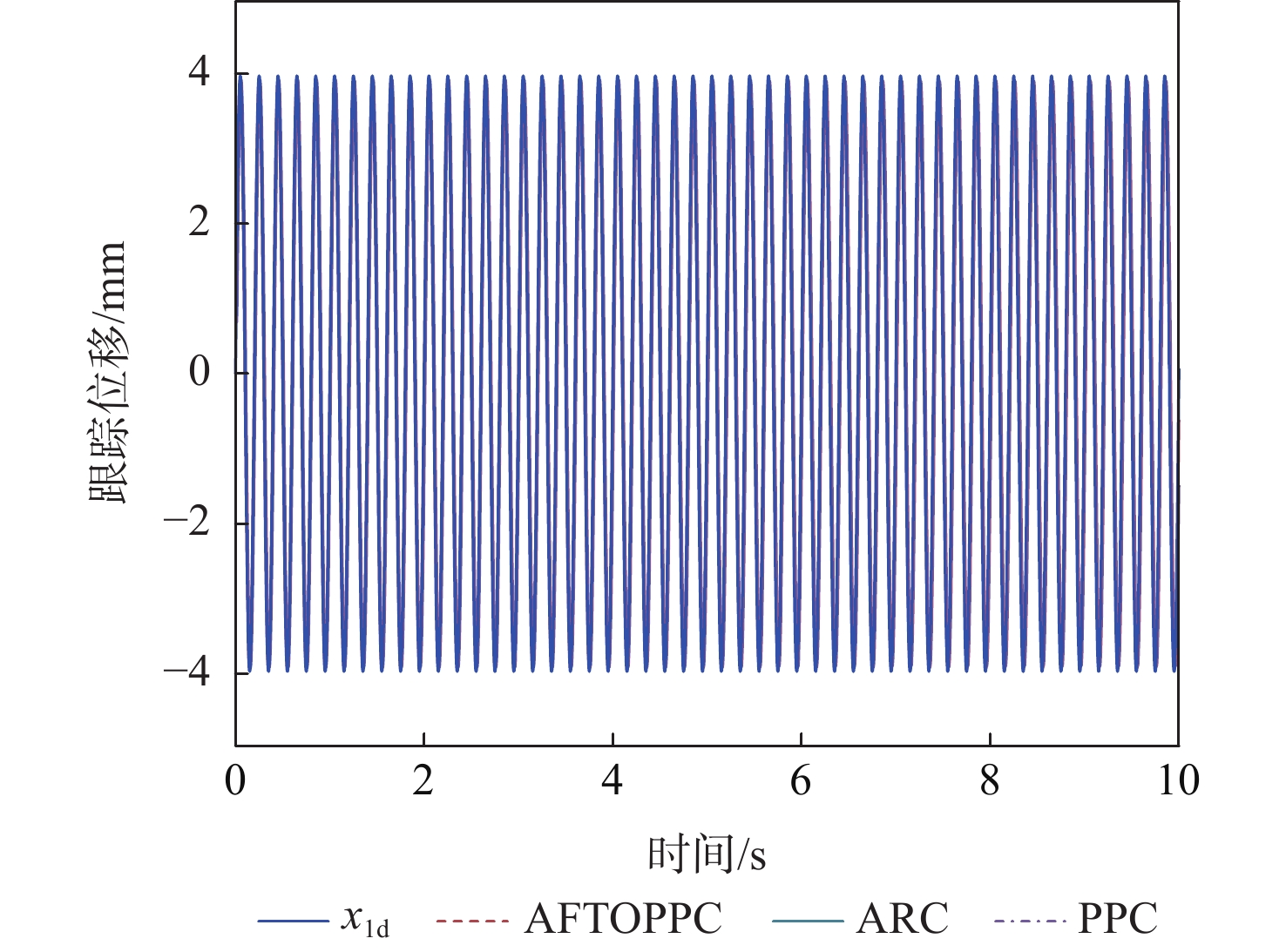
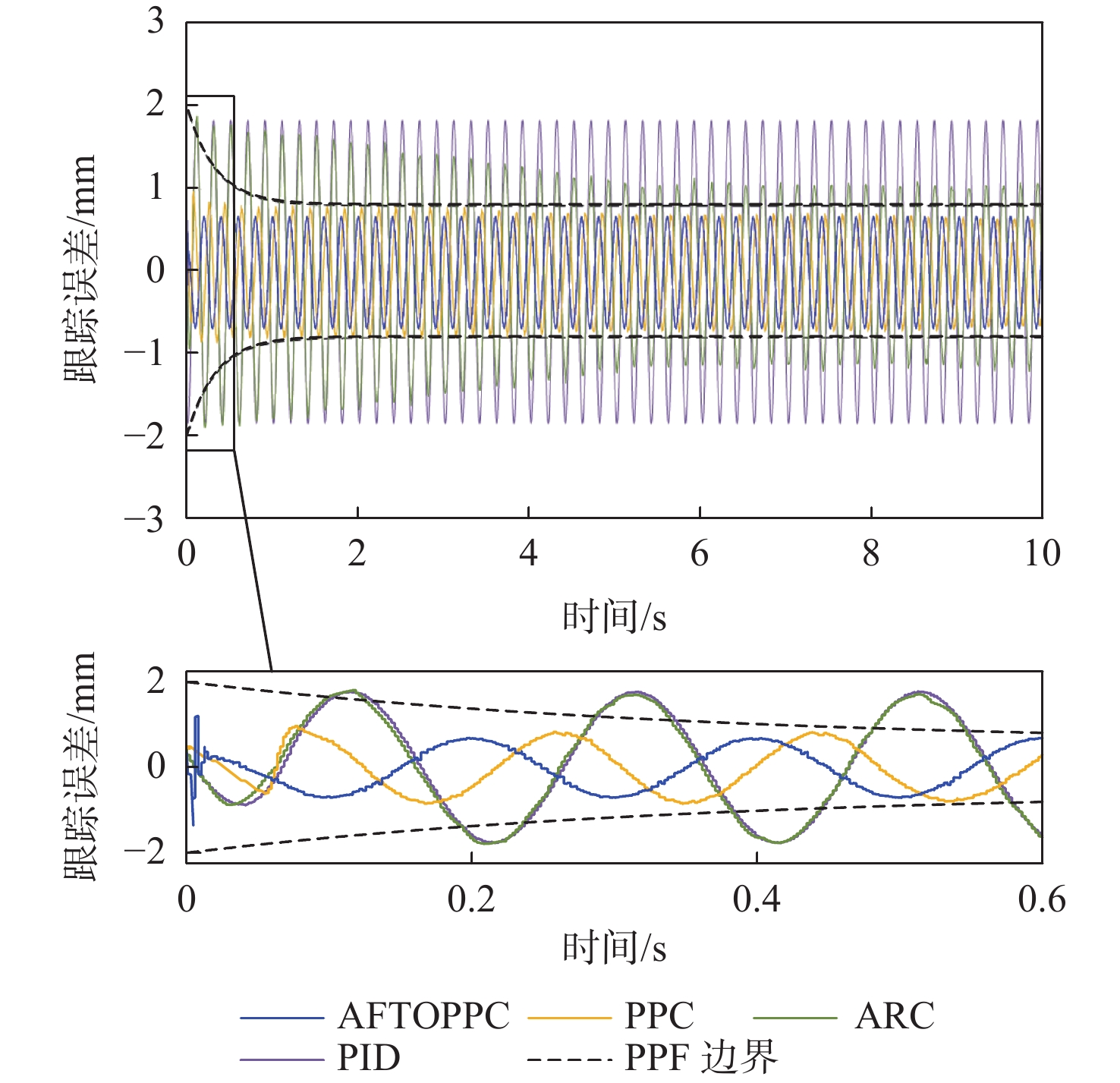
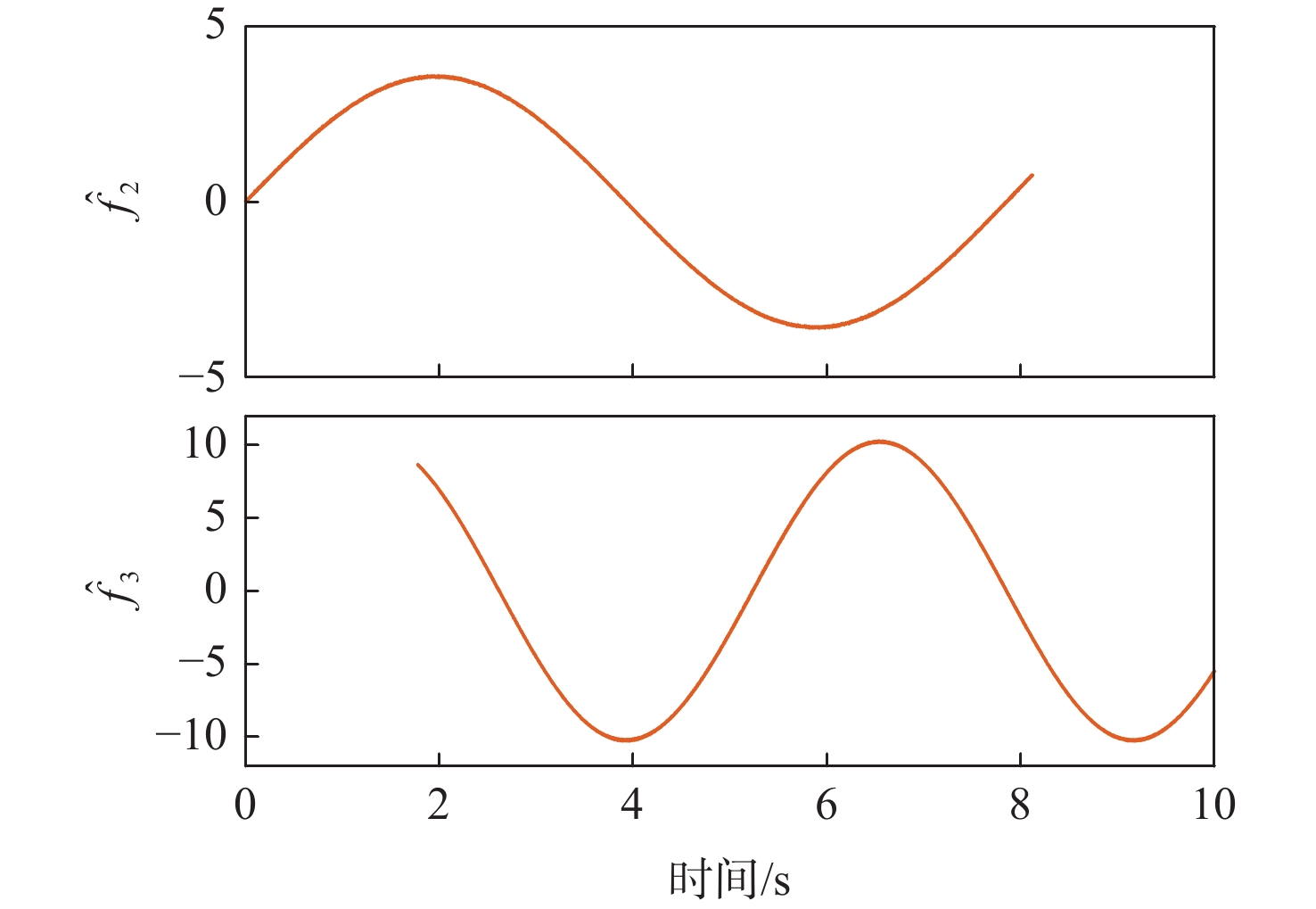
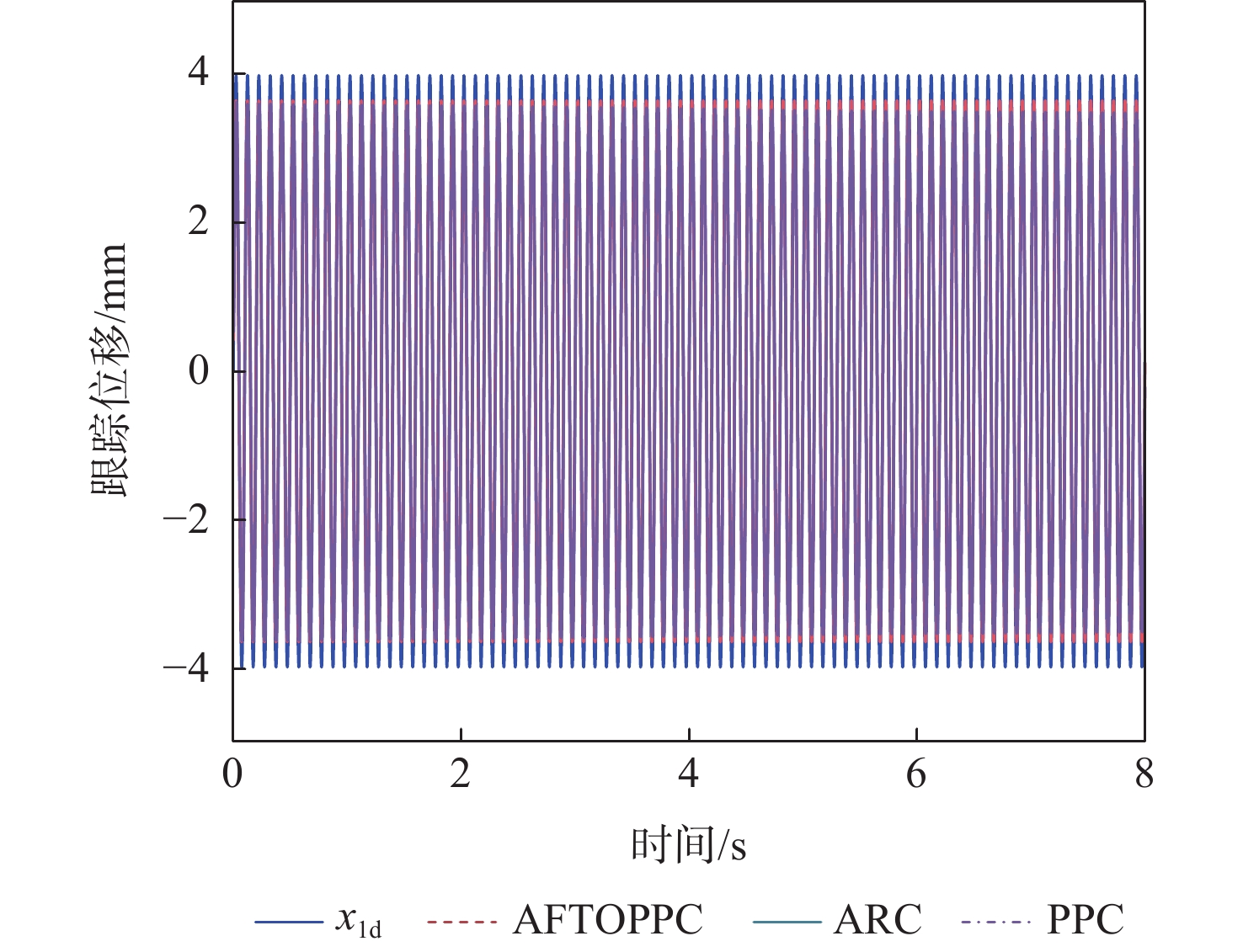
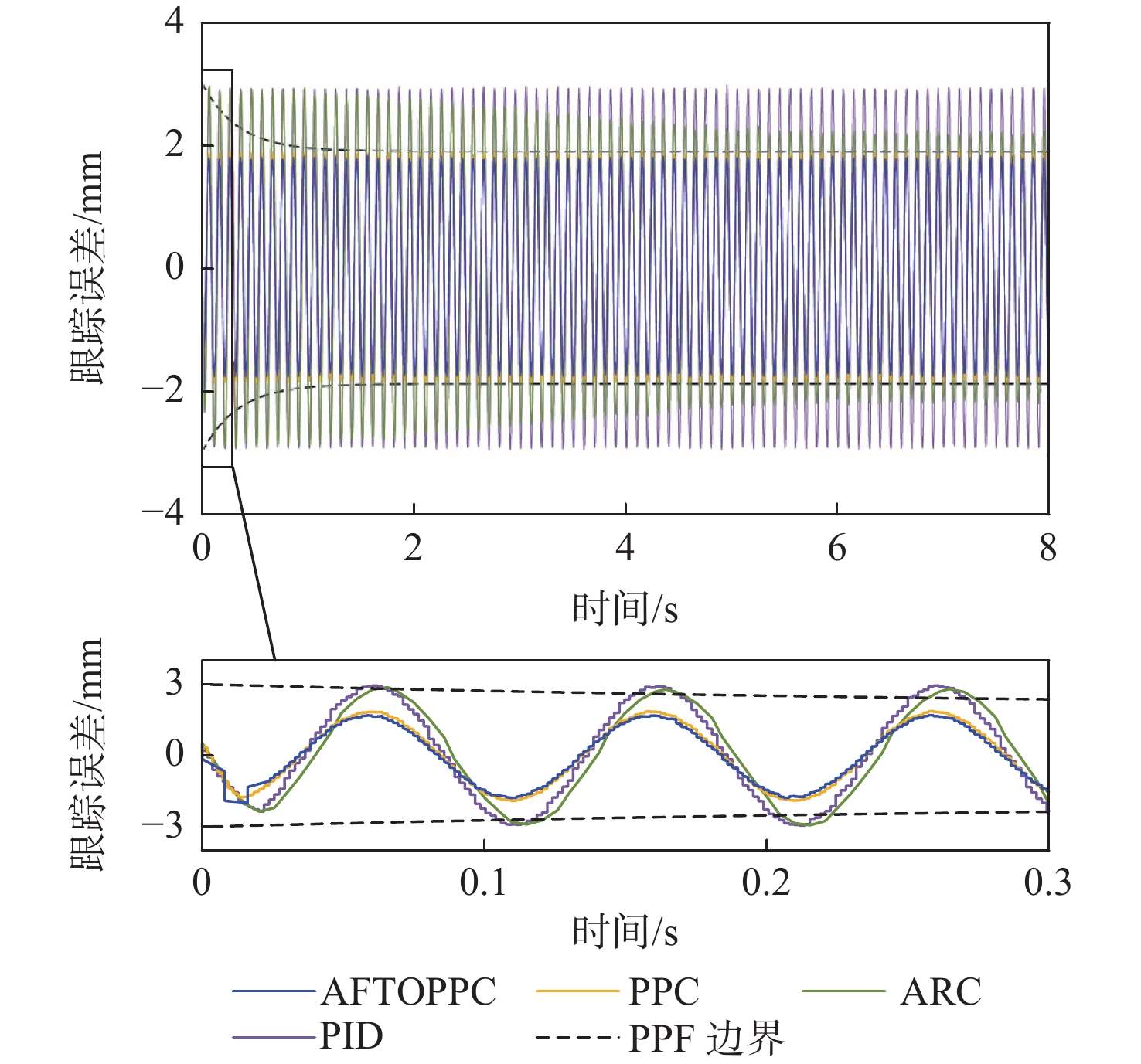
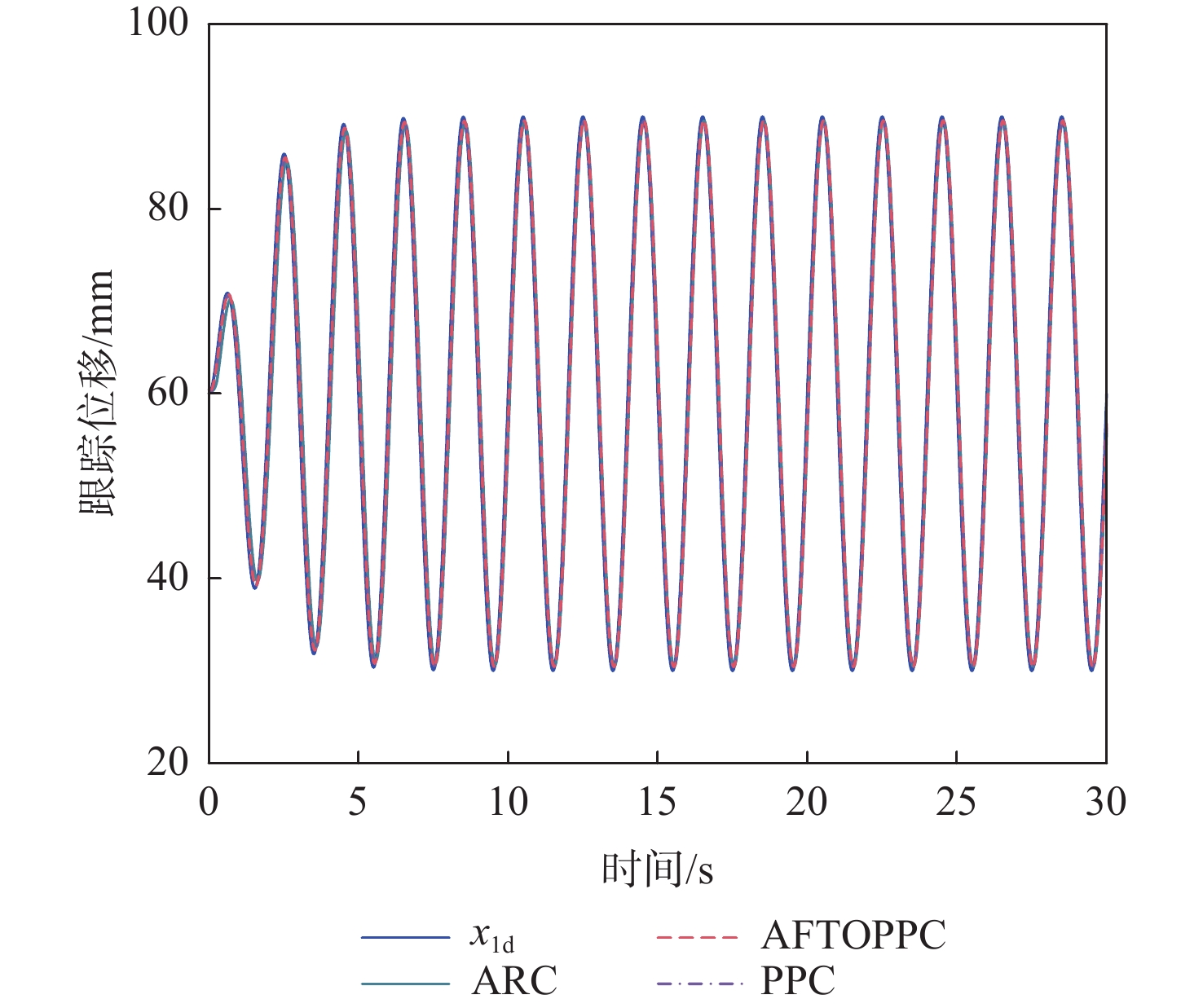
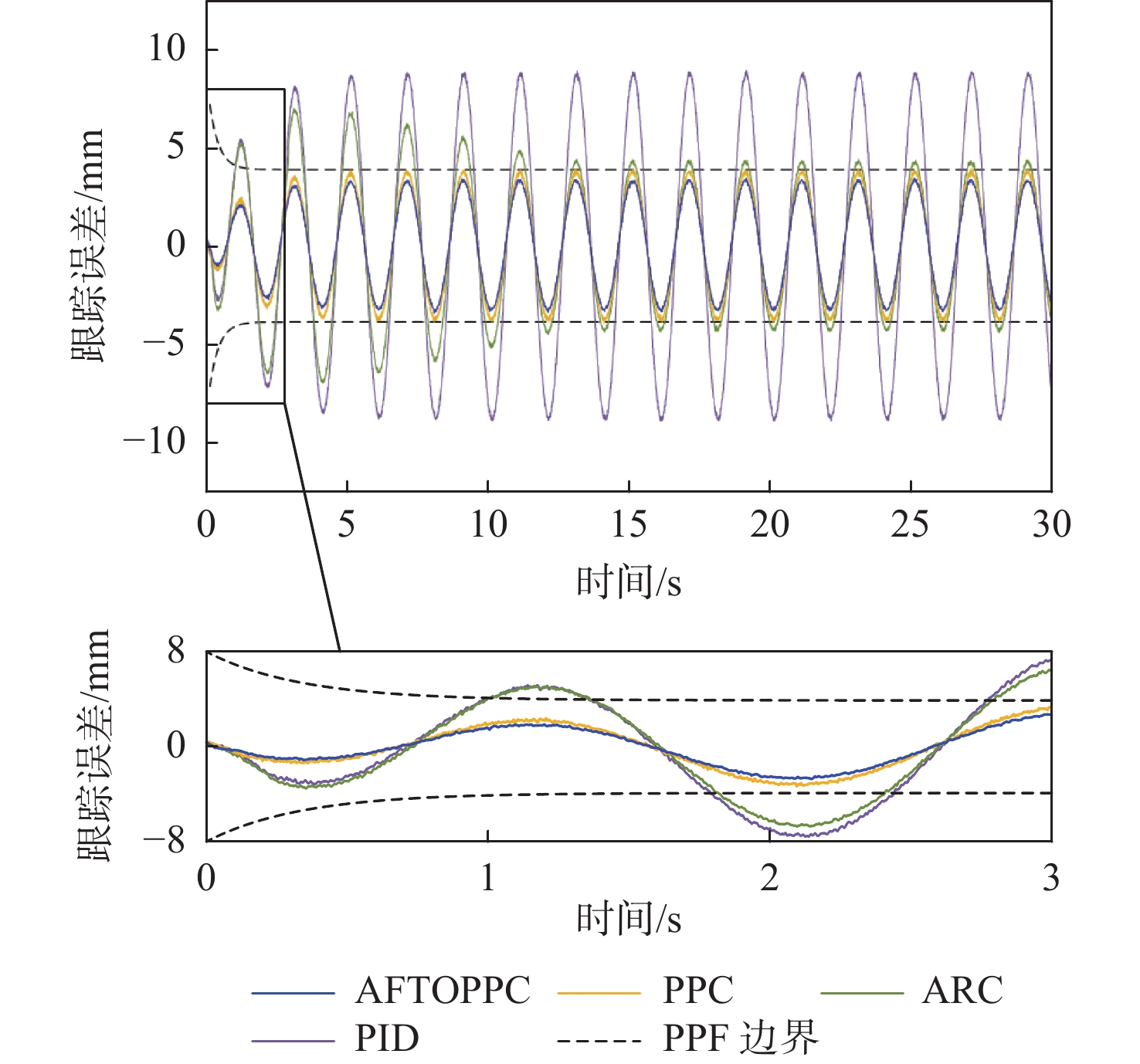
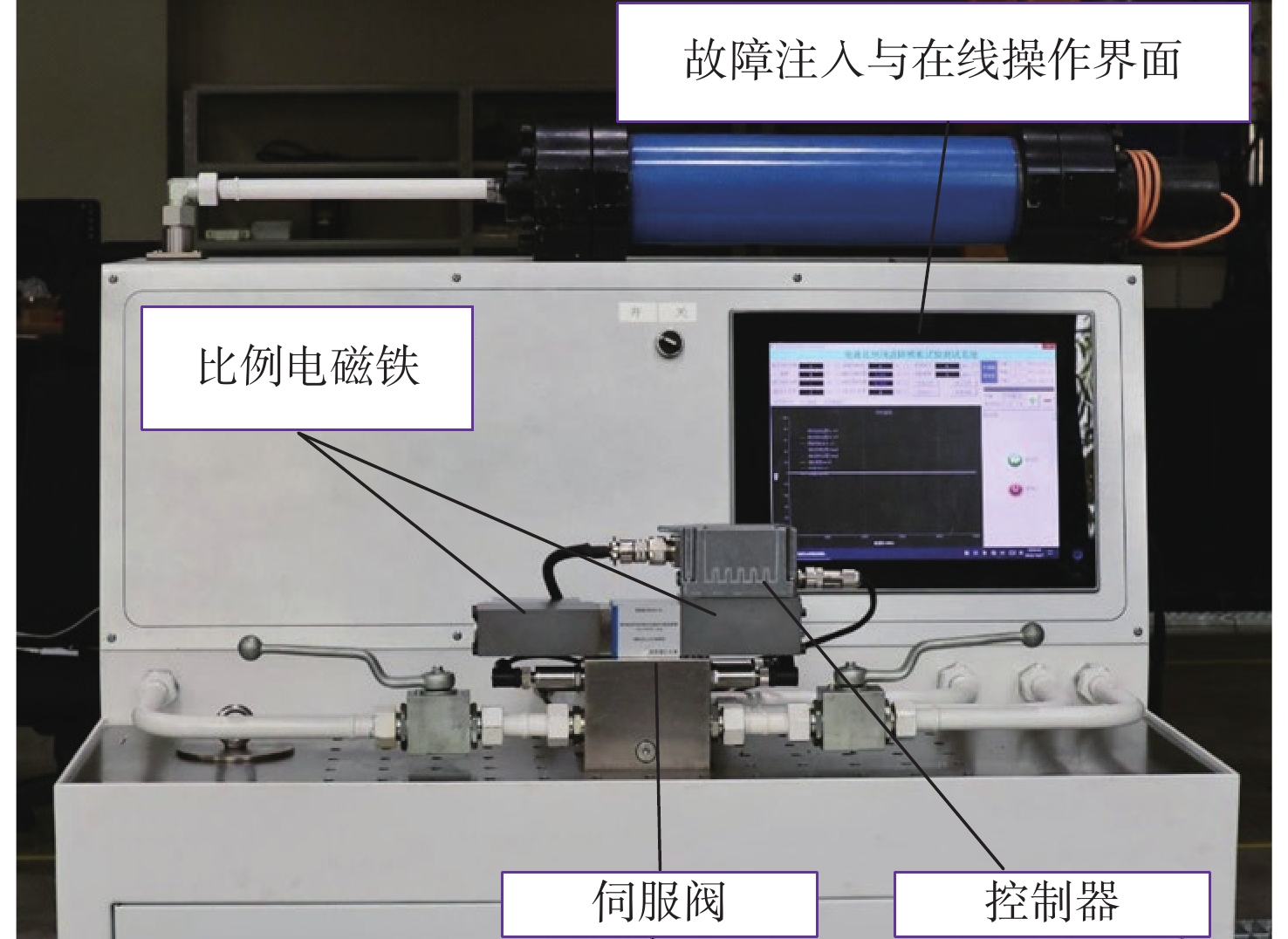
This work proposes a prescribed adaptive finite-time control approach that takes the impacts of oil temperature into account in order to address the problem of low tracking control accuracy in oil-immersed electro-hydrostatic actuators (OI-EHAs) under large temperature ranges. Firstly, a dynamic thermal coupling model is established to estimate the unmeasurable oil temperature in real-time, integrating temperature dynamics into the controller architecture to reduce system complexity. Secondly, a finite-time observer (FTO) is designed to effectively suppress composite disturbances arising from temperature prediction bias, parameter perturbations, and external disturbances. By feeding back the estimated disturbance values, the system error converges within a finite time. The tracking error and its dynamic properties are constrained by the introduction of a prescribed performance function (PPF), which guarantees that the error stays within specified bounds. Finally, the backstepping method is employed to integrate the FTO and the PPF, forming a composite controller with temperature-sensitive parameters and mechanisms for compensating uncertainty disturbances. This method ensures the stability of the closed-loop system. Experimental results demonstrate that the proposed controller exhibits excellent performance under various operating conditions.

Attention-enhanced DNN for anti-noise fault diagnosis of direct drive solenoid valves in aviation hydraulic systems
CUI Yiwen, WANG Xingjian, ZHANG Yuwei, ZHANG Runzhi, WANG Shaoping
2026, 52(8): 2869-2875. doi: 10.13700/j.bh.1001-5965.2026.0027
Abstract:

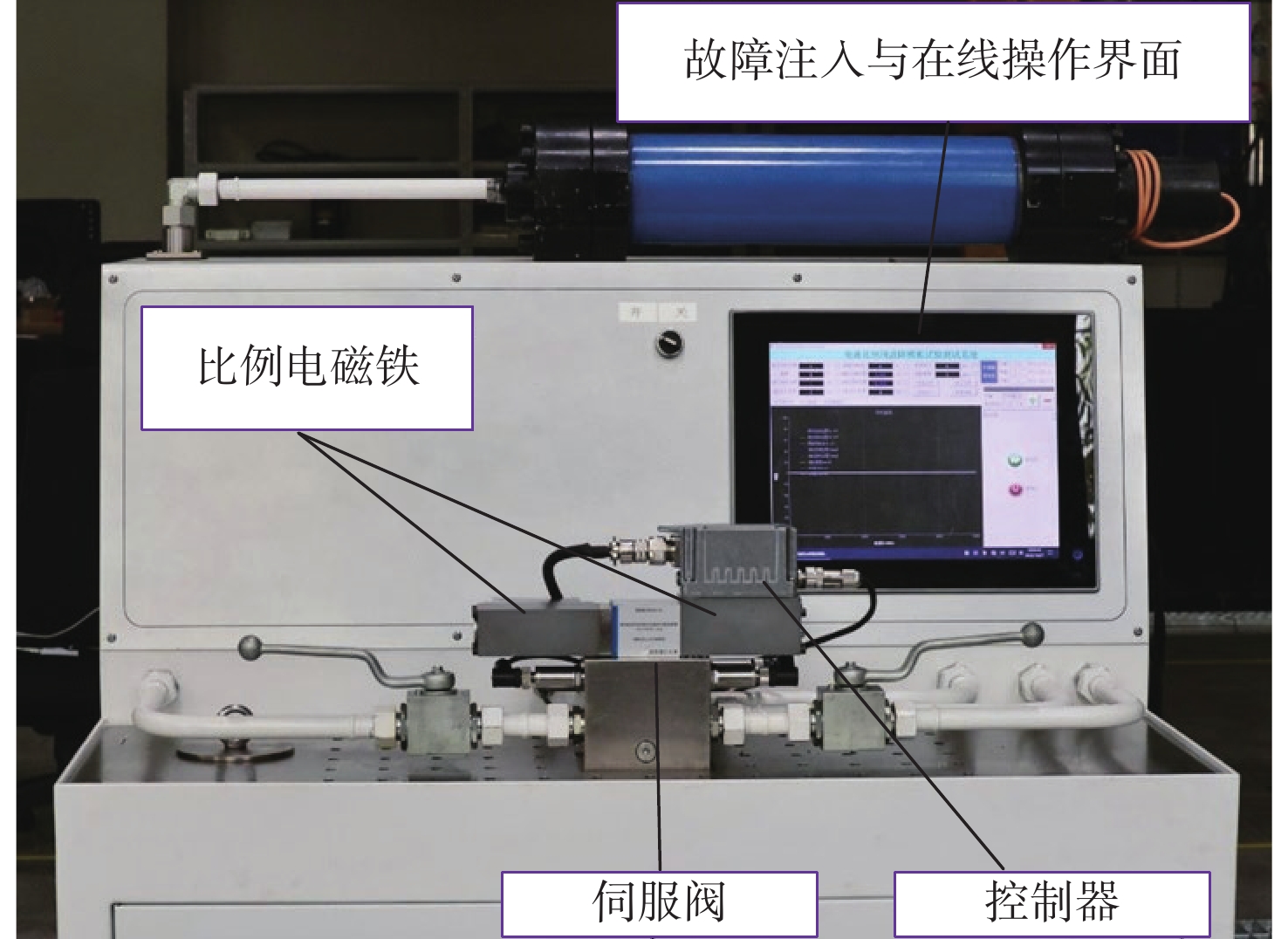
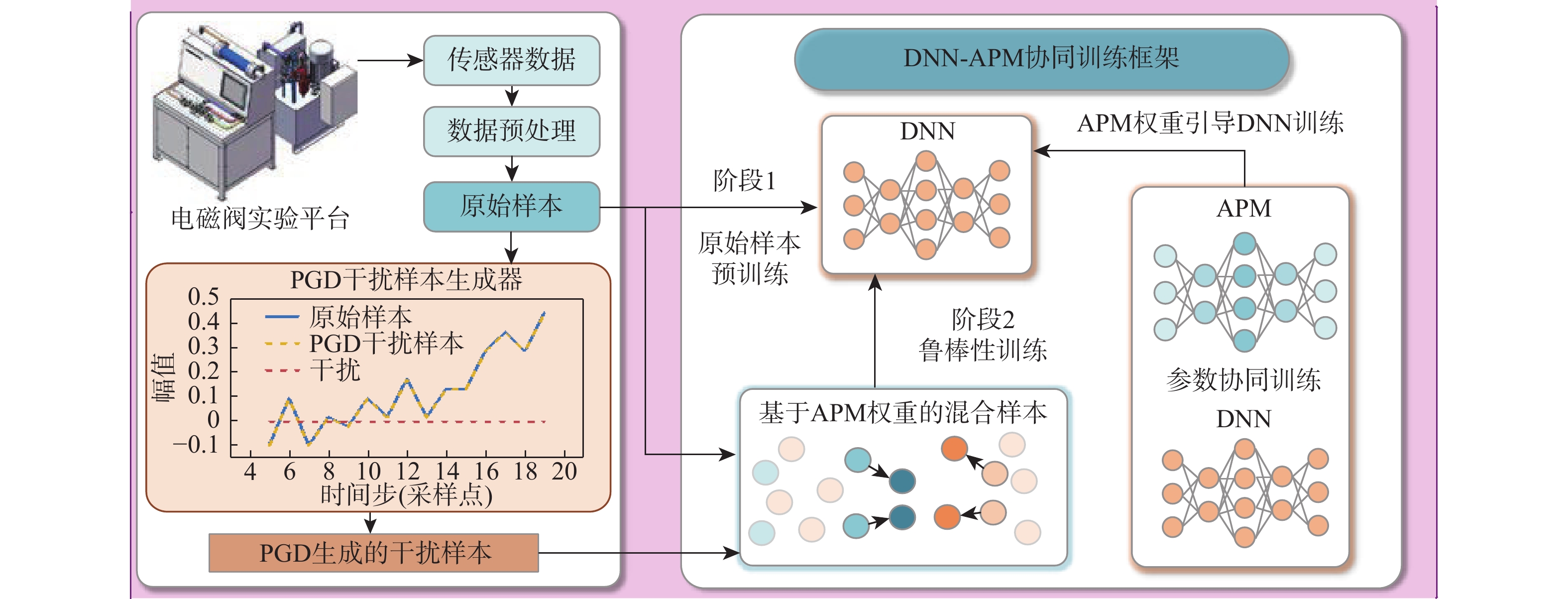
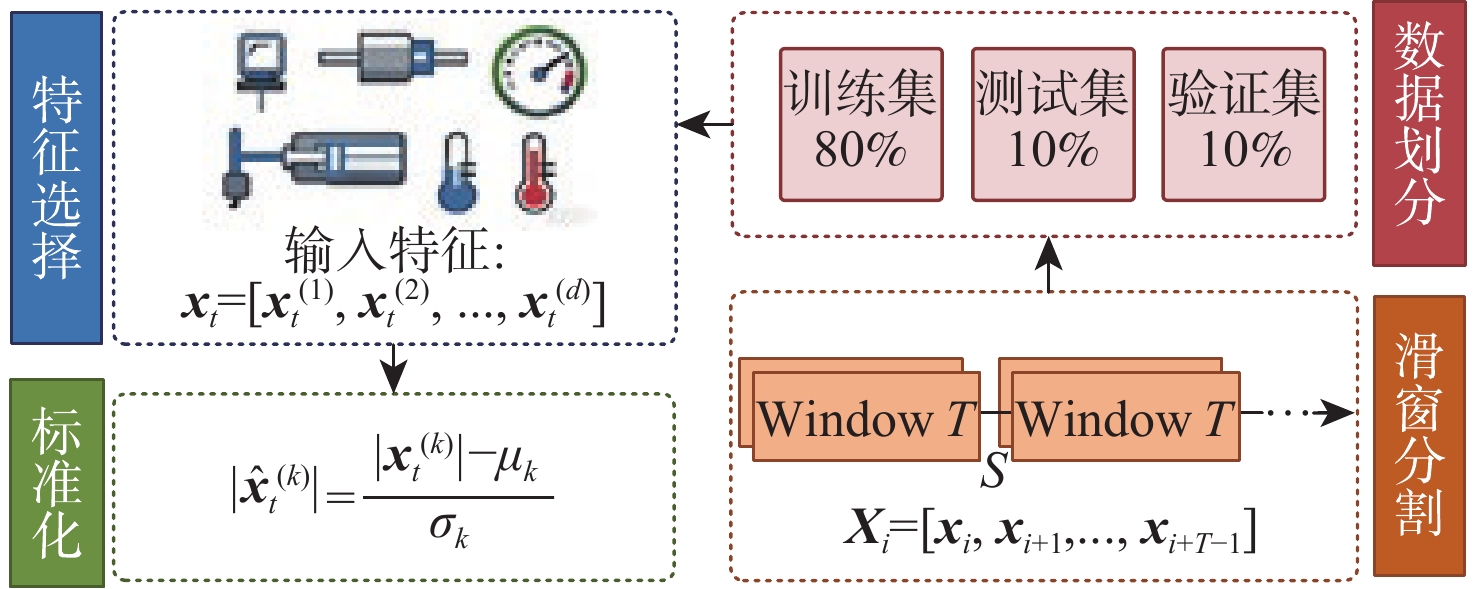
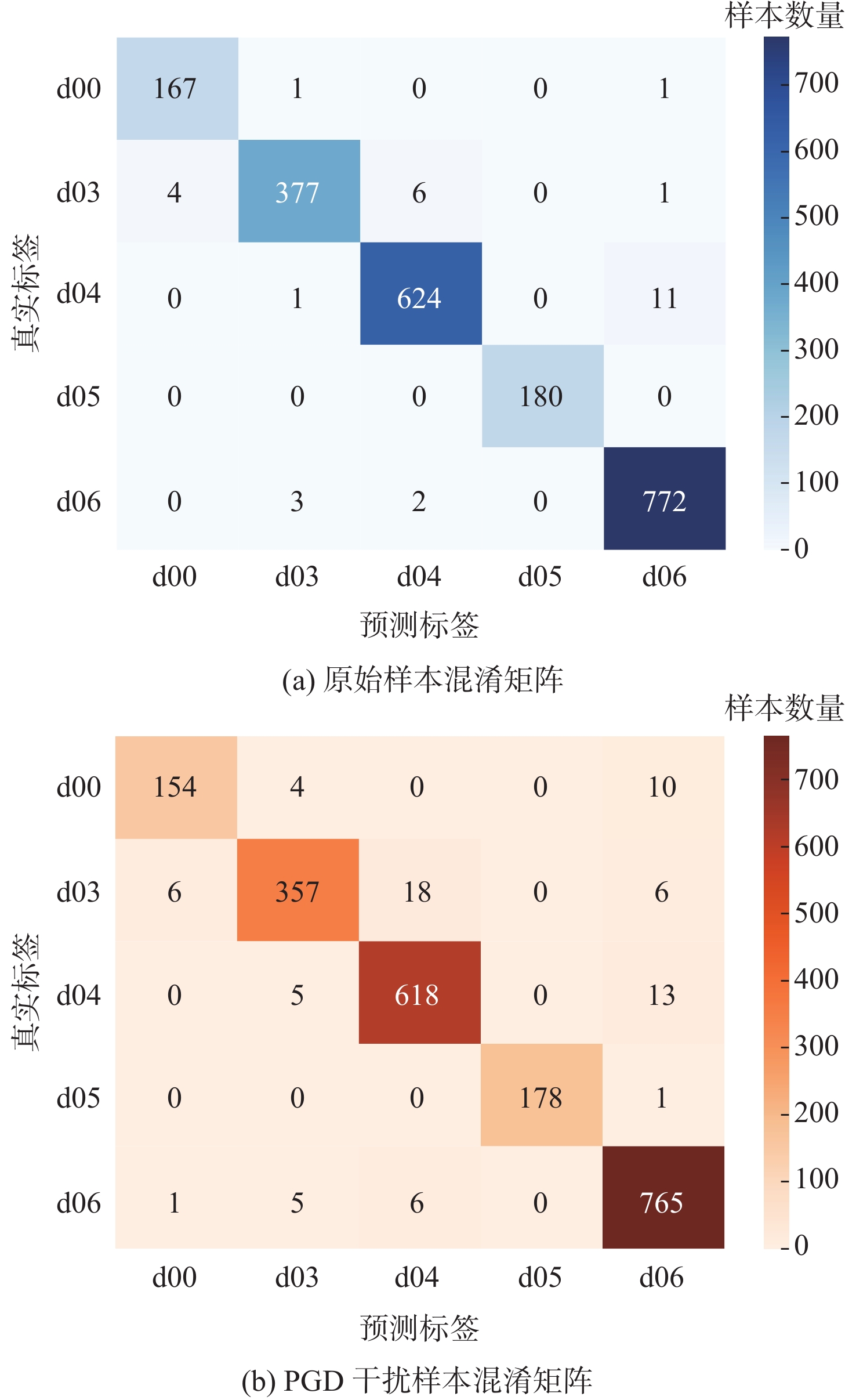
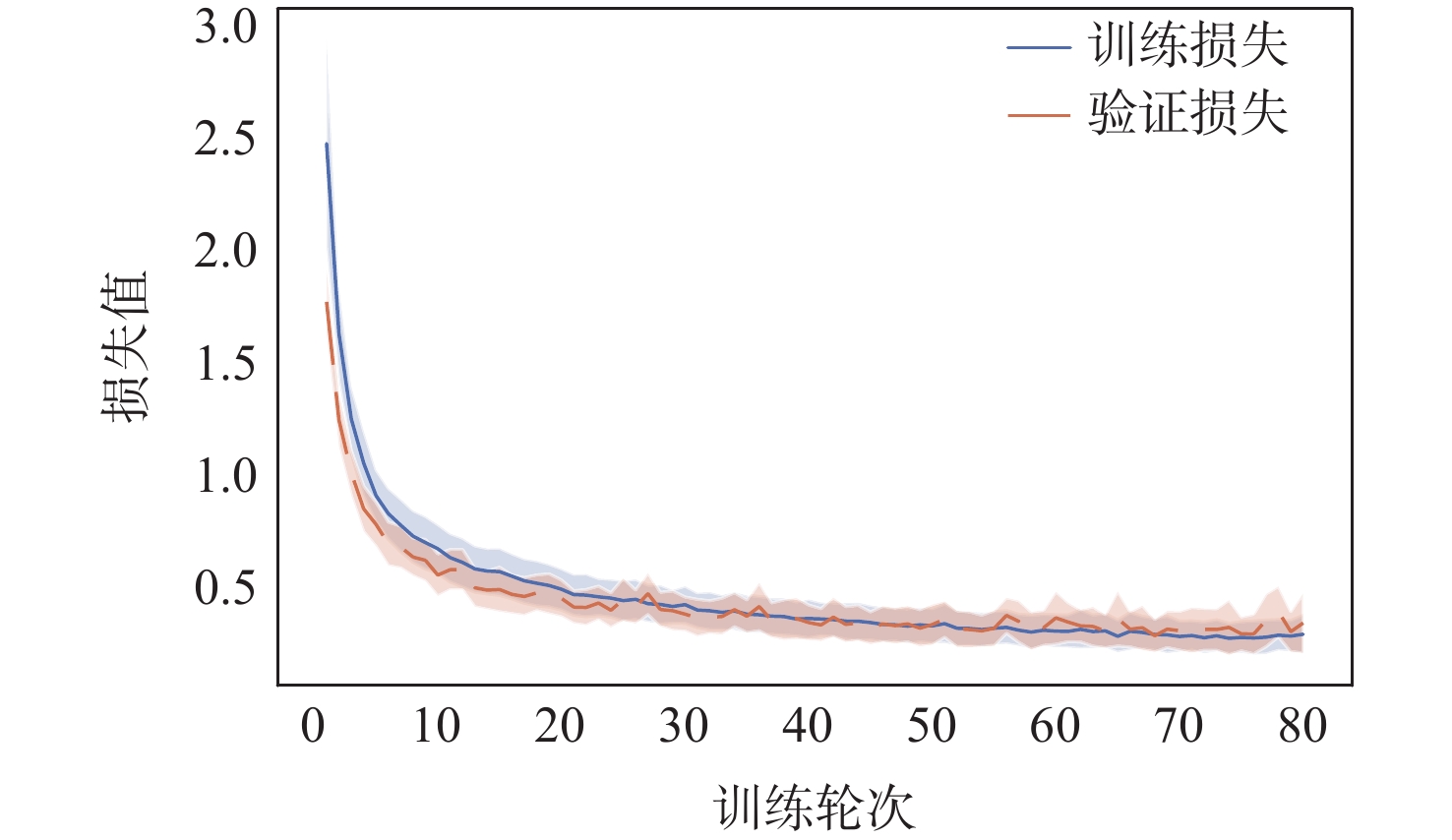
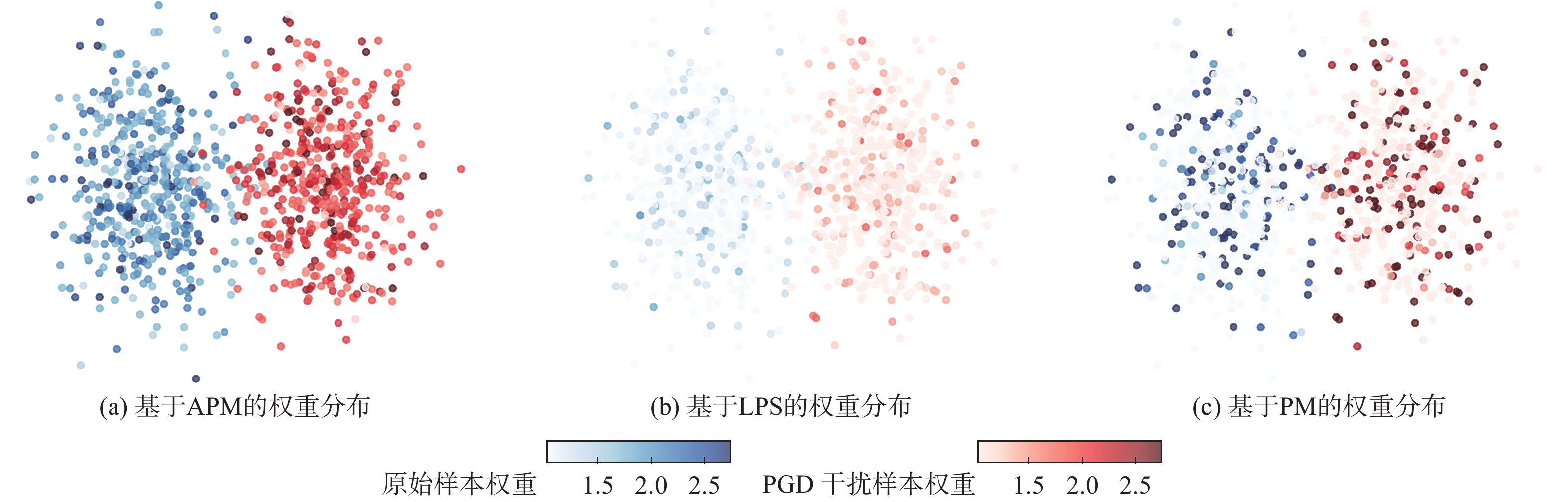
Direct drive solenoid valves (DDSVs) serve as critical actuators in aviation hydraulic systems, facing challenges in fault diagnosis due to electromagnetic interference and noise coupling, with traditional data-driven methods lacking robustness. In order to solve this issue, this work suggests a reliable defect diagnostic technique based on an attention-aware weighting mechanism: projection gradient descent (PGD) simulates complicated electromagnetic interference by creating perturbation samples that represent actual operating conditions. Deep neural networks (DNN) and an attention perception module (APM) undergo collaborative training, dynamically adjusting sample weights to enhance model robustness. An experimental platform for aviation solenoid valve fault diagnosis validation was established. According to experimental results, this approach outperforms other weighting strategies in metrics like diagnostic accuracy and convergence stability under interference conditions, avoids extreme weight concentration, and fully utilizes both original and perturbed samples to improve interference resistance.

Triggering and detection of pilot-induced oscillations in boundary avoidance-tracking tasks
XIA Qiuyang, LIU Meng, WU Hao, WANG Zhongshan, ZHAO Ruikai, ZHU Keyong
2026, 52(8): 2876-2886. doi: 10.13700/j.bh.1001-5965.2025.0497
Abstract:

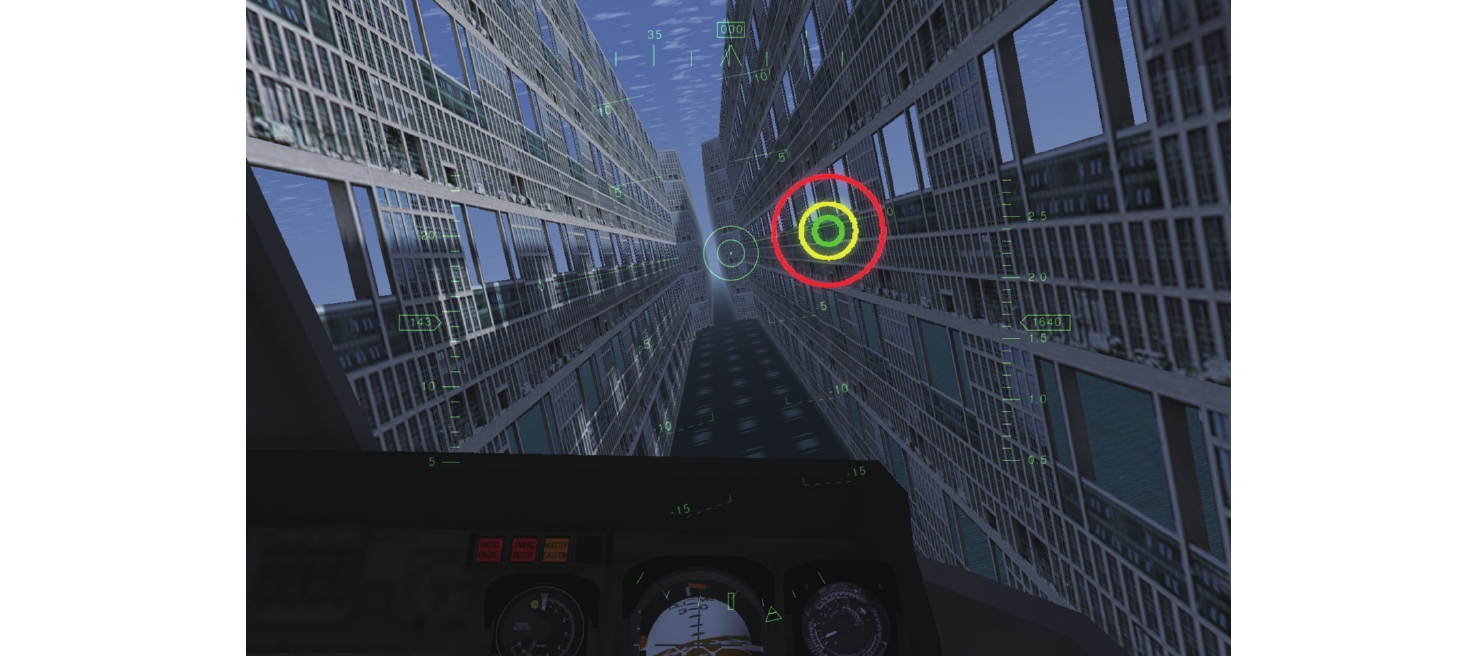
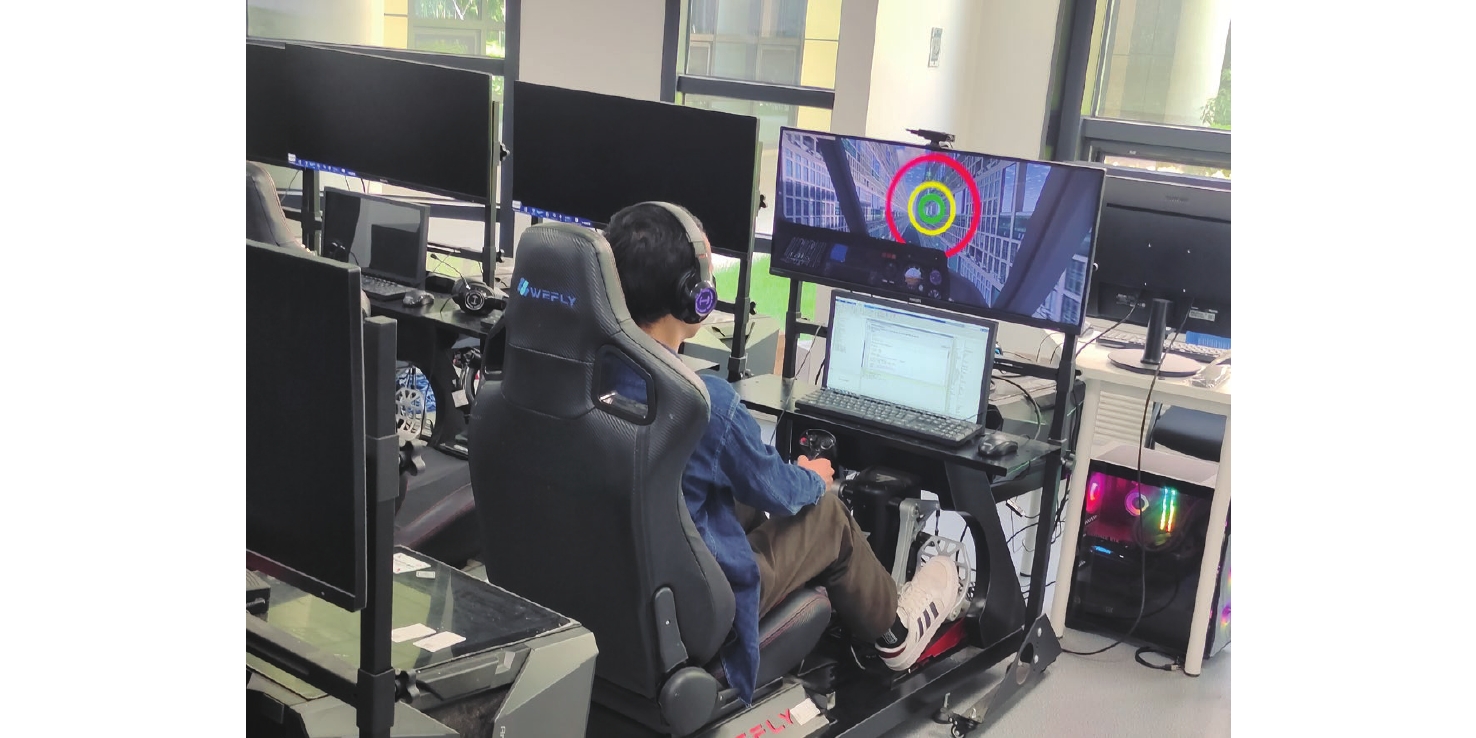
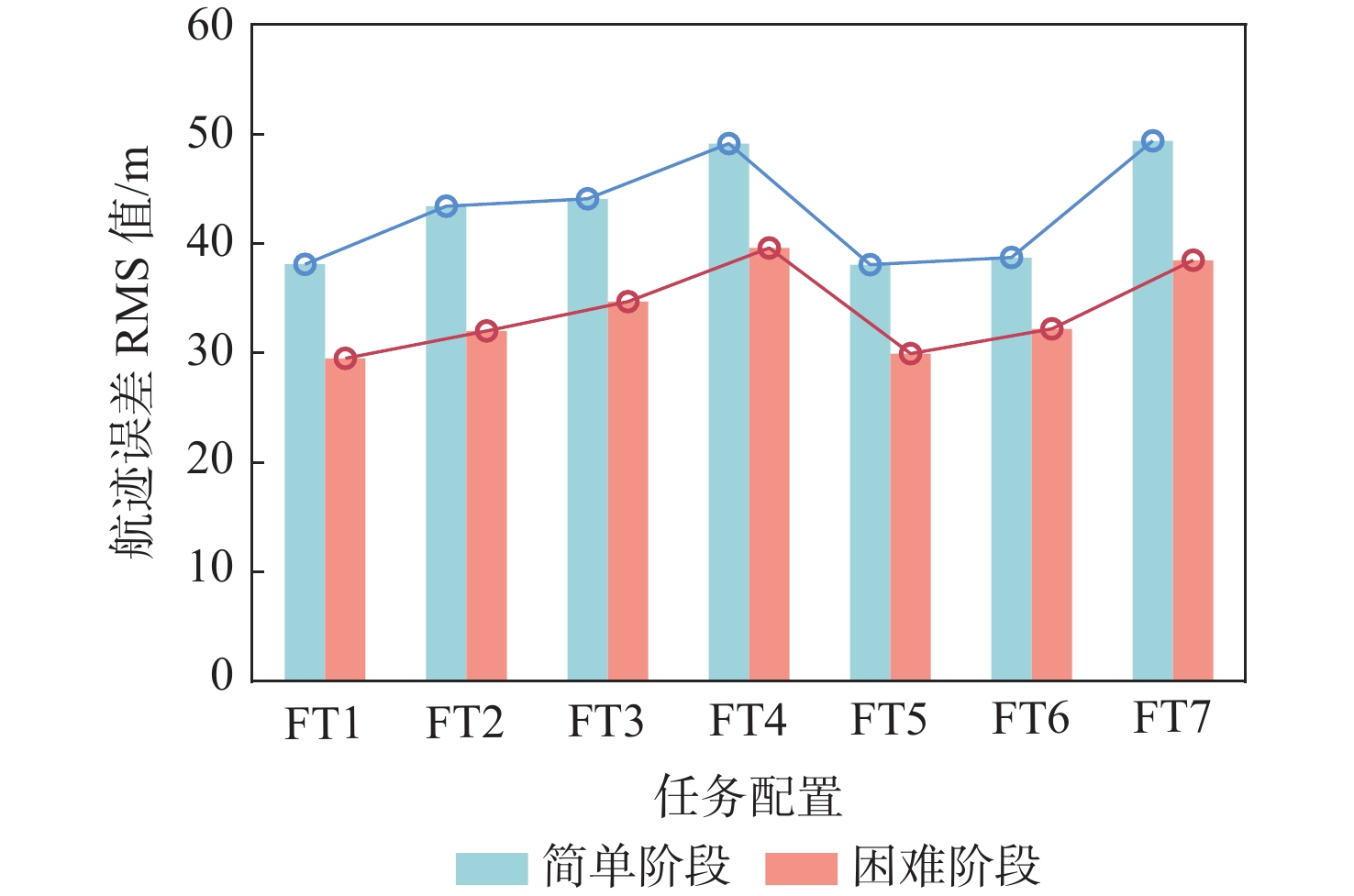
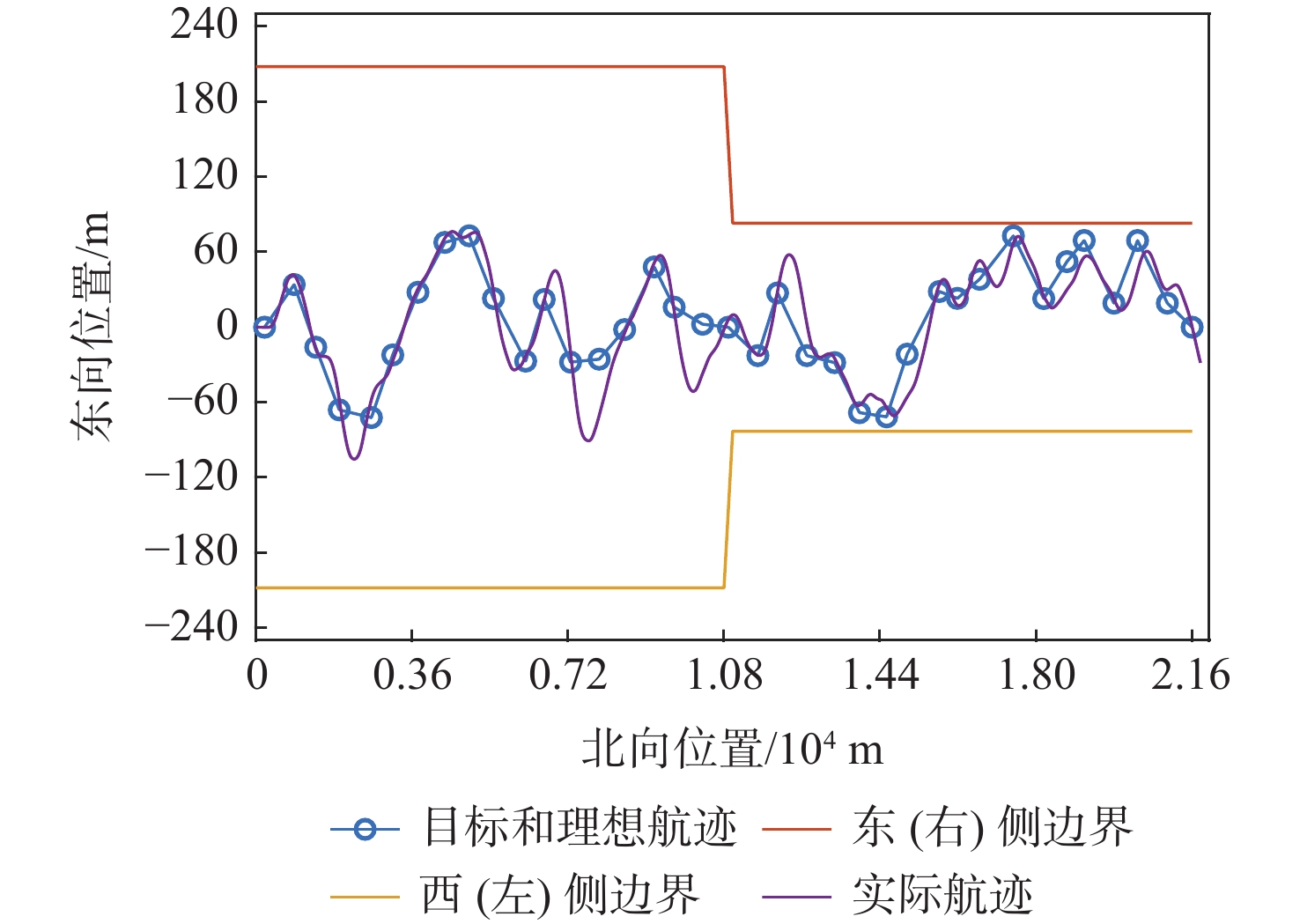
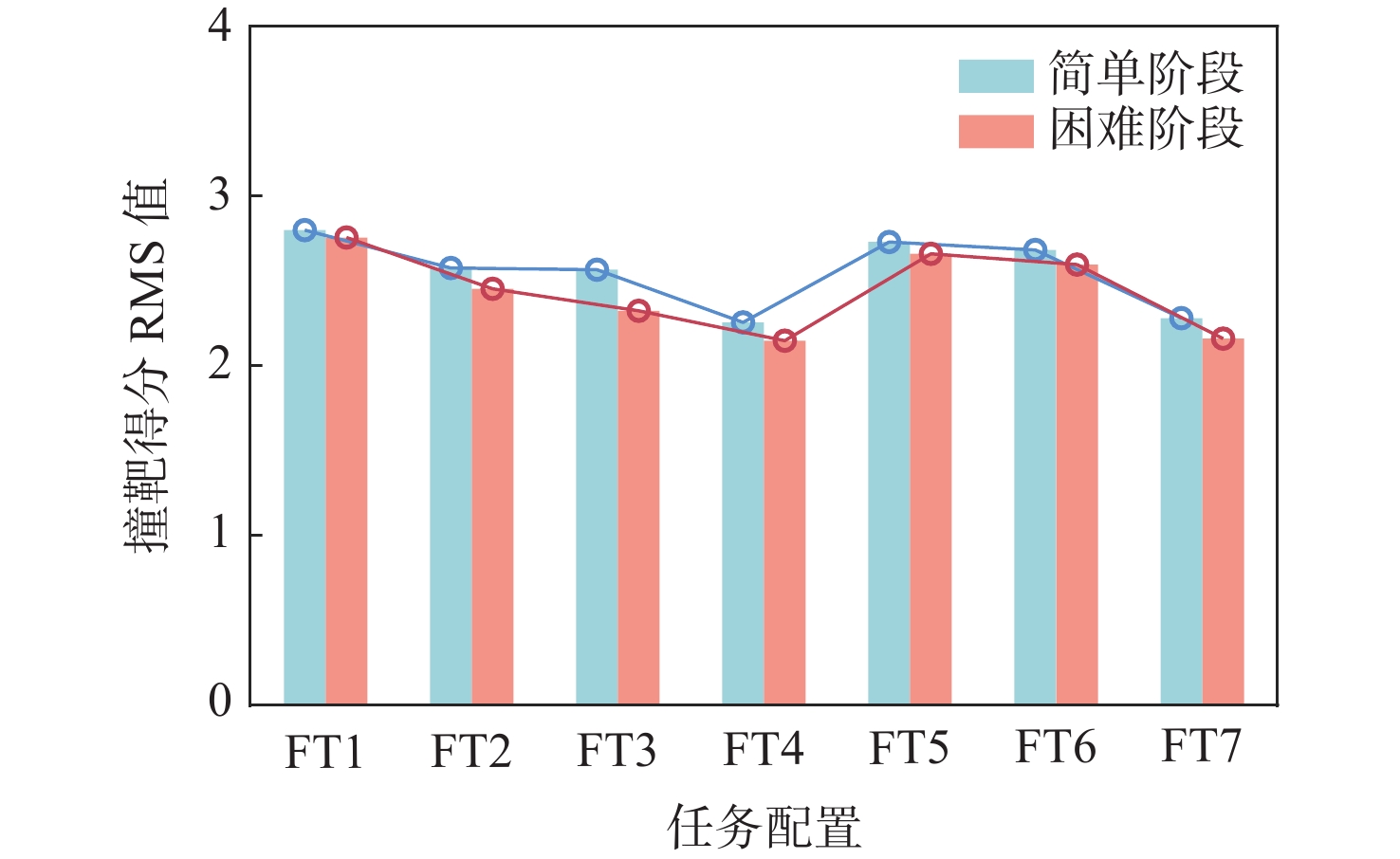
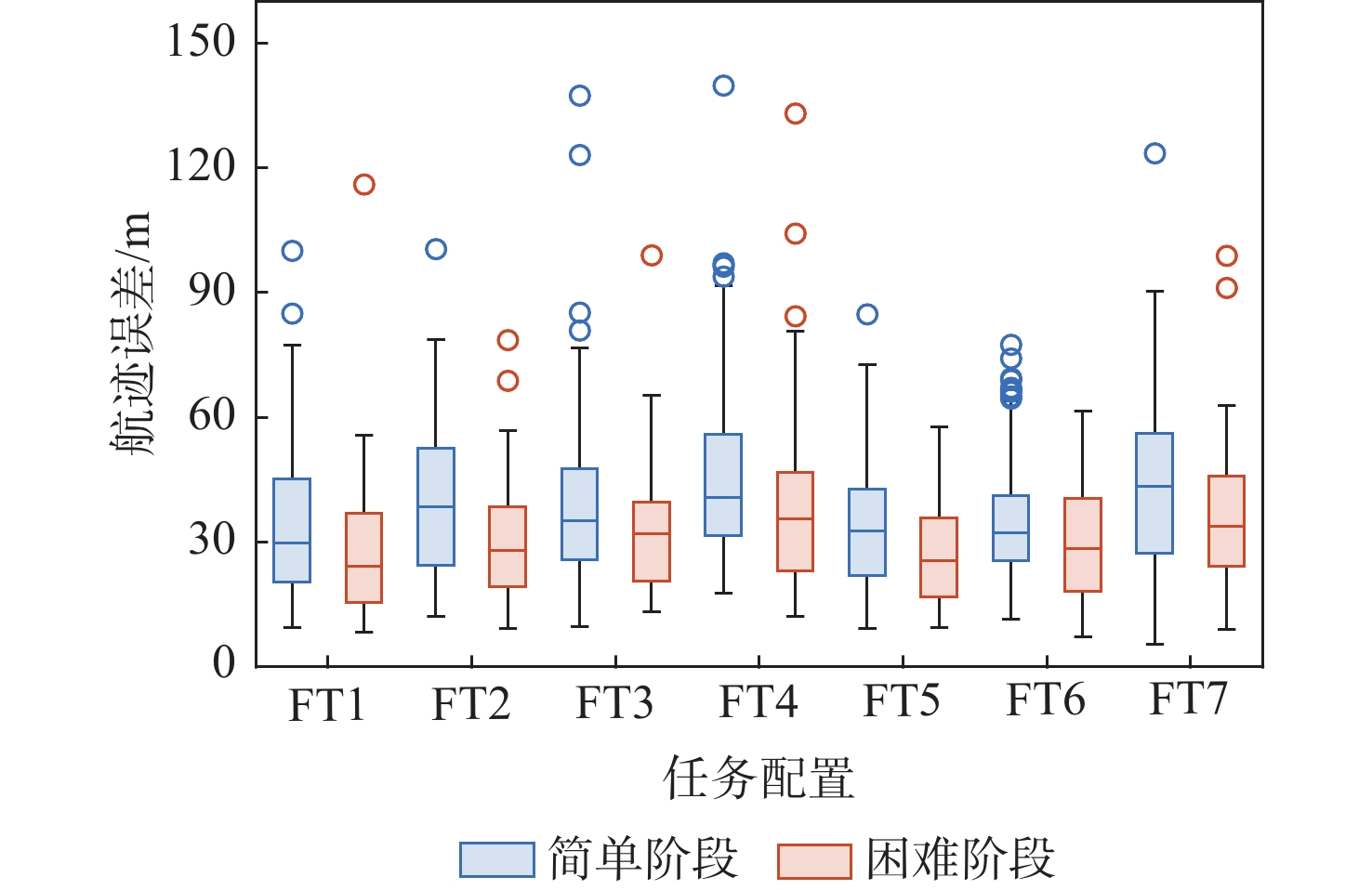
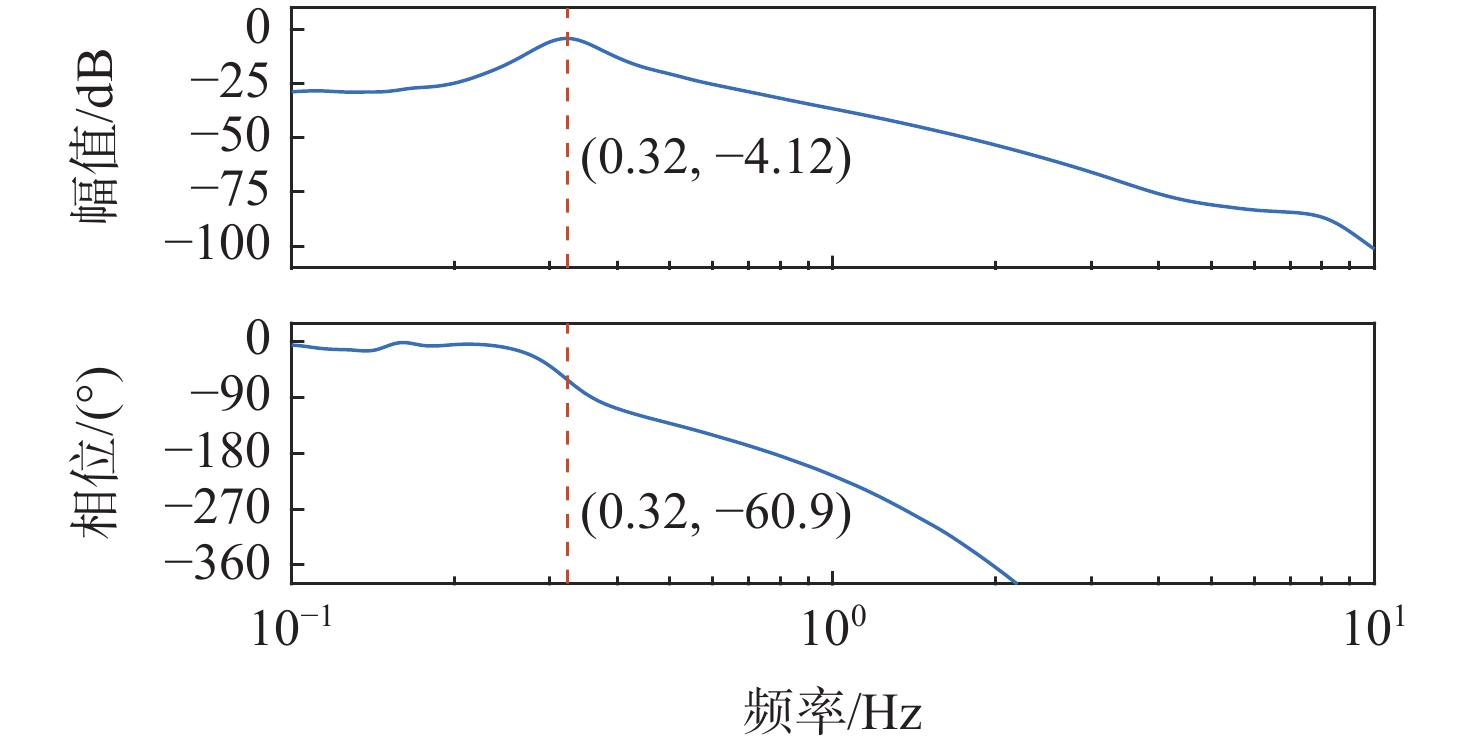
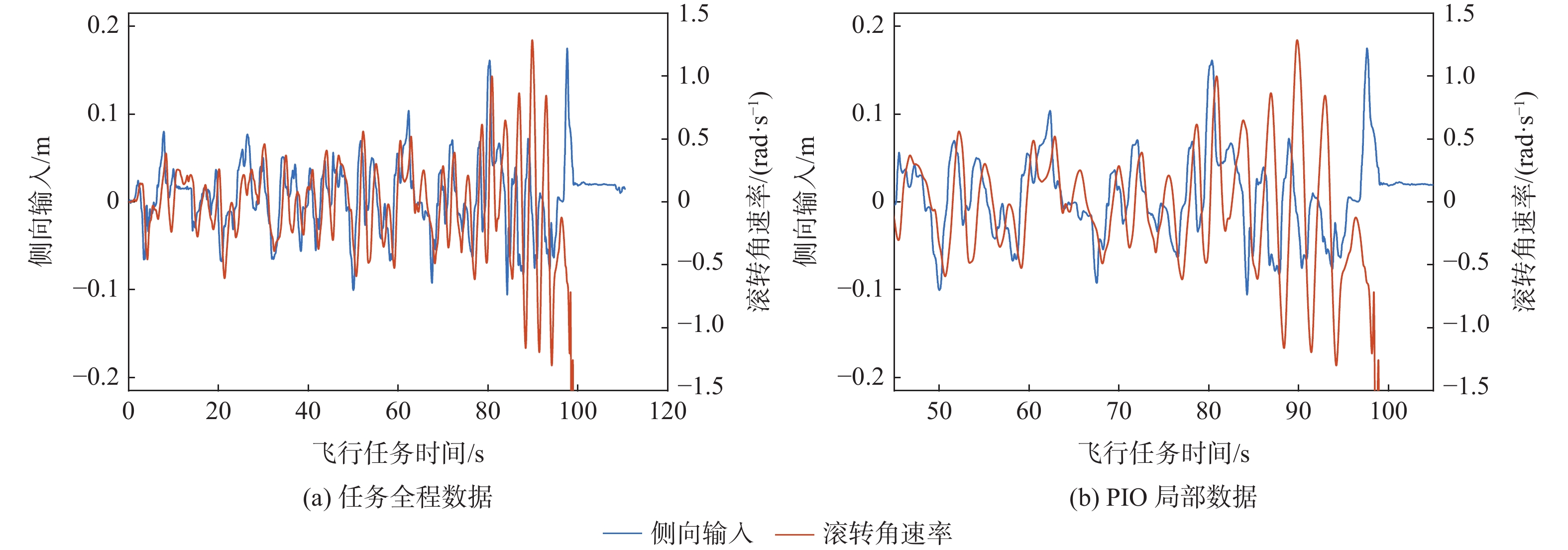
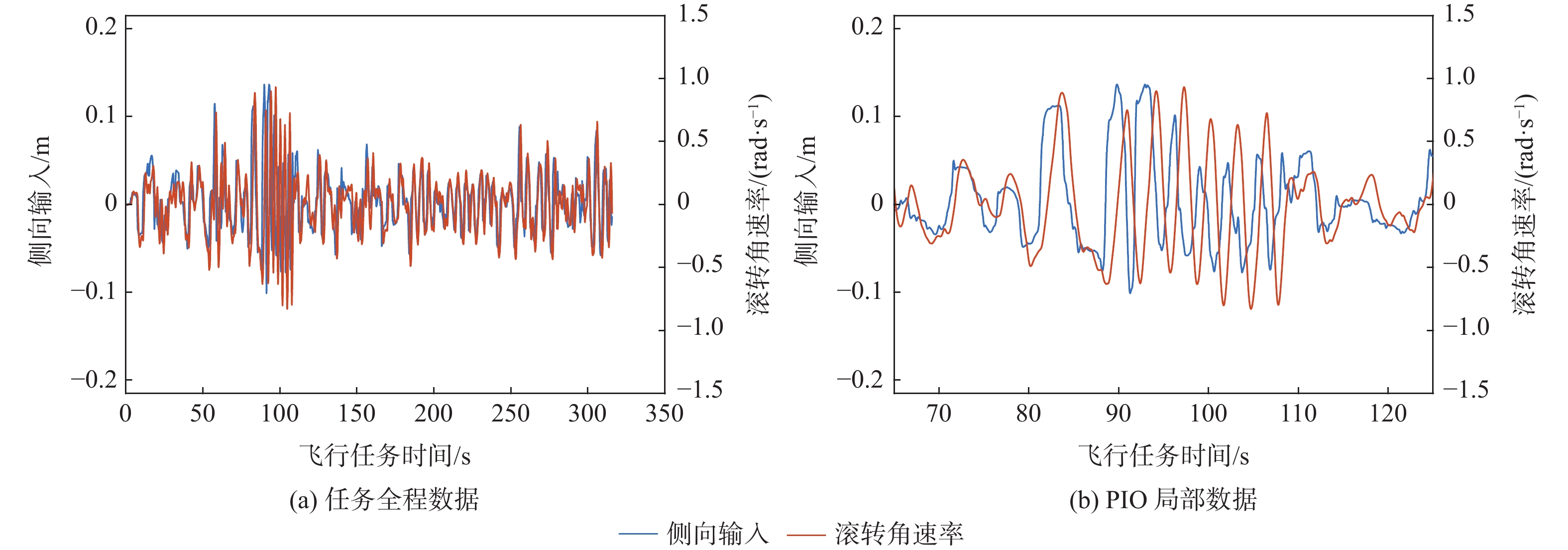
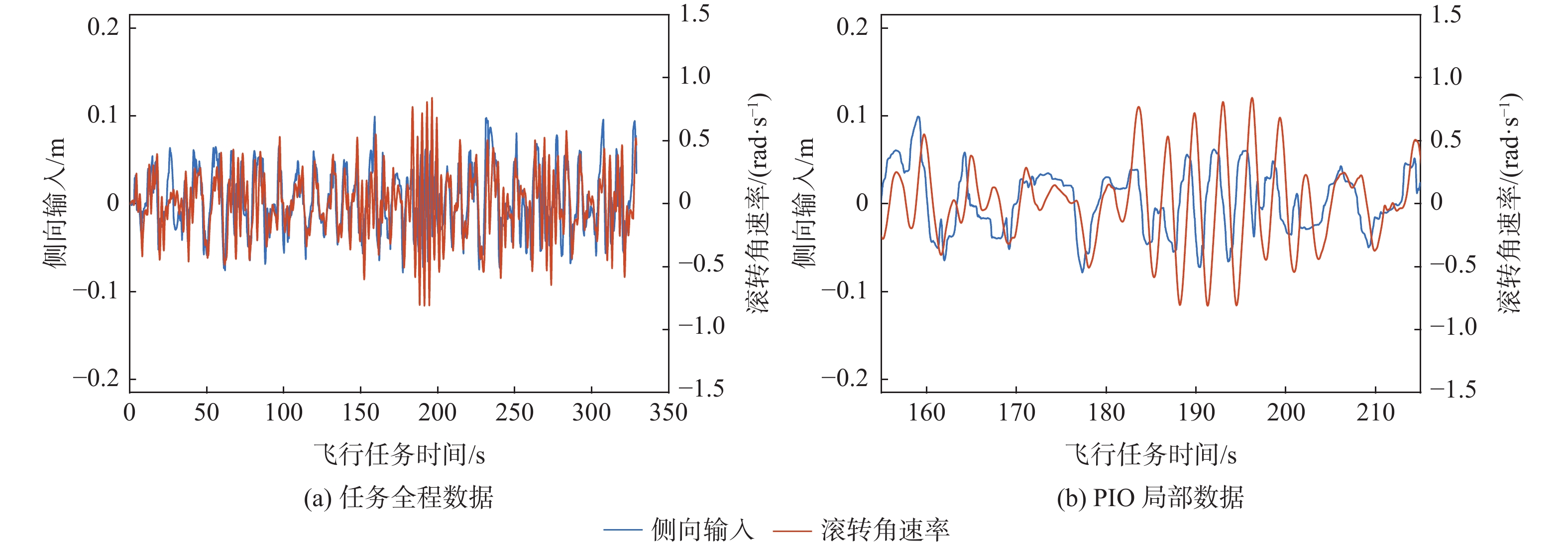
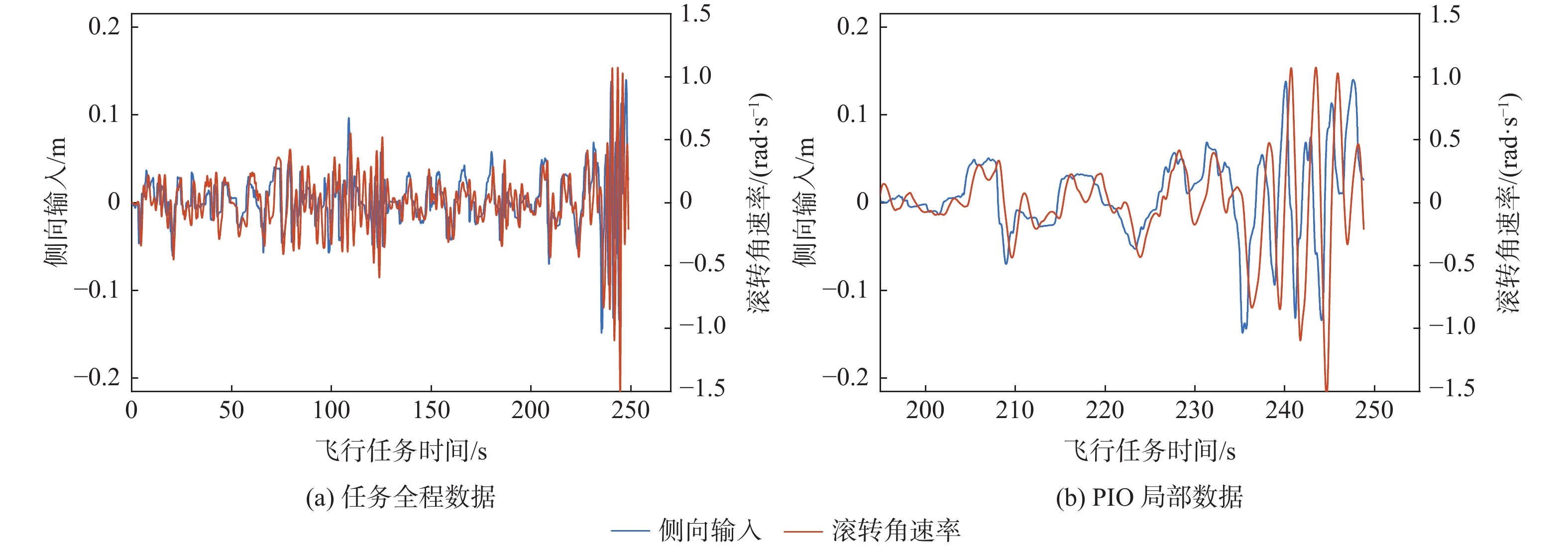
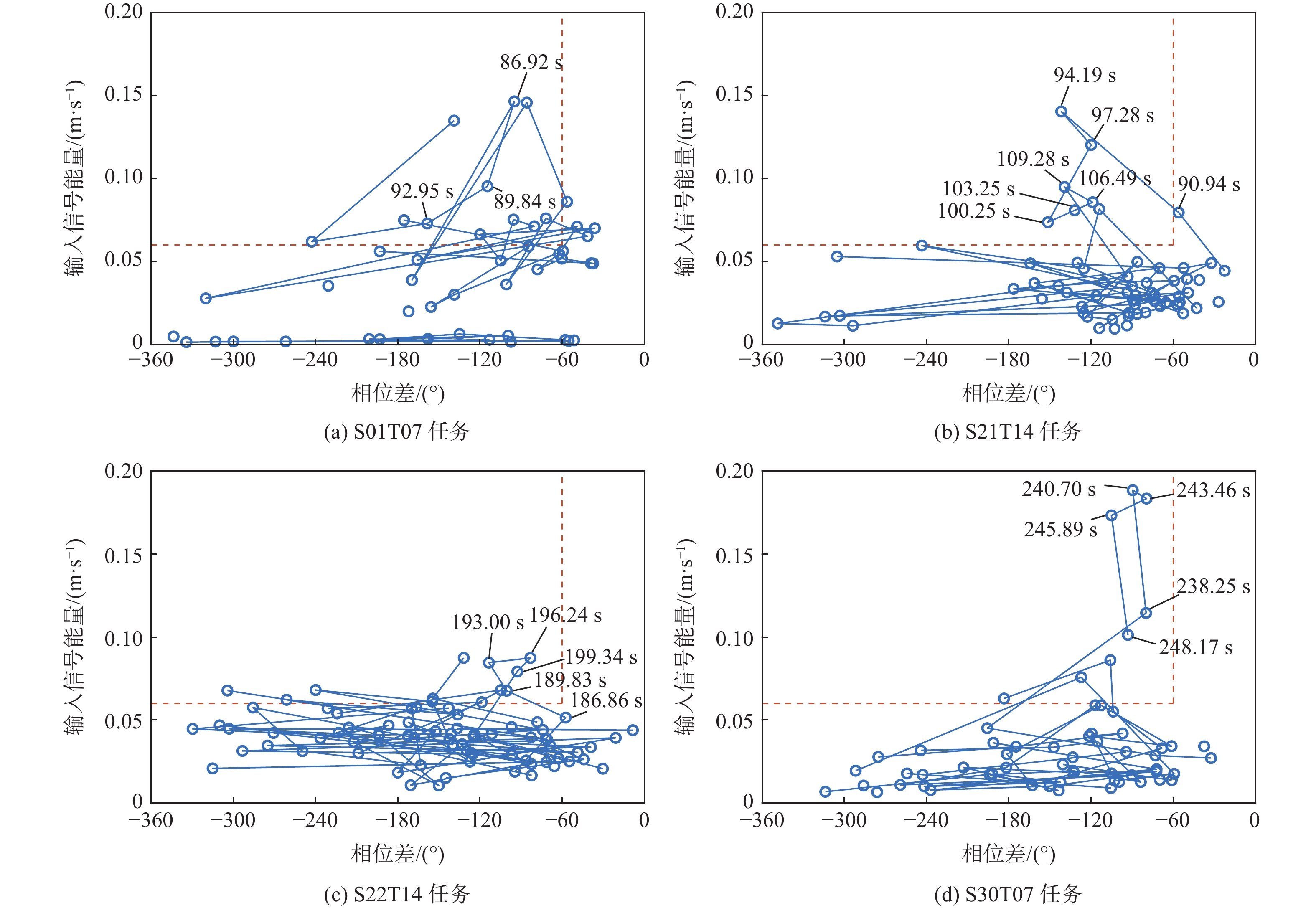
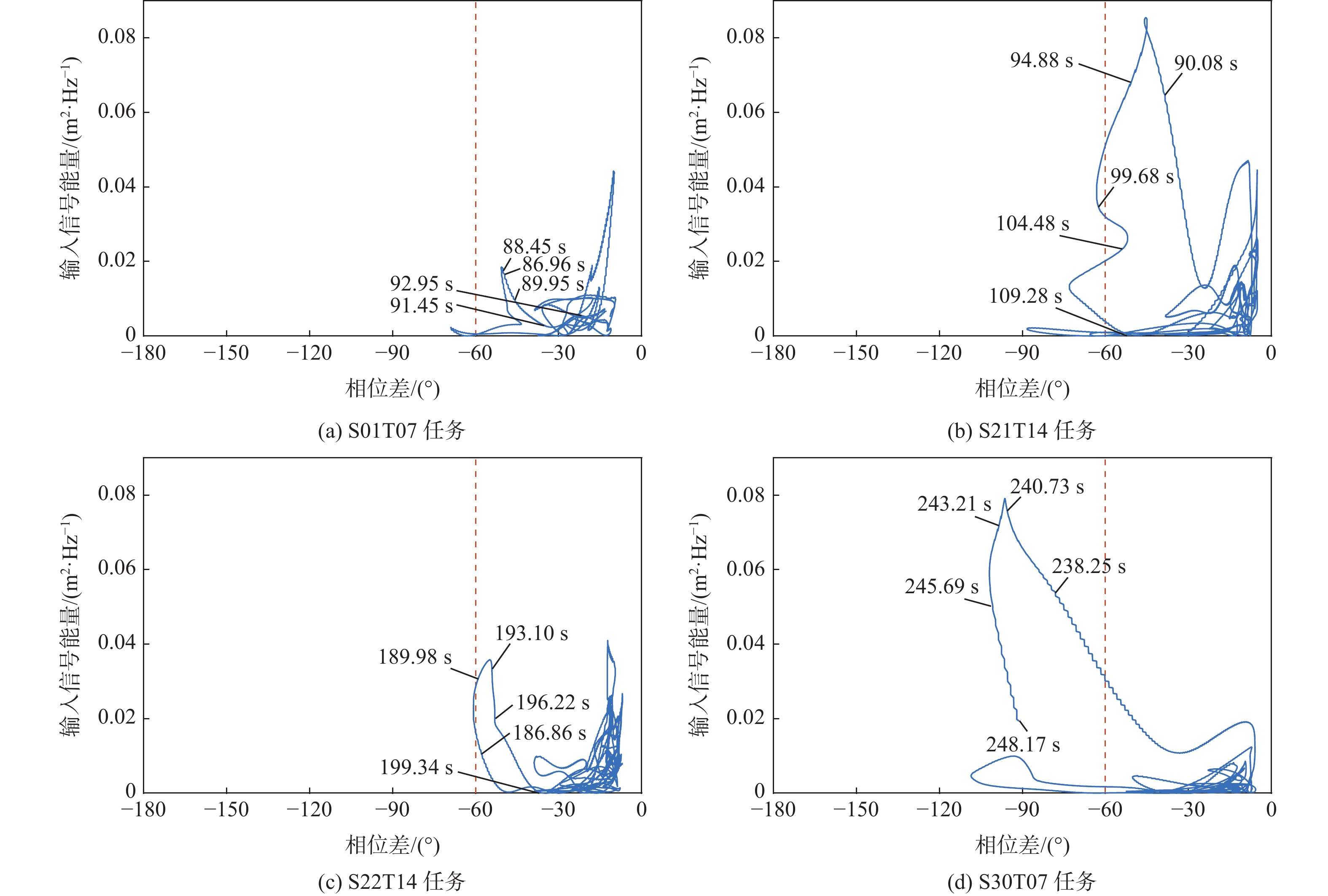
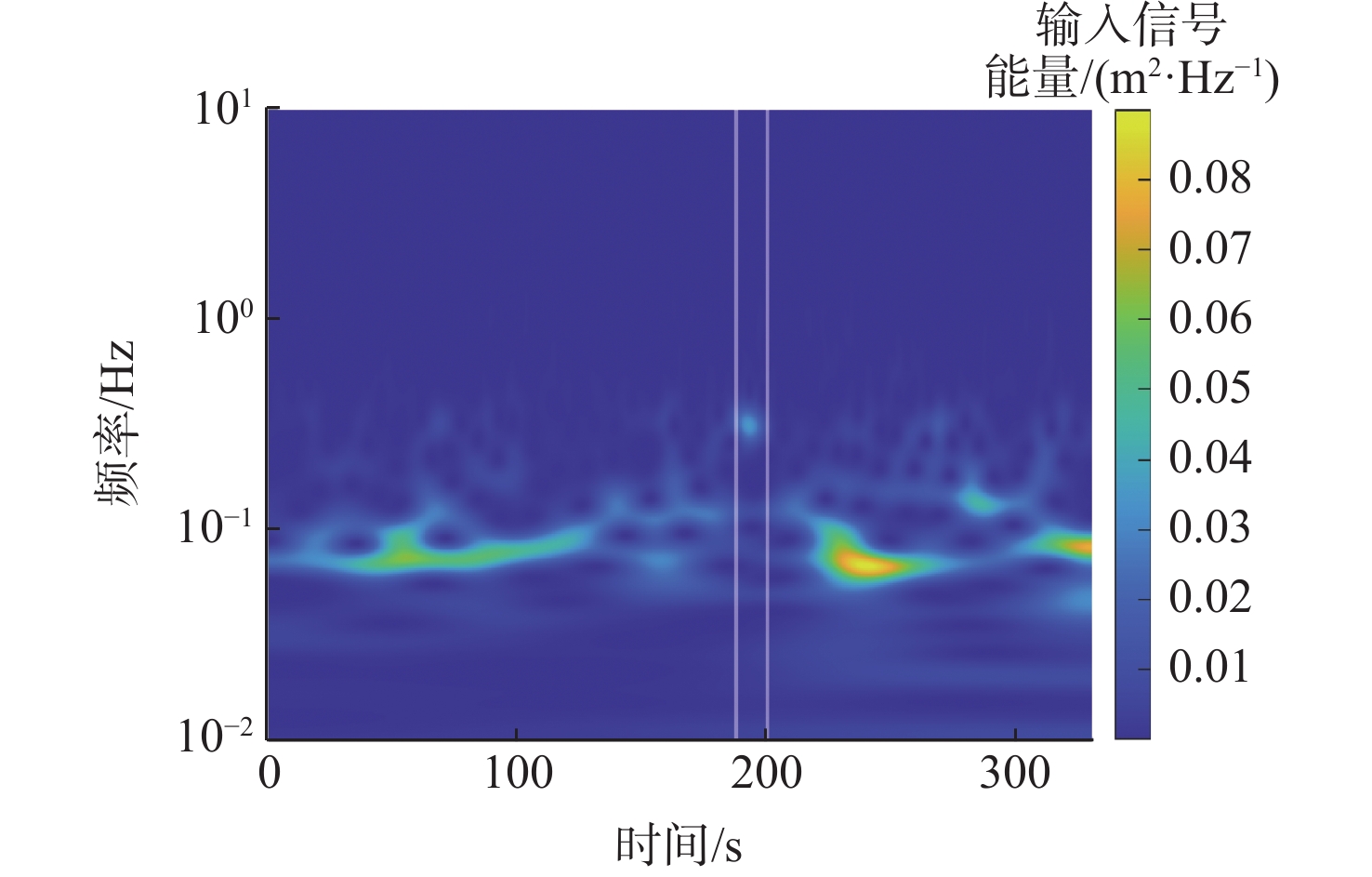
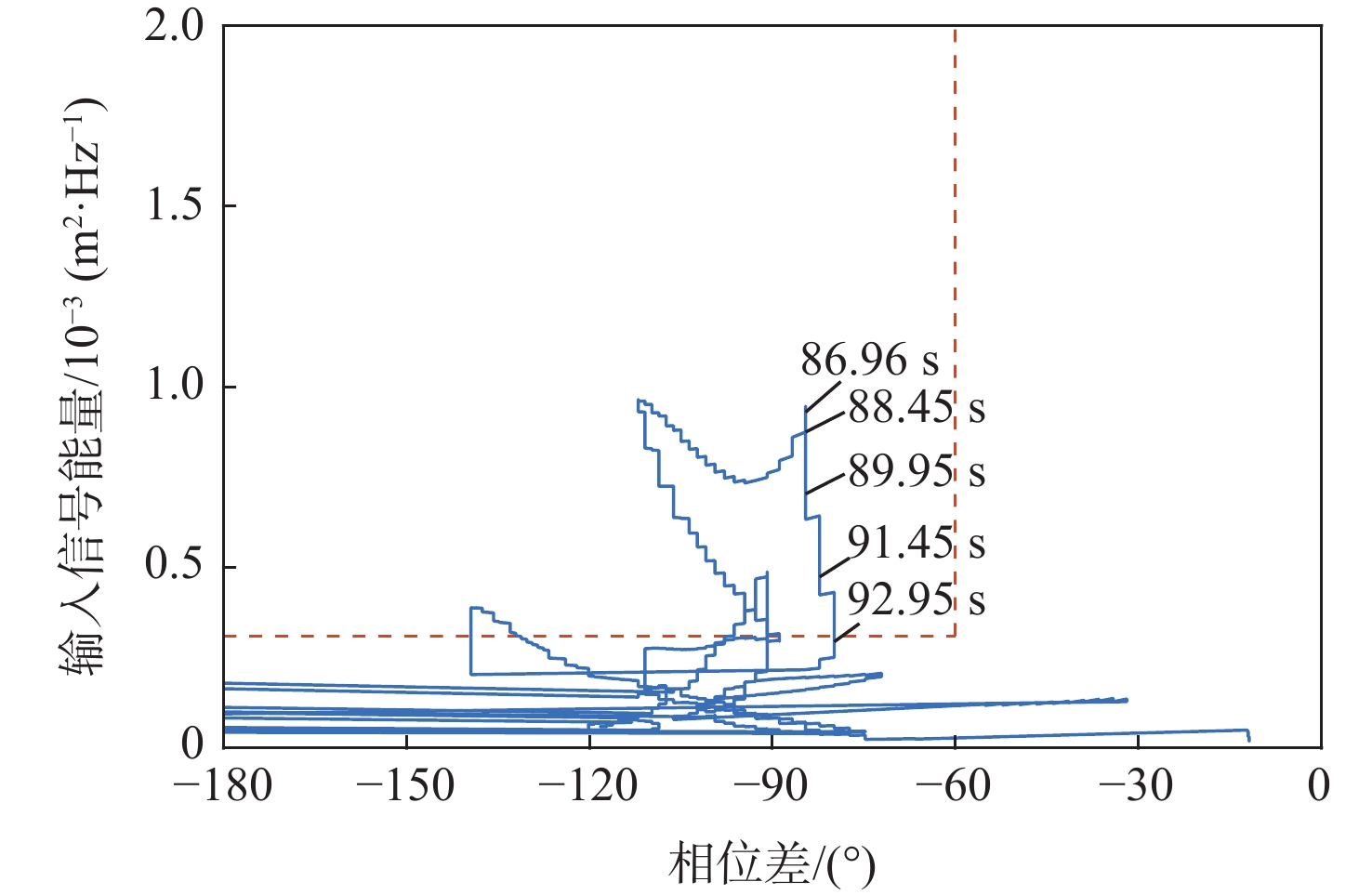
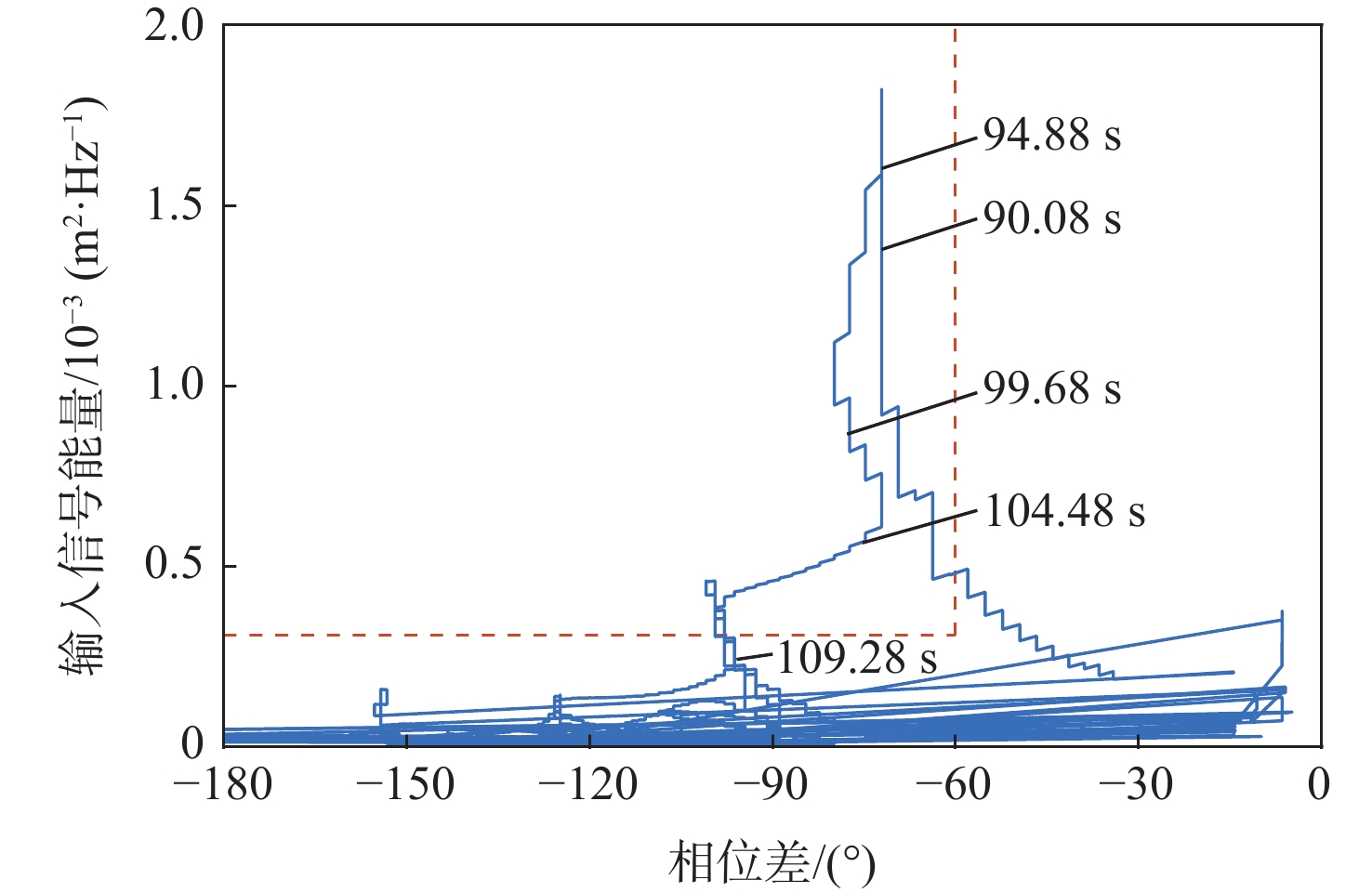
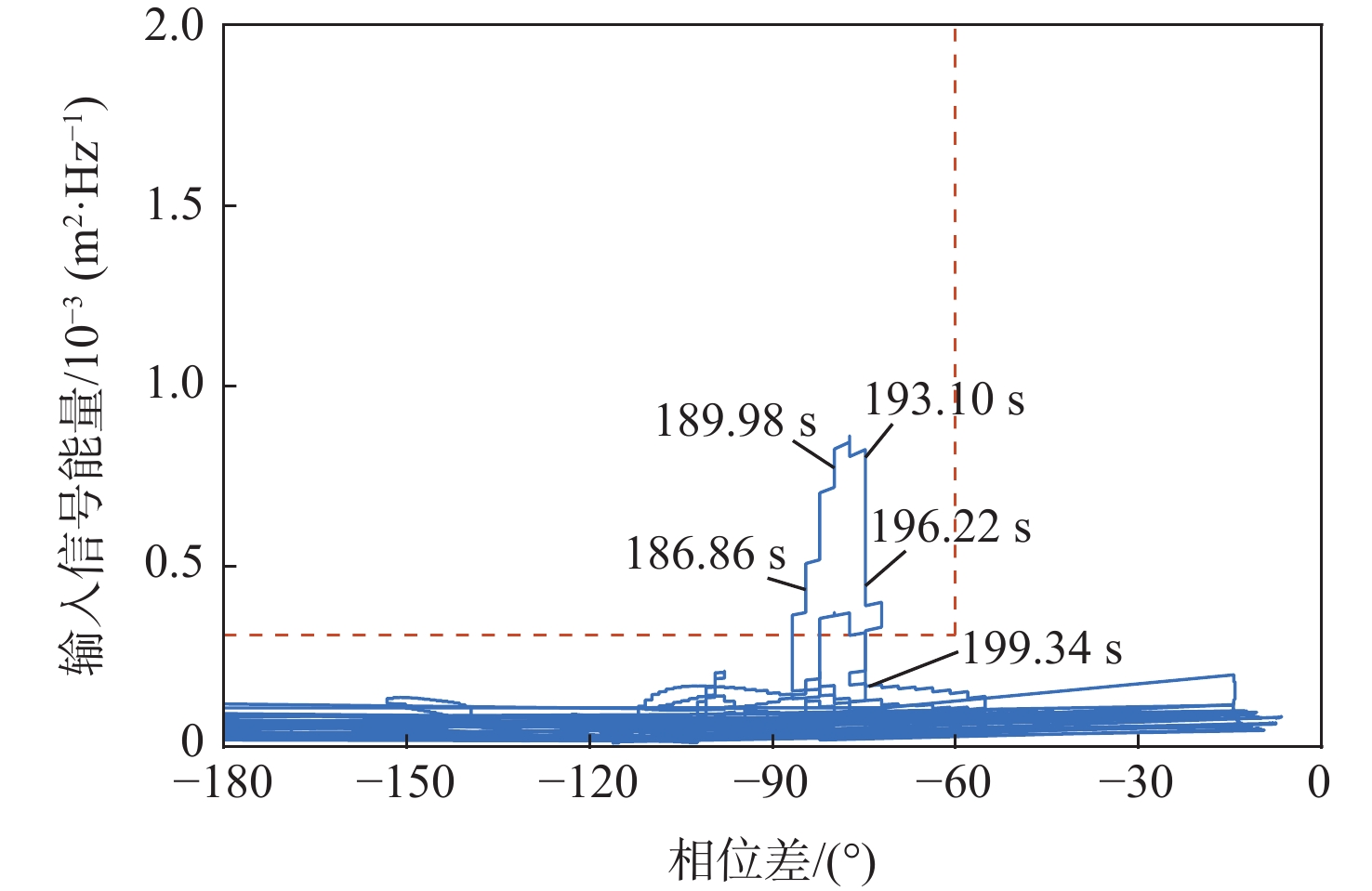
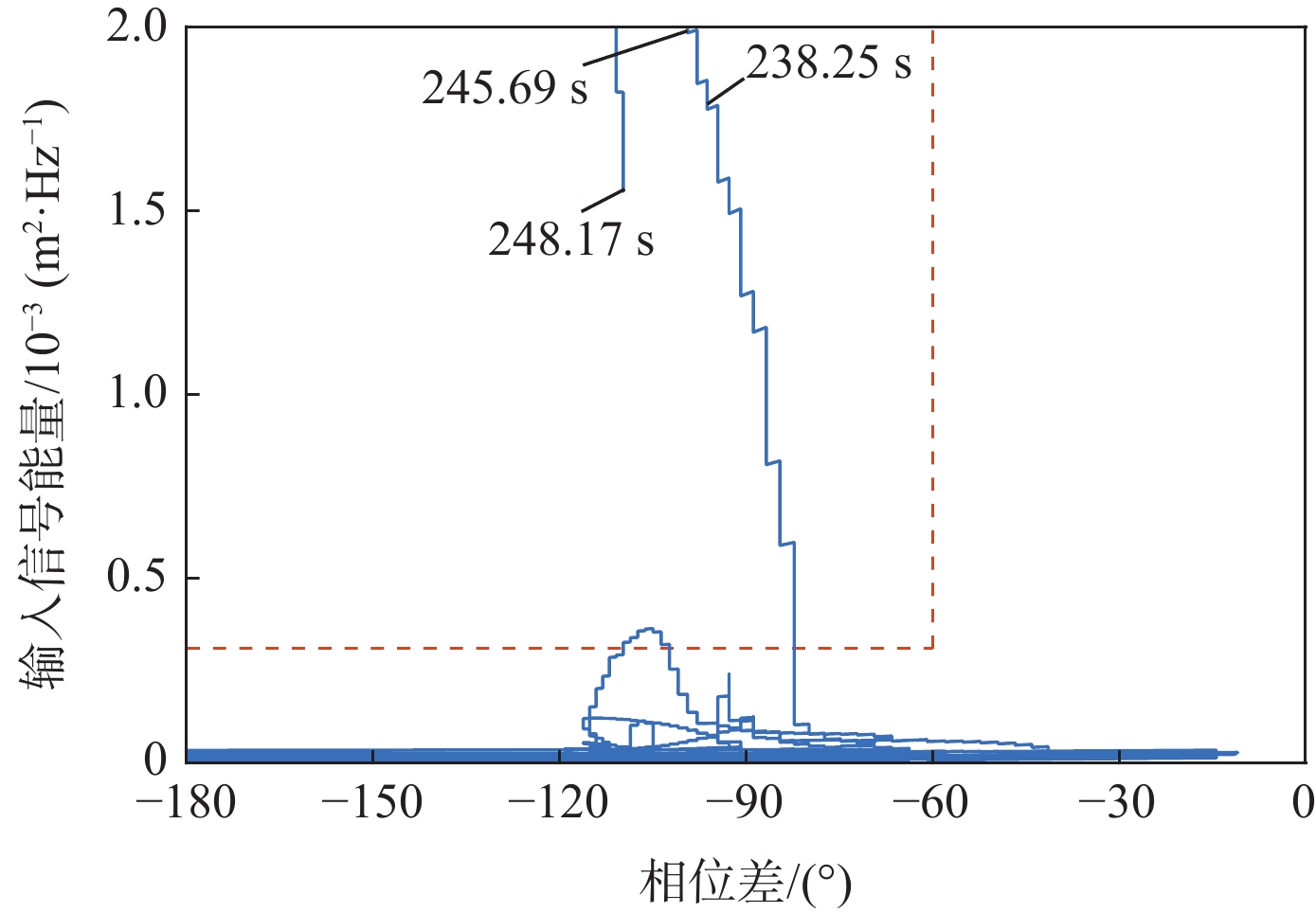
Pilot-induced oscillation (PIO) represents a critical human factor contributing to rotorcraft accidents. Its triggering mechanism is intrinsically linked to the dynamic characteristics of the rotorcraft-pilot coupling (RPC) system. An innovative multi-task flight simulation experimental platform was constructed based on the boundary avoidance-tracking (BAT) theoretical model. The impacts of two important triggering factors—input configuration and border difficulty—on task performance and the PIO phenomenon were methodically examined using parametric control. Experimental results demonstrate that the designed triggering parameters effectively induced behavioral changes in subjects, thereby affecting their task performance and PIO characteristic responses. Additionally, compared to conventional techniques like the phase-aggression criteria (PAC) method and the Klyde’s wavelet transform approach, the improved power-preserving wavelet transform (PPWT) detection method suggested in this study shown better recognition performance. This research refines the PIO research paradigm under the BAT task framework. The proposed “trigger-detection” experimental approach and methodology provide a novel technological pathway for investigating RPC phenomena.

Experimental investigation of overhang structure surface roughness characterization and oxidation characteristic in L-PBF aircraft hydraulic channels
LI Dingbo, LIU Xiaochao, WANG Mengyang, JIAO Zongxia, YAO Jing
2026, 52(8): 2887-2898. doi: 10.13700/j.bh.1001-5965.2025.0614
Abstract:

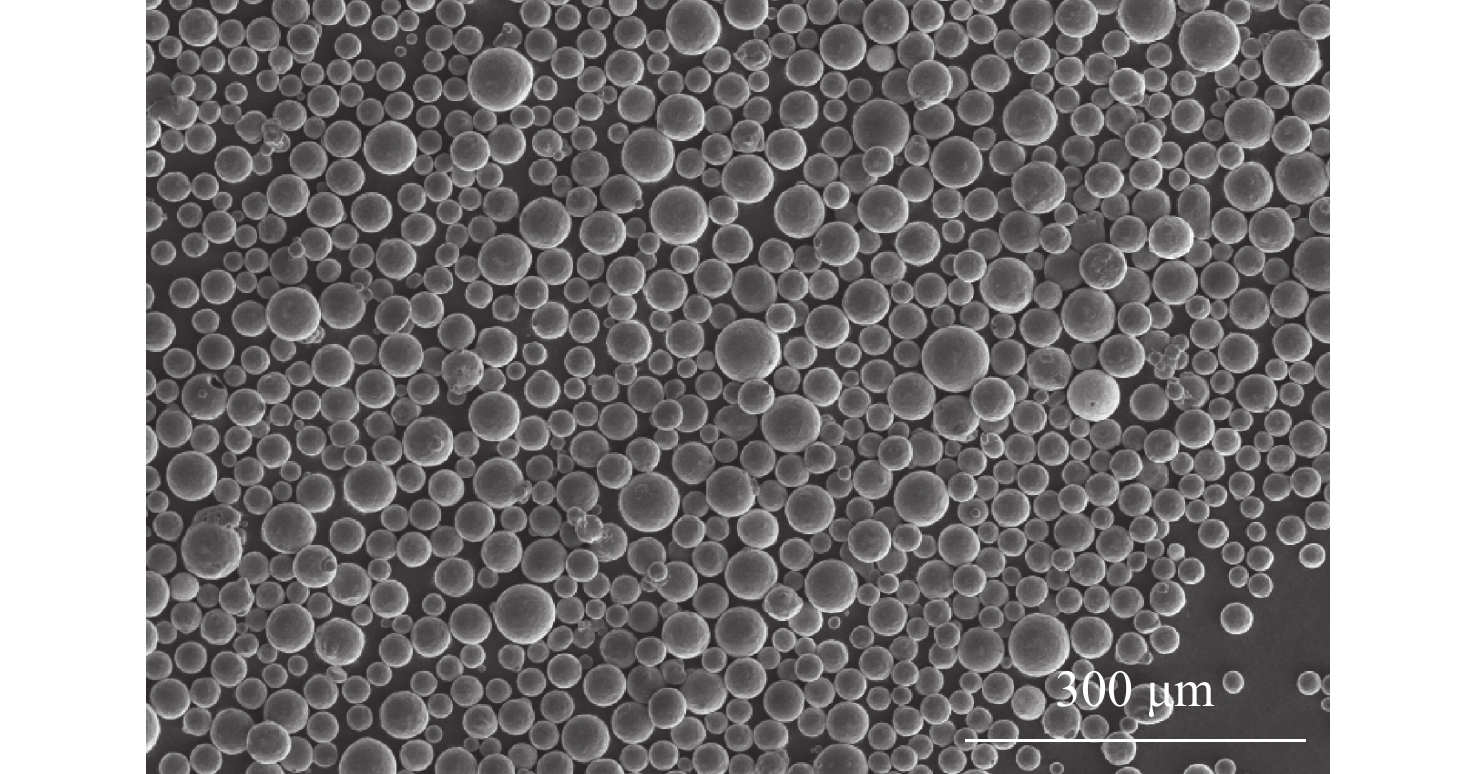
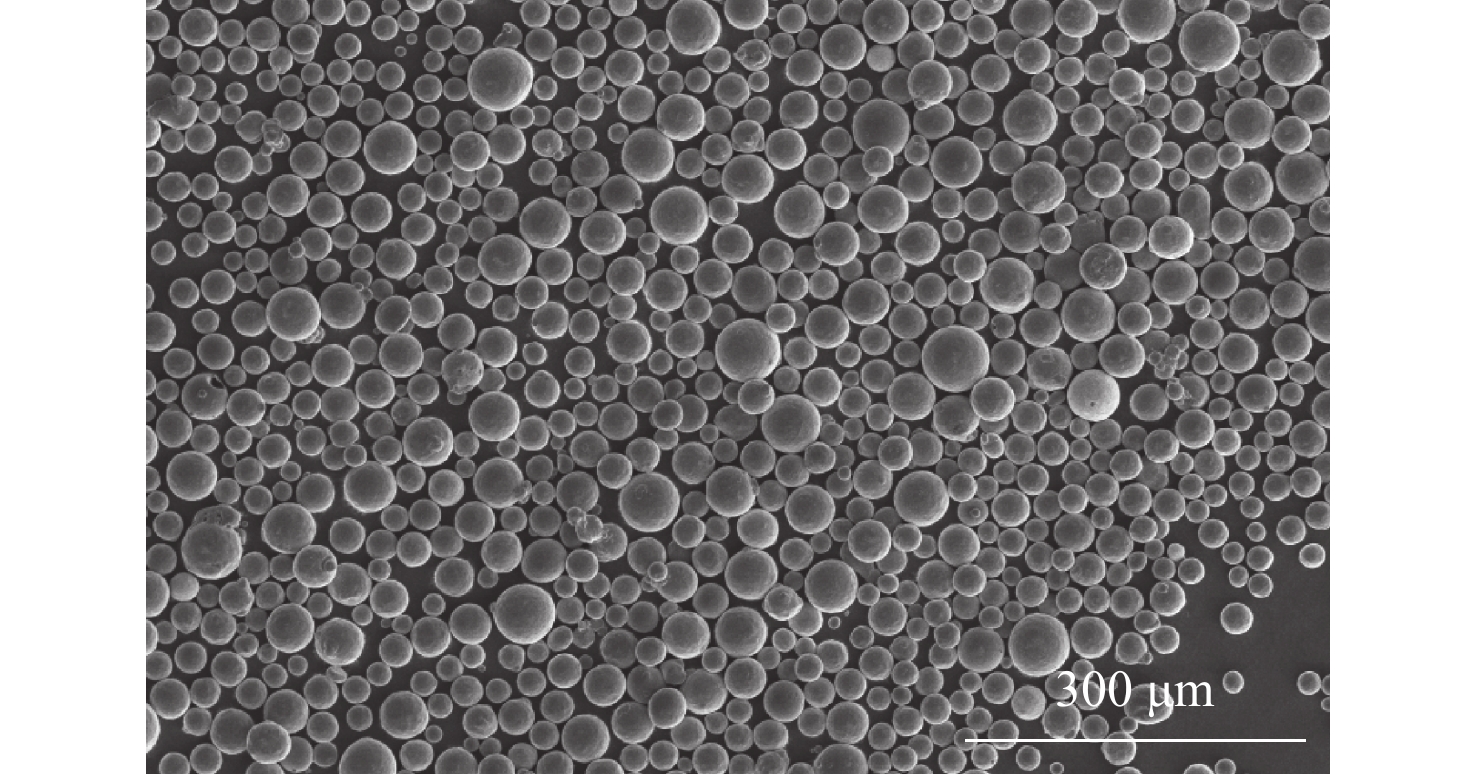
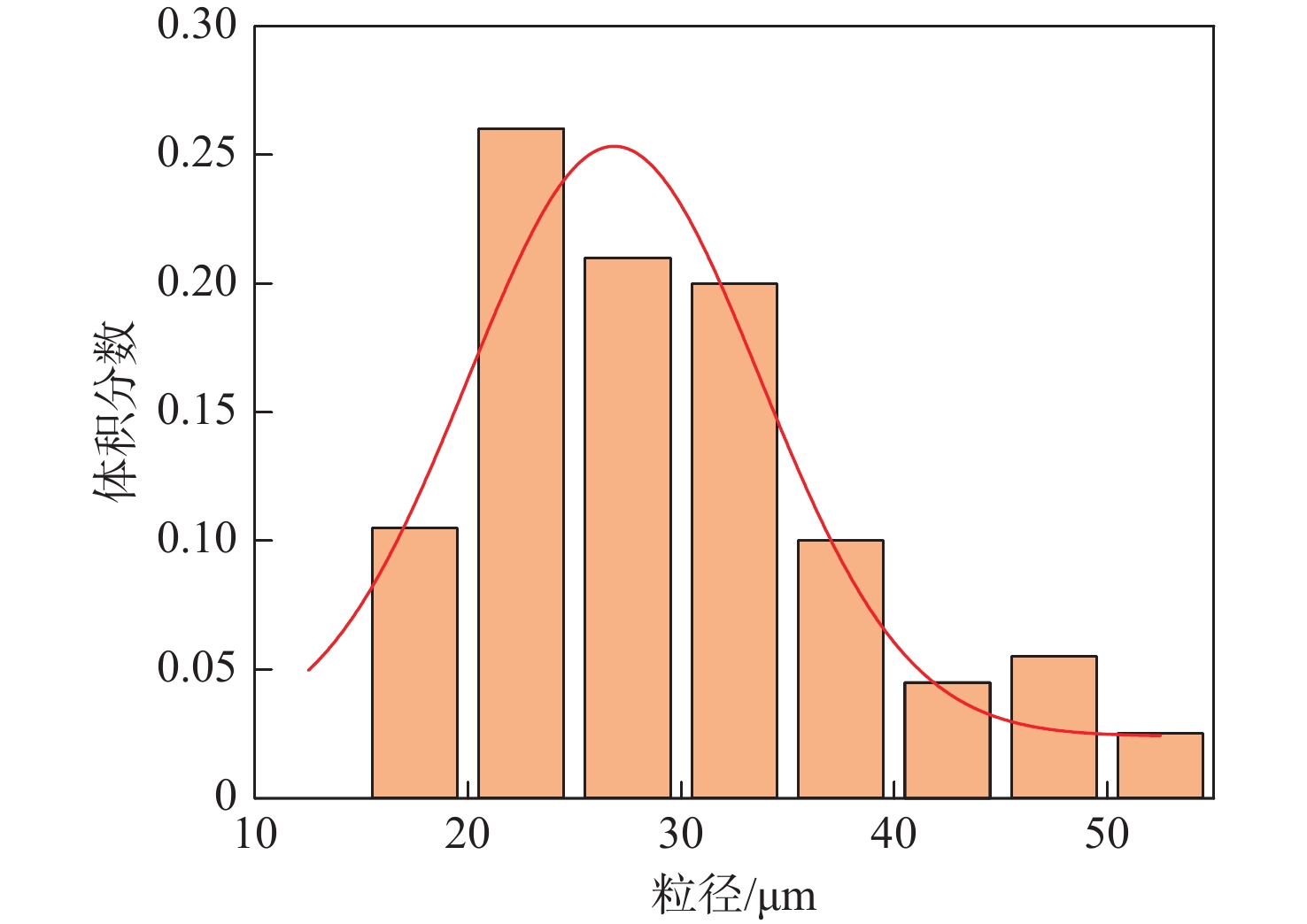
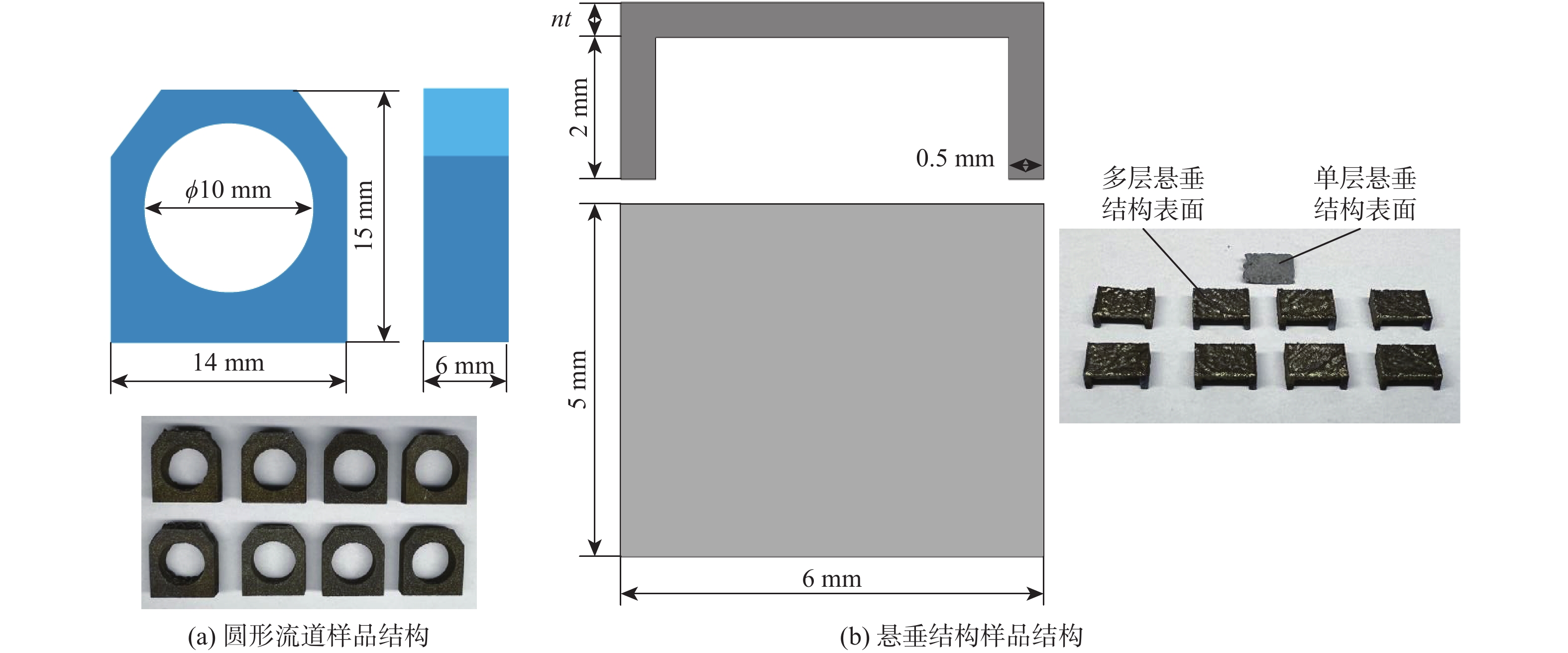
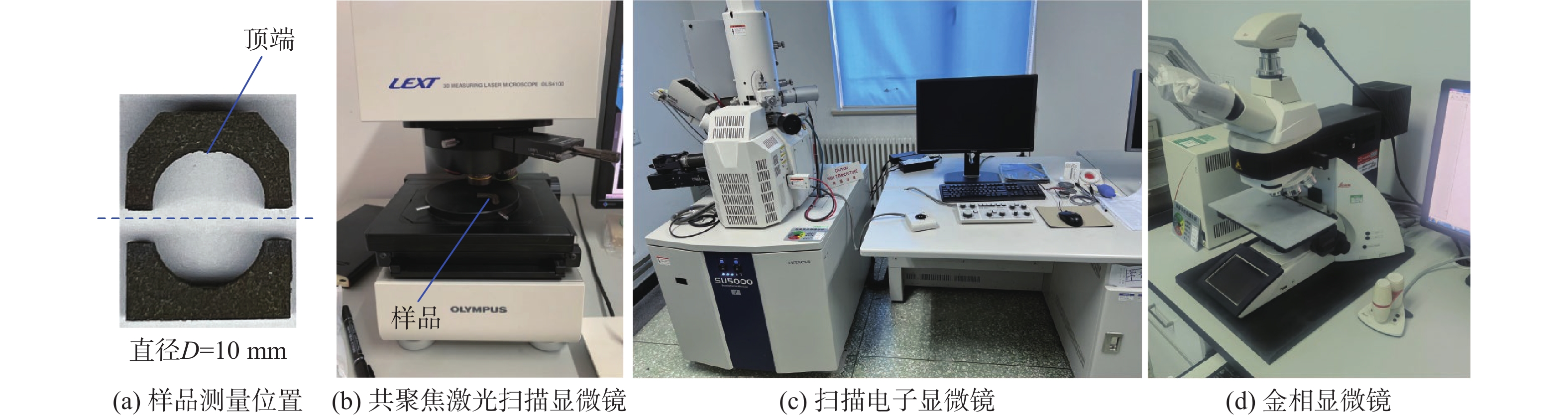
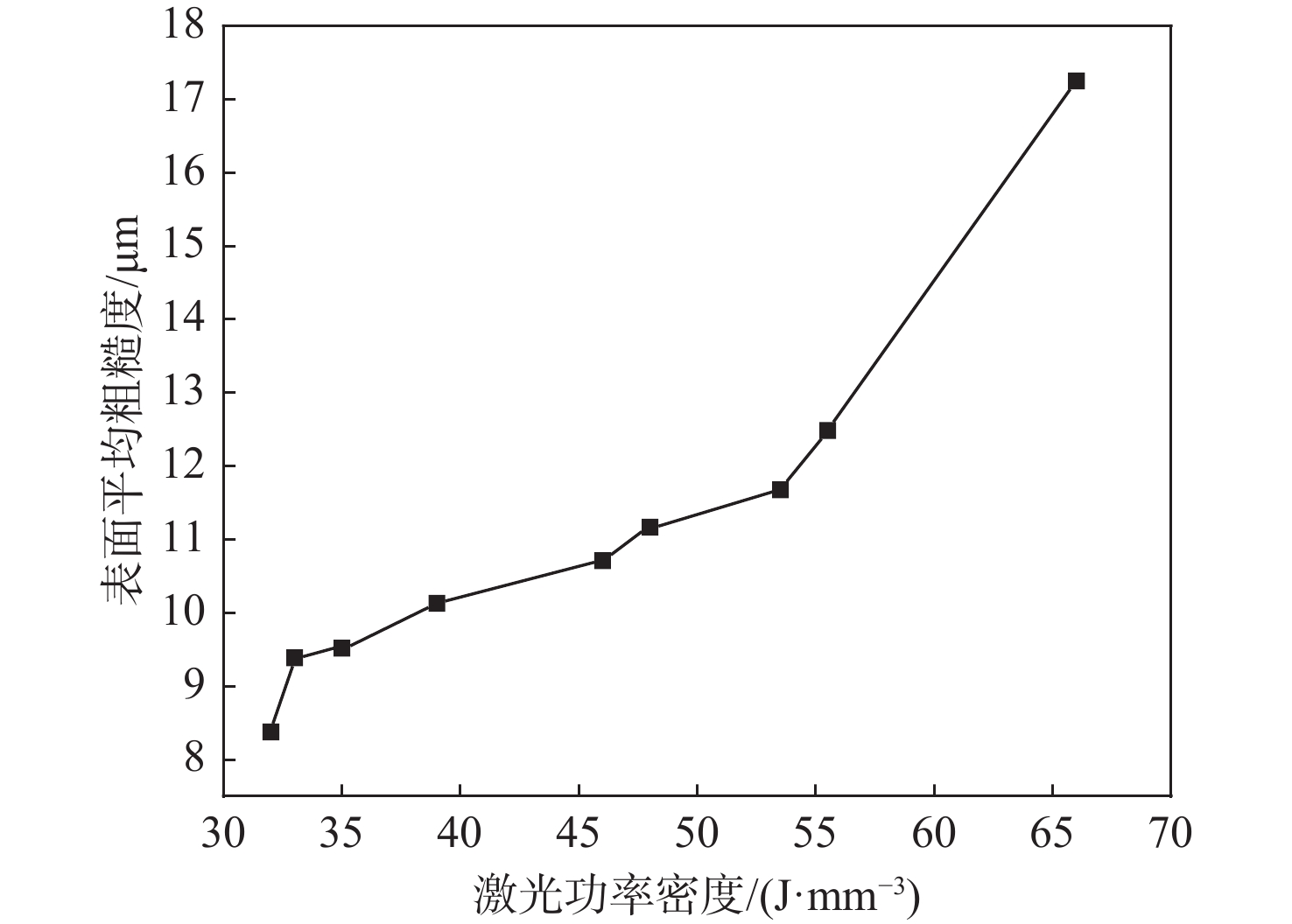
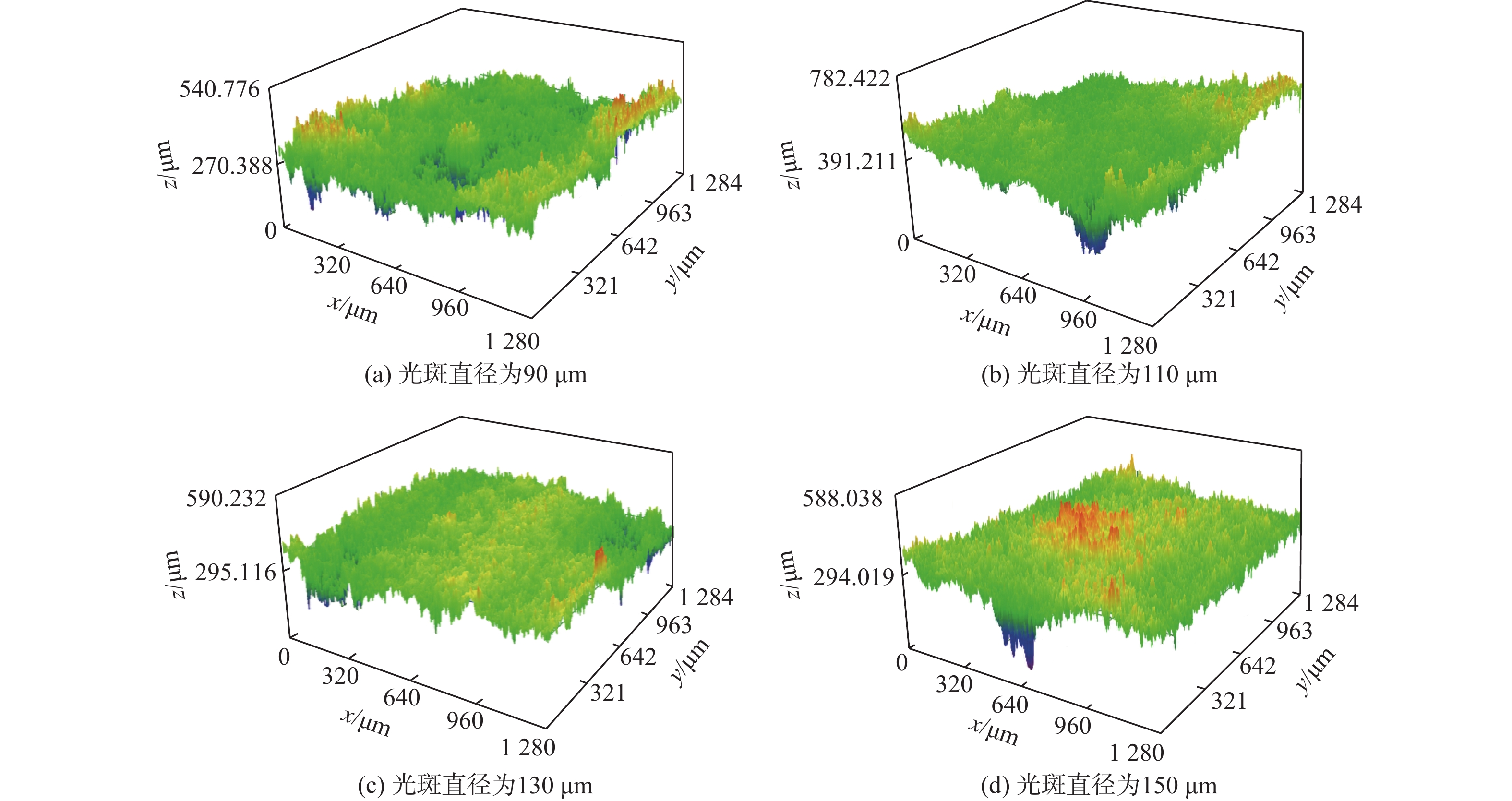
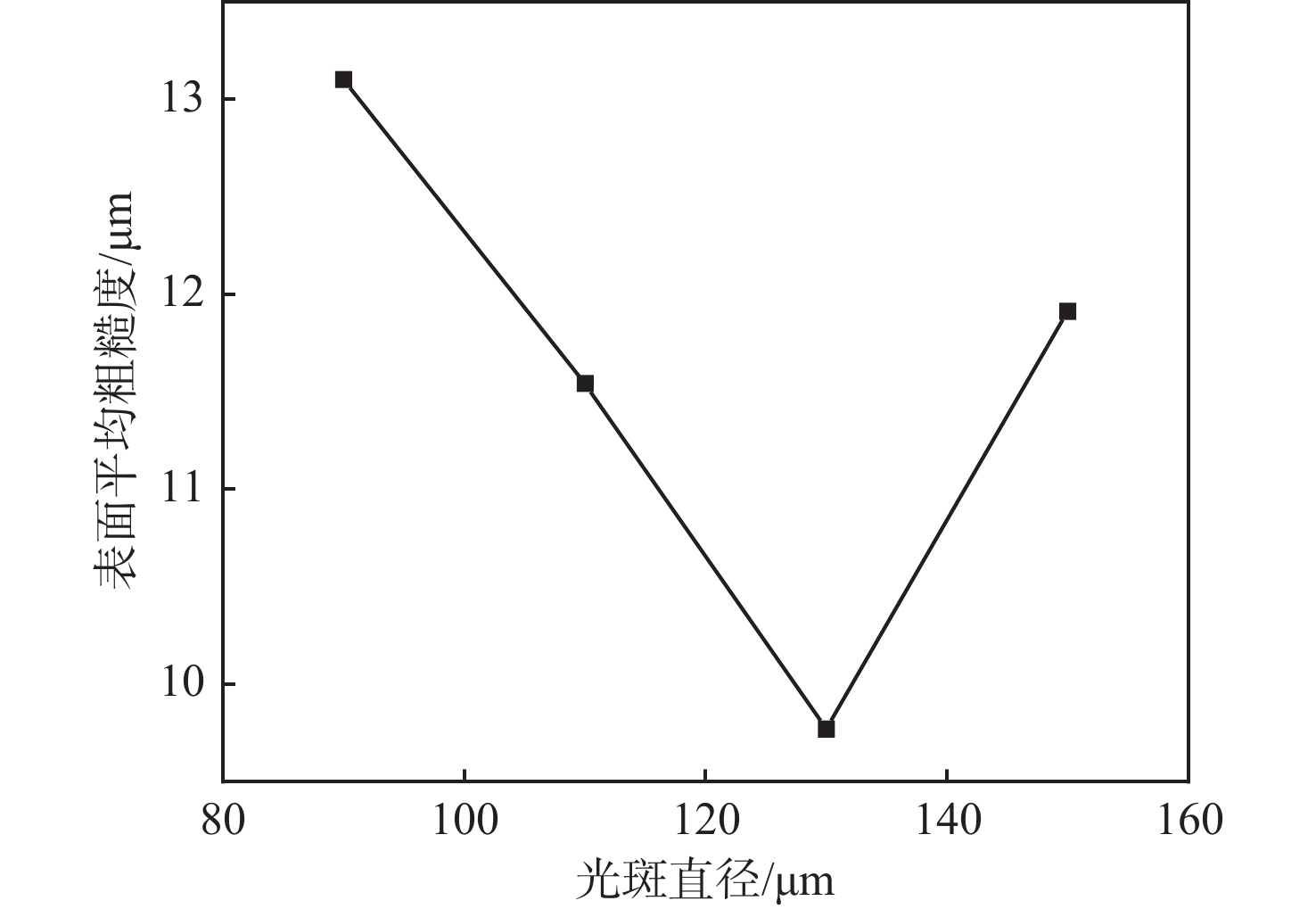
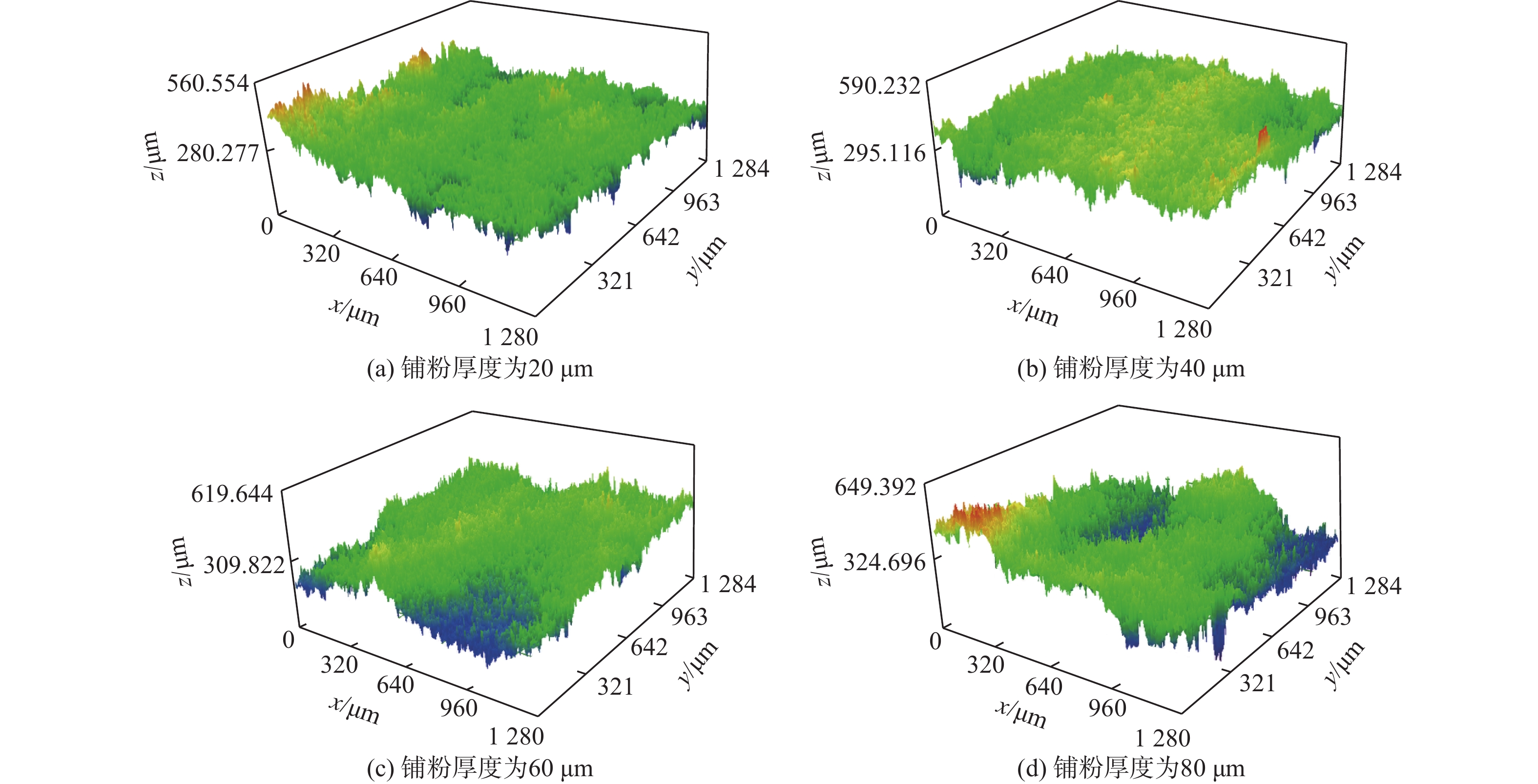
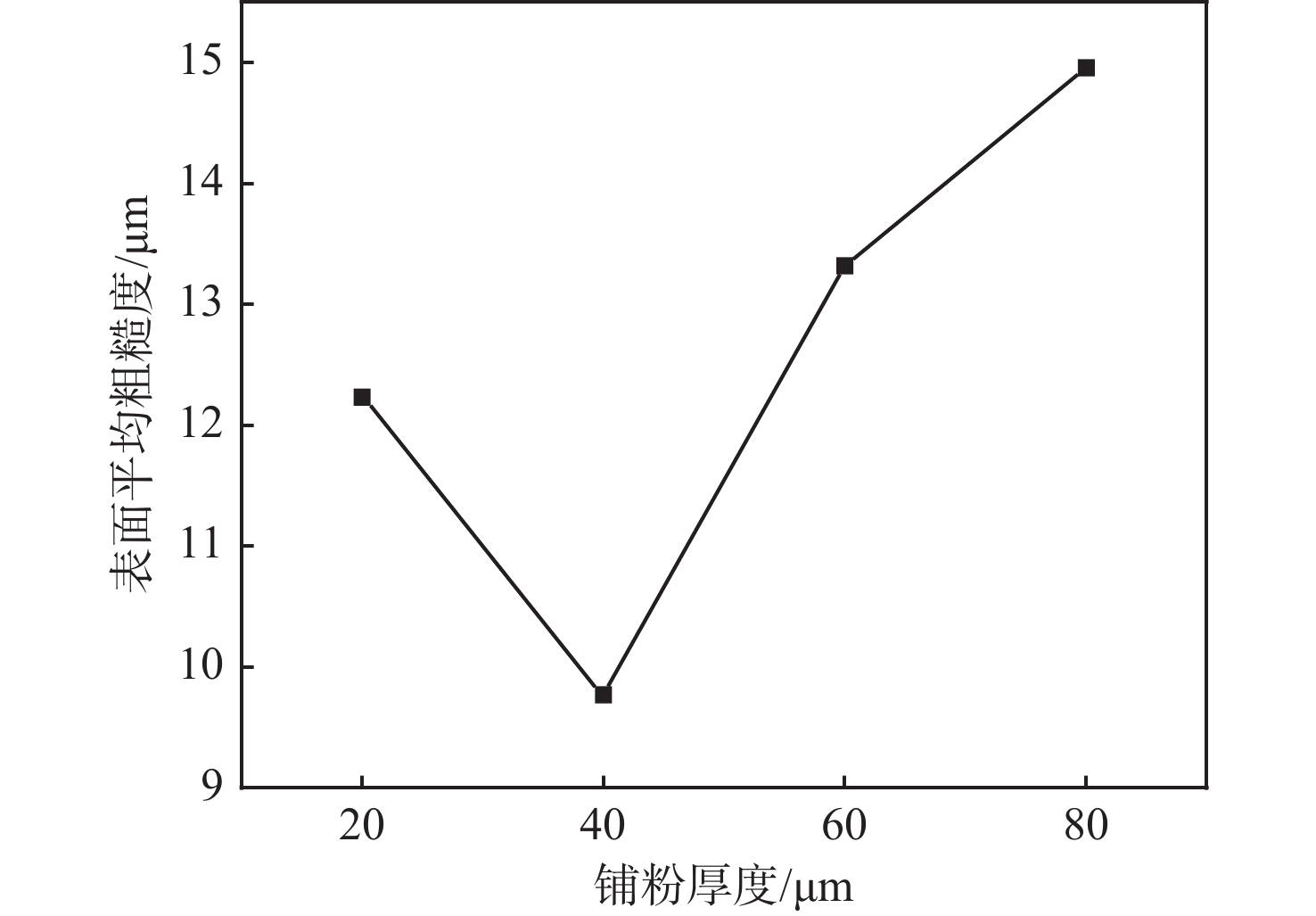
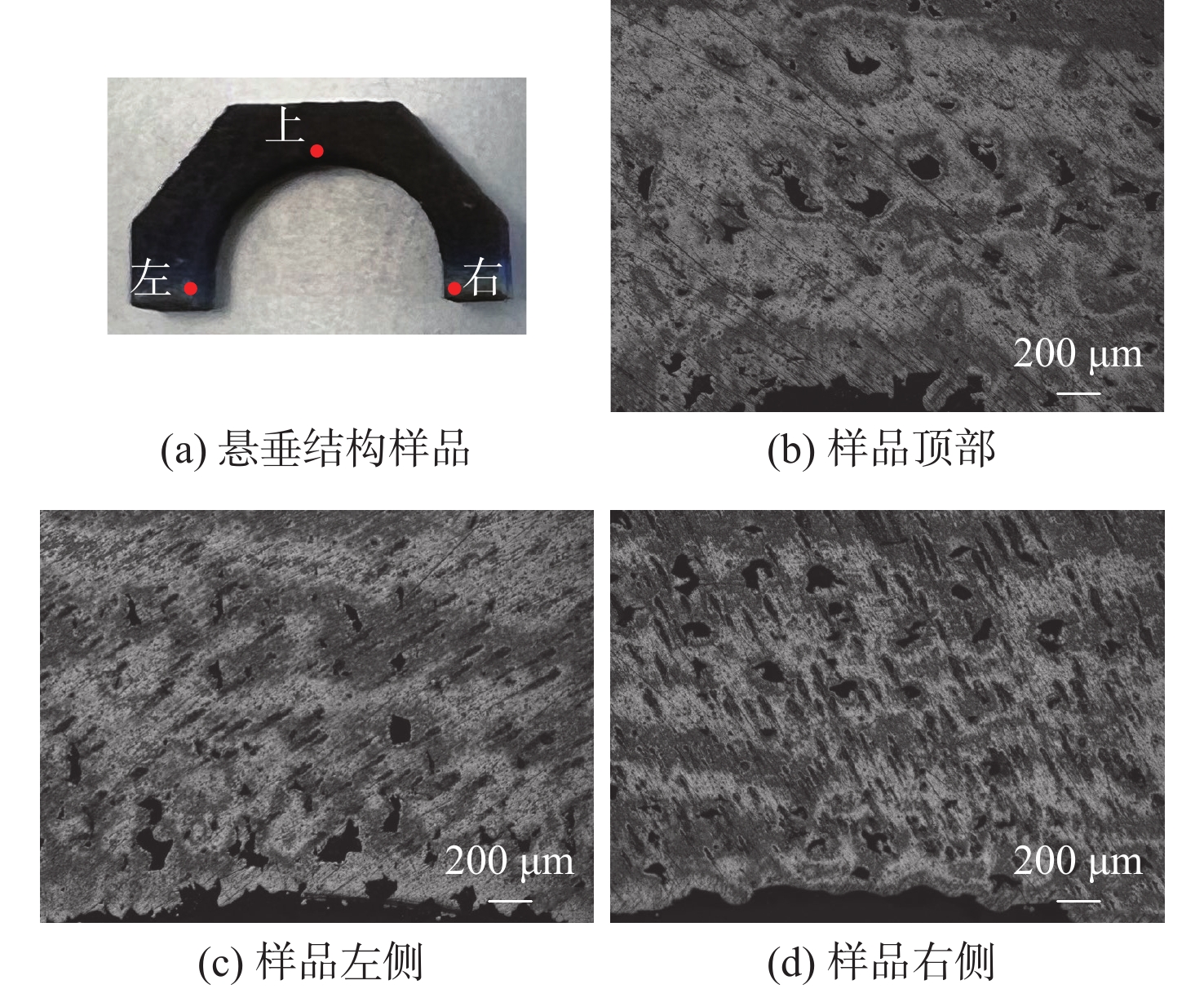
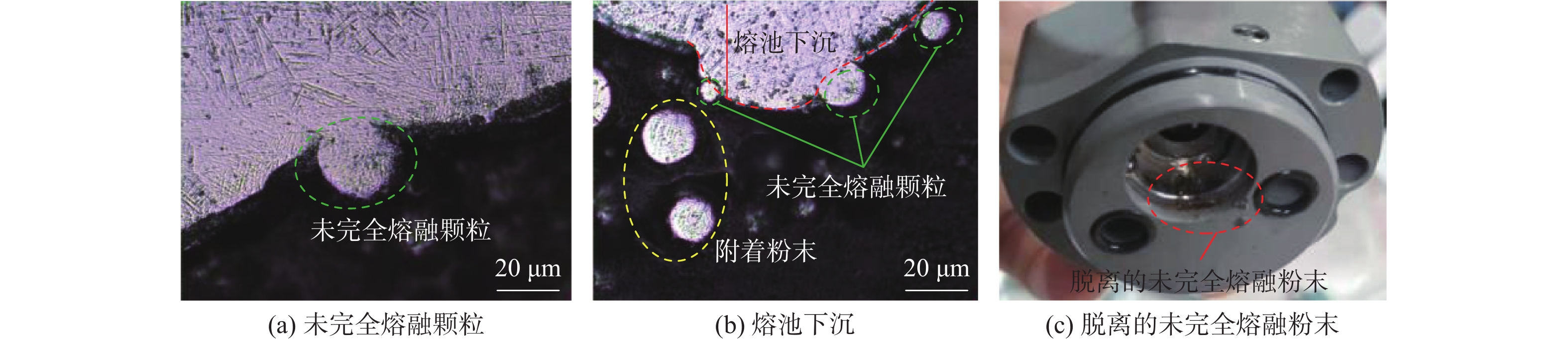
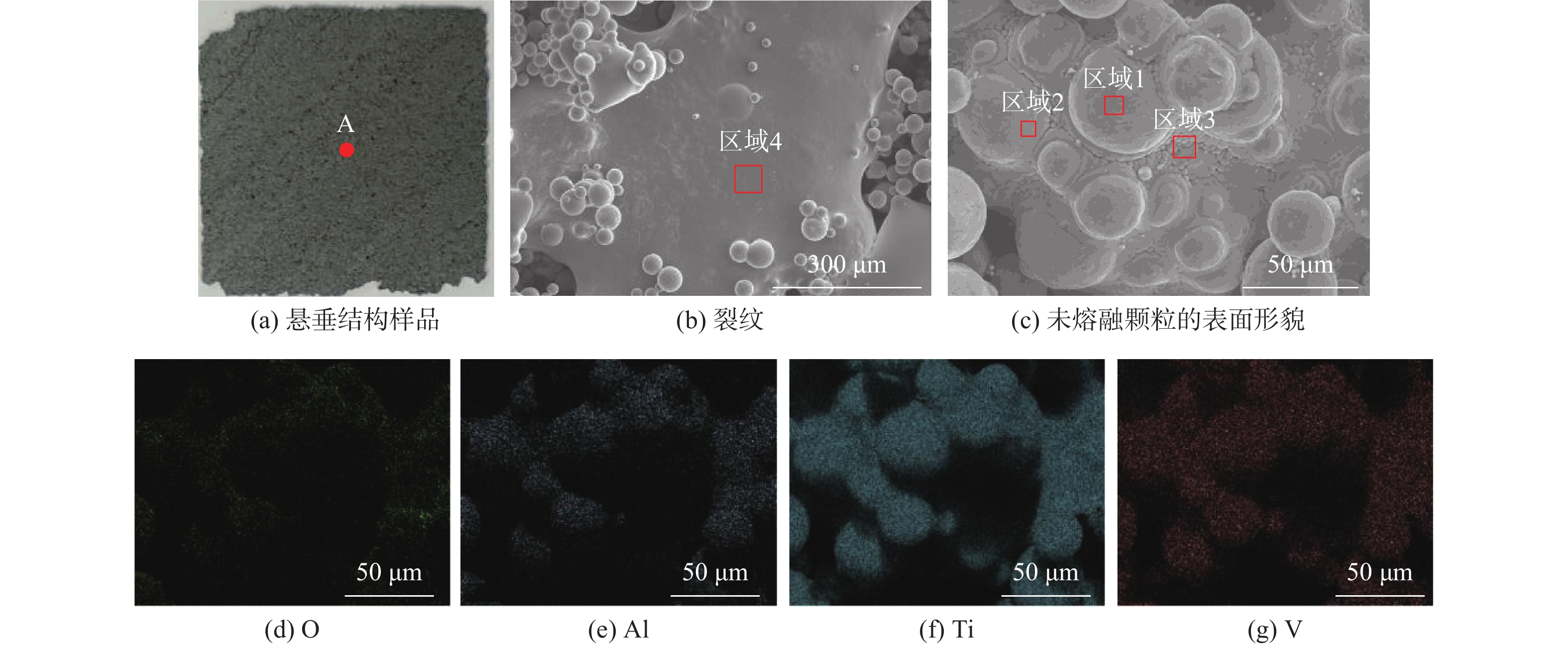
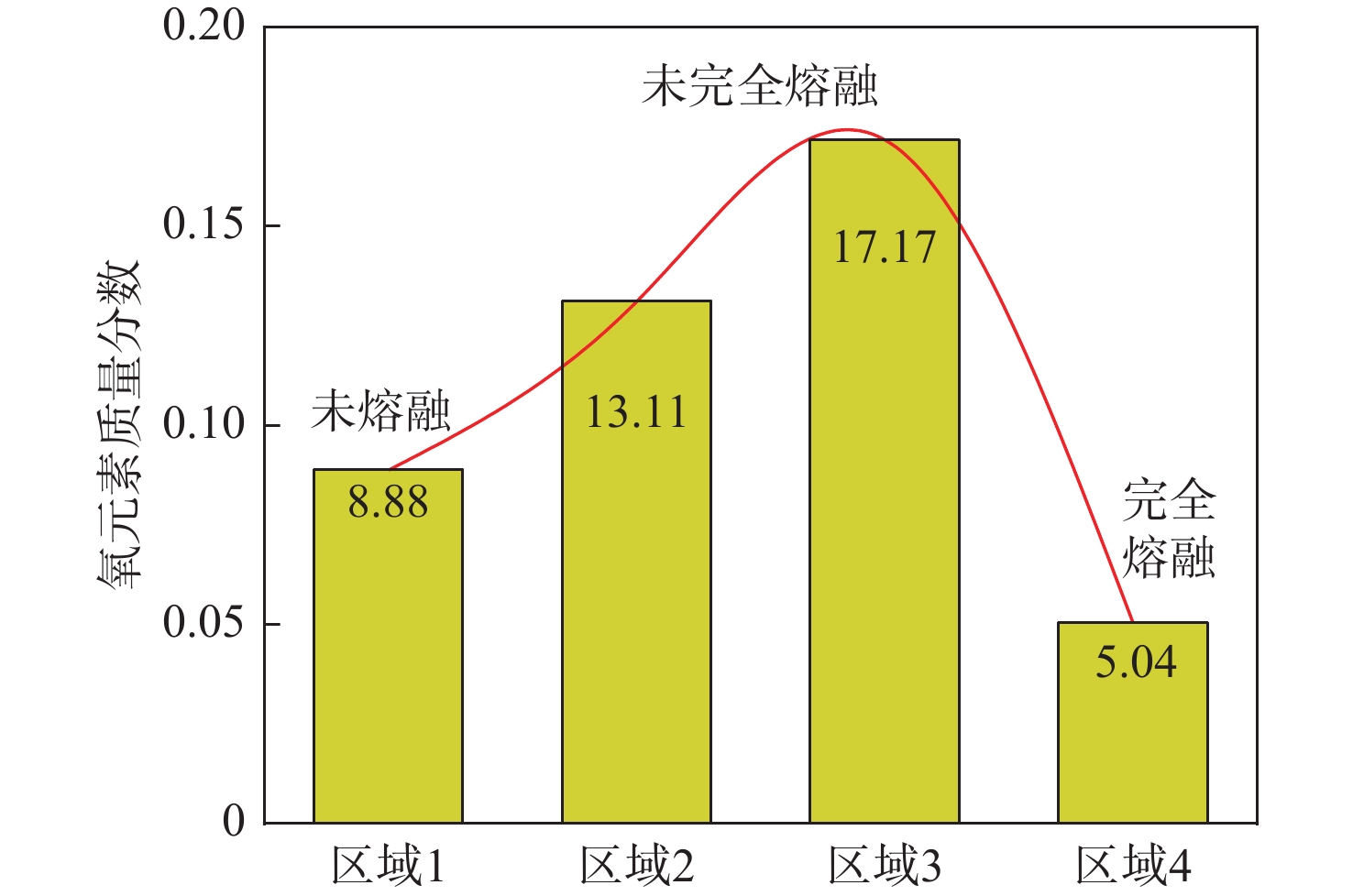
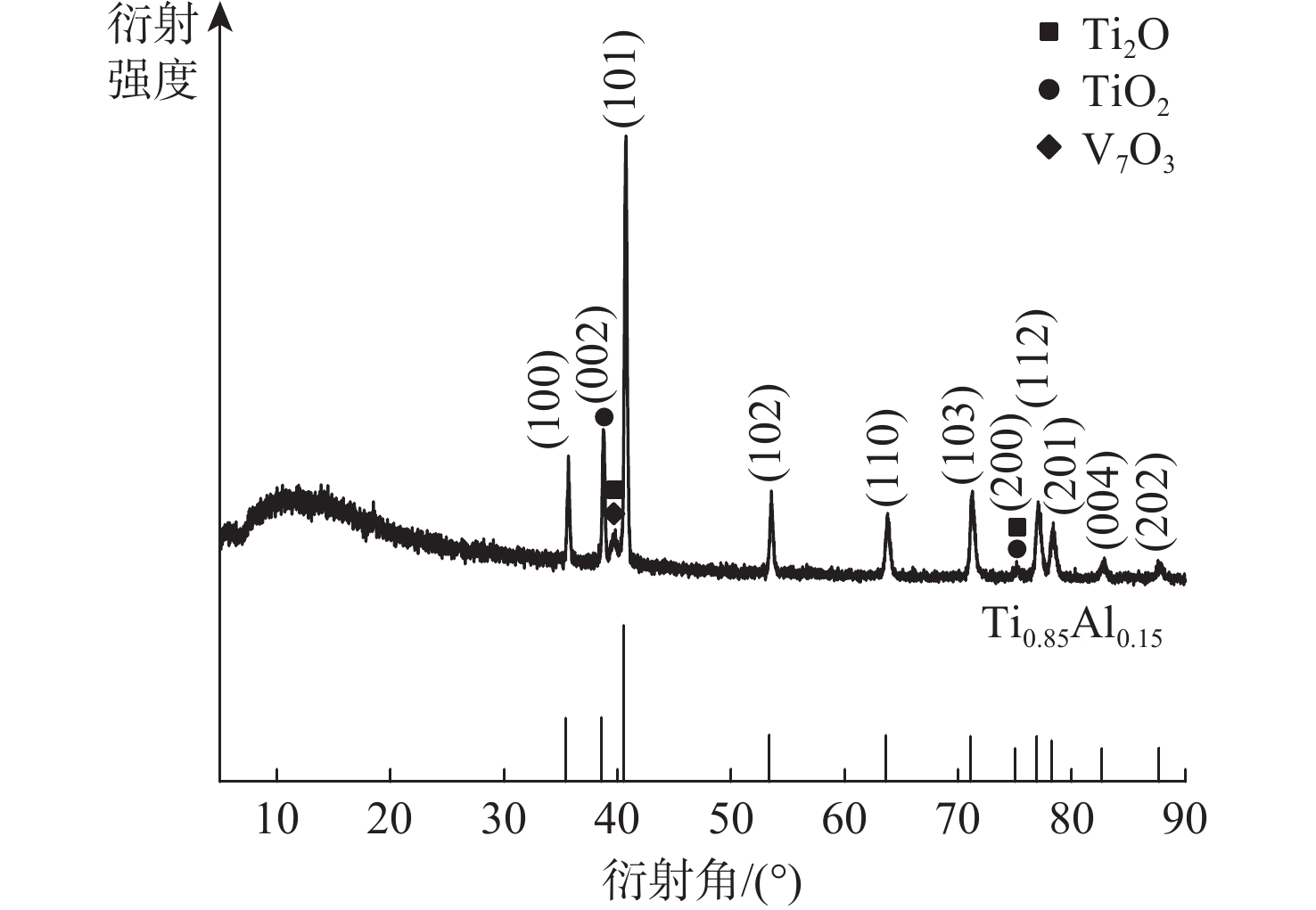
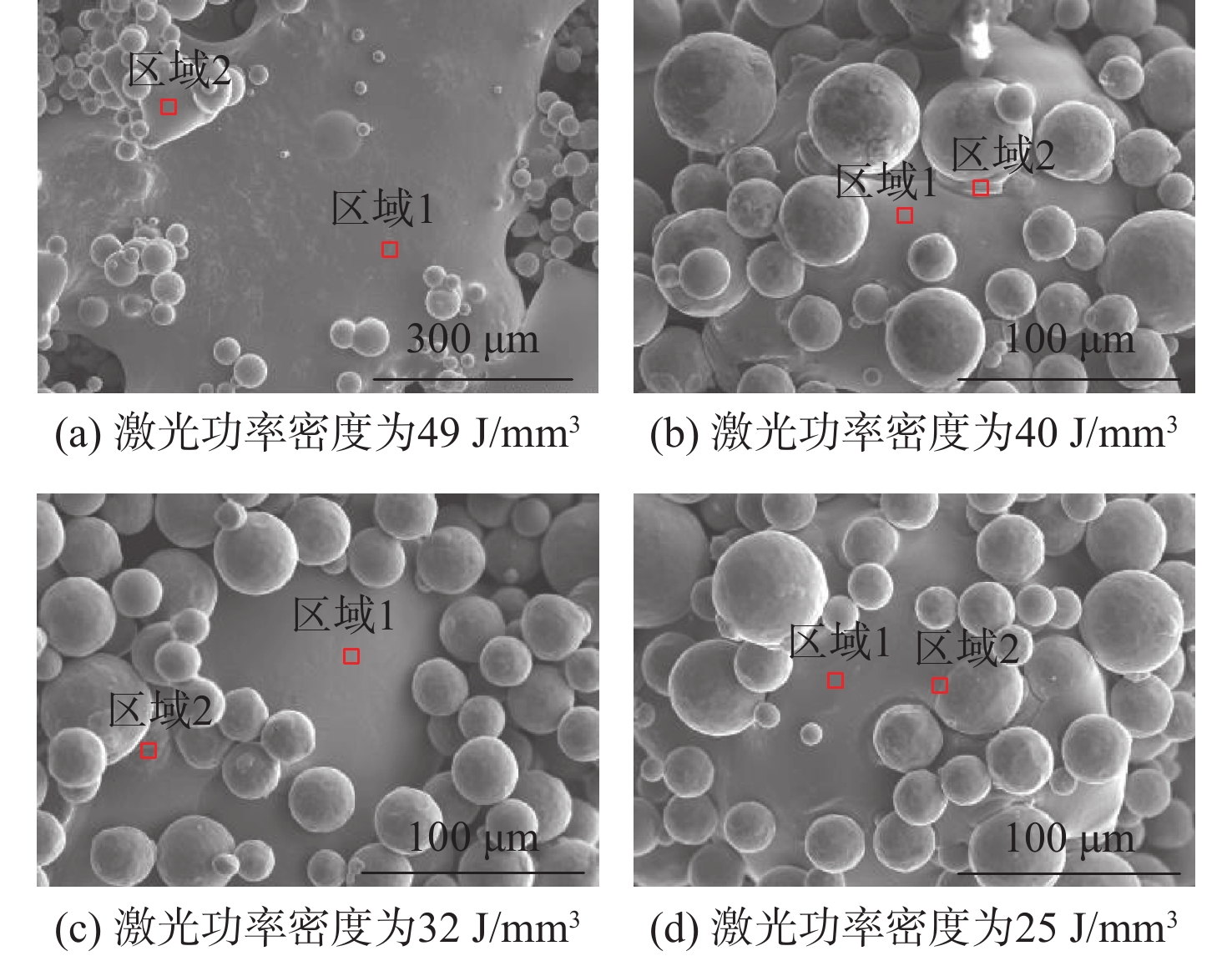
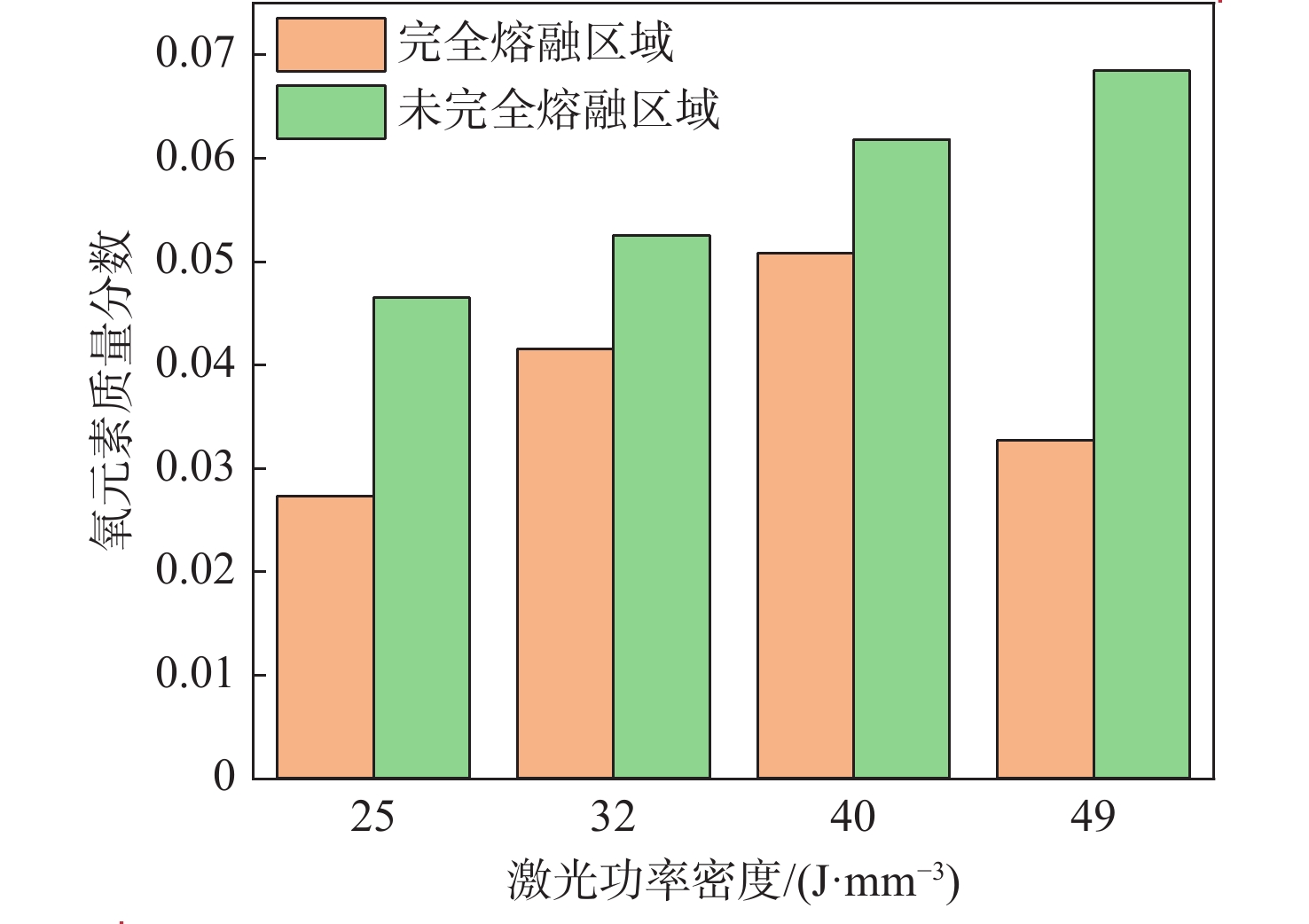
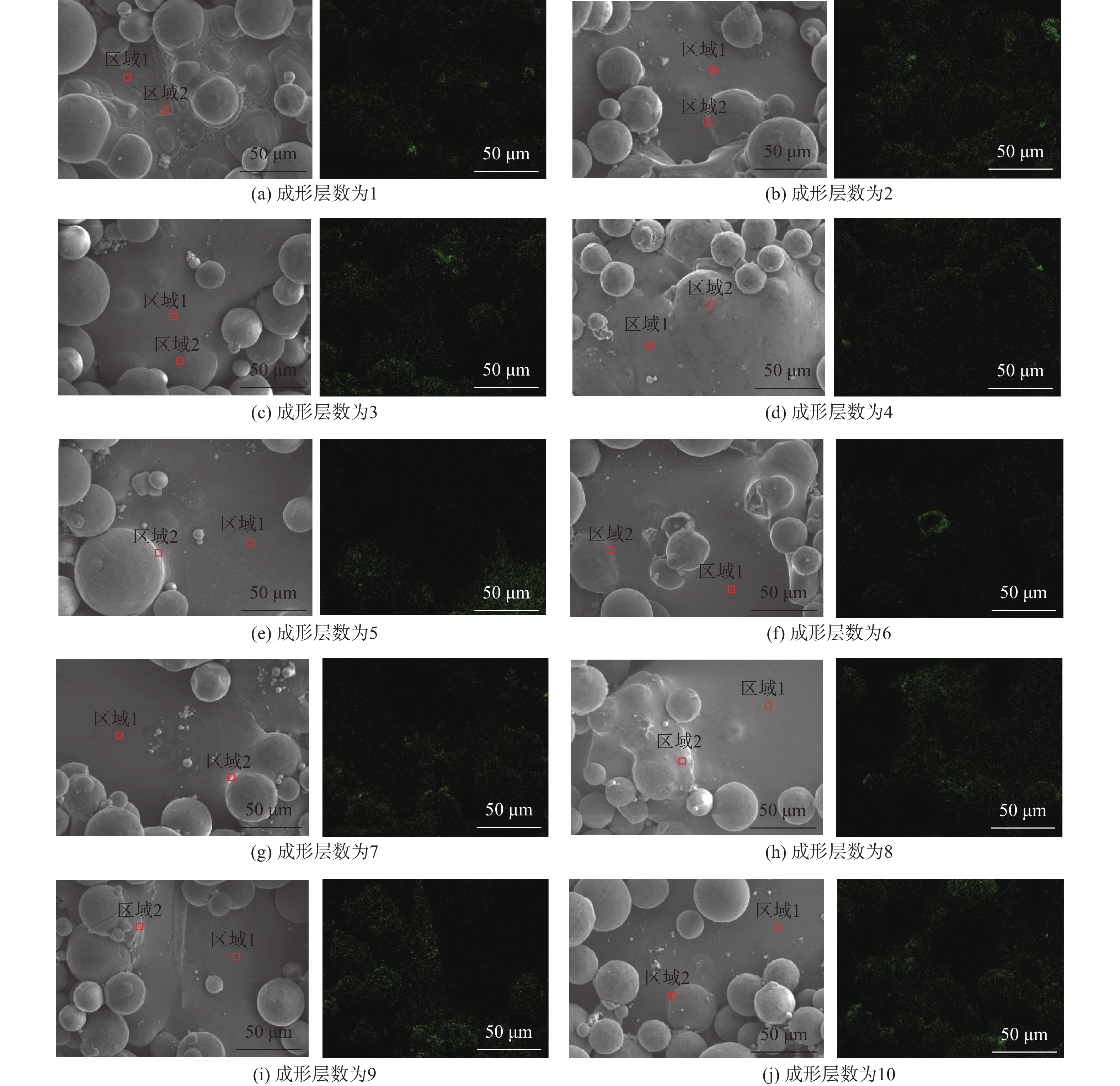
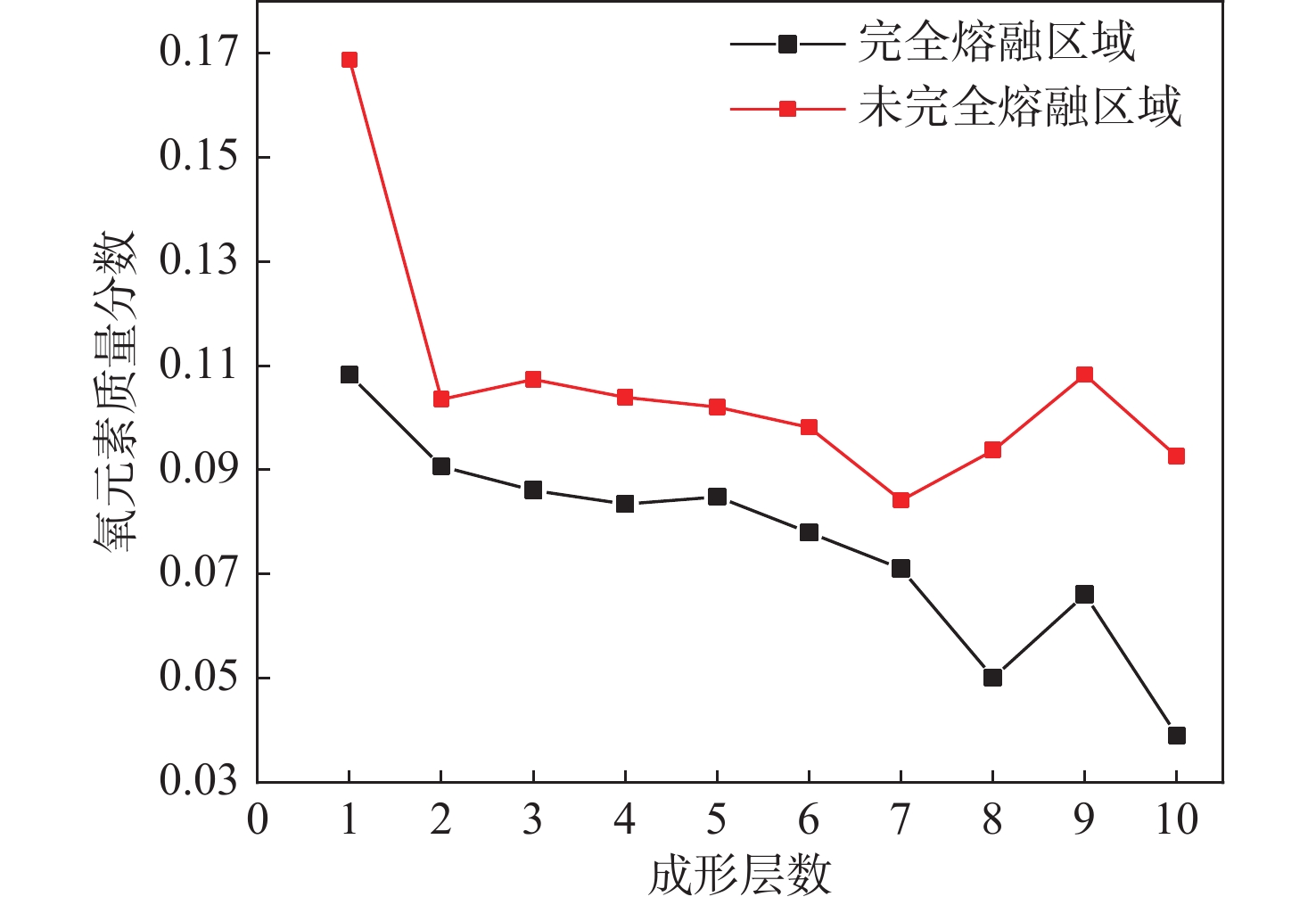
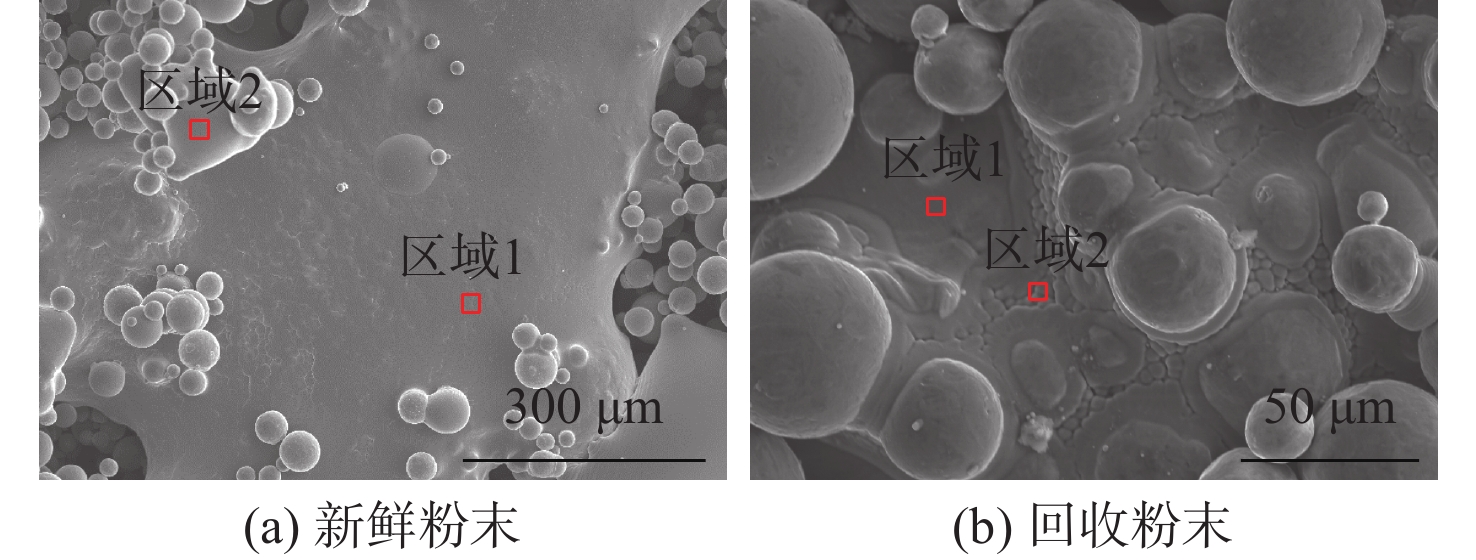
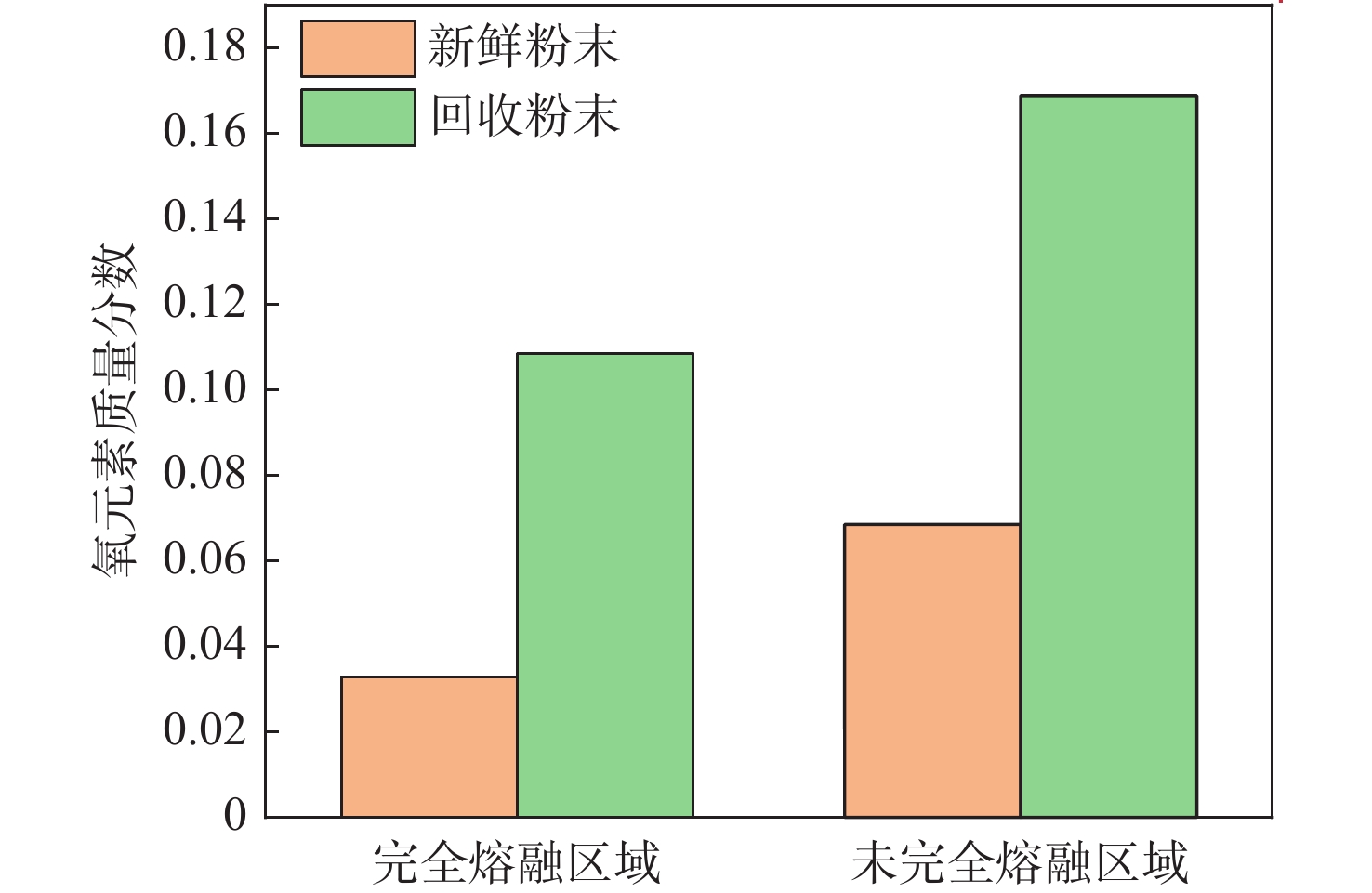
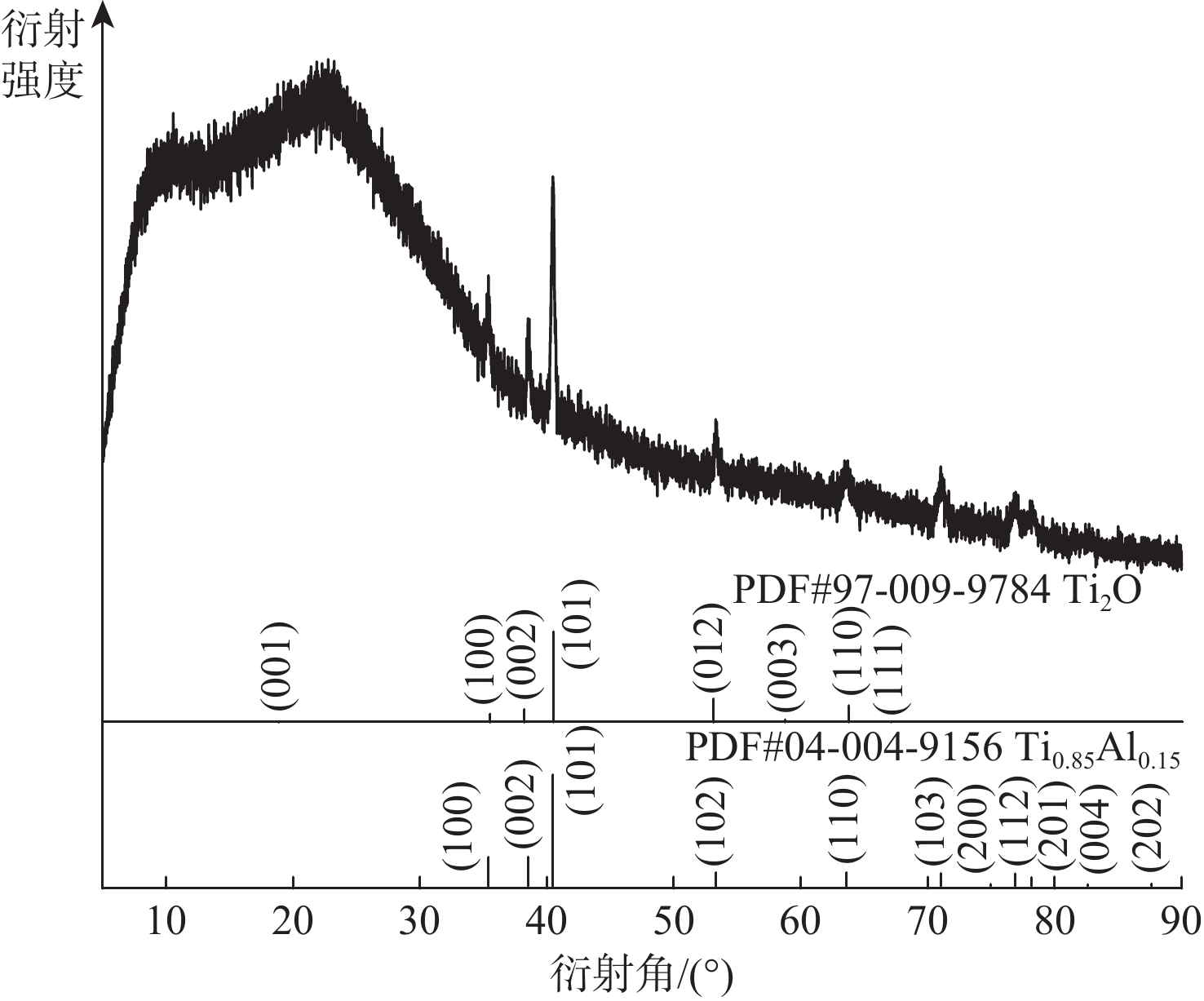
Laser powder bed fusion (L-PBF), as one of the additive manufacturing technologies, has become one of the most promising techniques for producing components with complex geometries. While L-PBF enhances design freedom for aircraft hydraulic channels, challenges such as improving surface quality and oxidation behavior in overhang structures remain critical issues. This research experimentally investigates the effects of key process parameters, including laser power density, spot diameter, and layer thickness, on the surface roughness and oxidation behavior of the top overhang surfaces of hydraulic channels. The formation mechanisms of incompletely molten particles and microcracks on overhang surfaces are revealed. The microstructure of the overhang surfaces is examined using scanning electron microscopy (SEM), and the distribution of oxygen in fully and partially molten regions is examined using energy dispersive spectroscopy (EDS) to clarify the relationship between incomplete melting and oxidation. Experimental results show that higher laser power densities not only exacerbate surface roughness but also promote oxidation in incompletely molten areas. For hydraulic channels with a diameter of 10 mm, the spot diameter of 130 μm, and layer thickness of 40 μm effectively reduce surface roughness at the top of the channel. Compared to unmelted and fully molten regions, the oxygen level in partially molten regions is much higher. Both the oxygen content in molten and incompletely molten regions decreases with increasing layer count during fabrication. Using fresh powder reduces both the surface roughness of overhang structures and the oxide content. This study provides theoretical insights and practical guidance for the application of L-PBF technology in aircraft hydraulic channels.

Real-time landing distance prediction for aircraft based on fuzzy inference
HUANG Xi, ZHAO Haogang, XUE Yuan, YANG Hong, LIU Huixin, QI Pengyuan
2026, 52(8): 2899-2911. doi: 10.13700/j.bh.1001-5965.2025.0683
Abstract:

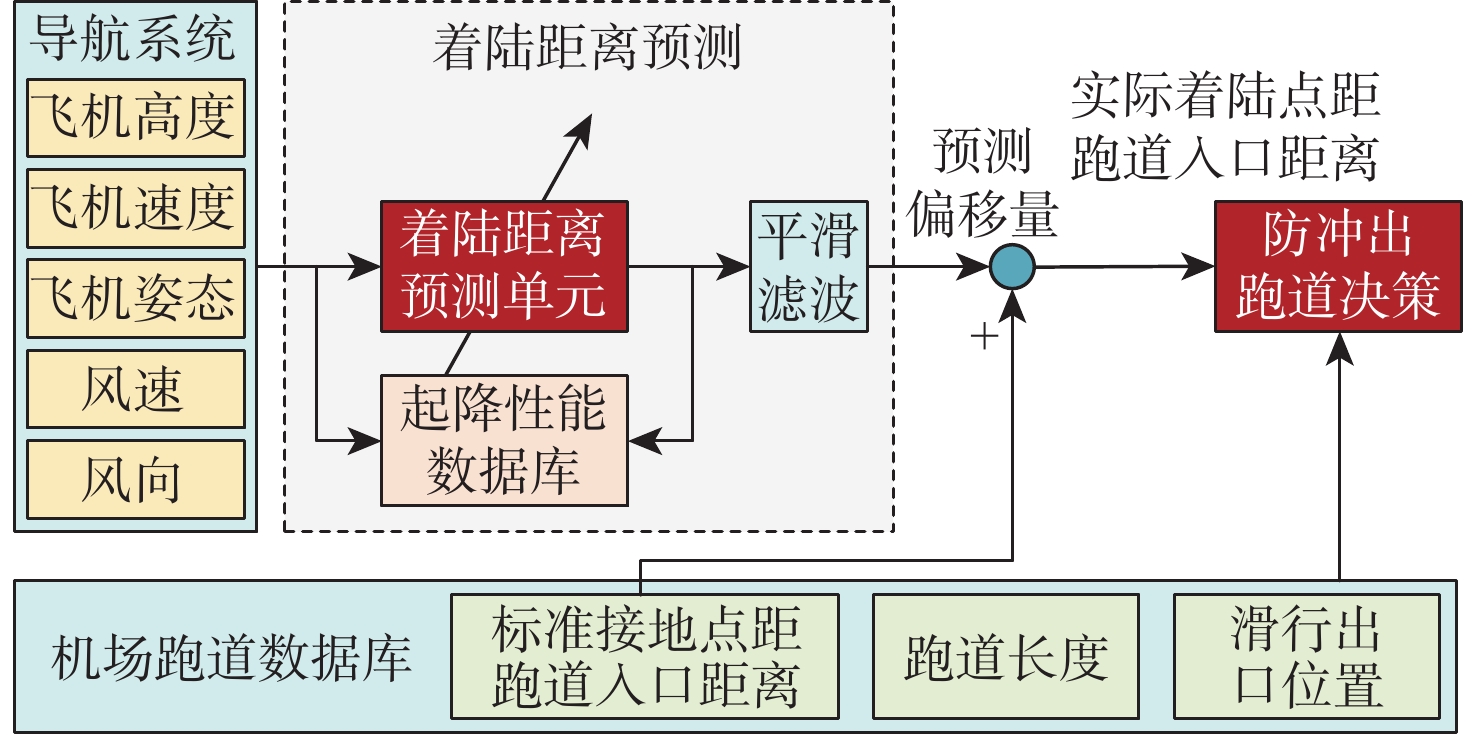
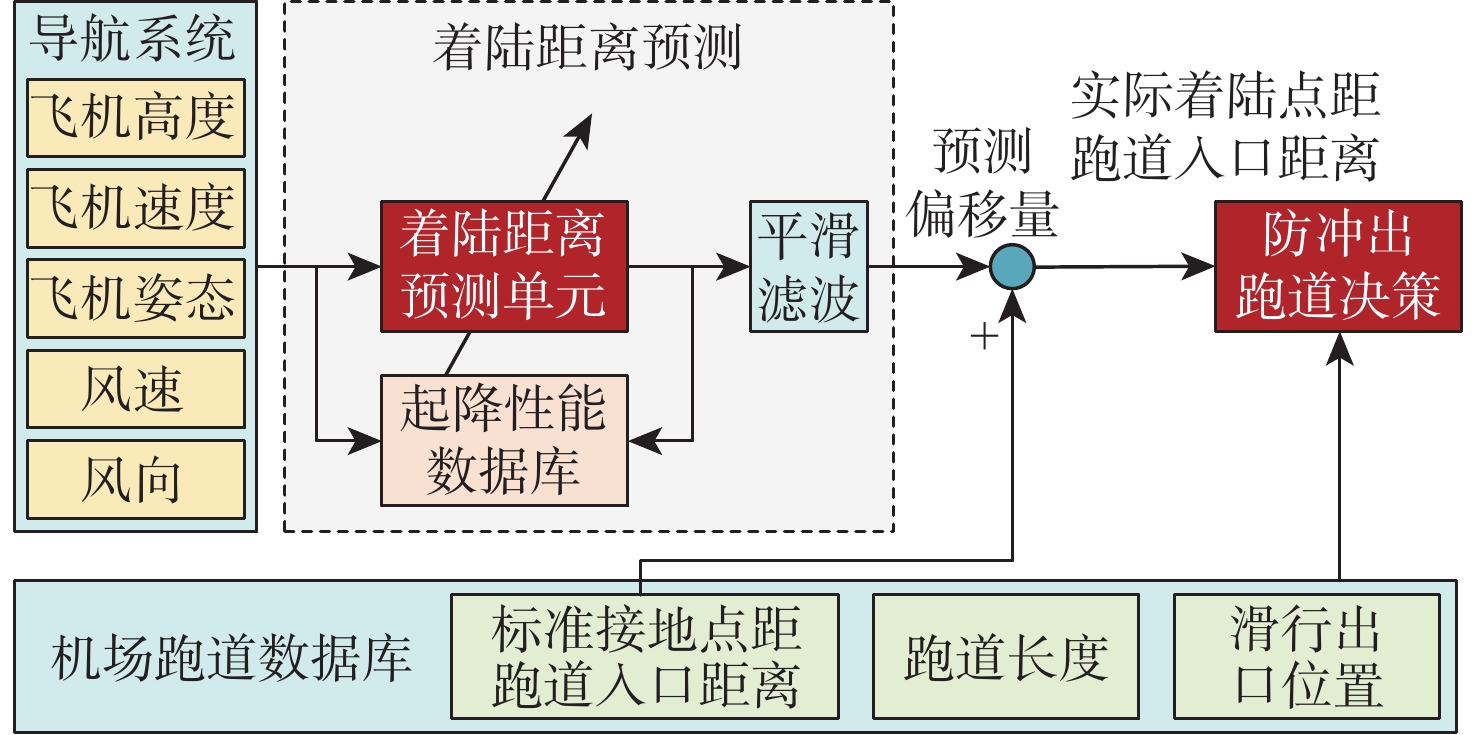
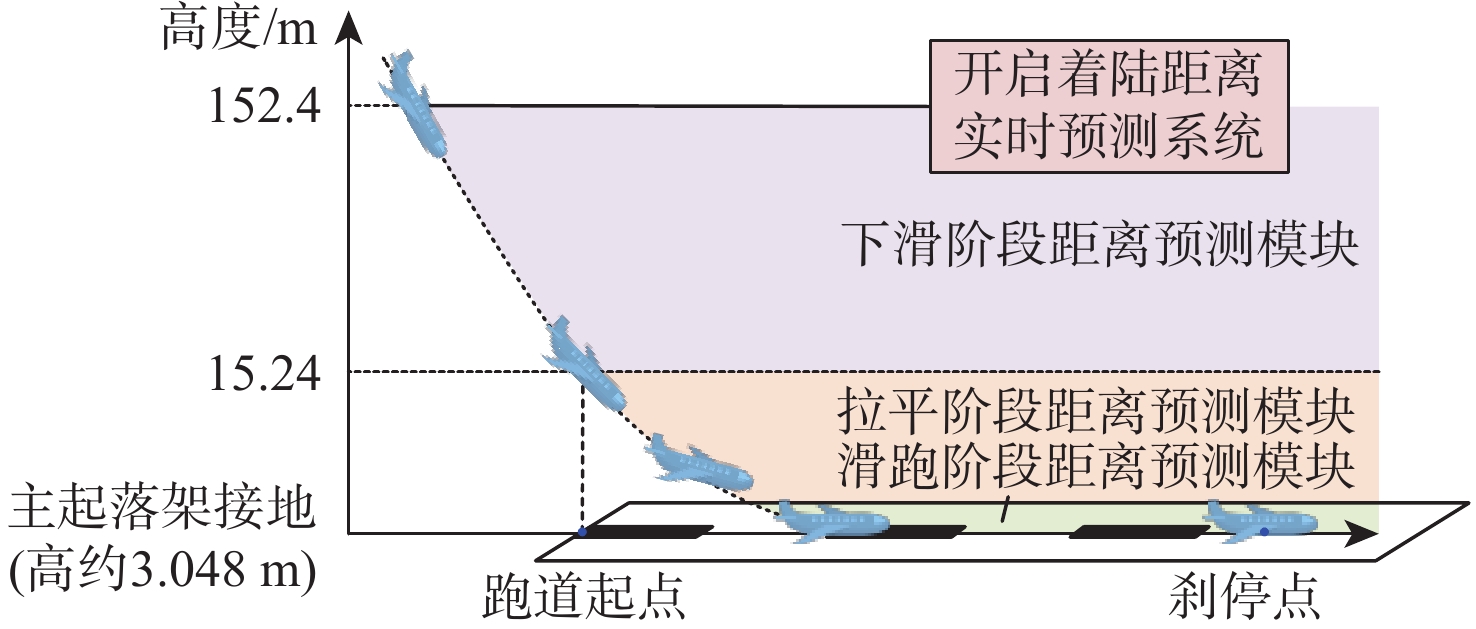
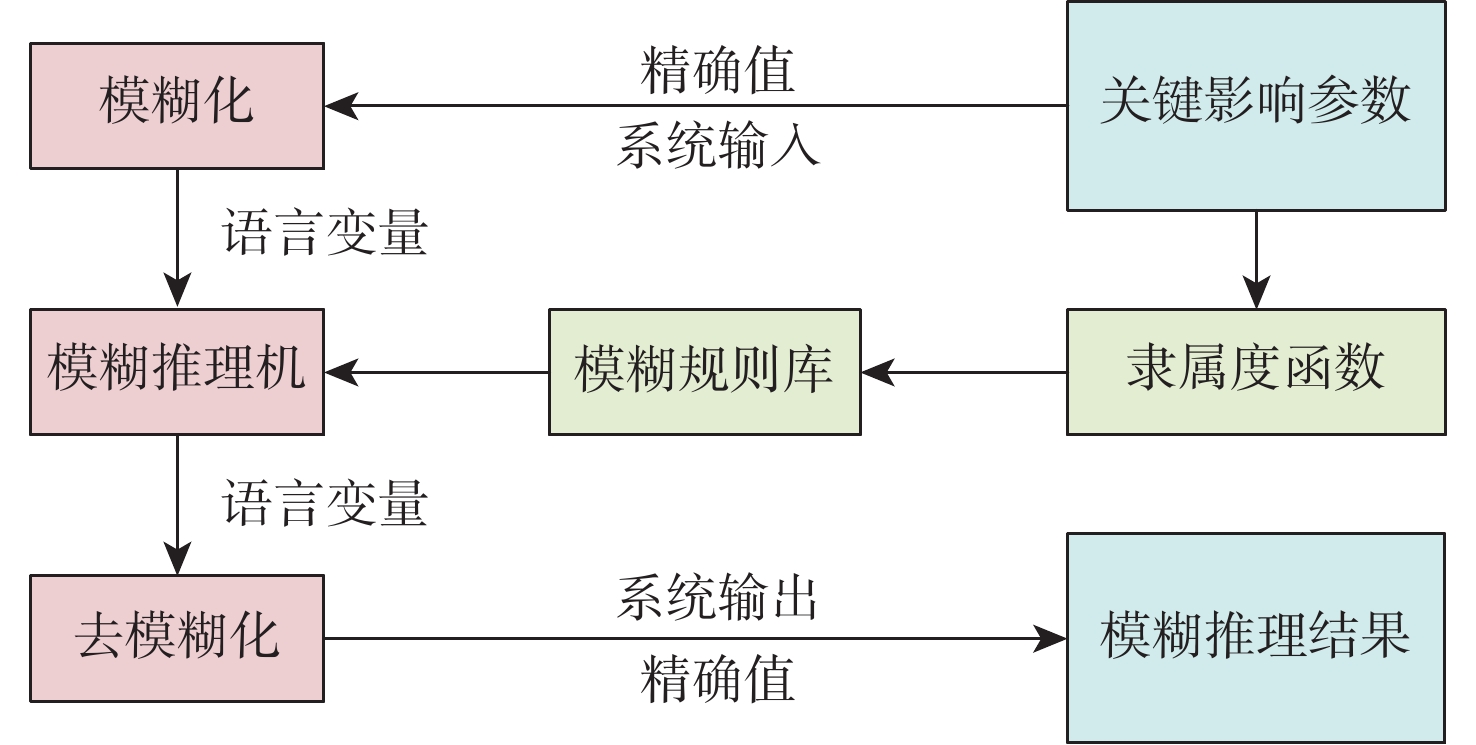
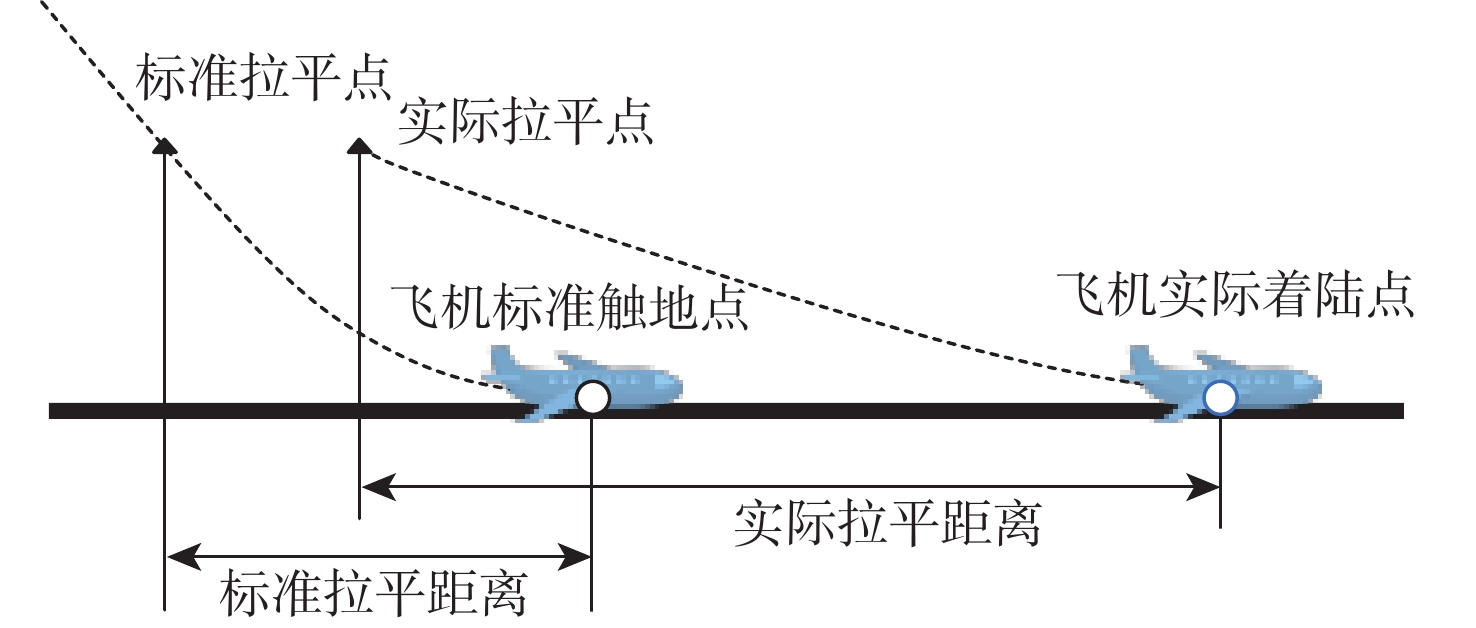
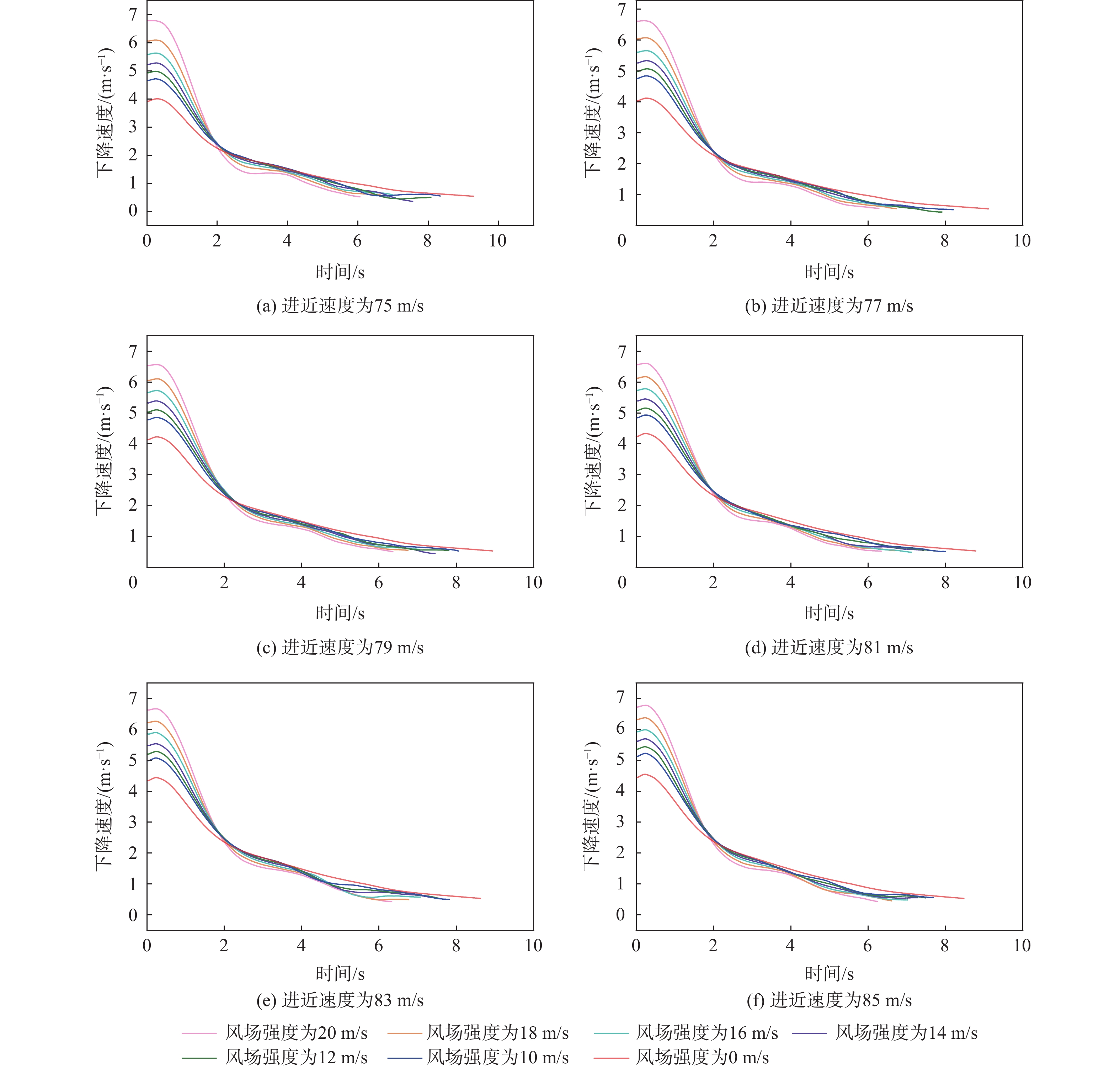
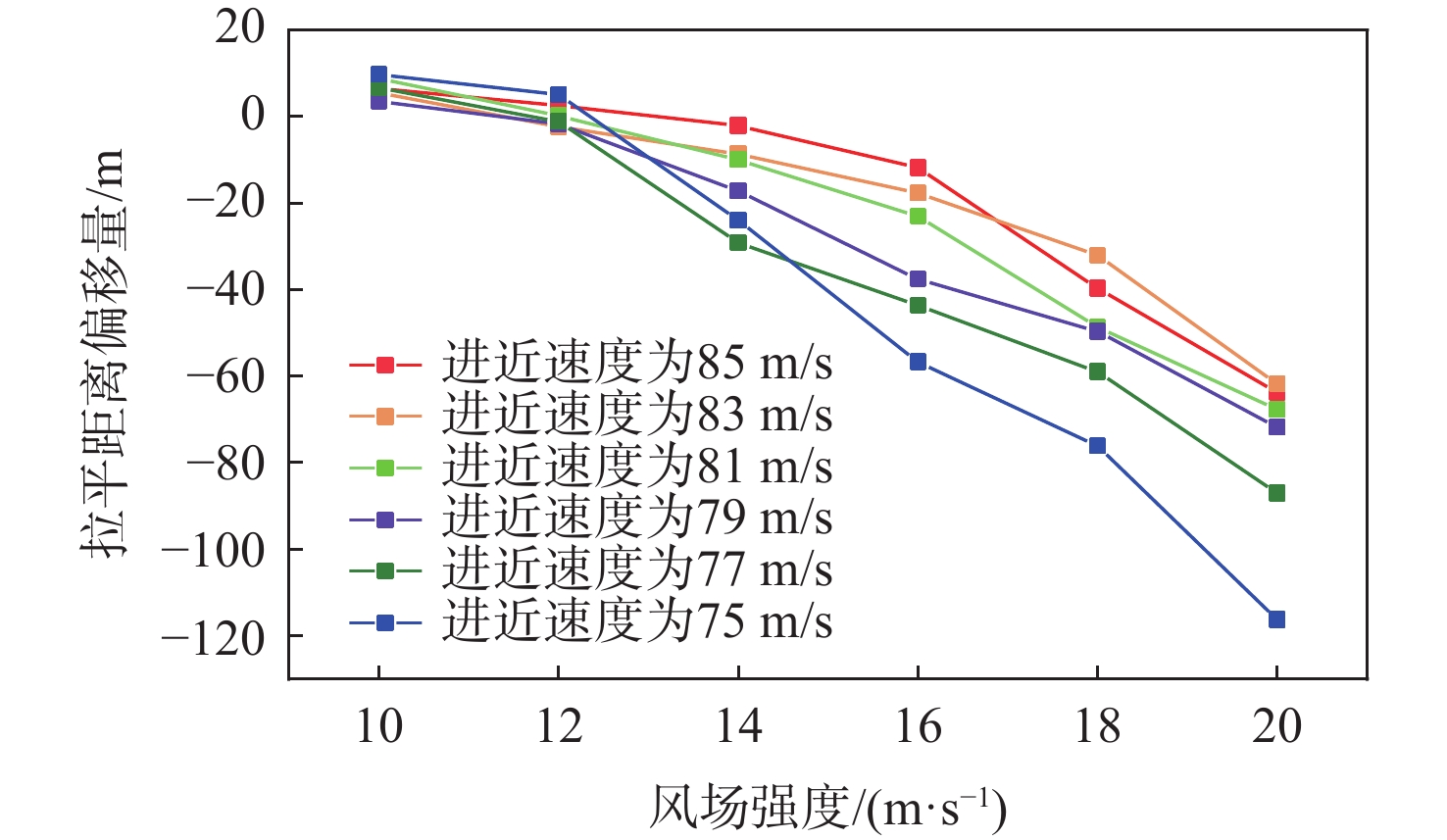
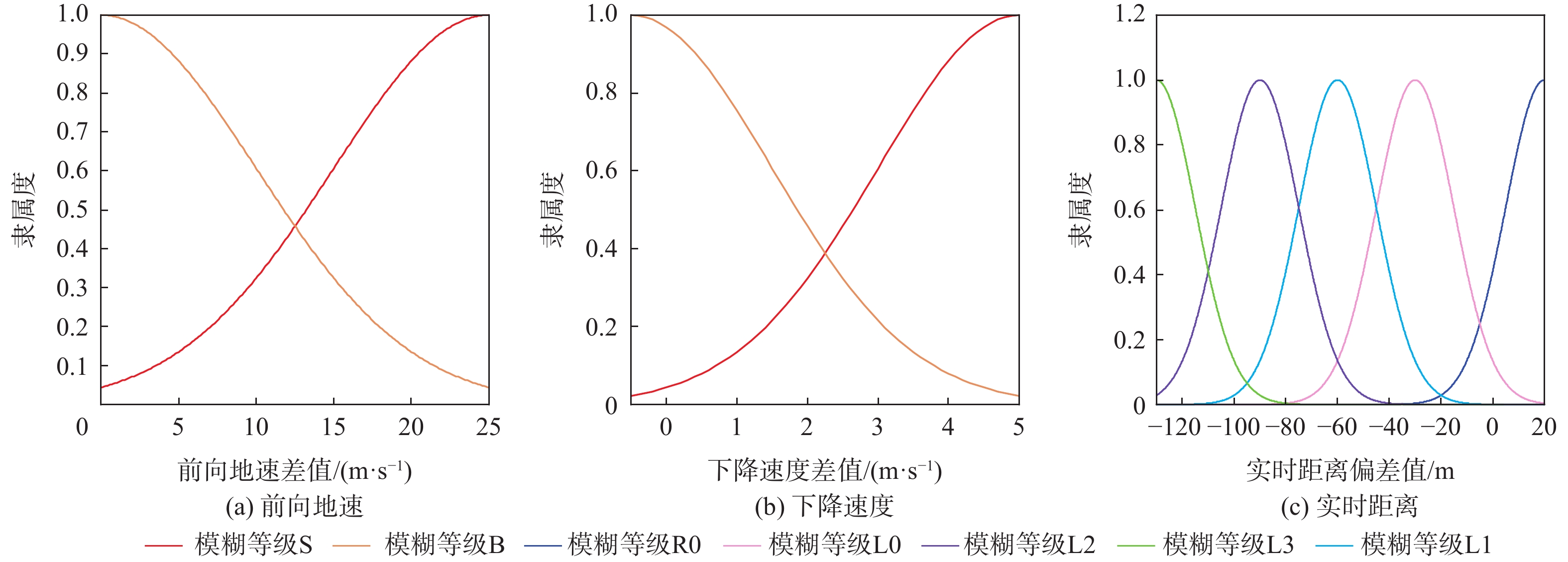
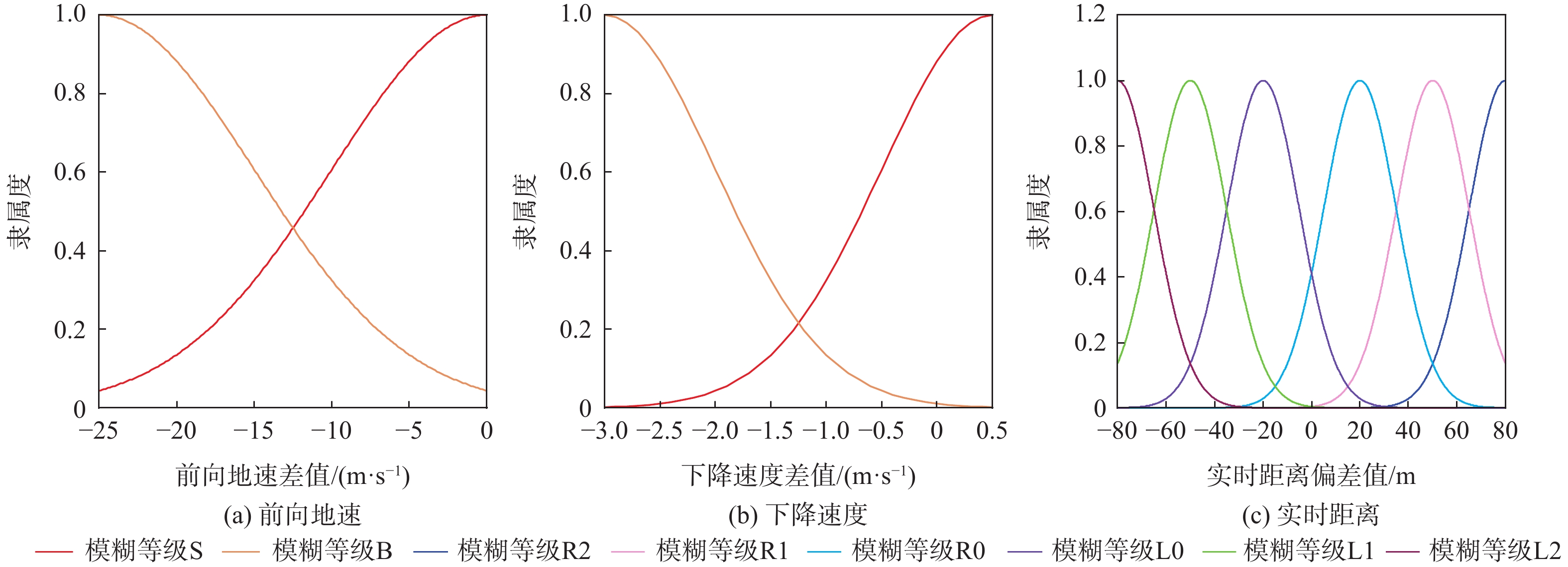
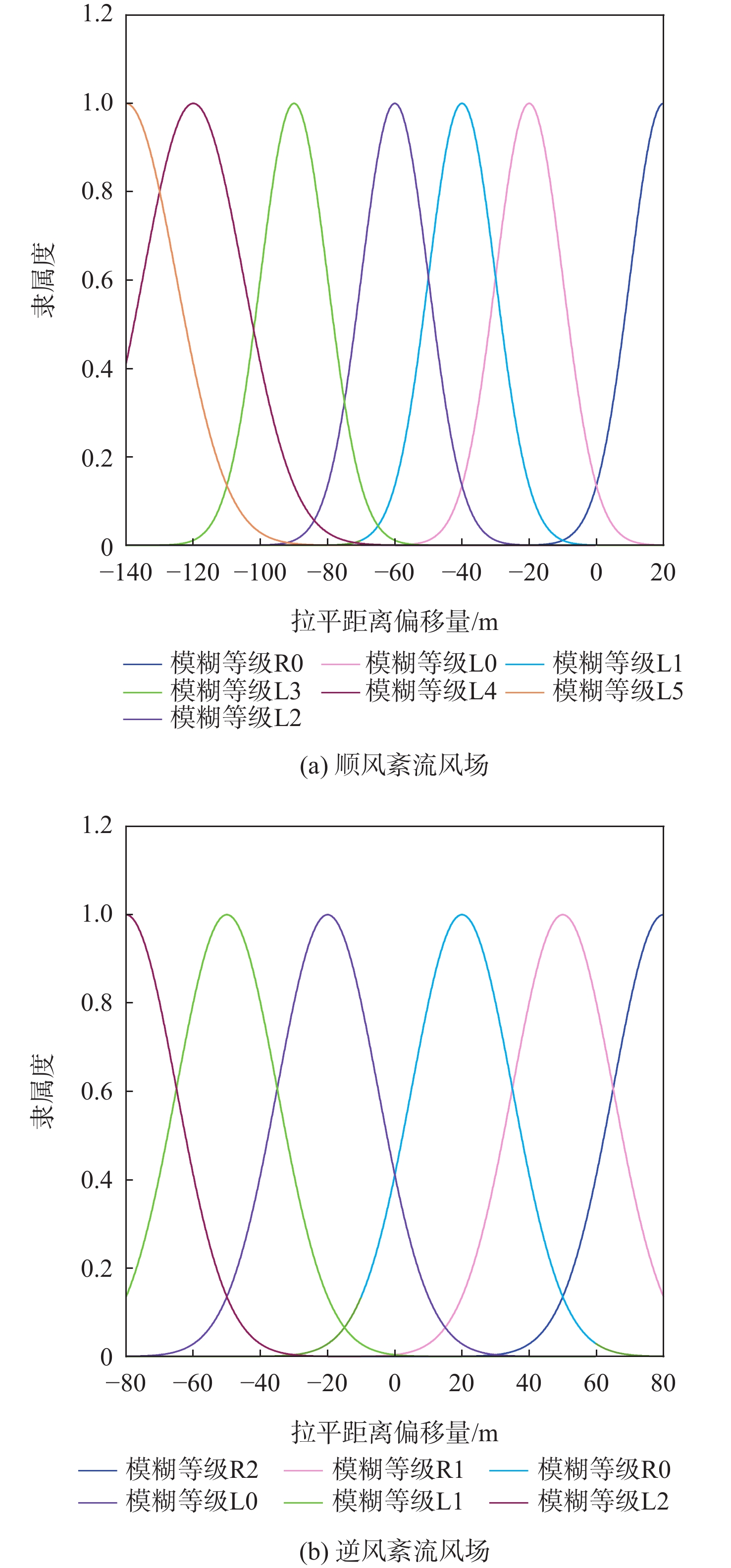
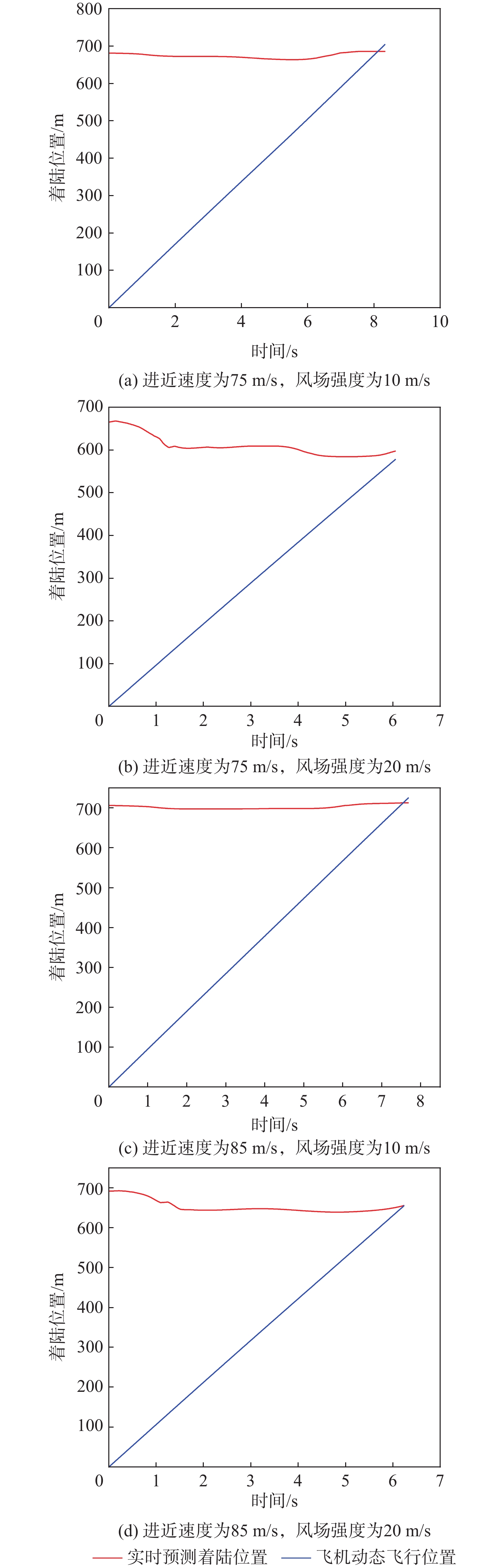
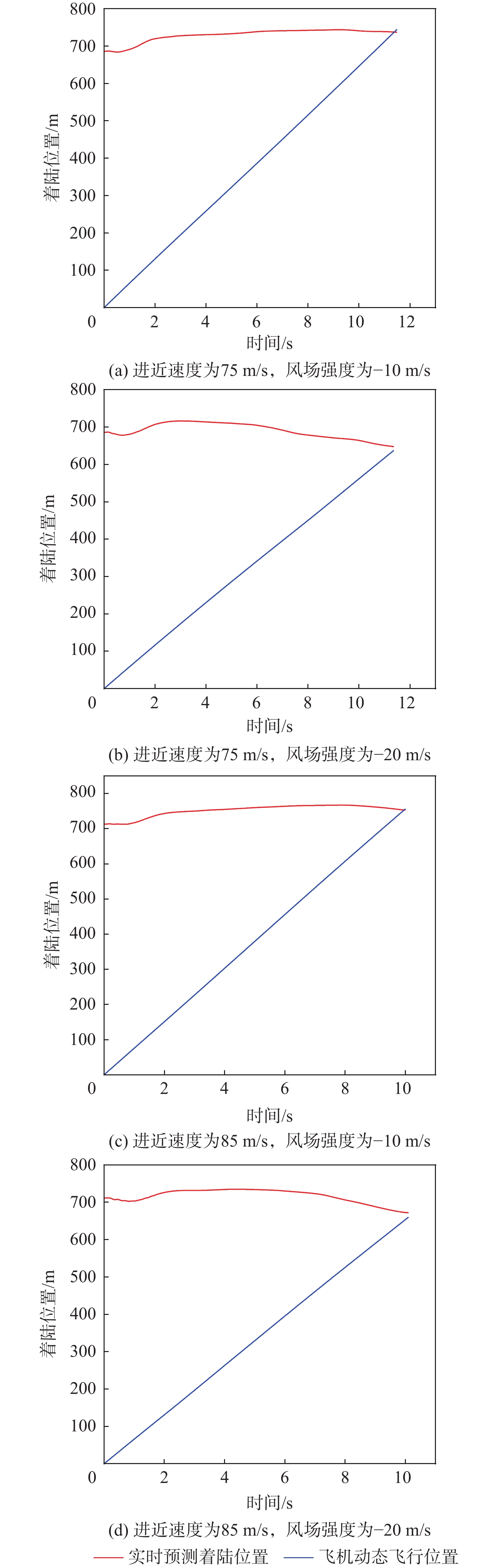
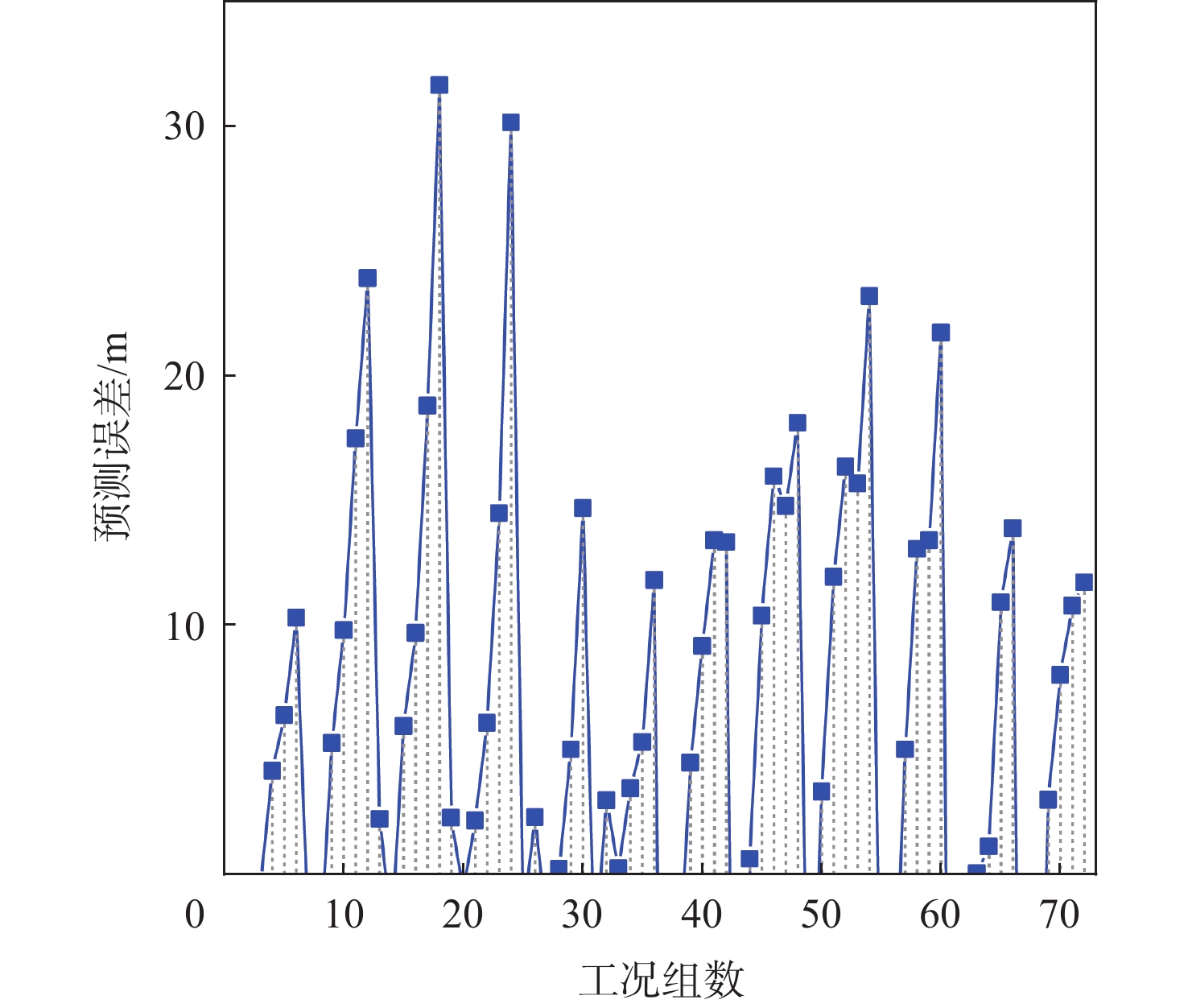
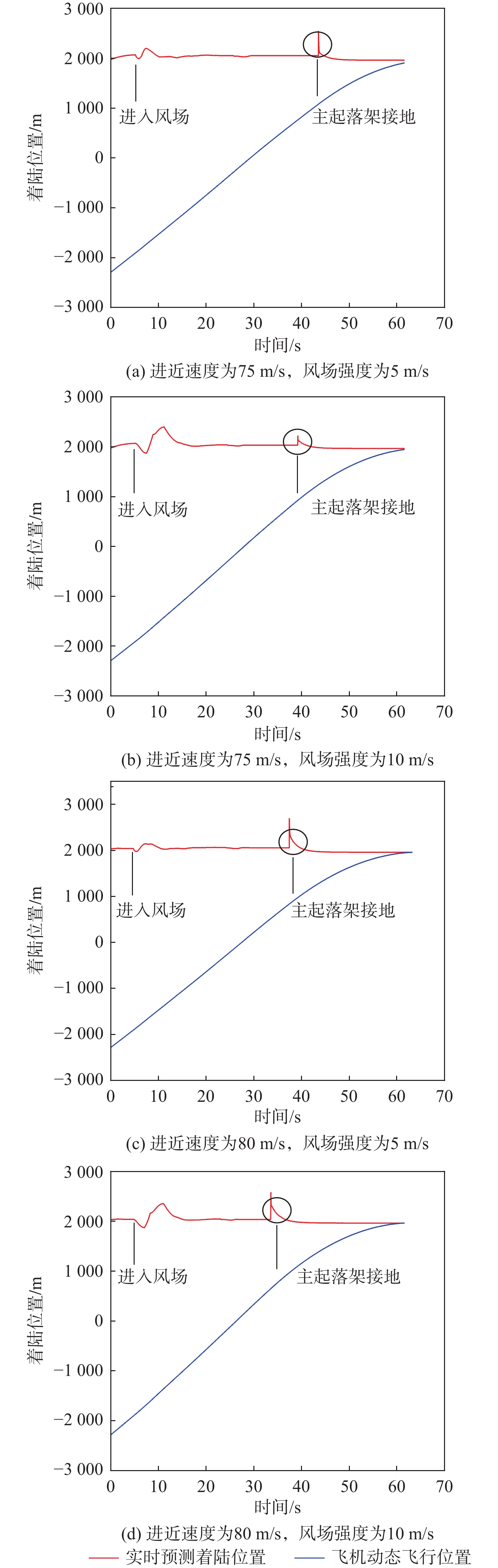
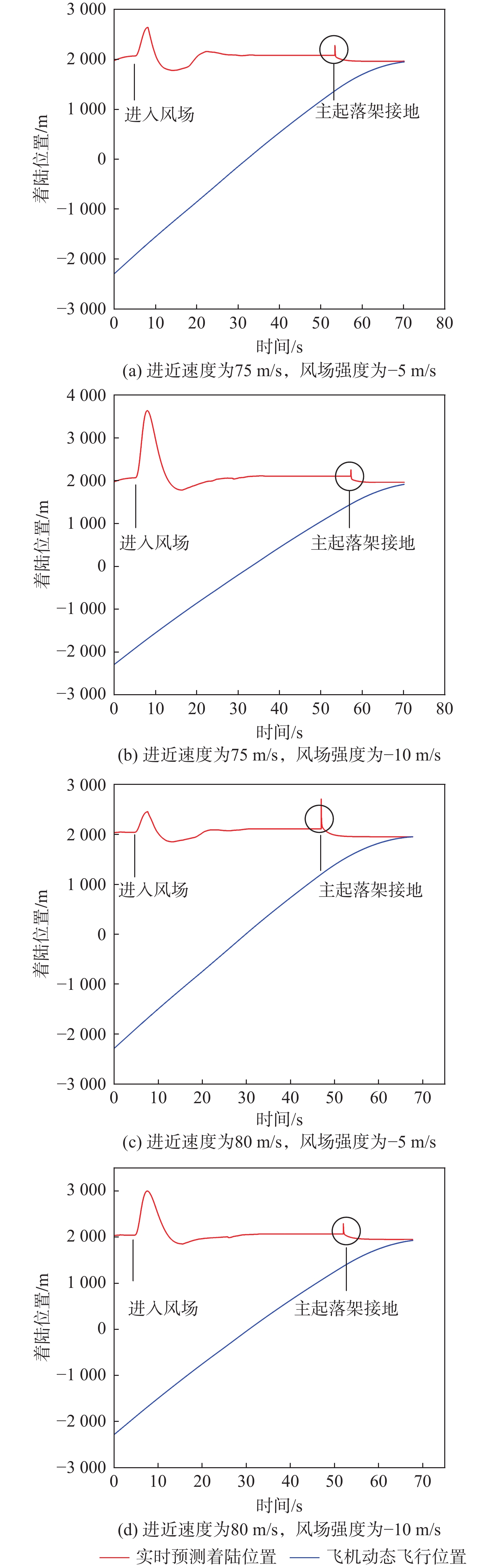
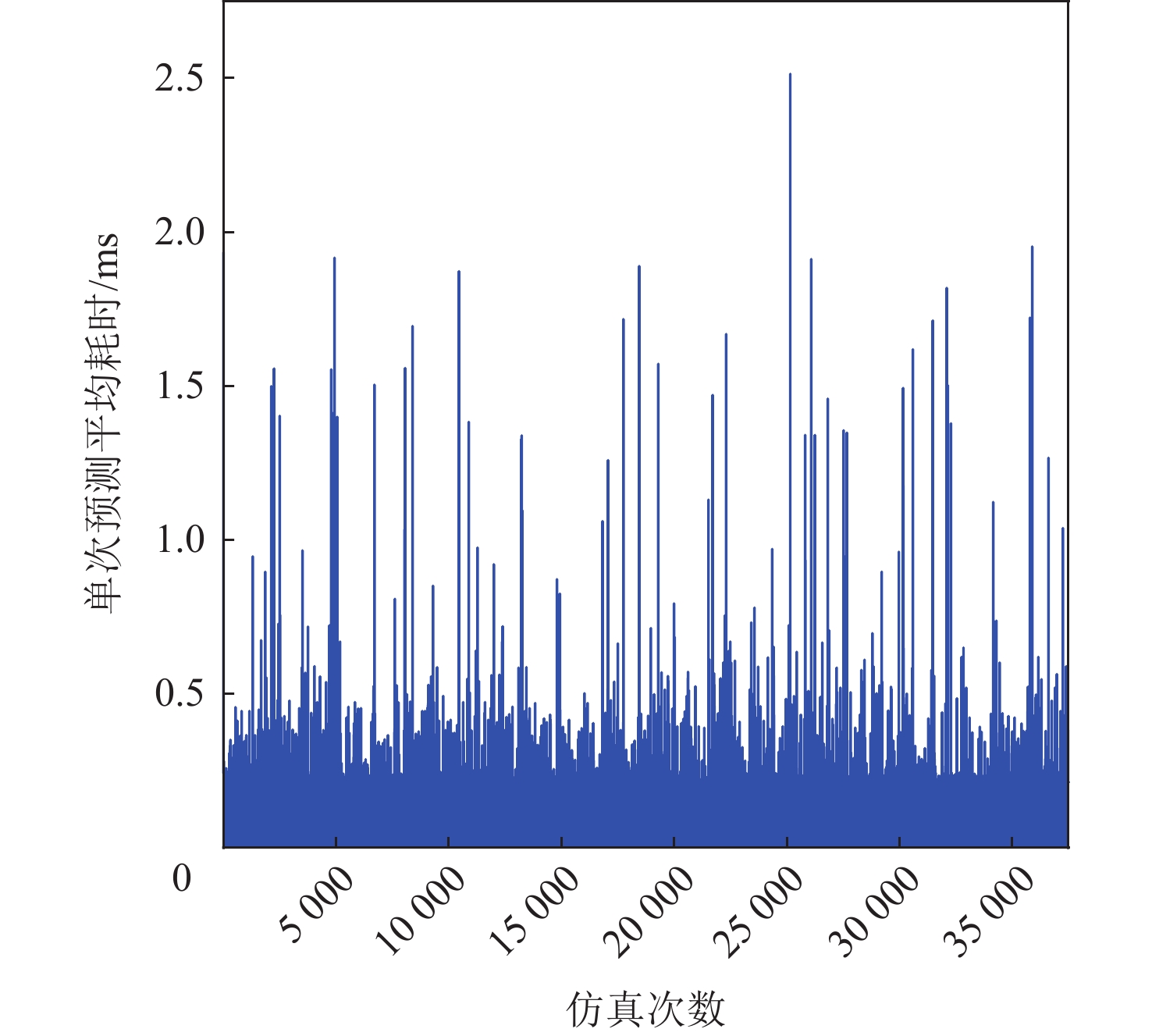
A hybrid landing distance prediction algorithm based on fuzzy inference is suggested to overcome the shortcomings of current approaches in real-time performance and handling nonlinear dynamics in order to successfully prevent runway excursion incidents during aircraft landings. The method integrates multiple prediction strategies based on the three distinct dynamic phases of the landing process: during the glide phase, a ground speed vector mapping method is used for prediction; during the rollout phase, a trajectory analysis method is employed; and during the flare phase, which involves significant state changes and is difficult to model accurately, a Mamdani-type fuzzy inference method is applied. A high-fidelity simulation platform for multi-condition validation is also proposed. With a prediction inaccuracy of fewer than 35 meters during the flare phase and a computation time of less than 3 milliseconds per calculation, this platform can deliver real-time landing distance forecasts in turbulent wind environments. The proposed method meets real-time decision-making requirements and offers a feasible engineering strategy to enhance landing safety margins.

Coordinated deviation correction control for aircraft multi-actuators based on time-varying model predictive control
DANG Hao, WANG Zhuangzhuang, LIU Xiaochao, MA Xinqi
2026, 52(8): 2912-2922. doi: 10.13700/j.bh.1001-5965.2025.0697
Abstract:

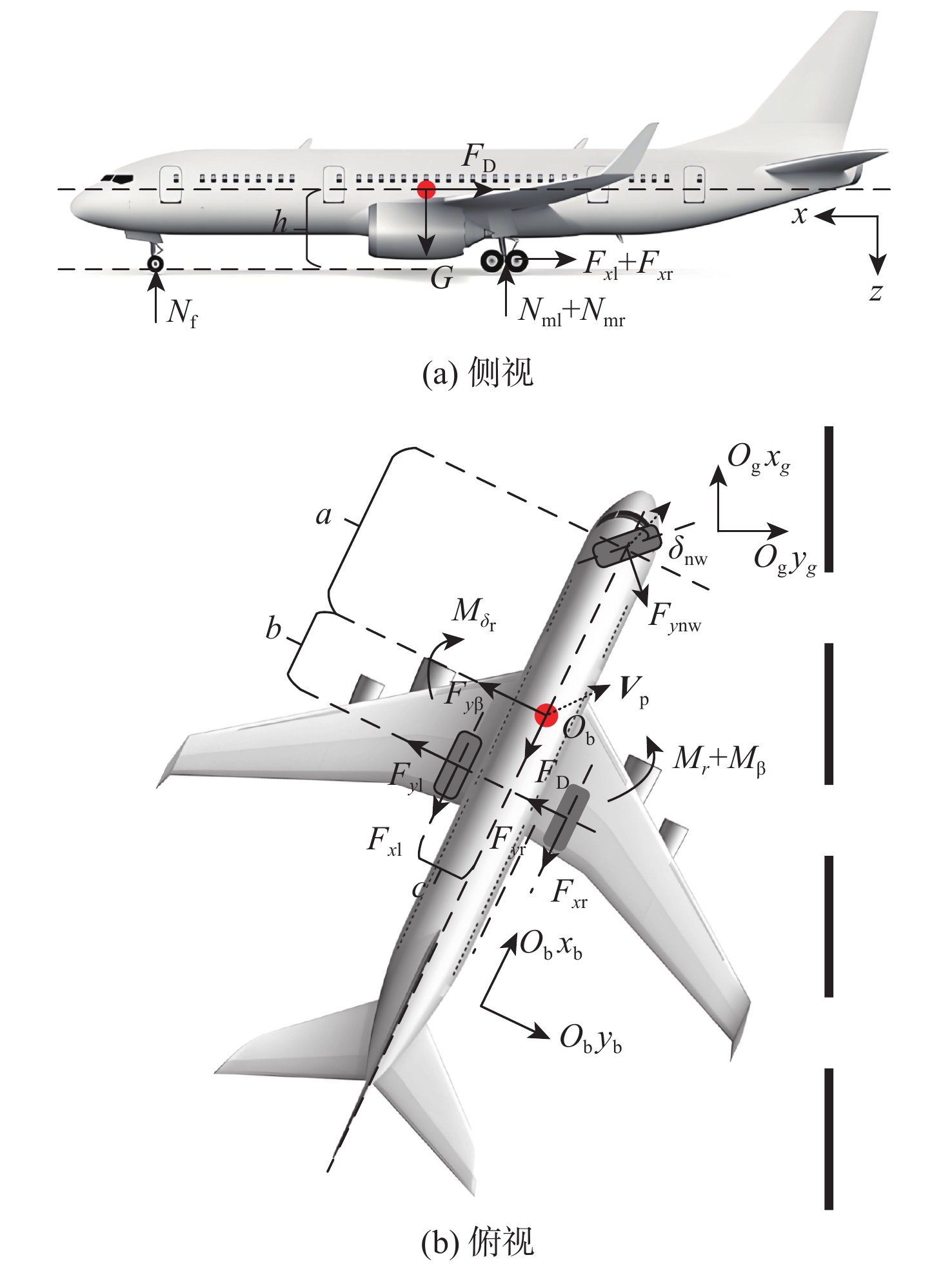
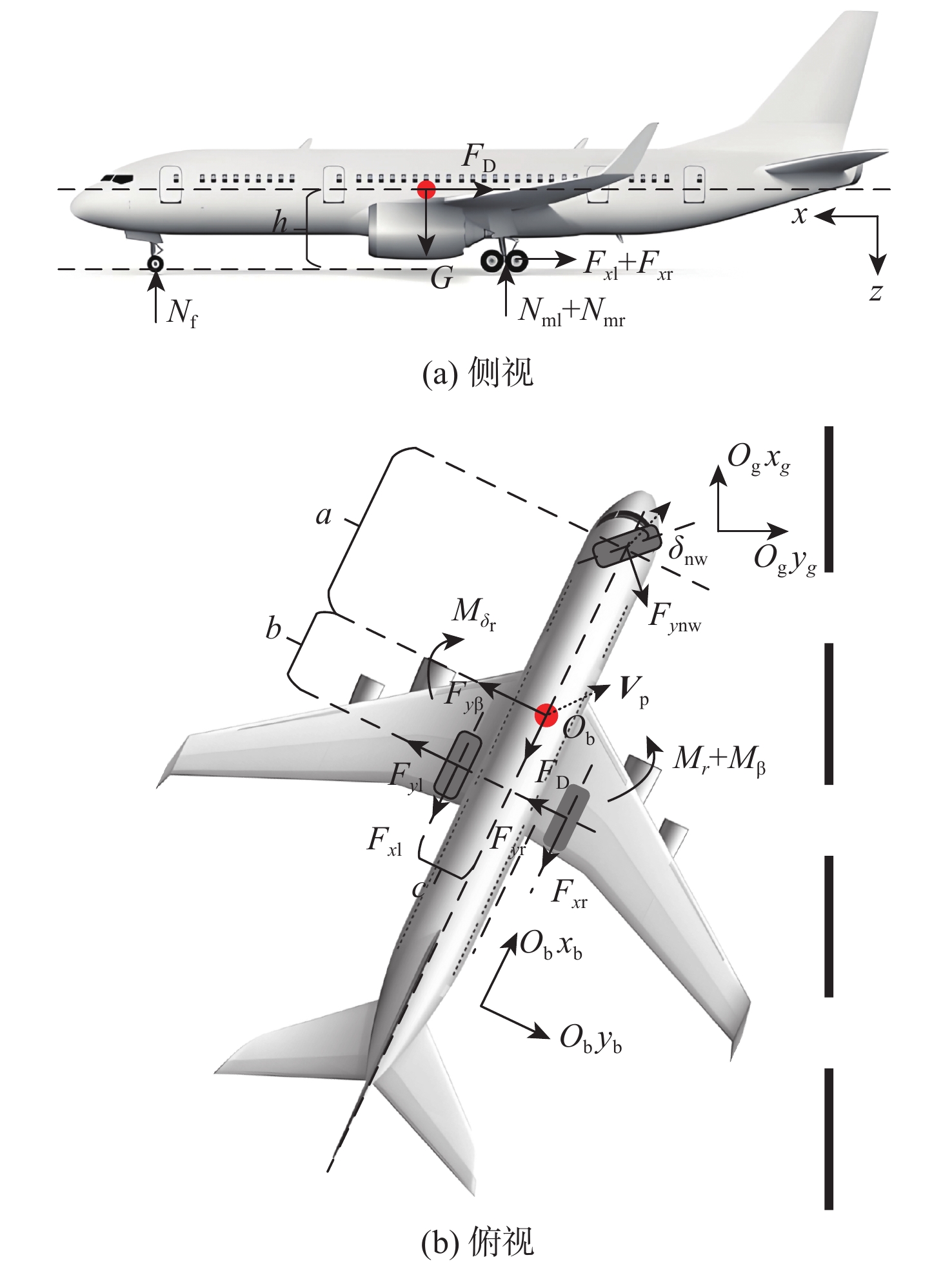
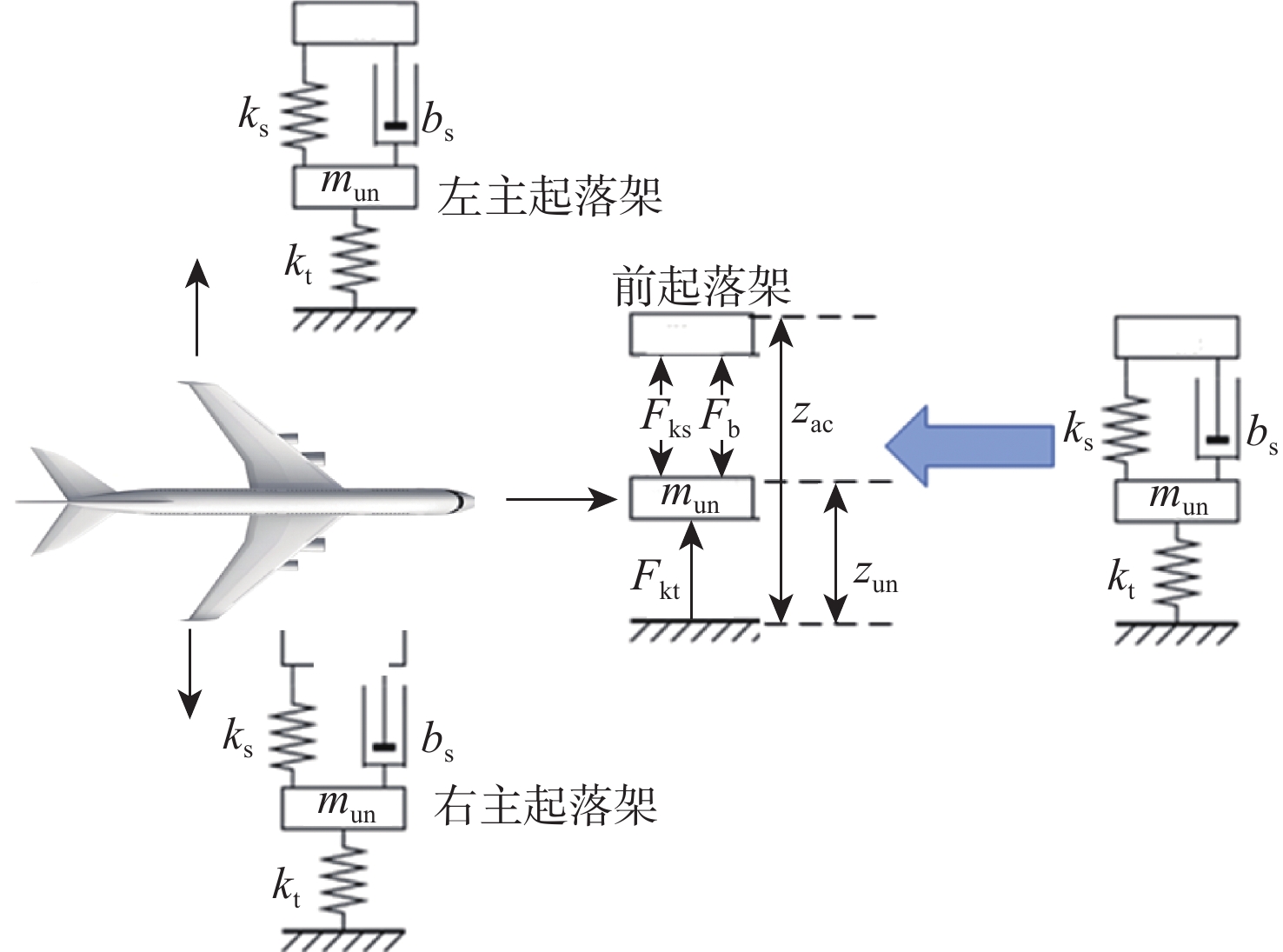
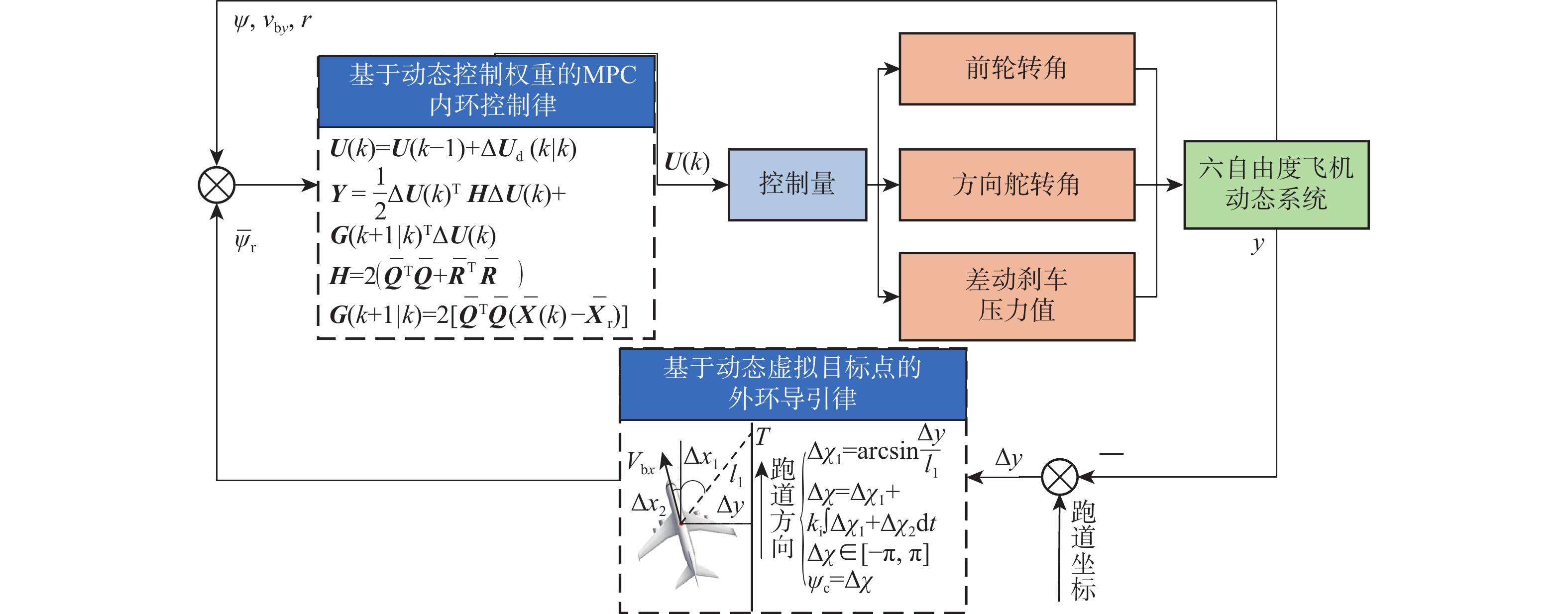
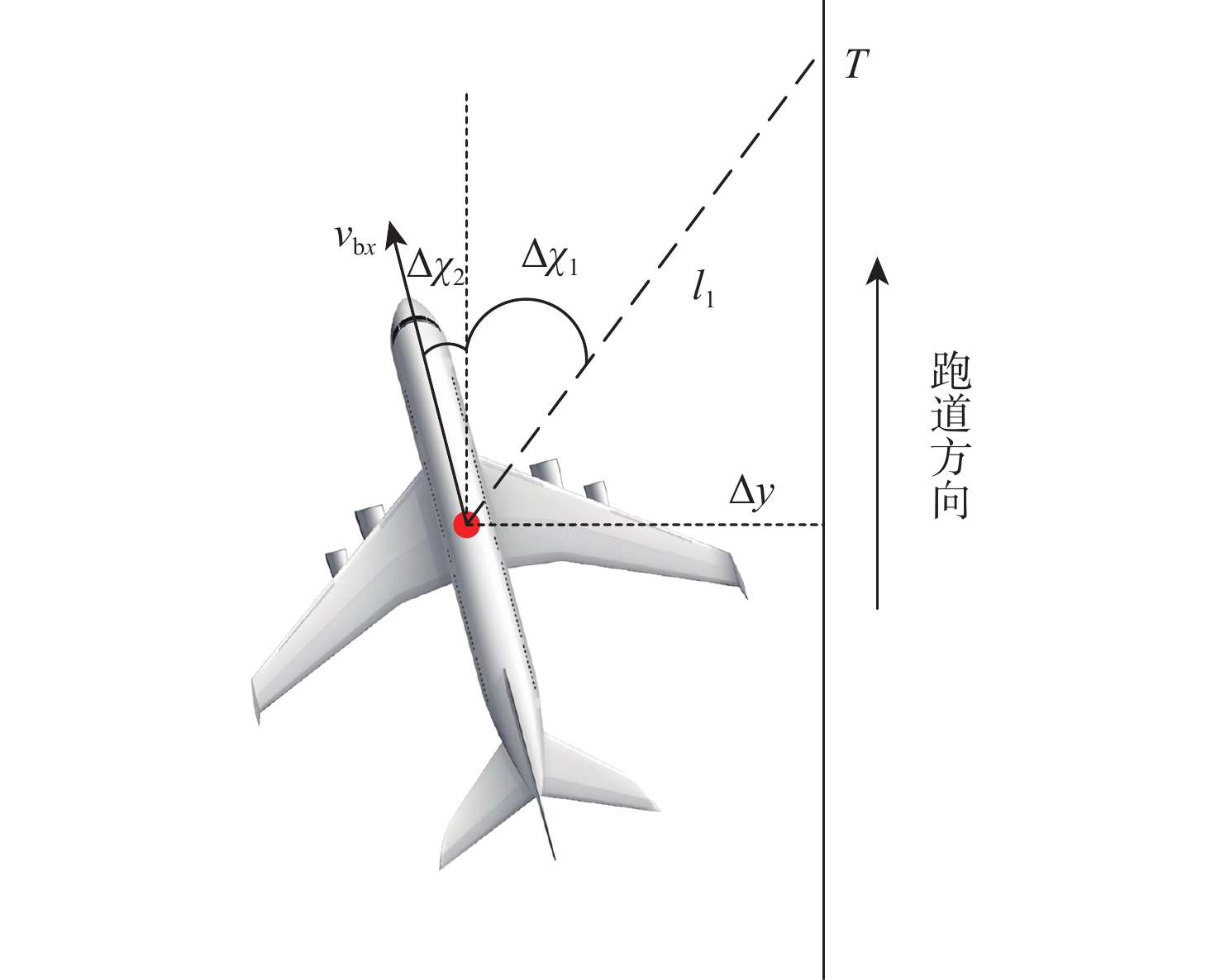
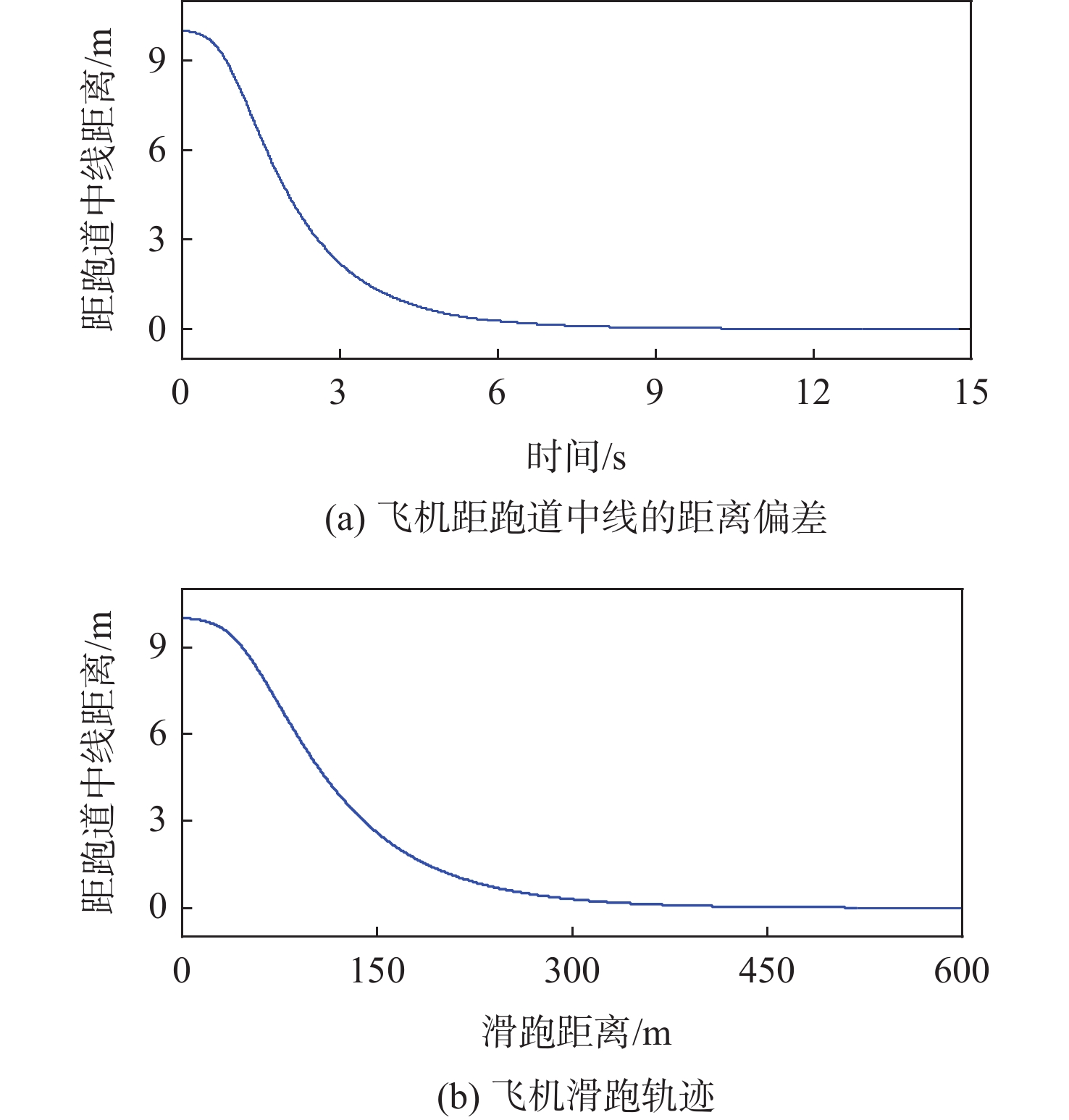
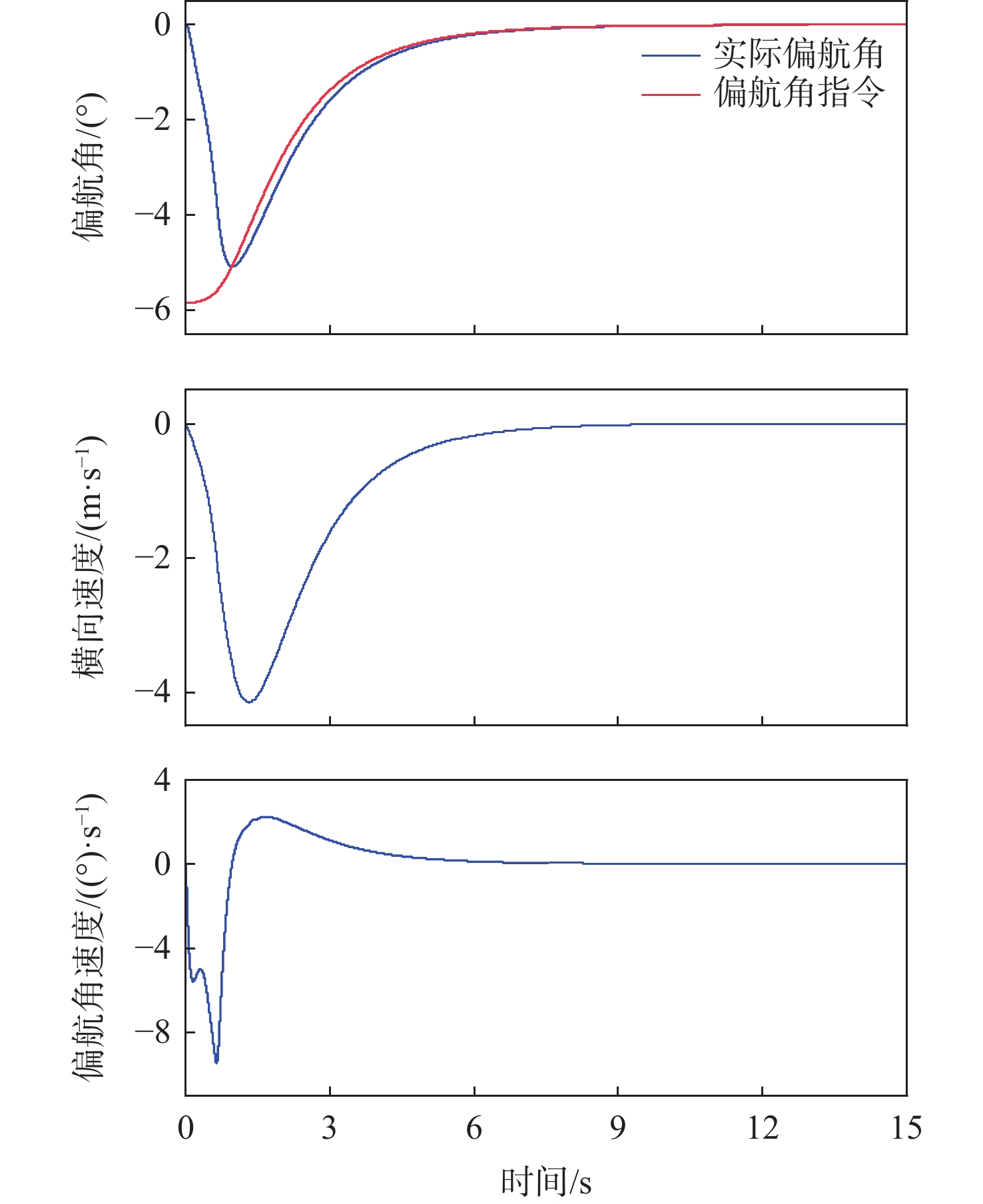
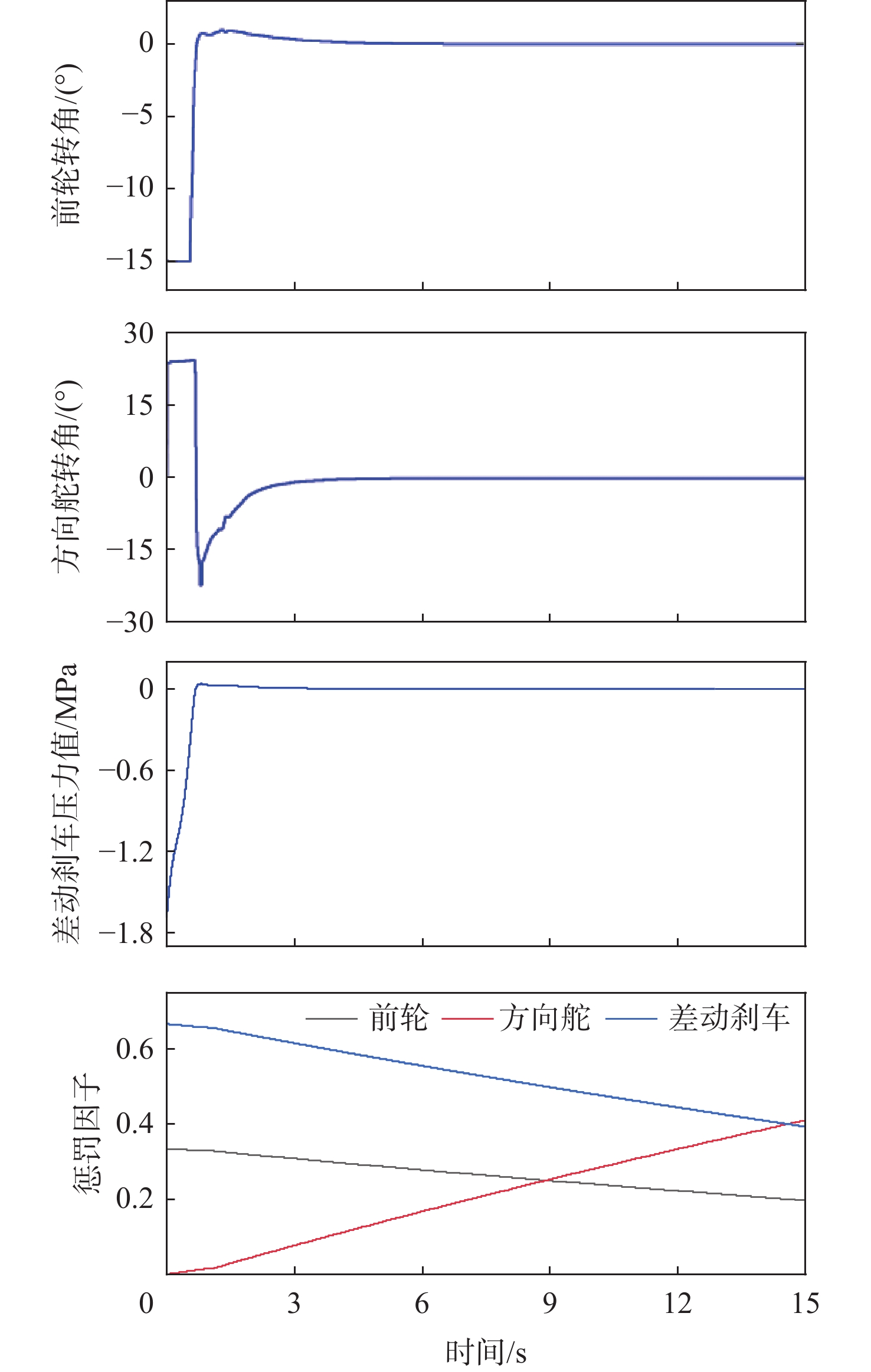
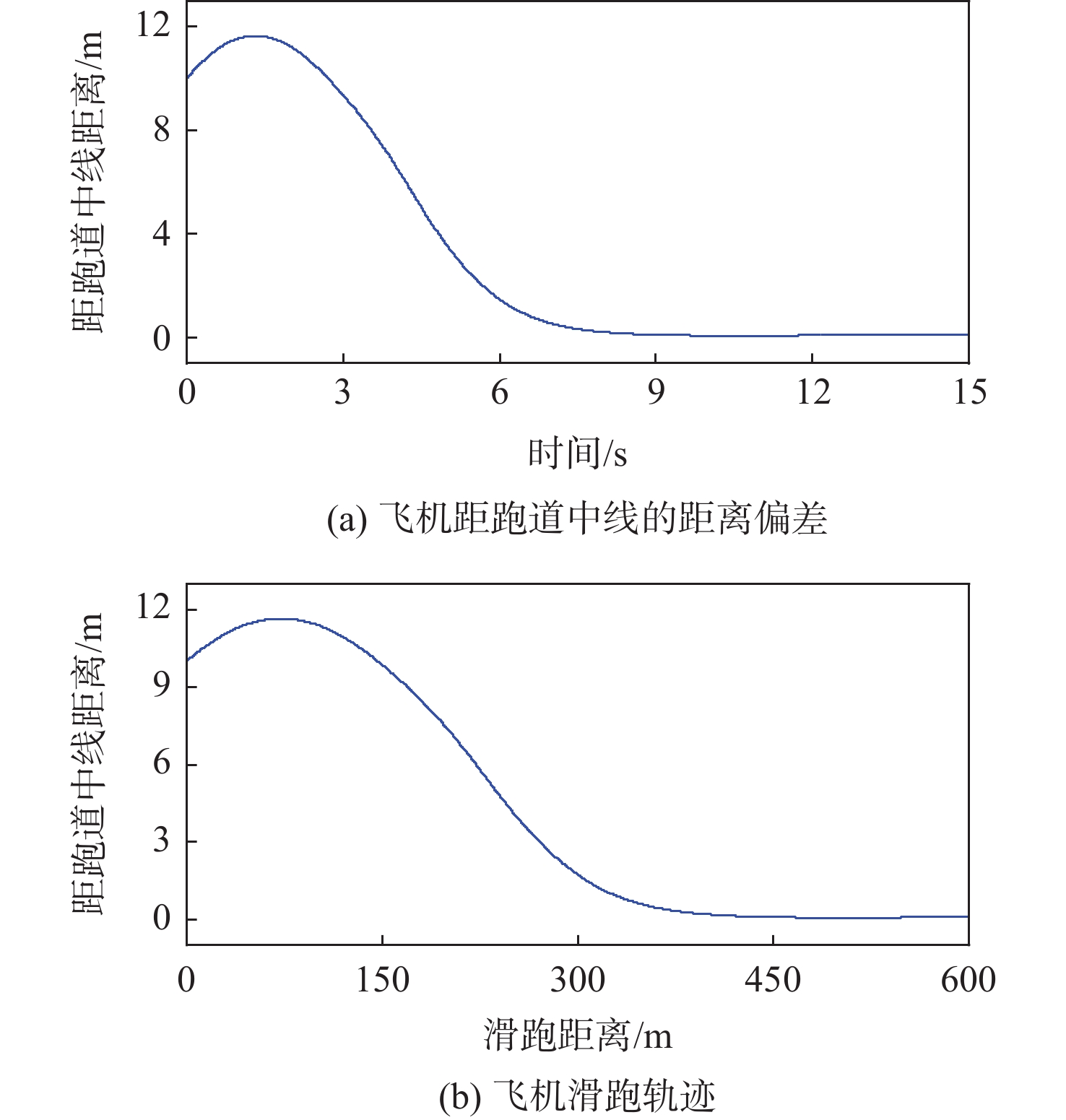
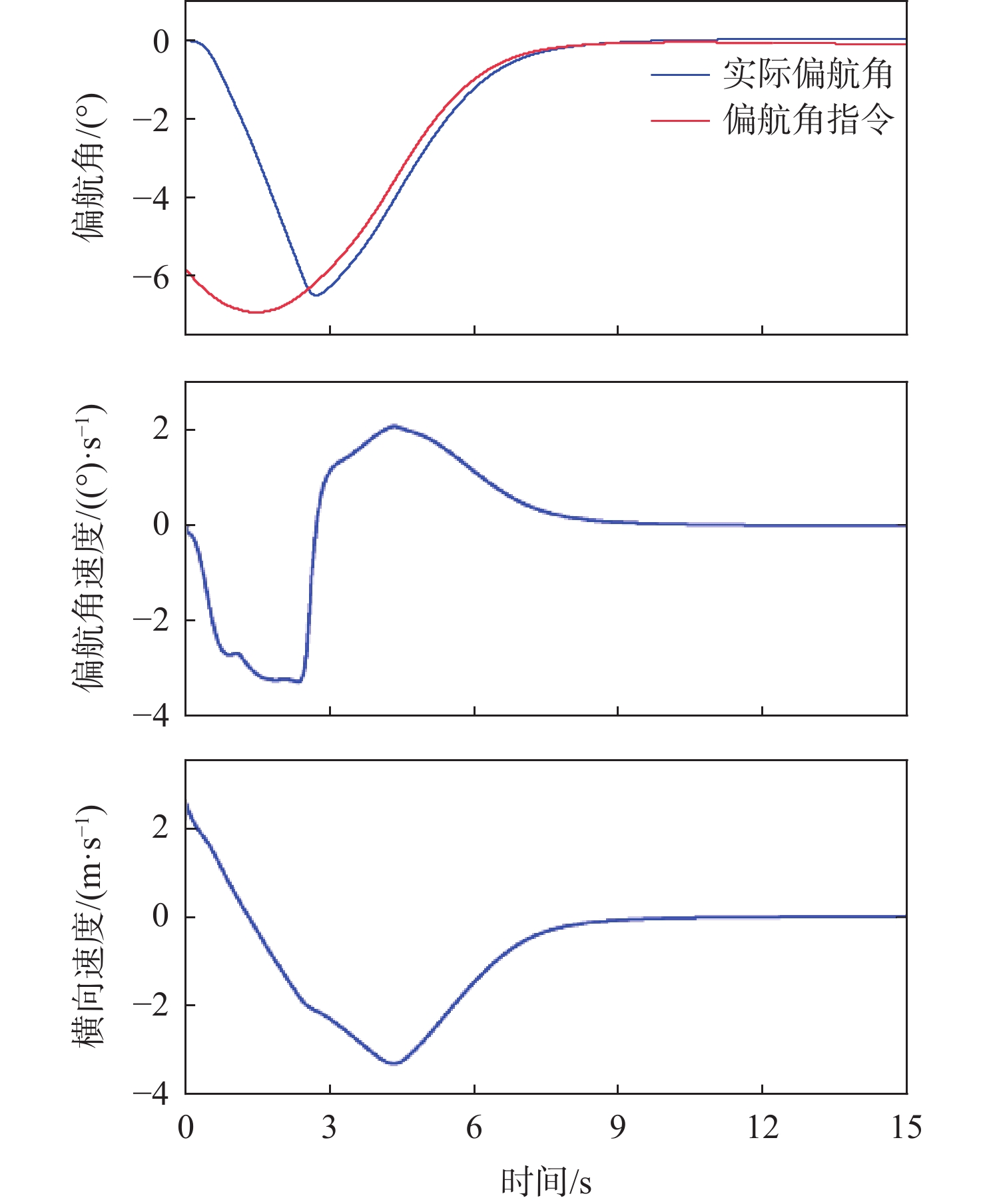
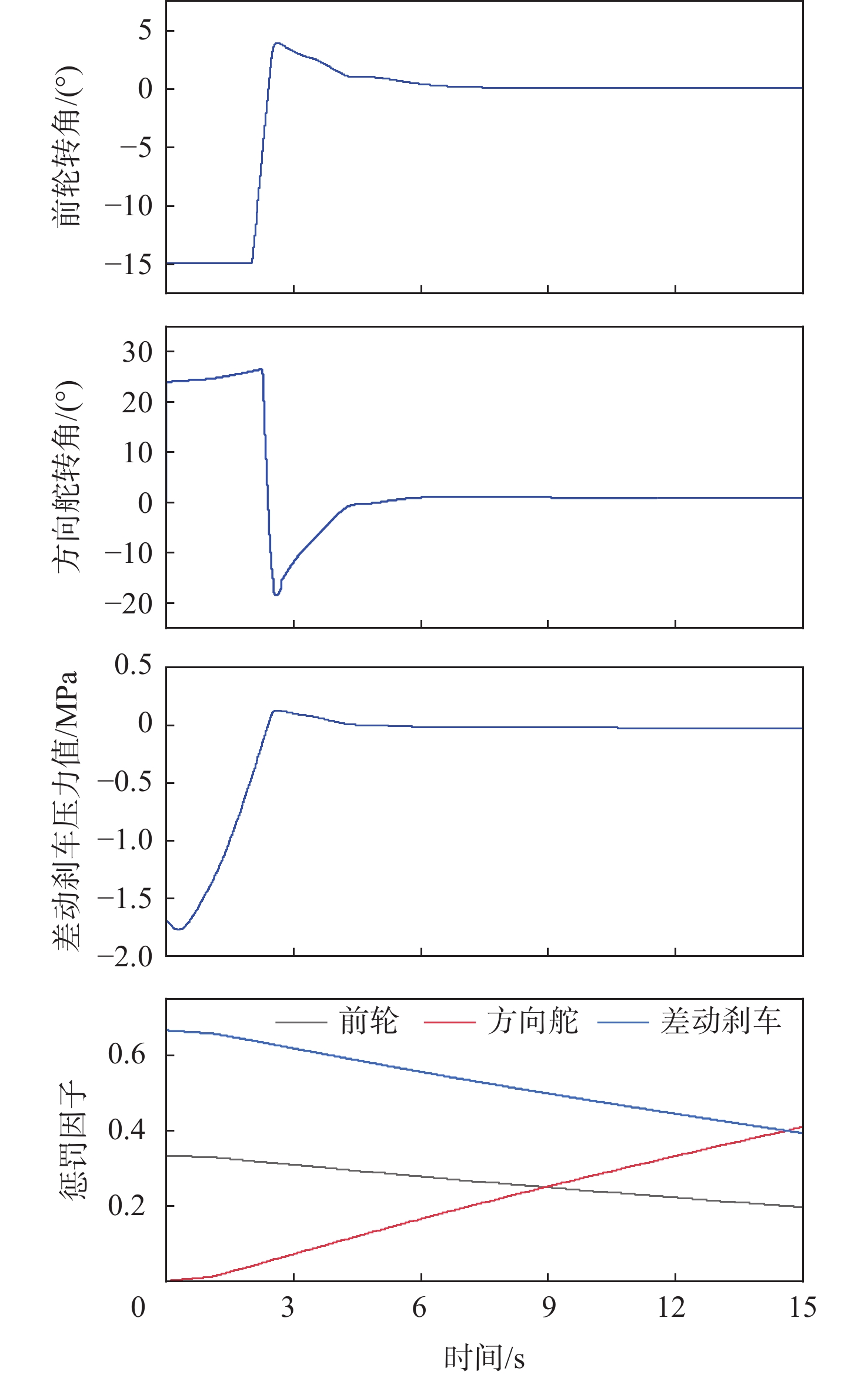
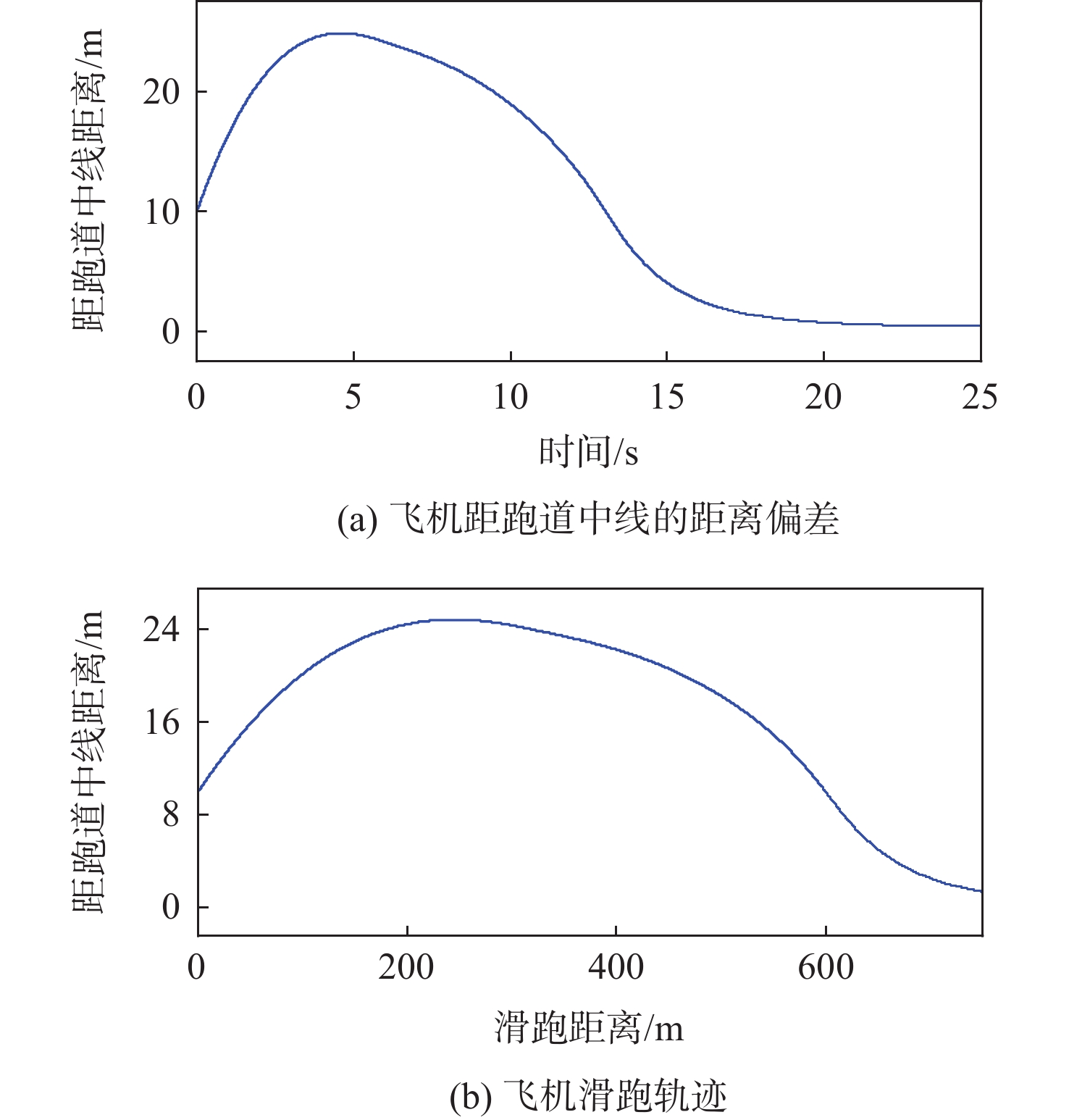
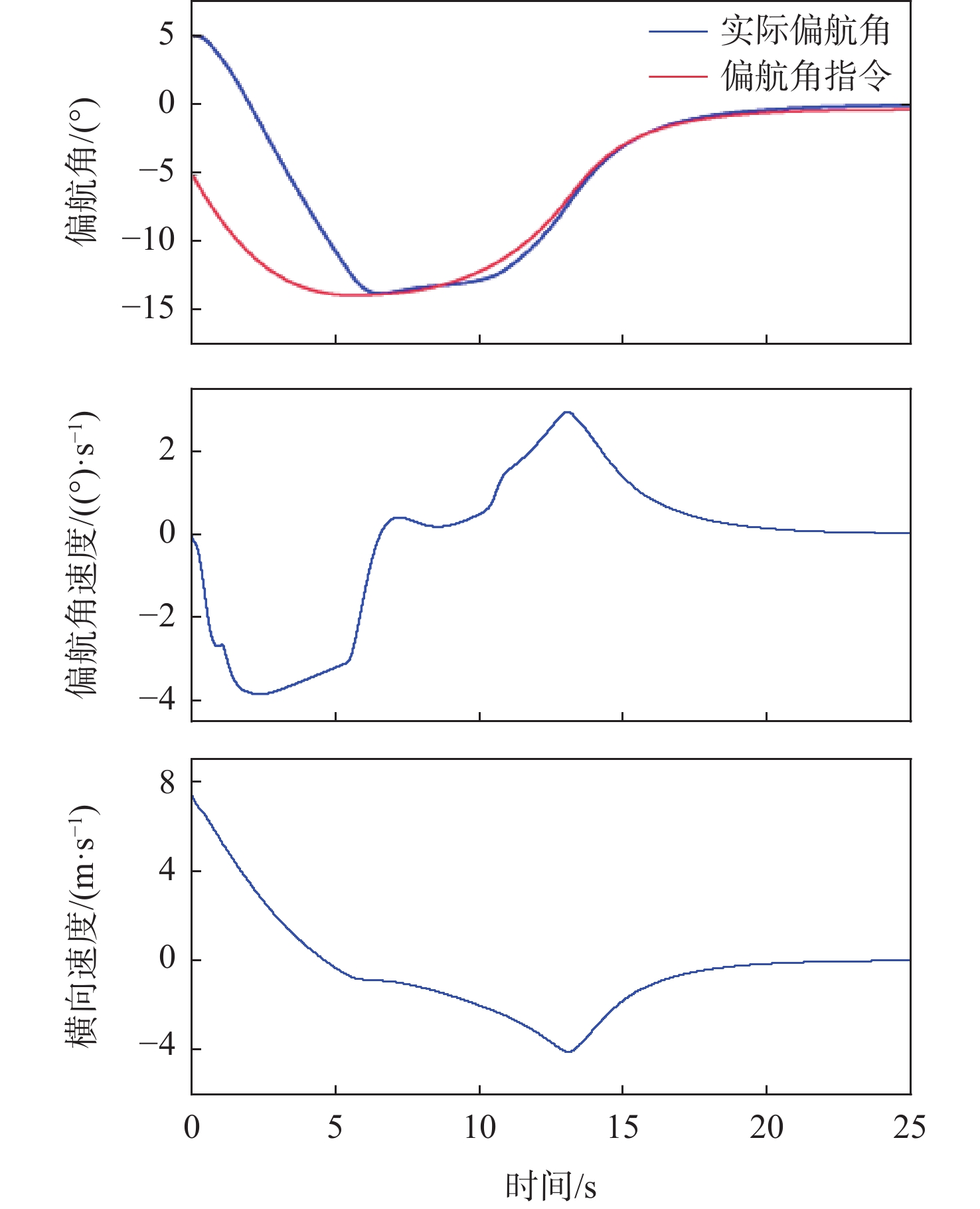
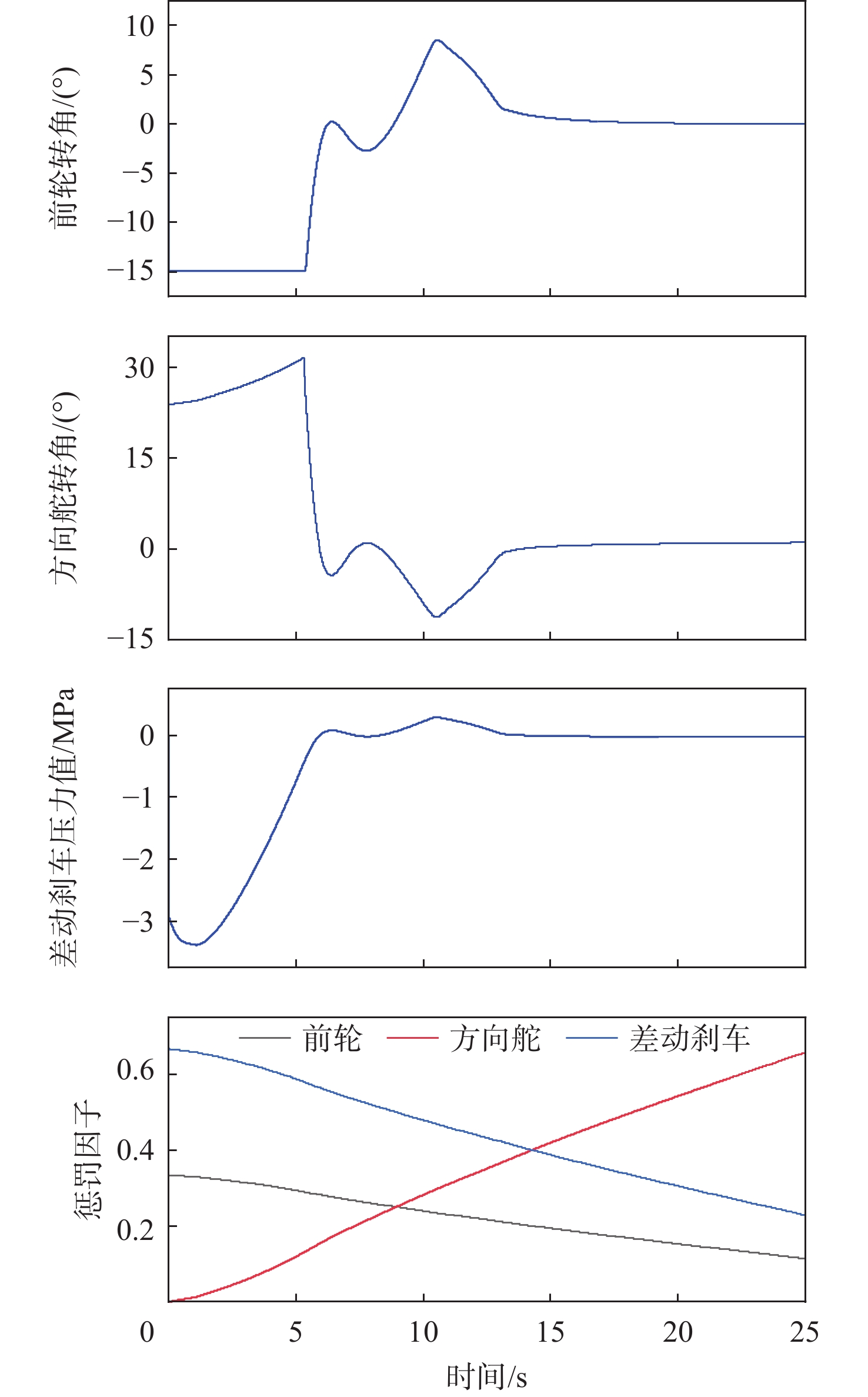
Runway excursions represent a significant percentage of aviation incidents, highlighting the critical limitations of current ground control methods, often restricted to a single actuator. This impedes the safe and synergistic use of multiple control surfaces for deviation correction of aircraft taxiing. To address the question, this paper proposes a novel coordinated multi-actuator control method based on a time-varying model predictive control (MPC) framework. The comprehensive methodology begins with a high-fidelity dynamic model of the aircraft’s ground taxiing phase, precisely considering complex nonlinear phenomena such as aerodynamic forces, ground friction dynamics, and tire side-slip characteristics. This model is then formulated as a linear time-varying state-space representation, which is suitable for the MPC framework. Building upon this model, a robust hierarchical inner-outer loop control architecture is designed for the systematic deviation correction task. Using a dynamic virtual target point guiding law, the outer loop converts the aircraft’s lateral position divergence from the runway centerline into an exact yaw angle instruction for the inner loop. The inner loop forms the core of the strategy, utilizing MPC for robust, coordinated control of the three primary actuators: rudder, nose wheel steering, and differential braking. A key innovation is a control weight matrix in the MPC cost function that adjusts dynamically with real-time taxiing speed. This adaptive weighting mechanism optimizes control inputs online, intelligently allocating authority across the full speed range. At high speeds, it gives priority to the rudder; at lower speeds, it smoothly switches to nose wheel steering and differential braking. For validation, a comprehensive 6-degree-of-freedom dynamic simulation platform was developed in MATLAB/Simulink. The strategy was rigorously tested under challenging conditions, including wet runways, crosswinds, and significant initial landing deviations. Simulation results consistently demonstrate that the controller enables fast, stable tracking of the runway centerline. The system effectively manages these complex scenarios, realizing smooth, efficient coordination among the actuators.

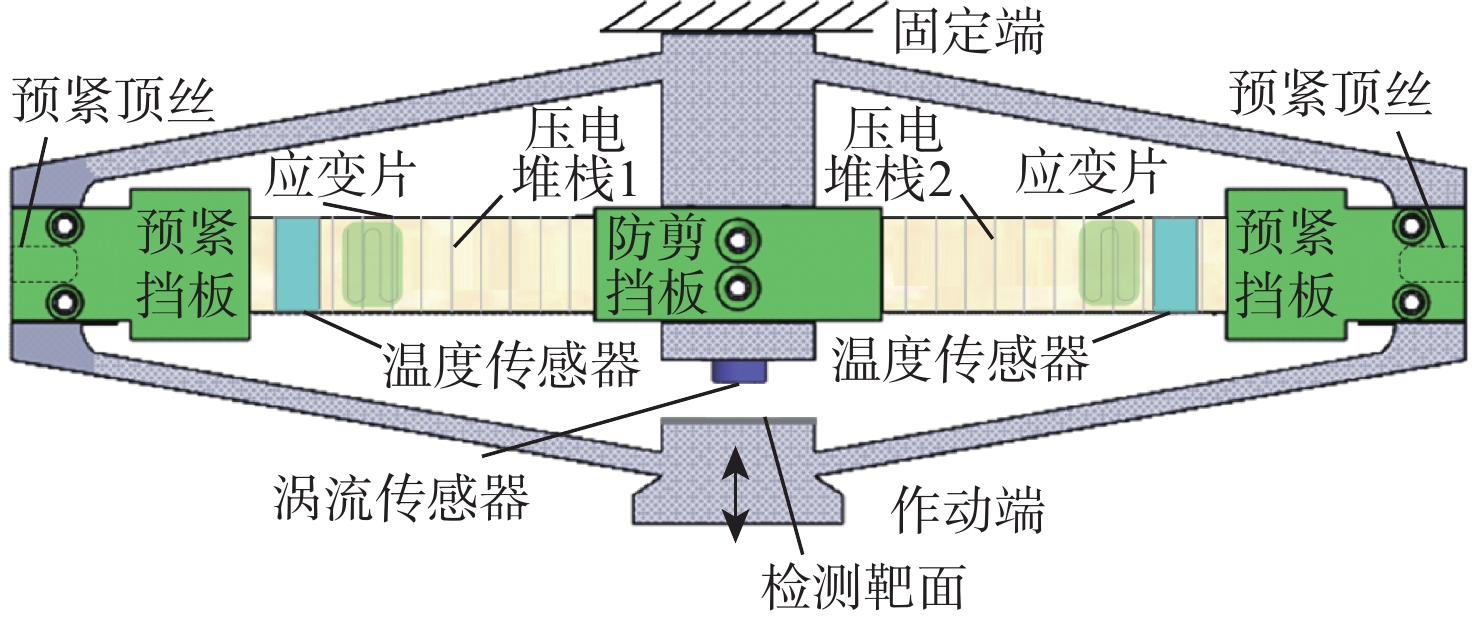
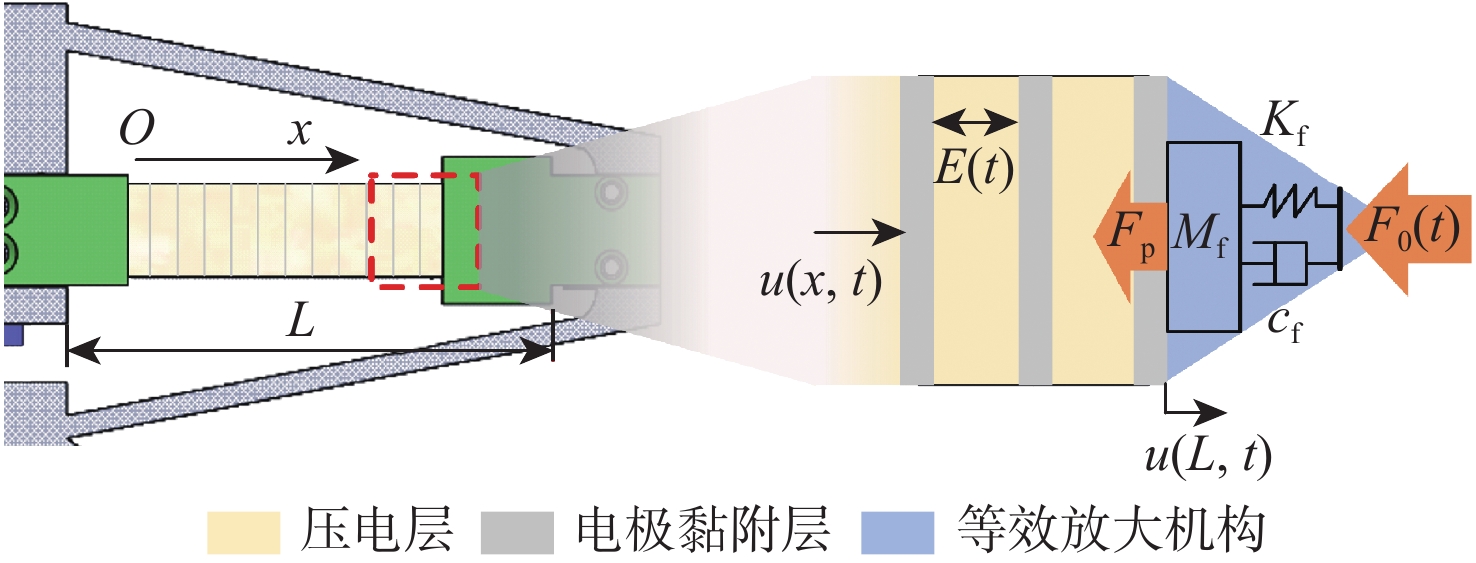
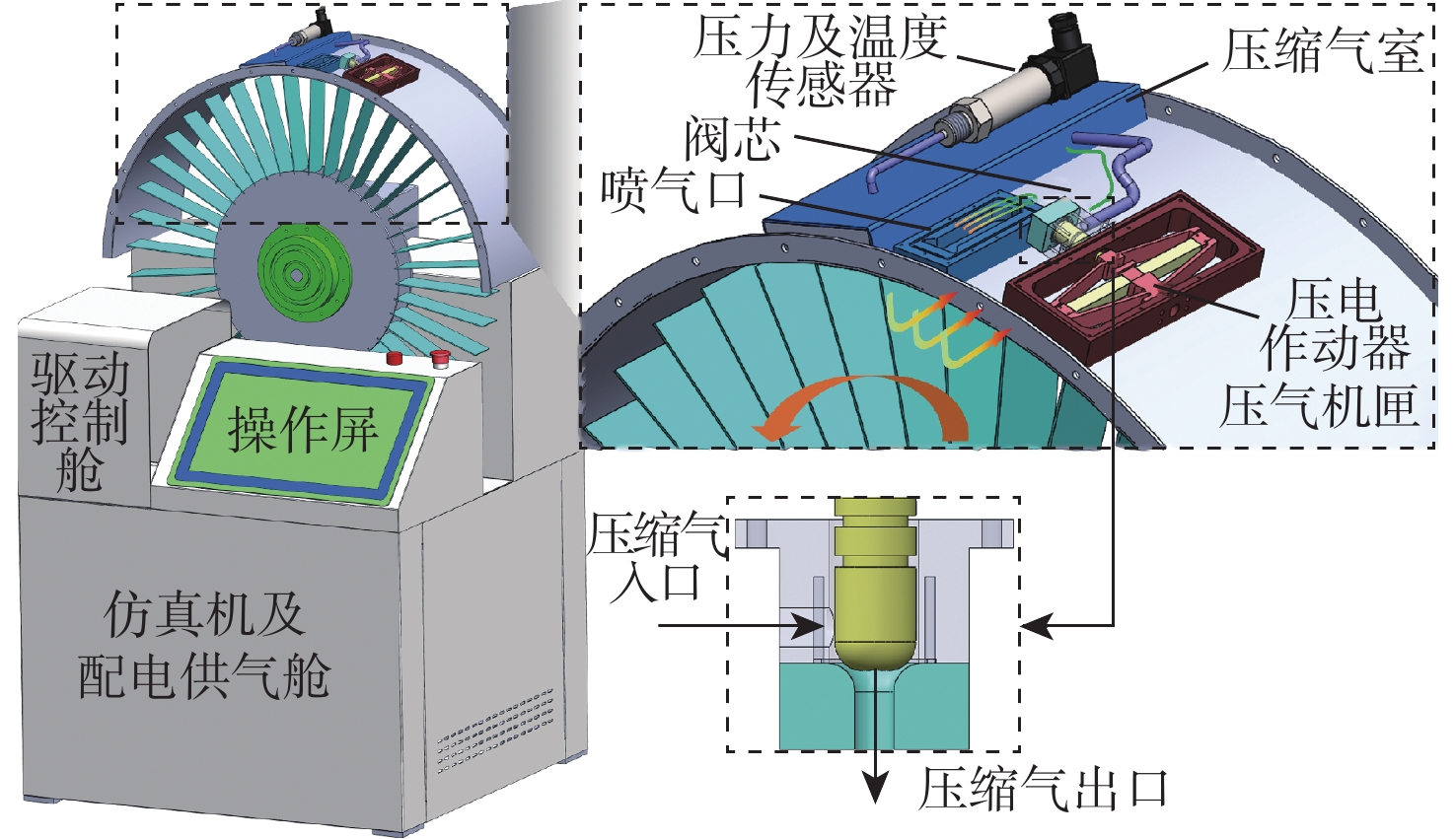
Design and verification of piezoelectric actuation system for compressor active flow control system
WU Xiao, WANG Shaoping, ZHANG Chi, WANG Xingjian
2026, 52(8): 2923-2931. doi: 10.13700/j.bh.1001-5965.2025.0707
Abstract:

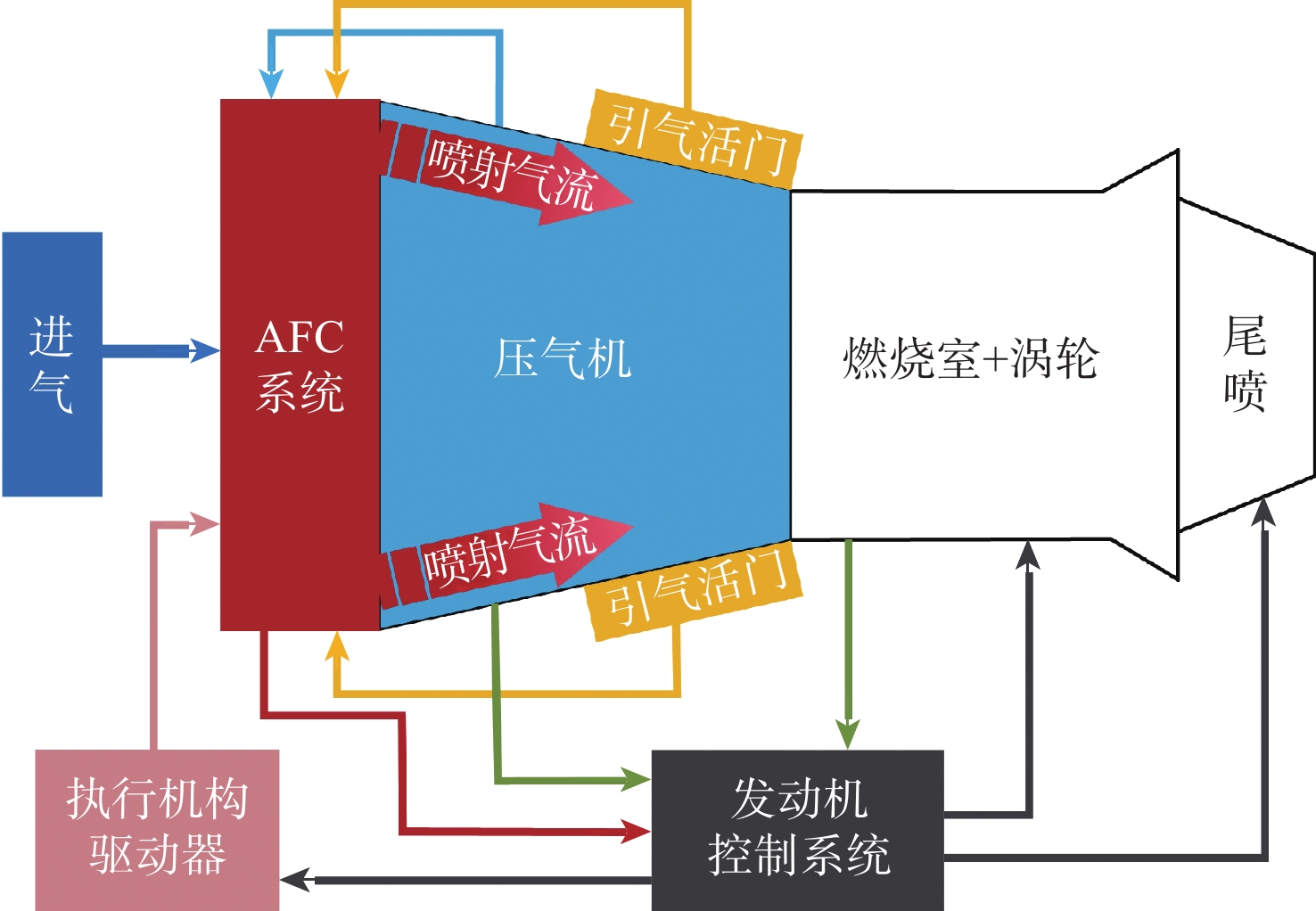
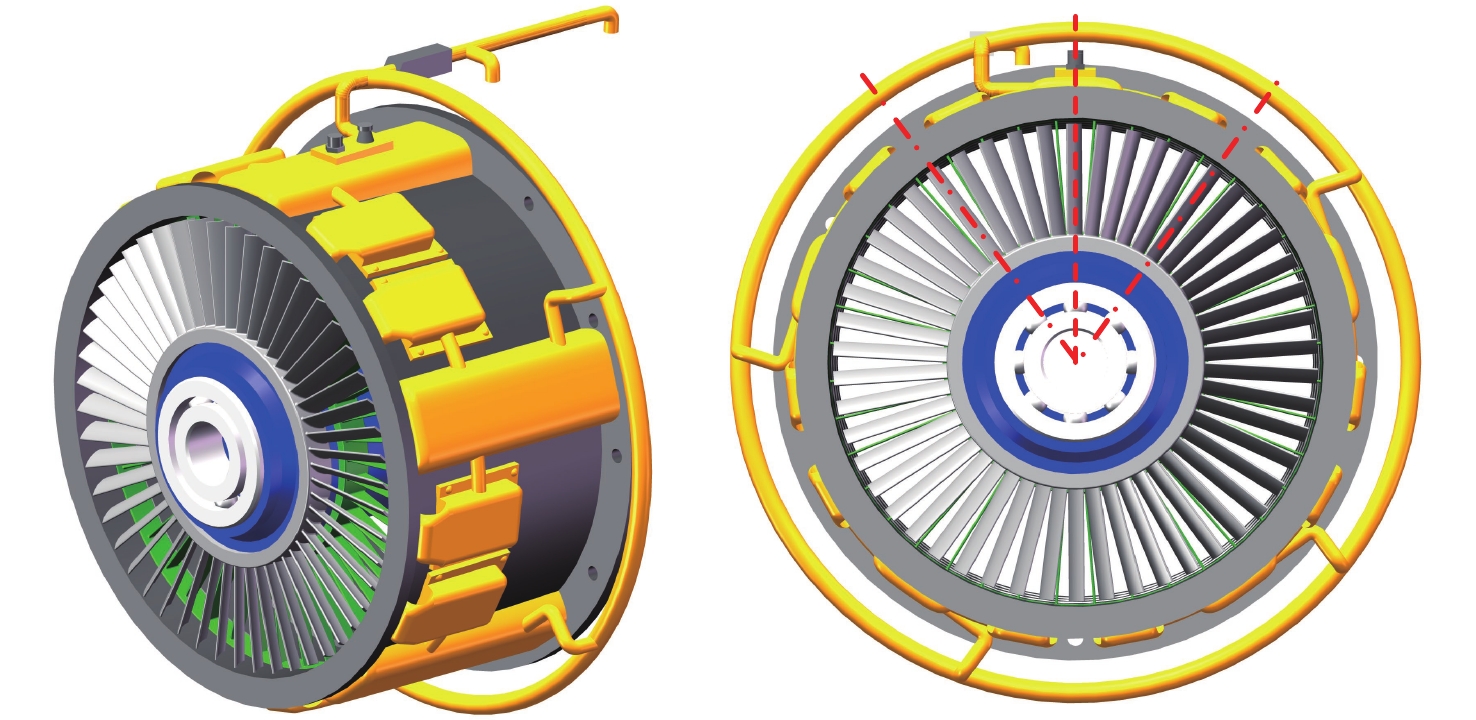
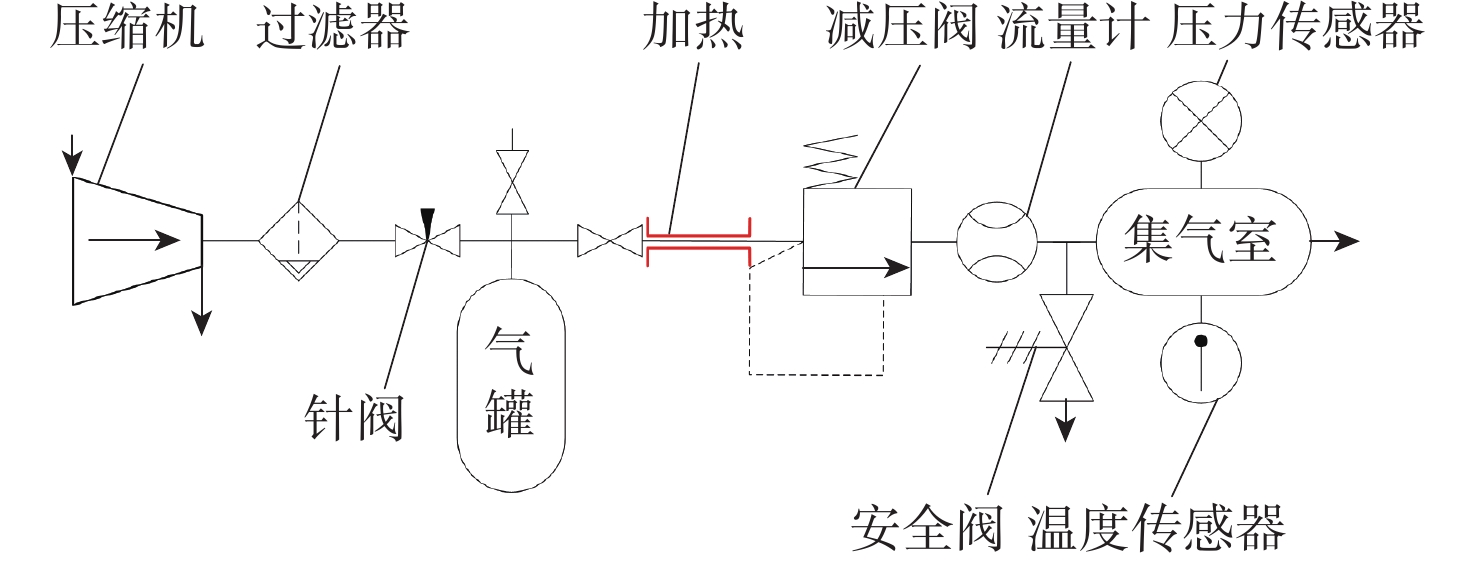
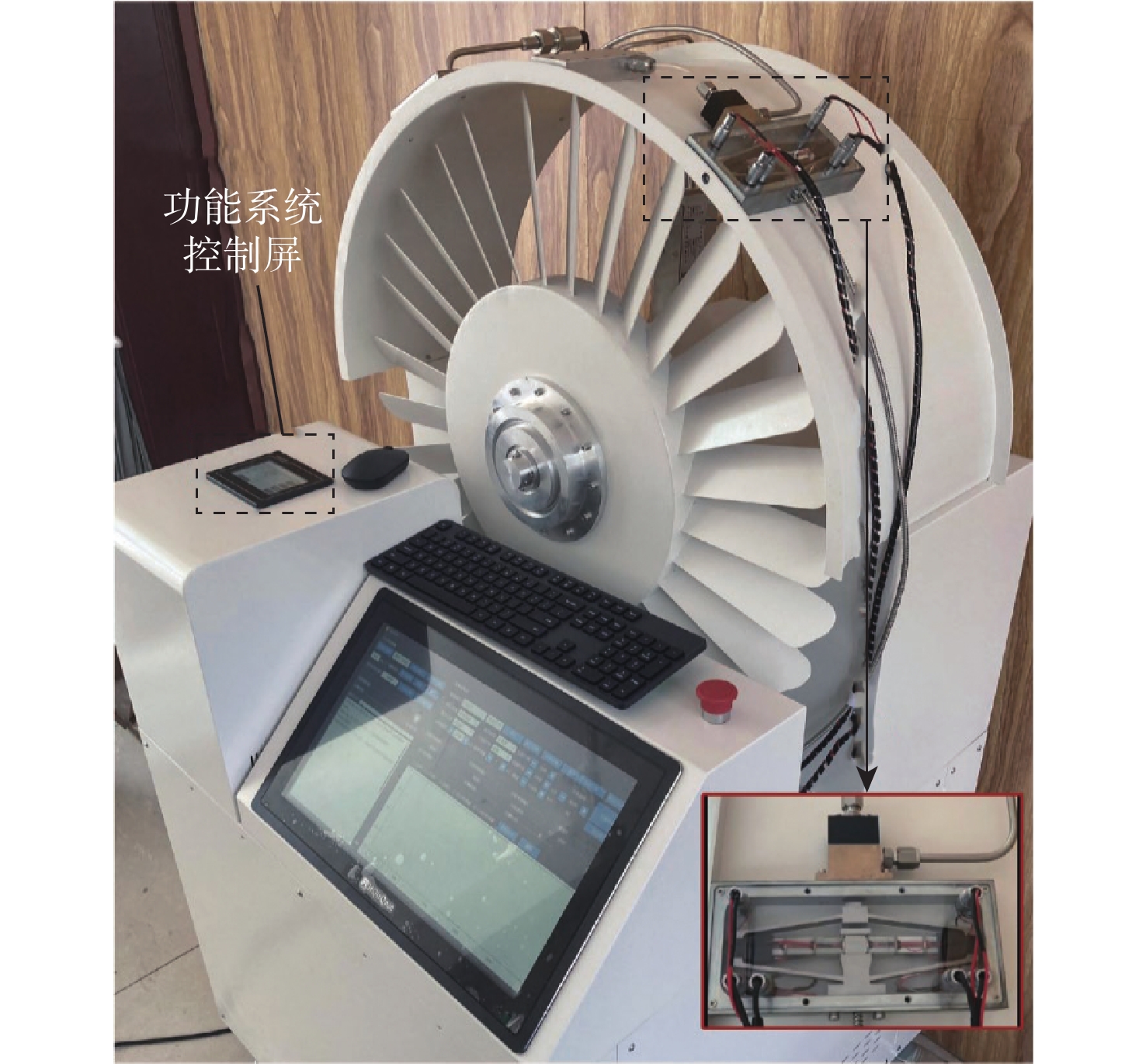
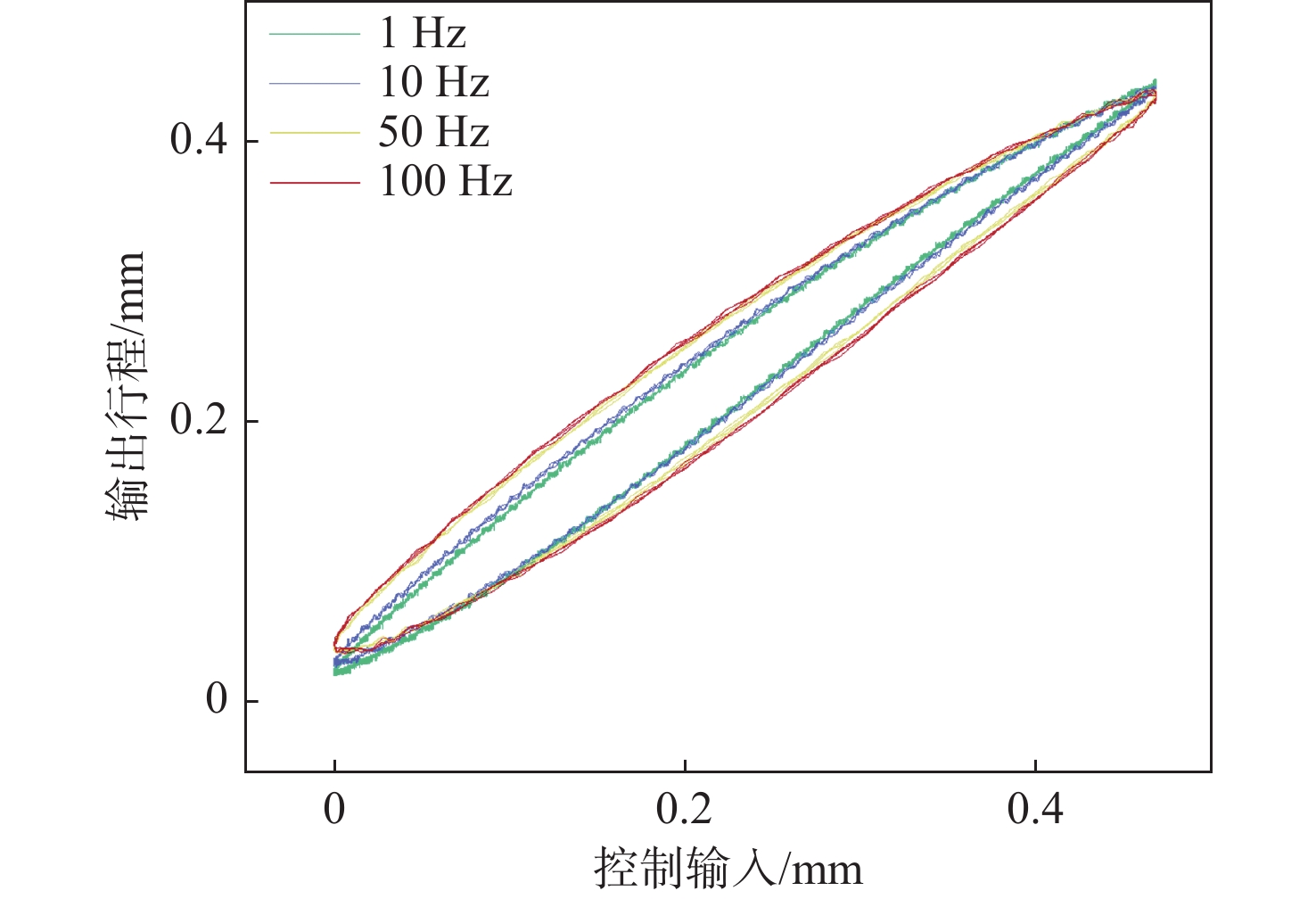
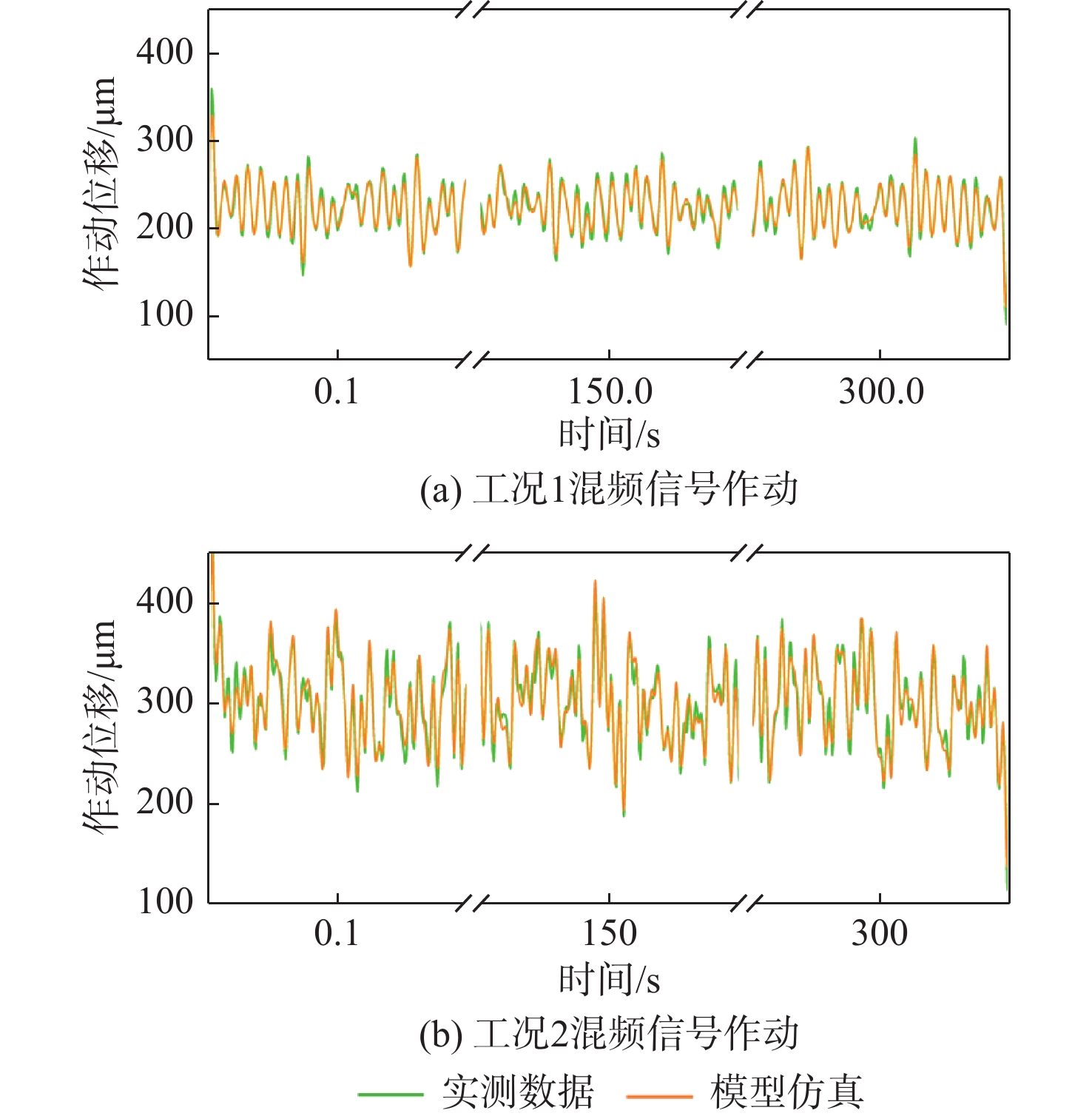
A dual-stack amplified piezoelectric actuator that can be deployed inside the compressor casing was devised to improve the performance of the active flow control (AFC) system for aero-engine compressors. A multi-field coupled dynamic model accounting for operational conditions and preload forces was established based on the thermopiezoelectric constitutive equations and the generalized Hamilton’s principle. Supporting upstream and downstream components for the actuator were designed, culminating in the fabrication of a functional actuator prototype and a hardware-in-the-loop (HIL) performance verification platform. The test platform simulated compressor bleed environments with pressures of 0.1-0.5 MPa and temperatures up to 80 °C. The accuracy of the model was validated by experimental results showing that, under 1-200 Hz mixed-frequency signals, the average tracking errors between the test data and model predictions for the piezoelectric actuator were 2.5% and 4.1% at working conditions of 0.3 MPa, 55 °C and 0.5 MPa, 80 °C, respectively, with maximum errors of 4.3% and 7.1%. In AFC injection flow tests, the system achieved a peak flow rate of 59.6 g/s within 2.5 ms, confirming the high-frequency response characteristics of the piezoelectric actuation system and demonstrating the practical value of the AFC system in enhancing compressor performance.
Fault detection for reusable liquid rocket engines based on stacked wavelet autoencoder
LI Jiatong, RONG Yi, CHEN Shiqiang, WANG Hao
2026, 52(8): 2932-2942. doi: 10.13700/j.bh.1001-5965.2025.0818
Abstract:

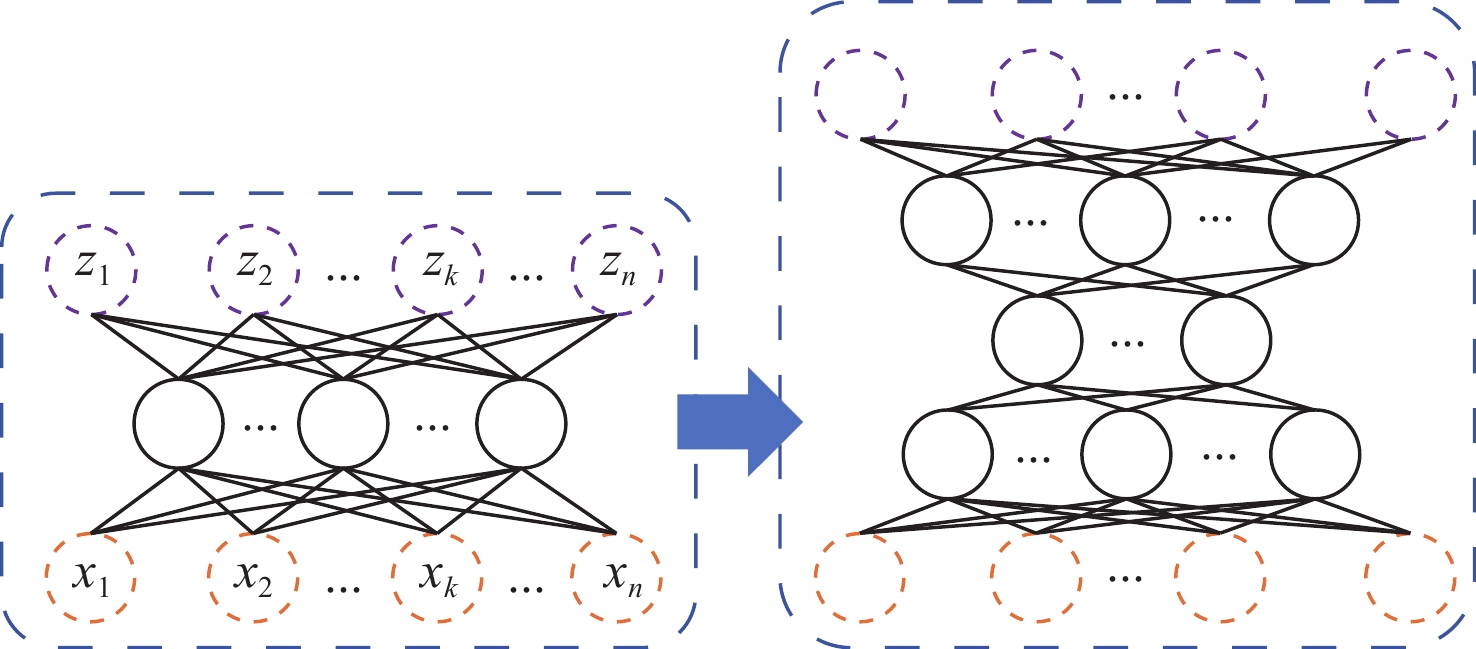
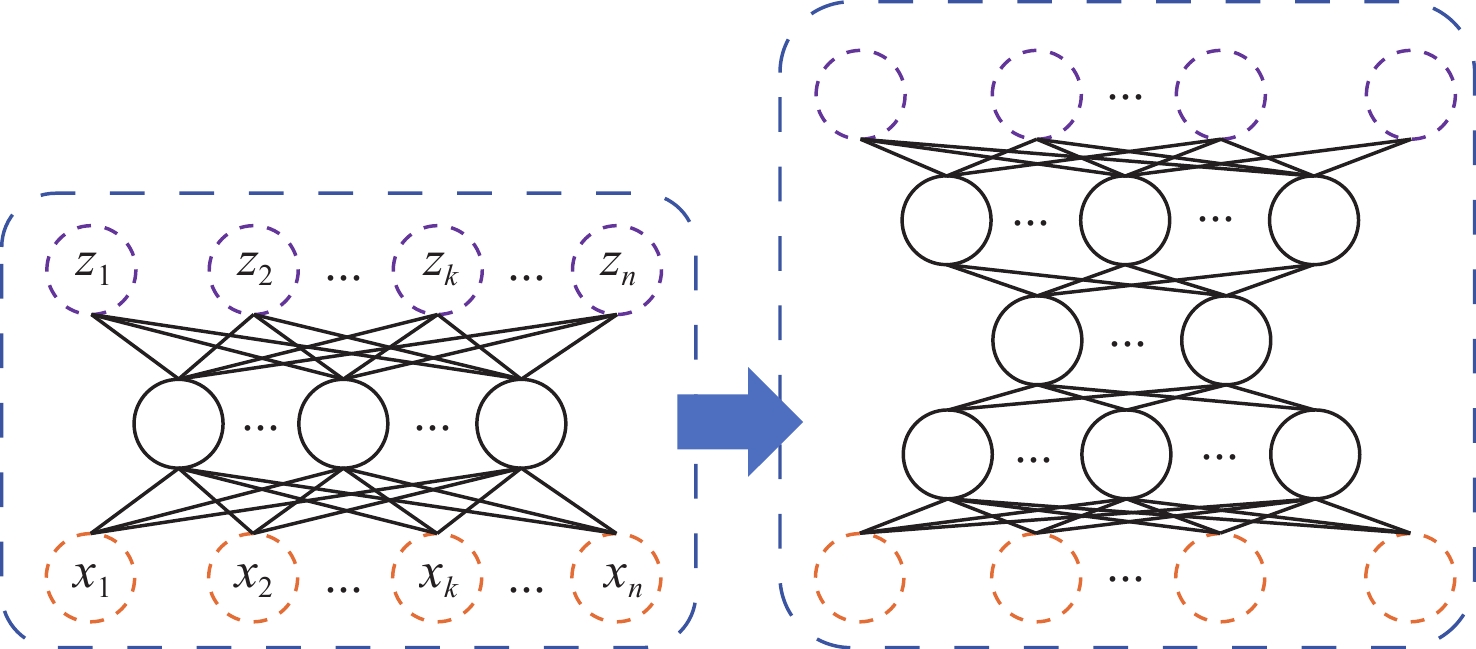
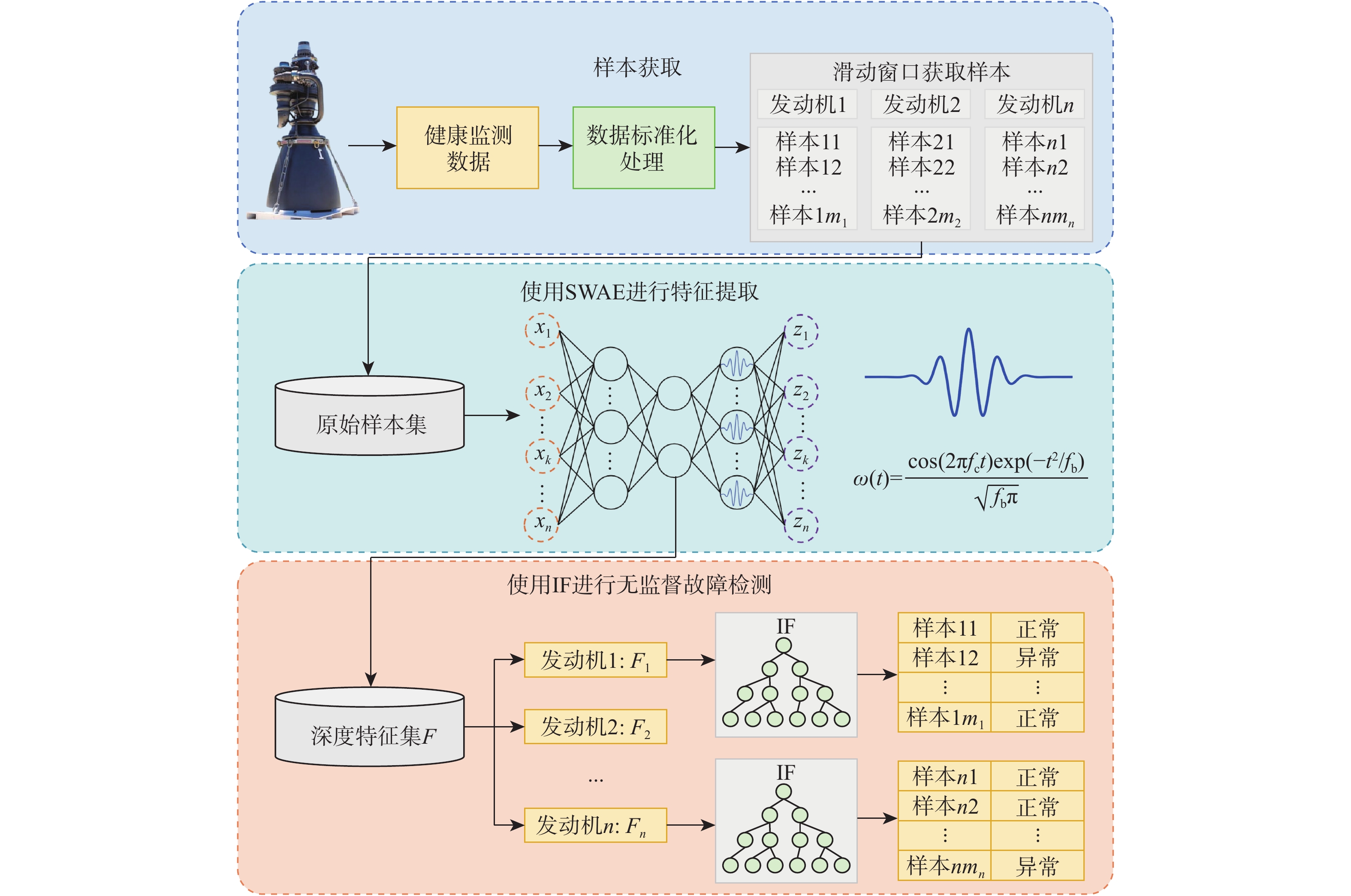
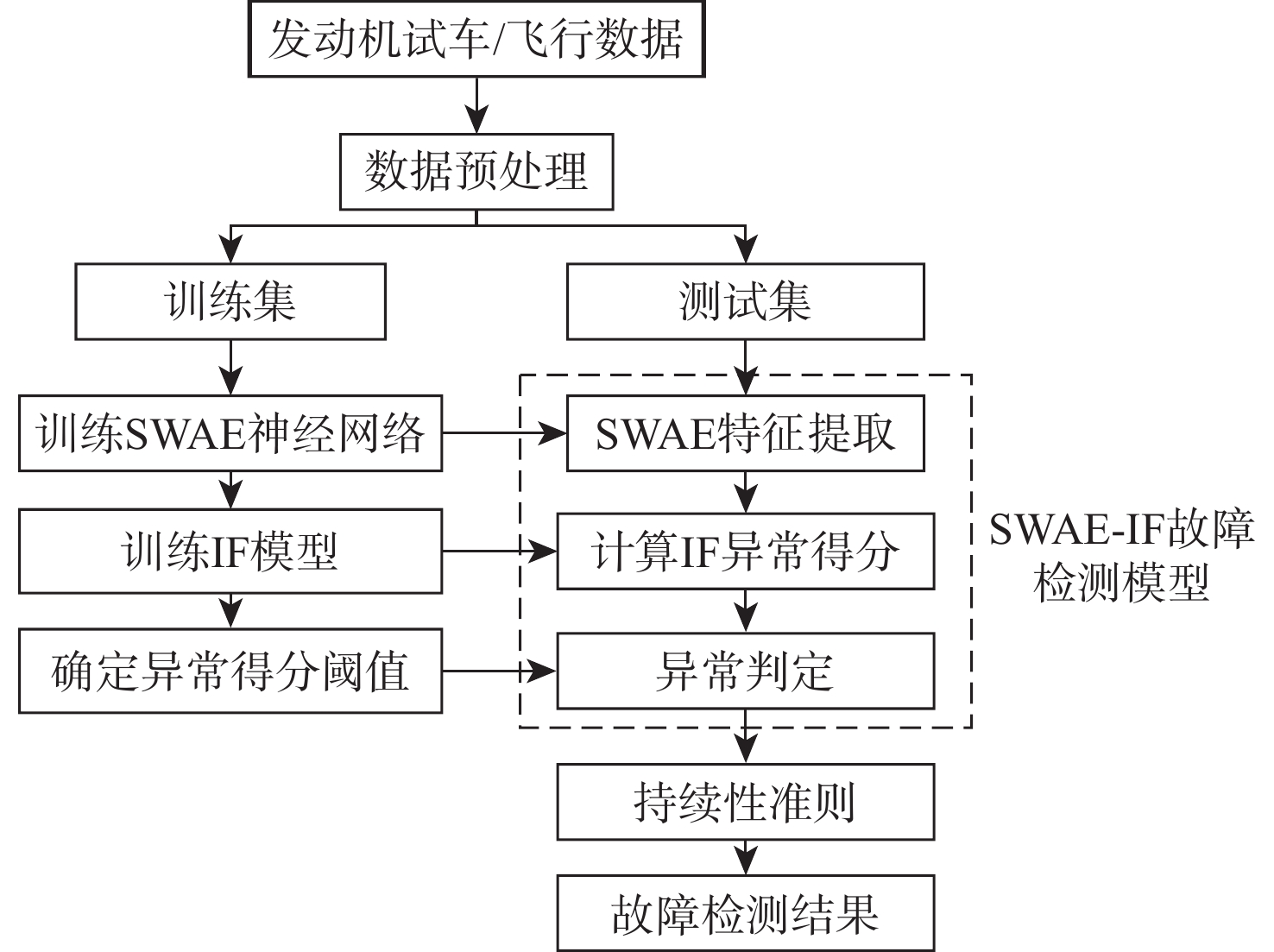
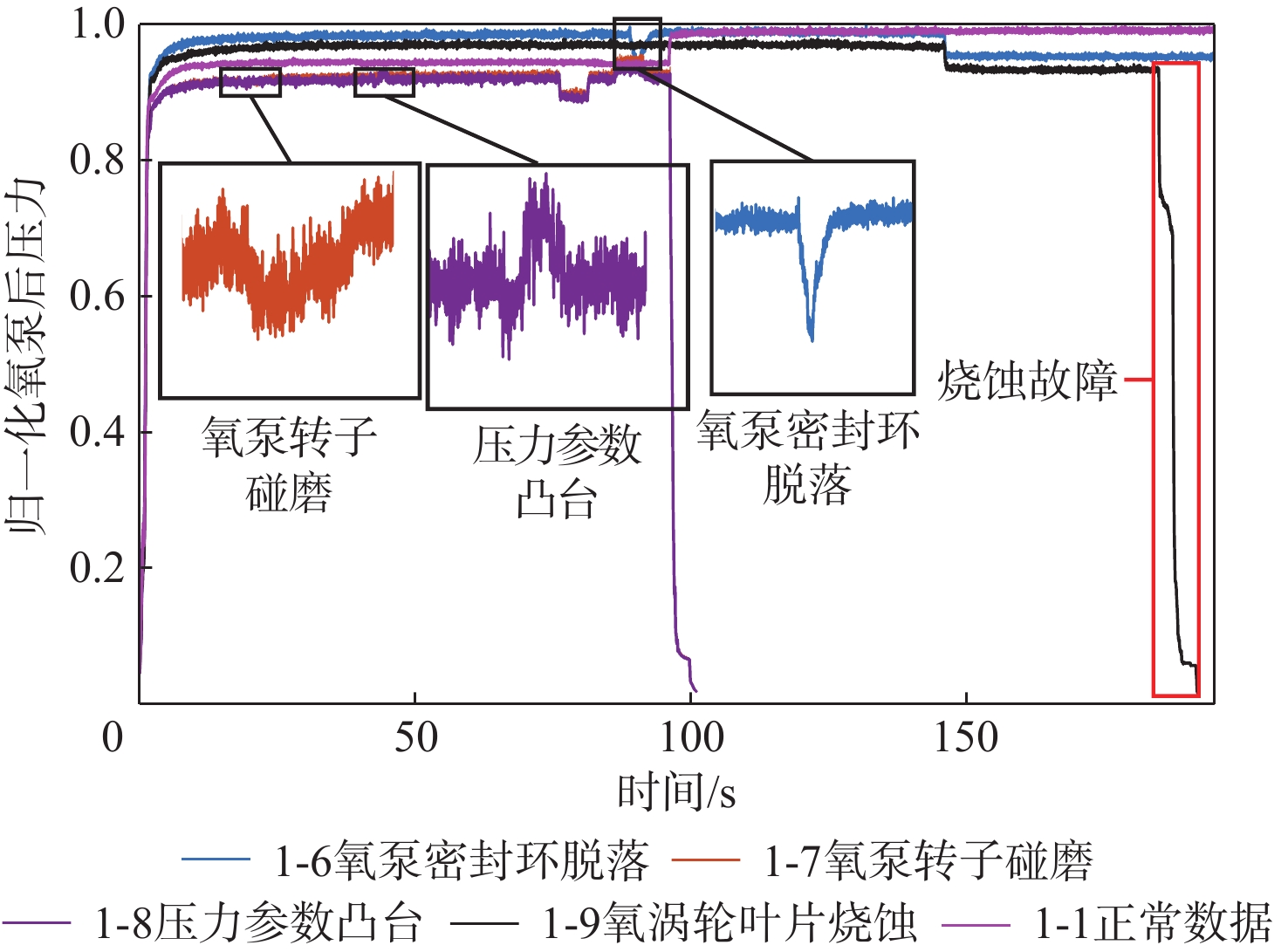
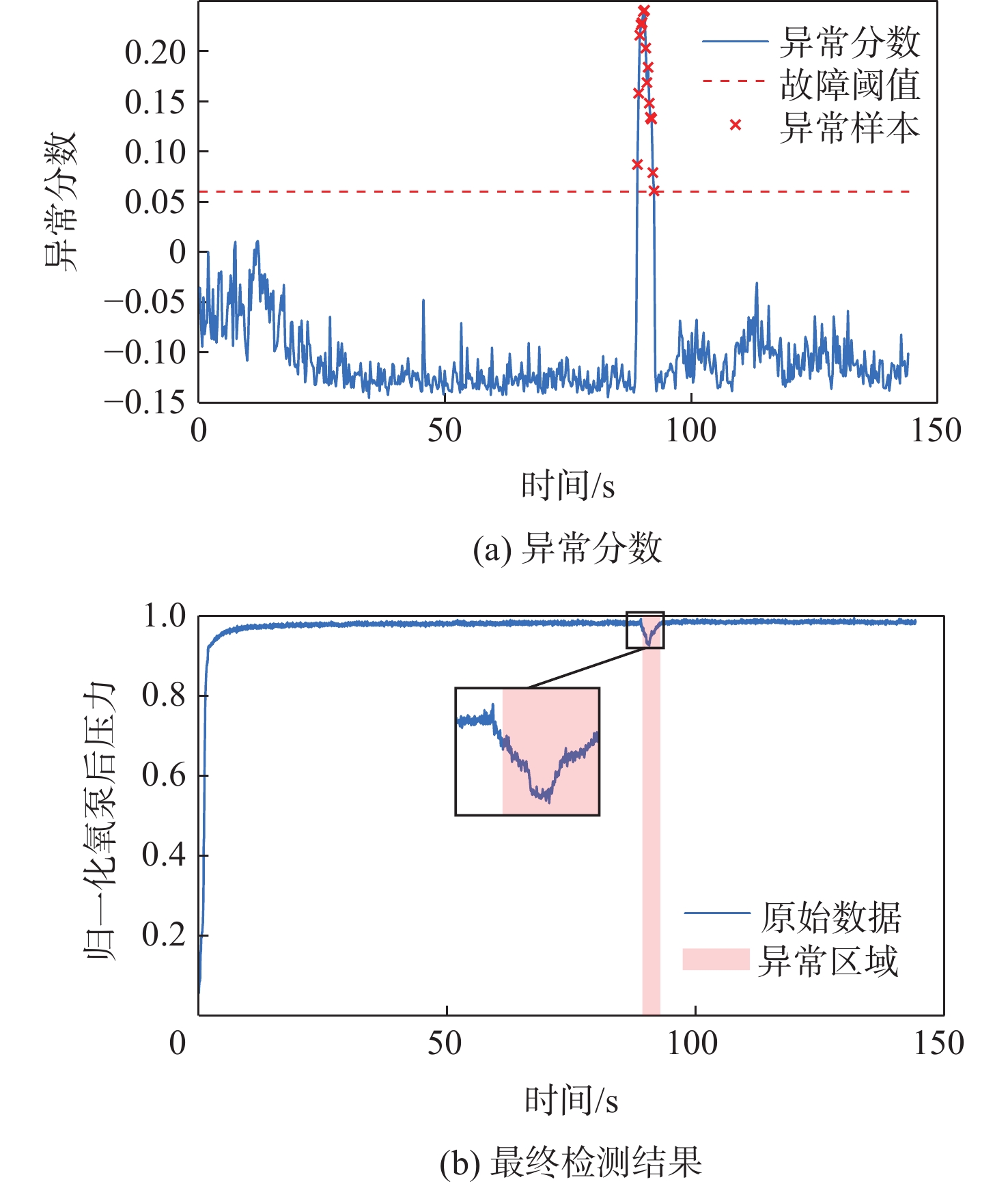
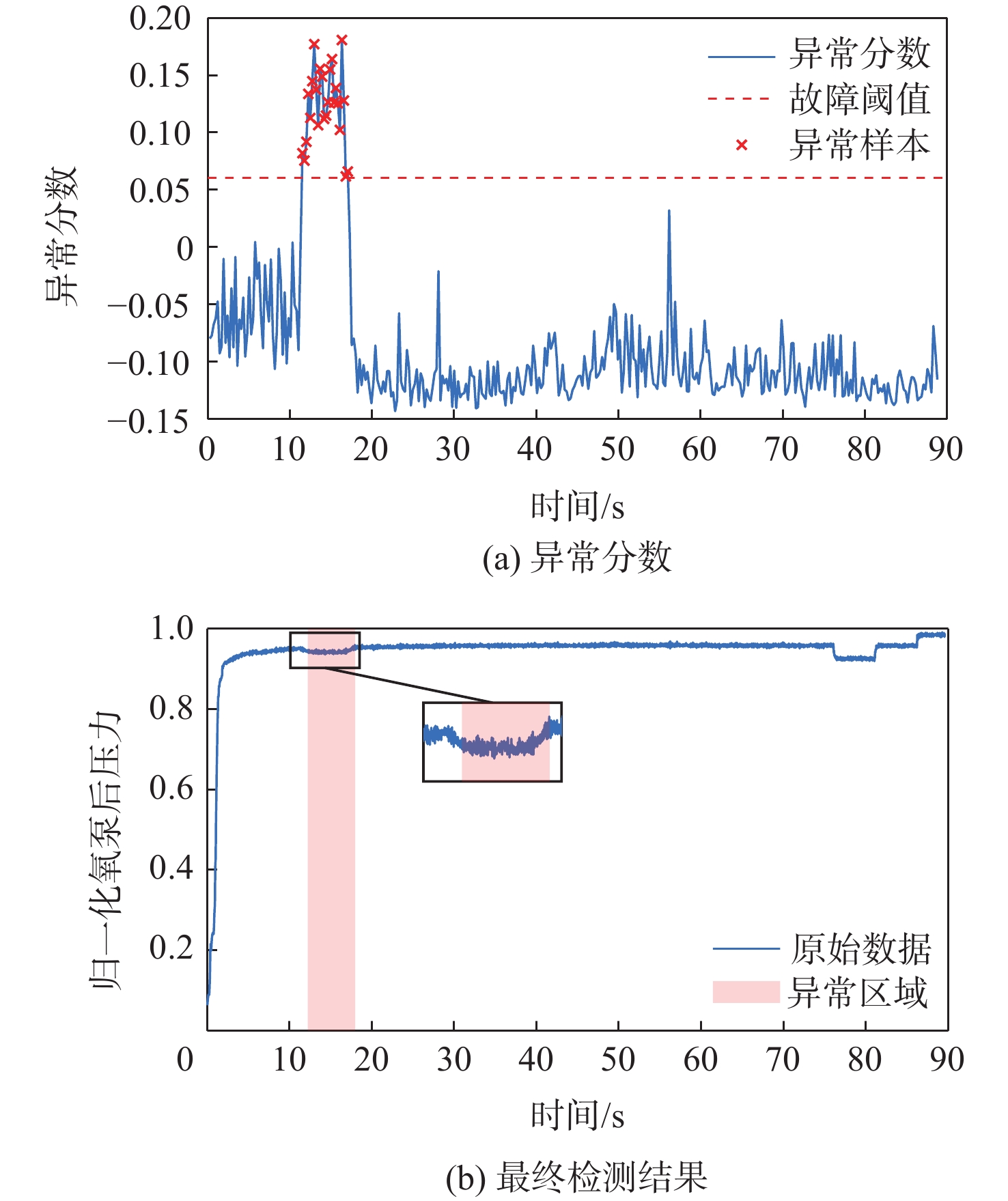
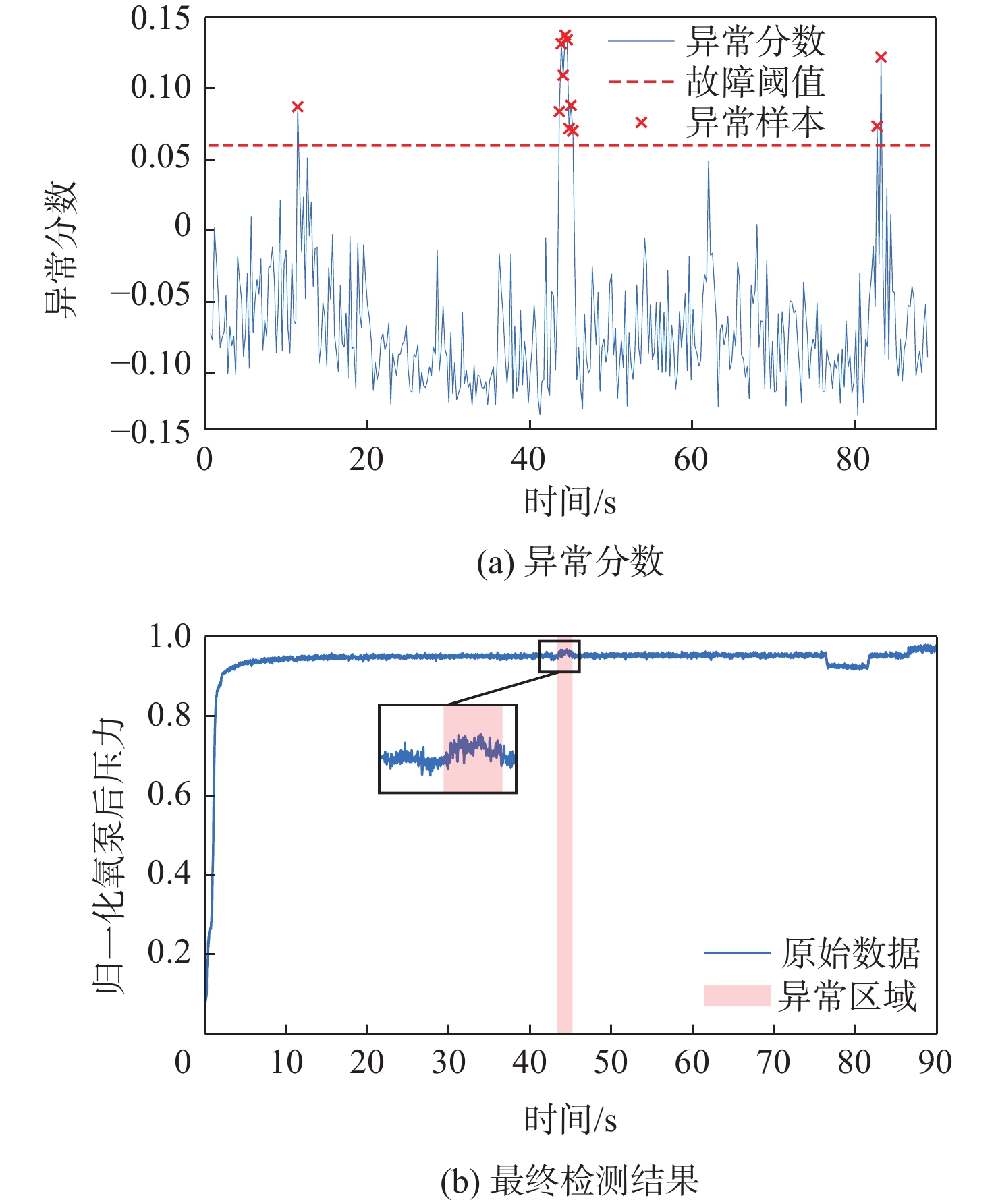
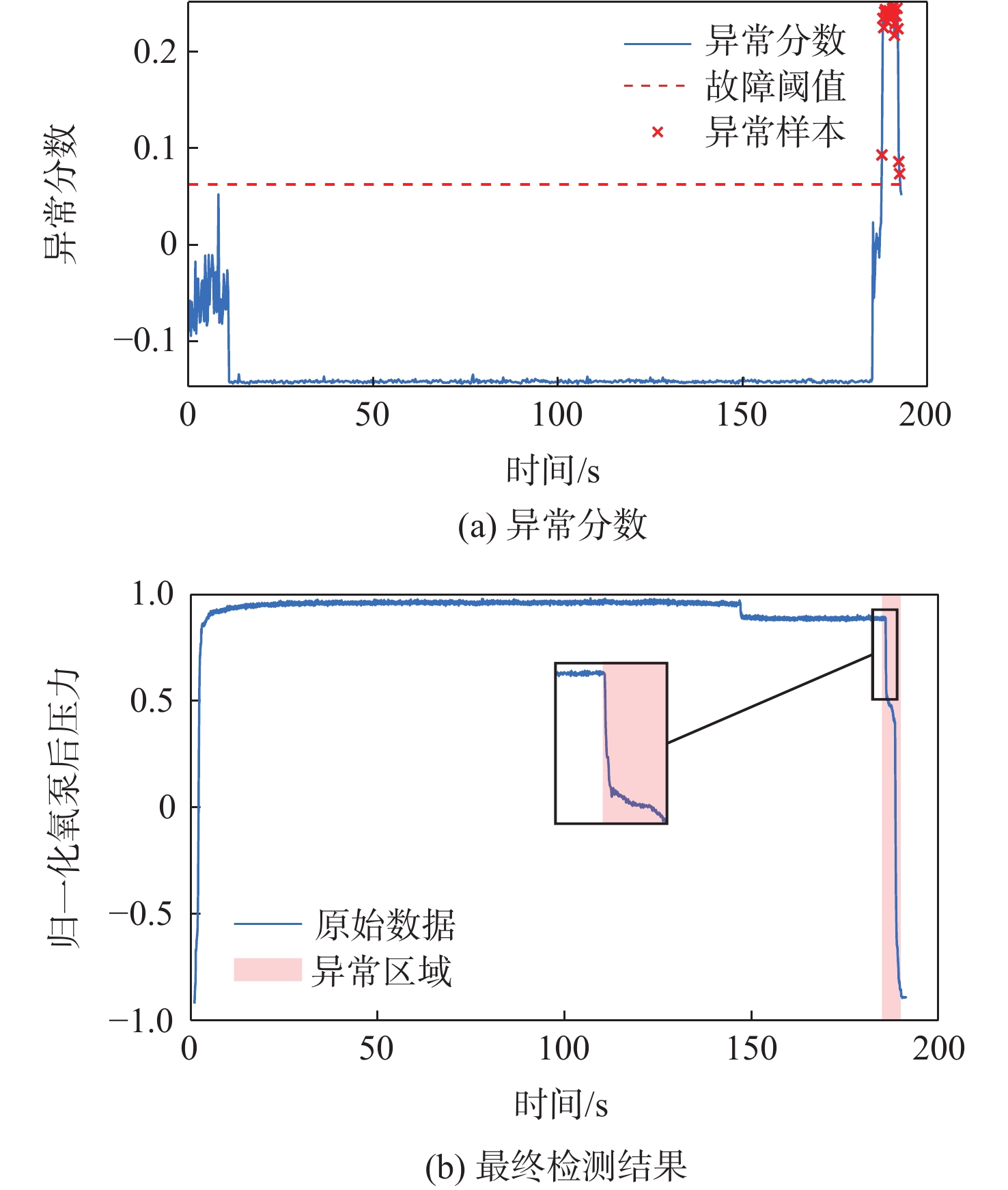
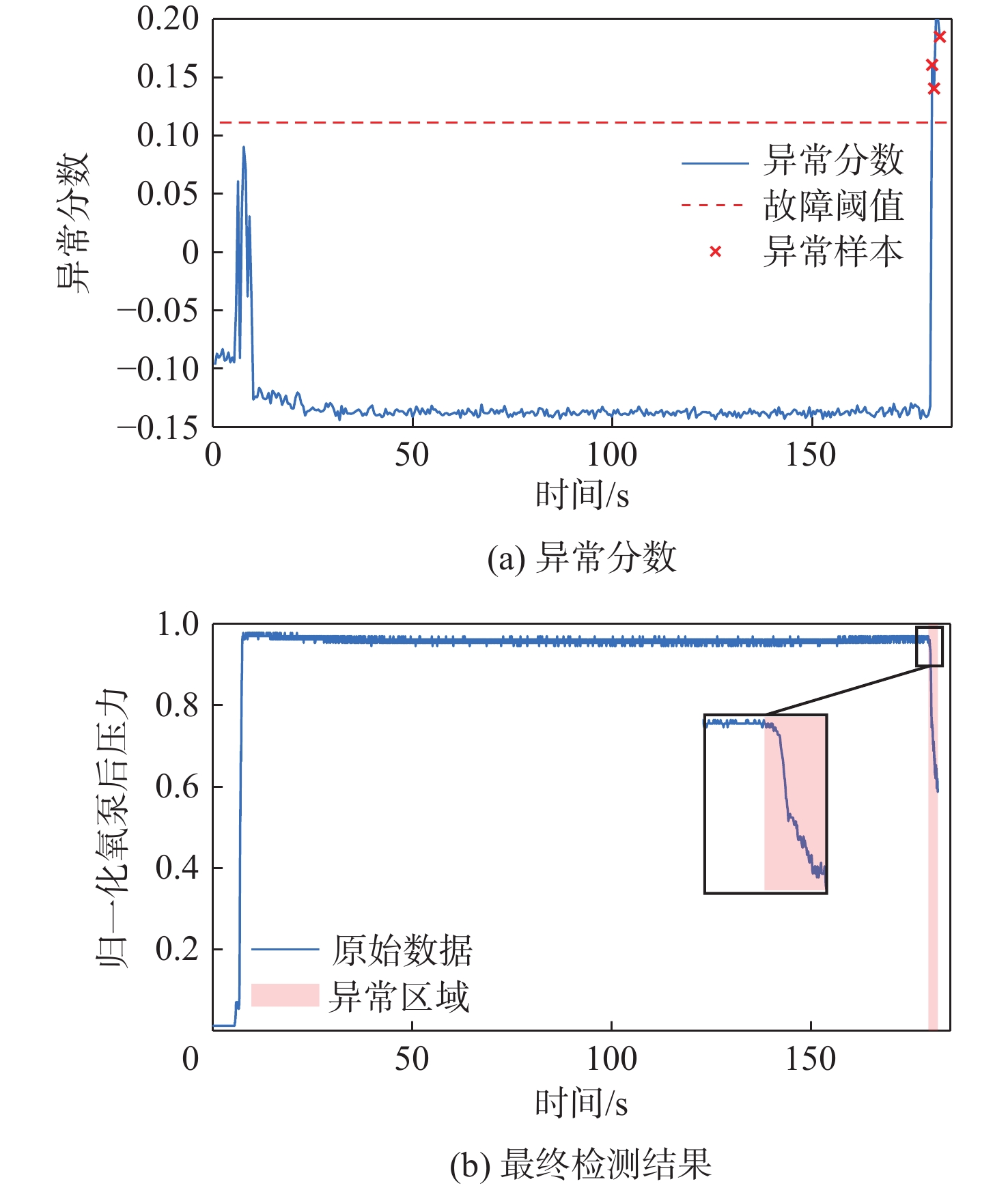
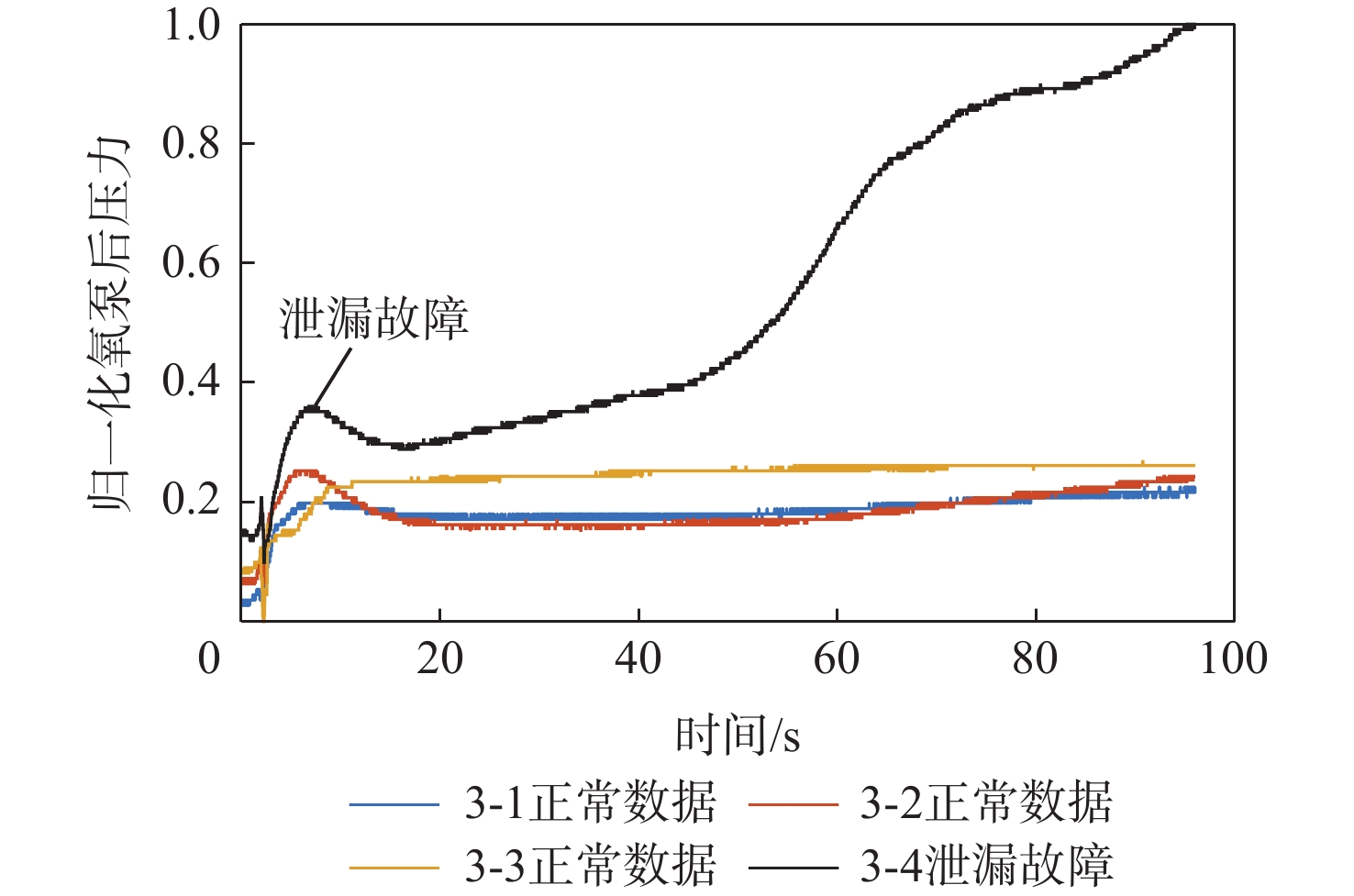
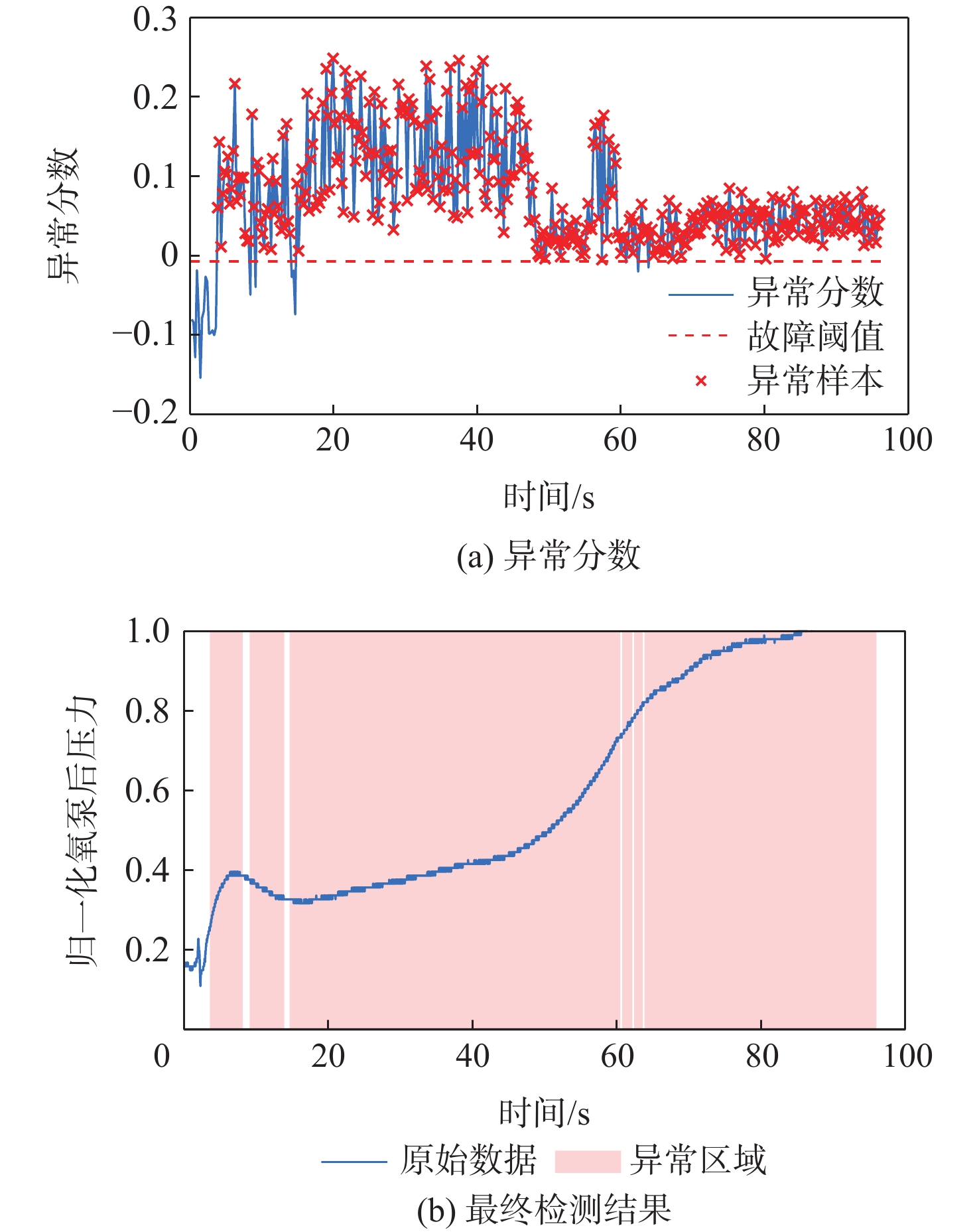
Research on fault detection methods is crucial because the safe operation of reusable liquid rocket engines directly impacts rocket flight safety and reusability efficiency. This paper proposes an unsupervised fault detection method that combines a stacked wavelet autoencoder (SWAE) with an isolation forest (IF). The method is trained solely on normal operational data and leverages SWAE to integrate the time-frequency analysis capability of wavelet transform with the feature learning advantages of autoencoders (AE), enabling hierarchical extraction of noise-robust temporal features. Additionally, IF is introduced to exploit its ability to rapidly isolate anomalous samples, thereby achieving effective unsupervised fault detection. The suggested approach performs better in cross-operating-condition generalization, multi-type fault identification, and early gradual failure detection in three common engineering case studies. Compared with traditional approaches such as adaptive thresholding, the proposed method achieves the highest accuracy, recall rate, and F1 score.

Degradation prediction method of switching power supply based on EMD-LSTM
ZHANG Runzhi, CAI Yilun, WANG Xingjian, HE Wenbo, XU Jia, JIA Rujun
2026, 52(8): 2943-2952. doi: 10.13700/j.bh.1001-5965.2025.0872
Abstract:

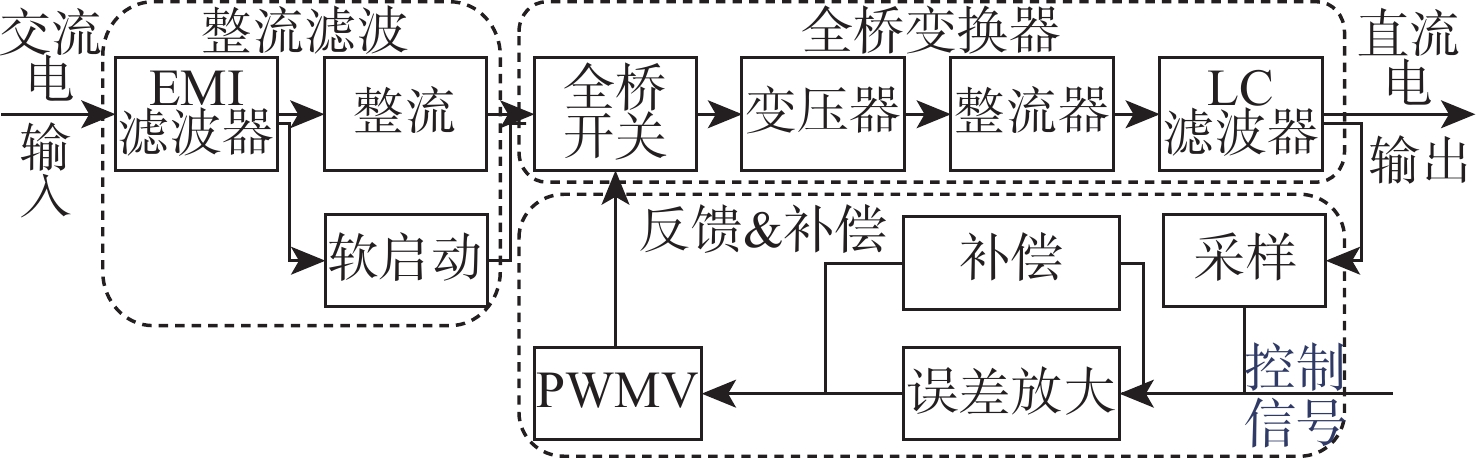
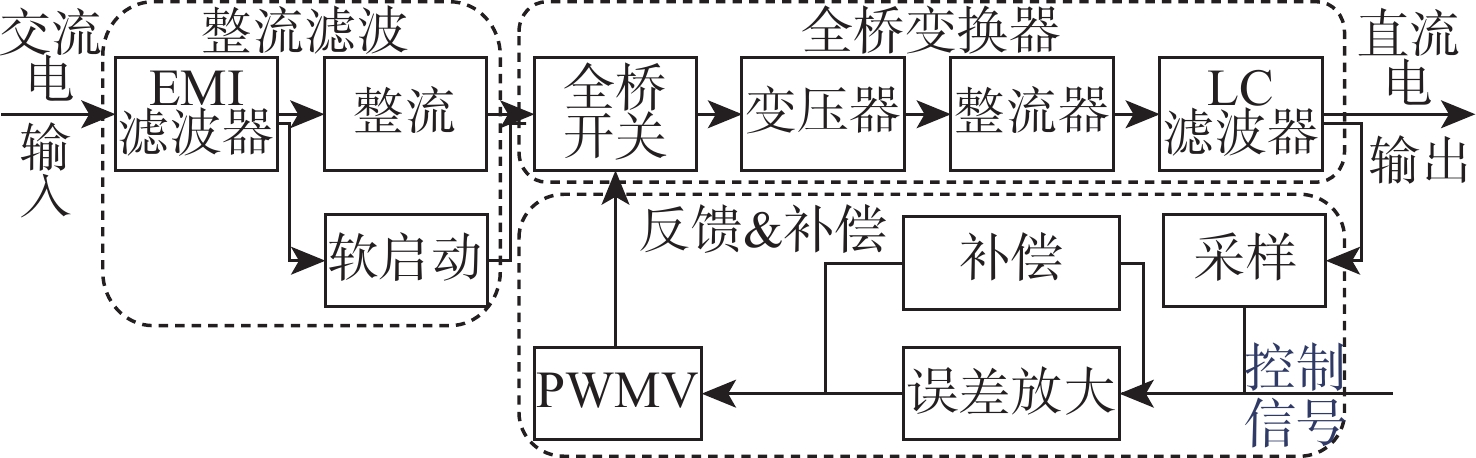
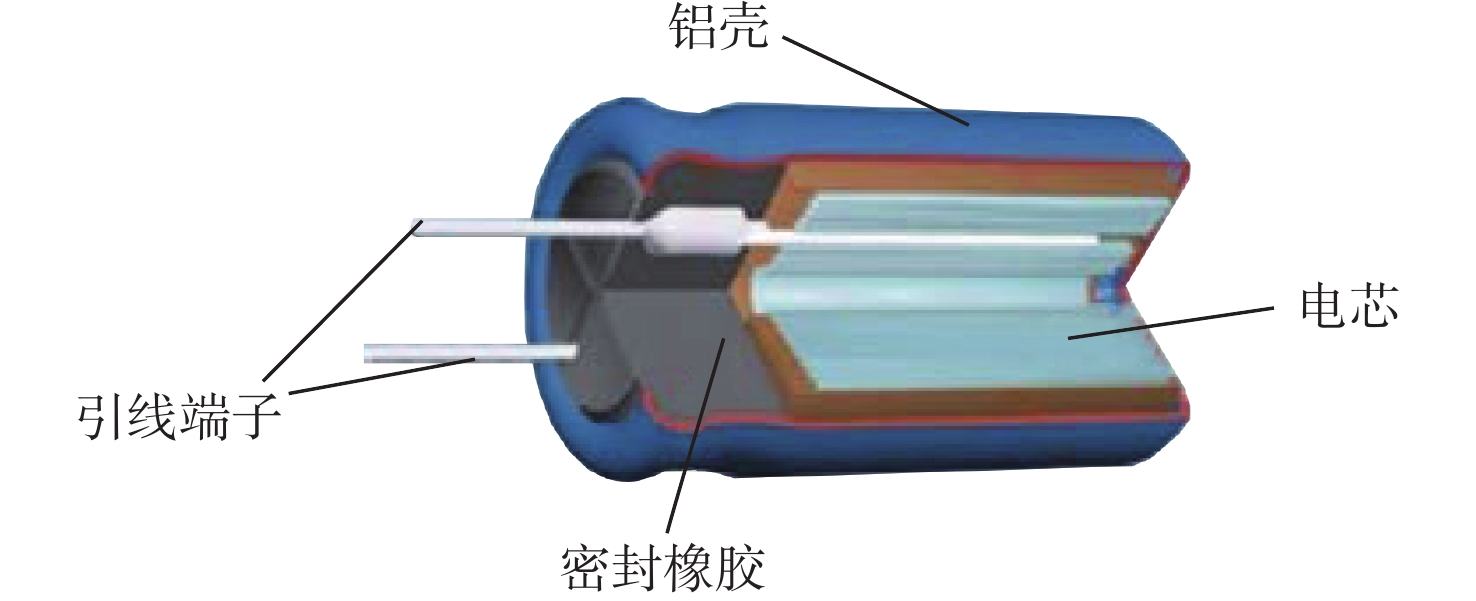
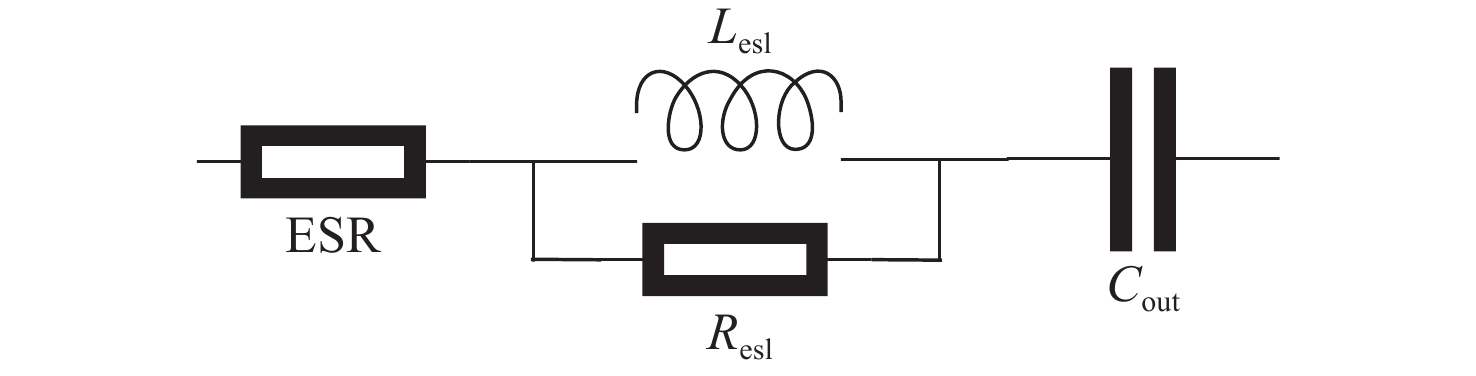
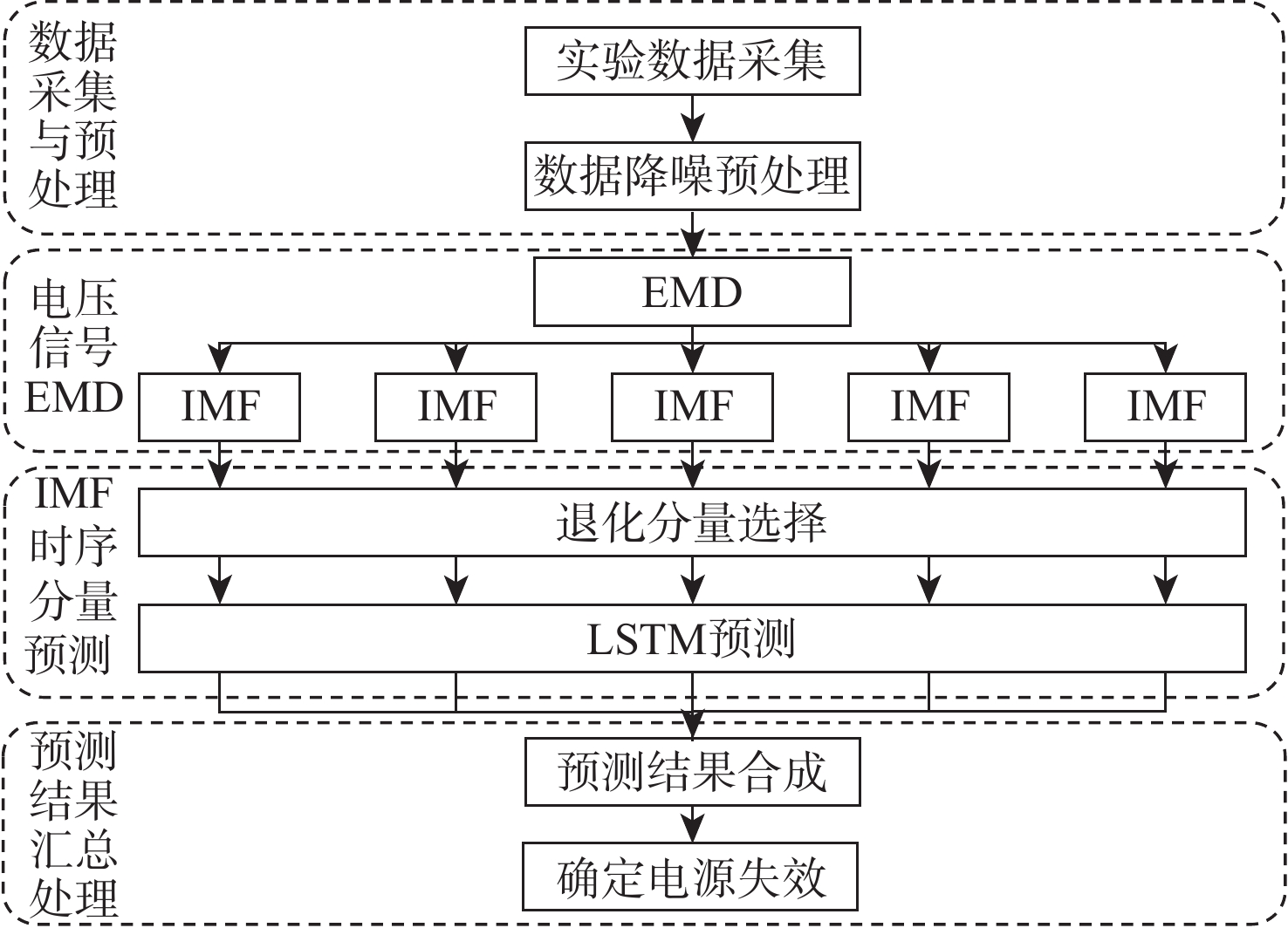
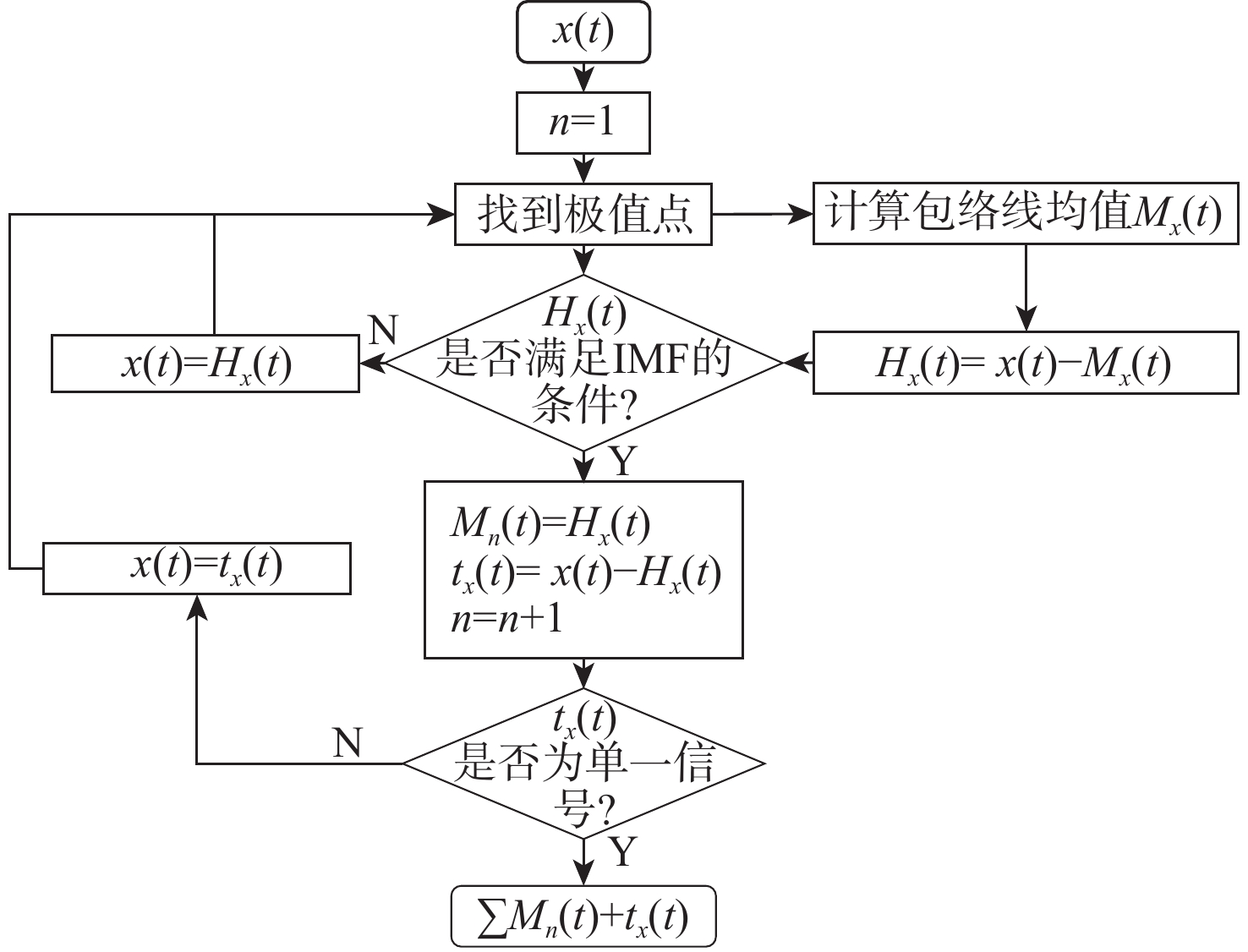
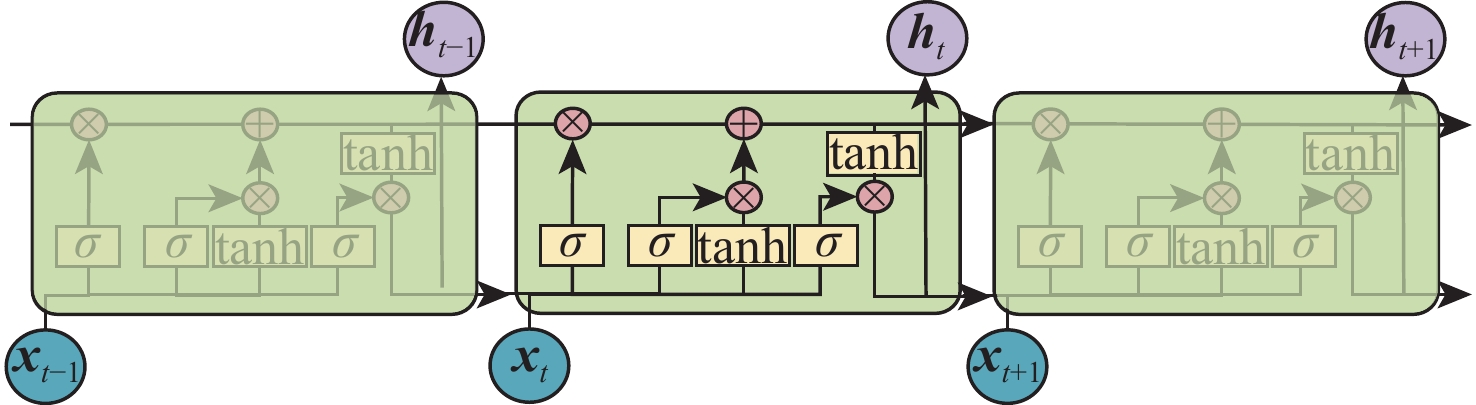
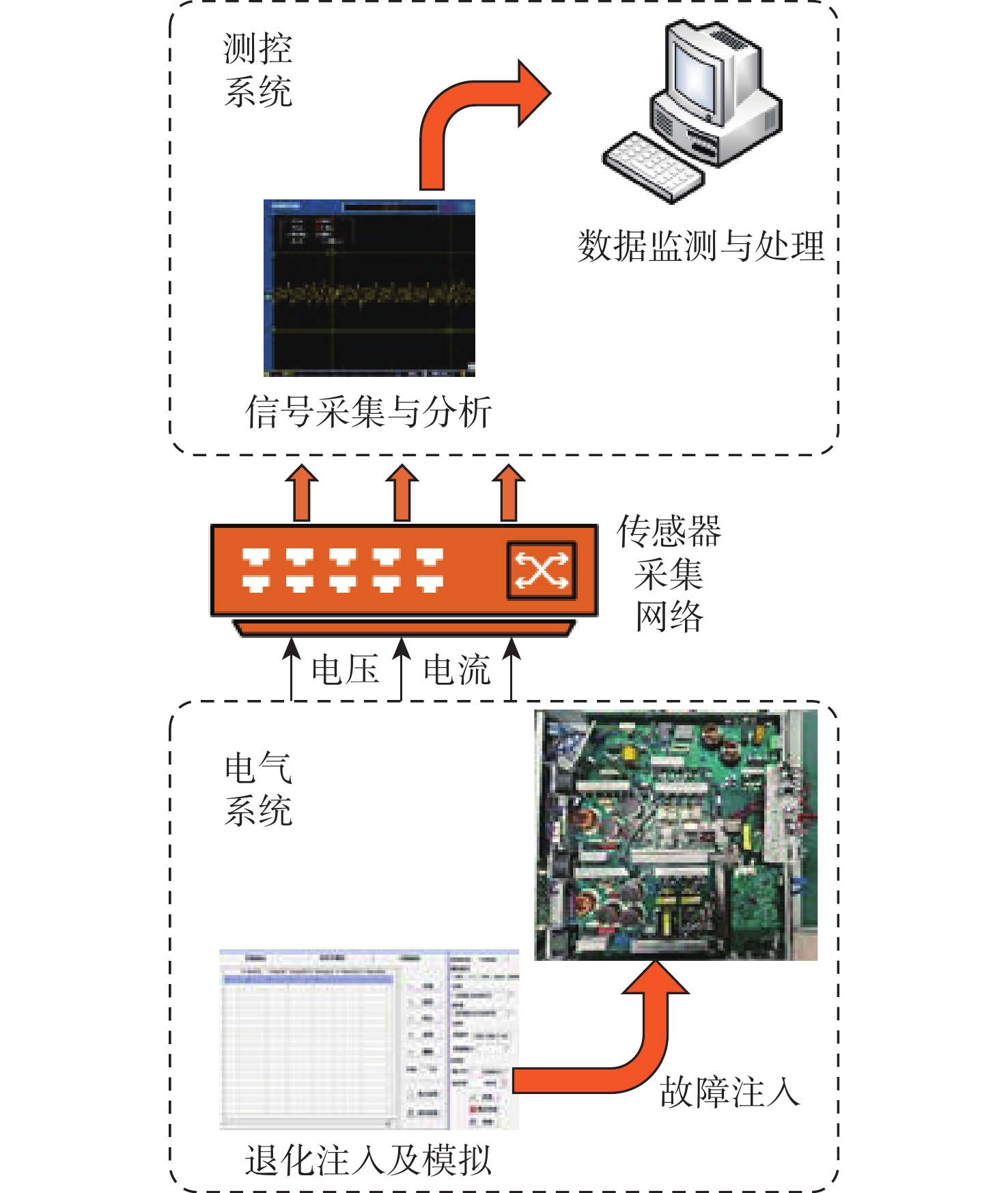
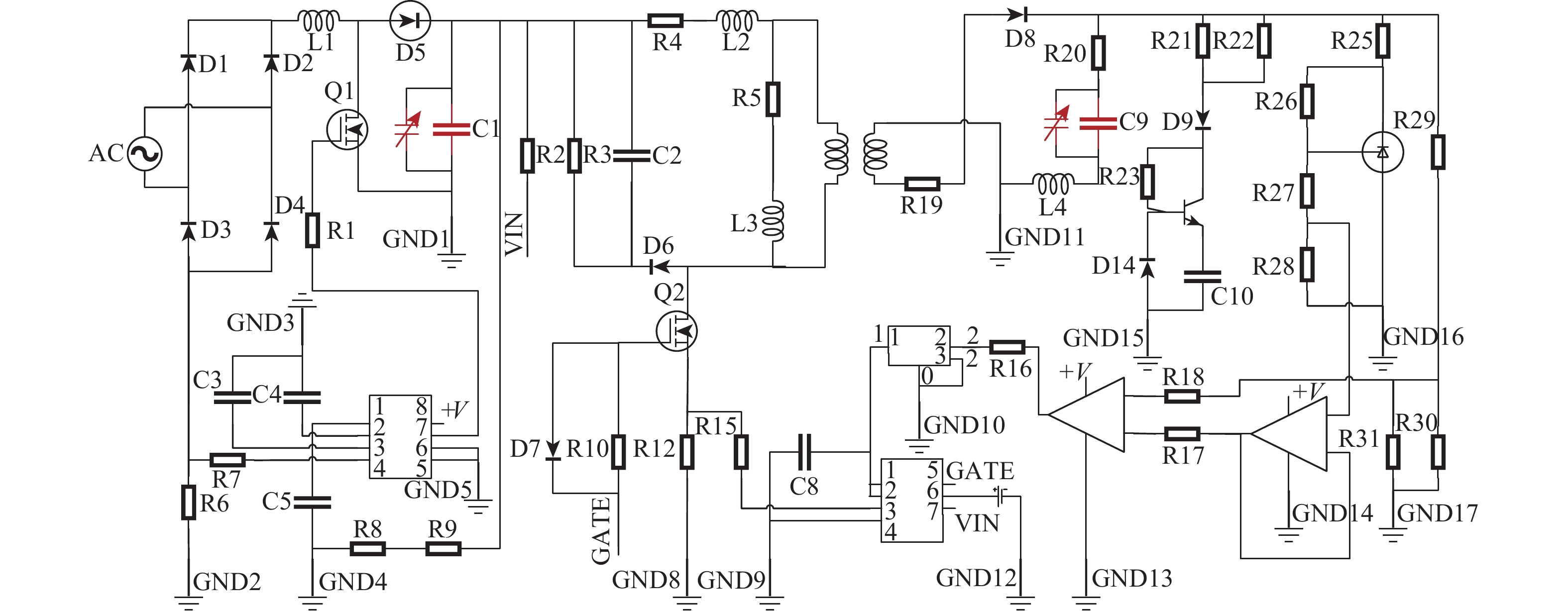
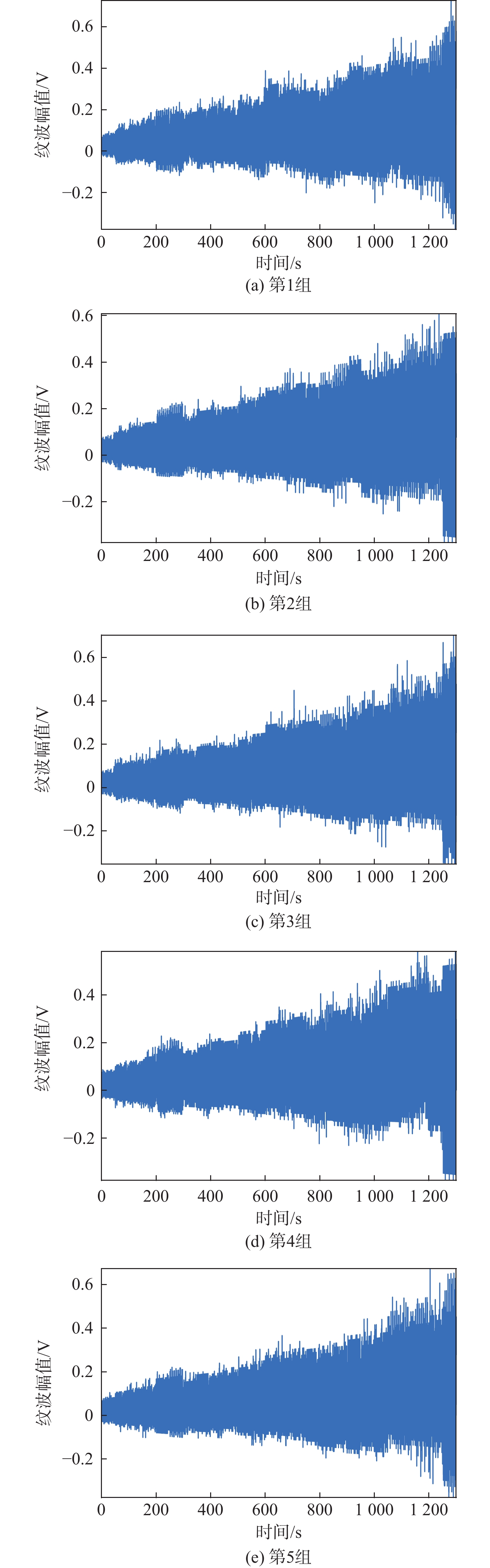
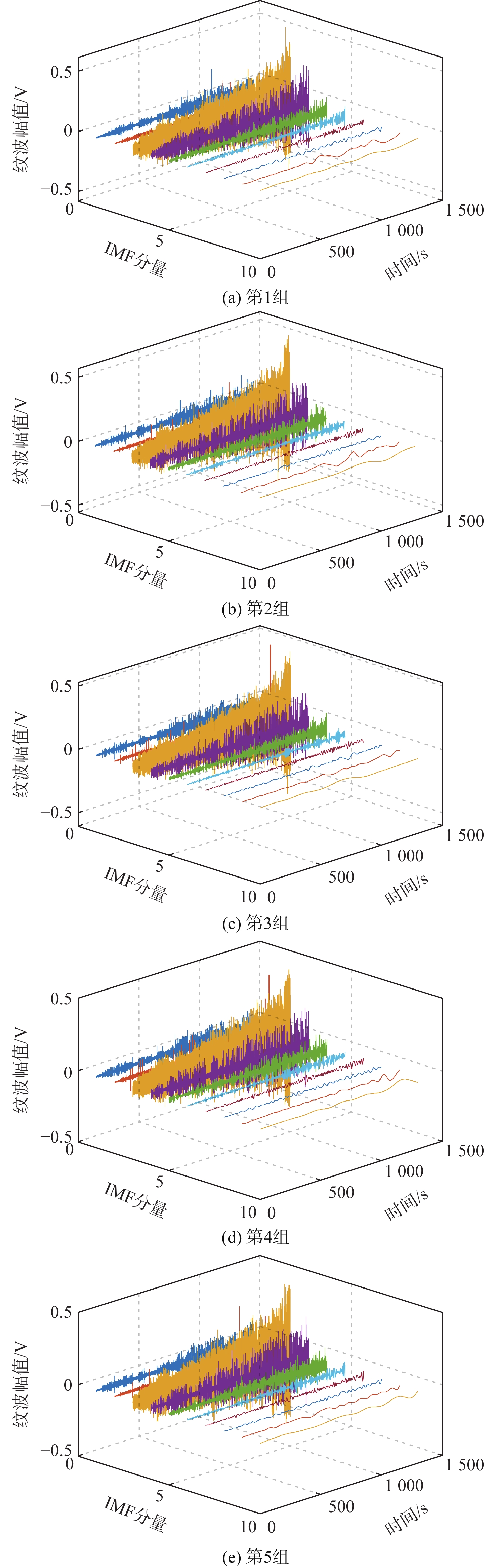
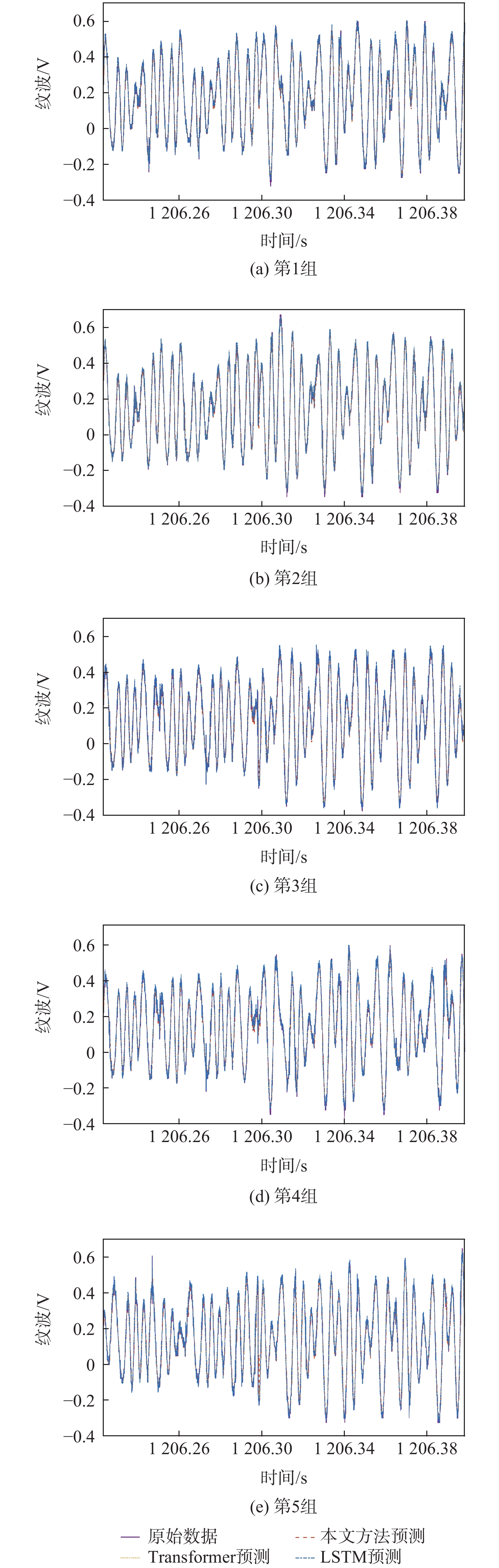
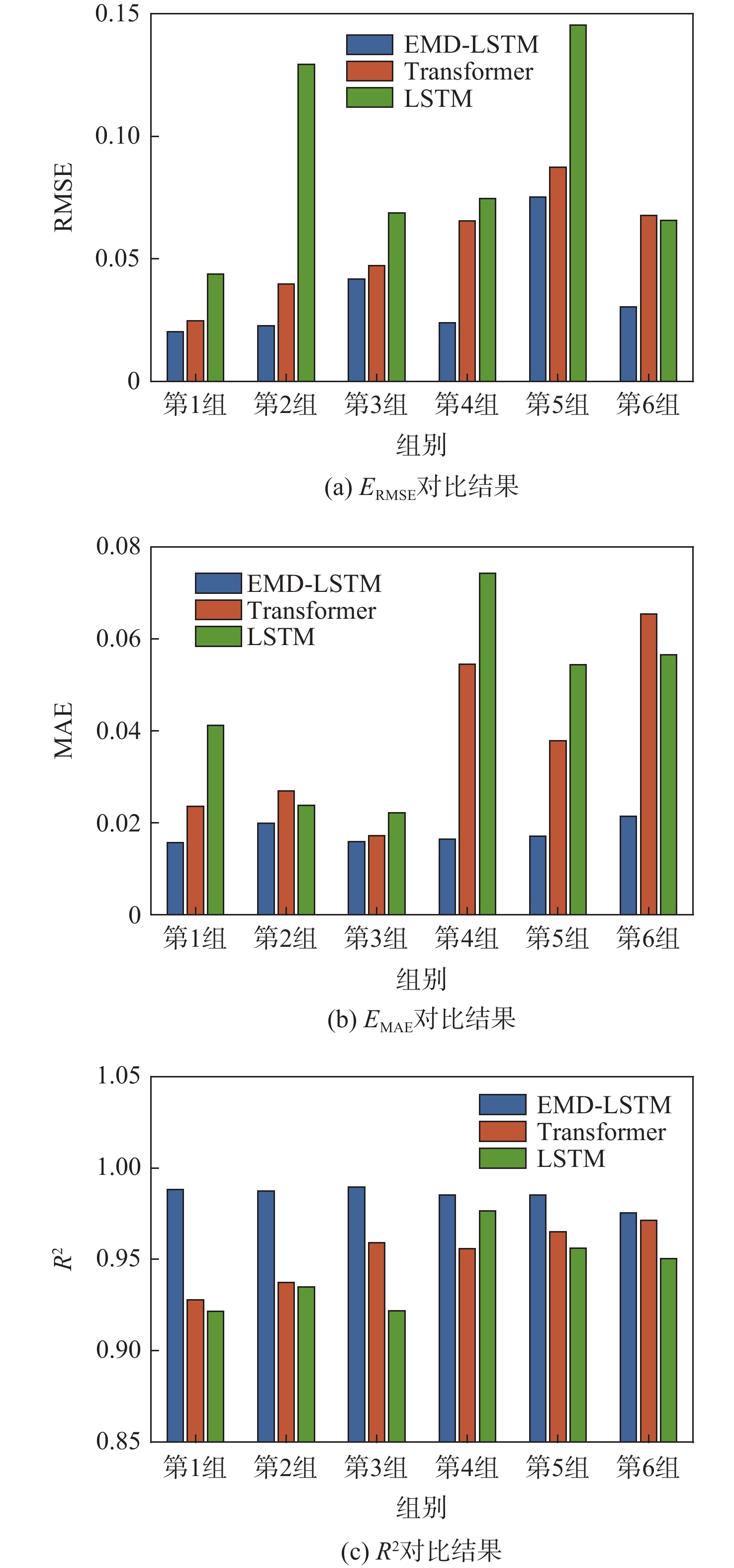
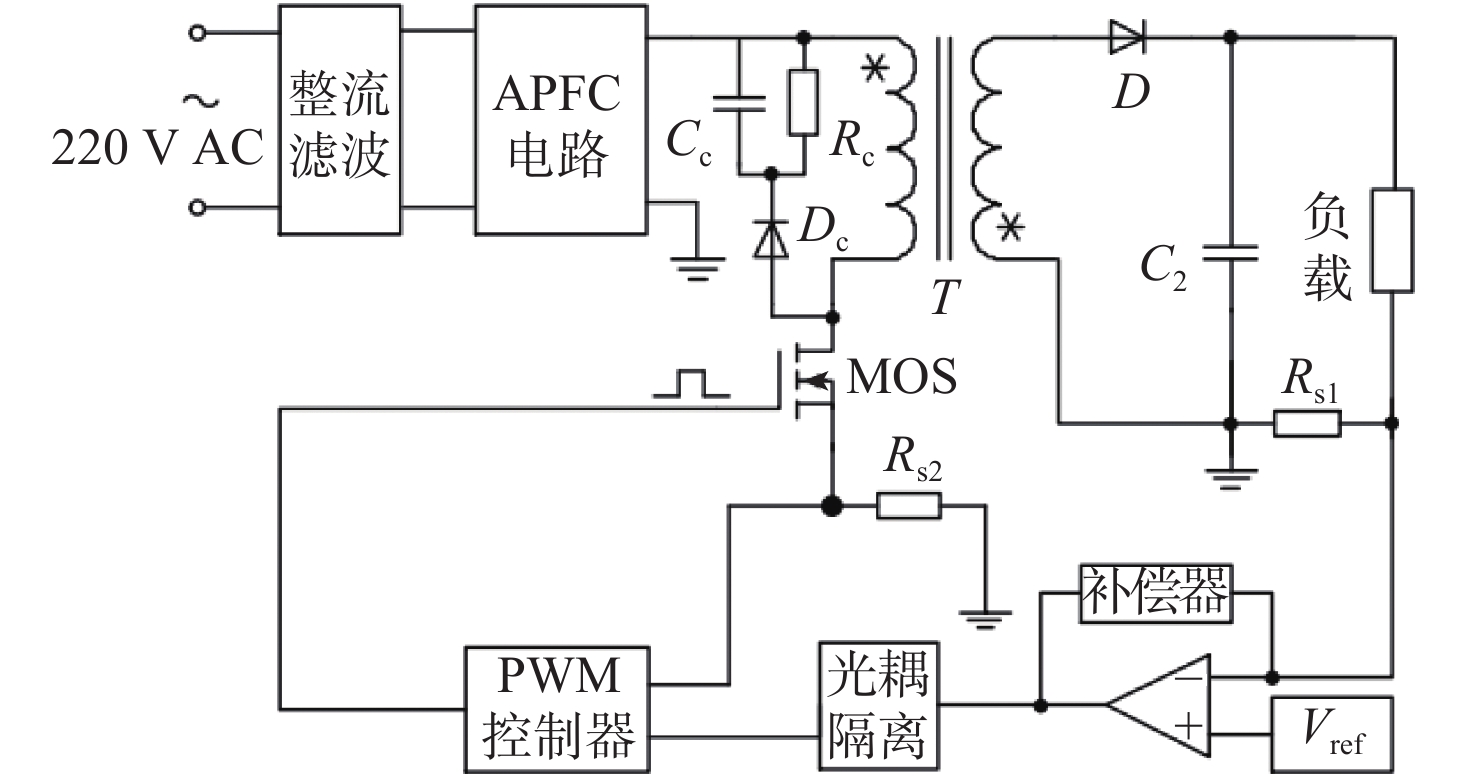
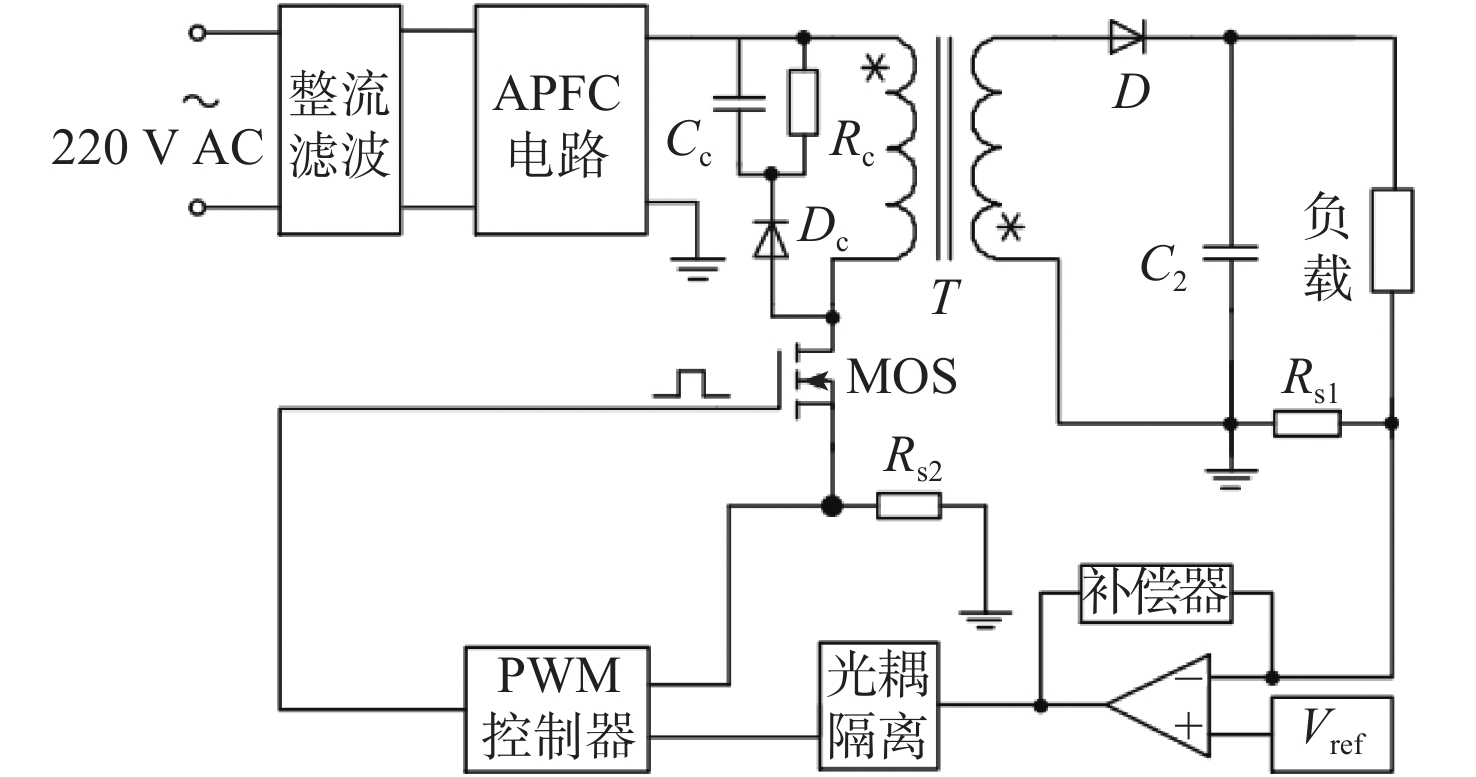
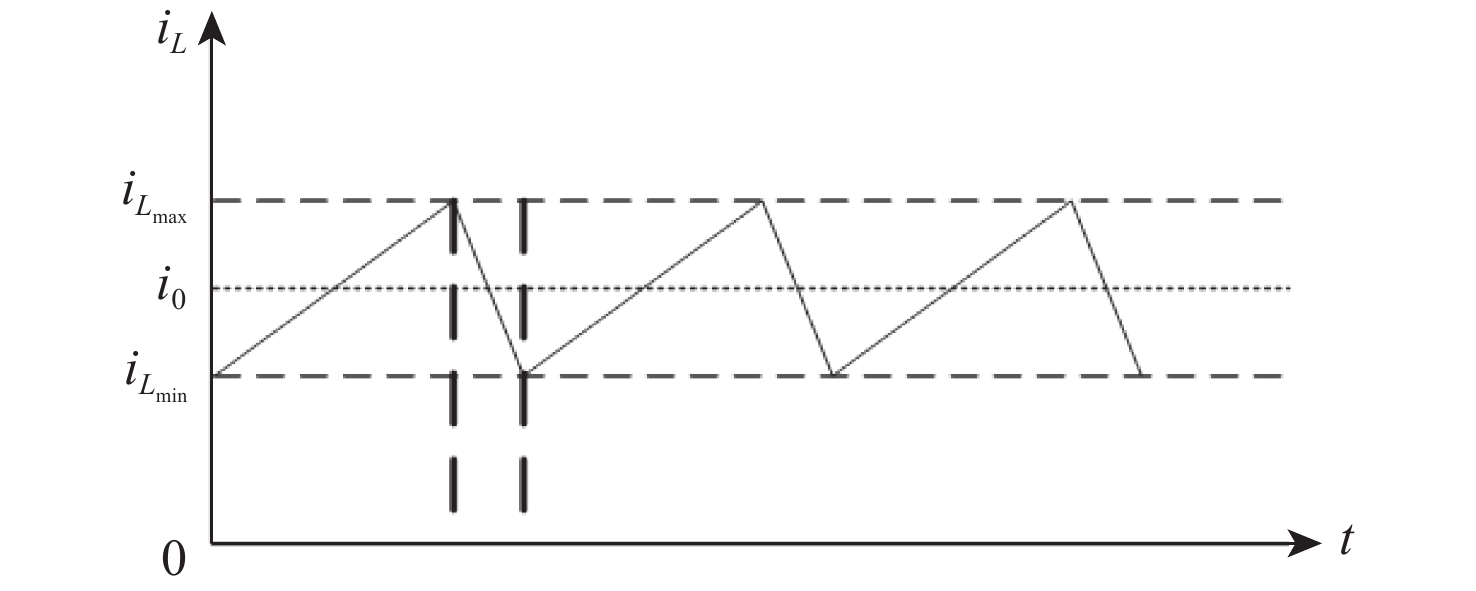
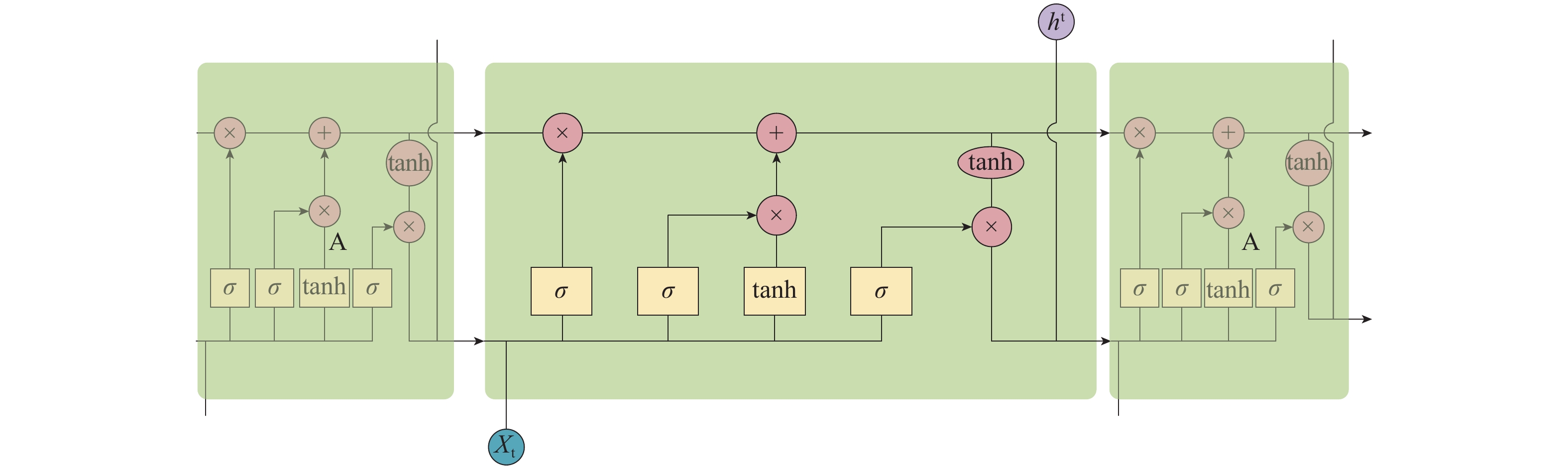
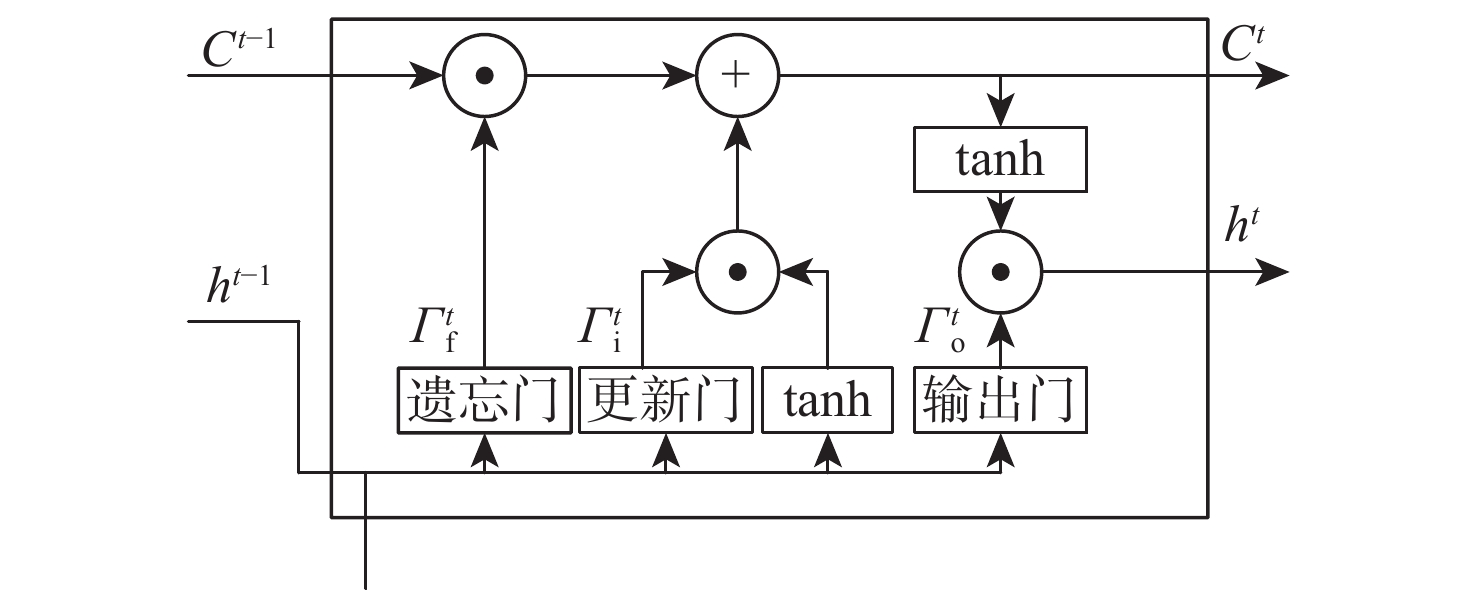
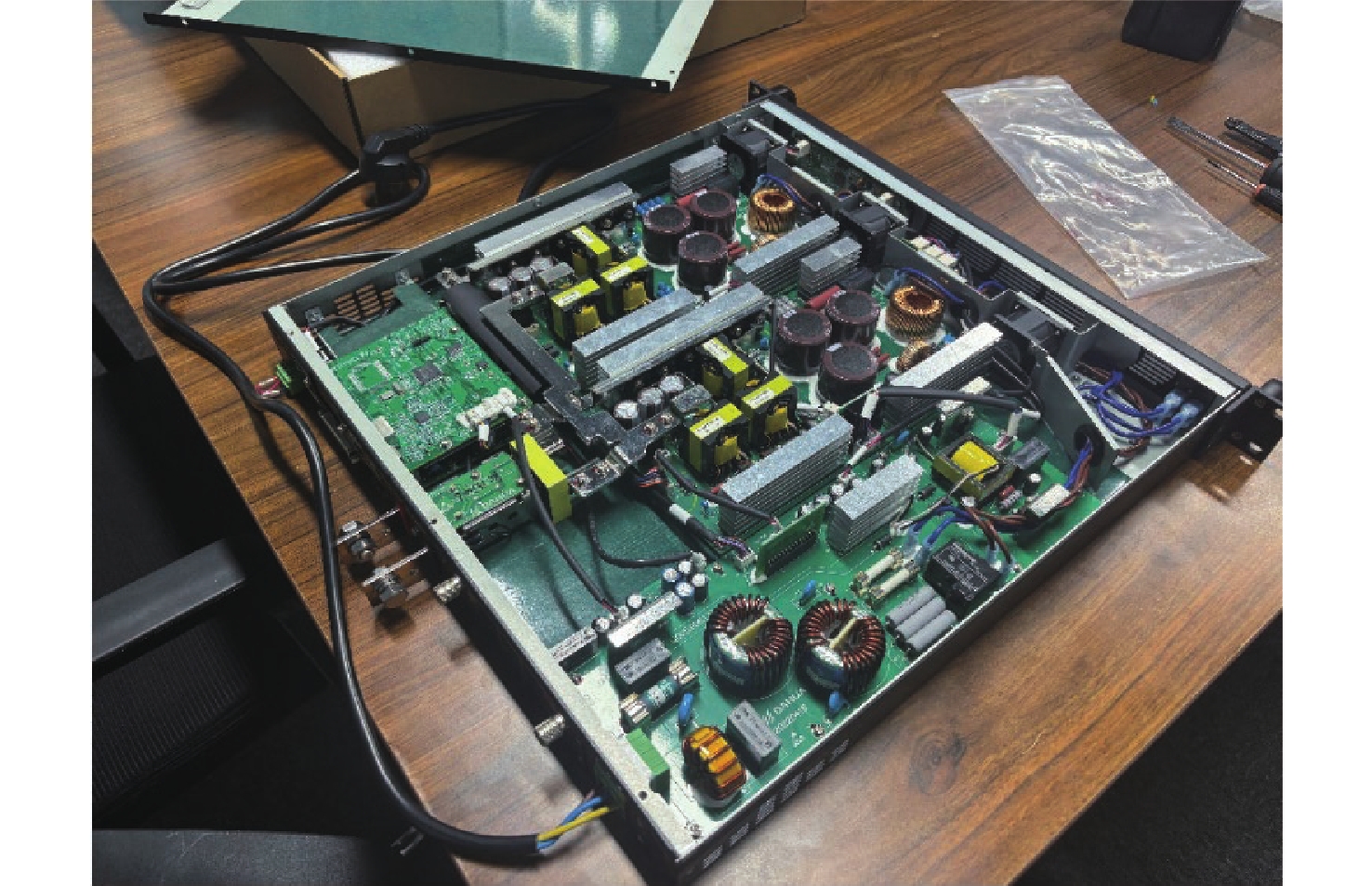
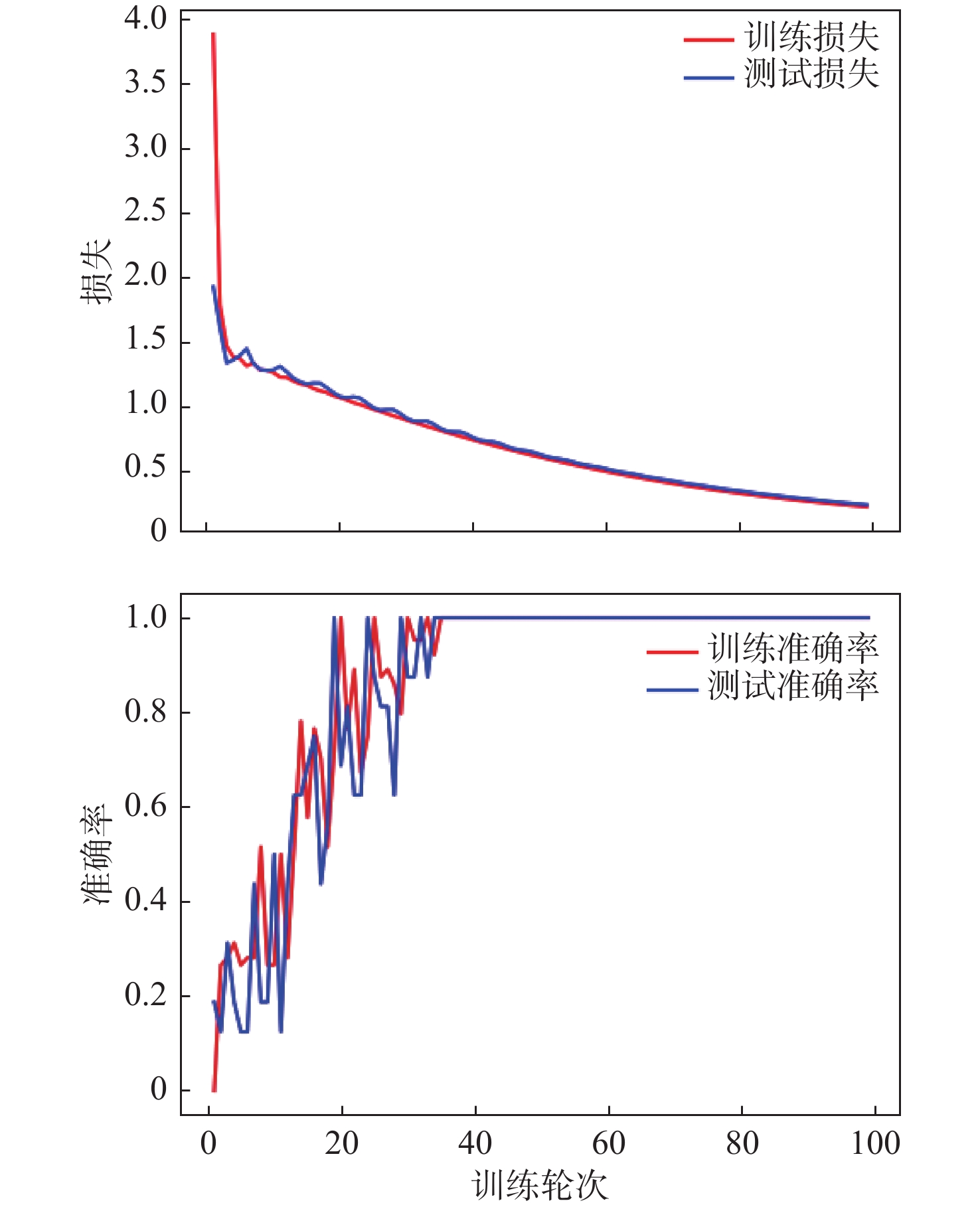
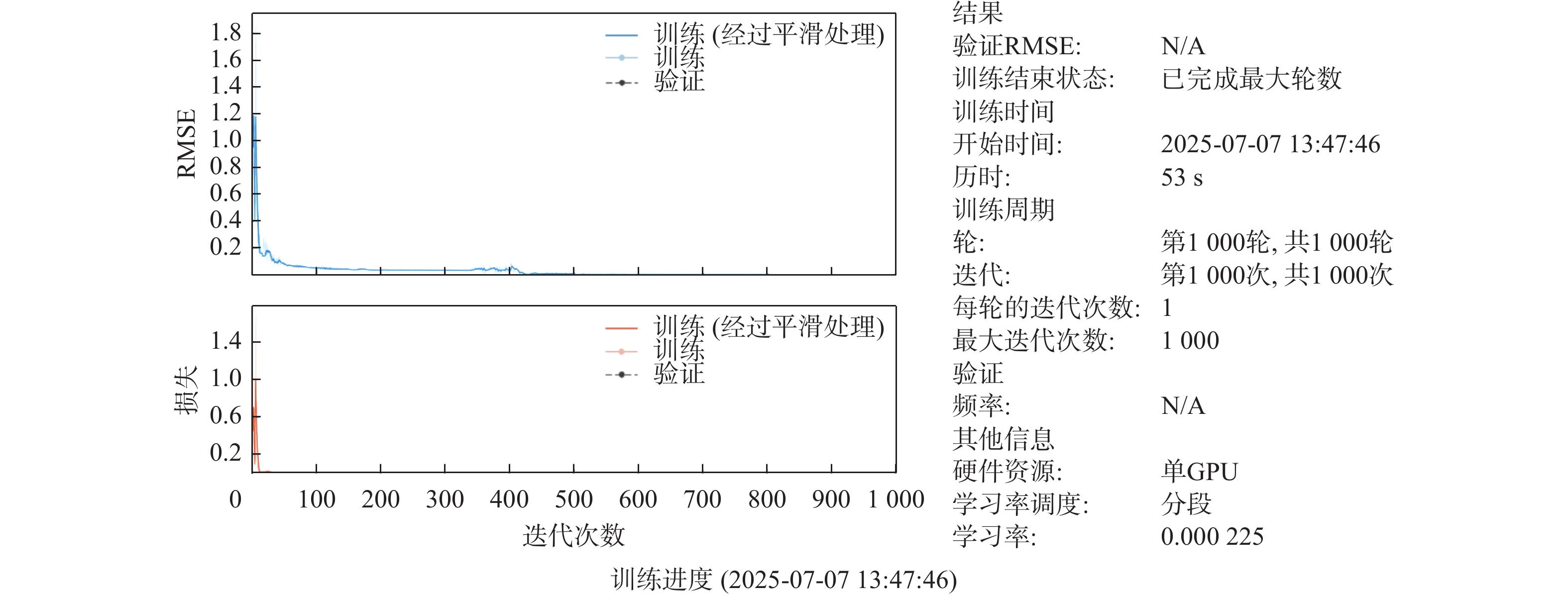
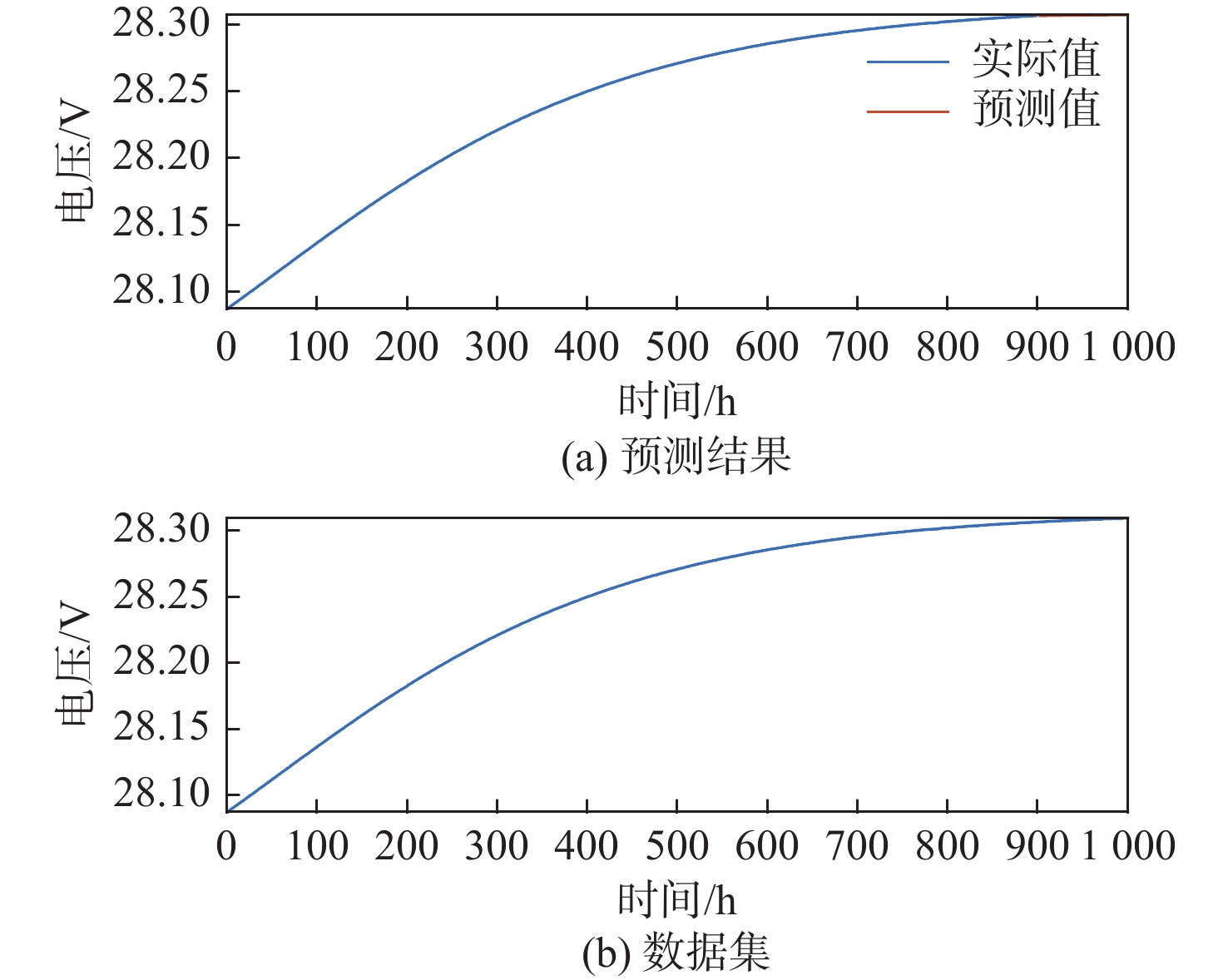
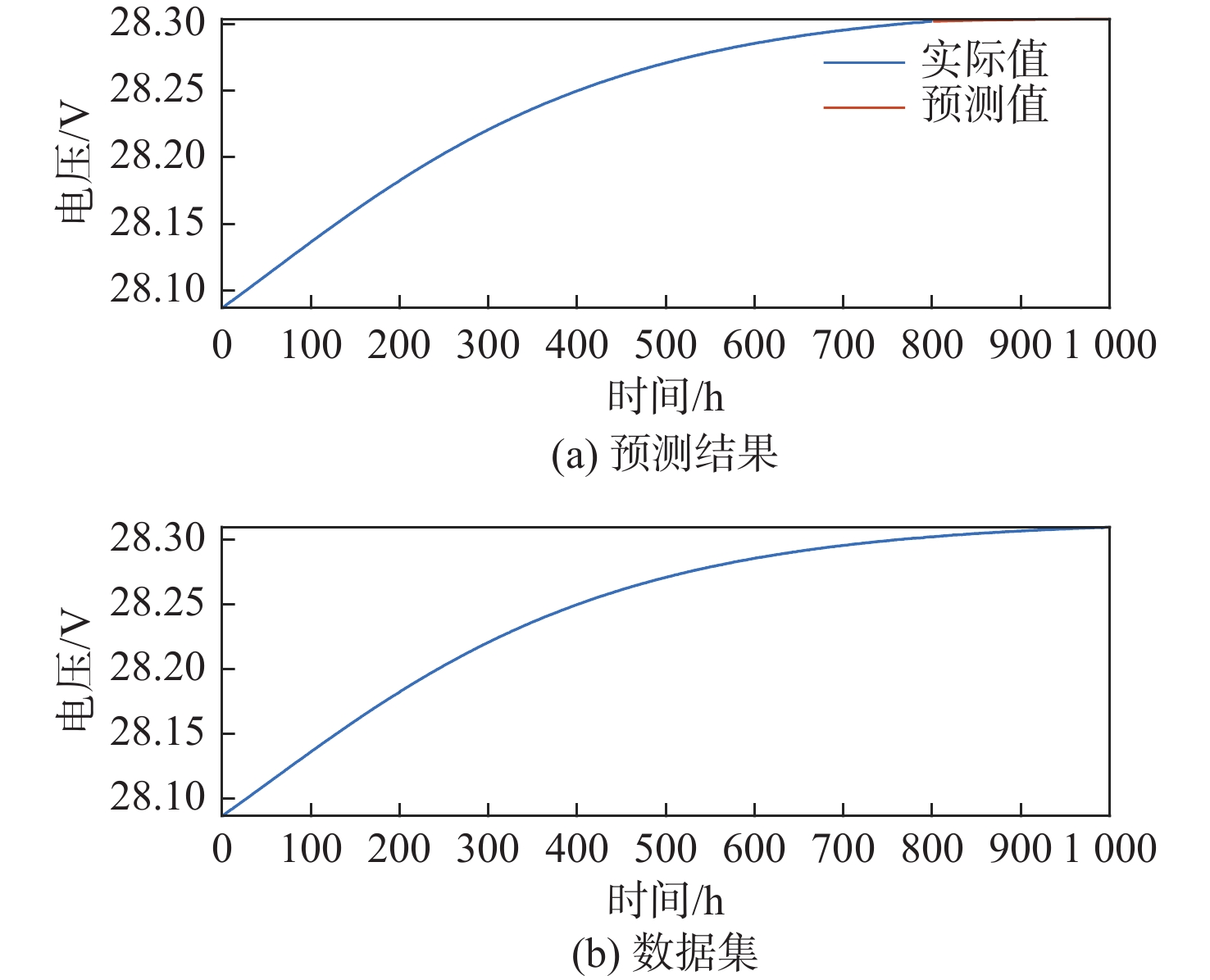
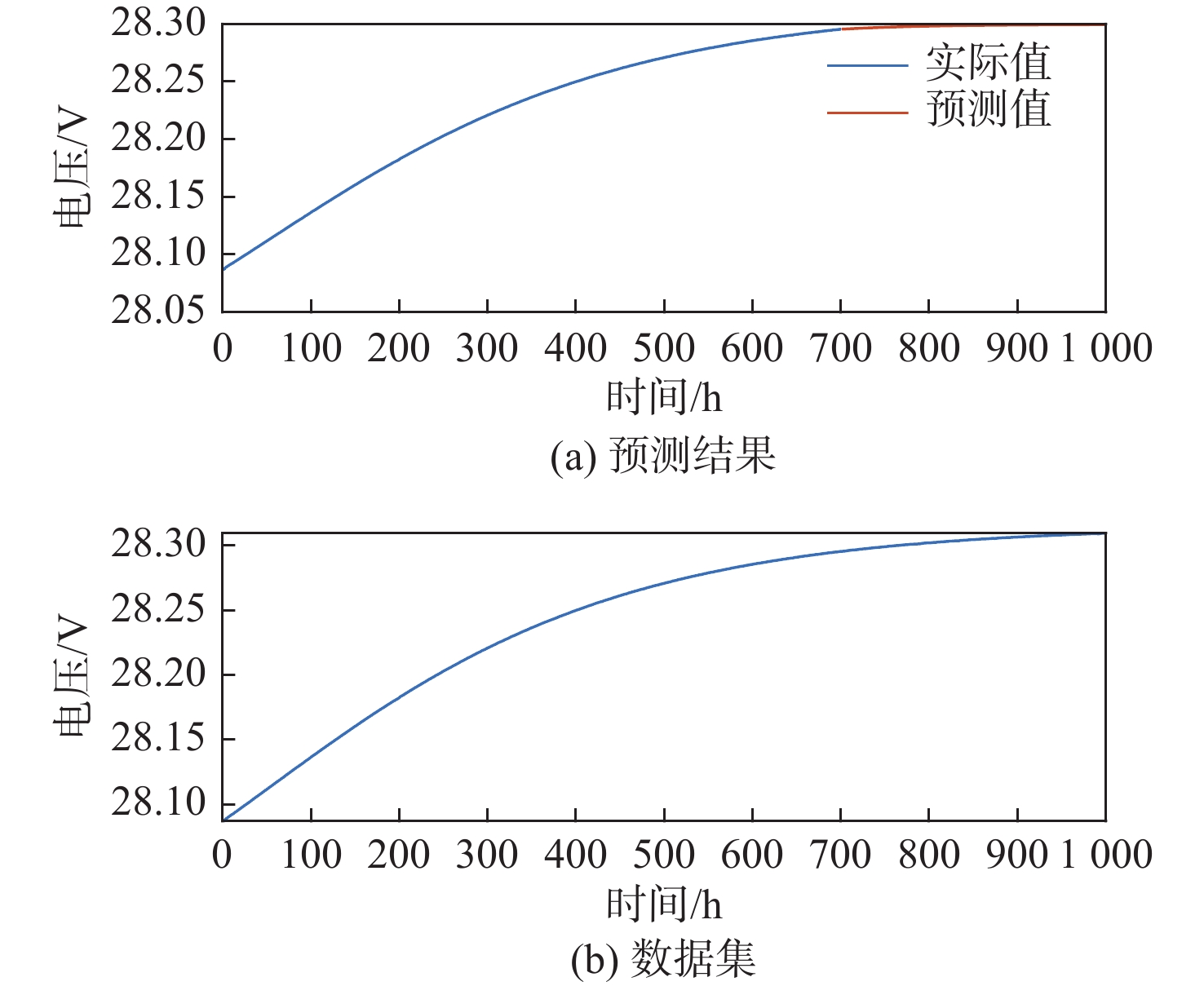
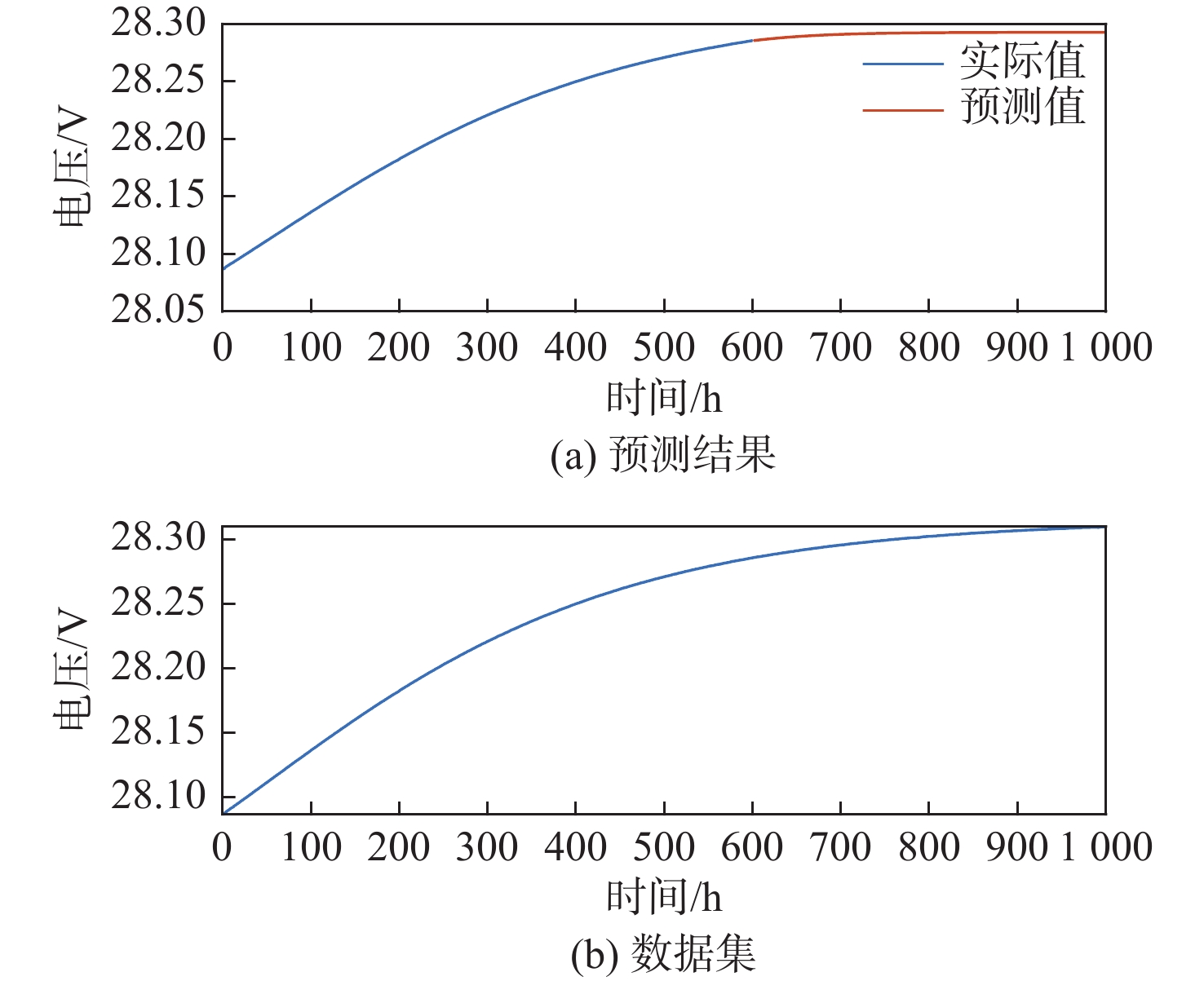
As a crucial energy provider in electronic systems, accurate monitoring and assessment of the health status of switching power supplies are crucial for ensuring efficient system operation. This research suggests a hybrid strategy that combines empirical mode decomposition (EMD) with a long short-term memory (LSTM) network to overcome the shortcomings of both data-driven and classic physics model-based methods in predicting complicated, non-stationary degradation signals. In the proposed method, EMD is employed to decompose degradation signals into multi-scale intrinsic mode functions. The relevant components are then selected and further processed, while the LSTM network captures long-term dependencies and nonlinear temporal dynamics in the time series. This approach enables accurate prediction of degradation trends in switch-mode power supplies. To verify the effectiveness of the proposed algorithm, a degradation simulation test platform for a switch-mode power supply is designed, and the fault injection method is developed. In order to simulate component-level degradation processes realistically, a fault-injection circuit is expressly made to mimic the degradation behavior of important components, especially capacitor degradation within the filtering module of the switch-mode power supply. Based on the constructed degradation experimental setup, experiments are conducted under degradation conditions to systematically validate the effectiveness of the proposed method.

State recognition method for switching power supplies based on ResNet-LSTM
HE Wenbo, CAI Yilun, ZHANG Runzhi, XU Jia, WANG Xingjian
2026, 52(8): 2953-2962. doi: 10.13700/j.bh.1001-5965.2025.0698
Abstract:

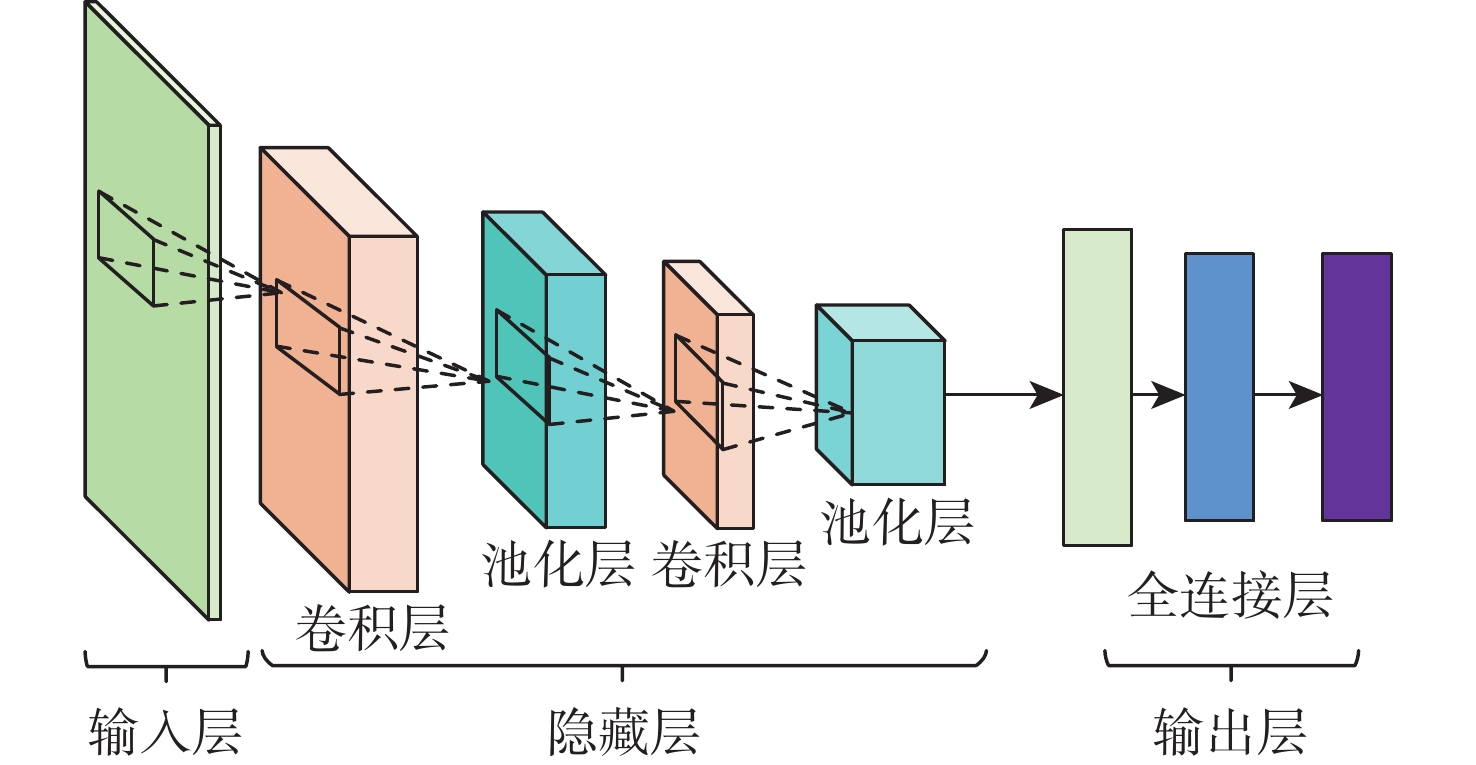
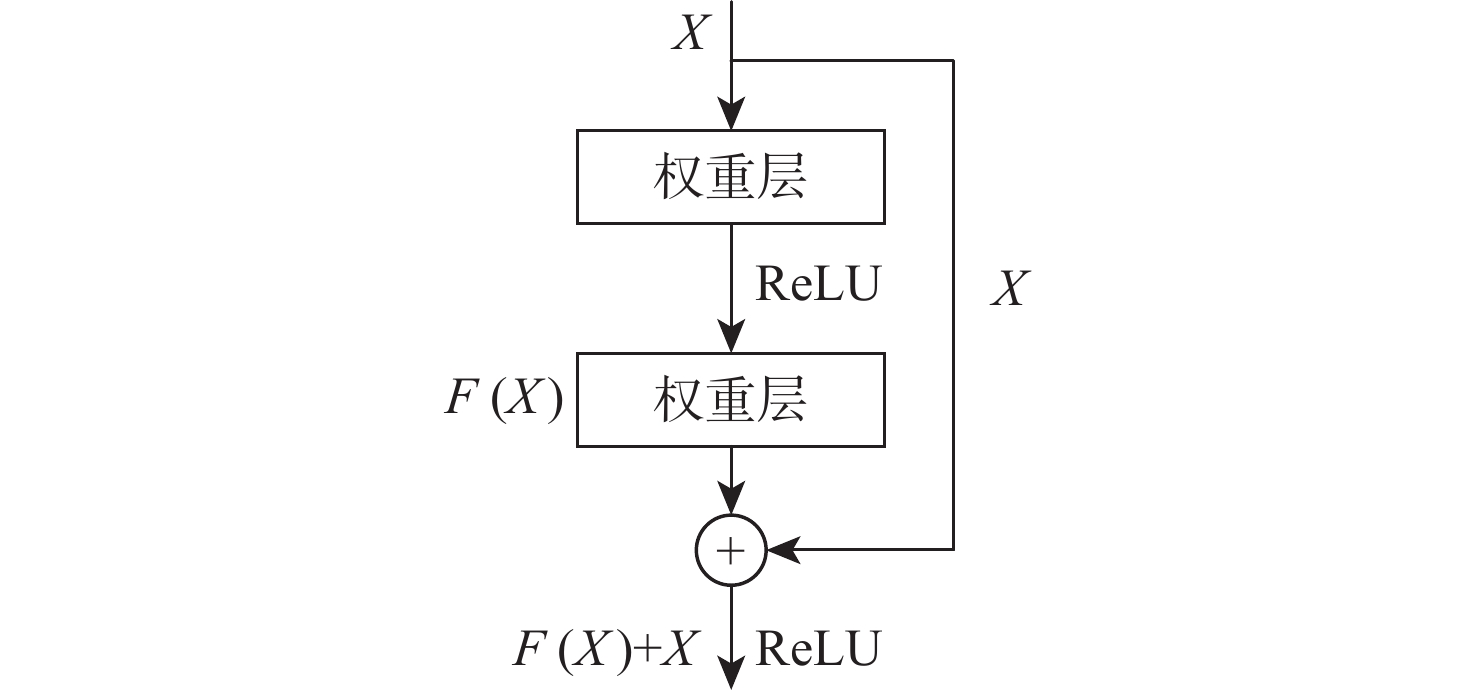
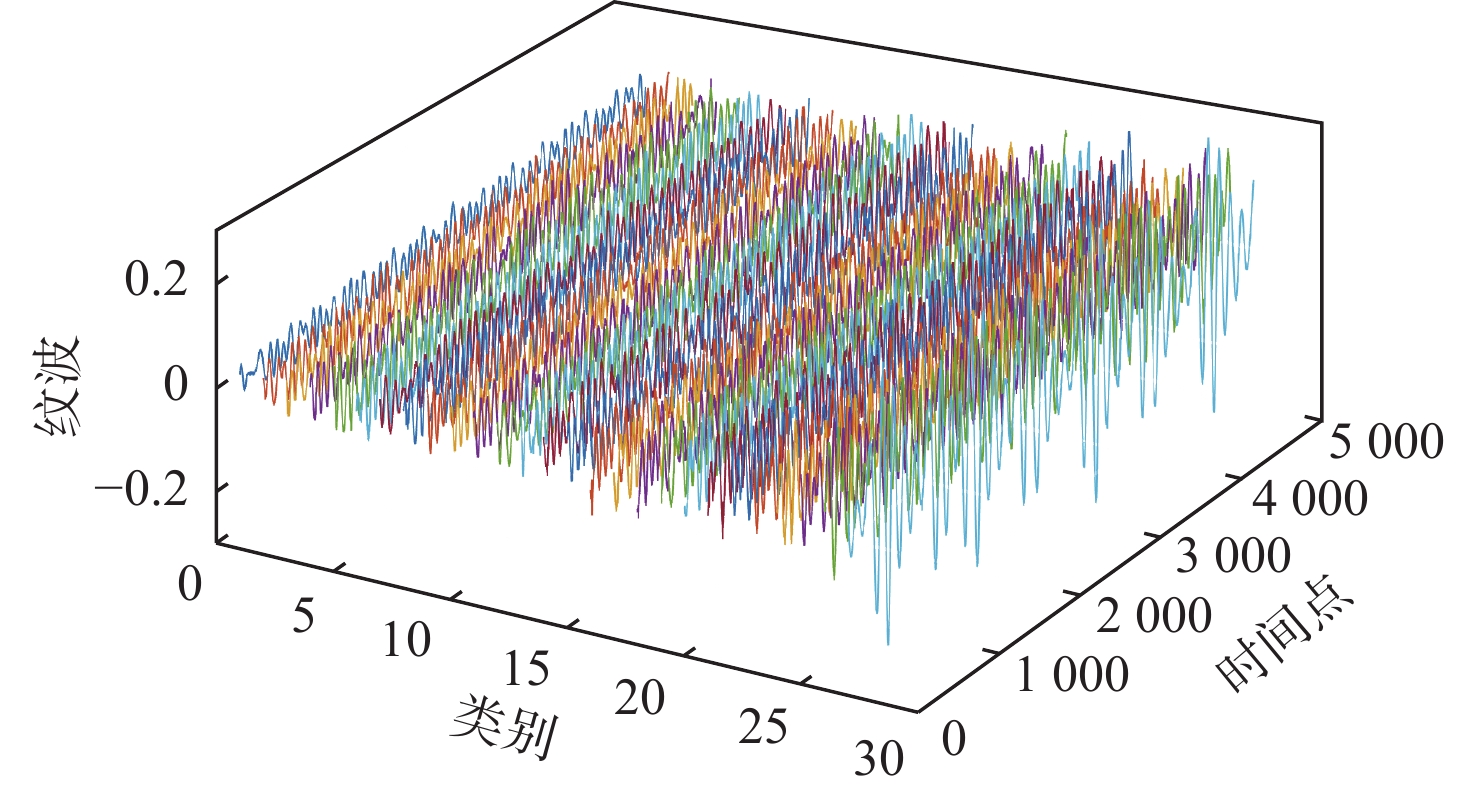
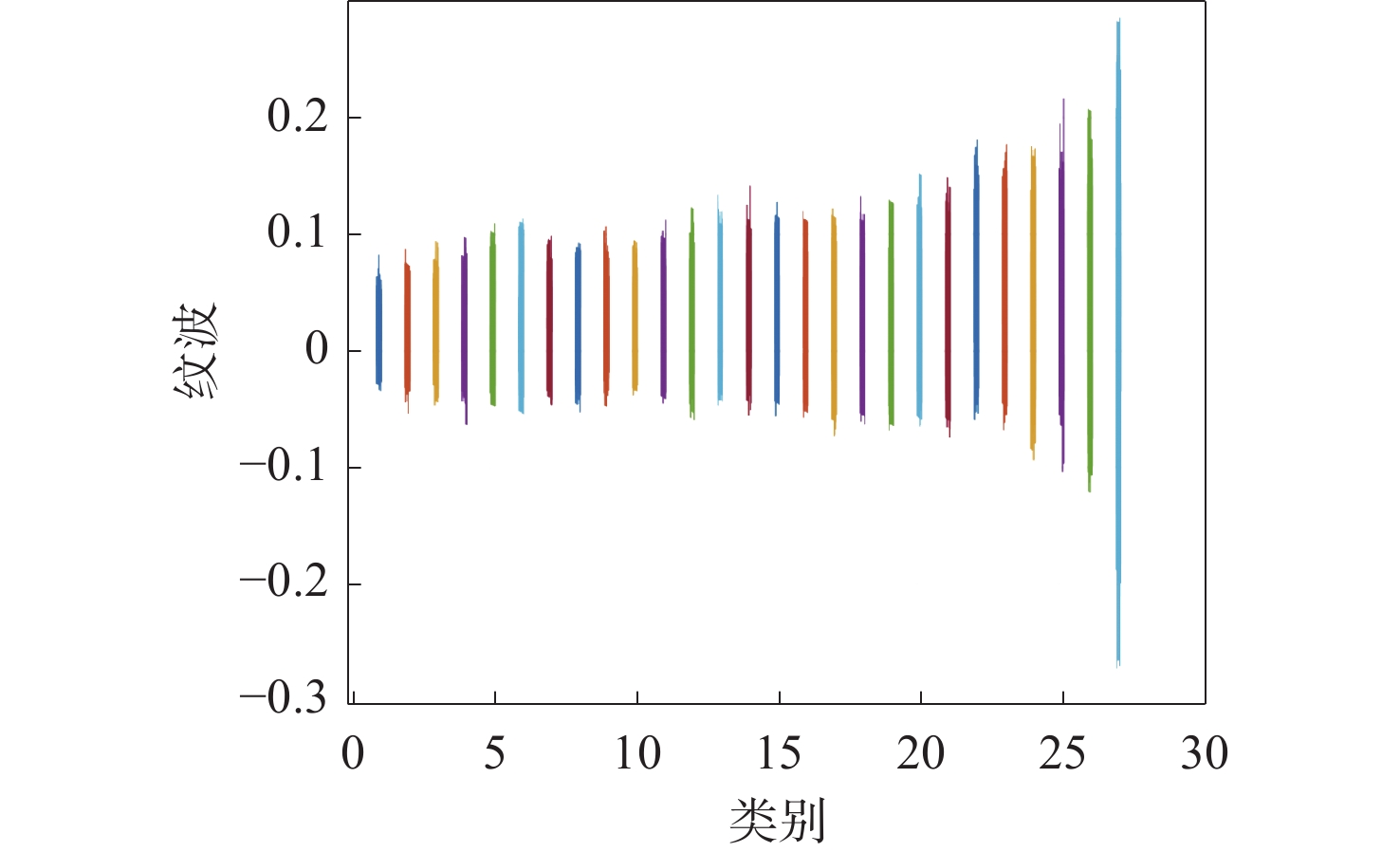
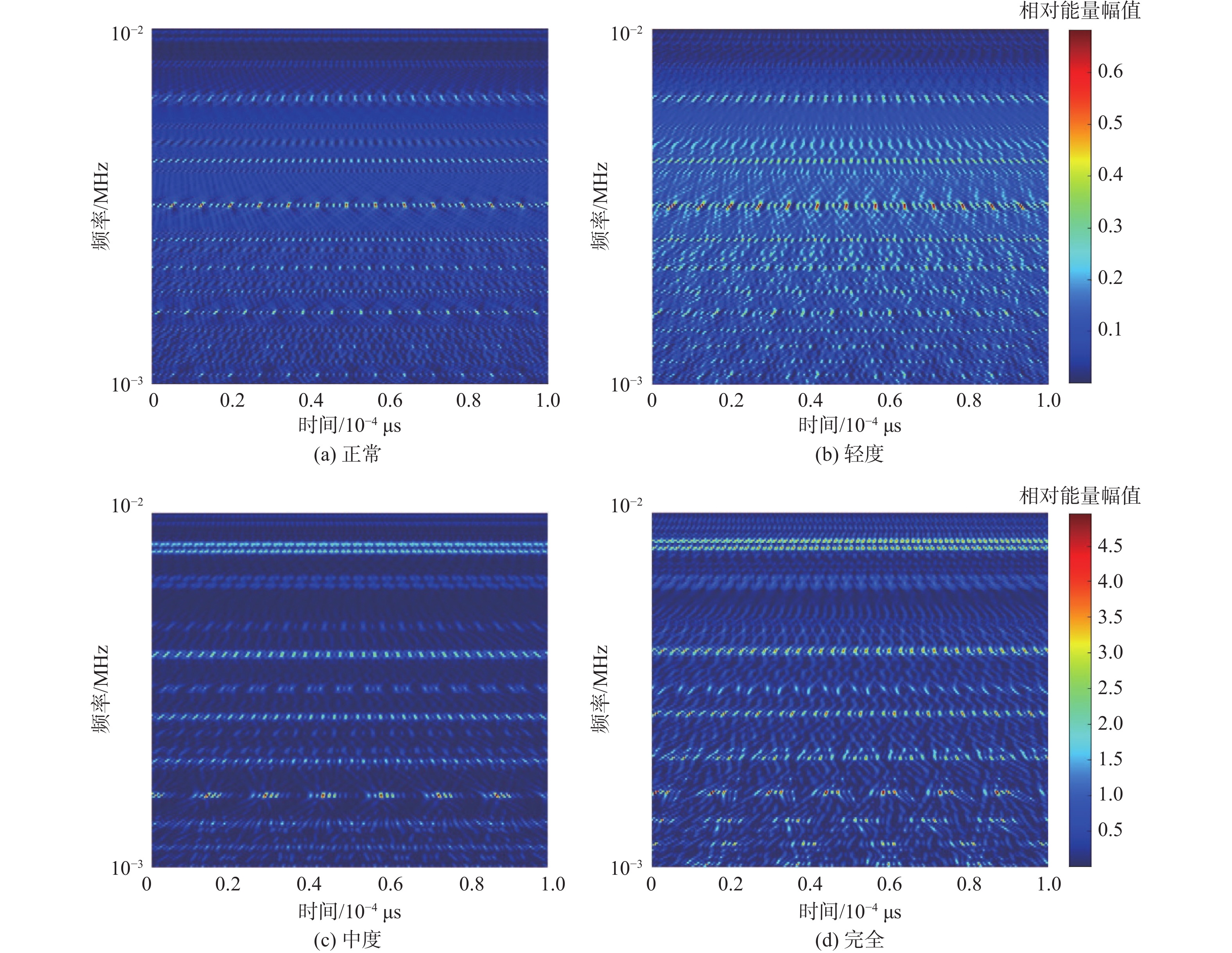
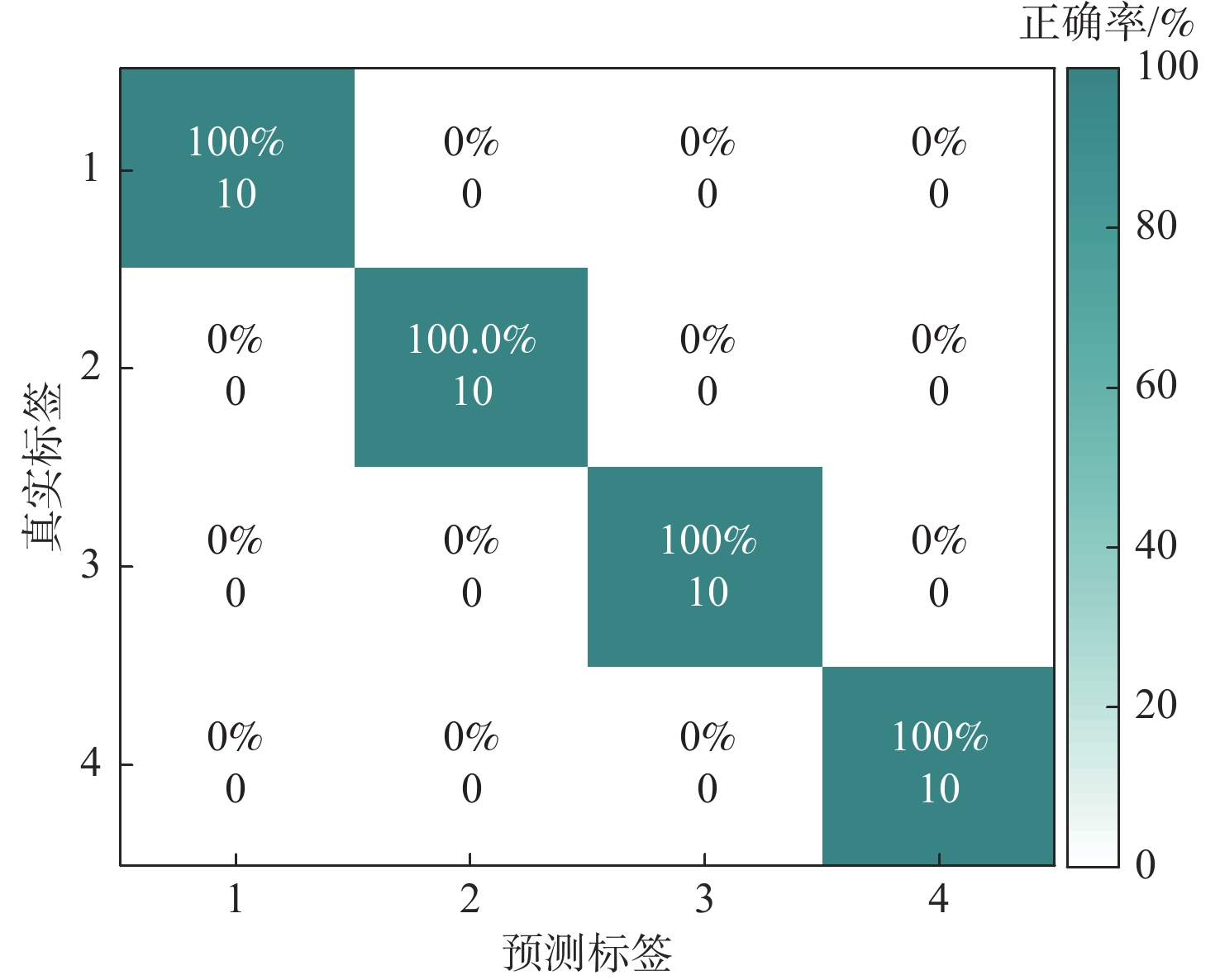
The capacitance value’s degradation level in relation to its original value is first split into four state intervals in order to accomplish state recognition and degradation monitoring of switching power supply. This gives following state recognition jobs a clear labeling basis. A method combining ripple signal feature extraction with a deep learning classification model is proposed to enable rapid identification of the current state. The wavelet transform is applied to decompose the ripple signal at multiple scales, extracting its time-frequency domain feature maps to capture subtle dynamic characteristics during capacitor degradation. In order to categorize and identify feature maps of various states, a deep convolutional neural network model based on feature extraction is built using a residual network (ResNet) with its potent feature representation capabilities and residual learning mechanism. Finally, a ResNet-LSTM model is employed to predict the power supply’s degradation trend, with results demonstrating relatively accurate prediction performance.

Reliability analysis of complex systems based on fault tree decomposition and Copula modeling
XU Jia, CAI Yilun, HE Wenbo, ZHANG Runzhi, WANG Xingjian
2026, 52(8): 2963-2973. doi: 10.13700/j.bh.1001-5965.2025.0701
Abstract:

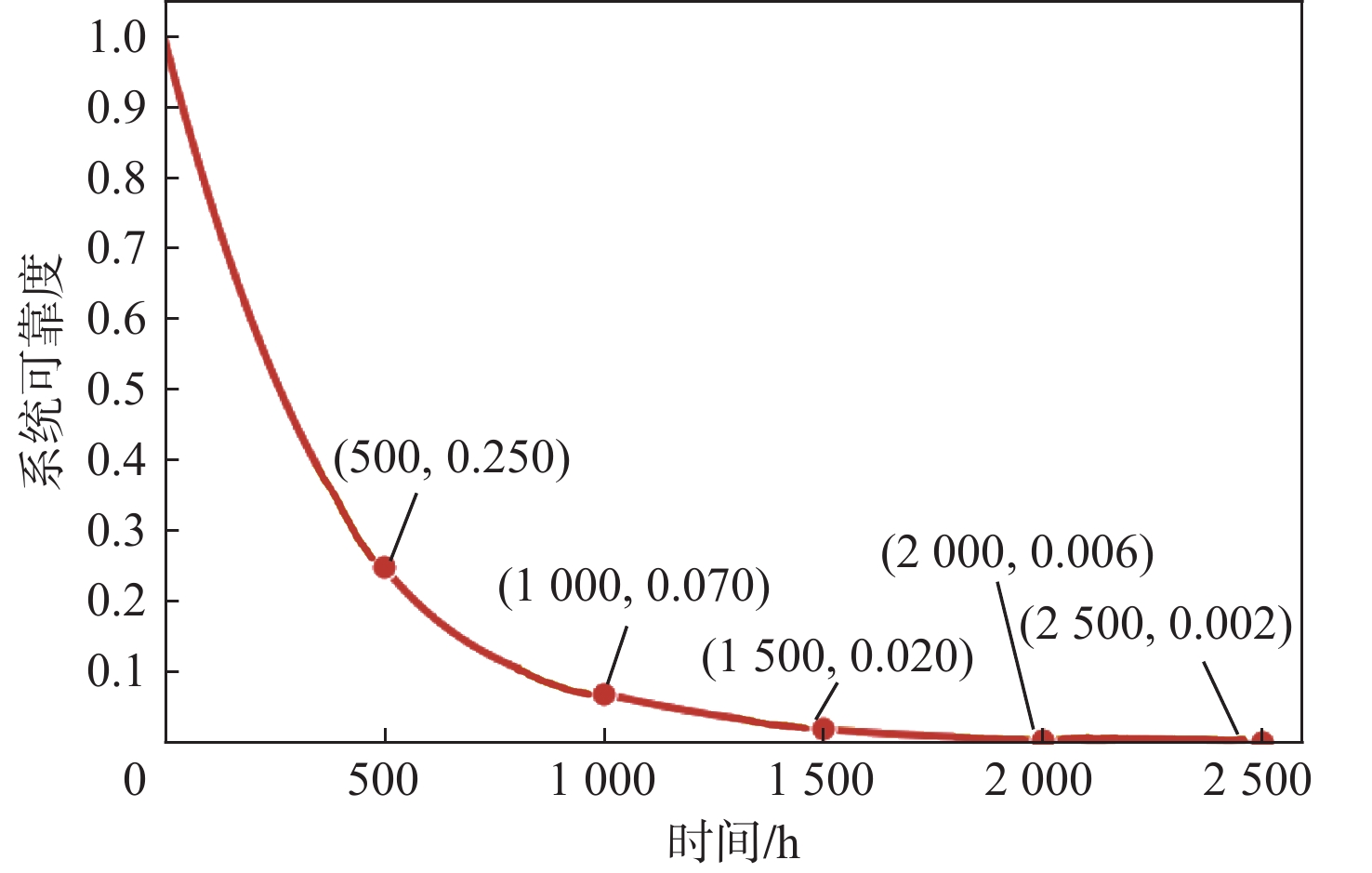
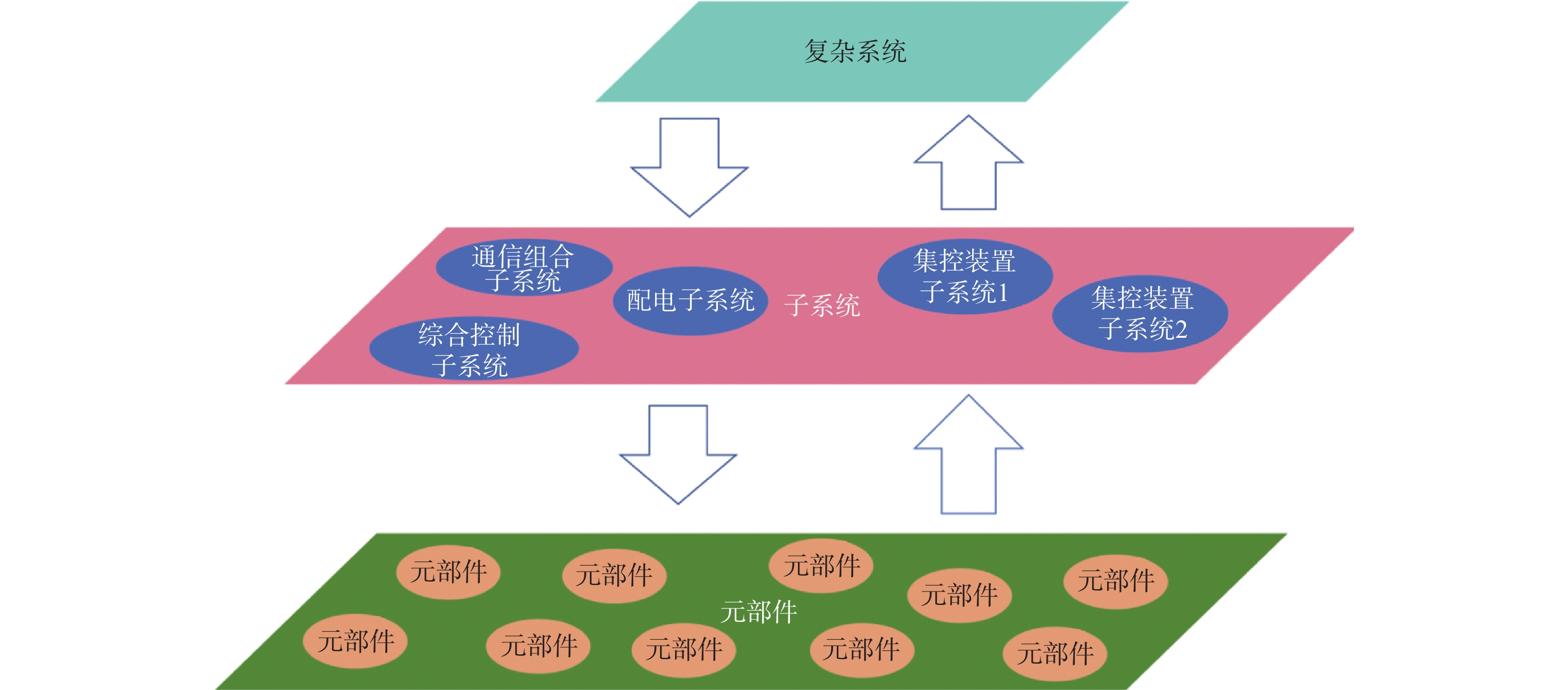
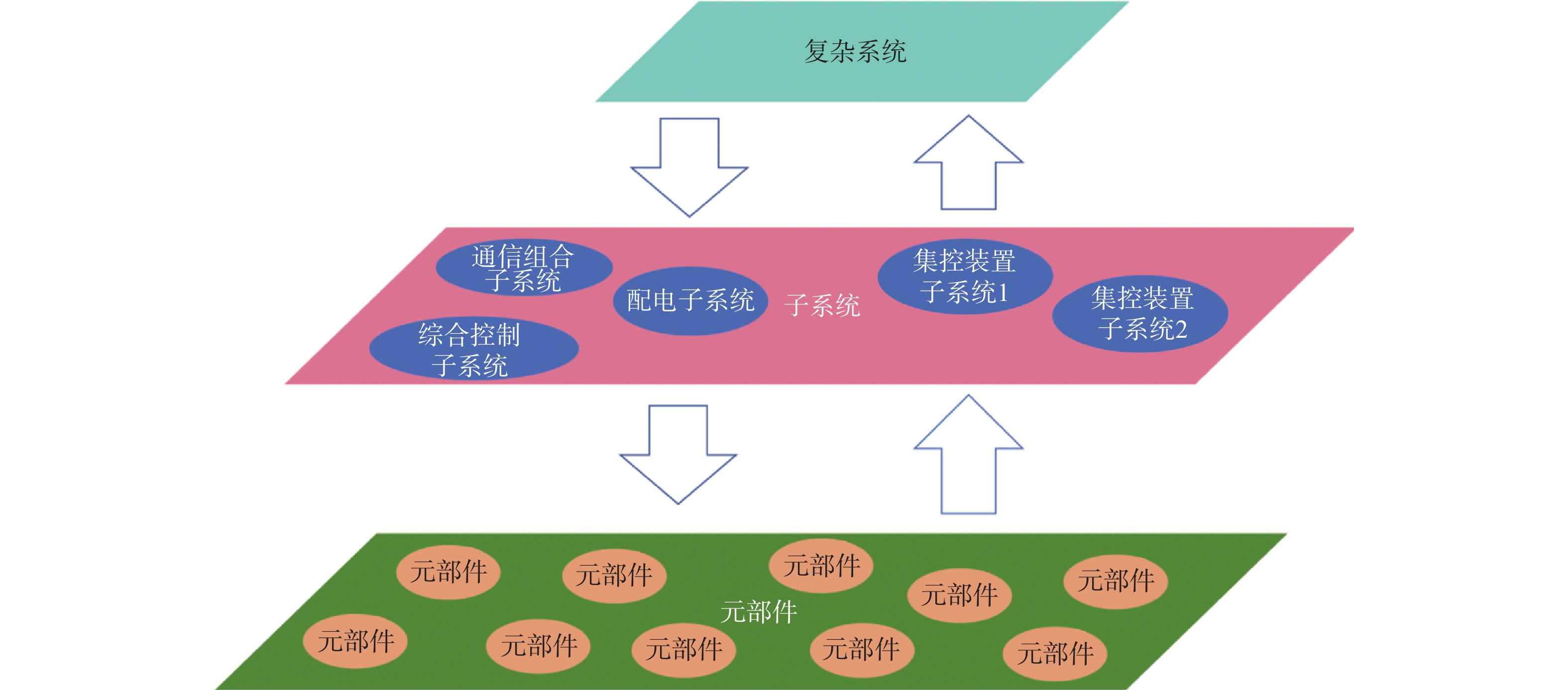
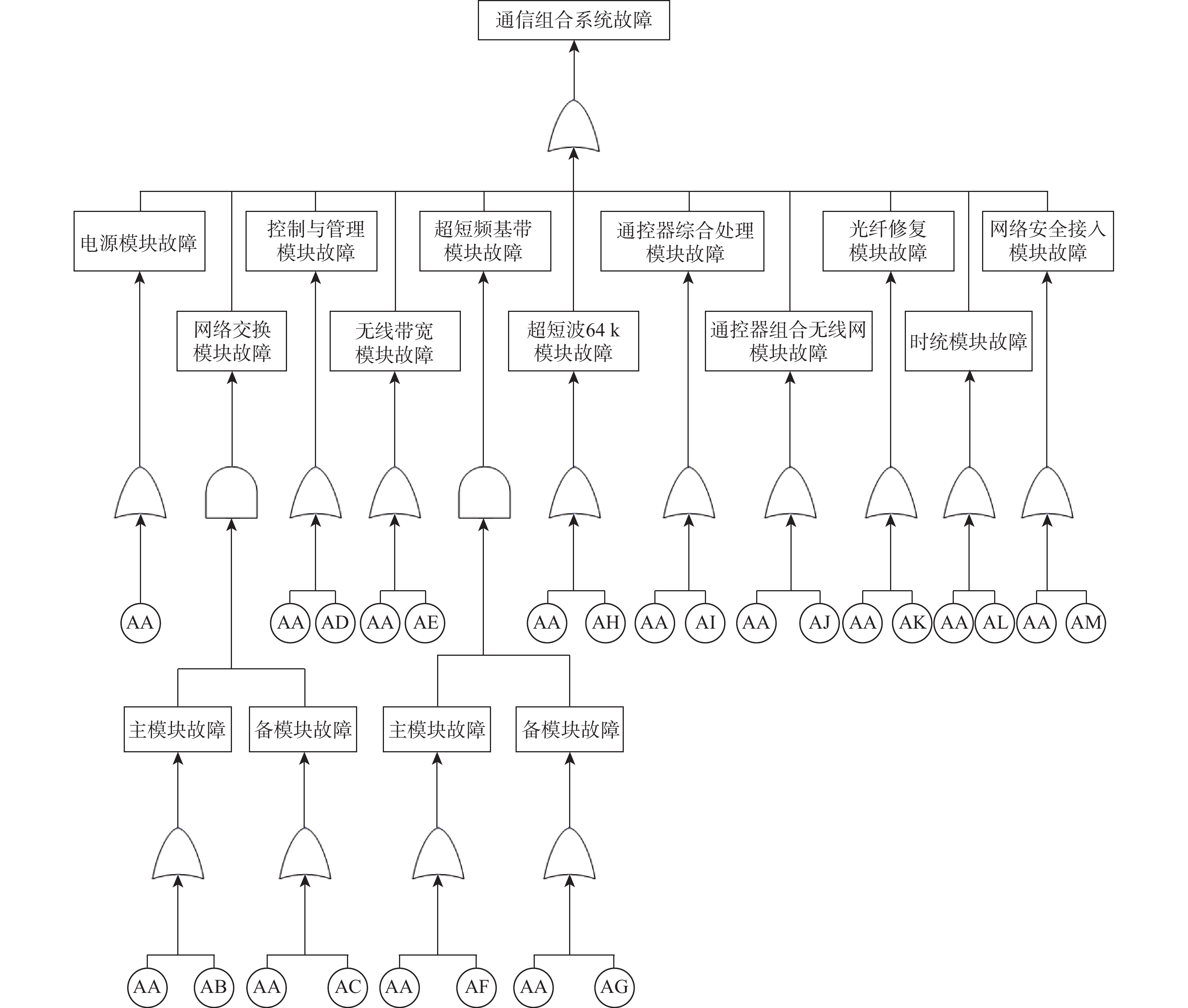
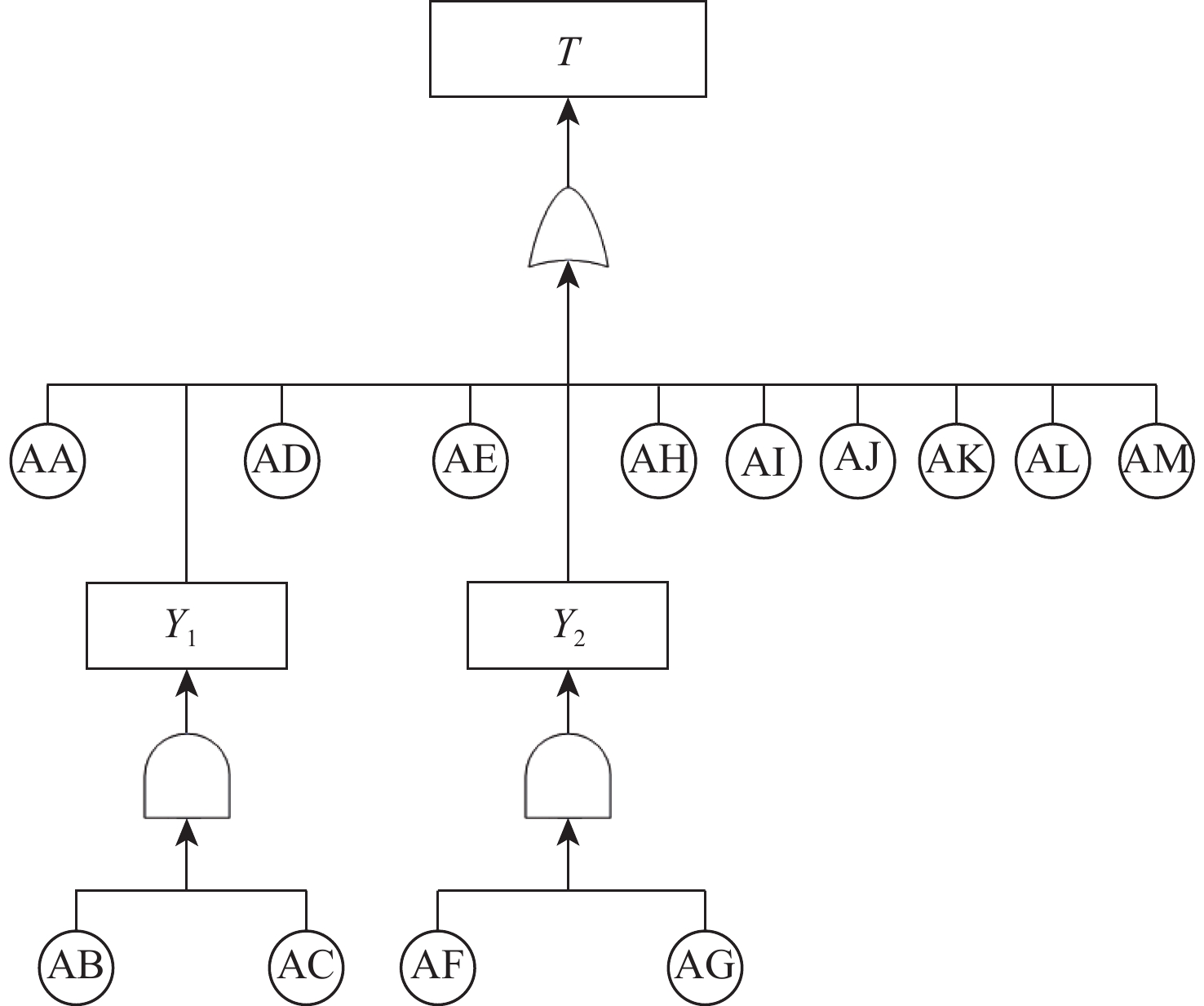
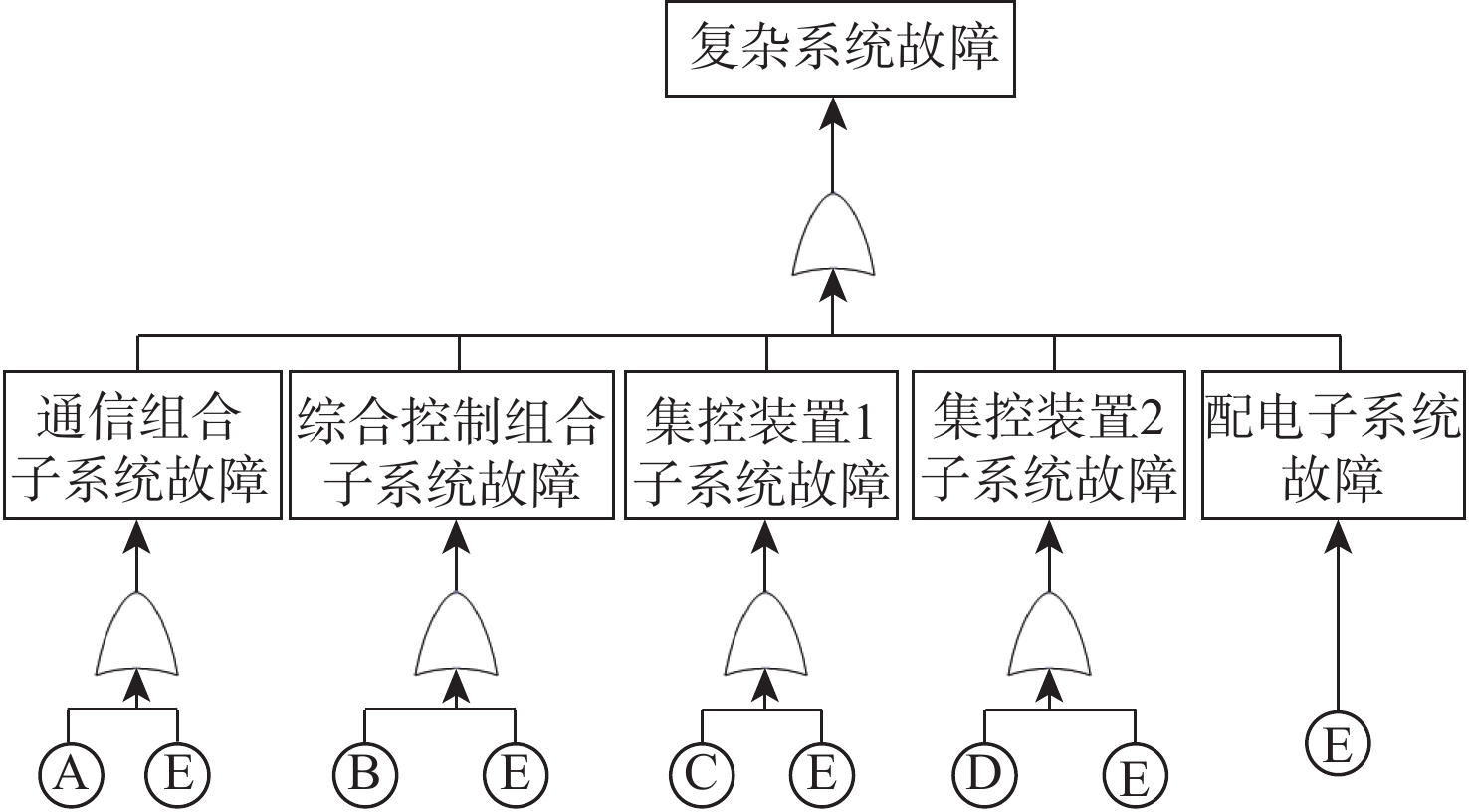
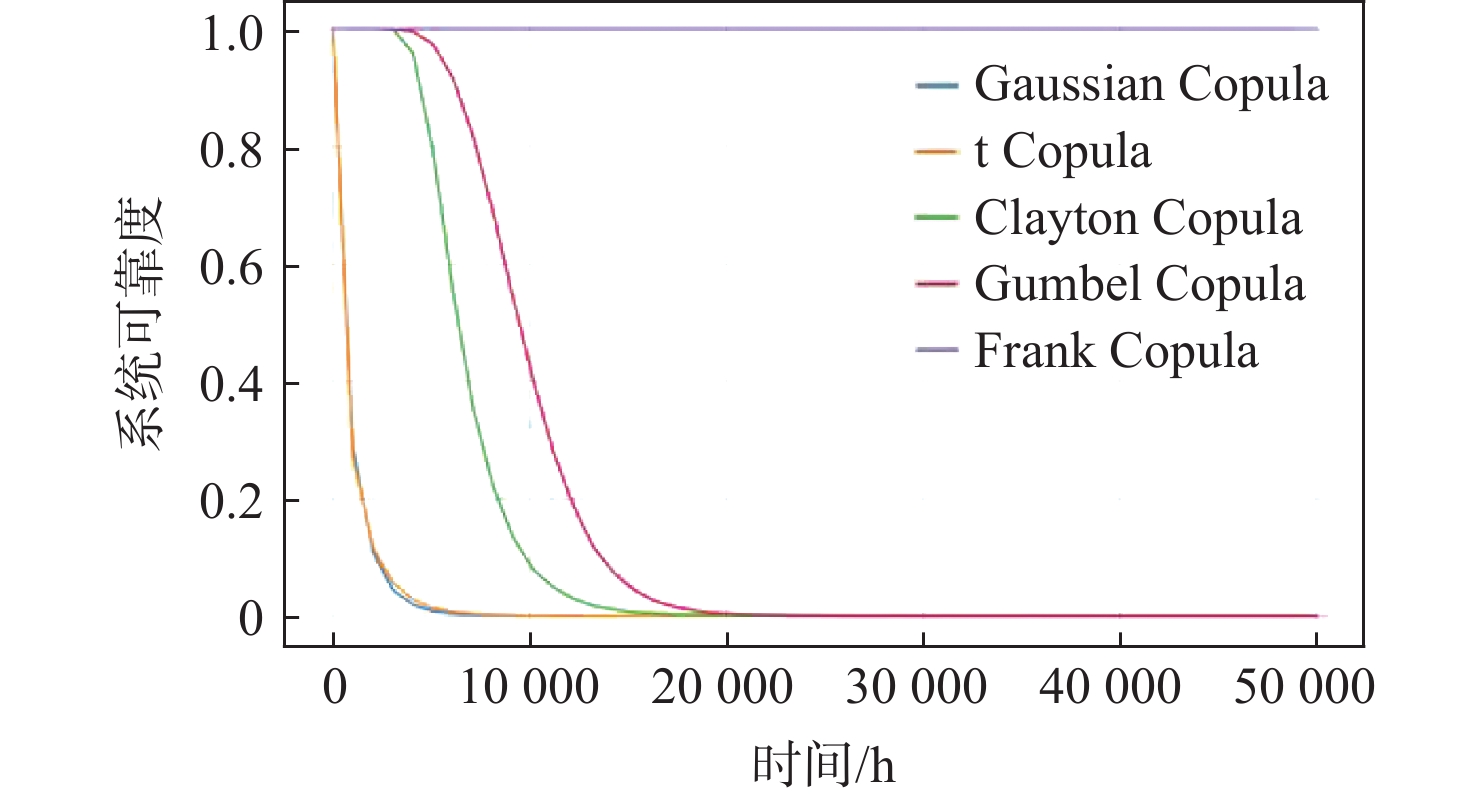
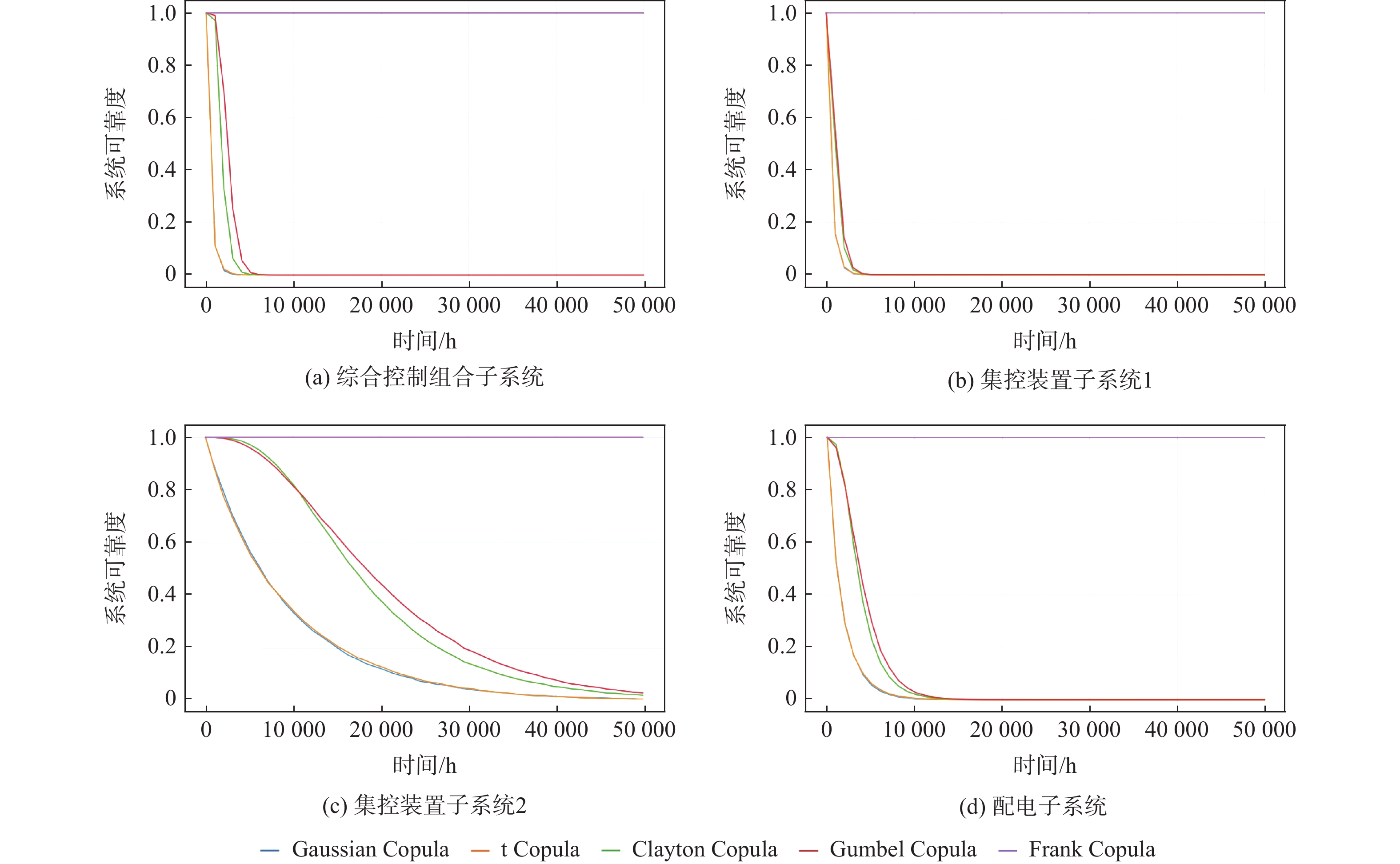
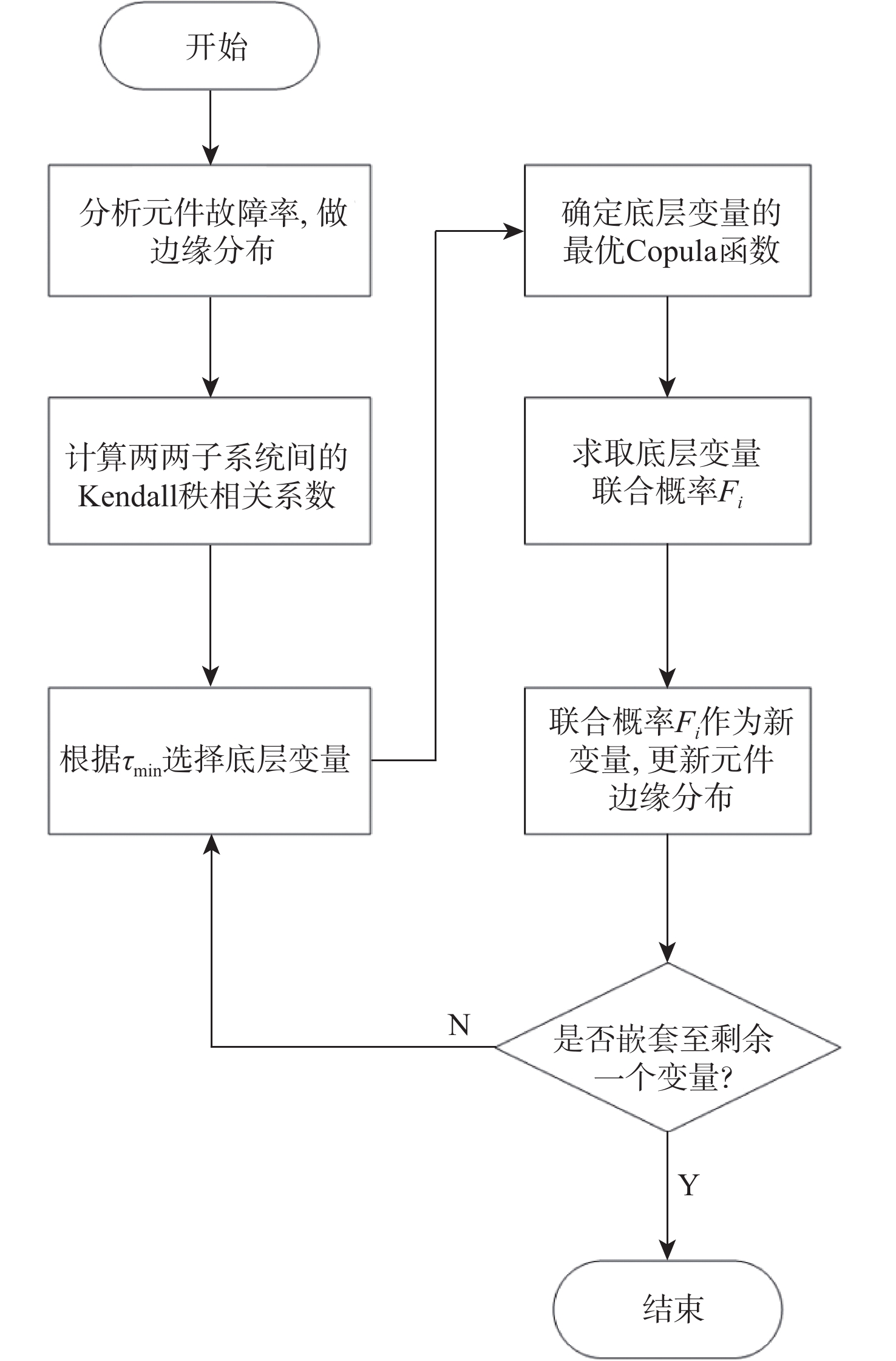
Traditional reliability modeling techniques based on the independence assumption tend to overstate system reliability, according to this study, which examines the strong coupling characteristics among several subsystems in complex control systems. To address this issue, a reliability analysis method combining fault tree decomposition and Copula modeling is proposed. Firstly, the complex control system is structurally decomposed using a fault tree to identify key failure modes and minimal cut sets. Secondly, the Copula function is employed to characterize the non-independent correlation among subsystems, and the expression for the overall system reliability is derived. Finally, a specific type of complex control system is taken as a case study, and the reliability results under the independence assumption and Copula modeling are compared. The study confirms that the traditional modeling approach based on the independence assumption has a significant overestimation risk by demonstrating that the reliability decline of this kind of complex control system during task execution is more significant after taking the coupling effect into account than that calculated by traditional methods. This method provides effective theoretical support for the reliability assessment and optimal design of complex control systems.
Nonaffine control of helicopter engine failure based on adaptive deep belief network
GU Zhiyuan, FENG Liyan, YANG Cheng, SHENG Shouzhao
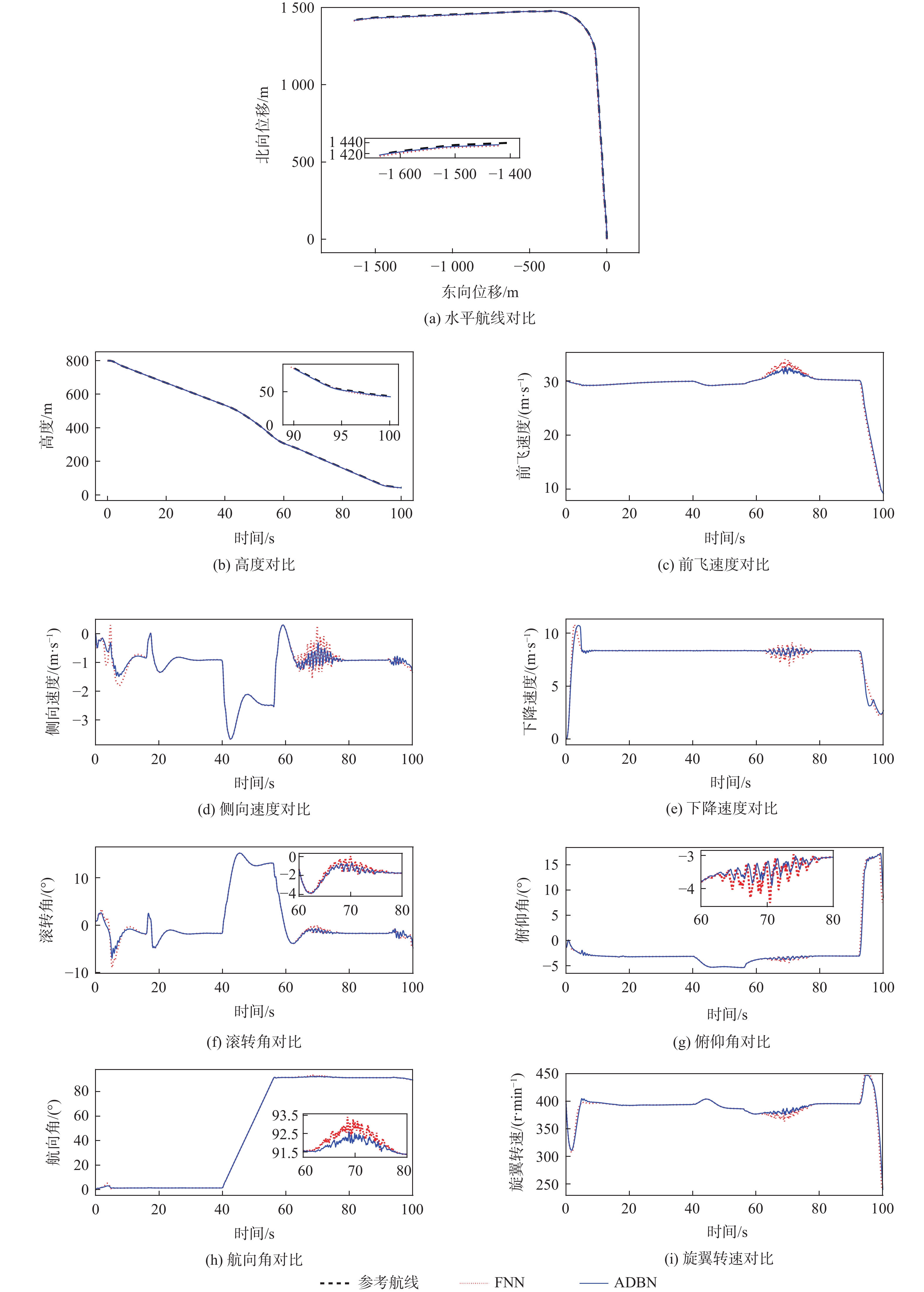
2026, 52(8): 2974-2986. doi: 10.13700/j.bh.1001-5965.2025.0639
Abstract:

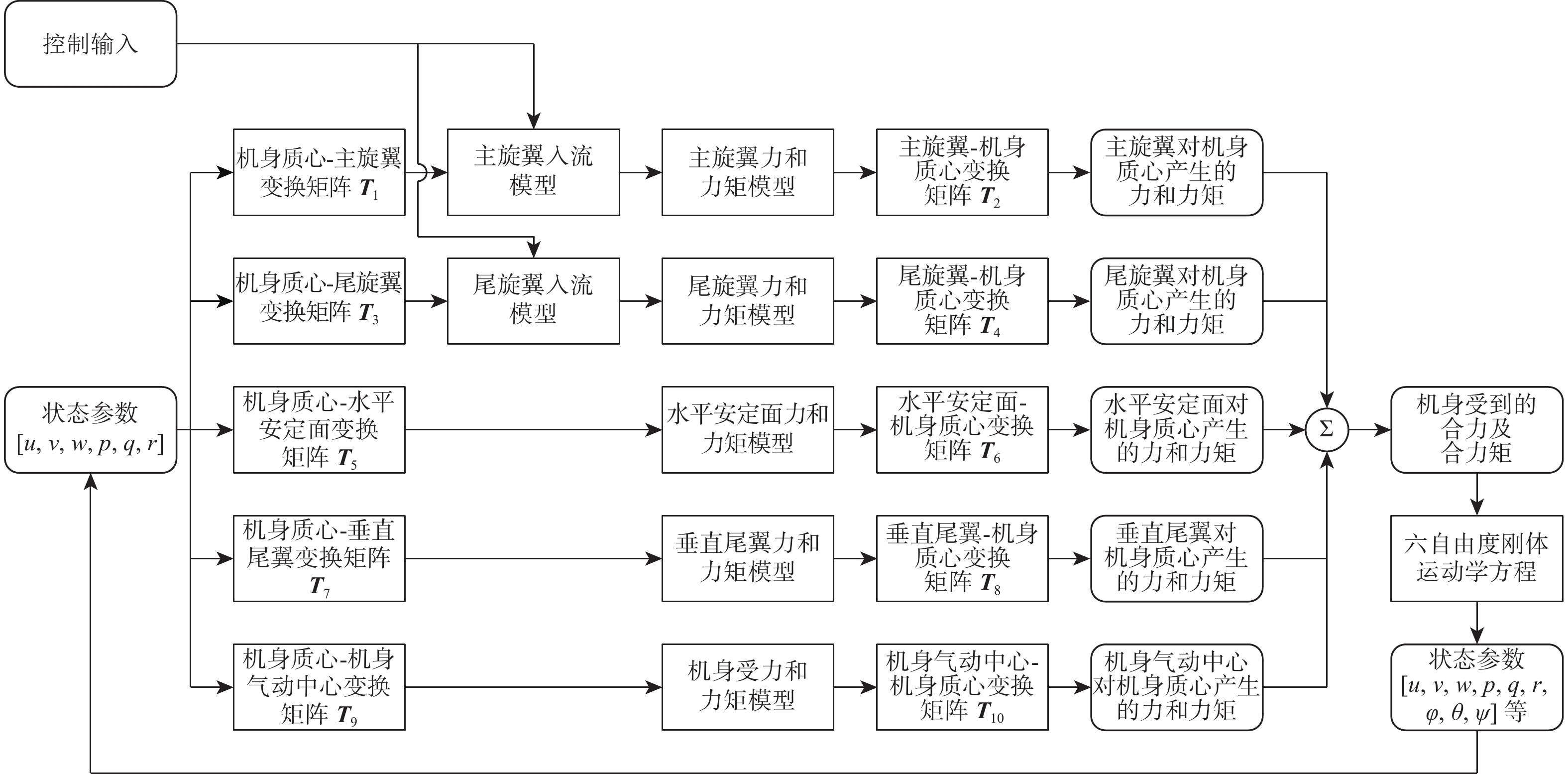
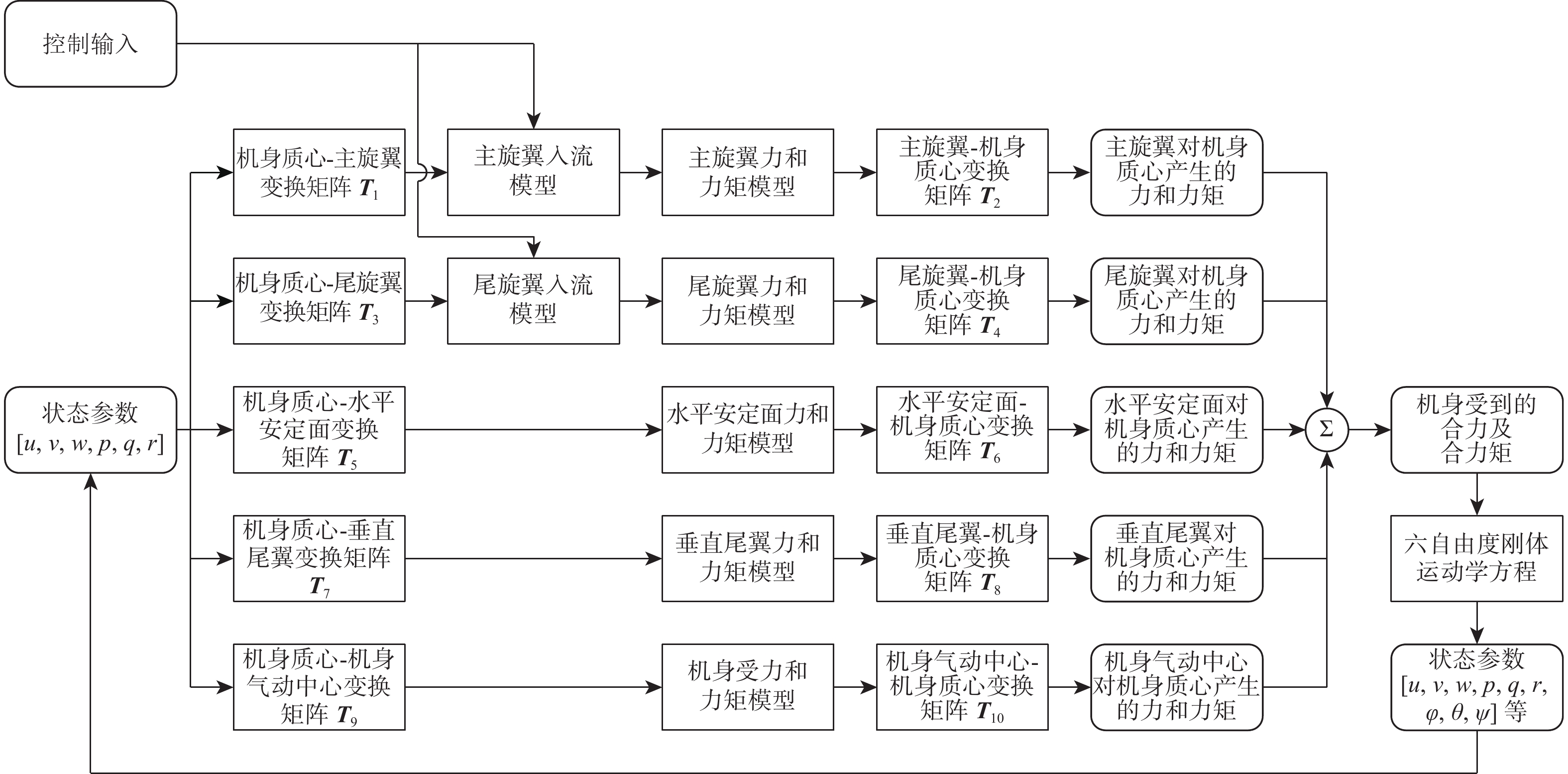
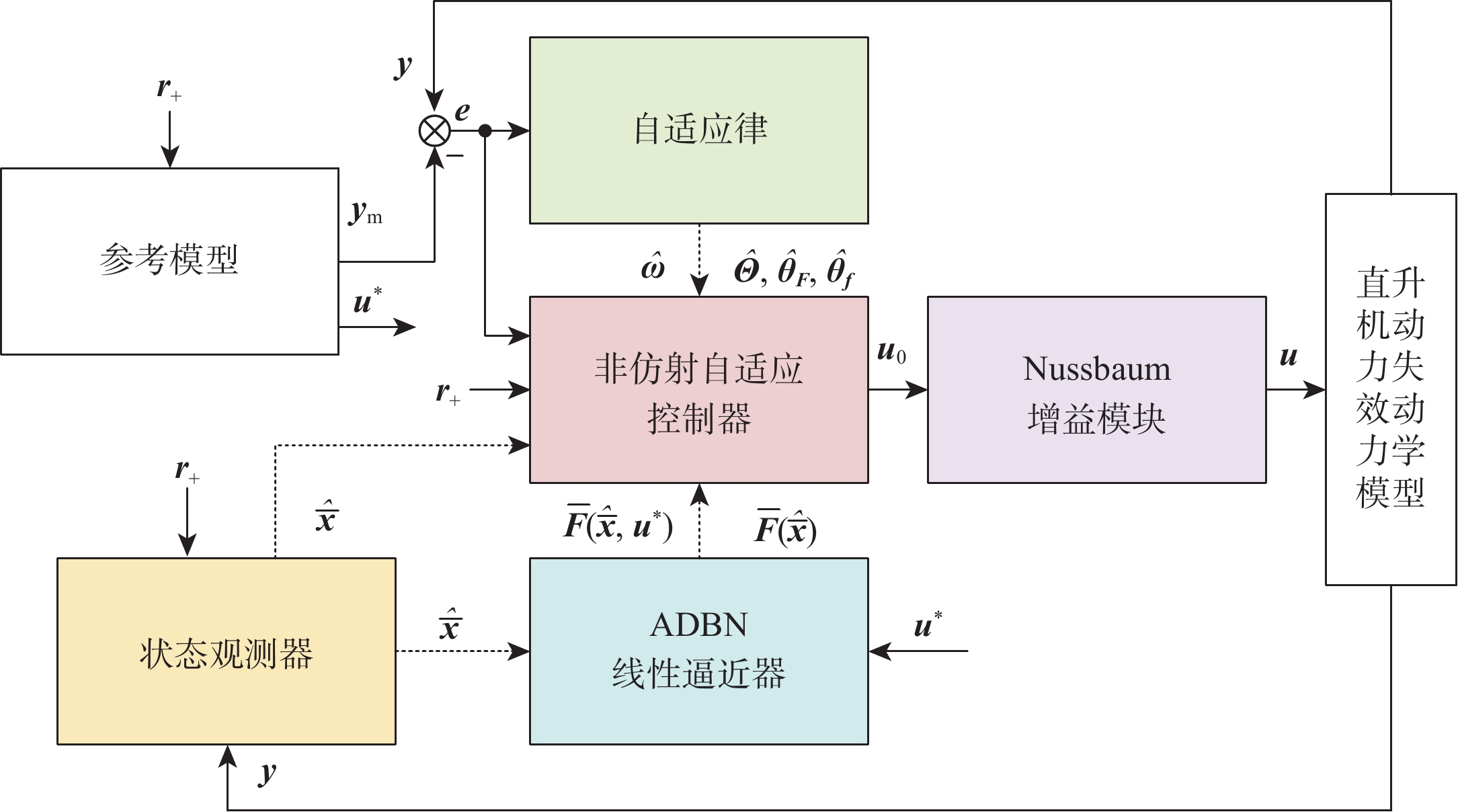
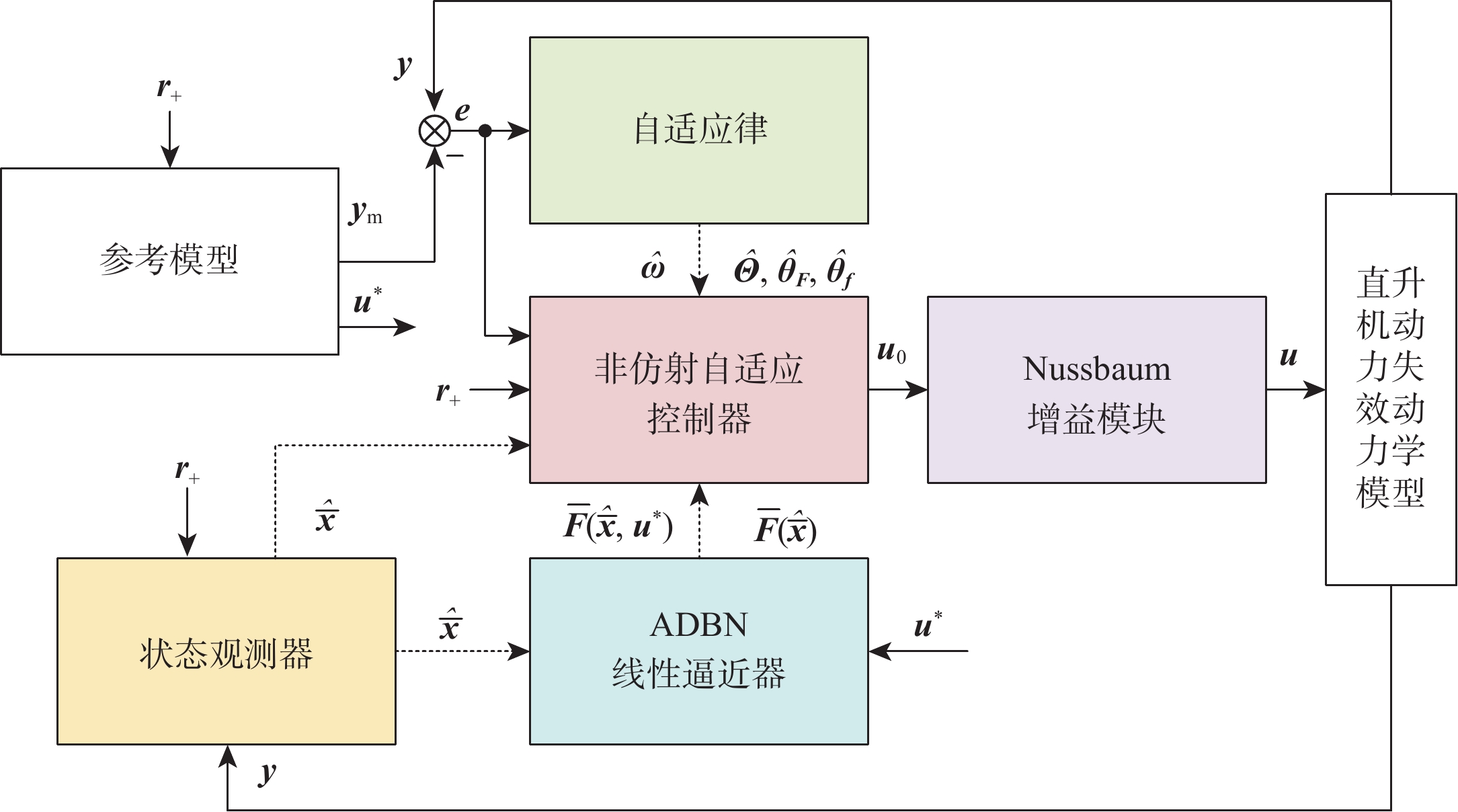
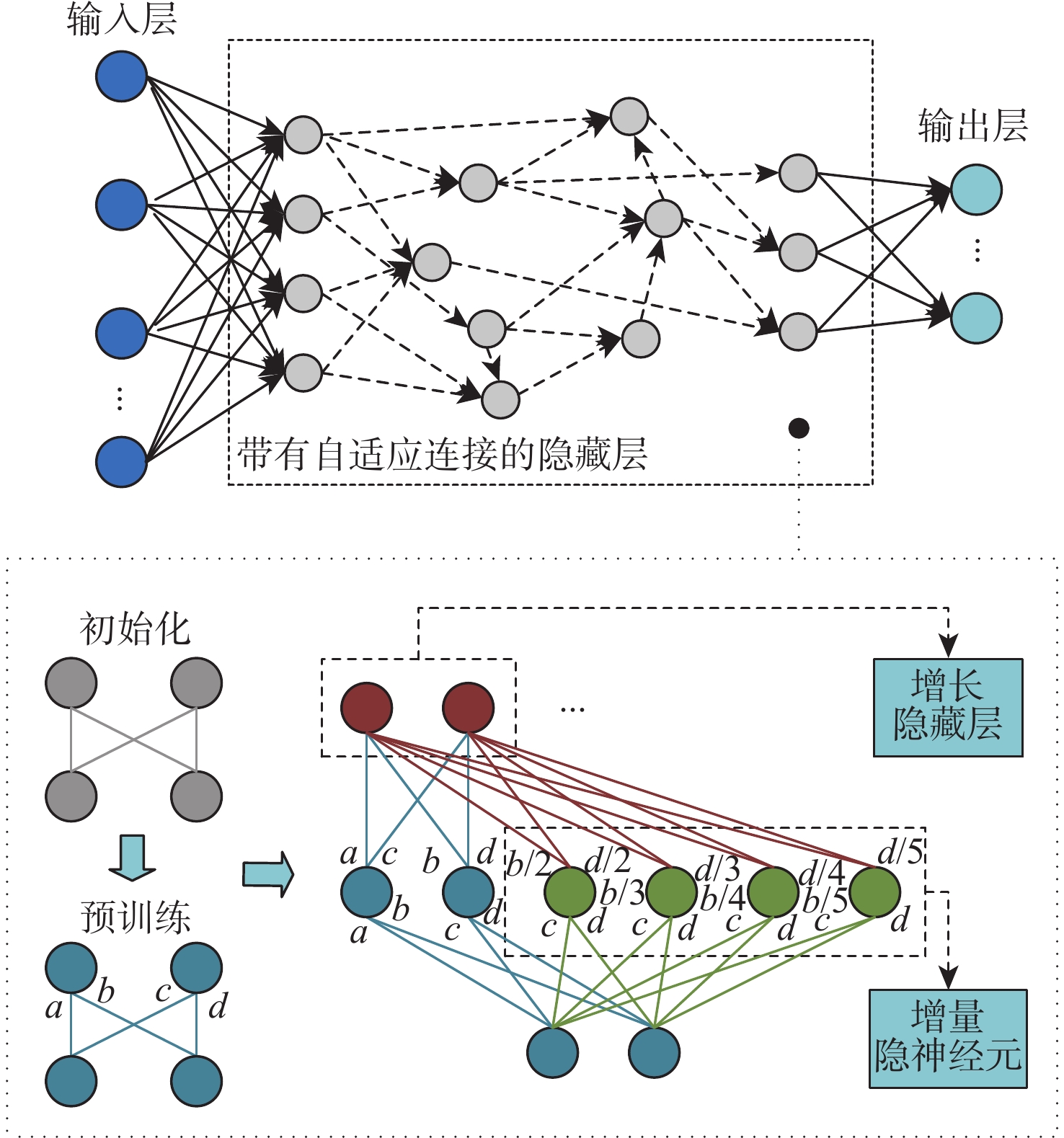
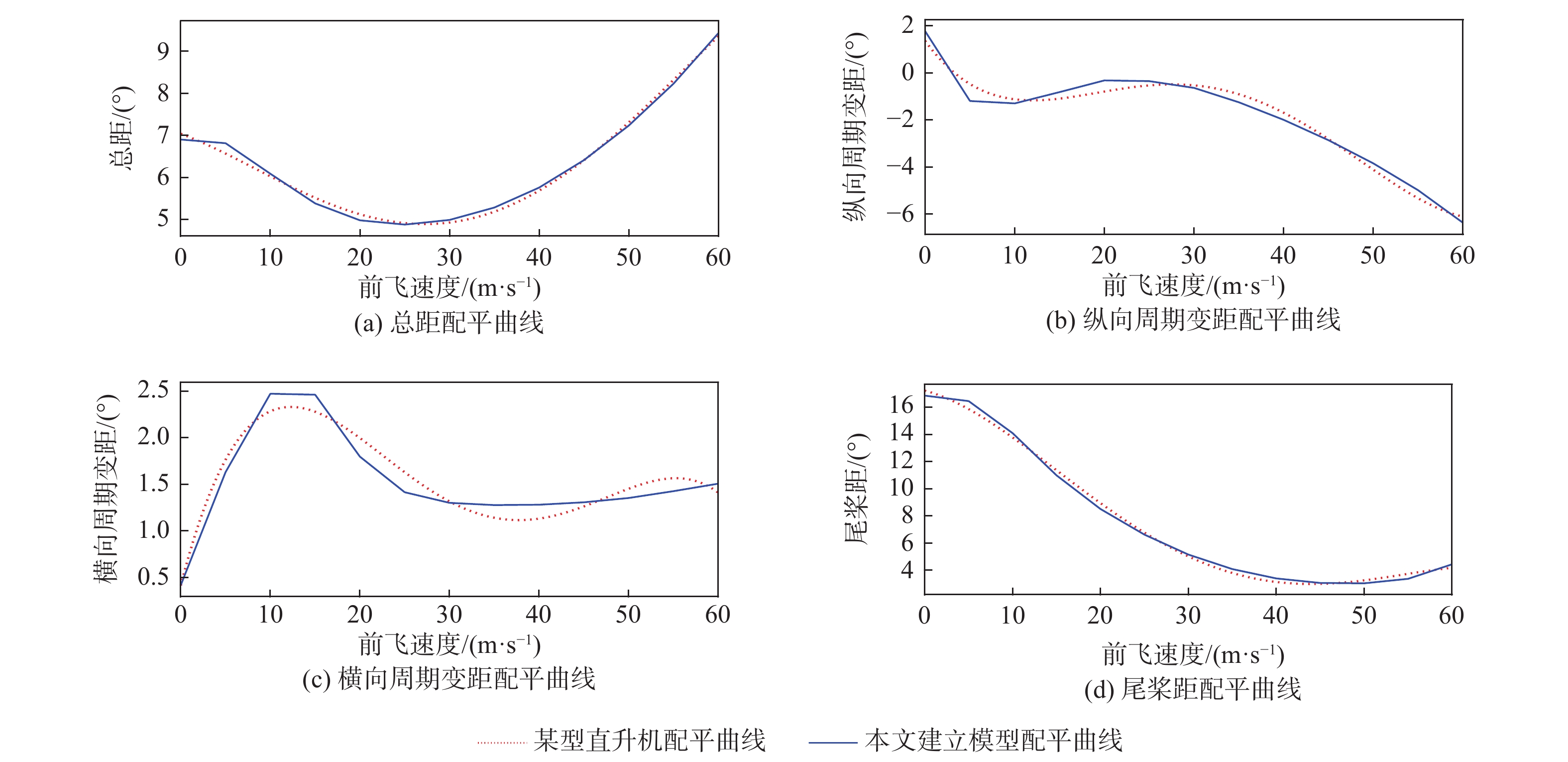
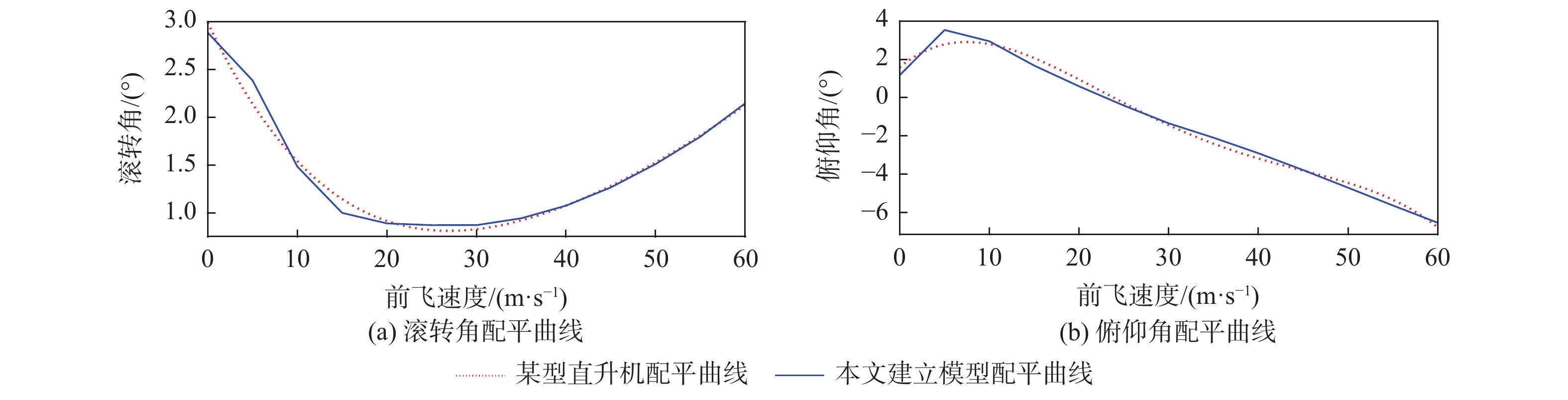
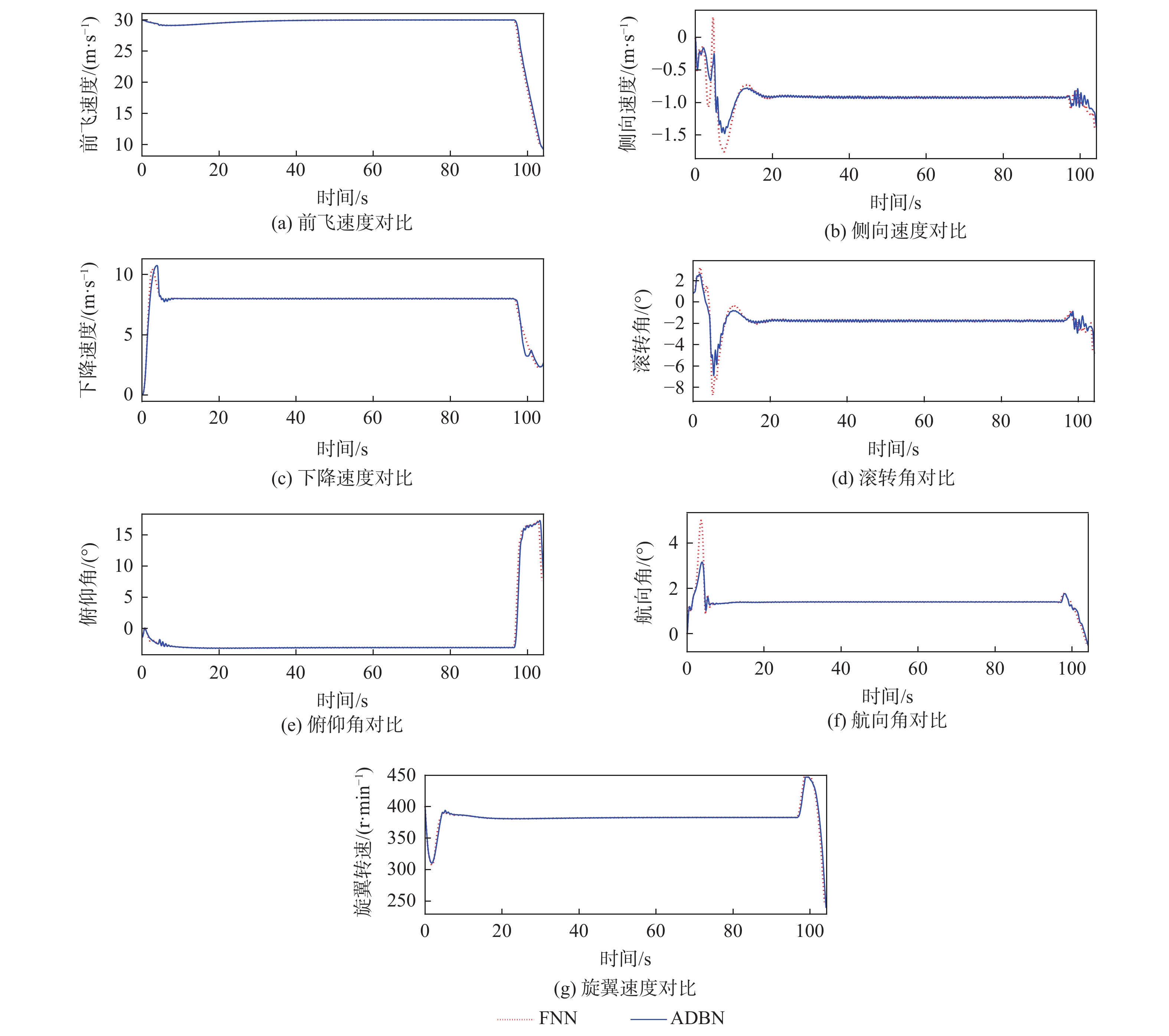
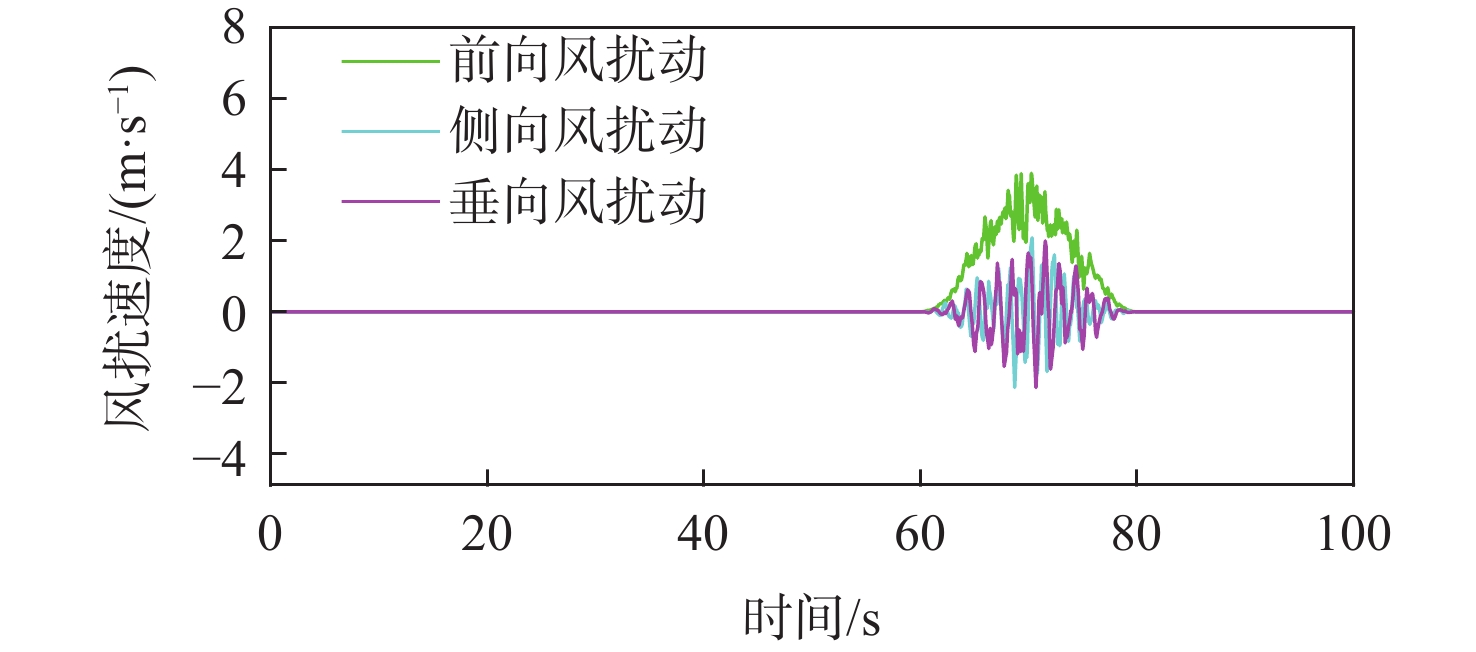
This research presents a nonaffine intelligent control approach based on an adaptive deep belief network (ADBN) to solve the significant nonlinearity, nonaffine features, and parameter uncertainties displayed by helicopters during power-failure scenarios. First, a nominal six-degree-of-freedom rigid-body model of the helicopter is established, and the corresponding nonaffine dynamic model under power failure is derived. The model representation capacity and generalization performance are then improved by using the ADBN to approximate unknown nonlinear factors and a state observer to do state estimation and control. On this basis, a nonaffine controller is constructed in conjunction with adaptive laws to improve the robustness of the system against uncertainties and external disturbances. Finally, simulation results are provided to verify the effectiveness and superiority of the proposed method. The results demonstrate that the proposed control scheme is capable of maintaining satisfactory attitude stability, velocity regulation, and trajectory tracking accuracy in the presence of unknown parameters and environmental disturbances. The proposed approach offers a new technical solution for the safe control of helicopters operating under extreme conditions.