





-
摘要:
针对空中交通流量增加而导致航段拥挤现象加重的问题,对航段拥挤态势预测进行了研究。采用时空图卷积模型可以很好地提取航段空间特征和捕捉交通数据时间特征。将区域扇区航段网络转化为模型输入的航段拓扑图,其中,点的信息代表航段网络中边的信息;提出一种新的衡量航段拥挤的指标,即航段单位长度飞机平均飞行时间;建立新的四维特征数据表示航段拓扑图中点的信息;基于图卷积网络(GCN)和门控循环单元(GRU)组成的时空图卷积神经网络对指标进行预测。实验结果表明:与传统自回归求和滑动平均(ARIMA)模型和GRU相比,采用的模型短期预测(15 min)下性能最优,均方根误差(RMSE)分别下降了21.95%和1.44%,平均绝对误差(MAE)分别下降了23.36%和3.74%。采用的方法充分利用影响航段拥挤态势的输入特征,捕捉航段交通流之间的时空相关性,能有效提高航段拥挤态势预测的精度,为准确把握各航段交通流运行态势并实施有效的管理提供了技术支撑。
Abstract:This paper addresses the issue of segment congestion caused by increasing air traffic flow and focuses on predicting segment congestion situation. The spatiotemporal graph convolution model effectively extracts the spatial features of flight segments and captures the temporal characteristics of traffic data. First, the regional sector segment network is converted into the segment topology graph input to the model, where the information of the nodes represents the edge information in the segment network. A new metric for measuring segment congestion is introduced: the average flight time per unit length of segment. Then, a four-dimensional feature set is defined to represent the node information in the segment topology graph. Finally, a spatiotemporal graph convolutional neural network, consisting of a graph convolutional network (GCN) and gated recurrent unit (GRU), is employed to predict the congestion index. Experimental results show that, compared to the traditional autoregressive integrated moving average (ARIMA) model and GRU, the proposed model achieves optimal performance in short-term prediction (15 min), with the root mean square error (RMSE) reduced by 21.95% and 1.44%, and the mean absolute error (MAE) reduced by 23.36% and 3.74%, respectively. The method fully leverages the input features affecting segment congestion and captures the spatiotemporal correlations within segment traffic flows, significantly improving the accuracy of congestion predictions and providing technical support for effectively monitoring and managing traffic flow in each segment.
-
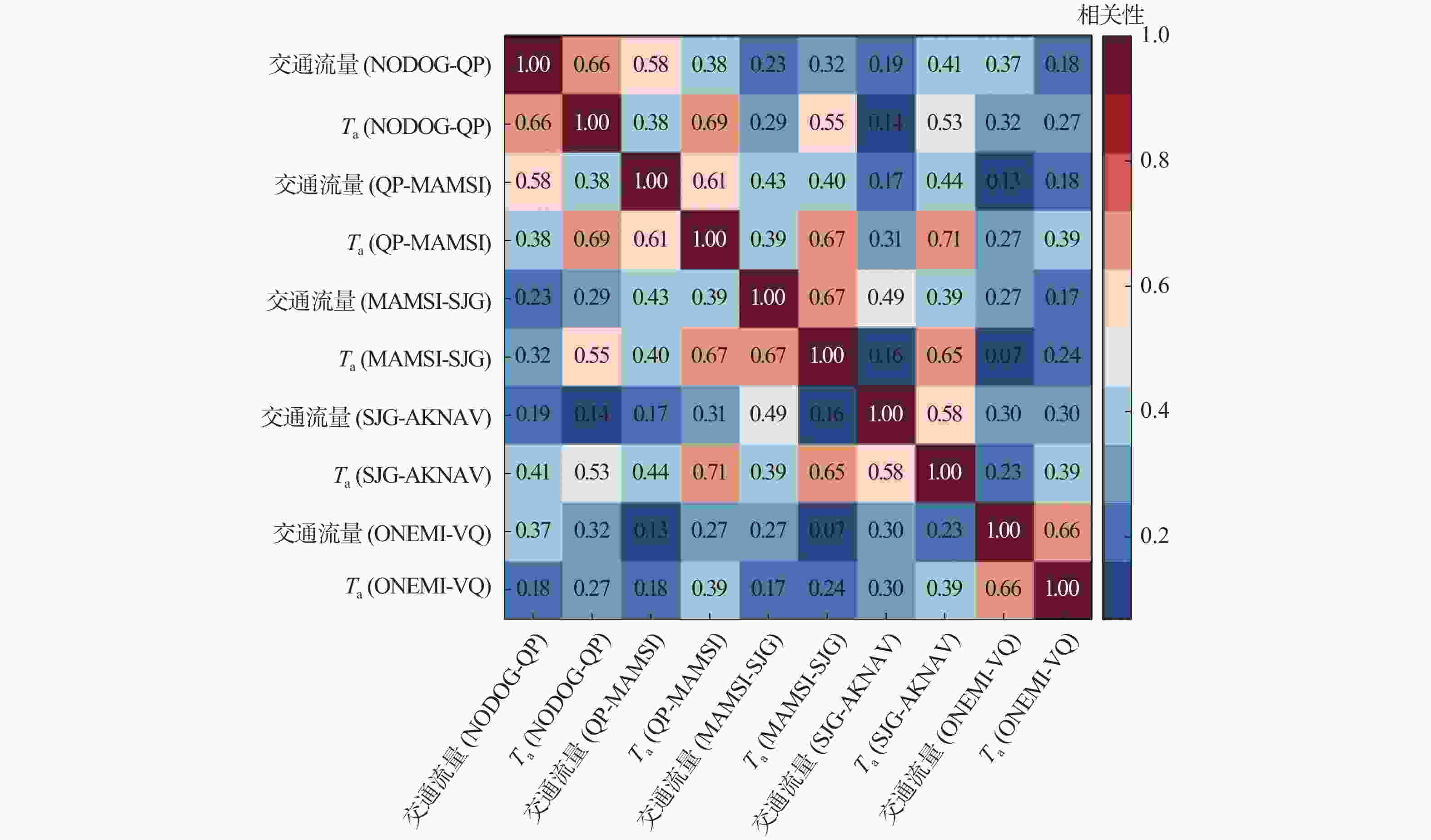
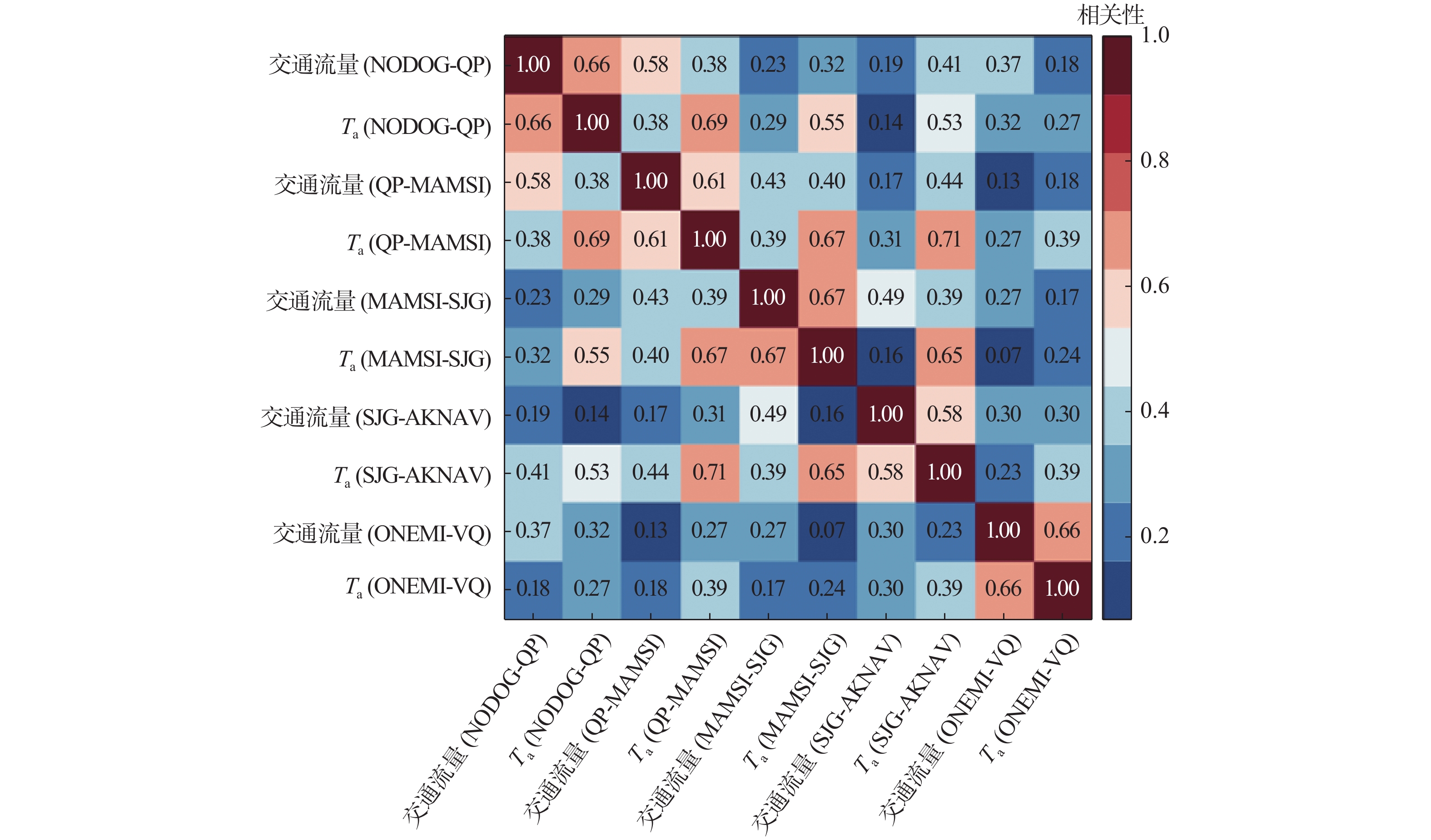
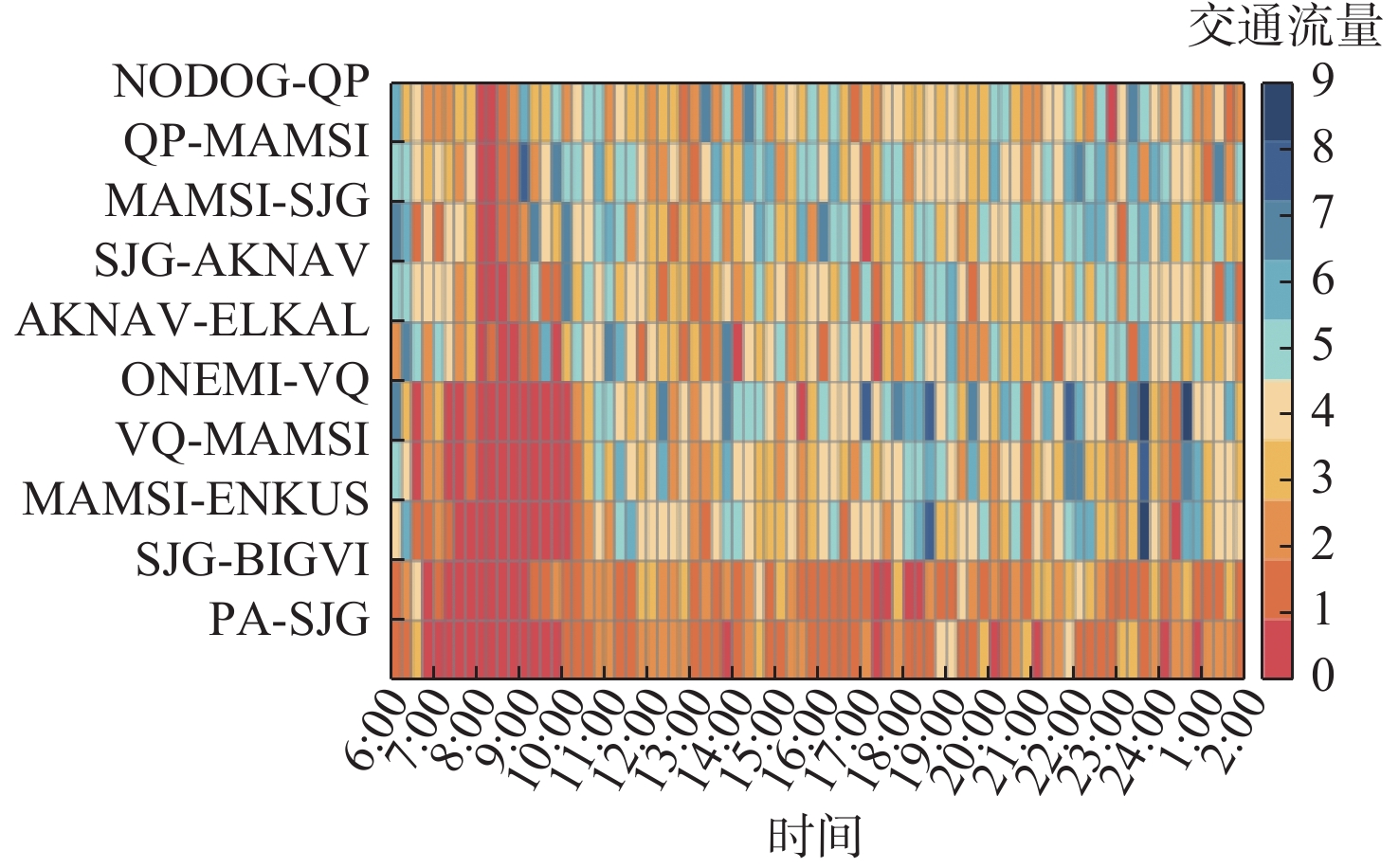
图 4 交通流量与航段单位长度飞机平均飞行时间Ta之间的相关性
Figure 4. Correlation between traffic flow and average flight time per unit length of segment Ta
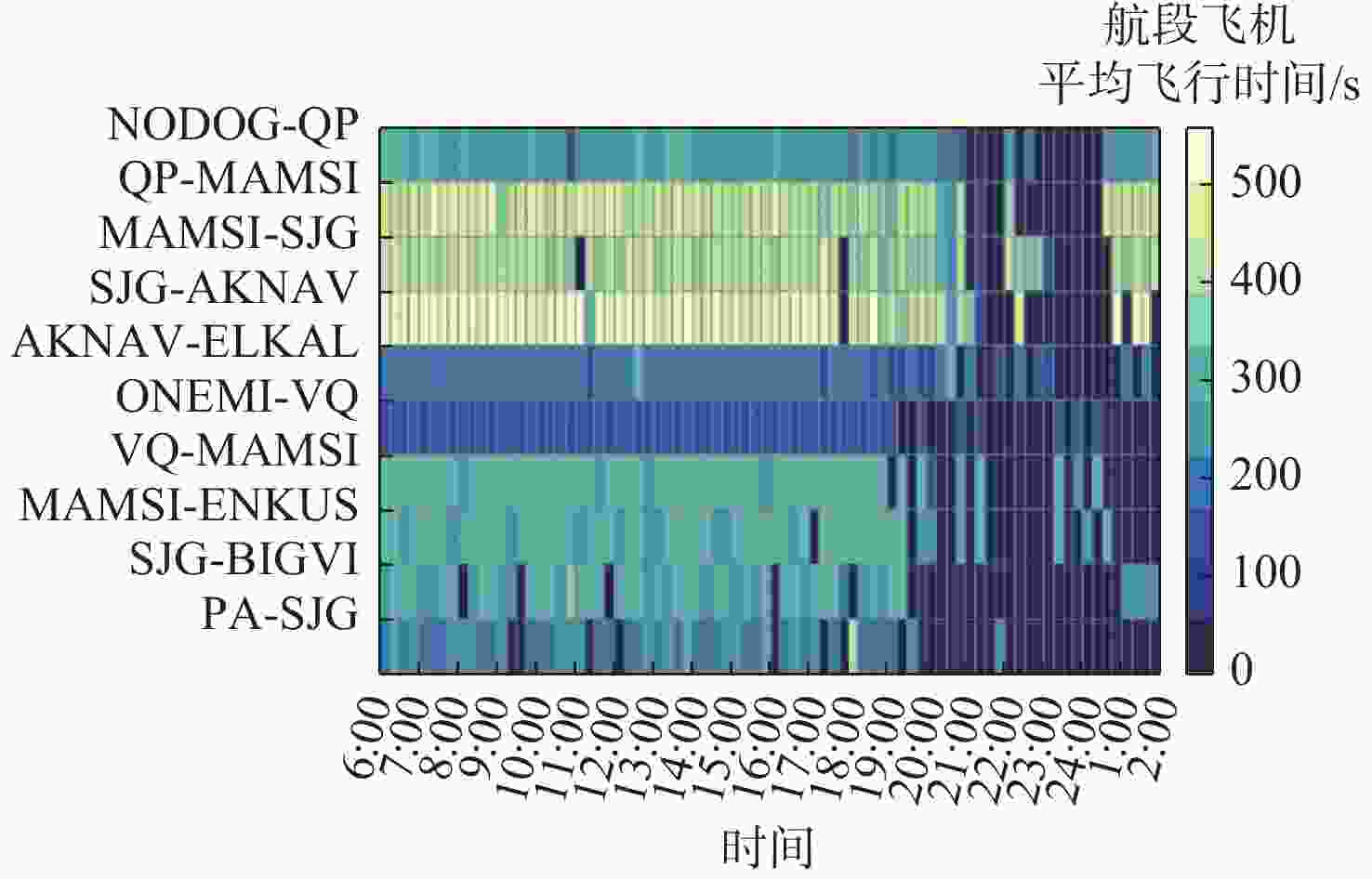
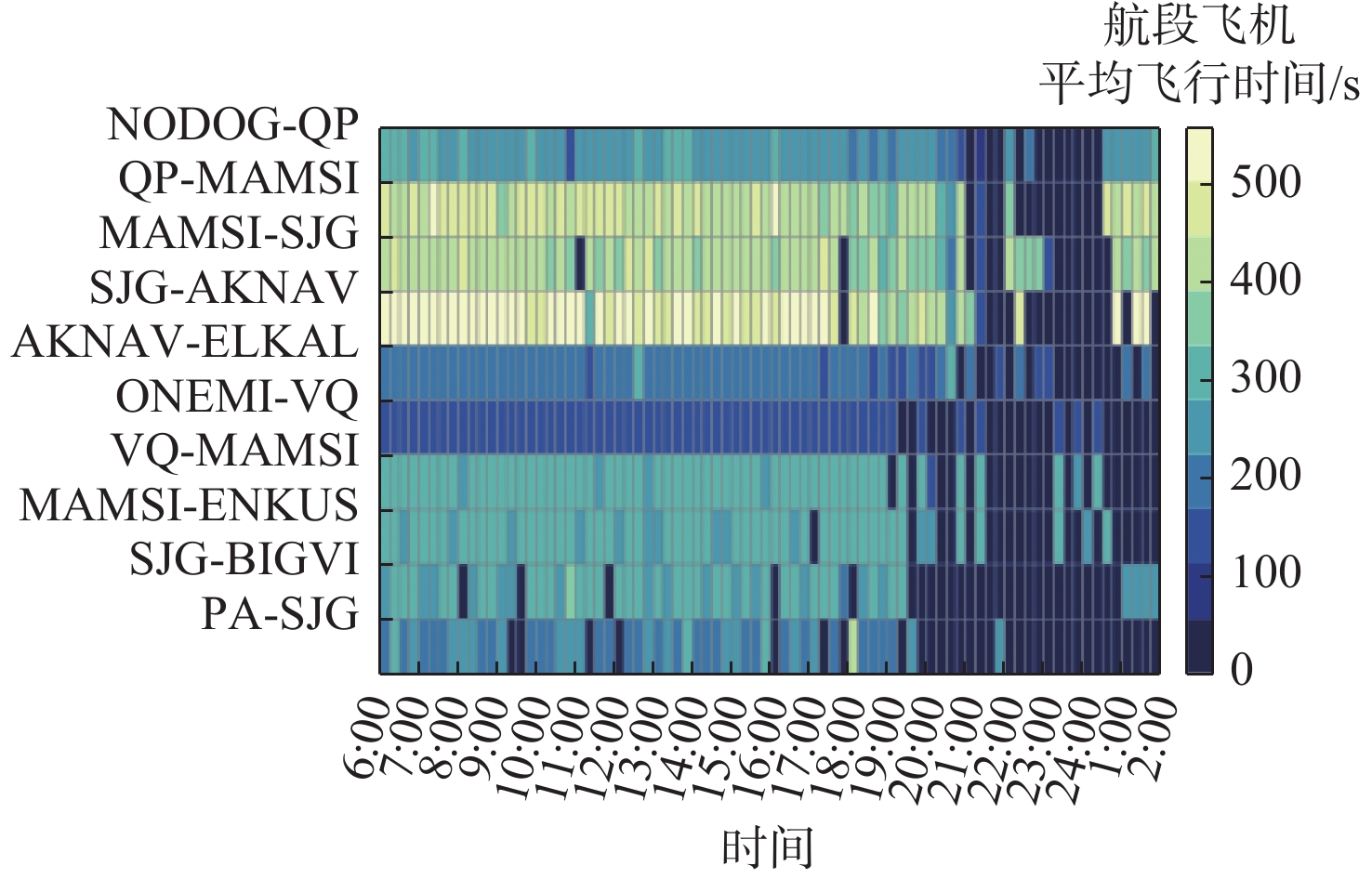
图 6 2019年3月10日的航段飞机平均飞行时间情况
Figure 6. Average flight time of aircraft in segment on March 10, 2019
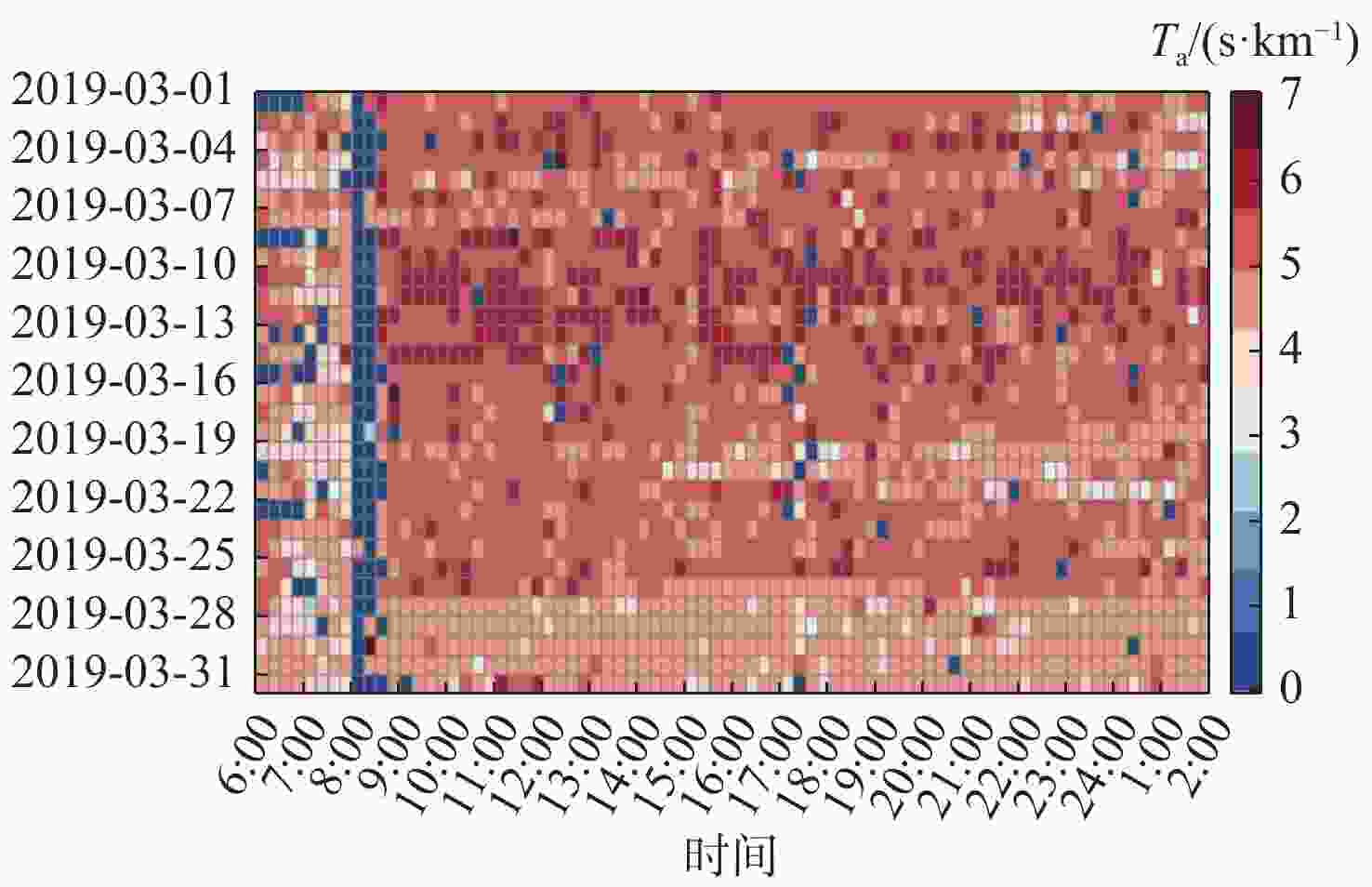
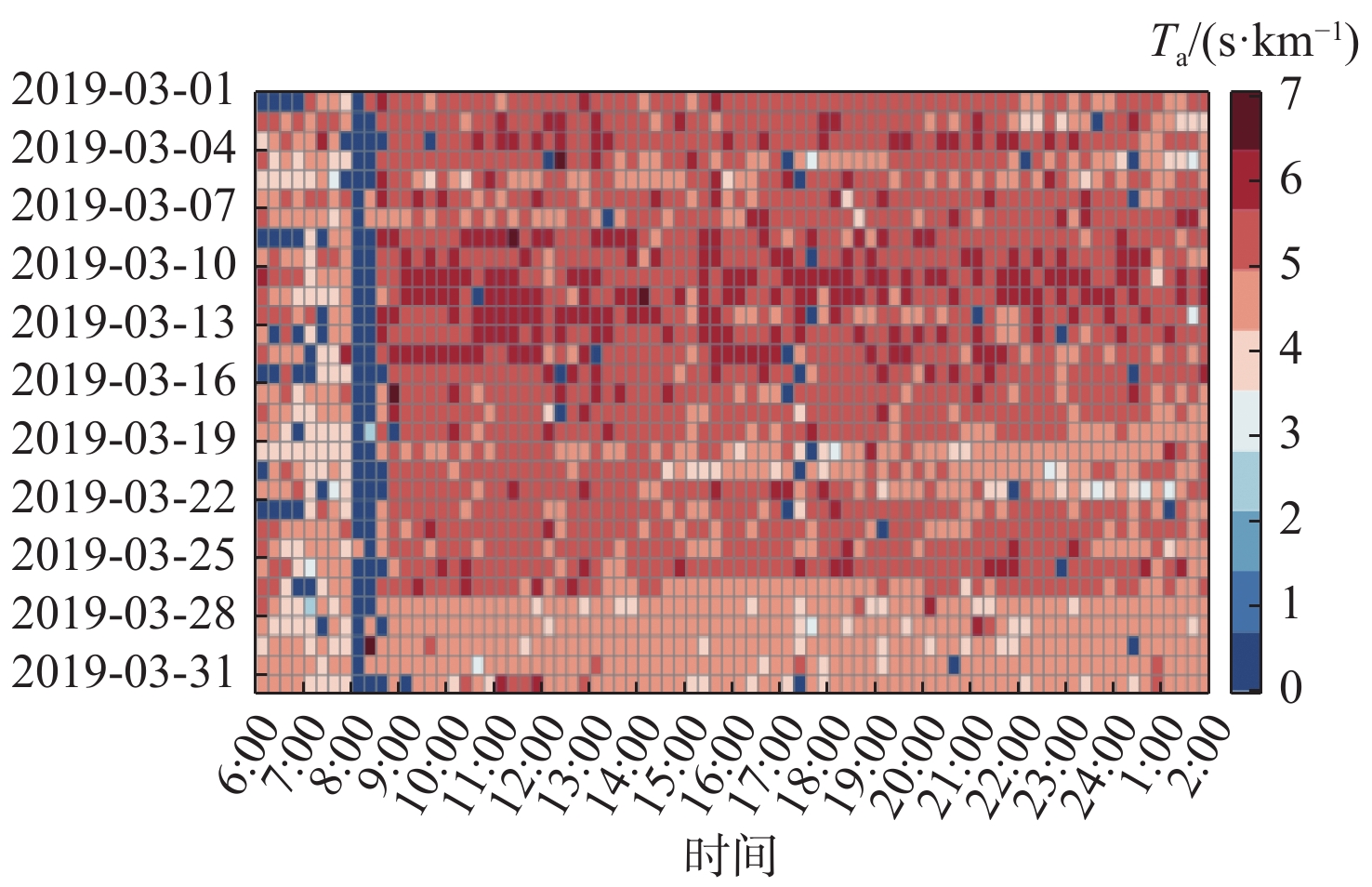
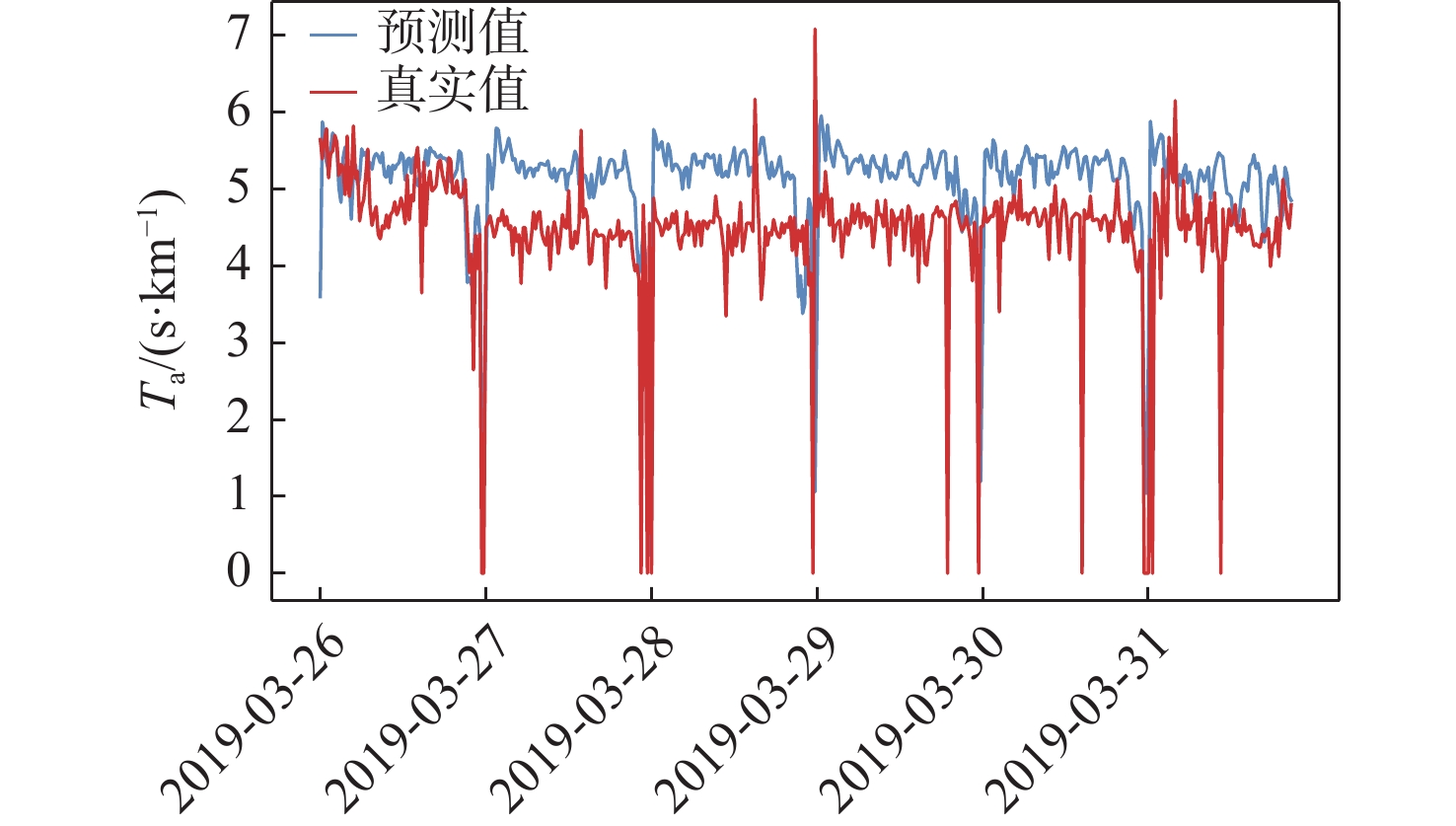
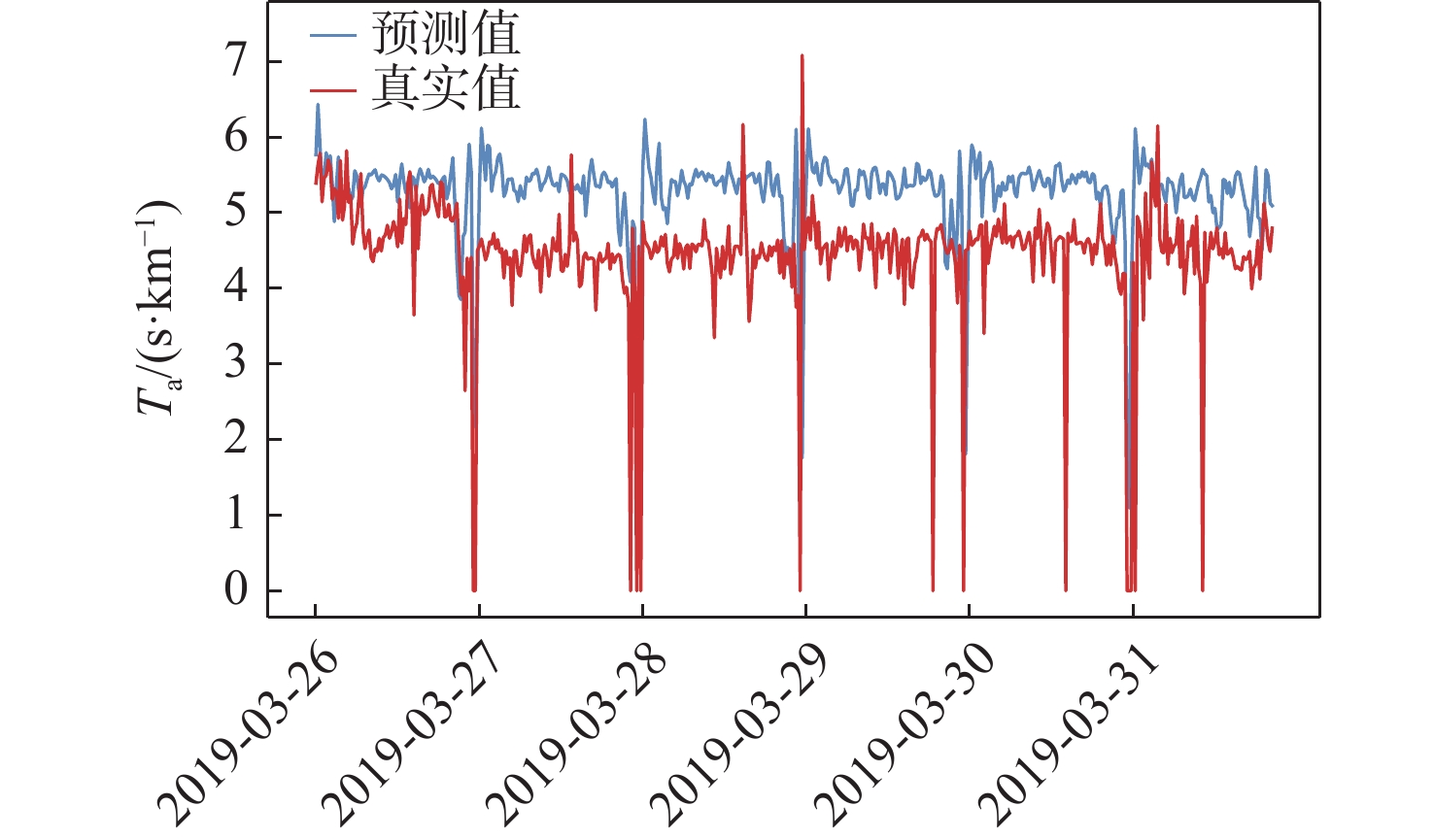
图 7 2019年3月航段QP-MAMSI拥挤情况
Figure 7. Congestion status on segment QP-MAMSI in March, 2019
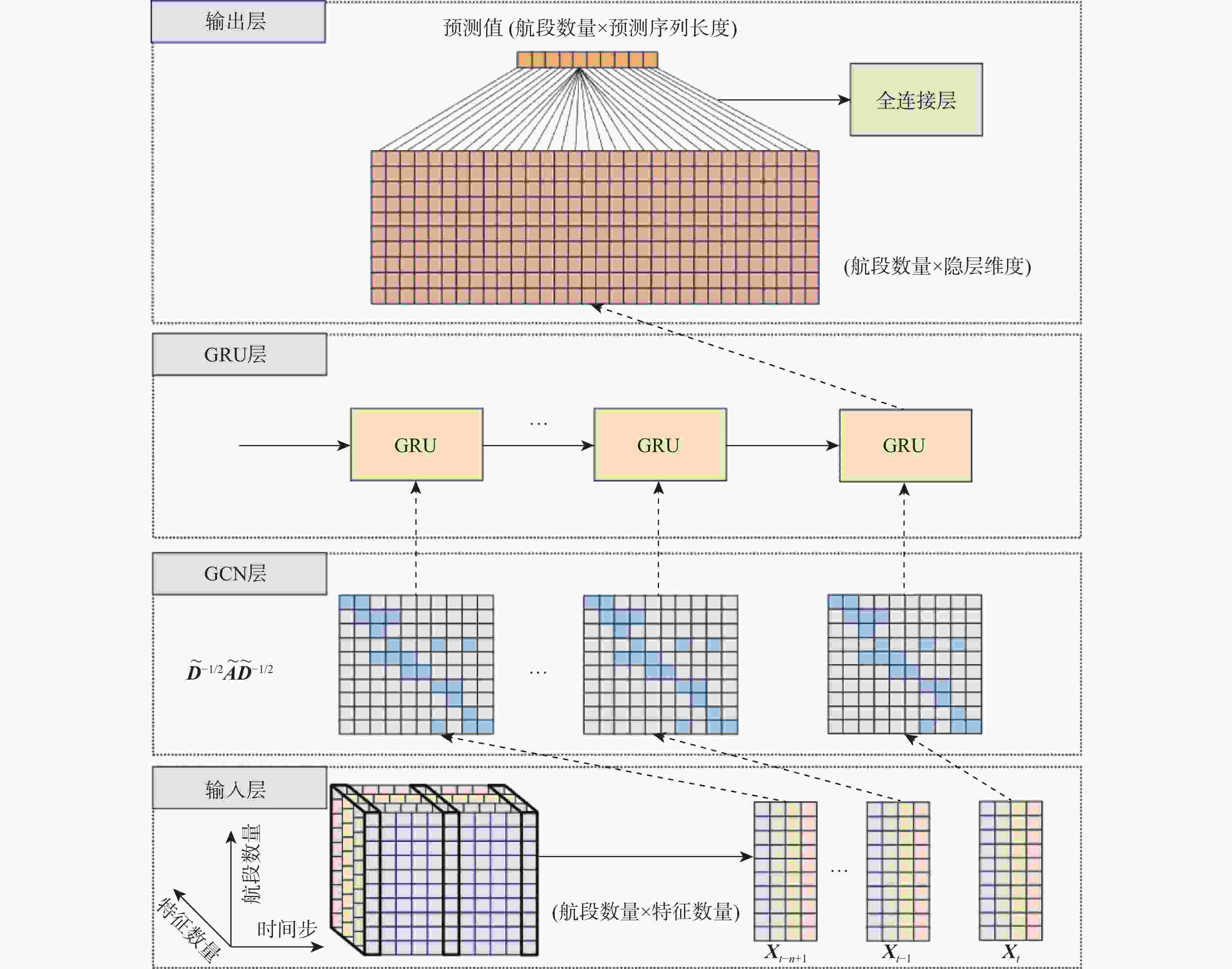
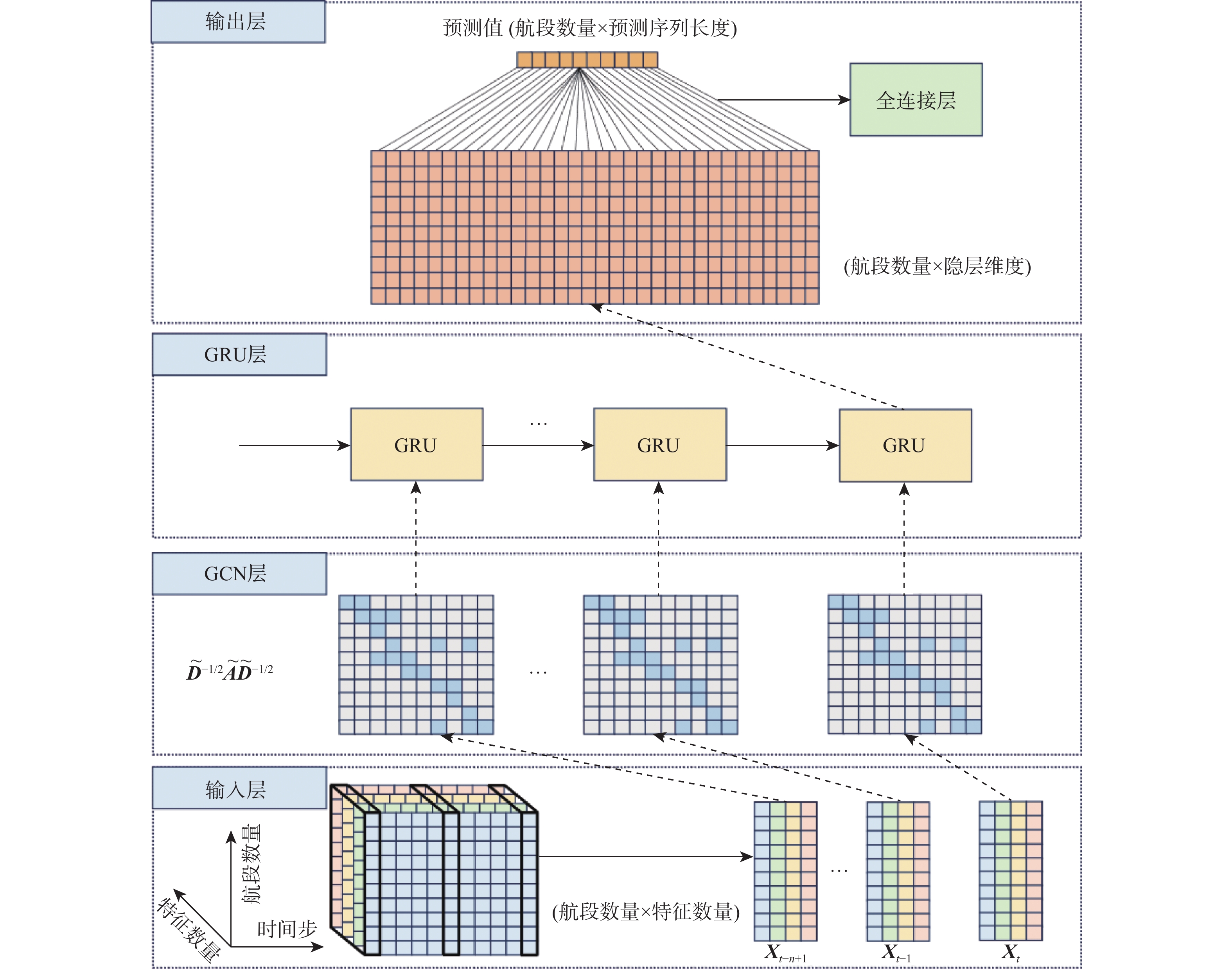
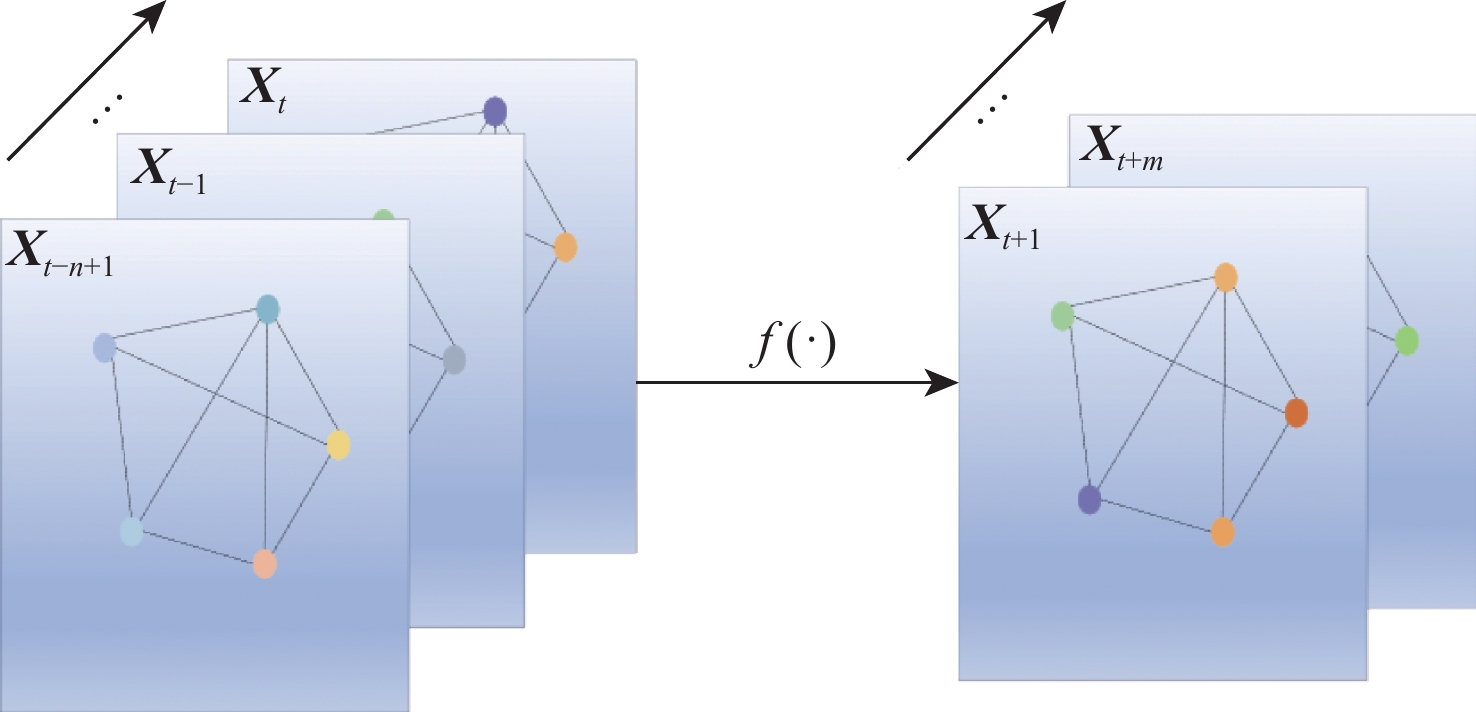
图 8 基于时空图卷积的航段拥挤态势预测模型框架
Figure 8. Framework of segment congestion situation prediction model based on spatiotemporal graph convolution
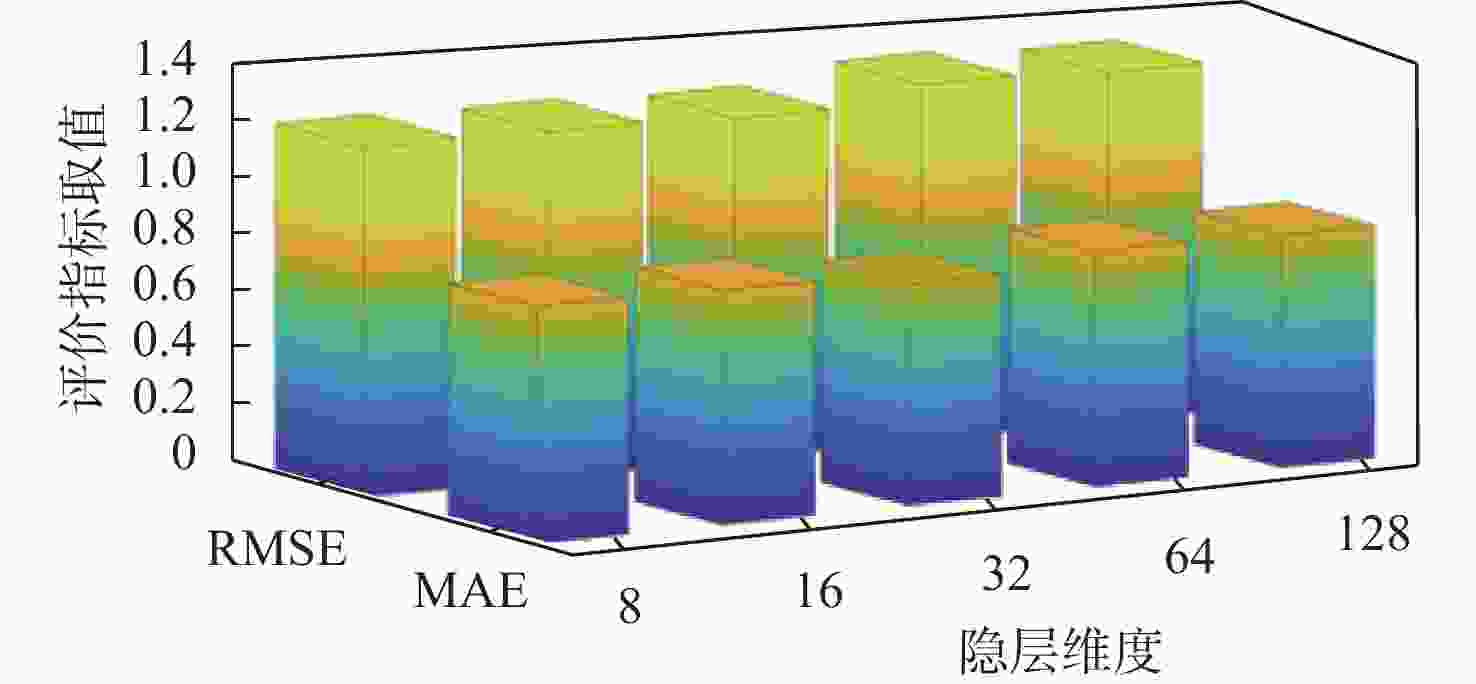
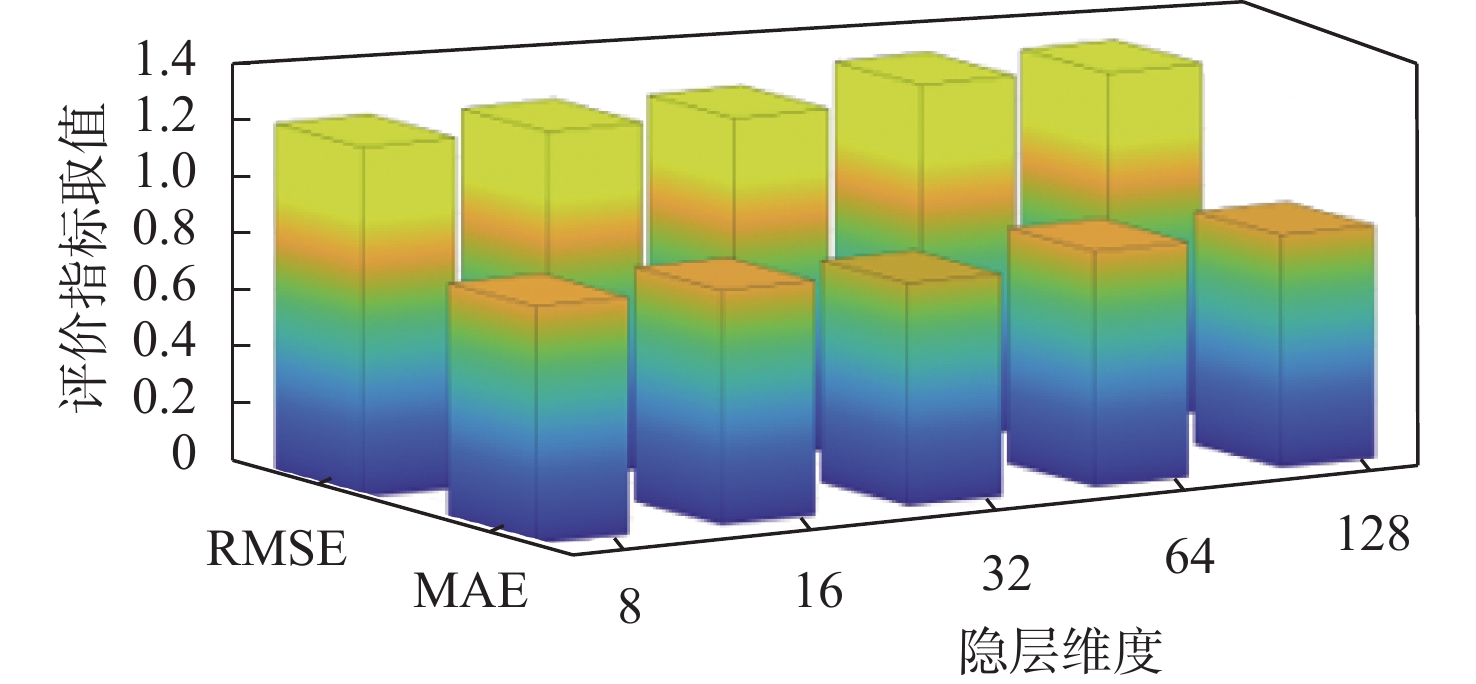
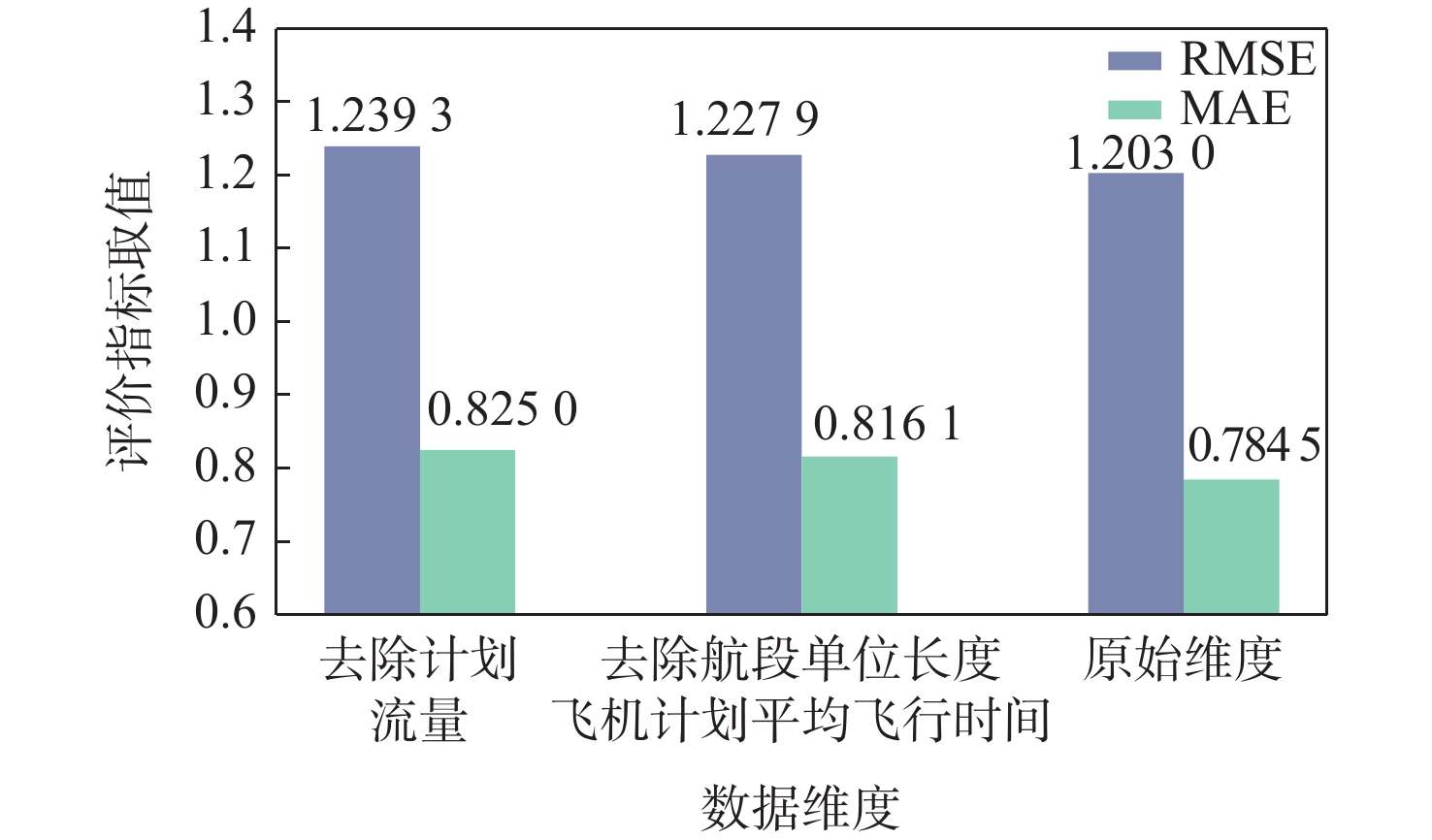
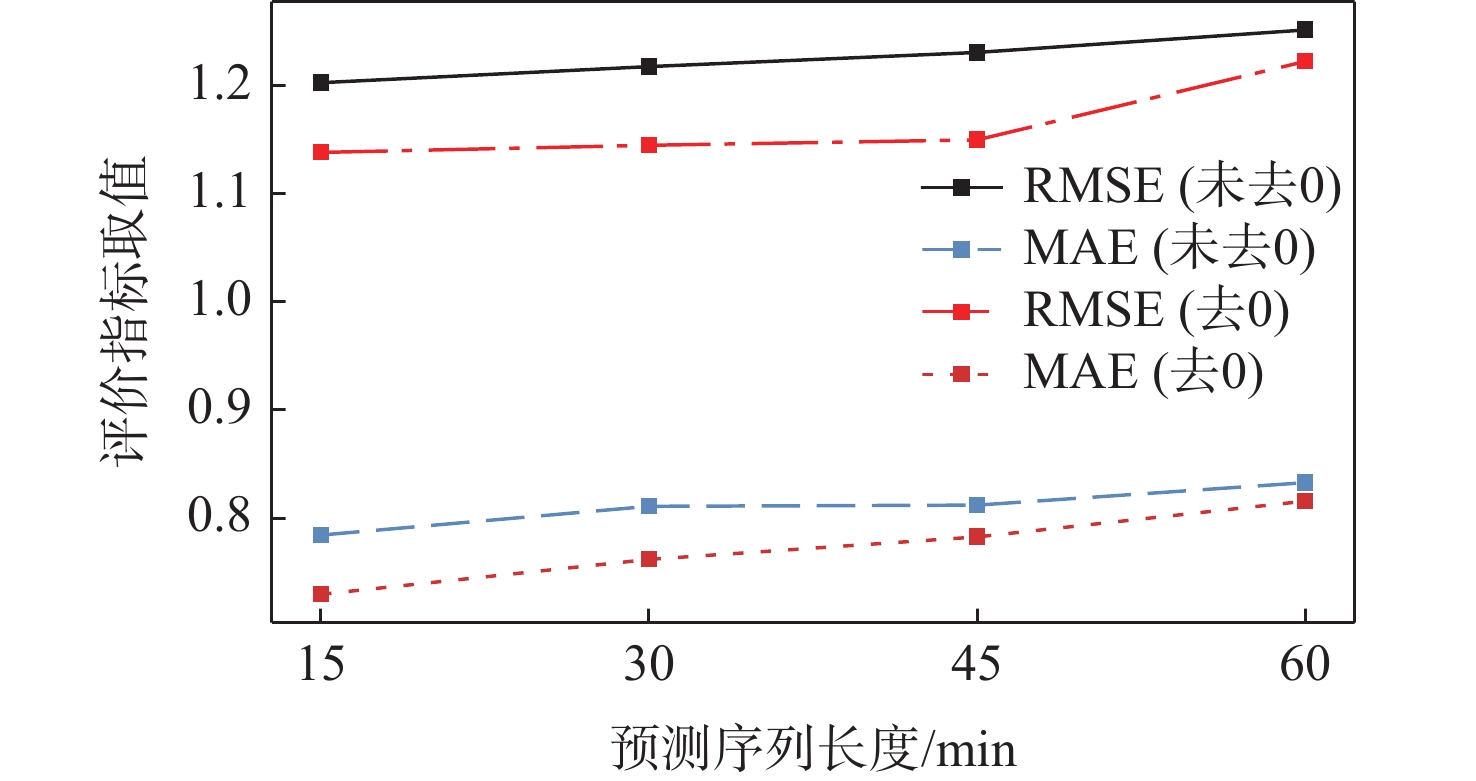
图 11 基于RMSE和MAE的隐层维度比较
Figure 11. Comparison of hidden layer dimension based on RMSE and MAE
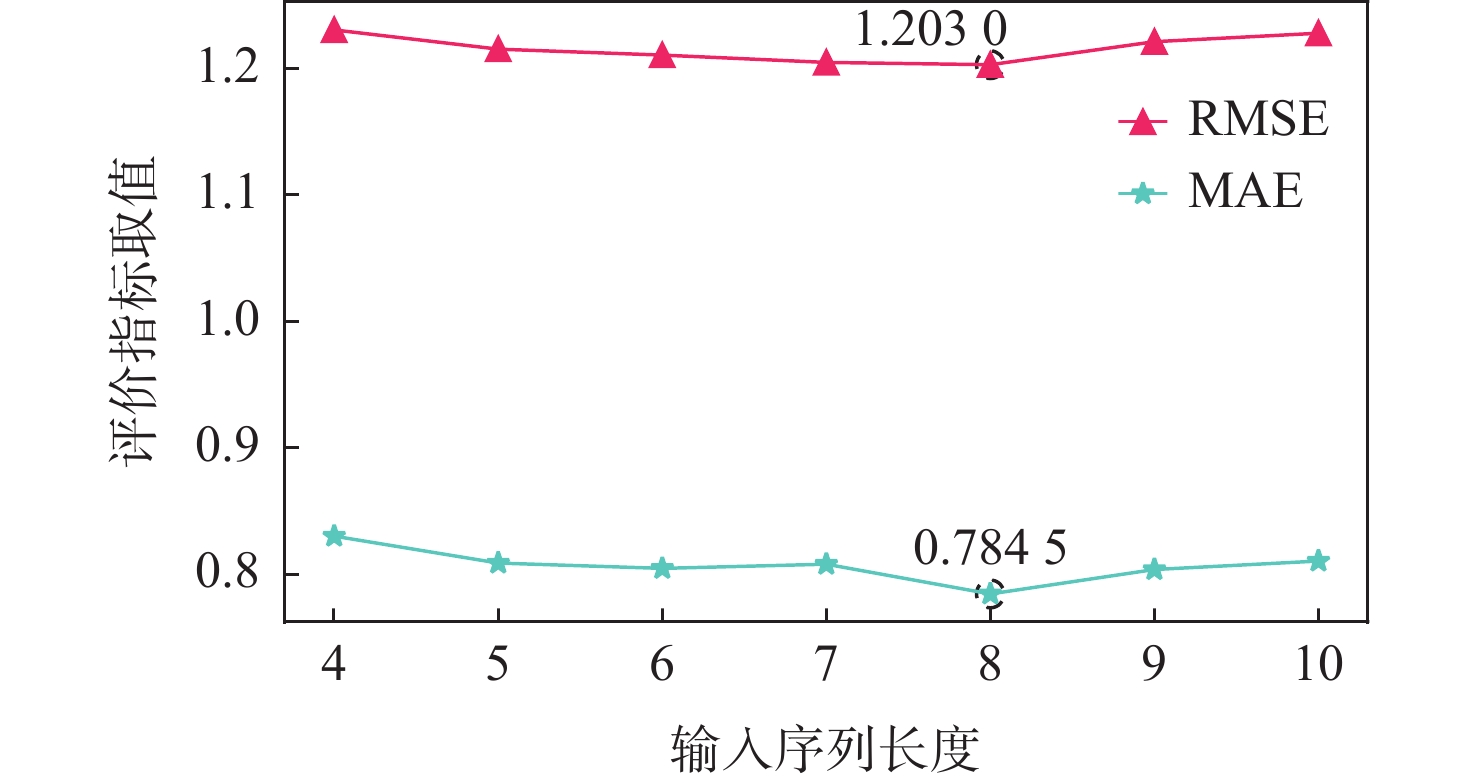
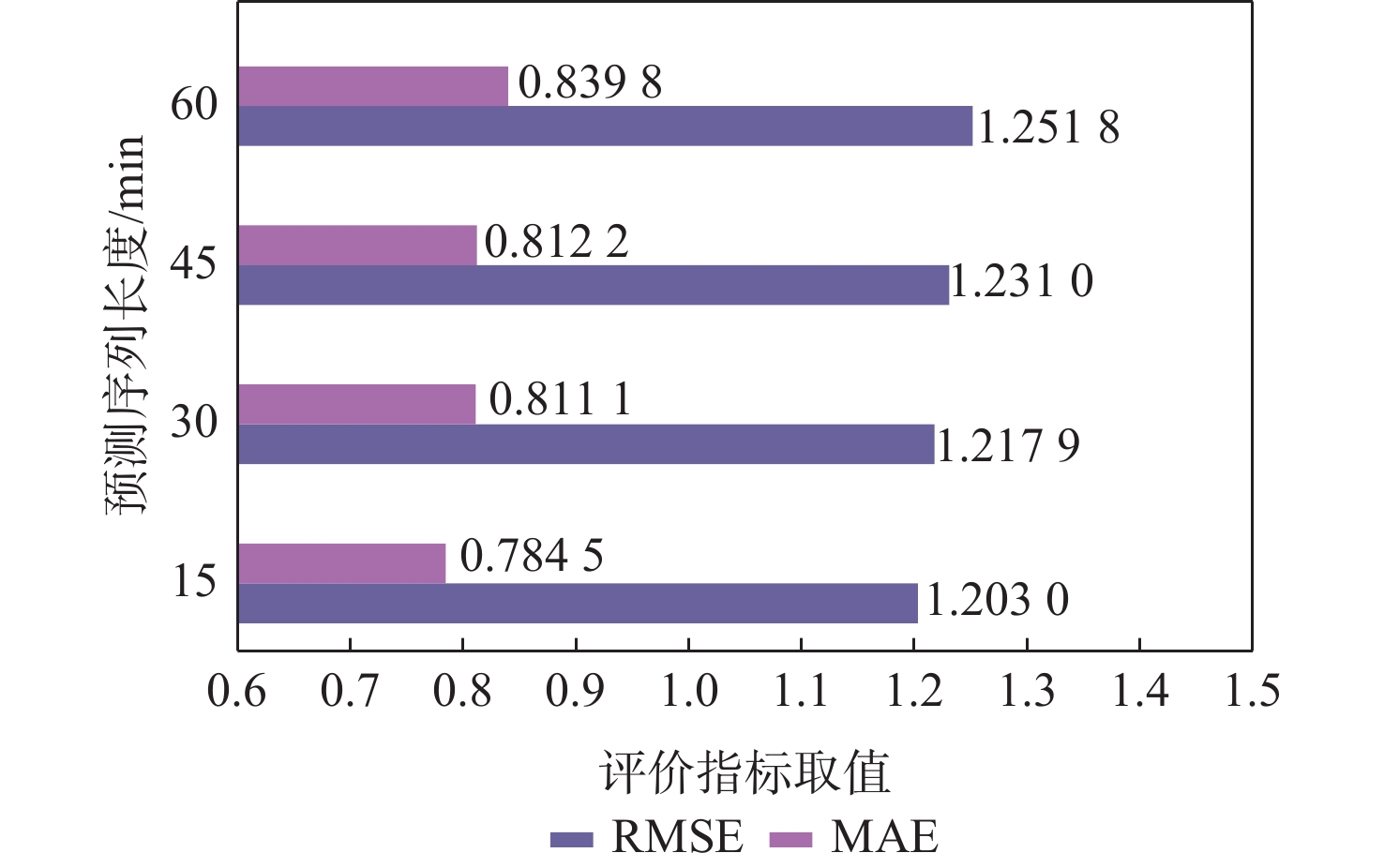
表 1 不同预测序列长度下模型性能比较
Table 1. Comparison of model performance for different prediction sequence lengths
模型 RMSE MAE 预测序列长度1 预测序列长度2 预测序列长度3 预测序列长度4 预测序列长度1 预测序列长度2 预测序列长度3 预测序列长度4 HA 1.4202 1.4520 1.4831 1.5132 0.8267 0.8444 0.8622 0.8802 SVR 1.3456 1.3637 1.3742 1.3947 0.7271 0.7708 0.7999 0.8099 ARIMA 1.5414 1.5361 1.5342 1.5327 1.0236 1.0211 1.0200 1.0192 GCN 1.5079 1.5017 1.5349 1.5180 1.0102 1.0268 0.9915 1.0371 GRU 1.2206 1.2446 1.2593 1.2789 0.8150 0.8159 0.8163 0.8398 GCN+GRU 1.2030 1.2179 1.2310 1.2518 0.7845 0.8111 0.8122 0.8330 注:加粗数值表示最优。  下载: 导出CSV
-
[1] 徐肖豪, 李善梅. 空中交通拥挤的识别与预测方法研究[J]. 航空学报, 2015, 36(8): 2753-2763.XU X H, LI S M. Identification and prediction of air traffic congestion[J]. Acta Aeronautica et Astronautica Sinica, 2015, 36(8): 2753-2763(in Chinese). [2] DONG Y Q, LU Z, LIU Y, et al. China’s corridors-in-the-sky design and space-time congestion identification and the influence of air routes’ traffic flow[J]. Journal of Geographical Sciences, 2019, 29(12): 1999-2014. doi: 10.1007/s11442-019-1701-3 [3] ENAYATOLLAHI F, ATASHGAH M A A. Wind effect analysis on air traffic congestion in terminal area via cellular automata[J]. Aviation, 2018, 22(3): 102-114. doi: 10.3846/aviation.2018.6252 [4] ADACHER L, FLAMINI M, ROMANO E. Rerouting algorithms solving the air traffic congestion[C]//Proceedings of the 1st International Conference on Applied Mathematics and Computer Science. Melville: AIP, 2017, 1836: 1-6. [5] 李善梅, 徐肖豪, 王超, 等. 基于灰色聚类的交叉航路拥挤识别方法[J]. 西南交通大学学报, 2015, 50(1): 189-197. doi: 10.3969/j.issn.0258-2724.2015.01.028LI S M, XU X H, WANG C, et al. Congestion identification of crossing air routes based on gray clustering method[J]. Journal of Southwest Jiaotong University, 2015, 50(1): 189-197(in Chinese). doi: 10.3969/j.issn.0258-2724.2015.01.028 [6] TAN X H, SUN Y S, ZENG W L, et al. Congestion recognition of the air traffic control sector based on deep active learning[J]. Aerospace, 2022, 9(6): 302. doi: 10.3390/aerospace9060302 [7] DENG C, ZHANG Q Q, ZHANG H H, et al. Research on rapid congestion identification method based on TSNE-FCM and LightGBM[J]. Sustainability, 2023, 15(14): 11322. doi: 10.3390/su151411322 [8] YANG Z, TANG R, ZENG W L, et al. Short-term prediction of airway congestion index using machine learning methods[J]. Transportation Research Part C: Emerging Technologies, 2021, 125: 103040. doi: 10.1016/j.trc.2021.103040 [9] ZHAO L, SONG Y J, ZHANG C, et al. T-GCN: a temporal graph convolutional network for traffic prediction[J]. IEEE Transactions on Intelligent Transportation Systems, 2020, 21(9): 3848-3858. doi: 10.1109/TITS.2019.2935152 [10] 杨磊, 张洪海, 胡明华. 广义空中交通流建模综述[J]. 科学技术与工程, 2020, 20(2): 432-444.YANG L, ZHANG H H, HU M H. A review of generalized air traffic flow modeling[J]. Science Technology and Engineering, 2020, 20(2): 432-444(in Chinese). [11] ZHANG Y C, SU R, SANDAMALI G G N, et al. A hierarchical heuristic approach for solving air traffic scheduling and routing problem with a novel air traffic model[J]. IEEE Transactions on Intelligent Transportation Systems, 2019, 20(9): 3421-3434. doi: 10.1109/TITS.2018.2874235 [12] 张洪海, 汤一文, 许炎. TBO模式下终端区进场交通流优化模型与仿真分析[J]. 航空学报, 2020, 41(7): 323844.ZHANG H H, TANG Y W, XU Y. Optimizing arrival traffic flow in airport terminal airspace under trajectory based operations[J]. Acta Aeronautica et Astronautica Sinica, 2020, 41(7): 323844(in Chinese). [13] LI S M, XU X H, MENG L H. Flight conflict forecasting-based on chaotic time series[J]. Transactions of Nanjing University of Aeronautics & Astronautics, 2012, 29(4): 388-394. [14] ZHANG H H, XU Y, YANG L, et al. Macroscopic model and simulation analysis of air traffic flow in airport terminal area[J]. Discrete Dynamics in Nature and Society, 2014, 2014: 741654. [15] MOTA M M, SCALA P, BOOSTEN G. Simulation-based capacity analysis for a future airport[C]//Proceedings of the 2014 Asia-Pacific Conference on Computer Aided System Engineering. Piscataway: IEEE Press, 2014: 97-101. [16] 刘晓琳, 郭梦娇, 李卓. 基于自适应注意力图卷积循环网络的航班延误组合预测方法[EB/OL]. (2023-02-28)[2023-09-20]. https://link.cnki.net/doi/10.13700/j.bh.1001-5965.2022.0990.LIU X L, GUO M J, LI Z. Flight delay prediction based on attention-based adaptive graph convolution-Gated Recurrent Unit[EB/OL]. (2023-02-28)[2023-09-20]. https://link.cnki.net/doi/10.13700/j.bh.1001-5965.2022.0990(in Chinese). [17] CAI K Q, LI Y, ZHU Y W, et al. A geographical and operational deep graph convolutional approach for flight delay prediction[J]. Chinese Journal of Aeronautics, 2023, 36(3): 357-367. doi: 10.1016/j.cja.2022.10.004 [18] 李桂毅, 胡明华. 考虑航段相关性的航路拥挤态势多模型融合动态预测方法[J]. 交通运输系统工程与信息, 2018, 18(1): 215-222.LI G Y, HU M H. Multi-model fusion dynamic prediction method of enroute congestion situation with considering the correlation of air route segment[J]. Journal of Transportation Systems Engineering and Information Technology, 2018, 18(1): 215-222(in Chinese). [19] LIN Y, ZHANG J W, LIU H. Deep learning based short-term air traffic flow prediction considering temporal-spatial correlation[J]. Aerospace Science and Technology, 2019, 93: 105113. doi: 10.1016/j.ast.2019.04.021 [20] CAI K Q, SHEN Z Q, LUO X Y, et al. Temporal attention aware dual-graph convolution network for air traffic flow prediction[J]. Journal of Air Transport Management, 2023, 106: 102301. doi: 10.1016/j.jairtraman.2022.102301 [21] 翁剑成, 张梦媛, 荆云琪, 等. 基于出行时间可达性的公共交通竞争力评估模型[J]. 交通运输系统工程与信息, 2022, 22(5): 187-195.WENG J C, ZHANG M Y, JING Y Q, et al. Evaluation model of public transport competitiveness based on travel time accessibility[J]. Journal of Transportation Systems Engineering and Information Technology, 2022, 22(5): 187-195(in Chinese). [22] 徐冰冰, 岑科廷, 黄俊杰, 等. 图卷积神经网络综述[J]. 计算机学报, 2020, 43(5): 755-780.XU B B, CEN K T, HUANG J J, et al. A survey on graph convolutional neural network[J]. Chinese Journal of Computers, 2020, 43(5): 755-780(in Chinese). [23] KIPF T N, WELLING M. Semi-supervised classification with graph convolutional networks[EB/OL]. (2017-02-22)[2023-09-20]. https://arxiv.org/abs/1609.02907. [24] YU B, YIN H T, ZHU Z X. Spatio-temporal graph convolutional networks: a deep learning framework for traffic forecasting[C]//Proceedings of the 27th International Joint Conference on Artificial Intelligence. San Francisco: Morgan Kaufmann Publishers, 2018: 3634-3640. -

 下载:
下载:

 点击查看大图
计量
- 文章访问数: 321
- HTML全文浏览量: 99
- PDF下载量: 2
- 被引次数: 0
