





-
摘要:
为使飞机客舱获得较好的空气品质,同时提高客舱空调的节能水平,采用计算流体力学(CFD)方法建立波音737客机经济舱的仿真模型,并结合粒子图像测速(PIV)技术验证仿真模型的准确性。在此模型基础上,研究客舱空调使用不同回风比例对客舱内CO2浓度场的影响,并采用乘客呼吸区通风效率指标评估不同回风比例对舱内空气品质的影响。此外,使用起飞总质量法计算相同送风量时不同回风比例工况下的燃油代偿损失,并拟合出燃油代偿损失、乘客呼吸区通风效率与回风比例的函数关系,采用功效系数法构建评价函数,得到客舱空调的最佳回风比例为64.864%。所提方法能够为客舱空调的回风比例控制提供依据。
Abstract:In order to obtain better air quality and improve the energy saving level of cabin air conditioning, computational fluid dynamics (CFD) method was used to establish a simulation model of the economy class of Boeing 737 passenger aircraft, and particle image velocimetry (PIV) technology was used to verify the accuracy of the simulation model. Based on this model, the effects of different return air ratios on the CO2 concentration field in cabin air conditioning were studied, and the ventilation efficiency index of the passenger breathing area was used to evaluate the effects of different return air ratios on cabin air quality. The fuel compensation loss under various return air proportion conditions with the same air supply volume was also calculated using the total takeoff mass method, and a functional relationship between the fuel compensation loss, the ventilation efficiency of the passenger breathing area, and the return air proportion was fitted. The efficiency coefficient approach was used to design the evaluation function, and the ideal return air proportion for the cabin air conditioning system was 64.864%. This method can provide a basis for the proportional control of return air in cabin air conditioning.
-
Key words:
- aircraft cabin /
- return air ratio /
- air quality /
- compensation loss /
- evaluation function /
- ventilation efficiency
-
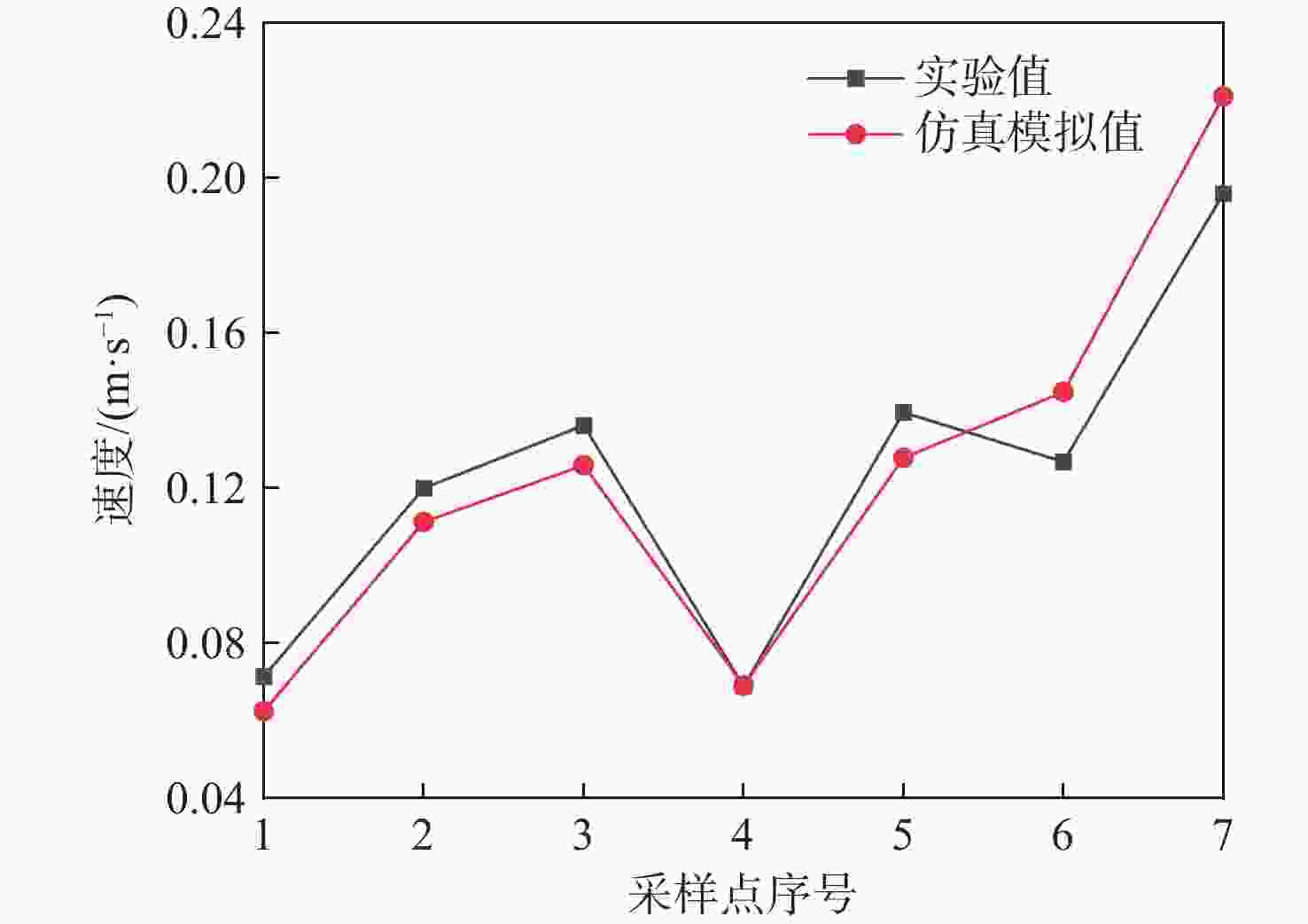
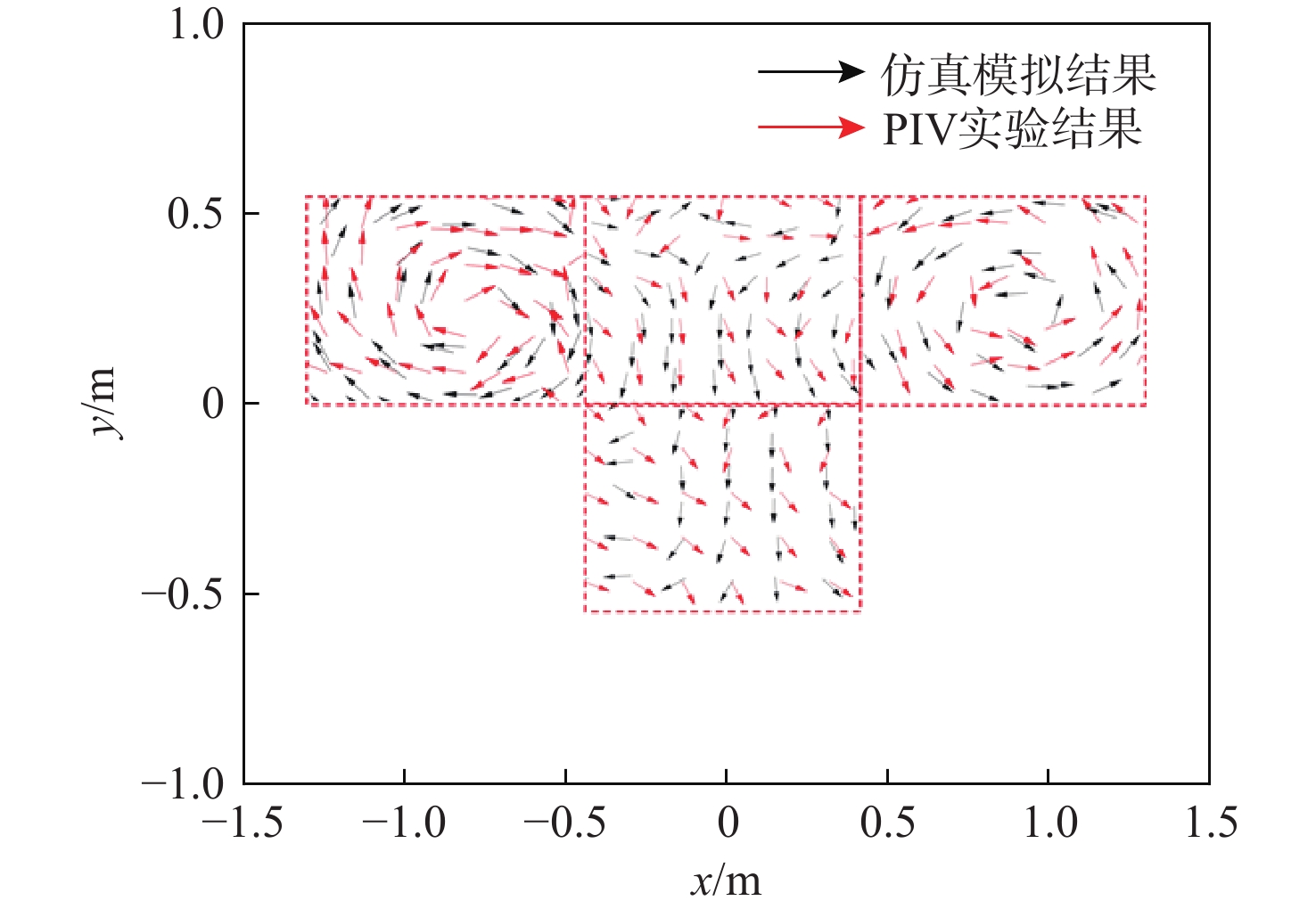
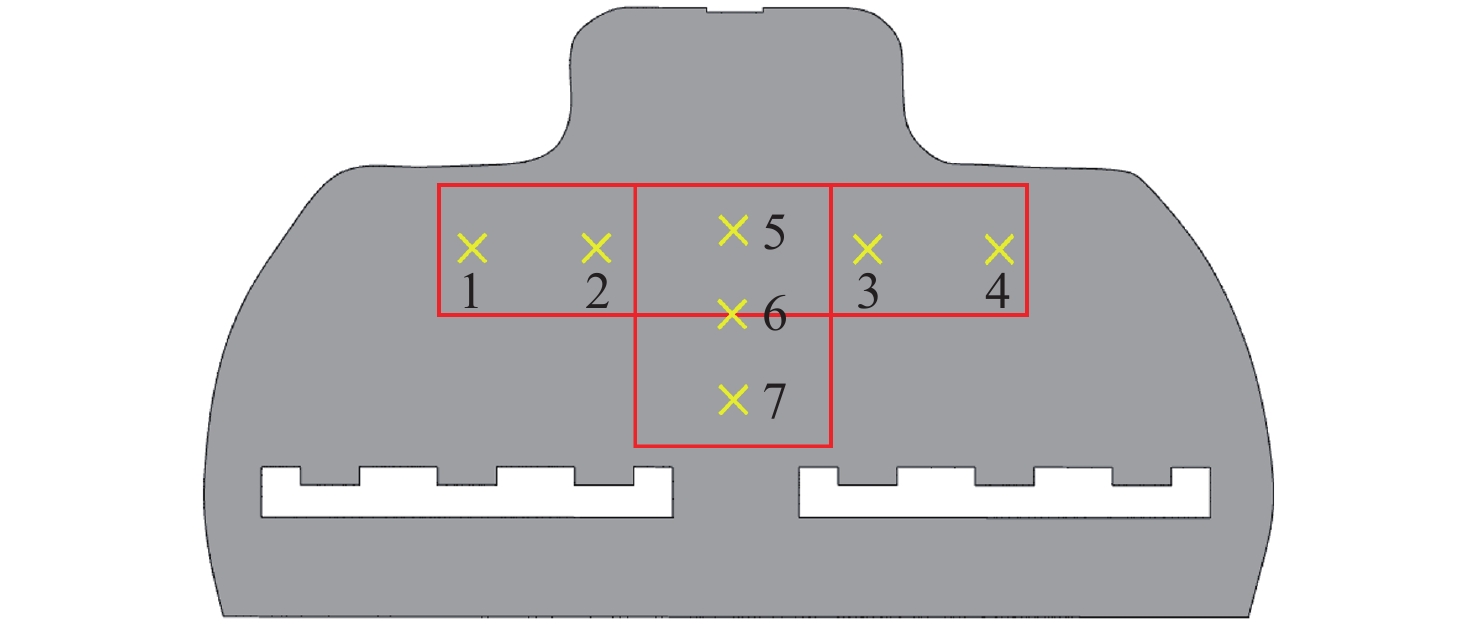
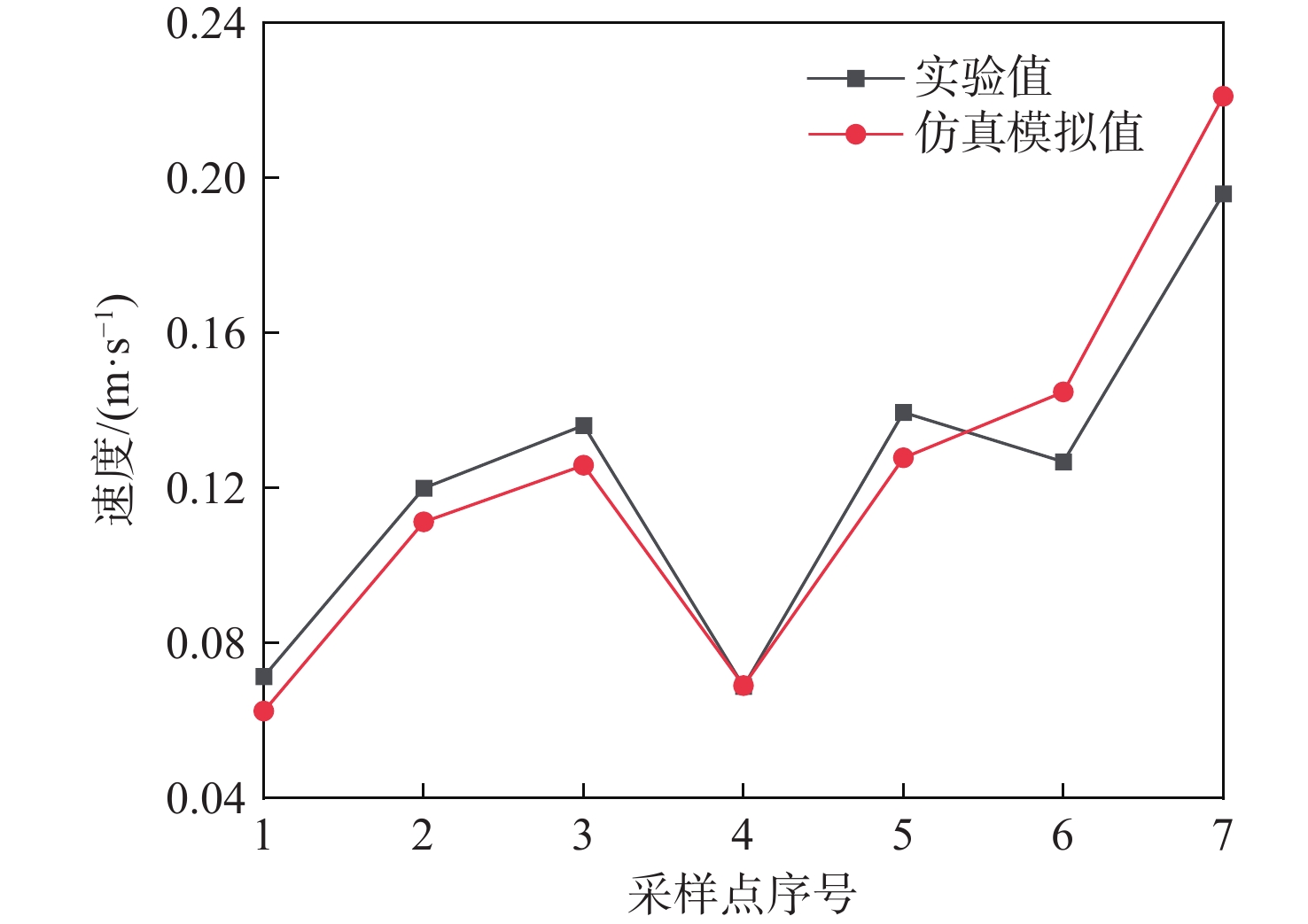
图 6 PIV实验和仿真采样值对比
Figure 6. Comparison of PIV experiment and simulation sampling values
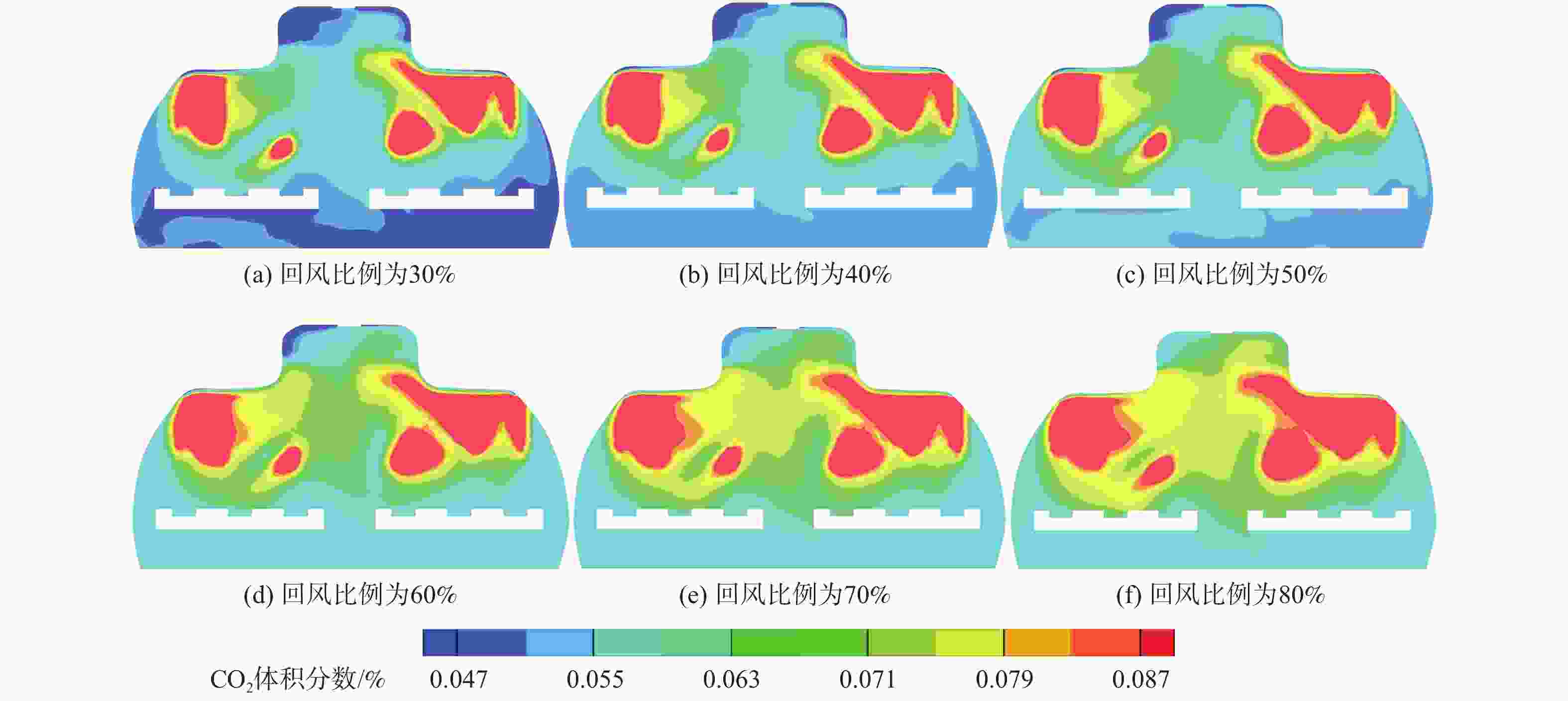
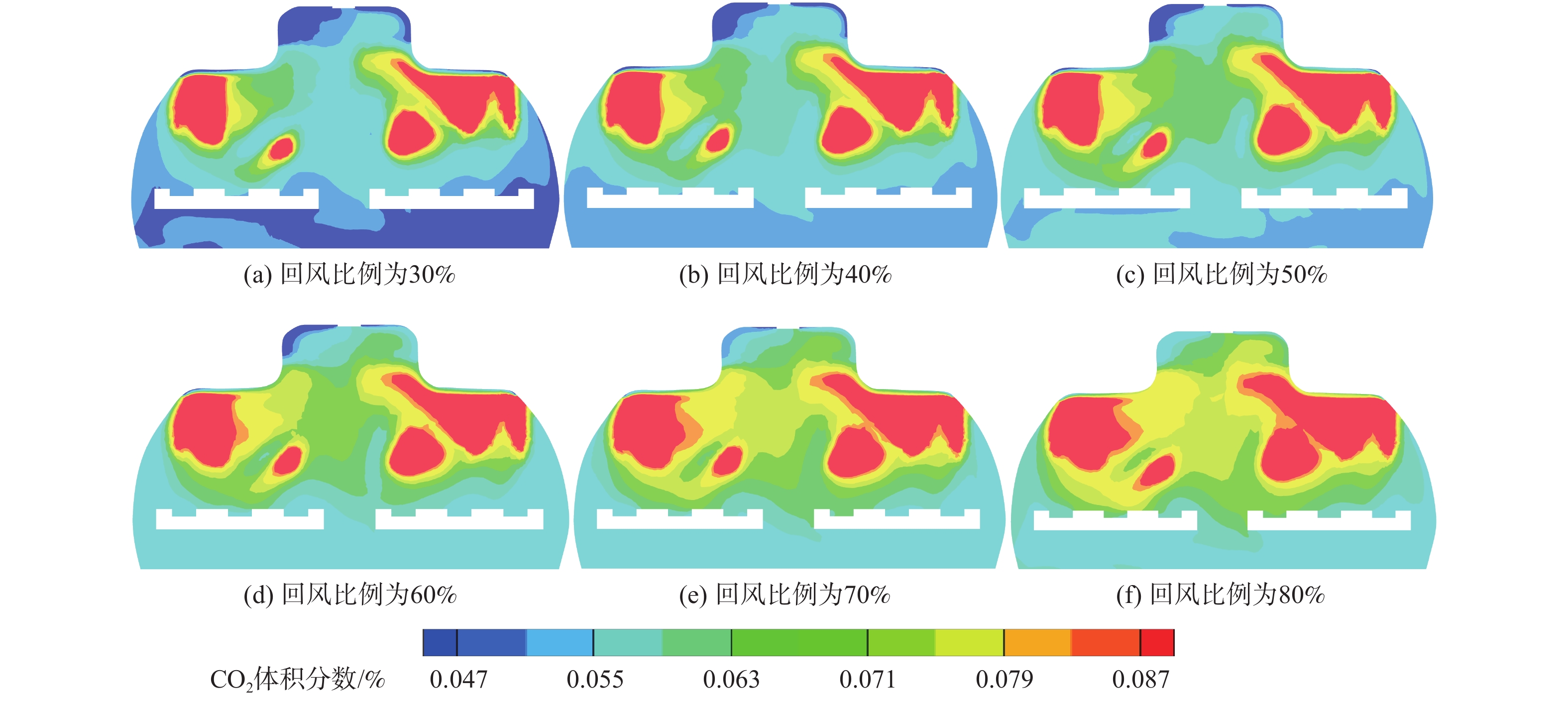
图 9 客舱横向截面的CO2浓度场对比
Figure 9. CO2 concentration field comparison of cabin cross section
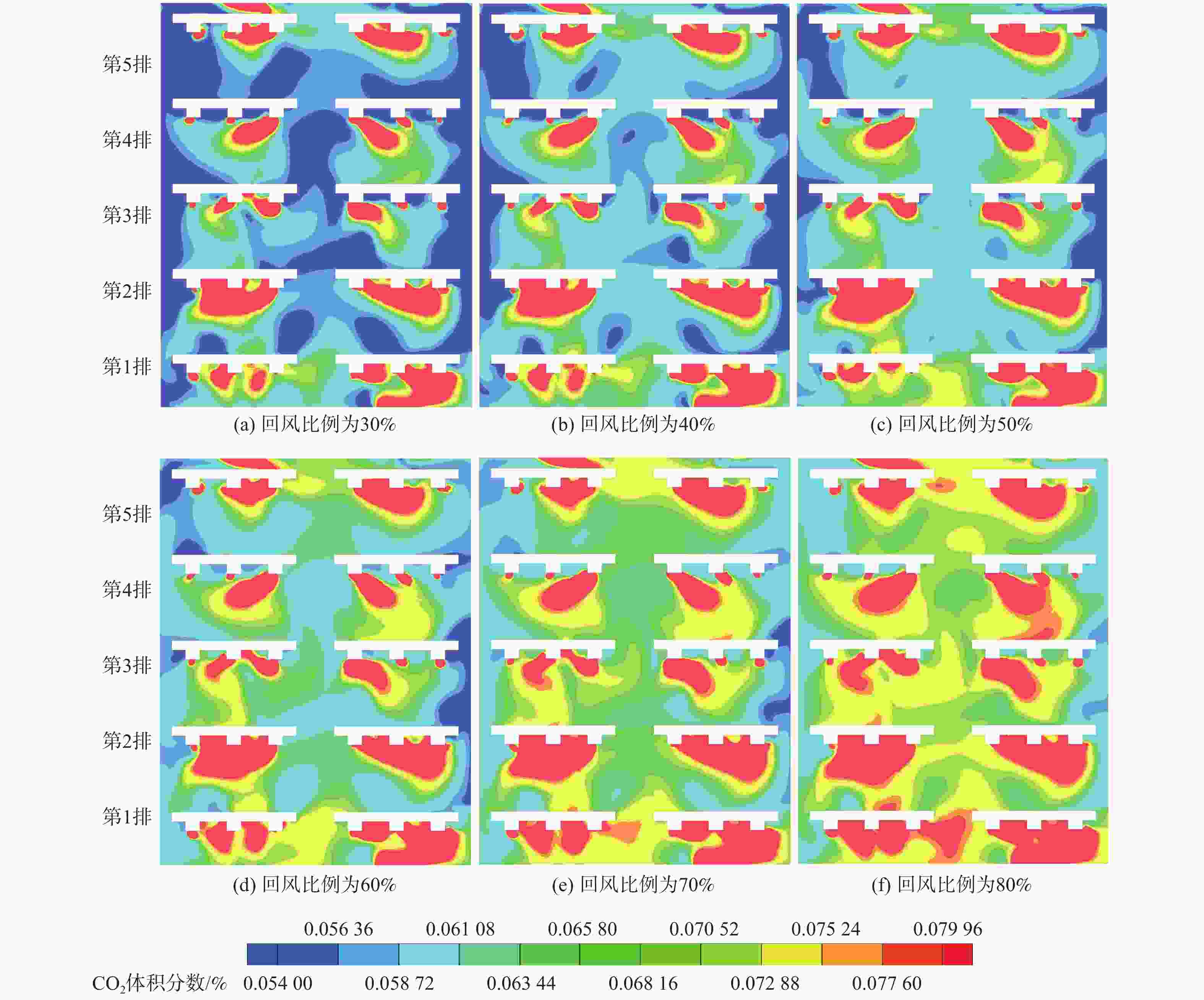
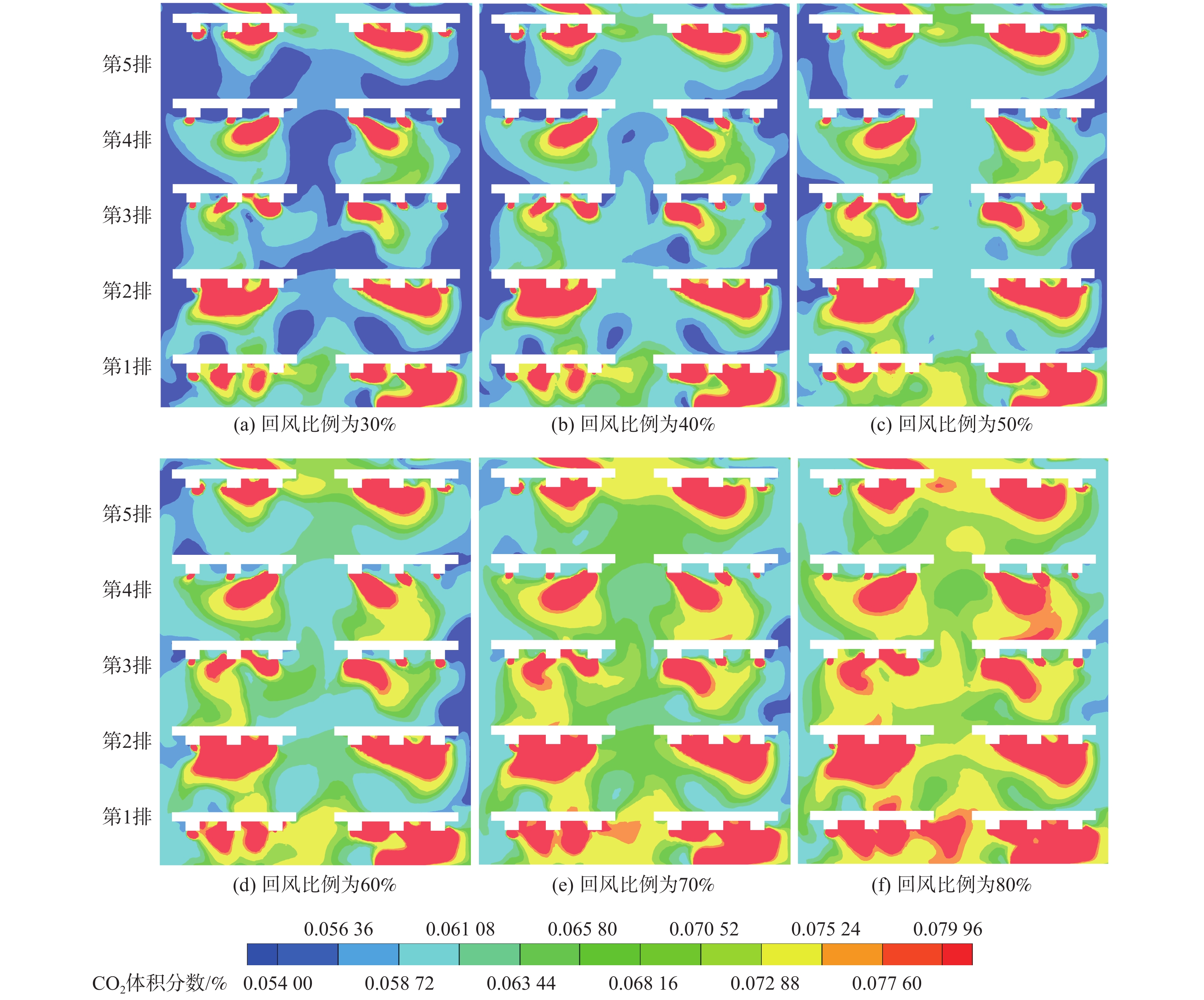
图 10 客舱纵向截面的CO2浓度场对比
Figure 10. CO2 concentration field comparison of cabin longitudinal section
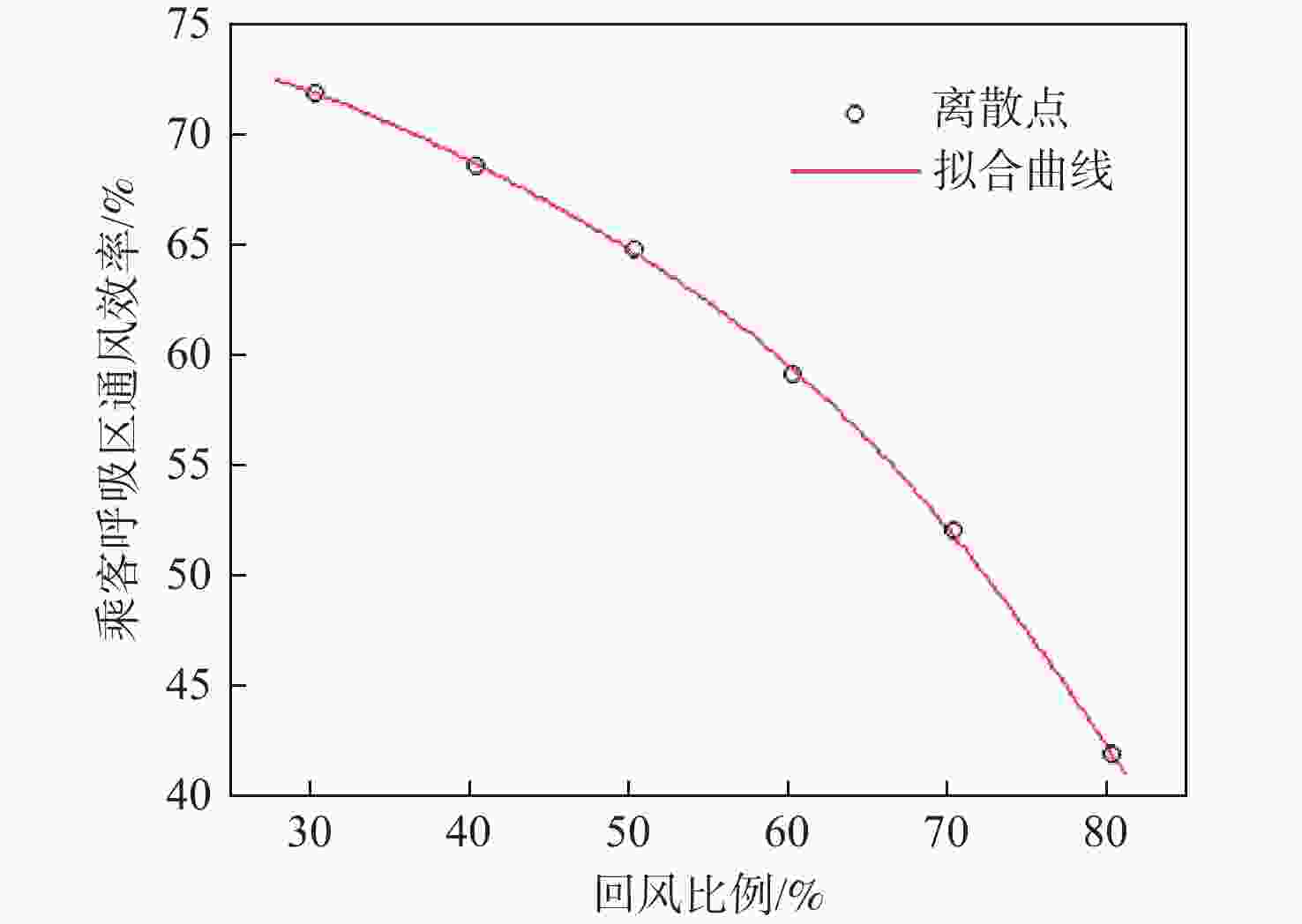
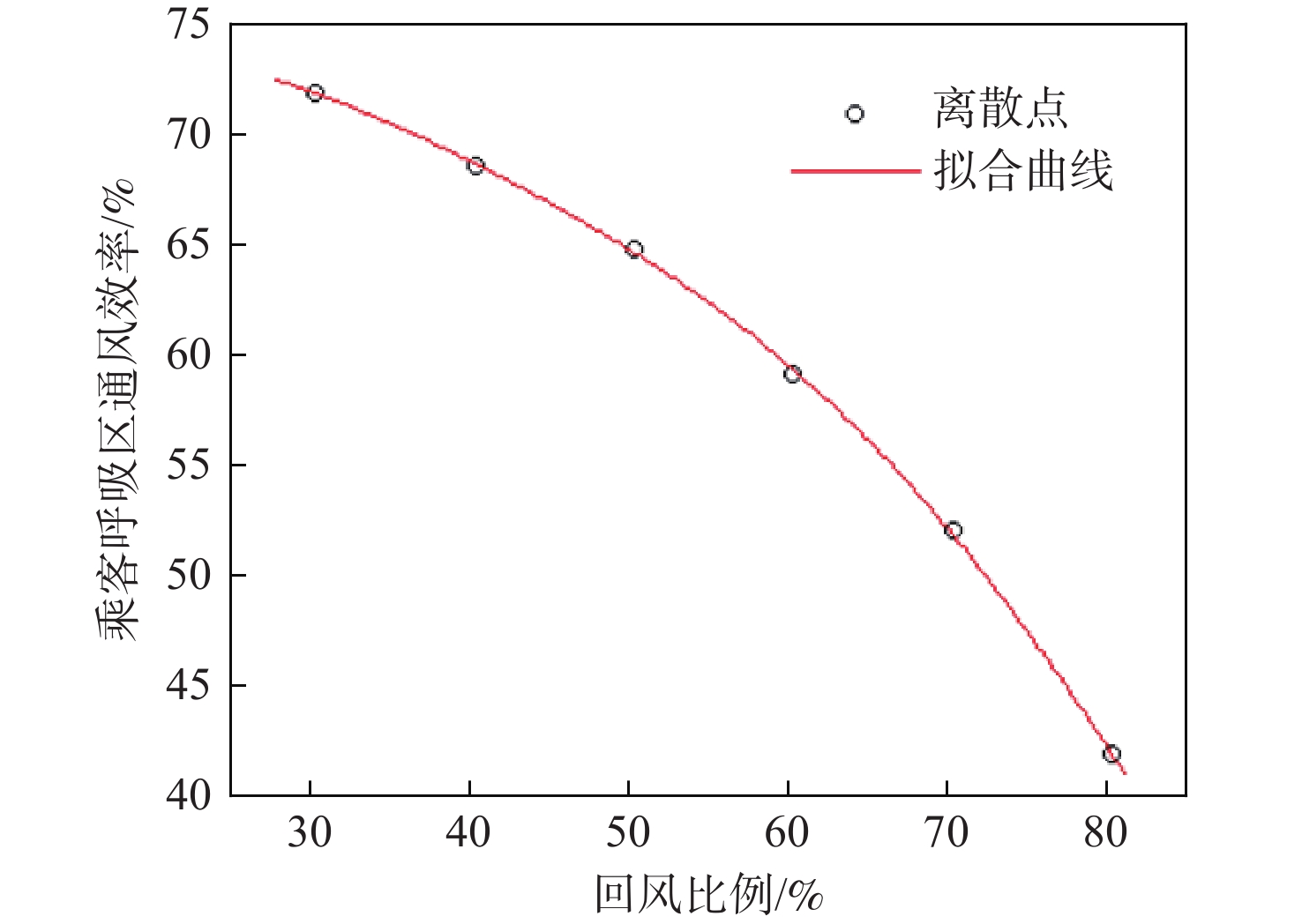
图 11 乘客呼吸区通风效率与回风比例函数关系
Figure 11. Function relationship between ventilation efficiency and return air ratio in breathing area
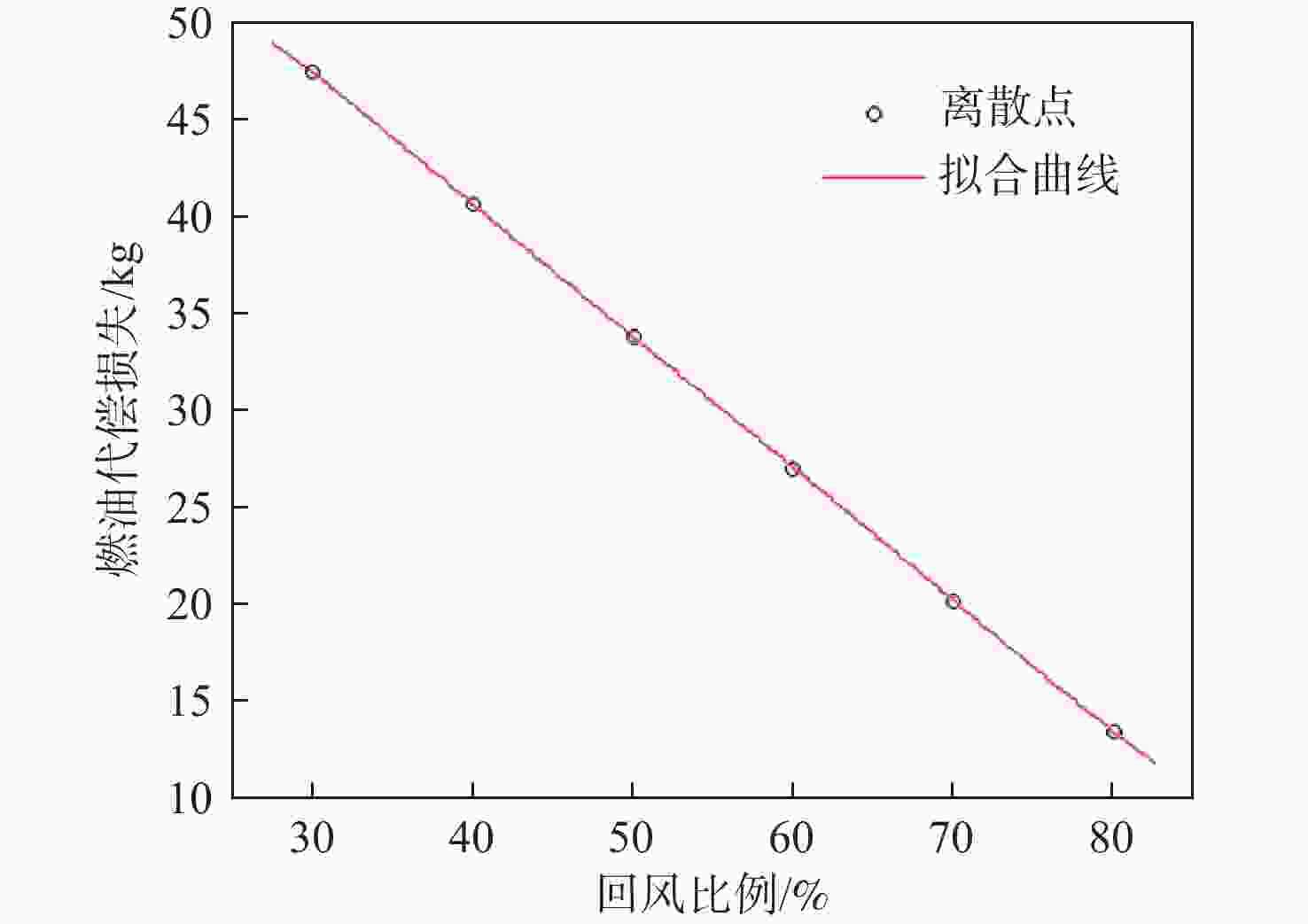
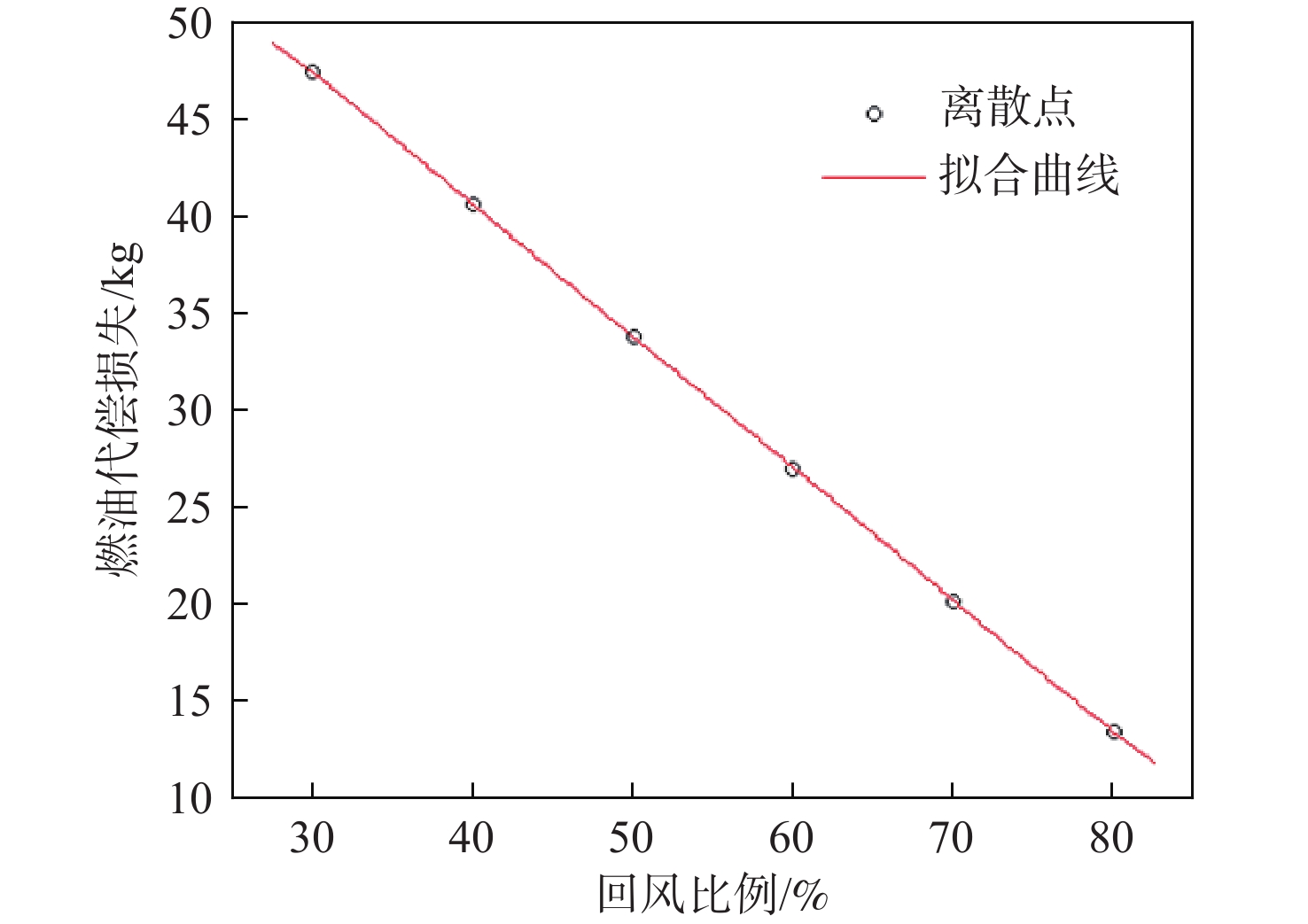
图 12 燃油代偿损失与回风比例函数关系
Figure 12. Function relationship between fuel compensation loss and return air ratio
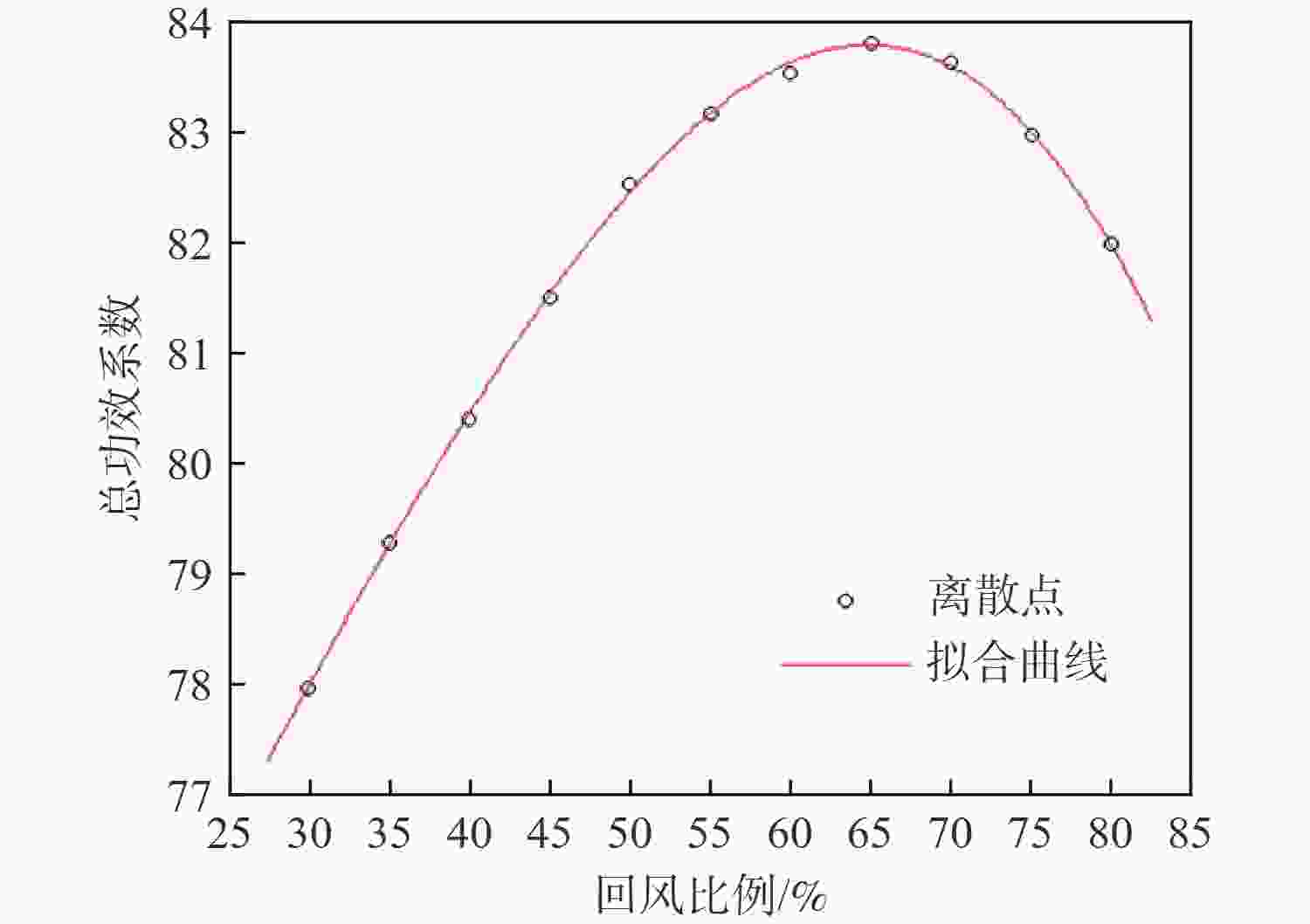
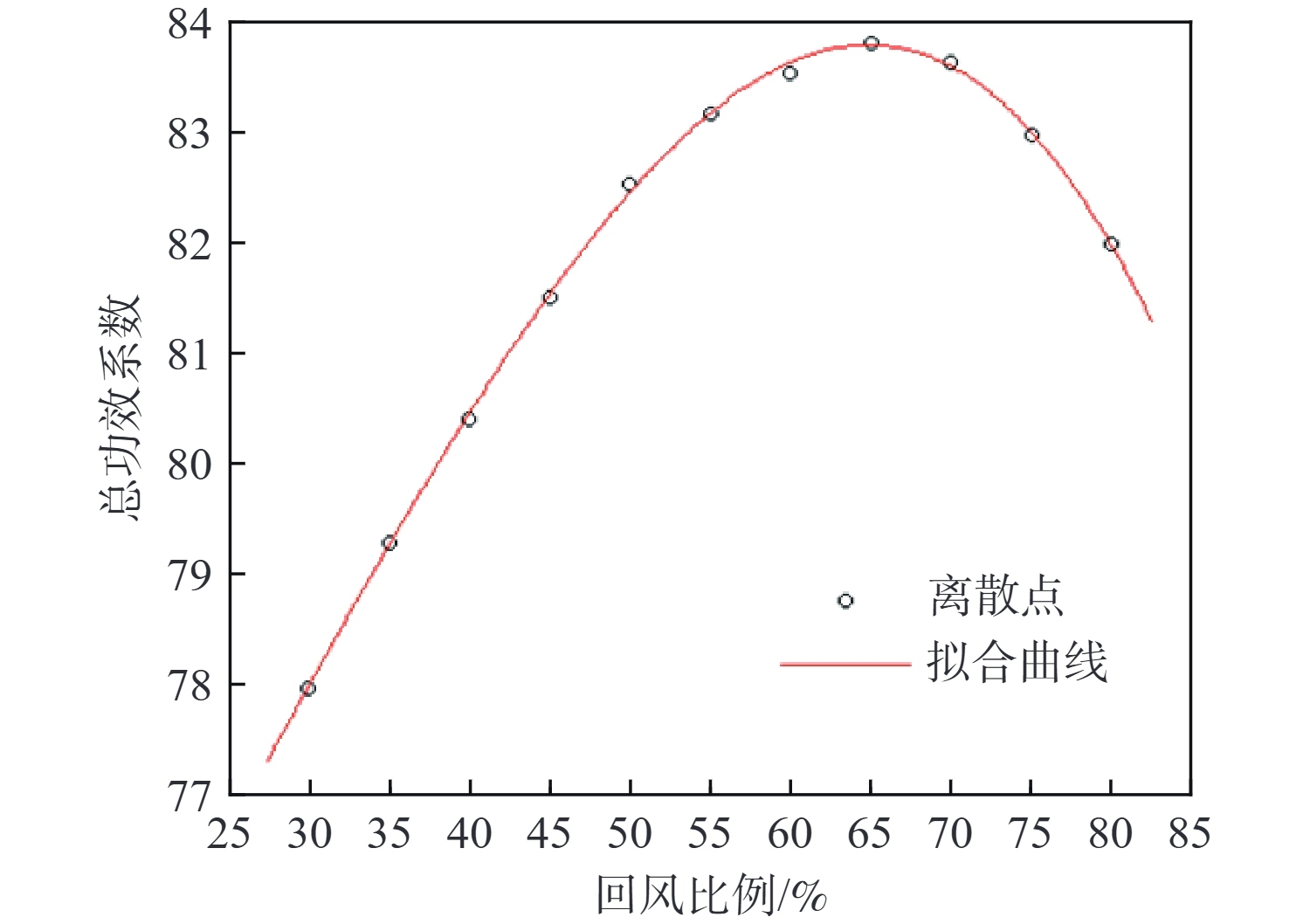
图 13 总功效系数与回风比例函数关系
Figure 13. Function relationship between total efficiency coefficient and return air ratio
表 1 CFM56发动机特性参数
Table 1. CFM56 engine characteristic parameters
升阻比 飞行速度/(m·s−1) 计算飞行时间/h 燃油比耗/(kg·(N·h)−1) 燃气质量定压
热容/(J·(kg·K)−1)涡轮进口温度/K 燃油燃烧的单位
热值/(kJ·kg−1)燃油燃烧完全系数 16 272 1 0.0395 1297 1577 43000 0.98  下载: 导出CSV
表 2 $ {r}_{\text{1}} $赋值参考
Table 2. Reference values of $ {r}_{\text{1}} $
$ r_1 $ 说明 1.0 指标$ {u}_{1} $与指标$ {u}_{2} $同样重要 1.2 指标$ {u}_{1} $比指标$ {u}_{2} $稍微重要 1.4 指标$ {u}_{1} $比指标$ {u}_{2} $明显重要 1.6 指标$ {u}_{1} $比指标$ {u}_{2} $强烈重要 1.8 指标$ {u}_{1} $比指标$ {u}_{2} $极端重要
下载: 导出CSV
-
[1] YANG H, ZHANG X J, WANG C, et al. Experimental and theoretical study on a novel energy-saving ECS for commercial airliners[J]. Applied Thermal Engineering, 2017, 127: 1372-1381. [2] CHEN L, ZHANG X J, WANG C, et al. A novel environmental control system facilitating humidification for commercial aircraft[J]. Building and Environment, 2017, 126: 34-41. [3] HERBIG B, NORREFELDT V, MAYER F, et al. Effects of increased recirculation air rate and aircraft cabin occupancy on passengers’ health and well-being–Results from a randomized controlled trial[J]. Environmental Research, 2023, 216: 114770. [4] 张英杰. 狭小空间内温度和二氧化碳对人体舒适性影响实验研究[D]. 重庆: 重庆大学, 2018: 1-5.ZHANG Y J. The experimental research into the influence of temperature and carbon dioxide to human comfort in small space[D]. Chongqing: Chongqing University, 2018: 1-5(in Chinese). [5] 高经诚, 陈维建, 胡万俊, 等. 民用飞机客舱CO2分布特性分析[J]. 北京航空航天大学学报, 2023, 49(9): 2510-2517.GAO J C, CHEN W J, HU W J, et al. Analysis of CO2 distribution characteristics in cabin of civil aircraft[J]. Journal of Beijing University of Aeronautics and Astronautics, 2023, 49(9): 2510-2517(in Chinese). [6] 陈希远, 于天鹏, 欧阳建亮, 等. 考虑再循环风的飞机座舱引气污染仿真研究[J]. 科学技术与工程, 2017, 17(19): 295-300.CHEN X Y, YU T P, OUYANG J L, et al. A study of bleed air contaminant in aircraft based on recirculation air[J]. Science Technology and Engineering, 2017, 17(19): 295-300(in Chinese). [7] 杨建忠, 马博文, 陈希远, 等. 送风形式对飞机座舱引气污染物扩散影响[J]. 交通运输工程学报, 2019, 19(1): 108-118.YANG J Z, MA B W, CHEN X Y, et al. Influence of air supply form on contaminat diffusion of bleed air in aircraft cabin[J]. Journal of Traffic and Transportation Engineering, 2019, 19(1): 108-118(in Chinese). [8] 刘毓迪, 孙学德, 张存, 等. 民用飞机个人通风送风温度对人体舒适性的影响[J]. 航空学报, 2019, 40(2): 522363.LIU Y D, SUN X D, ZHANG C, et al. Impact of individual ventilation temperature on passenger comfort of commercial aircraft[J]. Acta Aeronautica et Astronautica Sinica, 2019, 40(2): 522363(in Chinese). [9] 林家泉, 戴仕卿. 基于排污效率和吹风感指数的客舱空调最佳送风方式[J]. 航空学报, 2022, 43(7): 93-102.LIN J Q, DAI S Q. Optimal air supply mode of aircraft cabin based on removal effectiveness and draft rating[J]. Acta Aeronautica et Astronautica Sinica, 2022, 43(7): 93-102(in Chinese). [10] 周立祥, 林家泉. 一种清除引气污染物的空调梯形信号送风方法[J]. 航空学报, 2023, 44(10): 77-86.ZHOU L X, LIN J Q. Trapezoidal signal air supply method for air conditioning to remove bleed air pollutants[J]. Acta Aeronautica et Astronautica Sinica, 2023, 44(10): 77-86(in Chinese). [11] 林家泉, 李弯弯, 王瑞婷, 等. 基于飞机客舱空气品质的桥载空调送风优化[J]. 北京航空航天大学学报, 2017, 43(11): 2259-2265.LIN J Q, LI W W, WANG R T, et al. Optimization of air supply for bridge load air conditioning based on aircraft cabin air quality[J]. Journal of Beijing University of Aeronautics and Astronautics, 2017, 43(11): 2259-2265(in Chinese). [12] ZHANG X, LIU J J, LIU X, et al. Performance optimization of airliner cabin air filters[J]. Building and Environment, 2021, 187: 107392. [13] 赵澎渤. 四轮高压除水空气循环制冷系统优化与分析[D]. 南京: 南京航空航天大学, 2012: 34-39.ZHAO P B. Optimization and analysis for four-wheel high pressure water removal air cycle refrigeration system[D]. Nanjing: Nanjing University of Aeronautics and Astronautics, 2012: 34-39(in Chinese). [14] 林家泉, 李弯弯. 空调送风速度对客舱环境影响的模拟及优化[J]. 液压与气动, 2016, 40(10): 12-17.LIN J Q, LI W W. Simulation and optimization for the effect of air supply velocity on cabin environment[J]. Chinese Hydraulics & Pneumatics, 2016, 40(10): 12-17(in Chinese). [15] 黄衍, 段然, 李炳烨, 等. 飞机座舱个性送风下的气态污染物传播规律实例研究[J]. 应用力学学报, 2015, 32(4): 586-592.HUANG Y, DUAN R, LI B Y, et al. Simulation of contaminant transportation in aircraft cabin with partly gaspers on[J]. Chinese Journal of Applied Mechanics, 2015, 32(4): 586-592(in Chinese). [16] 赵维维, 娄德仓, 钟世林. 基于㶲分析和代偿损失的热管理系统性能评价方法[J]. 航空动力学报, 2023, 38(12): 2829-2836.ZHAO W W, LOU D C, ZHONG S L. Performance evaluation method of thermal management system based on exergy analysis and compensatory loss[J]. Journal of Aerospace Power, 2023, 38(12): 2829-2836(in Chinese). [17] 寿荣中, 何慧姗. 飞行器环境控制[M]. 北京: 北京航空航天大学出版社, 2004: 253-257.SHOU R Z, HE H S. Spacecraft optimal control theory and method[M]. Beijing: Beihang University Press, 2004: 253-257(in Chinese). [18] TURAN O. Exergo-economic analysis of a CFM56-7B turbofan engine[J]. Energy, 2022, 259: 124936. [19] KORBA P, BALLI O, CALISKAN H, et al. Energy, exergy, economic, environmental, and sustainability assessments of the CFM56-3 series turbofan engine used in the aviation sector[J]. Energy, 2023, 269: 126765. [20] 刘隽楷, 邹晓松, 袁旭峰, 等. 含功效系数法的电力系统多目标综合优化[J]. 电测与仪表, 2018, 55(24): 59-63.LIU J K, ZOU X S, YUAN X F, et al. Multi-objective comprehensive optimization of power system containing the efficacy coefficient method[J]. Electrical Measurement & Instrumentation, 2018, 55(24): 59-63(in Chinese). [21] 李银霞, 袁修干, 杨春信, 等. 歼击机座舱工效学评价指标权重系数的确定[J]. 航空学报, 2006, 27(3): 370-373.LI Y X, YUAN X G, YANG C X, et al. Weight factors determination of the evaluation indexes of cockpit ergonomics[J]. Acta Aeronautica et Astronautica Sinica, 2006, 27(3): 370-373(in Chinese). -

 下载:
下载:

 点击查看大图
计量
- 文章访问数: 123
- HTML全文浏览量: 74
- PDF下载量: 2
- 被引次数: 0
