





Resilience-oriented joint optimization of aircraft taxiing route and apron assignment in airport
-
摘要:
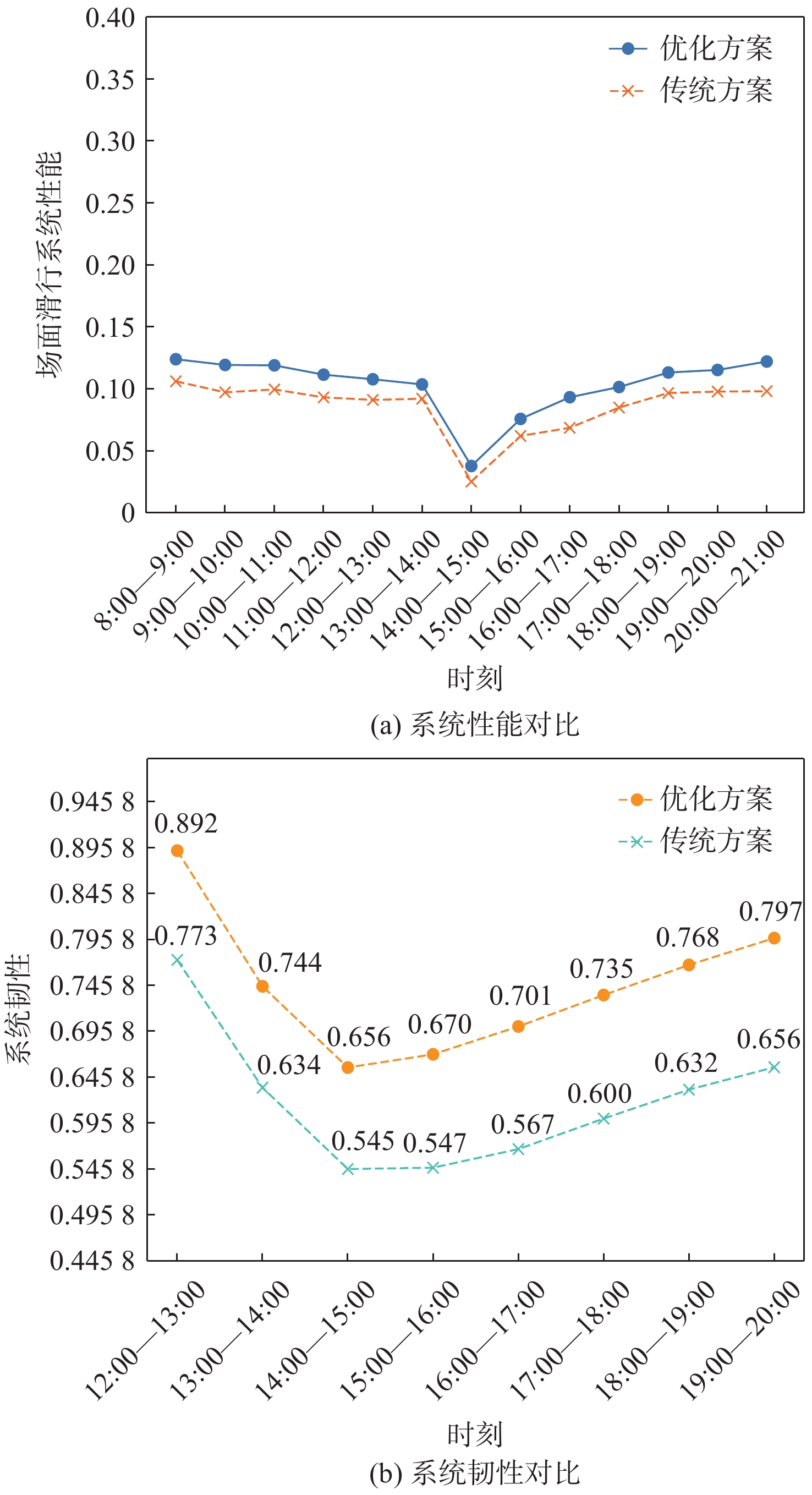
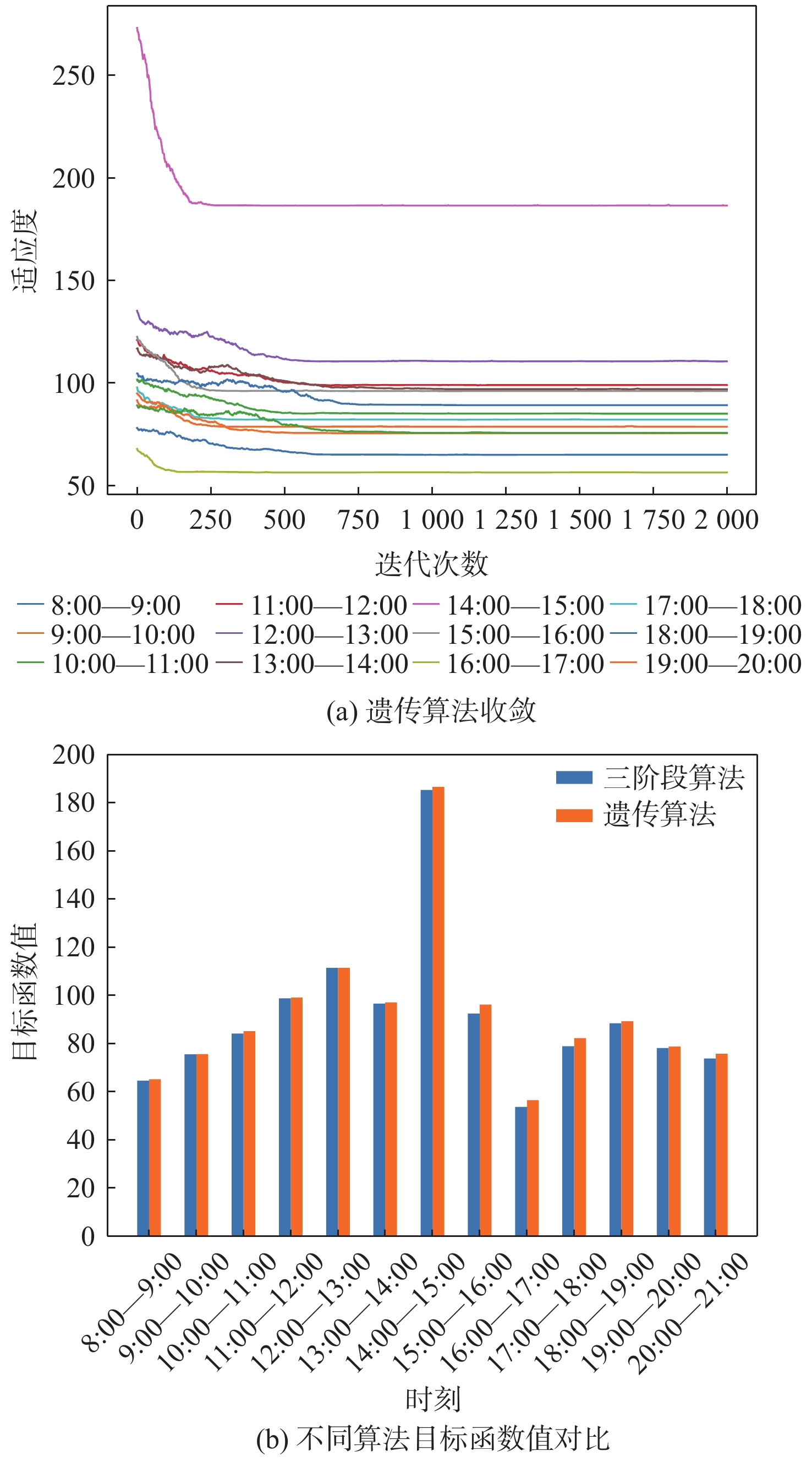
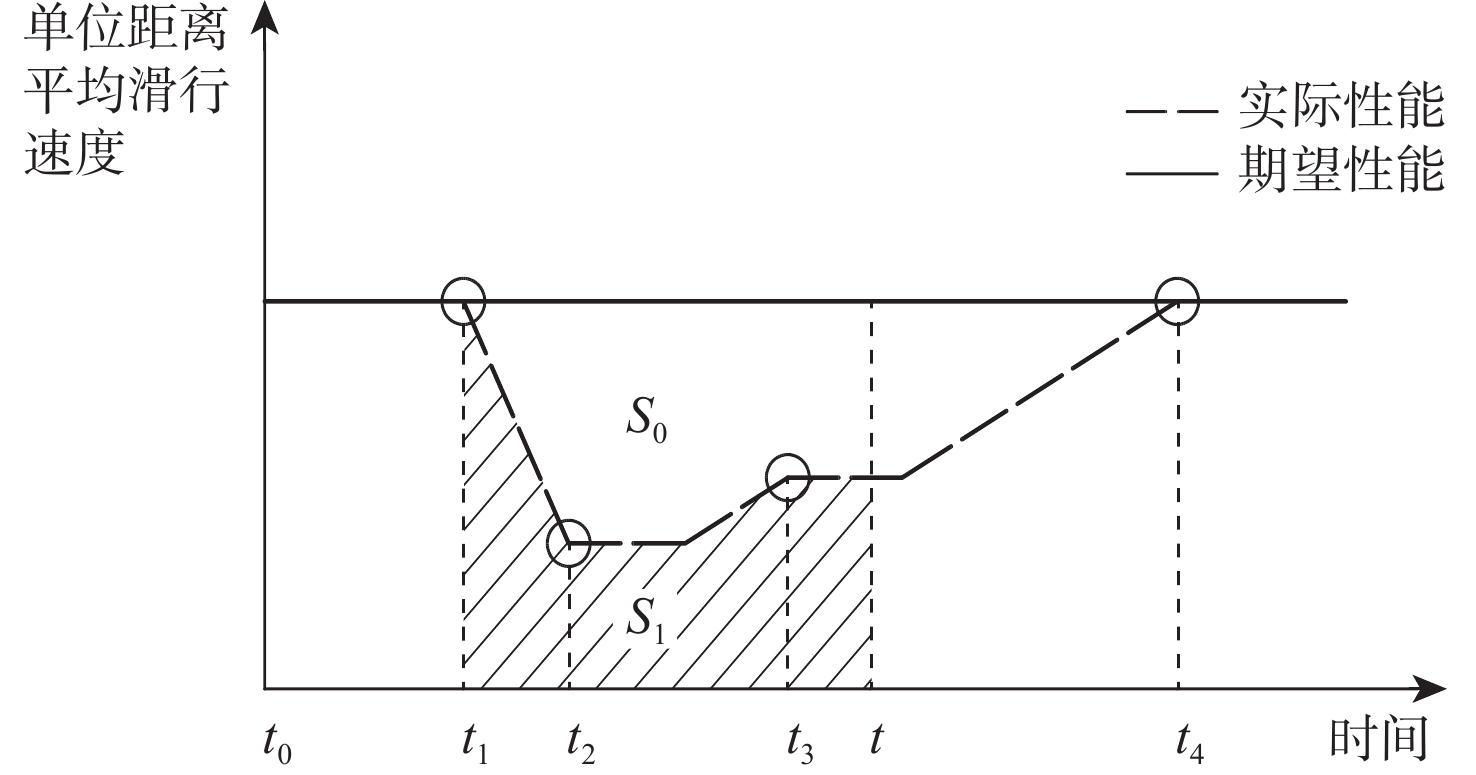
为改善恶劣天气对航空器场面滑行的干扰程度,提升机场场面运行系统的恢复力,基于航空器滑行时间表征场面运行系统性能,通过刻画系统性能损失与恢复动态过程量化场面运行系统韧性。根据场面跑道、滑行道与停机坪间的拓扑网络结构,以韧性的提升作为优化核心,建立考虑滑行时间、旅客登机时间与系统韧性的航空器场面滑行路径及停机位分配联合优化模型。考虑到模型为复杂非线性规划模型,开发基于线性迭代的三阶段算法。结合天津滨海国际机场数据进行案例分析,结果表明:优化后的场面运行系统平均性能提升20.68%,恢复速率提升16.67%,系统韧性均值提升20.33%,韧性恢复速率提升27.15%。优化后的航空器场面滑行路径及停机位分配方案能够加快系统对恶劣天气的干扰适应,减少适应阶段性能损失,提升系统性能恢复速率,保障系统性能相对稳定。
Abstract:A joint apron-taxiway assignment model is designed with an emphasis on improving system resilience in order to alleviate the impact of severe weather on aircraft taxiing and enhance the resilience of airport surface operations. Firstly, the performance of the surface operation system is characterized by the taxiing time of aircraft, and the resilience is quantified by the loss and recovery of system performance. Then, based on the topological network structure among the runway, taxiway, and apron, the joint apron-taxiway assignment model is established considering the taxiing time, passenger boarding time and system operation resilience. A three-step algorithm based on linear iteration is developed, taking into account the complex nonlinear model. Finally, a case study based on the Tianjin Binhai International Airport is conducted. The surface operating system’s recovery speed is enhanced by 16.67% and its average performance is raised by 20.68% following optimization. In addition, the average resilience and recovery speed are increased by 20.33% and 27.15%, separately. It indicates that the optimized scheme can facilitate the system’s adaptation to severe weather, reduce the performance loss in the adaptive period, propel the recovery speed of system performance, and ensure its relative stability.
-
Key words:
- severe weather /
- taxiing route /
- apron assignment /
- resilience /
- linear iterative algorithm
-
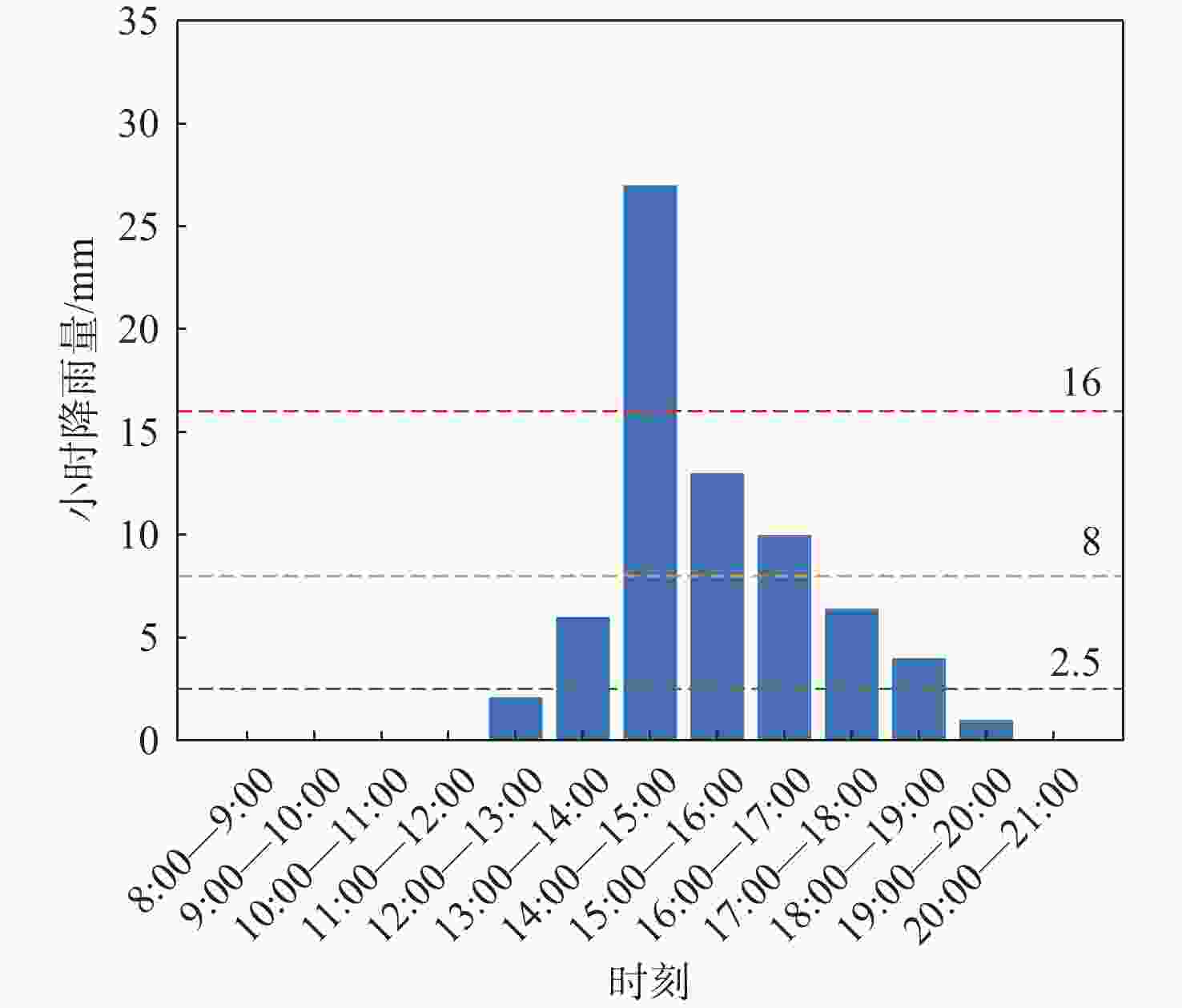
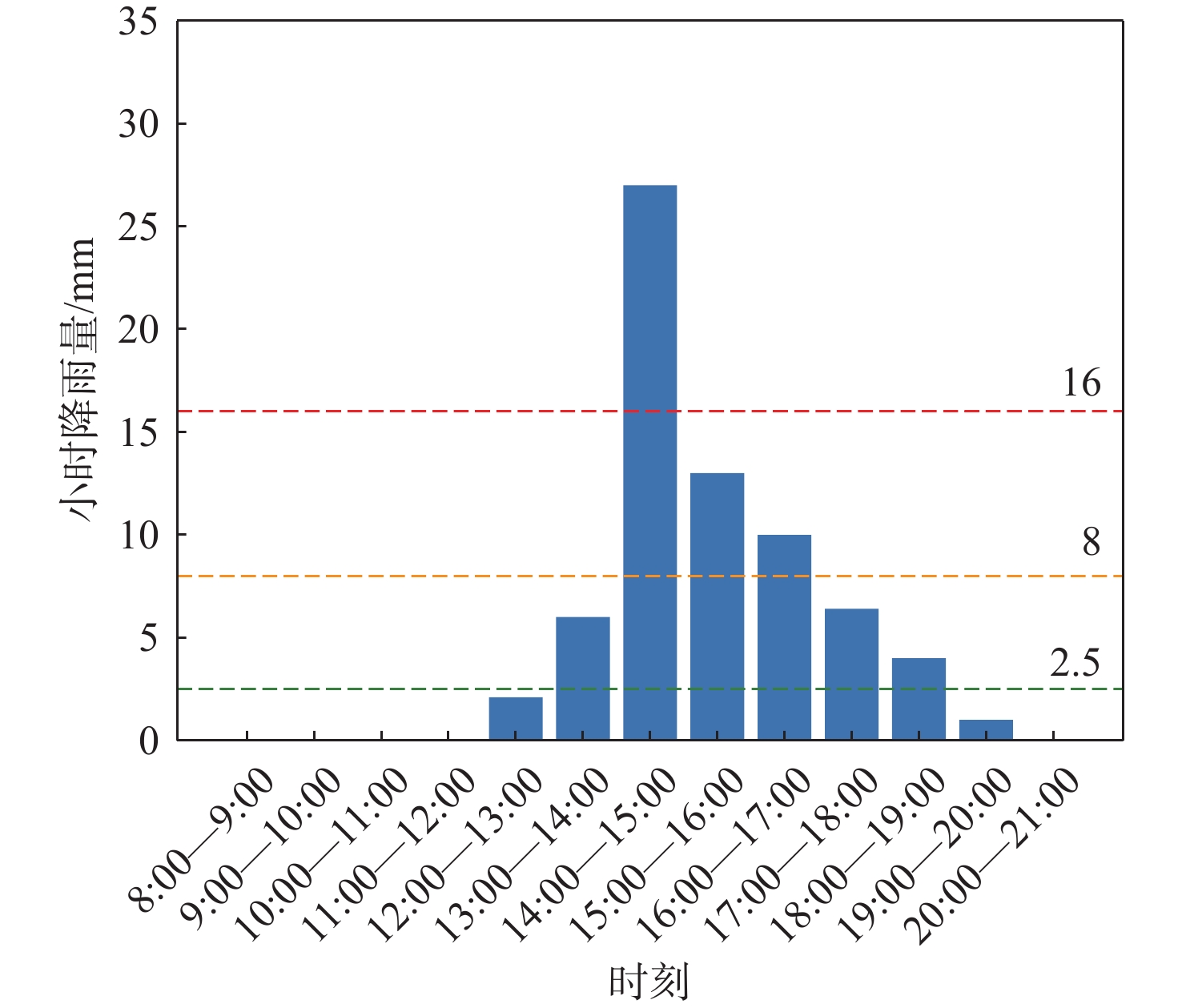
图 5 2023年8月1日8:00—21:00天津市东丽区小时降雨量
Figure 5. Hourly rainfall in Dongli District, Tianjin from 8:00 to 21:00 on August 1, 2023
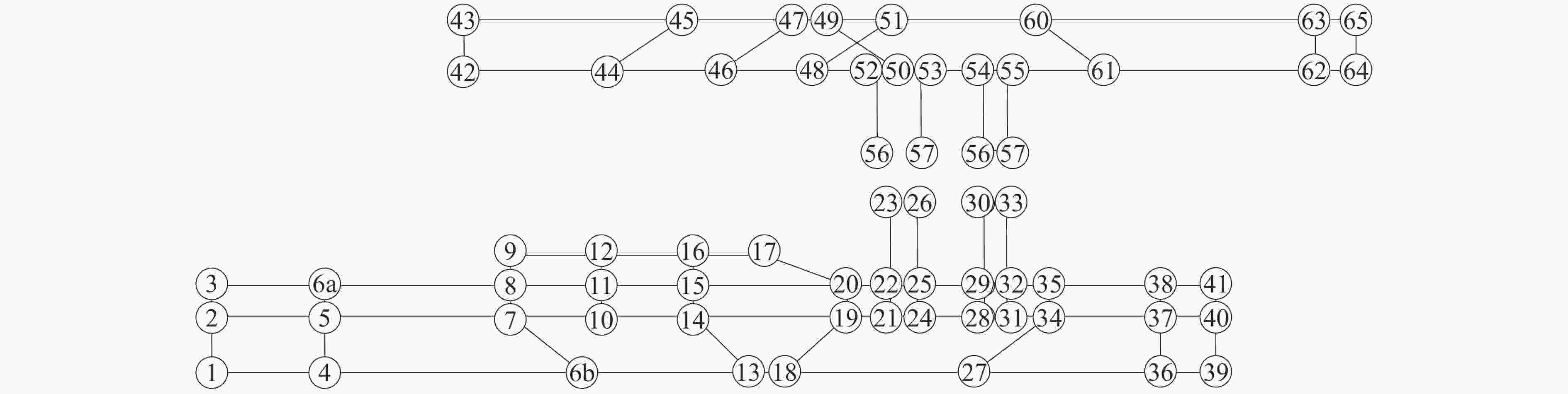
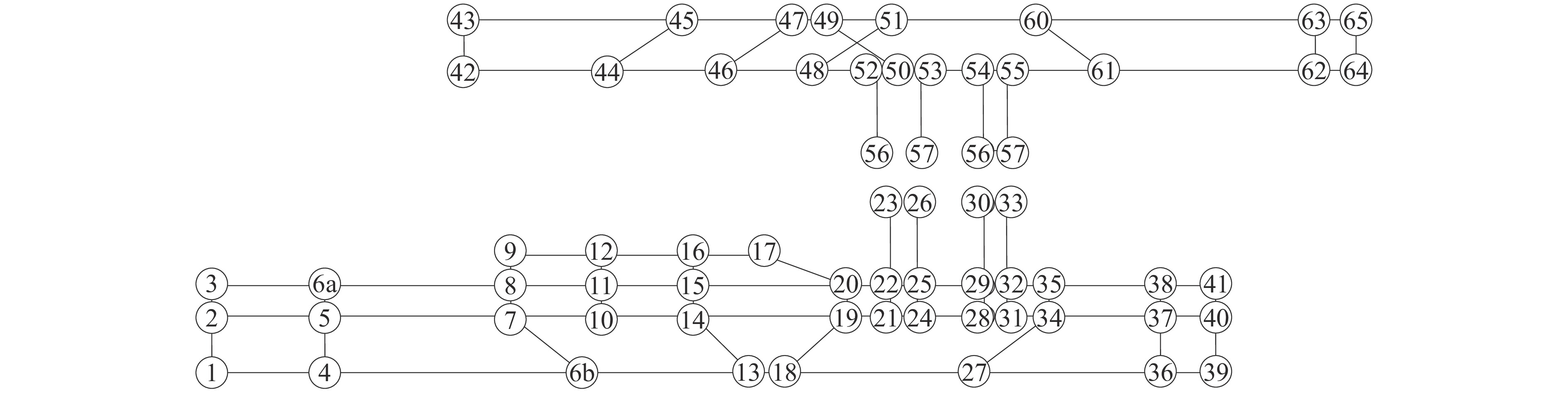
图 6 天津滨海国际机场跑滑系统拓扑过程
Figure 6. Topology process of Tianjin Binhai International Airport runway-taxiway-apron system
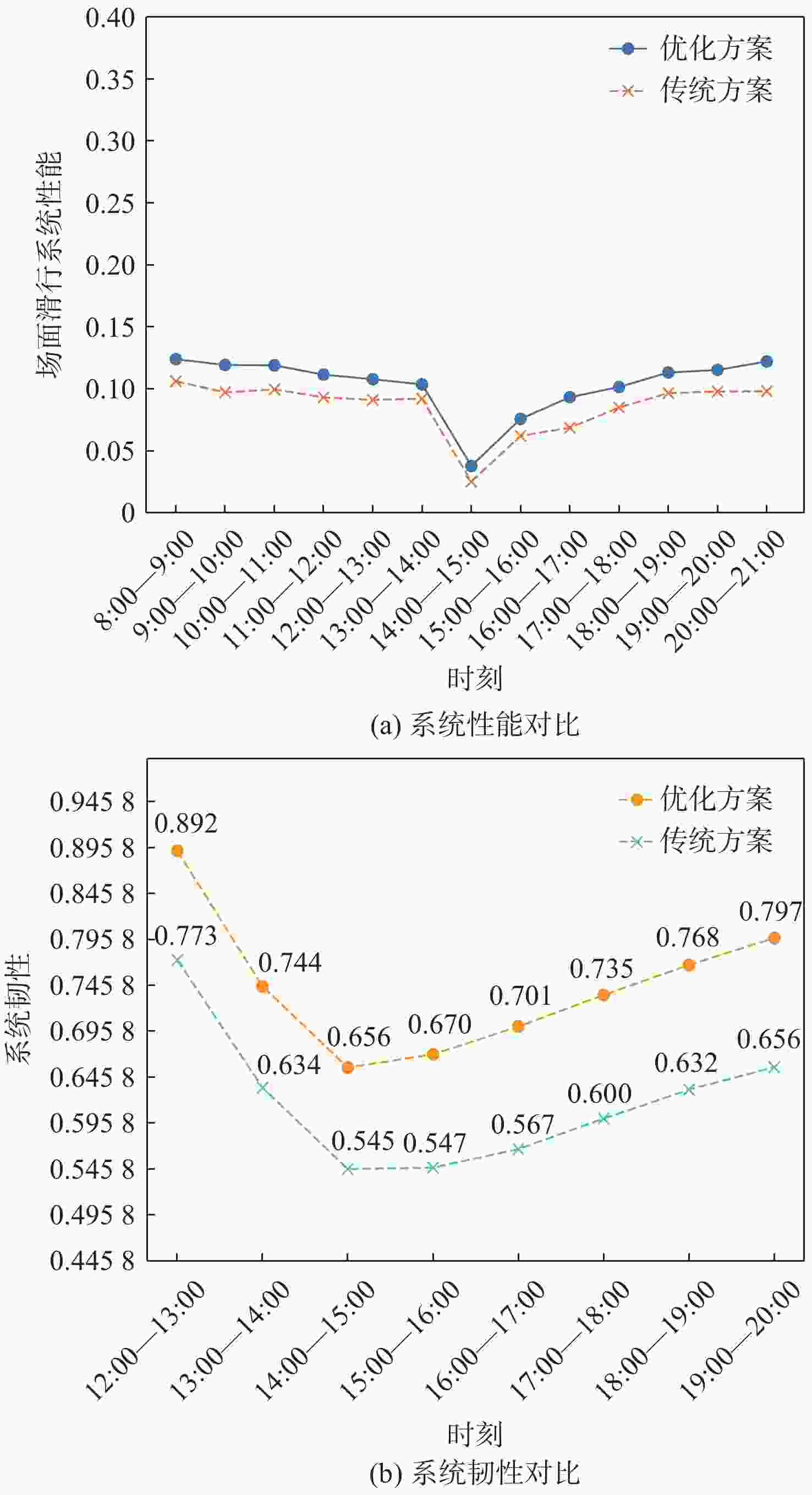
图 7 不同方案系统韧性过程对比
Figure 7. Comparison of system resilience process of different schemes
表 1 滑行速度折减系数
Table 1. Taxi speed reduction factor
天气状况 折减系数 小雨 0.017 中雨 0.163 大雨 0.4 暴雨 0.8  下载: 导出CSV
表 2 2023年8月1日天津滨海国际机场各研究时段航班信息(局部)
Table 2. Flight schedule in Tianjin Binhai International Airport for each study period on August 1, 2023 (partial)
航班号 机型等级 时段 A0001 1 480~540 A0002 1 480~540 A0003 1 480~540 A0004 1 480~540 A0005 1 480~540 A0006 1 480~540 A0007 2 480~540 A0008 1 480~540 A0009 1 540~600 A0010 1 540~600 A0011 2 540~600 A0012 1 540~600 A0013 1 540~600 A0014 1 540~600 A0015 2 540~600 A0016 1 540~600 A0017 1 540~600 A0018 1 600~660 A0019 1 600~660 A0020 1 600~660 $\vdots $
下载: 导出CSV
表 3 拓扑结点(局部)
Table 3. Topological node (partial)
编号 起点 终点 长度/m 0 1 2 200 1 4 5 200 2 36 37 200 3 39 40 200 4 2 3 100 5 5 6a 100 6 7 8 100 7 10 11 100 8 14 15 100 9 19 20 100 10 21 22 100 11 24 25 100 12 28 29 100 13 31 32 100 14 34 35 100 15 40 41 100 16 2 5 400 17 3 6 400 18 5 7 660 19 6 8 660 $\vdots $
下载: 导出CSV
表 4 重要模型参数
Table 4. Key model parameters
航空器滑行速度(m·min−1) 经验系数值 机型等级1 机型等级2 机型等级3 滑行时间系数w1 步行时间系数w2 340 320 300 0.7 0.3
下载: 导出CSV
表 5 航空器联合优化分配结果
Table 5. Aircraft joint optimization allocation result
航班 滑行路径 机位 总成本/min 航班 滑行路径 机位 总成本/min A0001 6b—7—8—11—15—16 3 64.5714
(8:00—9:00)A0061 6b—7—8—11—15—16 5 185.2886
(14:00—15:00)A0002 6b—7—8—11—15—16 4 A0062 6b—7—8—11—15—16 3 A0003 6b—7—8—11—15—16 2 A0063 43—42—44—46—48—52—50—53—57 0 A0004 6b—7—10—14—15—17—20—22—25—26 10 A0064 43—42—44—46—48—52—50—53—57 0 A0005 6b—7—8—11—15—16 1 A0065 6b—7—8—11—15—16 4 A0006 43—42—44—46—48—52—50—53—57 19 A0066 43—42—44—46—48—52—50—53—57 0 A0007 4—5—6a—8—11—15—17—20—22—23 9 A0067 6b—7—8—11—15—16 2 A0008 6b—7—8—11—15—16 5 A0068 43—42—44—46—48—52—50—53—57 0 92.4026
(15:00—16:00)A0009 43—42—44—46—48—52—50—53—57 19 75.4551
(9:00—10:00)A0069 6b—7—8—11—15—16 5 A0010 6b—7—8—11—15—16 5 A0070 6b—7—8—11—15—16 4 A0011 4—5—6a—8—11—15—17—20—22—23 7 A0071 43—42—44—46—48—52—50—53—57 0 A0012 6b—7—8—11—15—16 4 A0072 6b—7—8—11—15—16 2 A0013 6b—7—10—14—15—17—20—22—25—26 10 A0073 6b—7—8—11—15—16 1 A0014 6b—7—8—11—15—16 3 A0074 4—5—6a—8—11—15—16 3 A0015 4—5—6a—8—11—15—17—20—22—23 9 A0075 6b—7—8—11—15—16 4 53.6186
(16:00—17:00)A0016 6b—7—8—11—15—16 2 A0076 4—5—6a—8—11—15—16 3 A0017 6b—7—8—11—15—16 1 A0077 43—42—44—46—48—52—50—53—57 0 A0018 6b—7—10—14—15—17—20—22—25—26 9 84.0740
(10:00—11:00)A0078 4—5—6a—8—11—15—17—20—22—23 9 A0019 6b—7—8—11—15—16 3 A0079 6b—7—8—11—15—16 5 A0020 6b—7—8—11—15—16 5 A0080 6b—7—8—11—15—16 2 78.8442
(17:00—18:00)A0021 43—42—44—46—48—52—50—53—57 19 A0081 6b—7—8—11—15—16 1 A0022 43—42—44—46—48—52—50—53—57 0 A0082 43—42—44—46—48—52—50—53—57 0 A0023 6b—7—10—14—15—17—20—22—25—26 10 A0083 43—42—44—46—48—52—50—53—57 0 A0024 6b—7—8—11—15—16 2 A0084 4—5—6a—8—11—15—16 3 A0025 6b—7—8—11—15—16 1 A0085 4—5—6a—8—11—15—17—20—22—23 9 A0026 6b—7—10—14—15—17—20—22—25—26 8 A0086 6b—7—8—11—15—16 4 A0027 6b—7—8—11—15—16 4 A0087 6b—7—8—11—15—16 5 A0028 6b—7—8—11—15—16 3 98.6985
(11:00—12:00)A0088 6b—7—10—14—15—17—20—22—25—26 7 88.3615
(18:00—19:00)A0029 6b—7—10—14—15—17—20—22—25—26 10 A0089 6b—7—8—11—15—16 4 A0030 43—42—44—46—48—52—50—53—57 19 A0090 6b—7—8—11—15—16 5 A0031 4—5—6a—8—11—15—17—20—22—23 8 A0091 6b—7—8—11—15—16 3 A0032 6b—7—8—11—15—16 2 A0092 6b—7—10—14—15—17—20—22—25—26 11 A0033 43—42—44—46—48—52—50—53—57 0 A0093 6b—7—10—14—15—17—20—22—25—26 10 A0034 43—42—44—46—48—52—50—53—57 0 A0094 6b—7—10—14—15—17—20—22—25—26 9 A0035 6b—7—8—11—15—16 4 A0095 6b—7—8—11—15—16 2 A0036 4—5—6a—8—11—15—17—20—22—23 9 A0096 43—42—44—46—48—52—50—53—57 19 A0037 6b—7—8—11—15—16 1 A0097 6b—7—8—11—15—16 1 A0038 6b—7—8—11—15—16 5 A0098 6b—7—8—11—15—16 3 78.1026
(19:00—20:00)A0039 6b—7—8—11—15—16 4 111.3768
(12:00—13:00)A0099 6b—7—8—11—15—16 1 A0040 6b—7—8—11—15—16 3 A0100 6b—7—8—11—15—16 4 A0041 4—5—6a—8—11—15—17—20—22—23 8 A0101 4—5—6a—8—11—15—17—20—22—23 8 A0042 6b—7—8—11—15—16 5 A0102 6b—7—10—14—15—17—20—22—25—26 10 A0043 43—42—44—46—48—52—50—53—57 0 A0103 43—42—44—46—48—52—50—53—57 0 A0044 43—42—44—46—48—52—50—53—57 19 A0104 4—5—6a—8—11—15—17—20—22—23 9 A0045 4—5—6a—8—11—15—17—20—22—23 11 A0105 6b—7—8—11—15—16 5 A0046 6b—7—10—14—15—17—20—22—25—26 10 A0106 6b—7—8—11—15—16 2 A0047 4—5—6a—8—11—15—17—20—22—23 9 A0107 6b—7—8—11—15—16 5 73.7437
(20:00—21:00)A0048 6b—7—8—11—15—16 2 A0108 4—5—6a—8—11—15—17—20—22—23 7 A0049 4—5—6a—8—11—15—17—20—22—23 7 A0109 43—42—44—46—48—52—50—53—57 19 A0050 6b—7—8—11—15—16 1 A0110 6b—7—10—14—15—17—20—22—25—26 9 A0051 6b—7—8—11—15—16 2 96.5446
(13:00—14:00)A0111 6b—7—8—11—15—16 3 A0052 6b—7—8—11—15—16 4 A0112 6b—7—8—11—15—16 4 A0053 6b—7—8—11—15—16 3 A0113 6b—7—8—11—15—16 1 A0054 6b—7—10—14—15—17—20—22—25—26 9 A0114 6b—7—8—11—15—16 2 A0055 43—42—44—46—48—52—50—53—57 0 A0115 6b—7—10—14—15—17—20—22—25—26 10 A0056 6b—7—8—11—15—16 1 A0057 6b—7—8—11—15—16 5 A0058 4—5—6a—8—11—15—17—20—22—23 7 A0059 6b—7—10—14—15—17—20—22—25—26 10 A0060 6b—7—10—14—15—17—20—22—25—26 12
下载: 导出CSV
表 6 不同方案系统韧性参数对比
Table 6. Comparison of system resilience factors in different schemes
方案 系统韧性
均值系统韧性损
失比/%系统韧性
恢复值系统韧性恢
复比/%传统方案 0.6197 29.44 0.0222 84.89 优化方案 0.7457 26.46 0.0282 89.33
下载: 导出CSV
-
[1] FATURECHI R, LEVENBERG E, MILLER-HOOKS E. Evaluating and optimizing resilience of airport pavement networks[J]. Computers & Operations Research, 2014, 43: 335-348. [2] 尹嘉男, 胡明华, 赵征. 多跑道机场停机位分配仿真模型及算法[J]. 交通运输工程学报, 2010, 10(5): 71-76.YIN J N, HU M H, ZHAO Z. Simulation model and algorithm of multi-runway airport gate assignment[J]. Journal of Traffic and Transportation Engineering, 2010, 10(5): 71-76(in Chinese). [3] HOLLING C S. Resilience and stability of ecological systems[J]. Annual Review of Ecology and Systematics, 1973, 4: 1-23. [4] KRISHNA S, KICINGER R, SABHNANI G, et al. Comparison of the impacts of airport terminal/surface weather hazards: AIAA 2011-6385[R]. Reston: AIAA, 2011. [5] 杜婧涵, 胡明华, 张魏宁, 等. 基于度量学习的机场交通态势弱监督评估[J]. 北京航空航天大学学报, 2023, 49(7): 1772-1778.DU J H, HU M H, ZHANG W N, et al. Weakly supervised evaluation of airport traffic situation based on metric learning[J]. Journal of Beijing University of Aeronautics and Astronautics, 2023, 49(7): 1772-1778(in Chinese). [6] 张静, 徐肖豪, 王飞. 天气季节性影响的机场到达容量概率分布[J]. 西南交通大学学报, 2011, 46(1): 154-161.ZHANG J, XU X H, WANG F. Seasonal effects of weather on probability distribution of airport arrival capacity[J]. Journal of Southwest Jiaotong University, 2011, 46(1): 154-161(in Chinese). [7] 王兴隆, 赵俊妮, 王进. 恶劣天气下机场离场航班运行韧性评估及恢复[J]. 北京航空航天大学学报, 2024, 50(1): 110-121.WANG X L, ZHAO J N, WANG J. Resilience assessment and recovery of airport departure flights under severe weather[J]. Journal of Beijing University of Aeronautics and Astronautics, 2024, 50(1): 110-121(in Chinese). [8] 唐小卫, 丁叶, 张生润, 等. 进港航班滑入时间预测[J]. 北京航空航天大学学报, 2024, 50(7): 2218-2224.TANG X W, DING Y, ZHANG S R, et al. Taxi-in time prediction of arrival flight[J]. Journal of Beijing University of Aeronautics and Astronautics, 2024, 50(7): 2218-2224(in Chinese). [9] SOMMER M, TOMFORDE S, HÄHNER J. An organic computing approach to resilient traffic management[M]//MCCLUSKEY T L, KOTSIALOS A, MULLER J P, et al. Autonomic road transport support systems. Berlin: Springer, 2016: 113-130. [10] YE Q, UKKUSURI S V. Resilience as an objective in the optimal reconstruction sequence for transportation networks[J]. Journal of Transportation Safety & Security, 2015, 7(1): 91-105. [11] 薛清文, 陆键, 姜雨. 大型机场滑行道航空器交通流特性仿真[J]. 北京航空航天大学学报, 2019, 45(3): 567-574.XUE Q W, LU J, JIANG Y. Aircraft taxiway traffic flow characteristic simulation at large airport[J]. Journal of Beijing University of Aeronautics and Astronautics, 2019, 45(3): 567-574(in Chinese). [12] 赵俊, 陈旭梅, 刘志硕, 等. 航权资源双边谈判的序贯互惠博弈建模与分析[J]. 哈尔滨工业大学学报, 2022, 54(3): 1-11.ZHAO J, CHEN X M, LIU Z S, et al. Modeling and analysis of sequential reciprocal game problem of bilateral negotiation for air traffic rights resources[J]. Journal of Harbin Institute of Technology, 2022, 54(3): 1-11(in Chinese). [13] 姜雨, 刘振宇, 胡志韬, 等. 大型机场进场航空器联合调度模型[J]. 交通运输工程学报, 2022, 22(1): 205-215.JIANG Y, LIU Z Y, HU Z T, et al. Coordinated scheduling model of arriving aircraft at large airport[J]. Journal of Traffic and Transportation Engineering, 2022, 22(1): 205-215(in Chinese). [14] 闫萍, 袁媛. 航班滑行路径规划和停机位分配联合优化[J]. 控制工程, 2021, 28(3): 464-470.YAN P, YUAN Y. Joint optimization of flight taxiing path planning and gate allocation[J]. Control Engineering of China, 2021, 28(3): 464-470(in Chinese). [15] LIAO T Y, HU T Y, KO Y N. A resilience optimization model for transportation networks under disasters[J]. Natural Hazards, 2018, 93(1): 469-489. doi: 10.1007/s11069-018-3310-3 [16] 王兴隆, 赵俊妮, 贺敏. 基于贝叶斯网络的空中交通运输系统韧性评价[J]. 南京航空航天大学学报, 2022, 54(6): 1121-1130.WANG X L, ZHAO J N, HE M. Resilience evaluation on air transportation system based on Bayesian network[J]. Journal of Nanjing University of Aeronautics & Astronautics, 2022, 54(6): 1121-1130 (in Chinese). [17] AHMED S, DEY K. Resilience modeling concepts in transportation systems: a comprehensive review based on mode, and modeling techniques[J]. Journal of Infrastructure Preservation and Resilience, 2020, 1(1): 8. [18] YIN S W, HAN K, OCHIENG W Y, et al. Joint apron-runway assignment for airport surface operations[J]. Transportation Research Part B: Methodological, 2022, 156: 76-100. [19] DAŞ G S, GZARA F, STÜTZLE T. A review on airport gate assignment problems: single versus multi objective approaches[J]. Omega, 2020, 92: 102146. doi: 10.1016/j.omega.2019.102146 [20] REGGIANI A. Network resilience for transport security: some methodological considerations[J]. Transport Policy, 2013, 28: 63-68. [21] WANG H W, PENG Z R, WANG D S, et al. Evaluation and prediction of transportation resilience under extreme weather events: a diffusion graph convolutional approach[J]. Transportation Research Part C: Emerging Technologies, 2020, 115: 102619. [22] HUANG Q J, FENG S M, ZHANG G S, et al. Commuter bus operation rules under two traffic scenarios and two weather conditions: naturalistic driving study on vehicle speed and clearance[J]. Sustainability, 2022, 14(4): 2473. doi: 10.3390/su14042473 [23] 中华人民共和国国务院, 中华人民共和国中央军事委员会. 中华人民共和国飞行基本规则[S]. 北京: 中国法制出版社, 2007: 7-9.The State Council of the People’s Republic of China, The Central Military Commission of the People’s Republic of China. General flight rules of the People’s Republic of China[S]. Beijing: China Legal Publishing House, 2007: 7-9(in Chinese). [24] WANG X W, BROWNLEE A E I, WOODWARD J R, et al. Aircraft taxi time prediction: feature importance and their implications[J]. Transportation Research Part C: Emerging Technologies, 2021, 124: 102892. doi: 10.1016/j.trc.2020.102892 -

 下载:
下载:

 点击查看大图
计量
- 文章访问数: 514
- HTML全文浏览量: 92
- PDF下载量: 3
- 被引次数: 0
