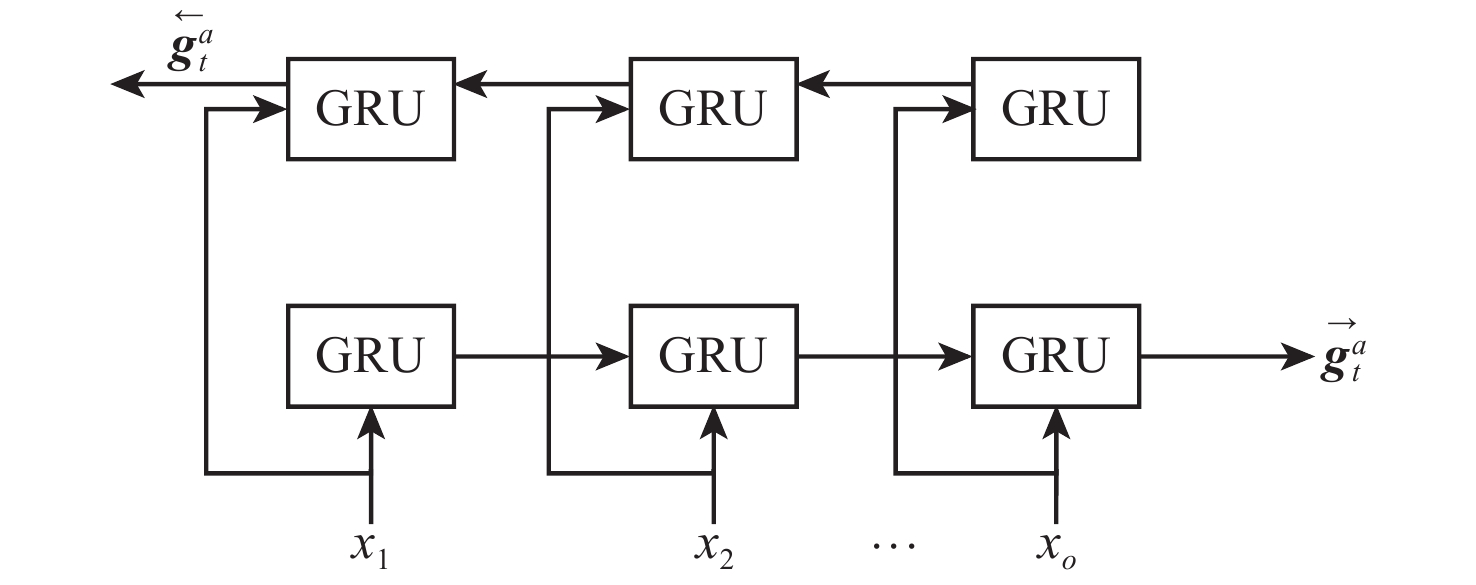
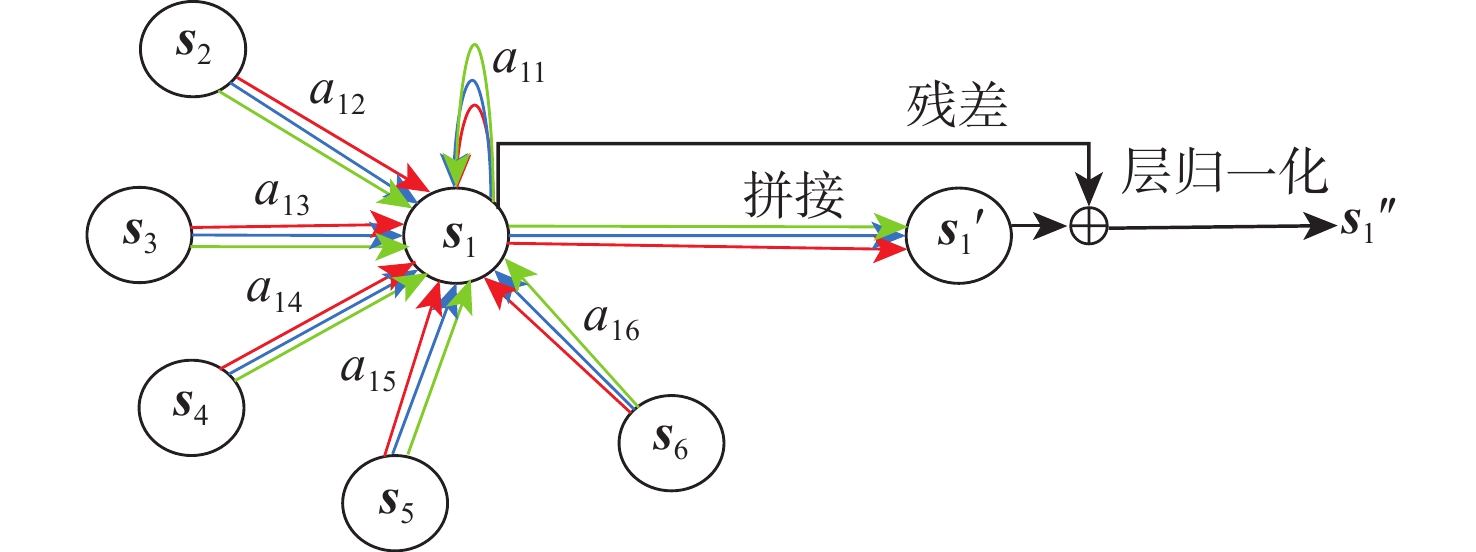
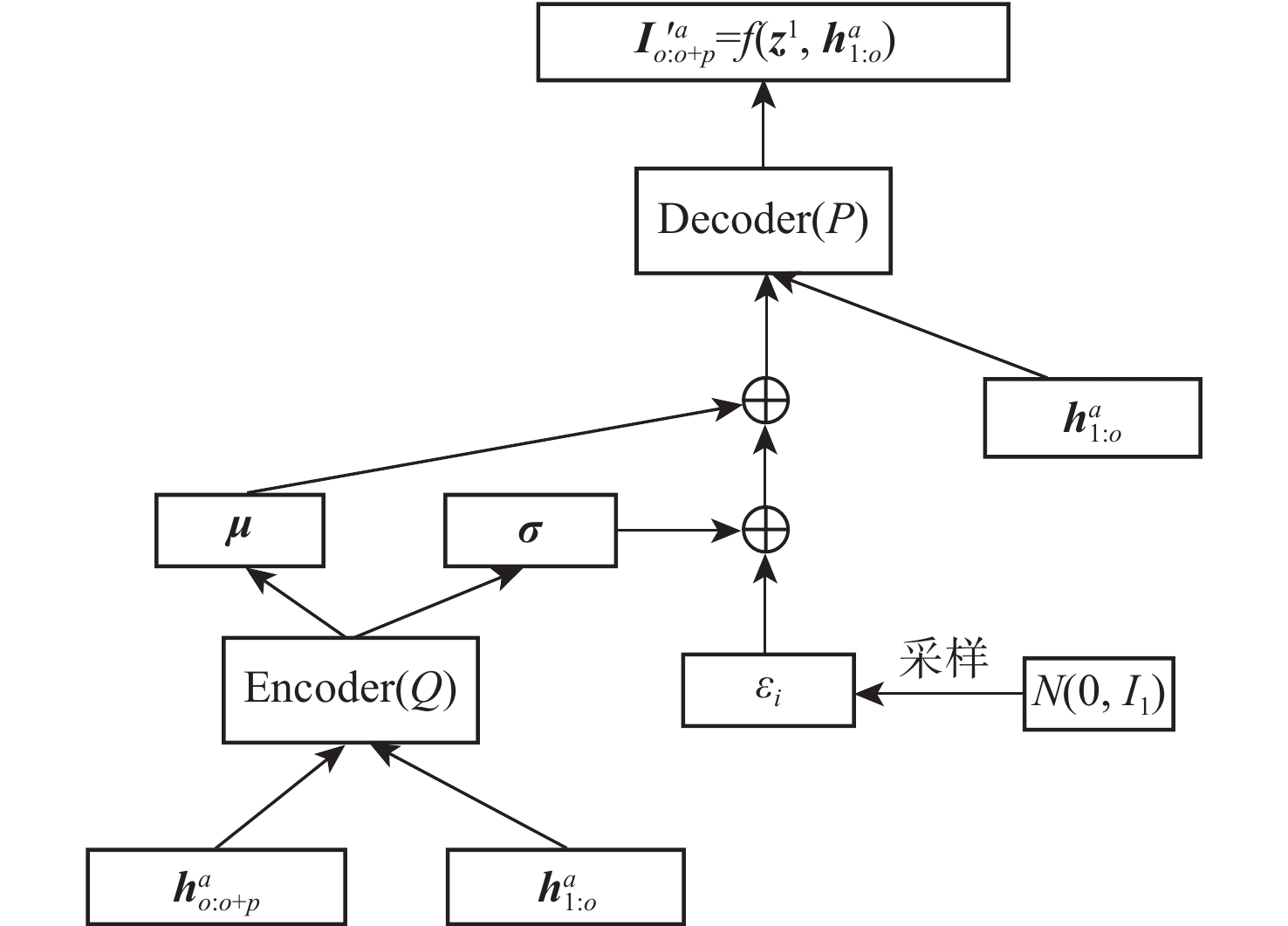
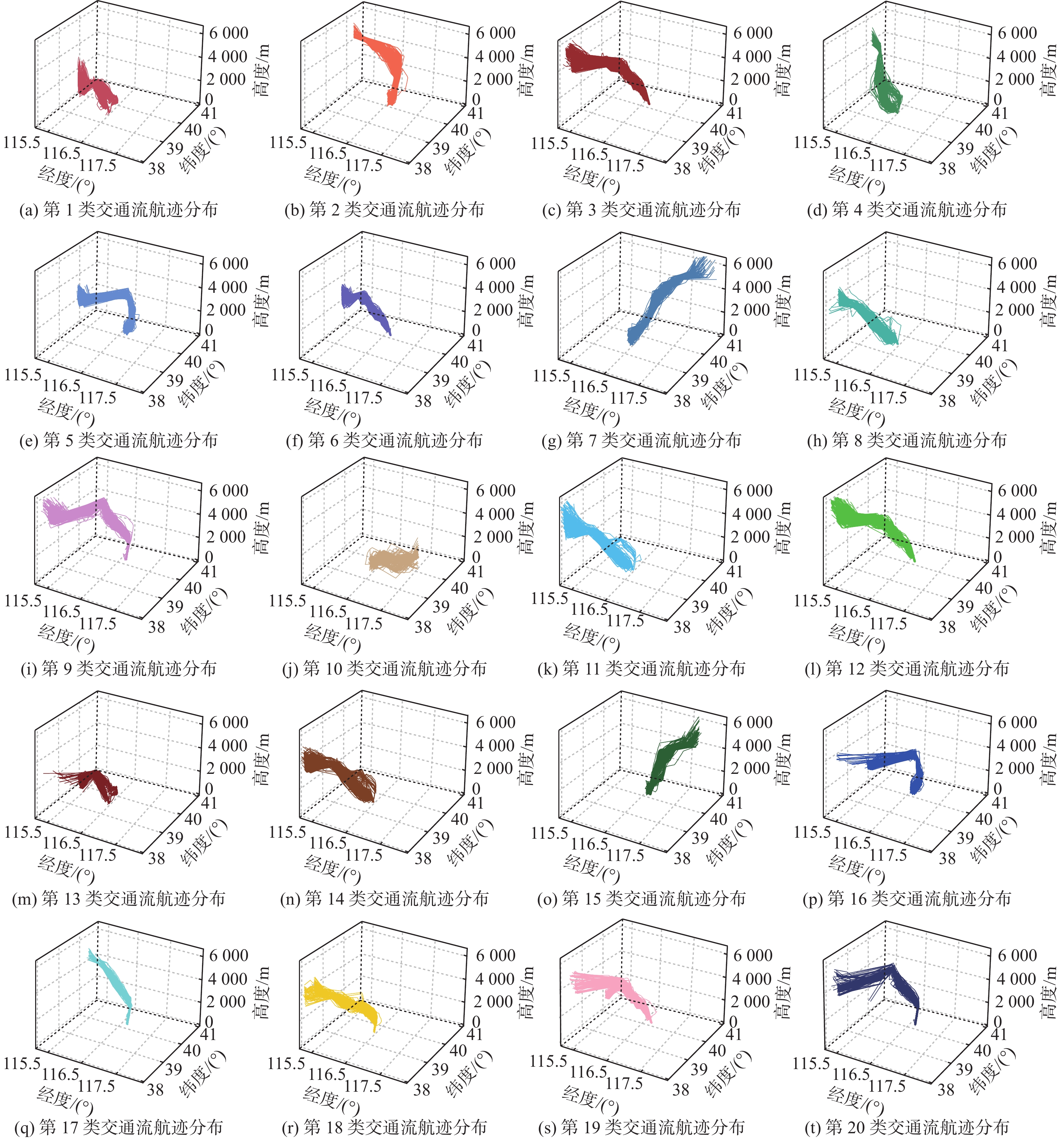
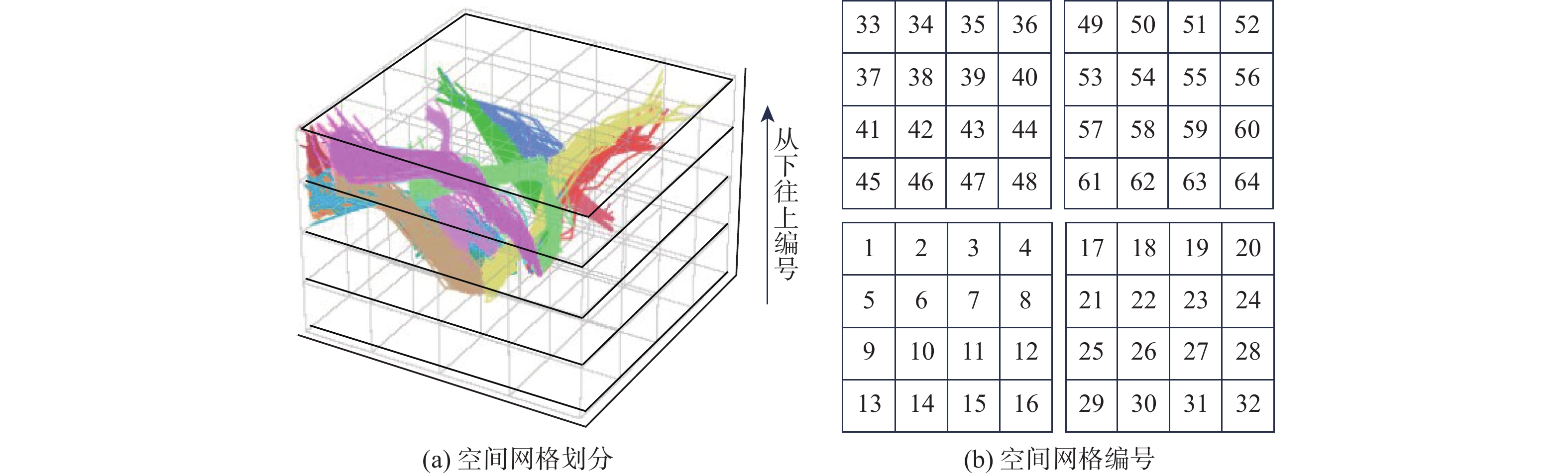
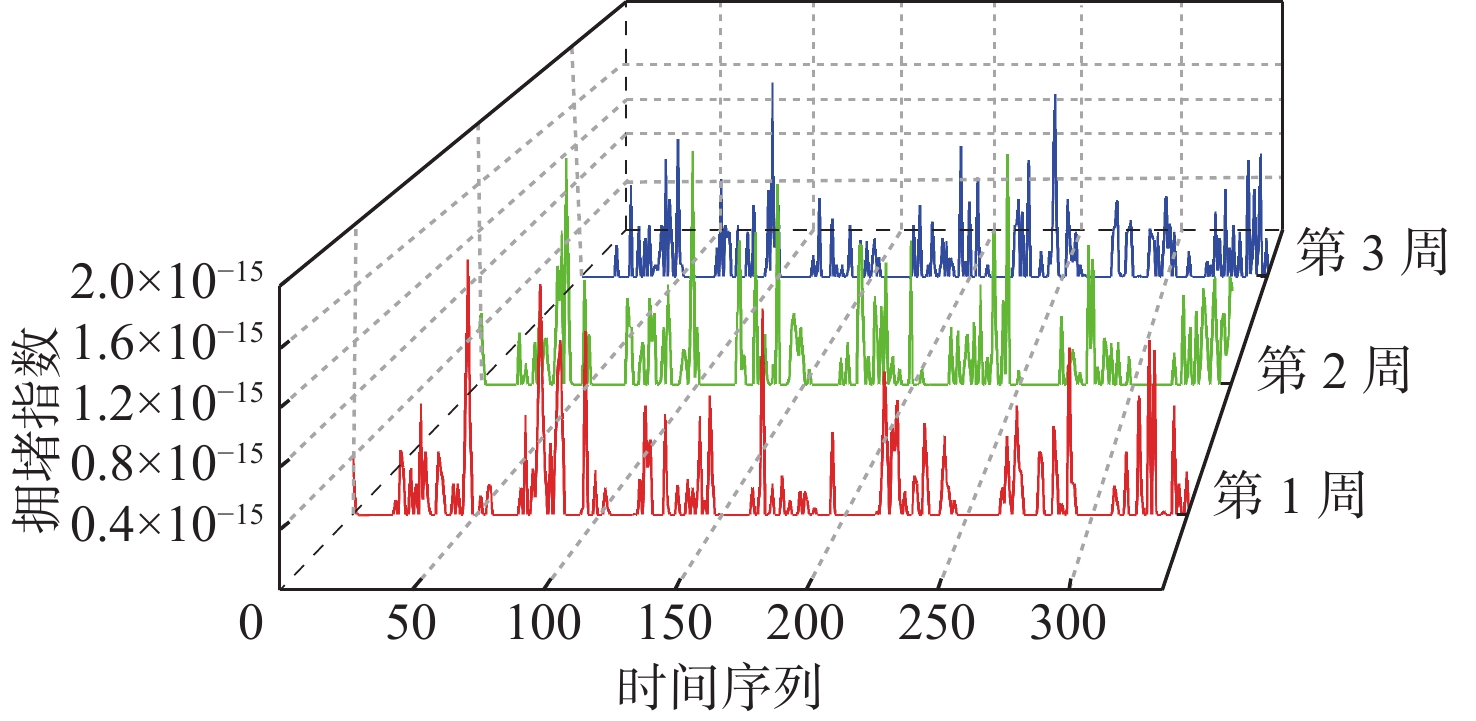
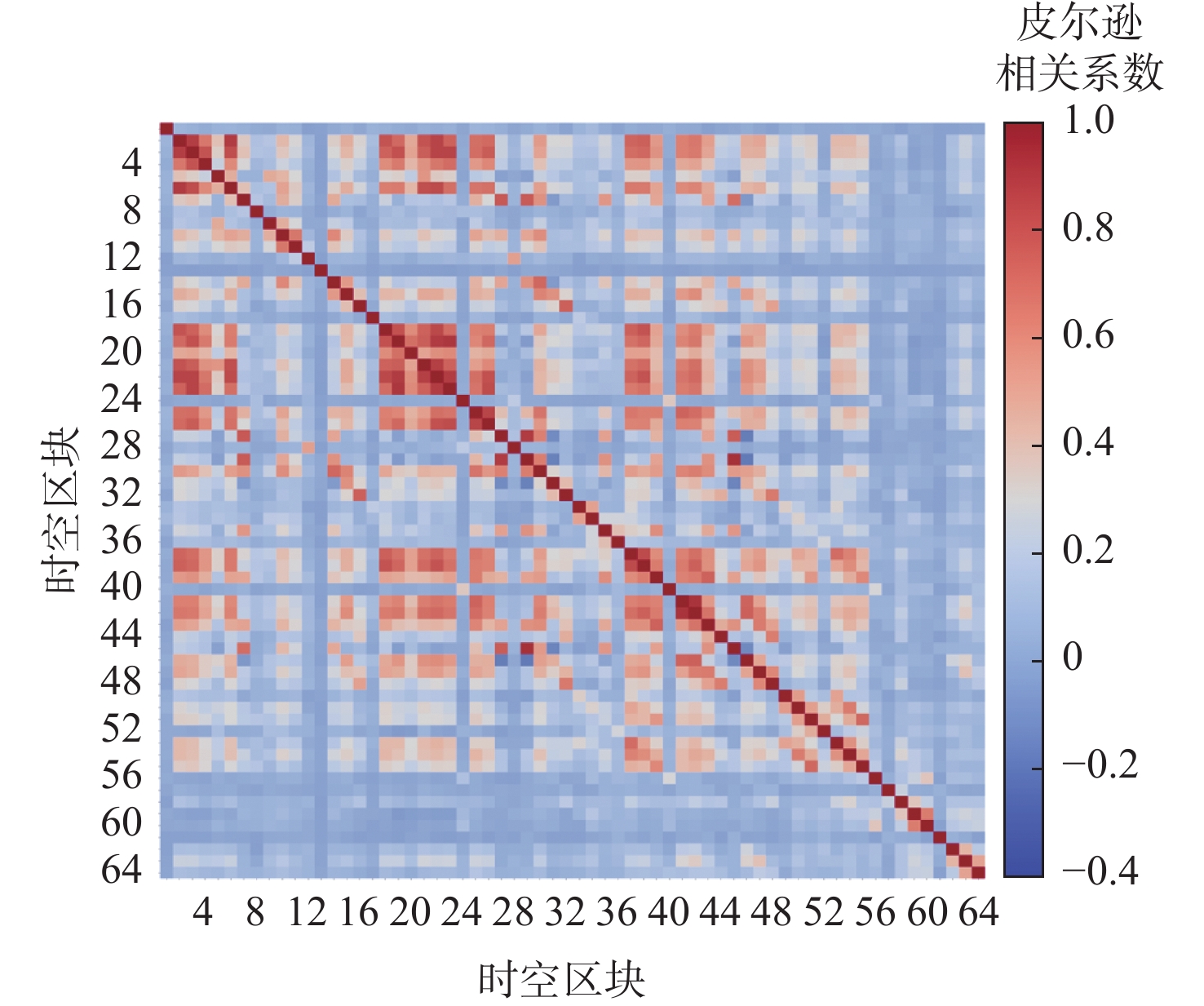
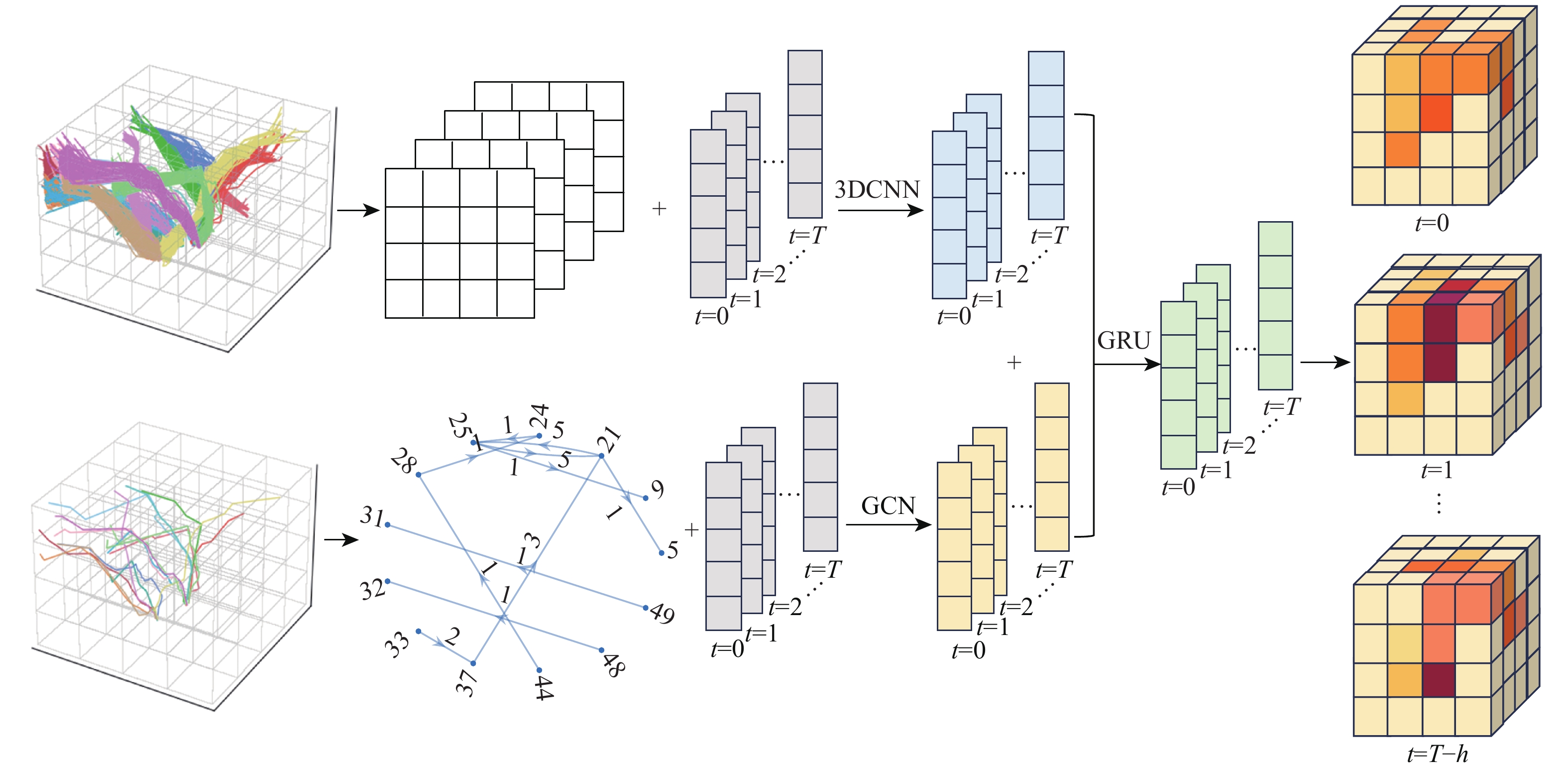
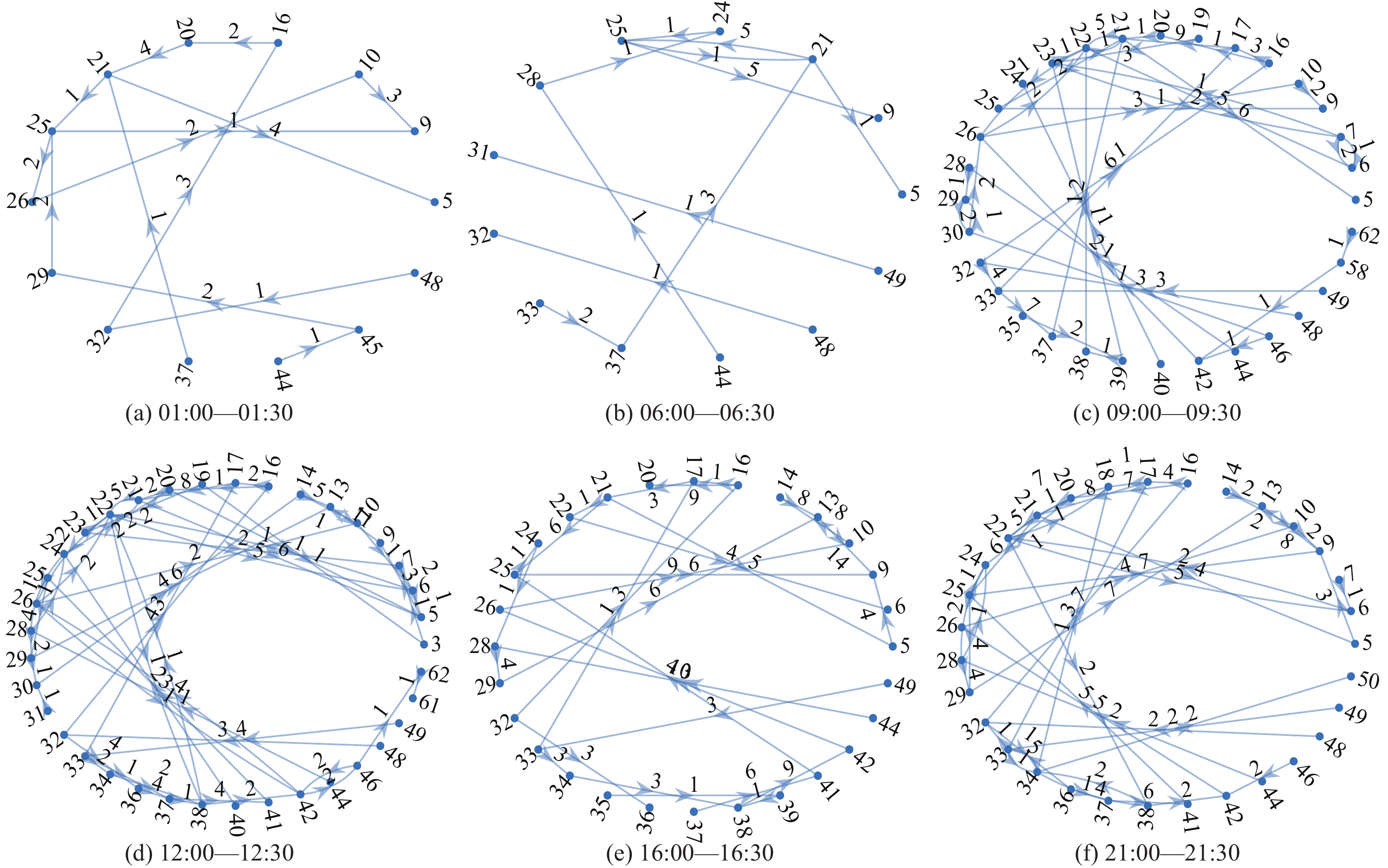
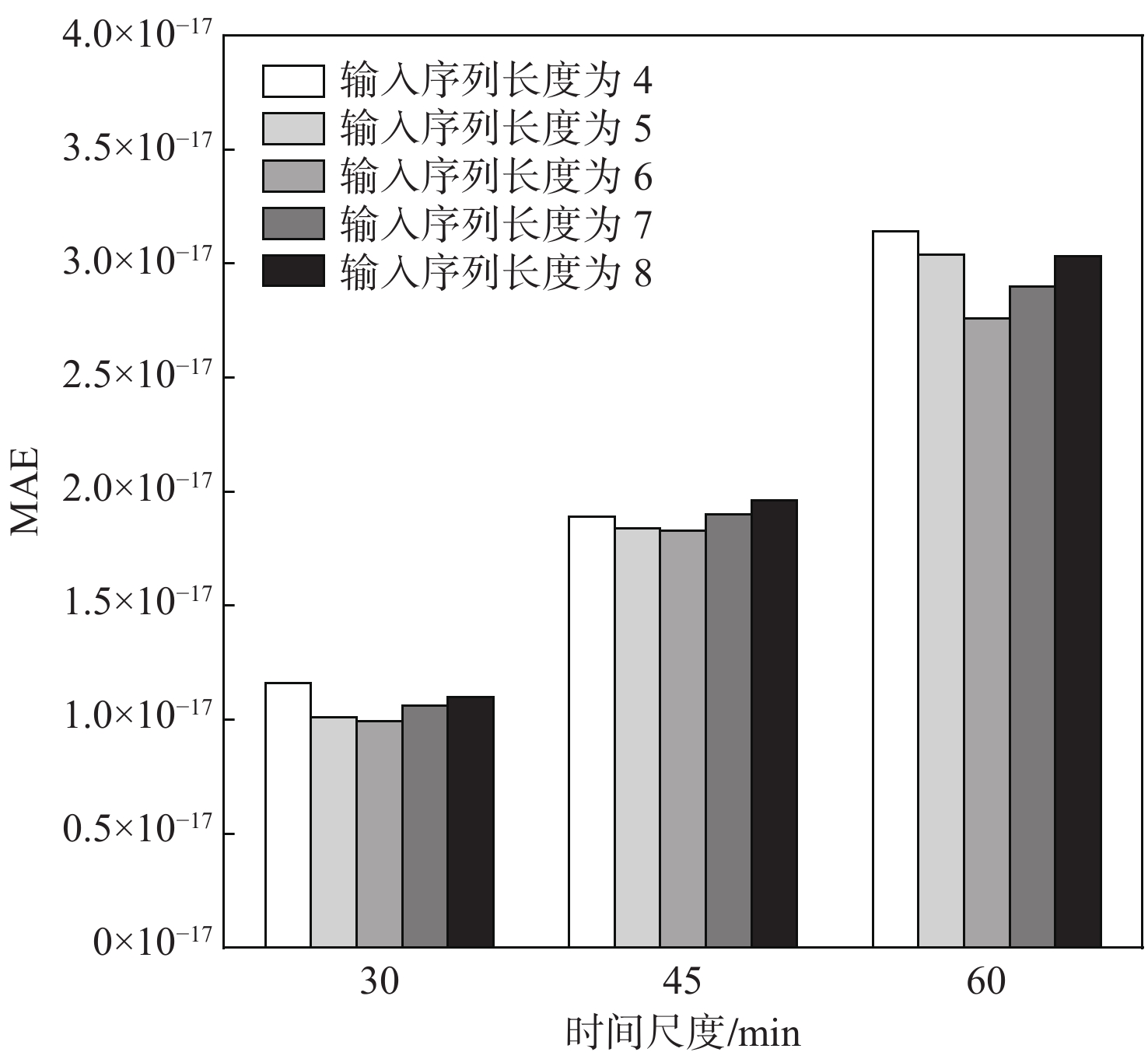
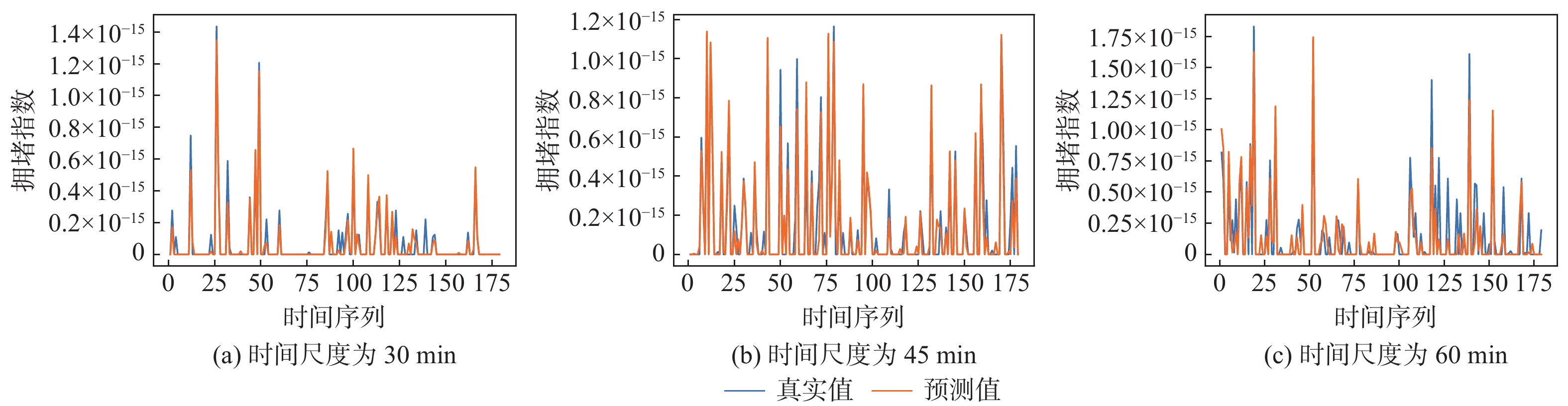
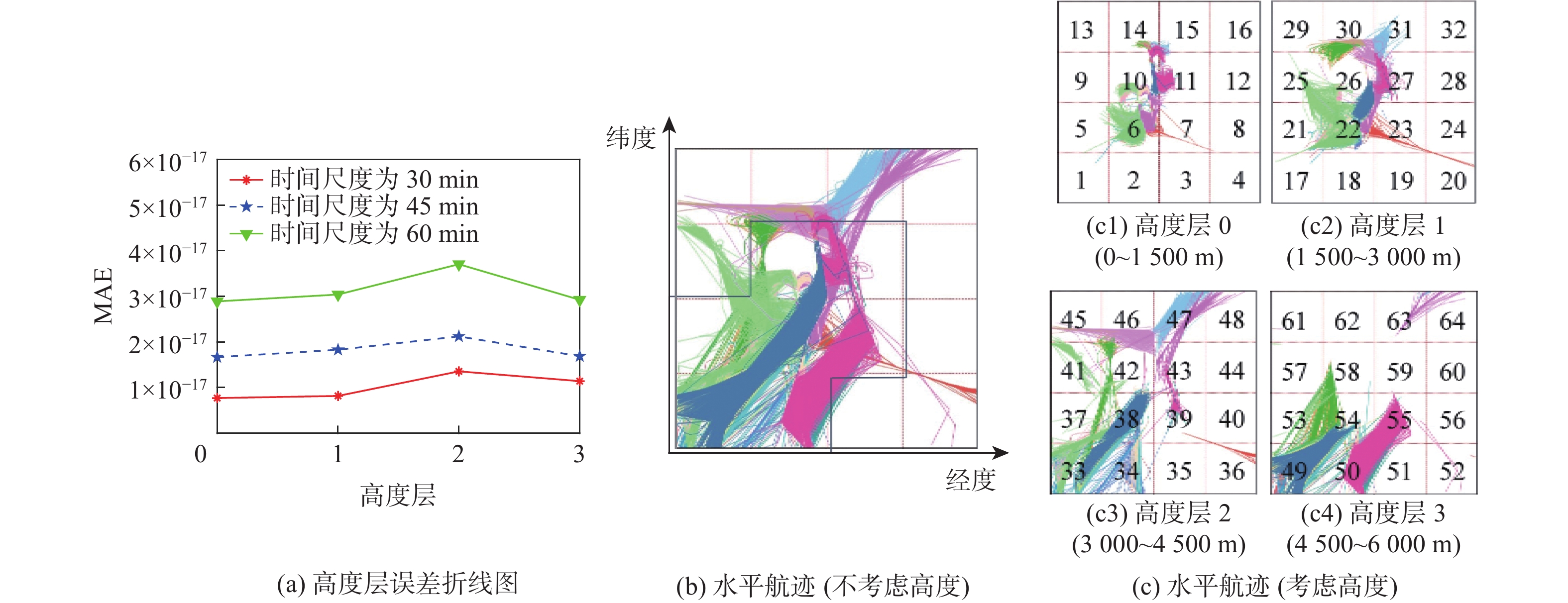
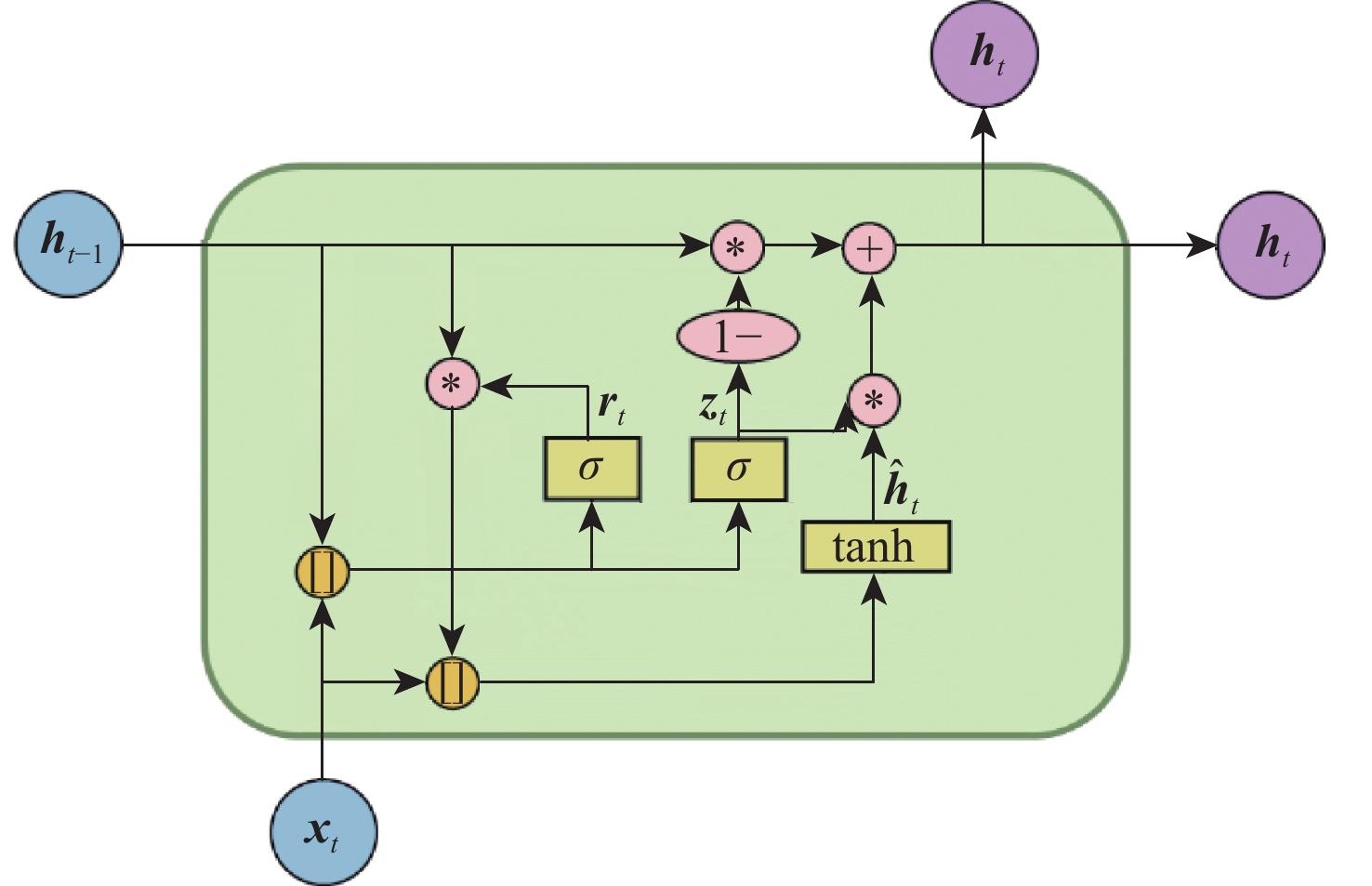
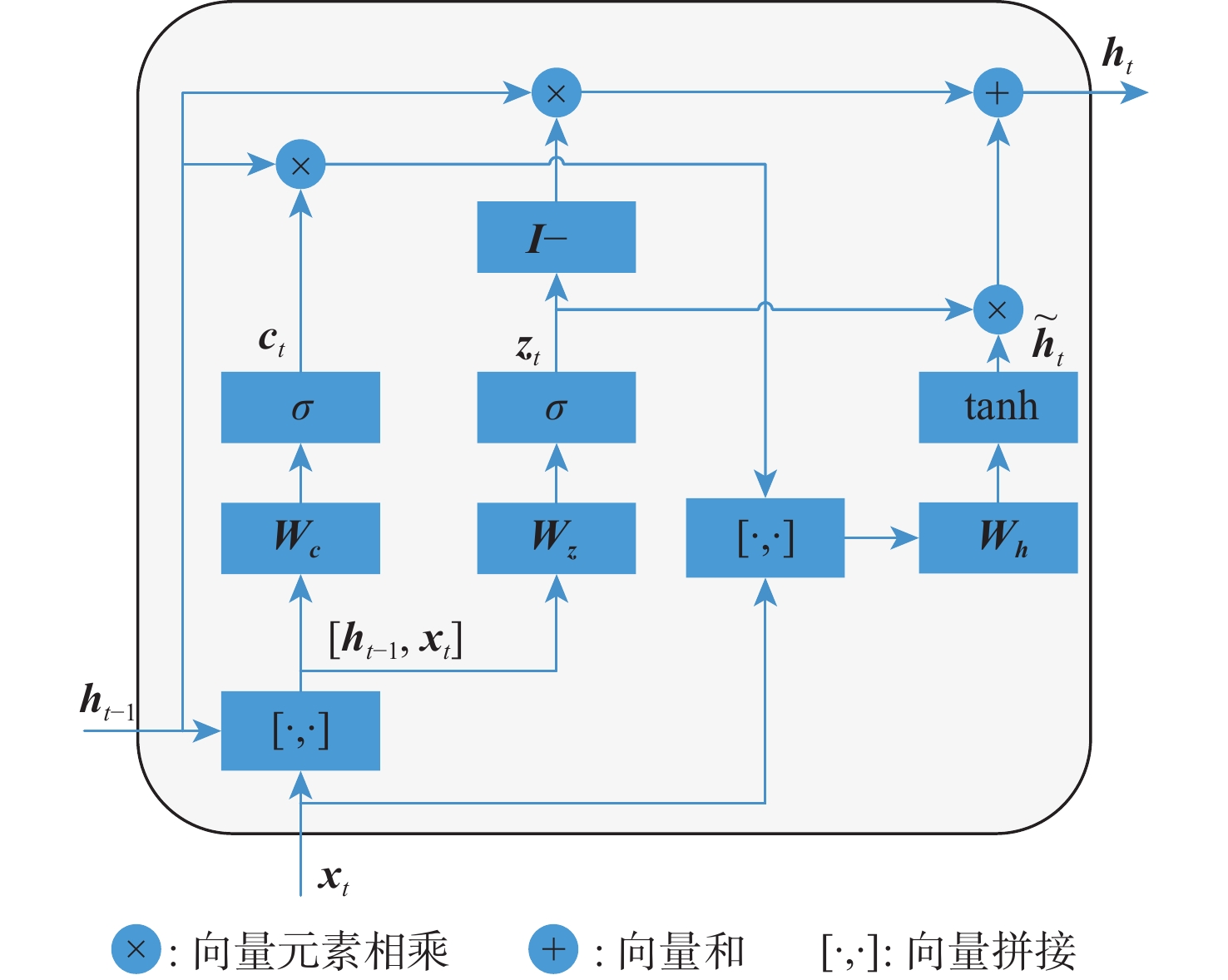
In order to enhance the accuracy and refinement of grasping the future traffic dynamics in the terminal area, a set of traffic congestion prediction methods based on the fusion of multimodal spatio-temporal features is proposed. First, from the standpoint of aircraft detention and control load, a traffic flow clustering technique is used to provide a traffic congestion index calculation method that takes traffic flow heterogeneity into account. Further, the airspace of the terminal area is divided into four-dimensional spatio-temporal blocks, and the spatio-temporal blocks are used as the nodes for constructing the dynamic adjacency network and the traffic flow network, which characterize the spatial correlation of the terminal area in a multimodal way. Finally, a three-dimensional convolutional neural network (3DCNN)+graph convolutional network (GCN)+gated recurrent unit (GRU)-based traffic congestion prediction model for terminal areas is proposed. The model validation was performed using Beijing terminal area trajectory data, and the results show that the method of this paper is superior to the classical baseline model, with the best prediction effect at 30 min compared to 45 min and 60 min time scales, and the root mean squared error (RMSE) and mean absolute error (MAE) compared to the history average (HA) model, exponential moving average (EMA) model, and support vector regression (SVR) regression model and MAE decreased by 21% and 57%, 38% and 72%, and 19% and 51%, respectively. The RMSE and MAE of this paper’s model fall by 36% and 40%, 6% and 8%, and 2% and 2%, respectively, as compared to learning only neighbor space features, learning only traffic flow space features, and transitioning to long short-term memory (LSTM) to learn temporal characteristics. At the same time, the prediction results show that the more complex the trajectory is, the greater its prediction error is, and with the rise in the altitude of the airspace, the prediction error shows an increase and then a decrease. Meanwhile, the prediction results show that the more complicated the trajectory is, the larger the prediction error is, and with the increase of airspace altitude, the prediction error shows an increase and then decrease.



 Download (52801)
 Views
 Cited by










 XML Online Production Platform