Current Issue

2026 Vol. 52, No. 10

Display Method:
Volume 10 Issue E-journal
Volume 52 Issue102026
iconDownload (54323) 171 iconPreview
2026, 52(10): 1-1.
Abstract:
2026, 52(10): 2-2.
Abstract:
2026, 52(10): 3-3.
Abstract:
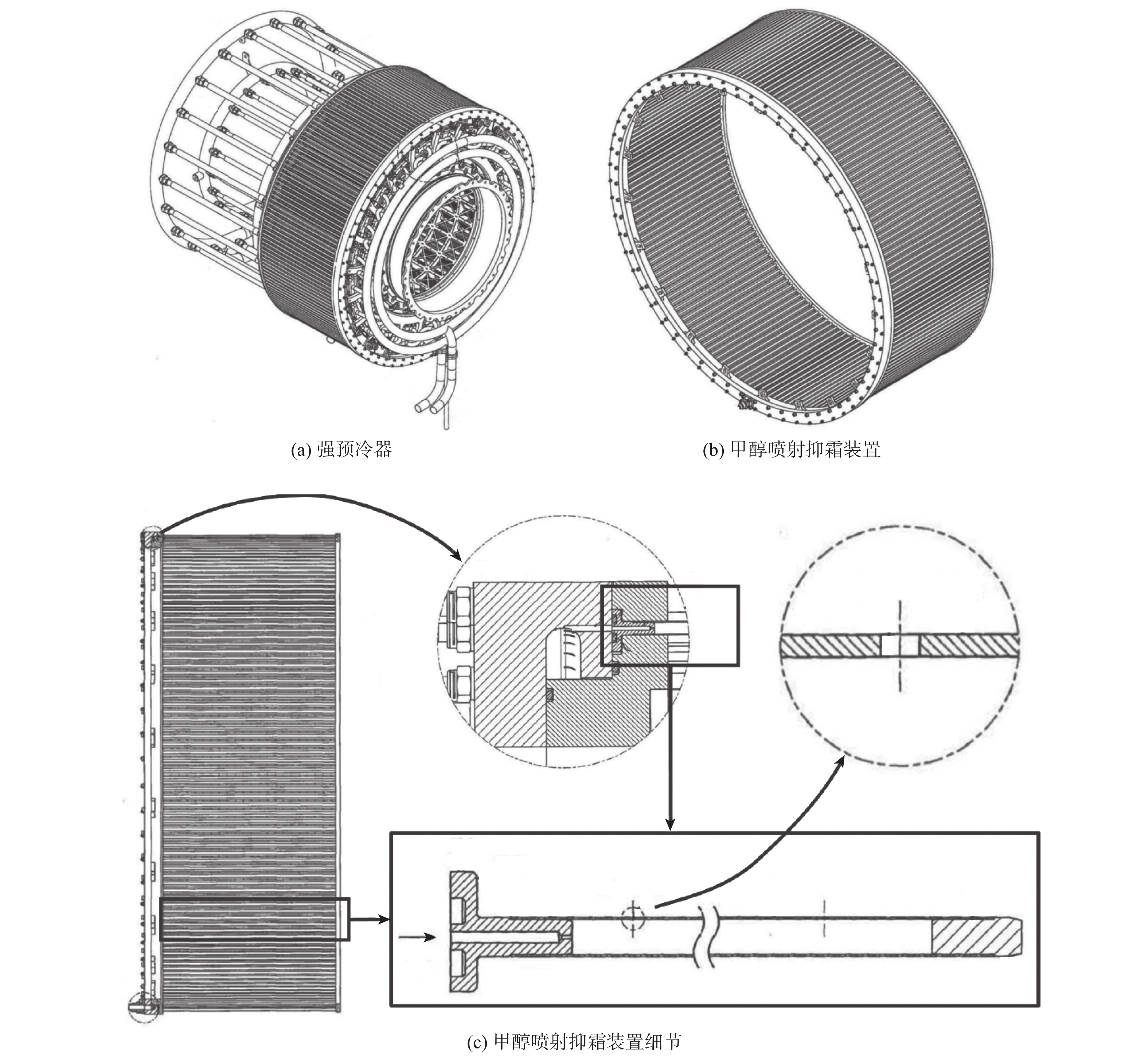
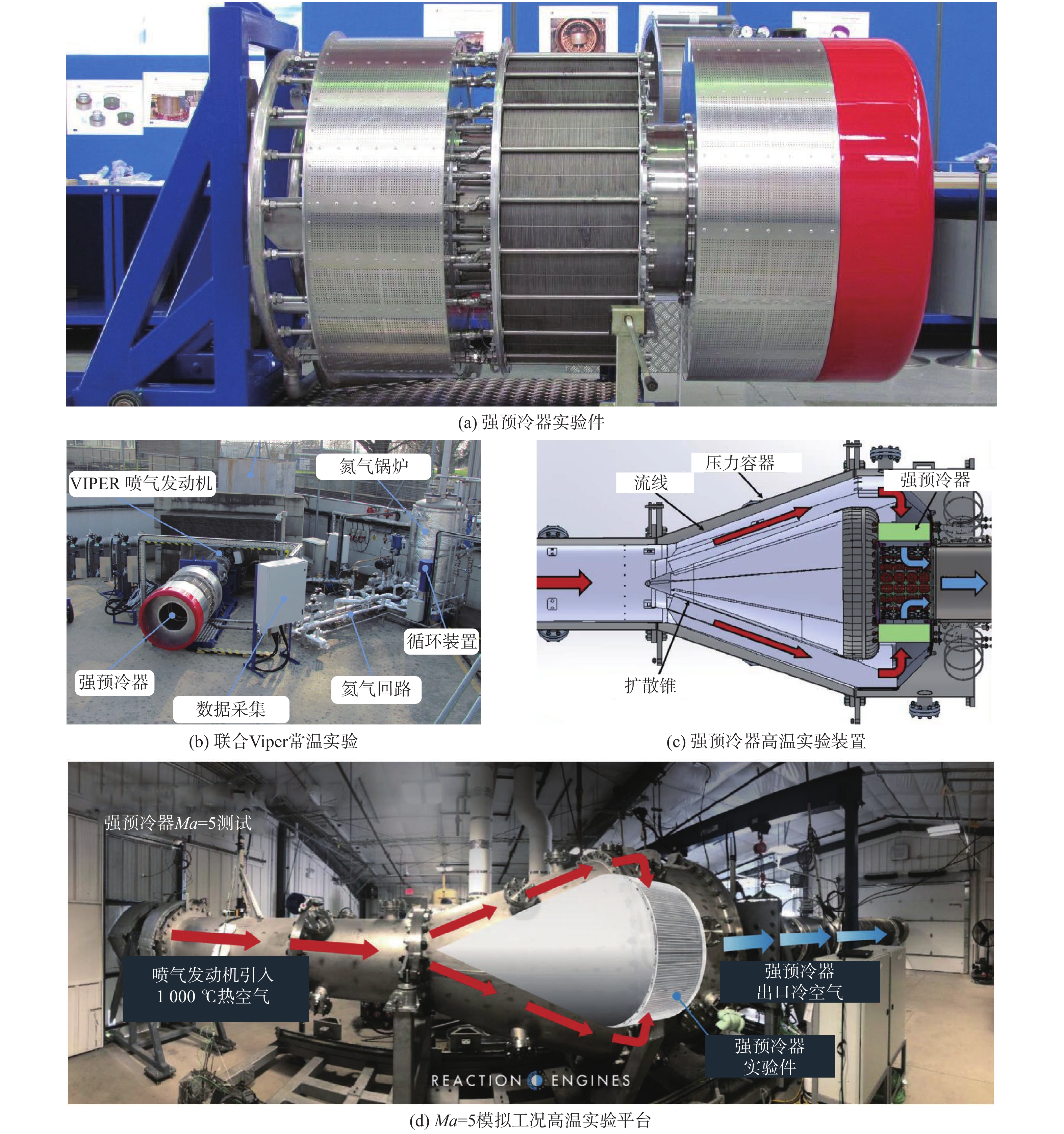
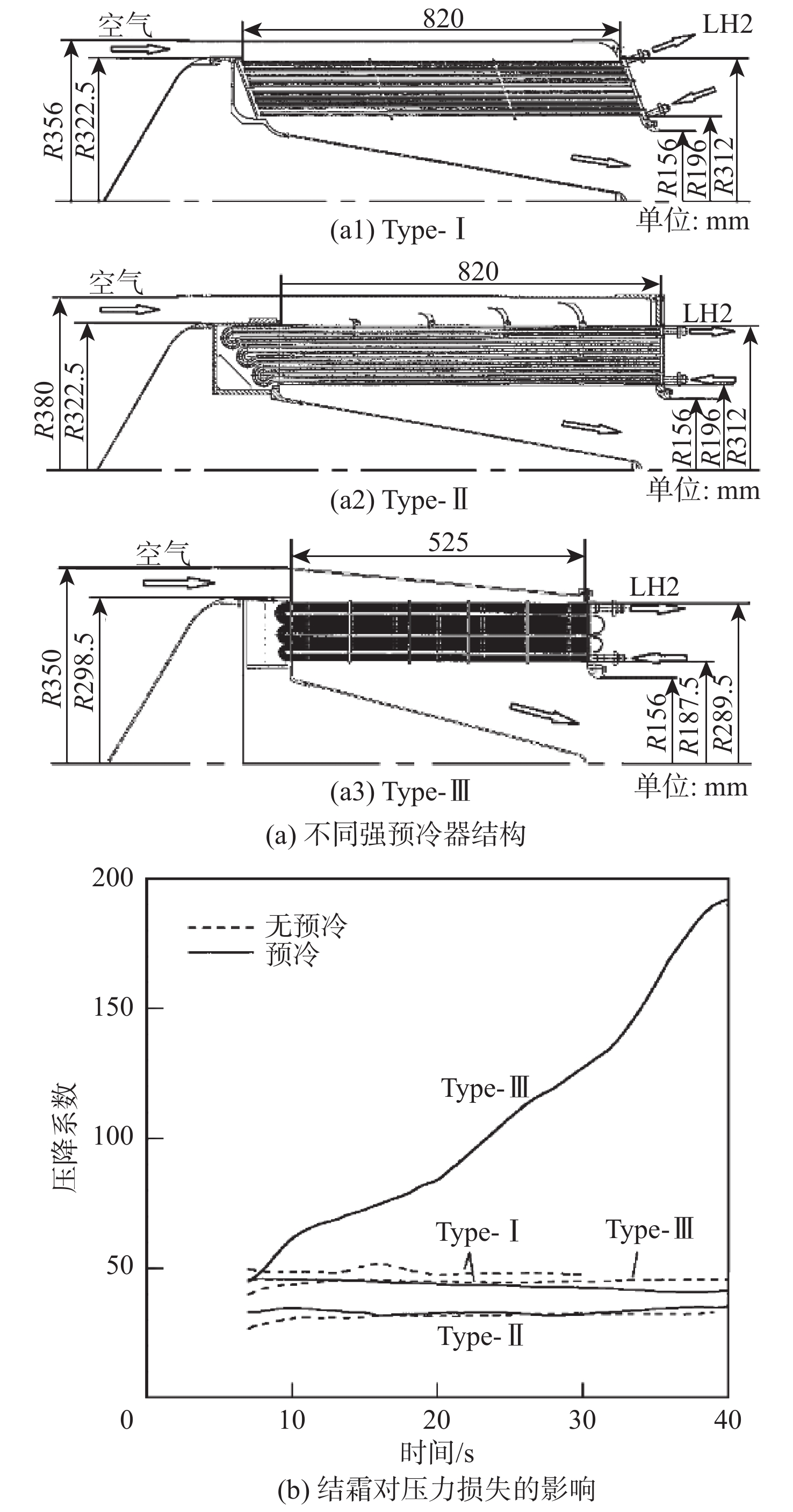
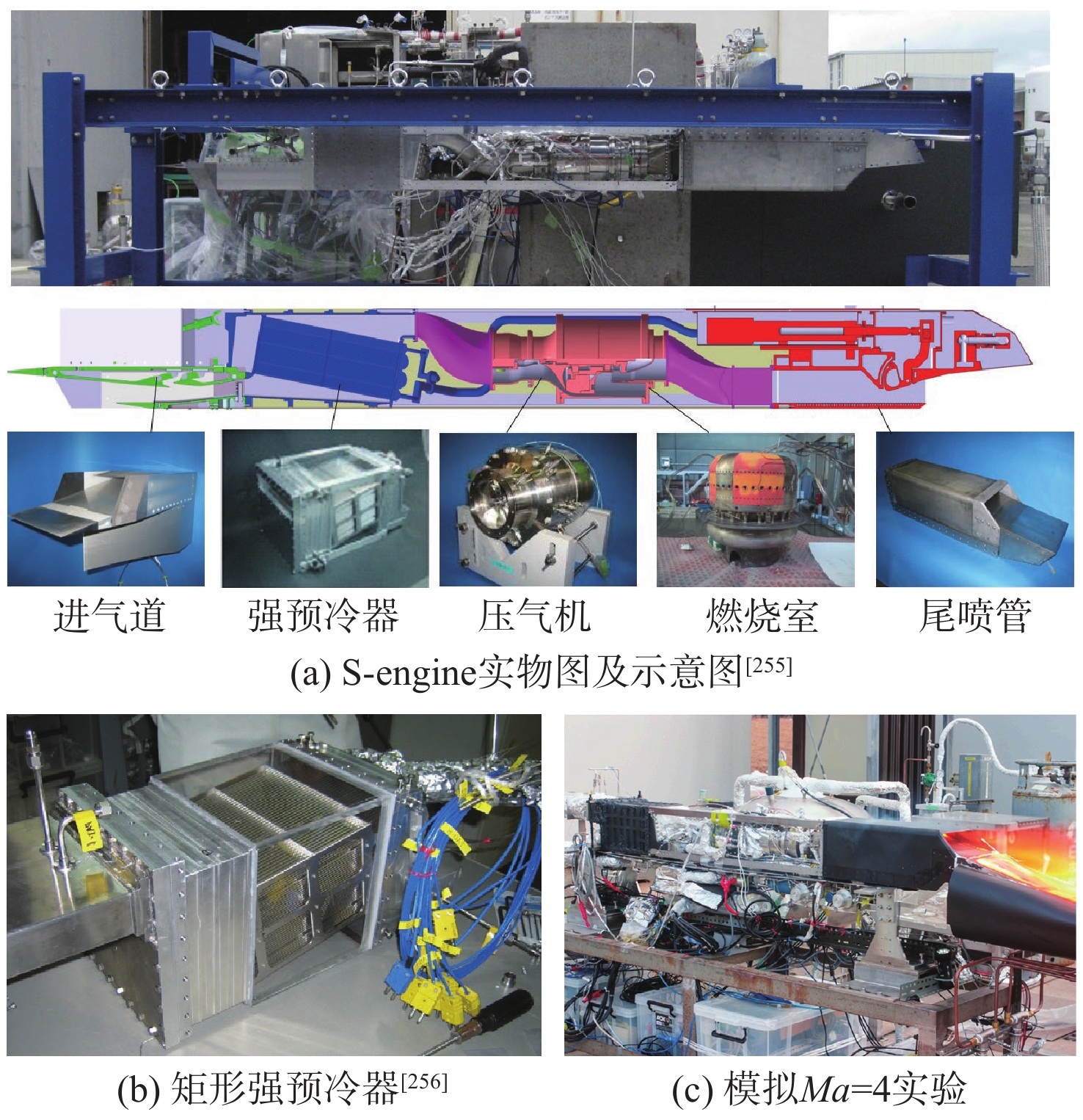
Progress in compact and rapid heat transfer technology for precooled engines
WANG Yifan, LI Hui, CHEN Yiming, FU Chao, ZOU Zhengping
2026, 52(10): 3237-3275. doi: 10.13700/j.bh.1001-5965.2025.0518
Abstract:

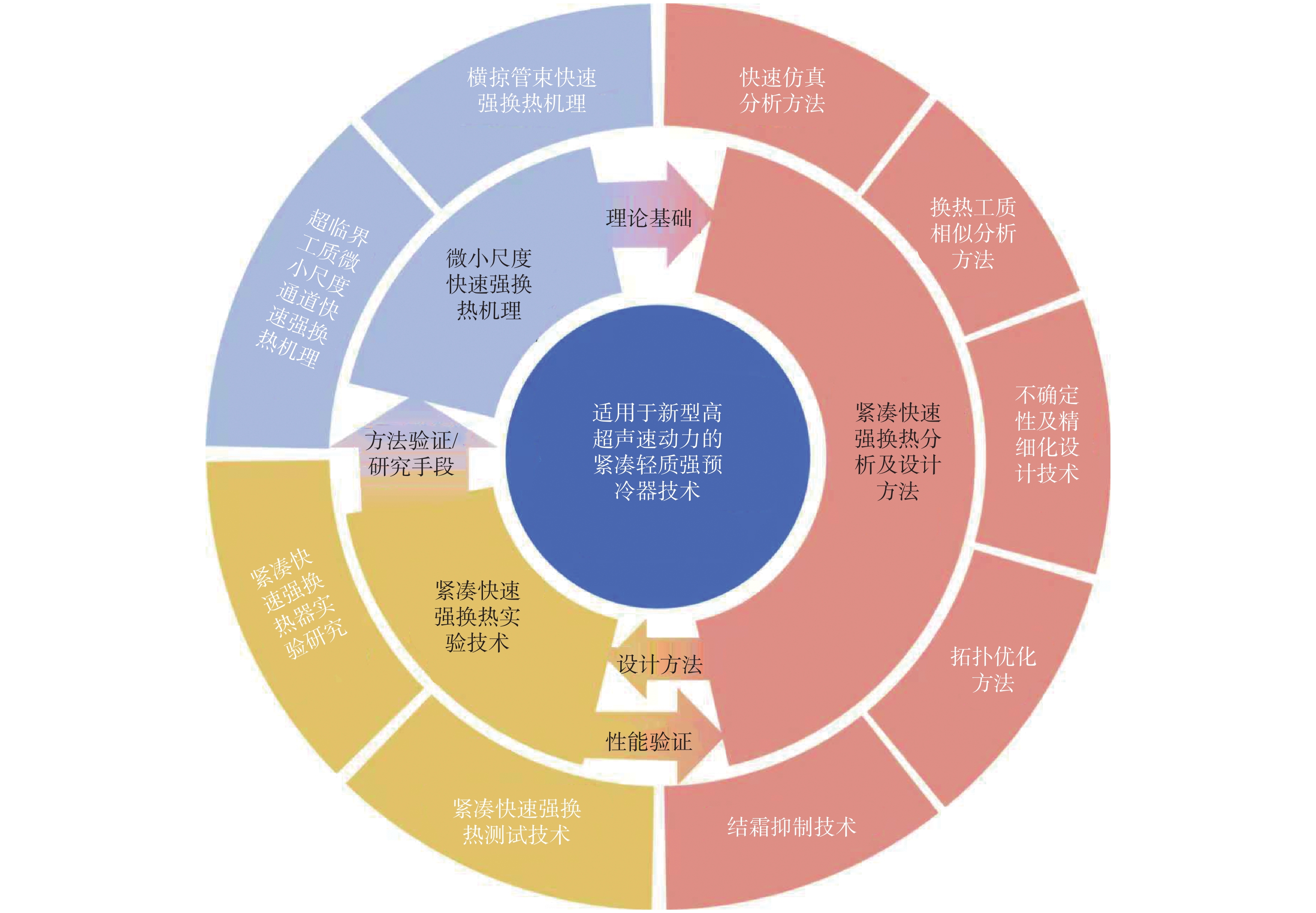
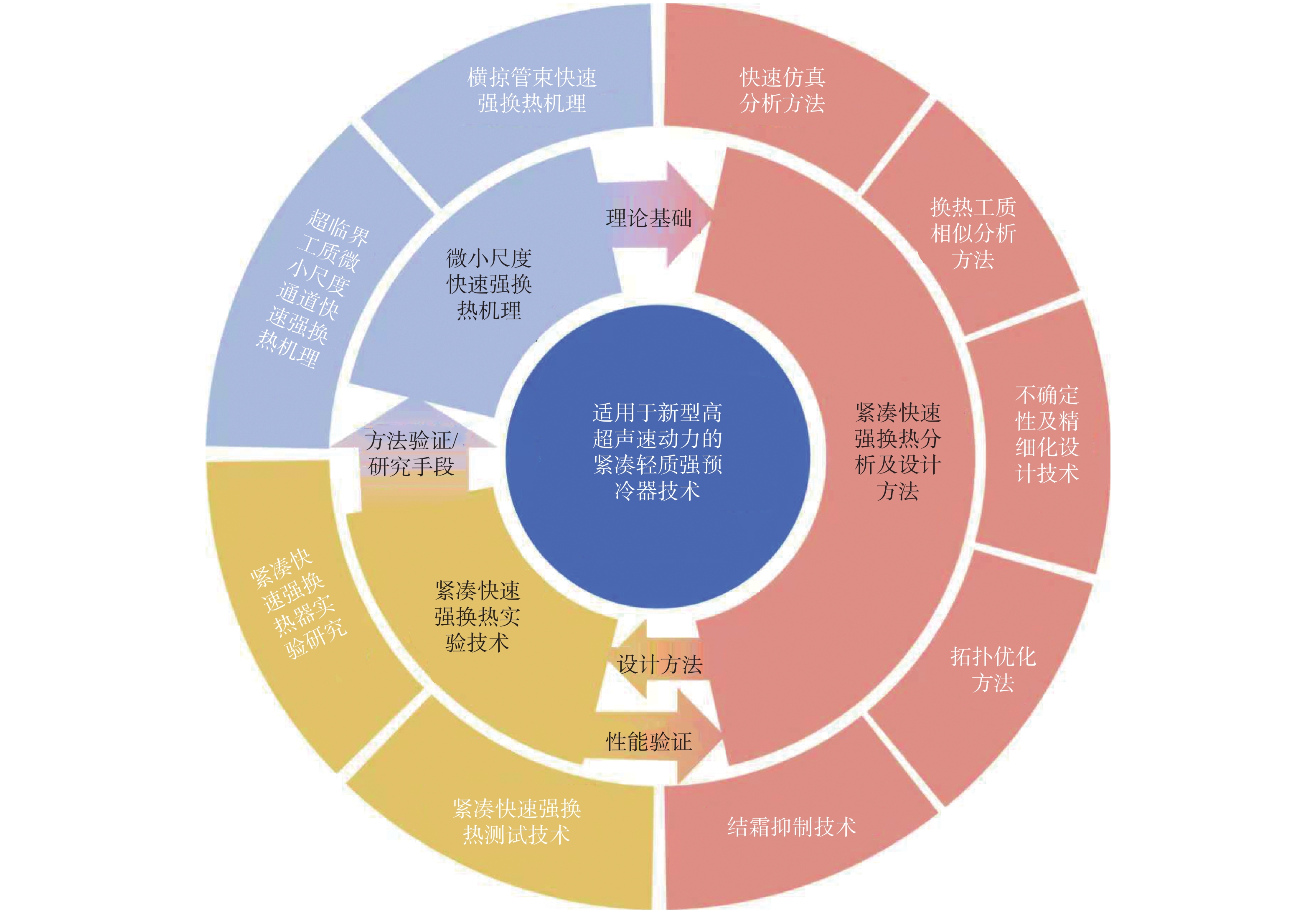
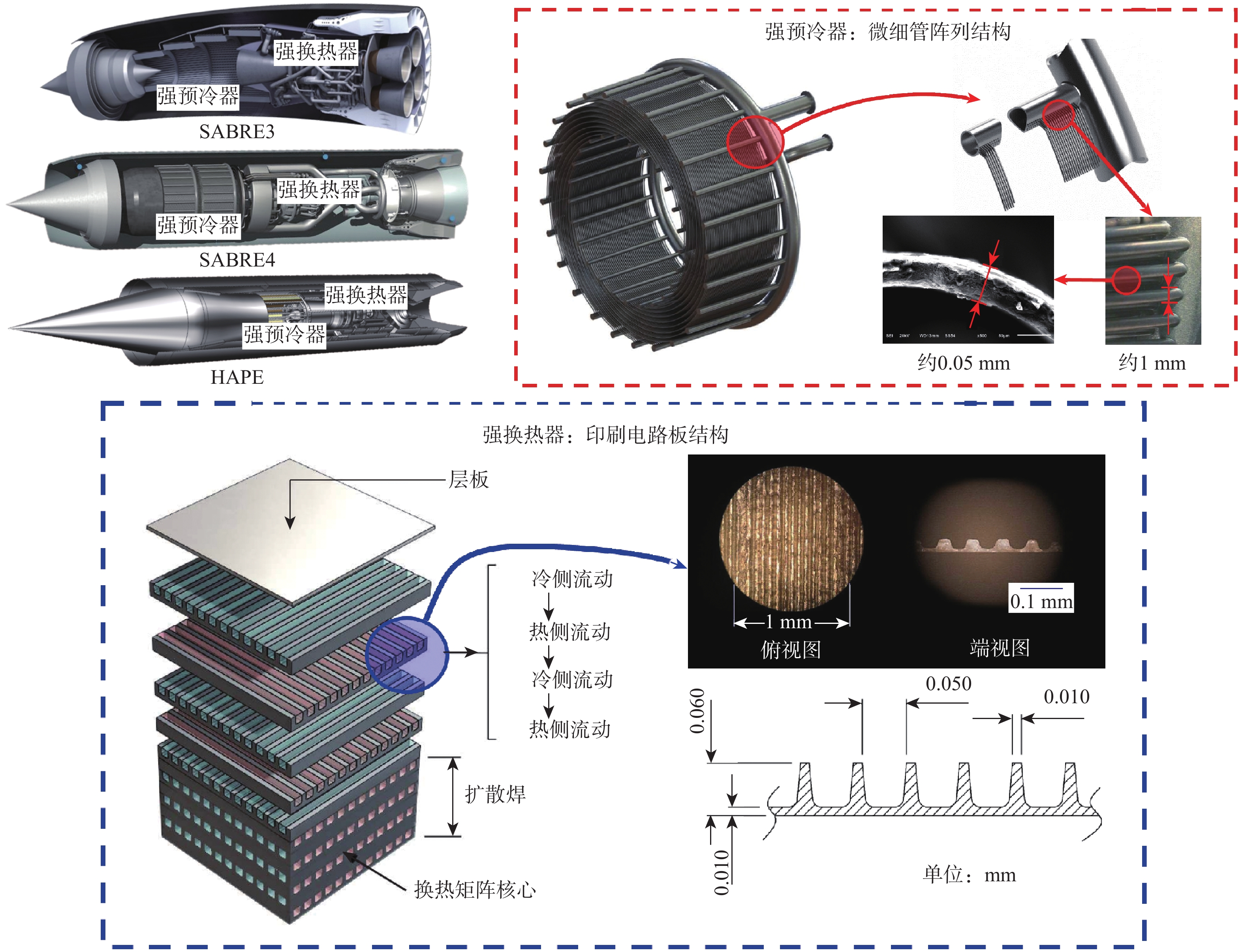
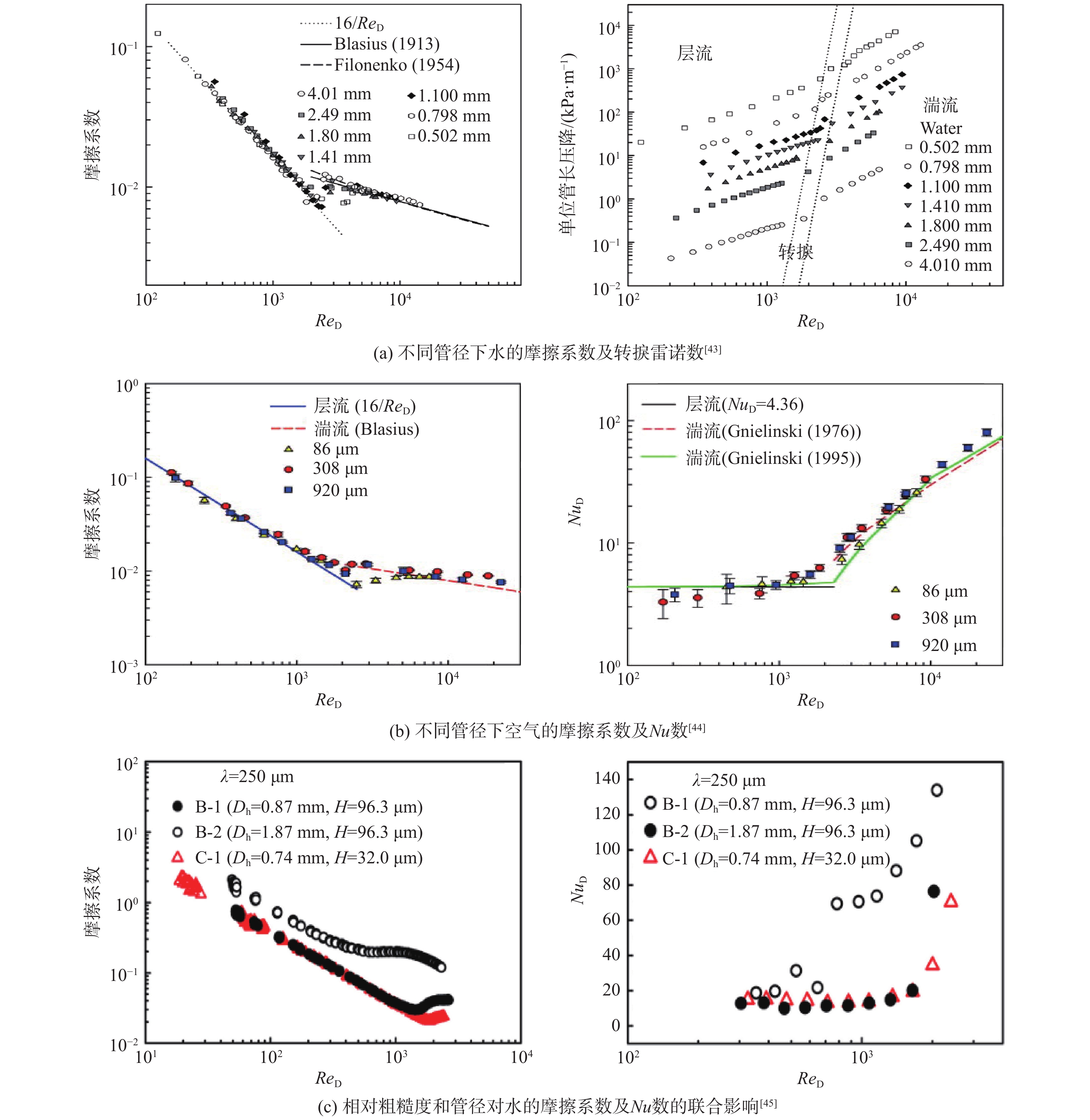
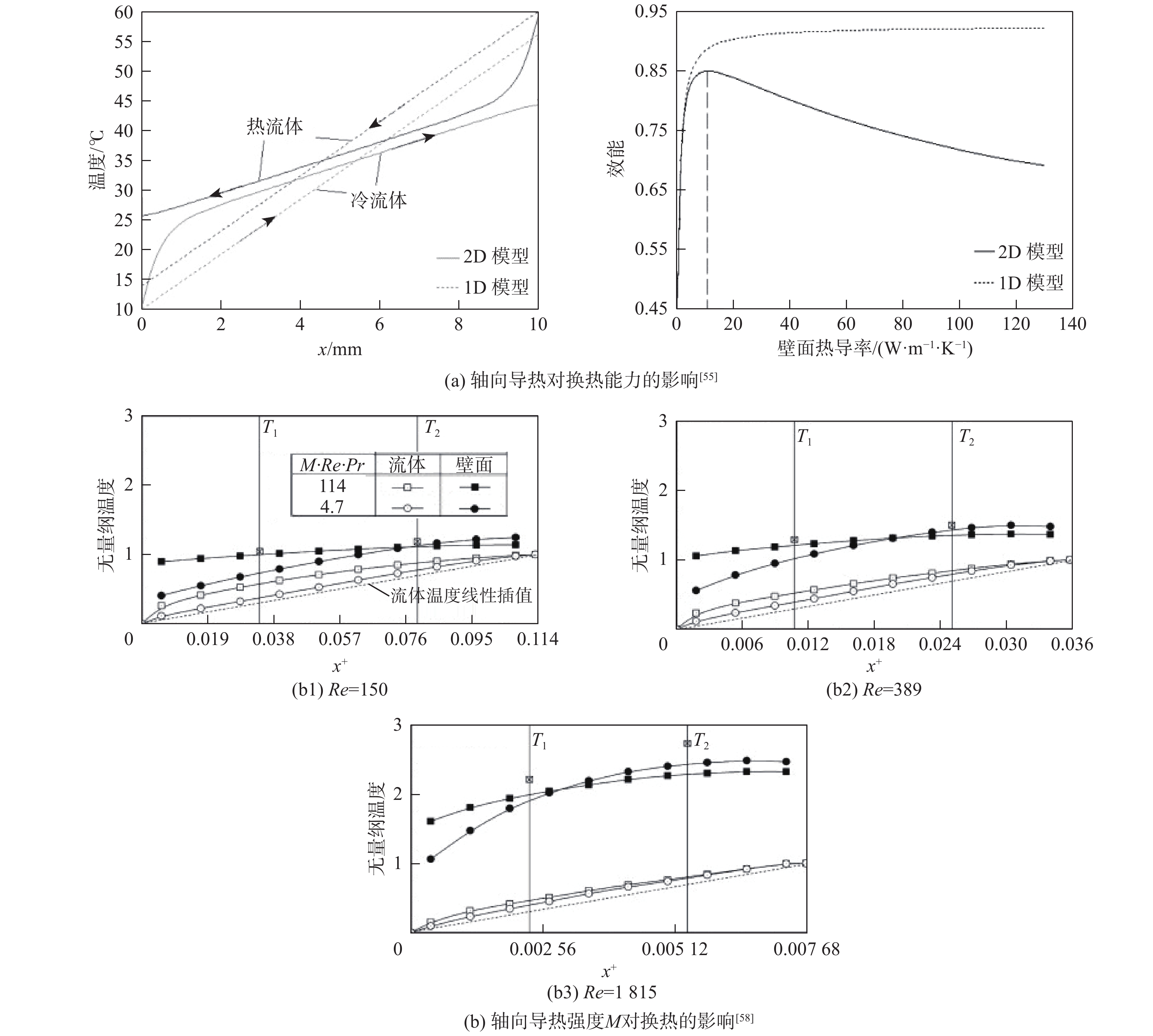
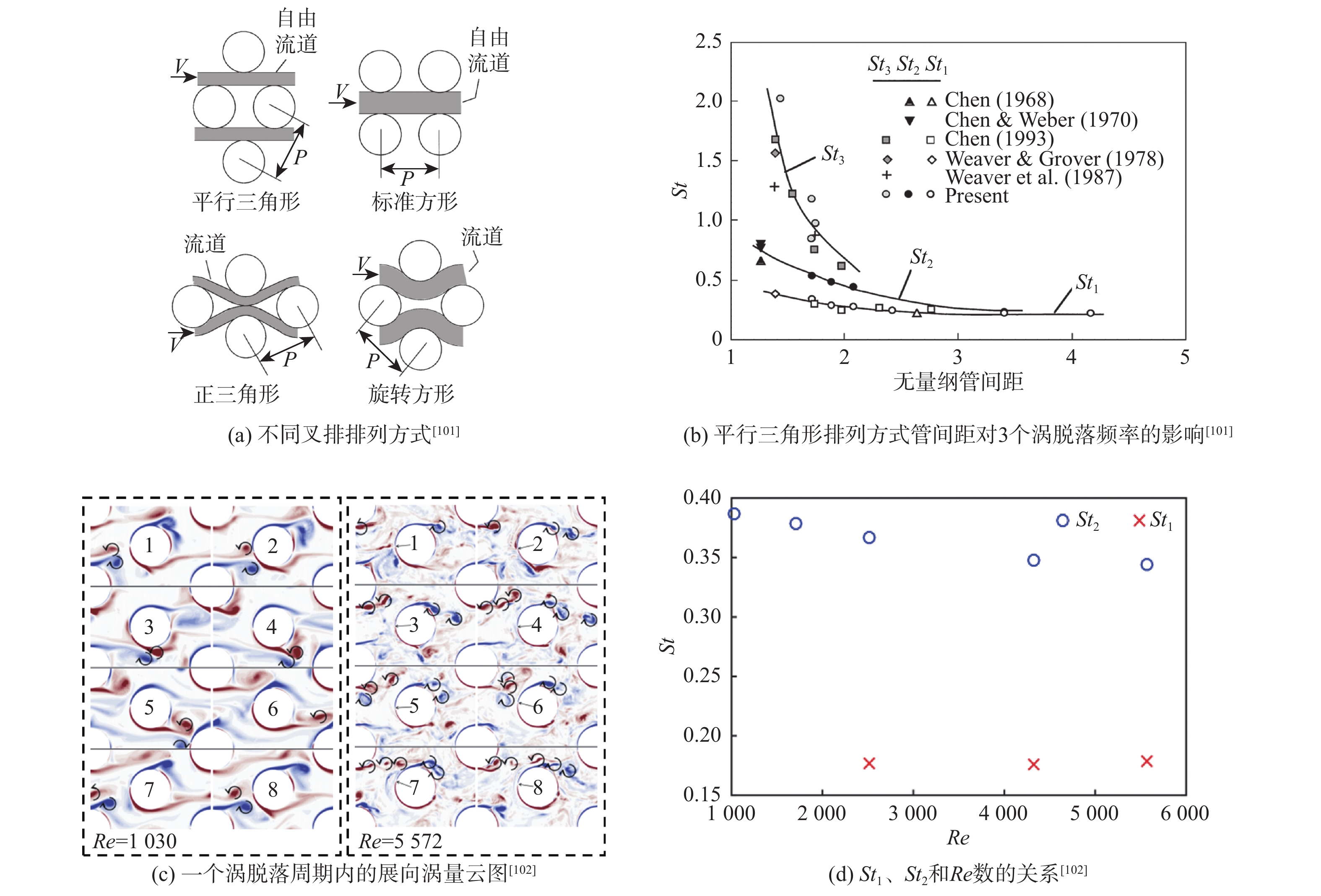
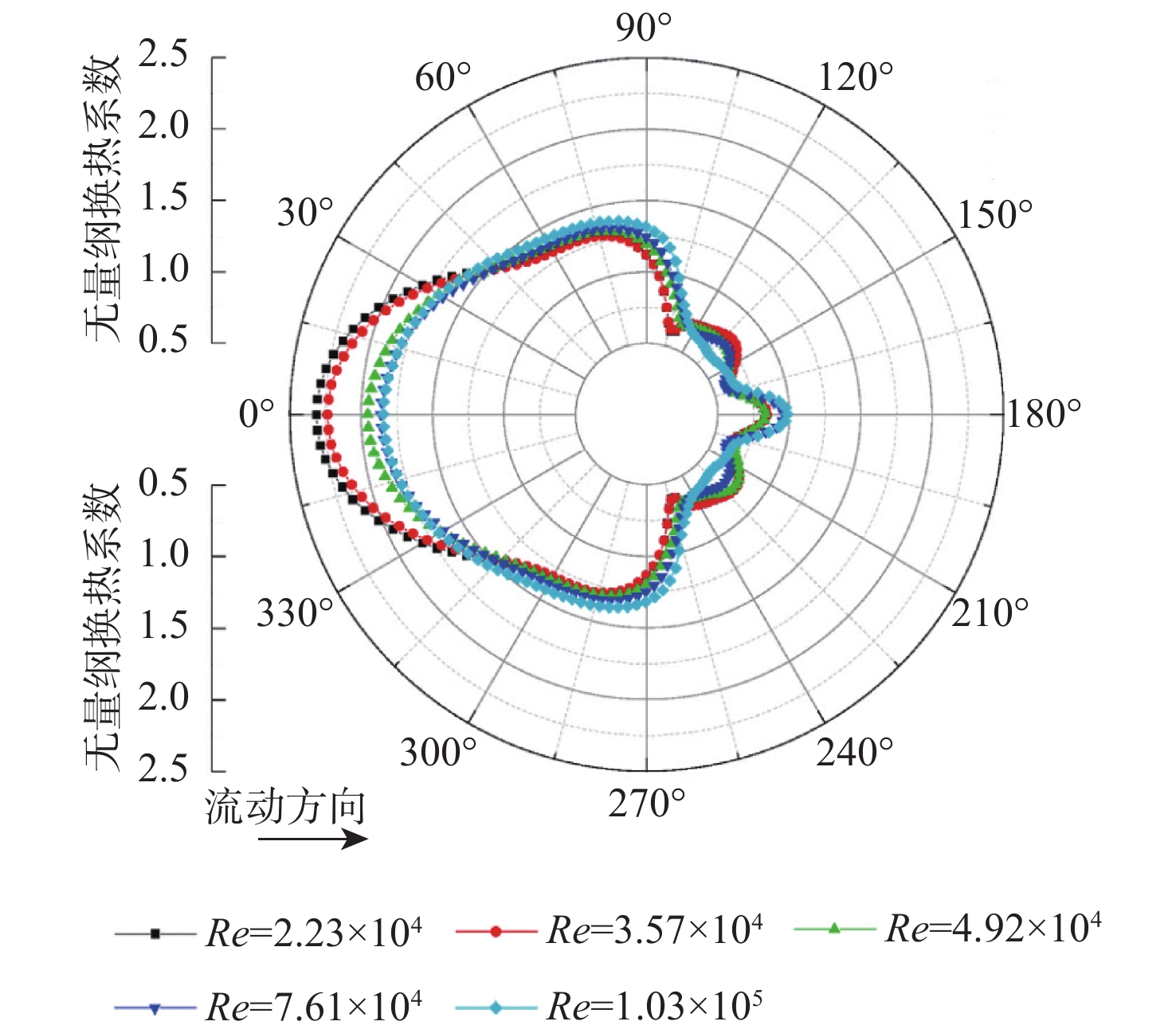
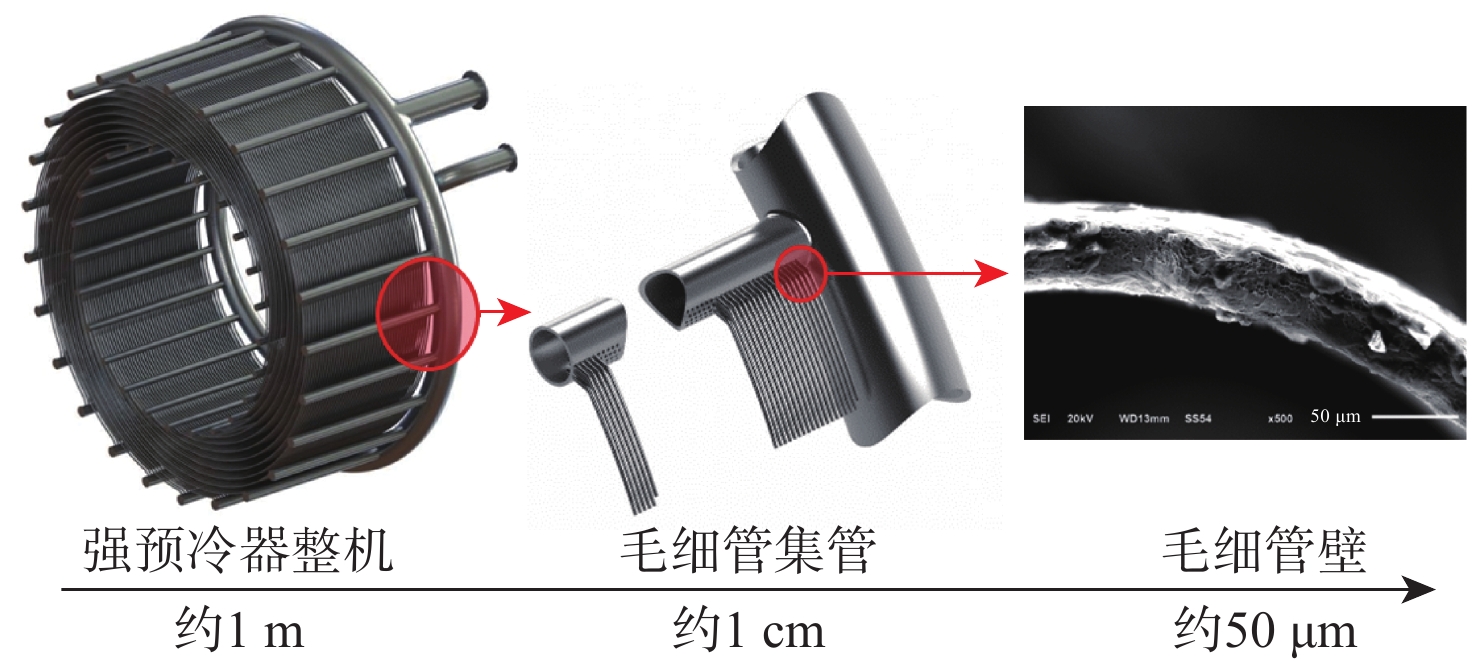
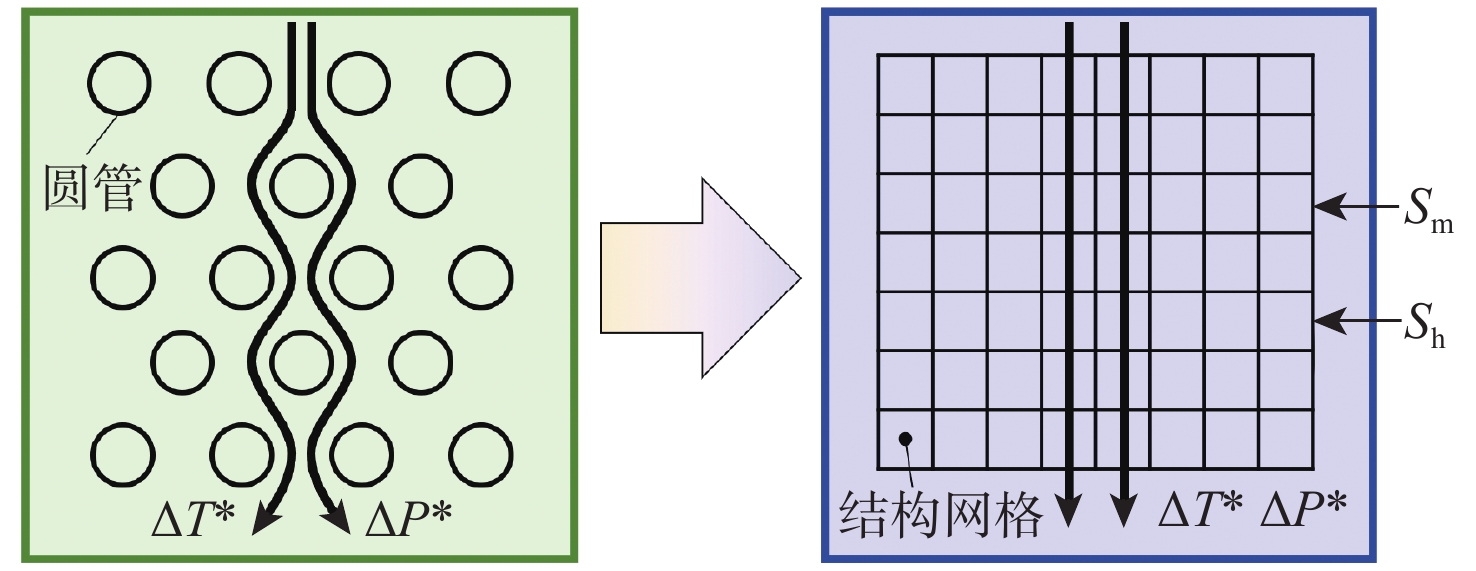
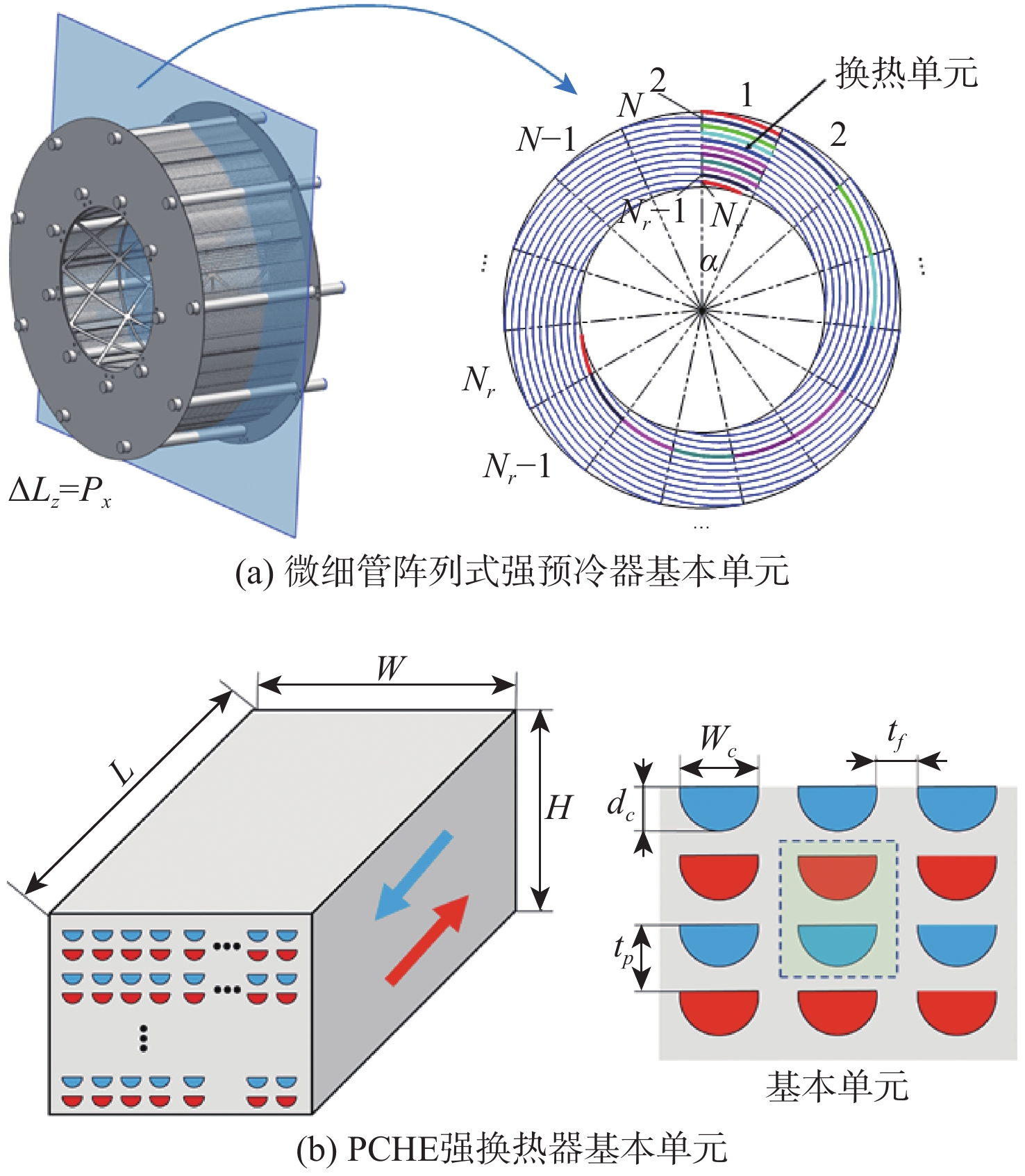
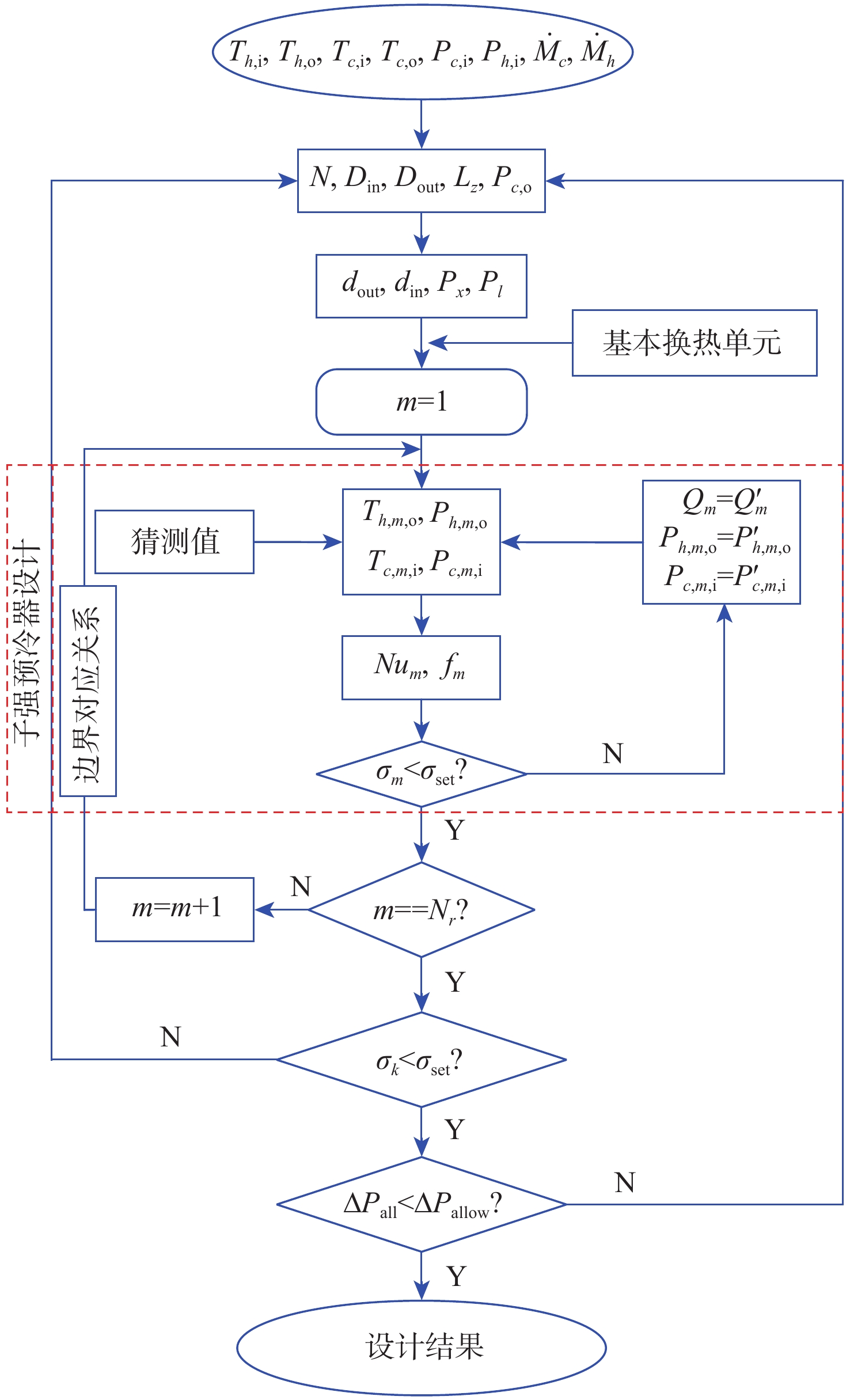
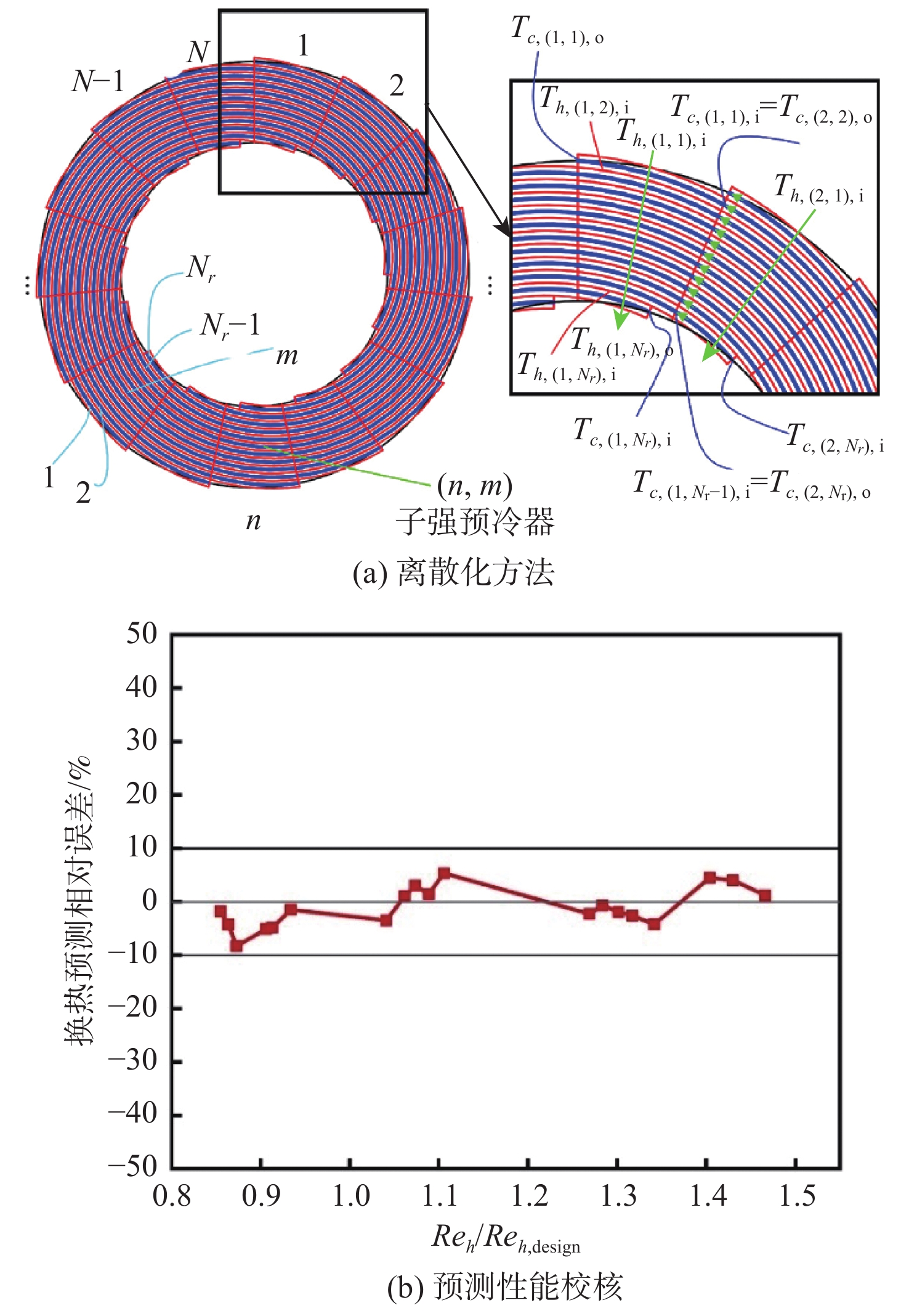
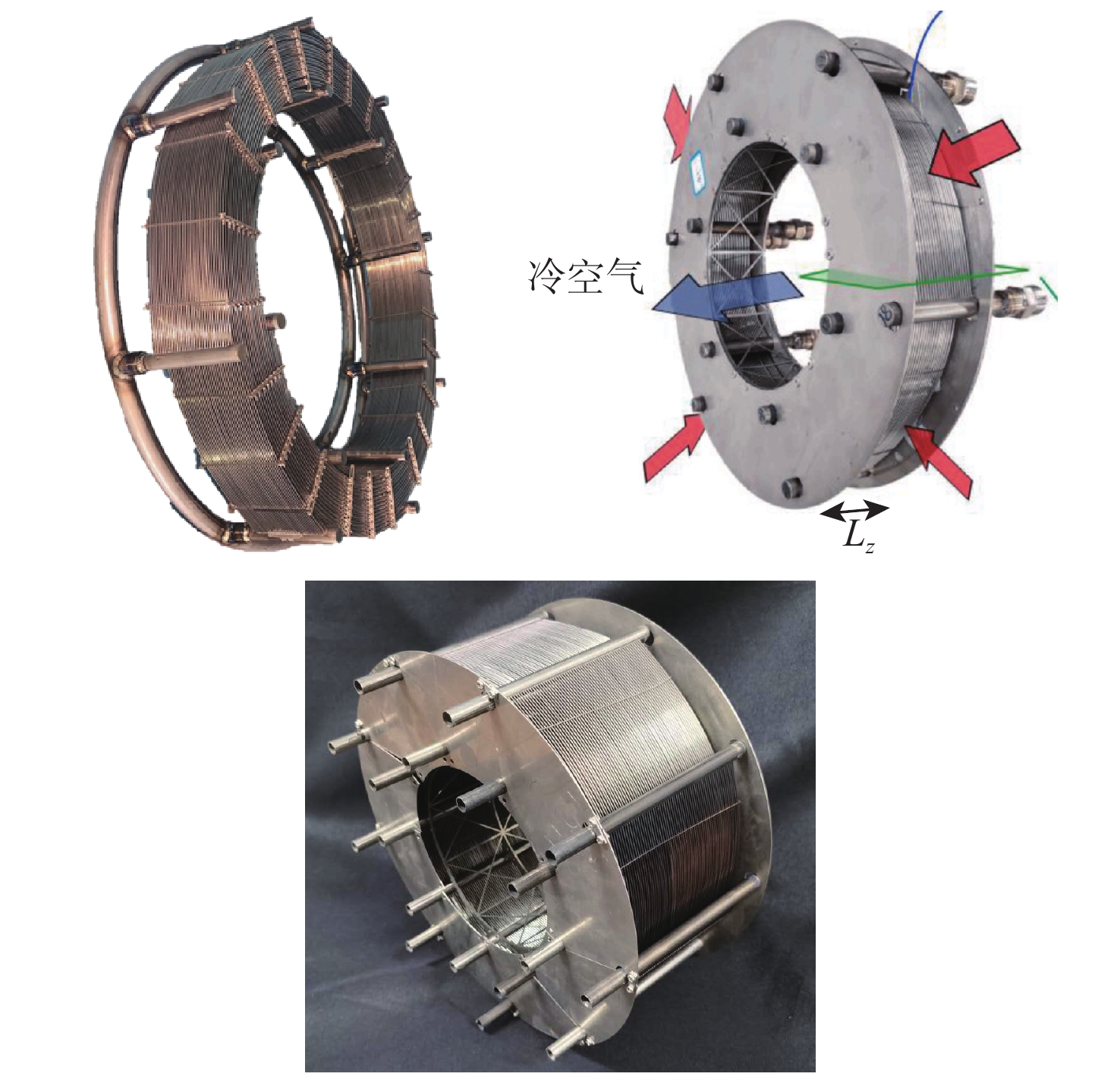
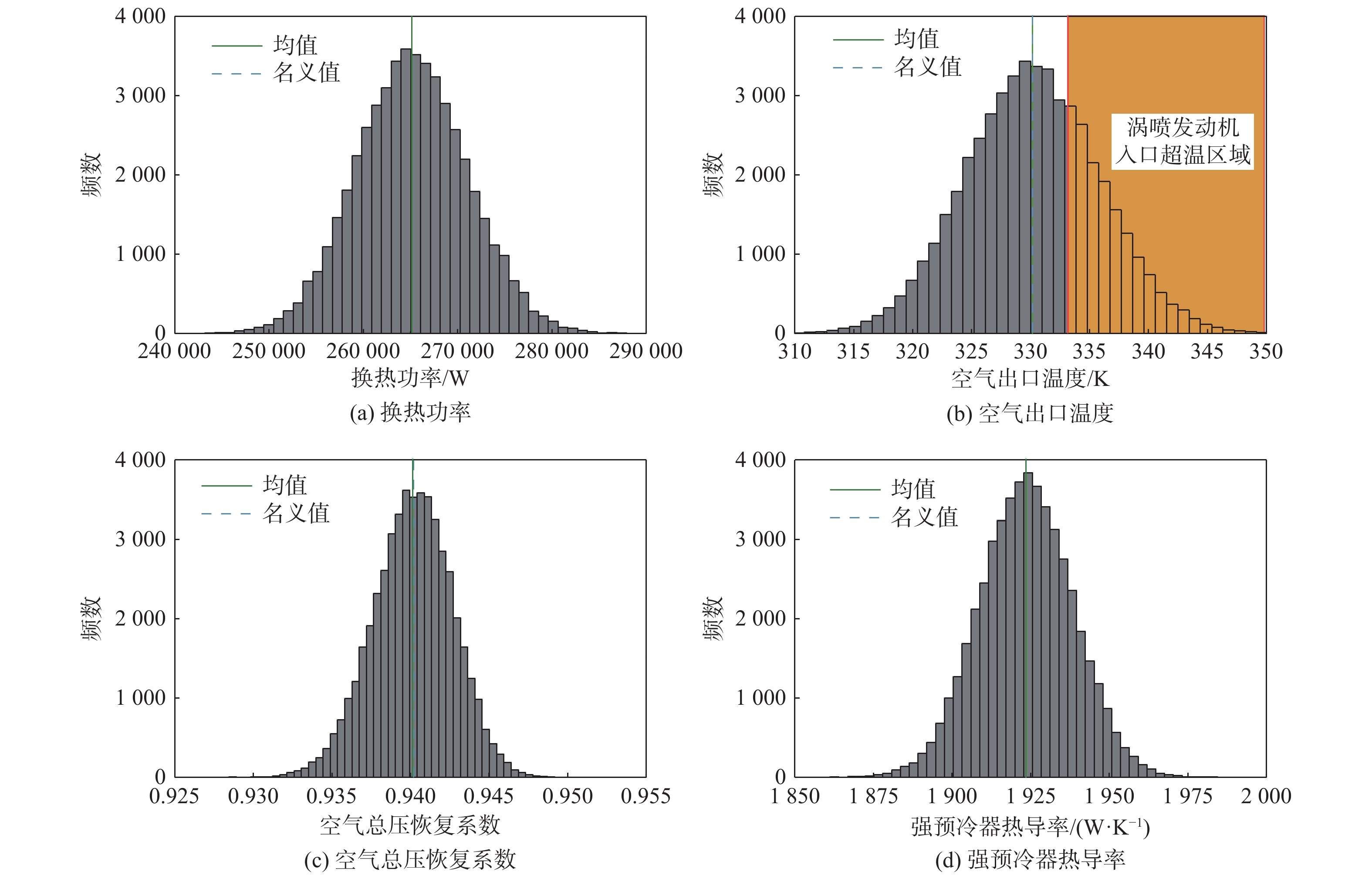
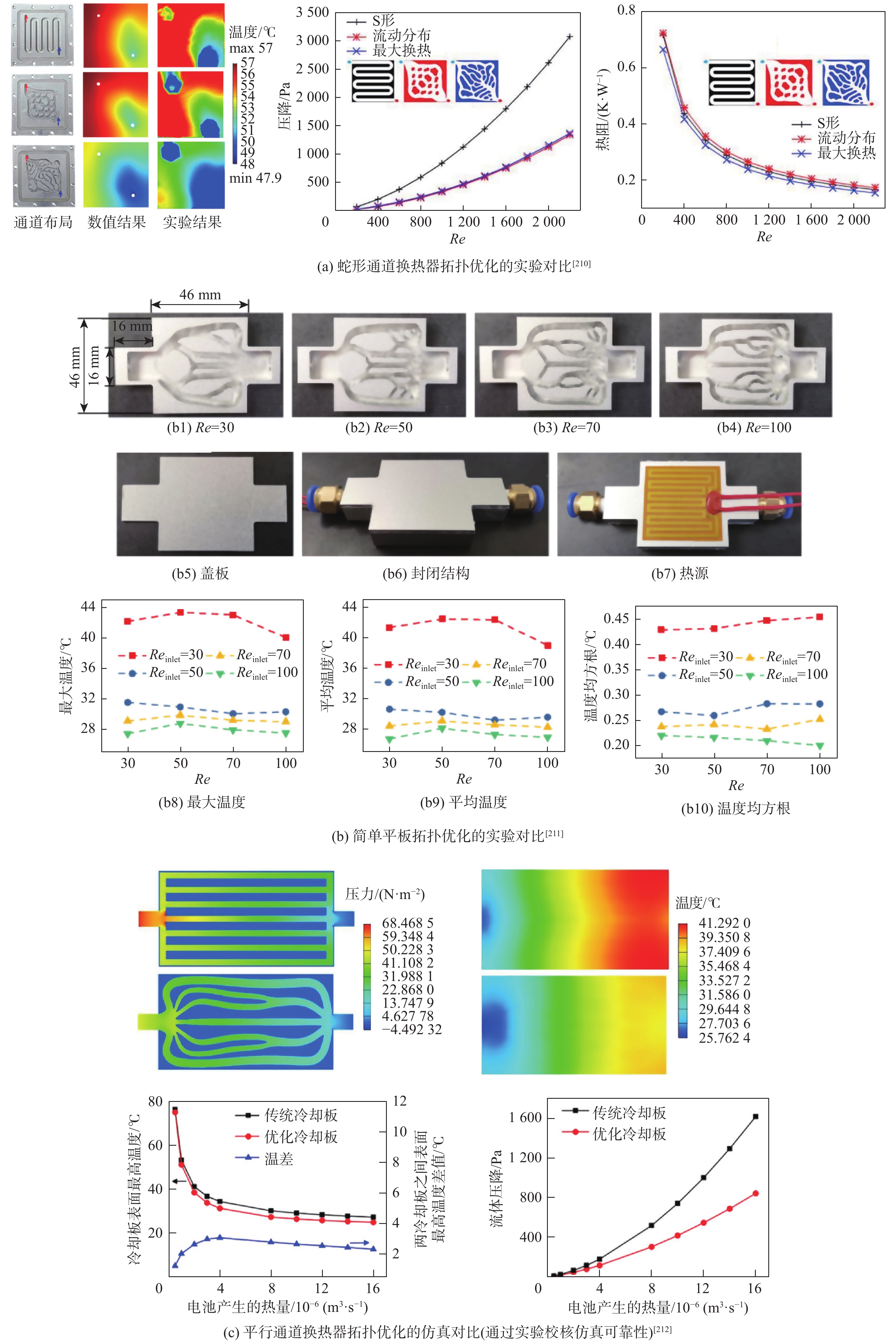
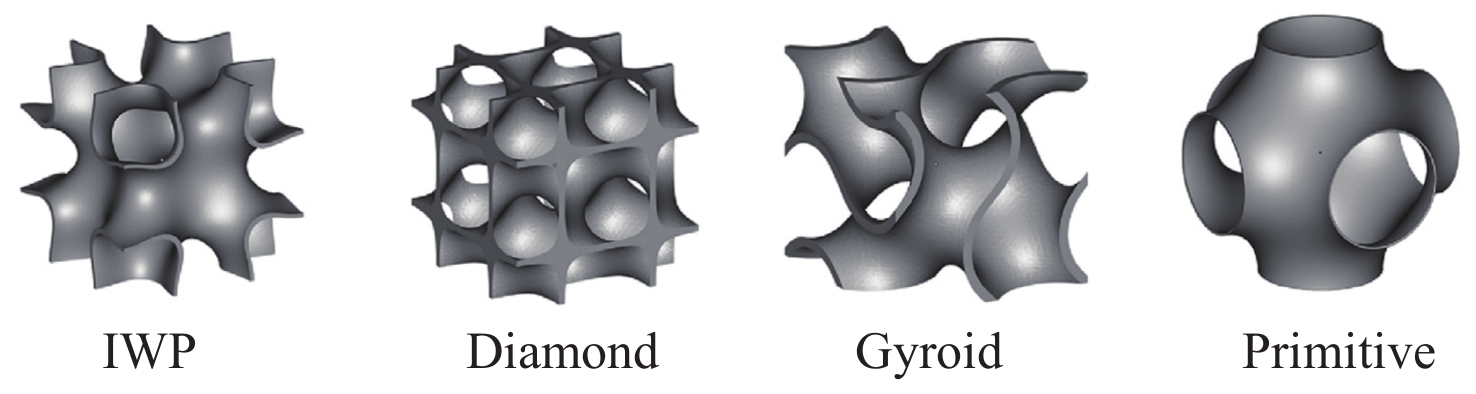
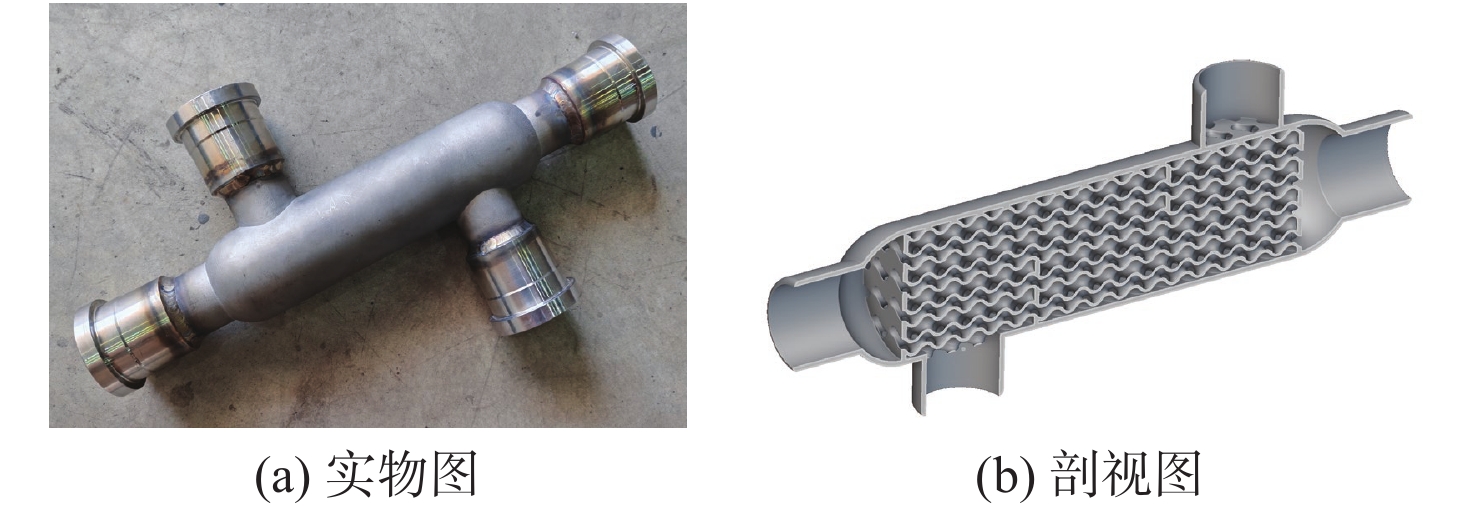
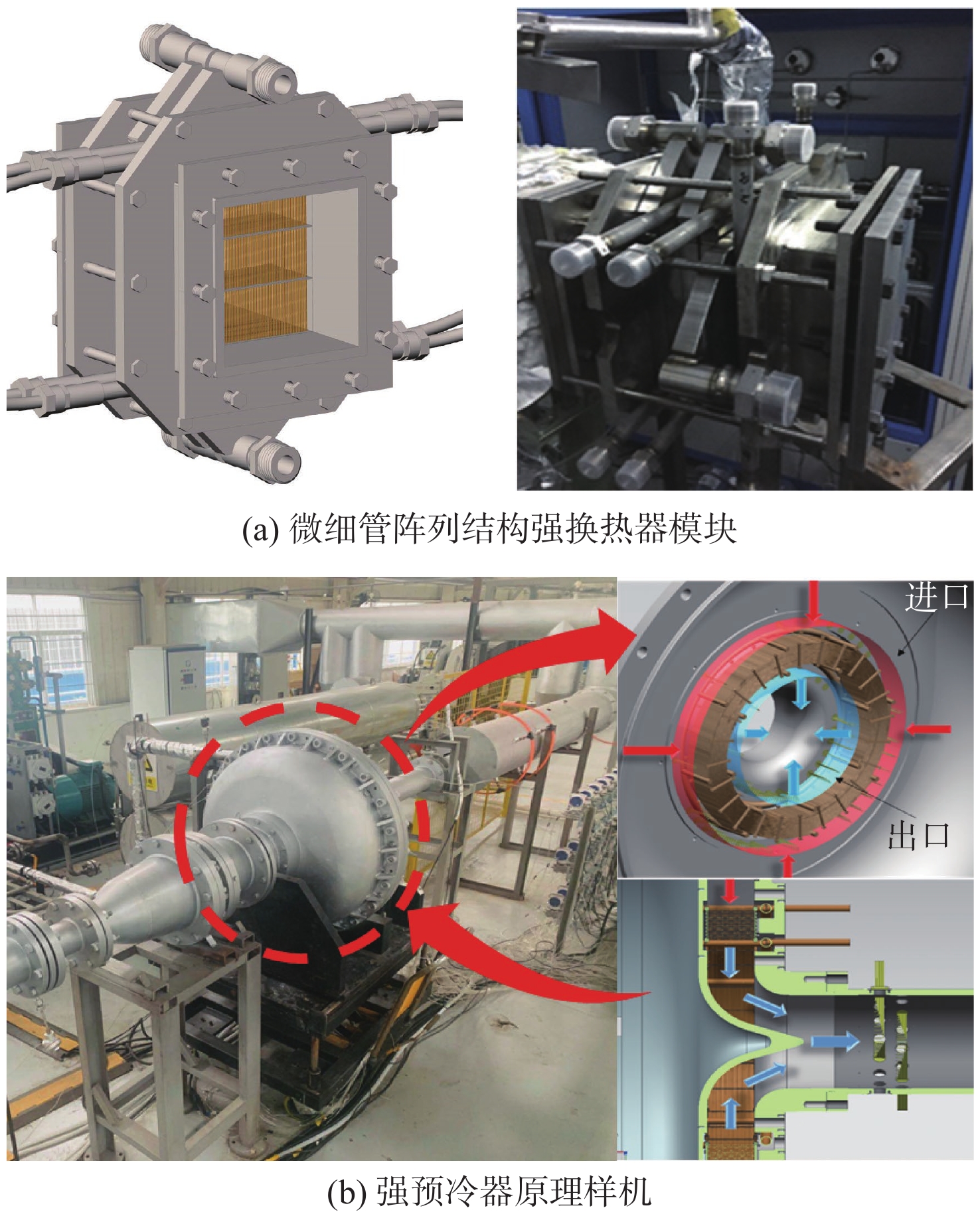
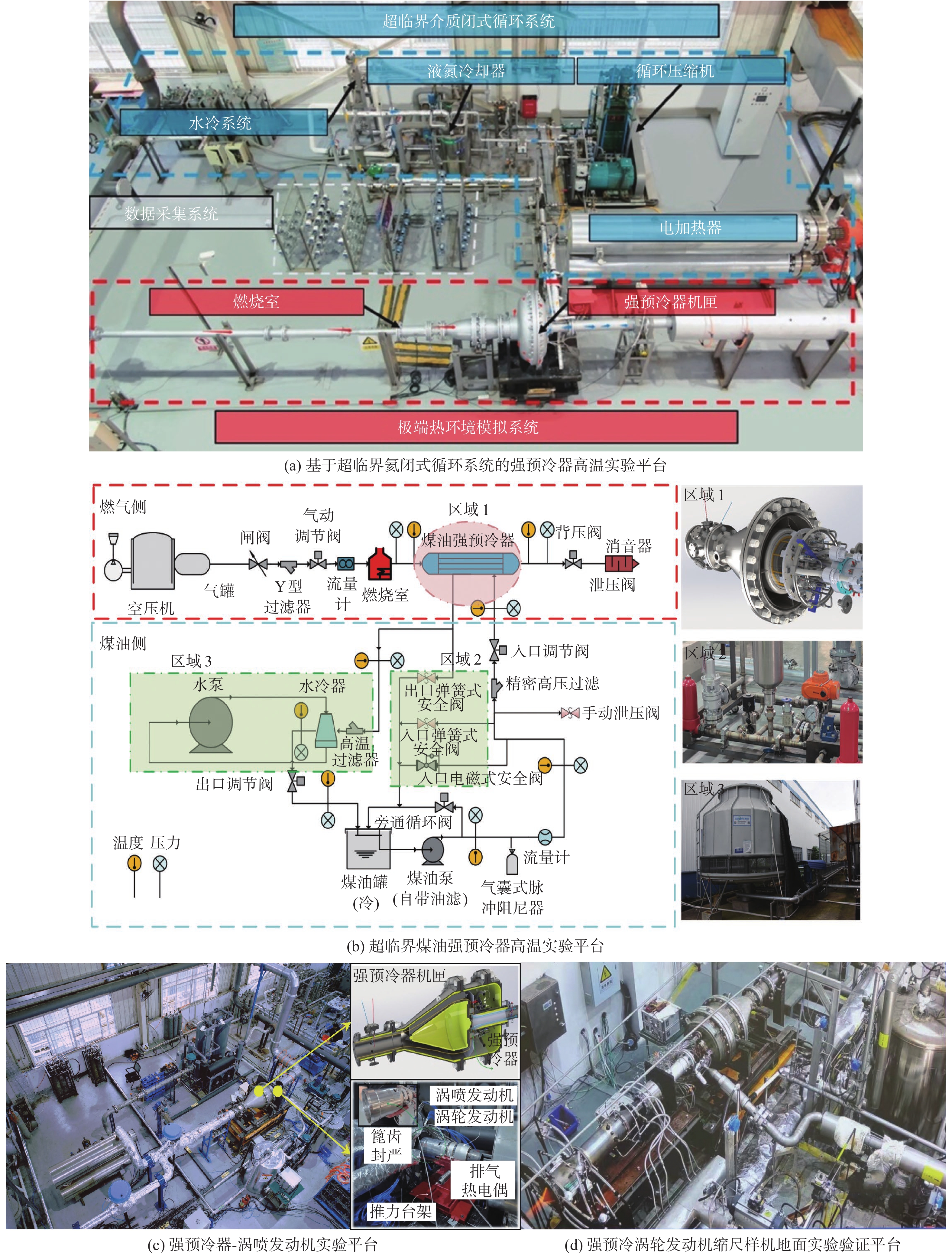
Compact and rapid heat transfer technology can, within ultra-confined spaces and on the order of milliseconds, efficiently capture and transport large amounts of heat from the intake or internal components. It is the core determinant of both performance and technical success for a precooled engine. Conventional civil use heat exchanger analysis, design procedures, and experimental testing approaches are insufficient for validation due to the harsh operating environment and demanding performance requirements inside such systems. Therefore, conducting highly targeted, application oriented research on compact and rapid heat transfer technology specifically for precooled engines carries significant academic and engineering value. In this paper, the research progress of compact and rapid heat transfer technology from multiple dimensions, including underlying mechanisms, technical approaches, and experimental methods, is systematically reviewed, and the principal challenges it faces when applied to precooled engines are analyzed. Existing studies have yielded extensive and in-depth results in several areas: the mechanisms of rapid and intensive heat transfer of supercritical working fluids in microscale channels and cross-flow tube bundles; rapid simulation and similarity analysis methods for fluids with sharply varying properties; refined and uncertainty quantification based design methodologies; and experimental testing techniques tailored for extreme thermal environments in confined spaces, etc. Overall, in terms of fundamental research, it is urgent to deepen our understanding of the coupled flow heat transfer mechanisms under complex thermal conditions at micro scales and to further enrich high accuracy empirical correlation databases for compact and rapid heat transfer. From an analysis and design perspective, attention should be paid to integrating emerging techniques into analysis and design methods to enhance overall performance across broad operating ranges. In terms of experimental validation, more sophisticated flow-field measurement techniques appropriate for intricate structures in confined spaces must be developed, and complete temperature and full pressure testing must be conducted under actual engine installation circumstances. These research efforts will provide a solid foundation for improving the maturity of compact and rapid heat transfer technology and for advancing and validating precooled engine technology.

Research progress on modeling and simulation of characteristics of all-solid-state batteries
ZHAO Lijin, YANG Shichun, LIU Guofang, QU Jingyao, SUN Xudong
2026, 52(10): 3276-3297. doi: 10.13700/j.bh.1001-5965.2025.0322
Abstract:

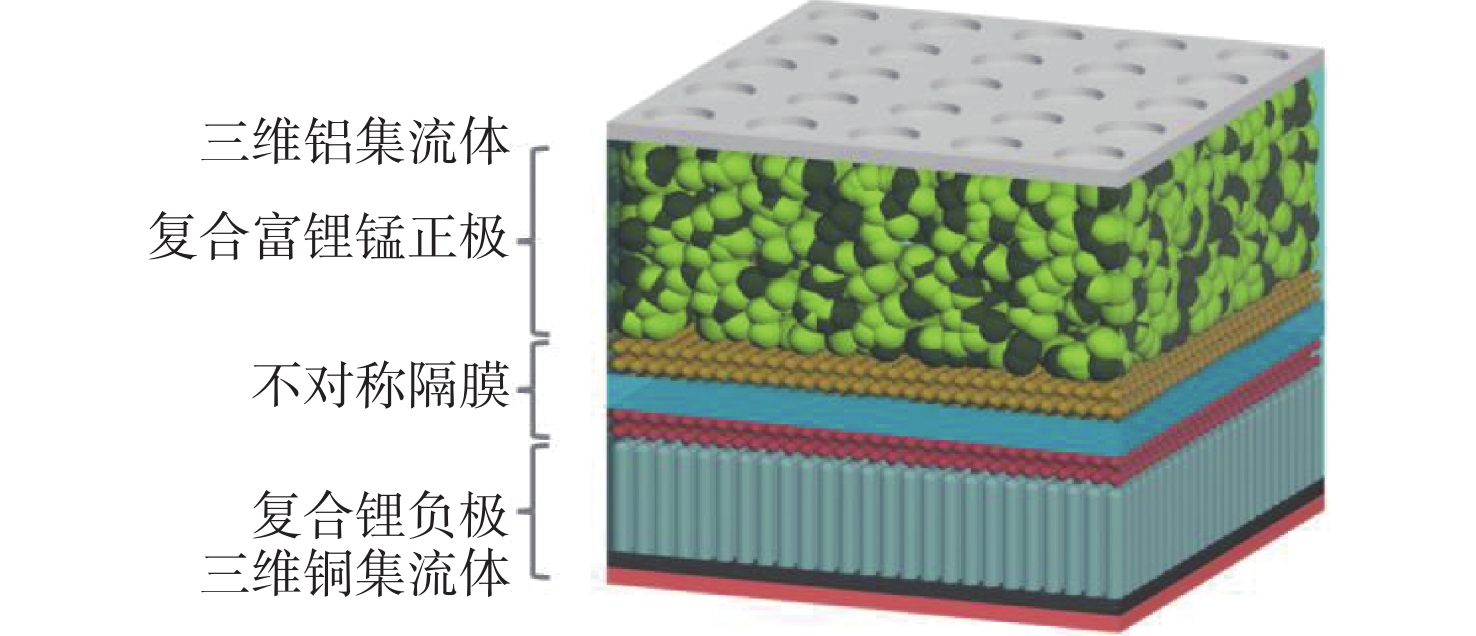
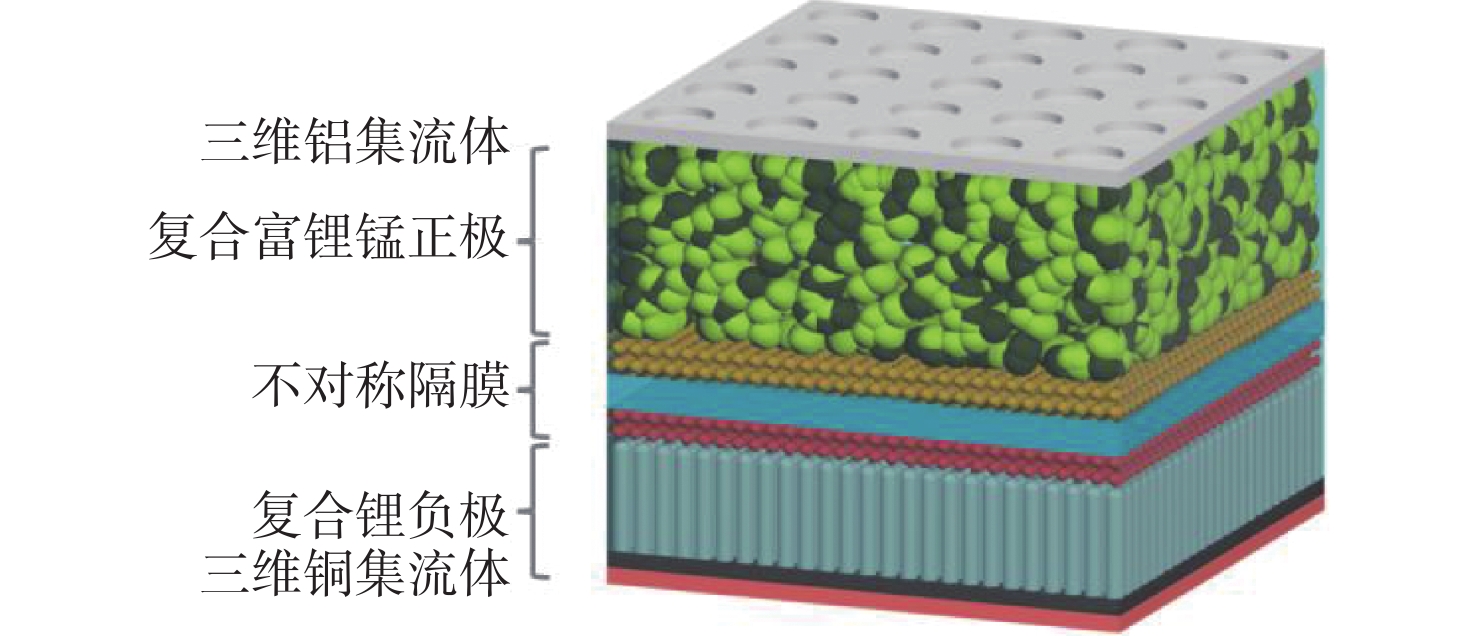
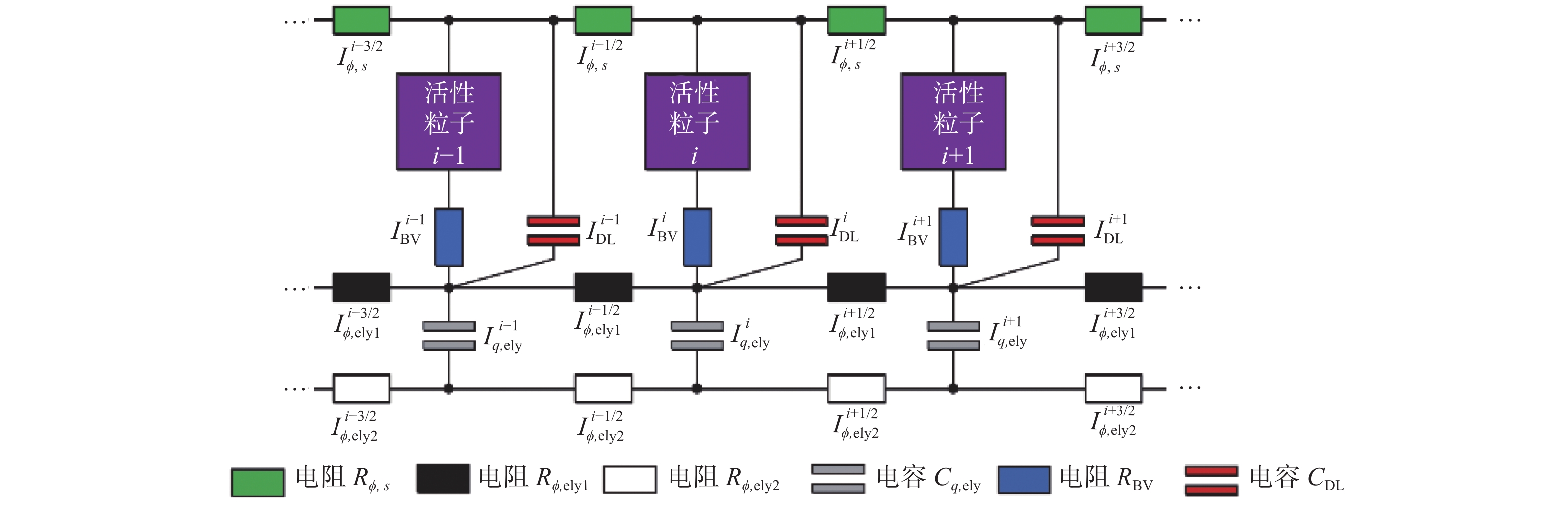
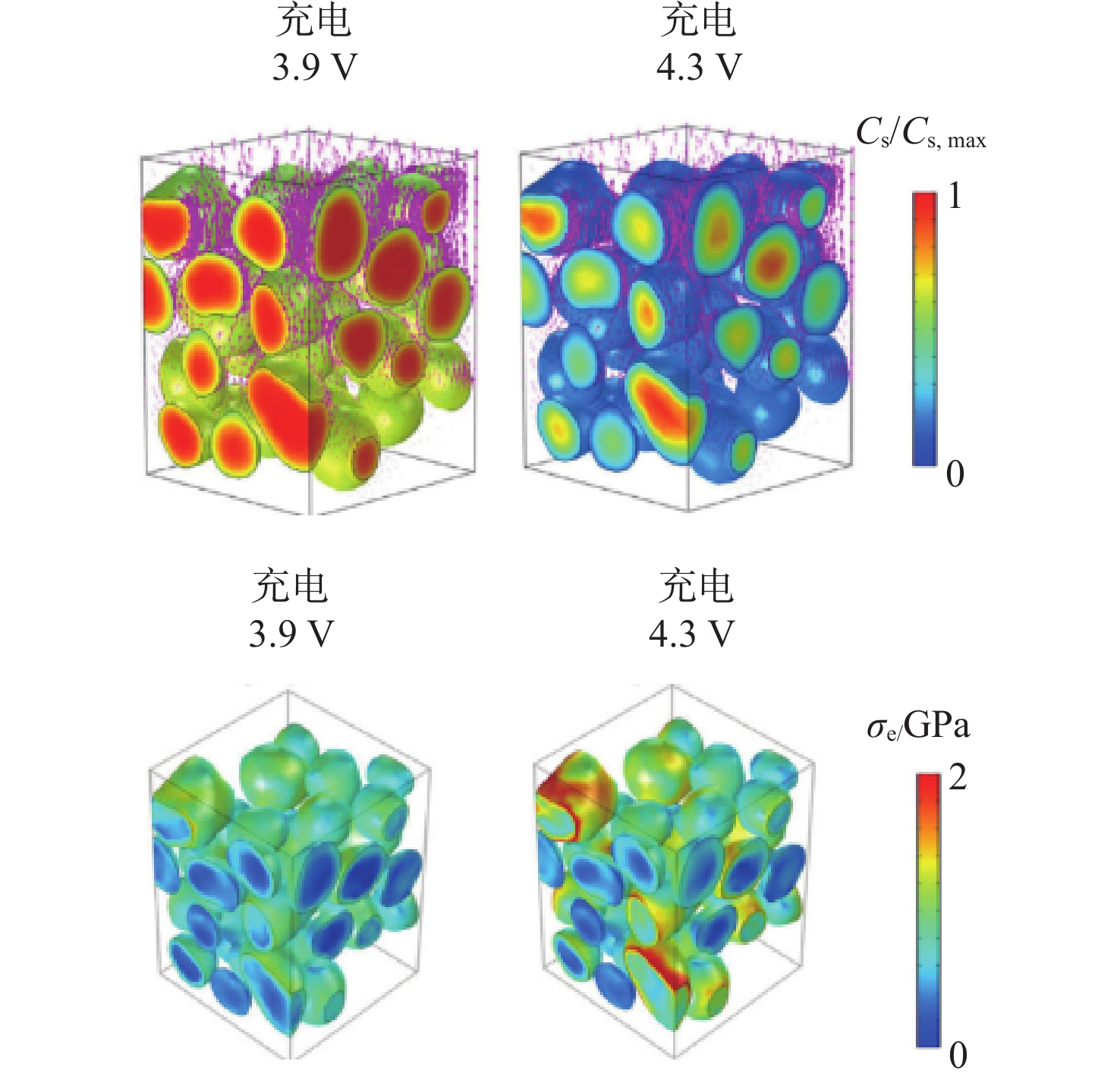
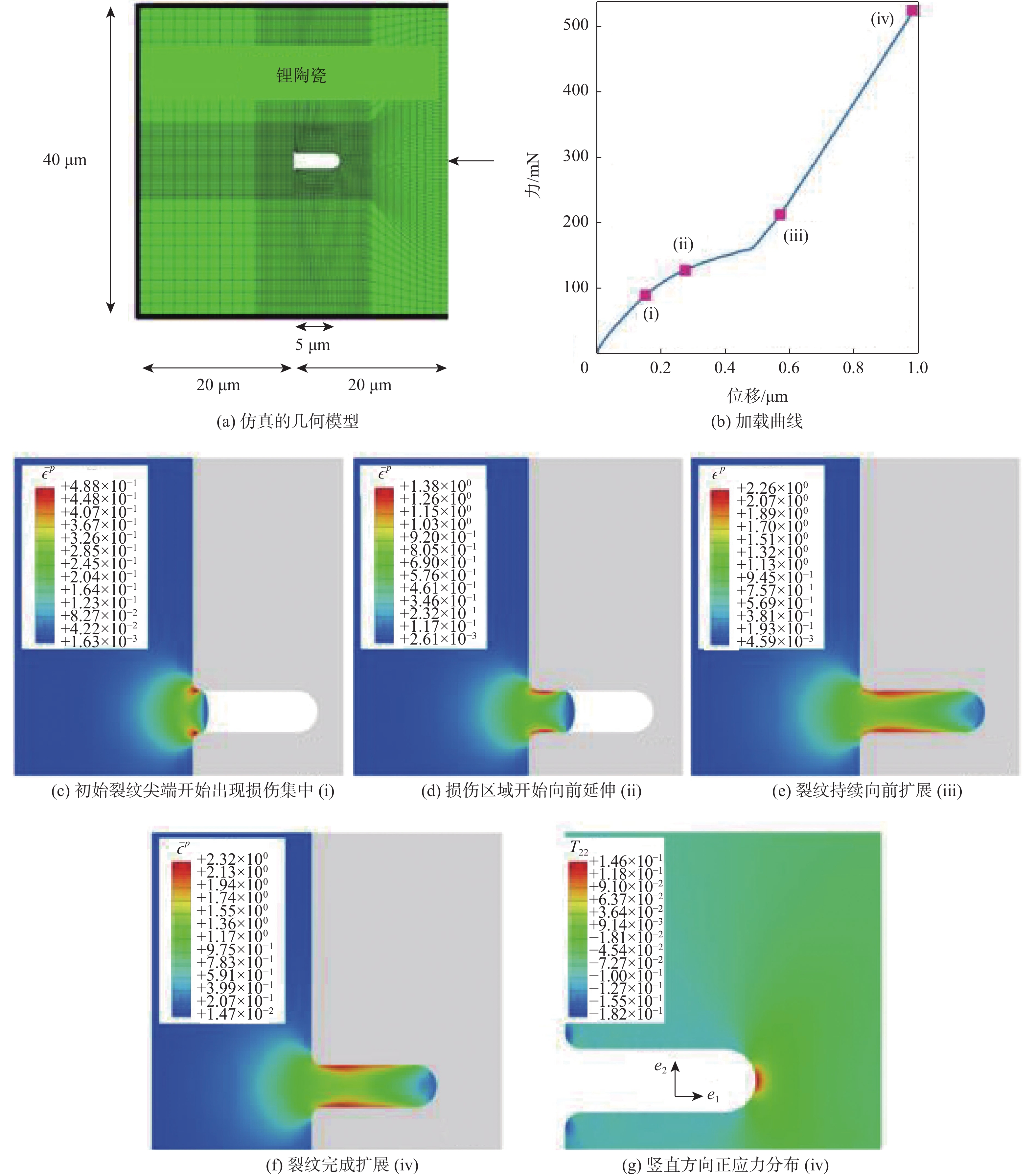
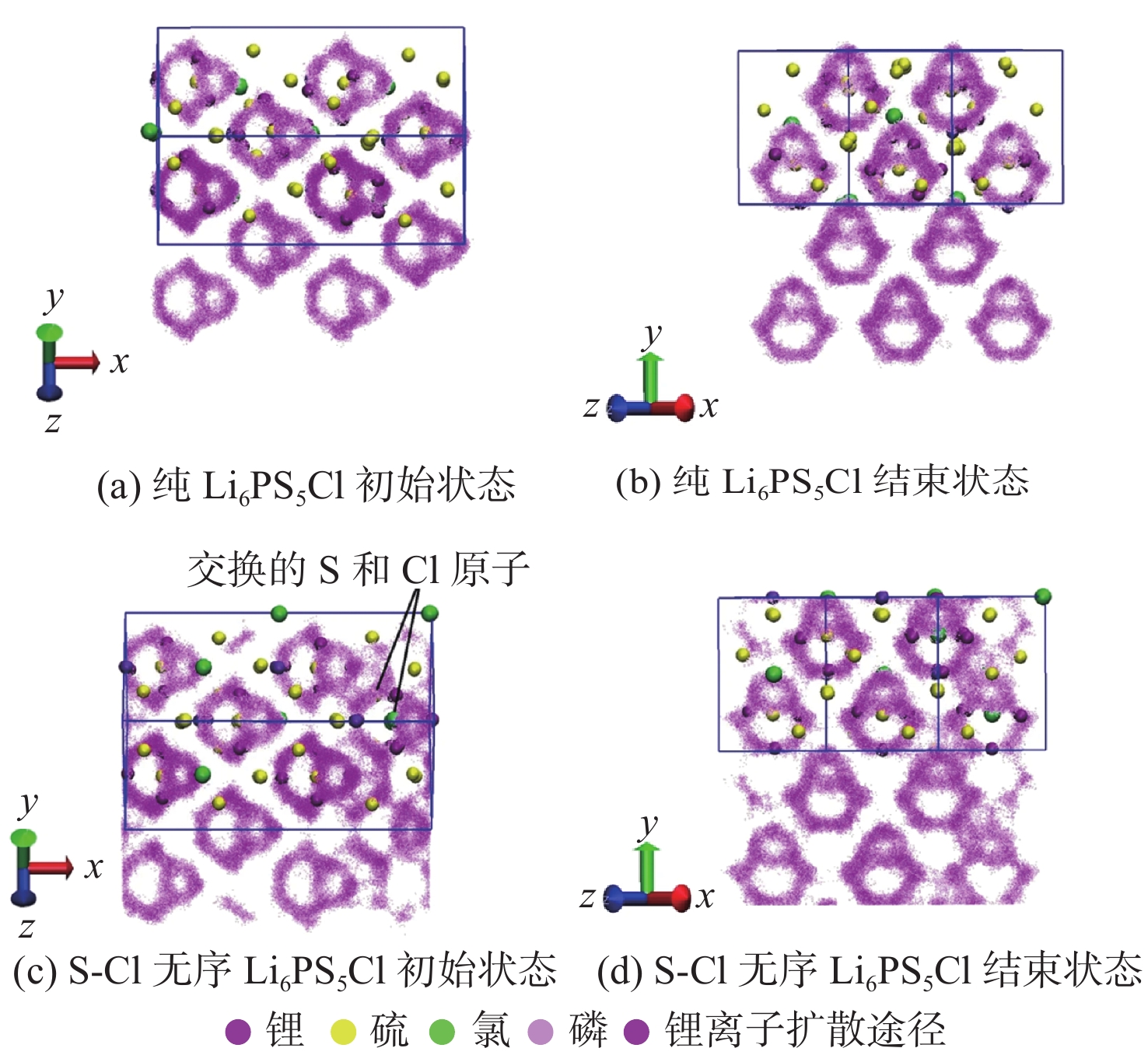
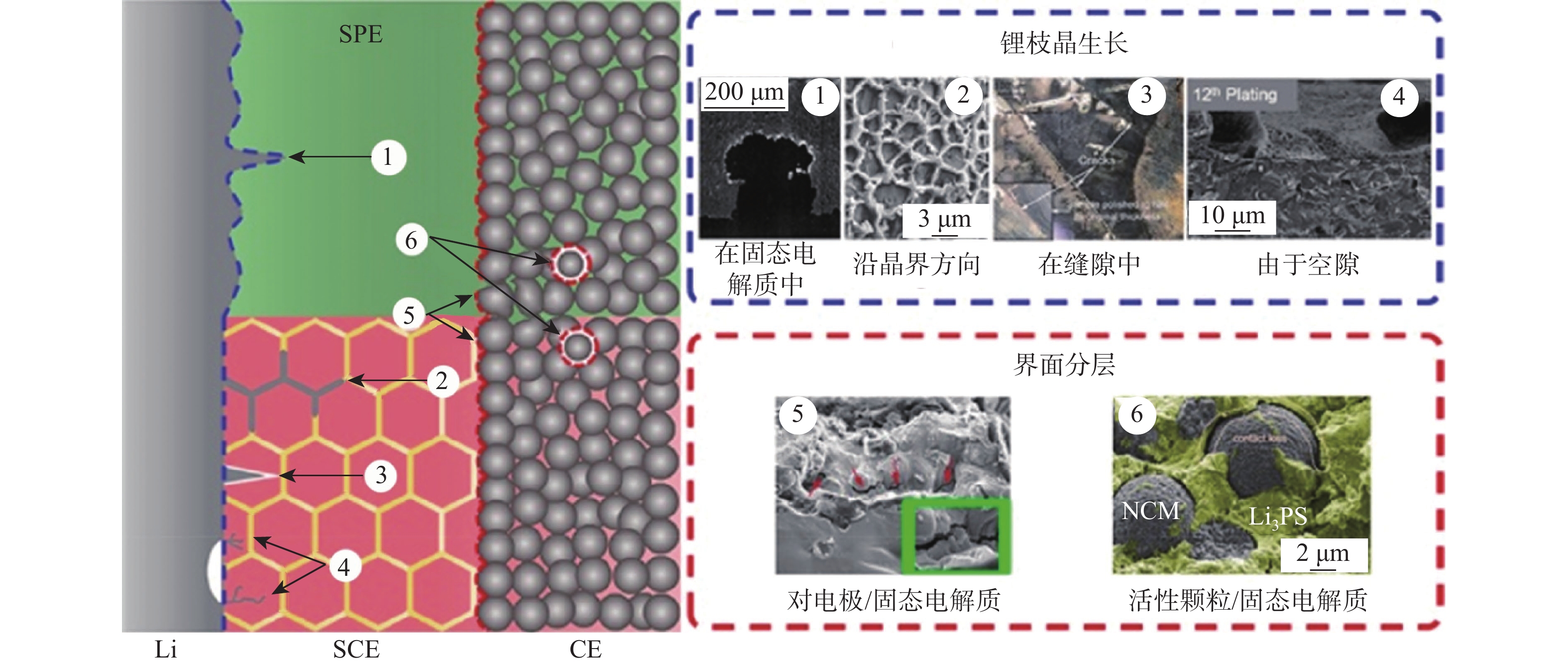
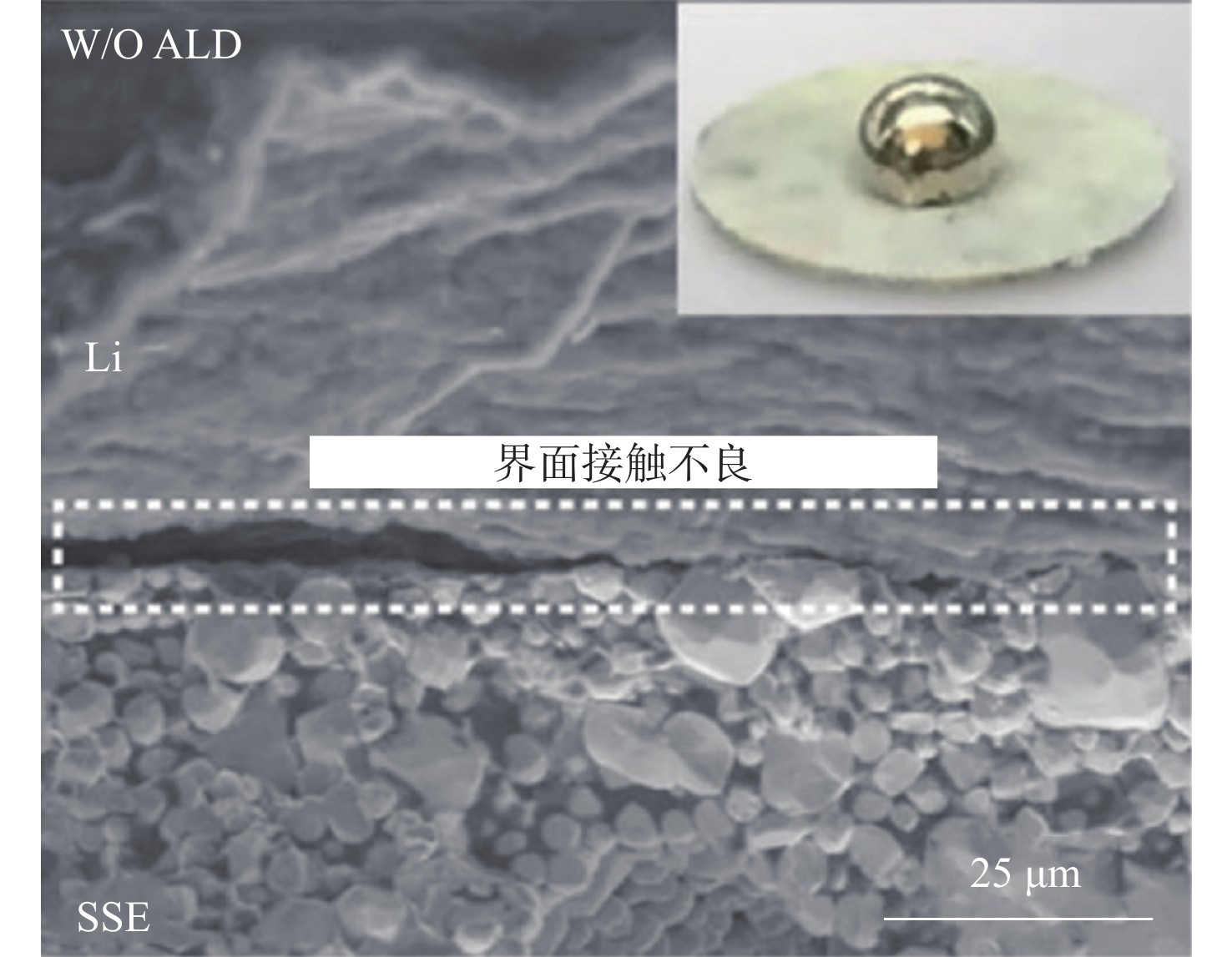
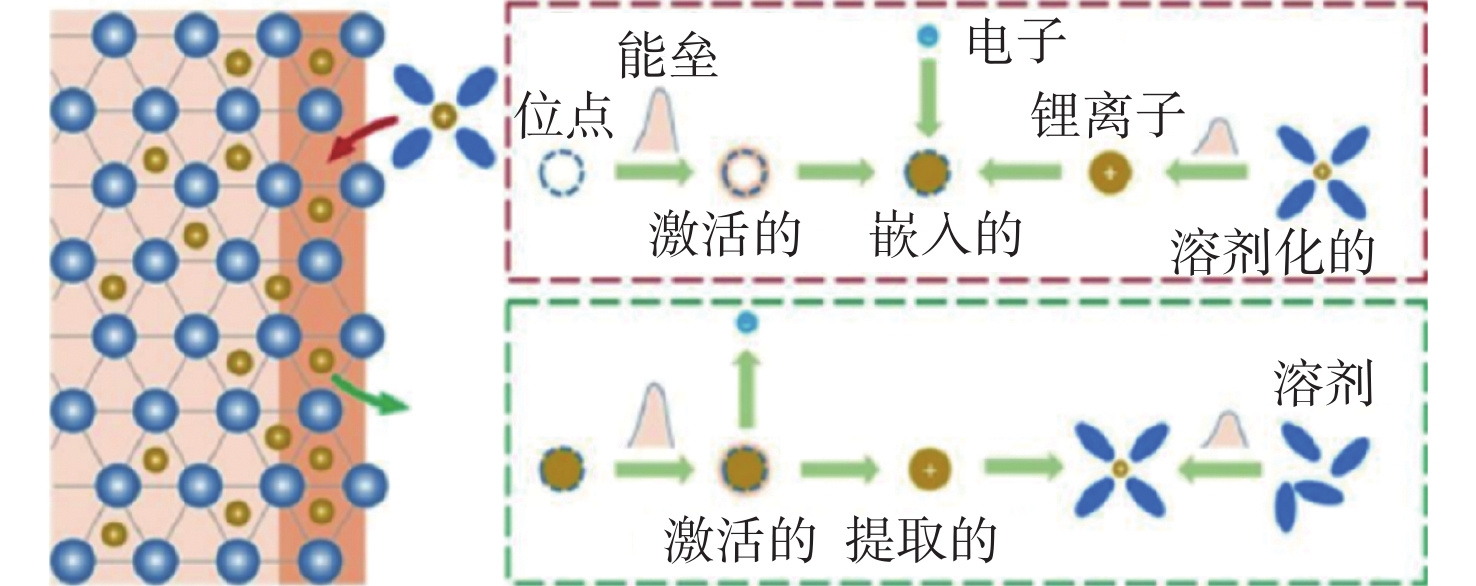
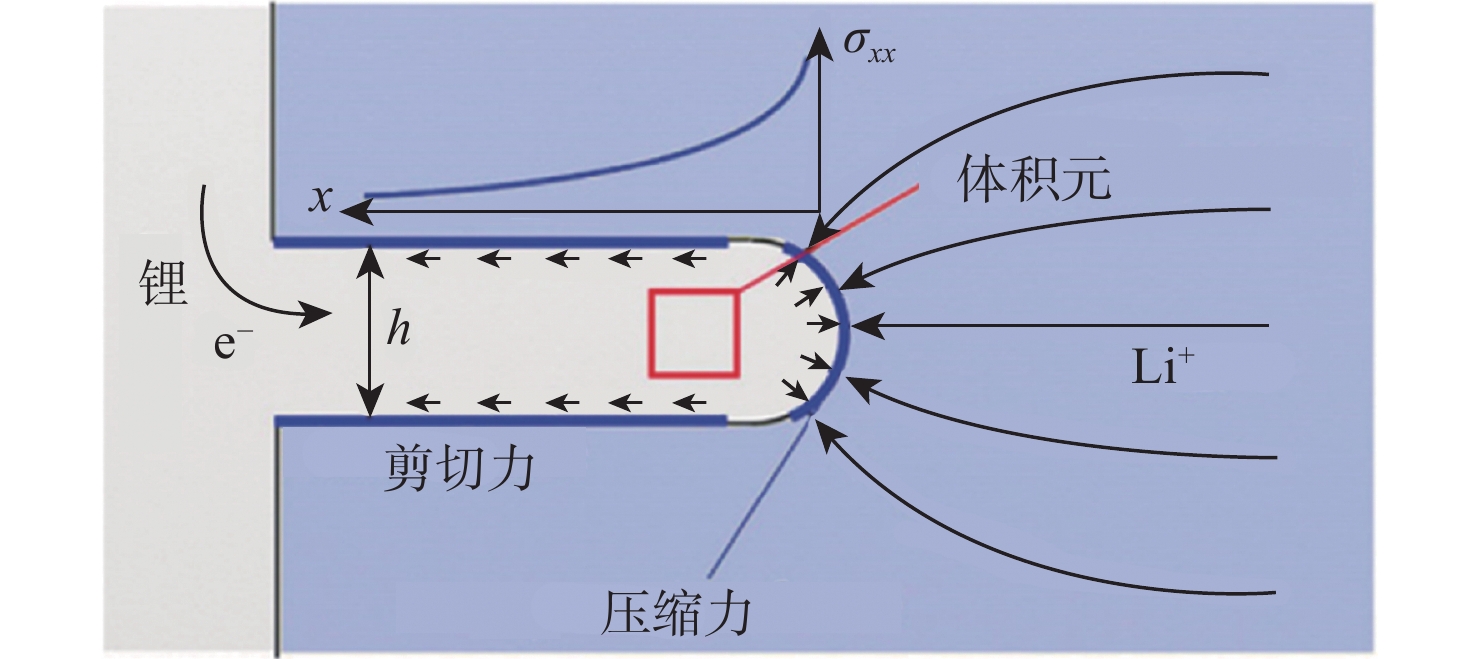
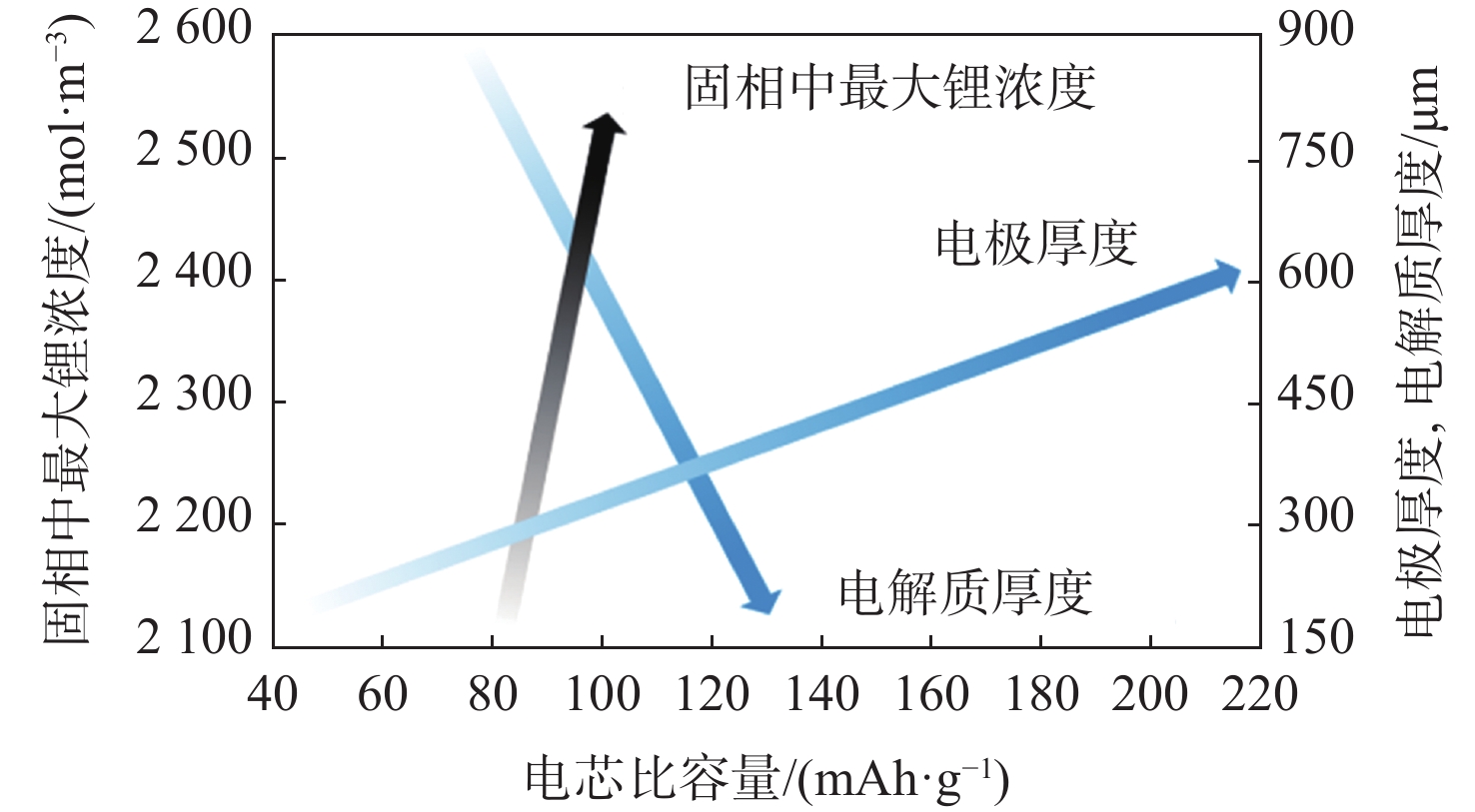
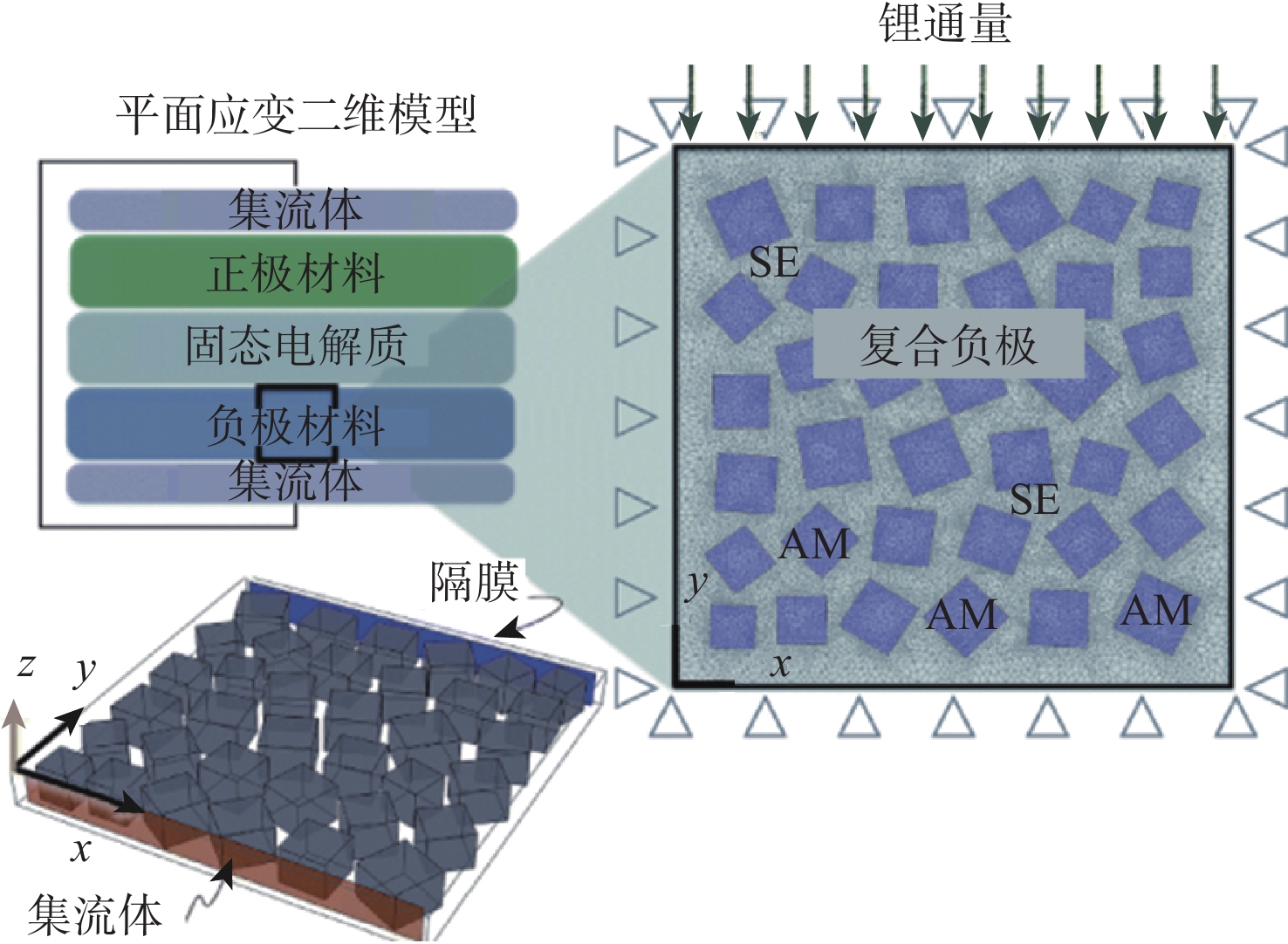
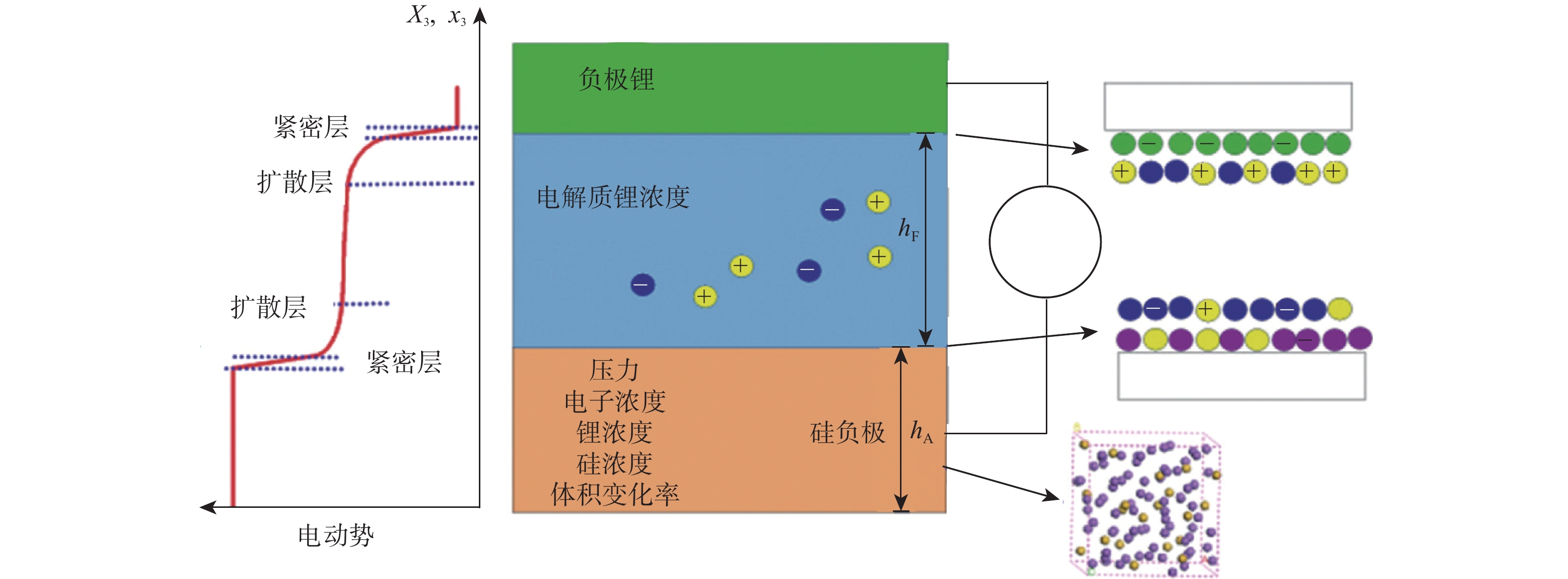
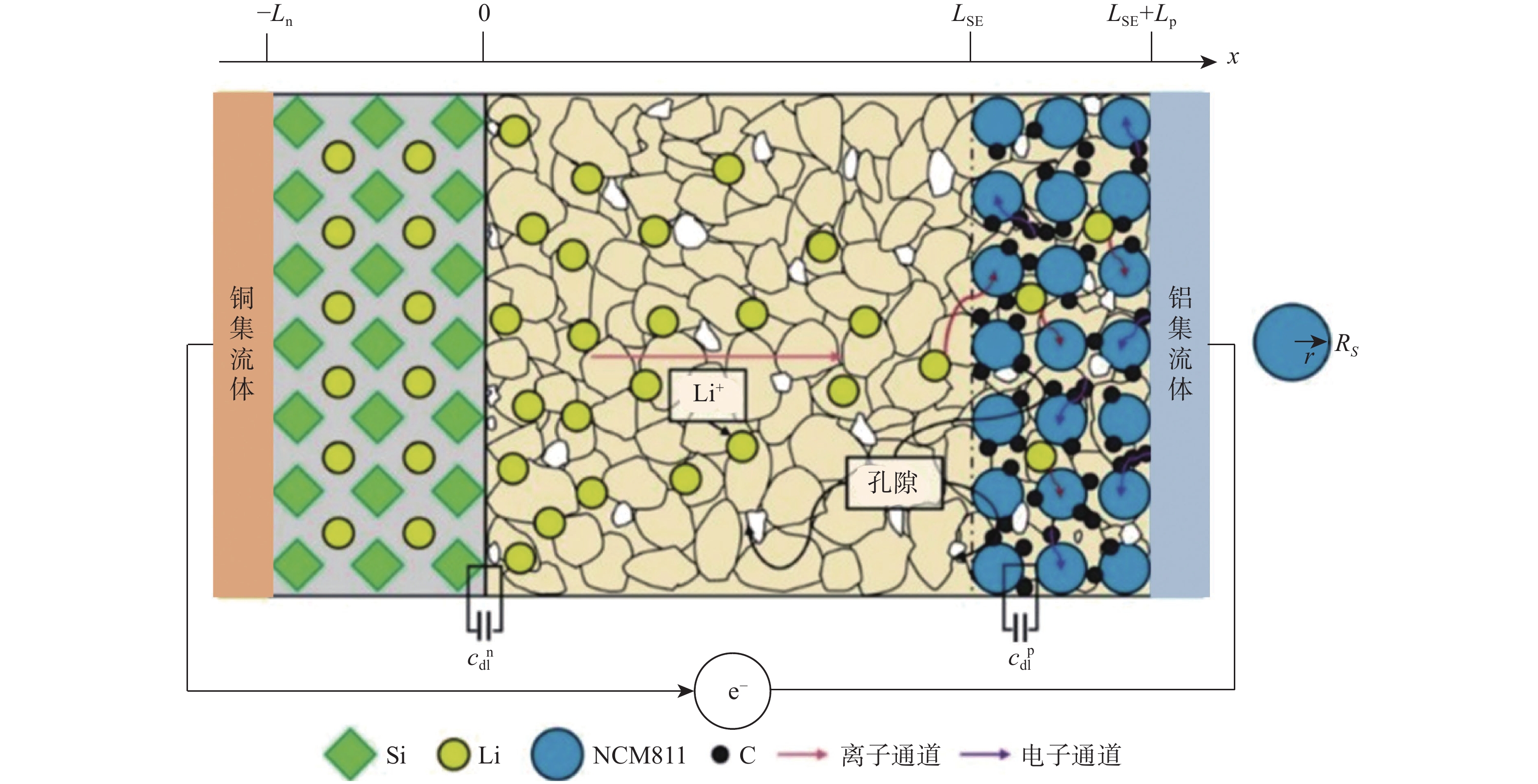
Governments and large automakers worldwide are aggressively investing in and developing all-solid-state batteries (ASSBs) as a next-generation battery technology because of their promise to provide high specific energy and improved safety. However, significant challenges remain in terms of research and development as well as large-scale industrialization. Conducting modeling and simulation studies on ASSBs can help reveal their underlying operational mechanisms and clarify the factors influencing their performance. This, in turn, enables the design of ASSBs that meet targeted specifications and achieve desired operational performance, ultimately shortening the cycles of experimental testing and development. This paper provides a comprehensive review and analysis of modeling and simulation efforts in the areas of molecular dynamics calculations, key materials and interfacial characteristics, and electrochemical performance of ASSBs. Particular emphasis is placed on the microstructural modeling of sulfide-based solid electrolytes, interfacial behavior, ion transport mechanisms, stress generation, and fracture induced by the interphase between electrodes and electrolytes. The study also identifies possible research goals, describes future trends in ASSB modeling and simulation, and attempts to use these insights to hasten the industrialization and practical application of ASSBs.

Research progress on intelligent design of thermal barrier coatings
HE Jian, LI Hongfeng, KANG Peng, ZHENG Lei, LI Zhen, GUO Hongbo
2026, 52(10): 3298-3312. doi: 10.13700/j.bh.1001-5965.2025.0901
Abstract:

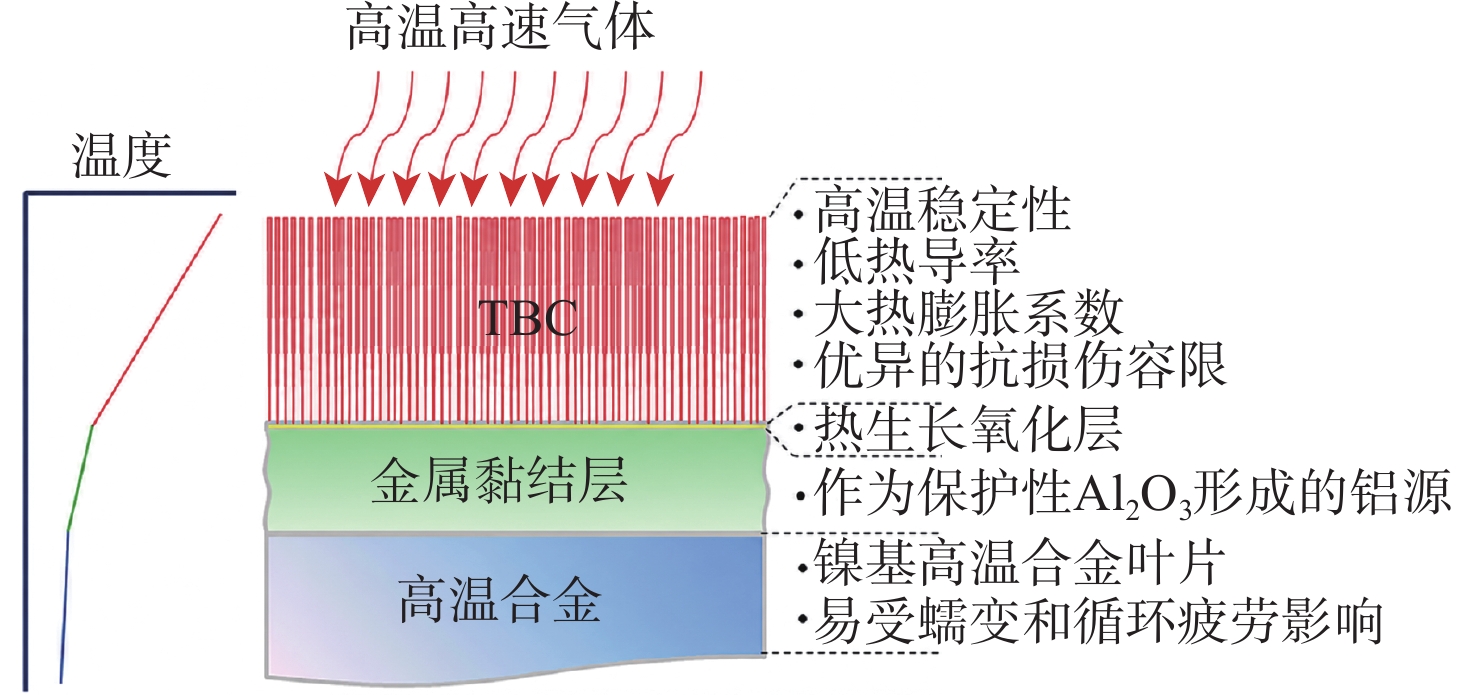
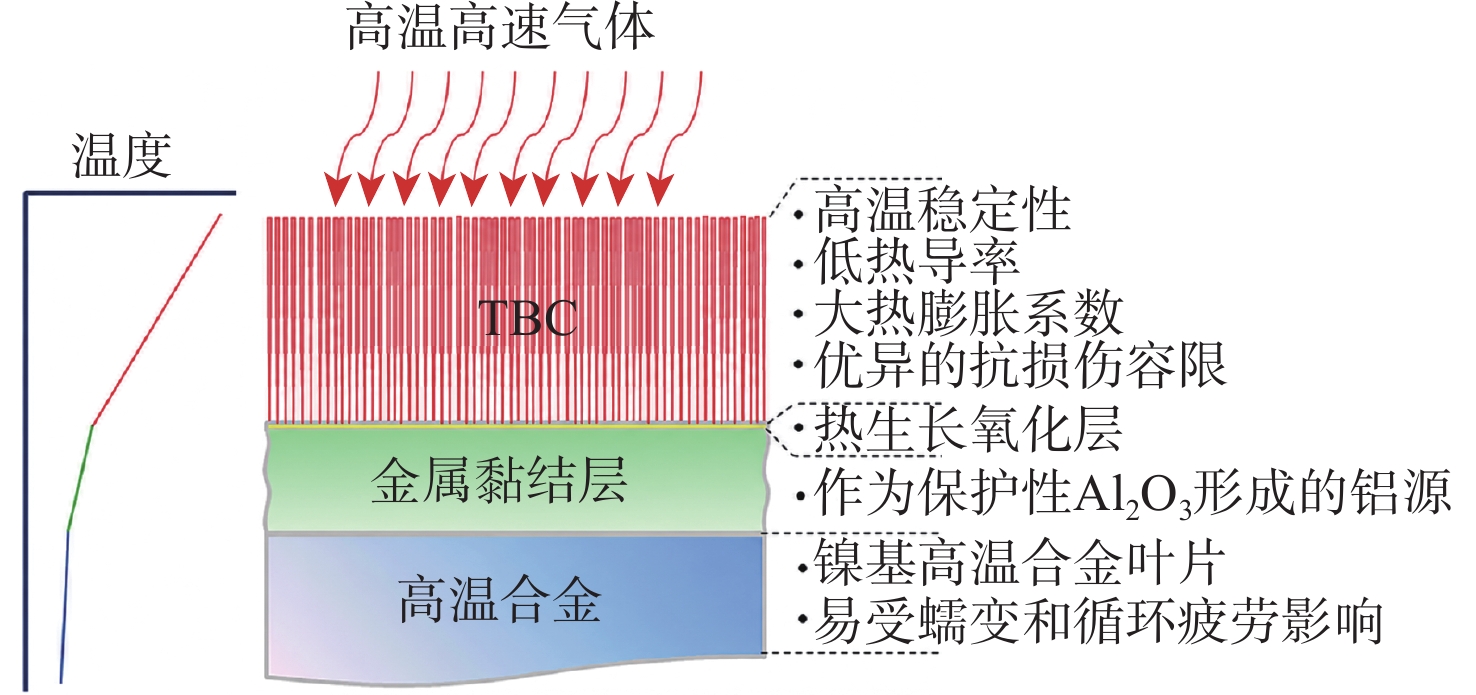
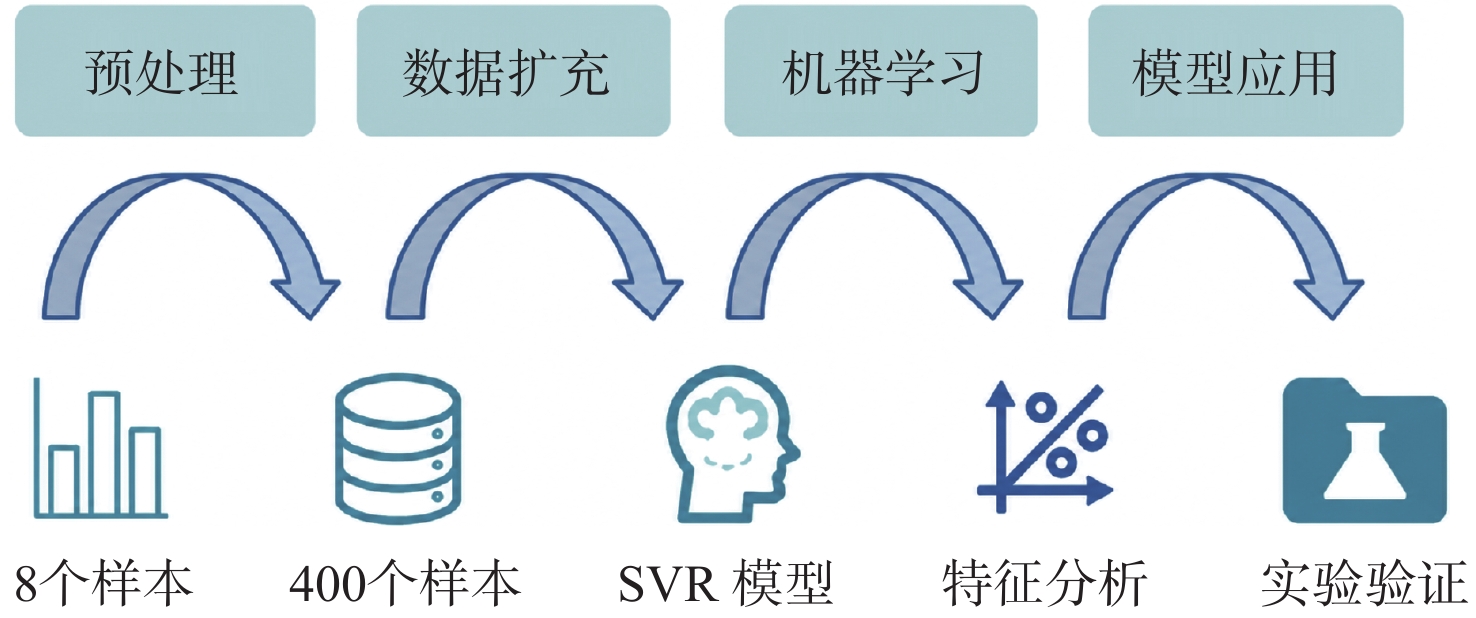
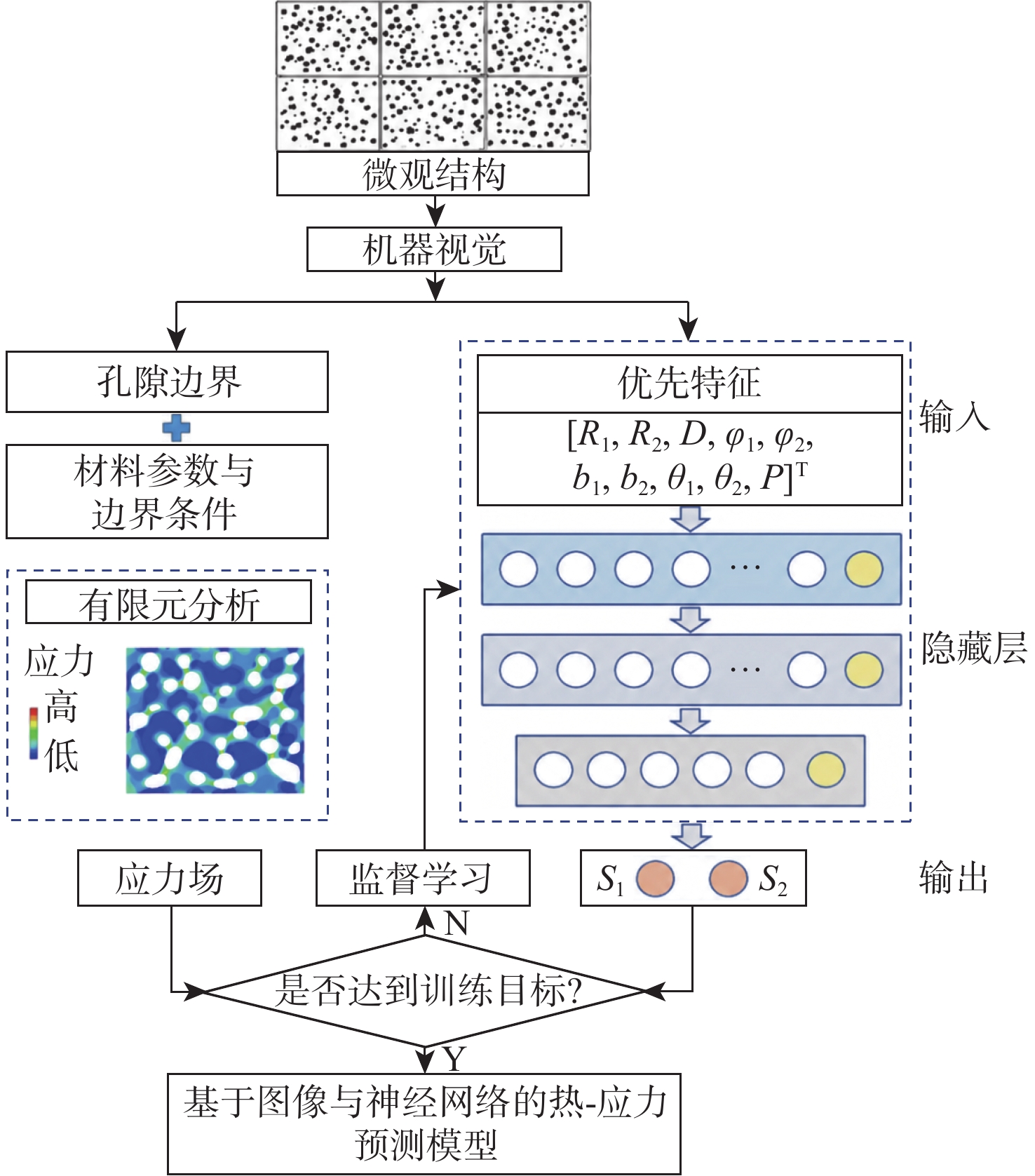
The sustained escalation in aero-engine thrust-to-weight ratios and turbine inlet temperatures has established thermal barrier coatings (TBCs) as an indispensable solution for surpassing the intrinsic temperature limits of hot-section components and ensuring their long-term service reliability. Nevertheless, the service response of TBCs involves exceedingly complex thermo-mechanical-chemical (TMC) multi-field coupling and cross-scale damage evolution, which poses severe fundamental challenges to conventional single-scale experimental and analytical methodologies. This review systematically summarizes the advances in conventional and advanced modeling, simulation, and analysis techniques for TBC and further extends the discussion to the application of artificial intelligence (AI) technologies. The study aims to provide a systematic overview of analysis methods for TBC service behavior and structural optimization strategies for coatings and to promote the implementation of proactive maintenance strategies. The technical methods covered include thermal conductivity modeling, thermal stress simulation, crack propagation analysis, and mechanical behavior studies of TBC systems, which predominantly rely on diverse techniques such as multiscale modeling and finite element analysis. The paper focuses on the use of AI in TBC simulation, including data-driven modeling approaches and machine learning algorithms such as support vector machines, random forests, neural networks, and deep learning. The findings indicate that AI holds the potential to revolutionize TBC technology in multiple respects, encompassing material and structural design, performance optimization and prediction, condition monitoring, fault diagnosis and health management, and remaining useful life (RUL) prediction, while significantly improving prediction accuracy. Novel TBCs are anticipated to offer robust support for next-generation aero-engines to transcend temperature limits and achieve improved efficiency and reliability with ongoing advancements in the intelligent design of new materials.

Progress in design and optimization of wide-temperature-range superelastic shape memory alloys
QIAN Mingfang, YIN Zhao, WANG Guisong, ZHANG Xuexi, GENG Lin
2026, 52(10): 3313-3328. doi: 10.13700/j.bh.1001-5965.2025.0565
Abstract:

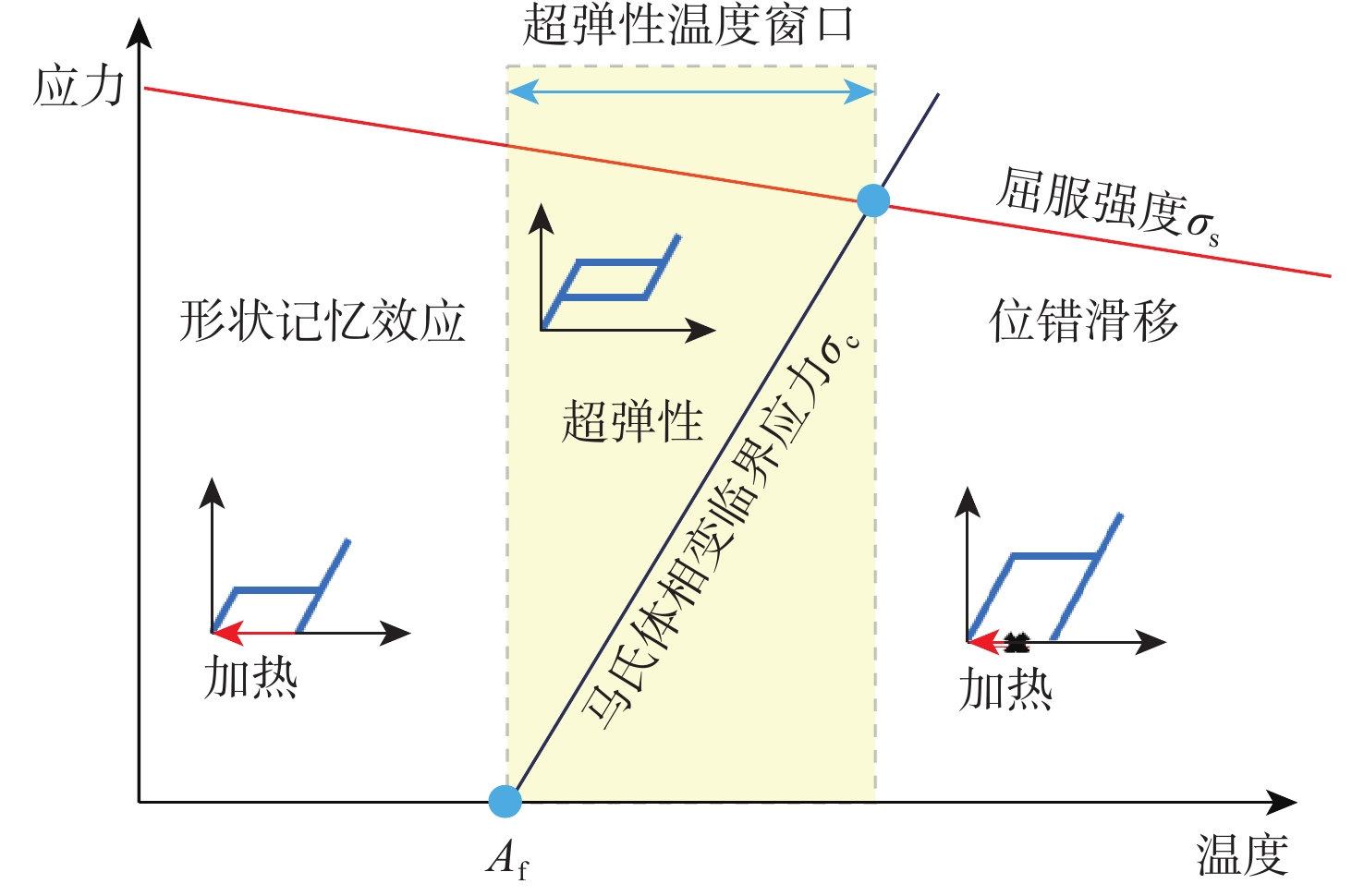
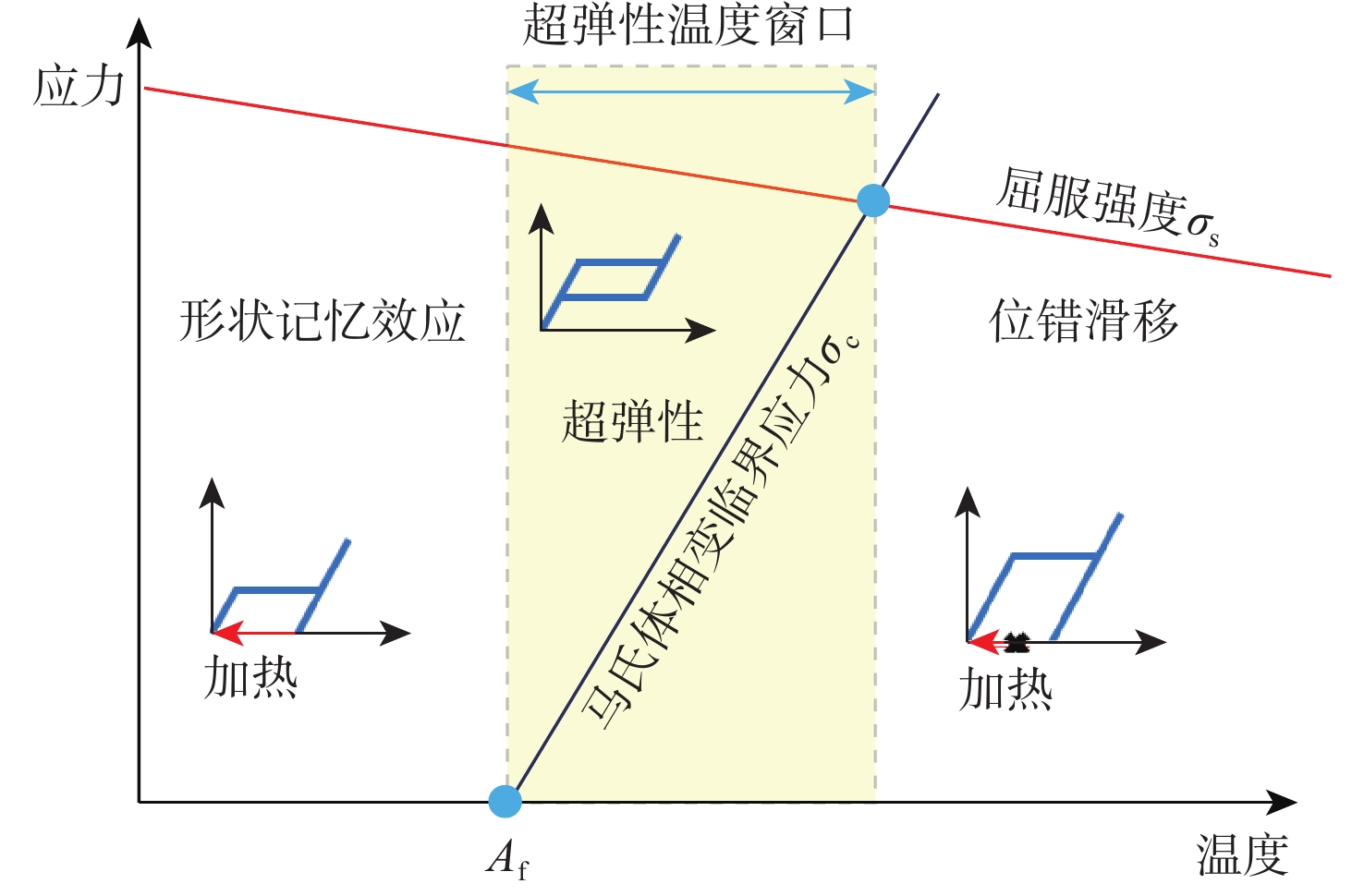
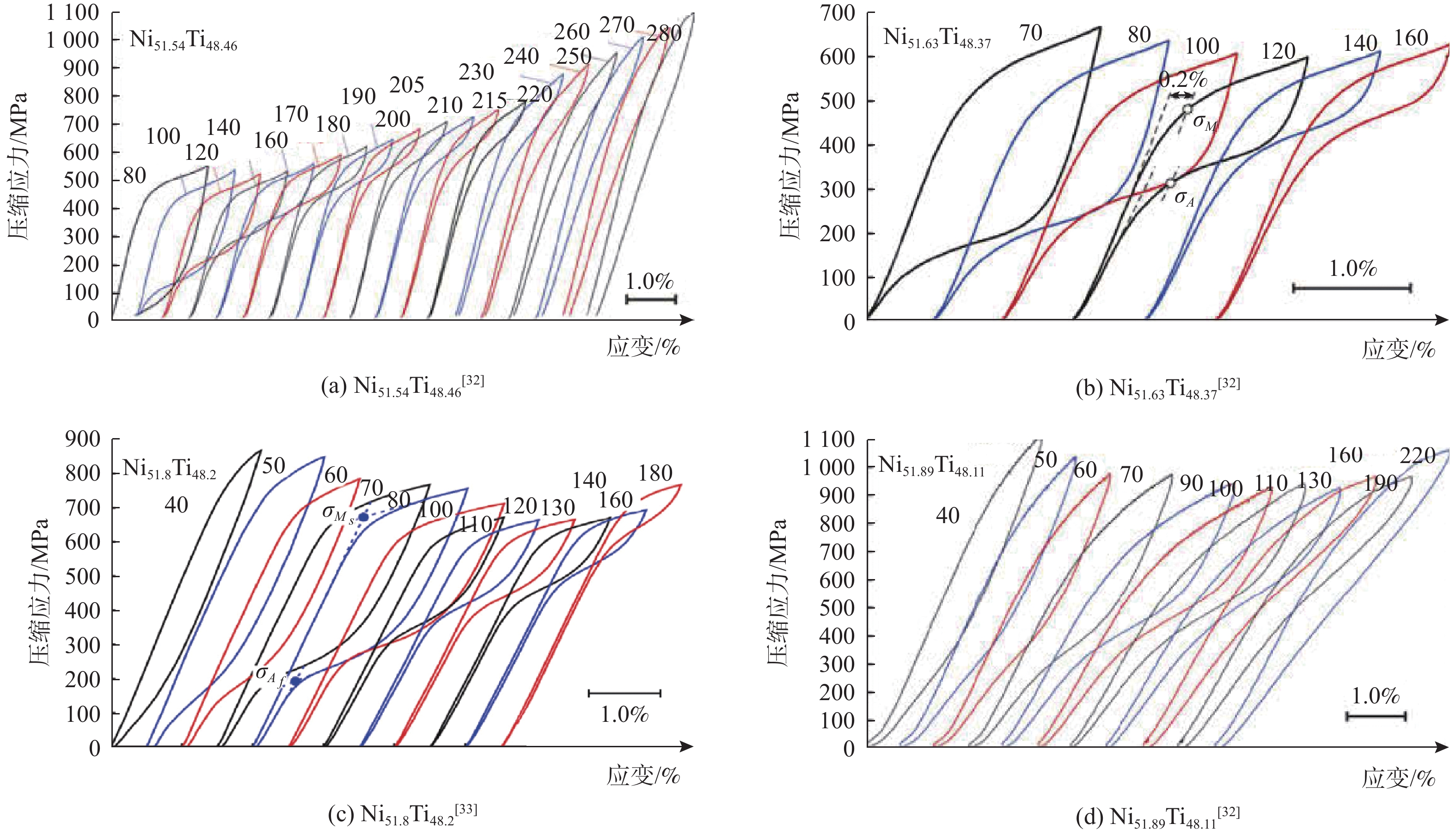
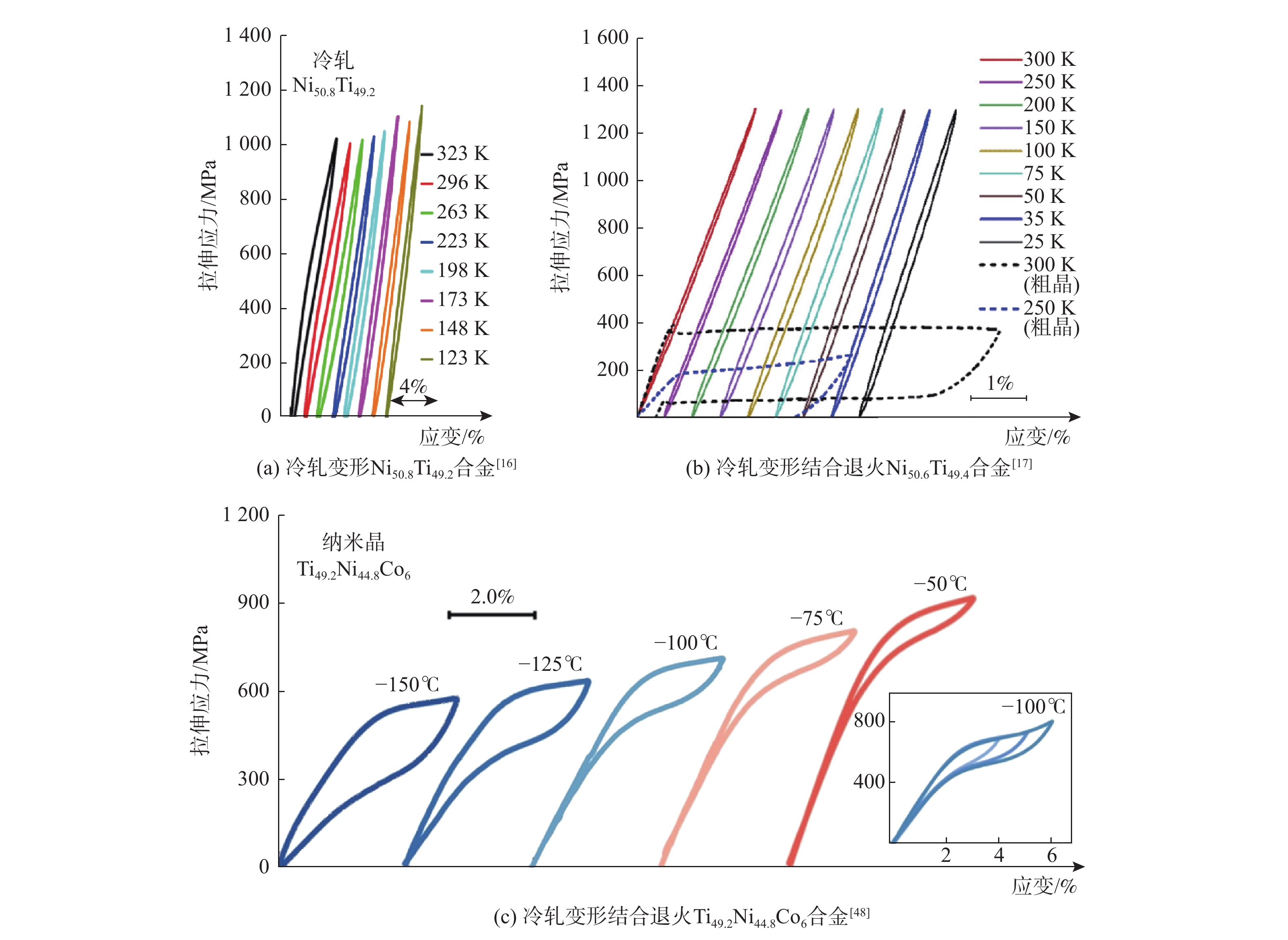
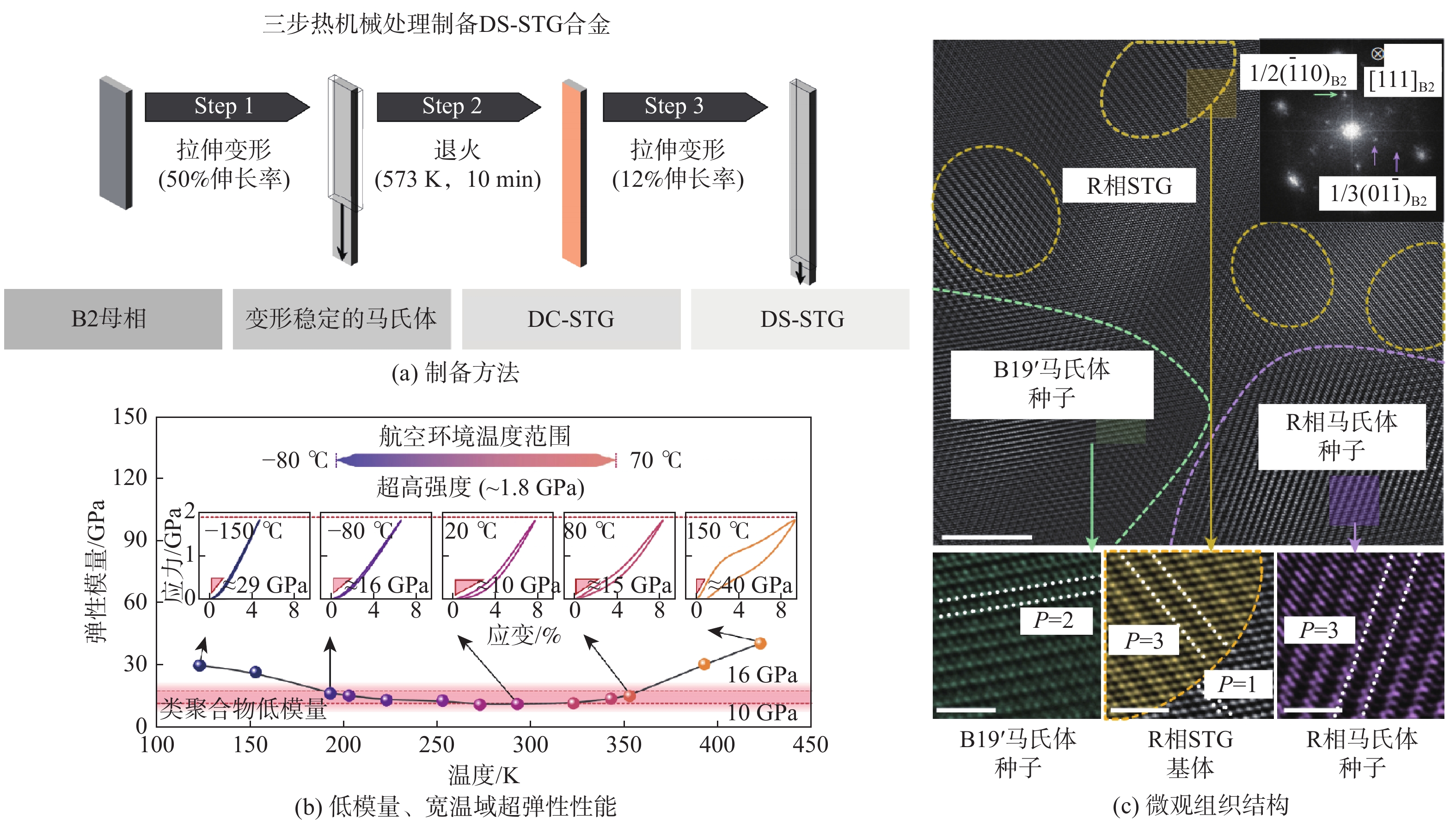
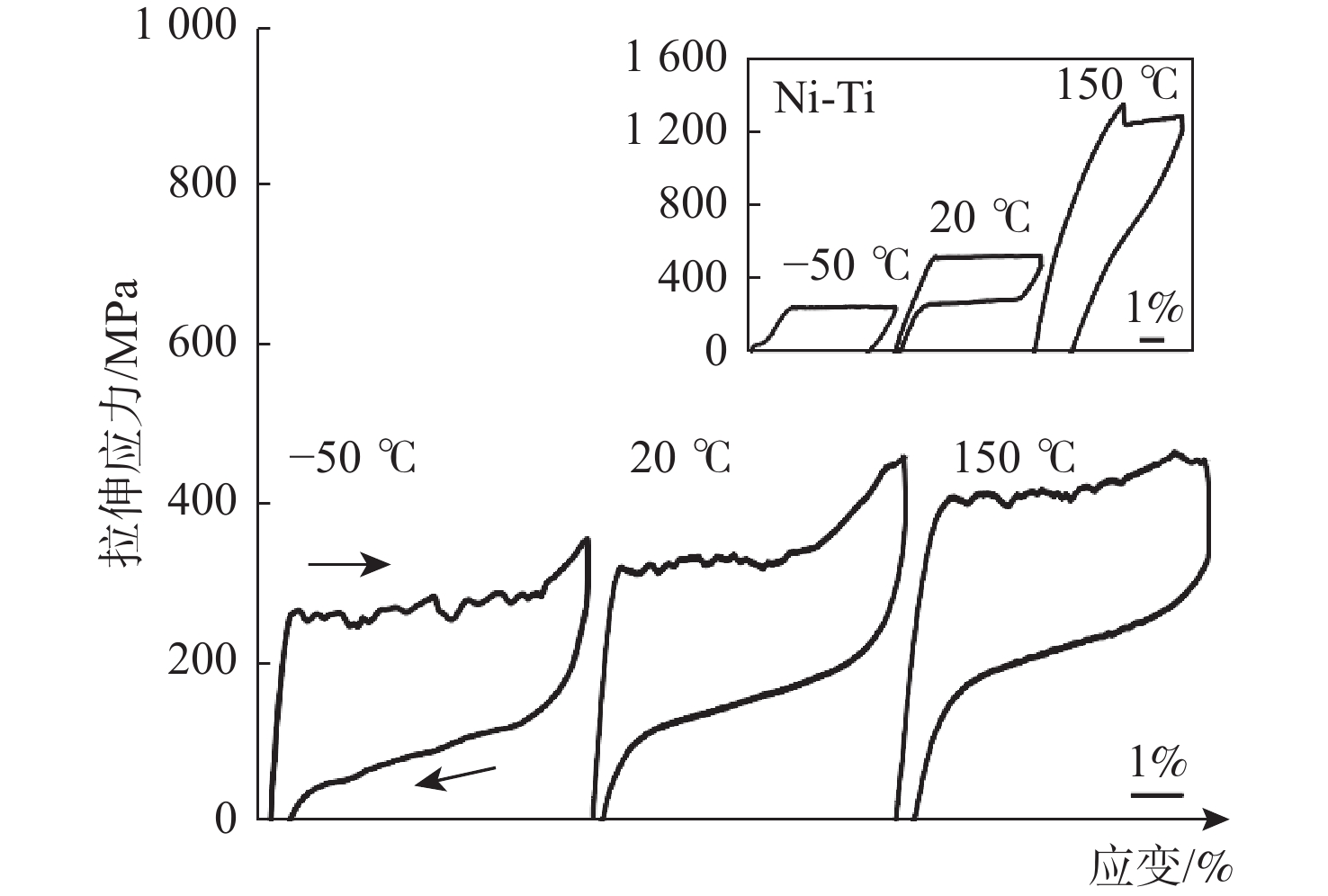
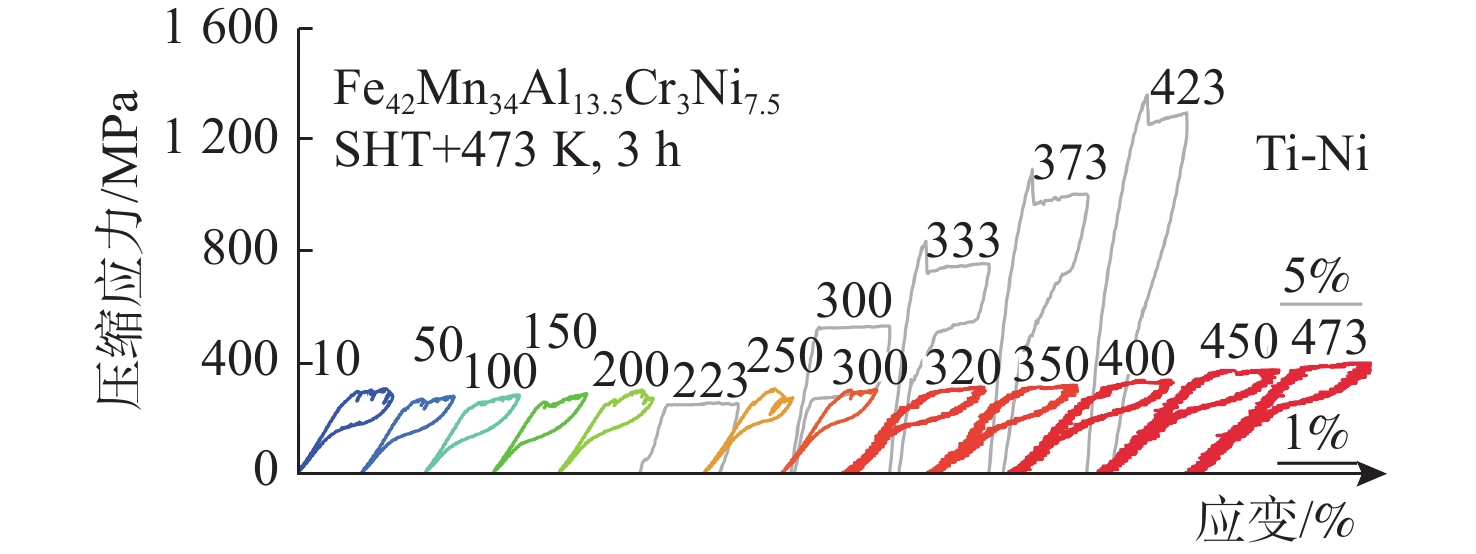
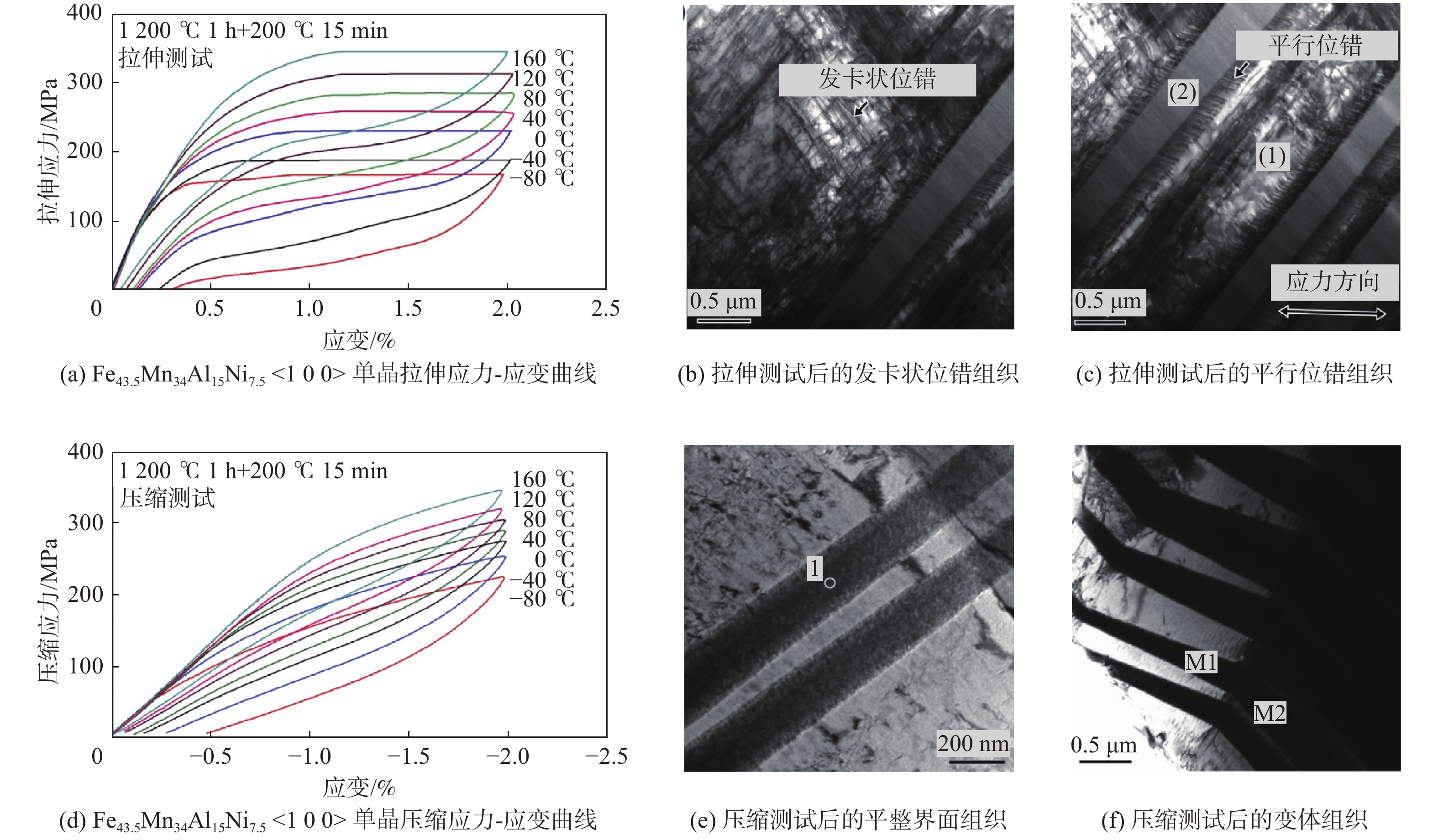
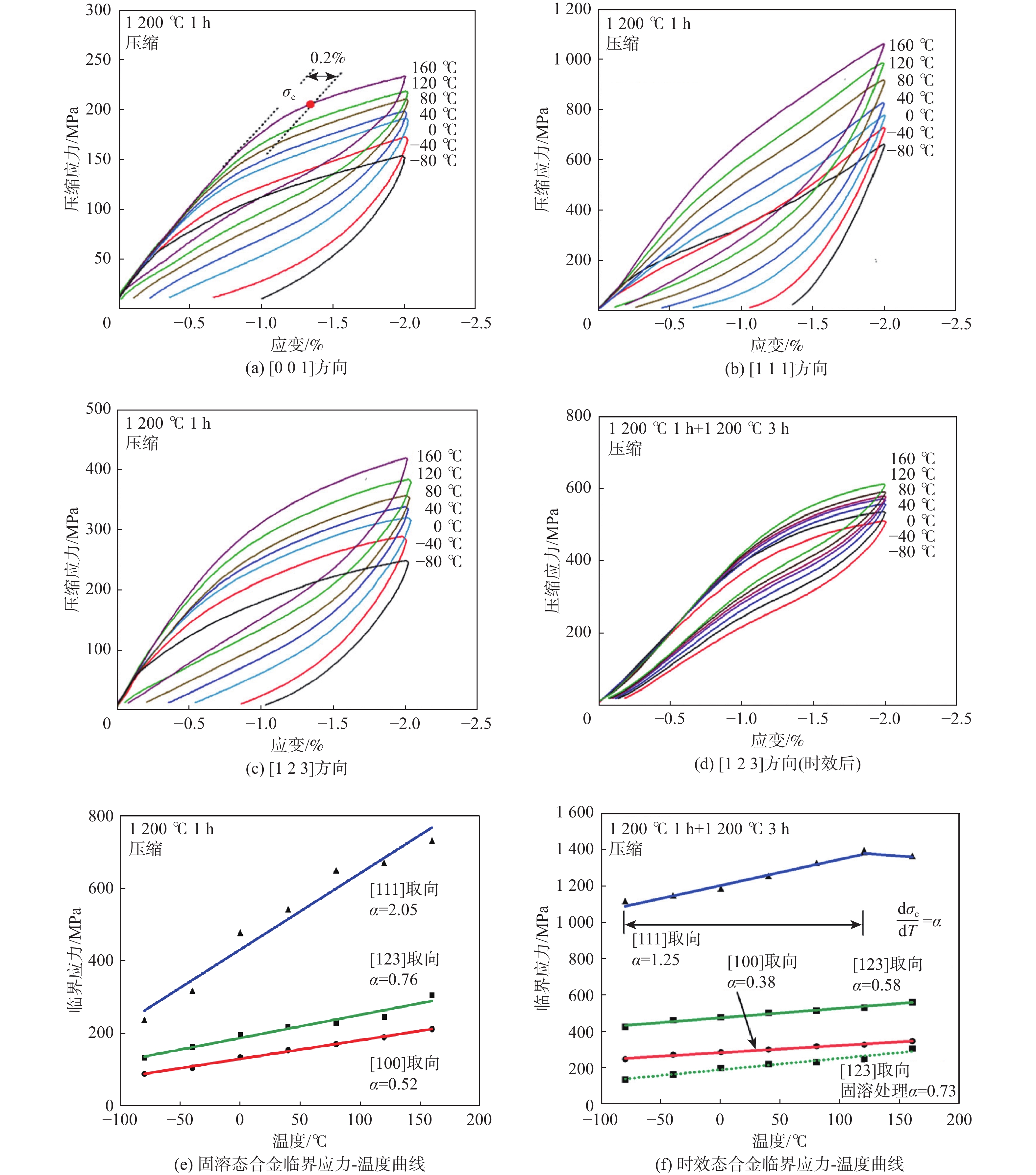
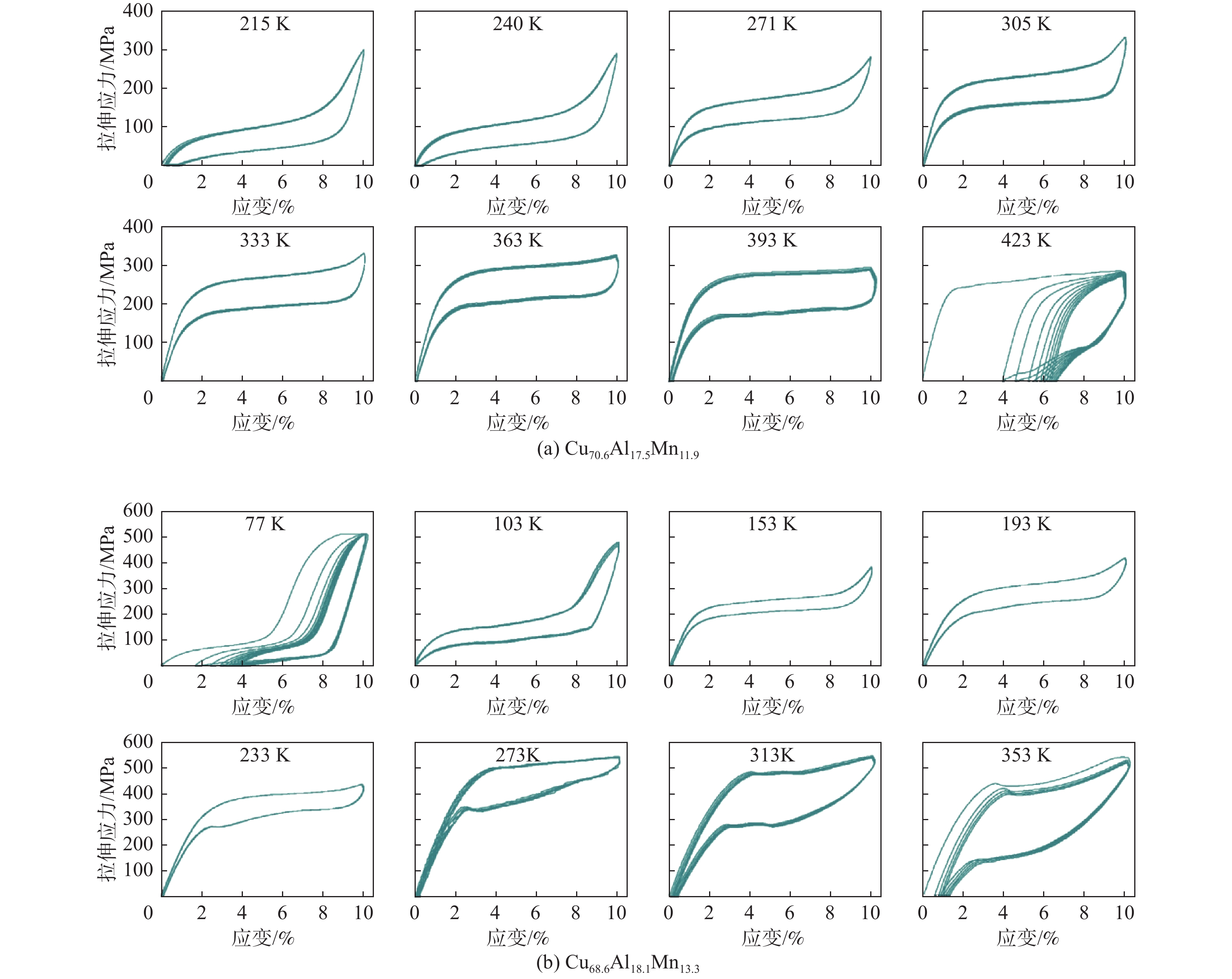
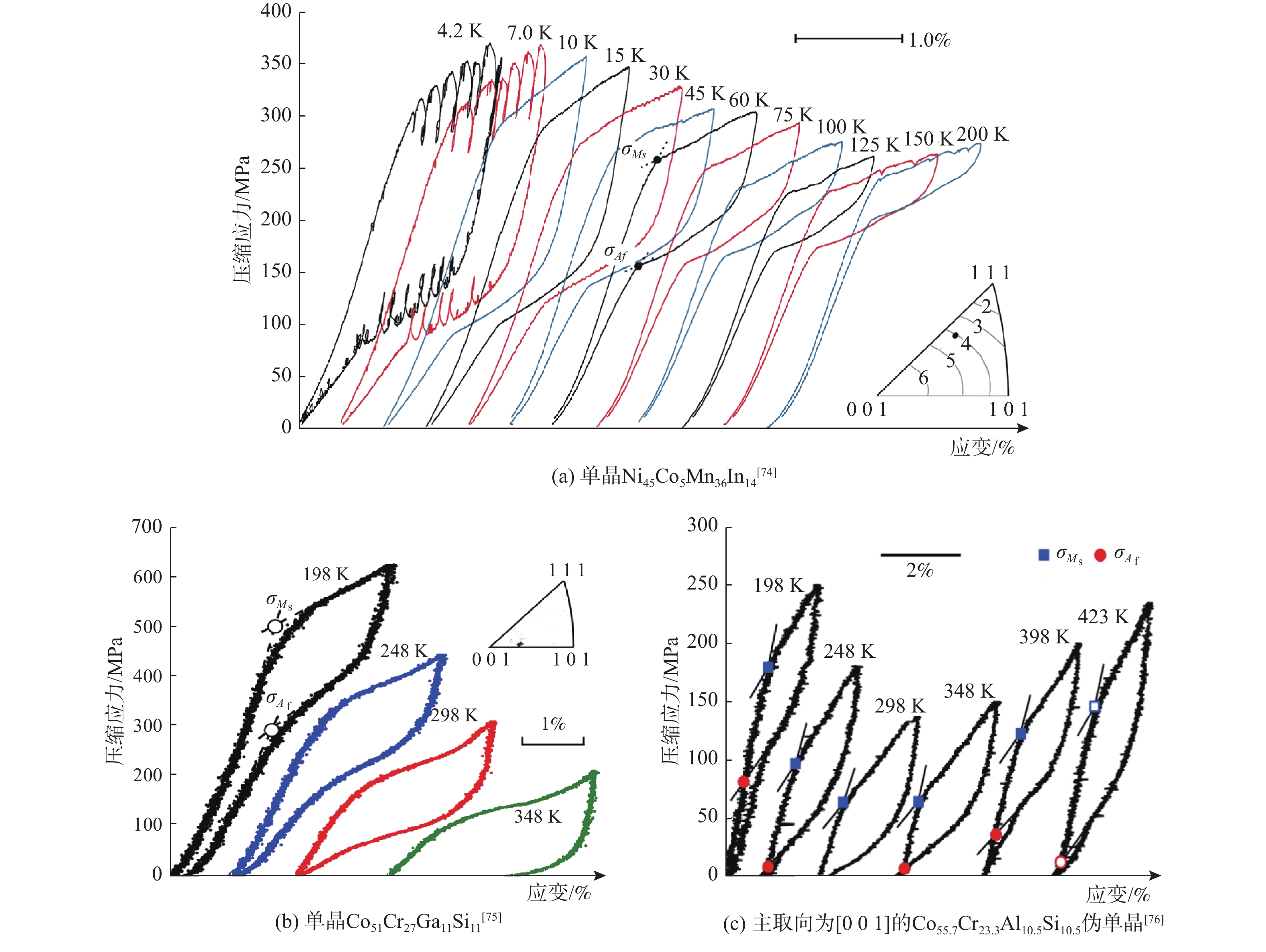
Superelasticity is one of the most important functional characteristics of shape memory alloys, which essentially originates from stress-induced reversible thermoelastic martensitic transformation. The superelastic working temperature range is mainly influenced by the synergistic effect of alloy chemical composition and microstructure. The development status of several shape memory alloy systems with broad temperature range superelastic properties over the last ten years is methodically reviewed in this article, with an emphasis on contrasting the features and variations of various alloys in important performance parameters like recoverable strain, temperature dependence of critical stress, and superelastic temperature window. This article uses comparative analysis to support the design, preparation, and engineering application of novel wide-temperature-range superelastic shape memory alloys theoretically and practically, as well as to offer opportunities for the field's future development.

Research progress in semi-solid thixomolding technology of magnesium alloys
JIANG Jufu, ZHANG Jinze, CUI Jingbo, WANG Ying, ZHANG Xiaodong
2026, 52(10): 3329-3349. doi: 10.13700/j.bh.1001-5965.2025.0584
Abstract:

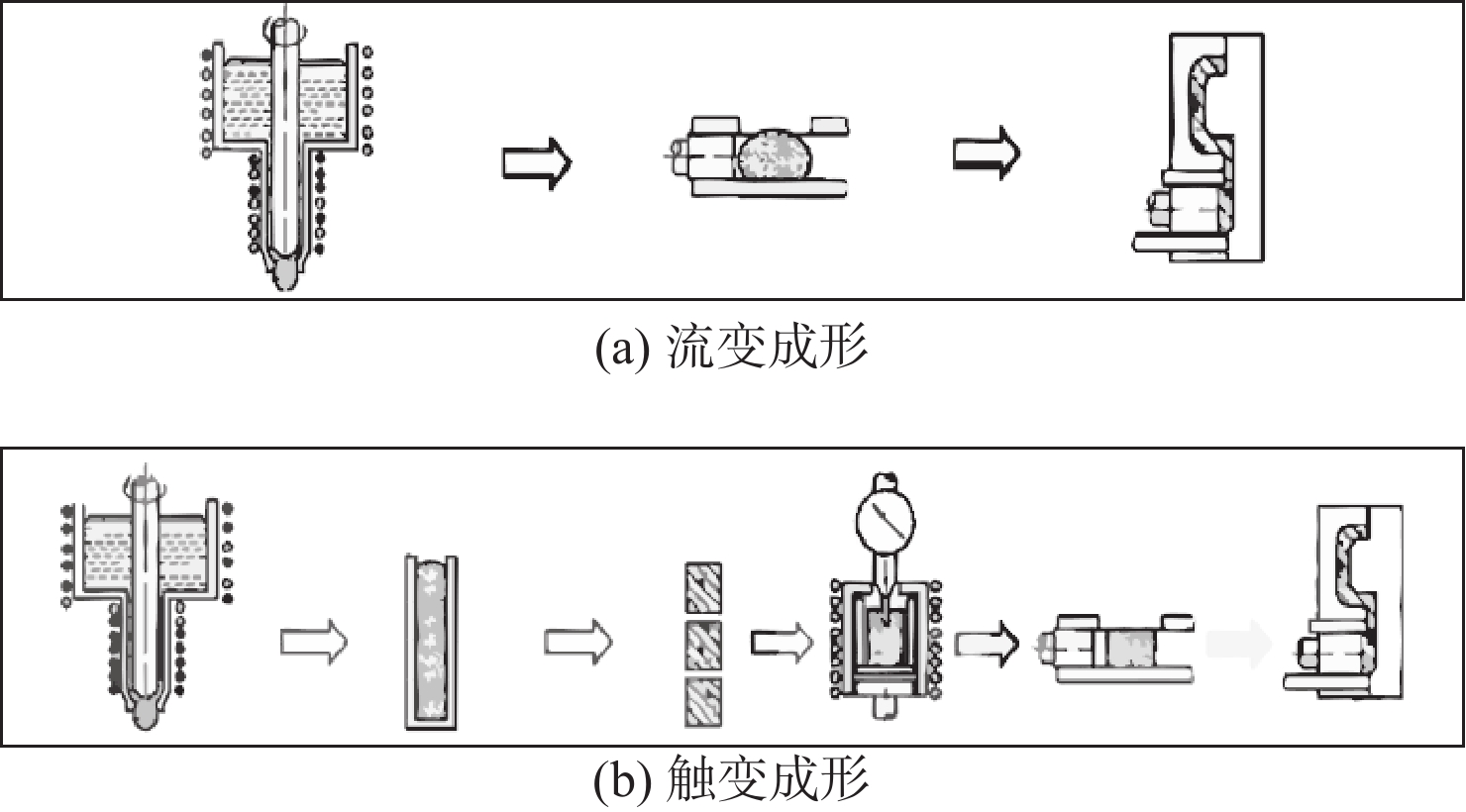
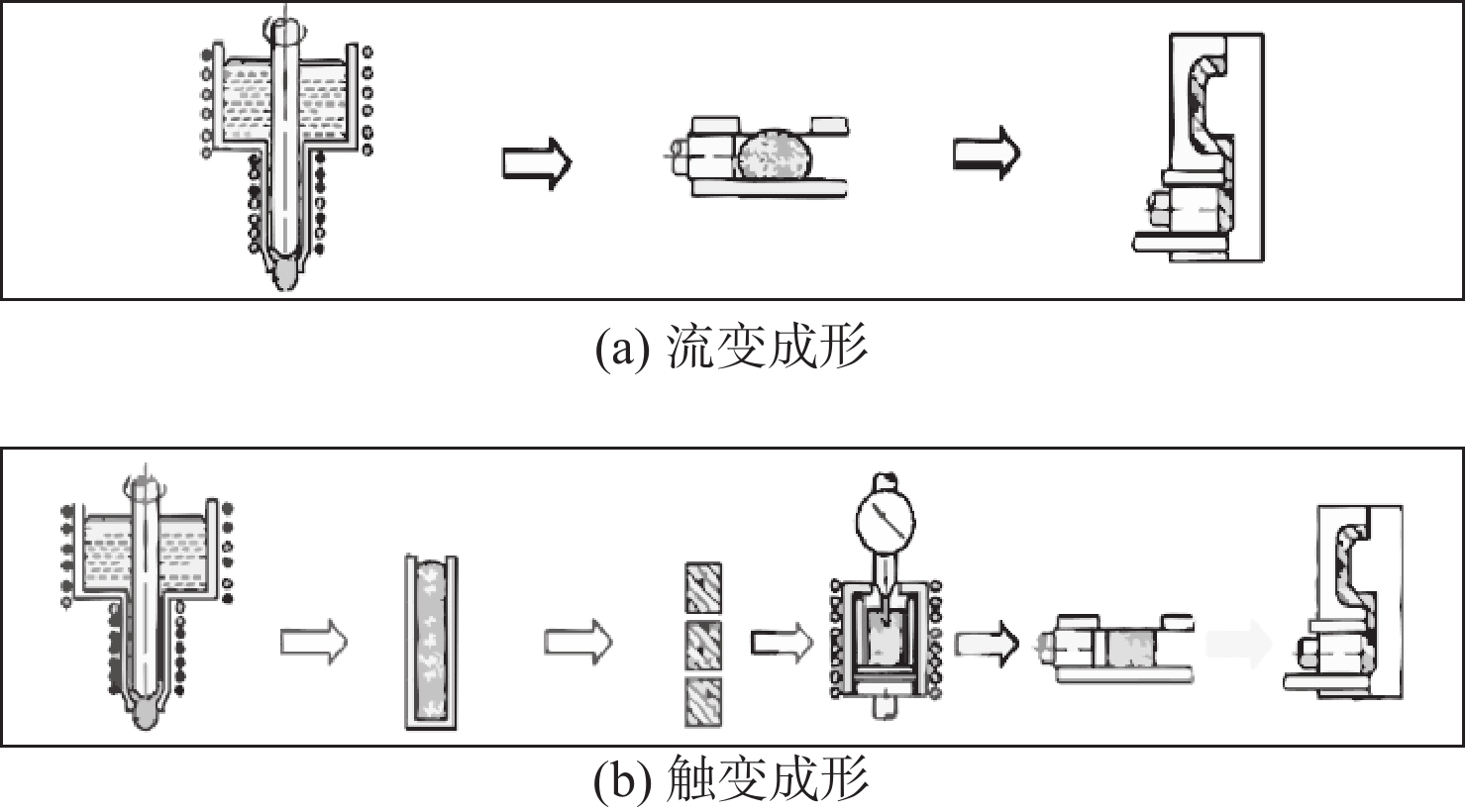
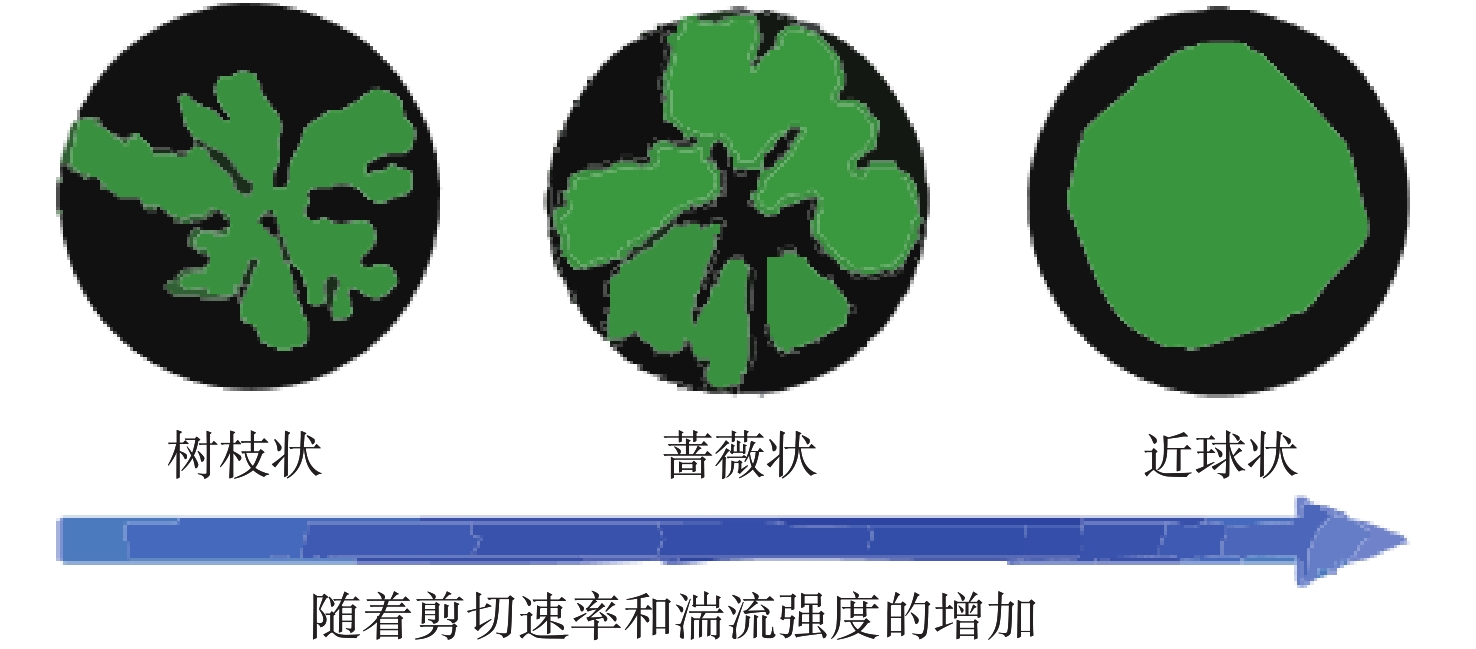
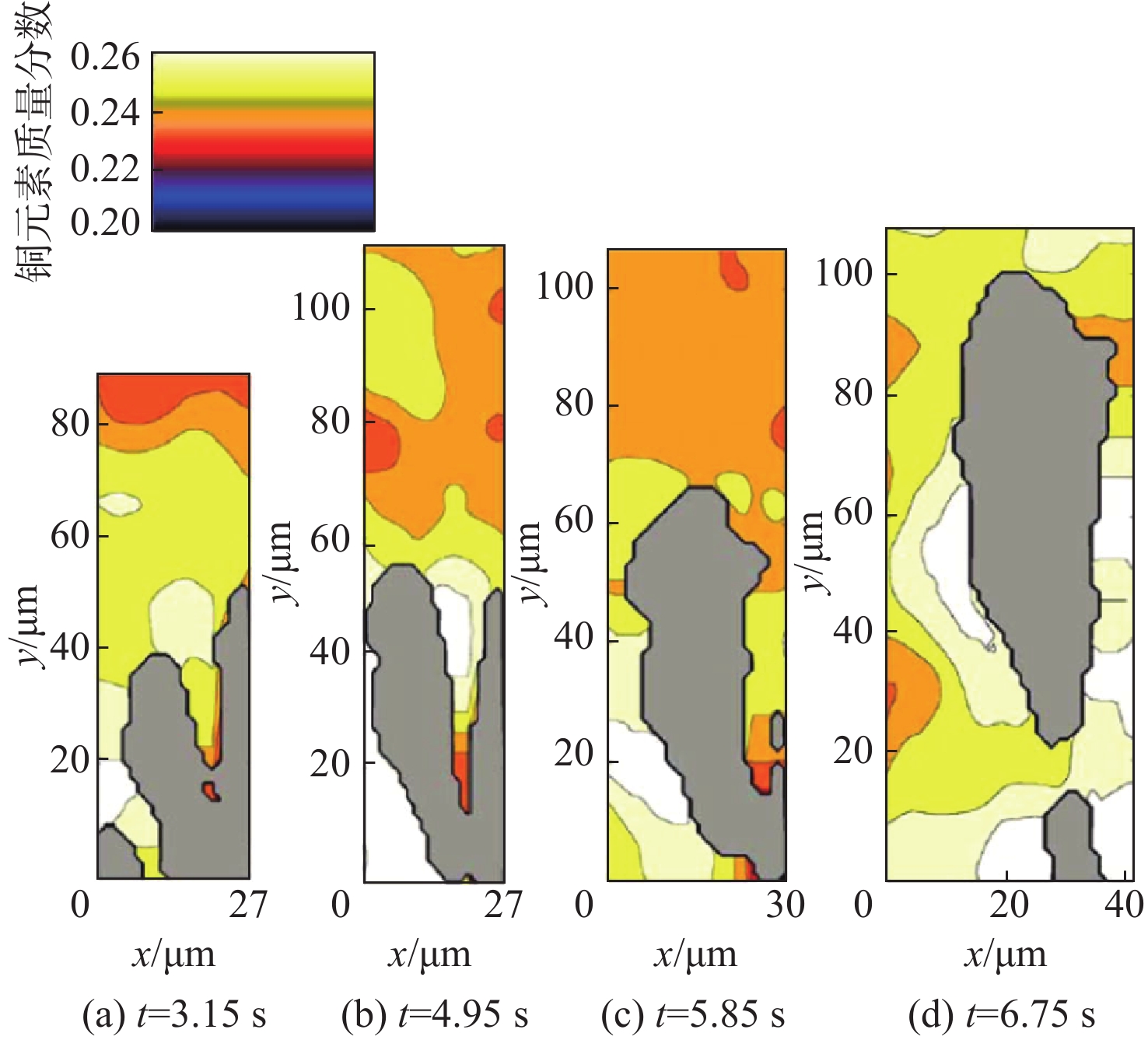
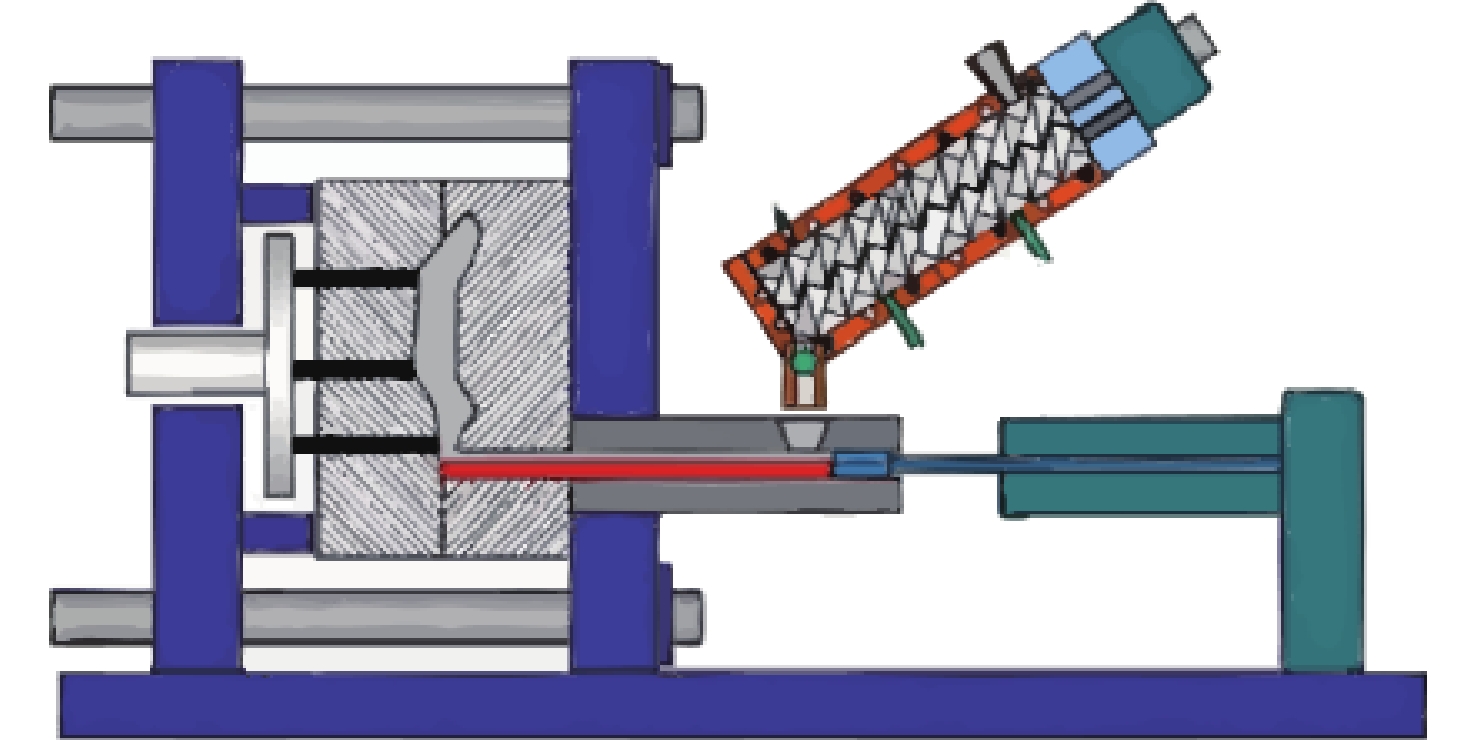
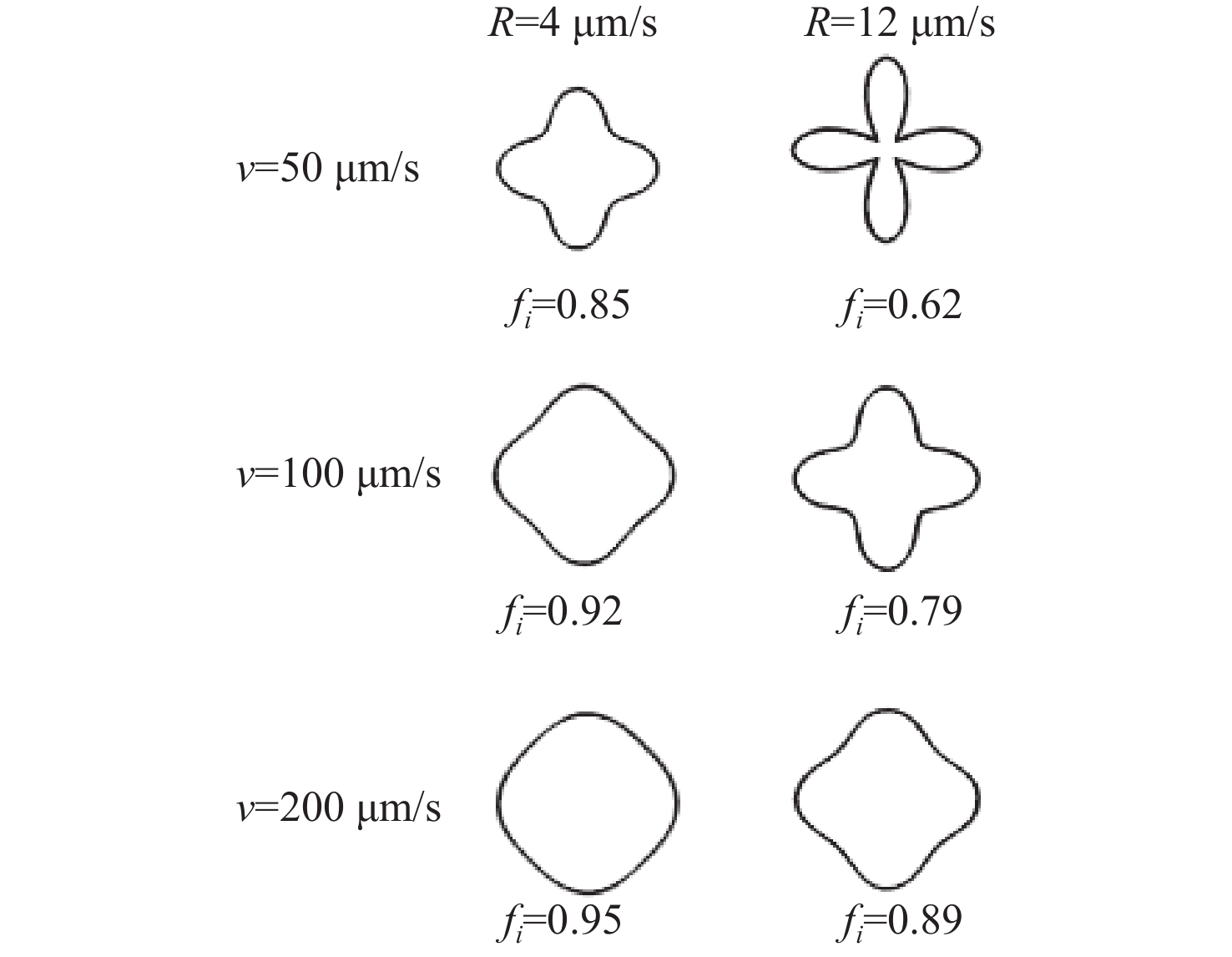
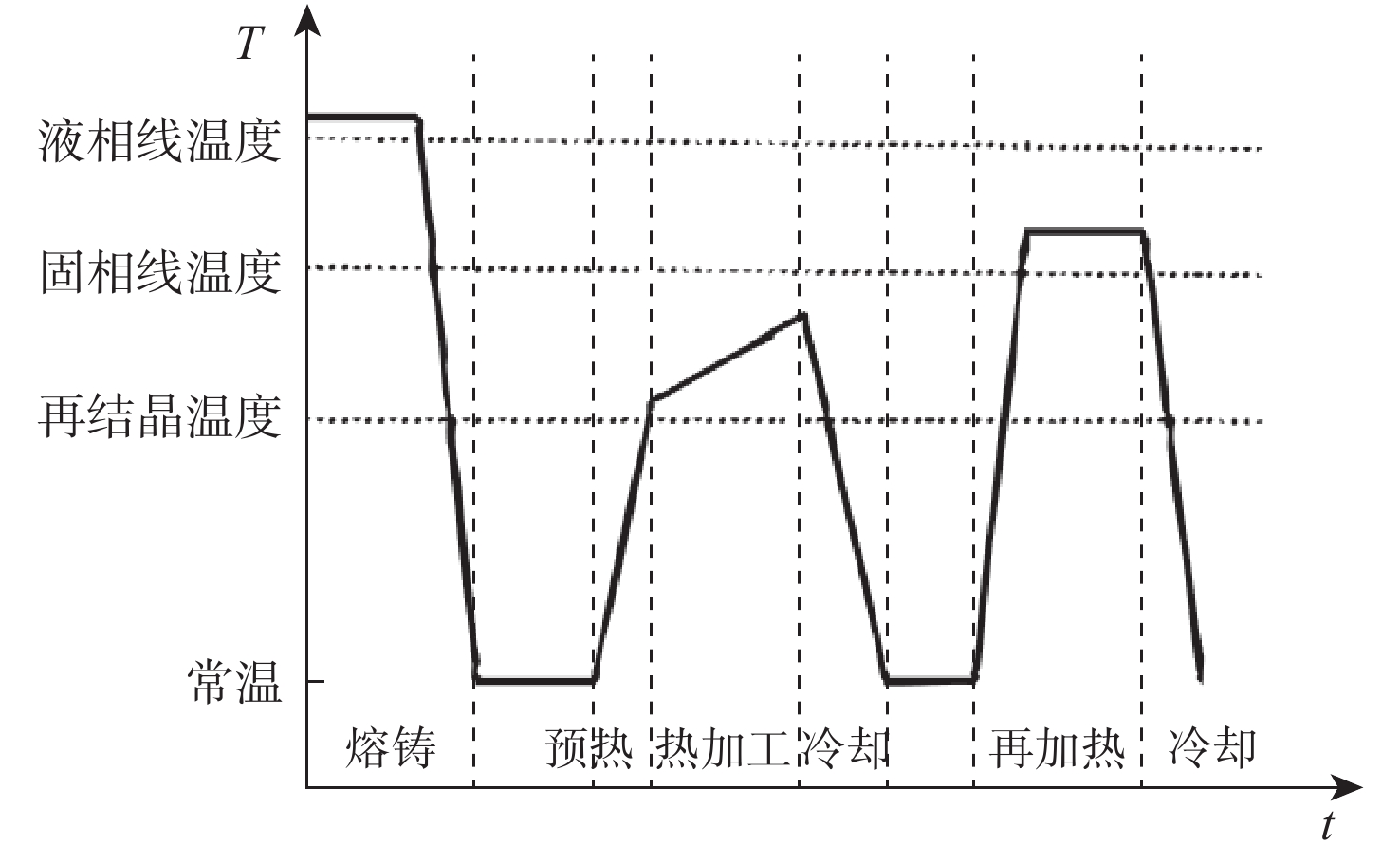
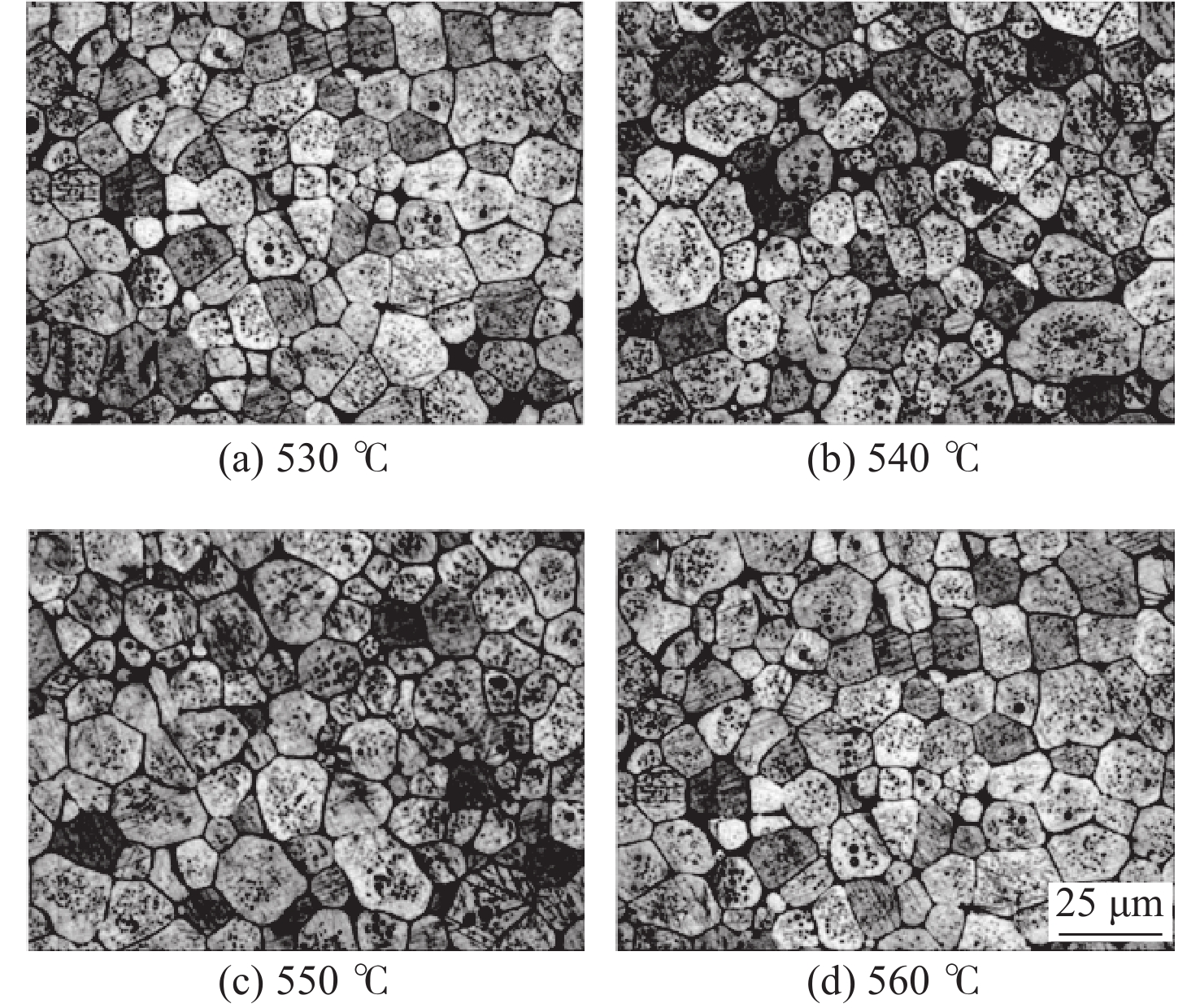
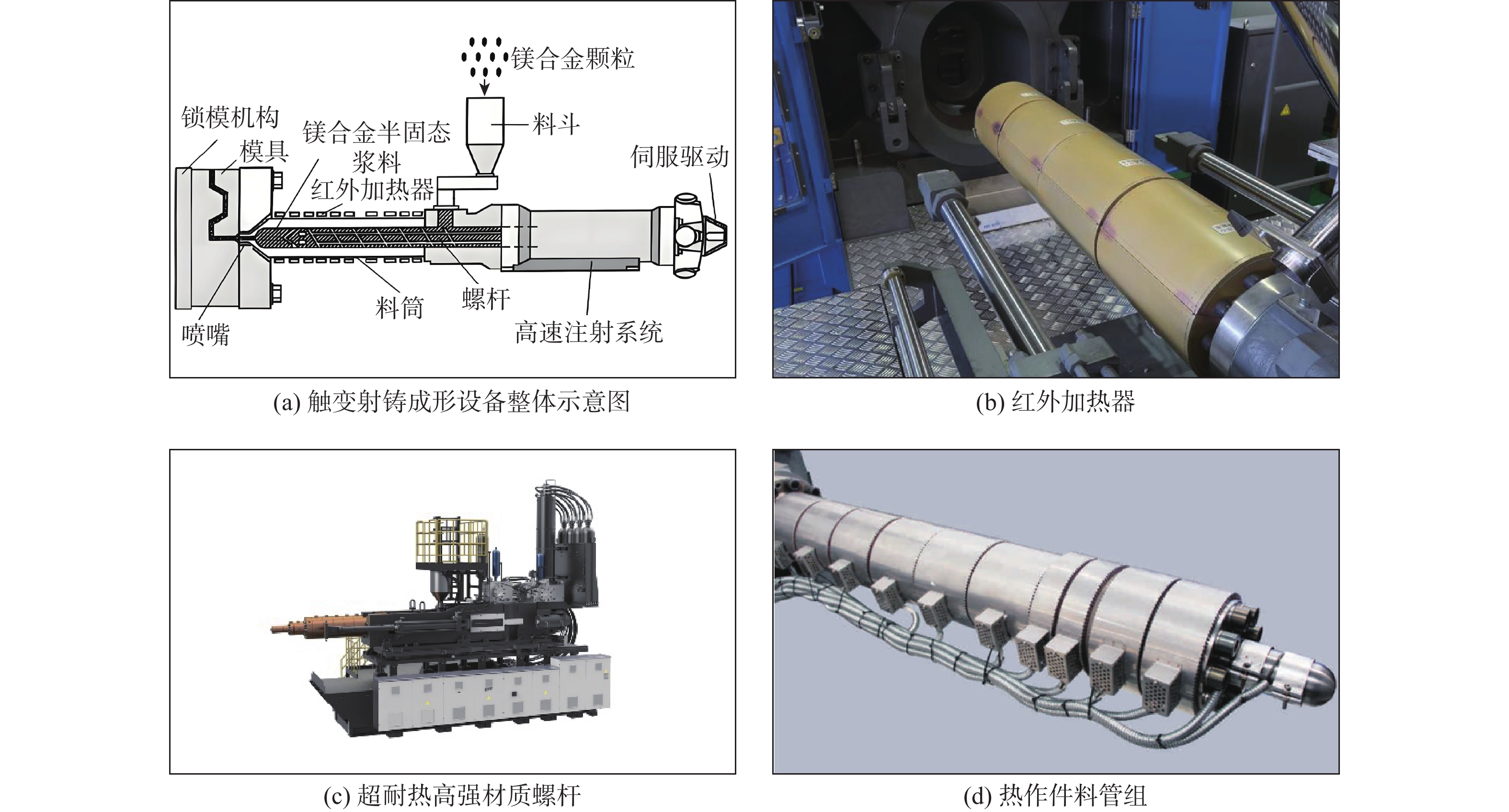
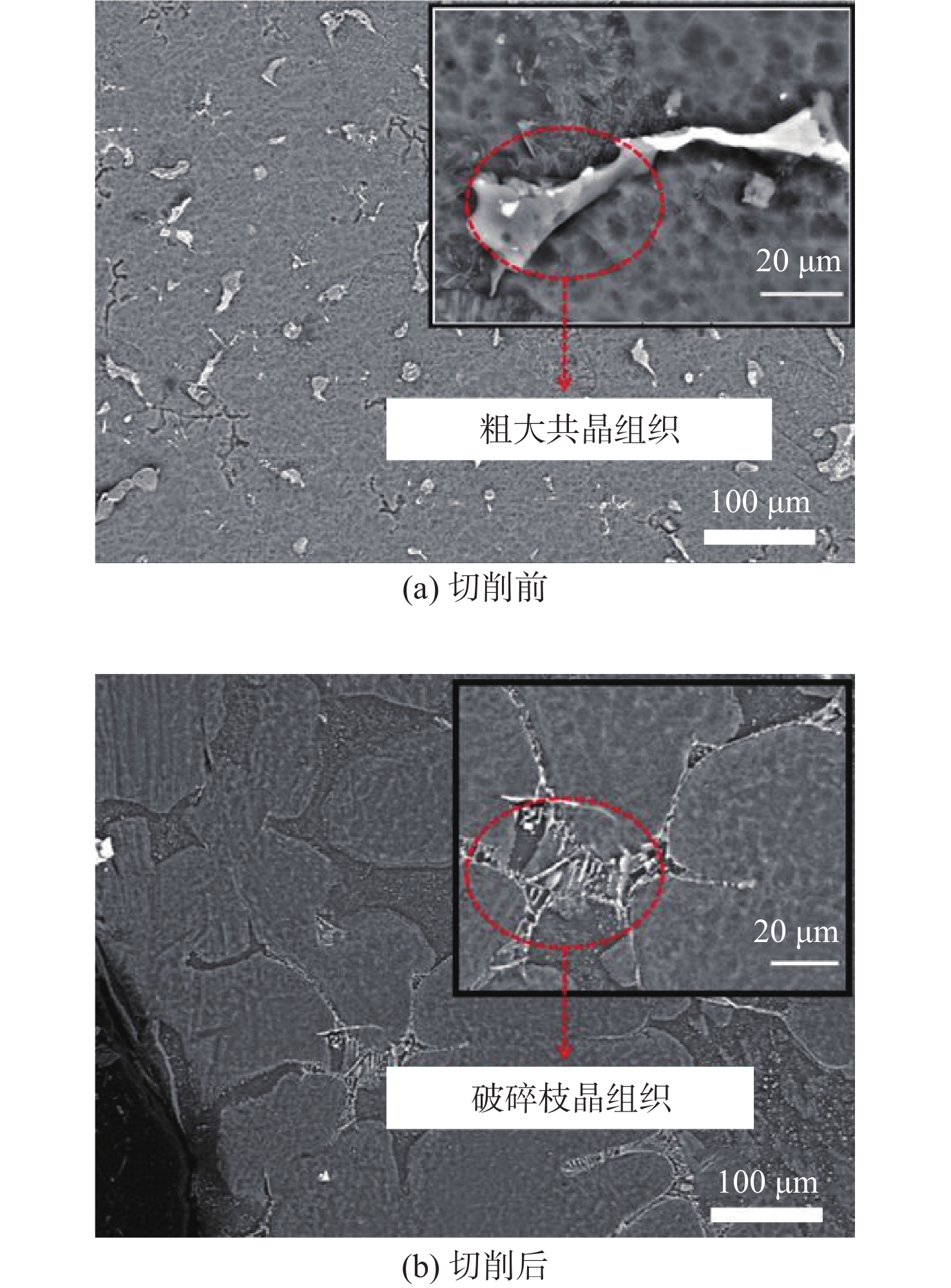
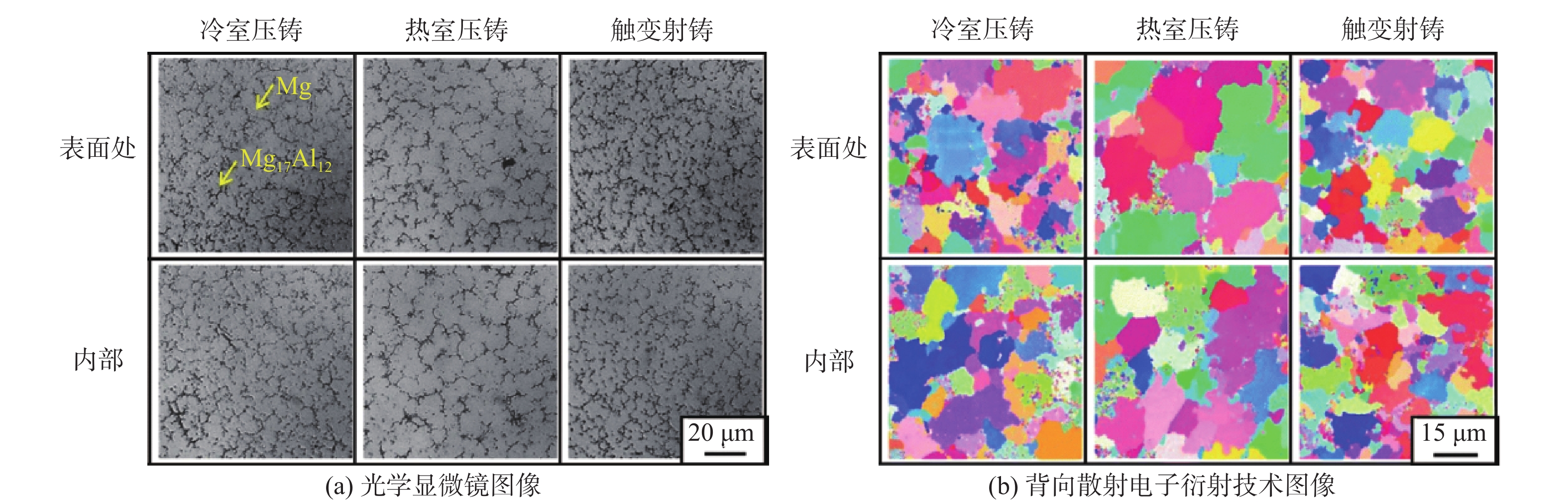
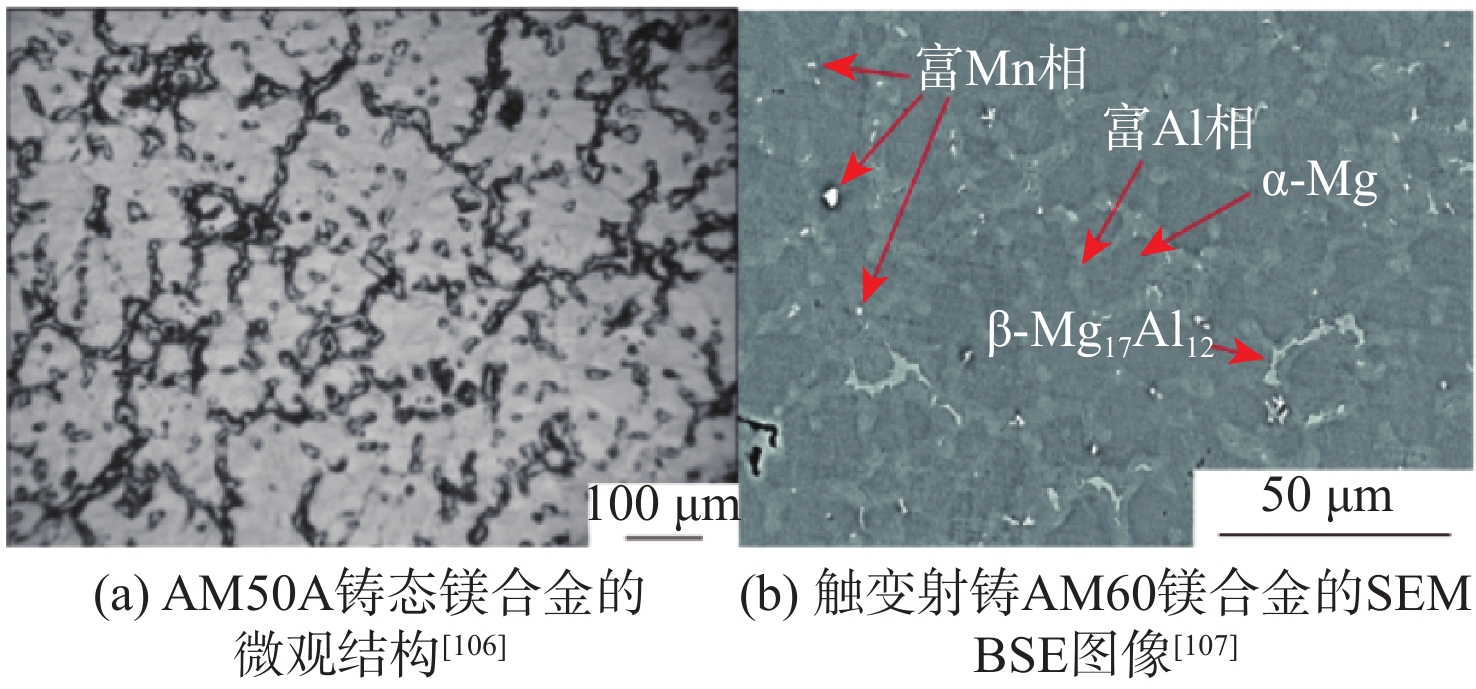
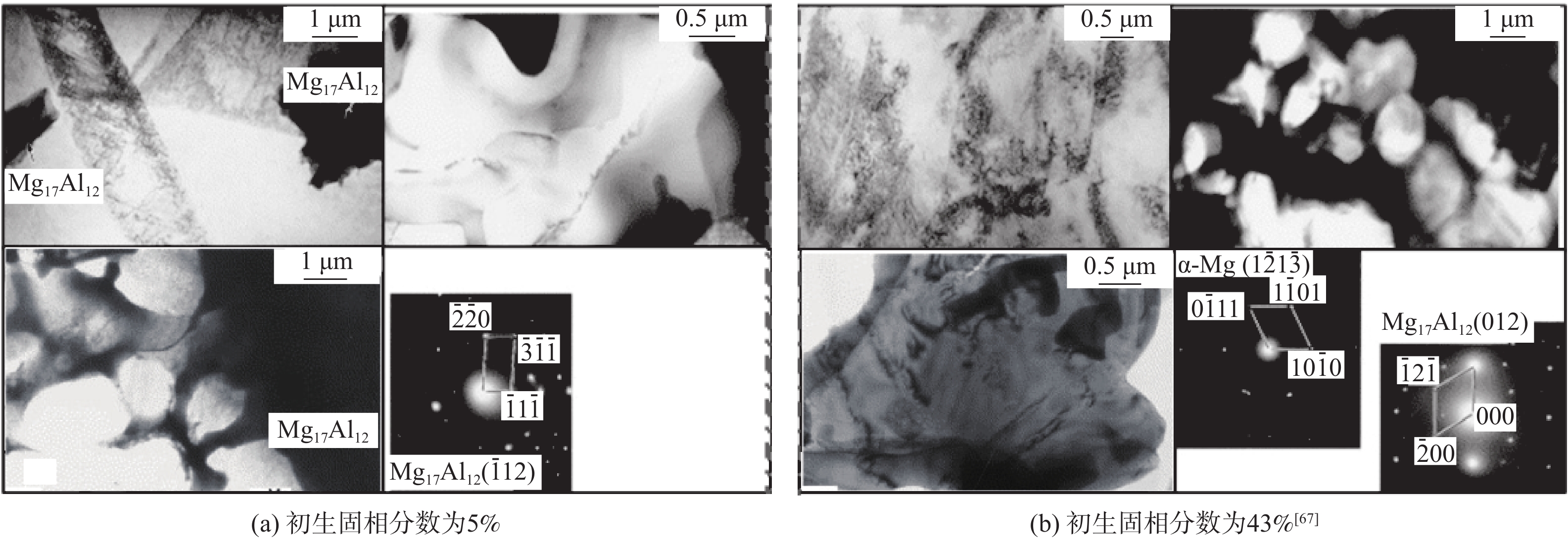
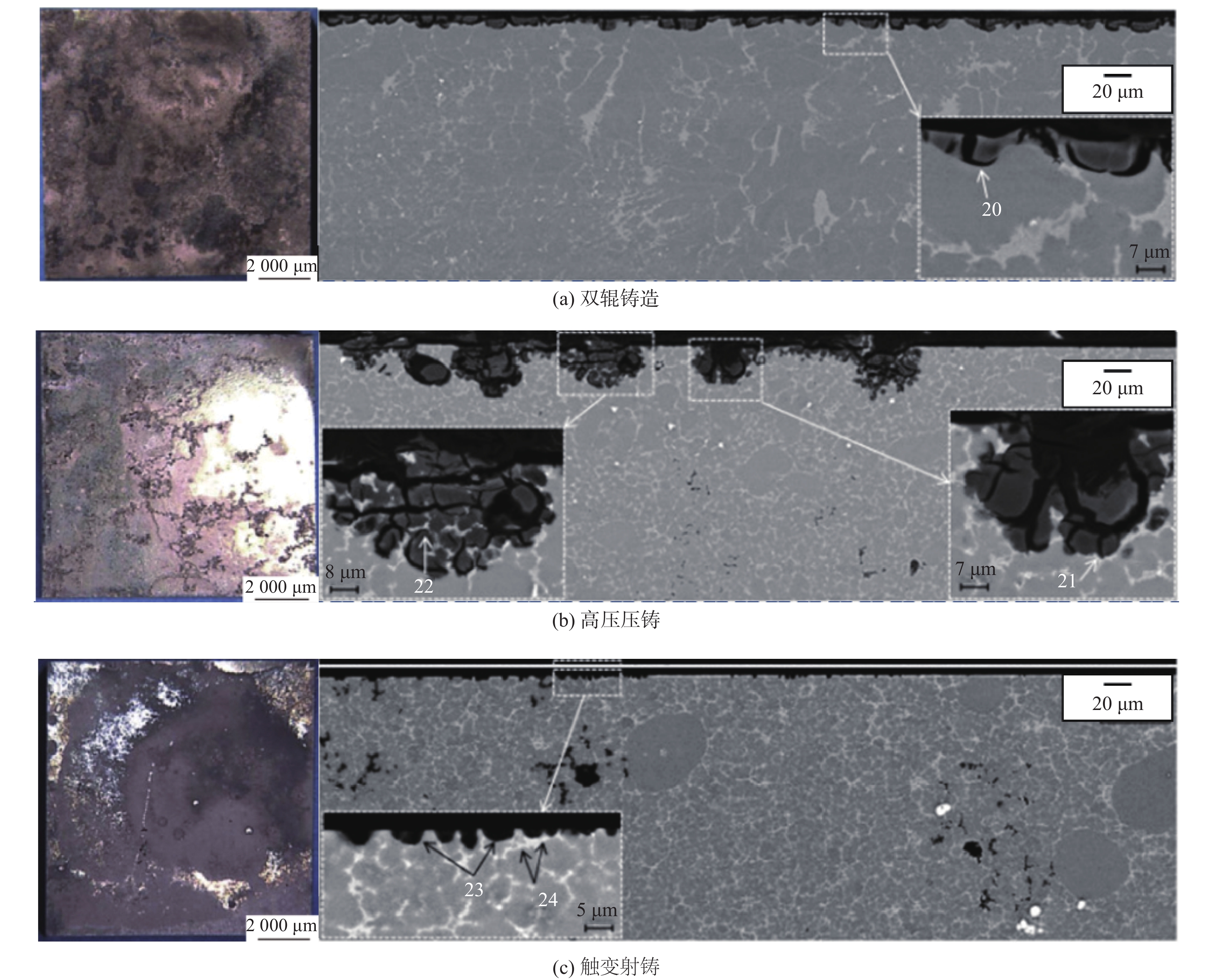
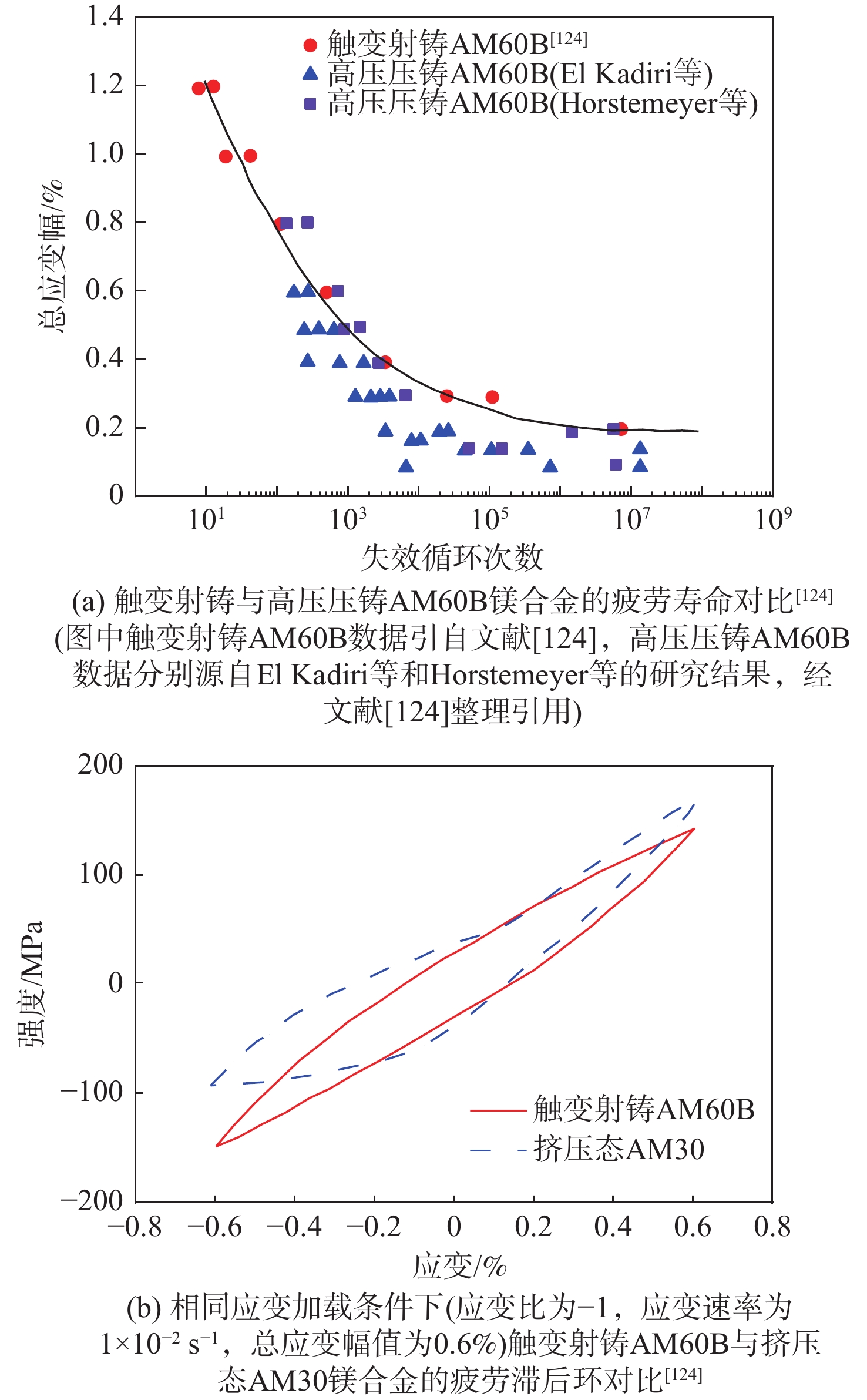
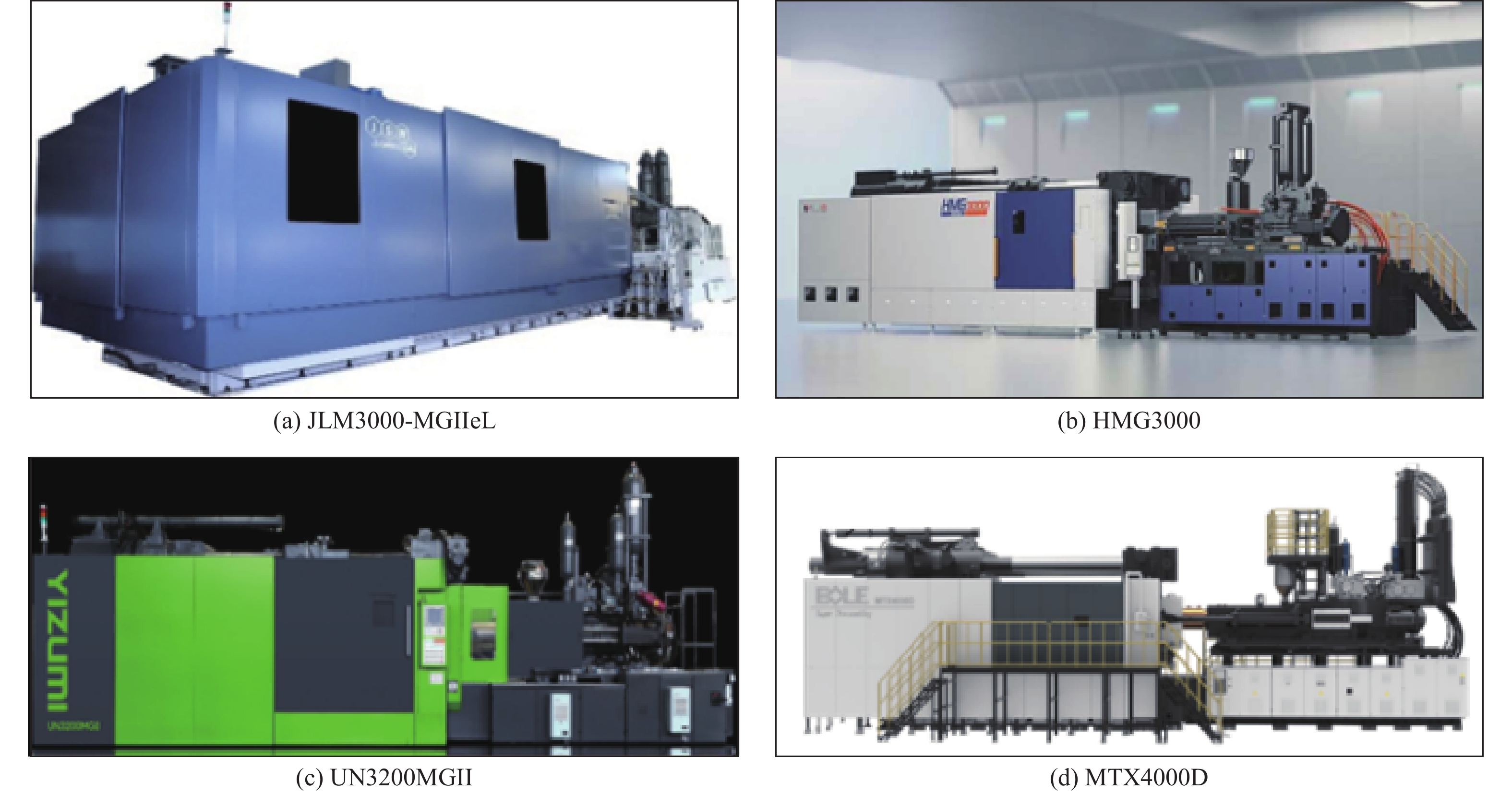
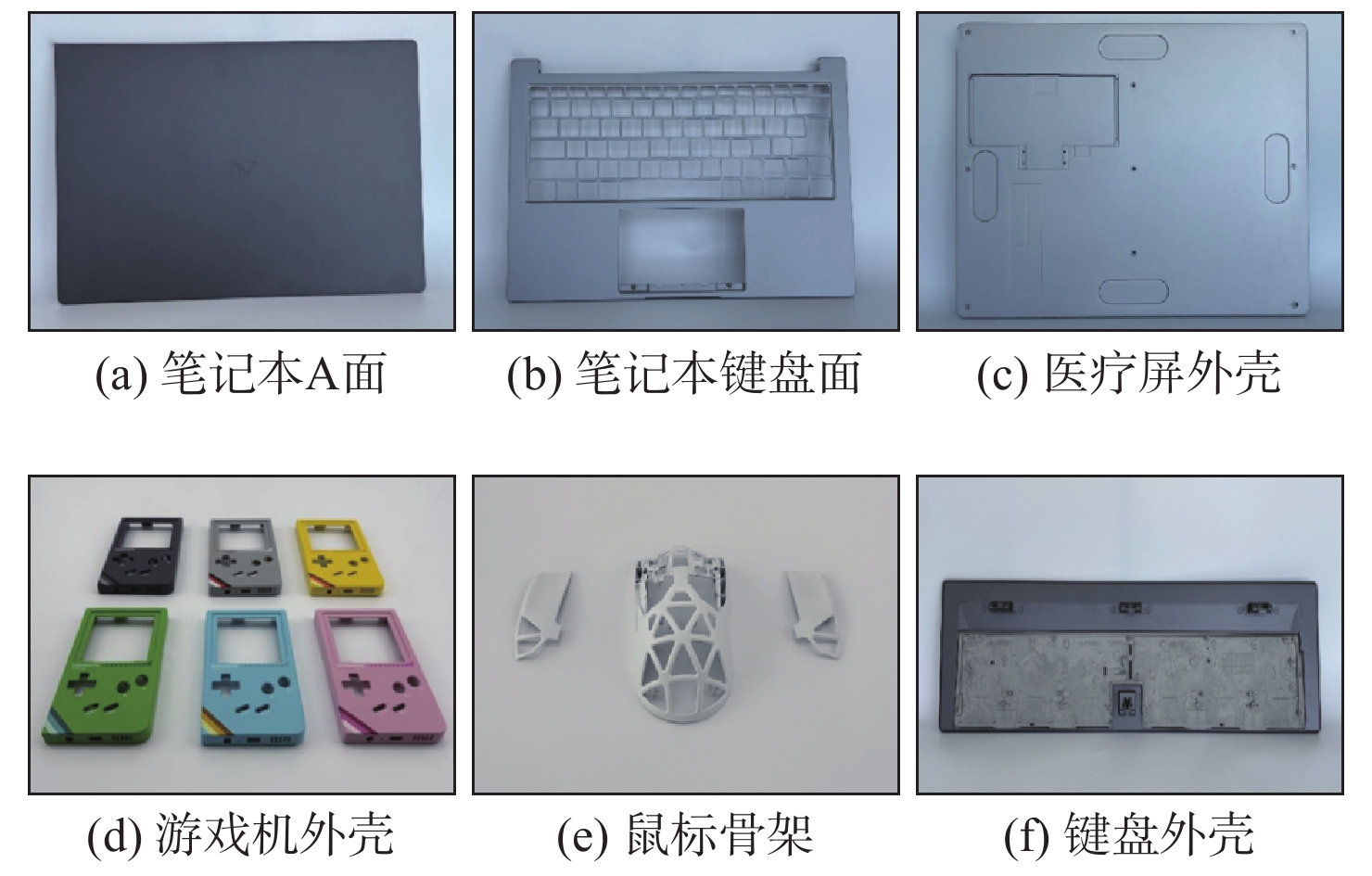
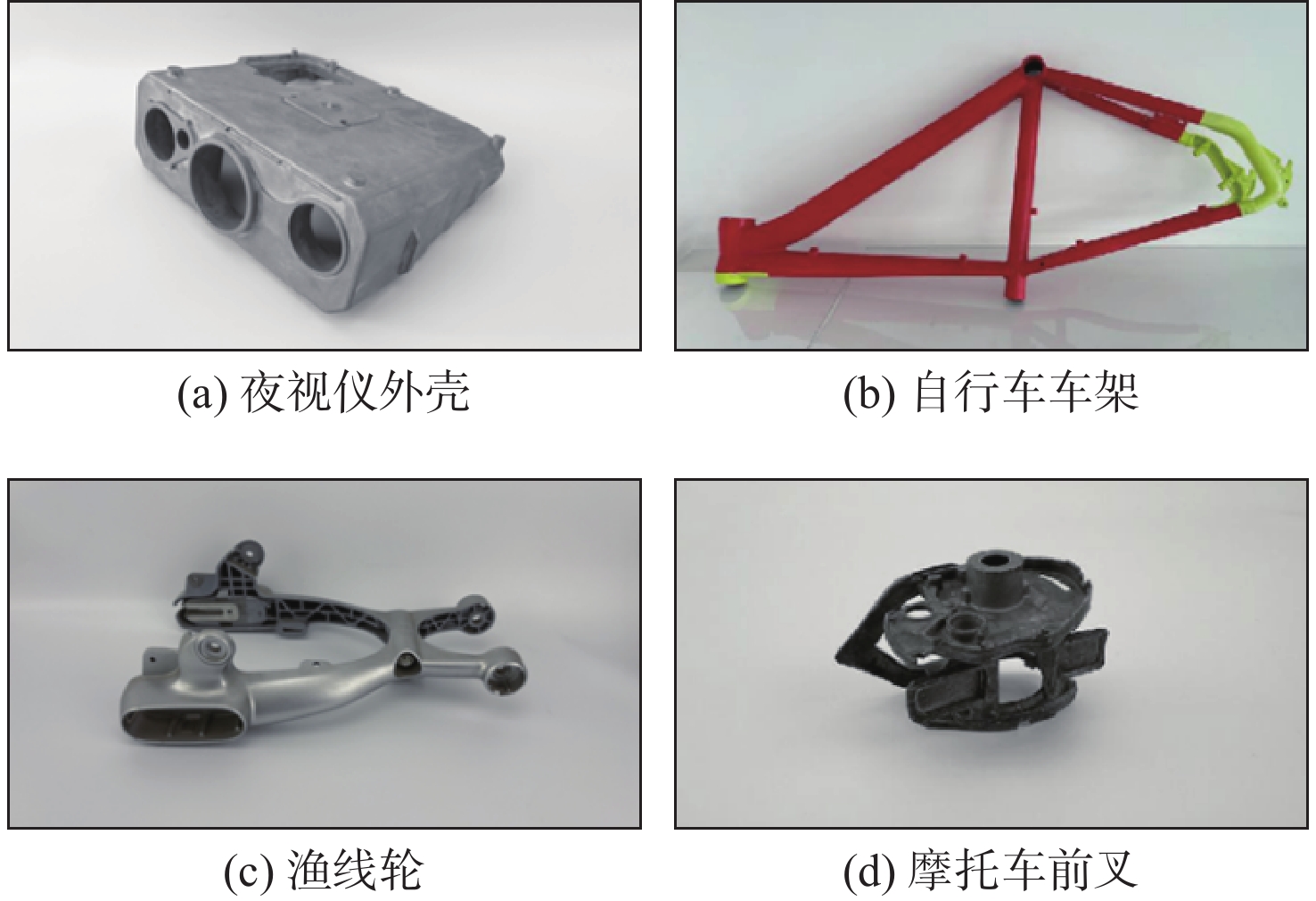
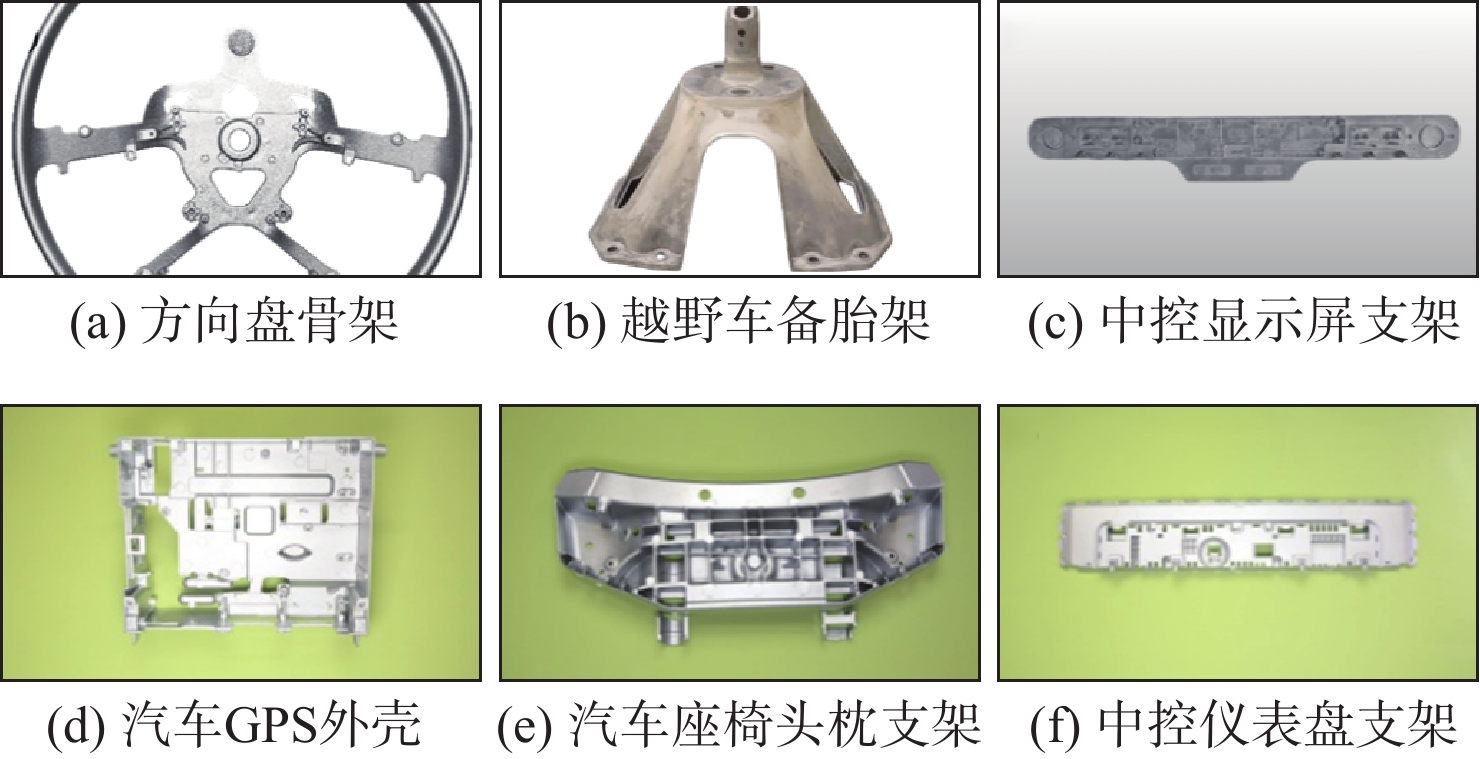
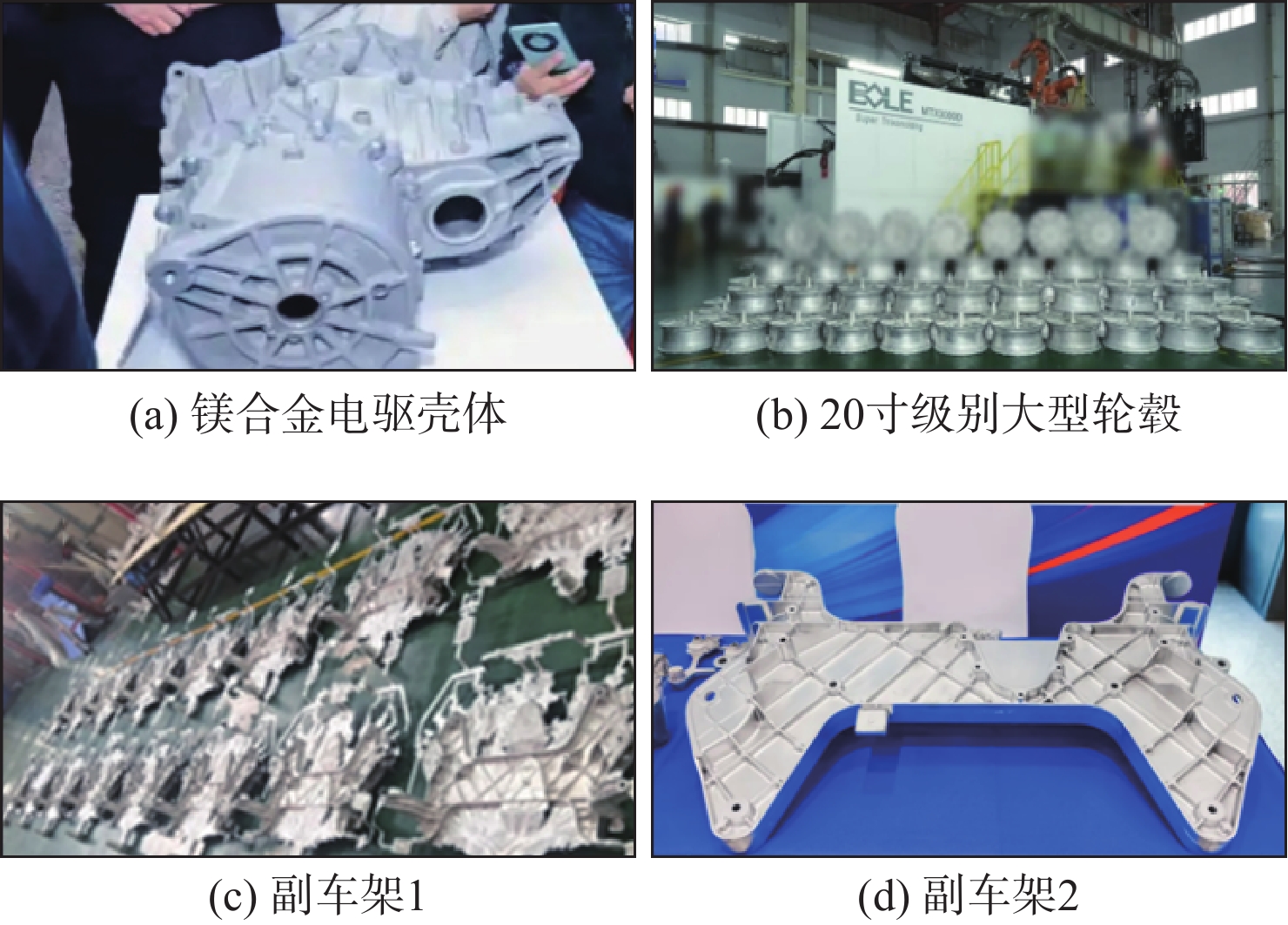
Because of their low density, magnesium alloys are strategically valuable for lightweight transportation equipment. Nevertheless, conventional casting processes encounter technical challenges, including shrinkage porosity, gas porosity, and oxidation. Thixomolding—an innovative forming process based on semi-solid processing principles-provides a viable approach to overcome these limitations. This work systematically elucidates the fundamental mechanisms of thixomolding, reveals the formation principles of non-dendritic microstructures and preparation methodologies for semi-solid slurries, and comprehensively analyzes the technology’s enhancement effects on the comprehensive properties of AZ-series and AM-series magnesium alloys. Currently, this technology has achieved industrial-scale implementation in consumer electronics and transportation equipment sectors. Supported by next-generation higher-tonnage forming systems, its applications are progressively expanding to large-scale structural component manufacturing, demonstrating exceptional development potential within the new energy vehicle industry. Among other crucial areas, future research should focus on defect control mechanisms for large-scale components, multi-physics coupled modeling of the forming process, and composition design of innovative thixomolded magnesium alloys.

Current status and trend of nitrous oxide propulsion technology
WEI Xianggeng, XIE Yuan, LU Weijie, LIU Xiongfeng, GAO Yushan, ZHAO Haoyang
2026, 52(10): 3350-3368. doi: 10.13700/j.bh.1001-5965.2026.0063
Abstract:

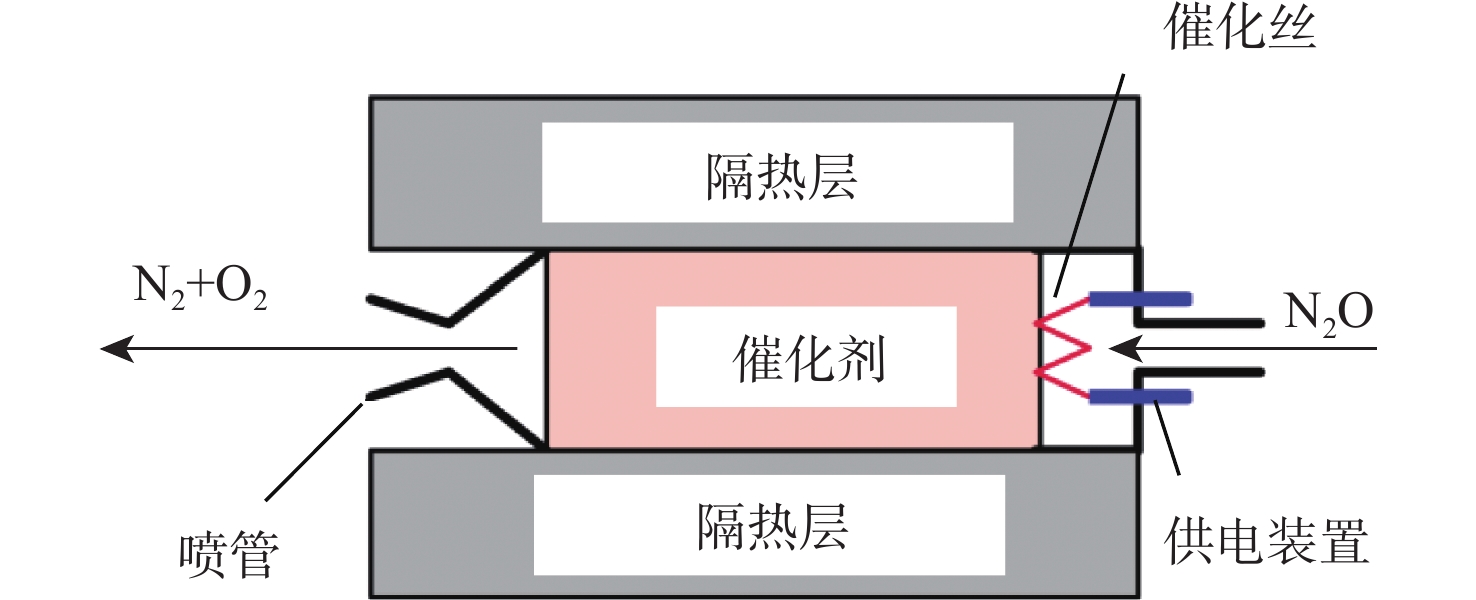
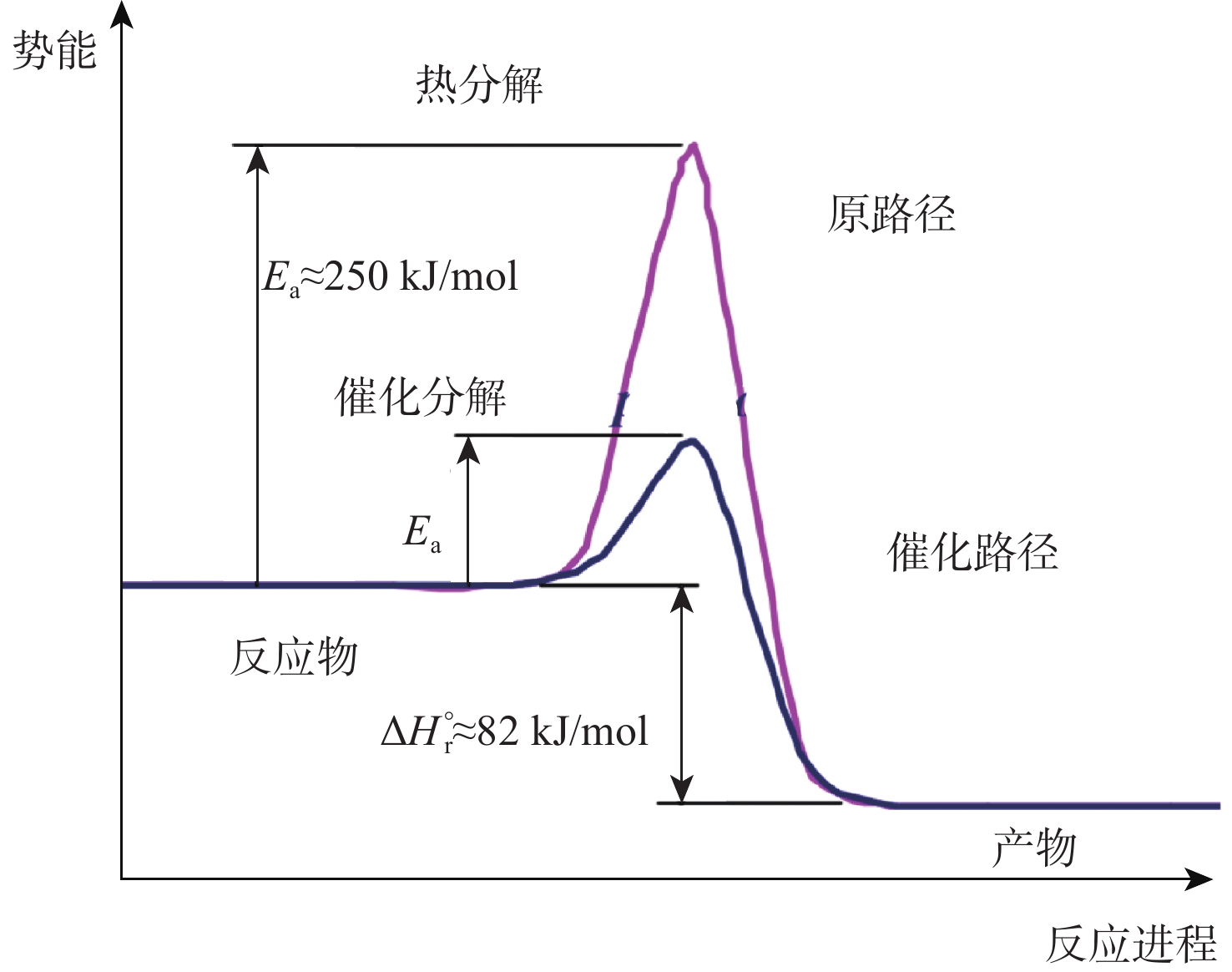
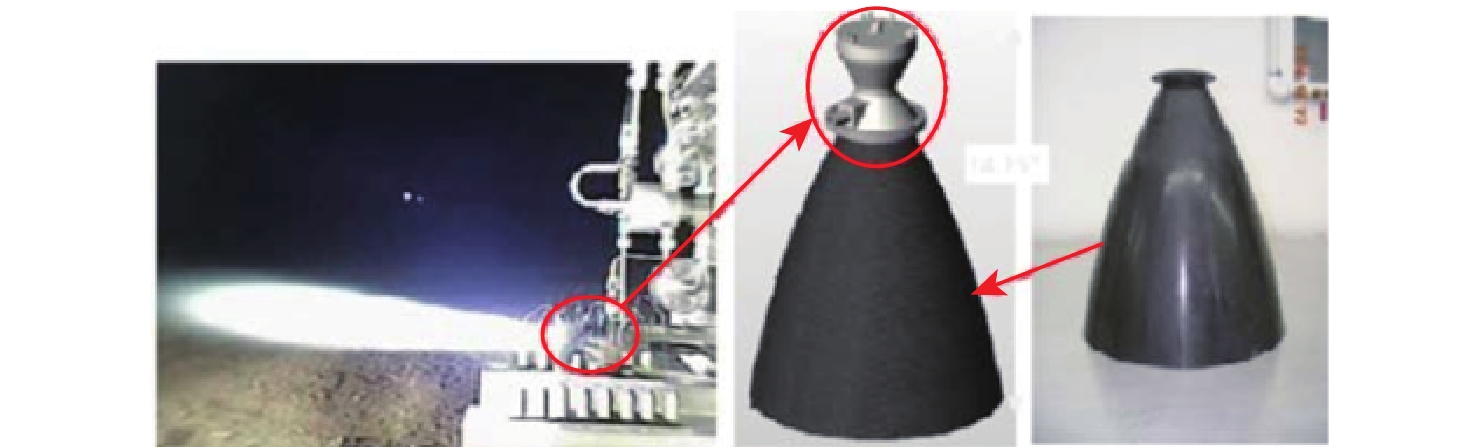
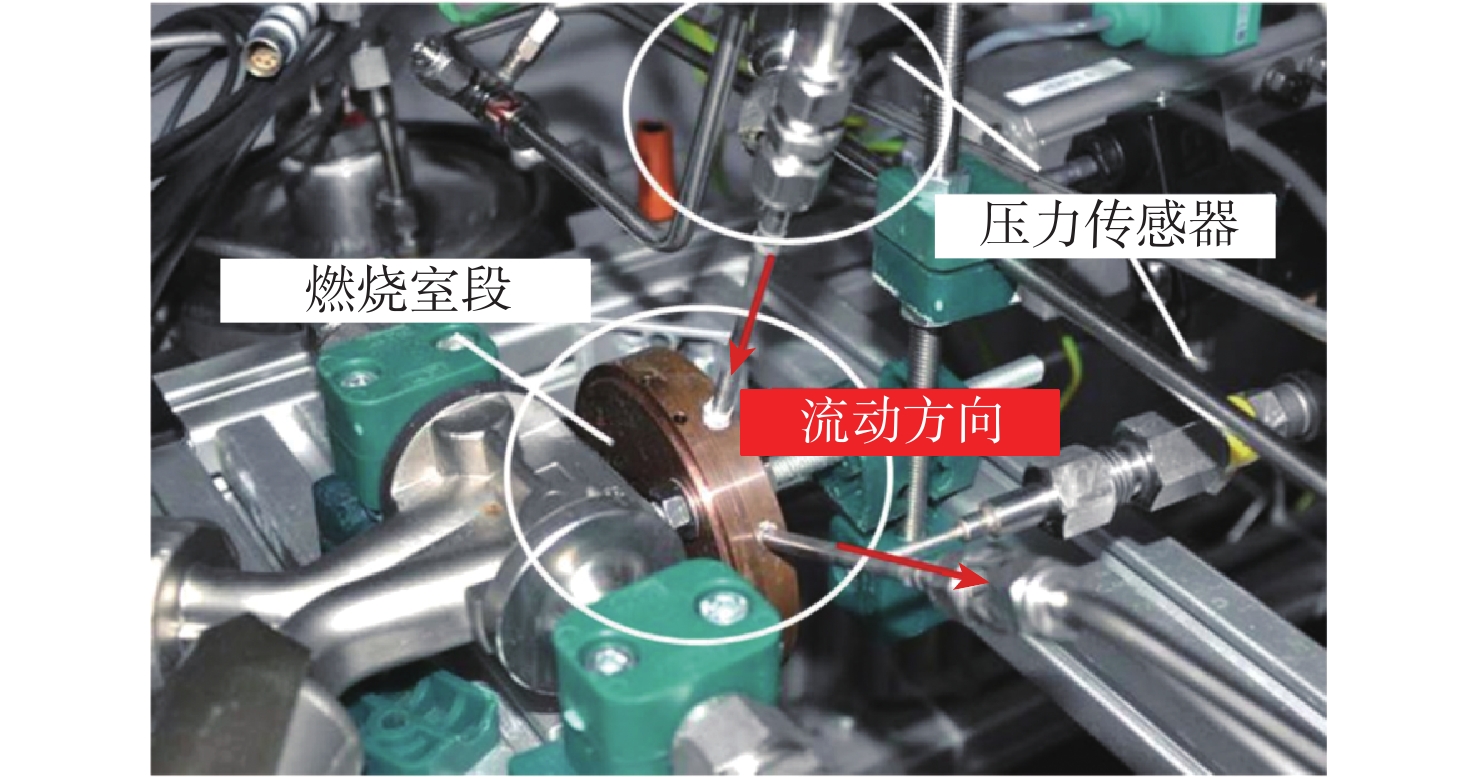
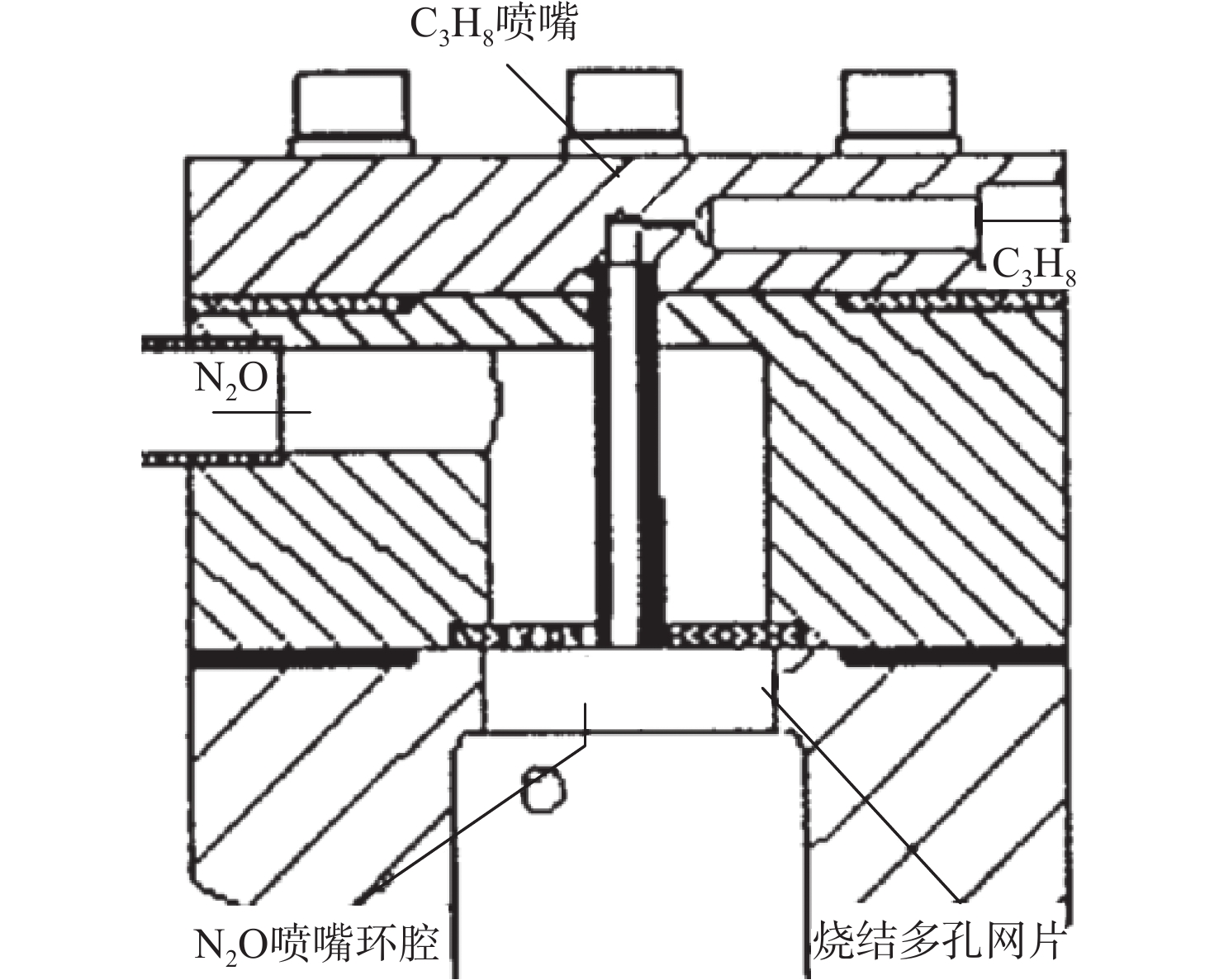
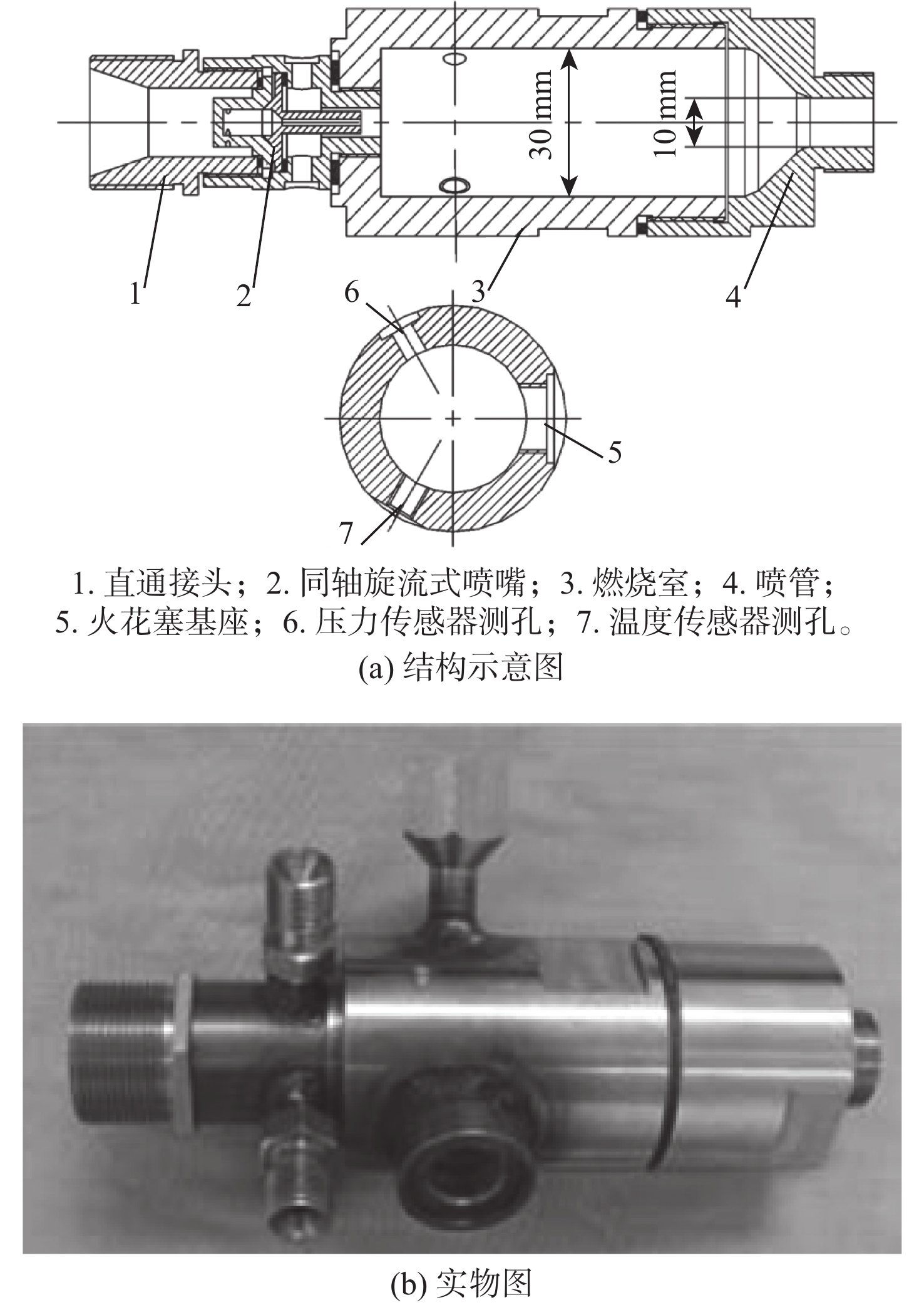
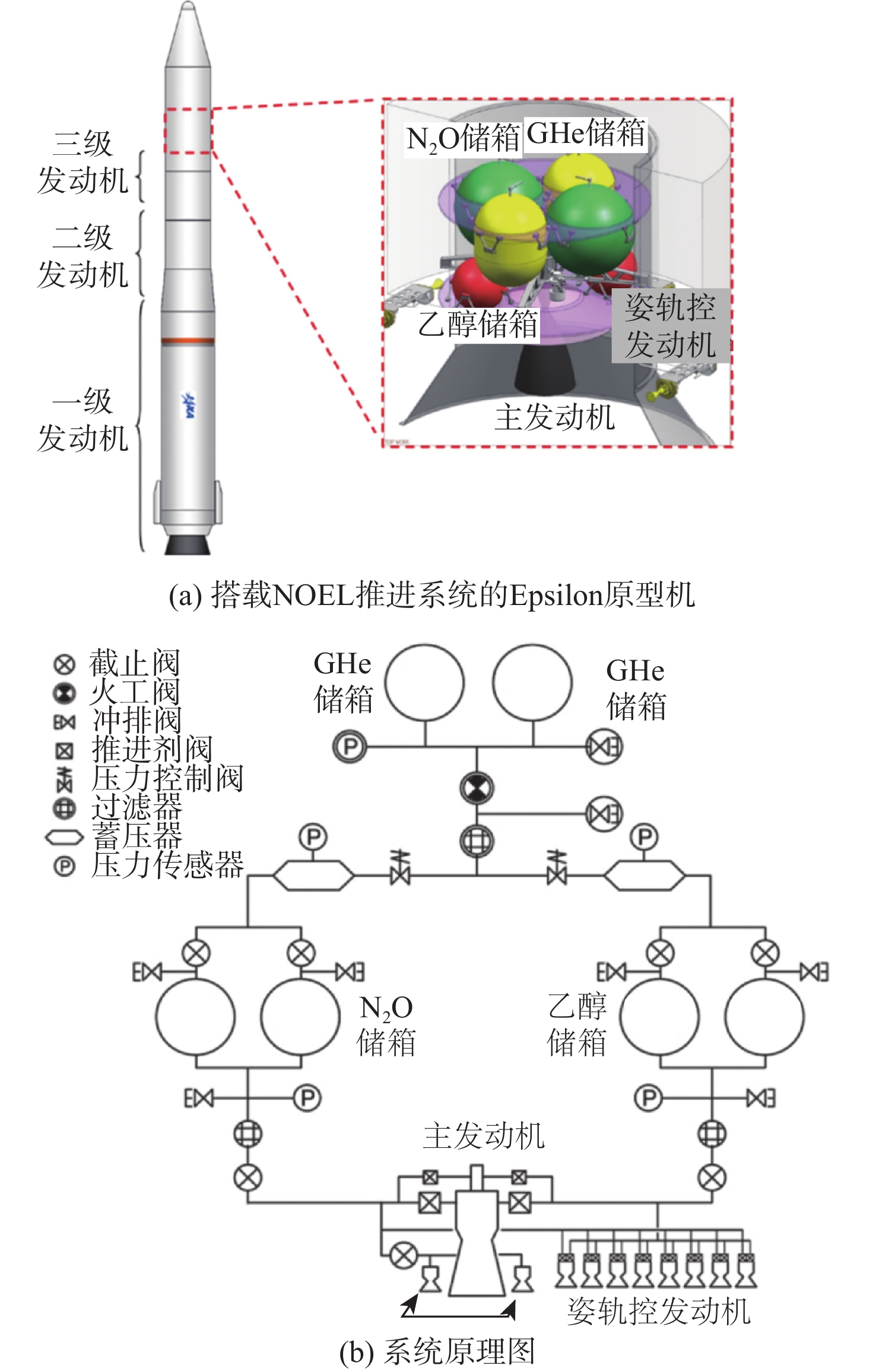
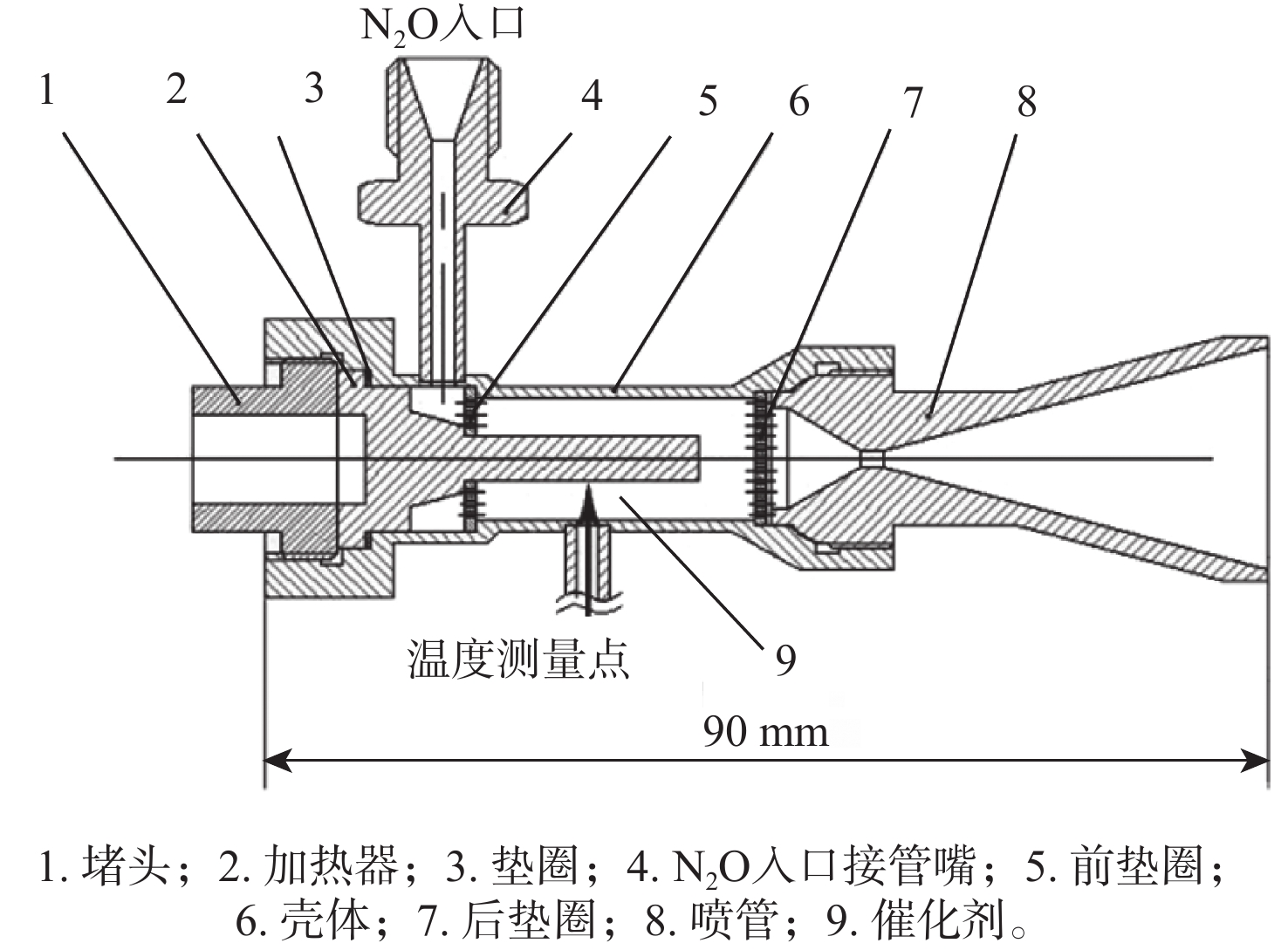
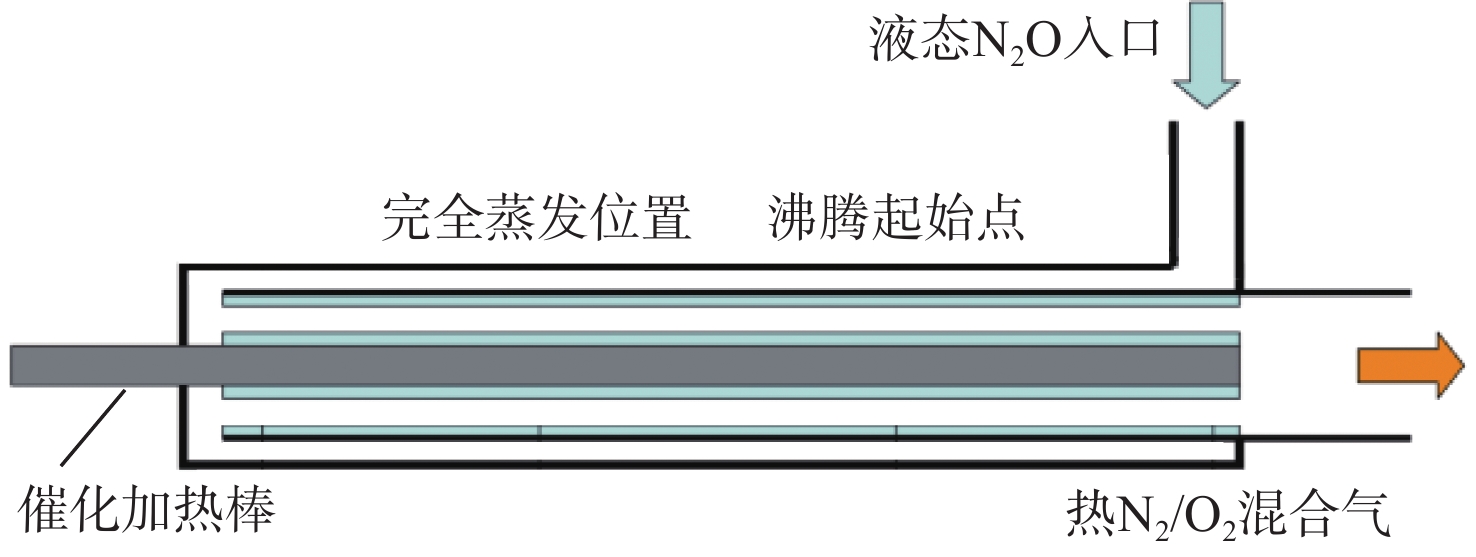
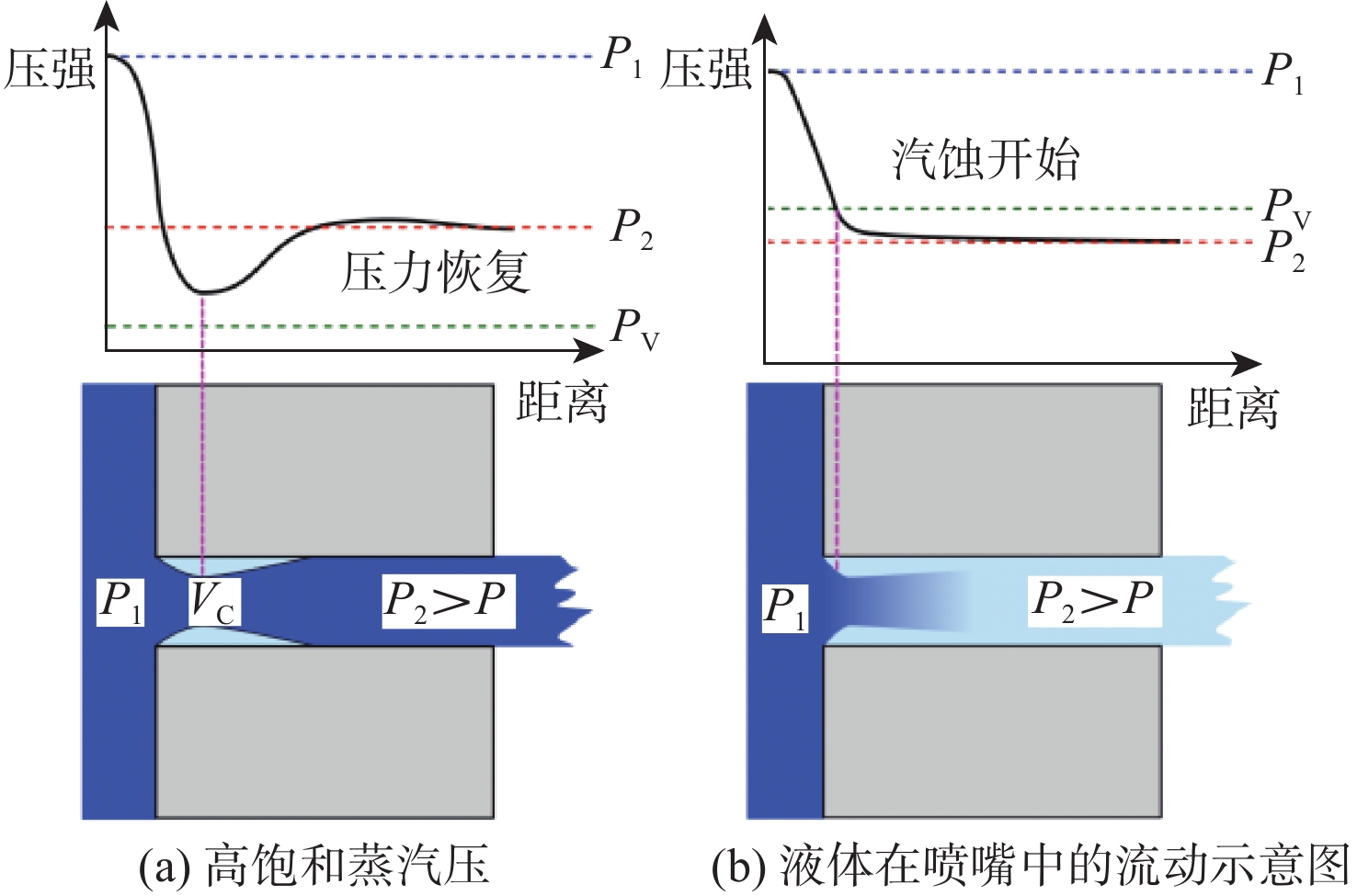
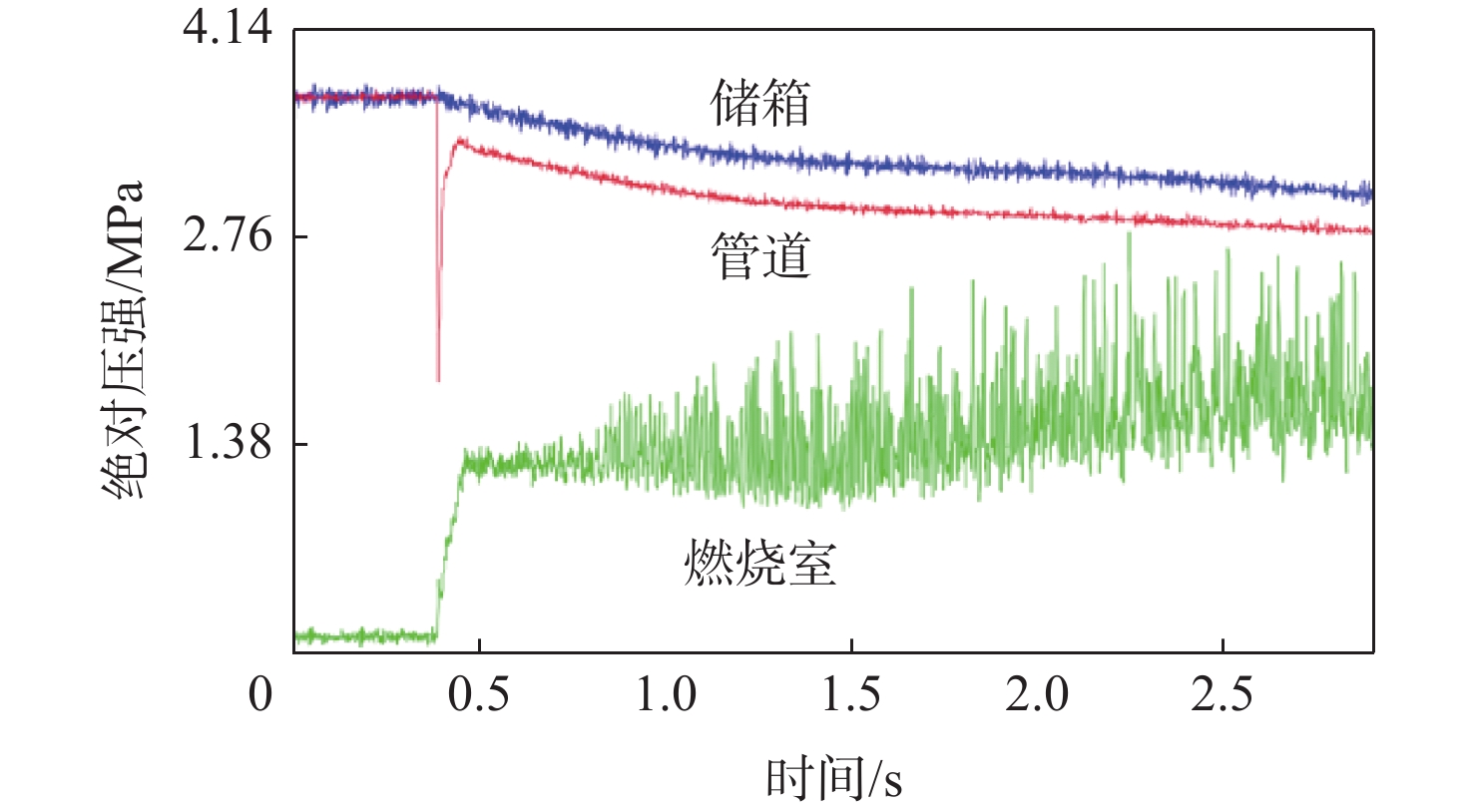
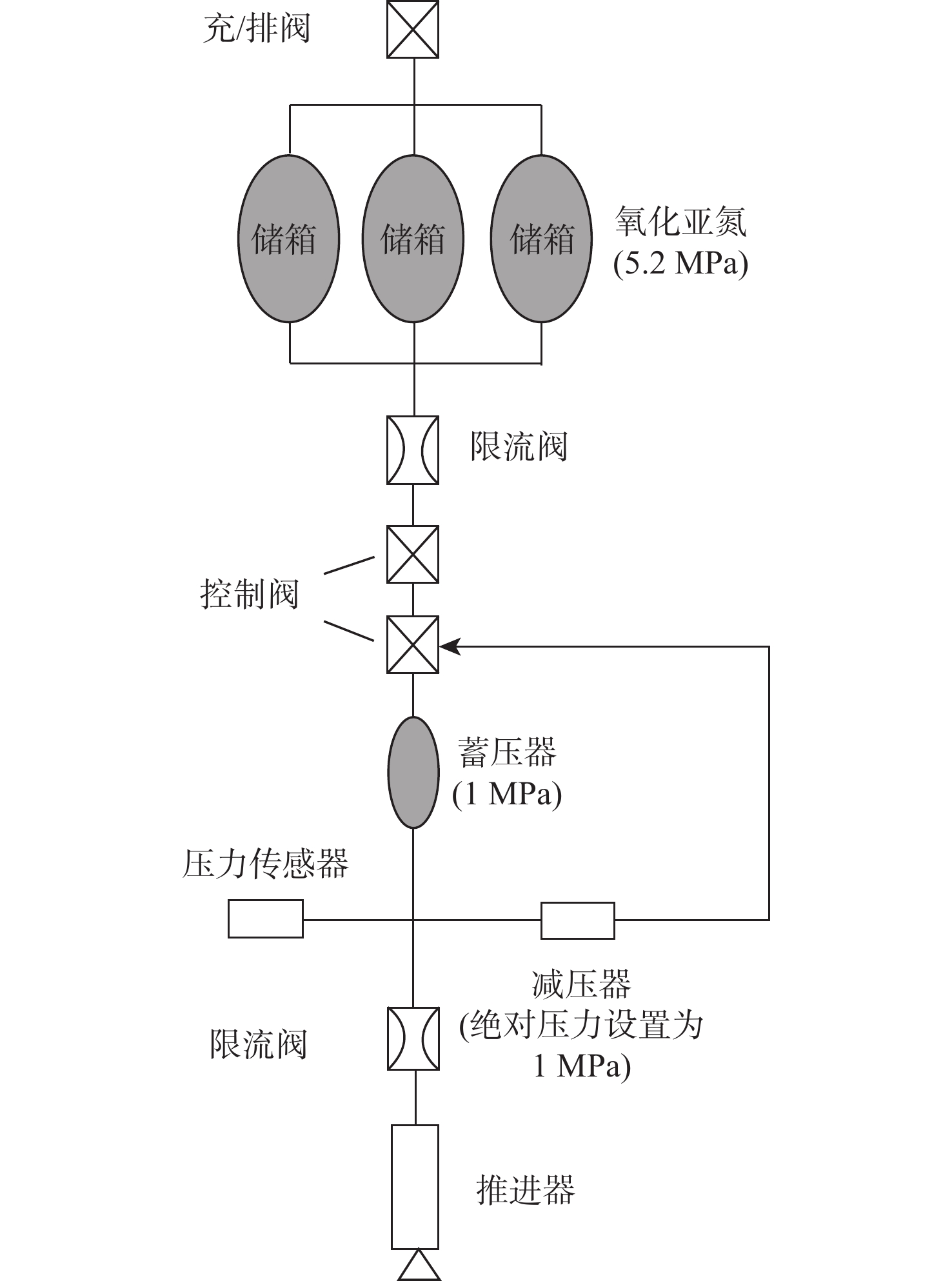
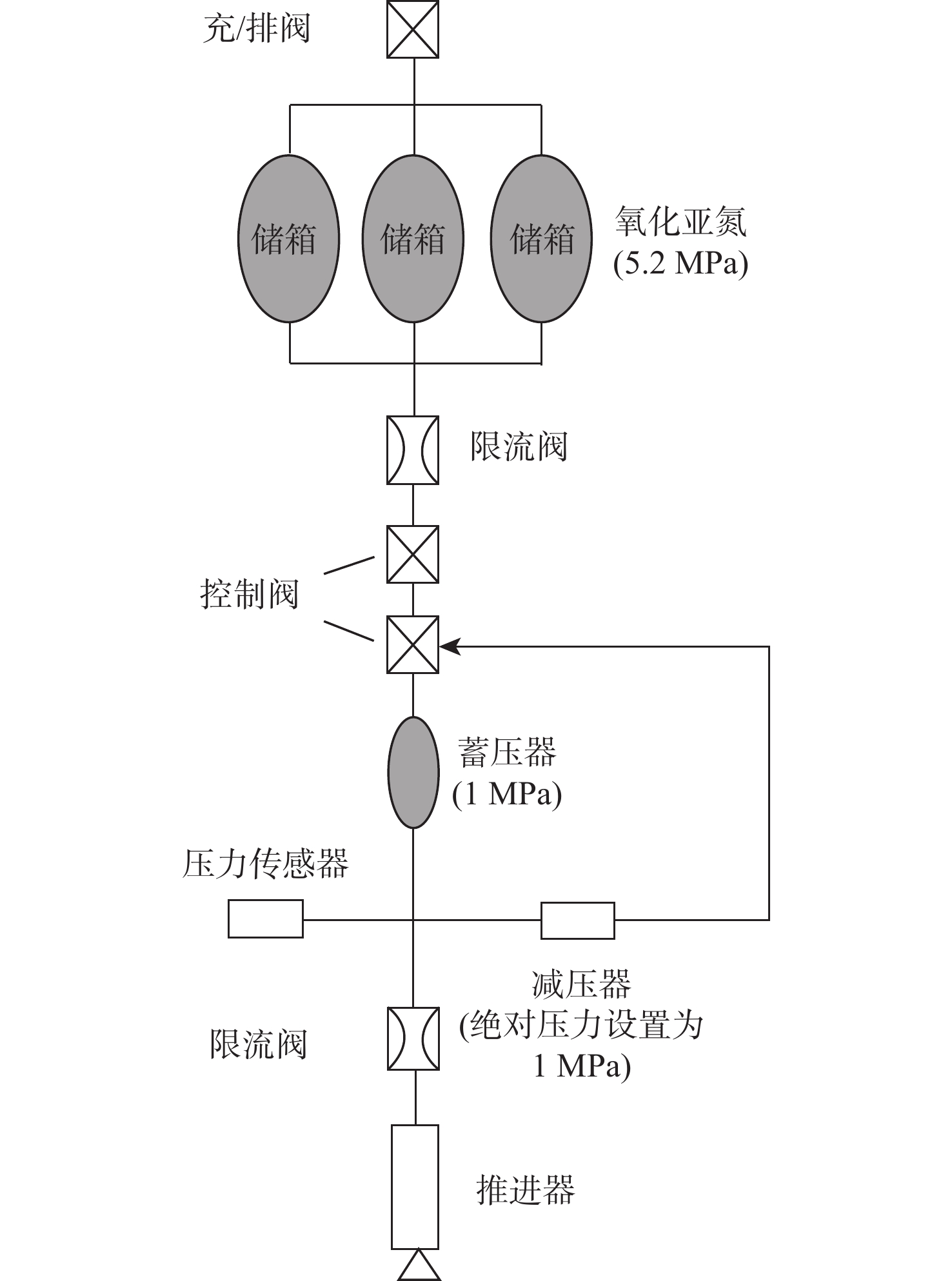
Both monopropellant and bipropellant rocket engines frequently employ nitrous oxide (N2O) as a non-toxic, stable, and secure self-pressurizing propellant. It holds significant research value and application potential, especially in the field of attitude and orbit control propulsion. In addition to outlining research priorities and development recommendations for N2O propulsion technology in the field of attitude and orbit control, this paper reviews the development history and current research status of several types of nitrous oxide-based propulsion systems, summarizes their features and advantages, and identifies the key technologies facilitating their engineering application. The aim is to provide valuable references for the innovation and engineering practice of aerospace attitude and orbit control propulsion systems.

Fuel cells for aviation: a new paradigm for carbon-neutral flight
LI Zhipeng, GAO Zibo, LIU Weidong, PENG Feiyang, LIU Hong, HAN Qing
2026, 52(10): 3369-3395. doi: 10.13700/j.bh.1001-5965.2025.0796
Abstract:

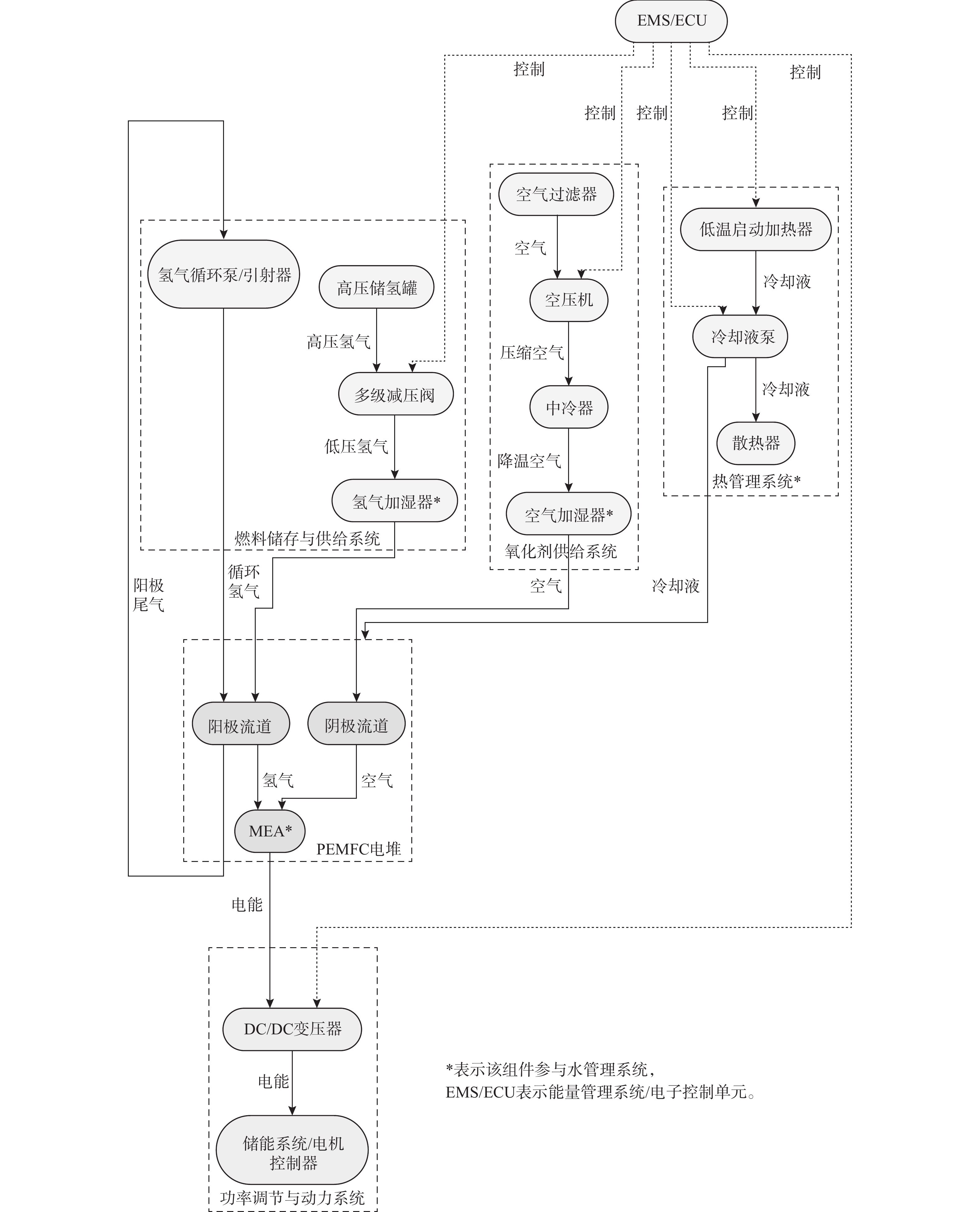
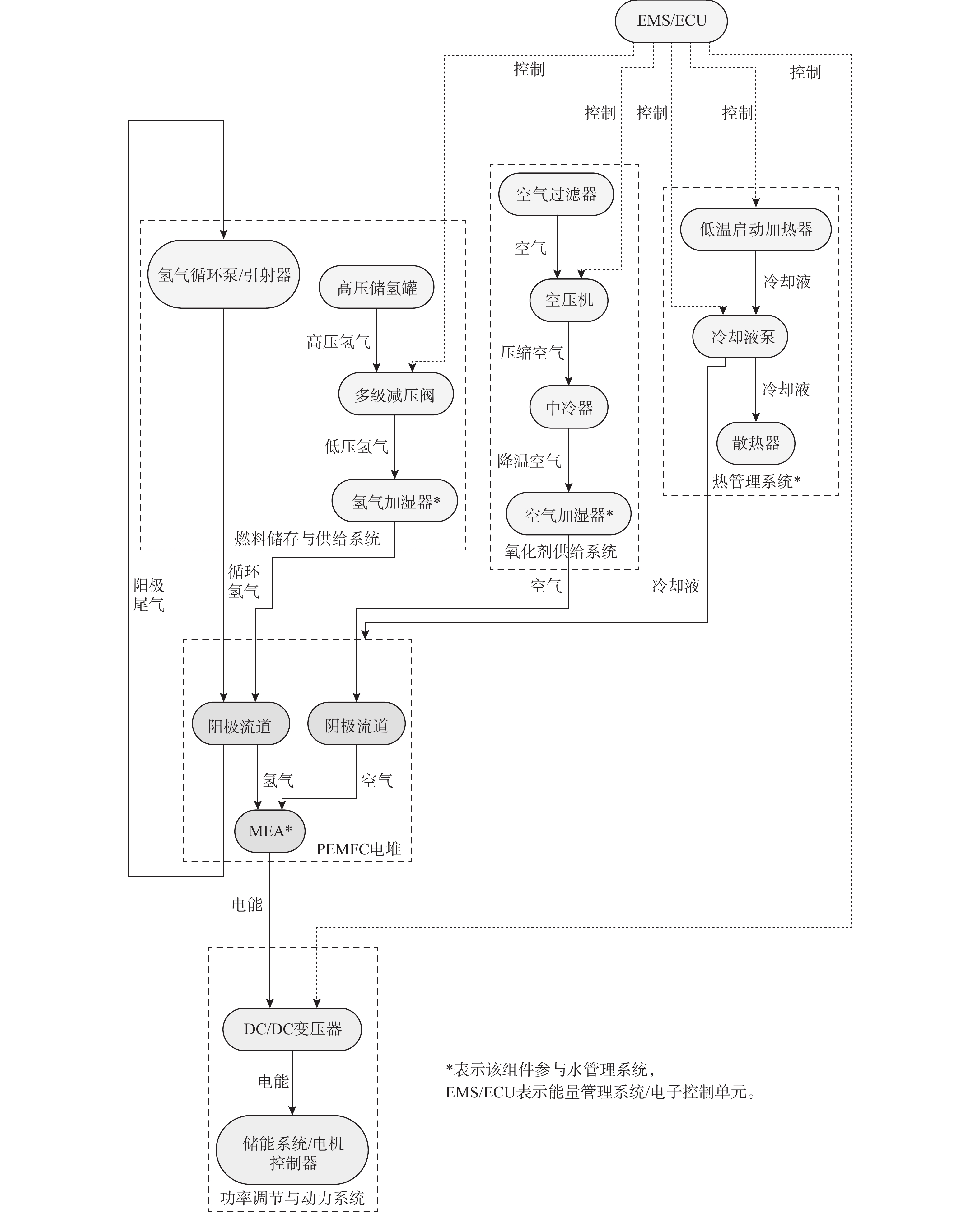
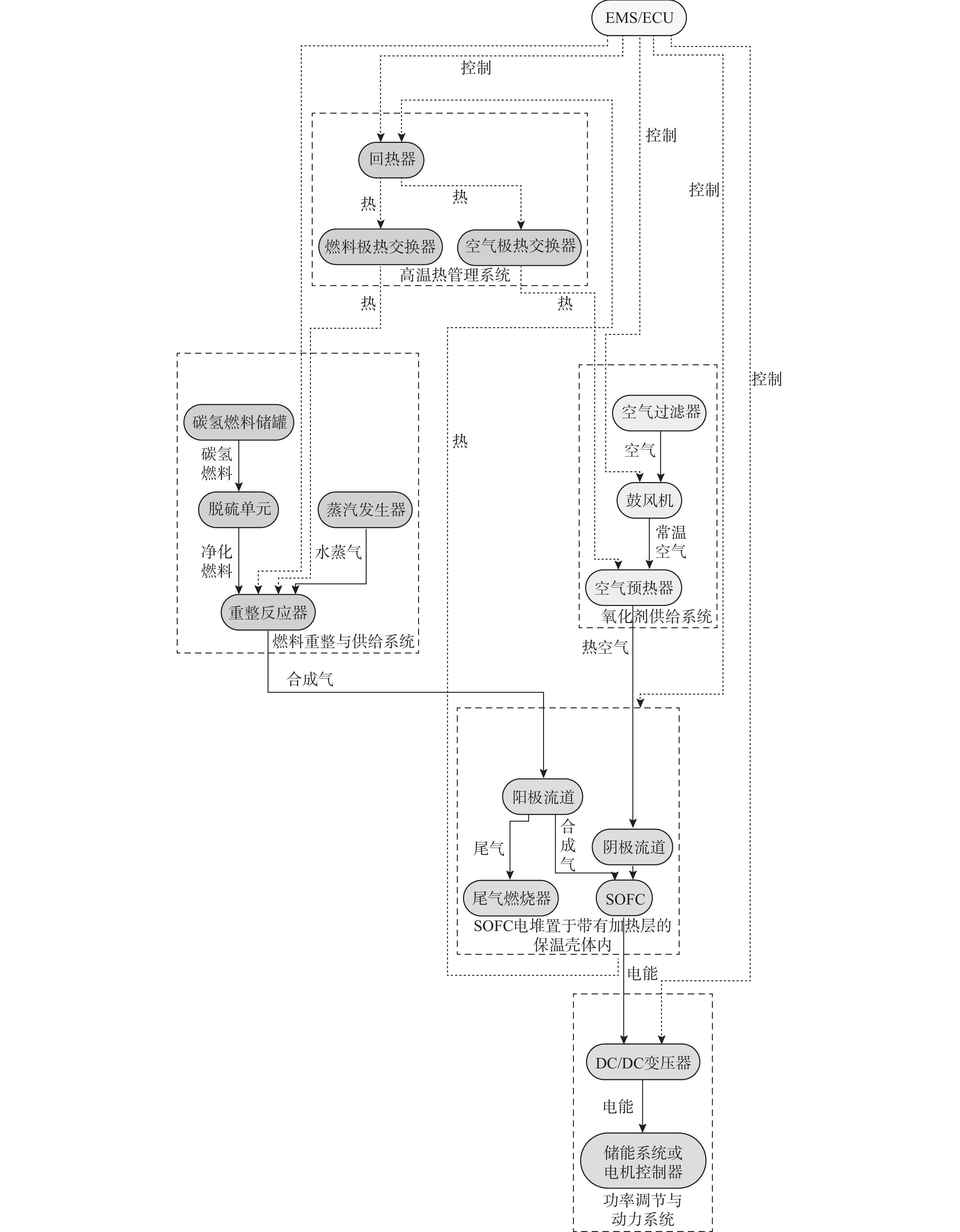
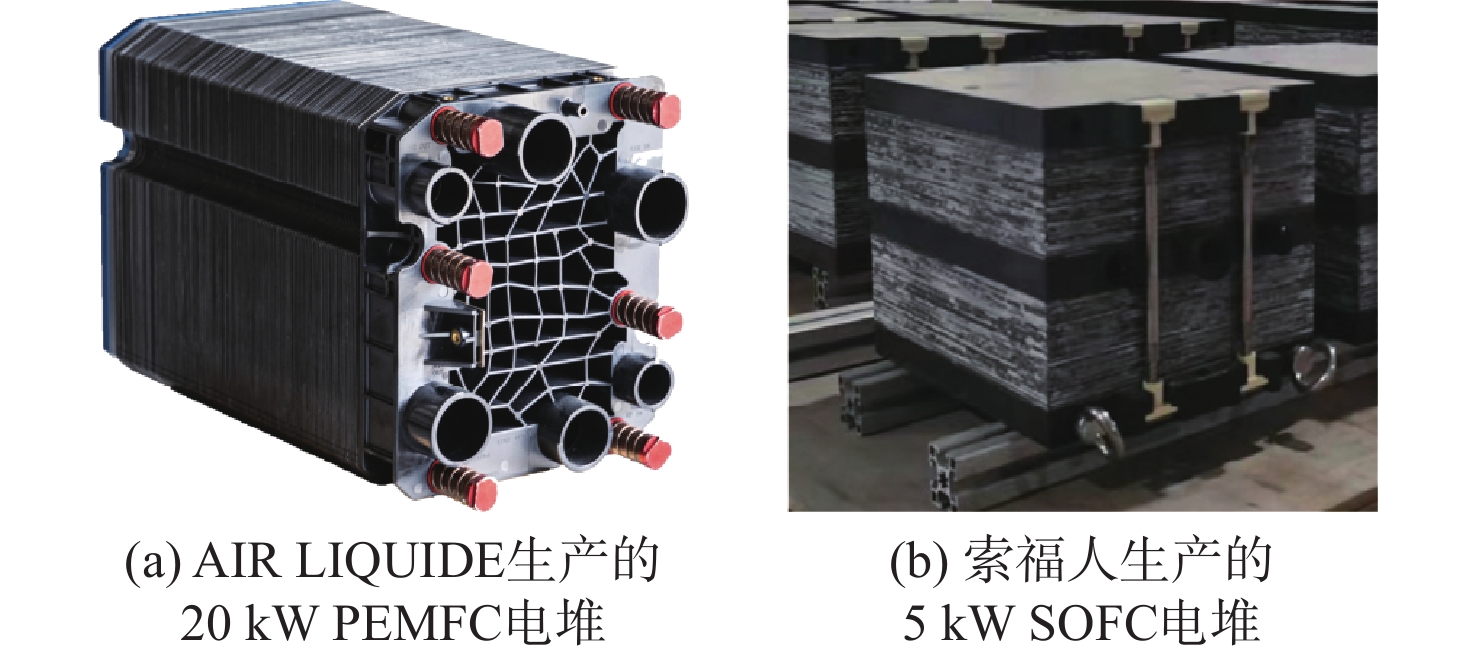
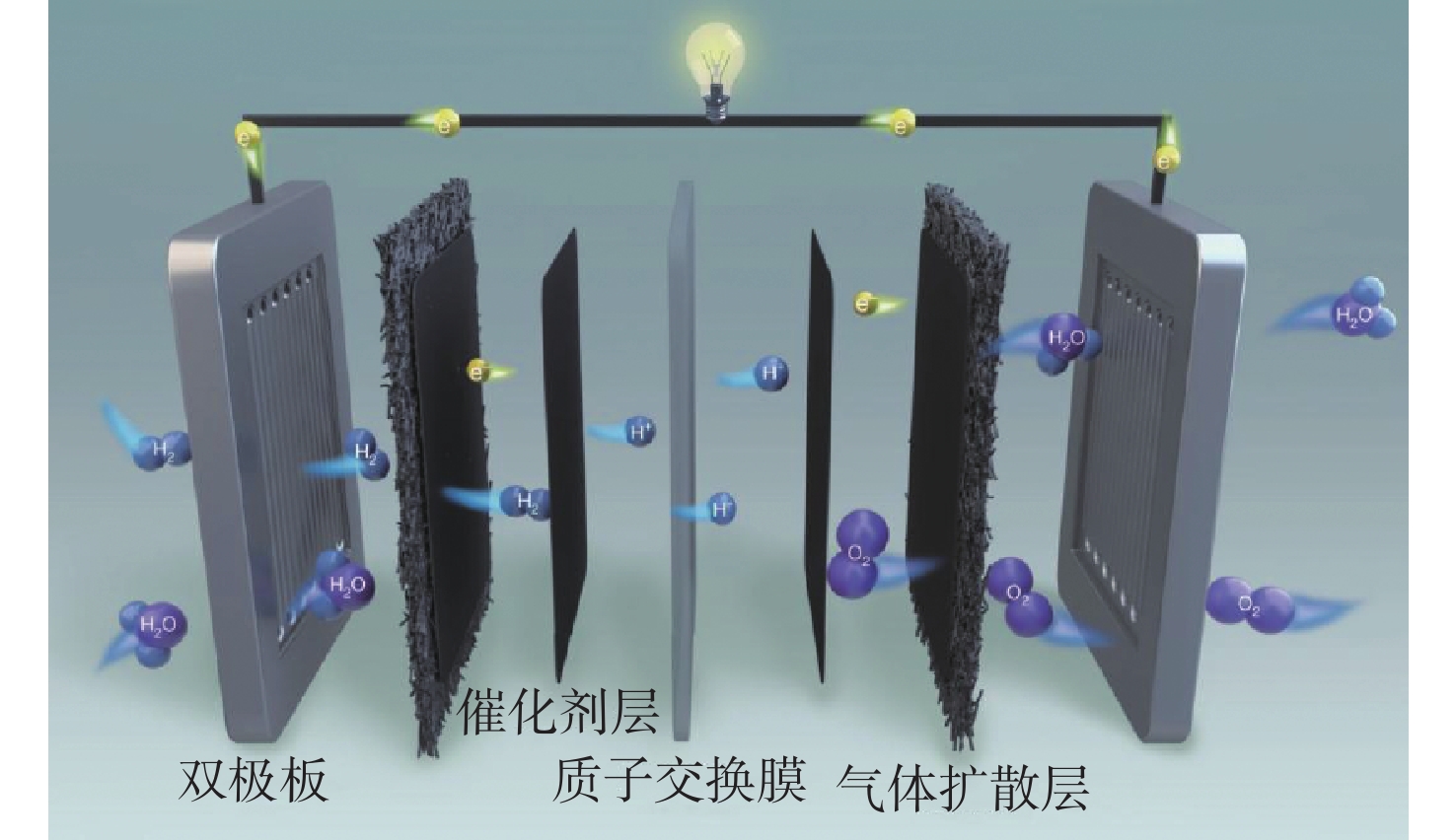
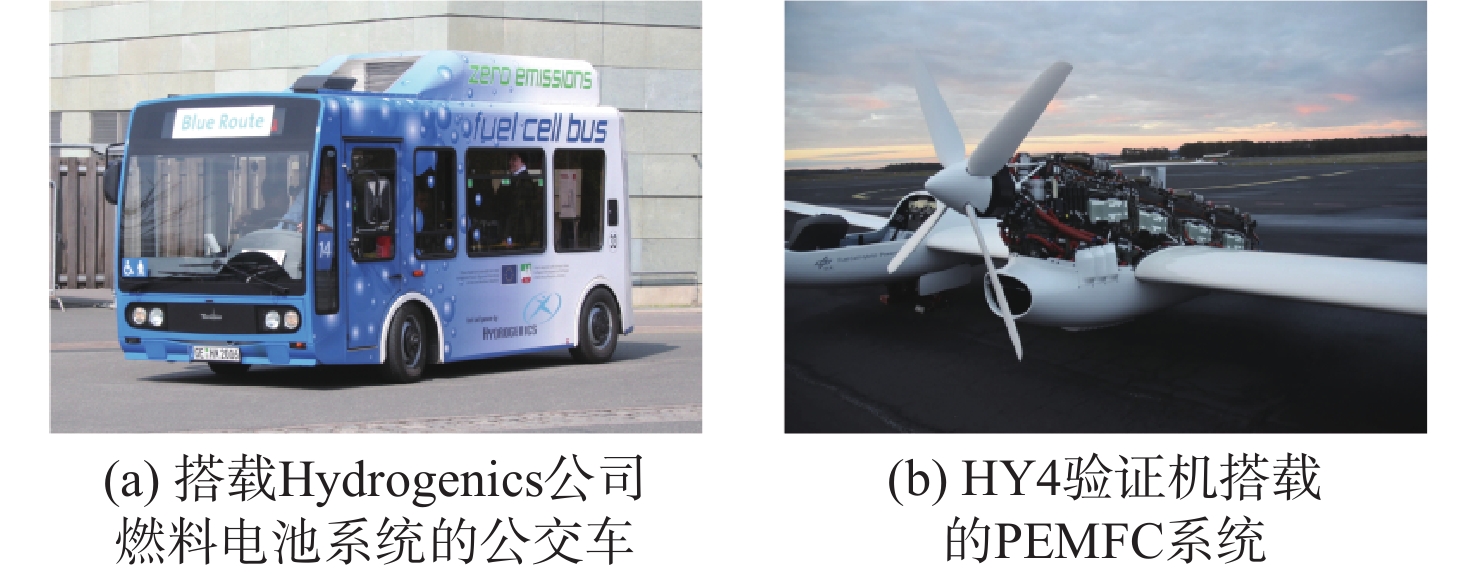
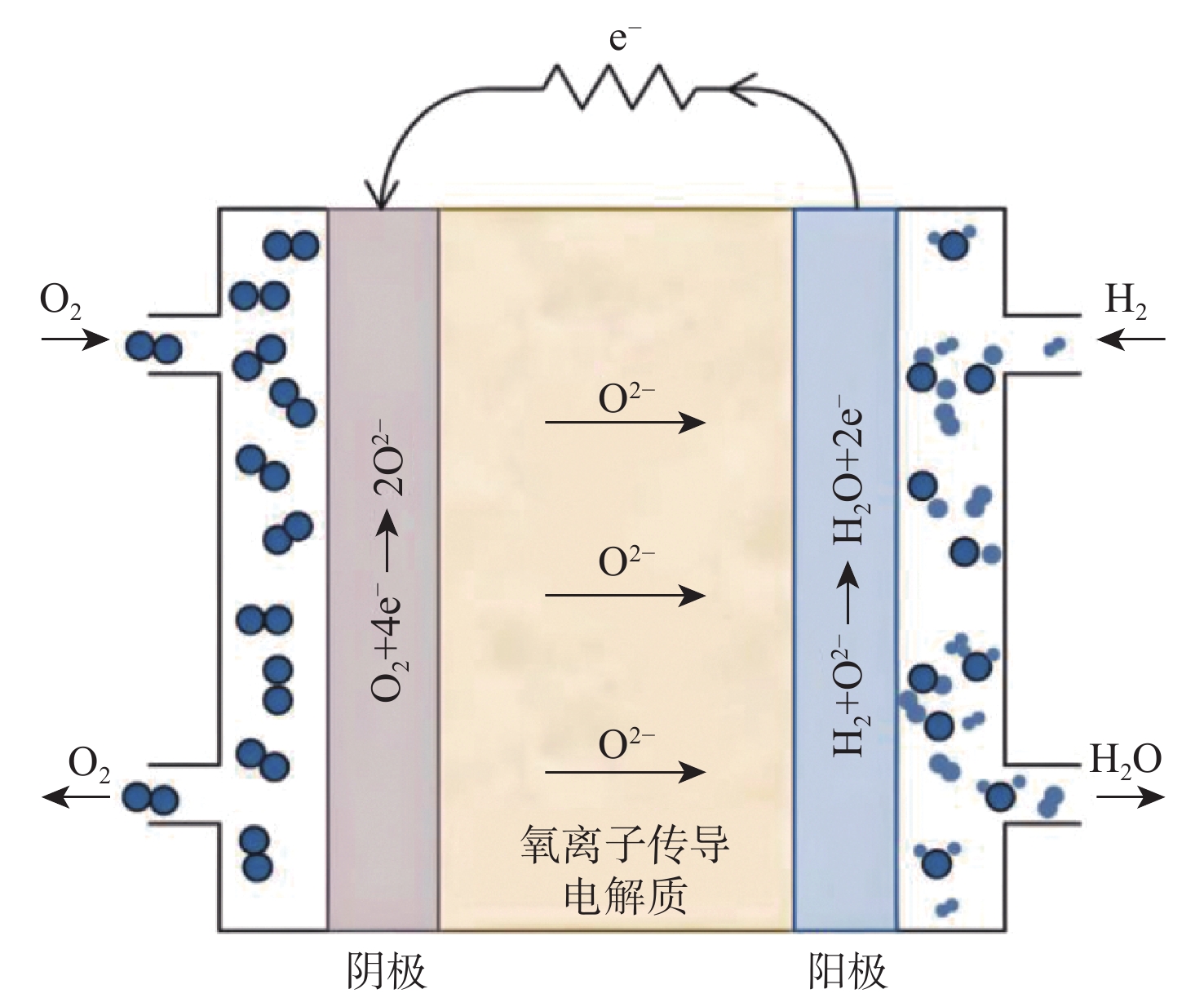
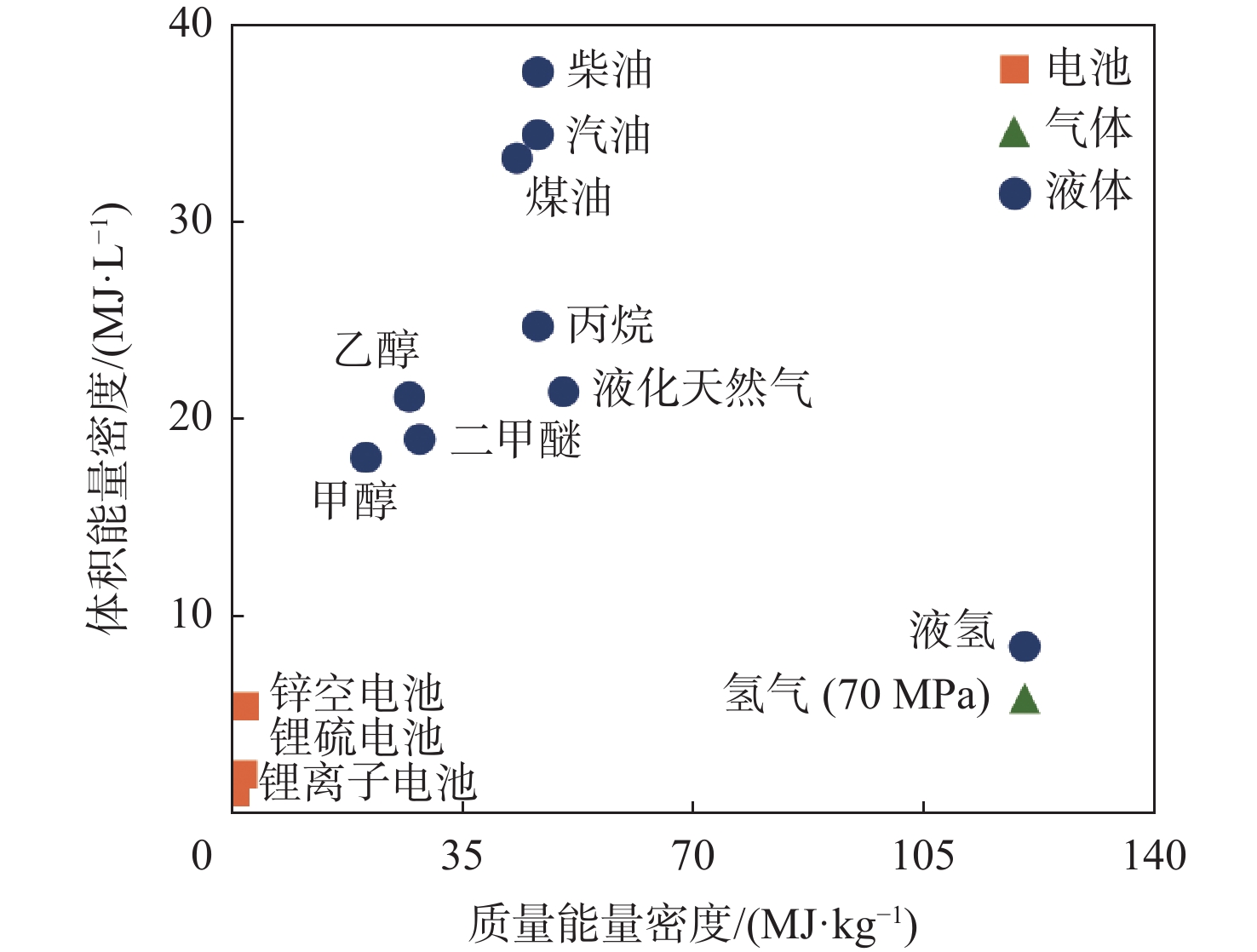
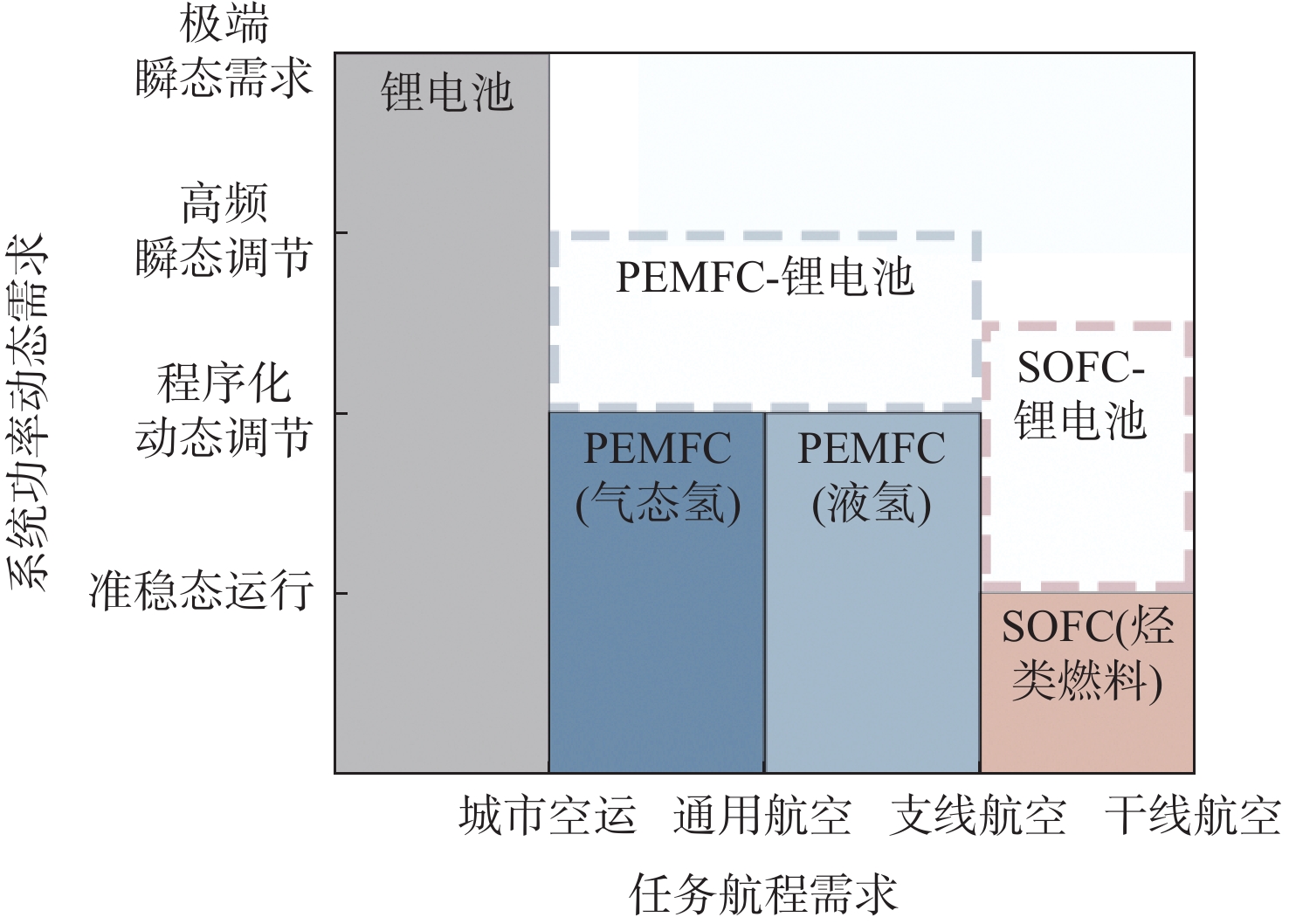
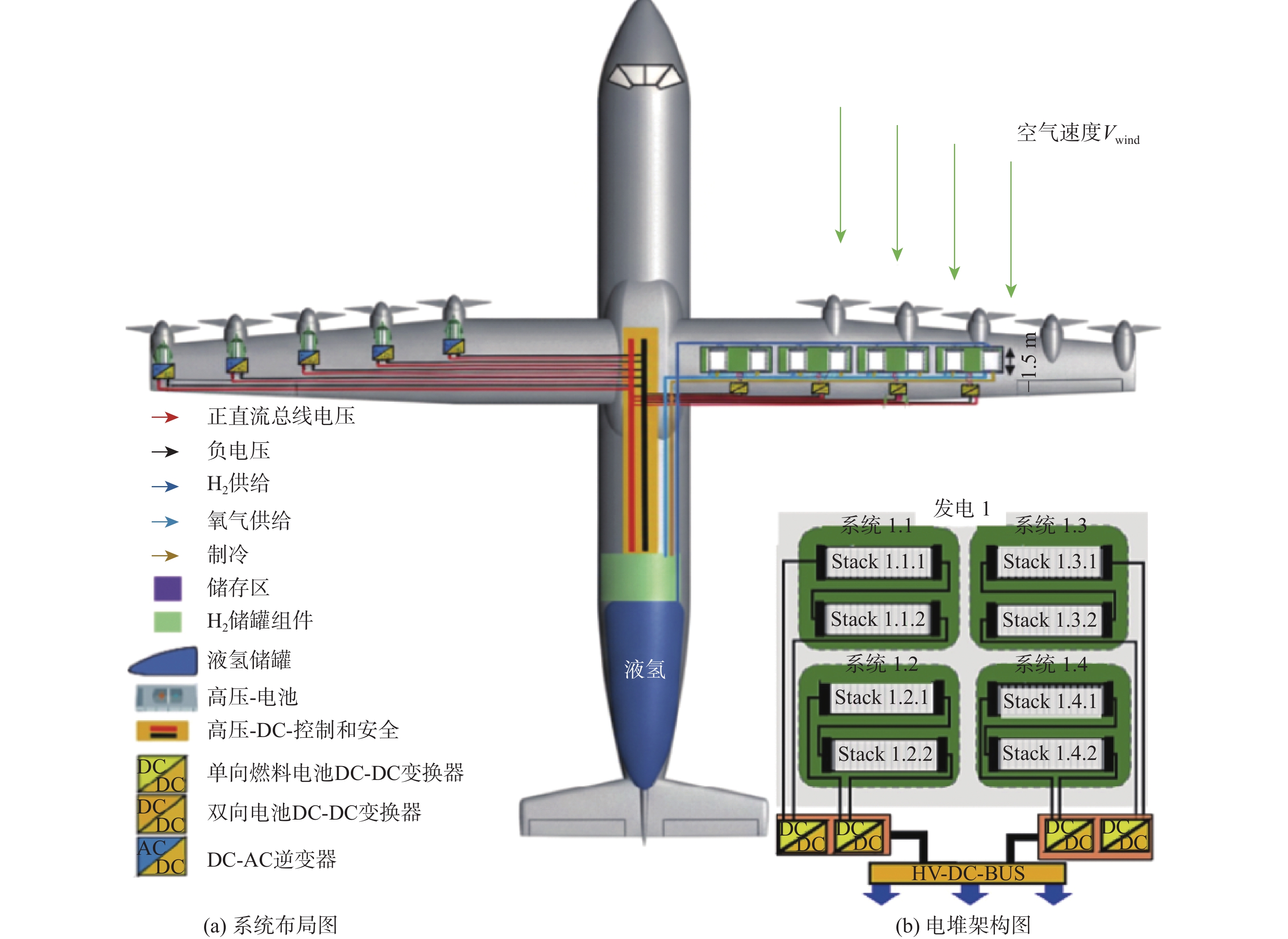
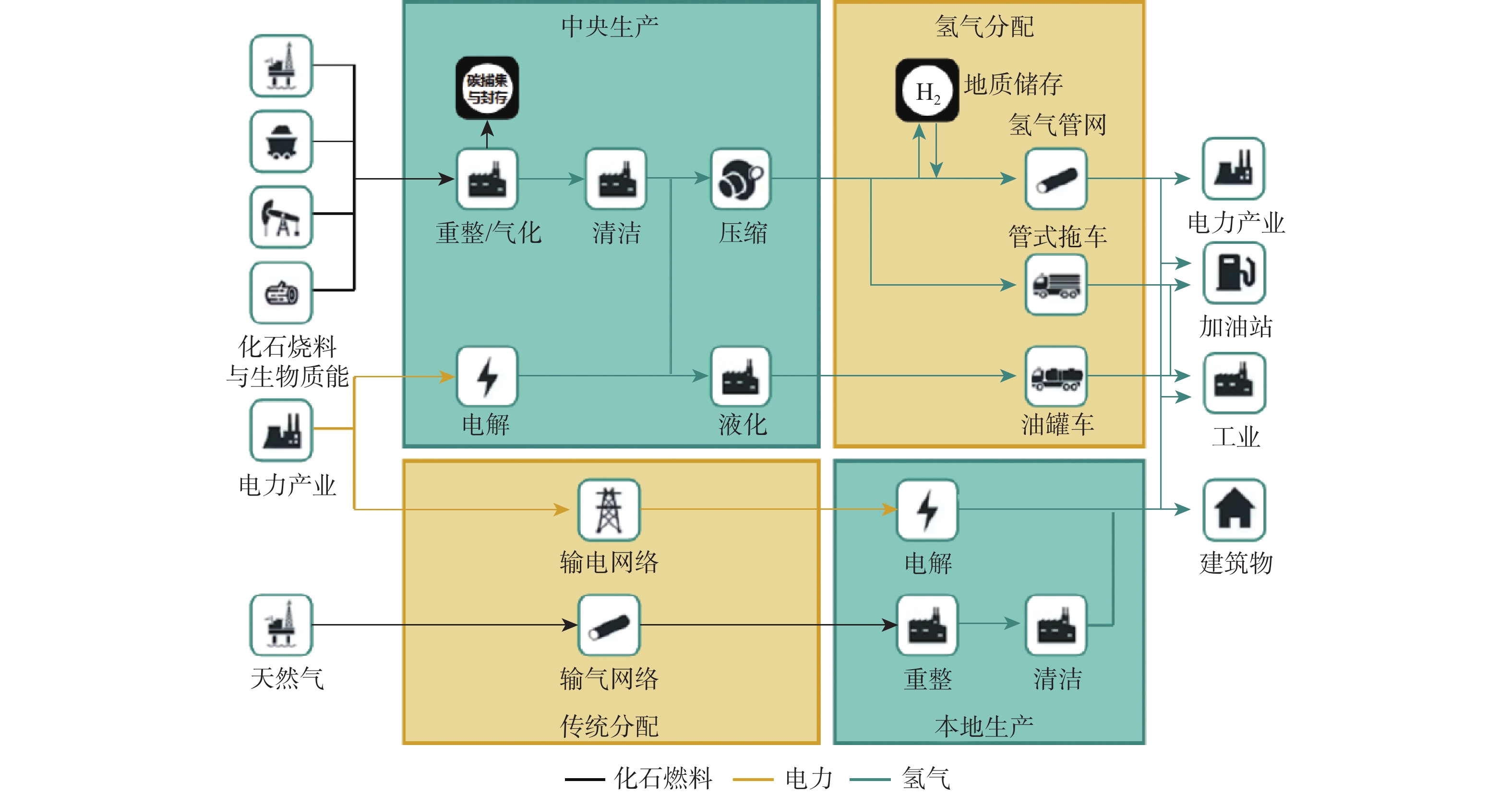
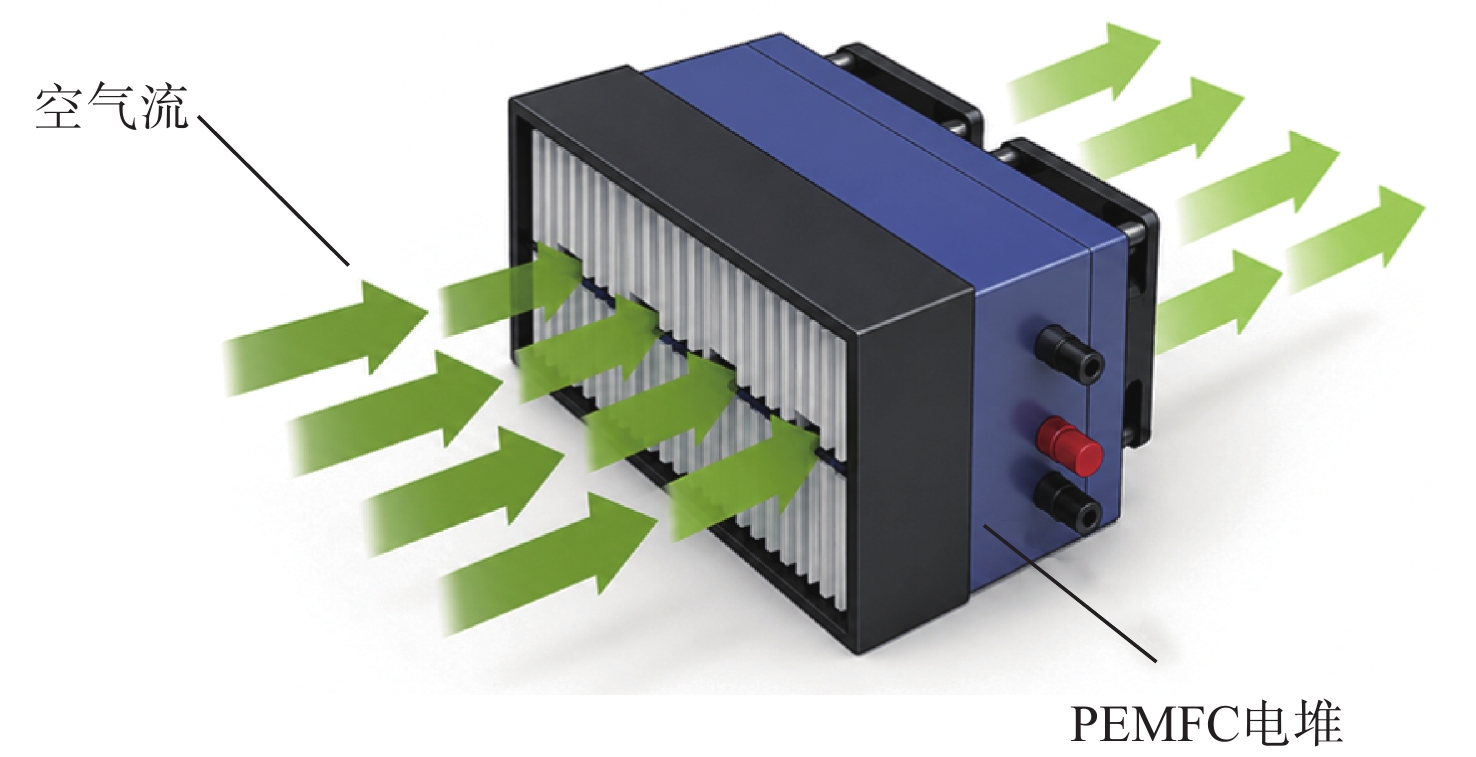
Due to their great energy efficiency and zero carbon emissions, fuel cell aircraft propulsion systems have become a crucial alternative to conventional fossil fuel-based power in the context of the aviation industry’s increasing attempts to become carbon neutral. This study focused on proton exchange membrane fuel cell (PEMFC) and solid oxide fuel cell (SOFC), systematically analyzing their working principles, system architectures, key technological challenges, and applicable scenarios. The research also compared these systems with lithium battery propulsion systems from multiple perspectives, including energy carrier type, power characteristics, service life, and environmental benefits. The findings reveal that while SOFC have great promise for long-endurance missions, PEMFC are better suited for short-range aircraft applications. Although challenges remain in hydrogen storage, thermal management, system integration, and cost, continued advances in structural optimization and hybrid energy architectures are expected to significantly improve the endurance and emission reduction performance of fuel cell-based aviation power systems. These developments support their role as a critical technological pathway toward green aviation.

Artificial intelligence for asteroid proximity exploration research progress and future perspectives
YIN Jihao, WEI Xiaodong, CUI Linyan, WU Wenjun, ZHANG Xiaoming, LIU Chuankai
2026, 52(10): 3396-3407. doi: 10.13700/j.bh.1001-5965.2024.0724
Abstract:

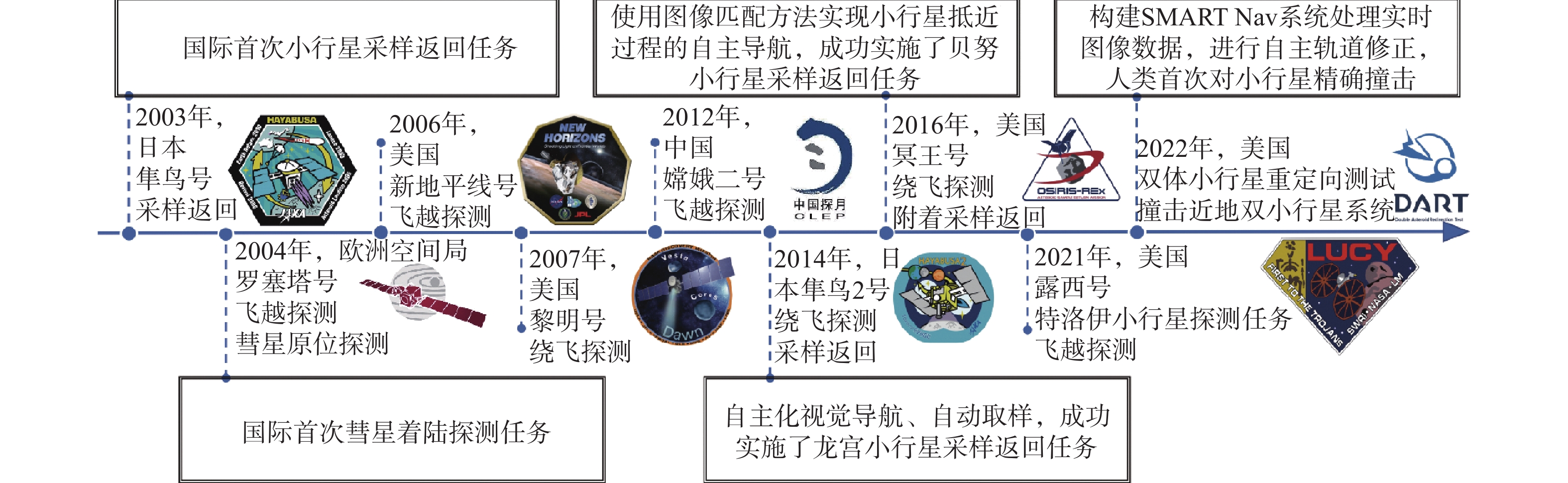
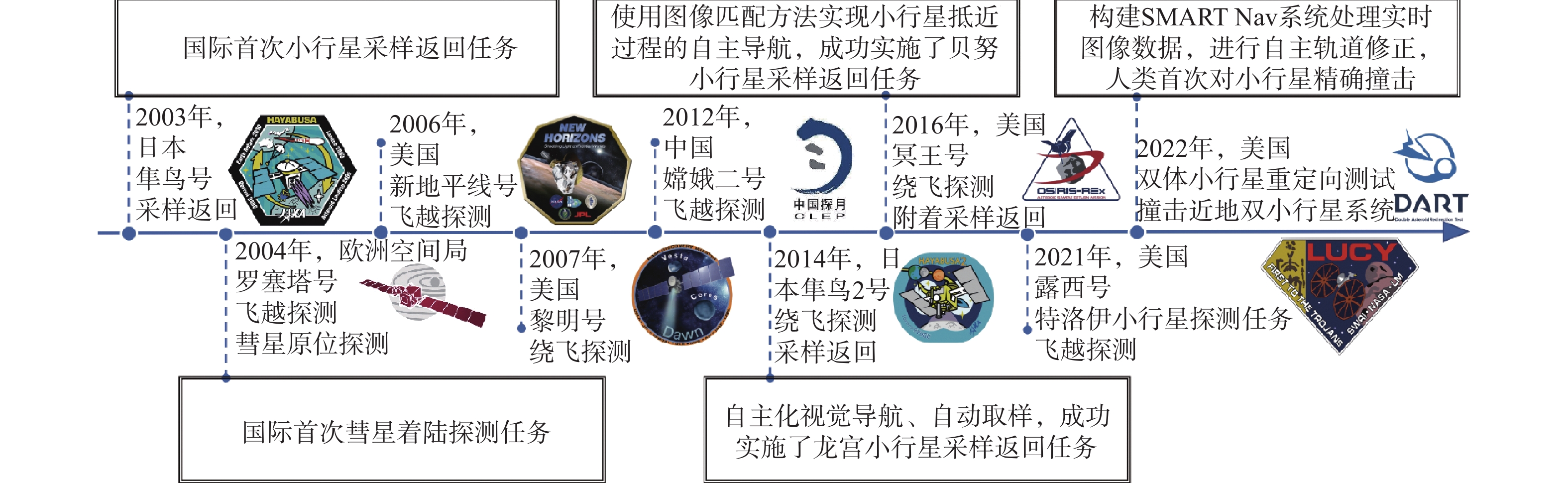
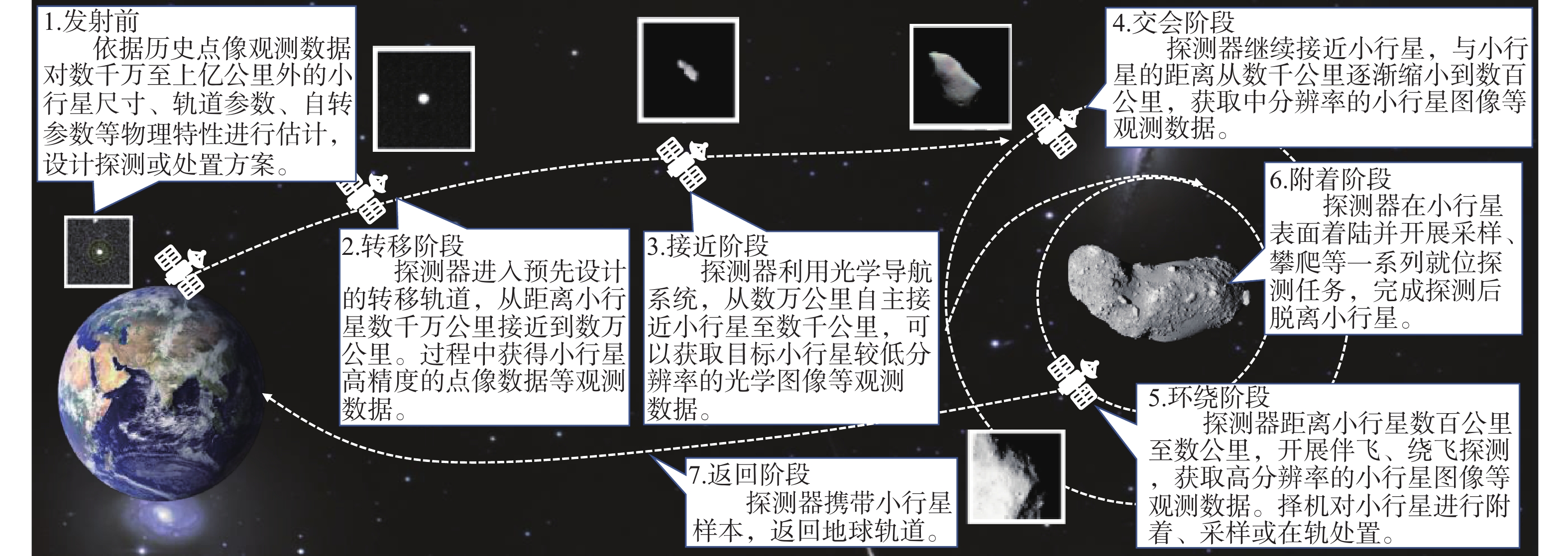
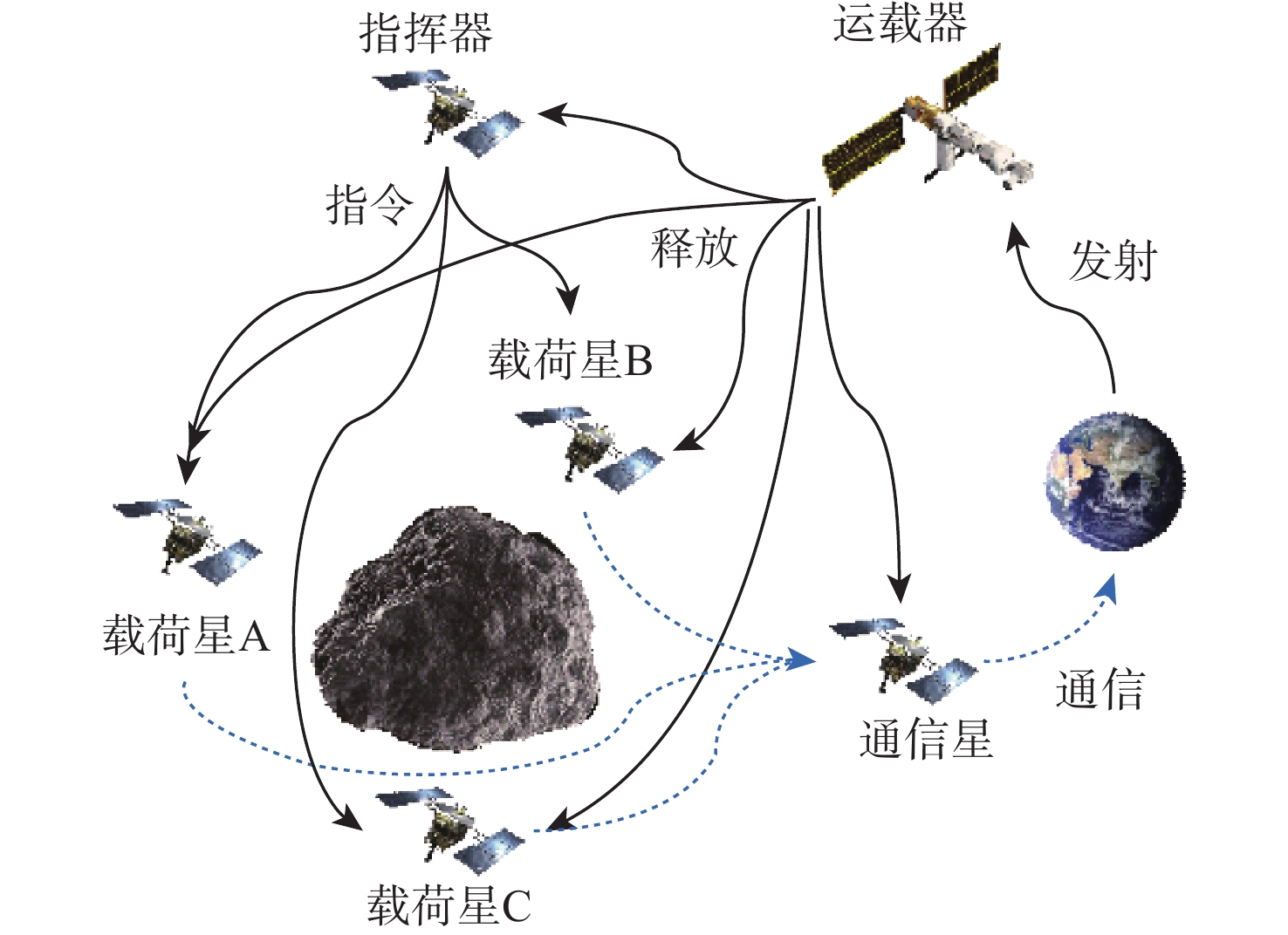
One of the main goals of deep space exploration is asteroid exploration, which has great scientific significance. Faced with the challenges of long distances and limited knowledge of asteroid exploration targets, the rapidly evolving technology of artificial intelligence (AI) has emerged as a promising complement to existing space mission implementation paradigms. In addition to introducing the current state of research on the application of AI methods in asteroid exploration, this paper analyzes the methods of AI systems used in space exploration missions and asteroid ground observation systems. It also summarizes the challenges that these methods face. It also proposes key technologies with developmental potential for asteroid exploration.

Progress in the investigation of electro-thermal coupled catastrophic mechanisms in lithium-ion battery modules
HE Yuanhua, LIANG Jiaxin, LI Zitong, HUANG Jiang
2026, 52(10): 3408-3425. doi: 10.13700/j.bh.1001-5965.2024.0559
Abstract:

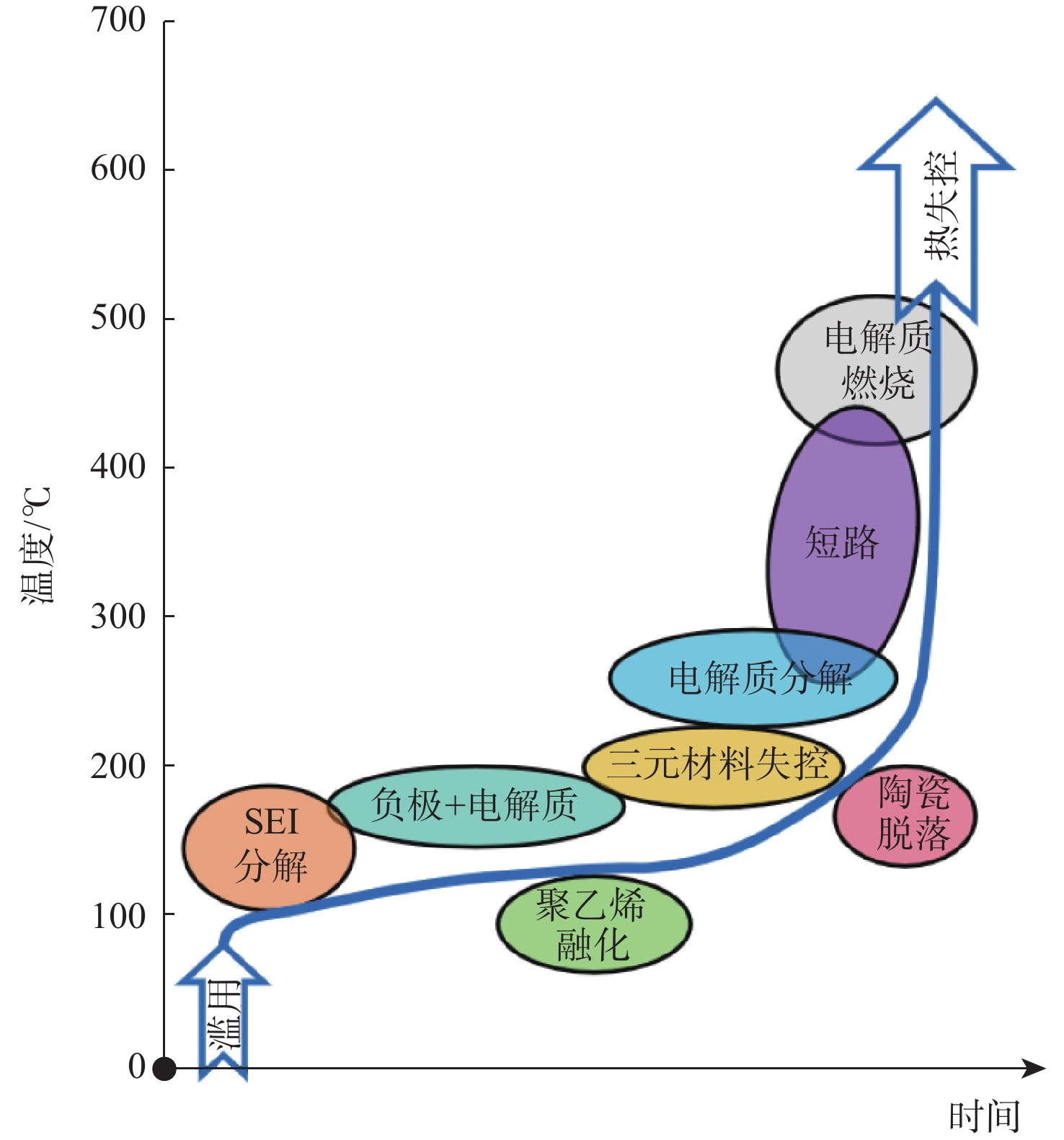
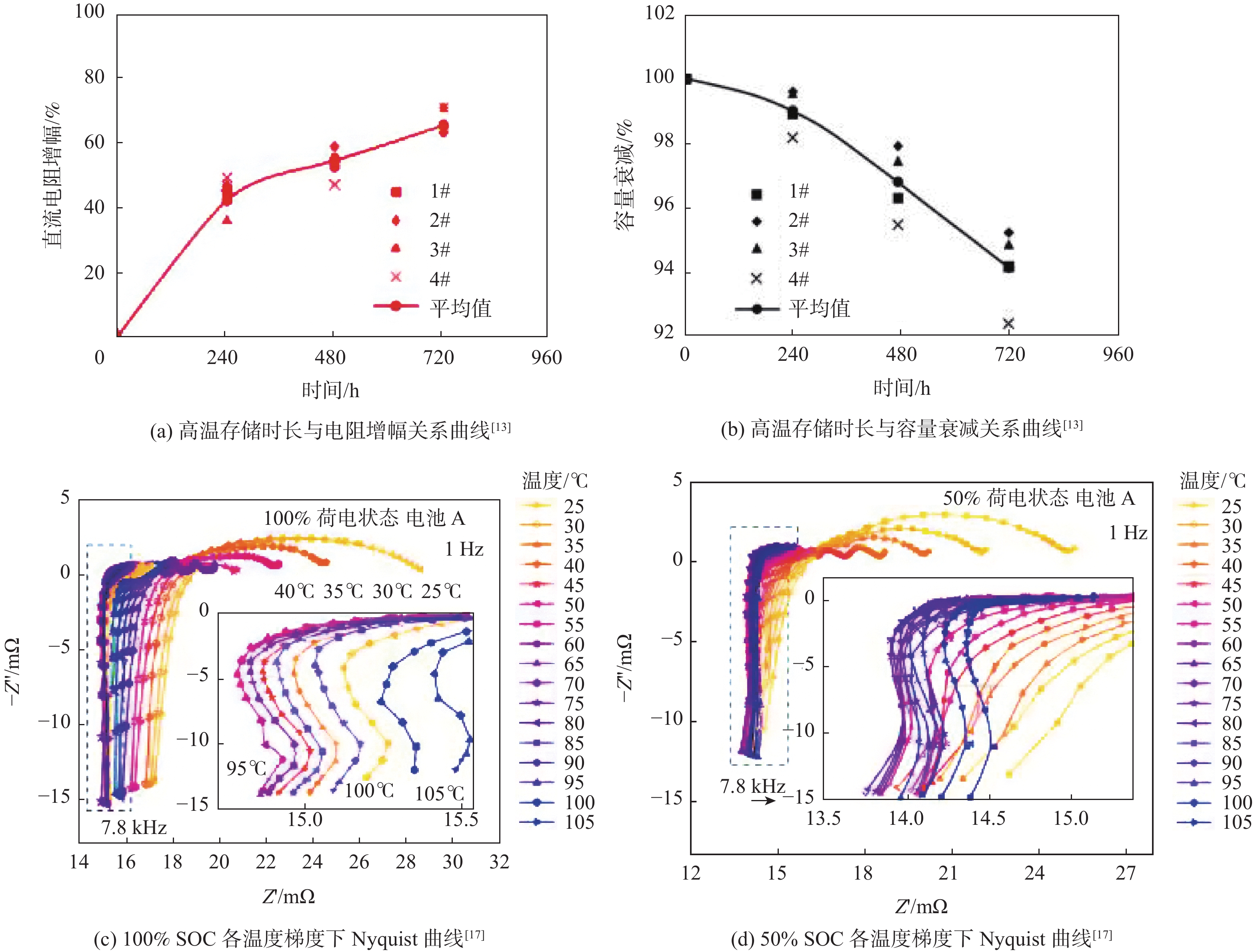
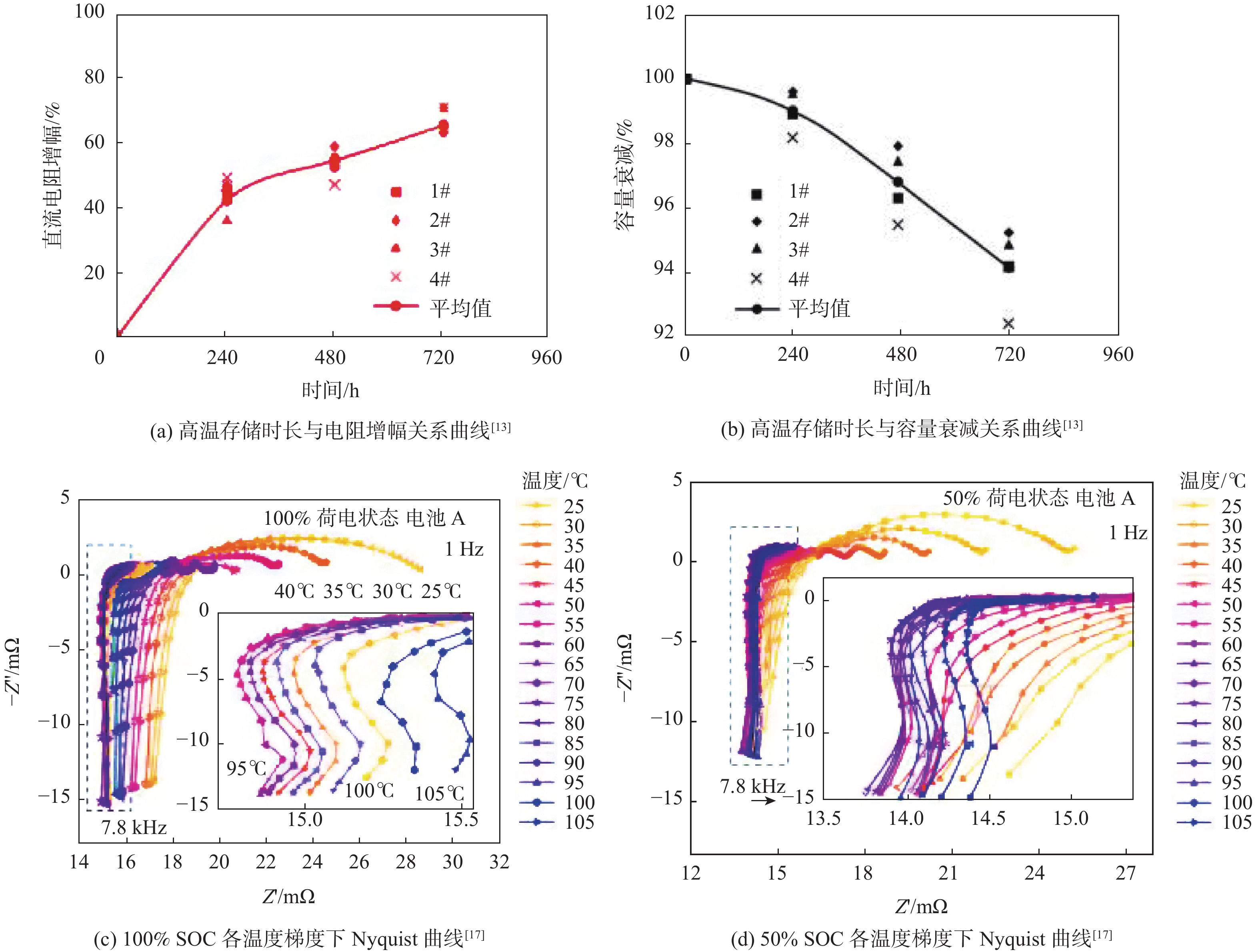
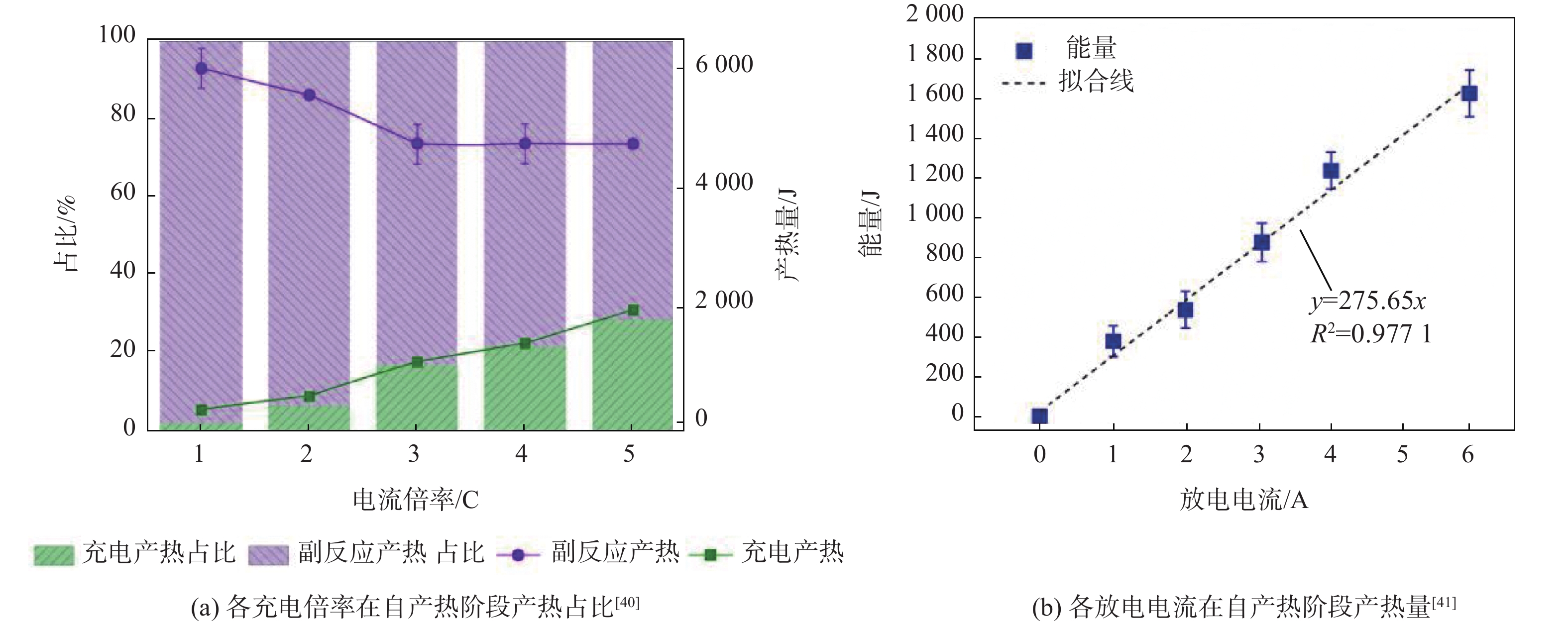
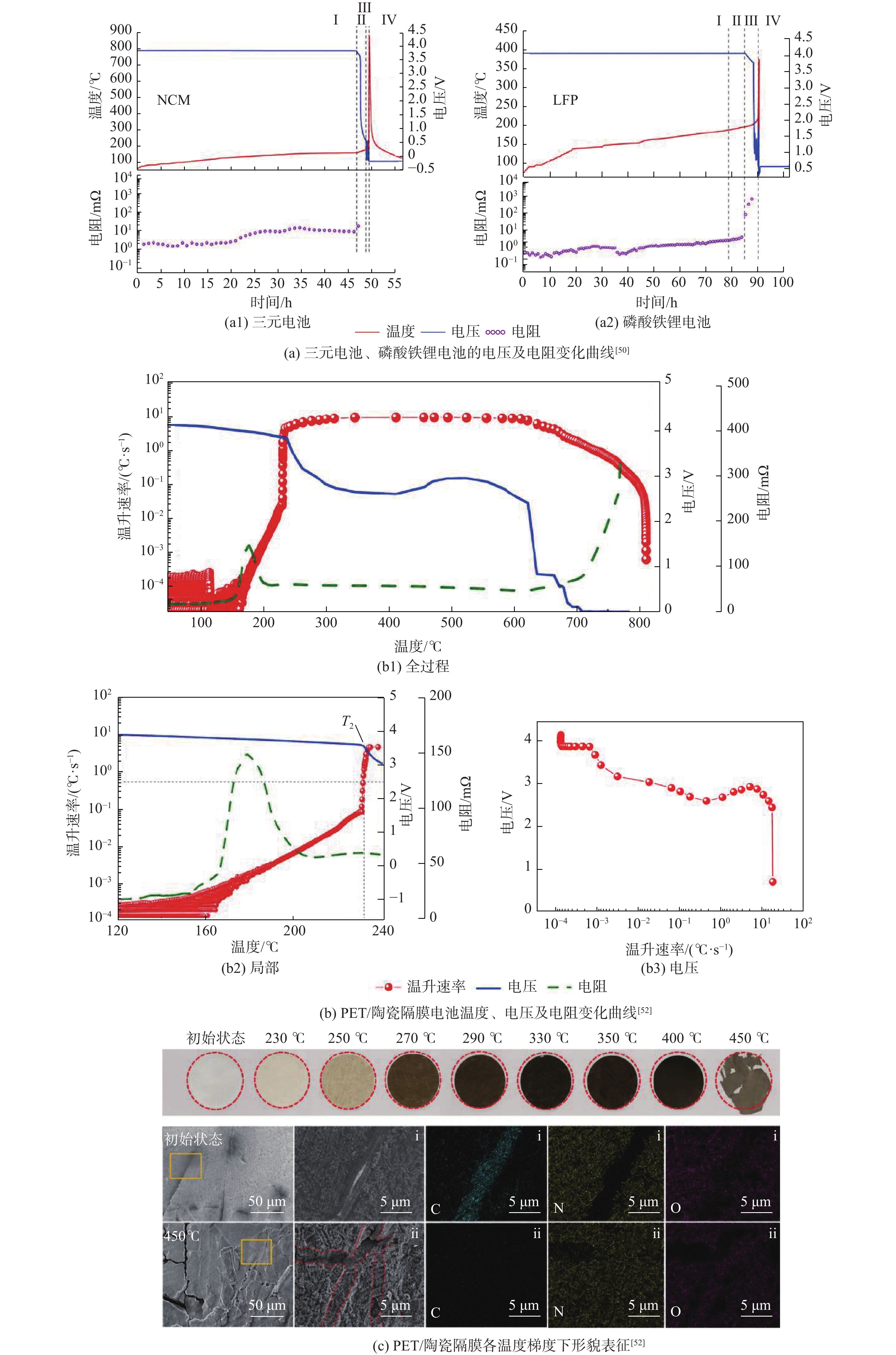
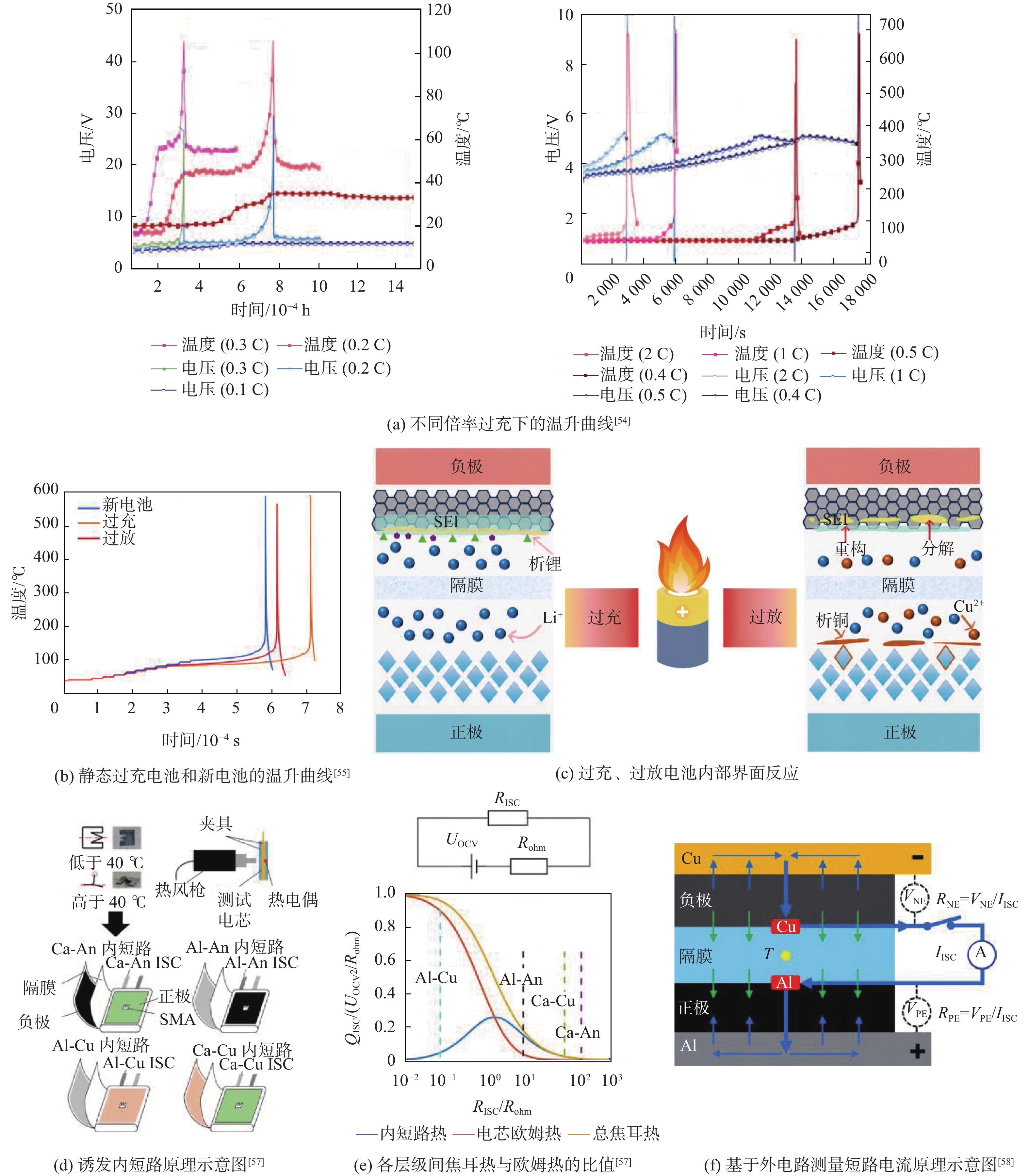
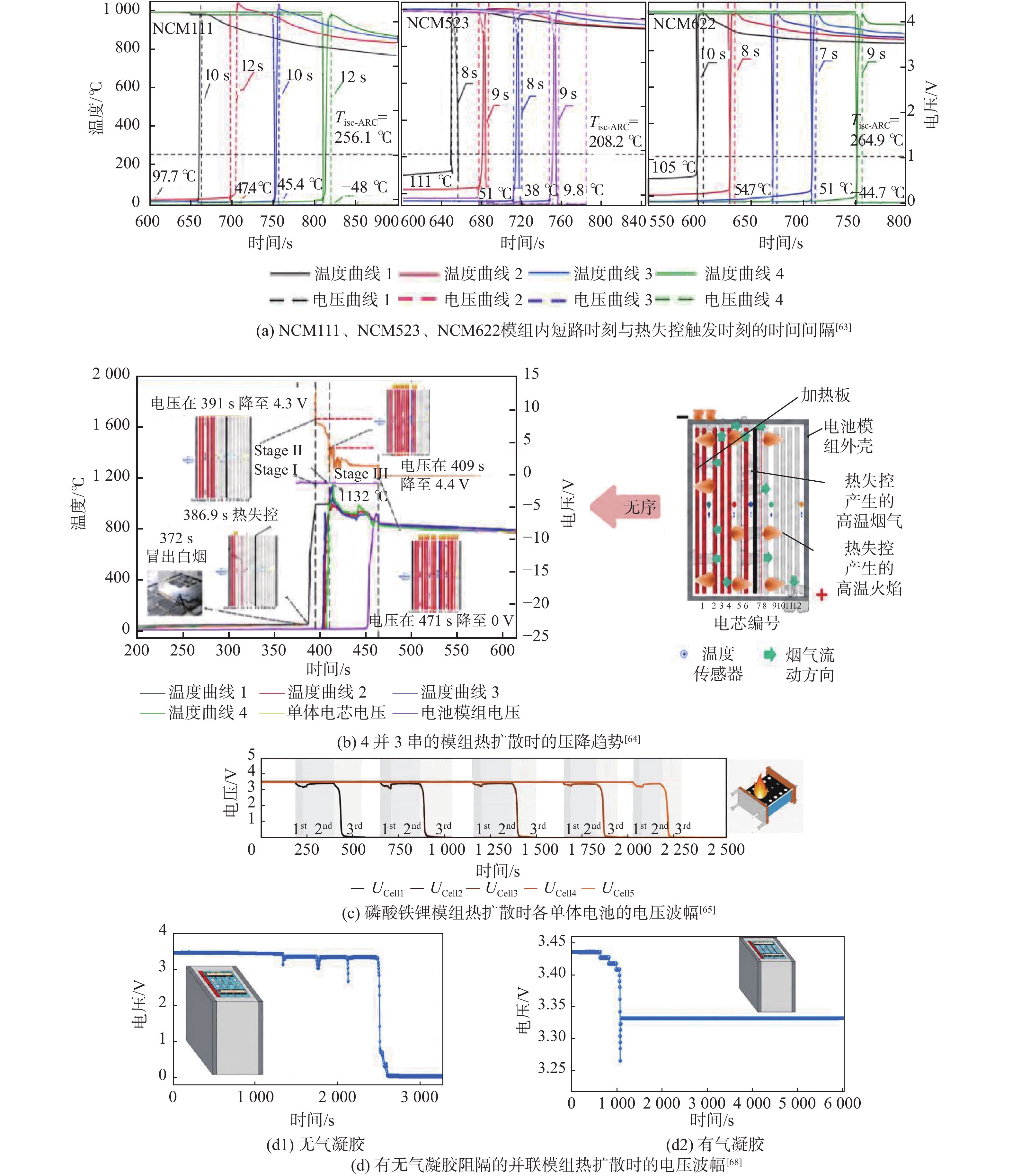
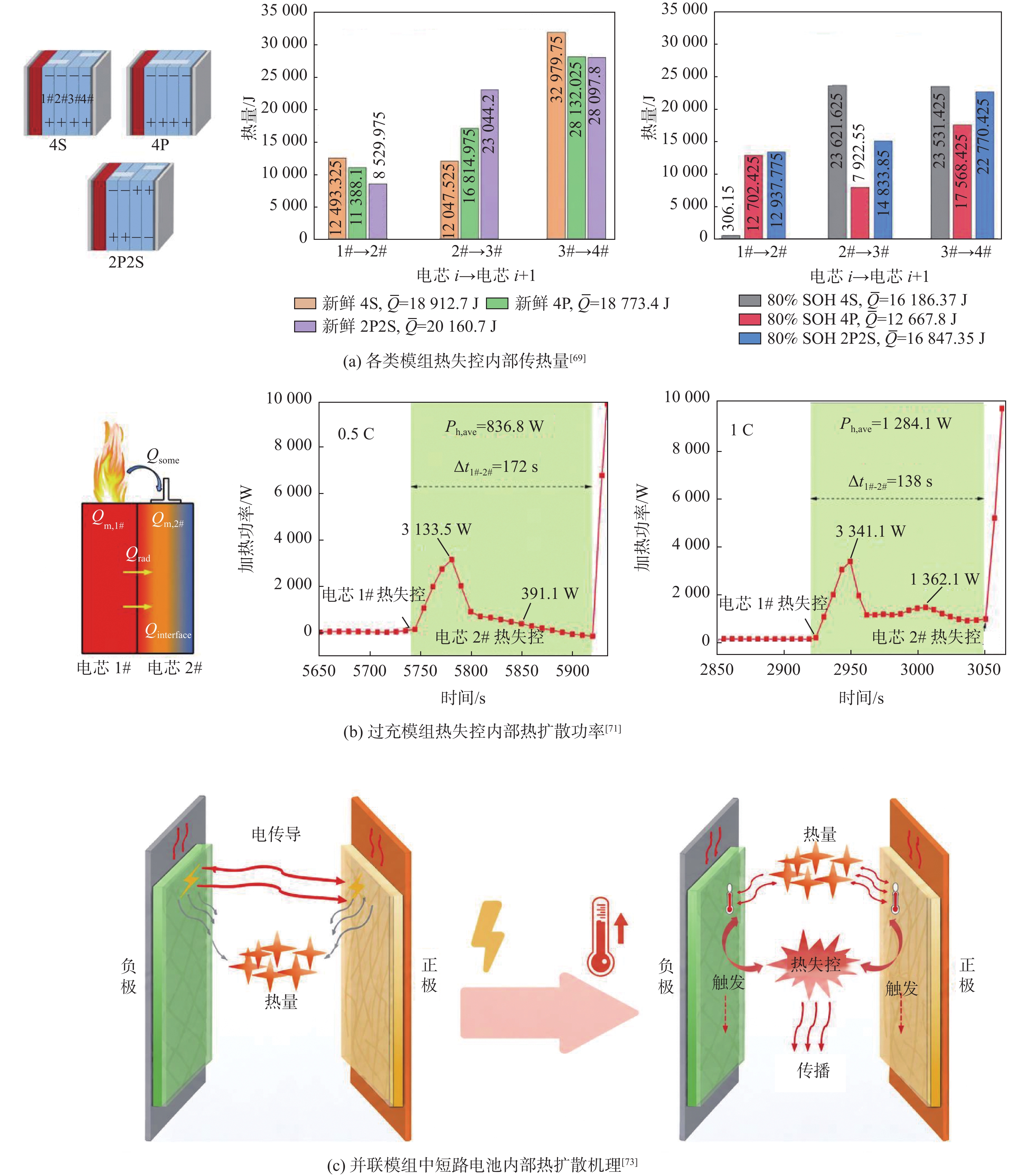
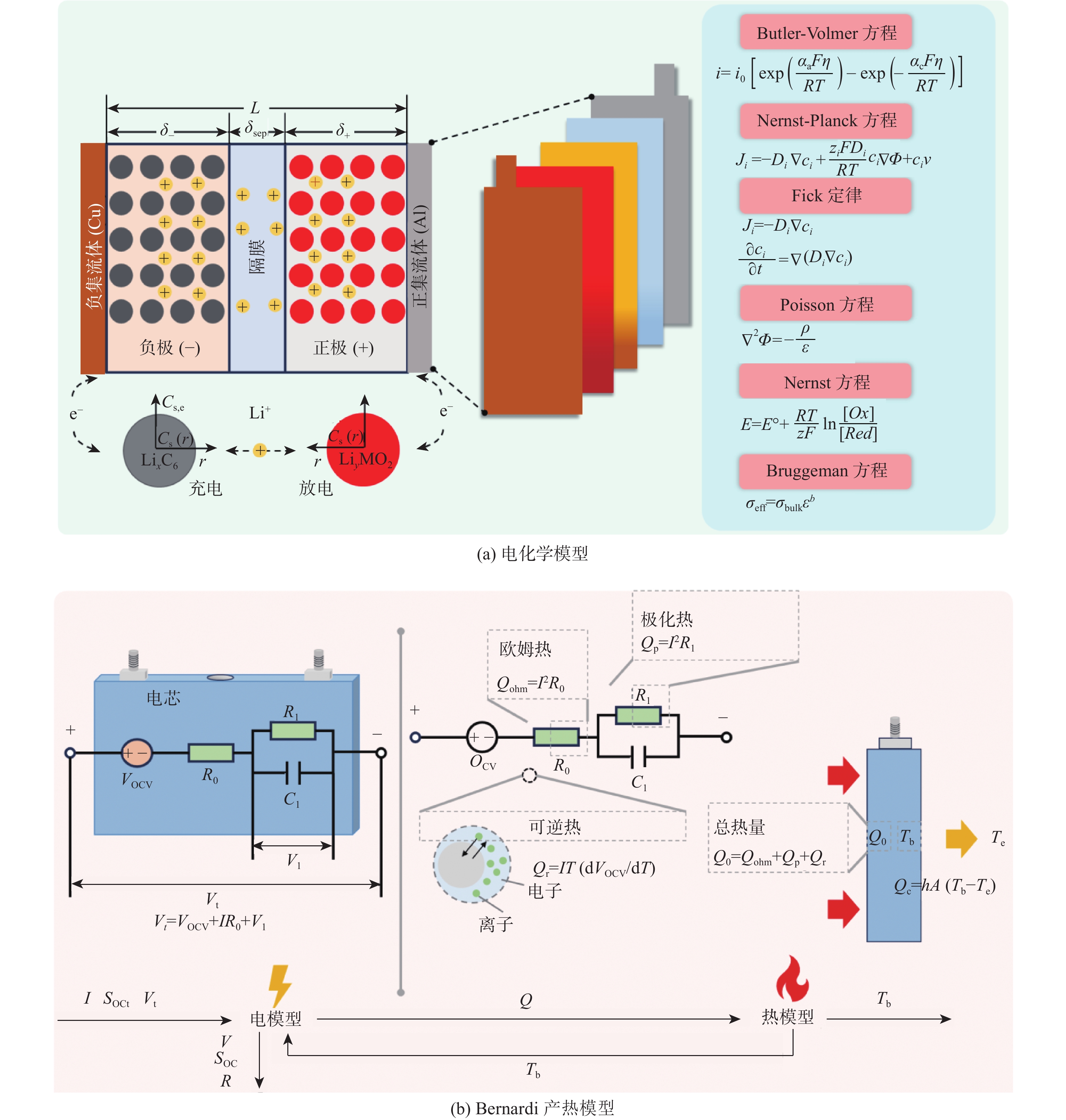
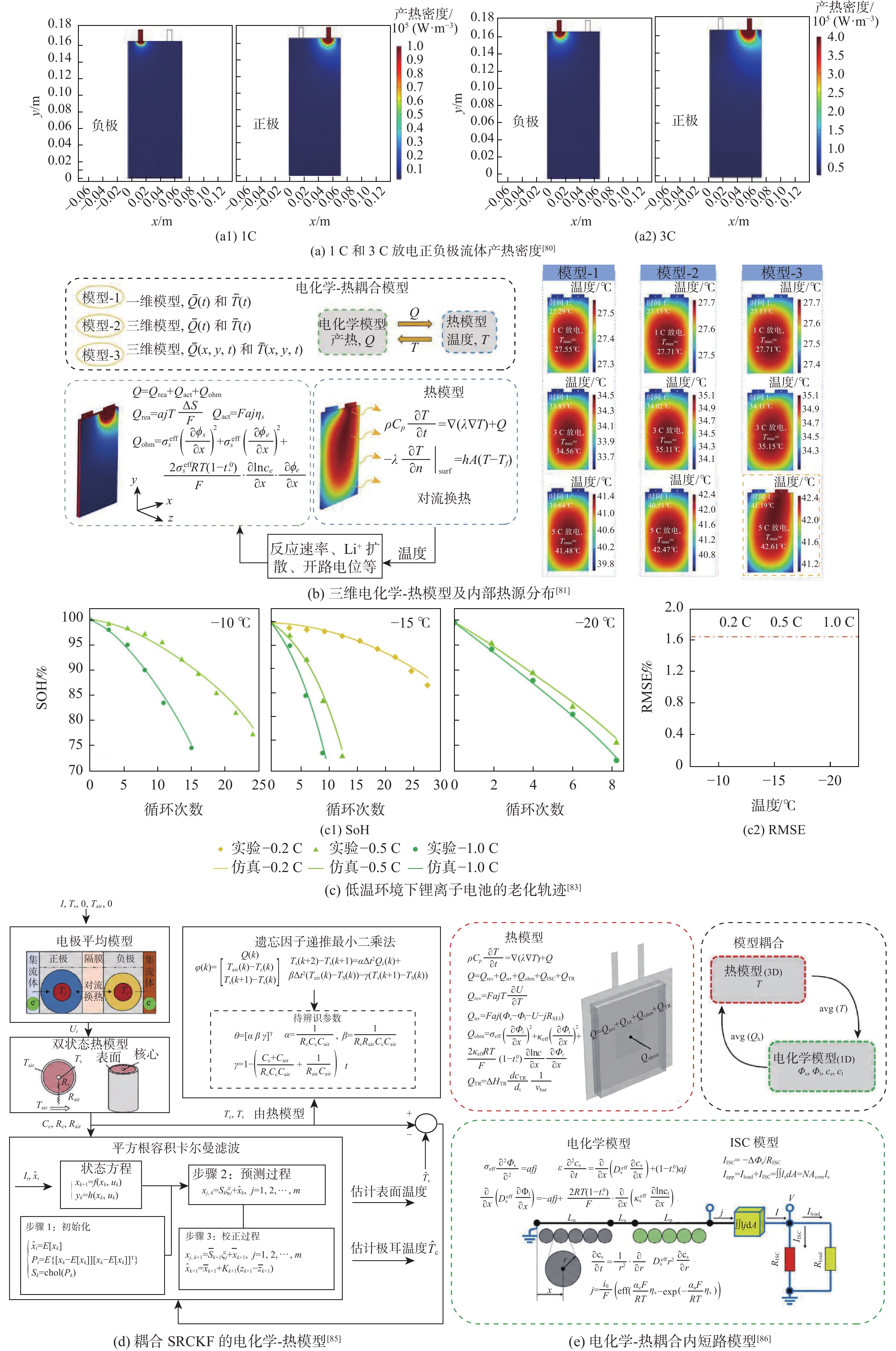
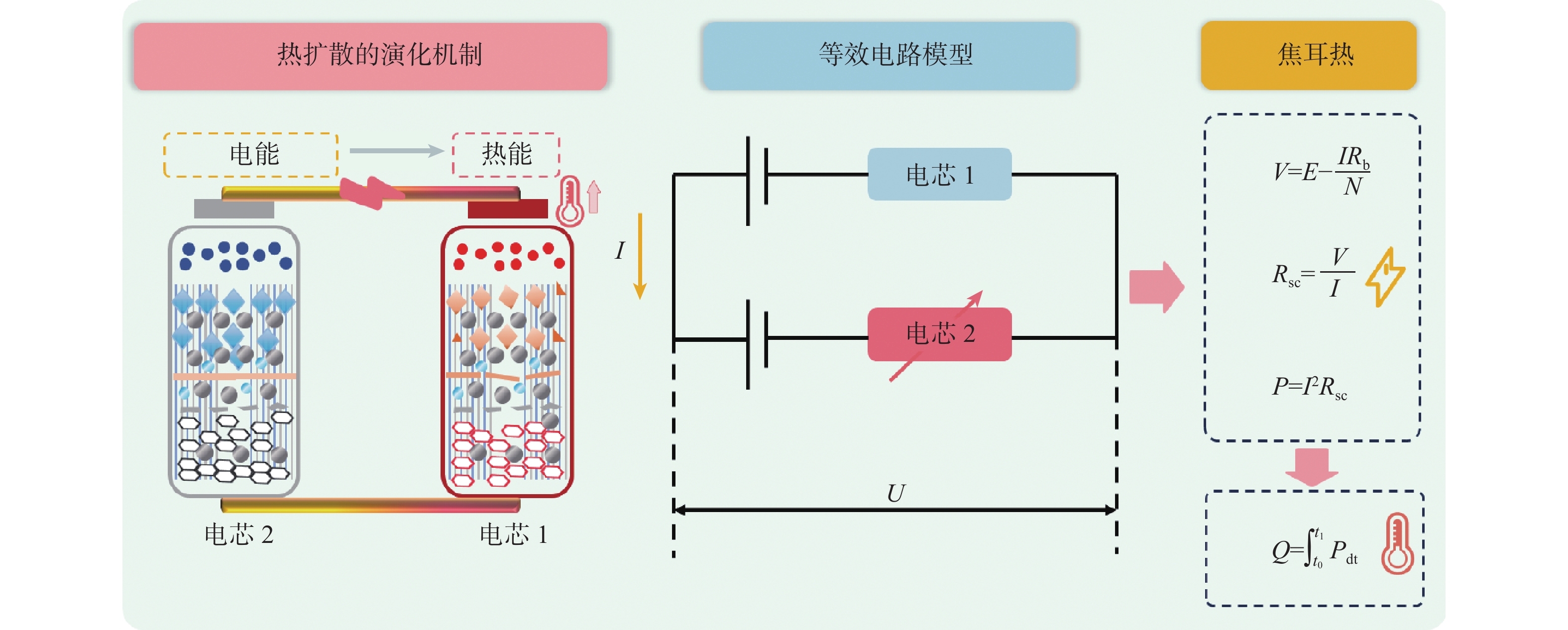
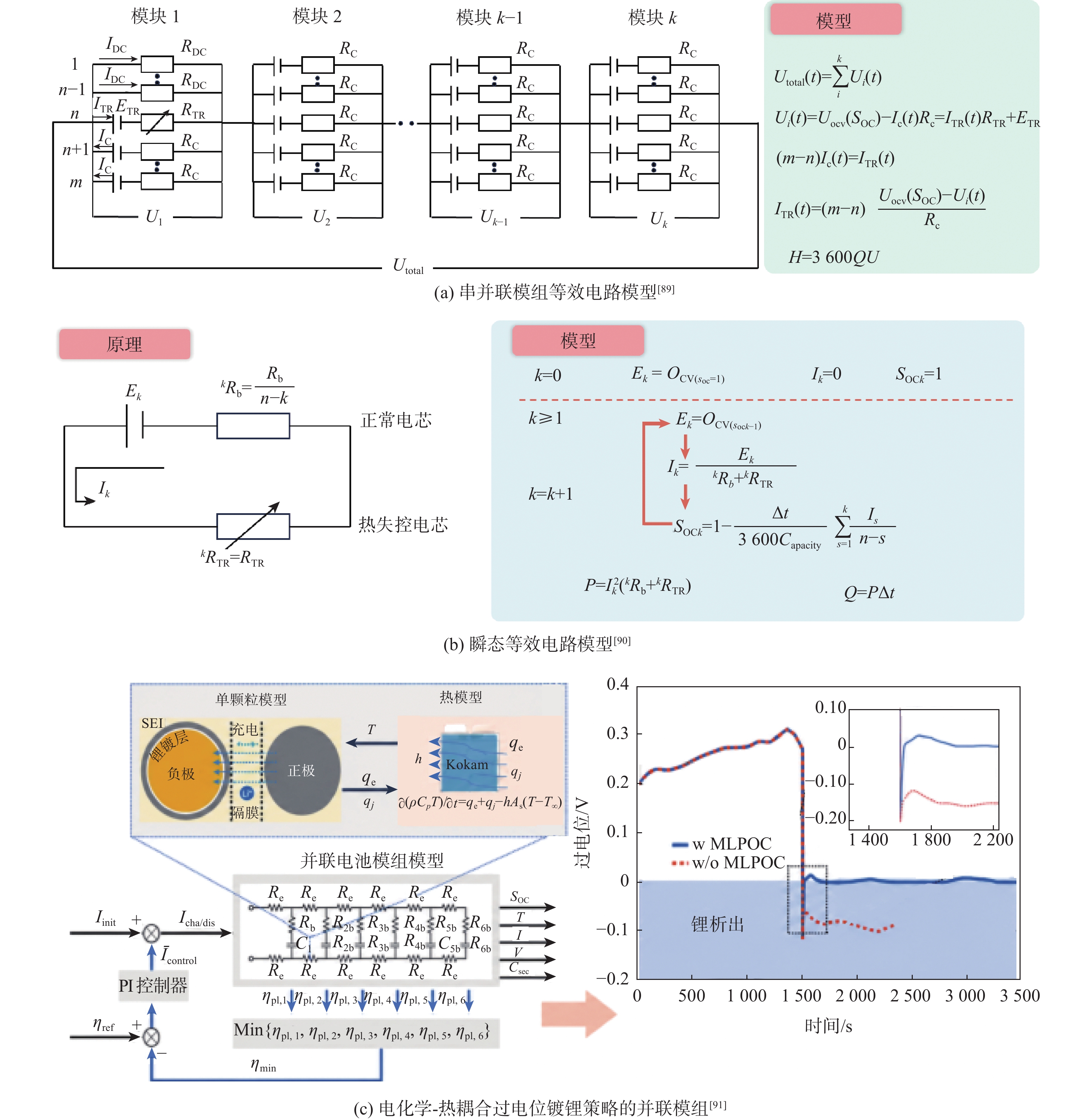
In the many applications of lithium-ion batteries, the problem of thermal failure presents a significant safety risk. This failure is characterized by a sequence of events: the degradation of interface thermal stability, the onset of thermal runaway triggered by internal short circuits within a cell, and the subsequent thermal propagation at both the module and system levels. The coupled electro-thermal catastrophe serves as both a critical dimension in characterizing the thermal failure logic of lithium-ion battery systems and a key breakthrough in managing these thermal failures. This paper provides a thorough analysis of the thermal behaviors, such as self-generated heat, Joule heating, and heat conduction, that affect electrical behaviors during the solid electrolyte interphase (SEI) layer decomposition of a single cell, the separator melting, and heat propagation at the module level for electro-thermal coupling catastrophe in lithium-ion battery systems over long cycles and across multiple scales. The heat generation and heat transfer behaviors associated with electrical phenomena are also analyzed, such as overcharging, overdischarging and battery aging. The paper also reviews the most prominent electro-thermal coupling models for both individual cells and modules, providing a synthesis of the mechanisms that govern the electro-thermal interactions in lithium-ion batteries. By exploring these interactions from both microscopic and macroscopic viewpoints, the study aims to shed light on the future advancements in the management of electro-thermal coupling in battery modules. The goal of this research is to improve the safety and dependability of lithium-ion battery systems through design, operation, and maintenance.

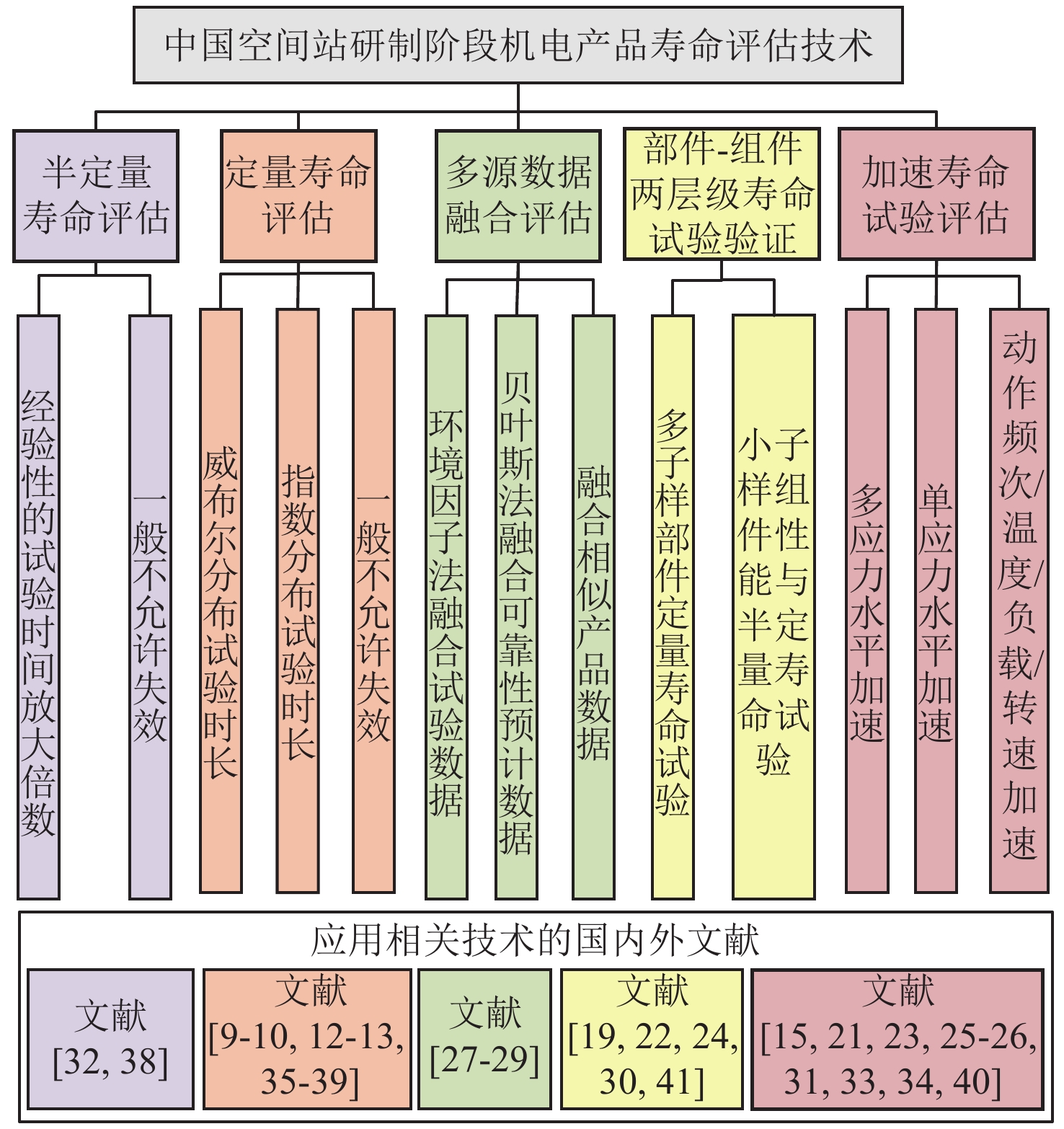
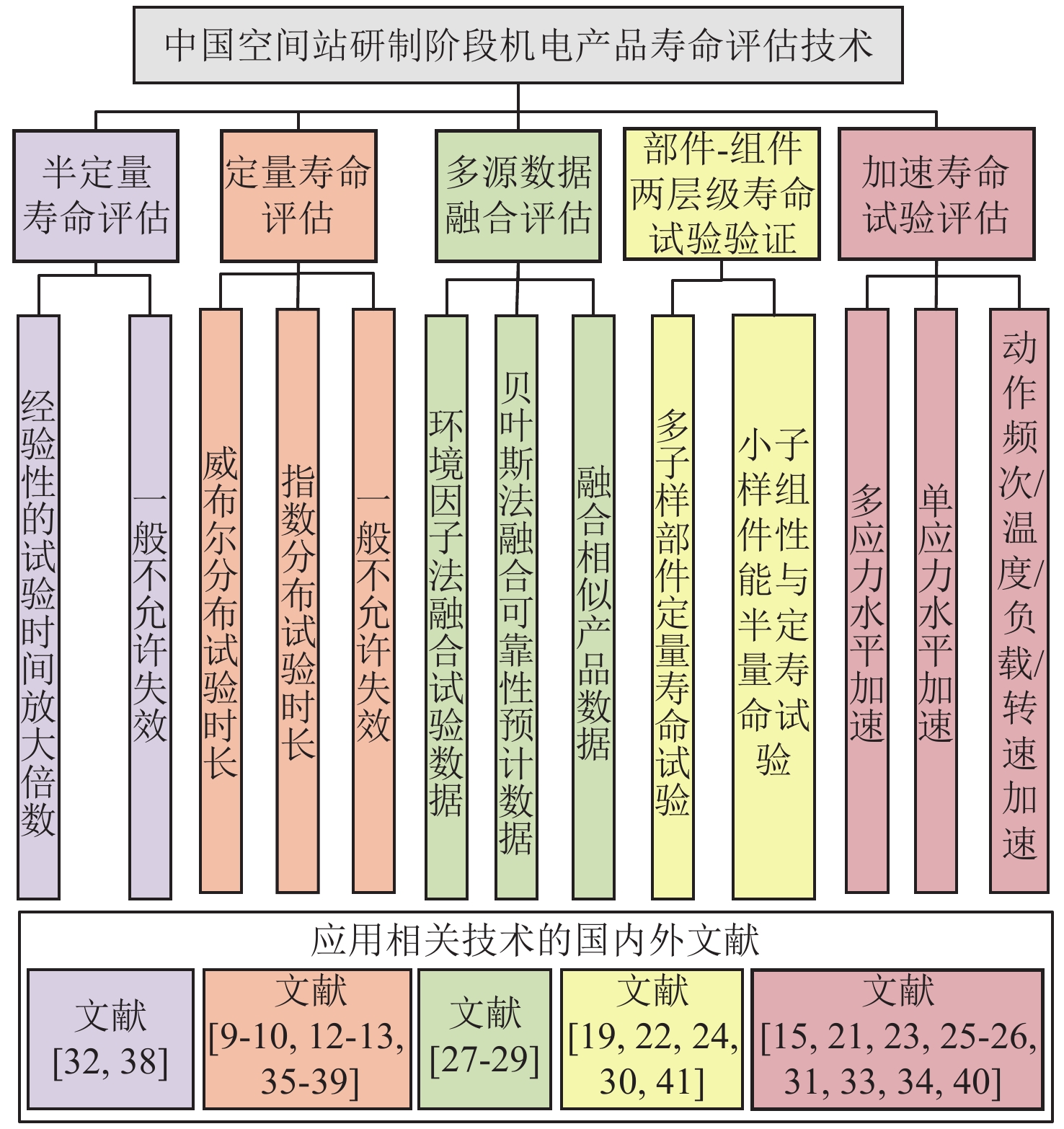
On-orbit life re-evaluation technology and prospects for electromechanical products in response to demand for China Space Station lifespan extension
HUANG Shouqing, XIA Qiaoli, XU Shu, YU Yifang, LIU Shouwen, ZHANG Zhaolin
2026, 52(10): 3426-3436. doi: 10.13700/j.bh.1001-5965.2024.0799
Abstract:

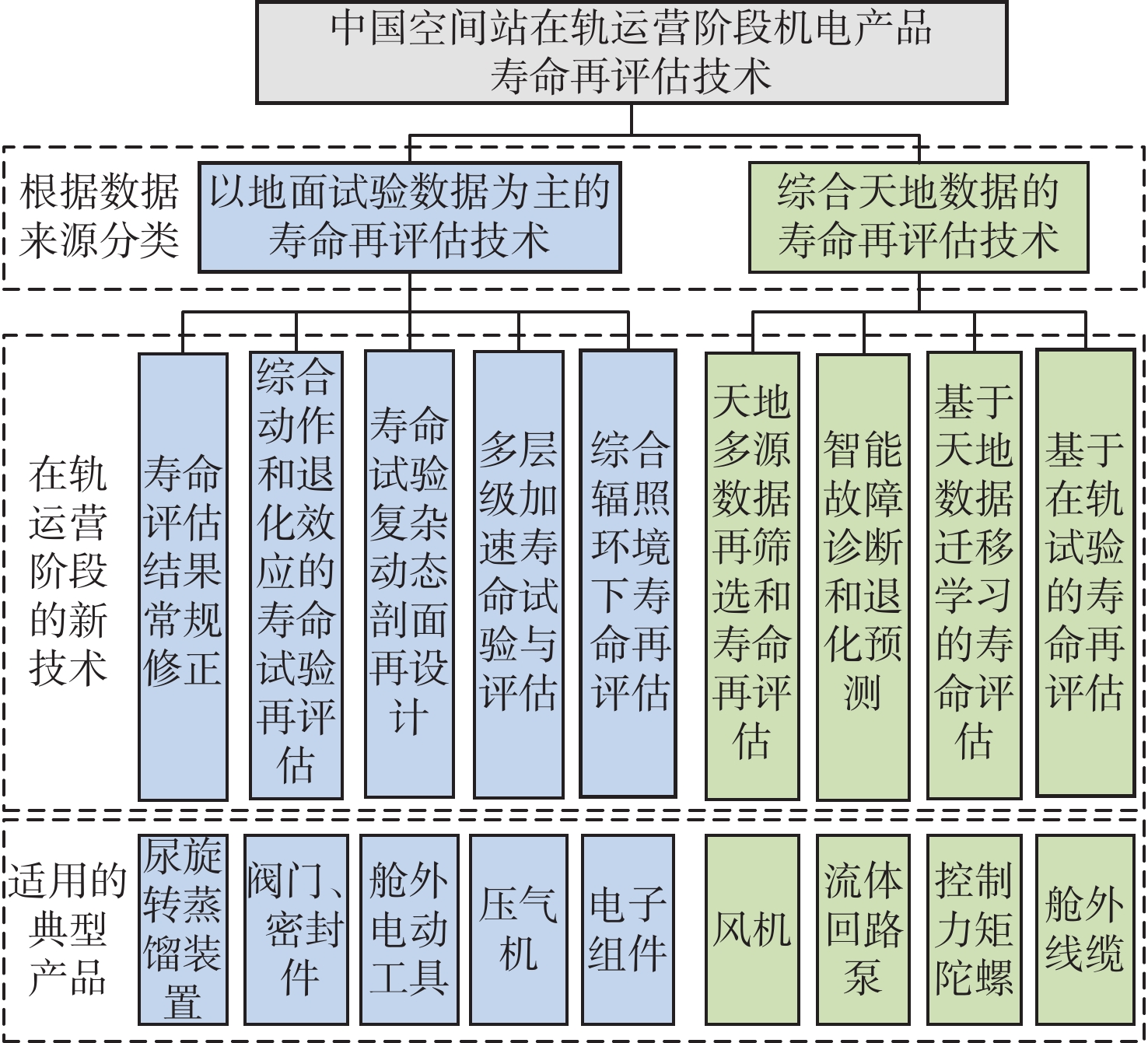
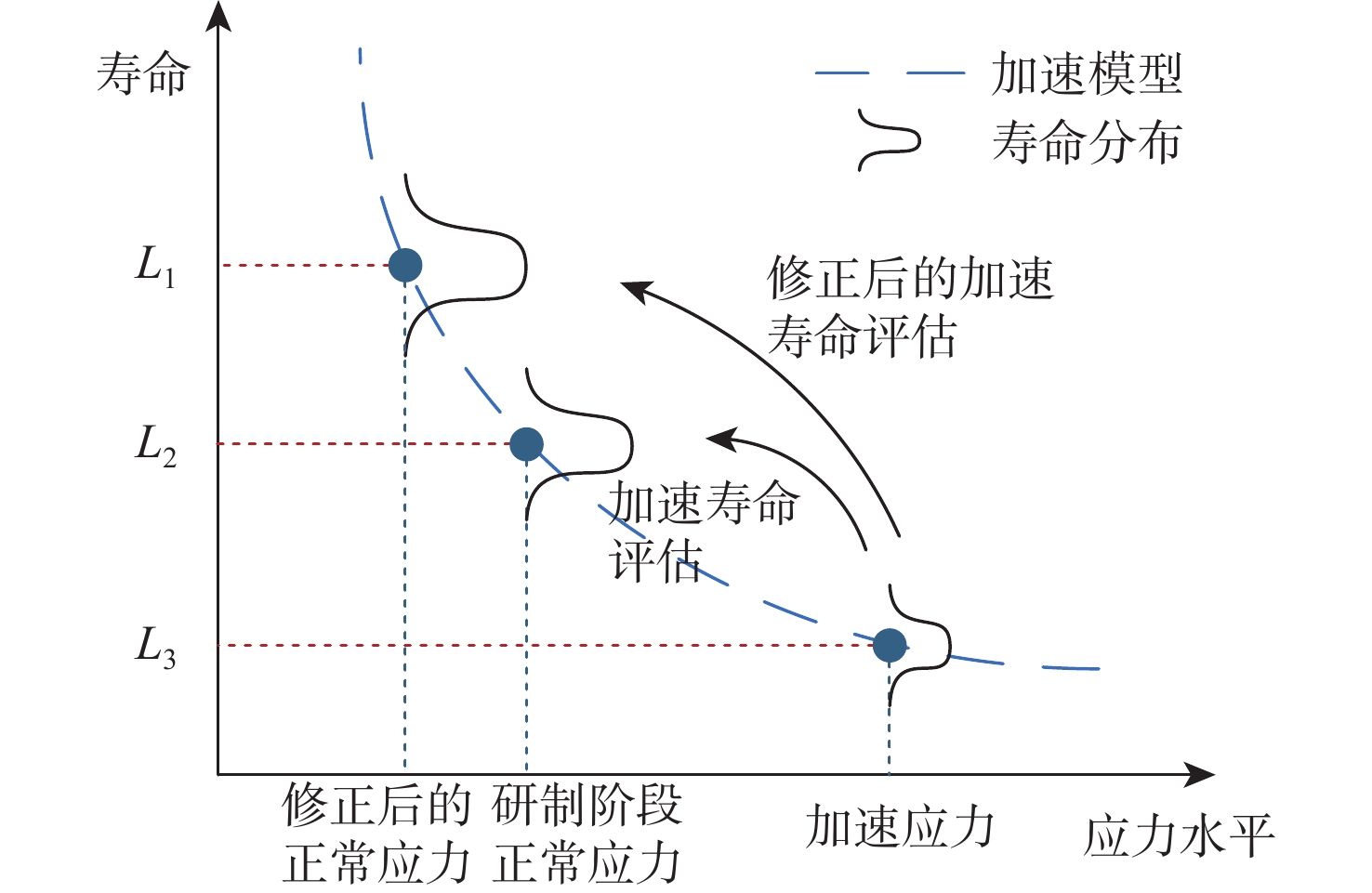
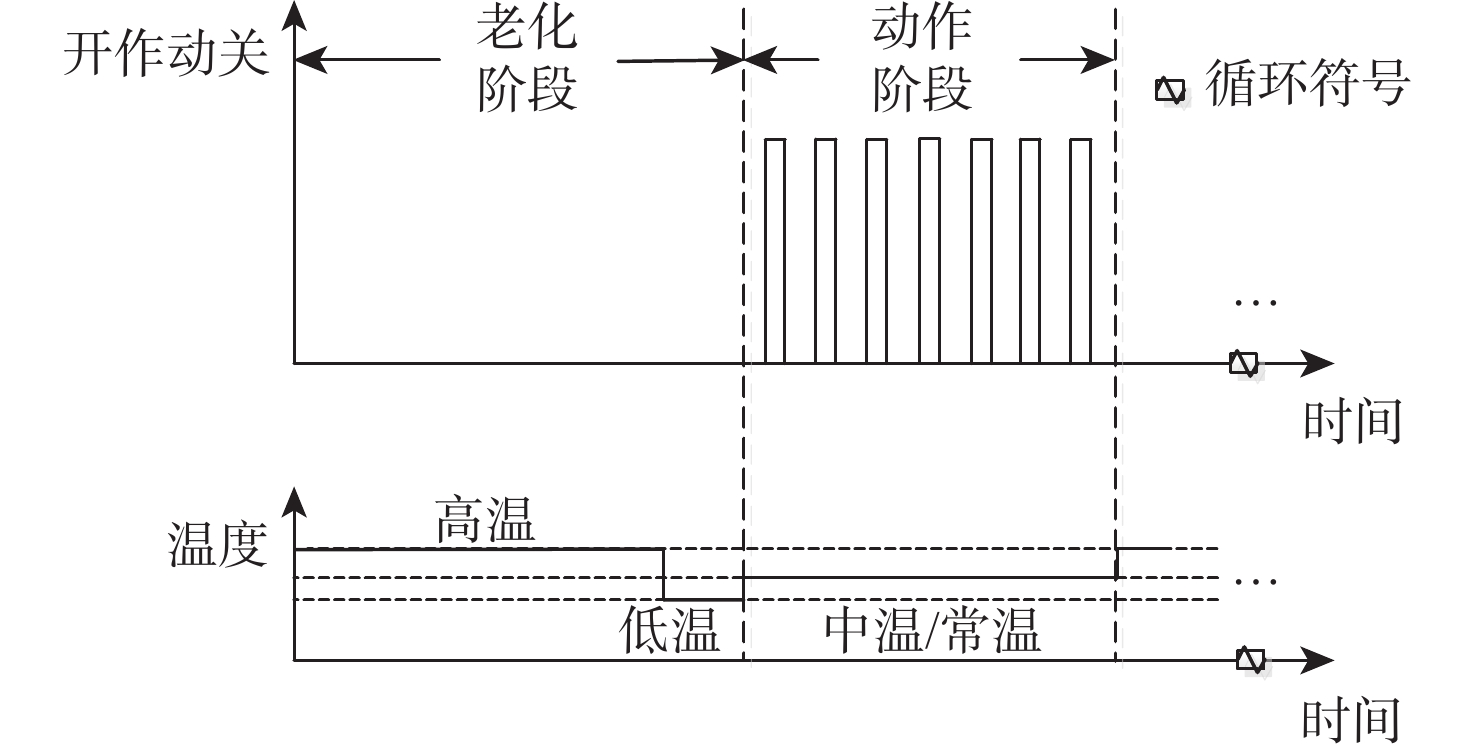
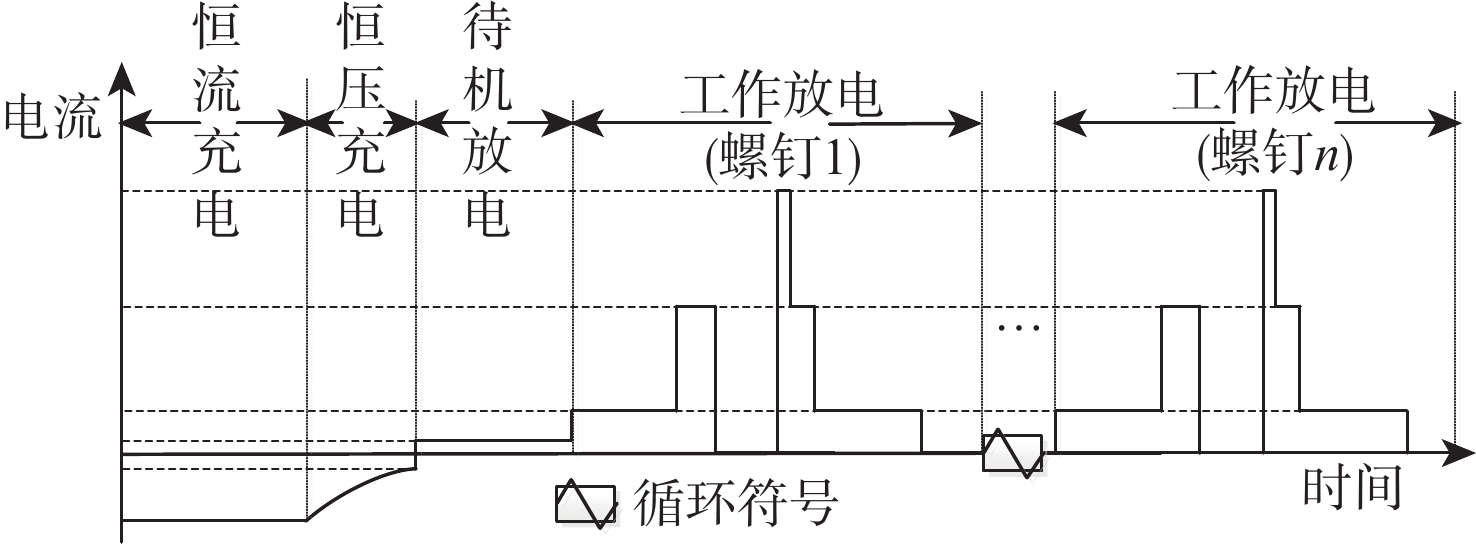
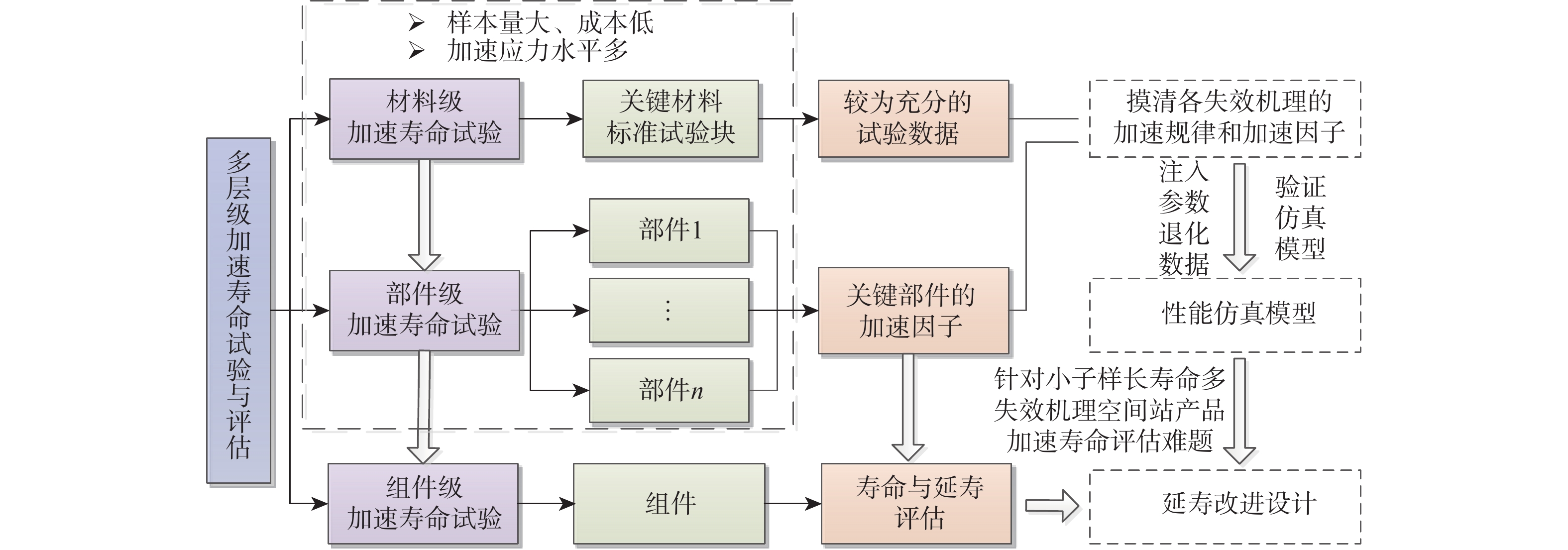
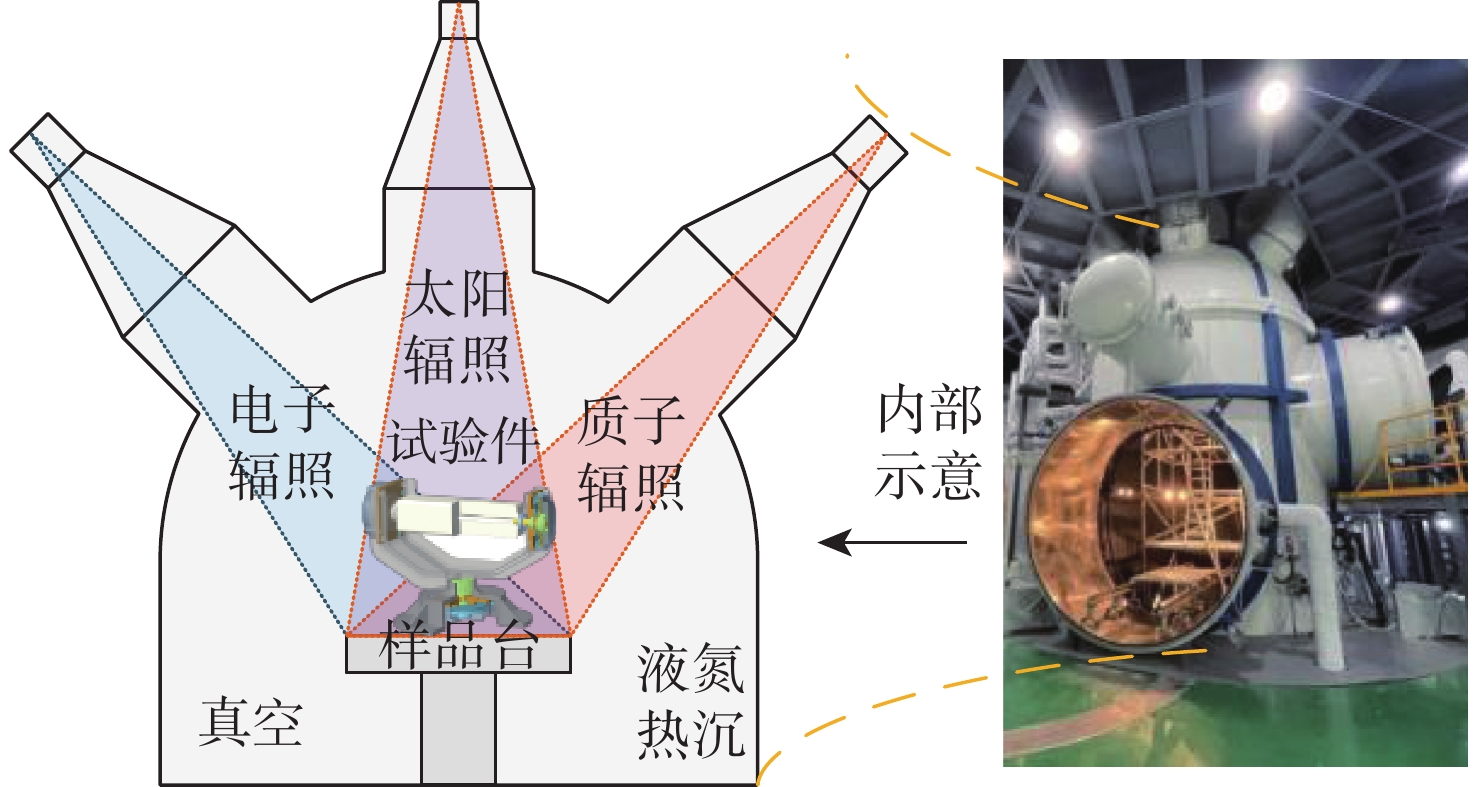
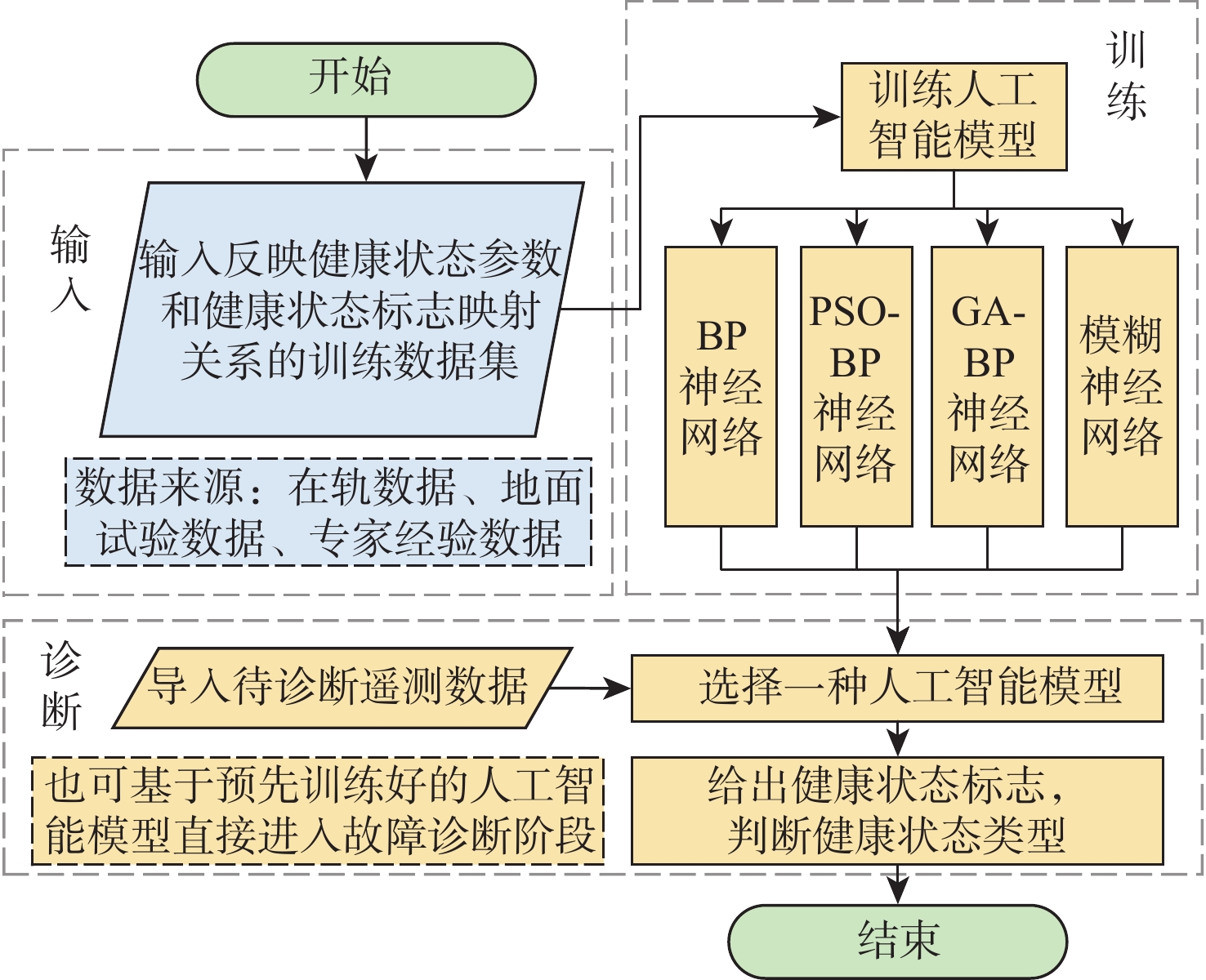
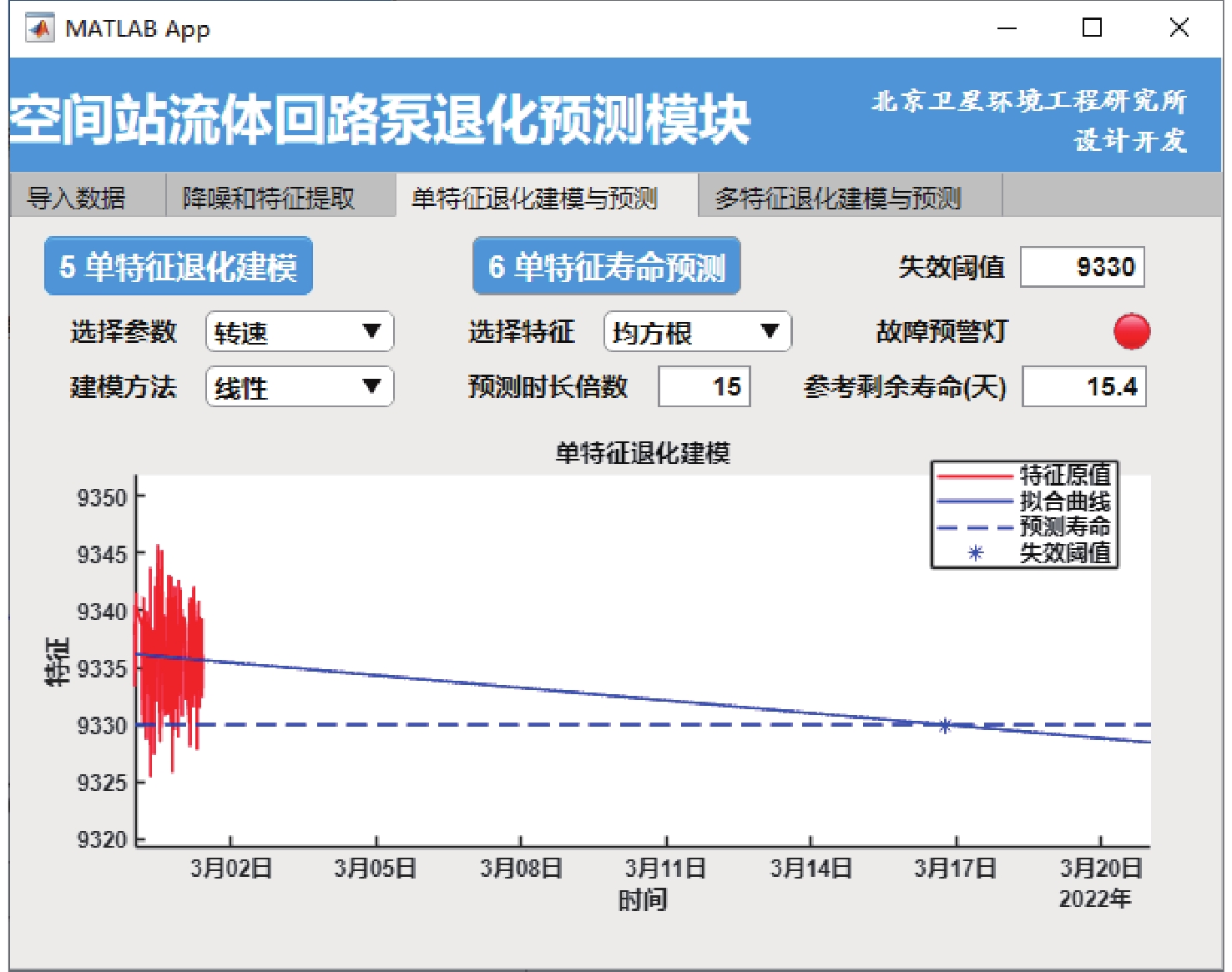
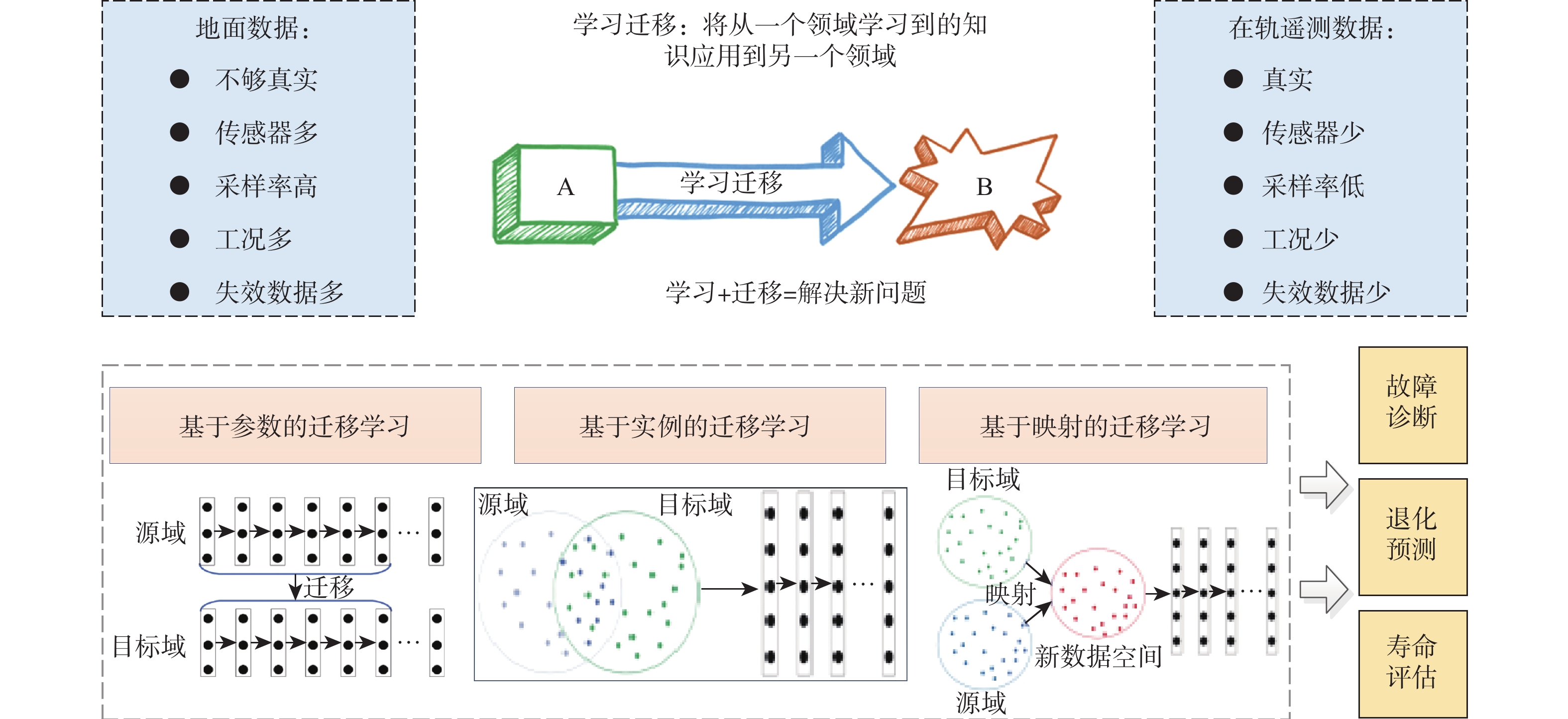
This paper systematically reviews an on-orbit life re-evaluation technology specifically designed for electromechanical products in response to the urgent need for quantitatively re-evaluating the on-orbit life of electromechanical products amid the lifespan extension of China Space Station. It does this by drawing on successful experiences from International Space Station lifetime evaluations and extensions as well as methods used during the development phase of China Space Station. Furthermore, we present technical development trends and offer pertinent recommendations. The suggested technology falls into two main categories: those that combine on-orbit and ground telemetry data and those that are mostly based on ground test data. It encompasses 9 specific techniques, among which are the traditional correction of lifetime evaluation outcomes, the re-evaluation of lifetime tests factoring in both integrated operations and degradation effects, complex dynamic profile re-design for lifetime tests, multi-level accelerated lifetime testing and evaluation, the re-evaluation of lifetime in integrated irradiation environments, the re-screening and re-evaluation of multi-source data stemming from both ground and space, intelligent fault diagnosis and degradation prediction, lifetime evaluation leveraging transfer learning between ground and on-orbit telemetry data, and the re-evaluation of lifetime based on on-orbit testing. This technology embodies innovative considerations and concepts for the re-evaluation of electromechanical product lifetimes as the China Space Station embarks on its protracted on-orbit operational phase. It stands poised to bolster the long-term and systematic endeavor aimed at extending the operational lifespan of the China Space Station.

A review of numerical virtual flight studies for aerodynamic, motion and control coupling in complex flight conditions
SHAO Shuai, MEI Yafei, YAO Mengyu, GAO Xianzhong, BAO Lei
2026, 52(10): 3437-3452. doi: 10.13700/j.bh.1001-5965.2026.0116
Abstract:

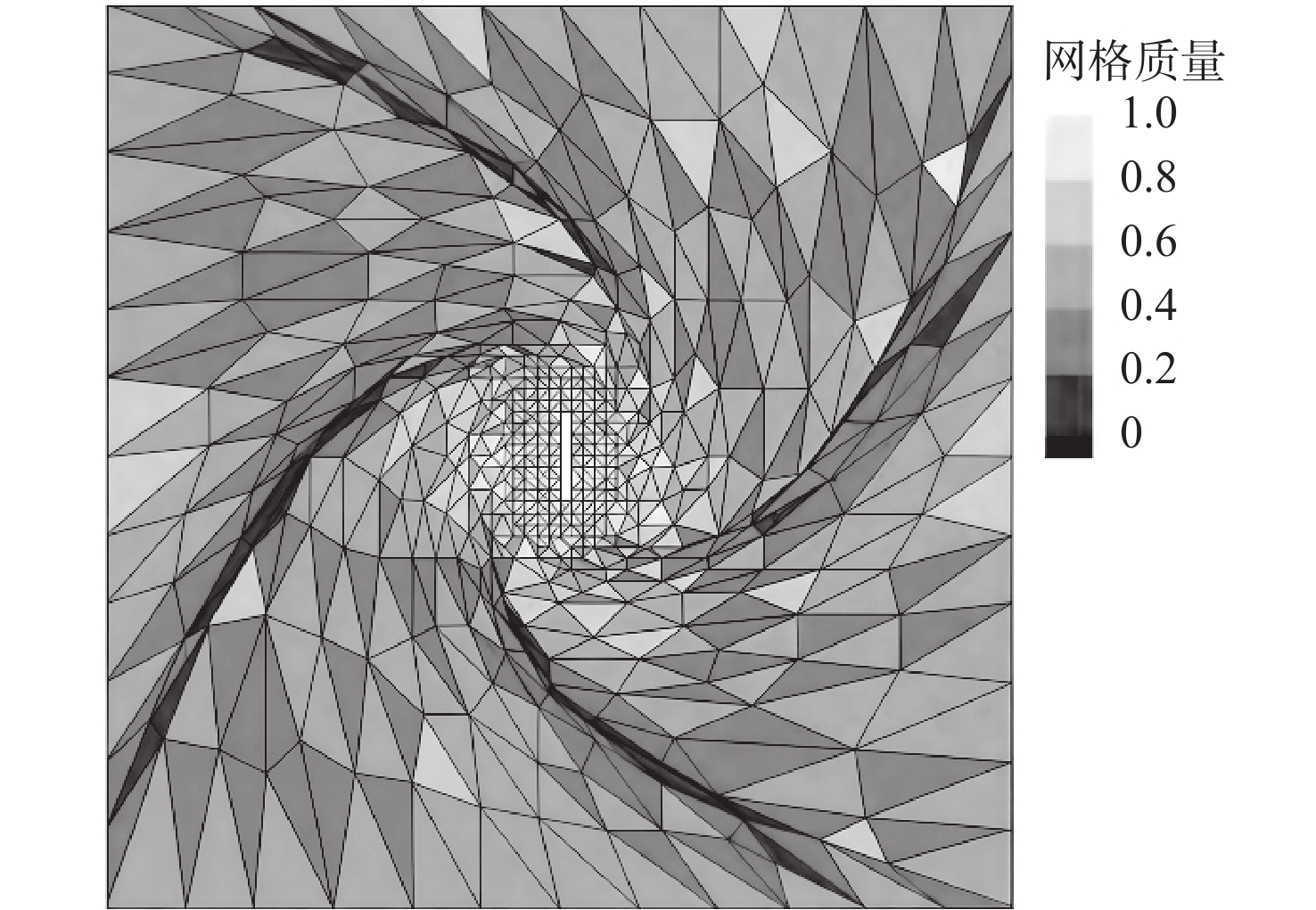
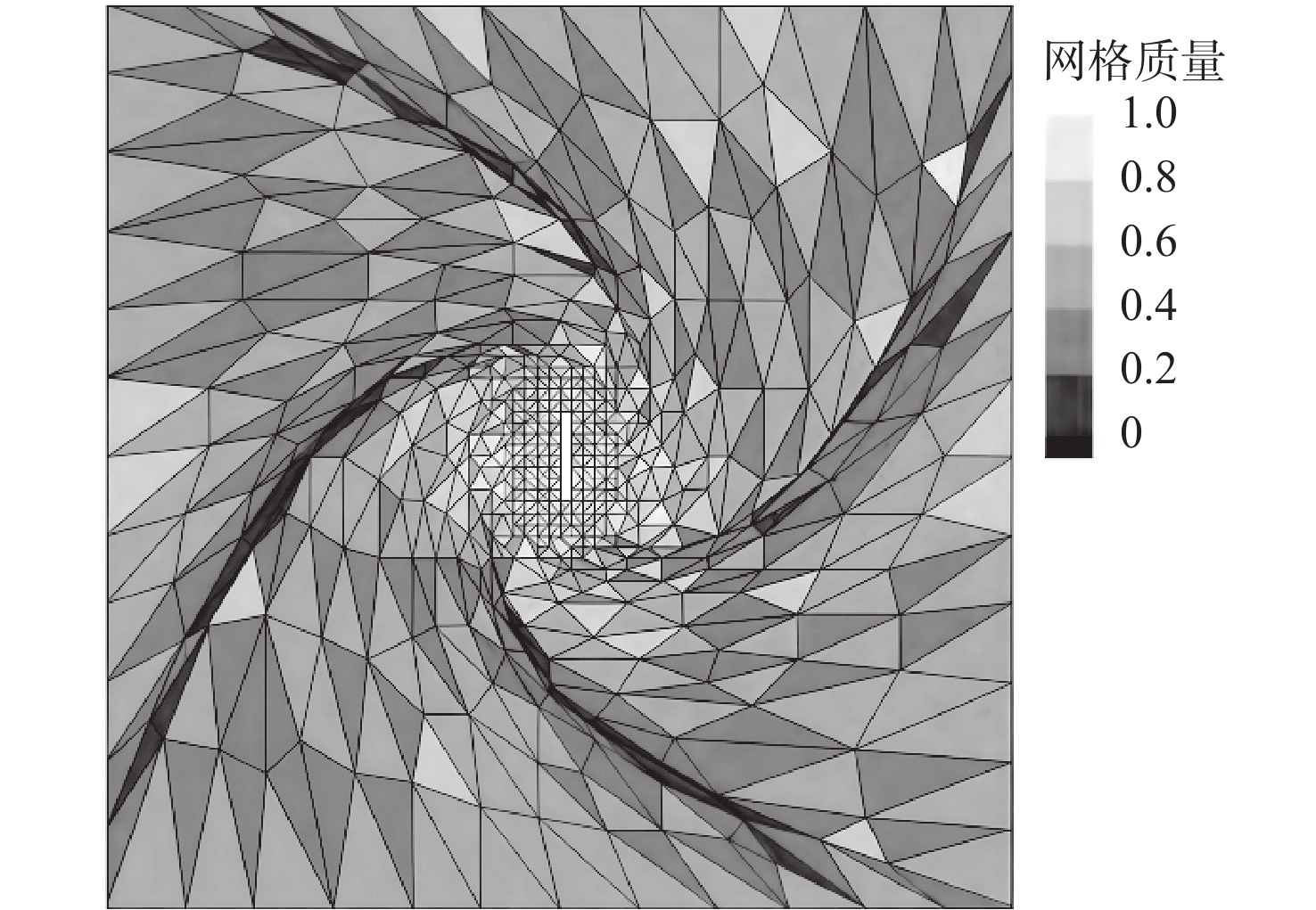
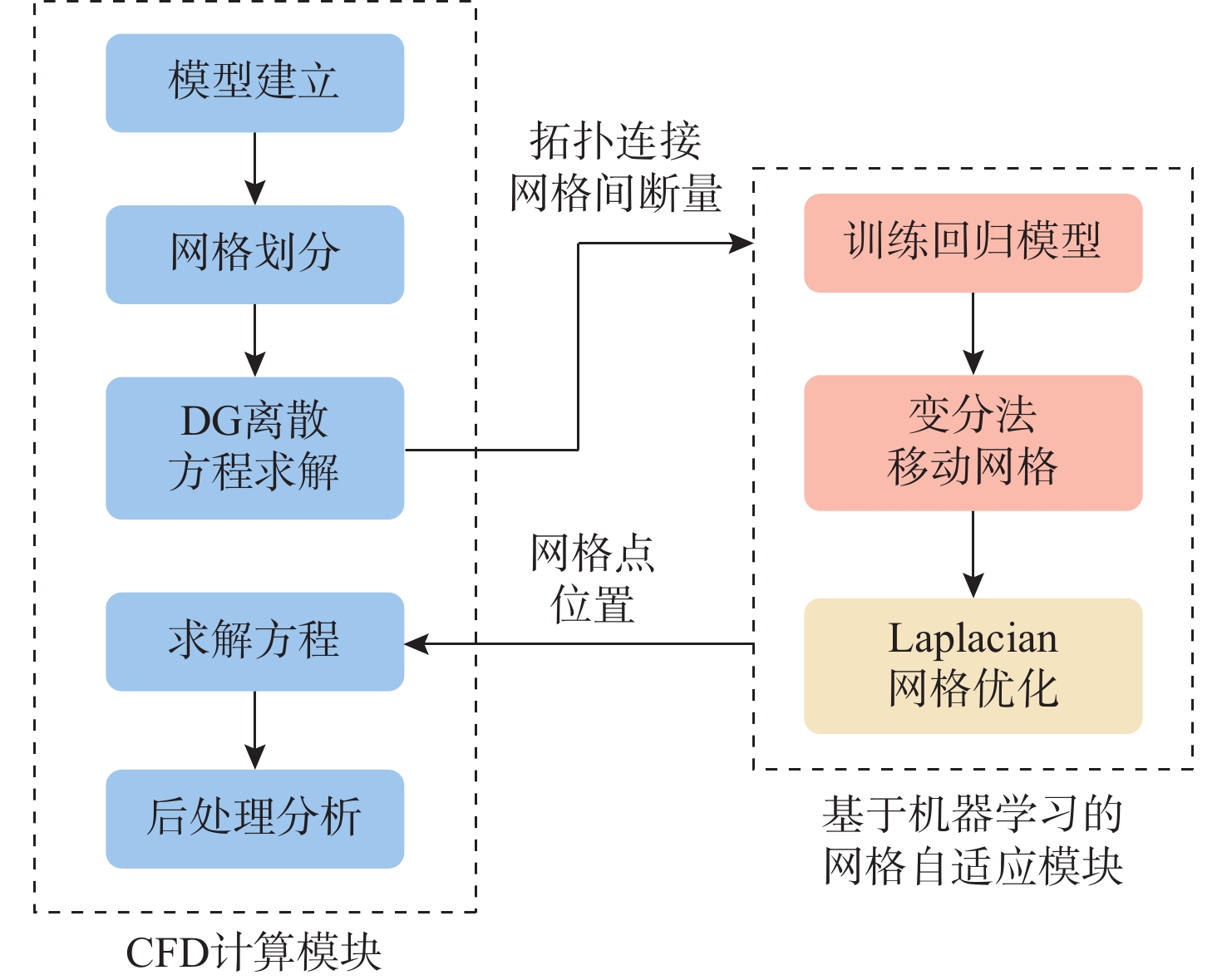
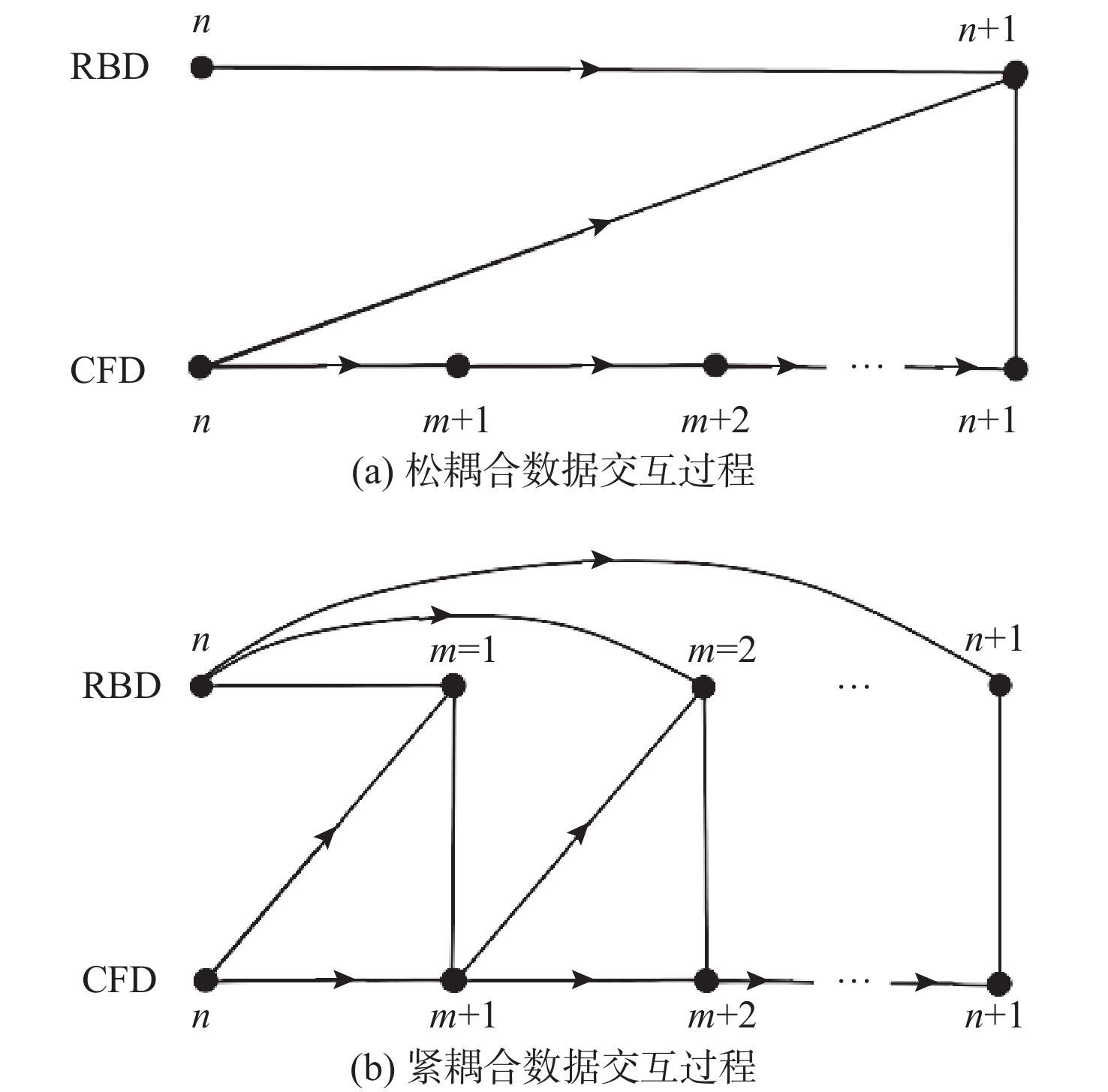
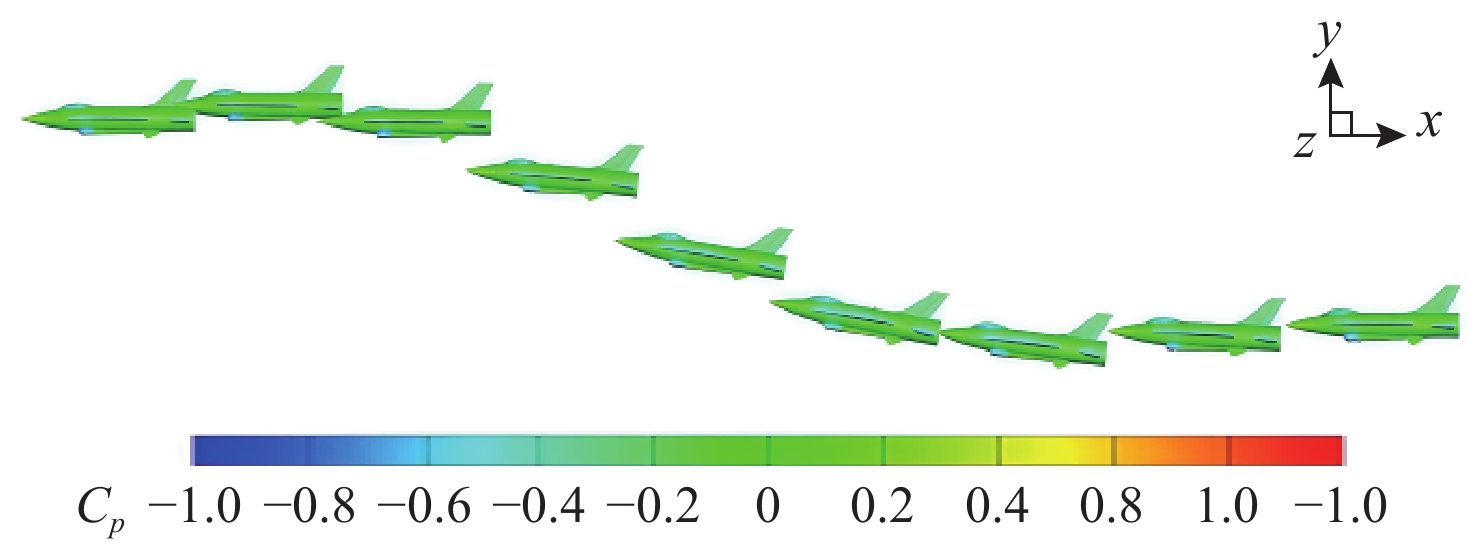
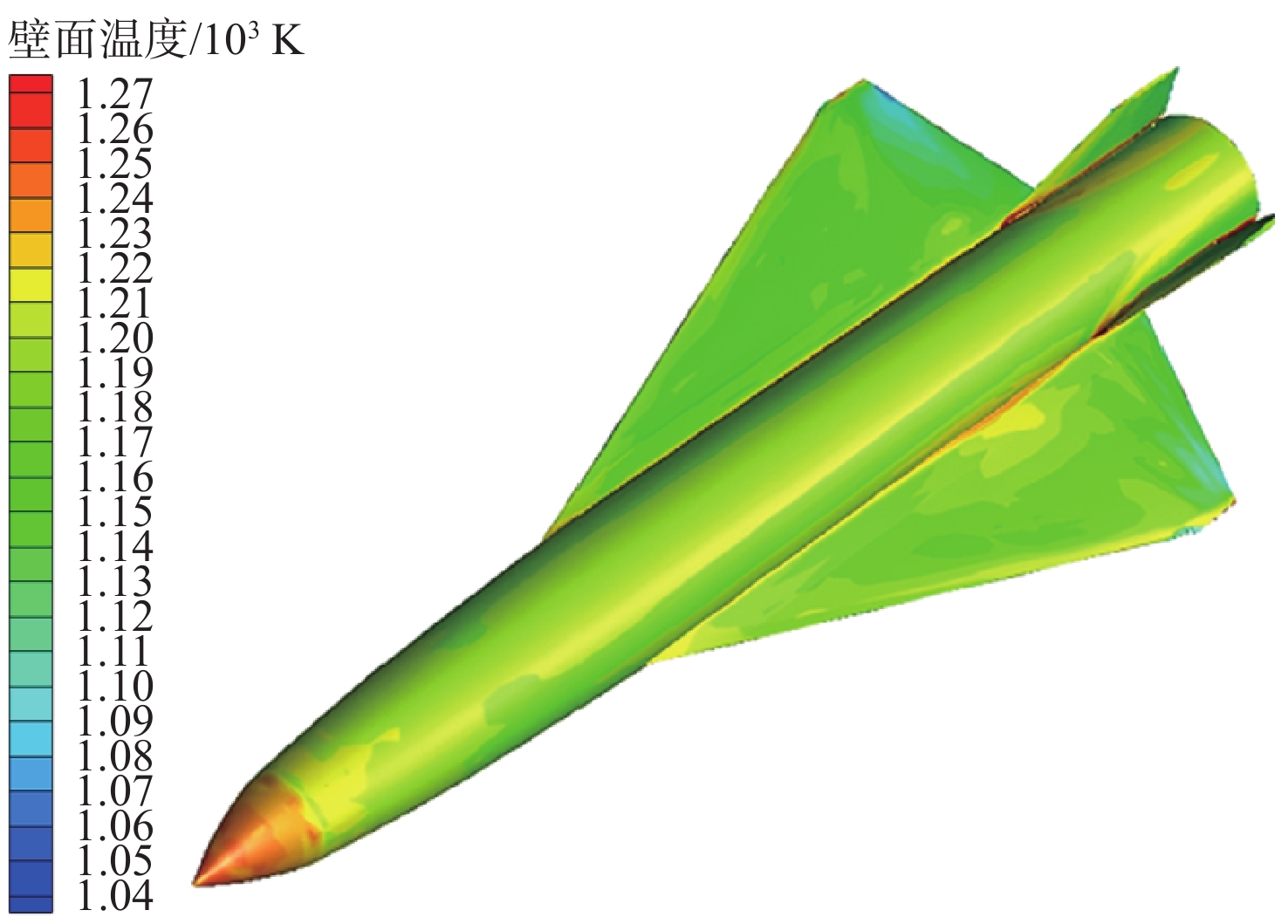
High-fidelity simulation of an aircraft’s dynamic reaction characteristics under challenging flight conditions is made possible by numerical virtual flight (NVF) technology, which is essential for designing control laws and assessing flight quality. This paper systematically reviews the NVF technology coupled with aerodynamics, motion, and control, with an emphasis on the application of this coupling method in complex flight problems. This paper outlines the basic framework and technical workflow of NVF, elaborating on the evolution of dynamic mesh technology from single deformation to dynamic hybrid mesh systems, as well as its critical role in ensuring relative motion of components and computational stability, while also pointing out the enabling potential of machine learning in mesh quality control. Regarding unsteady flow field solutions, this paper discusses the coupling modes of aerodynamics, motion, and control, introduces the technical evolution from loose coupling to tightly coupled closed-loop solutions, and highlights that the tightly coupled method can significantly improve the simulation accuracy for high-dynamic flight states such as high angle of attack and post-stall. This paper elaborates on the application practices of this coupling method in three major scenarios: hypersonic multi-field coupling, morphing flight, and flexible bionics. NVF will advance toward effective, unified, and full-system multi-field coupling in the future thanks to artificial intelligence technologies, hastening the shift in aircraft development paradigms toward simulation-driven, digital-intelligent testing.

Research progress on mass transfer optimization of filter-press type electrochemical reactors for flow batteries
LIU Jun, HAN Zhicheng, XIANG Yan, LU Shanfu, WANG Haining
2026, 52(10): 3453-3470. doi: 10.13700/j.bh.1001-5965.2026.0133
Abstract:

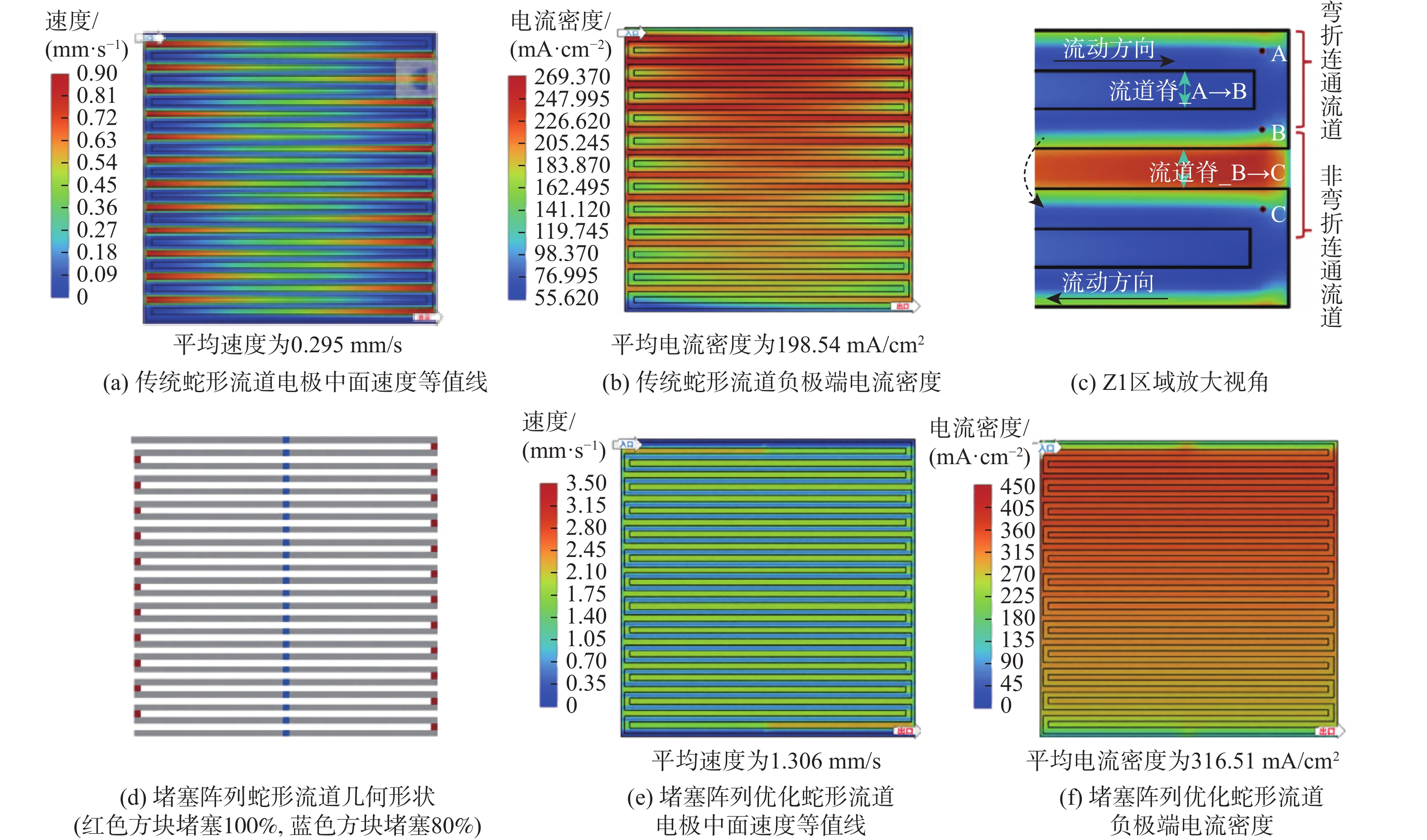
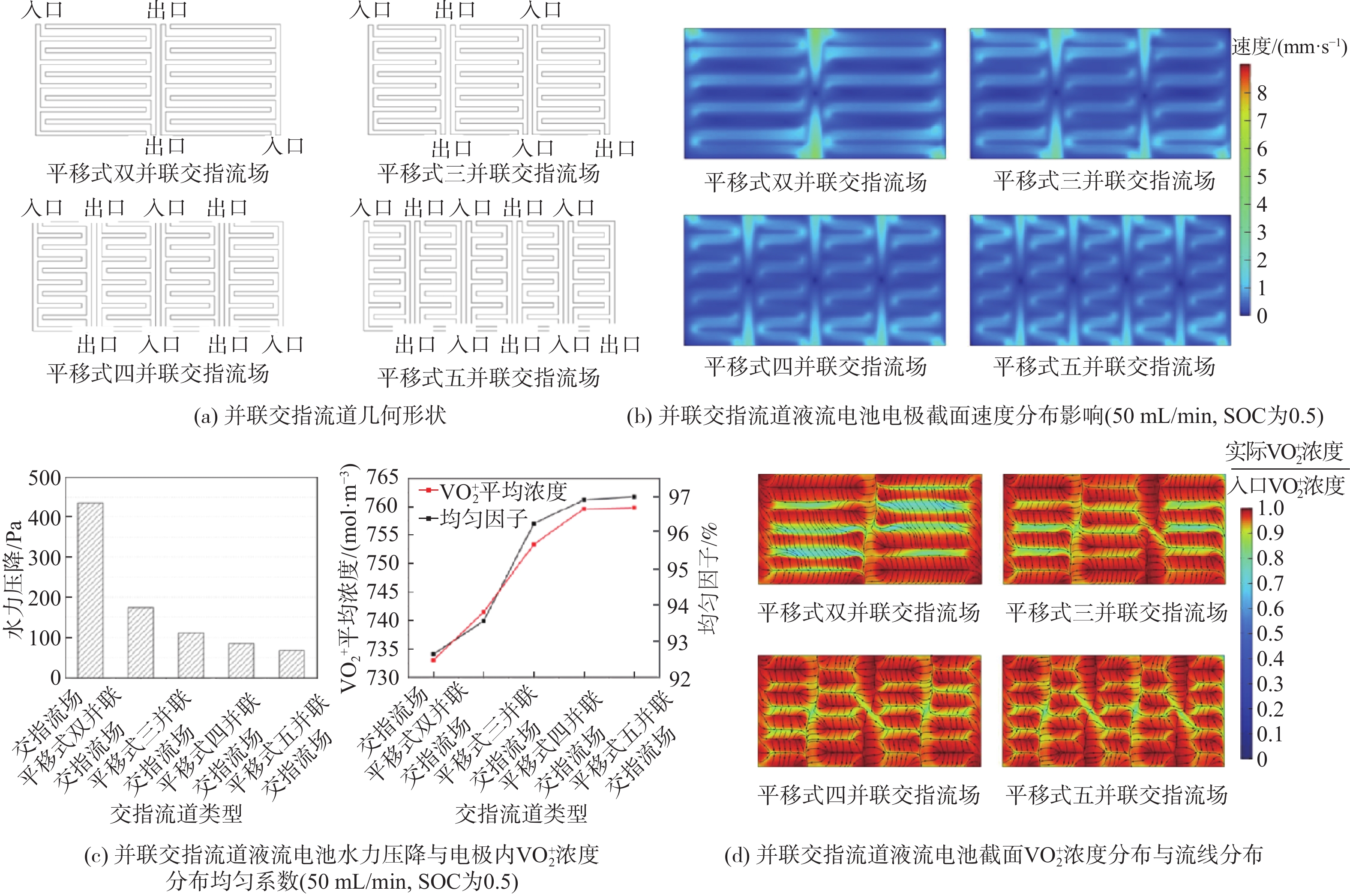
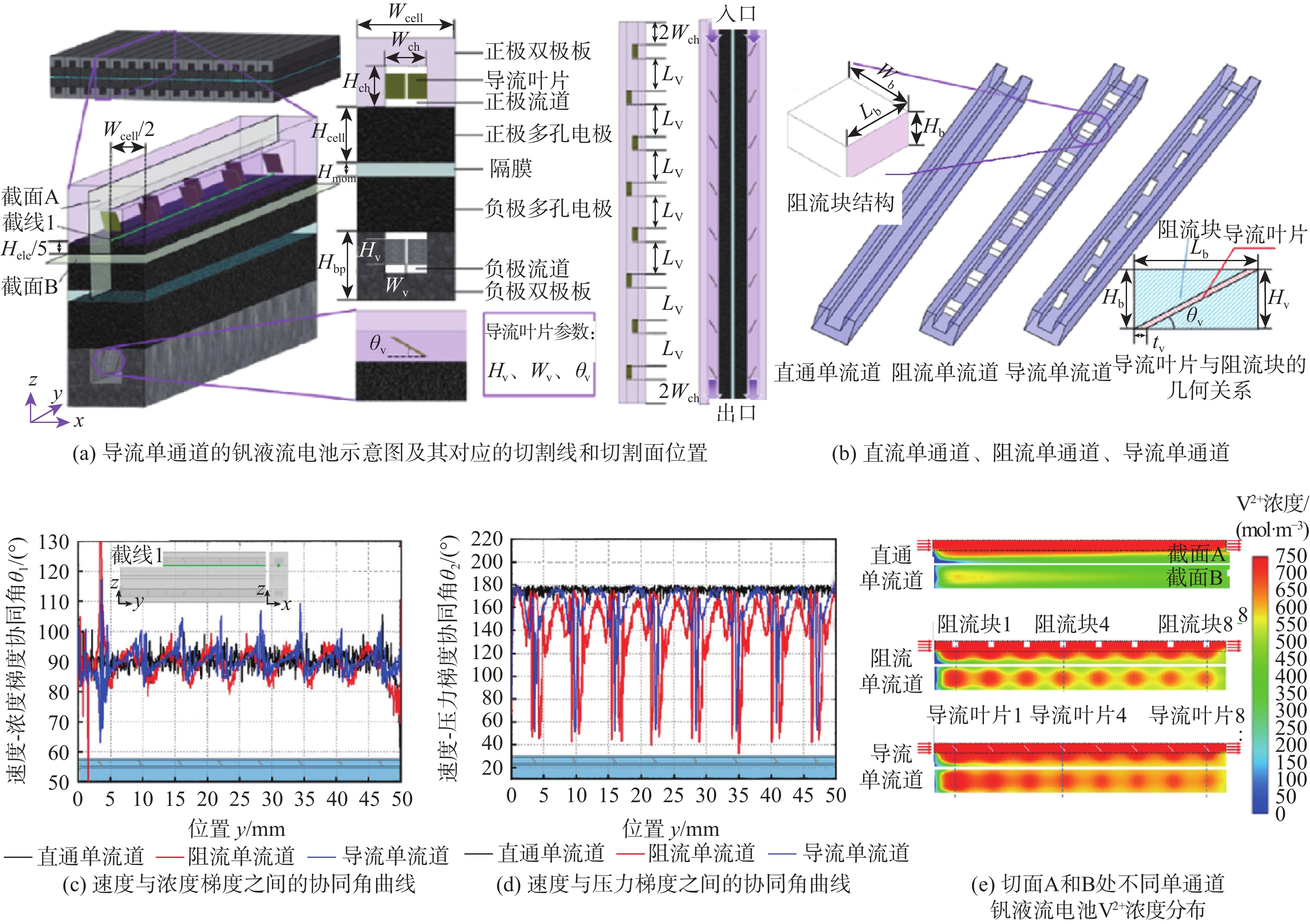
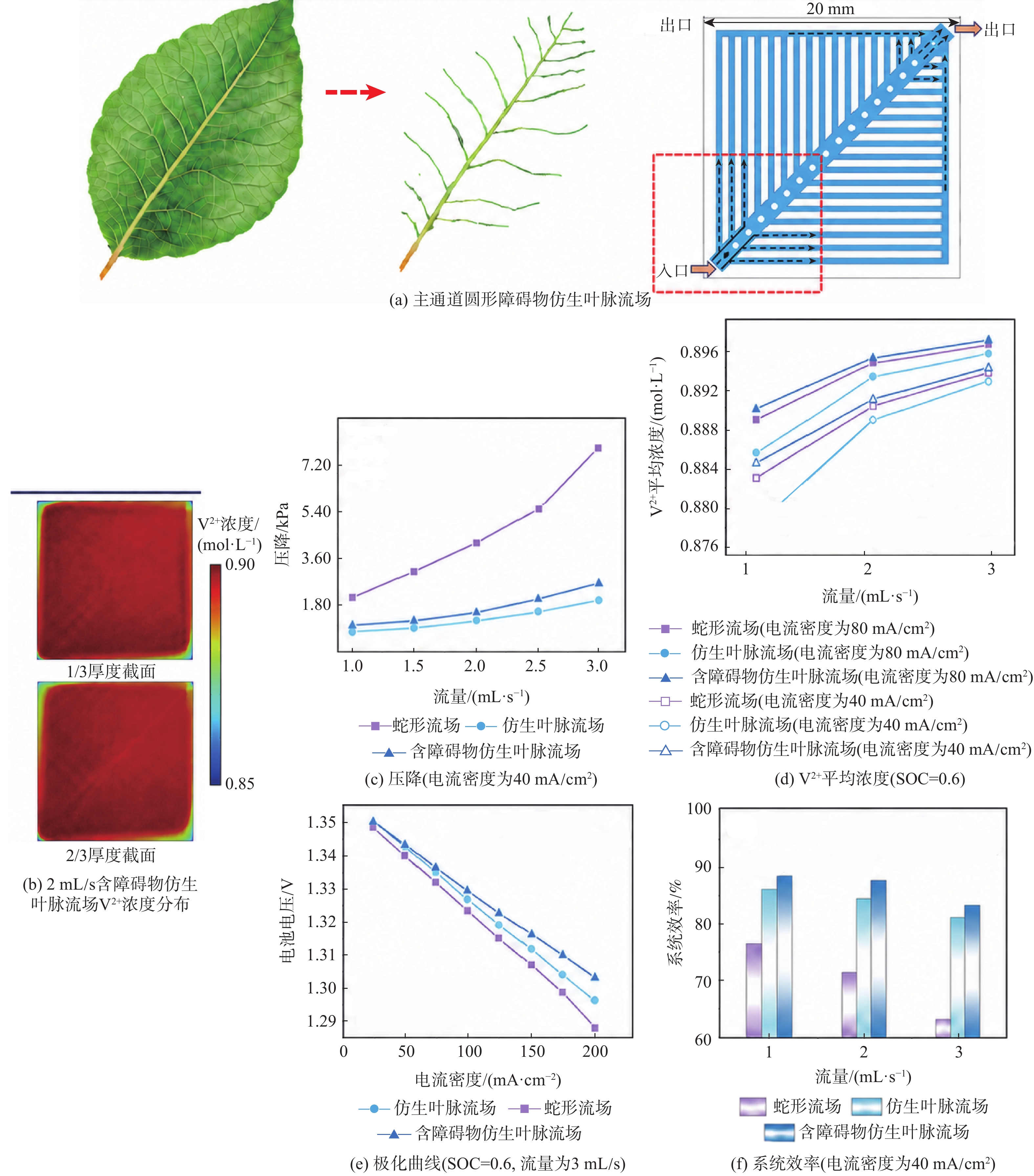
Filter-press electrochemical reactors have become the dominant reactor configuration for flow batteries owing to their simple structure, high modularity, and low cell voltage. They also show broad application potential in energy storage batteries, electrochemical water treatment, and electrosynthetic chemical processes. Among various flow battery systems, the all-vanadium redox flow battery represents the most commercially advanced and extensively studied technology. However, inadequate mass transfer continues to limit further performance development since it increases concentration polarization, reduces voltage efficiency, speeds up long-term performance degradation, and eventually raises system costs. This review focuses primarily on all-vanadium redox flow batteries and discusses mass-transfer enhancement from the perspectives of both key reactor components and system operation. Recent advances in the mass-transfer optimization of electrodes, flow fields, membranes, and other core components are systematically summarized. The effects of operating parameters, including flow rate, temperature, current density, electrolyte concentration, and tank-to-stack ratio, on mass-transfer behavior are analyzed. Based on this, coordinated optimization solutions including reactor structure and system operation are suggested, and the coupling relationship between component-level mass-transfer characteristics and total battery performance is elucidated. From an engineering perspective, mass-transfer optimization in all-vanadium redox flow batteries should not be limited to component modification alone. Instead, it should also account for stack scale-up effects, tank-stack matching, operating-parameter regulation, and the balance between electrochemical performance and system energy consumption. This review aims to provide theoretical guidance and technical references for the engineering design and performance improvement of filter-press flow battery reactors.

Developing status and prospect of range-extended aircraft
FENG Shiyu, FU Ziqi, LIU Guannan, TAI Huanyu, GENG Leiming, MIU Richeng
2026, 52(10): 3471-3481. doi: 10.13700/j.bh.1001-5965.2025.0363
Abstract:

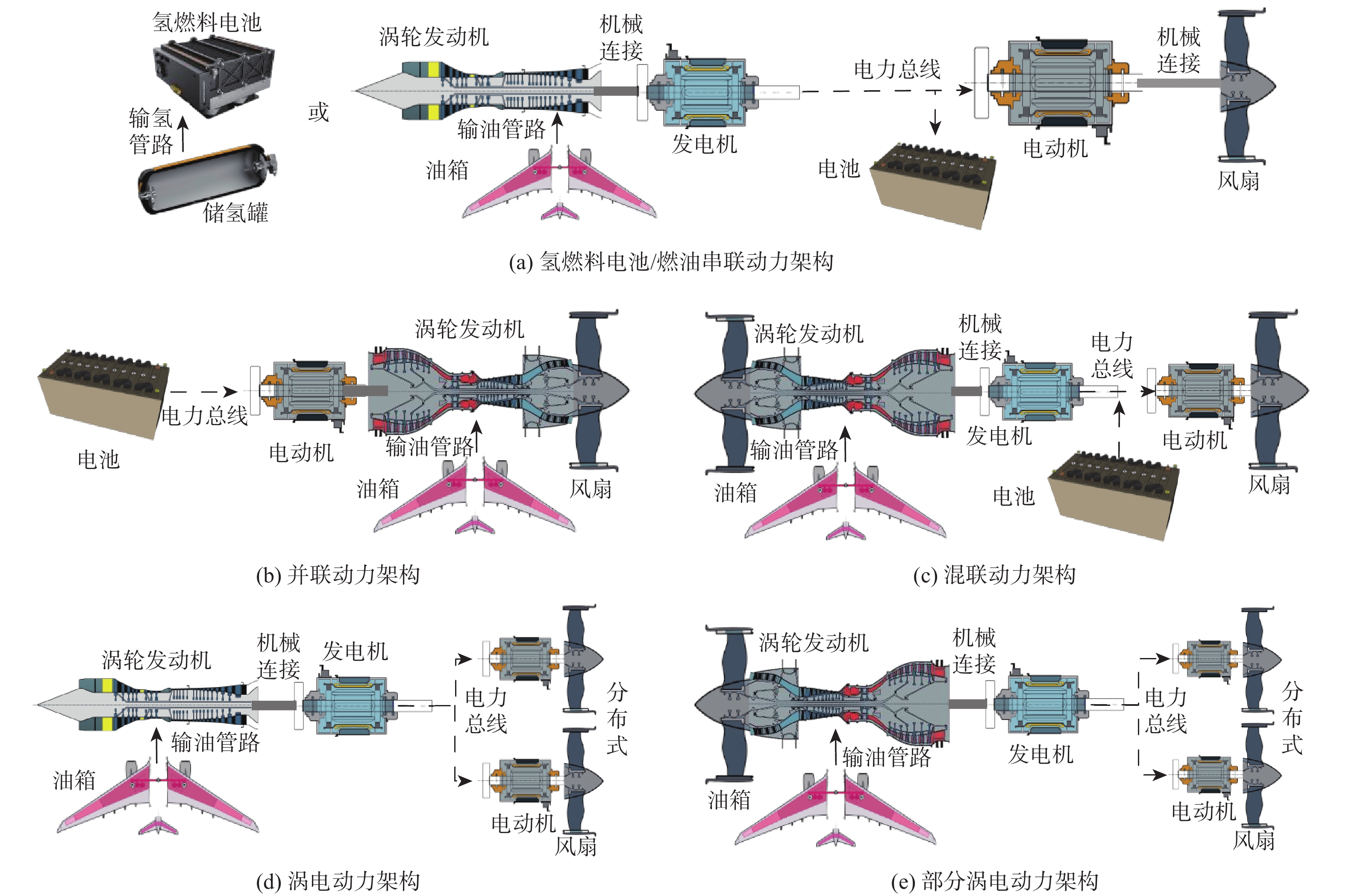
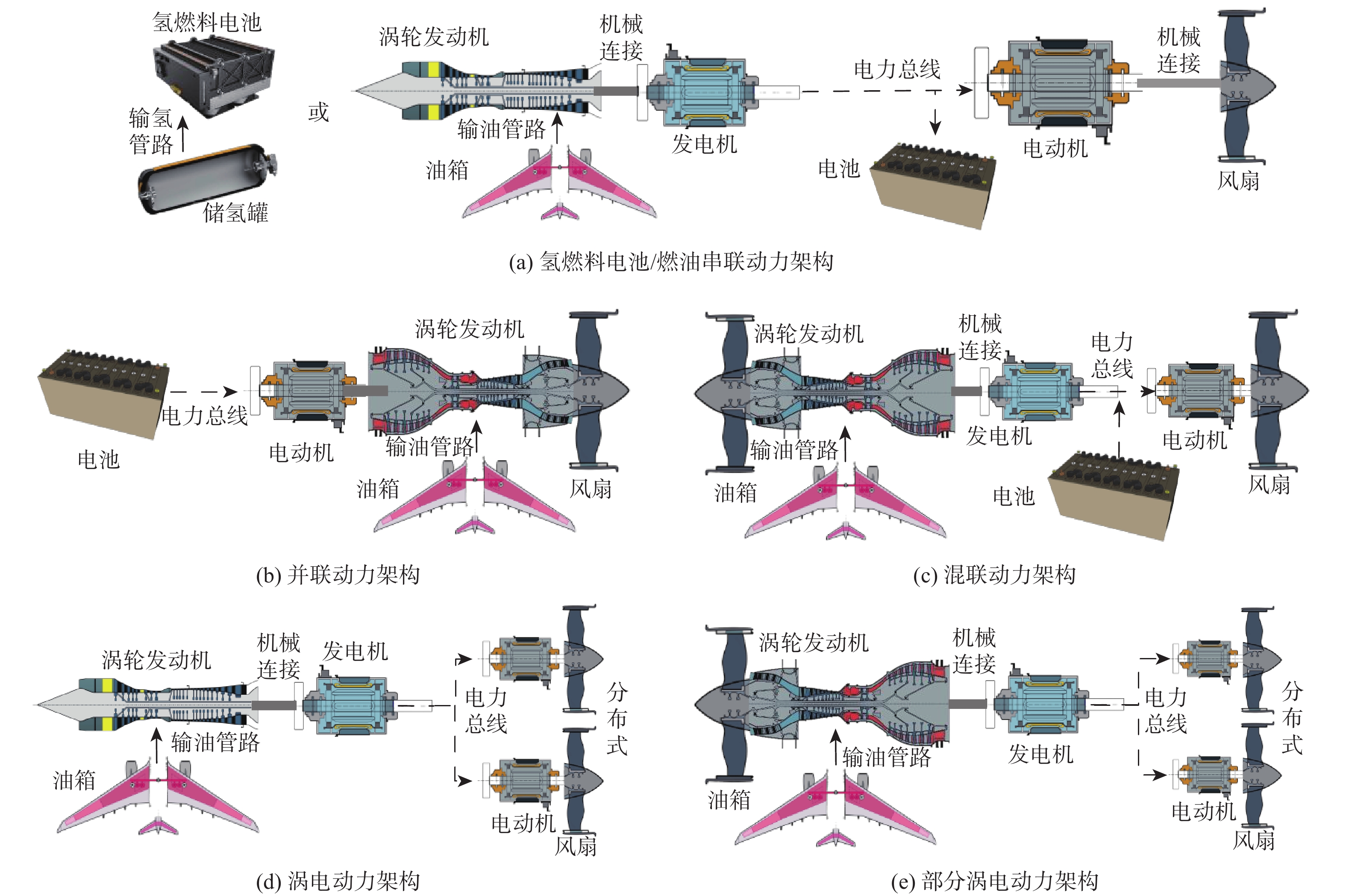
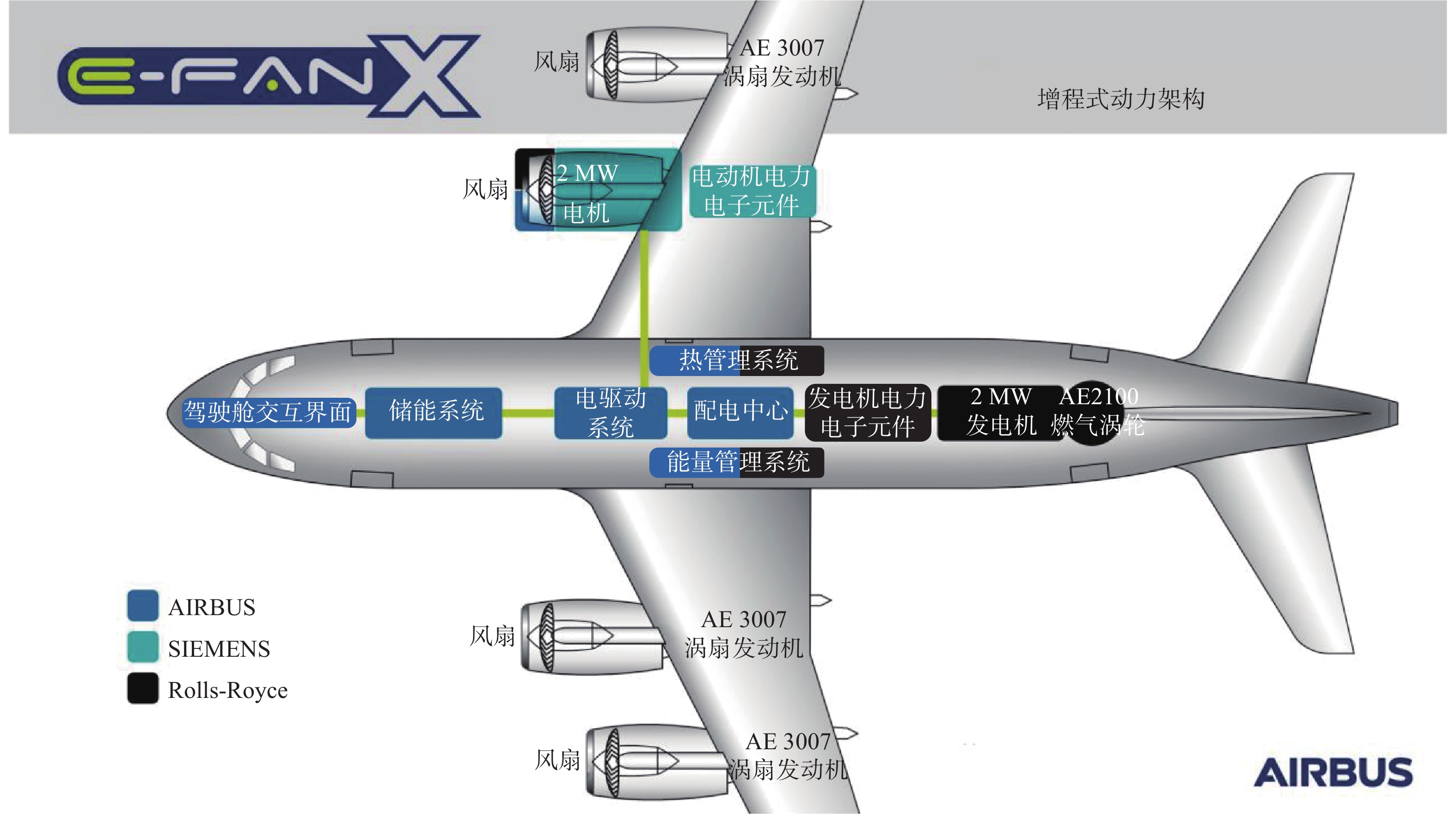
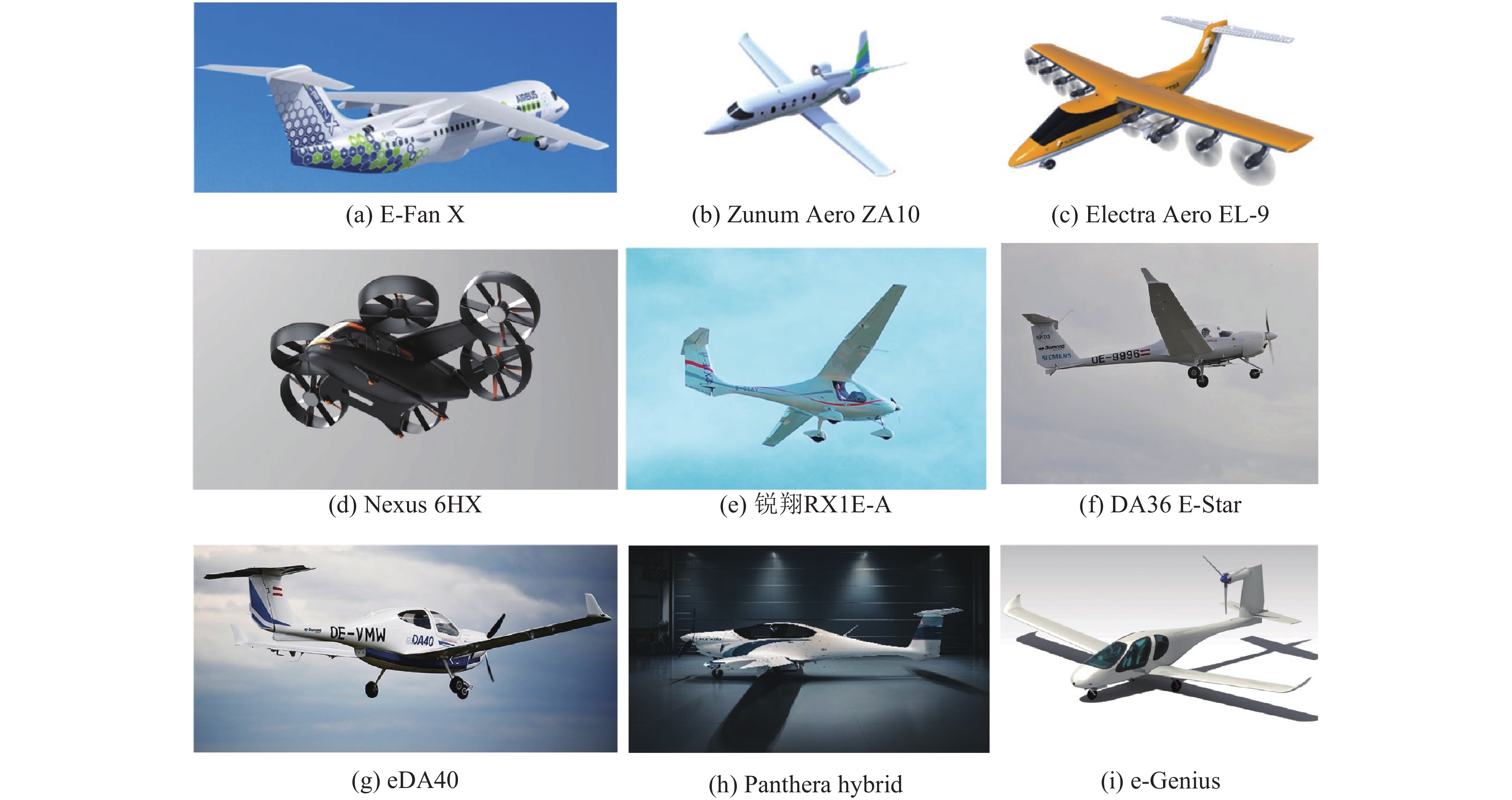
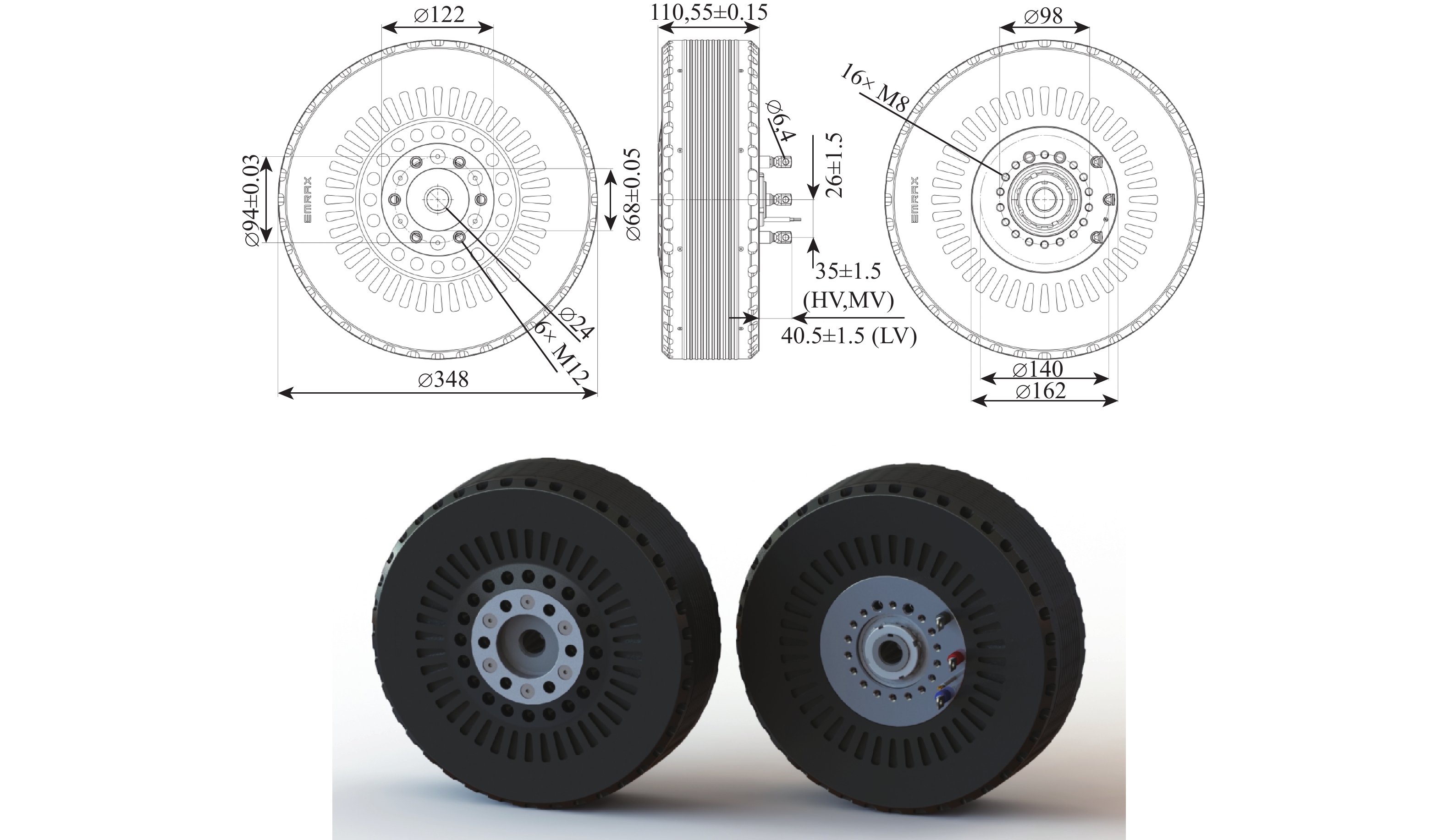
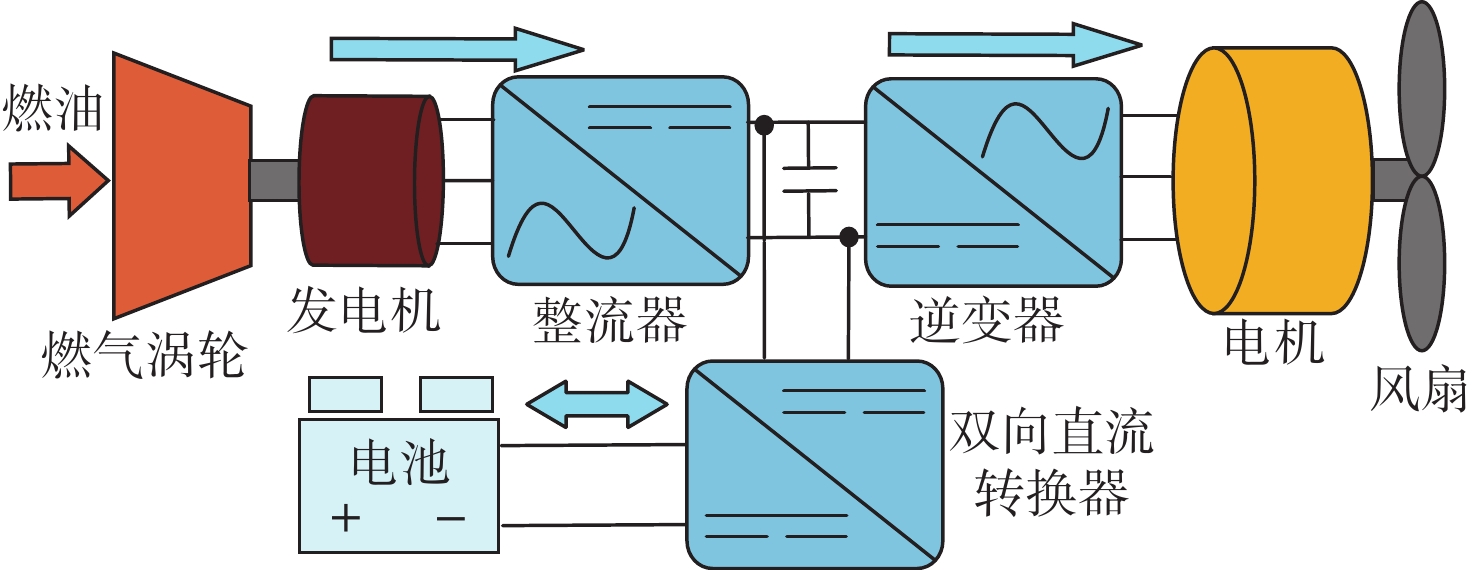
All-electric aircraft face limitations in achieving long range due to the energy density constraints of current lithium batteries. Range-extended aircraft, employing an "electric-dominant, fuel-supplement" powertrain architecture, offer a balance between environmental benefits and extended range, positioning them as a crucial transitional solution for aviation decarbonization. This review focuses on the range-extended technology pathway. It provides an overview of the technological roadmaps adopted by representative range-extended aircraft models both domestically and internationally; it compares and analyzes five typical hybrid powertrain architectures, elucidating the definition and operational principles of the range-extended concept. It explores the advances and challenges of key enabling technologies that are driving its development, including high-power-density permanent magnet motors, intelligent energy management systems, efficient thermal management systems, and high-voltage partial discharge monitoring and protection technologies. This review clarifies the current landscape and core barriers of range-extended technology. It provides essential insights to inform the technological evolution towards long-range adaptability for all-electric aircraft and serves as a valuable reference for formulating strategies aimed at the low-carbon transition of the aviation industry.
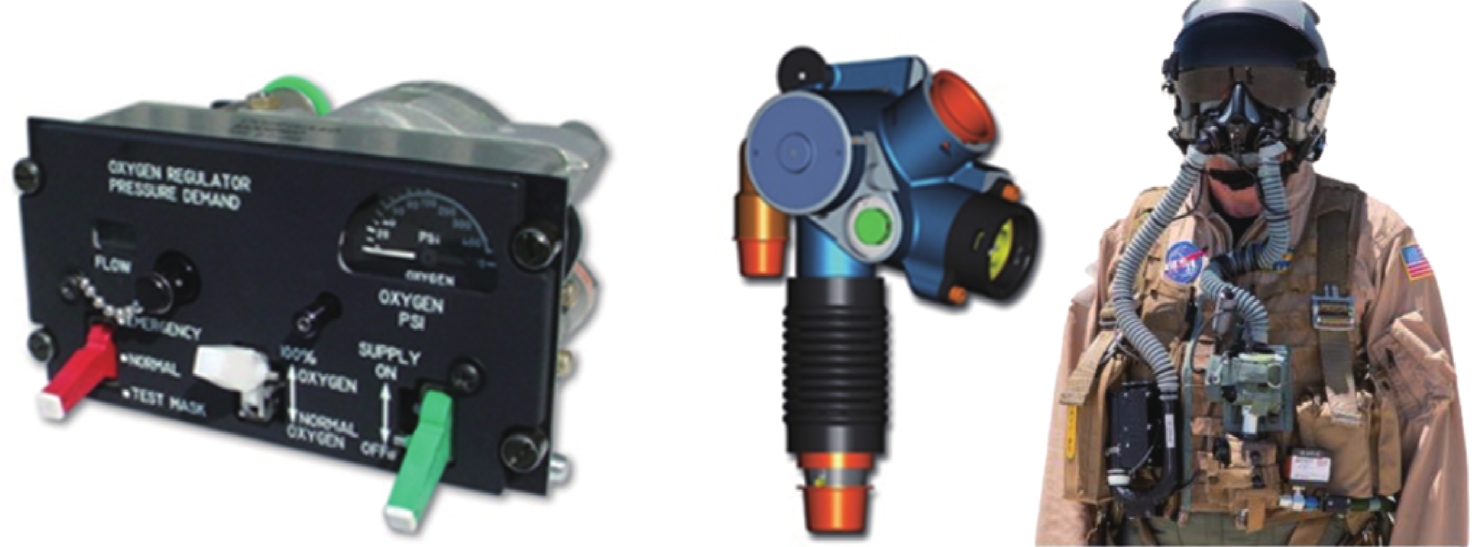
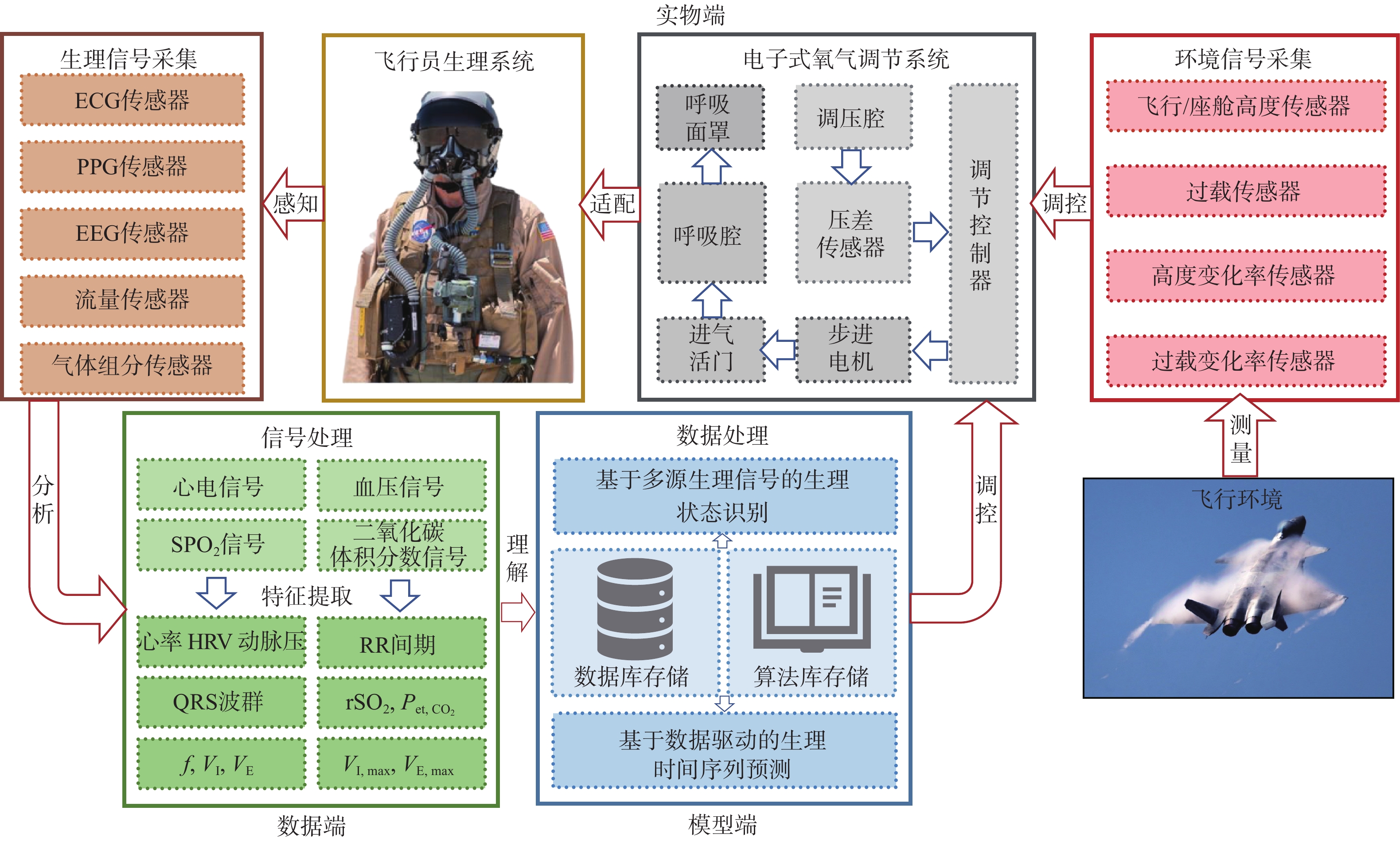
Review of key technologies of on-board intelligent oxygen system
BU Xueqin, LIU Yiming, LIN Guiping, YU Jia, YU Kunyang
2026, 52(10): 3482-3495. doi: 10.13700/j.bh.1001-5965.2024.0615
Abstract:

To meet the growing demand for precision protection in advanced high-performance fighter aircraft and the increasing life-support requirements of pilots, intelligent oxygen systems integrating physiological monitoring, state prediction, and active intervention are expected to become a key component of next-generation life-support systems. Accordingly, the evolution of airborne oxygen systems and recent advances in intelligent oxygen technologies worldwide were systematically reviewed. Particular attention was given to the application potential and major limitations of three enabling technologies: electronic oxygen regulation, multimodal physiological monitoring, and physiological state prediction. Current evidence indicates that electronic oxygen regulators provide the engineering foundation for incorporating physiological information into the oxygen-supply control loop. However, sensor reliability under complex flight conditions, individualized prediction, appropriate matching of intervention strategies to physiological risks, closed-loop stability, and in-flight validation remain major barriers to practical implementation. Future research should integrate multimodal physiological information, hybrid physiology-data modeling, and staged experimental validation to achieve coordinated regulation of pilot physiological status, cockpit environment, and oxygen-supply equipment.

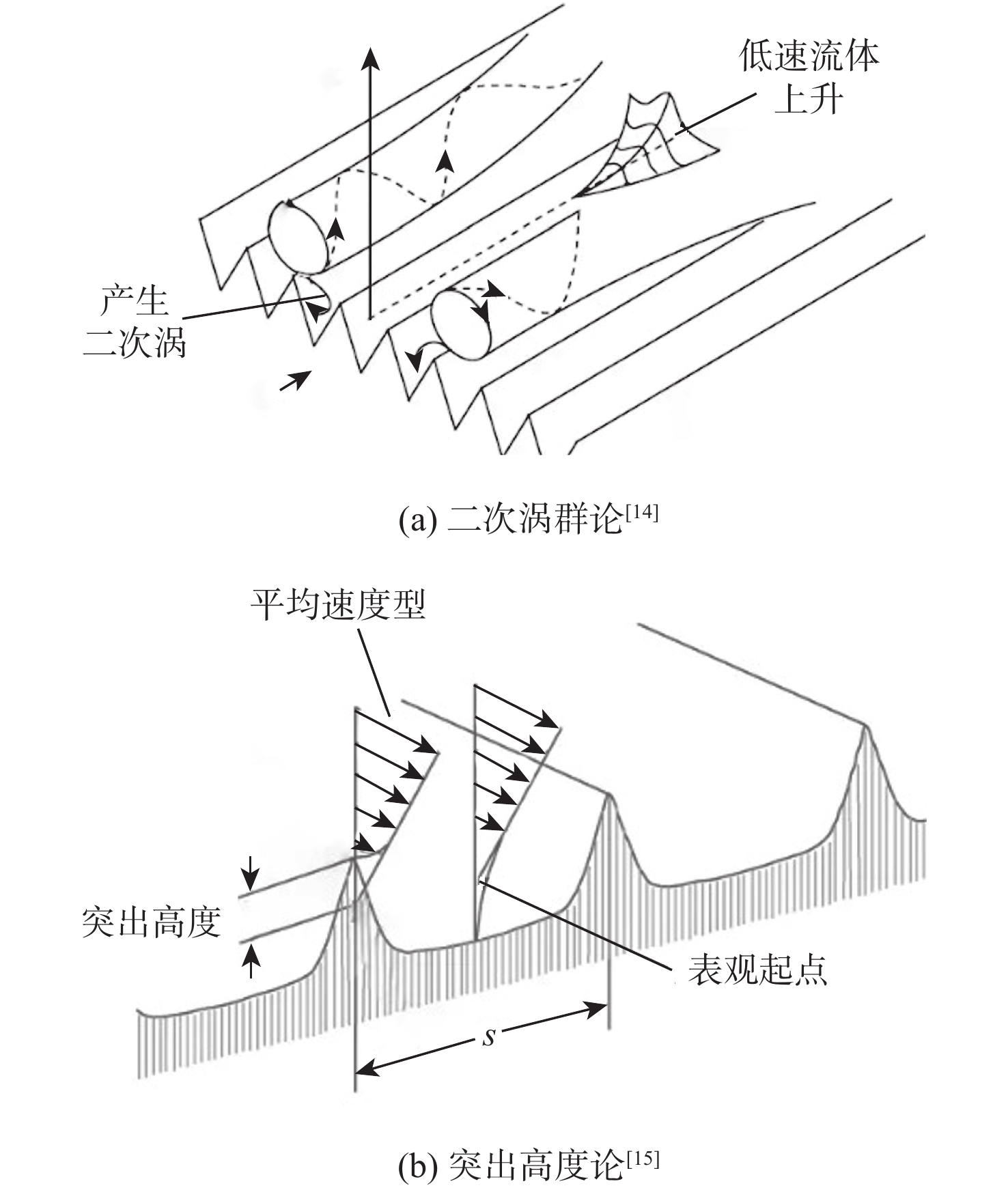
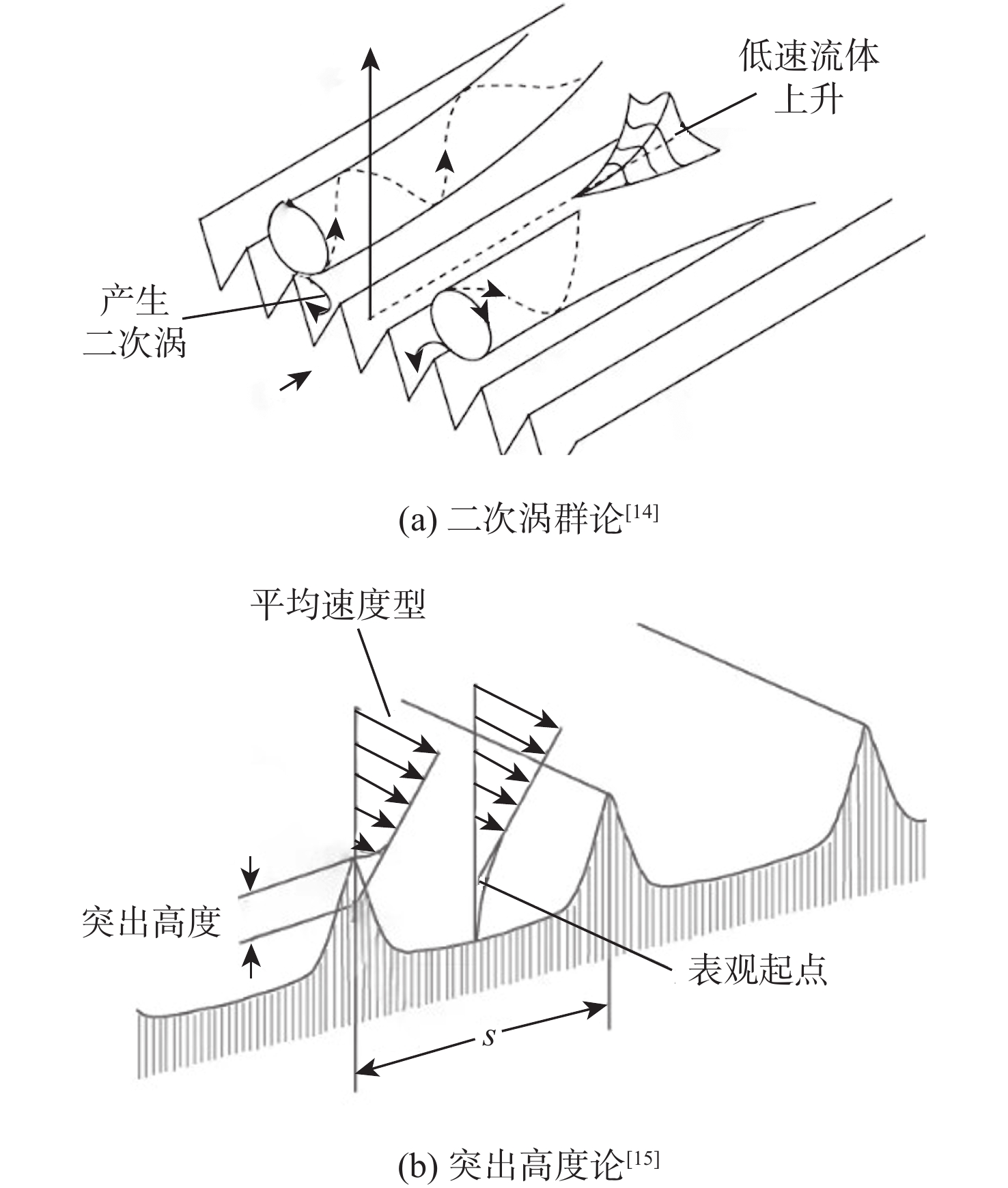
Research status and progress of bionic groove drag reduction
WANG Wei, CUI Shen’ao, CHEN Jiahua, ZHAO Haoxiang, ZHANG Zhen
2026, 52(10): 3496-3508. doi: 10.13700/j.bh.1001-5965.2024.0898
Abstract:

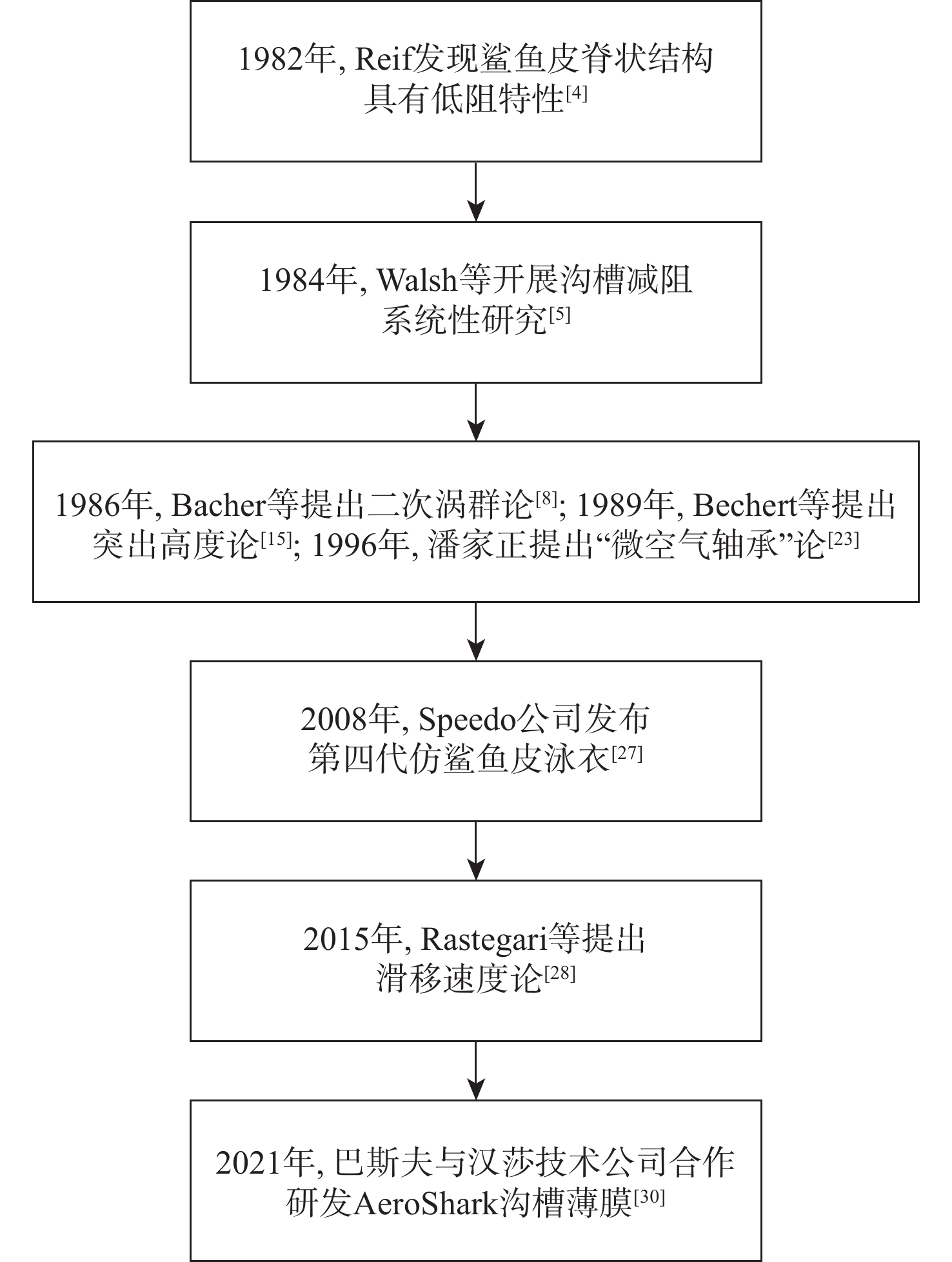
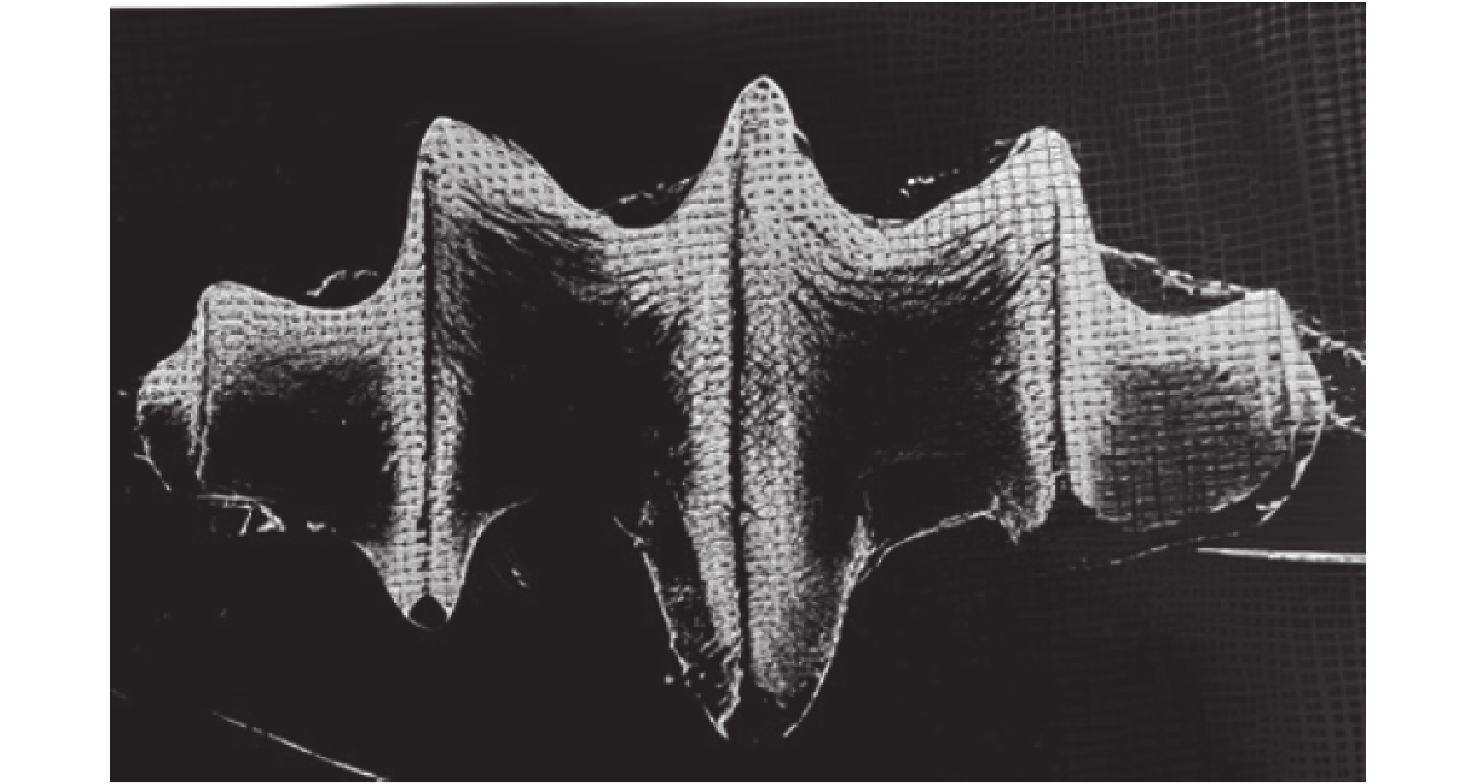
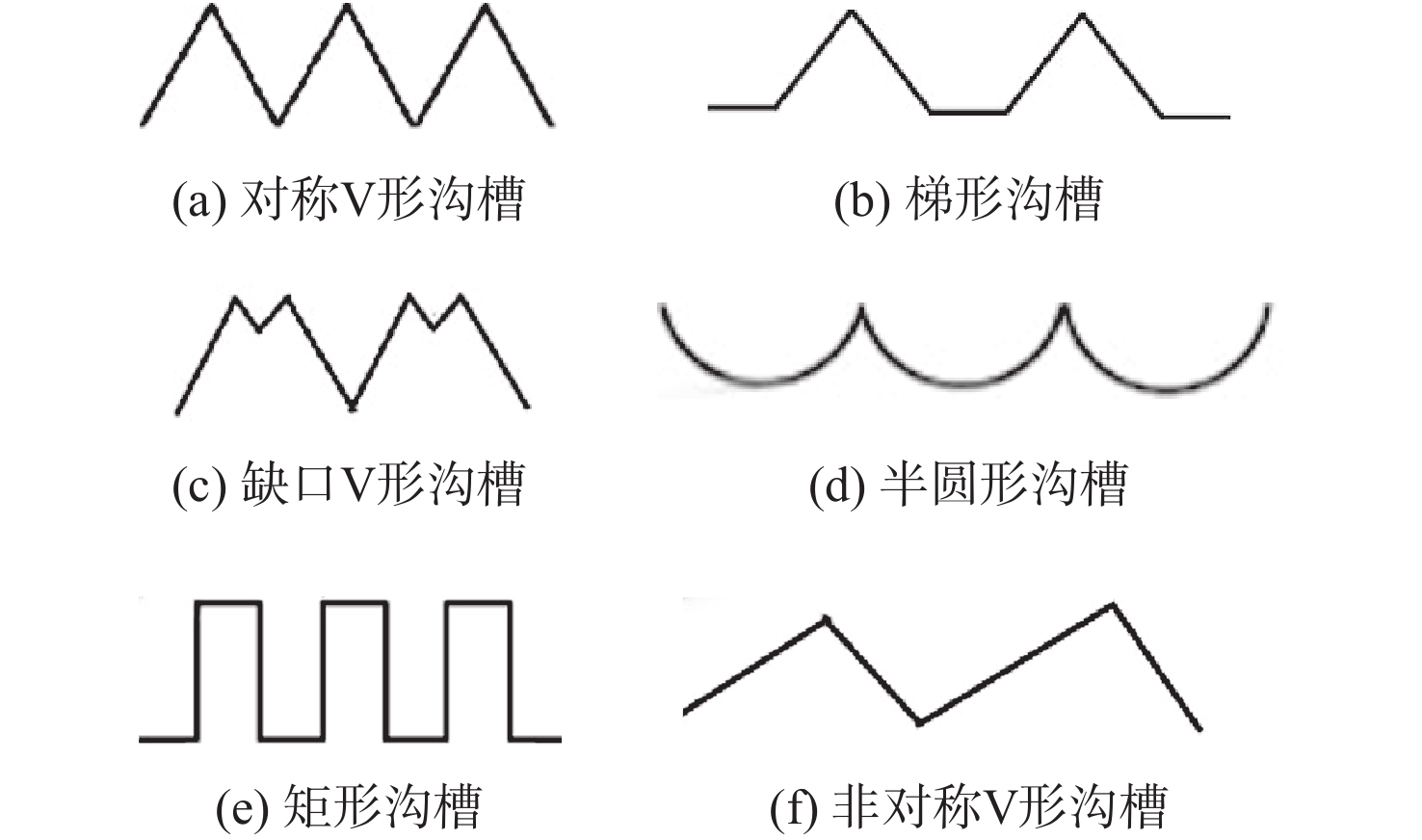
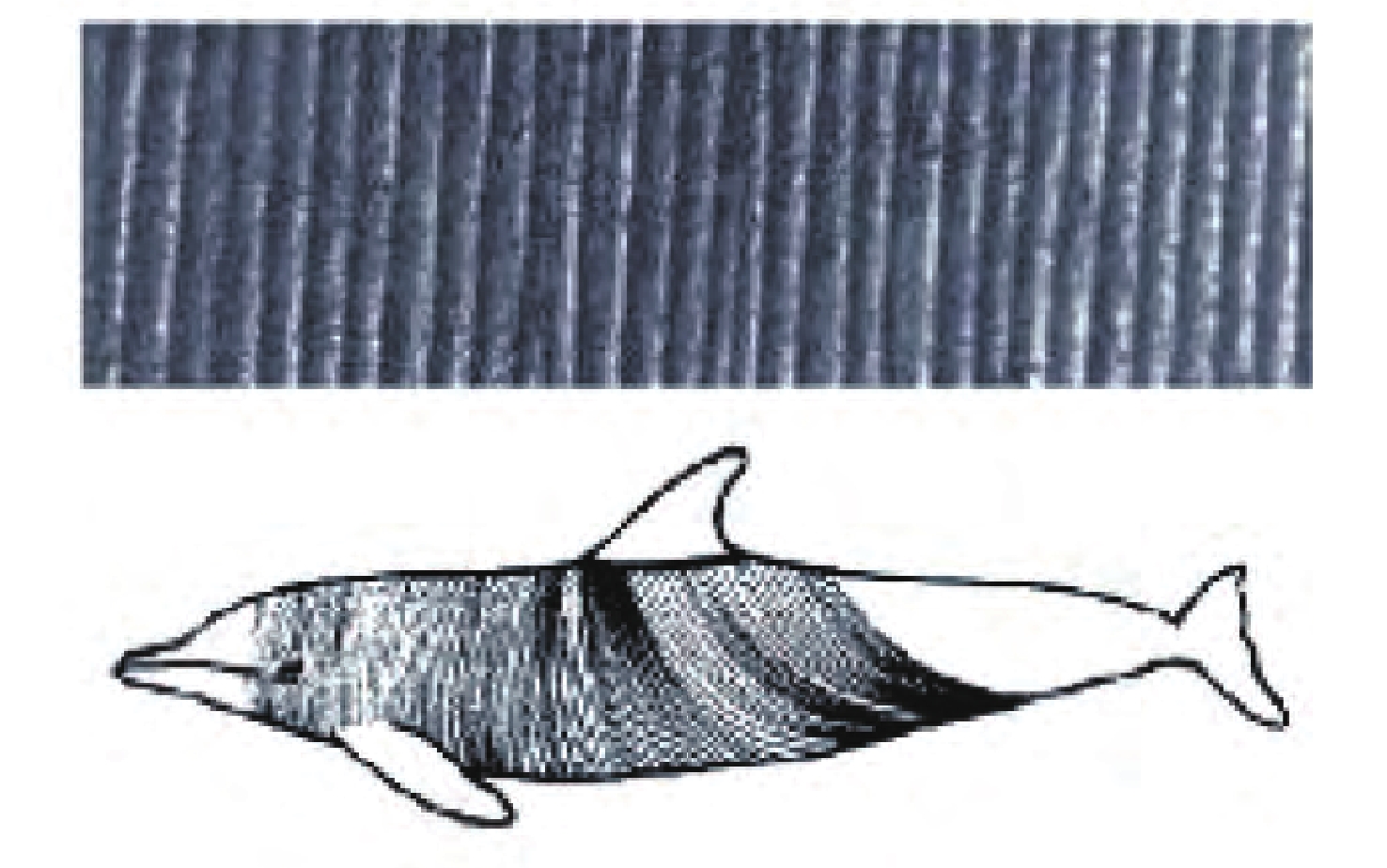
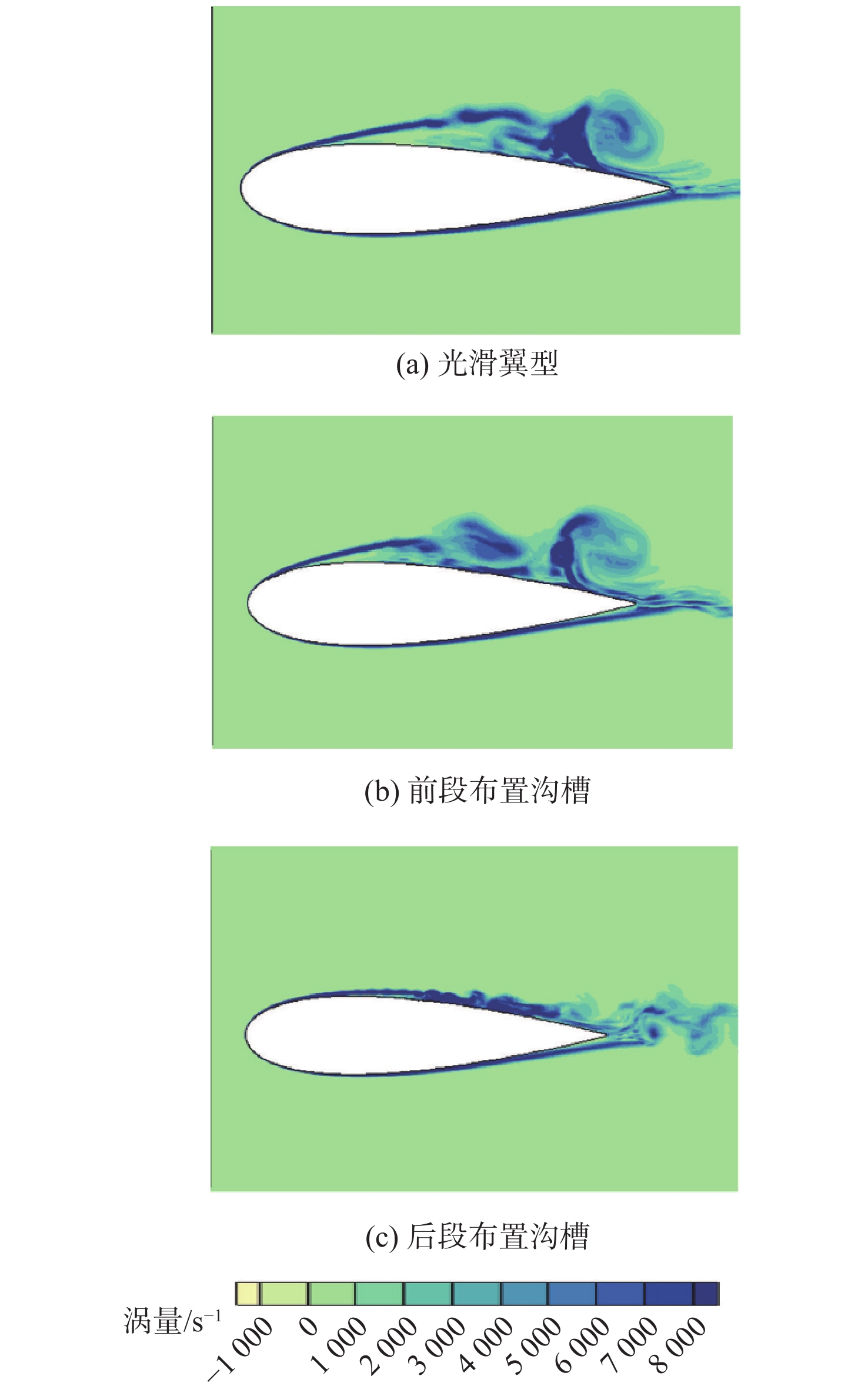
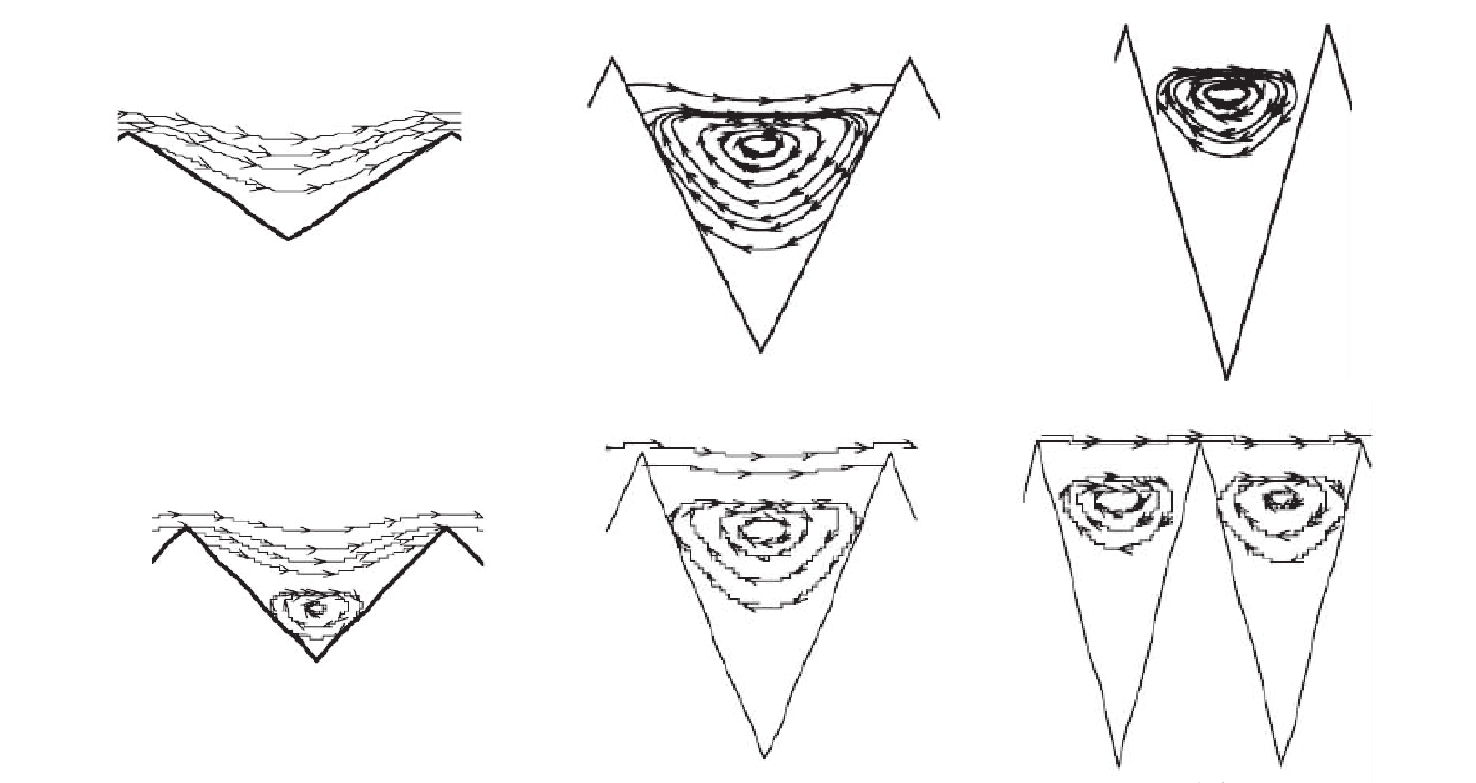
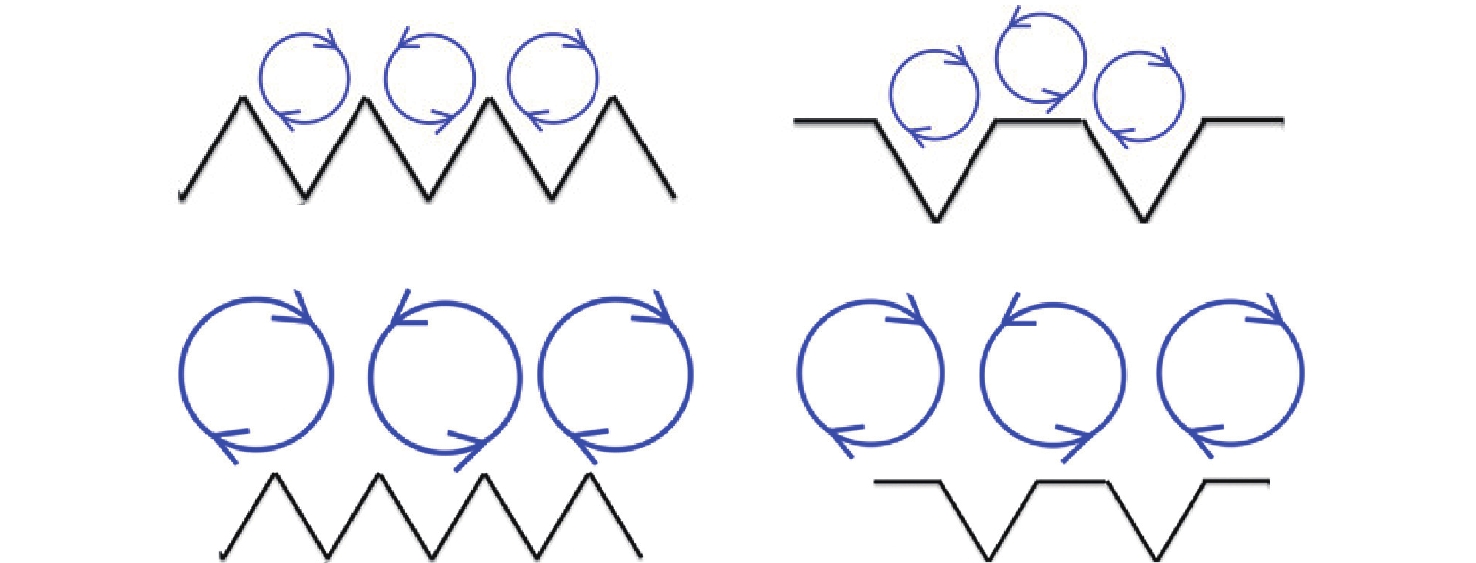
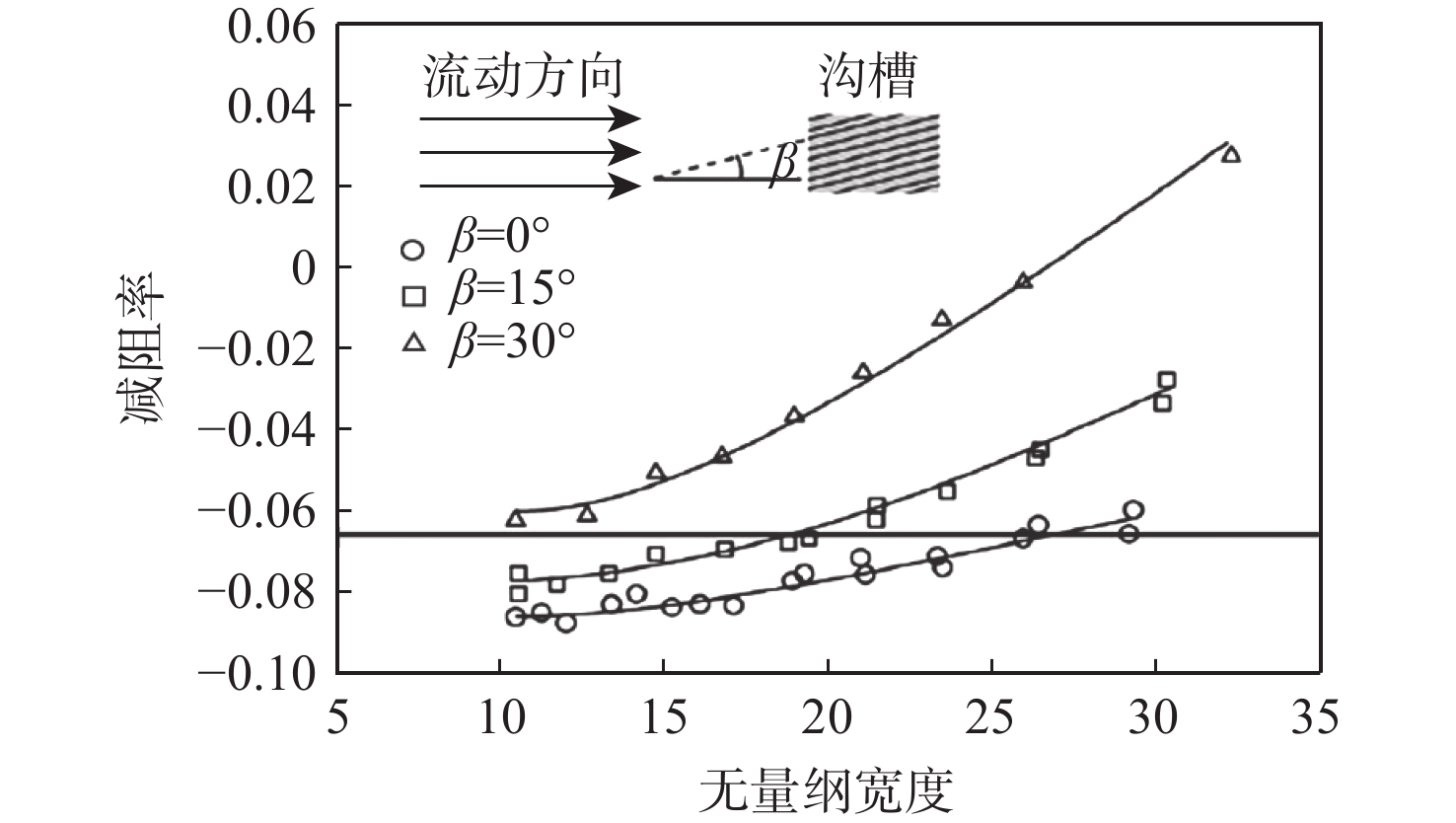
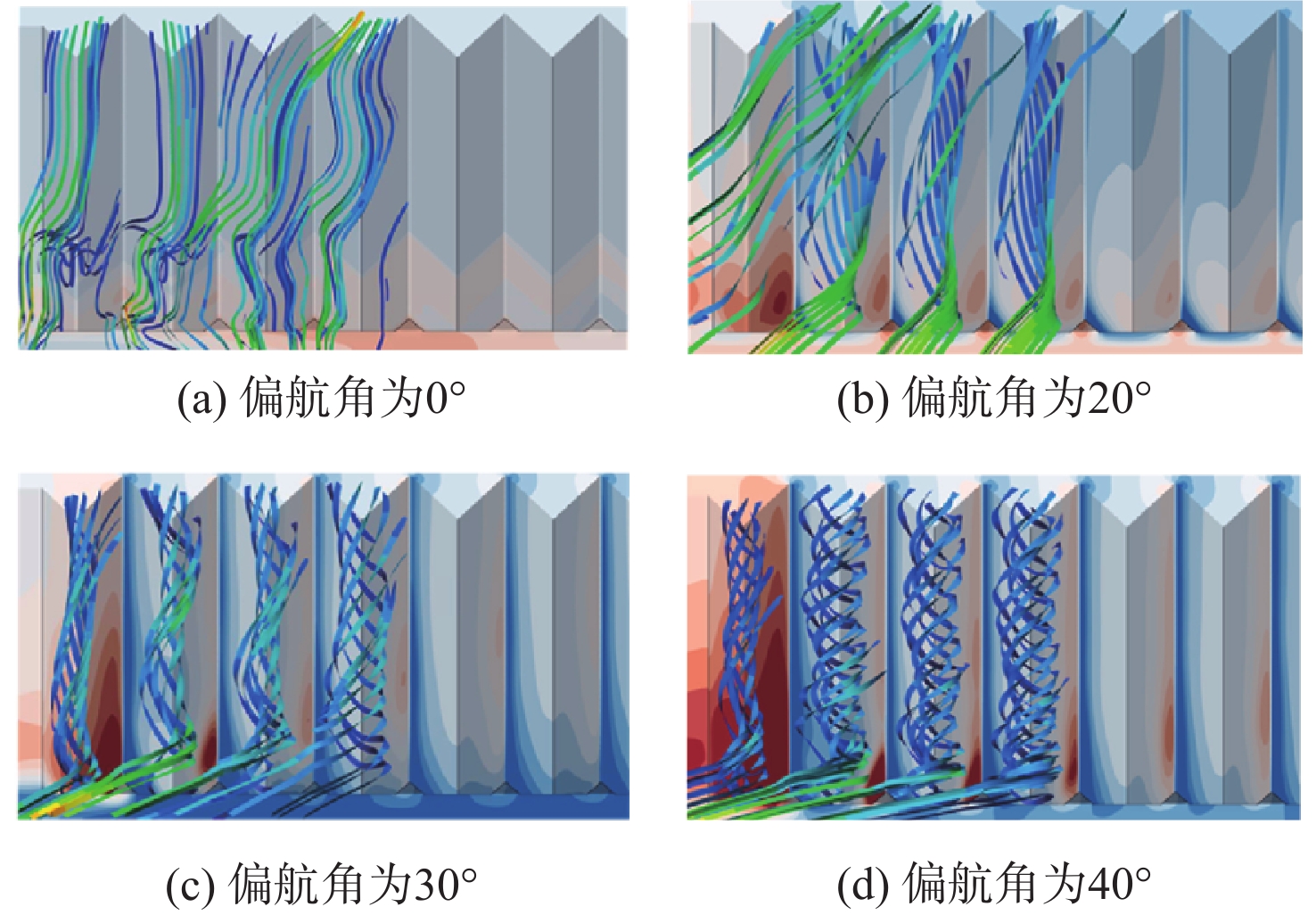
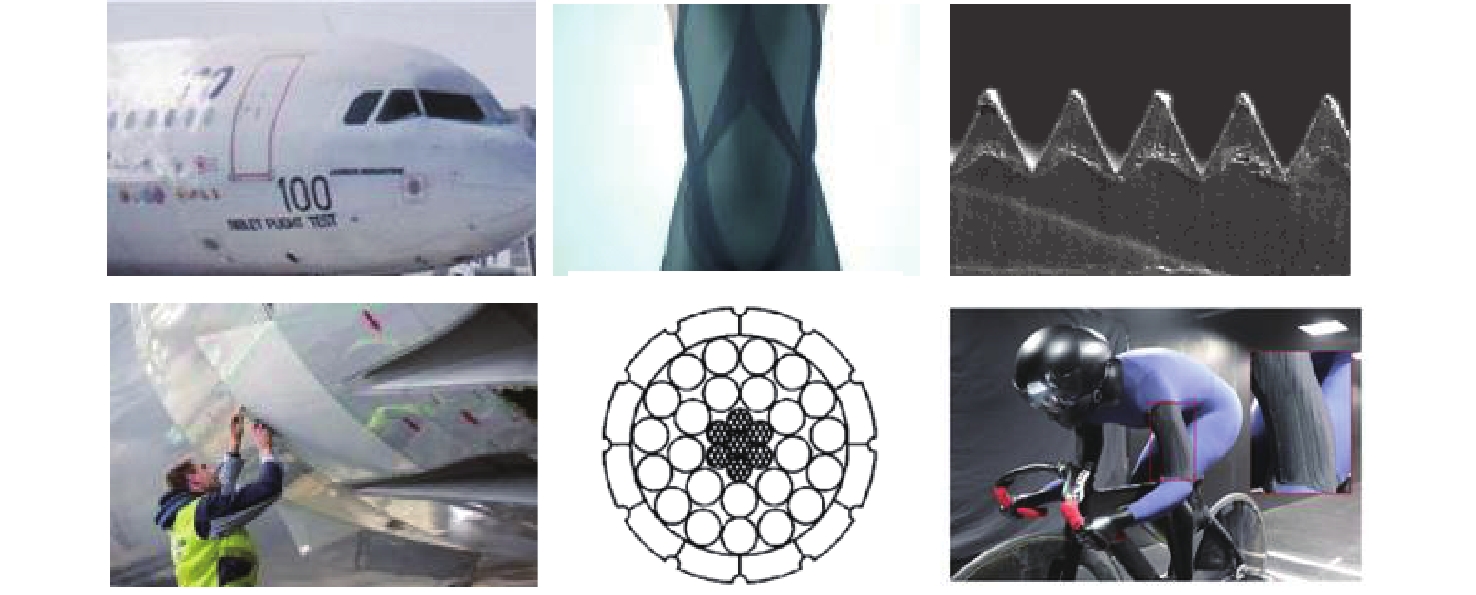
The groove drag reduction technology based on the shark skin ridge structure has been widely concerned and studied by scientists because of its simple and easy operation and low energy consumption rate. It has shown great potential in marine ships, aerospace, pipeline transportation and other fields. The state of research and advancements in bionic groove drag reduction technologies during the previous two decades are examined. Firstly, three widely recognized drag reduction mechanisms are reviewed and other drag reduction mechanisms are supplemented. The design and optimization of the groove shape drag reduction as well as the current state of processing technology research are then discussed, along with a summary of the effects of the groove’s position and arrangement, dimensionless size, and yaw angle on the drag reduction performance. Finally, the practical application of bionic grooves in many fields is briefly described, and the research on drag reduction of bionic grooves is summarized and prospected.
Research progress on YOLO series algorithms for target detection from UAV vision
CHEN Jinlin, WU Yiquan, YUAN Yubin
2026, 52(10): 3509-3534. doi: 10.13700/j.bh.1001-5965.2024.0420
Abstract:

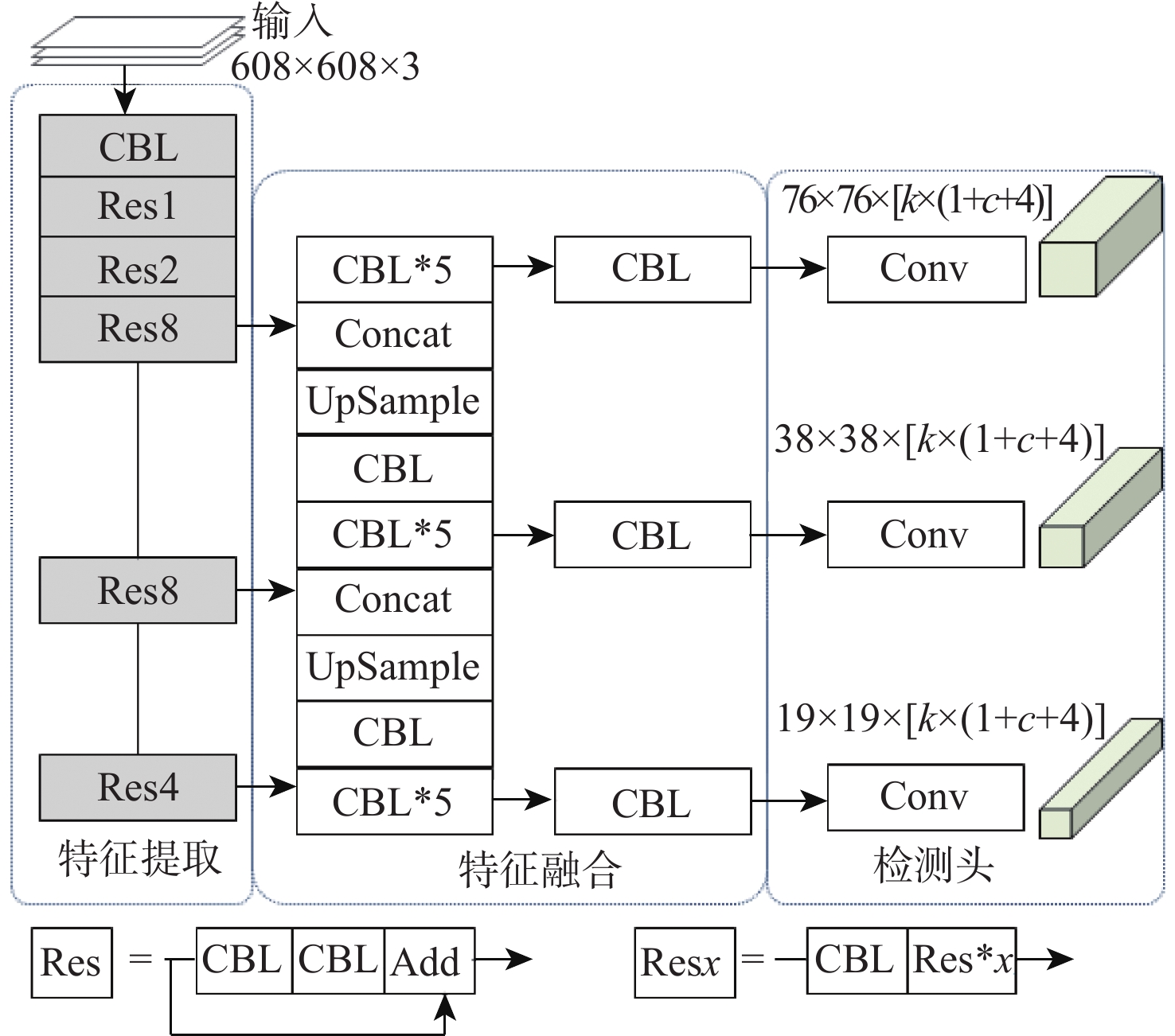
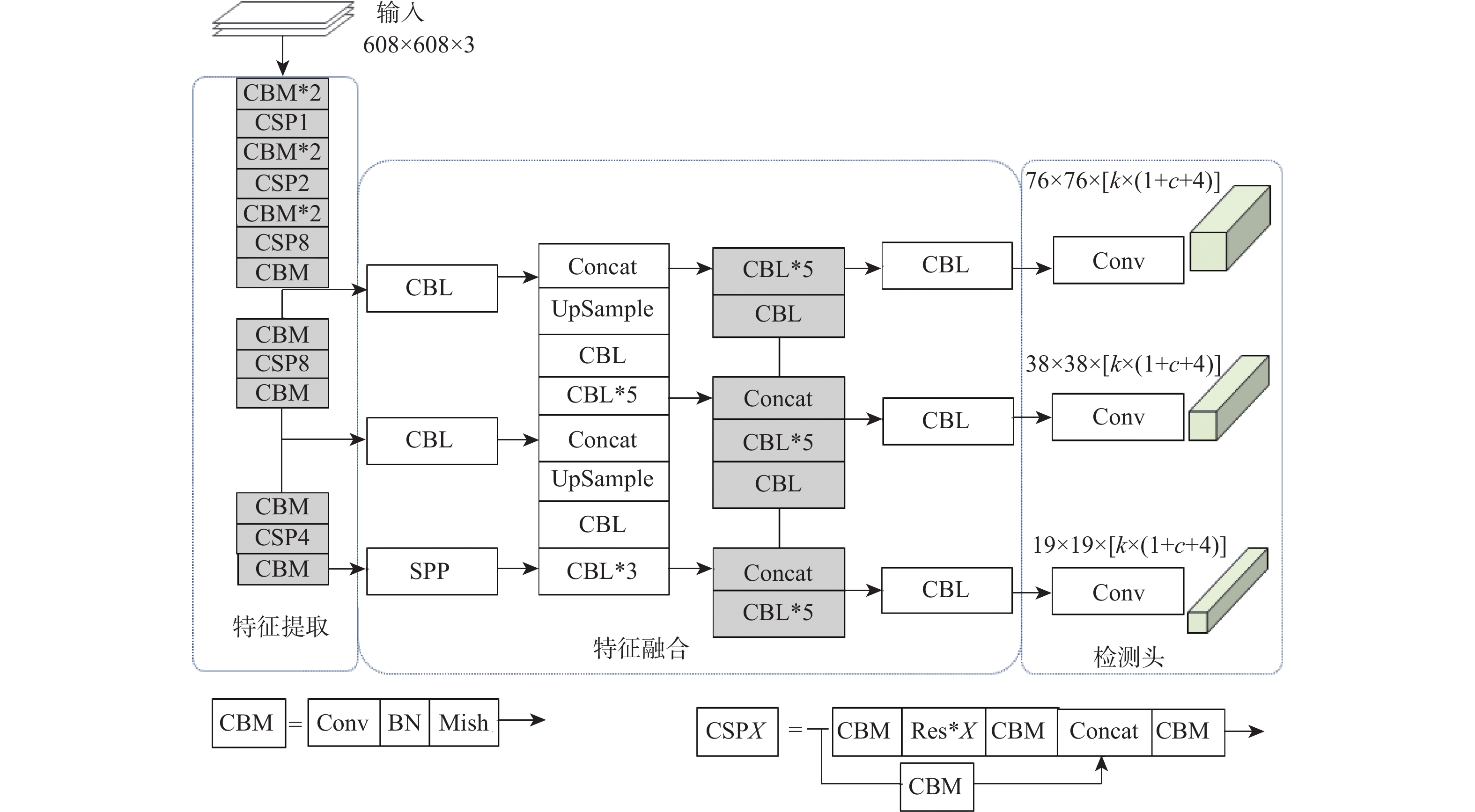
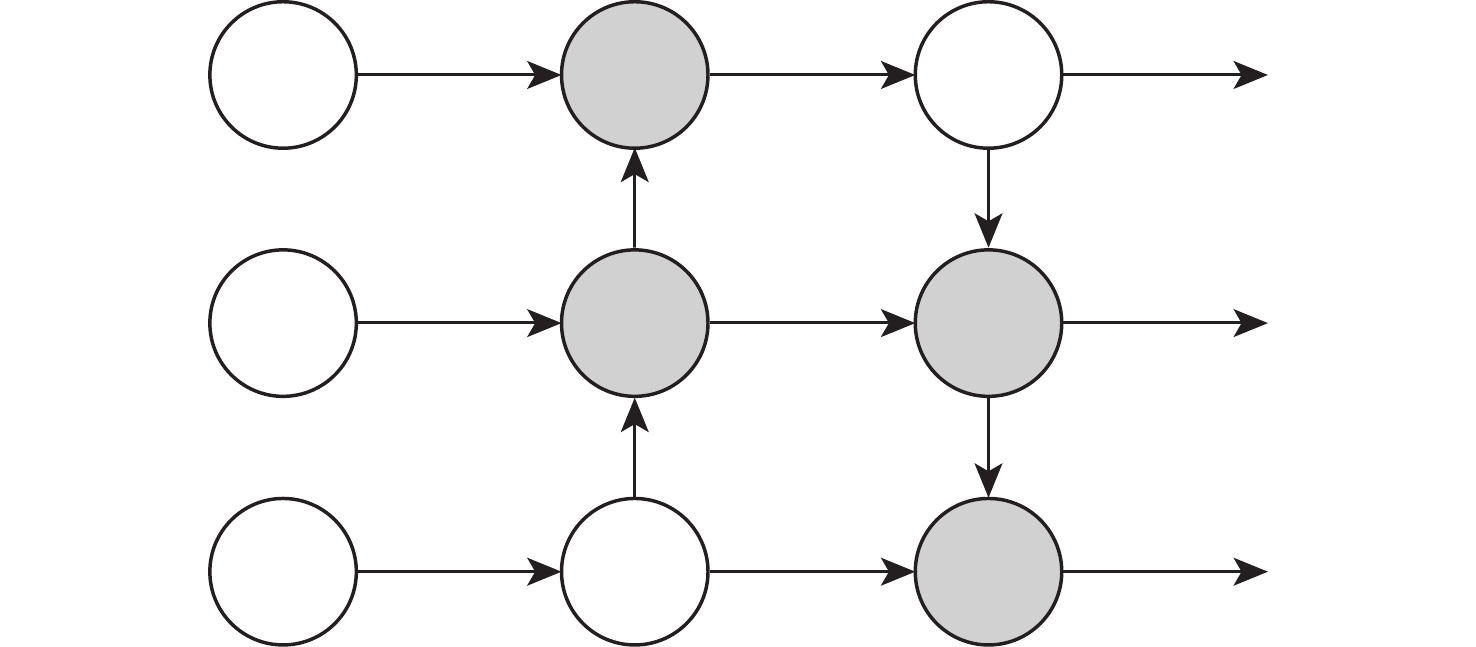
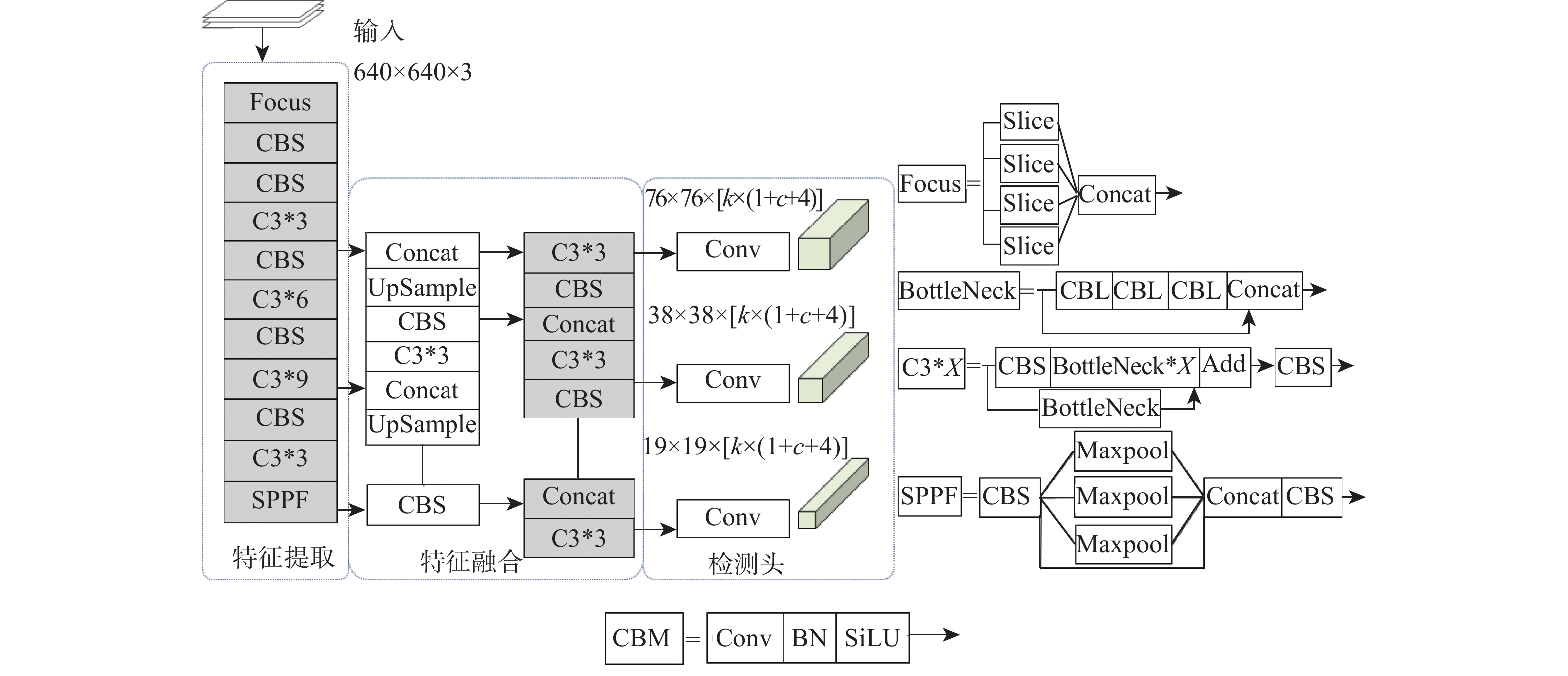
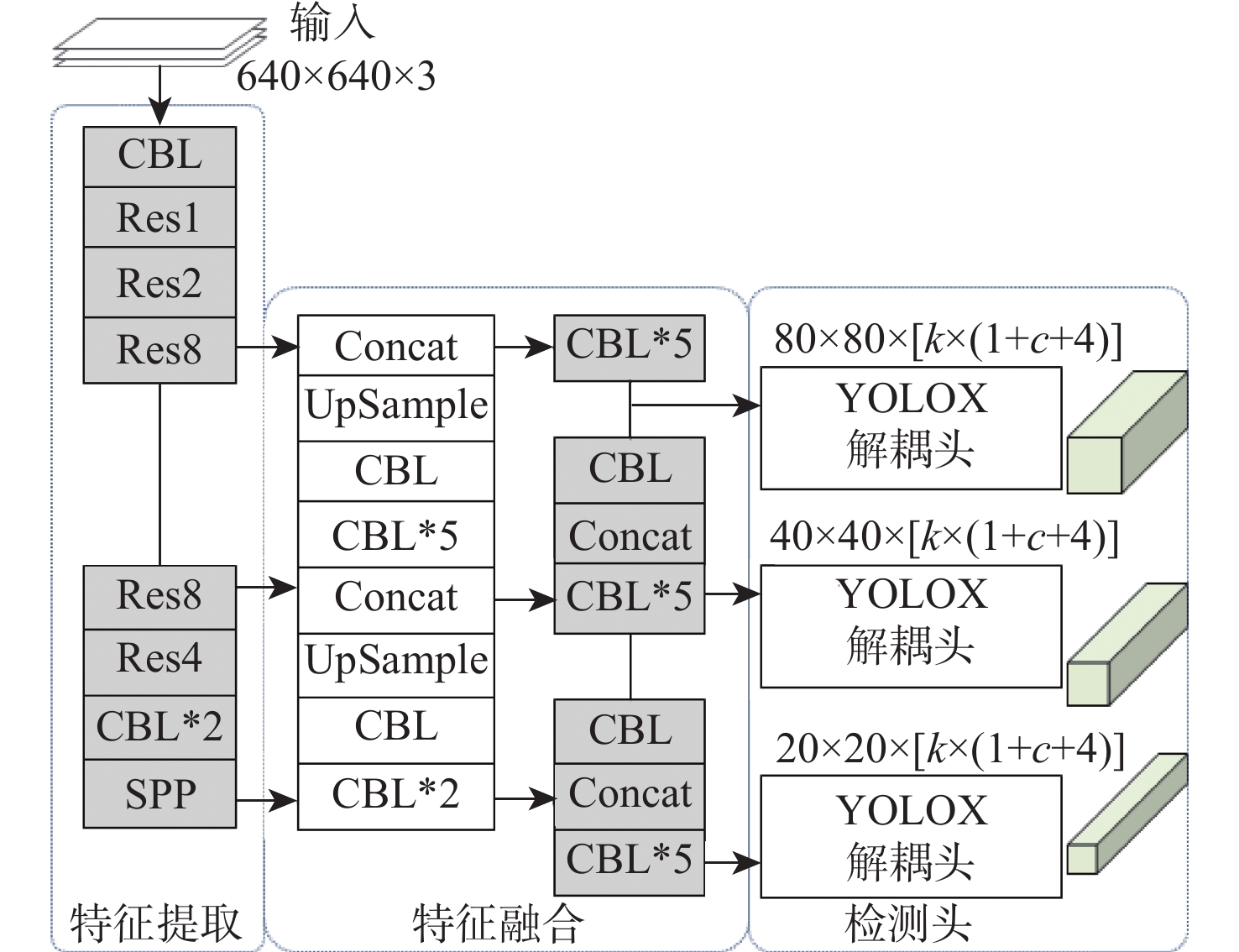
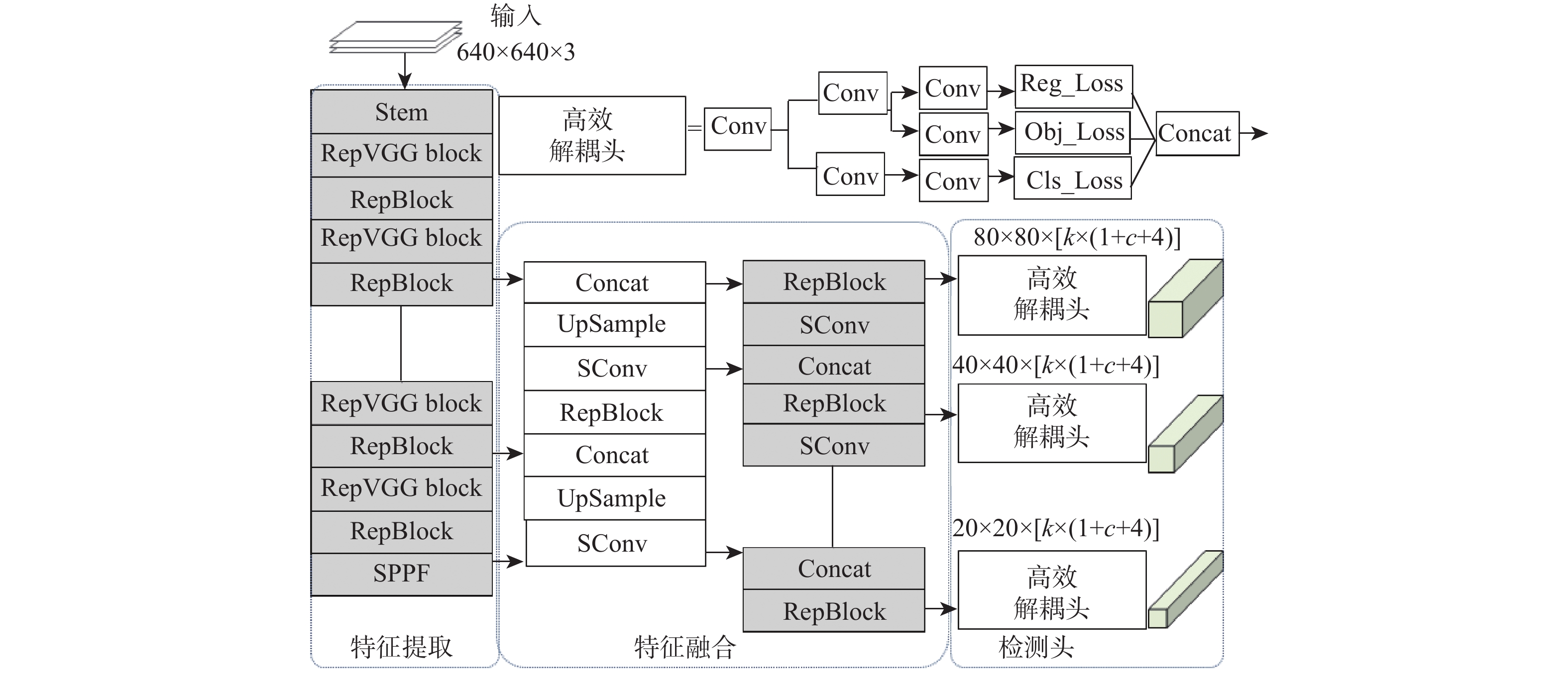
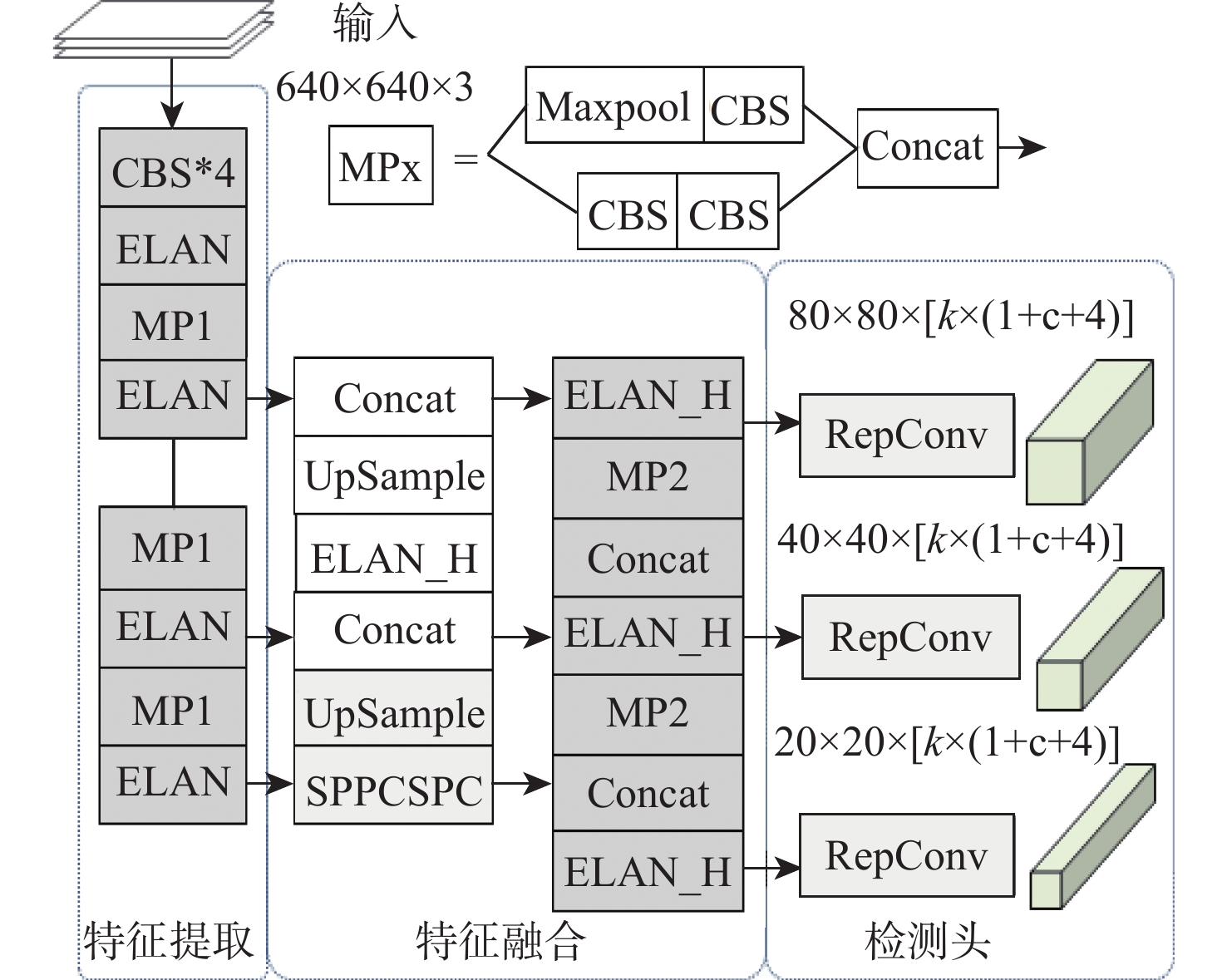
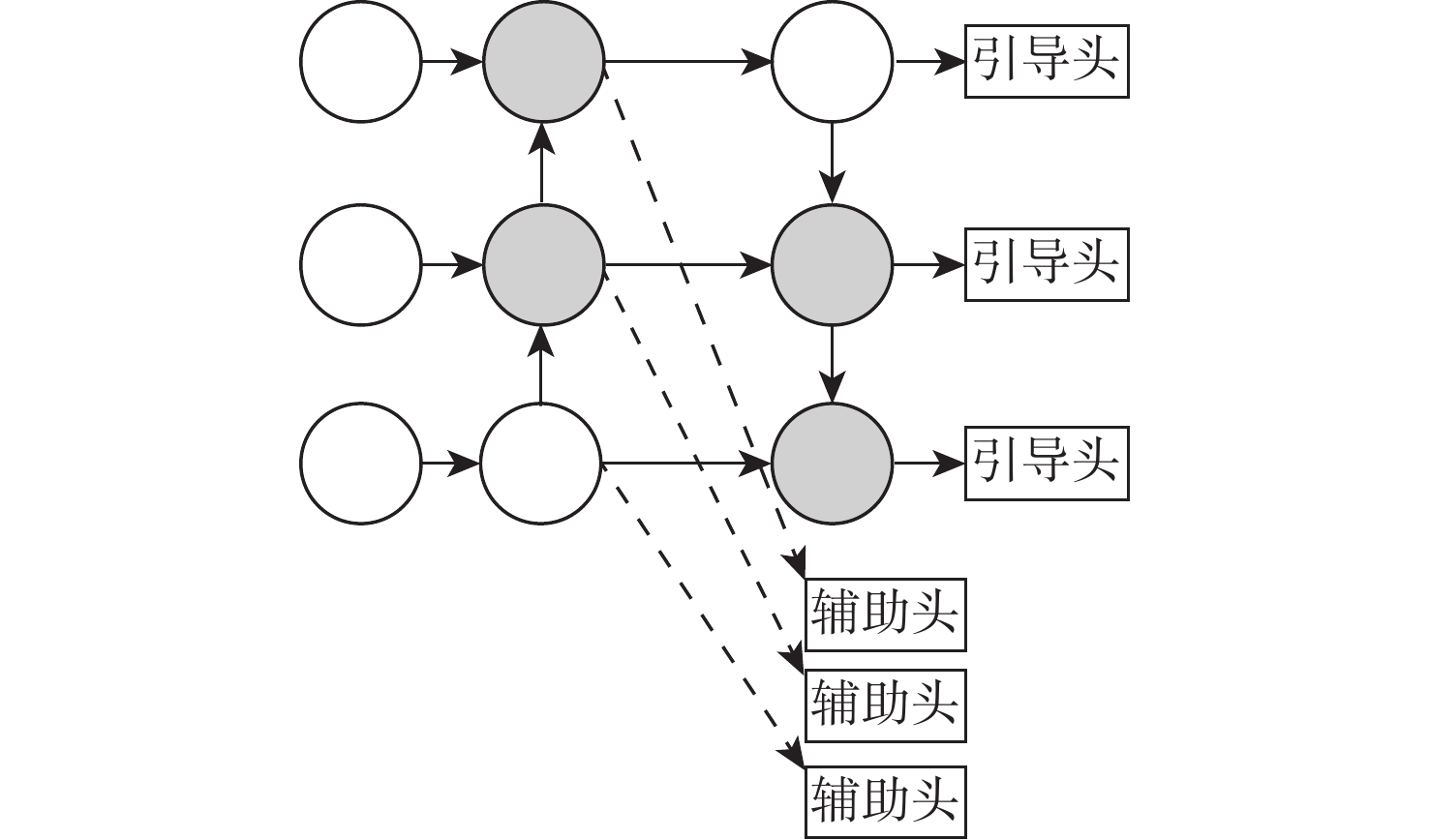
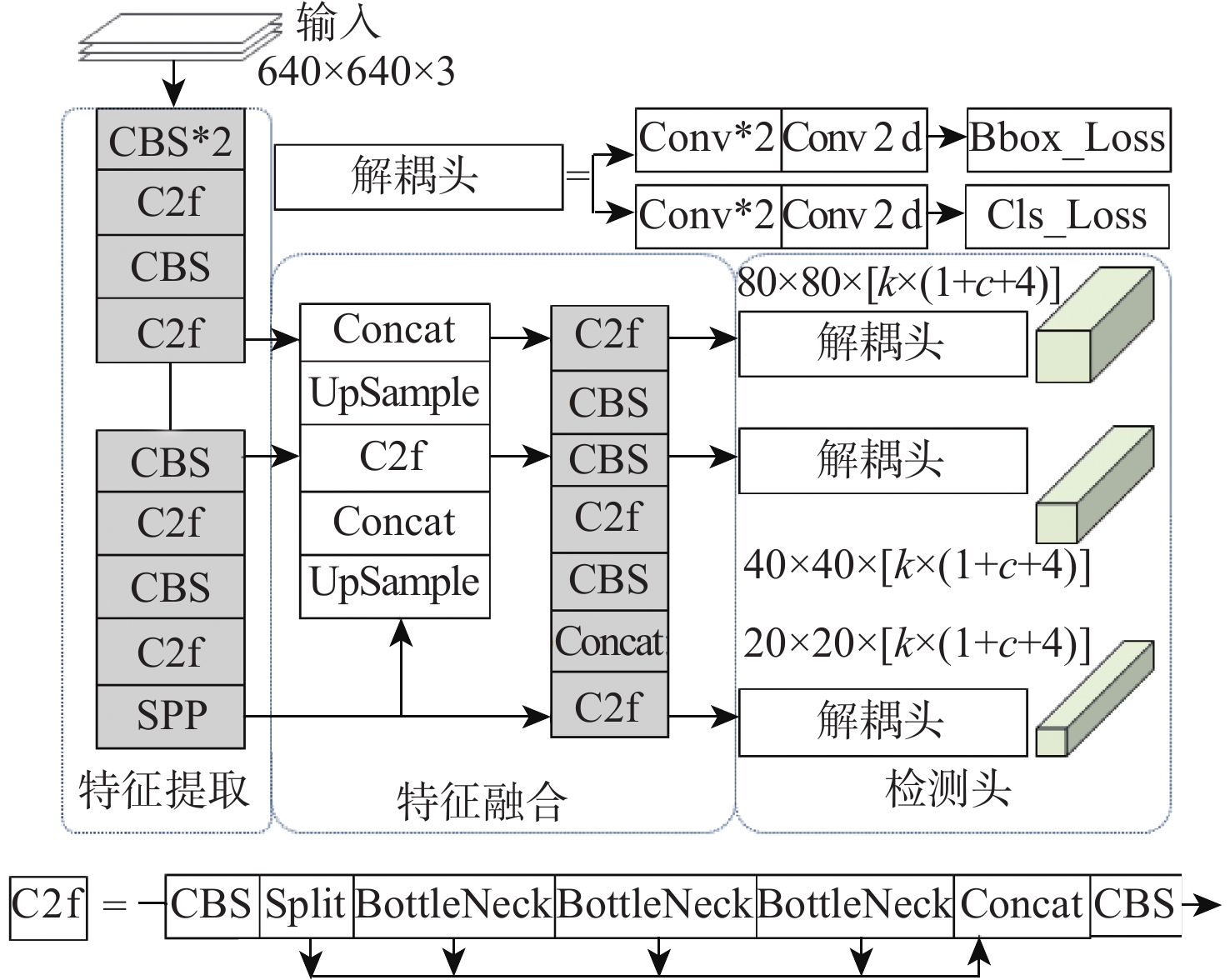
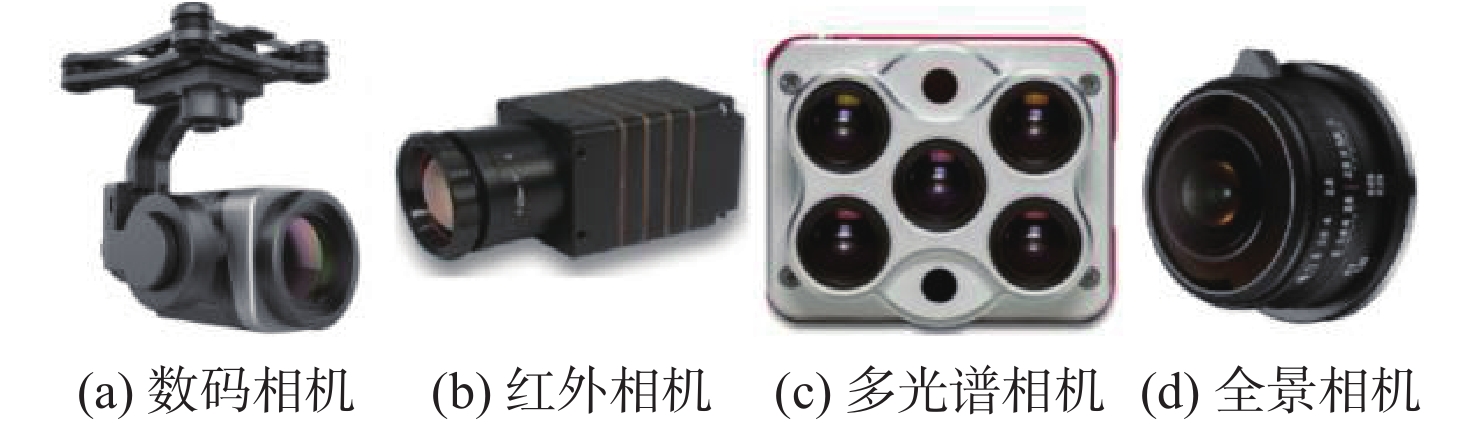
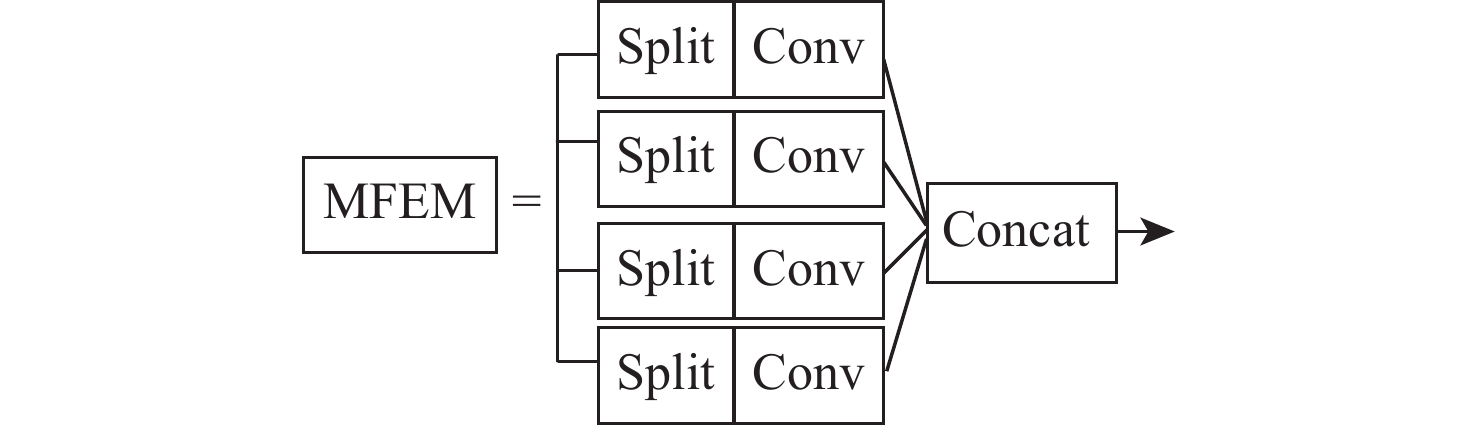
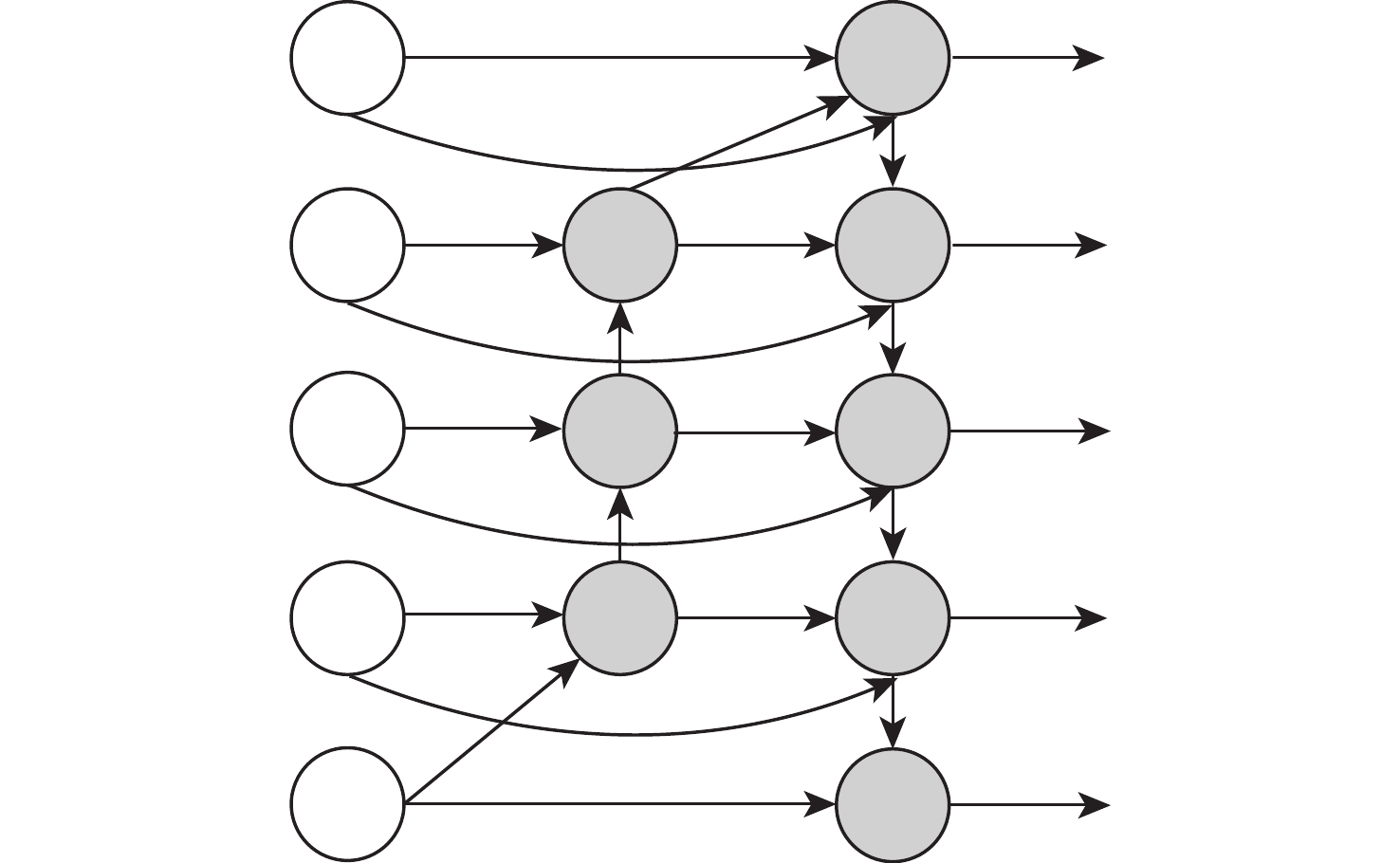
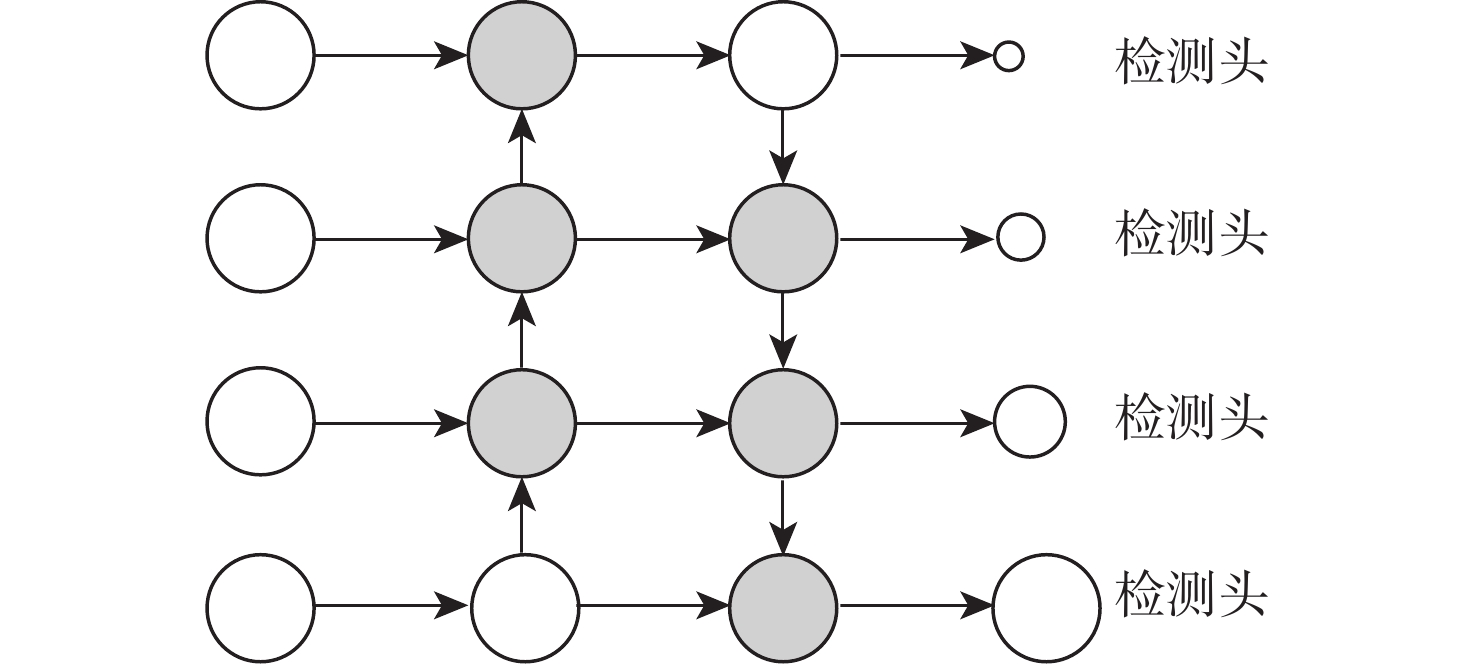
The you only look once (YOLO) series of deep learning-based object identification algorithms has several advantages, including great adaptability, high detection accuracy, and quick detection speed. Make it the preferred choice for object detection in drone aerial images. Due to the complex and ever-changing nature of aerial images and videos captured by drones, the YOLO series object detection algorithms from the UAV vision have become a challenging problem. Therefore, it is necessary to comprehensively summarize and analyze the recent research and application achievements of YOLO series algorithms for object detection from the UAV vision. Firstly, the YOLO structural diagram is redrawn and the development, connection, and optimization features of the 10 fundamental versions of YOLO are summarized. The roles and objectives of various YOLO optimization strategies are pointed out, indicating the direction for further theoretical research. Secondly, the optimization methods of YOLO in the application field of drone object detection are summarized. This includes preprocessing before data training, optimization of training and inference, application of attention modules, convolutional optimization, detection heads, and optimization of loss functions. At the same time, some application datasets and data expansion methods from the UAV vision are sorted out. Through studies, the effectiveness of YOLO series algorithms on the UAV vision dataset and the influence of convolutional block attention module (CBAM) on various YOLO improvements are assessed. Finally, it is pointed out that there are still some problems and challenges in the research of YOLO series algorithms for object detection from the UAV vision. This article looks forward to possible development trends and research directions in this field.
Overview and prospect of key technologies for underwater gravity-aided inertial navigation
ZHOU Zhaofa, LI Yiyi, ZHANG Zhili, CHEN Po, BIAN Yinglei, LI Xinyu
2026, 52(10): 3535-3562. doi: 10.13700/j.bh.1001-5965.2026.0255
Abstract:

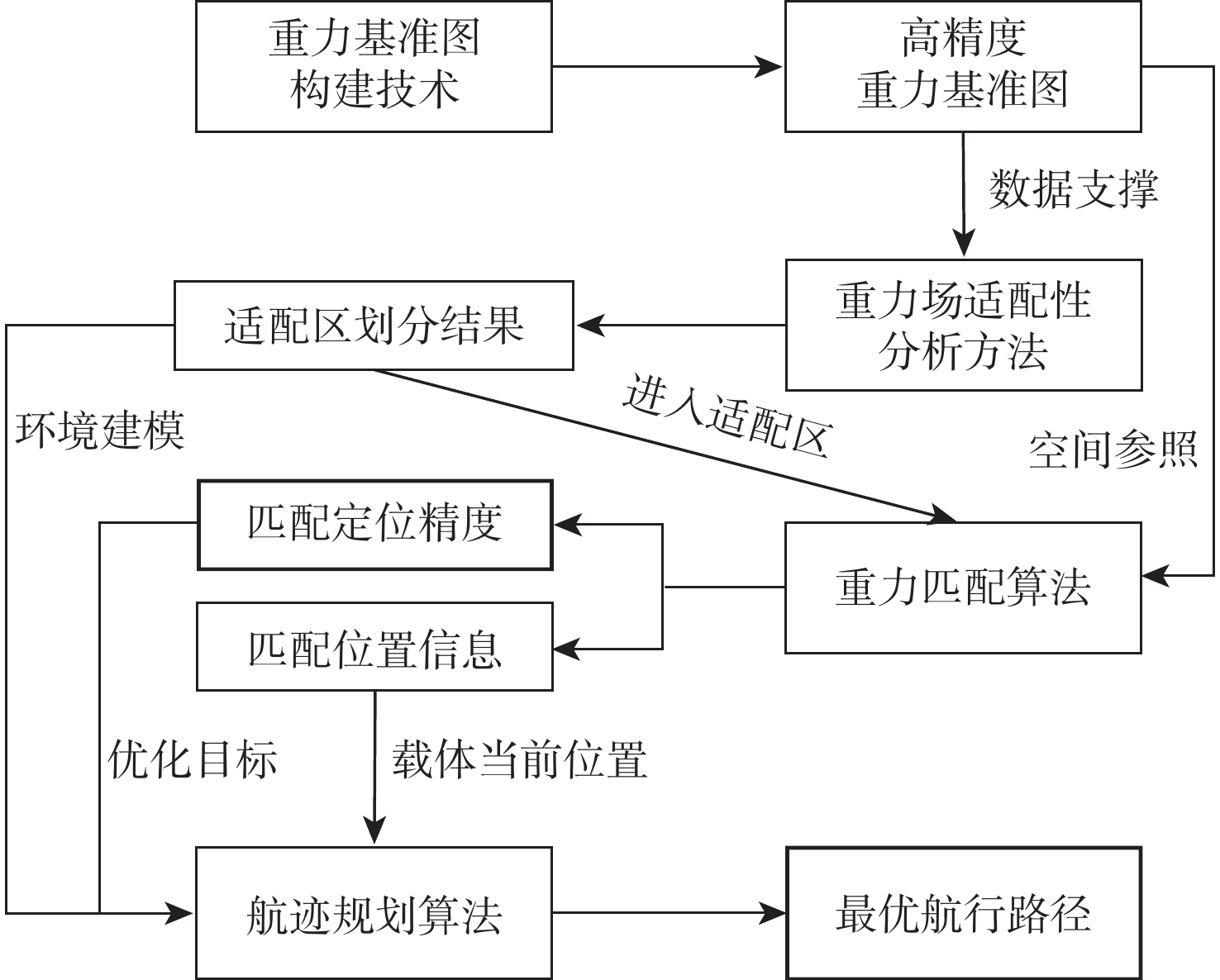
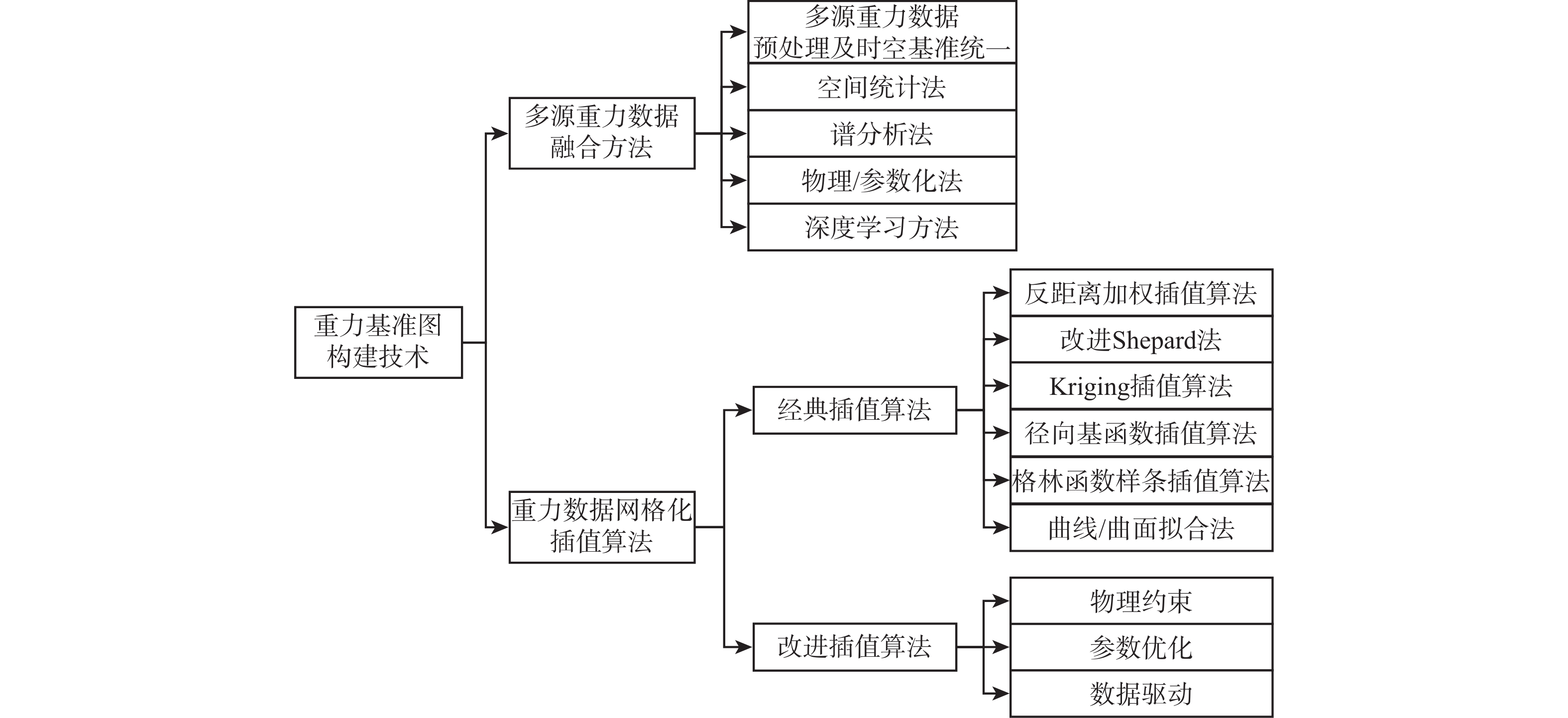
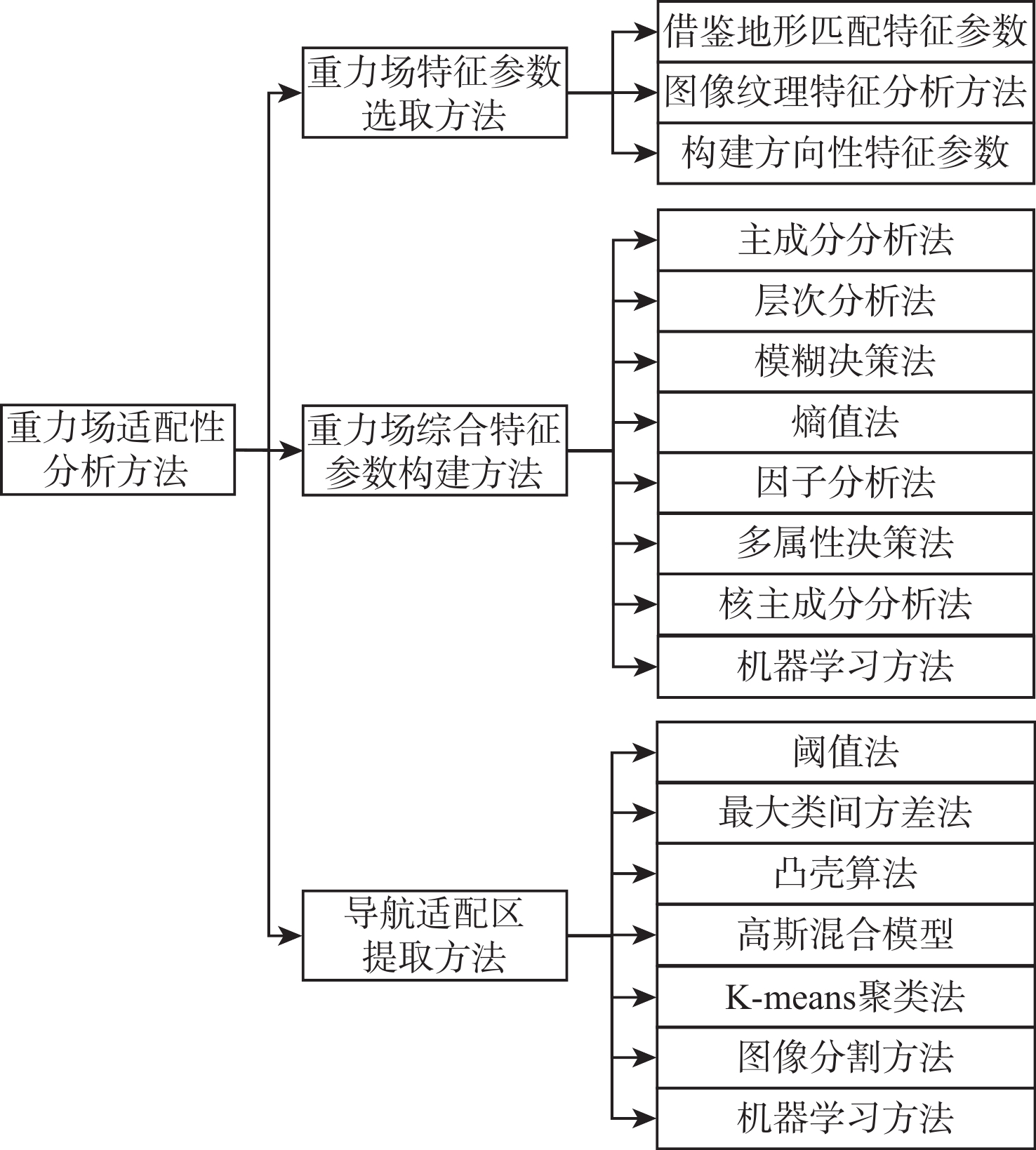
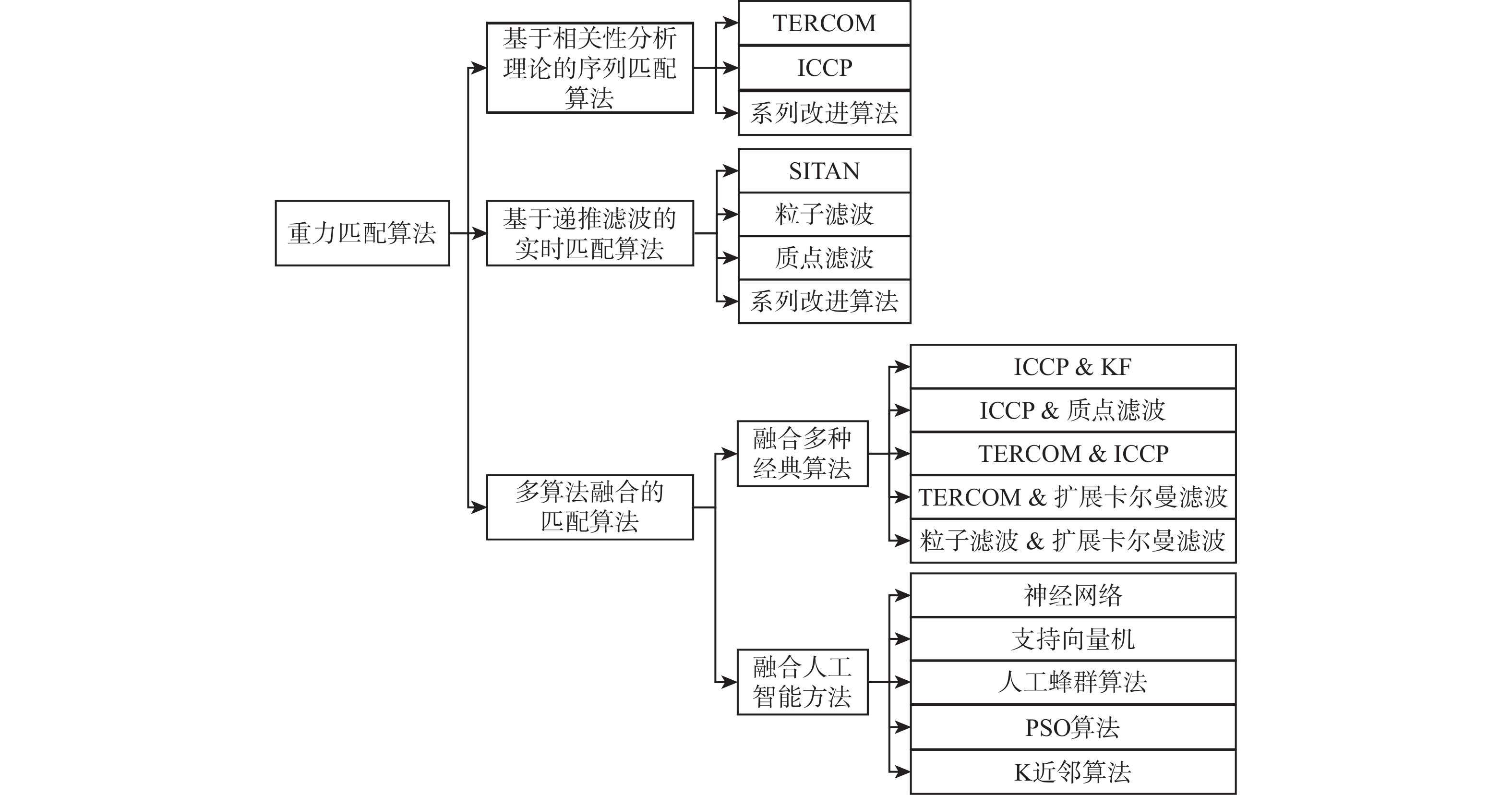
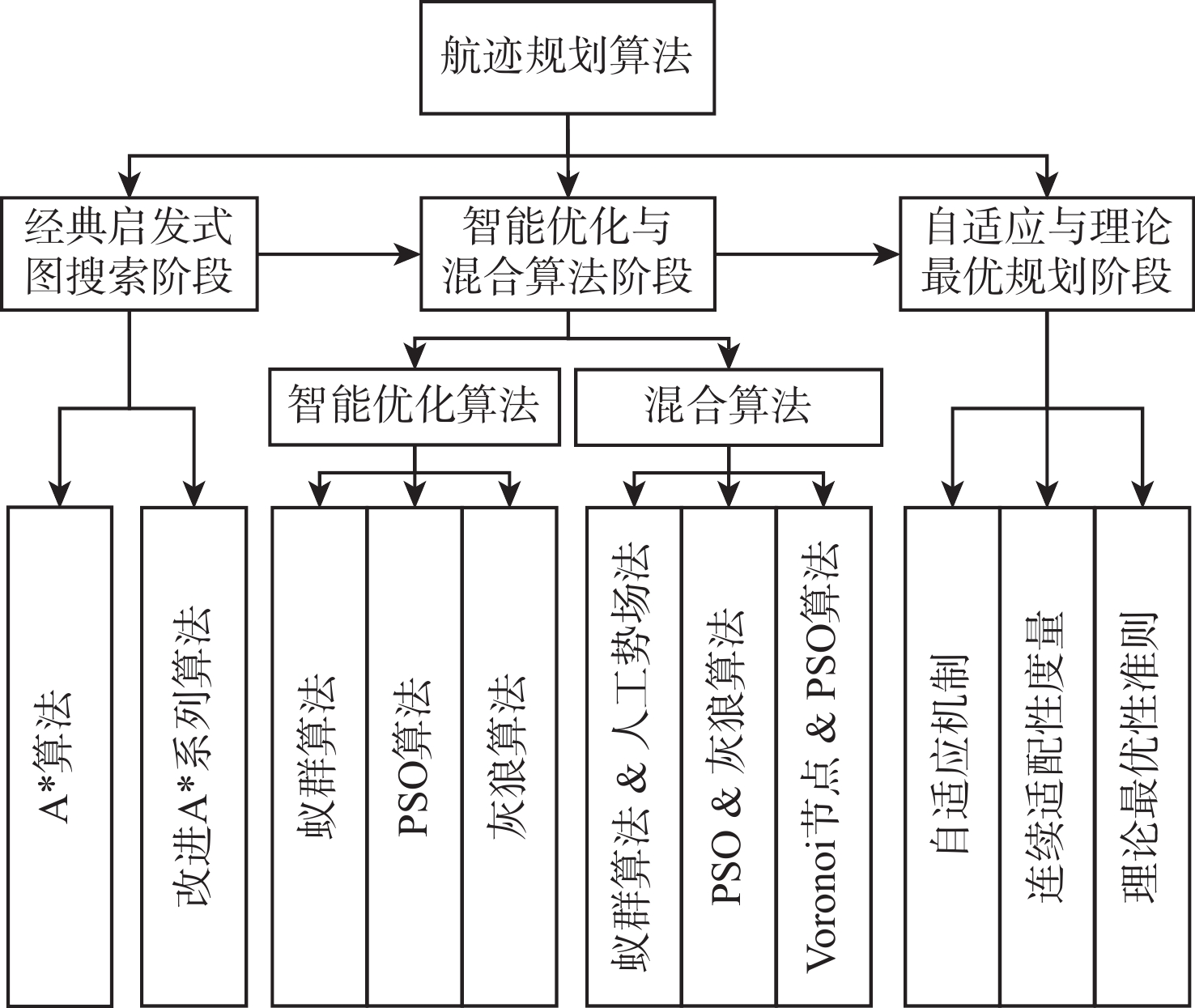
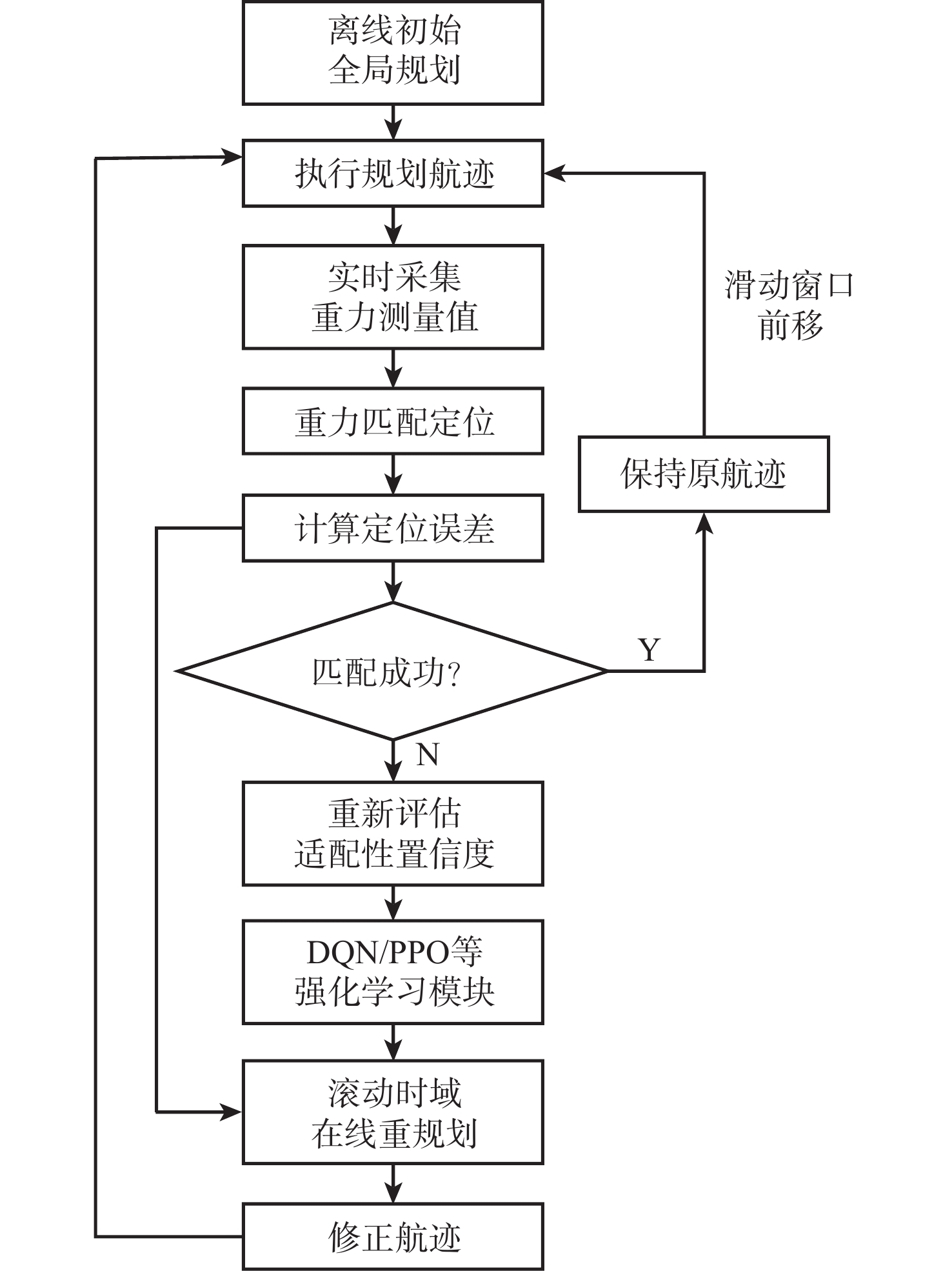
Underwater high-precision autonomous navigation is a core enabling technology for ocean exploration and development. The positional error of an inertial navigation system (INS) builds up and diverges with time, requiring outside data to be corrected. As an inherent property of the Earth, the gravity field offers stability, autonomy, and passivity, making it an ideal information source. Consequently, gravity-aided inertial navigation technology holds significant research value. This paper systematically reviews the research progress of four important technologies: trajectory planning, gravity matching algorithms, gravity reference map construction, and gravity field adaptability analysis. It is based on an analysis of the system’s technical architecture and fundamental principles. Mainstream methods, such as multi-source data fusion, gridded interpolation, feature evaluation and matching area extraction, sequential correlation matching, nonlinear filtering, and intelligent path optimization, are comprehensively summarized. Furthermore, common unresolved issues in current technological development are thoroughly examined. Finally, in view of the technical bottlenecks at this stage, future research directions are discussed, aiming to provide theoretical references and technical guidance for the subsequent development of a high-precision, high-reliability, and high-autonomy underwater gravity-aided inertial navigation system (GAINS).

Research progress and key technologies of hydrogen fuel cell UAVs
XU Weiqiang, ZHANG Bingxin, ZHU He, CHEN Li
2026, 52(10): 3563-3579. doi: 10.13700/j.bh.1001-5965.2026.0440
Abstract:

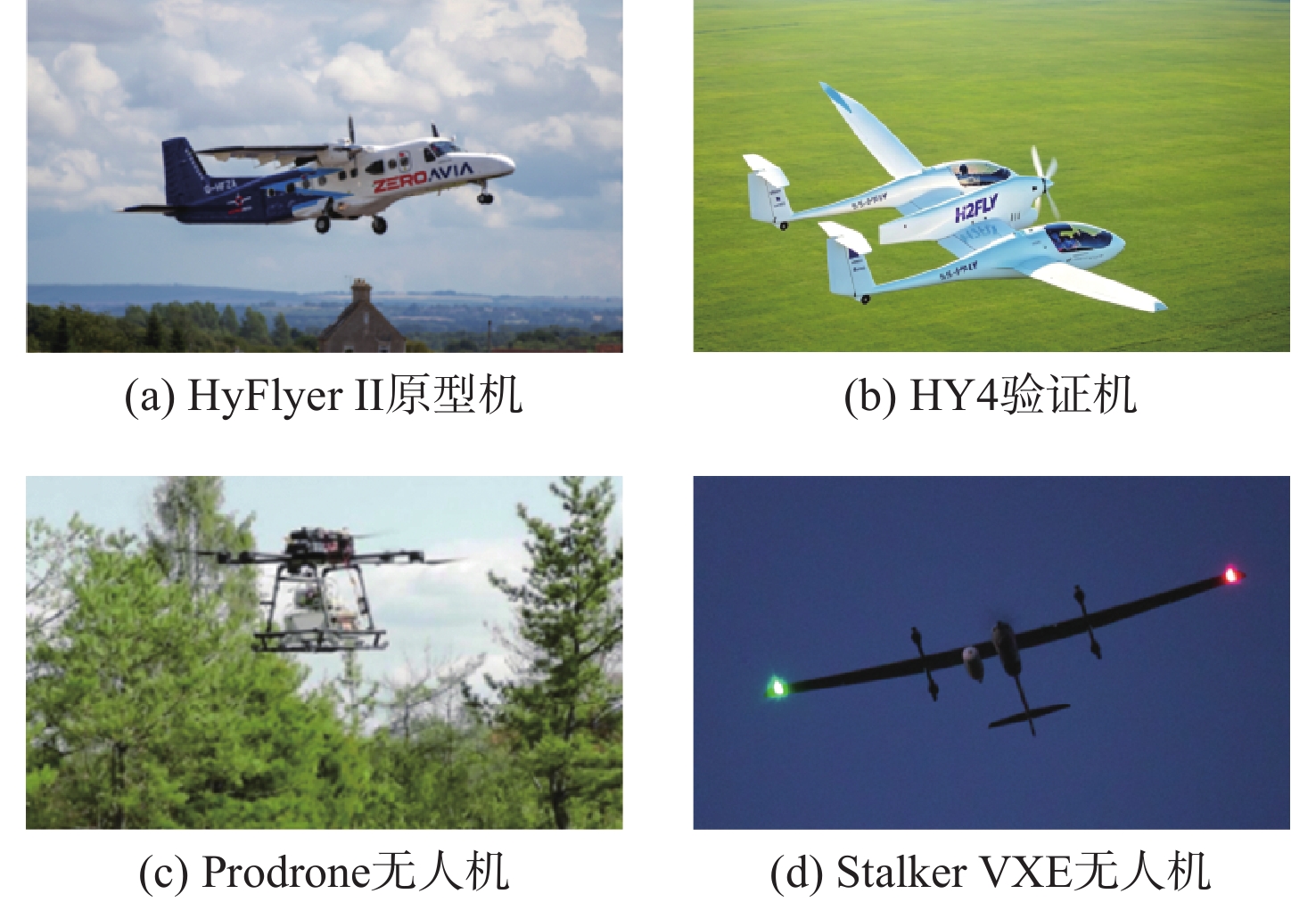
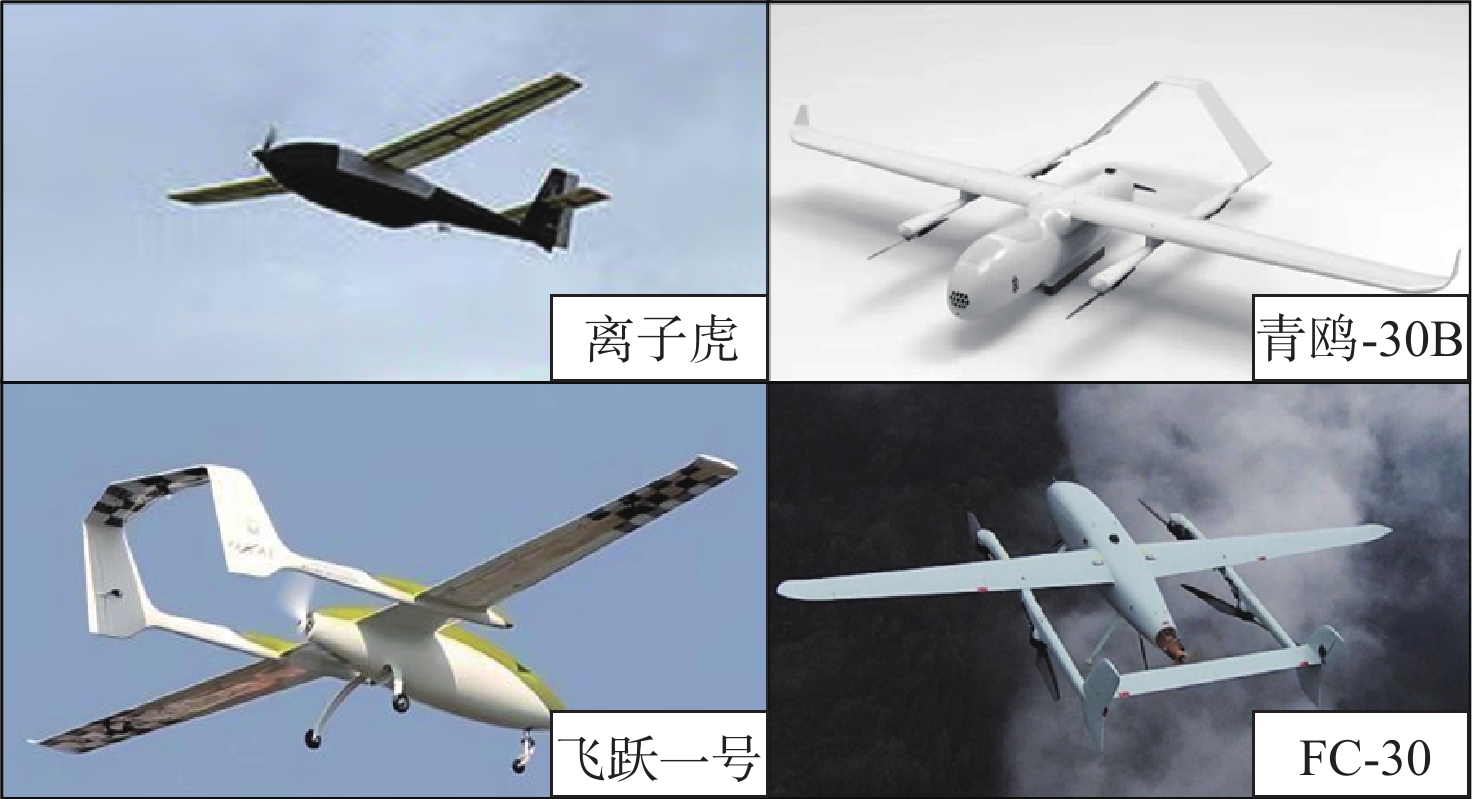
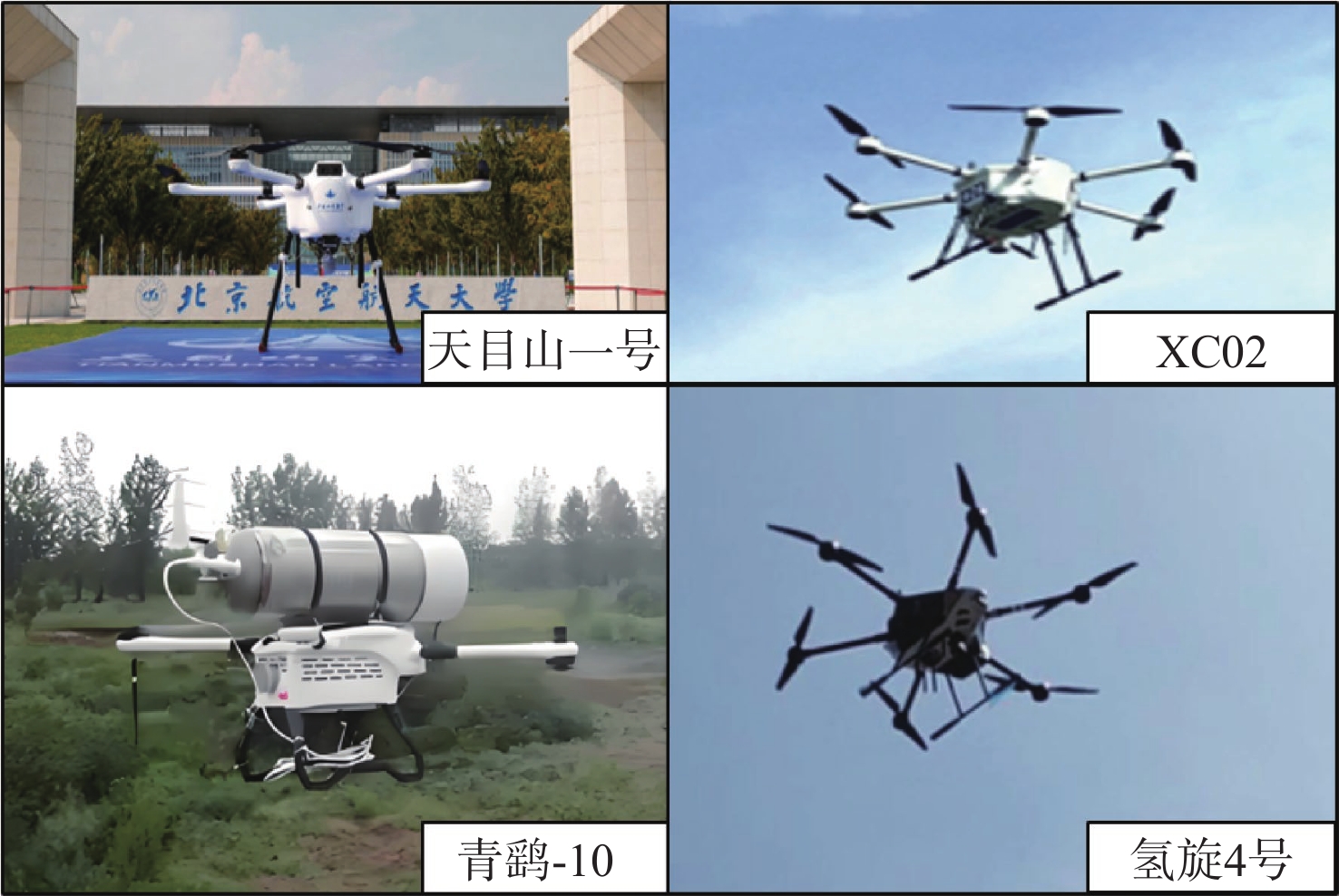
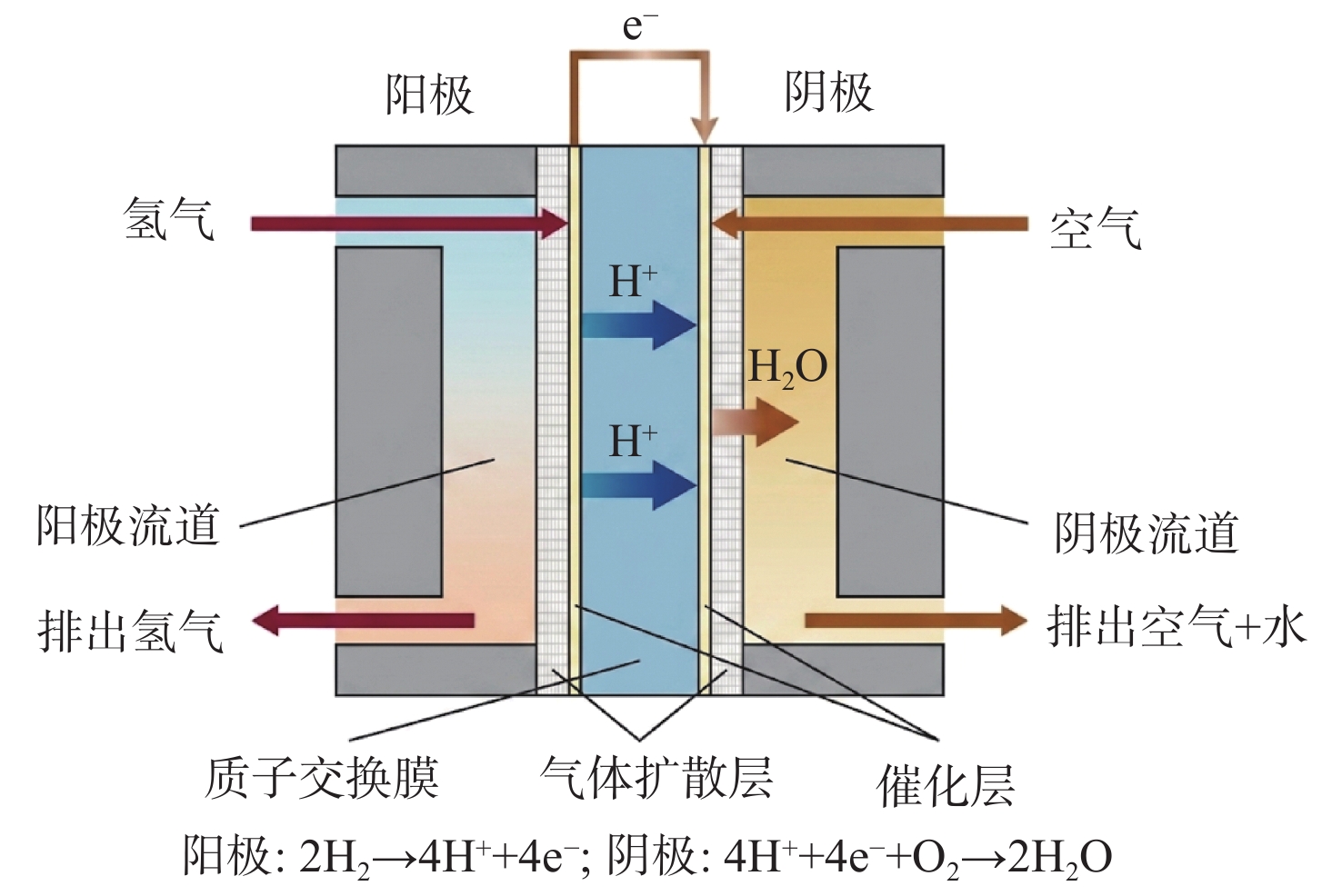
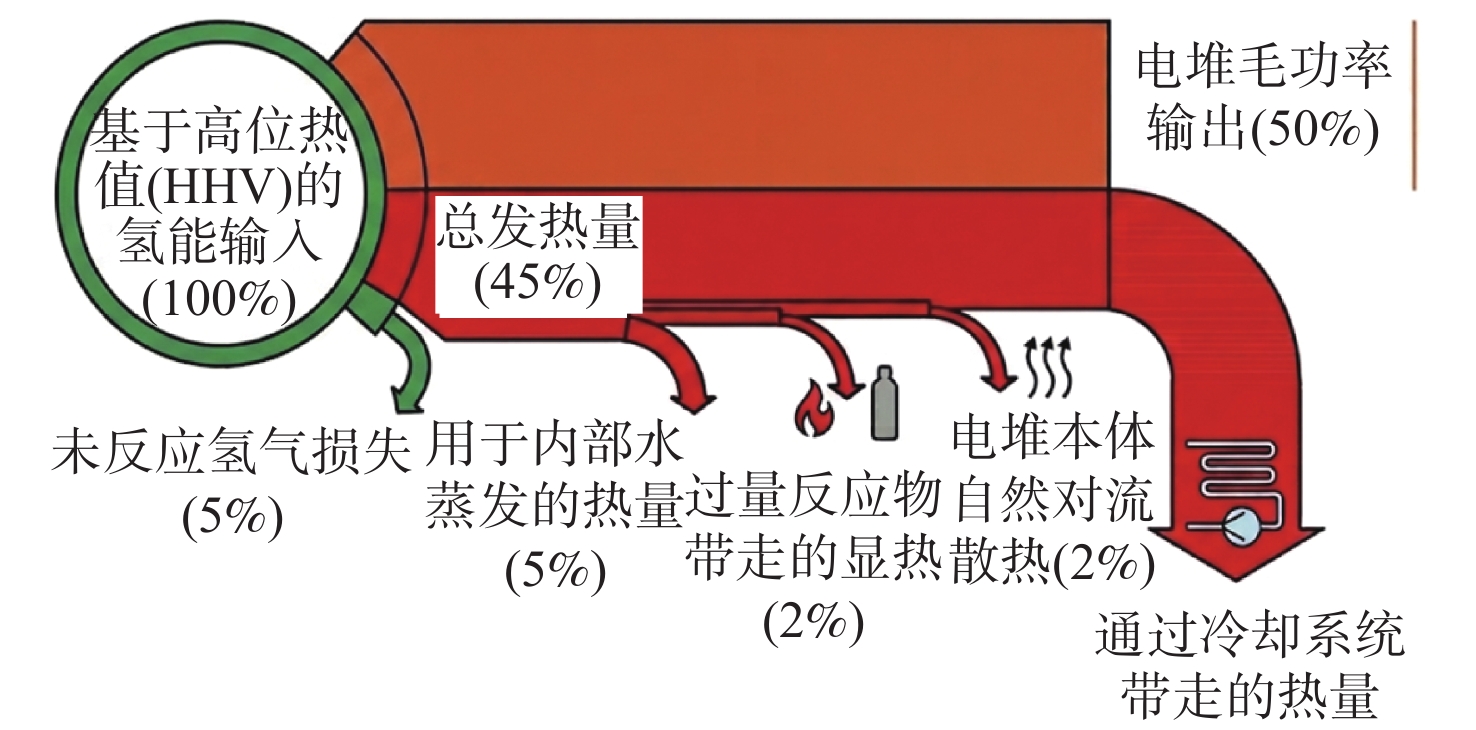
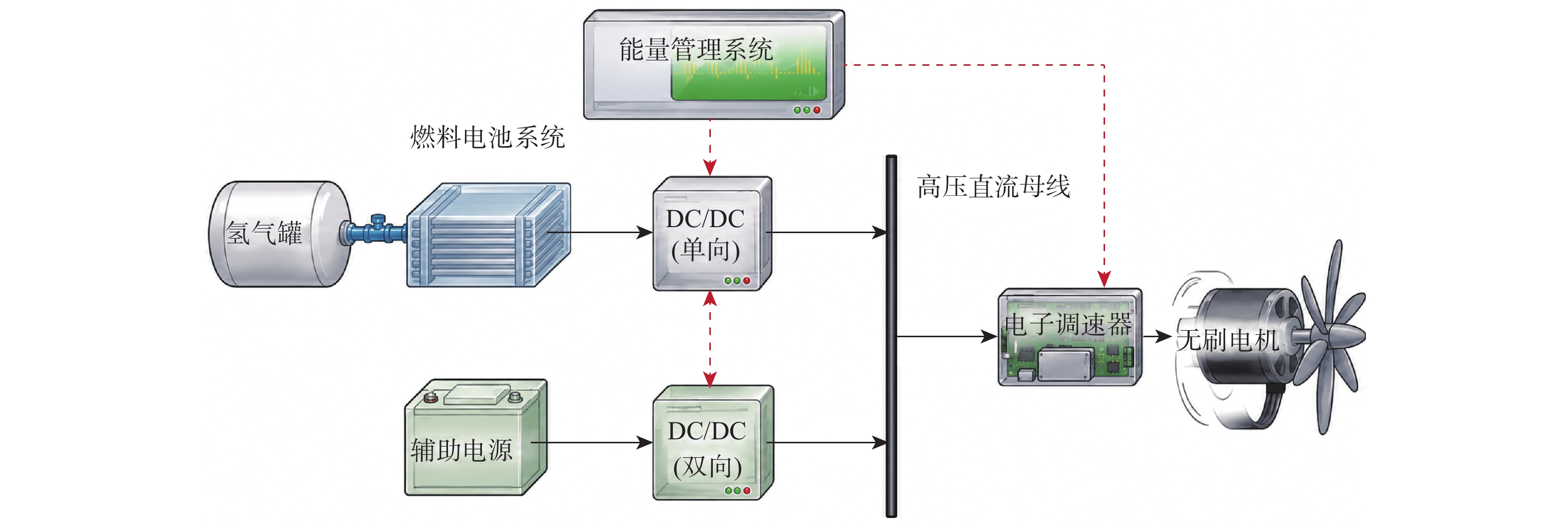
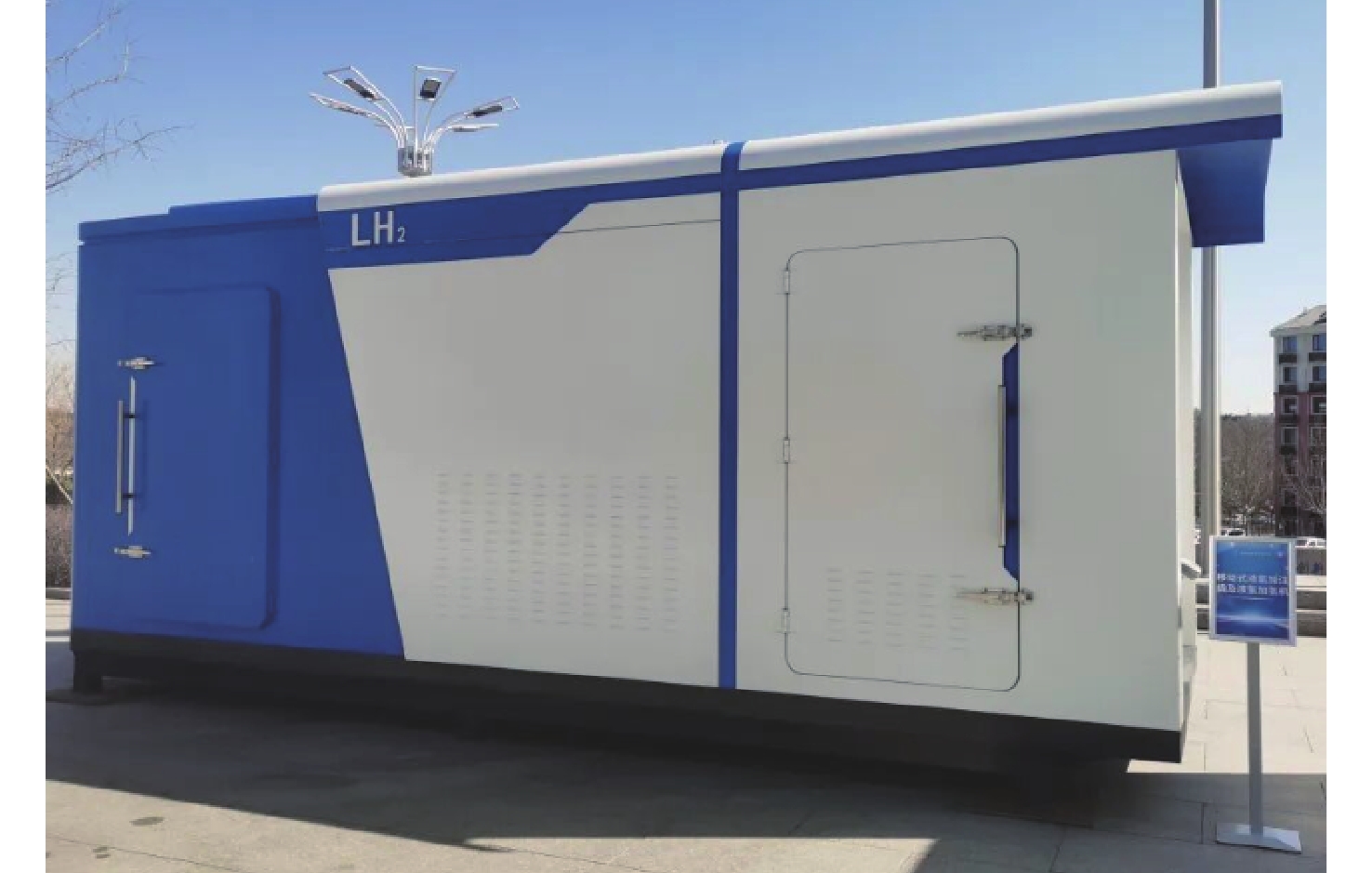
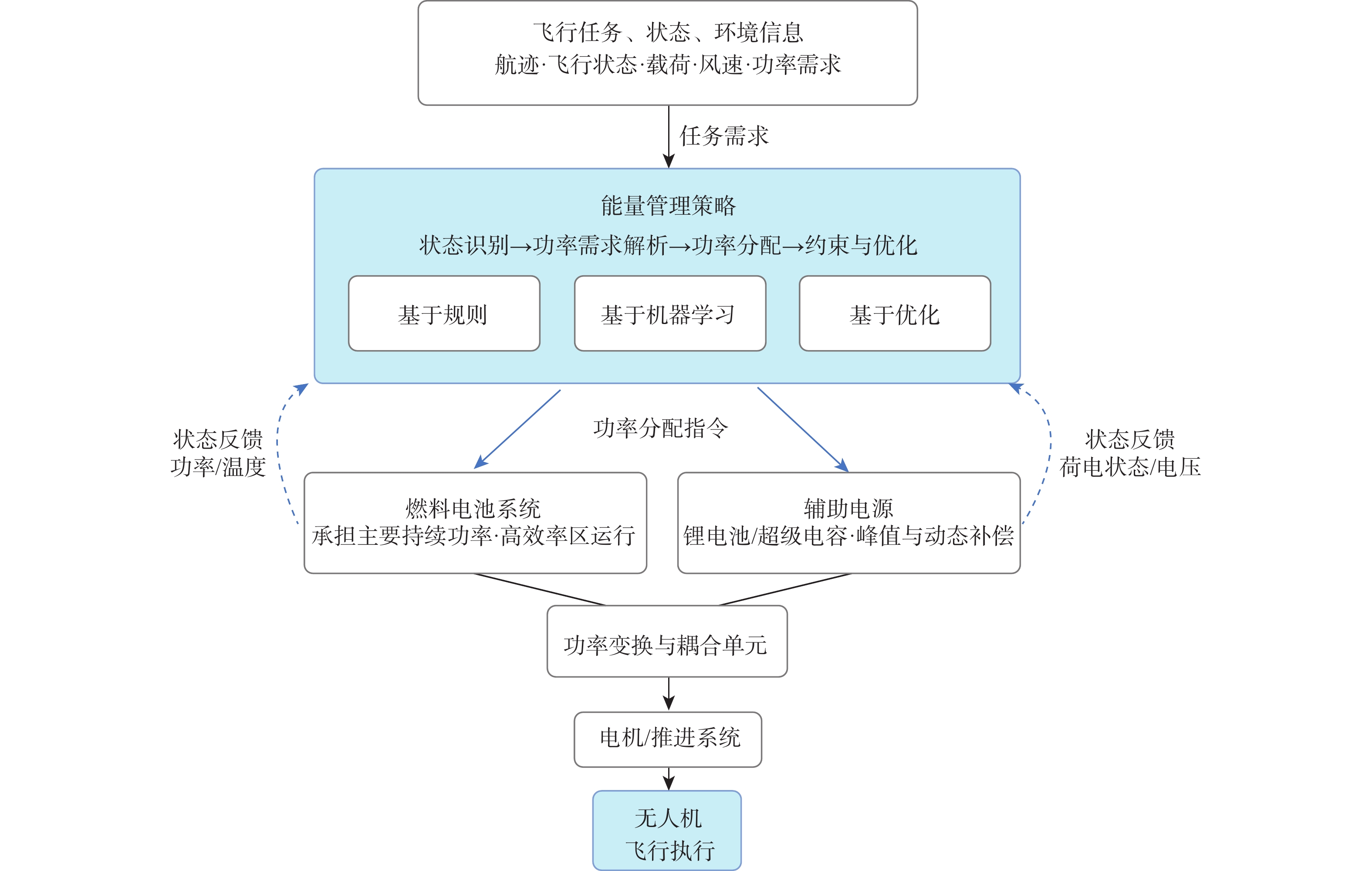
Due to their high energy density and zero emissions, hydrogen fuel cell UAVs have become a vital means of overcoming the endurance limitations of traditional lithium-battery-powered UAVs in the context of a growing low-altitude economy and the development of green aviation. This paper provides a comprehensive review and systematic categorization of the development and key technologies of hydrogen-fuel cell UAVs, along with a reasonable outlook on their future evolution, to serve as a valuable reference for related research. In particular, the paper starts with a summary of the scientific advancements and developmental history of hydrogen-powered aircraft, the inherent benefits of hydrogen fuel cell powertrain systems, and the state of the art in hydrogen fuel cell unmanned aerial vehicles. Subsequently, a systematic analysis is conducted on the core technologies involved in hydrogen fuel cell UAVs, including hydrogen fuel cell technology, multi-source hybrid energy systems, airborne hydrogen storage technology, energy management strategies, and thermal management strategies. Lastly, a summary of the study’s significant findings is provided, and future research directions are indicated by matching the state of these important technologies' research with the real-world difficulties they face.
A multi-aircraft cooperative air combat decision-making algorithm based on an adaptive weighted priority virtual self-play theory approach
ZHOU Yaoming, HAN Tao, JIANG Yufei, YANG Zheng, TIAN Yifeng
2026, 52(10): 3580-3591. doi: 10.13700/j.bh.1001-5965.2026.0377
Abstract:

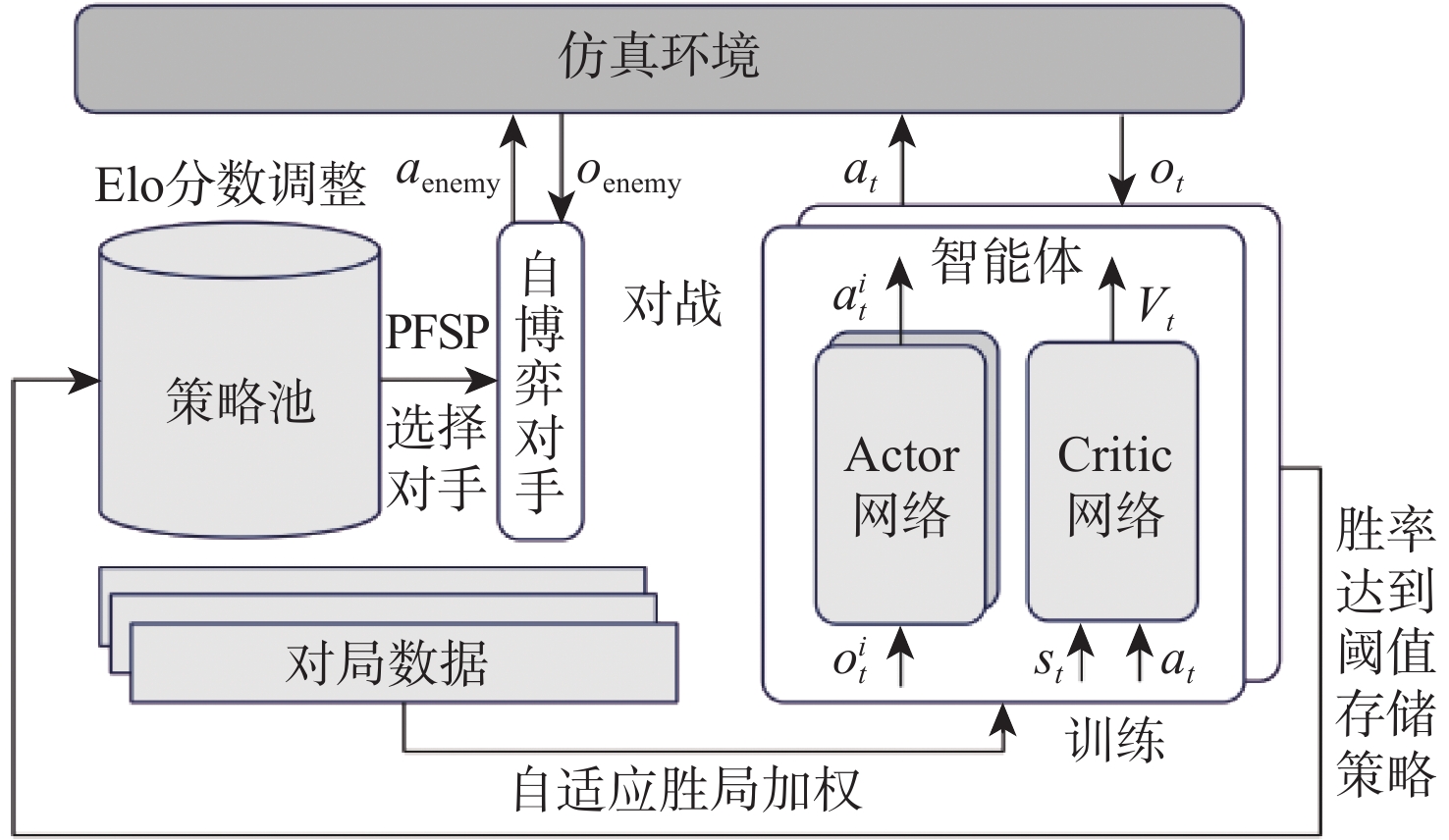
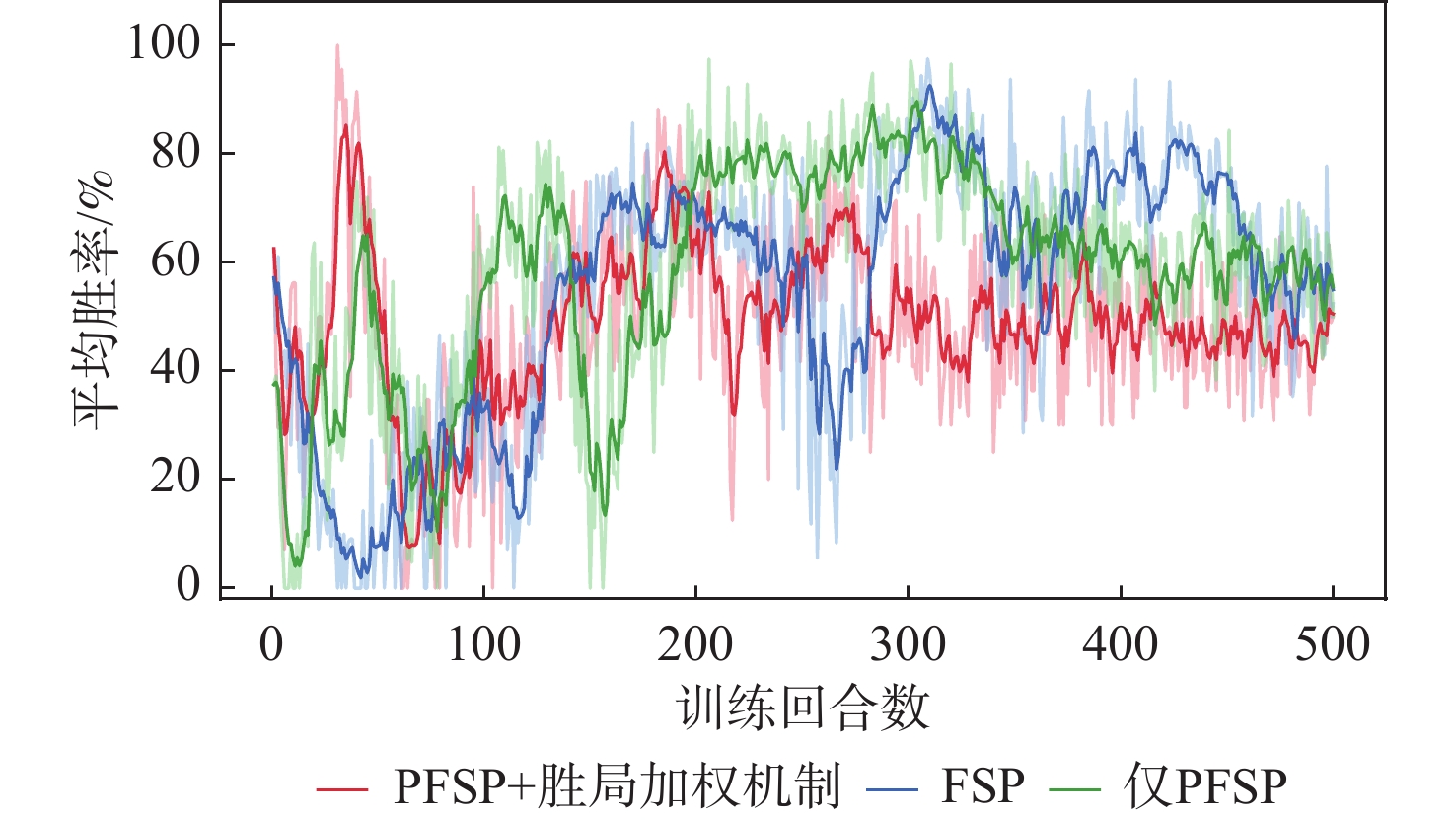
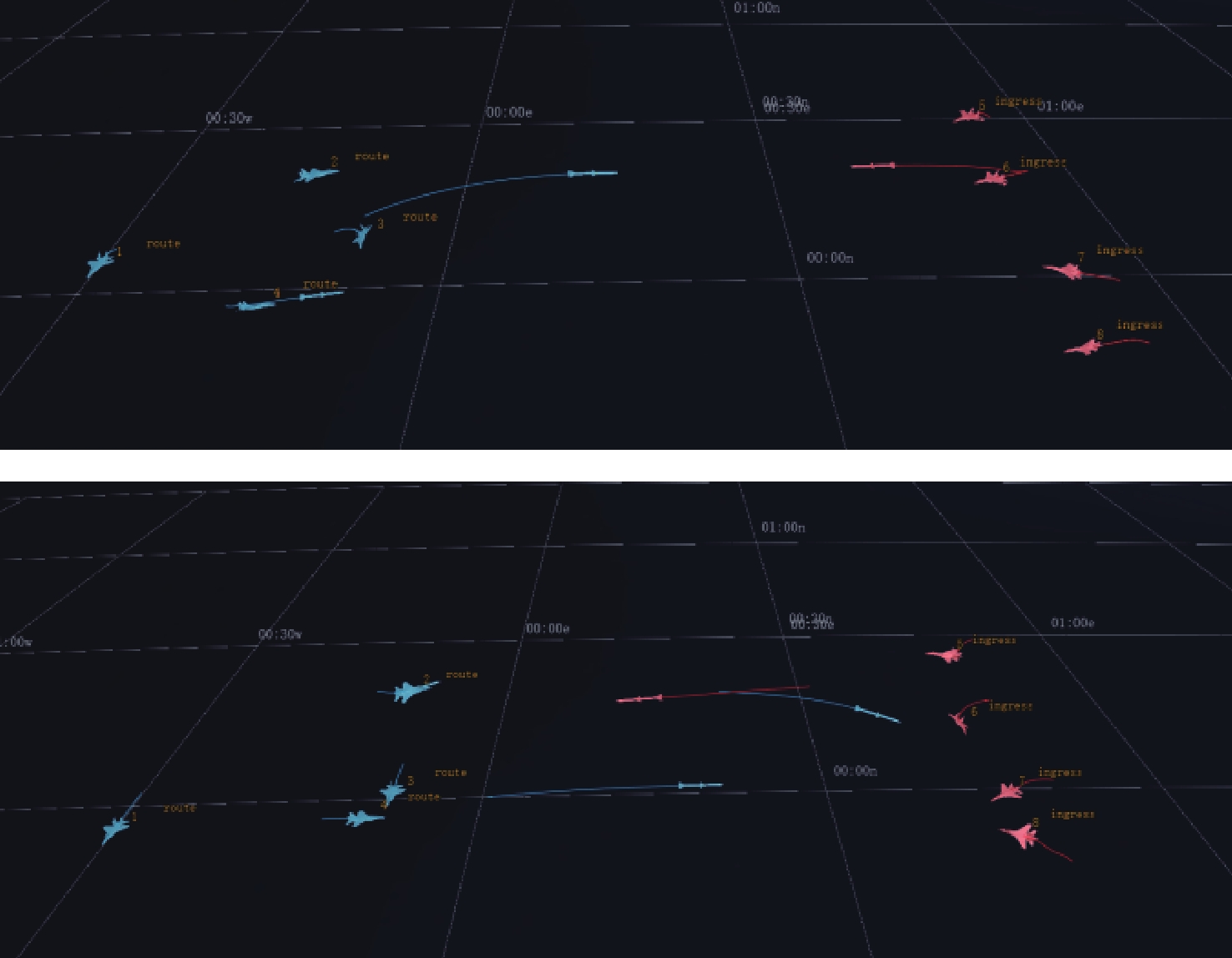
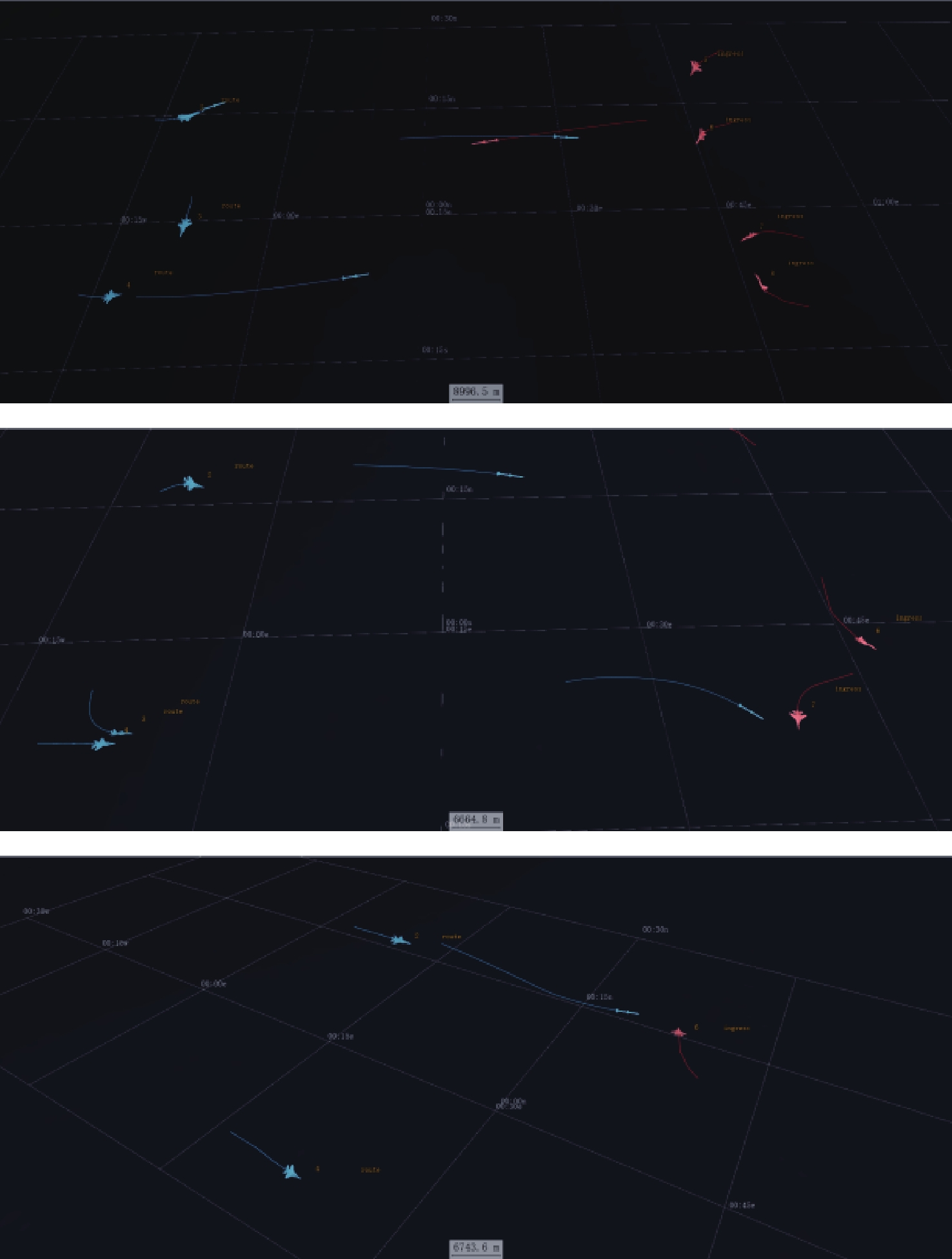
This study suggests an approach that combines prioritized fictitious self-play (PFSP) with an adaptive winning-game weighting mechanism to address the delayed convergence and policy oscillation in self-play training for multi-aircraft cooperative beyond-visual-range (BVR) air combat. Firstly, a 4v4 BVR air combat simulation environment is established under a multi-agent reinforcement learning framework. Second, in order to break the policy cycle, the Elo method is developed to conduct non-uniform sampling of past opponents and dynamically assess policy capabilities. Meanwhile, a win-rate-based loss function weighting mechanism is designed to guide gradient updates when early high-value samples are scarce. According to experiments, the suggested approach greatly lessens later-stage oscillation and converges to the Nash equilibrium by the 200th episode, increasing convergence efficiency by 55% over conventional FSP. The weighting mechanism’s accelerating impact is further supported by ablation investigations. Lastly, agents educated using PFSP have strong air combat decision-making ability, winning 70.3% of the time against skilled opponents.
Hybrid guidance method for launch vehicle trans-lunar injection
GUO Kang, LI Huifeng, BAO Weimin
2026, 52(10): 3592-3601. doi: 10.13700/j.bh.1001-5965.2025.0353
Abstract:

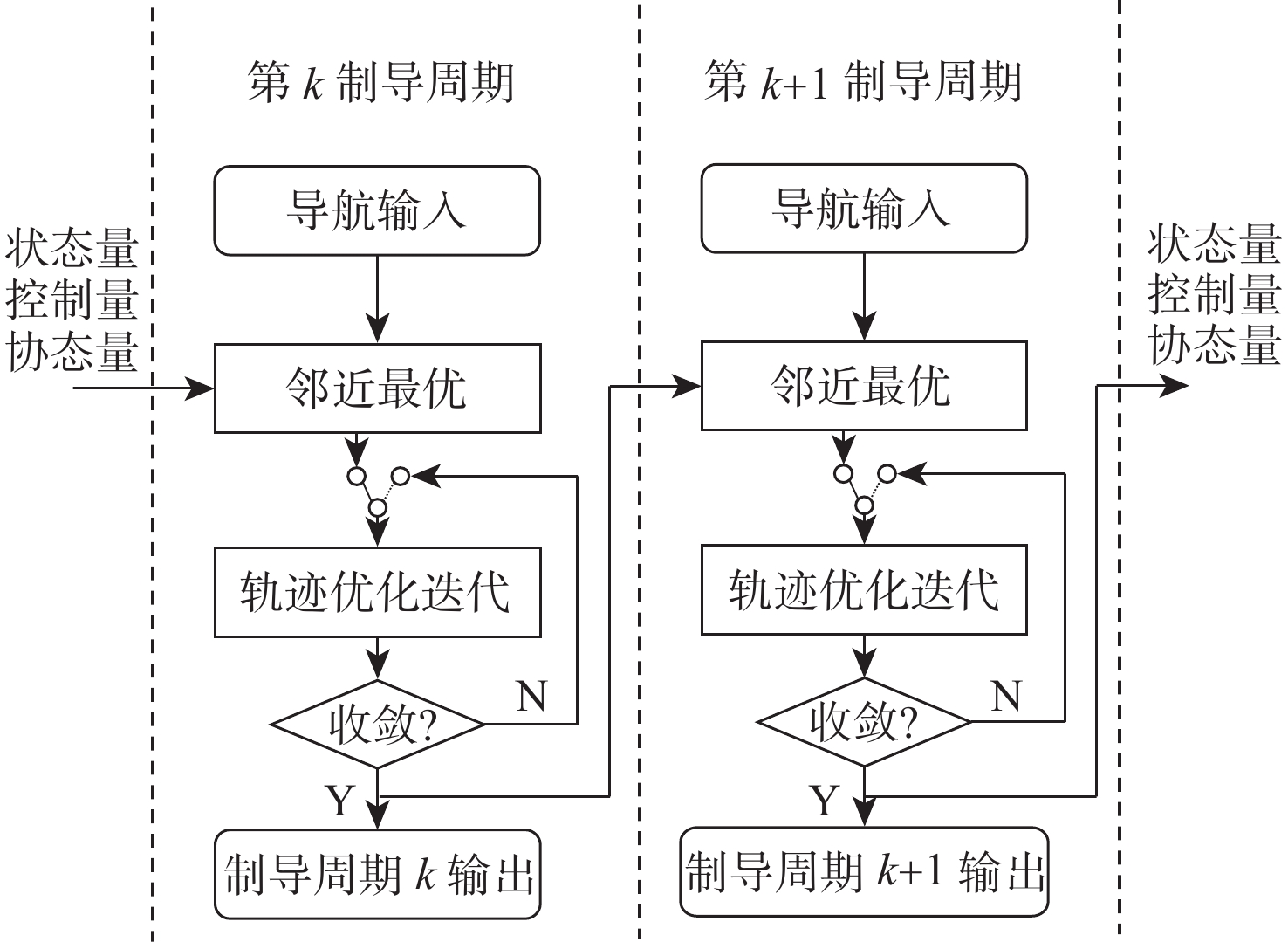
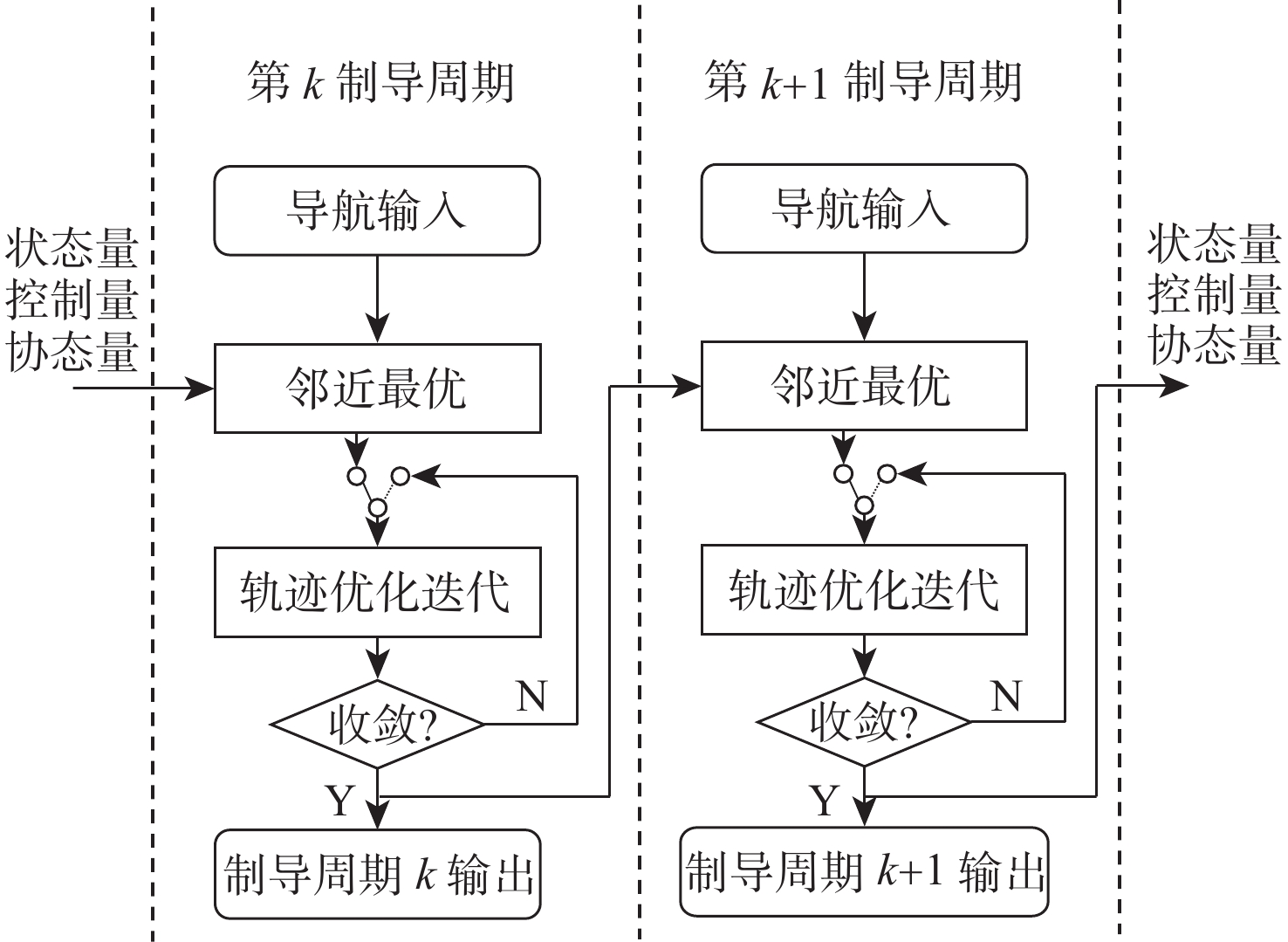
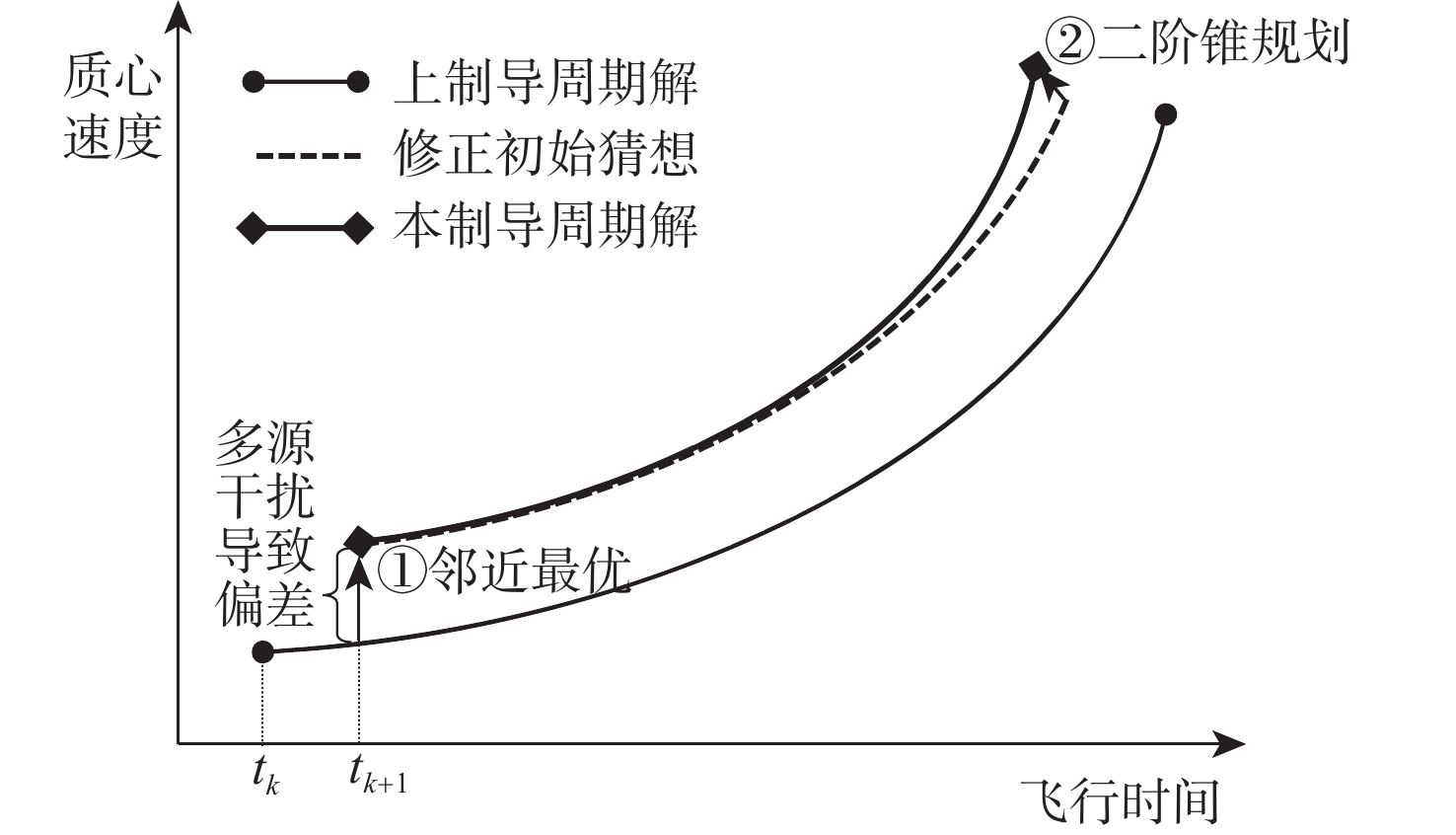
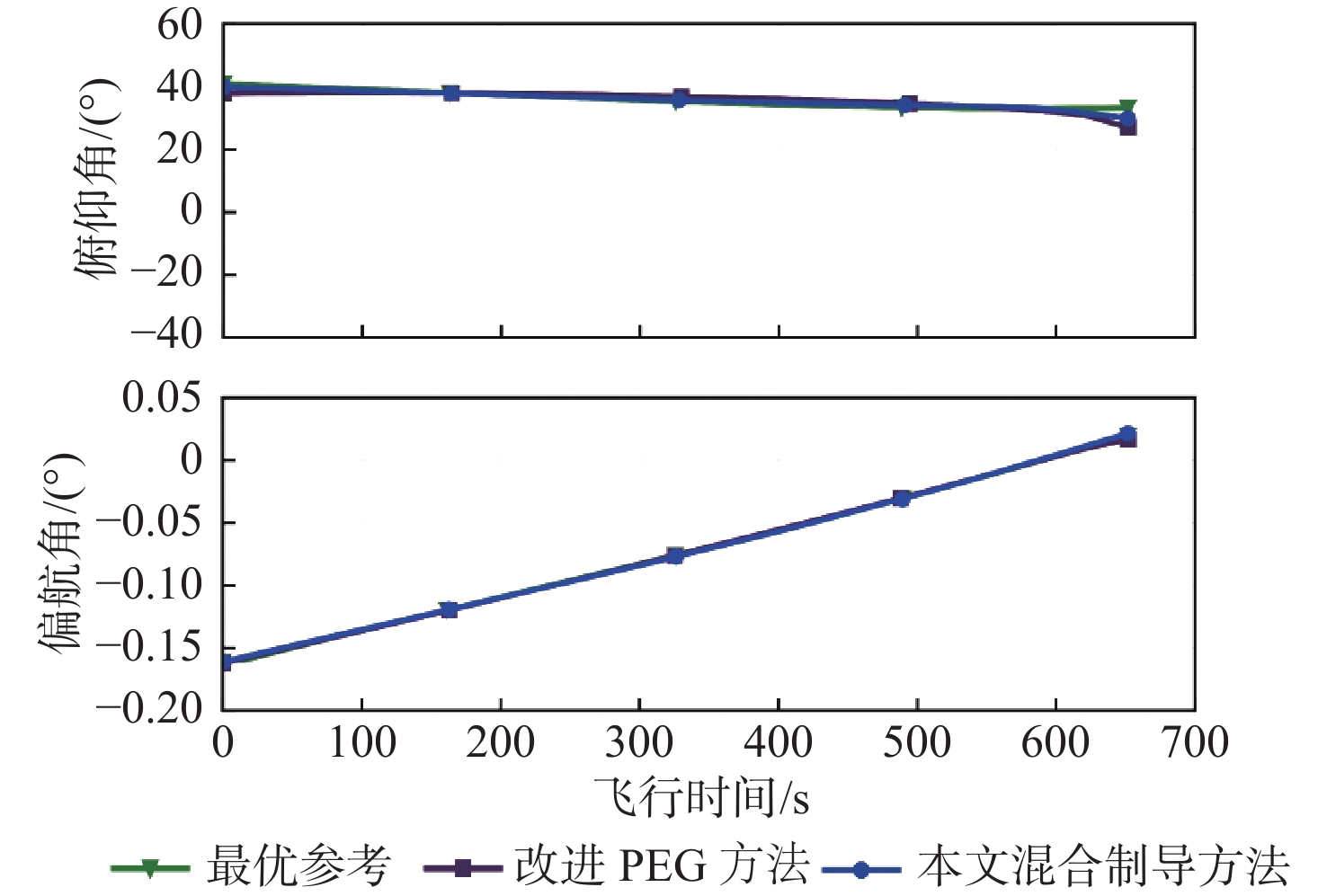
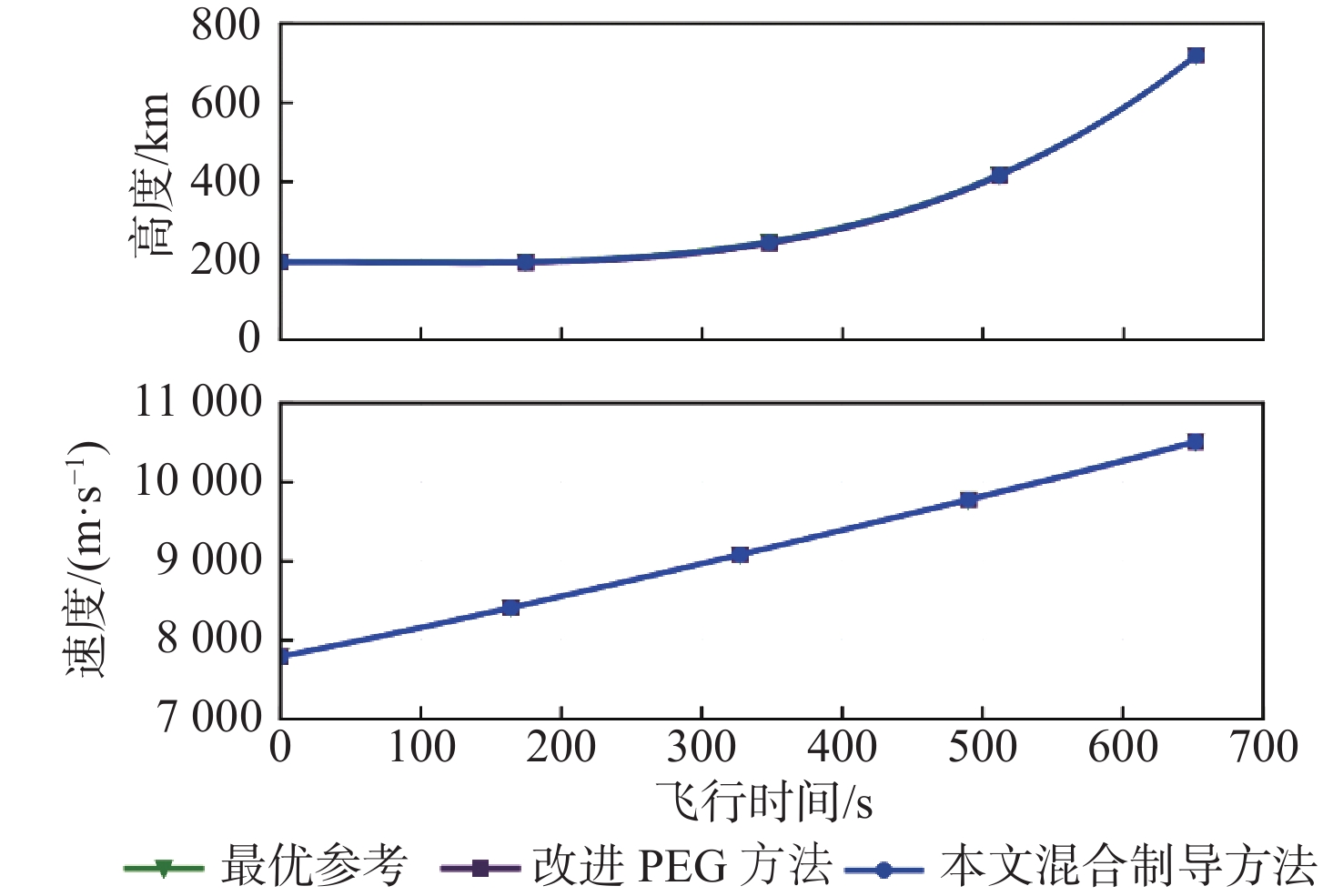
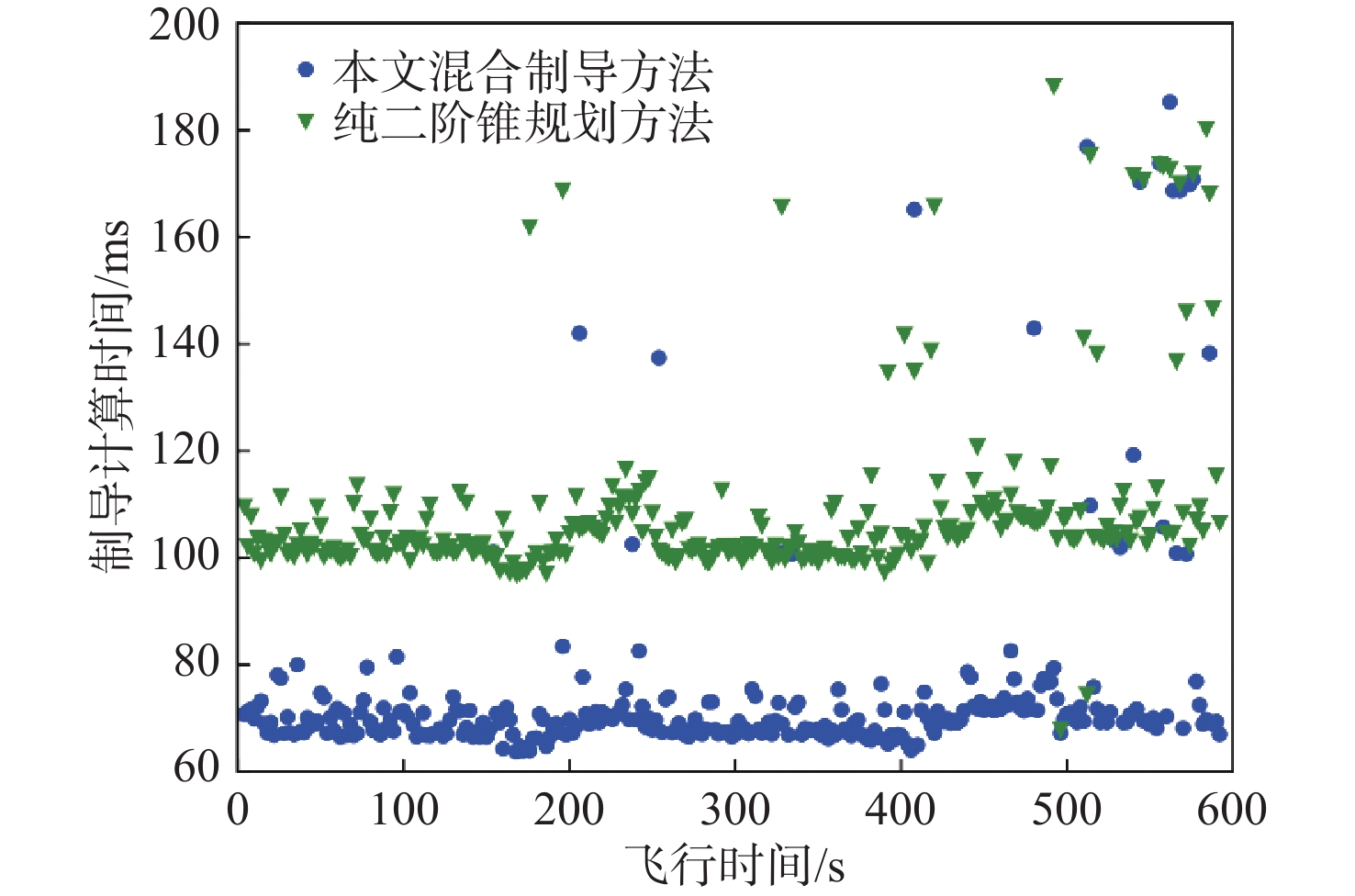
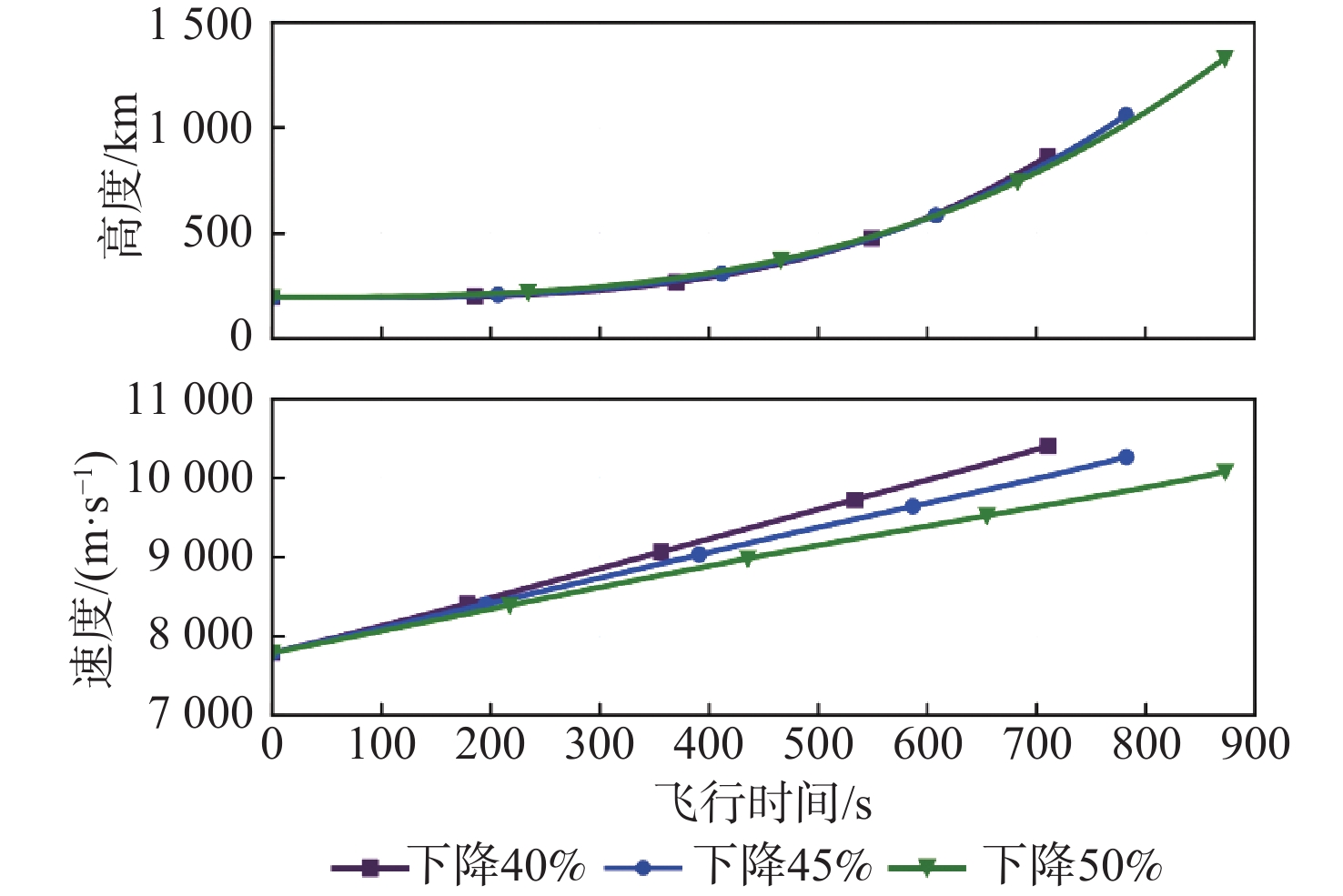
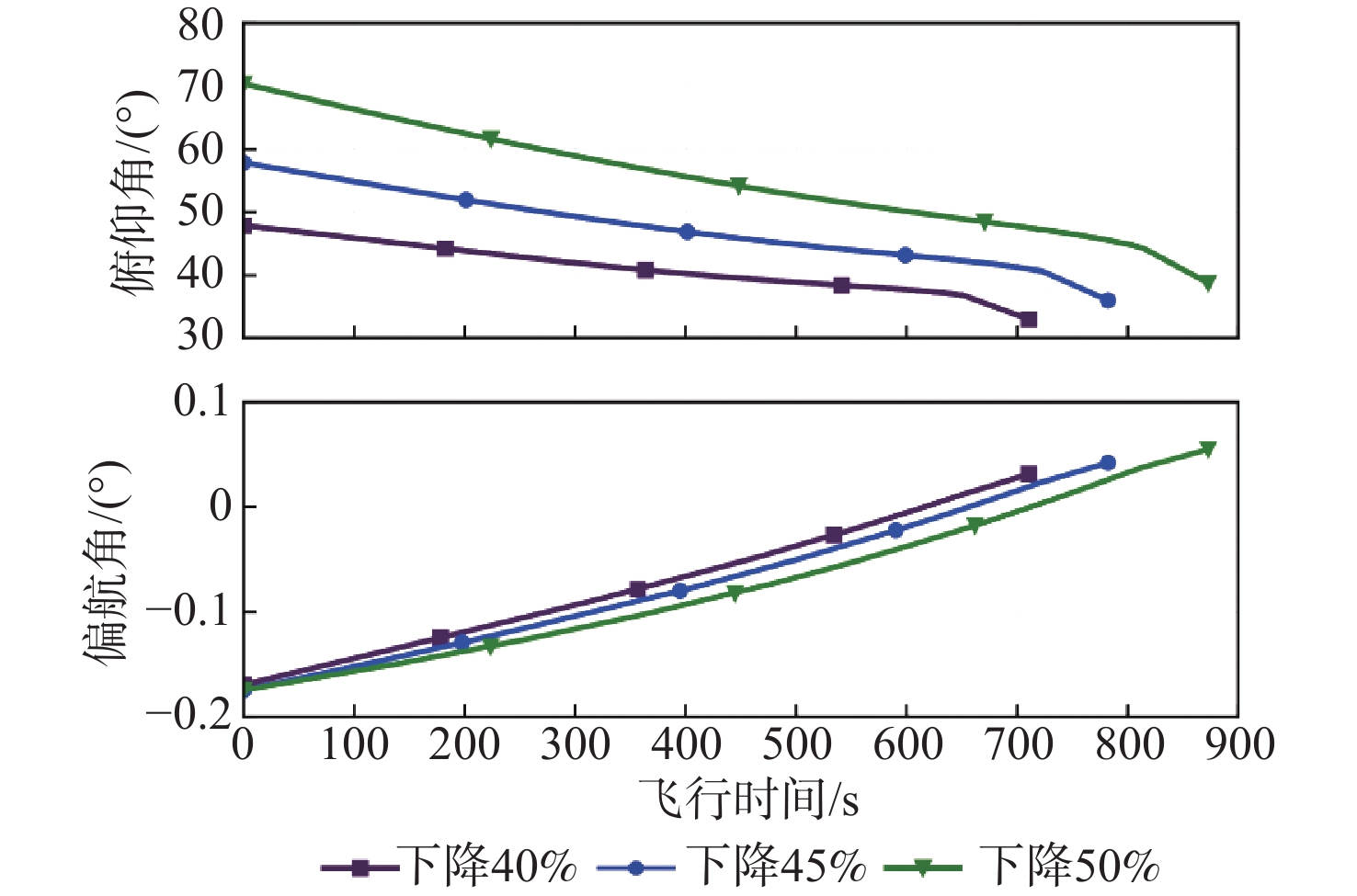
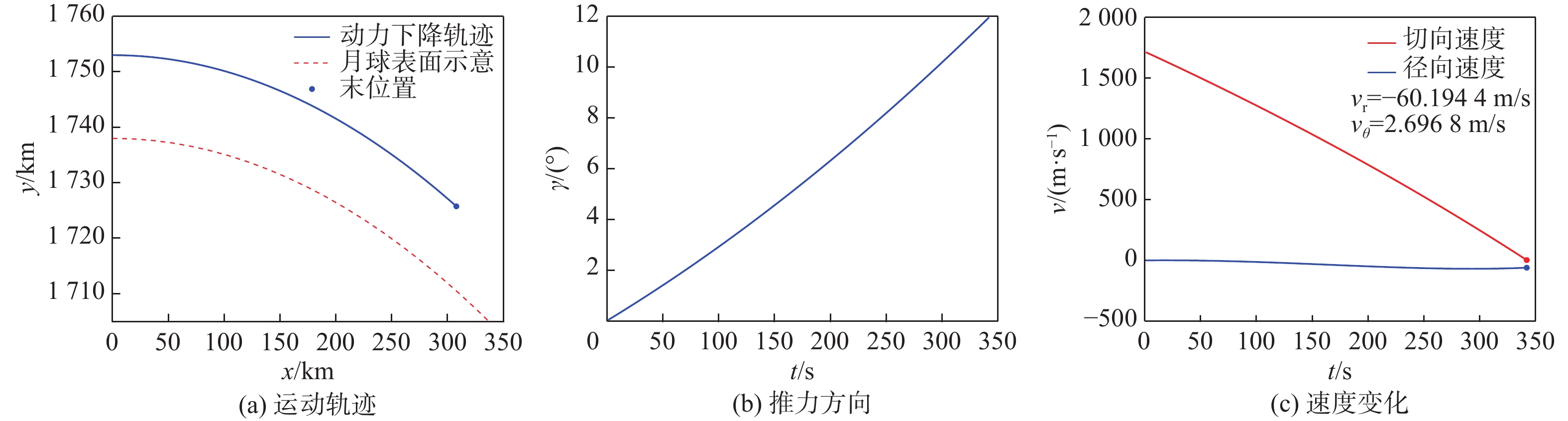
This paper addresses the critical guidance problem for launch vehicles performing trans-lunar injection missions with low thrust-to-weight ratios, where the extended flight duration and substantial multi-source uncertainties present formidable challenges to conventional closed-loop guidance methods. A novel hybrid guidance approach integrating second-order cone programming with neighboring optimal control is developed to overcome these challenges. The proposed methodology begins with establishing a comprehensive trans-lunar injection problem model that explicitly accounts for multi-source uncertainties. A hybrid guidance strategy based on real-time trajectory planning is formulated to handle these uncertainties effectively. The main innovation is the application of a real-time trajectory planning technique that uses second-order cone programming in conjunction with Gauss pseudospectral discretization. By synergistically applying the costate mapping theorem and exploiting the dual output of second-order cone programming, the method achieves high-precision costate estimation, which provides the essential foundation for the neighboring optimal control component. A trajectory correction method based on neighboring optimal control is developed to address situations where uncertainties cause significant trajectory deviations. This method generates high-quality initial references for the second-order cone programming solver, substantially improving convergence characteristics and computational efficiency. Extensive numerical experiments demonstrate the superiority of the proposed guidance method in trans-lunar injection missions. The computational performance shows remarkable improvement, with the average computation time reduced to 75.353 milliseconds per guidance cycle, representing a 30.67% reduction. In comparison to current methods, this hybrid guidance method’s successful demonstration offers a novel and feasible technical pathway for trans-lunar injection missions.

Near-space vehicle trajectory optimization based on control vector parameterization
WANG Yuanzhuo, DAI Honghua, YUE Xiaokui
2026, 52(10): 3602-3617. doi: 10.13700/j.bh.1001-5965.2025.0247
Abstract:

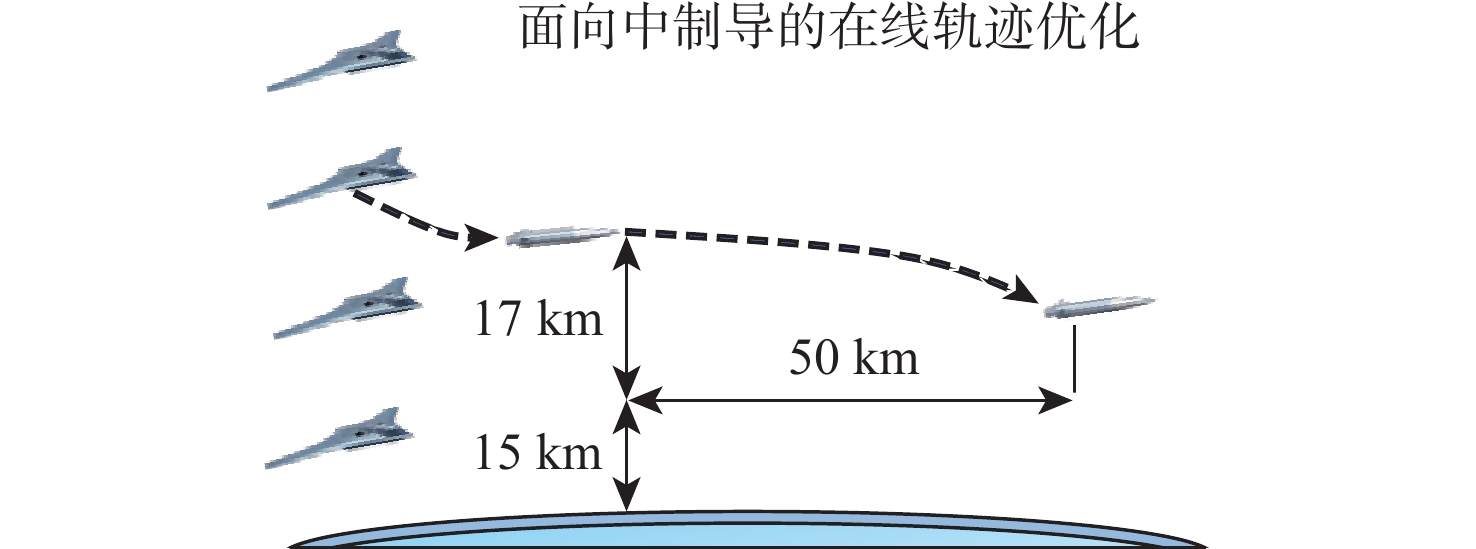
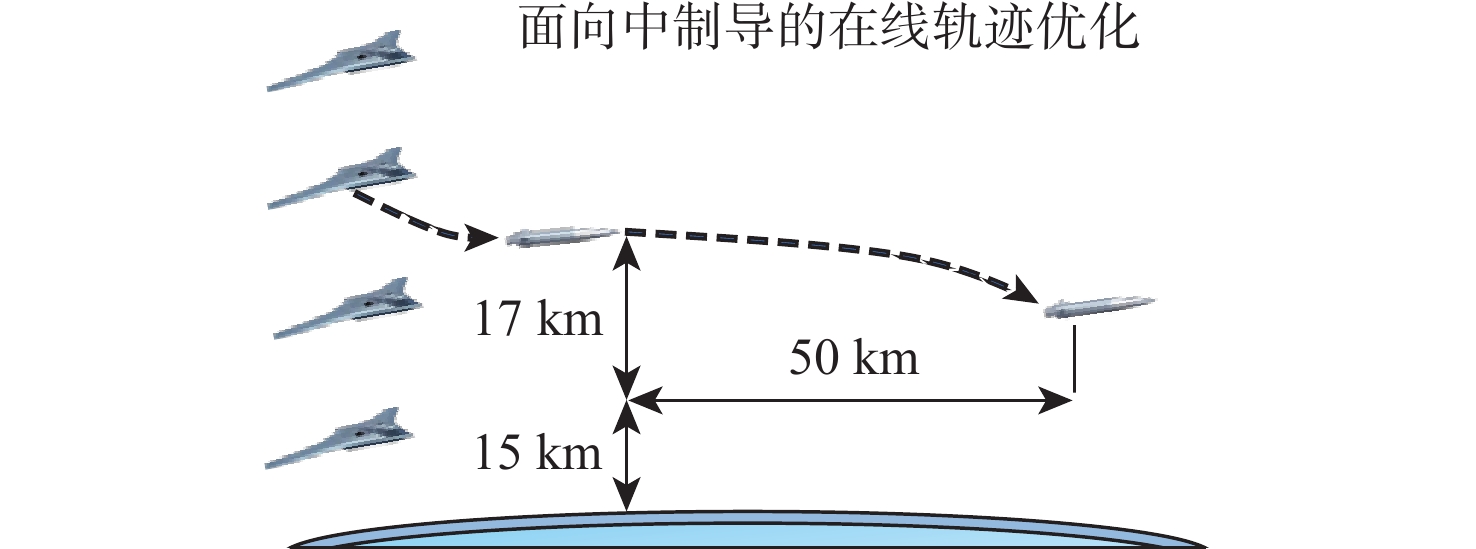
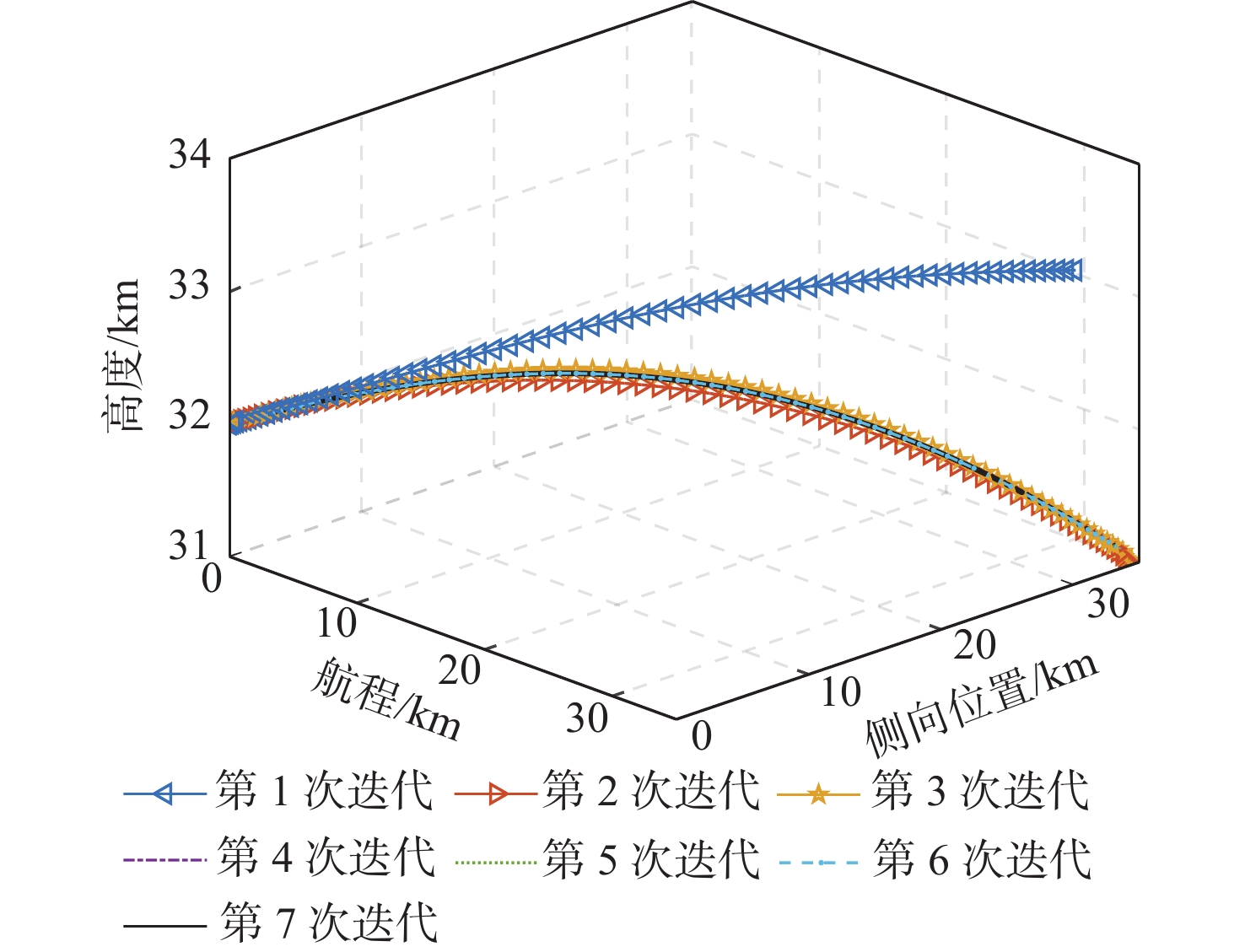
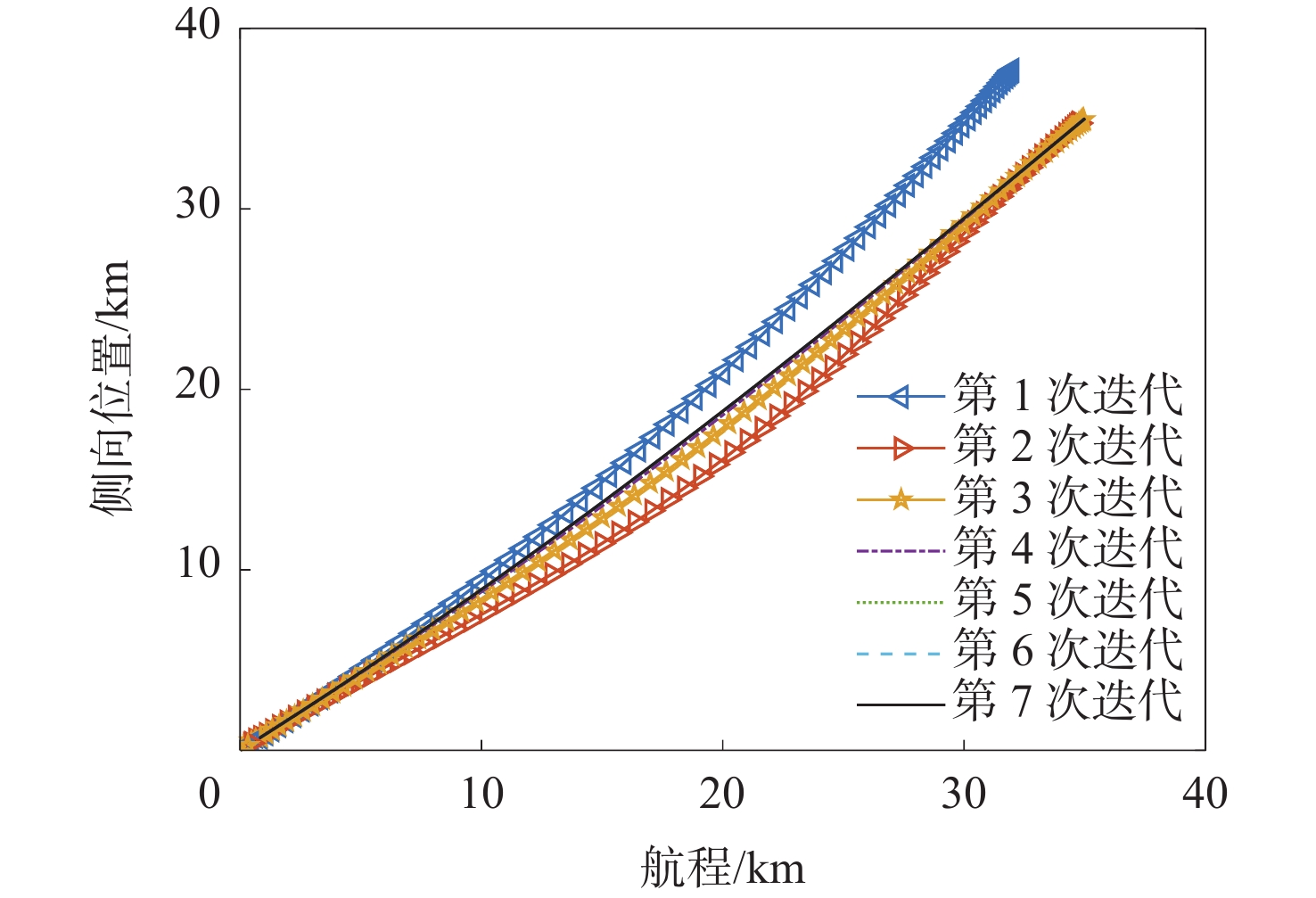
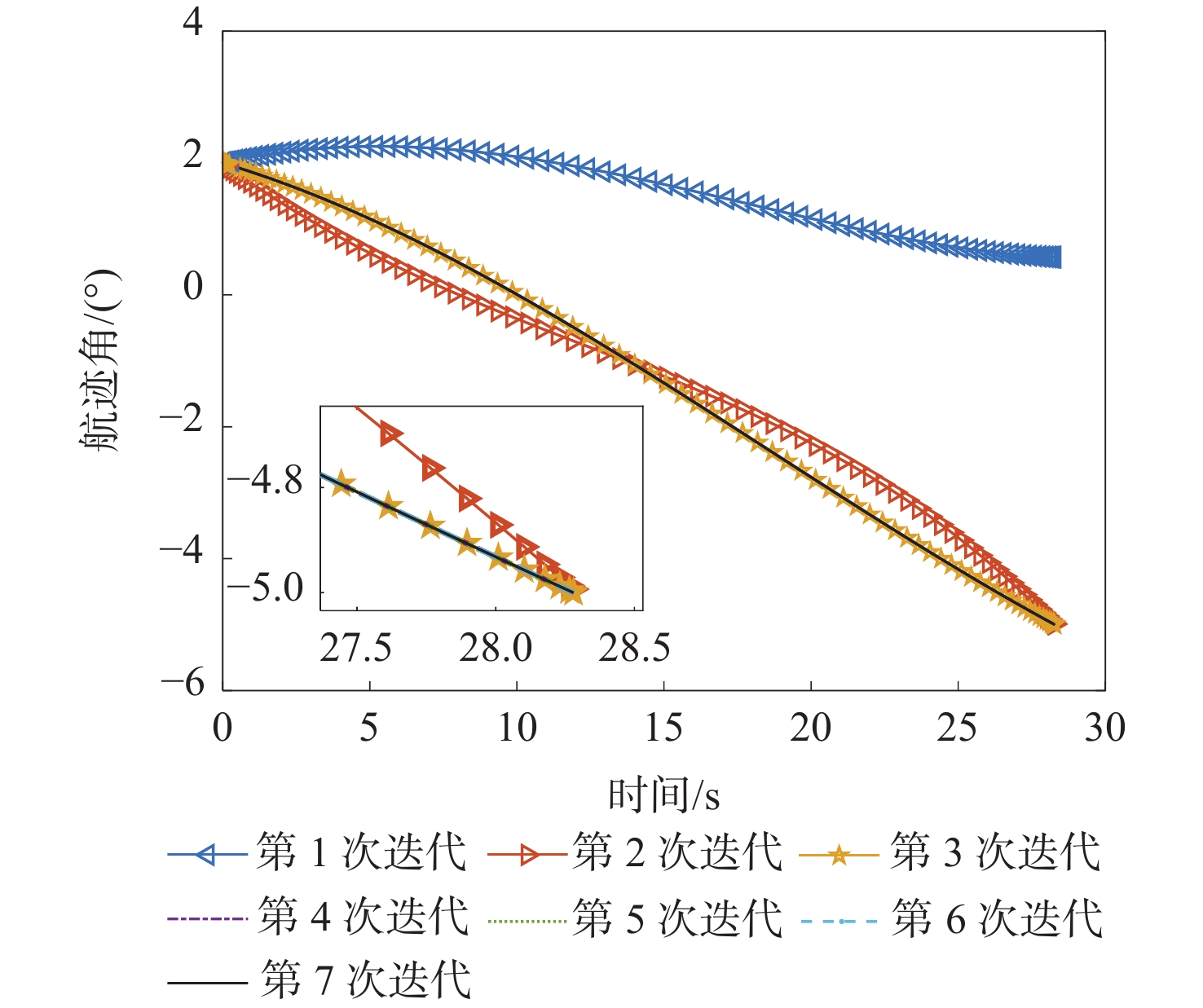
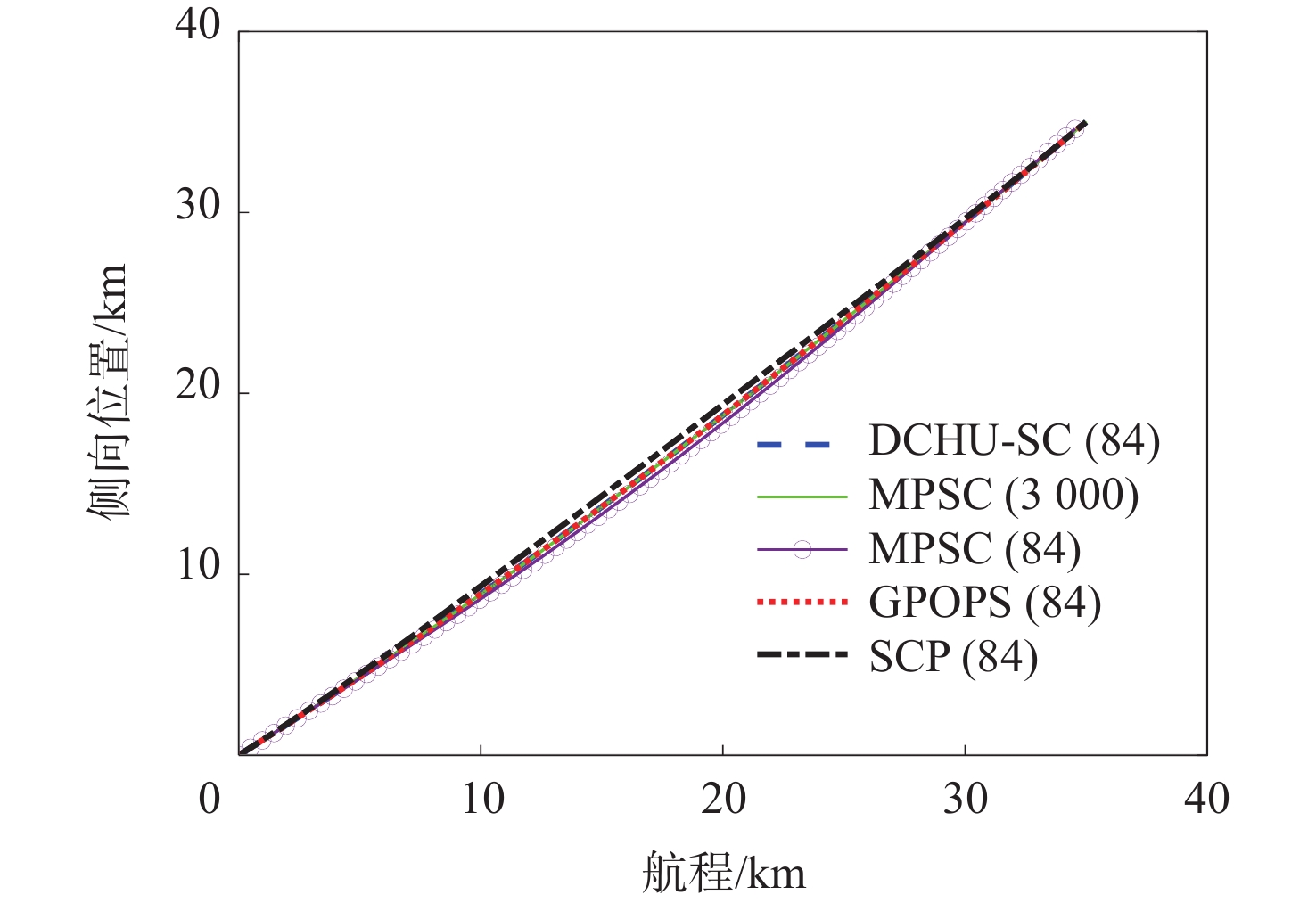
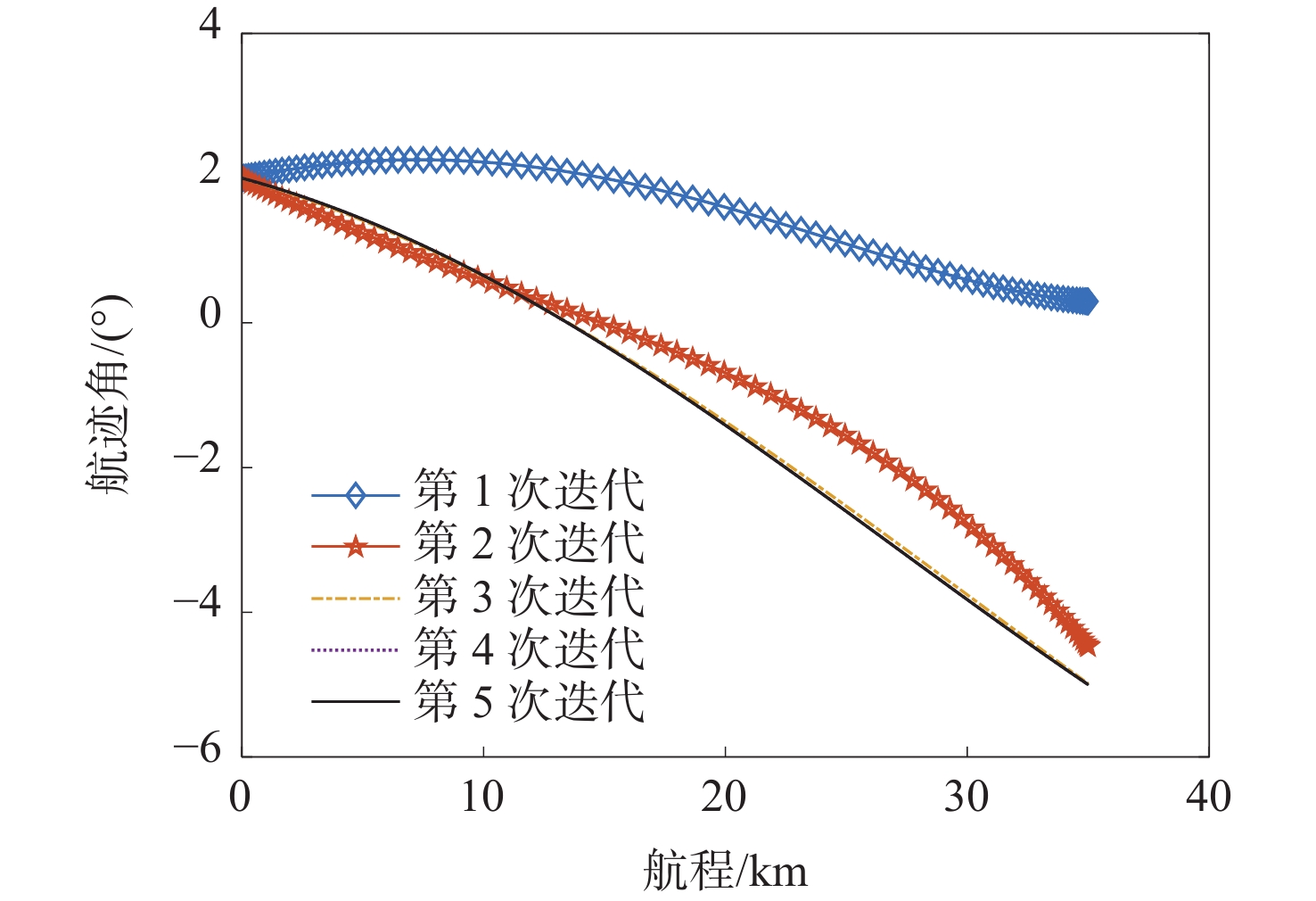
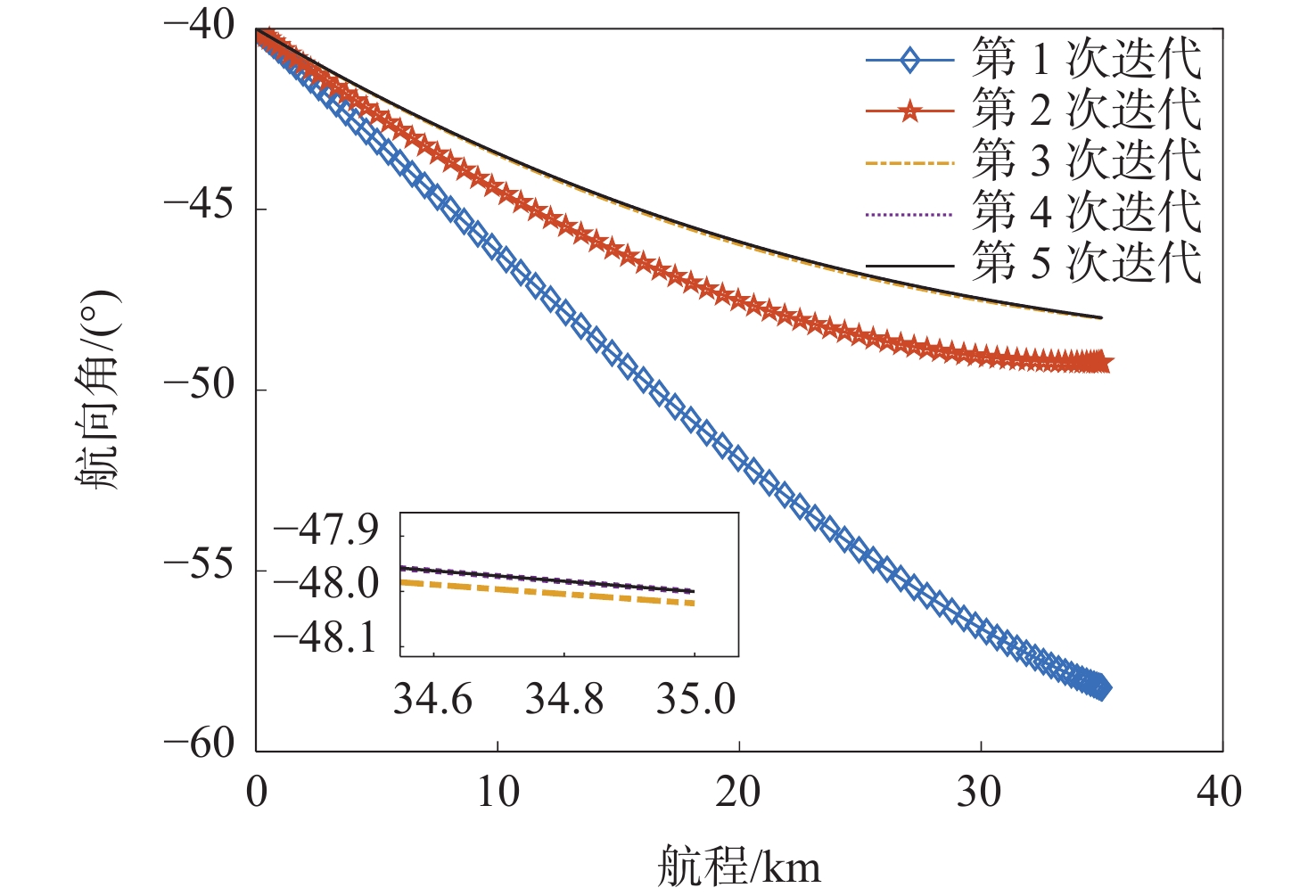
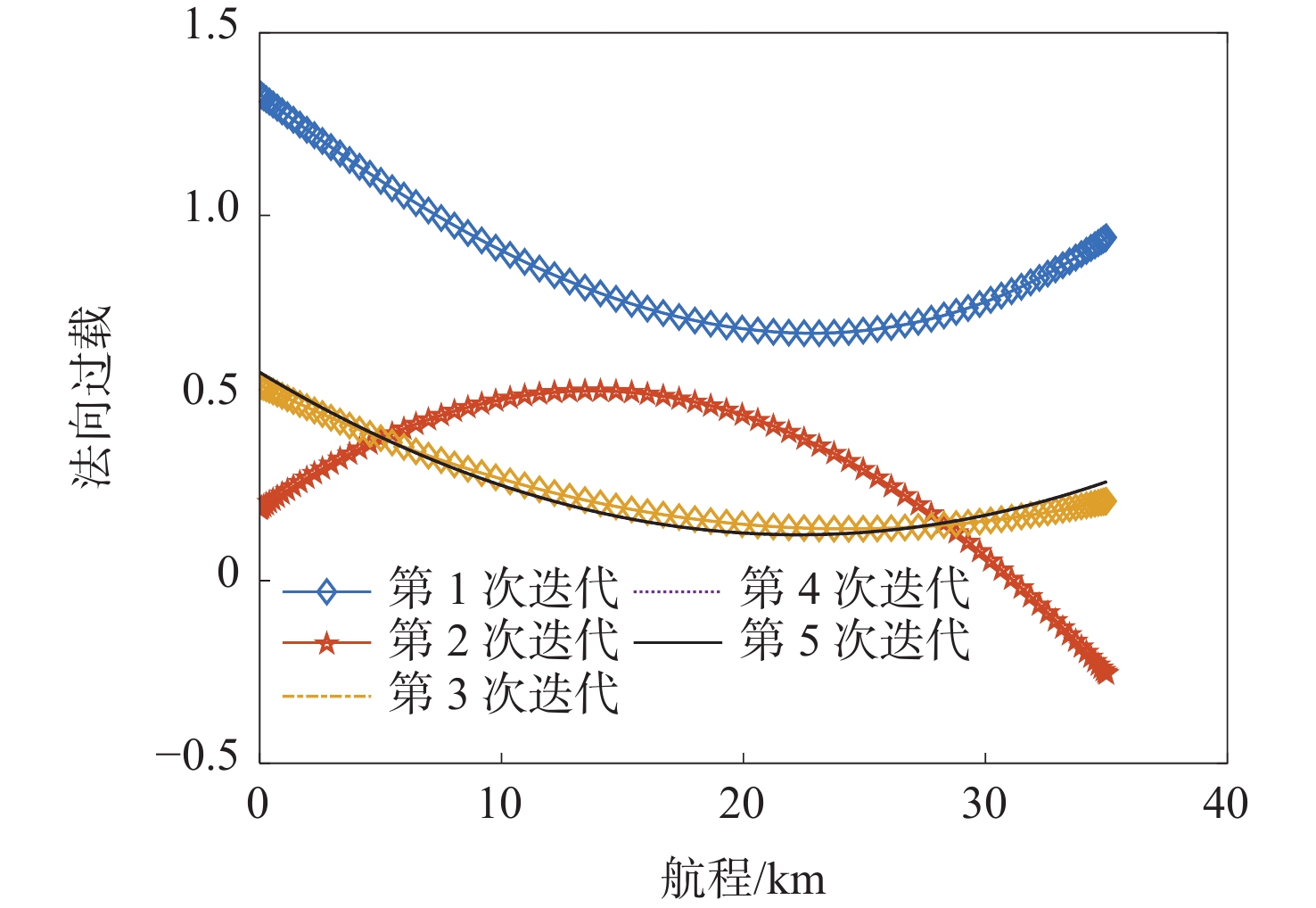
For online trajectory optimization of the near-space vehicle in computational guidance, a trajectory optimization method based on actual dynamic equations is proposed via control vector parameterization. Firstly, a trajectory optimization problem with initial and terminal state constraints is developed by discretizing the nonlinear dynamic equations using the flipped-Radau pseudospectral approach. Secondly, control vector parameterization reduces complexity and boosts computational efficiency by converting the optimization problem for control quantities at each discrete point into an optimization problem for multiple parameter vectors. Thirdly, to deal with parameter amplitude constraints, a trajectory optimization method based on convex programming techniques is proposed via control vector parameterization. Finally, given that the midcourse guidance mission is insensitive to terminal flight time, the optimization problem is transformed from being time-dependent to downrange-dependent, thereby further reducing the computational time. Simulation results demonstrate that the proposed method satisfies the high-efficiency and high-precision requirements for trajectory optimization in computational guidance.
A safety-evaluation-driven UAV swarm collision avoidance decision-making based on pigeon-inspired optimization
PENG Yalan, DUAN Haibin, WEI Chen
2026, 52(10): 3618-3626. doi: 10.13700/j.bh.1001-5965.2025.0444
Abstract:

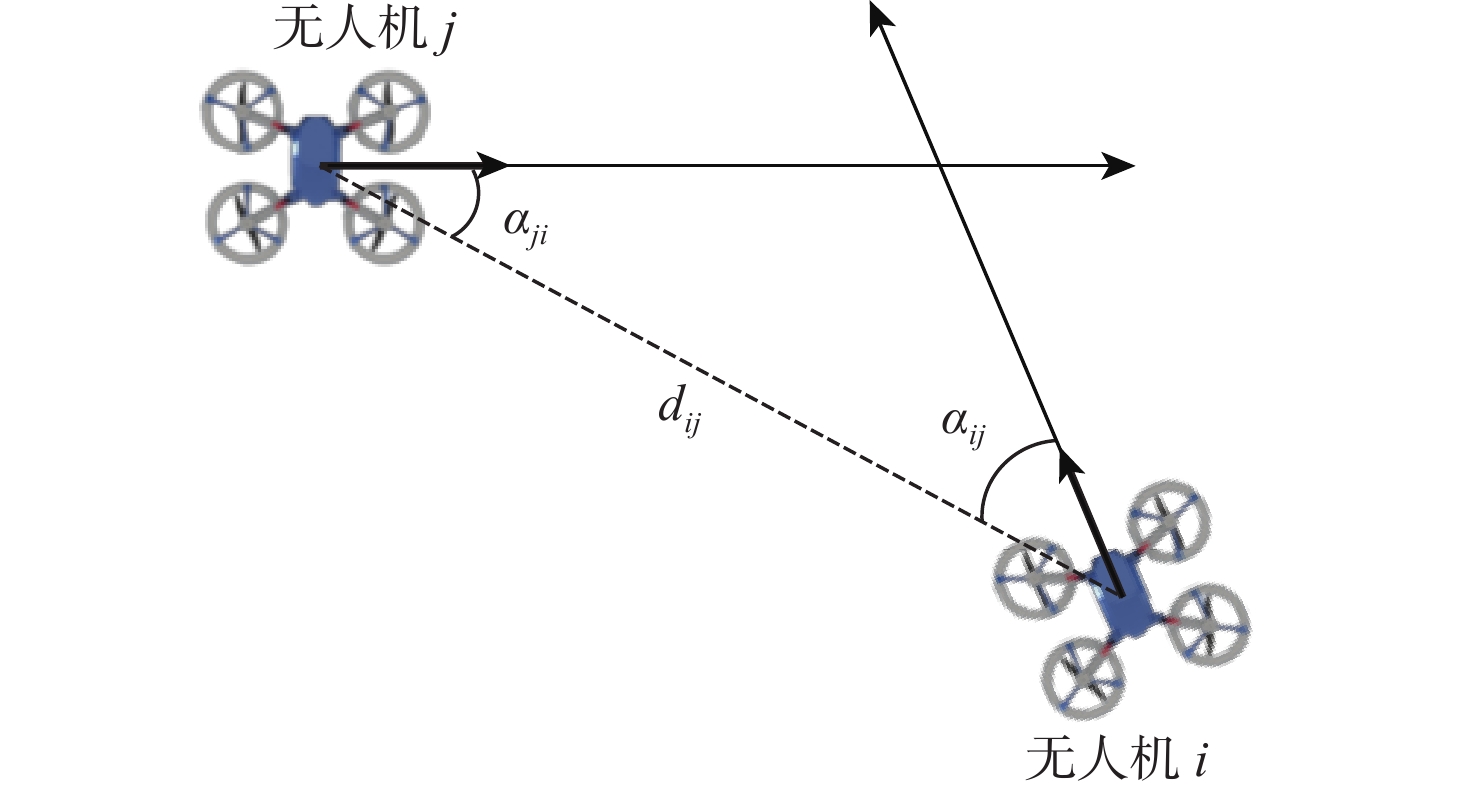
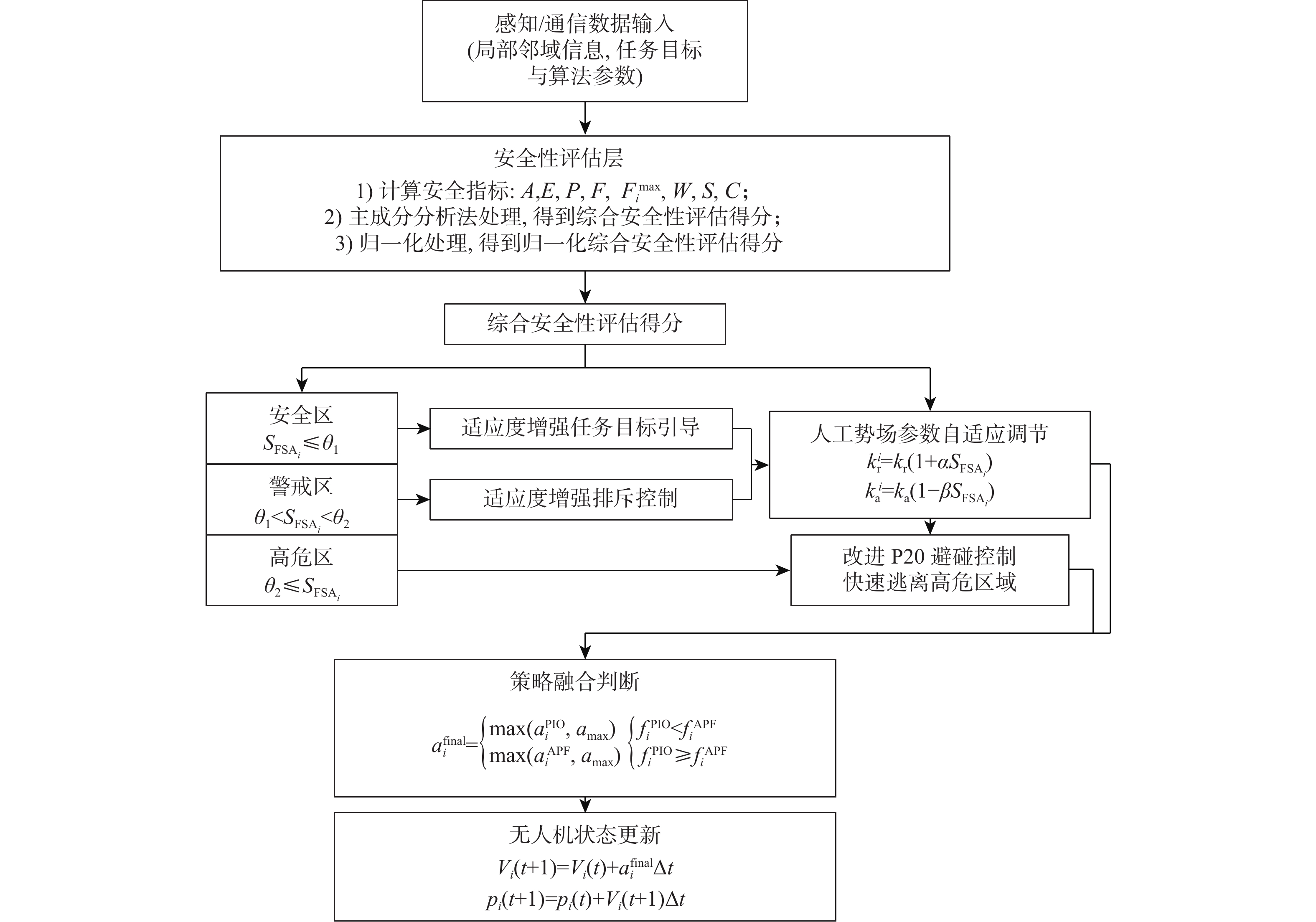
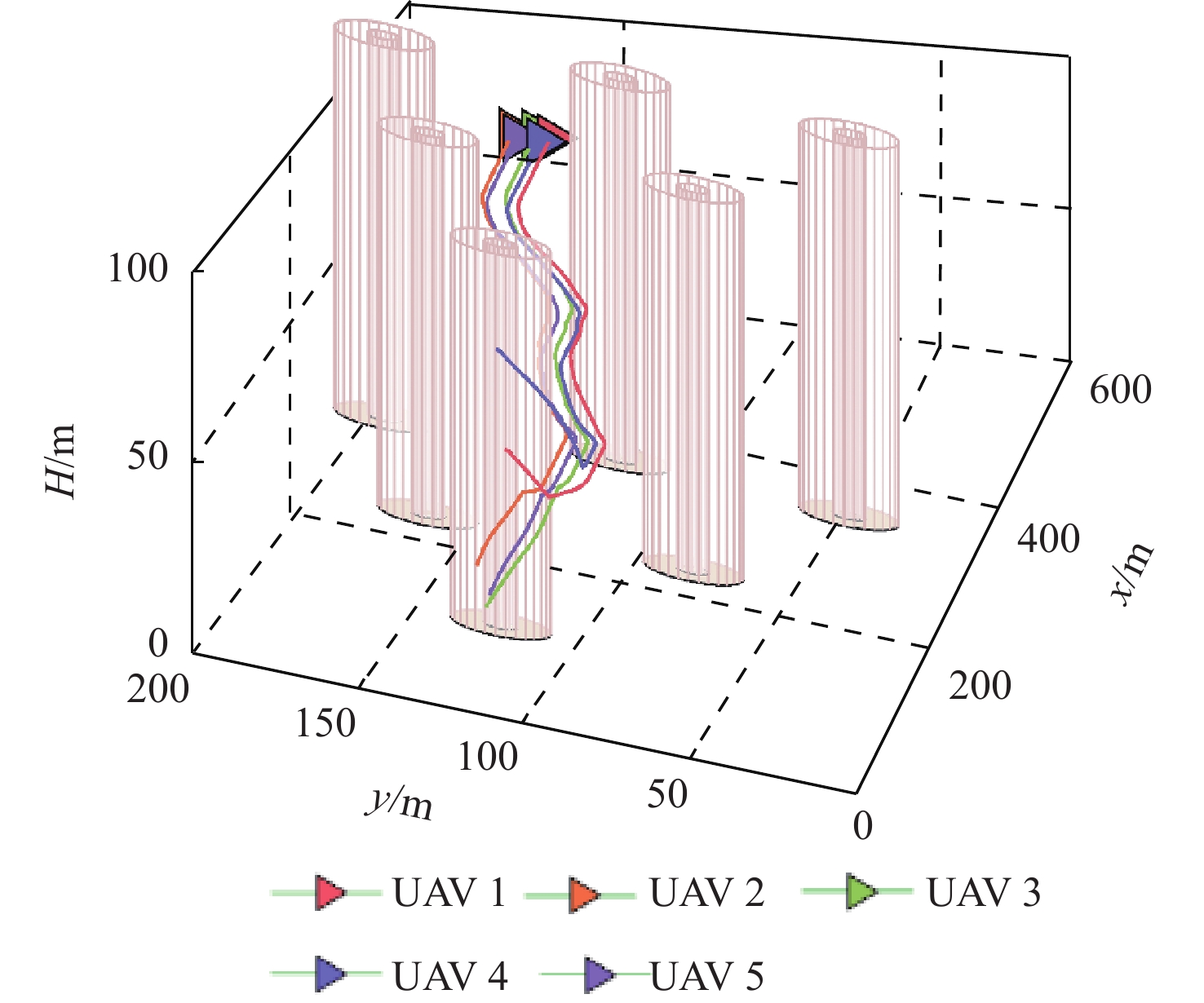
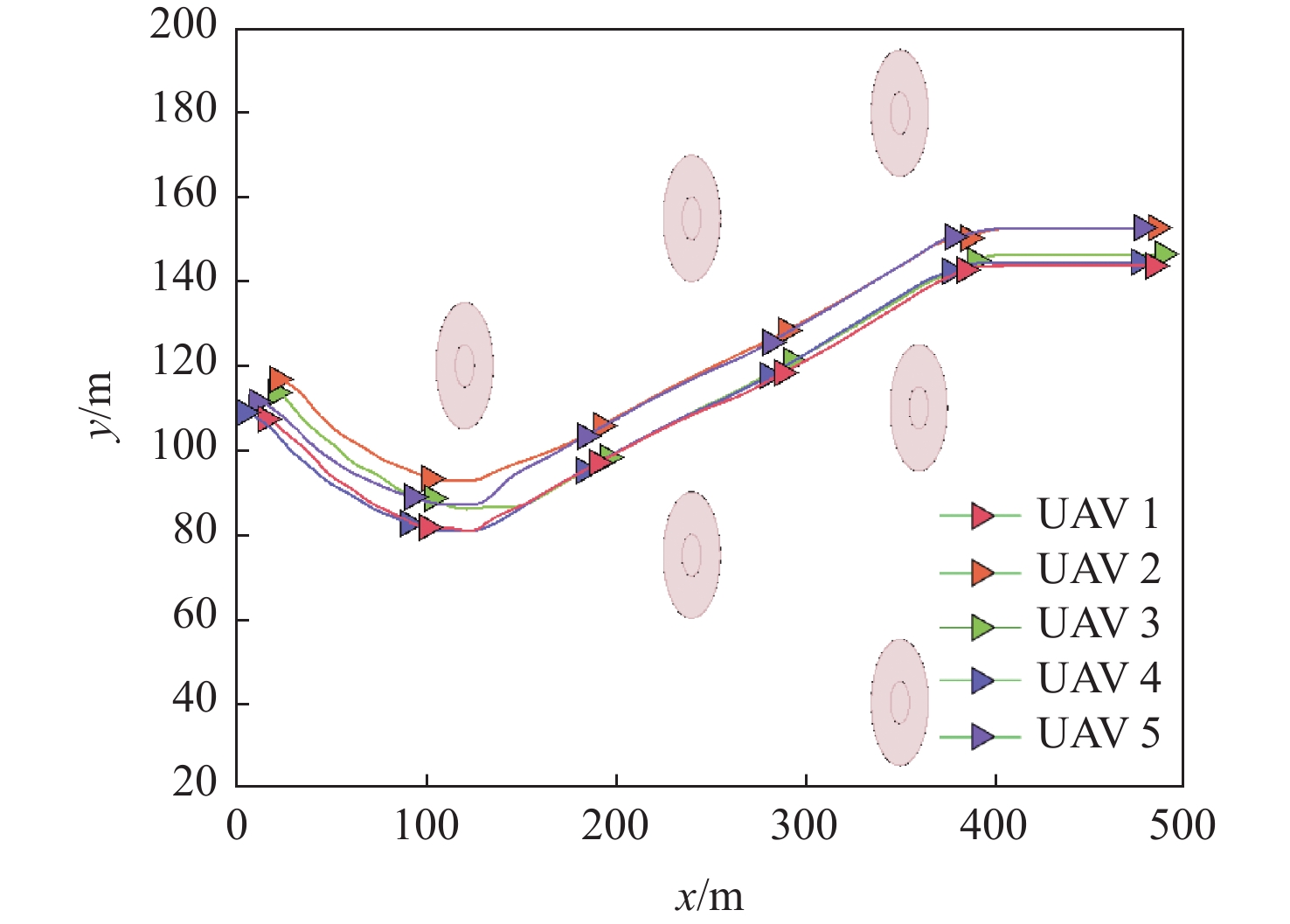
This research proposes an adaptive avoidance decision-making mechanism that combines safety assessment with pigeon-inspired optimization (PIO) to enhance the collision avoidance capabilities and coordination efficiency of unmanned aerial vehicle (UAV) swarms operating in complicated environments. A multidimensional safety evaluation index system is constructed by analyzing both local conflict risks and the overall coordination level of the swarm. Principal component analysis is employed to derive a comprehensive safety score, based on which a three-stage avoidance control strategy is formulated. An artificial potential field function with adaptively tuned parameters is designed according to the safety score, enabling responsive and autonomous individual-level control. Furthermore, to improve global cooperative avoidance under high-risk scenarios, the improved PIO algorithm is embedded to jointly optimize the velocity direction and avoidance parameters of swarm members. The effectiveness and resilience of the suggested strategy in dynamic contexts are validated by simulation findings, which show that it dramatically lowers the likelihood of local conflicts while preserving swarm cohesion.
A high-precision starlight refraction celestial navigation observation method
ZHAN Xianjun, WANG Xinlong
2026, 52(10): 3627-3634. doi: 10.13700/j.bh.1001-5965.2025.0491
Abstract:

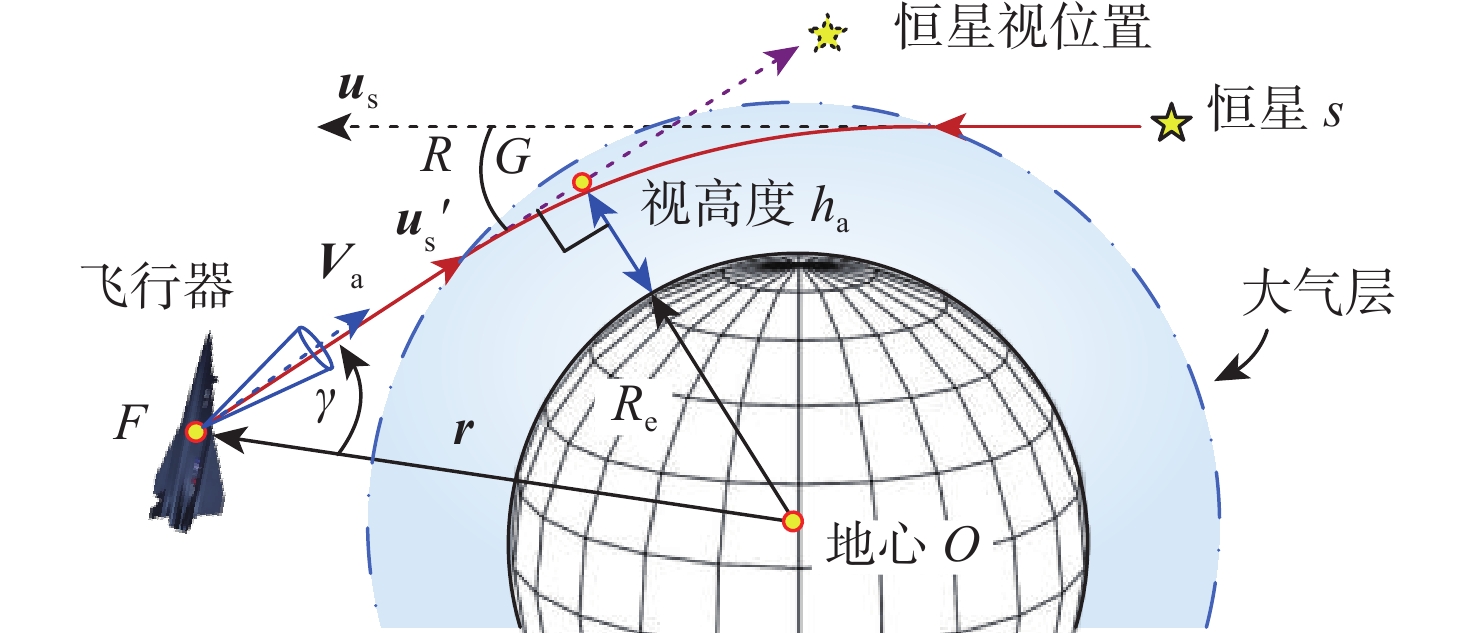
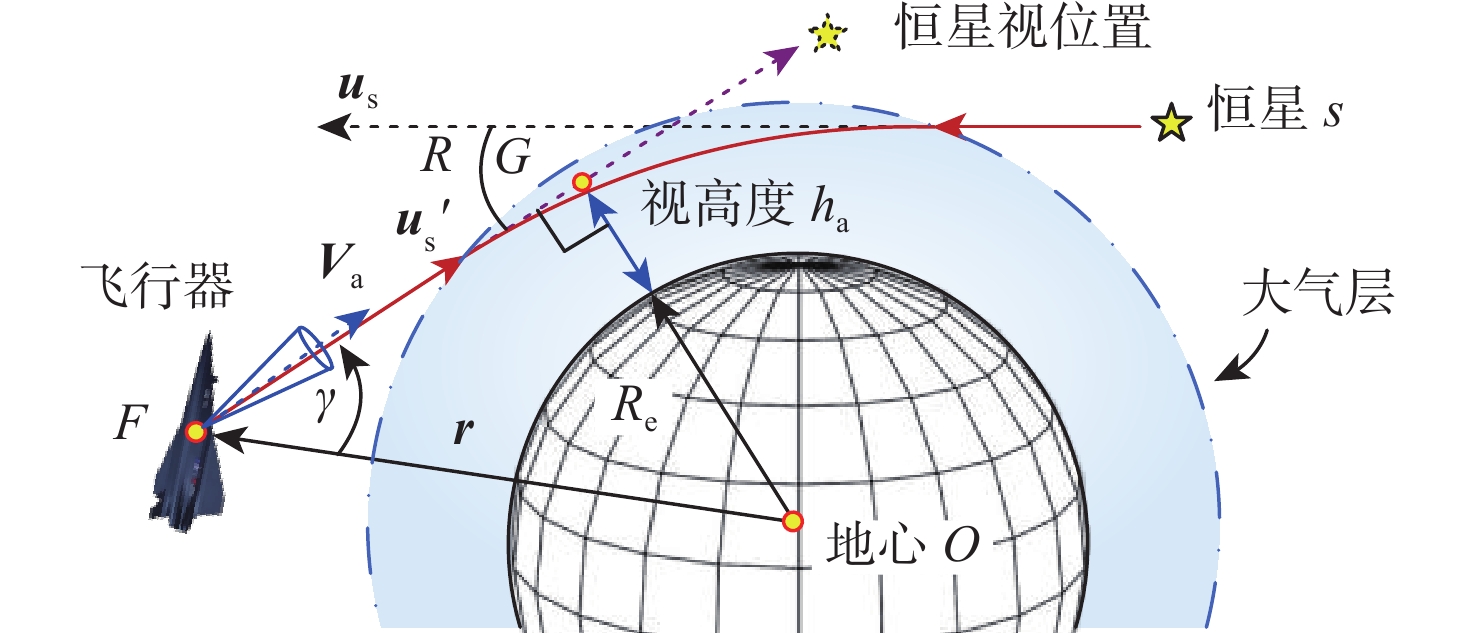
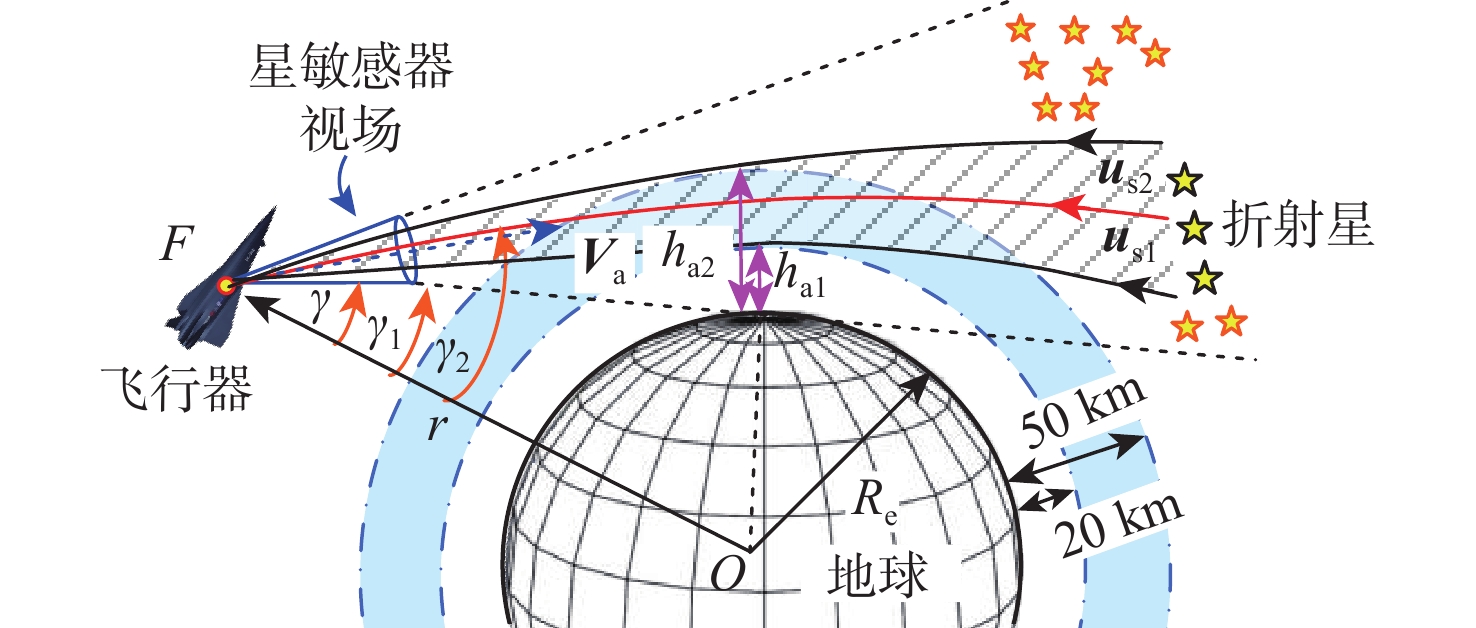
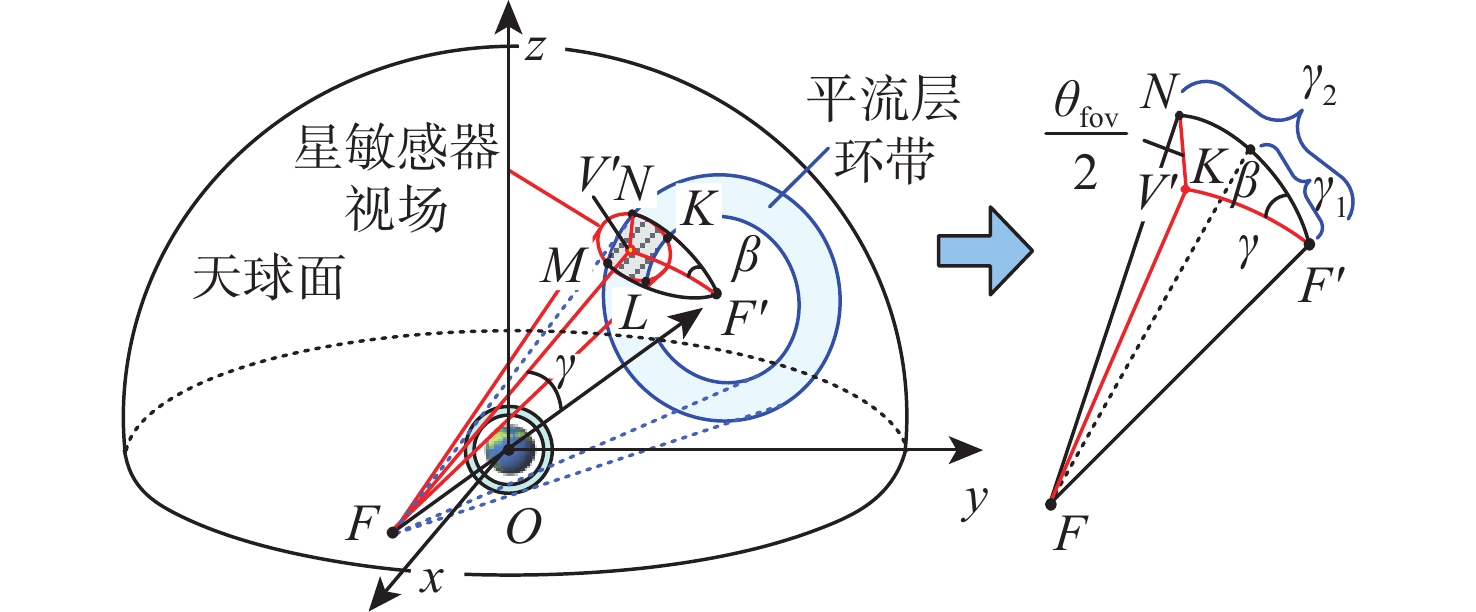
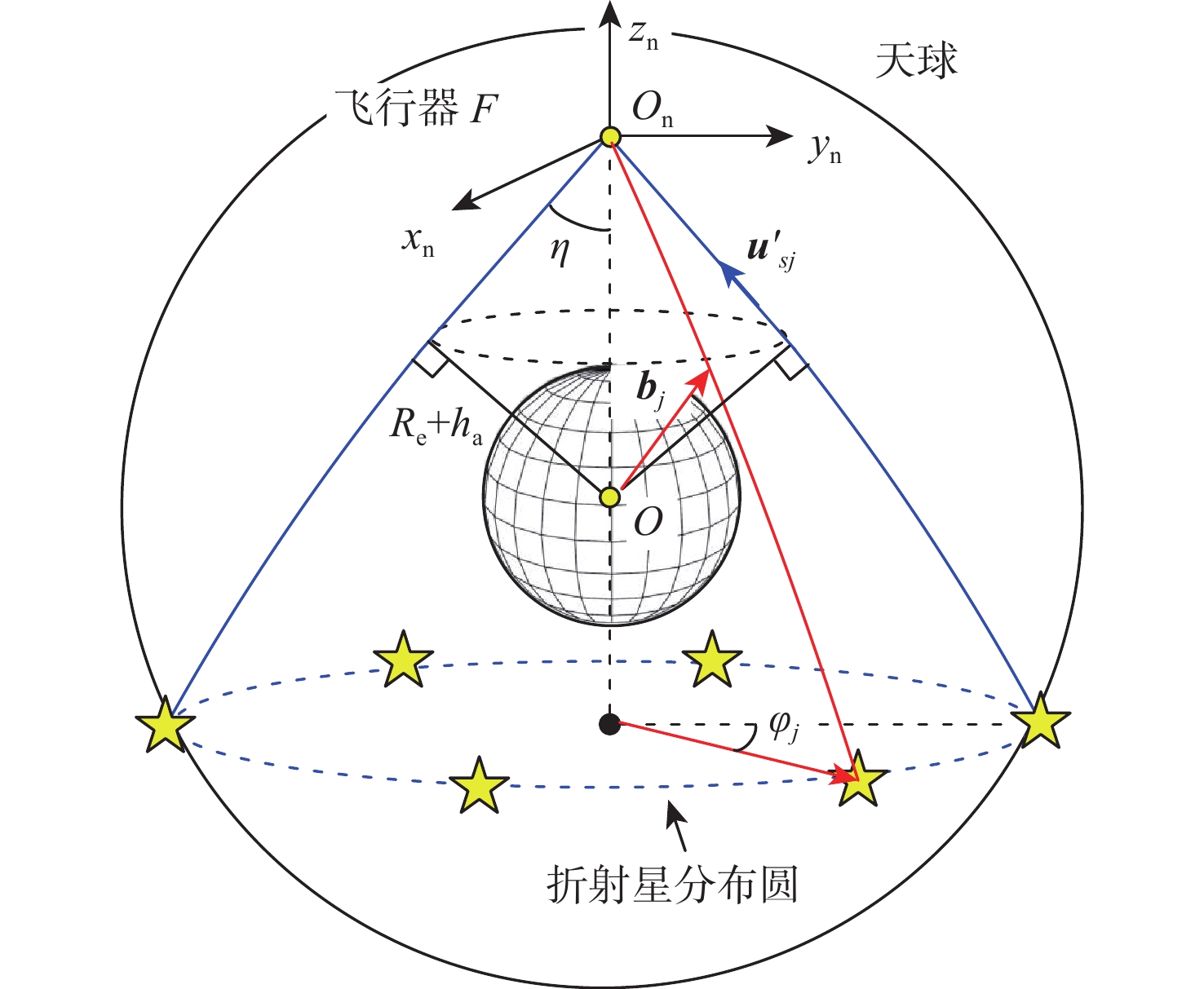
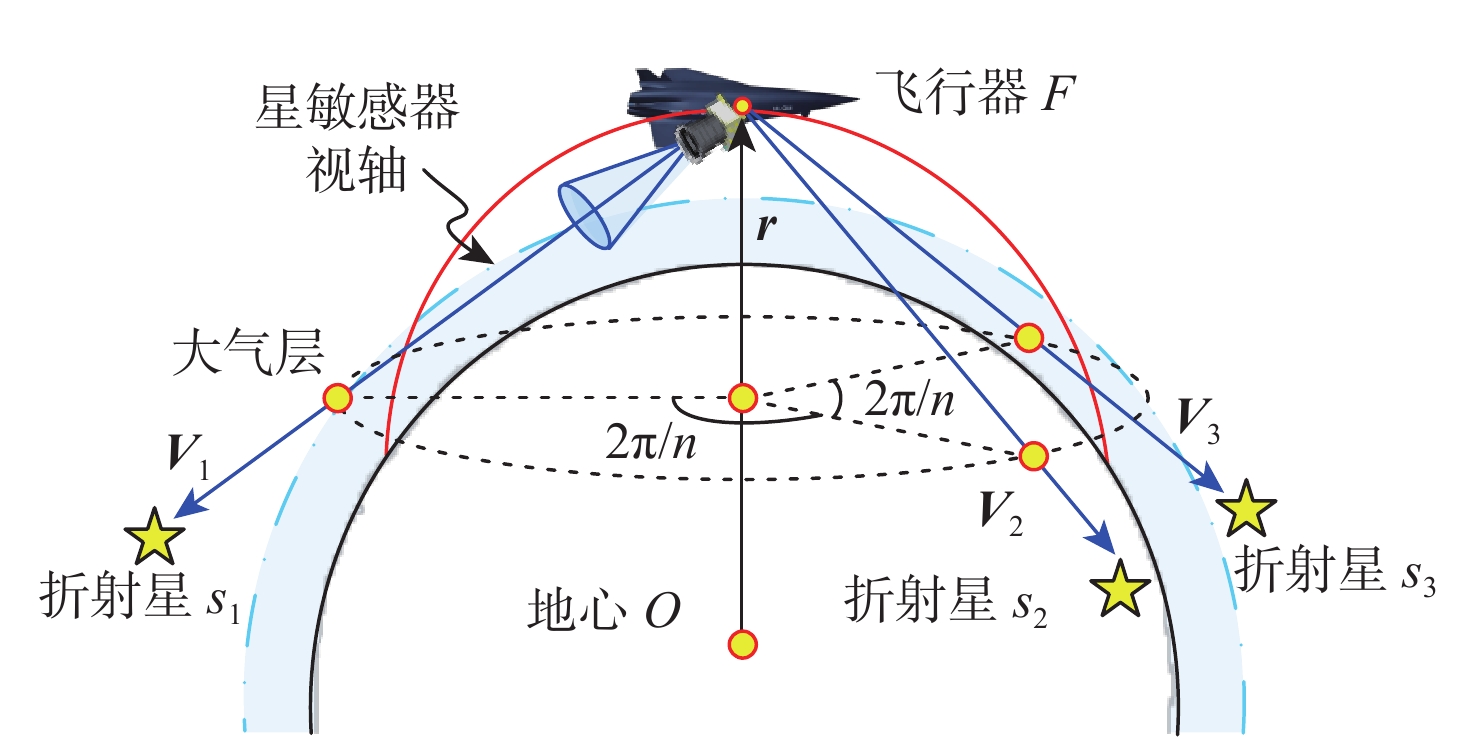
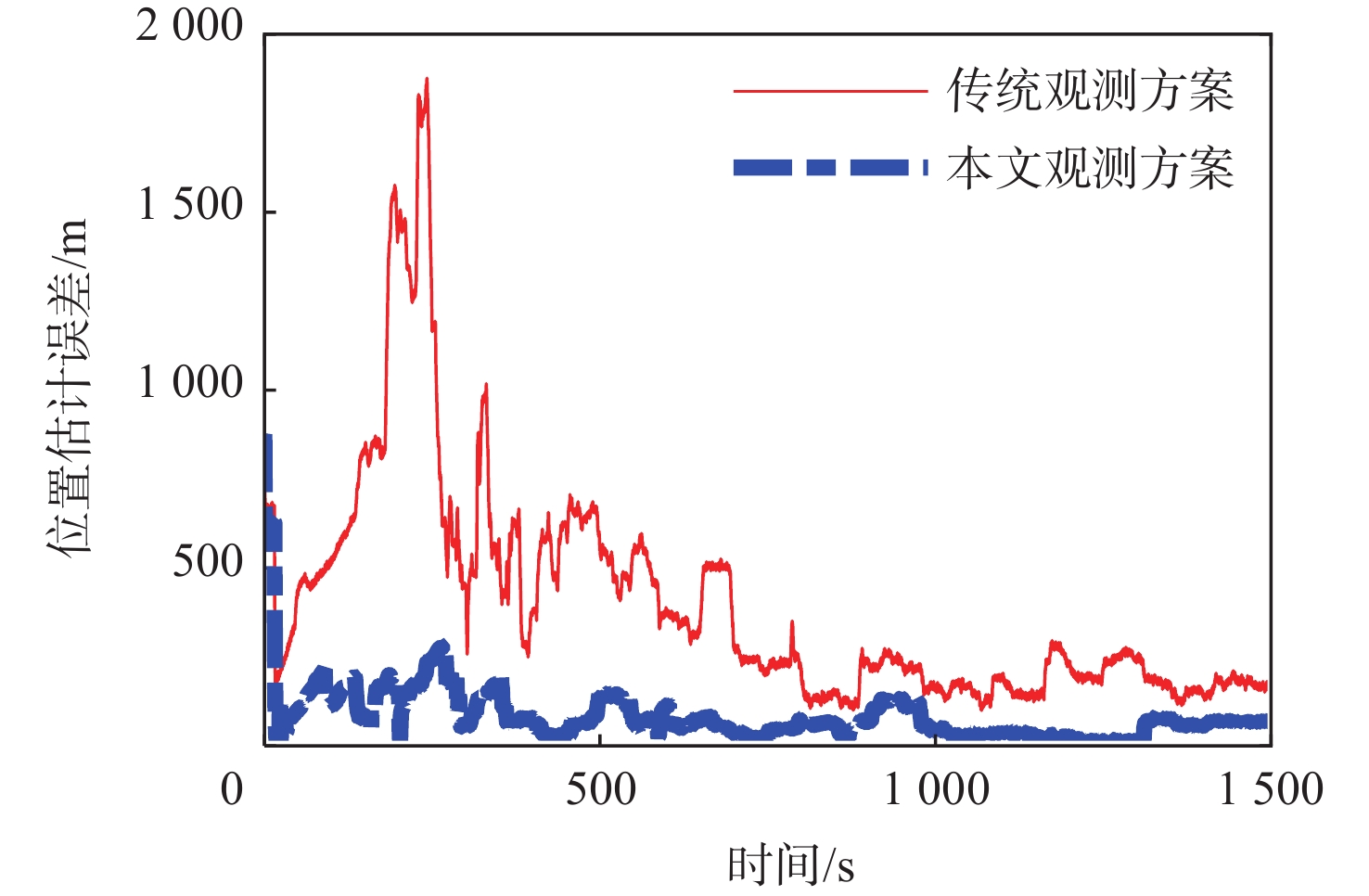
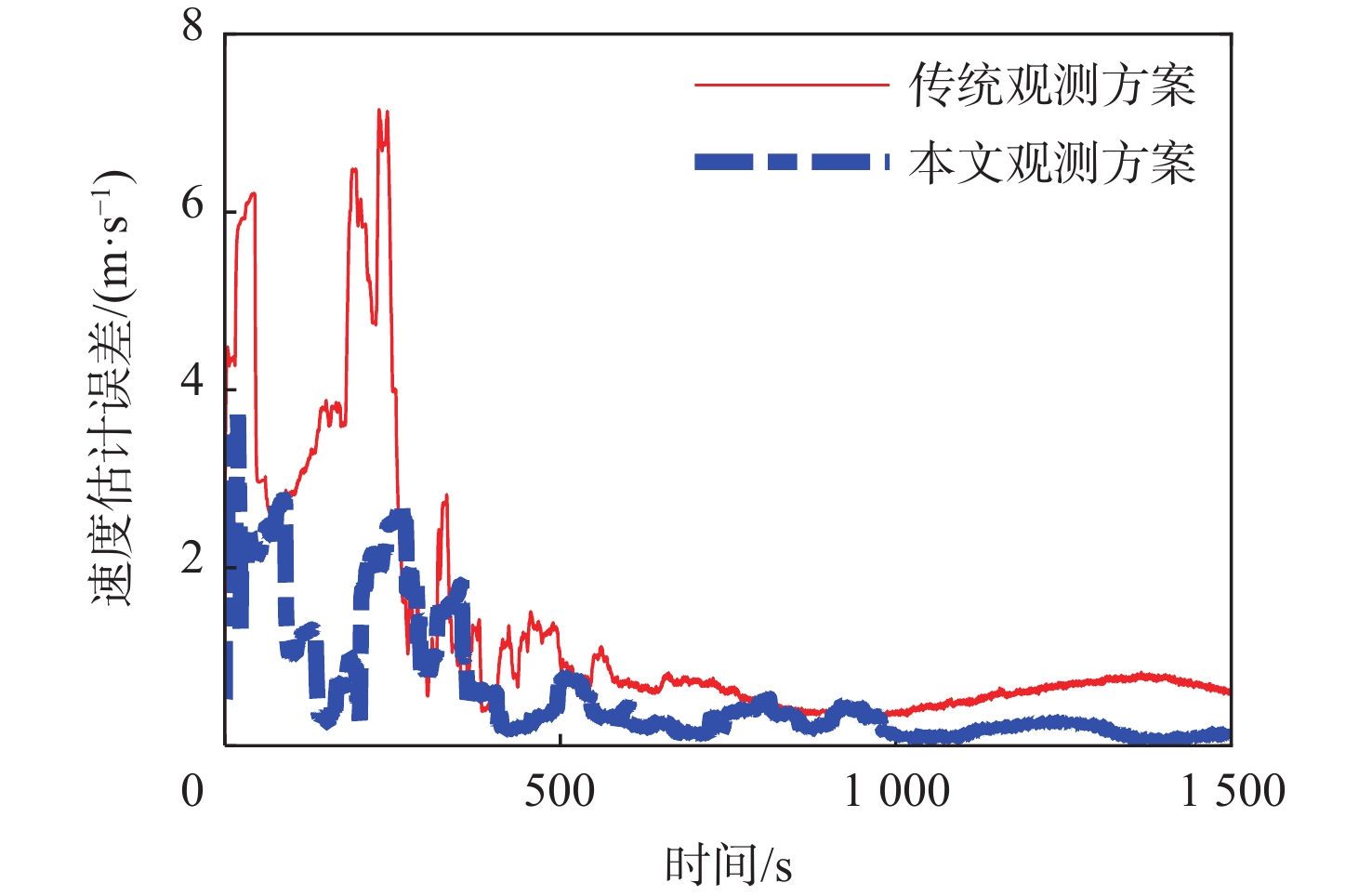
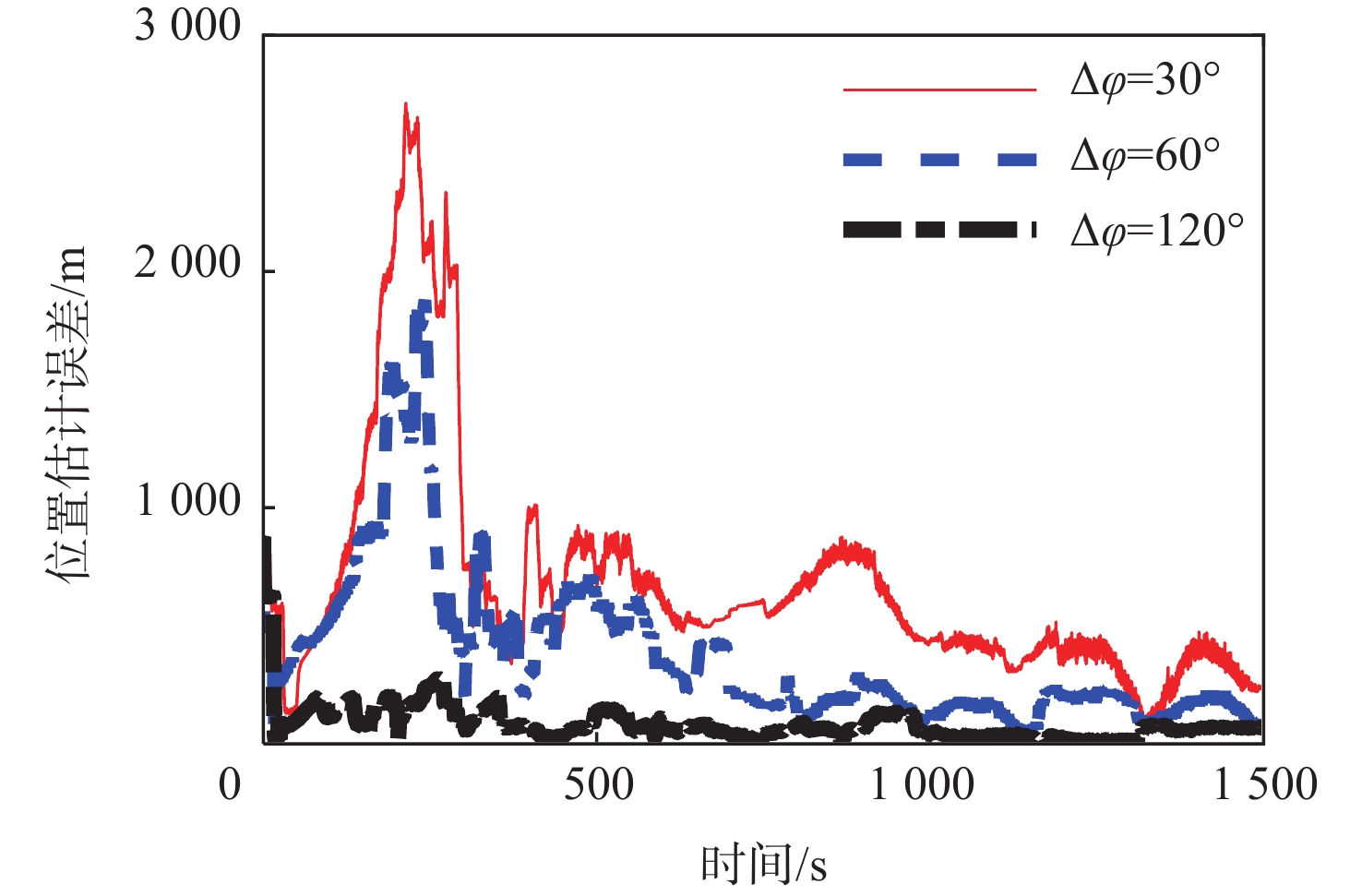
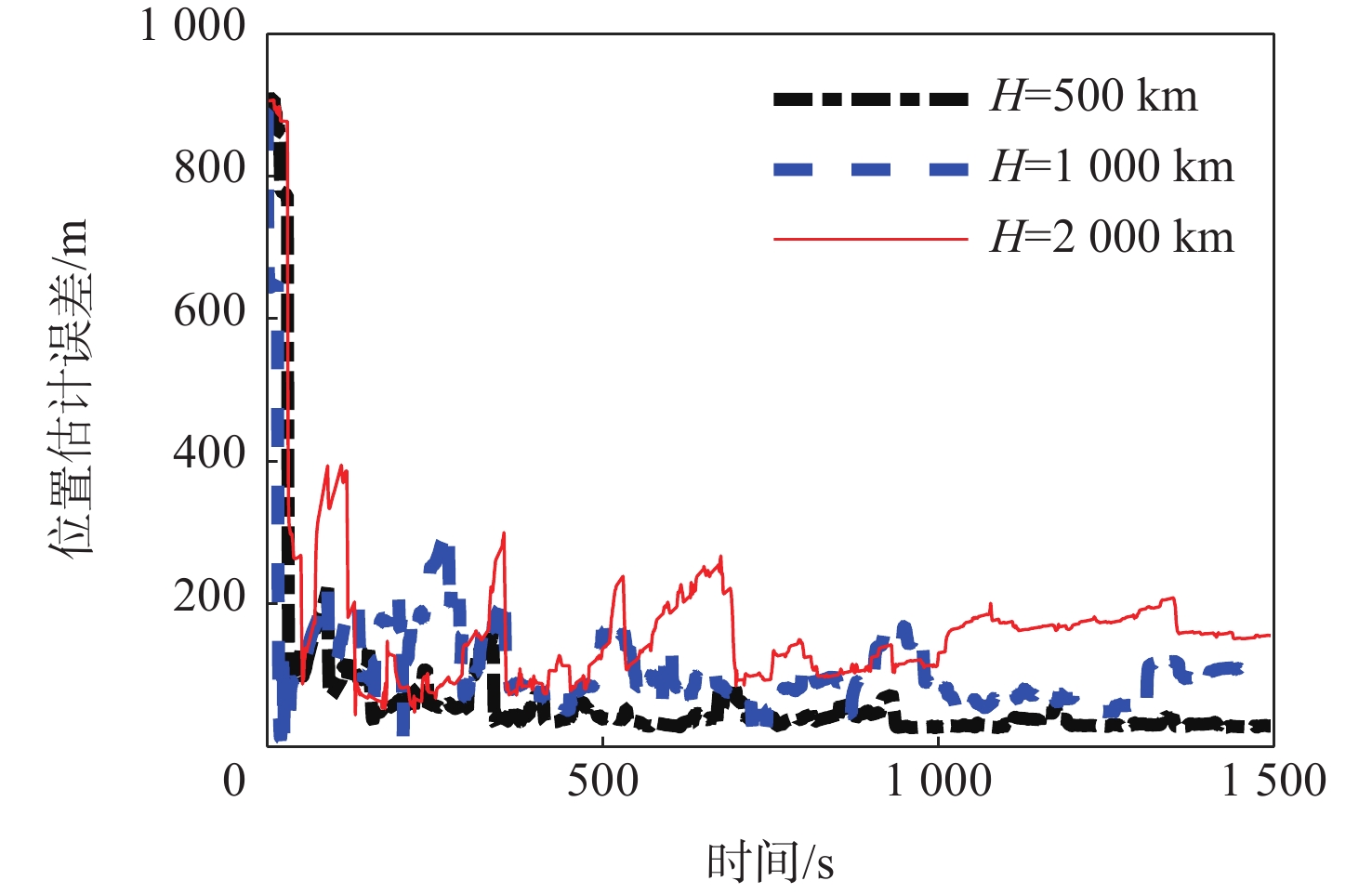
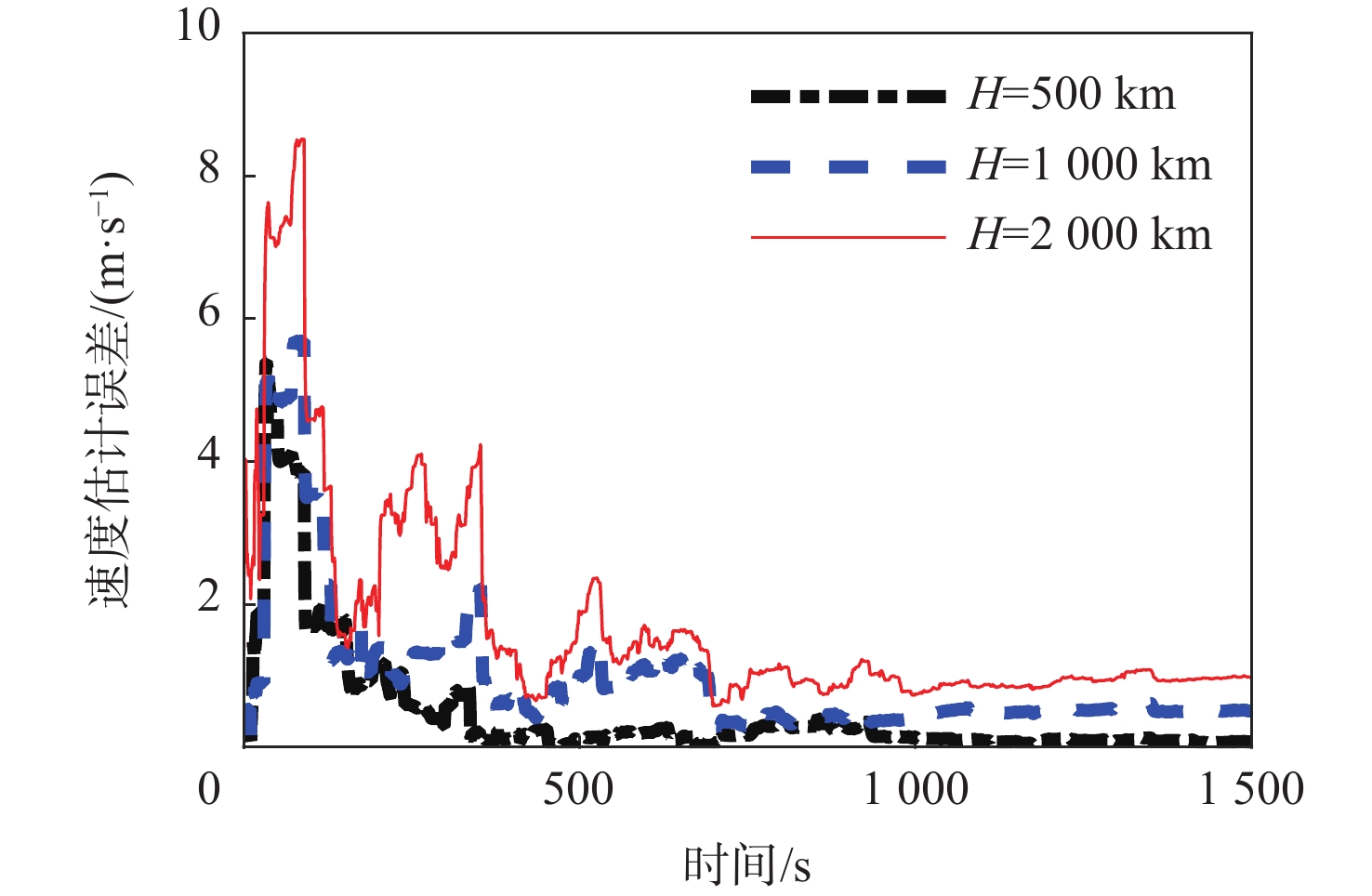
The traditional fixed optical axis observation approach reduces positioning accuracy and reliability in the starlight refraction indirect horizon-sensing positioning method by producing a small number of refracted stars with an uneven distribution. Therefore, a high-precision starlight refraction celestial navigation observation method is proposed. Based on the geometric relationship between the stratospheric refraction band and the star sensor’s field of view (FOV), a relation model is established between the FOV coverage area of the refraction band and the star sensor’s elevation angle. By maximizing the FOV coverage area and combining the flight parameters, the optimal elevation angle is determined to increase the observable refracted stars. Additionally, a quantitative relationship model is developed between positioning precision and the spatial arrangement of refracted stars. Based on the minimum position dilution of precision (PDOP) criterion, the optimal spatial geometric configuration of refracted stars is derived, thereby obtaining the optimal azimuth angle of the optical axis. This enables continuous and uniform observation for refracted starlight, so as to improve the positioning accuracy of celestial navigation. Simulation results demonstrate that compared with the conventional method, the proposed method achieves 75.7% and 66.7% improvements in position and velocity estimation accuracy, respectively.
Phased orbit design for manned lunar landing mission with on-orbit refueling
LI Qiling, SHI Peng, CHEN Yong
2026, 52(10): 3635-3646. doi: 10.13700/j.bh.1001-5965.2025.0468
Abstract:

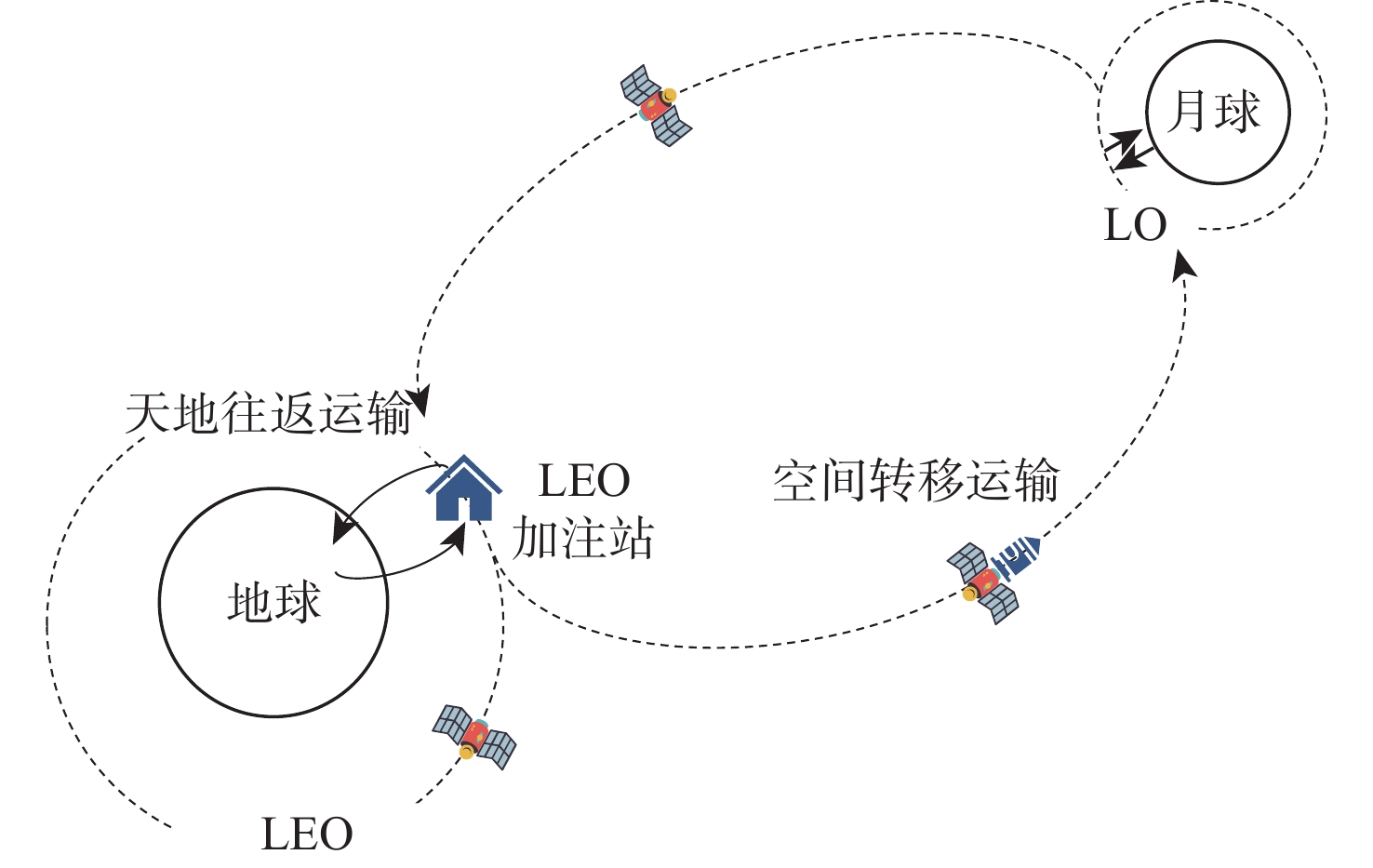
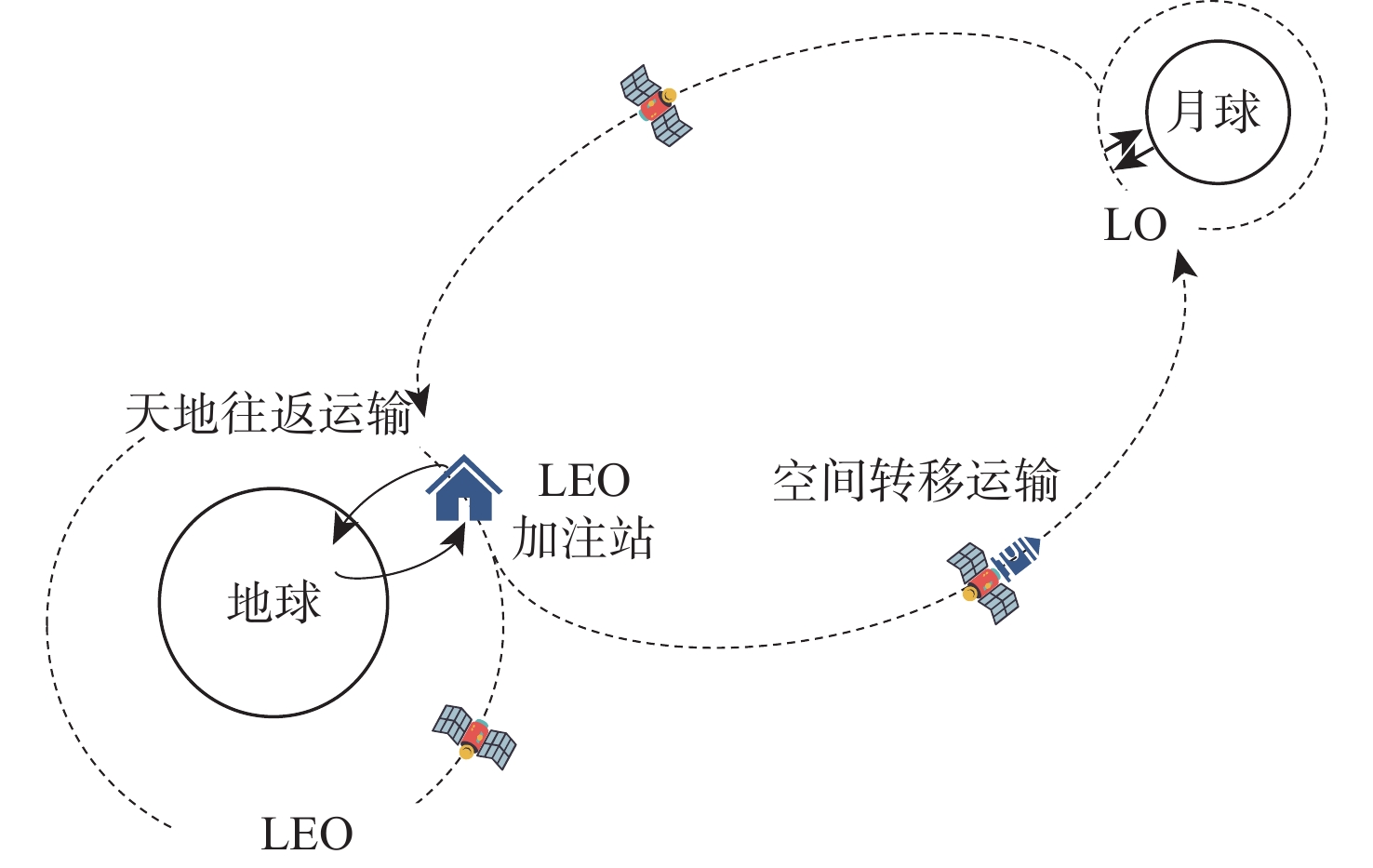
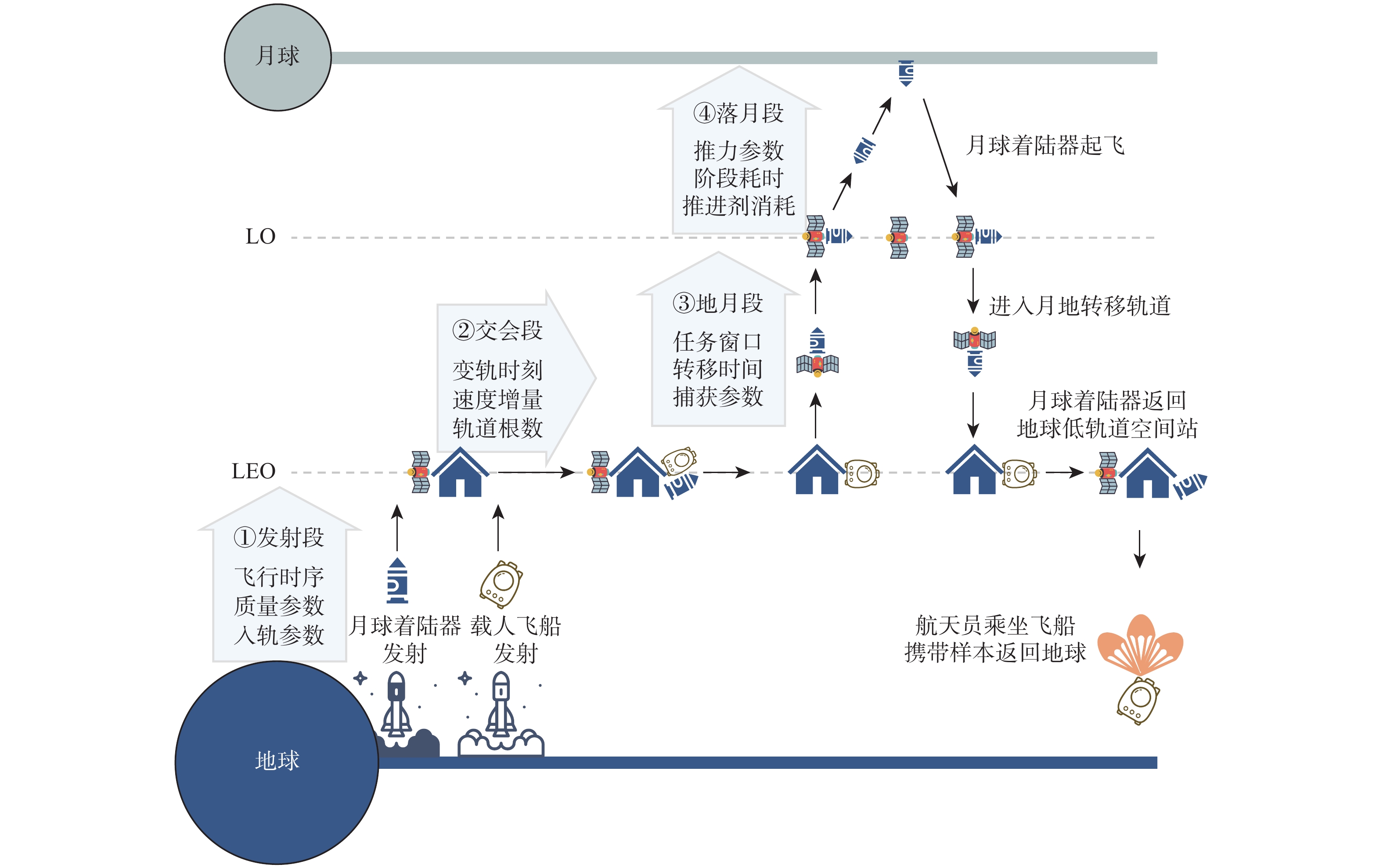
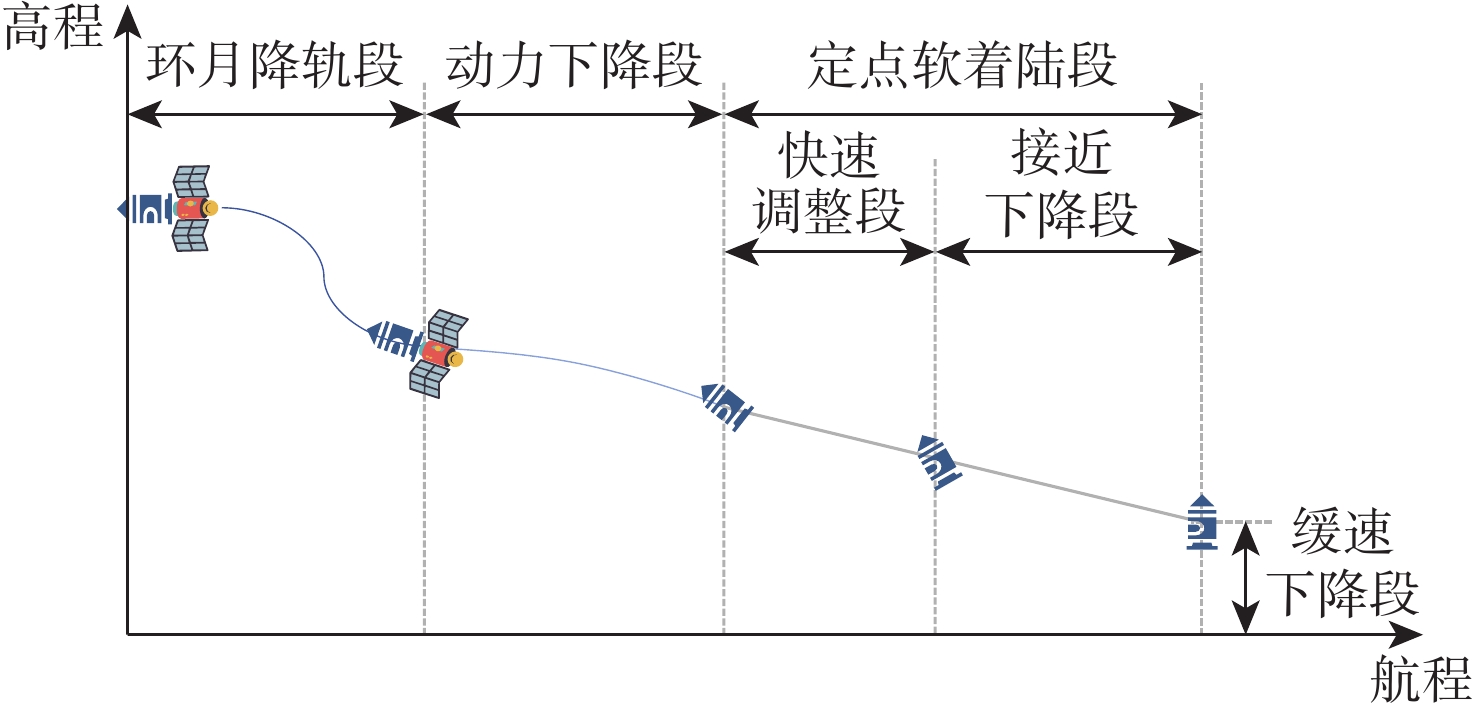
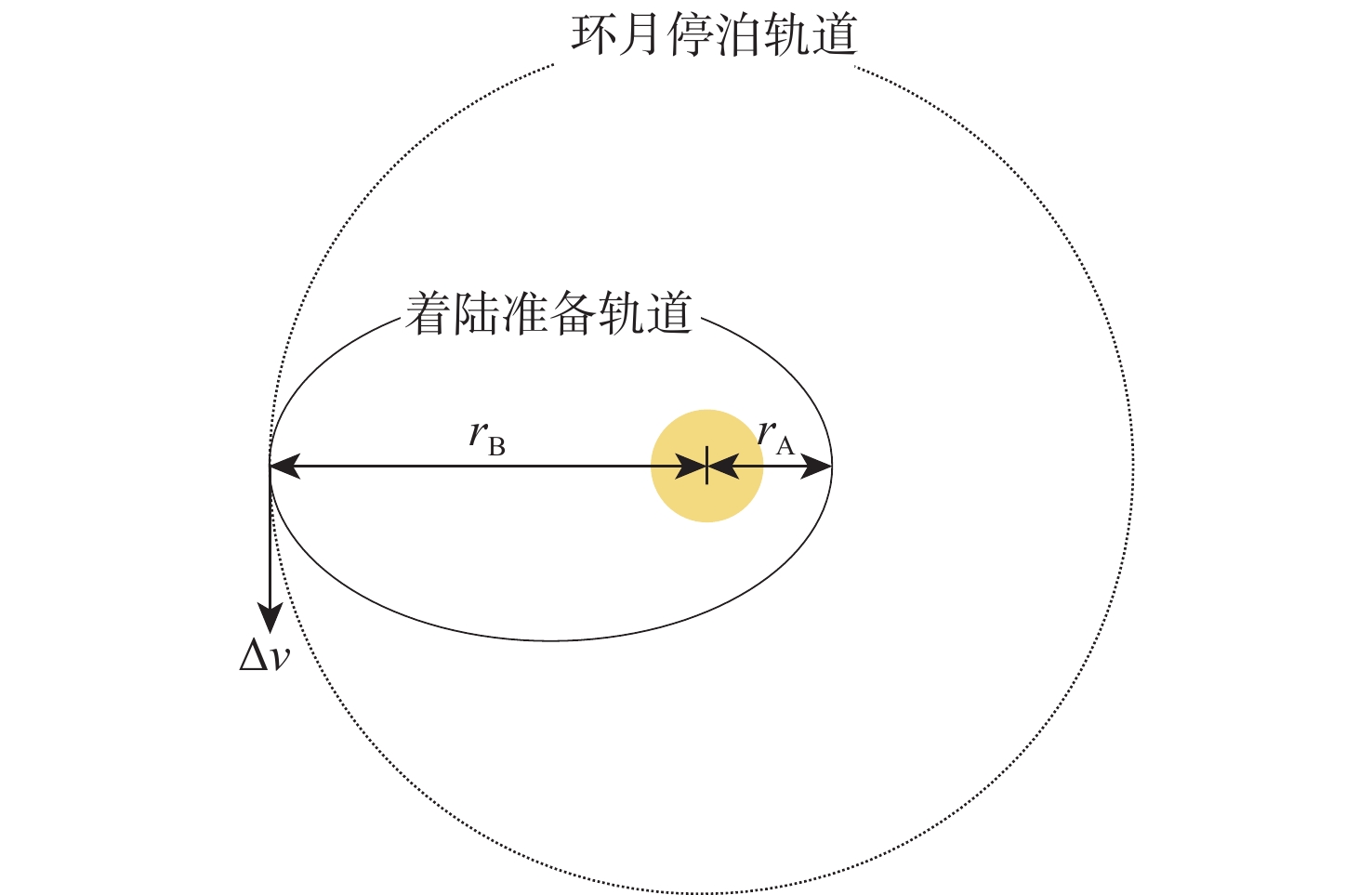
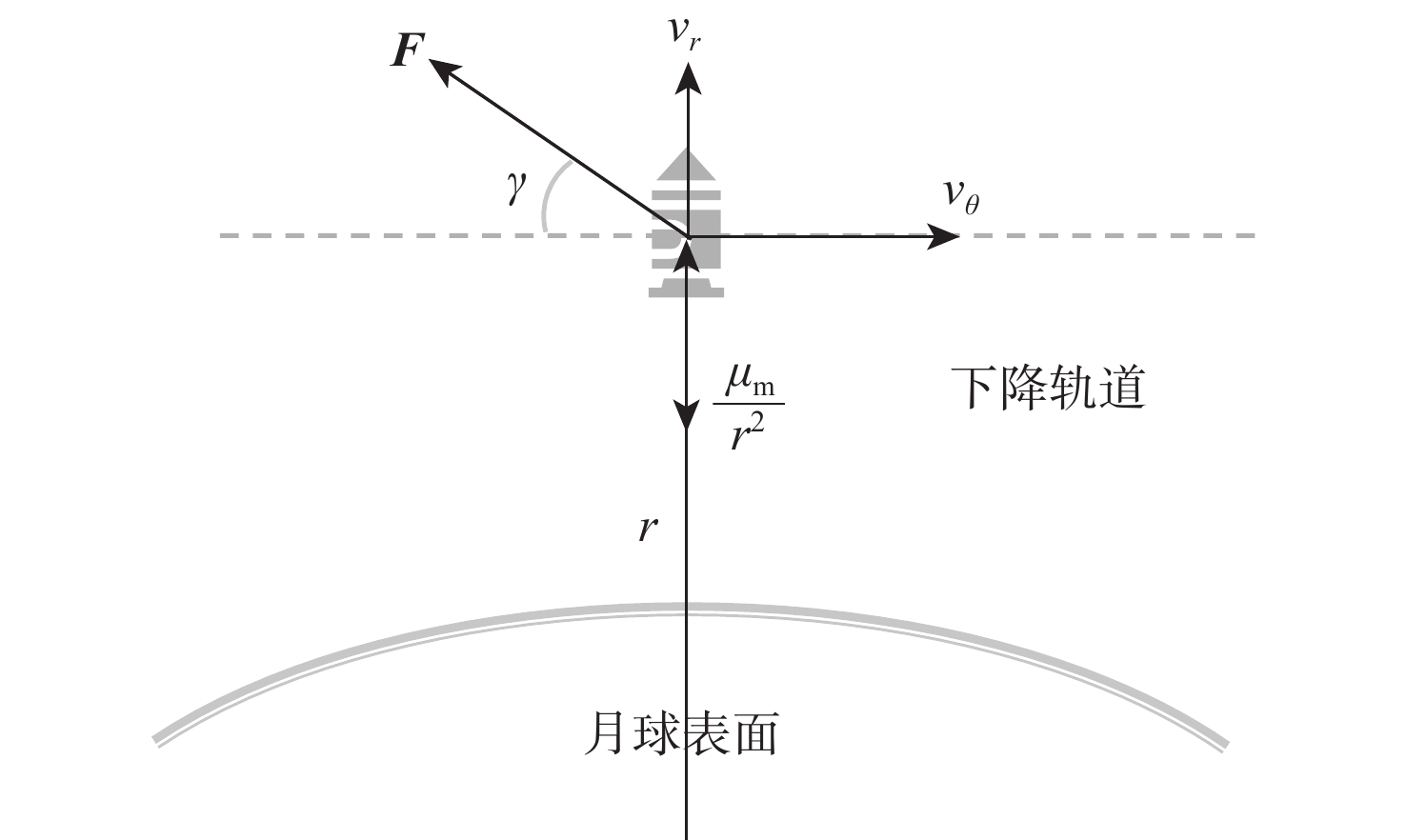
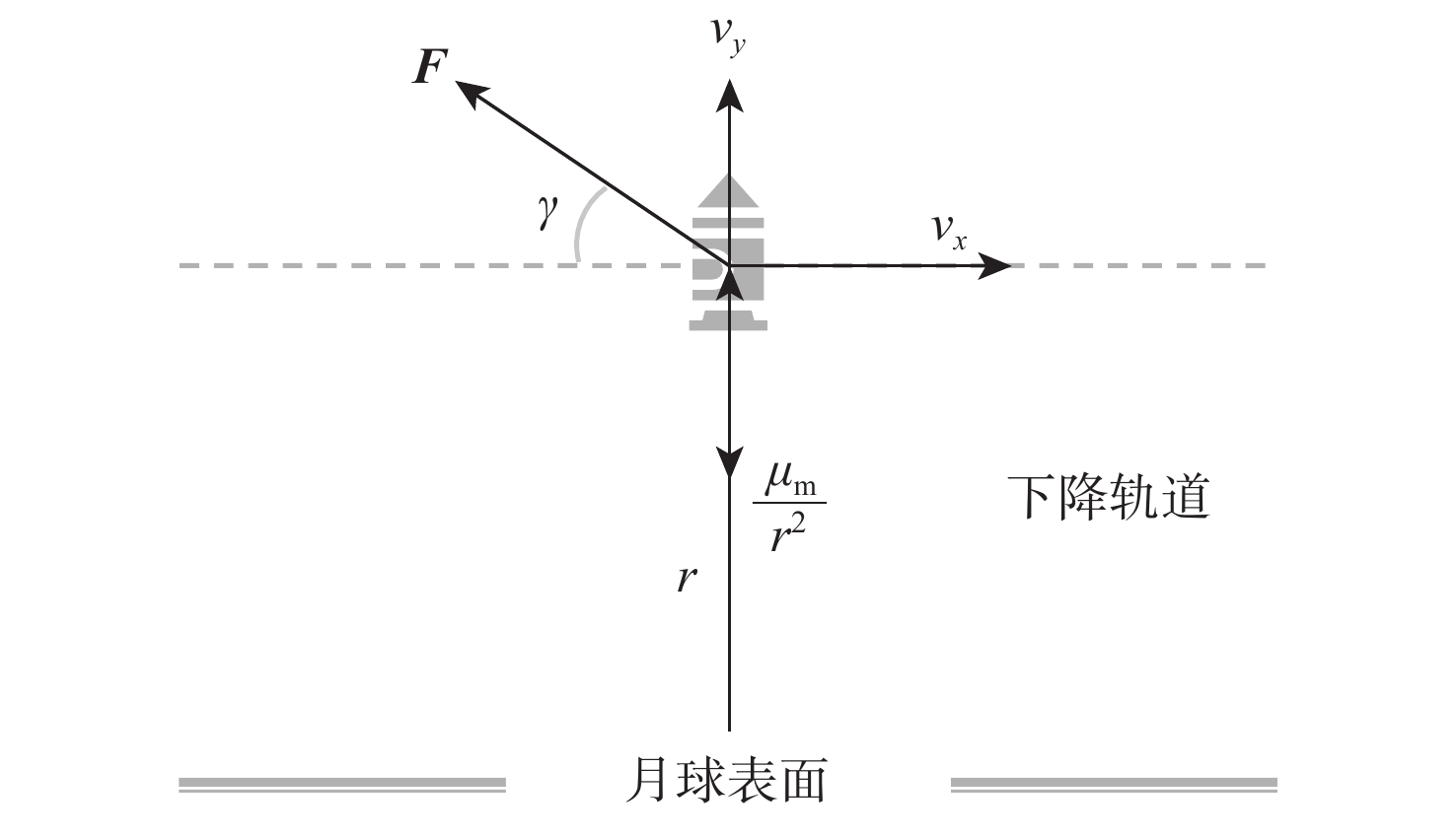
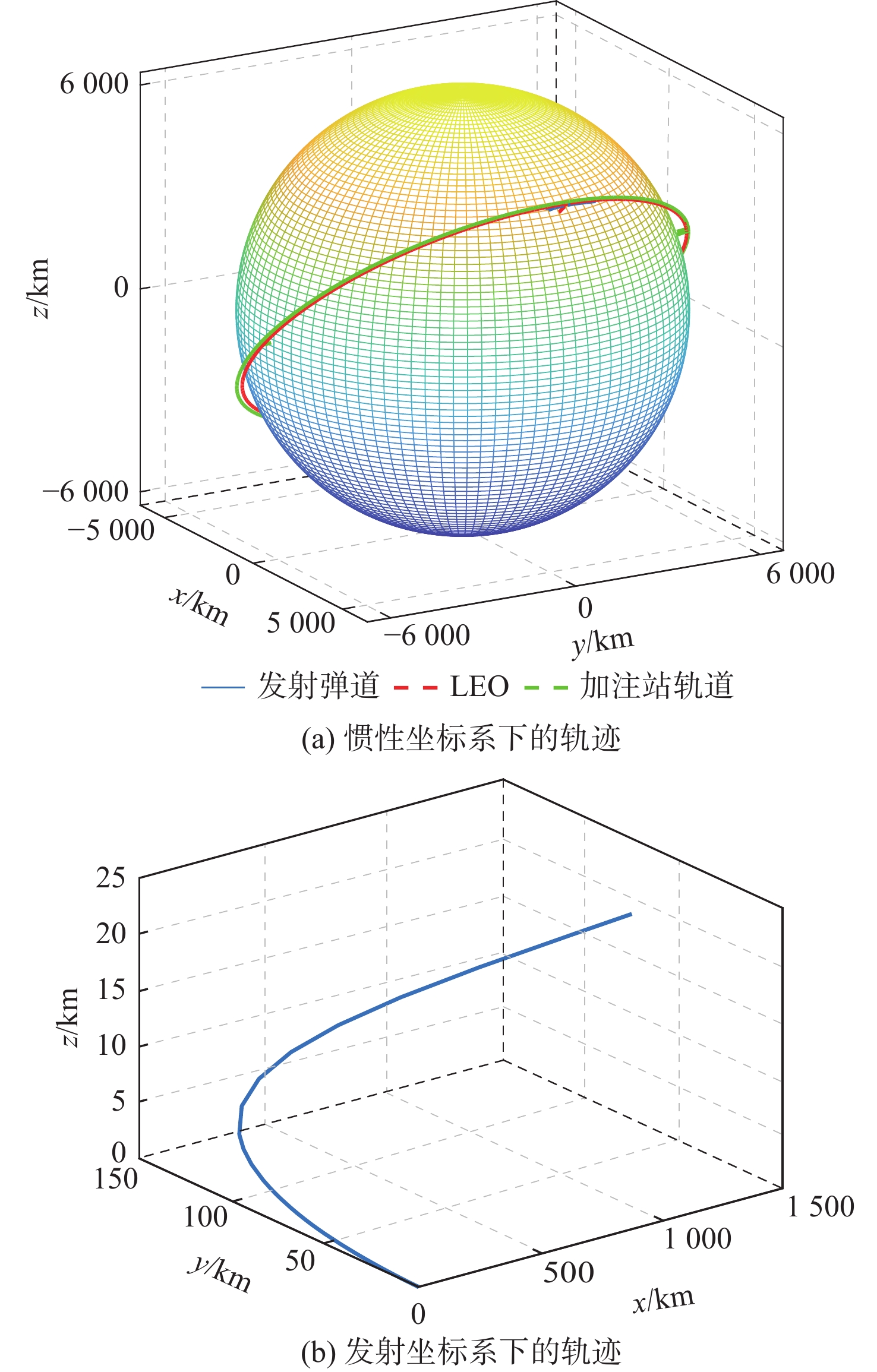
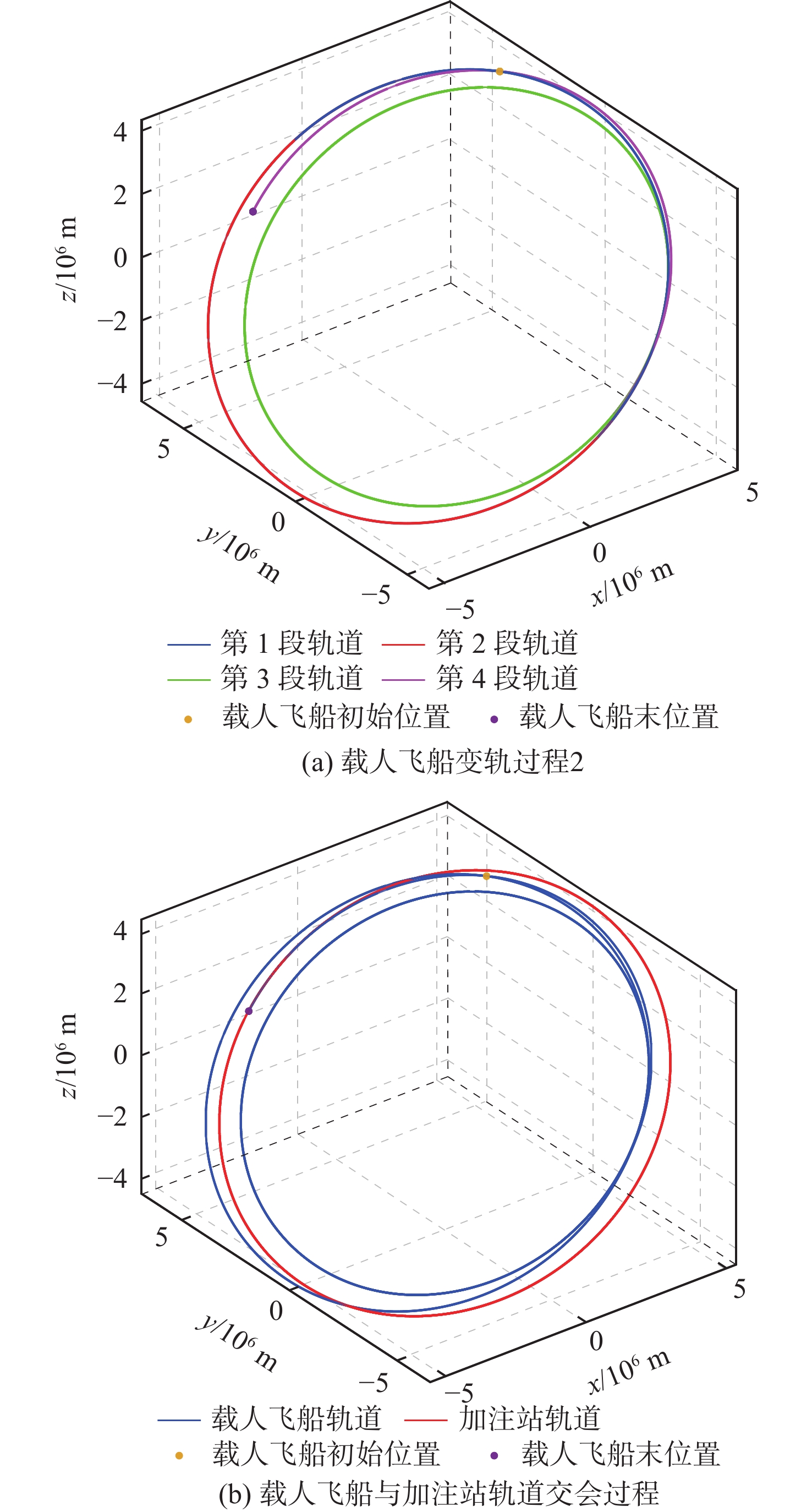
To address the conflict between the limited payload capacity of a single launch vehicle and the substantial deployment demands of large-scale target payloads, this paper employs a two-phase manned lunar landing mission architecture, where on-orbit refueling connects Earth ascent and space transfer. Mission scale analysis and calculations were performed for manned lunar landing utilizing on-orbit refueling. Dynamic models for the four main phases—launch, rendezvous, Earth-Moon transfer, and lunar landing—were established, and overall mission design simulation analysis was completed. A mass estimation method was employed to compare the total mission mass and the scale of each stage between the traditional mode and the on-orbit refueling mode. In order to define phase-specific limitations and develop a mass model that takes into account in-orbit evaporation losses of cryogenic propellant, a mission model covering the four phases of launch, rendezvous and docking, Earth-Moon transfer, and lunar landing was built. Subsequently, mission windows were calculated, and full-process orbital simulations were conducted to analyze trajectory parameters and propellant consumption for each phase. Genetic algorithms were used to optimize parameters for the lunar landing phase. Mass estimation results show that, compared to the thousands of tonnes launch mass required by the traditional mode, the total launch mass for the on-orbit refueling scheme is below 500 tonnes, and the space transfer stage mass is on the order of tens of tonnes. The full-process simulation findings provide crucial references for engineering design, further elucidating the propellant consumption for each stage of the on-orbit refueling strategy.

Construction and comparison of machine learning models for driving comfort assessment using multimodal physiological signals
JIANG Weisheng, ZHOU Qianxiang, LIU Zhongqi, LIU Yushuang, WANG Jiatao, JIN Mengmeng
2026, 52(10): 3647-3657. doi: 10.13700/j.bh.1001-5965.2026.0062
Abstract:

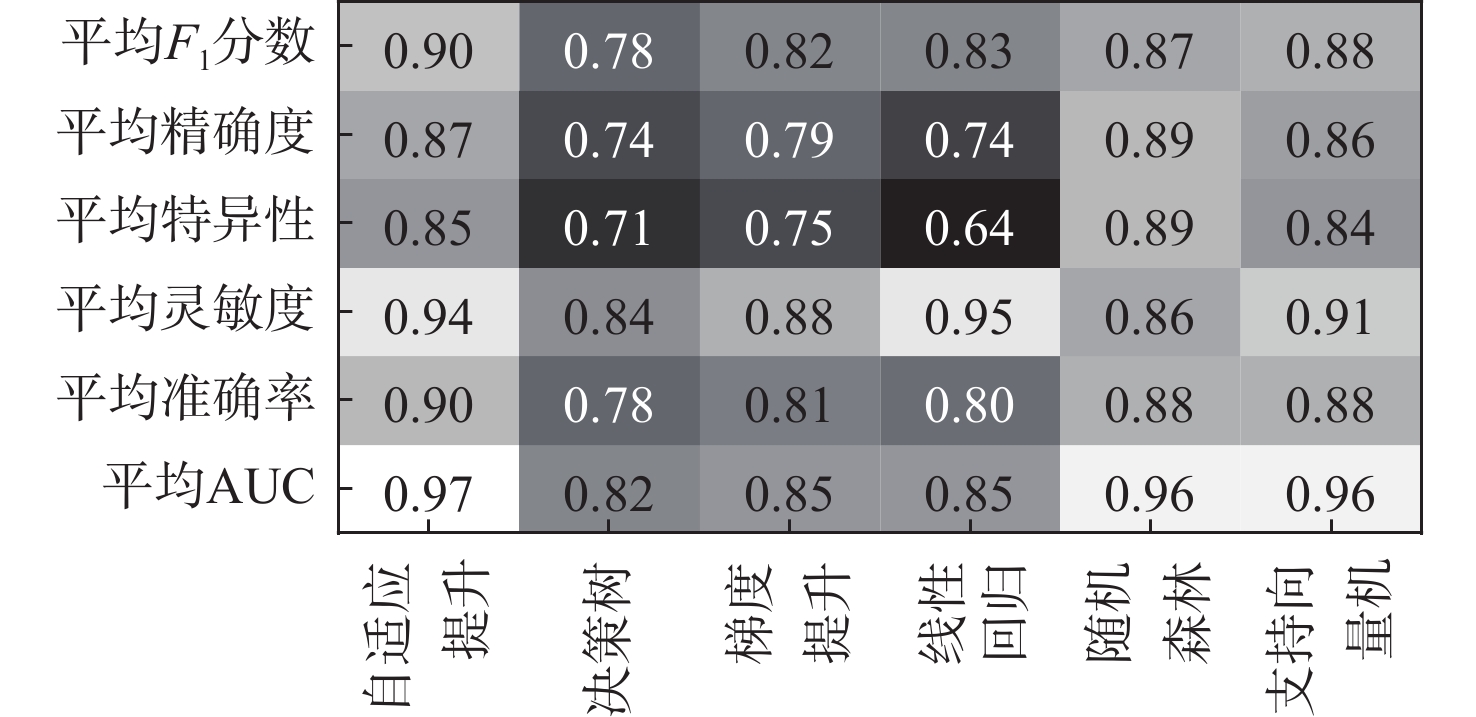
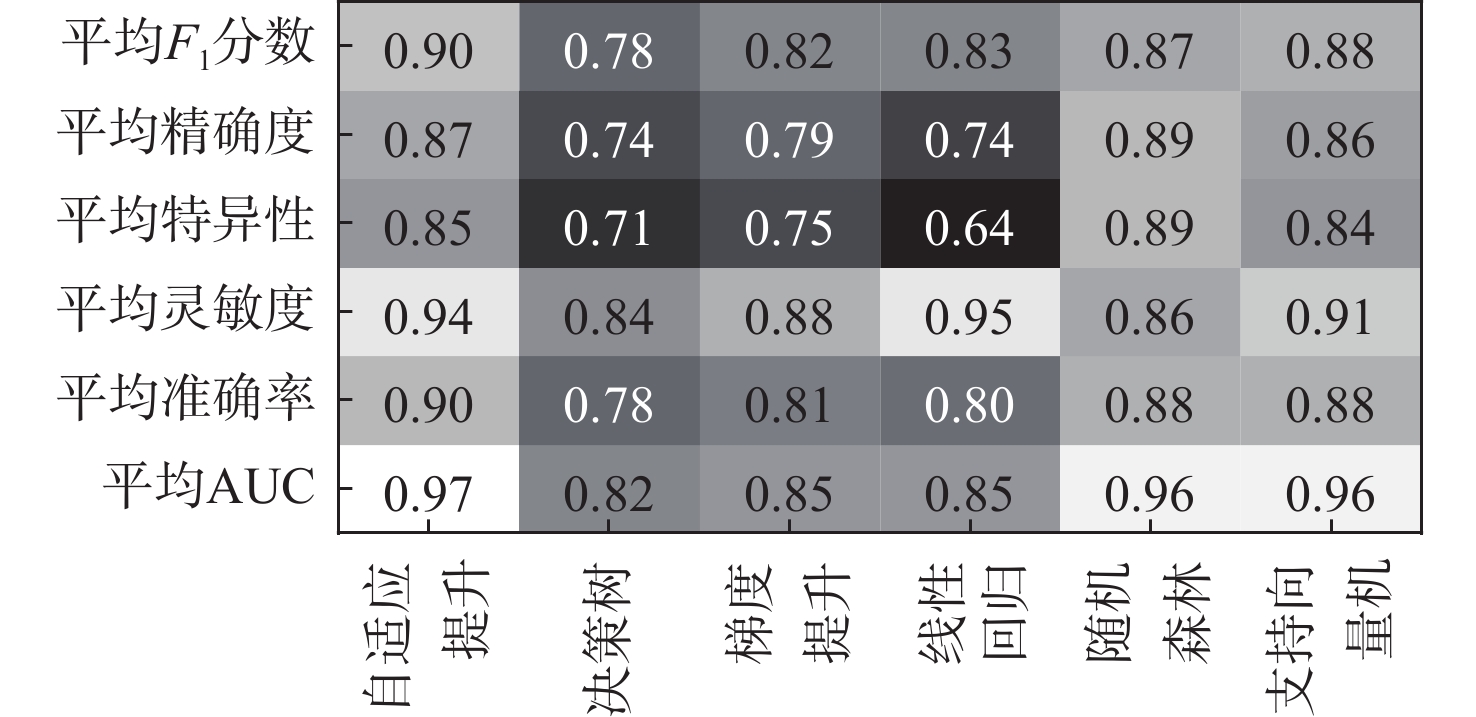
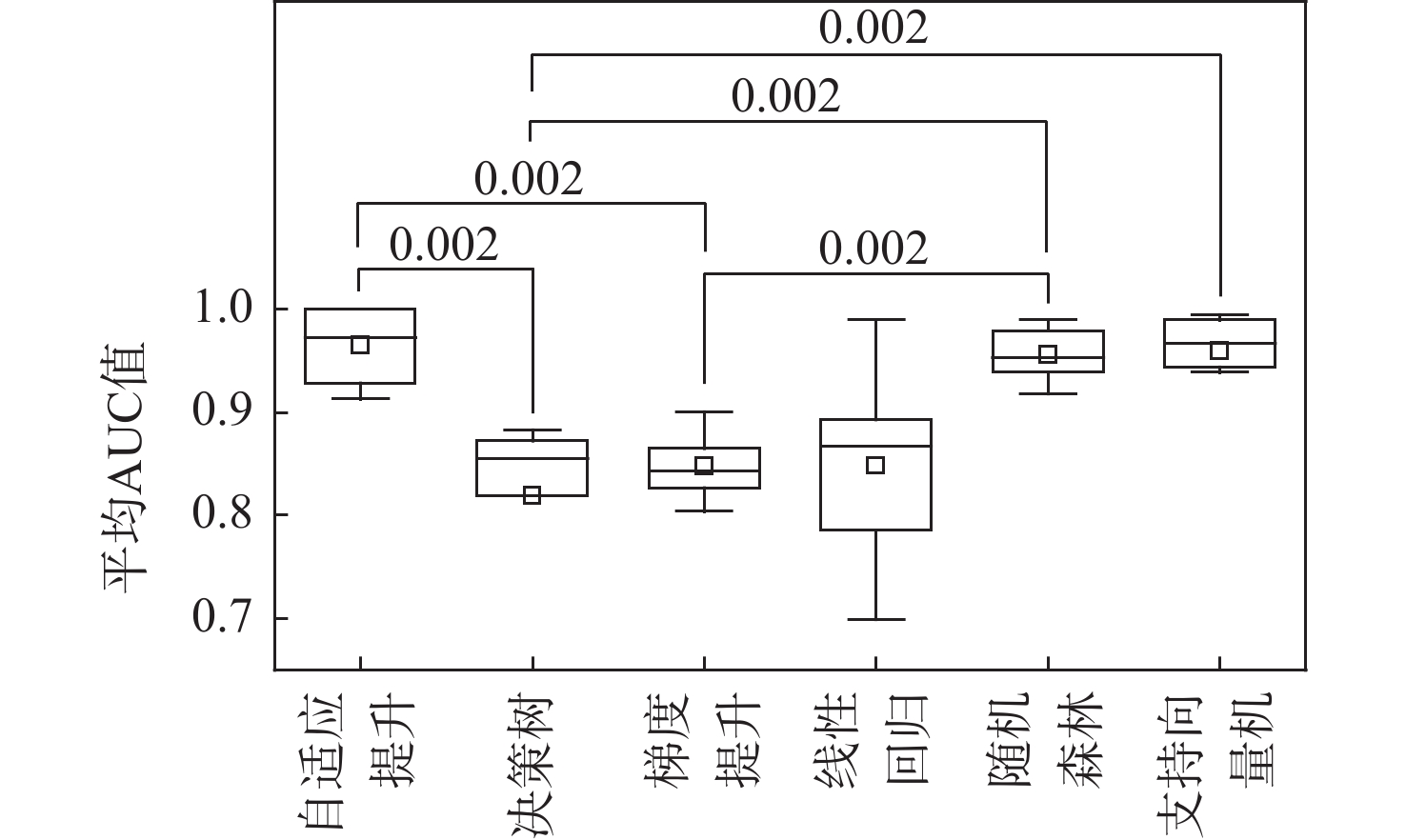
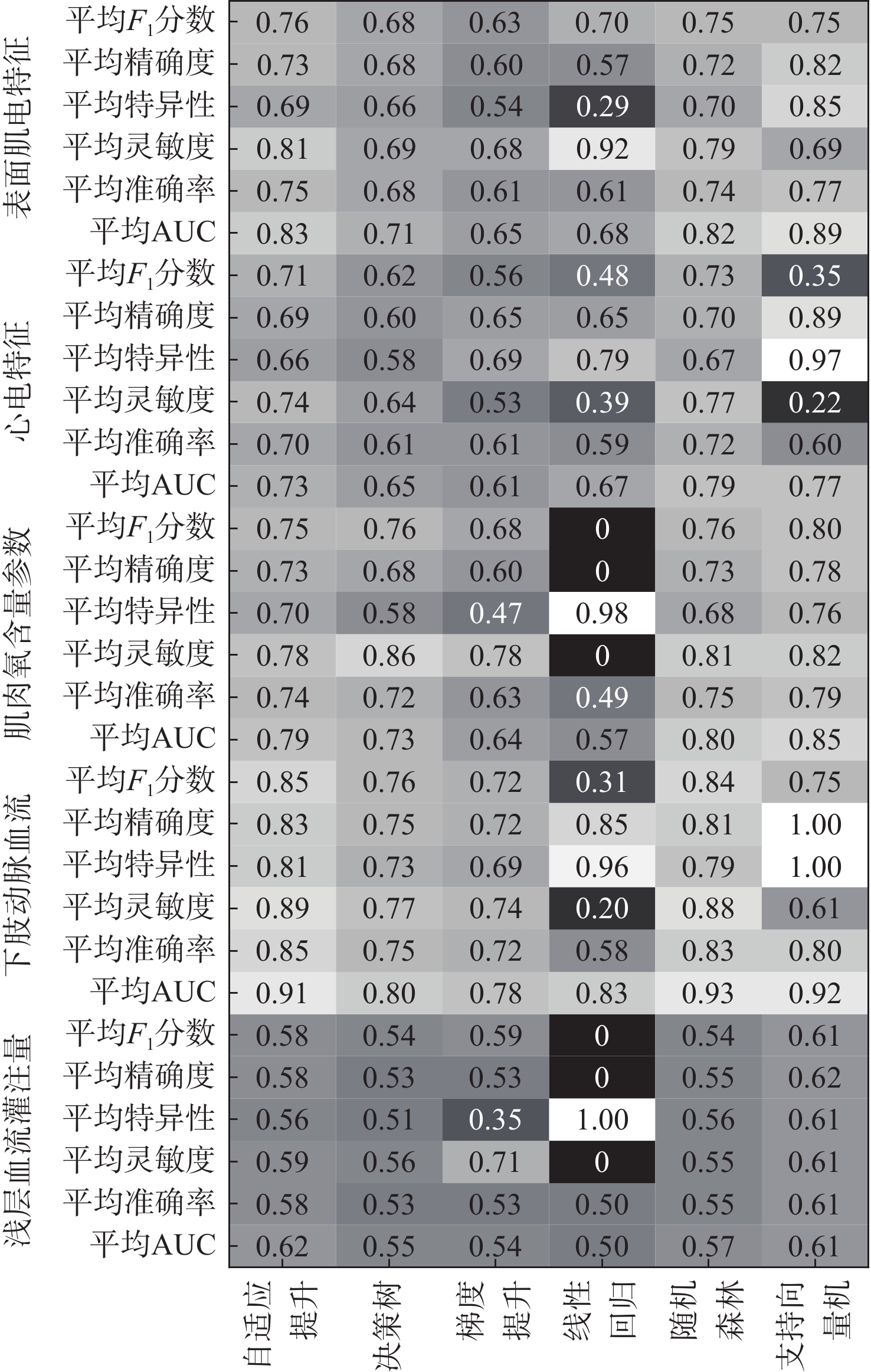
To achieve an objective assessment of driving comfort, this study developed and systematically compared multiple machine learning models based on multimodal physiological signals. 64 individuals had their electrocardiograms (ECGs), surface electromyograms (sEMGs), muscle oxygen saturation (SmO2), and arterial blood flow signals recorded while they drove. Using comfort scores as labels, six types of models, including support vector machine (SVM), random forest (RF), and adaptive Boosting (AdaBoost), were constructed and optimized with principal component analysis, synthetic minority oversampling technique (SMOTE), and grid search. Results showed that multimodal signal fusion significantly improved classification performance. The SVM model achieved optimal performance with the feature set containing arterial blood flow parameters, reaching an average area under the curve (AUC) of 0.97 and an accuracy of 0.90. RF models consistently exceeded 0.95 AUC with fused signals. Practical signal combinations for portable monitoring were identified: "sEMG + ECG" dual-signal combination (average AUC is 0.90) and "SmO2 + ECG + sEMG" triple-signal combination (average AUC is 0.92). This study offers empirical support for model selection and signal setup in objective driving comfort evaluation, providing insightful information for the development of in-car health monitoring systems.

A study on emission characteristics of rocket launches (2020—2024)
SONG Jia, YANG Yu, HAN Wang, YANG Lijun
2026, 52(10): 3658-3666. doi: 10.13700/j.bh.1001-5965.2025.0695
Abstract:

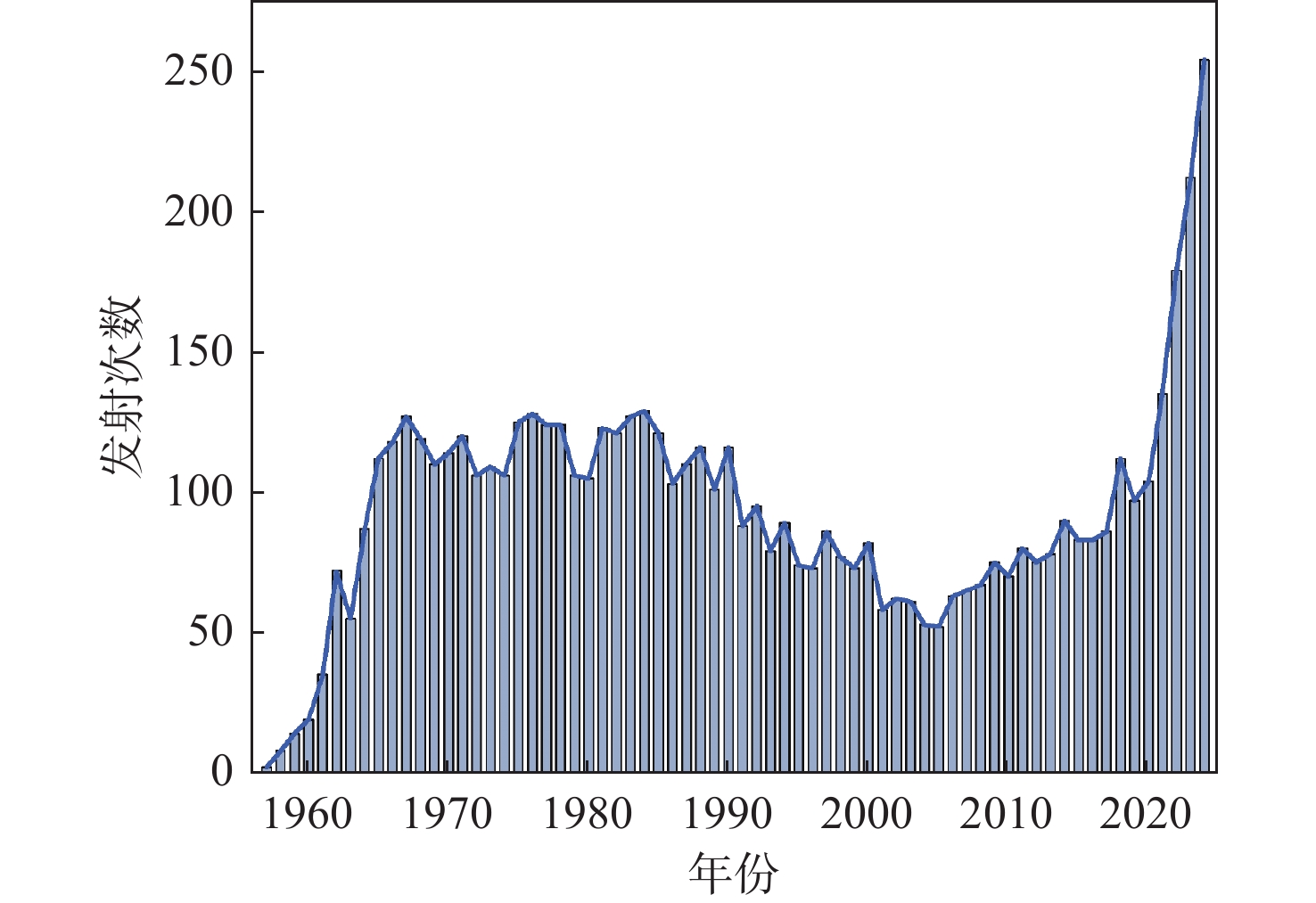
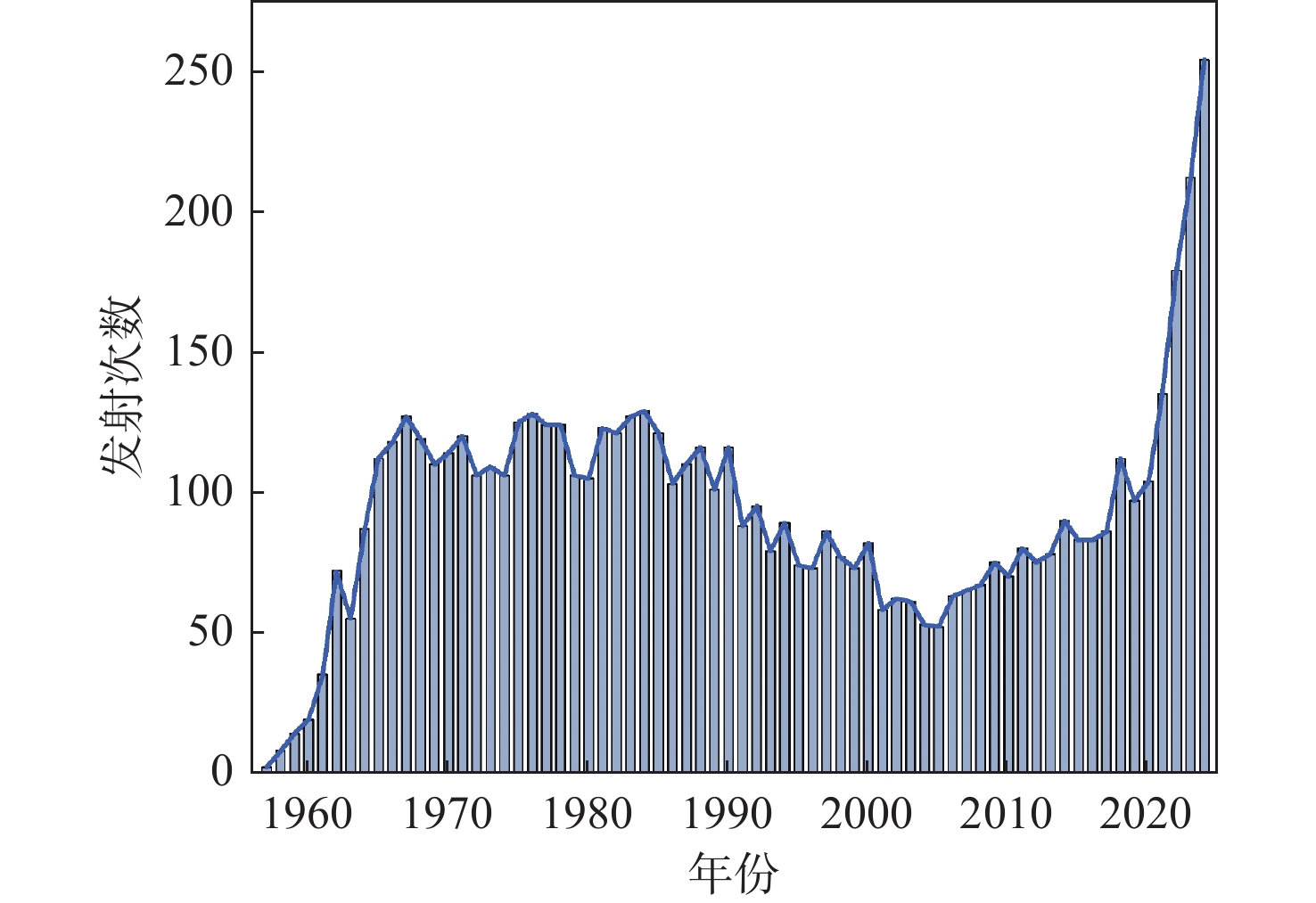
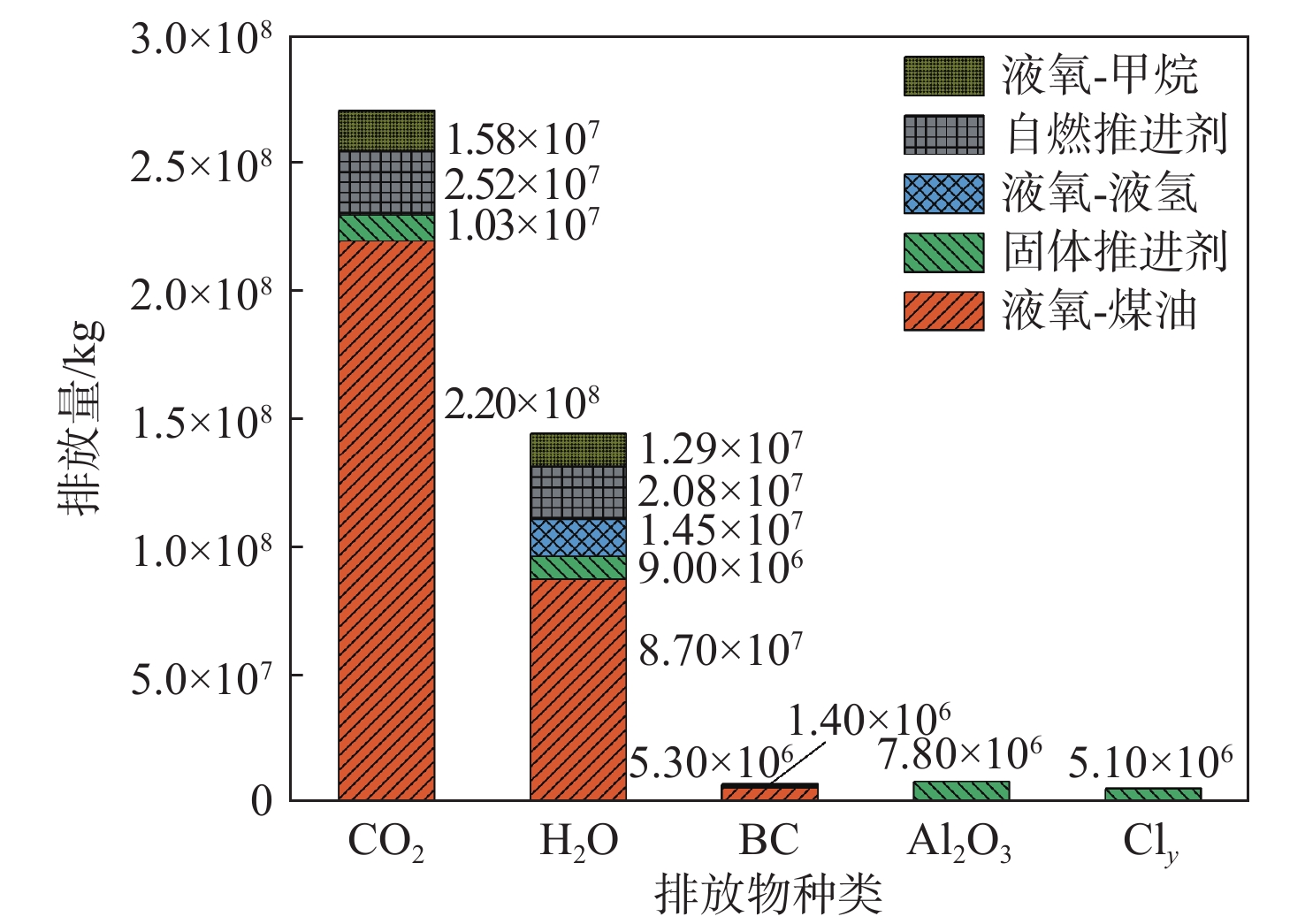
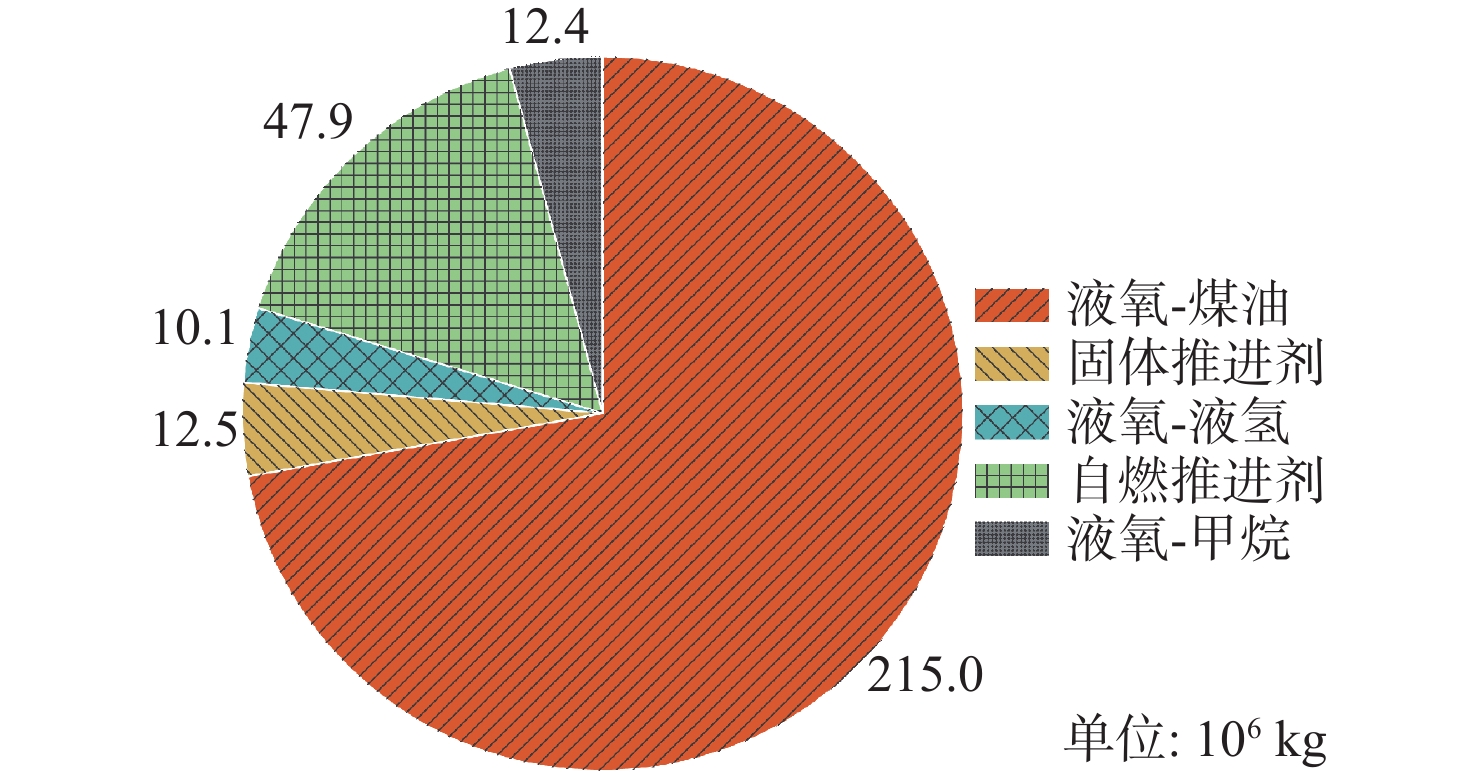
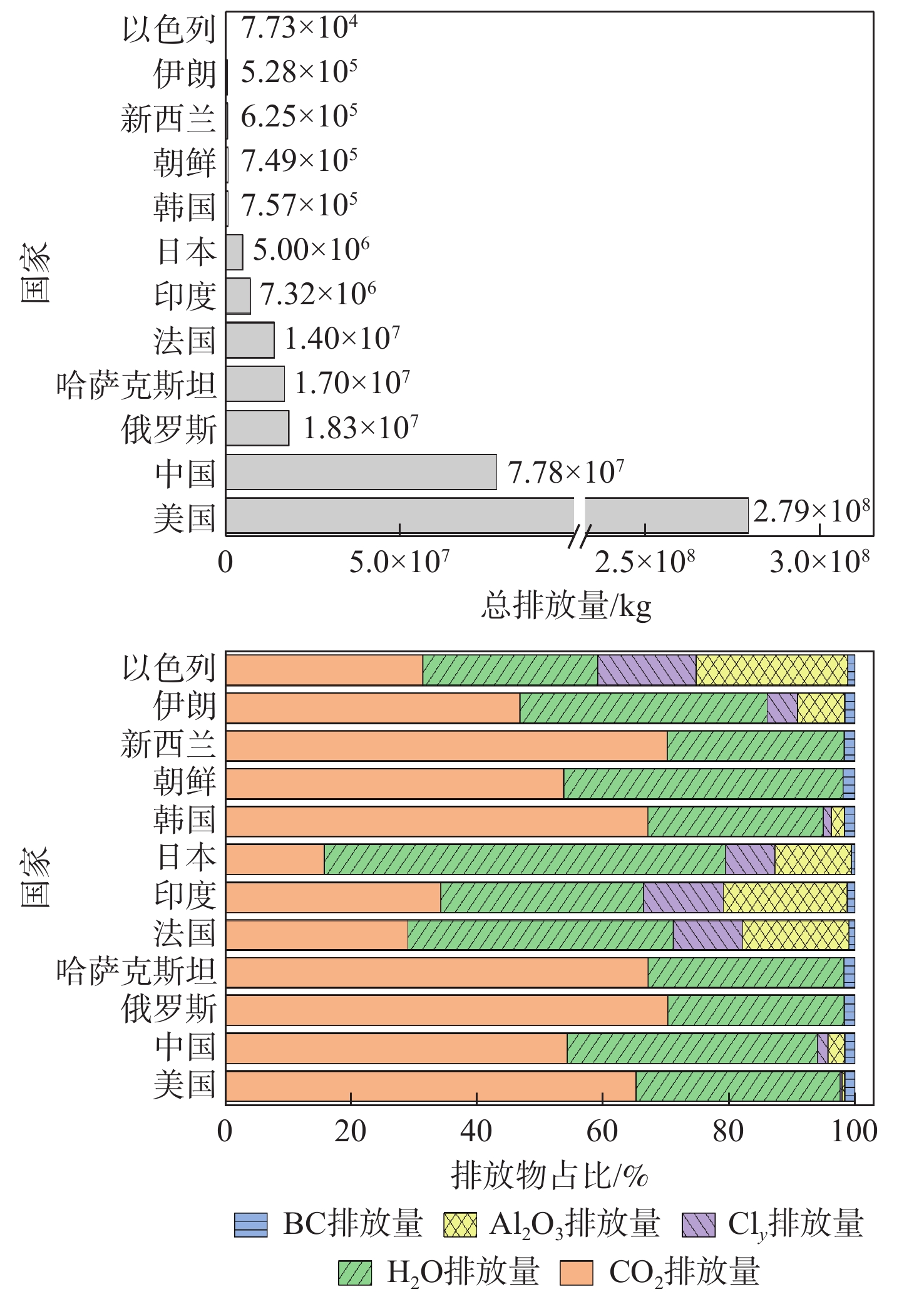
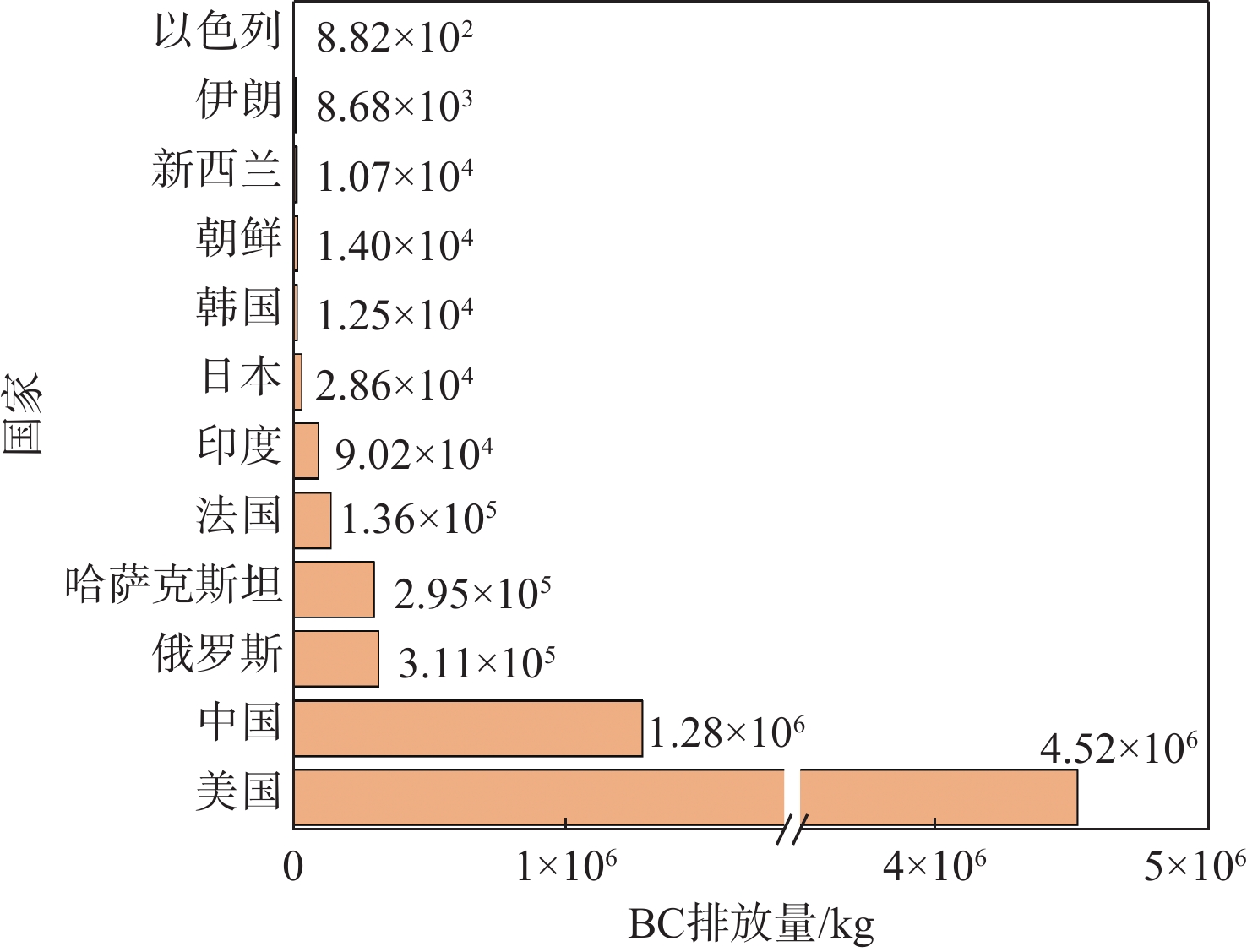
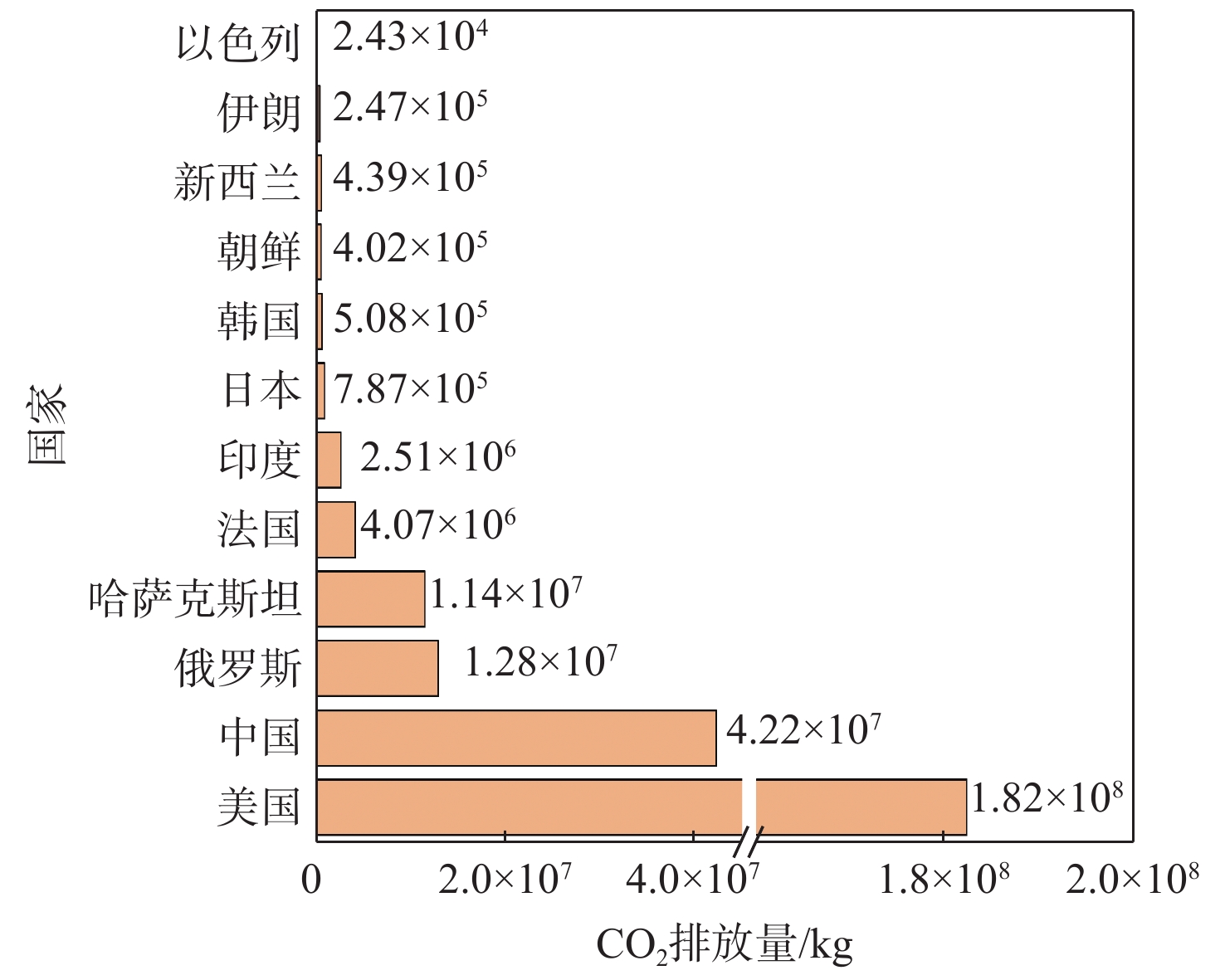
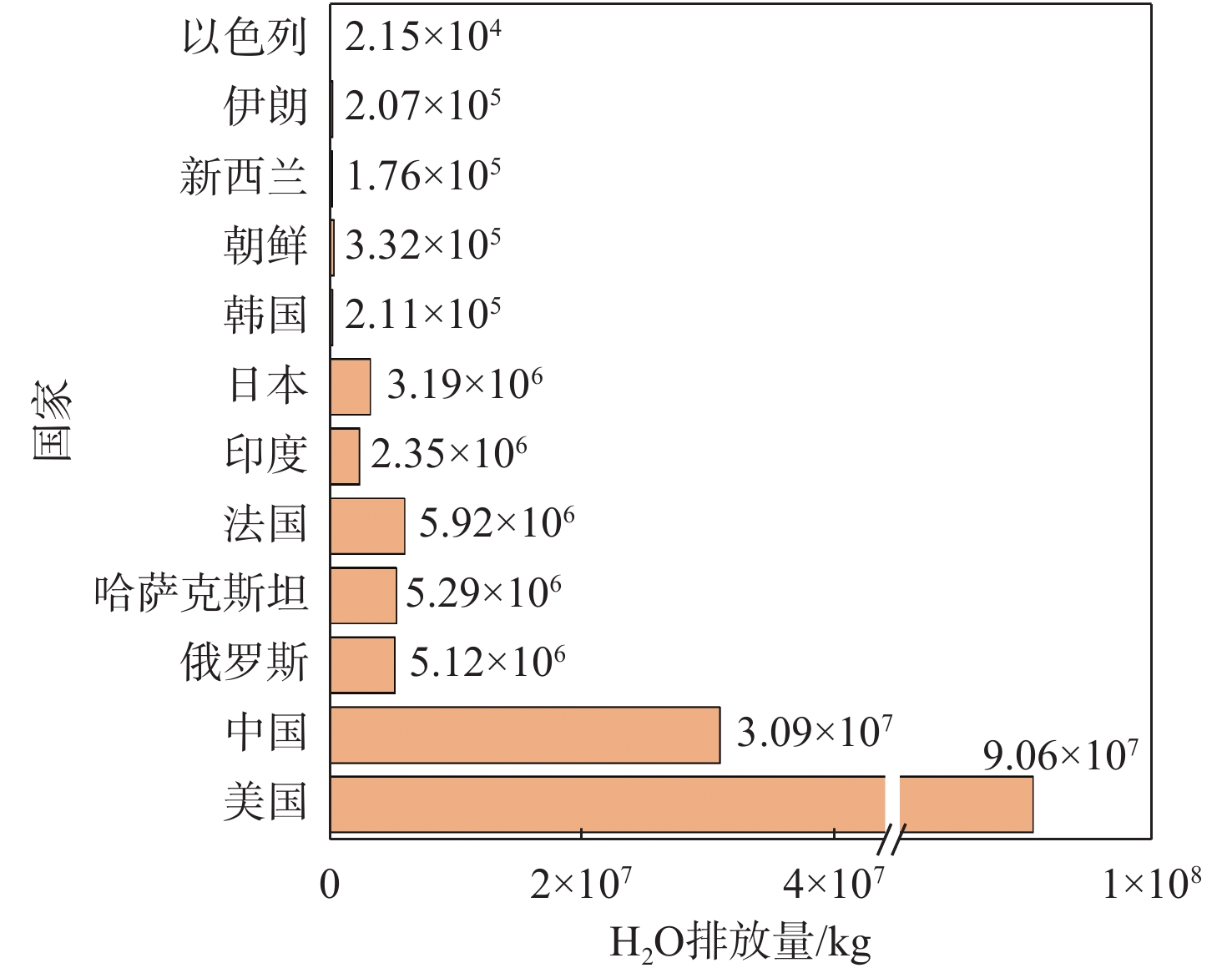
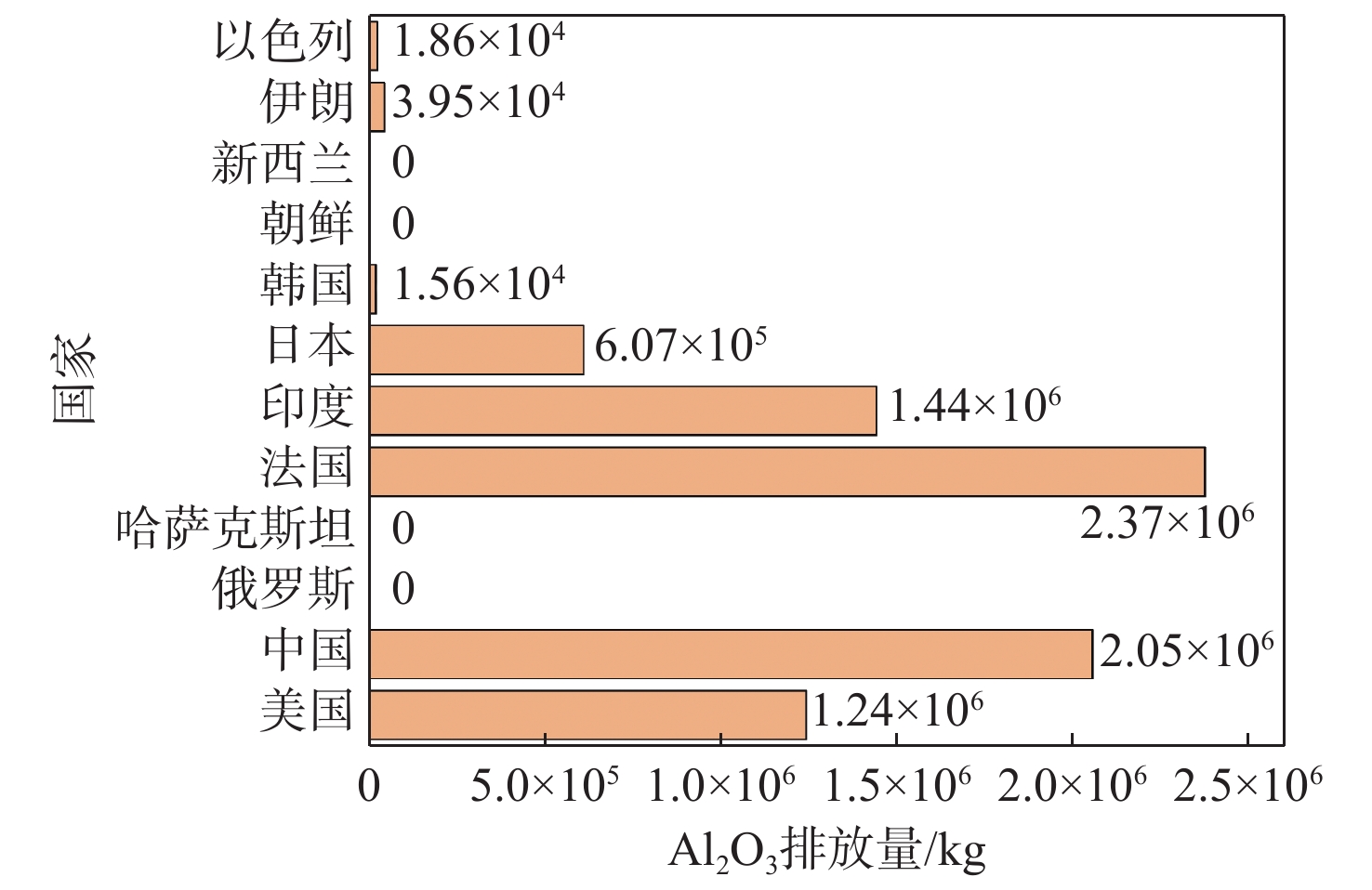
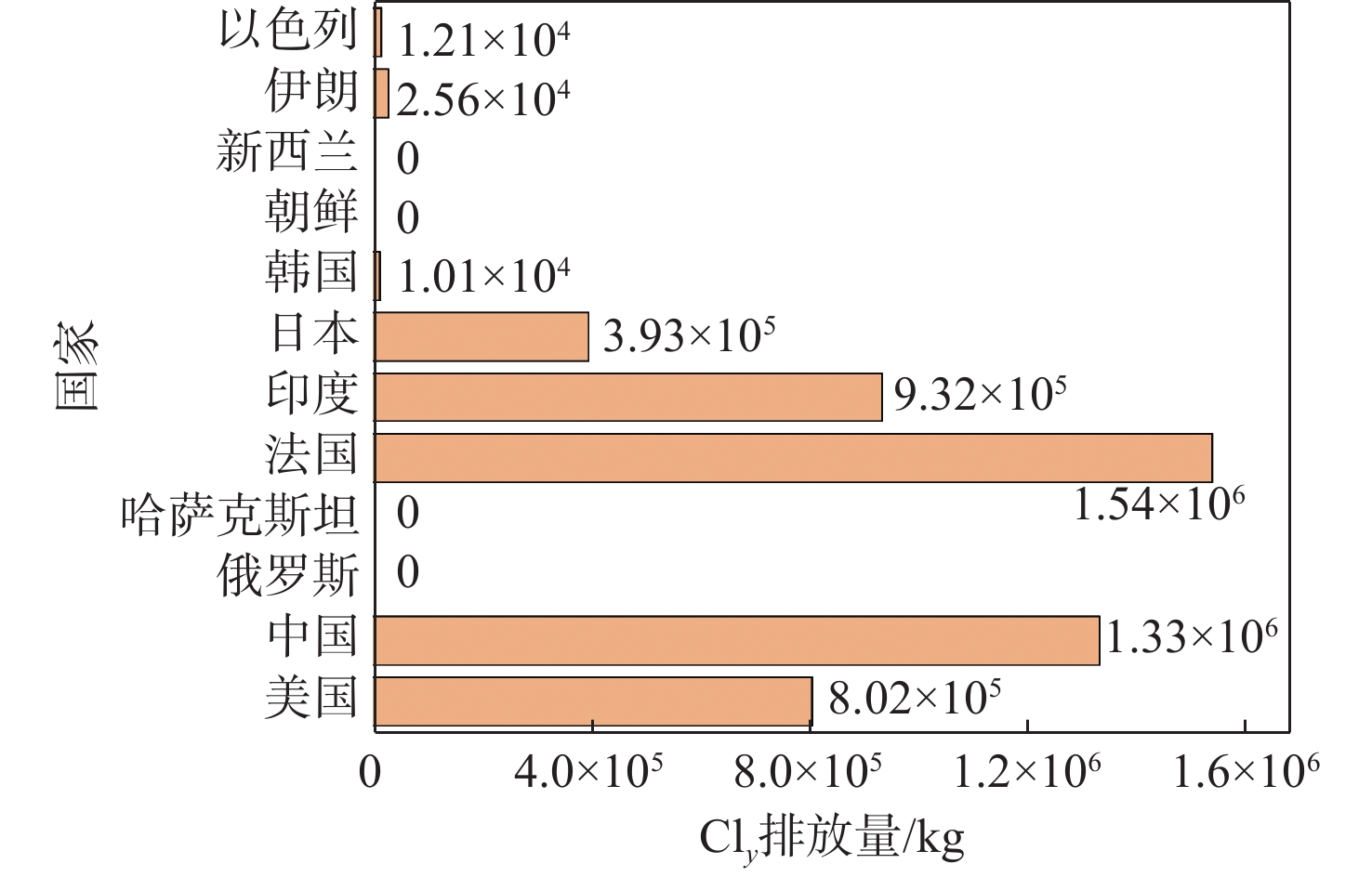
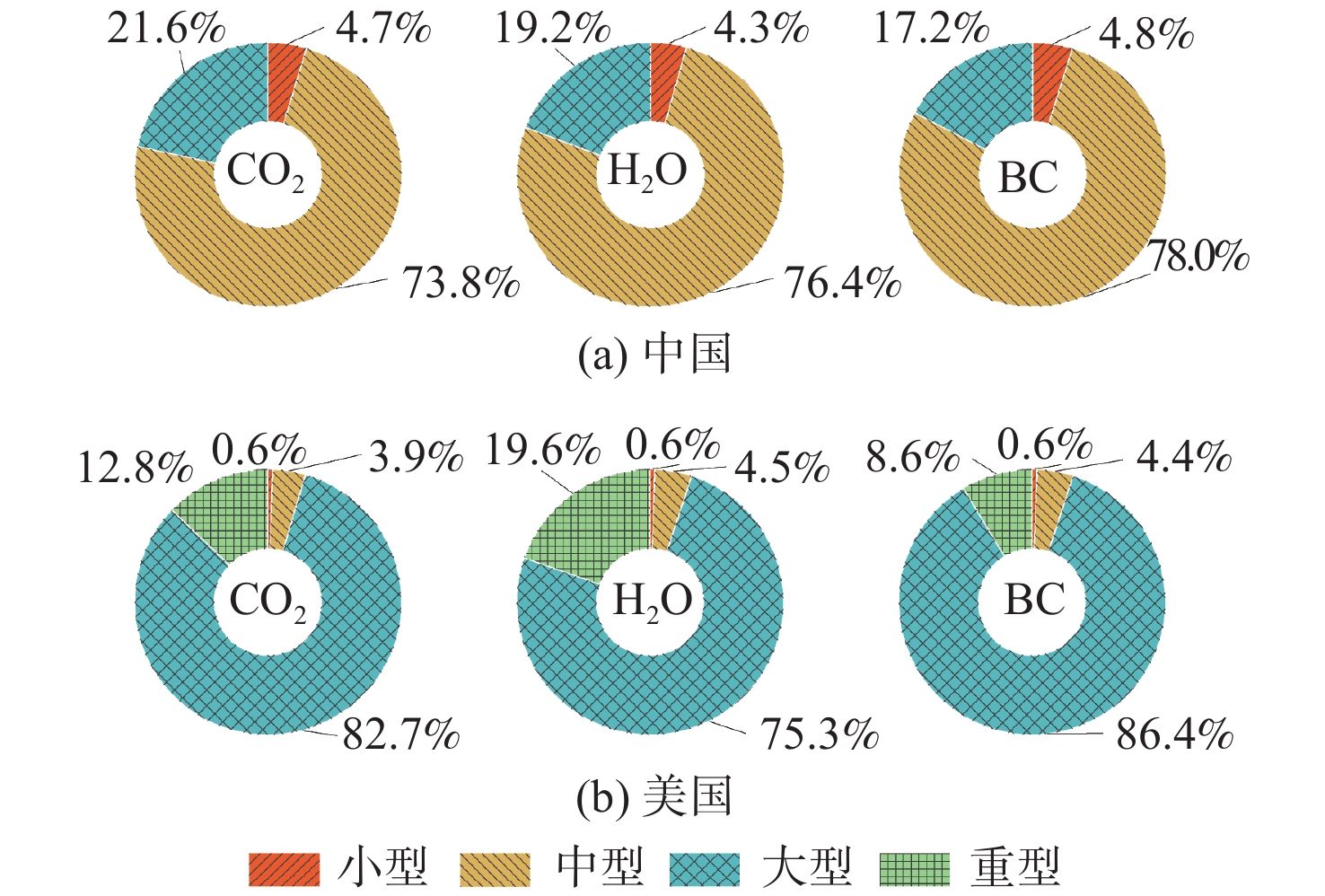
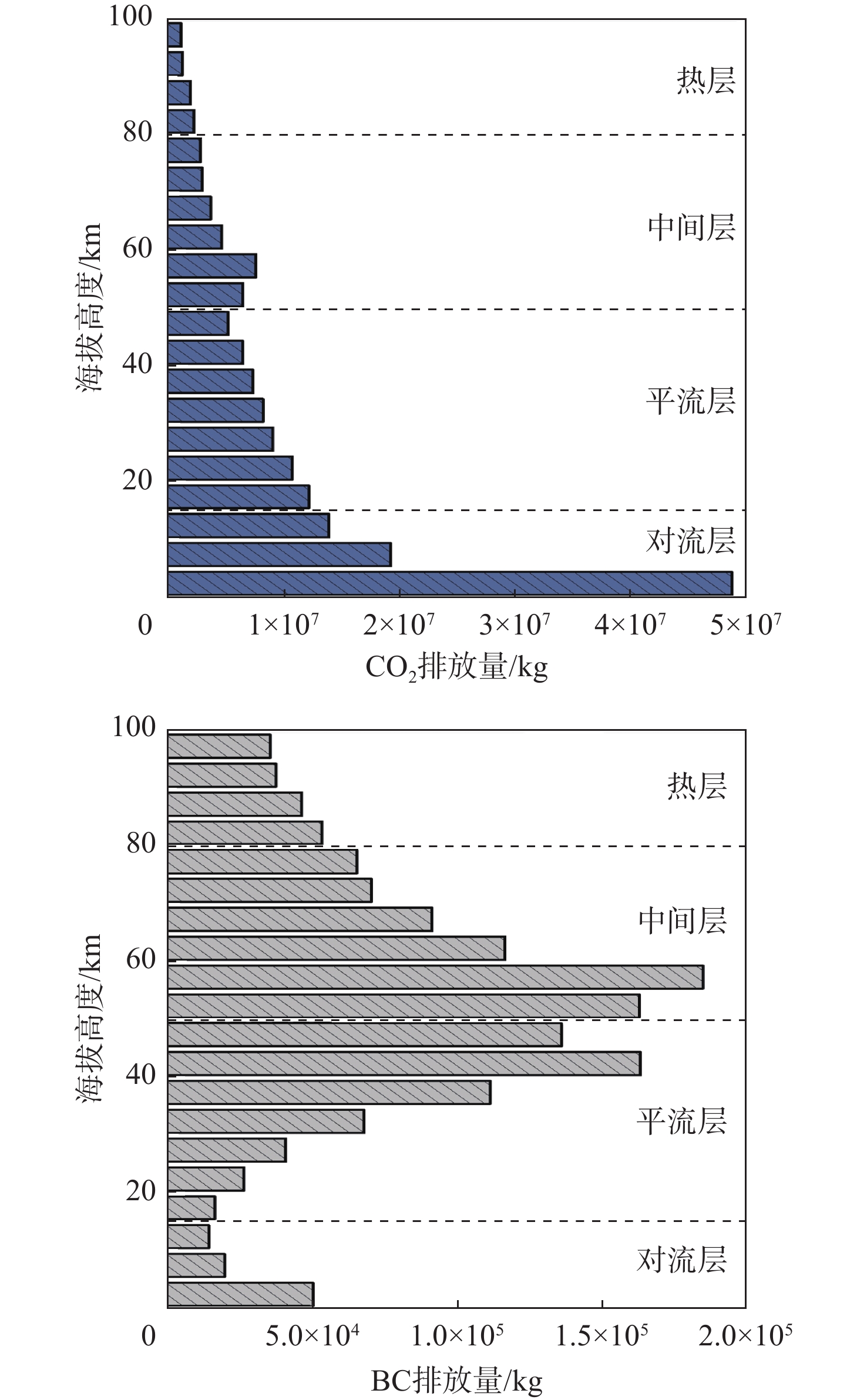
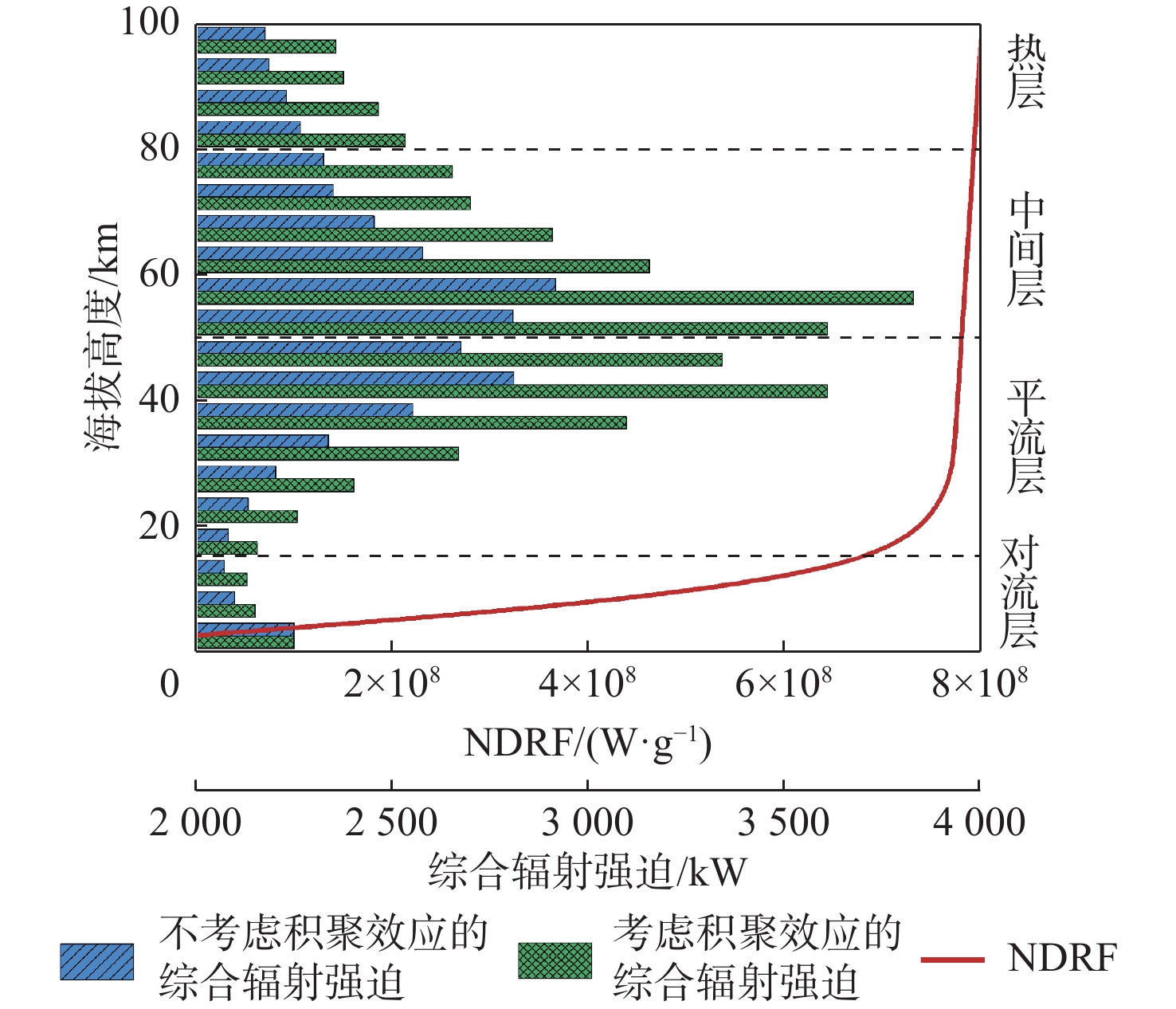
The rapid development of spaceflight has significantly advanced science and technology, but it also poses non-negligible environmental challenges. This study focuses on major emissions from rocket launches, including CO2, black carbon (BC), H2O, Al2O3, and chlorine species (Cly). To assess the atmospheric influence of space activities, their horizontal and vertical spatial distributions are examined using worldwide launch data from 2020 to 2024. The results indicate that gaseous emissions are dominated by CO2 and H2O, with total quantities of approximately 2.71×10⁸ kg and 1.44×10⁸ kg, respectively. In contrast, particulate emissions consist mainly of BC and Al2O3, with estimated releases of 6.70×10⁶ kg and 7.80×10⁶ kg, respectively. Horizontally, the emissions exhibit strong regional concentration, with the United States and China accounting for the majority of CO2, H2O, and BC emissions. Al2O3 and Cly emissions are mainly concentrated in China, France, the United States, and India. Vertically, CO2 emissions are concentrated in the troposphere, while BC emissions peak in the stratosphere and mesosphere. Due to the persistence of BC in the upper atmosphere, a near twofold increase in net radiative forcing can be observed in these regions. This suggests that because of their high-altitude BC emissions, space launch operations are more dangerous to the climate than aircraft and conventional industrial sources that are limited to the troposphere.

Batch-triggered identification based adaptive tracking control for fixed-wing UAV
DI Shangming, SHEN Jiajun, LIU Yehui, WANG Wei
2026, 52(10): 3667-3676. doi: 10.13700/j.bh.1001-5965.2025.0594
Abstract:

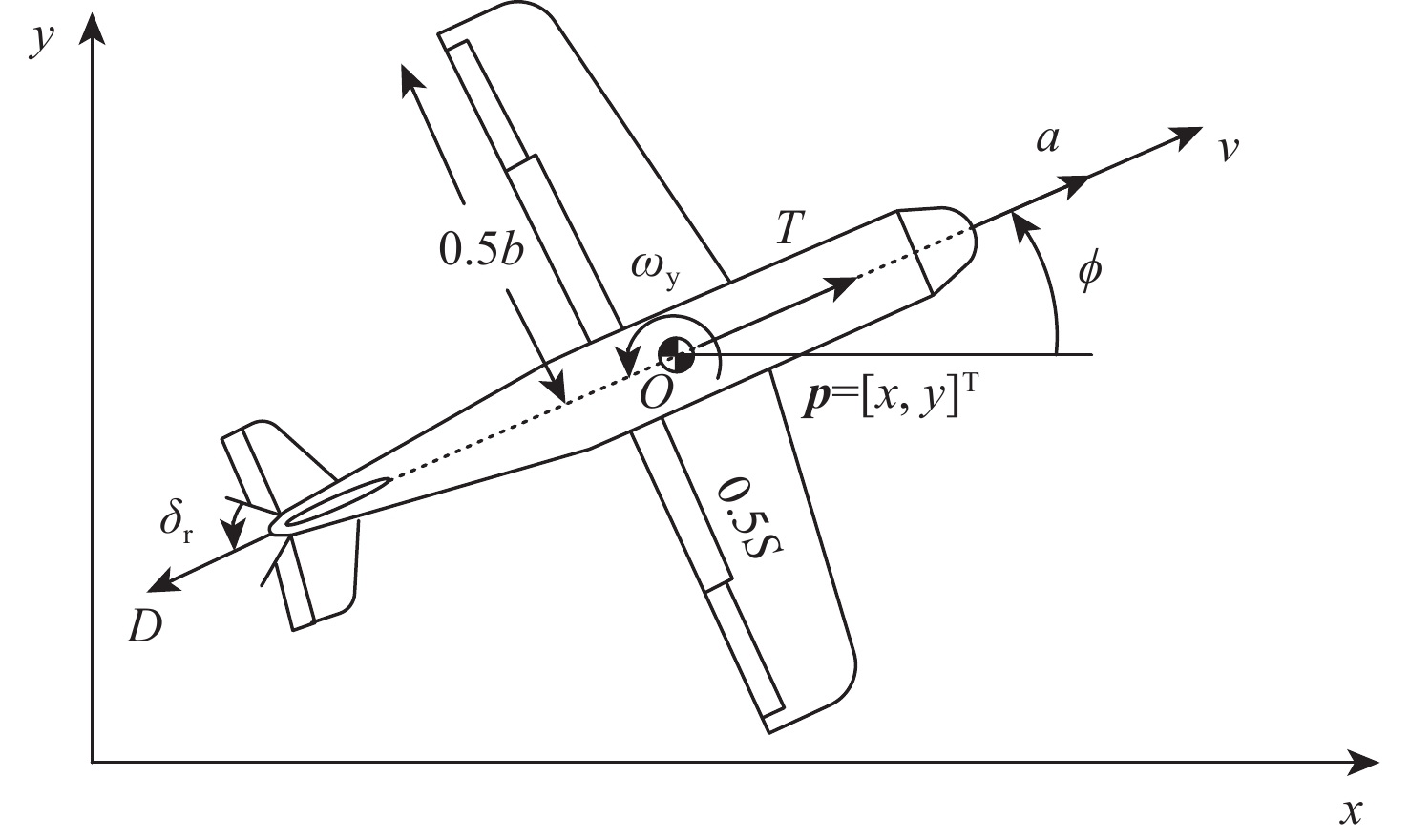
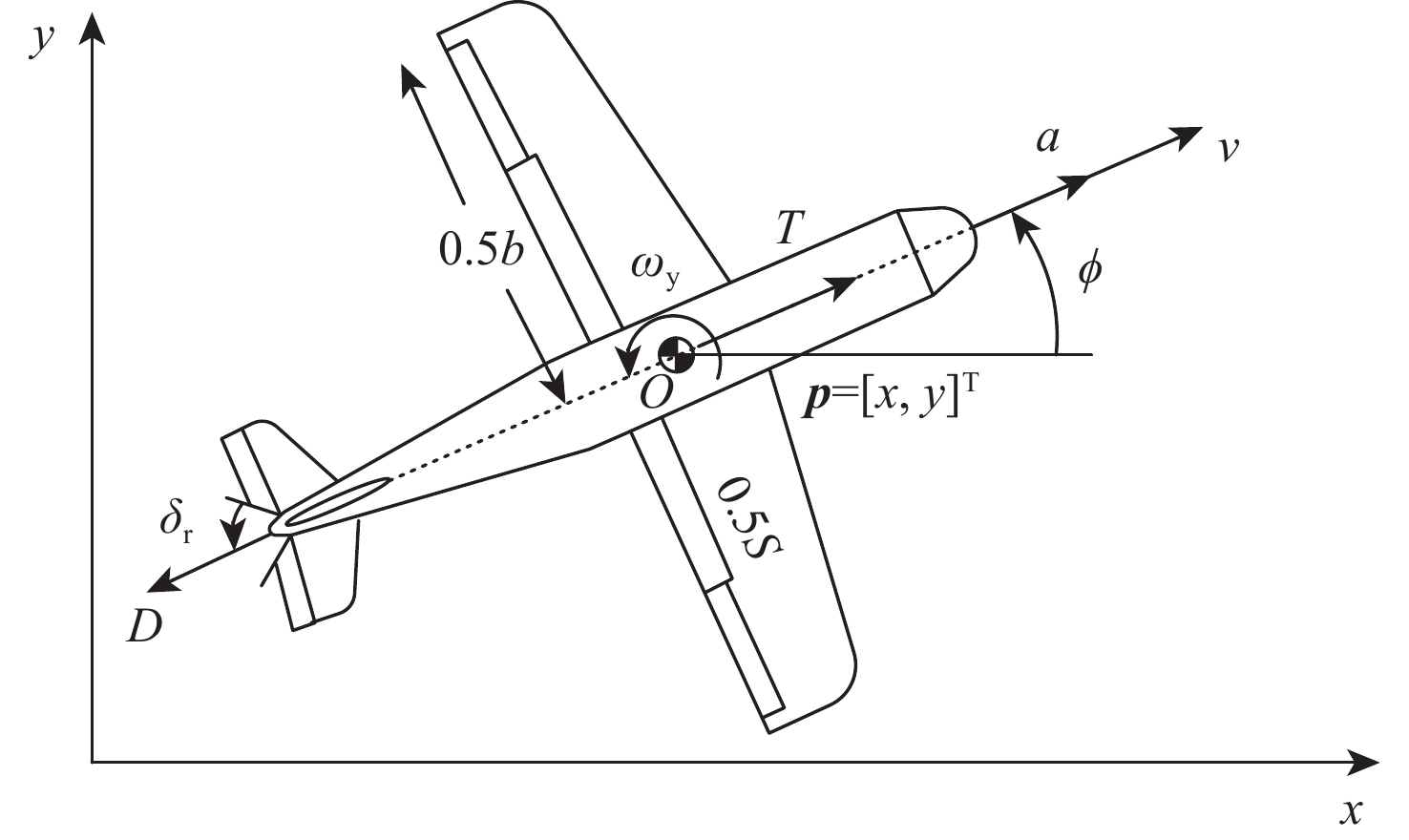
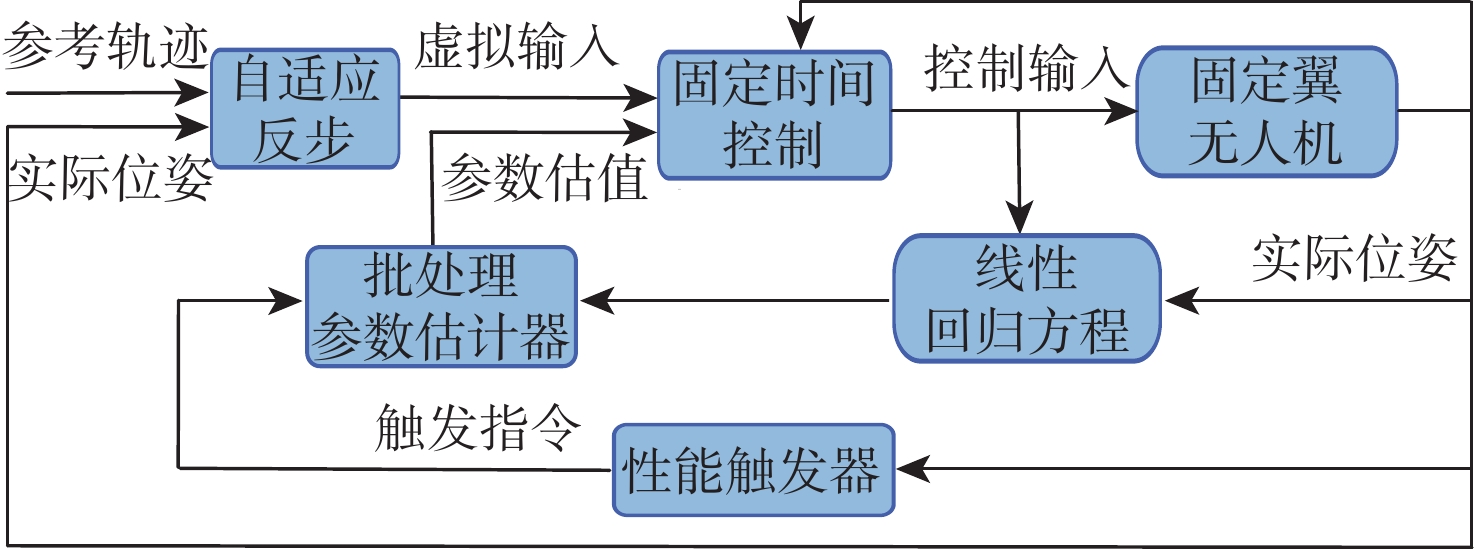
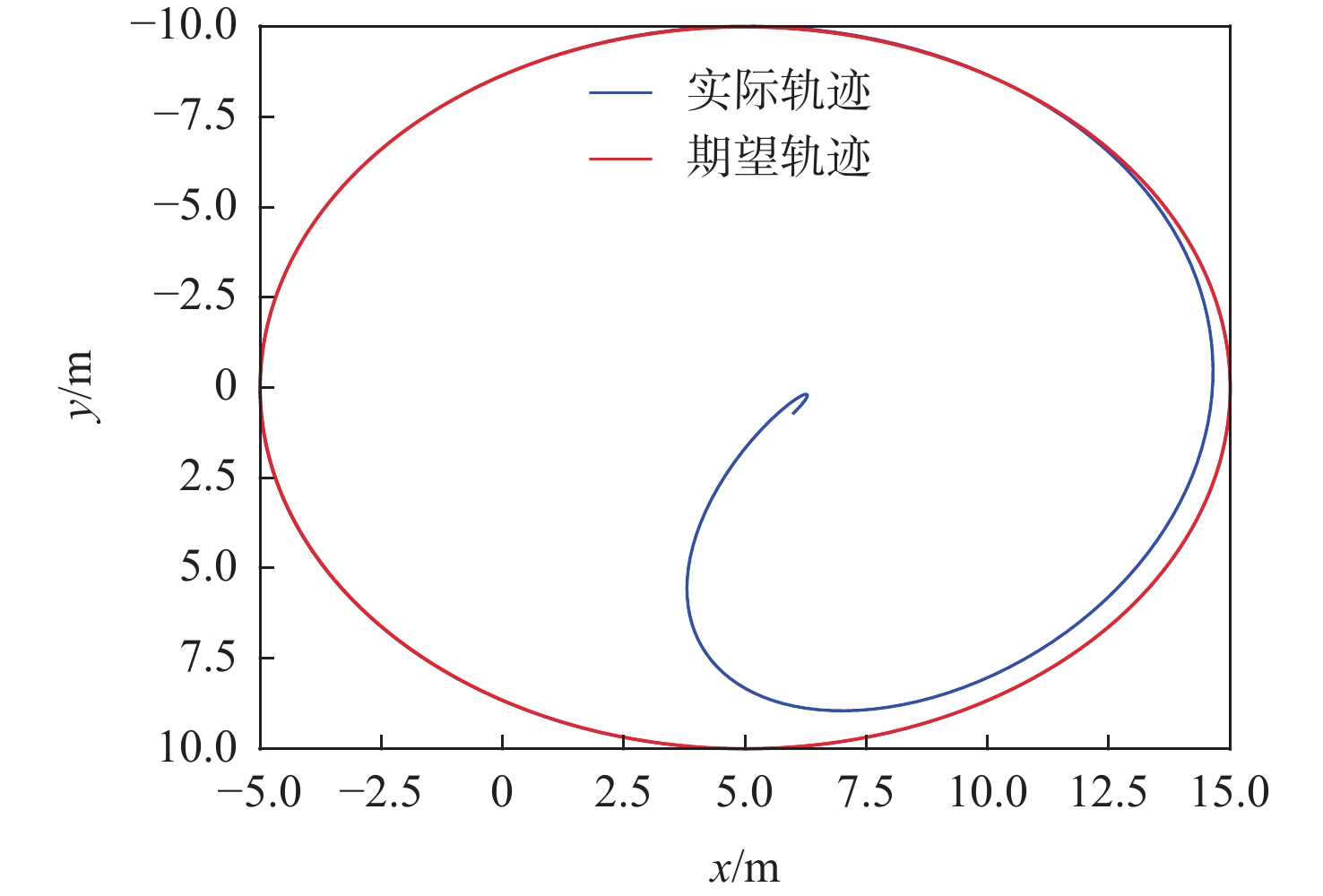
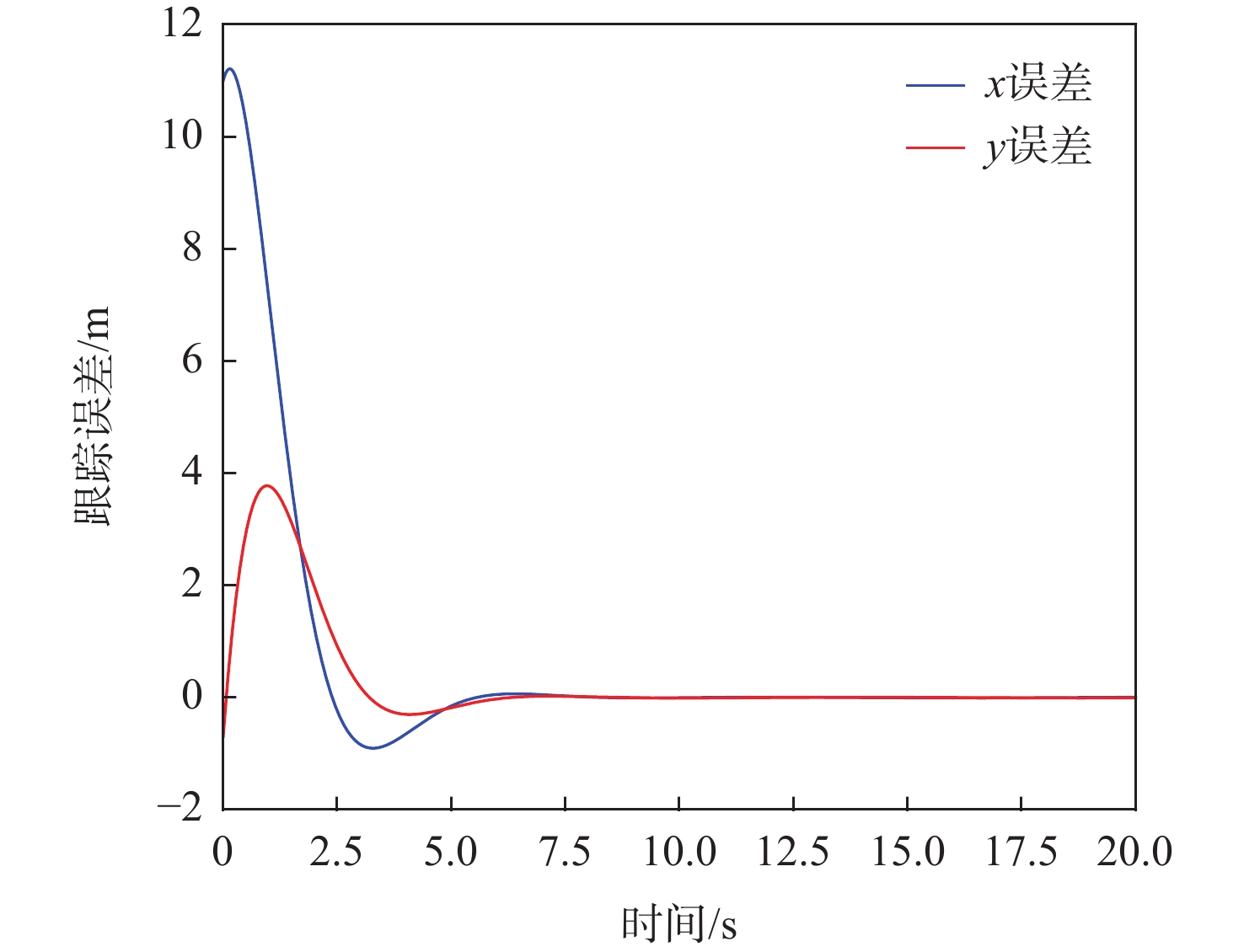
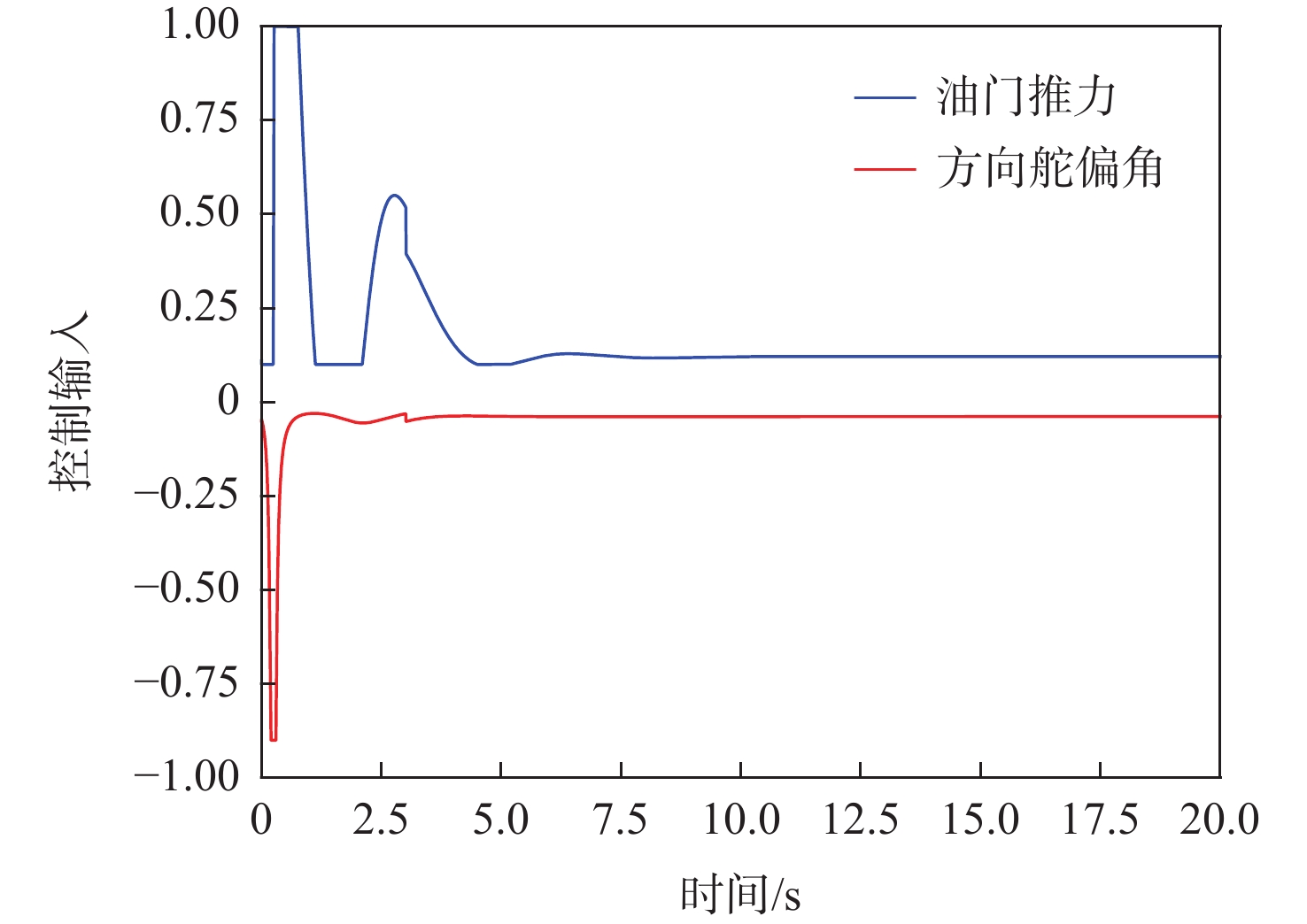
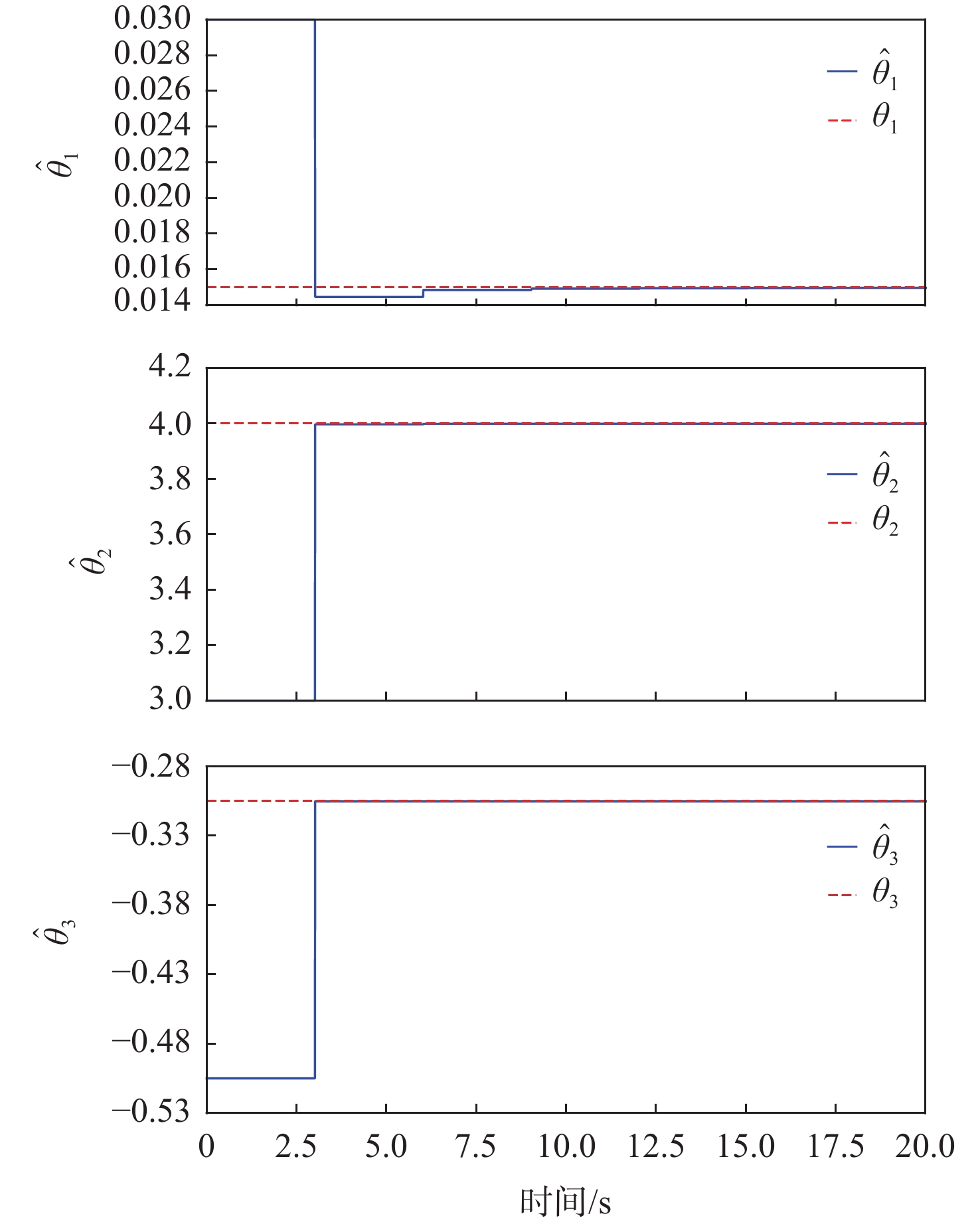
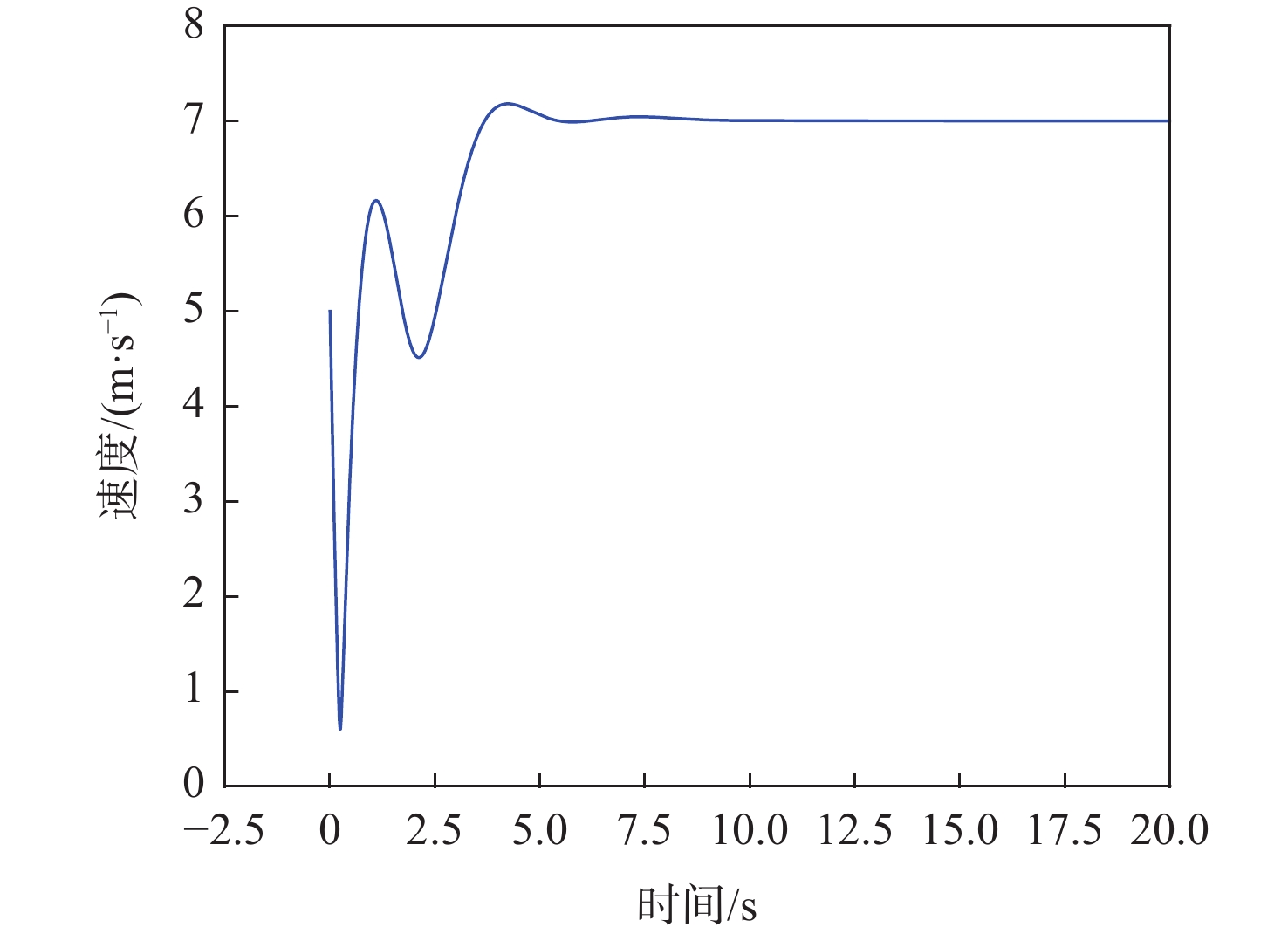
In this paper, an adaptive hierarchical control method based on a regulation-triggered batch identifier is proposed. This approach addresses the challenges in stability analysis and control design of fixed-wing UAVs, which are complicated by the coupling of underactuated characteristics and parametric uncertainty. In order to deal with the underactuated problem, the original fixed-wing UAV model is transformed into a virtual integrator and linear parameterized model based on the unicycle model. Backstepping is then combined with fixed-time control methods to create an equivalent flight tracking controller. By analyzing the mechanism of parameter uncertainty on the motion state of the UAV, a linear regression equation is constructed by spectral decomposition technology to quantitatively collect excitation information, which ensures the richness of the collected excitation information and the boundedness of the linear regression equation. A regulation-triggered batch identifier is created to update the parameter estimation using the gathered excitation data when the trigger function satisfies specific requirements in order to remove the impact of parametric uncertainty. Compared with the existing hierarchical control strategies for fixed-wing UAVs, the proposed framework achieves the unity of error convergence, excitement richness and parameter identification accuracy.